



Short curly weaves have become a go-to choice for people looking to add versatility, texture, and low-maintenance styling to their routine. Whether you’re drawn to defined coils, soft waves, or voluminous curls, short weave styles offer the perfect balance of manageability and impact—you get all the drama and dimension of longer curls without the daily commitment. The beauty of working with short curly weave is that it’s forgiving enough to style multiple ways, protective enough to keep your natural hair healthy, and transformative enough to completely change your look whenever you feel like switching things up.
The key to finding the right short curly weave for you isn’t just about picking the texture you love—it’s about understanding which styles actually work with your face shape, lifestyle, and hair goals. Some short curly weaves are designed to showcase maximum volume and movement, while others keep things sleek and sophisticated. Some require consistent moisture and care, while others are built to hold their shape with minimal daily effort. In this guide, we’ll break down eight distinct short curly weave styles, each with its own personality, maintenance requirements, and ideal scenarios. By the end, you’ll know exactly which style matches what you’re looking for.
1. The Classic Kinky Coil Weave
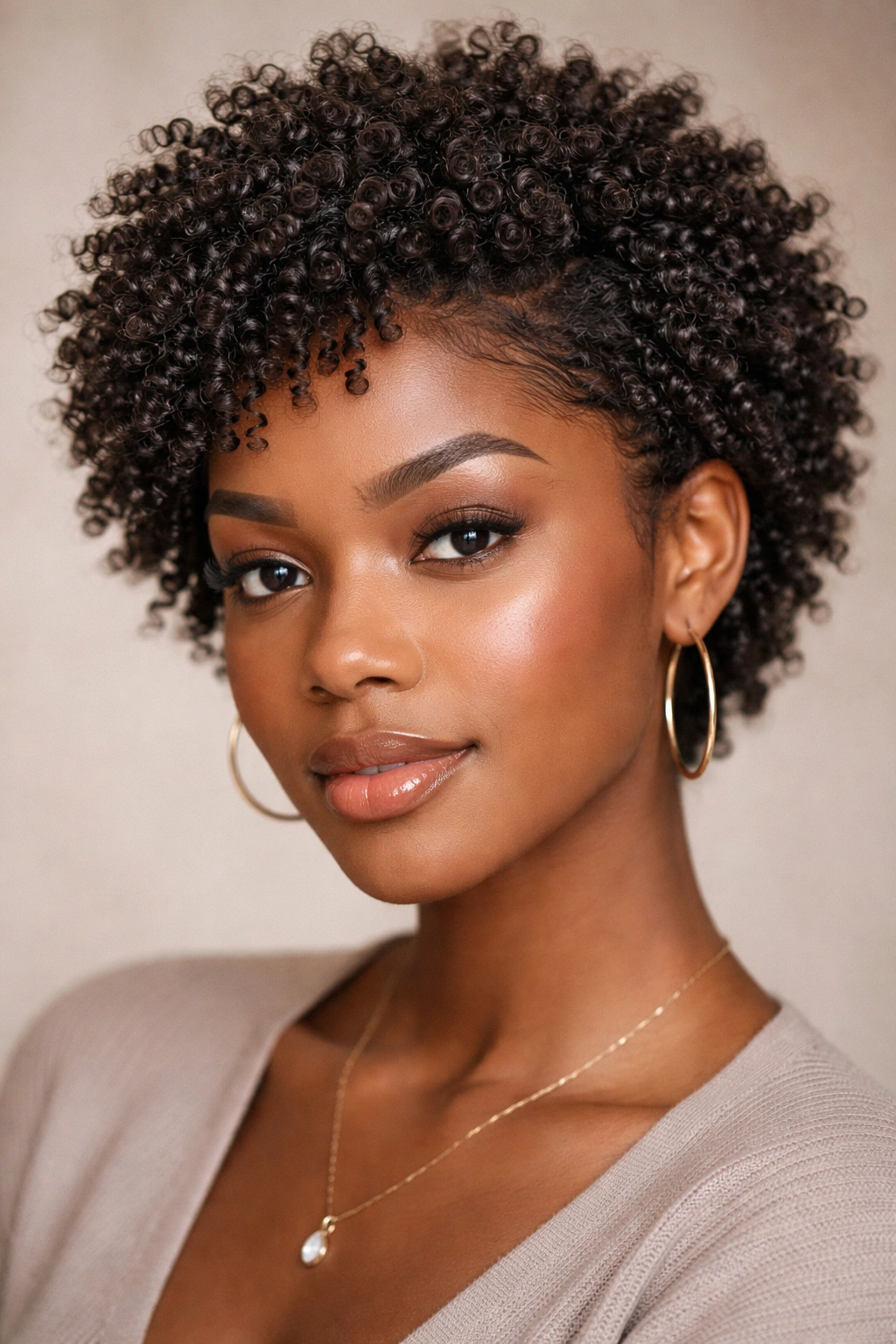
This is the foundation of short curly weave styling—tight, defined coils that spring away from the scalp with natural-looking texture and movement. Kinky coil weaves typically range from 2 to 8 inches in length, delivering volume and dimension that makes even a short cut feel substantial. The coils are uniform in size, creating a consistent pattern across your head that reads as intentional and polished rather than accidental.
Why This Style Works for Maximum Versatility
The kinky coil weave is bulletproof when it comes to styling flexibility. You can wear it as-is straight out of the shower, finger-coil sections for a more defined look, or brush through it gently for a softer, fluffier finish. The tightness of the coils means they’ll hold moisture and product better than looser textures, so your style stays moisturized and bouncy longer between styling sessions. This texture also photographs beautifully—the coils catch light naturally, creating depth and movement that reads stunning in photos and even more stunning in person.
Maintenance and Daily Styling Tips
Moisture is non-negotiable with kinky coils. Spray your weave with a leave-in conditioner or moisture mist every morning, and make it a habit to refresh that moisture mid-week as well. The coils will tighten up over time as they naturally set, so regular re-moisturizing keeps them soft and prevents the style from feeling stiff or rigid. If you want to refresh the coils without re-installing, use a coil-defining cream or gel and apply it to small sections, then use your fingers or a coil pick to reshape as needed. Sleep on a silk pillowcase or wrap your weave in a silk scarf to preserve the coil pattern and prevent frizz overnight.
2. The Soft Wave Weave with Bangs
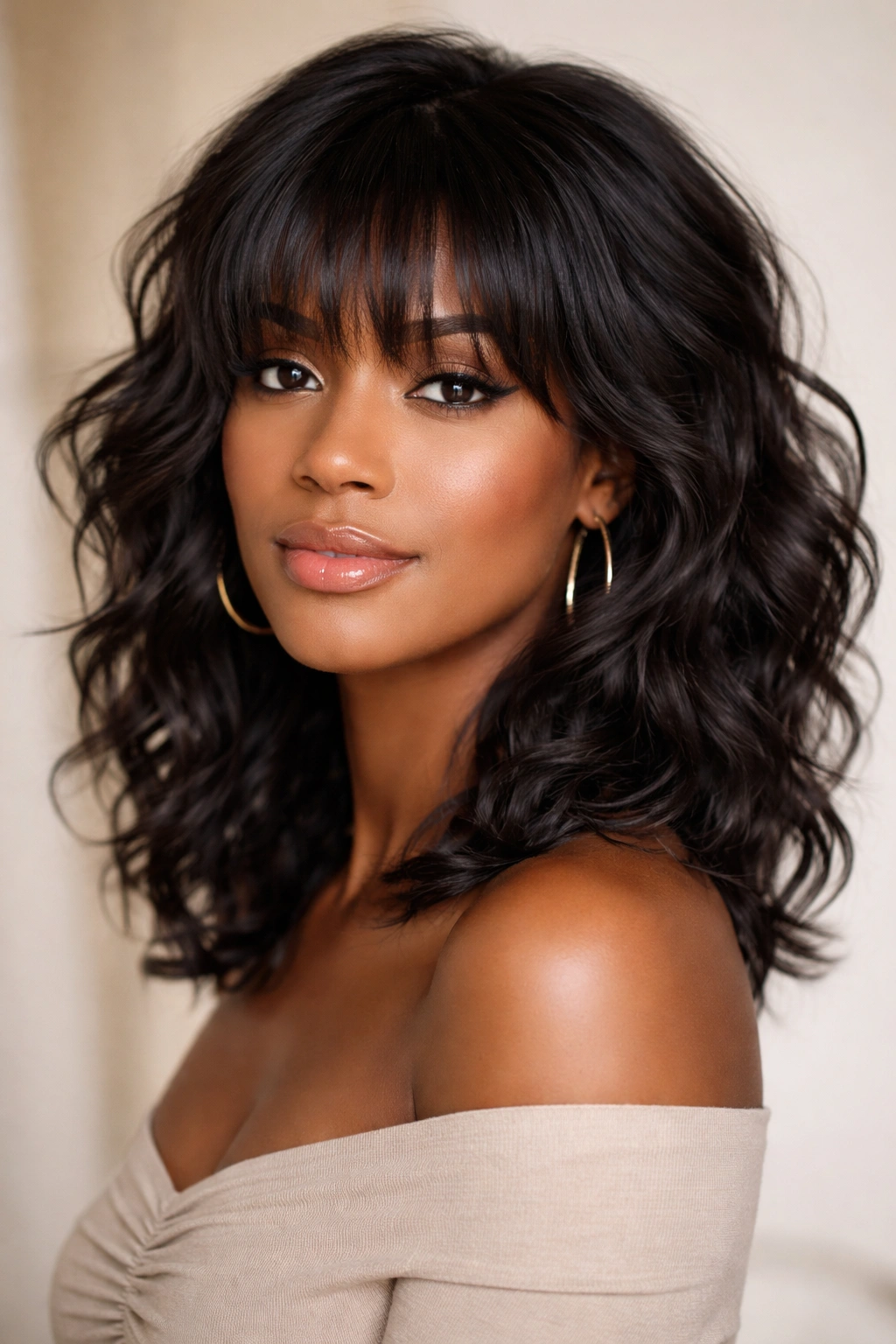
Soft waves offer a more relaxed, tousled take on short curly weave—the texture is looser than kinky coils but still full of movement and dimension. When styled with blunt or side-swept bangs, this combination creates an immediately youthful, fashion-forward look that photographs exceptionally well. The waves should feel piece-y and lived-in, not rigidly uniform, and the bangs add an edgy sophistication that short curly weaves sometimes need to feel intentional rather than just “short.”
How Waves and Bangs Change Your Face Shape
The soft wave texture is highly adaptable to different face shapes. If you have a rounder face, longer side-swept bangs can add length and definition to your cheekbones. If you have an angular or longer face, blunt bangs create width and balance. The waves themselves soften any harsh lines and add movement that draws the eye around your features rather than emphasizing them head-on. The key is getting the bang placement right—they should hit just above your eyebrows or at cheekbone length, positioned to frame your face rather than cover it completely.
Styling for That Effortless Texture
Soft waves need more intentional styling than coils, but they’re actually easier to maintain once set. Start by applying a curl-defining cream or lightweight mousse to damp hair, then rough-dry your weave with your fingers to encourage the wave pattern. You can use a curling iron or wand on low heat to define individual waves if you want extra dimension, but this isn’t necessary—the weave should already have the wave pattern built in. Once the waves are set, finger-fluff them gently each morning and refresh with a light spray. Bangs should be trimmed every 3-4 weeks to maintain their shape and blunt edge.
3. The Textured Pixie Weave
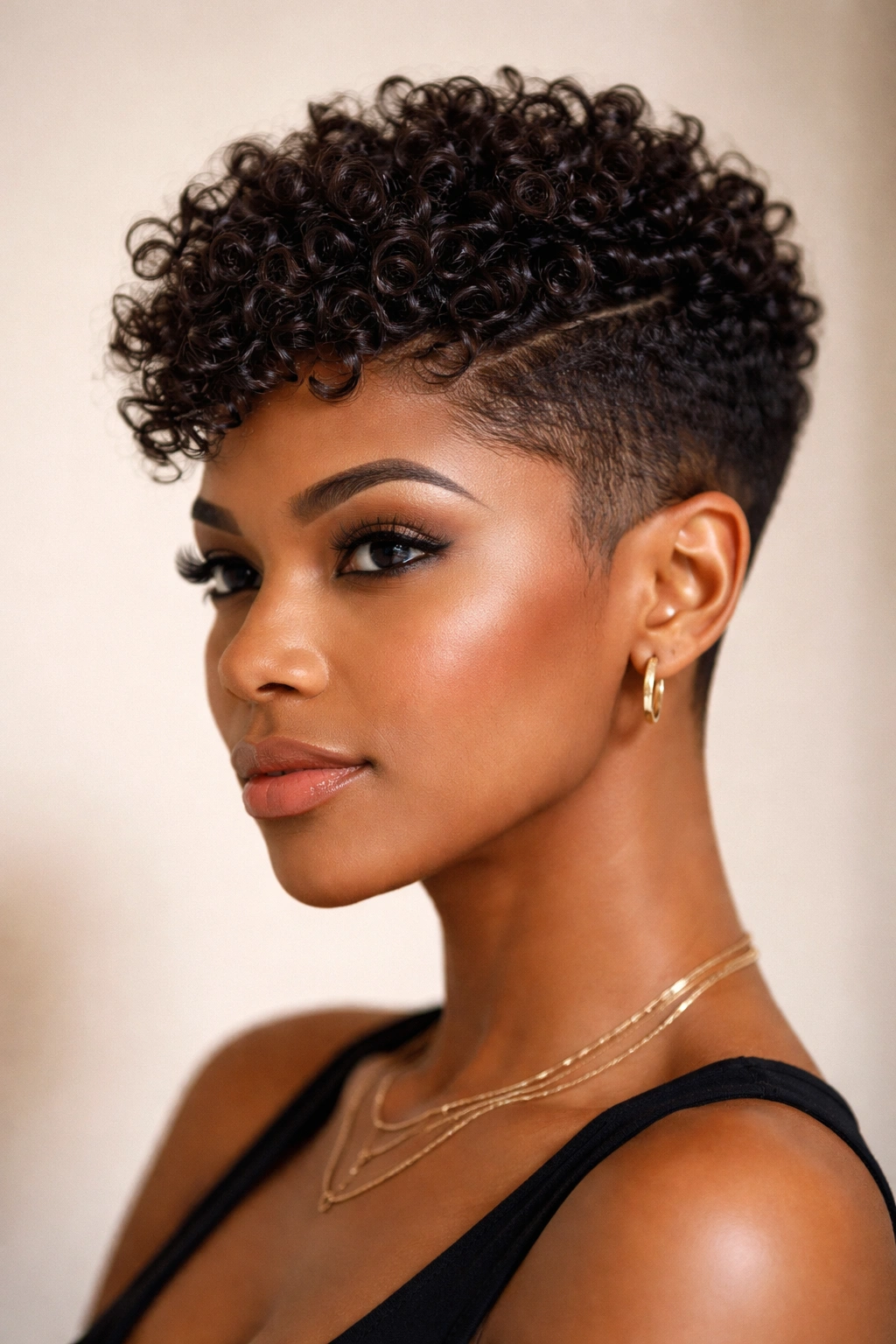
A textured pixie weave brings short curly texture to its absolute shortest and most daring form—typically 1 to 3 inches all over, with volume concentrated on top and tapered sides or a clean fade underneath. This is the edgy, confidence-demanding style that makes a statement. It’s sculptural and modern, with the texture doing all the heavy lifting rather than relying on length or layering for dimension.
Why Short Is Sometimes Bolder Than Long
There’s something undeniably powerful about committing to extremely short curly weave. With nowhere to hide, every angle of your face, your neck, and your head shape becomes part of the overall visual impact. The texture of the curls becomes the star—there’s no length competing for attention. A textured pixie also eliminates the frizz and dryness that longer hair sometimes accumulates, since your weave is constantly being replaced and refreshed. The maintenance commitment is actually lighter than longer styles because there’s simply less weave to care for.
Installation and Sculpting the Fade
A textured pixie weave requires precision installation around the hairline, sides, and nape to look intentional rather than grown out. Many stylists taper the sides using a fade, which adds even more modern edge to the textured top. The texture on top should be voluminous and slightly controlled—not a tight coil, but not a floppy wave either. A medium-textured curl pattern typically works best for this style. Once installed, you’ll need to refresh the fade every 4-6 weeks to keep the style sharp. Daily styling is minimal: just fluff the texture on top with your fingers and maybe a light product if it needs grip.
4. The Voluminous Claw Curls Weave
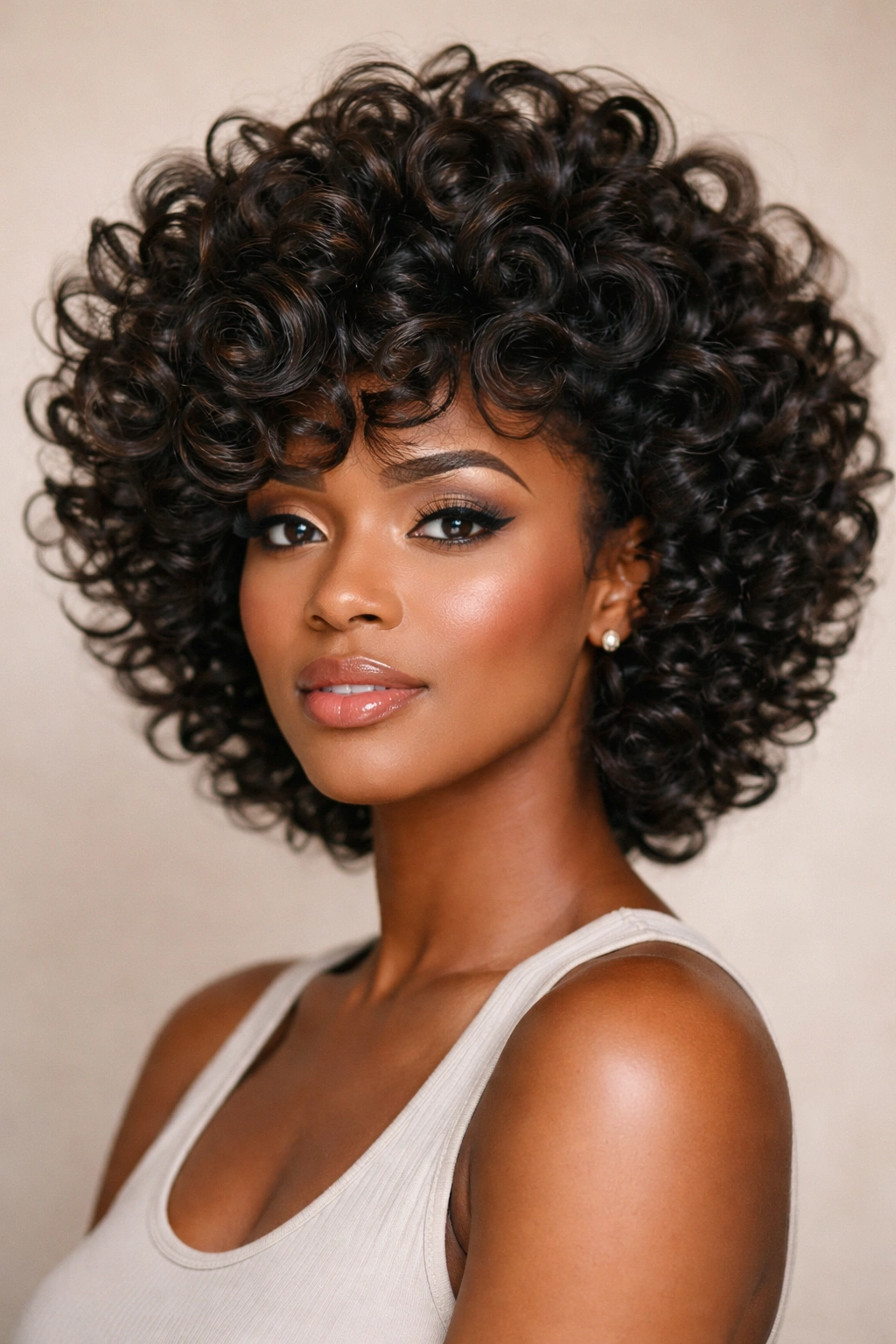
Claw curls (also called springy curls or bouncy curls) are large, defined ringlets that have serious lift and movement built in. This weave texture is all about projection—your hair is noticeably taller and fuller than your head naturally, creating an almost halo effect when styled correctly. The curls are individually distinct and bounce when you move, never looking flat or compressed against your scalp.
Building Height and Dimension
Voluminous claw curls work best when installed with intentional layering that prioritizes height on the crown and middle of your head, with slightly less volume at the nape to avoid feeling top-heavy. The curl size—typically 1.5 to 2 inches in diameter—creates natural volume without requiring you to blow-dry or tease your weave artificially. This style reads instantly glamorous and polished because the volume does the work for you. It’s ideal if you have a smaller face and want to balance your proportions, or if you simply love the look of maximum movement and presence.
Maintaining Bounce and Preventing Drooping
The biggest challenge with claw curls is preventing them from drooping or losing bounce over the lifespan of the weave. Keep moisture levels consistent—too much moisture makes curls heavy and droopy, but too little makes them frizzy and undefined. Use a curl-specific mousse or cream rather than heavy oils, and apply products to damp (not soaking wet) hair. Pineapple your curls at night (gather them loosely on top of your head and secure with a loose elastic) to prevent them from being compressed flat while you sleep. The curls should spring back when you release them in the morning.
5. The Curly Mohawk Weave
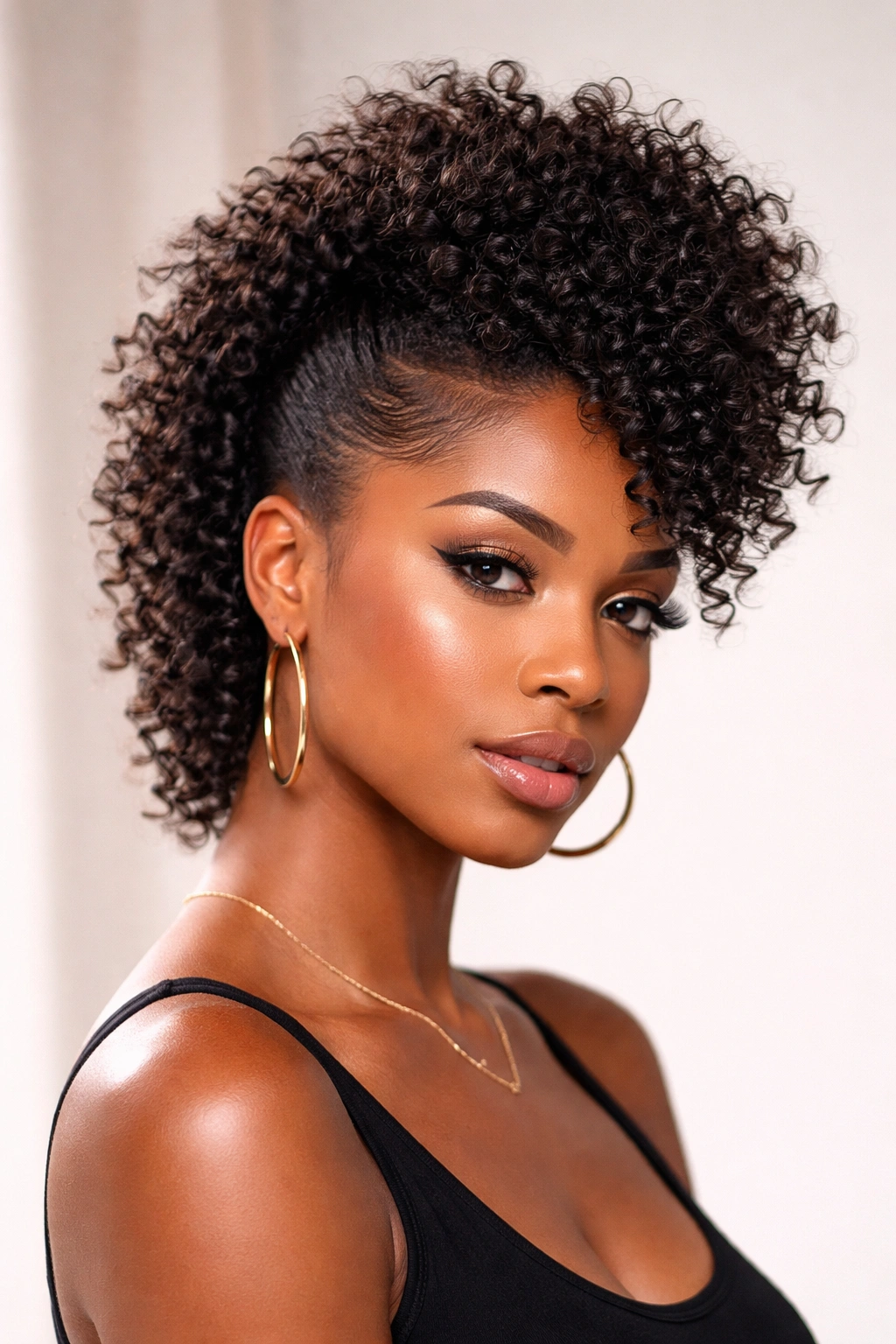
A curly mohawk weave is a textured style with intentionally dramatic dimension—fullness concentrated in the center of your head (from forehead to nape) with tapered or faded sides. This creates a striking visual statement and works beautifully for people who want to express individuality and edge. The mohawk can be subtle (just a slight width difference between center and sides) or extremely dramatic (very tight fades on the sides with maximum volume on top).
Face-Framing and Proportion
The curly mohawk works with most face shapes because the centered volume actually balances width naturally. If you have a wider face, the tapered sides make your face look less wide. If you have a narrower face, the volume on top adds proportion without looking cartoonish. The front hairline becomes a focal point with this style, so you want to make sure your edges and hairline look clean and intentional. Many people style the front curls slightly forward and off to one side for a softer, less severe look than a centered mohawk would create.
Styling Edge and Maintenance Frequency
A curly mohawk requires more frequent touchups than solid short weave styles because the fade or taper is constantly growing out and becoming less defined. Expect to visit your stylist every 3-4 weeks for fresh fades or trims on the sides. However, the textured curls on top need minimal styling—they maintain their shape and volume naturally. You can style them with your fingers or a pick, apply a light curl cream or gel if you want more definition, and move on. The contrast between the shaped sides and the wild curls on top is what makes this style work visually.
6. The Tight Twist Weave
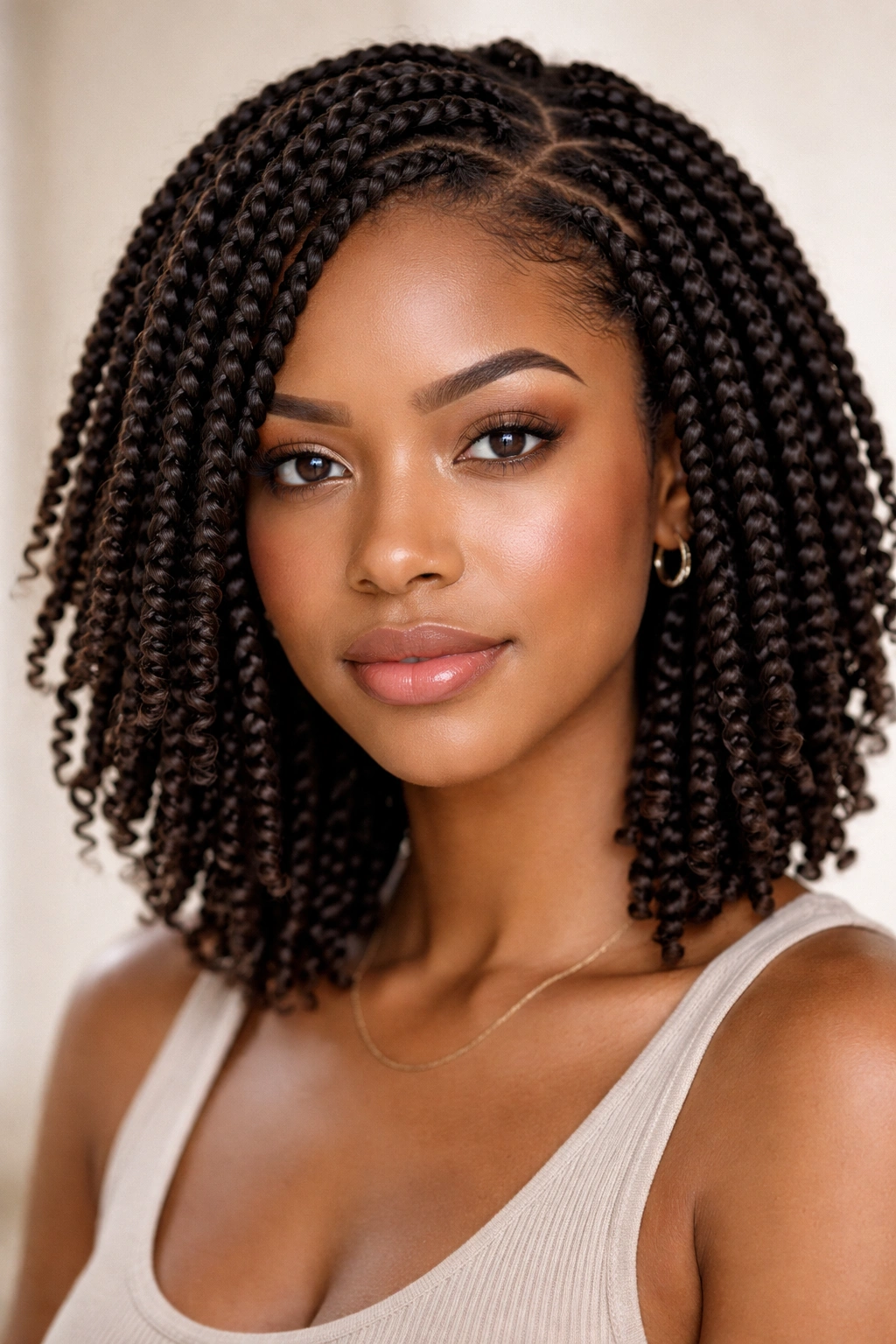
Twist patterns—whether individual two-strand twists or thicker rope twists—create a completely different visual texture than curls, while still maintaining the protective, low-manipulation benefits of a weave style. A short twist weave typically runs 3 to 6 inches, with each twist ranging from pencil-thin to rope-thick depending on your preference and styling intention. Twists look sophisticated, intentional, and incredibly versatile.
Why Twists Feel Different From Curls
Twists have more definition and structure than curly weaves because the pattern is so visually distinct. They photograph beautifully, catch light along the spiraled edges, and create a polished aesthetic that reads equally well in casual or professional settings. Twists also tend to hold their shape longer than curls because the twisted structure itself keeps everything locked in place. You can wear them as-is, or unravel individual twists for a completely different look, or re-twist sections for a quick refresh.
Installation Technique and Styling Options
Two-strand twists are created by dividing hair into small sections and twisting two strands around each other from root to tip. The size of your sections determines how thin or thick your twists are, and there’s no single “correct” size—it’s entirely about the aesthetic you’re going for. Thinner twists feel more intricate and defined, while thicker rope twists feel bolder and less fussy. Once installed, twists require minimal daily styling—just fluff them gently with your fingers. If a twist starts to unravel (which happens naturally over time), you can re-twist it quickly in the morning or before bed. Twists also work beautifully worn half-up, gathered to one side, or even partially unraveled for a softer texture.
7. The Micro Curls Weave with Undercut
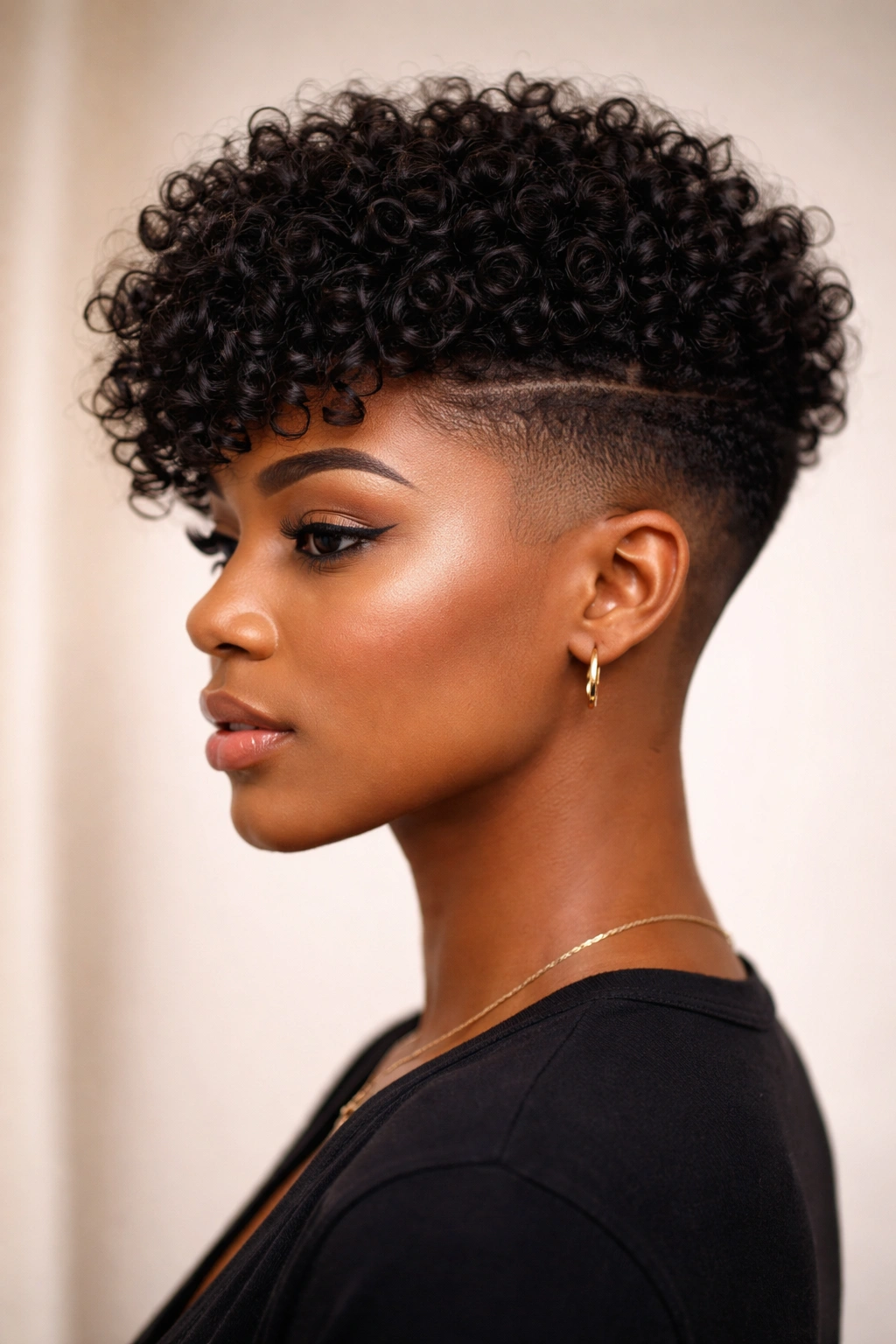
Micro curls are tiny, delicate spirals that create an almost cloud-like texture when installed densely across your entire head. Pair this with an undercut (closely faded or shaved sections underneath, while the curls remain voluminous on top) and you get a style that’s undeniably bold and architectural. This combination works because the contrast between the soft, organic micro curls and the sharp geometric lines of the fade creates visual tension that reads incredibly modern.
Creating Visual Drama Through Contrast
The undercut makes the micro curls pop—instead of all that texture filling your entire head, the faded sides let the curls be the focal point. This style reads more fashion-forward and artistic than a solid short curly weave, and it photographs exceptionally well from multiple angles. The micro curls themselves need to be fairly dense and uniformly installed because they’re the only visual element you’re relying on for texture—if they’re sparse or uneven, the whole effect falls apart. The undercut should be clean and precise, with sharp lines that complement the organic softness of the curls above.
Managing Micro Curls and Refresh Timing
Micro curls are smaller than most curl patterns, which means they hold moisture tightly and can sometimes feel dry if not properly moisturized. Refresh your moisture mist regularly and consider using a curl cream or butter rather than light oils, since lighter products may not penetrate to the roots of such tiny curls. Wear a silk bonnet or wrap at night to preserve the curl pattern and prevent the friction of your pillowcase from disrupting the delicate spirals. The undercut will need refreshing every 3-4 weeks to maintain its sharpness and prevent the fade from growing out unevenly.
8. The Layered Curly Lob Weave
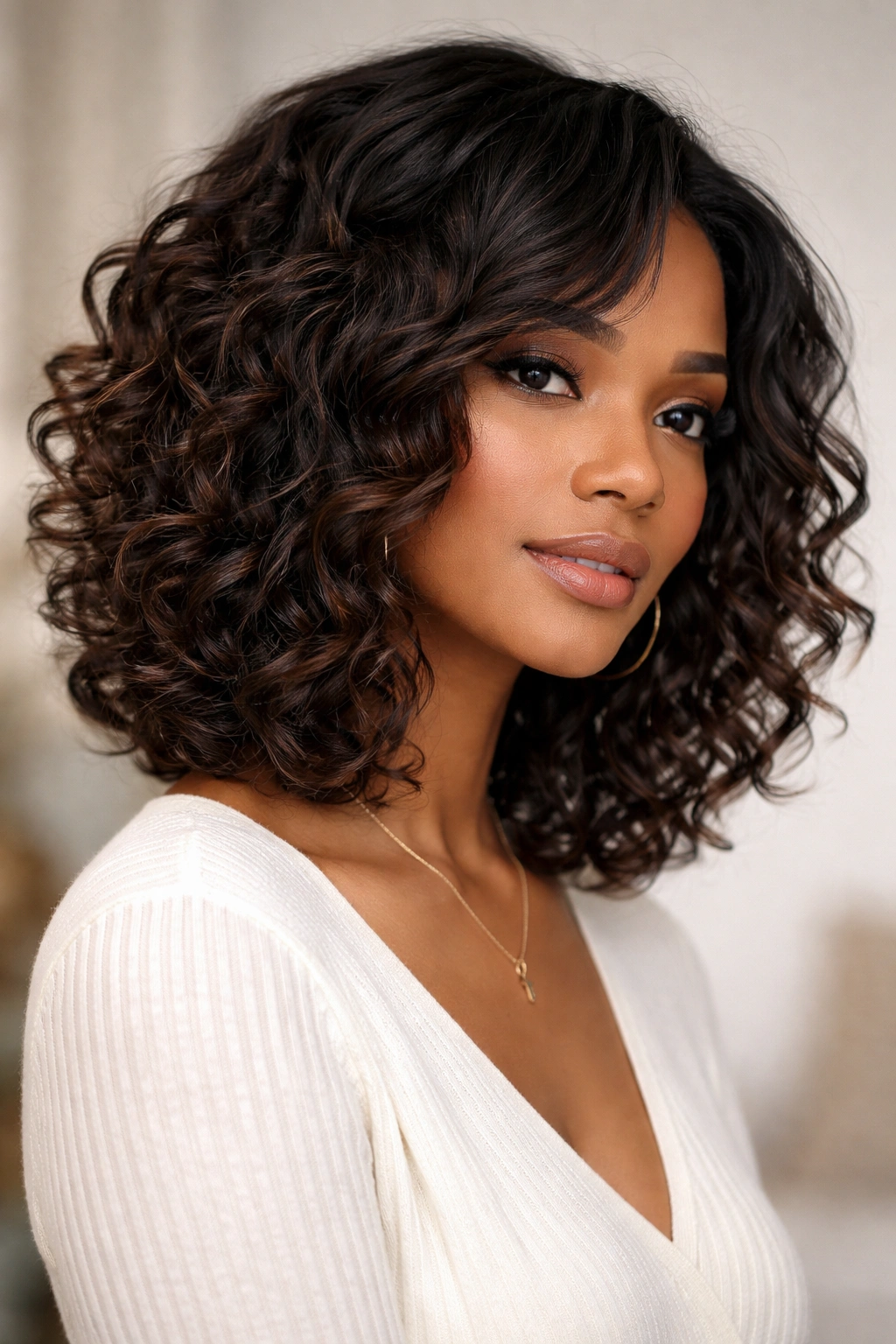
A curly lob—longer short hair sitting somewhere between 4 to 7 inches—works beautifully when layered throughout to create movement and prevent the curls from feeling too dense or heavy. This style bridges the gap between a true short cut and shoulder-length hair, giving you more styling flexibility than shorter options while still maintaining that short, manageable feel. The layers should be strategically placed to enhance your curl pattern and create face-framing that works with your specific face shape.
Layering for Movement and Texture Definition
Layers in curly hair aren’t just about length variation—they’re about creating channels for your curls to move and fall naturally. Imagine your hair without layers: all one length, all the same weight pulling down together, creating a dense, potentially blunt appearance. Now add layers: each layer has a different weight and length, so curls stack and nest at different points, creating way more visual movement and texture definition. For a curly lob weave, layers should be longer in front (face-framing) and progressively shorter toward the back, or shorter on top with longer underneath for that trendy “shag” vibe.
Styling a Curly Lob for Maximum Dimension
A layered curly lob has enough length that you can style it multiple ways. Wear it all down for maximum curl and movement, pin back the sides for a face-framing effect, or pull the top section back and secure loosely for a half-up style that shows off the longer layers underneath. Product application matters more with a lob since you have more surface area to work with. Apply curl cream or mousse from roots to ends, then define individual curl sections with your fingers or a pick. The layers should be refreshed (re-cut) every 6-8 weeks so they maintain their distinct shape and don’t start to blend together as your hair grows out.
Final Thoughts
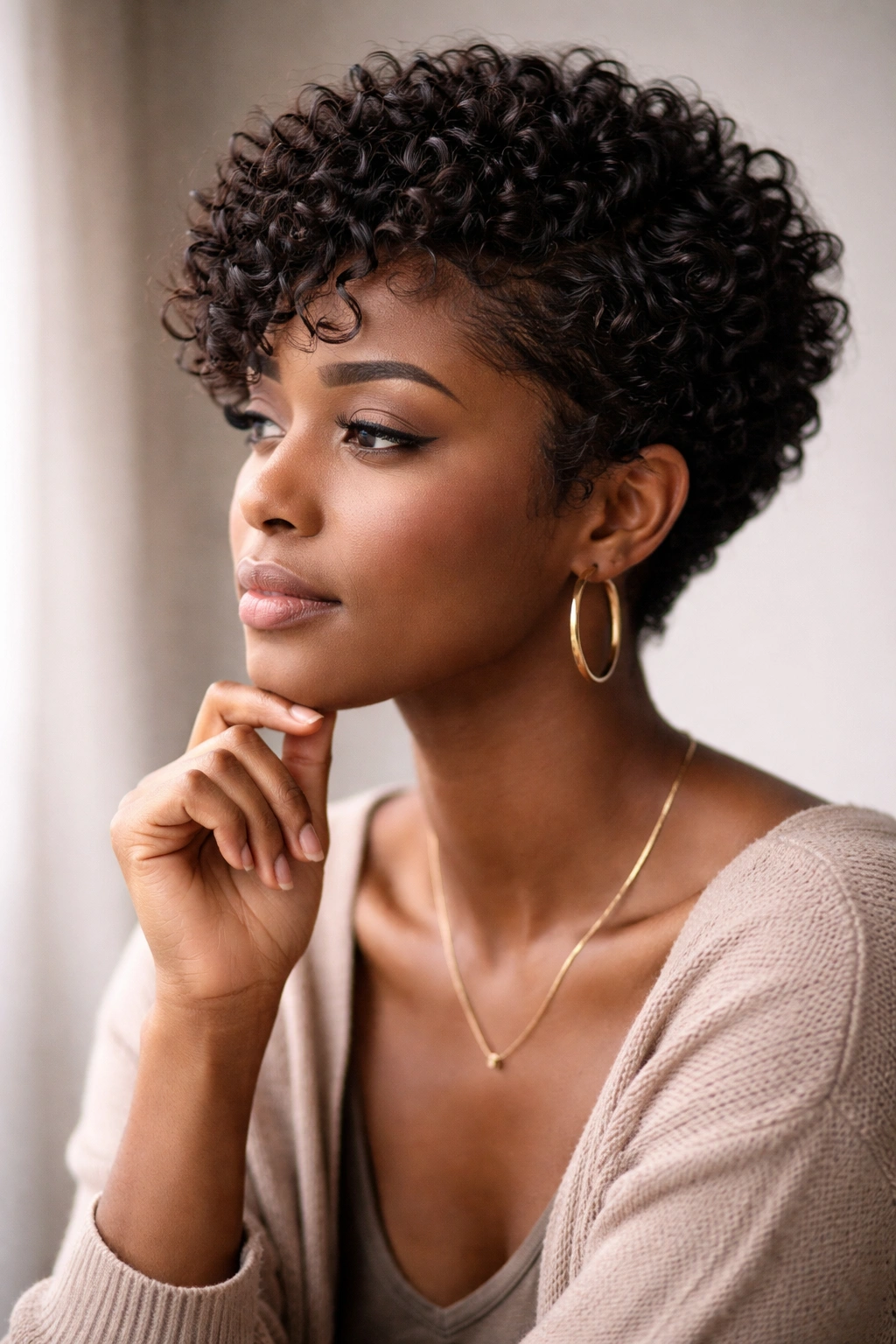
Choosing the right short curly weave style comes down to three main considerations: your willingness to maintain moisture and refreshes, your comfort level with bold styling choices, and your lifestyle needs. The classic kinky coil and soft wave weaves require consistent moisture but minimal styling intervention. The textured pixie and curly mohawk demand that you’re comfortable with edgy, statement-making looks. The voluminous claw curls and micro curls with undercut prioritize drama and visual impact. The tight twist and layered lob weaves offer versatility—you can dress them up or down depending on what you’re doing.
Don’t feel locked into one style forever, either. One of the greatest advantages of weave styling is that you can switch things up every few months without damaging your natural hair underneath. Try the style that calls to you most strongly right now, and if after 6-8 weeks you’re craving something different, your stylist can take it down, refresh your natural hair, and install something completely new. Your natural hair remains protected throughout, and you get to experiment with different textures, lengths, and styling options without the commitment that actual hair growth requires.
The real secret to any short curly weave looking incredible isn’t expensive products or complicated styling techniques—it’s consistency with moisture, understanding your specific texture’s needs, and choosing a style that genuinely matches your lifestyle and personality. When those three things align, your short curly weave becomes something you genuinely look forward to styling each morning.
