
There’s something about shoulder-length wavy hair that feels effortlessly polished yet undeniably versatile. It’s the sweet spot between having enough length to create dramatic movement and texture, while still being manageable enough for everyday styling without hours spent at the blow dryer. Add layering to the mix, and you unlock a whole new dimension—strategic layers enhance wave formation, remove bulk, and create the kind of dimension that makes even your most casual days feel intentional and put-together.
The beauty of shoulder-length wavy layered cuts is that they work with nearly every hair type and face shape. Waves soften angles, layers add volume to fine hair and remove heaviness from thick hair, and the shoulder length hits at just the right point to frame your features without requiring a major commitment. Whether your waves are natural, enhanced with a perm, or created fresh each morning with a curling iron, the right layered cut becomes the foundation for stunning texture and movement.
Finding the perfect shoulder-length wavy layered haircut means considering not just the overall silhouette, but how layers are distributed, where the heaviest pieces land, and which styles work best with your specific wave pattern and face shape. The good news? There’s genuinely something for everyone in this collection. From soft, romantic waves to choppy, textured layers to modern, face-framing pieces, these eighteen styles showcase the range of what’s possible with this versatile length.
1. The Classic Shoulder-Grazing Shag
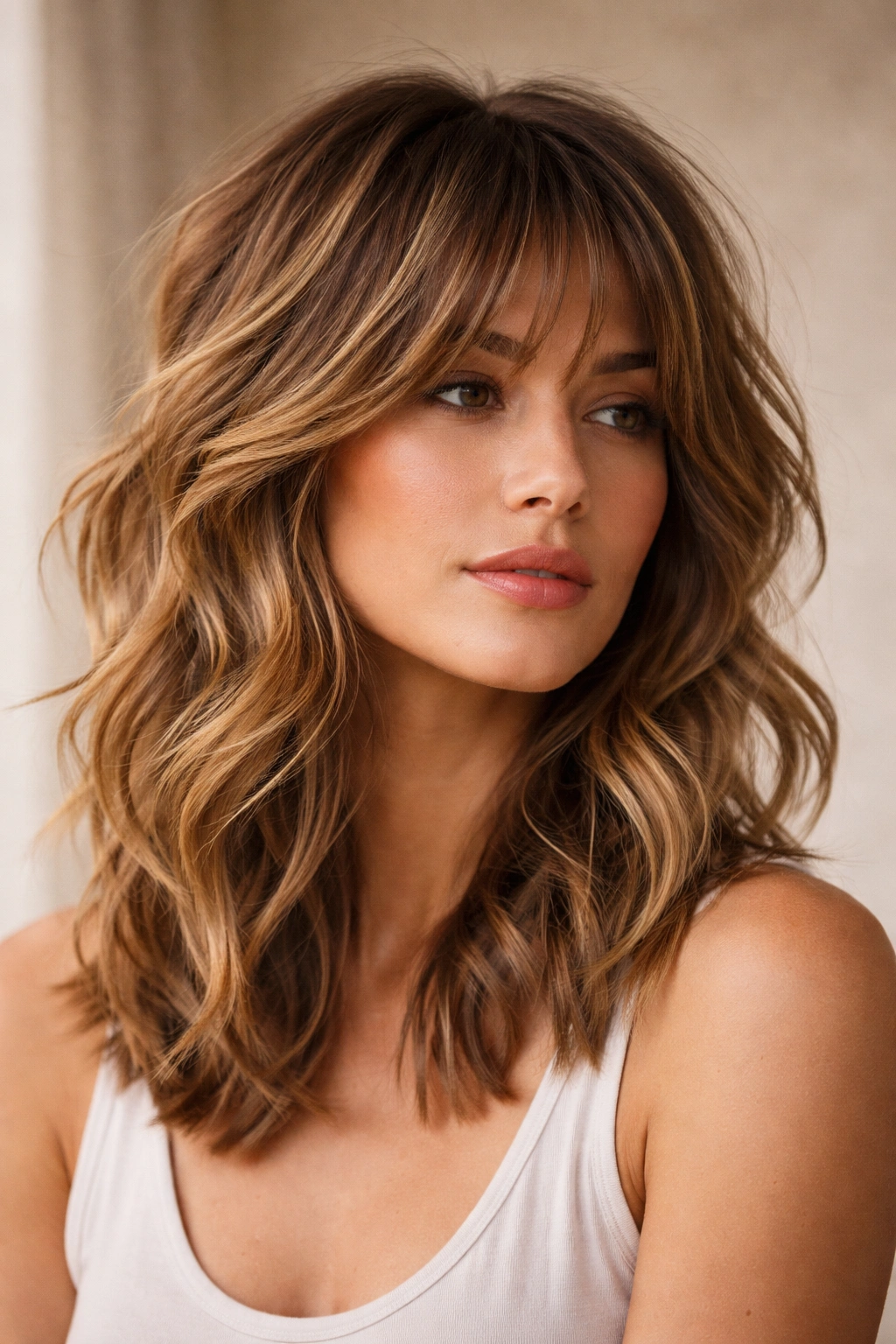
A shag is perhaps the most iconic expression of layered, wavy perfection, and when cut to shoulder length, it becomes an eternally wearable style that flatters nearly everyone. This cut features choppy, stacked layers throughout that create movement at the crown and texture at the ends, with the shortest layers hitting around cheekbone length and longer pieces falling to the shoulders. The beauty of a shoulder-length shag is that it looks intentionally undone—like you’ve just lived your best life without trying—even though it’s actually quite deliberately constructed.
Why Shags Thrive on Wavy Hair
A shag cut was quite literally designed to work with natural wave and texture, not against it. The multiple layers break up any density, allowing your waves to move freely and define themselves without falling flat. Each layer becomes its own movement unit, creating dimension that reads as volume and interest rather than bulk.
What Makes This Cut Work
- Built-in texture: The choppy layers automatically create that broken-up, textured appearance that looks intentional with wavy hair
- Low-maintenance styling: Waves naturally fill in the choppy pieces, so you can often air dry or apply some texture spray and call it done
- Versatile styling: Tousled waves, straightened for a sleeker look, or curled tighter for extra dimension—this cut accommodates it all
- Face-framing quality: Shorter layers frame the face, while longer pieces add sophistication and balance
Pro tip: Ask your stylist to cut into the texture rather than point-cutting the ends, which can create too much wispy separation. Instead, blunt chop some sections and layer others for a cut that holds structure even as it moves.
2. The Textured Choppy Bob
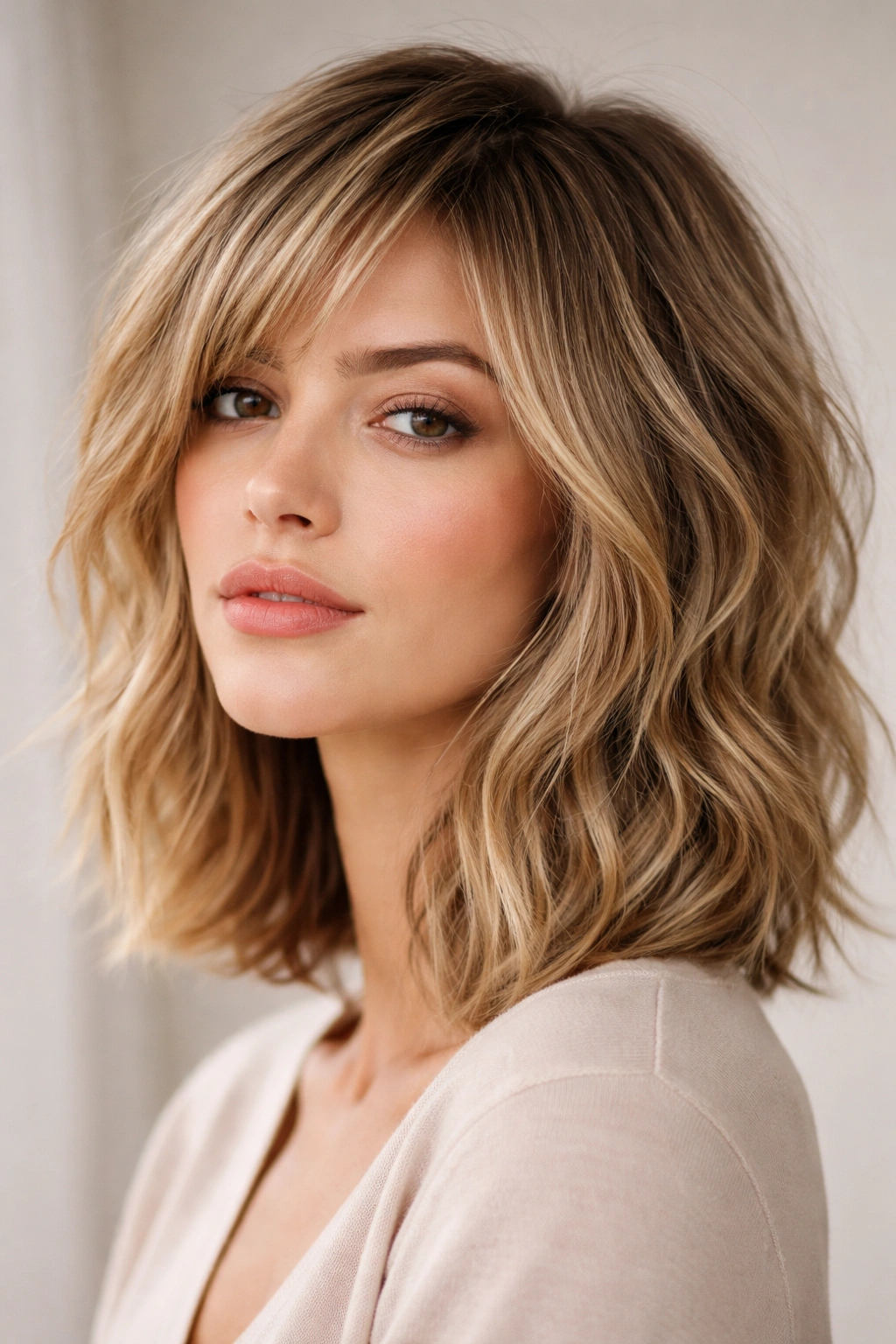
Sometimes a shoulder-length cut leans more toward a modern, choppy bob with layers concentrated toward the crown and progressively longer pieces that graze the shoulders. This style sits somewhere between a traditional bob and a full shag—structured enough to have shape, but with enough choppy texture that it feels contemporary and edgy. It’s the perfect choice if you want a defined silhouette that still moves beautifully with waves.
The Balance of Structure and Texture
This cut works because it maintains a coherent shape while the layers add movement and texture throughout. The crown tends to be shorter and more textured, creating lift, while the longer pieces in the back and at the shoulders provide weight and length for your waves to flow through.
Key Design Elements
- Crown layers: Shorter, choppier pieces at the crown create volume and prevent the style from looking flat or heavy
- Graduated length: Each layer is slightly longer than the one above it, creating that cascading wave effect
- Textured ends: Rather than blunt-cut ends, texturized layers at the perimeter add movement and allow waves to separate naturally
- Less weight overall: Strategic thinning removes bulk without sacrificing length, so waves can move freely
Worth knowing: This cut benefits from regular trims every 4-6 weeks to keep the choppy texture defined and prevent the layers from looking overgrown or separated in awkward ways.
3. The Face-Framing Lob with Soft Layers
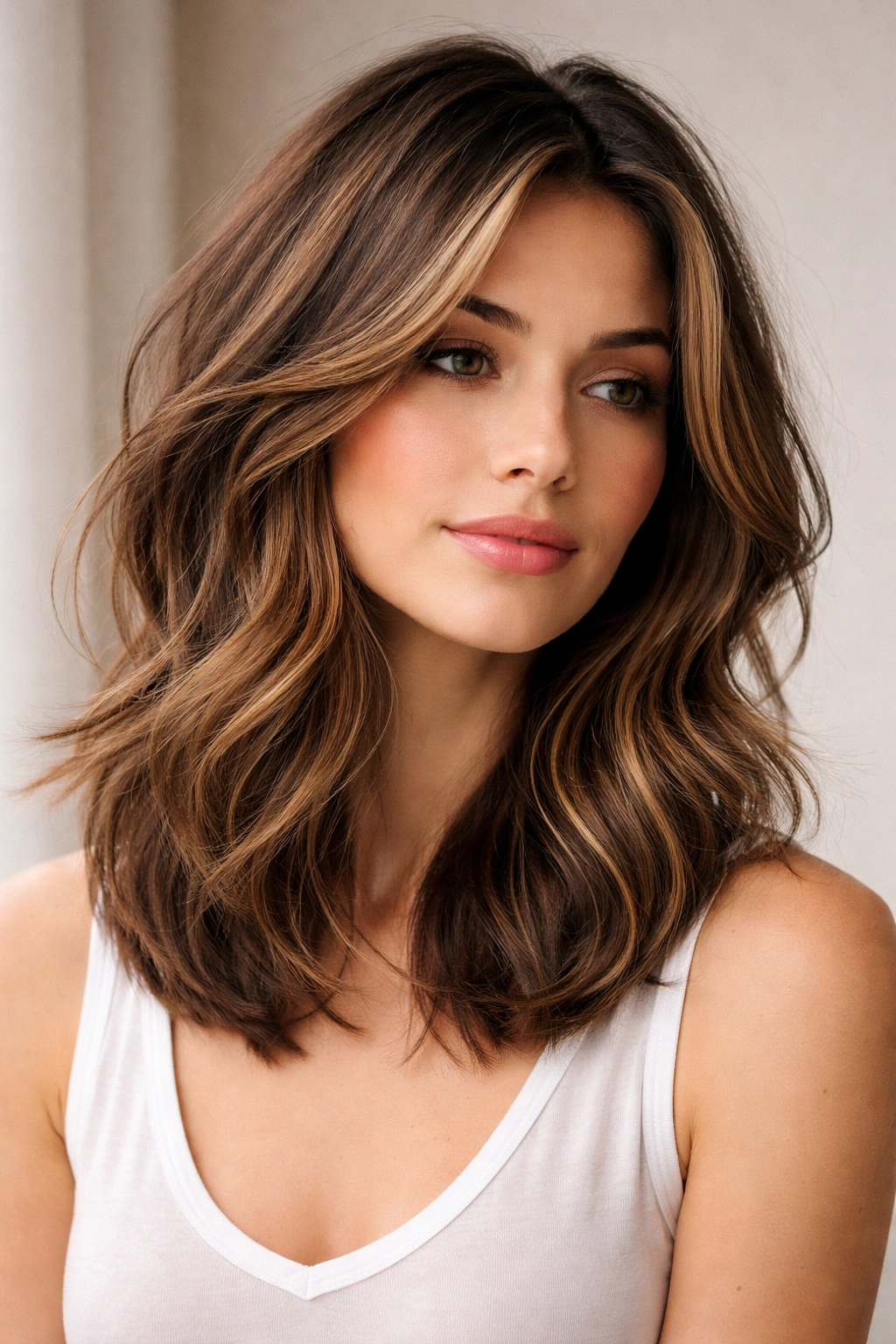
A lob—that magical length that’s longer than a bob but shorter than long hair—becomes absolutely stunning when paired with soft, subtle layers that frame the face. This style keeps the bulk of the length while adding strategic layers around the face and throughout the crown. It’s less choppy than a shag and more polished, making it ideal if you want something that bridges the gap between chic and textured.
Why Soft Layers Transform a Lob
Long, one-length styles can feel heavy and lifeless on wavy hair, but adding soft, well-placed layers instantly wakes up the style. The layers around the face create a flattering frame that draws attention to your features, while subtle layers throughout keep the overall silhouette feeling modern and dimensional.
Strategic Layer Placement
- Face-framing layers: Pieces that begin around cheekbone height and graduate longer as they move toward the back, creating a flattering frame
- Crown layers: Subtle texture at the crown prevents that heavy, flat-topped look that can happen with longer styles
- Subtle integration: Layers blend seamlessly so the overall shape reads as intentional and polished, not overly choppy
- Length-saving approach: Since you’re keeping most of the length, you maintain that lob feeling while gaining all the movement and texture benefits of layering
Pro tip: When styling, flip your head upside down while blow-drying to encourage waves to form away from your face, which enhances the flattering framing this cut creates.
4. The Blunt Lob with Choppy Underneath
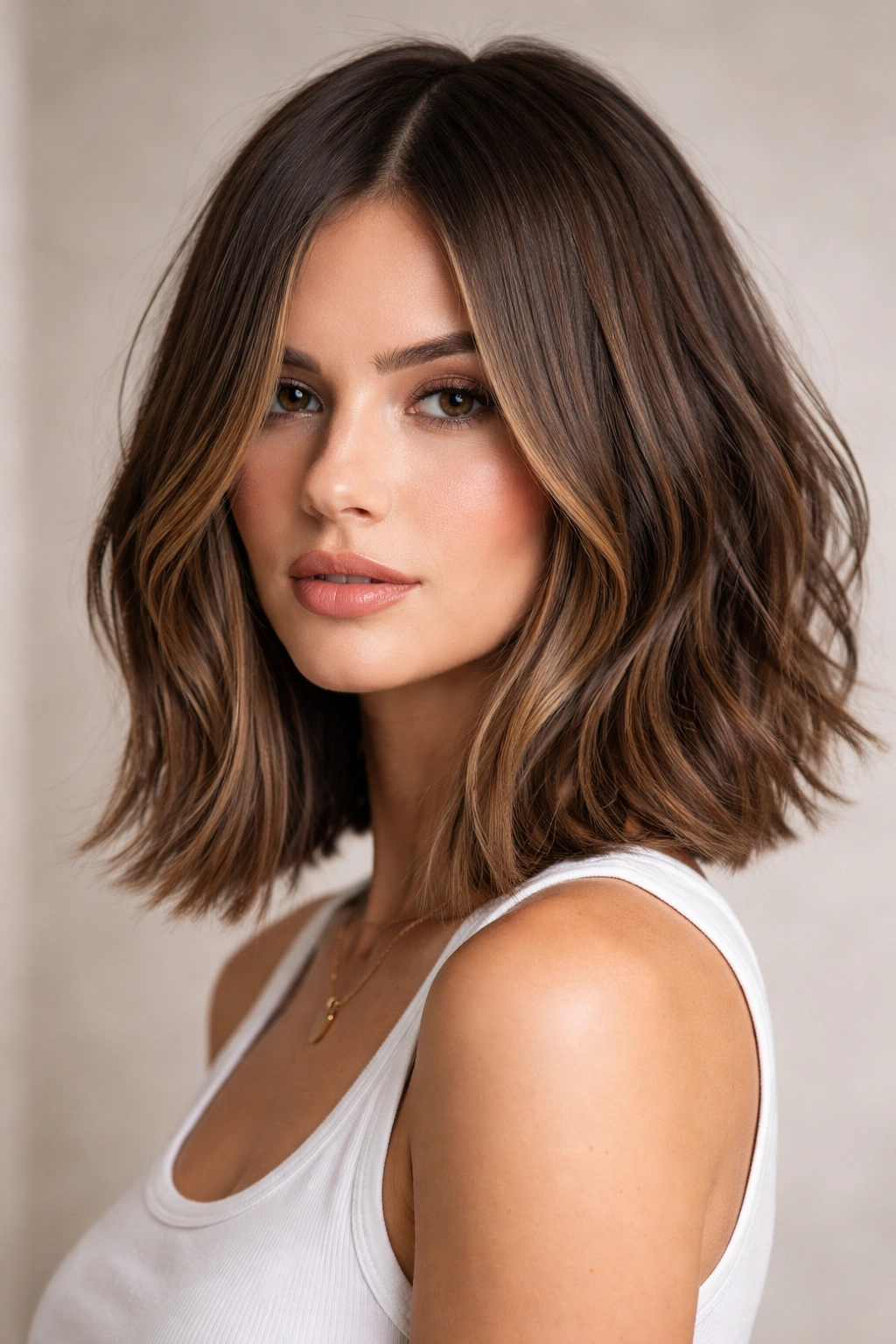
If you like the modern, somewhat edgy vibe of a lob but want clear, defined texture, this variation features a blunt or near-blunt bottom line with choppy, textured layers stacked underneath. The front view shows clean lines and polish, while the back and sides reveal layers that create texture, movement, and personality. It’s the perfect style if you want sophistication with a subtle edge.
The Secret: Hidden Texture
The genius of this cut is that from the front, it reads as a sleek, almost blunt lob—very chic and put-together. But as you move and turn your head, all those choppy layers underneath create movement, texture, and visual interest. It’s the best of both worlds: polish and playfulness.
Construction Details
- Front pieces: Slightly longer and blunter, creating a clean frame for the face
- Underneath layers: Significantly choppy and stacked, visible when your hair moves but hidden when you’re standing still
- Graduated sides: The sides graduate from shorter in the front to longer in the back, creating that directional, modern feel
- Movement emphasis: Waves naturally weave through the layers, creating dimension that changes as you move
Real talk: This cut requires more styling attention than some others, since the choppy underneath layers show more prominently depending on how you style and position your hair.
5. The Modern Wolf Cut
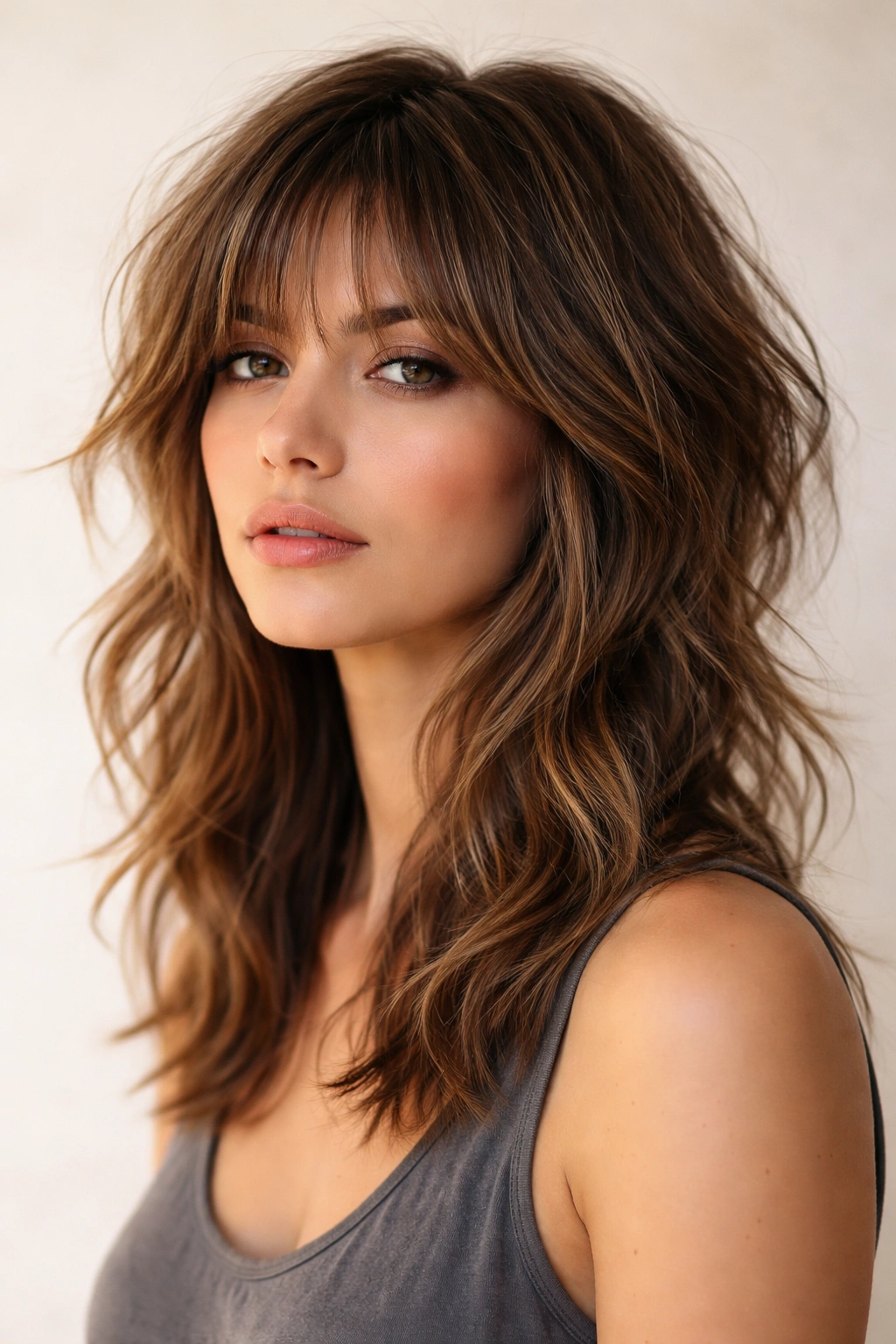
Wolf cuts blend the length of a lob with the texture and choppiness of a mullet, creating a style that’s unquestionably modern and statement-making. Shorter, textured layers at the crown and face gradually extend into longer pieces at the shoulders and back, with intentional choppy layers visible throughout. It’s bold, it’s textured, and it looks absolutely stunning on wavy hair.
Why Wolves Work for Waves
A wolf cut celebrates texture and movement in ways that more traditional haircuts sometimes minimize. The combination of shorter, choppy pieces and longer, wavy sections creates a dynamic visual effect that’s enhanced by natural wave patterns.
Signature Elements
- Shaggy crown: Very textured, choppy layers at the top create volume and movement
- Longer back: The back remains noticeably longer, often grazing or extending past the shoulders
- Clear texture progression: You can visually trace the journey from short, choppy layers to longer, wavy pieces
- Face-framing shorter pieces: Layers around the face and front create a flattering frame
- Undeniable edge: This cut absolutely makes a statement and announces that you’re willing to take styling risks
Insider note: Wolf cuts look best when you embrace the texture and movement rather than trying to smooth everything into submission. Emphasizing the waves and letting those shorter layers stick out slightly is exactly the point.
6. The Curtains with Layered Sides
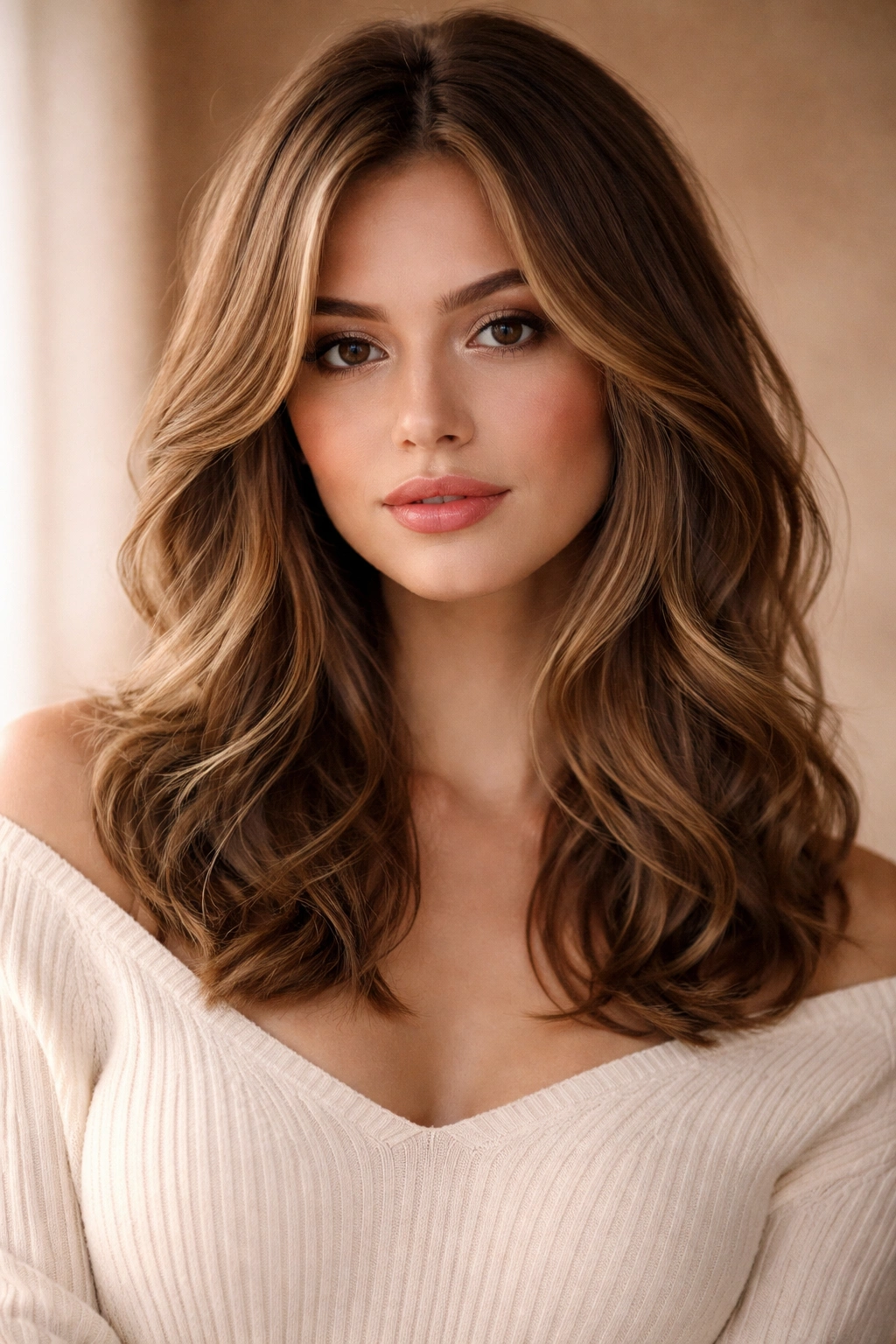
Inspired by the iconic ’70s curtain cut but modernized for contemporary styling, this option features longer pieces in the center that create a subtle parting effect, with increasingly shorter layers as you move toward the sides and back. The waves naturally fall around your face and shoulders, creating soft movement and a romantically textured vibe. It’s undeniably nostalgic but feels completely current when done well.
The Parting Effect
The magic of curtains is that your waves naturally fall on either side of your face, creating a soft frame that flatters nearly every face shape. The longer center pieces catch light and create dimension, while the layered sides prevent that heavy, one-dimensional look.
Design Components
- Center-longer pieces: The longest pieces fall down the center and just past the shoulders, creating that classic parting line
- Graduated side layers: Layers on the sides get progressively shorter as they approach the face, creating framing
- Soft texture throughout: Subtle layers prevent heaviness and allow waves to separate and move freely
- Movement emphasis: This cut is designed to move, with waves falling naturally into place around your face and shoulders
Pro tip: This style genuinely benefits from a texturizing product or sea salt spray to enhance the waves and prevent them from matting down to your head.
7. The Heavily Layered Pixie-to-Shoulder Progression
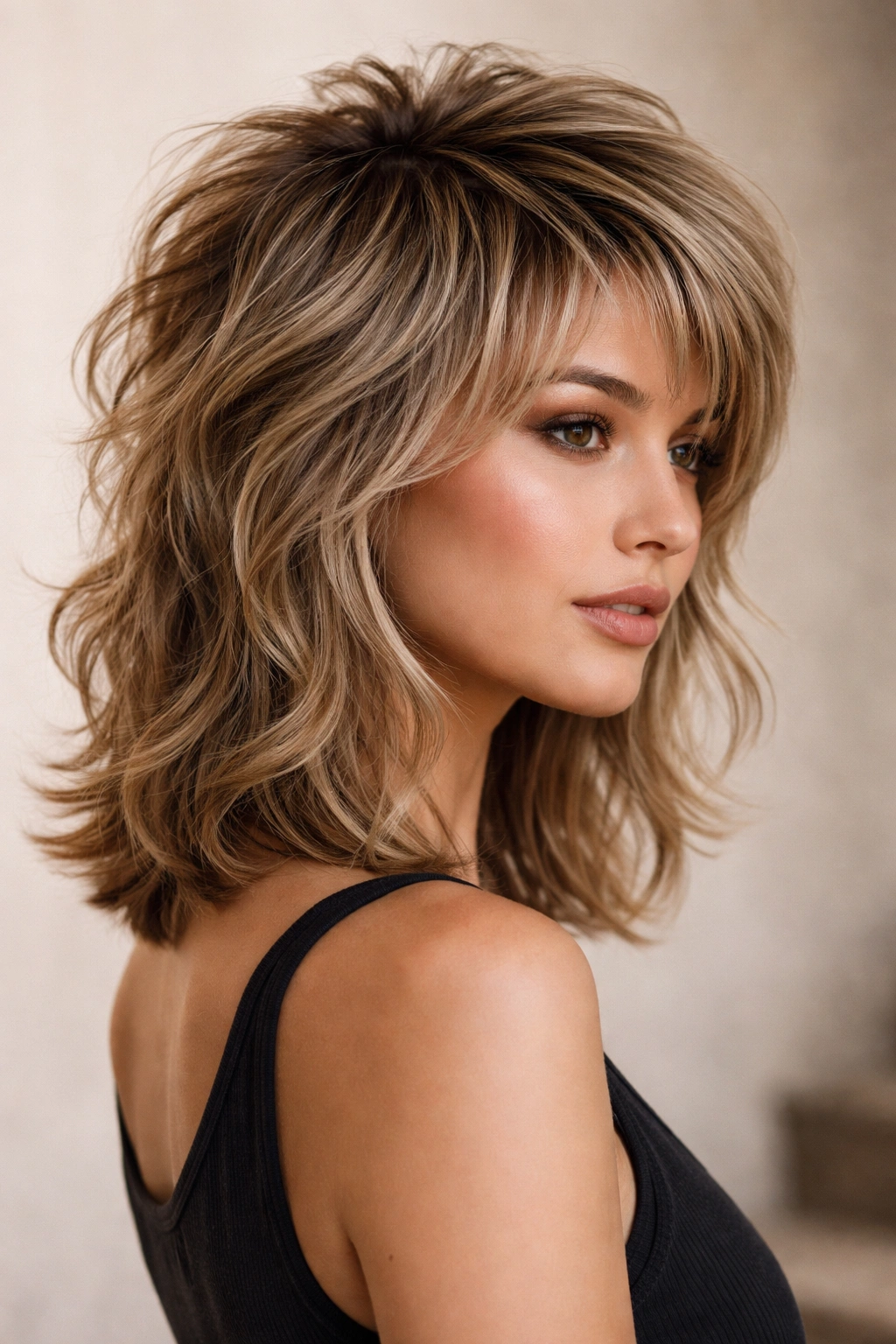
For those ready to go quite bold, this cut features very short, textured layers at the crown—almost pixie-like in their choppiness—that gradually extend into longer, wavy pieces at the shoulders. It’s a dramatic progression that creates stunning visual interest and allows serious texture and movement throughout. This one’s for the brave.
Embracing the Extreme Contrast
The visual impact of this cut comes from the dramatic shift between short, choppy crown layers and longer, flowing shoulder pieces. Waves automatically draw attention to this contrast, making it an even more striking style.
Key Characteristics
- Very short crown: Choppy, textured layers at the top create maximum lift and movement
- Steep progression: Unlike some cuts that graduate more gradually, this one makes the length difference quite visible
- Lots of texture: Every inch is layered, creating texture and movement throughout
- Needs wave support: This cut relies on natural waves or deliberate styling to look its best; without texture, it can look disconnected
Worth considering: This is not a wash-and-go style. You’ll be styling it regularly to enhance the texture and manage the dramatic layer contrast.
8. The Soft-Layered Romantic Wave
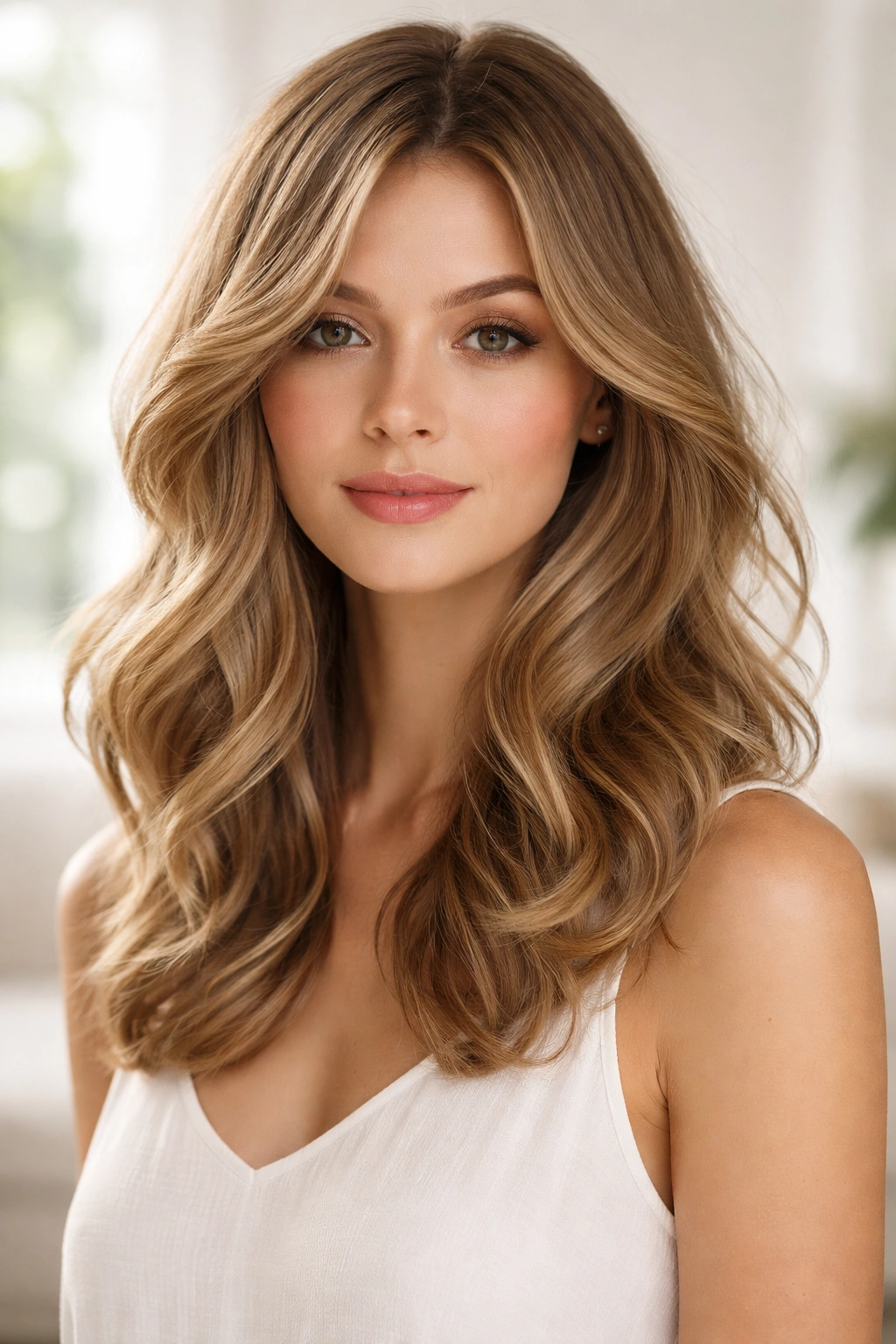
If you prefer subtle, romantic femininity over edge and chop, a soft-layered approach is pure elegance. This style features gentle, almost invisible layers that add movement and texture without creating the choppy, separated effect. The overall silhouette reads as long and flowing, with waves creating soft dimension rather than obvious texture. It’s the choice for anyone who loves waves but wants a polished, romantic aesthetic.
The Power of Subtlety
Not every layer needs to be obvious or choppy. Subtle layers can add all the movement and texture benefits while maintaining a softer, more seamless overall appearance. It’s about working with your waves rather than creating dramatic contrast.
Soft-Layer Strategy
- Minimal graduation: Layers are there, but the difference in length between them is subtle, creating flow rather than obvious chop
- Point-cut endings: Rather than blunt cuts, point-cutting and texturizing create movement without harsh lines
- Face-framing pieces: Soft layers around the face that feel naturally placed rather than obviously styled
- Overall continuity: The style reads as one cohesive whole rather than distinct layers stacked on top of each other
- Wave-dependent appearance: This cut becomes even more beautiful as waves develop, adding dimension and movement
Pro tip: Regular deep conditioning and wave-enhancing products become essential with this cut, since the subtlety of the layers means your waves need to be healthy and defined to show the cut’s true beauty.
9. The Textured Mullet Hybrid
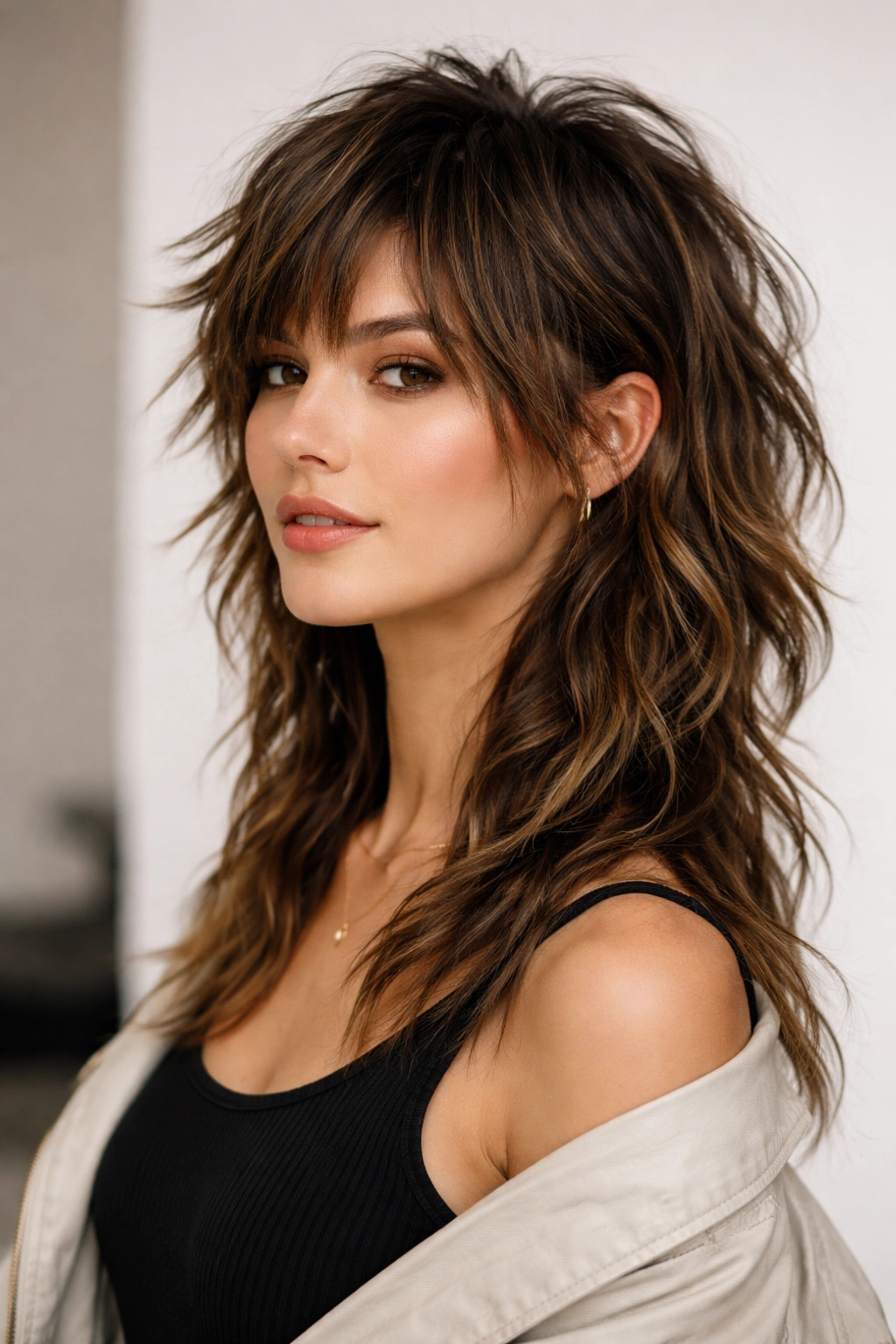
A modern take on the business-in-front, party-in-back concept, this hybrid features slightly shorter, textured layers in the front and sides for face-framing and movement, while the back remains noticeably longer and wavy. It’s playful, it’s contemporary, and it works beautifully for anyone willing to embrace a bit of asymmetry and edge.
Playing with Proportion
The appeal of this cut is its tonal contrast—you get sophistication and structure in front with personality and movement in back. It’s the perfect style for someone who wants to feel both professional and creative.
Front-to-Back Contrast
- Shorter front: Textured, choppy layers around the face and crown create framing and lift
- Longer back: The back extends to or past the shoulders, creating obvious length contrast
- Visible texture: Layers are intentional and visible, contributing to the playful vibe
- Movement potential: Waves have plenty of length to create movement, while shorter front pieces prevent flatness
- Profile impact: This cut looks completely different from various angles, adding visual interest
Real talk: This is another cut that benefits from deliberate styling to look its best and prevent the obvious length difference from feeling awkward.
10. The Wispy Layers Throughout
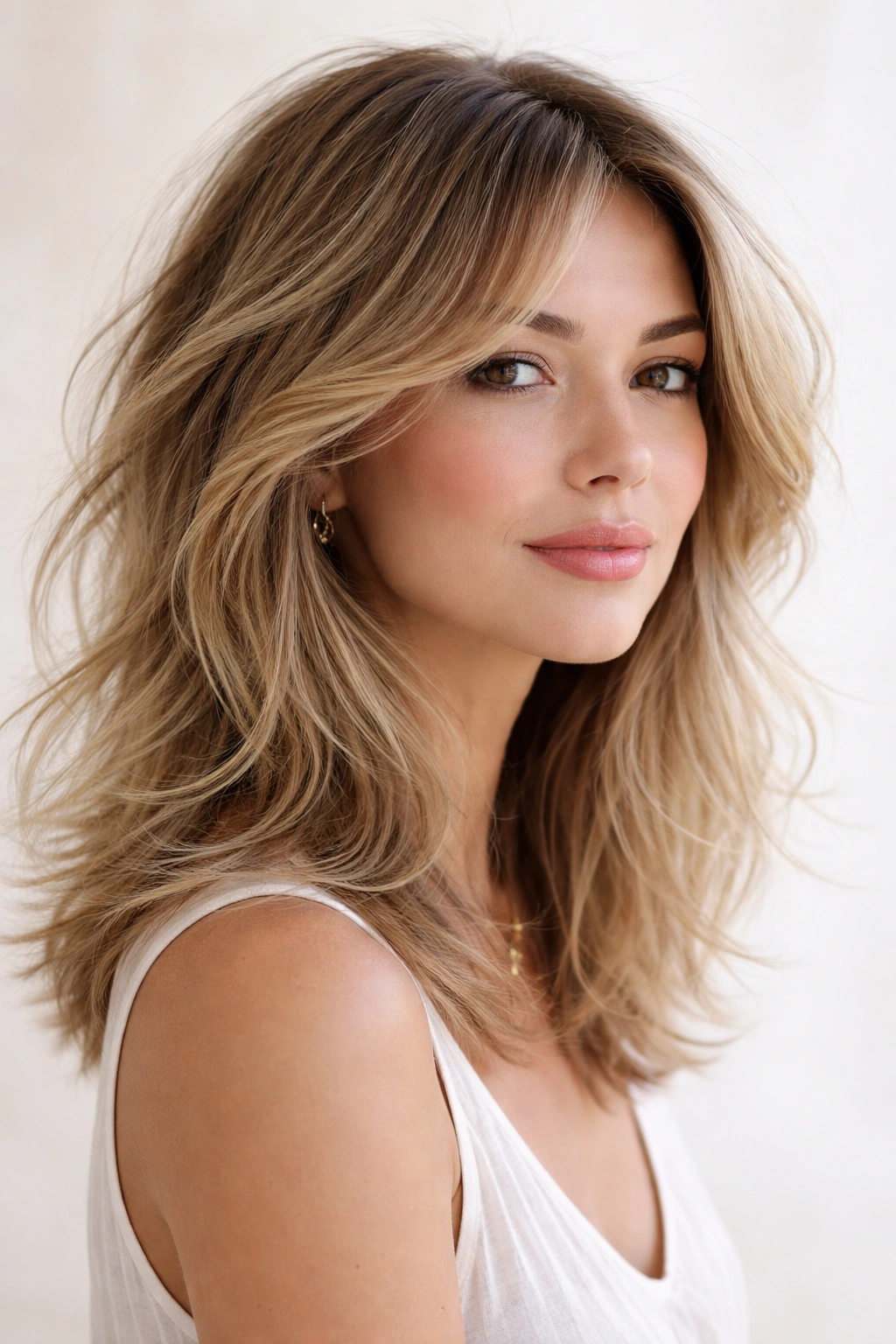
Imagine layers so fine and feathery that they create almost cloud-like texture rather than distinct chop. This approach uses point-cutting and texturizing throughout to create wispy, delicate layers that catch light and create movement. The overall effect is ethereal and soft, with lots of dimension but no obvious, chunky separation. It’s perfect for wavy hair that you want to feel light and airy.
Creating Wisp Rather Than Chop
There’s a real difference between a choppy shag and a whisper-soft, wispy layer approach. Wispy layers use much finer cutting techniques to remove weight and create movement without obvious texture breaks.
Techniques and Results
- Fine point-cutting: Using the very tips of scissors to cut into hair rather than blunt chops creates that feathery effect
- Texturizing throughout: Texturizing shears remove weight and create separation without obvious layers
- Soft texture emphasis: The result is subtle texture and movement rather than dramatic chop
- Light and airy feel: Dramatically reduces hair bulk while maintaining length and flow
- Perfect for fine hair: Wispy layers add movement and dimension without making fine hair look thin or scraggly
Worth knowing: This approach requires a very skilled stylist who understands texturizing and point-cutting techniques. It’s not the time to visit someone just learning their craft.
11. The Blunt Choppy Combo
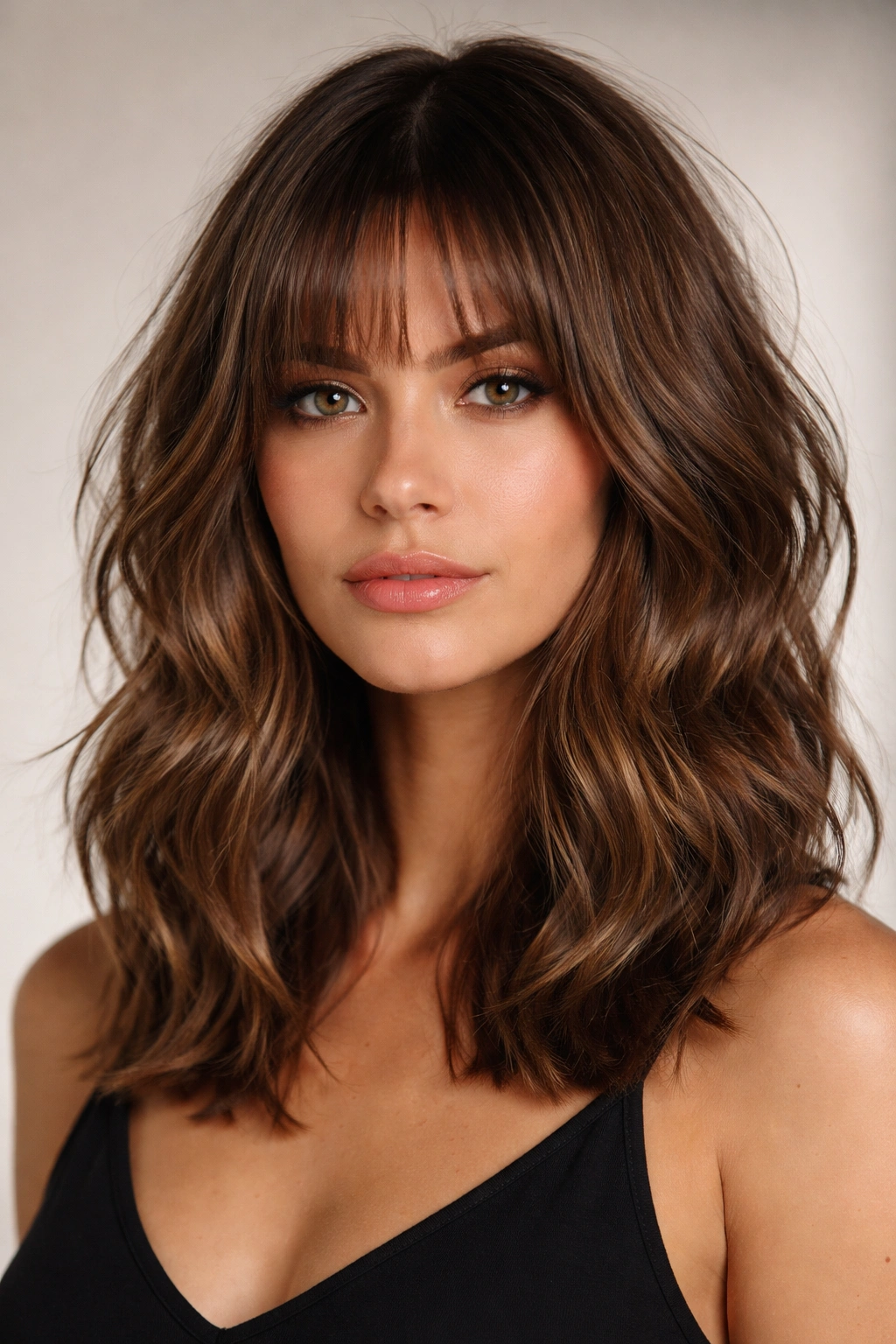
Blunt and choppy might seem contradictory, but combining them creates a modern, striking style. This cut features intentionally blunt sections—especially at the front and around the face—combined with choppy, textured layers throughout the rest of the cut. The contrast between blunt and choppy creates visual interest and a definitely contemporary feel.
Balancing Blunt and Texture
The genius is using blunt lines where they create structure and impact, while using choppy texture everywhere else to prevent that flat, one-dimensional appearance that can happen with blunt cuts.
Structural Approach
- Blunt front pieces: Pieces framing the face are cut relatively blunt, creating clean lines and structure
- Choppy throughout: Nearly everywhere else, pieces are layered and textured for movement and dimension
- Visual contrast: The style plays on the contrast between blunt structure and textured movement
- Modern aesthetic: This combination reads as intentional and current, not dated
- Wave enhancement: Waves naturally enhance the contrast, making choppy sections look even more textured
Pro tip: You need waves or deliberate styling to make this cut sing. Without texture, it risks looking flat or awkward in the blunt sections.
12. The Side-Swept Asymmetrical Layers
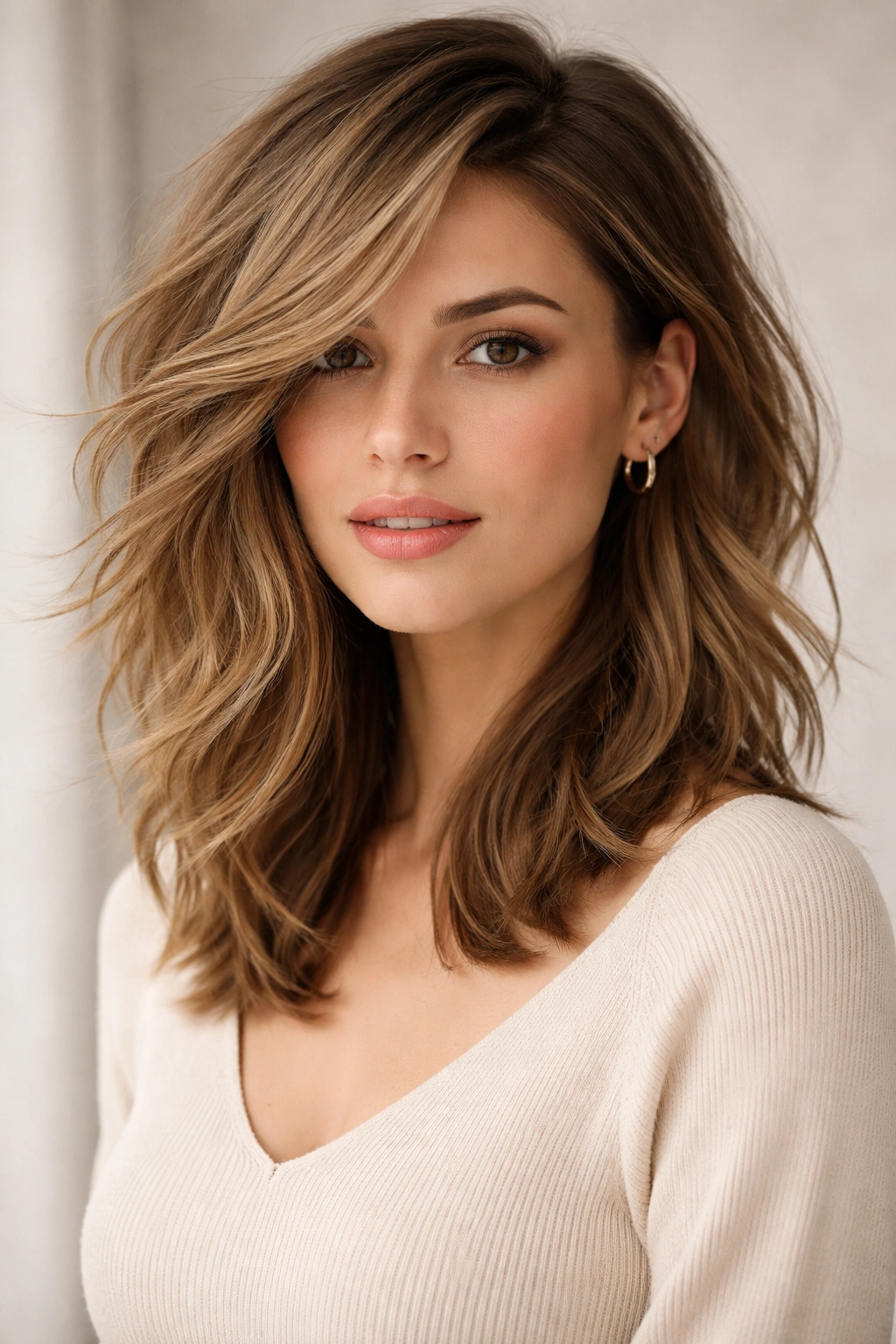
Asymmetry creates instant visual interest, and when applied to a shoulder-length layered cut, it becomes quite striking. This style features longer pieces on one side and shorter, textured pieces on the other, with layers arranged to support this asymmetrical flow. Your waves naturally follow the directional cut, creating dramatic movement and a sense of dynamism that symmetrical cuts simply can’t match.
Using Asymmetry Intentionally
An asymmetrical cut isn’t just different for different’s sake—it’s about creating a specific visual effect that flatters your face and creates the movement you want. Waves enhance this directional quality immensely.
Asymmetrical Elements
- One longer side: One side extends to or past the shoulders, creating obvious length
- One shorter side: The other side is noticeably shorter, often incorporating choppy, textured layers
- Directional layers: Layers flow in specific directions based on the asymmetrical design
- Face-framing potential: Often the shorter side frames the face, while the longer side creates draping and movement
- Dynamic appearance: The cut looks completely different depending on which side you’re viewing, creating visual interest
Real talk: This cut requires styling to look its intentional best. Without deliberately positioning your waves, the asymmetry can look accidental rather than intentional.
13. The Graduated Layer Gradient
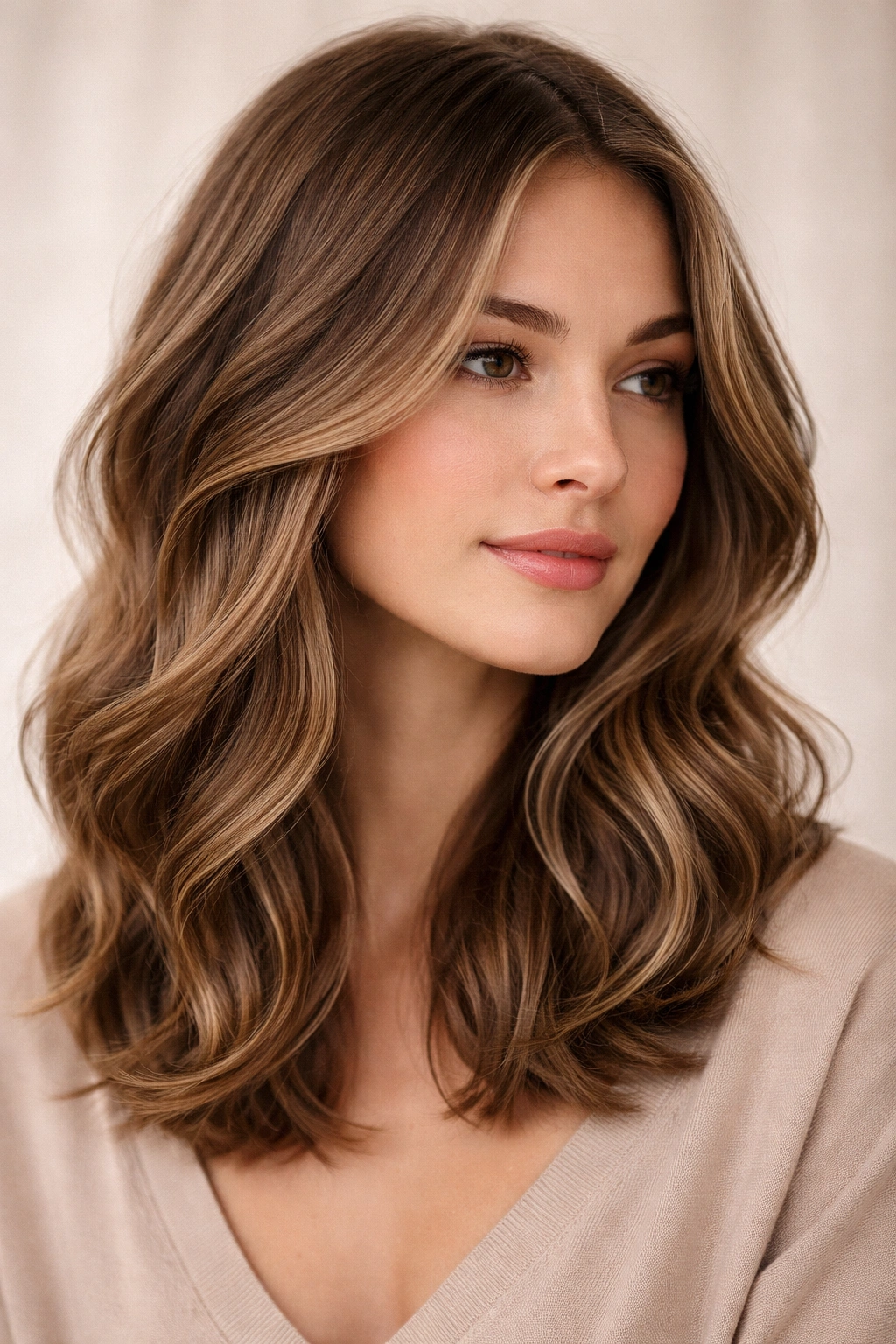
Instead of sudden texture changes, this approach uses a very gradual graduation of layer length from the crown all the way down to the shoulder-length ends. Each layer is just slightly shorter than the one below it, creating a smooth gradient of texture rather than distinct, obvious layers. The effect is polished, modern, and creates beautiful wave formation throughout.
The Gradient Philosophy
Rather than thinking in terms of “short layers” and “long layers,” this approach uses precise measurements to ensure each layer is a specific length that creates a cohesive whole. It’s more mathematical and precise than some other layer approaches.
Gradient Construction
- Crown-to-end precision: Every section is measured to ensure proper length and graduation
- Smooth texture progression: Texture builds gradually rather than appearing suddenly
- Seamless blending: Layers blend so smoothly that from a distance, the cut reads as having a lot of subtle texture
- Wave distribution: Your waves have multiple length options throughout, creating layered movement
- Refined aesthetic: Reads as polished and intentionally designed rather than choppy or undone
Worth knowing: Achieving a proper gradient takes precision and skill. This isn’t the cut for your stylist’s bad hair day.
14. The High-Low Choppy Texture
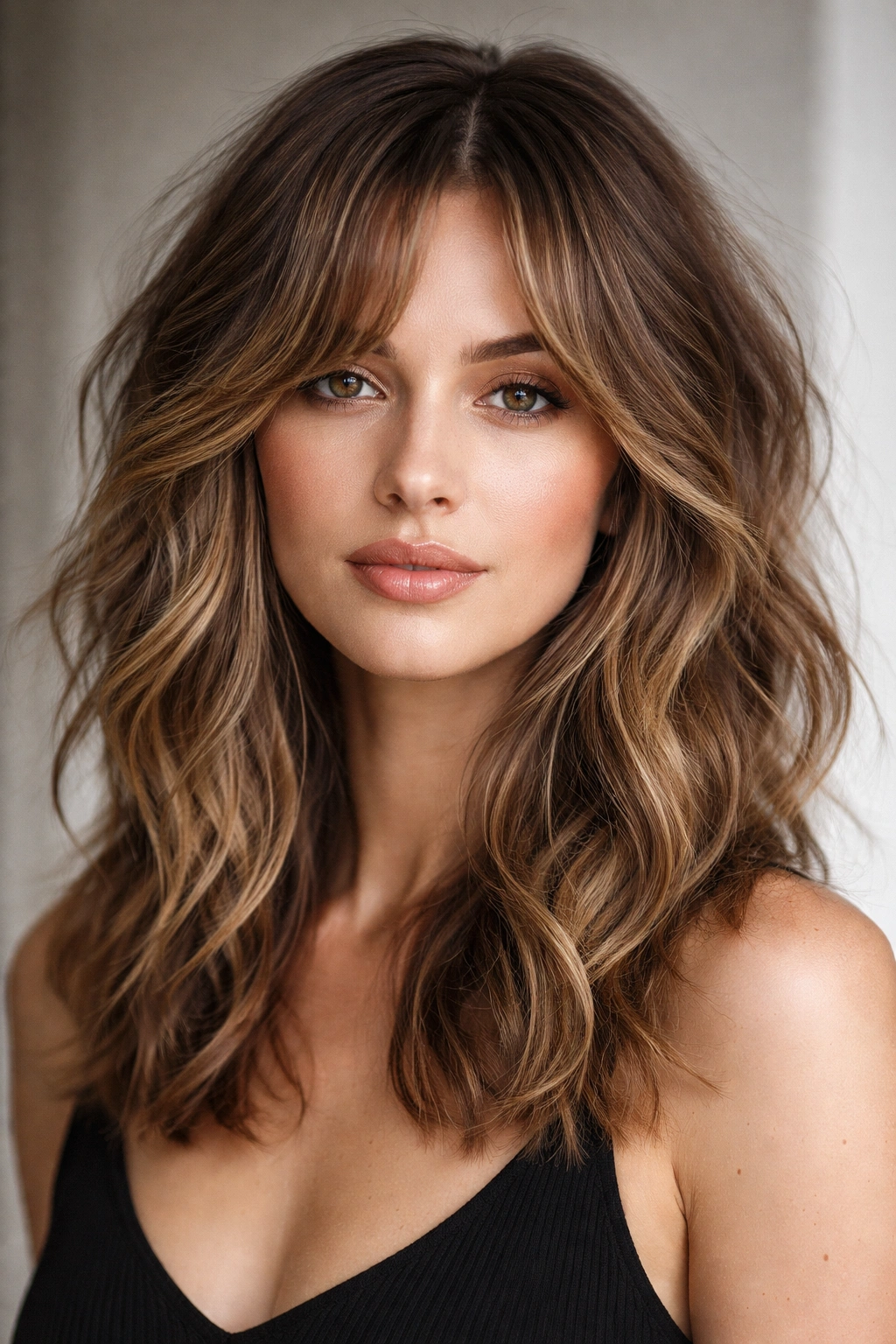
Another approach to blending different layer intensities: this style features very choppy, stacked layers at the crown and throughout the upper half, transitioning to longer, less chopped pieces at the shoulders. The upper texture and lower length create a balanced silhouette that’s both playful and wearable. Waves automatically enhance the textured upper sections while creating soft movement in the longer pieces.
Texture Intensity Variation
Not every section of your hair needs to have the same level of texture and chop. Using more intense chop in some areas and less in others creates visual balance and style versatility.
High-Low Distribution
- Heavily textured crown and upper half: Choppy, stacked layers create maximum texture and lift where you need it most
- Longer, less-chopped lower half: Pieces at the shoulders are longer and have less obvious texture, creating flow
- Visible contrast: The shift from high texture to lower simplicity creates visual interest
- Flattering silhouette: The texture at the crown prevents heaviness, while the longer pieces create that shoulder-length appeal
- Wave-friendly design: Waves form naturally in the more textured areas while flowing longer in the less-textured pieces
Pro tip: This cut actually maintains some of its shape even with minimal styling, since the textured upper sections hold their form fairly well.
15. The Barely-There Layers with Emphasis on Waves
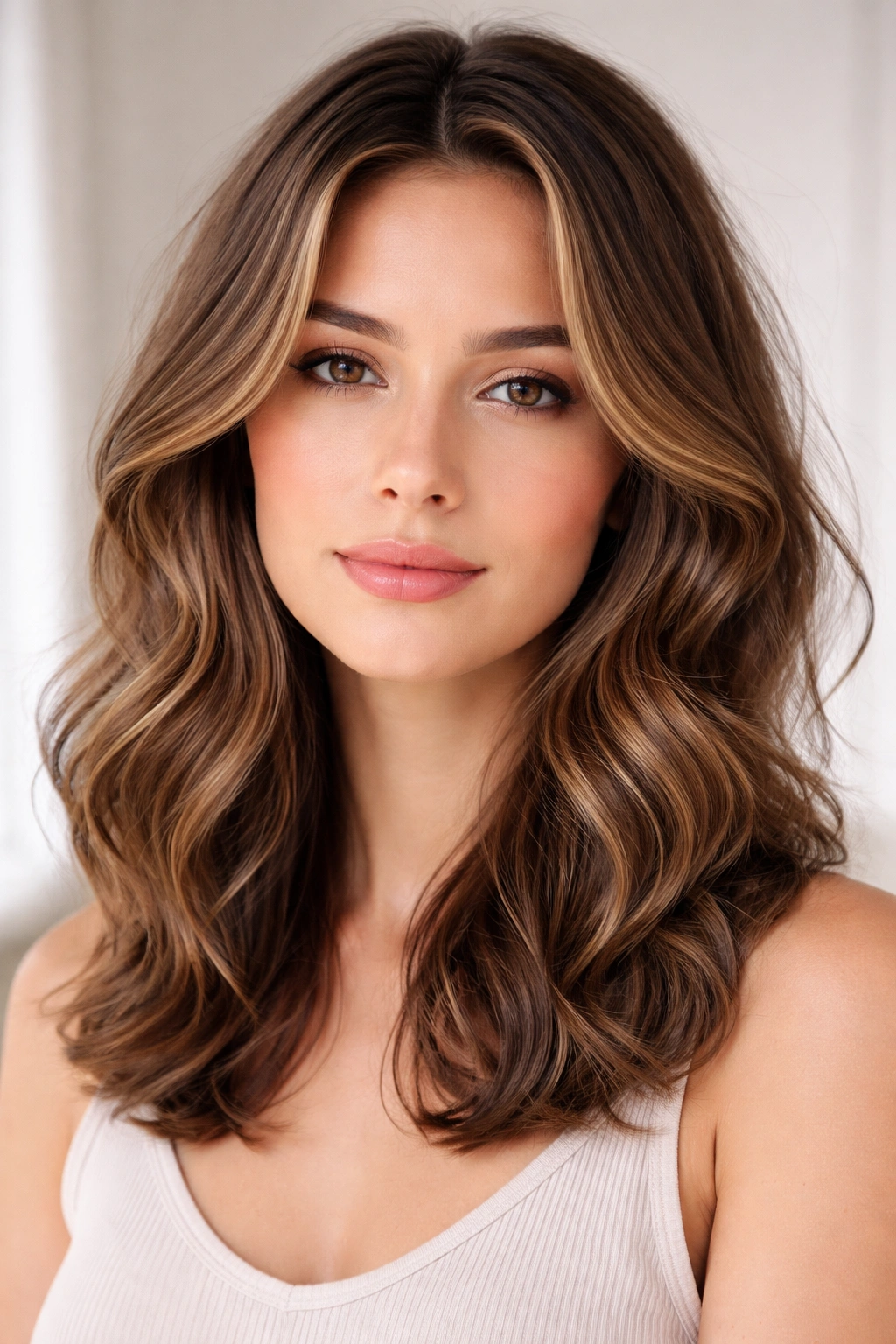
Sometimes the most sophisticated approach is the most minimal: this style features barely-there layers—so subtle that you’d miss them if you weren’t looking carefully—that exist primarily to remove enough weight and density that your waves can form beautifully. Rather than making a visual statement through texture and chop, this cut lets your waves be the star. The layers are simply the canvas they need.
When Less Becomes More
The most dramatic look isn’t always the most layered. Sometimes removing just enough weight and density to let your waves shine is far more sophisticated than chopping up your hair extensively.
Minimal Layer Approach
- Barely visible layers: Layers are present but so subtle that the cut reads as nearly one-length from a distance
- Weight removal: The primary purpose is removing bulk, not creating obvious texture
- Wave emphasis: Your waves become the entire focus rather than competing with layers for attention
- Polished appearance: Reads as sleek and intentional rather than choppy or undone
- Versatile styling: Can be worn smooth and wavy or textured up, depending on your mood
Insider note: This approach works best if your waves are naturally beautiful and well-defined. It requires consistent wave maintenance and quality wave products to look its absolute best.
16. The Choppy Baby Bangs with Layered Body
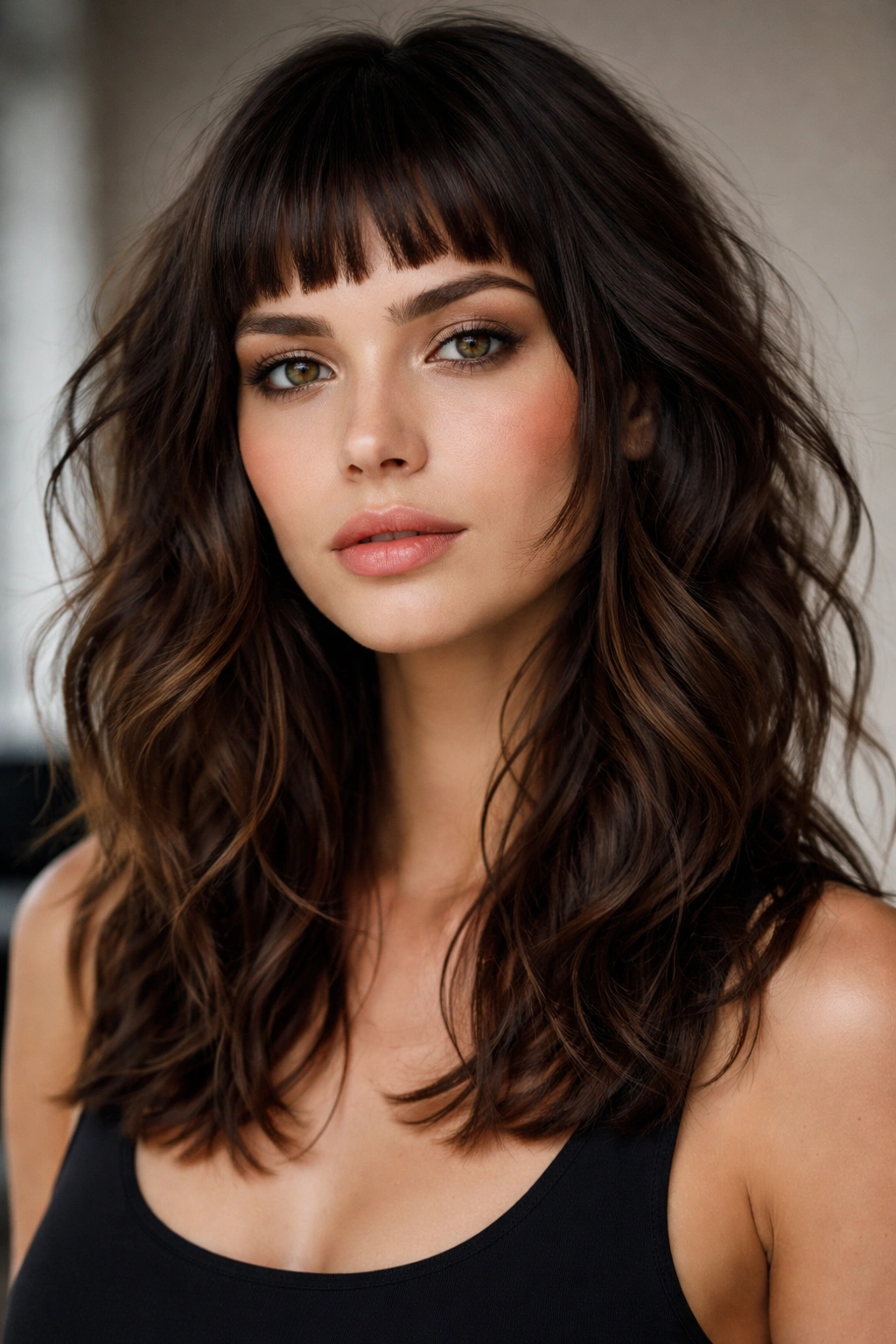
If you’re ready for a real statement, choppy baby bangs paired with layered waves throughout creates an unmistakably modern, fashion-forward look. The shortest textured layers frame the forehead and face, gradually extending into longer, layered pieces that flow to the shoulders. It’s edgy, it’s contemporary, and it absolutely announces that you’re fashion-conscious and willing to take risks.
Statement-Making Sophistication
Baby bangs with a layered body is not a subtle cut. It’s for anyone who wants their haircut to say something bold about their personal style.
Key Elements
- Choppy baby bangs: Very short, textured fringe pieces that create obvious movement and personality
- Textured face-framing: Layers continue below the bangs, creating additional framing and texture
- Progressively longer back: The back extends to shoulder length and beyond, creating length contrast with the bangs
- Intentional texture: Every inch is layered and textured for obvious movement and dimension
- Modern edge: This cut screams contemporary and fashion-forward
Real talk: This is high-maintenance. The baby bangs need regular trims (every 2-3 weeks), and styling is pretty essential to make it look intentional.
17. The Soft Shag with Rounded Shape
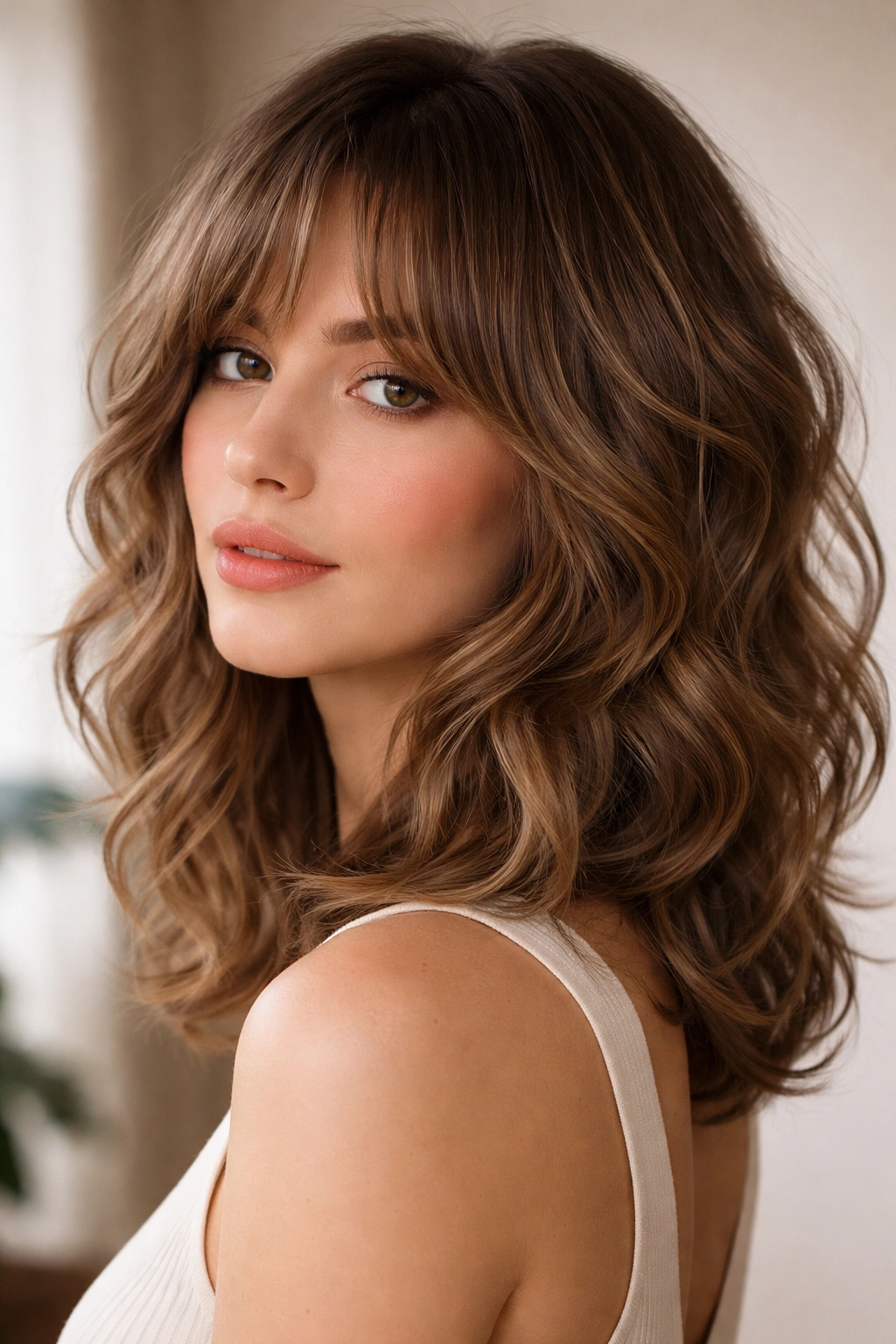
Not all shags are choppy and edge-forward. This version maintains the shaggy, layered texture but rounds out the overall silhouette so that from a distance, the shape reads as quite pretty and polished rather than intentionally undone. The layers are there, but they’re integrated in a way that creates shape rather than obvious chop. Waves enhance the roundness and softness of this approach.
Shag with Sophistication
The traditional shag leans very edgy and rock-and-roll. This version takes the layer structure but applies it in a way that feels more refined and intentional, like a pretty waves cut rather than the aesthetic of bedhead.
Rounded Shag Elements
- Shaped overall silhouette: Rather than hanging in choppy pieces everywhere, the overall shape is rounded and cohesive
- Integrated layers: Layers blend together rather than obviously showing where each one starts and stops
- Soft wave emphasis: Waves create gentle texture rather than spiky, textured separation
- Polished yet textured: Reads as sophisticated and intentionally layered, not undone or accidental
- Wearable every day: Less edge means this works in more conservative settings while still offering great texture and movement
Pro tip: This cut benefits from products that create soft, defined waves rather than maximum texture and separation. Think wave creams over texturizing sprays.
18. The Choppy Modern Shag
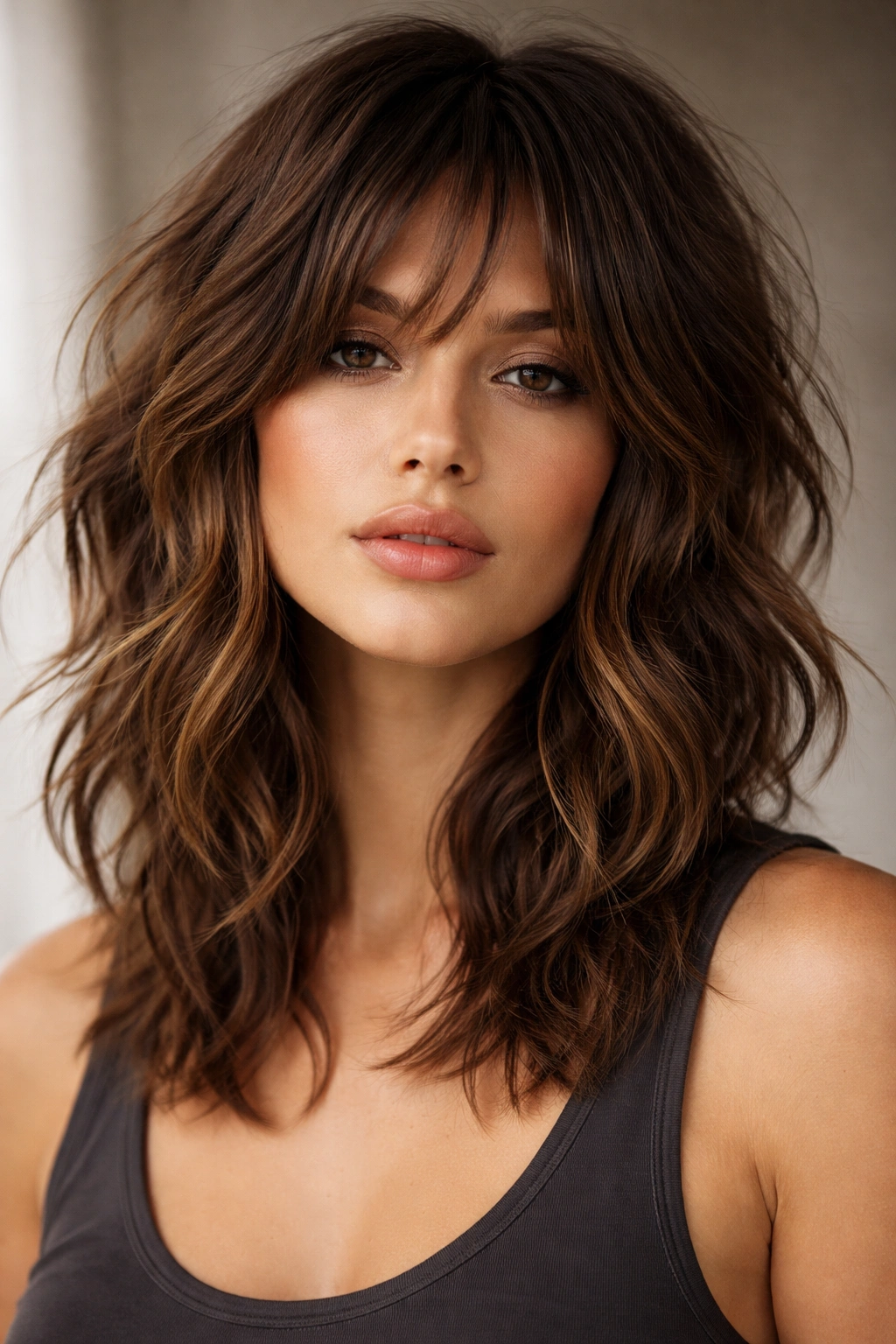
And finally, the updated, contemporary interpretation of classic shag energy: very choppy, extremely textured, absolutely unapologetic about its texture-forward design. Every section is noticeably chopped, creating obvious separation and movement throughout. Waves transform this cut into something utterly stunning—the texture of your waves echoes the texture of the cut, creating dimensional visual interest that’s just beautiful.
Classic with Edge
This is shag in its most recognizable form—the cut that says you’re not worried about looking perfectly polished because looking textured and dynamic is more interesting anyway.
Maximum Texture Characteristics
- Visibly choppy throughout: Every layer is obviously present and chopped, no subtle integration here
- Obvious separation: You can visually distinguish each layer and see where they create space and movement
- Stacked density: Layers are stacked rather than graduated, creating volume and texture at the crown
- Face-framing chop: Short, choppy pieces around the face create flattering movement
- Wave celebration: Your waves are encouraged to look as textured and separated as possible
- Undeniable personality: This cut announces that you care about texture and movement more than pristine polish
Worth knowing: This cut is genuinely gorgeous, but it’s also the most high-maintenance of all the options. You’ll be styling it regularly and getting trims every 4-6 weeks to keep the texture defined.
Final Thoughts
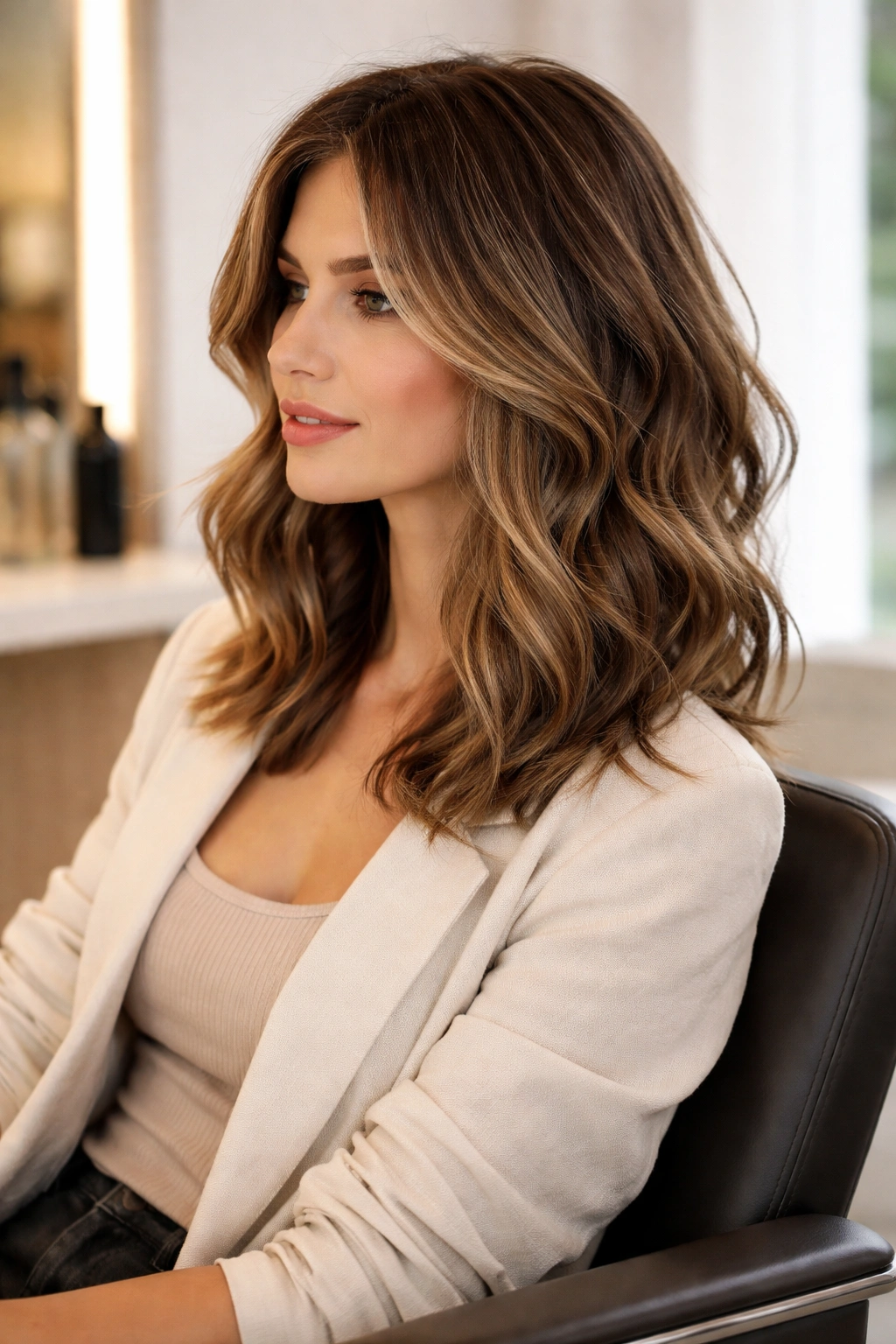
The right shoulder-length wavy layered haircut transforms the way you experience your hair every single day. Whether you choose something subtle and romantic or bold and textured, the key is finding a cut that aligns with how much styling time and energy you’re genuinely willing to invest. Every single one of these styles works beautifully with wavy hair—the question is which resonates most with your personal aesthetic and lifestyle.
When you sit down in that chair for your consultation, bring photos of multiple cuts that appeal to you, discuss your wave pattern and how you typically style (or want to style) your hair, and be honest about your maintenance commitment. A talented stylist will help you find the perfect intersection of what you love to look at and what you can realistically maintain. And here’s the truth: once you find your cut, the way waves move through those layers will make you genuinely look forward to good hair days. That’s the real magic of layering on wavy hair—it stops being work and becomes something you actually enjoy.