



Short wavy hair strikes that perfect balance between low-maintenance and undeniably stylish—it’s textured enough to look intentional without requiring hours of styling, yet polished enough to work for just about any occasion. The challenge, though, is knowing which wavy cut will actually suit your face shape, hair density, and lifestyle. A choppy shag that looks effortlessly cool on someone else might feel chaotic on you; a sleek wave that photographs beautifully might feel like a commitment you’re not ready to make.
The good news? Wavy hair is incredibly forgiving. These styles work with your natural texture instead of against it, which means less time with heat tools and more time sleeping in. Whether you’re starting from straight hair and want texture, or you’ve got natural waves you’re finally ready to embrace, there’s a short wavy style here that’ll make you wonder why you didn’t try it sooner.
What makes these styles work is understanding the difference between a cut designed for waves and one that just happens to work on wavy hair. The best short wavy styles have layers strategically placed to encourage movement, texturized ends that create definition without frizz, and proportions that make the style actually easier to style than its blunt-cut counterparts. Let’s walk through the short wavy options that deserve your attention.
1. The Textured Pixie-Bob Hybrid
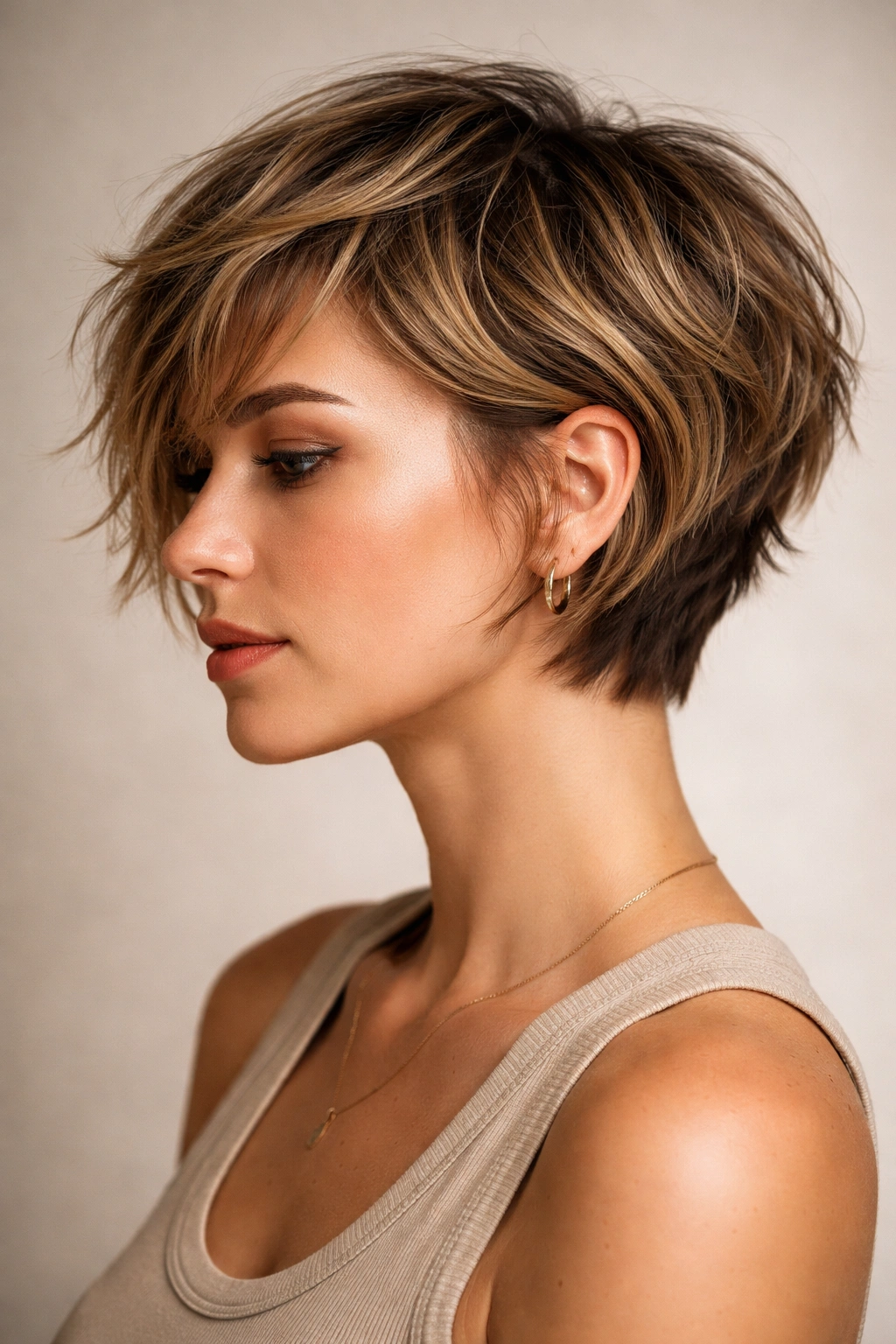
This style lives in that sweet spot between a pixie cut and a bob—short and sassy but with enough length to actually work with your waves. The front pieces are typically longer than the back, creating an angular, modern silhouette that photographs beautifully from the side. What makes this work is the heavily textured cut, with choppy layers throughout that encourage your waves to shine rather than looking flat or stringy.
Why This Cut Works for Wavy Hair
Pixie-bob hybrids are cut with the understanding that waves naturally create texture and movement. Instead of fighting that, the stylist embraces it by removing weight strategically. When you have natural waves, this cut becomes even easier because the texture does half the work for you. You’re not fighting to create definition—it’s built right into the cut.
Styling and Maintenance
This style needs washing and some texture cream or light mousse to look its best, but rarely needs more than that. You can wear it tousled and textured, or if you want a more polished look, a bit of styling cream and finger-combing in the direction of your waves creates a refined, intentional appearance. The upside? Grow-out is graceful—this style looks good at every stage of regrowth.
Styling tip: Apply your styling product to damp (not soaking wet) hair, scrunch gently from underneath, and either let it air dry or use a diffuser on low heat.
2. The Shaggy Mullet Wave
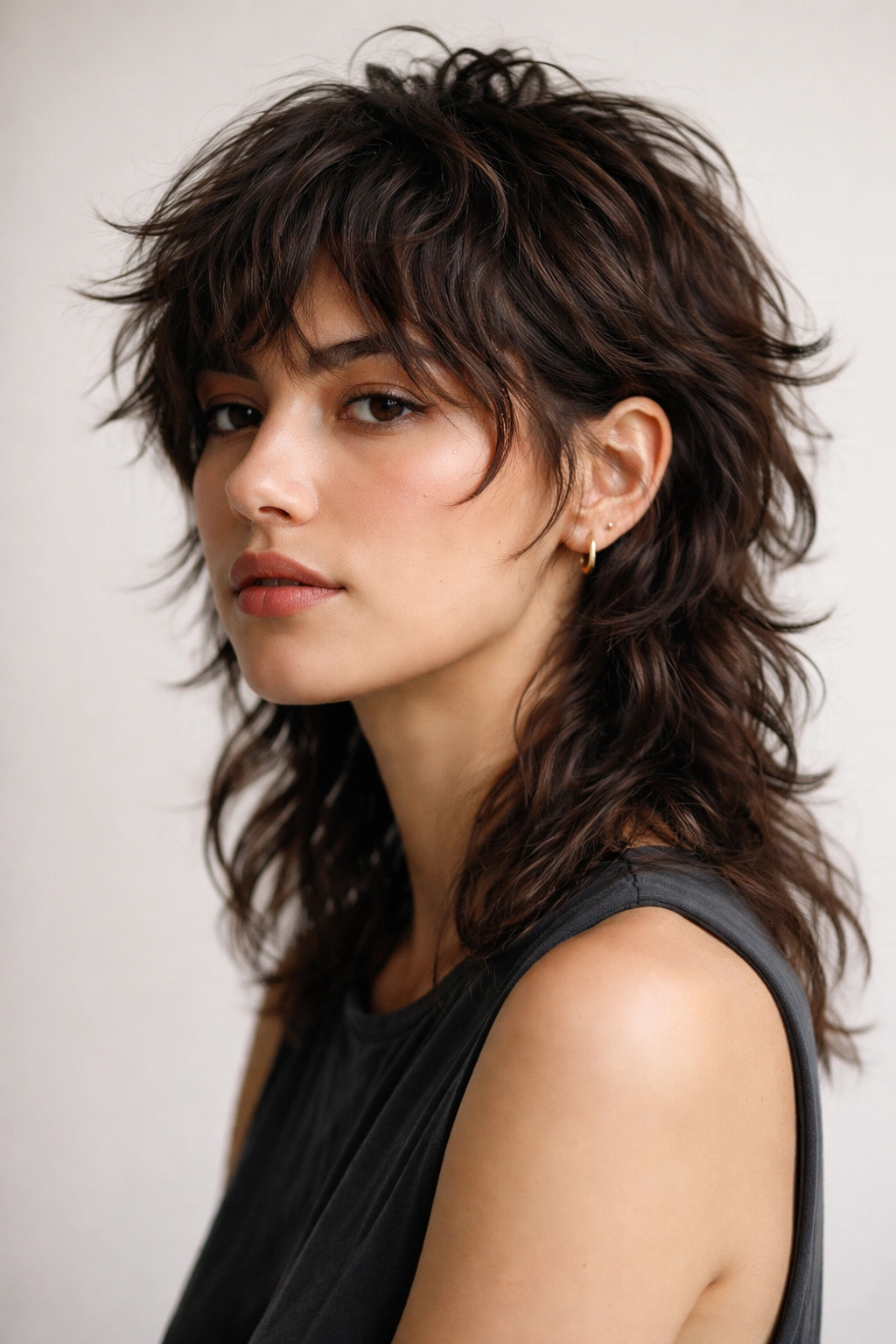
Don’t let the name fool you—the modern shaggy mullet is nothing like the ’80s version. This is a cool, fashion-forward take where the top and sides are shorter with lots of choppy layers, while the back stays slightly longer. Those choppy layers create incredible texture and movement, especially in wavy hair. The result is edgy, playful, and somehow both effortless and intentional-looking.
What Makes It Work
The shaggy mullet thrives on movement and texture, which wavy hair provides naturally. The layers are cut at different lengths and angles to catch light and create visual interest from every angle. In straight hair, this style can feel chaotic; in wavy hair, it looks deliberately textured. This is a style that genuinely benefits from your natural wave pattern.
Who Should Consider It
This cut suits people who want their hair to make a statement, who don’t mind a slightly undone aesthetic, and who like styling. It’s ideal for those with a strong sense of personal style and the confidence to wear something that’s unmistakably trendy. If you love the idea of people noticing your hair in a positive way, this delivers.
Real talk: This style needs regular trims every 4-6 weeks to keep those layers sharp and intentional. If you’re not ready for maintenance commitment, this might feel exhausting.
3. The Choppy Lob
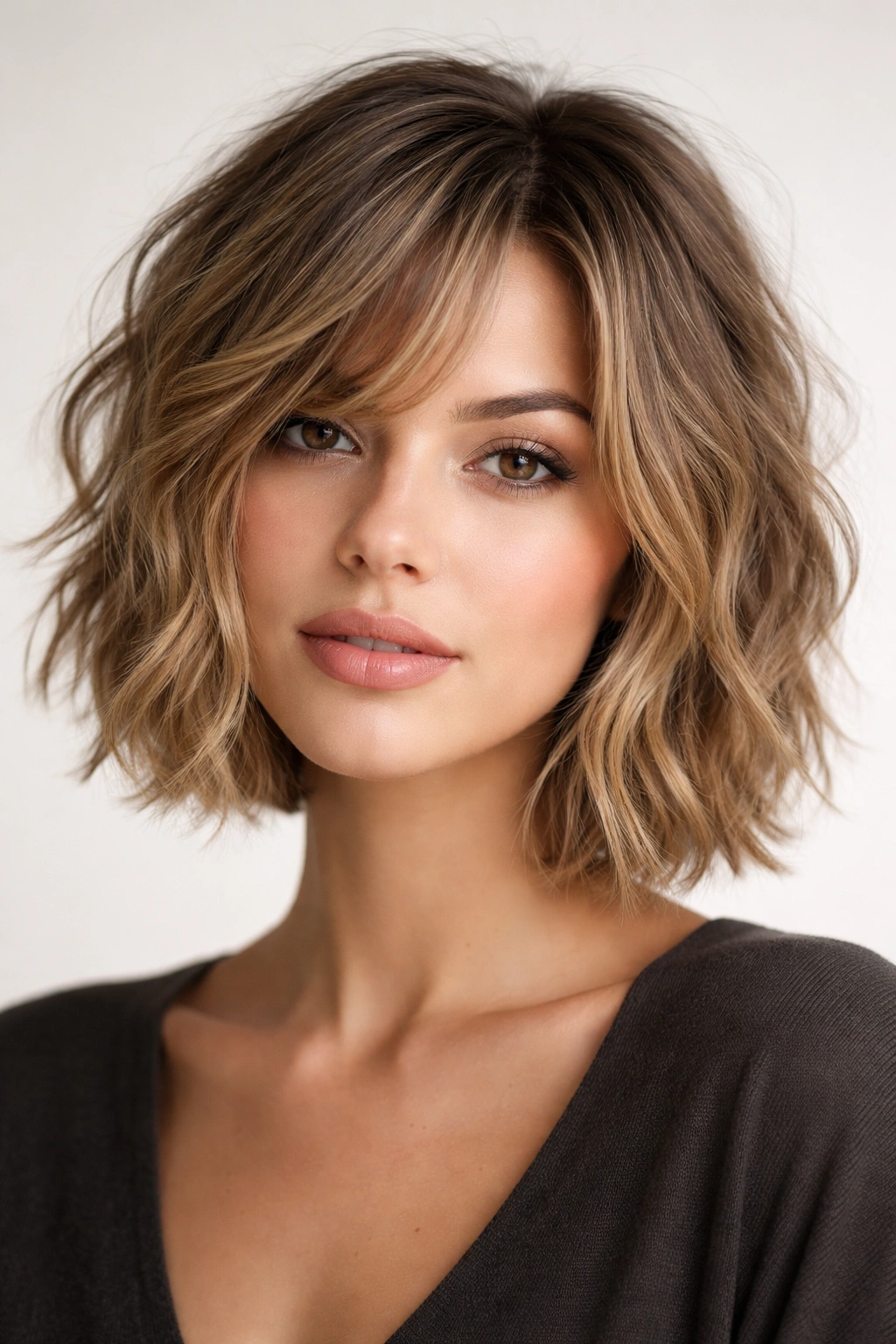
“Lob” stands for long bob, and the choppy version is where wavy hair absolutely thrives. This style hits roughly at the chin or slightly longer, with heavy layers throughout that create tons of movement and bounce. The choppiness is the key—it means no two pieces are the same length, which prevents the style from looking flat or blunt. On wavy hair, those layers bounce and flip in directions that feel dynamic and alive.
Why Waves Love This Cut
The choppy lob is essentially layers on purpose. Your waves naturally want to move in different directions, and a choppy cut gives them structured places to go. Instead of fighting your natural texture, the cut amplifies it. You get a style that looks effortlessly cool without actually being effortless—but the effort feels worth it because the payoff is immediate.
Layering Strategy for Maximum Impact
Ask your stylist for shorter layers at the crown to add volume, mid-length layers throughout the middle section for movement, and slightly longer choppy pieces around the face. This creates dimension that reads as intentional rather than just “hair that grows out of your head.” The face-framing pieces are crucial—they should be textured and piece-y, not blunt.
Pro tip: Wavy hair in a choppy lob looks best when you enhance your waves slightly. Use a curling iron on low heat or a curling cream to amp up the texture just a bit.
4. The Tousled Crop
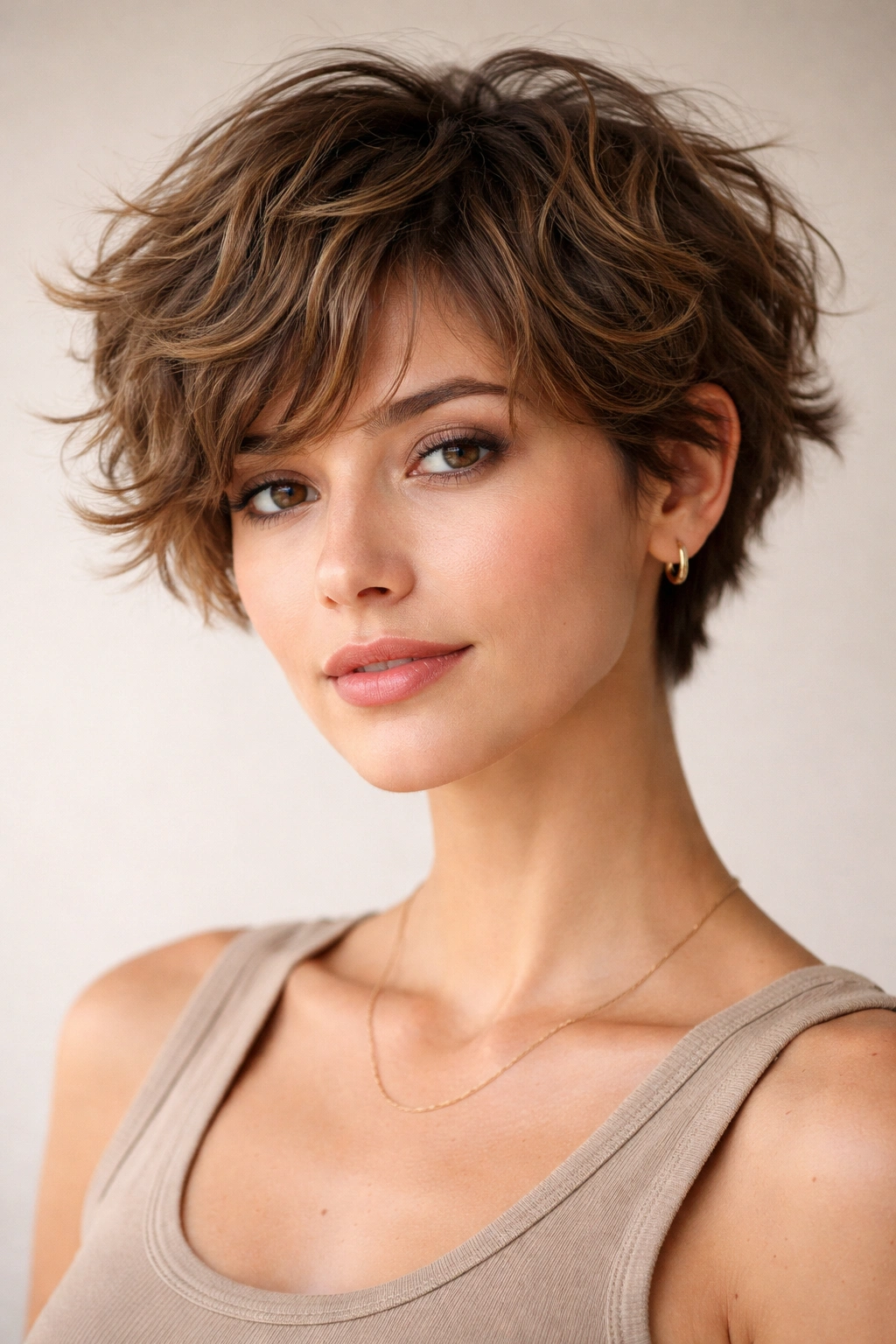
This is the utility player of short wavy hairstyles—short enough to be genuinely low-maintenance, textured enough to look intentional, and flattering enough to work on most face shapes. A tousled crop is cut short and choppy all over, with no real direction or intentional styling required. It’s the style you can wake up, shake your head a bit, and look polished. Your natural waves do almost all the heavy lifting.
The Magic of “Intentional Bedhead”
What makes a crop work is that it’s cut short enough that your natural waves become the style itself rather than something that needs to be managed. There’s no length weighing your waves down, so they’ve got freedom to be textured and bouncy. The cut itself is usually very choppy and layered, which means every piece moves independently—creating that effortlessly textured look.
Maintenance Reality
This is genuinely one of the lowest-maintenance styles out there, but it does need a skilled stylist to cut well. A bad crop looks scraggly; a good crop looks intentionally cool. You’ll need a trim every 4-5 weeks to keep the shape clean as it grows out, but styling time is minimal. A bit of texture cream and you’re done.
Honest note: This style works best on people with moderately thick hair or strong natural waves. If you have very fine, thin hair, it can look wispy; if your waves are subtle, it might look more like a regular short cut than a textured crop.
5. The Face-Framing Wavy Bob
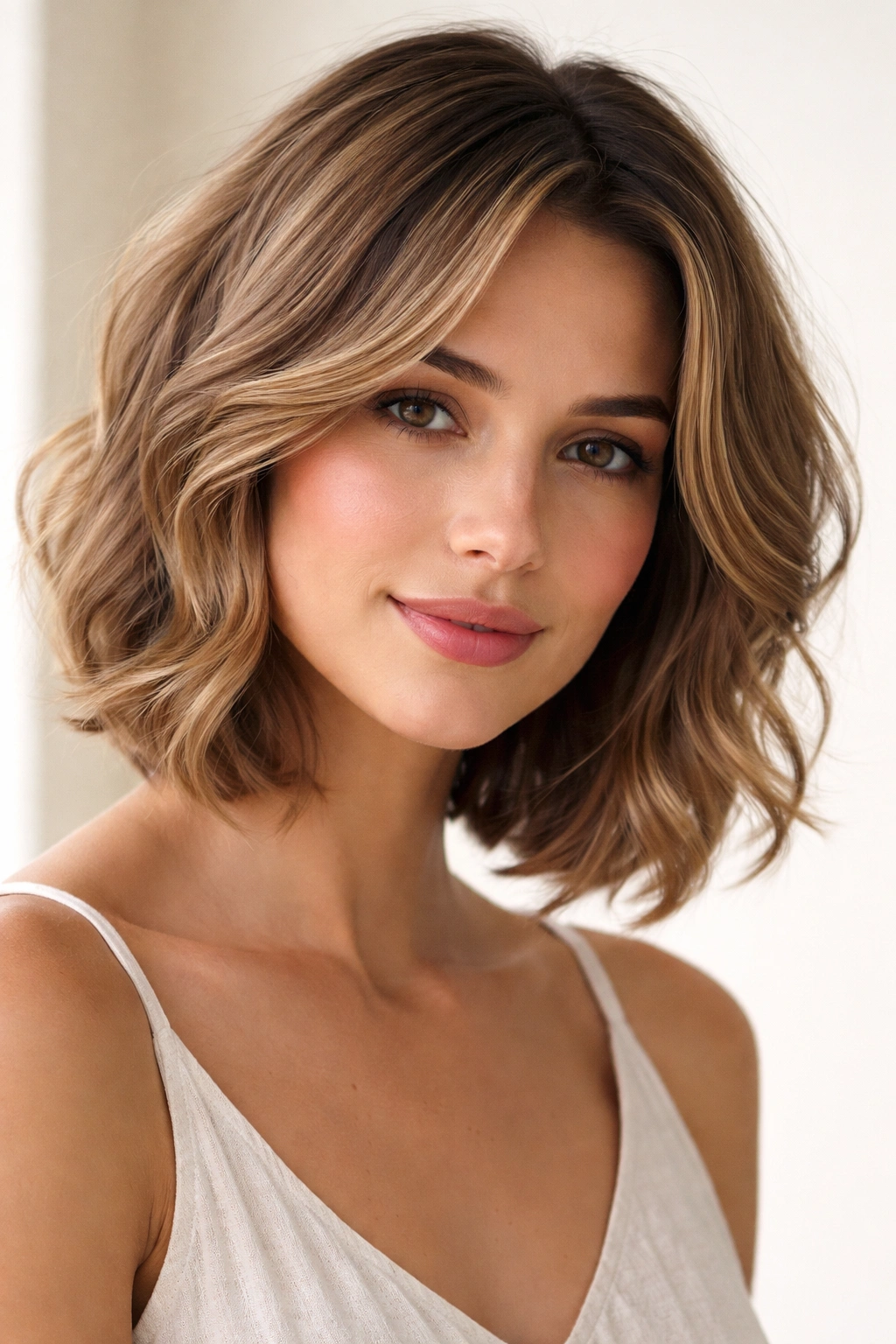
This is the classic short wavy style that never goes out of fashion—a chin-length bob with strategic layers around the face that create dimension and softness. What distinguishes this from a blunt bob is the texturizing and face-framing pieces, which on wavy hair create a lifted, youthful effect. The sides frame your face in a flattering way, and the texture at the ends keeps it from looking dated or severe.
Why It’s Universally Flattering
A well-executed wavy bob with face-framing layers works because it follows the natural contours of your head and face. The longer pieces in front can be styled to angle toward or away from your face depending on your preference, while the back has just enough length to avoid being too severe. On wavy hair, this style gains a softness and movement that keeps it from ever looking rigid.
Styling for Different Occasions
For a casual day, let your natural waves do the work—just scrunch in some texture cream and you’re done. For something slightly more polished, you can flip your waves toward your face with your fingers while your hair air-dries, or use a curling iron to exaggerate the wave pattern. The versatility is part of why this style endures.
Styling hack: If your waves are subtle, blow-dry your hair against the direction you want it to fall. This encourages your waves to work in the opposite direction, creating more pronounced texture and movement.
6. The Disconnected Undercut
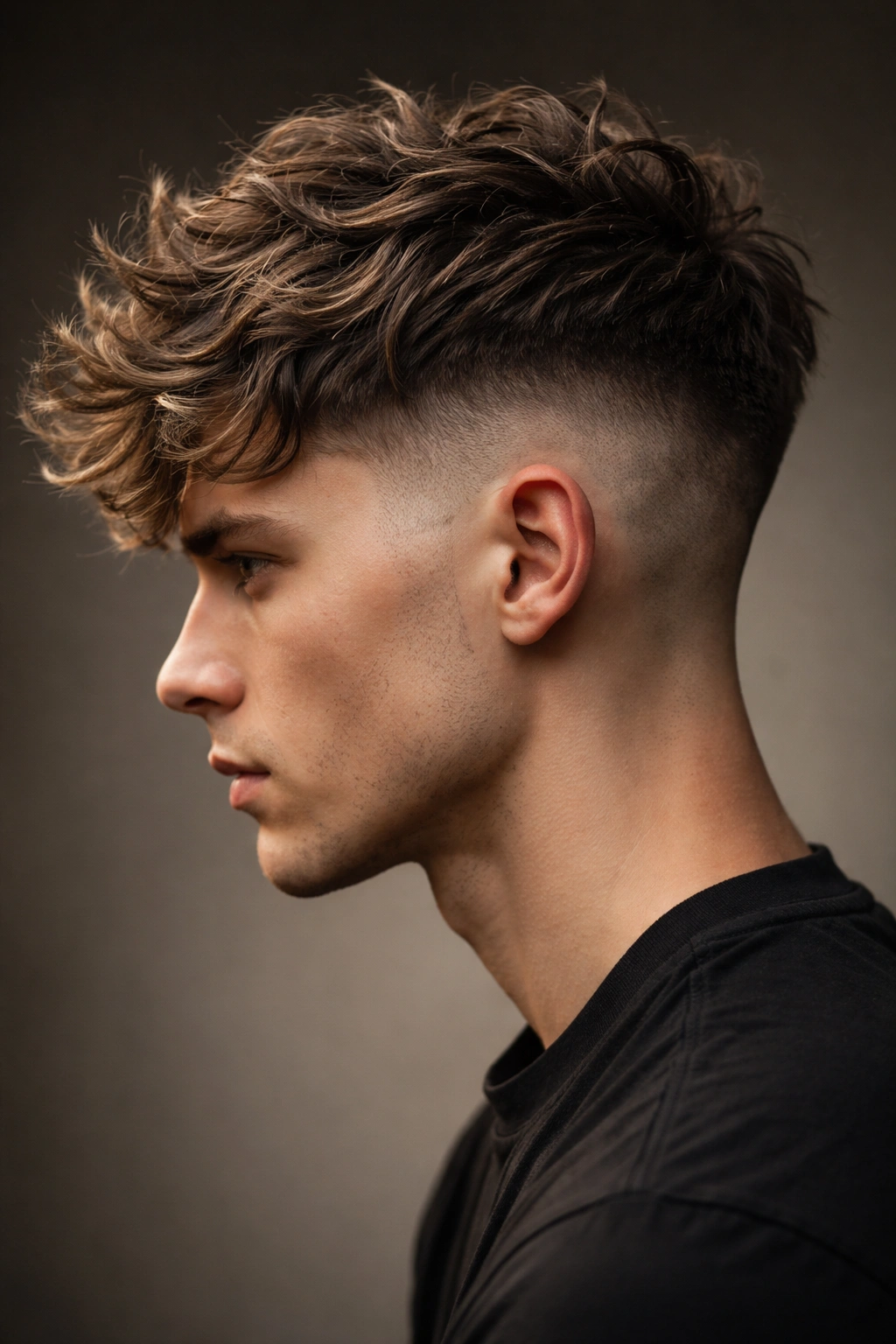
This is where short wavy hairstyles get edgy. An undercut means the sides and back are cut very short (sometimes with clippers), while the top is left longer with lots of choppy layers. That contrast—between the clean, close-cut sides and the textured, choppy top—creates serious visual impact. On wavy hair, that textured top takes on even more personality because the waves become the main design element.
The Bold Statement Factor
This isn’t a “safe” style, but it’s an incredibly cool one. The disconnected undercut says you’re confident, creative, and not afraid to be noticed. The shorter sides don’t compete with your face shape—they actually emphasize it—while the textured top keeps things from looking too severe or harsh. It’s the style you choose because you genuinely love it, not because it’s what everyone’s doing.
Maintenance and Styling
The sides need a trim every 2-3 weeks to keep that clean undercut line sharp. The top can go a bit longer between cuts since you’re maintaining layers anyway. Styling-wise, texture cream and air-drying or diffuser-drying creates that perfectly tousled, textured look. Some people add a light pomade or styling cream for a bit more polish.
Worth knowing: This style pairs beautifully with colors that play up the texture—think balayage, hand-painted highlights, or even a solid deeper tone with subtle lighter pieces.
7. The Textured Shag
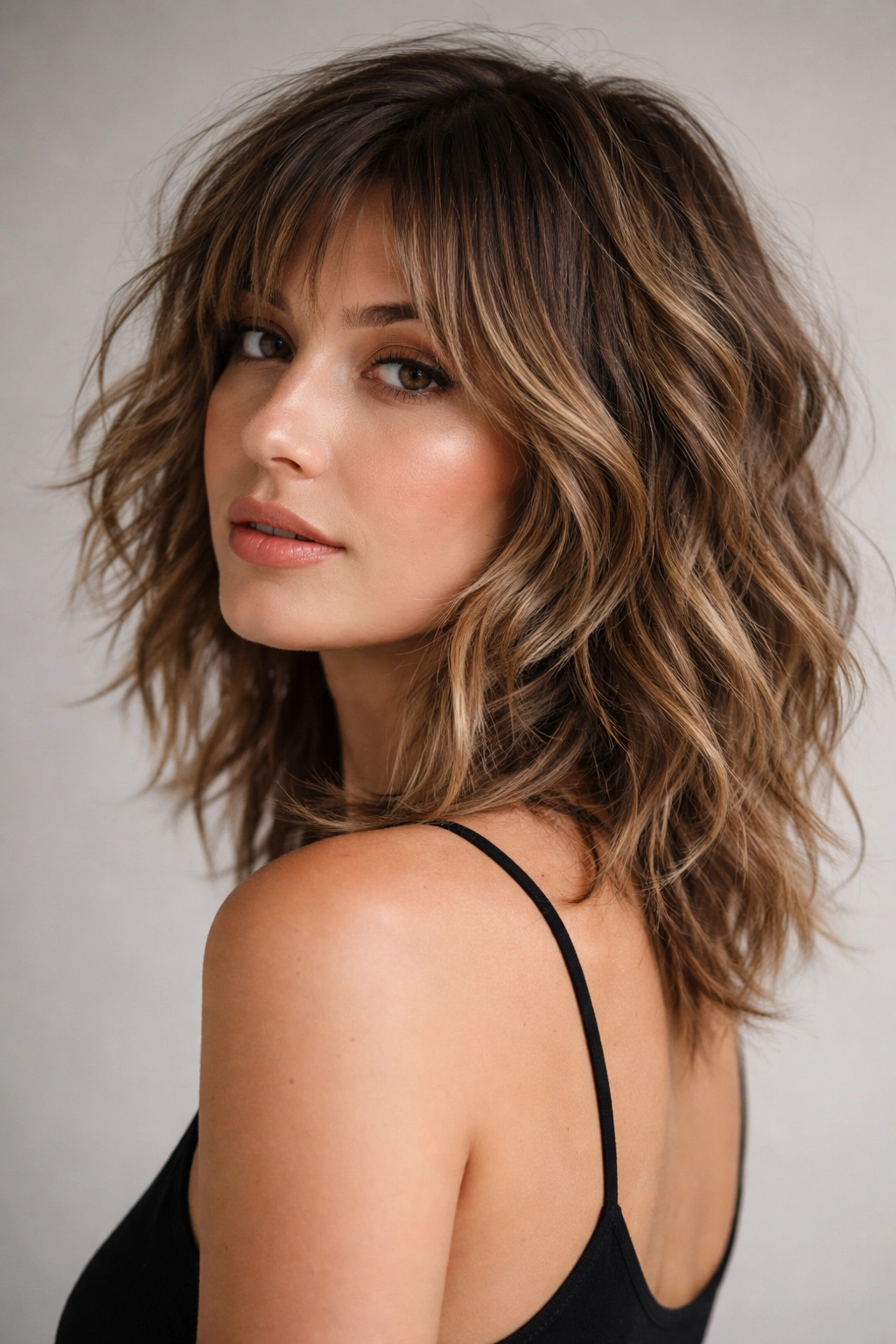
The shag—that legendary ’70s cut—has made a massive comeback, and on wavy hair, it’s absolutely magical. A modern textured shag has layers throughout (not just at the ends), which create movement and dimension at every level. The key difference from a choppy pixie-bob is that a shag has more length overall, usually somewhere between chin-length and shoulder-length. Those layers make it look effortlessly cool, like you just got back from somewhere amazing and your hair naturally looks this good.
Why Shags Rule on Wavy Hair
Shag haircuts were literally designed with texture in mind. The whole point is layers that create movement and dimension. On wavy hair, this becomes even more pronounced—your natural waves amplify everything the cut is trying to achieve. You get that lived-in, textured, intentionally cool aesthetic without working too hard for it.
The Right Shag for Your Hair Type
If you have thicker hair with strong waves, go for a shag with lots of layers and some length—it’ll look voluminous and cool. If your hair is finer or your waves are more subtle, opt for a shag that’s slightly shorter with still-textured layers—you don’t want it so long that weight pulls the texture down. Your stylist can help you find the sweet spot based on your hair’s characteristics.
Insider tip: Shags look incredible with a bit of color variation. Subtle highlights or a sun-kissed balayage amplifies the textured, layered effect.
8. The Textured Pixie
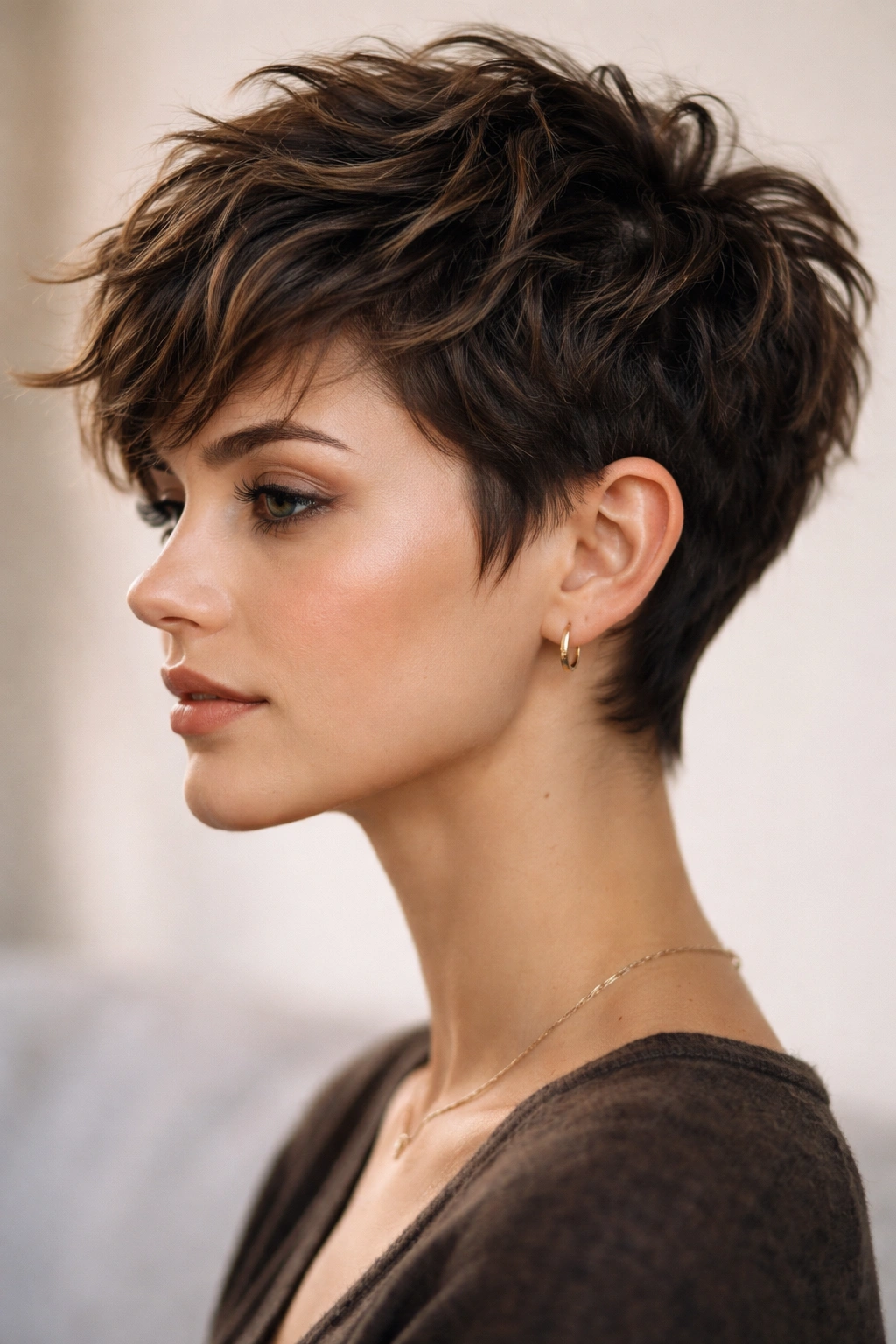
For those ready to go truly short, a textured pixie on wavy hair is a revelation. The cut is extremely short all over—usually an inch or less—but the “textured” part is crucial. Instead of a smooth, sculpted pixie (think Audrey Hepburn), a textured pixie is cut with choppy, piece-y layers that emphasize your natural waves. The result is spiky, cool, and surprisingly feminine, depending on how you style it.
Who Should Try This
A textured pixie suits people with confident personal style, strong facial features (since there’s nothing to hide behind), and a comfort level with being noticed. It’s ideal for those who genuinely love short hair, not people trying it for the first time. You need to actually enjoy having your hair short and visible—this isn’t a “safe” style that blends into the background.
Styling a Textured Pixie
This is the definition of wash-and-go hair. Apply a texturizing cream or matte styling product to damp hair, scrunch it a bit, and let it air dry into its choppy, textured state. That’s genuinely it. On some days you might want a tiny bit more product for definition, but the style’s whole point is that it doesn’t demand effort. Your natural waves are the design.
Real talk: This style requires confidence and regular maintenance. You’ll need a cut every 3-4 weeks to keep it sharp, and if you get frustrated with styling at any point, it’s too late to hide—you’re stuck until it grows out.
9. The Wavy Wolf Cut
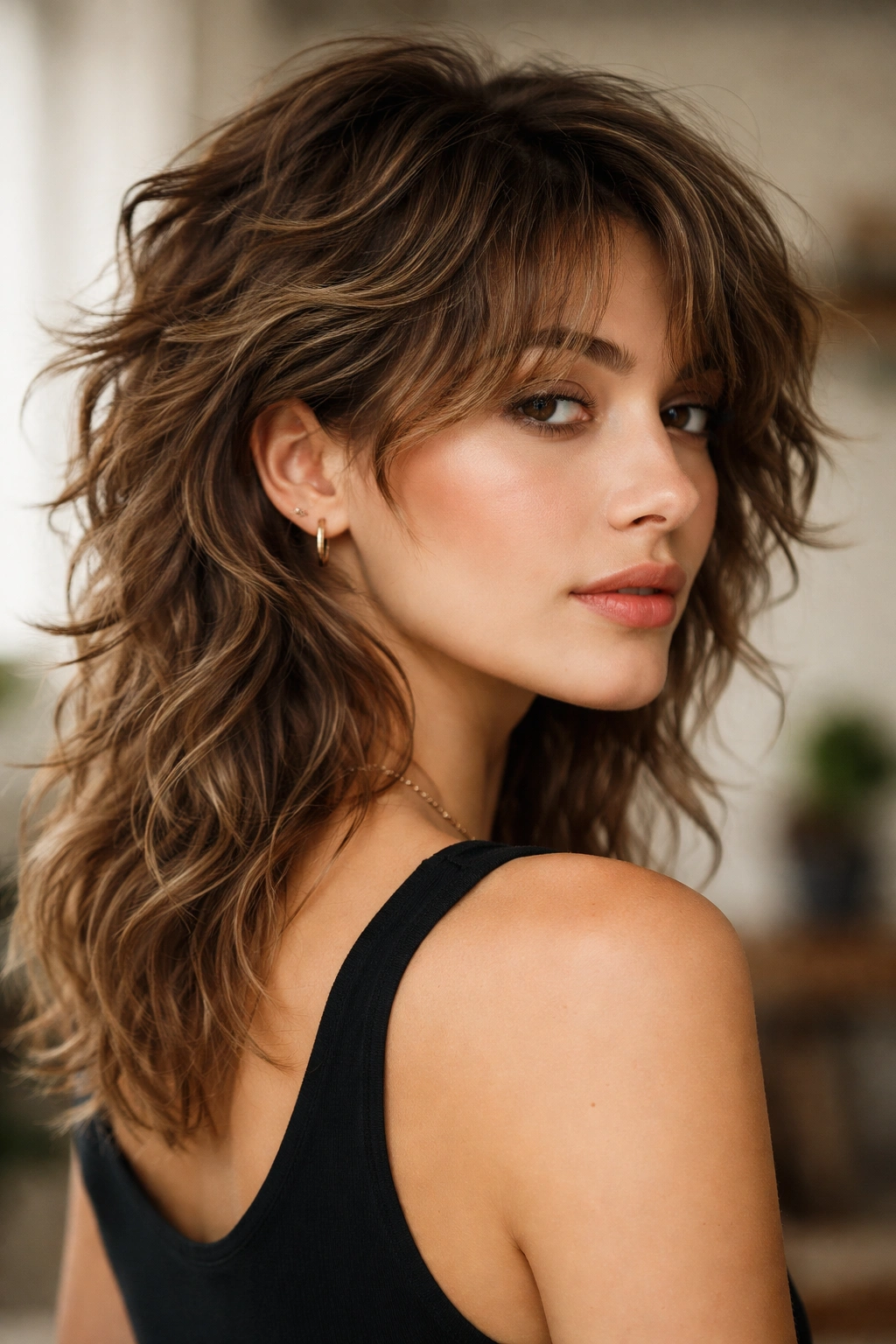
The wolf cut is basically a shag meets a mullet—longer layers on top with a shorter, choppier back section. It’s edgy, fashion-forward, and on wavy hair, it’s incredibly flattering. The longer pieces can frame your face beautifully, while the shorter back keeps things from getting too long or heavy. The layering throughout creates movement and texture at every level, and your natural waves make the whole thing look intentionally cool.
Where It Works Best
Wolf cuts suit people who want a statement style that’s still wearable and versatile. It’s shorter than a shag but longer than a mullet, hitting that middle ground of “edgy but not extreme.” On wavy hair, the texture makes it work—you’re not fighting your hair type; you’re working with it and amplifying it.
Styling Flexibility
Depending on your styling choices, this cut can look edgy and tousled or slightly more polished and intentional. A texturizing cream and air-drying creates that lived-in, cool aesthetic. A bit of smoothing balm and some finger-combing leans more refined. The layers give you options, which is part of the appeal.
Styling note: This cut looks especially cool when you enhance the texture with a curling iron or with styling techniques that emphasize movement.
10. The Textured Bangs with Short Wavy Layers
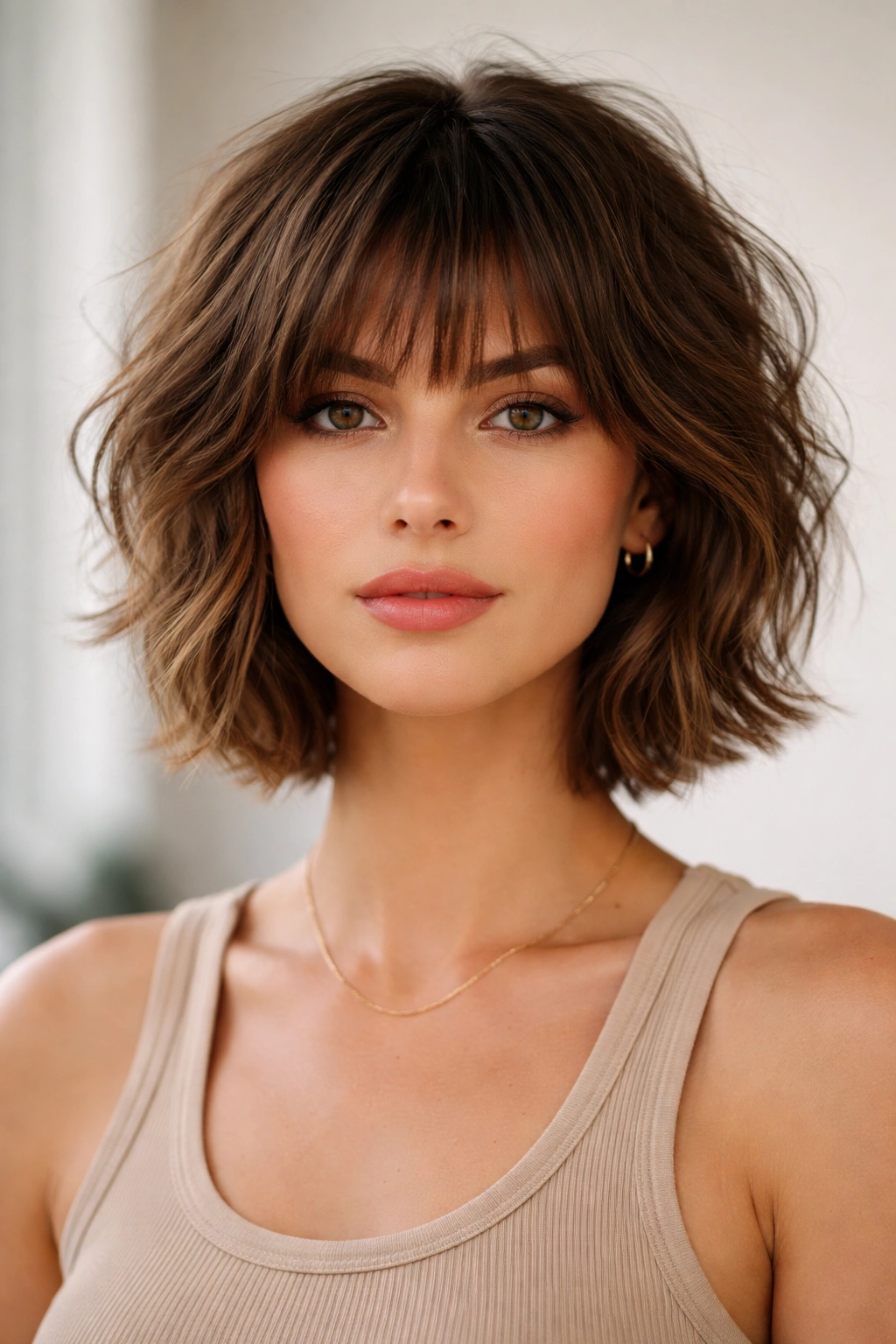
Adding textured, choppy bangs to a short wavy cut is a way to completely transform your look. The bangs draw attention to your eyes and add an instant style element, while the textured, layered back keeps everything from feeling too heavy or dated. This works best with face-framing bangs that are choppy and piece-y, not blunt or solid—they should integrate with your wavy texture, not fight it.
Bangs That Actually Complement Waves
The key is asking for textured, choppy bangs that mirror the texture and choppiness of the rest of your cut. This creates cohesion and prevents the bangs from looking like an afterthought. On wavy hair, these bangs have lots of movement and personality, which actually makes them easier to style than blunt bangs would be.
Styling Bangs with Wavy Hair
Textured bangs on wavy hair are surprisingly low-maintenance. You can let them air dry with the rest of your hair, or if you want slightly more control, blow-dry them in the direction you want them to sit. The choppiness means they don’t have to be perfectly smooth—that texture and slight piece-iness is the whole point.
Maintenance reality: Bangs do require trims every 3-4 weeks if you want them to maintain their shape and style. If that sounds like too much commitment, textured bangs might be more work than you’re willing to put in.
11. The Tousled Waves with Tapered Sides
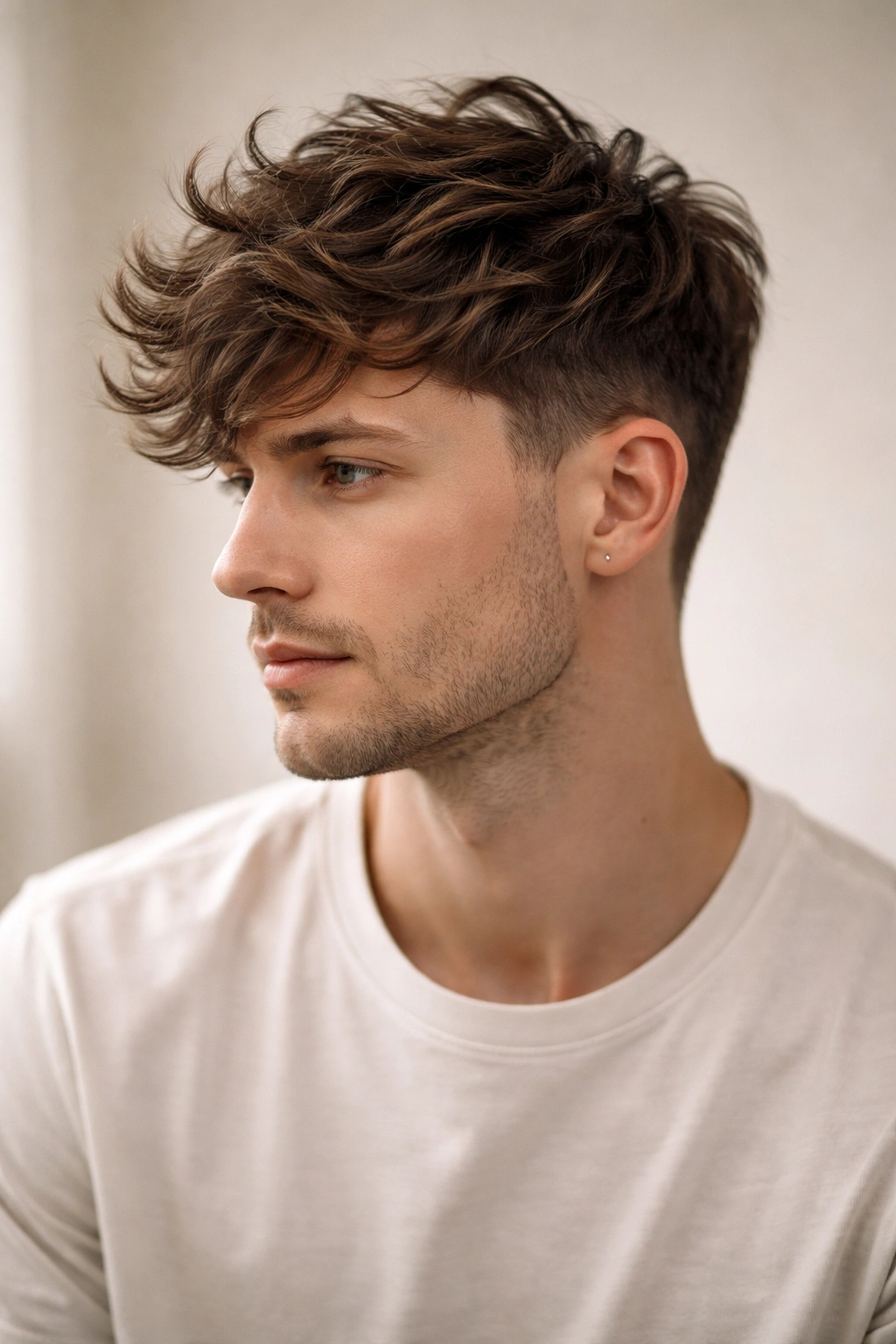
This final style combines the textured top of a wavy crop or pixie-bob with slightly more definition by tapering the sides—they’re not as dramatically short as an undercut, but they’re noticeably shorter than the top. This creates a frame for your face while still maintaining the tousled, textured, casual-cool aesthetic. The top is all choppy layers and movement, while the tapered sides keep everything polished and intentional-looking.
The Best of Both Worlds
What makes this style work is that it’s textured and cool without being extreme. The tapered sides give you some structure and shape, while the textured, layered top ensures you’ve still got personality and movement. On wavy hair, this combination is especially flattering because your natural texture becomes the main event.
Versatility in Styling
This cut works for casual days where you let your waves be tousled and natural, and it also works for more put-together occasions where you can smooth things slightly or add a bit more product for polish. The tapered sides keep it looking intentional and well-executed regardless of how casual or styled your approach is.
Pro tip: This style pairs beautifully with color—whether that’s a solid shade that emphasizes the texture or something with dimension that plays up the layers and movement.
Final Thoughts

Choosing a short wavy hairstyle isn’t just about picking something that looks cool in photos—it’s about finding a style that works with your hair type, fits your maintenance comfort level, and genuinely reflects how you want to feel when you look in the mirror. The beautiful thing about wavy hair is that you’ve got so many options. Your natural texture is an asset, not something to work around.
Before you book that appointment, think honestly about how much styling time you’re willing to commit to. A textured pixie is gorgeous but genuinely requires a trim every few weeks. A choppy lob is incredibly flattering but needs some styling to look its best. A tousled crop is low-effort but works best on thicker hair with strong waves. There’s no “wrong” answer—just the answer that’s right for your life and hair.
Start by saving a few photos of styles that speak to you, then have a detailed conversation with your stylist about your hair type, texture, daily routine, and what you actually want to spend time on. A skilled stylist who understands wavy hair can tell you honestly whether a style will work with your hair and lifestyle, and can usually suggest tweaks that make something more wearable for you specifically. That consultation matters way more than picking the “perfect” style from the internet.
Your short wavy hairstyle should make you feel like the best version of yourself—polished but not overdone, intentional but not high-maintenance, and 100% uniquely you.
