



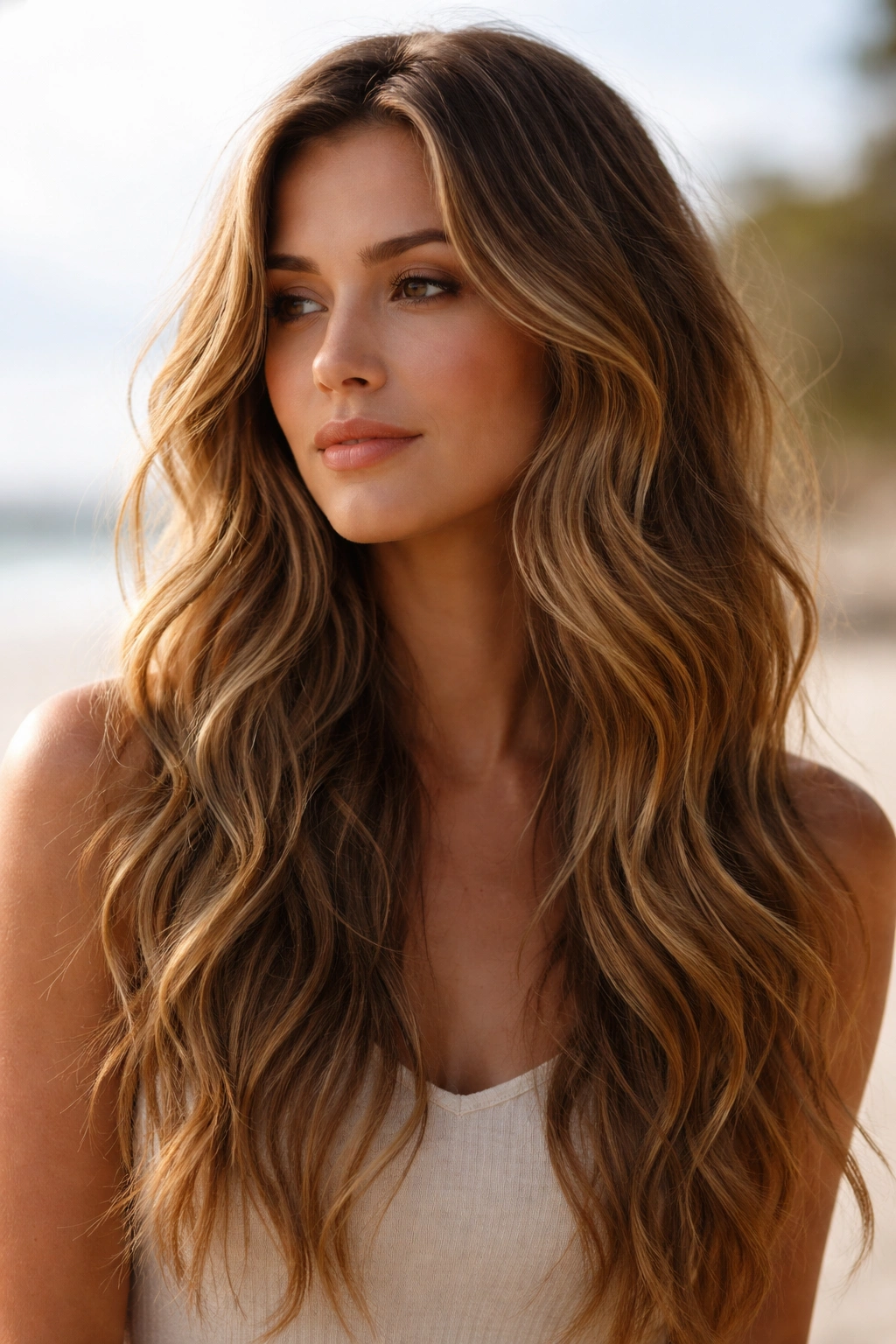
Long wavy hair and the beach are a match made in paradise — the salt air, the ocean breeze, and the natural texture all work together to create effortless, undone waves that look like you just walked out of a surfer magazine. The key to making this work is having the right haircut underneath. Not all layers are created equal, and a poorly executed cut can leave you with frizz and shapeless clumps instead of that coveted beachy texture that actually holds together and looks intentional.
This is where a long wavy layered haircut becomes your secret weapon. Layers aren’t just about creating movement — they’re about strategically removing weight from your hair so your natural wave pattern can actually breathe and flow the way it’s meant to. When done right, layers make beach hair styling faster, easier, and genuinely flattering. You’re working with your hair’s natural tendencies instead of fighting them. Whether you’ve got loose, gentle waves or tighter spirals, the right cut transforms how your hair behaves in coastal conditions and everyday humidity.
The beauty of these cuts is that they work whether you’re planning beach vacations or just want that perpetual sun-kissed, windswept aesthetic in your daily life. These aren’t high-maintenance styles that require tons of product or blow-drying precision. They’re cuts designed to look their best when you’re real about how you actually style your hair — with sea salt spray, a few fingers combing through, and minimal fuss. Each of these twenty options brings something different to the table, whether you’re after lots of layers for maximum movement, subtle layers for understated elegance, or something in between.
Let’s walk through twenty long wavy layered haircuts that’ll have your hair looking beachy and beautiful whether you’re near the ocean or channeling that vibe at home.
1. The Effortless Beach Waves with Face-Framing Layers
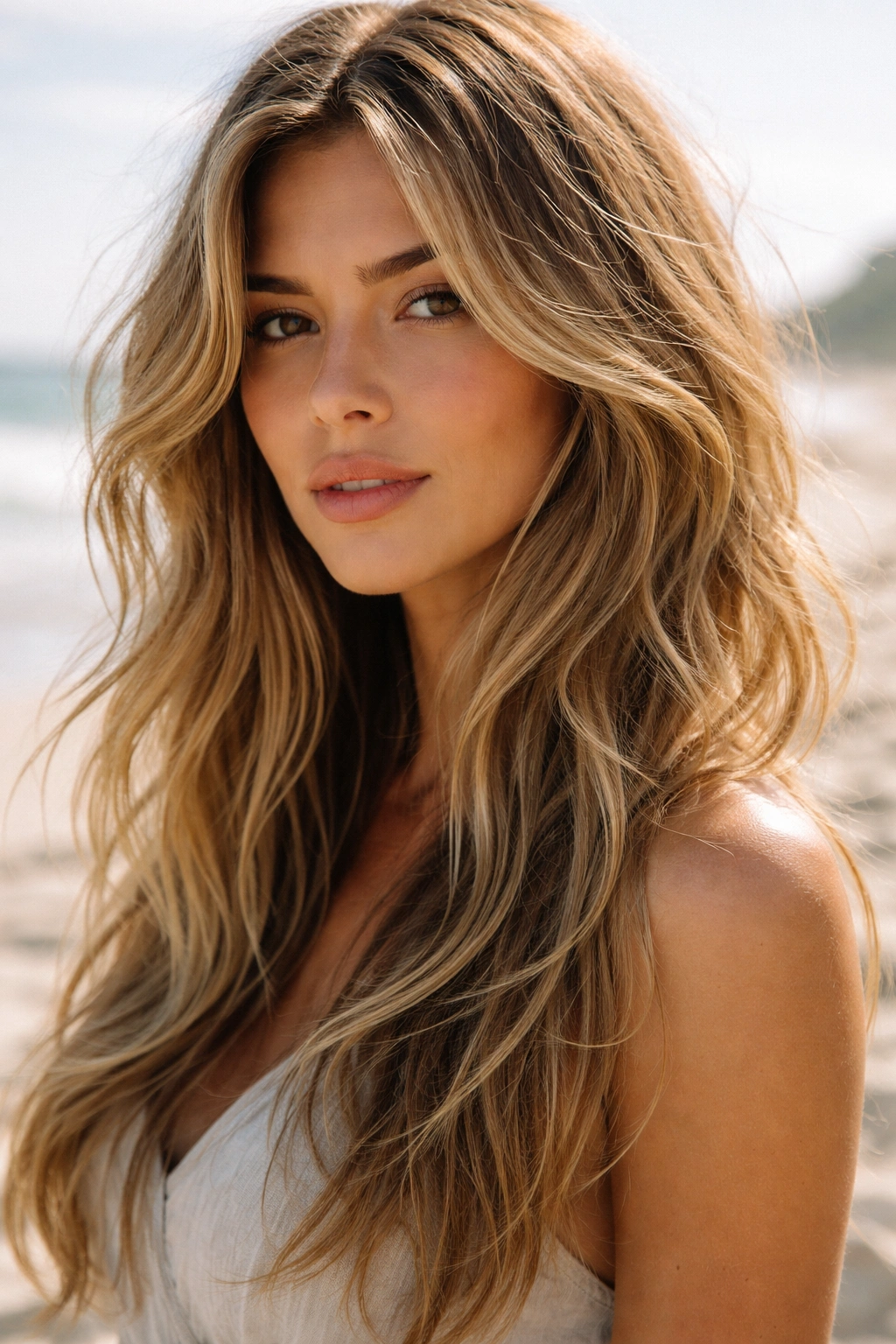
This cut features long, wavy hair with strategic layers that start around the collarbone and gradually increase in density toward the ends. The defining feature is the deeper, shorter layers immediately around the face that catch light and create dimension without requiring you to wear your hair in any particular way.
Why This Works for Beach Hair
Face-framing layers are your best friend in salty air and humidity. They shorten the weight pulling down on your waves right where it matters most — at the front — so your face-framing pieces can move independently and add volume and texture rather than looking limp or stringy. When you’re moving around in wind, these shorter pieces create that intentional, artfully tousled effect that actually looks intentional rather than messy.
How to Rock This Style
- Works beautifully with loose waves or tighter curls — the layers adjust naturally to whatever texture you have
- Apply sea salt spray from mid-length to ends, scrunch gently, and let air dry for maximum texture
- The layers mean you don’t need perfect waves; imperfect texture actually looks more intentional
- Requires trims every 8-10 weeks to keep the face-framing pieces shaped and prevent bulk
- Works with most face shapes, but especially flattering on oval, heart, and square faces
Pro tip: When you’re at the salon, ask your stylist to connect your face-framing layers to the layers below in a graduated pattern rather than making them choppy. This creates seamless movement instead of obvious line breaks.
2. The Shag with Modern Layering
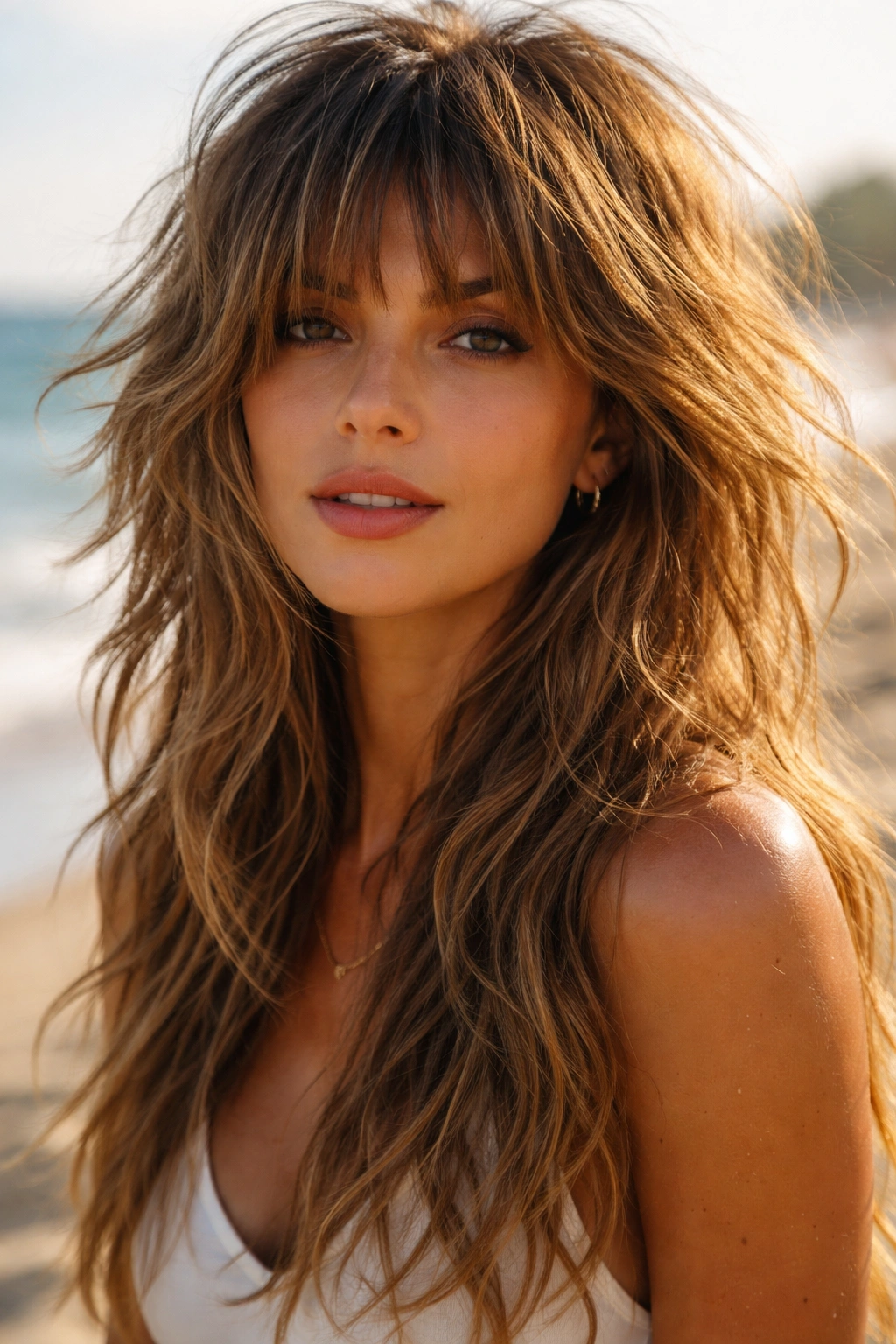
A true shag updated for adult sophistication — this is dramatically layered throughout, with much shorter choppy pieces toward the top that create serious texture and movement, while the bottom stays longer for weight and shape. Think less ’70s rock and more contemporary edge.
Why This Cut Suits Beach Environments
The irregular, choppy texture of a modern shag thrives when exposed to humidity and salt air. Instead of fighting texture and frizz, the cut celebrates it. Layers are so pronounced that individual pieces can move and breathe independently, which means frizz becomes visual texture rather than a styling problem. You’re not fighting your hair; you’re letting it do its thing.
Building Your Shag Knowledge
- The top layers should be much shorter (sometimes 2-3 inches) to create that piecy, textured crown
- Mid-length and bottom layers gradually lengthen, creating a mountain-like silhouette
- Works best on people who embrace their natural texture rather than fight it
- Requires styling product (texturizing cream or paste) to define the layers and keep them from looking matted
- Needs cuts every 6-8 weeks because the shorter layers grow out quickly and lose their shape
Worth knowing: A shag works on all hair types, but people with straight or very fine hair may need to commit to styling products and possibly light waves to make the layers show up properly.
3. The Long Layers with Minimal Graduation
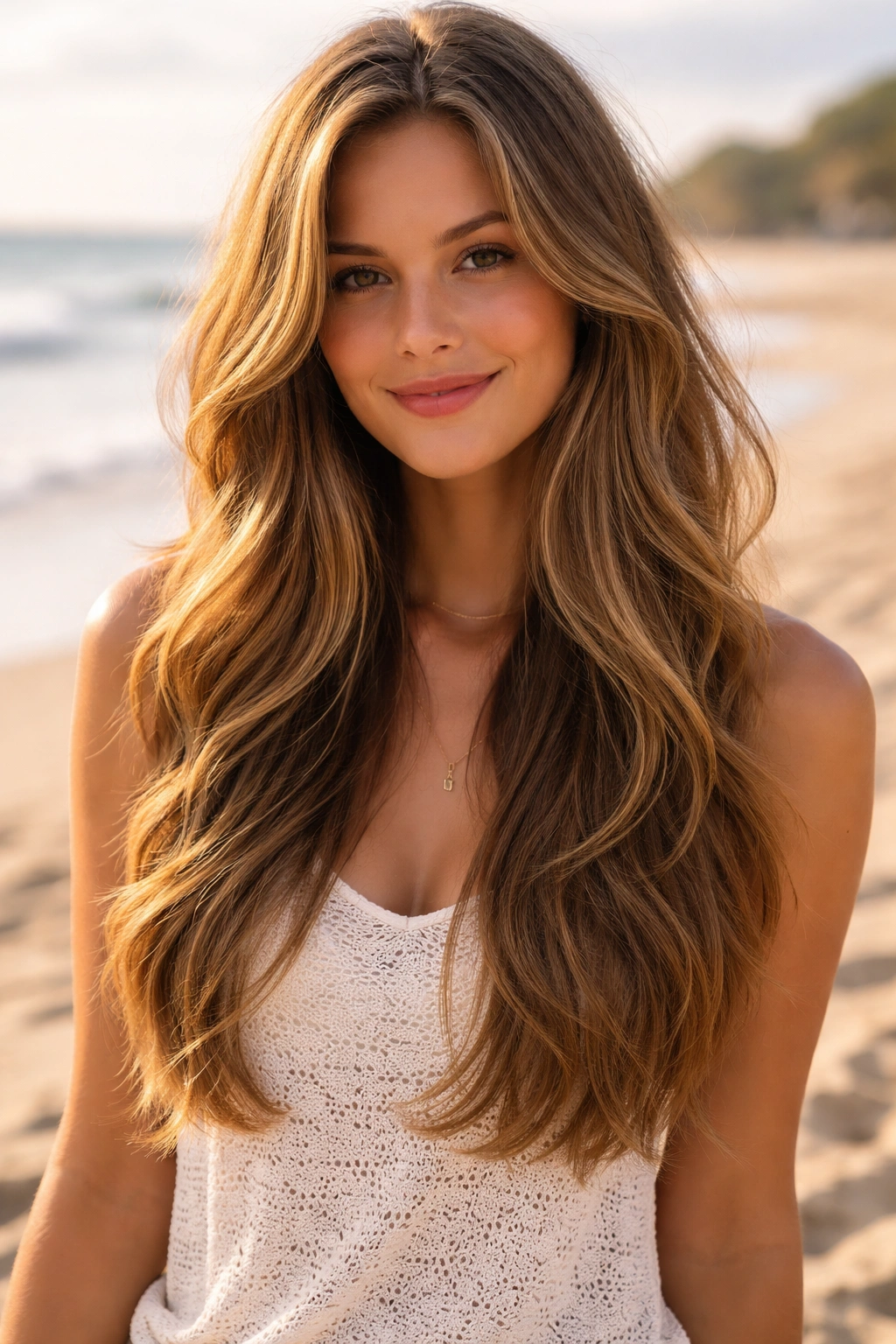
This is subtlety done right — the bulk of your length stays intact, but you have delicate layers distributed throughout that remove strategic weight and add movement without dramatically changing your silhouette or requiring major styling.
What Makes This Approach Special
Minimal layering is perfect if you love length and don’t want to lose it, but you do want more movement than a blunt cut provides. The layers are graduated so gradually that they’re barely noticeable as separate layers — they just make your hair move more fluidly and look less like one solid mass. This is sophisticated and works in any environment.
Practical Details for Success
- Layers should be spaced throughout (not just at the top) so movement is consistent from crown to ends
- Most effective when combined with a slight longer layer in the front (an inch or so longer than the back)
- Ideal for people with naturally wavy hair who want their waves to shine without dramatic cutting
- Requires less frequent trims (10-12 weeks) than heavily layered cuts because the layers blend more seamlessly as they grow
- Works beautifully for fine hair because the minimal layering doesn’t thin it out too much
Insider note: Ask your stylist to keep the shortest layers at least shoulder-length. This maintains the “long” silhouette you want while still getting movement benefits from the layers.
4. The Surfer Girl Shag with Textured Ends
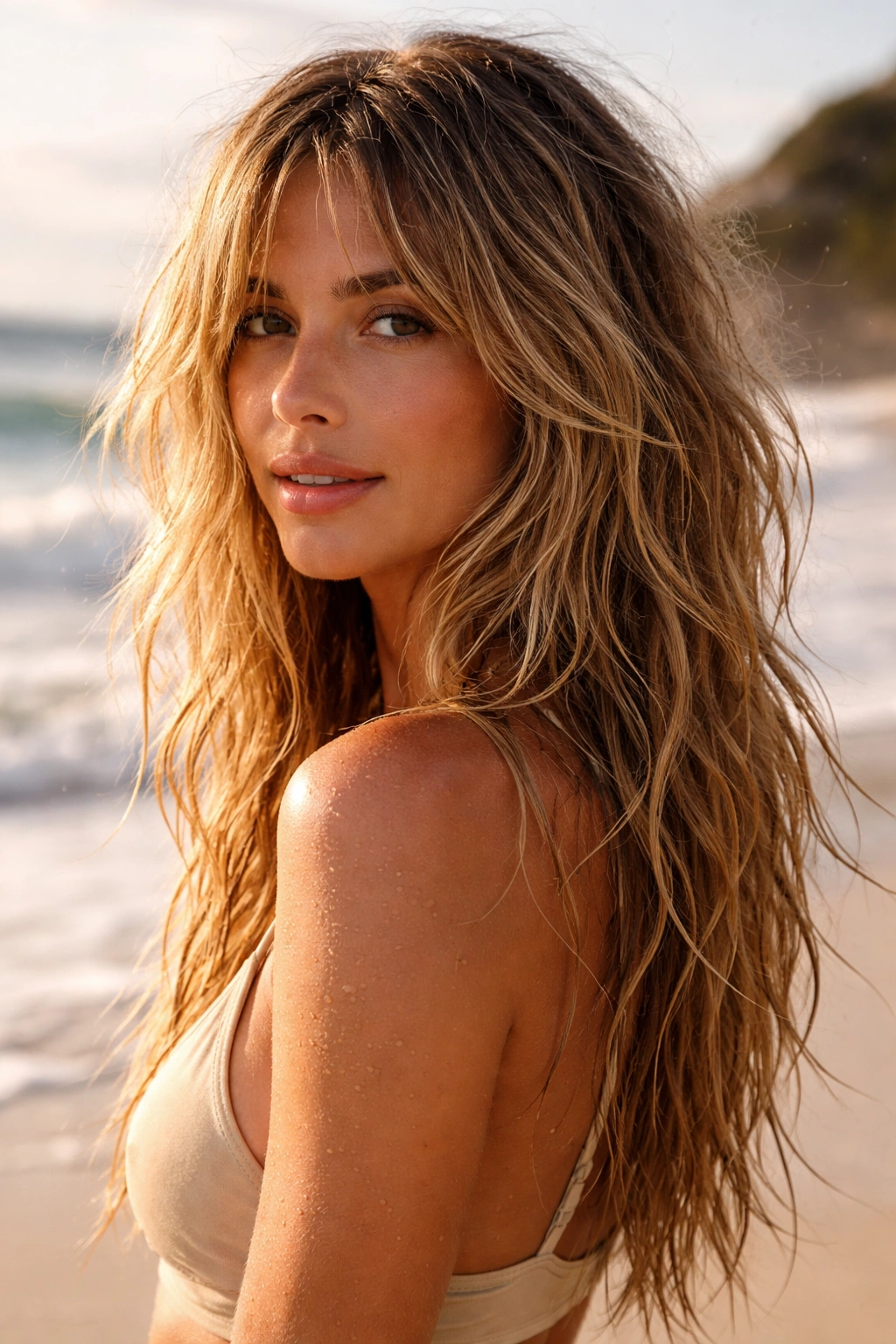
This is the OG beach-appropriate cut — somewhere between a shag and heavily layered lengths, designed to look like you just got out of the water and ran your fingers through your hair. The texture is dramatic and intentional, with pieces varying in length by several inches.
Why Surfers Swear By This Cut
When your job is literally in the water, your haircut needs to work with saltwater and sun exposure instead of against it. A surfer shag has enough layers that individual strands can dry at different rates without creating one matted mass. The texture reads as intentional rather than damaged, and the cut is forgiving enough that you can let it grow a bit longer without losing shape.
Making It Work in Real Life
- The shortest layers are typically 2-4 inches shorter than the longest bottom pieces
- Requires texturizing product (sea salt spray, texturizing cream, or light pomade) to define layers and prevent them from looking shapeless
- Air-drying is actually your best bet — blow-drying can make layers look too separated and choppy
- Trim every 6-8 weeks to maintain the textured, piecy shape
- Works on all hair types but looks most effortless on naturally wavy or curly hair
Real talk: This cut requires a stylist who understands texture. Someone who specializes in blunt cuts might over-graduate it. Find someone comfortable with choppy, piecy layers.
5. The Longer Face-Framing Layers
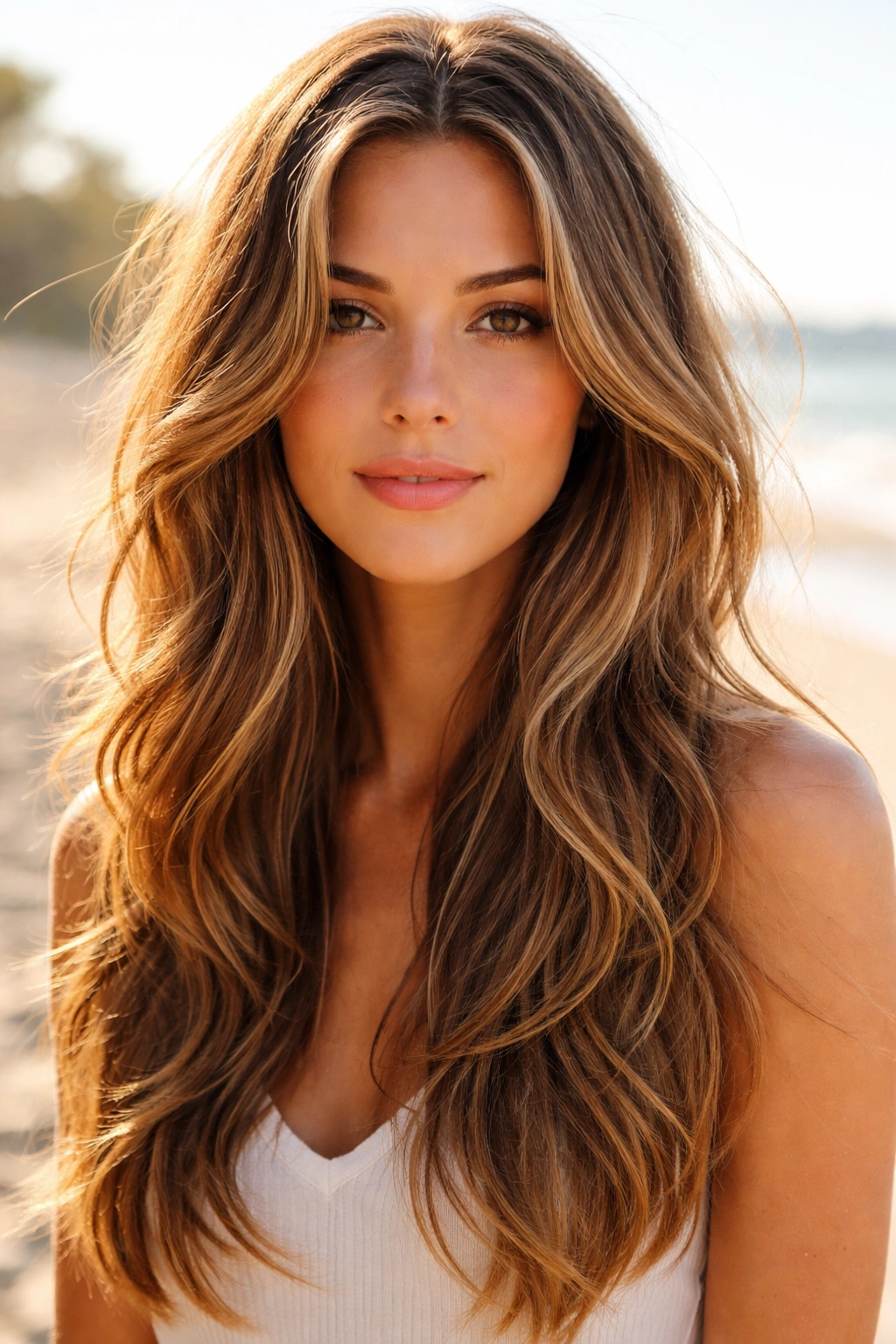
A more conservative approach than #1 — here the layers are subtle except directly around the face, where longer, slightly shorter pieces frame your features without creating drama everywhere else.
The Subtle Approach to Flattery
If you want your haircut to flatter your face without announcing “I have layers,” this is your style. The face-framing effect is real, but it happens gradually and naturally. Other people won’t immediately think “wow, lots of layers,” but they will notice you look fresher and more defined.
Implementation and Maintenance
- Face-framing pieces are typically 1-2 inches shorter than face length, creating a soft frame
- The rest of your hair gradually layers from your jaw down, so transition is seamless
- Perfect for people who prefer understated styling over dramatic texture
- Requires trims every 8-10 weeks to keep face-framing pieces shaped and prevent them from becoming too short
- Works on straight, wavy, and curly hair — the effect translates across all textures
Worth considering: This works especially well if you like wearing your hair down and want your face to remain the focal point without distraction from choppy, dramatic layers.
6. The Blunt Wavy Cut with Subtle Interior Layers
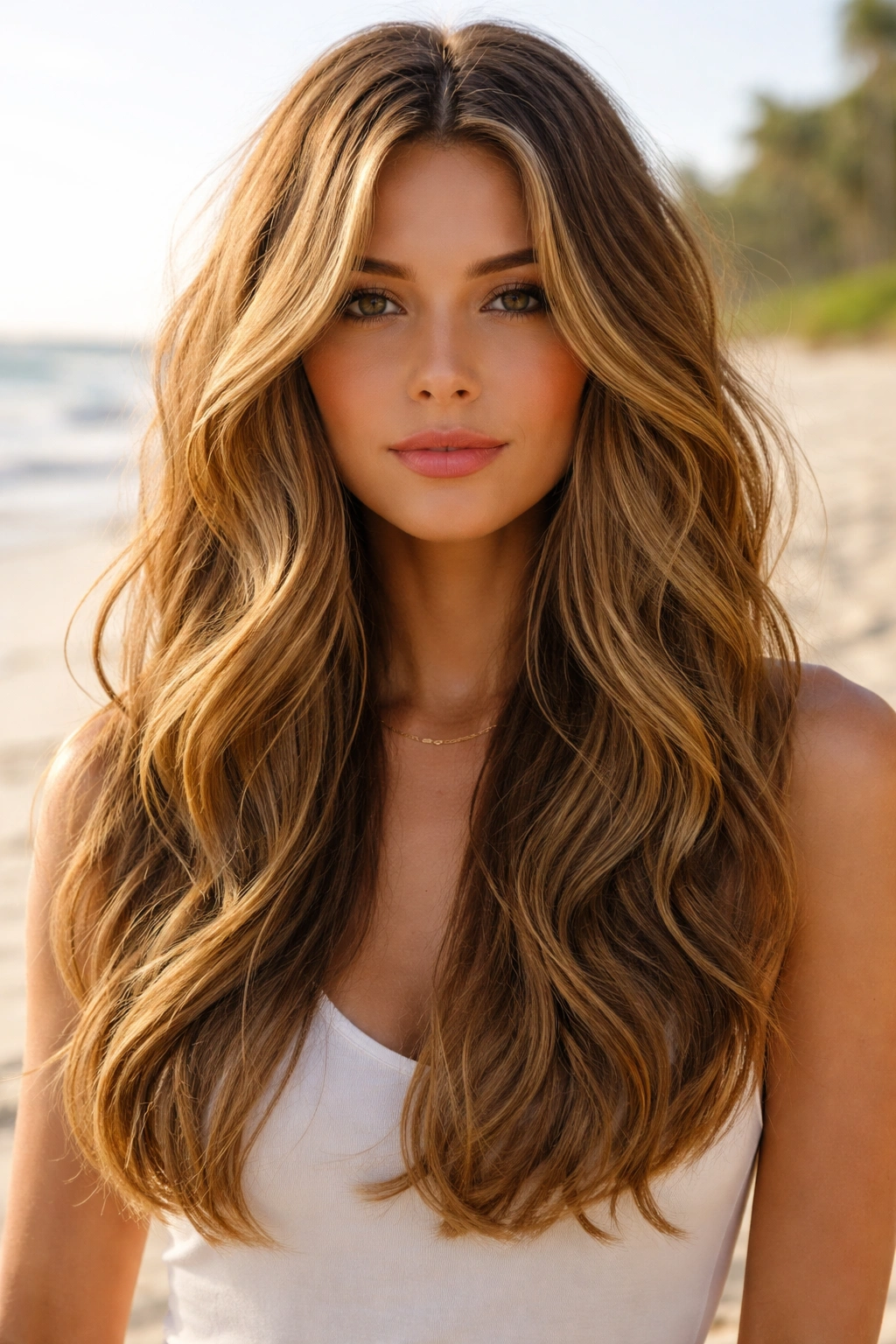
This looks like you might have a blunt cut from the outside, but hidden interior layers give you movement and texture without showing visible choppiness. It’s the sophistication level of a cut worn by people who describe their style as “effortless elegance.”
Why Interior Layers Are Magic
Interior layering (layers you can’t immediately see when looking at the perimeter of your hair) removes weight and creates movement without changing your hair’s outline. You still read as having fairly long, relatively intact hair, but it moves better and feels lighter than a true blunt cut. This is especially brilliant for curly or wavy hair that can feel heavy when there’s no interior layering to let texture breathe.
How to Get This Right
- Ask your stylist to focus layers in the interior and crown rather than creating visible choppy endings
- Perimeter should remain relatively blunt and even for that sophisticated edge
- Works especially well on people with medium to thick hair that needs weight removal
- Trim every 10-12 weeks to keep the shape clean
- Blow-dry or air-dry depending on the finish you want — both work beautifully
Insider knowledge: This cut is harder to execute than it looks. Find a stylist experienced with interior layering rather than someone who defaults to choppy exterior layers.
7. The Wolf Cut: Modern, Edgy, Intentional
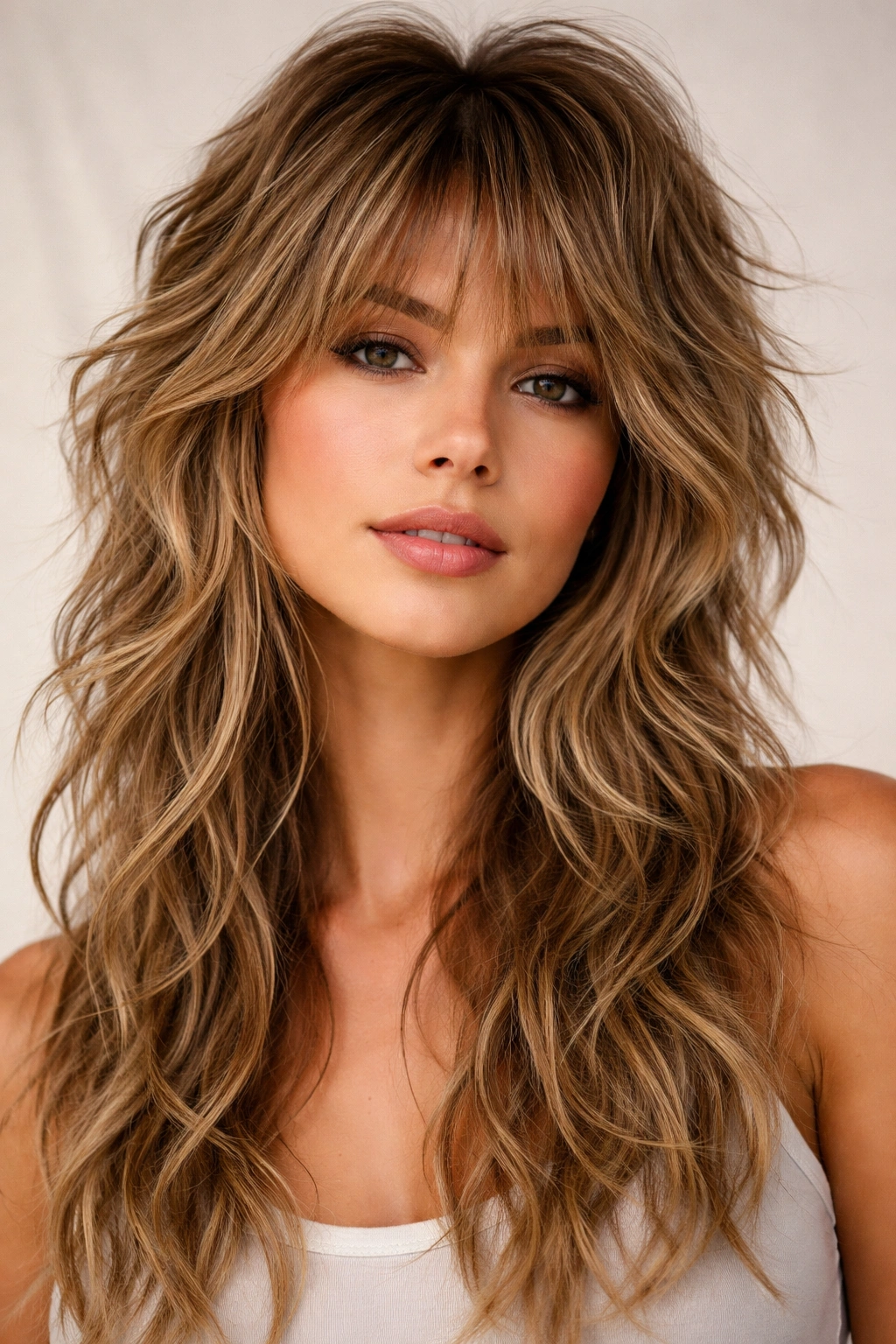
The wolf cut is basically a shag’s more fashionable cousin — shorter, choppier layers on top create a textured crown, while longer layers below provide length and movement. The result is simultaneously edgy and wearable.
What Sets a Wolf Cut Apart
It’s more intentional and contemporary than a classic shag, with cleaner lines even though it has dramatic texture. The shorter top layers are specifically designed to create lift at the crown, while graduated longer layers flow below. When done right, it’s flattering and sophisticated, not just wild texture.
Styling and Maintenance Reality
- Requires texturizing cream or paste to define layers and keep them from looking flat or matted
- The top layers need products more than longer, simpler cuts because they’re shorter and need deliberate styling
- Shorter top layers mean you’ll need trims every 6-8 weeks to maintain shape and prevent awkward regrowth
- Works best on people who genuinely like having texture and aren’t bothered by needing styling products
- Suits all hair types but looks most striking on wavy or textured hair
Real talk: A wolf cut is high-maintenance compared to blunt or minimally layered styles. If you want a wash-and-go cut, this isn’t it.
8. The Lived-In Layers: Barely-There Texture
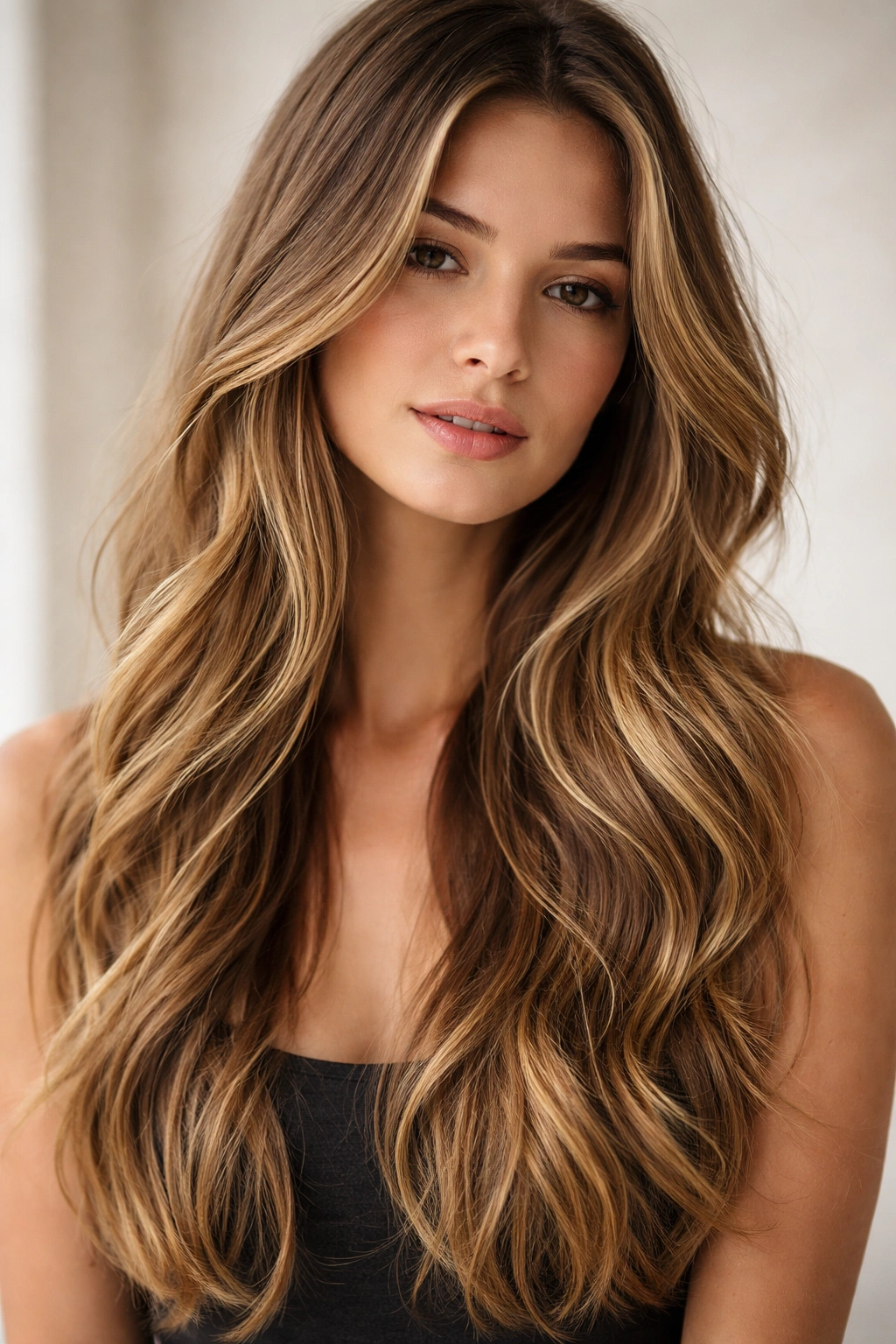
This is the barely layered approach for people who want movement without obviously having layers. Micro-layers throughout create texture and flow, but the cut reads as mostly long and solid rather than obviously choppy.
The Appeal of Invisible Layering
Sometimes you want your hair to move better and feel lighter, but you don’t want anyone to look at you and think “she has layers.” Lived-in layers provide movement and volume without announcing themselves. It’s a subtle upgrade from a blunt cut.
Making Lived-In Layers Work
- Layers should be minimal in depth — you’re removing just enough weight to create movement, not creating obvious texture
- Most effective when paired with your natural wave or very soft styling
- Trim every 10-12 weeks; because layers are subtle, growth doesn’t distort the cut as quickly
- Works beautifully on fine hair because you’re not removing too much weight
- Ideal for people who prefer minimalist, low-fuss styling
Worth knowing: This cut relies heavily on how you style it. Even subtle layers won’t create much texture if you blow-dry your hair smooth. Embrace your natural wave or use light products for best results.
9. The Side-Swept Layered Cut
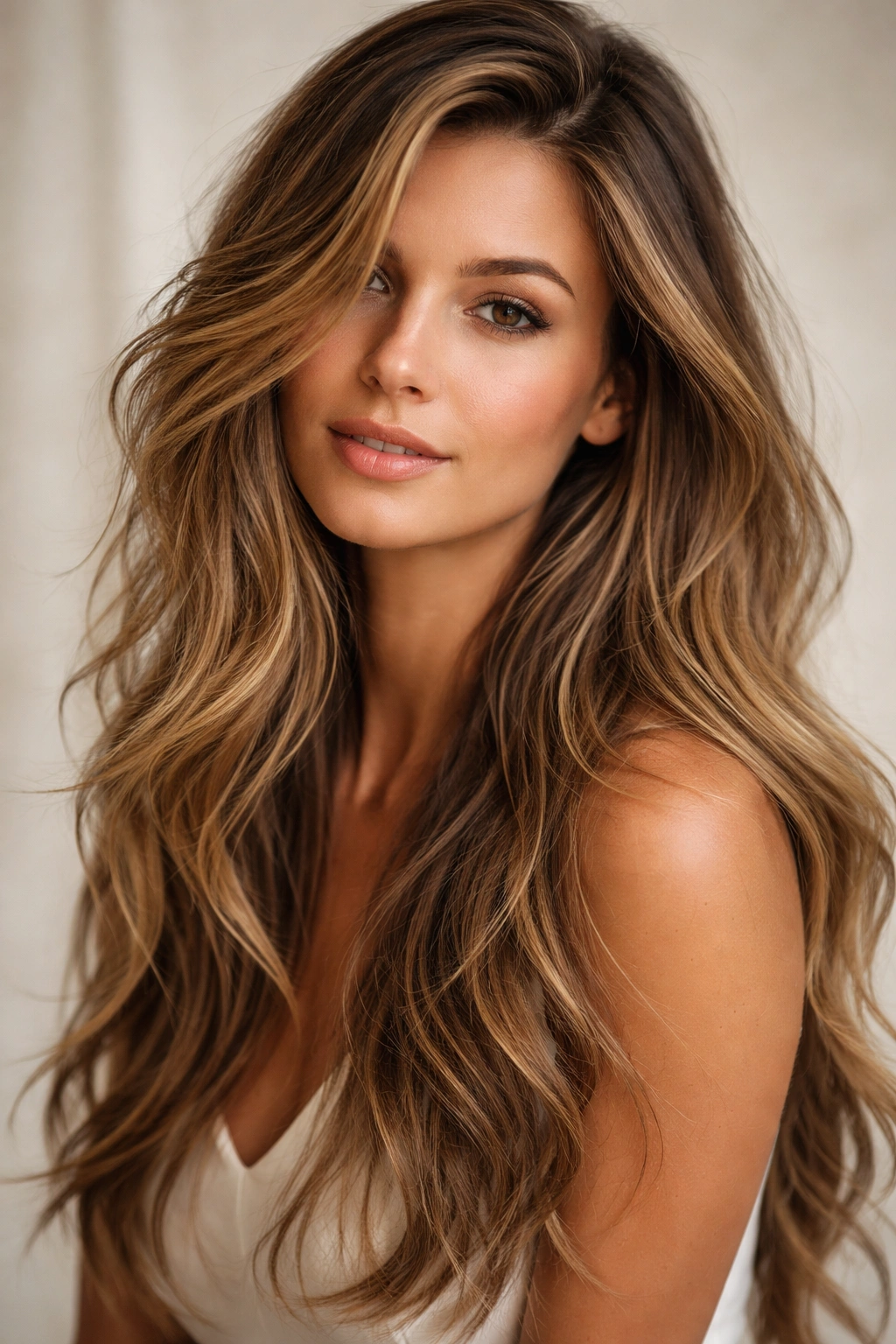
Long hair with layers that are distributed unevenly, with longer pieces sweeping toward one side and shorter pieces on the other. The result is movement, asymmetry, and that effortless “I didn’t plan this” vibe that’s perfect for beach settings.
Why Asymmetry Works for Waves
Asymmetrical layering looks intentionally tousled. It plays beautifully with waves because the uneven pieces can move independently and create that purposefully undone texture that actually requires a good haircut to pull off. You can’t get this look with just random hair; it needs strategic cutting.
Practical Application
- Longer side pieces create an interesting visual line while shorter pieces provide texture
- Works best when the asymmetry is gradual rather than extremely dramatic
- Styling is flexible — you can sweep hair to one side or let it fall naturally
- Requires a skilled stylist who understands how to create asymmetry that looks intentional rather than like a mistake
- Trim every 8-10 weeks because asymmetrical cuts can lose their impact as hair grows unevenly
Pro tip: Ask your stylist to create asymmetry that flatters your face shape. Longer pieces on one side can balance and flatter differently than longer on the other.
10. The Long Layers with Textured Bangs
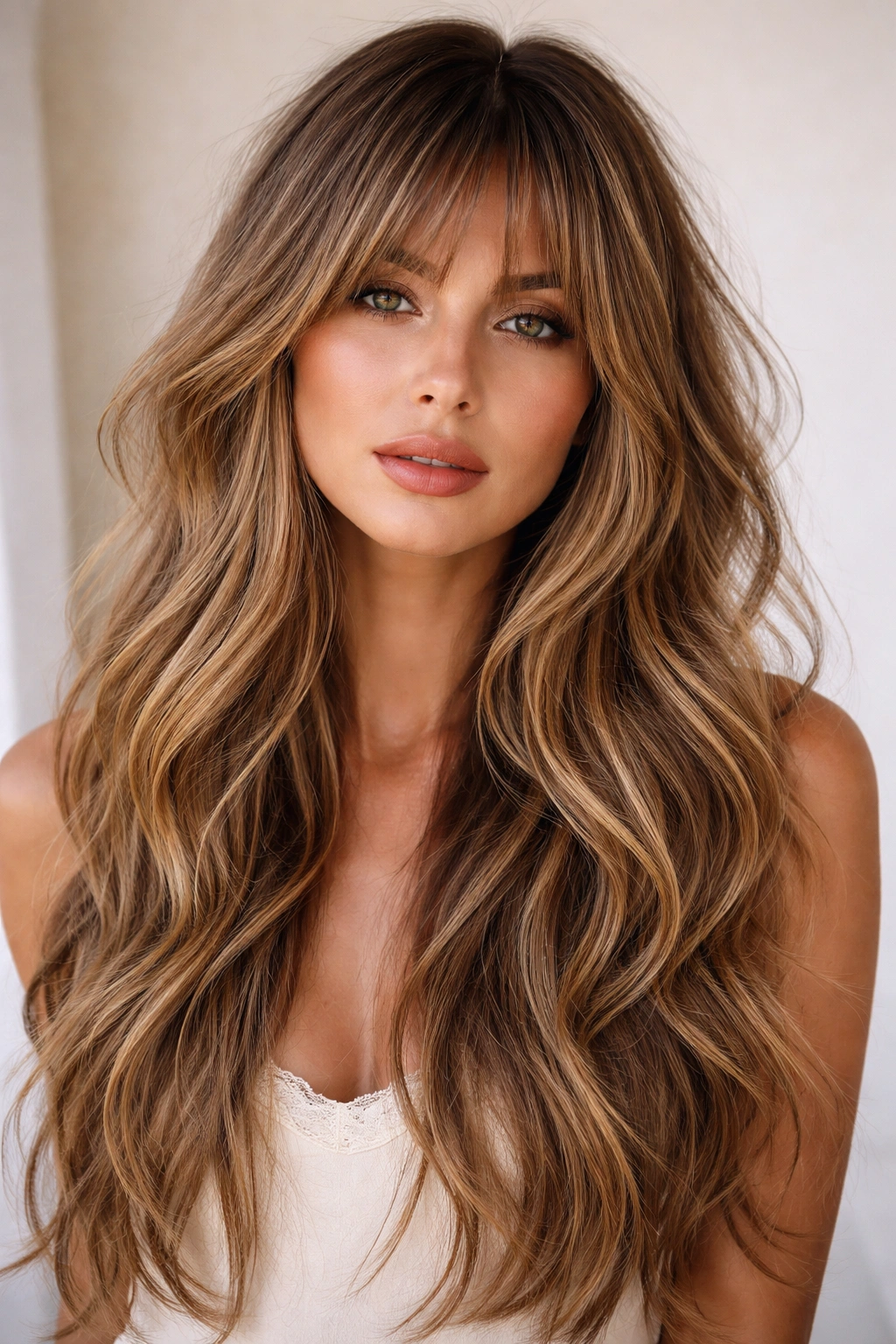
Long layered hair paired with longer, piecy bangs or face-framing pieces that have visible texture. The bangs aren’t blunt or sleek; they’re deliberately choppy to match the textured vibe of the rest of your hair.
How Textured Bangs Elevate Layered Hair
Textured bangs are the perfect complement to heavily layered hair because they maintain visual consistency. If your hair is all texture and movement, blunt, sleek bangs would look disconnected. Piecy, textured bangs feel like a natural extension of your cut and add interest to your face without creating contrast.
Styling Considerations
- Textured bangs need some product definition to look intentional rather than just messy
- Styling is flexible — you can sweep them to the side, let them fall straight, or tousle them with texture
- Requires trims every 6-8 weeks because bangs grow quickly and lose shape faster than longer pieces
- Works on most face shapes; particularly flattering on faces where bangs naturally suit the proportions
- Pairs beautifully with loose waves or tighter curls — texture throughout unifies the entire look
Worth considering: Textured bangs require more styling than longer, simpler cuts. If you prefer wash-and-go styling, this might be higher maintenance than you want.
11. The Waist-Length Layers with Minimal Crown Chop
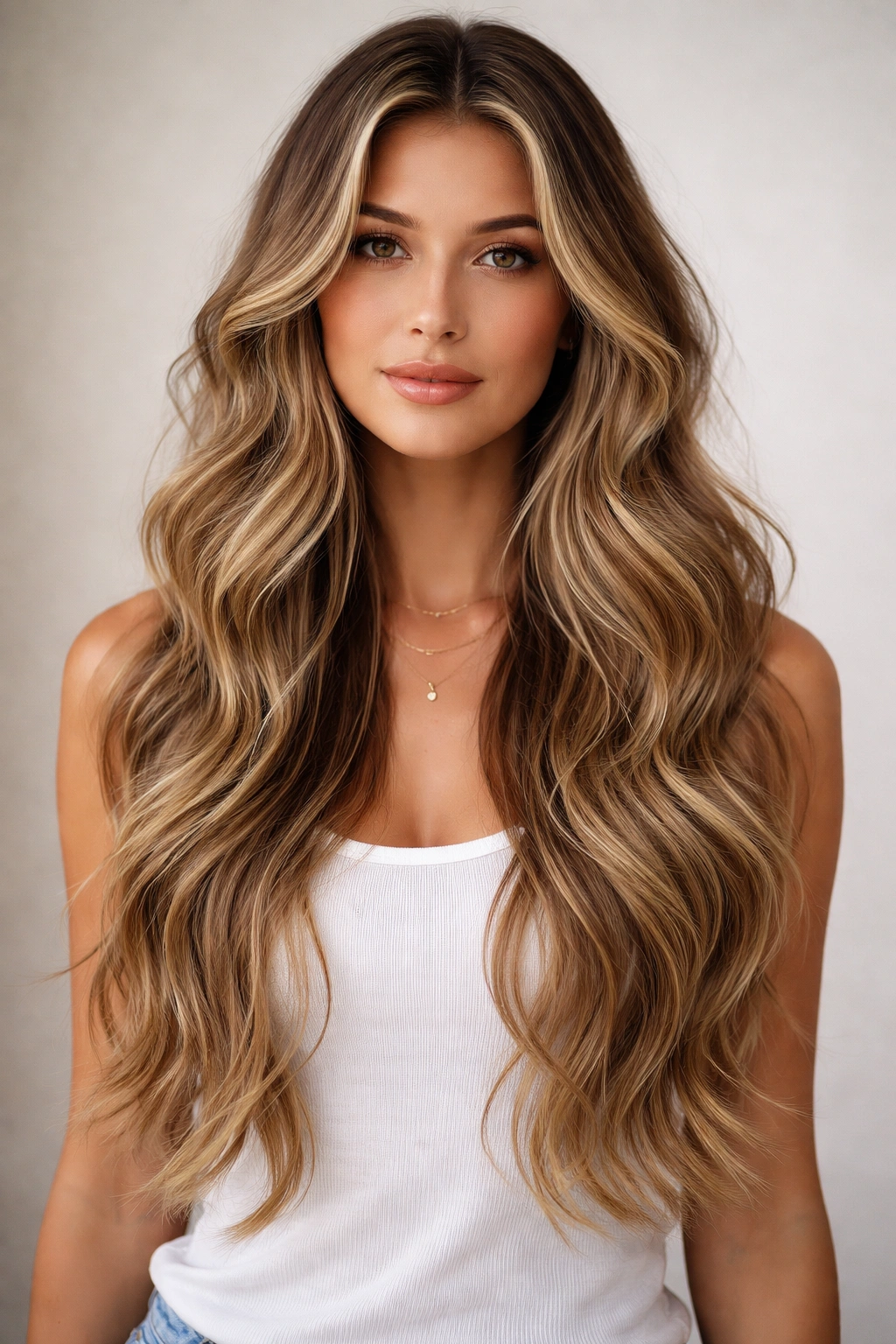
This cut keeps most of your length intact while strategically removing weight with layers distributed throughout but concentrated more toward the bottom half. The crown stays relatively fuller for volume, and texture increases as you move down.
Why This Distribution Works
By focusing layers toward the bottom, you get movement and texture where it shows (your ends), while keeping the top denser for volume and shape. This is perfect if you want the benefits of layers without having a completely choppy appearance top to bottom.
Making It Your Own
- Shortest layers should still be fairly long (hip-length or longer) to maintain the “long hair” aesthetic
- Very flattering because you maintain crown fullness while getting texture at the ends
- Requires less frequent trims (10-12 weeks) because layers are more blended
- Works beautifully on fine hair because you’re not thinning out the crown too much
- Ideal for people who want movement without obvious choppiness
Insider tip: Ask your stylist to use a razor for the bottom layers rather than scissors. Razor-cut layers create a softer, less obviously choppy texture.
12. The Mermaid Cut: Longer Layers That Flow
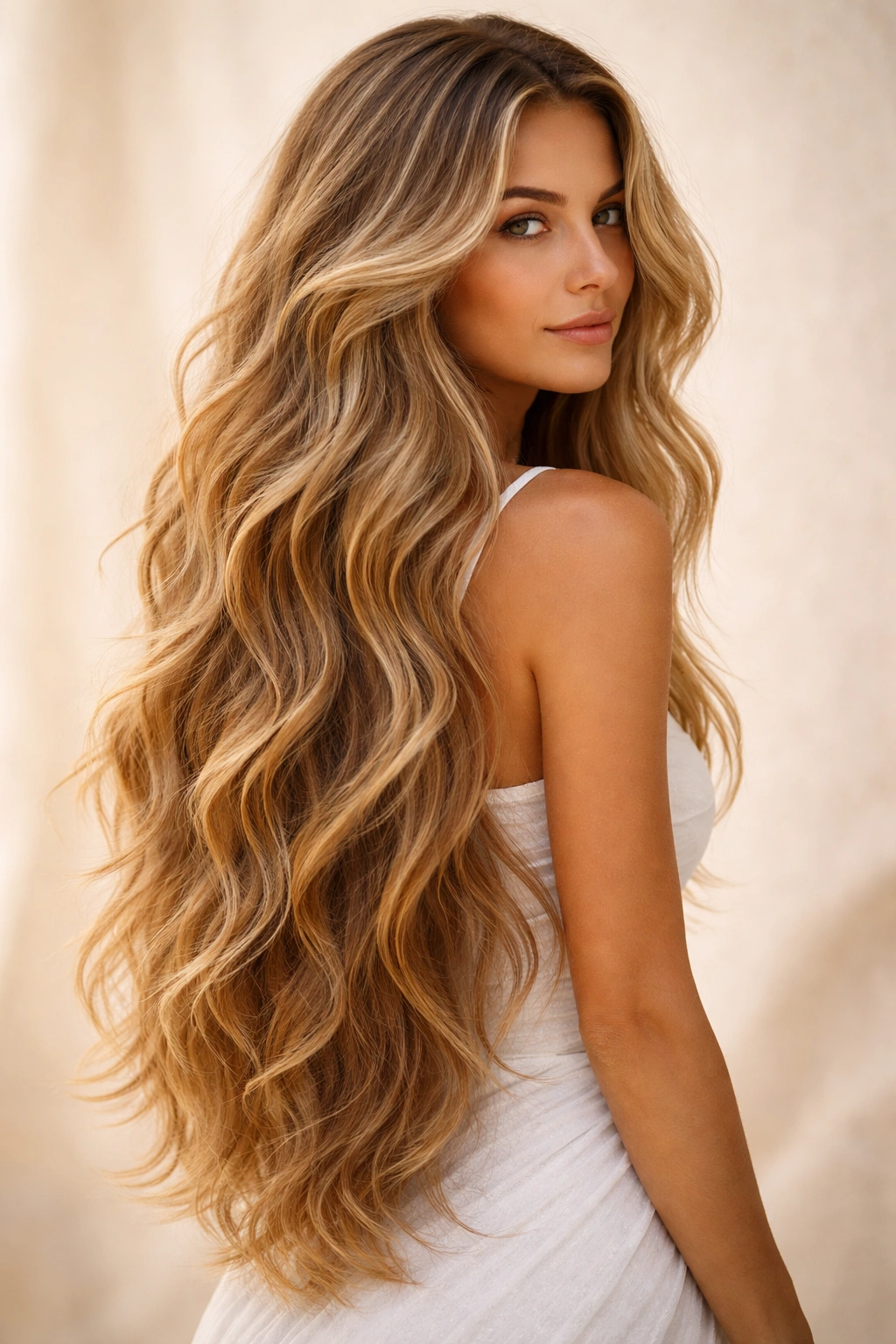
A romantically inclined approach with long, graduated layers throughout that create a mermaid-tail effect — the hair widens at the bottom in a way that echoes a mermaid’s tail. It’s whimsical but executed with precision.
The Mermaid Movement Philosophy
Mermaid cuts are designed to make hair move fluidly in all directions. Layers are graduated so that hair at the bottom is shorter than you might expect (by a few inches), creating shape and movement rather than just trailing weight downward. The result is romantic, ethereal, and surprisingly easy to maintain.
Getting This Right
- Layers should create a gently widening shape rather than looking obviously stepped
- Works best on people with naturally wavy or curly hair that creates movement on its own
- Requires sea salt spray or other texturizing product to enhance the flow and movement
- Trim every 8-10 weeks to maintain the graduated shape and prevent bluntness
- Flatters most face shapes, especially when combined with face-framing layers
Real talk: This cut is inspired by romance and fantasy, but it requires realistic maintenance and product use to look as good as you want.
13. The Curtain Layers Framing the Face
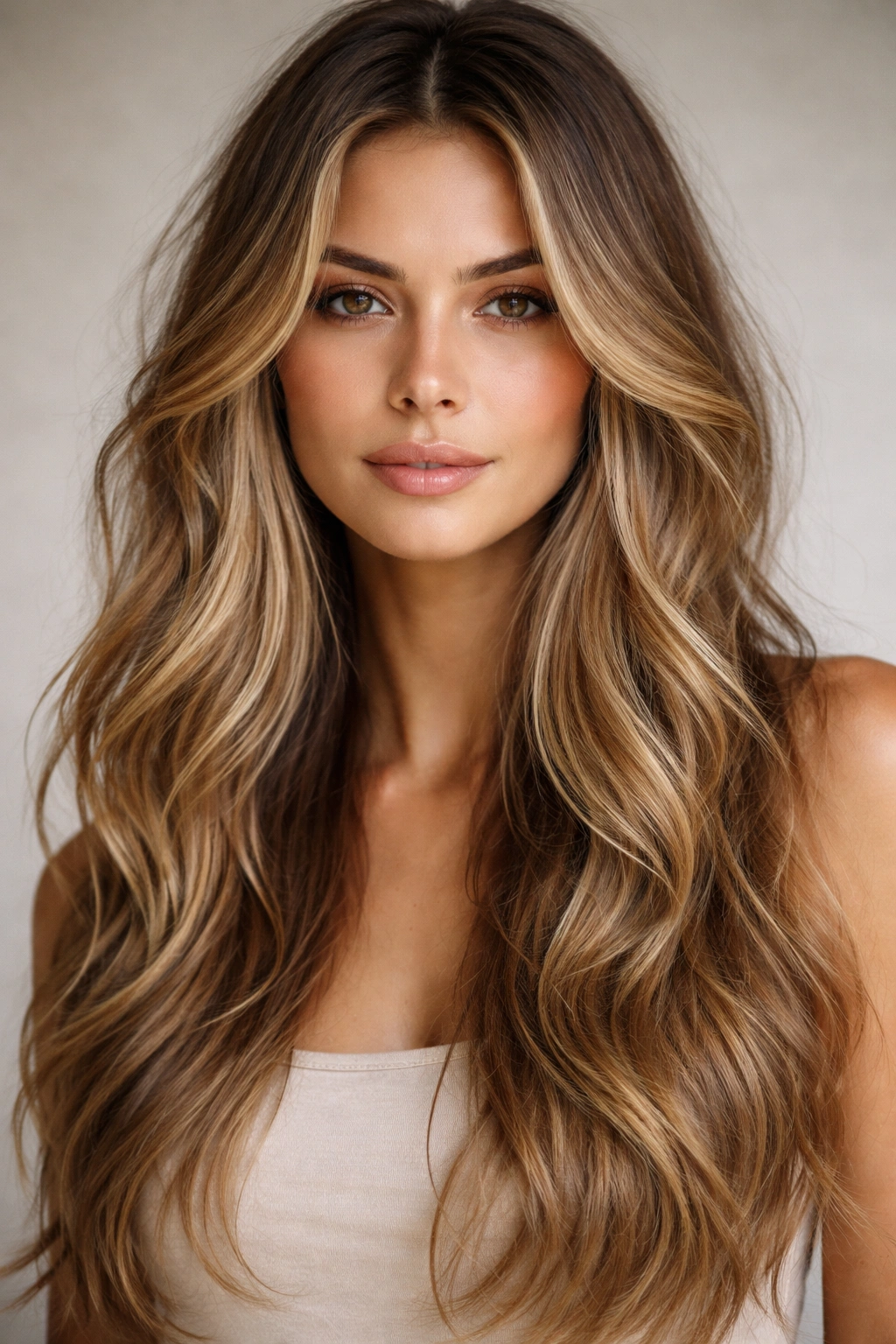
Long hair with dramatic layers concentrated entirely around the face in a classic “curtain” style, with the back and sides remaining relatively longer and less layered. The framing is the star of this cut.
Why Curtains Never Go Out of Style
Face-framing layers are eternal because they’re flattering — they add definition and dimension right where people look first (your face). A curtain cut takes this principle and maximizes it. You get serious face-framing without turning your entire head into choppy texture.
How to Wear It
- The curtain pieces frame your face, typically falling longer than the layers in front and creating a swooshing movement
- Works beautifully with soft waves or blown-out smoothness
- Very flattering for most face shapes; particularly good if you want to elongate or define your features
- Requires trims every 8-10 weeks to keep the curtain pieces shaped and prevent them from becoming too long or stringy
- Low-maintenance styling compared to heavily layered cuts because you’re only styling the face-framing pieces with intention
Worth knowing: Ask your stylist to connect the curtain pieces to your longer back layers in a graduated fashion. This creates seamless flow rather than obvious separation.
14. The Choppy Shoulder-Length Transitions
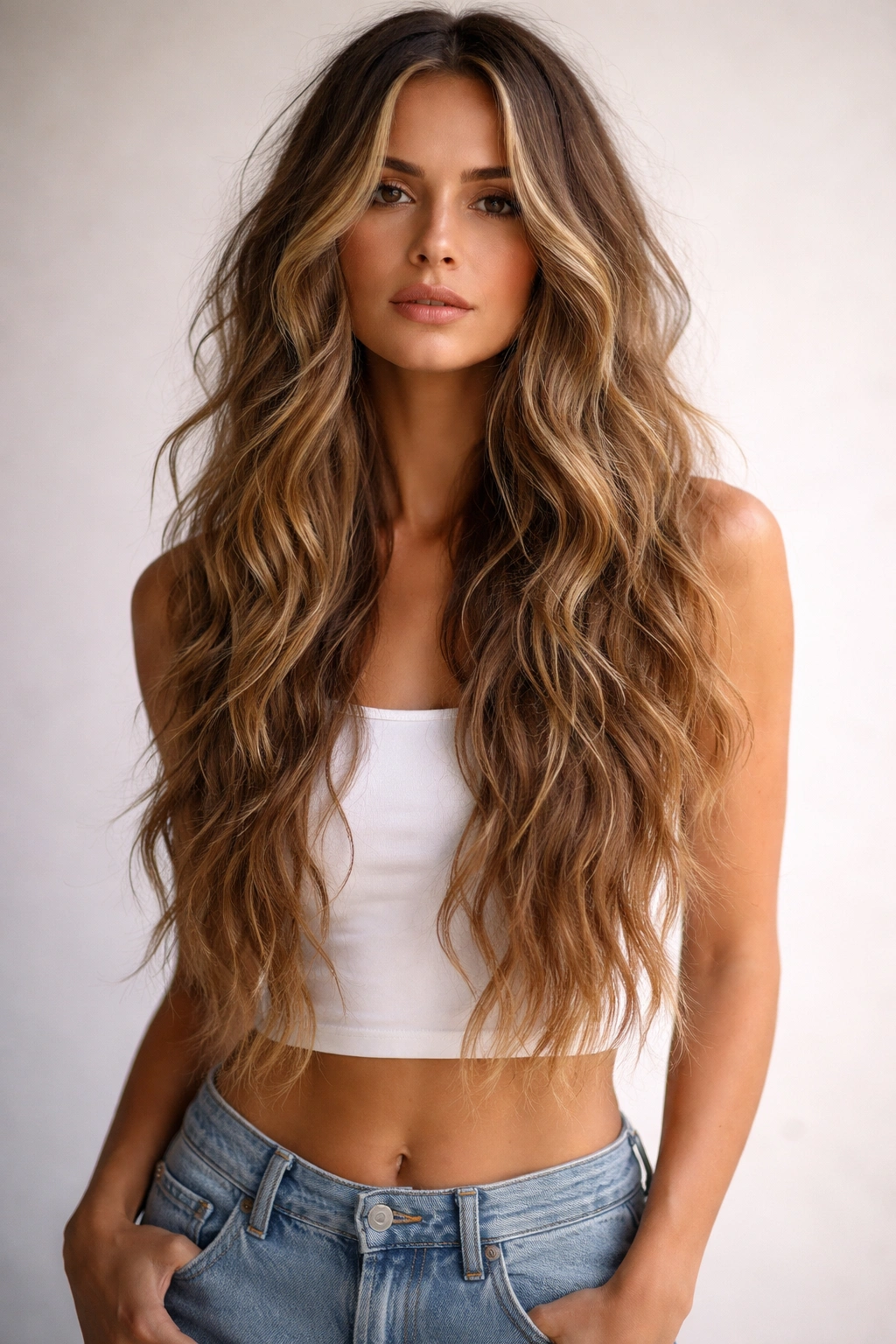
Long hair with very choppy, obvious layers that transition from shorter pieces at the collarbone to much longer pieces by the waist. The choppiness is intentional and unabashed, creating movement and visual interest throughout.
The Confidence of Obvious Layers
Sometimes you don’t want subtle or blended layers. You want obvious, visible texture that announces “this is a cut, not an accident.” Choppy transitions work beautifully with wavy hair because the different lengths move independently and create a complex, interesting silhouette.
Styling Reality
- Requires texture product (sea salt spray, texturizing cream) to define layers and prevent them from looking matted
- Works best on people who like having texture and don’t mind that their hair reads as deliberately layered
- Very forgiving for wavy or curly hair; works less smoothly on straight hair
- Needs trims every 6-8 weeks because obvious layers lose their impact as hair grows
- Perfect for people who want a statement cut rather than something understated
Pro tip: Have your stylist use a razor for choppy layers rather than scissors. Razors create that soft, piecy texture that reads as intentional rather than harsh.
15. The Bixie: Short Top, Long Bottom
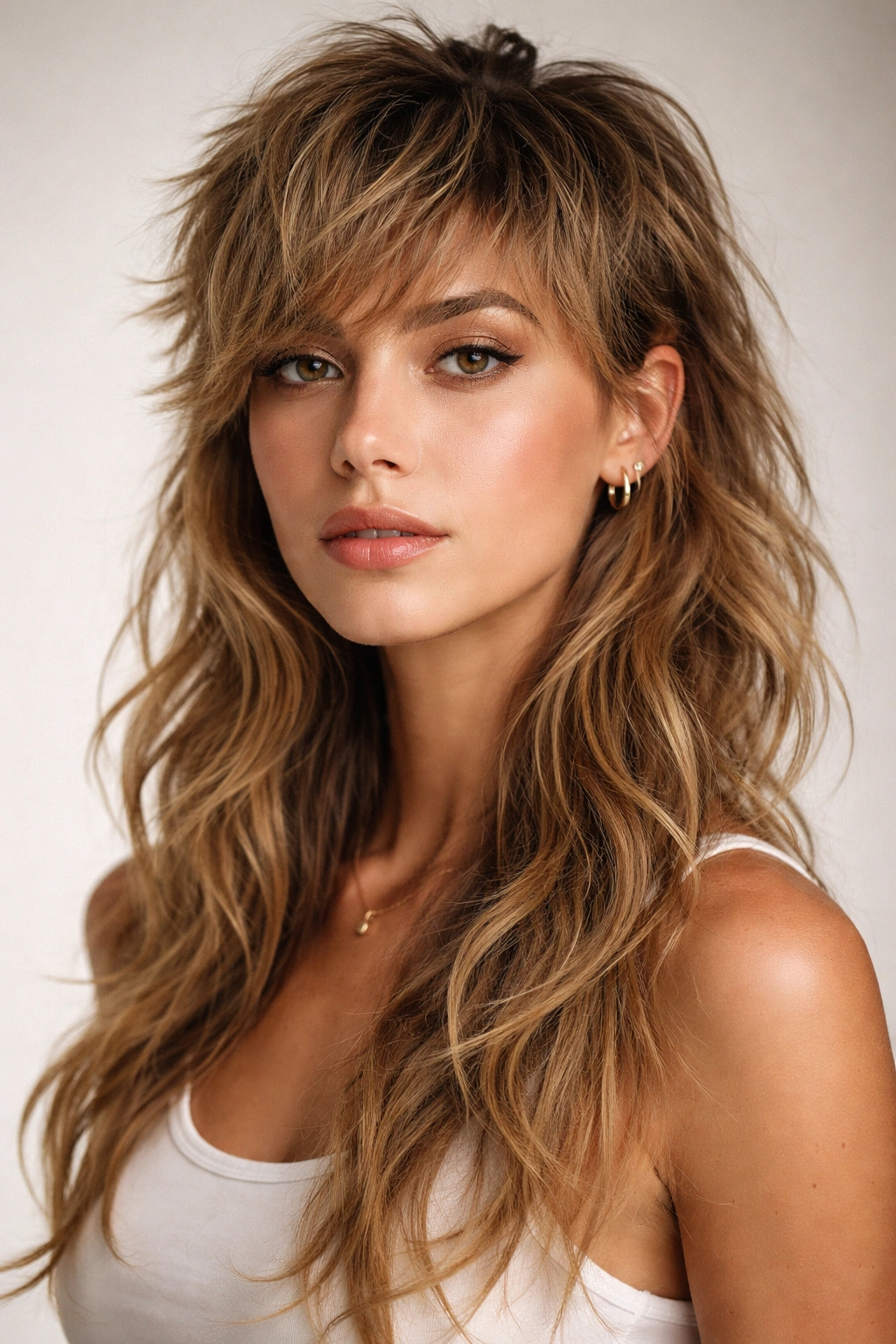
This is a deliberate cut combining very short layers on top with long, relatively straight pieces below — basically a pixie on top (minus the super-short specificity) meeting longer lengths at the bottom.
Why Bixies Work for Beach Hair
The contrast between short and long creates visual drama and functional movement. The short top layers remove weight from your crown and create volume, while the long bottom maintains the length you want. It’s high-fashion without being impractical.
The Maintenance Commitment
- Short top layers grow quickly and need trims every 4-6 weeks to maintain the bixie silhouette
- Very dramatic and not for everyone, but striking on people who pull it off
- Requires texturizing product on the top to define short layers
- Works best on people with naturally wavy or curly hair, or those willing to style regularly
- Takes confidence to pull off because it’s such a bold, visible cut
Real talk: A bixie is a statement. You’re not going for subtle here. Make sure you’re ready to commit to trims and styling.
16. The Seamless Layered Blend with Soft Waves
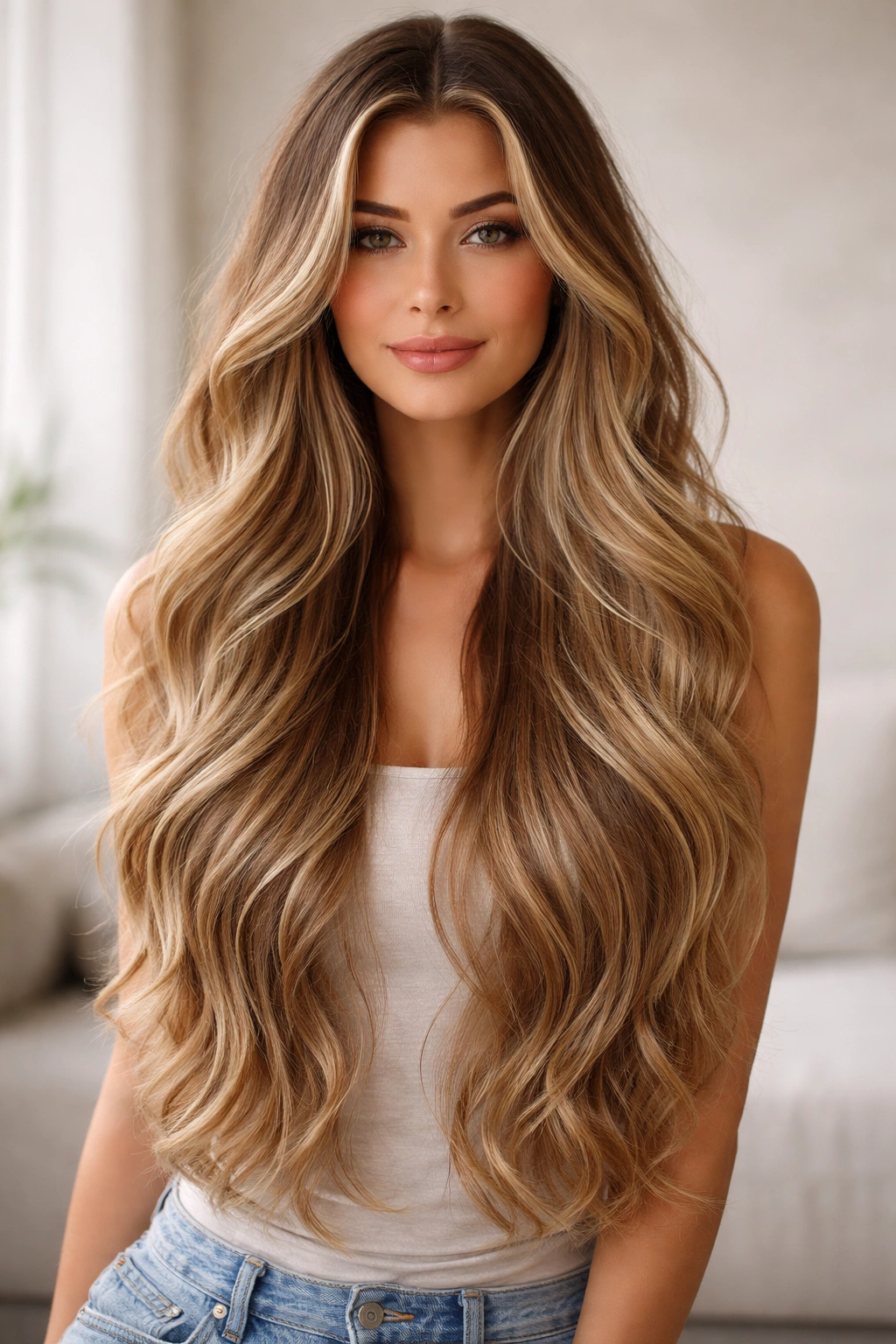
Long hair with layers so beautifully graduated that they blend seamlessly, creating soft movement without any obvious choppiness. It’s the sophistication of layers without announcing them.
The Graduation Philosophy
Instead of creating visible texture through layers of different lengths, a seamless blend uses very subtle length variations throughout. From far away, your hair looks mostly intact; up close, the layering creates beautiful movement and removes weight strategically.
Making Seamless Blending Work
- Requires a skilled stylist who understands how to graduate layers smoothly rather than creating steps
- Most effective when you embrace your natural wave rather than fighting it
- Works beautifully on all hair types but especially on fine or thin hair where obvious layers can look sparse
- Requires minimal product — your natural waves provide the texture
- Trim every 10-12 weeks to maintain the seamless blend as hair grows
Worth knowing: This is harder to achieve than choppy layers because it requires precision and skill. Budget accordingly and find a stylist experienced with seamless blending.
17. The Long Shag with Feathered Layers
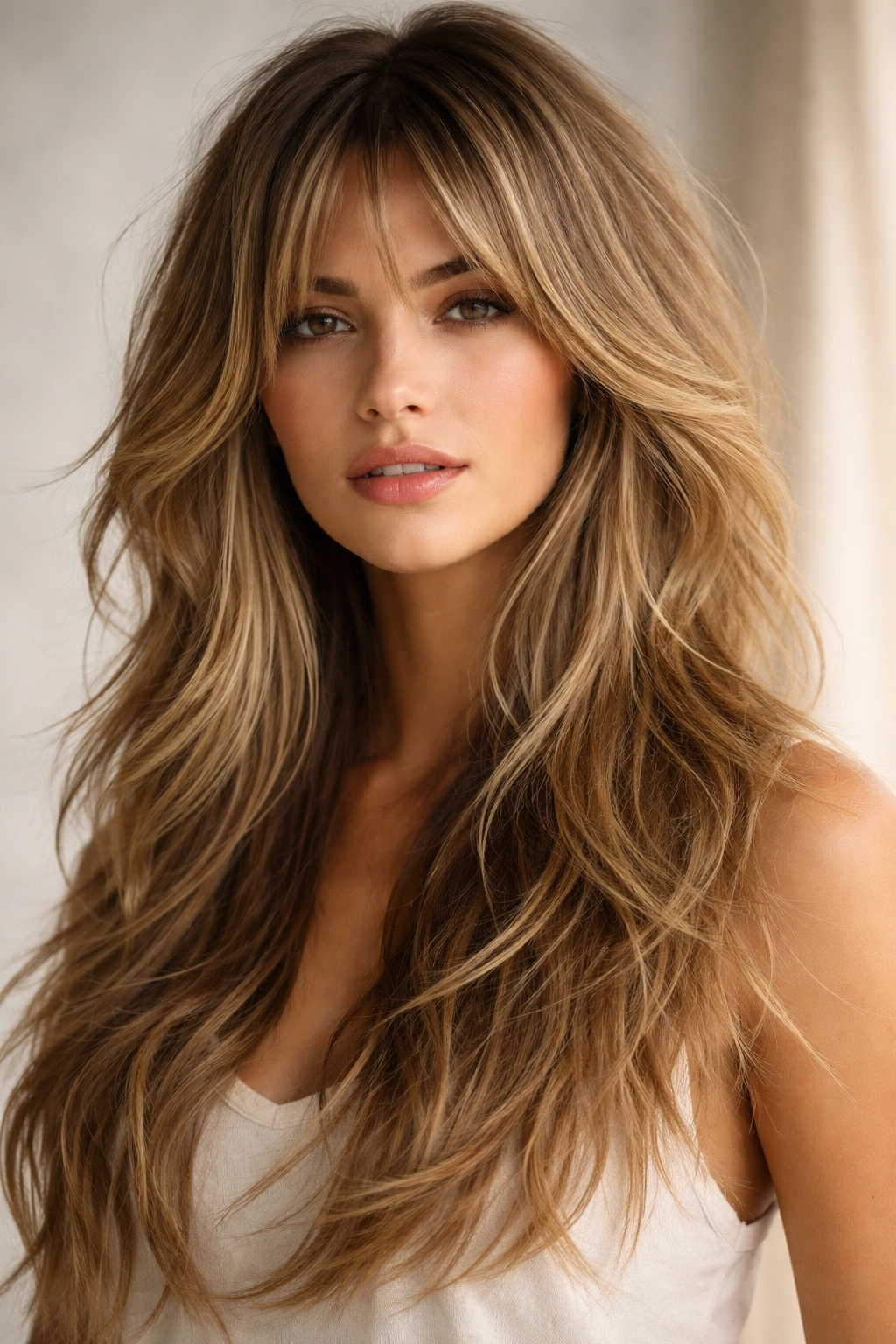
A modern shag where layers are soft and feathered rather than blunt and choppy, creating texture that’s visible but refined. The effect is textured and edgy without looking harsh or overly dramatic.
Feathered vs. Choppy Layering
Feathering means your stylist uses scissors in a way that creates softer, tapered ends rather than blunt, visible chops. The texture is still there, but it reads as intentional refinement rather than dramatic choppiness. This works beautifully for people who want movement without sharp contrasts.
The Feathered Aesthetic
- Shorter top layers feather outward, creating volume and lift at the crown
- Longer layers transition softly from shorter pieces, so movement is gradual and flowing
- Requires minimal product to look good — feathering creates texture on its own
- Works on all hair types but looks most beautiful on wavy or curly hair
- Trim every 8-10 weeks to maintain feathering and prevent bluntness
Pro tip: Specify “feathered layers” rather than just “layers” when consulting with your stylist. This communication prevents you from ending up with choppy texture you didn’t want.
18. The Extended Bangs with Full Layers
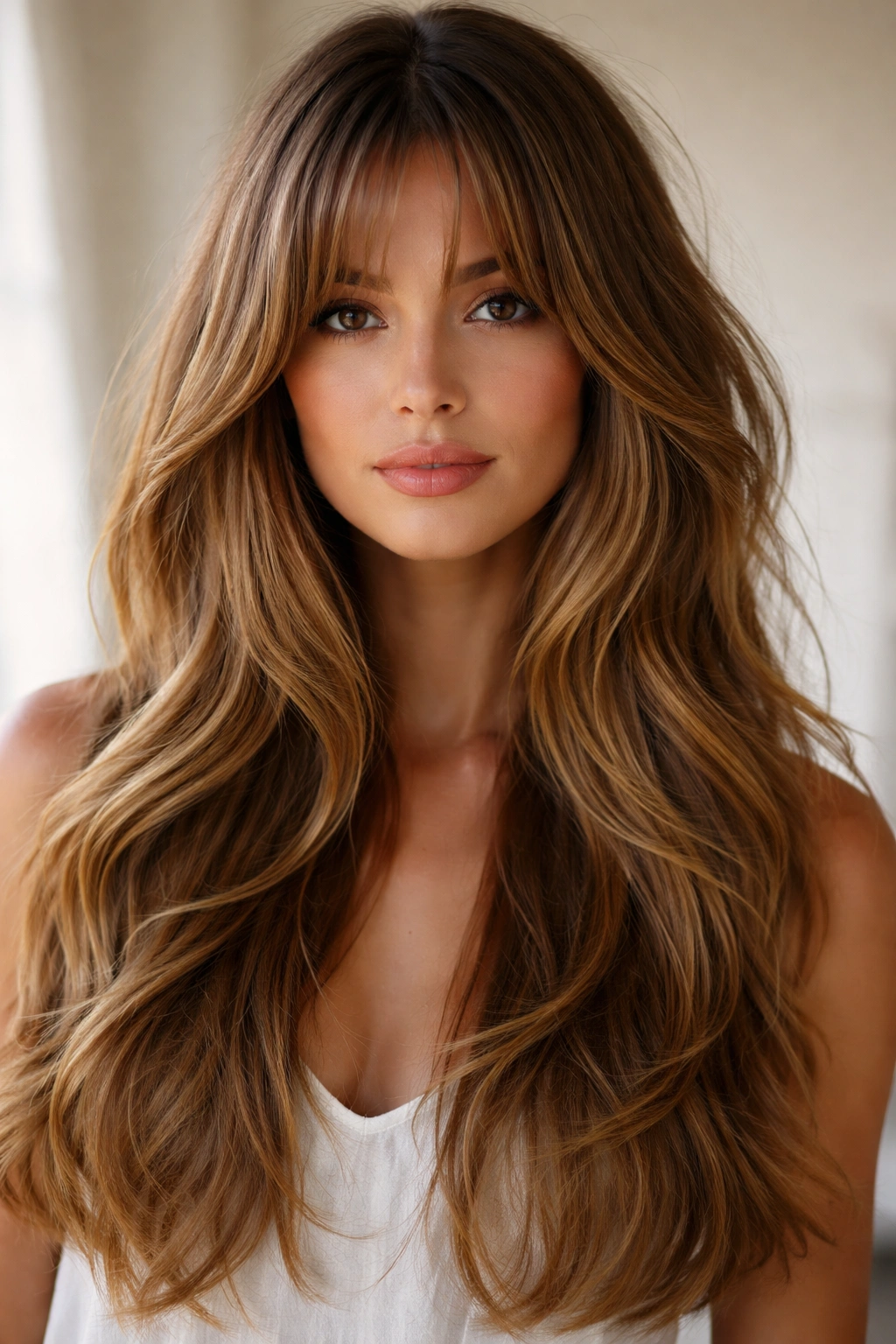
Long, layered hair with longer bangs or extended face-framing pieces that hang to about chest length, creating a distinct frame around your face while the rest of your hair flows with layers.
The Impact of Extended Bangs
Extended bangs are different from traditional bangs — they’re long enough that you can style them back if you want, but they frame your face when worn down. Combined with full layering, they create a distinctive silhouette that looks intentional and fashionable.
Styling Flexibility
- Extended bangs can be swept to the side, left to frame the face, or styled back depending on your mood
- Works beautifully with soft waves or tighter curls throughout
- Requires trims every 8-10 weeks to keep extended bangs at the right length
- Most flattering when the extended bangs connect smoothly to the layers behind them
- Works on most face shapes; especially flattering if your face shape benefits from framing
Real talk: Extended bangs mean you’re committing to some face-framing styling. If you always wear your hair slicked back, this cut might frustrate you.
19. The Beach Goddess Lengths with Subtle Layers
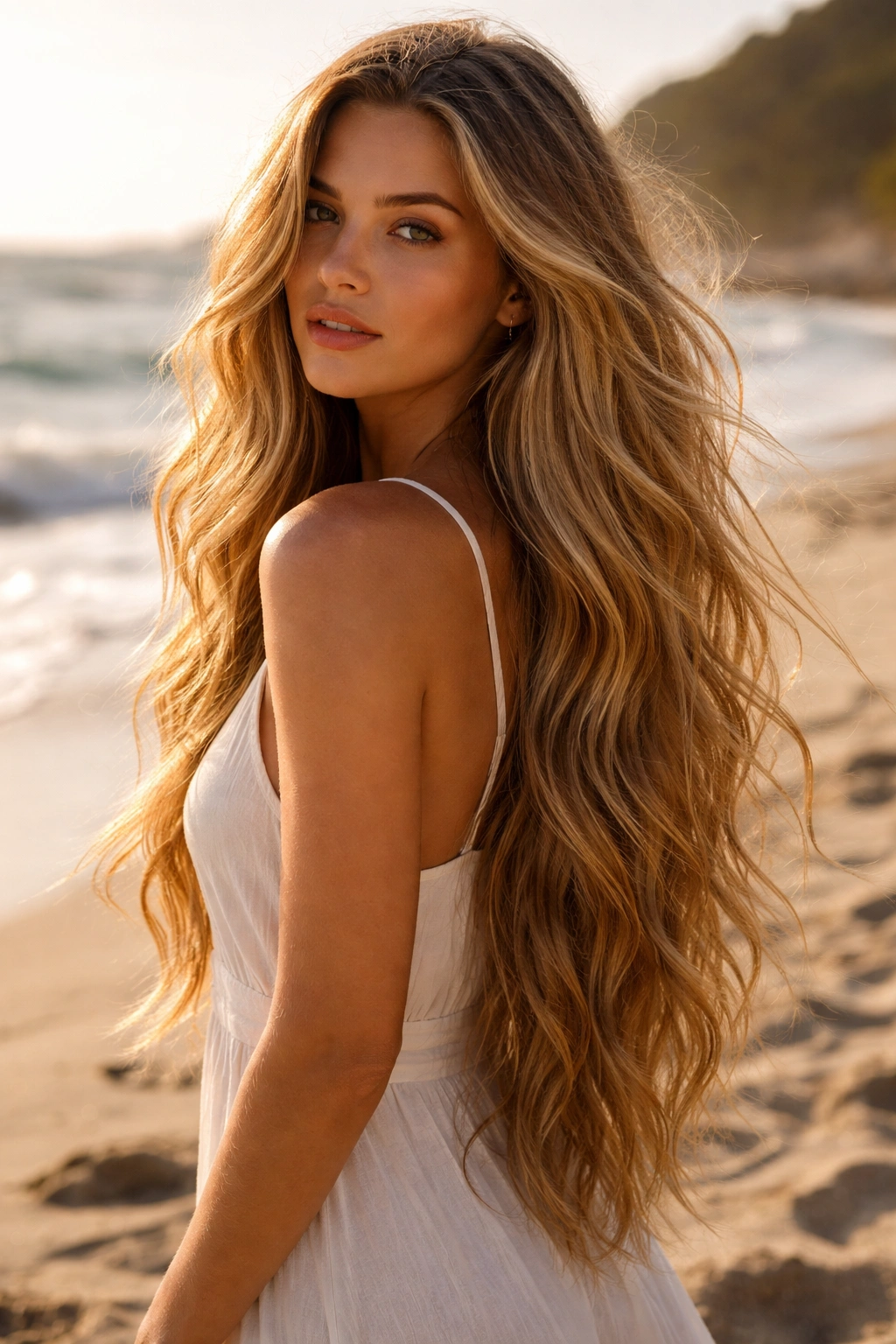
This is the “I live at the beach” aesthetic — long, mostly intact hair with incredibly subtle layering that you barely notice but that creates movement and makes the hair feel lighter and more alive. It’s understated sophistication paired with textural flow.
The Goddess Approach
Beach goddess styling celebrates natural texture and movement. Your layers are there, but they’re so subtle that the cut reads as “long, wavy, effortlessly beautiful” rather than “I have lots of layers.” The texture is organic rather than obvious.
Living the Aesthetic
- Layers are minimal but strategically placed to remove weight and create movement
- Works best with your natural wave pattern — embrace texture rather than fighting it
- Minimal product needed; sea salt spray and fingers are usually enough
- Trim every 10-12 weeks because subtle layers blend as they grow
- Perfect for people who genuinely love their natural hair texture and want to enhance it rather than create drama
Worth knowing: This cut requires confidence in your natural texture. If you typically fight your waves or curls, consider a more obvious cut that creates more intentional texture.
20. The Customizable Layered Canvas
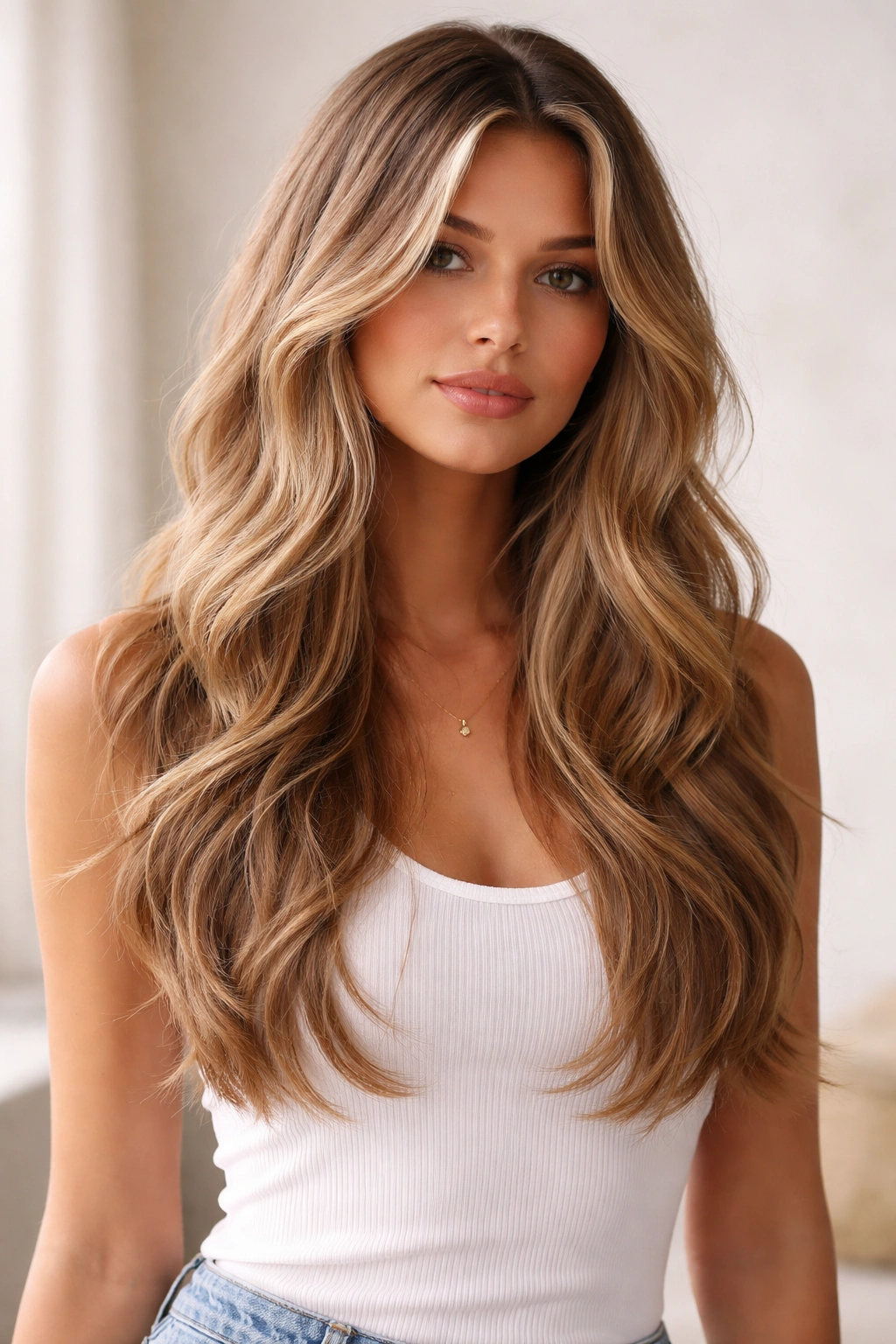
Long hair with enough layers to create movement but not so many that the cut is restrictive. This is the “I can style this however I want” cut that works with your hair rather than against it.
The Philosophy of Flexibility
A customizable cut is one that works whether you want waves, straight texture, braids, or messy buns. The layers support all of these styling options rather than demanding a specific look. It’s the Swiss Army knife of haircuts.
Making It Your Own
- Layers are distributed throughout in a way that flatters your face and works with your hair type
- Styling flexibility means you can wear it different ways on different days
- Works on all hair types; the degree of layering can be customized to your texture
- Requires trims every 8-10 weeks as a general rule, though this varies depending on how visible your layers are
- Perfect for people who like options and don’t want to commit to one specific aesthetic
Real talk: The “right” number of layers for you depends on your hair type, face shape, lifestyle, and how much styling you want to do. Work with your stylist to find the sweet spot rather than copying someone else’s cut exactly.
Final Thoughts
The perfect long wavy layered haircut is the one that meets your hair where it is — respecting your natural texture, flattering your face shape, and fitting your actual lifestyle rather than the Pinterest version of yourself. Layers are tools; the best cut uses them strategically to enhance your hair’s movement and beauty without creating more work than you’re willing to do.
The beach aesthetic doesn’t require you to look like you’re permanently wet or sun-damaged. It requires a cut that works with humidity, salt air, and natural texture instead of against them. That means finding a stylist who understands your specific hair type and can explain why they’re recommending certain layers in certain places.
Most importantly, remember that your hair grows and changes. A cut that’s perfect right now might need adjustments in a few months as your hair grows and your lifestyle shifts. Stay in conversation with your stylist, keep your trims on a regular schedule, and don’t hesitate to ask for tweaks when something isn’t working exactly the way you want. The best long wavy layered haircut is one that makes you feel confident and beautiful without requiring you to fight your hair’s natural personality.
