
Medium-length hair offers the perfect canvas for layering—short enough to feel fresh and manageable, long enough to create movement and texture without disappearing into a shag. When you add natural waves to the equation, those layers transform from simply flattering to absolutely stunning, because waves naturally enhance the dimension that layers create. The movement isn’t forced; it flows organically from the cut itself.
The beauty of a medium wavy layered haircut lies in its versatility. You can wear it sleek one day, tousled and undone the next, or somewhere in between depending on your mood and the occasion. Unlike super-short styles that demand frequent trims or ultra-long hair that requires serious styling commitment, medium wavy cuts hit a sweet spot—they’re easy to maintain, forgiving with growth, and they work with most face shapes when cut thoughtfully. Whether you have naturally wavy hair or you’re working with waves created by styling, the right layered cut will make styling exponentially easier and your hair look naturally fuller and more intentional.
The key to a successful medium wavy layered cut is finding a stylist who understands how layers interact with texture and movement. A cut that looks incredible curly or wavy might fall flat or feel too choppy if you ever wear it straight—and vice versa. The best cuts account for both possibilities. Below are twelve medium wavy layered styles worth considering, each with specific details about why it works, how to style it, and which face shapes and hair types it suits best.
1. The Shag Layered Cut
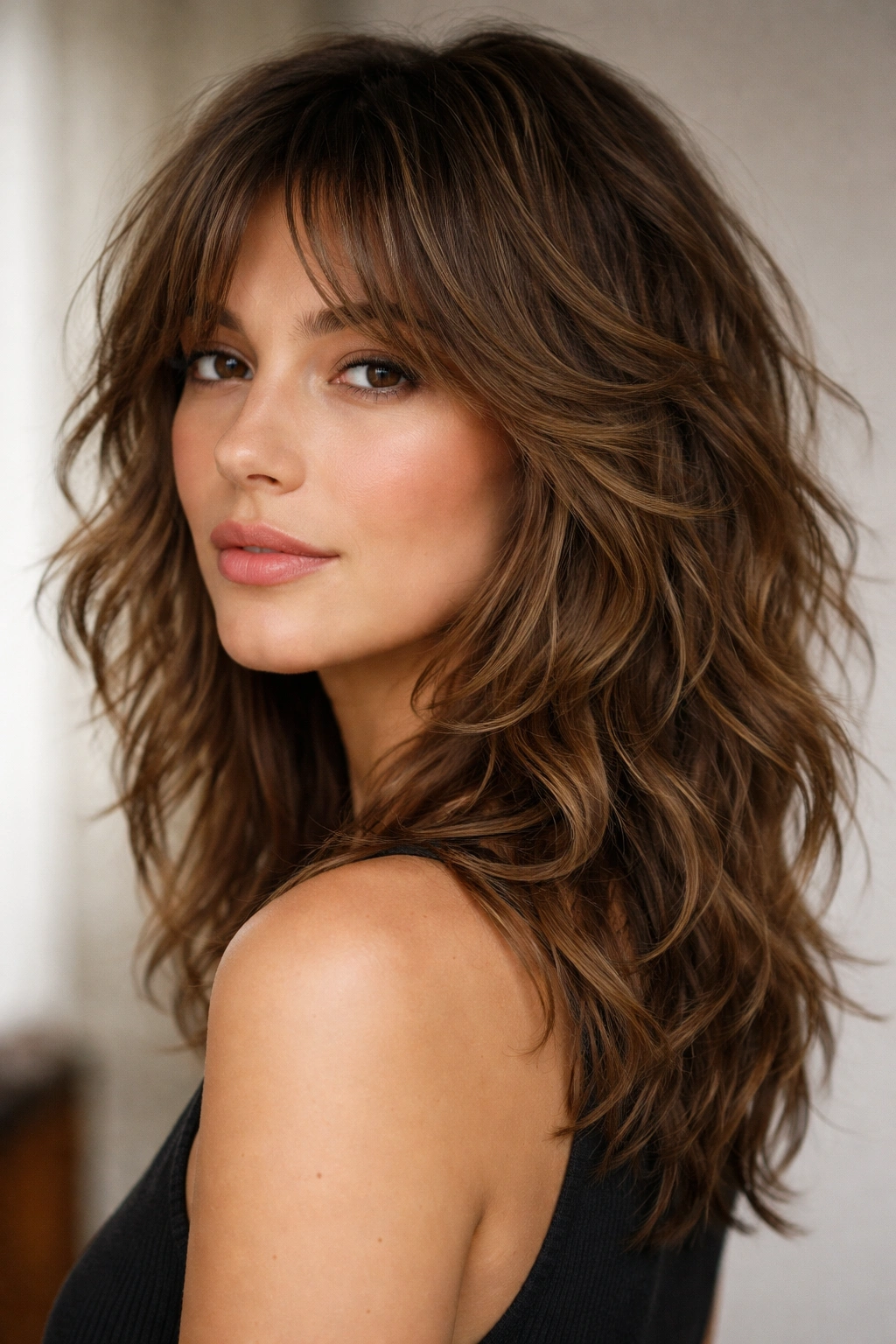
The shag has made an undeniable comeback, and for good reason—it’s the ultimate low-maintenance cut for wavy hair. Think shorter layers on top that sit a few inches above the shoulders, longer underneath, with choppy, deliberate disconnection between the layers that creates movement and texture throughout. A true shag isn’t meant to look polished; it’s supposed to feel a bit undone and effortlessly cool. When you have natural waves, the shag practically styles itself because the cut is designed to enhance existing texture rather than fight it.
Why Shag Works So Well With Wavy Hair
A shag cut on wavy hair creates what stylists call “movement in dimension”—the layers catch and frame your waves instead of weighing them down. The top layers sit shorter and feathered, allowing your waves to spring up and create volume at the crown. Longer underneath layers provide weight just where you need it to anchor the style without losing shape as your waves move. The cut embraces a slightly tousled, lived-in aesthetic that actually looks better the less you fuss with it.
What You Need to Know About Shag Styling
- Pair with a texturizing spray or sea salt spray for maximum movement and definition in your waves
- Blow-dry with a diffuser attachment while scrunching upward to enhance the layered shape
- The shag works beautifully on most face shapes, but it’s especially flattering on square and round faces because the choppy layers soften angles
- Plan for a trim every 4-6 weeks to keep the shag from looking grown-out and limp—this cut needs maintenance to stay sharp
- Consider your face shape: longer faces can handle the added chop; round faces benefit from slightly longer underneath layers that elongate
- Works best on medium-to-thick wavy hair; fine, thin waves may look wispy or lack the texture to carry the style
Pro tip: Ask your stylist to add longer face-framing layers that fall just past your jawline—this detail instantly flatters and feels more intentional than an all-over chop.
2. The Choppy Bob With Movement
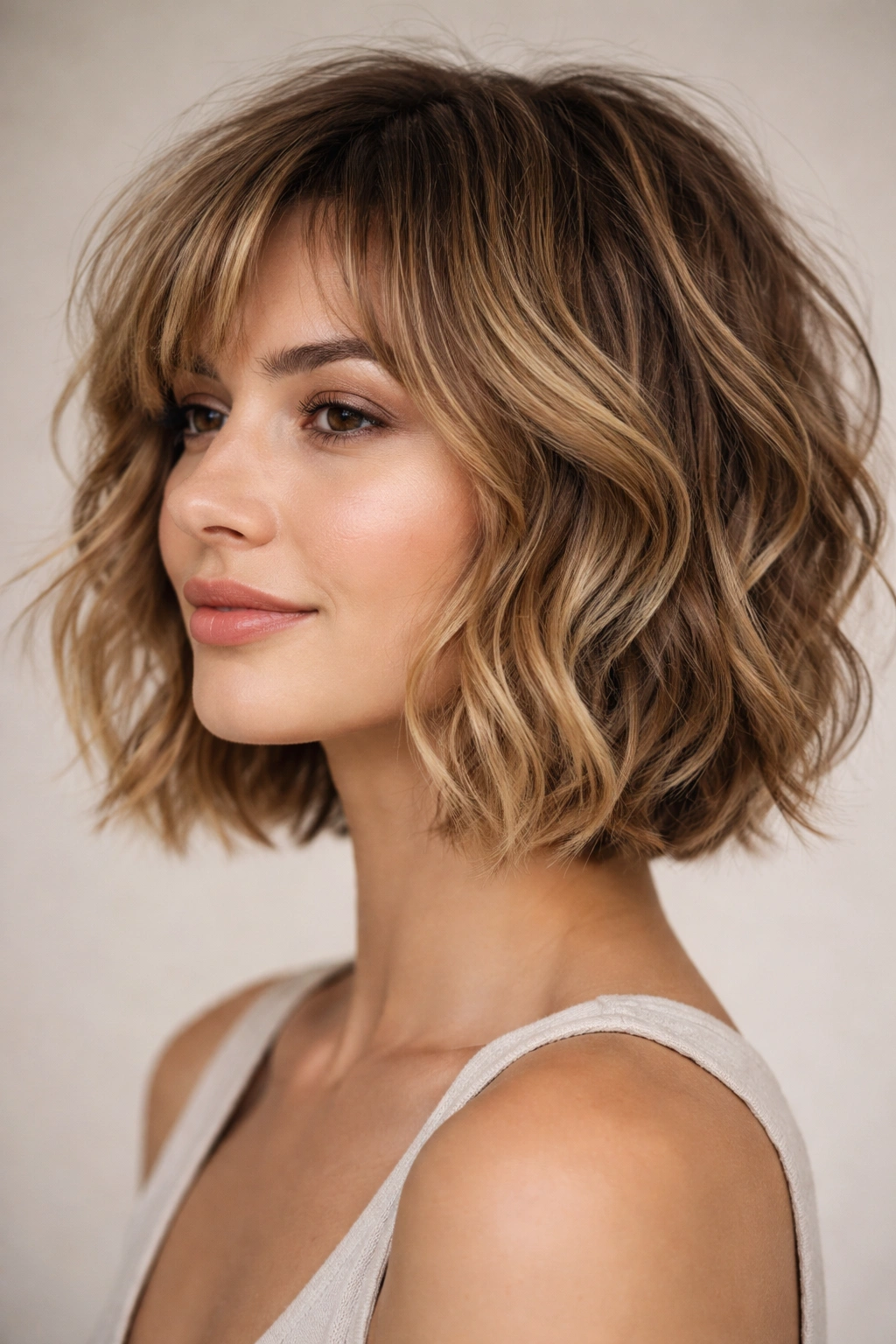
A choppy bob sits right at the jaw or chin, with deliberate layers throughout that create texture and movement rather than a blunt, polished finish. The layers are shorter on top (landing two to three inches above the bottom layer) and progressively longer, creating a feathered, piece-y effect. This is fundamentally different from a sleek, straight bob—the choppiness is the point, and those choppy layers dance beautifully with wave texture.
Why Chop Works for Medium Wavy Hair
Waves in a choppy bob don’t flatten the style like they might in a blunt cut. Instead, they enhance the intentional piece-y texture that the cut creates. Each layer catches your natural wave pattern, creating visual interest and dimension that reads as high-fashion and intentional rather than unstyled. A choppy bob also creates the illusion of more texture and fullness—the layers multiply the surface area of your hair, so medium-thick wavy hair looks almost voluminous.
Styling and Suitability Factors
- Blow-dry with a round brush to smooth the underside while the layers on top remain slightly tousled for contrast
- Use a lightweight mousse applied to damp hair before blow-drying to enhance wave pattern without crunch
- Excellent for oval and oblong face shapes; can work for round faces if the longest layers fall slightly below the jawline
- Requires regular trims every 4-5 weeks because choppy layers show growth quickly and can look unkempt if not maintained
- Best on hair that’s at least medium thickness; very fine hair may look thin and fragmented
- This cut photographs beautifully and translates well to both casual and polished settings
Insider note: Ask for “feathered” rather than “choppy” if you want the layers to feel softer and more blended—it’s a subtle difference in technique that affects the overall vibe.
3. The Wolf Cut (Modern Edge)
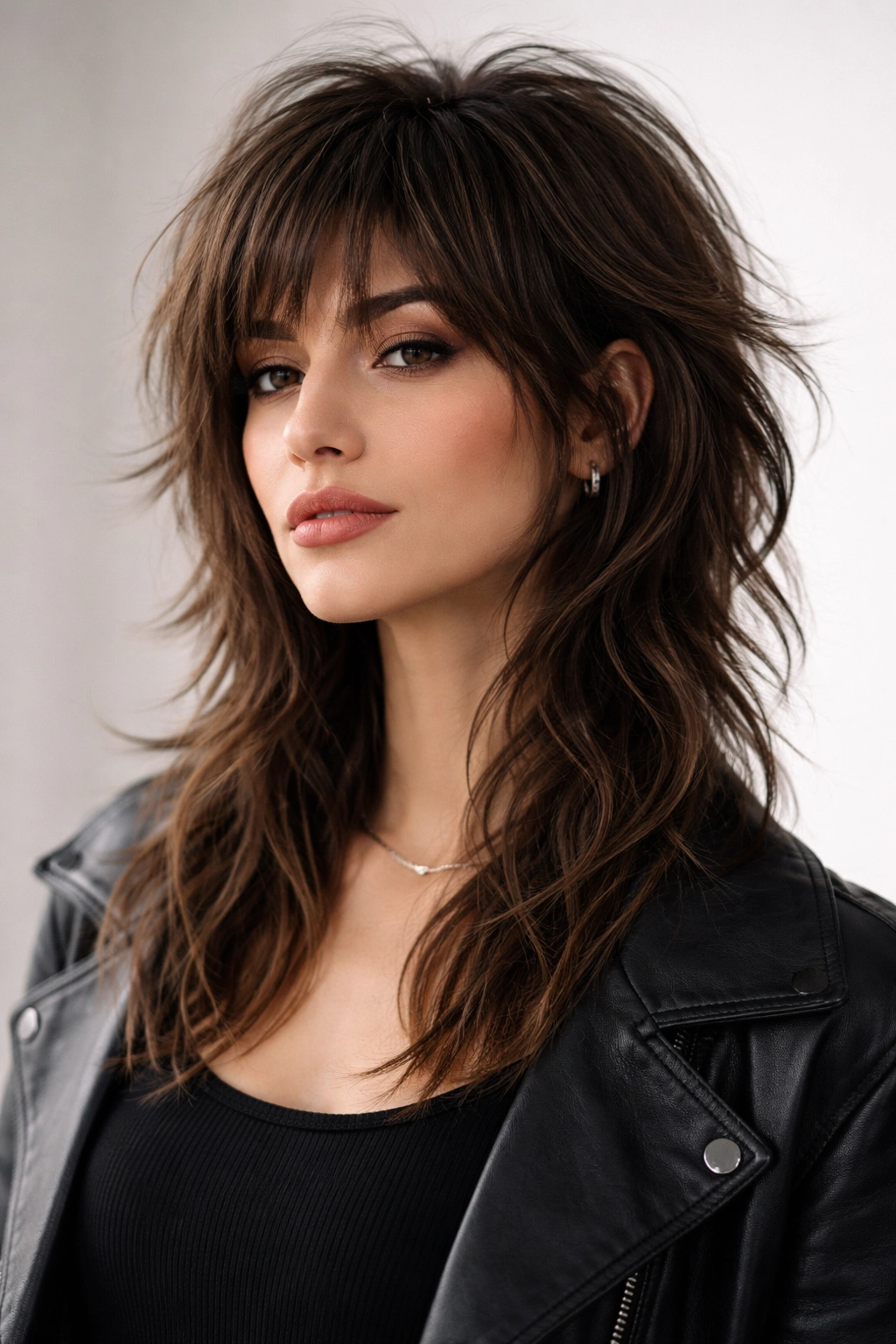
The wolf cut is essentially a shag and a mullet’s sophisticated younger sibling—short, textured layers and volume on top paired with longer length underneath, but more intentional and modern than a traditional shag. The “wolf” effect comes from the contrast: the crown area is fuller and layered, the mid-lengths are blended but still textured, and the ends are longer and heavier. It sounds edgy (because it is), but on wavy hair with the right stylist, it reads as fashion-forward and flattering rather than gimmicky.
Why the Wolf Cut Shines on Wavy Texture
A wolf cut on wavy hair is almost impossibly cool because the short layers at the crown give you volume and movement where you naturally want it, while the longer underneath creates a soft, romantic frame around your face. Waves interact beautifully with the layered crown because they don’t flatten or break up the shape—they enhance it. The longer underneath lengths can be styled sleek and straight one day or scrunched into waves the next, giving you styling flexibility that shorter-all-over cuts don’t offer.
Customizing the Wolf for Your Face and Lifestyle
- The wolf works best on oval and heart-shaped faces; it can overwhelm round or very broad faces
- You need to commit to styling—this cut needs blow-drying with a diffuser or round brush to look intentional
- Layer placement matters enormously: shorter crown layers should sit 2-3 inches from the scalp; midlength blending should start around ear level
- Fine hair can work, but you need enough texture or volume (either natural waves or the ability to add waves with styling) for the cut to read well
- Thicker, wavier hair is actually the sweet spot for a wolf—your natural texture does most of the work
- Maintains shape well; trims needed every 5-6 weeks, slightly longer than some other layered styles
Worth knowing: The wolf cut became trendy, but it’s a genuinely flattering cut for a lot of people—don’t dismiss it just because it’s popular. Judge it on whether it suits your face and lifestyle.
4. Face-Framing Layers (Subtle Approach)
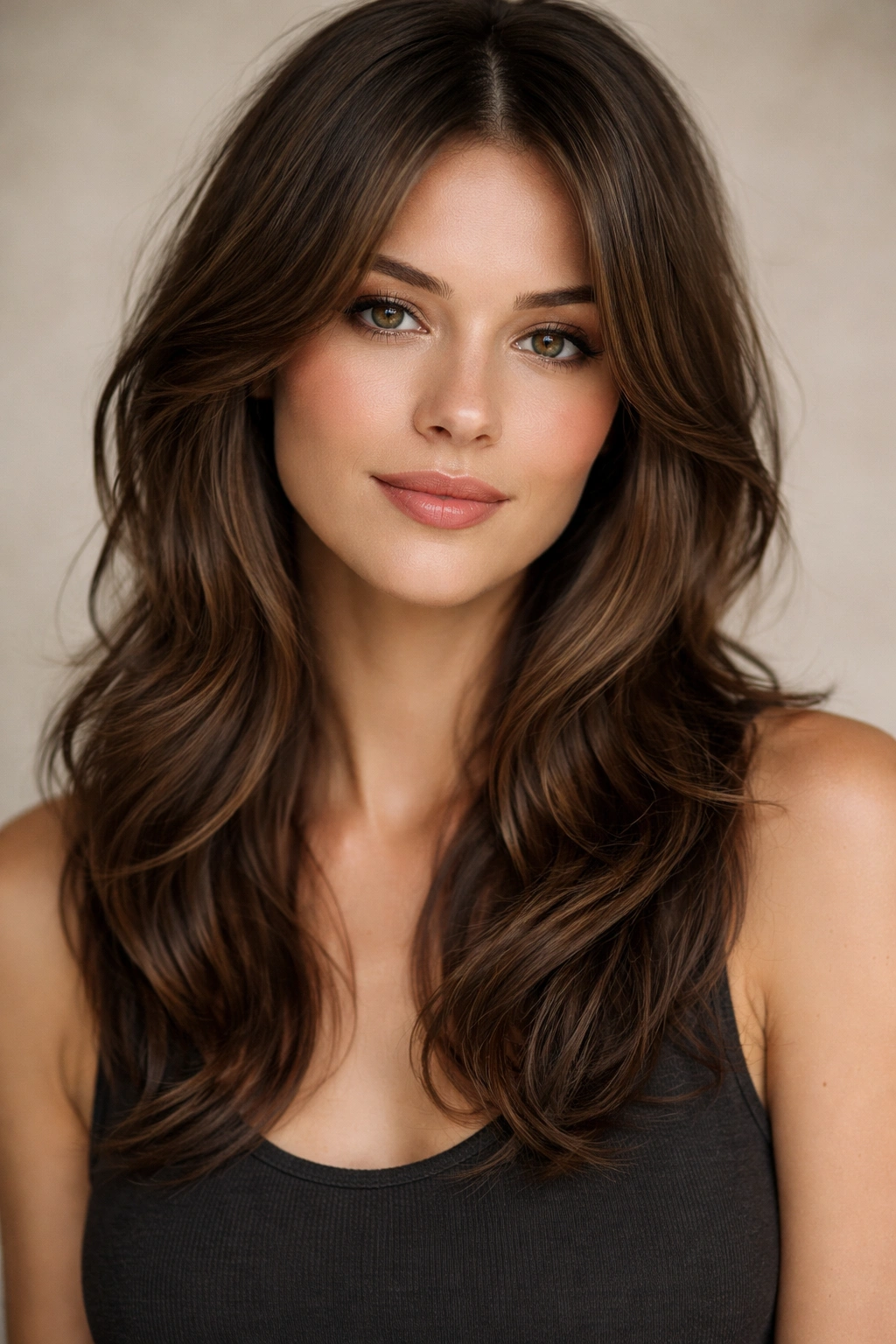
If you like the idea of layering but want something subtler than a shag or wolf, face-framing layers are your answer. These are longer, more blended layers—typically starting around cheekbone level and continuing down—that create movement and softness specifically around the face while keeping the overall length and silhouette relatively intact. The longest layers remain fairly long (collarbone or beyond), while shorter layers frame the face and enhance cheekbones.
Why Subtle Layers Flatter Wavy Hair and Most Faces
Face-framing layers on wavy hair create softness and dimension without the dramatic texture of choppy cuts. Your waves naturally fall through the shorter frame-layers, creating an enhanced jaw and cheekbone definition that’s flattering across most face shapes. The longer underneath layers maintain body and length while the frame-layers ensure your waves show and move dynamically. It’s less “statement” and more “refined”—the kind of cut that looks beautiful in photographs and feels effortless in real life.
Styling and Customization Considerations
- Works exceptionally well on fine, medium, and thick wavy hair—the subtlety translates across different hair types
- Pair with a light texturizing spray and a quick blow-dry with a diffuser for instant definition
- Excellent choice for oval, oblong, and heart-shaped faces; can work for square faces if the frame-layers are longer and softer
- Blends beautifully during growth, so you can stretch trims to 6-8 weeks if needed
- Allows for styling flexibility: pin back the frame-layers for a sleek look, or let them fall loose for maximum softness
- This cut reads as timeless rather than trendy, making it an excellent choice if you want something that won’t feel dated in a year
Pro tip: Ask your stylist to point-cut (or slice-cut) the face-framing layers rather than blunt-cut them—this creates a feathered, softer finish that integrates better with waves.
5. Feathered Layers (Soft and Romantic)
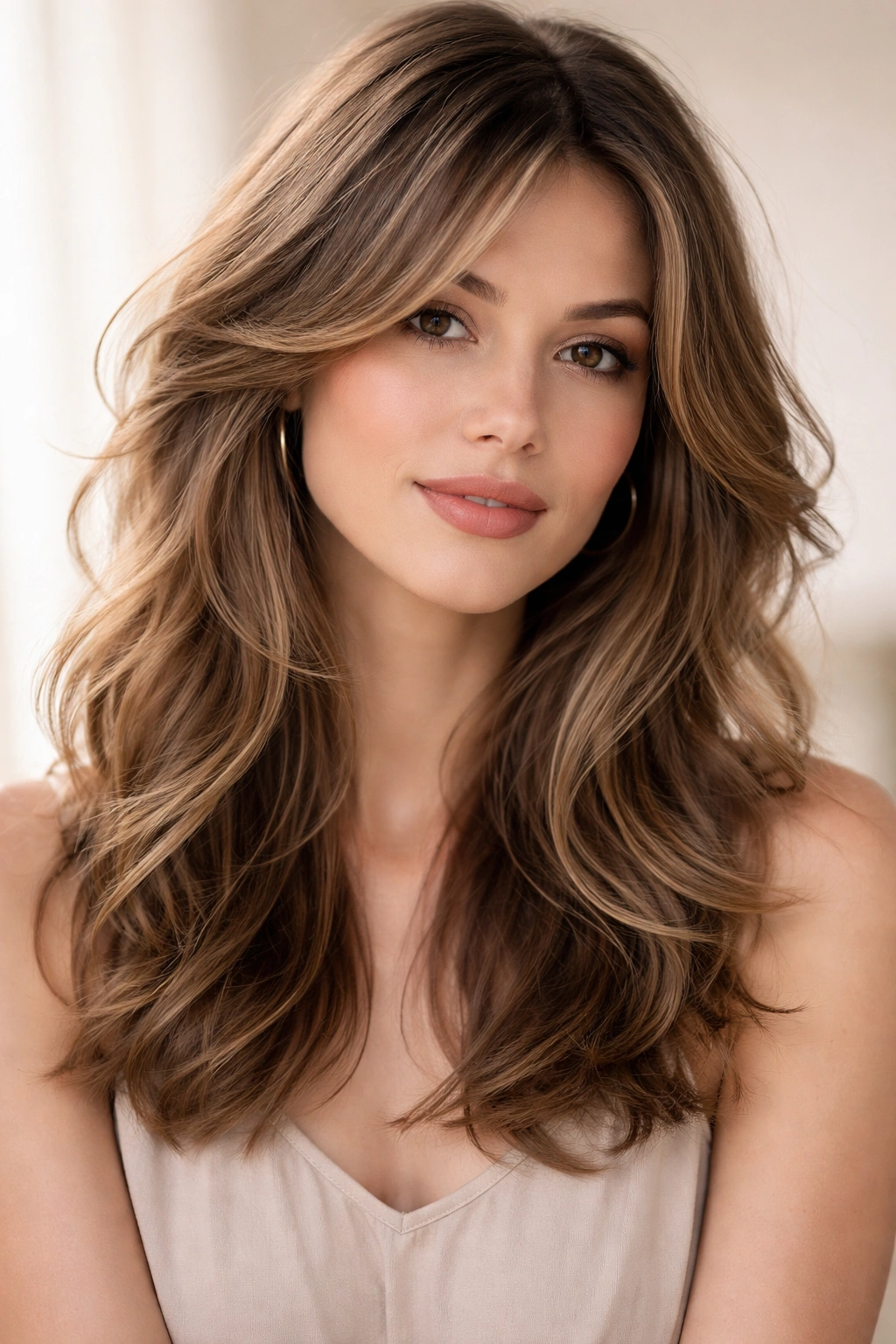
Feathered layers are all about soft, flowing movement—the layers are blended and gentle, with each layer flowing into the next rather than creating sharp disconnection. Think of peacock feathers rather than sharp geometric shapes. On medium wavy hair, feathered layers create an effect that’s romantic, touchable, and effortlessly elegant. The layers are throughout the hair (not just at the frame) but they’re cut to blend seamlessly and create movement rather than choppy texture.
The Science Behind Why Feathering Works
Feathered layers work beautifully on wavy hair because they’re cut at angles that actually encourage wave pattern and movement. A good feather-cut removes bulk while maintaining length and shape—it’s less hair, but it moves more freely. When your stylist feathers the layers properly, your waves don’t fight the cut; they work with it. The result is hair that feels lighter and airier without losing body or structure. Feathering also means fewer harsh lines and transitions, so the cut looks cohesive rather than fragmented.
Styling and Face-Shape Considerations
- Blow-dry with a round brush or flat iron (depending on the wave pattern you want to emphasize) to enhance the feathered shape
- Use a light curl-defining cream or mousse rather than heavy products, which can weigh down the feathering
- Works on virtually all face shapes because the softness is universally flattering
- Excellent for fine and thin wavy hair—feathering creates the illusion of more fullness and texture
- Medium and thick wavy hair also carries feathering beautifully, with more body and definition
- This is a more high-maintenance cut in terms of styling (it needs some blow-dry time to look its best) but requires trims only every 5-7 weeks
- Transitions well through growth without looking unkempt
Insider note: Feathered layers look different wet versus dry—bring photos to your consultation showing the exact wave pattern and texture you want the cut to emphasize.
6. Butterfly Layers (Volume and Movement)
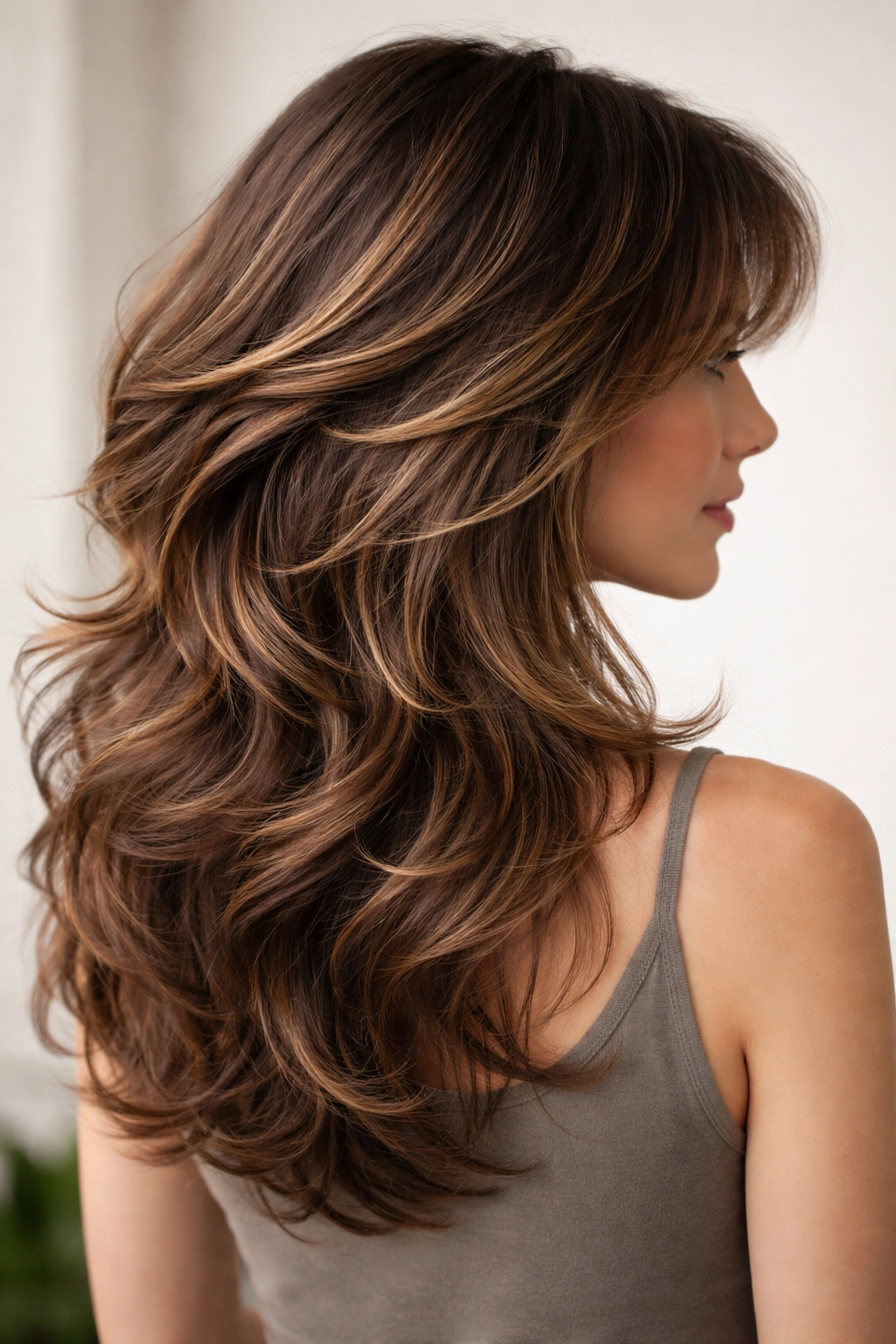
Butterfly layers get their name from the way the shorter layers are concentrated around the crown and gradually lengthen toward the back, creating a butterfly-wing-like silhouette. The crown area is significantly shorter and fuller, with longer lengths in the back that create a visual point and draw attention downward. It’s a style that requires some wave or curl to work well, because the shape relies on the crown height created by textured movement.
Why Butterfly Layers Transform Wavy Hair
If you have a round face or fine hair that lacks natural fullness at the crown, butterfly layers are almost a cheat code. The concentration of shorter layers at the crown—combined with your natural waves—creates height and volume exactly where most people need it. The longer back lengths balance a round face beautifully and create an almost elongating effect. Waves naturally enhance butterfly layers because they don’t flatten the crown; instead, they add dimension and movement that makes the cut look intentional and dynamic.
Making Butterfly Layers Work for You
- This cut requires regular maintenance: 4-5 weeks between trims to keep the crown layer definition sharp
- You’ll need to style intentionally—blow-dry the crown area against your natural hair growth to maximize height
- Best for round and square face shapes; works well for some oval faces depending on where the longer back length lands
- Thick, medium-wave or curly hair is the ideal texture for this cut; fine, straight hair can look thin and wispy
- Pair with a volumizing mousse or texturizing spray applied to the crown to amplify the butterfly effect
- Works beautifully for anyone who wants to add height without committing to an all-over short cut
- The longer back lengths can be pinned up for a more polished look, or left down for casual movement
Worth knowing: Butterfly layers photograph beautifully from the side and back, but your stylist should ensure the cut also looks good from the front—it shouldn’t create flatness or imbalance at the face.
7. The Textured Lob (Shoulder-Length Sophistication)
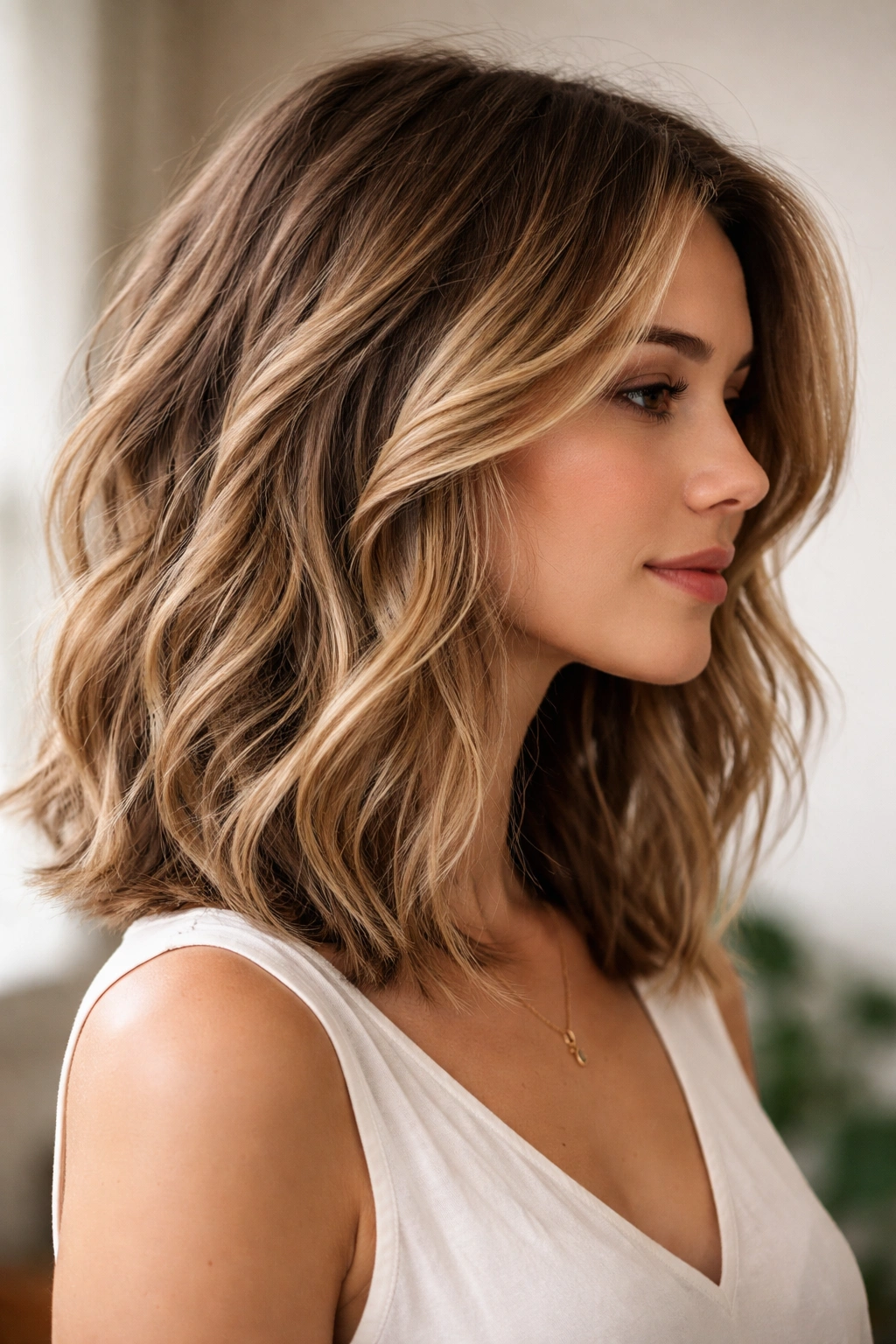
A lob (long bob) sits somewhere between a bob and shoulder-length hair, typically landing around the collarbone or a few inches below. Add layers throughout and you get a textured lob—a style that’s long enough to feel versatile and feminine but short enough to feel modern and intentional. Layers throughout the textured lob create dimension and movement while maintaining length. This is the choice for people who want medium length but need more texture and ease than a blunt cut provides.
Why Layered Lobs Are Ideal for Wavy Hair
A textured lob on wavy hair is almost the Goldilocks zone—long enough to pin up or style multiple ways, layered enough to enhance your wave pattern and prevent the hair from feeling heavy or shapeless. The layers throughout mean your waves have space to move and express themselves rather than being flattened by length and weight. A well-cut textured lob on wavy hair looks intentional and polished even when you’ve barely touched it post-shower. The length also means you can grow it out and transition to longer hair if you want, or maintain it as a permanent style.
Styling, Maintenance, and Face-Shape Fit
- Pair with a blow-dry and light texturizing spray for a done-but-effortless look
- Alternatively, embrace a wet-look with a defining gel for a sleeker aesthetic
- Works beautifully on oval, oblong, and heart-shaped faces; can work for round faces if the layering is strategically placed to create elongation
- Thick and medium wavy hair is ideal; fine hair can work but needs intentional styling to create visible texture
- Trims every 6-8 weeks keep the shape intact without excessive maintenance
- Extremely versatile: style it wavy and undone, sleek and straight, half-pinned, or in a low bun
- This length allows for hair-up styling options that shorter cuts don’t, adding to its practicality
Pro tip: Ask your stylist to focus longer layers around the face (creating frame-layers) and shorter texture throughout the crown and back—this creates a silhouette that’s flattering and has maximum movement.
8. Piece-y Crop (Textured and Modern)
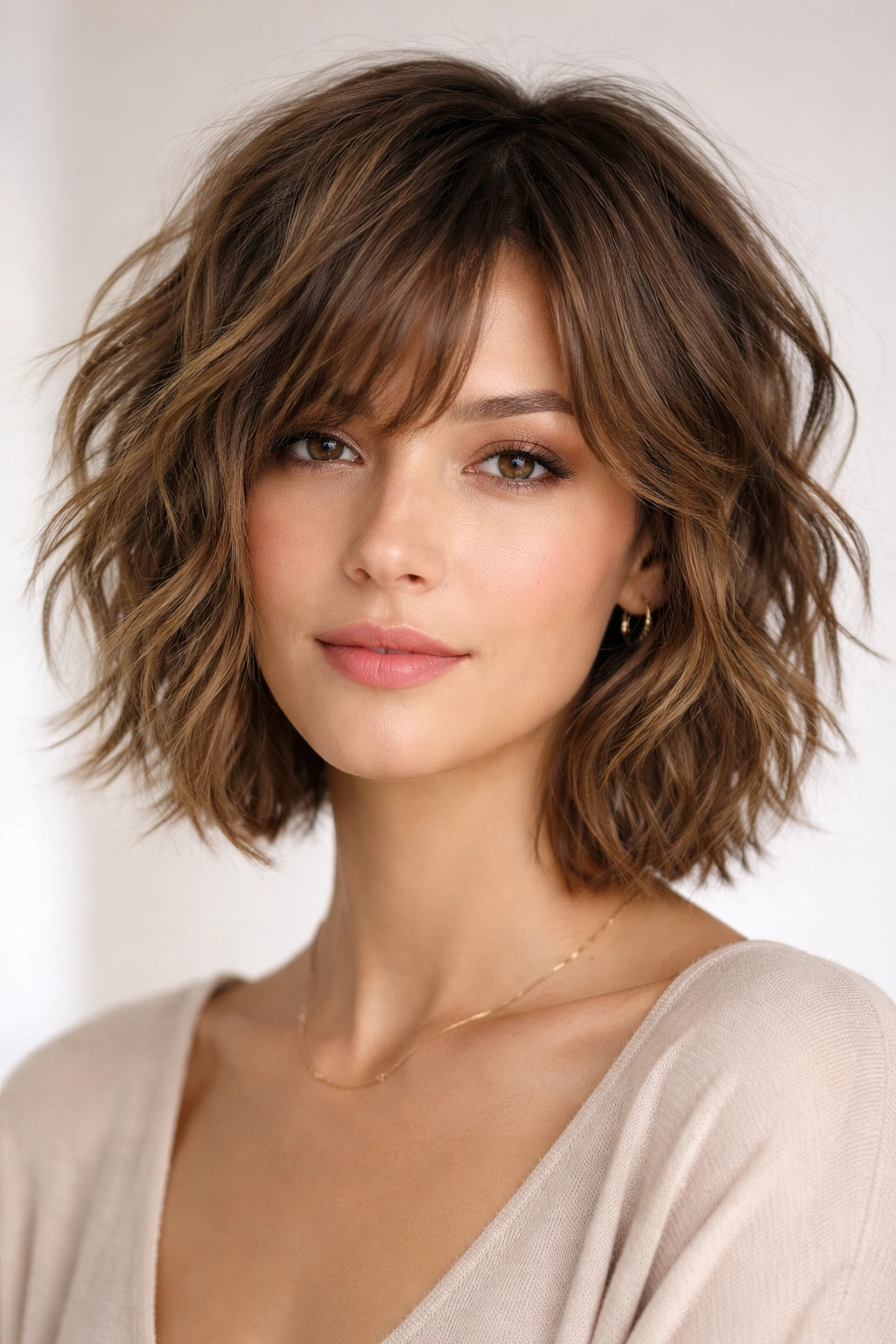
A piece-y crop combines the ease and edge of a shorter style with the layering detail of longer cuts—think shorter, textured layers throughout (hitting anywhere from ear-length to chin-length) with intentional choppiness that creates individual pieces rather than a blended, flowing look. It’s not quite a bob and not quite a shag; it’s its own thing. Waves add dimension and movement that make piece-y crops look almost sculptural rather than chaotic.
The Appeal of Piece-y Crops on Wavy Hair
Piece-y crops on wavy hair look cool and intentional in a way that requires almost no styling effort. The cut is designed to create texture and separation, so your natural waves enhance the intended aesthetic rather than fighting it. Each piece-y layer can curl slightly differently, creating an almost three-dimensional texture that reads as editorial and high-fashion. A piece-y crop also tends to look better the less perfect it is—bedhead, humidity, and natural wave variation all work for this cut rather than against it.
Customizing and Caring for a Piece-y Crop
- Medium to thick wavy hair is ideal; fine hair can work but will need intentional wave-creation through styling
- Best for oval and heart-shaped faces; can work for round faces if the longer underneath layers provide some elongation
- Requires a stylist skilled in choppy, textured cutting—not all stylists execute this cut well
- Maintenance is moderate: 4-6 weeks between trims to keep the piece-y definition sharp
- Style with sea salt spray and a diffuser, or embrace natural texture with minimal product
- Versatile enough to dress up with styling or dress down for casual wear
- This cut has an edge and attitude—it’s a great choice if you want something that looks intentional and current
Insider note: The quality of the cut determines whether a piece-y crop looks cool and intentional or just messy—find a stylist whose piece-y work you love and trust them completely.
9. Tousled Waves (Effortless Elegance)
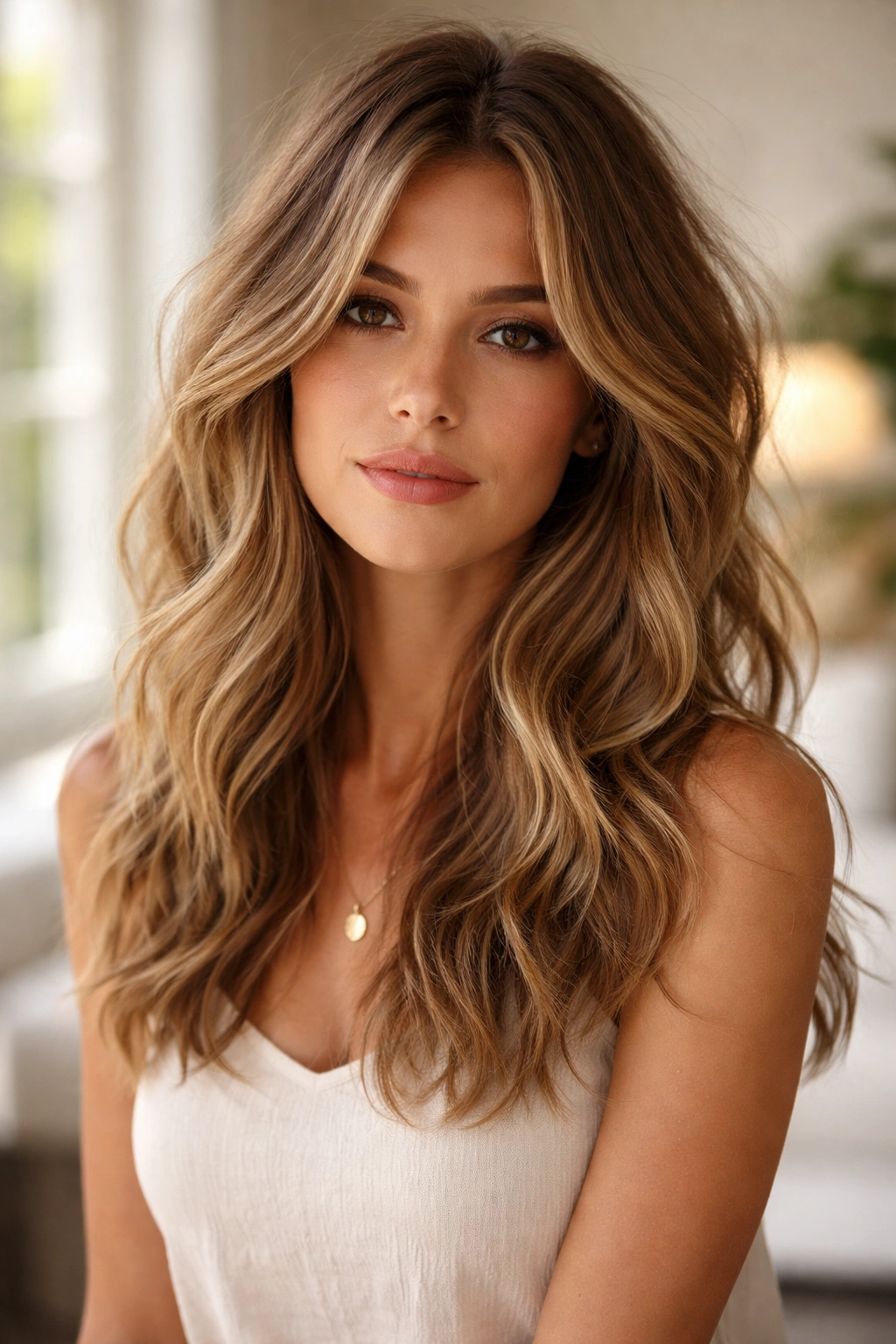
A tousled-wave haircut is designed specifically to enhance natural wave pattern and create an intentionally undone, romantic aesthetic. Layers are placed strategically to catch waves and encourage movement in specific directions, creating a style that looks like you’ve just come from the beach (in the best way). The cut isn’t about sharp definition or precise layers; it’s about creating a relaxed, flowing silhouette with dimension and movement throughout.
How Wave-Specific Cutting Enhances Your Texture
A great tousled-wave cut starts with your stylist understanding your specific wave pattern—the direction your hair naturally falls, where it’s curlier or straighter, how it behaves when dry. The cut is then designed to work with those patterns rather than against them. Layers are placed to enhance curl where you want it and remove weight where you need more wave expression. The result is a cut that looks beautiful with minimal styling—your waves do the work, and the cut simply allows them to do what they naturally do, just better.
Styling and Who It Suits
- Works beautifully on wavy and naturally curly hair; straight hair would require daily styling to recreate the effect
- Excellent for all face shapes because the soft, romantic movement is universally flattering
- Fine, medium, and thick wavy hair all carry this cut well
- Minimal styling required: scrunch in a texturizing spray while damp and air-dry, or blow-dry with a diffuser
- You can also pin back sections for a more polished look without changing the cut itself
- Trims every 5-6 weeks keep the shape and layer placement fresh
- This is an ideal cut for people who want low-maintenance styling but don’t want to sacrifice style or femininity
Worth knowing: This cut works best when you’re not fighting your hair’s natural texture—if you straighten your hair regularly, a tousled-wave cut will feel like constant work rather than effortless.
10. Modern Mullet (With Intention)
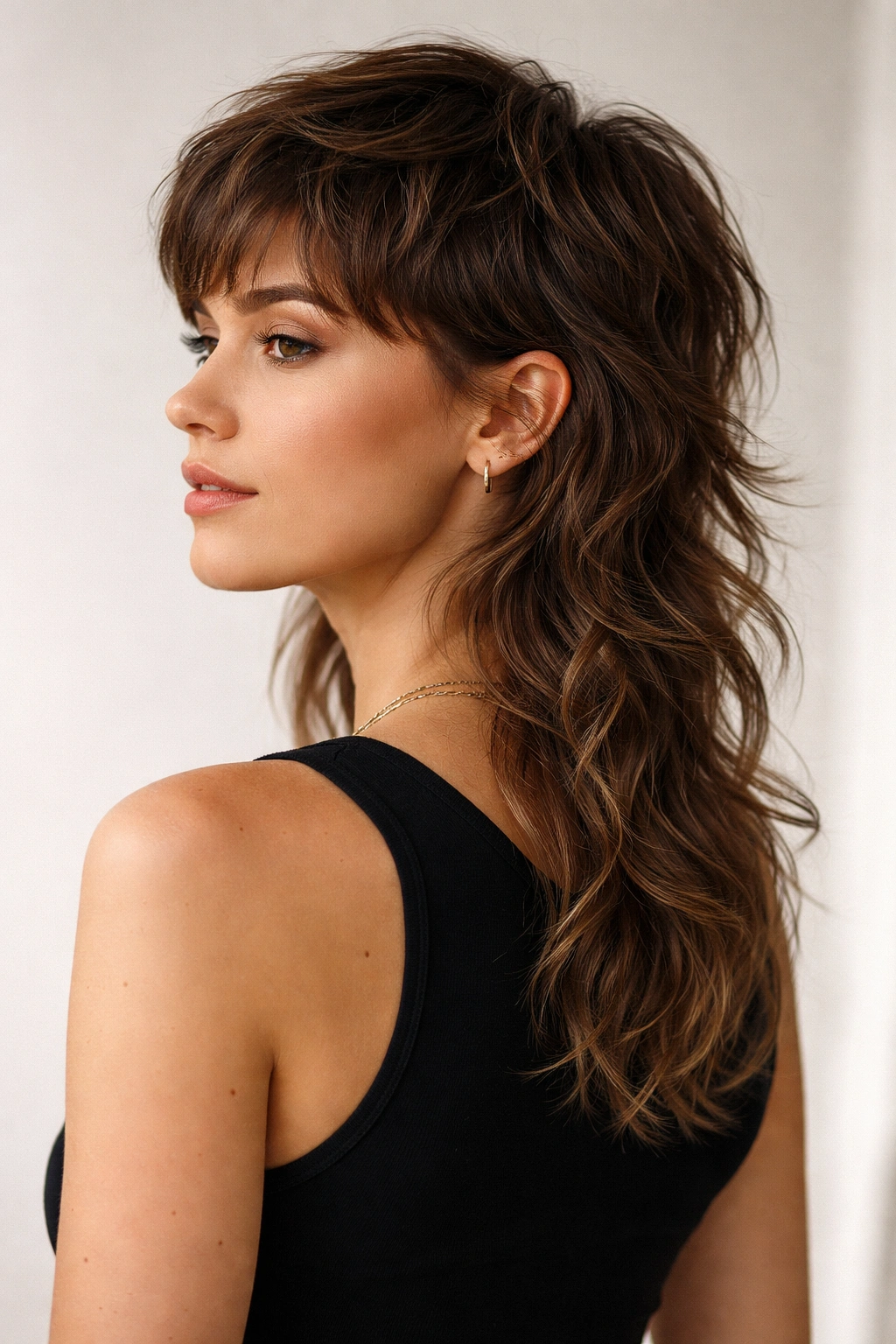
The modern mullet challenges the old “business in front, party in back” cliché with intention and sophistication. The modern version features shorter, textured layers on top and at the sides (around ear-length) with longer length in the back (shoulder-length or beyond). The transition is blended but visible, creating a style that’s undeniably cool and fashion-forward. Waves in a modern mullet create softness and movement that prevent it from looking harsh or dated.
Why Waves Make the Modern Mullet Work
Waves are almost essential to pulling off a modern mullet because they create softness and movement that balance the structure of the shorter front. Without texture, a mullet reads as sharp and severe; with waves, it becomes romantic, dimensional, and intentional. The shorter front layers catch your waves, creating volume and texture at the crown and face, while the longer back lengths flow and move beautifully when you have wave pattern. It’s a bold cut that requires confidence to wear, but waves make it feel artistic rather than costume-y.
Styling, Maintenance, and Face-Consideration
- Best for oval and heart-shaped faces; can work for other shapes depending on where the shorter front length lands and how much volume is at the crown
- Requires regular maintenance: 4-5 weeks between trims to keep the short/long contrast sharp
- Styling depends on your vibe: blow-dry for a polished look with intentional waves, or embrace a lived-in texture with mousse and a diffuser
- Medium to thick wavy hair is ideal; fine hair can work but will need styling support
- This is a statement cut—wear it if you love it and own the boldness rather than apologizing for it
- Works for both casual and surprisingly polished settings depending on how you style it
- Pairs beautifully with personal style that’s artistic, creative, or deliberately unconventional
Pro tip: Ask your stylist to feather the transition between the short front and long back slightly—a totally blunt demarcation line can look costume-y, while a soft blend feels more modern and wearable.
11. Asymmetrical Layers (One-Side Drama)
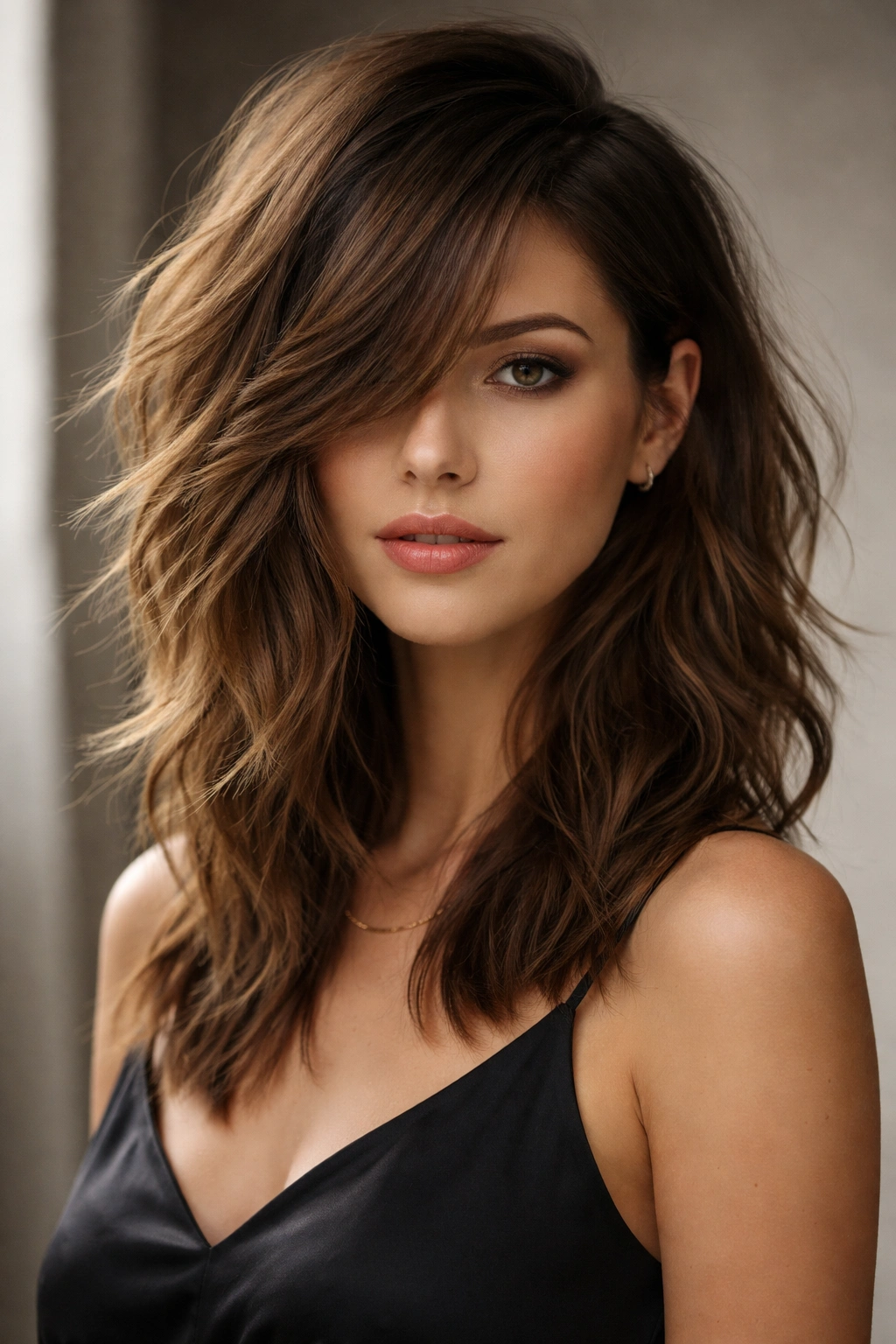
An asymmetrical layered cut features uneven length on either side, with layers concentrated more heavily on one side than the other. One side might sit at the jaw while the other hits below the shoulder, or one side features shorter, choppy layers while the other is longer and smoother. When executed well, asymmetry isn’t gimmicky—it’s architectural and chic. Waves add movement and flow that makes asymmetrical cuts look intentional and flattering rather than lopsided.
The Psychology and Styling of Asymmetry
Asymmetrical layering works because it’s unexpected and intentional—it signals that you’ve chosen this cut deliberately. Waves in an asymmetrical cut are almost magical because they create movement and dimension that makes the asymmetry feel artistic rather than accidental. The uneven lengths mean your waves naturally fall and move differently on each side, creating a dynamic, always-interesting silhouette. This cut also has the bonus of being incredibly flattering—the longer side can cover areas you want less visible, while the shorter side creates the illusion of more cheekbone definition and face shape refinement.
Making Asymmetrical Work for Your Face and Lifestyle
- Can work on most face shapes depending on which side is longer and how much shorter the other side is
- Excellent for oval and heart-shaped faces; round faces benefit from the longer side placed to elongate
- Requires styling intention—asymmetrical cuts look best when you actually style them rather than leaving them to fall naturally
- Medium to thick wavy hair carries asymmetrical cuts beautifully; fine hair can work but needs intentional wave-creation through styling
- Trims every 5-6 weeks keep the asymmetry distinct and intentional
- This cut works best for people with a fashion-forward personal style and the confidence to wear something undeniably bold
- Photographs beautifully from angles that show the asymmetry, less dramatically from the opposite side
Insider note: Ask your stylist how the asymmetry will look as you grow it out—some asymmetrical cuts transition well through growth, while others lose their impact quickly.
12. Stacked Waves (Texture and Dimension)
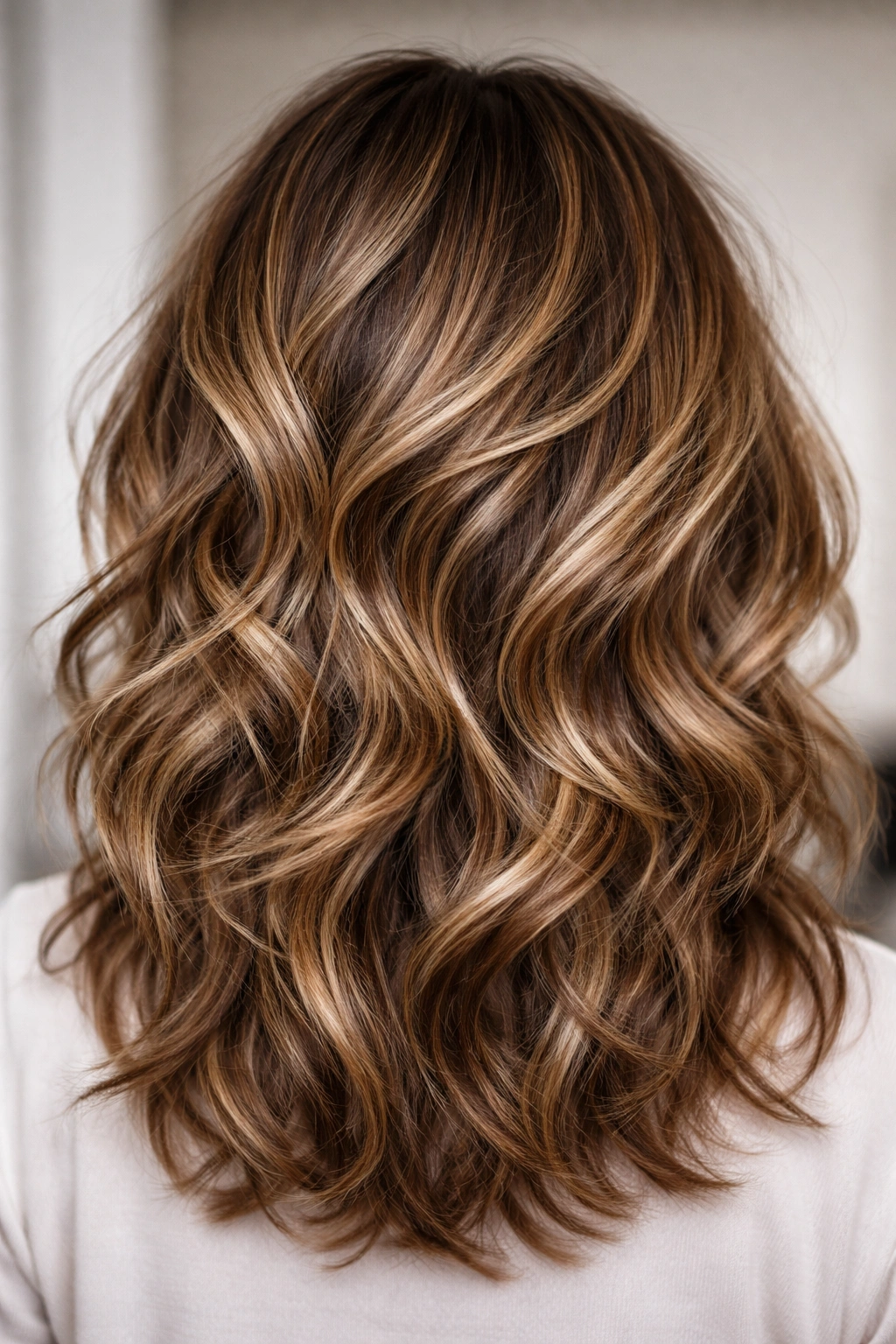
Stacked waves refer to a cut with shorter, layered layers throughout the crown and mid-lengths, creating visual stacking and texture, with some length maintained in the back (typically collarbone or a few inches below). The stacking creates the illusion of incredible fullness and texture, while the longer back ensures you maintain some medium length. It’s essentially a texturized version of a layered bob that extends just slightly longer. Waves interact beautifully with stacking because they naturally enhance the texture and movement the cut creates.
Why Stacking Creates Dimensional Waves
Stacking works because it removes weight strategically, creating space for your waves to express themselves fully. Shorter layers throughout the crown and mid-lengths don’t weigh down your wave pattern the way length and density would. Each wave can move more freely, creating a textured, dimensional silhouette that looks fuller and more intentional than the same hair worn with fewer layers. Stacking also creates visual interest through contrasting lengths—your eye reads the texture and movement rather than seeing a flat, one-dimensional style.
Styling, Maintenance, and Customization
- Works on medium to thick wavy hair beautifully; fine hair can work but may appear thin or wispy if over-layered
- Excellent for round and square face shapes because the stacking at the crown creates height and the longer back creates balance
- Works for oval faces depending on where the stacking transitions to longer length
- Regular trims every 4-6 weeks maintain the stacked definition as your hair grows
- Style with texturizing spray, mousse, or light cream—let your natural waves be the star
- Can be worn casually (undone and tousled) or styled more polished with a round brush and blow dryer
- Extremely low-maintenance in terms of daily styling; the cut does the work of creating texture and movement
Worth knowing: Stacked waves can look slightly shorter than you might expect from the side, but longer from the front due to the layering—bring clear front and side-view photos to your stylist consultation so you’re both on the same page about length.
Final Thoughts
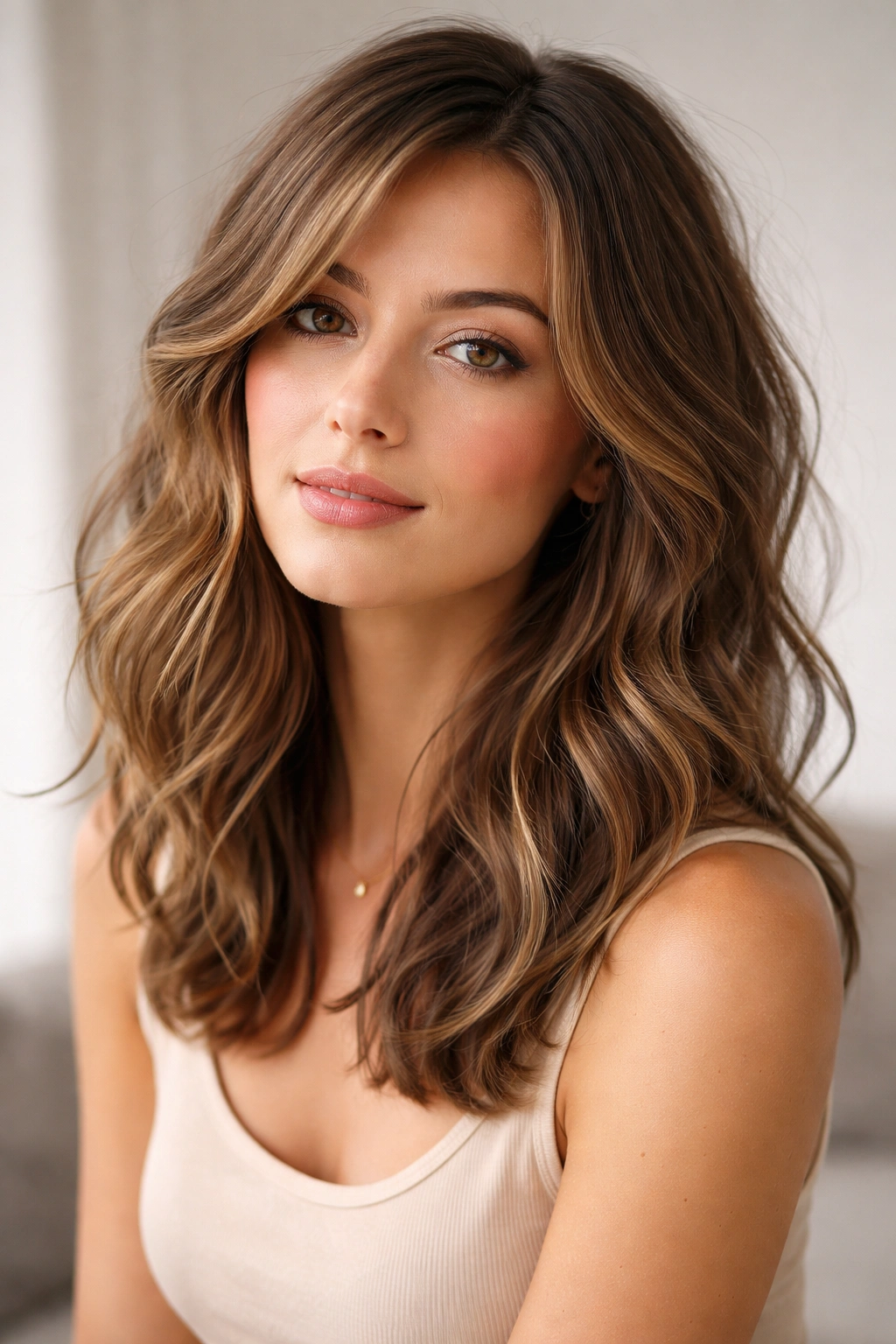
Choosing the right medium wavy layered haircut ultimately comes down to understanding three things: your face shape, your hair’s natural texture and thickness, and honestly how much styling time you’re willing to commit. Some of these cuts (shag, tousled waves, stacked waves) are genuinely low-maintenance and look better the less you fuss. Others (wolf cut, butterfly layers, modern mullet) demand styling intention to look their best. There’s no wrong choice—only the choice that’s wrong for you.
Before booking an appointment, spend time looking at photos of the cut you’re considering, paying special attention to how it looks on people with similar face shapes and wave patterns to yours. Bring multiple reference photos showing the cut from different angles—front, side, back. During your consultation, talk candidly with your stylist about your lifestyle, how much time you realistically spend styling, and whether you prefer low-maintenance cuts or enjoy the ritual of styling as part of your routine. A skilled stylist will help you choose the version of these cuts that works for your specific hair and life, not just what looks cool in photos.
The beauty of medium wavy hair is that it’s genuinely versatile—almost every cut on this list can be customized and adapted to suit different needs. You don’t have to commit to a cut that doesn’t feel right; you can try different stylist and approaches until you find the one that makes you feel confident and like the best version of yourself. And remember that a cut is only half the equation—the other half is a good stylist who understands your hair, your face, and what you’re actually trying to achieve. That partnership matters more than any specific cut name.