



Fine wavy hair has a reputation for being tricky to work with. It’s not quite curly enough to embrace a defined wave pattern, yet it’s too textured to fall pin-straight. Most people with this hair type struggle to find a cut that actually works with their natural texture instead of fighting against it constantly. The good news? A bob haircut can be your secret weapon.
The bob is having a genuine moment of versatility right now. Gone are the days of the blunt, one-length cut that worked on maybe three hair types. Modern bobs are layered, textured, and intentionally designed to work with different hair patterns rather than impose a rigid shape onto them. For fine wavy hair specifically, the right bob can add the appearance of density, enhance your natural wave, require minimal styling effort, and look polished without feeling stiff or overly styled.
The challenge with fine hair is that it lacks density—individual strands are thinner, and you have less volume overall. Wavy hair, meanwhile, creates texture that can sometimes look frizzy or undefined without the right cut and technique. When you combine these two characteristics, you need a cut that strategically uses layers to create movement and the illusion of fullness, without creating so many layers that your hair looks wispy or falls flat. The right bob does exactly that.
What follows are thirteen bob haircuts specifically designed for fine wavy hair—cuts that enhance your natural texture, add dimension, work with gravity instead of against it, and style beautifully with minimal effort. Each cut includes specific styling tips and insight into what makes it work for your hair type.
1. The Textured Shag Bob
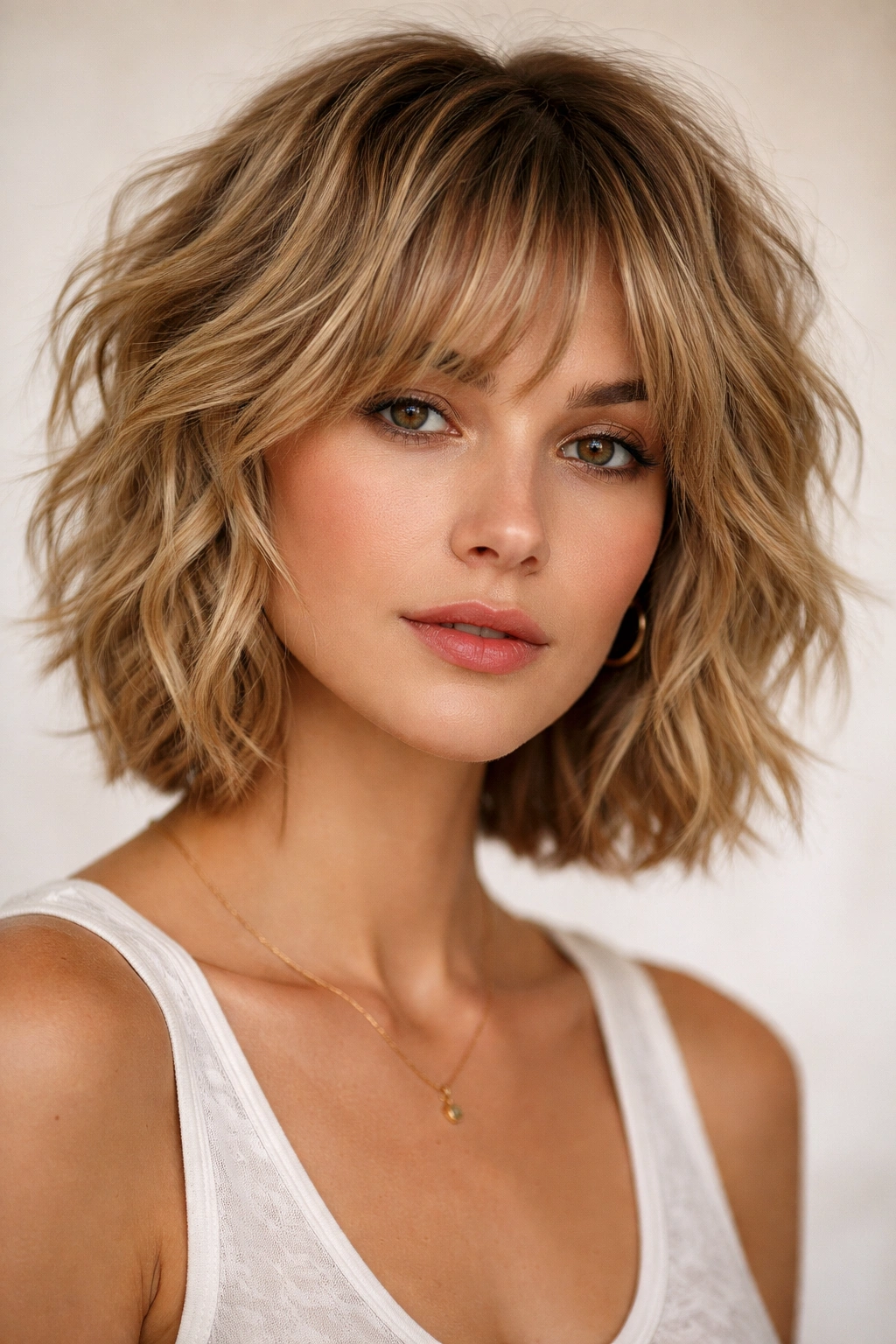
A shag bob combines the best of both worlds: the modern polish of a bob with the movement and texture of a shag haircut. This cut features significantly shorter, choppy layers throughout that start higher up on the head, creating immediate texture and volume from root to tip. For fine wavy hair, this is genuinely transformative because the choppy layers break up the weight that would otherwise drag your waves down and flatten your hair.
Why It Works for Fine Wavy Hair
The shag bob’s layered structure means your waves have somewhere to live instead of fighting against a too-heavy one-length cut. Each layer catches your natural wave pattern and emphasizes it, which makes your hair look fuller and more intentional. The choppy texture also means that even if your waves are loose or inconsistent, the cut itself looks intentional and designed—you’re not relying on perfect waves to make the cut work. This is the cut to choose if you want maximum movement and dimension with the least amount of styling required.
How to Style a Textured Shag Bob
- Wash with a volumizing shampoo and conditioner designed for fine hair; avoid heavy moisturizing products that can weigh waves down
- Apply a lightweight mousse or sea salt spray to damp hair before blow-drying for added texture and hold
- Use a diffuser attachment on your blow dryer set to medium heat; cup sections of hair in the diffuser rather than smoothing
- Scrunch upward while diffusing to encourage your natural wave pattern and prevent frizz
- Consider a light hairspray designed for fine hair to hold the texture without creating crunchiness
Pro tip: Ask your stylist for choppy, disconnected layers rather than blended, seamless ones—the choppiness is what creates the shag texture that makes this cut sing on fine wavy hair.
2. The Chin-Length Blunt Bob with Subtle Layers
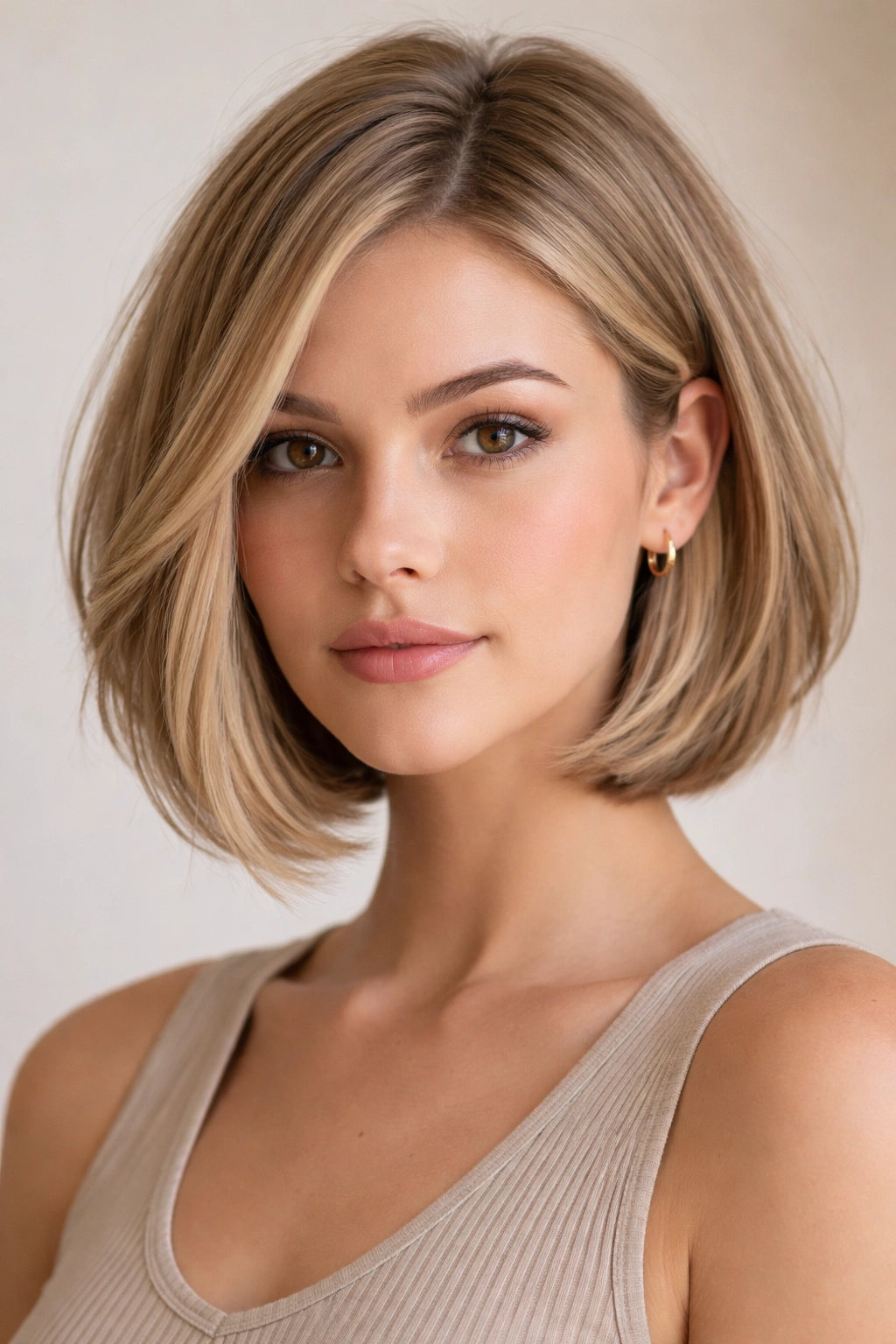
This is a more structured take on the classic bob, hitting right at chin length with minimal layers underneath the surface. The front pieces are cut to frame the face, and hidden layers underneath create movement without sacrificing the polished silhouette on top. For fine wavy hair, this cut works because the external shape looks intentional and neat, while the internal layers allow your waves to move naturally without the entire cut collapsing.
The Strategic Layer Placement
The magic here is that the layers are underneath, so when you look in the mirror, you see a sleek, finished bob shape. But when you move, touch your hair, or run your fingers through it, the layers create fluidity and prevent that flat, stuck-to-the-head feeling that plagues fine hair. This cut works especially well if you have slightly longer fine hair and want something that looks professional in a bun or pulled back, but shows beautiful movement when down.
Styling and Maintenance
- Blow-dry with a round brush to create a smooth base and encourage your waves to settle into a defined pattern
- Use a medium barrel curling iron to enhance natural waves and add dimension, or skip this step if your waves are active enough
- Apply styling products to damp hair rather than dry hair to avoid frizz and maintain the piece-y texture
- Refresh between washes with a dry shampoo; this adds grip and prevents the hair from looking flat by day three
- Get trims every 5-6 weeks to maintain the blunt line, which is essential for this cut to look polished
3. The Piecy Choppy Bob
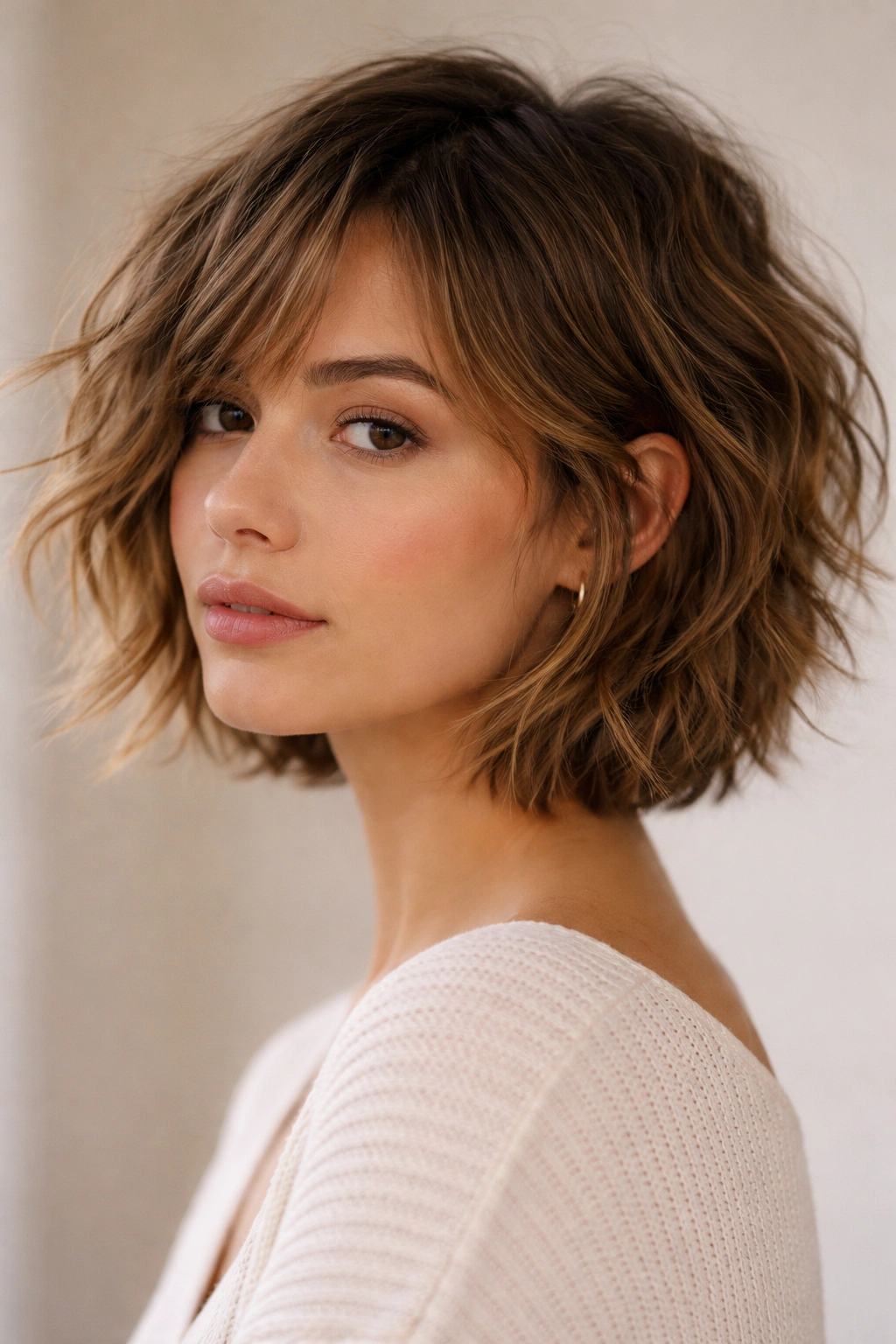
This bob emphasizes disconnected, choppy layers throughout the entire cut—essentially every section is cut at a slightly different length, creating a deliberately textured, almost undone look. The layers are shorter and more numerous than a standard shag, and the overall effect is bohemian and effortlessly cool. For fine wavy hair, this cut is particularly brilliant because the choppy texture hides the fact that individual strands are finer.
Why Choppiness Solves Fine Hair Problems
When hair is layered into deliberately short, disconnected pieces, each piece can curl, wave, or bend independently. This means you don’t need as much density overall to create a full-looking hairstyle—the texture itself creates the visual fullness. If you’ve ever felt like fine hair needs length to have weight, this cut flips that script entirely. Shorter, choppy layers actually create more volume the moment they grow out just a quarter-inch.
Styling a Choppy Layered Bob
- Use a lightweight, texturizing spray or sea salt spray on damp hair before blow-drying
- Blow-dry with fingers or a texturizing brush, scrunching upward rather than smoothing downward
- Allow some sections to air-dry while others are diffused for a naturally undone texture
- Avoid heavy serums or oils; instead use lightweight leave-in conditioners if needed
- Embrace the messy, imperfect quality—this cut actually looks better when it’s not too polished
Worth knowing: This cut grows out beautifully because the choppy layers work at multiple lengths, so you don’t need to schedule trims as frequently as you might with other bobs.
4. The Soft-Curl Defined Bob
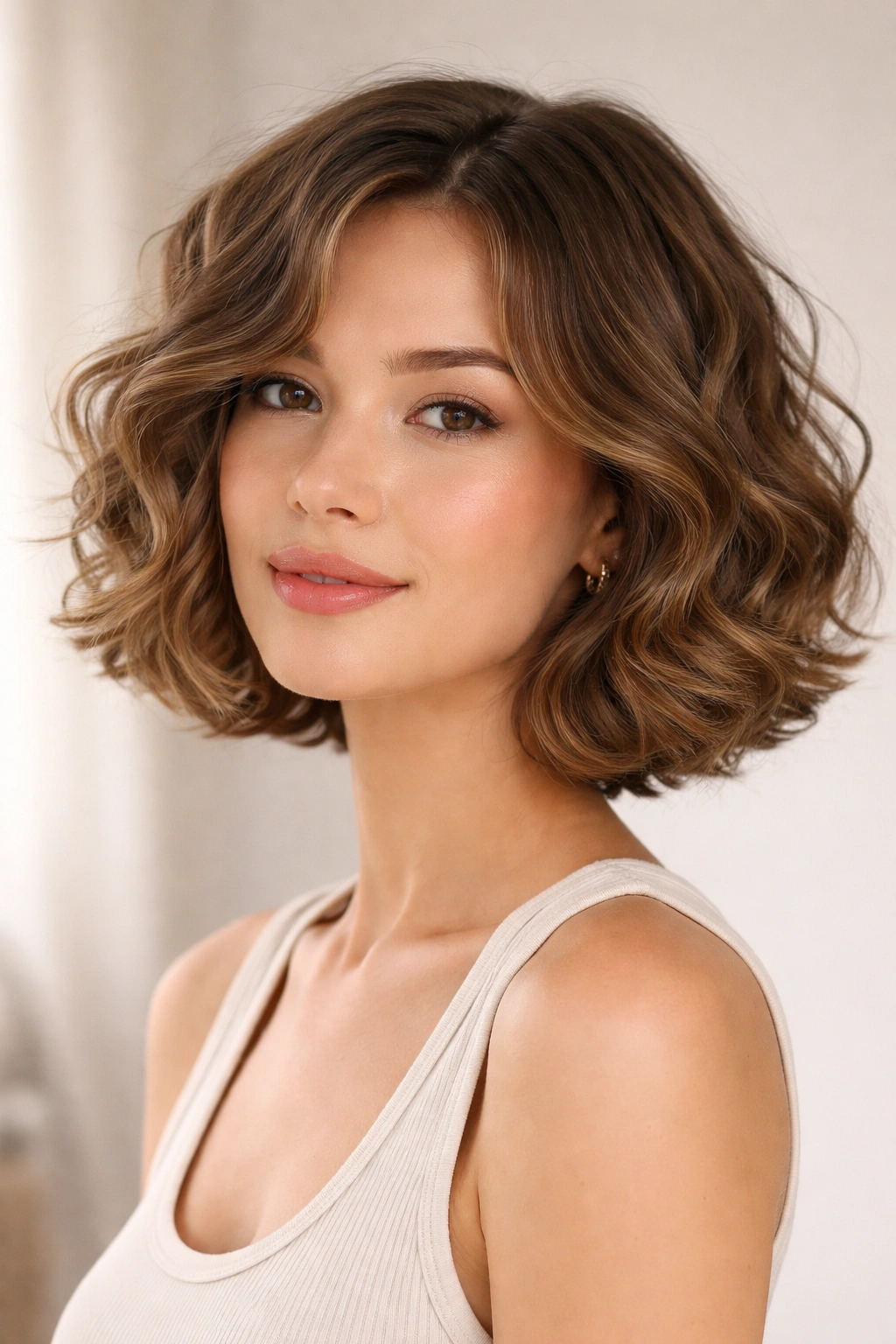
This bob is cut in a way that specifically enhances and celebrates natural curls and waves rather than fighting them. It’s typically cut slightly shorter and uses layers positioned to encourage your curl pattern to fall in a specific direction. The cut itself shows the curl some respect by cutting with the wave pattern rather than against it. For fine wavy hair, this means a cut that looks beautiful even when you don’t blow-dry it straight.
Working With Your Natural Wave
This cut requires your stylist to understand where your waves naturally want to fall and to cut in a way that supports that movement. If you have looser waves that fall in one direction, the cut is angled to support that. If your waves spiral or coil, the layers are placed to let them do their thing. This is why finding a stylist experienced with curly and wavy hair is crucial for this cut—the success depends entirely on how well your stylist understands your specific wave pattern.
Enhancing Waves With the Right Products
- Use a leave-in conditioner or curl-defining cream on damp hair
- Apply products to sections of hair, scrunching upward to encourage your wave pattern
- Consider using a microfiber towel or t-shirt to dry instead of a regular towel, which can disrupt waves
- A diffuser on your blow dryer can enhance waves without creating frizz
- Avoid touching your hair too much while it’s drying; let your wave pattern set on its own
5. The Bixie Cut
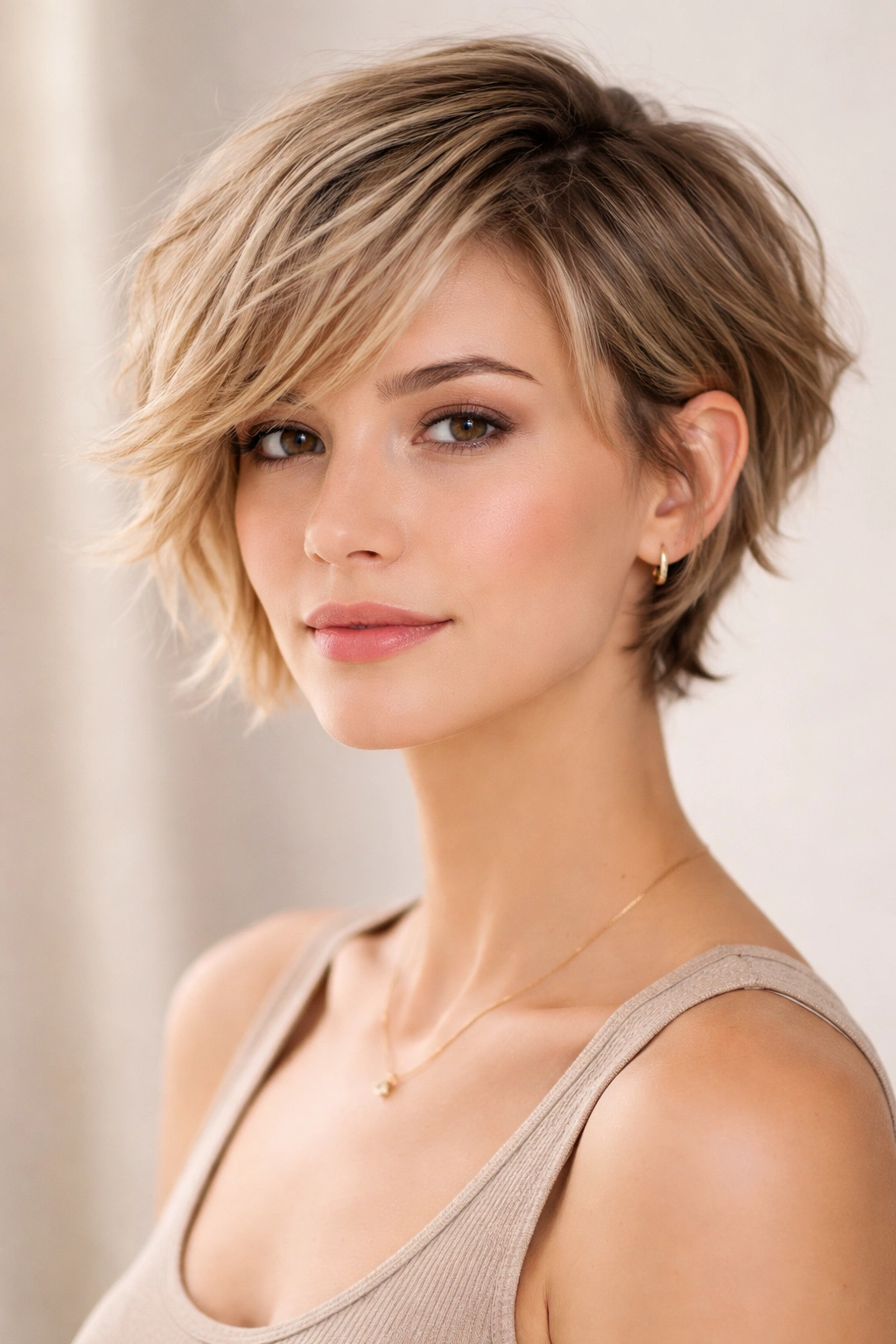
The bixie (bob meets pixie) is a hybrid cut that combines the shortness and ease of a pixie with the slightly longer length and shaping of a bob. Typically one side is cut shorter while the other is longer, or the back is shorter with longer front pieces. For fine wavy hair, this cut is wonderful because the shorter sections create texture and ease, while the longer sections prevent it from looking too cropped or severe.
Why Bixies Work for Fine, Wavy Hair
Shorter hair, by default, has less weight dragging it down, so even fine hair looks fuller with more texture. The longer front pieces frame the face beautifully and maintain some length for femininity or versatility. You get easy styling from the shorter sections and styling versatility from the longer pieces—it’s an excellent compromise if you’re not quite ready to commit to a full pixie but want something shorter than a traditional bob.
Styling and Managing Length
- Shorter sections can be styled with a light texturizing spray and fingers for ease
- Longer pieces can be curled with a small-barrel iron or left to wave naturally
- Blow-drying is quick and simple; you’re not managing dense, heavy length
- You may need trims every 4-5 weeks as the shorter sections grow out relatively quickly
- This cut photographs beautifully and tends to photograph fuller than it actually is
Pro tip: Ask your stylist for choppy, textured layers in the shorter section rather than a smooth, blended cut—the texture is what makes fine hair look fuller.
6. The Rounded Bob With Feathered Layers
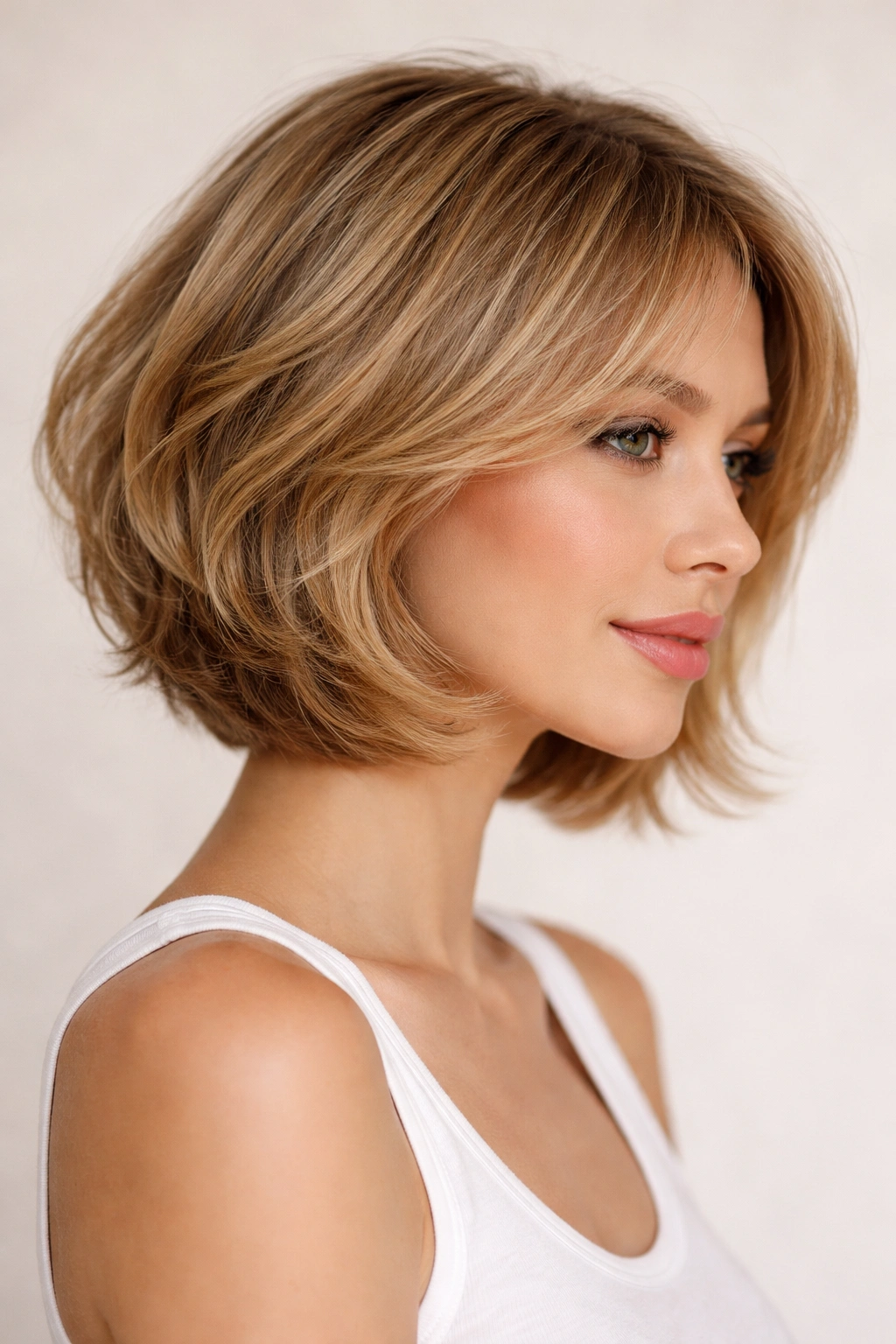
A rounded bob is cut so that the hair curves around the head, creating a soft, almost face-framing shape. Feathered layers throughout the cut create lightweight texture and movement. This is a feminine, classic take on the bob that works beautifully on fine wavy hair because the rounded shape is flattering on most face shapes, and the feathered layers eliminate weight without creating choppy disconnection.
The Feather Layer Technique
Feathered layers are cut in a way that each layer is slightly longer than the one above it, creating a smooth transition from shorter to longer. This is different from choppy layers where the lengths are dramatically different. For fine hair, feathered layers are often the sweet spot—you get texture, movement, and the illusion of density without the hair looking wispy or disconnected. The rounded shape also ensures that weight is distributed around the face and head in a flattering way.
Styling a Rounded Feathered Bob
- Blow-dry with a round brush, rolling sections away from the face to enhance the rounded shape
- Use a lightweight mousse applied to damp roots for lift
- A light coat of hairspray helps the shape hold throughout the day
- You can curl the ends slightly with a medium-barrel iron if you want more definition
- Touch up the feathered layers every 6-8 weeks so they don’t grow out and lose their texture
7. The Textured Lob (Long Bob)
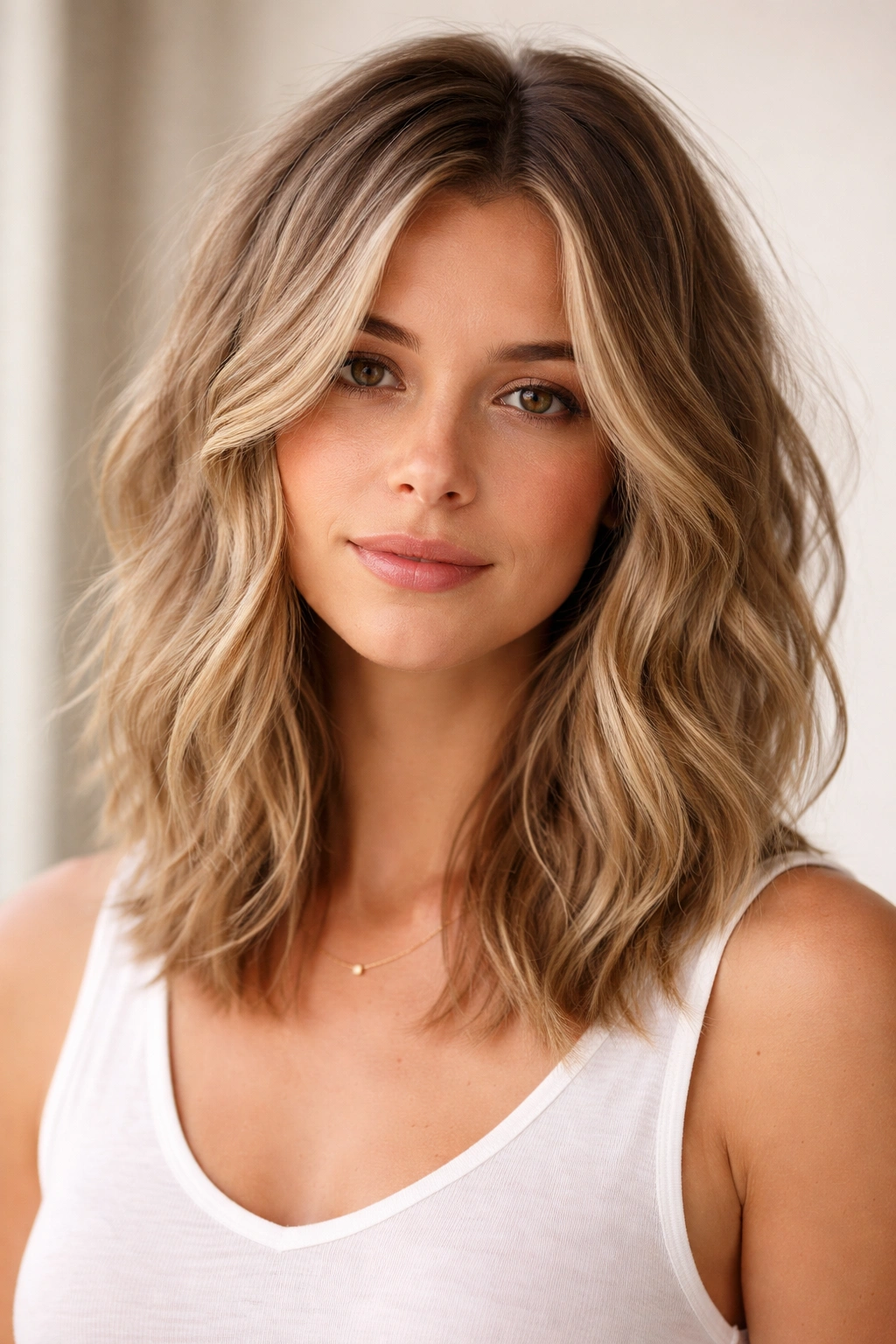
A lob is simply a longer bob, typically hitting somewhere between the chin and shoulder. A textured lob uses choppy or feathered layers throughout to create movement and prevent the longer length from looking too heavy or flat. For fine wavy hair, a lob can be a great option if you’re not quite ready for a short bob but want a cut that works with your waves rather than against them.
Why Length Matters With Fine Hair
The common wisdom that fine hair looks better short isn’t entirely true—it depends on how the cut is structured. A well-layered lob can actually look fuller and more voluminous than an uncut or minimally cut longer length because the layers create texture and movement. The key is that the layers must be deliberate and choppy enough to prevent the length from looking limp. If you love longer hair and want to keep most of your length, a textured lob is a legitimate option.
Styling a Textured Lob
- A volumizing mousse at the roots (applied to damp hair) is your friend
- Blow-dry with layers, using a diffuser or round brush depending on your wave pattern
- You can leave it wavy and undone, which often looks better on fine hair than trying to straighten it
- A curl-enhancing product on damp hair helps define waves without needing much styling effort
- Trims every 6-8 weeks keep the layers fresh and prevent split ends from making the hair look thinner
Worth knowing: Lobs tend to look more effortless and fashion-forward than traditional shoulder-length hair, making them an excellent middle ground if you’re between styles.
8. The Modern Shag With Face-Framing Pieces
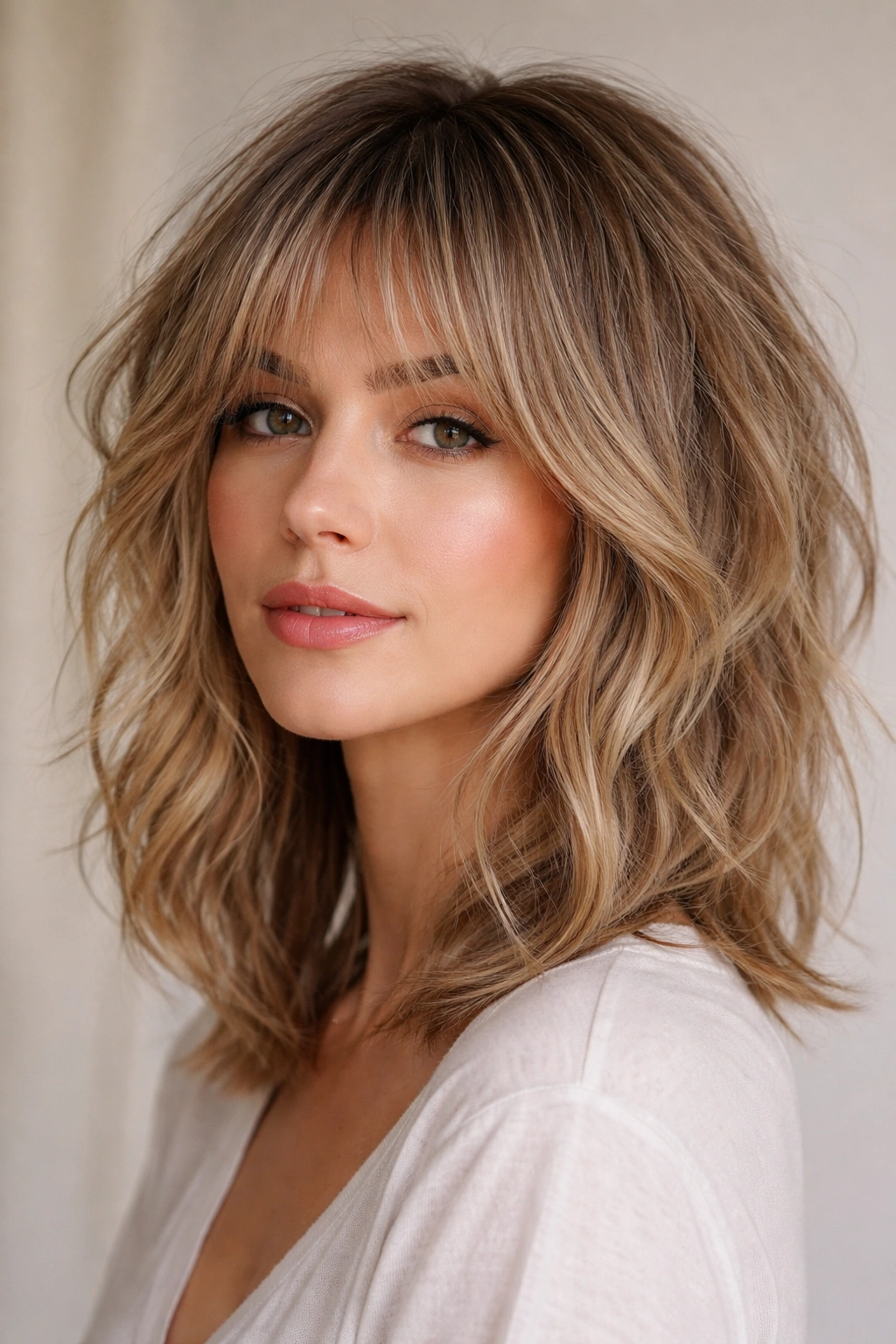
This is a shag bob specifically designed with longer, more intentional face-framing pieces in the front. The rest of the head has the choppy, textured shag layers, but the front pieces are cut to be noticeably longer and shaped to move around the face. This creates dimension and personalization for fine wavy hair while maintaining the movement and fullness benefits of the shag.
Strategic Face-Framing
The longer front pieces add femininity and allow you to shape them in different ways depending on your mood. You can tuck them behind your ears, let them fall forward, or curl them. They also soften the overall look compared to a full, uniform shag. For fine wavy hair, this is an excellent option because the face-framing pieces create visual interest and draw attention to where you want it (your face) while the choppy layers throughout prevent the overall cut from looking flat or wispy.
Styling the Front Pieces
- Face-framing pieces can be curled with a small-barrel curling iron for extra dimension
- They can also be straightened for contrast if your natural waves are very textured
- Use a light styling cream or texturizing spray on these pieces to define and separate them
- Keep these pieces slightly more moisturized than the rest of your hair if they tend to frizz
- Trims focused on these pieces every 4-6 weeks keep the face-framing shape intentional
9. The Textured Blunt Bob With Minimal Layers
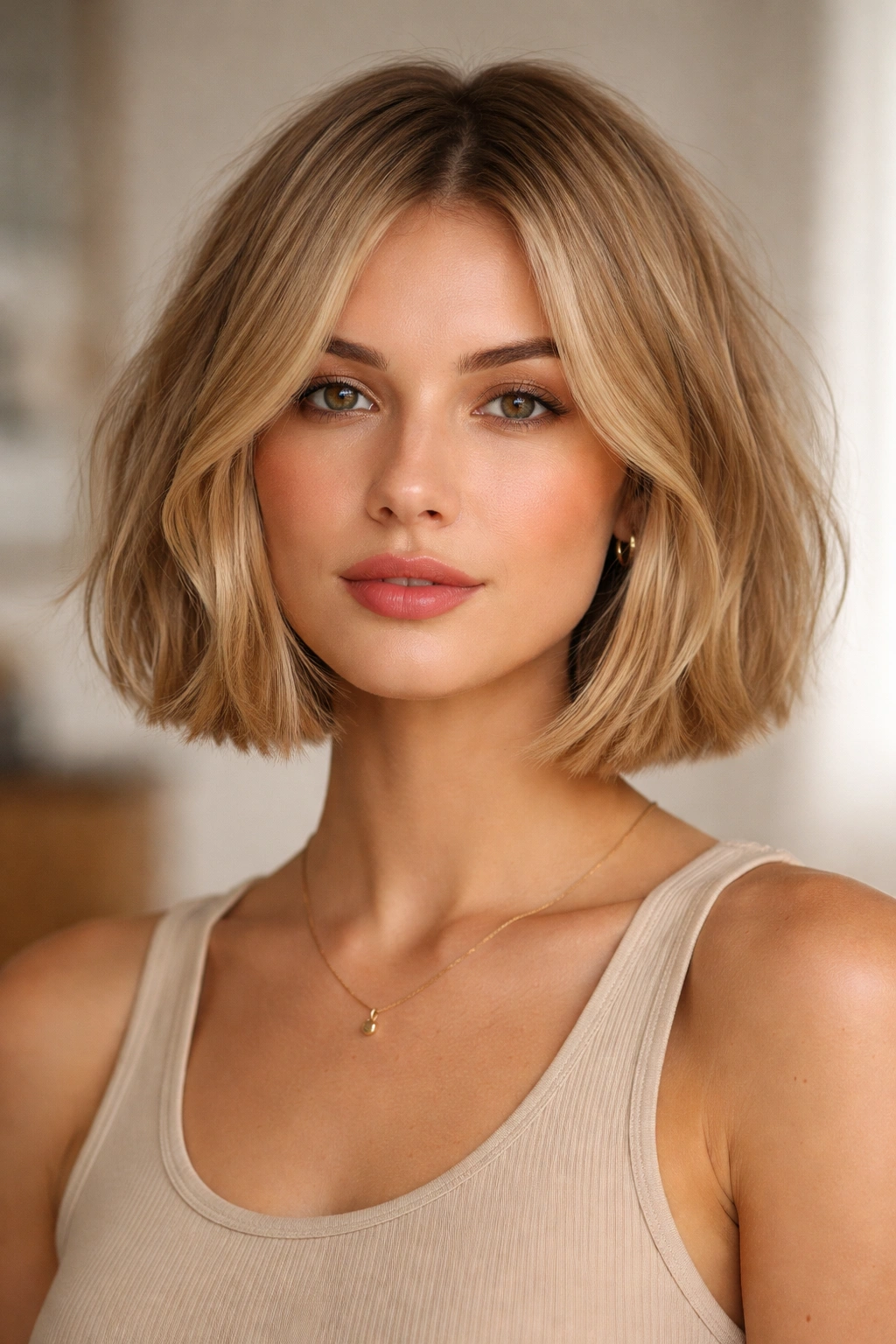
This bob is cut blunt on the exterior (that clean line is maintained), but has minimal, strategic layers underneath that you can’t see from the outside. It’s a higher-maintenance cut in terms of styling because you’re working against some of the weight, but for those who love the sharp, polished look of a blunt bob and don’t want to sacrifice movement and texture, it’s worth the effort.
The Balance Between Blunt and Textured
The exterior blunt line maintains the structured, finished look that many people love about bobs, but the hidden layers underneath allow your waves to move and your hair to feel less heavy. This cut requires more blow-drying and styling than some others because you’re maintaining a shape rather than working with texture, but the payoff is a very polished, intentional look.
Creating Hold and Definition
- Blow-dry completely with a round brush to set the shape
- Use a volumizing mousse at the roots for lift
- A lightweight hairspray (not heavy-duty) helps the shape hold without crunchiness
- You can leave it straight and smooth, or add waves with a curling iron for dimension
- This cut does require regular trims every 4-5 weeks to maintain the blunt line
Pro tip: Consider getting a dry cut (cut on dry hair) for this style so your stylist can see exactly how your hair falls and behaves when dry, not wet.
10. The Messy Textured Bob
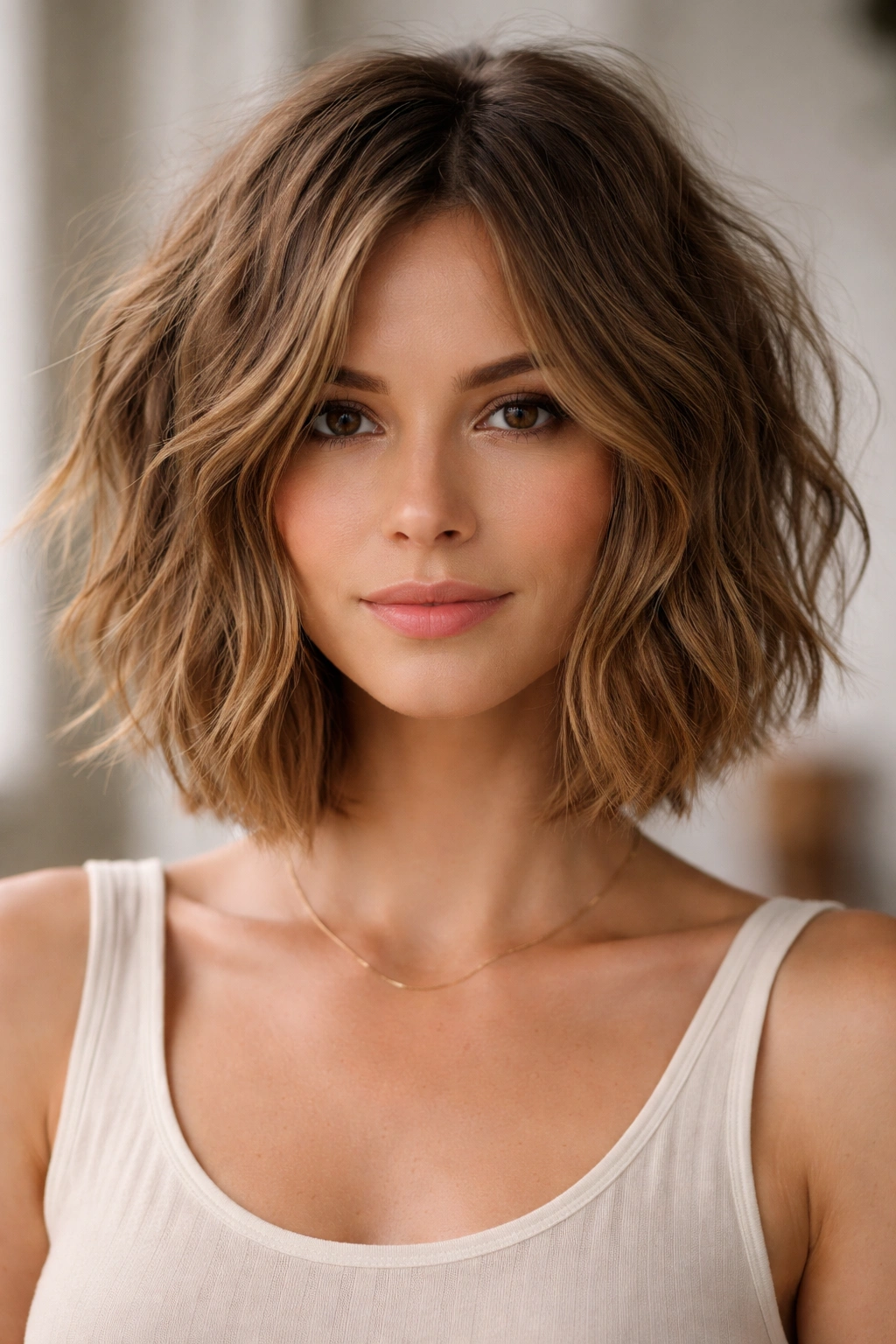
This is a bob with significantly more texture and movement than a traditional cut, designed to look intentionally undone and effortless. Multiple layers of varying lengths create a tousled, piece-y appearance even before you style it. For fine wavy hair, this is brilliant because the texture and movement make the hair look fuller, and the undone aesthetic means perfect styling isn’t required.
Embracing Imperfection
This cut is actually easier to style than it looks because the imperfection is the whole point. Your waves don’t need to be perfectly defined, and the layers don’t need to fall in a specific way. The messiness IS the style. This takes pressure off fine-haired people who often feel like their hair needs to be absolutely perfect to look intentional.
Low-Effort Styling
- Wash and apply a sea salt spray or texturizing spray to damp hair
- Scrunch lightly while air-drying or use a diffuser on low heat
- Let it dry however it wants to—the messiness is the goal
- Run your fingers through it to separate and add movement
- This style can go days without washing before needing a refresh
11. The Side-Swept Bob
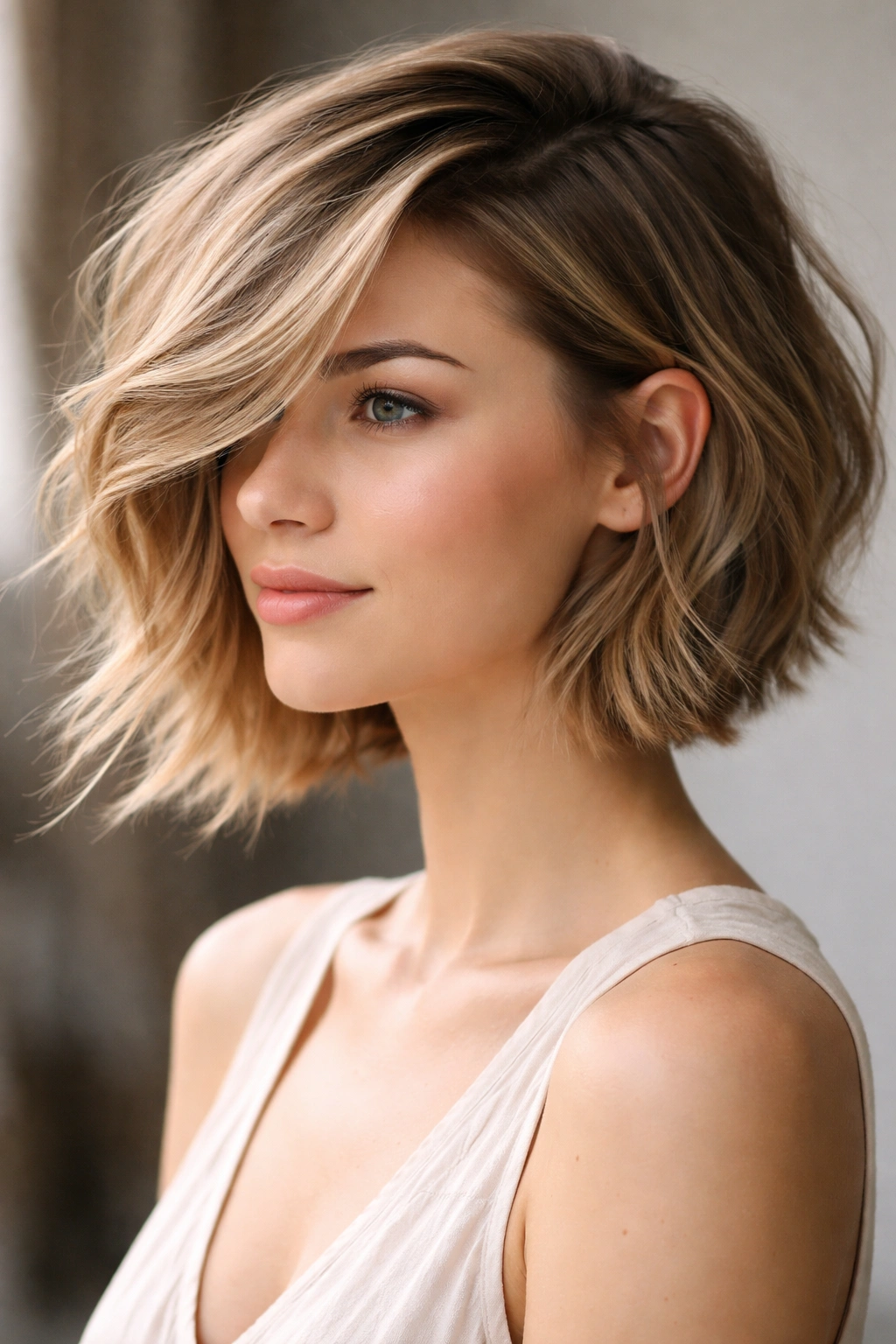
This bob is cut with more length on one side and shorter on the other, creating an asymmetrical, side-swept aesthetic. It’s more fashion-forward than a traditional bob and works beautifully on fine wavy hair because the asymmetry creates visual interest and movement. The side-swept design also means the hair falls in a specific direction, which can actually help it look fuller because it’s not spreading out evenly around the head.
Asymmetry as a Solution
For fine hair, the challenge is often that hair spreads out too much and looks thin. A side-swept cut naturally directs the hair in one primary direction, which can make it look denser and more voluminous. The asymmetry also means you’re working with your wave pattern on one side and against it on the other, which adds visual complexity and interest.
Styling Asymmetrical Bobs
- Blow-dry and direct the hair toward the longer side
- Use a round brush to smooth the longer side and create shine
- Texture the shorter side slightly more to add dimension
- A light volumizing mousse helps the shorter side stand away from the head
- Maintain this cut every 5-6 weeks as the asymmetry is essential to the cut’s success
Worth knowing: This cut can be adapted for anyone’s face shape—work with your stylist to determine which side should be longer based on your face proportions and features.
12. The Choppy Textured Bob With Bangs
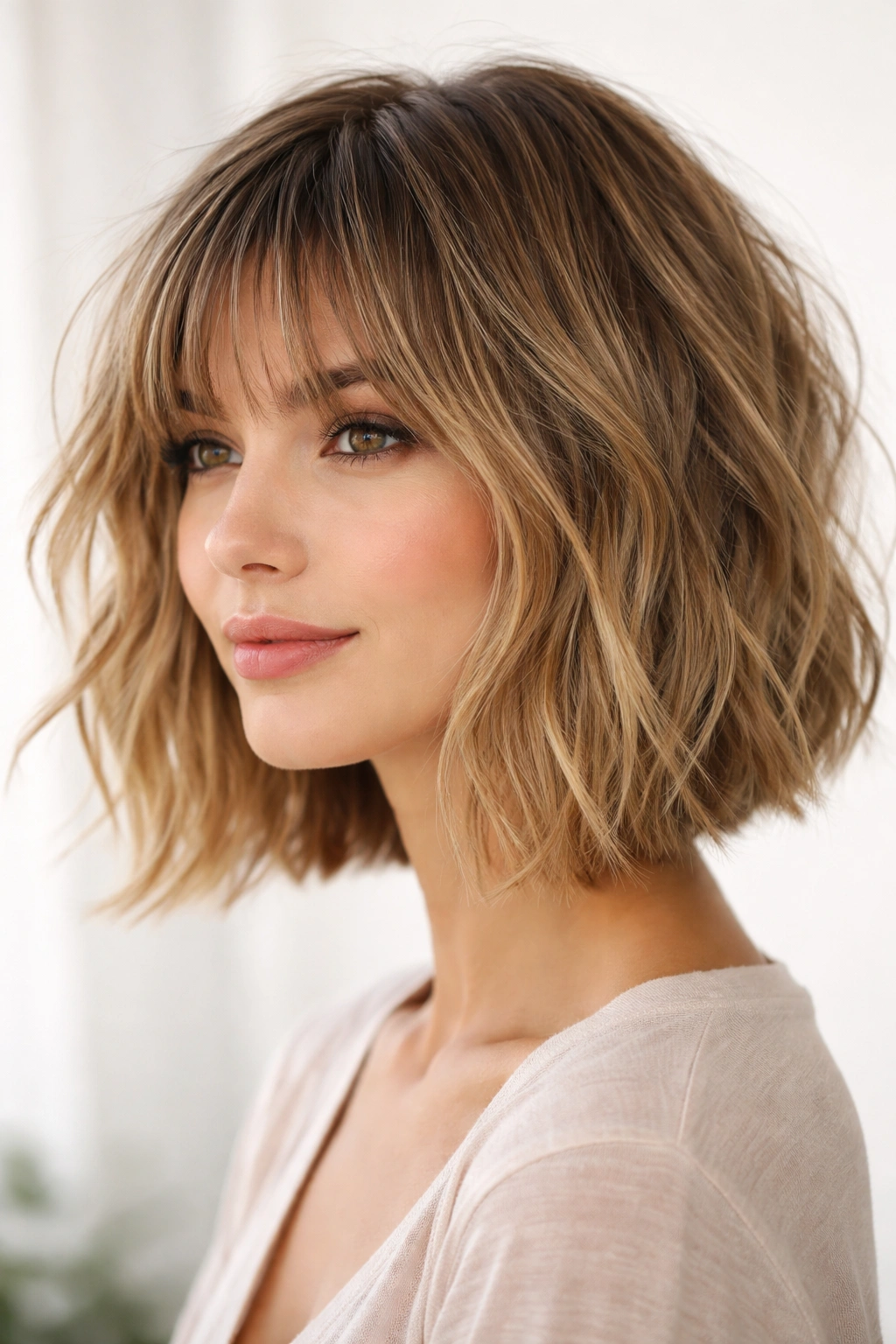
Adding textured, choppy bangs to a bob creates extra dimension and movement, especially on fine wavy hair. The bangs don’t need to be blunt—choppy, piece-y bangs work much better for this combination because they layer in with the rest of the cut and avoid adding extra weight at the forehead. This cut is for someone who wants statement styling and doesn’t mind slightly higher maintenance.
The Bang Situation for Fine Hair
Bangs can be risky on fine hair because they’re cutting off a section of your hair that could otherwise contribute to overall fullness. However, textured, choppy bangs actually work because they don’t create a heavy line—each piece of the bang is slightly different, so the look is light and textured rather than dense. The bangs also draw attention upward to your eyes and face, which is flattering and distracting from hair that might lack density.
Maintaining Bangs on Fine, Wavy Hair
- Bangs need trims every 3-4 weeks as they grow out quickly
- Texture and define them with a texturizing spray or light mousse
- They can be worn piece-y and undone, or more defined with a light styling cream
- Wash bangs separately or protect them when conditioning to keep them from looking greasy
- Avoid blow-drying them completely smooth; a slightly textured, piece-y look works best
13. The Disconnected Shag Bob With Lots of Texture
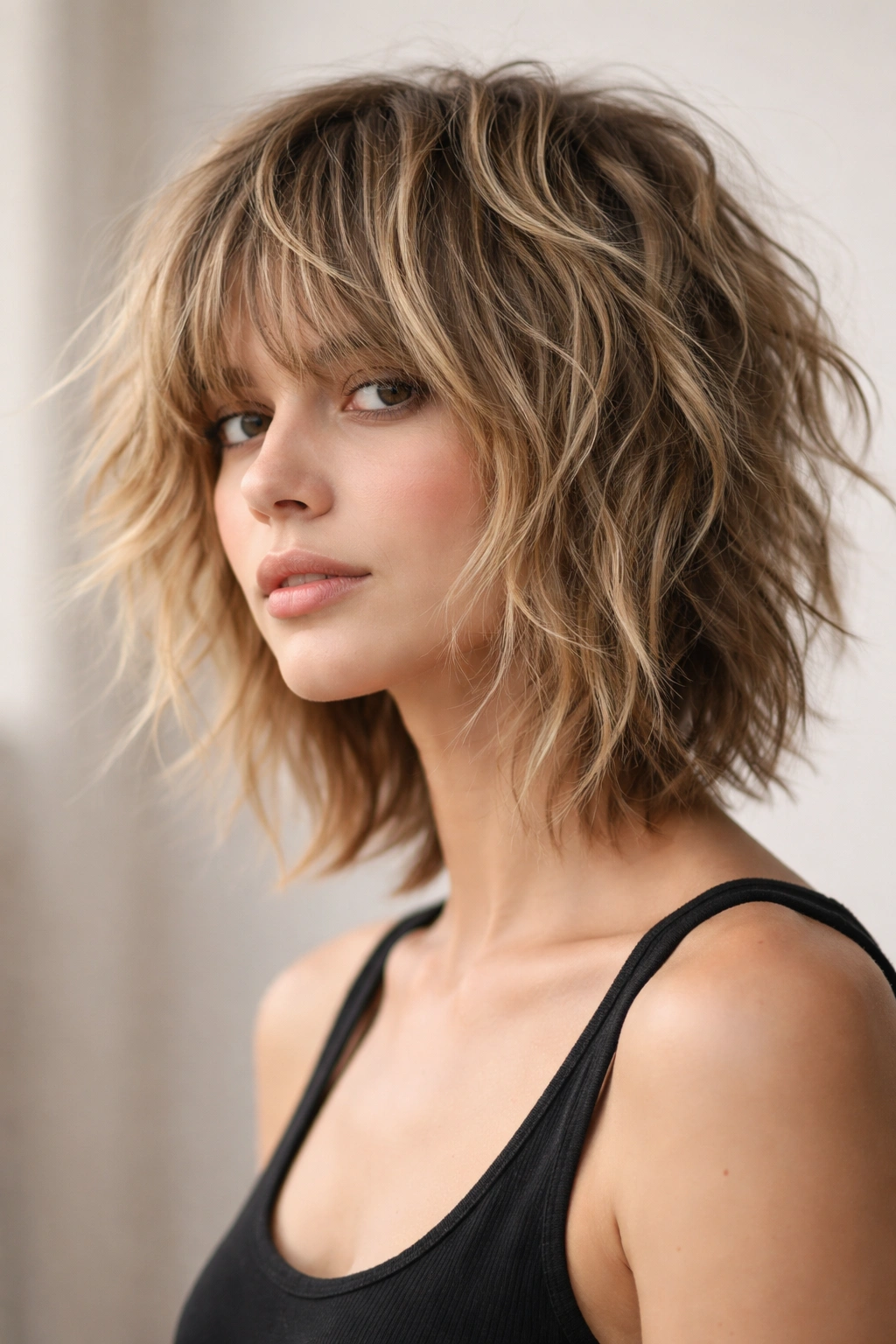
This final cut is essentially the most extreme version of the shag bob—maximum disconnection between layers, significant texture throughout, and an intentionally chaotic, cool aesthetic. It’s not for everyone, but for those with fine wavy hair who want maximum movement and visual fullness with minimal styling effort, this is the one.
Going All-In on Texture
This cut maximizes the visual fullness of fine hair through sheer texture and layer disconnection. Because every section is cut short and differently, each piece can move independently, which creates the appearance of significantly more hair. This cut also ages exceptionally well because the choppy layers look great at many different lengths as it grows out.
Styling With Abandon
- Use a texturizing spray as your primary styling product
- Scrunch while air-drying or use a diffuser on low heat
- Avoid smoothing or trying to control the texture; let it be wild
- This cut can genuinely go unwashed for several days and still look intentional
- Trims every 6-8 weeks maintain the choppy texture (though the cut looks good longer too)
Pro tip: This cut works best if you embrace your natural wave pattern rather than trying to straighten or perfectly define it. The more you let it do its own thing, the better it looks.
Final Thoughts
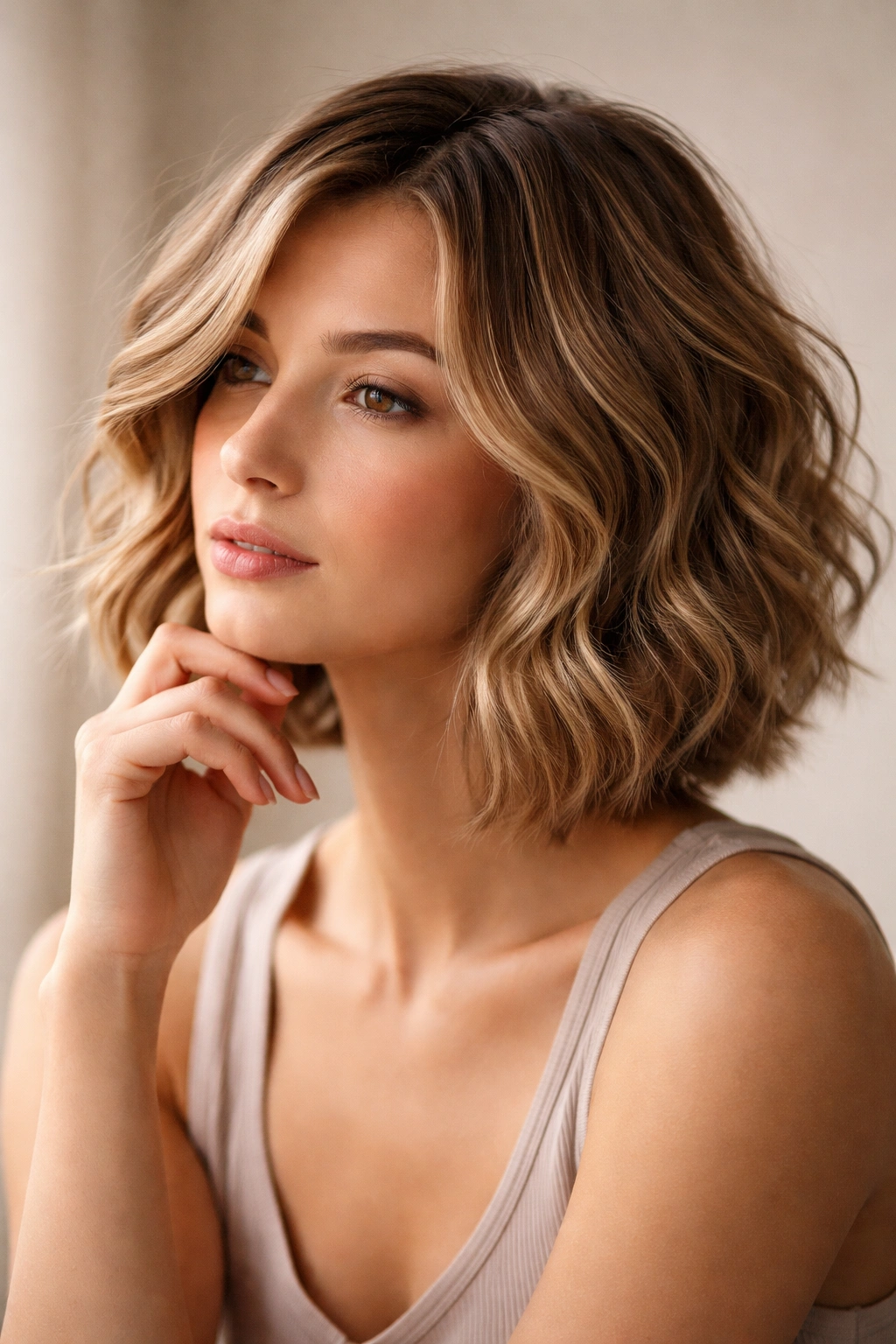
The right bob for fine wavy hair isn’t just about length or shape—it’s about understanding that your hair type needs a cut that works with your natural texture rather than against it. Whether you choose a dramatic shag with maximum texture or a more structured cut with hidden layers, the key is asking your stylist for strategically placed layers that create movement and the illusion of fullness without making your hair look wispy.
Fine wavy hair is actually a gift if you find the right cut. Your waves are built-in texture, and a good bob enhances that rather than fighting it. You won’t need to blow-dry perfectly straight and spend an hour styling—instead, you can embrace the natural movement your hair already wants to have and work with that.
When you book your appointment, bring photos of multiple cuts you love, but more importantly, have a conversation with your stylist about your specific wave pattern and hair density. The best cut for you is one that your stylist understands as thoroughly as possible before making the first snip. With the right cut and a few key styling tricks, a bob can transform fine wavy hair into something you actually want to show off.
