



If you’ve got wavy hair, you already know the struggle: finding a haircut that actually works with your texture instead of fighting against it every morning. The wrong cut amplifies frizz, creates unwanted volume in all the wrong places, and makes you feel like you’re fighting your hair instead of loving it. But here’s the good news—the right haircut can be genuinely transformative. Strategic layers, intentional length, and thoughtful shaping don’t just help you tame frizz; they actually emphasize the natural beauty of your waves while keeping your hair healthy and manageable.
The secret isn’t complicated, but it’s important: wavy hair thrives with cuts that work with the wave pattern rather than against it. When a stylist understands how your waves move and fall, they can create a shape that encourages your natural texture to look defined and polished instead of chaotic and poofy. Layers are your friend, but they need to be placed strategically—blunt lines create bulk and trap moisture, while feathered, choppy, or textured cuts allow air to flow through and minimize the frizz-prone surface area. Length matters too. Sometimes the difference between frizz city and gorgeous waves is just a few inches and a smarter shape.
Below are eight genuinely flattering haircuts designed specifically for wavy hair—cuts that reduce frizz, enhance your natural texture, and give you something that actually looks intentional when you step out of the shower. Each one works for different face shapes and lifestyle needs, so you’ll find something that fits who you are.
1. Layered Shag with Textured Waves
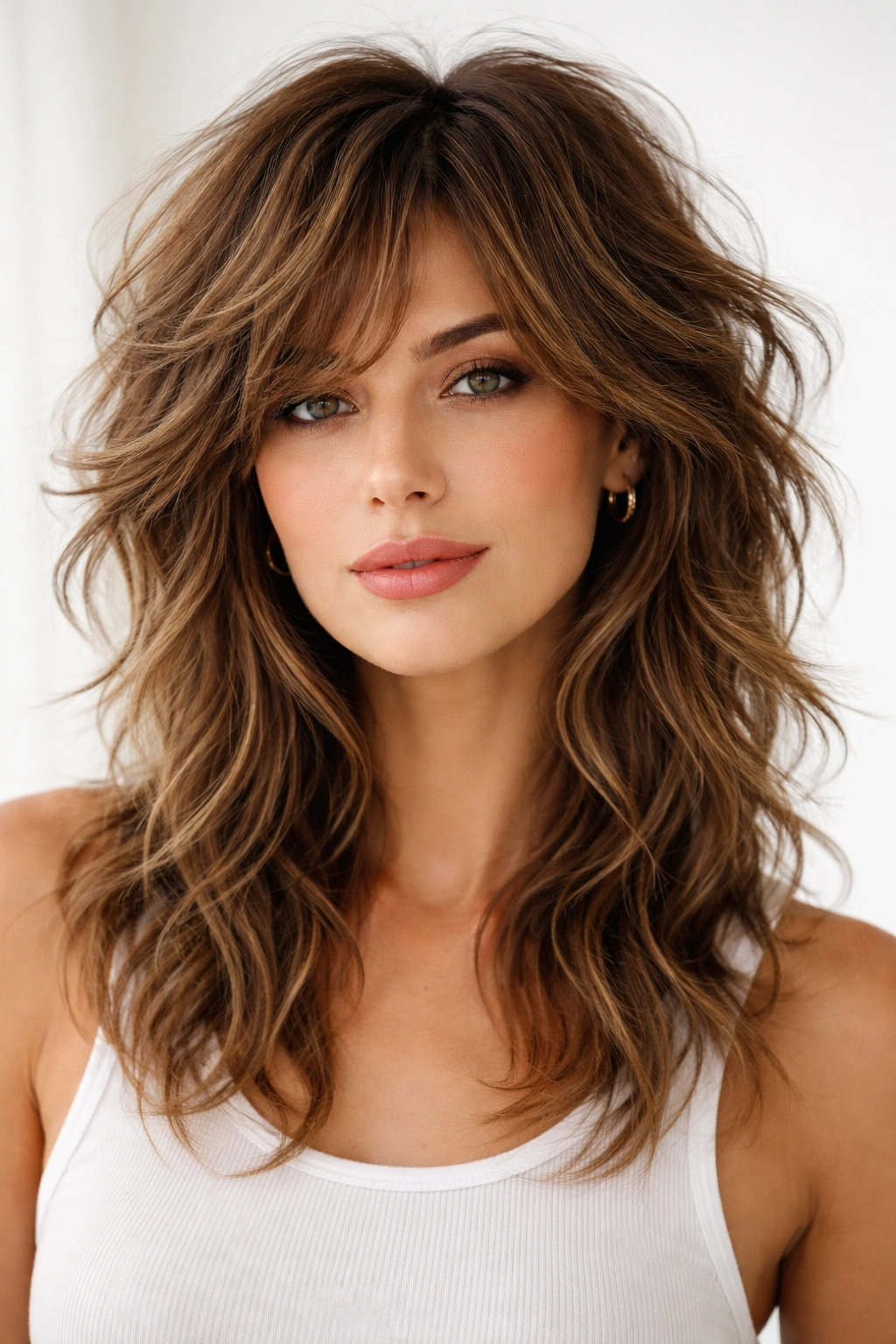
A modern shag is not your grandmother’s shag—it’s a sophisticated, intentional cut that plays beautifully with wave texture. Think choppy, feathered layers throughout that break up the bulk and create movement without requiring much styling effort. The shorter layers on top create lift and prevent that heavy, weighed-down feeling that amplifies frizz, while longer pieces underneath maintain length if that’s what you want.
Why This Cut Tames Frizz
The beauty of a shag is that it’s designed for texture. Feathered layers don’t sit flat against your scalp—they float slightly, which means less friction and less moisture getting trapped against your hair shaft. When air can move through your hair instead of being sealed against your head, frizz decreases dramatically. The choppy texture also means individual waves are emphasized rather than all blended together into one frizzy mass. You’re not fighting your waves; you’re celebrating them.
Who It Works Best For
This cut is magic for people with naturally wavy or slightly curly hair who want something modern and low-maintenance. It works on most face shapes, but it’s especially flattering if you have a longer face—the width created by the choppy layers balances facial proportions beautifully. If you like the idea of “wash and go,” this is your cut. Unlike blunt bobs that require frequent styling to look polished, a shag looks intentionally textured even if you just air-dry it.
Styling and Maintenance
A quick scrunch with a microfiber towel or cotton t-shirt while damp, then let it air-dry. If you want more definition, apply a wave cream or mousse to damp hair before drying. The layers will do most of the work for you. Trim every 4-6 weeks to maintain the choppy texture—as layers grow out, they lose their impact.
2. Curled Bob with Frizz-Fighting Layers
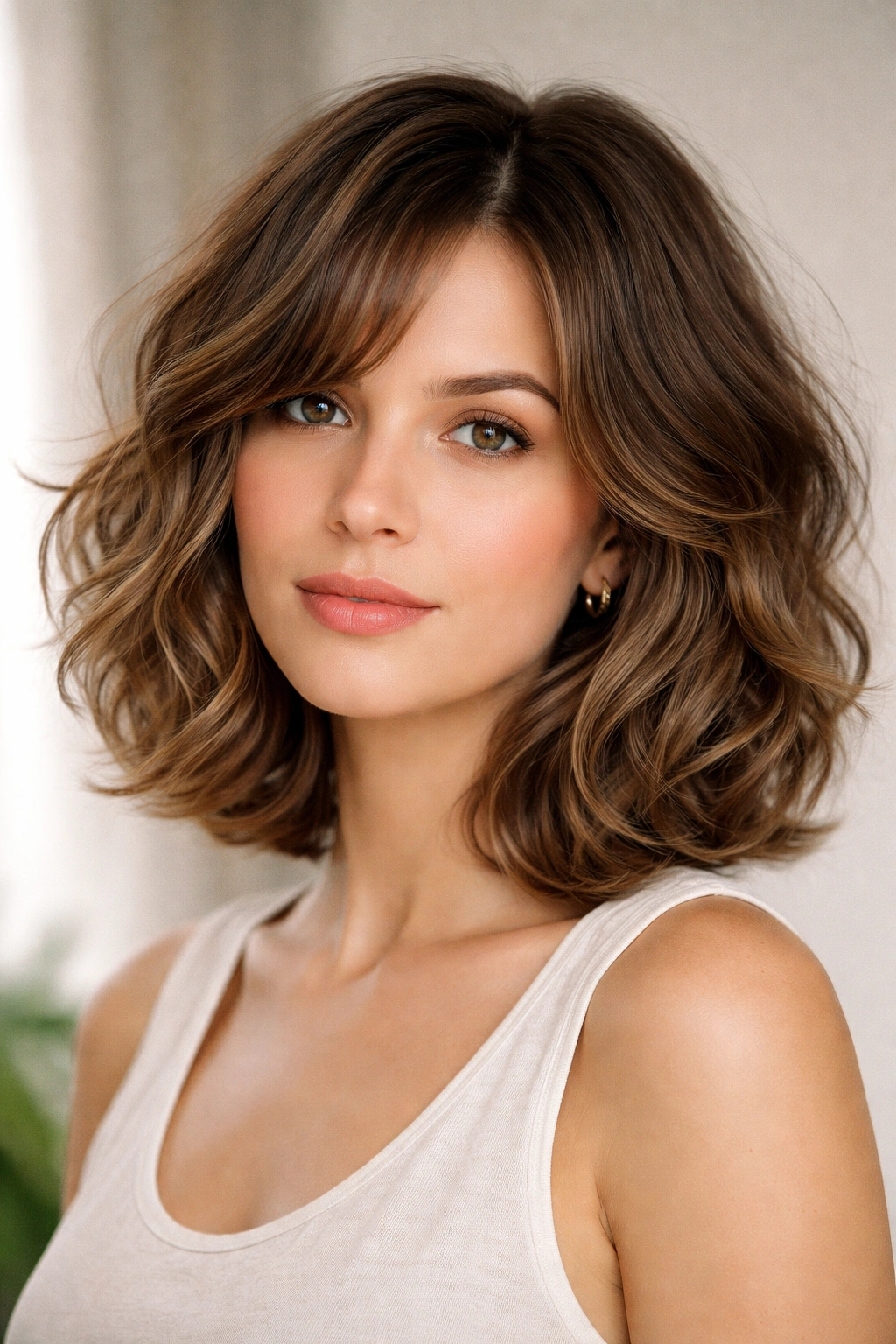
A bob is traditionally a bold move for wavy hair, but when it’s cut with intention—think shorter layers and subtle movement built in—it becomes one of the most polished, low-frizz options available. The key is keeping the length above or right at the shoulder, so gravity isn’t working against your waves, and building in enough texture that the cut actually embraces your natural wave rather than fighting it.
Why This Cut Tames Frizz
A traditional blunt bob actually creates frizz because the solid line traps moisture and the weight pulls your waves straight, then they frizz as they try to return to their natural state. But a layered, textured bob works differently. Shorter layers around the face and crown create lift and prevent the weight-down effect, while longer pieces in the back maintain shape. The layers allow moisture to evaporate more evenly throughout your hair instead of getting trapped in a solid, heavy mass. Plus, when your hair is shorter overall, there’s less length for frizz to travel along.
Who It Works Best For
This cut is stunning if you have a rounder or heart-shaped face—the shorter length and face-framing layers are incredibly flattering. It also works brilliantly if you want something more professional or polished-looking than a shag, but still want low-maintenance styling. If you’ve ever wanted to try short hair but weren’t sure if your wavy texture could handle it, a textured bob is the answer. It actually looks better when you have waves.
Styling and Maintenance
Blow-dry with a round brush for a smooth, polished look, or just air-dry for a more relaxed, textured vibe. The shorter length means you can get away with less frequent trims—every 6-8 weeks instead of monthly. Use a frizz-control serum on damp hair before drying for extra smoothness without the weight.
3. Long Waves with Strategic Feathering
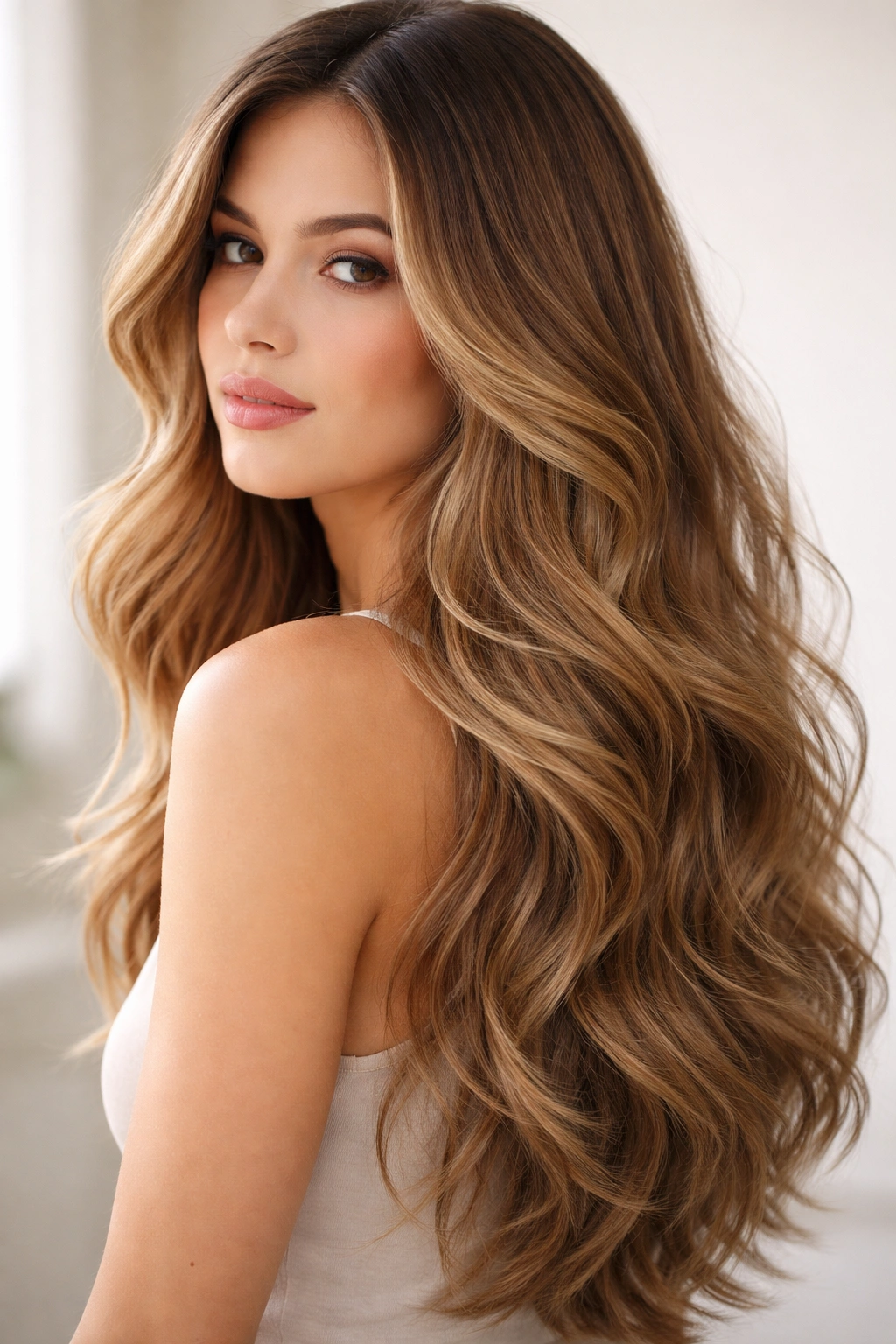
If you’re not ready to cut much length off, long layers with strategic feathering throughout can be a game-changer. Feathering means the stylist cuts each layer so the ends taper and become thinner rather than blunt. This creates softness and movement without sacrificing length, and it dramatically reduces the dense, frizzy feeling you get with long, blunt hair.
Why This Cut Tames Frizz
Long hair naturally catches more moisture from the air, which is why longer hair tends to frizz more. But when you add feathered layers, you’re thinning out the ends and creating texture throughout the length instead of one solid, heavy mass. The feathering allows air to move through your hair more freely, and it means that moisture gets distributed more evenly rather than being sealed into a dense column of hair. Think of it as creating tiny escape routes for moisture instead of trapping it all in one place.
Who It Works Best For
This cut is perfect if you love long hair and don’t want to sacrifice much length, but you want your waves to look intentional instead of frizzy. It’s also ideal if you have thicker hair that tends to look bulky—the feathering removes weight without creating a severe short cut. If you’re someone who wears your hair down most days and wants it to look effortlessly wavy rather than frizzy, this is your style.
Styling and Maintenance
Feathered long hair is genuinely low-maintenance. Air-dry with a frizz cream or lightweight leave-in conditioner, or blow-dry with your fingers for texture. The feathering does the work for you. Trim every 8-10 weeks to keep the feathered ends looking crisp and prevent split ends from traveling up your hair and creating more frizz.
4. Textured Pixie with Soft Waves
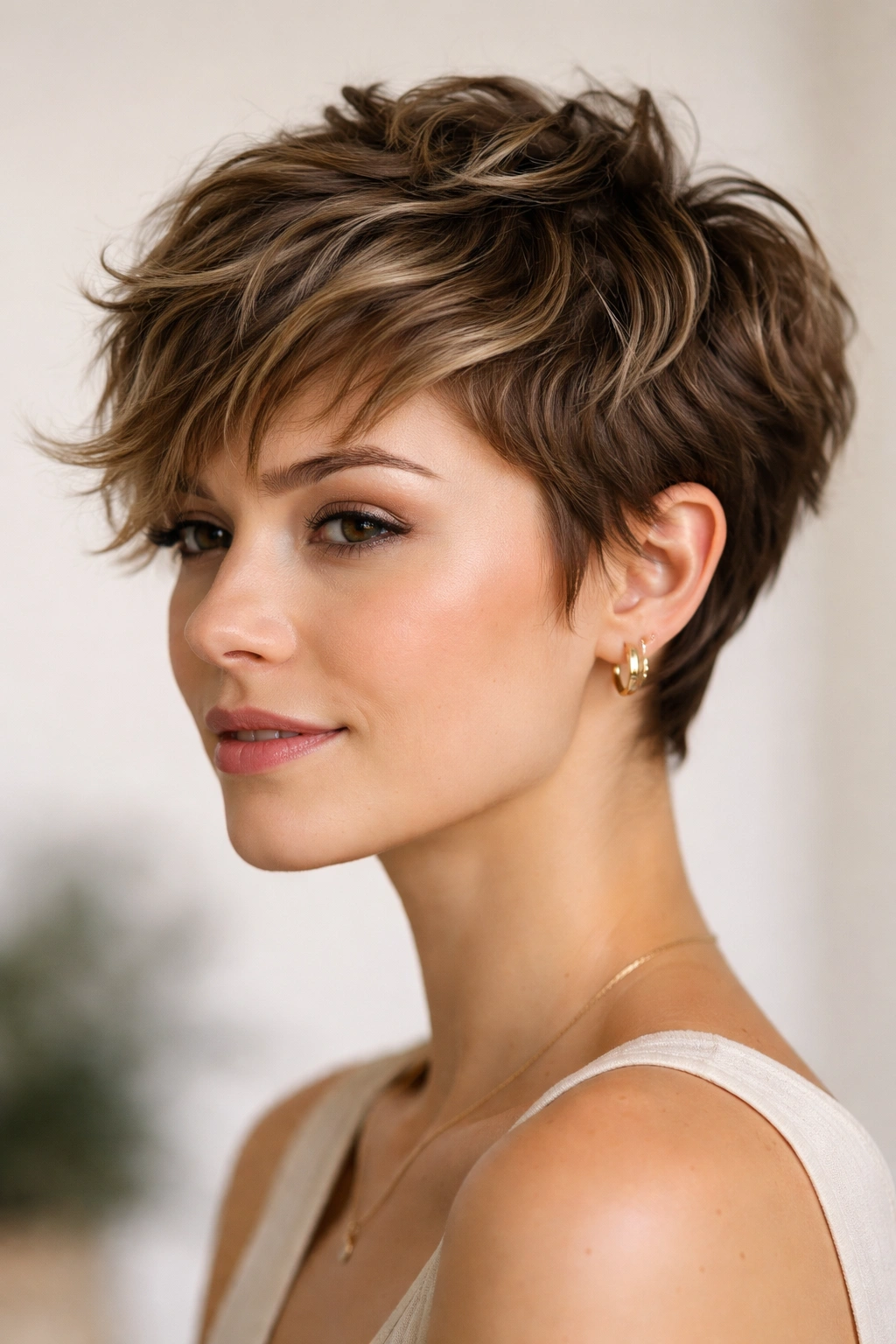
A pixie cut might seem risky with wavy hair, but a textured pixie—cut short and choppy with intentional layers throughout—is actually one of the best low-frizz options available. The ultra-short length means minimal surface area for moisture to cling to, and the choppy texture emphasizes movement rather than frizz. This is for someone who’s brave and wants the easiest, most low-maintenance option imaginable.
Why This Cut Tames Frizz
There’s simply less hair for frizz to live in. A pixie is essentially all layers and choppy texture—there’s nowhere for moisture to hide or gather. The short length also means your natural wave pattern is more pronounced and defined rather than stretched into submission by the weight of longer hair. Plus, you can be in and out of the shower in minutes; less time wet = less frizz potential.
Who It Works Best For
This cut works best if you have a face shape that suits shorter hair (oval, square, or angular faces are ideal), and if you’re confident enough to own a bold cut. It’s perfect if you travel frequently, have limited time for styling, or simply want zero frizz drama. You also need to be willing to have your hair shaped frequently—pixies need trims every 3-4 weeks to maintain the texture and shape.
Styling and Maintenance
This is the ultimate wash-and-go cut. Mist damp hair with a texture spray and scrunch with your fingers while it dries. You can style it sleek with a little product, or tousled and choppy—both work. The maintenance is actually lower than longer cuts because you’re removing damaged ends frequently, which prevents frizz from traveling up your hair.
5. Wavy Lob with Angled Layers
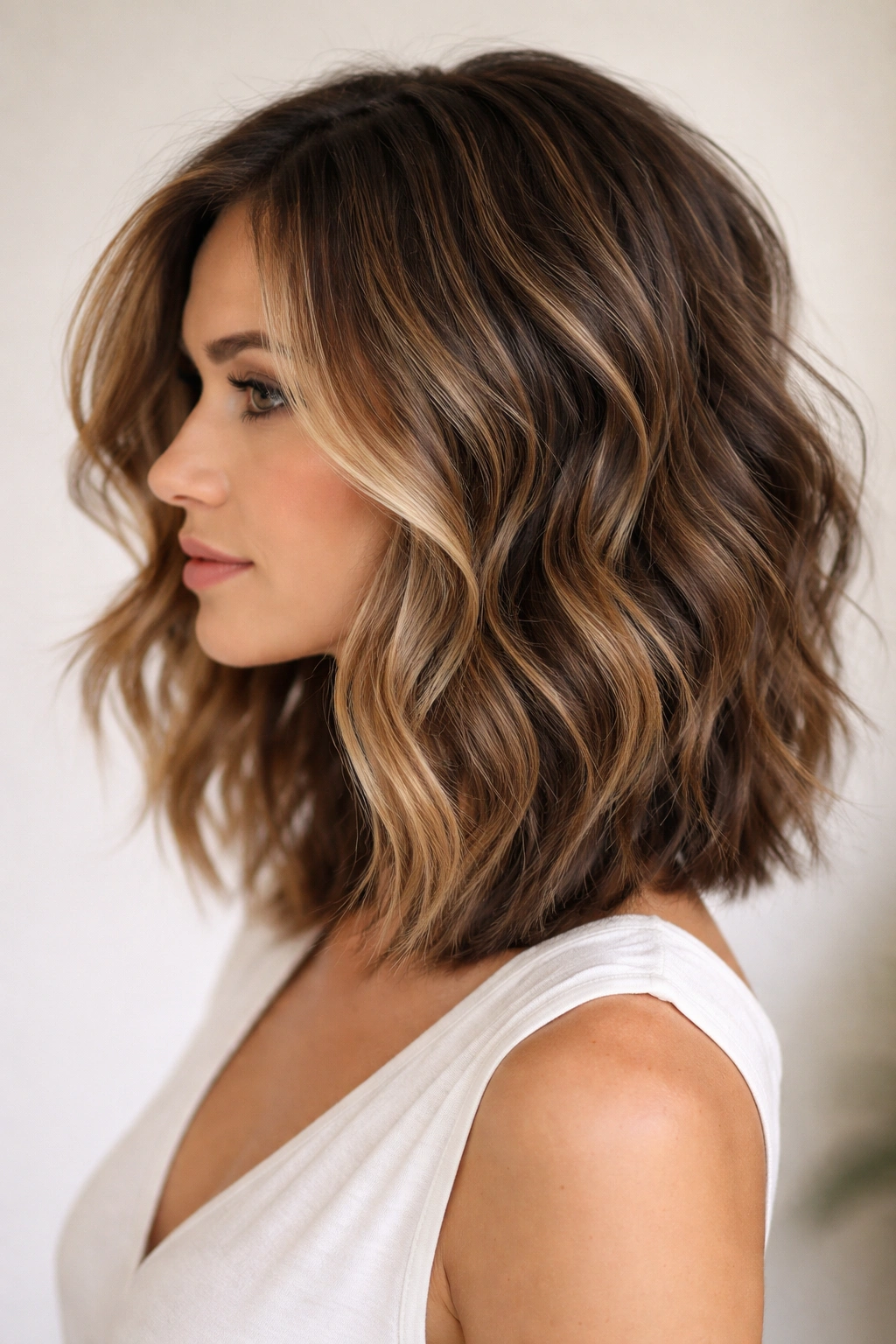
A lob (long bob) that hits around shoulder-length is the sweet spot for wavy hair—long enough to feel feminine and have styling versatility, but short enough that gravity isn’t creating frizz. Add angled layers (where the front is shorter than the back) and you’ve got a cut that’s flattering, modern, and genuinely manages frizz well.
Why This Cut Tames Frizz
The lob length is ideal because you’re avoiding the awkward zone where hair is long enough to get weighed down but short enough to be unflattering. Angled layers mean movement throughout the cut—the shorter pieces in front create lift and prevent flatness, while longer pieces in back maintain the length you want. This layering pattern allows air to circulate and prevents heavy, moisture-trapping density. The angle also creates a flattering frame for the face while keeping the cut modern and intentional.
Who It Works Best For
A lob works beautifully on almost every face shape and hair type, but it’s especially flattering on people with oval or heart-shaped faces. It’s perfect if you want something longer and more versatile than a bob, but you want it to look polished rather than frizzy. You can wear it straight and sleek, wavy and textured, or anywhere in between. It’s also ideal if you’re trying to transition from long hair to a shorter cut—a lob lets you test the waters without a dramatic change.
Styling and Maintenance
Blow-dry with a large round brush for smoothness, or air-dry for waves. The angled layers mean it looks good either way. Apply a smoothing serum before blow-drying to reduce frizz. Trim every 6-8 weeks to keep the layers looking crisp and prevent split ends from making you look shaggy. The longer length means you can also grow it out between trims if life gets busy.
6. Tousled Beach Waves with Choppy Layers
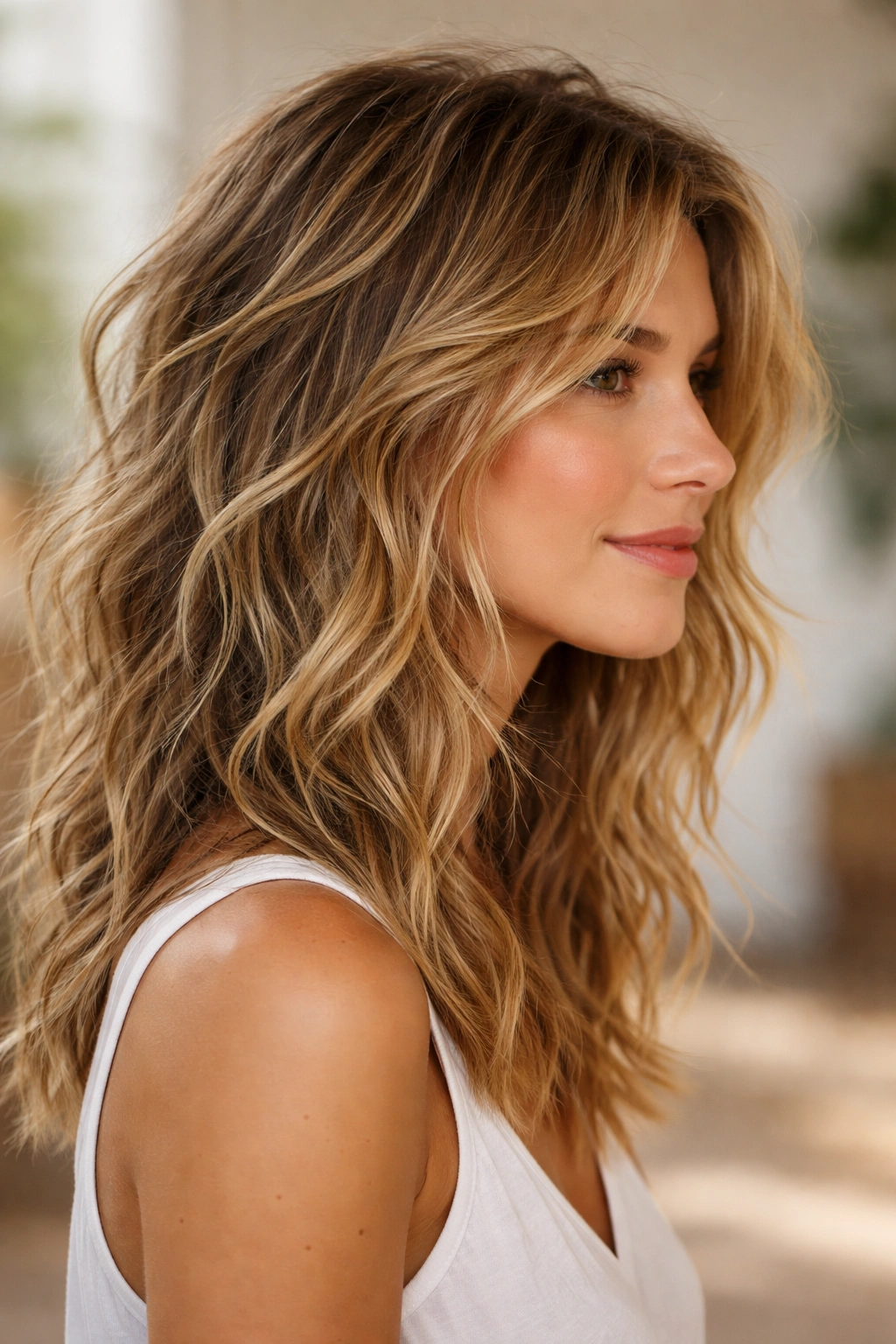
This is the cut that looks like you woke up and your hair just happened to look perfect—but it’s actually very intentionally designed. Choppy, uneven layers throughout the length create that “just-messed-with-your-hair” texture that’s incredibly forgiving for frizz. The unevenness means frizz blends in seamlessly with the intentional texture, so even on high-humidity days, it looks like part of the style.
Why This Cut Tames Frizz
The genius of this cut is that it embraces texture rather than fighting it. Choppy, uneven layers mean there’s no clean line where frizz becomes noticeable—everything blends together into an intentionally textured look. The layers also allow air to flow through your hair, reducing the moisture trapping that creates frizz in the first place. Plus, because the cut is designed to look tousled and slightly undone, you’re not trying to achieve a polished look that highlights every frizzy flyaway.
Who It Works Best For
This cut works for anyone with wavy or curly hair who wants a relaxed, effortless-looking style. It’s perfect if you spend time at the beach, pool, or gym and don’t mind your hair looking a little wild. It’s also ideal if you don’t want to blow-dry every time you wash your hair—this cut looks better when it’s air-dried and textured. It suits almost all face shapes because the choppy layers can be positioned to be flattering regardless.
Styling and Maintenance
Minimal styling required. Wash, apply a wave cream or salt spray while damp, scrunch gently, and let air-dry. That’s it. You can also blow-dry with your fingers for more texture and movement. The beauty of this cut is that it looks intentional even when you’re not trying—messy is the point. Trim every 6-8 weeks to keep the choppy layers looking fresh and prevent the ends from getting too blunt.
7. Shoulder-Length Waves with Face-Framing Pieces
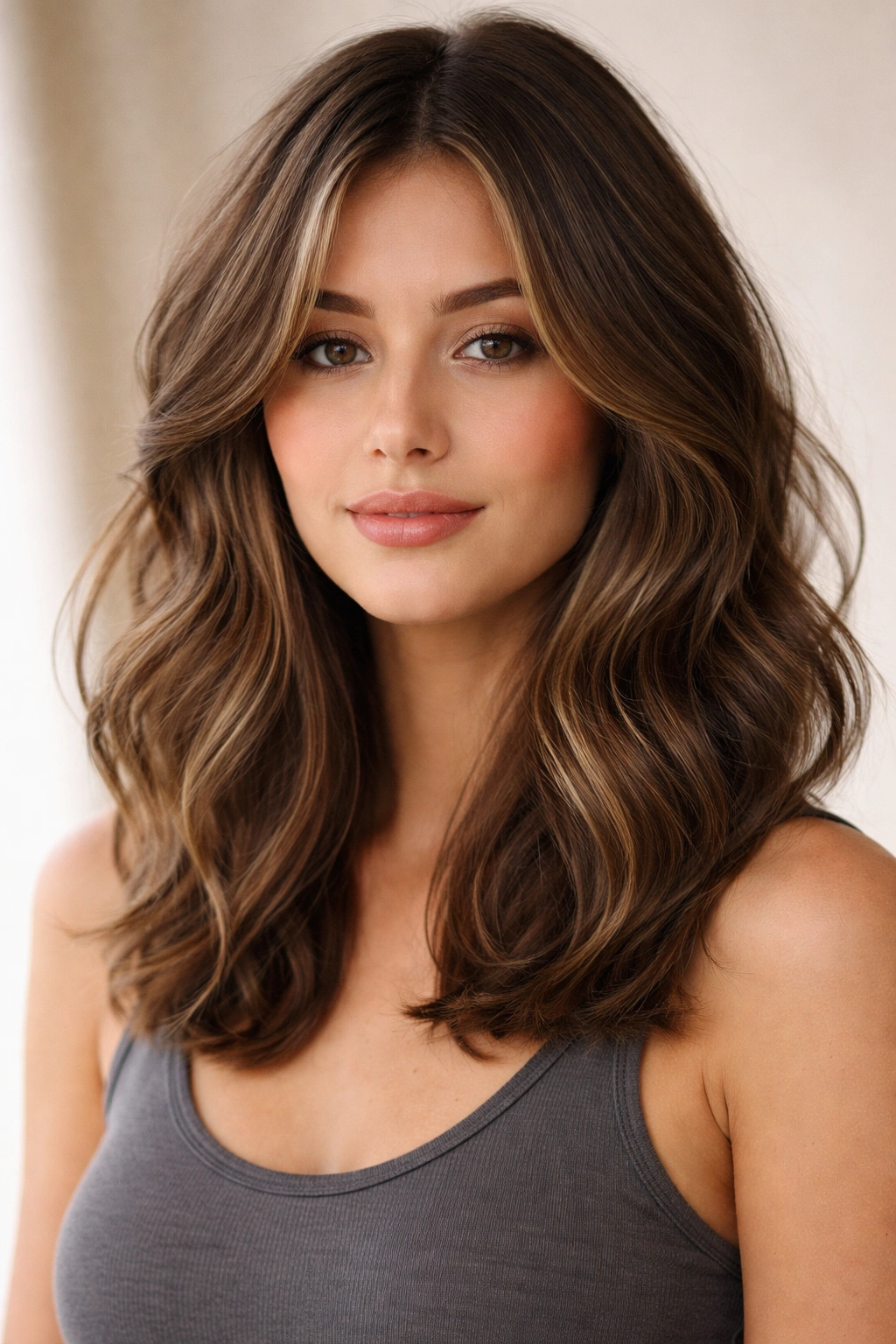
Sometimes the most flattering option is something right in the middle—shoulder-length hair with subtle, strategically placed face-framing layers. This cut maintains length and versatility while creating movement around the face that minimizes frizz and draws attention to your features instead of any flyaways.
Why This Cut Tames Frizz
Face-framing layers are placed specifically to create softness right around your face, where frizz is most noticeable. By adding layers in those key areas, you’re breaking up any dense, heavy hair that would catch light and emphasize frizz. The shoulder-length overall keeps the cut relatively short (not so long that gravity creates bulk), but long enough for versatility. Subtle layers throughout the length mean texture without the choppy, undone feeling of a shag—it’s still polished.
Who It Works Best For
This cut is universally flattering. It works on every face shape because the face-framing layers can be customized to suit your specific proportions. If you want something longer than a bob but more intentional than just “long wavy hair,” this is perfect. It’s also ideal if you want styling versatility—you can wear it wavy and textured on casual days, or blow-dry it smoother for professional settings.
Styling and Maintenance
Blow-dry with a medium round brush for a polished wave, or air-dry with a curl-enhancing cream for a more relaxed look. The face-framing layers mean your hair looks intentional either way. Trim every 6-8 weeks to keep the layers looking sharp and the ends healthy. The shoulder-length means you’re not constantly battling length while your hair grows out between trims.
8. Curly Shag with Tapered Layers
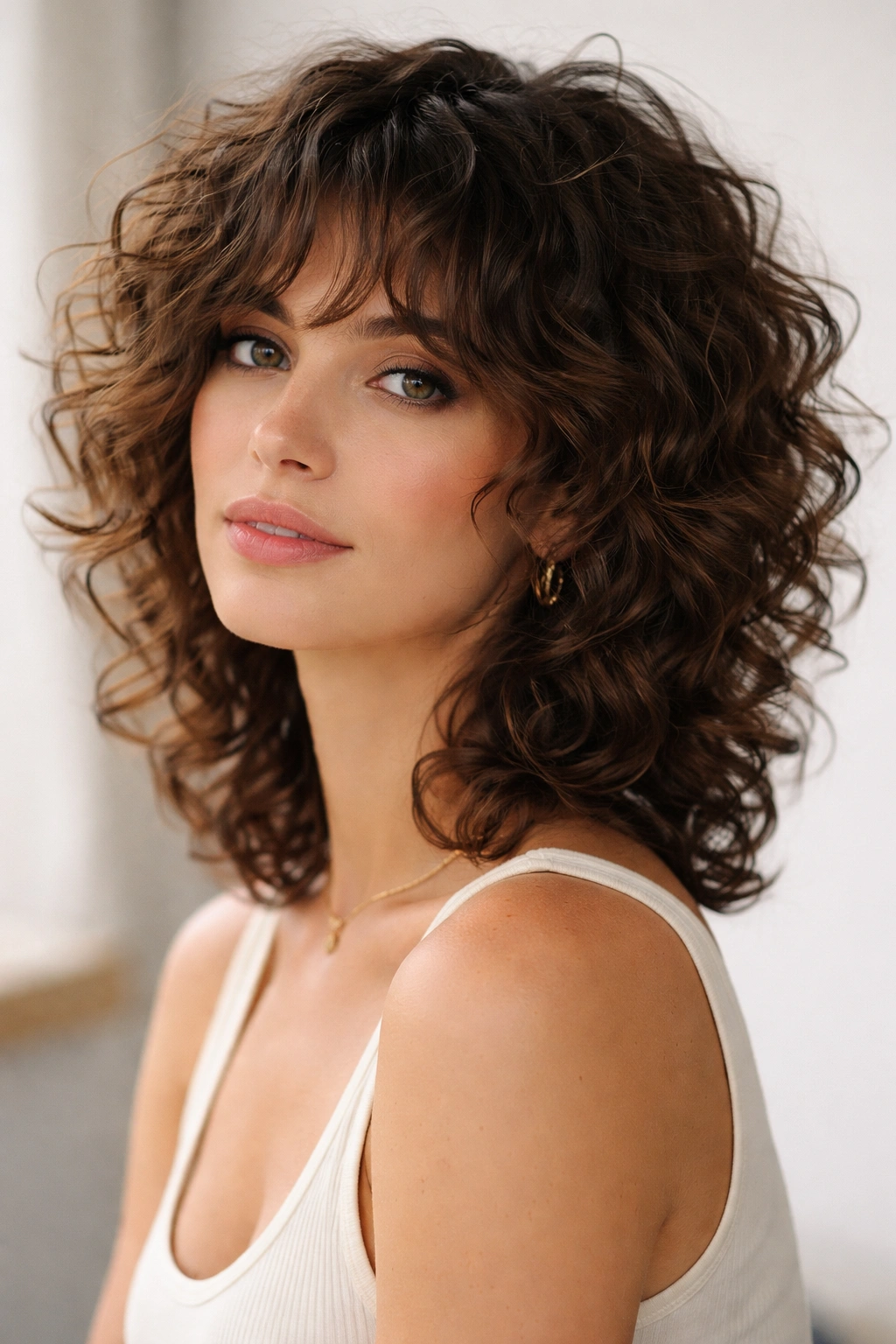
For people with genuinely curly (not just wavy) hair, a shag cut with tapered layers is absolute magic. Tapered layers (where each layer gets progressively shorter as you move up) create lift and movement without the bulk that usually comes with curly hair. This cut celebrates your curls while keeping the shape tight and intentional.
Why This Cut Tames Frizz
Curly hair can look frizzy when the curl pattern is disrupted by weight and length pulling the curls straight. Tapered layers in a shag remove that weight strategically—shorter layers on top create lift, while longer pieces underneath maintain shape and length. The layers follow your natural curl pattern instead of fighting it. This means your curls have room to do their thing without being squished flat, and frizz—which happens when curl patterns are disrupted—is minimized.
Who It Works Best For
This cut is specifically designed for people with curly or tightly wavy hair who want to wear their curls natural. It’s perfect if you want a cut that looks incredible without heat styling. The shag aesthetic is modern and intentional, so you’re not just wearing your curls—you’re wearing a stylish cut that celebrates them. It’s also ideal if you want a cut that grows out beautifully; as the layers grow, they still maintain shape and texture.
Styling and Maintenance
Apply curl cream to soaking-wet hair, then plop with a microfiber towel or t-shirt to remove excess moisture. Air-dry or use a diffuser attachment on your blow-dryer. The tapered layers mean you don’t need to do much—your curls will do the work. Trim every 6-8 weeks (or when you see frizz starting to appear) to keep the tapered layers sharp and prevent weight from accumulating. Avoid brushing dry hair; instead, refresh curls with a bit of water and curl cream between washes.
The Most Common Frizz-Fighting Mistakes to Avoid
Even with the perfect cut, a few styling and maintenance mistakes can sabotage your waves. Understanding what not to do is just as important as finding the right cut.
Using the Wrong Hair Products
Not all products are created equal for wavy hair, and using heavy, occlusive products (thick creams, heavy oils) can actually trap moisture and make frizz worse. Instead, look for lightweight, water-based products that hydrate without weighing your waves down. The product should absorb into your hair, not sit on top of it creating a moisture barrier that prevents proper drying.
Towel Rubbing and Over-Drying
Rubbing your hair vigorously with a regular towel creates friction that disturbs your wave pattern and amplifies frizz. Instead, gently squeeze water out or use a microfiber towel that creates less friction. Similarly, over-drying—blow-drying until your hair is completely bone-dry—can create frizz by forcing moisture out too quickly. Aim for around 80% dry, then let air-dry the rest of the way.
Not Getting Regular Trims
This is the most overlooked frizz-fighting strategy. Split ends create frizz because damaged hair absorbs more moisture and looks chaotic. Getting a trim every 6-8 weeks removes the damaged ends before they travel up your hair shaft and multiply the frizz problem. A good trim also maintains the shape of your cut, which means your layers continue to work for you instead of growing out and becoming a heavy, frizzy mess.
Brushing Dry Hair
Brushing dry wavy or curly hair breaks your wave pattern and creates frizz by roughing up your cuticles. Only brush or detangle when your hair is wet and coated with conditioner, which smooths the cuticles and prevents breakage. If you need to refresh your waves on a dry day, use a spray bottle with water and a bit of product, and smooth with your fingers rather than a brush.
How to Talk to Your Stylist About Your Frizz Goals

Finding the right cut is only half the battle—communicating clearly with your stylist is equally important. Here’s how to make sure you get what you actually want.
Be Specific About Your Hair Behavior
Don’t just say “I have frizzy hair.” Instead, describe specifically what happens: “My hair gets frizzy in humidity,” or “It looks frizzy when I air-dry,” or “My waves frizz at the ends.” This helps your stylist understand whether your frizz is a humidity issue, a styling issue, a health/damage issue, or a cut issue. Different root causes need different solutions.
Bring Photos, But Ask Smart Questions
Show your stylist photos of cuts you love, but ask them directly: “Do you think this cut would work for my hair type? What would you change?” A good stylist will tell you honestly if a cut won’t suit you, and they’ll explain why. They’ll also tell you how much styling effort a cut requires and whether it matches your lifestyle.
Discuss Your Styling Routine Honestly
Tell your stylist exactly how much time you’re willing to spend on styling each day. If you want a wash-and-go cut, say so. If you’re willing to blow-dry and use styling tools, that opens up different options. A cut that looks amazing when you blow-dry it might look rough if you’re planning to air-dry, and your stylist needs to know.
Ask About Maintenance and Growth
Ask how often you’ll need trims, how the cut will look as it grows out, and whether it will get better or worse between trims. Some cuts are maintenance-heavy; others are more forgiving. Knowing this upfront helps you make a realistic decision about whether the cut fits your lifestyle.
Key Takeaways
The right haircut for wavy, frizz-prone hair isn’t one-size-fits-all—it depends on your face shape, hair texture, lifestyle, and styling preferences. But every good frizz-fighting cut follows the same core principles: strategic layers that remove weight and allow air circulation, intentional texture that celebrates your waves instead of fighting them, and shorter or medium lengths that prevent gravity from weighing your hair down and creating bulk.
Beyond the cut itself, remember that regular trims every 6-8 weeks, gentle handling (no harsh towel-rubbing), and the right lightweight products make a massive difference in how frizzy your hair actually is. A great cut can tame frizz, but only if you’re also supporting it with good maintenance and styling practices.
The beautiful thing about having wavy hair? When you find a cut and routine that works for you, your hair requires less effort than straighter textures. You’re not fighting your natural texture; you’re working with it. That’s when hair stops being a daily battle and becomes something you actually enjoy.
