



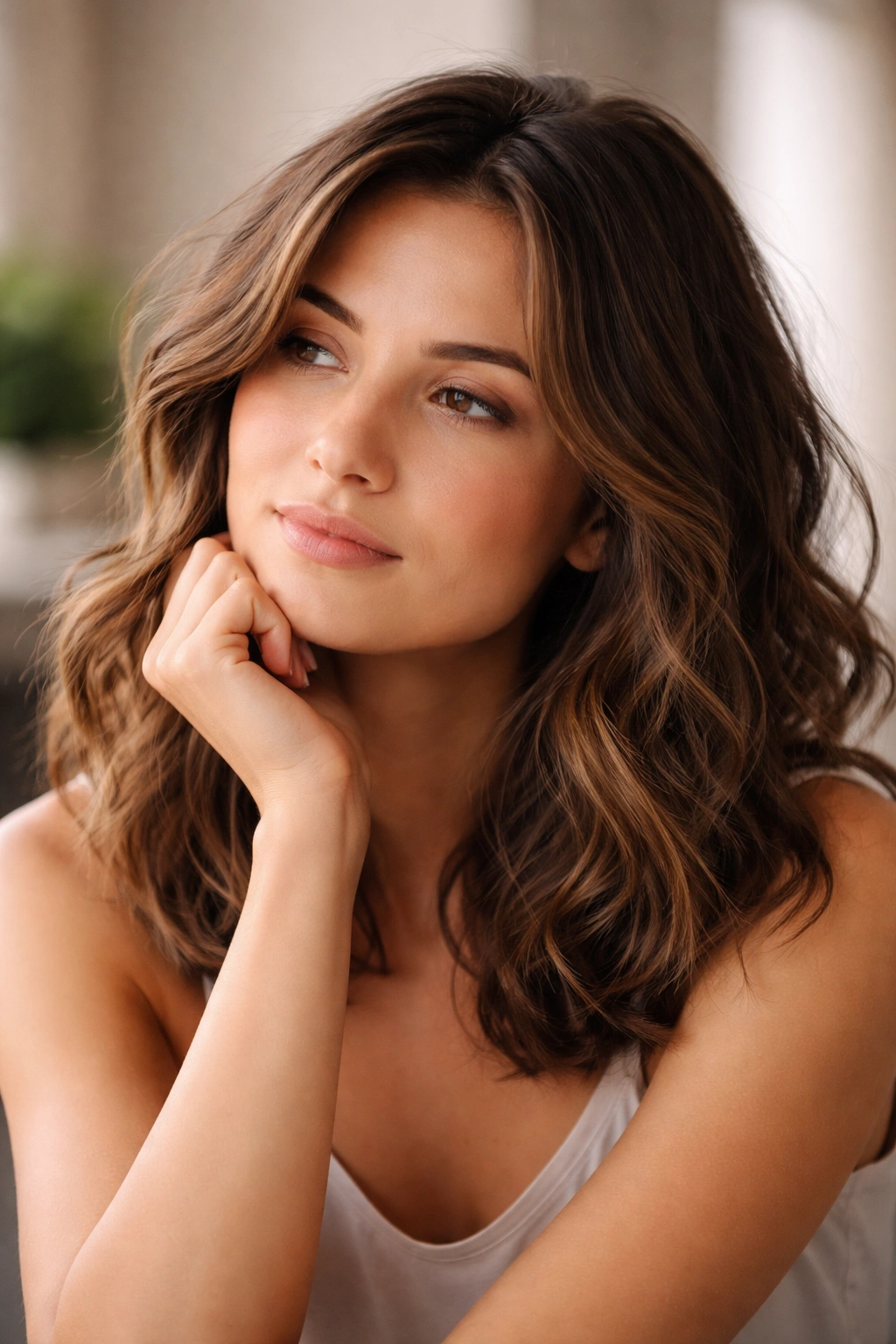
Shoulder-length hair is the sweet spot for wavy hairstyles. It’s long enough to show off genuine movement and texture without the weight that flattens waves and makes longer hair look limp. The length sits right at your shoulders, which means waves have enough room to breathe and develop character without requiring constant manipulation or elaborate styling techniques.
The beauty of working with this length is the versatility it offers. You can achieve soft, effortless-looking waves that work for a casual coffee run, or you can style the exact same cut into more defined, intentional waves for a night out. Shoulder-length hair also frames your face in flattering ways — waves naturally create movement that draws attention upward, emphasizing your eyes and cheekbones while softening your overall look.
What makes shoulder-length wavy hairstyles so popular is their practicality. They’re easier to manage than longer waves, they don’t require as much product to look polished, and they dry faster. Whether your hair is naturally wavy, you’re working with a wavy perm, or you’re styling straight hair to hold waves, this length gives you room to experiment and find what actually works with your hair’s texture and your lifestyle.
1. The Beachy Wave Lob
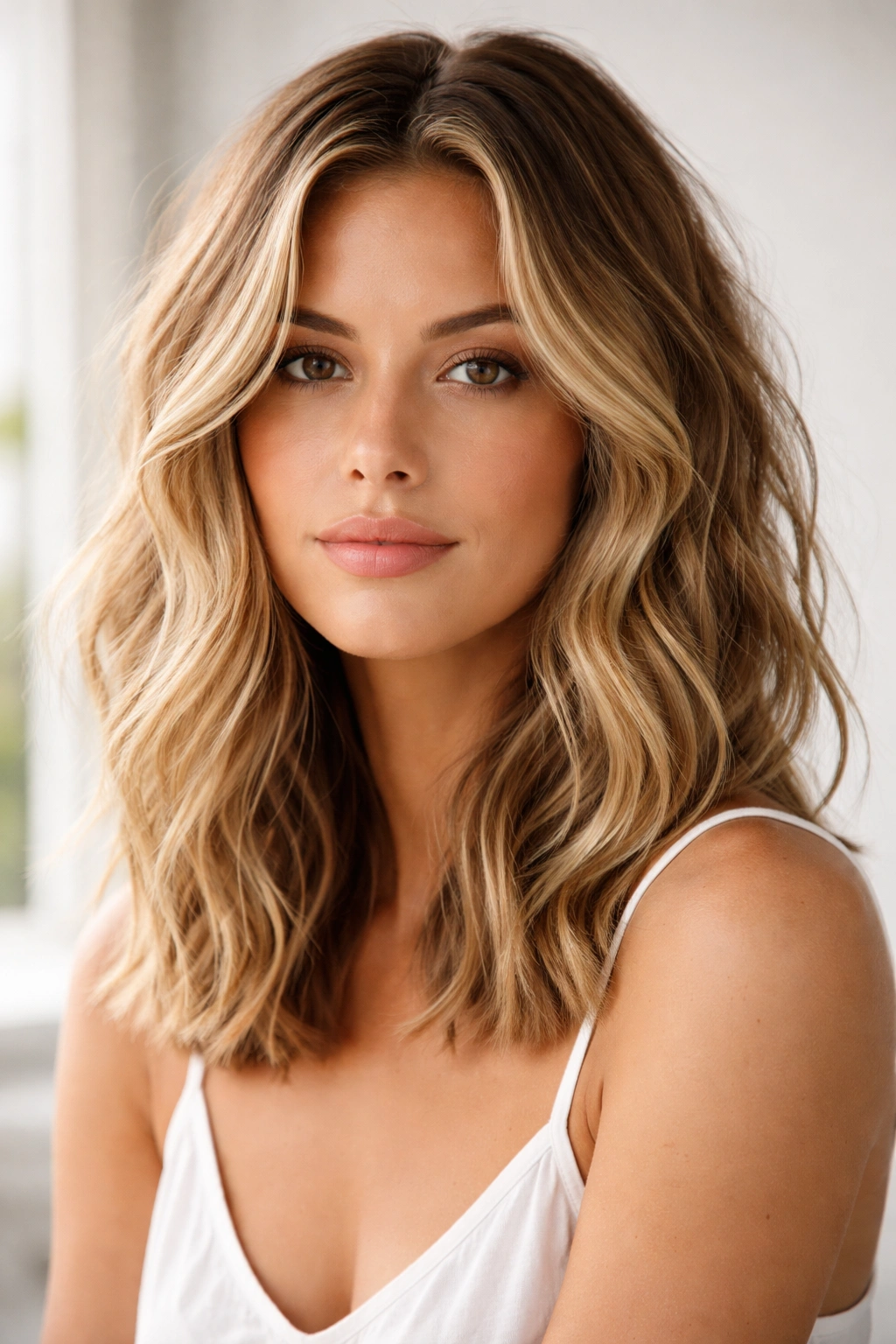
The beachy wave lob is shoulder-length hair with relaxed, tousled waves that look like you just walked out of the ocean. This style isn’t about precision — it’s about texture and movement. The waves are usually loose and somewhat undone, with face-framing pieces that create dimension and soften the overall look.
What Makes It Work at Shoulder Length
At shoulder length, the beachy wave lob has the perfect amount of weight to hold waves without looking heavy or flat. The length allows each wave to define itself naturally, and the waves actually complement the line of your shoulders rather than fighting against it. The style works on most hair types, though finer hair might need some texturizing spray to keep the waves from falling flat by day’s end.
How to Style and Maintain It
- Use a sea salt spray or texturizing spray on damp hair to create grip for waves
- Blow dry with a diffuser attachment to enhance your natural wave pattern, or with a round brush for more controlled waves
- Use a 1.25-inch curling iron to loosely curl sections if you need to refresh waves between washes
- Sleep on waves with a loose braid or silk pillowcase to preserve them overnight
- A light texturizing dry shampoo keeps the texture looking fresh without weighing hair down
The beachy wave lob requires minimal daily styling once you establish the wave pattern. Many people find they can refresh this style with just a spritz of texture spray and some finger-combing, making it ideal if you want movement without a rigorous styling commitment.
2. The Soft Spiral Wave
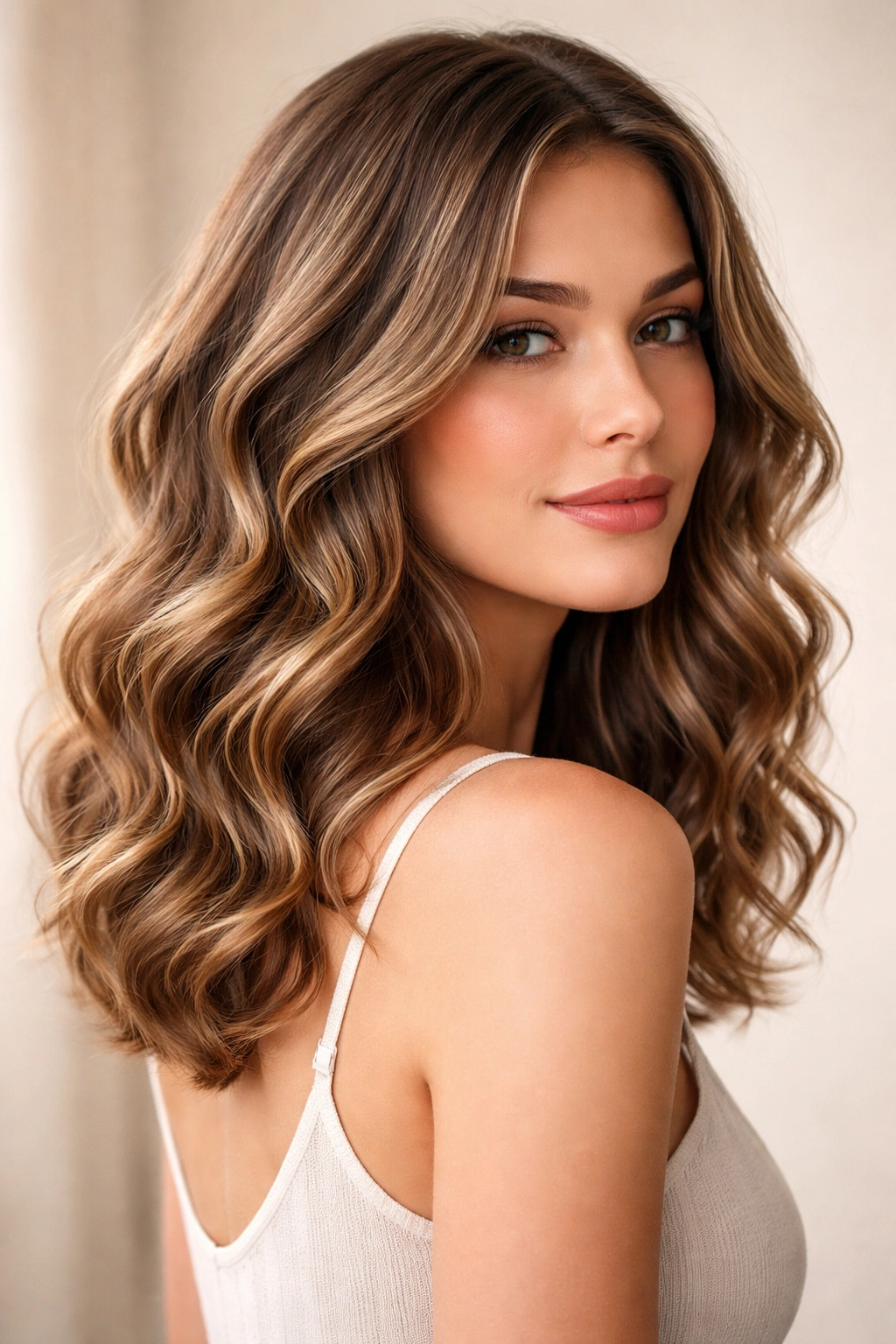
Soft spiral waves are more defined than beachy waves but still romantic and flowing. These waves spiral down the length of your hair in a consistent pattern, creating a polished look that still feels effortless. The spirals are looser than ringlets but tighter than loose beach waves — think old-Hollywood glamour meets modern ease.
The Styling Technique That Defines This Look
Soft spiral waves require a consistent curling pattern, which makes them perfect for a blow-dry bar visit if that’s available in your area, or achievable at home with patience. The key is using a 1-inch curling iron and wrapping hair around the barrel smoothly, holding each curl for 8-10 seconds before releasing. At shoulder length, this typically takes 20-30 minutes for full coverage.
Product and Hold Recommendations
- A lightweight heat protectant spray keeps hair healthy while you’re curling
- A medium-hold hairspray (not heavy or crunchy) preserves the spiral shape without stiffness
- Avoid touching the curls while they cool — let them set completely for longer-lasting waves
- Refresh spirals by curling just the mid-lengths and ends if your roots have loosened
- This style actually looks better on day two or three, once the curls have loosened slightly into waves
Soft spiral waves read as intentional and polished, making them great for dates, professional events, or anytime you want your hair to feel like a finished part of your overall look. The style also flatters most face shapes because the consistent wave pattern creates vertical lines that elongate the face.
3. The Textured Choppy Wave
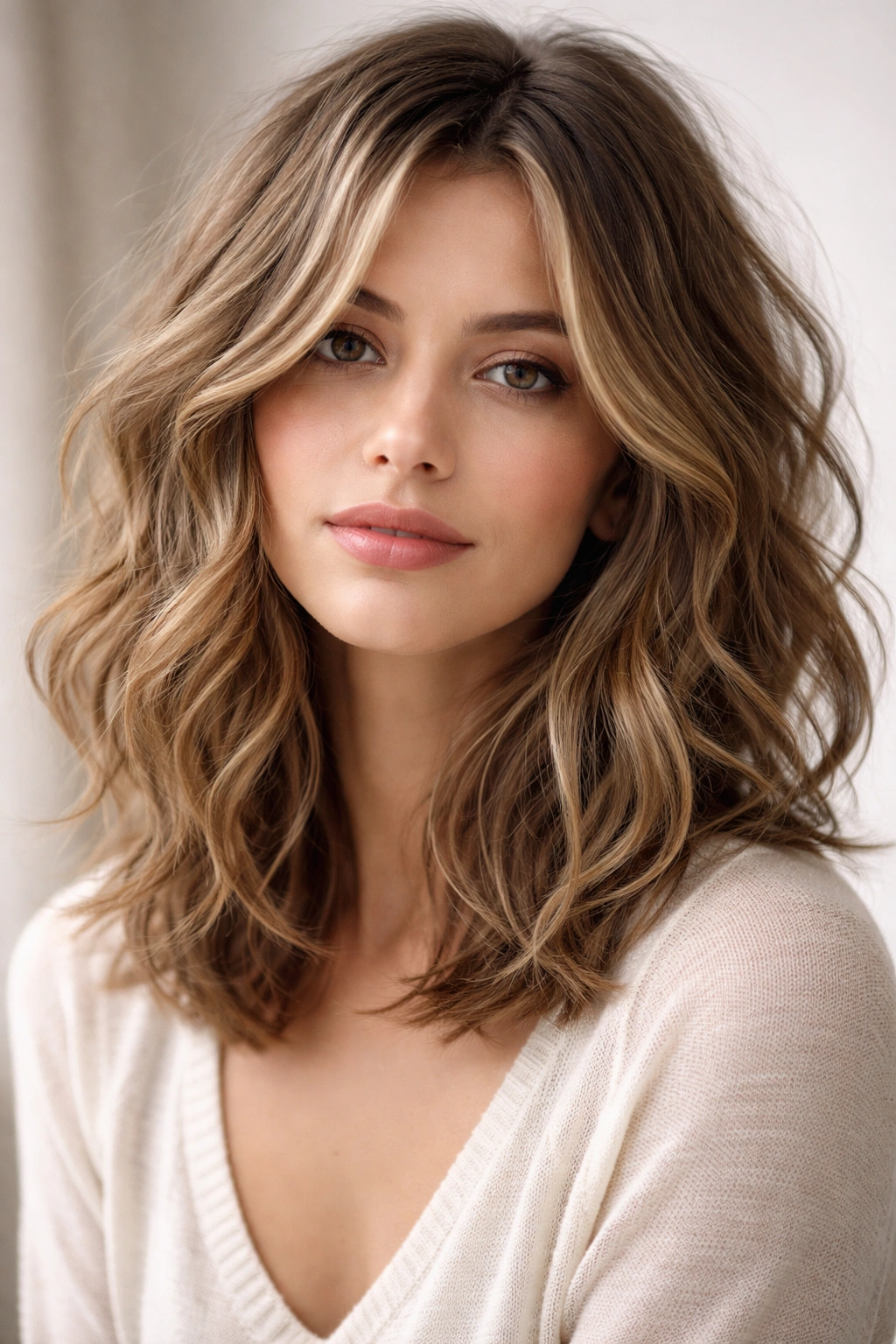
Choppy layers are cut into the hair to create natural texture and movement, and when combined with waves, the choppy cut makes waves appear fuller and more voluminous. This style works especially well for people with fine hair who struggle to keep waves from falling flat — the layers create the illusion of more texture than is actually there.
Why Choppy Layers Transform Waves
The choppy technique involves cutting shorter layers throughout the hair rather than one blunt line. These shorter layers catch and hold waves more easily, and they create visual texture even when you haven’t freshly styled. At shoulder length, choppy layers also add movement that frames your face beautifully without feeling overly trendy or dated.
How to Get and Maintain Choppy Texture Waves
- This style requires a cut from a stylist who understands textured, choppy work — it’s not a standard blunt cut
- Styling is often easier than other wave styles because the layers naturally want to separate and show texture
- A texturizing spray and a diffuser attachment usually create the wave pattern without much curling required
- Choppy layers need trims every 6-8 weeks to maintain their shape and prevent a shaggy, unkempt appearance
- The choppy technique works beautifully with both natural waves and styled waves
This style is perfect if you want waves that look naturally textured rather than deliberately curled. The choppy cut does a lot of the work for you, which appeals to people who want the wavy aesthetic without extensive daily styling.
4. The Face-Framing Curtain Wave
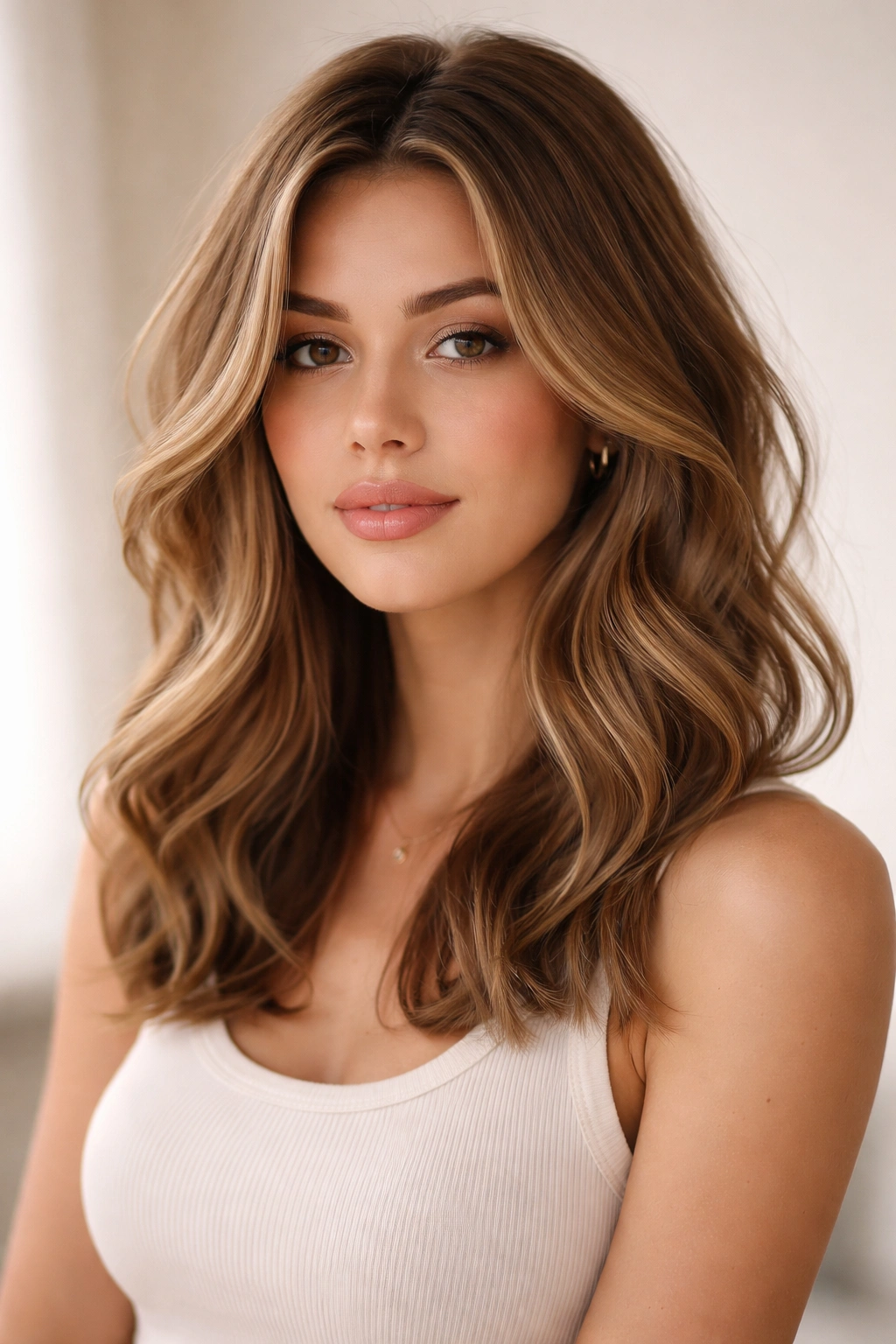
Curtain waves feature longer, softer waves with intentionally longer pieces at the front that frame the face. The front pieces are often 1-2 inches longer than the back, creating a flattering, face-softening effect. This style is incredibly versatile — you can wear it up or down, and the face-framing pieces work with almost any face shape.
Why Face-Framing Layers Make a Difference
The longer front pieces create movement that naturally draws attention to your best features while softening your jawline and cheekbones. At shoulder length, these framing pieces usually fall somewhere between your chin and collarbone, which is the perfect length for flattering proportions. The waves in the framing pieces catch light and create visual interest even in simple styles.
Styling the Curtain Wave
- Wave the face-framing pieces first, as they’re shorter and set the tone for your overall wave pattern
- Use a 1.25-inch iron and angle the iron away from your face, letting the pieces wave outward naturally
- The curtain wave works beautifully when worn half-up, with the front pieces left down to frame the face
- This style looks fresh even on day-two hair with just a quick texturizing spray refresh
- The framing pieces can be secured with bobby pins behind your ears when you need a cleaner look
The curtain wave is one of the most flattering styles for a range of face shapes and hair types. It’s also a great transition style if you’re growing out longer hair, as it reads as intentional rather than awkward in-between.
5. The Wavy Shag
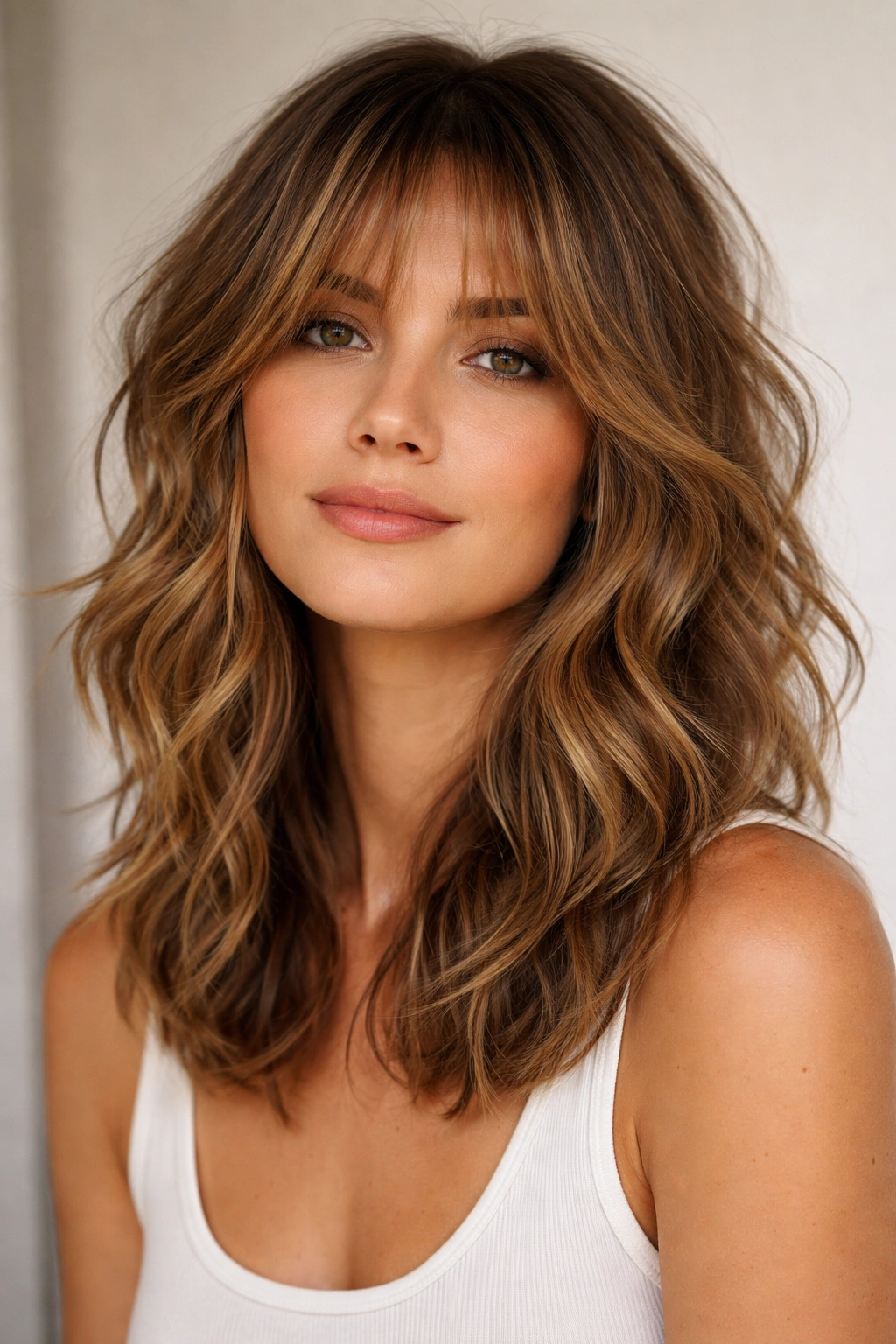
The wavy shag is a modern take on the ’70s shag — layers throughout the entire head create movement and texture, and when combined with waves, the effect is undeniably chic. This style is all about volume, movement, and attitude. Unlike choppy layers that are somewhat blended, a true shag has distinct, pronounced layers that create a wispy, feathered effect.
The Shag Cut and How Waves Work With It
A shag cut is characterized by shorter layers on top that create height and texture, with longer layers underneath. When you add waves to this structure, the result is a style that looks effortlessly cool and textured. The pronounced layers in a shag actually make waves easier to achieve and maintain — the short and long layers work together to create natural-looking movement.
Styling a Wavy Shag at Shoulder Length
- Use a texturizing spray on damp hair to prep for waves
- Blow dry with your head tilted down to create lift at the roots, then flip your head back
- Curl using a 1.25-inch iron, focusing on the mid-lengths and ends where the longer layers are
- A light-hold hairspray keeps the shag’s shape without making it feel stiff
- This style actually looks better with a slightly undone, piece-y texture — perfection isn’t the goal
The wavy shag has a rock-and-roll edge that makes it appealing to people who want their hair to feel cool and fashion-forward. It’s also surprisingly low-maintenance once you understand the cut, and it photographs beautifully.
6. The Romantic Vintage Wave
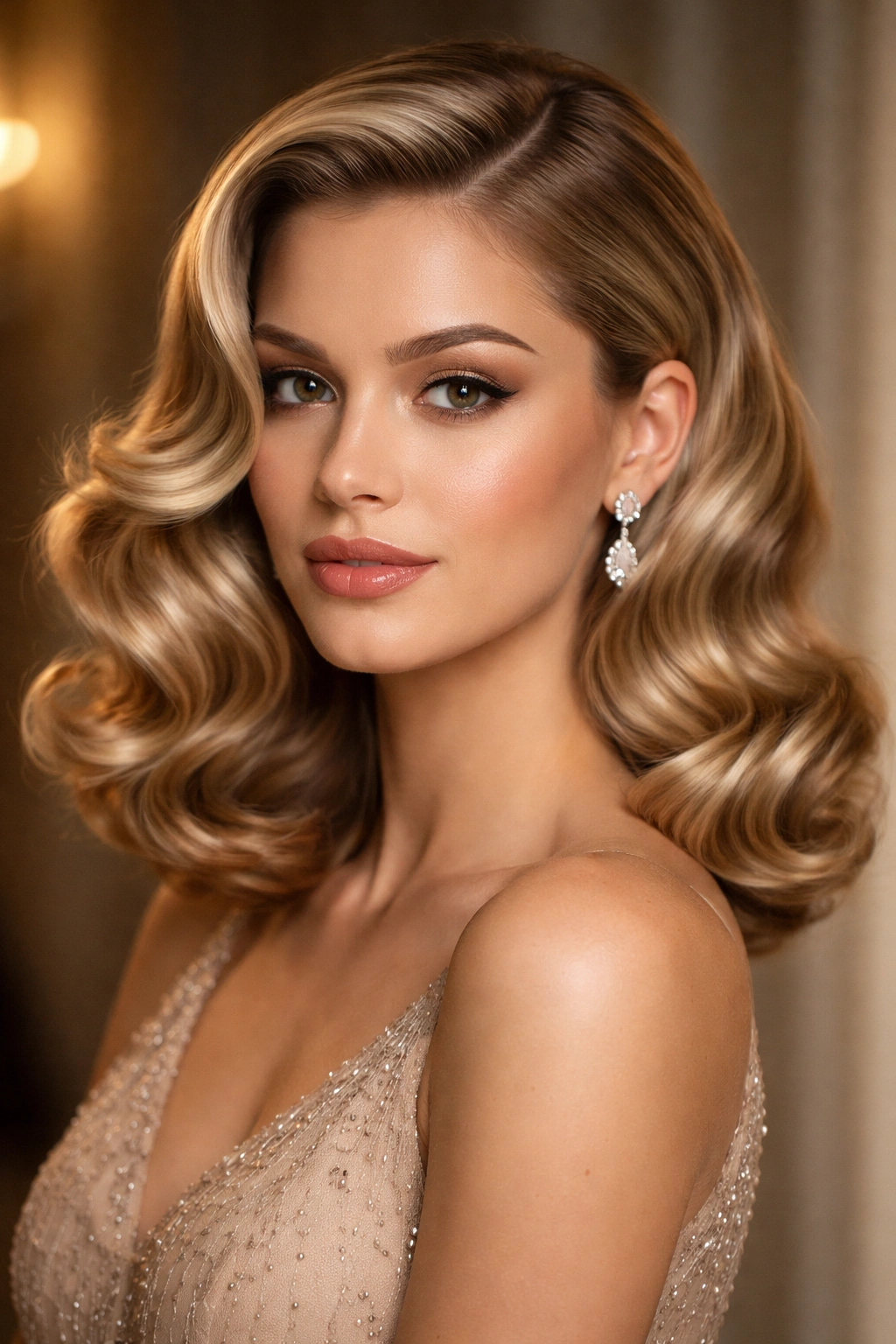
Romantic vintage waves draw inspiration from mid-century Hollywood — think deep waves with a sculpted, intentional quality. These waves are more defined than beachy waves but have a soft, feminine quality. The wave pattern is consistent and polished, creating an elegant look that feels timeless rather than dated.
Creating Romantic Vintage Waves
This style requires more precision than other wave styles. You’ll typically use larger sections of hair (2-3 inches wide) and a 1.5-inch barrel iron, wrapping hair around the barrel and holding for 10-15 seconds. The waves are set in a consistent direction, which creates that sculpted vintage appearance. At shoulder length, this approach creates waves that feel intentional and polished.
Setting and Maintaining Vintage Waves
- Pin curls or velcro rollers on damp hair and sit under a dryer for the most long-lasting waves
- Alternatively, use a curling iron on medium heat and hold each section longer for better definition
- A flexible-hold hairspray keeps waves in place without looking stiff or heavily sprayed
- Sleep on satin or silk to preserve the wave pattern — cotton pillowcases disrupt waves
- Vintage waves often improve after a few hours as the curls relax into softer, more natural-looking waves
Romantic vintage waves work beautifully for special occasions, date nights, or anyone who loves a polished, feminine aesthetic. The style has a timeless quality that makes it feel appropriate for both casual and formal settings.
7. The Tousled Texture Wave
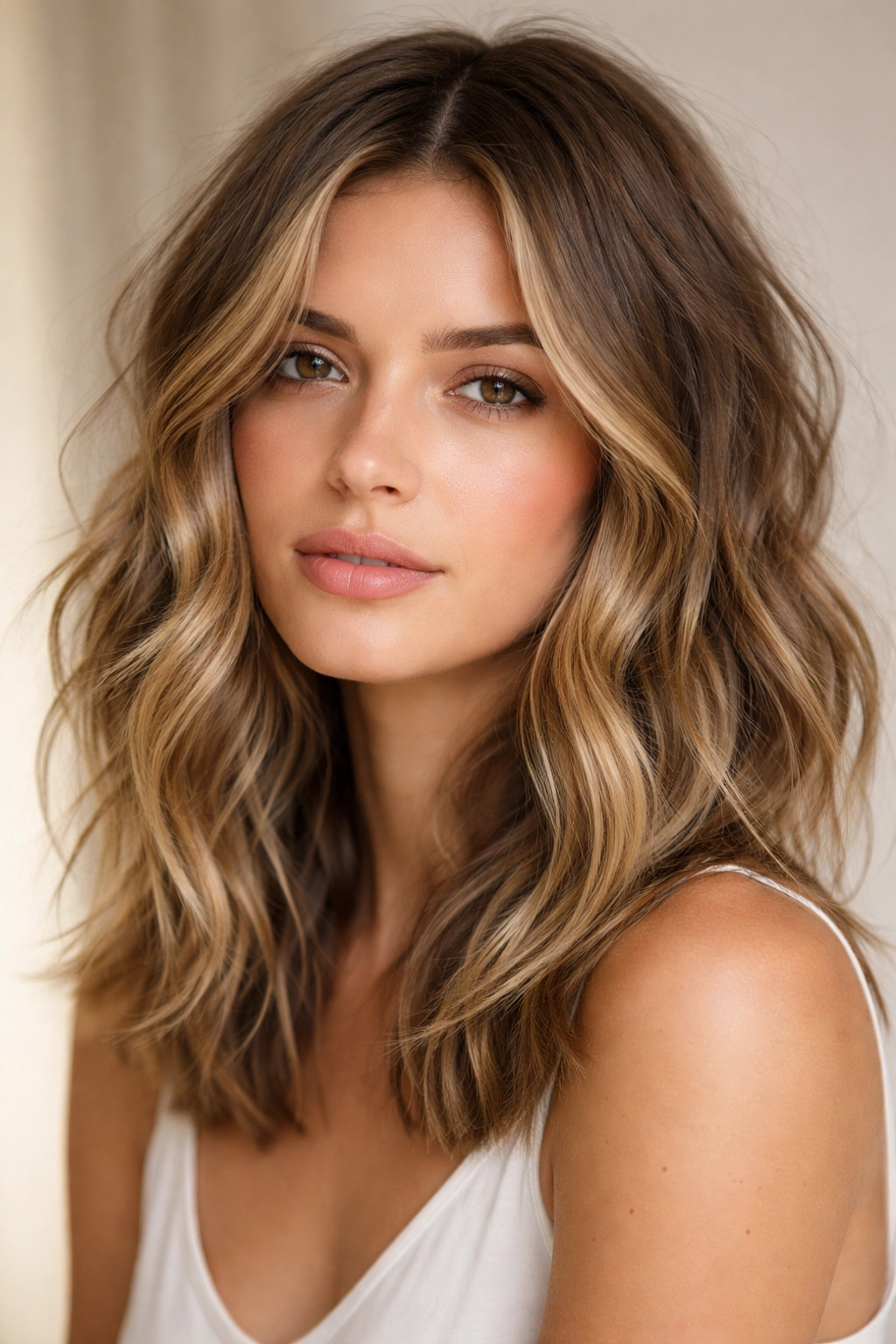
Tousled texture waves are deliberately undone and piece-y, created by working product through the hair in a way that separates waves and creates dimension. This style embraces a “I didn’t try too hard” vibe while actually requiring some intentional work. The waves are visible but not uniform — each section has its own natural-looking movement.
The Product and Technique for Tousled Texture
The secret to tousled texture waves is using the right products applied in the right way. A texturizing spray or sea salt spray creates grip that allows waves to hold without looking stiff. You apply the product to damp hair in small sections, scrunching and twisting slightly to encourage wave formation. The key is working with your hair’s natural texture rather than fighting against it.
Getting the Look Without Excessive Heat
- Texture spray on damp hair, then let air dry partially while scrunching gently
- Use a diffuser on low heat to dry without disturbing the texture you’re creating
- If you want more defined waves, use a curling iron on sections, but don’t curl all the way through
- Breaking up the curls with your fingers once they’re cool creates that deliberately undone look
- This style often looks best on days when you don’t wash your hair, as residual product and texture build
Tousled texture waves are perfect for people who want waves without looking like they’ve worked hard for them. The style suits a casual aesthetic and is especially popular in creative industries and artistic circles where that “just happened to look this good” vibe is admired.
8. The Dimensional Balayage Wave
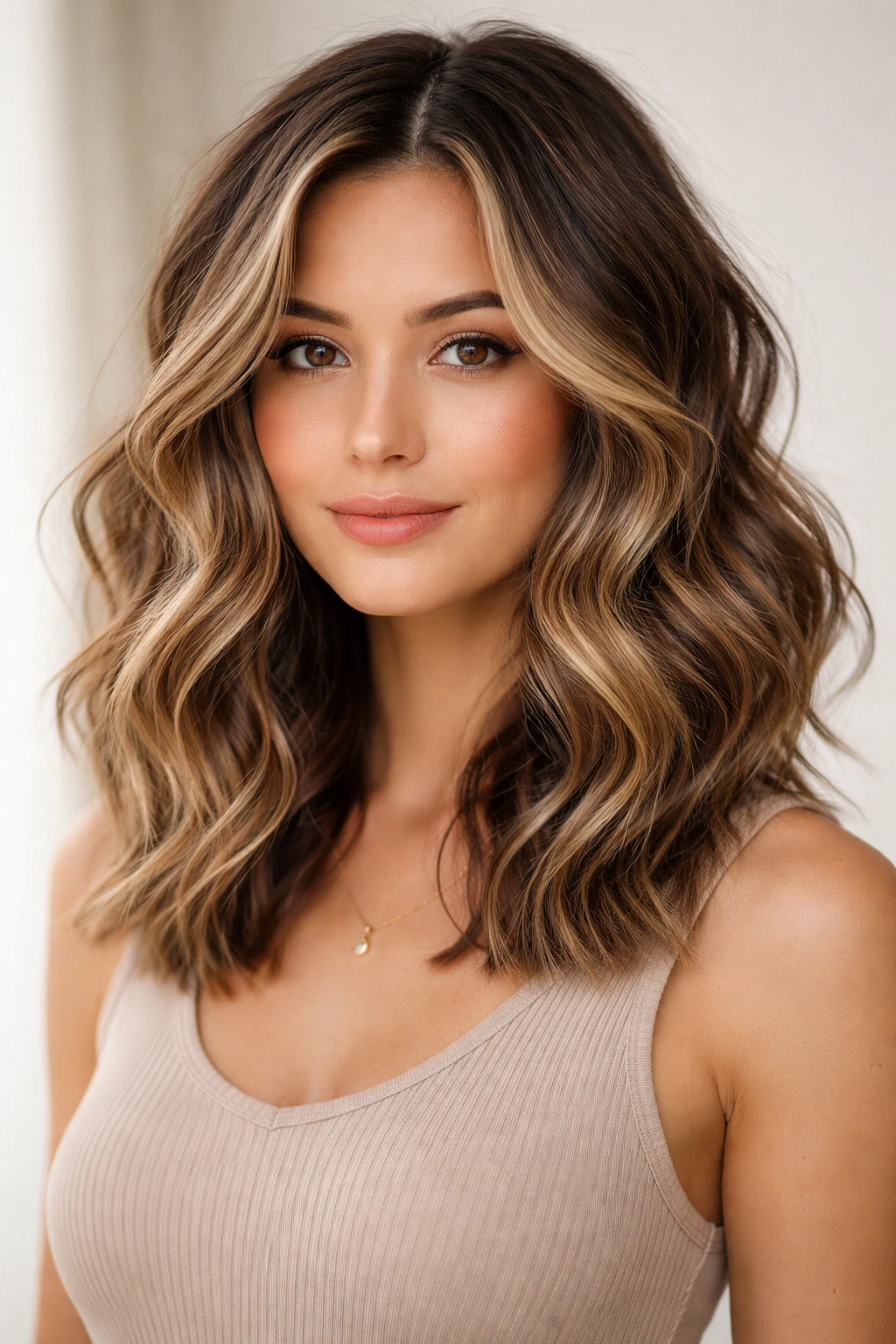
A dimensional balayage — highlighted hair with lighter pieces throughout — combined with waves creates incredible depth and movement. The lighter pieces catch light and make waves appear more dimensional and textured than they would be in solid color. This style is about combining cut, color, and wave technique to create maximum visual interest.
How Color and Waves Work Together
Balayage highlights are placed strategically around the face and throughout the hair to create dimension. When these lighter pieces are waved, they catch the light and reflect it, creating an effect that’s much more dynamic than solid-color hair. At shoulder length, this combination creates a sophisticated, expensive-looking result.
Maintaining Waves With Balayage
- Use sulfate-free shampoo and conditioner to preserve both the color and the condition of your hair
- Waves show off color dimension best, so styling regularly keeps the color looking intentional
- A purple or blue-toning conditioner keeps blonde pieces looking bright and prevents brassiness
- Balayage actually requires less frequent touch-ups than full highlights, but your waves benefit from refreshing every 2-3 weeks
- Deep conditioning treatments keep color-treated hair strong enough to hold waves without looking damaged
The dimensional balayage wave is ideal for people who want a complete transformation that feels modern and high-fashion. The combination of cut, color, and wave pattern creates a look that turns heads and photographs beautifully.
Final Thoughts
The right shoulder-length wavy hairstyle depends on your natural hair texture, how much time you’re willing to spend styling, and the aesthetic that makes you feel most like yourself. Some of these styles are nearly effortless, while others require regular maintenance and styling commitment. The good news is that at shoulder length, you have the flexibility to switch between styles relatively easily — you might wear soft spiral waves one week and tousled texture waves the next, using the same cut.
Consider your daily routine and be honest about how much styling you’ll actually do. A style you love but won’t maintain won’t serve you, no matter how beautiful it looks in pictures. The best wavy hairstyle is one you’ll actually wear, care for, and feel confident in. Talk to your stylist about which of these styles would work best with your specific hair type, face shape, and lifestyle. A good stylist can help you choose an approach that delivers the aesthetic you want with a maintenance level you can realistically manage.
