



Neck-length hair sits in that magical zone where you’ve got enough length to work with, but not so much that styling becomes a full production. The right layers can transform this length from blah to absolutely striking, creating movement, texture, and dimension without requiring hours in front of the mirror. Whether you’re naturally straight-haired, wavy, or curly, a strategic layered cut can enhance your texture, add volume exactly where you need it, and make your hair feel fresher and easier to manage.
The trick with neck-length hair is finding layers that don’t look choppy or shapeless, but instead create intentional movement and frame your face beautifully. The best layered cuts for this length work with your hair texture rather than against it, and they’re designed so you can still throw your hair in a quick bun or ponytail without ending up with scraggly pieces everywhere. We’re going to walk through eight distinct layered styles that work beautifully on neck-length hair, from soft and romantic to bold and textured, so you can find the one that matches your hair type, lifestyle, and the vibe you’re going for.
1. Soft Feathered Layers
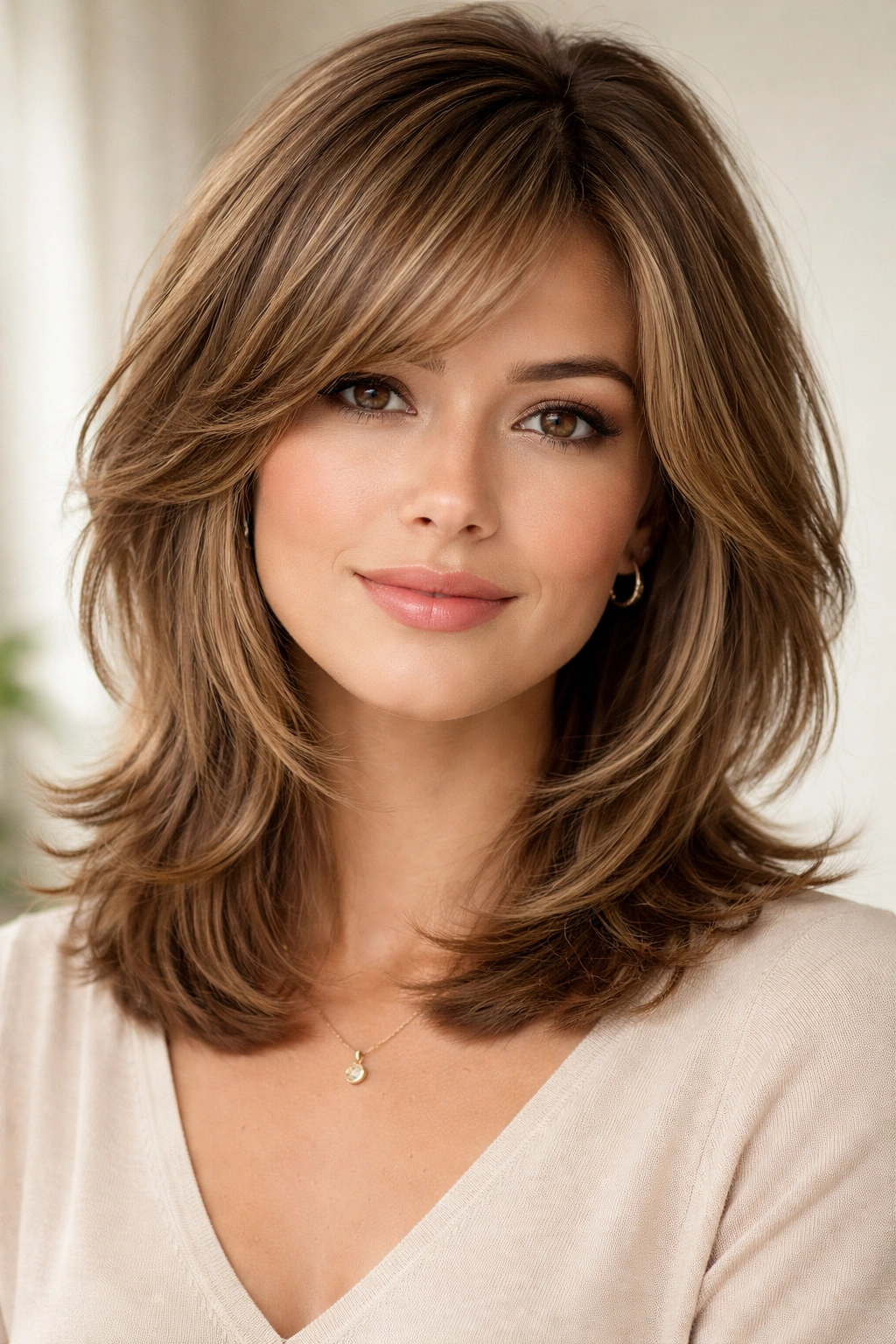
Feathered layers are the tried-and-true choice if you want movement without drama. This cut features longer pieces around your face that gradually get shorter as you move toward the crown, creating that signature feather effect where each layer seems to float independently. The beauty of feathered layers on neck-length hair is that you get real dimension and bounce without the hair looking thin or wispy—the overall length stays intact while individual strands have space to move.
Why It Works for Neck-Length Hair
Feathered layers are incredibly flattering because they frame the face gently while adding volume at the crown, which is exactly what neck-length hair needs. This cut works beautifully on straight, wavy, and even slightly curly hair because the technique uses point-cutting (snipping into the hair at an angle) rather than blunt cutting, which removes bulk without creating a harsh line. If you have a rounder face, feathered layers can actually make it appear longer and more sculpted because the longer pieces frame your cheekbones and jawline.
How to Style and Maintain Feathered Layers
With feathered layers, you’ve got serious styling flexibility. Blow-dry for a sleek, smooth feathered effect, or scrunch with a curl-enhancing product to bring out natural texture. The maintenance is relatively easy—trim every 6-8 weeks to keep the feathered effect sharp, because these layers can start to look flat and sad if they go too long without shaping up. Use a texturizing spray or light mousse to enhance the feathered separation if your hair tends toward limp.
Pro tip: Feathered layers look even better with some long layers running underneath—ask your stylist to take some length off the underneath sections so the feathering looks intentional rather than accidental.
2. Choppy Textured Layers
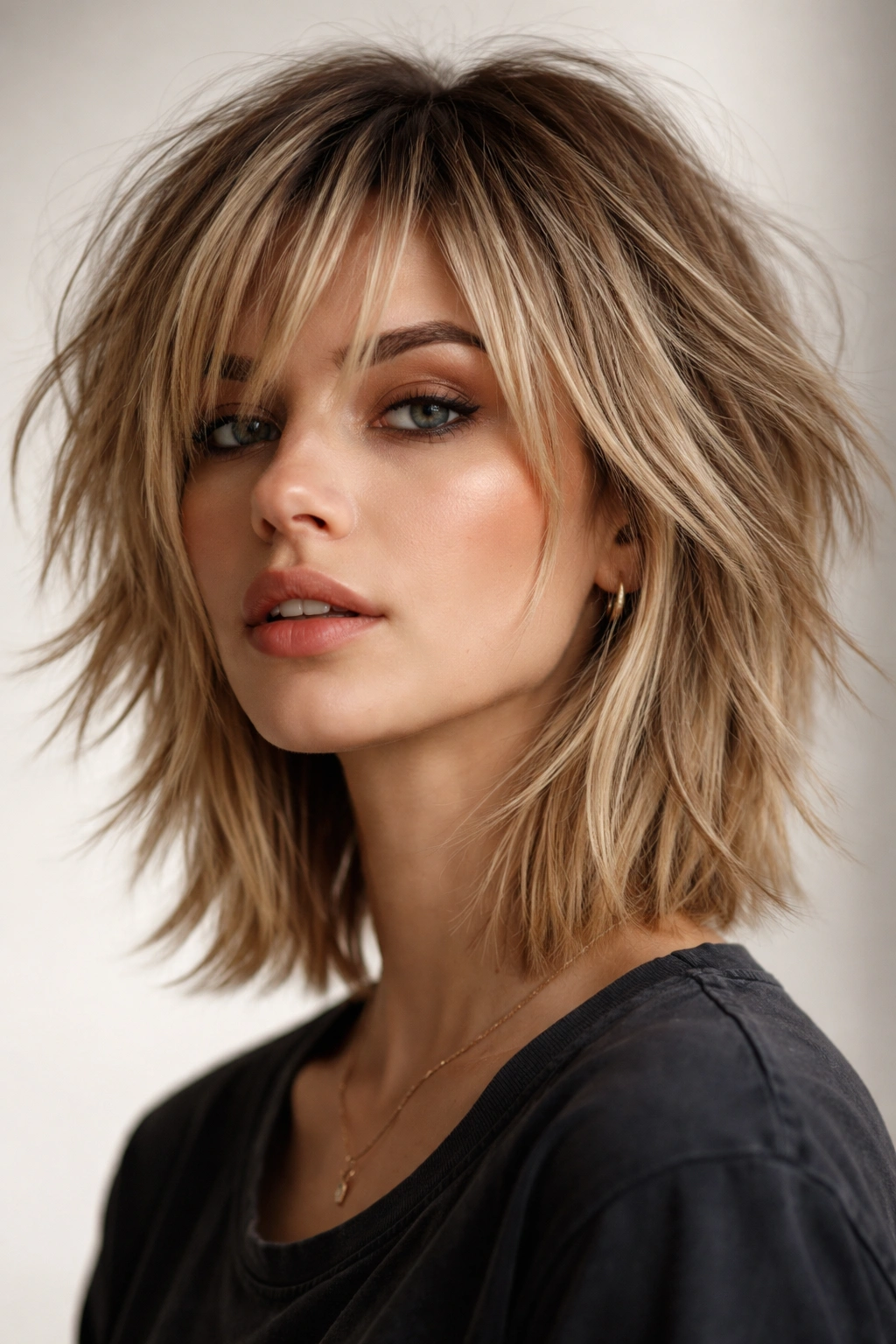
If feathered layers feel too safe and romantic for your taste, choppy layers are where you go to make a statement. This style features more pronounced length variation between layers, with blunt, sharp lines that create obvious texture and movement. Think less “flowing” and more “intentional chaos”—each layer is clearly distinct, and the overall effect is edgy, modern, and undeniably cool.
What Makes Choppy Layers Stand Out
Choppy layers work because they add serious visual impact without requiring more hair than you actually have. The technique uses blunt cuts and sometimes razor work to create chunky pieces that catch light differently and move independently. This style is particularly stunning on straight or wavy hair because the contrast between the cut layers and the way they fall is very visible. On curly hair, choppy layers can look amazing but require more intentional styling to avoid a frizzy, undefined appearance.
Styling Tips for Maximum Impact
Choppy layers benefit from products that define and separate each section. Use texturizing sprays, sea salt sprays, or dry shampoo to emphasize the choppiness and keep pieces from sticking together. Blow-dry with a diffuser if you have waves or curls, or rough-dry with your fingers for a more undone, textured look. This cut shows off styling effort beautifully—even a simple tousle with texturizing spray looks intentional and cool.
The downside? Choppy layers need trims every 5-6 weeks to maintain that sharp, defined look. Once they start to grow out, they can look scraggly instead of intentional.
3. Long Layered Bob with Wispy Pieces
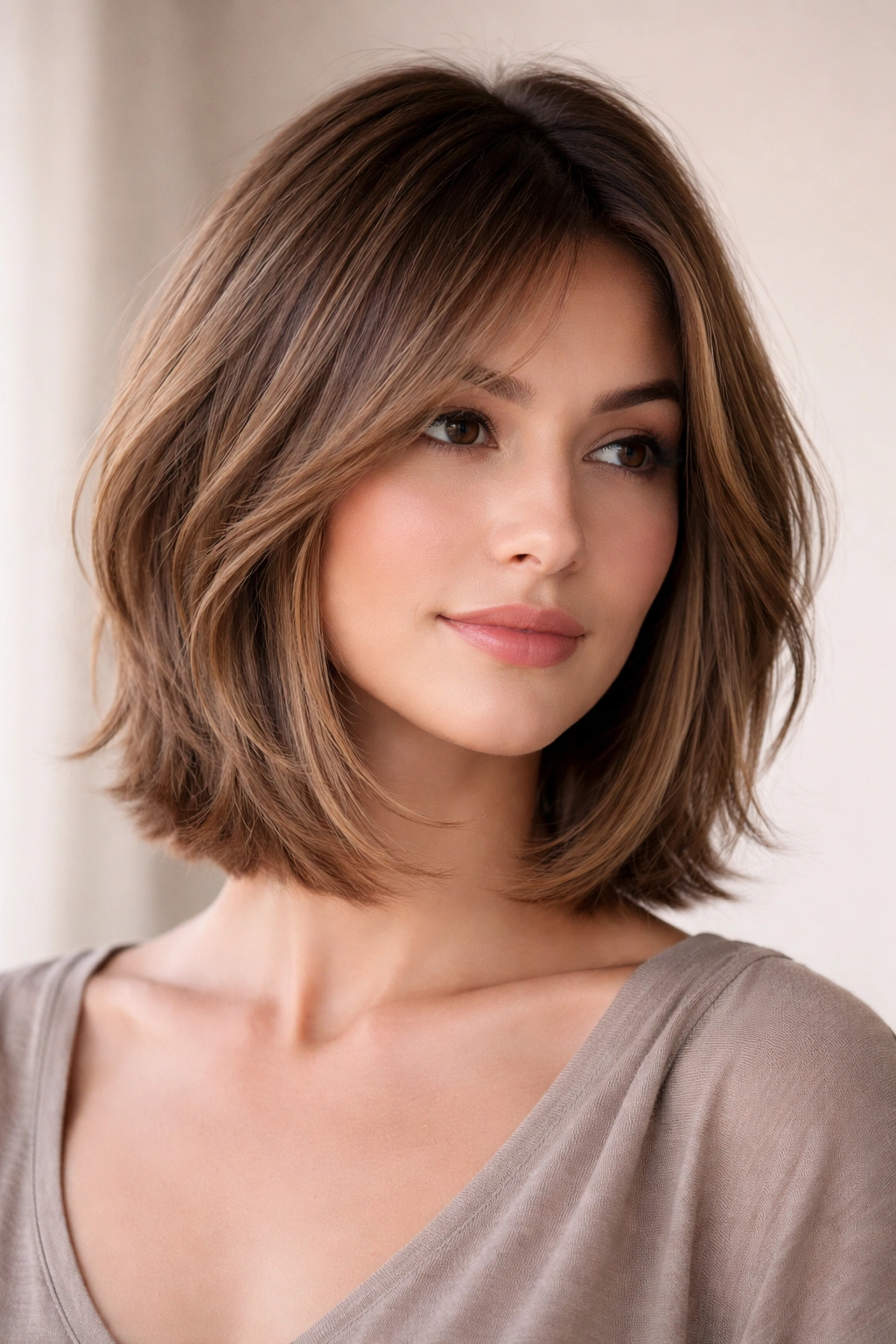
The long layered bob (or lob) is basically the Goldilocks of cuts—it’s long enough to pull back but short enough to feel modern and easy. When you add strategic wispy layers, especially around the face, you get a sophisticated cut that works for everything from casual days to polished professional settings. This version of the long bob keeps most of the hair at neck length while removing weight with a few well-placed layers.
Why This Works for Neck Length
A long layered bob respects the natural length while adding shape and movement where it actually matters—primarily around the face and near the crown. The wispy pieces catch light beautifully and frame your features without being so short that they look out of place with the rest of your hair. This cut is incredibly versatile because it works well whether you prefer your hair smooth and straight, naturally wavy, or curly.
Styling Options and Maintenance
The beauty of a long layered bob is that it works with minimal styling. You can air-dry it for a tousled, effortless look, blow-dry it straight for polish, or curl it in sections for waves. The layers mean you get movement and texture without having to do much—even damp hair brushed through looks reasonably good. Maintenance is moderate; trim every 6-8 weeks to keep the layers looking fresh and to maintain the shape.
4. Heavily Textured Layers with Shorter Underneath
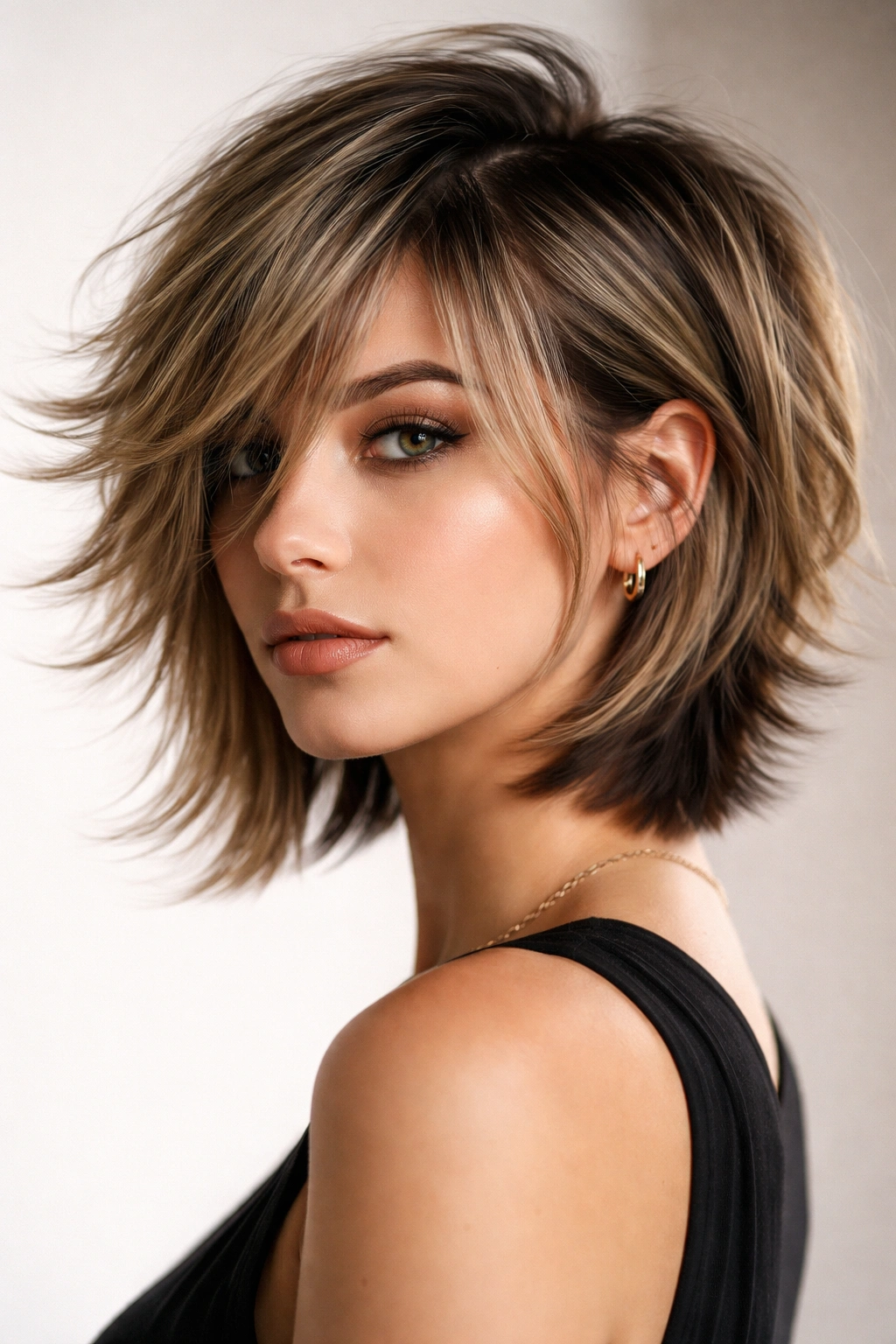
This style takes the layered concept and cranks up the drama by making the underneath layers significantly shorter than the top. You’re left with longer pieces on top that sit over a much shorter base, creating a very textured, almost shaggy appearance. It’s a bold look that makes a statement and requires confidence to wear.
The Visual Impact of Contrasting Layer Lengths
When your underneath layers are noticeably shorter, the contrast creates incredible texture and movement. Hair naturally flips and separates more dramatically because of the length difference, and the overall effect is modern and trendy without looking conservative. This technique works best on naturally textured or wavy hair because the movement of your natural pattern gets amplified by the cut variation.
Who This Cut Suits Best
This style is ideal if you have medium to thick hair density and hair that has some natural texture or movement. If your hair is very fine or very straight, the heavy texture contrast can sometimes look less intentional. You’ll need to be comfortable styling your hair regularly, too—this cut really shines when you’re using texturizing products and embracing a slightly undone aesthetic.
5. Face-Framing Layers with Minimal Back Layers
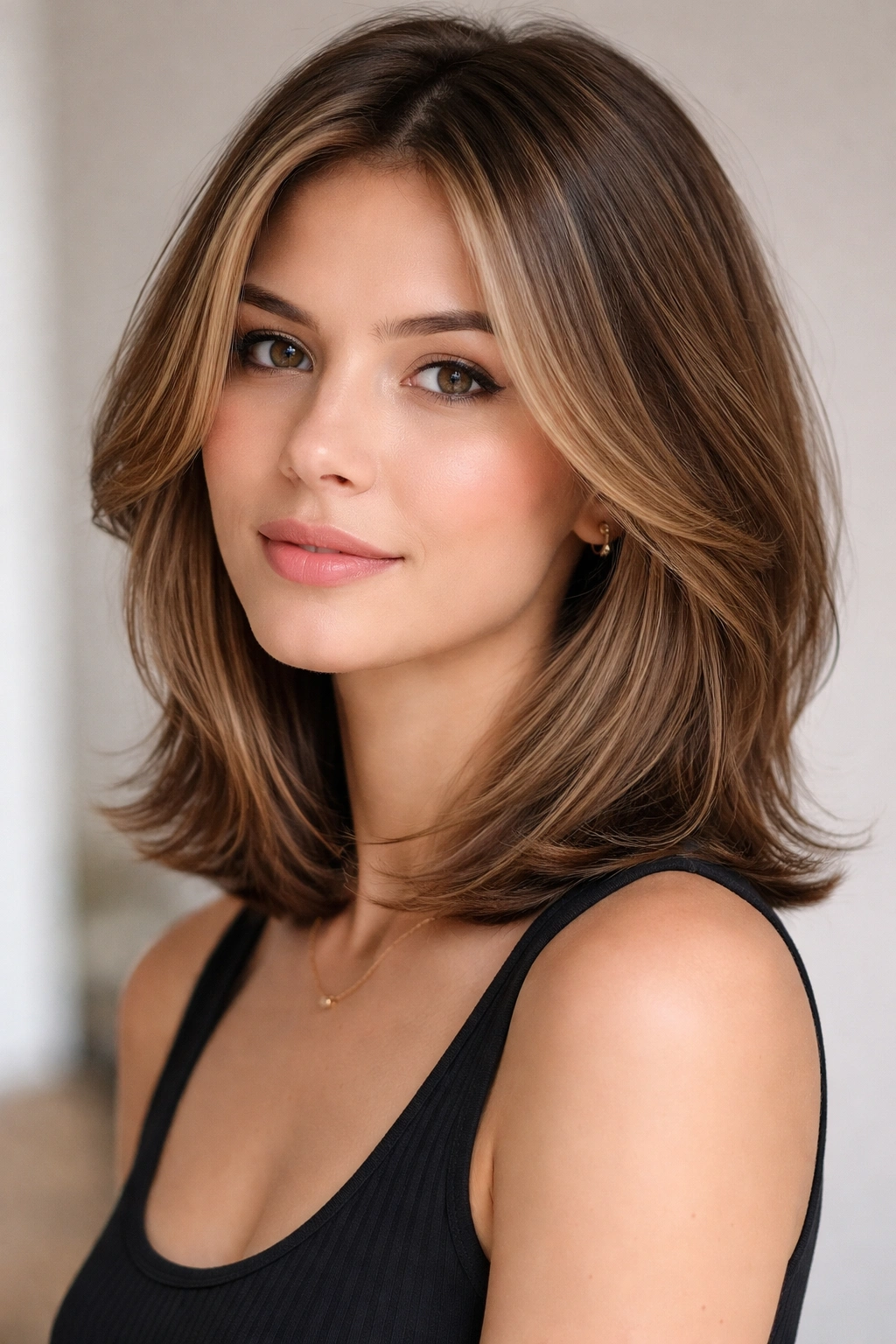
Sometimes the most flattering approach is to focus your layering around the face while keeping the back relatively intact. This cut features longer, more prominent layers that start right at your cheekbones and move forward, framing your face beautifully, while the back stays relatively solid with just gentle tapering layers. You get the flattering face-framing effect without the choppy texture throughout your whole head.
Why Strategic Face Framing Matters
Face-framing layers are all about highlighting your best features and softening your face shape. Longer pieces around your cheekbones and jawline draw attention to your face and away from any areas you’d rather not emphasize. The technique is particularly flattering if you have a square or angular face because the softer layers help round things out visually.
Easy Styling for Everyday Wear
The advantage of this style is that it doesn’t require heavy-duty styling to look good. Brush through, blow-dry if you want, and you’re done. The face-framing pieces fall naturally into place, and the back is substantial enough to hold shape without constant attention. This is an excellent option if you want layering benefits without the styling commitment.
6. Shaggy Layered Cut
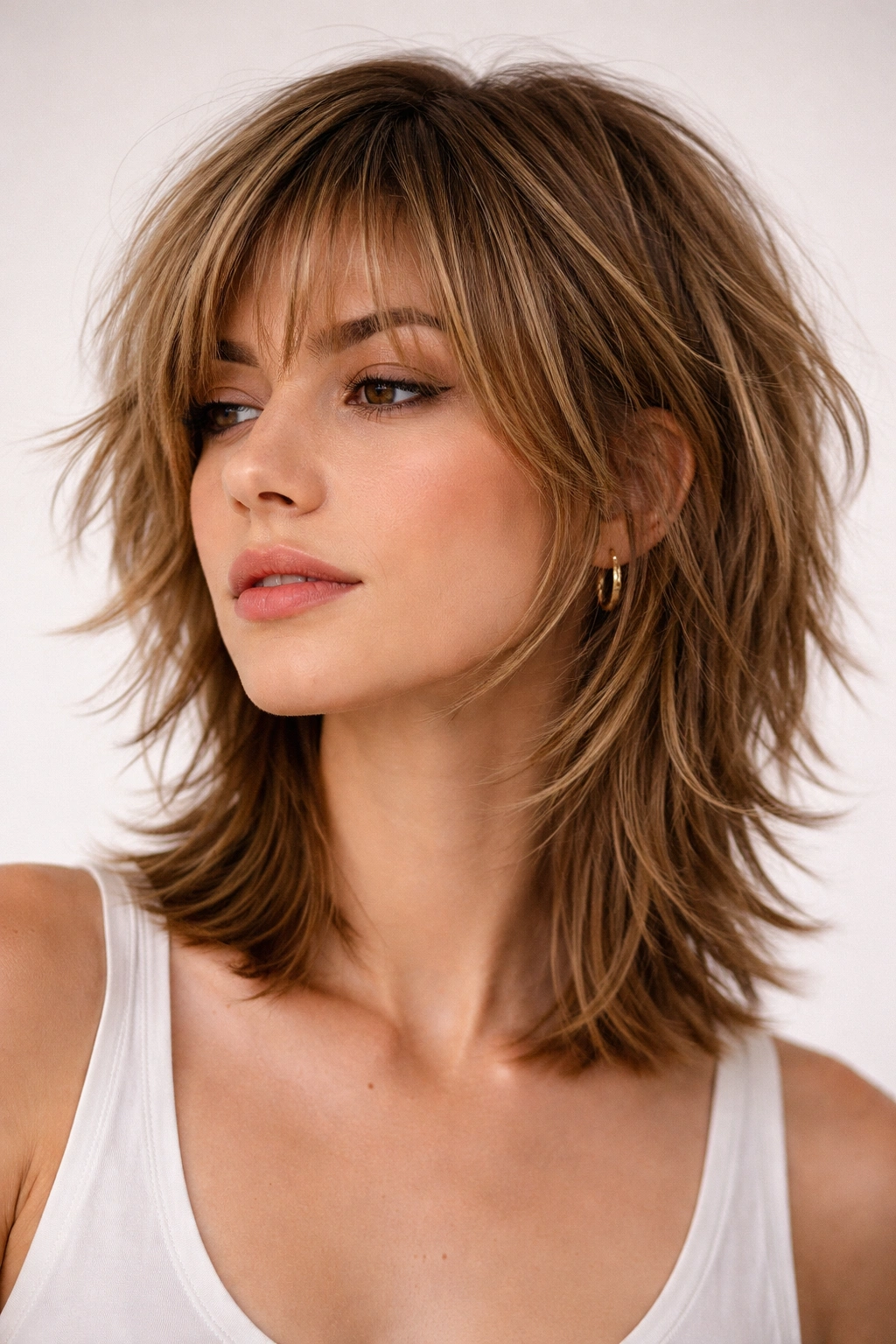
The shag is having a major moment, and it’s not the 1970s disaster you might be picturing. A modern shag on neck-length hair is all about creating movement and texture with multiple layers working at different lengths throughout your whole head. There’s a slight mullet-ish energy to it, with shorter pieces at the crown and longer pieces moving down, creating a natural progression of texture rather than one specific “direction.”
The Modern Shag Difference
Today’s shags are refined and intentional rather than overgrown and chaotic. The technique uses a combination of cutting techniques—some point-cutting, some blunt cuts, some texturizing—to create layers that flip and move in multiple directions. The result is undeniably modern, slightly rocker-chic, and works on every hair type from straight to very curly.
Styling and Personality
A shag cut actually works great with minimal styling because the movement is built into the cut itself. Let it air-dry for a tousled, effortless look, or blow-dry for more control. On curly or wavy hair, this cut can be absolutely stunning because each curl has its own space to fall and define itself. You’ll want to use a light styling product—mousse, sea salt spray, or texturizing spray—to enhance separation and movement.
7. Blunt Ends with Strategic Interior Layers
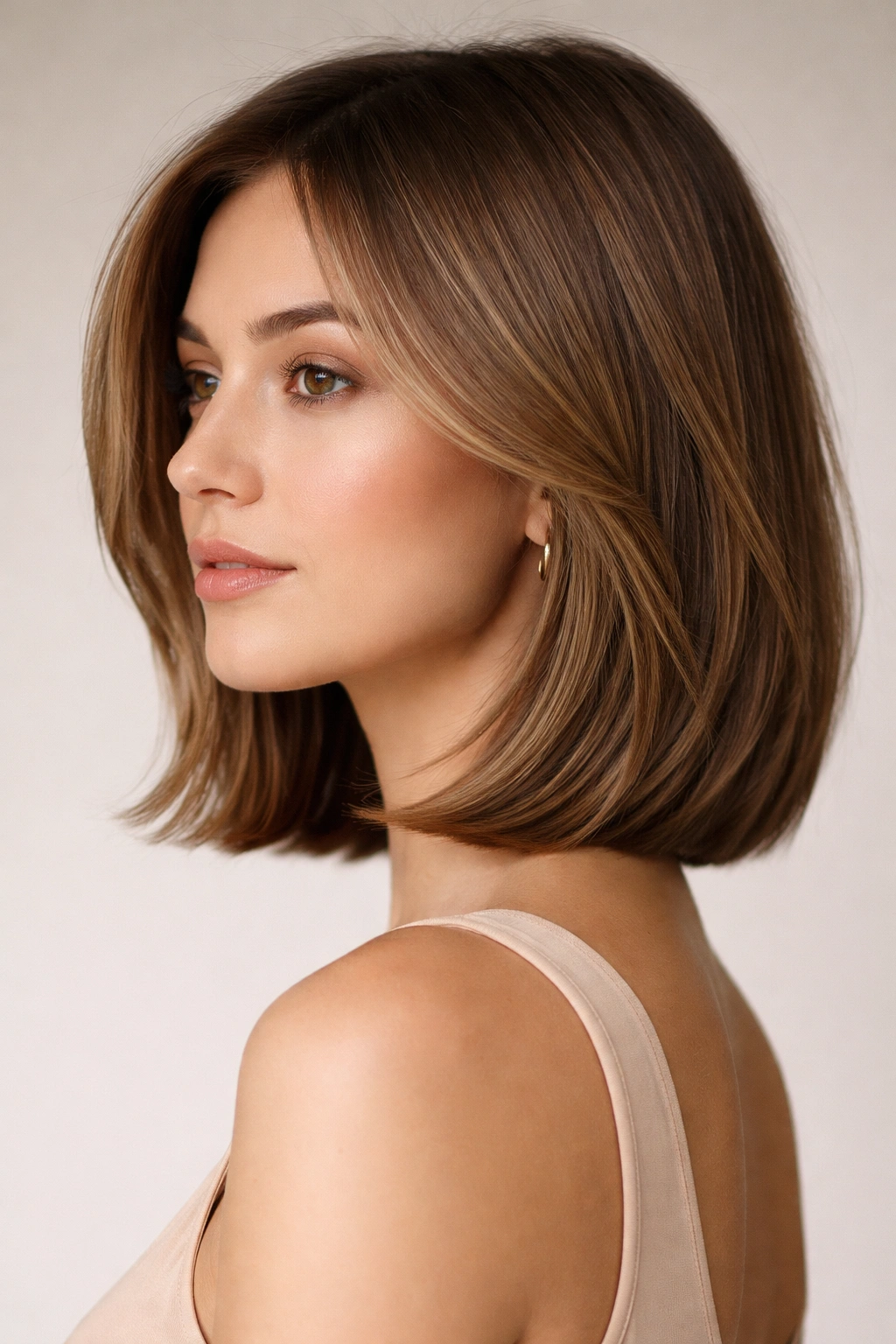
This style keeps your perimeter relatively blunt and together while hiding the layering on the interior. From the outside, it looks almost like a solid, substantial cut, but underneath and throughout the interior, there’s plenty of texture and movement. You get all the movement benefits of layers without the obvious choppy appearance.
The Best of Both Worlds
This cut is perfect if you like the idea of layers but prefer the sleekness of a more structured cut. The hidden layers remove weight and bulk without making the cut obviously “layered,” which some people find more sophisticated-looking. The blunt ends also feel current and precise, and they catch light beautifully when you move.
Who Should Choose This Approach
This works excellently if you have thick or heavy hair that needs weight removed but you want a more polished appearance. It’s also a great bridge if you’re nervous about committing to an obviously textured cut. The interior layers make a real difference in how your hair falls and behaves without the visual drama of choppy or shaggy layering.
8. Razor-Cut Feathered Layers
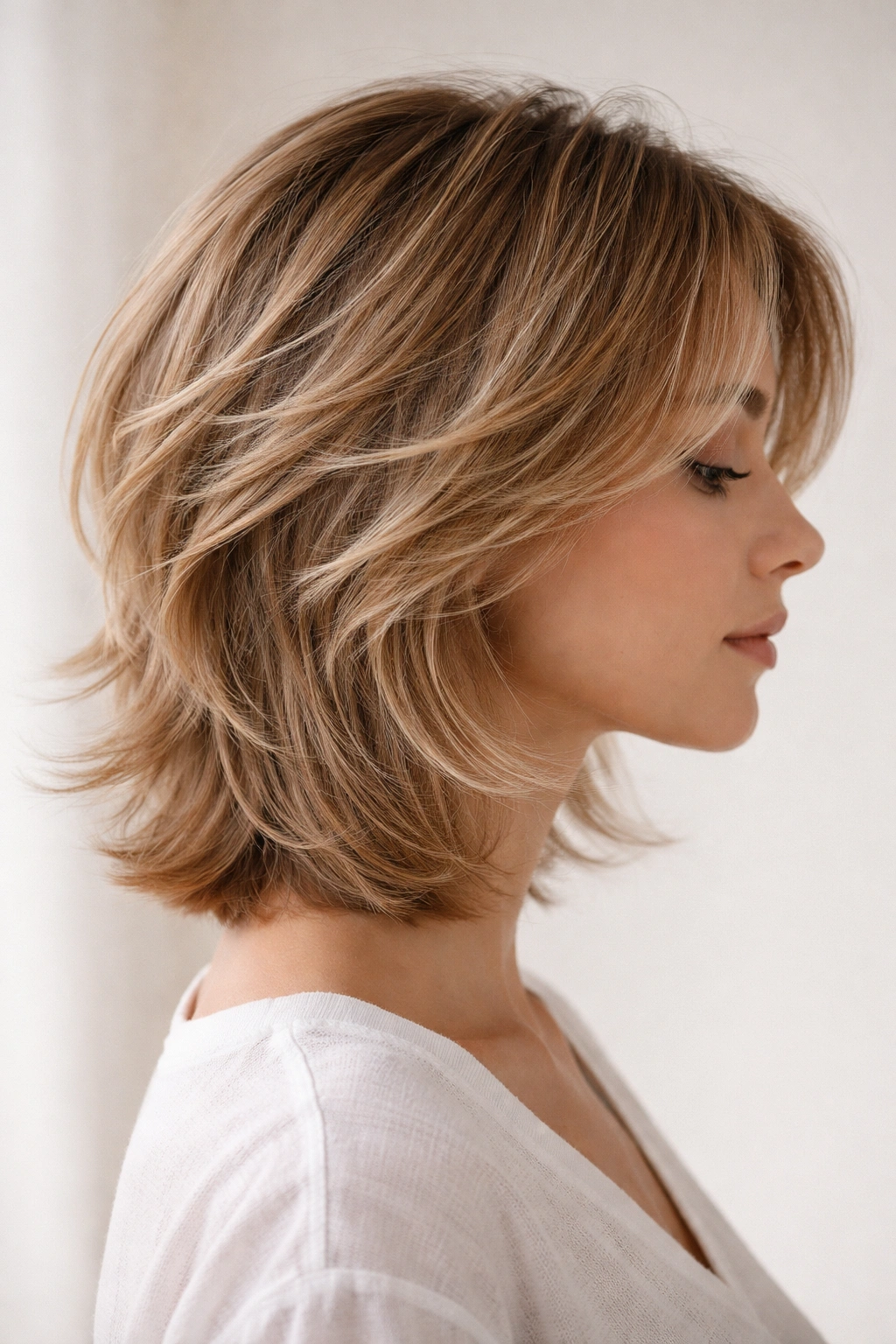
While feathered layers (tip #1) use point-cutting, razor-cut feathered layers use actual razor work to create thinner, more separated pieces. A razor creates a finer point on each hair, making individual strands more visible and distinct. This creates a lighter, more ethereal appearance with incredible movement and separation.
The Razor Difference
Razor cutting removes hair at an angle rather than straight across, which creates a thinner edge on each strand. This makes layers look feathery, wispy, and almost cloud-like. Razor-cut layers catch light beautifully and create dimension that’s visible from every angle. The technique is particularly lovely on lighter hair colors because you can really see the separation between layers.
Caring for Razor-Cut Feathered Layers
The main consideration with razor-cut layers is that they require more styling intention than blunt-cut layers. Because the ends are thinner, they’re more prone to looking frizzy or undefined if you don’t use appropriate styling products. Use serums, oils, or smoothing creams to keep the wispy pieces looking intentional rather than flyaway. Trims every 6-8 weeks keep the feathering looking fresh and prevent the ends from looking thin and straggly.
Worth knowing: If you color your hair, razor-cut ends can look drier and more damaged faster than blunt ends because the thinner hair at the tips is more vulnerable. Deep condition regularly and consider trims every month if you’re coloring frequently.
Final Thoughts
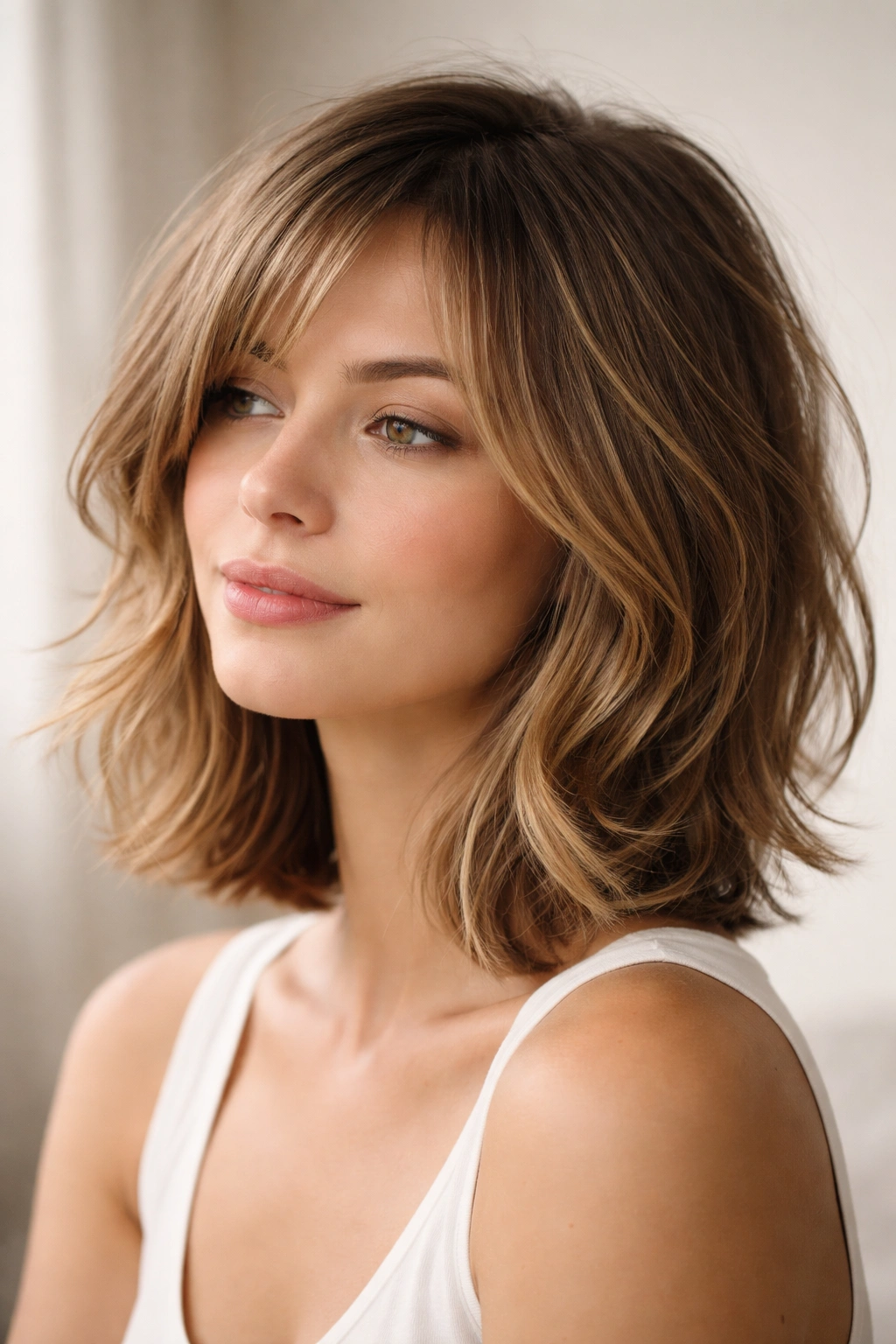
The perfect layered cut for your neck-length hair comes down to three things: your natural hair texture, how much styling you’re willing to do daily, and what vibe you want to project. Feathered and face-framing layers work for almost everyone because they add movement without requiring constant upkeep. Choppy, shaggy, and textured layers make a bolder statement and really shine when you’re using texturizing products and embracing an undone aesthetic. The long layered bob and the blunt-ends-with-interior-layers approach give you a more polished, structured look that works beautifully in professional settings.
Whatever you choose, the most important thing is finding a stylist who actually listens to what you want and understands your hair texture. Come prepared with clear photo references—not just of the cut, but of the styling and products being used in those photos. That context matters because the same cut can look completely different depending on whether it’s air-dried and textured or blow-dried smooth.
Neck-length hair is genuinely one of the easiest lengths to style and maintain while still having tons of options for personality and movement. Give yourself permission to try something new, trust the cut, and take a few days to figure out how your particular hair behaves with your chosen style. Most people find that the right layered cut clicks into place somewhere around day three or four, once you’ve figured out your products and styling routine.
