


Hair loss from chemotherapy is one of the hardest side effects to navigate emotionally. But when those first delicate strands start growing back, it’s a powerful symbol of healing and resilience. The challenge? That regrowth phase comes with texture, length, and volume that’s often unpredictable — and many people don’t know how to style the new growth, especially if their hair texture has changed or returned differently than before. This is where layered haircuts become genuinely transformative. Strategic layers actually work with new hair growth rather than against it, creating shape and dimension even when hair is still short, patchy, or finding its way back to normal.
The right haircut during regrowth does more than just look good — it builds confidence at a moment when that matters tremendously. Layered styles add movement and texture to fine or uneven growth, hide the in-between phases that can feel awkward, and accommodate the way your hair is actually growing right now rather than forcing it into a style it can’t yet support. Whether your regrowth is coming in straight when it used to curl, thinner than before, or with unexpected texture, there’s a layered cut designed to work with it.
What makes these styles different from regular layered cuts is the specific intention behind them — they’re engineered for the unique circumstances of regrowth. They account for variable density, honor the fragility of new hair, and give you flexibility to grow out gracefully without waiting for a full head of hair to catch up. Many of these cuts also work beautifully with head coverings during sensitive phases, and they transition seamlessly as your hair grows longer.
1. Pixie Cut with Textured Layers
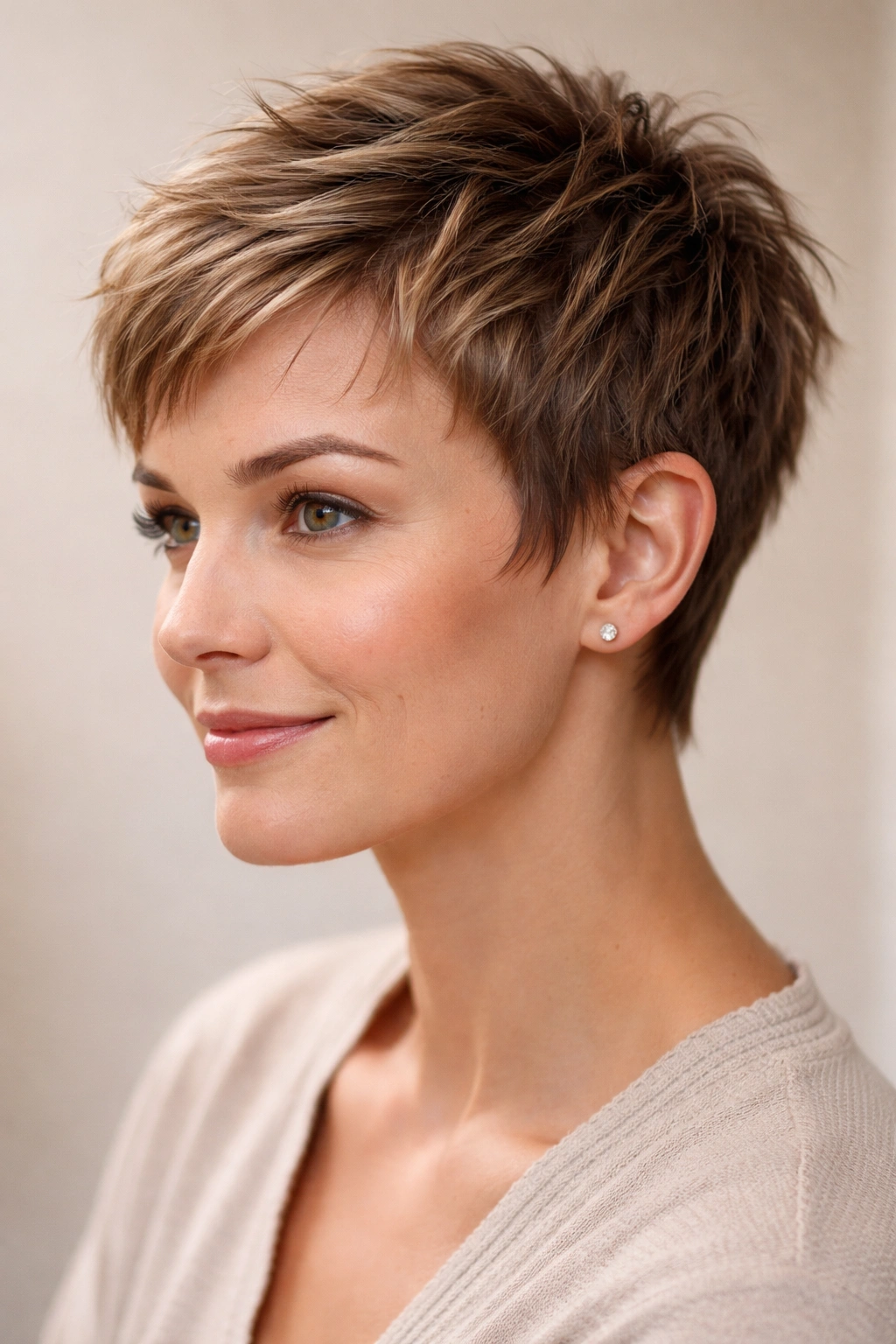
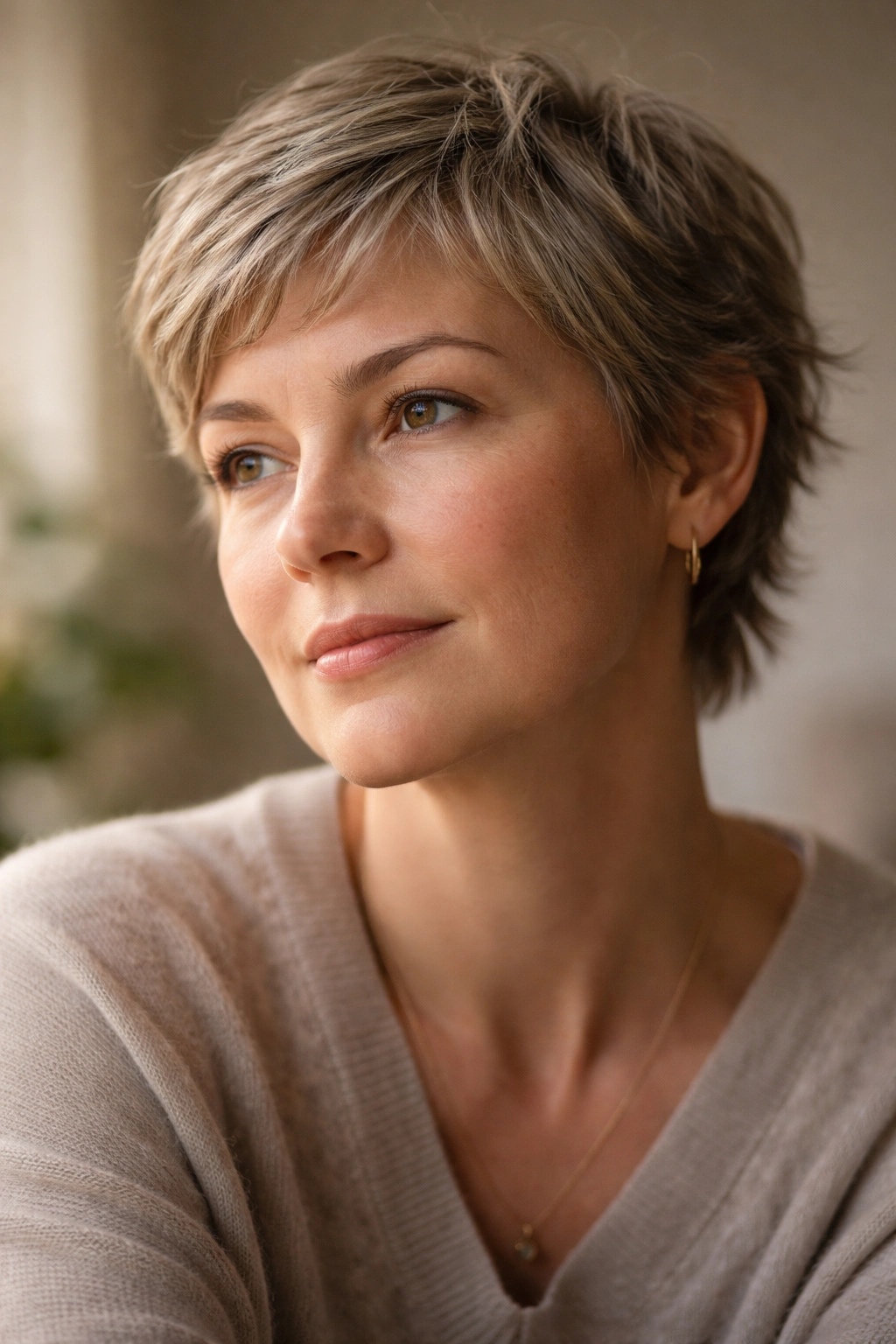
A short pixie with intentional layers is one of the most empowering choices during early regrowth. Rather than fighting the fact that hair is still growing in, this cut celebrates short hair with texture and movement that make every millimeter of new growth feel intentional and styled. The layers create definition and shadow throughout the cut, so even if your hair comes in patchy or uneven, the layers make it look planned rather than like an accident.
Why This Works for Regrowth
Pixies with layered texture actually benefit from the irregular growth patterns that can happen during regrowth. Instead of trying to hide unevenness, the layers and choppy texture make it invisible — or better yet, make it look like design. Because the entire cut is short (usually 1 to 3 inches), you’re not managing the weird in-between phase where some hair is long and some is still short. Every part of your head grows at roughly the same pace, and the layers give you shape and personality right from day one. This cut also transitions beautifully. As your hair grows, you can gradually let it get longer while maintaining the layered texture, or you can add more length gradually by section.
Best Regrowth Scenarios
- Hair that’s come in with unexpected texture or curl you didn’t have before
- Growth that feels patchy or uneven in the first few months
- Texture-hungry hair that looks limp without dimension
- Confidence to make a bold statement during regrowth
- Straight-haired people whose regrowth is curlier, or vice versa
Pro tip: Ask your stylist for “choppy” layers rather than “blended” layers — choppy creates visible texture that makes regrowth variations totally intentional-looking, while blended can emphasize patchiness.
2. Shaggy Layers with Feathered Texture
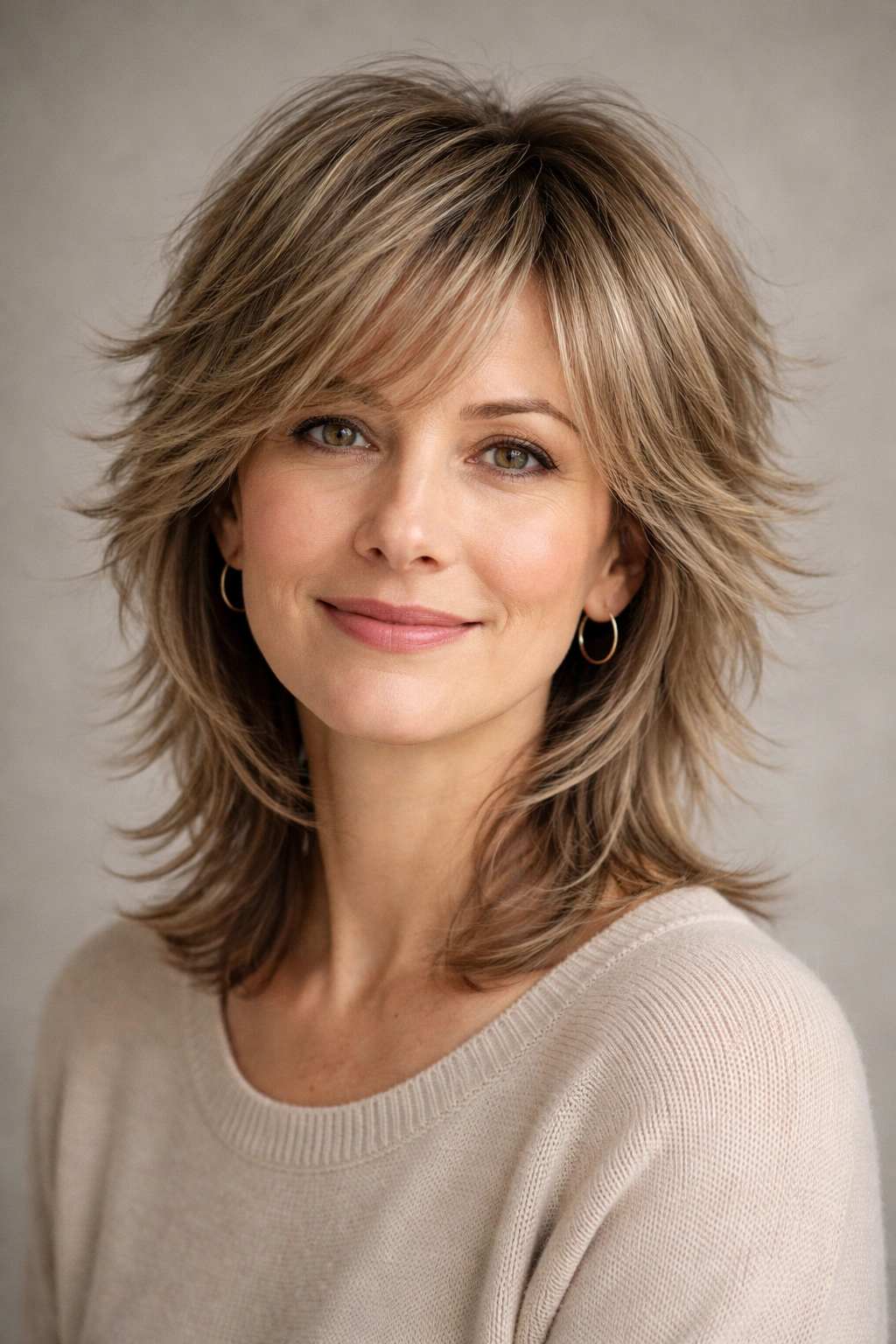
A shaggy layered cut uses longer layers (usually 2 to 4 inches at the top, shorter underneath) with feathered, soft edges to create movement and dimension. Shag cuts have a lived-in, effortless energy — which is actually perfect for regrowth hair that can’t be forced into sleek, perfect shapes yet. The feathering technique creates gentle texture throughout rather than blunt lines, so it works beautifully with the finer, sometimes more fragile texture of new growth.
Why Shag Works During Regrowth
Shag cuts are designed to work with imperfection. The whole aesthetic is about movement and texture rather than precision, which means your regrowth texture and density variations become a feature, not a flaw. Because shags have layers throughout (not just on top), they create shape across your entire head even when hair is still filling in. The feathering softens the line between short and slightly longer pieces, so there’s no harsh demarcation if one area is growing faster than another. This cut also looks better and better as your hair grows — it doesn’t have an expiration date like a very short cut does.
Best Regrowth Scenarios
- Hair that’s filling in gradually and unevenly
- Texture that feels fragile or delicate in early regrowth
- People who want a trendier, fashion-forward look during regrowth
- Hair that waves or curls naturally when short
- Someone comfortable with a bit of intentional “mess” and movement
Worth knowing: Shag cuts need a styling product to look intentional — a texturizing spray, light mousse, or cream adds definition to the layers. Without product, they can look stringy rather than styled.
3. Choppy Bob with Choppy Layers
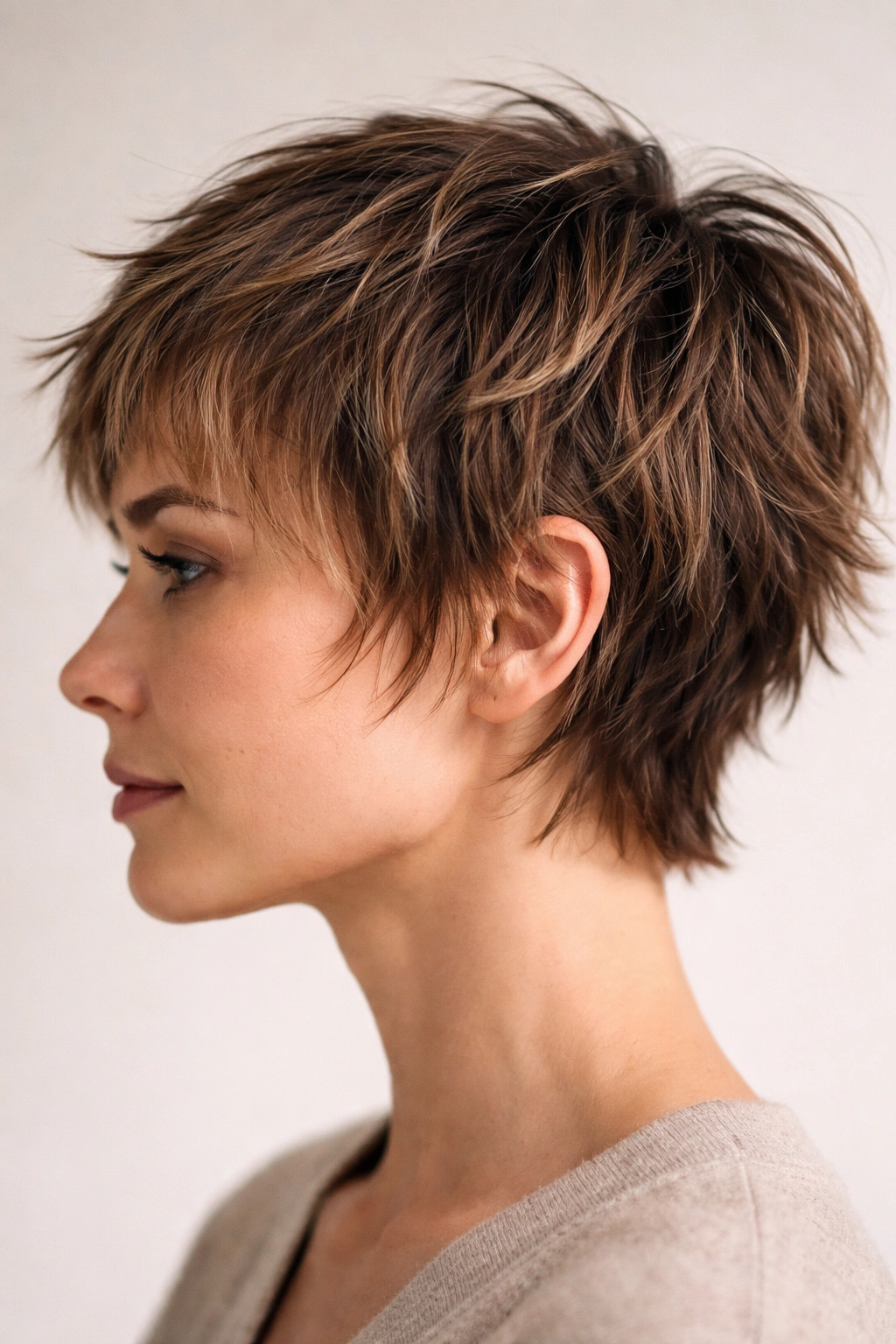
A choppy layered bob sits somewhere between a pixie and a shag — usually 2 to 3 inches long with intentionally blunt, choppy layers that create sharp points of texture. It’s shorter than a traditional bob but longer than a pixie, giving it the sophistication of a bob with the easy-care, movement-friendly aspects of a short cut. The chopped texture makes this cut look deliberately edgy and modern rather than like unfinished regrowth.
Why Choppy Bobs Are Perfect for In-Between Phases
Choppy bobs thrive on texture and imperfection — their whole aesthetic is sharp, short layers with dimension. That means your regrowth variations don’t just blend in, they become part of the design. The cut has enough length to show some personality and style variation, but it’s still short enough that you’re not managing a years-long grow-out phase. The choppy technique also means you can air-dry this cut and it’ll still look intentional because the texture does the heavy lifting. Many people find choppy bobs require minimal styling, which is ideal when you’re managing regrowth carefully.
Best Regrowth Scenarios
- Growth that’s come in with unexpected wave or texture
- People who want an edgy, fashion-forward aesthetic during regrowth
- Hair that feels fine or delicate and benefits from layered texture
- Someone who prefers a cut with attitude rather than a soft, gentle look
- Hair that air-dries well and doesn’t need blow-drying
Pro tip: Bring a photo of a choppy bob you love to your stylist — the difference between a standard choppy cut and one that looks perfectly intentional is often in the specific bluntness and placement of the chops.
4. Face-Framing Layers with Shorter Undercut
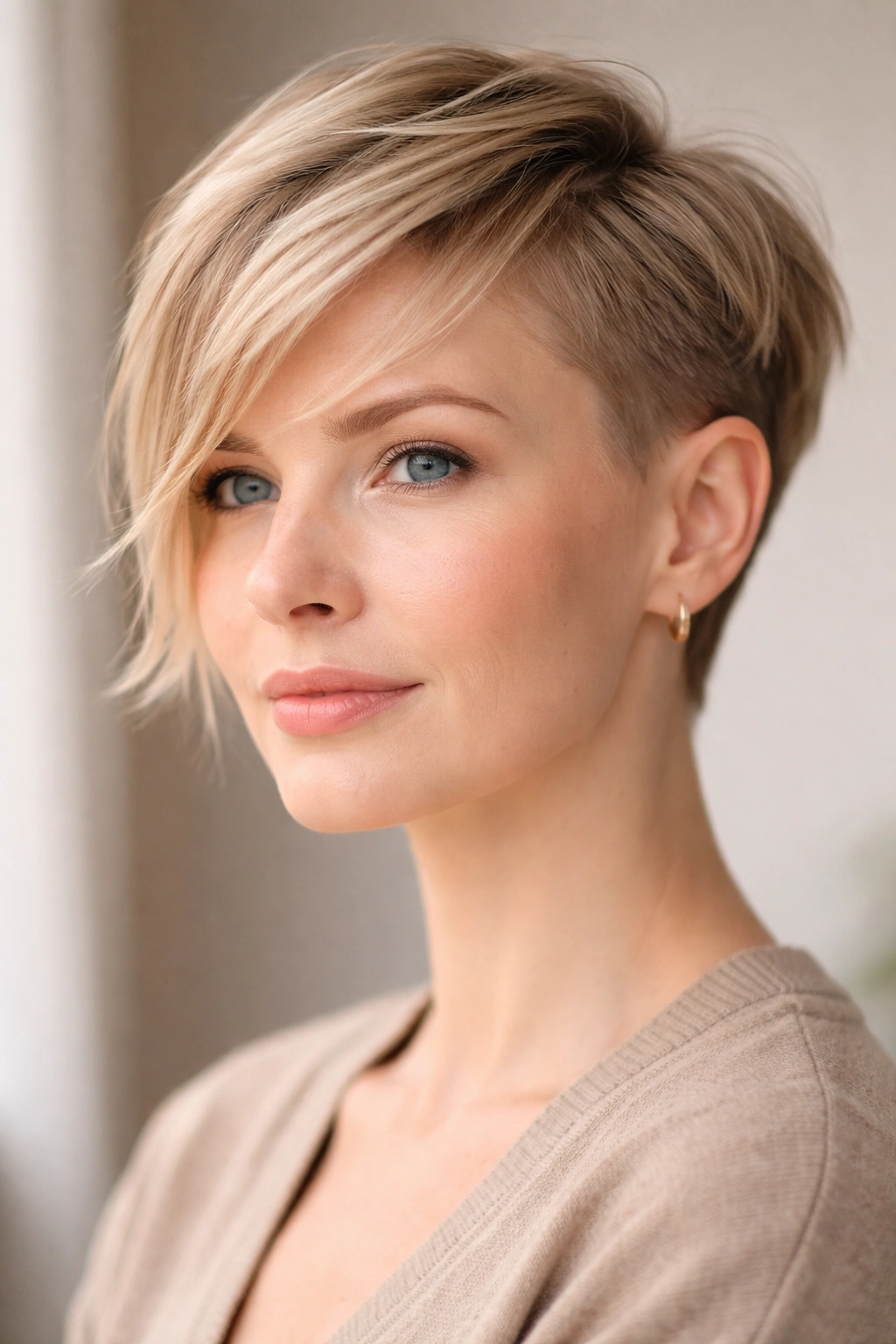
This style keeps the overall length slightly longer in front (2 to 4 inches) while cutting the sides and back much shorter (1 to 2 inches), creating dramatic face-framing dimension. It’s an asymmetrical or textured approach that uses length strategically to draw attention to your face and features while maintaining short, manageable sides and back. The undercut also means faster, less complicated styling — the short parts dry in minutes.
Why This Works for Targeted Regrowth
Face-framing layers work beautifully when you’re managing uneven regrowth because you’re using length intentionally rather than hiding growth variation. The shorter undercut means the slower-growing areas don’t hold you back — you keep them short and clean while letting the framing pieces grow longer. This creates a sophisticated, deliberate look rather than an awkward transition. The face-framing pieces also give you the psychological boost of having some length that you can style, while the undercut keeps everything else easy and low-maintenance.
Best Regrowth Scenarios
- Growth that’s uneven, with some areas significantly shorter than others
- People who want length and styling options but not all-over length
- Hair that benefits from framing the face (many people feel more confident with face-framing early in regrowth)
- Texture-heavy regrowth where shorter pieces feel more manageable
- Someone who wants an asymmetrical, modern aesthetic
Insider note: This cut is particularly flattering if you’ve lost volume or density — the concentrated length creates visual density in the places that matter most (around your face), while the shorter areas don’t emphasize thinning.
5. Messy Crop with Graduated Layers
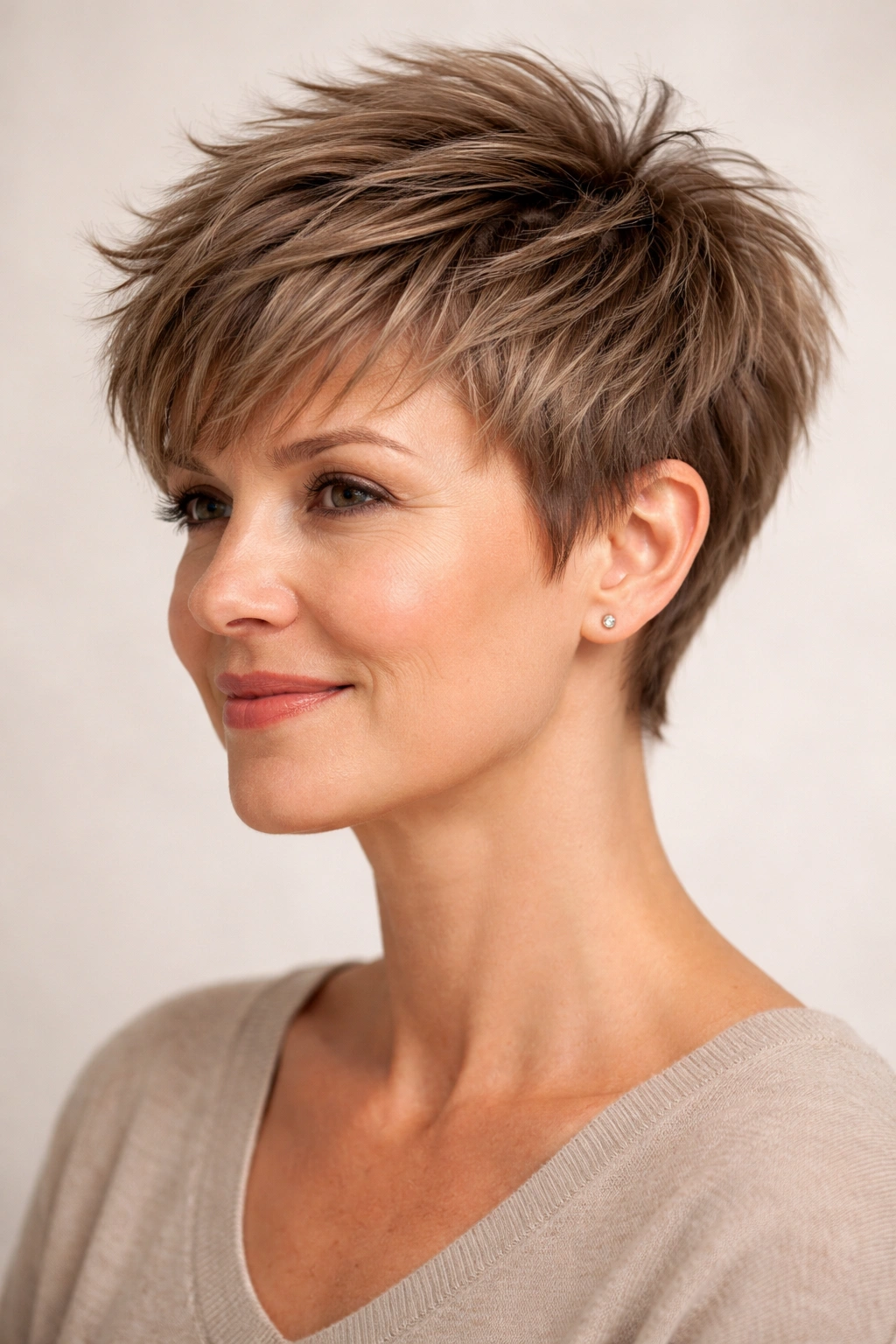
A cropped cut with graduated layers (where each layer is slightly longer than the one beneath it, creating a stacked effect) gives you a styled, deliberate look that works beautifully with regrowth texture. Crops usually sit 1 to 3 inches long and look best with intentional texture and movement. Graduated layers build volume at the crown and create shape across the entire head, which is especially valuable when regrowth hair might be fine or lack density.
Why Graduated Layers Create the Illusion of Fuller Hair
Graduated layers stack and overlap, which means they catch light differently and create shadow and dimension even when hair density is lower than usual. Because each layer is deliberately shorter underneath, they create lift and movement that makes hair look fuller and more textured than it actually is. During regrowth, when density might be variable or inconsistent, this optical illusion is genuinely valuable. The cut also photographs well and looks intentional and styled from every angle, which helps psychologically when you’re rebuilding confidence.
Best Regrowth Scenarios
- Hair that’s coming in finer or with less density than before
- Texture-rich regrowth that benefits from graduated movement
- People who want a trendy, fashion-forward crop without the severity of a straight pixie
- Hair that’s regaining curl or wave naturally
- Someone comfortable with styling (this cut benefits from texture product and intentional styling)
Worth knowing: Graduated crops need regular trims every 4 to 6 weeks to maintain the shape and stacked layers. Once you’re past the earliest regrowth phase and hair is growing more steadily, they become easier to maintain.
6. Curly Layers with Spiral Texture
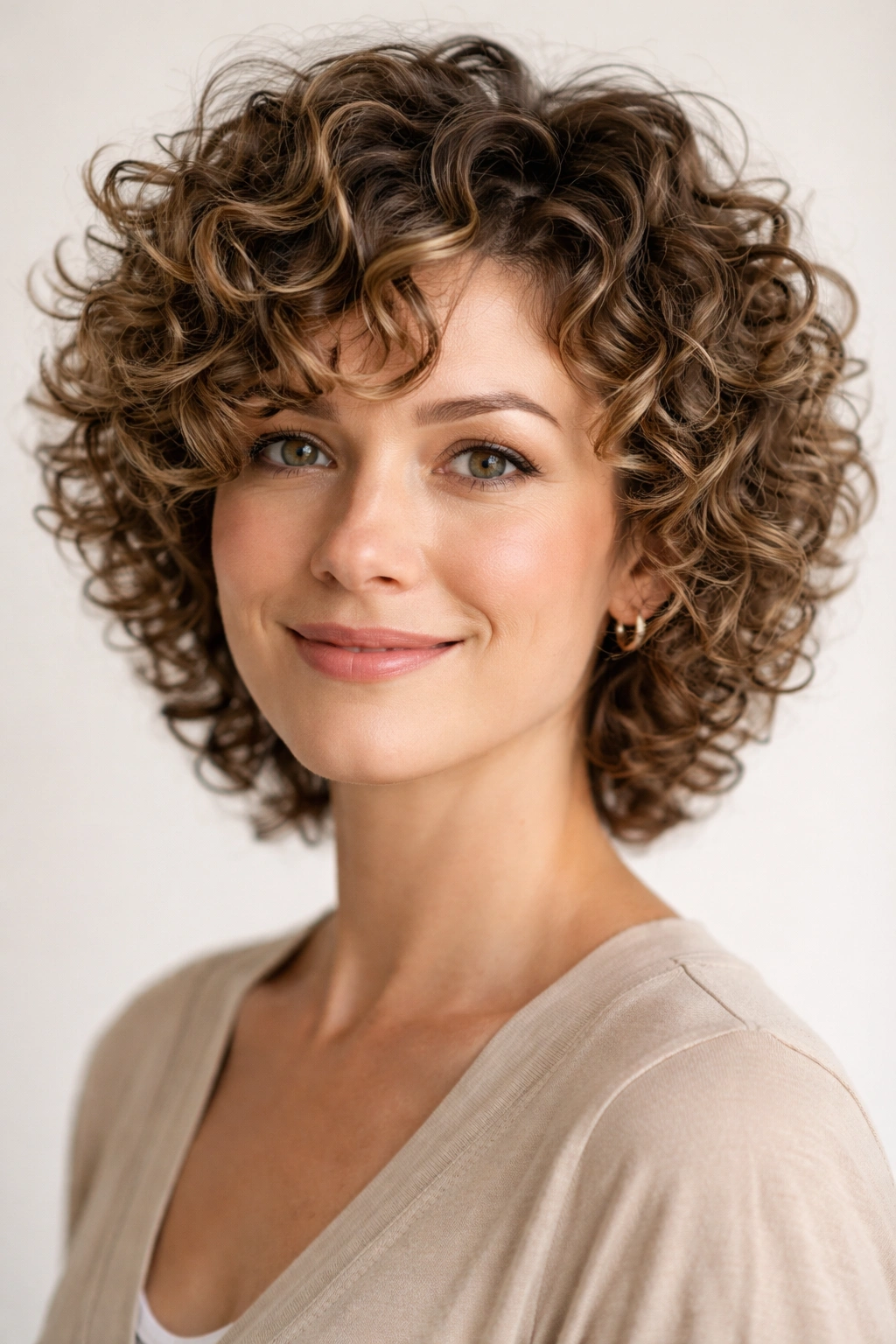
If your regrowth is coming in curly — whether your hair was curly before or it’s a new texture surprise — a cut specifically designed for curls can be transformative. Rather than fighting curl or trying to create layers in straight-hair patterns, curly layers work with your curl pattern, using the natural spiral texture to create shape and definition. Layers in curly hair should be cut differently than in straight hair (usually while hair is curly, not when it’s stretched out), and they create gorgeous depth and movement.
Why Curly Regrowth Benefits from Specialized Cuts
Curls create their own texture and dimension, so layers in curly hair are about creating shape and movement rather than adding texture that isn’t already there. A good curly-hair stylist understands how to cut layers so they enhance your curl pattern rather than make it frizzy or chaotic. During regrowth, when your curls might still be finding their final form, this tailored approach is important. The layers create bounce and definition that make curls look intentional and gorgeous rather than wild. This cut also works beautifully across different curl patterns — from loose waves to tight coils — because it’s about honoring whatever curl texture is actually growing.
Best Regrowth Scenarios
- Hair that’s curly or wavy, whether it was before or this is new texture
- Curls that feel fine or delicate and benefit from shaped layers
- People who want to embrace their curl pattern rather than fight it
- Regrowth that’s coming in with different curl density in different areas
- Hair that air-dries curly and you want to style accordingly
Pro tip: Find a stylist who specializes in curly cuts — they understand the geometry of cutting curly hair, and the difference between a good curly cut and an okay one is absolutely worth seeking out. Ask if they cut curly hair while it’s wet and curly, not stretched straight.
7. Tapered Undercut with Longer Top Layers
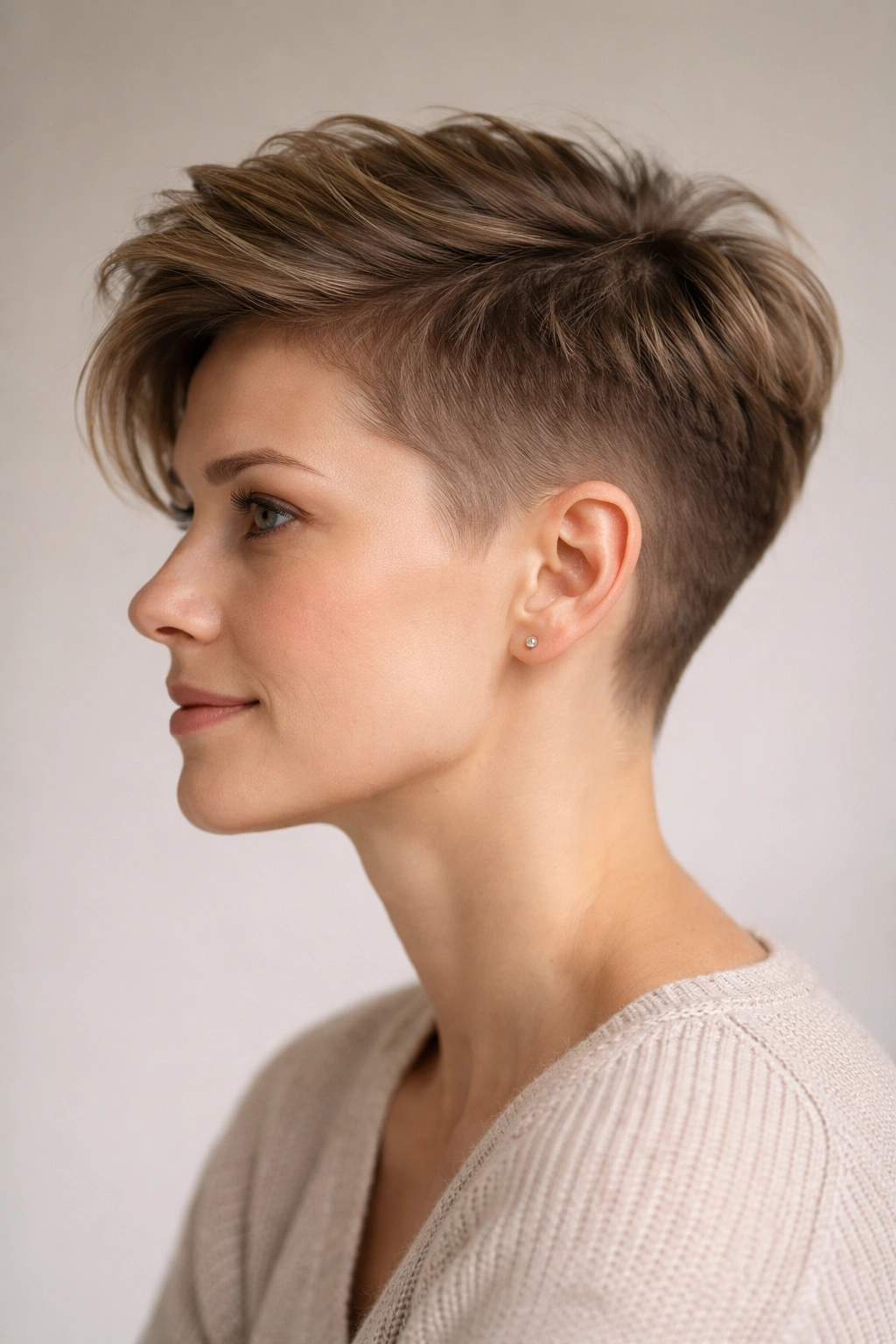
This style keeps significantly more length on top (3 to 5 inches) while gradually tapering much shorter toward the nape and ears (½ to 2 inches). It’s a sophisticated, slightly androgynous look that works beautifully during regrowth because it concentrates length where you have the most control and styling options, while keeping maintenance simple on the shorter sections. The taper is gradual, so there’s no harsh line — just smooth transition.
Why Tapered Styles Accommodate Uneven Regrowth
Because the taper is gradual, small differences in growth rate between the top and sides become invisible. You’re not managing a situation where the top is long and the sides are baby-short; the transition is smooth and intentional. The longer top pieces give you real styling flexibility — you can style them, part them, sweep them, or pin them in different ways as they grow. The tapered sides and back stay manageable and clean without significant upkeep. This cut also has professional polish while still being casual and modern, which many people appreciate during a regrowth phase.
Best Regrowth Scenarios
- Uneven regrowth where the crown is growing faster than the sides
- Hair that’s fine or delicate and benefits from concentration of length in key areas
- People who want styling options and versatility as hair grows
- Someone comfortable with a modern, slightly androgynous aesthetic
- Regrowth that’s come in with unexpected texture or density changes
Worth knowing: The taper requires a skilled hand with clippers — this isn’t a cut to get just anywhere. Finding a barber or stylist who does precise tapers is worth the extra effort for a cut you’ll love.
8. Wispy Layers with Soft Wave Texture
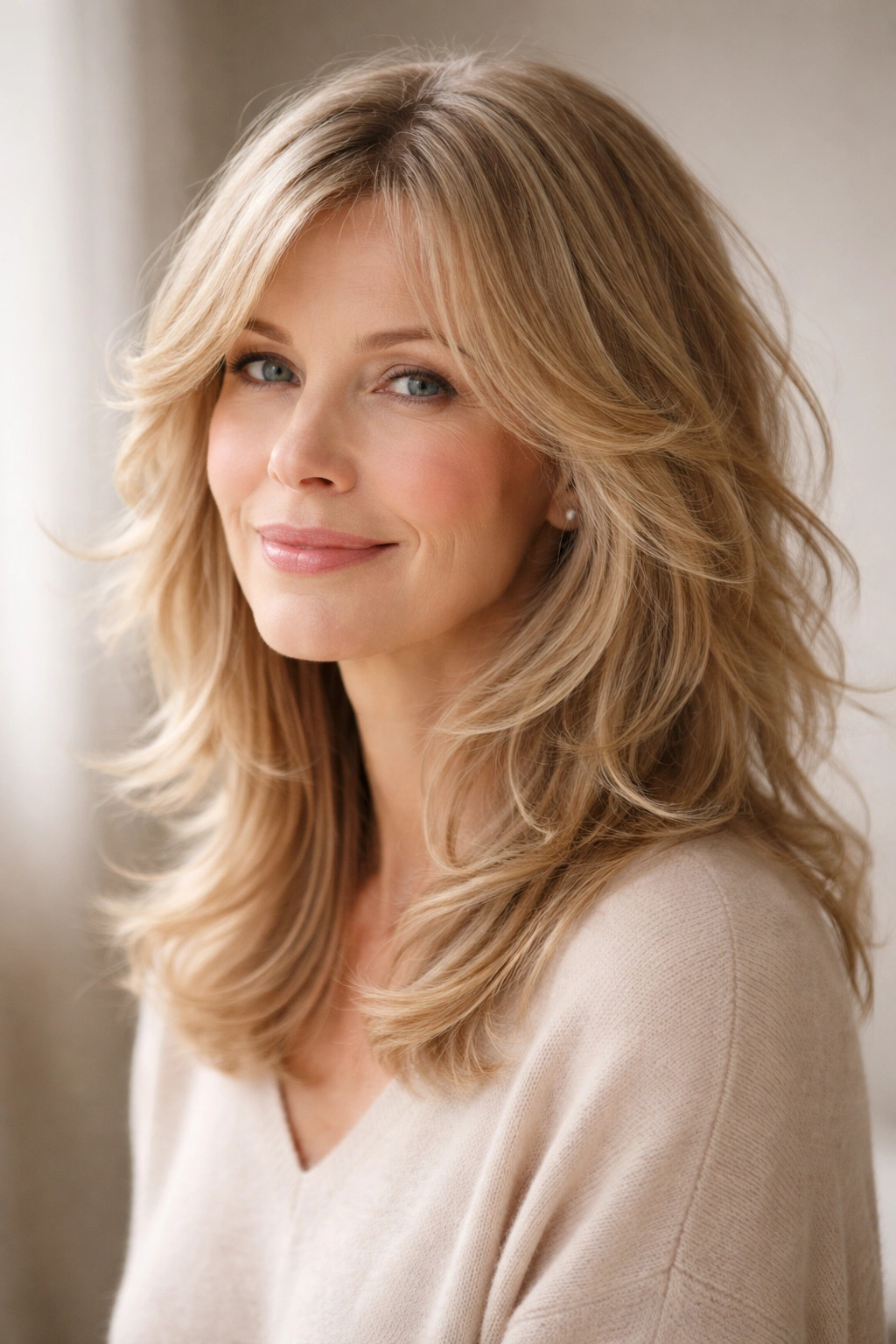
A wispy, soft-layered cut uses long, feathered layers (usually 2 to 4 inches overall) with rounded rather than blunt edges to create gentle movement and softness. This is the most romantic, gentle option — it’s about creating a soft halo of texture around your face and head rather than sharp, deliberate geometry. Wispy layers work beautifully with delicate regrowth hair because the soft edges won’t emphasize fragility or unevenness.
Why Soft, Wispy Layers Feel Gentle on Fragile Regrowth
Wispy layers are feathered and blended rather than choppy or graduated, which means there’s no harsh line or stark demarcation between lengths. If your regrowth is uneven or feels delicate, wispy layers blend those variations beautifully. The soft edges also create a forgiving look — this cut celebrates gentleness rather than edge or attitude, which many people appreciate during emotional regrowth phases. The feathering technique means even if your hair is fine or thin, it looks intentionally soft rather than sparse. This cut also air-dries beautifully and doesn’t require heavy styling, which is valuable when you’re being protective of new growth.
Best Regrowth Scenarios
- Hair that feels fragile and benefits from a gentle, forgiving cut
- Delicate or fine regrowth texture that’s not ready for blunt, sharp layers
- People who prefer a romantic, soft aesthetic during regrowth
- Hair that’s coming back unevenly and would benefit from blended layers
- Someone who air-dries hair and wants a cut that looks intentional without styling
Insider note: Wispy layers in straight hair can sometimes look limp — this cut works best if you add a light texturizing spray or sea salt spray to create the soft wave texture. The product enhances the intentional softness rather than adding weight.
Final Thoughts
The right layered haircut during chemo hair regrowth is about meeting your hair where it actually is — not where you wish it was or where it used to be. Each of these styles is specifically designed to work with the unique circumstances of new growth: uneven density, unexpected texture, fragility, or the emotional need for a cut that feels intentional rather than transitional. The best choice depends on your actual hair texture, how your regrowth is developing, your comfort level with styling and maintenance, and honestly, the aesthetic that makes you feel most like yourself right now.
Remember that your stylist should have experience working with post-chemo regrowth if possible. A stylist who understands the unique properties of new hair growth — its sometimes fragile nature, variable texture, and the emotional weight of the regrowth process — will cut with that care in mind. Many communities have salons that specifically support cancer survivors, and those stylists bring deep expertise to this particular phase.
The powerful thing about choosing the right layered cut during regrowth is that it shifts your entire relationship with the process. Instead of waiting for your hair to “return to normal,” you’re celebrating and styling the hair that’s actually growing right now. That subtle shift in mindset — from regrowth as a difficult transition to regrowth as something worth styling and feeling confident about — makes a real difference in how the entire journey feels.