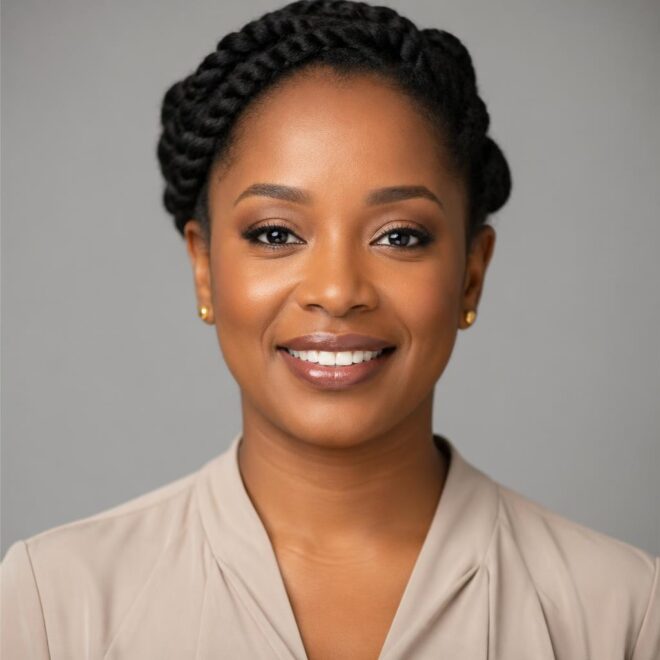


Locs already carry presence.
Braiding them changes the mood fast. A set of neat loc braids can make the whole haircut feel tighter, sharper, and a little more intentional, without asking you to cut length or start over. For Black men with locs, that matters. A braid style can clean up the profile, keep frizz under control, and turn a regular retwist into something that looks ready for work, a dinner, or a long weekend out.
The catch is tension. A style that looks clean in a mirror can still feel wrong an hour later if the parts are too small, the roots are yanked too hard, or the locs are folded in a way they do not want to sit. That is why the smartest braid styles for locs are the ones that respect thickness, length, and scalp comfort instead of forcing a loose hair pattern onto a locked head.
Some looks are neat and quiet. Some are louder. Some lean formal, some lean street, and a few sit right in the middle, which is usually where the most useful styles live. Start with the shape that matches your life, not the one that only looks good in a chair photo.
1. Two-Strand Loc Braids for a Clean Start
Two-strand loc braids are the easiest style to like because they do not fight your hair. They work with the thickness of the locs instead of trying to flatten everything into a tiny pattern, and that makes them a smart pick for men who want clean lines without a heavy install.
Why they sit so neatly
The braid pattern is simple: pair locs together, twist them over one another, and keep the roots tidy. That gives you a look that feels put together without turning the scalp into a tight map of parts. On medium and longer locs, the style hangs with a nice weight and keeps the ends from flaring out.
- Works well on shoulder-length locs and longer
- Easier on the scalp than very tight cornrow patterns
- Looks clean with a center part or no part at all
- Usually holds up for about 1 to 2 weeks, depending on your activity and hair texture
Tip: Start with dry roots and lightly moisturized locs. Soaking-wet hair makes the braid slip and can leave the roots puffing up sooner than you want.
2. Straight-Back Cornrow Loc Braids Never Look Messy
Straight-back cornrow loc braids are the style I reach for when the goal is control. The rows run clean from the hairline to the back, and that simple direction makes the whole head look sharper, especially with a fresh lineup or a taper on the sides.
The beauty of this style is how little it tries to do. It does one thing well. If your locs are thick, the rows need a little space between them; cramming too many in close together can make the style feel crowded and pull harder than it should. A good loctician will size the rows to your density, not to some tiny ideal that only works on thin hair.
This is a strong choice for school, office settings, or any place where you want polish without flashy detail. It also pairs well with a low bun once the length starts to loosen. Keep the parts clean, keep the braid direction straight, and the whole style stays honest.
3. Stitch Braids Over Locs Look Sharp Because the Lines Stay Crisp
Why do stitch braids draw the eye so fast? Because the surface has structure. Those raised, segmented rows make the scalp pattern part of the design, not just the background, and that little bit of geometry gives locs a harder edge.
Stitch braids can be especially good when you want a style that holds its shape on top of mature locs. The visible “tracks” between sections keep the pattern from blurring, which matters if your locs are thick or if the roots have a bit of puff. They read as deliberate, not accidental.
How to use it
Ask for clear parting and a braid size that matches your loc width. If the braids are too tight, the pattern loses its clean look because the scalp starts to show stress instead of detail. If they are too loose, the stitch effect gets soft and the whole point disappears.
This style works best on a fresh retwist or clean roots. Messy roots can still work, but they change the mood fast. The crisp lines start to look fuzzy, and stitch braids are not the style you choose when you want fuzzy.
4. Feed-In Braids Into a Low Ponytail Keep the Neck Free
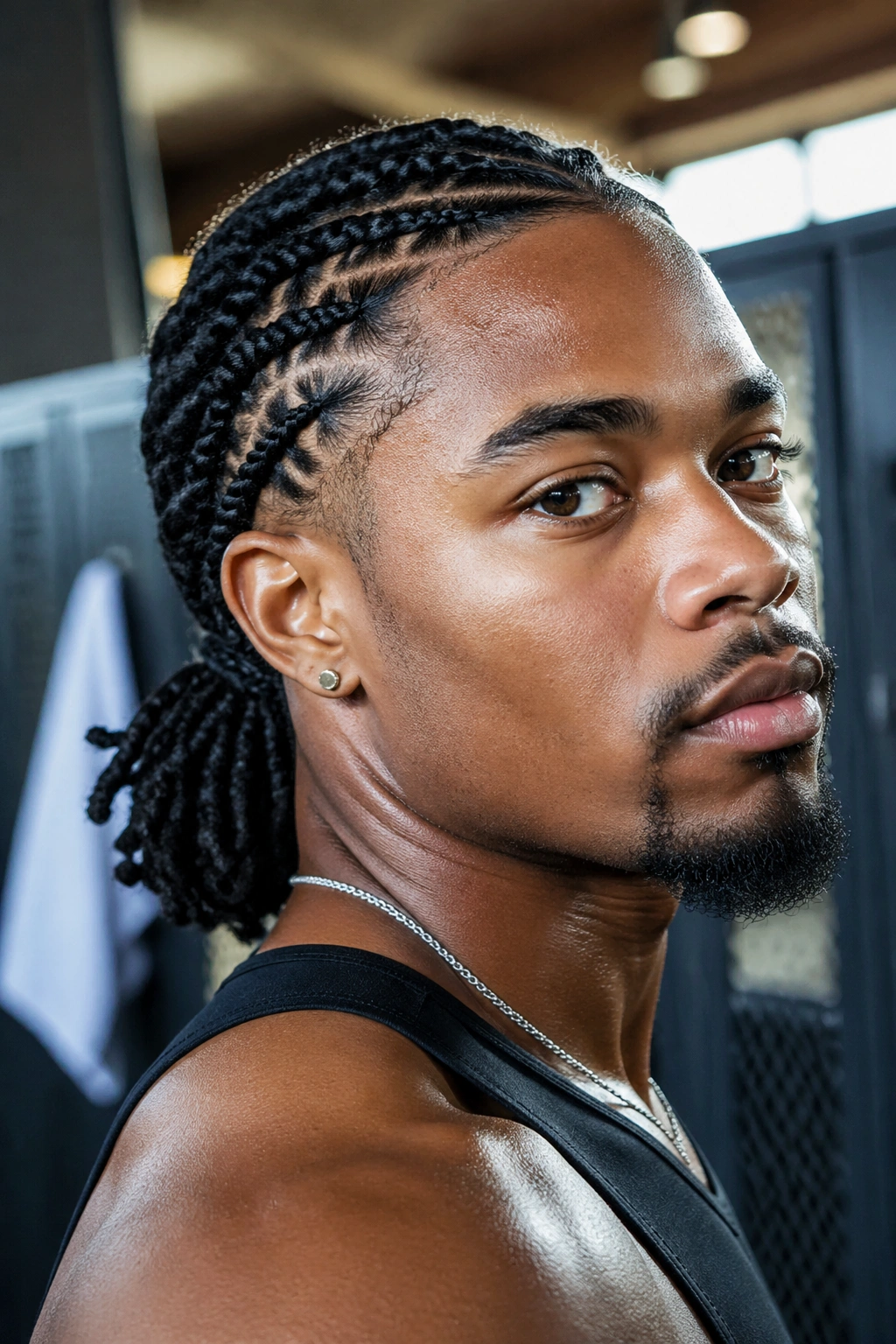
Picture a long day, a little heat, and hair that keeps brushing the back of your shirt collar. Feed-in braids into a low ponytail solve that problem in one move. The front feeds in gradually, the length gathers low, and the shape feels controlled without sitting high on the head.
The feed-in part matters because it softens the start of the braid. Instead of dropping a heavy braid right at the hairline, the size builds little by little, which looks smoother and can feel easier on the scalp. On locs, that softer transition helps the front stay neat while the rest of the hair pulls back cleanly.
- Good for gym days, travel, and long commutes
- Keeps sweat off the neck
- Works with medium to long locs
- Looks stronger when the ponytail sits just above the nape
Closing thought: If you like styles that stay out of your face without turning your head into a helmet, this is one of the most practical picks on the list.
5. Braided Man Buns Give the Cleanest Finish When the Locs Have Length
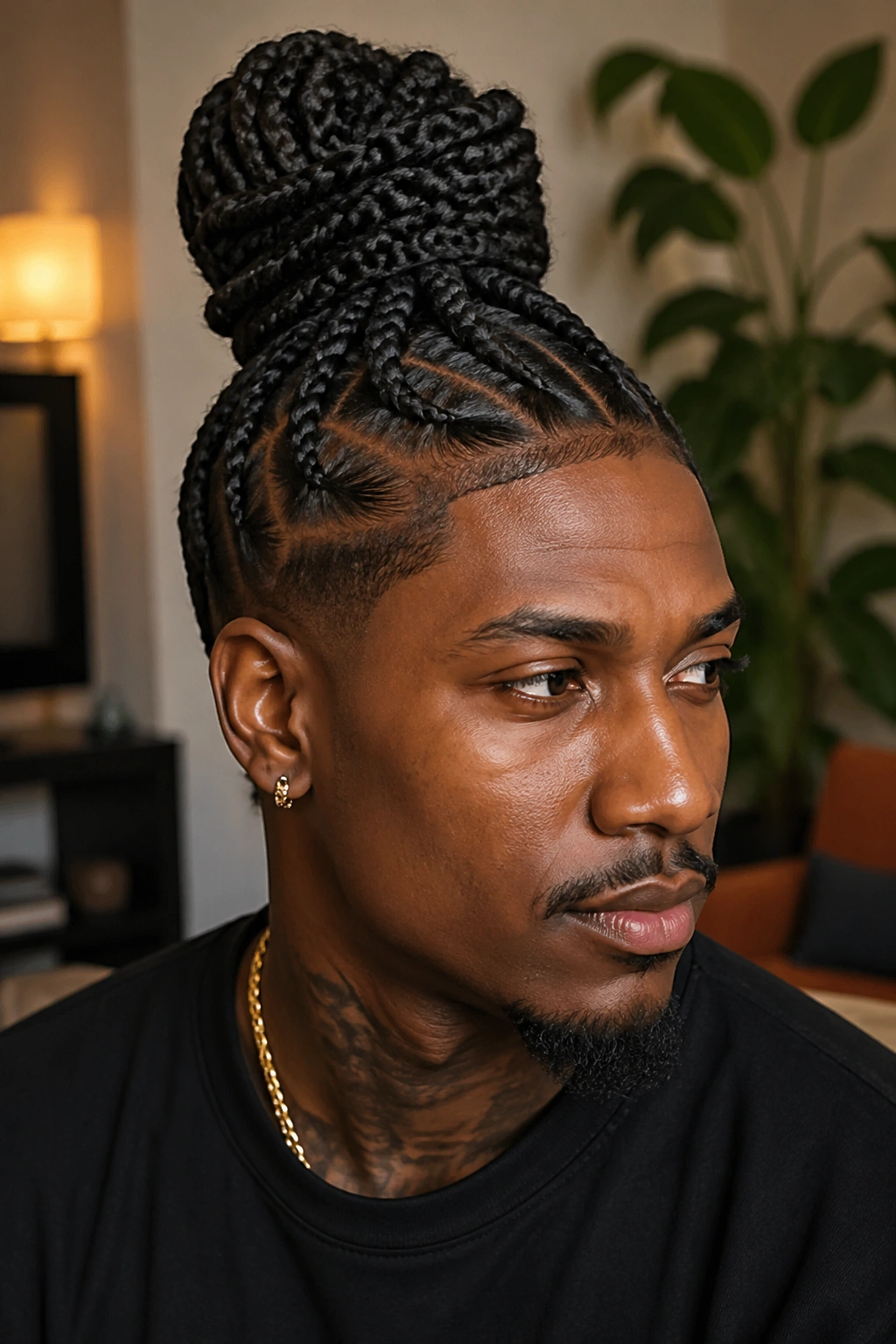
A braided man bun has a calm, finished feel that I like more than the loud looks people often chase. The braids pull the locs upward and inward, then the bun holds everything in one compact knot, which makes the silhouette look deliberate from every angle.
It works especially well on mature locs because the length gives the bun some body. Shorter locs can still be braided up, but the shape usually looks fuller and more balanced once the hair has enough weight to wrap without fighting the scalp. A bun placed too high can feel cartoonish. A bun placed too low can look flat. The sweet spot is usually around the crown or just below it, depending on your head shape.
I also like this style because it hides a bad hair day without pretending to be something else. The front stays tidy, the sides stay controlled, and the bun itself does the talking. Use a satin tie if you can. Tight rubber bands are a cheap way to make a good style annoying.
6. Half-Up, Half-Down Braids Keep the Shape Soft
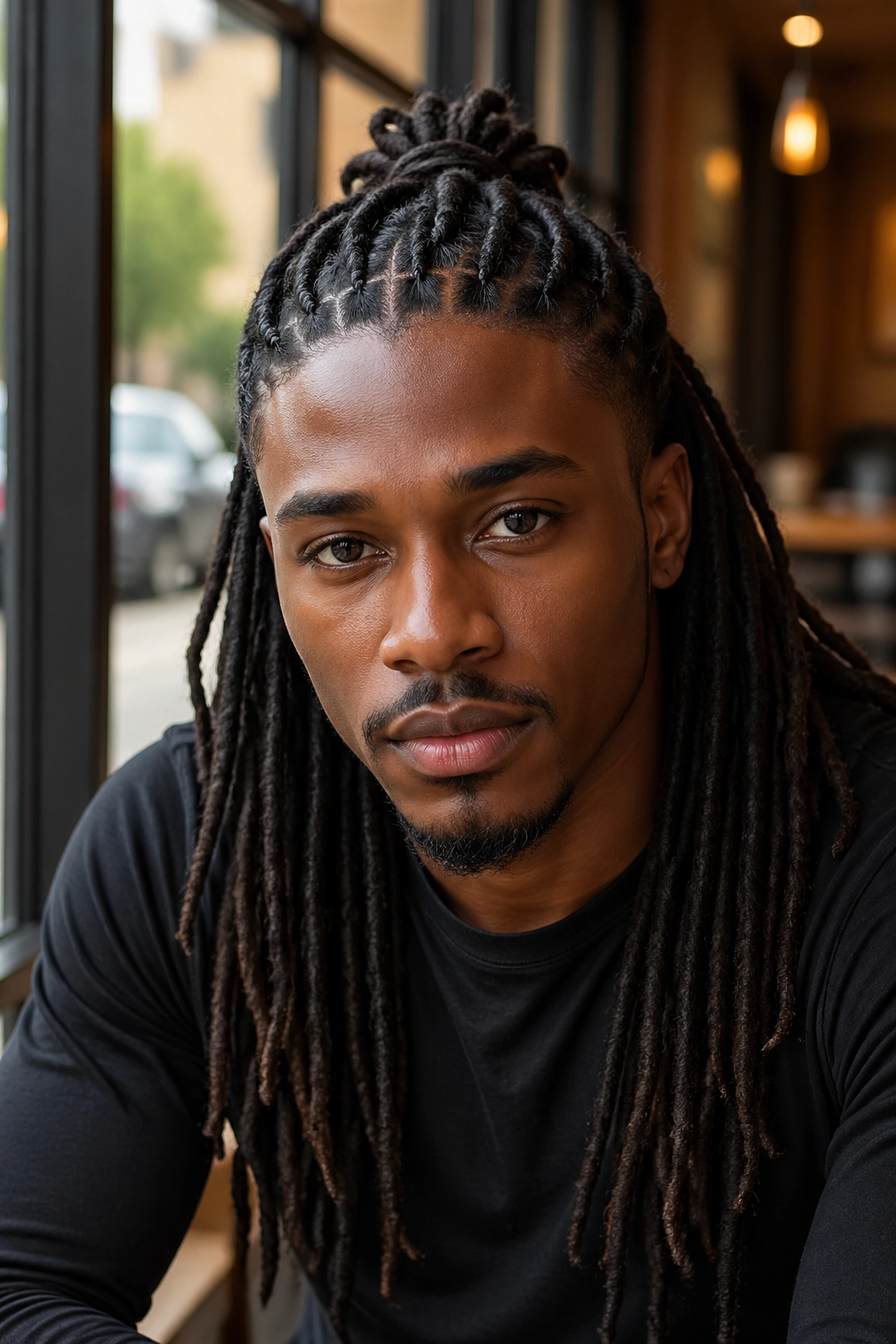
Unlike a full bun, the half-up, half-down look leaves part of the loc length free, so you keep movement. That matters if you like the feel of your locs swinging a little when you walk, but you still want the front and crown to stay out of your eyes.
The style is especially useful when your locs have enough length to look heavy but not so much that you want to tie everything back. It gives the head shape a little lift at the top, then lets the rest fall naturally. That contrast is what makes it work. Without it, the style loses its point and starts to look like an unfinished ponytail.
This is a good pick for men who want something that reads relaxed but still looks planned. It also keeps the style flexible. You can wear it with a clean middle part, a slight side part, or no part at all if the front braid pattern already does enough visual work.
7. Side-Swept Loc Braids Give the Face a Softer Angle
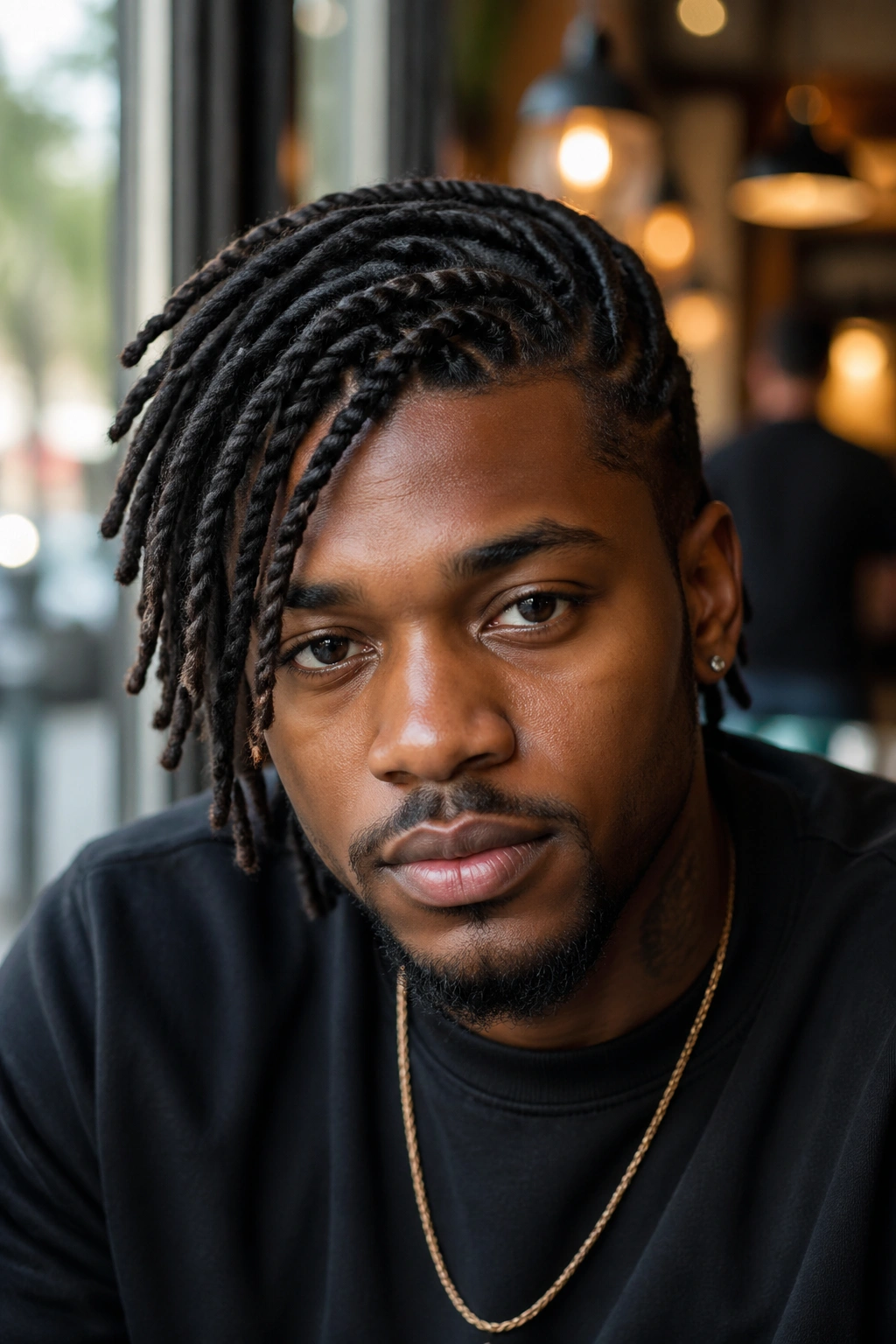
Side-swept braids change the whole mood of locs because they break the straight line across the forehead. Instead of forcing the braids to move straight back, the style pushes them across one side, and that small angle can make a face look longer or less square.
What makes it different
The asymmetry is the point. A centered braid style feels formal and steady; a side-swept style feels a little looser and more styled, like you made a choice instead of just pulling your hair back out of the way. It works well on men who do not want the severe symmetry of straight-back rows.
- Good for round or wide face shapes
- Works nicely with side parts or deep parts
- Can be worn with loose ends or tucked ends
- Looks stronger when one side has a fade or a taper
One thing: keep the sweep moderate. If the braids are shoved too far over, the front can feel lopsided instead of balanced. A small angle usually does more than a dramatic one.
8. Braided Mohawks Bring the Most Shape Without Losing Length
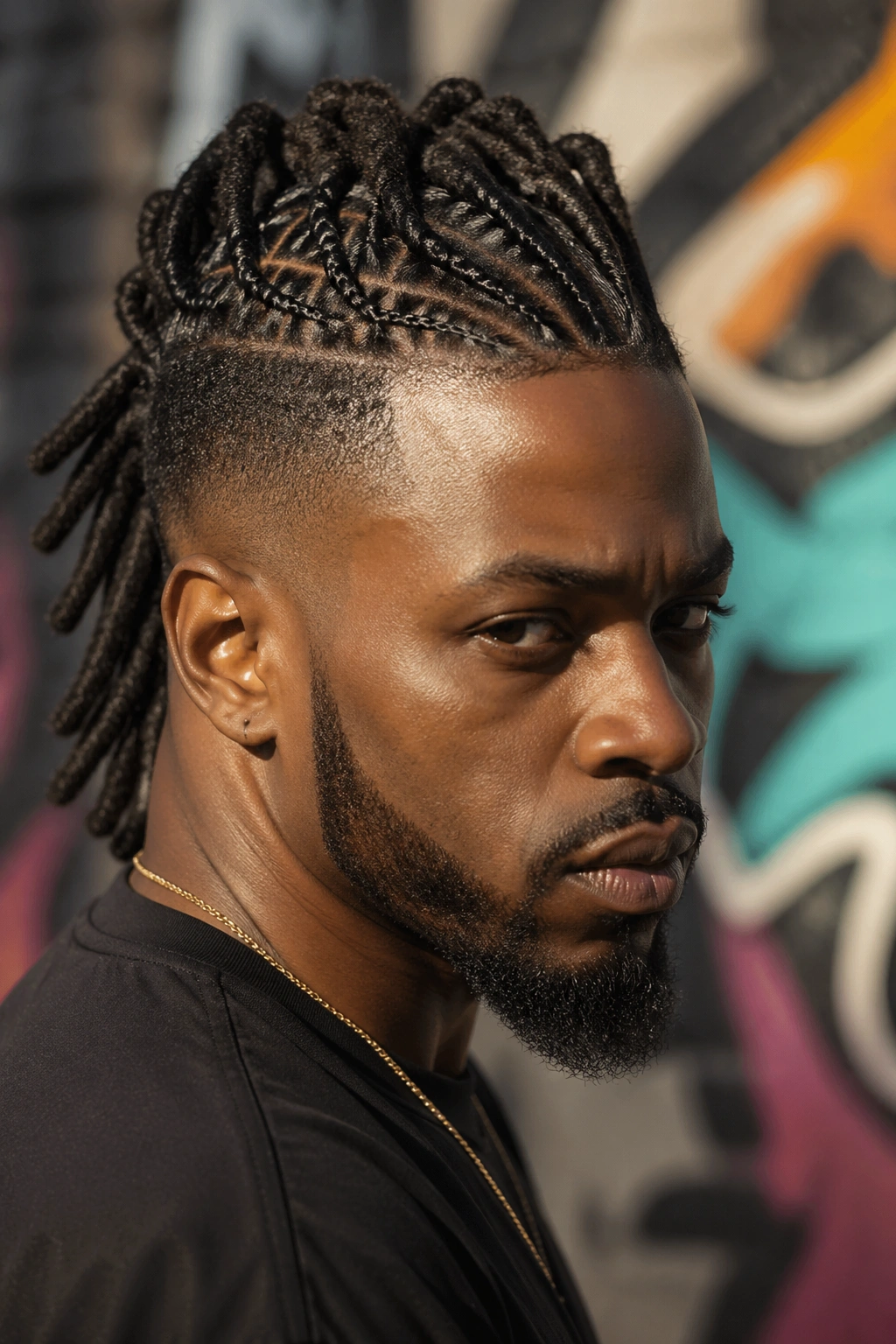
A braided mohawk is for the man who wants edge without shaving everything down. The sides get controlled tightly, usually with cornrows or clean braids that hug the head, while the center section rises and runs back like a narrow ridge. It gives locs a harder profile and keeps attention on the middle of the head.
This style looks especially good with tapered sides or a low fade because the shape already has a boundary to sit inside. If the sides are left too bulky, the mohawk starts to lose that sharp middle lane. The whole thing gets fluffy, and that is not the mood here.
The best part is how much personality it has without needing decoration. It is one of those styles that looks better from the side than people expect. From the front, it feels strong. From behind, the center line gives it a long, clean shape that still leaves room for loc length to show.
9. Crown Braids Wrap the Head in One Clean Circle
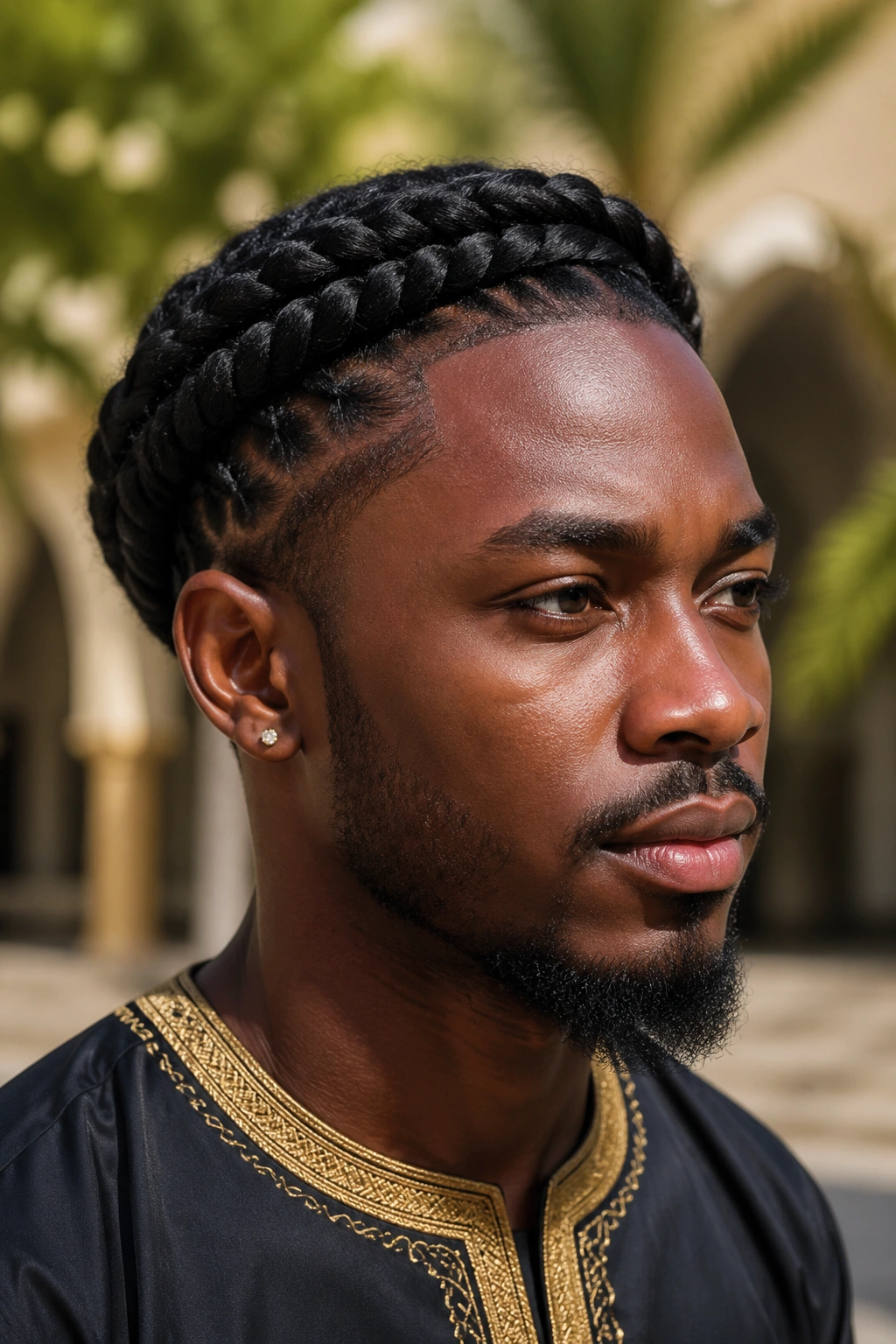
Why do crown braids look so dressed up? Because they move the eye around the whole head. Instead of leading the hair backward, the braid path follows the perimeter, which creates a wrapped, almost halo-like frame that feels controlled and a little formal.
That makes the style a strong pick for weddings, ceremonies, and any event where you want the locs to look polished without disappearing into a bun. The crown shape works best when the parts are precise and the braid tension stays even all the way around. If one side is tighter than the other, the circle starts to wobble visually, and you can see it.
How to wear it well
Keep the edges smooth, but do not grind them flat with product. A light touch at the hairline is enough. If the locs are long, the back can be tucked under cleanly; if they are shorter, the crown itself does most of the work.
The style is not the fastest one on this list. It takes patience. But when it is done right, it has a kind of formal calm that a simple bun cannot give you.
10. Zigzag Part Braids Put the Pattern Front and Center
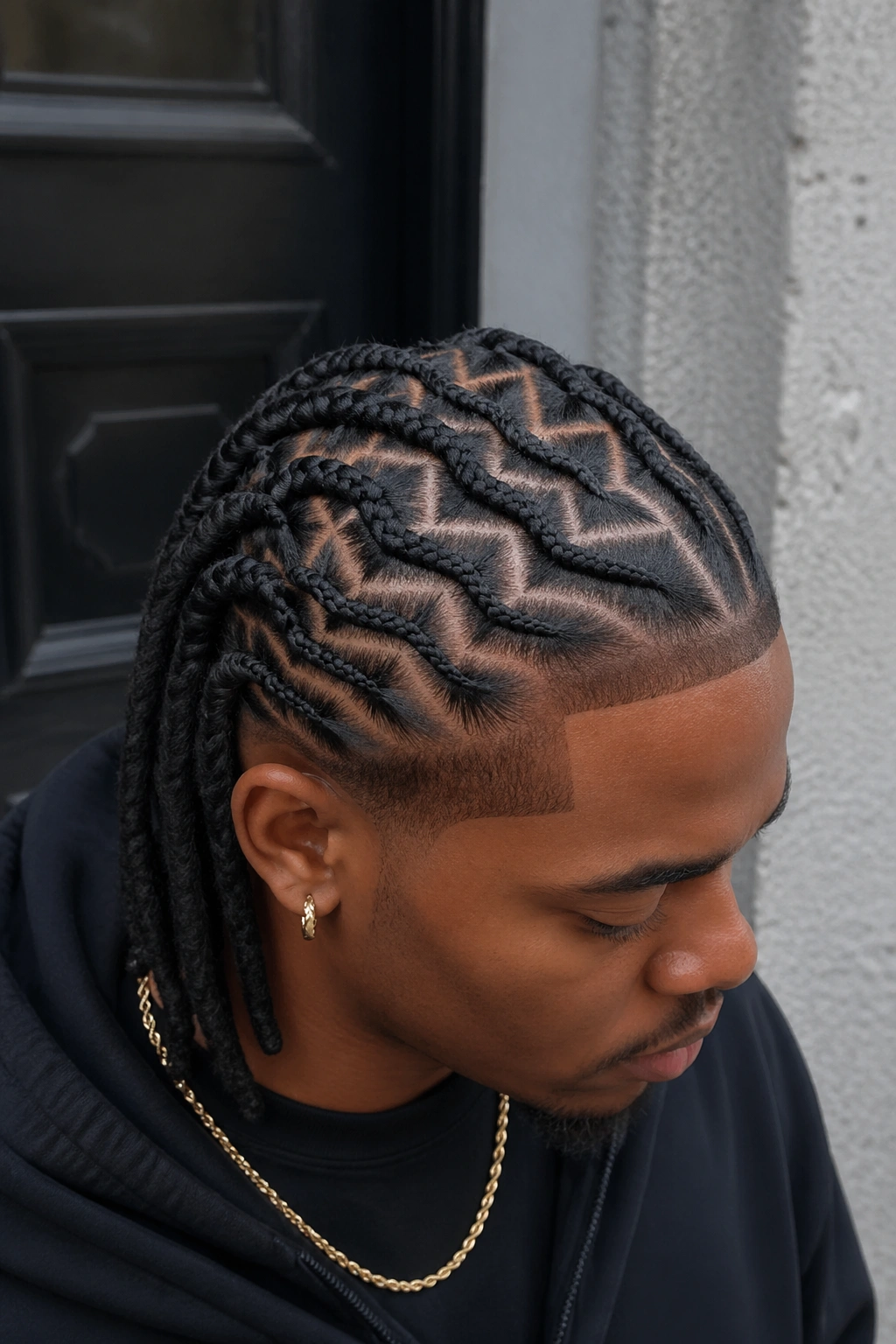
Zigzag part braids are for the guy who wants the scalp design to matter as much as the braid itself. The parts cut across in sharp angles, so the head looks detailed even before the locs are fully braided. That visual movement gives the style a bit of attitude.
This is not a rushed style. The parting has to be neat, and the zigzags need enough spacing to stay readable after the hair settles. If the parts are too tiny, the design gets lost under the weight of the locs. If they are too wide, the pattern looks clumsy. The balance sits in the middle, where the angles are obvious but not loud.
It works well on men who like fresh styles that people notice from across the room. It also makes a simple braid look more custom. You do not need extra accessories when the parting is already doing that much visual work.
11. Criss-Cross Braids Add Movement Even When the Hair Stays Tight
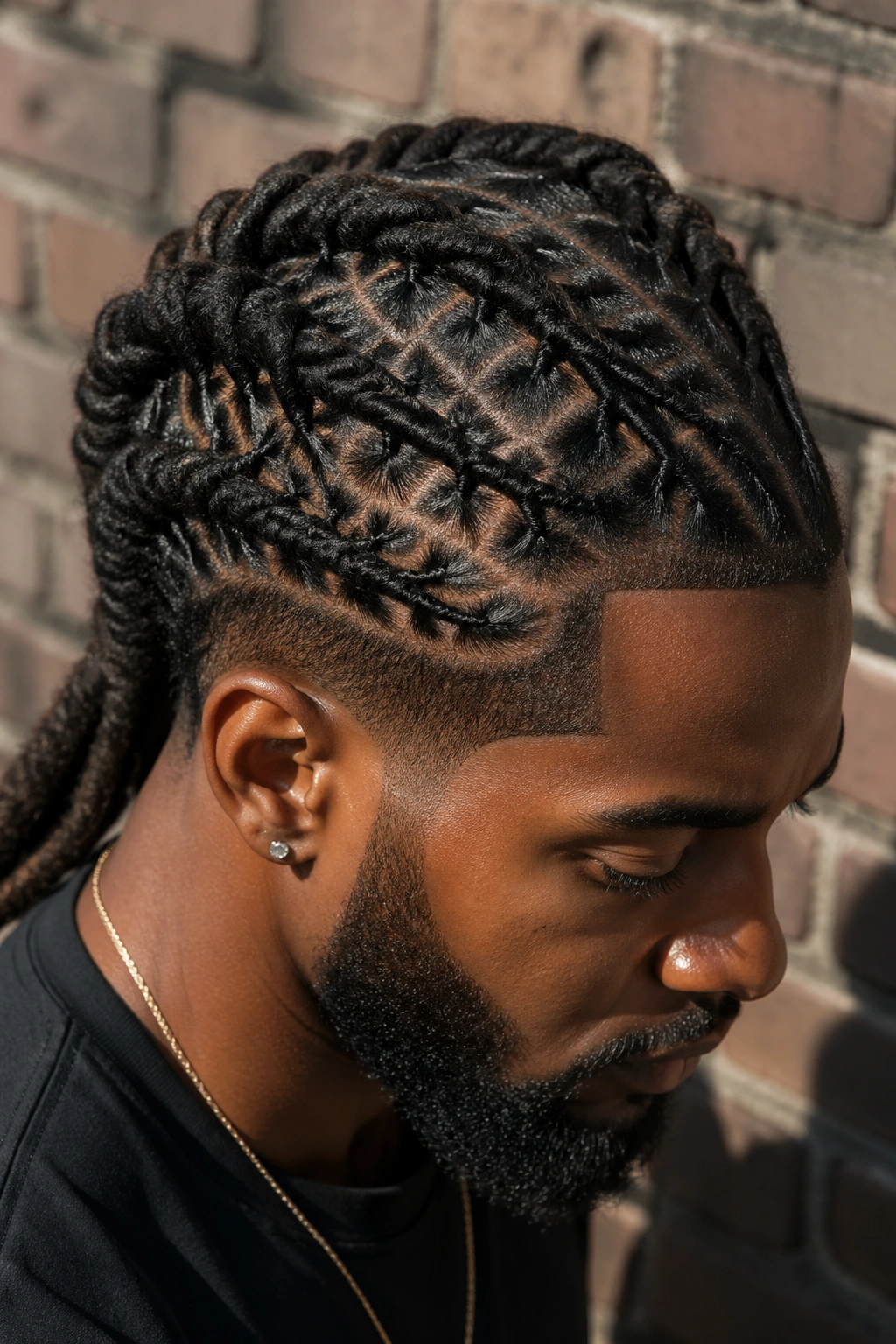
Criss-cross braids have a slightly more complex feel than straight rows because the sections move over and under each other in a way that makes the scalp pattern look woven. That makes the style feel more active, even when the locs themselves are pulled in close.
I like this on fuller locs, because the thickness gives the cross pattern something to sit against. On very sparse sections, the design can read thin and lose the punch that makes it work. With enough density, though, the overlap creates a layered look that plain cornrows do not have.
The style can run from the front into a bun, a ponytail, or even a set of two hanging braids. It is flexible that way. Just keep an eye on the front hairline, because criss-cross styling can tempt people to pull too hard near the temples. That part matters more than the pattern itself.
12. Triangle-Part Braids Change the Shape of the Whole Head
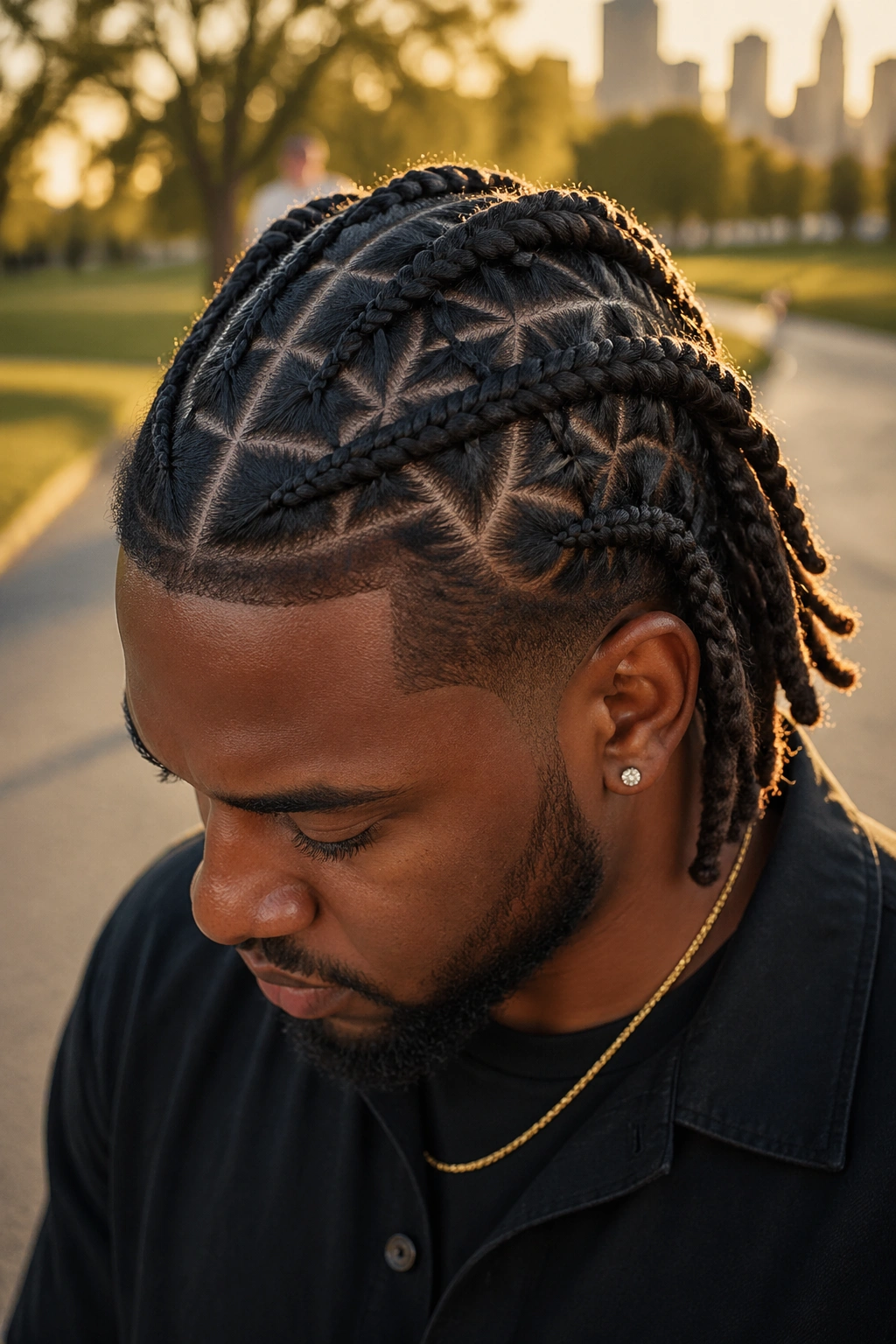
Triangle parts are one of those small changes that make a big visual difference. Instead of the usual square or rectangular sections, the braids start from triangular partings, and that angle gives the style a sharper, more modern edge without needing anything flashy.
The shape also spreads the hair in a different way across the scalp. That can be useful if your locs are medium thickness and you want the rows to sit a little flatter near the roots. The triangles break up the uniform look, which is why the style stands out even when the braids themselves are simple.
What to ask for
Ask for triangle parting that matches your density, not tiny cut-up sections just for the sake of detail. Tiny triangles can make the install slower and more uncomfortable. Medium triangles usually read cleaner and hold longer.
This style is a strong middle ground for men who want a little design without stepping into an overly busy braid pattern. It is neat. It is clear. And it still looks like something a person chose on purpose.
13. Freeform Loc Braids Let the Texture Stay Visible
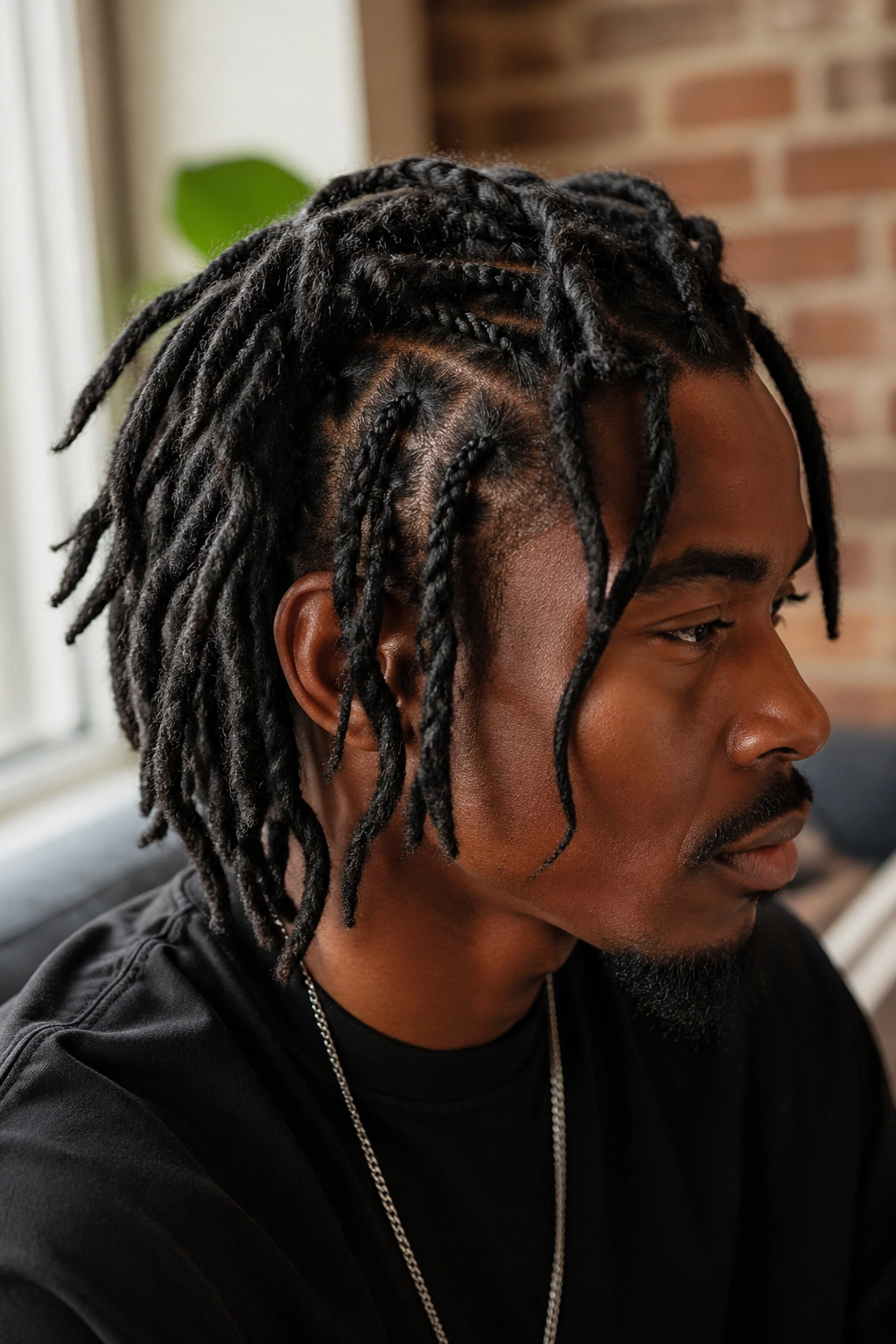
Freeform loc braids are the answer when you do not want every section to look identical. The parts can be looser, the lines less rigid, and the finished style keeps some of the natural movement that makes locs feel alive in the first place.
That looseness is the appeal. A lot of braid styles on locs feel strict, almost architectural. Freeform braids relax that. They still hold the locs together, but they leave room for little shifts in shape and direction. If your style usually looks too stiff, this is a good correction.
Why it works
- Keeps a natural look at the roots
- Works well on starter locs that are not ready for heavy tension
- Makes grown-out styles look intentional instead of overdue
- Feels easier if you dislike tight, boxy parting
Tip: This style looks best when the roots are cleaned up before braiding. The loose parting should feel relaxed, not neglected.
14. Temple Braids for Black Men With Locs Keep the Front Sharp and the Back Easy
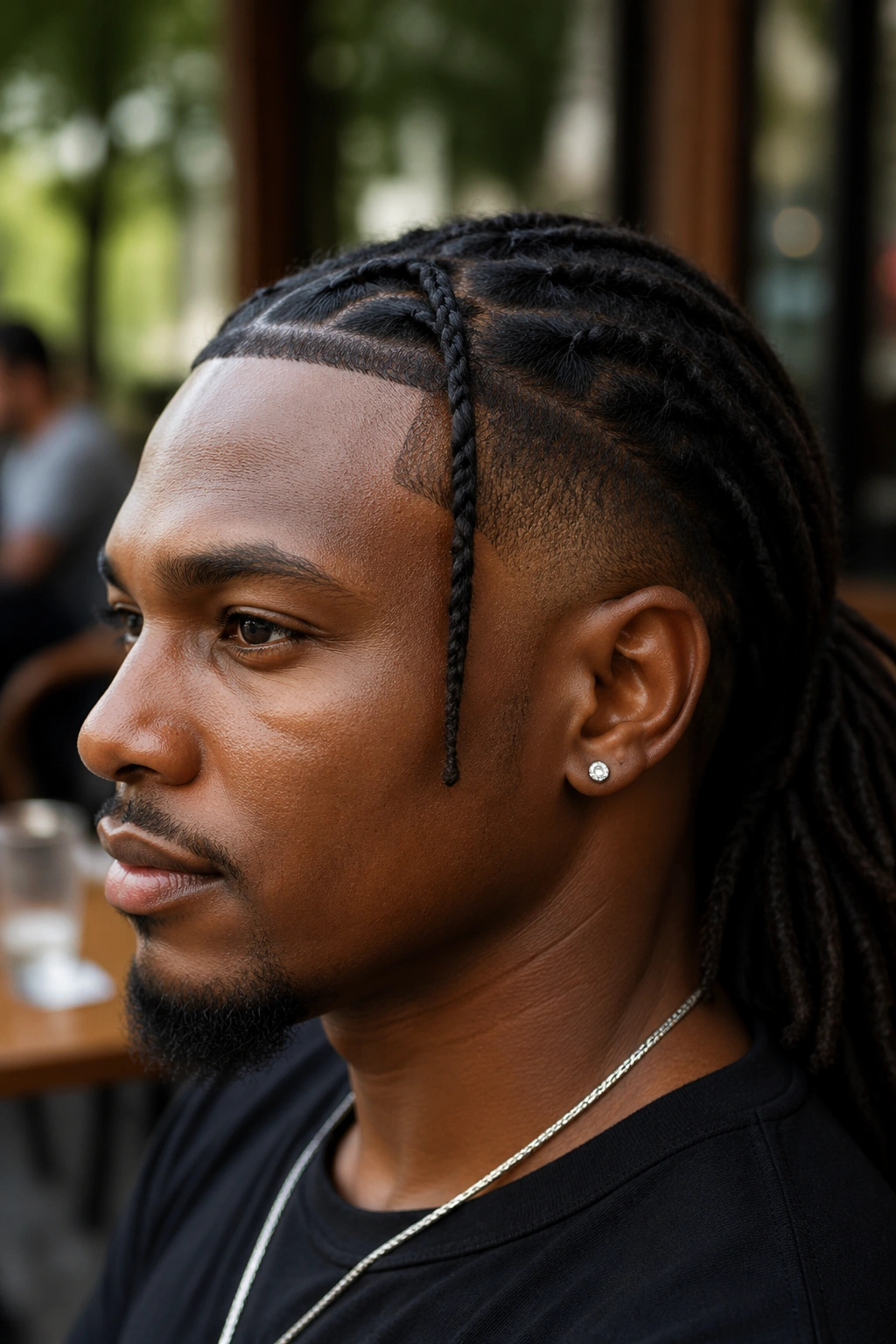
Temple braids are a good compromise when you want structure near the face but do not want to braid the entire head. The front and temple area get the detail, while the back can stay loose, low, or gathered in a way that feels easier to manage.
That makes the style useful for men who wear hats, headphones, or hoodies a lot. The front stays neat where people actually see it, and the back does not need constant attention. It also works well with a fade or a taper because the clean sides make the braided front feel even more deliberate.
The main thing to watch is proportion. If the temple braids are too thin, they look like an afterthought. If they are too thick, they start to crowd the forehead. Aim for a size that frames the face without blocking it.
15. Low Braided Ponytails Stay Quiet and Work Hard
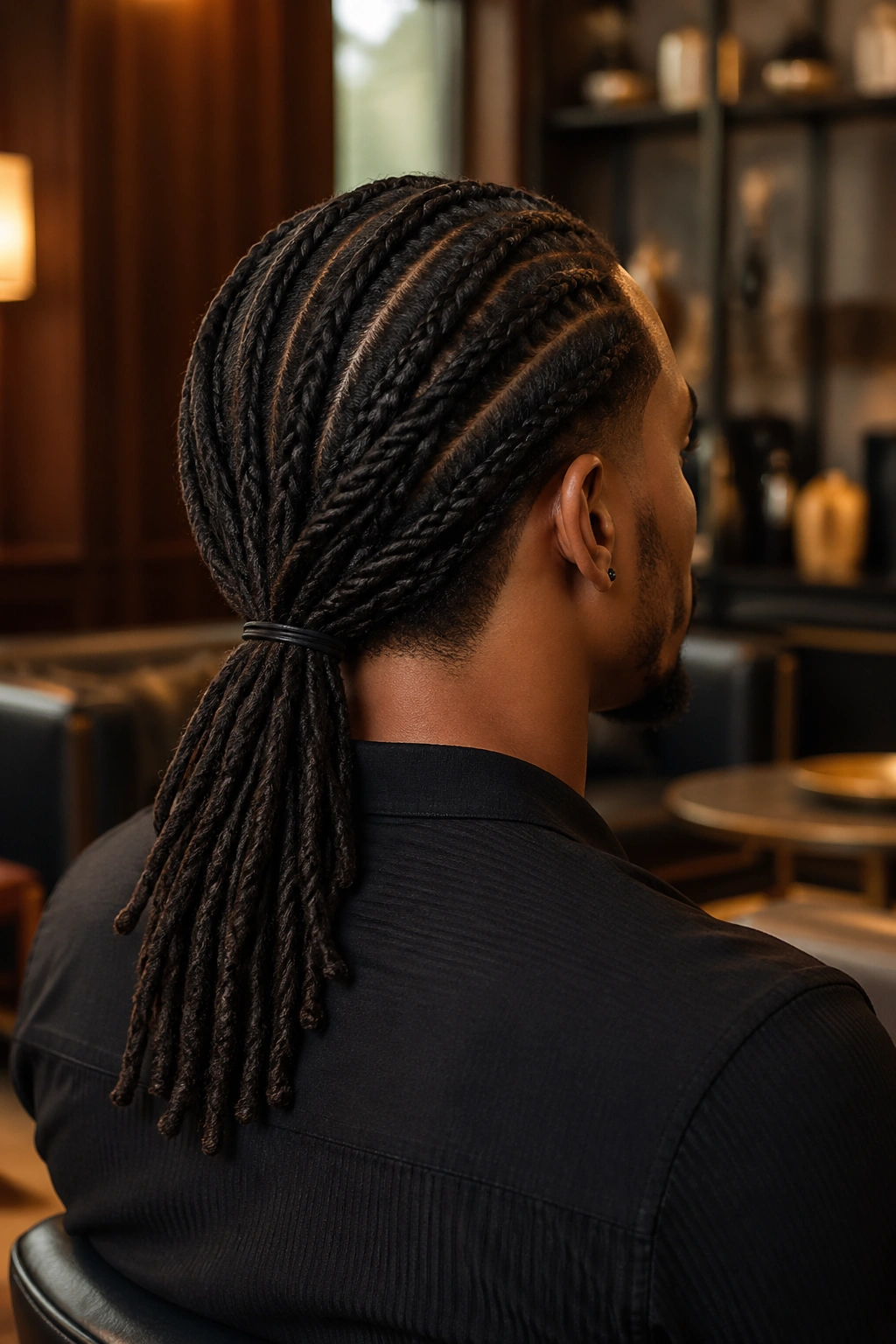
A low braided ponytail is one of the most useful loc styles because it keeps the hair controlled without putting strain on the top of the head. The ponytail sits near the nape, which lowers the weight and makes the profile cleaner than a high tie.
This is the kind of style that handles a normal day well. It does not snag as much on jackets. It does not sit like a lump under a car headrest. It also gives the locs a long, straight fall that looks neat from the back, which is where a lot of braid styles fall apart.
How to get the most from it
Use a secure tie at the base, but do not cinch it down like you are sealing a package. The ponytail should hold the length, not crush the roots. If the locs are especially heavy, a second tie an inch lower can help distribute the weight.
This style is easy to refresh and easy to pair with a line-up. That combination matters more than people think.
16. Jumbo Loc Braids Feel Stronger Because They Hold More Weight
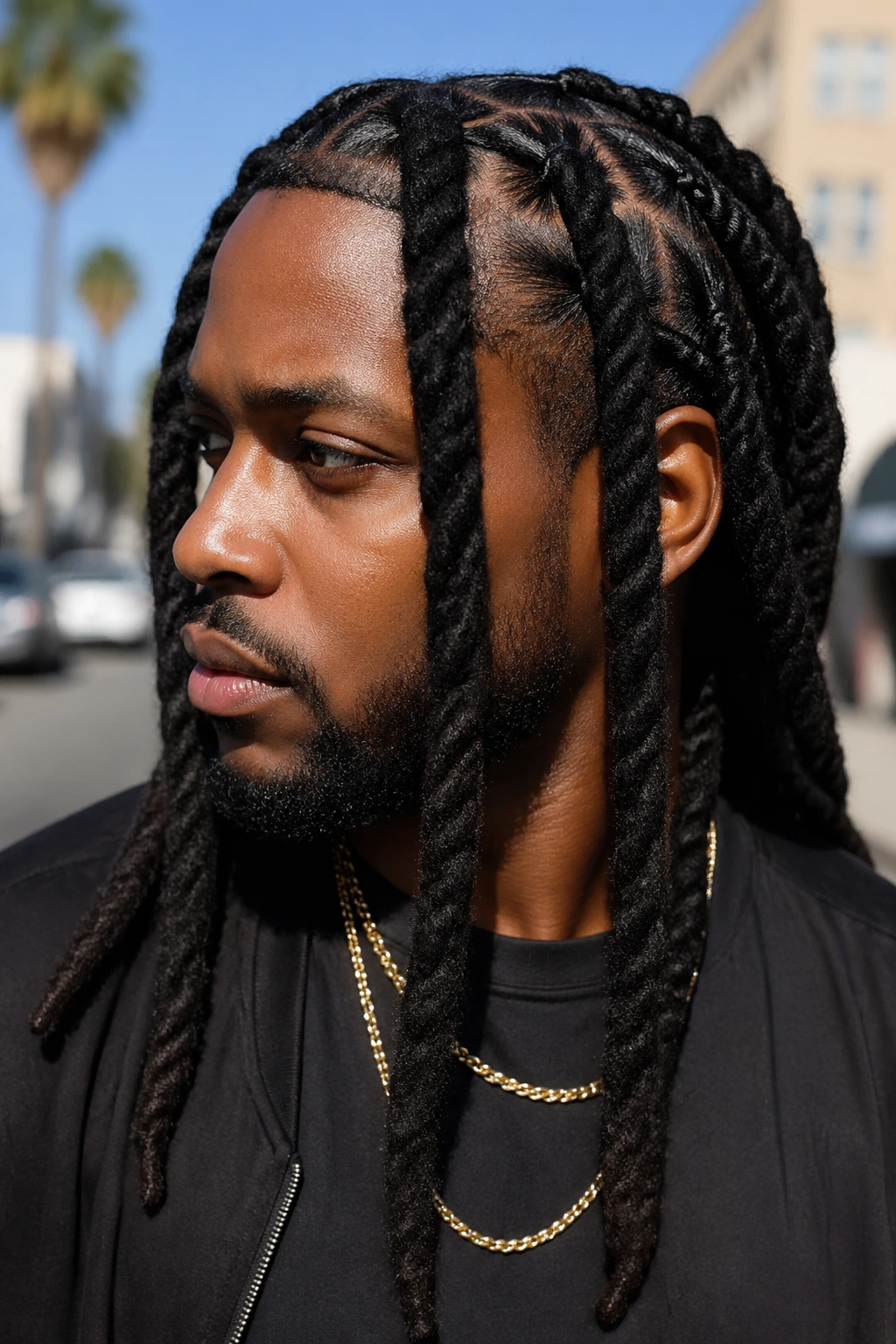
Jumbo braids are for men who like less fuss and more shape. Instead of many small sections, the locs are grouped into thicker braids that show off the bulk and keep the install time down. The result is heavy in a good way: bold, solid, and hard to mistake for anything else.
They work well on longer locs because there is enough length to support the thicker rope-like shape. On shorter locs, jumbo braids can look stubby if the sections are too large. Size matters here. The braid should look like a chosen statement, not like an oversized bundle.
This style also ages differently. As the roots grow out, jumbo braids often keep their shape better than tiny braids because the broader base gives them a little more staying power. If you like styles that do not need constant retouching, that is a real advantage.
17. Micro Braid Accents Add Detail Without Taking Over
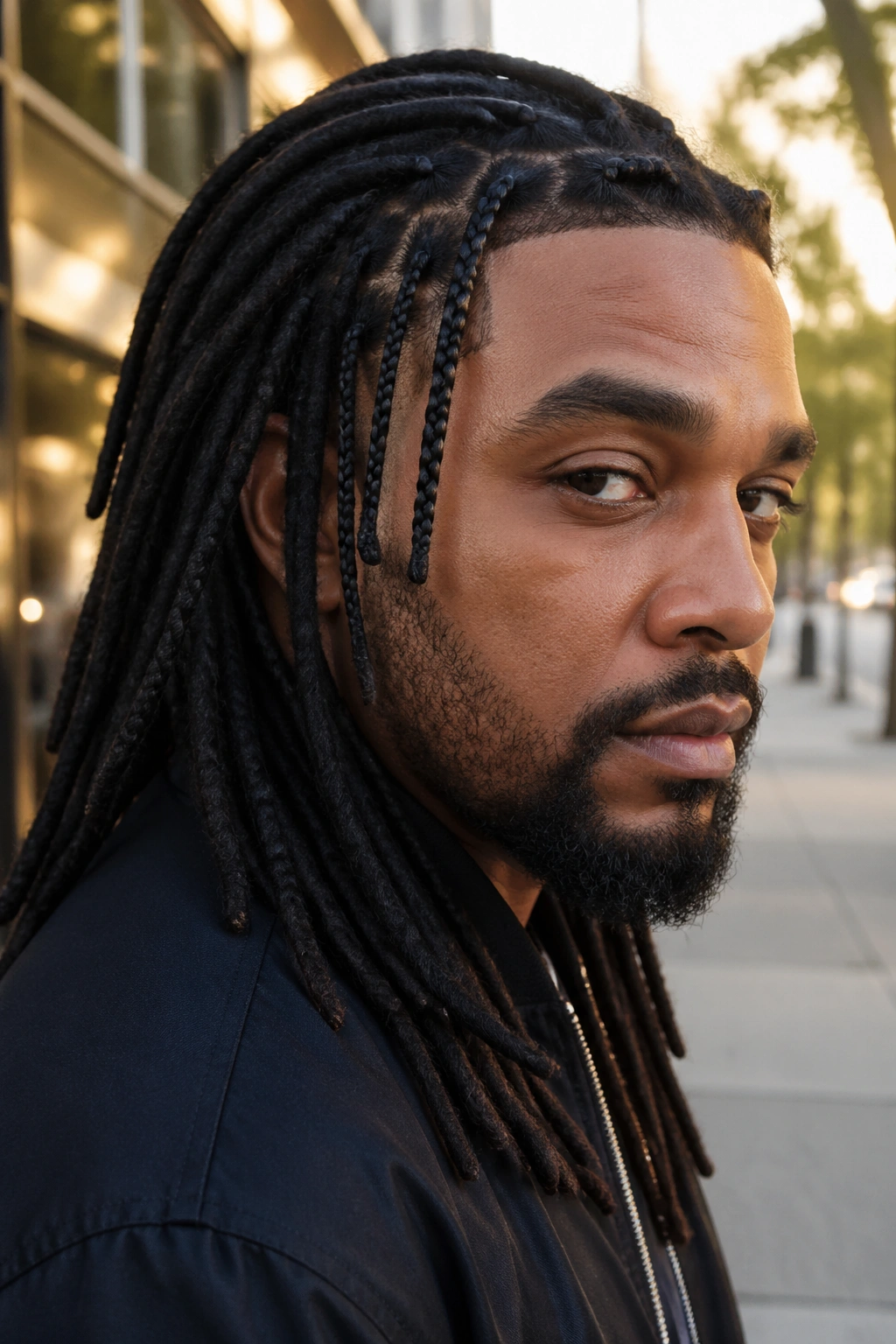
Micro braid accents are one of my favorite ways to give locs a little more personality without committing to a full head of braids. A few tiny braids at the front, near the temples, or woven into a larger style can change the whole look fast.
The trick is restraint. These are accents, not the main event. A couple of neat micro braids can sharpen the edges of the style and draw attention to the hairline or parting. Too many, and the locs start to disappear under the detail, which defeats the point.
This works especially well if you want to break up a plain set of hanging locs. You do not need to rework the whole head. A few small braids can be enough. They also pair well with cuffs or a clean fade if you want the style to feel more finished.
18. Top Knot Braids Keep the Weight Up and Off Your Collar
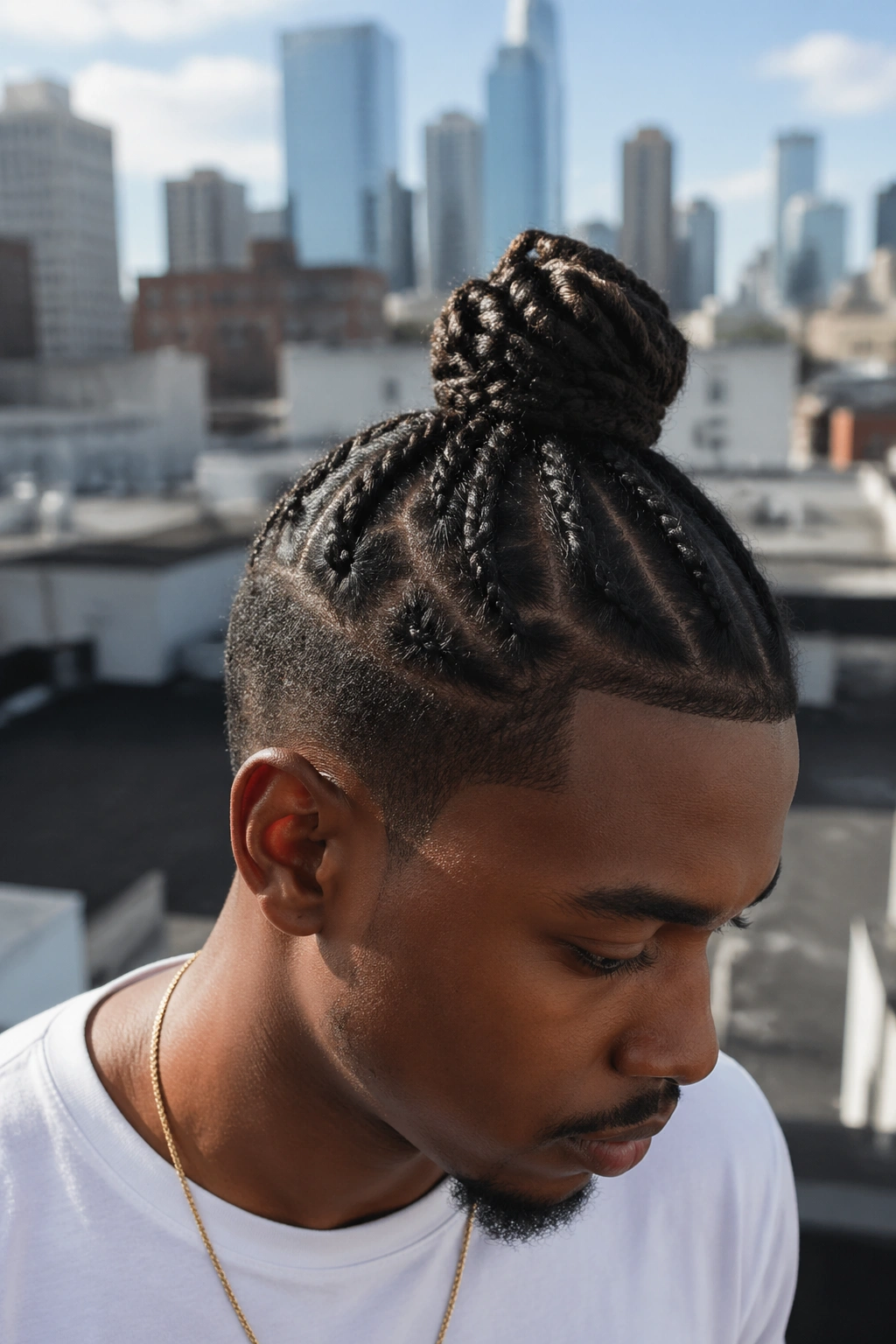
A top knot braids style pulls the locs up high and tucks them into a knot on the crown, which makes the neck feel open and the profile look neat. It is one of the better options for warm days, long drives, and any situation where you do not want hair brushing your shirt all day.
The top placement changes the energy of the style. High knots read sharp and a little athletic. Low knots feel calmer. With locs, the top knot usually looks strongest when the braid sections are firm enough to hold the shape but not so tight that the front hairline gets pulled thin.
This style also works well with a clean lineup or a faded side because the knot becomes the visual target. If the sides are already tidy, the top does not need to do too much. It just needs to sit with enough structure to hold itself together.
19. V-Pattern Back Braids Draw the Eye to the Nape
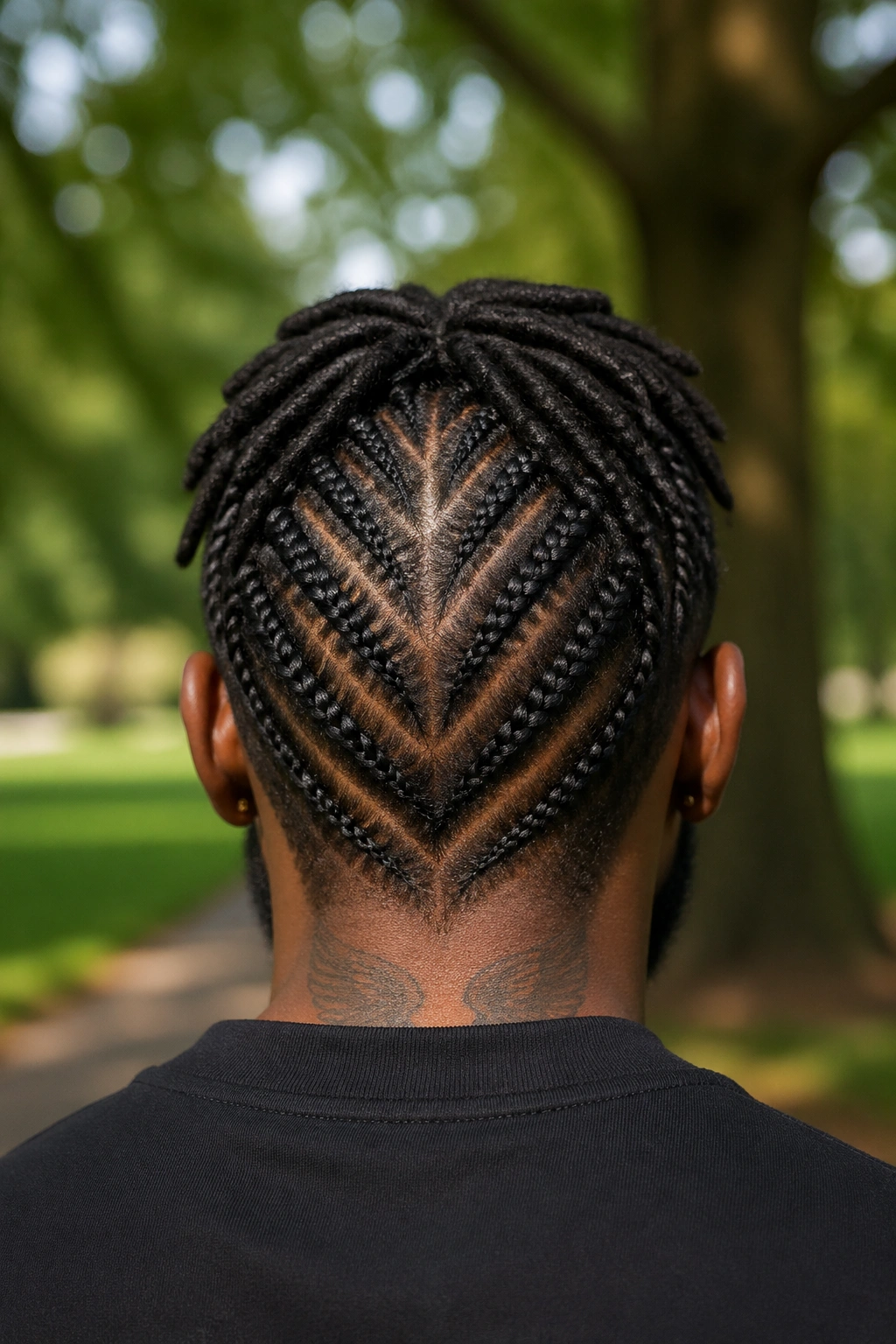
V-pattern back braids are one of those styles that people notice only after they see the back of your head. The braids funnel toward a pointed shape at the nape, which gives the rear view a strong, almost tailored finish.
That pointed shape works best when the braids are laid out evenly from both sides. If one side is fuller, the V loses its symmetry and the whole style looks off. The good version feels crisp, with the lines converging in a way that makes the head shape look longer and more refined.
The visual payoff
- Gives the back of the style a clear focal point
- Works well with tapered sides or a low fade
- Looks especially clean on medium-length locs
- Can feed into a ponytail, bun, or loose tail
Note: This is the kind of style that benefits from a mirror check at the back. What looks fine from the front can be a little crooked in the rear if the parting drifts.
20. Taper Fade + Braided Top Balances Sharp Sides With Heavy Locs
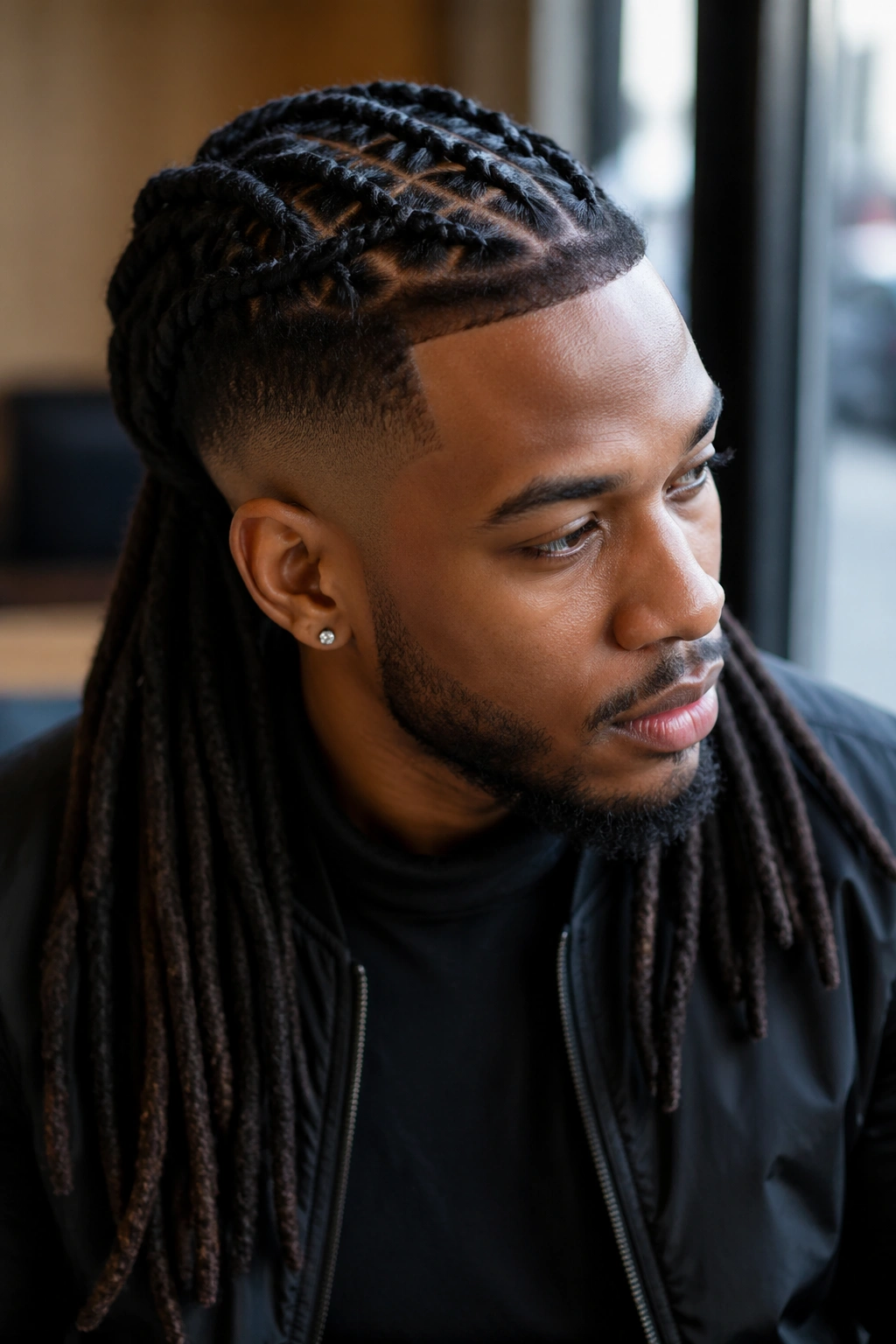
A taper fade with a braided top is one of the cleanest ways to wear locs if you like contrast. The fade cuts down the bulk near the ears and neckline, while the braids on top keep length and texture front and center. The result is tidy without feeling plain.
The reason this style works so well is simple: it gives the braid pattern room to breathe. On full heads of locs, too much side volume can make the braids feel crowded. The taper fixes that. It also makes the top look longer and more deliberate because the eye has a clean edge to compare it against.
This is a strong option if you need something that reads sharp in a professional setting but still looks like a real hairstyle, not a compromise. Keep the fade clean, keep the top braids even, and the shape does most of the work on its own.
21. Basket-Weave Braids Turn the Scalp Into Part of the Design
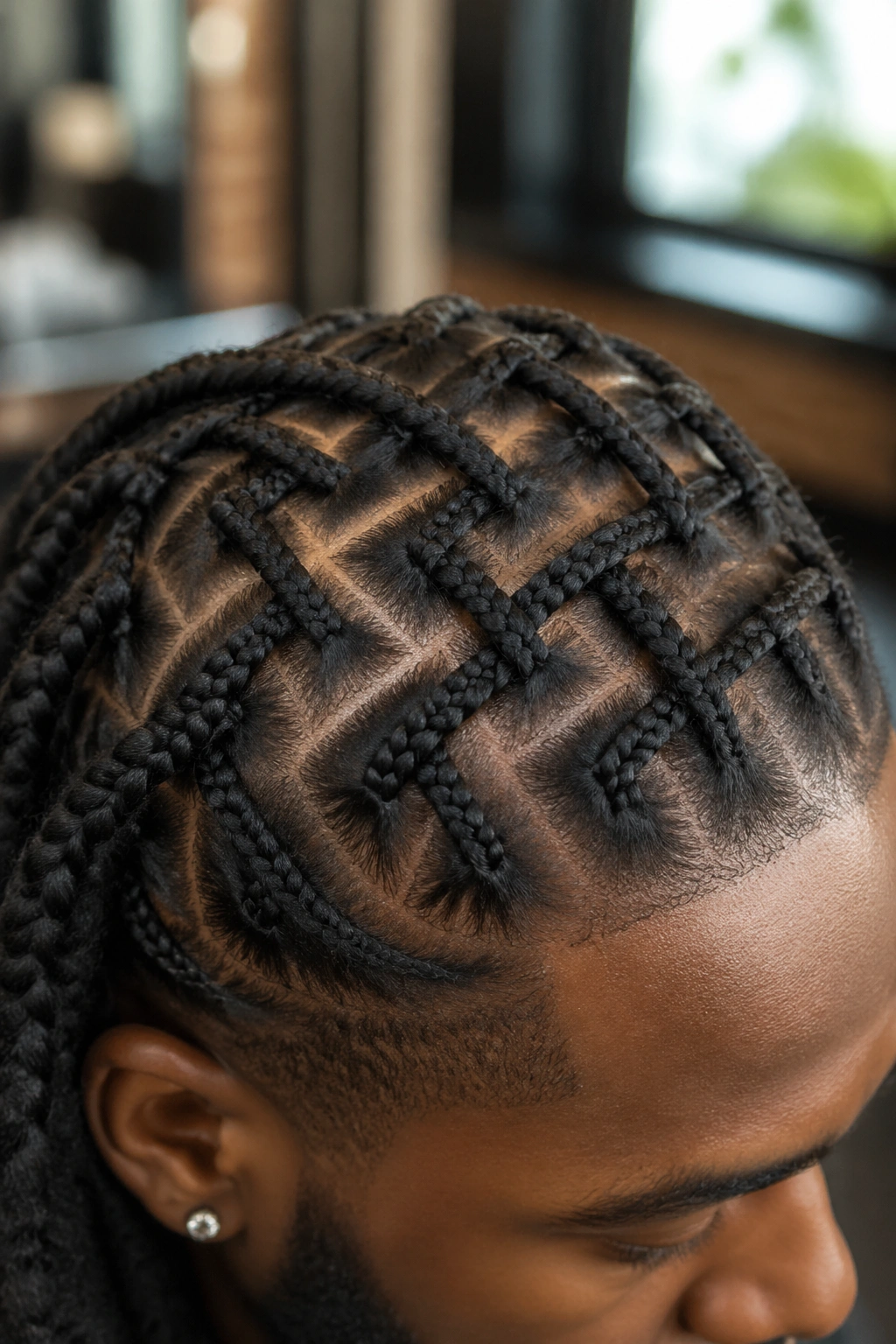
Basket-weave braids look intricate because they cross sections over and under in a pattern that resembles woven strips. On locs, that effect can be striking, especially when the parts are clean and the locs have enough density to hold the look without puffing out too fast.
This style is not quick. It asks for patience, and the install can take longer than a standard cornrow set. But the payoff is obvious. The weave pattern gives the head a layered look that feels handcrafted, and the style holds attention in a way that straightforward rows do not.
It works best when you want the braids themselves to be the focus. No need for heavy accessories. No need for a loud fade. The pattern is the statement. If you like the idea of people noticing the detail from close up, this is a strong choice.
22. Braided Undercuts Let the Top Carry the Entire Style
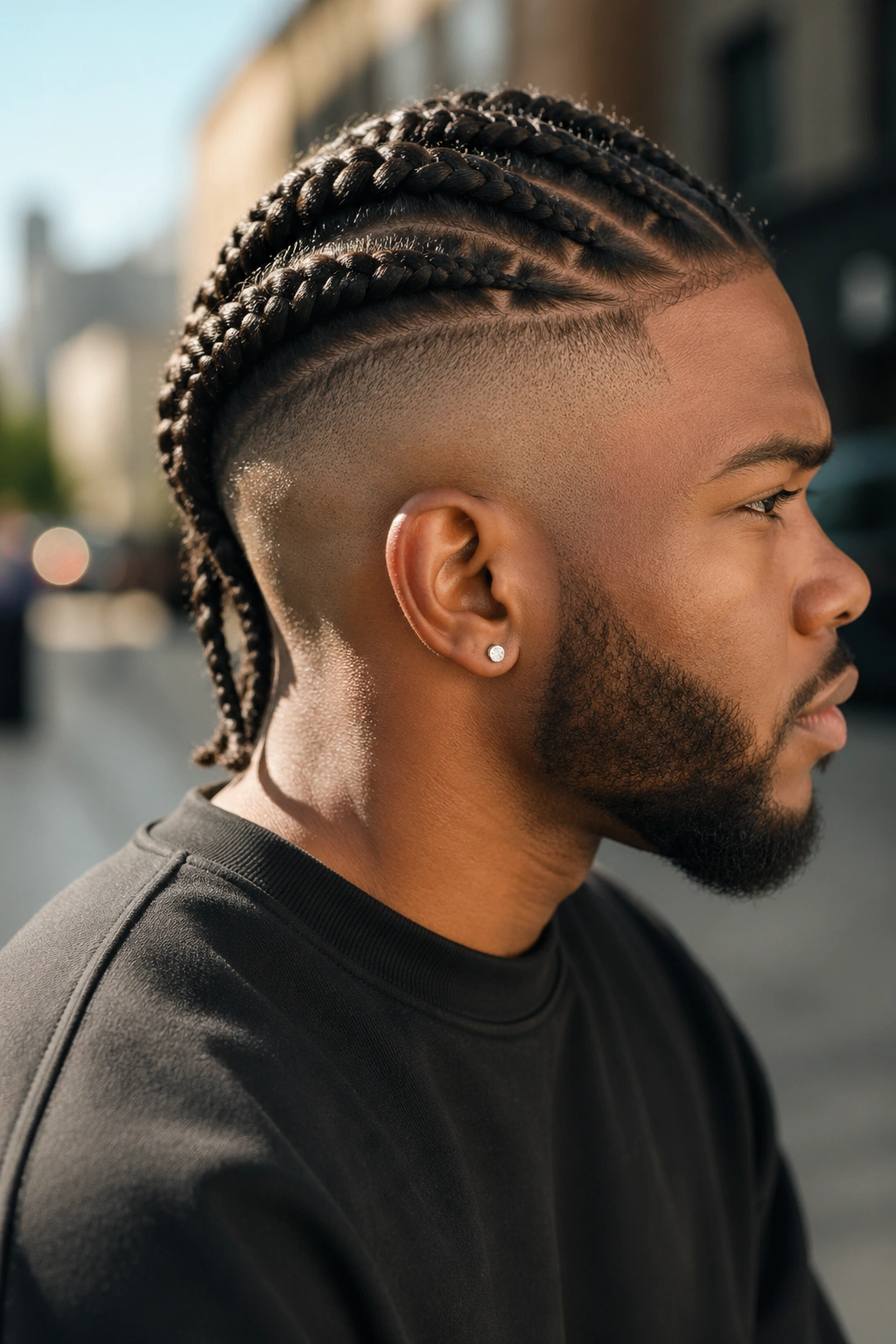
A braided undercut puts the emphasis on the top section by shaving or cutting the sides much shorter. That contrast makes the braids stand out harder, because there is less hair competing for attention around the edges.
The style feels modern in the plainest sense of the word: clean sides, strong top, no clutter. It also gives the locs a little more visual weight where it counts. On men with thicker locs, the undercut can make the top braids look even fuller than they are because the short sides create a built-in frame.
You do have to keep the undercut maintained. Once the sides grow in, the whole point fades a bit. If you are fine with regular touch-ups, though, this is one of the sharpest ways to wear braided locs without letting the silhouette get bulky.
23. Two Back Braids Keep Things Simple in the Best Way
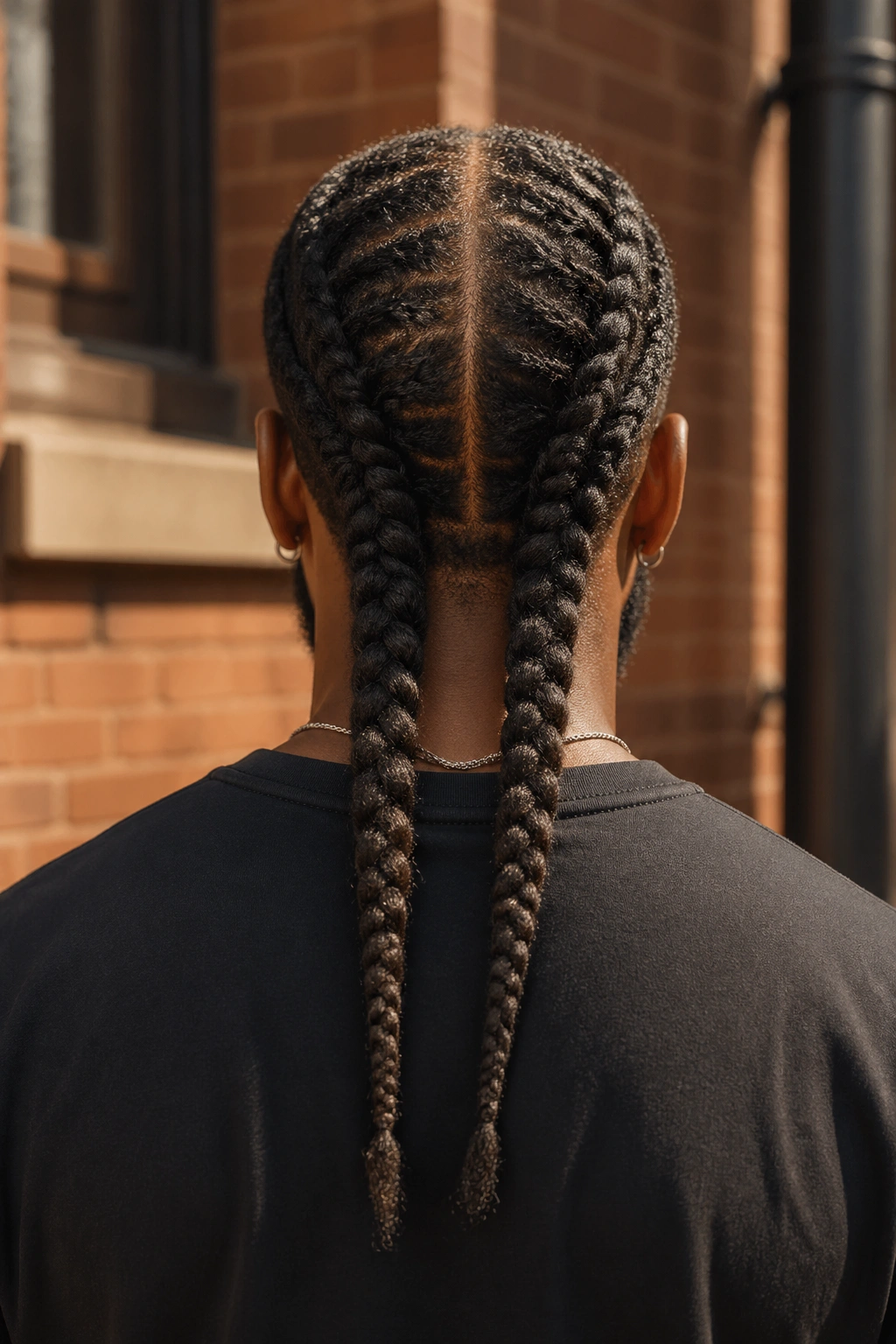
Two back braids are plain, and that is exactly why they work. Split the locs into two thick sections, braid them straight down, and you get a style that feels sturdy, clean, and easy to wear all day. There is no busy parting and no extra geometry fighting for attention.
This style has a practical edge. It keeps the hair off the neck, it is easy to retie, and it does not need much fuss once it is set. If your routine is busy or your hair is on the longer side, two braids in the back can save time while still looking intentional.
The style also carries a kind of old-school confidence. It does not try too hard. It just sits there, solid and direct. Sometimes that is exactly what locs need after a stretch of more detailed styling.
24. Braids With Beads and Cuffs Add Weight, Sound, and Personality
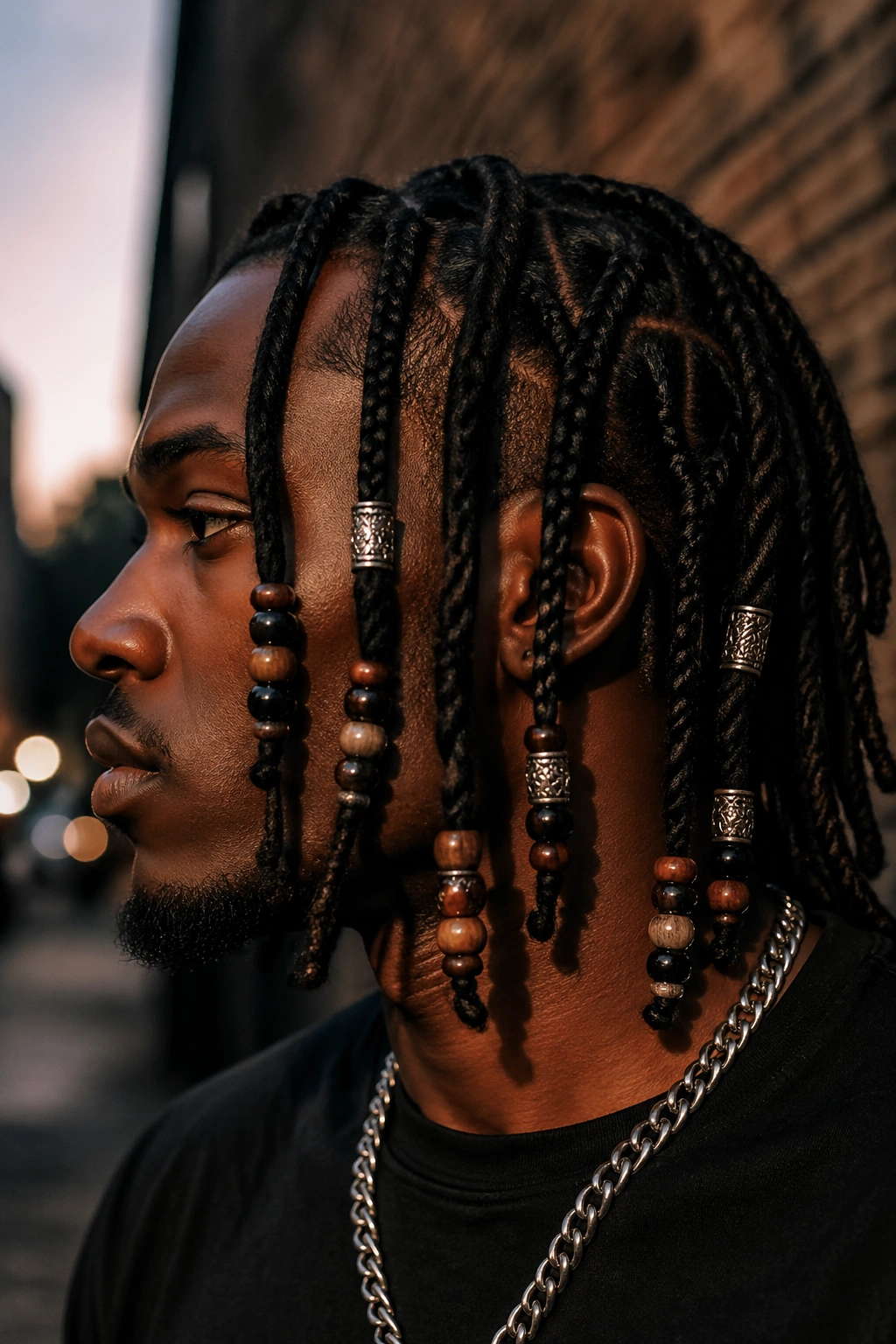
Beads and cuffs change braided locs in a way that plain braiding cannot. The metal catches the braid lines, and the beads add little points of weight that make the style move differently when you walk. It is a small change with a big effect.
The best use of accessories is selective. A few cuffs near the ends or a row of beads at the front can sharpen a simple braid pattern without burying the locs under decoration. Too many accessories can make the hair feel busy, and they can also add more tug than people expect.
What to watch for
- Heavy beads can pull at thin or starter locs
- Metal cuffs should slide on securely, not pinch the hair
- Fewer pieces usually look cleaner than a full load of accessories
- The style sounds different when you move, which some people love and some do not
Practical note: If you wear headphones a lot, test the beads before you commit. The wrong placement will annoy you by lunch.
25. Braids With Loose Ends Keep the Loc Texture in View
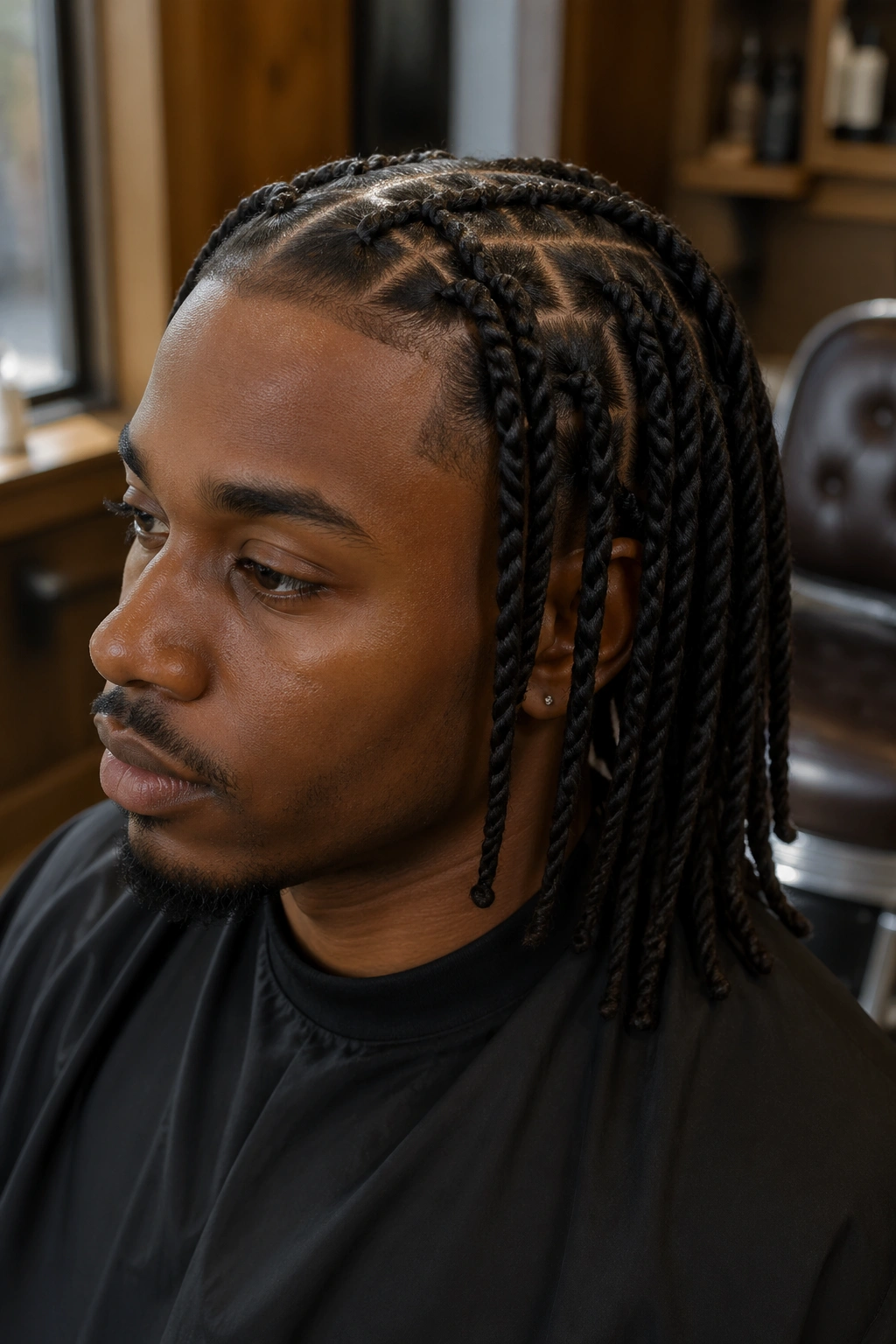
Braids with loose ends have a softer finish because the braid does not swallow the whole loc. Leaving the ends partially free lets the texture show through, which is useful if you want the braid style to feel less rigid and more like an extension of the locs themselves.
That looseness also gives the style some movement. Tight tucked ends can look neat, but they can feel formal in a way that does not suit every face or outfit. Loose ends keep a little life in the style. They are especially good if your locs have uneven lengths and you do not want the ends to create a choppy finish.
This style works best when the transition from braid to loose loc feels deliberate. If the ends are too messy, the style stops reading as a braid style and starts looking unfinished. A clean braid line with soft ends is the sweet spot.
26. Asymmetrical Braids Suit Men Who Want a Less Predictable Shape
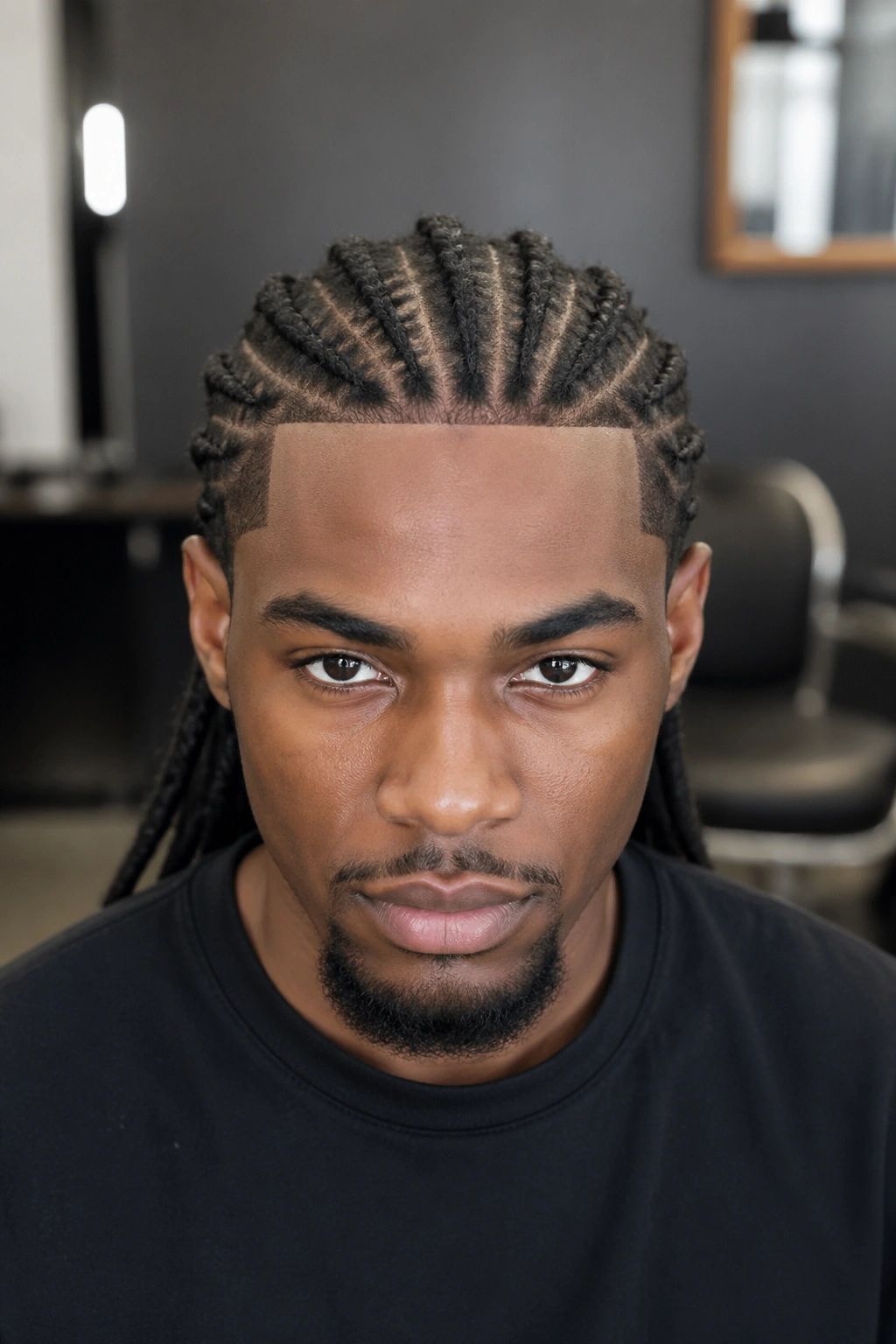
Asymmetrical braids break the habit of making both sides look identical. One side might carry more braids than the other, or the braid direction may angle differently across the head. That unevenness gives the style a little tension, which is exactly what makes it interesting.
This is a strong look for men who feel bored by symmetry. It still needs structure, though. Asymmetry does not mean random. It means the imbalance is chosen on purpose, so the eye understands that the shape is part of the design. If the parts drift without a plan, the style looks unfinished rather than artistic.
It also works well with sharp facial hair or a clean lineup, because the contrast between a neat face frame and an uneven braid shape makes both parts stronger. If you like your hair to say something a little more pointed, this is the one to try.
27. Braided Loc Tail With a Sharp Line-Up Finishes the Whole Look
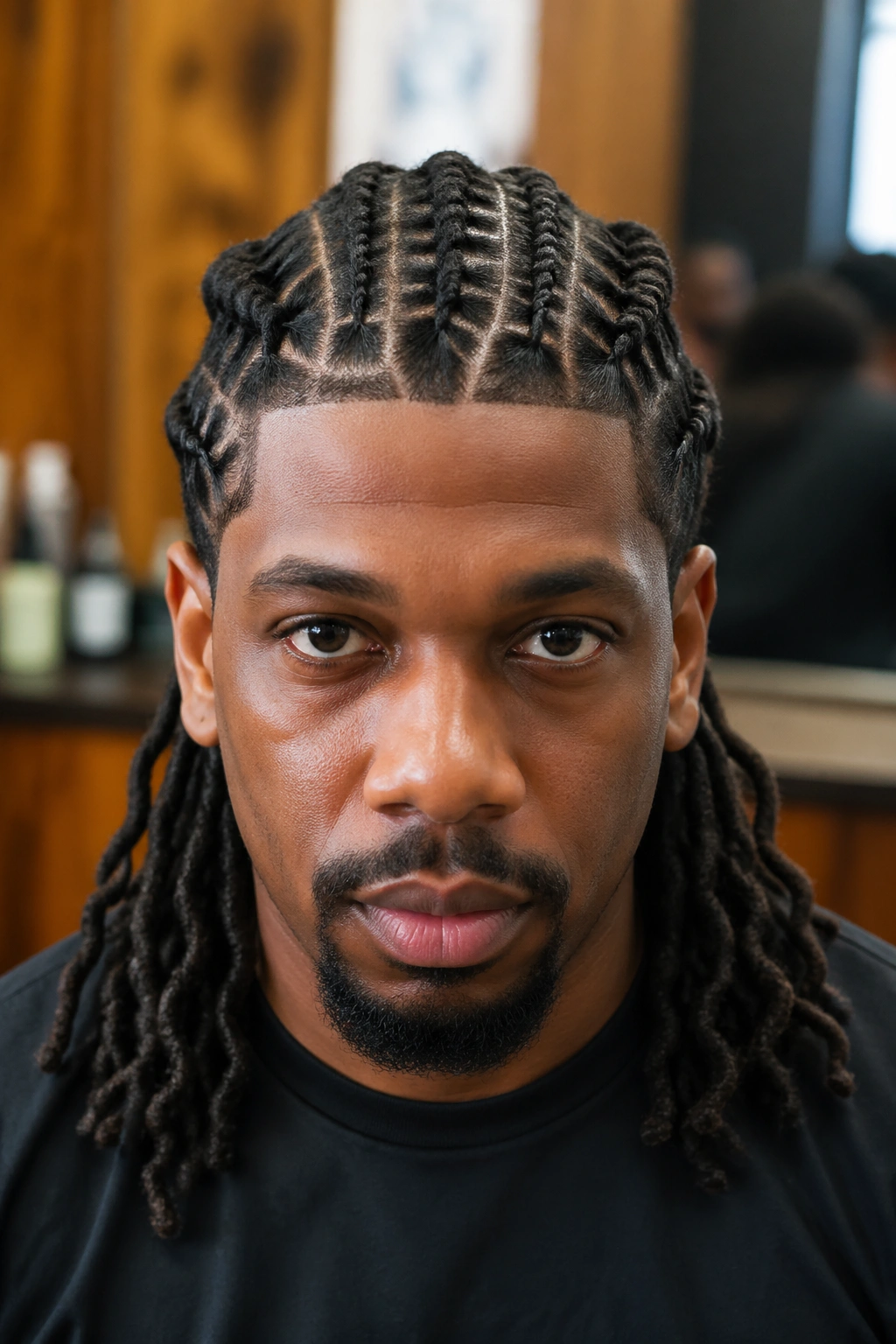
A braided loc tail with a sharp line-up is one of the cleanest closing styles because it pulls everything into one place. The hairline is edged up, the sides stay controlled, and the braids gather into a tail that falls straight down the back with enough length to feel substantial.
What makes it work is the balance between precision and ease. The lineup gives the front a crisp frame. The tail keeps the locs from spreading out and losing shape. It is the style I think of when a man wants his locs to look settled, not overworked. There is nothing random about it.
It suits a lot of settings, from formal to everyday, because it reads neat without being precious. If the locs are long enough to hang in one clean tail, the result is strong and low-maintenance. And if you want one style that can move from a fresh cut to a dressed-up night without asking for a full redo, this is the one that keeps earning its place.