



Mid-length hair is the sweet spot when the crown starts going a little flat and the ends feel dry before the rest of your hair does. It gives you room to shape the face, lighten the weight, and still keep enough length for a ponytail, a twist, or that easy tuck-behind-the-ear move that so many women rely on.
For older women, the best mid-length hairstyles do something practical first. They make the hair look fuller where it needs it, softer where it matters, and less fussy on the days when you do not want to stand in front of a mirror for half an hour. A good cut also respects the hair you actually have — finer strands, stronger waves, a few cowlicks, maybe a little more dryness than before. That is normal. Fighting it is a waste of time.
What I like most about this length is how many directions it can go. It can be polished, messy, sleek, lifted, feathered, curly, or softly layered, and it still feels grown-up without looking stiff. The trick is choosing the right shape for your face, your texture, and your routine. That is where the good cuts earn their keep.
1. Feathered Collarbone Layers
Feathered collarbone layers are one of those cuts that make hair look lighter without making it look thin. The ends graze the collarbone, which keeps the length useful, while the layers soften the outline so the whole style moves instead of hanging there.
The best version has a soft bend through the mid-lengths and a little lift around the cheekbones. That lift matters more than people think. It keeps the cut from sitting heavy around the jaw, which is where a lot of shoulder-length styles start to feel boxy.
If your hair has lost some bounce, this is a smart place to start. Ask for soft feathering, not razor-thin ends. Those wispy, shredded ends can look airy for about five minutes and then start to look frayed.
A small round brush and a light mousse are usually enough. Dry the roots first, roll the ends under just a bit, and let the layers do the rest.
2. The Soft Lob That Sits Right at the Collarbone
Why does a soft lob work so well on mature hair? Because it gives shape without demanding a lot of daily work. The line is clean, but the movement keeps it from feeling severe.
A collarbone lob flatters a lot of face shapes because it lands in that narrow strip where the neck, jaw, and shoulders all get a little lift. It also plays nicely with glasses. The length does not crowd the frames, which is a tiny detail until you live with it every day.
How to wear it
- Ask for barely-there layers through the ends so the line stays smooth.
- Blow-dry with a flat brush if you want polish, or twist sections with your fingers for a softer finish.
- Part it slightly off-center when you want more height at the crown.
- Tuck one side behind the ear for a quick shape change.
Keep the ends blunt enough to look full. Too much thinning turns a lob mushy fast.
3. A Soft Shag with Curtain Bangs
I keep coming back to this cut because it solves two problems at once: flatness at the top and heaviness around the face. On hair that has started to lose some density, a soft shag with curtain bangs can wake everything up without turning the style into a high-maintenance project.
The trick is restraint. You want movement, not choppiness for its own sake. The best shags on older women have layers that feather into each other, plus bangs that open away from the center and skim the cheekbones instead of cutting straight across the forehead.
Picture this: hair that falls to the shoulders, bends around the collar, and still has enough edge to feel modern. That is the charm here. It looks a little undone in the best way.
- Best for: fine to medium hair
- Works well with: natural waves, soft curls, and a side part
- Styling note: a diffuser or a round brush both work, depending on your texture
- Watch out for: over-layering at the crown, which can make hair stick up in odd places
My favorite part: curtain bangs grow out more politely than a blunt fringe.
4. Side-Swept Layers with a Deep Part
A deep side part changes the whole mood of a mid-length cut. It adds lift on one side, softens the forehead, and gives the face a bit of asymmetry that feels lively rather than fussy.
Unlike a center part, which can expose every bit of flatness at the roots, a side part creates instant shape. That matters if your hair has grown finer over time or if one side naturally lies flatter than the other. I actually like that little imbalance. It feels human.
This cut is especially good if you want movement without obvious bangs. The front layers can be swept across the temple and cheekbone, then blended into the length so the style still reads as one shape.
It also works well with a blowout. A medium round brush, a quick lift at the roots, and a soft curve through the ends are enough. Skip the heavy serum near the crown. That area needs air, not gloss.
5. The Blunt Lob with Soft Ends
A blunt lob sounds strict on paper, but the best version is gentler than people expect. The perimeter stays full, which is useful if your hair is fine or if the ends have started to look see-through, while the tiniest bit of softness at the tips keeps it from feeling helmet-like.
I like this cut on women who want clean lines and low drama. It looks neat with a turtleneck, a blazer, or a simple pair of earrings. It also gives gray or silver hair a gorgeous crisp edge, especially when the color is bright and the cut is kept sharp.
The one thing a blunt lob does not forgive is neglect. Split ends show faster here because the line is so clear. A trim every 8 to 10 weeks helps keep the edge from fraying.
If you want more fullness, keep the length just at the collarbone. That spot is flattering and practical. Longer than that, and the whole shape can start to drag.
6. Loose Waves with Face-Framing Pieces
Loose waves are the easiest way to make mid length hairstyles for older women feel soft and current without trying too hard. The face-framing pieces matter more than the wave pattern itself. They bring the eye upward and keep the hair from sitting in one heavy curtain.
This cut shines when the waves are loose enough to move. Think bends, not corkscrews. A 1¼-inch curling iron or a flat iron used with a gentle twist can make the kind of wave that looks lived-in instead of set.
The face-framing pieces should start around the cheekbone or just below it. Any higher, and they can feel dated. Any lower, and the lift gets lost.
A little texture spray at the ends helps. So does brushing the curls out once they cool. That second step is where the shape softens and starts to look expensive without being stiff.
7. Mid-Length Curls with a Rounded Shape
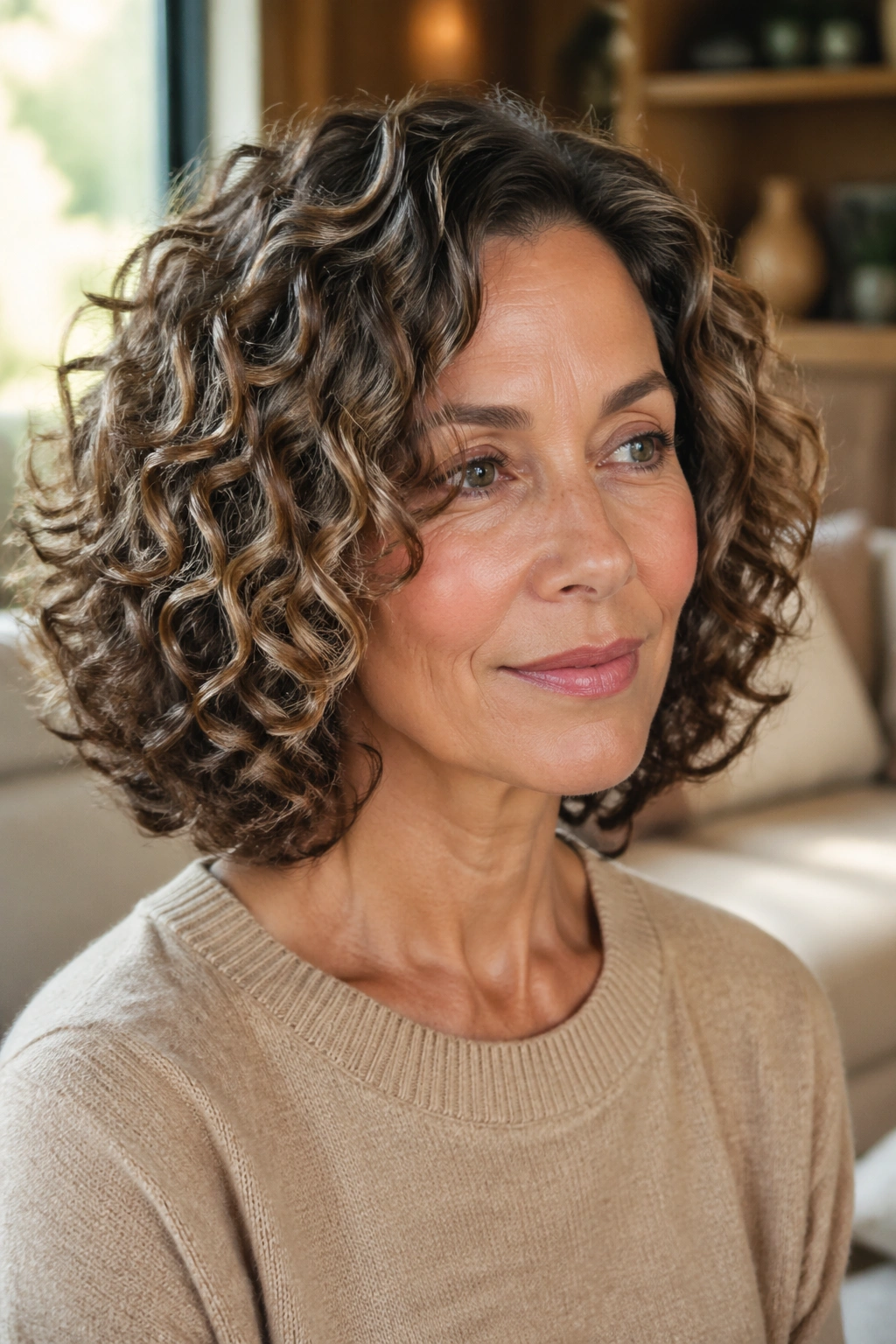
Do curls need layers at this length? Absolutely. Without shape, curly hair around the shoulders can turn into a triangle, and nobody needs that. A rounded mid-length cut keeps the body where it belongs and lets the curls stack in a way that feels soft.
How to get the shape right
Ask your stylist to cut the hair dry, or at least partially dry, if your curl pattern changes a lot when it shrinks up. Wet cutting can be fine, but only when the stylist knows exactly how your curls behave once they dry.
- Keep the longest pieces near the collarbone.
- Let the layers follow the curl pattern instead of cutting straight through it.
- Use a leave-in conditioner and a small amount of gel or cream.
- Diffuse on low heat if you want volume without frizz.
The real win here is balance. The cut should let the curls spring, not spread. That difference shows up the moment you turn your head.
8. An Angled Lob with a Longer Front
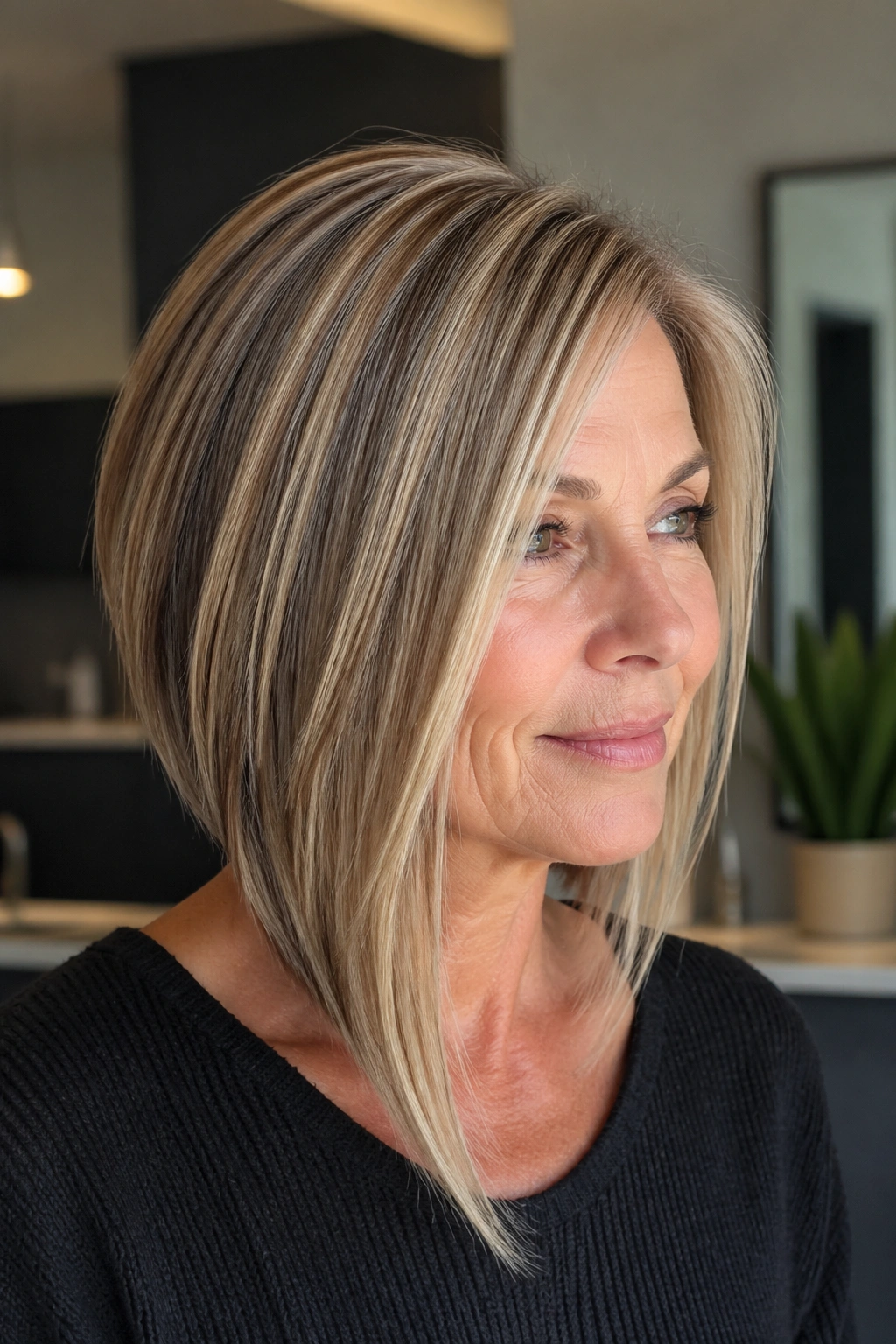
An angled lob is sharper than a straight shoulder cut, and that’s the point. The front pieces land a bit longer than the back, which creates a clean line that pulls the eye downward in a flattering way.
This cut is a strong choice if you want to slim the jawline a little or if your neckline feels better with hair that does not sit exactly level all the way around. It also gives straight hair something to do. Even the simplest blow-dry looks more deliberate because the cut already has direction built in.
What I like here is the movement at the front. It does not have to be dramatic. A difference of an inch or two is enough. More than that, and the shape can start to feel severe.
Keep the ends polished. An angled cut loses its charm when the lower edge looks fuzzy. A quick pass with a smoothing cream and a paddle brush usually does the job.
9. Layers You Can Tuck Behind the Ear
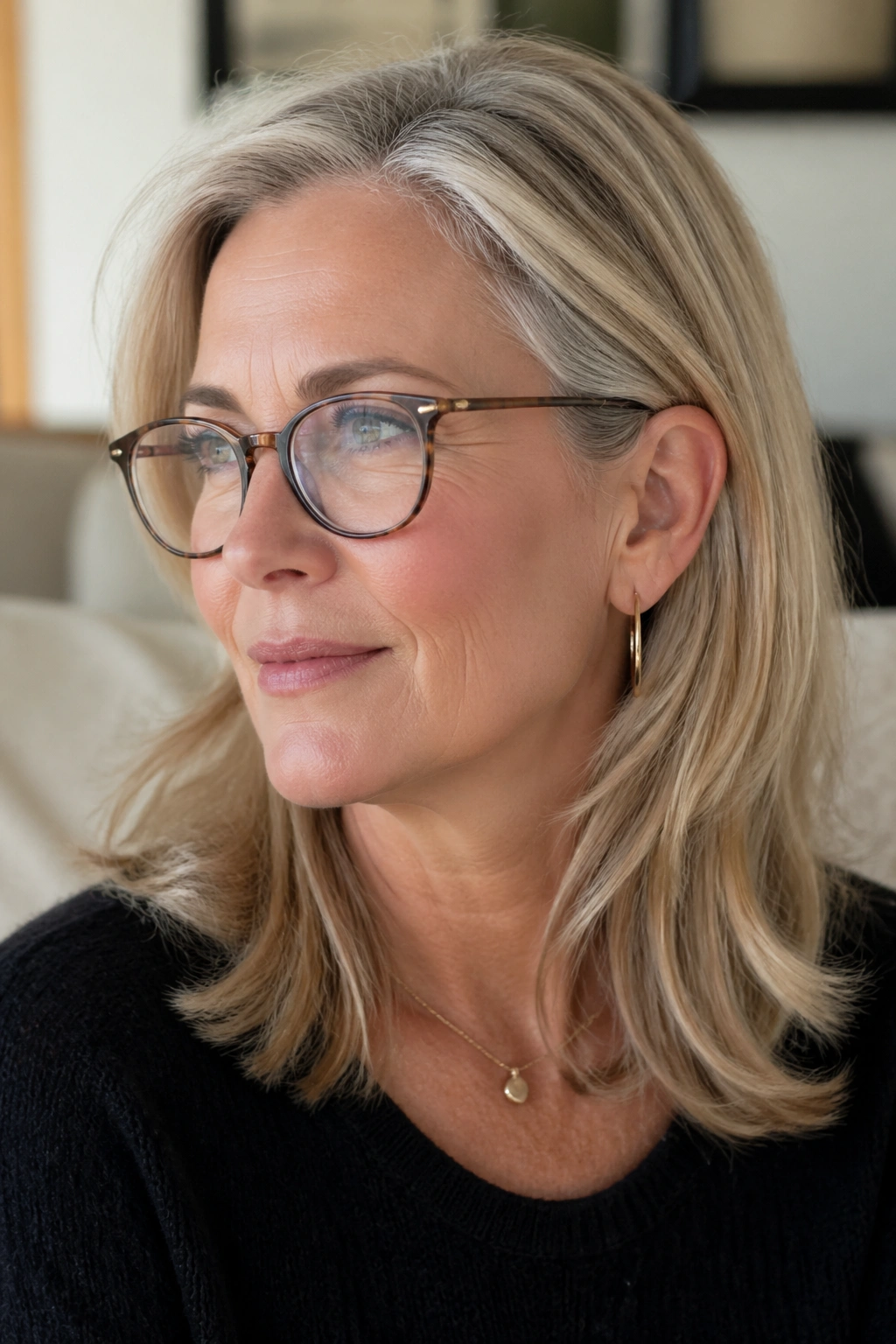
Some haircuts are designed for photos. This one is designed for real life. Layers that tuck neatly behind the ear give you shape when you want it and softness when you do not, which is a quiet little luxury.
The cut works because the front pieces are short enough to sit away from the face without falling into it every five minutes. That makes glasses easier, earrings more visible, and mornings less annoying. It also keeps mid-length hair from feeling like a wall.
A tucked-behind-the-ear style looks best when the layers around the temple are light and the rest of the cut stays smooth. You do not need a lot of chopping. A few well-placed layers do more than a dozen random ones.
It is a good choice for women who want a simple, elegant shape that can change fast. One side tucked, one side loose, and the whole mood shifts.
10. A Deep Side-Part Blowout
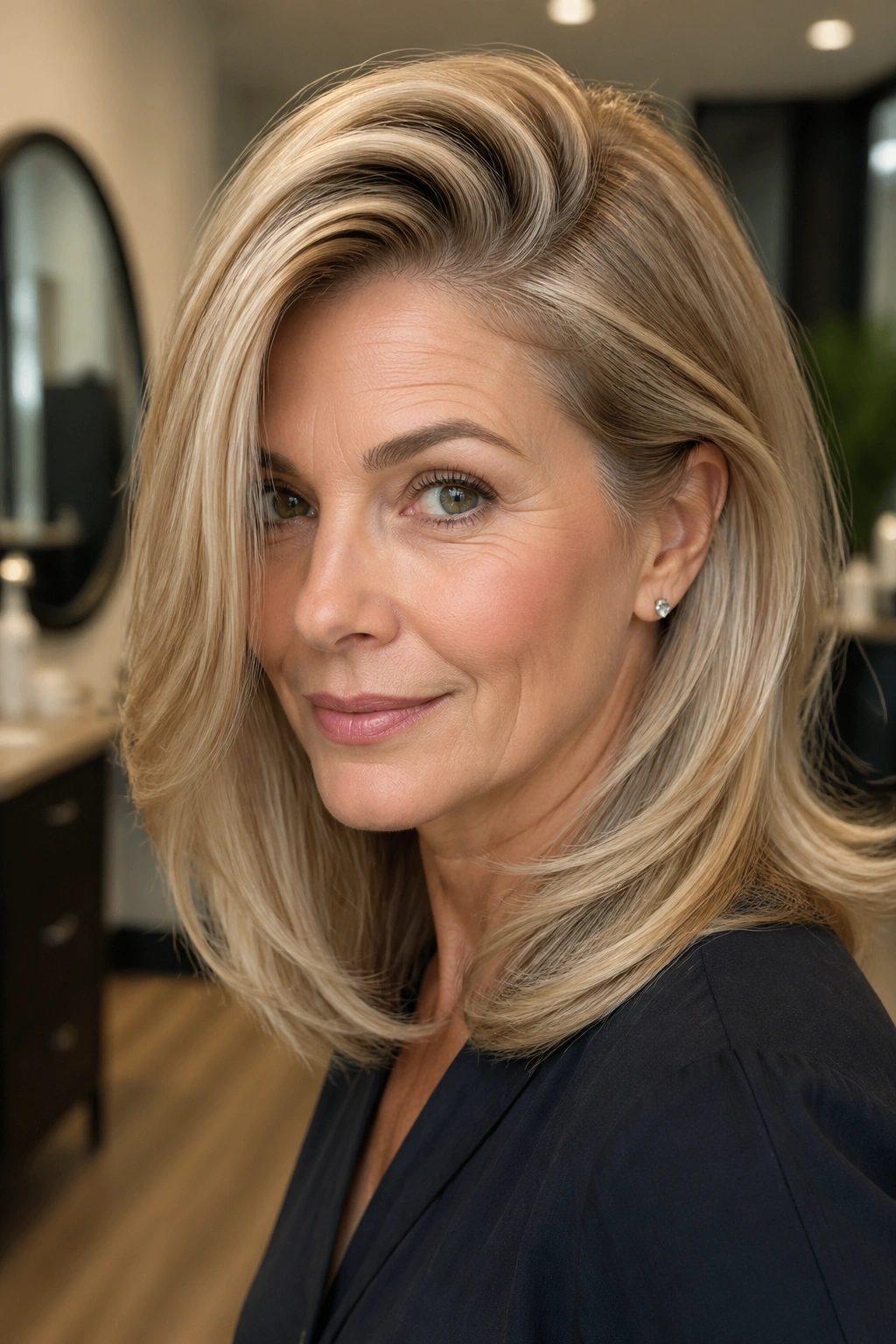
A deep side-part blowout is one of the fastest ways to make mid-length hair look fuller at the root. The part creates lift before you even touch a brush, and the blow-dry only builds on that.
The reason this works so well on older women is simple: hair often gets flatter at the crown and softer around the temples. A side-part blowout redirects the volume where the eye wants it. It also smooths the ends enough that the cut looks intentional, not overworked.
I prefer this style when the hair has some natural bend. The blowout should polish the bend, not erase it. If the finish is too round and perfect, the hair can look stiff. If it is too loose, it loses the whole point.
A medium boar-bristle brush, a root-lifting spray, and a cool shot at the end make a big difference. Small things. Big payoff.
11. The A-Line Shoulder Cut
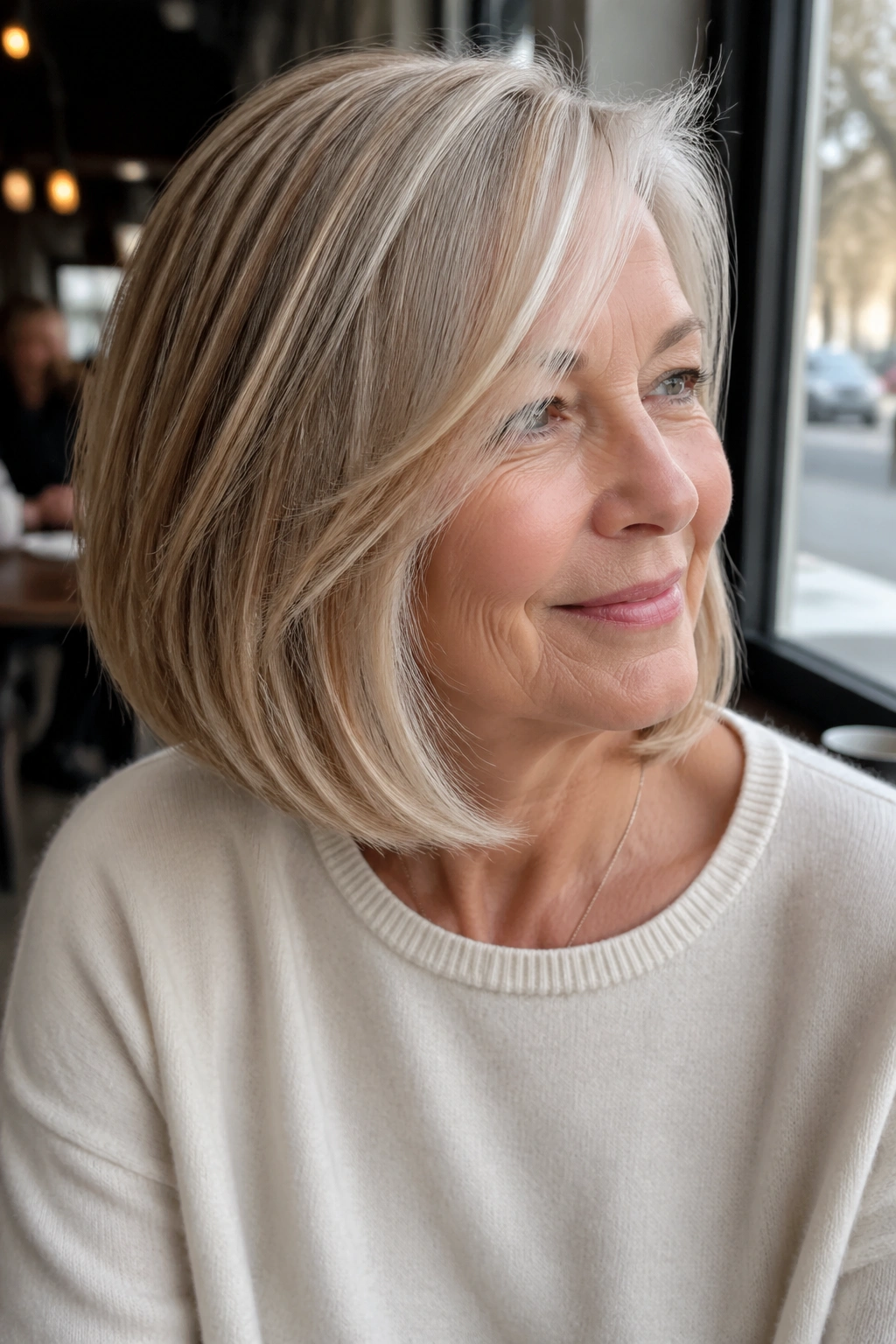
An A-line shoulder cut is a little longer in front and a little shorter in back, and that tiny angle changes the whole silhouette. It gives the hair a forward sweep that can soften the neck and bring attention to the jaw in a gentle way.
Unlike a blunt shoulder cut, this shape has motion built into it. The line is still neat, but it bends the eye forward instead of stopping it straight across. That makes it a nice option if you want structure without harshness.
Who wears it best? Women who like clean styling but do not want a flat outline. It works on straight, wavy, and slightly curly textures, though the finish will look different on each one.
If you want a haircut that still feels tidy after a long day, this is a strong pick. It stays readable even when it is not freshly styled.
12. Bent Ends with a Soft Mid-Length Bob
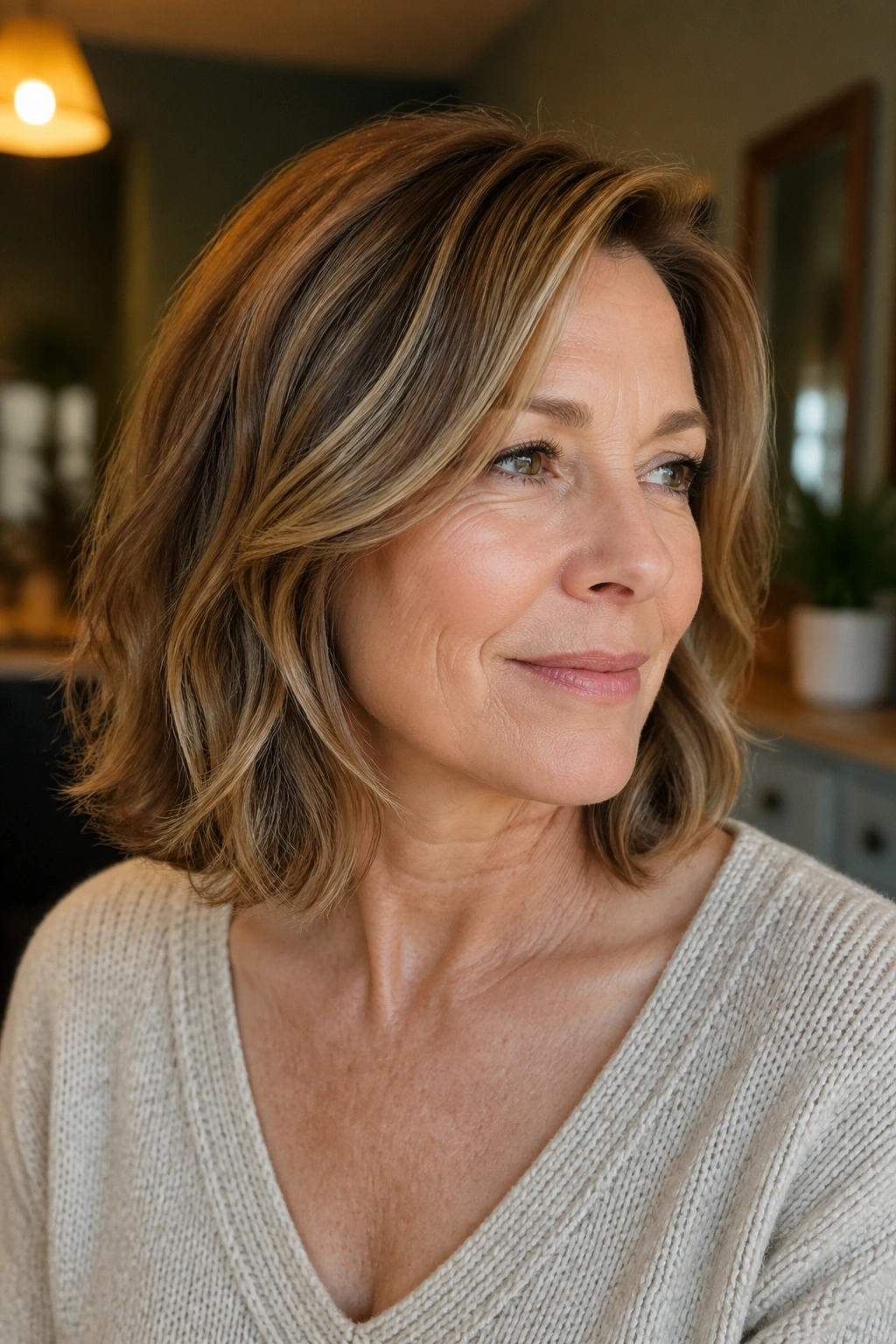
Could a bob still count as mid-length? If it lands around the shoulders, yes, and that’s where the bent-end version becomes useful. The ends turn slightly under or out, which gives the cut a little life without asking for a full curl.
What makes it work
The shape depends on where the bend sits. Too much curve and the cut looks styled to death. Too little and it goes limp. Aim for a bend that shows up mostly at the bottom inch or two of hair.
A flat iron can create this look fast. Clamp, rotate a quarter turn, and slide. That is enough.
- Best on medium-density hair
- Nice for women who want movement but not waves
- Easy to pair with side or center parts
- Needs a trim every 6 to 8 weeks to keep the line fresh
This is one of those cuts that looks better when it is not perfect. A tiny bit of variation at the ends gives it character.
13. A Textured Cut for Fine Hair
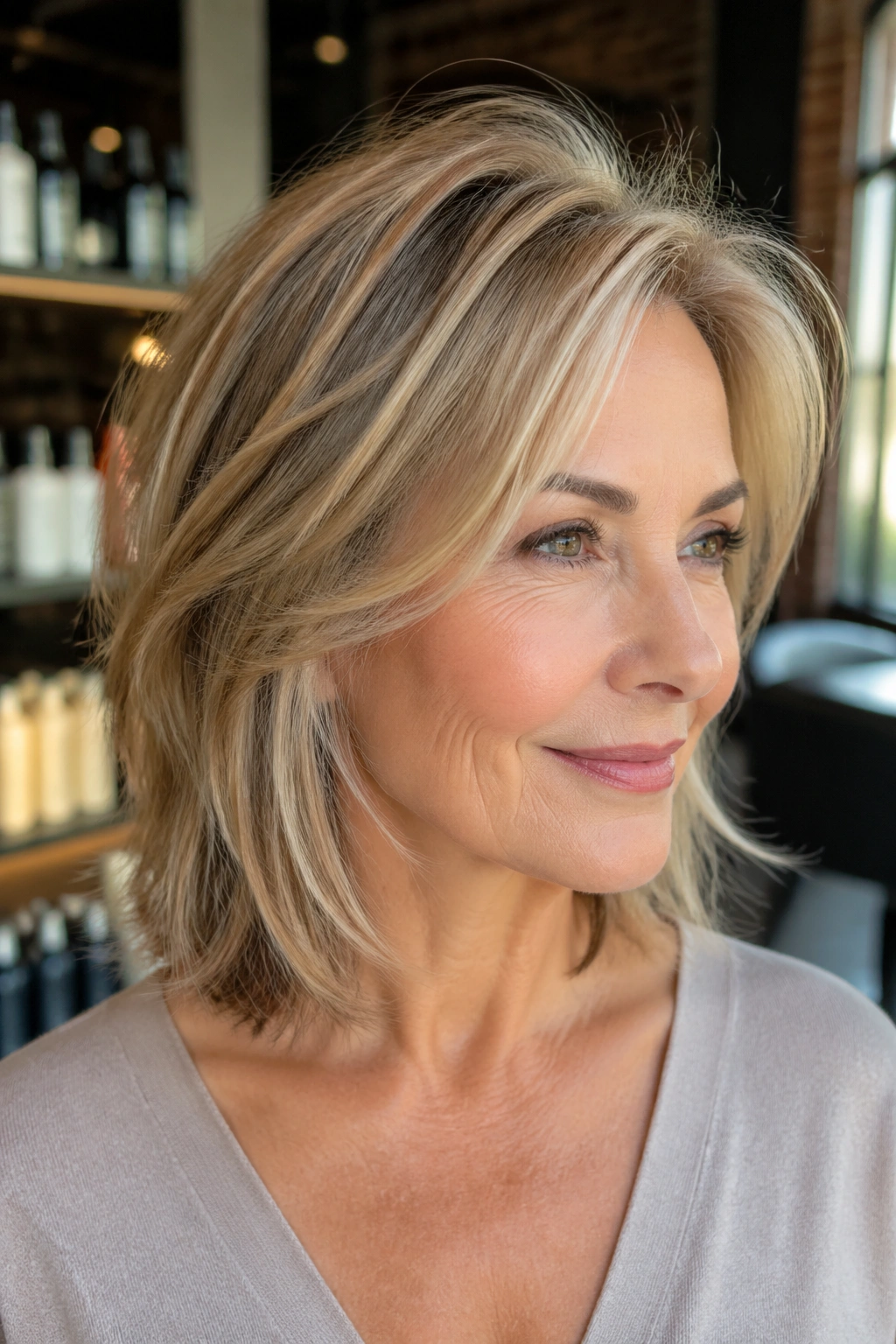
Fine hair needs a different kind of help than thick hair. It does not need to be stripped down with lots of slicing. It needs lift, clean ends, and texture placed where the eye wants fullness.
A textured cut for fine hair usually keeps the perimeter fairly strong while building soft movement inside the shape. That way the hair looks fuller from the outside, which is what matters. If you can see through the ends, the cut is too thin.
I also like this style because it plays nicely with mousse and root spray. Fine hair often looks best when it is lifted and then left alone. Too much brushing flattens it. Too much oil makes it collapse.
- Keep layers subtle near the top.
- Use a lightweight volumizing mousse on damp hair.
- Dry upside down for a few minutes if your roots need help.
- Skip heavy serums on the mids and ends unless the hair is very dry.
That last part matters. Fine hair gets weighed down fast. Fast.
14. Straight Mid-Length Hair with Invisible Layers
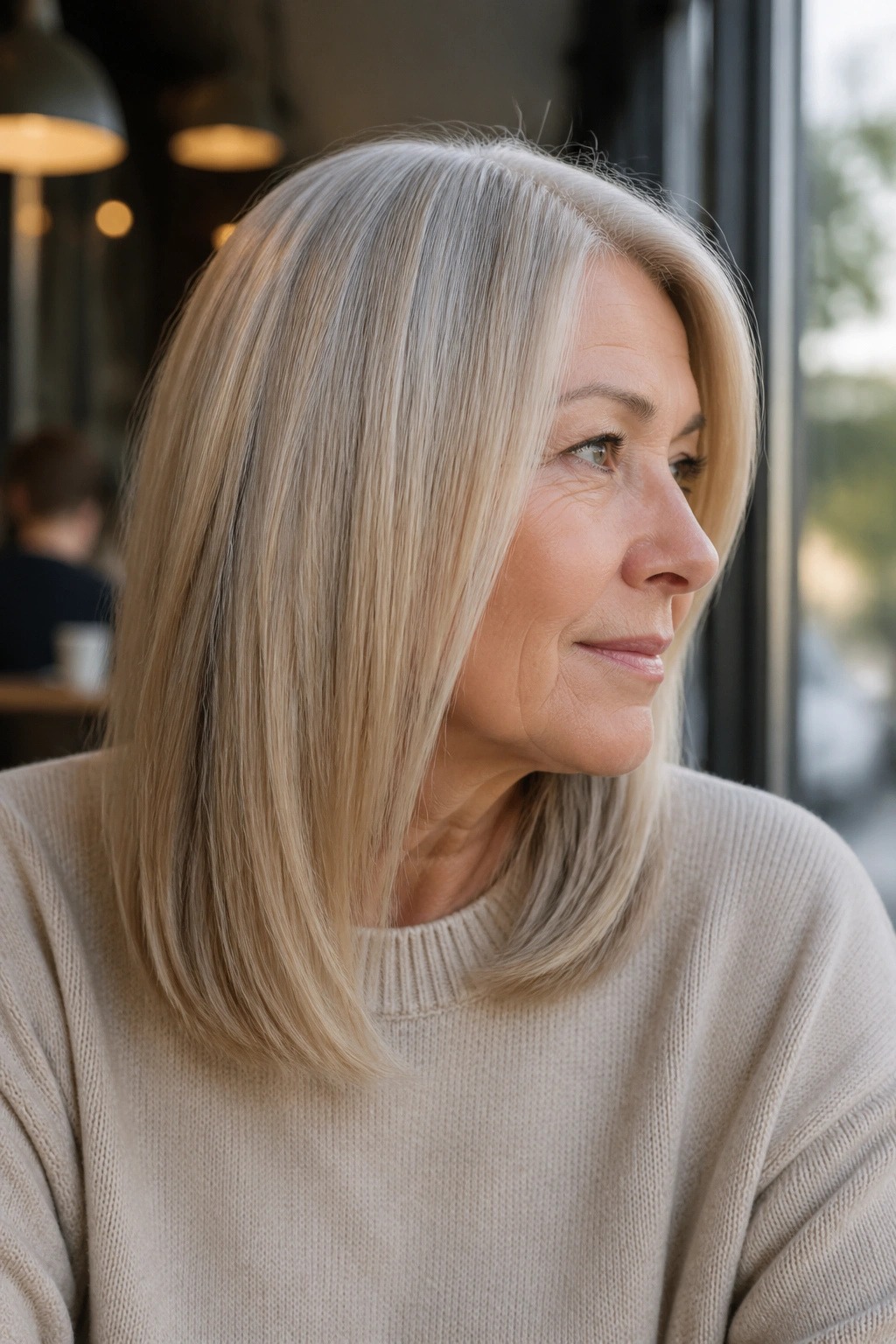
Invisible layers are the quiet workhorses of haircuts. You do not see them right away, but you feel them when the hair swings instead of hanging in one sheet.
This is a smart choice if you like straight hair and want to keep it sleek. The visible outline stays clean, which is nice for women who wear glasses or prefer a simple look. Beneath that smooth line, though, the hair has enough internal shaping to avoid the heavy triangle effect.
The best invisible layers are cut so carefully that the hair still looks blunt when it is dry. That takes a hand with restraint. A stylist who overdoes this will leave the ends wispy and unhappy. A good one will remove just enough bulk to give the hair a little air.
It is especially good on hair that has grown thicker in some spots and thinner in others. The shape smooths out those small uneven patches without shouting about it.
15. Shoulder-Length Hair with Curtain Fringe
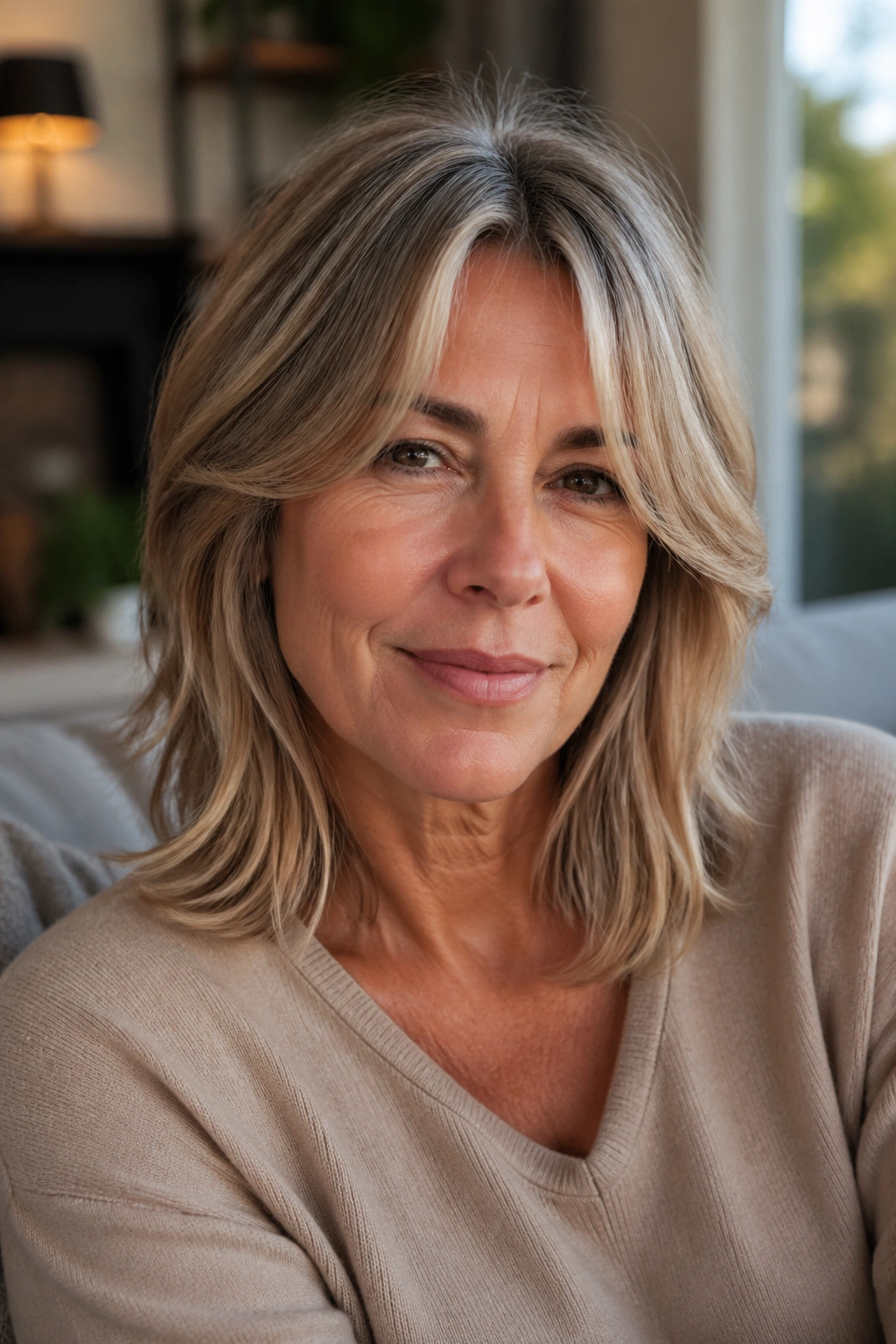
Curtain fringe can make mid-length hair look fresher fast, especially when the rest of the style stays soft and shoulder-length. The fringe opens the face without boxing it in, which is why so many women keep coming back to it.
The key is the length. If the fringe is too short, it can feel fussy. If it is too long, it stops reading as fringe at all. The sweet spot is usually around the cheekbones or a touch below, so the pieces fall away from the face naturally.
Why it flatters so many faces
Curtain fringe gives you movement right where the eye lands first. It can soften a strong forehead, balance a narrower chin, and bring shape to a longer face. It also grows out with less drama than a blunt bang, which is a relief.
Use a round brush or a blow-dry brush and direct the fringe away from the center. That little bend is what makes it work.
16. Crown-Boosting Layers
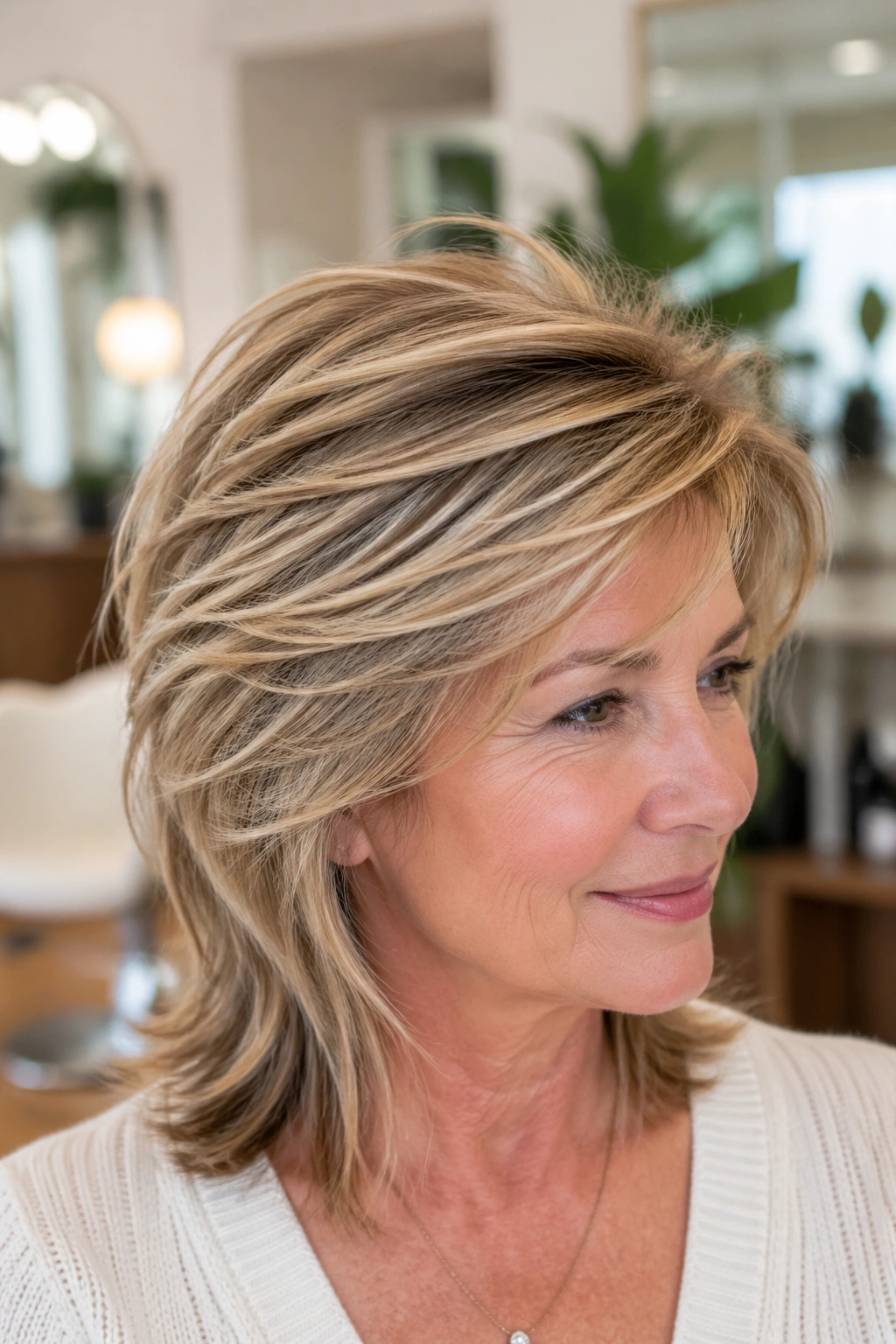
A cut that boosts the crown can change the whole mood of the face. Hair lifts the eyes, the neck looks a little longer, and the style stops collapsing into the head.
This is the opposite of over-layering. You want measured support at the top, not shredded pieces everywhere. The goal is lift where hair tends to lie flat, especially if your roots have gotten softer with time or if you spend a lot of your day in clips and buns.
A little teasing is not the same thing as a good cut. You can fluff the roots all you want, but if the haircut is too heavy, the volume disappears by noon. Better to build the shape in the haircut and use styling only as backup.
- Ask for subtle graduation at the crown.
- Keep the ends full enough to balance the top.
- Use a root spray before blow-drying.
- Finish with a cool blast while lifting the roots with your fingers.
Not every head of hair needs this. Some do. You can usually tell within a minute of drying.
17. A Layered Cut for Thick Hair
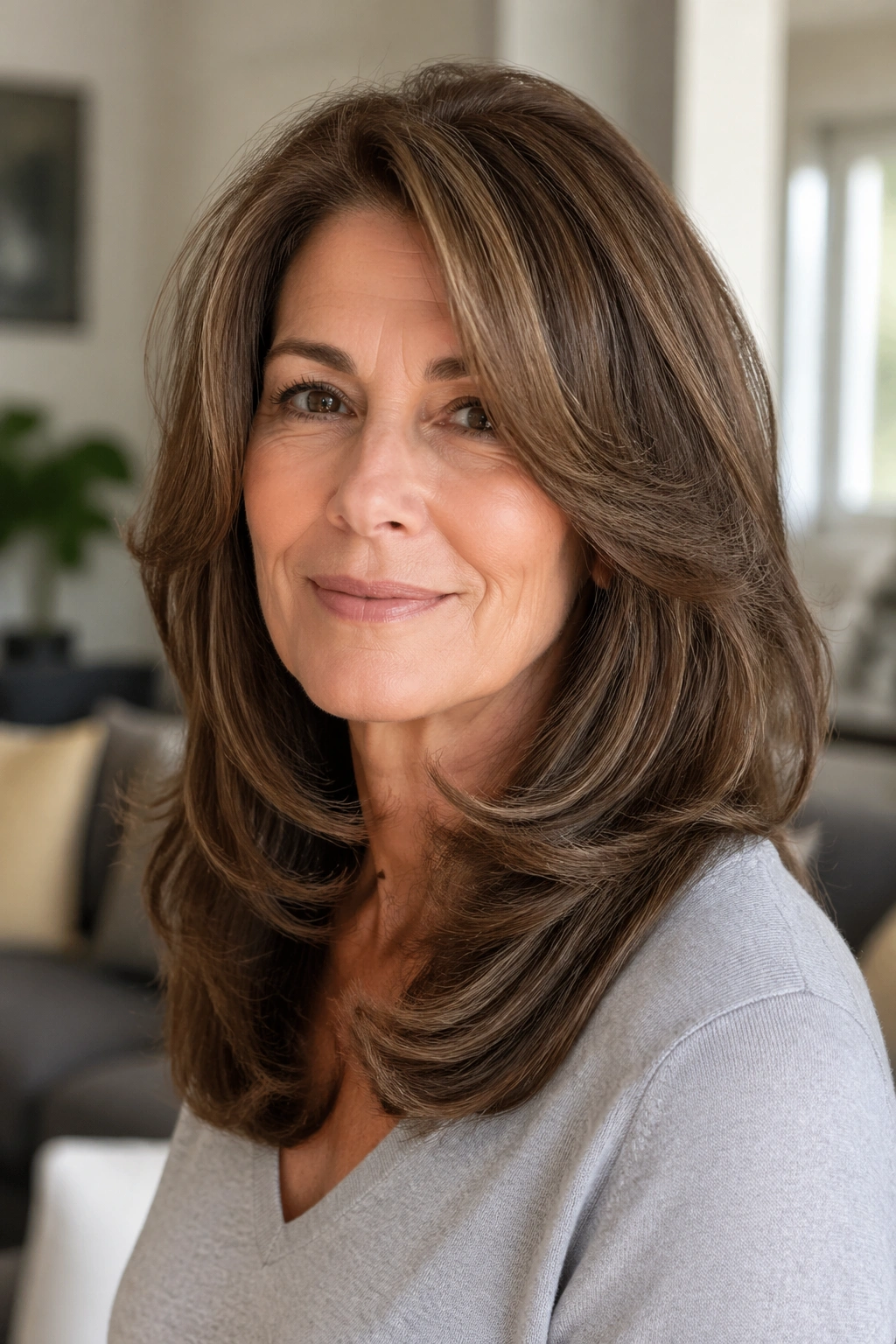
Thick hair can look luxurious, but it can also feel like a blanket if the layers are wrong. The best layered cut for thick hair takes weight out of the middle and lower sections while leaving enough substance at the ends to keep the shape from going stringy.
I like this cut because it respects density instead of trying to bully it into submission. The hair still feels full. It just stops dragging at the neck and shoulders. A little movement makes a big difference when you have a lot of hair to begin with.
The catch is over-thinning. That can create random flyaways and frizzy gaps, especially around the face. A clean layered cut should reduce bulk, not expose every strand.
One small aside: thick hair often looks best when it is cut dry or with a careful mix of wet and dry sections. The hair tells the truth that way.
18. Gray Hair with Soft Tapered Ends
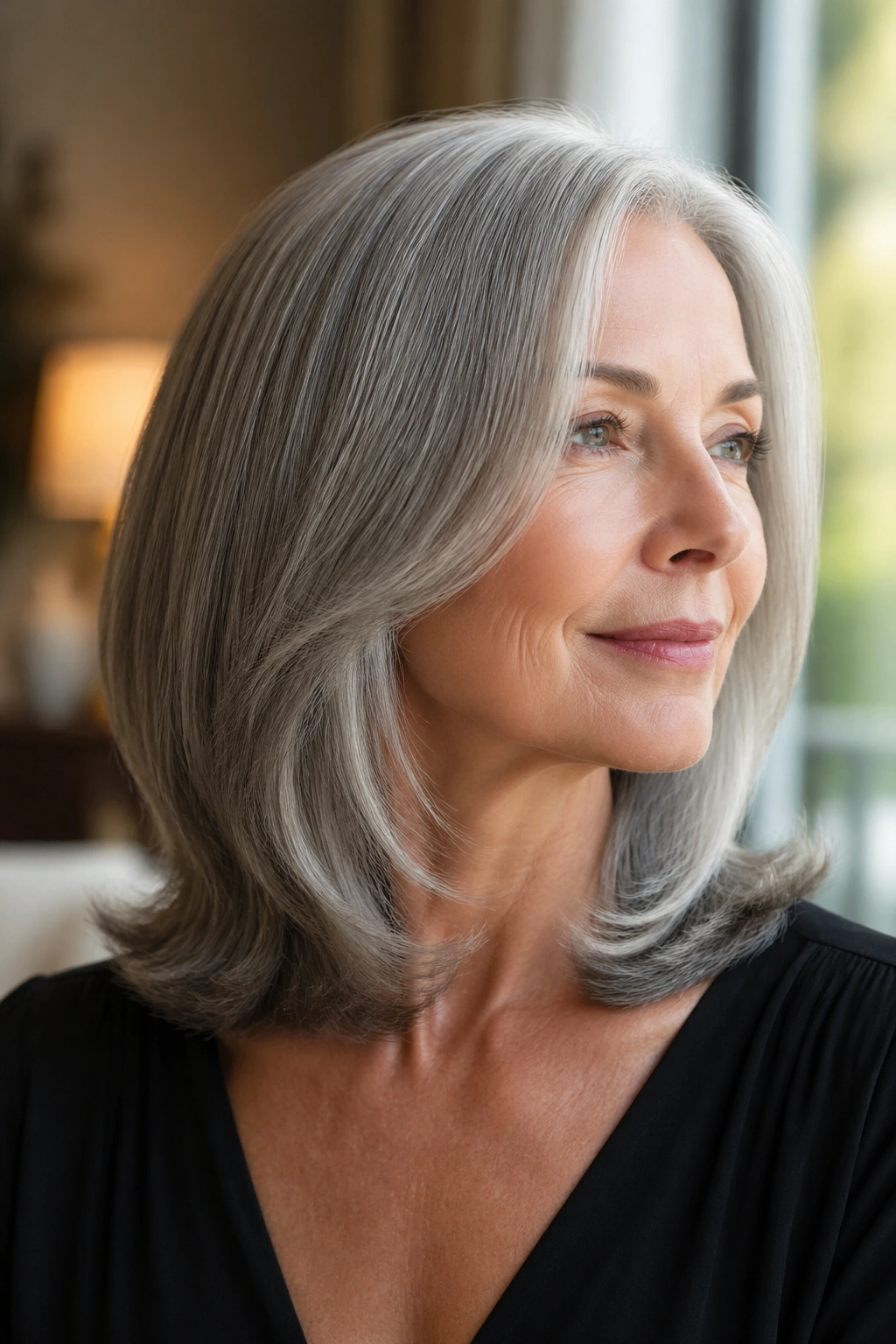
Can gray hair look softer with the right cut? Absolutely. Silver and salt-and-pepper strands often have a coarser feel, so a soft taper at the ends can keep the whole shape from looking boxy.
The taper matters because gray hair can reflect light in a brighter, flatter way. A blunt edge can turn hard fast. Soft ends keep the line from looking like a shelf. That little bit of softness makes the hair move better and sit more naturally around the shoulders.
This style works especially well when the color is one shade, or when the gray has grown in with a strong silver band. The cut gives the color a cleaner frame.
A leave-in conditioner and a medium cream can help, but the real fix is the shape itself. If your hair feels coarse, do not chase softness with too much product. That usually makes it limp before it makes it silky.
19. Face-Framing Layers at the Cheekbone
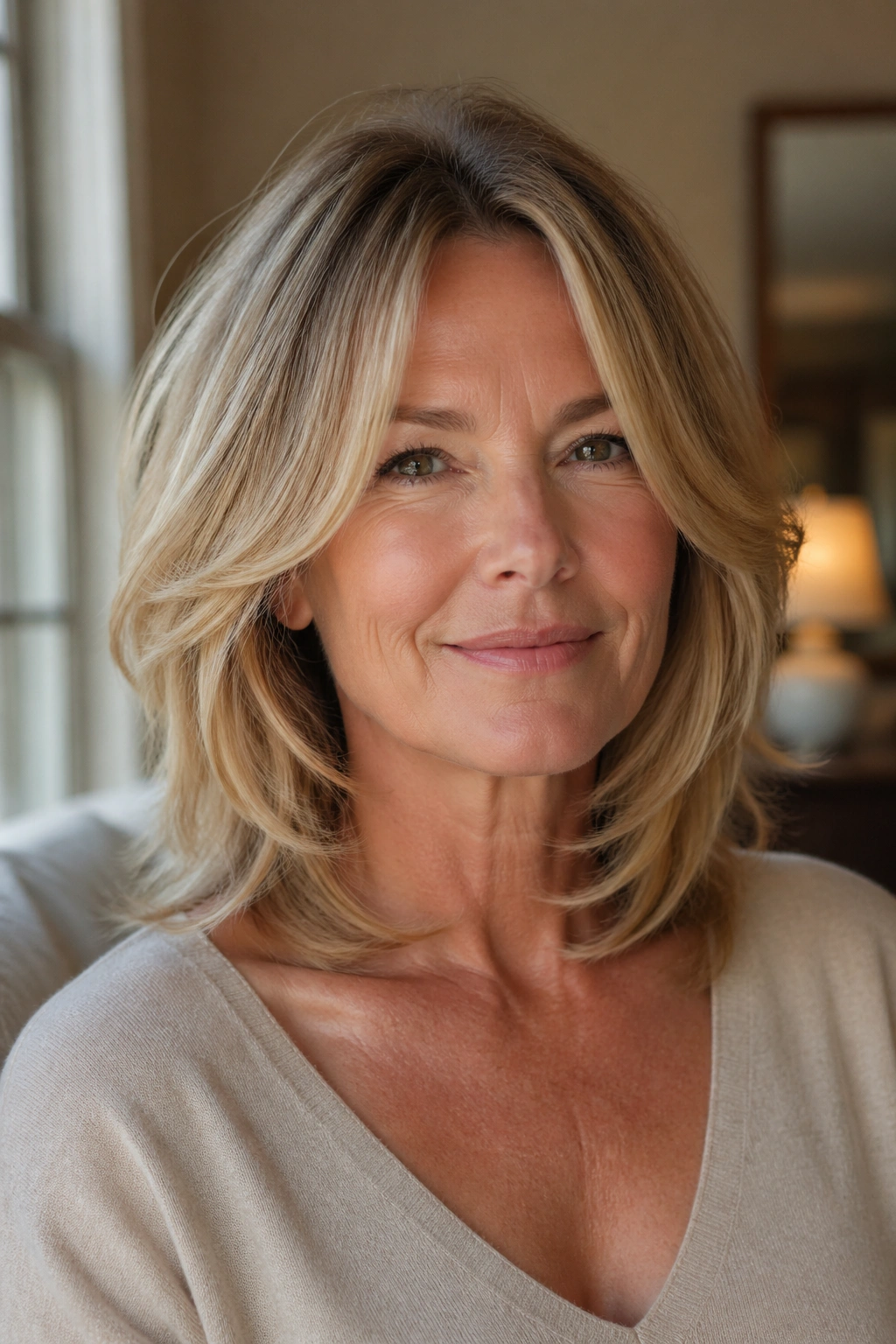
Cheekbone layers are the haircut version of good lighting. They pull attention upward, soften the sides of the face, and give mid-length hair a little lift without making the rest of the cut choppy.
The best cheekbone layers do not announce themselves from across the room. They sneak in. You notice them because the face looks open and the hair seems to move when you turn your head, not because there is a dramatic step in the cut.
This is a smart style for women who want to soften the jaw or bring a little energy to straight hair. It is also useful if one side of the face is slightly fuller than the other. A good stylist can place the shortest face-framing pieces where they do the most work.
Where to ask for the shortest piece
Have the shortest layer hit around the cheekbone or just below it. That spot tends to flatter without pulling too much attention to the chin.
20. The Feathered Flip
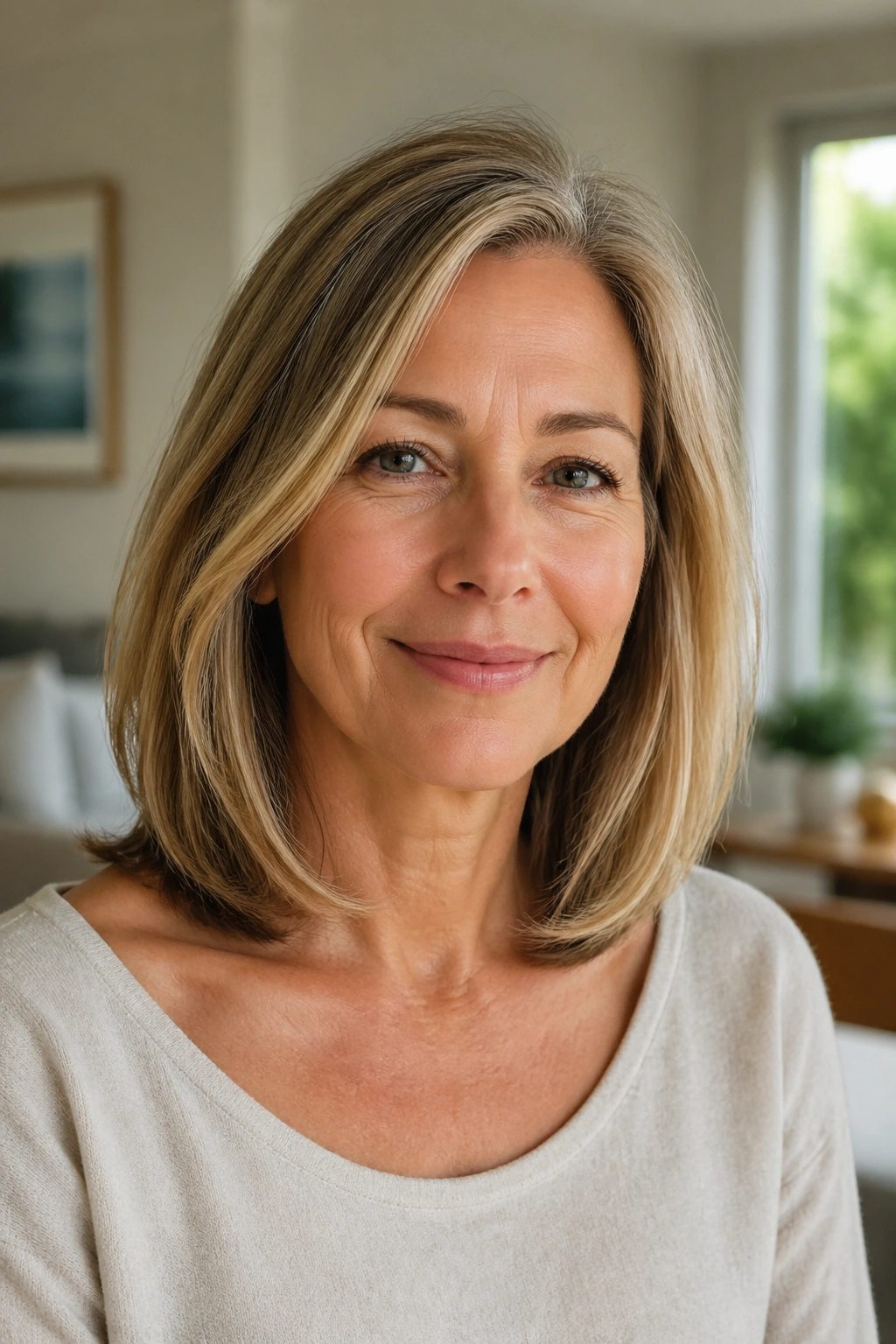
The feathered flip is not the same thing as a dated, overstyled blowout from a salon magazine. A good one is softer, looser, and way more wearable. The ends turn out just enough to show shape, and the top stays light.
This cut is great if your hair naturally wants to flick away at the ends. Instead of fighting that bend, you can shape it and let the style have some personality. It looks especially nice on women with glasses because the flip adds movement near the cheek and temple without crowding the frames.
Do not overbrush this style. That is the fastest way to flatten the lift and make the ends look puffy in the wrong way. A round brush, a touch of heat, and a short cool-down are usually enough.
I also like it on hair that has a little wave but not enough for a true curl pattern. It sits in a useful middle ground. Not too straight. Not too fussy.
21. The Wash-and-Go Mid-Length Cut
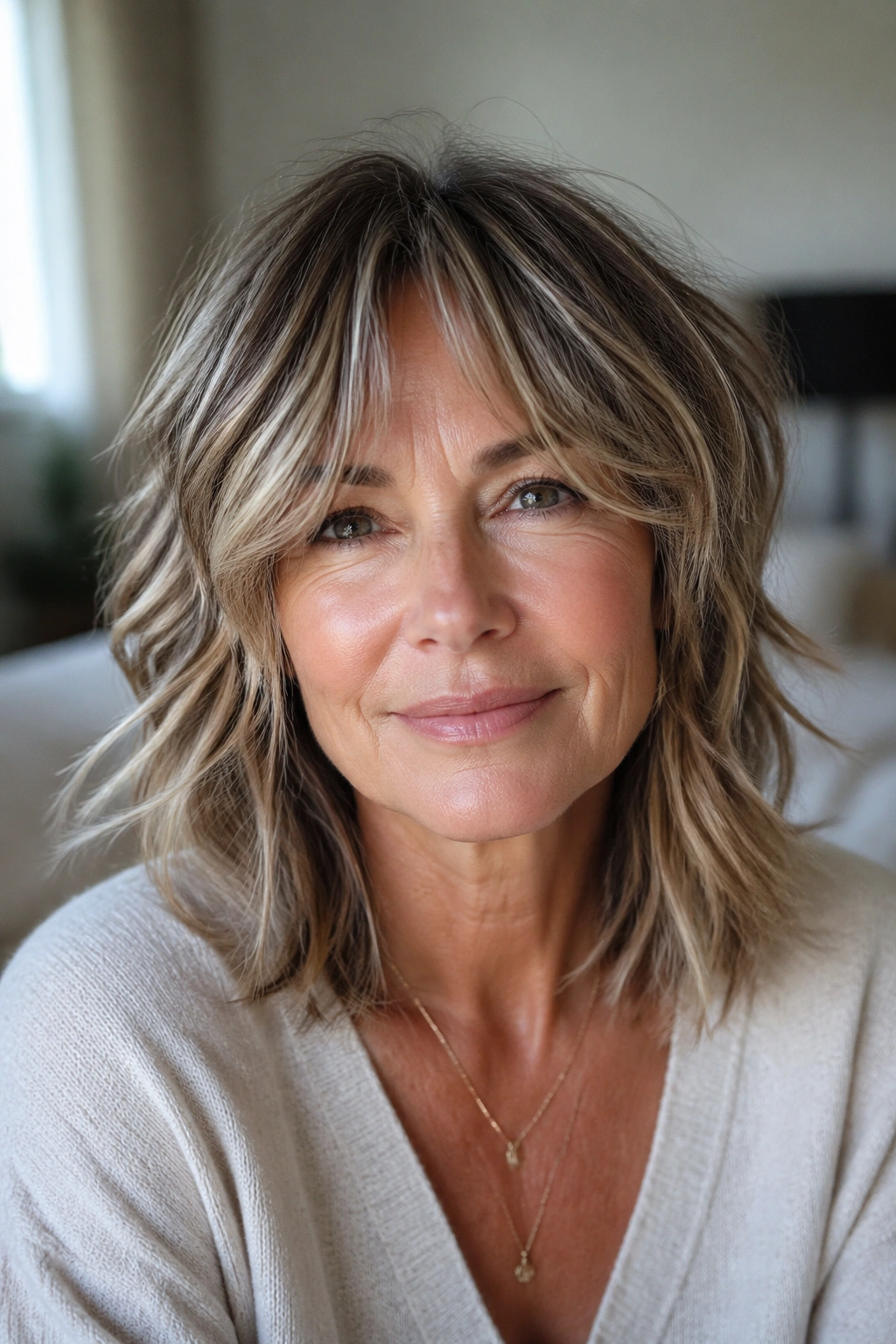
A wash-and-go cut sounds casual, but it is actually one of the most thoughtful shapes you can get. The hair has to fall well on its own, which means the cut has to do the work that styling would normally do.
That is why this style is so good for busy mornings. If the layers are placed right, you can air-dry, scrunch a little, and walk away. No big round brush. No long battle with a flat iron. Just hair that behaves.
Unlike a heavily styled cut, this one depends on your texture being part of the design. A little wave helps. So does hair that dries with a soft bend at the ends. Straight hair can wear it too, but it usually needs a touch of product to keep the line from falling flat.
If you want easy, this is the one I would point to first. It is not lazy. It is strategic.
22. A Grow-Out Friendly Lob
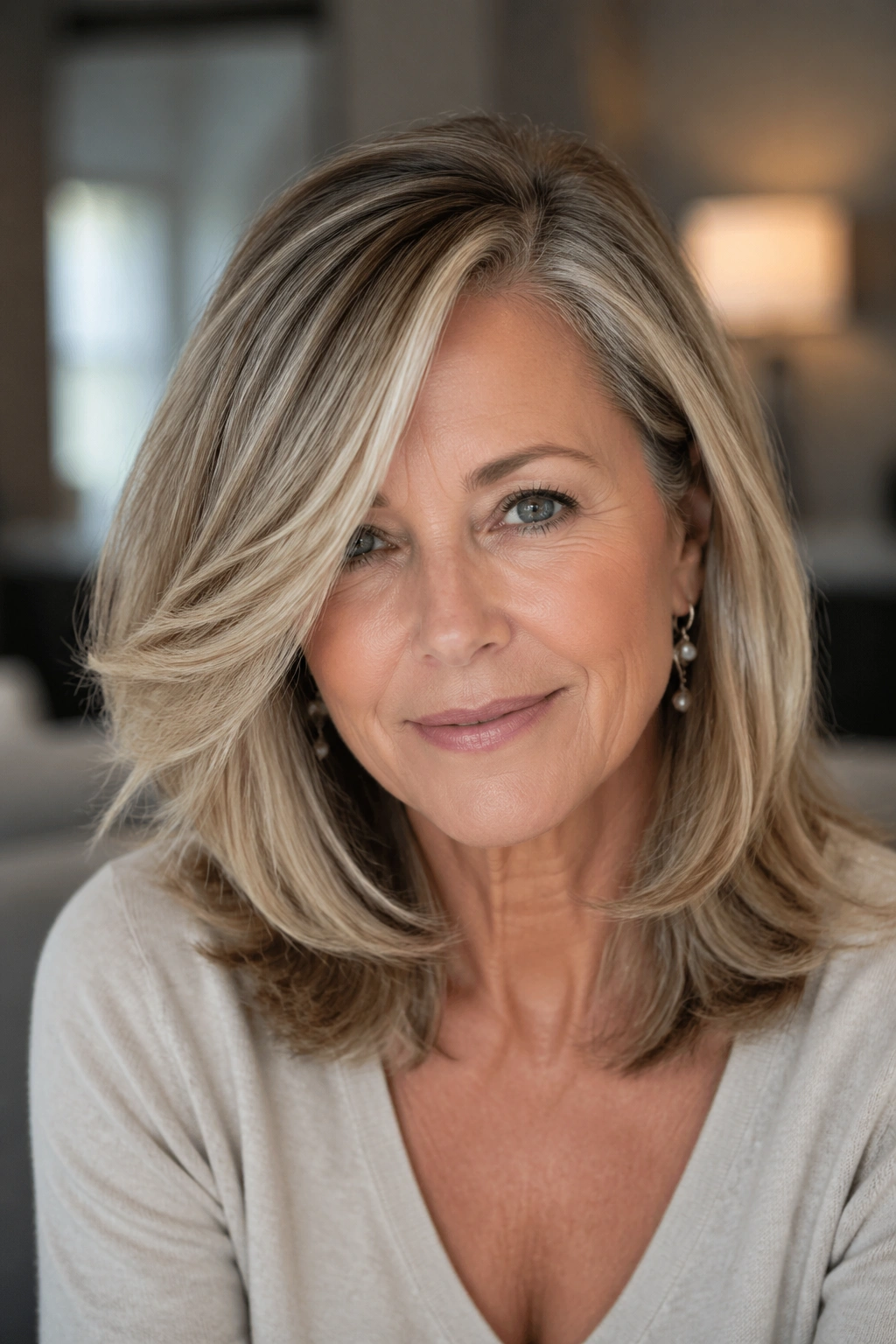
What makes a cut easy to live with? Usually, it is the grow-out. A lob that stays flattering for months between trims is worth more than a fancy cut that looks great for ten days and then falls apart.
How to ask for it
Ask for a collarbone-length lob with a little movement in the front and a clean line in the back. That gives the shape enough structure to hold while the hair grows.
- Keep the perimeter blunt enough to stay full.
- Add soft layers only near the face.
- Avoid heavy bangs if you do not want frequent trims.
- Choose a length that still tucks behind the shoulders.
This cut is a practical favorite because it does not panic when life gets busy. The shape remains readable even when it has been a few weeks since the salon. That is worth something.
23. Shoulder-Length Curls with Shape
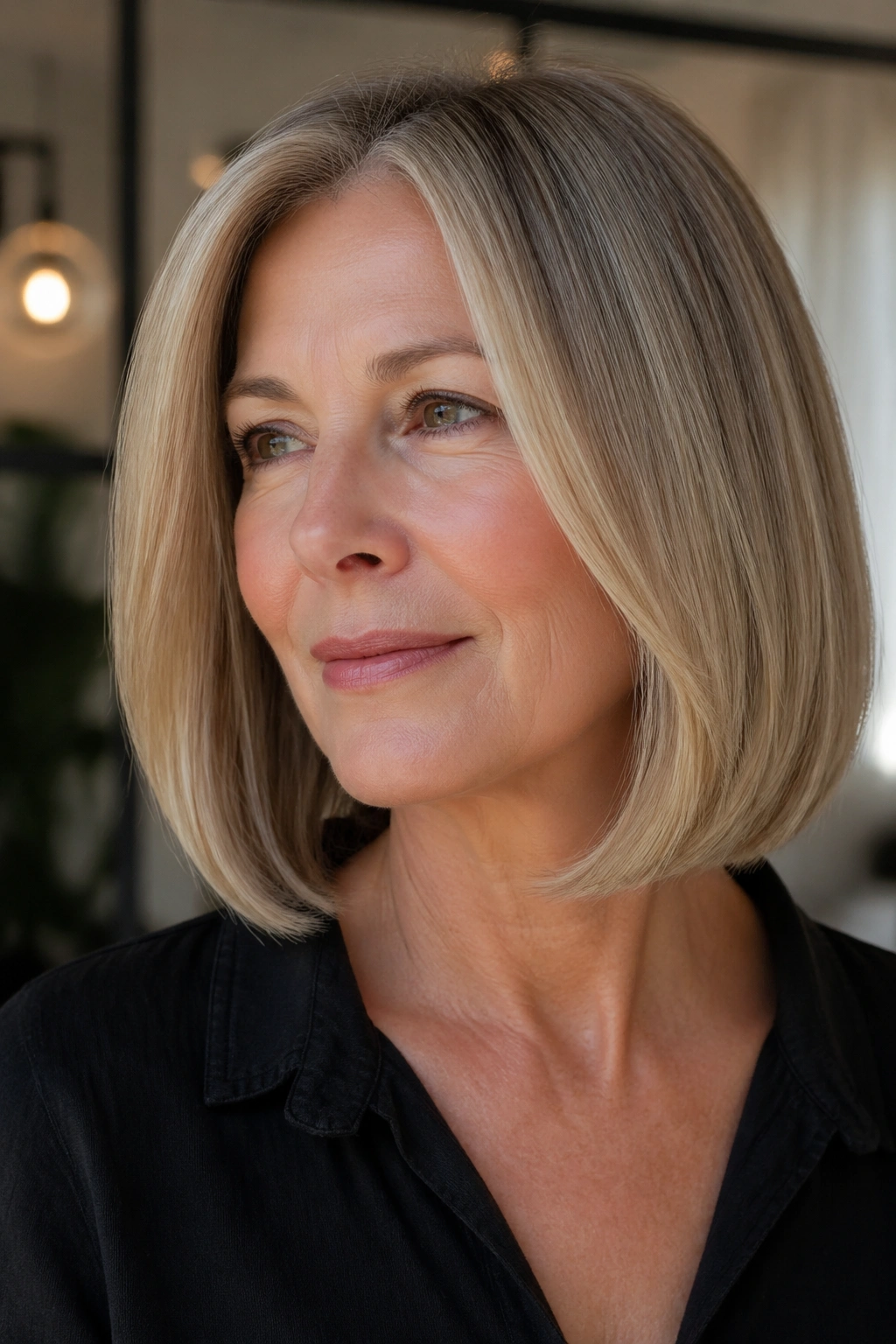
Shoulder-length curls can look lush, but only when the cut respects the curl pattern. If the shape is wrong, the hair can swell at the sides and flatten on top. If the shape is right, the curls stack beautifully and the whole style feels balanced.
The right layers depend on how tight your curl is. Looser curls usually want longer layers and a bit of face framing. Tighter curls often need more internal shape so the bulk does not build up at the bottom. Either way, the goal is roundness, not triangle.
A diffused curl cream, a little gel, and hands-off drying go a long way. The more you touch curls while they set, the more frizz you invite. That part never changes.
- Keep the longest pieces at the shoulder or just below.
- Place the shortest face-framing pieces where the curl naturally wants to sit.
- Let curls dry before fluffing the roots.
- Refresh with water and a small amount of cream, not a full reset.
24. The Polished Shoulder-Length Blowout
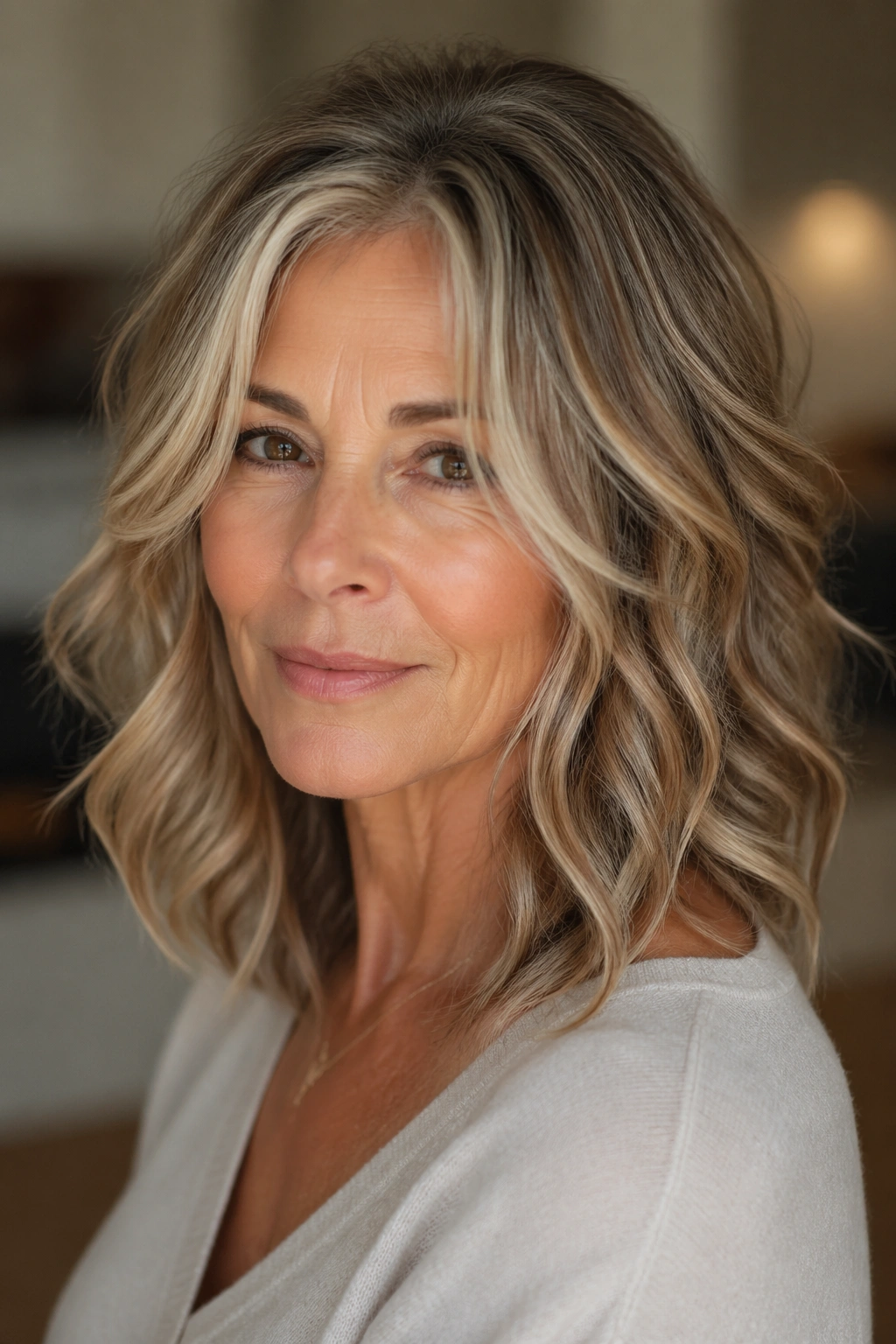
A polished shoulder-length blowout is the haircut version of putting on a good jacket. It makes everything else look more deliberate. The movement sits in the ends, the crown lifts a little, and the whole shape feels finished without looking stiff.
What makes this style so useful for older women is the range. It can look refined for dinner, simple for daytime, and soft enough that it does not scream “styled.” The hair lands right around the shoulders, so it still feels easy to manage, but the blowout gives it a cleaner outline than air-dried hair usually has.
If you want one haircut that can lean sleek or loose depending on the day, this is the one I’d hand over first. Ask for shoulder length, soft internal layers, and enough face framing to keep the front from hanging flat. Then style it with a medium round brush, a touch of heat protectant, and a cool shot at the end so the bend holds.
A last thought, because this matters more than people say it does: the best mid-length hairstyle is the one that works when you are tired, not only when you have time. If a cut gives you fullness, softness, and a shape that still behaves on day three, you are in good territory. That is usually the sweet spot.
