



Braids that protect natural curls can be a blessing when your hair needs a break, but the word protect does a lot of heavy lifting here. A braid style only earns that label when it keeps your ends tucked, spreads tension evenly, and doesn’t leave your scalp feeling like it went ten rounds with a brush.
Tight braids are not protective. Heavy braids are not protective. Styles that sit too long and dry out your roots are not protective either.
The sweet spot is lower tension, clean parting, and a shape you can actually live with for more than a day. That’s why the best braid styles for natural curls range from ultra-sleek cornrows to fuller box braids and pinned-up looks that keep your hair off your shoulders. Some are better for workouts. Some are better for long wear. Some are better when your hairline is asking for mercy.
What matters is matching the braid to your hair, not forcing your hair to match the braid. That’s where the good stuff starts.
1. Knotless Box Braids for Natural Curls
Knotless box braids are the style I reach for first when someone wants braid styles that protect natural curls without that hard, bulky start at the scalp. The braid begins with your own hair and slowly feeds in extensions, which spreads the weight out instead of dumping it all at the root.
Why They Feel Easier on the Hairline
That gradual start matters. A knotless braid sits flatter, moves more naturally, and tends to pull less at the edges than a traditional box braid with a knot. If your scalp gets sore fast, this is the style that usually feels kinder.
- Best for medium to thick natural hair
- Works well with medium or small parting
- Feels lighter at the roots than knotted braids
- Can be worn up or down without fighting the base
My practical tip: keep the sections small enough that the braids hang, not drag. If they feel heavy in your hands before you’re even done, they’ll feel heavier on your head an hour later.
2. Traditional Box Braids
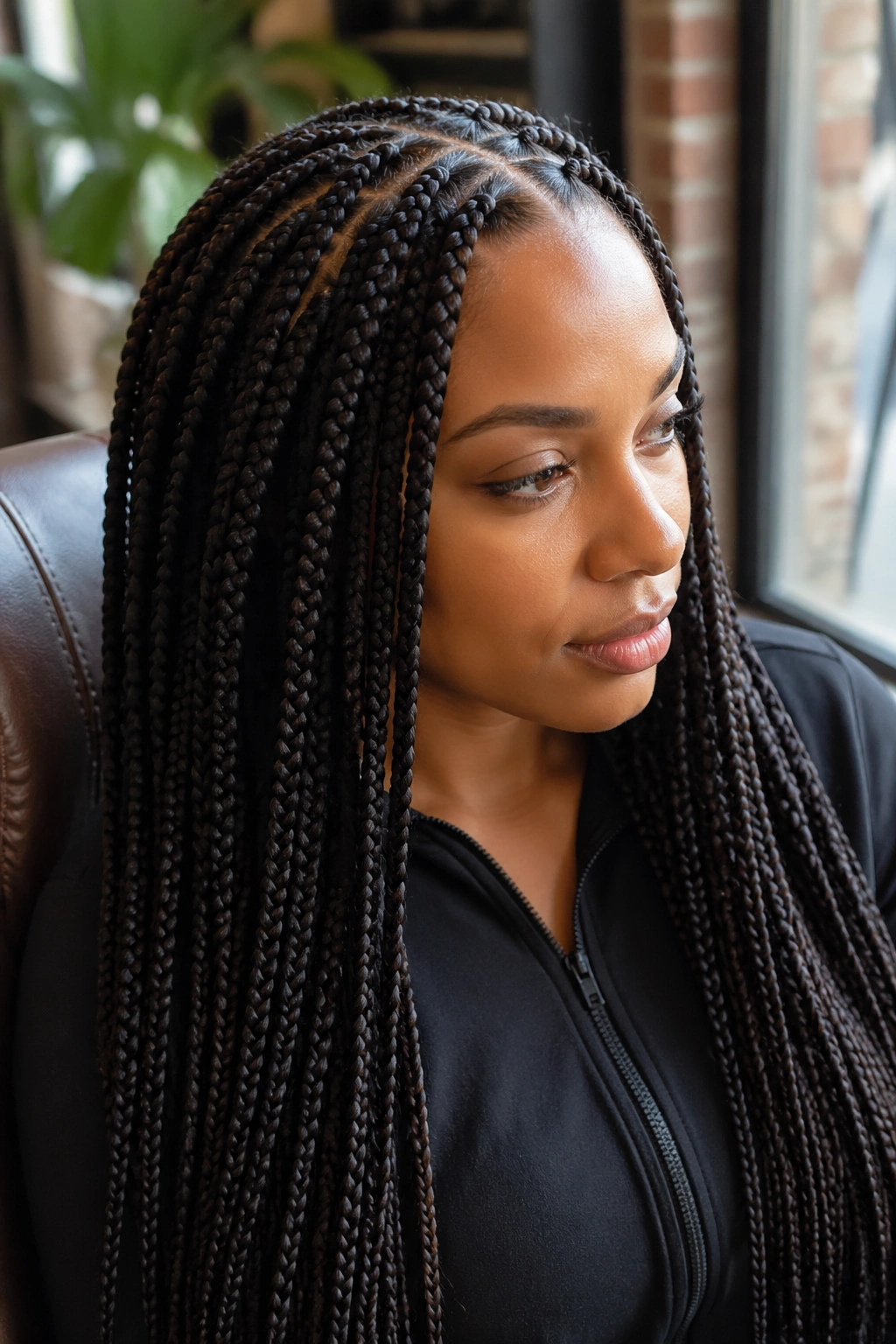
Traditional box braids still deserve respect. They are the classic for a reason: once the braid is anchored, the style has structure, staying power, and a neat shape that holds up well over time.
The catch is the start. That wrapped knot can feel firmer than knotless braids, especially if the braids are thick or the parts are too tight near the front. I like traditional box braids best when the installer keeps the tension even and avoids making the edge pieces bigger than the rest. That’s where people get into trouble.
They also work nicely for dense curls that can handle a bit more grip at the root. If your strands are fine or your hairline is fragile, ask for smaller sections at the perimeter and lighter extensions. That tiny adjustment can save a lot of soreness later. Traditional box braids are sturdy. They just need a softer hand than most people give them.
3. Straight-Back Cornrows
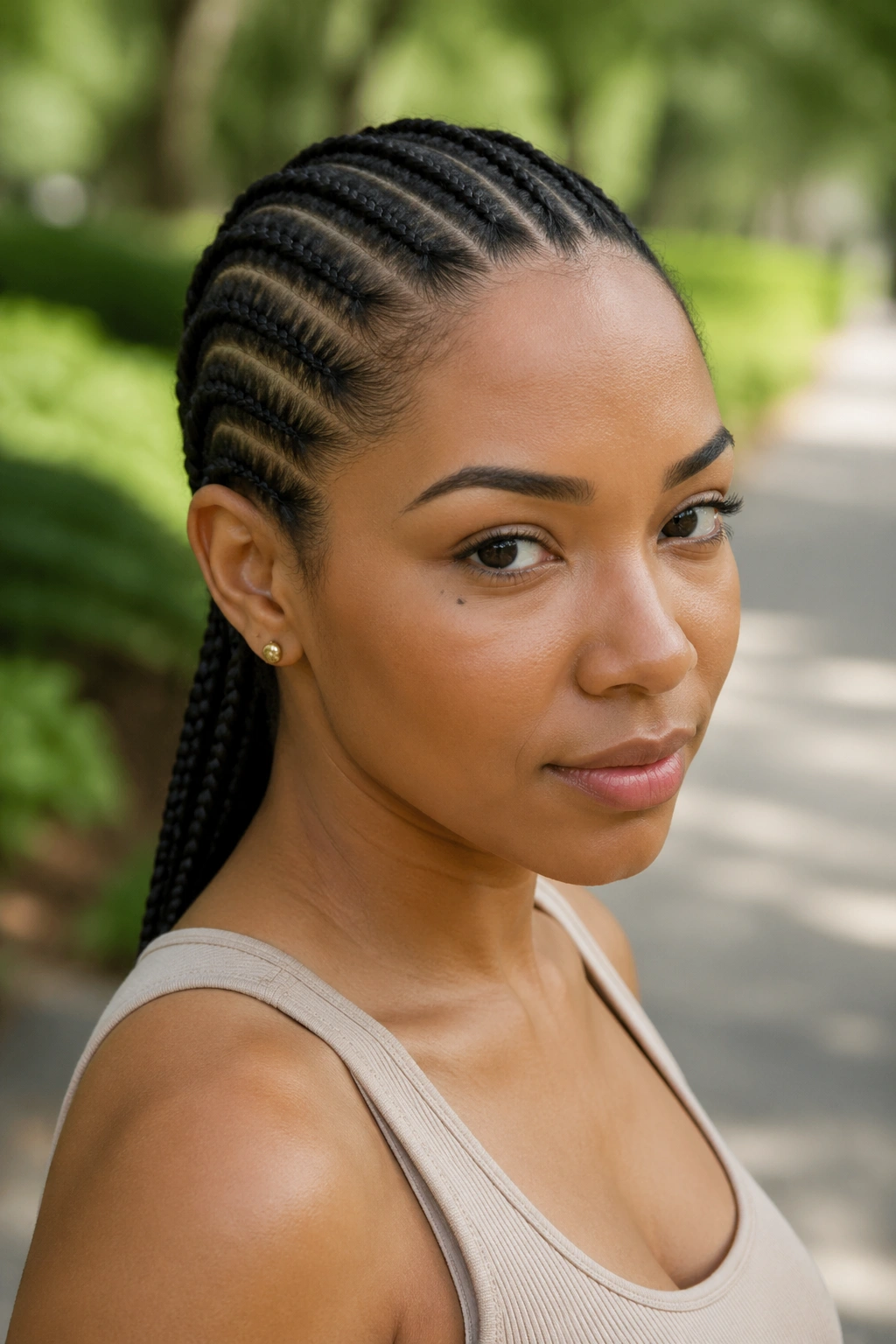
Can a simple style protect curls well? Yes, if the tension is clean and the rows are neat.
Straight-back cornrows are one of the most practical braid styles for natural curls because they keep the hair close to the head, reduce daily handling, and make washing or oiling the scalp easier than with bigger hanging braids. They also work beautifully under hats, scarves, and wigs, which is one reason people keep coming back to them.
How to Wear Them
Keep the first pass along the hairline loose enough that you can move your eyebrows without feeling a pull. That sounds obvious. It isn’t, because too many cornrows start too tight and stay that way.
I like straight-backs when I need a no-fuss week or two and do not want hair catching on collars, zippers, or gym straps. They’re also a smart choice if your curls need a reset after heat styling or lots of styling gels. Simple. Solid. No drama.
4. Feed-In Cornrows
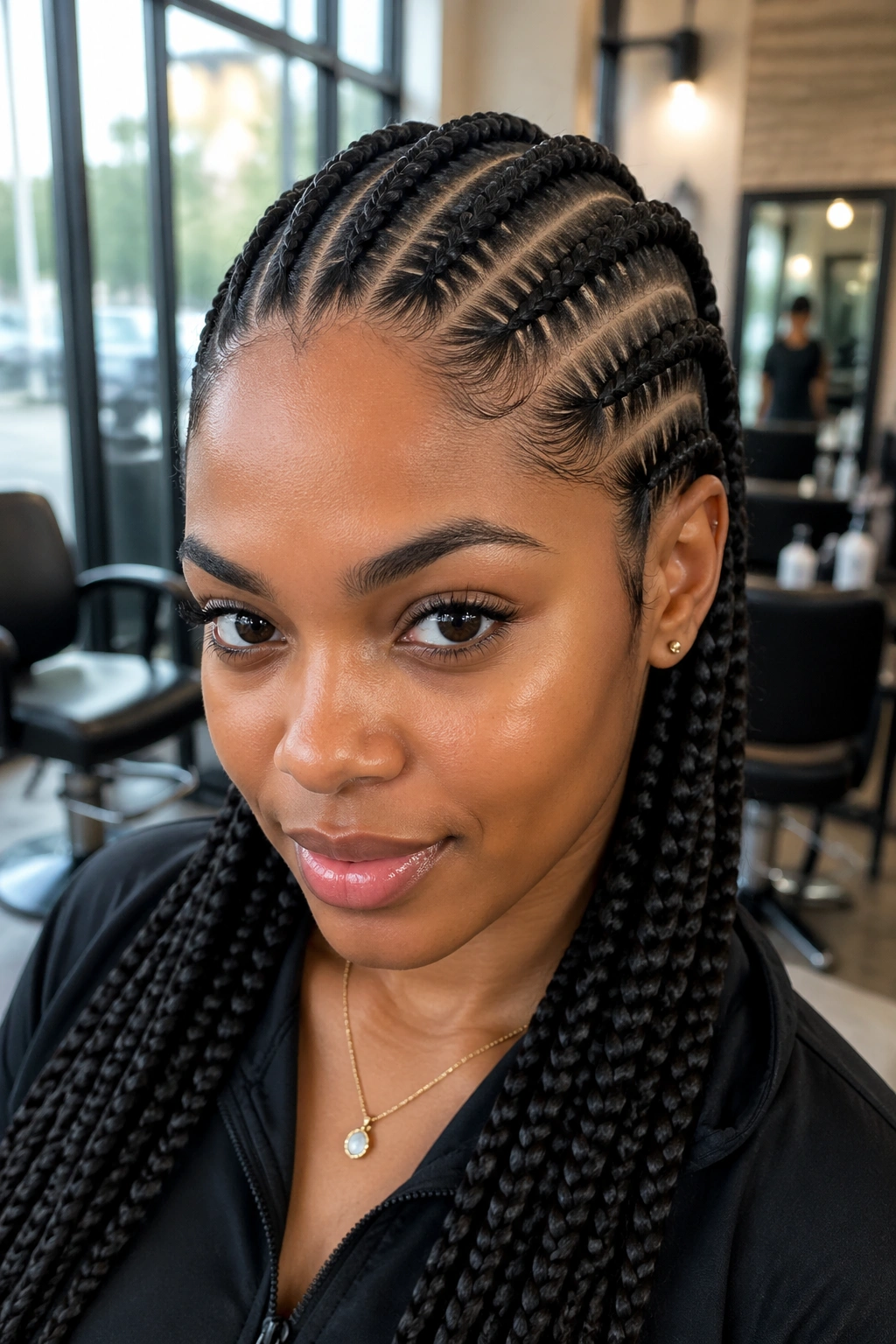
Picture a cornrow that starts soft, lies flat, and never looks like it was clamped onto the scalp. That’s the feed-in version, and it’s a much better option than the old-school bulky start many people grew up with.
Feed-in cornrows add extension hair gradually, which makes the braid look slimmer at the front and easier on the roots. The visual effect is cleaner, but the real win is tension control. You get the sculpted look without that hard ridge at the beginning of each braid.
- Great for sleek side parts and curved designs
- Helps reduce a bulky start near the hairline
- Works with short-to-medium natural hair
- Gives a smoother grow-out than heavy cornrows
Worth knowing: feed-in braids still need careful parting. If the sections are uneven, the style looks messy fast, and the extra hair can make the braid feel patchy instead of balanced.
5. Ghana Braids
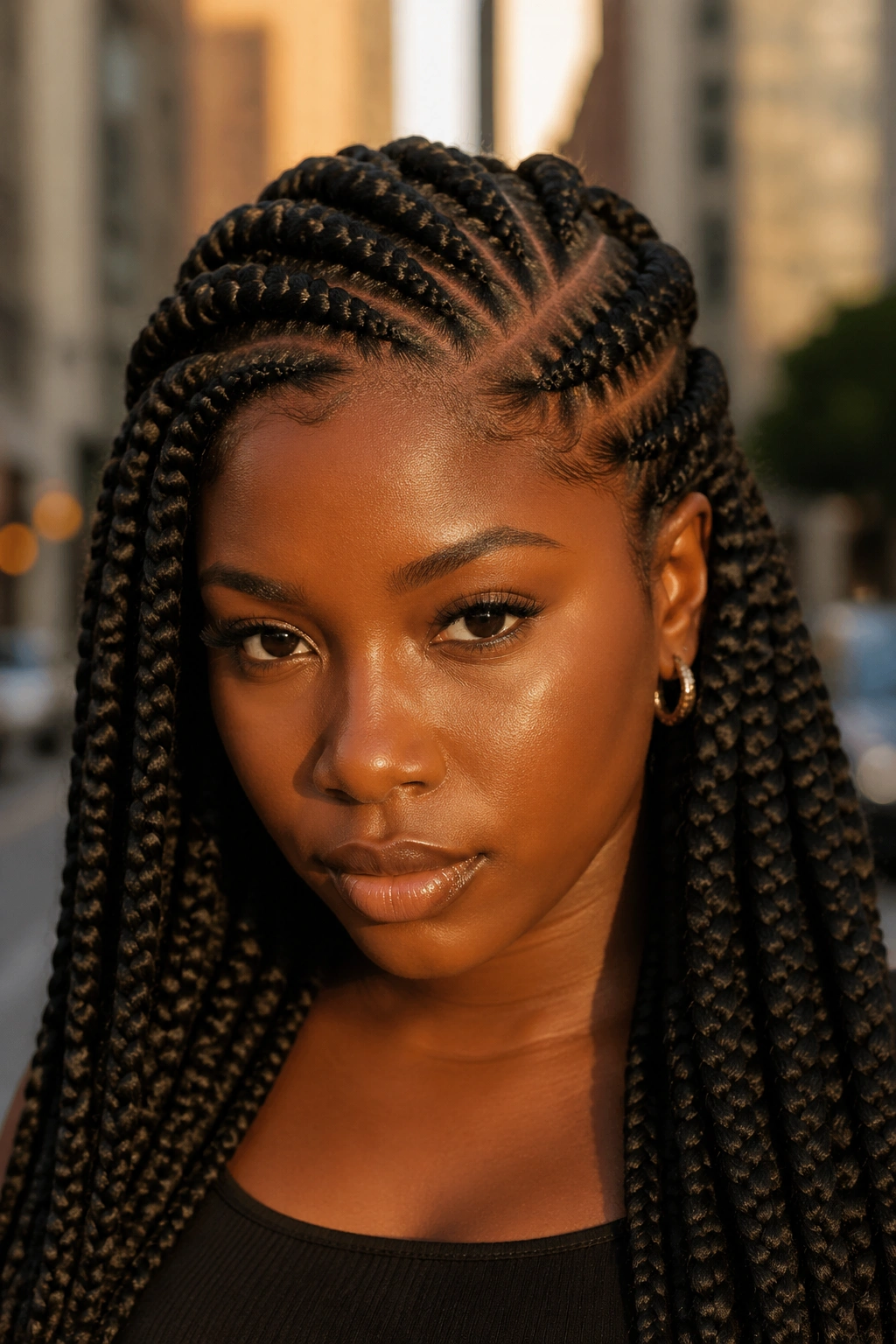
Ghana braids have a heavier, sculpted look that some people love because it makes the braids feel deliberate and polished. They start smaller at the roots and build into thicker rows, so the style has shape without the flatness of a plain cornrow set.
What I like about Ghana braids is the way they frame the head. They can look bold without needing tiny parts all over the scalp, and that matters if you want a style that reads clean from across the room. They also keep curls tucked away well, which helps cut down on daily friction from clothing and weather.
The tradeoff is weight. If the braids get too thick too high on the head, they can tug at the roots more than people expect. I’d keep the front rows lighter and let the size grow as the braid moves back. That keeps the style comfortable enough to actually wear, which is the whole point.
6. Stitch Braids
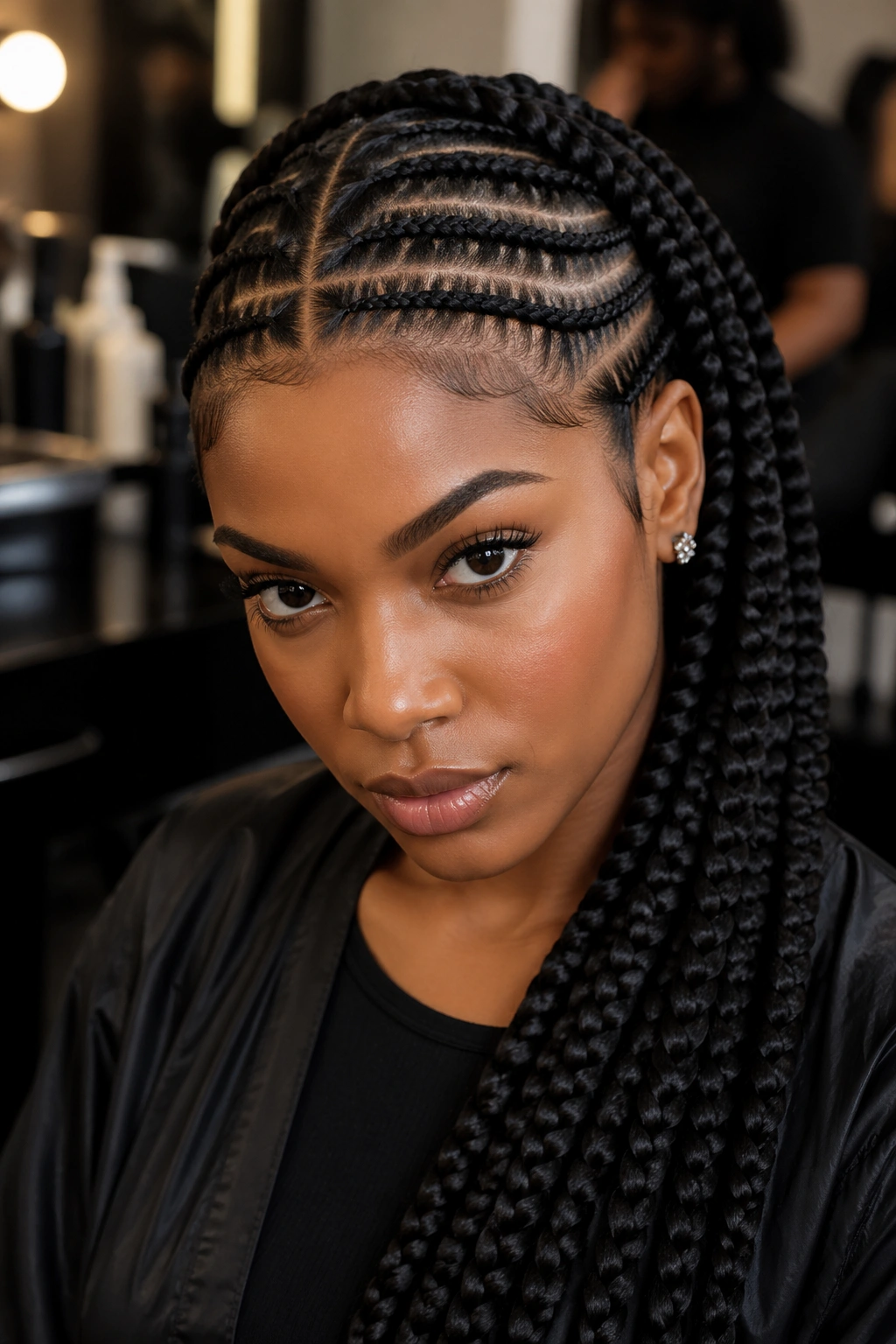
Unlike looser cornrow patterns, stitch braids are about those crisp, segmented lines that look almost carved into the scalp. The sections are created with sharp horizontal parting, so each braid has a structured, almost graphic look.
That structure does two things. First, it gives the braid a clean shape that holds well. Second, it helps the style feel secure without needing to be wrapped as tightly as some people assume. The parting does a lot of the visual work.
What Makes Them Different
Stitch braids are especially good if you like patterns, symmetry, or a style that stays neat for days. They’re also a solid match for thick natural curls because the braid pattern can control volume without flattening everything into the head.
I would not ask for overbuilt edges here. The lines should look sharp, not painful. A good stitch braid should feel snug, not pressing. That small difference matters more than the design itself.
7. Fulani Braids That Protect Natural Curls
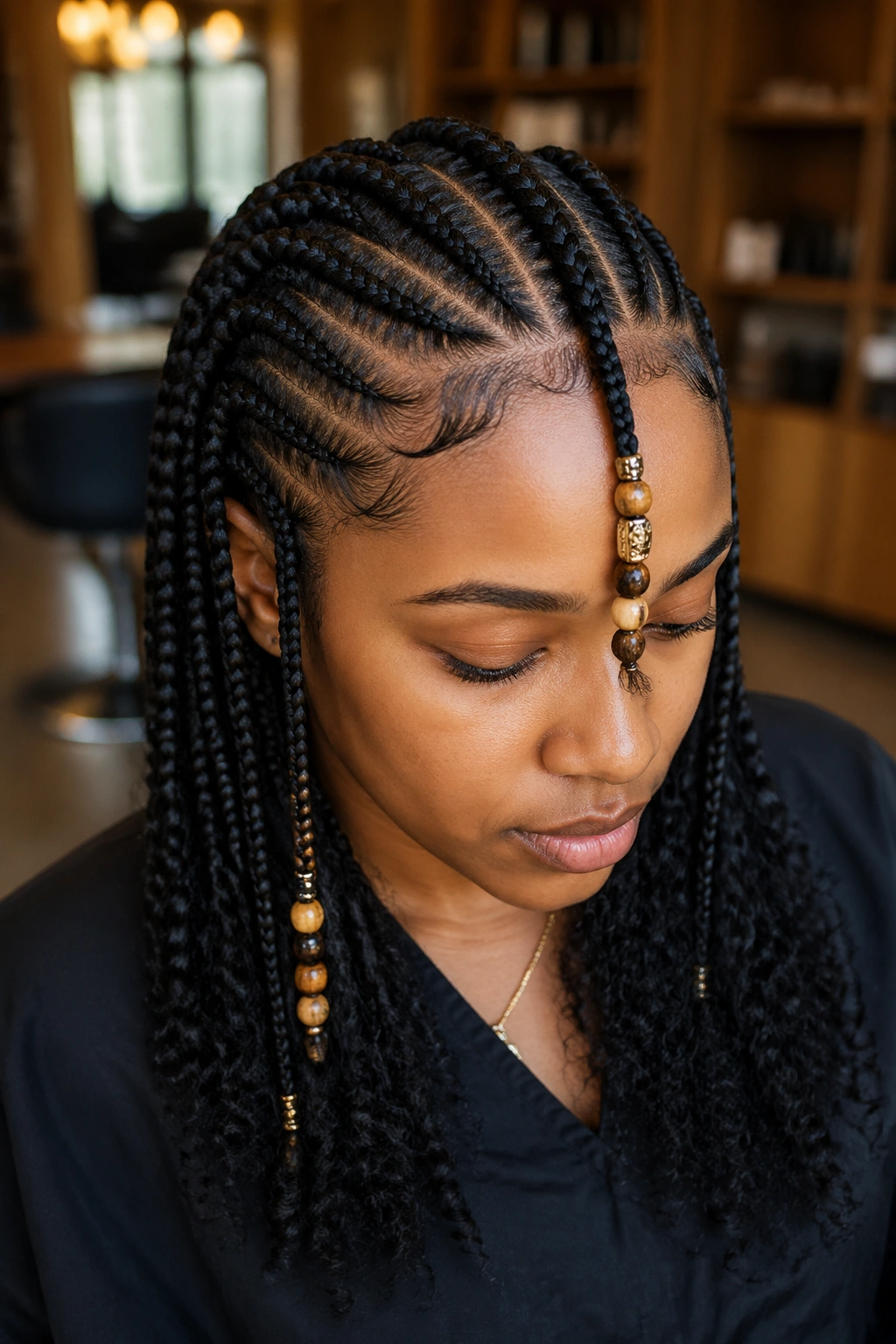
Fulani braids are the kind of style that looks decorative first and protective second, but the two jobs can coexist if the ends are tucked and the beads stay light. The center braid, side braids, and face-framing pieces give the style its shape, while the rest of the hair stays controlled and out of the way.
Quick Facts
- Works best with medium to long natural hair
- Beads should be light, not clunky
- Side pieces help soften the look around the face
- Braided ends can be sealed, tucked, or finished with cuffs
The bead question matters. Heavy beads can turn a pretty style into a pulling mess, especially at the temples. Keep the accessories manageable and the braid sections balanced, and Fulani braids become one of the best styles for keeping curls organized while still letting the whole look feel personal.
8. Lemonade Braids That Protect Natural Curls
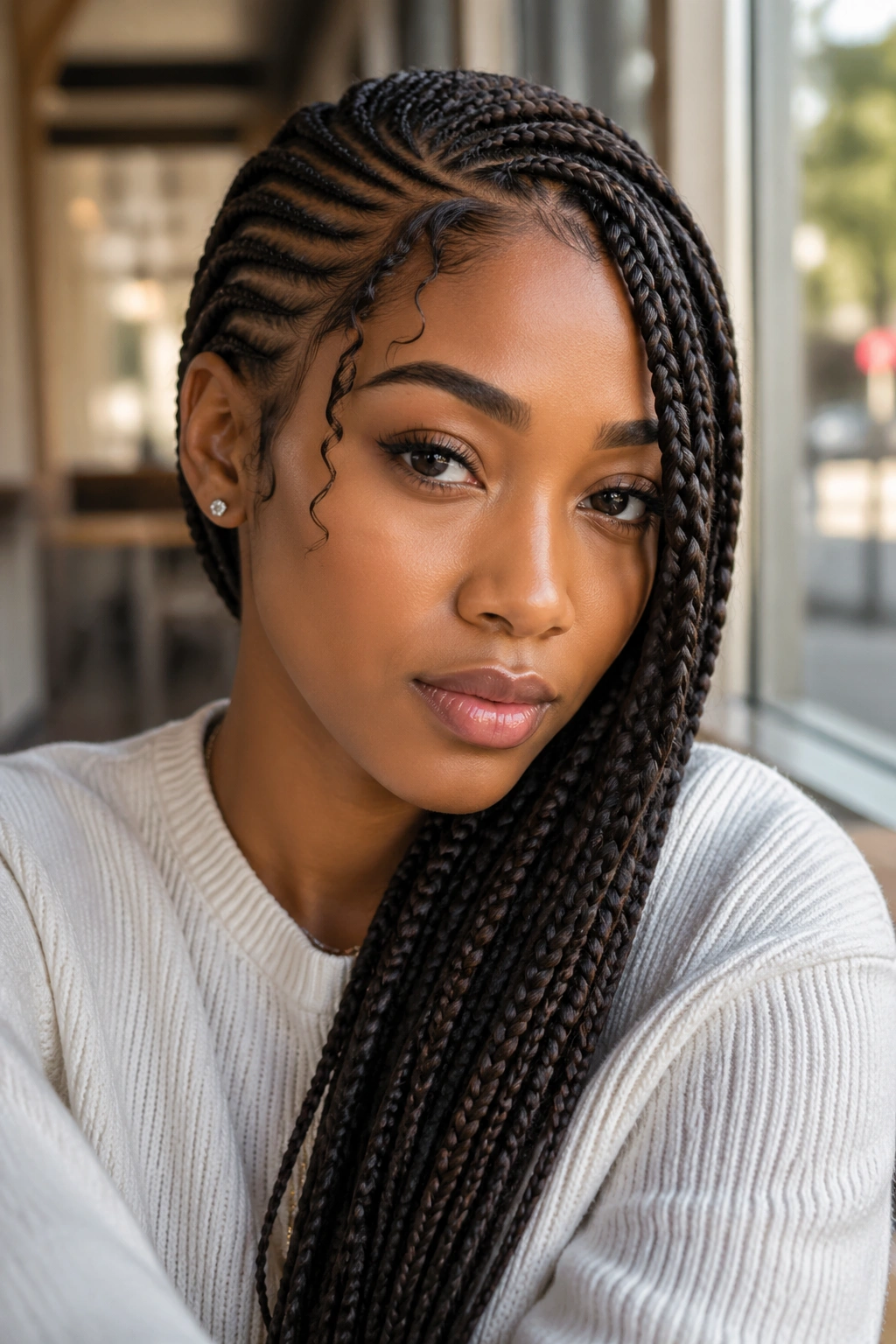
Lemonade braids are side-swept cornrows with attitude. They pull the eye in one direction, which gives the style movement and keeps the middle of the scalp from taking all the attention and all the friction.
The braid pattern is especially useful if you wear side parts often, because the style already leans that way. It can also be kinder than center-heavy looks when your crown needs a break. The braids lie close enough to keep curls tucked, but they still leave room for shape.
The one place I watch closely is the temple area. Side-swept styles can get tight there if the braider tries to make the pattern too dramatic. Keep the front soft and the parting precise. If the hairline starts to feel hot or prickly after an hour, the braid is too snug and needs to be redone.
9. Goddess Braids
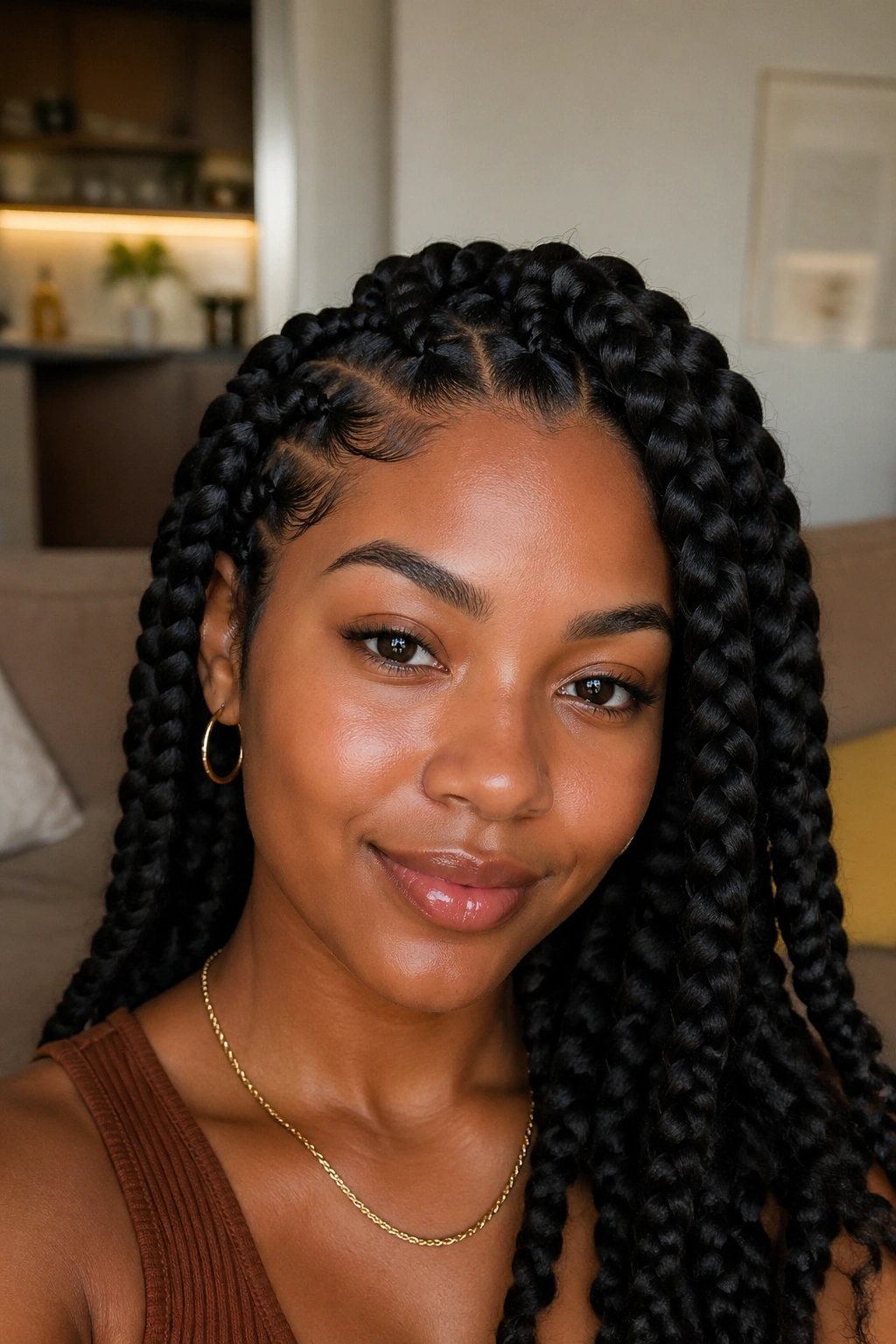
Why do goddess braids feel easier than tiny braids? Because fewer, thicker rows usually mean less time in the chair and less handling afterward.
These braids are chunky, soft-edged, and often styled with a bit more volume than a sleek cornrow. That extra size gives them a calm, relaxed look, and it also makes them easier on the scalp for a lot of people. When the braid is wide, the tension is spread over more hair instead of being concentrated in a thin line.
How to Get the Most From Them
Goddess braids shine when the hair is stretched first. Not bone-dry, not wet. Just stretched enough that the parts are clean and the braid can lie smoothly. I also like them with tucked ends or a soft curl finish at the bottom, because that keeps the style from looking too severe.
They’re a smart pick if you want something fast, wearable, and not fussy. Some styles are about precision. This one is about ease.
10. Tribal Braids
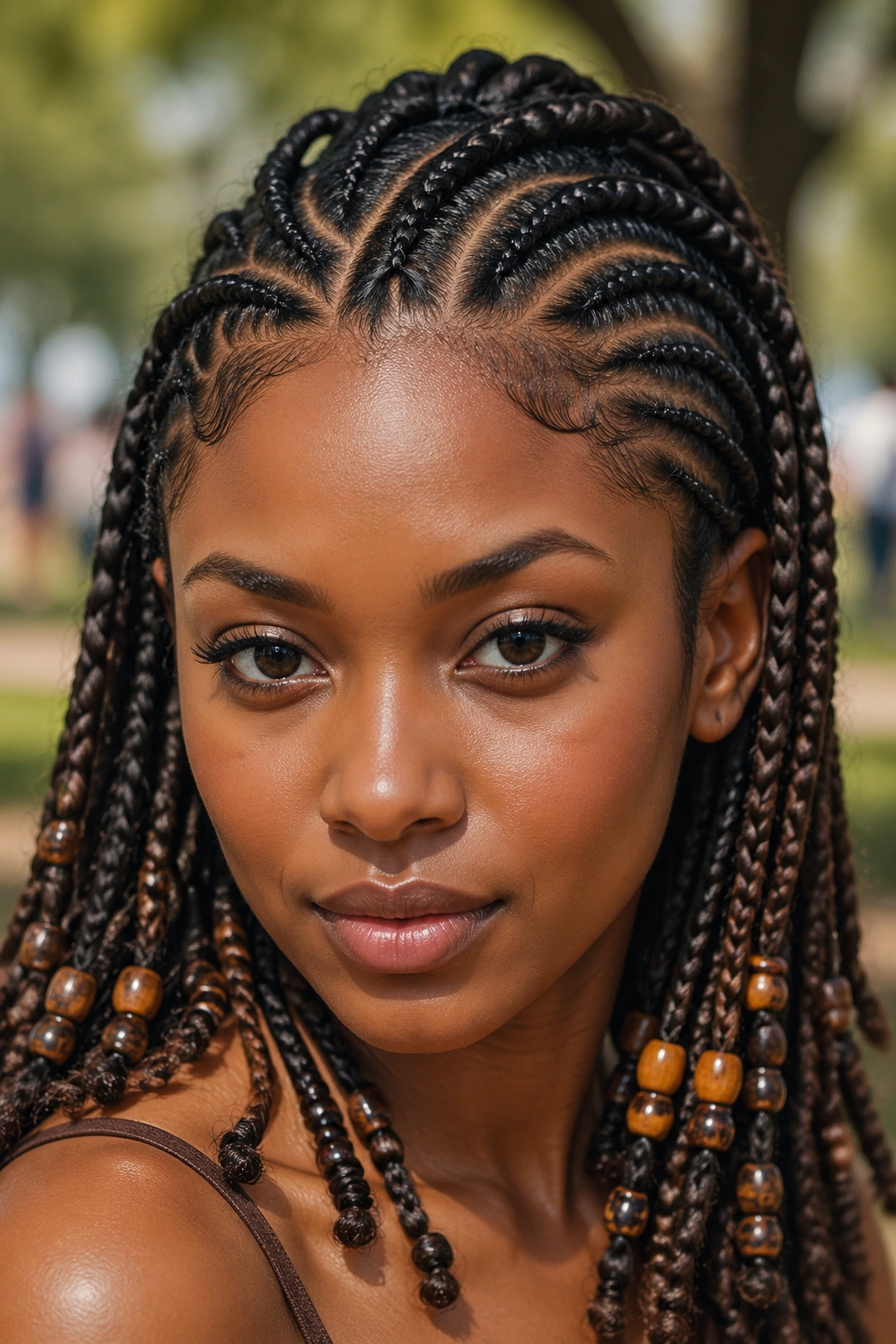
Tribal braids work because they mix braid sizes, parting styles, and sometimes beads or loose curls in one head. That mix makes the style feel layered and intentional instead of plain. It also gives you room to tuck natural curls away while still keeping a little movement around the face or ends.
I like tribal braids for people who want one style that does not look like everybody else’s. A central cornrow, smaller side braids, and a few accent pieces can create enough variety that the hair still feels alive. Protective? Yes. Boring? Not at all.
- Good for medium to long natural hair
- Can combine cornrows, feed-ins, and accent braids
- Works with beads, cuffs, or curly ends
- Needs even tension across the whole head
The only mistake I see often is stuffing too many elements into one install. Then the style turns heavy and messy. Keep one part of the design dominant and let the rest support it.
11. Halo Braid
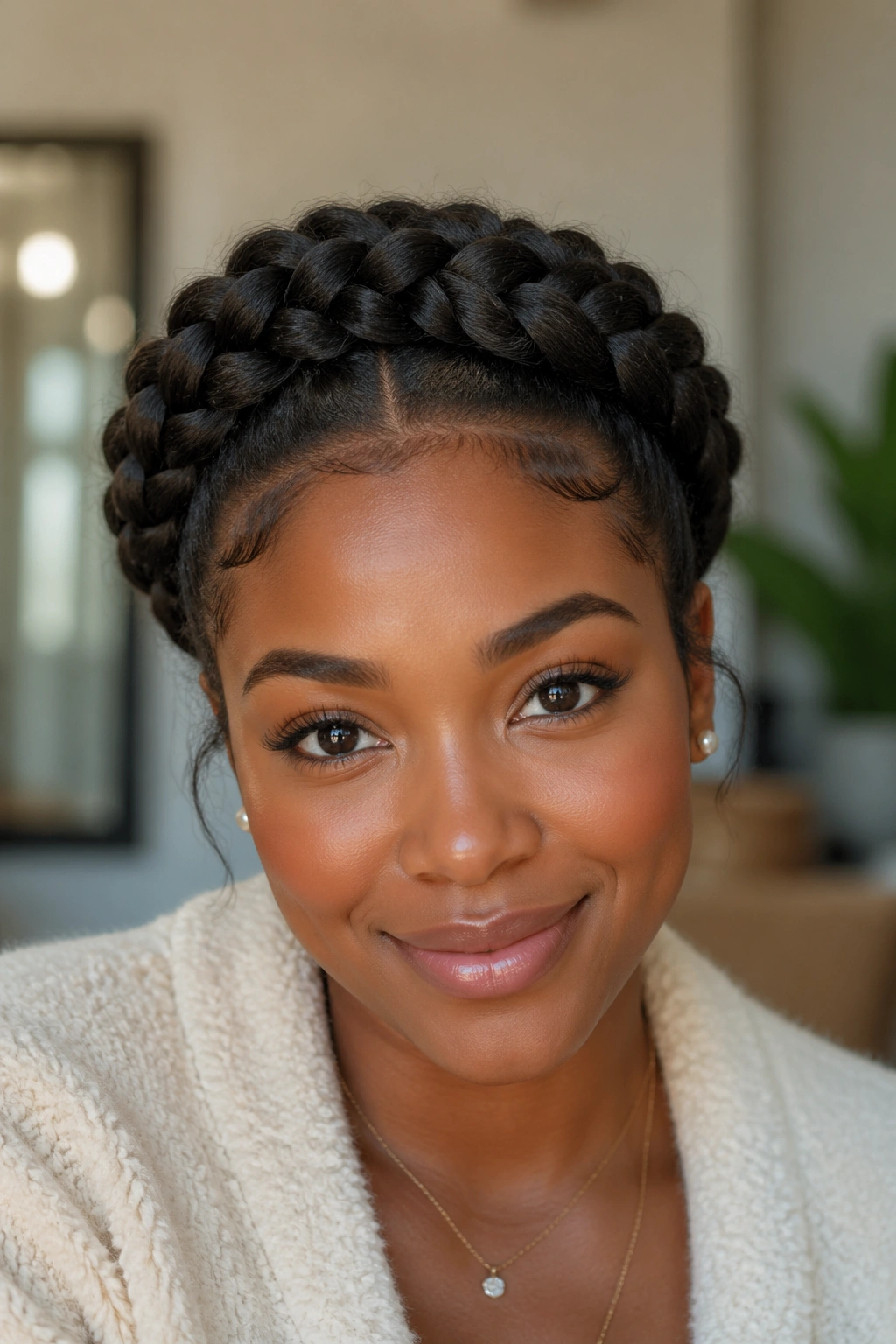
A halo braid sits around the head like a crown, and the charm of it is that it keeps the lengths wrapped up instead of dangling where they can snag or dry out. That alone makes it a nice choice for natural curls that need a break from shoulders, coats, and seat belts.
The style works best when the hair is stretched enough to braid cleanly. If your curls are freshly washed and springy, the braid can get fuzzy fast. A little stretch helps the braid lie flatter and makes the finished loop look more polished without turning it stiff.
I’m partial to halo braids on days when I want the hair off my neck but don’t want a plain bun. They also play nicely with pins, scarves, and a little edge styling. The thing to watch is the nape. If the braid sits too low and rubs against collars all day, it can frizz faster than you expect.
12. Double Dutch Braids
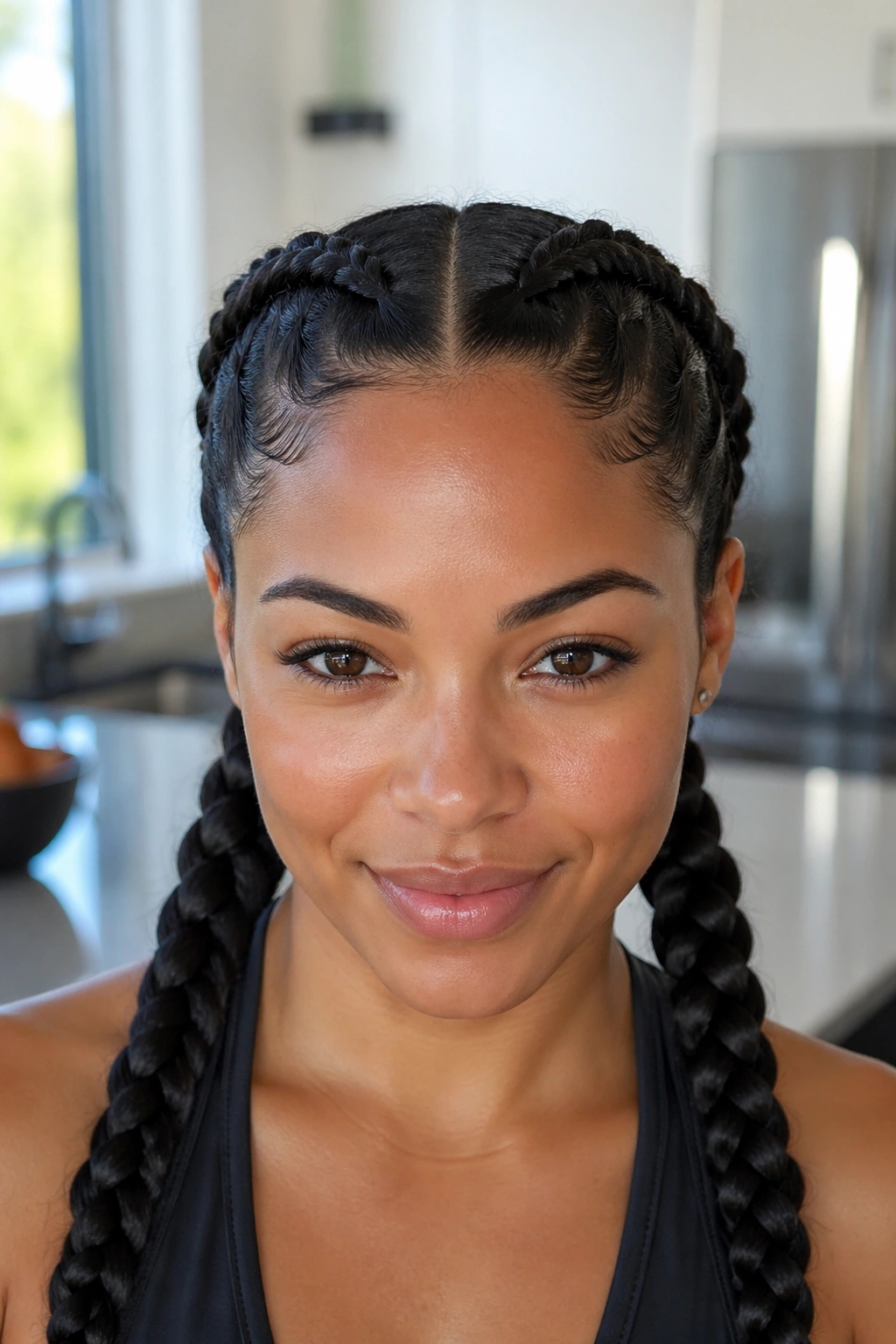
Double Dutch braids are the blunt, practical choice. They give you two raised braids that start at the front, hug the scalp, and stay put through a gym session, errands, or a long workday.
Unlike French braids, Dutch braids sit on top of the hair instead of sinking into it. That raised shape makes the style stand out more, but it also gives the braid a little more breathing room between the scalp and the plait. For natural curls, that means a neat hold without needing every strand pinned flat.
Best for medium to long hair. Best for days when you want your hair controlled, not decorated. I’d finish the ends with a soft tuck or a small bun if the goal is maximum protection, because leaving the tails loose can invite tangles at the very bottom. Clean, simple, useful.
13. French Braid Bun
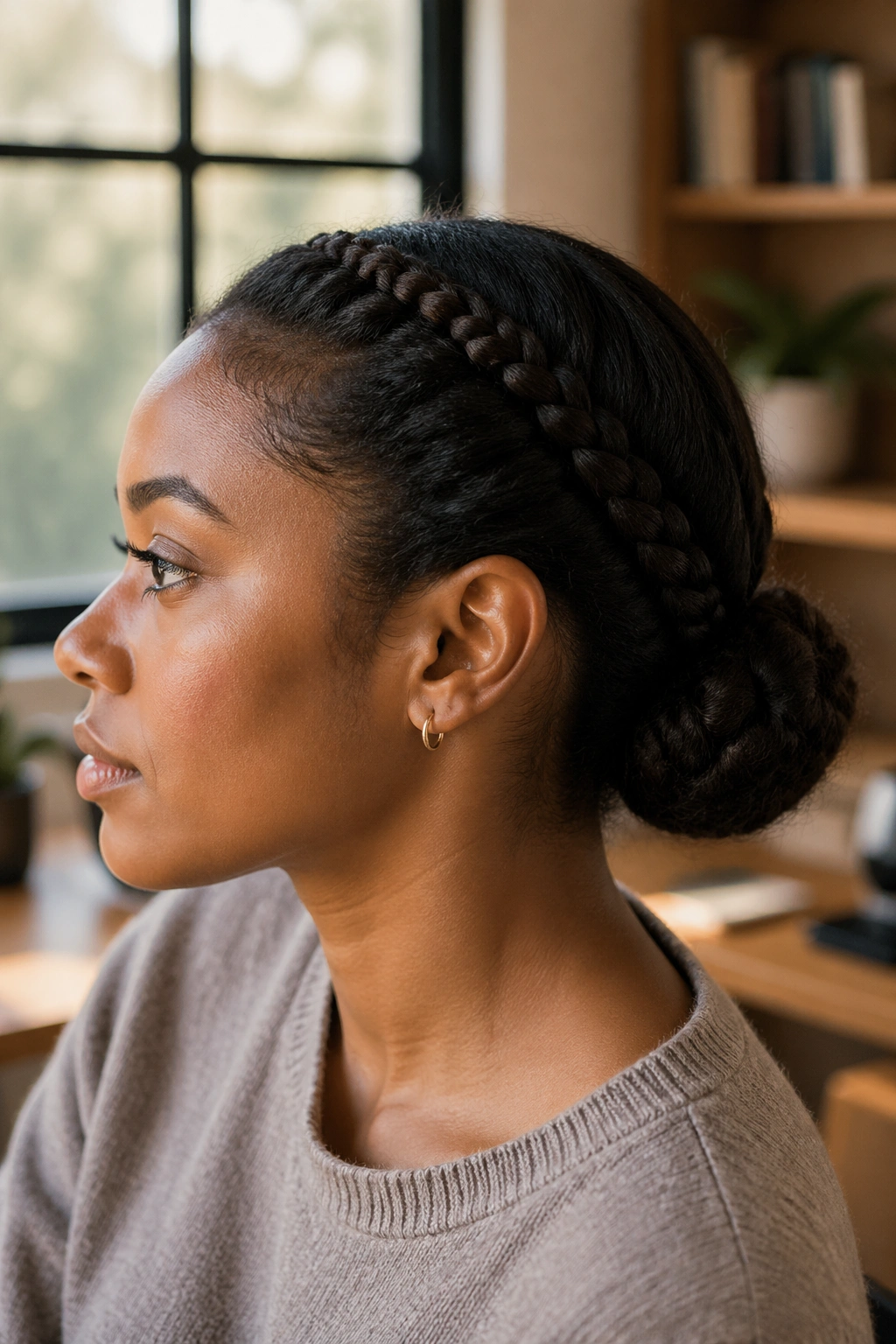
A single French braid rolled into a bun is one of those styles that looks fancier than the work it takes. It starts with a braid that gathers hair as it moves down the head, then folds into a knot at the nape or crown.
Why It Protects Curls
The braid keeps the lengths contained, while the bun tucks the ends away from friction. That helps a lot if your curls snag on scarves, sweaters, or backpack straps. It’s also a good choice when you want something office-friendly without abandoning protective habits.
- Best on stretched natural hair
- Works with a little leave-in and light gel at the roots
- Keeps ends fully hidden
- Can be pinned low for comfort or high for a dressier finish
The one mistake to avoid is pulling the front too hard while you’re braiding upward. You want the braid anchored, not scalp-tight. If the bun gives you a headache, the style is too tense to count as protective.
14. Micro Braids
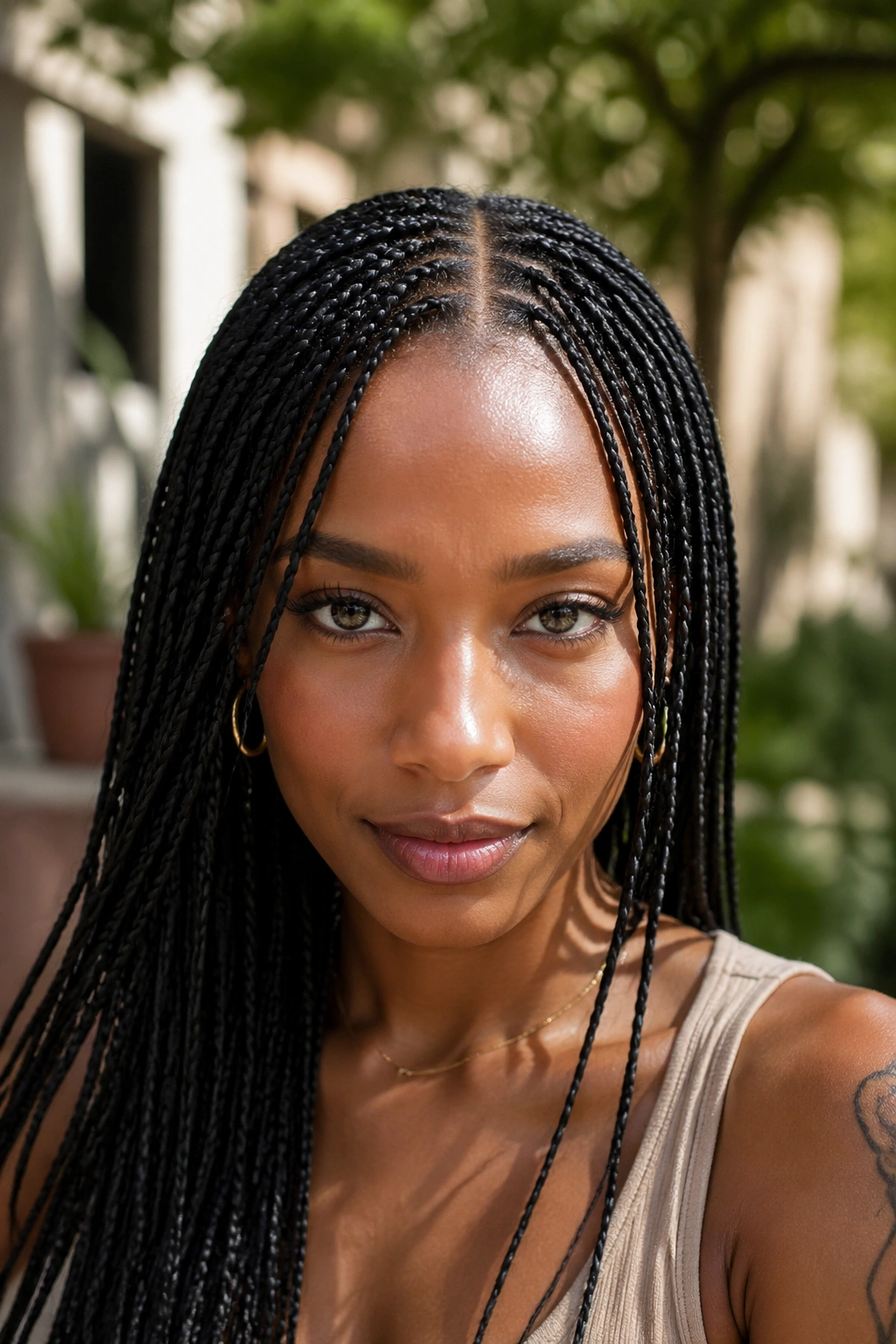
Micro braids are the long-haul style in this list. They take time to install, and they can keep hair tucked away for a long stretch when they’re done well, which is why people with dense natural curls still choose them.
But I’m never casual about micro braids. Small does not automatically mean gentle. If the parts are too tiny for the density of your hair, or if the extension hair is too heavy, the style can pull more than a larger braid would. That’s the part people forget.
The payoff is movement. Micro braids sway like loose hair but still protect the natural strands underneath. They are also versatile for ponytails, half-ups, and tucked styles. Removal needs patience. I like plenty of conditioner, a rat-tail comb, and time. Rushing that part is how knots turn into breakage.
15. Tree Braids
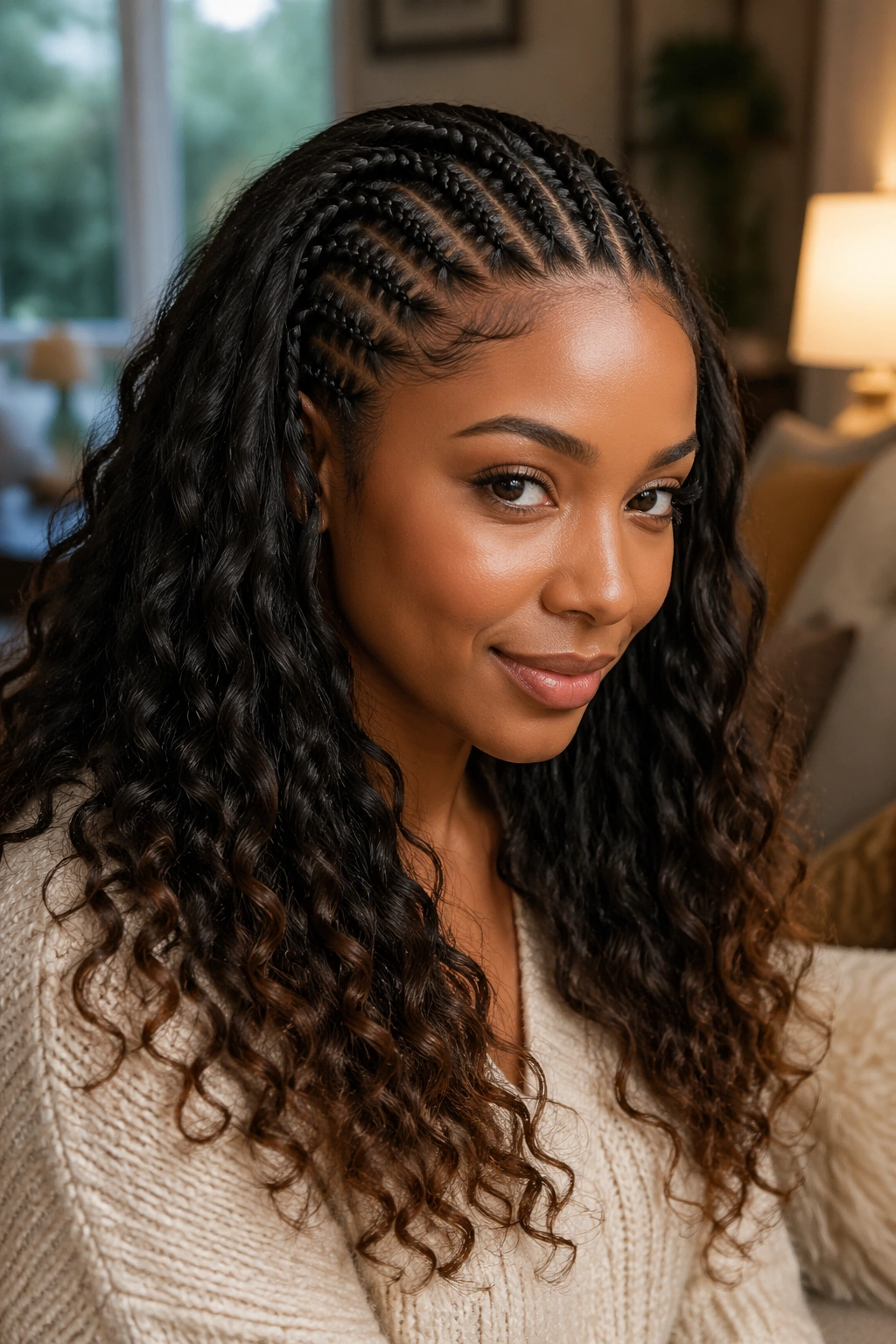
Tree braids sit in an interesting middle ground: the roots are braided, but some of the hair is left free to move. That gives you the protective structure at the scalp and a bit of swing through the lengths, which is useful if you hate the stiff feel of a fully braided head.
How to Wear Them
They work well when the braided base is neat and the loose sections are blended with your own texture instead of fighting it. If your natural curls are tight, a little stretch beforehand helps the leave-out blend better and keeps the finish from puffing up too much.
Tree braids are one of my favorite options for someone who wants movement without wearing their ends raw. The hair near the scalp is controlled, the overall style feels softer, and you can still put it into a low ponytail or side sweep when needed.
16. Crochet Braids with a Braided Base
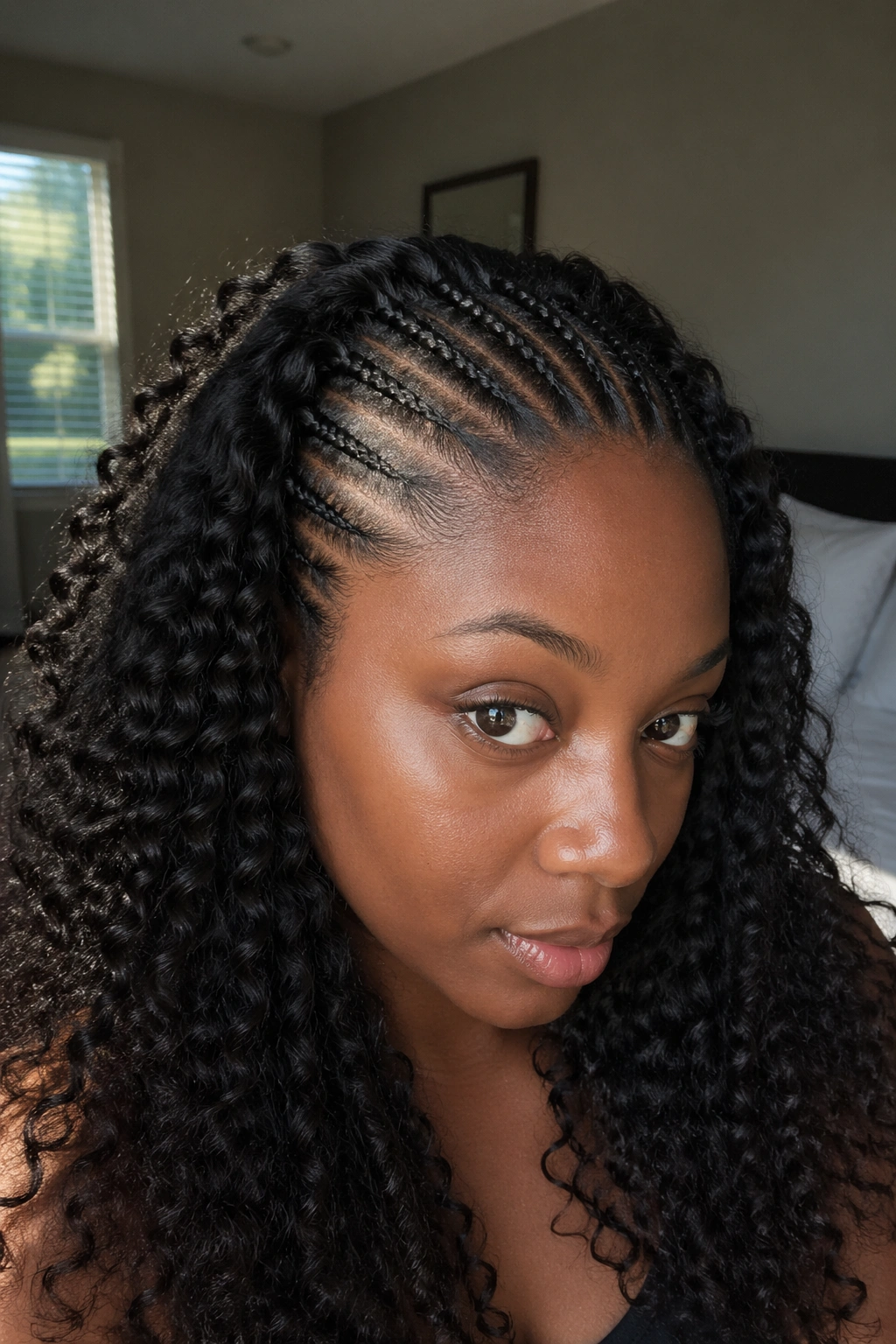
Crochet braids protect natural curls in a very literal way: your own hair is braided into a flat foundation, and the added hair is looped into that base. The result is a style that can give you a lot of length or fullness while keeping your real strands tucked underneath.
That hidden base is the whole appeal. Your curls get a break from daily combing, yet the outer look can be changed faster than with many other braid styles. Curly crochet pieces, twists, locs, or straight pieces can all sit on top of the same cornrow foundation if the base is done well.
- The foundation braids should lie flat
- Loops should not snag or twist the base
- Scalp access matters for cleansing
- The style can be refreshed without rebraiding the entire head
If the base is lumpy, the whole style feels off. Start there. The outer hair only looks as good as what’s underneath it.
17. Braided Bob
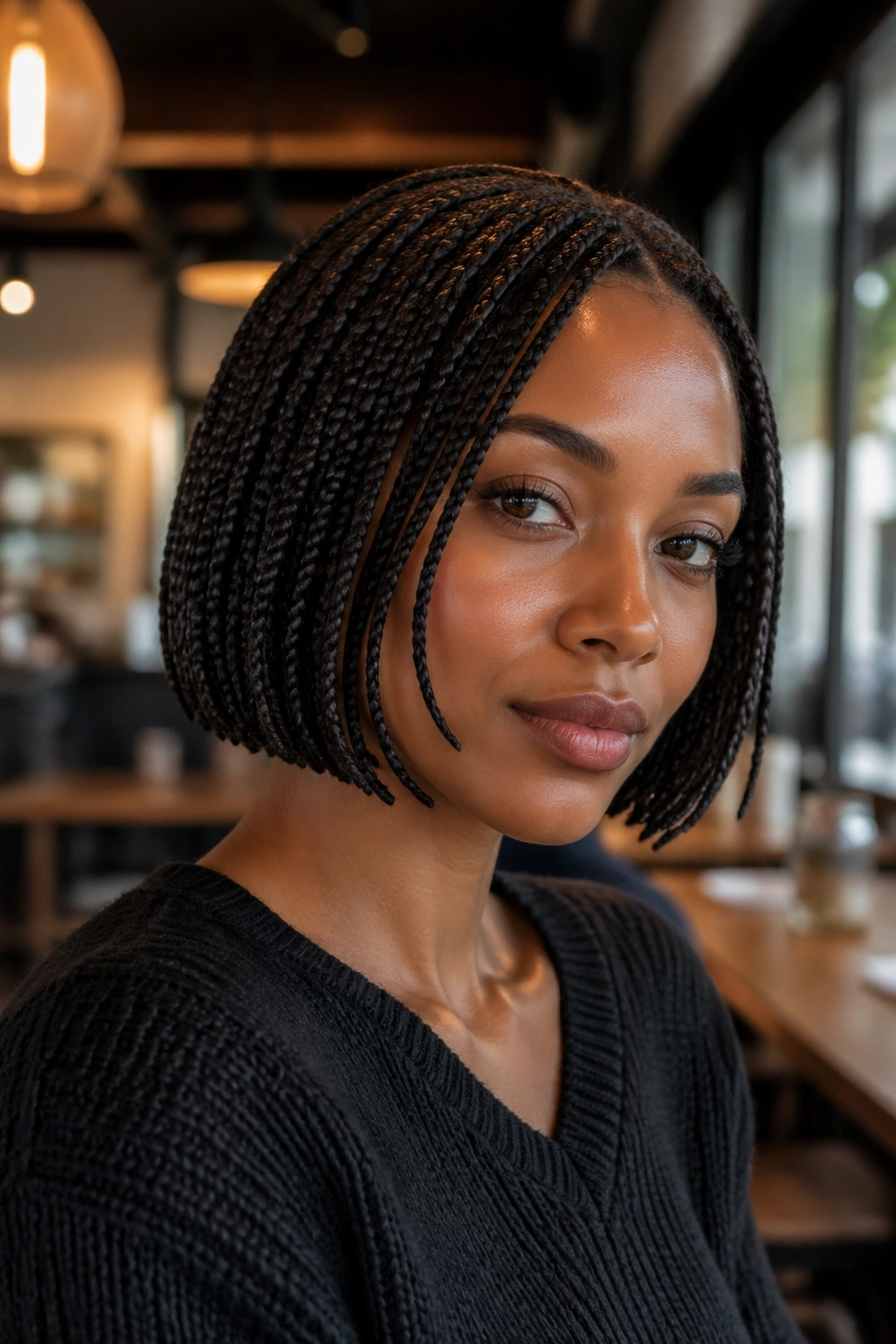
A braided bob is a smart option when you want the safety of braids without the weight of long lengths pulling down on your roots. Shorter braids mean less tugging at the scalp, less rubbing on your clothes, and less time dealing with tangles at the ends.
I also like the way a bob changes the whole mood of a style. Long braids can be beautiful, sure, but they are not always practical. A bob feels lighter at the neck, dries faster after washing, and can be much easier to sleep in if you tuck it into a bonnet without wrestling with extra length.
The only thing to watch is the cut line. Because the style stops above the shoulders, uneven ends can show more clearly. Keep the bottom neat and the parting clean. That’s the trick that keeps a braided bob from looking accidental.
18. Braided Ponytail
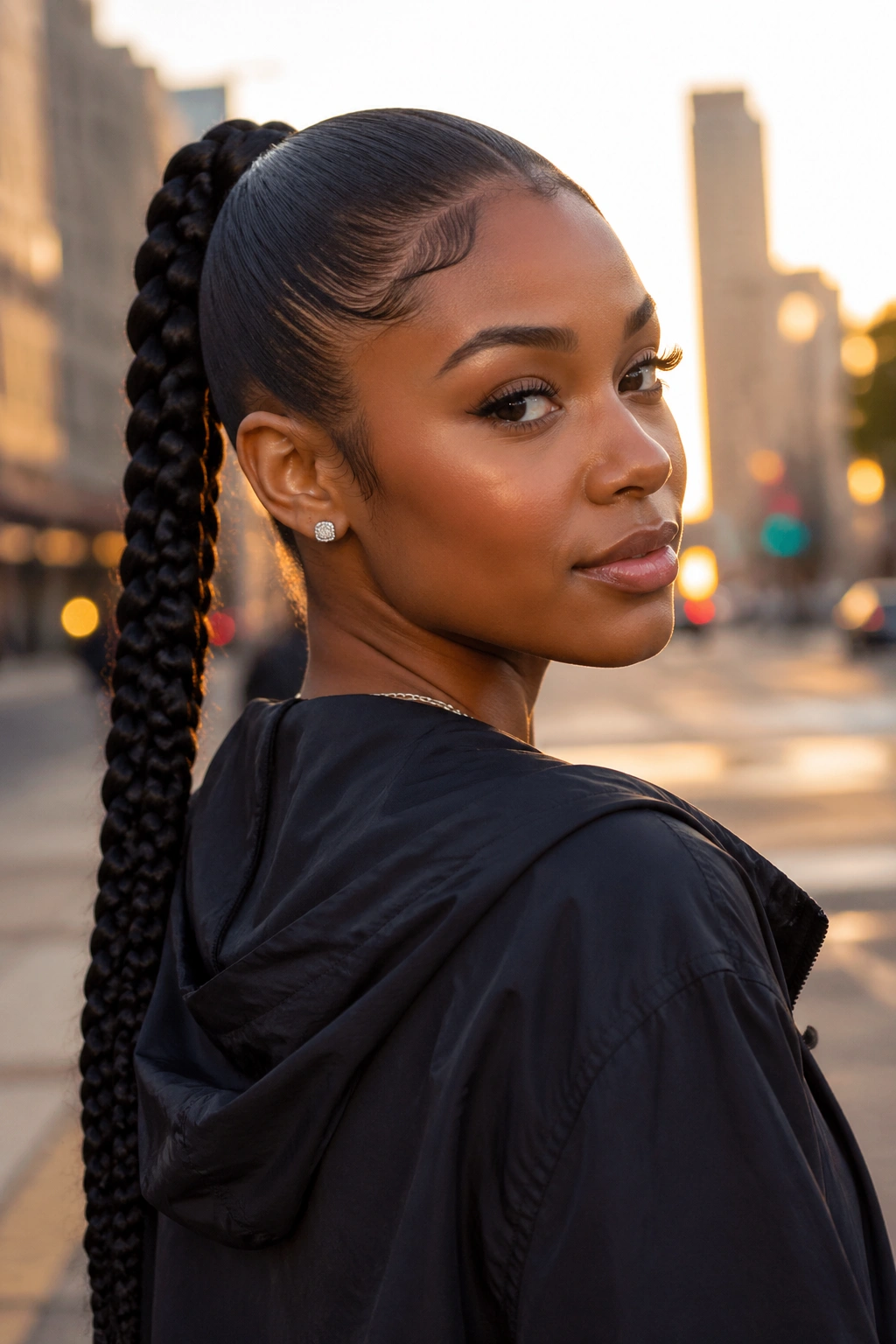
A braided ponytail keeps the hair concentrated in one place, which sounds simple, but that’s exactly why it works so well. The crown and sides stay controlled, the ends stay together, and the overall style avoids the constant friction you get from loose lengths brushing everything in sight.
Unlike hanging braids, a ponytail lets you direct the weight. High ponytails feel sporty. Low ponytails feel softer and a little more formal. Either way, the style protects the lengths by getting them off the shoulders and away from zippers, scarves, and chair backs.
The base needs care, though. If the pony is pulled too tightly, the edges take the hit. I’d rather see a slightly looser base with the pony secured well than a sleek front that makes the temples ache. That little tradeoff matters more than appearance.
19. Side-Swept Braid
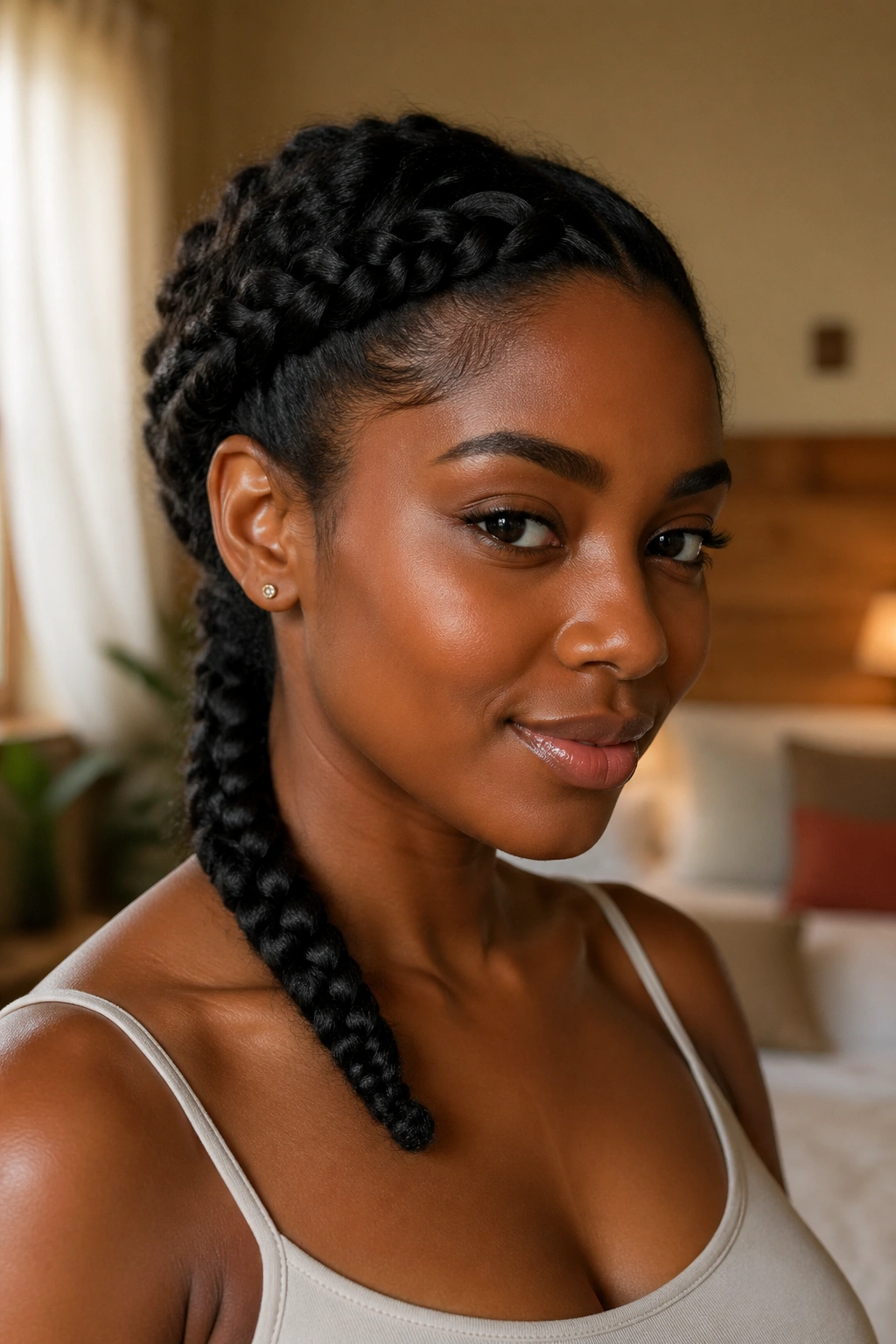
If your hair tends to tangle at the collar before lunch, a side-swept braid is the kind of low-maintenance style that keeps ends out of the way and buys your curls a calmer day.
Quick Facts
- Good for medium to long natural hair
- Works with one large braid or multiple side braids
- Keeps weight off the back of the neck
- Can be worn loose or tucked into a pin at the end
The best part is how easy it is to live with. You can throw it over one shoulder, pin it lower for dinner, or wrap the tail under if you want the ends fully hidden. I’d use a soft tie at the finish, not a hard elastic, because the braid’s protection can get ruined at the very last inch if the end snaps or frays.
20. Triangle-Part Braids
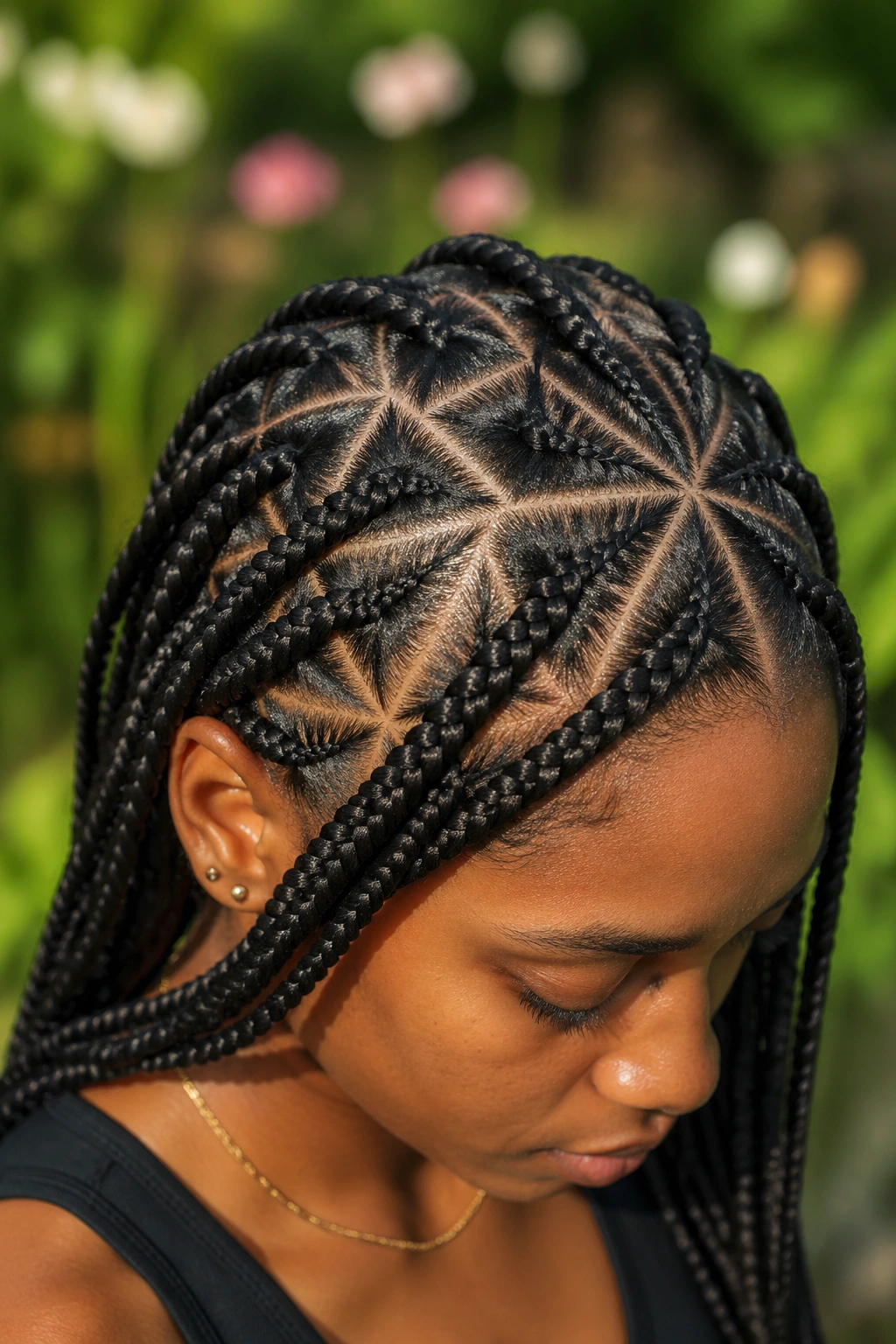
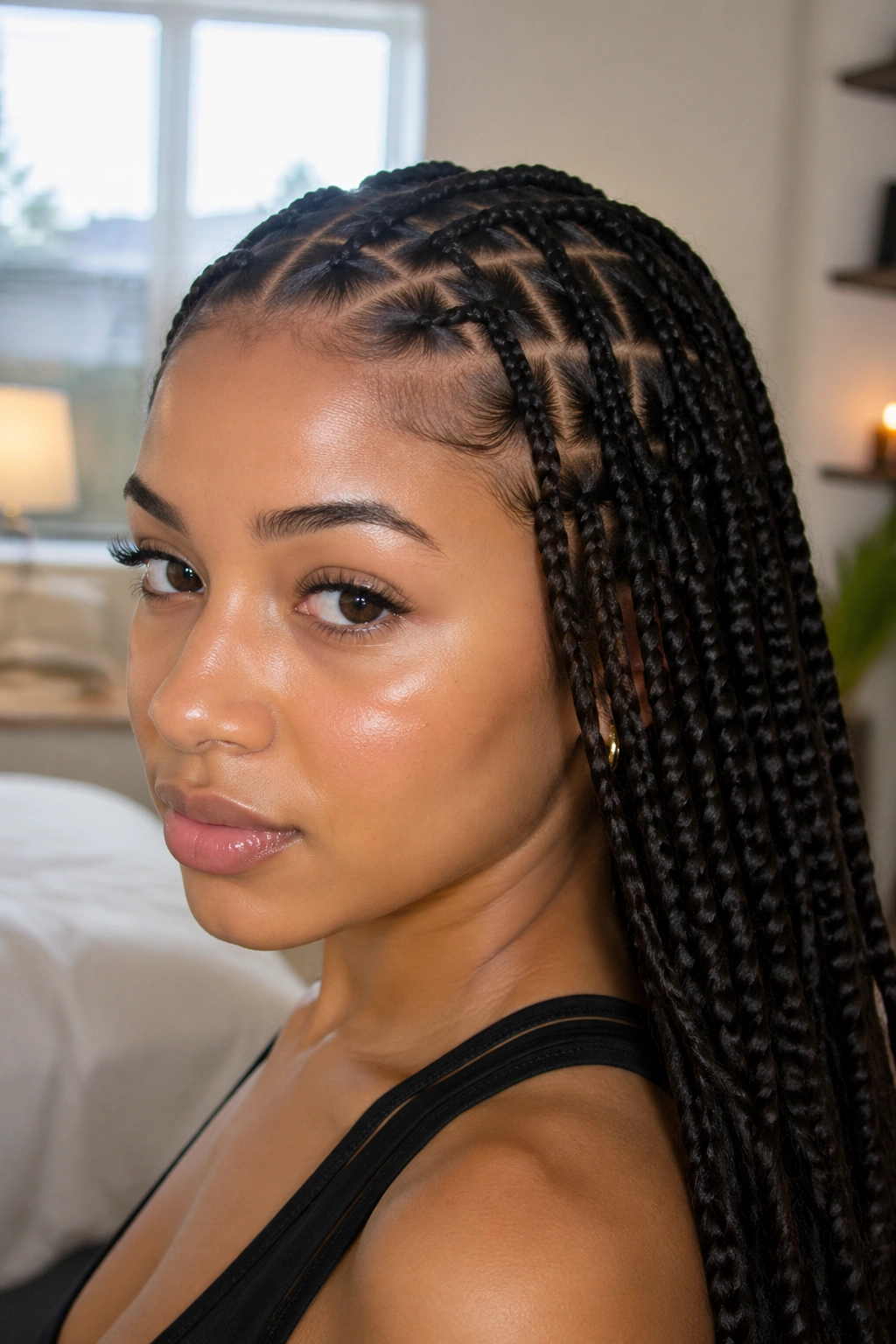
Triangle-part braids are not a braid technique by themselves so much as a parting choice, and that choice changes the whole head. The triangle sections spread the roots in a way that looks less boxy than classic square parts and often makes the grow-out look softer.
That shape also helps balance tension. When the sections are arranged thoughtfully, the style can feel less rigid than a head full of square parting, especially if the braids are medium-sized knotless or box braids. It’s a small design shift, but it makes a real difference in wearability.
Triangle parts are especially nice if you like geometric detail without going all the way into ornate cornrow work. The parts catch the eye, the braids still protect the curls underneath, and the overall style keeps its shape even as it grows out. I’d pick this when I want braids that look planned, not cookie-cutter.
21. Braided Crown Updo
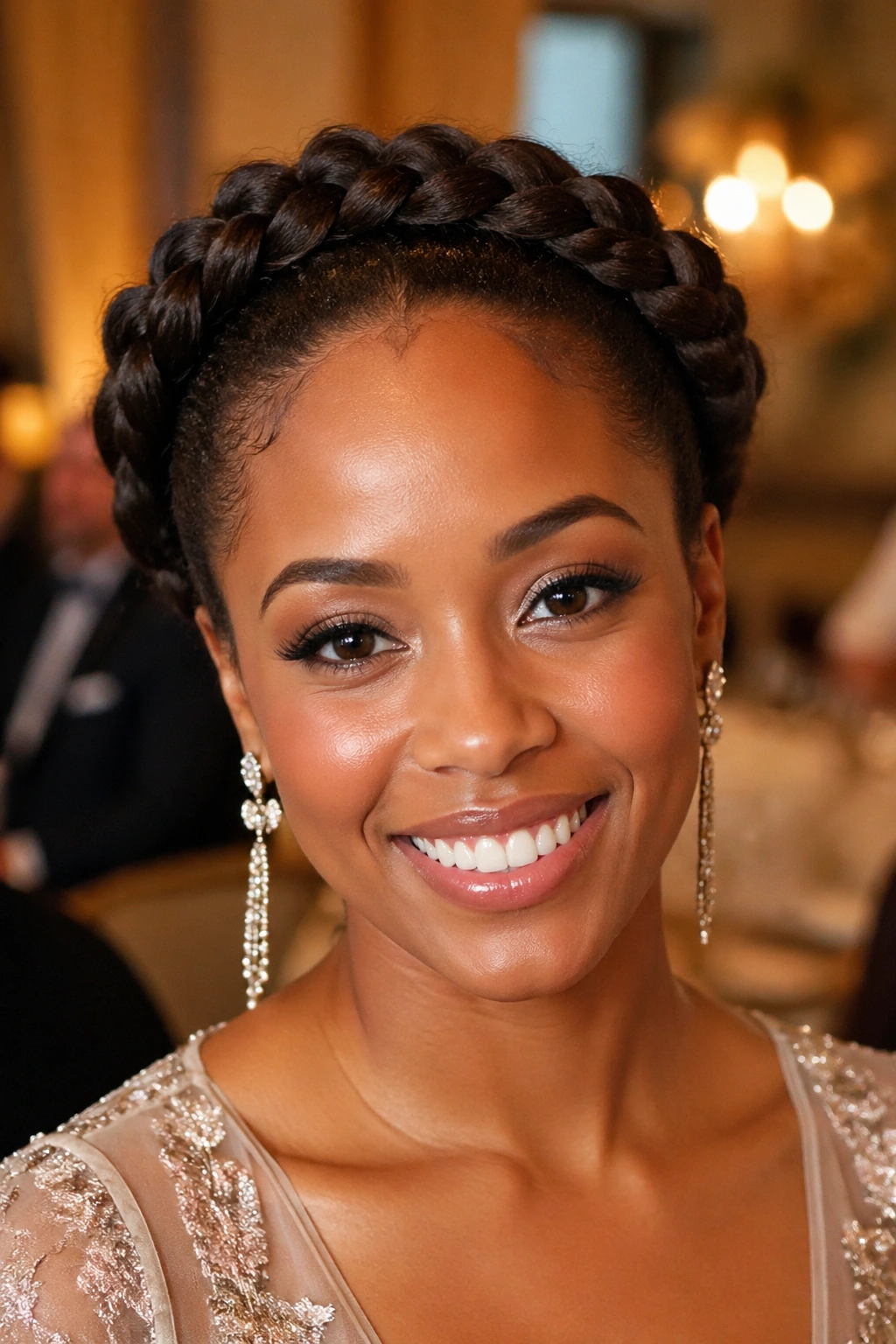
Can an updo still protect natural curls? Absolutely, if the braids are tucked and pinned with care instead of yanked into place.
A braided crown updo wraps braid sections around the head and pins them into a lifted shape. That keeps the ends hidden, keeps the curls off the neck, and helps reduce friction from coat collars or long days against a chair back. It’s a good fit when you want protection with a more dressed-up feel.
How to Pin It Safely
Use U-pins under the braid, not through the scalp. That sounds minor, but it keeps the hold secure without turning the style into a little metal trap. If the crown feels loose, add a second pin rather than tightening the whole thing.
I like this style for events, photo days, or just a week when you need your hair out of the way and still want shape. It gives the curls a rest and still looks deliberate.
22. Low Braided Chignon
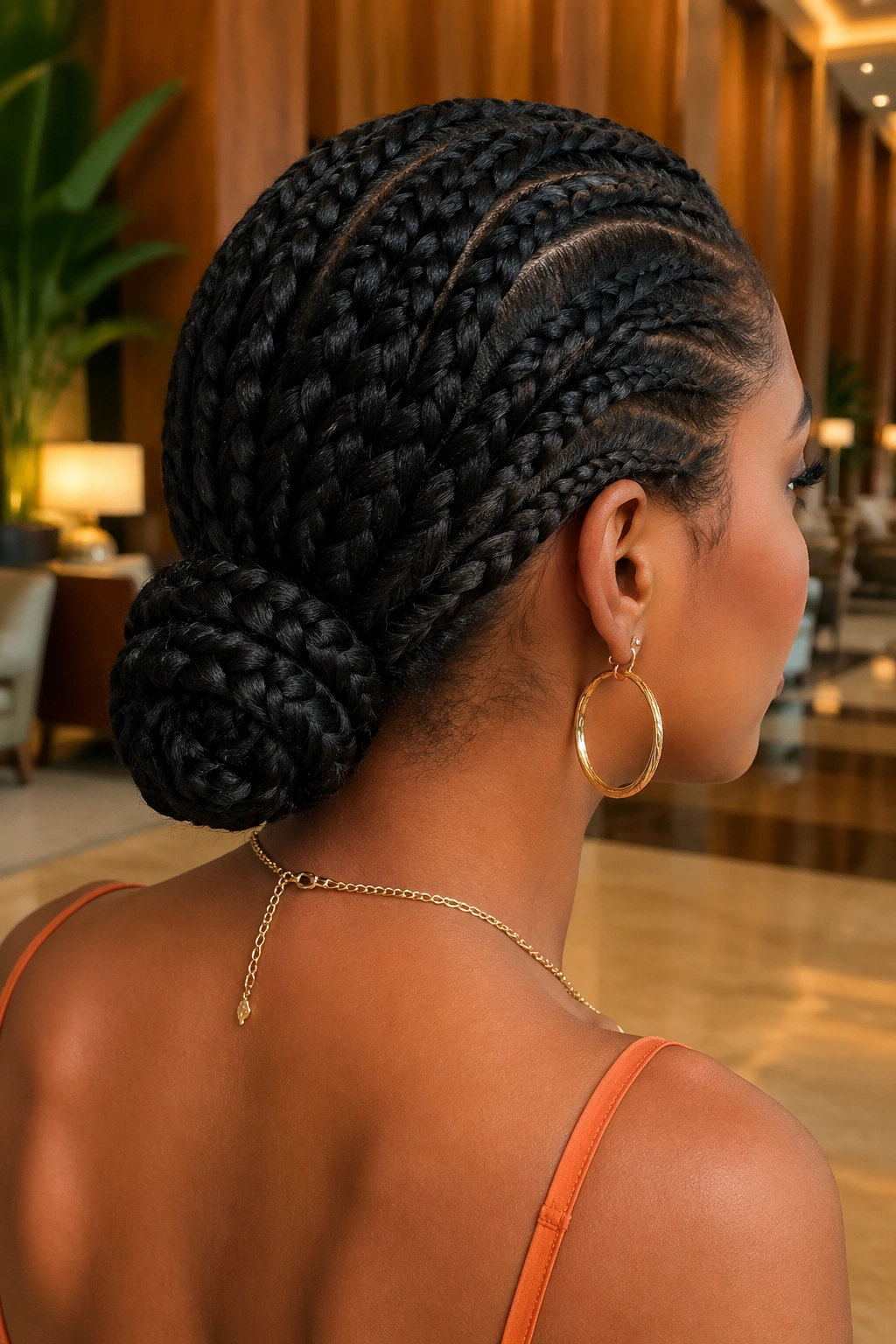
A low braided chignon is the polished cousin of the braided bun. The braids gather at the nape, twist into a compact knot, and stay tucked close to the head, which makes the style calm, neat, and easy to live with.
What makes it protective is the low placement. The ends are hidden, the friction is minimal, and the weight sits where the neck can handle it. That matters if your curls hate being pulled upward all day. A low chignon keeps the style contained without asking the hairline to carry the whole load.
- Best for work, formal events, or travel
- Keeps ends fully tucked
- Works with one braid or several braided sections
- Can be dressed up with a pin or kept plain
I’d choose this over a high bun when comfort matters more than drama. It’s quiet in the best way, and your hair gets to stay out of the mess.
Closing Notes
The braid styles that protect natural curls best are the ones that respect the hair’s limits. Low tension. Tucked ends. Parts that make sense for the density of your hair. Those details matter more than whether the style looks complicated from across the room.
A braid can be gorgeous and still be the wrong choice if it pulls too hard or leaves your scalp angry by day two. That’s the part people skip, and it’s the part that decides whether you keep your length or lose it at the edges.
If you want the simplest rule, use this one: the style should feel secure, not strained. If it hurts, it is not protective. If it’s heavy enough to make you think about taking it down early, it’s already telling you something.
