



There’s something undeniably captivating about the combination of wavy hair and strategically placed highlights. The two work together in a way that few other hair combinations can match—the movement of waves catches light differently at every angle, while highlights amplify that dimension and depth. The interplay between texture and color creates a dimensional, multifaceted look that reads as effortlessly put-together, even on mornings when you’ve barely touched your hair.
What makes this pairing so versatile is that it works across virtually every hair length, face shape, and lifestyle. You can go subtle and natural-looking with soft caramel ribbons threaded through dark waves, or bold and statement-making with bright blonde chunks contrasting against deep brunette. The waves soften the severity of color transitions, blending highlights more organically than straight hair would, while the highlights bring out the texture and movement of the waves themselves.
The beauty of wavy hair with highlights is that neither element steals the show—they enhance each other. The waves give your highlights a soft, lived-in quality that makes them feel intentional rather than overdone. And the highlights make your waves more noticeable, adding dimension and movement that catches light and creates visual texture. Whether you’re drawn to natural, sun-kissed tones or dramatic contrasts, there’s a wavy highlight combination that speaks to your style.
1. Beachy Waves With Sun-Kissed Highlights
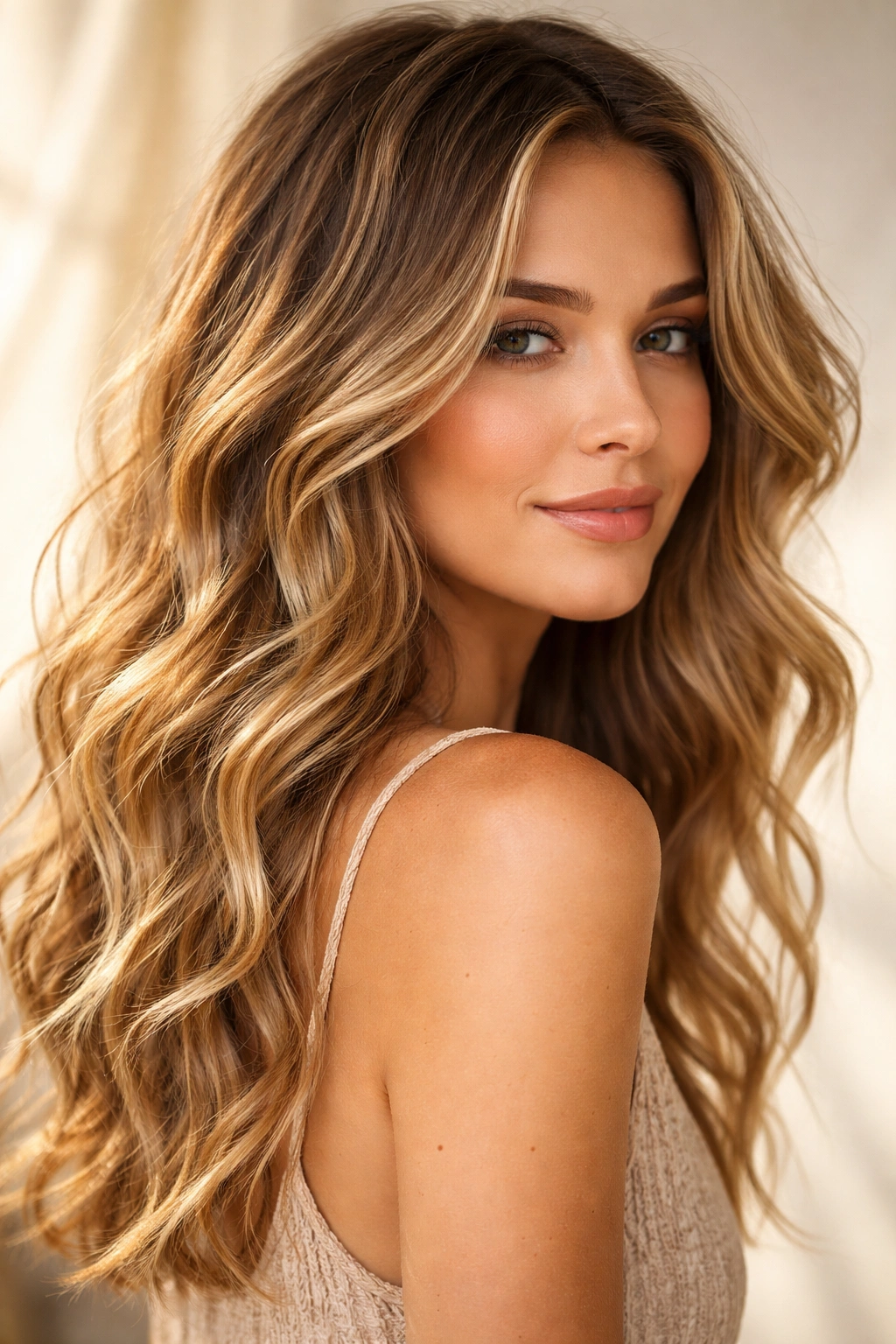
This is the look that makes people ask if you’ve just returned from a beach vacation, even if you haven’t left your time zone. The foundation is soft, loose waves that have a deliberately undone quality—the kind that look like you spent a casual afternoon in the sun rather than three hours at the salon. The highlights are what really sell the effect: they’re typically warmer tones like honey, light caramel, and buttery blonde, scattered throughout rather than in a defined pattern.
Why It’s Endlessly Wearable
This style works because it mimics how hair naturally lightens in the sun. The highlights aren’t precise or geometric; they’re placed throughout the mid-lengths and ends, with some peeking through the roots in a way that suggests natural movement and time spent outdoors. The soft waves keep the look feeling effortless rather than high-maintenance, even though achieving this naturalness usually requires intentional styling.
How to Get and Maintain It
- Ask your colorist for a balayage technique with warm, natural tones rather than cool or ashy shades
- Request highlights concentrated on the mid-lengths and ends, with less density near the roots
- Maintain the waves with a salt spray or texture spray applied to damp hair, then air-dried or diffused
- Plan color touch-ups every 8-10 weeks to keep the sunkissed effect looking fresh
- Invest in a heat-protectant spray and a curl-enhancing cream to keep waves defined between styling sessions
Pro tip: This look photographs beautifully in natural light, so if you’re choosing it for a reason (wedding events, special occasions, or just because), you’ll always look camera-ready without trying too hard.
2. Balayage Textured Waves
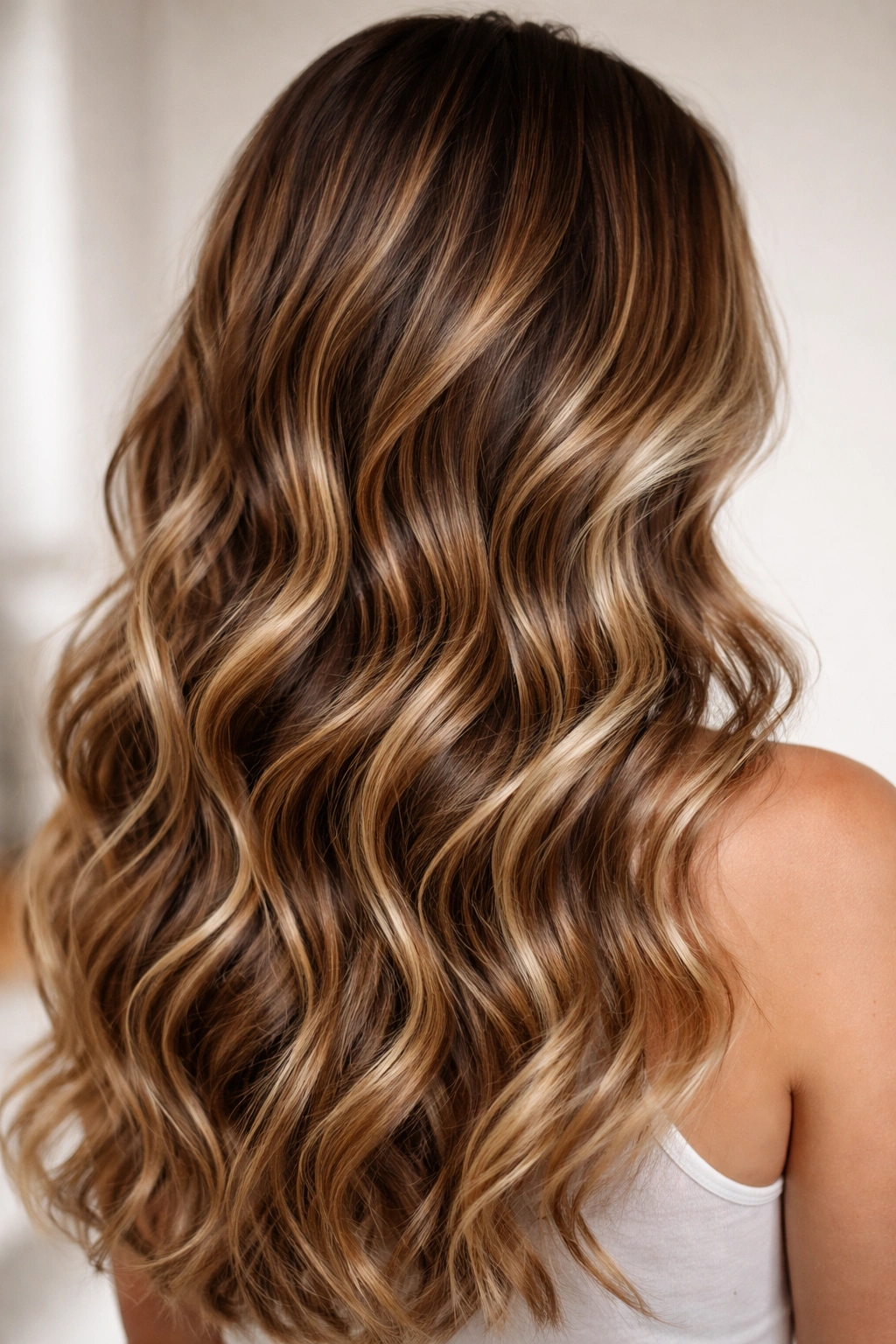
Balayage is the artist’s approach to highlights—each strand is hand-painted onto the hair to create a custom, dimensional effect. When combined with textured waves, this technique creates a look that feels uniquely tailored to your hair’s natural movement and your face shape. The waves are typically tighter and more intentional than beachy waves, giving the balayage more structure to work with and showcasing each color placement more dramatically.
The Art of Placement
A skilled balayage artist will paint highlights considering where your waves naturally fall and how light moves across your head. The color is often concentrated on the outer layers where movement is most visible, with subtler tones underneath. This creates depth that changes as you move—the back of your head might look richer and darker, while the face-framing waves display more highlights and dimension.
What to Expect From This Combination
- Highlights feel more intentional and customized than a balayage on straight hair
- The textured waves showcase multiple tones simultaneously, creating visual complexity
- The look is sophisticated enough for professional settings and bold enough for creative expression
- It typically requires 2-3 hours of salon time but can last 10-12 weeks before needing a refresh
- Maintenance includes weekly deep conditioning treatments to keep textured waves healthy and glossy
Worth knowing: Your hair stylist’s experience with balayage matters enormously here. This isn’t a one-size-fits-all technique—a great balayage artist will customize the placement, tone, and density to complement your specific wave pattern and face shape.
3. Honey-Blonde Wavy Lob
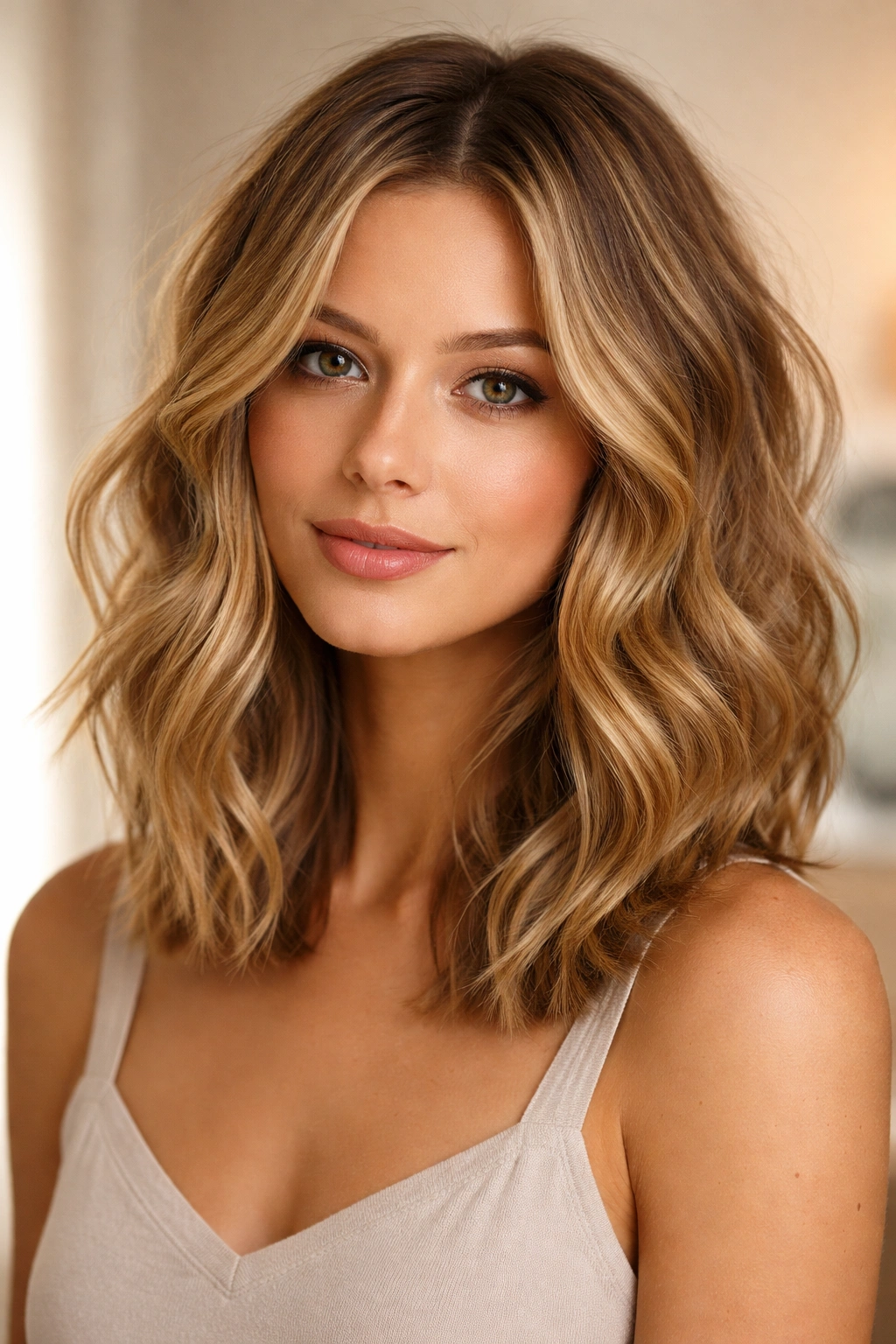
The lob—a shoulder-length cut that’s longer than a bob but shorter than mid-back length—pairs beautifully with golden, honey-blonde highlights and waves. This length is practically the sweet spot for this combination: it’s easy to style, versatile enough for multiple occasions, and the perfect canvas for a dimensional color approach. The highlights here are typically all-over or nearly all-over, creating a cohesive golden tone with subtle depth rather than stark contrast.
Why This Length Feels So Effortless
Lobs sit right at shoulder length, which means the waves fall naturally and catch light beautifully without requiring intense styling. The honey-blonde tone is warm and flattering on many skin tones, and it blends beautifully with natural regrowth at the roots, reducing the harsh demarcation line that can happen with cooler blonde tones. The combination feels polished enough for professional settings but casual enough for everyday wear.
Building and Maintaining This Look
- Start with a precise lob cut that’s customized to your face shape and hair texture
- Ask your colorist for highlights that are 3-4 levels lighter than your natural base, with a warm undertone
- Use a wave-setting spray or mousse on damp hair before blow-drying with a round brush for soft, defined waves
- Protect your color with sulfate-free shampoo and a color-depositing conditioner once weekly
- Schedule trims every 6-8 weeks to maintain the lob’s shape as it grows out
Insider note: This look is especially forgiving if your natural hair is already medium to light brown, because the regrowth blends more seamlessly and you can stretch out the time between color appointments.
4. Copper Dimensional Waves
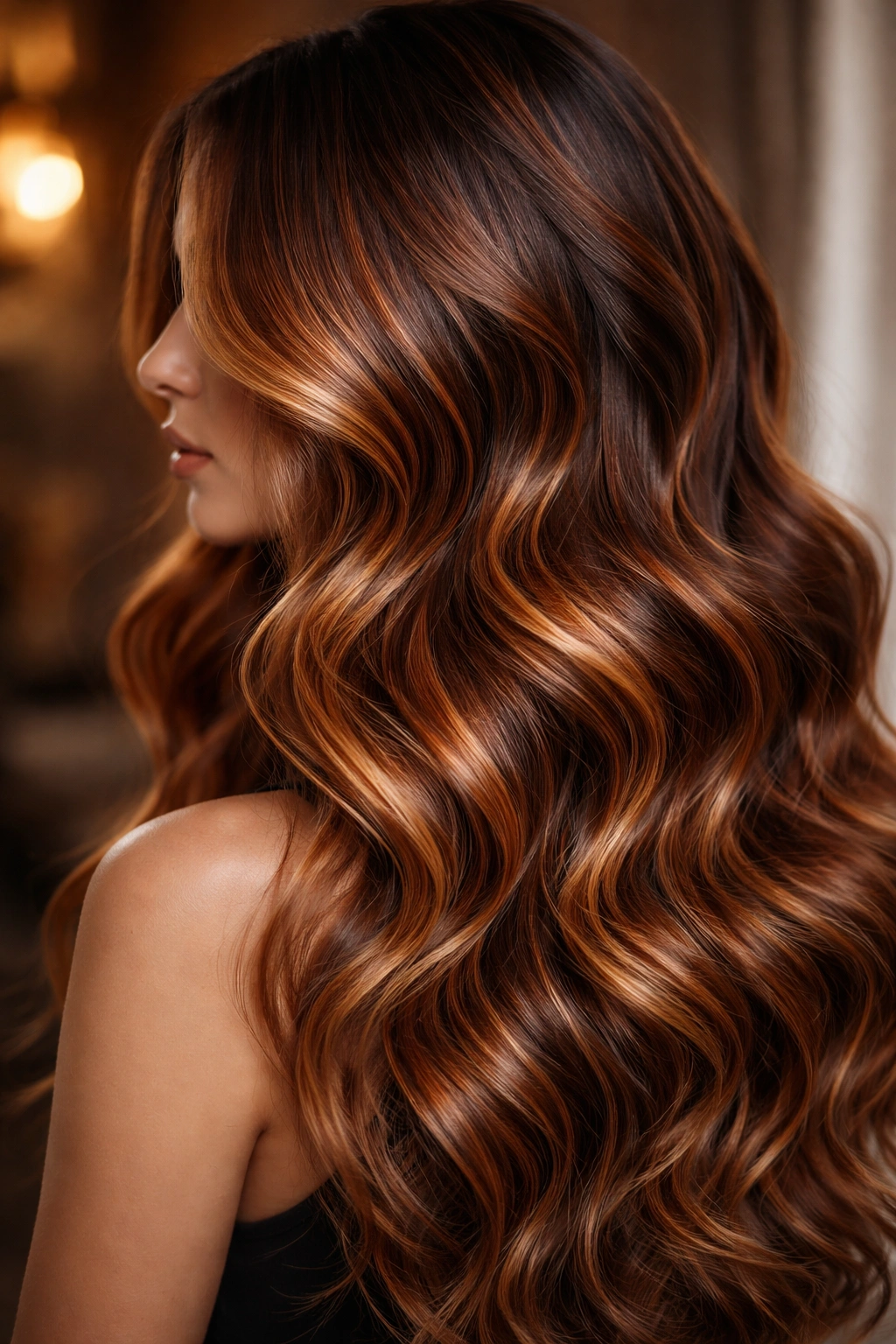
Copper is a bold, warm tone that sits somewhere between bronze, gold, and red. When applied to wavy hair in a dimensional way—meaning multiple shades of copper ranging from deep, burnished tones to bright, shiny ones—the result is absolutely eye-catching. This isn’t a timid hair choice, but for people drawn to it, this combination creates movement and depth that feels rich and sophisticated rather than harsh or over-processed.
The Psychology of Copper Highlights
Copper tones work especially well on wavy hair because the texture breaks up the color, preventing it from looking flat or one-dimensional. The waves create natural shadow and highlight, which means the different shades of copper read as intentional dimension rather than uneven color. The tone is also warm, which makes it flattering on cooler skin tones and olive complexions especially.
Making Copper Work for Your Hair Type
- This look requires a solid foundation—darker roots and lighter copper tones create the best contrast
- Waves should be loose enough to show movement but defined enough to showcase the color dimension
- Use a purple-toned shampoo once weekly to keep copper tones from veering too orange or brassy
- Apply color-safe leave-in conditioner to mid-lengths and ends after every wash
- Plan for color touch-ups every 6-8 weeks, as copper tones can fade and shift over time
- Consider a gloss treatment between colorings to refresh the tone and keep it vibrant
Real talk: Copper requires a bit more maintenance than some other highlight options because the tone can shift or fade unevenly. But if you’re committed to the look, it’s absolutely worth the effort.
5. Dark Waves With Caramel Ribbons
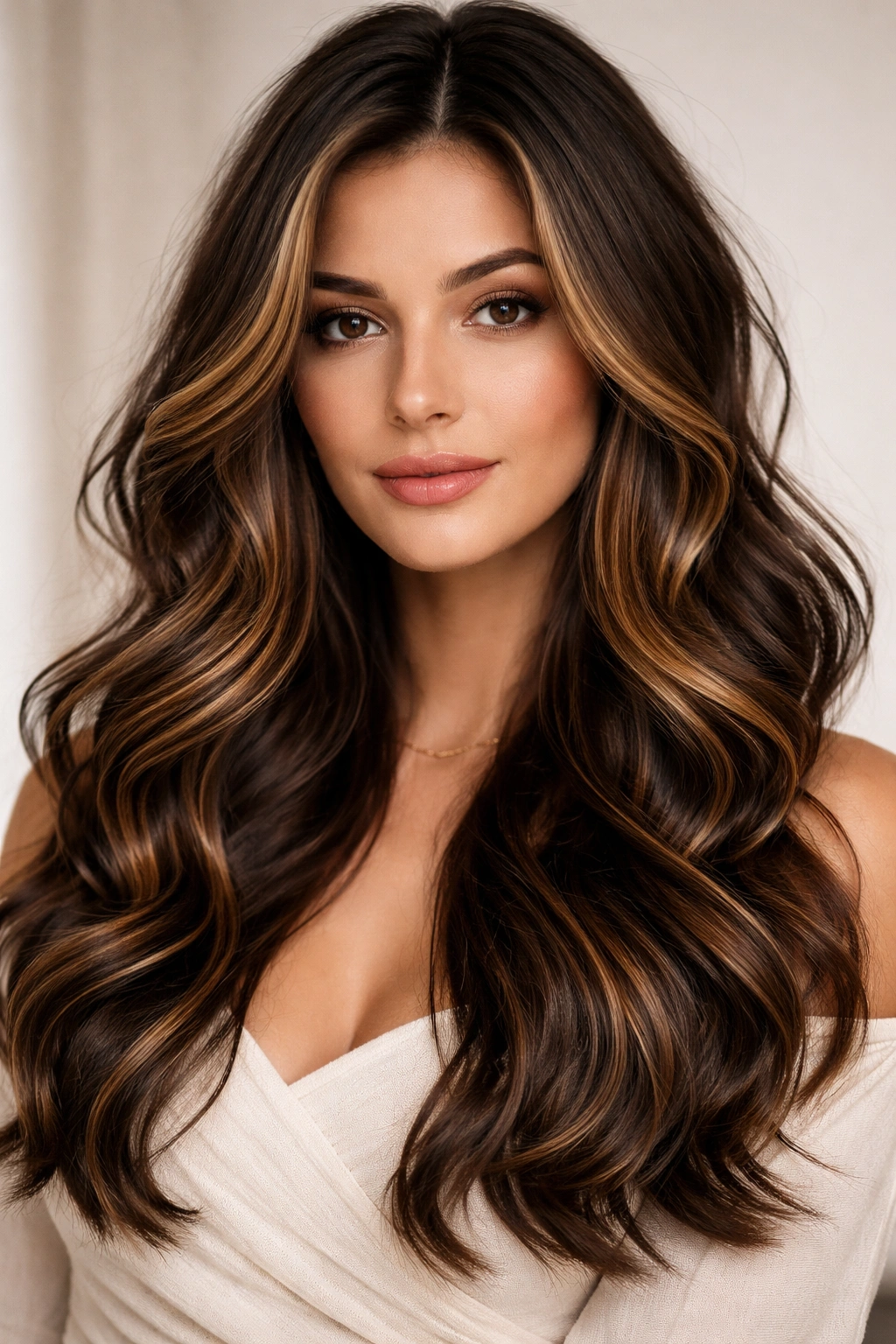
This look starts with a rich, dark base—think deep brown, espresso, or even dark brunette—and threads caramel and honey-toned highlights through in a way that creates warmth and movement. The dark base is crucial here because it makes the caramel highlights pop dramatically. The waves are typically loose and romantic, giving the caramel ribbons plenty of opportunities to catch and reflect light throughout the style.
Why the Contrast Works So Well
Dark hair with lighter highlights is a classic formula because the contrast is inherently visually interesting. But when you add waves to the equation, something magical happens: the shadows created by the wave texture make the dark base feel less heavy, while the caramel ribbons feel less stark and more blended. The combination reads as sophisticated and intentional rather than either just “dark hair” or just “blonde highlights.”
Styling and Color Maintenance
- Ask for highlights placed primarily in the face-framing pieces and throughout the mid-lengths for maximum visibility
- Use a volumizing mousse on damp roots and a curl-enhancing cream on ends to define waves
- Blow-dry with a round brush or diffuser to create soft, repeatable waves
- Deep condition weekly to keep dark, highlighted hair from looking dry or dull
- Color maintenance typically means a root touch-up every 6-8 weeks and a full refresh every 12-16 weeks
Pro tip: This look is especially forgiving if your natural hair is dark because the regrowth blends beautifully, allowing you to extend time between appointments and making the maintenance feel less demanding.
6. Platinum Highlights on Loose Waves
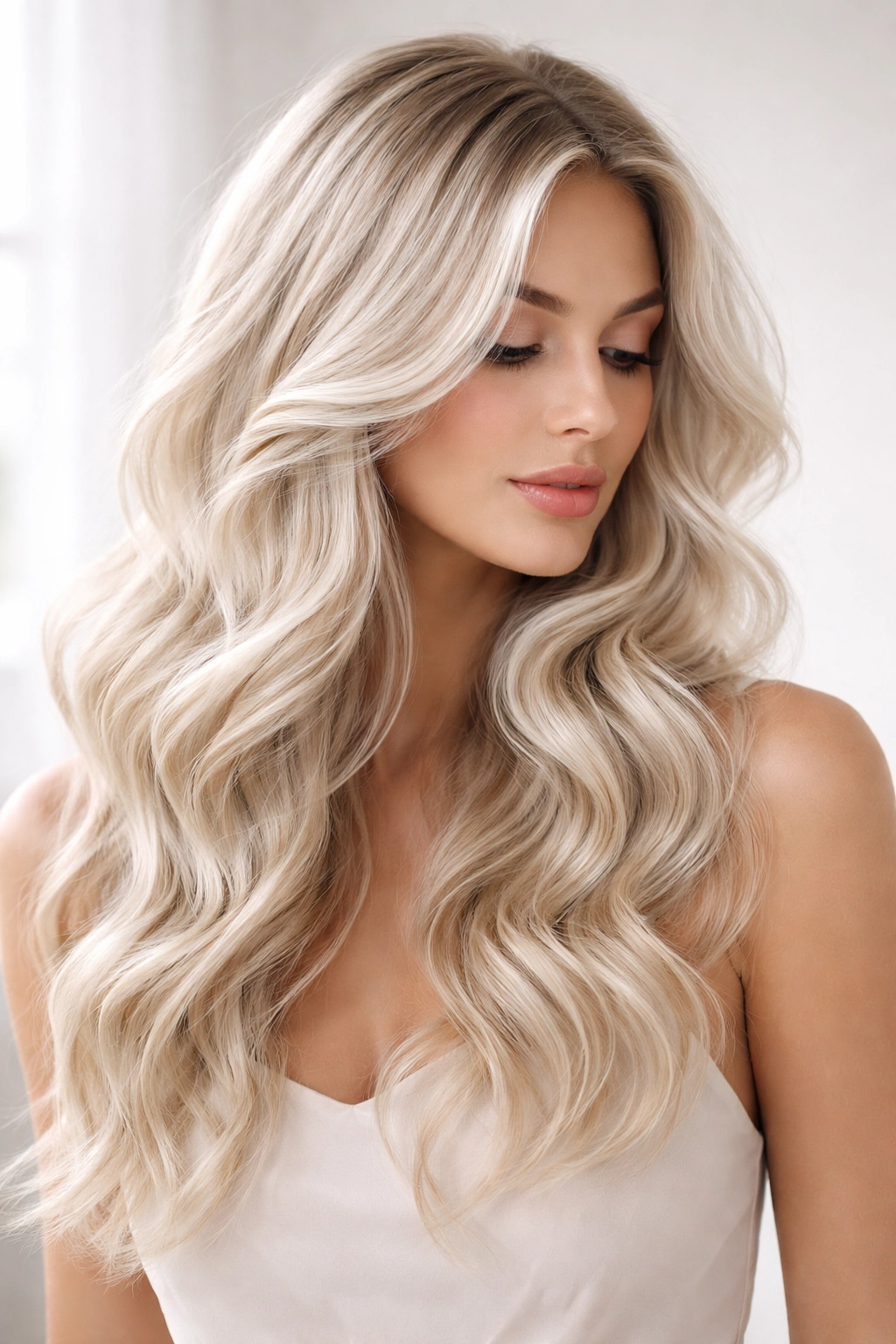
Platinum blonde is cool, modern, and undeniably striking—and when applied to loose, romantic waves, it has an ethereal quality that’s somehow both bold and soft. This look typically involves either all-over platinum color or strategic highlighting against a darker base. The waves are intentionally loose and flowing, creating an airy, almost cloud-like quality that makes the platinum feel less severe than it might on straighter textures.
The Science of Platinum on Wavy Hair
Platinum requires lifting hair very light, which can be damaging if not done carefully. But here’s where waves become an advantage: the texture naturally diffuses the light, so even though the blonde is very light, it doesn’t read as flat or washed-out. The waves create dimension and movement that keeps platinum from looking stark or one-note. The lighter tone also blends beautifully with the shadows created by wave texture.
Achieving and Protecting This Look
- This style typically requires multiple sessions to lift hair to platinum level safely
- Use a purple-toned shampoo and conditioner specifically formulated for blonde hair—this is essential, not optional
- Apply a nourishing hair mask or treatment after every second wash to protect against dryness
- Create waves with a sea salt spray on damp hair, scrunching and air-drying or using a diffuser
- Avoid heat styling as much as possible; platinum is beautiful but requires careful handling
- Schedule glossing treatments every 4 weeks to maintain the cool tone and prevent brassy undertones
Worth knowing: Platinum hair requires more maintenance than darker shades, both in terms of professional color care and daily protective care. But if you love the cool, modern aesthetic, many people find it absolutely worth the commitment.
7. Face-Framing Waves With Subtle Highlights
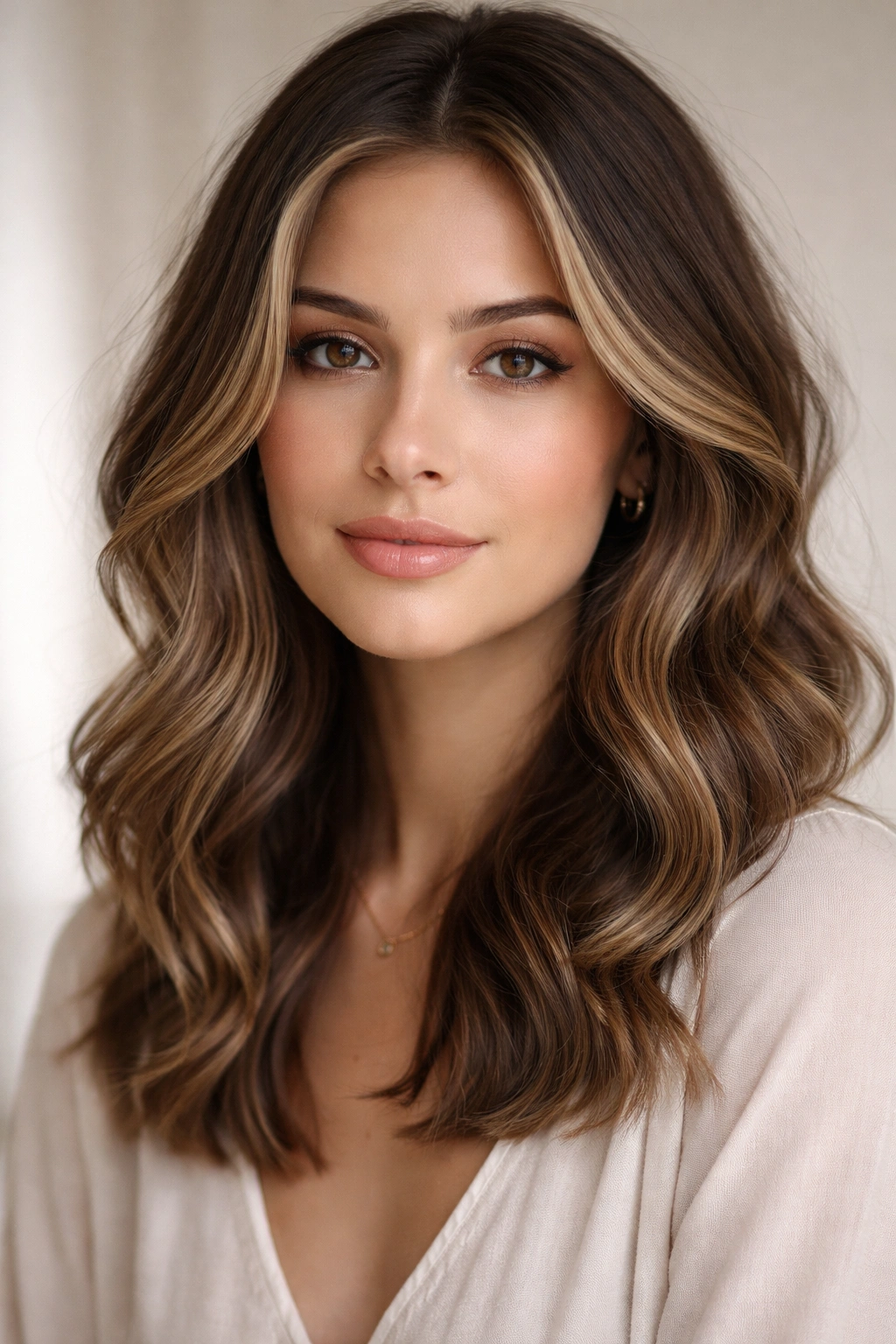
Sometimes the most sophisticated approach is restraint. This look uses face-framing waves—soft, loose waves that start around chin length and fall to frame your face—combined with highlights that are subtle enough to feel natural but strategic enough to create dimension exactly where it matters most. The highlights are typically placed in the face-framing pieces and scattered subtly through the crown, creating brightness where it’s most flattering without overwhelming your overall look.
The Power of Strategic Placement
With this style, the highlights aren’t meant to be the focal point—the waves are. The color is there to enhance, brighten, and add subtle dimension rather than to make a statement. This approach works beautifully if you prefer understated elegance, if you’re experimenting with highlights for the first time, or if you want a look that transitions easily from casual to professional.
Creating This Refined Look
- Ask your colorist for money pieces (face-framing highlights) and scattered placement throughout for dimension
- Choose a tone that’s 2-3 levels lighter than your base for a subtle effect
- Style waves using a salt spray and diffuser for a relaxed, natural wave pattern
- Maintain with sulfate-free color-safe shampoo and monthly glossing treatments
- The understated nature means you can go 10-12 weeks between touch-ups without obvious regrowth
- Invest in a silk pillowcase to help waves hold overnight
Insider note: This look is ideal if you’re not sure whether highlights will suit you or if you want something that feels naturally enhanced rather than obviously highlighted.
8. Chunky Highlights and Textured Waves
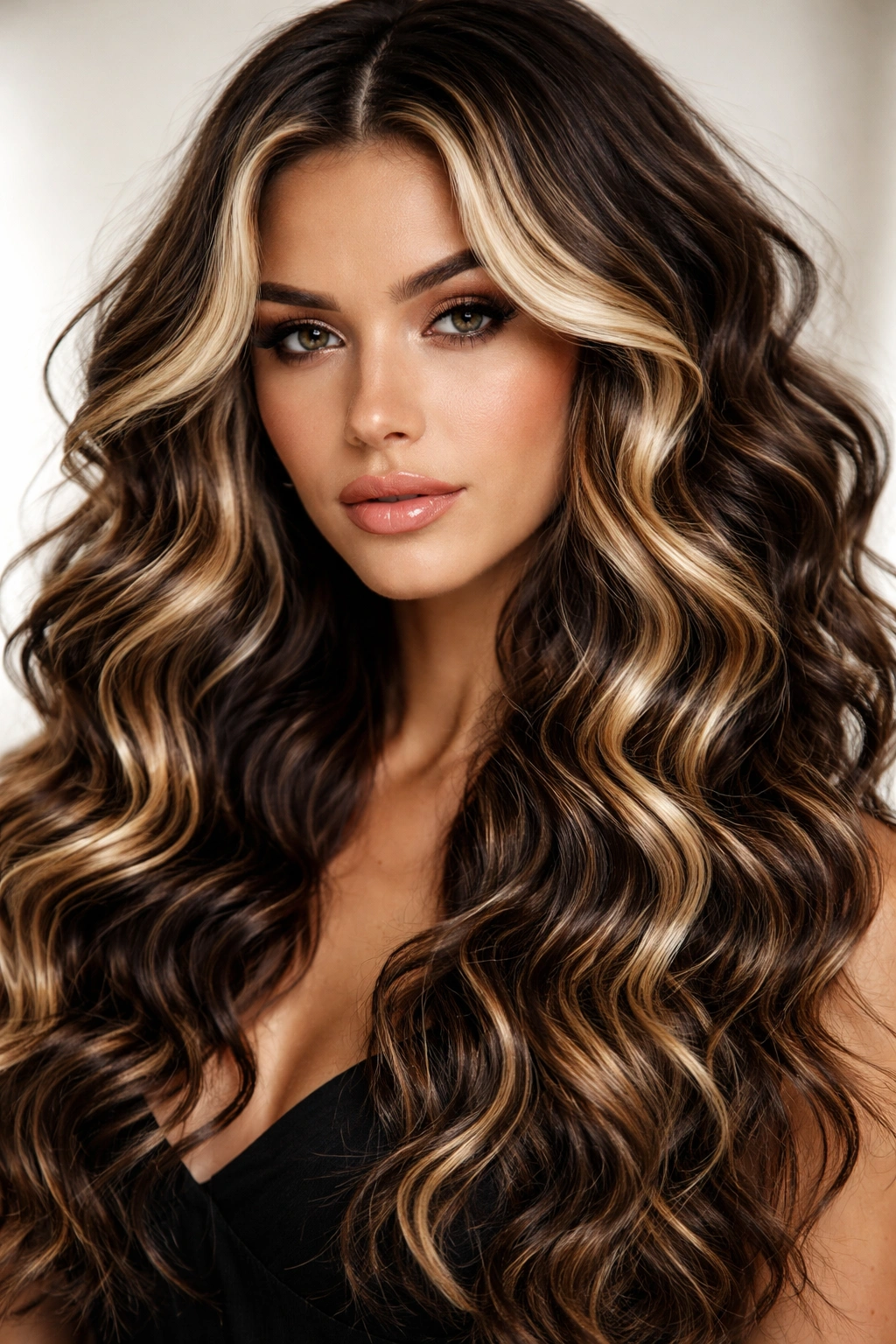
This is the bold, no-apologies approach to combining waves and highlights. Chunky highlights are thicker, more visible sections of color—think substantial pieces of blonde, caramel, or contrasting tone woven throughout darker hair. Combined with textured, tightly-defined waves, this creates a look that’s visually complex and intentionally dramatic. The chunkiness means the highlights are obvious and striking, while the tight waves keep everything from feeling overwhelming.
When to Choose This Bold Direction
Chunky highlights paired with textured waves work best for people who want their hair to be a statement, who have naturally wavy or curly hair and want to lean into that texture, or who are confident enough to own a more deliberately styled appearance. This look reads as fashion-forward and editorial rather than natural or understated.
Executing the Look Successfully
- Work with a colorist experienced in chunky placement—the positioning matters as much as the thickness
- Choose a base color and highlight color with genuine contrast; subtle tones won’t show up as dramatically
- Define waves using a curl-enhancing cream or mousse applied to damp hair
- Create texture with a curling iron or by diffuser-drying for more defined, structured waves
- Refresh the look with a color gloss every 4-6 weeks to keep highlights vibrant
- Use a smoothing serum to manage any frizz while still maintaining wave definition
Real talk: This look requires intentional daily styling. If you’re looking for a wash-and-go option, this isn’t your match. But if you enjoy styling and want your hair to be unmistakably stylish, this is incredibly rewarding.
9. Lived-In Waves With Dimensional Lowlights
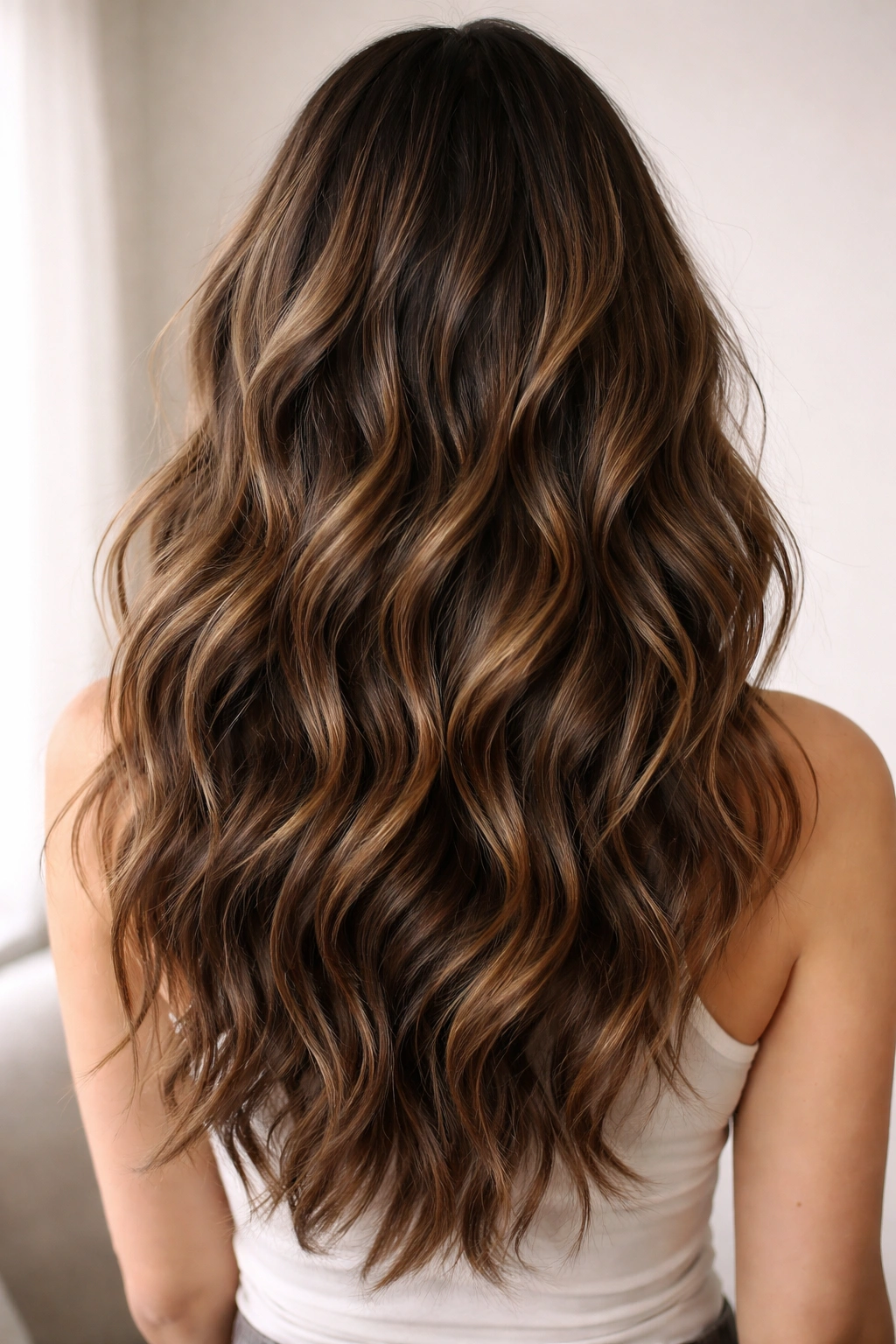
Lowlights are the opposite of highlights—they’re darker shades woven into your base color to create dimension and depth. Combined with soft, lived-in waves (the kind that look like they happened naturally rather than by intense styling), this creates a look that feels rich, expensive, and intentionally designed. The lowlights add shadow and complexity to the waves, creating movement and depth without adding brightness.
Why Lowlights Are Underrated
Many people think only of highlights when considering color dimension, but lowlights offer a different kind of sophistication. They create depth and visual complexity while typically being lower-maintenance than highlights, since darker tones don’t show regrowth as dramatically. The combination with waves creates a look that feels naturally multidimensional rather than obviously colored.
Building This Sophisticated Look
- Ask your colorist for lowlights placed to follow your wave pattern, creating shadow in the dips and definition in the peaks
- Choose lowlight tones that are 2-3 levels deeper than your base color
- Create lived-in waves using a texturizing spray on damp hair, then air-dry or diffuse
- Style occasionally with a curling iron for more definition when you want a polished appearance
- Maintenance is lighter than with highlights—you might only need a refresh every 12-14 weeks
- Use a smoothing serum or anti-frizz cream to keep waves looking intentional rather than accidentally textured
Pro tip: This look photographs beautifully and reads as naturally beautiful rather than high-maintenance, making it ideal if you want people to notice your hair’s beauty without asking if it’s recently been done.
10. Curly Waves With Bright Blonde Accents
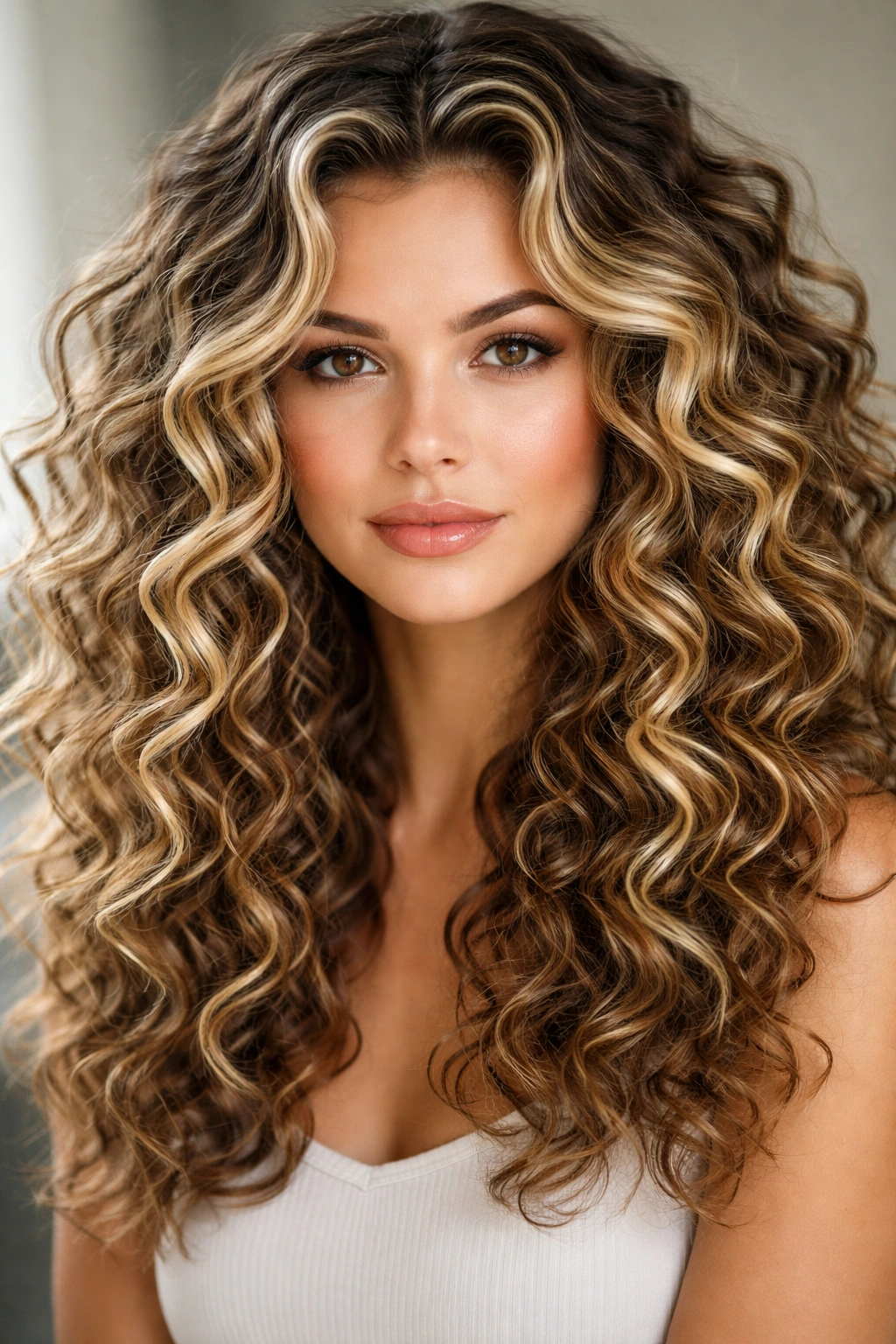
The distinction here is curly waves—texture that’s tighter and more defined than loose waves, closer to actual curls. When you pair this texture with bright blonde accents (either chunky or balayaged, but in a tone that’s noticeably lighter), the result is vivid, energetic, and unapologetically stylish. The curls create so much natural movement and shadow that bright blonde doesn’t read as harsh—it reads as intentional dimension.
The Texture-and-Brightness Balance
Curly waves naturally create visual complexity through texture alone. Adding bright blonde accents amplifies that complexity rather than competing with it. The curls actually showcase the blonde better than straighter hair would, because each curl creates a different angle and the blonde catches light from multiple directions. This is a look that truly comes alive in natural light.
Maintaining This Bold, Textured Look
- Request highlights in a bright, cool blonde tone that will truly contrast against your base
- If your hair is naturally curly, embrace the curl pattern; if it’s naturally wavy, tighter curls can be achieved with a curling iron or perm
- Use a curl-specific shampoo and conditioner that enhances curl definition and bounces
- Apply leave-in conditioner or curl cream to damp hair before air-drying or diffusing
- Refresh your waves or curls every night with a curl-refreshing spray and gentle scrunching
- Plan color touch-ups every 6-8 weeks to keep the bright blonde vibrant
- Deep condition weekly to keep curly, colored hair healthy and glossy
Worth knowing: Curly waves are typically higher-maintenance in daily styling than looser waves, so this look works best if you enjoy a consistent styling routine and appreciate the payoff of intentionally textured hair.
11. Brunette Base With Warm Highlights and Waves
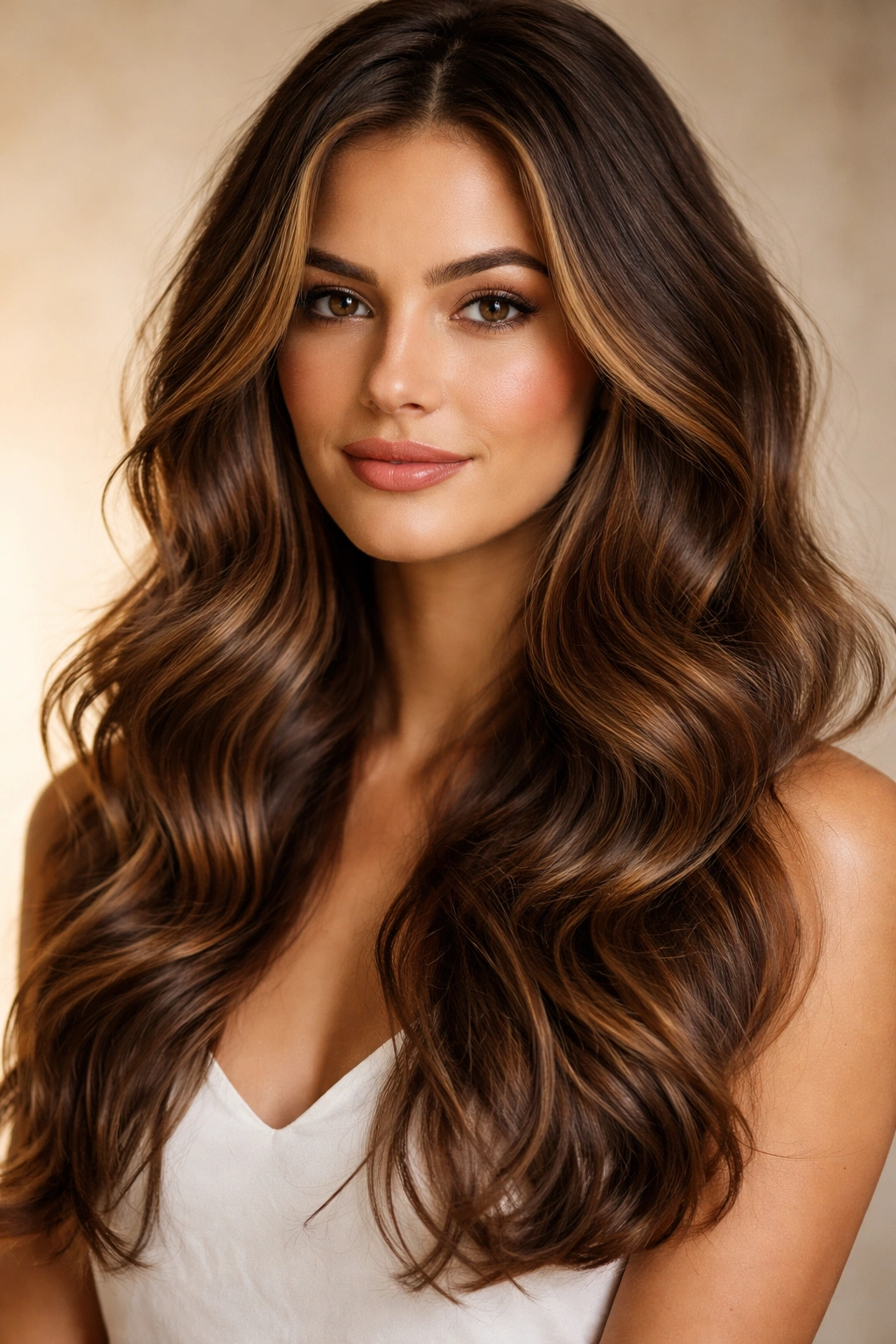
This is the middle ground between subtle and bold: a rich brunette base that feels like your natural hair color (even if it isn’t), paired with warm highlights in caramel, honey, or light bronze. The waves are soft and romantic, giving the whole look a naturally warm, glowing appearance. This combination is enduringly popular because it’s flattering on many skin tones and doesn’t require the high maintenance of very blonde or very dark tones.
The Universal Appeal of This Approach
Warm highlights on a brunette base work because they mimic how hair naturally lightens with sun exposure and age. The look reads as naturally beautiful and intentional without being obviously styled. The waves soften everything, making the warm tones feel blended and organic rather than applied. This is a look that translates beautifully across seasons and occasions.
Achieving Effortless Warmth
- Choose a brunette base that’s 2-3 levels lighter or darker than your natural color, depending on your skin tone
- Request warm highlights in caramel and honey tones, distributed throughout for dimension
- Create soft waves using a salt spray and round brush, blow-dried on medium heat
- Maintain your color with a warm-toned glossing treatment every 6-8 weeks
- Use a sulfate-free shampoo and a color-safe conditioner to preserve both base and highlights
- Sleep on a silk pillowcase to help waves hold overnight
- Use a smoothing serum to keep frizz minimal while maintaining wave definition
Insider note: If you’re not ready to commit to very blonde or very cool-toned hair, this look offers dimension and visual interest with a lower maintenance requirement and a more timeless feel.
12. Pastel Ombre Wavy Hair
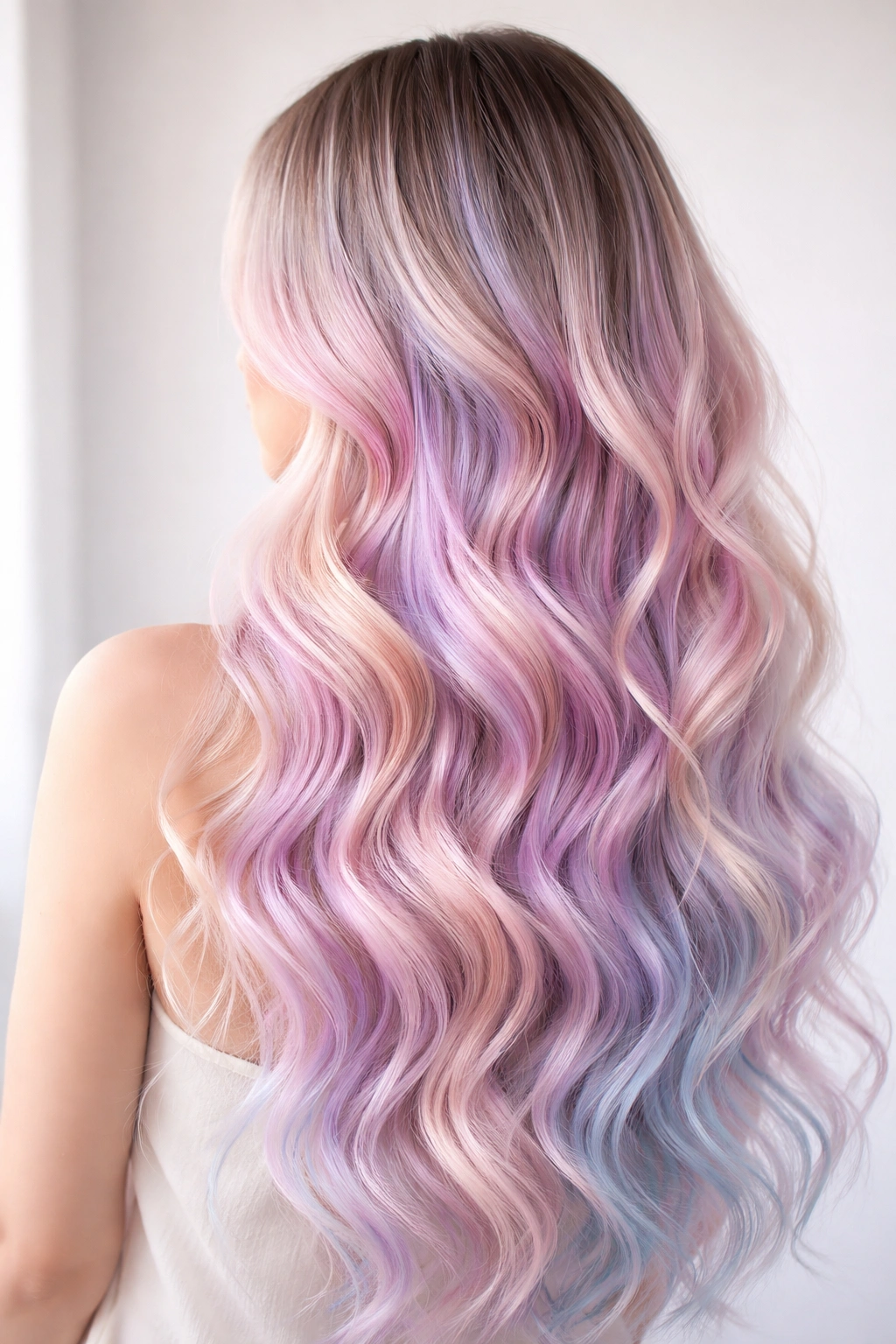
Ombré is a gradient effect where color transitions from dark at the roots to lighter at the ends. When you make those lighter ends pastel tones—soft pink, lavender, baby blue, or pale peach—and pair them with wavy texture, the result is whimsical, artistic, and eye-catching. The waves make the pastel transition feel less harsh and more blended, while the pastels give the waves an almost ethereal quality.
When Pastel Ombré Works Best
This look is bold and creative, so it works best for people who want their hair to be a form of self-expression and aren’t concerned with maintaining a conservative appearance. Pastel tones also work better on lighter hair, so this look typically starts with a lighter base or requires substantial lightening. The pastels also tend to fade, which some people love (the fading becomes part of the aesthetic) and others find frustrating.
Making Pastels Look Intentional
- Start with either naturally light hair or be prepared for a multi-step lightening process
- Choose pastel tones based on your skin tone—cool pastels for cool skin, warm pastels for warm skin
- Create waves using a curl cream and diffuser for soft, romantic texture that complements the dreamy pastel tones
- Use a color-safe shampoo and conditioner specifically formulated for pastel or vivid colors
- Tone your hair weekly with a pastel color-depositing treatment to refresh the shade as it fades
- Be prepared for the pastels to fade; this is part of the aesthetic but requires commitment to touch-ups
- Protect your hair with deep conditioning treatments, since achieving and maintaining pastels is processing-intensive
Real talk: Pastel ombré is a temporary or special-occasion choice for most people rather than an everyday look, because the pastels fade quickly and require active maintenance. But if you love the aesthetic and enjoy the styling ritual, it’s a gorgeous option.
13. Money Pieces With Soft Waves
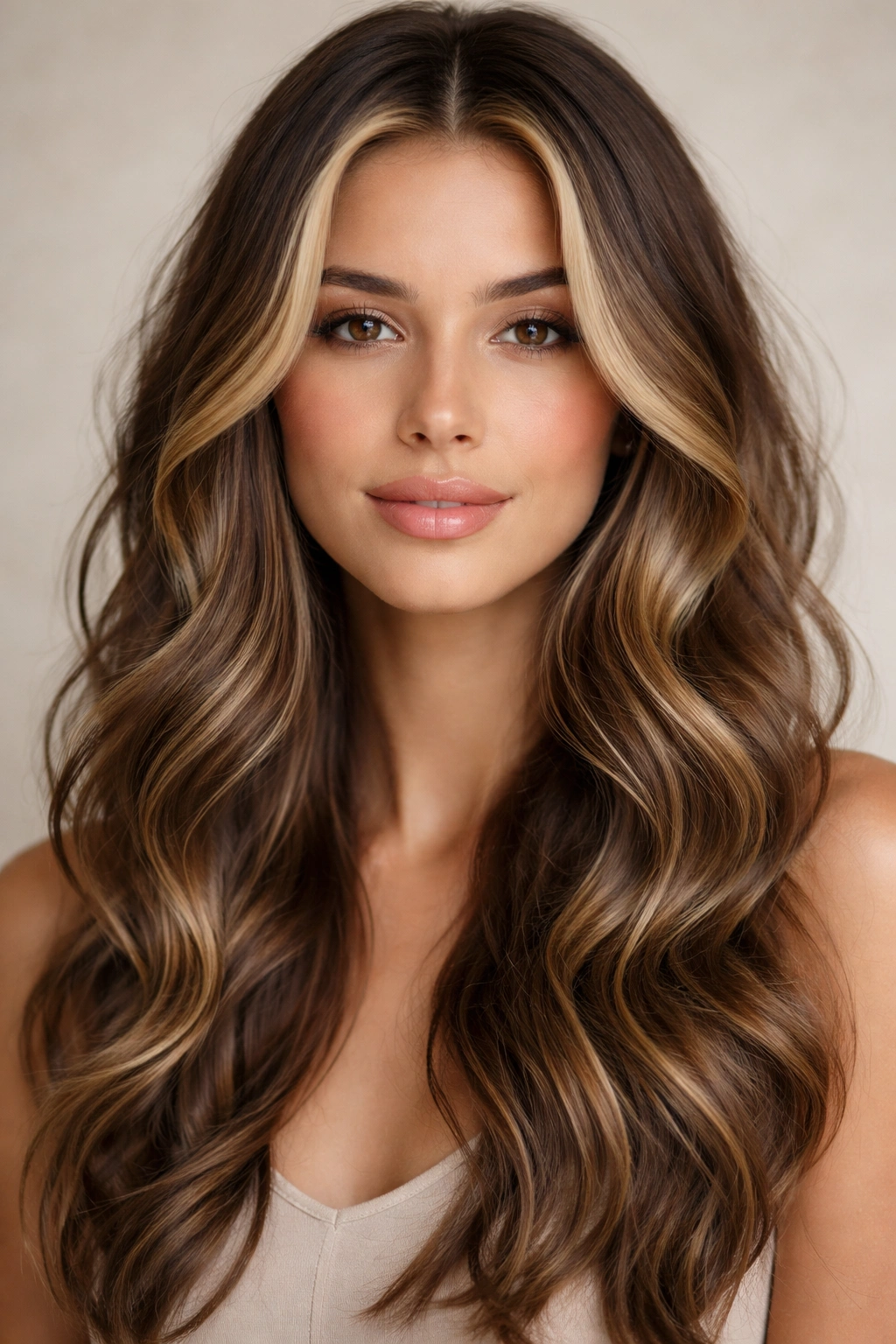
Money pieces are face-framing highlights placed specifically on the pieces of hair that frame your face—the ones visible when your hair is pulled back or styled. When combined with soft, romantic waves throughout the rest of your hair, this creates a look that’s bright and flattering exactly where it matters most. The rest of your hair can be more muted, allowing the face-framing brightness to do the visual work of brightening your complexion and drawing attention to your features.
Strategic Beauty Placement
The genius of money pieces is that they’re placed for maximum flattery regardless of how you style your hair. When your hair is down and wavy, they frame your face. When you pull it back, they’re visible and flattering. When you style it into waves or curls, they catch light and create dimension around your face. This is a strategic, intentional approach to highlights.
Creating Flattering Face-Framing Dimension
- Ask your colorist for money pieces (typically 1-2 inches on each side of your face) in a tone 2-3 levels lighter than your base
- Request additional subtle highlights throughout for supporting dimension
- Create soft, romantic waves throughout your hair to showcase the face-framing pieces
- Style with a heat protectant and texturizing spray for waves that feel effortless
- Plan color touch-ups every 8-10 weeks to keep the face-framing pieces bright
- Use a deep conditioning treatment weekly to keep highlighted pieces healthy
- Vary how you style your waves to showcase the money pieces from different angles
Pro tip: Money pieces work beautifully if you’re not ready for all-over highlights but want the brightening and flattering effects that highlights provide. They’re also ideal if you want to minimize maintenance—you’re only maintaining color in two or three strategic pieces rather than throughout your entire head.
14. Shadow Root Waves With Highlighted Ends
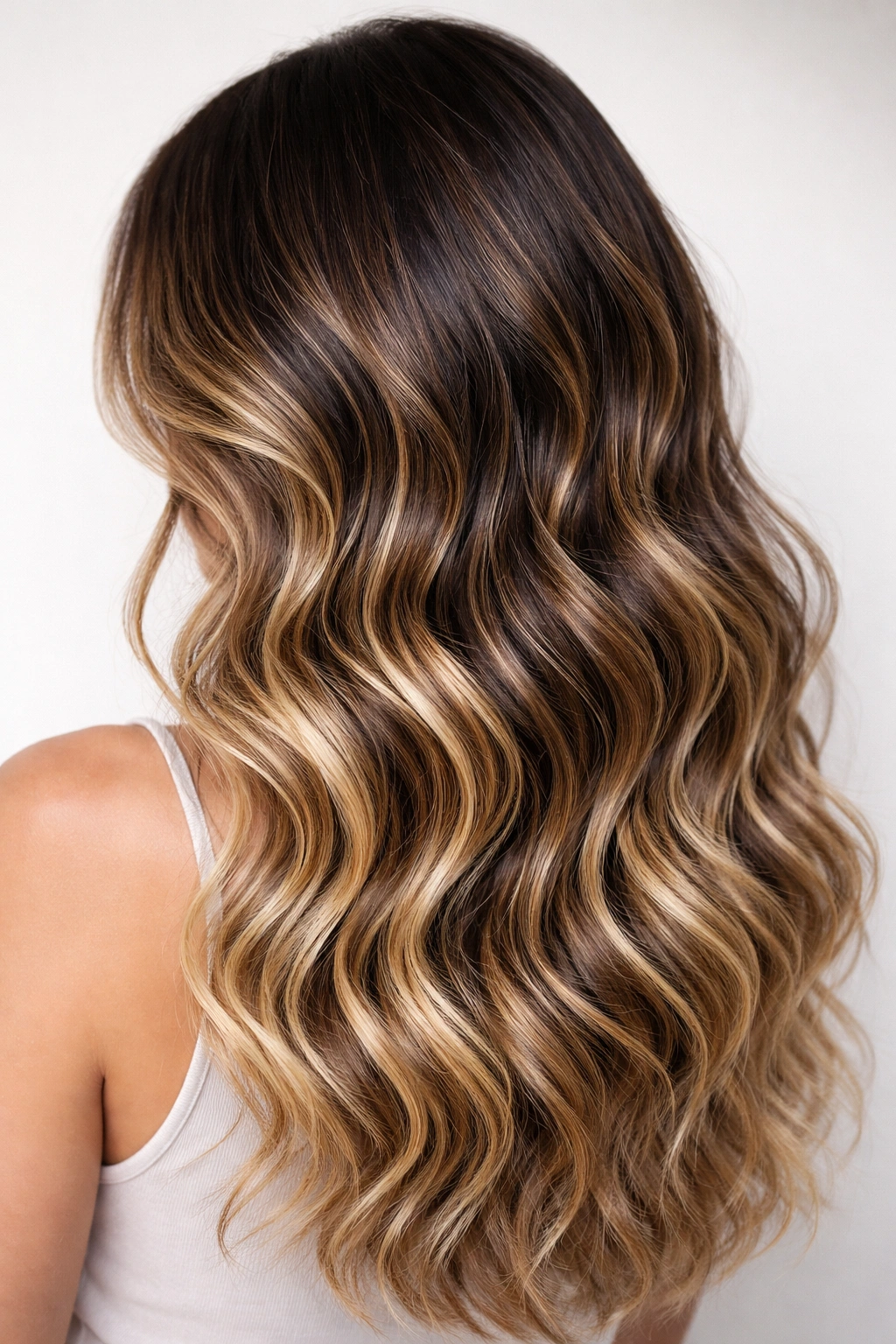
A shadow root is a darker color applied to the roots, intentionally creating a gradient effect from dark roots to lighter ends. This trend works beautifully with wavy hair because the waves create natural shadow that complements the darker roots, while the lighter ends showcase highlights clearly. The look is low-maintenance at the roots (because darker regrowth blends more seamlessly) while still delivering obvious highlight dimension at the ends.
Why Shadow Roots Feel So Modern
Shadow roots are a practical, sophisticated approach to color maintenance. Rather than fighting root regrowth, you’re embracing it and making it intentional. The waves amplify this effect—the natural shadows created by wave texture make the darker roots feel intentional rather than like grown-out color. The lighter ends create brightness and dimension without requiring constant root touch-ups.
Building This Modern Look
- Start with a base color slightly deeper than your natural shade, then apply shadow root color to the top 2-3 inches
- Request highlights in the mid-lengths and especially the ends, creating a noticeable gradient
- Choose highlighting tones that create contrast with your shadow root base—blonde on brunette, or caramel on dark brown
- Create waves using a salt spray and diffuser for an undone, modern texture
- Maintain with color gloss treatments every 8-10 weeks, refreshing both roots and highlights
- The beauty of this look is that you can actually let your roots grow out for 3-4 months before a full refresh is necessary
- Use a hydrating shampoo and conditioner to keep highlighted ends healthy
Worth knowing: This is genuinely low-maintenance compared to traditional all-over color, making it ideal if you love the highlighted look but don’t want to live at the salon.
15. Multicolor Waves With Layered Highlights
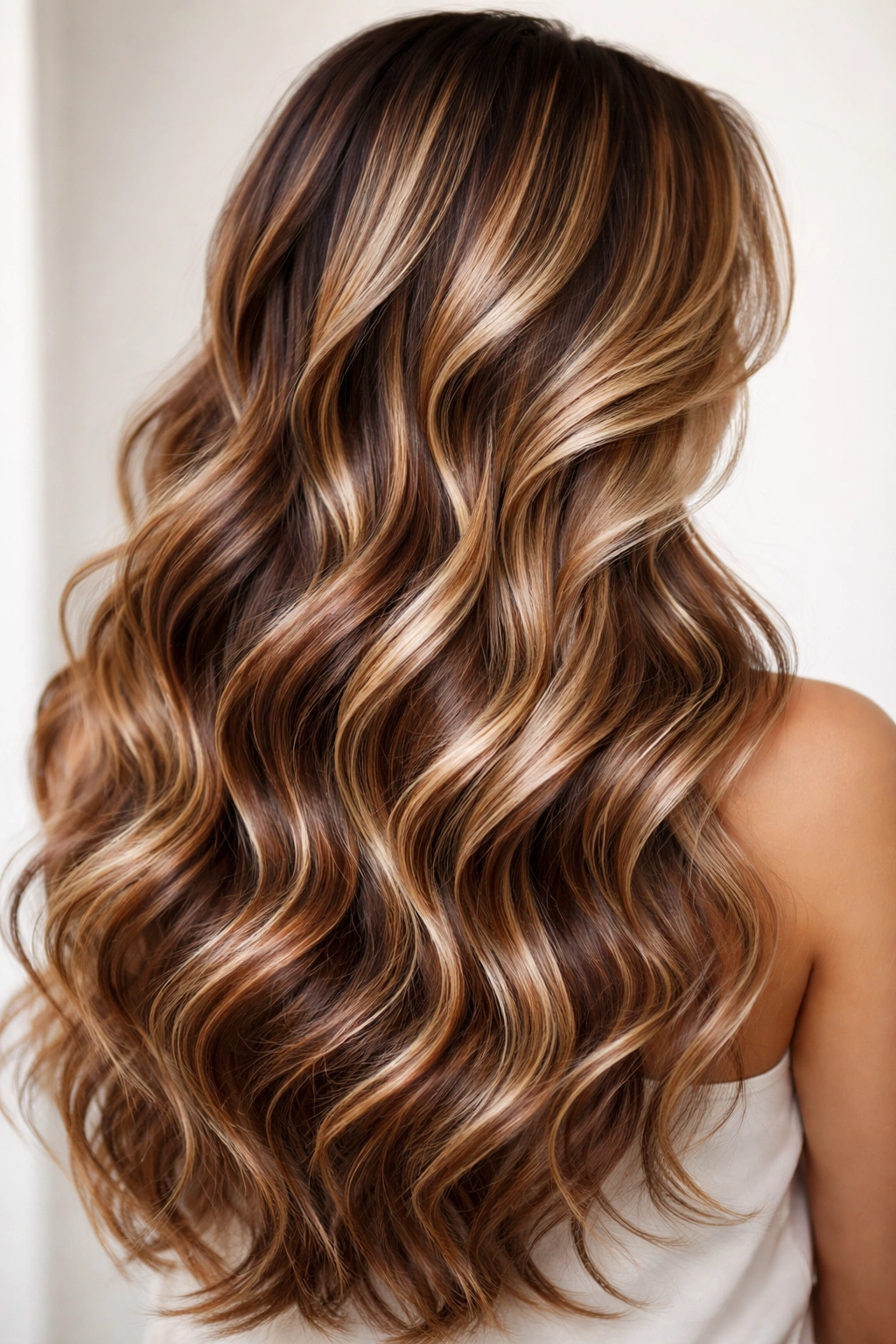
This is the maximalist approach: rather than one or two highlight tones, you’re incorporating multiple colors—perhaps honey, caramel, rose gold, and blonde, all layered throughout your wavy hair. Each wave catches a slightly different color, creating an almost holographic effect where the hair reads differently depending on the angle and lighting. This is obviously a bold choice, but for people drawn to it, it’s absolutely stunning.
The Art of Multicolor Harmony
The key to making multiple colors work together is ensuring they’re tonal neighbors rather than competing opposites. Warm-based colors work together (honey, caramel, rose gold, copper), and cool-based colors work together (ash, platinum, icy blonde, silver). Mixing the two creates discord. Within your chosen temperature, varying the depth and saturation creates complexity rather than chaos.
Executing Complex Multicolor Highlights
- Work with a highly experienced colorist; this isn’t a beginner technique
- Choose 3-4 highlight tones that are in the same color family but vary in depth and saturation
- Request placement that ensures each color appears throughout your hair rather than sectioned separately
- Create waves using texture spray and a combination of diffuser-drying and curling iron
- This look is high-maintenance—plan for color touch-ups every 6 weeks to keep all tones vibrant
- Use color-safe shampoo and conditioner, and apply a nourishing treatment after every wash
- Consider a weekly gloss treatment to keep multiple tones balanced and vibrant
Real talk: Multicolor highlights are a style statement and a maintenance commitment. You’re essentially saying that your hair is intentional and important to how you present yourself. If that appeals to you, this is a genuinely gorgeous approach.
16. Loose Waves With Icy Blonde Highlights
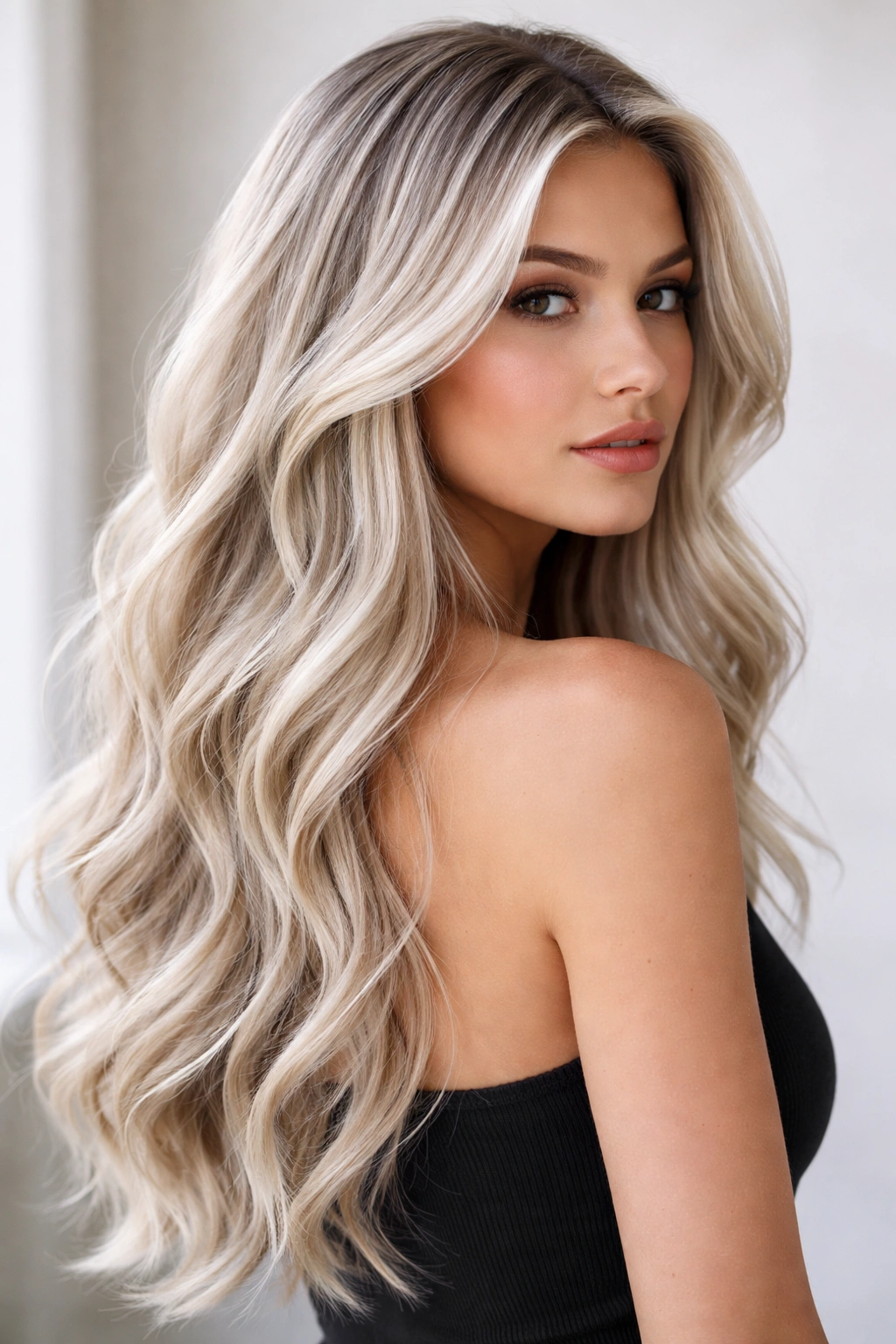
This is cool, modern, and undeniably sophisticated: icy blonde highlights (very cool-toned, with ashy or silvery undertones) combined with loose, effortless waves. The cool tones of icy blonde read as clean and contemporary, and the loose waves prevent the coolness from feeling harsh or severe. The overall effect is modern, polished, and intentional without being overdone.
The Modern Appeal of Icy Tones
Icy blonde is a very deliberate color choice—it’s not trying to look natural or sun-kissed. It reads as intentional and current. But combined with loose, relaxed waves, it paradoxically feels effortless. The waves soften the cool-toned color, making it feel wearable rather than editorial. This is a look that appeals to people who love modern aesthetics and are confident about their style choices.
Creating and Maintaining Icy Blonde Waves
- Request highlights in an icy blonde tone—your colorist will know how to balance the level of lift with the cool tone you want
- Use a purple-toned shampoo and conditioner religiously; this is non-negotiable for keeping icy tones from shifting yellow or brassy
- Create loose waves using a texturizing spray on damp hair, then air-dry or diffuse on low heat
- Style occasionally with a large-barrel curling iron to enhance waves when you want a more polished appearance
- Schedule glossing treatments every 4 weeks to maintain the icy blonde tone
- Deep condition weekly to protect against the dryness that icy blonde highlights can cause
- Minimize heat styling; air-drying as much as possible helps your hair stay healthy and your blonde stay cool
Insider note: Icy blonde requires more color maintenance than warmer tones because it shifts more quickly and shows brassy undertones more obviously. But if you love the cool, modern aesthetic, the maintenance is worth the payoff.
Final Thoughts
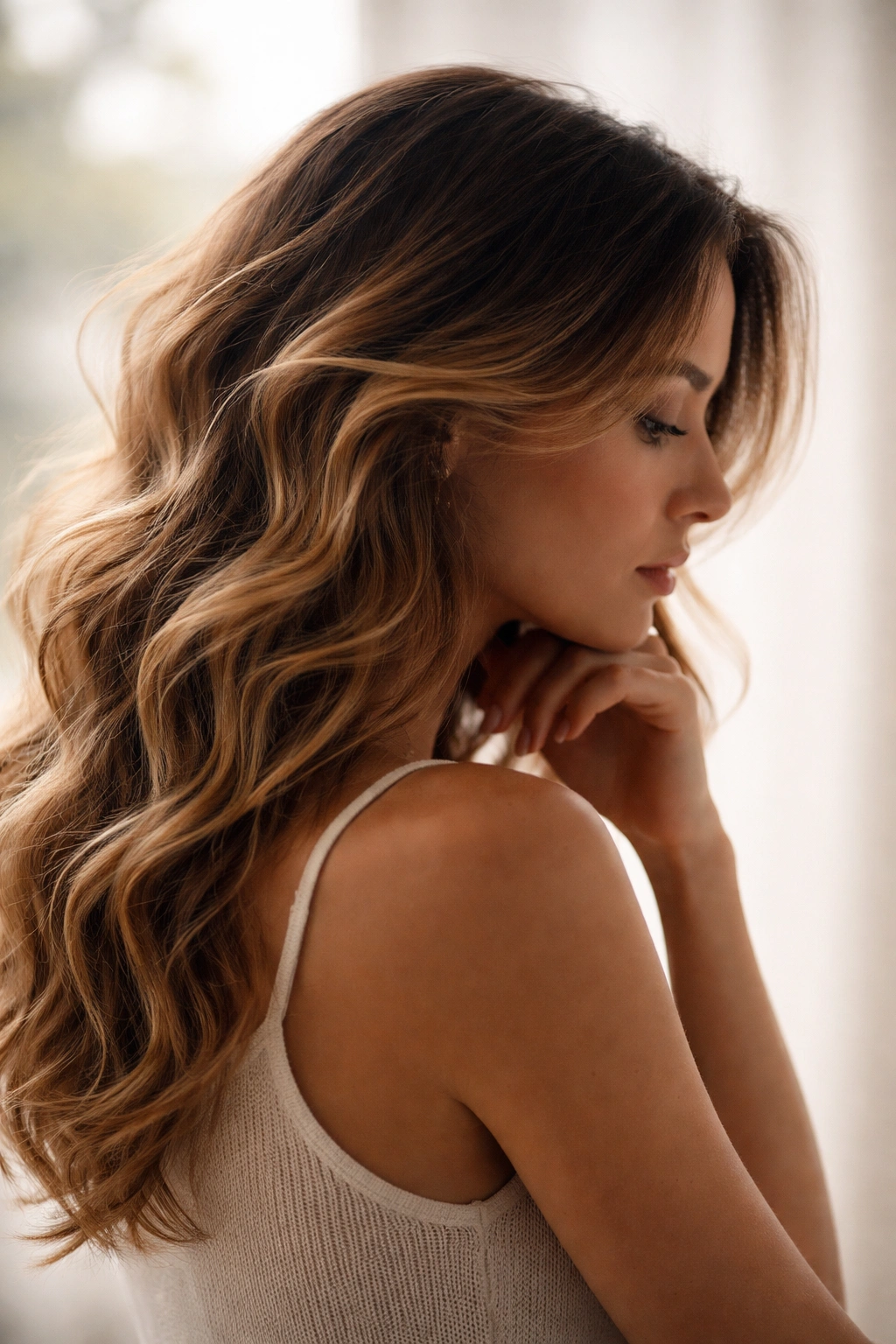
Combining waves with highlights is one of the most versatile approaches to hairstyling because the possibilities are genuinely endless. You can go subtle and natural-looking or bold and fashion-forward. You can choose warm, cozy tones or cool, contemporary ones. You can embrace your waves as loose and romantic or tighter and more intentionally textured. The beauty of this combination is that it works across hair lengths, face shapes, and personal styles—there’s genuinely a wavy highlight look for everyone.
The key to choosing the right look for you is thinking honestly about your lifestyle and maintenance tolerance. Are you someone who enjoys a daily styling routine, or do you prefer to wash and go? Do you want your hair to draw attention and spark conversation, or do you prefer something more subtle? How often are you willing to visit the salon for color maintenance? Once you answer these questions, the specific style choice becomes clearer.
Remember that the best version of any of these looks is the one that feels like yours—where you’ve customized the placement, tone, and wave pattern to suit your unique features and personality. Work with a colorist and stylist you trust, communicate clearly about what you’re envisioning, and don’t be afraid to experiment with small adjustments until you find exactly what makes you feel confident and beautiful.
