



If you’ve been scrolling through hairstyle inspo and can’t stop saving images of shoulder-length cuts with effortless waves, you’re not alone. The wavy lob—that perfect middle ground between a bob and longer lengths—has become the go-to haircut for anyone who wants movement, versatility, and low-maintenance style without committing to ultra-long hair. What makes it so appealing isn’t just the length; it’s the texture. Waves add dimension, romance, and that coveted “I woke up like this” vibe that actually requires strategy and the right cut to achieve.
A good wavy lob works with your hair’s natural texture rather than against it, meaning fewer styling hours and more days where you genuinely love how you look. The best part? Wavy lobs suit almost every face shape, hair type, and lifestyle. Whether you’re after a tousled beach-ready feel, a structured modern look, or something with serious layers and movement, there’s a wavy lob variation that’ll become your new signature.
The cuts we’re covering here aren’t one-size-fits-all; they’re different approaches to the wavy lob concept. Each one changes where the waves sit, how much texture you get, what kind of styling commitment you’re making, and how the cut works with your specific hair type. Some are better for fine hair, some for thick texture, some for people who love styling tools, and some for those who prefer wash-and-go simplicity. By the time you finish reading, you’ll know exactly which wavy lob cut matches your hair, your face shape, and your daily styling reality.
Let’s break down eight stunning wavy lob variations so you can find the one that deserves a spot in your next salon appointment.
1. Tousled Beach Wave Lob
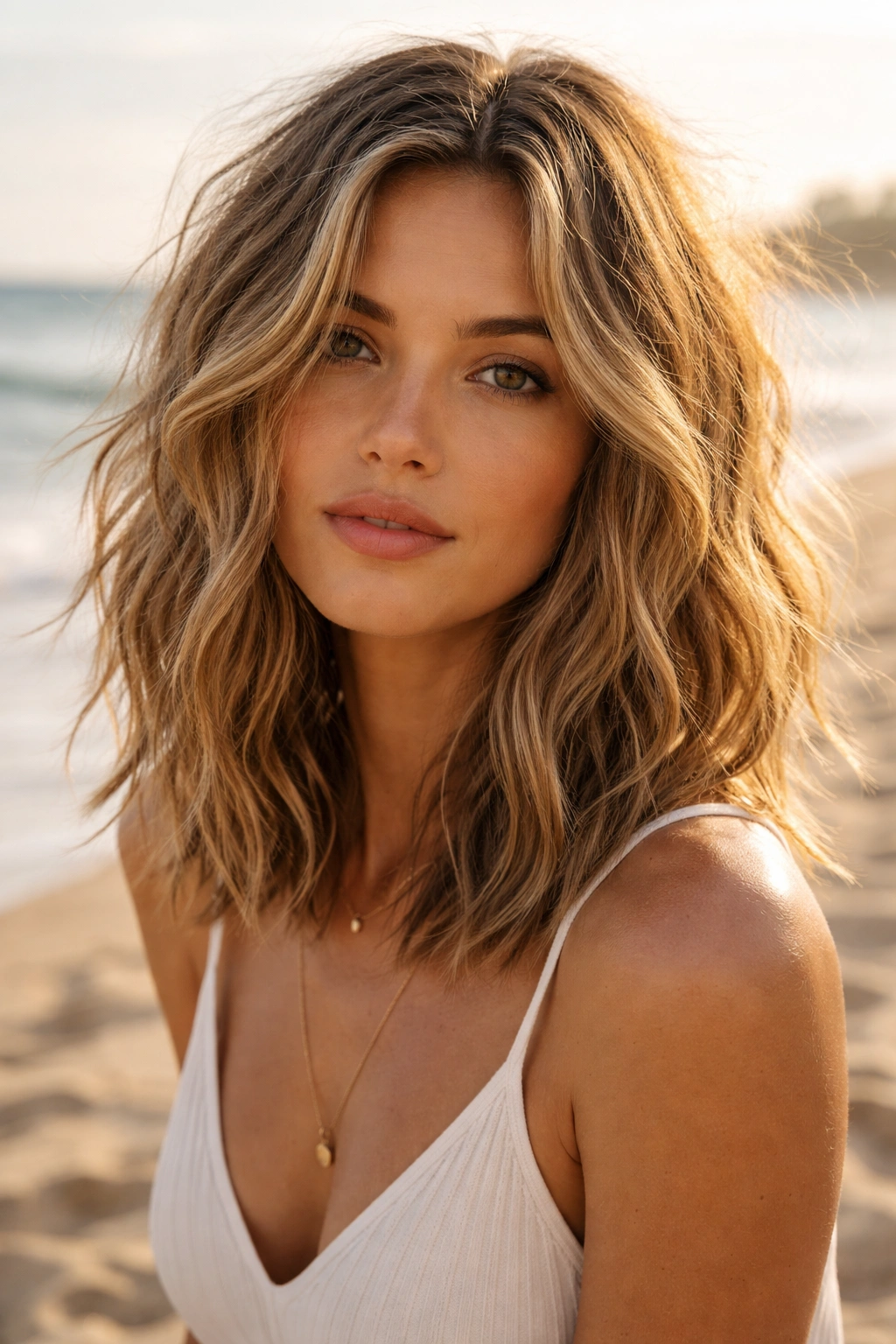
This is the wavy lob that looks like you just stepped out of the ocean—undone, textured, and effortlessly cool. The cut sits right at shoulder length with piece-y layers throughout, creating natural-looking waves that don’t require perfect technique to look good. The magic here is that imperfection is the whole point. Hair falls in loose, separated pieces rather than a uniform bulk, and waves look best when they’re slightly disheveled rather than groomed into submission.
Why This Cut Works So Well
The tousled beach wave lob relies on lots of choppy layers and textured ends to create that separated, piecey effect. Layers aren’t just for show—they remove bulk, reduce the weight pulling your waves down, and give your hair natural points of movement. When your stylist cuts the layers at slightly different angles and lengths, it creates that messy-on-purpose look that actually photographs beautifully. The shorter face-framing pieces catch light differently than the longer back sections, creating dimension even when your hair’s being lazy.
What You Need to Know Before Committing
- Best for: Fine to medium hair that can hold a wave; thicker hair might look too voluminous with this many layers
- Styling time: 10-15 minutes with a wave tool or salt spray; 20+ minutes if you’re blow-drying and styling from scratch
- Maintenance: Trim every 5-6 weeks to keep layers defined and ends textured
- Daily reality: Looks best with texture, so plan on using a styling product or spray; air-drying alone rarely gives the intentional-looking messiness this cut deserves
Pro tip: Salt spray is your best friend with this cut—it enhances natural waves and adds grip so your layers separate instead of clumping together.
2. Textured Shag Lob
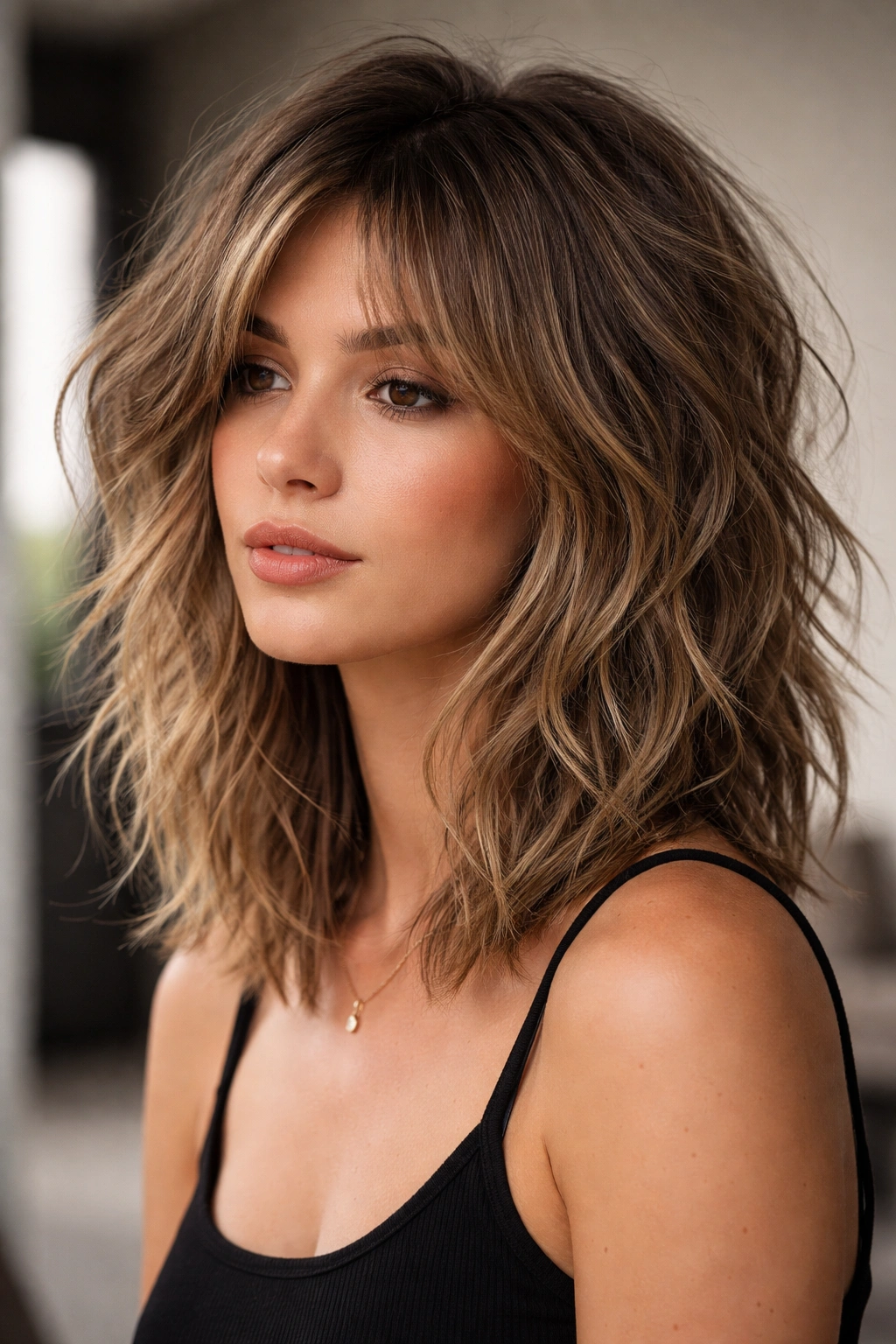
A shag lob takes everything you love about ’70s-inspired shags and modernizes it to shoulder length. This isn’t a full-on mullet situation; it’s a strategic cut where longer layers sit on top of shorter, choppy layers underneath, creating volume at the crown and movement throughout. The texture comes from super-short choppy layers mixed with longer strands, giving you that edgy, cool-girl vibe that somehow looks both intentional and relaxed.
What Makes a Shag Lob Different
Shag lobs have way more layering than a standard wavy lob—we’re talking short layers throughout, not just face-framing pieces. The cut creates natural separation and movement because each layer hits at a different point. Waves in a shag lob don’t need to be tight or perfect; they can be loose and undefined because the layers themselves do most of the visual work. You’re getting texture from the actual cut structure, not just from how you style it.
Styling and Maintenance Considerations
- Best for: People who love spending time on their hair; this cut needs intentional styling to look its best
- Styling tools needed: A curling iron or wand is almost non-negotiable; this cut shines with deliberate, defined waves
- Trim schedule: Every 4-5 weeks to maintain the layered structure and prevent that scraggly phase
- Personality fit: This cut has attitude—it works best on people who enjoy experimenting with styling and aren’t afraid of a little texture
Worth knowing: A shag lob works beautifully with lived-in color or balayage because the layering and movement interact with dimensional color in really interesting ways.
3. Modern Blunt Wave Lob
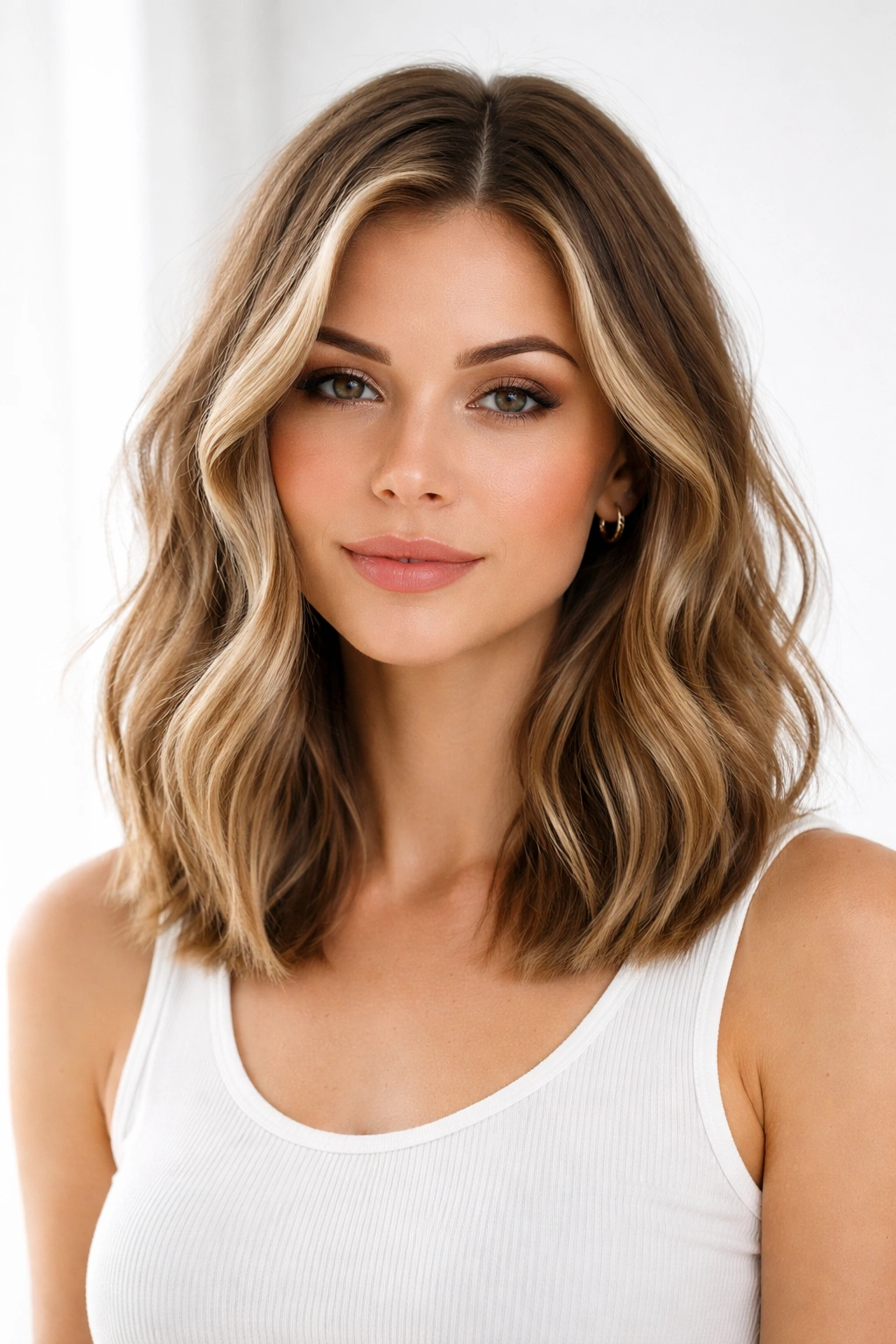
If choppy, piece-y layers aren’t your vibe, a modern blunt wave lob might be exactly what you’re looking for. This cut keeps more length and weight at the ends while still incorporating subtle layers and movement throughout. It’s got cleaner lines than a beach wave lob but still has plenty of texture to work with. The blunt ends catch light beautifully and feel more intentional and polished while still giving you that wavy, effortless aesthetic.
The Strategy Behind Blunt Ends
A blunt or semi-blunt wavy lob works because the weight at the ends helps your waves hold their shape and look more structured. Layers are still there—your stylist will likely add some shorter pieces around the face and throughout the mid-lengths—but they’re more subtle and strategic. The longer ends give you something to style around, and blunt lines make your wave shape more visually obvious. It’s a cut that feels modern and intentional without looking overly worked or styled.
Who This Cut Suits Best
- Hair type: Works beautifully on straight to wavy hair; very curly hair might fight the blunt line structure
- Face shape: Flatters oval, heart, and oblong faces; the blunt ends can emphasize width on round faces
- Styling commitment: Medium—you’ll need a wave tool or curling iron 2-3 times a week, but it’s not an every-day requirement
- Maintenance: Trim every 6-7 weeks to keep the blunt line sharp; more space between trims than choppy layers
Quick tip: Blunt ends need more hydration than choppy layers because there’s less breakage to hide damage. Invest in a good conditioning mask if you’re going this route.
4. Layered Choppy Lob
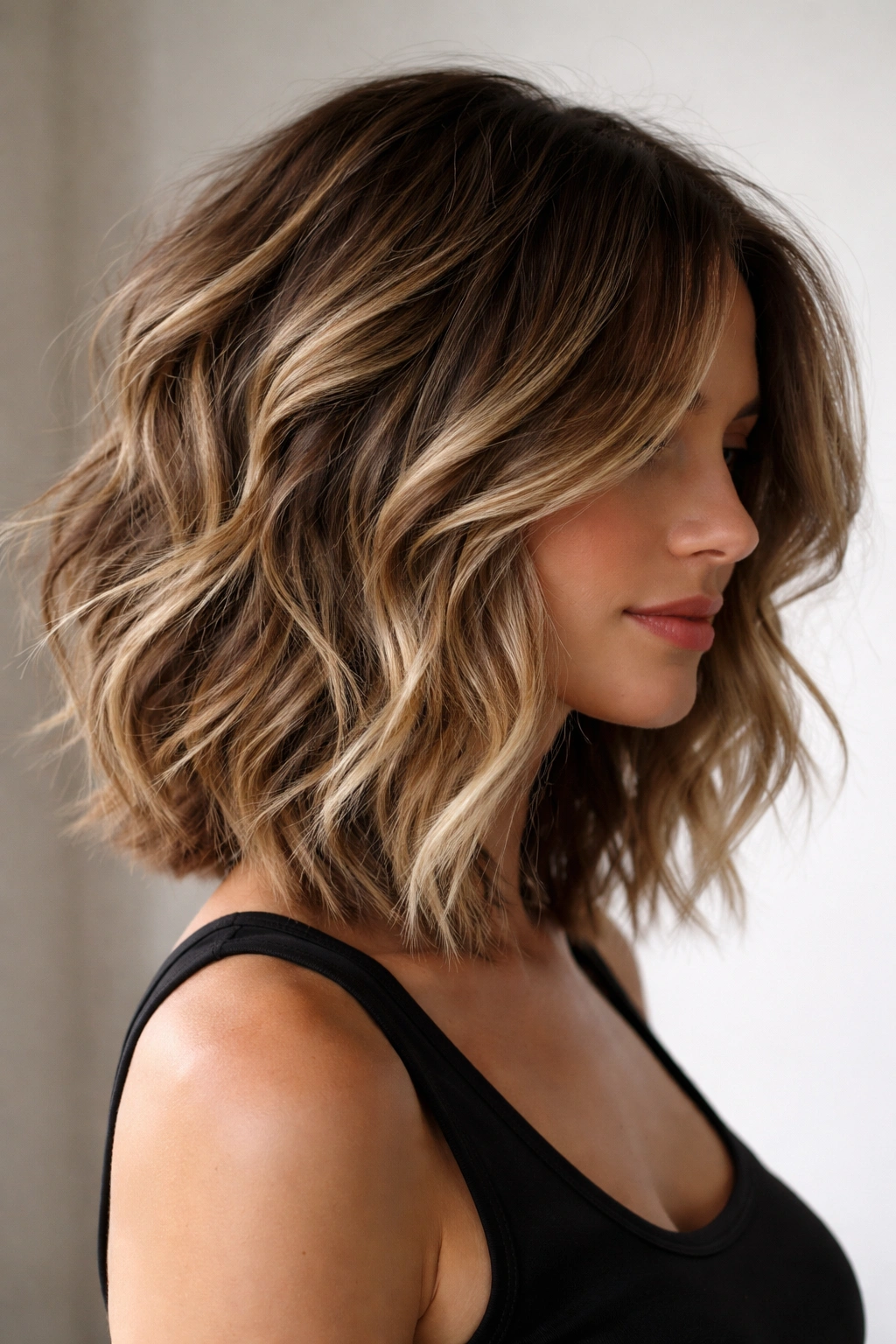
This is the high-maintenance, high-drama cousin of the beach wave lob. A layered choppy wavy lob has super-short choppy pieces all over—crown, sides, face-framing, back—creating tons of movement and texture throughout the entire cut. It’s not subtle. It makes a statement. The choppy layers create natural separation and movement even on days when you don’t style, but the cut requires styling intentionality to look polished rather than accidentally bedhead.
What Sets Choppy Layers Apart
Every layer in a choppy lob is intentionally cut at a different length and angle, creating peaks and valleys throughout your hair. These aren’t blended layers that fade into each other; they’re deliberate, visible texture. Waves sit beautifully in choppy cuts because the layers already create movement, so even loose waves look intentional and dimensional. You’re getting texture from two sources: the cut itself and whatever waves or curls you add through styling.
The Real Commitment Level
- Daily styling: Plan on using a styling tool most days; this cut really benefits from intentional wave placement
- Product use: Texturizing sprays, wave creams, and styling products are essential, not optional
- Trim frequency: Every 4-5 weeks minimum to keep the choppy structure defined and prevent that shaggy, unkempt phase
- Hair health: With this many layers and texture, you need to prioritize deep conditioning and heat protection
Real talk: If you love the idea of choppy layers but don’t want to style your hair daily, this might disappoint you. It needs intentional effort to look like the polished version rather than accident-prone.
5. Romantic Soft Wave Lob
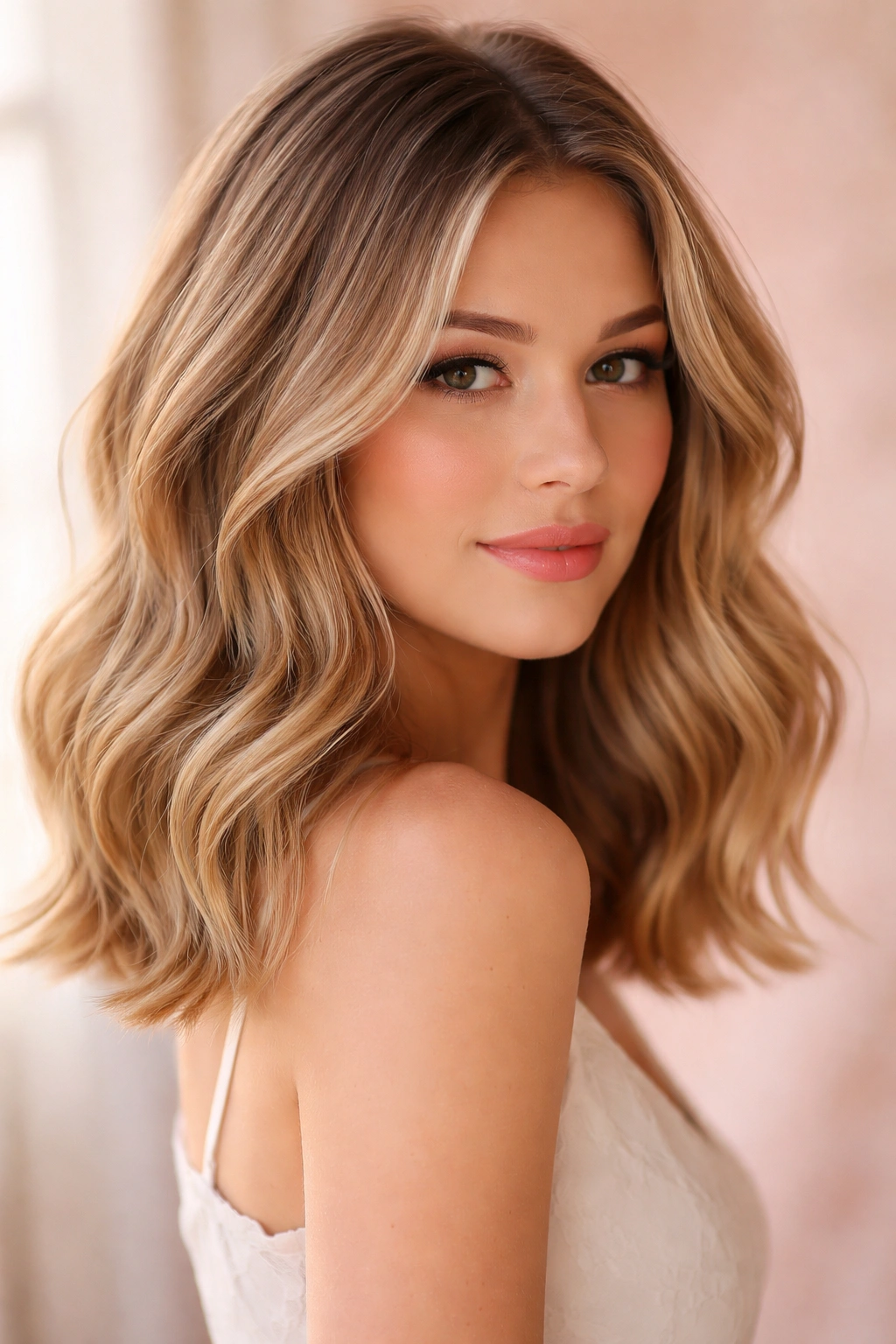
Everything about this cut says elegance and effortless femininity. A romantic soft wave lob is longer through the ends—usually hitting mid-collarbone or slightly lower—with gentle, subtle layers that create softness and movement without heaviness. The waves are loose and romantic rather than piece-y and textured. This cut works beautifully for people who want that wavy lob aesthetic but prefer a more polished, romantic presentation.
The Difference Between Soft Waves and Choppy Texture
Romantic wavy lobs prioritize smooth blending rather than dramatic separation. Layers are there, but they’re integrated so smoothly that you might not notice them unless you’re looking closely. The movement comes from the waves you style in, not from the cut structure itself. This means you can air-dry if your hair’s naturally wavy, or you can intentionally curl for more dramatic waves—either way looks beautiful. The cut is forgiving in a way that choppy layers aren’t.
Best Suited For
- Hair texture: Works on straight, wavy, or curly hair; the blending makes it universally flattering
- Styling flexibility: You can wear it straight, wavy, curled, or air-dried depending on your mood
- Face shapes: Soft waves are incredibly flattering on round, square, and diamond face shapes
- Vibe: Choose this if you want elegance and femininity without edginess or attitude
Pro tip: This cut pairs beautifully with long, loose waves created with a large-barrel curling iron or a wave wand—spend 15 minutes styling and you’ve got next-level romance.
6. Curled Curtain Lob
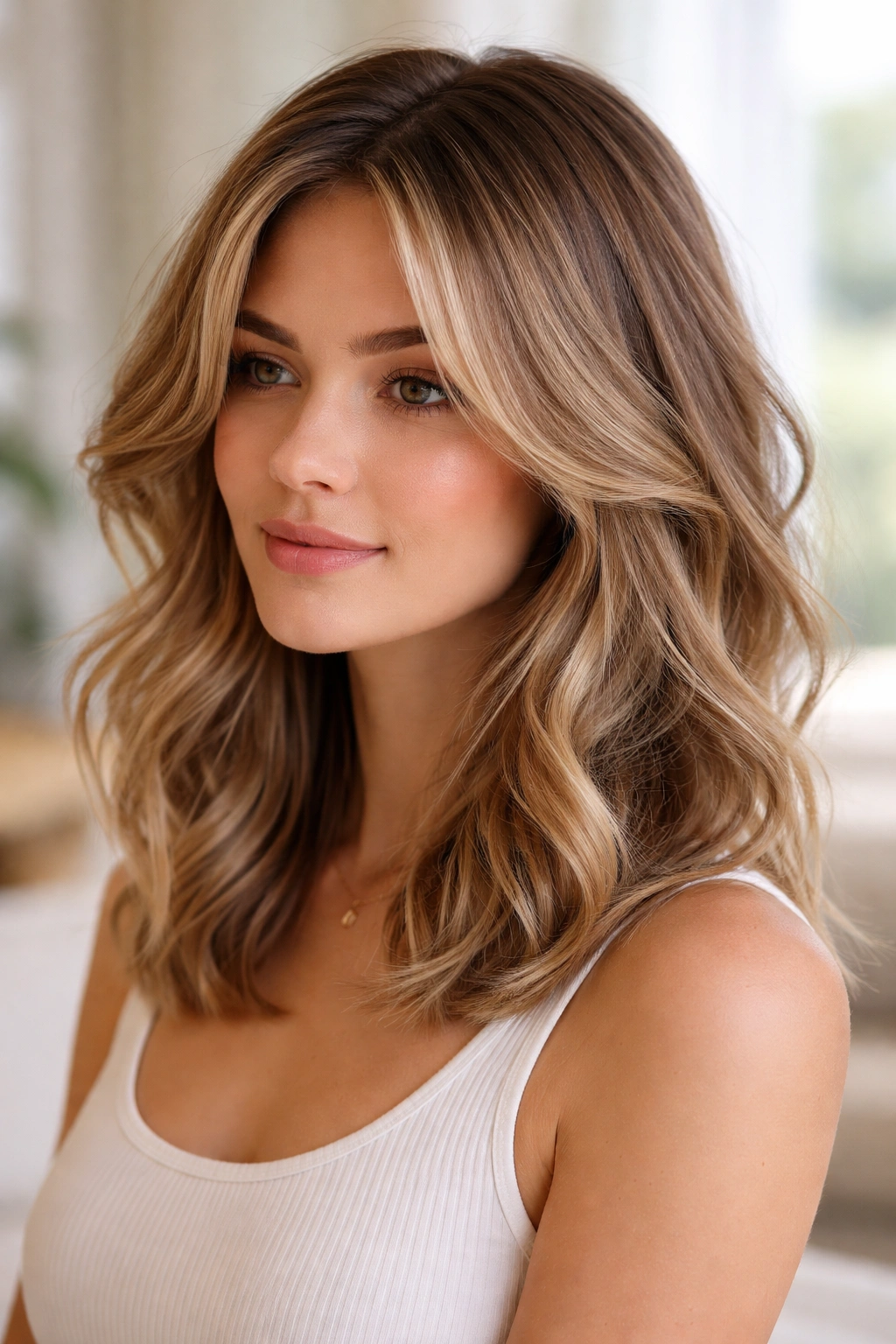
Curtain-cut layering has made a major comeback, and a curtain lob with wave-friendly layers is the perfect modern take on this classic idea. The defining feature is the face-framing layers that start shorter around the face and get progressively longer as they move toward the back, creating that natural “curtain” effect that falls on either side of your face. Combined with wavy texture, it’s absolutely stunning and surprisingly easy to style.
Why Curtain Framing Works
Curtain layers automatically create movement toward your face because the shorter pieces fall forward and outward. You’re literally working with gravity to create flattering dimension around your features. Waves look beautiful because the layers catch them at different points, so your waves look more textured and dimensional even if they’re not super tight or perfect. This cut is forgiving—slightly messy waves still look intentional because of the strategic layering.
Practical Styling Information
- Best for: Anyone who loves a softer, more romantic aesthetic; particularly flattering on people with longer faces who want to soften the jawline
- Styling ease: Medium—you can air-dry if your hair’s naturally wavy, but waves look better with intentional curling
- Crown volume: The shorter crown layers create natural volume, so you probably won’t need teasing or texture spray at the roots
- Maintenance: Trim every 5-6 weeks to keep the curtain shape sharp; the framing gets less effective as layers grow out
Worth knowing: Curtain lobs work beautifully with side parts or a deep side part—the framing is actually designed to complement this parting style.
7. Braided Texture Lob
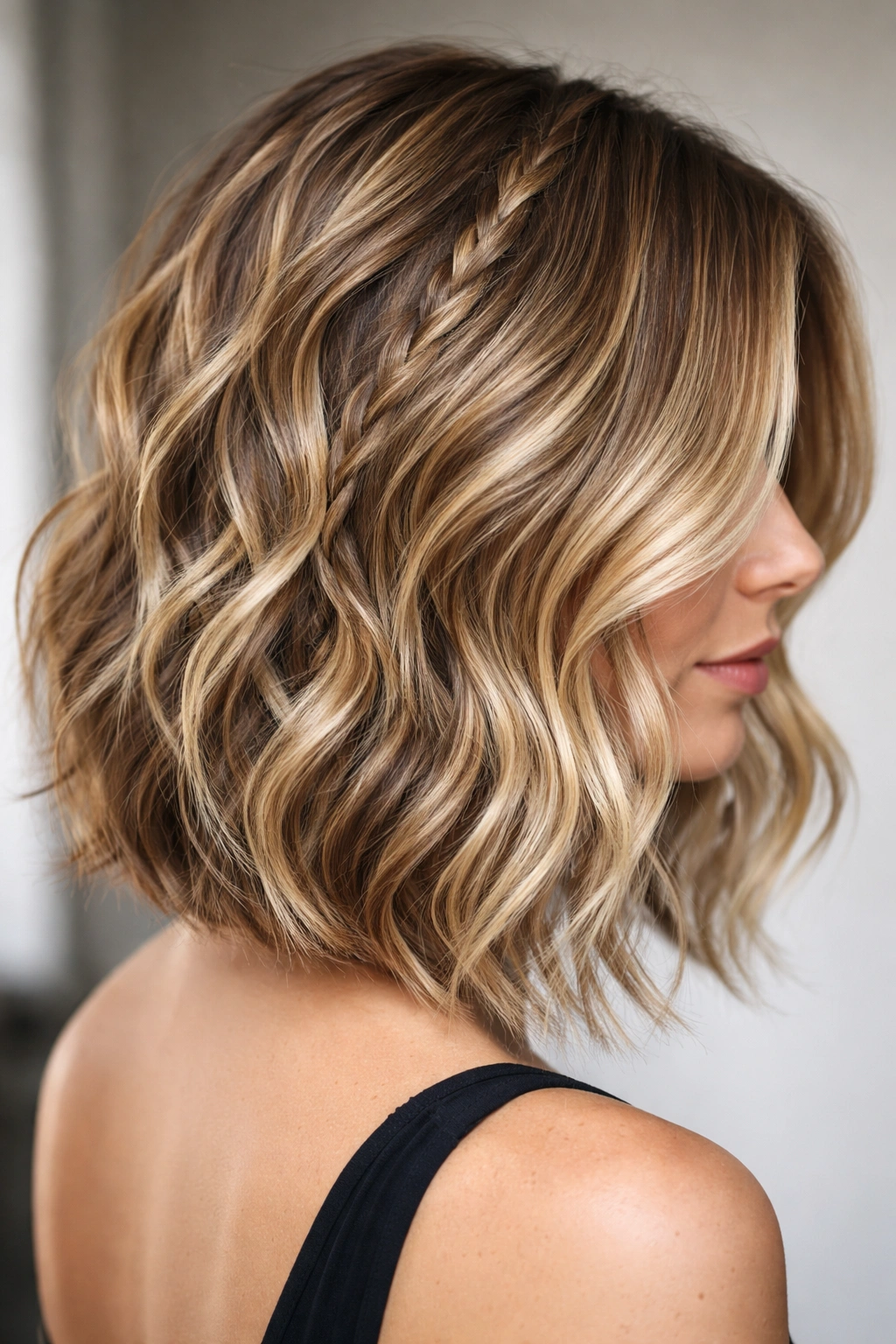
This is a more unconventional approach to the wavy lob: incorporating tight, intricate layers that create an almost braided or feathered texture throughout. Instead of the loose, separated piece-y look of a beach wave lob, braided texture lobs have layers that blend into each other, creating visual texture and dimension without obvious separation. It’s sophisticated and textured while still feeling effortless.
How Braided Texture Creates Movement
The magic of a braided texture lob is in how the layers interact. They’re cut at precise angles that make your hair fall in a way that looks almost woven or feathered, even when it’s not styled. Waves flowing through a braided texture lob look incredibly polished because the layers amplify every bit of movement. You don’t need tight waves or perfect curls—even loose waves look textured and intentional because of the cut.
Who Should Consider This Cut
- Hair type: Works beautifully on fine to medium hair; this is a cut for people who want texture but not bulk
- Styling: Medium commitment—waves look great but you’ll likely want to style 3-4 times a week
- Face shape: Particularly flattering on oval and heart-shaped faces; the intricate layering adds interest without drawing attention to specific areas
- Personality: Choose this if you appreciate subtle sophistication over obvious texture or dramatic movement
Quick facts:
- This cut looks best with healthy hair—damaged ends break the illusion of the braided texture
- It photographs beautifully because the texture reads as polished and intentional
- Works wonderfully with balayage or dimensional color because light plays off the layered texture
8. Face-Framing Wavy Lob
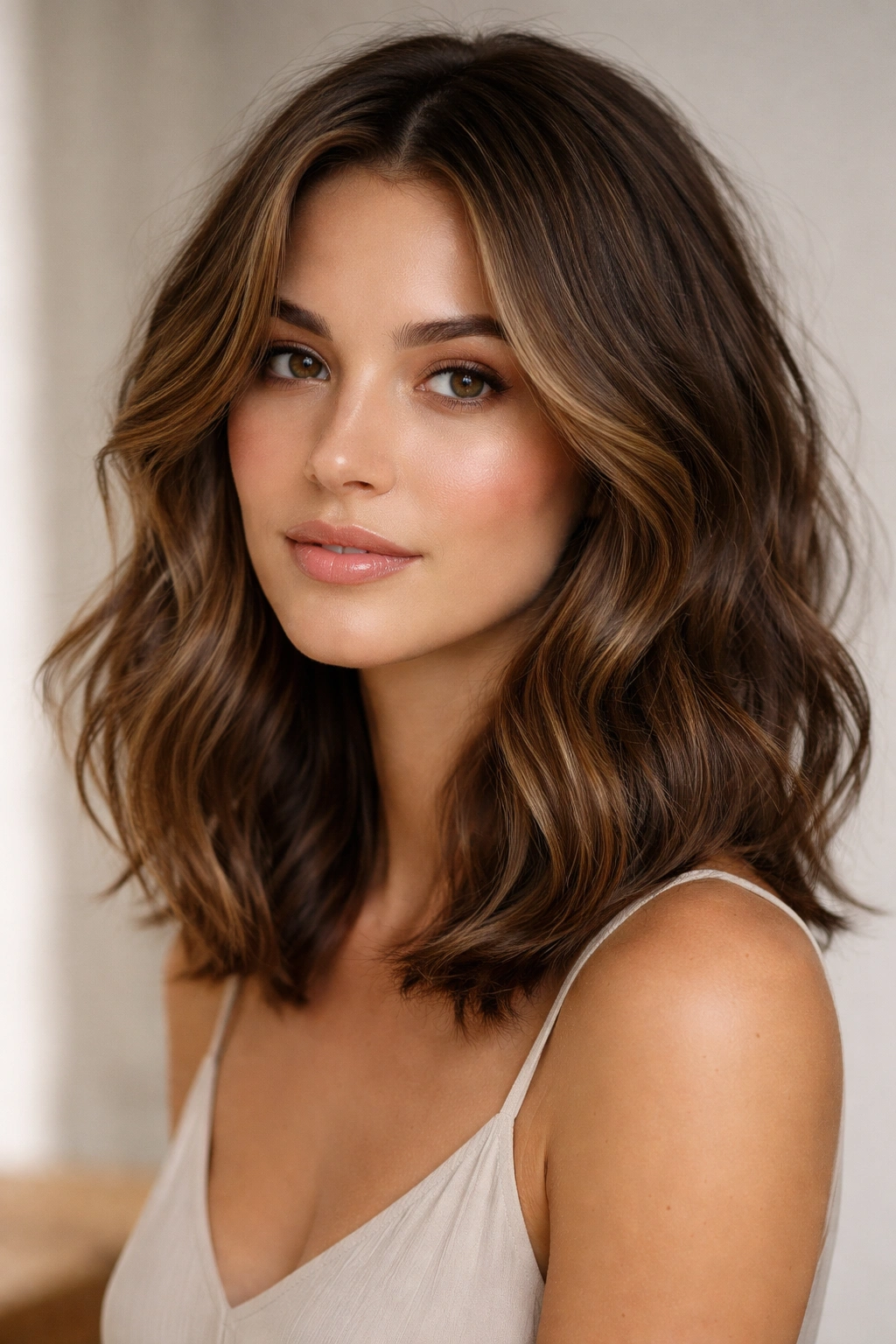
Sometimes the best wavy lob is one with a strategy specifically focused on your face. A face-framing wavy lob keeps most of the length through the back while incorporating shorter, intentionally-placed layers around your face, cheekbones, and jawline. It’s customizable and works for almost any face shape because the layers are designed specifically to flatter your features rather than following a standard formula.
Why Face-Framing Matters
Your face is literally what people look at first, so layers that specifically address your bone structure and features matter way more than people realize. Shorter face-framing pieces catch light on your cheekbones, draw attention toward your eyes, and can actually change how balanced your face appears. Combined with waves, face-framing layers create movement that directs the eye exactly where you want it. It’s subtle but incredibly effective.
Customization and Personalization
- Best for: Anyone who wants a cut tailored specifically to them rather than following a standard template
- Consultation importance: This cut really benefits from a detailed conversation with your stylist about your face shape, features you want to emphasize, and your lifestyle
- Versatility: You can style it multiple ways—loosely waved, tightly curled, or air-dried depending on your hair type and mood
- Longevity: The personalization means it stays flattering longer; it doesn’t feel generic or tired as it grows out
Pro tip: Bring clear photos showing not just the cut but how the framing sits on the person’s face relative to their features—this helps your stylist understand the customization you’re looking for.
Final Thoughts
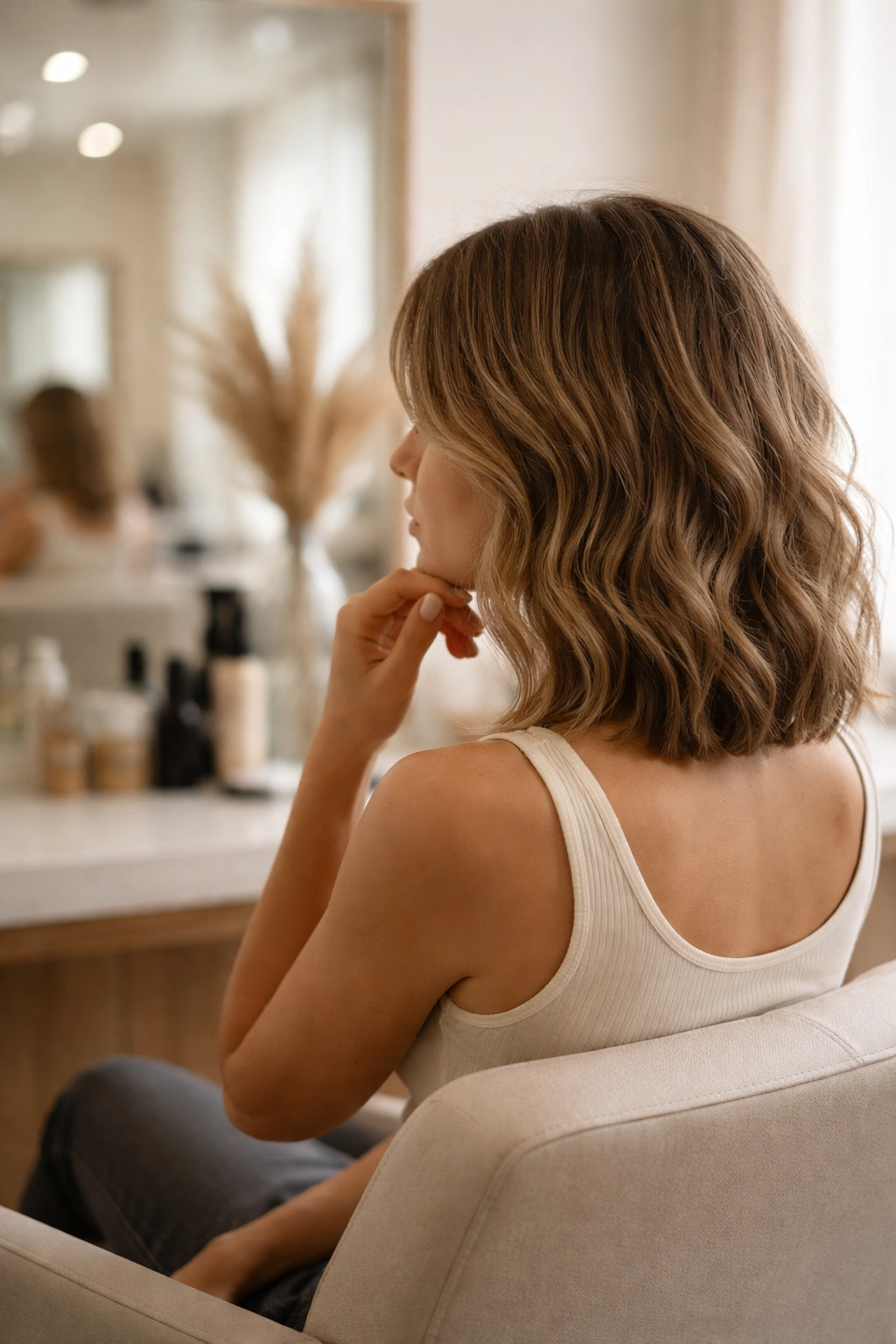
Your perfect wavy lob is out there, and it’s probably going to be one of these eight cuts or a combination of elements from two or three of them. The key is being honest about your daily styling reality, your hair type, your face shape, and what aesthetic you’re actually craving—not what looks amazing on someone with different hair or features. A beach wave lob is gorgeous, but not if you hate blow-drying. A choppy shag lob is incredibly cool until you realize you need to style it daily to look intentional.
Come to your consultation with clear photos, honest descriptions of your lifestyle, and specific details about what you love in each style. A skilled stylist will customize any of these cuts to work with your unique hair and face, creating something that’s not just beautiful in a photo but actually works for your real, everyday life. That’s the difference between a haircut you tolerate and a haircut you genuinely love.
