



Medium-length brown hair has a special quality that wavy hairstyles seem to unlock. There’s something about the way waves catch light at shoulder length, especially in warm brown tones, that creates dimension and movement without requiring dramatic lengths. Whether you’re working with natural waves, thinking about getting a perm, or figuring out how to style your hair on humid days, the versatility of medium wavy styles in brown shades offers something for nearly every face shape, lifestyle, and personal aesthetic.
The right wavy medium hairstyle does more than just look good—it actually simplifies your styling routine. Rather than fighting texture or investing hours in straightening, these cuts work with your hair’s natural tendencies. Brown shades, from honey-kissed caramel to deep chocolate, add richness to waves that might look flat in other colors, and the mid-length cut is genuinely practical for busy people who want serious style without shoulder-length maintenance concerns.
What makes medium wavy styles so appealing right now is that they feel effortlessly polished. You’re not sacrificing substance or femininity, and you’re not locked into a high-maintenance routine either. These aren’t styles that require visiting the salon monthly for refreshes—they’re cuts designed to look better as they grow out, and they’re forgiving when life gets messy. Let’s walk through 11 distinct medium wavy hairstyles in brown that genuinely deliver on both looks and practicality.
Why Medium Length Works Best for Waves
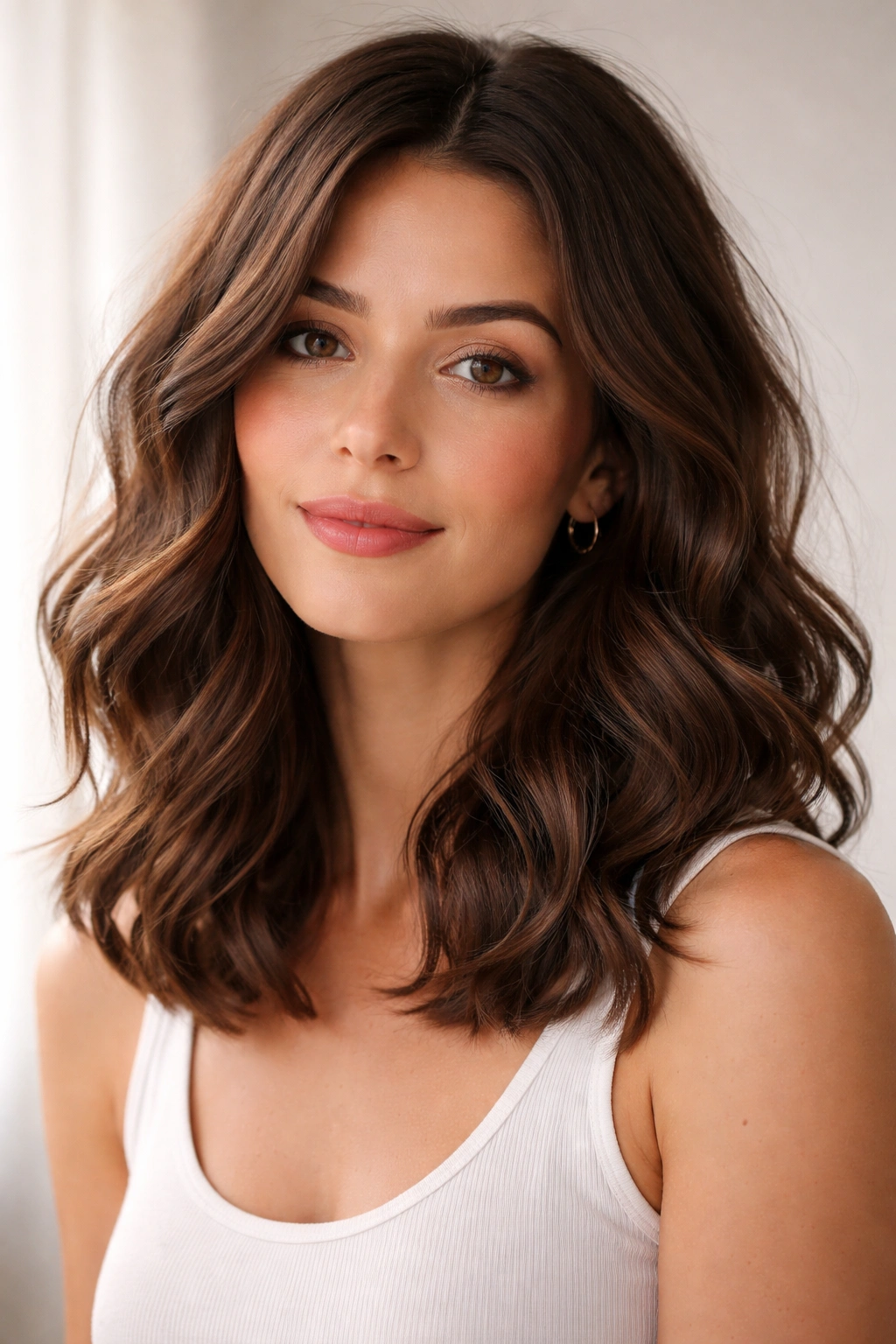
Medium length—typically shoulder-length to a few inches past the collarbone—is the sweet spot for wavy hair. Shorter than this, and waves can look too tight and bouncy. Longer, and the weight of the hair can flatten waves at the roots, losing that dimensional, piece-y quality that makes wavy styles so visually interesting. At medium length, waves have just enough weight to flow without collapsing, and enough movement to catch light beautifully.
Brown is the canvas that makes waves truly shine. Unlike blonde, which can sometimes look one-dimensional with waves, brown shades create natural shadow and depth between waves. Ashy browns add modern edge, warm chocolates feel classic, and caramel-touched browns pop with nearly every skin tone. The color depth means you don’t need as much contrast or texture work—the waves do much of the heavy lifting.
How to Achieve Waves in Medium Brown Hair
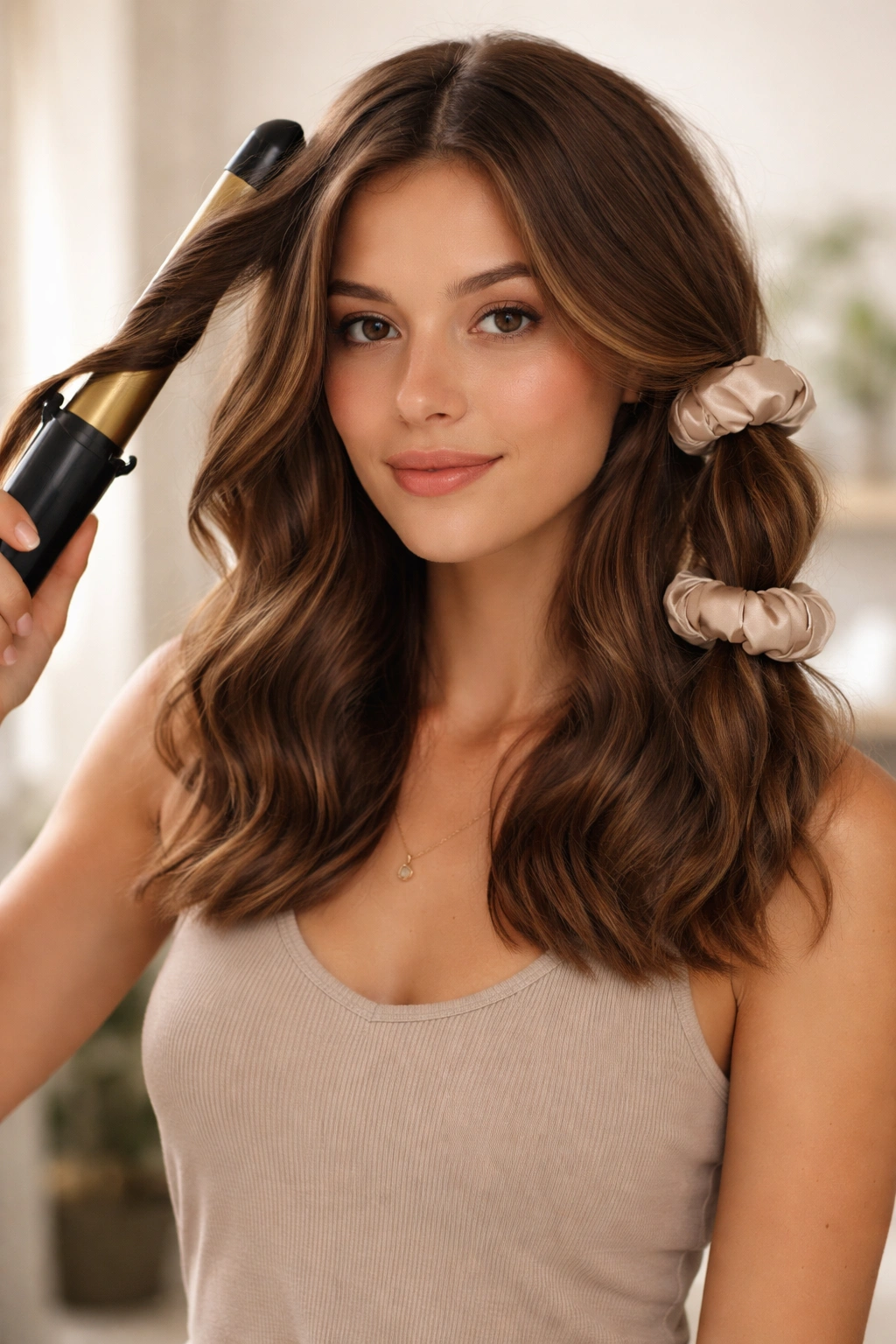
Permanent Wave Solutions
If you have straight hair and want permanent waves, a perm or digital wave service is a legitimate option. Modern perms, when done at a skilled salon, aren’t the tight crimps of decades past. You can ask your stylist for loose, modern waves that look natural. Plan for a consultation where you bring photos of the exact wave size and texture you want. This is not a DIY service—investing in a good salon matters here.
Heatless and Heat Styling Methods
Overnight braids, braid-outs, and roller sets create genuine waves without permanent alteration. Salt spray and wave creams help define natural texture. If you have some natural wave pattern already, the right cut and products can bring that out dramatically. Curling iron and flat iron waves offer daily flexibility—you can style straight hair wavy one day and leave it straight the next.
The Brown Shades That Look Best With Waves
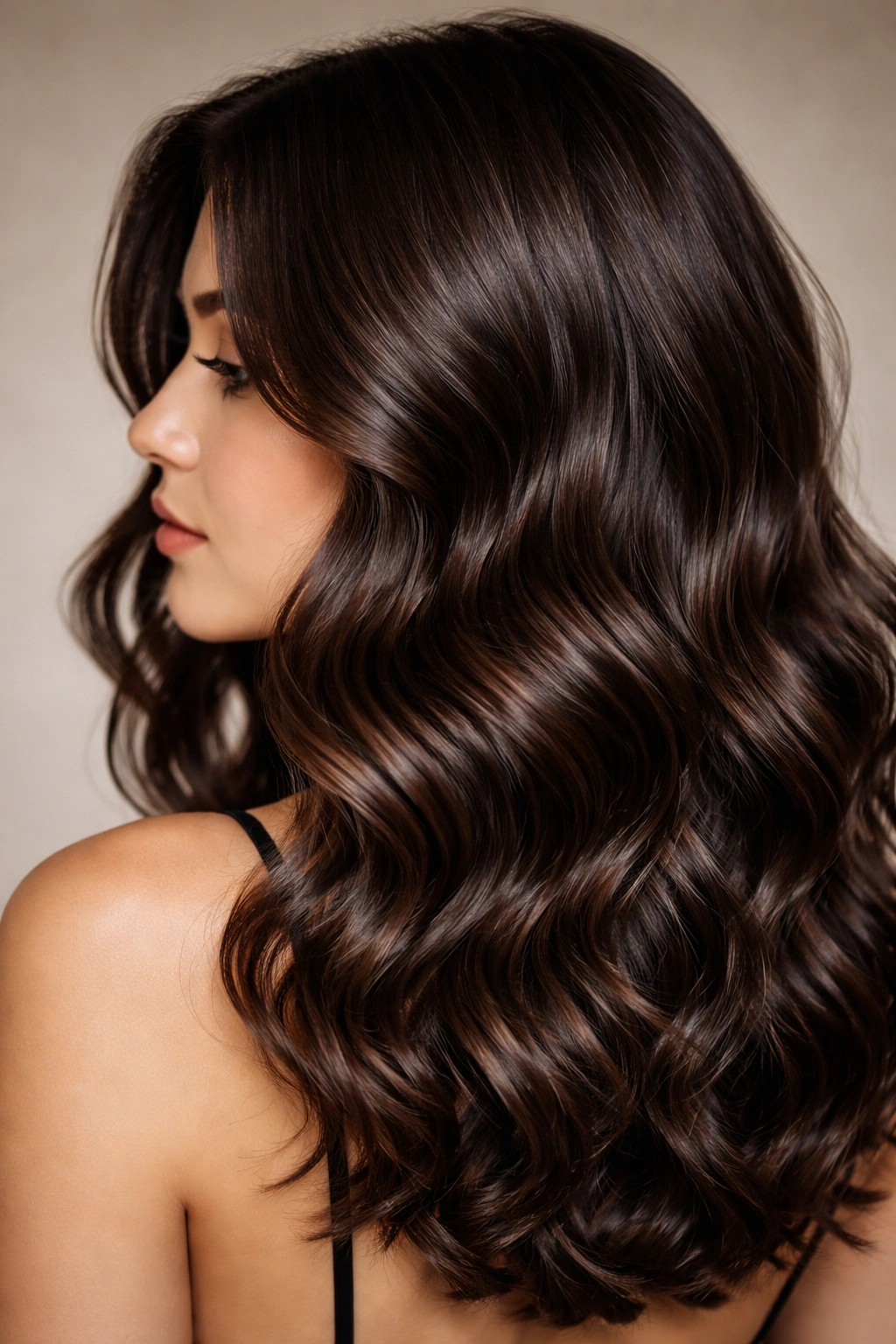
Medium to deeper brown shades create the best contrast with wavy texture. Honey brown, caramel brown, chocolate brown, and rich espresso brown all photograph beautifully with movement. If you’re going for an ashy or cool-toned brown, ask your colorist for subtle dimension—a few light ribbons or face-framing pieces prevent the look from feeling flat. Warm, saturated browns need no highlighting; waves alone provide all the dimension you need.
1. The Effortless Beachy Waves
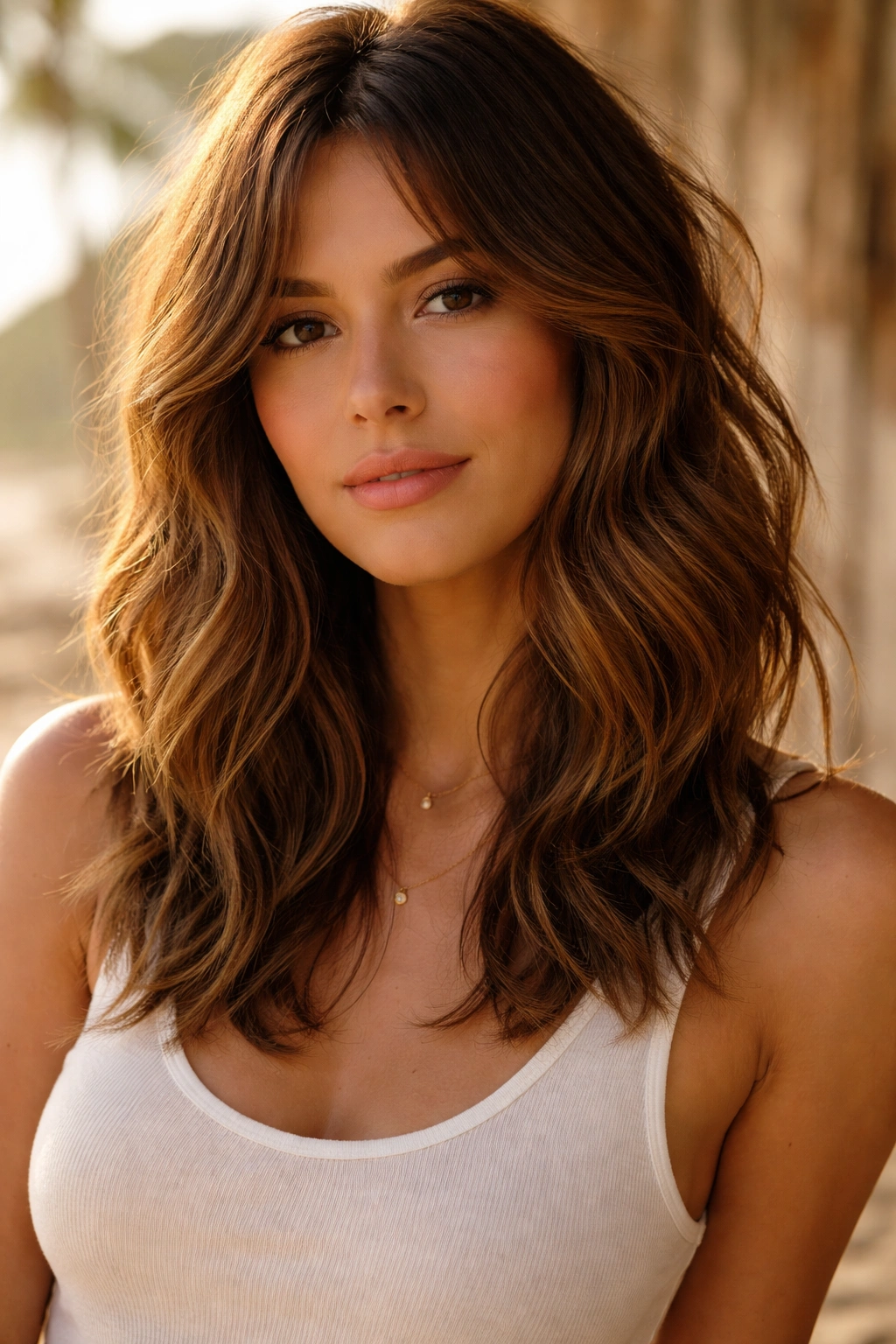
Beachy waves in medium brown hair hit that perfect balance between “I woke up like this” and clearly intentional style. This cut features choppy, feathered layers throughout the mid-length that work with your hair’s natural movement rather than against it. The texture is undone but not messy—each wave catches light independently, creating a fuller appearance than your hair probably actually is.
What Makes This Style Stand Out
Beachy waves work because the cut does half the work. Layers prevent the hair from looking stringy, and the overall shape is slightly shorter at the back, longer in front. This isn’t a shag exactly—it’s a refined, modern approach to layering that’s been adapted from surfer-girl aesthetics into something genuinely wearable for professional settings. The brown shade keeps the vibe grounded and sophisticated rather than costumey.
How to Get and Maintain It
- Request a full-head layering with wispy pieces around the face, shortest layers at crown for lift, longest at the front ends
- Use sea salt spray on damp hair and air-dry or diffuse with a blow-dryer for that undone texture
- Sleep in loose braids for natural-looking waves without heat damage
- Refresh waves between wash days with a lightweight texturizing spray
- Get a trim every 6-8 weeks to maintain the feathered edges
Pro tip: The success of this style lives or dies with the cut itself. Make sure your stylist understands you want feathered, long-layered waves, not a shag with chunky layers. Bring photos of the exact wave size and texture you’re after.
2. The Textured Shag With Depth
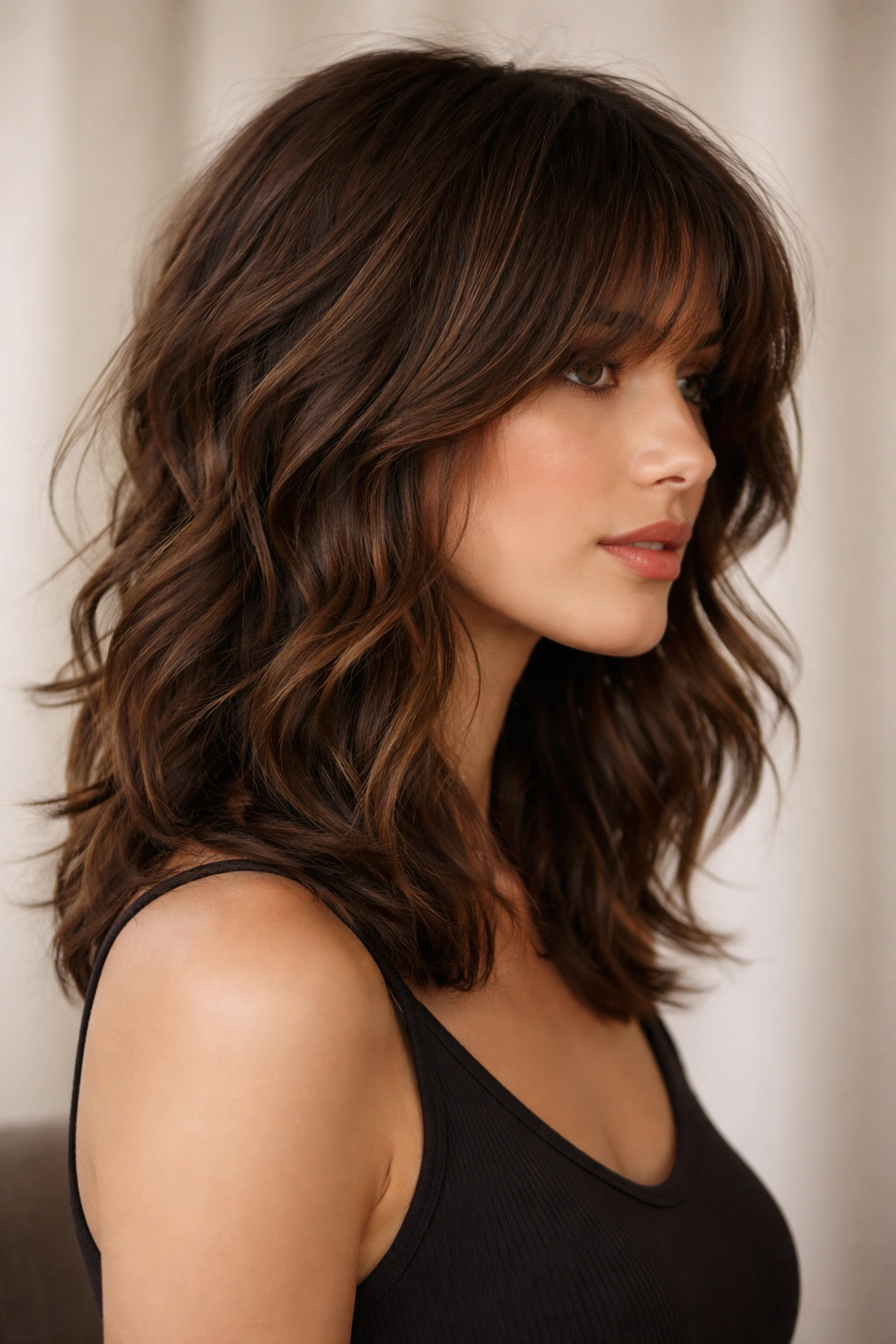
A modern textured shag in brown is dramatically different from 1970s shags. This version sits at medium length with intentional texture throughout rather than structured, pronounced layers. The waves are tighter and more defined than beachy waves, and the overall effect reads as textured and voluminous rather than limp or thin.
What Makes This Style Stand Out
Shags work brilliantly for fine or thin hair because the texture creates an illusion of density. Shorter layers at crown give genuine lift, while slightly longer lengths around the face keep things feminine and flattering. The brown color adds weight and sophistication—this doesn’t read as trendy-for-trend’s-sake, but as a classic cut reimagined through a modern lens. Waves in this cut look intentional and crafted rather than accidental.
How to Get and Maintain It
- Ask for a short, choppy shag with textured layers throughout, not blunt layers but choppy, point-cut edges
- Longer pieces frame the face and fall just past the collarbone
- Blow-dry with a texturizing product and diffuser, scrunching gently to enhance waves
- Use a flat iron on low heat to define individual waves if needed
- Maintain shape with trims every 6 weeks since texture-based cuts lose definition quickly
Worth knowing: This style is high-maintenance in terms of styling time—plan for 10-15 minutes with heat and product daily. If you prefer wash-and-go ease, this might not be your best choice.
3. The Loose Romantic Waves
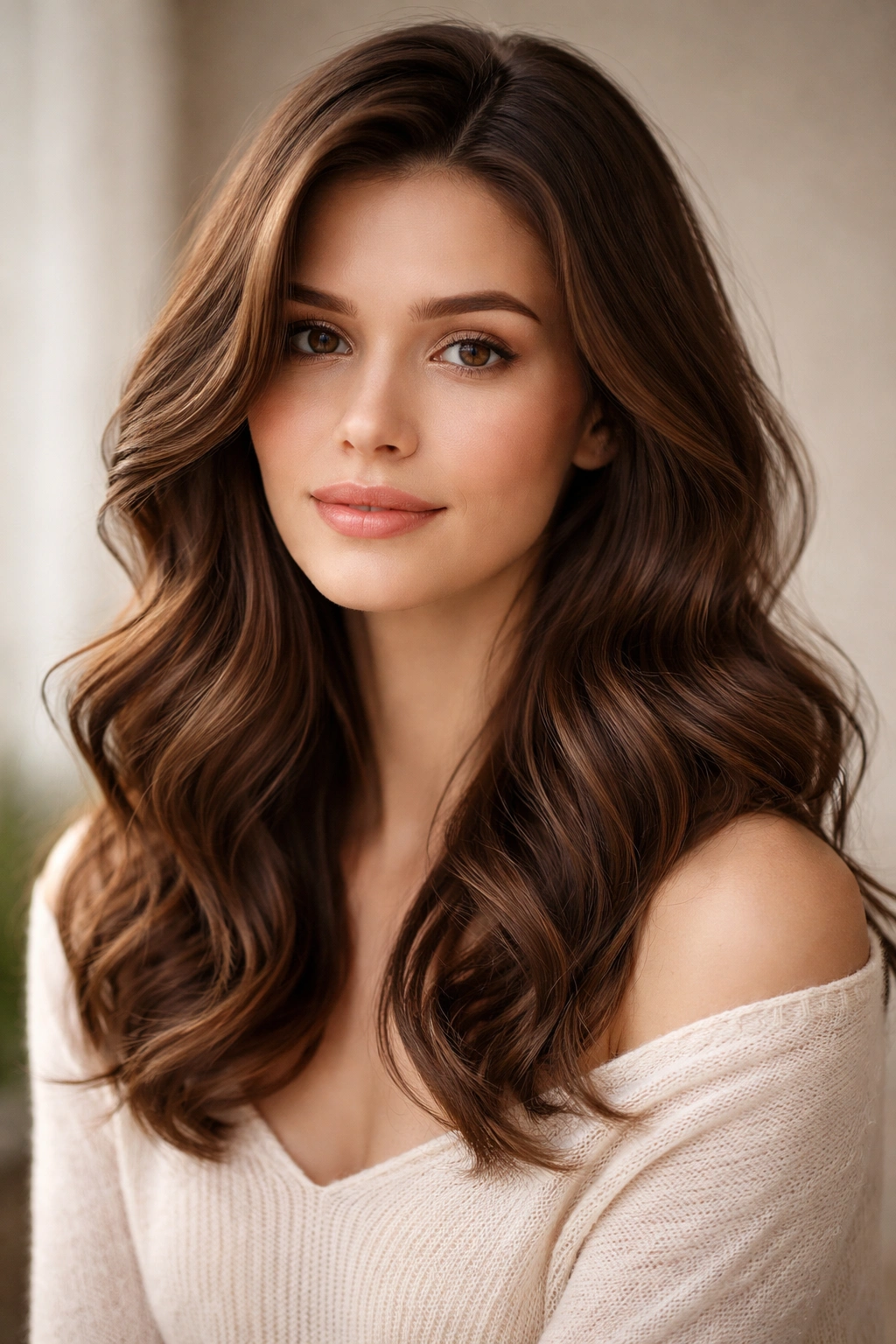
Loose romantic waves in medium brown hair evoke effortless elegance without looking overdressed or contrived. This style features gentle, voluminous waves starting from around mid-length, creating a soft, undulating silhouette. The hair appears fuller at the crown and gradually waves outward, with no choppy layers or texture work—just pure, flowing movement.
What Makes This Style Stand Out
This is the hairstyle for people who want movement and femininity without edges or texture. The waves are large and generous, created either naturally with a perm, or styled with a large-barrel curling iron. Compared to beachy waves, these are more polished and intentional. Brown shades intensify the romantic quality—the color feels rich and classic, not trendy. This works for many occasions, from casual to formal.
How to Get and Maintain It
- Work with a minimal-cut approach: your stylist should focus on a slightly-feathered frame rather than lots of choppy layers
- Request long, loose waves rather than tight curls or beach waves
- Blow-dry straight, then use a 1.5-inch barrel curling iron wrapping sections away from your face
- Set waves with a light hairspray that doesn’t make hair feel stiff
- Refresh overnight waves with a curling iron in the morning rather than re-washing
- Use a silk pillowcase to reduce frizz while you sleep
Insider note: The barrel size matters enormously. A 1.25-inch barrel creates tighter waves; a 1.5-inch or 2-inch barrel creates the kind of loose, romantic waves that belong in this category. Experiment at home before committing to this style permanently.
4. The Wavy Lob With Dimension
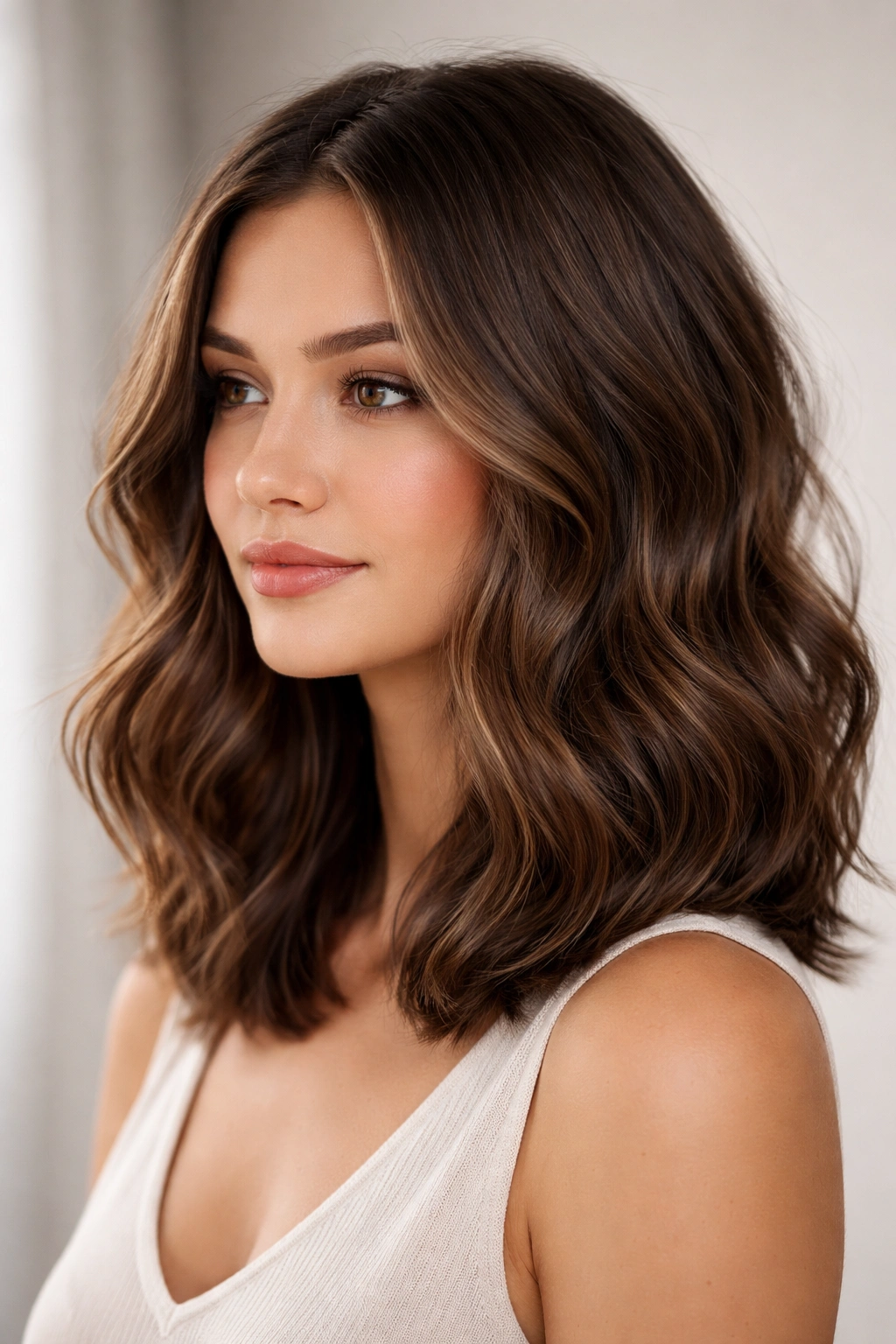
A wavy lob—that’s the long bob that falls between the chin and shoulders—in brown creates a modern, chic silhouette that photographs beautifully. This style typically includes subtle layers through the mid-lengths and ends, enough texture to enhance waves without disrupting the sleek, connected overall shape. The hair tapers slightly toward the ends rather than blunt-cutting, which lets waves cascade naturally.
What Makes This Style Stand Out
Lobs are having a genuine moment because they’re flattering on nearly every face shape and hair type, and they’re considerably easier to style than longer hair. A wavy lob in brown has enough length to show off the waves’ movement while being short enough that weight doesn’t flatten the hair. This is the style you choose if you want something chic that works for casual days and can be dressed up for events.
How to Get and Maintain It
- Request a lob that’s slightly longer in front, with face-framing pieces that fall just past your jawline
- Ask for subtle, feathered layers through the interior rather than chunky layers
- Blow-dry with a paddle brush and round brush for sleekness at roots and wave-definition at ends
- Use a curling iron to define waves if your natural texture isn’t enough
- Style straight sometimes for variety—a wavy lob is versatile enough to work both ways
- Trim every 4-6 weeks to maintain the blunt-ish ends that define the lob
Real talk: This style requires slightly more maintenance than longer wavy hair because bobs and lobs show every haircut mistake. Your ends need to be blunt and even, so styling consistency is crucial.
5. The Hollywood Waves With Volume
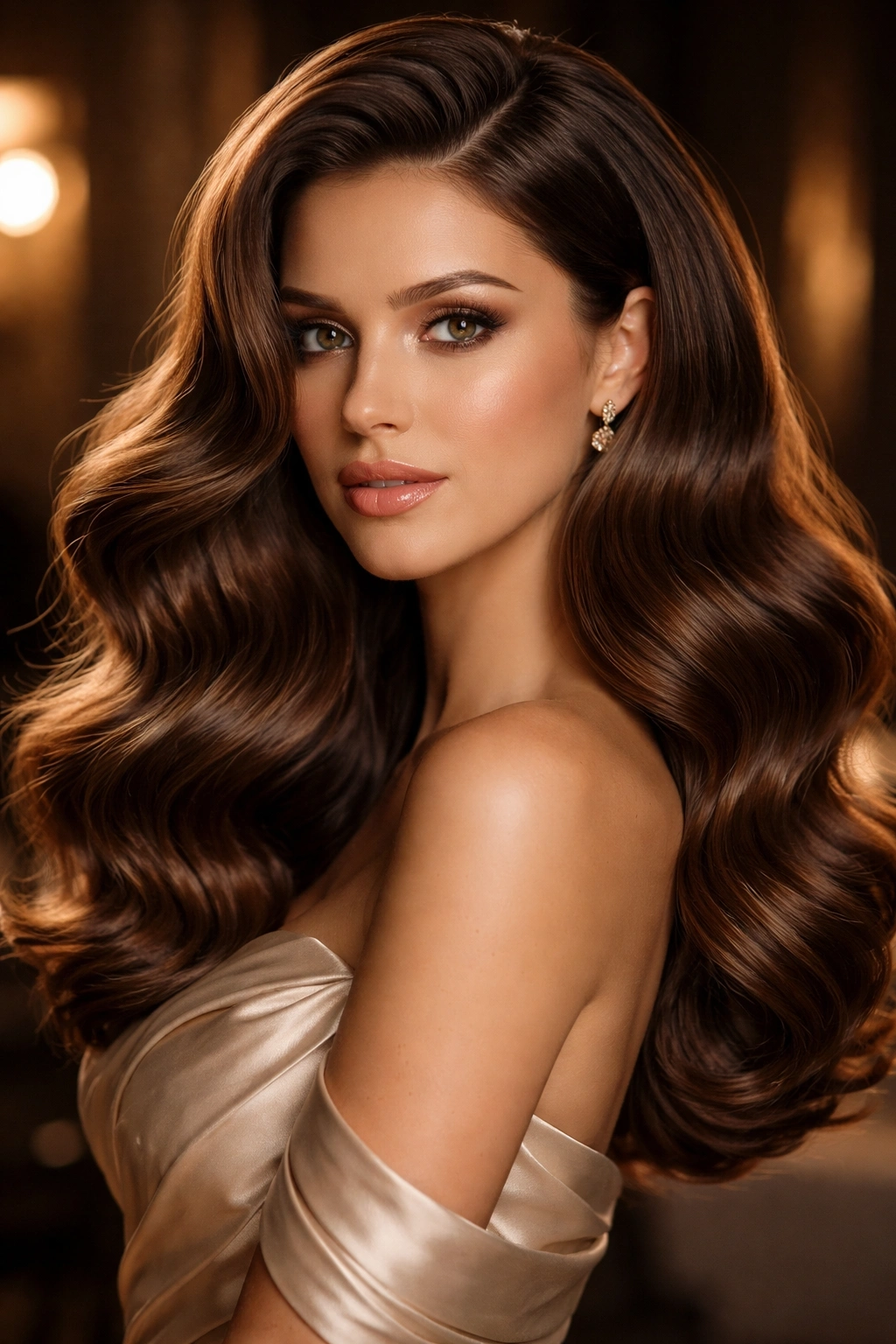
Hollywood waves are the quintessential glamorous option for medium brown hair. These are deep, consistent waves that travel from roots to ends, creating a voluminous, polished appearance reminiscent of old-Hollywood starlets. The waves are defined without being tight, and the overall effect is undeniably elegant and intentional.
What Makes This Style Stand Out
This is styling as an art form. You’re not aiming for relaxed or undone—you’re going for maximum drama and polish. Brown, especially rich chocolate or caramel tones, makes Hollywood waves feel even more glamorous. This is the style that photographs beautifully, turns heads, and feels special. It’s not an everyday styling choice for most people, but it’s worth learning if you have events where you want to look exceptional.
How to Get and Maintain It
- Start with dry, straight hair (blow-dry if needed)
- Use a 1.25-inch curling iron and wrap sections upward and away from your face
- Curl each section, then pin it against your scalp with a clip while it cools (this sets the wave)
- Once all sections are curled and cooled, remove clips and gently brush through with a paddle brush, separating waves
- Set with a strong-hold hairspray
- Sleep on a silk pillowcase and refresh with a curling iron in the morning rather than re-washing
Pro tip: This style works best on hair with some length (at least shoulder-length) because shorter hair doesn’t hold deep waves as well.
6. The Subtle Textured Waves
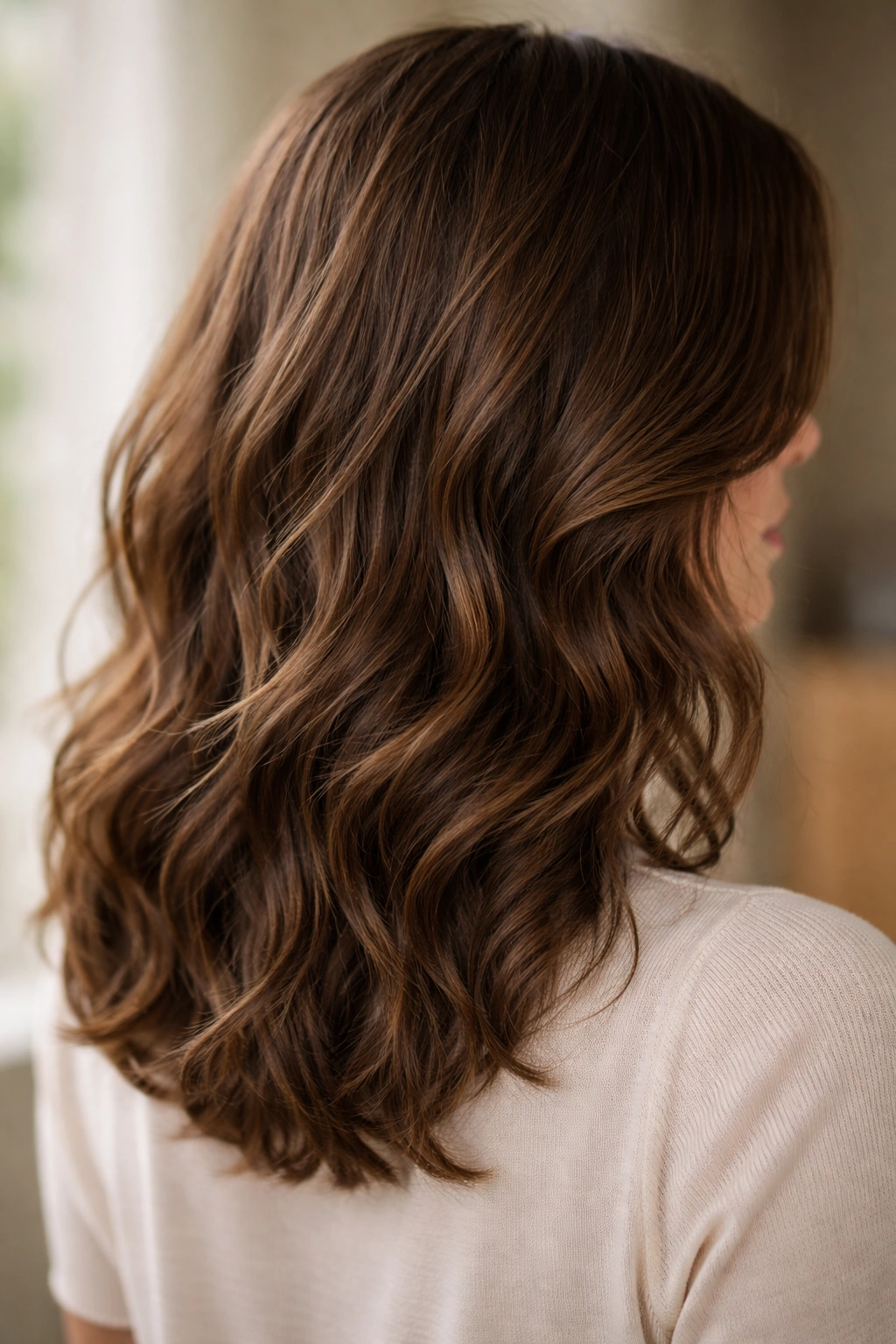
If you like the idea of waves but prefer understated texture, subtle textured waves offer movement without drama. This approach uses minimal layering and lets your natural wave pattern shine through with the right cut and styling. The waves are visible and add dimension but aren’t exaggerated—this works beautifully if you have naturally wavy hair and want to enhance what’s already there.
What Makes This Style Stand Out
Subtle textured waves work with your hair rather than forcing a specific wave pattern onto it. This is ideal for people who want ease of styling—you’re not committing to daily heat-styling Hollywood waves or spending 20 minutes perfecting waves that fight your hair’s natural inclination. The brown shade adds richness, and the minimal layers mean less maintenance. This feels modern and understated rather than trendy.
How to Get and Maintain It
- Consult with a stylist who specializes in wavy hair and understands how to work with natural texture
- Request minimal, subtle layering focused on the crown and around the face rather than throughout the entire head
- Use a curl-defining cream or mousse on damp hair and air-dry or diffuse
- If you prefer more defined waves, use a flat iron to create soft waves through the mid-lengths and ends
- This style improves as it grows out slightly—you can stretch time between cuts to 8-10 weeks
- Focus on hydrating products; waves need moisture to look defined rather than frizzy
Worth knowing: Natural wave patterns vary wildly. This style only works if you’re willing to work with your hair’s actual texture, not fight against it.
7. The Face-Framing Layered Waves
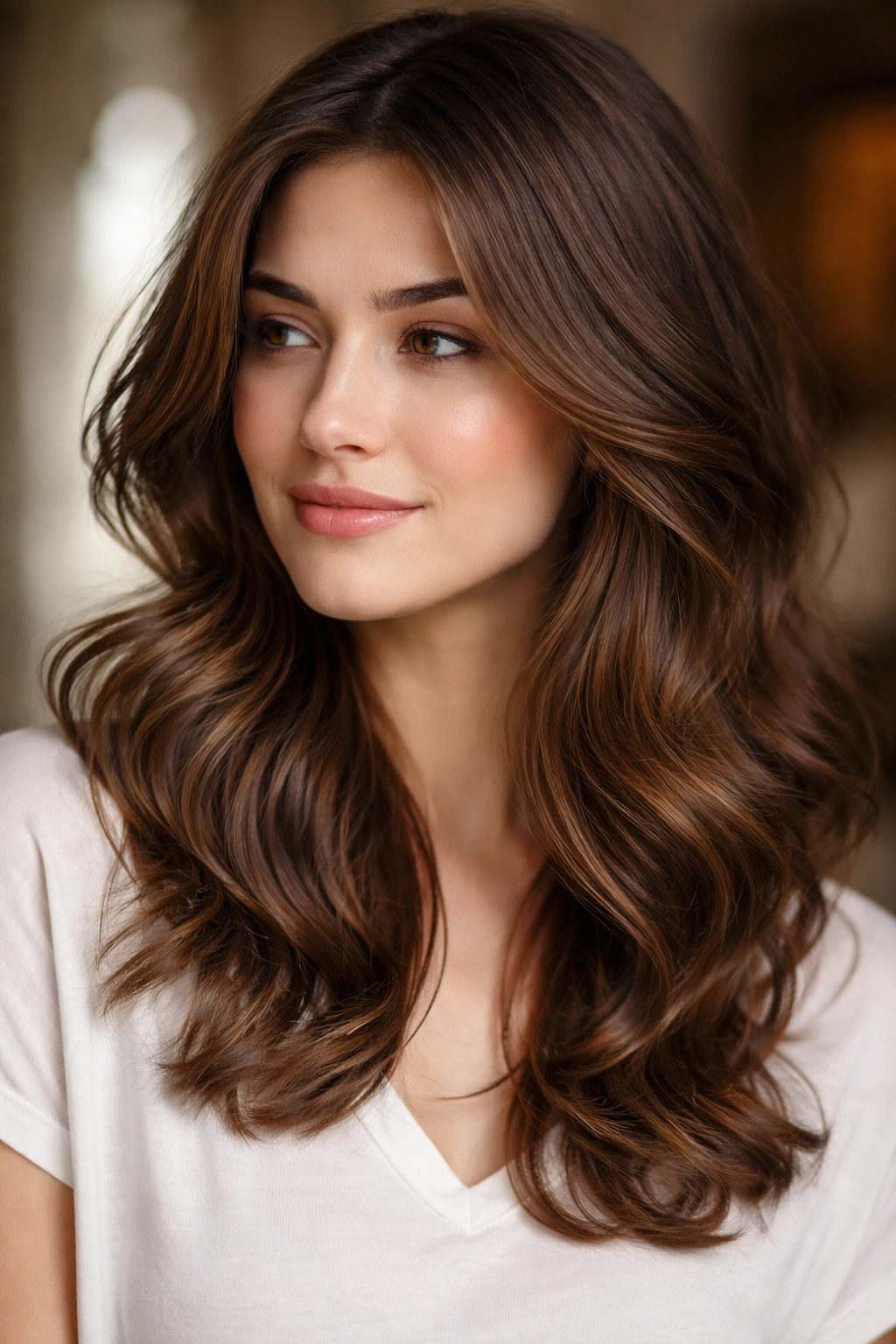
Face-framing layers combined with wavy texture is strategic styling that flatters nearly every face shape. This cut features shorter, choppy layers around the face that create movement and softness, while slightly longer lengths underneath add volume and flow. The waves interact with the layers to create a youthful, movement-forward aesthetic.
What Makes This Style Stand Out
This style is all about strategic placement. The layers draw attention to your face and create softness around your jawline and cheekbones. If you have a rounder face, longer face, or features you want to balance, a stylist can customize the layer placement specifically for your face shape. Waves amplify the movement created by layers, and brown tones keep everything feeling sophisticated rather than trendy or thin.
How to Get and Maintain It
- Bring your stylist a photo showing exactly where you want face-framing layers (cheekbone level, jaw level, or chin level)
- Request waves that enhance the layers without overwhelming them
- Blow-dry with a round brush, directing layers away from your face and slightly inward
- Use a curling iron to define waves around the face especially—these are the money-shots
- Trim every 5-6 weeks because layers lose definition quickly and start looking wispy
- Use a volumizing mousse or texturizing spray on damp roots before blow-drying for extra lift
Insider note: This style requires regular trims to maintain its shape. If you skip trims, layers grow out awkwardly and the style loses its flattering qualities.
8. The Choppy Wave With Wispy Ends
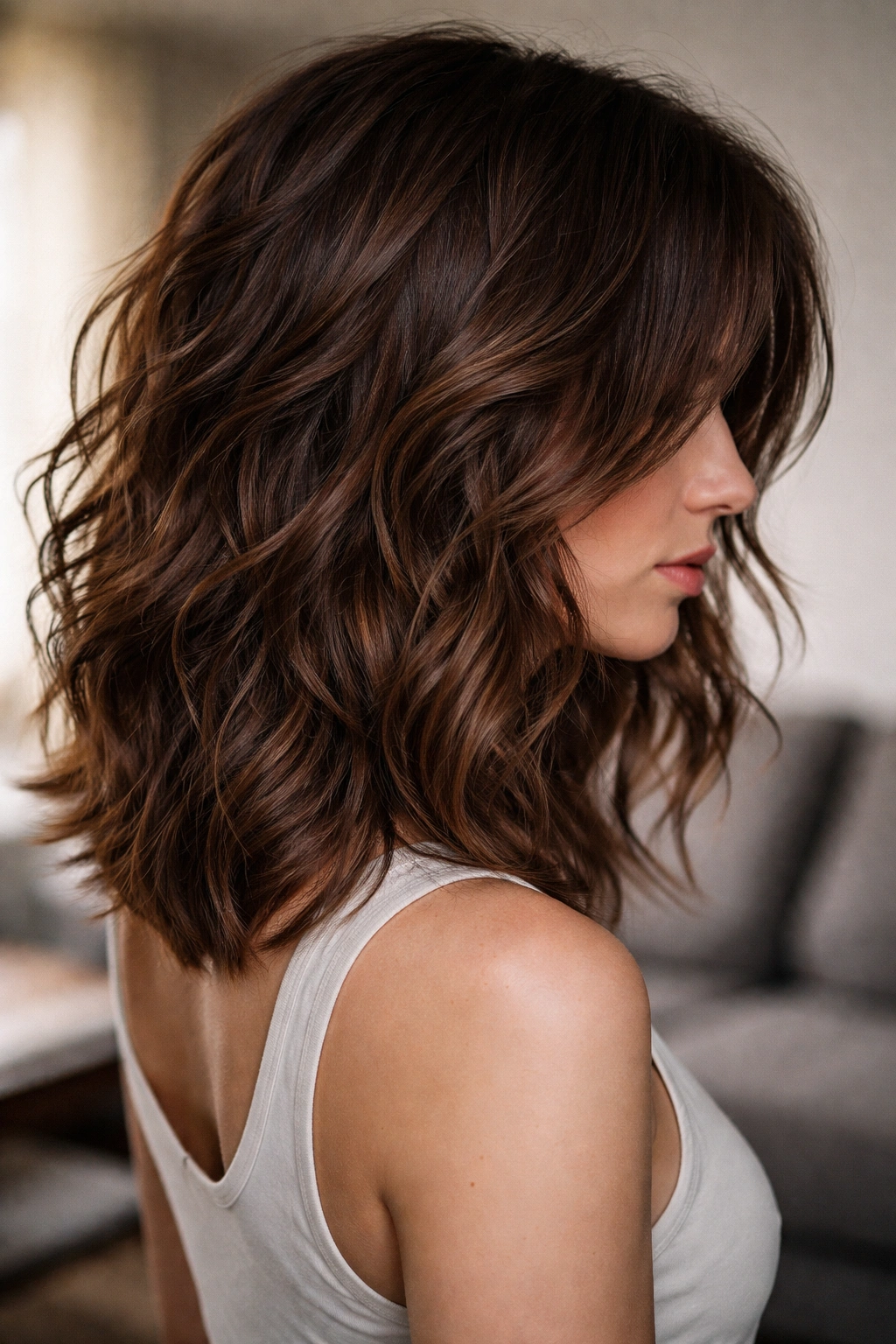
Choppy waves with wispy, feathered ends create an edgy, fashion-forward look without feeling costume-y. This cut combines shorter, choppy layers throughout the hair with deliberate wispy sections, especially at the ends. Waves travel through the chop, creating a deliberately textured, high-volume appearance. In brown, this reads as intentional and sophisticated rather than random or unkempt.
What Makes This Style Stand Out
This is the style for people who want clear styling intention and aren’t afraid of texture. The choppiness means no two sections of hair look identical, which creates visual interest and movement. The wispy ends mean the style never looks blunt or heavy. Waves interact beautifully with chopped texture—they amplify the movement rather than sitting flat on uniform layers. Brown shades keep this edgy style feeling wearable and elegant.
How to Get and Maintain It
- Request all-over choppy layers with point-cut ends (never blunt-cut) so you get that wispy quality
- Ask for slightly shorter layers at the crown for lift and longer pieces in front for framing
- Blow-dry with a texturizing spray and diffuser, scrunching gently to enhance choppiness
- Use a 1-inch flat iron or thin curling iron to create tighter waves if needed
- Maintain the effect with trims every 4-5 weeks; this cut loses definition quickly
- Embrace frizz-free products; a bit of texture enhances this style, but frizz does not
Real talk: This is a high-maintenance style in terms of both cutting and daily styling. If you want lower-maintenance, look toward a different option.
9. The Soft Waves With Balayage Dimension
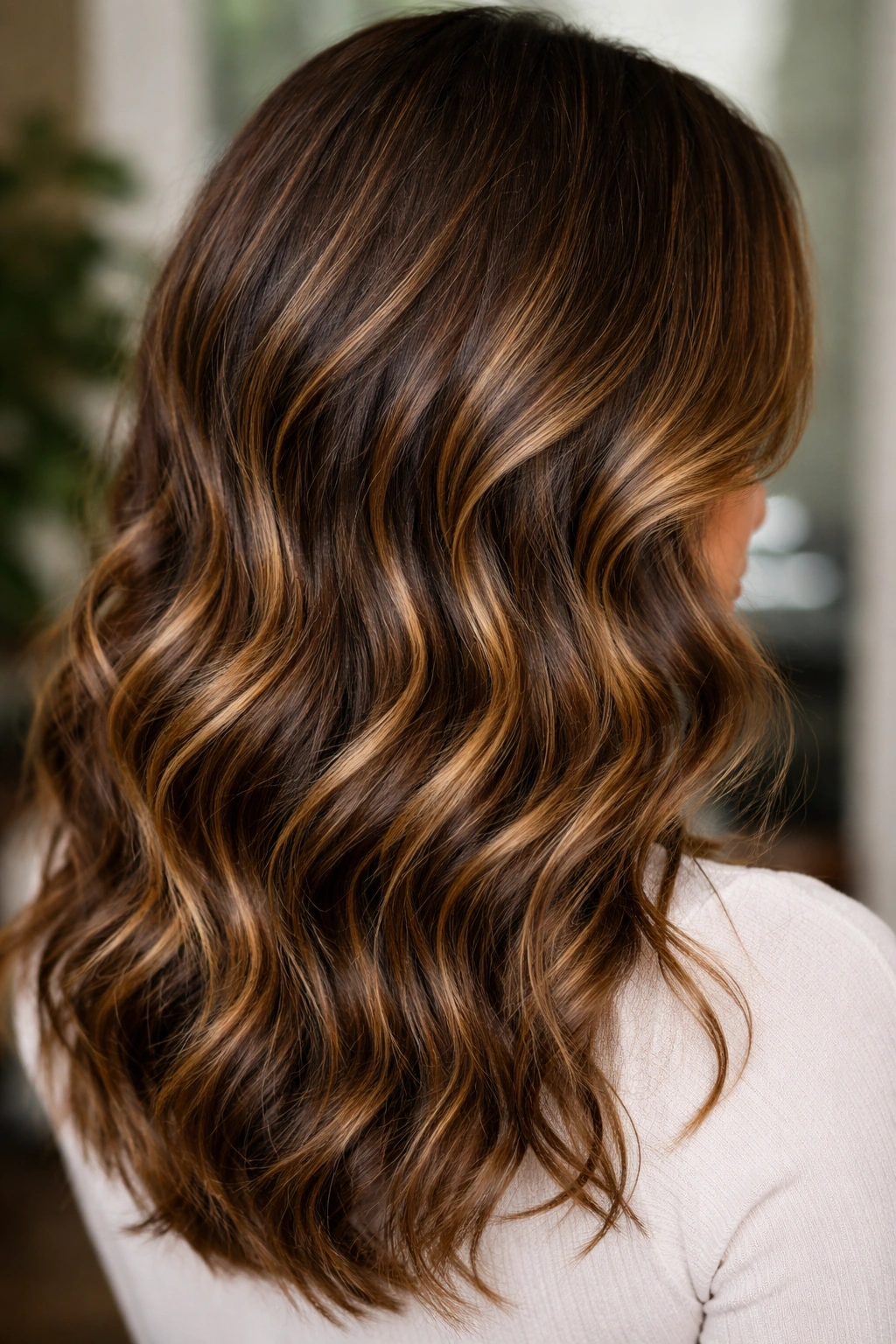
Soft waves in brown with strategic lighter tones—balayage painting, money pieces, or subtle highlights—add another dimension to a great wavy cut. The waves catch light differently when there’s color dimension, making the movement more visible and the overall style feel more expensive and intentional. This approach works beautifully if you want to upgrade your brown without going full highlights.
What Makes This Style Stand Out
Combining waves with color dimension is strategic styling. The lighter pieces pick up light and make waves more visible—they appear softer and more dimensional than if the hair were one flat brown shade. This isn’t about making your hair blonde; it’s about adding strategic lighter tones to enhance the waves you’ve created. The effect reads as effortless and sun-kissed rather than high-maintenance.
How to Get and Maintain It
- Ask your colorist to paint lighter tones (caramel, honey, or ash) through the mid-lengths and ends where movement is greatest
- Focus lighter tones on pieces that frame your face for a brighter, more dimensional appearance
- Choose the style you want waves in, then add dimension rather than thinking of them separately
- Maintain your base brown shade every 4-6 weeks; balayage fades gradually, which is the whole point
- Use color-safe, sulfate-free shampoo and conditioner to preserve both your wave texture and color
- Have your stylist refresh the balayage every 8-10 weeks or so for continued dimension
Pro tip: Balayage and waves together photograph exceptionally well. This is a smart choice if you want a style that looks great in photos and from every angle.
10. The Textured Beach Waves With Undercut Details
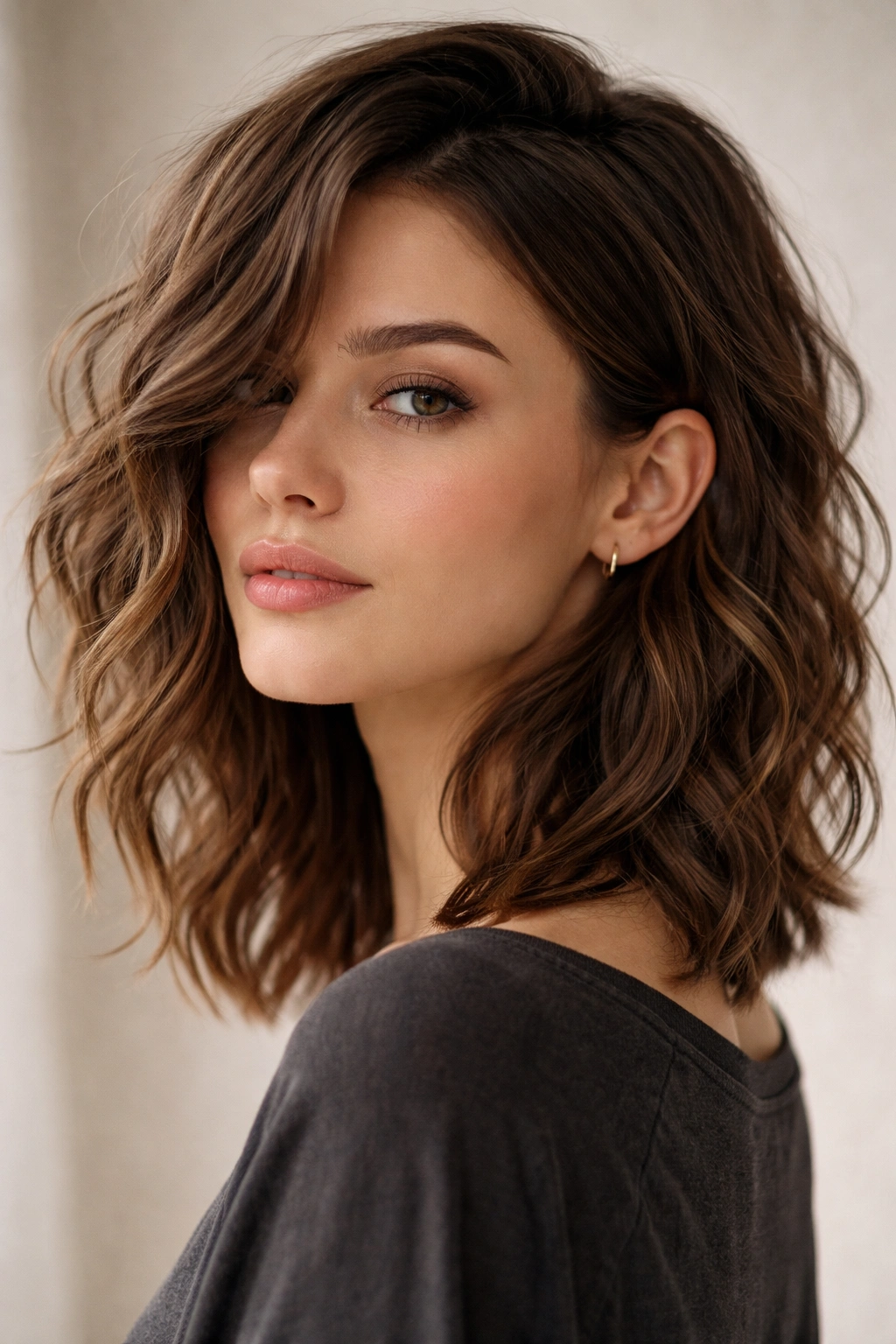
Beach waves with subtle undercut or shaved details create a modern, edgy take on the classic beach-wave aesthetic. The texture is undone and relaxed—true beach waves—but strategic shorter sections underneath (whether an undercut or just shorter interior layers) add an unexpected architectural element. In brown, this combines effortless appeal with intentional styling choices.
What Makes This Style Stand Out
This style straddles the line between casual and crafted. To casual observers, you look like you stepped off the beach. To people paying attention, the undercut or interior shaping shows genuine intention. It’s a way to add edge to an otherwise relaxed style. Brown tones keep this from feeling too youth-driven; it reads as modern and editorial rather than rebellious.
How to Get and Maintain It
- Request textured beach waves as your top layer and a shorter undercut or interior sections as a hidden element
- Ask your stylist whether an undercut or shorter interior layers will work better with your face shape and styling preferences
- Blow-dry beach waves with sea salt spray and a diffuser for that undone texture
- The undercut details work better when hidden, so no special maintenance is needed—they’ll keep their shape as your hair grows
- Refresh beach waves every few days with sea salt spray; you don’t need to re-wash and style daily
- Trim every 6-8 weeks to keep beach-wave texture clean and feathered
Worth knowing: If you choose an undercut, plan for regular trims (every 3-4 weeks) to maintain the sharp line. If you choose interior shorter layers instead, you’ll have more flexibility.
11. The Soft Shag With Romantic Waves
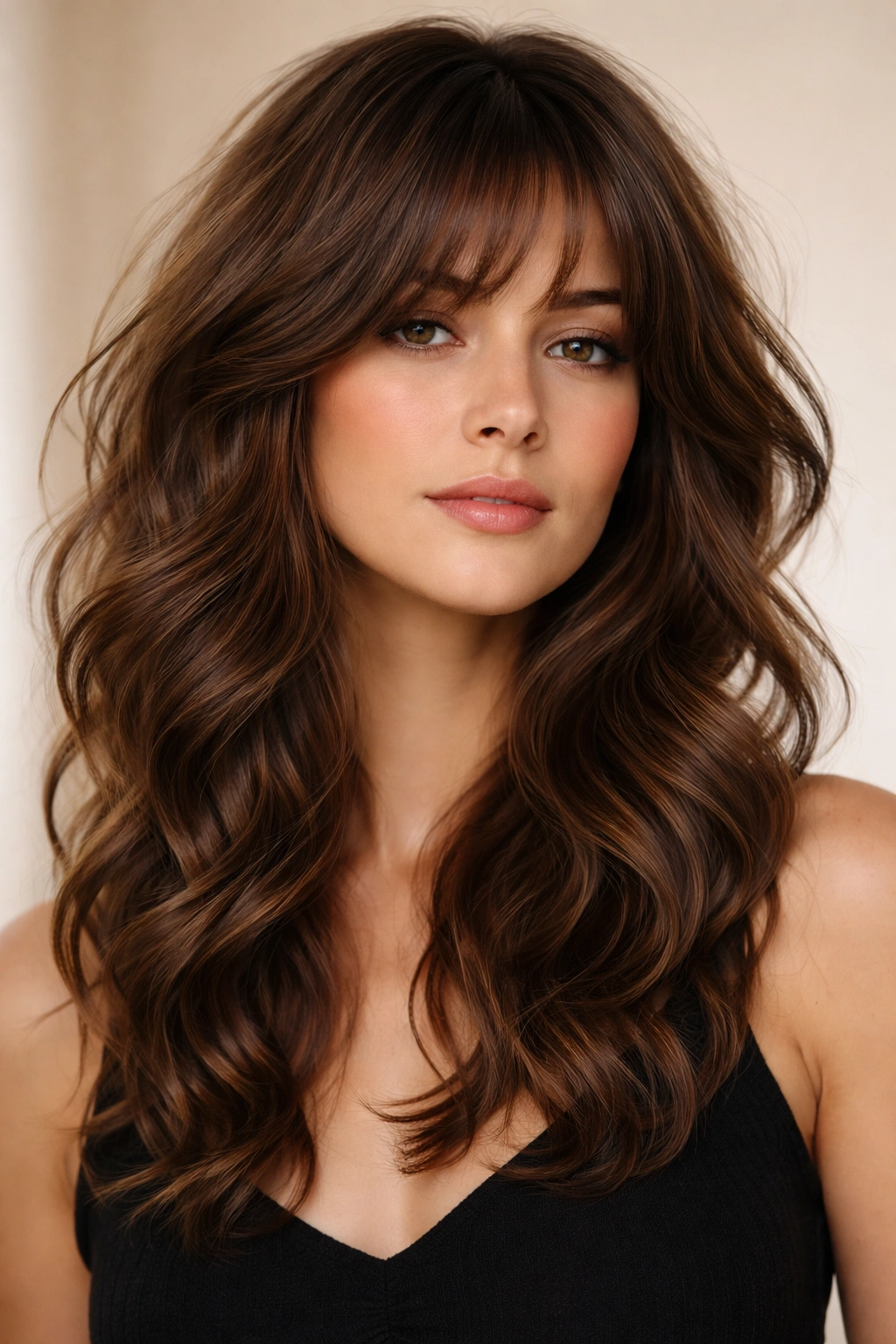
A soft, romantic shag combines the volume and texture of shag cuts with gentle, flowing waves rather than choppy texture. The result is a hairstyle that has structural volume from the cut while maintaining softness and flow from the waves. In medium brown, this reads as vintage-inspired but current—not costume-y or retro, but genuinely wearable.
What Makes This Style Stand Out
This style captures the best of shag aesthetics (volume, movement, youth) without the aggressive choppy texture some people want to avoid. The waves are larger and softer than you’d get from a choppy shag cut; they flow rather than stand up in sharp layers. Brown shades keep this feeling elegant and timeless rather than ’70s throwback. This is a style that works for both casual days and events with a little extra effort.
How to Get and Maintain It
- Request a soft shag with longer layers and gentle wave texture rather than choppy, aggressive layers
- Ask for shorter pieces at the crown for volume and longer pieces around the face for softness
- Blow-dry with a volumizing mousse at the roots and a texturizing spray through the lengths
- Use a large-barrel curling iron or flat iron to create soft waves if your natural texture doesn’t cooperate
- Style is improved with waves that are gentle rather than tight—think loose, flowing movement
- Trim every 6-8 weeks to maintain volume at the crown; the style flattens if cut sections grow too long
Insider note: The success of this style lives in the cut. Ask your stylist specifically for a soft shag with waves, not a choppy shag. Bring photos of soft, romantic texture, not edgy, severe layers.
Styling Products That Work Best With Brown Wavy Hair
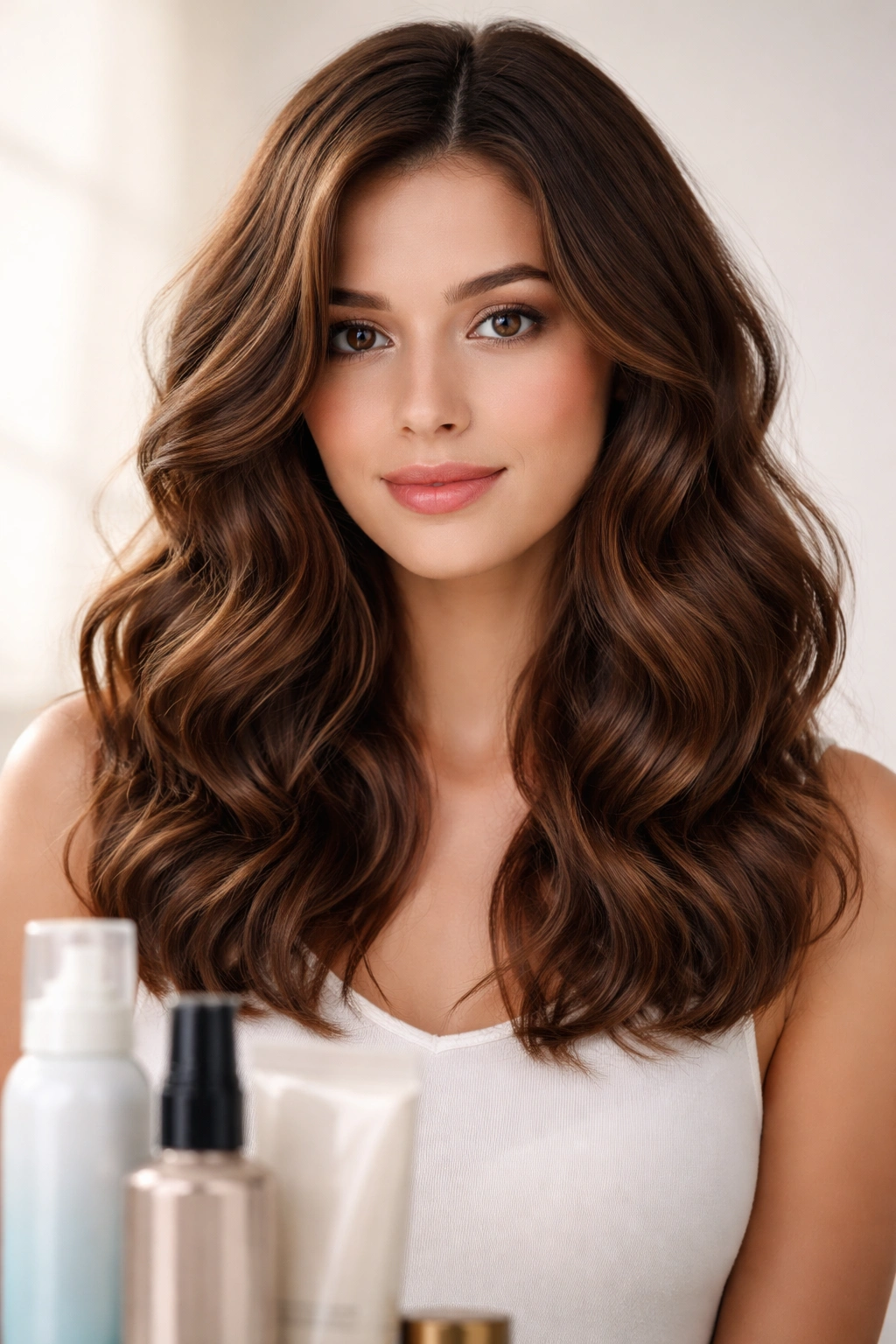
The right products transform ordinary waves into something that actually looks styled. Salt sprays, texturizing sprays, wave creams, and curl-enhancing products all work differently depending on your hair’s needs. Brown hair needs products that enhance shine and definition without adding bulk or frizz. Lightweight mousses and creams usually outperform heavy oils or butters, which can weigh waves down.
Experiment with products before fully committing to a style. What works beautifully for your friend might flatten your waves or make your hair feel sticky. Buy small sizes of different products and test them with your new cut before deciding what’s working. Your stylist can recommend specific products that work well with your chosen style and hair type.
Heat Tools and Techniques for Wavy Styling
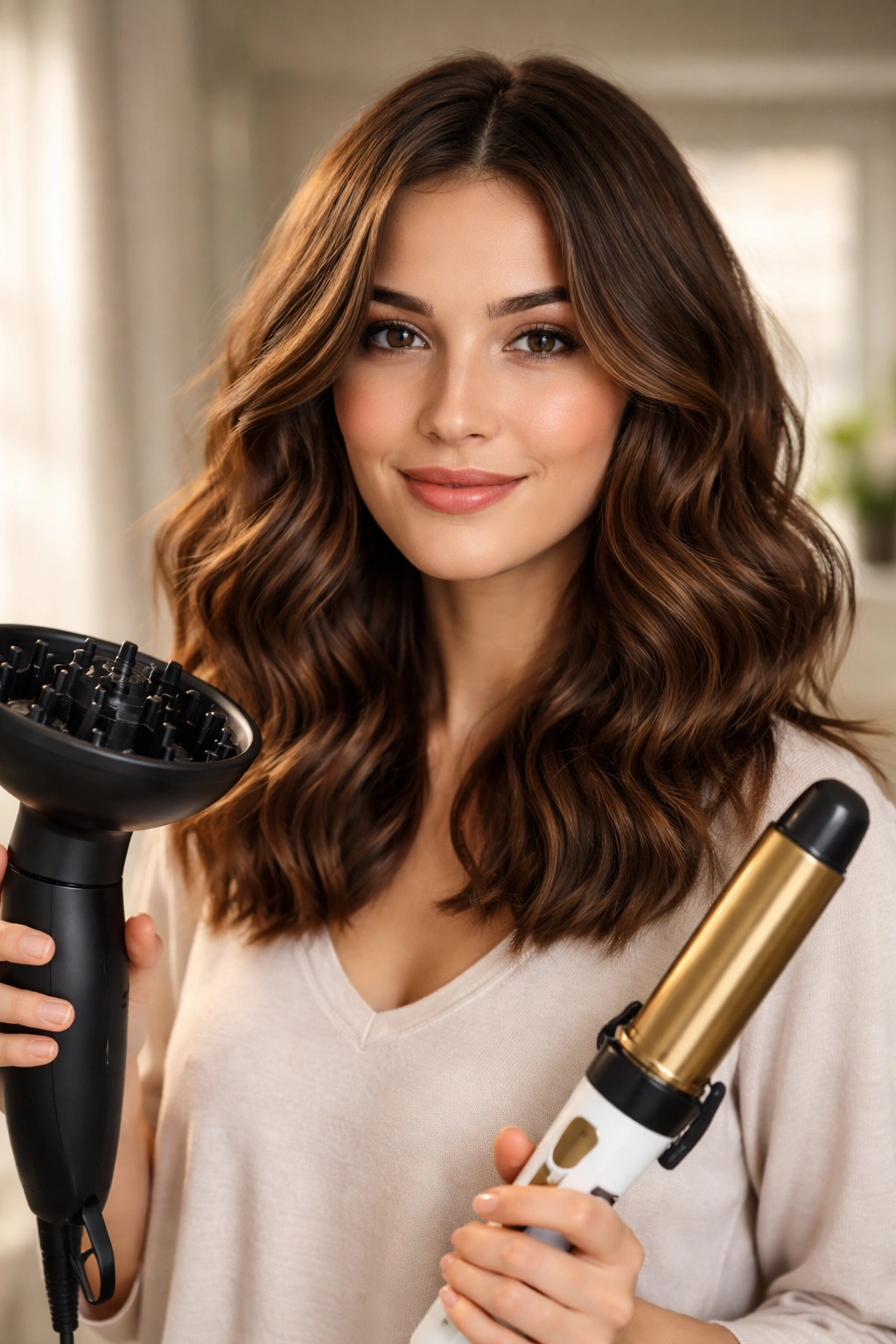
If you’re styling waves with heat, the right tools make an enormous difference. A diffuser attachment on your blow-dryer helps define waves without frizz; a paddle brush creates smoothness and direction; a 1.25-inch or 1.5-inch curling iron creates waves that look natural rather than costume-y. Flat irons with rounded edges can also create soft waves without the tighter curl you get from traditional curling irons.
The technique matters as much as the tools. Blow-drying curly or wavy hair section by section with products takes longer but creates better-defined waves. If you curl with a curling iron, curling upward and away from your face makes waves flow outward rather than under, and letting curls cool in clips before releasing them helps set the wave pattern. These aren’t shortcuts, but they’re techniques worth learning if you want consistently great-looking waves.
Maintenance, Trims, and Growing Out a Wavy Style
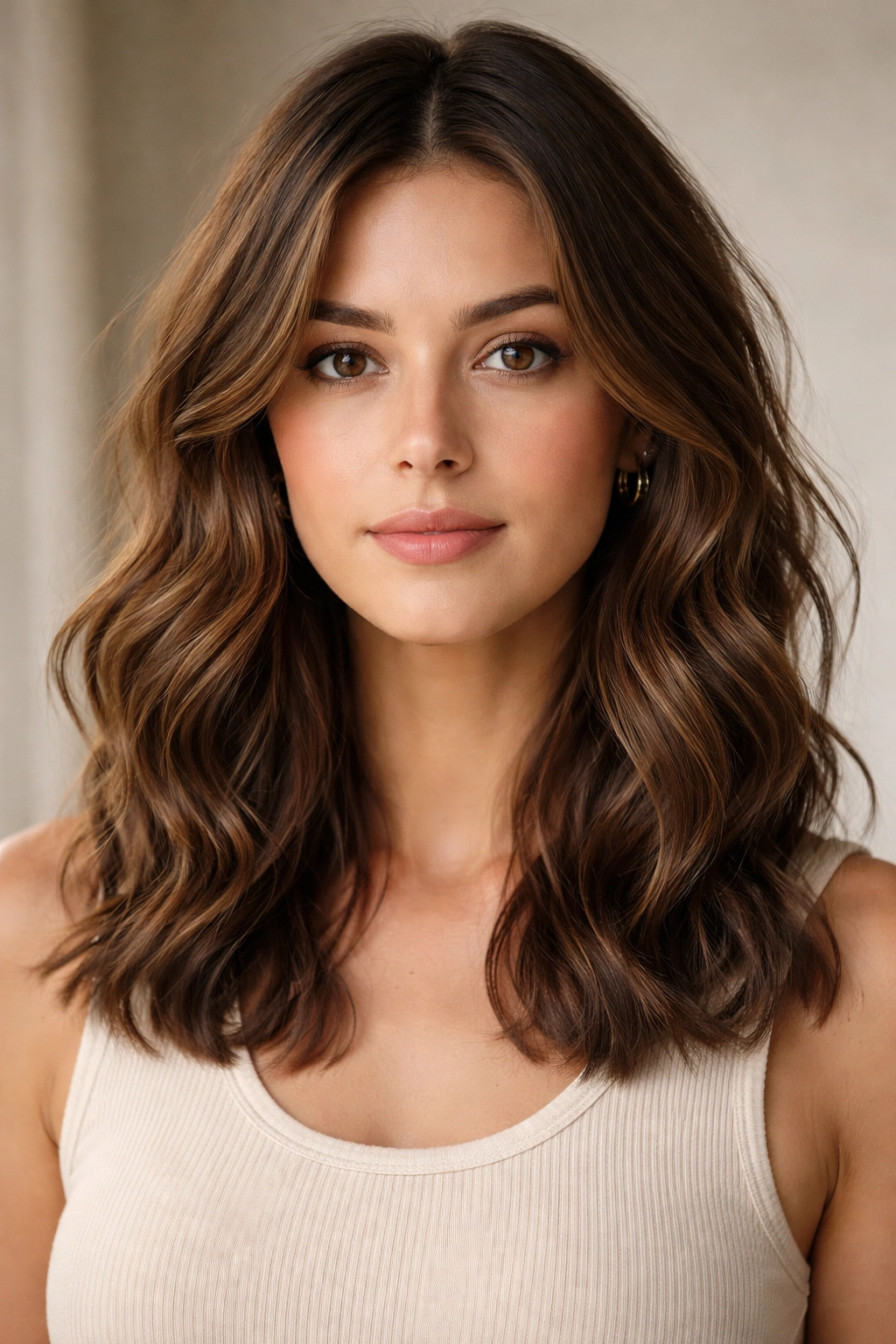
The difference between a wavy style that looks great and one that looks scraggly is maintenance. Regular trims—every 4-8 weeks depending on your style—keep layers looking intentional and ends looking clean rather than wispy and damaged. Ask your stylist how often your specific style needs trimming; high-texture styles like shags need more frequent cuts than subtle-layer lobs.
Growing out a wavy style successfully means working with your stylist to add length gradually while maintaining shape. Some styles grow out beautifully (loose romantic waves, subtle textured waves); others lose their impact as they grow (choppy waves, high-texture shags). Discuss your growth plans with your stylist upfront so they can cut your style in a way that works as it transitions into longer hair.
Brown color stays fresher longer than lighter shades, which is one advantage of choosing warm and rich brown tones. Even so, glossing treatments every 8-10 weeks keep color vibrant and add shine. Color-safe products—sulfate-free shampoo and conditioner—protect both your wave texture and color longevity.
Final Thoughts
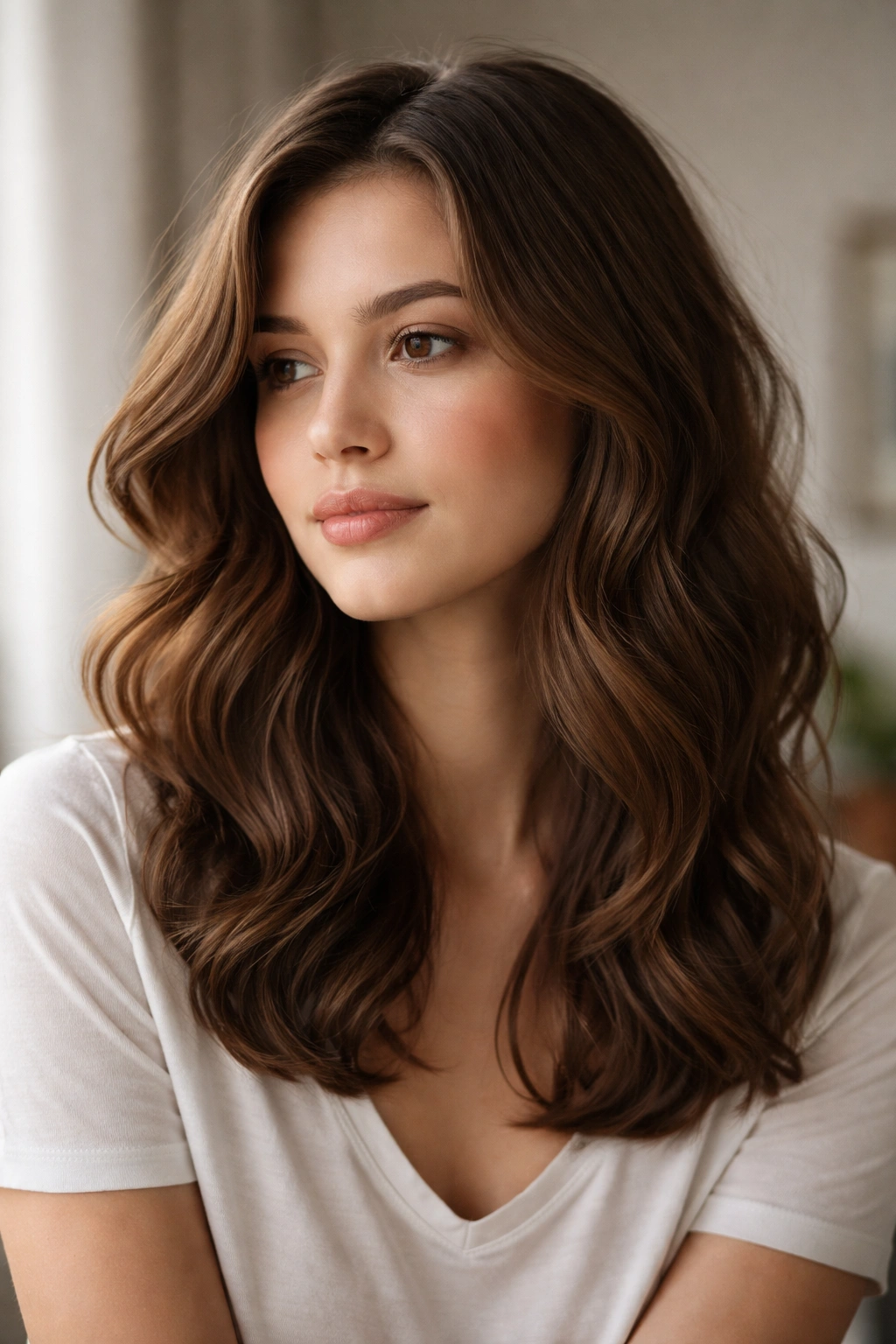
The beauty of medium wavy hairstyles in brown is their flexibility—you’re choosing a style that adapts to your lifestyle rather than demanding constant effort. Whether you want effortless beachy waves, romantic softness, or bold textured chop, there’s a brown wavy style designed for exactly what you’re after. The cut is the foundation, the waves are the movement, and the brown is the polish that makes it all come together beautifully. Start with a consultation with a stylist who has specific experience creating wavy styles, bring photographs of texture and color you love, and trust the process of finding the cut that actually works for your hair and your life.
