



The mullet is making a legitimate comeback — and this time, it’s cooler than ever. The traditional “business in front, party in back” look has evolved, and the wavy mullet is leading the charge. By combining soft, flowing waves with the structural boldness of a mullet cut, this style manages to feel both retro and undeniably modern. Whether you’re drawn to the edgy aesthetic, the low-maintenance styling appeal, or just want to make a confident statement with your hair, a wavy mullet offers endless customization options.
What makes the wavy mullet work so well is its built-in texture. Waves add visual interest and softness to what could otherwise feel harsh, creating a look that’s approachable rather than purely rebellious. The variations are genuinely diverse too — you can go subtle and wearable or completely bold, depending on your personal style and how adventurous you’re feeling. The beauty of this cut is that it works across different hair types, face shapes, and styling preferences.
Before you head to your stylist, let’s explore fifteen distinct takes on the wavy mullet. Each one brings something different to the table, from color treatments to structural variations to styling approaches. Find the version that speaks to you, save some inspiration photos, and get ready to turn heads.
1. Shaggy Wavy Mullet
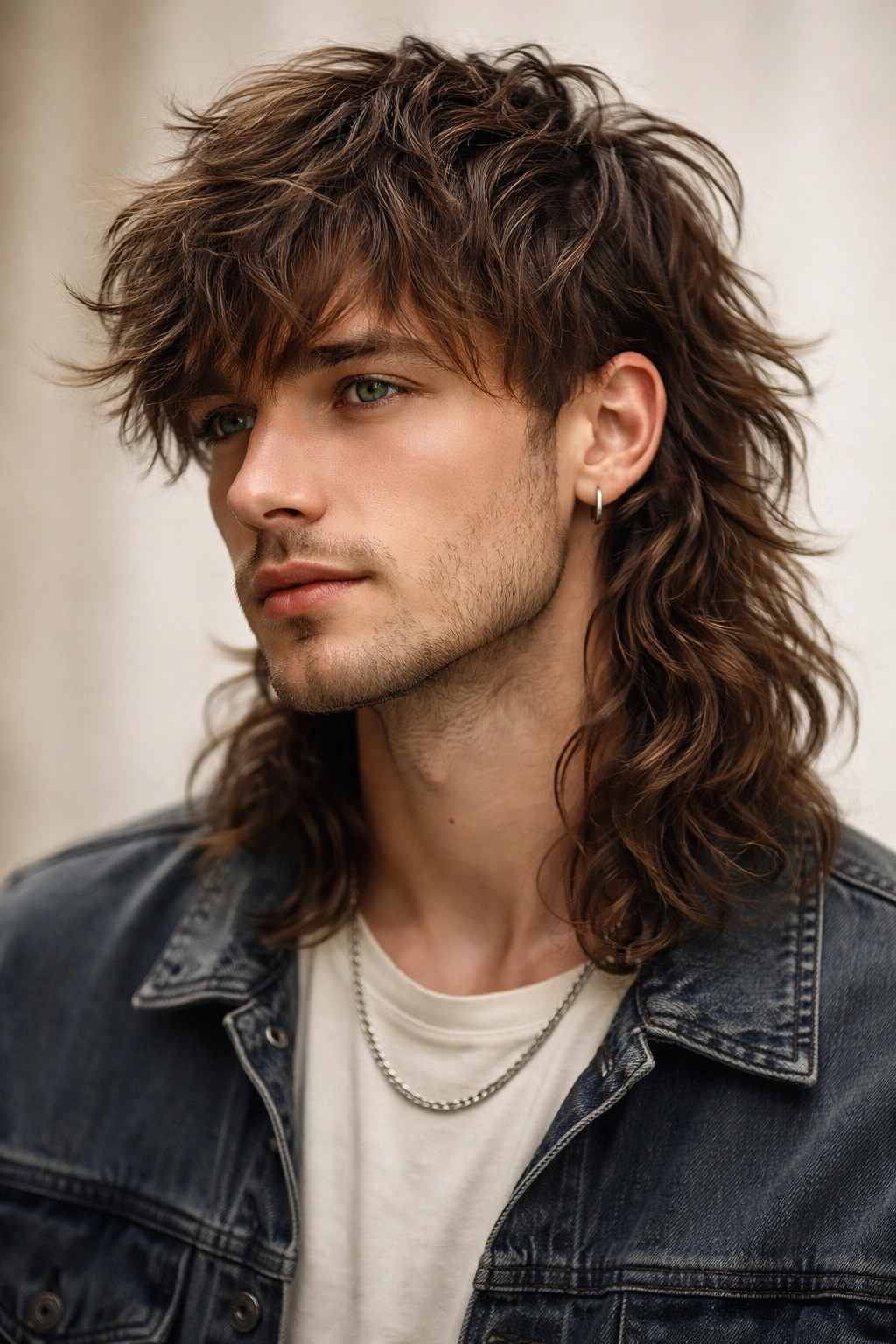
The shaggy wavy mullet is the ultimate “effortless cool” haircut. This version prioritizes movement and texture throughout, with the front sections and crown loaded with choppy, layered cuts that create natural separation and bounce. The layers in the front sit anywhere from cheekbone-length to chin-length, while the back grows longer with that classic mullet flow. The shag elements mean you’re not dealing with a clean, structured look — instead, every section has intentional texture that plays beautifully with waves.
Why This Version Works So Well
The shaggy approach is genuinely forgiving because imperfection is literally part of the design. Those choppy layers mean your hair doesn’t need to fall perfectly; in fact, slight messiness adds to the appeal. The waves naturally enhance the layer separation, creating depth and dimension without requiring heavy styling effort. If you have naturally wavy hair, this cut works with your hair’s texture rather than against it, which makes maintenance significantly easier long-term.
What You Need to Know Before Getting It
- Requires regular trims every 6-8 weeks to maintain the shag structure and prevent the layers from blending together
- Works best on hair with natural texture or the willingness to use styling products to enhance waves
- The back length can range from shoulder-length to mid-back depending on your preference — decide this with your stylist before cutting
- Styling involves texturizing sprays, salt sprays, or light mousse to emphasize the waves and separation
2. Textured Crop Top with Wavy Layers
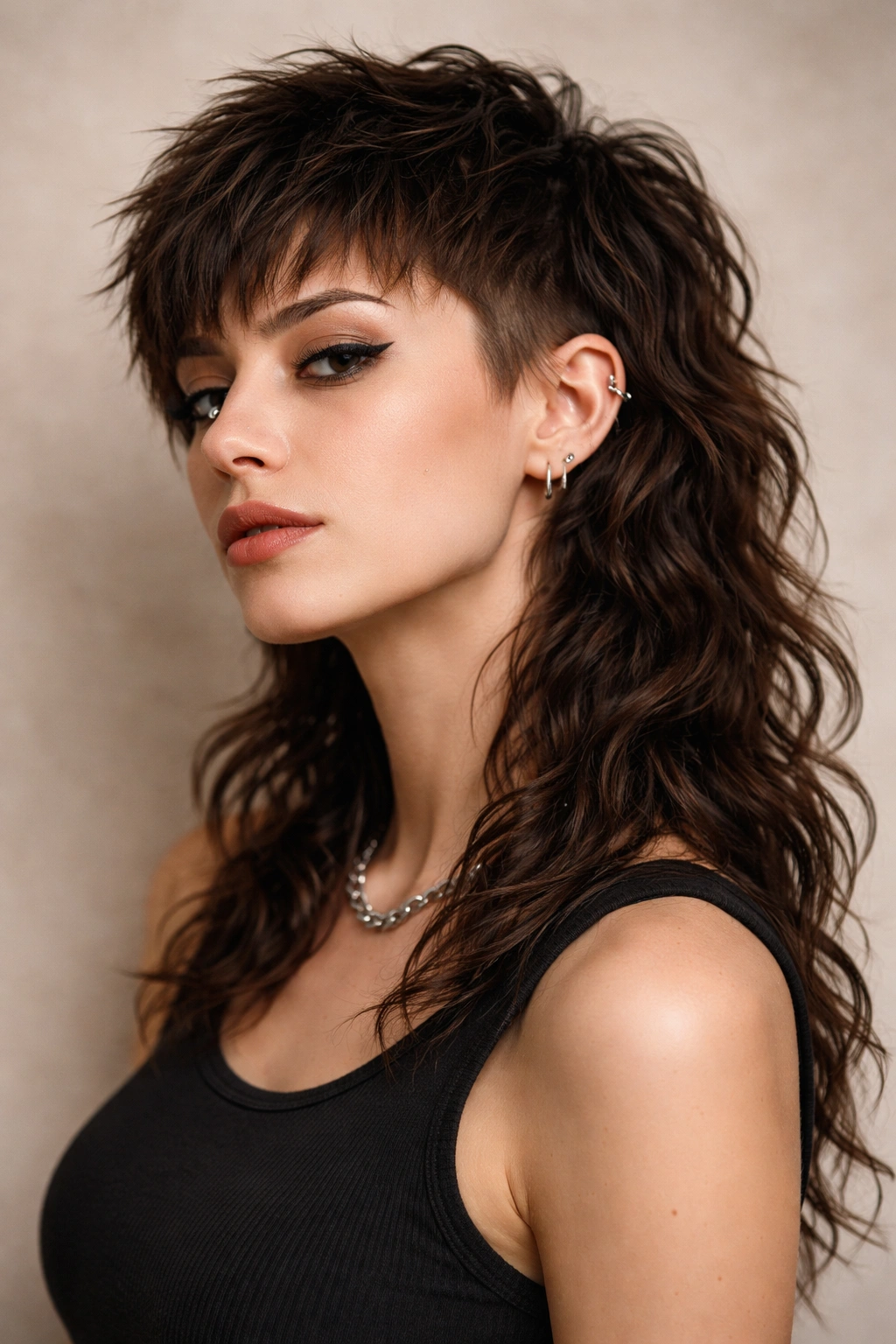
This modern interpretation features a deliberately cropped, textured top section with an abbreviated front bang area, combined with longer wavy layers that extend past shoulder-length in back. The contrast between the shorter front and longer back is more dramatic than a traditional mullet, almost creating a punk-meets-romantic vibe. The texture on top comes from precise choppy layers and disconnection, so the front section has serious dimension and doesn’t blend smoothly into the back.
The Technical Appeal
Stylists love this cut because it requires genuine skill to execute — the crop top needs enough texture and movement that it doesn’t read as simply “short hair,” while the back needs deliberate layering so the waves flow naturally rather than appearing limp. The disconnection between front and back is usually more pronounced than a classic mullet, making this version feel more intentionally avant-garde. The textured top also gives you styling versatility: you can slick it back, spike it up, or let it fall naturally depending on your mood.
Styling and Maintenance Notes
- The textured top typically needs styling products to look intentional — this isn’t a wash-and-go situation
- Waves in the back can be enhanced with a curling iron, heat-free wave spray, or your natural texture
- Maintenance trims every 6-7 weeks keep the texture sharp and prevent the top from looking overgrown
- This cut works especially well if you have naturally thick or textured hair
3. Blonde Bronde Wavy Mullet
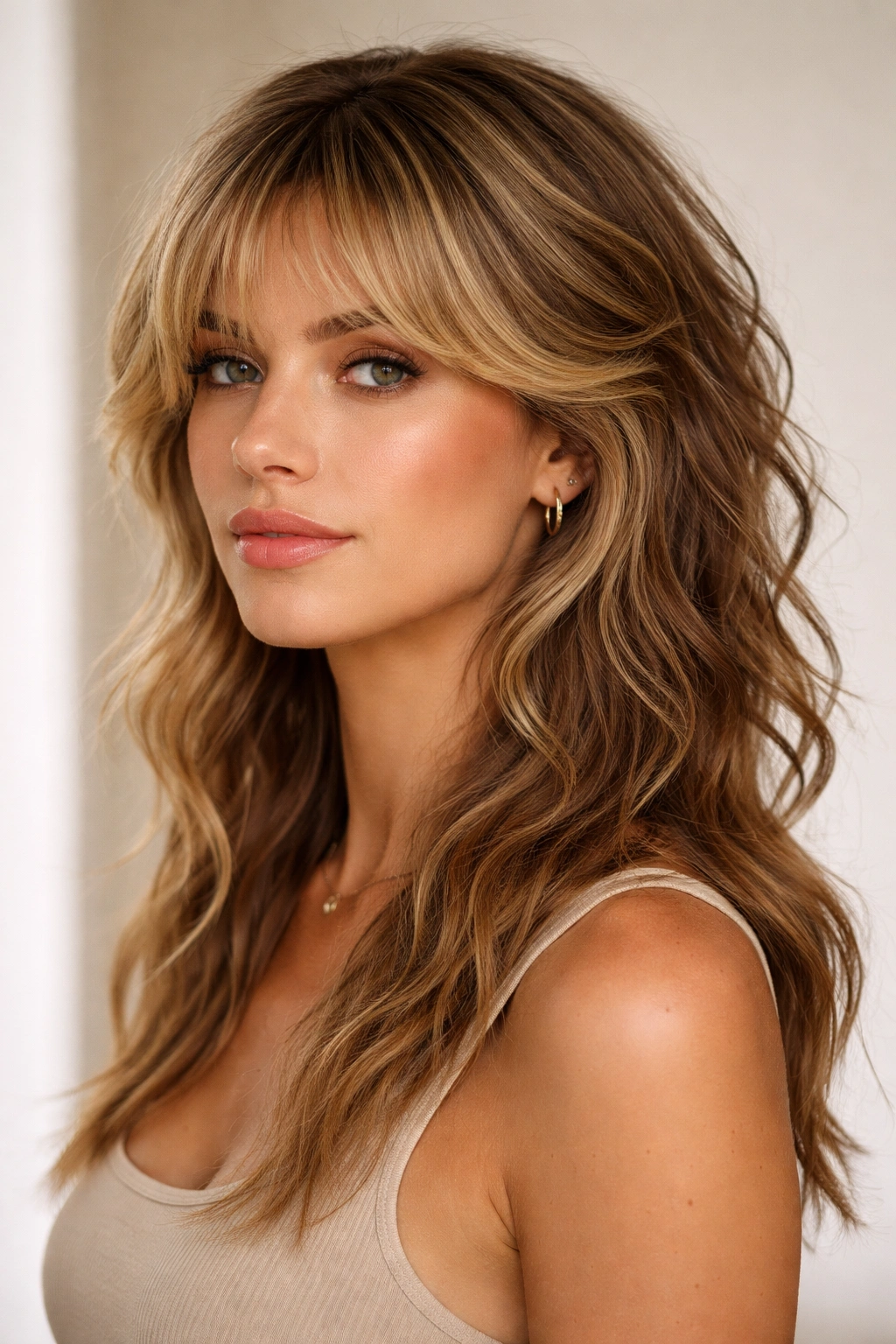
Adding color immediately transforms a wavy mullet into something more eye-catching. This version combines a bronde base (a blend of blonde and brunette tones) with strategically placed lighter or darker accents throughout. The color work creates the illusion of more dimension and movement, especially when combined with naturally wavy texture. You might see blonde tones concentrated around the face-framing sections and front layers, with deeper bronde tones in the back, or a more blended approach where the color shifts subtly throughout.
Why the Color Matters
Color doesn’t just look good — it genuinely enhances the haircut’s visual impact. The dimension created by bronde tones makes waves look more defined and textured, even when your hair’s natural wave pattern is subtle. Blonde highlights also make movement more visible, so shorter waves show up better than they would on a single-tone dark base. The face-framing lightness also tends to brighten the complexion, which creates a polished overall look.
Color Maintenance Reality
- Bronde coloring typically requires touch-ups every 6-8 weeks to keep the dimensional effect crisp
- Damaged or overly processed hair won’t hold waves as effectively, so healthy hair is especially important with colored mullets
- Purple or silver-toning shampoos help maintain blonde tones and prevent brassiness
- The color commitment is real — you’re looking at salon visits approximately every 6-8 weeks indefinitely
4. Deep Wave Mullet
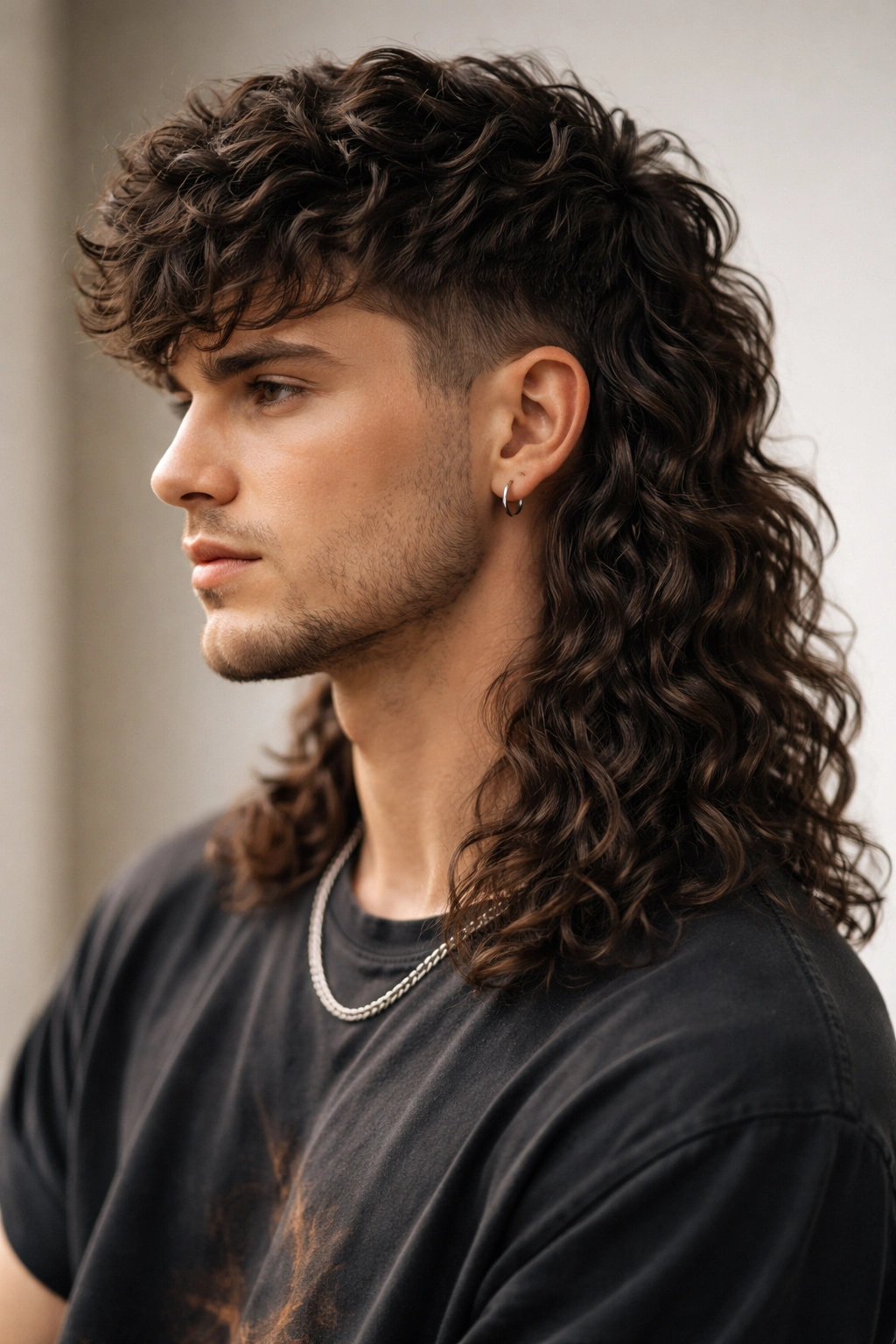
If your natural waves are pronounced or if you’re willing to create deep waves through a perm or consistent heat styling, this is your version. Deep waves are distinctly wavy rather than curly — you can clearly see individual wave patterns that move through the hair in a rhythmic, defined way. Combined with a mullet cut, deep waves create serious visual drama, especially when the back length allows the waves to really stretch out and flow. The waves contrast beautifully with any sharp lines in the cut, creating a look that’s both edgy and romantic.
Achieving and Maintaining Deep Waves
Some people’s hair naturally leans toward deep waves, especially those with certain ethnic backgrounds. Others achieve it through a body wave perm, which creates permanent wave patterns that last several months. Alternatively, deep waves can be created through consistent styling — using a curling iron or wand on specific sections, combined with wave-enhancing products. The key is consistency; you can’t achieve deep waves one day and expect them to stick around without ongoing maintenance.
Real Talk About This Style
- If you’re going the perm route, expect to visit a salon that specializes in this service — standard perms and wave perms are different techniques
- Deep waves look incredible, but they require regular refreshing through styling or periodic professional treatments
- Frizz is the enemy of defined waves; anti-frizz products and controlled humidity are important
- This cut really shines on longer back lengths where the waves have room to flow
5. Curly Wavy Mullet Blend
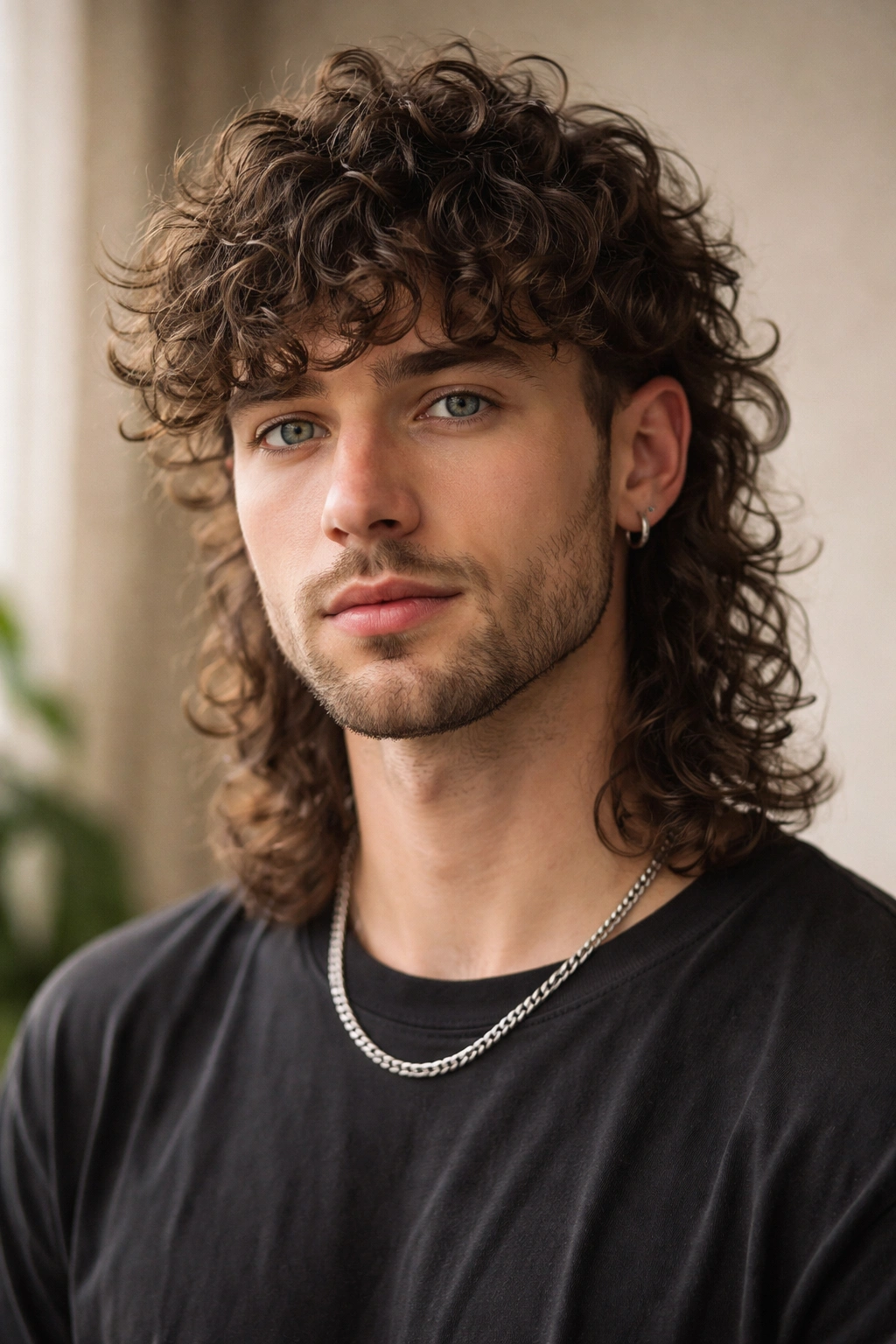
For people with naturally curly or coily hair, the wavy mullet adapts beautifully. Instead of fighting your hair’s natural texture, you’re using it. This version keeps the curl pattern intact throughout, with the front sections cut to shoulder-length or shorter for face-framing, while the back grows out longer to show off those curls at their full length. The key is that the cut has deliberate structure — you’re not just letting it grow out wild, but rather strategically layering and shaping the curls so they form an intentional silhouette.
Working With Your Natural Texture
The advantage here is that you’re basically dry-cutting or wet-cutting curls in their natural state, which means the cut actually works with how your hair grows. The shorter, textured front creates movement and bounce that reads as intentionally edgy, while the longer back embraces your hair’s fullness. This approach is genuinely low-maintenance compared to trying to straighten or alter your natural texture to fit a cut designed for straight hair.
Cut and Care Specifics
- The cut should be done when your hair is in its natural texture state, not blown out straight
- Shorter trim cycles (every 5-6 weeks) help maintain the shape since curly hair grows in all directions
- Styling typically involves leave-in conditioner, curl cream, and maybe a diffuser if you want defined curls, or you can embrace a more textured, piece-y look
- This is genuinely one of the lowest-maintenance wavy mullet options if your curls are healthy and well-hydrated
6. Asymmetrical Wavy Mullet
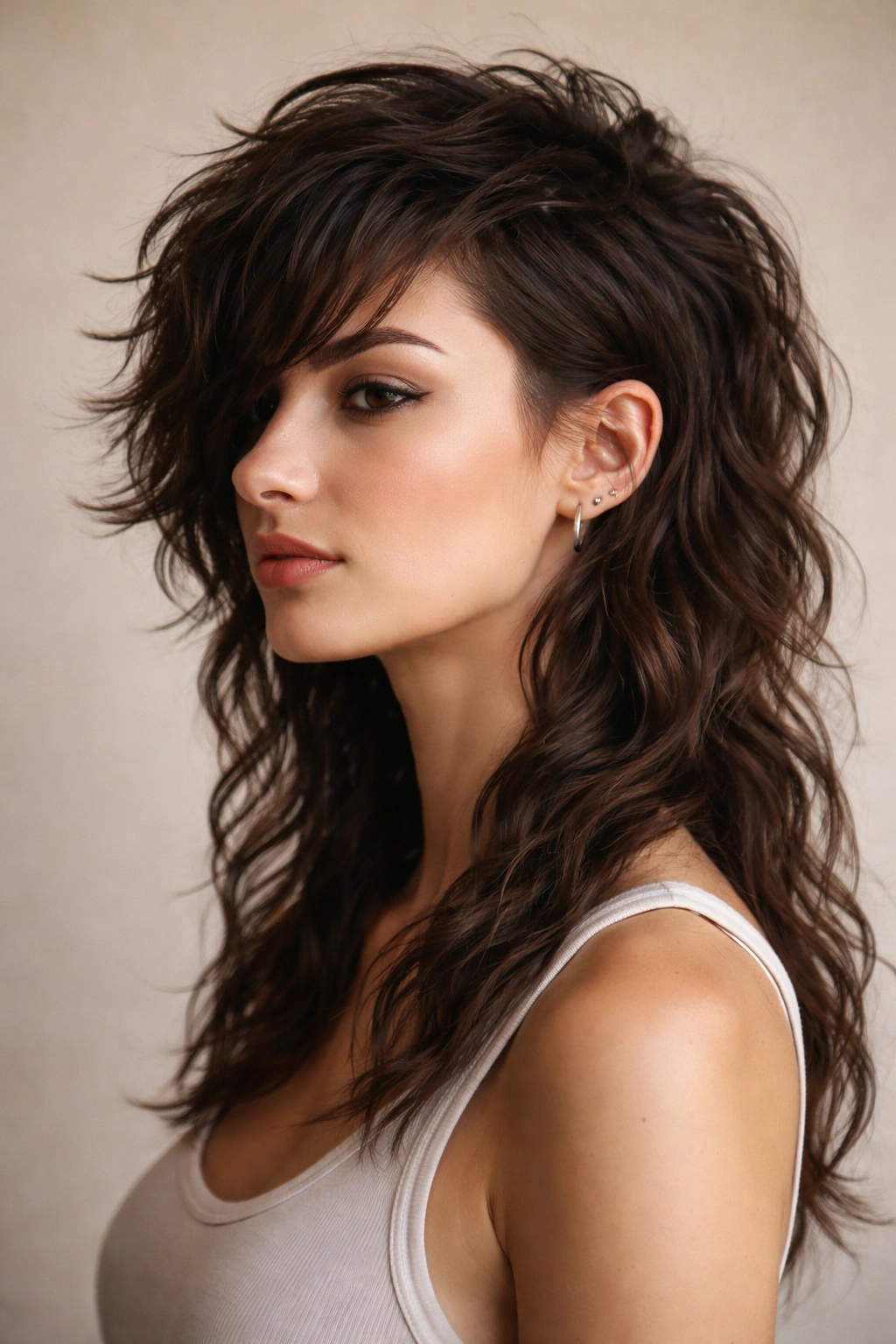
An asymmetrical mullet takes the cut off-balance intentionally. One side of the front is noticeably shorter than the other — sometimes dramatically so, with one side hitting chin-length while the other side barely grazes the cheekbone. The back remains longer and relatively even, maintaining that classic mullet flow. What makes this version work is that the asymmetry feels purposeful and editorial rather than like a mistake. The waves moving through uneven lengths create dynamic visual interest and an undeniably modern, fashion-forward impression.
The Confidence Factor
An asymmetrical cut definitely makes a statement. This isn’t a “safe” choice, and that’s exactly the point. The asymmetry reads as confident and intentional, which means you’re committing to a look that turns heads. If you’re someone who actively wants to stand out and make a style statement, this delivers. The uneven front also offers styling flexibility — you can part it in different ways, tuck one side behind your ear, or let it fall naturally depending on your mood.
Styling Considerations
- You’ll likely need to style this intentionally so the asymmetry reads as purposeful, not accidental
- The shorter side tends to flip out or separate, which you can either style into the look or tame depending on your preference
- Growing it out looks awkward during the in-between phase, so commit to this cut for at least a few months
- This version photographs beautifully and looks stunning in person when styled deliberately
7. Undercut Wavy Mullet
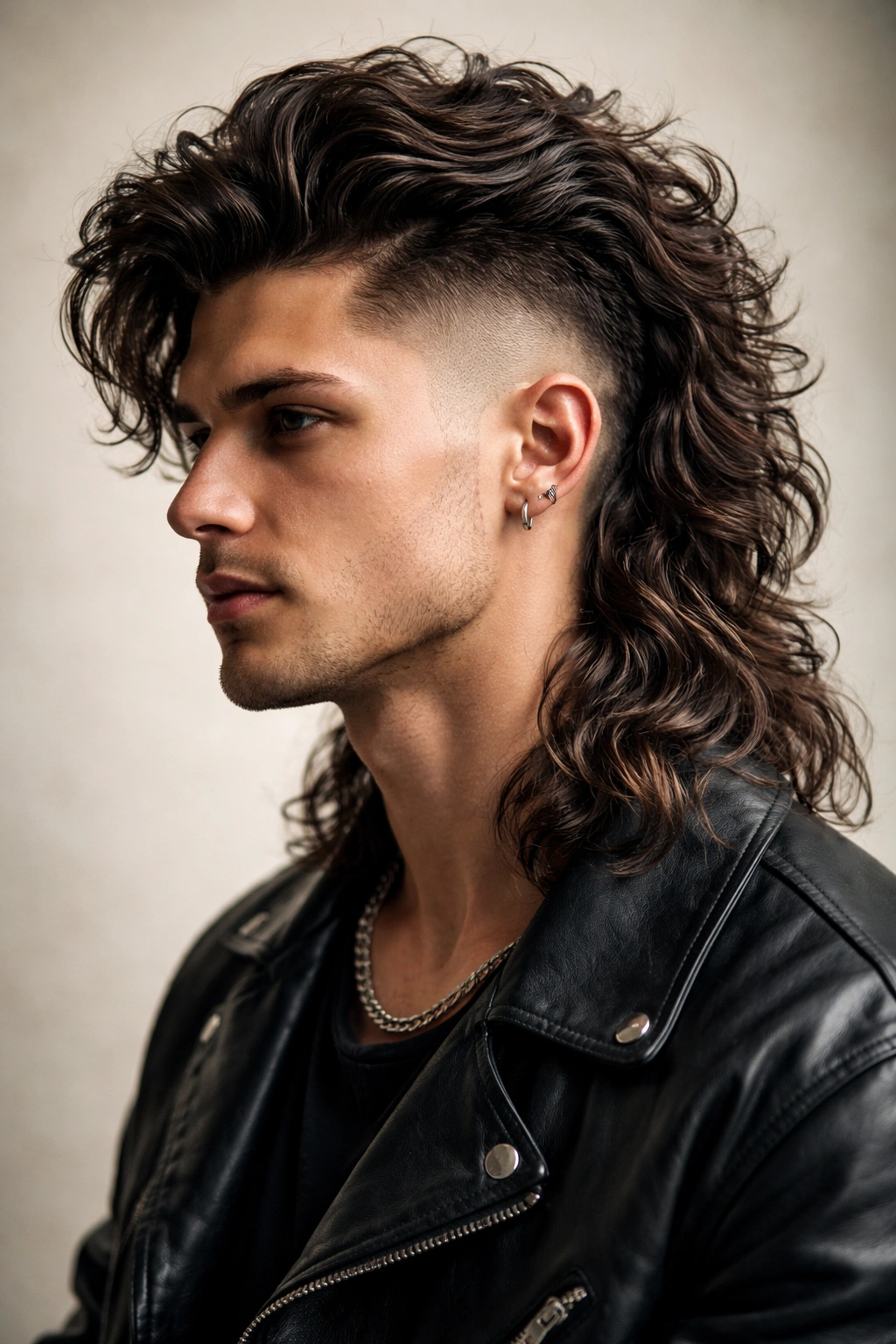
An undercut mullet combines the sharp structural lines of an undercut with the softer texture of waves in the longer sections. The sides are cut very short (often faded, sometimes completely shaved), with minimal length on the sides of the head. The top and back have significant length compared to the sides, creating dramatic visual contrast. When you add waves to this equation, you’re layering soft, flowing texture over a very clean, architectural base. This version skews more urban and edgy than romantic, but the waves prevent it from feeling too harsh.
Why the Contrast Works
The stark difference between buzzed or faded sides and longer, wavy top and back creates serious visual impact. You get the best of both worlds — the clean, geometric modernity of an undercut paired with the organic, textured softness of waves. This combination appeals to people who want edge without looking purely aggressive or masculine. The undercut also makes the longer hair appear fuller and create more movement since there’s nothing weighing it down on the sides.
Maintenance and Styling Realities
- The sides need touching up every 2-3 weeks to keep the fade or undercut clean and sharp
- Combined with regular trims for the longer sections, this is actually a high-maintenance cut in terms of salon visits
- Styling typically means keeping the longer sections intentionally tousled or wavy while the sides stay clean
- This cut suits people who are willing to visit their barber or stylist regularly for maintenance
8. Tousled Wavy Mullet
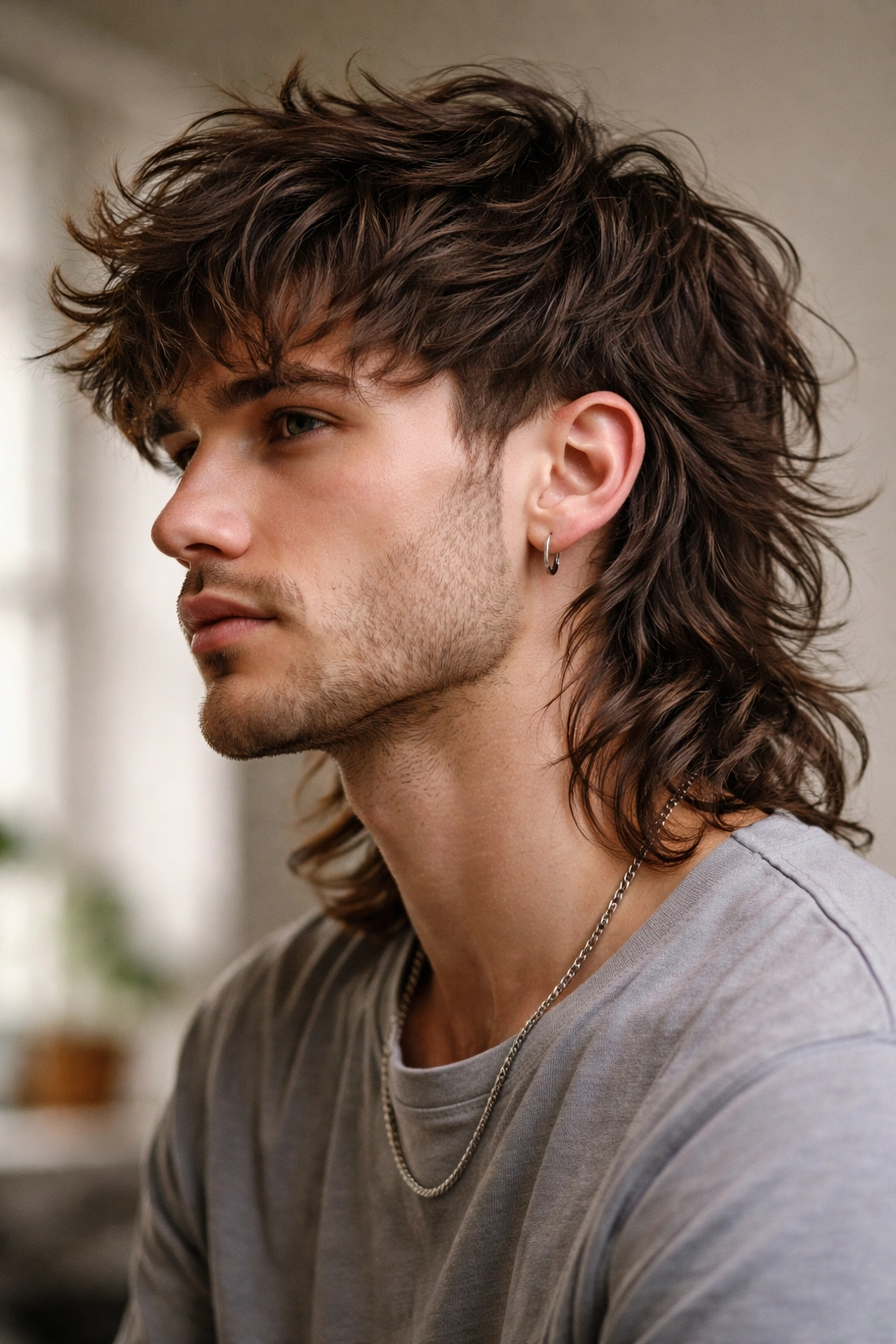
This version prioritizes that “just-got-out-of-bed-and-still-look-amazing” aesthetic. The tousled approach means the cut has lots of choppy, disconnected layers throughout the front and top, combined with longer back length that’s deliberately piece-y and undone. The waves are enhanced through styling but aren’t rigidly defined — instead, they’re soft, moved around, and mixed with texture that reads as intentionally disheveled. This is the mullet for people who don’t want to look like they tried too hard.
The Art of Looking Effortless
Creating an intentionally tousled look actually requires some skill and styling effort, even though it reads as easy and undone. You’re using texturizing products, salt spray, or light pomade to break apart the layers and create that piece-y, moved-around effect. The waves aren’t perfect — some sections are more wavy than others, and that variation is exactly the point. It’s textured, dynamic, and cool without screaming “I woke up at dawn to style this.”
What Styling Looks Like
- Dry texturizing spray is your best friend — spray, use a comb or fingers to break apart sections, and let it dry
- Salt spray creates texture and enhances natural waves without heavy product buildup
- Light pomade or wax applied to piece-y sections adds shine and separation without making anything look stiff
- This is best done on second or third-day hair when your natural oils have done some of the work
9. Pin-Straight Bangs with Wavy Mullet
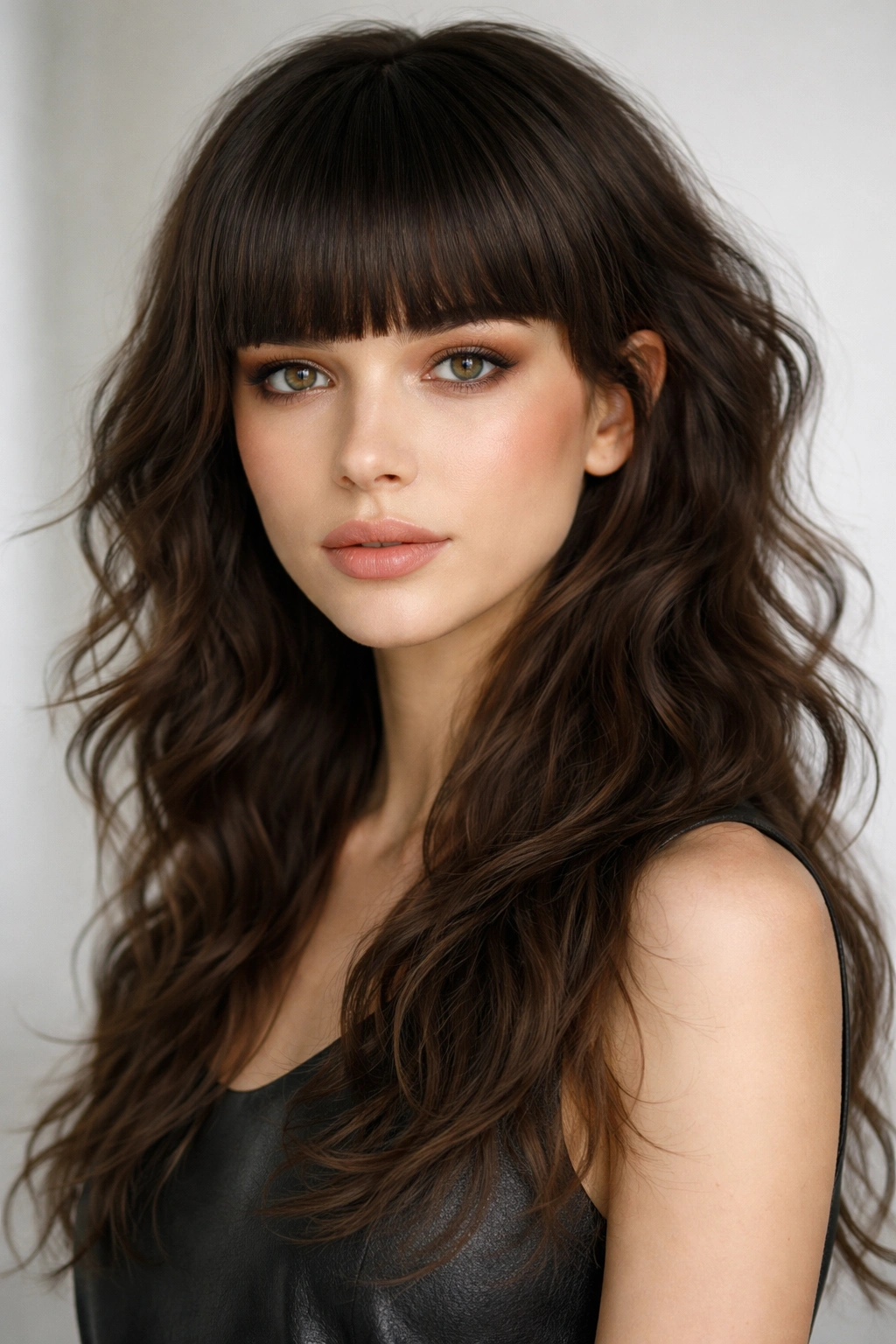
This version creates a striking contrast by keeping the bangs or front sections deliberately straight and sleek, while the longer back sections flow with waves. The front might be completely smooth, blunt bangs that hit at eyebrow level, with the rest of the hair transitioning into soft, wavy texture. This creates a blunt-meets-romantic aesthetic — modern and edgy at first glance, then softer and more dimensional when you see the full picture. The contrast between straight and wavy is visually compelling and surprisingly wearable.
The Balancing Act
This cut is all about contrast and balance. The sleek front creates structure and intentionality, while the wavy back provides softness and romance. Together, they create something that feels fashion-forward and thoughtfully designed rather than random. This works especially well if you have some natural wave to the back — you’re not fighting your hair’s texture in the longer sections, just controlling the front with heat styling or straightening.
Styling Breakdown
- The front sections need heat styling (flat iron) to maintain that pin-straight look
- Regular touchups every 6-8 weeks keep the blunt bangs sharp and well-defined
- The back can be enhanced with gentle waves from a curling iron, left to its natural texture, or textured with product
- This look requires daily styling, so commit only if you’re willing to spend time on it
10. Reverse Flow Wavy Mullet
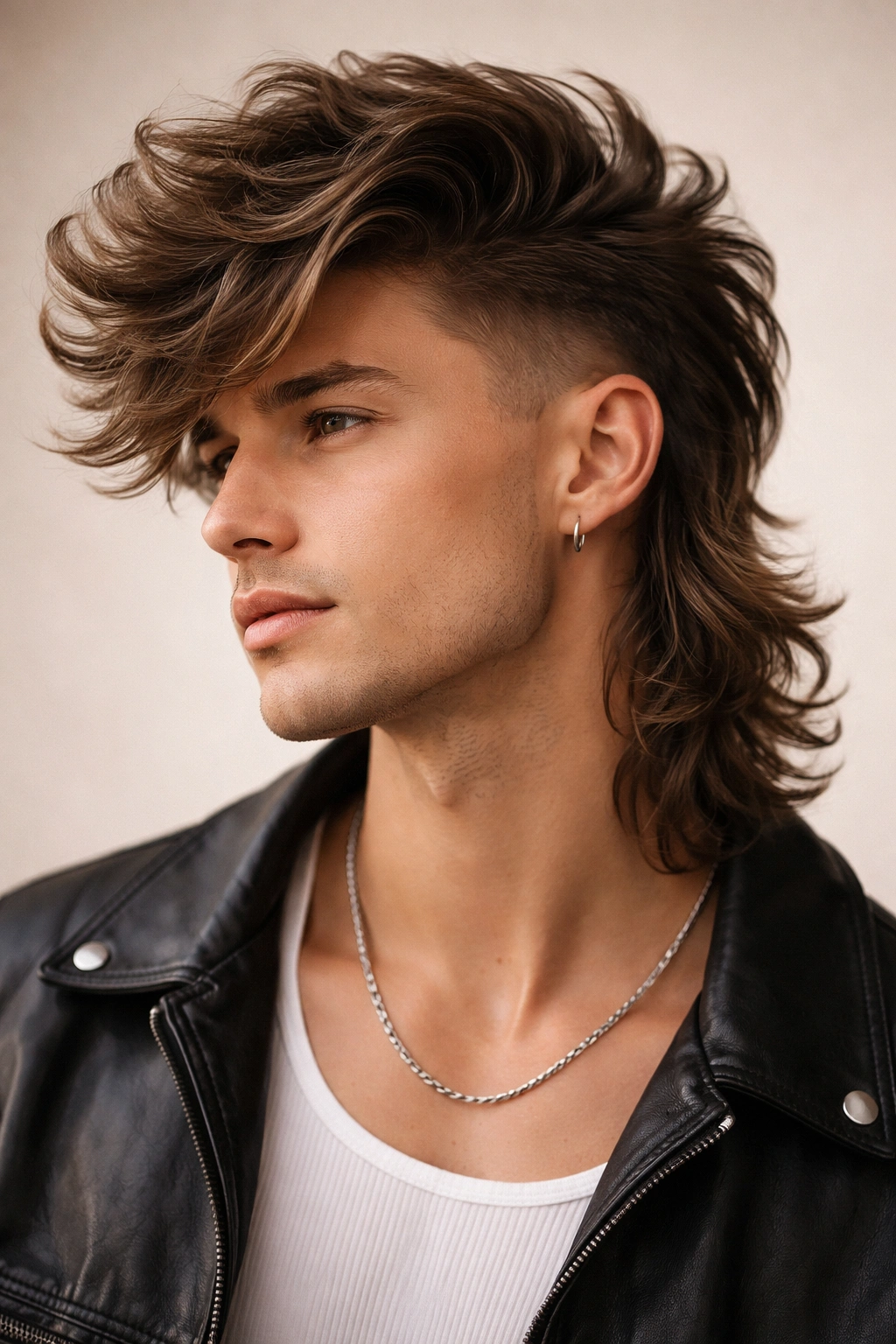
A reverse flow mullet flips the traditional direction, with the front longer and more flowing than typical, and the back slightly shorter or more structured. Instead of the traditional “business in front, party in back,” you’re prioritizing movement and waves in the front where they’re visible, with less dramatic length in back. The back might be shoulder-length or even slightly shorter, while the front extends to collarbone-length or beyond. When combined with waves, this creates a seriously modern, non-traditional take on the mullet that reads as experimental and fashion-forward.
Why Reverse Makes Sense
A traditional mullet puts the party in back, where it’s less visible. A reverse flow puts visual drama in front, where everyone can see it. This works beautifully if you want a wavy mullet that’s immediately noticeable and striking. The longer, wavier front creates movement that draws attention, while the shorter back feels cleaner and more controlled. It’s essentially turning the concept on its head, which appeals to people who want to subvert expectations and create something unexpected.
Practical Considerations
- This cut reads as very intentional and editorial — it’s not a casual or subtle choice
- Styling typically involves emphasizing the front waves and keeping the back cleaner
- You’ll need regular trims to maintain the length difference between front and back
- This works best on longer face shapes where the extra front length is flattering rather than overwhelming
11. Two-Tone Wavy Mullet
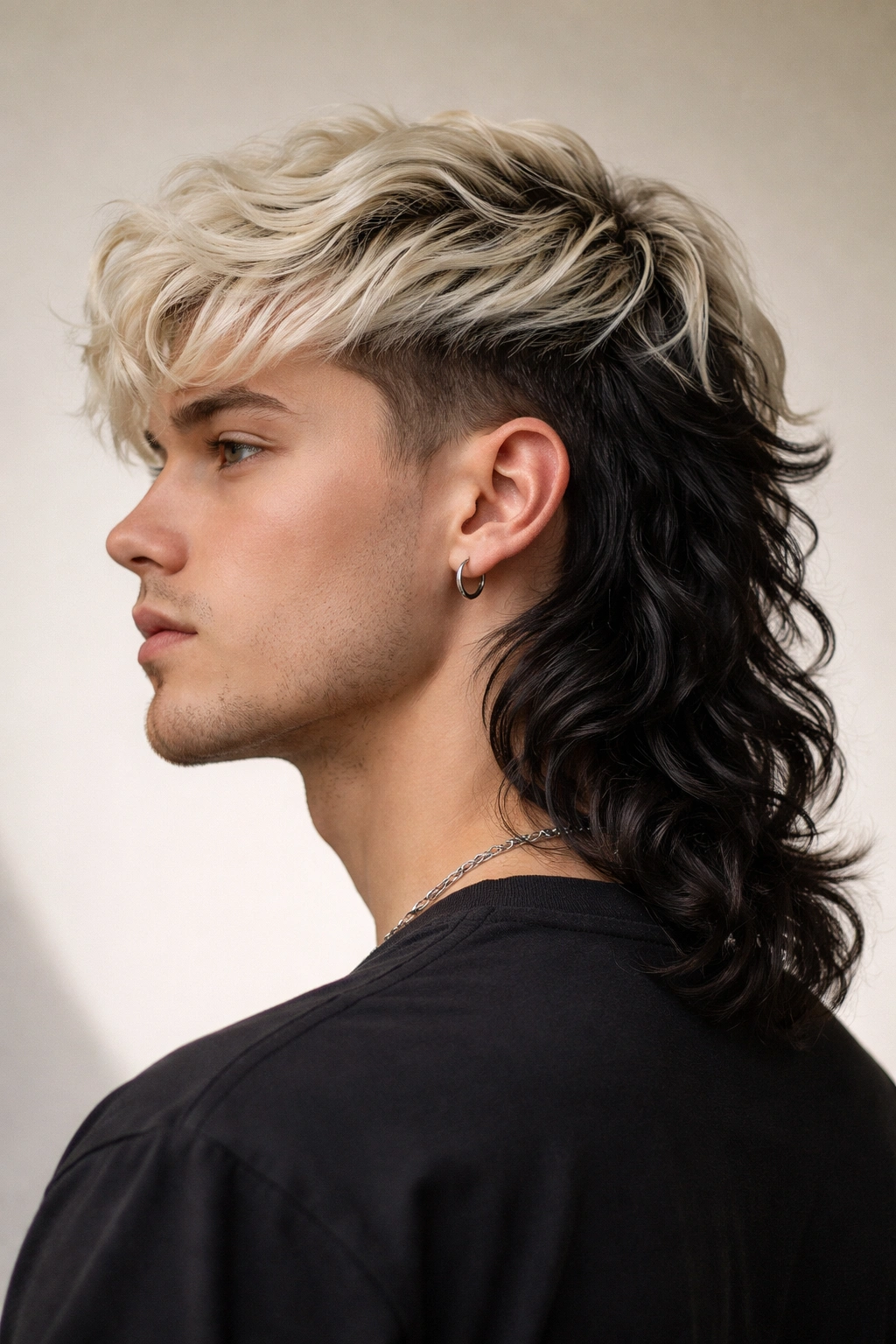
Color blocking takes the wavy mullet into bold territory. A two-tone version might feature a completely different color on top versus the back — imagine a platinum blonde cropped top with a deep brunette long back, or vice versa. The color division can follow the natural lines of the cut, or it can cut across at an angle for even more drama. The waves in each section look even more striking when they’re in different colors, creating visual separation and dimension that’s impossible to ignore. This is the version if you want pure impact.
Color Blocking Execution
The two-tone approach works best when the color division aligns with the structure of the cut. The top might be one vibrant or light color, with the back being a completely contrasting shade. Some versions use a gradient where the colors blend slightly, while others keep the division sharp and clean. The contrast makes the cut read as more intentional and artistic rather than just a result of growing out colored hair unevenly.
Long-Term Commitment
- Two-tone color work requires touch-ups every 4-6 weeks to keep both colors vibrant
- You’re essentially maintaining two different color treatments, which impacts your hair health
- Toning shampoos for both colors help maintain the vibrancy of each section
- This is a very visible, statement-making choice that requires genuine commitment
12. Choppy Wavy Mullet with Disconnection
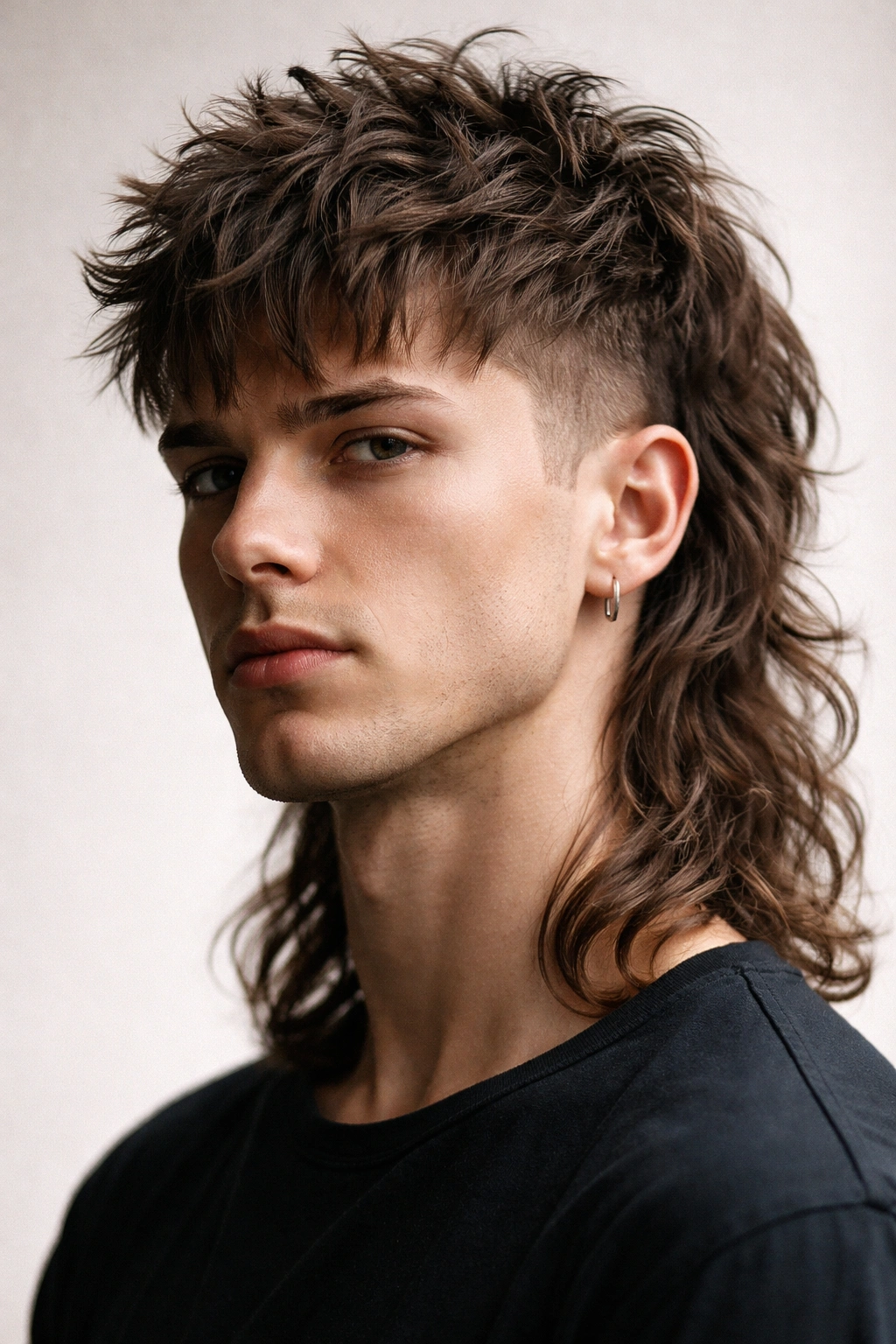
Maximum disconnection is the goal here. The front sections are cut so short they barely blend with the rest of the hair, creating a completely separate entity from the longer, wavy back. The choppiness throughout means every section is deliberately texture-focused, with layers that don’t try to create a smooth transition. The back is significantly longer than the front — sometimes dramatically so, creating a look that’s unmistakably mullet. This version emphasizes contrast and edginess over any kind of cohesion.
The Structure and Intent
This cut requires a stylist who’s comfortable with disconnected, textured work. The goal isn’t to blend everything together smoothly — it’s the opposite. You want obvious separation, clear layering, and texture throughout that reads as intentional and punk-meets-modern. The waves in the longer back sections become even more striking when positioned against the choppy, shorter front. It’s a high-commitment, visually loud style that makes a definitive statement.
Maintenance and Styling
- Shorter front sections need trims every 5-6 weeks to maintain the choppy texture and disconnection
- Regular layering appointments keep the longer back from looking overgrown or matted
- Styling typically involves texturizing products to enhance the choppiness and waves
- This isn’t subtle — it’s unapologetically bold and requires someone willing to commit to that energy
13. Slicked-Back Wavy Mullet
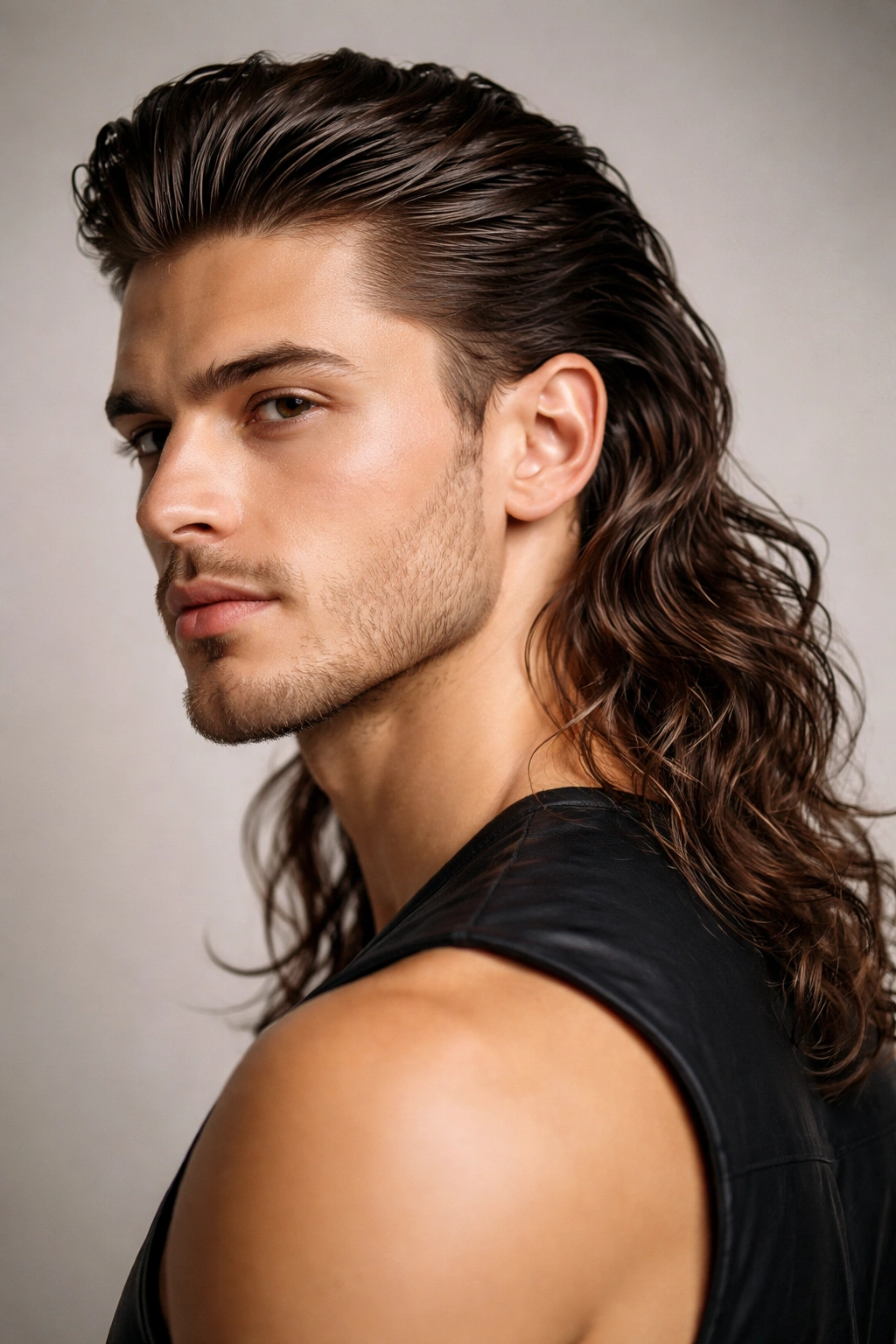
A slicked-back version takes the wavy mullet in a polished, intentional direction. The front is styled back smoothly using pomade, gel, or slicked-back styling products, creating a very clean, controlled look. The longer back flows with soft waves that contrast beautifully with the slicked-back front. This version reads as intentionally sophisticated and editorial — it’s a wavy mullet for someone who wants edge without looking chaotic. The slicked-back styling creates an old-school cool vibe that pairs perfectly with waves.
The Styling Approach
Creating the slicked-back look requires styling product and intention. You’re typically using a medium-to-strong hold pomade or gel applied to damp hair, then combing or running your fingers back to create that controlled, glossy finish. The key is balancing the polished front with the flowing, wavy back so the overall look feels like a cohesive choice rather than two different aesthetics fighting each other. The waves should feel soft and organic compared to the very controlled front.
Daily Styling Reality
- This requires daily styling with pomade or slicking product to maintain the polished front
- The back can be enhanced with waves from a curling iron or left to natural texture, depending on your preference
- Regular trims keep the back length appropriate for the flowed-back style
- This look photographs incredibly well and reads as intentional and cool
14. Modern Wavy Mullet with Fade
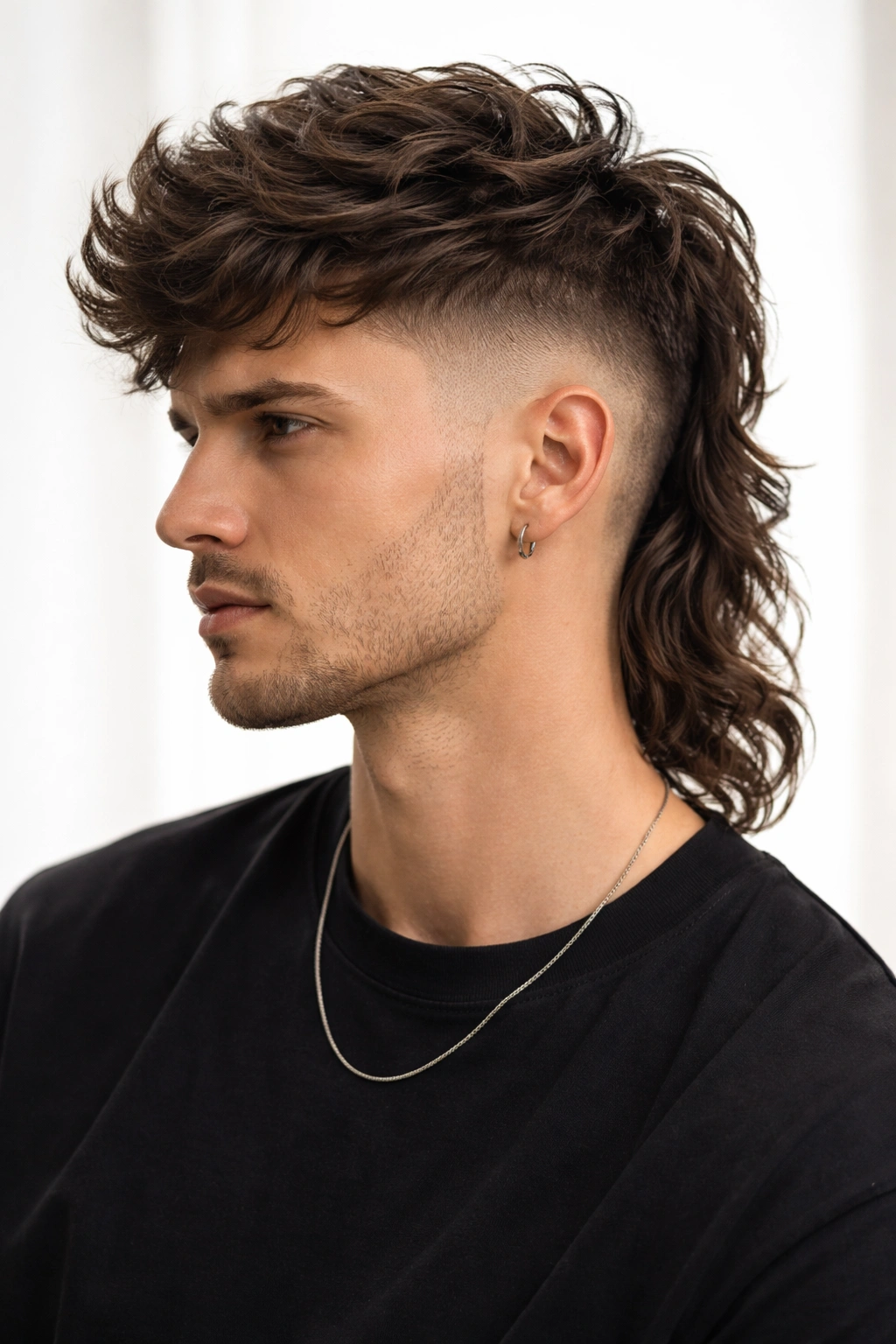
Combining a professional fade with a wavy mullet creates a hybrid that works equally well in a corporate environment or a nightclub. The sides fade from longer on top to very short (or shaved) on the sides and back of the neck, creating clean lines and structure. The top and front sections maintain length and waves, creating that mullet shape while the fade gives it a contemporary, polished feel. This version removes some of the punk edge and replaces it with a more wearable, versatile aesthetic that still turns heads.
Why This Version Works in Any Context
The fade modernizes the mullet significantly. A fade is a professional barbering technique that reads as intentional and well-groomed, while the longer wavy top and front still maintain the edgy mullet attitude. You get the best of both worlds — modern sophistication paired with undeniable style. This version works beautifully if you need to look professional in your day job but want a bold, distinctive haircut that reflects your personality.
Cut and Maintenance
- The fade requires touchups every 2-3 weeks to maintain those crisp lines
- Regular trims for the longer sections every 6-8 weeks keep the overall shape sharp
- Styling typically means using product to enhance waves in the longer sections while keeping the faded sides clean
- This cut genuinely looks polished rather than aggressive, which expands the contexts where you can wear it
15. Shoulder-Length Wavy Mullet
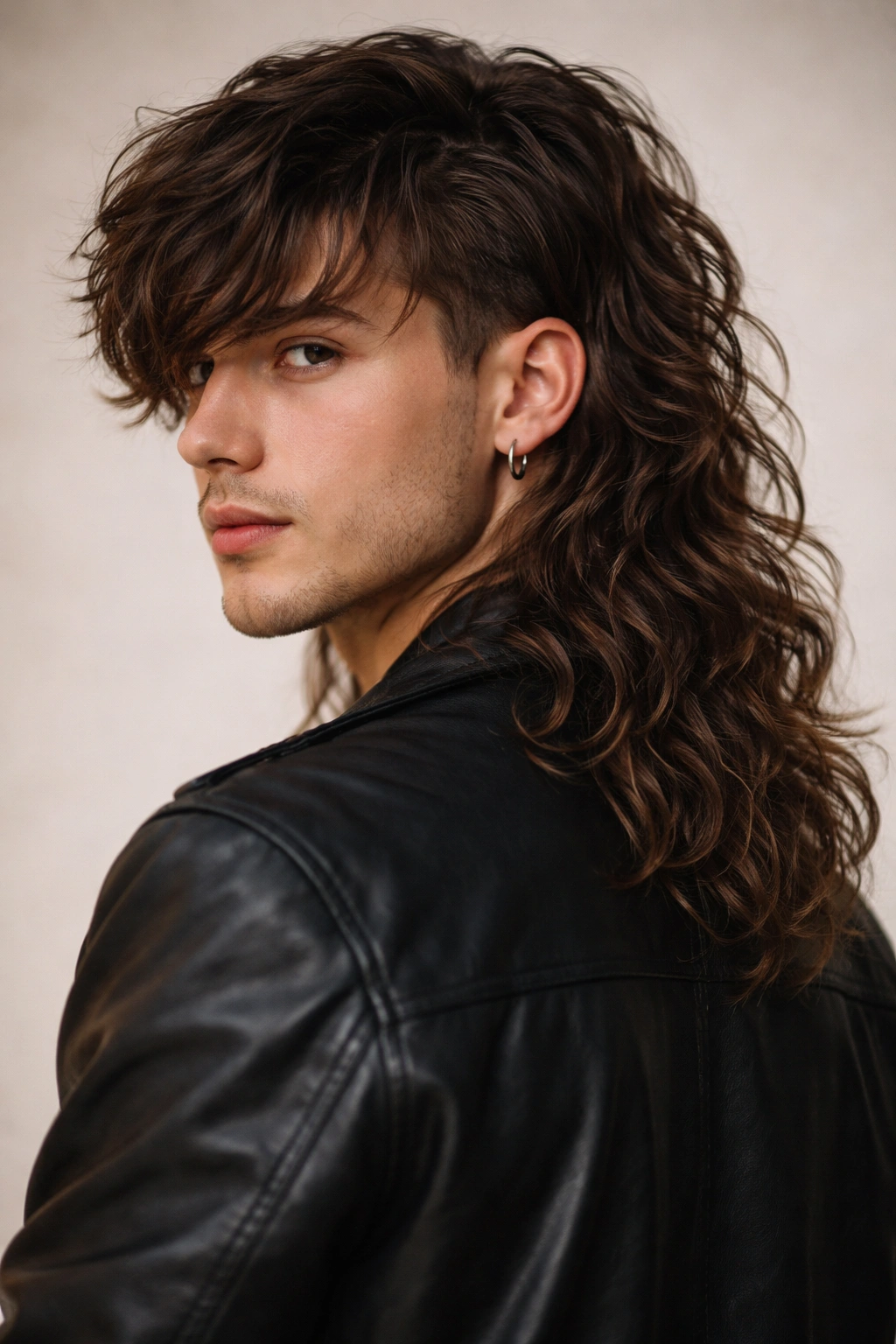
For those who want maximum impact and drama, the shoulder-length version is where it’s at. The back extends to or beyond shoulder-length, giving the waves serious room to flow and shine. The front is cut noticeably shorter for contrast, typically to chin-length or slightly shorter. This creates a dramatic before-and-after effect where people see the short front first, then realize how much longer the back is. The extended back length means the waves have serious presence and visual power, making this the most romantic and dramatic wavy mullet version.
Length and Its Visual Impact
Shoulder-length back sections create waves that genuinely flow. There’s enough length that the wave pattern becomes the dominant visual element, especially if you have naturally wavy hair or enhance it with styling. The contrast between the shorter front and dramatically longer back is unmissable — this isn’t a subtle style, and that’s the entire point. The back length also gives you serious styling flexibility once the hair is long enough to tie back, braid, or style in different ways.
Growing It Out and Maintenance
- Plan for 6-8 months of strategic growth to reach shoulder-length in the back
- Regular trims every 6-8 weeks during growth keep the front and back proportions balanced
- The back will need deep conditioning and regular maintenance since longer hair is older hair
- Styling the long back waves might involve a curling iron, heat-free wave spray, or simply enhancing your natural texture
- This is the highest-commitment wavy mullet option but also the most visually striking
Final Thoughts
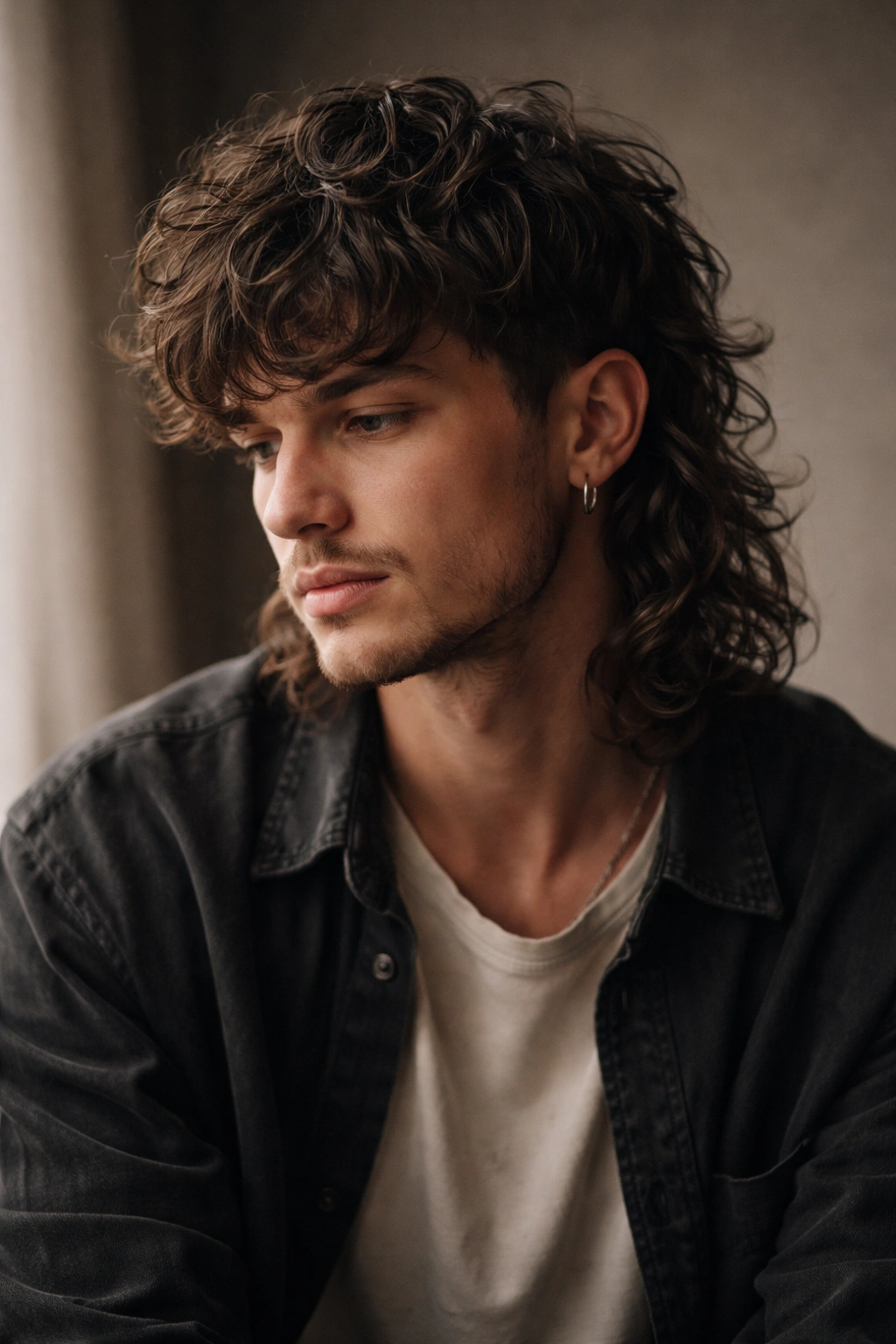
A wavy mullet is genuinely bold — it’s a haircut that announces your presence and your willingness to take style risks. Whether you’re drawn to the subtle, textured version or the dramatic, shoulder-length statement version, there’s a wavy mullet variation that fits your personality and lifestyle. The key is finding the version that speaks to you and committing to the maintenance required to keep it looking intentional rather than accidentally unkempt.
Before booking your appointment, really think about how much styling and maintenance you’re genuinely willing to do. Some versions require daily heat styling and products, while others work well with just texturizing spray and your natural texture. Show your stylist photos of the exact version you want, talk honestly about your hair type and daily styling commitment, and be prepared for the reality that growing out a mullet involves an awkward in-between phase.
A wavy mullet works because it combines structure with softness, edge with romance, and retro appeal with modern styling. It’s a conversation-starting, confidence-building haircut that signals you have your own aesthetic vision and the courage to pursue it. If that sounds like you, schedule that consultation and get ready to turn serious heads.
