



The butterfly cut has become one of the most sought-after hairstyles for people wanting movement, dimension, and effortless style. What makes this cut so special is the way the layers open and close like butterfly wings, creating incredible shape and texture that works beautifully with wavy hair. The shorter versions of this cut are particularly versatile — they’re practical enough for everyday wear, bold enough to make a statement, and flattering across most face shapes when styled correctly.
If you’ve been scrolling through photos wondering which butterfly cut variation would actually look good on you, this guide breaks down 16 different approaches to this trend. Each style has its own personality, styling requirements, and best-suited hair texture. Whether you’re drawn to romantic and soft, choppy and edgy, or somewhere in between, there’s a short wavy butterfly cut here that’ll feel like it was designed specifically for your face and lifestyle.
1. Textured Shoulder-Length Butterfly Cut with Layers
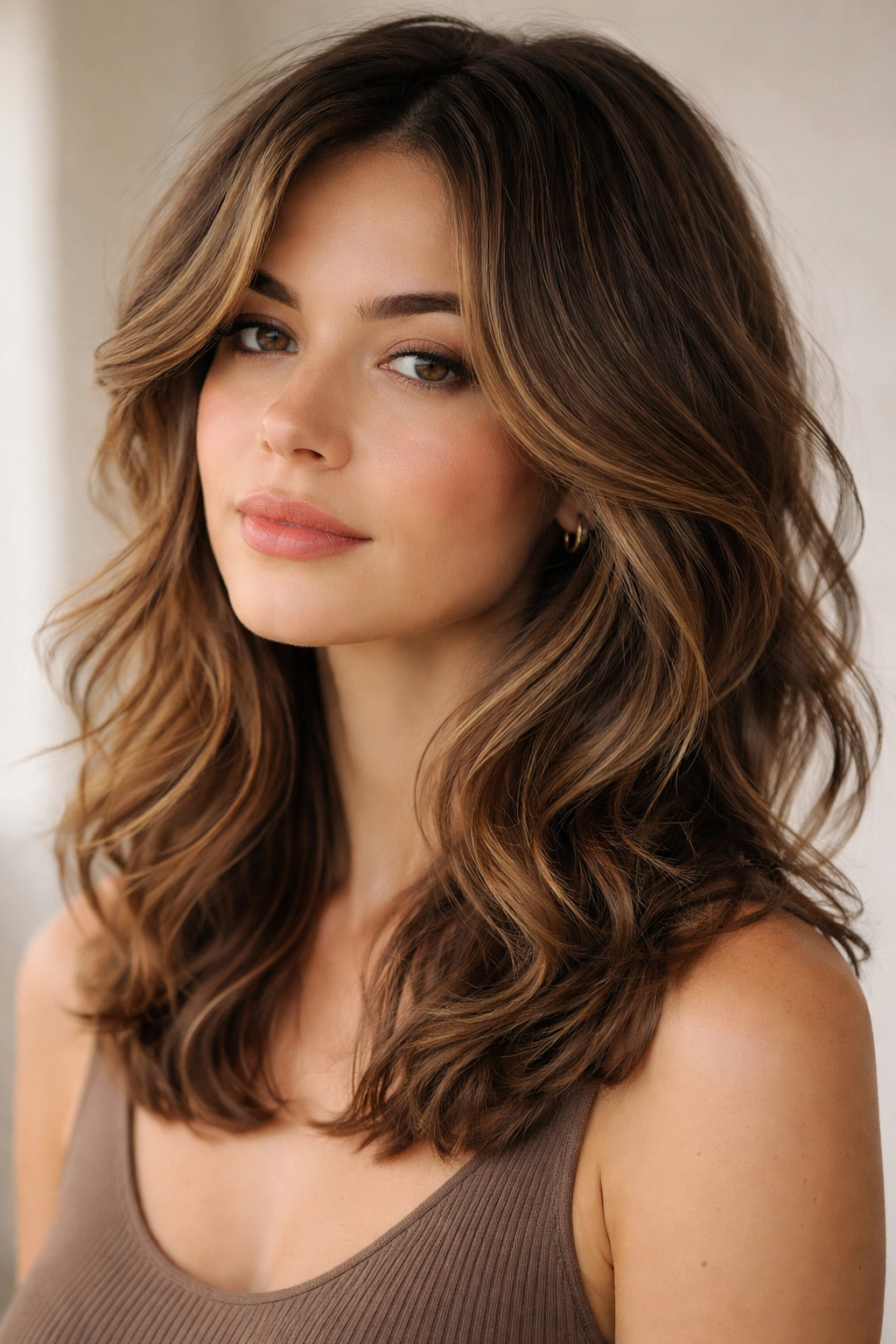
This is the goldilocks version of the butterfly cut — long enough to feel like a substantial change, short enough to give you that modern, managed feeling. The layers start around the chin and gradually deepen as you move toward the nape, creating natural separation that makes waves look intentional rather than accidental.
Why This Style Works for Most Hair Types
The shoulder-length placement gives you enough hair to create visual weight and dimension without the daily styling demands of longer hair. The layers are positioned to catch and enhance your natural wave pattern rather than fight against it. This cut actually improves the health of wavy hair because you’re removing the heavy, damaged ends that drag waves down and flatten them.
Key Features to Ask Your Stylist For
- Layers starting at the jawline and continuing through the back
- Slightly longer pieces in the front to frame the face
- Choppy, piece-y texturing throughout rather than blunt lines
- Longer length at the nape to keep the overall shape grounded
- Soft, face-framing layers that hit around the cheekbones
Pro tip: This cut looks best when you get it trimmed every 6-8 weeks to maintain the layer structure, since wavy hair shows bluntness and split ends way more obviously than straight hair.
2. Wavy Pixie-Butterfly Hybrid Cut
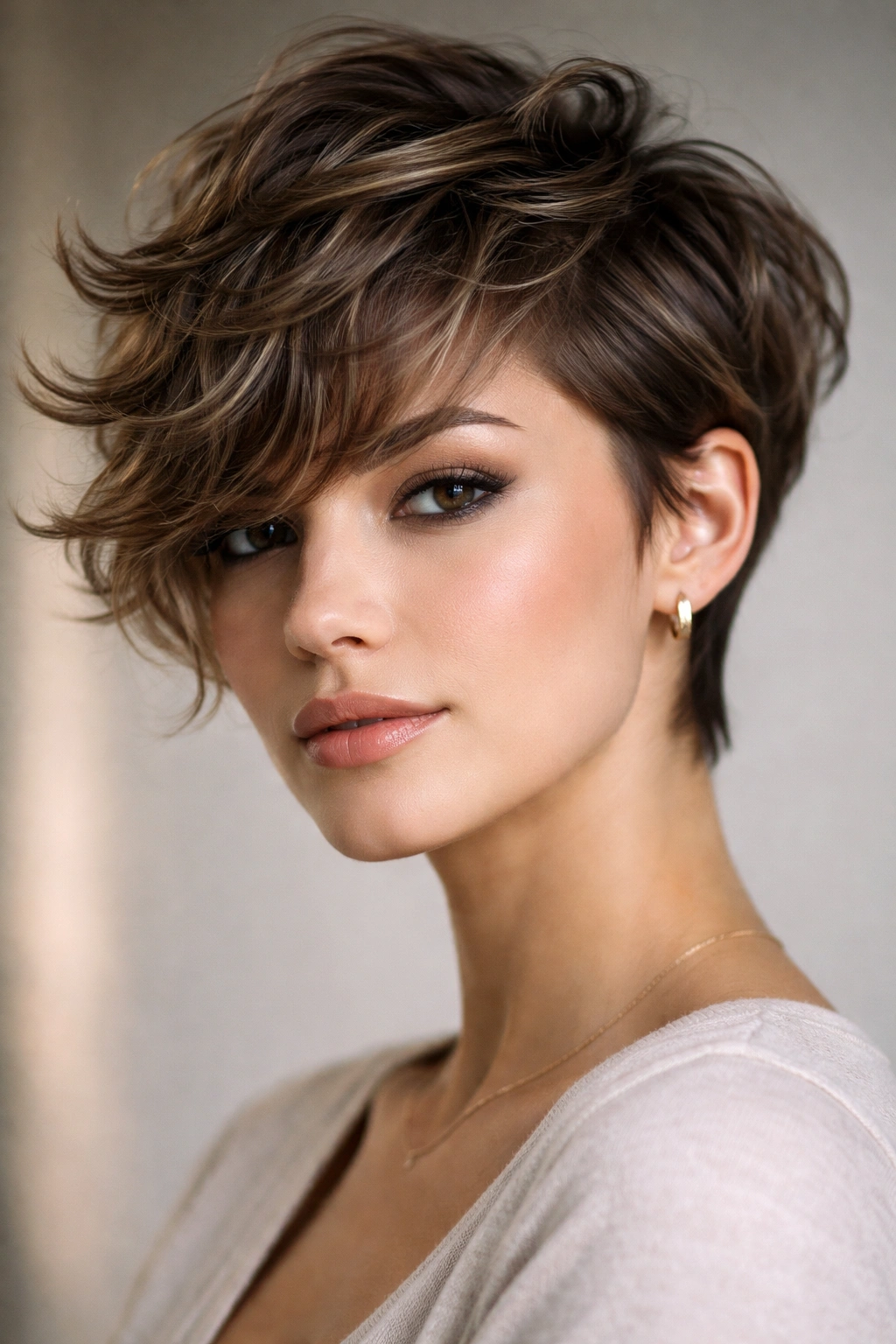
This is for the person who wants the boldness of a pixie but the wearability and femininity of a butterfly. The sides and back are cut significantly shorter — think 1 to 2 inches on the sides, 2 to 3 inches in the back — while the crown and front sections keep enough length to create those signature butterfly layers.
The Confidence Factor
This cut requires comfort with shorter hair and a willingness to style it intentionally. It’s not a wash-and-go style; you’ll want to use a blow dryer and some texture cream to shape it properly. The reward is a cut that looks modern, sophisticated, and incredibly cool — the kind of cut that makes a real statement about who you are.
Styling and Maintenance Needs
- Requires blow drying 3-4 times per week for shape
- Use a lightweight texturizing spray or sea salt spray for hold
- You’ll need trims every 4-5 weeks to keep the pixie sections clean
- Works best on people who are willing to engage with their hair daily
- Pairs beautifully with undercut details like shaved lines or designs
Worth knowing: This cut can look even more striking with a fade or gradient undercut on the sides, which adds extra visual interest and modern edge.
3. Choppy Wavy Butterfly with Face-Framing Layers
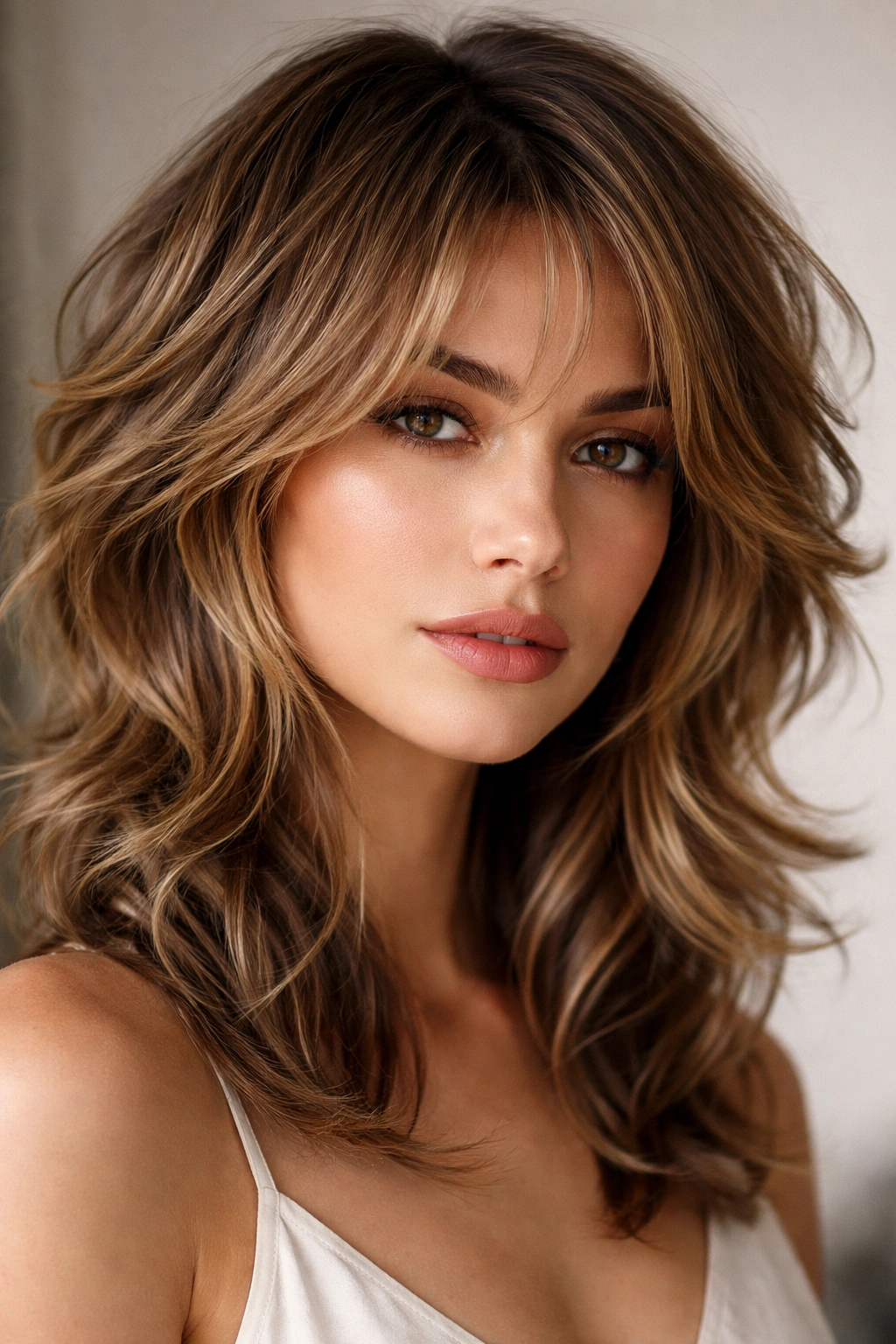
Choppiness is the secret to making a wavy butterfly cut feel intentionally textured rather than just randomly layered. This version uses razor-cut techniques to create distinct, sharply separated pieces throughout, with extra emphasis on the face-framing sections that sit right at your cheekbones.
Why the Choppy Texture Matters
When layers are blunt, wavy hair can look bulky and shapeless. Choppy, razor-cut layers actually lighten the hair because the texture breaks up density. The shorter wavy pieces can move independently, which makes the whole cut feel bouncier and more alive. It’s the difference between a haircut that sits there and one that actually feels dynamic.
The Visual Effect You’re Creating
- Pieces that jut out at slightly different angles
- A shaggy, undone aesthetic that’s deliberately styled
- More definition in the layers so each wave reads clearly
- Volume that comes from texture, not from blunt weight
- A slightly tousled look even when freshly styled
Insider note: Choppy layers are less forgiving if you skip styling — they can look matted or flat without product and blow drying, so commit to the styling routine before choosing this version.
4. Soft Wavy Butterfly with Side-Swept Bangs
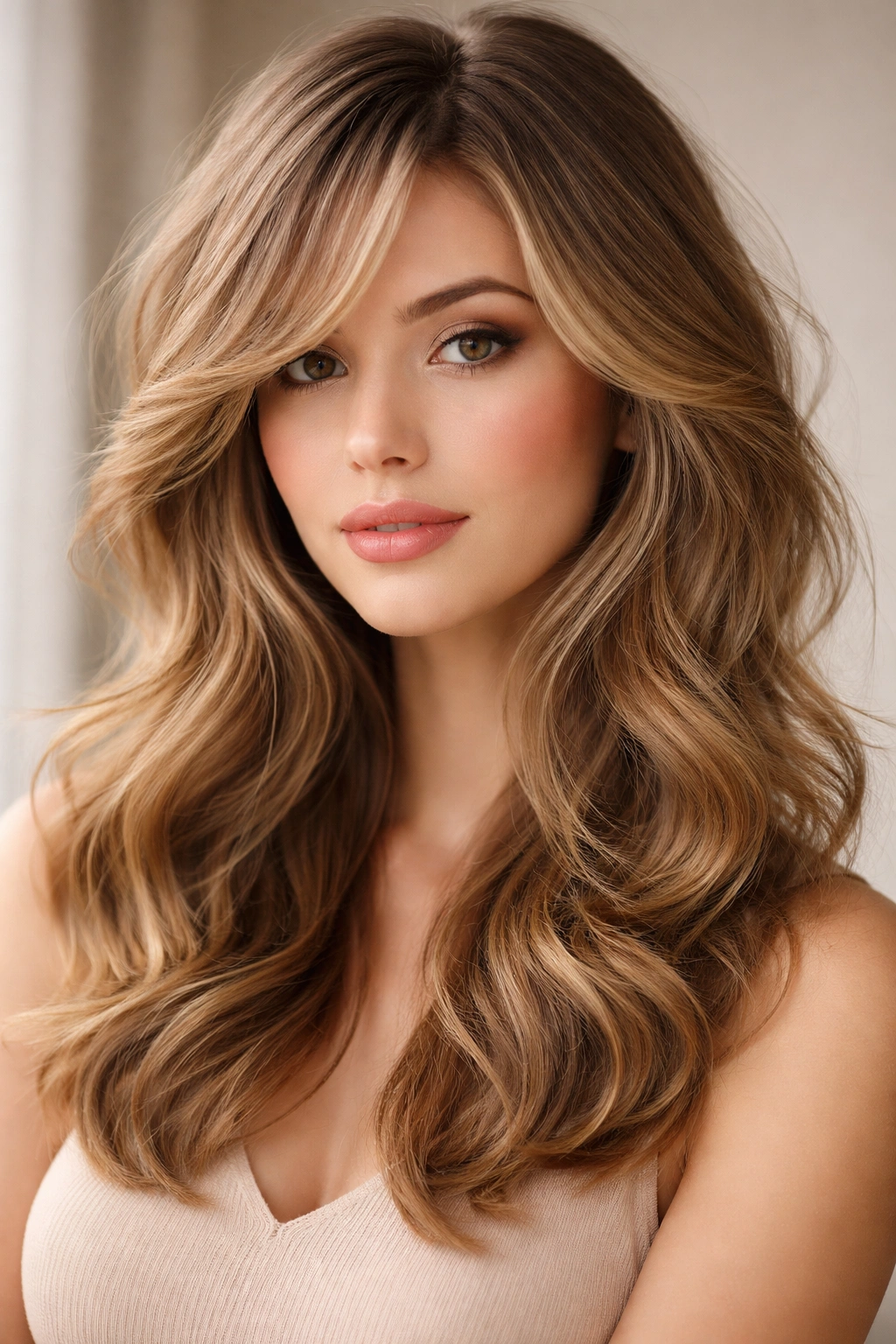
This variation softens the butterfly structure with side-swept bangs that blend seamlessly into the layers. The bangs start long on one side (hitting around the eye) and gradually blend into the rest of the cut as you move backward, creating an intentional, directional flow.
Why Bangs Change Everything
Bangs immediately soften a face and add a romantic, vintage-inspired feel. On a wavy butterfly cut, side-swept bangs also serve a practical purpose — they frame the face and give you a specific section to style and shape. Rather than relying solely on loose waves, you have a defined element that anchors the whole look.
Styling the Bangs Successfully
- The bangs need to be blow-dried with a brush to set the side sweep
- They’ll need trimming more frequently than the rest of the cut — every 3-4 weeks
- Use a texturizing cream to encourage the sweep rather than fight against it
- The longer, blended style works better with natural waves than blunt bangs
- This style requires commitment to a morning styling routine
Pro tip: If you’re nervous about committing to bangs, try this cut with “grown-out” side-swept bangs that are longer and easier to blend out if you change your mind.
5. Voluminous Curly Butterfly Cut
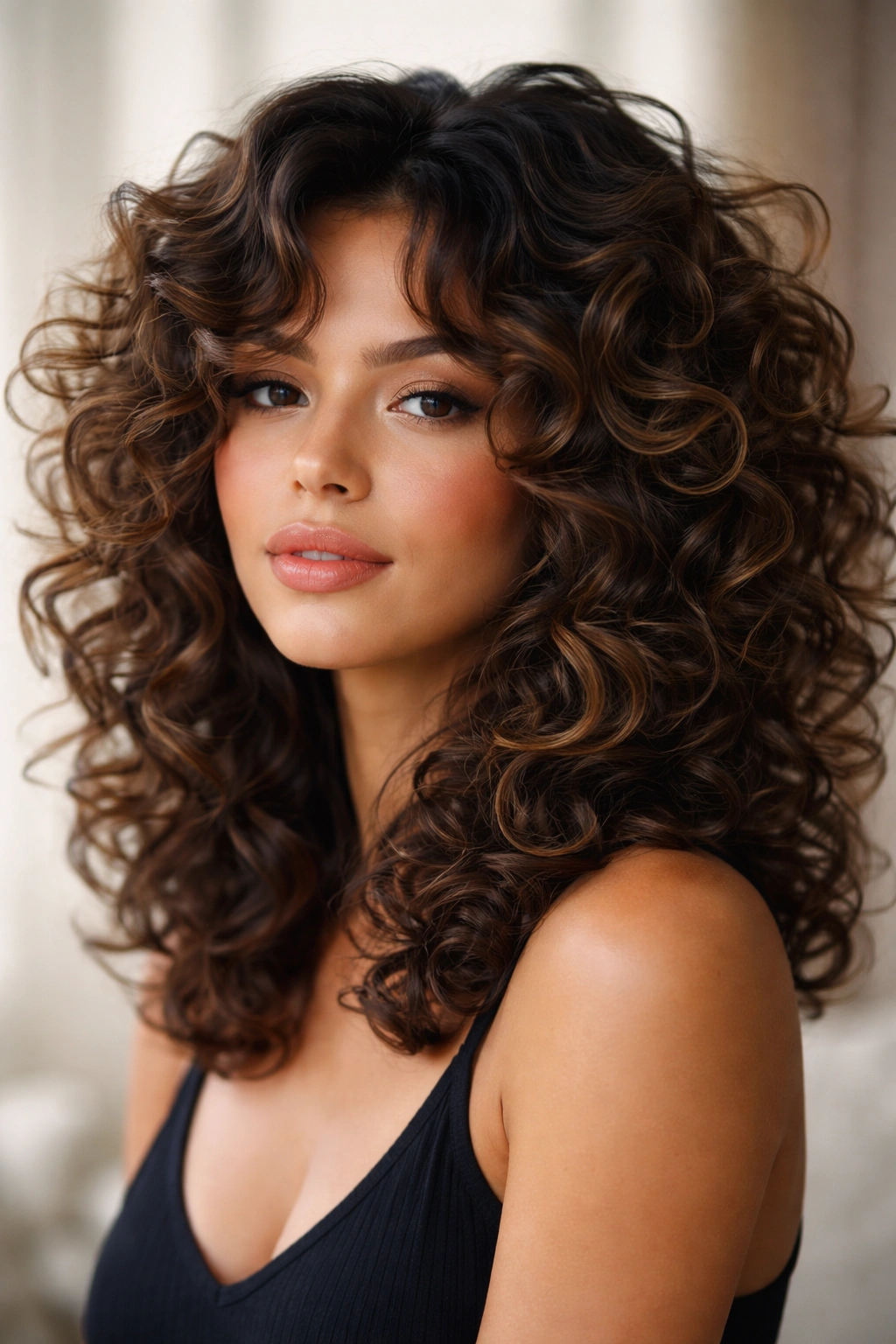
This is the butterfly cut optimized specifically for people with naturally curly hair. The layers are cut into the curl pattern itself rather than against it, which means each layer works with your texture to create volume exactly where you want it.
How Curl Pattern Changes the Approach
Straight-hair cutting techniques don’t work for curly hair — you’ll end up with frizz, bulk, and a shape that disappears when you wear your hair curly. A good curly cut layers on your wet, curly hair (or at least examines the curl pattern closely) so the stylist understands how much shorter each section will be once the curls fully form. The butterfly structure still works; it just requires different technical execution.
What to Communicate to Your Stylist
- Show your stylist your natural curl pattern — wet and unstyled
- Ask for layers that work with your curls, not against them
- Request longer layers on the crown to avoid a mushroom shape
- Discuss whether you want the cut to work for curly and straight styling
- Plan for more frequent trims (every 6 weeks) since curly hair shows uneven lengths quickly
Worth knowing: This cut looks stunning when you embrace your natural curl texture, but if you plan to blow-dry it straight regularly, ask your stylist for a cut that works for both applications.
6. Tousled Wavy Butterfly with Undercut Details
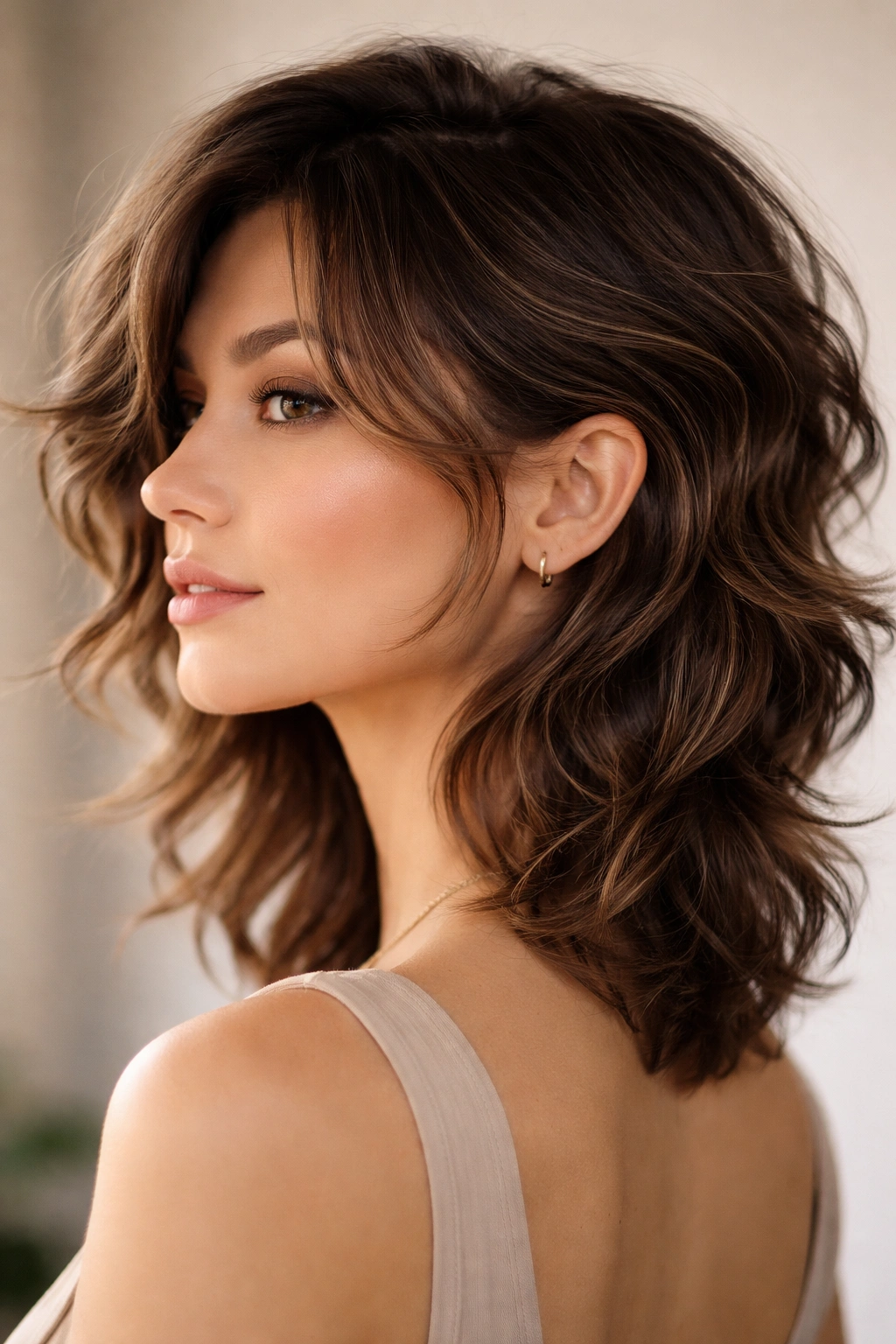
This version adds subtle undercut sections — usually hidden behind the longer top layers — that reduce bulk while creating a light, airy silhouette. You might have clipped-shorter sections at the nape or behind the ears that aren’t visible when your hair is down but create incredible shape and movement.
The Purpose of the Undercut Structure
Undercuts serve multiple purposes in a wavy butterfly cut. They remove weight that would drag waves down and flatten them. They create separation between layers so waves can move independently. They also give you styling versatility — you can wear your hair down and wavy, or push it back to show the undercut for a completely different look.
Types of Undercut Details to Consider
- A narrow, clipper-faded undercut at the very nape
- Tapered sides that blend the undercut into the longer layers
- Hidden shaved details (designs, lines) that only show if you put your hair up
- Shorter sections behind the ears for a lighter feeling around the face
- A disconnected undercut that’s very visible when styled up or back
Insider note: If you love this concept but are nervous about commitment, start with a very subtle undercut that’s mostly hidden. You can always go bolder next time if you love the effect.
7. Romantic Wavy Butterfly with Long Bangs
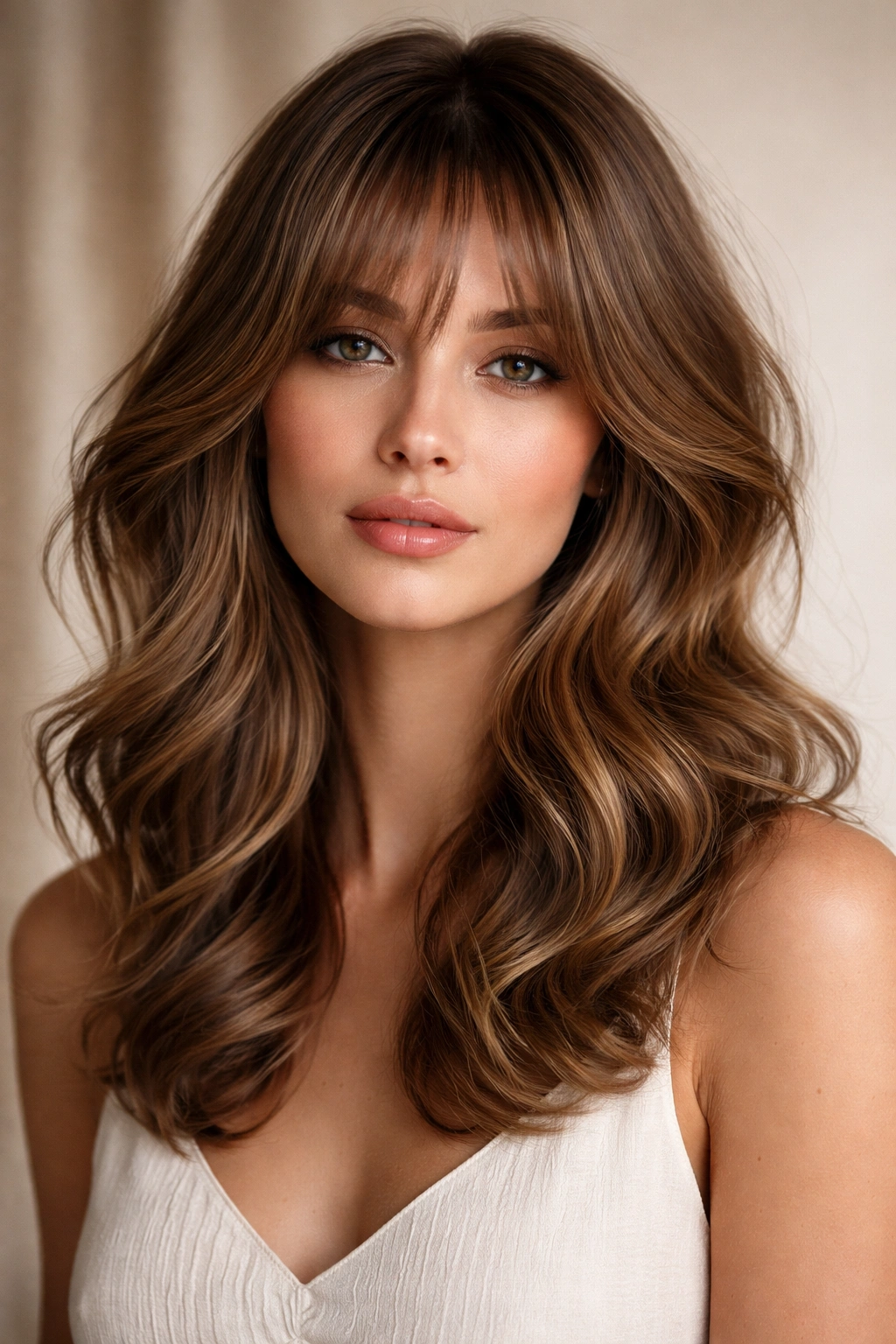
This style embraces the feminine, vintage-inspired side of the butterfly cut. The overall length stays around shoulder-length, but the bangs are longer and blended — hitting closer to the lips than the eyes. The whole aesthetic is softer, more intentionally styled, less edgy.
The Styling Philosophy
This cut assumes you’ll style it intentionally rather than wearing it tousled and undone. You’re probably blow-drying your waves with a round brush, using a texture spray, and taking time with your appearance. It’s not a low-maintenance cut, but it rewards that effort with an incredibly polished, put-together appearance.
Achieving the Romantic Aesthetic
- Longer bangs that blend seamlessly into the face-framing layers
- Soft, feathered layer lines rather than choppy separation
- Overall length that skims the shoulders
- Waves that are styled with intentionality, not left natural and messy
- Often pairs well with side-parting that enhances the frame
Pro tip: This style photographs beautifully and looks especially flattering for special occasions, but it does require 15-20 minutes of styling time most days.
8. Modern Wavy Butterfly with Shaggy Layers
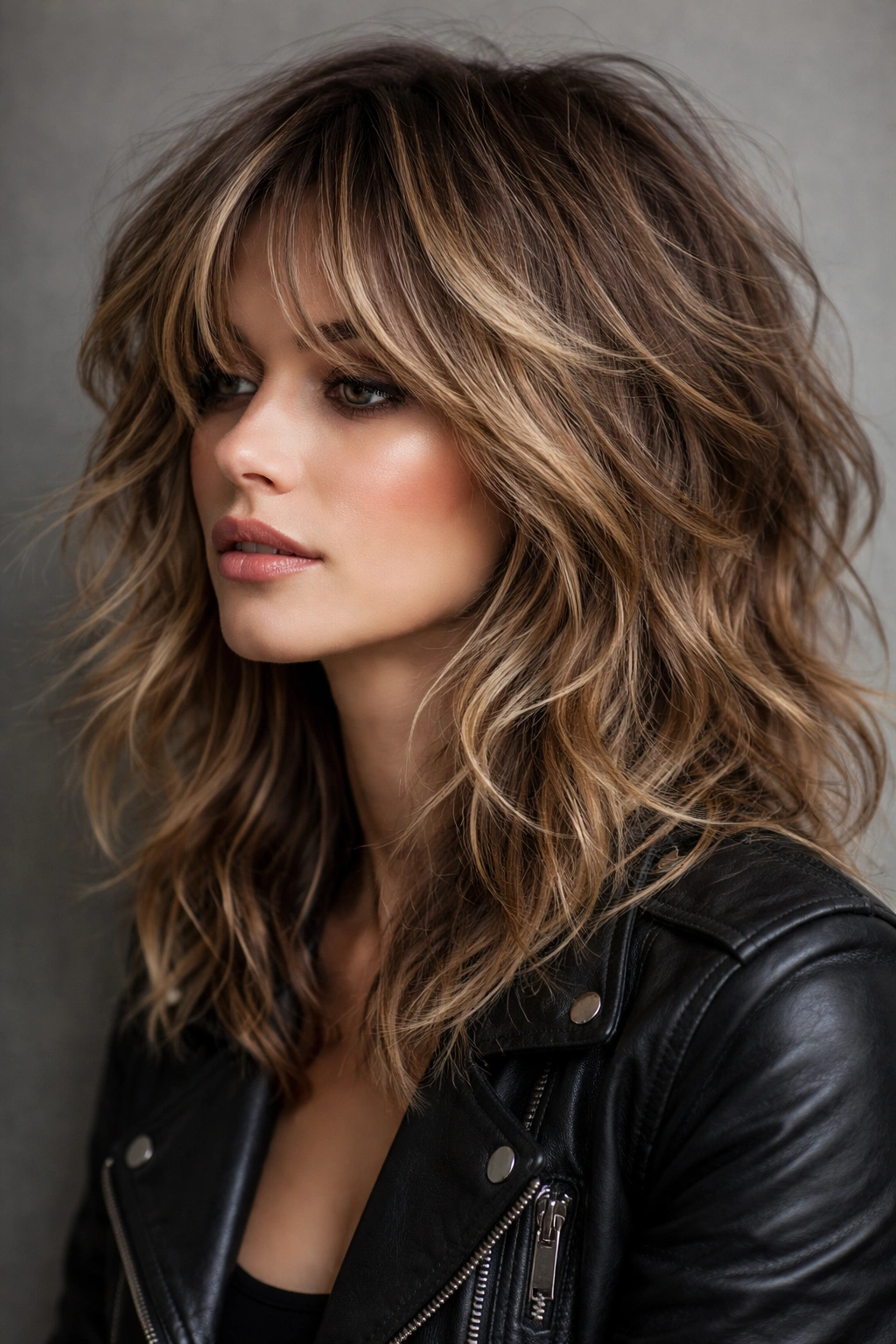
This version brings back shag energy into the butterfly structure. Shag layers are shorter and more numerous throughout the cut, creating a deliberately undone, rock-and-roll aesthetic. It’s choppy without being sharp; tousled without being messy.
Why Shag Works with Butterfly Structure
Shag and butterfly are actually natural partners. Both styles use layers extensively, and both create movement and texture. The shag approach just pushes the butterfly concept toward maximum texture and minimum polish. It’s perfect if you want a cut that looks good slightly undone and doesn’t require meticulous styling.
The Shag Butterfly Character
- More layers throughout than a traditional butterfly
- Shorter layers in the crown area for volume and texture
- A deliberately messy, tousled aesthetic
- Works beautifully with bed-head texture and minimal styling
- Often includes longer pieces in the front and shorter in the back
Worth knowing: This cut works best on people who are okay with a slightly wild aesthetic. If you need your hair to look polished and neat, this might feel too undone.
9. Sleek Wavy Butterfly with Blunt Front Layers
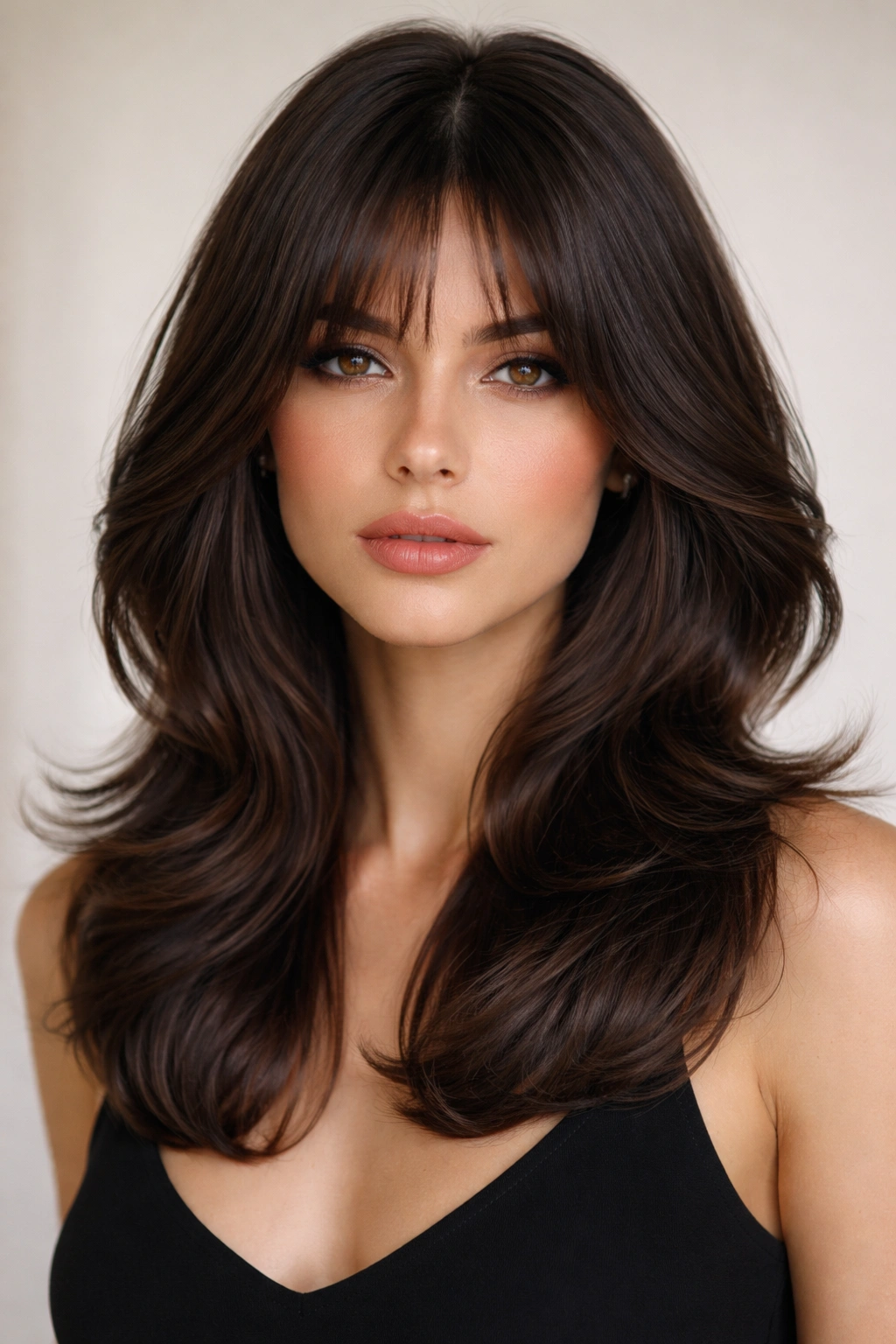
This is the more structured, less romantic version of the butterfly cut. The front layers are blunt-cut rather than feathered or choppy, hitting your face at a specific, defined line. The back remains layered for movement, but the front has intentional geometry.
Why Blunt Fronts Create Different Energy
Blunt layers feel more modern and architectural than feathered ones. They read as a more deliberate style choice rather than soft and romantic. This cut works beautifully if you want to create a strong frame around your face or if you’re drawn to sharper, more defined hairstyles.
The Blunt-Layered Combination
- Clean, blunt-cut lines in the front layers
- Softer, more feathered layers in the back and crown
- A modern, slightly androgynous aesthetic
- Works particularly well on angular or longer face shapes
- Requires precision cutting to look intentional rather than uneven
Pro tip: This cut can look stunning sleek and smooth or tousled and wavy, giving you styling versatility depending on the occasion.
10. Feathered Wavy Butterfly Cut
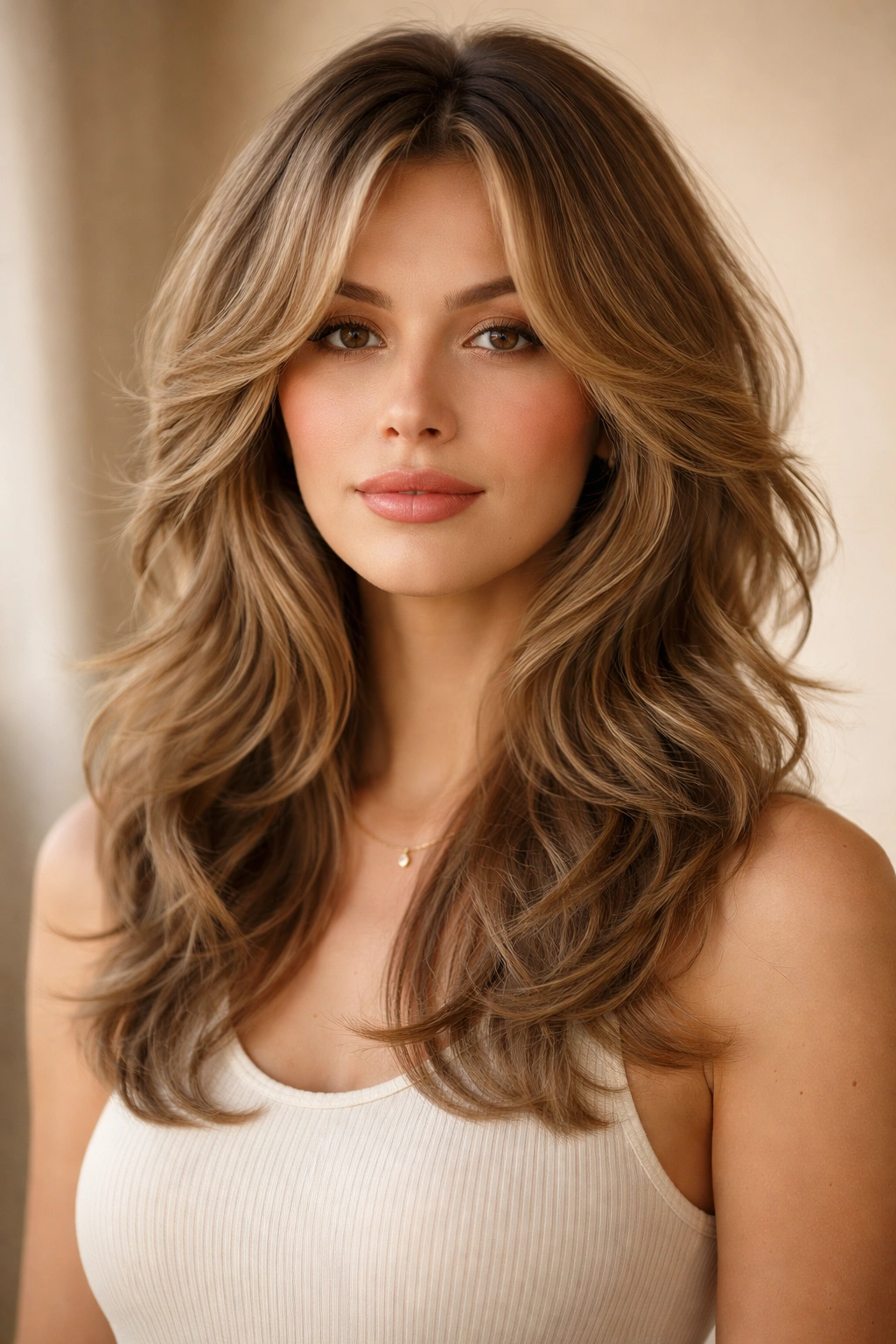
Feathering is a cutting technique that creates very soft, blended layer lines where the shorter layers gradually taper into the longer ones. This version of the butterfly emphasizes feathering throughout, creating a seamless, blended shape.
The Feathered Technique Explained
Rather than creating distinct separation between layers (like choppy cuts), feathering blends the layers so they work as one cohesive shape. Each layer is slightly longer than the one above it, so the transition is smooth and gradual. This technique requires serious skill and precise execution from your stylist.
Why Feathering Matters
- Creates visual softness and romance
- Blends layers so they work together rather than separately
- Makes the cut look intentionally styled and polished
- Takes longer to grow out without looking shaggy
- Requires a stylist who truly understands feathering technique
Insider note: If you find a stylist who does feathering beautifully, hold onto them. This technique is genuinely hard to execute well, and the difference between excellent feathering and mediocre feathering is huge.
11. Textured Wavy Butterfly with Shorter Sides
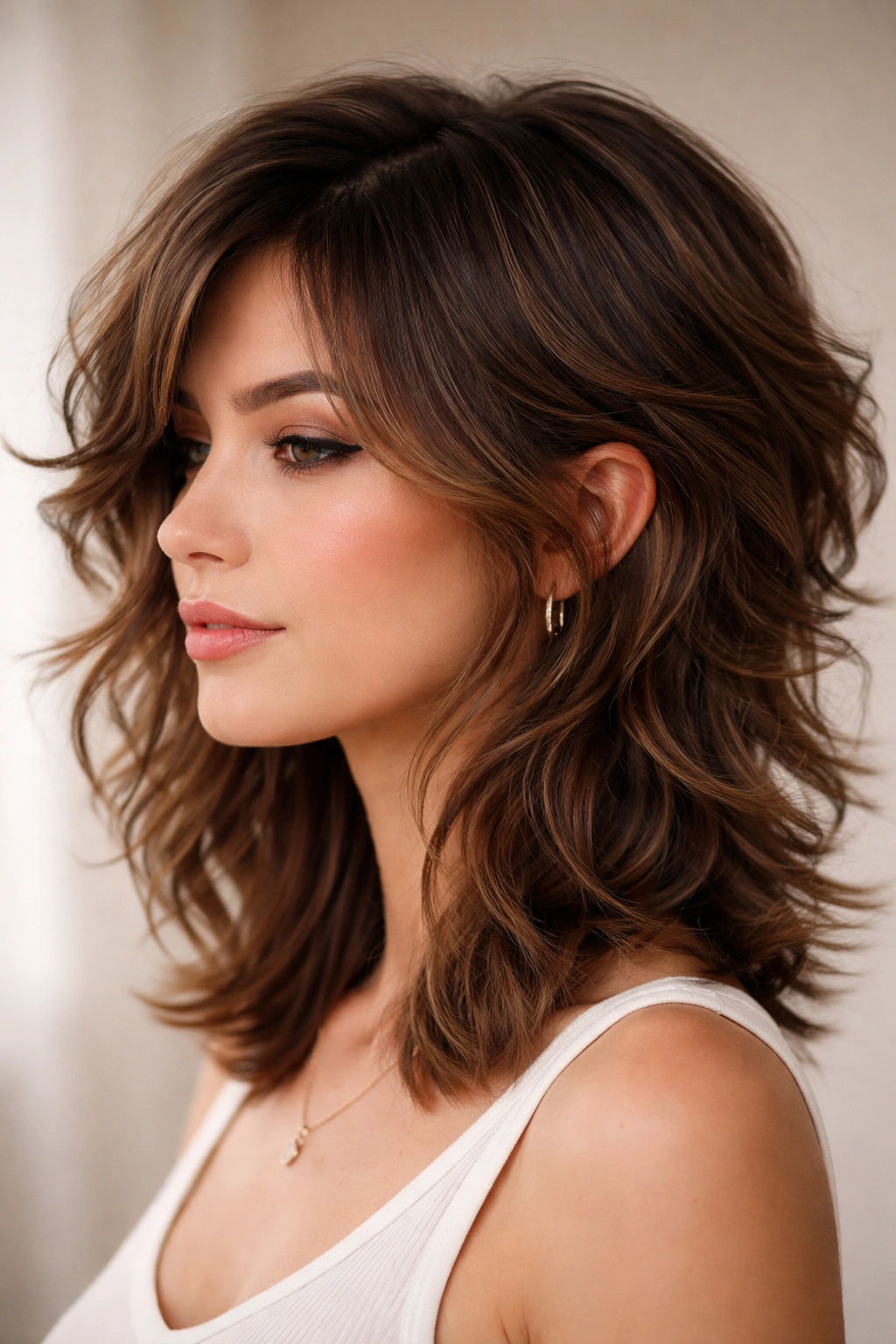
This version creates visual emphasis on the longer pieces by drastically shortening the sides. The sides might be 2-3 inches (styled back or swept behind the ears), while the front and crown stay longer at 4-6 inches, creating a bell-shaped or rounded silhouette.
Why Shorter Sides Change the Overall Silhouette
Shorter sides immediately create a narrower appearance and make the face feel more defined. The contrast between short sides and longer top/front creates visual drama and a modern aesthetic. This approach works especially well if you’re trying to create a rounder shape or frame an angular face.
The Proportional Differences
- Sides cut significantly shorter than front and crown
- Back gradually transitions from the sides’ length to the longer crown
- Front pieces remain long enough to frame the face
- Creates an almost disconnected look rather than a blended transition
- Works beautifully with visible undercuts or fades
Pro tip: This style needs to be trimmed more frequently because the sides will grow out faster than the longer pieces, throwing off the proportions.
12. Wavy Butterfly Cut with Curtain Bangs
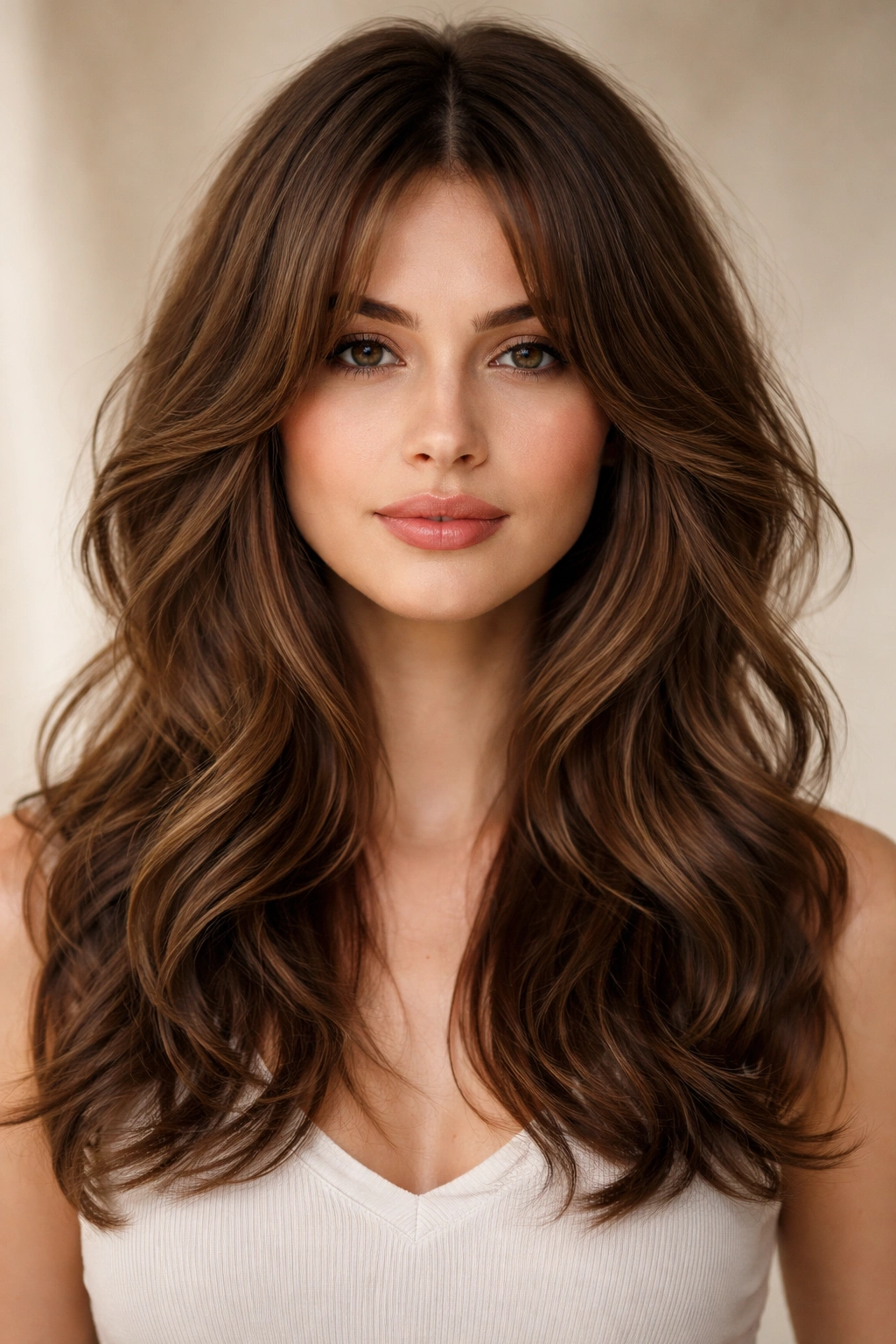
Curtain bangs are longer, parted-down-the-middle bangs that frame both sides of the face. On a wavy butterfly cut, they create a soft, vintage-inspired focal point while the layers behind them add movement and dimension.
Why Curtain Bangs Feel Romantic
There’s something inherently flattering and feminine about curtain bangs — they frame the face, soften the forehead, and create a gentle focal point. They also work with virtually any face shape because they’re not blunt and severe; they’re soft and directional.
Styling Curtain Bangs Successfully
- They need blow-drying to set the center part
- Use a round brush to create gentle waves in the bangs themselves
- They require trimming every 4-5 weeks to maintain the style
- They work best on people willing to do a minimal styling routine
- Pair beautifully with wavy hair because the texture already supports the movement
Worth knowing: Curtain bangs can look slightly hippy or dated if they’re not styled with intentionality. Blow-dry them with a center part and gentle waves to keep them feeling current.
13. Tousled Wavy Butterfly with Razored Edges
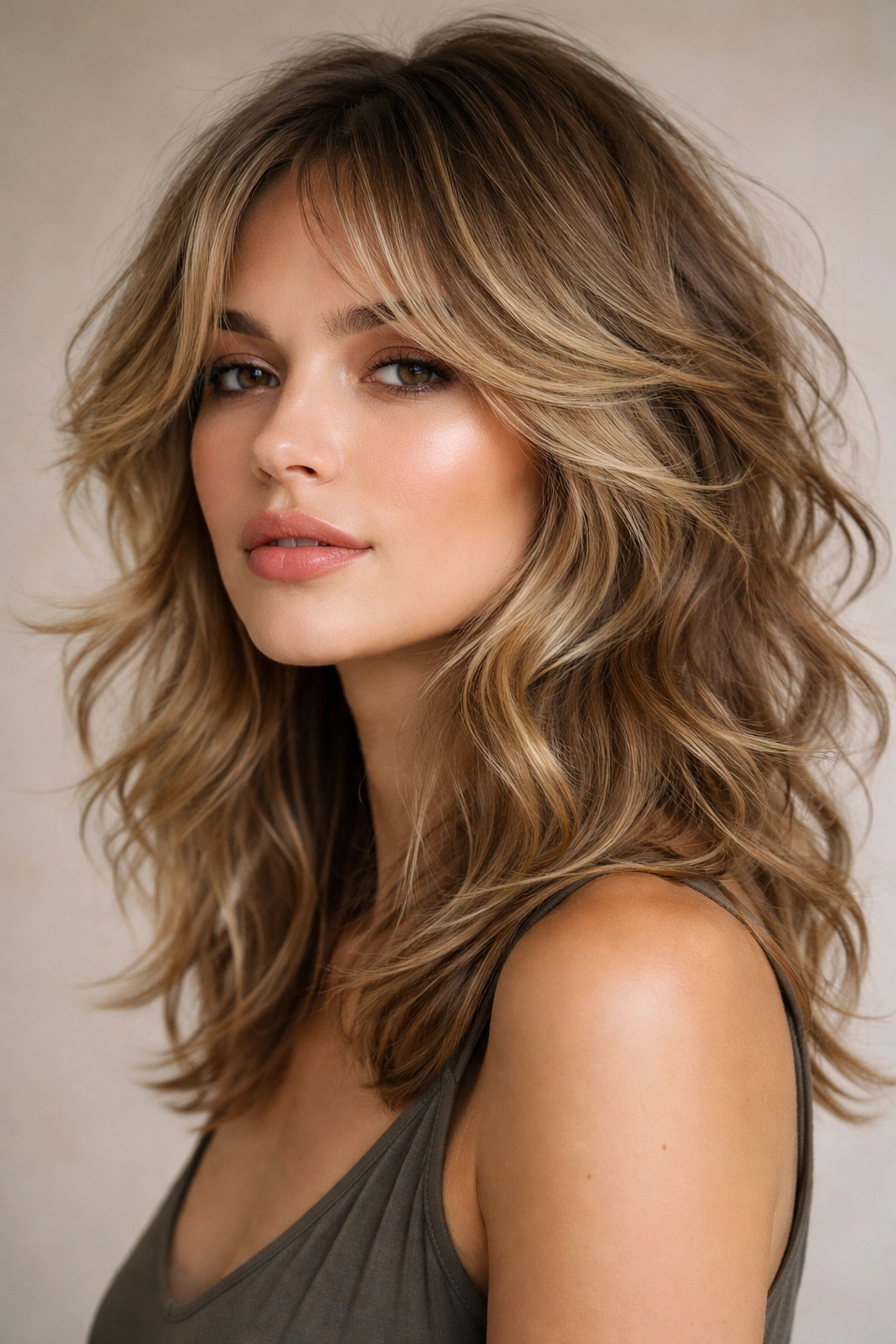
Razoring is a cutting technique that creates super sharp, defined separations between layers. This version uses razoring extensively, especially on the edges and outer layers, creating a piecey, disconnected aesthetic that looks intentionally undone.
What Razored Edges Actually Do
Razoring creates a lighter, airier texture than blunt cutting because the technique creates very thin, sharp lines between sections. This works beautifully with wavy hair because it allows individual pieces to move and wave independently. The downside is that razored edges can sometimes create frizz, especially on very textured hair.
The Aesthetic of Razored Layers
- Very defined, sharp separation between pieces
- A lightweight, airy silhouette
- Visible texture and movement throughout
- An undone, effortless-looking aesthetic
- Works best on wavy to curly hair (not as good on straight hair)
Insider note: Razored cuts require more frequent trims (every 5-6 weeks) to maintain the sharpness. As they grow out, they can start looking shaggy rather than intentionally textured.
14. Soft Wavy Butterfly Cut with Honey Highlights
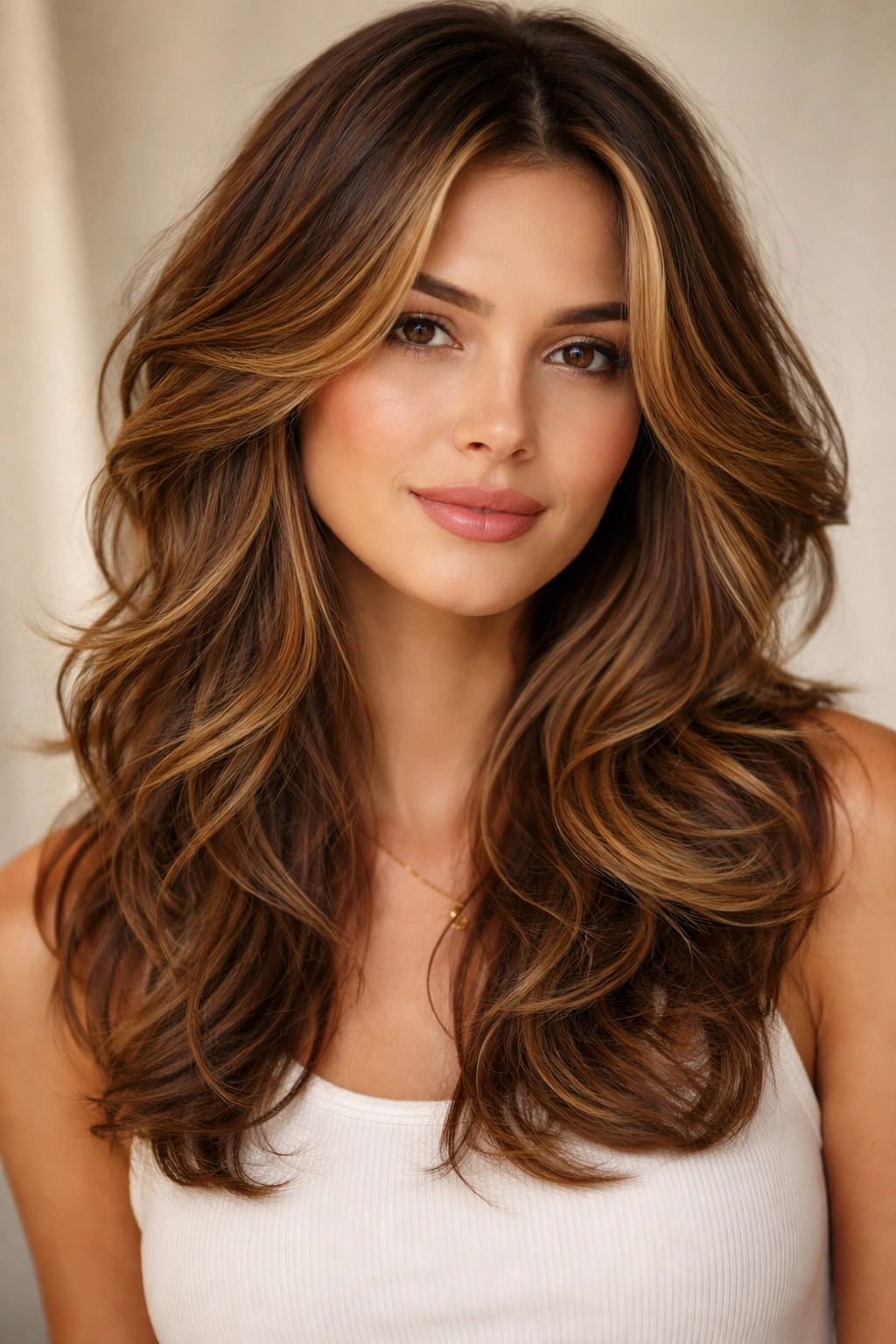
This version adds color dimension through honey, golden, or caramel highlights woven throughout the cut. The highlights follow the natural wave and layer pattern, making the movement even more visually interesting and adding dimension that makes the cut appear more textured.
How Color Changes Perception of the Cut
Highlights create visual separation and depth that makes a haircut appear to have more layers and movement than it actually does. Golden tones also warm up the face and create a softer, more romantic aesthetic. The combination of textured waves, a butterfly cut structure, and dimensional color creates a really striking overall appearance.
Highlight Placement Strategies
- Face-framing highlights that emphasize the forward layers
- Subtle, natural-looking hand-painted highlights rather than chunky streaks
- Warmer tones (honey, caramel, golden) that enhance wave texture
- Highlights that follow the layer pattern to emphasize movement
- Blend darker roots with lighter mid-lengths for a lived-in feeling
Pro tip: This look requires a stylist who understands how color interacts with textured, layered hair. Ask to see before and after photos of their highlighted curly/wavy work.
15. Short Wavy Butterfly with Asymmetrical Layers
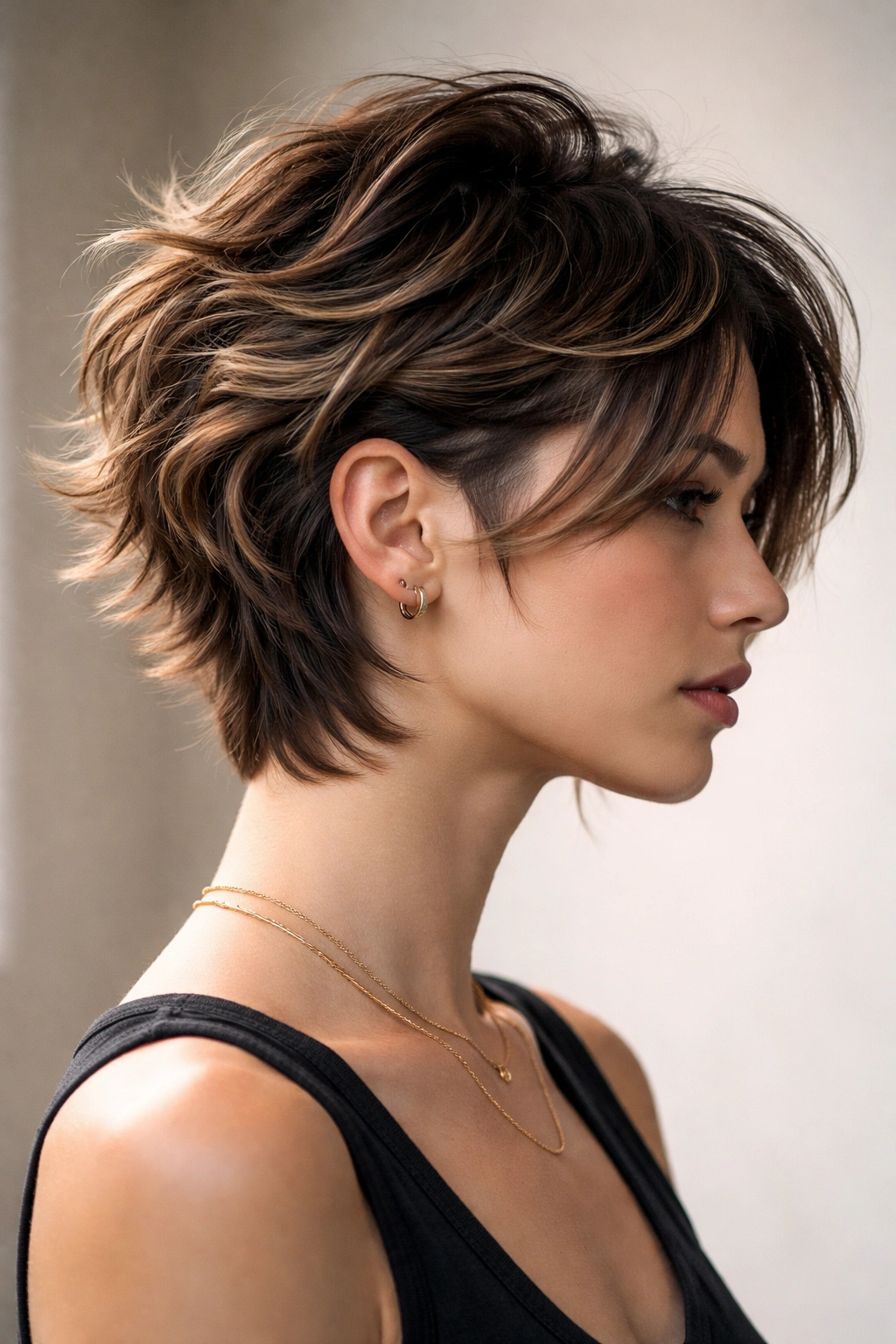
Asymmetrical means the cut is intentionally uneven — one side is noticeably shorter than the other, or the layers are staggered differently on each side. This creates visual interest and a modern, slightly edgy aesthetic.
Why Asymmetry Feels Modern
Symmetry feels classic and balanced. Asymmetry feels intentional, artistic, and contemporary. An asymmetrical butterfly cut challenges traditional beauty standards and creates a look that’s undeniably current and cool. It’s particularly striking when paired with an undercut or texture that emphasizes the different lengths.
Asymmetrical Approaches
- One side significantly shorter (mullet-style asymmetry)
- Staggered layers that hit different lengths on each side
- A longer piece on one side, shorter on the other
- Asymmetrical bangs that hit different lengths
- Works beautifully with visible undercuts that emphasize the asymmetry
Worth knowing: Asymmetrical cuts require a skilled stylist who can think three-dimensionally about how the asymmetry will look from all angles. Bad asymmetry looks like a mistake; good asymmetry looks like high fashion.
16. Wavy Butterfly Cut with Face-Framing Waves
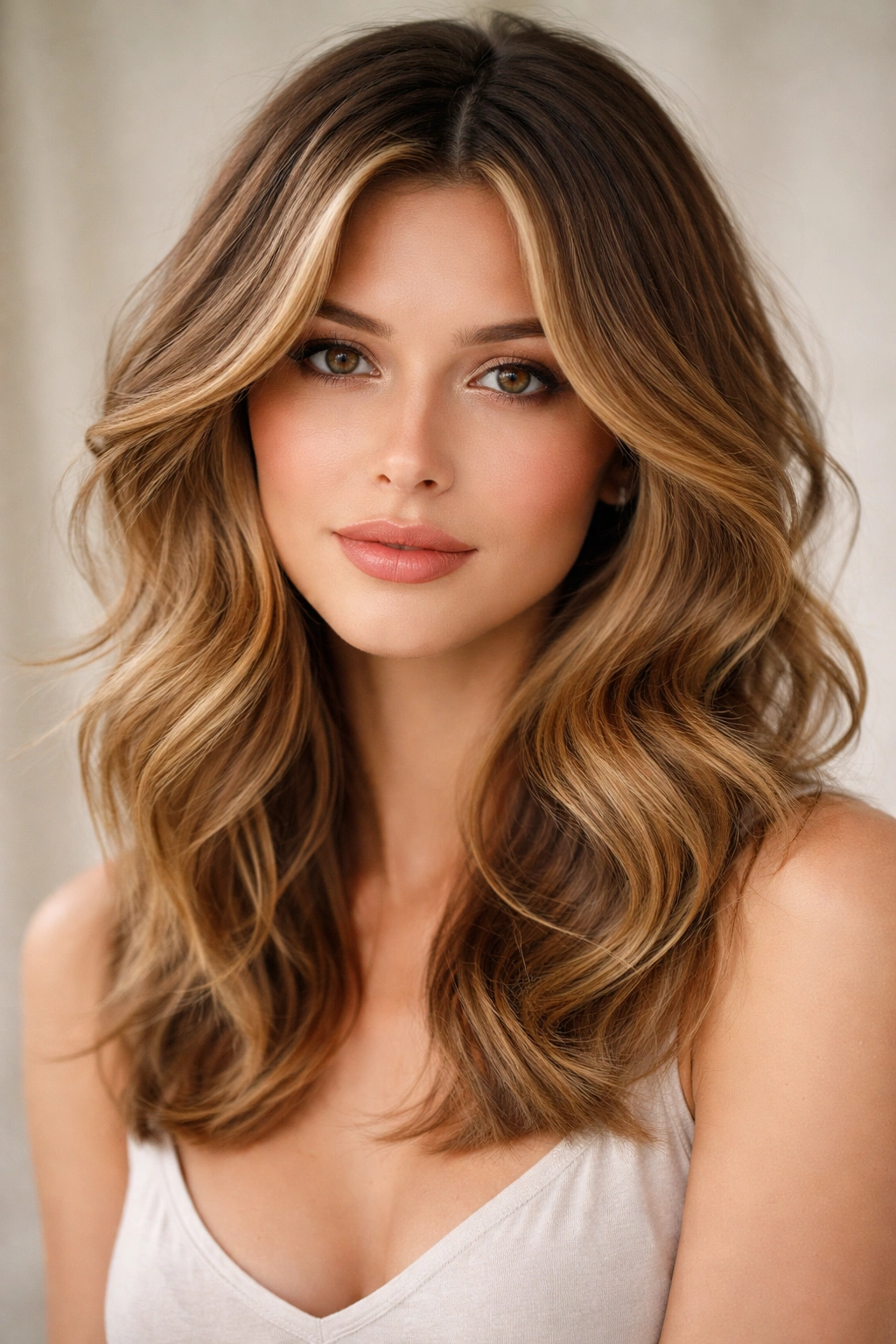
This is the purest, most romantic expression of the butterfly concept. The emphasis is entirely on creating soft, face-framing waves that literally curve around your face. The layers are designed specifically to enhance and support the wave pattern, especially the pieces closest to your cheekbones and jawline.
Creating Intentional Face Framing
Every layer in this cut is considered with the goal of creating waves that move around and frame your face beautifully. The front pieces are longer, the side pieces curve back, and the whole structure is designed to look soft and intentional rather than chaotic or undone.
The Face-Framing Philosophy
- Every layer is positioned to enhance how waves move around the face
- Front pieces are slightly longer to curve back and frame cheekbones
- Shorter pieces in the back and crown provide texture and volume
- Styling focuses on creating defined waves rather than just general texture
- Works beautifully with wave-enhancing products and techniques
Pro tip: This cut pairs beautifully with a root-touching scalp spray and a texturizing cream that enhances your natural waves rather than disrupting them.
Final Thoughts
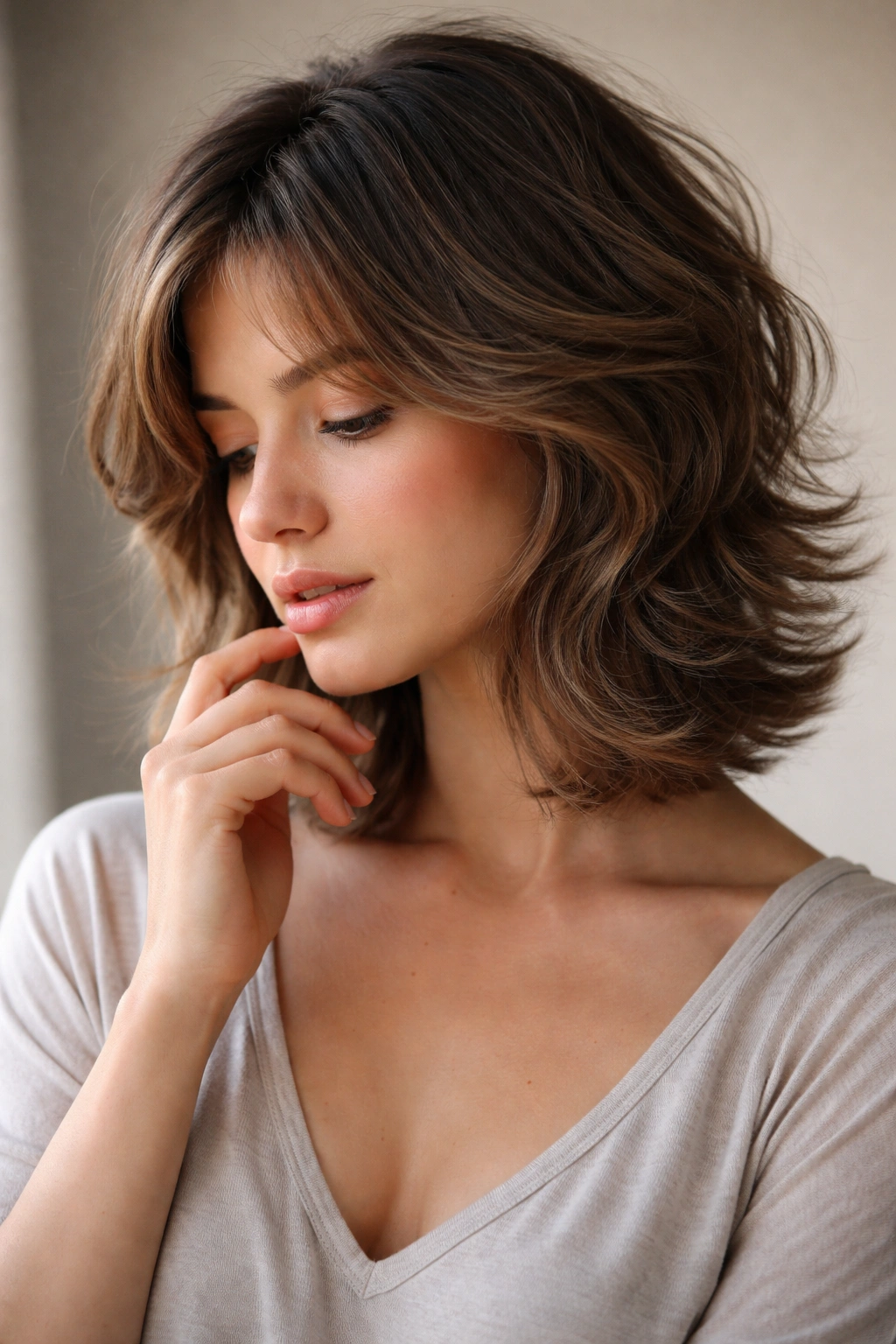
The butterfly cut is so appealing because it works with your hair’s natural texture rather than against it. Whether you choose something romantic and feathered, choppy and modern, or bold with an undercut, the underlying principle is the same: layering that creates movement, shape, and intentional texture.
The key to loving your butterfly cut is choosing the right variation for your actual hair texture, lifestyle, and styling commitment. A voluminous curly butterfly won’t work if you blow-dry straight. A romantic feathered version won’t feel right if you prefer low-maintenance, tousled styles. A shaggy version requires more styling time than most people realize.
Be honest with your stylist about how much time you’re willing to spend styling your hair, how often you’re comfortable getting trims, and what your daily hair routine actually looks like (not what you wish it were). The perfect butterfly cut is one that makes you feel like the best version of yourself while fitting realistically into your life.
