



Long wavy hair gives you the perfect canvas for creating dimension, movement, and personality through strategic layering. Whether you’re looking to add texture to naturally wavy strands or create the illusion of effortless waves with well-placed cuts, the right layered haircut can transform how your hair moves and how you feel about it. The challenge isn’t whether layers work with wavy hair — they absolutely do — but finding the specific cut that matches your hair texture, face shape, lifestyle, and how much styling effort you’re willing to invest.
The difference between a mediocre layered haircut and one that makes you feel confident every time you look in the mirror comes down to where those layers fall, how aggressively they’re cut, and whether the stylist understands how your particular wave pattern will interact with the cut over time. A layer that looks perfect when you walk out of the salon can completely change its behavior as your hair grows out — some layers blend seamlessly while others create flyaways or unwanted bulk. The right cut works with your hair’s natural tendencies instead of fighting against them.
What makes these 14 styles special isn’t just that they layer beautifully with long wavy hair. Each one approaches the canvas differently — some embrace choppy texture, others create soft seamless blending, some focus on strategic face-framing, and others use layers to enhance natural movement. Whether you want drama or subtlety, low-maintenance waves or a style that rewards daily styling, you’ll find something that matches your vision.
1. The Shag Haircut
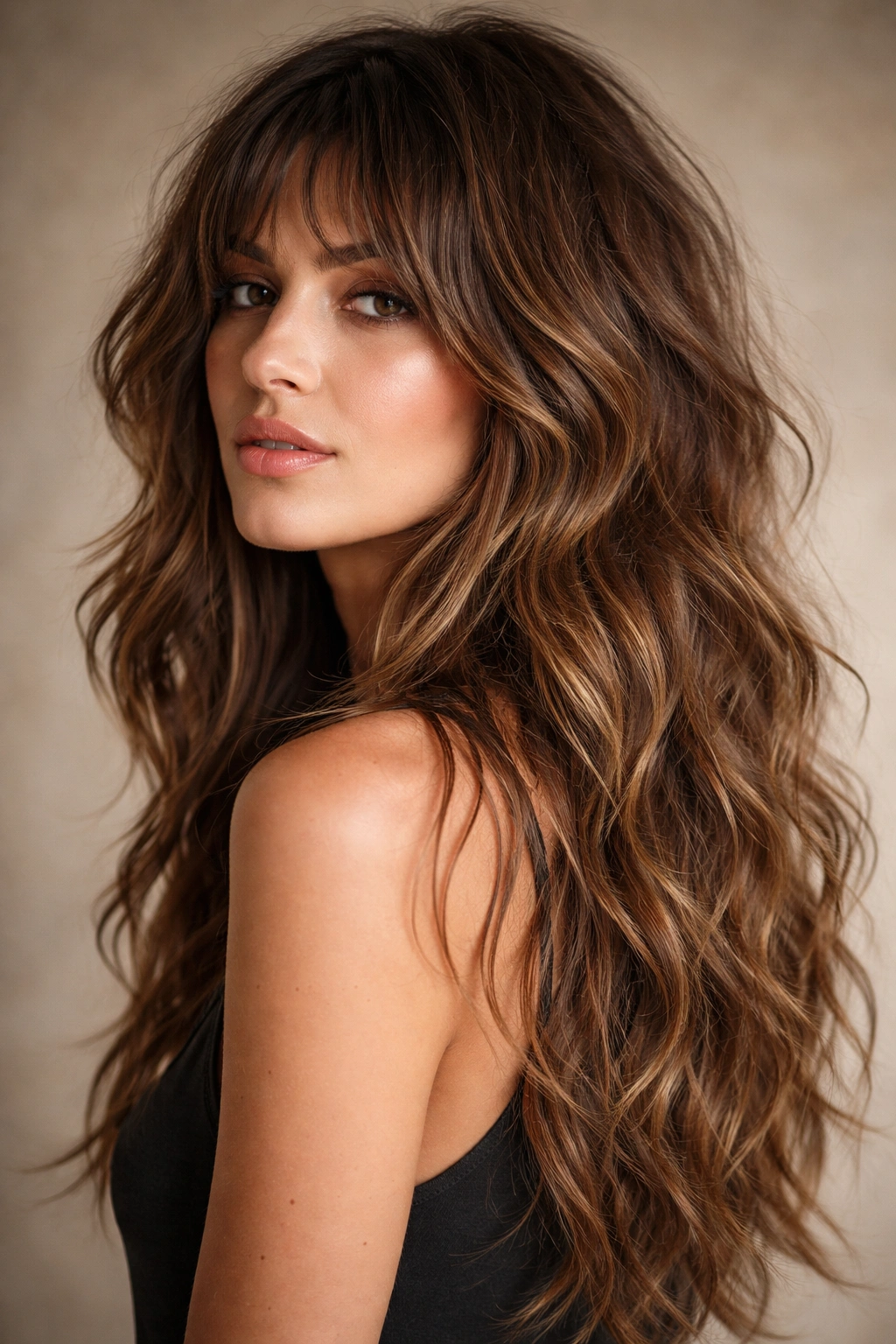
The shag is having a serious moment, and it’s absolutely perfect for long wavy hair because layers work in harmony with your natural texture rather than fighting it. This cut features choppy layers throughout, with slightly shorter layers on top that create lift and movement, while longer layers underneath maintain length and flow. The beauty of a shag on wavy hair is that it looks intentionally lived-in rather than requiring precision styling.
Why This Cut Transforms Wavy Hair
A proper shag isn’t just random choppy layers — it’s strategically cut so the top layers create volume and the longer underneath layers maintain length and flow. On wavy hair, this creates a naturally tousled look that actually improves with texture and humidity rather than falling flat. The shorter pieces on top catch waves beautifully, while the length underneath prevents the haircut from looking too boyish or severe.
What to Know Before Getting a Shag
- Requires a stylist experienced with shags specifically — this cut is technique-dependent and the wrong execution can look messy rather than intentional
- Best for wavy to curly hair textures; straight hair tends to look wispy rather than textured
- Needs styling products like sea salt spray or mousse to enhance the choppy texture and movement
- Growing out a shag takes patience since the layers will eventually blend together; plan for trims every 6-8 weeks to maintain definition
- Creates significant texture, so it’s lower-maintenance than trying to style straight hair into waves
Pro tip: Schedule your shag cut when your hair is slightly damp so the stylist can see how your waves naturally fall and cut accordingly.
2. The Butterfly Layers
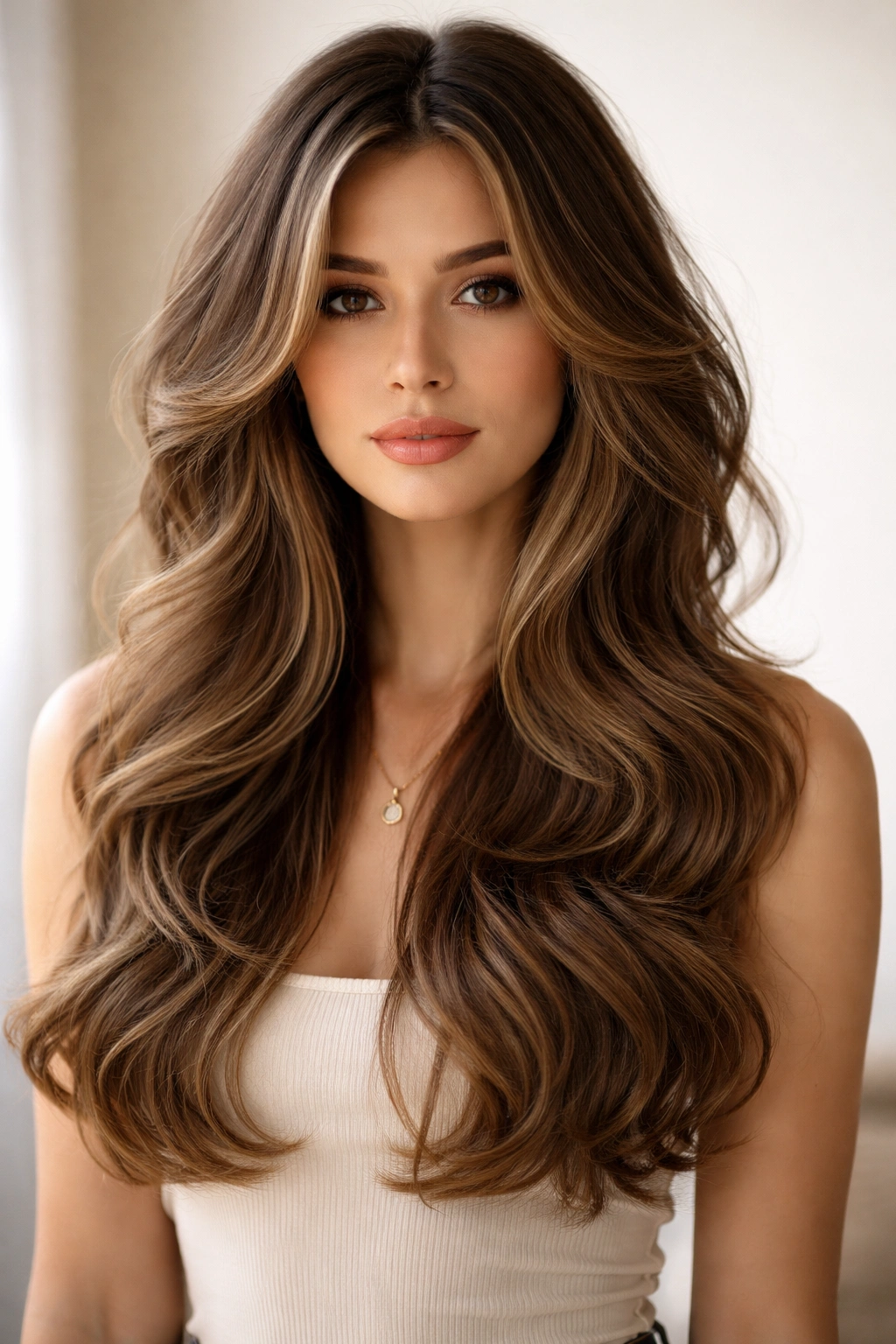
Imagine layers that float around your face and shoulders like butterfly wings — that’s the essence of this cut. Butterfly layers are shorter at the crown and gradually become longer as you move down, creating a tiered effect with soft, feathered edges. On long wavy hair, these layers create movement that starts at the roots and flows all the way down your length.
How Butterfly Layers Create Movement
The key to this cut is the gradual length change. Rather than one or two dramatic layer lines, butterfly layers blend smoothly from short to long, which means your waves have multiple points where they can bend and create dimension. This creates a naturally voluminous silhouette without the hair looking thin or wispy, especially when your underlying length is substantial.
Best For This Style
- Wavy hair with body and natural texture (fine, straight hair may look flat)
- Oval, round, or heart-shaped faces — the soft layers frame most face shapes beautifully
- People who like tousled, undone waves — butterfly layers look best when they’re slightly textured rather than sleek
- Anyone wanting gentle volume without dramatic choppiness
- Hair that’s at least mid-back length to maintain enough weight at the bottom
Worth knowing: This cut can make fine or thin hair look thinner through the mid-lengths, so discuss hair density with your stylist beforehand.
3. The Wolf Cut
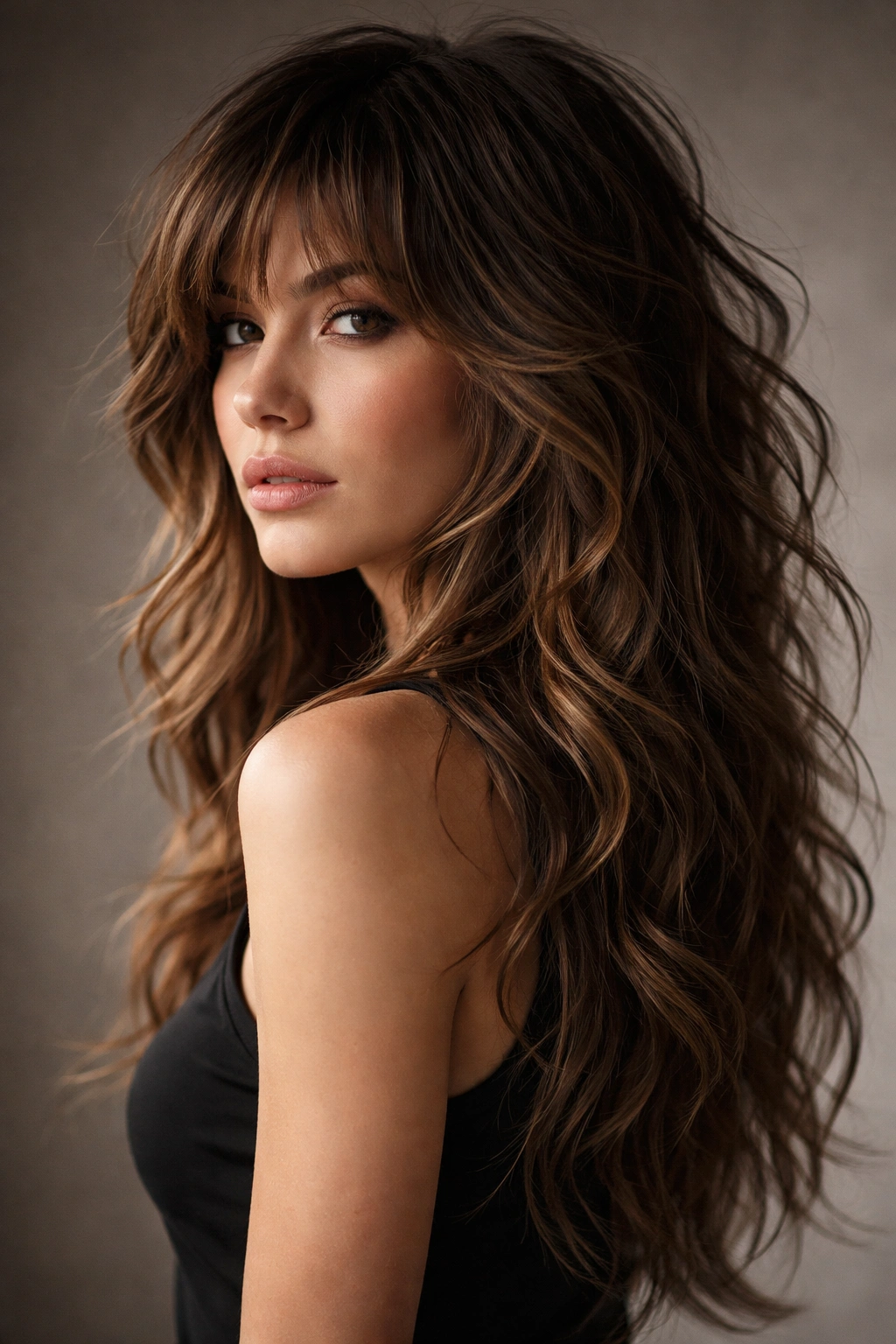
The wolf cut is essentially a shag meets a mullet — longer in the back, shorter and choppier on top, with layers that create a wild, edgy silhouette. On wavy hair, this cut is absolutely stunning because the waves add movement and texture that makes the cut feel less severe than it does on straight hair. It’s bold without being extreme.
The Appeal of a Wolf Cut on Waves
The wolf cut’s shorter top layers create instant lift and the choppy texture plays beautifully with natural waves. The longer back length means you’re not losing your hair length, while the overall shape creates an undeniable statement. The layers throughout mean your waves have multiple places to bend and create dimension, giving you that coveted undone-but-intentional appearance.
Making the Wolf Cut Work
- Requires styling to truly shine — expect to blow-dry and use texturizing products most days
- Best on medium to thick hair; finer hair can look stringy in the choppy sections
- The shorter top layers might require styling to sit right, especially if your waves are loose rather than tight
- Maintenance is real: you’ll want trims every 5-6 weeks to keep the choppy layers from blending together
- Takes confidence to wear well — this isn’t a subtle cut
Pro tip: Bring multiple reference photos showing the exact ratio of short to long you’re envisioning, since this cut varies significantly based on how much you chop the top.
4. The Curtain Layers
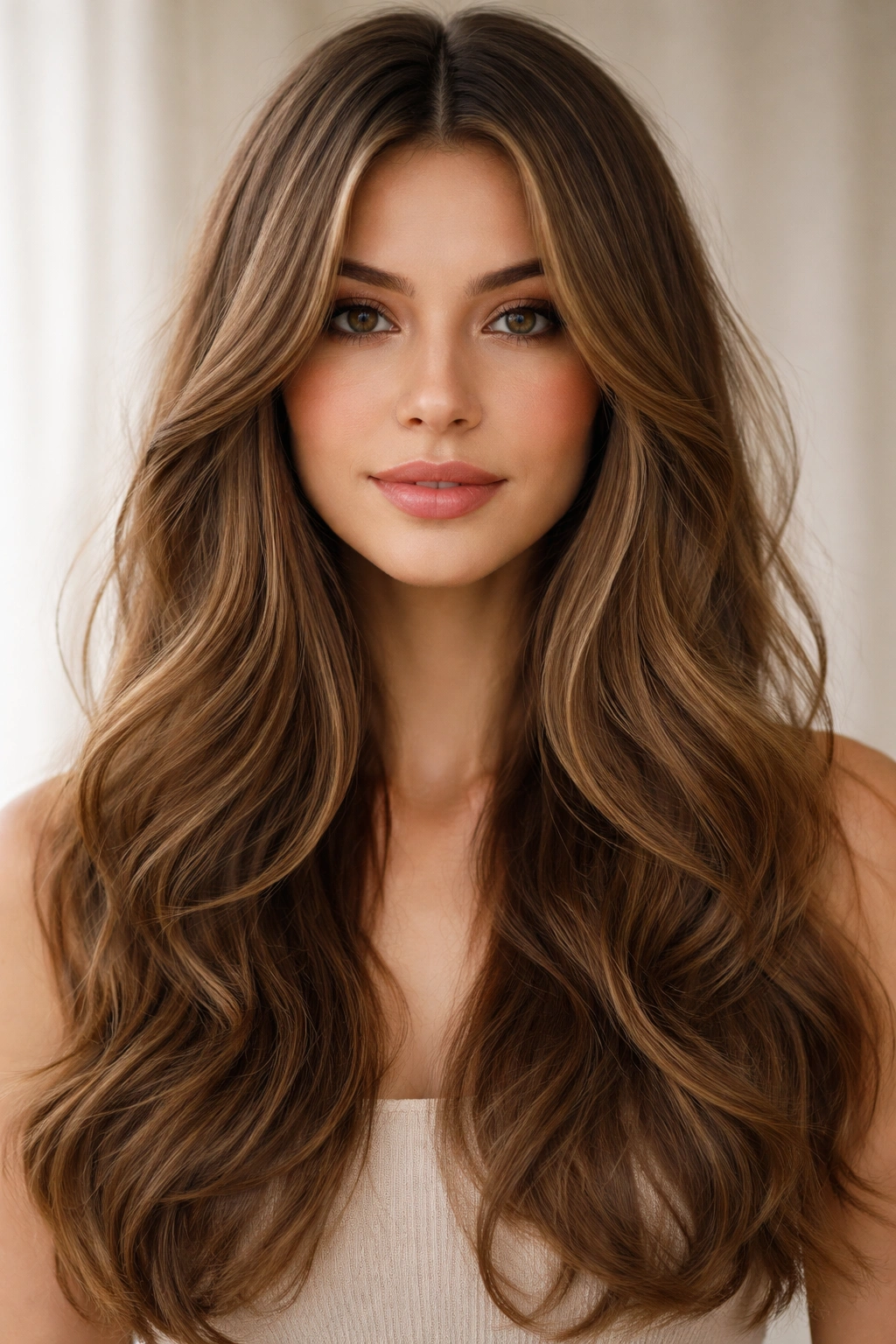
Curtain layers part naturally down the middle and frame your face softly, like elegant curtains opening to reveal your features. The face-framing layers are longest at the cheekbones and gradually get shorter toward the crown, creating a flattering, face-conscious shape. The rest of the hair is layered for movement but maintains substantial length throughout.
Why Curtain Layers Feel Effortlessly Flattering
This cut works because it plays to the shape of your face rather than fighting it. The middle part and face-framing layers draw attention to your cheekbones and jawline, while the soft layering prevents the hair from looking heavy or making your face appear wider. On wavy hair, curtain layers look naturally romantic and undone, especially with loose waves.
Who Should Consider Curtain Layers
- Works beautifully on most face shapes, especially if you want to soften angular features
- Perfect if you’ve always had a middle part and want to commit to it
- Great for people who like to wear their hair down and still see their face clearly
- Ideal if you want layers without the choppy, textured look — curtain layers can be soft and blended
- Requires less daily styling than choppy layers since the cut sits naturally in place
Insider note: The success of curtain layers depends heavily on your hair’s wave pattern — loose, large waves create a different look than tight, springy waves, so discuss your specific texture with your stylist.
5. The Choppy Wave Layers
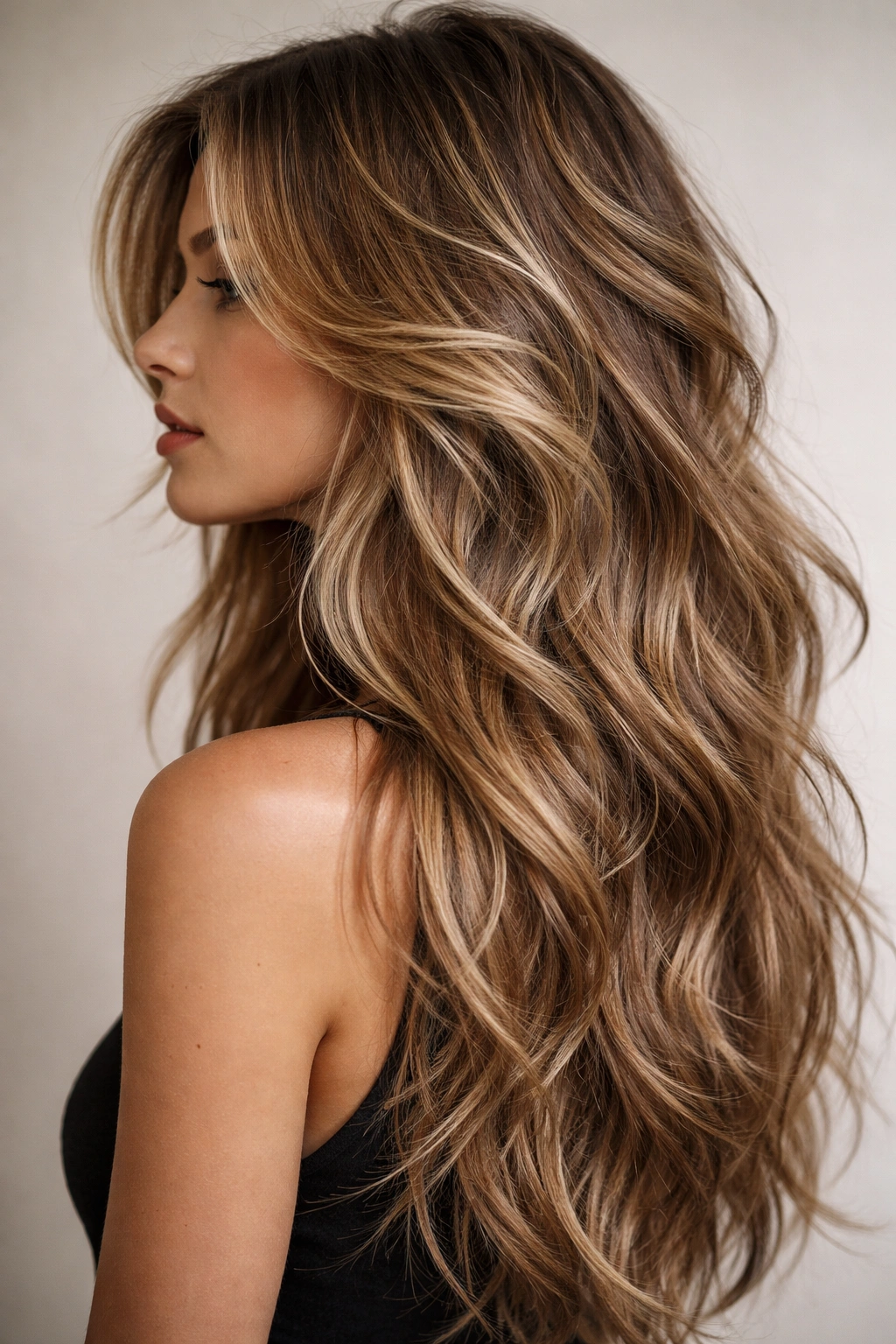
Choppy layers are shorter, more dramatic segments cut throughout the hair at varying lengths, creating intentional texture and movement rather than a smooth gradient. On long wavy hair, choppy layers amplify your natural texture and create a visibly dynamic silhouette from every angle. This cut announces itself and doesn’t apologize for the texture.
The Raw Appeal of Choppy Layers
Where some layered cuts try to blend seamlessly, choppy layers celebrate the line between different lengths. This creates visible texture, movement, and an overall impression of volume even on fine hair. On wavy hair, each choppy layer bends independently, creating layers within layers that catch light and create dimension.
Understanding the Commitment
- Styling is essential — choppy layers need texture and movement to look intentional rather than unkempt
- Requires products: texturizing spray, mousse, or light pomade to define each section
- Best on hair with natural texture or wave; straight hair needs daily styling to achieve the same effect
- Maintenance matters: choppy layers blend together as they grow, so plan for trims every 6-7 weeks
- Not ideal for people who like to air-dry and go — this cut demands a little effort
What to watch for: Make sure your stylist cuts choppy layers unevenly and at different angles, not in uniform segments, or it can look blocky rather than textured.
6. The Feather Layer Cut
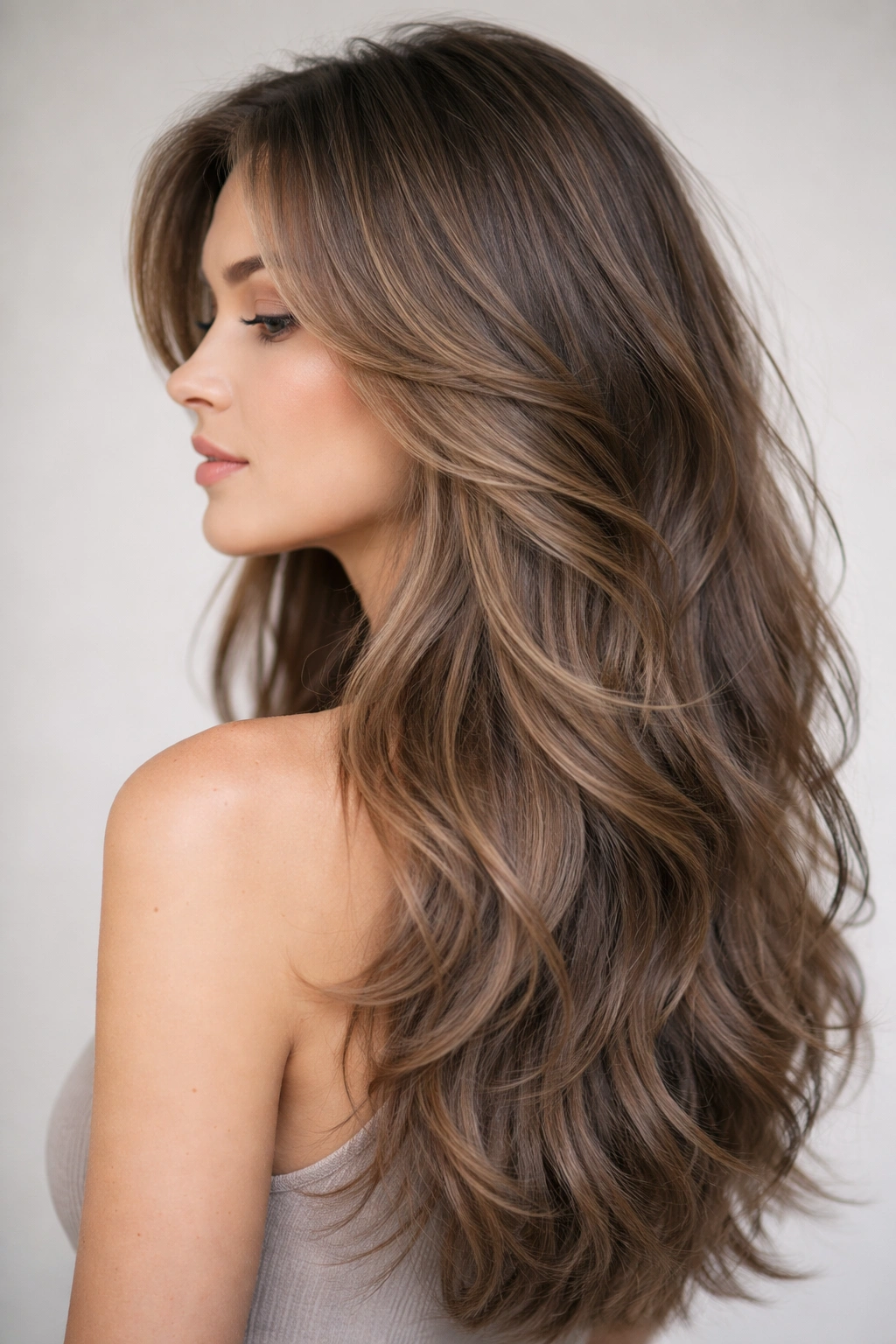
Feather layers are fine, delicate layers with subtle angle that create movement without drama. Rather than choppy, distinct lines, feather layers blend together softly while still creating texture and dimension. The result is a cut that looks light and airy, like feathers layering over one another — hence the name.
The Sophisticated Appeal
Feather layers are for people who want the movement and texture benefits of layering without the statement of a choppy cut. This approach is more subtle, more romantic, and often more versatile since it works beautifully styled sleek or left wavy and undone. On long wavy hair, feather layers enhance your natural wave pattern rather than competing with it.
Best For This Style
- Anyone who prefers subtlety and refinement over bold texture
- Hair that’s fine to medium weight — feather layers can make very thick hair look wispier than intended
- People who want to layer their hair but aren’t sure about committing to a choppy cut
- Wavy hair that needs some encouragement to move but isn’t thick enough for heavier layers
- Anyone wanting a cut that’s equally beautiful air-dried or blow-dried
Real talk: Feather layers require regular trims (every 6-8 weeks) to prevent the fine edges from looking raggedy as they grow out.
7. The Money Pieces
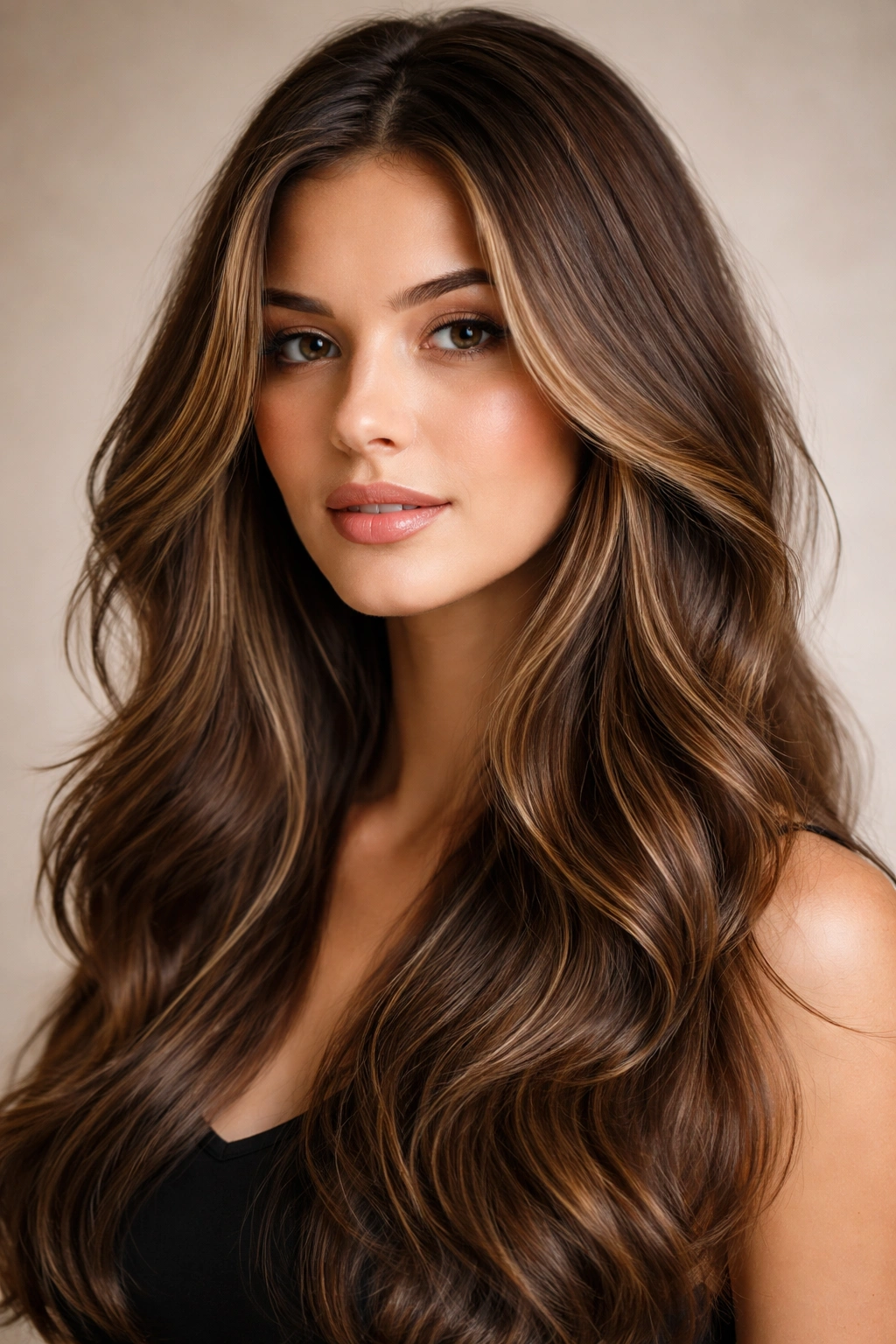
Money pieces are longer, strategically placed layers that frame your face specifically — they’re literally the pieces you see when you look at yourself in the mirror, so they’re “worth money” in terms of how much they influence your appearance. These face-framing layers are noticeably longer than the surrounding hair, creating a flattering face-forward look while the rest of the hair can be layered or left longer.
The Strategic Appeal
Money pieces work because they direct attention exactly where you want it — toward your face. On long wavy hair, these layers fall naturally around your shoulders and cheekbones, creating a flattering frame. The key is that money pieces create face-framing without requiring the entire haircut to be aggressively layered, so you maintain length everywhere while improving the overall silhouette.
How to Make Money Pieces Work
- Best on wavy to curly hair since the layers need texture to stay separated and visible
- Requires styling or natural wave to maintain separation — on straight hair, money pieces can look thin and wispy
- Works beautifully with a center or side part
- Creates softness around the face while keeping the overall look polished
- Maintenance is moderate: the money pieces will grow out at the same rate as the rest of your hair, so you’ll trim them every 8-10 weeks
Pro tip: Money pieces are especially flattering on longer faces, as the horizontal layers visually shorten the face — mention this to your stylist if face proportion matters to you.
8. The Beachy Wave Layers
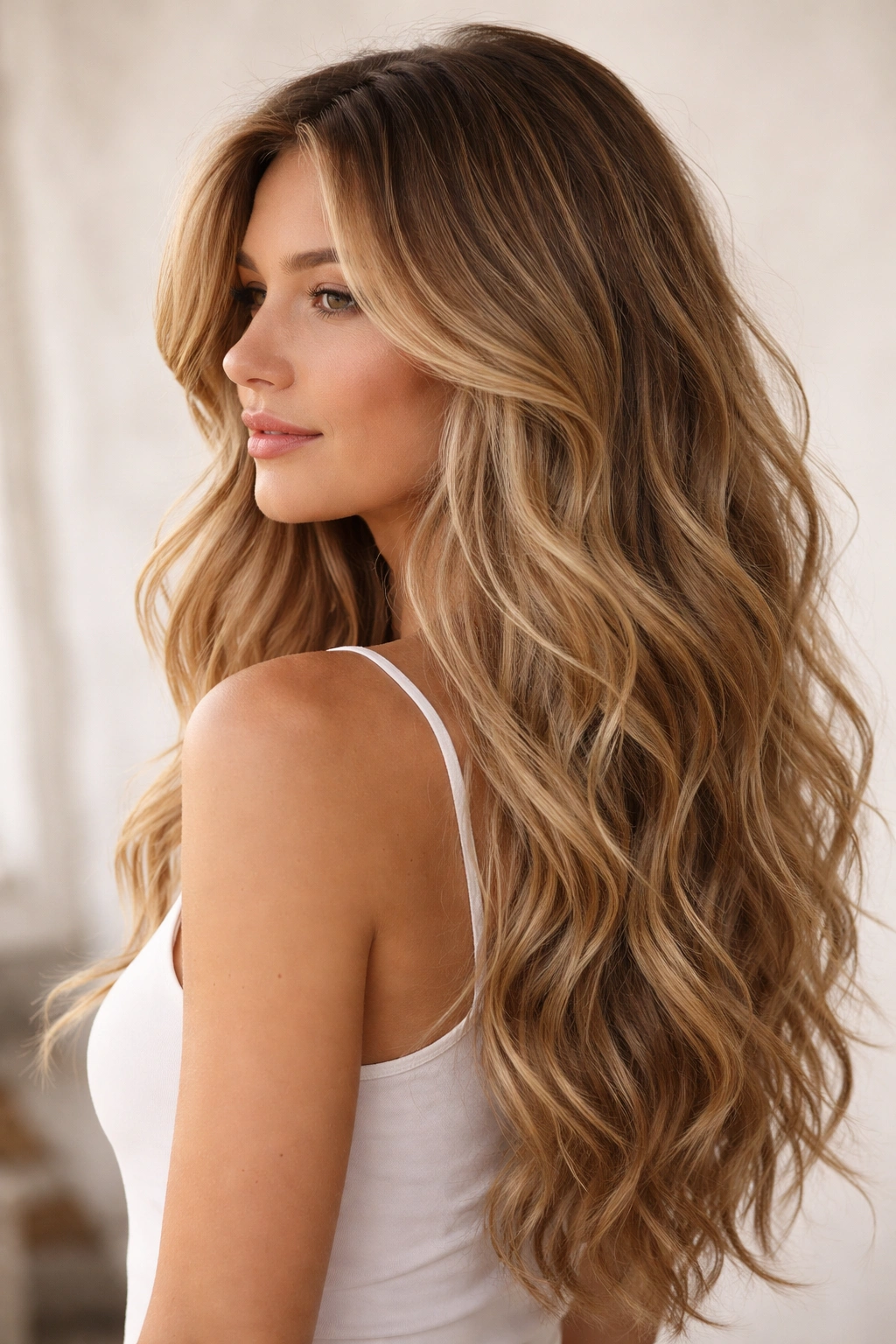
This cut is designed specifically to enhance and showcase wavy texture, with layers strategically placed to make waves more visible and allow them to move freely. Beachy wave layers tend to be gentle — not choppy, but distinct enough to create movement at multiple points along your hair. The end result looks like you just walked out of the ocean with perfect waves.
Creating Effortless-Looking Waves
Beachy wave layers work with your natural texture instead of fighting it. The layers allow your waves to bend and move without the weight of blunt-cut long hair pulling everything flat. This cut is perfect if you have natural waves and want them to be the star of the show rather than hiding under length.
The Reality of Beachy Waves
- Works best on naturally wavy or curly hair — straight hair needs daily heat styling to achieve the same effect
- Low-maintenance compared to choppy layers; air-drying often looks intentional
- Pairs beautifully with sea salt spray for texture enhancement
- Styling is optional rather than required, which is the main appeal
- Trims every 8-10 weeks keep the layers defined rather than blending together
Worth knowing: Your stylist should cut into the hair rather than just shortening the ends — this creates actual separation and wave definition rather than just thinning out ends.
9. The Blunt Layered Waves
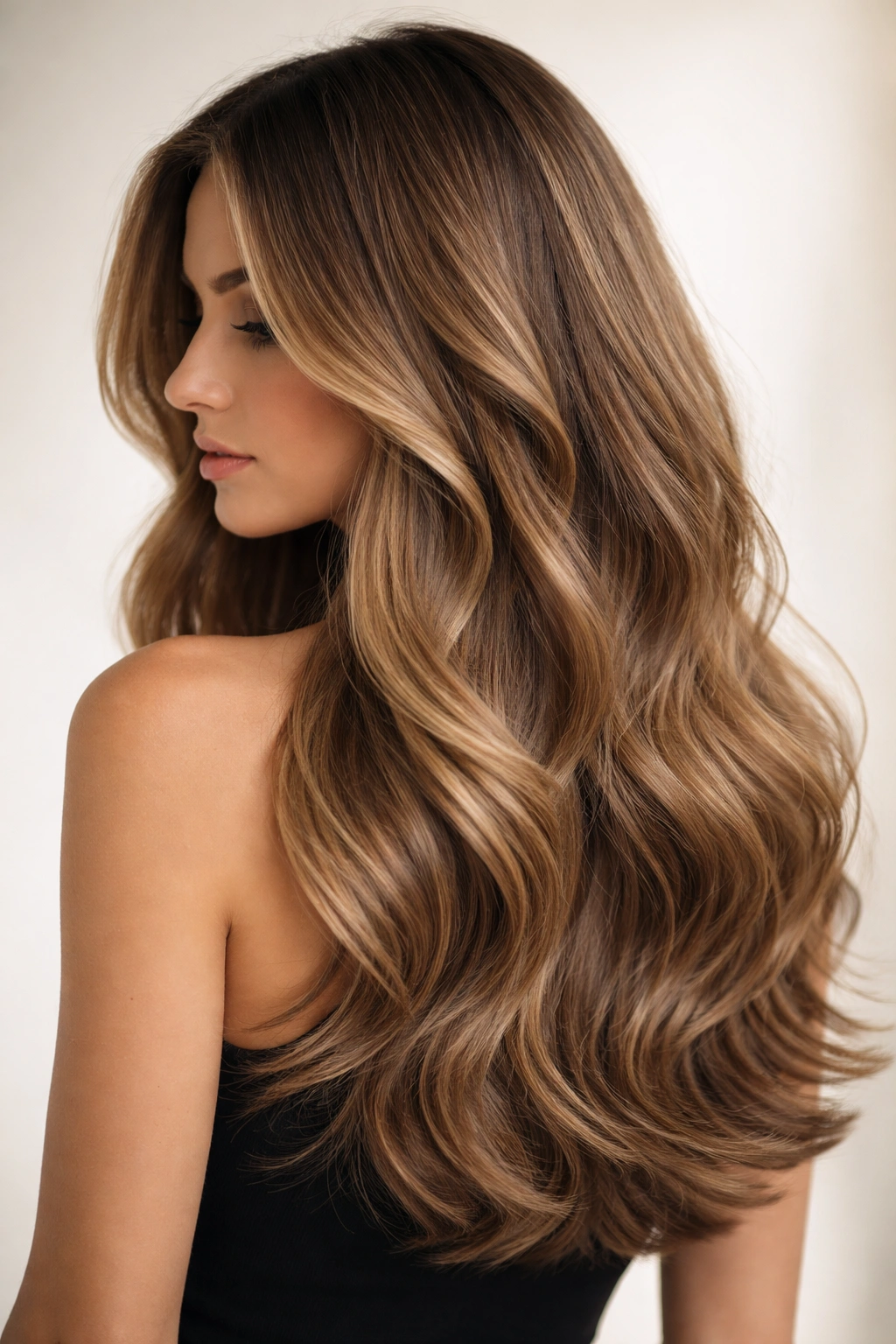
This cut combines the best of both worlds: some layers for movement and texture, but with slightly blunt (not razor-sharp feathered) ends that maintain density and a polished appearance. The layers aren’t choppy or wispy — they’re intentional segments that create dimension while the blunt ends keep the cut looking neat rather than scraggly.
The Polish of Blunt Layers
Blunt-ended layers look more intentional and modern than feathery layers, while still creating the movement and texture that wavy hair benefits from. The key difference is that the ends of each layer are slightly thicker and more defined rather than tapered away to nothing. On long wavy hair, this creates a silhouette that’s both textured and polished.
Who This Cut Suits
- Anyone who wants layers without looking too bohemian or undone
- Great for professional settings or anyone wanting a more structured silhouette
- Works on all hair thicknesses, but especially flattering on fine hair since blunt ends create the illusion of more density
- Perfect if you want texture but also care about how the cut looks sleek and styled
- Ideal for people who like to blow-dry and style but also want air-dried texture
What to know: Blunt layers require a skilled stylist who understands the difference between choppy and blunt — ask to see examples of their blunt-layered work.
10. The Face-Framing Layers
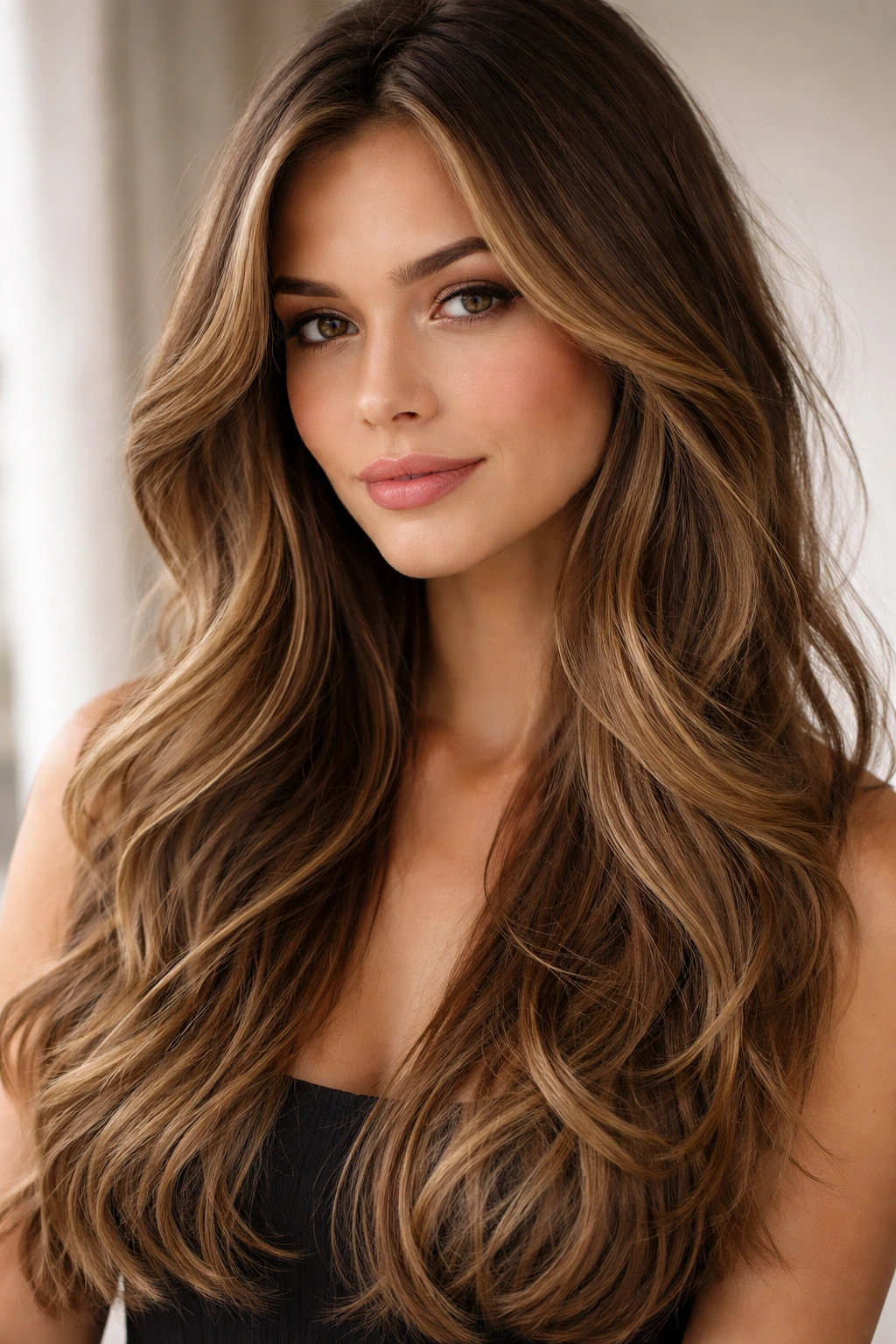
Face-framing layers are carefully placed to draw attention to your features, with shorter layers specifically around your face and longer layers everywhere else. These layers are usually started around ear level and become progressively shorter as you get closer to your face, creating a naturally flattering frame. The rest of the hair maintains length for versatility.
The Confidence-Building Effect
Face-framing layers work because they’re designed with your face in mind. They soften harsh features, draw attention upward toward your eyes and cheekbones, and create the appearance of a more sculpted silhouette. On long wavy hair, these layers add movement exactly where you want it — around your face — while maintaining length and flow everywhere else.
Best For This Approach
- Any face shape, but especially flattering on round, square, or wide faces
- Works beautifully as an accent to a longer, layered cut or even a blunt long cut
- Perfect if you want subtle layering rather than obvious texture throughout
- Great for maintaining length while still benefiting from layers
- Low-maintenance compared to heavier layering since the focus is on the face rather than overall texture
Insider note: The most flattering face-framing layers hit around your cheekbones and jawline, where they visually shorten your face — discuss your specific face proportions with your stylist.
11. The Asymmetrical Wave Layers
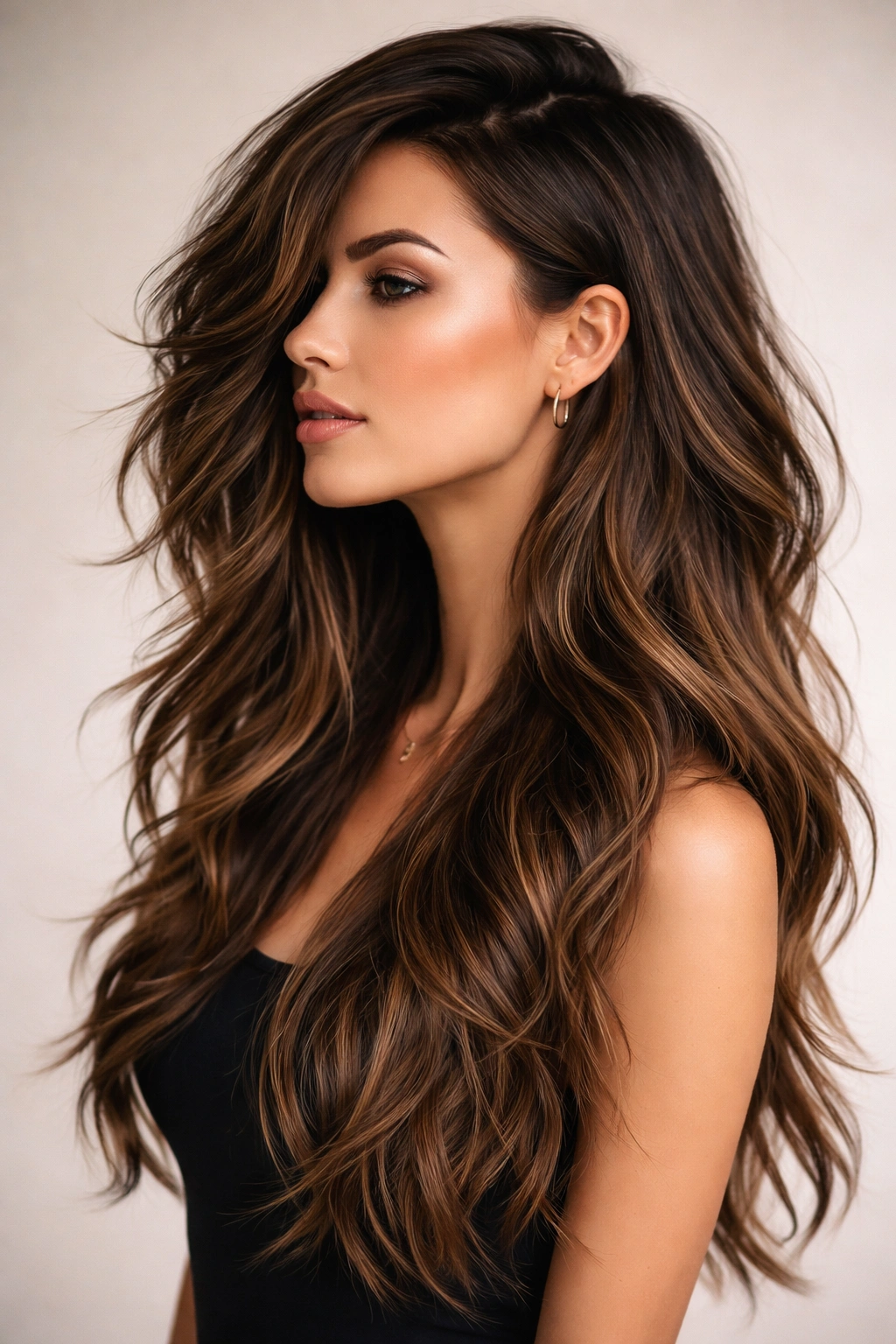
Asymmetrical layers feature uneven lengths — one side longer than the other — creating a bold, fashion-forward silhouette. The layers throughout are designed to fall at different angles, emphasizing the uneven lengths and creating movement that’s intentionally off-balance. On wavy hair, asymmetry adds an extra dimension of visual interest.
The Modern Edge of Asymmetry
This cut is for people who want to make a statement. The unequal lengths create immediate visual impact and draw attention to how your waves move differently on each side. The inherent asymmetry means you can style it with a deep side part or toss it around however you like — the cut works with movement rather than against it.
Making Asymmetry Work
- Requires confidence since this is a noticeable, intentional style choice
- Works best on medium to thick hair; finer hair can look stringy with dramatic asymmetry
- Layers throughout mean you need some styling effort — blow-drying or texturizing products are typically necessary
- Best on faces that aren’t extremely asymmetrical already, since the cut amplifies unbalance
- Trims every 5-7 weeks keep the asymmetry intentional rather than letting the hair grow out and blend
Pro tip: An asymmetrical cut actually looks less severe on wavy hair because the texture breaks up the line, so if you’re nervous about the style, wavy hair is your best bet.
12. The Soft Wave Layers
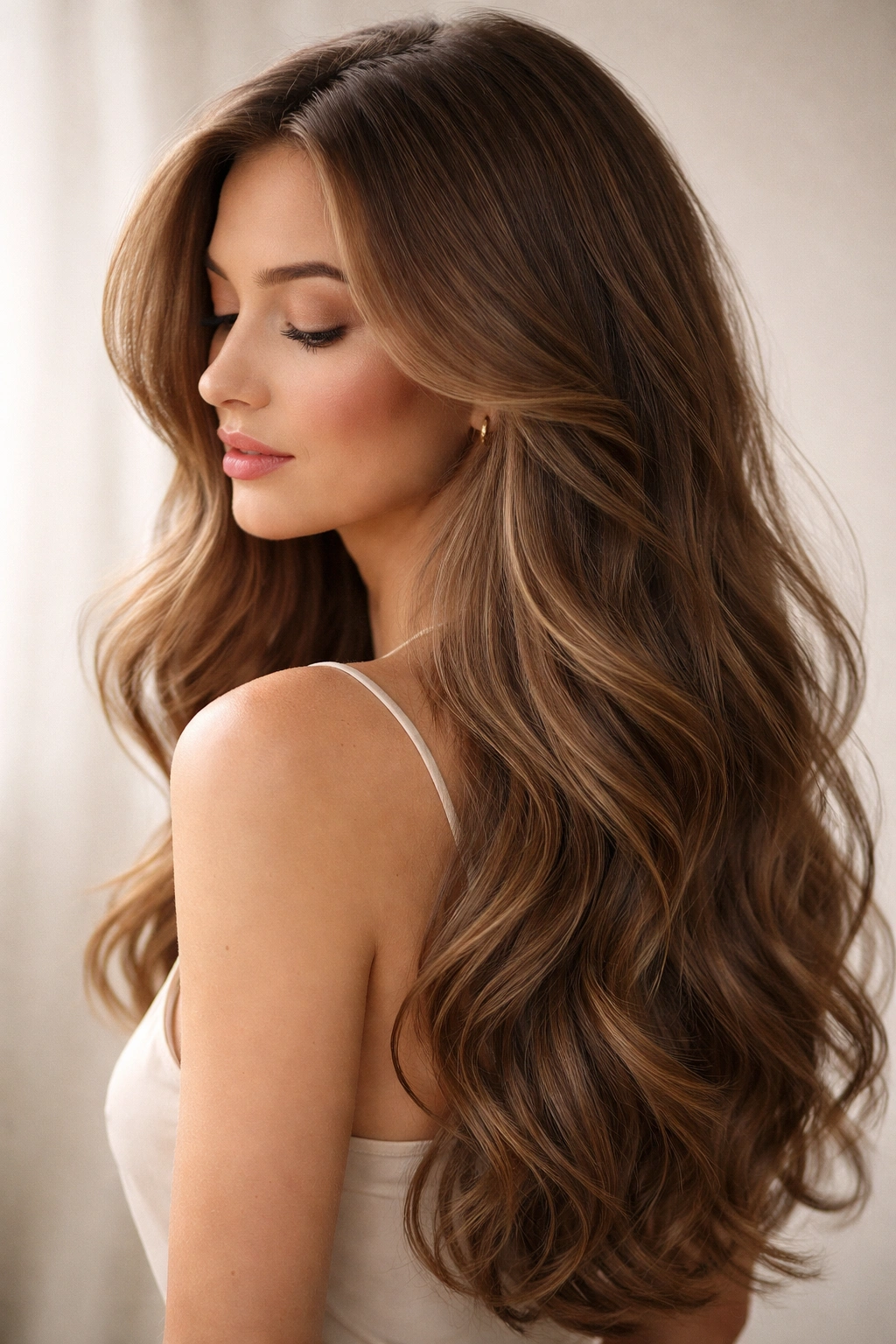
Soft wave layers are the opposite of choppy — the cuts are subtle and blended, with layers that work together to create gentle movement rather than obvious segmentation. These layers are designed to enhance your wave without creating distinct texture or an edgy silhouette. The result is romantic, fluid, and effortlessly pretty.
The Romantic Appeal
Soft wave layers are for people who love the idea of movement and dimension but want the overall effect to be gentle and romantic rather than textured and bold. The layers are there, but they whisper rather than shout. On wavy hair, this approach lets your natural waves shine without the cut competing for attention.
Who This Style Suits
- Anyone who prefers romance and softness over edge and texture
- Great for people who want visible improvements from layers but not obvious choppy cuts
- Perfect on fine or delicate-looking hair since soft layers enhance rather than overpower
- Ideal for anyone who spends time styling their hair with heat tools or wants a styled look
- Works beautifully with longer, looser wave patterns
Worth knowing: Soft layers rely heavily on your natural wave pattern to work — very straight hair will look flat and formless with soft layers, while wavy hair looks effortlessly beautiful.
13. The Textured Choppy Layers
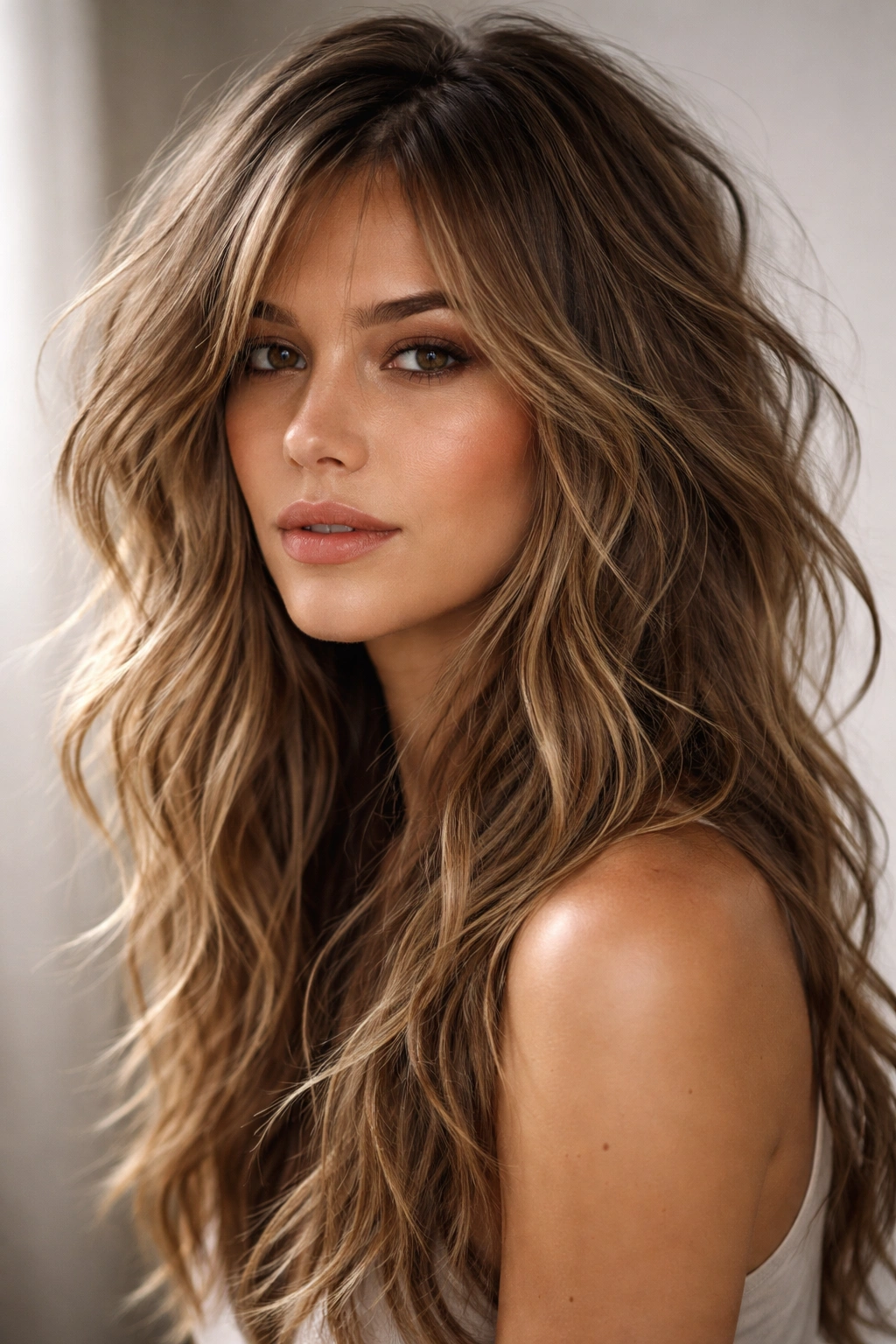
Textured choppy layers take the choppy concept and lean all the way into texture and movement. These are aggressively layered at multiple points, cut at varied angles, with shorter pieces throughout that all work together to create maximum texture and visual interest. This isn’t a subtle cut — it’s designed to showcase movement and personality.
Embracing Maximum Texture
If you love texture and want your hair to move in multiple directions, textured choppy layers deliver. Every inch of this haircut is designed to bend independently, catching light and creating a visibly dynamic silhouette. On wavy hair, this creates a cascade of movement that looks genuinely alive.
The Reality of This Cut
- Requires daily styling or at minimum sea salt spray and finger-combing to look intentional
- Best on naturally wavy, curly, or textured hair — straight hair needs heat styling daily
- Needs a highly skilled stylist who understands texture and how different wave patterns interact with choppy cuts
- Maintenance is significant: you’ll want trims every 5-6 weeks to keep the choppy segments distinct
- Not ideal for people who like to wash and go or maintain a polished, structured look
Real talk: This is a high-commitment cut that requires either natural texture or daily styling effort, but the payoff is dramatic movement and personality.
14. The Long Wave Layers with Bangs
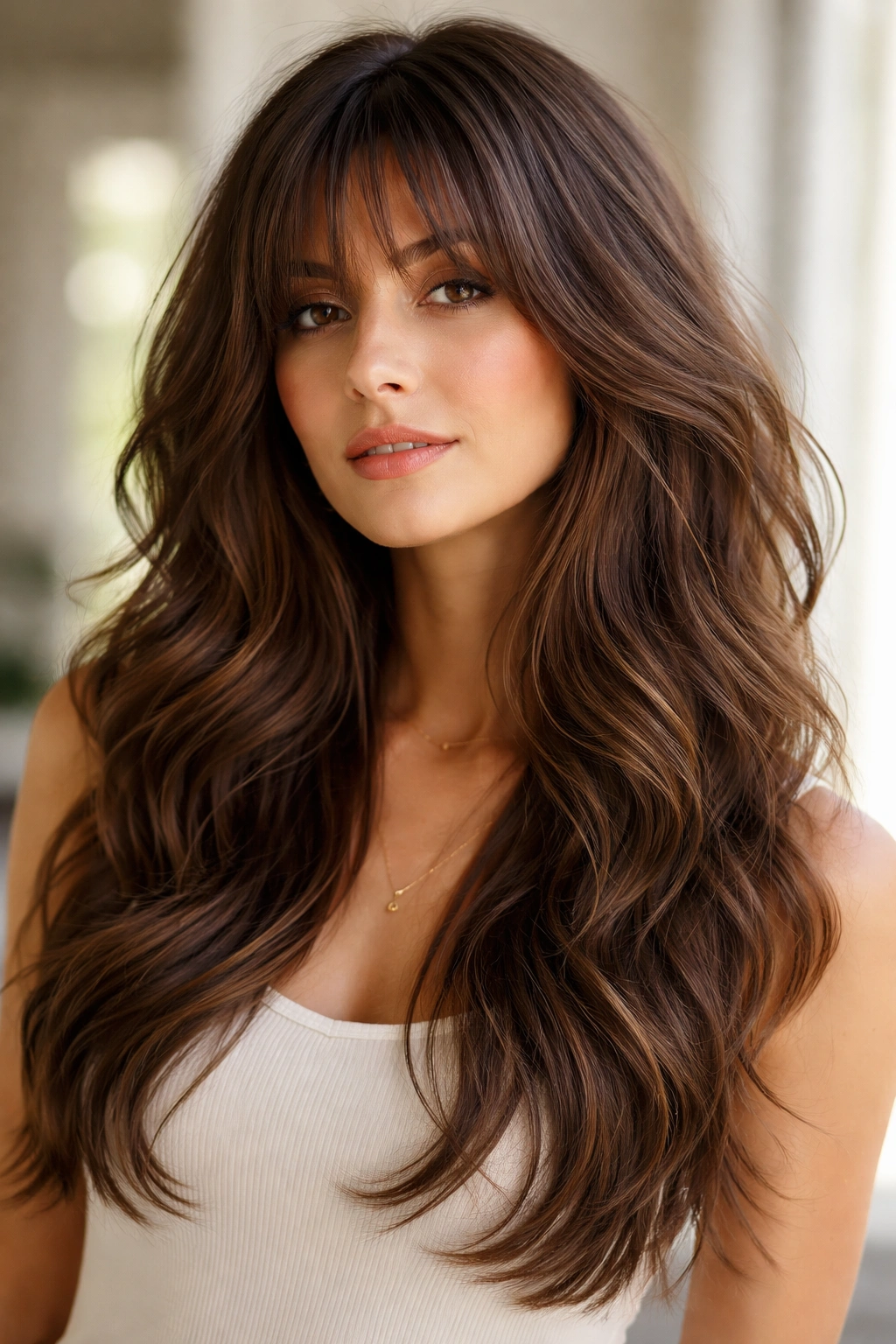
Adding bangs to long layered waves creates a face-framing effect and completely changes the overall look. Whether you choose wispy bangs, blunt bangs, or curtain bangs, the bangs work in concert with the layered length to create a cohesive, intentional style. This cut is modern, flattering, and surprisingly versatile.
How Bangs Transform Layered Waves
Bangs add geometry and framing to a soft, flowing layered cut. They draw immediate attention to your eyes and face, while the long layered hair softens the overall effect and prevents the bangs from looking severe or too structured. The combination is sophisticated without being overdone.
What You Need to Know
- Bangs require regular trimming (every 3-4 weeks) to maintain the right length and shape
- Best on wavy hair with some texture; bangs on very straight hair need daily styling
- Curtain bangs are the most versatile option with waves — they grow out gracefully and don’t require blunt maintenance
- Blunt bangs look more dramatic and modern but require more frequent trims
- Consider whether you’re comfortable styling bangs daily before committing
Pro tip: Start with curtain bangs rather than blunt bangs if you’re unsure about bangs — they’re more forgiving as they grow and don’t require perfect maintenance.
Final Thoughts
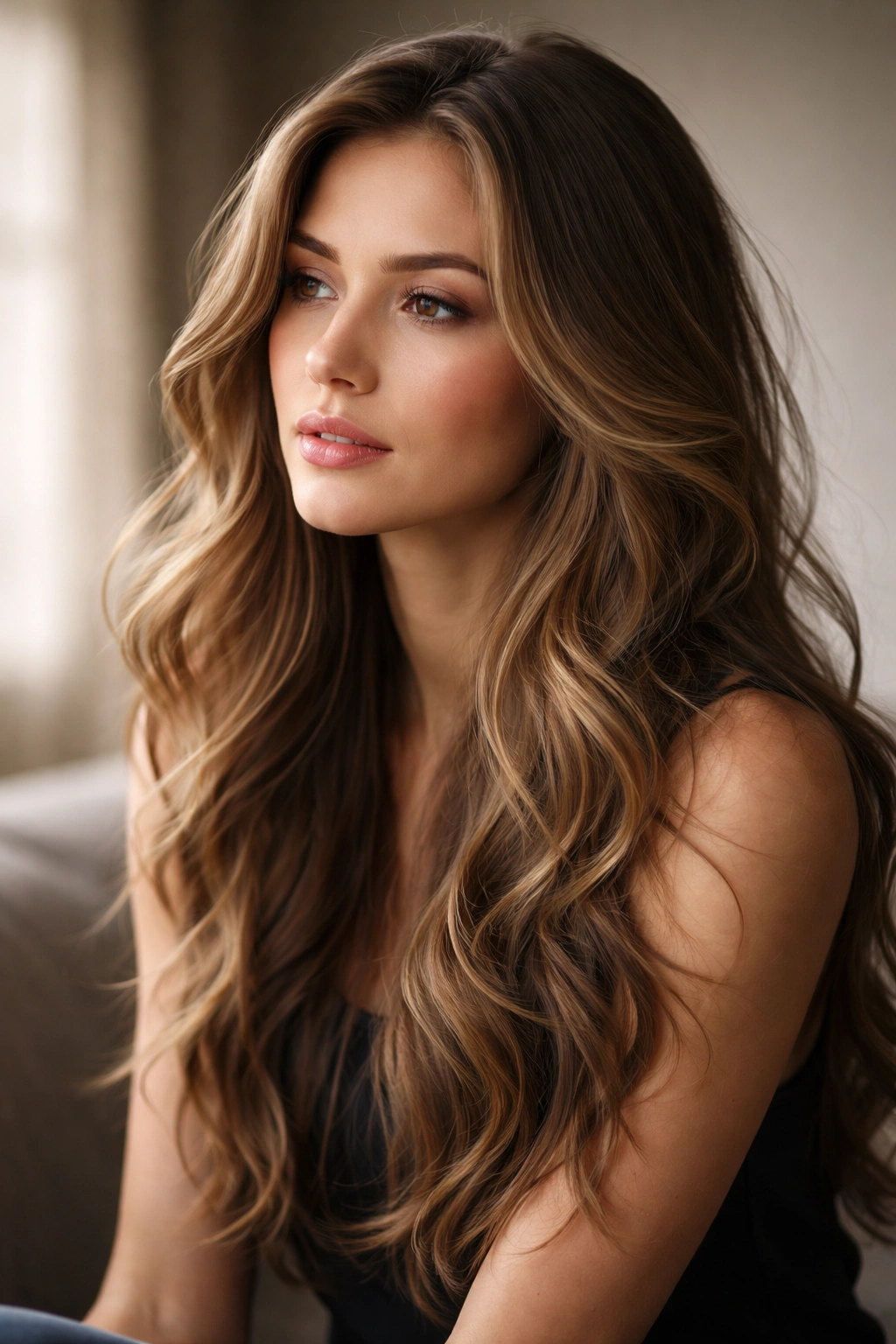
The best long wavy layered haircut is the one that matches your hair’s natural texture, fits your lifestyle, and makes you feel confident every time you catch your reflection. Whether you’re drawn to the texture of choppy layers, the romance of soft feathering, the face-framing impact of strategic money pieces, or any of the styles in between, the key is finding a stylist who understands how layers interact with wavy hair specifically — not just how to cut hair in general.
Before booking, bring photos of the exact style you want, discuss your wave pattern honestly (tight coils behave differently than loose beach waves), and be clear about how much daily styling you’re willing to do. A cut that requires twenty minutes of blow-drying and products might be stunning but impractical if you’re a wash-and-go person. Conversely, a low-maintenance beachy wave cut is wasted on someone who loves to style. The perfect haircut meets your hair where it actually is, not where you wish it was.
Plan to visit your stylist every 6-8 weeks to keep layers from blending together as your hair grows. Regular trims maintain the cut’s intention and prevent the transition from intentionally textured to accidentally scraggly. With the right cut and consistent maintenance, long wavy layered hair becomes your best feature — a constantly moving, beautifully dimensional canvas for expressing your personal style.
