



Waking up with crunchy bends at the roots is usually a braid problem, not a hair problem. Too tight, too wet, too many sections, or a part that fights your natural fall — that is what turns soft overnight waves into awkward dents.
The braid itself matters less than people think and more than most quick tutorials admit. A loose three-strand braid gives broad S-waves; a fishtail leaves smaller ripples; a crown braid pushes volume up at the roots while a side braid bends everything in one direction. Same pillow, same night, different result.
A few rules keep the whole thing sane. Hair should be damp, not dripping. A pea-size dab of leave-in or a light mousse gives strands enough grip, but heavy oil usually weighs the wave down before the pillowcase even sees it. Fine hair often needs more hold; coarse hair usually needs less tug.
The styles below cover the range from lazy-easy to slightly fussy, because the braid you choose should match the finish you want. Soft, beachy bends. Bigger waves. Tighter texture. That is the point — pick the braid first, then let the night do the rest.
1. Loose Single Braid
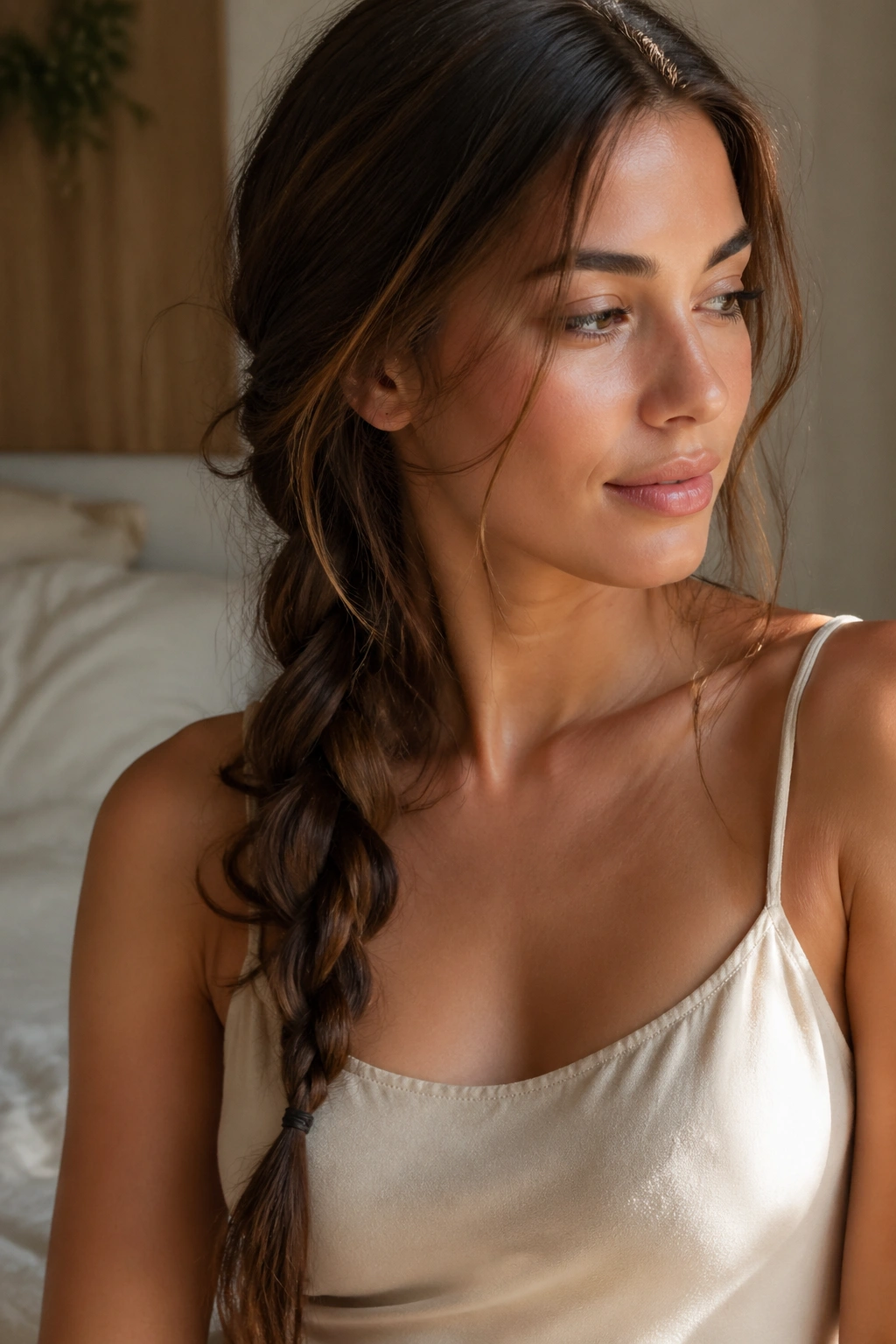
A loose single braid is the cleanest place to start if you want overnight heatless waves without a lot of fuss. It gives you broad, relaxed bends and leaves the ends a little softer than a tightly woven style. That softness matters. Tight braids tend to leave sharp ridges; a gently tensioned braid gives you movement instead of little crimp marks.
Why It Works
The braid compresses the hair in one long line, so the strands dry in a curved shape rather than hanging straight. When you take it out in the morning, the hair doesn’t spring into curls so much as settle into wide waves with a little body.
Quick Facts
- Best for medium to long hair.
- Works well on hair that is about 70% dry.
- Gives the loosest wave pattern on this list.
- Easier to sleep in than smaller braids.
One small trick: leave the last 2 to 3 inches unbraided if your ends tend to look scraggly. It keeps the bottom from looking too puffed up.
If your hair is very fine, a light mist of texturizing spray before braiding can help the wave hold. If your hair is thick, keep the braid low and centered so it does not pull one side of your scalp harder than the other.
2. Two Low Braids

Two low braids are the style I reach for when one braid leaves the ends too loose or the wave pattern too broad. They make a neater, more even wave from root to tip. That’s the difference. You get less giant bend, more controlled texture, and a little more consistency from one side of the head to the other.
Split the hair down the middle, then braid each half low behind the ears. Keep the tension even, but not tight enough to feel like a headache by midnight. The lower placement matters because it keeps the root area flatter while still building shape through the lengths.
This style works especially well if your hair is thick or layered. One long braid can let shorter layers escape, which leaves uneven waves in the morning. Two braids hold those layers in place better, and they also dry faster because each section is smaller. That part is handy if your hair starts the night a little damper than you planned.
I like this style for people who want a wearable, everyday wave — not pageant curls, not tiny crimped texture, just hair that looks like it had a decent sleep and a good brush through in the morning.
3. French Braid Down the Back
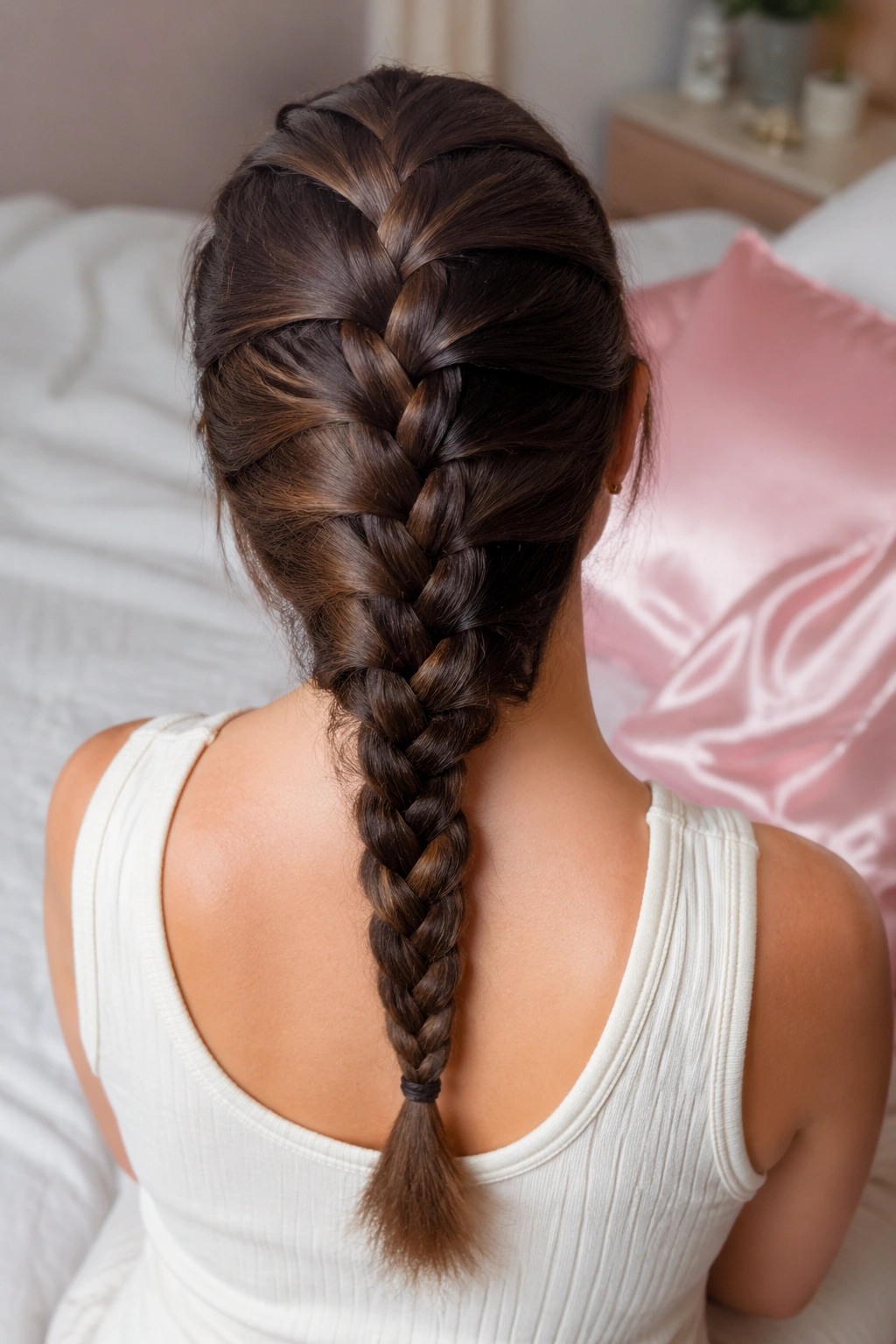
Why does a French braid give such even waves? Because the braid keeps pulling in fresh hair as it goes, so the tension spreads from the crown all the way down. The result is smoother at the roots and more uniform through the mid-lengths.
That makes it a strong choice if your hair gets flat on top and puffy at the bottom. A French braid starts lifting from the scalp instead of waiting until the nape, which means you wake up with more structure through the crown. It is also a smart pick for layered cuts, since the added sections help keep shorter pieces tucked in.
How to Sleep on It
- Start the braid just behind the front hairline or a little farther back if you want less lift.
- Keep the braid snug enough to stay put, but not so tight that it leaves red marks.
- Secure the end with a soft elastic or a fabric tie.
- Sleep on a satin or silk pillowcase if your hair frizzes fast.
A French braid can leave a prettier wave than a regular three-strand braid, but it can also leave more scalp tension if you overdo the pull. Loose hands matter here. So does patience. Rushing the braid tends to give you one side that is tighter than the other, and that shows up by morning.
4. Dutch Braids for Raised Waves
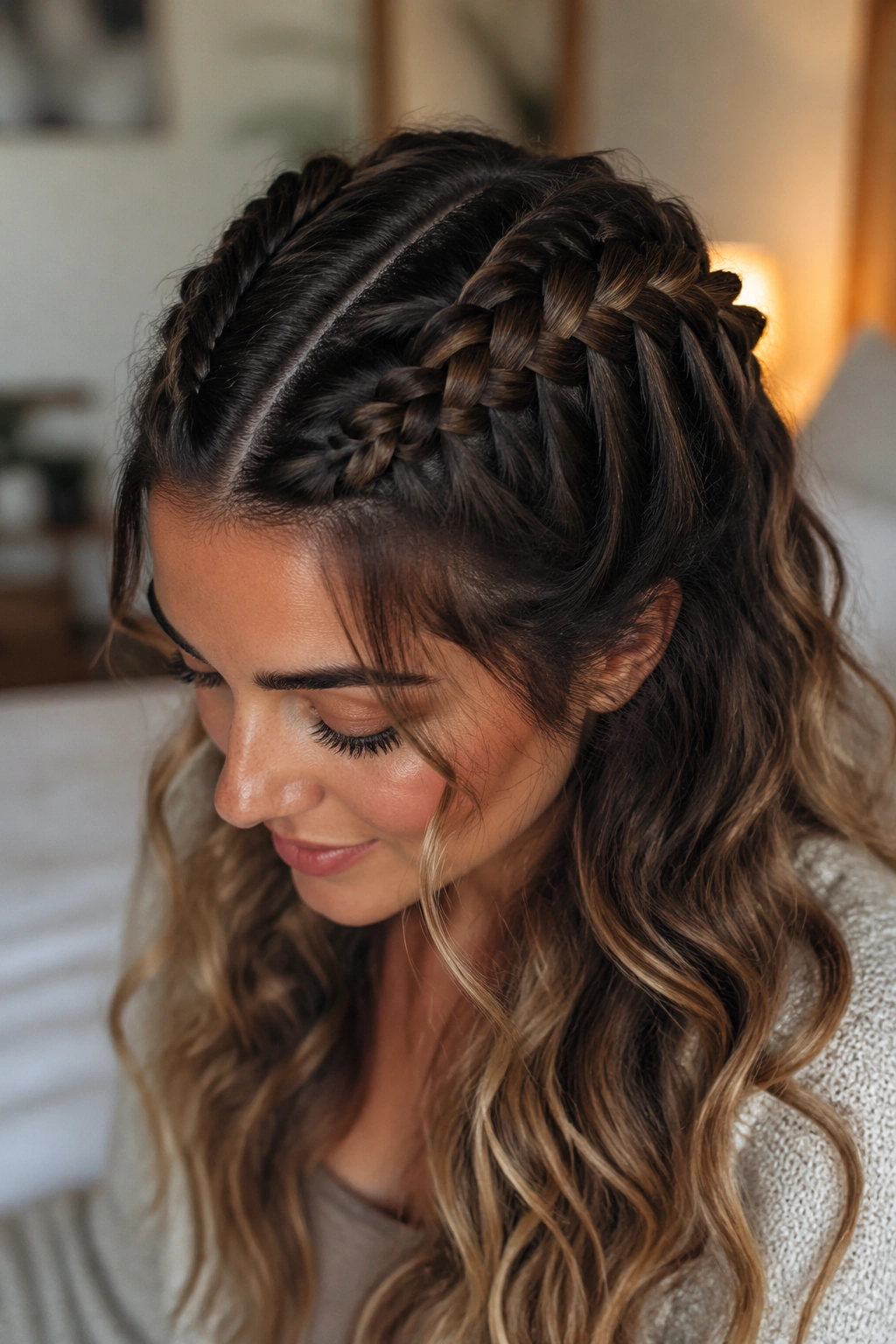
Picture this: you want waves with some lift, not just flat ripples that collapse after breakfast. Dutch braids are the answer. They sit on top of the hair instead of disappearing into it, so the braid lines leave a little more shape through the roots and a touch more volume at the crown.
The wave pattern is firmer than a French braid because the strands cross under, not over. That slightly different build changes the texture you wake up with. It is not dramatic in a flashy way, but you can feel it. The hair has more body and a more obvious bend.
- Best on medium to thick hair.
- Better than a loose braid if your hair falls flat.
- Great for people who want a bit of root lift.
- Can feel bulky if you make the sections too large.
The one thing Dutch braids do badly is lazy sleeping. If the sections are uneven, they can press into the pillow in weird places and leave a sharp line. Keep the two braids symmetrical, or keep the one braid centered and straight. Messy parting is fine. Sloppy tension is not.
5. Fishtail Braid
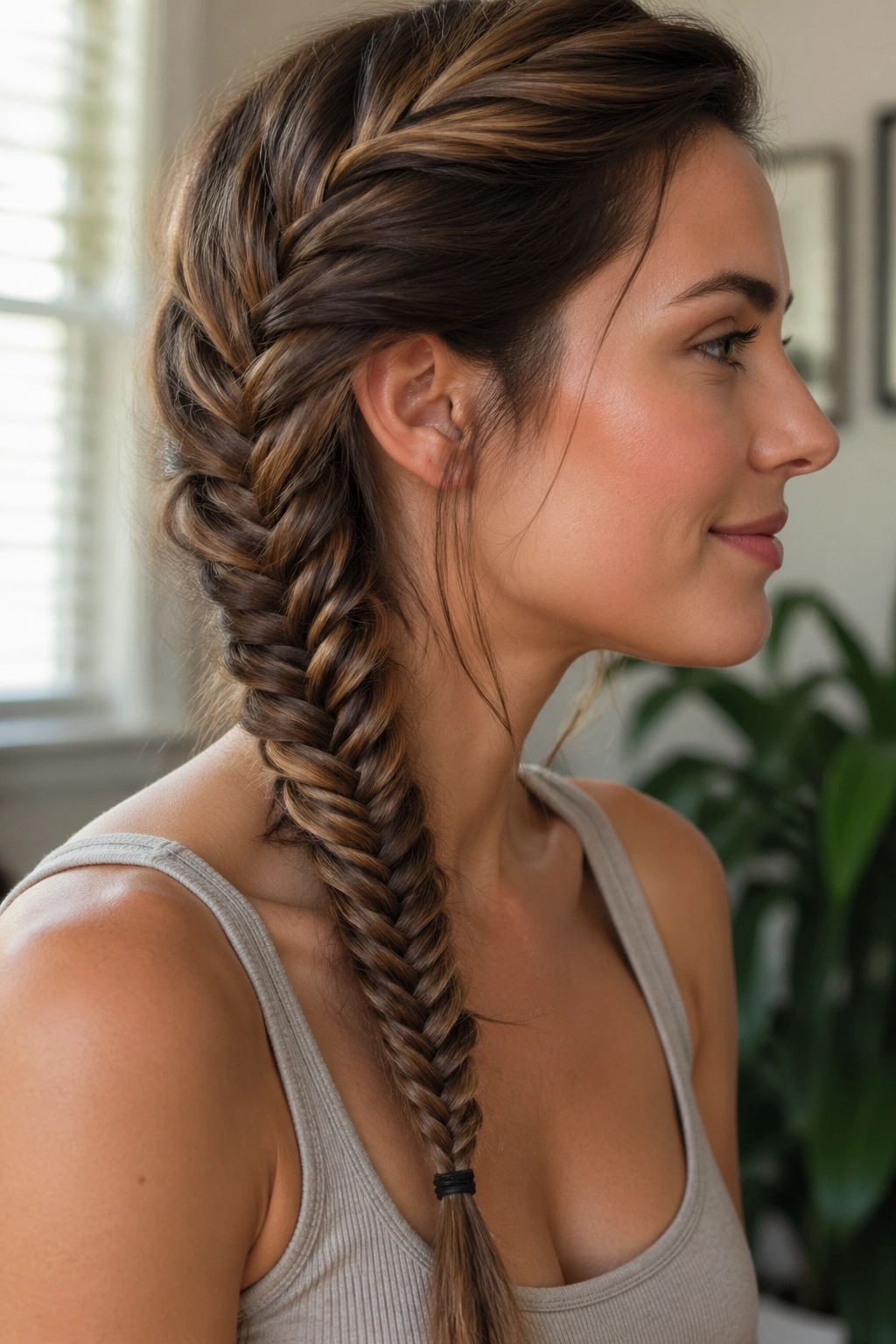
Fishtail braids are fussy to learn and worth the trouble when you want softer, finer waves. The wave they leave is smaller and more detailed than a standard braid. Not tiny crimps. Just a denser pattern that looks polished when you shake it out.
The reason is simple: the braid is built from tiny outer sections instead of three larger ones. That means more contact points, more bends, and less of the broad S-curve you get from a classic plait. If your hair is pin-straight and slippery, this can help a lot. The texture sticks around longer because there are more folds in the length.
It is also one of the better braid curl styles for people who want waves that still brush out cleanly. Fishtail waves tend to look intentional even when they loosen overnight. That matters if you hate that half-done, day-after look some braids leave behind.
Use a little smoothing cream on the first few inches if your ends fray easily, but go light. Too much product turns the braid stringy, and stringy braids do not set nicely. They just sit there, damp and flat, and nobody wants that.
6. Side Braid for Asymmetric Waves
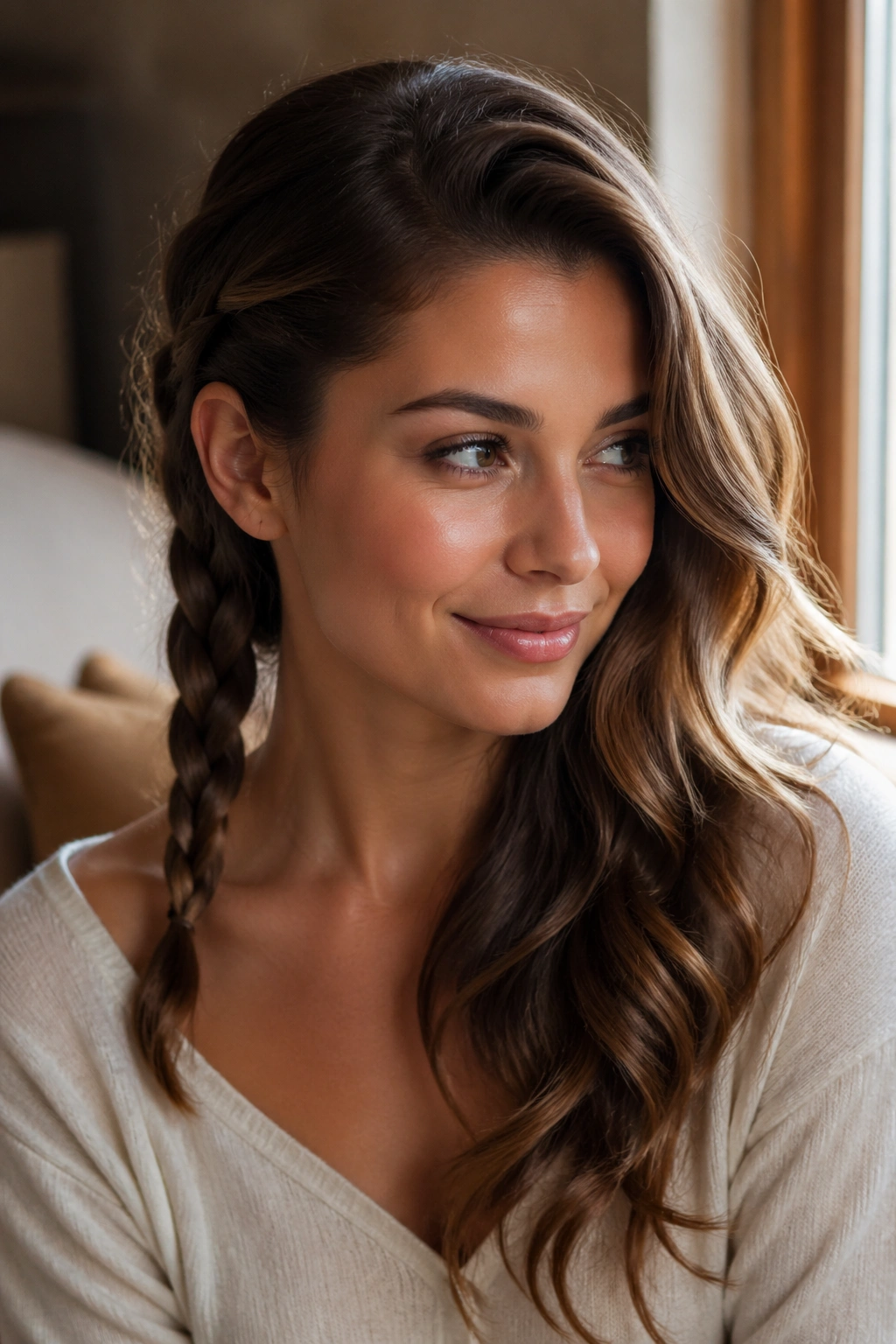
Unlike a center braid, a side braid puts most of the tension on one shoulder line, and that gives the hair a softer sweep. The waves fall in one direction, which can be a good thing if your cut has long layers or if you want a little movement around the face without making the whole head look overworked.
This style is especially nice on hair that refuses to hold a perfect part. Pull the hair over one shoulder, braid it loosely from just behind the ear, and let the ends sit low. The side placement makes the top section stay smoother while the lower half develops more bend.
It is best for medium-length hair that needs shape but not a full wave set. Shorter hair can pop out of the braid too easily. Very long hair can get too much twist at the bottom unless the braid stays loose. In other words, this one rewards moderation.
My honest take: side braids are underrated because they look a bit casual at bedtime. That is exactly why they work. You do not need precision to get a decent result, only enough control to keep the sections even.
7. Crown Braid
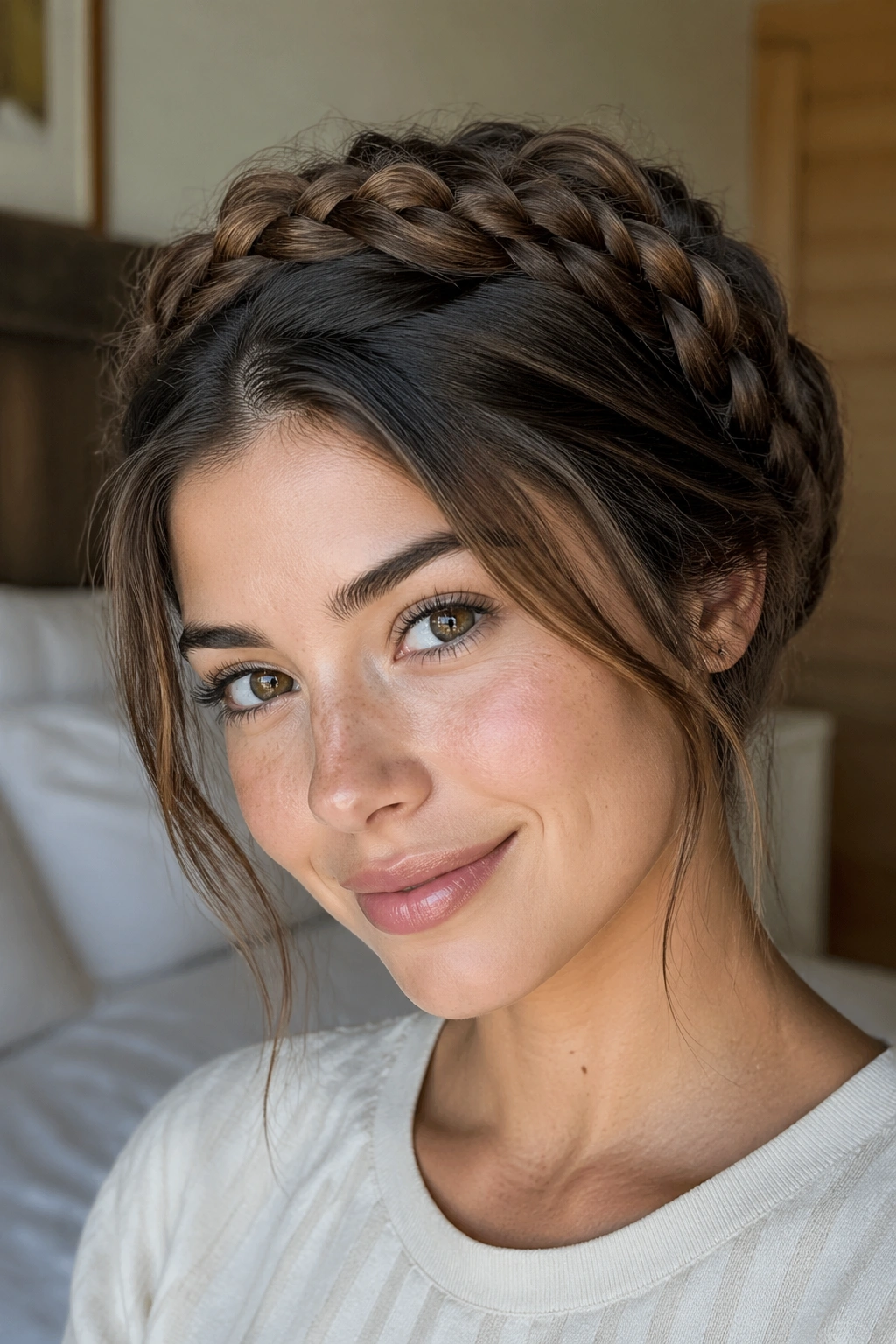
A crown braid sounds fancy, but the overnight version is mostly about where the braid sits. Wrap it around the head and you change the pressure pattern completely. The roots get lift near the top, the lengths bend in a circular direction, and the hair falls with a little more frame around the face in the morning.
What Makes It Different
The braid keeps the hair anchored close to the scalp, which helps if your crown area goes limp overnight. It also keeps the ends tucked away, so you are less likely to wake up with a wonky tail sticking out on one side.
Good For
- Hair that falls flat at the top.
- Long layers that need a better shape around the face.
- People who sleep on their back or mostly stay in one position.
A crown braid does take more hands-on time than a low braid. No way around it. But the payoff is that it gives you both waves and a little root control, which is useful if you hate waking up with the top section looking like it gave up halfway through the night.
If you want a softer finish, braid only the front and sides into the crown and leave the back section looser. That gives you face-framing bends without turning the whole head into a tight halo.
8. Half-Up Braid
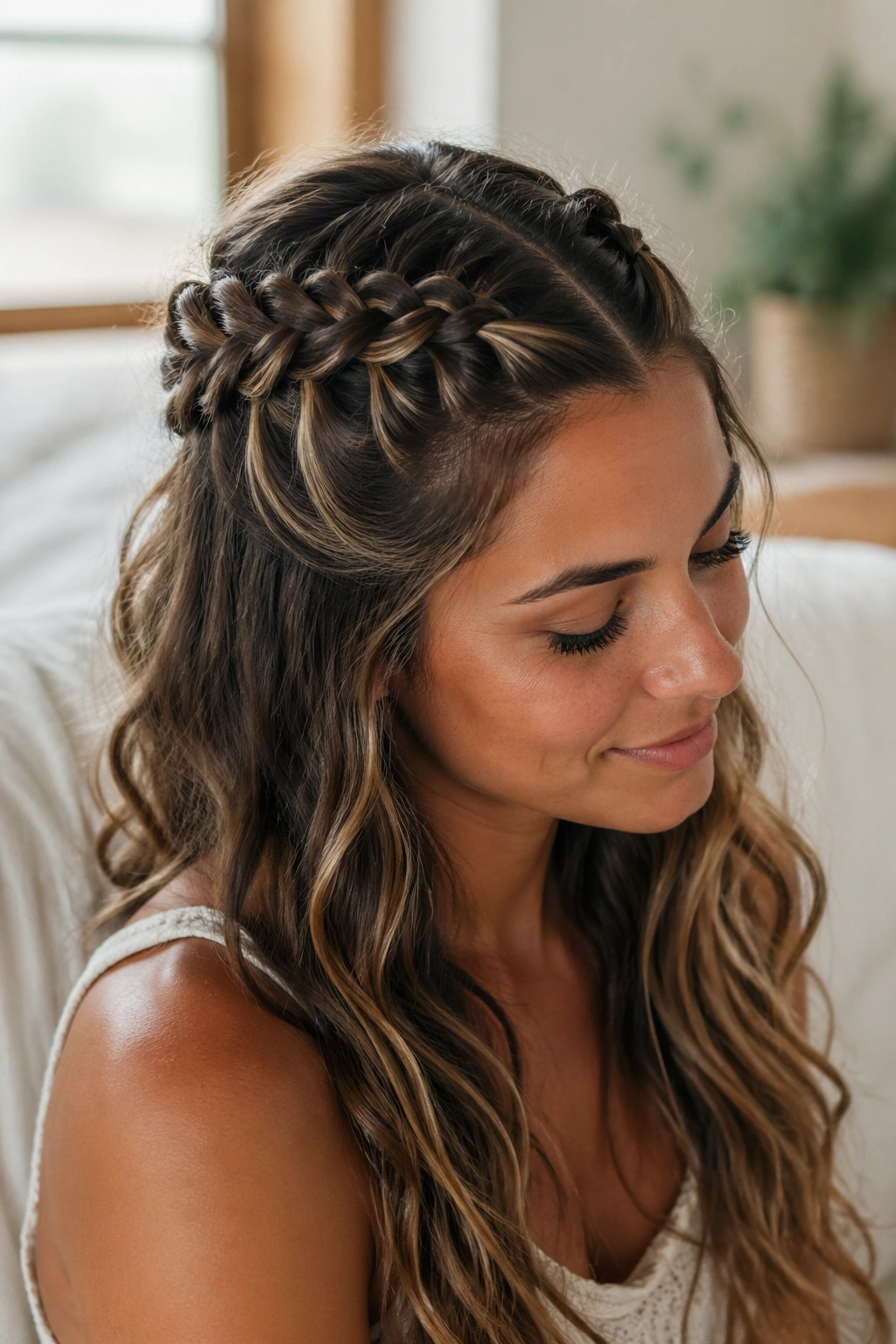
Half-up braids solve the problem of waves that collapse at the crown. If the top of your hair goes limp easily but the ends hold a bend, this is the style that keeps the front from falling asleep on the job.
You section off the top half of the hair, braid it back, and leave the rest loose. That means the crown gets shape while the lower lengths stay freer. The wave result is less uniform than a full braid, but sometimes that is the point. It looks casual in a good way, like you did enough to help the hair but not so much that it feels overdone.
I like this for long hair with a slight wave already in it. The top braid adds direction, while the loose lower half picks up gentle bends from the braid’s movement and from sleeping position. Fine hair benefits too, because the half-up section keeps the roots from getting smashed under a full braid all night.
There is one catch. If the loose section is very slick, it may straighten out faster than you want. A light mist of hold spray on the lower lengths helps without making the hair stiff.
9. Multiple Mini Braids
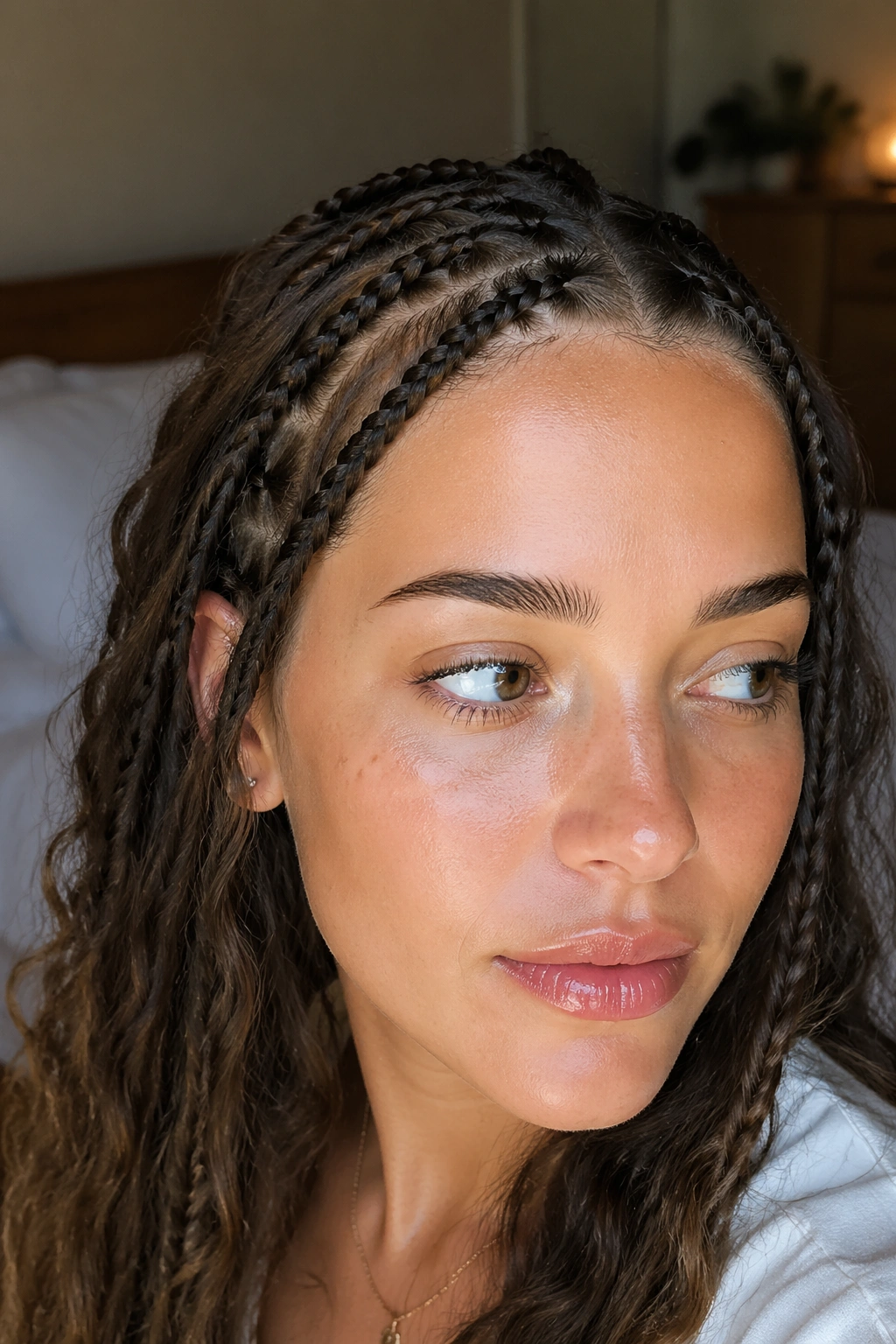
Why do tiny braids make such a big texture change? Because each small section dries with its own set of bends. Instead of one or two broad waves, you get a dense, crinkled pattern that reads as body and movement rather than obvious curls.
This style is useful when your hair is stubbornly straight and you want more than a soft bend. Divide the hair into six to ten small sections, braid each one loosely, and keep the parts fairly even. The tighter the section, the finer the wave. That is the tradeoff. More braids mean more texture, but they also mean more chance for frizz if the hair is too dry before bedtime.
How to Sleep on It
- Keep each braid no thicker than a finger or two if you want a strong wave.
- Use soft elastics so the ends do not dent.
- Sleep with a satin bonnet if your hair rubs apart easily.
- Separate the braids gently in the morning, not with a hard brush.
Mini braids are not the style I would choose for a polished office look. They are better when you want texture, volume, and a bit of grit. That sounds less glamorous than it is. In practice, this is the style that gives fine hair some life.
10. Four-Strand Braid
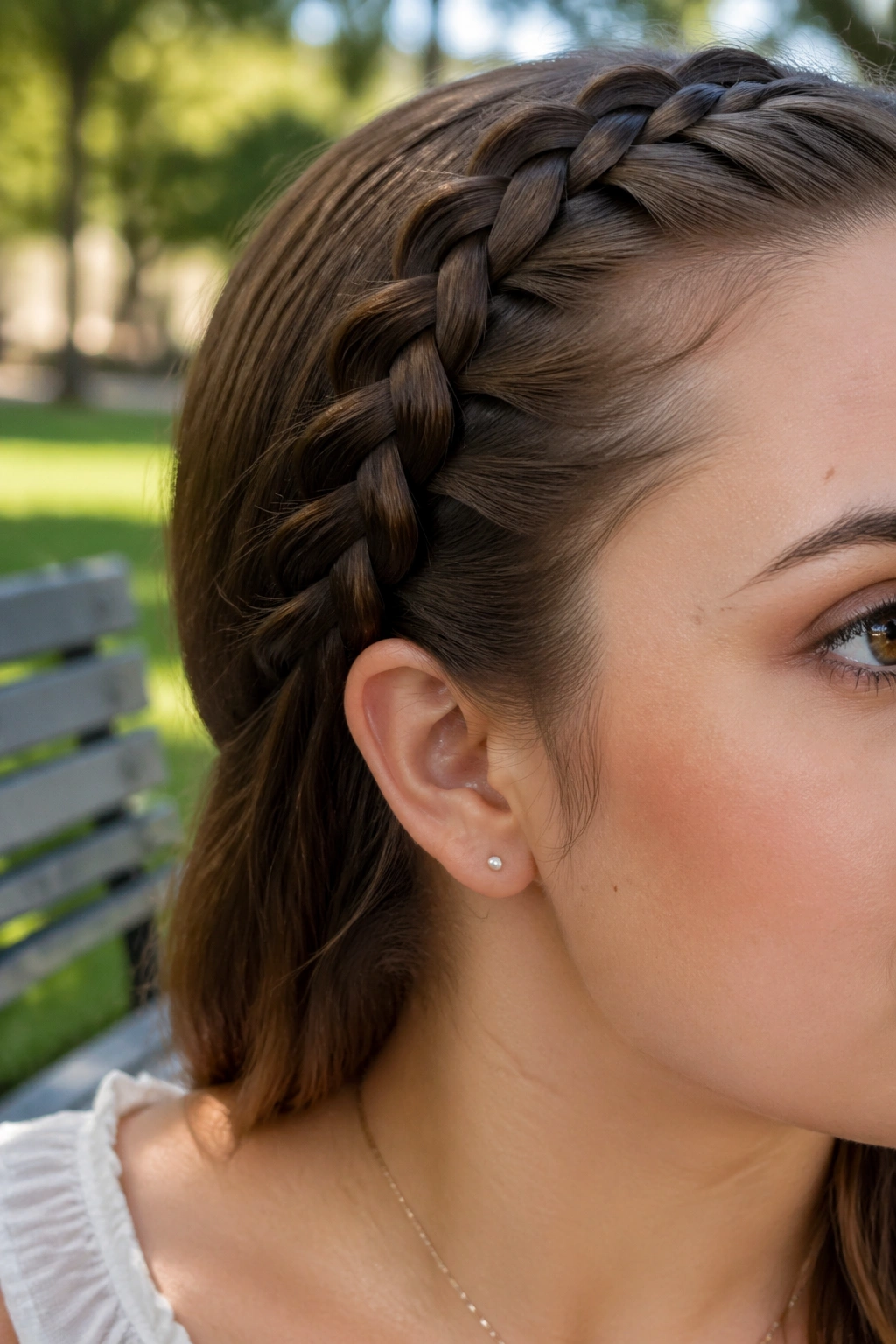
Four-strand braids give a different kind of wave, one that looks more ribbon-like than the broad bends of a classic plait. The extra strand changes the pressure across the hair, which means the finished wave has more detail and a slightly smoother flow through the length.
That makes this style a good middle ground between simple and fussy. It takes more focus than a basic braid, but it is not as tricky as a fishtail or five-strand. If you can keep your fingers organized for a few minutes, you can handle it.
- Best for long hair with enough length to show the pattern.
- Useful when you want texture without a crimped look.
- Works well on hair that needs more structure at the ends.
- Can feel awkward the first time if your sections keep slipping.
The main thing to watch is tension. Four-strand braids can turn lumpy if one section keeps getting pulled tighter than the others. Stop and reset if that happens. Do not keep forcing it. A braid that looks slightly imperfect before bed can still make beautiful waves. A braid that is uneven by a full half-inch usually makes uneven dents by morning.
11. Five-Strand Braid
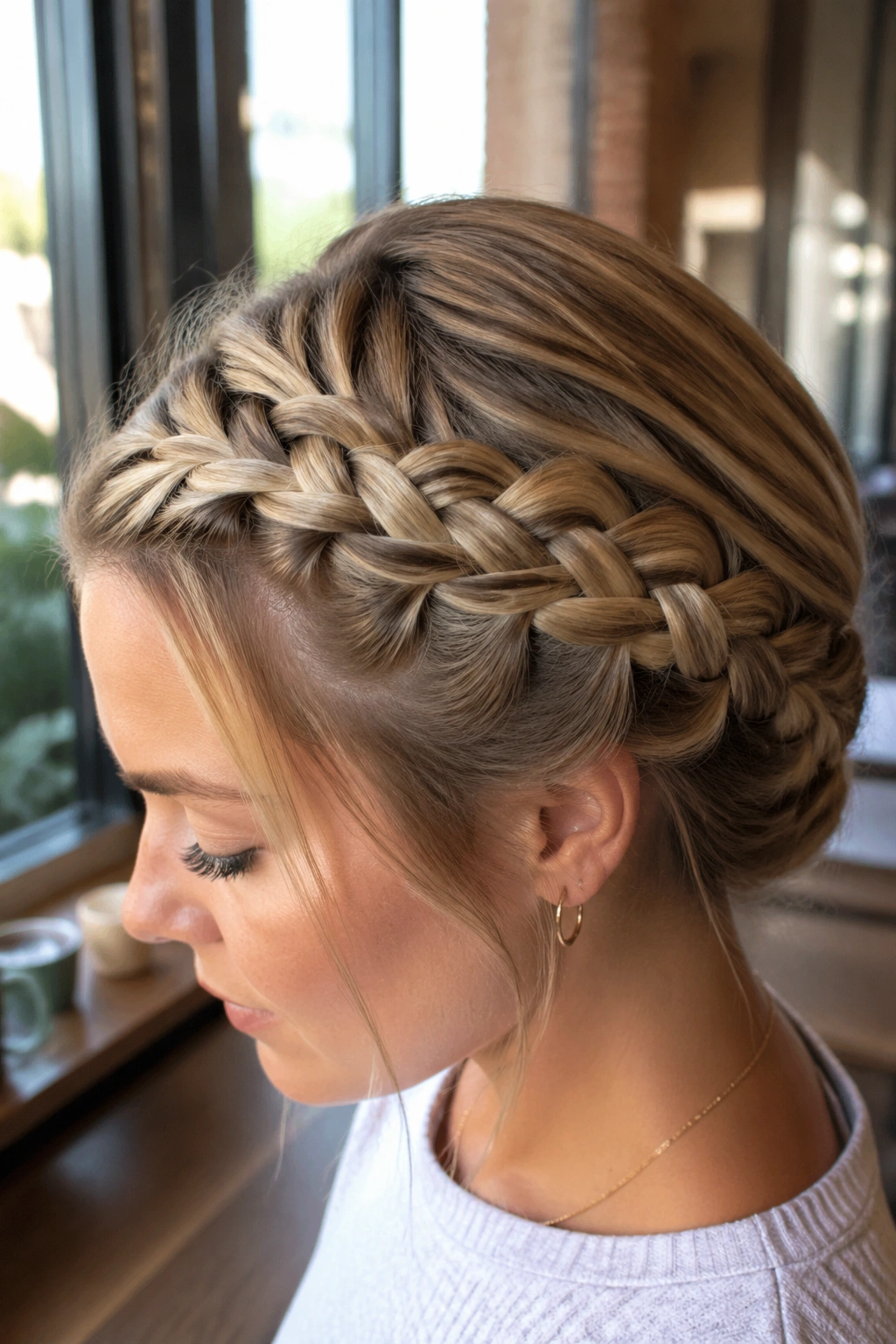
Five-strand braids are for the person who enjoys the process as much as the result. They take patience, and they are not the fastest way to get overnight heatless waves. Still, the finish is worth knowing about, because the pattern creates a fuller, more woven wave that sits somewhere between a classic braid and a softer wave set.
The extra strand gives the hair more points of folding, which means more texture through the middle and a fuller-looking tail. On long hair, that can be gorgeous. On shorter layers, it can get messy fast. So length matters here more than bravado.
What I like most is the way the hair opens up in the morning. Five-strand waves tend to separate into rich, lived-in pieces instead of one obvious braid mark. If you like hair that looks brushed but not flat, this braid does a fine job.
It is also the style that teaches you whether your hair likes a lot of handling or not. Some heads of hair hold it beautifully. Others puff. If yours puffs, try braiding slightly farther down the head and keeping the top looser. That small change often helps more than adding product.
12. Lace Braid
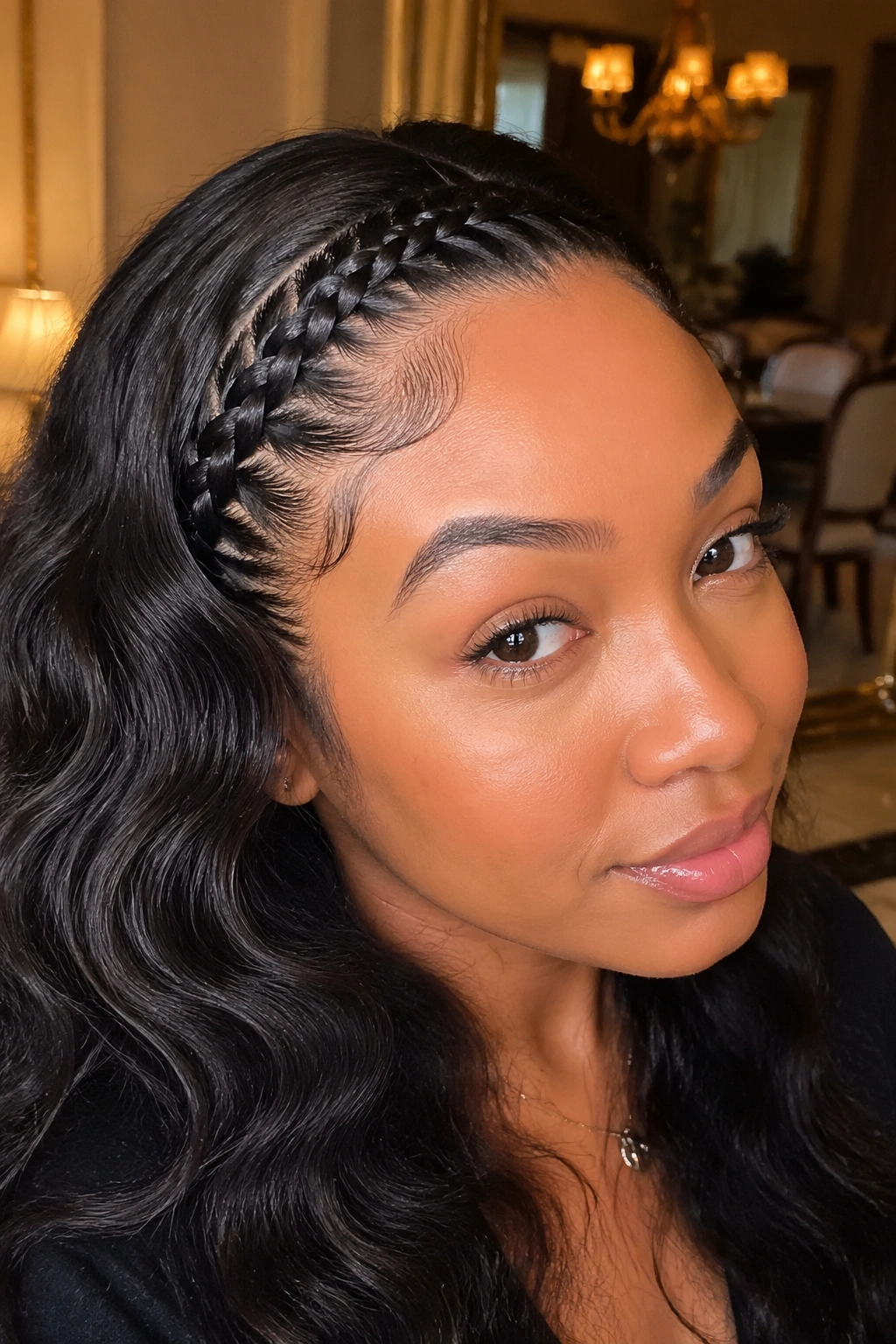
A lace braid is basically a French braid with one side kept loose, and that tiny change makes a big difference. It gives you a smoother outer edge and a more directional wave through the rest of the hair. The braid follows the hairline in a clean line while the loose side keeps moving freely.
That makes this style especially good for face-framing waves. It can tame one side of the head without flattening everything. If your hair parts awkwardly or one side always falls faster than the other, the lace braid gives that side a little structure without making the whole style feel stiff.
It works best when you want a polished front and softer back. Think dinner, errands, office, whatever. The look is controlled enough to pass as intentional, but not so tight that it feels formal. That balance is hard to get with heatless styling, and this braid does it well.
Compared with a full French braid, the lace braid leaves more freedom in the lengths, so the final wave looks less uniform. That is the point. You are steering the hair, not locking it down.
13. Braided Bun Waves
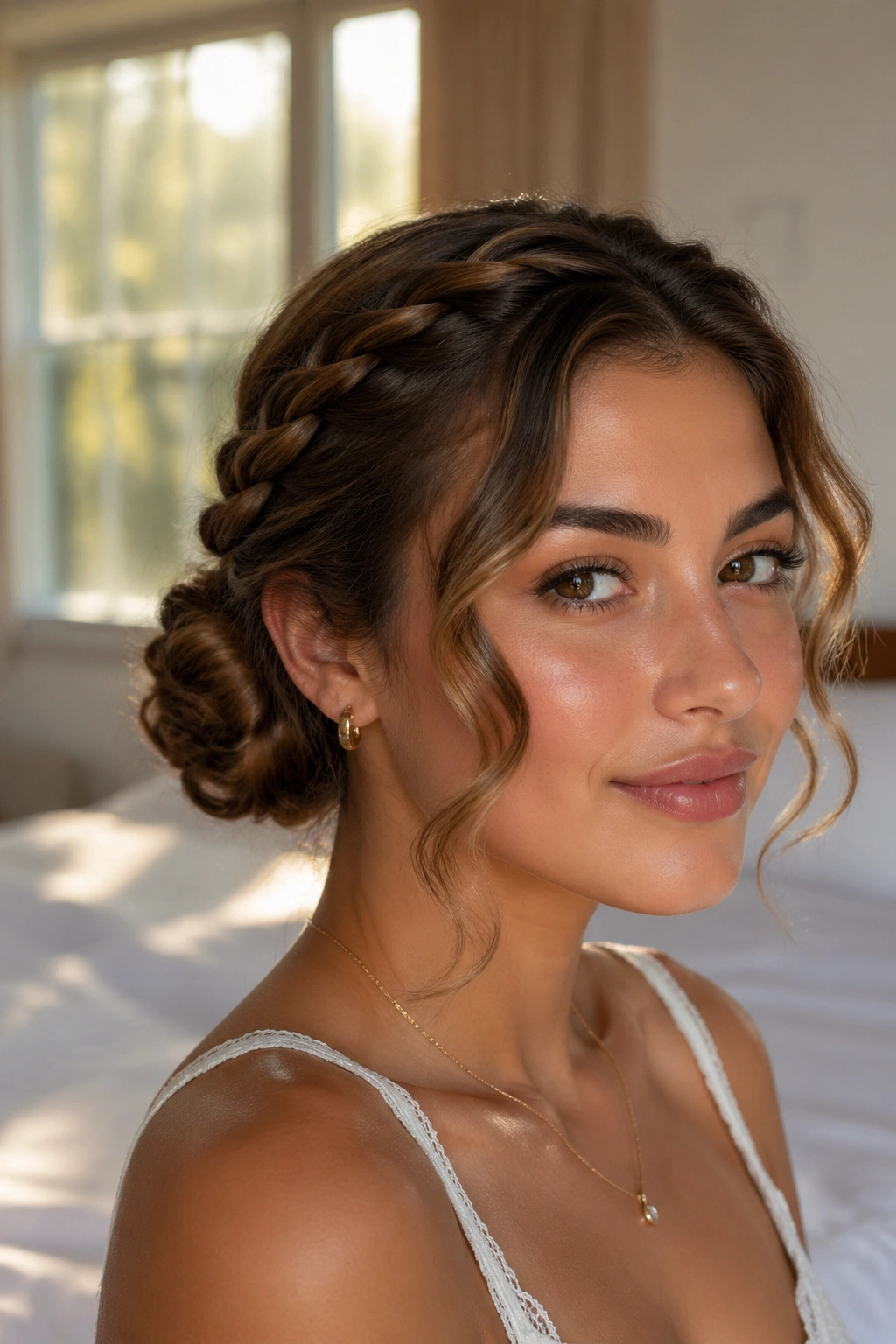
If your ends never seem to cooperate, a braided bun can save the night. Braid the hair first, then coil the braid into a low bun and secure it with a soft tie or a few pins. That double shape creates a mix of bends: some from the braid, some from the wrap.
Why It Helps
The bun keeps the braid from dragging across the pillow and loosening too much. It also tucks the ends away, which matters if your hair tends to fray or frizz at the bottom.
Best For
- Long hair that gets tangled at the ends.
- Layered cuts that lose shape in a loose braid.
- People who want softer waves near the face and less obvious braid marks at the bottom.
The finished result is less predictable than a plain plait. Sometimes that is exactly what you want. The hair wakes up with bends in different spots, and that can make it look fuller. If you want sleek, this is not your style. If you want movement with a little irregularity, it works.
Be gentle when you unwind it. Pulling the bun apart too fast can break the waves before they have a chance to settle. Patience here pays off more than fancy product ever will.
14. Boxer Braids
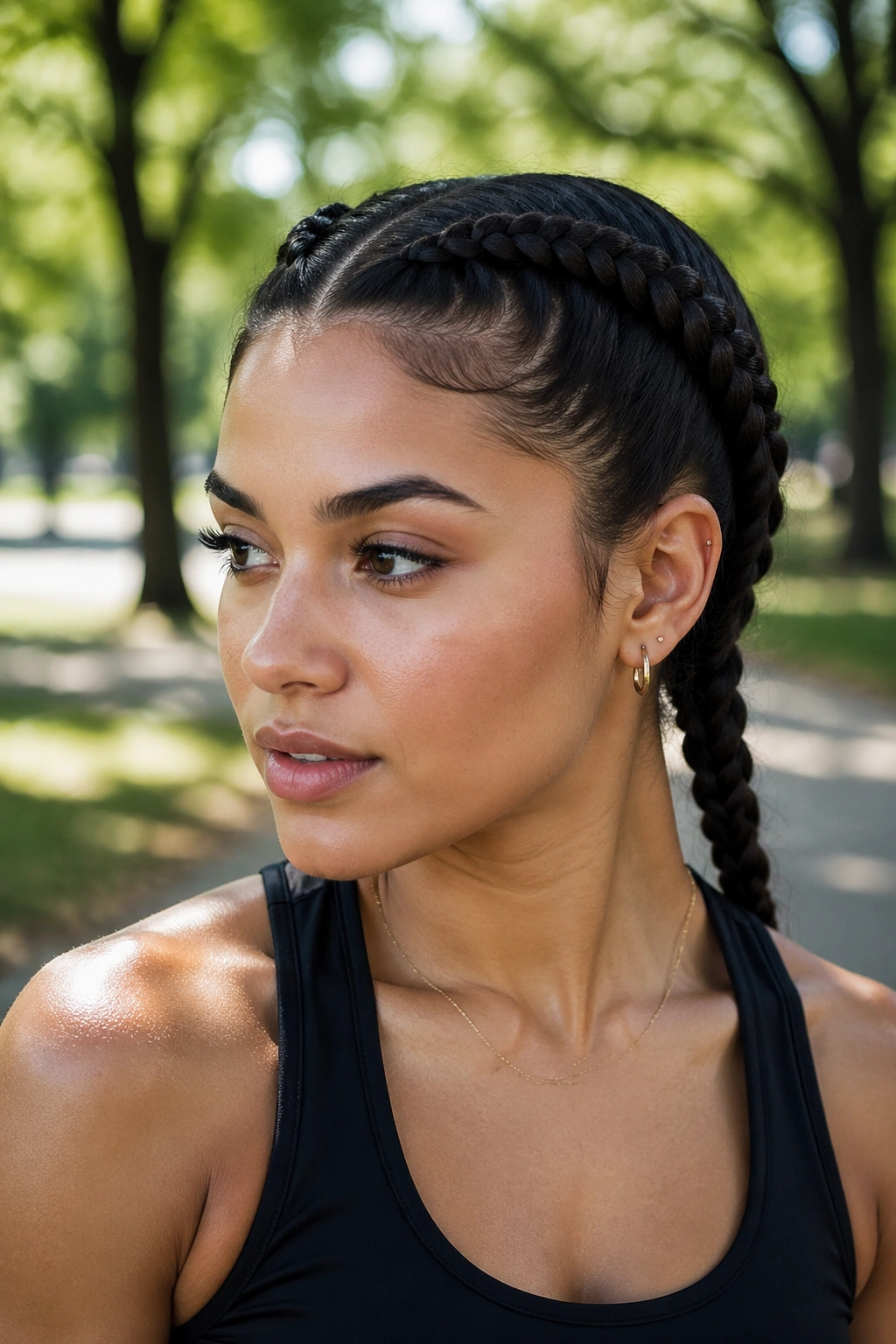
Boxer braids are the blunt instrument of overnight styling. Tight, centered, and close to the scalp, they give you the strongest definition of the bunch. They are not soft in the way a loose braid is soft. They are crisp, directional, and built for people who want a more textured result by morning.
Because the braids sit so close to the head, they create a strong wave from the roots through the mid-lengths. That makes them a smart pick for hair that is thick, heavy, or resistant to holding shape. They also keep everything secure all night, which is useful if you toss around a lot in your sleep.
There is a tradeoff, and it is a real one. Boxer braids can leave a stronger line at the root, and if you braid too tightly, the scalp can feel sore by morning. Keep the tension firm but not aggressive. That small difference matters more than people think.
If you want the wave to look softer, loosen the braids a little at the crown after they are finished, then sleep on a smooth pillowcase. If you want maximum texture, leave them as they are and finger-comb them only after they are fully dry. Either way, this style gives you one of the strongest overnight changes on the list.
The braid that works best is usually the one that suits your hair’s mood, not the one that looks clever in a mirror. A loose braid can make fine hair feel fuller. A tighter braid can keep thick hair from going shapeless. A side braid, a crown braid, a fishtail — each one leaves a different fingerprint, and that is the fun part.
If you only remember one thing, make it this: damp hair and gentle tension beat heroics every time. The prettiest heatless waves tend to come from the braid that respects your hair instead of arguing with it.
