


Layered haircuts are practically designed for naturally wavy hair—they work with your texture instead of against it, creating movement and dimension that make your waves look intentional and effortlessly chic. The right layers remove bulk, reduce frizz, and enhance the natural curl pattern you already have, which means less styling time and more confidence in how your hair looks. But not all layers are created equal, and what works beautifully for straight hair might leave wavy hair looking wispy or unruly. The key is finding cuts that respect your wave pattern, use strategic layering to encourage movement, and allow your hair to air-dry into shape with minimal effort.
Whether your waves are loose and gentle or tighter and more defined, there’s a layered cut that’ll work perfectly with your natural texture. The styles below range from short and playful to long and flowing, each chosen specifically because they enhance wavy hair’s best qualities—that gorgeous texture, the way light catches the layers, and the built-in volume that makes styling actually fun instead of frustrating.
1. The Modern Shag
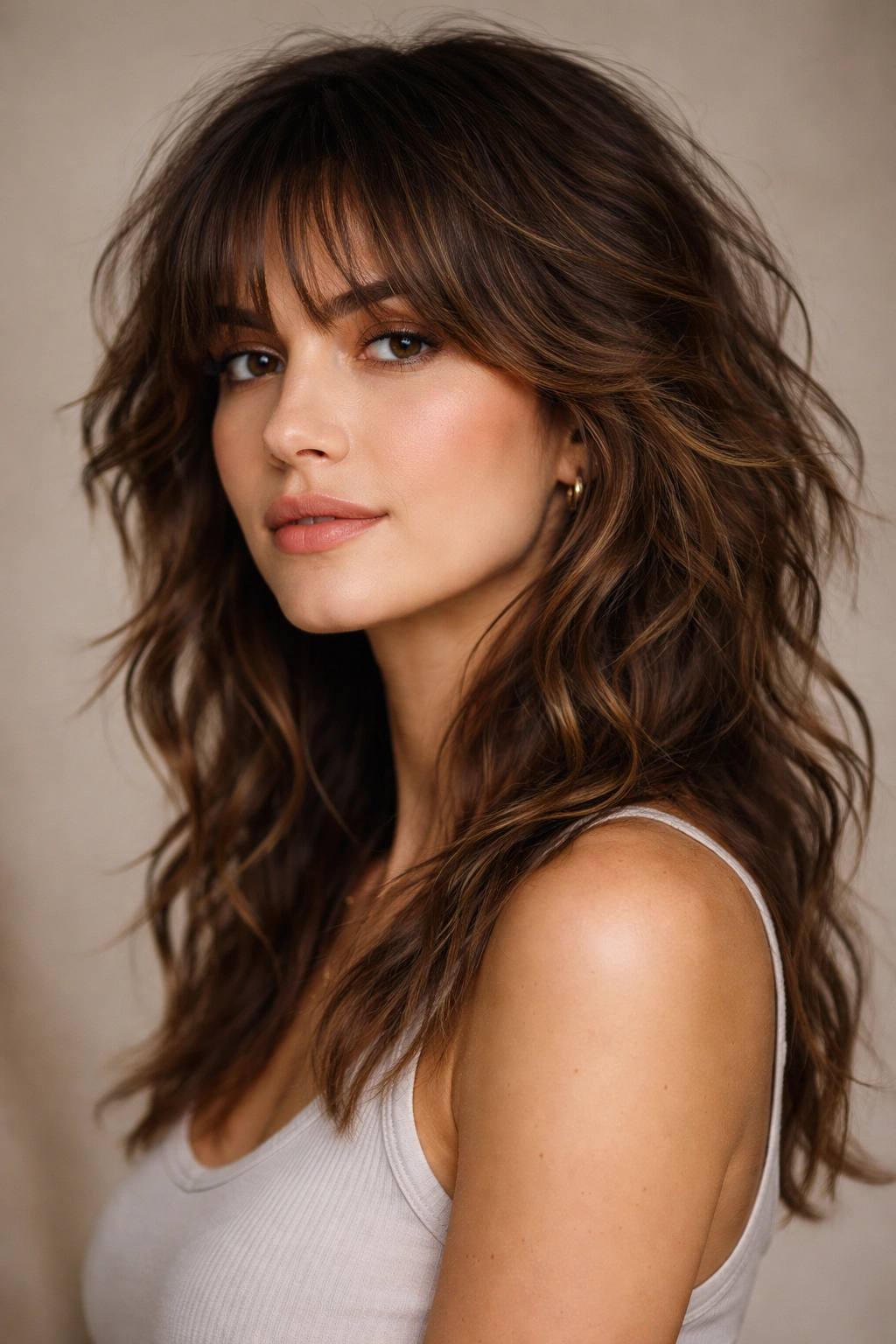
The shag is having a major moment, and honestly, it was made for wavy hair. This cut features shorter layers throughout that create incredible texture and movement, with the shortest pieces usually around the face and crown. Unlike the ’70s shag you might be picturing, the modern version is more refined and blended, with longer pieces underneath that ground the cut and shorter choppy layers on top that dance when you move. The beauty of a shag on wavy hair is that your waves automatically enhance the layered effect—the natural movement fills in the shape and makes the cut look intentional rather than choppy.
Why Wavy Hair Loves the Shag
Shags thrive on texture, and that’s exactly what your wavy hair brings to the table. The layers create pockets of space where your waves can form and breathe, and the length variation means no single wave pattern dominates the look. You’ll get incredible volume naturally without needing to tease or blow-dry, and the shorter face-framing pieces will curl upward to open up your features.
Styling and Maintenance
- Apply mousse to damp roots for lift, then scrunch upward as your hair dries
- Use a curl-defining cream or gel on the mid-lengths and ends to emphasize your waves
- Dry on low heat or air-dry completely for the most natural wave pattern
- Trim every 4-6 weeks to keep the shape sharp and prevent the shorter layers from growing out shapeless
- Sleep in a loose braid to preserve waves overnight
Pro tip: The shag actually looks better slightly lived-in than freshly styled, so don’t stress about perfect waves every single day.
2. The Textured Wolf Cut
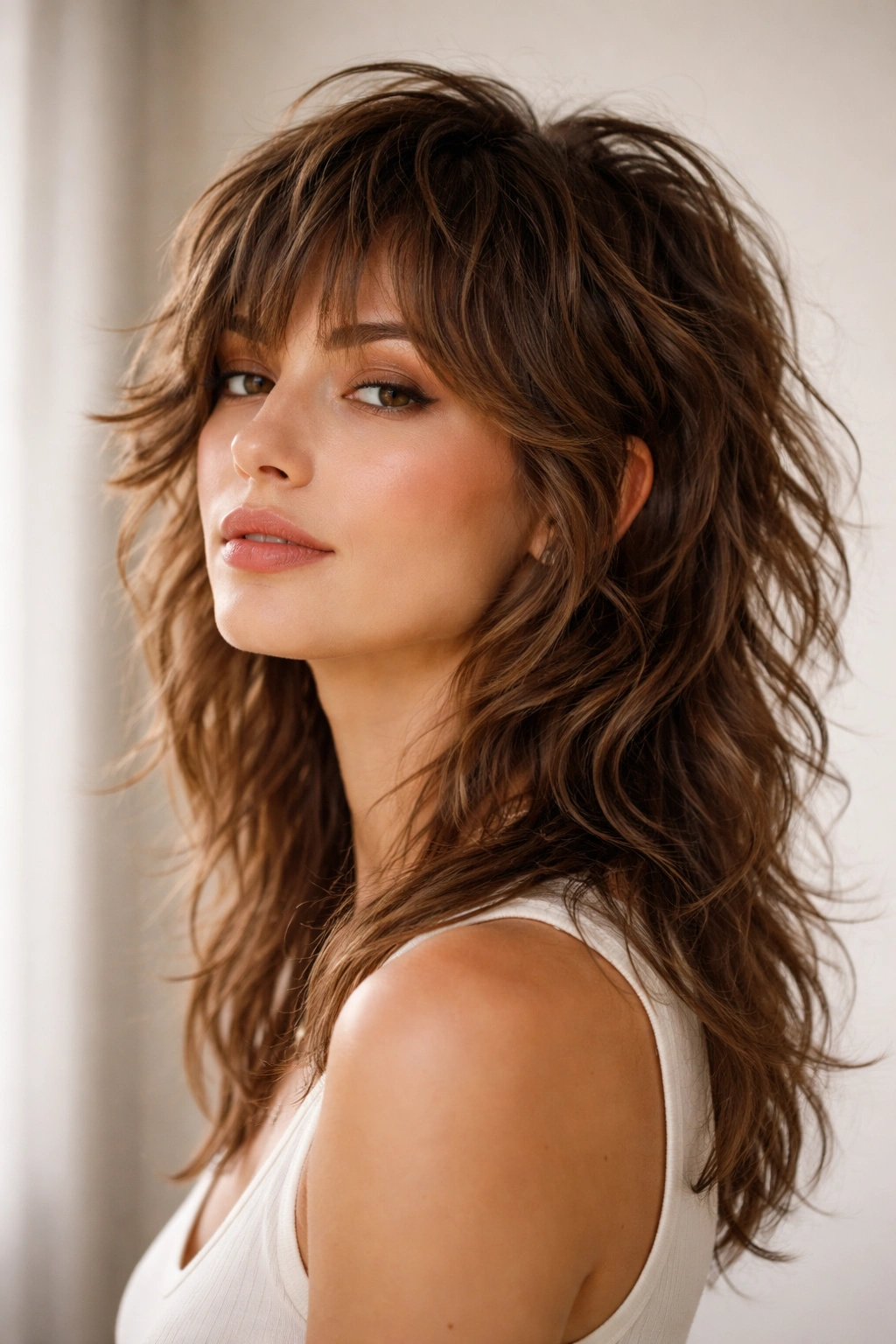
The wolf cut sits somewhere between a shag and a mullet, combining short, choppy layers on top with longer length in the back. It’s bold, playful, and surprisingly flattering on wavy hair because the texture-focused layers on top blend seamlessly with your natural wave pattern. The definition between the shorter crown layers and the longer underneath creates a stunning silhouette, and the back length gives you options—wear it down for flow, or tuck it up to emphasize the cropped top.
Why This Cut Works for Waves
Wolf cuts were designed for hair with natural texture, and your waves are the perfect foundation. The choppy layers on top catch light and movement in a way that looks intentional and editorial, while the length in the back prevents the cut from looking too severe. Your waves will create their own texture and dimension without you needing to add anything artificial.
Styling Tips
- Blow-dry the crown layers upward using a round brush to maximize height and shape
- Let the back air-dry or use a diffuser to maintain natural wave texture
- Apply lightweight oil or serum to the ends to prevent dryness while keeping the layers defined
- Embrace a slightly undone aesthetic—this cut looks better imperfect than overly polished
- Experiment with styling the back half-up for different looks throughout the week
Worth knowing: Wolf cuts can be tricky to maintain if your stylist isn’t experienced with texture-focused cuts, so bring reference photos and chat about your wave pattern before committing.
3. The Piece-y Long Bob (Lob)
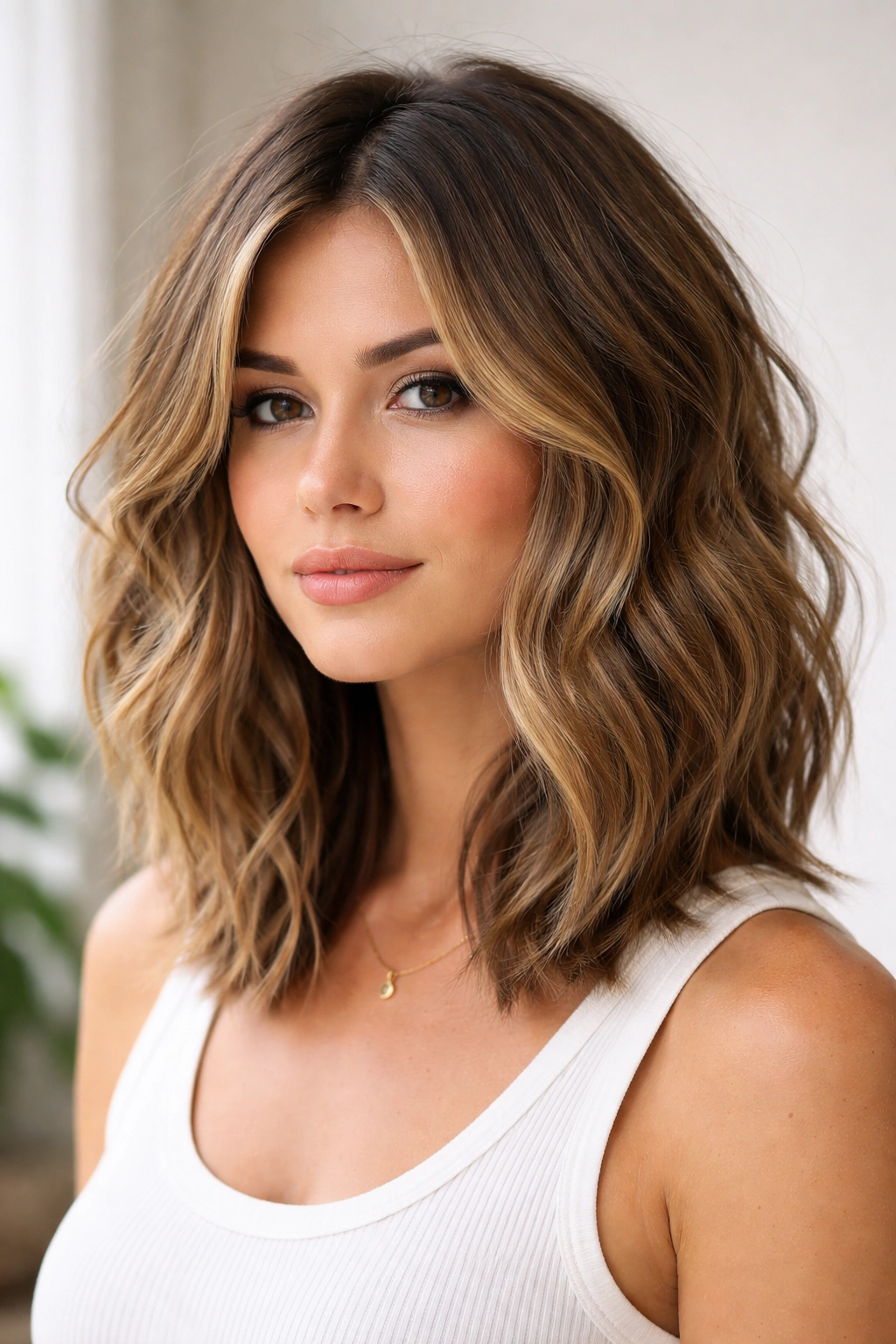
A long bob with strategic, piece-y layers hits that sweet spot between having real length and gaining the movement and lightness that layers provide. This cut sits somewhere between your shoulders and mid-back, with shorter layers concentrated around the face and longer layers blending underneath. The piece-y texture creates the illusion of individual waves rather than a block of hair, and the length variation means your waves have room to separate and form naturally.
How Layers Transform a Lob for Wavy Hair
A straight lob can look heavy and flat on wavy hair because the density keeps waves from forming. But add strategic layers—especially shorter pieces around the face and at the crown—and suddenly your hair has space to move. The layers also distribute weight more evenly, which means less pulling on your wave pattern and more freedom for your natural texture to shine.
Daily Styling and Care
- Refresh waves overnight by sleeping in a loose braid or using a wave spray on damp hair
- Apply curl cream or wave mousse to damp mid-lengths and ends, then air-dry or diffuse
- Use a round brush when blow-drying to create soft wave shapes, focusing on the crown for lift
- Trim every 6-8 weeks to maintain the layer shape and prevent the cut from becoming too blunt
- Deep condition weekly to keep layered ends hydrated and smooth
Insider note: Ask your stylist to cut some texture into the very ends (point-cutting or razor-cutting) rather than blunt edges—it makes the pieces look intentional and helps them blend better into your wave pattern.
4. The Choppy Shoulder-Length Cut
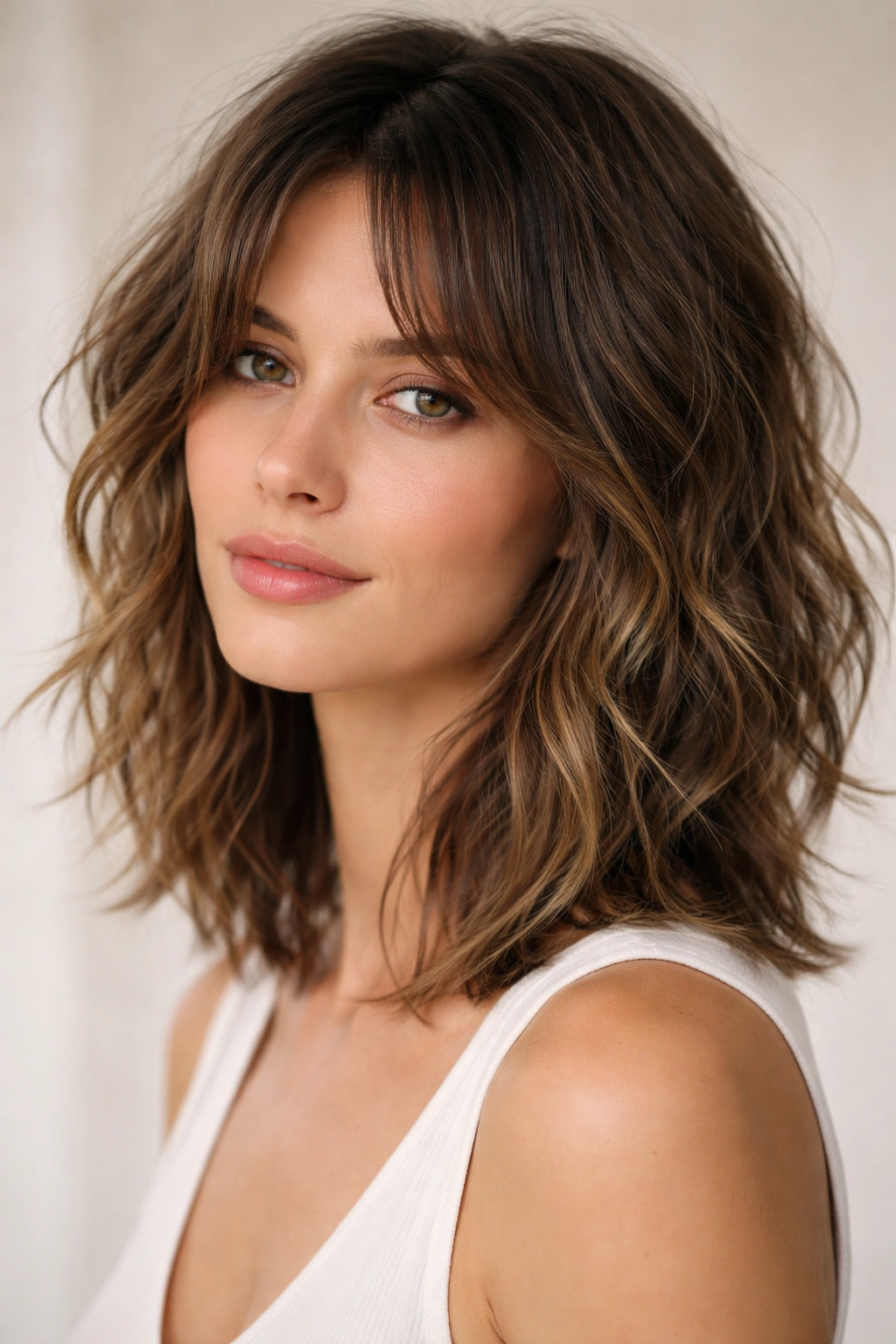
This is a choppier, more textured version of a shoulder-length bob, with layers that hit at varying lengths throughout. The shortest pieces might end at the chin, while longer pieces extend past the shoulders, creating an intentionally uneven, movement-focused silhouette. This cut is especially stunning on wavy hair because the choppy texture actually emphasizes your natural texture rather than fighting it. There’s no trying to tame waves into sleekness—instead, you’re celebrating the movement and texture as the core of the style.
Why Choppiness Works on Waves
When your stylist cuts piece-y layers with intentional texture (using point-cutting or a razor), those layers blend beautifully with how your waves naturally separate and form. The uneven lengths mean no two pieces fall the same way, which creates a look of effortless, organic movement. Your waves do most of the work; the cut just gives them permission to be themselves.
Styling and Upkeep
- Scrunch a curl-defining product into damp hair and air-dry for maximum wave emphasis
- Blow-dry with a diffuser attachment to encourage wave formation and add volume
- Finger-comb rather than brushing (which can disrupt waves) once your hair is dry
- Trim every 4-6 weeks to keep the choppy layers looking intentional rather than grown-out
- Refresh between washes using a wave spray or sea salt spray on damp hair
Pro tip: This cut looks fantastic styled in a half-up clip or low ponytail, where the choppy layers create texture around your face and shoulders.
5. The Feathered Layers with Longer Length
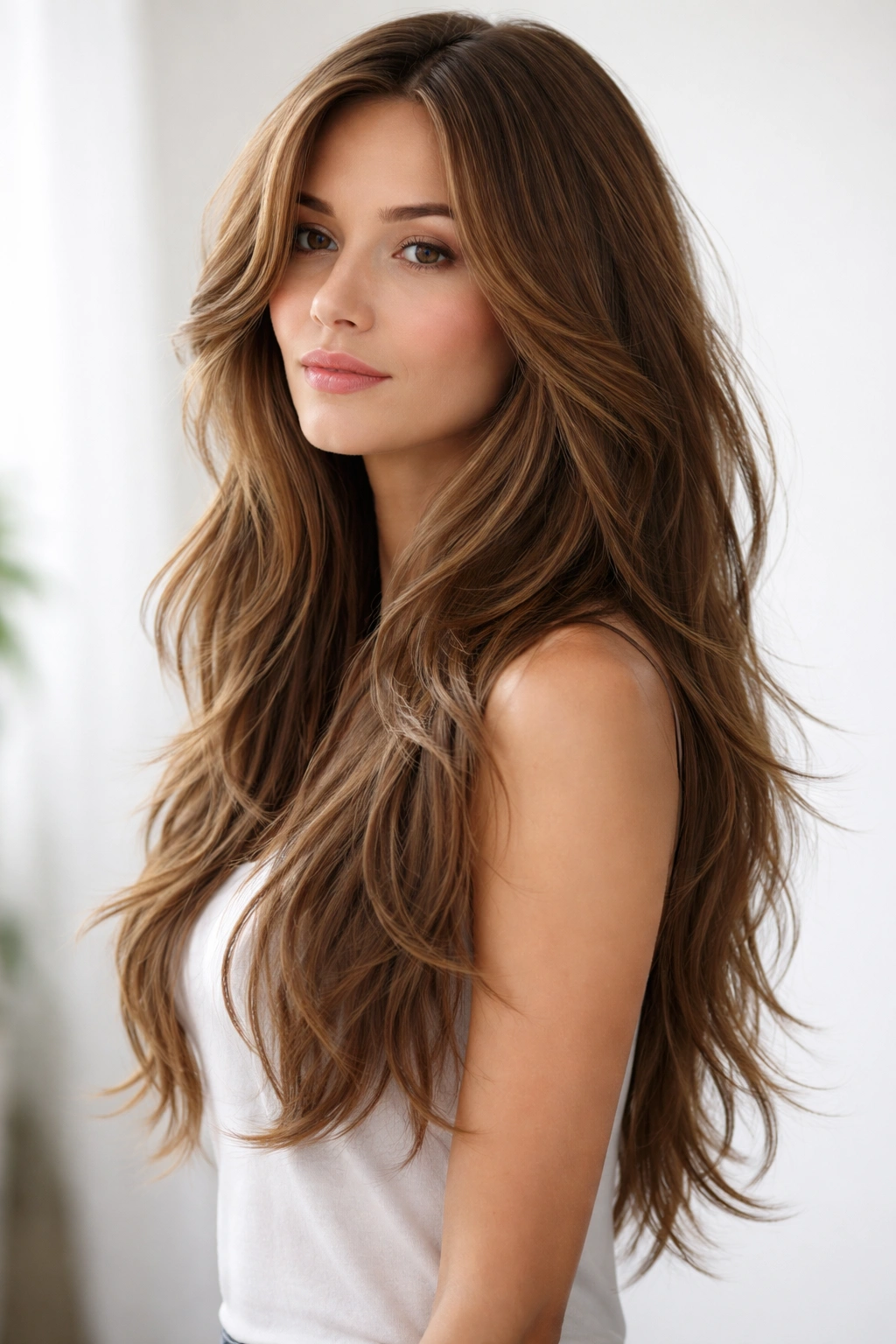
Feathered layers are delicate, wispy layers that taper toward the ends, creating a soft, movement-focused silhouette while maintaining overall length. This technique involves cutting layers that get progressively shorter as you move inward, creating feather-like texture. On wavy hair, feathered layers are absolute magic—they remove bulk without creating choppy, disconnected pieces, and they encourage your waves to cascade smoothly from root to end.
How Feathering Differs from Choppy Layers
Where choppy layers are blunt and intentionally textured, feathered layers are refined and streamlined. Feathering uses clippers or razors to create a tapered effect that makes even thick, wavy hair feel lighter and easier to manage. This is the technique to choose if you want your waves to look defined and polished rather than playful and textured.
Maintenance and Styling
- Work with a curl-cream or leave-in conditioner on damp hair for definition without crunch
- Brush gently from roots to ends using a wide-tooth comb while hair is damp, then air-dry
- Blow-dry with a round brush to shape your waves into soft curves rather than tight coils
- Trim every 6-8 weeks to maintain the feathered taper and prevent blunt edges from forming
- Sleep on a silk or satin pillowcase to reduce frizz and preserve your wave pattern overnight
Worth knowing: Feathered layers work best on medium to thick hair; if your waves are fine, too much feathering can make them look stringy rather than textured.
6. The Face-Framing Layers with Long Underneath
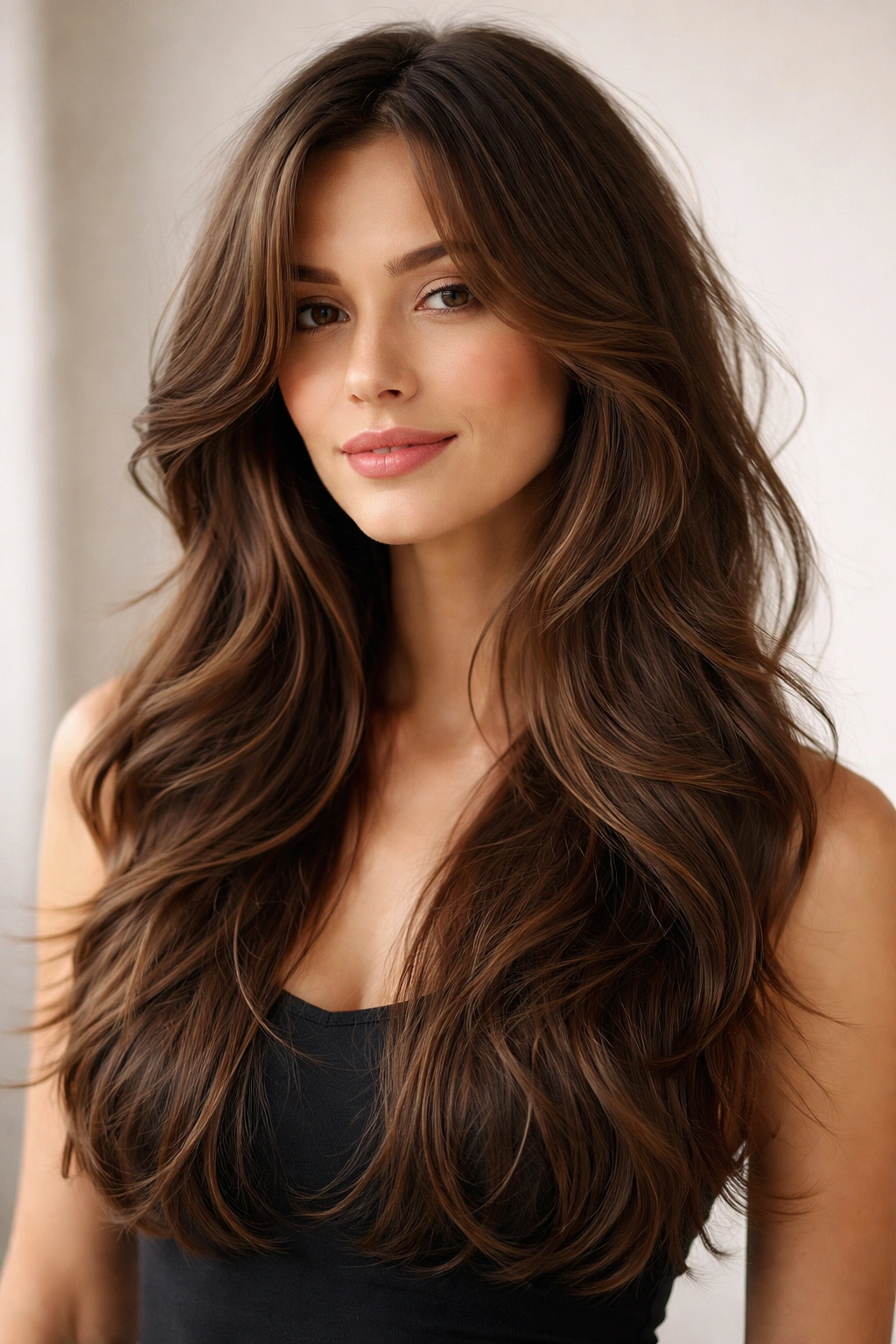
This is a smart strategy where your stylist keeps overall length but adds shorter, face-framing layers that sit around your cheekbones and chin. The underneath remains long and layered, but the shorter pieces in front create definition and movement around your features. This approach gives you the styling flexibility of longer hair while gaining the movement and lightness that layers provide right where you need it most.
Strategic Face-Framing for Wavy Hair
The pieces around your face will naturally curl and wave, creating a soft, flattering frame that opens up your features. Because these pieces are shorter, they’re more prone to curl tightly, which actually works in your favor—the tighter curl on the face-framing pieces contrasts beautifully with the looser waves on the longer underneath. This layering strategy is especially flattering on round or square faces because the shorter, curled pieces create vertical lines that lengthen the face.
Styling Techniques
- Use a small curling iron or wand on the face-framing pieces to enhance curl and control direction
- Apply lightweight styling cream to face-framing layers specifically to keep them defined without looking stiff
- Dry the crown and face-framing layers first (they dry fastest and set the shape), then let the longer underneath air-dry
- Refresh face-framing layers daily using a curl cream and either air-drying or using a diffuser
- Trim face-framing pieces every 4 weeks so they don’t grow into the longer underneath
Pro tip: Ask your stylist to angle the face-framing layers slightly backward rather than straight down—it creates a more flattering shape that follows the curve of your face.
7. The Choppy Pixie-Shag Hybrid
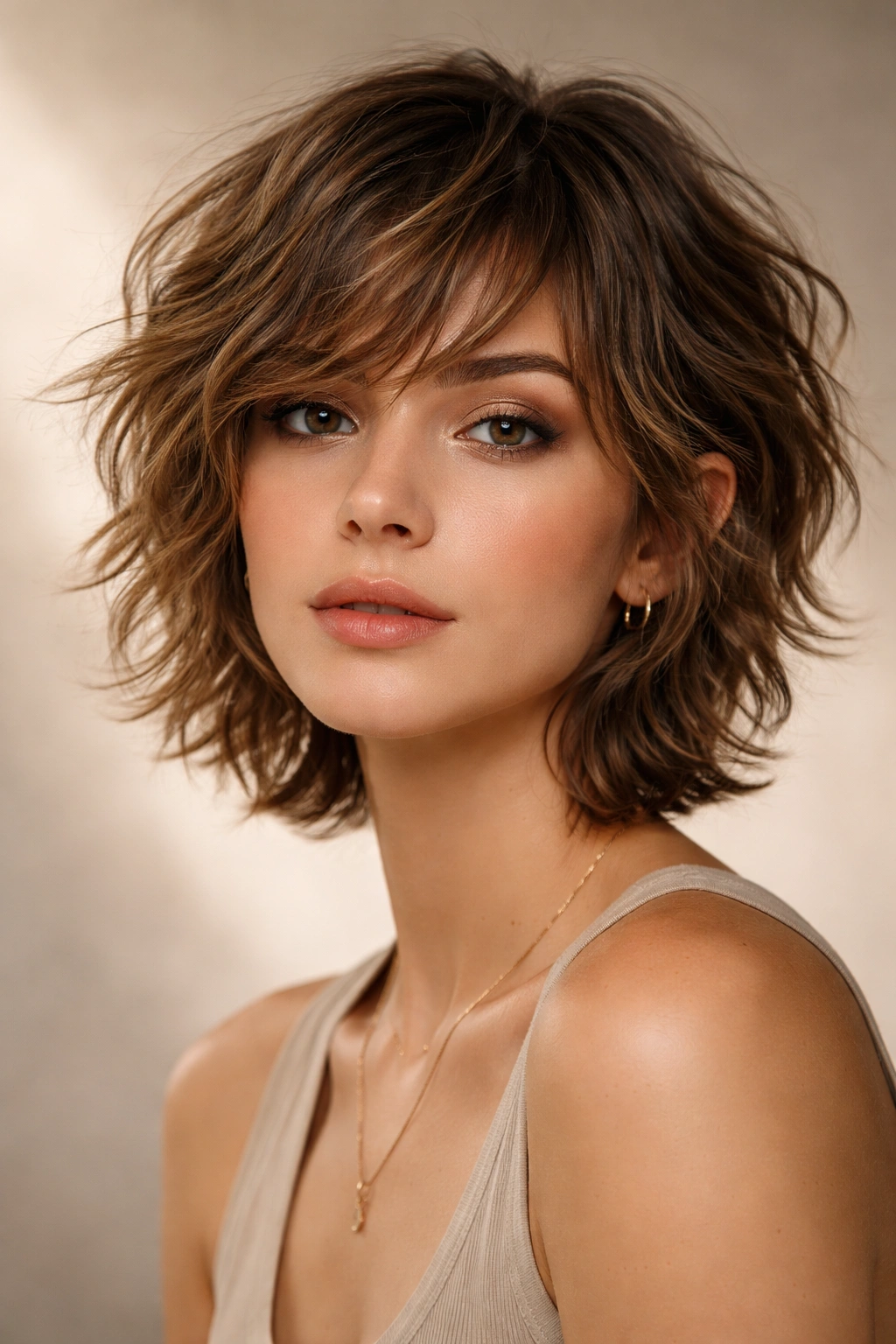
This is a shorter cut (roughly chin-length or above) with intentionally choppy, textured layers throughout, creating a playful, movement-focused style. It’s got the practical brevity of a pixie but with the texture and visual interest of a shag. On wavy hair, this cut is transformative because your natural texture does the heavy lifting—the waves create volume and movement that makes the cut look intentional and editorial rather than just short.
Short Textured Cuts for Wavy Hair
Many people with wavy hair avoid short cuts, worried they’ll look blunt or too tight. But a well-executed choppy pixie-shag with attention to your wave pattern will actually look better shorter than it would be grown out. The waves create their own styling, and the short length means you can wash and go in minutes without needing styling tools.
Care and Styling
- Wash and scrunch a curl cream into damp hair, then air-dry or diffuse for a piece-y, textured look
- Blow-dry upward and backward using your fingers to direct waves and create lift
- Use a misting spray or sea salt spray to refresh texture between washes
- Trim every 3-4 weeks to maintain the choppy shape and prevent it from growing into an awkward in-between length
- Apply a lightweight gel or mousse to enhance texture without weighing down short hair
Insider note: This cut requires confidence and comfort with your natural texture showing—embrace the slightly undone, textured look rather than trying to tame it smooth.
8. The Layered Shaggy Bangs with Long Layers
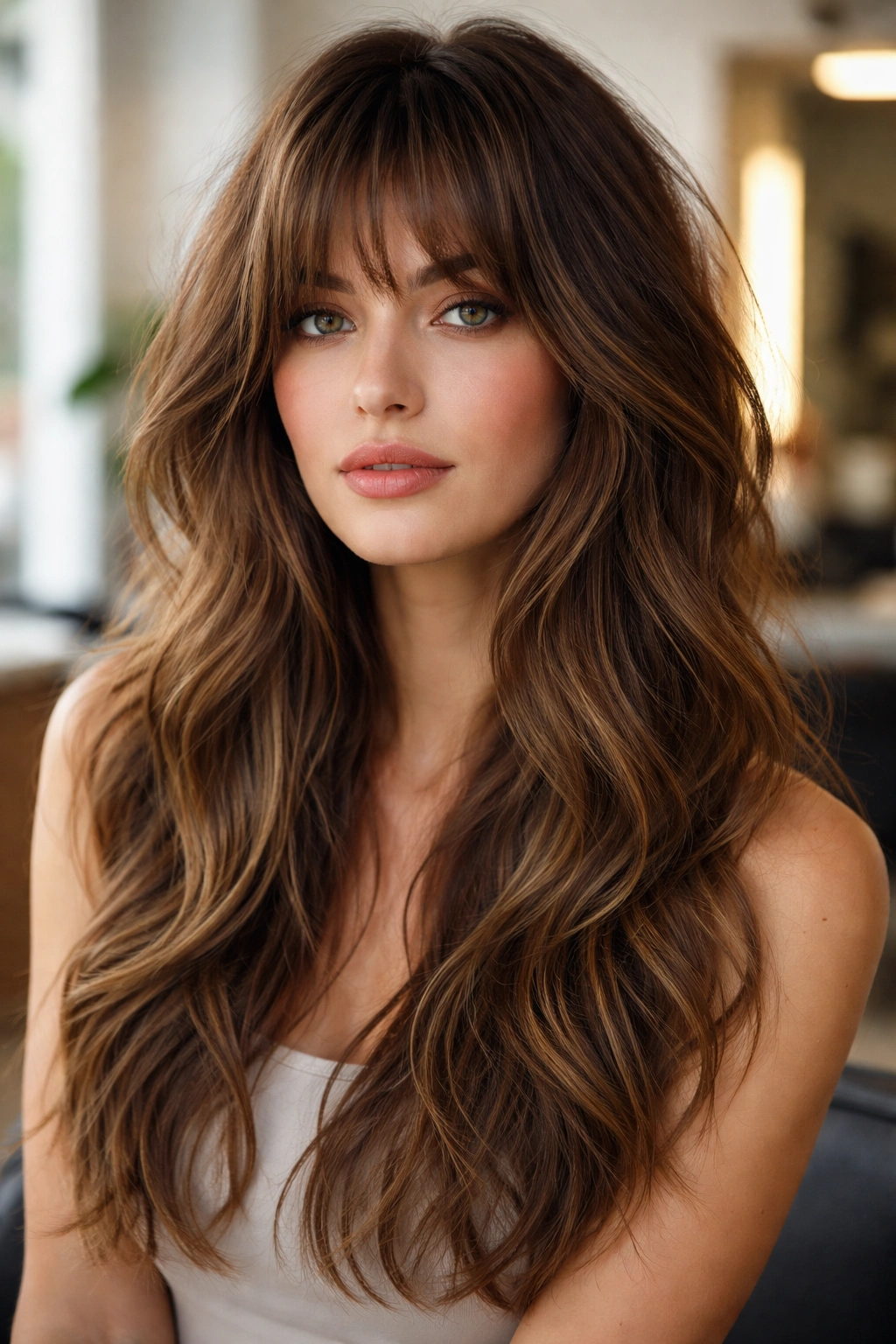
This approach combines longer length with strategically placed shaggy, textured bangs that blend into the top layers. The bangs are choppy and piece-y rather than blunt, creating movement that complements the overall layered structure. Shaggy bangs on wavy hair look effortlessly cool because your natural waves make the bangs move and part naturally, creating a soft, lived-in vibe.
Why Shaggy Bangs Work on Waves
Blunt bangs can look severe on wavy hair and often curl up at odd angles, but shaggy, layered bangs blend seamlessly with your wave pattern. Because they’re shorter and more textured, they curl tighter and create a flattering frame around your eyes. The choppy texture means the bangs don’t sit like a solid block across your forehead—instead, pieces move independently, creating an intentional, editorial look.
Styling Shaggy Bangs
- Style bangs separately using a small round brush or curling iron to direct them where you want them
- Apply a lightweight gel or curl cream to bangs to enhance texture and reduce frizz
- Blow-dry bangs upward and away from your face to create a soft, parted look
- Refresh bangs daily since they show products and oils faster than longer hair
- Trim bangs every 2-3 weeks to maintain the shaggy shape and prevent them from growing too long
- Sleep with bangs pinned up or braided to prevent them from flattening on one side
Worth knowing: Shaggy bangs require daily styling to look their best, so commit to this style only if you enjoy spending a few extra minutes on that area each morning.
Final Thoughts

The best layered haircut for your wavy hair depends on how much styling time you want to invest, what length makes you feel confident, and how textured versus polished you want to look. All eight of these cuts work with your natural wave pattern rather than against it, which means you’re not fighting your hair every morning—you’re enhancing what you already have.
Before booking your appointment, bring multiple reference photos and have a real conversation with your stylist about your wave pattern, how you typically style your hair, and how much maintenance you’re willing to do. A stylist who understands texture and has experience with wavy hair will make an enormous difference in how your cut turns out and how happy you’ll be with it long-term.
The most important thing to remember is that layered cuts on wavy hair only get better as you learn how your waves respond to different styling techniques and products. Give yourself a few weeks to experiment with air-drying, diffusing, and different styling products before deciding whether a cut is right for you. Your waves are a feature, not a flaw—find a cut that celebrates them, and you’ll never regret it.