
Medium length hairstyles for women over 60 have a sweet spot that short cuts can miss and long hair often makes too complicated. The hair sits at the shoulders or collarbone, so it still moves, still swings, still feels like hair — but it’s easier to wash, dry, and tuck away when you want it off your face.
That length also tends to be kinder to changing texture. Hair can get finer at the crown, coarser at the ends, or a little frizzier around the hairline, and a good mid-length cut works with those changes instead of pretending they are not there. That’s the real trick. Not youth. Not disguise. Shape.
A sharp stylist will look at your cowlicks, your part, your neckline, how often you wear glasses, and whether your hair likes to lie flat or puff out at the ends. Those details matter more than any trend picture pinned to a board. A cut that looks lovely in a photo can feel fussy by Tuesday morning.
So let’s get practical. These are the cuts that keep showing up because they do useful things: lift the face, soften the jaw, make gray hair shine, and give thin hair a little more presence without making thick hair feel like a helmet.
1. Soft Layered Lob with Side-Swept Bangs
A soft layered lob is one of those haircuts that earns its keep fast. It lands around the collarbone, which gives you room to pull it back, tuck it behind one ear, or let it swing loose without dragging your features down. The side-swept bangs are the part people notice first, though — they open the face without boxing it in.
Why It Flatters So Many Face Shapes
Those longer front pieces create a diagonal line, and diagonals are kind to the face. They soften a strong jaw, break up a rounder cheek line, and take attention away from a forehead that you’d rather not put on display all day.
Best for: fine to medium hair, straight or slightly wavy textures, and anyone who wants movement without heavy layers.
Styling note: blow-dry the bangs with a medium round brush, then let the rest fall naturally or smooth it with a flat brush.
Ask for: a perimeter that stays a little longer in front, plus layers that start below the chin so the cut doesn’t collapse.
Pro tip: keep the ends blunt enough to hold their shape. Too many choppy bits, and the lob starts looking tired fast.
2. Chin-Grazing Face-Framing Shag
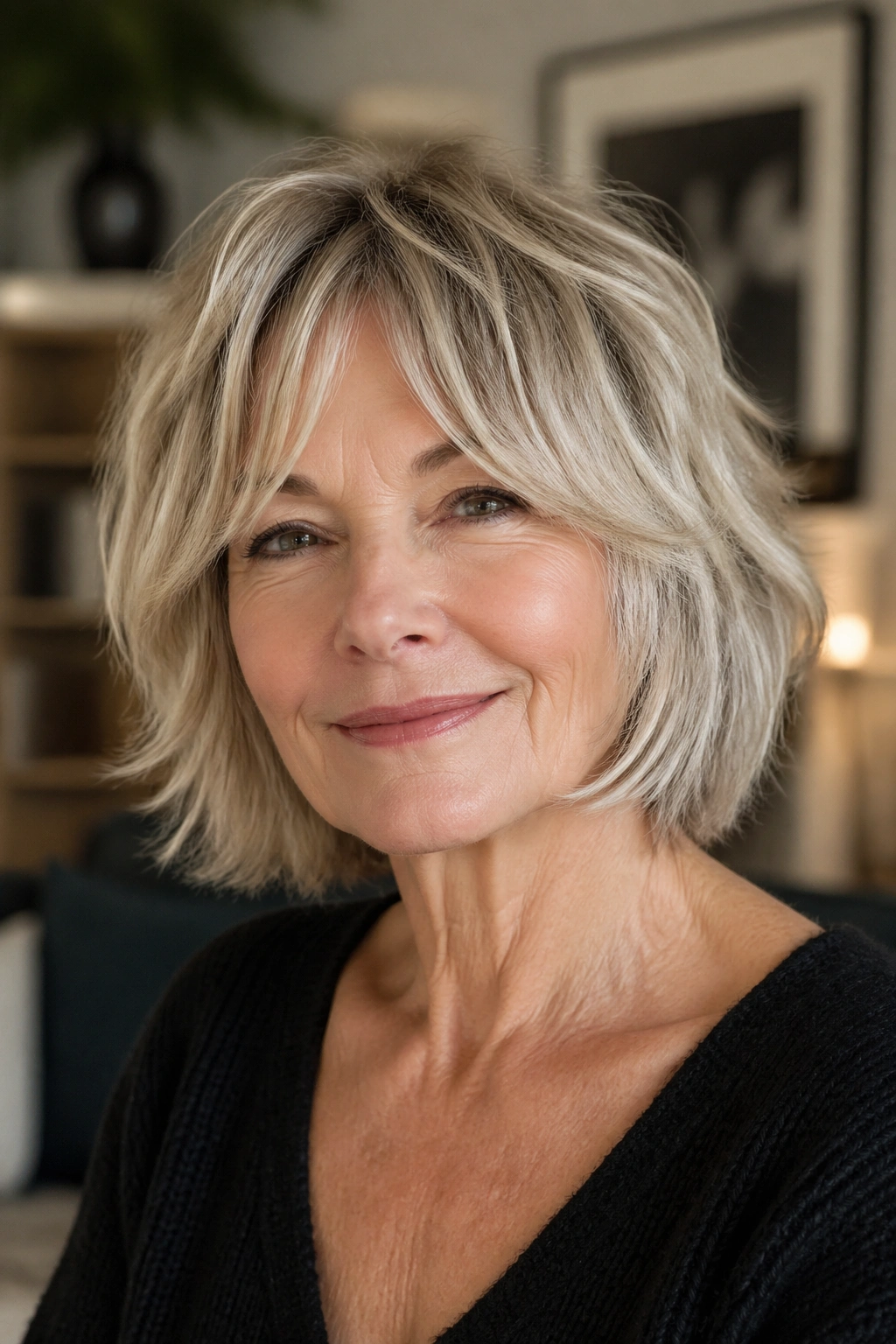
If your hair has gone limp around the crown, a shag can wake it up in a hurry. This version stays medium length, but the layers are cut to create lift around the cheekbones and chin instead of sitting in one heavy block. It has energy. Not chaos. There’s a difference.
The shag works especially well when your natural wave has a mind of its own. A little bend in the hair makes the shape come alive, and even straight hair gets more presence once the layers are placed well. I like this cut for women who don’t want to spend twenty minutes forcing their hair into obedience every morning.
What Makes It Different
- Layers begin high enough to build movement, but not so high that the ends look thin.
- The fringe can be soft and piecey, or left longer if you don’t want bangs in your eyes.
- It looks good with a side part, a center part, or a loose, imperfect sweep.
A dab of mousse at the roots and a quick pass with a diffuser usually does the job. Skip heavy creams unless your hair is very dry; they can weigh down the layers and kill the point of the cut.
3. Feathered Shoulder-Length Cut
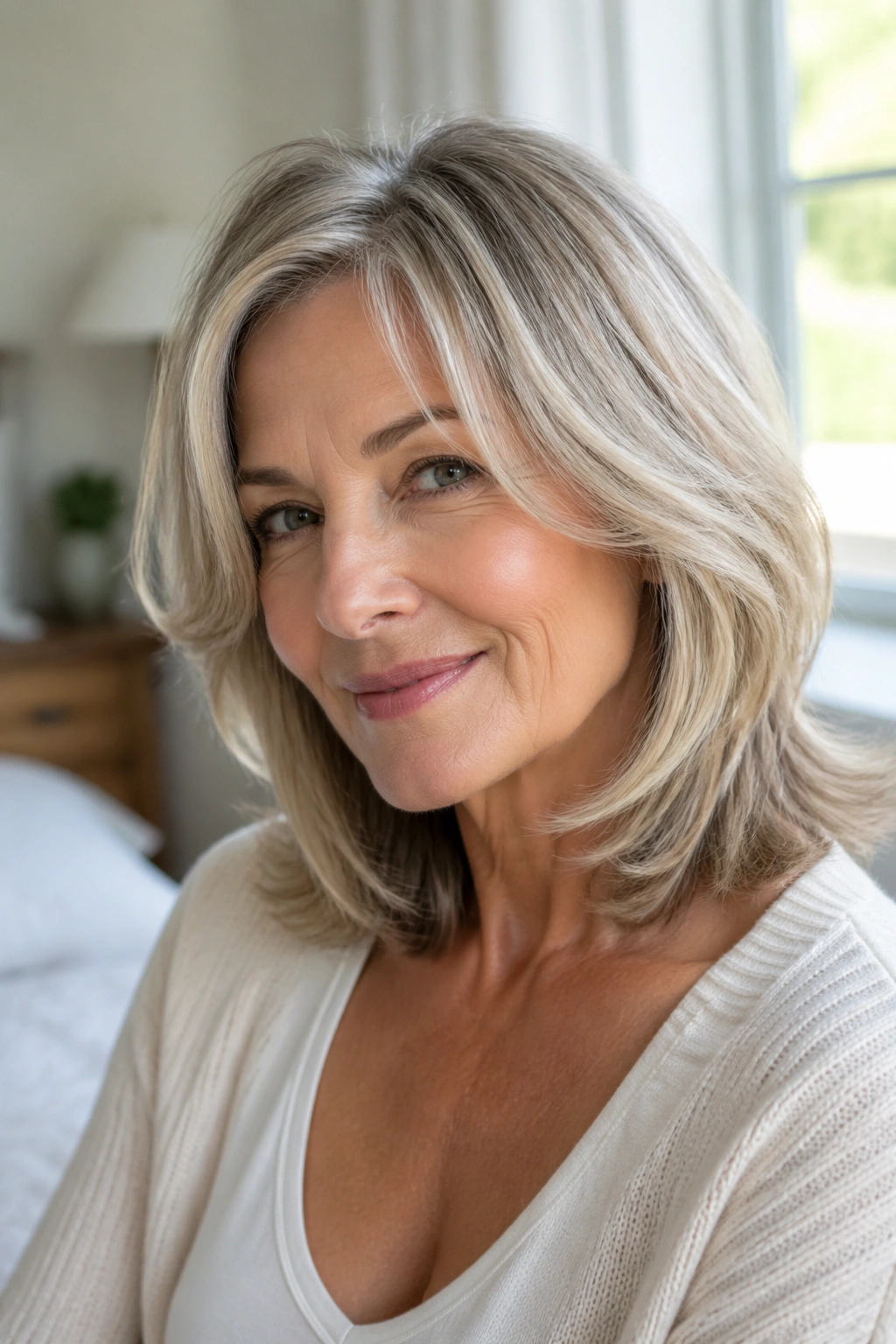
Feathering gets a bad rap because people remember the crunchy, over-styled versions. That is not what this is. A modern feathered shoulder-length cut uses soft, tapered ends to make the hair feel lighter around the face and neck. It’s a gentle shape, and gentle is often the smartest move.
Why It Softens the Face
The feathering helps the hair move away from the cheeks instead of sitting like a curtain. That little bit of lift matters more than people expect, especially if your hair tends to flatten at the sides.
The cut also plays nicely with glasses. The hair doesn’t crowd the frames, and the ends can be brushed under or away depending on the day.
A few things to ask for:
- Tapered ends rather than blunt, straight ones.
- Layers that open around the cheekbones.
- A shape that keeps enough weight at the bottom so the haircut does not frizz out.
One sentence of truth: this looks best when the blow-dry is smooth, not overworked.
4. Blunt Lob with Center Part
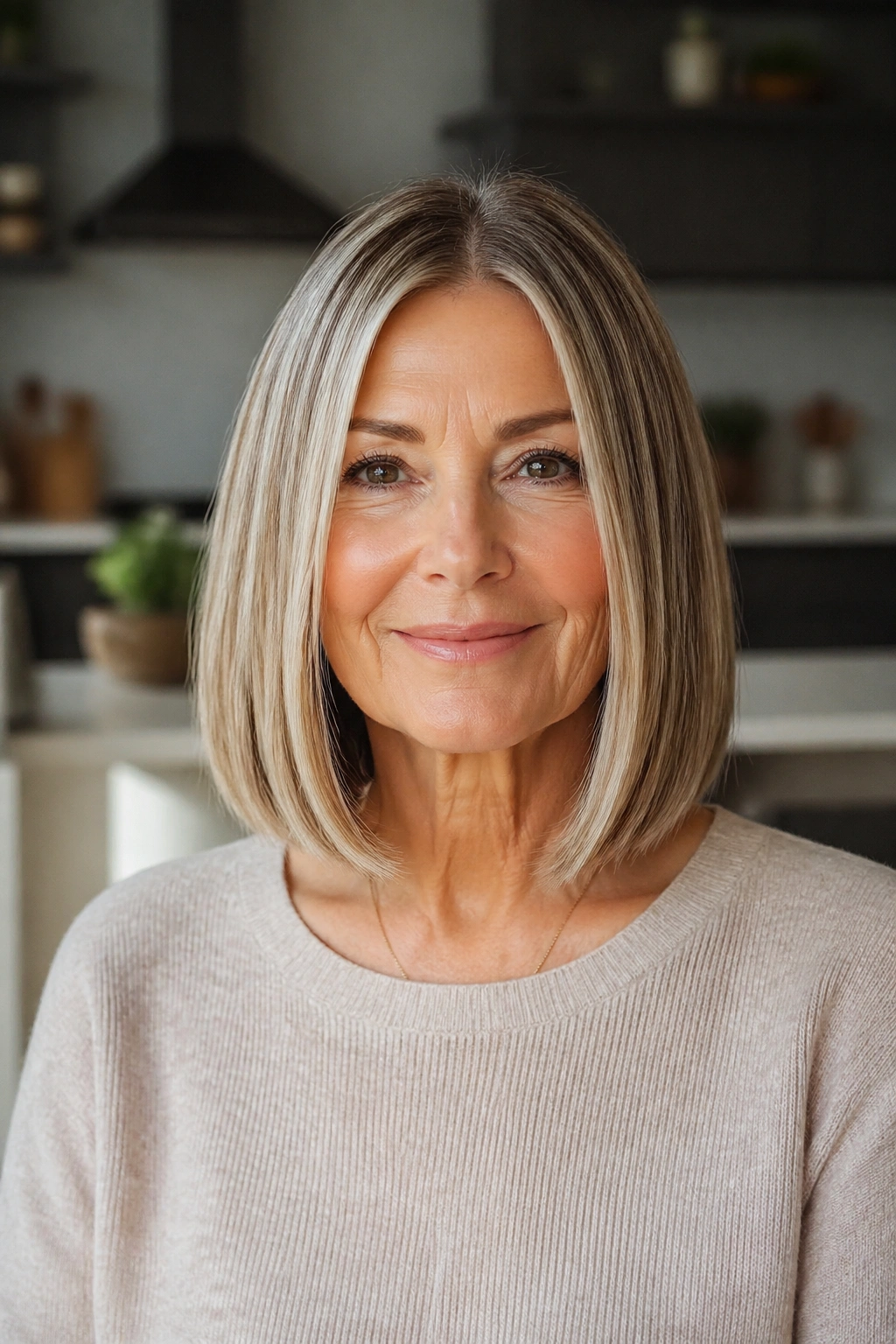
A blunt lob is the haircut I suggest when someone says, “I want my hair to look thicker without looking busy.” That blunt line gives the ends more visual weight, which is a gift if your hair has thinned a little over time. A center part adds symmetry and keeps the shape clean.
Unlike heavily layered cuts, this one leans into structure. The edges sit neatly, the line is easy to see, and the whole style looks polished even when you haven’t fussed with it much. It’s especially good on straight hair or hair that can be smoothed with a quick blow-dry.
If your face is long, the center part may need to slide slightly off-center so the style doesn’t stretch everything downward. That’s a small adjustment, but it changes the whole feel. Haircuts are rarely about one big idea — usually it’s three tiny ones lining up.
This is a strong choice for anyone who wants a haircut that looks deliberate, not overdesigned. Trim it regularly so the ends stay sharp. Blunt cuts lose their charm when the line turns ragged.
5. Collarbone Cut with Curtain Bangs
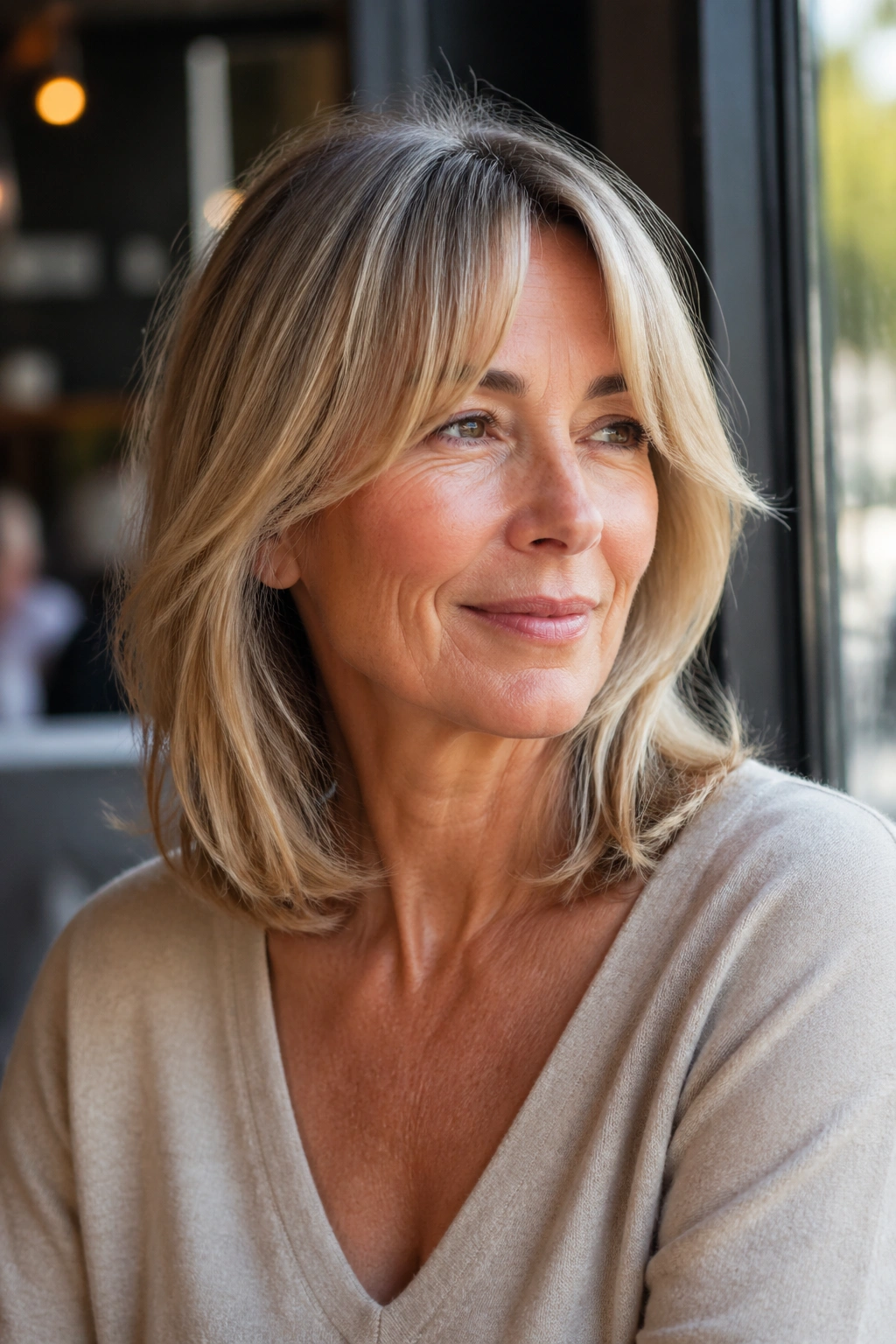
Want movement around the eyes without the commitment of a heavy fringe? Curtain bangs do that job better than almost any other bang style. They part softly in the middle and sweep back toward the cheekbones, which gives the face shape without swallowing it.
How to Style It
Dry the bangs first. They set fast, and if you leave them for last, you’ll spend the rest of the blow-dry trying to fix a bend that already happened. Use a small round brush or even a vent brush to push the bangs away from the center, then let the rest of the collarbone cut fall naturally.
The cut works well if you like hair you can wear several ways. One day it’s tucked, one day it’s loose, one day you pin one side back with a clip. Easy.
Curtain bangs are also a smart pick if you wear glasses. Keep them a touch longer at the temples so they don’t fight the frames. Short bangs and glasses can argue with each other. Longer curtain pieces tend to behave.
6. Wavy Mid-Length Bob with Layers

Wavy hair loves a cut that respects its own shape. This mid-length bob does that by giving the wave room to bend without piling too much bulk at the bottom. If the layers are placed well, the hair looks airy instead of puffed up.
A lot of people make the mistake of layering wavy hair too aggressively. Then the top gets fluffy while the ends get wispy, and the whole thing feels unfinished. The better version keeps some weight in the lower half so the wave has something to drape over.
Use a leave-in spray on damp hair, scrunch gently, and either air-dry or diffuse on low heat. That’s usually enough. If the hair around your temples frizzes first, smooth a pea-sized amount of cream there only. No need to coat the whole head.
This cut is a good fit for women who want shape with a little softness. It’s not stiff. It doesn’t pretend the hair is flat ironed from every angle. It just gives the wave somewhere nice to go.
7. Classic Shoulder-Length Cut with Long Layers
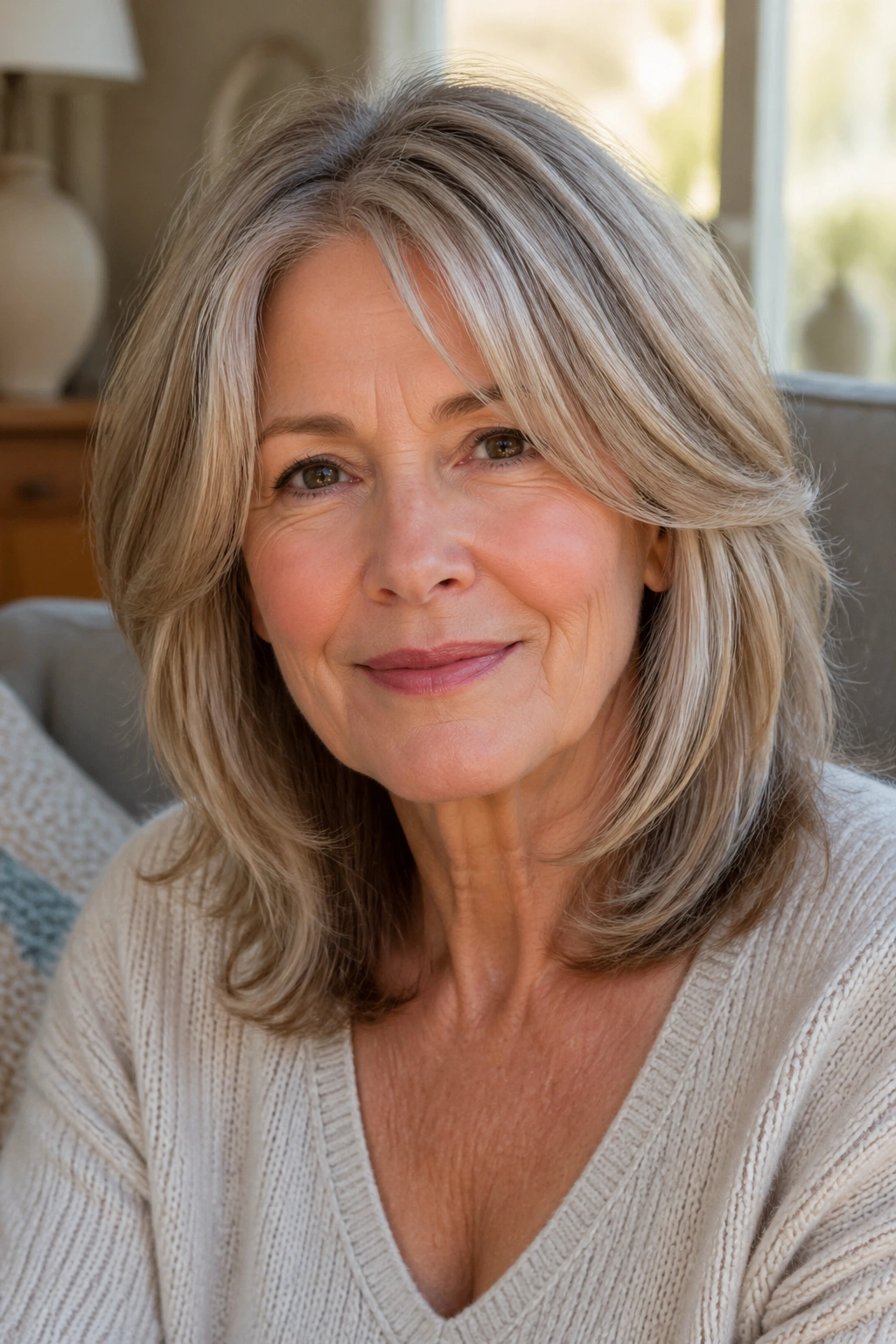
There’s a reason this cut hangs around. It behaves. You can wear it sleek, wavy, tucked, or pinned back, and it still looks like the same haircut. That matters if you want something versatile without getting trapped in a style that needs a full morning routine.
Why It Works in Daily Life
Long layers keep the shape from turning into a rectangle, but they don’t remove so much weight that the ends fly away. That balance is useful on hair that’s neither fine nor thick enough to need a dramatic fix.
- Easy to grow out from a shorter cut.
- Long enough for a low ponytail or clip.
- Works with soft bends, polished blowouts, or natural texture.
I like this cut for women who want room to change their mind. Some days you want a neat shoulder-skimming shape. Some days you want a quick bend through the ends and a side part. This cut gives you both without a lot of drama.
8. Textured Cut for Fine Hair
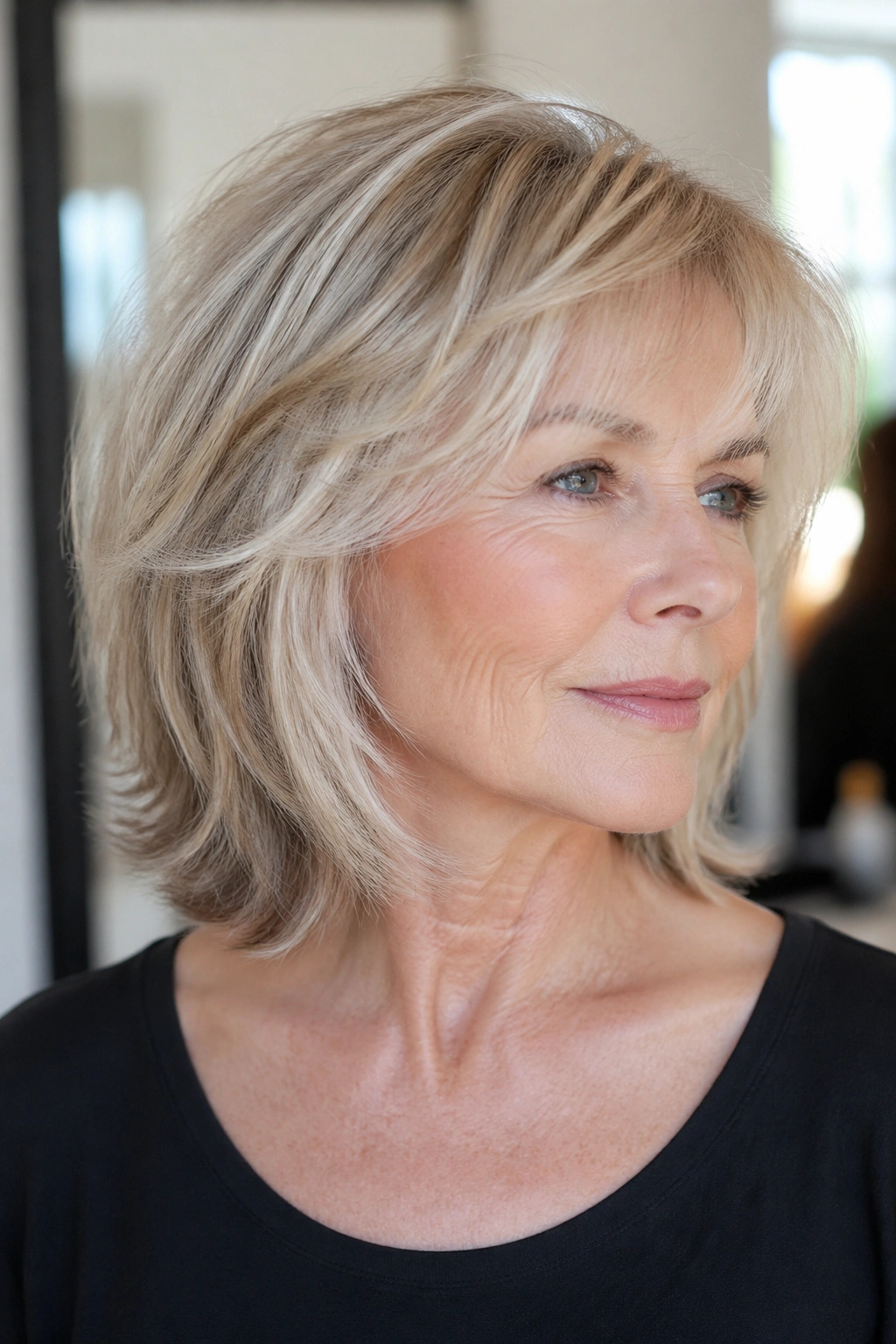
Fine hair usually needs shape more than length. A textured cut can give the illusion of fullness, but only if the texture is placed carefully. Too much thinning, and you end up with see-through ends that look weaker than they really are.
The better approach is subtle. Ask for soft internal layers near the crown and a little point cutting at the ends. That helps the hair move without taking away its structure. You want separation, not fraying.
A root-lifting spray can help, especially if your hair falls flat by lunch. Blow-dry at the roots with your head tipped slightly forward, then smooth the top with a round brush so it doesn’t look puffy. Keep oils off the roots unless your hair is dry all over.
This is one of those cuts that rewards restraint. A little texture goes a long way. Too much, and the haircut starts working against you.
9. Smooth Inverted Lob
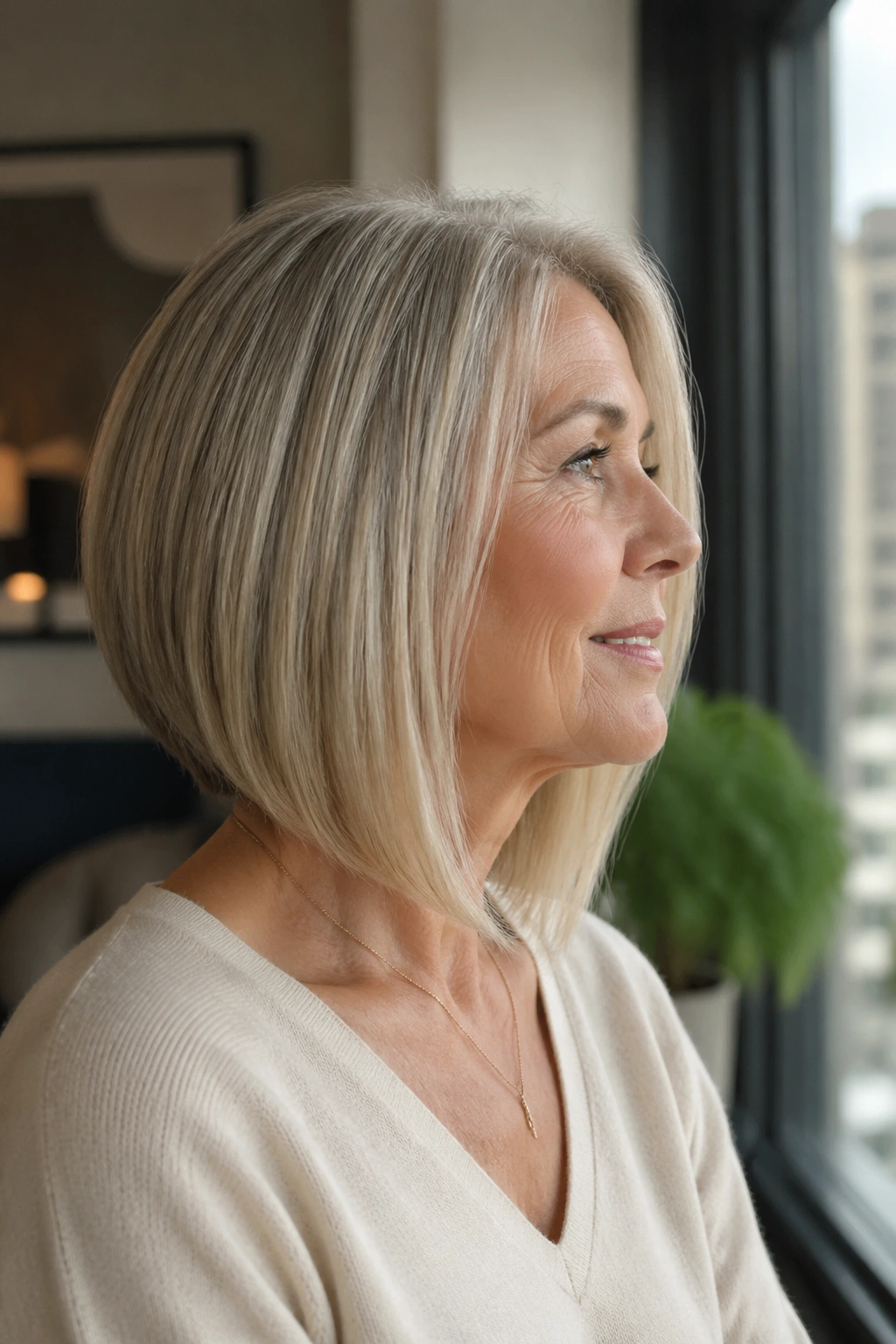
The inverted lob has a longer front and a shorter back, and that small difference can do a lot. It lifts the nape, sharpens the outline, and keeps the hair from hanging in one heavy sheet. If you’ve ever wanted your shoulders to look a little less buried under hair, this is one to consider.
Where the Shape Matters
The back should sit neatly at the nape, while the front grazes the collarbone or lands just below it. That slope gives the haircut its clean feel.
A smooth inverted lob suits straight hair especially well, though a gentle wave can make it even nicer. Use a blow-dry brush or flat brush to keep the angles tidy. If the front starts flipping out too much, the cut may be too short in the front.
Best for: women who like a crisp shape and don’t mind regular trims.
Avoid: going too short in the back if your hair is very thick. That can create a stack that feels bulky fast.
There’s a polished look to this cut, but not in a stiff way. It has line. That’s the word.
10. Shoulder-Length Cut with Wispy Bangs
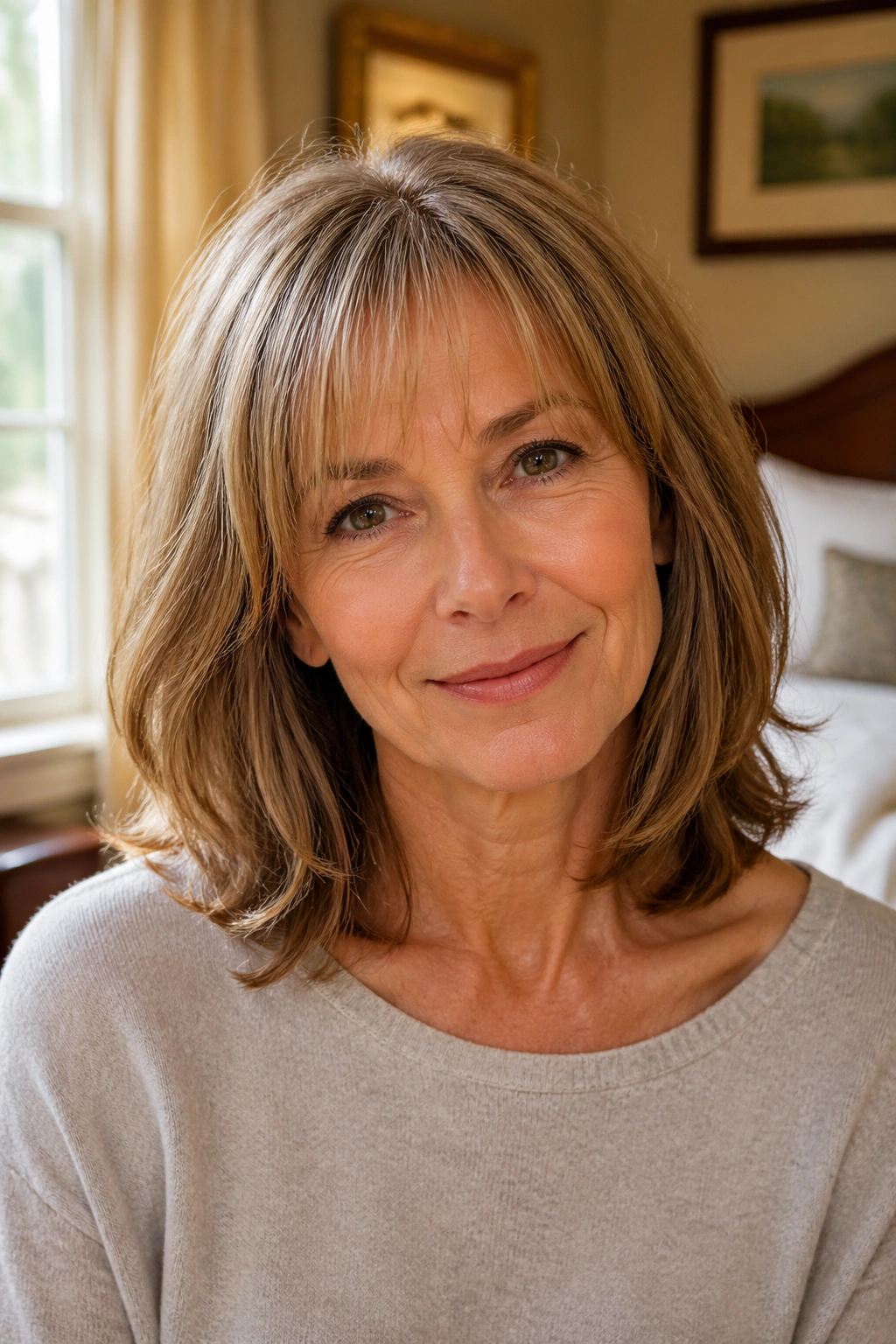
A heavy fringe can take over a face. Wispy bangs don’t do that. They sit lightly on the forehead, soften the eyes, and blend into the rest of the haircut instead of announcing themselves from across the room.
Compared with a blunt bang, this version asks for less maintenance and gives you more room to breathe. The bangs are still there, but they move. They can be brushed to the side, tucked into the layer near the temple, or worn straight across if that suits your face.
This is a strong pick if you want to soften forehead lines without making the haircut feel closed in. It also works well with shoulder-length hair that needs just a little visual interest near the front.
Ask your stylist to keep the fringe longer at the corners. That keeps the look soft and makes it easier to grow out later. Bang regret is real, and wispy bangs are far easier to live with than the blunt kind.
11. Curly Mid-Length Layers
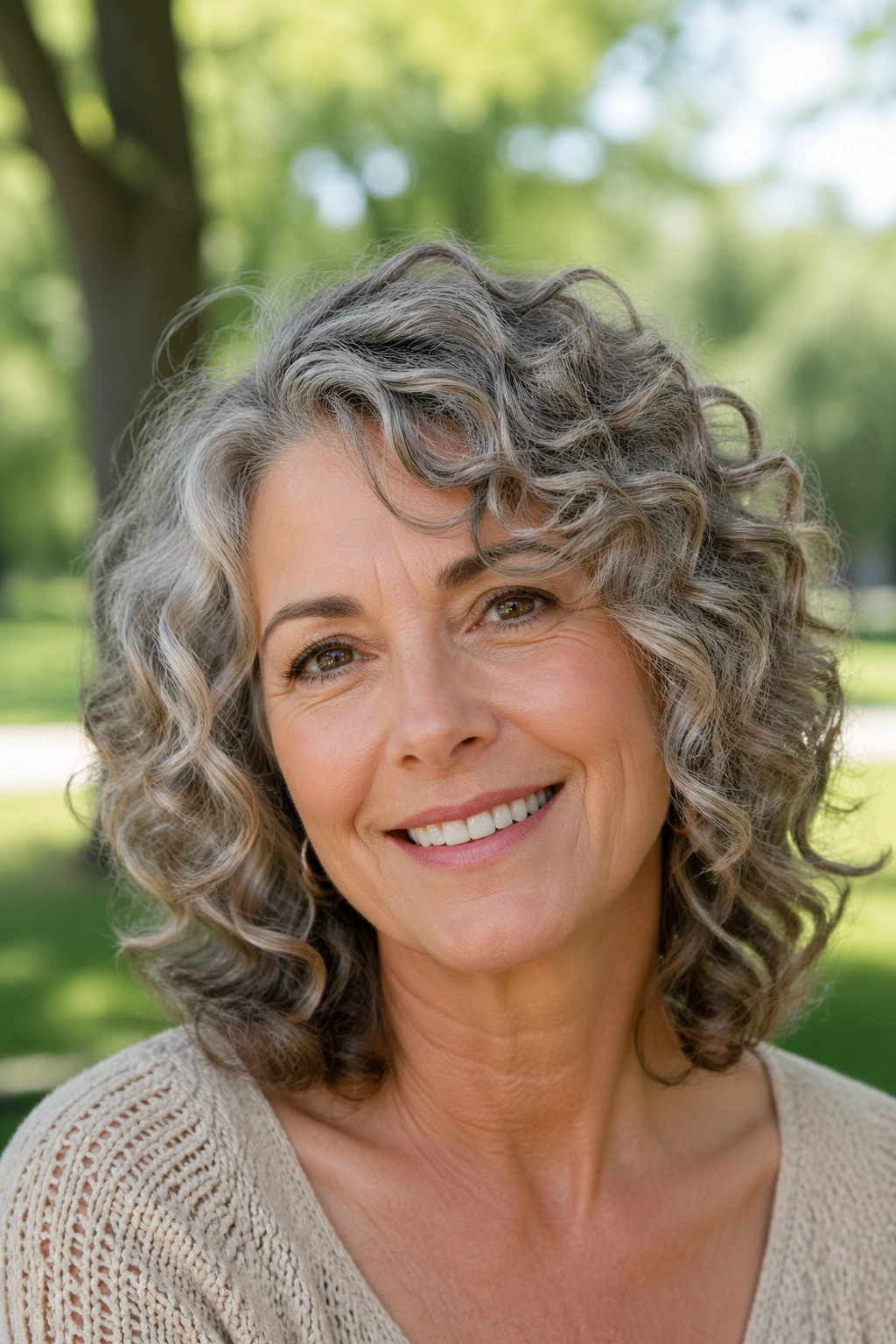
Curly hair often looks better when it has enough length to hang properly. Too short, and it can spring outward. Too long, and the curls lose shape under their own weight. Mid-length layers sit in a useful middle ground.
Why does this matter? Because curls need space. They need room to form a pattern without being squashed, and they need layers that support the curl rather than chopping it into pieces. A dry-cut technique can help here, since curls show their true shape better when they’re not stretched wet.
How to Style It
Use a curl cream or lightweight gel on soaking wet hair. Scrunch upward, then diffuse on low heat or let it air-dry without touching it too much. Touching it while it dries creates frizz faster than almost anything else.
- Keep the shortest layers below the cheekbone.
- Let the fringe stay longer if shrinkage is strong.
- Refresh day-two curls with water and a little leave-in spray.
I like this cut on women who embrace natural texture but still want some clean framing around the face. It feels honest. No wrestling required.
12. Silver Lob with Soft Ends
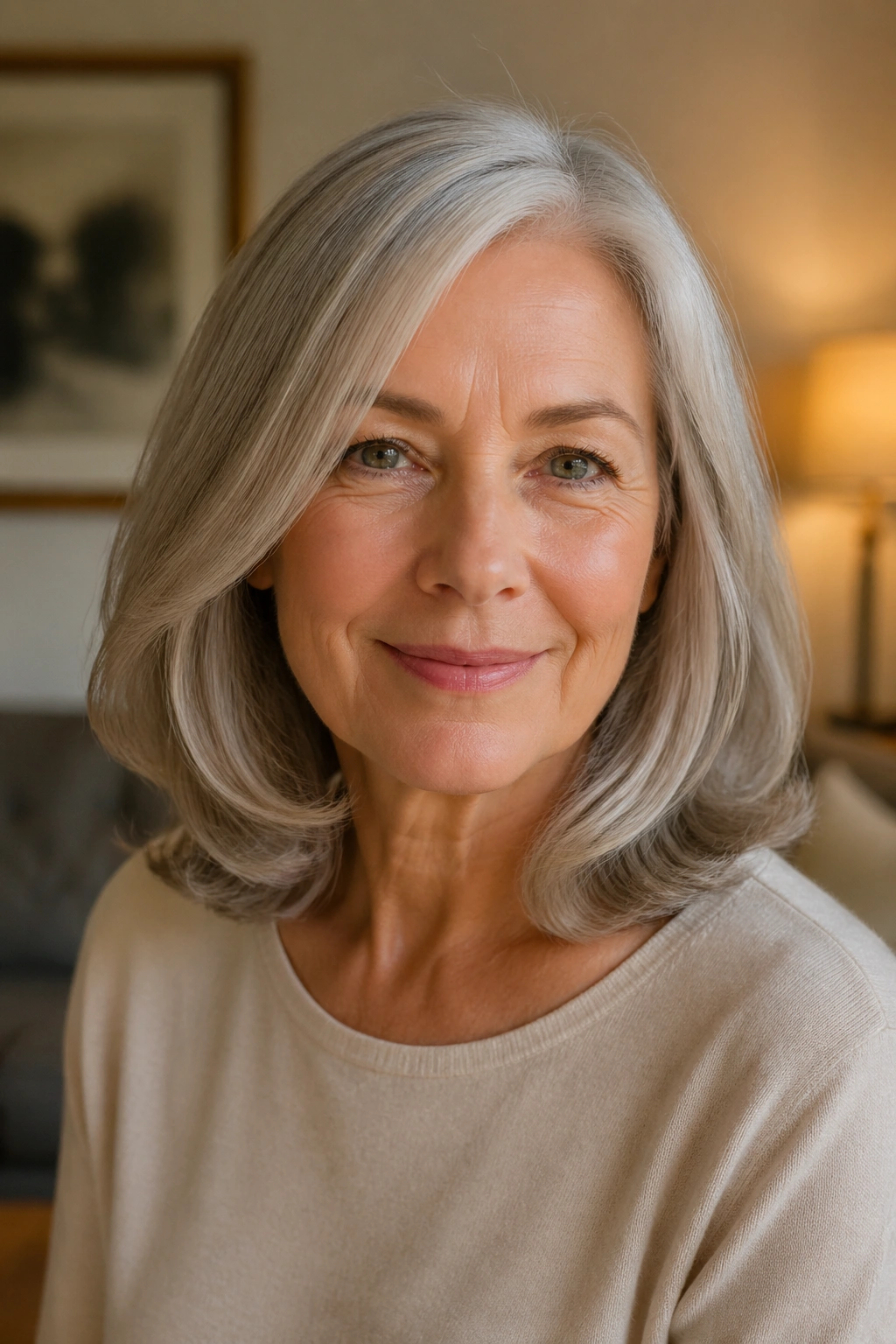
Silver hair looks best when the cut gives it a little softness. A blunt, hard line can feel severe on hair that already carries a lot of shine and contrast. Soft ends make the silver read as elegant rather than rigid.
The lob length is useful because it keeps the hair from looking too short once the silver lightens everything out. It also gives enough weight for the hair to lie neatly along the shoulders. That matters when the texture has become a little wiry, which happens often with gray growth.
A gentle bend at the ends can keep the haircut from looking boxy. If your hair is naturally straight, a round brush and a cool shot at the end of the blow-dry help a lot. If your hair is coarse, a smoothing cream on the mid-lengths can calm the rougher surface.
Silver hair deserves shape. Not over-styling. Shape.
13. U-Shaped Layer Cut
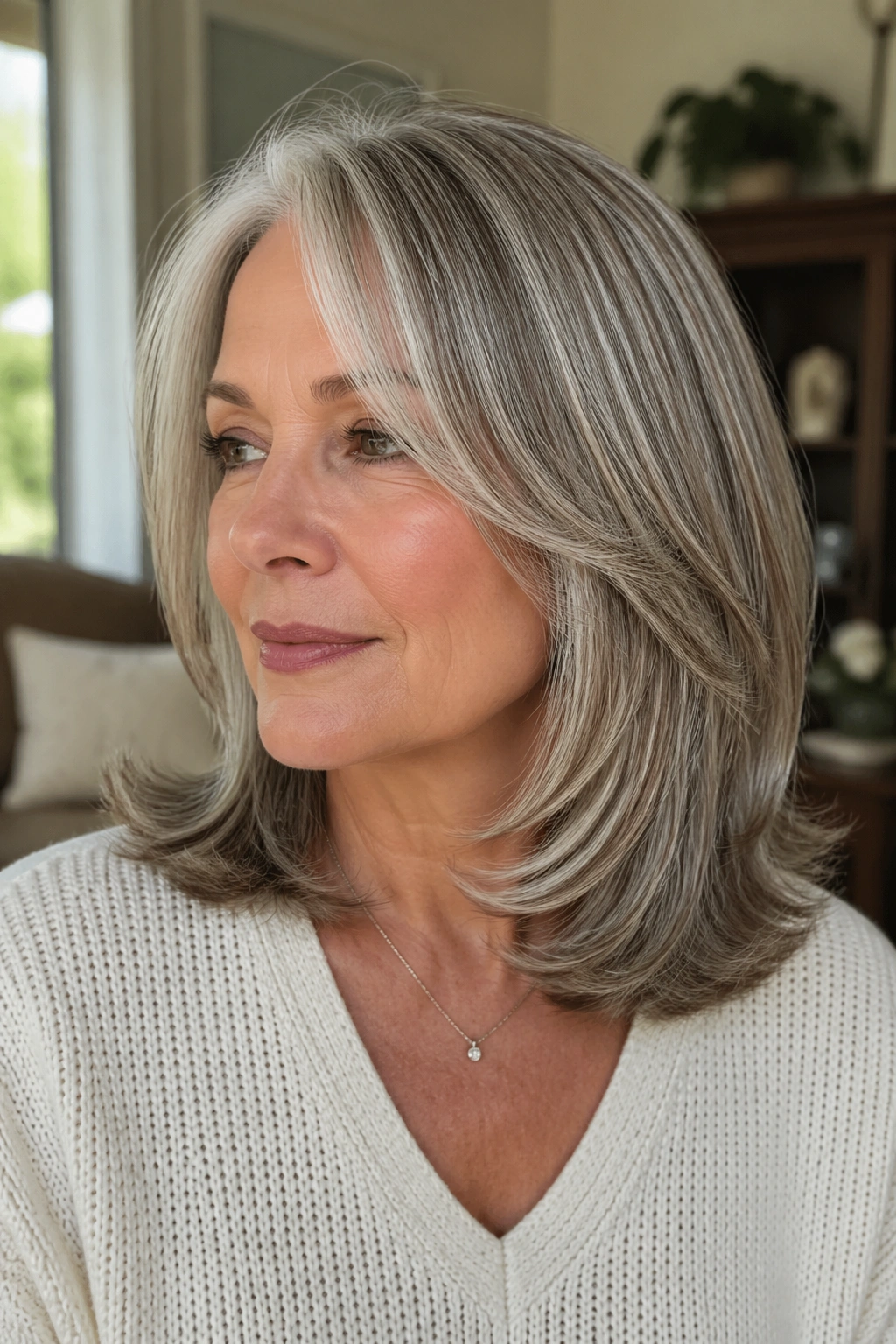
The U-shape is one of those cuts that sounds technical but looks easy. The center back keeps a little more length, while the sides sweep up slightly. That gives the hair a curved outline instead of a harsh straight line across the bottom.
The result is nice if you wear your hair loose often and want it to fall around the shoulders instead of sitting flat against them. It also helps when you like to put your hair in a low ponytail, because the longest part stays in the back.
A few reasons people like it:
- It creates movement without losing length.
- It flatters the neck and shoulders.
- It makes medium hair feel less blocky.
A U-shape is a quiet cut. It doesn’t shout. It just keeps the hair from feeling heavy at the edges, and that can be enough.
14. Side-Parted Blowout Bob
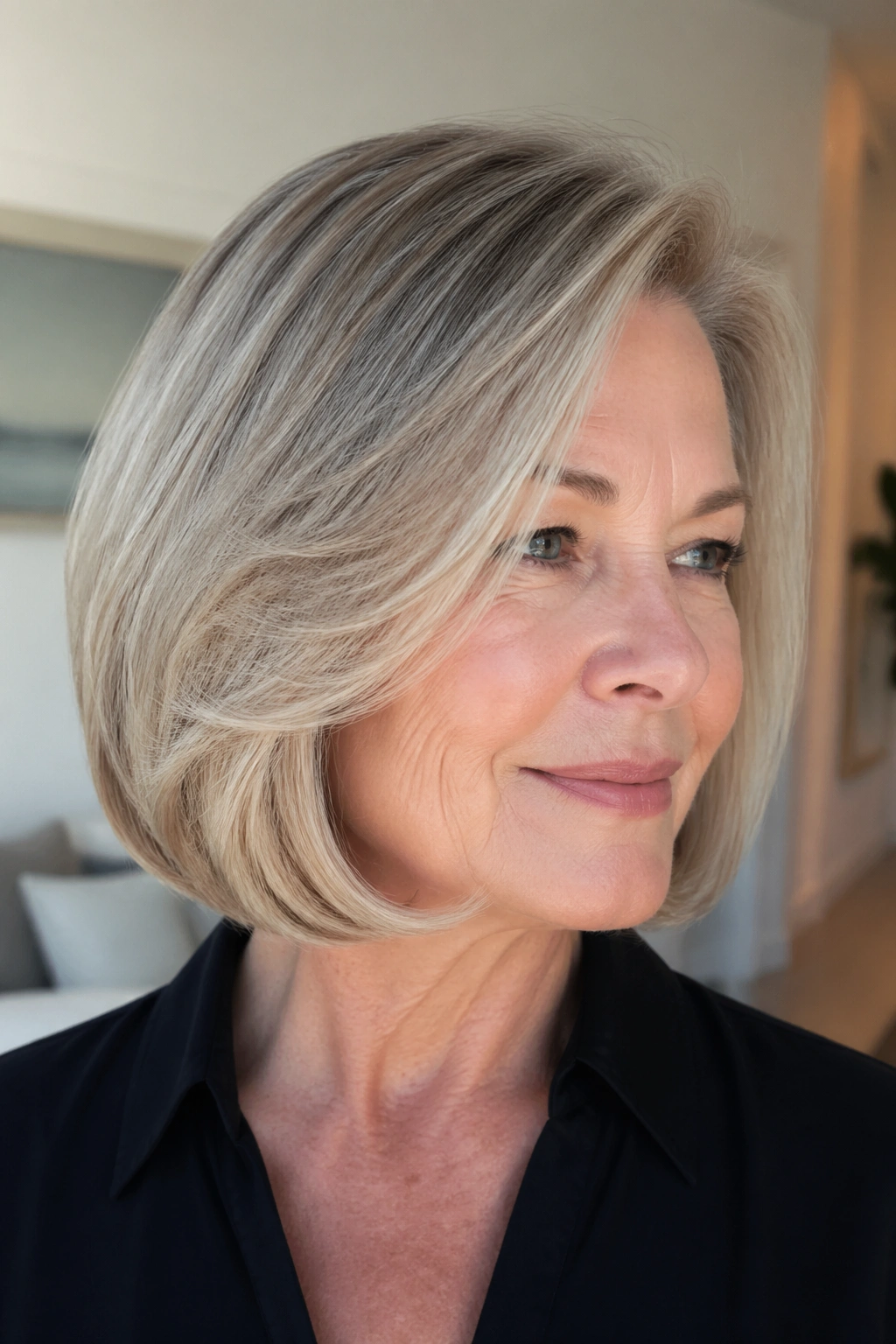
A side part changes the whole personality of a haircut. It adds lift at the crown, gives the front a little sweep, and keeps the style from sitting too flat against the head. If you like a blowout, this shape is a natural fit.
The best version uses a round brush to curve the ends under just slightly. That bend gives the bob a smooth, full look without making it curl into itself. Root clips can help while the hair cools. A small detail, yes. Also useful.
Why I like this shape: it makes fine or medium hair look fuller at the top without needing a lot of product.
Use a light mousse at the roots and a heat protectant on the lengths. Then finish with a cool shot so the shape holds. If the side part keeps slipping, set it while the hair is damp and pin it for a few minutes before drying.
15. Piecey Razor Cut
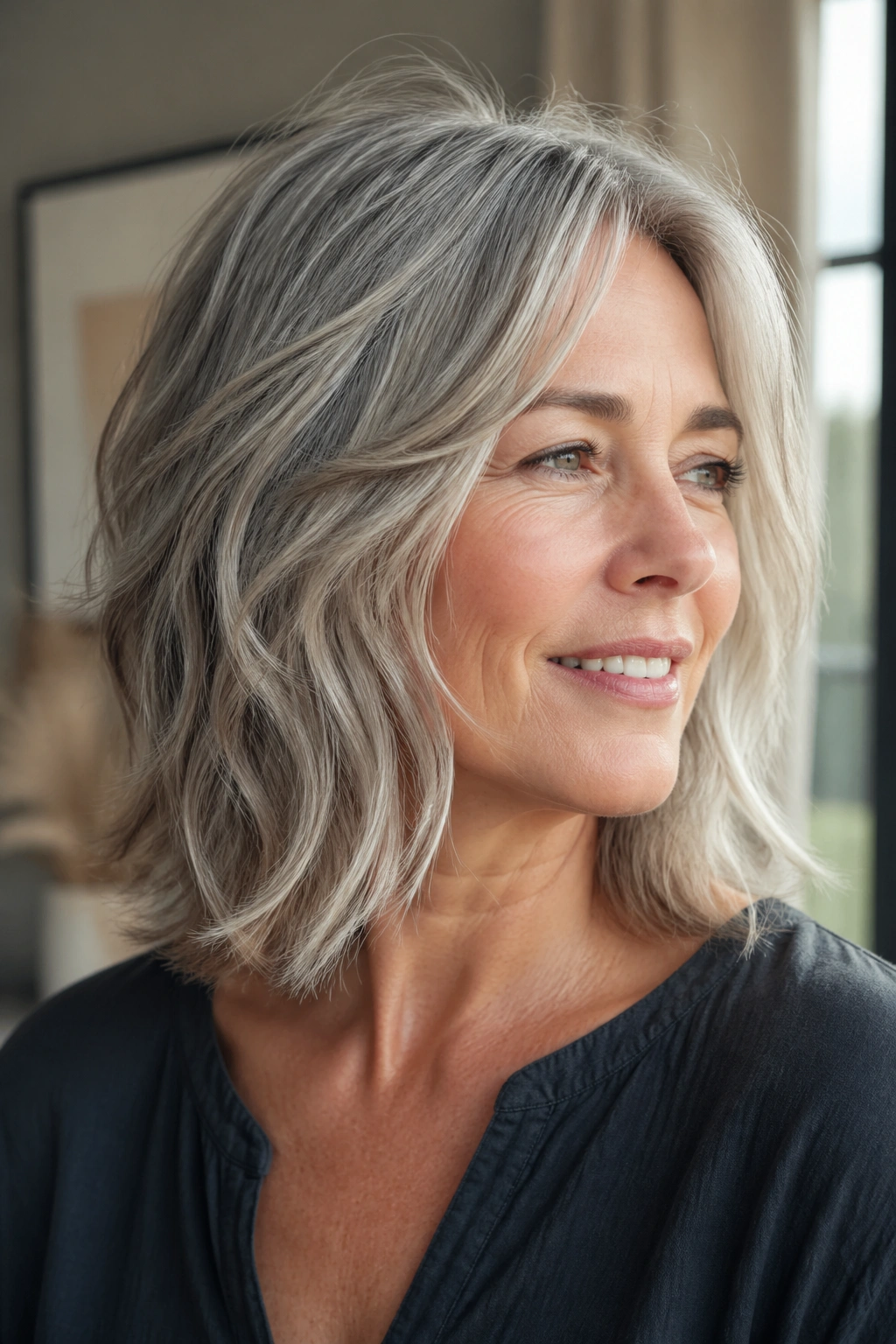
A piecey razor cut has a little edge to it, but the good kind — the kind that makes hair look separated and light rather than chopped up. It works best on straight or softly wavy hair where the pieces can show. On very frizzy hair, the same technique can go fuzzy fast, so the texture has to be right for it.
What Makes It Different
The razor removes weight from the ends and creates soft separation in the layers. That makes the style feel airy around the face, especially if the hair tends to hang in one solid sheet.
- Best with a light styling cream.
- Needs a stylist who knows when to stop.
- Looks strongest on hair that already has some movement.
This cut can feel a little more modern than a classic layered bob. It still suits women over 60 because it’s not trying too hard. It just gives the hair a looser finish.
A small amount of wax or cream on the ends goes a long way. Too much product kills the piecey effect and turns it into a clump.
16. Medium-Length Cut with Tapered Nape
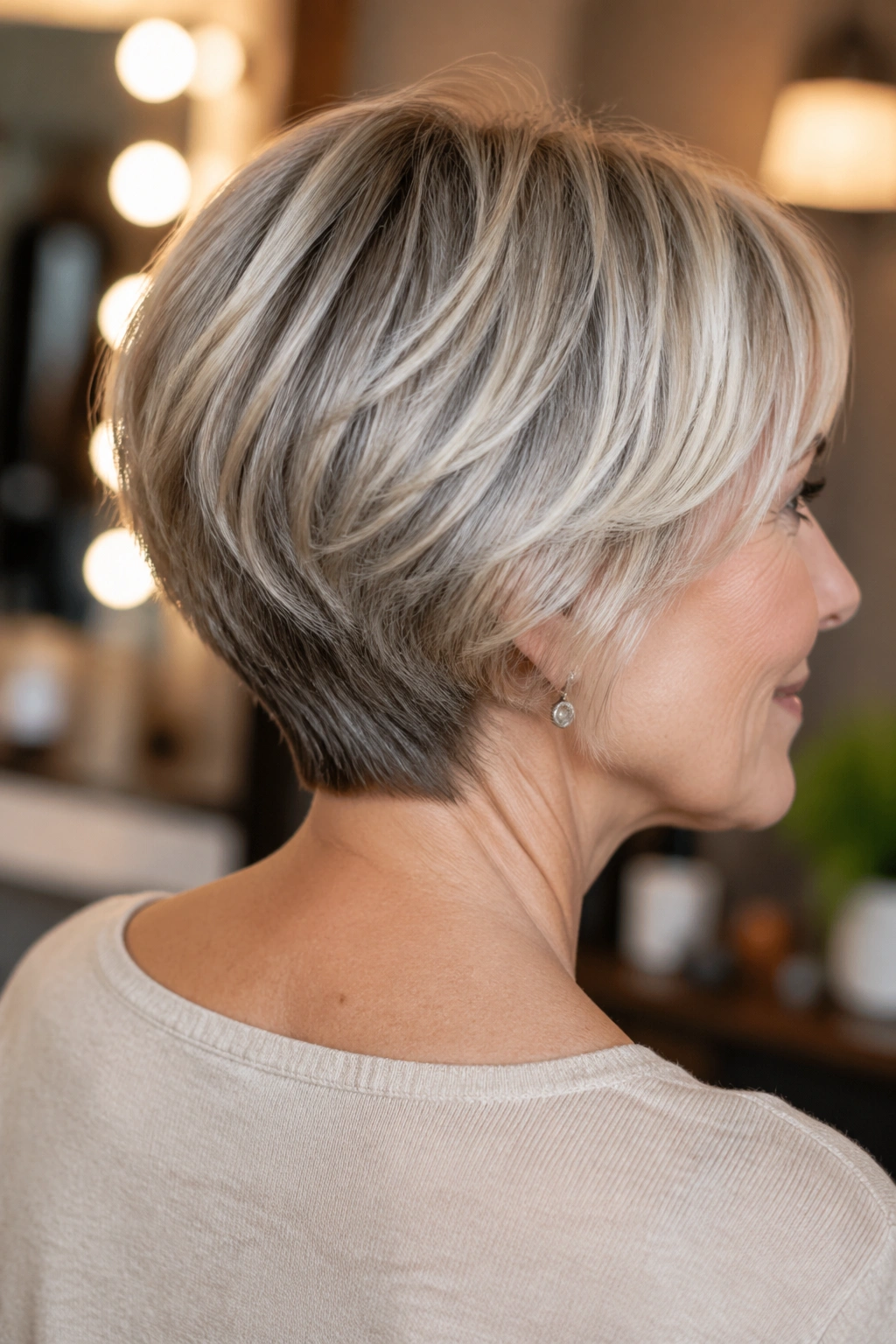
Want hair that feels lighter at the neck without losing the softness of medium length? A tapered nape does that. The back is cut closer to the head, then it gradually blends into longer sides. It cleans up the neckline and gives the style a neater outline.
How It Grows Out
That taper makes the cut look tidy for longer between salon visits, which is one of the more practical reasons to choose it. The shape keeps its line even when the ends start to move.
It’s a useful cut if you wear scarves, high collars, or statement earrings. The hair sits out of the way better than a blunt shoulder-length shape. It also suits thicker hair because the taper removes bulk where it can feel heaviest.
Ask for a soft taper, not a hard clippered edge. You want the neck to feel open, not shaved down. Softness at the nape keeps the whole haircut feminine without turning it fussy.
17. Layered Cut for Thick Hair
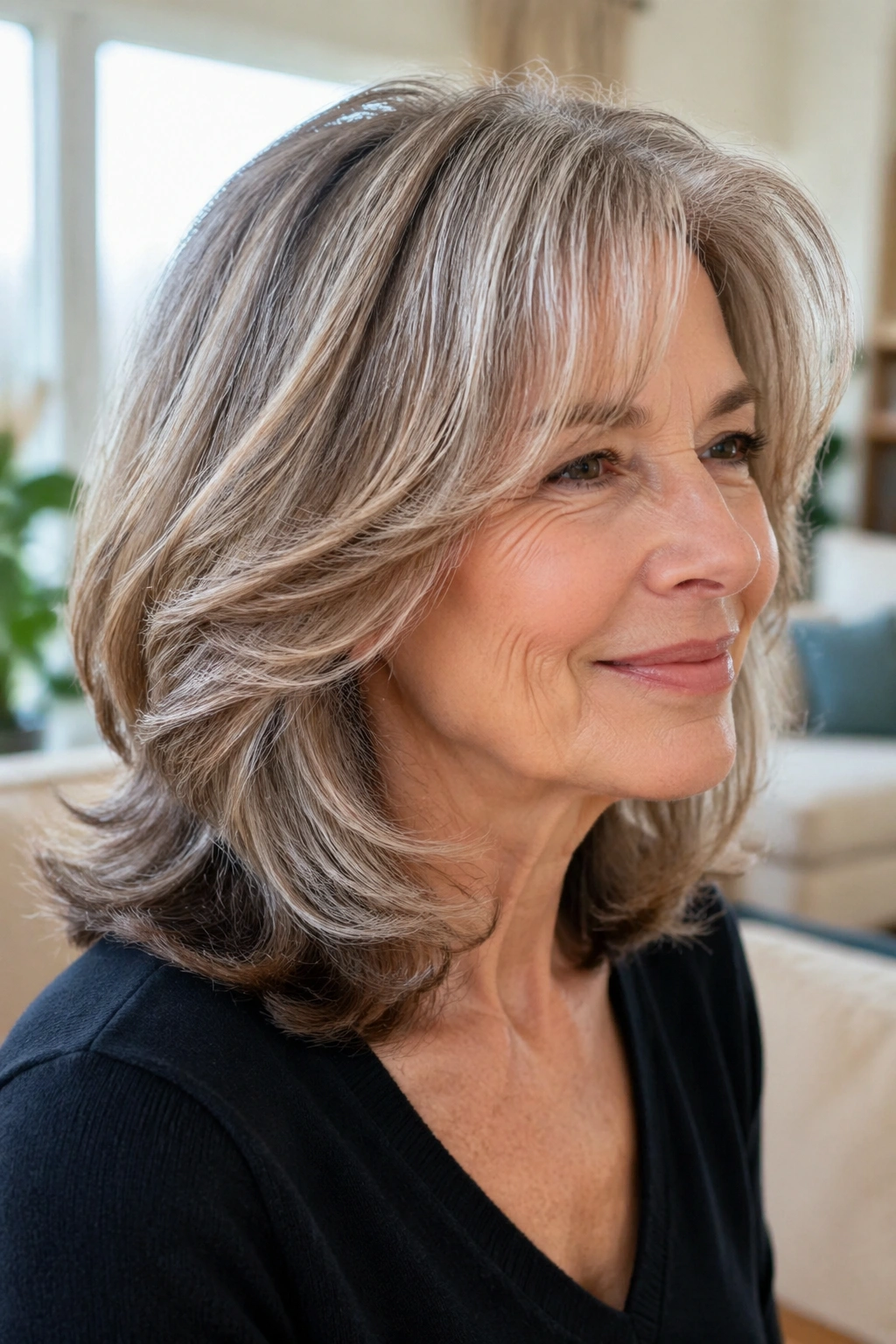
Thick hair can look gorgeous at medium length, but only if the weight is handled well. Without smart layering, it turns into a triangle — wide at the bottom, heavy at the sides, and difficult to move.
Unlike blunt cuts, this version removes bulk from the inside while keeping enough perimeter weight to make the shape look full. That’s the part many stylists get wrong. They thin too much, and the ends look ragged. The better cut keeps structure at the edge and moves the heaviness upward a little.
This style works if your hair tends to puff at the sides or feel bulky under the ears. Ask for layers that start below the cheekbone, not right at it. That keeps the front from getting too jumpy. A smoothing cream on the mids and ends can help, but use a light hand.
If your thick hair has a little wave, even better. The layers will catch it and make the haircut move instead of sit there.
18. Shoulder-Length Cut with Flipped-Out Ends
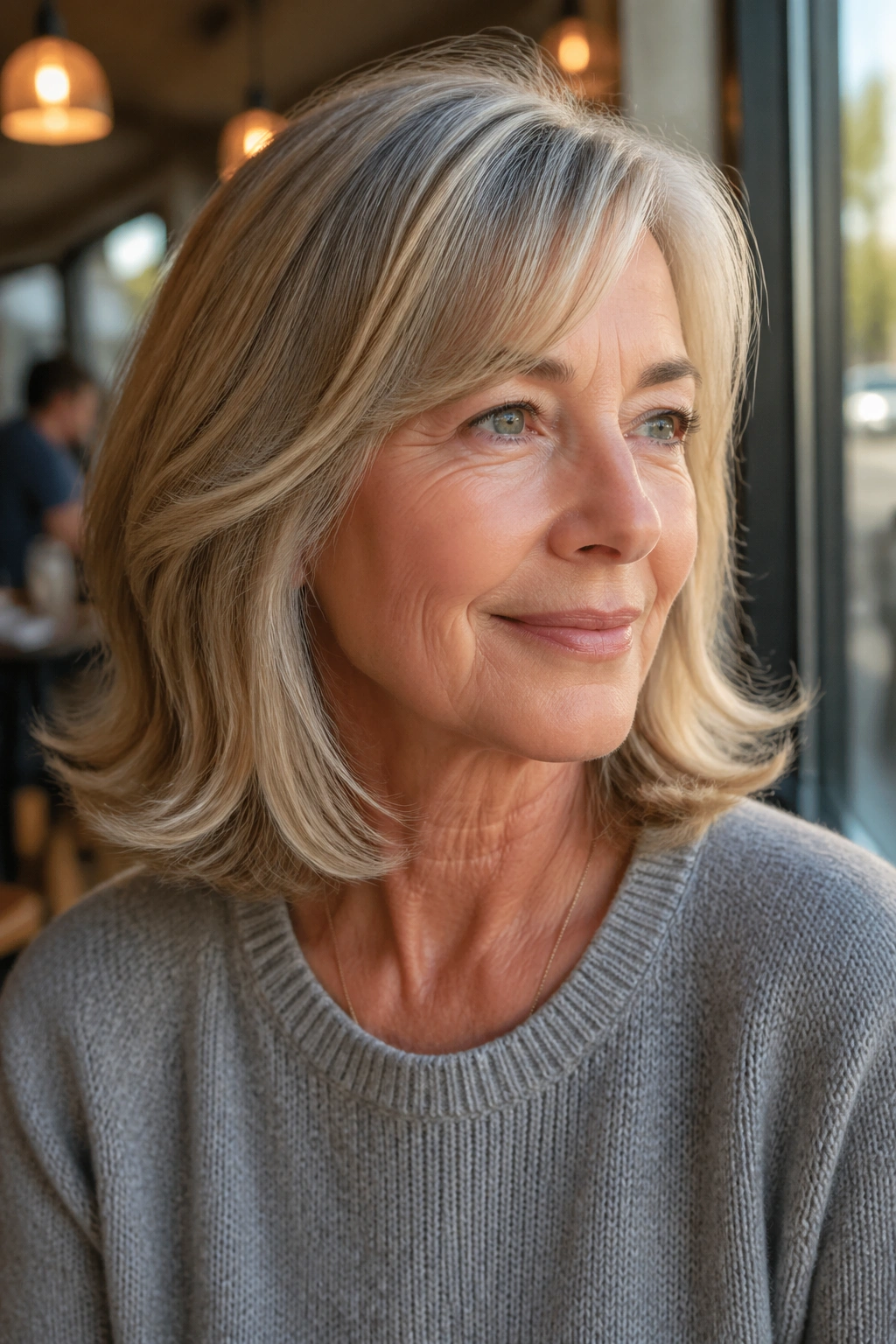
A slight flip at the ends keeps shoulder-length hair from feeling sleepy. It gives the cut a little bounce, especially around the collarbone, and it can make a simple style look more awake without adding much effort.
You do not need a dramatic retro flip. A small outward bend at the ends is enough. A round brush, a flat iron turned just a touch at the tips, or even a large roller after blow-drying can do it. The point is movement, not costume.
This looks especially nice on silver hair or highlighted hair because the bend shows off the color shifts. The ends catch light differently when they move. Not a huge effect. Still noticeable.
A shoulder-length cut with flipped-out ends is a good choice if your hair falls flat against your neck and you want a little lift. It feels friendly. That’s probably the best word for it.
19. Low-Maintenance Air-Dry Waves
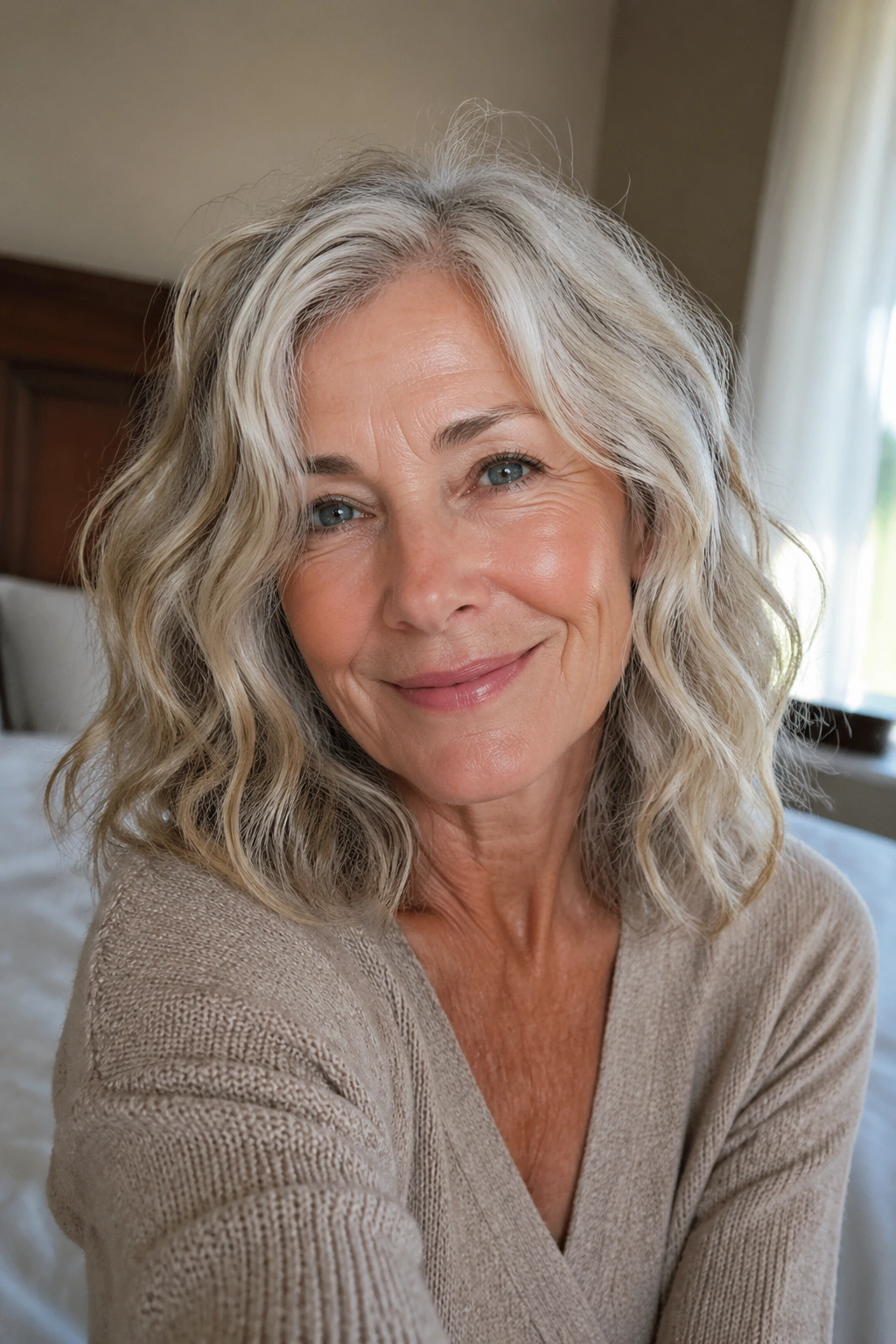
If you hate heat tools, this is where medium length earns its keep. Air-dry waves work best when the haircut supports the natural bend instead of fighting it. The length should sit around the shoulders so the wave has room to form without becoming a puffball.
A Simple Way to Set It
Start with damp hair, not dripping wet. Apply a light leave-in conditioner through the mid-lengths, then use a small amount of wave cream or mousse near the roots.
- Scrunch upward with a microfiber towel.
- Twist two front sections away from the face.
- Leave the hair alone until it is mostly dry.
Once it’s dry, break it up with your fingers. That’s enough. Brushing after drying usually ruins the shape and turns the waves into frizz. If one side dries flatter than the other, clip the flatter side at the root while it dries.
This style suits women who want ease and don’t care if every strand is identical. Good. Neither does real life.
20. Polished Straight Cut with Soft Layers
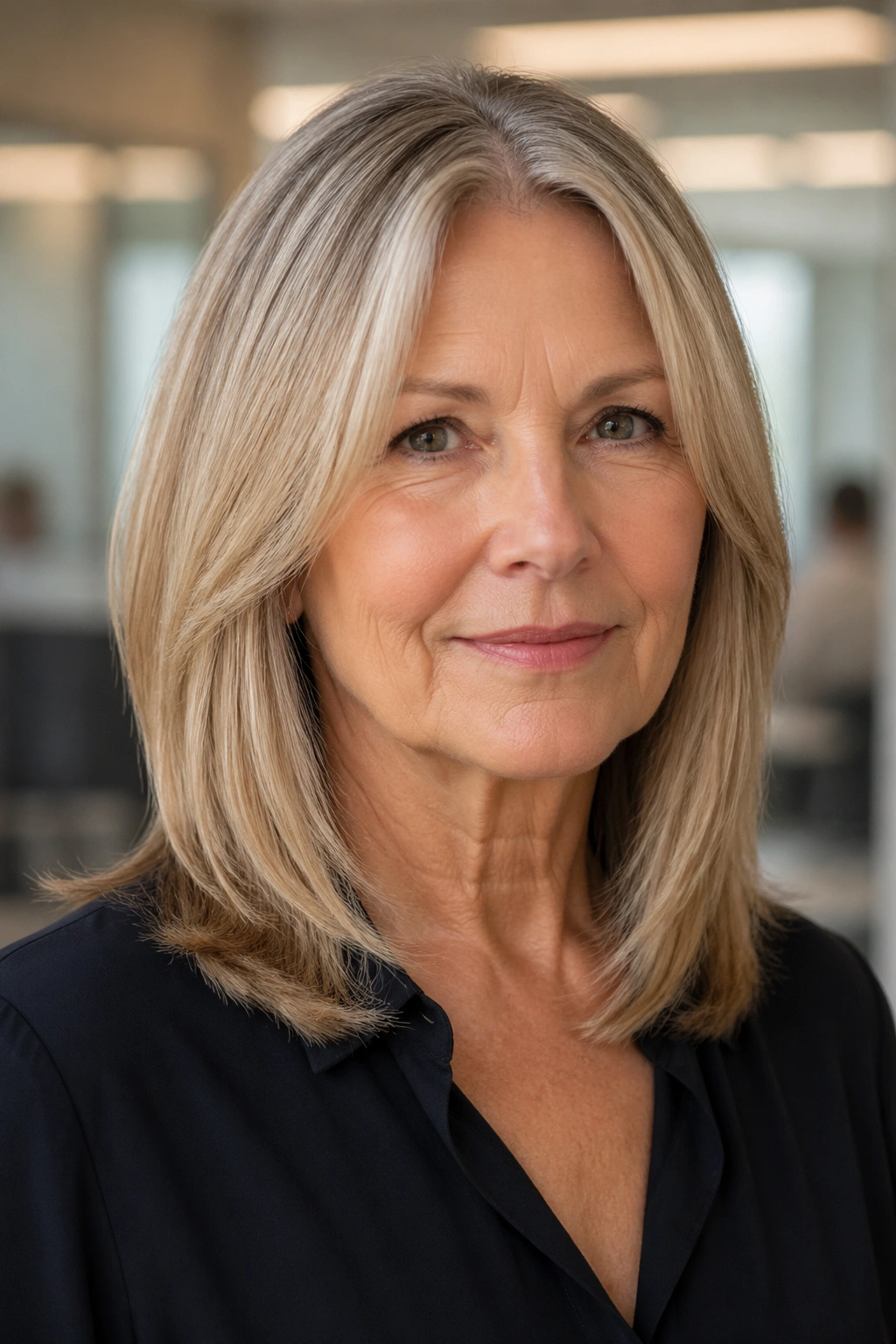
Straight hair can look too hard at medium length if every line is blunt. Soft layers solve that without making the cut choppy. They take just enough weight out of the sides and ends to keep the hair moving, while the overall look stays clean.
This is the cut for someone who likes order. The kind of hair that sits neatly under a blazer, beside a scarf, or tucked behind the ears without argument. A paddle brush, a heat protectant, and a quick blow-dry usually do the work.
What I like most here is the quiet shape. Nothing shouts. The layers are there, but they don’t announce themselves unless the hair moves. That makes the haircut easy to wear day after day.
If your hair is naturally pin-straight, keep the ends trimmed regularly so they stay full. Straight cuts show damage fast. A tidy edge makes a bigger difference here than most people expect.
21. Shoulder-Length Cut with Deep Side Part
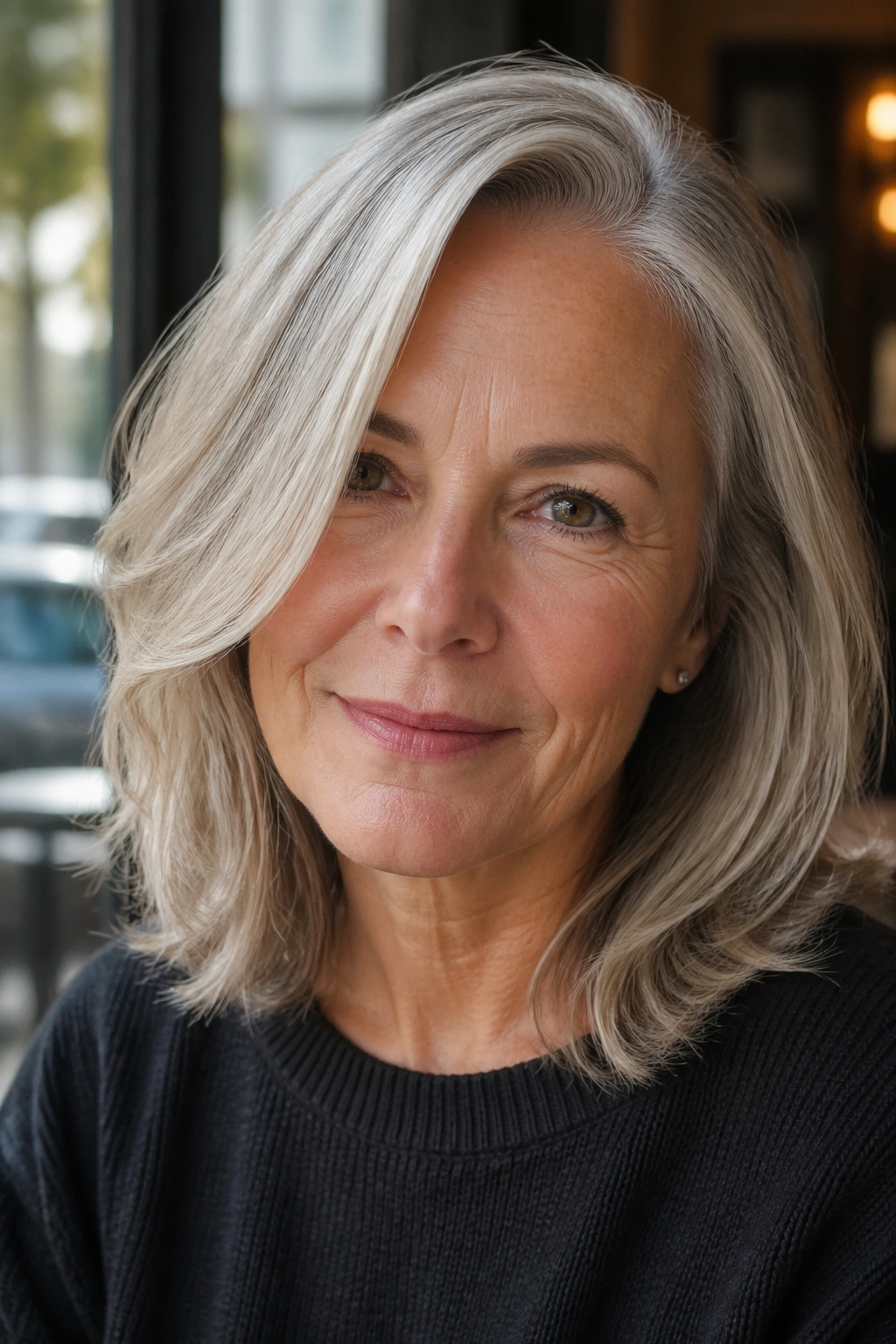
A deep side part can change a haircut more than a trim sometimes can. It lifts one side, opens the face, and gives the crown a little extra height. If your hair tends to lie flat at the roots, this is one of the simplest ways to get some lift without adding more layers.
Why the Part Changes Everything
The angle pulls the hair across the forehead and gives one side more presence. That makes the style feel fuller and a little more relaxed than a centered part.
A shoulder-length cut with a deep side part works especially well if you have fine hair, a broad forehead, or a face shape that looks softer with some asymmetry. Clip the part in place while the hair is still damp, then blow-dry the root area in that direction.
- Good for quick volume.
- Easy to pair with waves or a smooth finish.
- Nice with long earrings because the hair opens the face.
It’s a small move. Big payoff.
22. Medium Length Crop with Glasses-Friendly Fringe

Glasses change the way a haircut behaves. A fringe that looks lovely without frames can suddenly feel crowded once frames enter the picture. A glasses-friendly fringe solves that by sitting a little longer and softer, so it clears the lenses instead of crashing into them.
How to Keep It Useful
The fringe should graze the brow or fall just below it, then taper at the corners. That keeps the eyes visible and avoids the constant brush-away motion that blunt bangs create.
This cut works well for women who want a little forehead coverage without commitment. The rest of the crop can stay around the jaw or upper shoulder, which keeps the overall look light. If your hair is straight, it’s easy to style with a small brush. If it’s wavy, finger-drying the fringe and smoothing it later often works better.
The whole point is comfort. You should not have to fight your glasses all day. If the fringe keeps sliding into your lenses, it was cut too short or too full.
23. Modern Shag with Movement
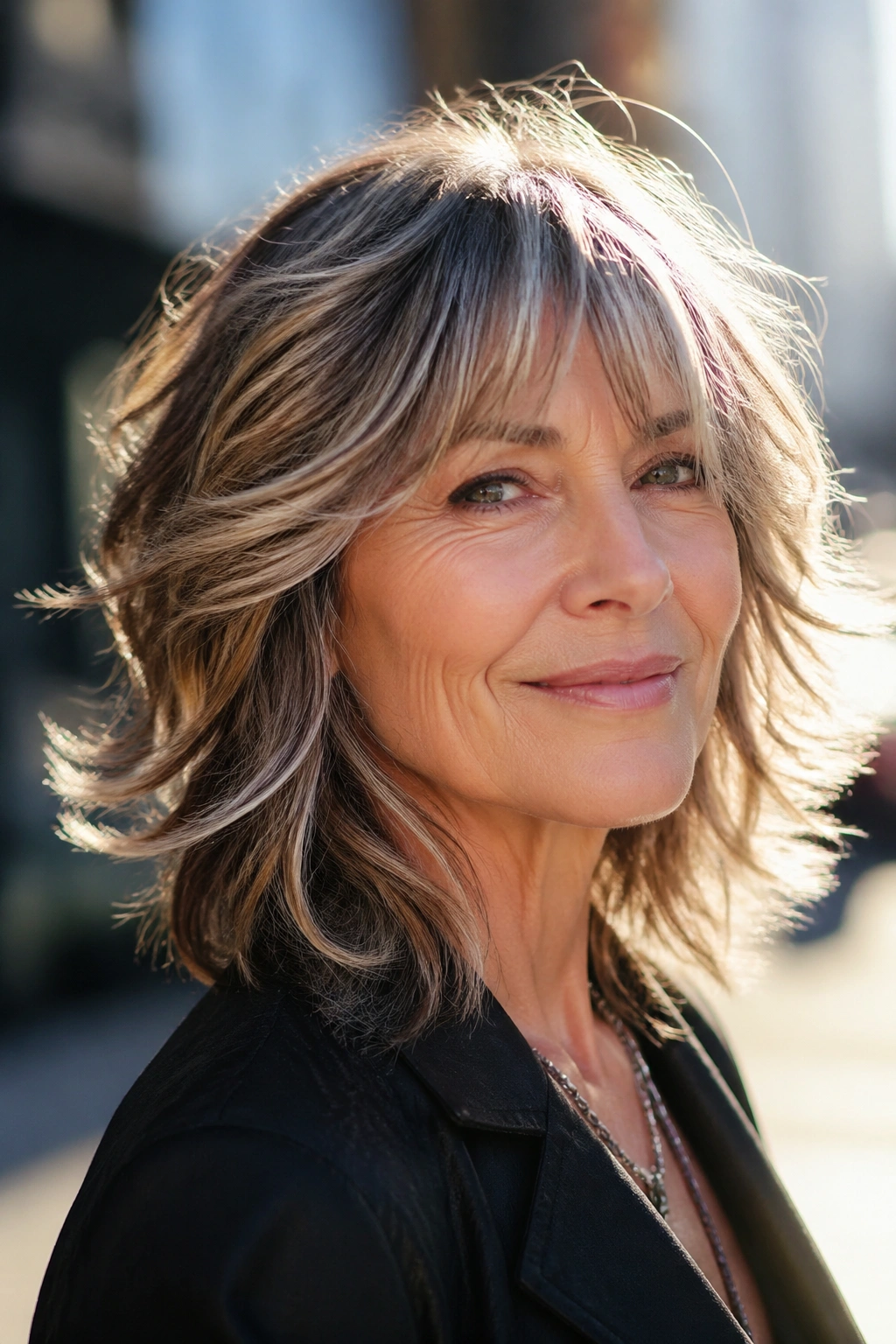
A modern shag is not the same as the shag cuts people wore when the layers got too aggressive and the fringe got too busy. This version is softer. The texture is still there, but the ends are less chopped and the layers are more thoughtful.
Unlike the classic shag, the modern one leans into movement without turning the head into a cloud. That makes it a strong choice for salt-and-pepper hair, natural wave, and anyone who likes a little edge without looking styled to death.
Ask for face-framing layers, some lift at the crown, and a perimeter that stays soft at the shoulders. That way the haircut moves, but it still has enough shape to behave on day two.
This is a fun cut when you want personality in the hair. Not drama. Personality.
24. Soft Curls with Rounded Layers
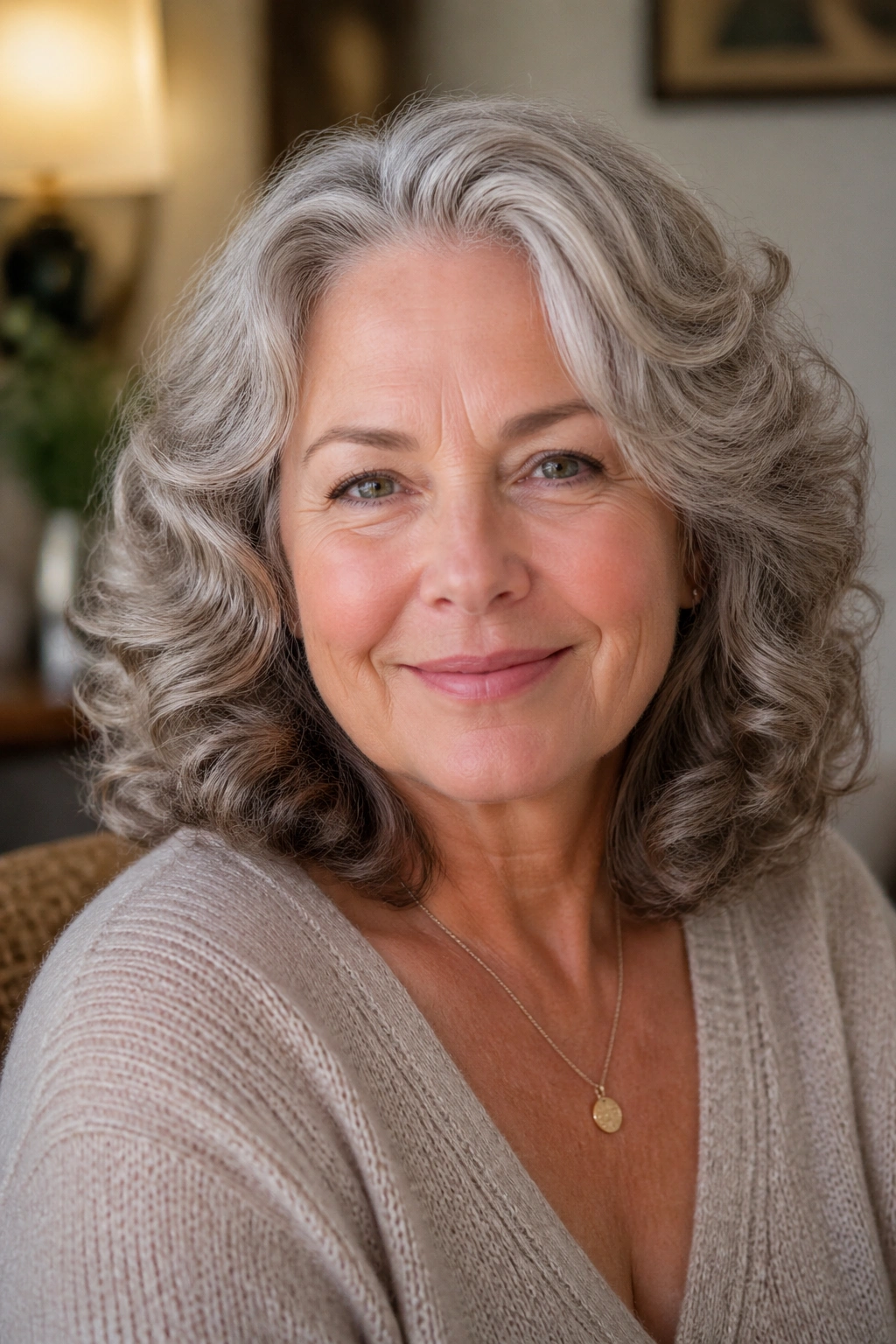
Rounded layers are a nice match for curls because they let the hair fall in a smoother shape around the shoulders. Rather than building a triangle or stacking too much at the top, the layers follow the curve of the curl pattern and make the whole cut feel balanced.
A lot depends on how your curls dry. If they tighten a lot, the layers need room to shrink. If they relax, they may need a little more shape at the sides. A good stylist will cut with that in mind instead of cutting every curl the same length, which rarely works out well.
Use a diffuser if you want more definition, or set the curls with a large roller for a softer finish. Either way, keep the product light enough that the hair can still move. Hard curls are not the goal. Healthy-looking curls are.
This is a flattering choice for women who like softness near the face and a little fullness through the length. It feels graceful without being precious.
25. Elegant Shoulder-Length Cut with Tucked Sides
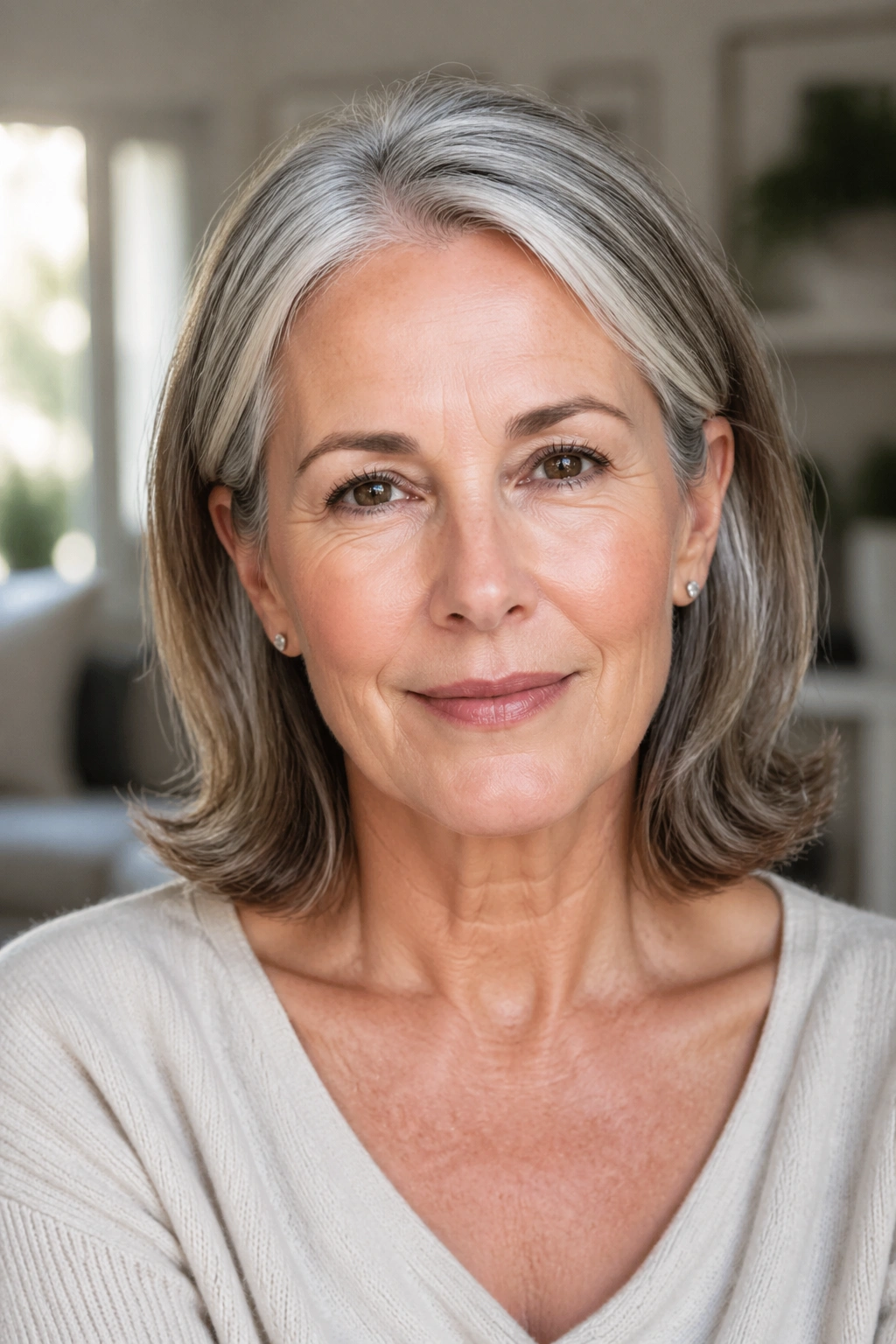
Some haircuts are good for photographs. Others are good for real life. This one manages both, which is why it hangs around. The shoulder-length shape gives you room to tuck the sides behind your ears, clip back one side, or wear it loose and polished.
Why It Stays Useful
The tucked sides show off earrings, open the face, and keep the style from looking heavy around the jaw. That matters more than people think. A small amount of space around the face can make the whole haircut look lighter.
- Works well with a side part or a gentle middle part.
- Easy to dress up with a barrette or clip.
- Lets natural gray, highlights, or lowlights show through cleanly.
I like this cut for women who want flexibility. You can wear it neat for dinner, then let it loosen up the next day and it still looks intentional. No drama. No extra fuss. Just a haircut that knows how to move with you.
Final Thoughts
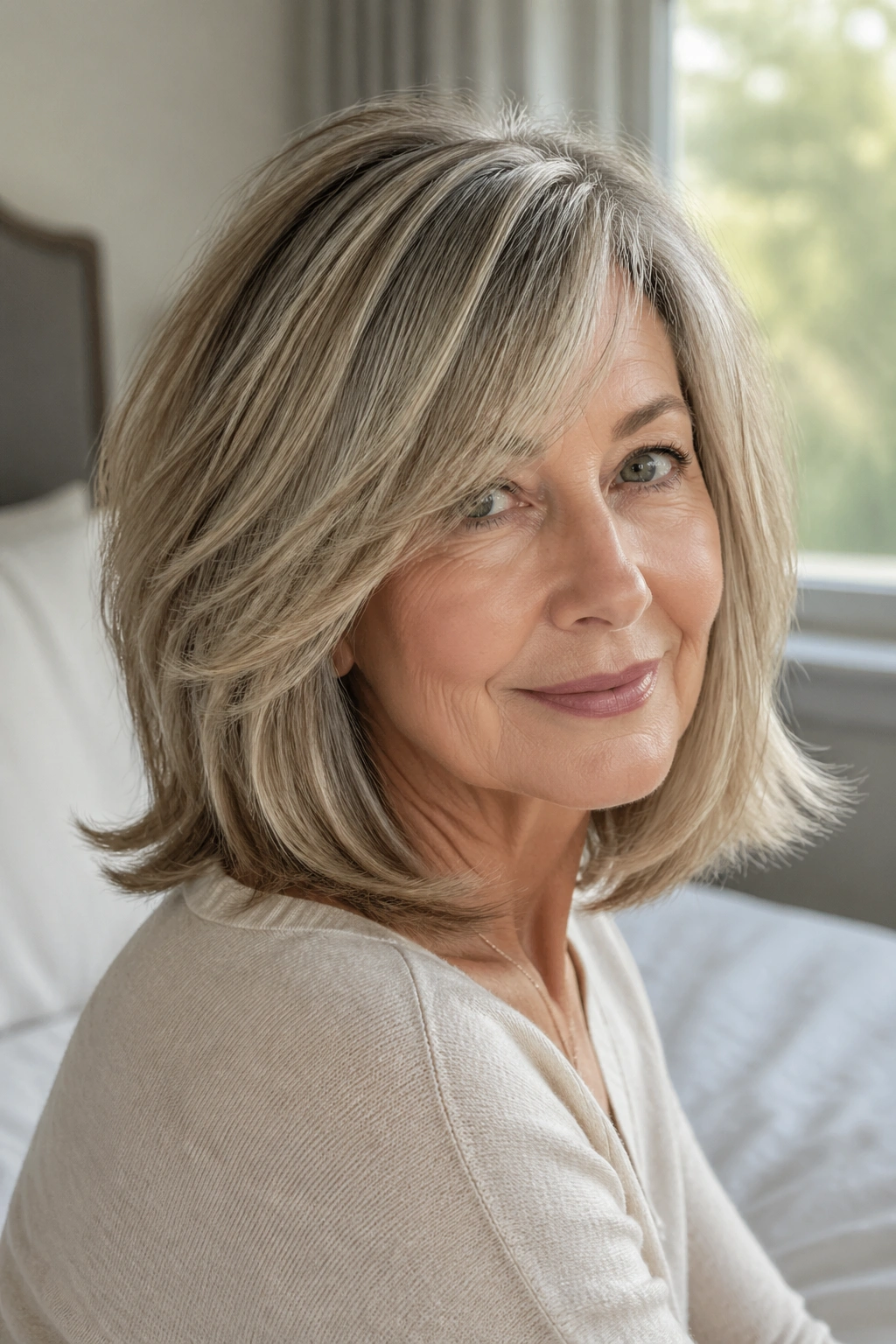
The best medium-length haircut is the one that behaves well on your head, not on someone else’s. That sounds obvious, but a lot of people skip past it and chase a shape that looks nice only when the hair is freshly blown out and arranged within an inch of its life.
A good cut for women over 60 should make your mornings easier, not more demanding. It should work with your texture, your glasses, your neck, and the way you actually like to wear your hair. If a style needs constant correction, it is probably the wrong one.
Bring photos, yes, but bring better information too: how your hair dries, where it flips out, whether you wear it tucked, and how much time you’re willing to spend with a round brush. That’s the stuff a good stylist can use. The right medium length gives you room to look put together without acting like your hair is a full-time job.