
Blonde hair with lowlights works because it does something a flat blonde can’t: it gives the color places to rest. A few deeper ribbons under the surface make pale hair look thicker, softer, and more expensive-looking, even when the cut is simple and the styling is minimal.
That’s the part people miss. Lowlights are not there to make blonde darker for the sake of it. They create depth around the crown, under the nape, and through the mids so the lighter pieces pop more cleanly. If the shade is chosen well, the hair looks like it has dimension instead of one solid tone that’s been washed out by toner.
The sweet spot is usually one to three levels deeper than your blonde, not a dramatic jump. Go too dark and the hair starts looking striped. Go too warm in the wrong spot and the blonde can turn brassy fast. The prettiest versions have a soft shadow, a little movement, and that lived-in finish that makes people think the color came from good genetics. It didn’t. It came from placement.
1. Creamy Beige Blonde With Mushroom Lowlights
Creamy beige blonde with mushroom lowlights is one of those combinations that looks calm in the best way. The blonde stays soft and luminous, while the mushroom lowlights bring in a cool, earthy depth that keeps the whole color from drifting yellow.
What makes it look rich? The mushroom tone sits in that gray-beige-brown space that flatters beige blonde without stealing the show. It’s a smart choice if you want the hair to look polished but not overly icy. The contrast is gentle, so the effect shows up most when the hair moves.
If you like color that grows out cleanly, this one is a strong pick. It works especially well on straight or softly waved hair, where the darker ribbons can slide through the lengths and show off the shape of the cut. On shoulder-length hair, the finish can look almost cashmere-soft.
Ask your colorist for fine, broken lowlights rather than chunky panels. That one detail keeps the color from looking too obvious.
2. Champagne Blonde With Taupe Ribbons
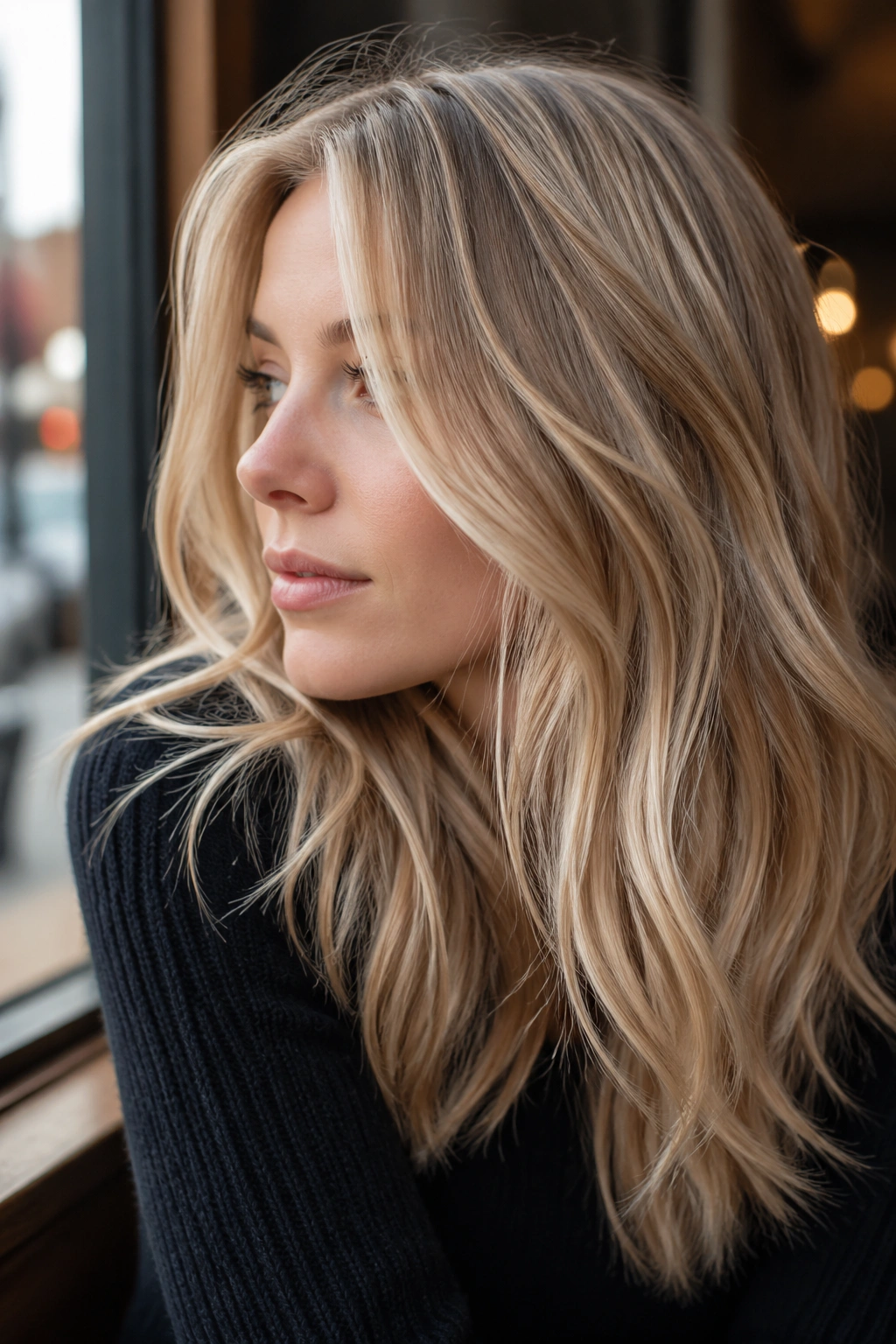
Why does champagne blonde with taupe ribbons work so well? Because it keeps the blonde bright without making it feel sharp. The champagne base has that pale, slightly warm sparkle, and the taupe lowlights give it a grounded, neutral frame.
This is a good choice if your blonde tends to look flat in indoor light. Taupe pieces create a soft shadow near the face and at the back of the head, which makes the lighter sections stand out more. The effect is subtle, but it changes the whole mood of the hair. It looks finished.
Why It Feels More Expensive Than Plain Champagne Blonde
- Taupe lowlights sit close to neutral, so they do not fight the blonde.
- They soften any overly golden tone near the ends.
- They look especially good on layered cuts where the movement shows every shade.
- The color grows out with less contrast at the root.
Keep the ribbons thin and ask for them mainly through the mid-lengths. That keeps the champagne tone bright at the top and gives the ends a little more weight.
3. Honey Blonde With Caramel Depth
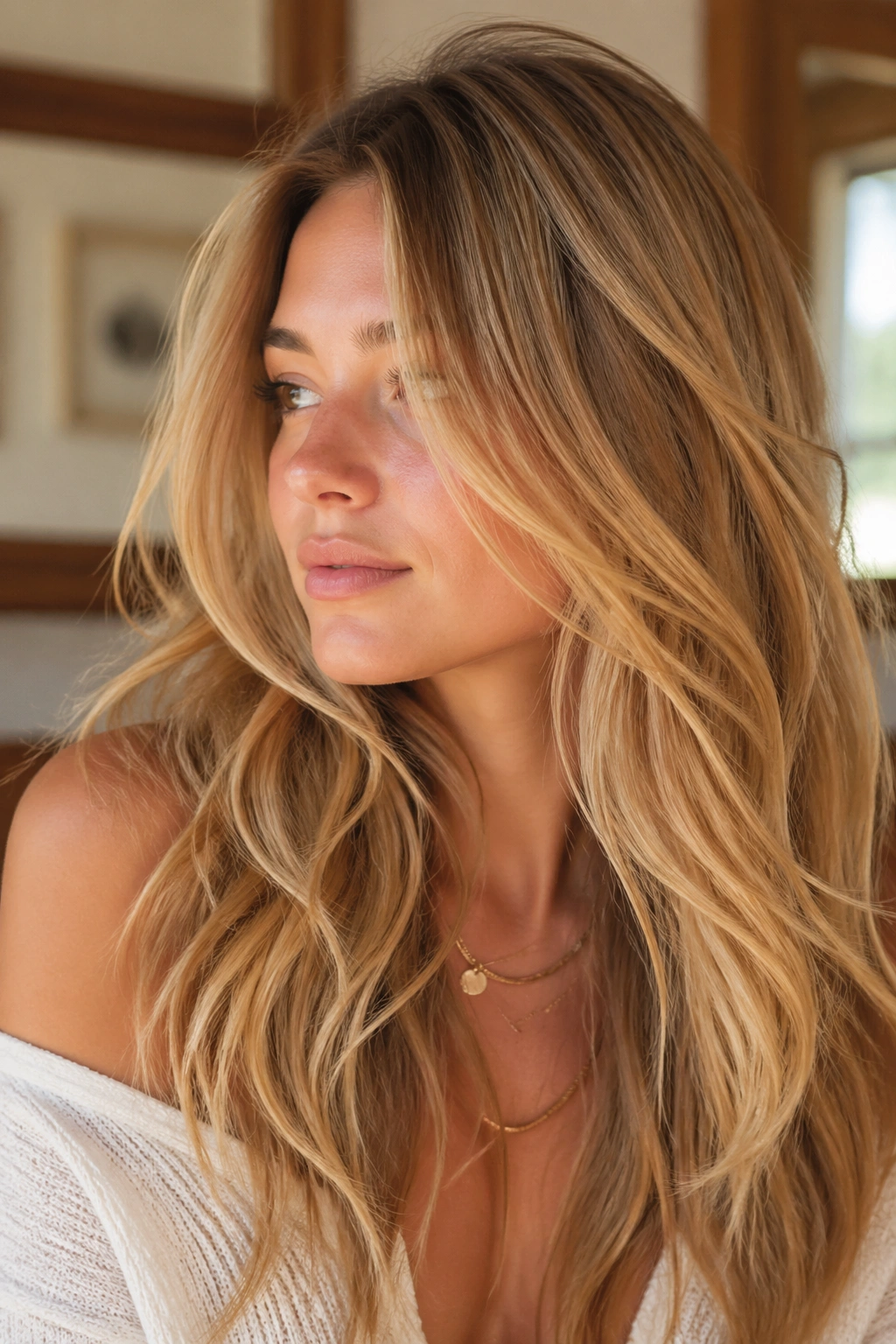
Honey blonde with caramel depth is a safe bet if you want warmth, shine, and that sun-kissed look people always ask about. The trick is not to flood the whole head with caramel. A few well-placed lowlights are enough to make the honey look thicker and more dimensional.
I like this version on hair that already has some warmth in it. If your blonde pulls gold naturally, caramel lowlights make the color look intentional instead of accidental. They also help the blonde look richer near the ends, which can be helpful if those ends feel a little transparent.
The best placement is underneath the top layer and around the perimeter. That gives the illusion of density without darkening the visible surface too much. On wavy hair, it looks even better because the caramel flickers through the bends.
If you wear your hair in a loose ponytail a lot, this one is especially pretty. The contrast shows up in the movement, not in harsh stripes.
4. Butter Blonde With Chestnut Lowlights
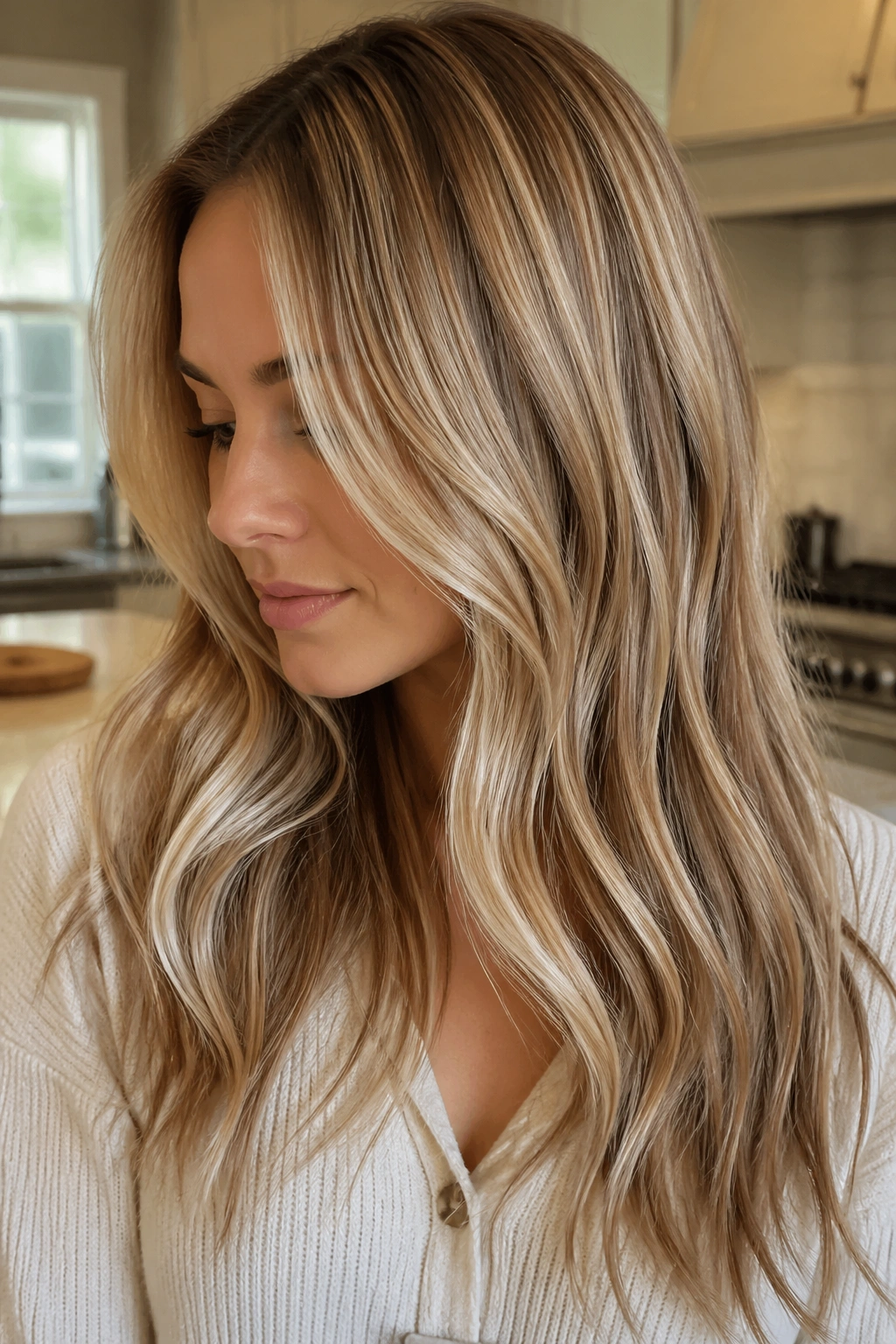
Butter blonde can go soft and pretty on its own, but chestnut lowlights give it backbone. That matters. Without depth, buttery tones can look almost too light, especially on fine hair. A few chestnut ribbons fix that in one appointment.
The chestnut should be rich but not red-heavy. If it leans too coppery, the blonde can start looking brassy. The best version stays on the brown side of warm, with just enough depth to make the butter blonde feel plush. Think toasted bread, not orange glaze.
This color works nicely on medium-length cuts, especially layers that flip a little at the ends. The darker pieces make those pieces look fuller. On long hair, chestnut lowlights can create that expensive, soft-focus finish that reads as healthy even before a trim.
A small note: this is one of the easiest blonde-with-lowlights looks to wear in everyday life. It does not scream for attention. It just looks good from across the room.
5. Platinum Blonde With Ash-Brown Shadows
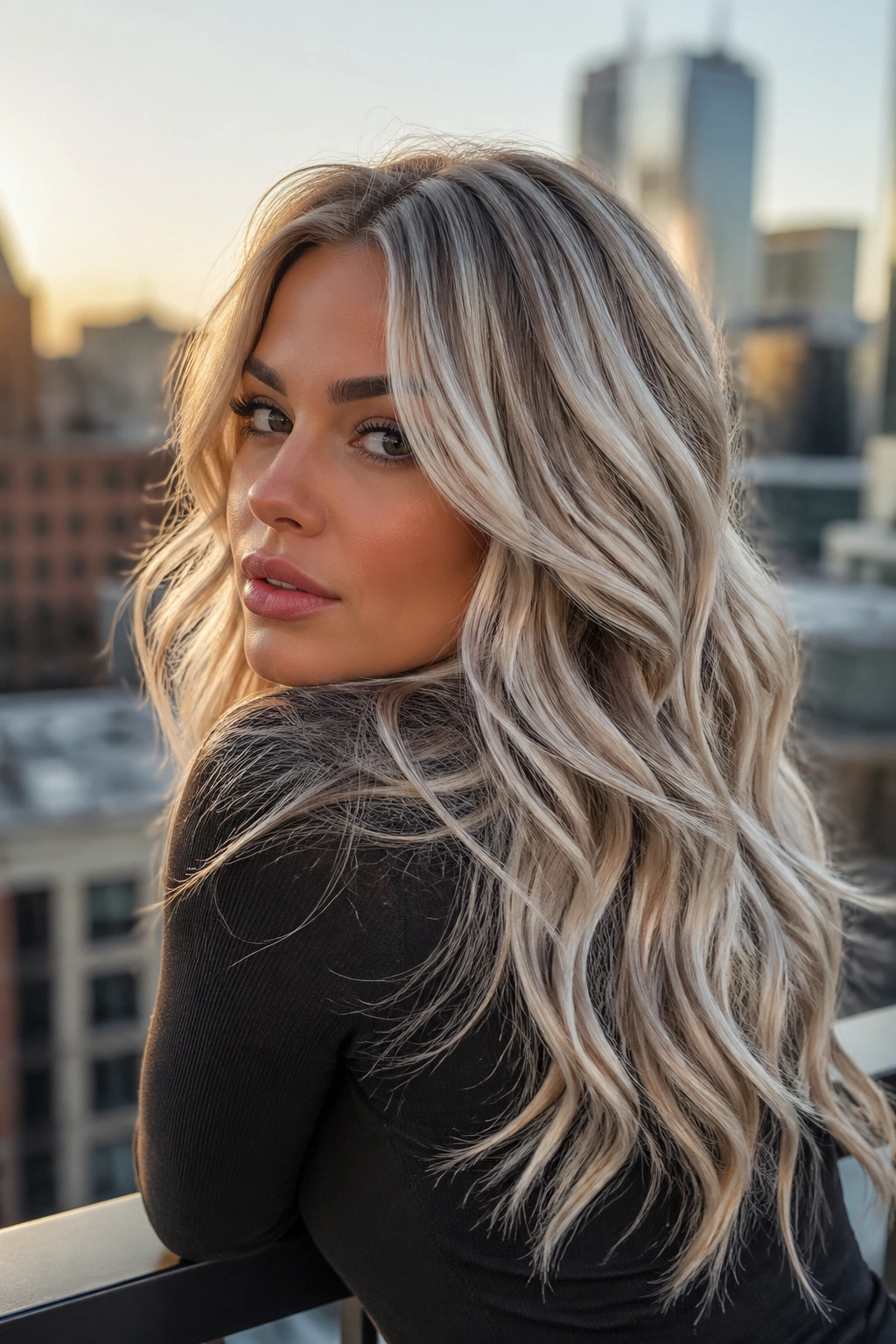
Platinum blonde with ash-brown shadows is for anyone who wants edge without the hard contrast of true dark lowlights. The ash-brown should feel smoky, not muddy. That’s the difference between cool and flat.
The reason this combination works is simple: platinum needs depth to stop it from looking overprocessed. Those cooler lowlights add shape near the root and through the interior layers, which makes the platinum look sharper. Not blonder. Sharper.
What To Ask For
- A root shadow that stays soft, not blocky.
- Fine ash-brown lowlights through the back and nape.
- A toner that keeps the platinum clean, not yellow.
- Slightly darker pieces around the crown for lift and contrast.
This is a strong choice if your style leans sleek, tailored, or a little dramatic. It also makes short cuts look more expensive. The downside? You need to keep brass under control, because warm fading stands out faster against this kind of cool blonde.
6. Sandy Blonde With Mocha Veils
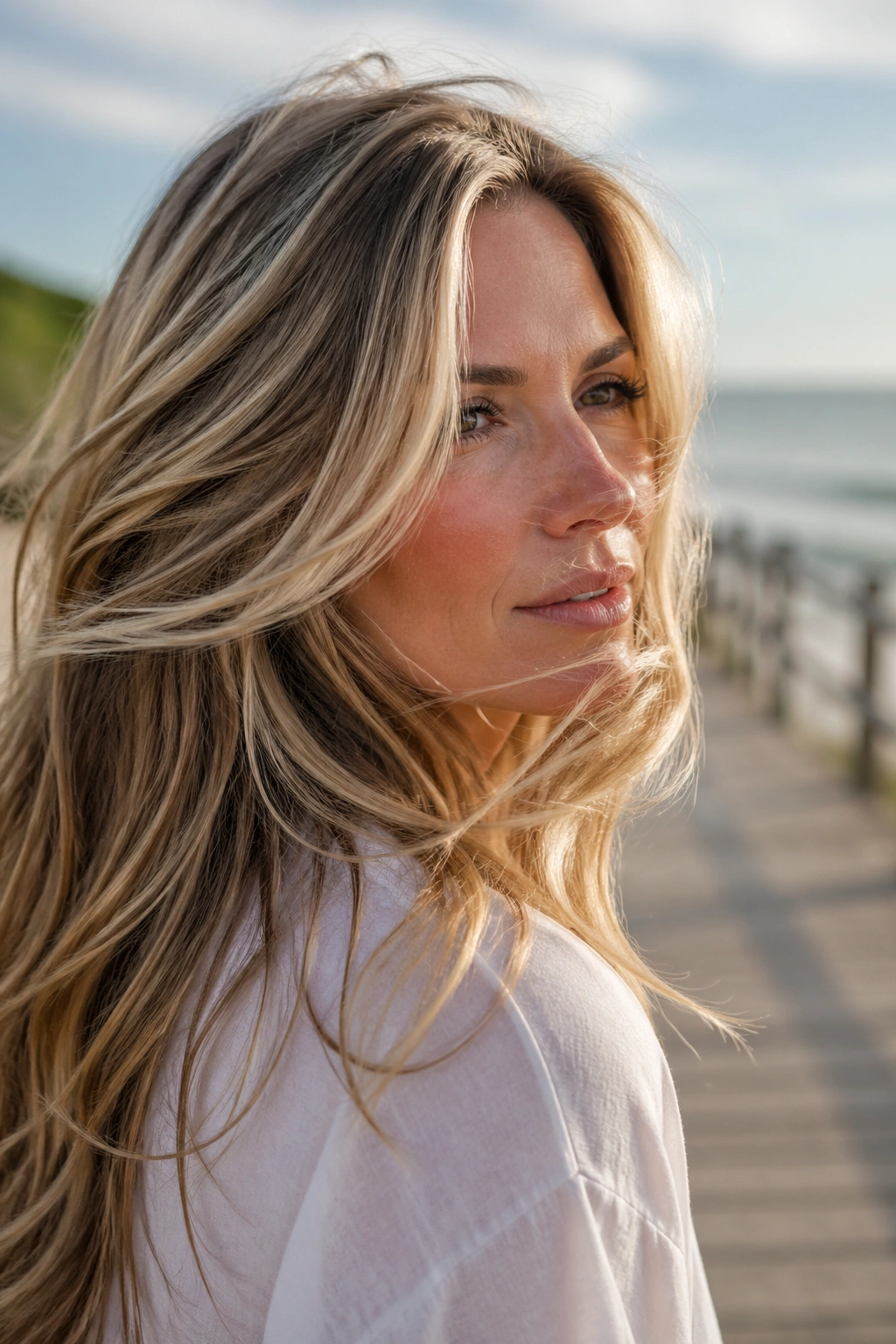
Sandy blonde with mocha veils has that beachy feel, but more grown-up. Mocha lowlights add a soft shadow that keeps sandy blonde from going pale and washed out, especially when the hair is fine or naturally light.
Unlike heavy brunette streaks, mocha veils are meant to sink in quietly. They sit under the top layer and peek through as the hair moves. That makes them a good choice if you want blonde hair with lowlights ideas that look rich without looking dyed in obvious sections.
This version is especially flattering on wavy lob cuts. The darker pieces follow the wave pattern and make the hair look thicker at the ends, which is where sandy blondes often need help. On straight hair, the effect is smoother and more understated.
If your hair already has some beige or sand tone, mocha is a smart match. It gives the color more body. And yes, it still counts as blonde. It just looks better than a one-note blonde ever could.
7. Vanilla Blonde With Soft Espresso Smudge
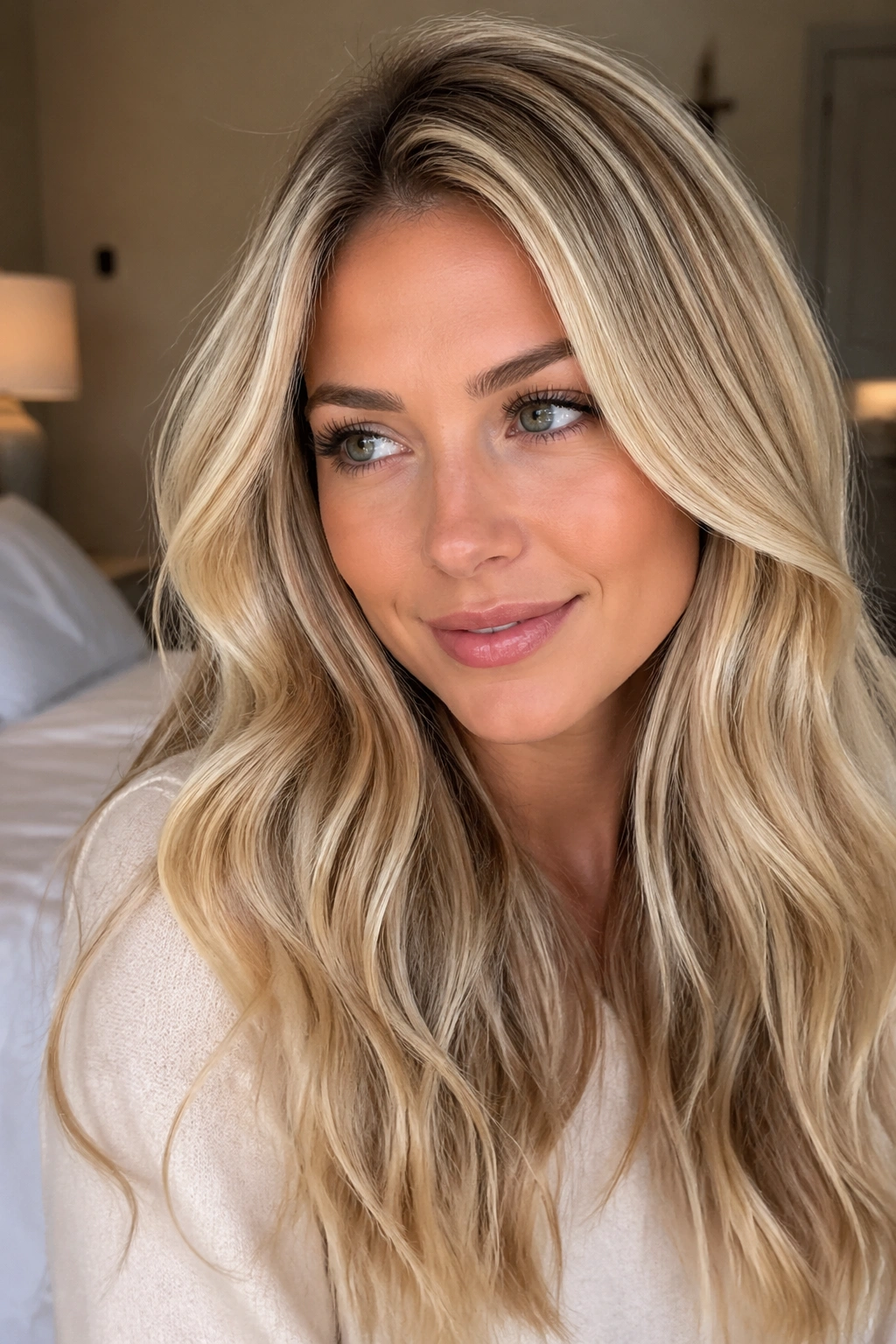
Vanilla blonde can be beautiful, but it needs contrast or it starts to look a little too one-dimensional. A soft espresso smudge near the root and a few blurred lowlights through the mids fix that fast.
This is not about making the hair dark. It’s about giving the vanilla tone a frame. Espresso is deeper than mocha, so the placement has to stay delicate. If the lowlights are too wide, the hair loses that light, whipped look that makes vanilla blonde so pretty in the first place.
How To Use It
- Keep the root smudge sheer and feathered.
- Place espresso lowlights underneath the part line, not across the top.
- Blend the darker pieces through the mid-lengths so the transition stays soft.
- Style with a loose bend to show the dimension.
It’s a good option if you like high-contrast color that still feels soft enough for everyday wear. The finish looks especially nice on blowouts with rounded ends.
8. Dimensional Balayage Blonde With Root Shadow
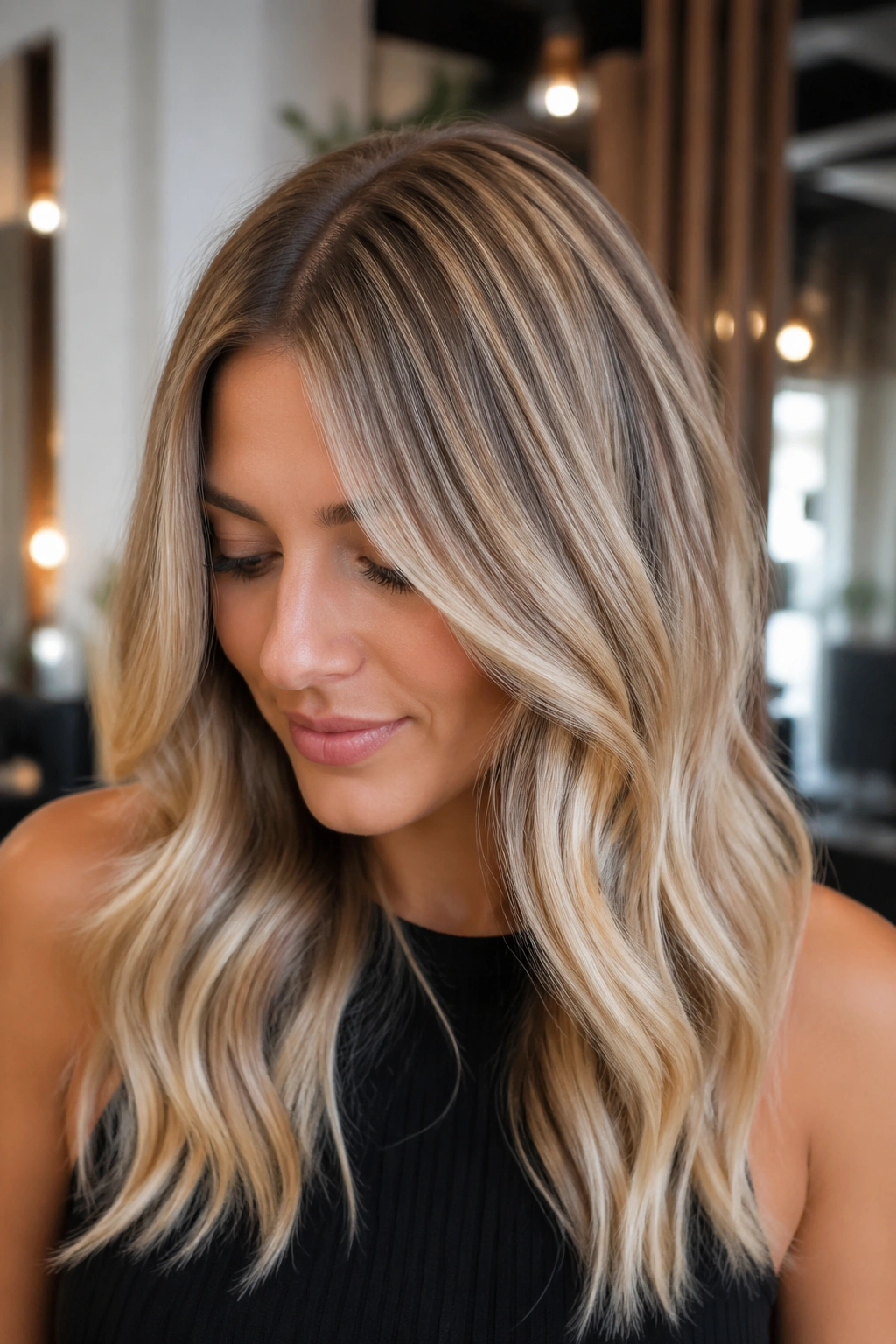
Dimensional balayage blonde with a root shadow is the color many people want when they say they want blonde that “looks expensive,” though they may not use those exact words. The root shadow gives the scalp area a soft fade, and the lowlights inside the balayage keep the light pieces from floating alone.
The magic here is in the blend. A good root shadow makes the grow-out line less obvious, while the lowlights keep the blonde from turning chalky. That matters on longer hair, where too much light can make the ends feel thin.
This style works on almost any texture, but it shines on layered cuts and soft waves. The different tones catch the bends in the hair, so the color looks deep rather than painted on. If you air-dry often, this one holds its shape pretty well because the color itself does some of the visual work.
A lot of people think balayage means only lighter pieces. Not true. The darker ribbons are what give the blonde its body.
9. Sunlit Blonde With Cinnamon Lowlights
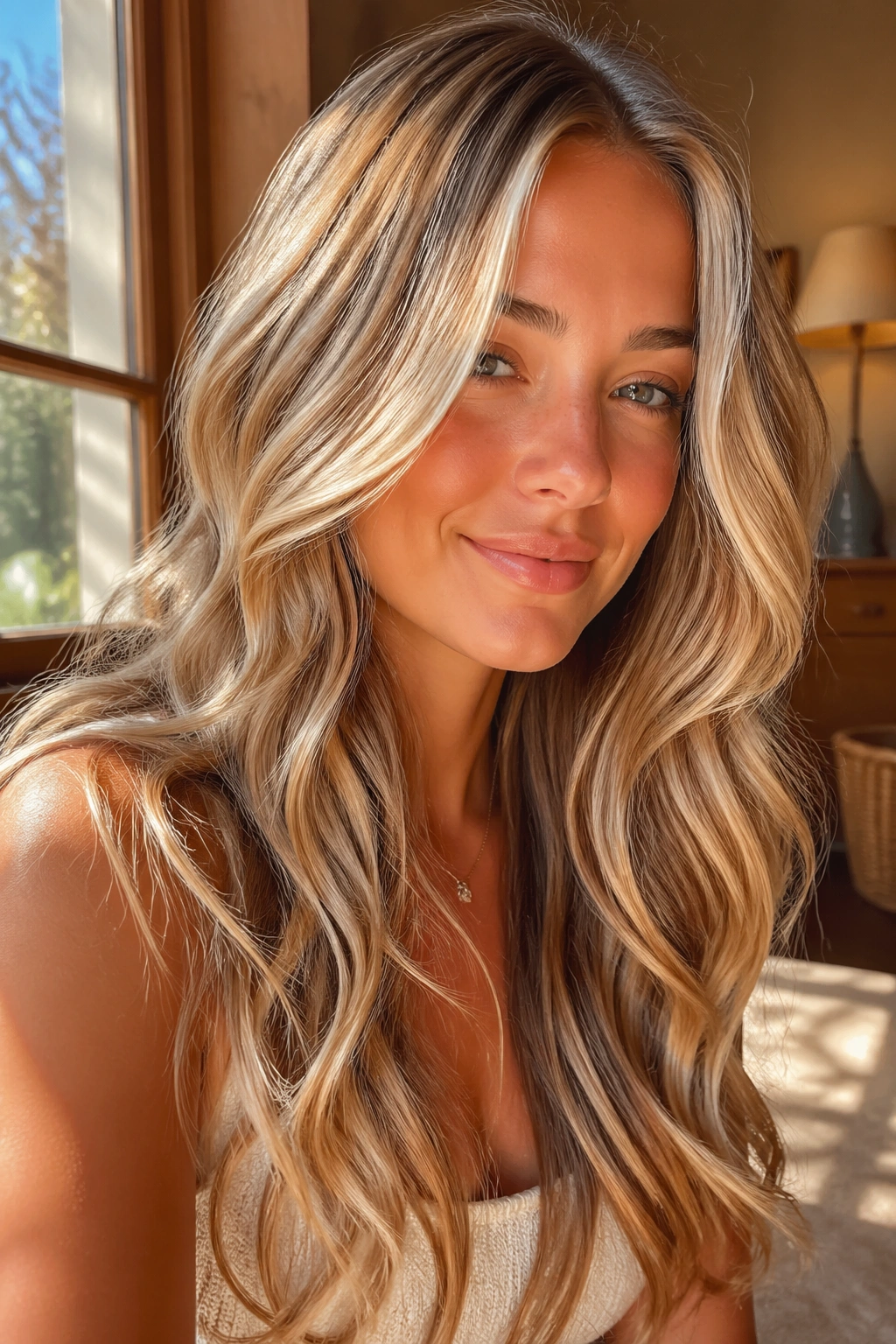
Sunlit blonde with cinnamon lowlights has more warmth than the cooler looks above, and that warmth is exactly why it reads rich. Cinnamon adds a little spice without tipping into bright copper. The result feels soft, glowing, and a touch old-money in the best way.
This color is lovely if your skin has peach, olive, or golden undertones. The cinnamon pieces warm up the blonde without making it look orange. Used well, they also create a nice contrast around the face so the lighter strands don’t disappear against the skin.
I especially like this on long layers. The cinnamon lowlights trace the movement of the cut and keep the blonde from spreading too evenly from root to tip. That sameness is what can make long blonde hair look flat. A few warmer shadows fix it.
The finish is cozy and flattering. Not flashy. Just expensive-looking.
10. Golden Blonde With Bronze Lowlights
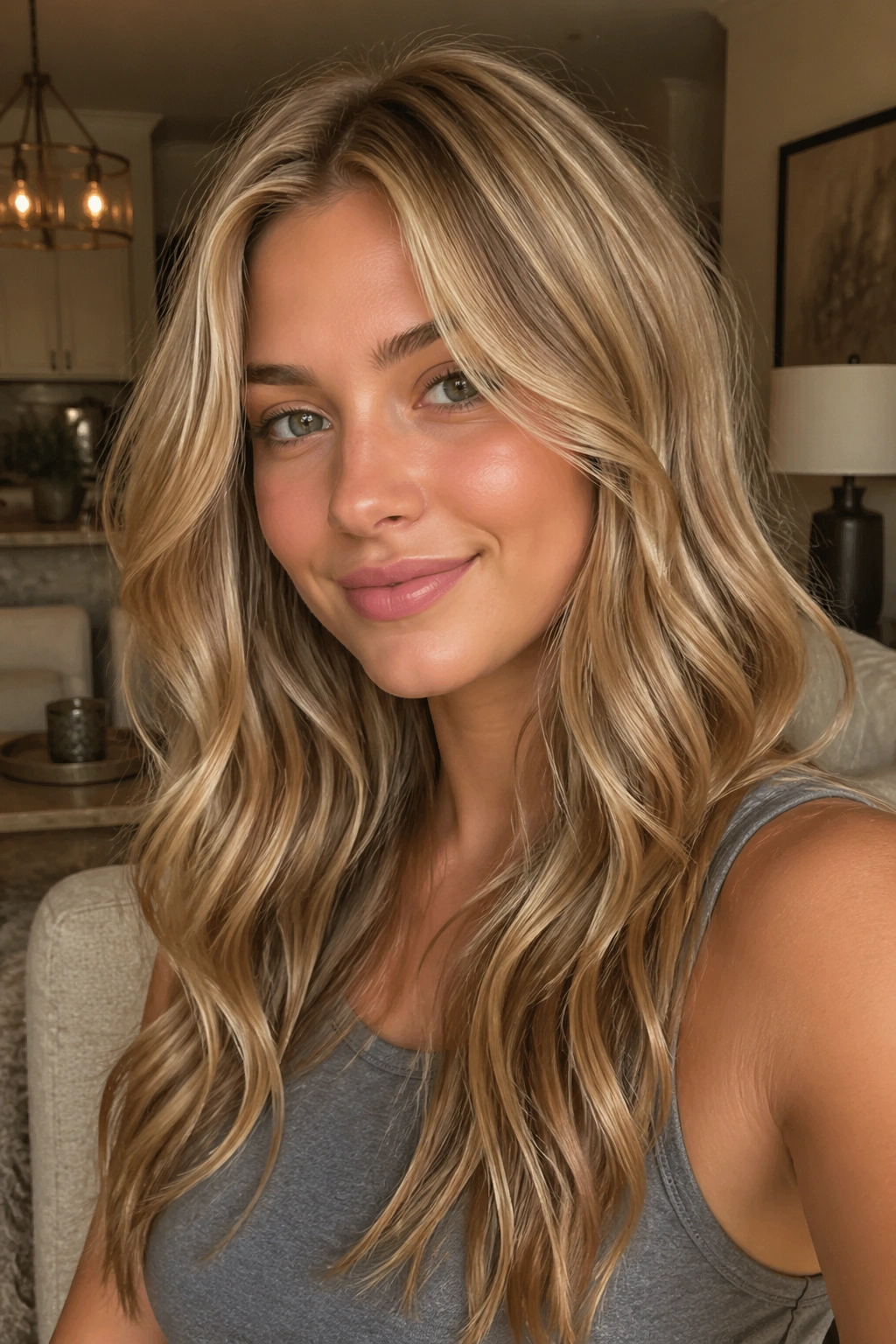
Golden blonde with bronze lowlights is warmer and deeper than a standard highlight-and-tone combo, and that’s why it works. Bronze gives the golden blonde a burnished finish, almost like the color has been lightly polished.
This is a good choice if you hate the look of pale, icy blonde but still want enough lightness around the face. Bronze lowlights help the golden pieces stand out more because the contrast feels intentional. The hair ends up looking thicker, especially if your strands are fine or medium-fine.
A little warning: bronze can pull red if it is too strong. The prettiest version stays in the warm brown-gold lane and skips the orange. If you wear your hair curled, the bronze ribbons will catch the bend and make the waves look deeper.
It’s also one of the better choices for people who want a blonde that feels rich in low light. Sun or no sun, the tone holds its shape.
11. Lived-In Blonde Bob With Toffee Pieces
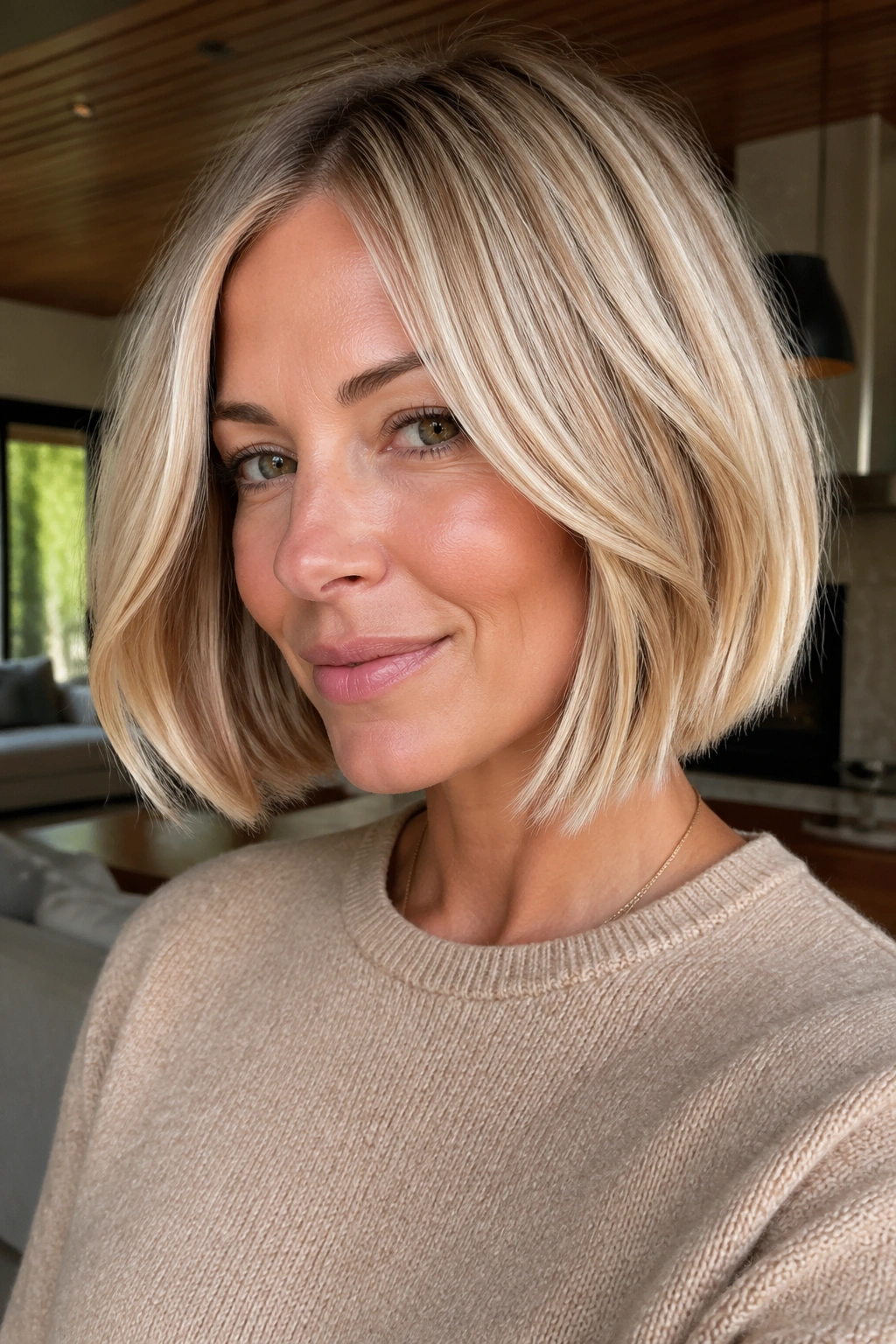
A lived-in blonde bob with toffee pieces is one of the easiest ways to make short hair look deliberate. The bob already gives structure. The toffee lowlights give it warmth and depth, which stops the blonde from looking too bright and a little harsh at the ends.
Short cuts can go flat fast if the color is too uniform. That’s the problem this fixes. Toffee lowlights placed underneath the top layer make the shape look fuller and the ends look cleaner. On a blunt bob, the result is crisp. On a slightly layered bob, it looks softer and more undone.
Best for: chin-length cuts, lob cuts, and anyone who wears a side part.
Avoid if: you want a cool blonde with no warmth at all. Toffee is warm by nature, and fighting that will only make the color feel off.
It’s a polished everyday look. Not fussy. Very easy to live with.
12. Scandinavian Blonde With Greige Depth
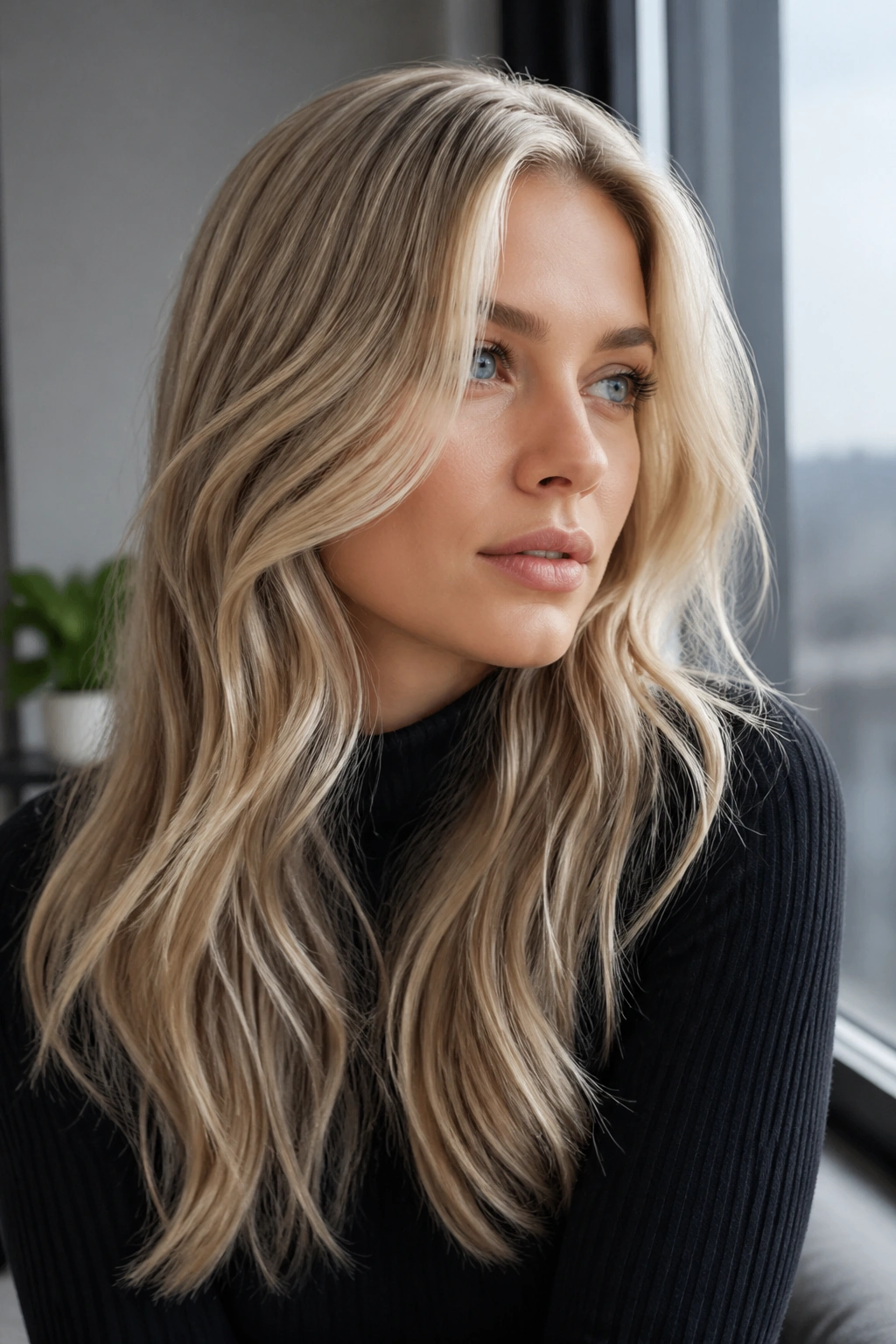
Scandinavian blonde with greige depth is for people who like pale hair but want it to have some shape. Greige, that mix of gray and beige, gives the blonde a cooler backbone without turning it flat or muddy.
The reason this version looks rich is that the lowlights don’t compete with the blonde. They hover just under it. That keeps the whole head reading as light hair, but with much better dimension than a single toner ever gives. On straight hair, the result is sleek and refined. On loose waves, it looks almost velvet-soft.
This is a smart option if brass drives you crazy. Greige helps the blonde stay cool between glosses. It also plays nicely with darker brows, which is one reason the look feels balanced instead of washed out.
If your current blonde feels a little too bright or chalky, this is one of the nicest ways to bring it back down without going dark.
13. Strawberry Blonde With Beige Lowlights
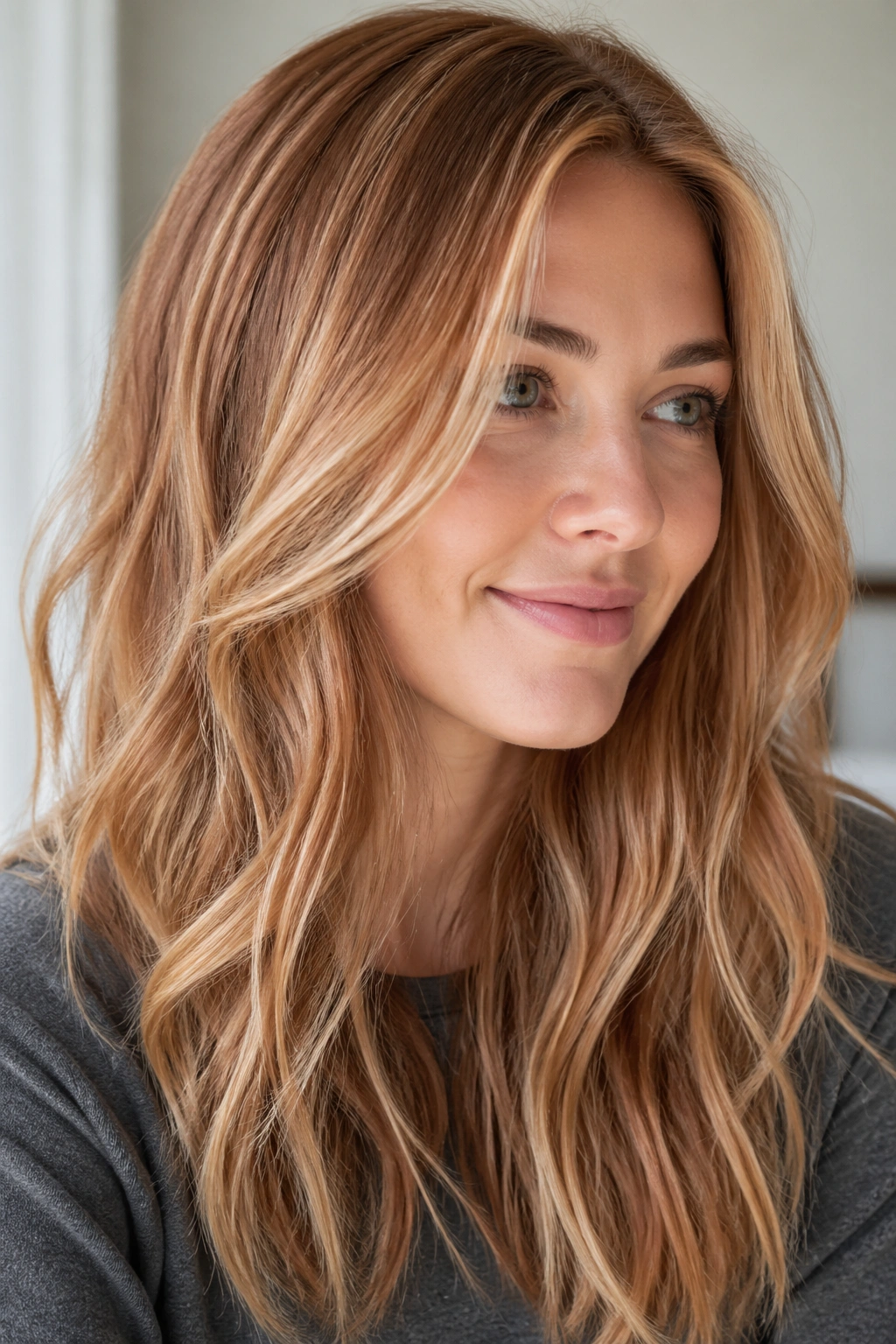
Strawberry blonde with beige lowlights has a softer, grown-up feel than the usual copper-heavy strawberry shades. The beige lowlights pull the red-gold tone back just enough to keep it elegant instead of candy-colored.
This look is especially flattering when the strawberry blonde sits on a natural light base. Beige gives it a sandy cushion, which makes the red tones look intentional and more expensive. It also helps if your hair is fine, because the darker beige pieces make the color feel fuller from root to tip.
What Makes It Different
- The beige lowlights cool the sweetness of strawberry blonde.
- They create a nice balance between warm red and pale blonde.
- They soften the grow-out so the red does not feel abrupt.
- They look good with both straight styling and soft waves.
It’s one of the more romantic blonde-with-lowlights ideas, but it still feels wearable. If you like color that has a little glow without shouting, this one is easy to love.
14. Beach Blonde With Sand-Toast Lowlights
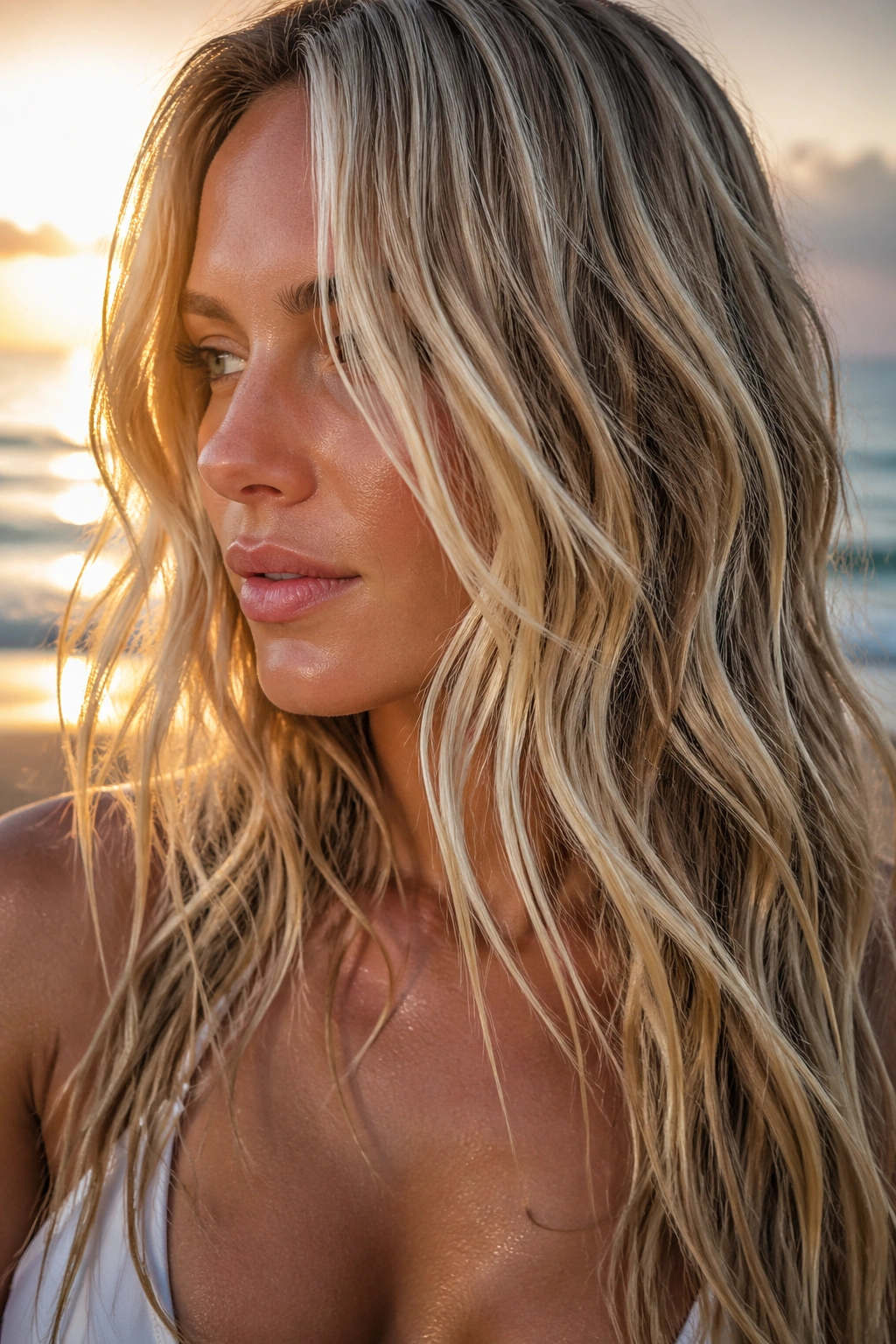
Beach blonde with sand-toast lowlights sounds casual, but the effect can be incredibly polished when the shade is done right. The lowlights should look like toasted sand, not brown stripes. That gives the blonde a sun-warmed base that feels natural.
This style works well if your hair has a lot of movement already. The lowlights can sit inside the wave pattern and make the color read as layered rather than flat. On long hair, that’s a big deal. Beach blonde can start to look thin through the lengths, and the darker pieces solve that fast.
The finish is soft, easy, and slightly undone. You can wear it air-dried and still look put together. If you like a bit of texture spray and a scrunch with your fingers, even better.
One detail worth asking for: keep the lowlights more concentrated through the interior and lower half of the hair. That keeps the top bright while giving the ends enough weight.
15. Cream Soda Blonde With Walnut Underlayers
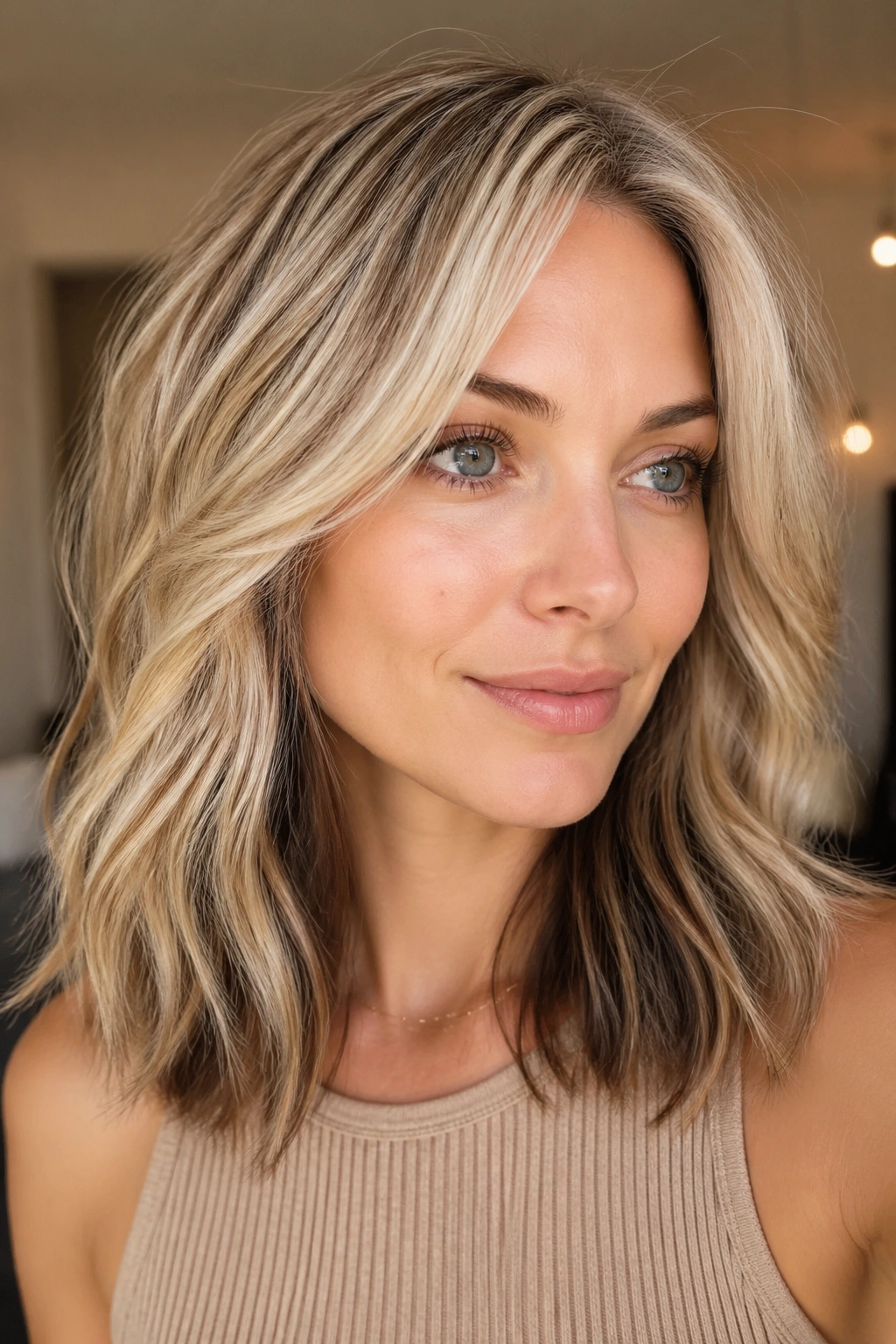
Cream soda blonde is sweet, pale, and luminous. Walnut underlayers make sure it does not disappear. The contrast is subtle at first glance, but it shows up in photos and in real life when the hair moves.
This is a good fit for people who want blonde hair with lowlights ideas that look rich but still playful. Walnut is deeper than beige or taupe, so the underlayers give the cream soda blonde a little shadow and help the shape of the cut stand out. On shoulder-length hair, it can make the ends look much healthier.
How To Get The Most From It
- Ask for lowlights only in the hidden layers first.
- Keep the top bright so the cream soda tone stays clear.
- Style with a round brush or large roller to show the contrast.
- Add a gloss every few appointments to keep the blonde shiny.
It’s one of those colors that looks even better after a few weeks, once the tones settle together a bit.
16. Curly Blonde With Ribboned Lowlights
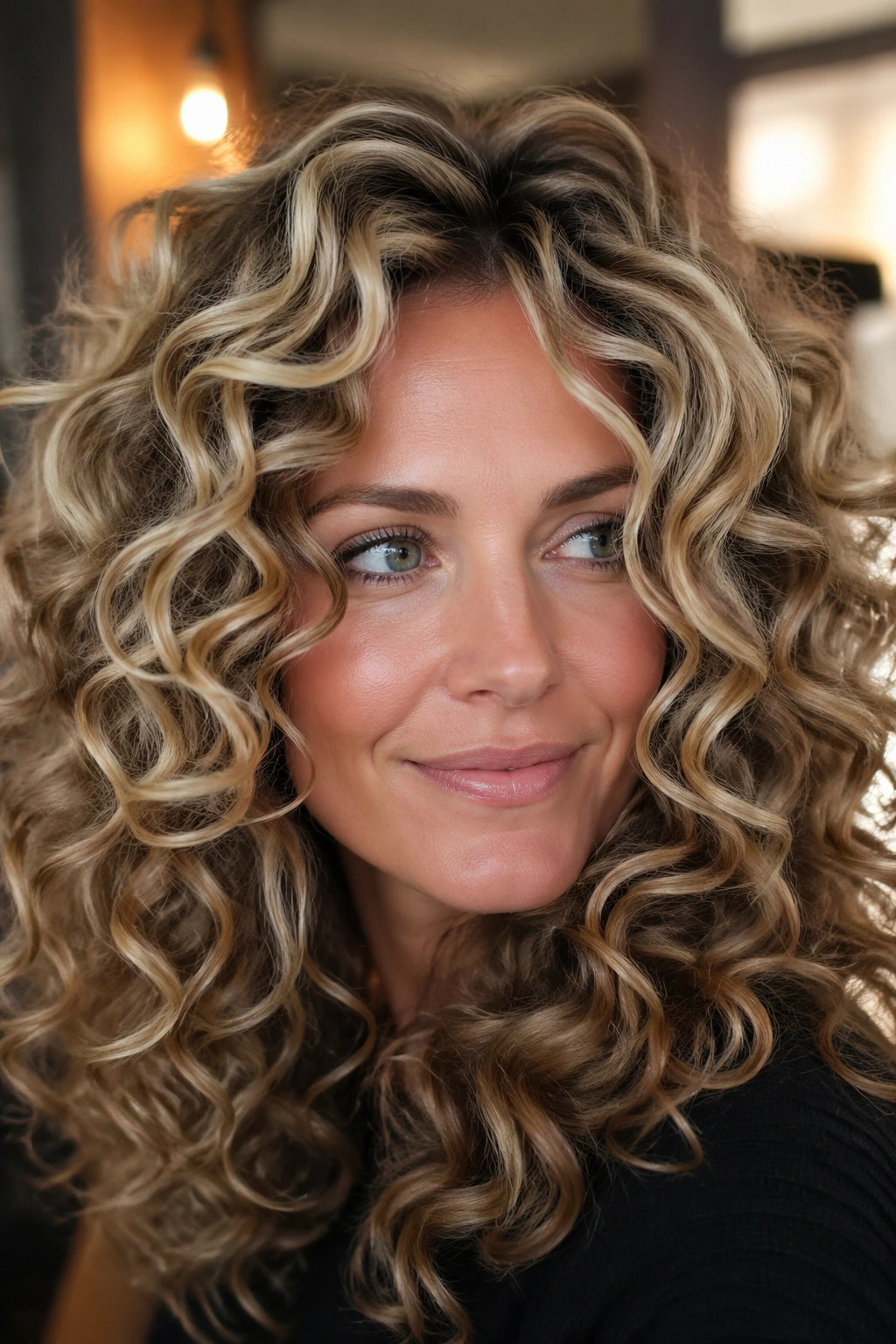
Curly blonde with ribboned lowlights is a different animal from lowlights on straight hair. Curly texture needs placement that follows the curl pattern, or the color gets lost. Ribboned lowlights do that job well because they move with the spiral instead of sitting in harsh blocks.
The point here is definition. Curly blondes can lose their shape when every curl is the same shade. A few deeper ribbons create depth between the coils and make the blonde pieces pop. It also helps the hair look fuller, which is a big deal if your curls are fine or loosely patterned.
A good colorist will place the lowlights in curved sections, not straight lines. That matters more than most people think. Curly hair does not lie flat, so the color has to bend with it.
If you wear your curls natural most of the time, this is one of the richest-looking blonde options you can choose. It feels intentional in a way flat blondes rarely do.
17. Silver Blonde With Smoky Brown Lowlights
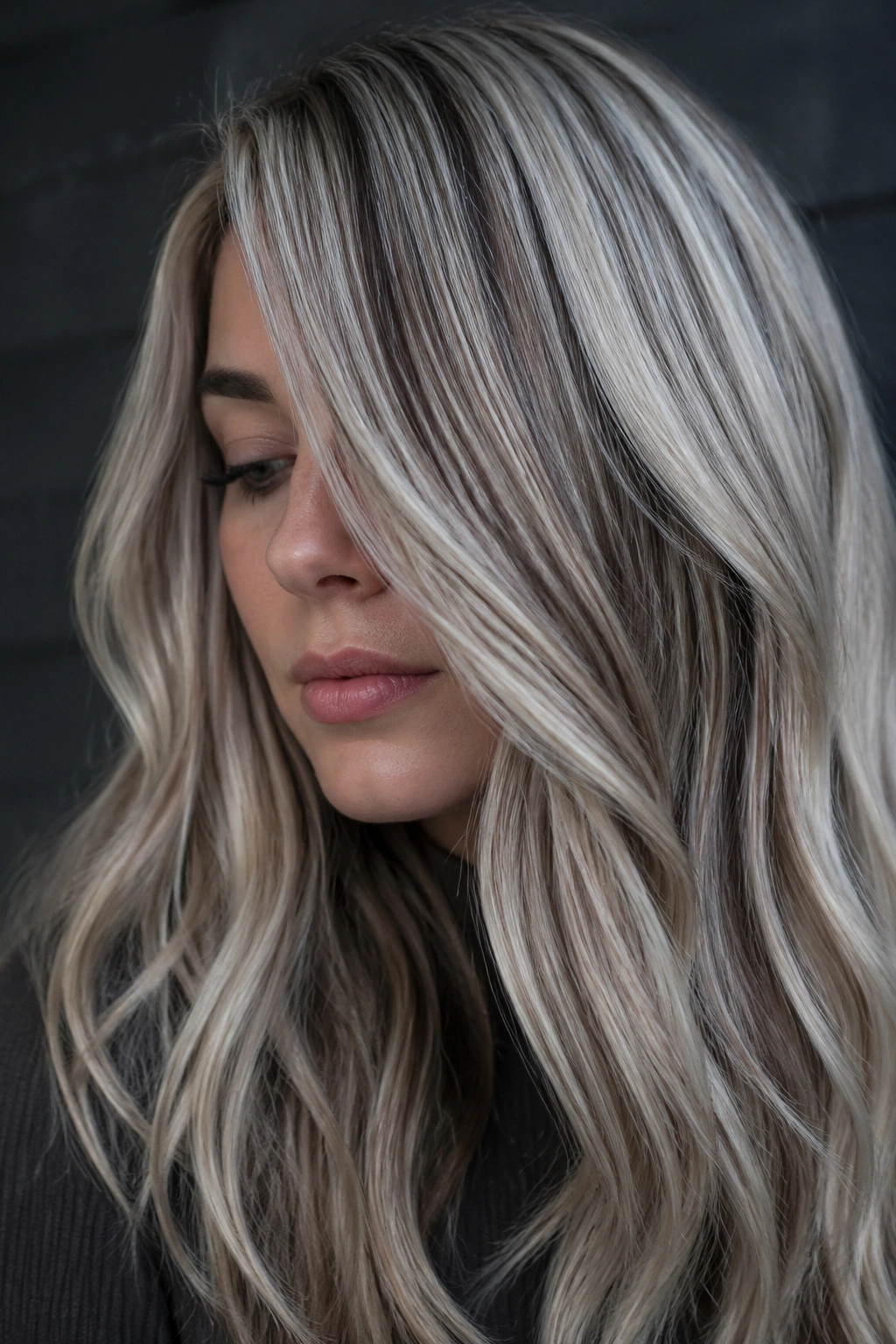
Silver blonde with smoky brown lowlights has a cool, moody feel that can look striking without being harsh. The brown should stay smoky and muted, almost soft charcoal-brown, so it supports the silver rather than fighting it.
This combination is useful if silver blonde alone feels too bright or too metallic. The lowlights soften the shine a little and bring the shade back into a believable range. That gives the color more depth near the roots and under the crown, which makes the silver look cleaner.
I like this look on layered cuts because the movement reveals the darker pieces in little flashes. On a blunt cut, it reads more graphic. On waves, it gets a little softer and more expensive-looking.
If you’re after a cool blonde that still has warmth in the sense of depth and shape, not orange warmth, smoky brown lowlights are a good move. They add gravity. The hair needs that.
18. Bright Blonde With Deep Root Melt
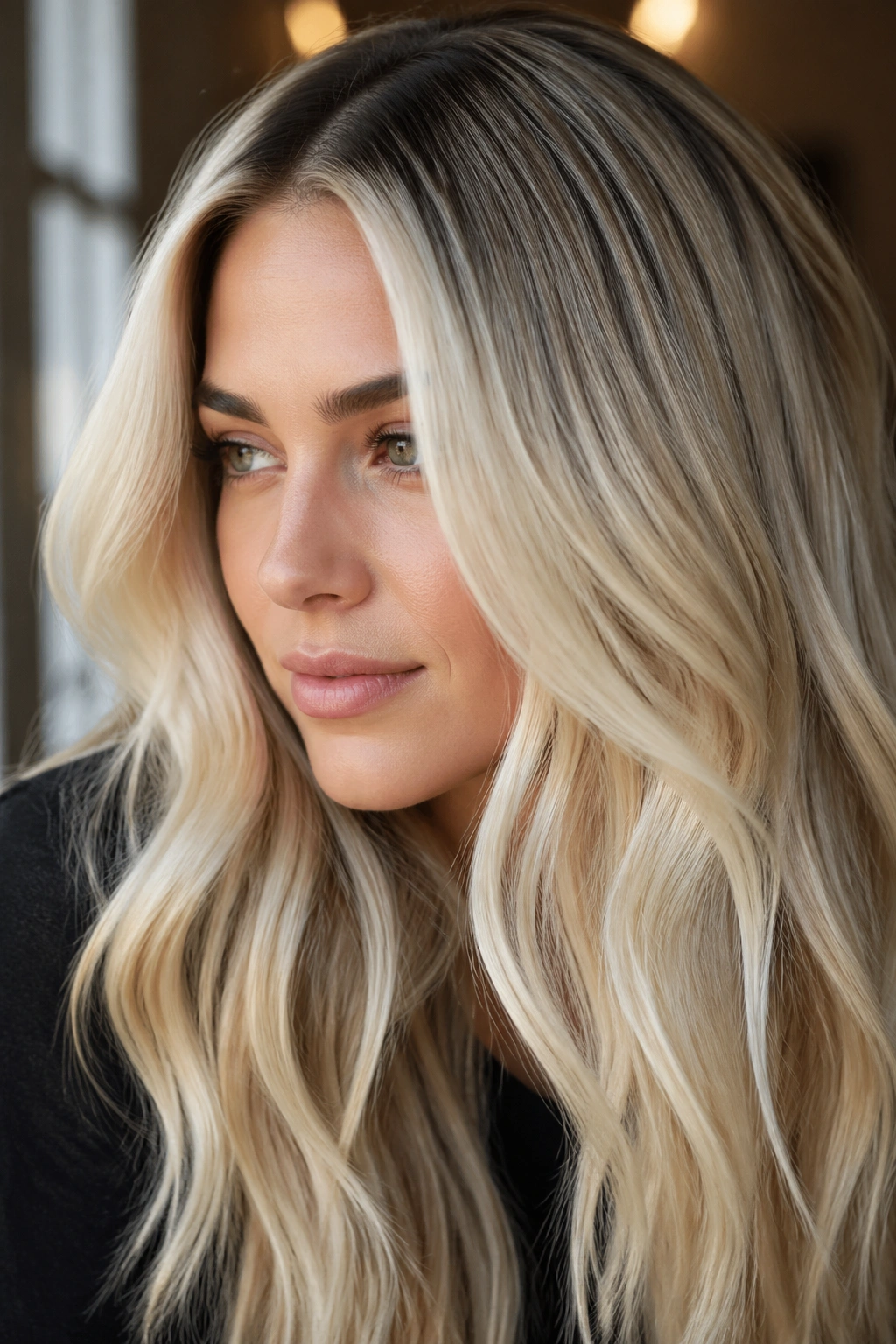
Bright blonde with a deep root melt is one of the easiest ways to make very light hair look intentional. The root melt starts deeper at the scalp and fades gradually into the blonde, so the color doesn’t look like it was stamped on top.
This is not the same as a hard root shadow. A melt is softer and usually has a slightly longer transition area, which lets the blonde keep its brightness through the lengths. The darker root also makes the hair look fuller at the top, which is useful if your hair tends to go flat on day two.
Why It Works So Well
The eye sees the depth first, then the light pieces, and that contrast makes the blonde seem more dimensional. It also buys you time between touch-ups because the grow-out line is less obvious. If you wear a center part, this effect is even stronger.
This is a practical choice, not just a pretty one. It saves effort, and it looks good while doing it.
19. Face-Framing Blonde With Darker Pieces
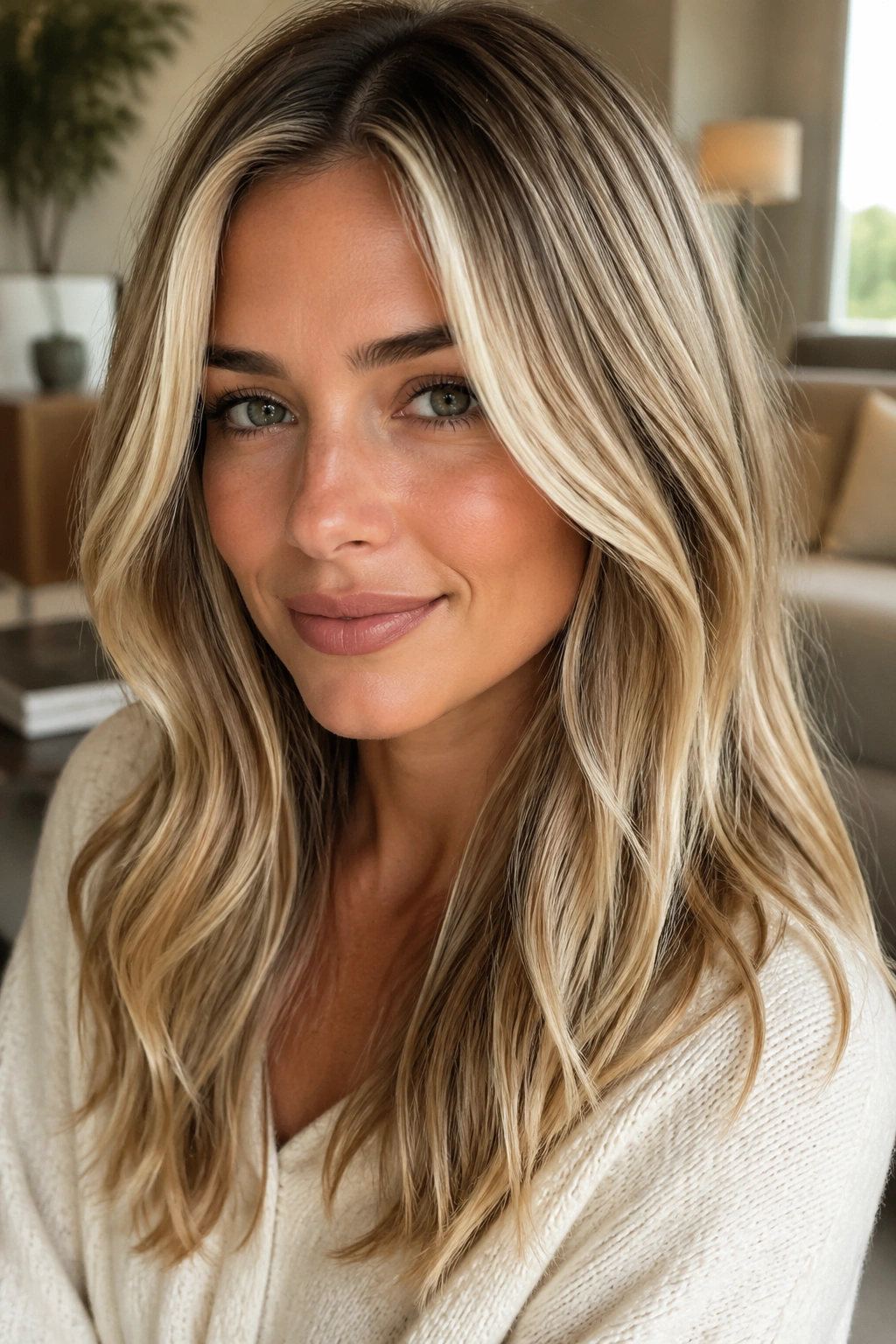
Face-framing blonde with darker pieces is a smart way to make the front of the hair look more expensive without changing the whole head. A few deeper strands around the face create contrast against the skin and make the blonde around them look brighter.
The key is softness. You do not want obvious stripes. You want a veil of color that sits near the cheekbones, jawline, and temples. That little frame can change the whole haircut. It makes layers look sharper and blowouts look more finished.
This is a good pick if your ends are already very light and you don’t want to darken the entire head. The darker pieces can live mostly around the front and under the top layers. That gives you dimension where people notice it most, which is usually the face.
It’s one of the easiest ways to get a rich blonde result without a huge color overhaul. Small change. Big effect.
20. Beige Blonde Lob With Coffee Lowlights
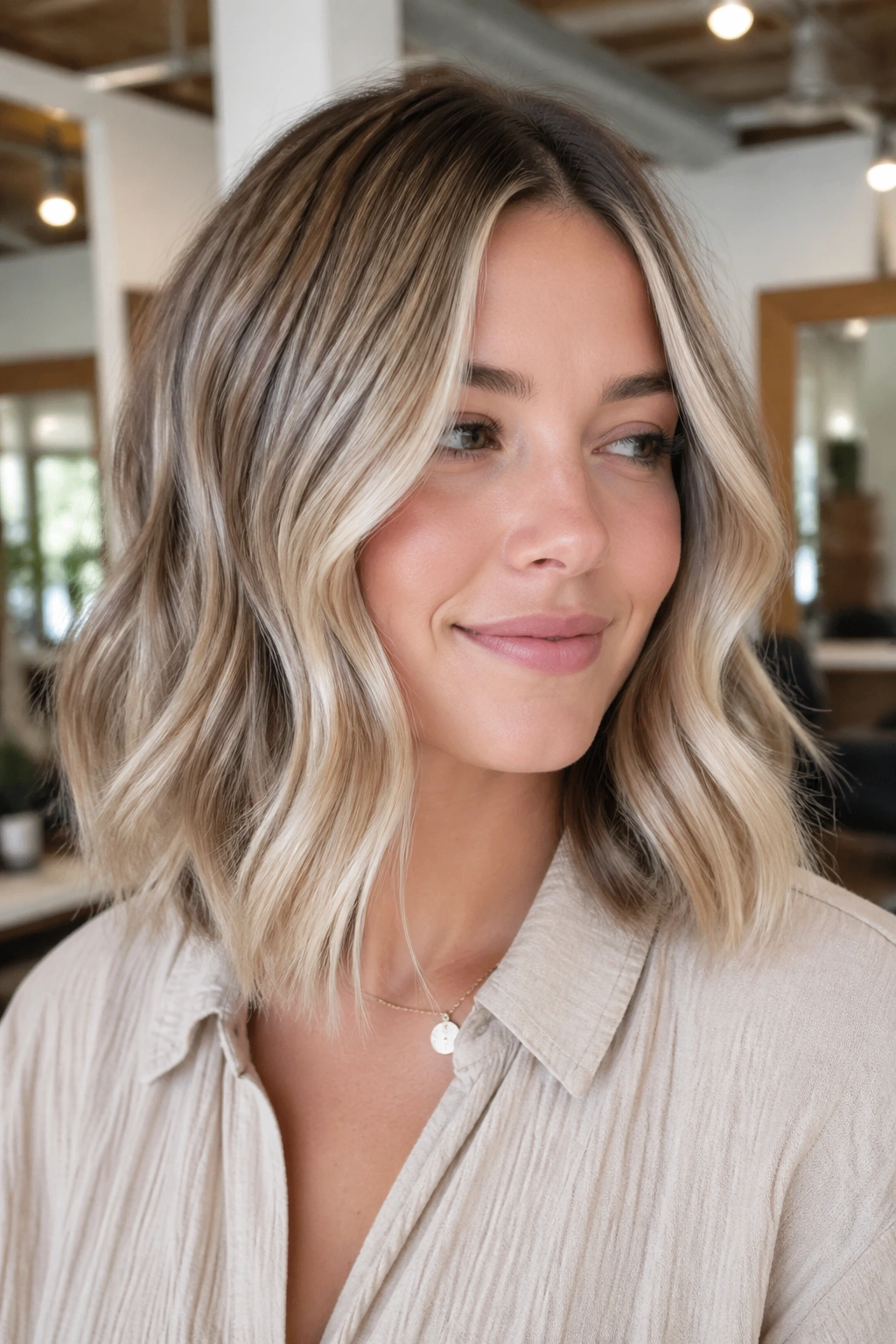
A beige blonde lob with coffee lowlights is the sort of color that looks effortless, even though it is doing a lot of work. Coffee lowlights add depth that keeps the beige from drifting into pale, empty blonde territory.
The lob length is part of the appeal. There’s enough hair for the darker ribbons to show, but not so much that the color becomes heavy. On a lob, the coffee pieces can sit under the bend of the hair and make the outline of the cut look cleaner.
What To Watch For
- Keep the coffee lowlights soft enough that they blend with beige.
- Don’t crowd the top section with too much dark color.
- Add waves or a loose blowout to reveal the contrast.
- Use a shine spray sparingly so the beige doesn’t look greasy.
It’s a good choice if you want a grown-up blonde that still feels light. Coffee gives the hair enough structure to look polished on ordinary days.
21. Soft Ombré Blonde With Shadowy Ends
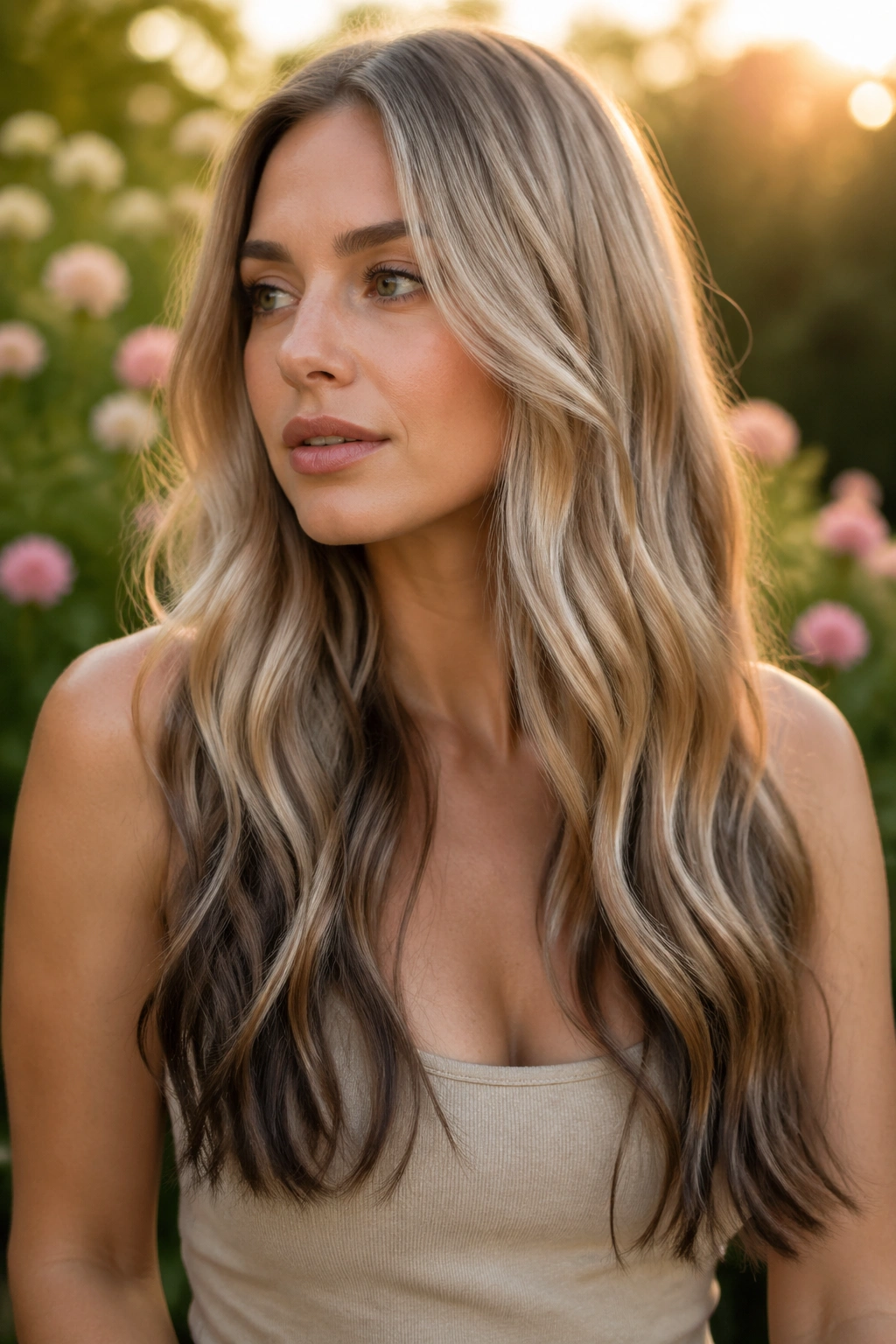
Soft ombré blonde with shadowy ends is perfect if you like a lighter root and a little weight at the bottom. The shadowy ends keep the blonde from looking brittle, which can happen when long hair is pushed too pale all the way through.
This version looks especially good when the transition is gradual. The color should melt from lighter near the roots into softer lowlights at the ends, not drop off in a hard line. That makes the hair feel thick and expensive, almost like the color has its own natural gradient.
How To Ask For It
- A soft fade, not a sharp ombré line.
- Blonde kept bright through the mid-lengths.
- Shadowed ends in beige-brown or soft taupe.
- A gloss that keeps the whole blend shiny.
It’s one of the more flattering options for long hair because the ends usually need the most help. A little depth there goes a long way.
22. Buttercream Blonde With Mink Lowlights
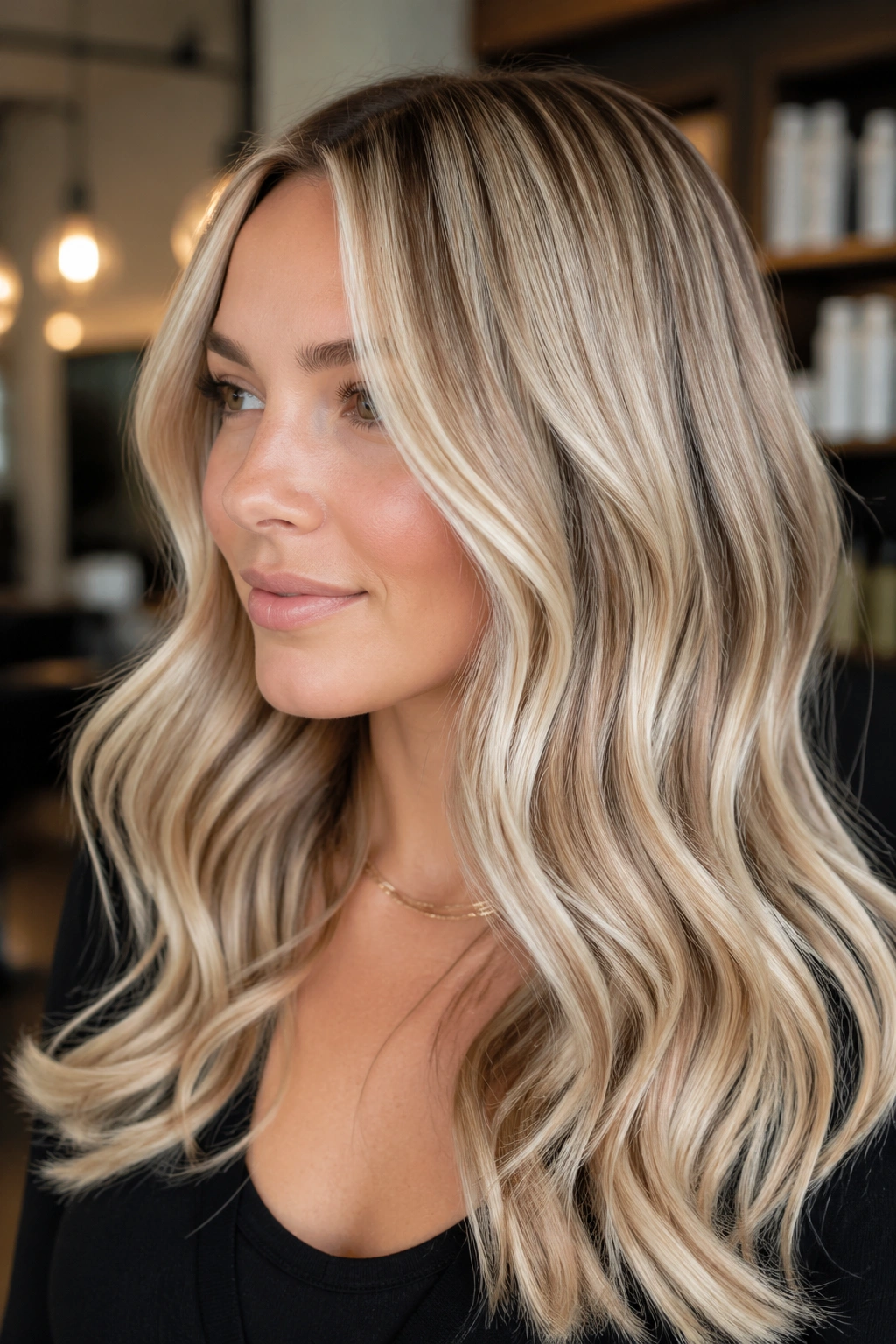
Buttercream blonde with mink lowlights has a plush, creamy look that feels expensive without being loud. Mink is deeper than taupe and softer than chocolate, which makes it a useful middle-ground lowlight shade for blonde hair.
The lowlights help the buttercream tone feel rounded instead of flat. That matters most through the interior of the hair, where pale blondes can start to look see-through. Mink gives the color body. It also makes the blonde at the surface appear brighter, because contrast always does that.
This shade pairing looks especially nice on medium-to-thick hair. The depth makes the hair seem denser, and the creaminess of the blonde keeps the overall look soft. If your style leans polished and feminine, this one is easy to wear.
The whole thing feels calm, but not dull. That’s the sweet spot.
23. Short Blonde Pixie With Tucked-In Depth
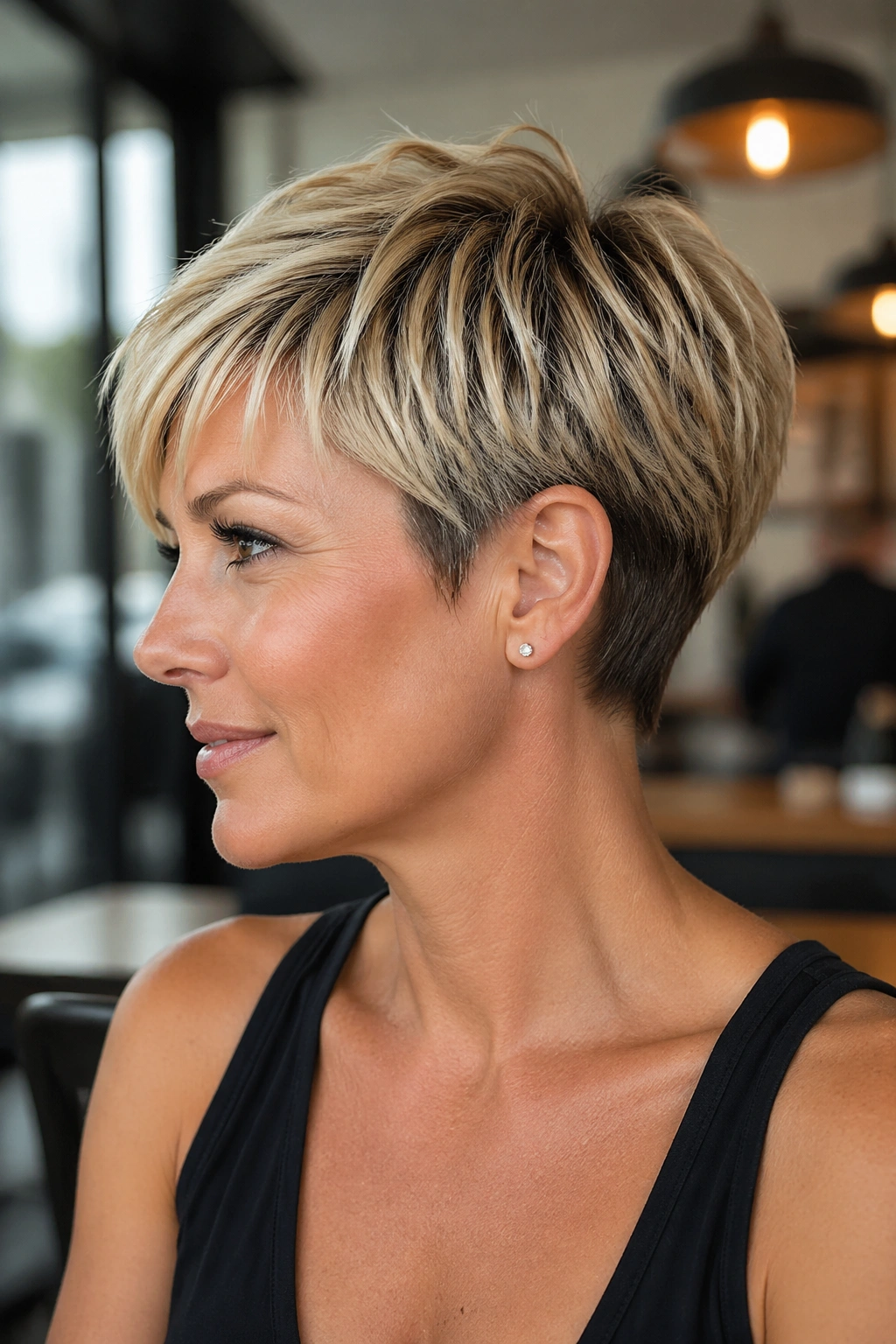
A short blonde pixie with tucked-in depth proves lowlights are not just for long waves and beachy layers. Short cuts need structure, and a little depth around the sides and nape gives the pixie that structure fast.
The best version uses lowlights that stay hidden until the hair moves. That keeps the top bright and lets the darker pieces peek through underneath. It makes the cut look more sculpted and gives the crown a fuller look, which is handy on fine hair.
On a pixie, even a tiny shift in tone matters. A few deeper pieces near the temples or through the fringe can change the whole feel from flat to chic. Not fussy. Just sharper.
If you like short hair that still feels dimensional, this one has real payoff. The color does half the styling work for you.
24. Expensive Blonde With Multi-Tone Lowlights
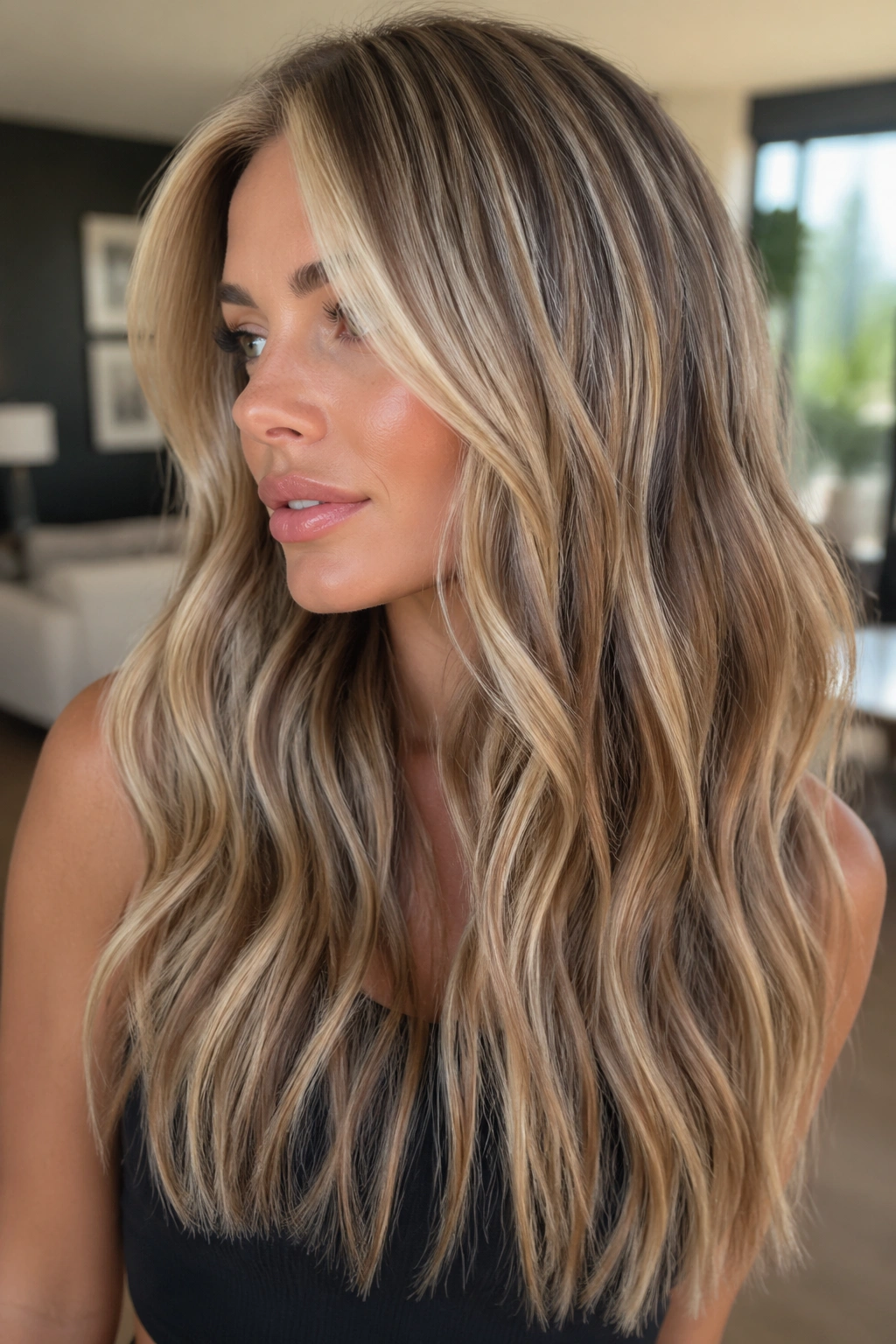
Expensive blonde with multi-tone lowlights is exactly what it sounds like: several shades working together so the blonde looks layered, not one-note. The trick is to keep the lowlights in related tones — beige, taupe, soft brown, maybe a little mushroom — instead of jumping all over the map.
That mix creates the kind of depth you see in hair that has been colored with care. The blonde brightens at the surface, the lowlights sit underneath, and the result is movement even when the hair is still. It’s a good option if your hair is thick enough to hold several tones without looking busy.
Why It Works
- Multiple lowlight shades make the hair look thicker.
- The color stays softer than a single dark ribbon would.
- The blonde reflects light from different angles.
- Grow-out looks gentler because there is no hard line.
This is a favorite for people who want the most polished version of blonde hair with lowlights ideas that look rich. It takes a careful hand, but the finish is worth it.
25. Warm Blonde With Cocoa Veil
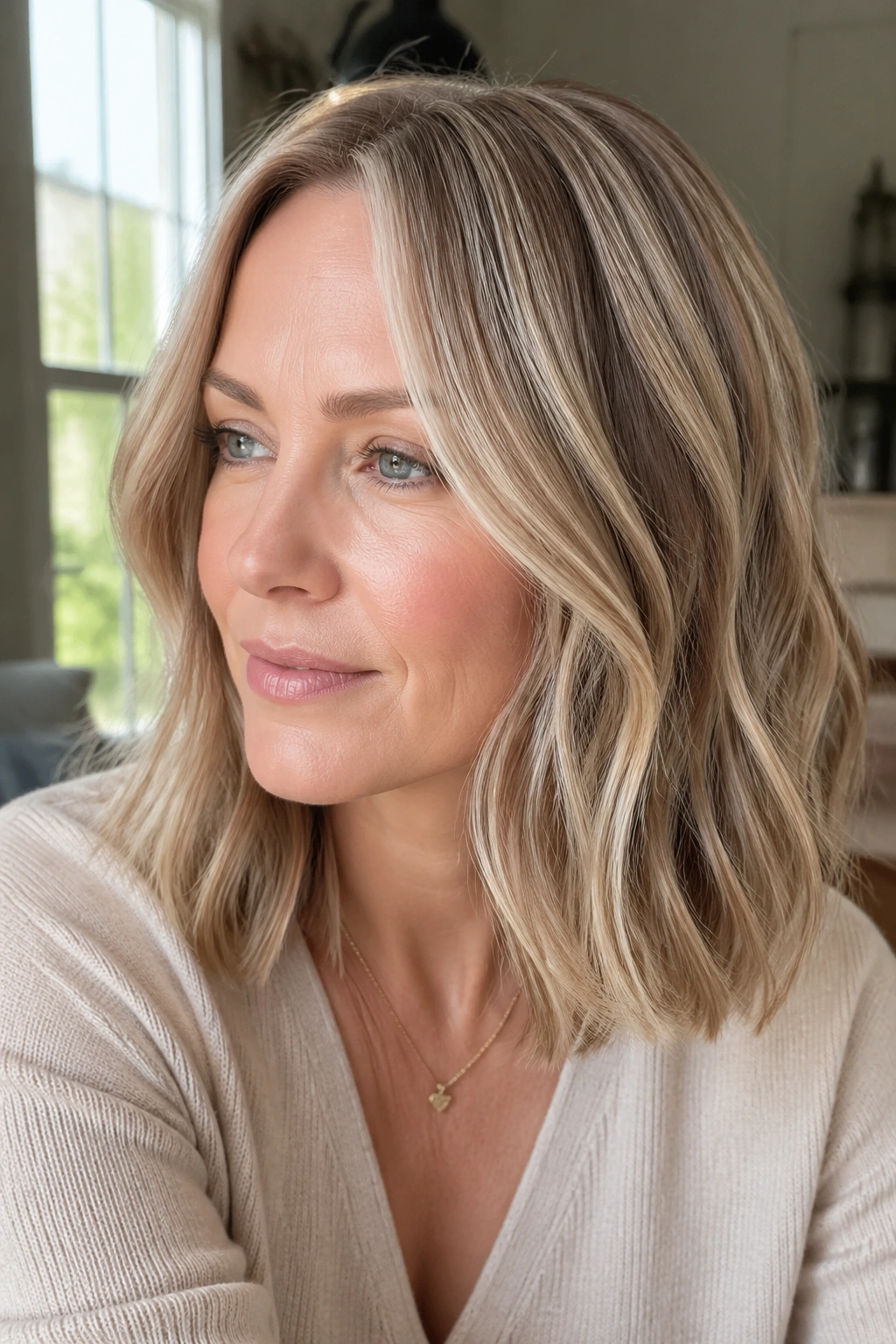
Warm blonde with a cocoa veil is one of the easiest rich-looking color ideas to live with. The cocoa lowlights sit like a soft shadow over the blonde, grounding the warmth without taking away the glow.
What I like here is the balance. The blonde stays bright enough to feel fresh, but the cocoa gives it depth around the roots, through the lengths, and especially near the back where hair can look thin under indoor light. It’s flattering on straight hair, wavy hair, and even air-dried hair that has a little frizz and texture.
If you want a version that feels easy, this is it. Not stark. Not icy. Not overly warm either. The cocoa veil makes the blonde look settled and expensive, like it belongs there.
And that’s the whole trick with blonde and lowlights. The best versions never look added on. They look like the hair grew that way.
A good color placement can do more than a big haircut sometimes. It changes the shape, the shine, and the way the blonde sits in light. That’s why these combinations keep working: they give pale hair a little depth to stand on.