



Calico hair can look soft and expensive, or it can look like a color correction gone sideways. The difference is rarely the number of shades. It’s placement, contrast, and how the colors sit against your face.
That’s why calico hair color works so well when it’s built around skin tone instead of copied from a photo without any thought. Warm skin usually loves caramel, copper, honey, apricot, and amber. Cooler skin often looks sharper with mushroom brown, ash blonde, smoky taupe, plum, and beige blonde. Neutral undertones get the easiest ride of all, because they can borrow from both sides and still look balanced.
The good version of calico hair does not read as striped or patchy in the bad sense. It looks like a layered mix of brown, blonde, red, and soft accent shades that move around when you turn your head. A good colorist will keep the brightest pieces near the face, soften the root area, and avoid dropping every light panel into the same place. That last part matters more than people think. Bad placement is what makes a multi-tone color look busy.
And yes, the same calico hair idea can be adjusted for fair skin, medium skin, olive skin, and deep skin without losing its personality. That’s the fun of it. The palette is flexible, which means you can steer it warm, cool, soft, or dramatic without leaving the calico family at all.
1. Caramel, Honey, and Soft Beige Calico
Caramel, honey, and soft beige is the calico hair version I recommend to people who want color that feels friendly right away. It’s warm, but not orange. Bright, but not loud. The mix sits nicely on fair skin because the beige keeps the lighter pieces from going chalky, and it flatters medium to deep skin because the caramel and honey stop the whole look from floating too high.
Why it works so often
The trick here is contrast control. The caramel gives you depth, the honey gives you glow, and the beige keeps everything from turning brassy after a few washes.
On warmer skin, this palette blends into the natural undertone and looks like the hair was born that way. On cooler skin, it still works if the beige pieces are a touch ashier and the honey stays soft, not gold-heavy.
- Ask for thin beige ribbons around the front hairline.
- Keep the caramel lowlights one to two levels deeper than your base.
- Let the honey pieces land through the mid-lengths, not only at the ends.
- Finish with a neutral gloss every 6 to 8 weeks to keep the tone from drifting orange.
Best move: keep the brightest piece near your cheekbones, not your crown. That’s where this palette wakes the face up fast.
2. Copper, Cinnamon, and Chestnut Calico
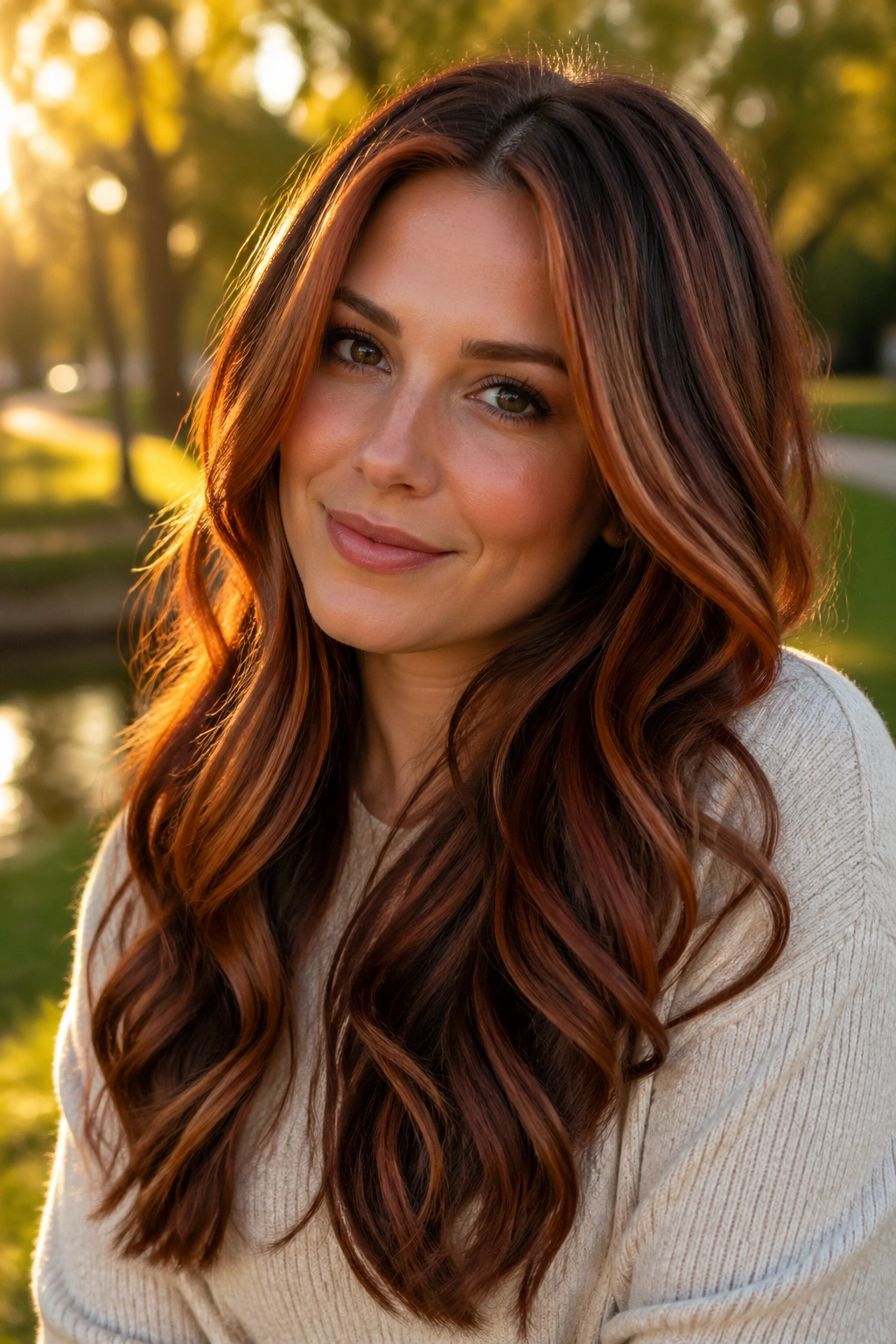
Copper, cinnamon, and chestnut doesn’t whisper. It warms the room. If you’ve got peaches and golds in your skin, this calico hair idea can look almost unfairly good because the reds and browns echo what’s already happening in your complexion.
For deeper skin tones, I like this palette even more when the copper is kept rich rather than neon. A muted copper ribbon against chestnut reads polished, not costume-y. On fair skin, the cinnamon needs a little restraint so the whole look doesn’t start shouting from across the street.
The nicest version has movement. Not blocks. Not chunky slices that sit there like stickers. Ask for copper woven through the top layer, chestnut kept in the base, and cinnamon used to connect the two. That middle step matters. Without it, the color can look chopped up.
Bold truth: this is one of the best calico hair color choices if you want warmth without going blonde.
3. Espresso, Mocha, and Cream Calico
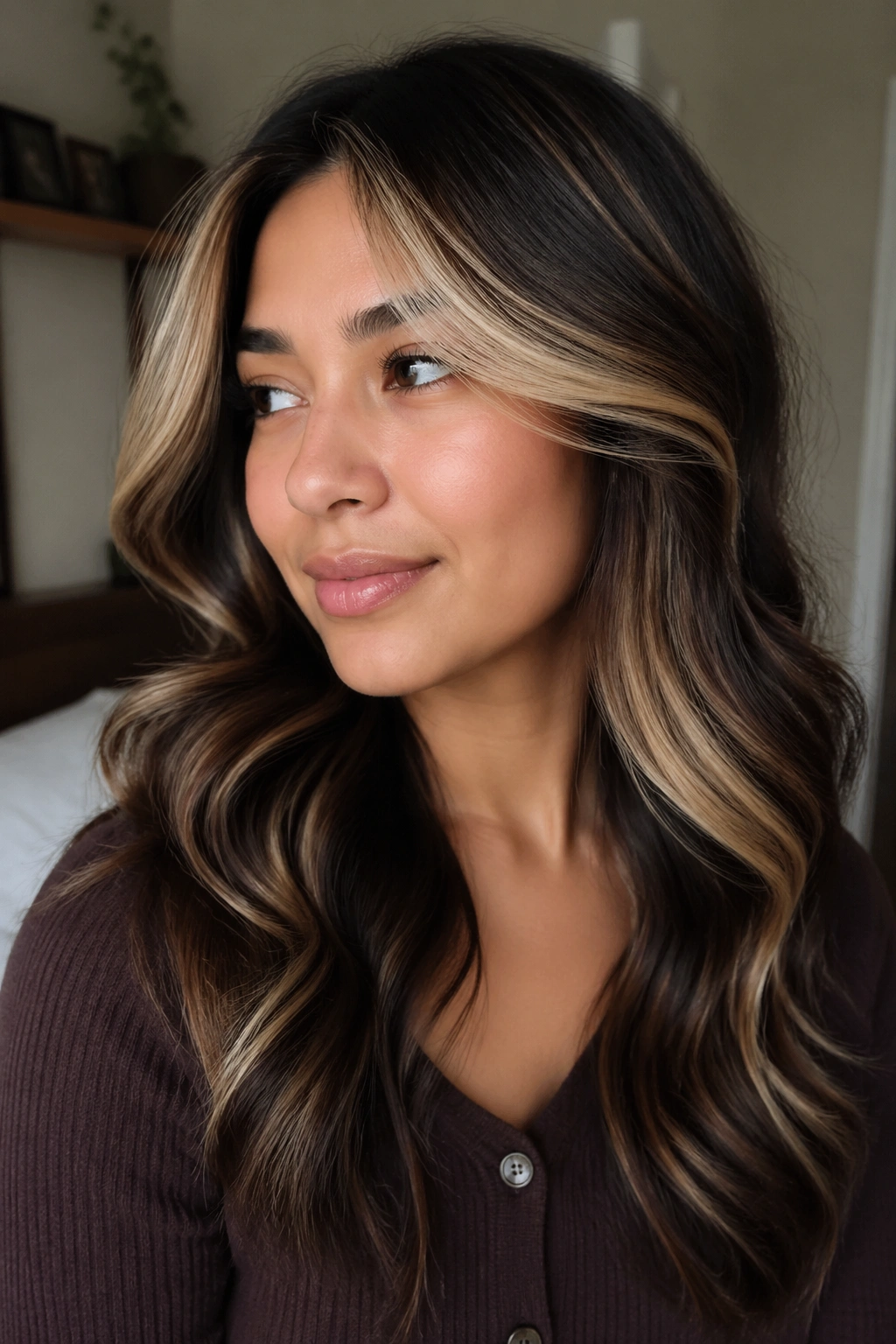
Why does espresso, mocha, and cream calico look so strong on so many faces? Because it gives you contrast without making the hair feel fragile. The darker base keeps the style grounded, while the cream pieces read as light movement instead of all-over bleach.
The placement trick
The best version of this look starts with an espresso root or base, then mocha mid-panels, then small cream ribbons around the face and along the outer layers. If the cream pieces are too wide, the color loses its shape fast. If they’re too thin, you miss the point and end up with a brown head of hair and one pale streak.
On fair skin, the cream can be slightly warmer so it doesn’t turn icy. On medium and olive skin, cream with a beige edge looks clean and expensive. Deep skin can carry a stronger cream panel, especially when the espresso stays glossy and rich.
It’s a solid pick if you want a calico look that still feels grounded in brunette territory. Easy to wear. Easy to grow out.
4. Peach, Apricot, and Rose Gold Calico
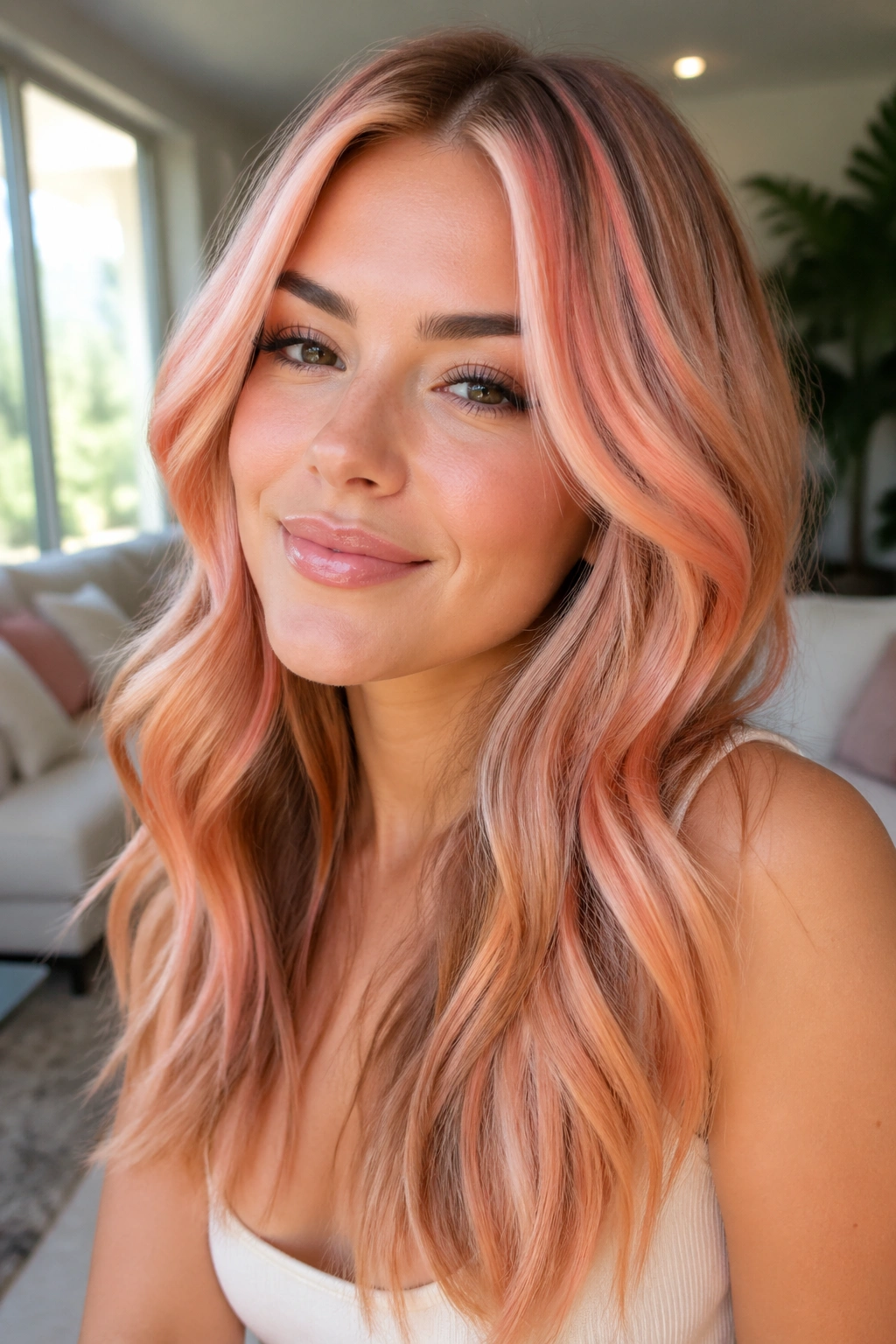
Peach, apricot, and rose gold calico is the soft-focus version of the trend. It has warmth, but the warmth comes in a blushy way rather than a copper way, and that changes the whole mood.
I like this on fair skin with cool or neutral undertones because the pink-peach mix keeps the face from going flat. Medium skin can wear it too, especially when the apricot pieces are placed around the front and the rose gold is tucked into the interior layers. On deeper skin, the palette needs more pigment — think deeper rose, richer apricot, less pastel.
A few things make it work:
- Keep the rose gold in ribbons, not chunky blocks.
- Blend the peach into a beige or soft blonde base so it doesn’t look one-note.
- Add gloss, not heavy toner, if you want the color to stay soft.
- Ask for the lightest pieces to sit just under the top layer for a floating effect.
This one is playful without feeling juvenile. That’s a hard line to walk, and peach-apricot calico walks it well.
5. Mushroom Brown, Taupe, and Ash Blonde Calico
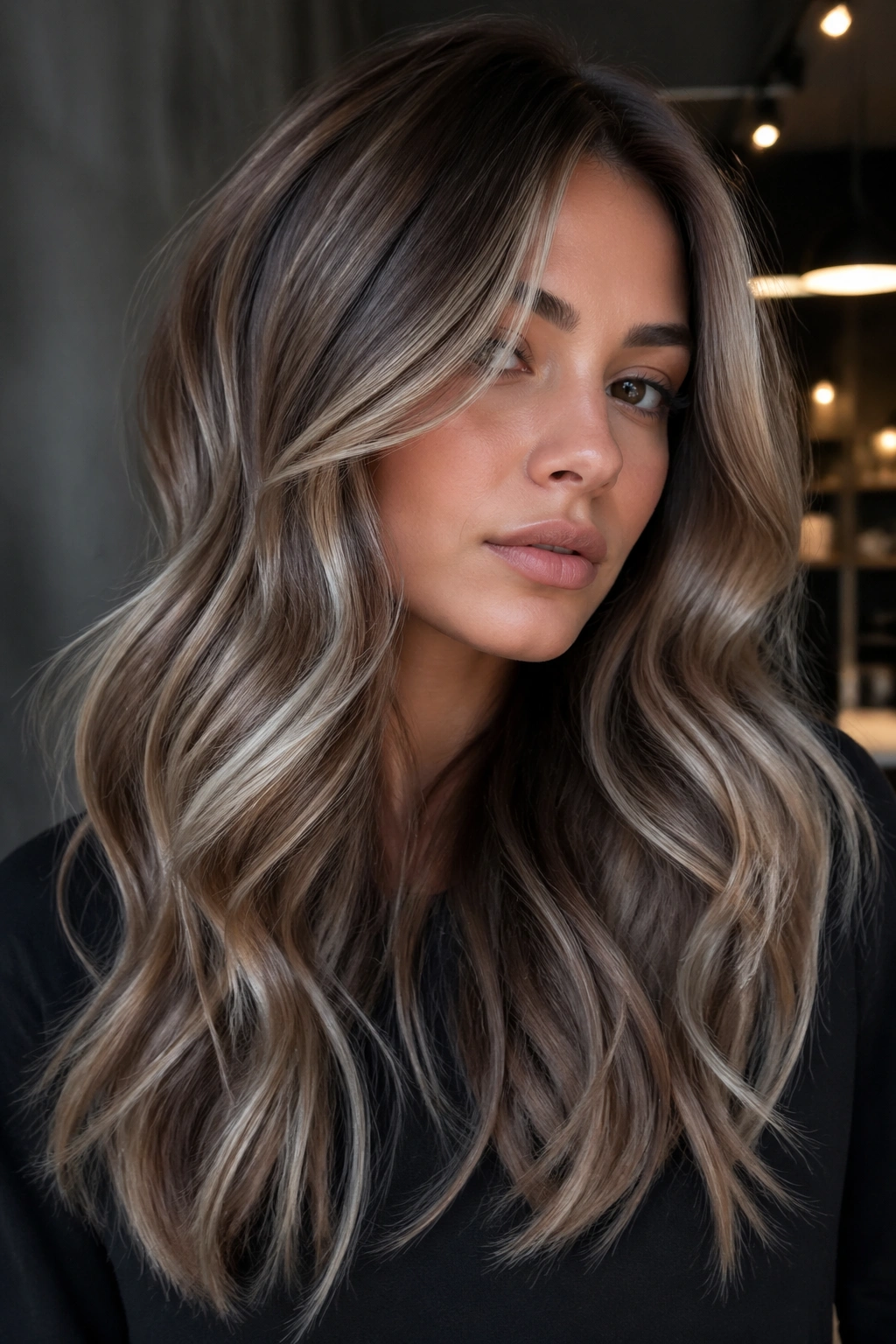
Mushroom brown, taupe, and ash blonde calico is the cool-girl answer to the whole idea. It’s quieter than the warm palettes, but not boring. The mix has a smoky edge that looks especially good on cool and neutral skin because the tones don’t fight your undertone. They sit beside it.
The mistake people make with ashier calico color is making everything too flat. You need at least one lighter ash-blonde panel and one deeper mushroom zone, or the hair can read muddy under indoor light. A taupe bridge between them fixes that. It’s the hair version of a good middle note.
This is one of those styles that looks better when it’s slightly broken up. A clean line is the enemy here.
My take: ask for a beige-ash gloss, not a gray one. Gray can look chic in photos and tired in person if the base is already cool. Beige-ash keeps the shine.
6. Auburn, Toffee, and Amber Ribbon Calico
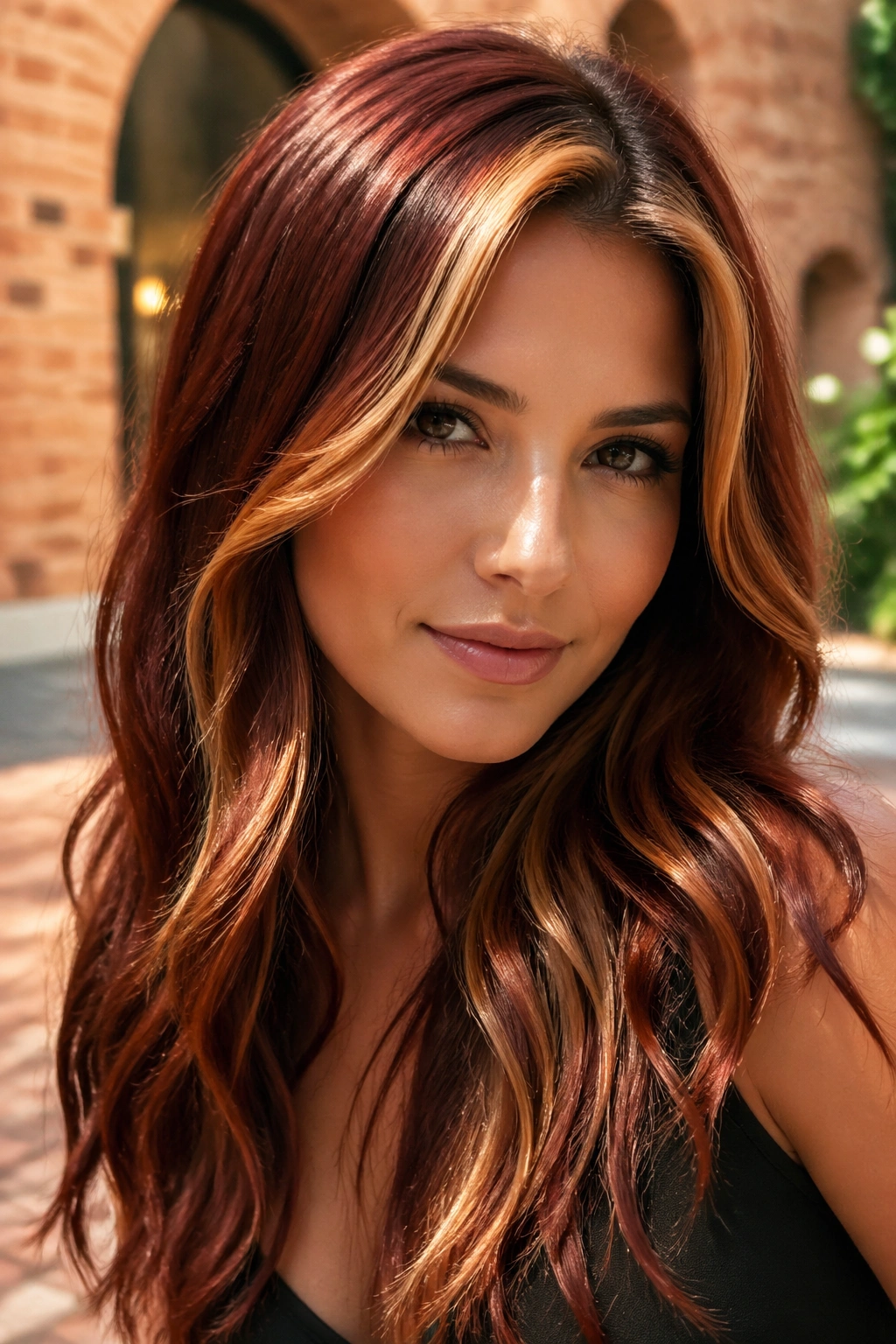
Unlike a standard red balayage, auburn, toffee, and amber calico has more depth at the base and more texture in the lighter pieces. That’s the part I like. It feels assembled, not sprayed on.
The auburn brings the warmth, the toffee softens the transition, and the amber gives you that little flash of light that shows up when hair moves. On fair and medium skin, it can bring out freckles and golden undertones fast. On deep skin, the richer auburn and amber combo looks especially good when the amber is deep enough to hold its shape.
What to ask your colorist for
- Auburn lowlights through the underside.
- Toffee woven through the mids.
- Amber ribbons concentrated near the front and temples.
- A gloss every 4 to 6 weeks if your hair fades quickly.
This one is for someone who likes color with a pulse. Not neon. Not subtle. Just alive.
7. Jet Black, Cocoa, and Buttermilk Calico
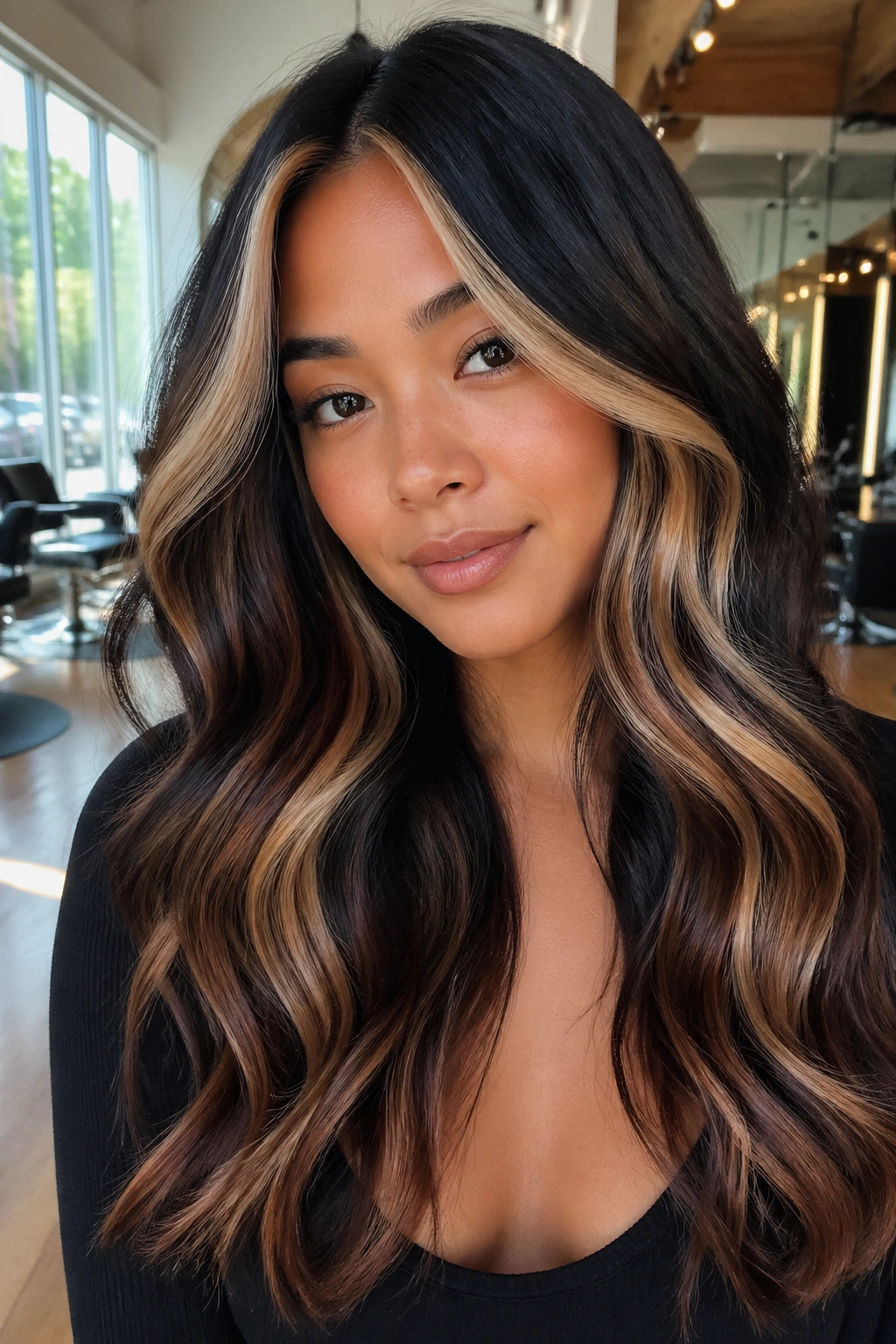
Jet black, cocoa, and buttermilk calico is dramatic in the best way. The black gives the style a hard edge, cocoa softens that edge, and buttermilk throws in a pale contrast that makes the whole thing look expensive when the placement is clean.
The obvious risk is too much contrast in the wrong spot. If you stack the buttermilk at the crown, the look can start wearing you instead of the other way around. Keep the brightest pieces near the face or through the lower half, and the color stays sharp.
This palette can flatter almost any skin tone, but the tone of the buttermilk matters. On very fair skin, a warmer buttermilk keeps the hair from feeling stark. On medium and deep skin, a creamier, denser buttermilk creates a better visual punch.
A good colorist will keep the black glossy, not flat. Shine matters here. A matte black base swallows the detail.
8. Butterscotch Blonde, Walnut Brown, and Strawberry Gloss Calico
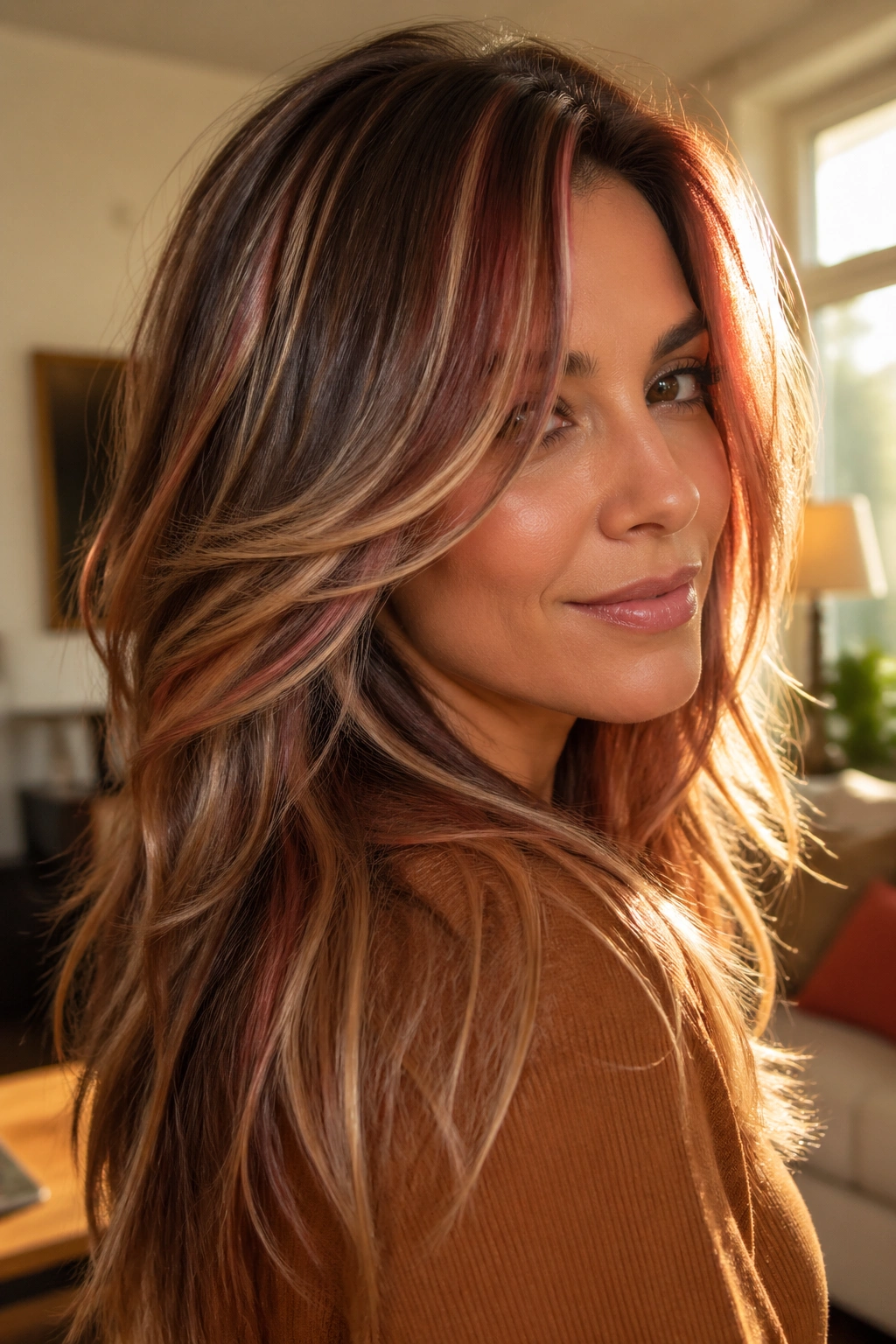
Can calico hair feel soft and a little unexpected at the same time? Absolutely, and this palette is proof. Butterscotch, walnut, and a thin strawberry gloss layer gives you warmth, depth, and a tiny red lift that shows up most when the light hits from the side.
The reason it flatters so many skin tones is that each piece has a job. Butterscotch brightens, walnut grounds, strawberry adds life. On warm skin, the strawberry reads sun-kissed. On cool skin, it stops the butterscotch from going too yellow. On olive or neutral skin, the whole mix looks balanced without much effort.
How to keep it from getting messy
- Keep the strawberry gloss transparent, not opaque.
- Place the butterscotch in face-framing pieces and a few long ribbons.
- Use walnut to shade the underside and nape.
- Refresh the gloss as soon as the red starts to dull; faded strawberry can turn flat fast.
It’s a sneaky good choice. People notice the shine before they can name the color.
9. Plum, Mulberry, and Smoky Brown Calico
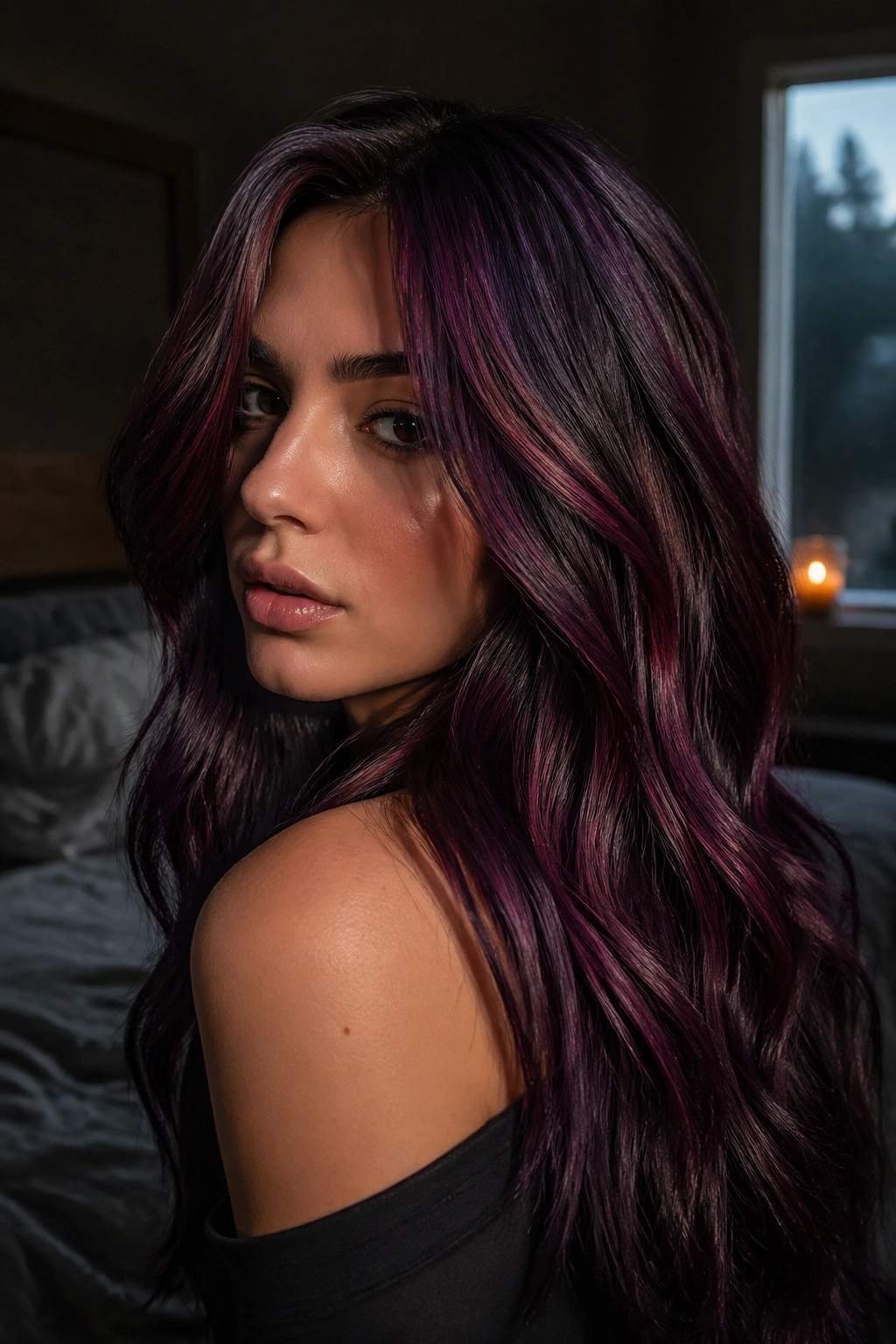
Plum, mulberry, and smoky brown calico is the moody one. If you like berry lipstick, black eyeliner, or clothes in deep tones, this hair idea makes immediate sense. The palette has enough darkness to feel grounded and enough jewel tone to keep it from disappearing.
On deep skin, mulberry and plum can look rich and lush, especially when the smoky brown base is kept glossy. On fair skin, the plum needs a little gray or brown in it so it doesn’t look too bright. Medium and olive skin usually get the easiest win here because the tones sit in that in-between space where neither warm nor cool feels dominant.
I’d avoid giant plum blocks. They can go purple in a way that feels obvious. Thin ribbons, hidden panels, and soft diffusion around the face work better. The color should look like it was found inside the hair, not painted on top of it.
10. Sandy Blonde, Beige Brown, and Pearl Calico
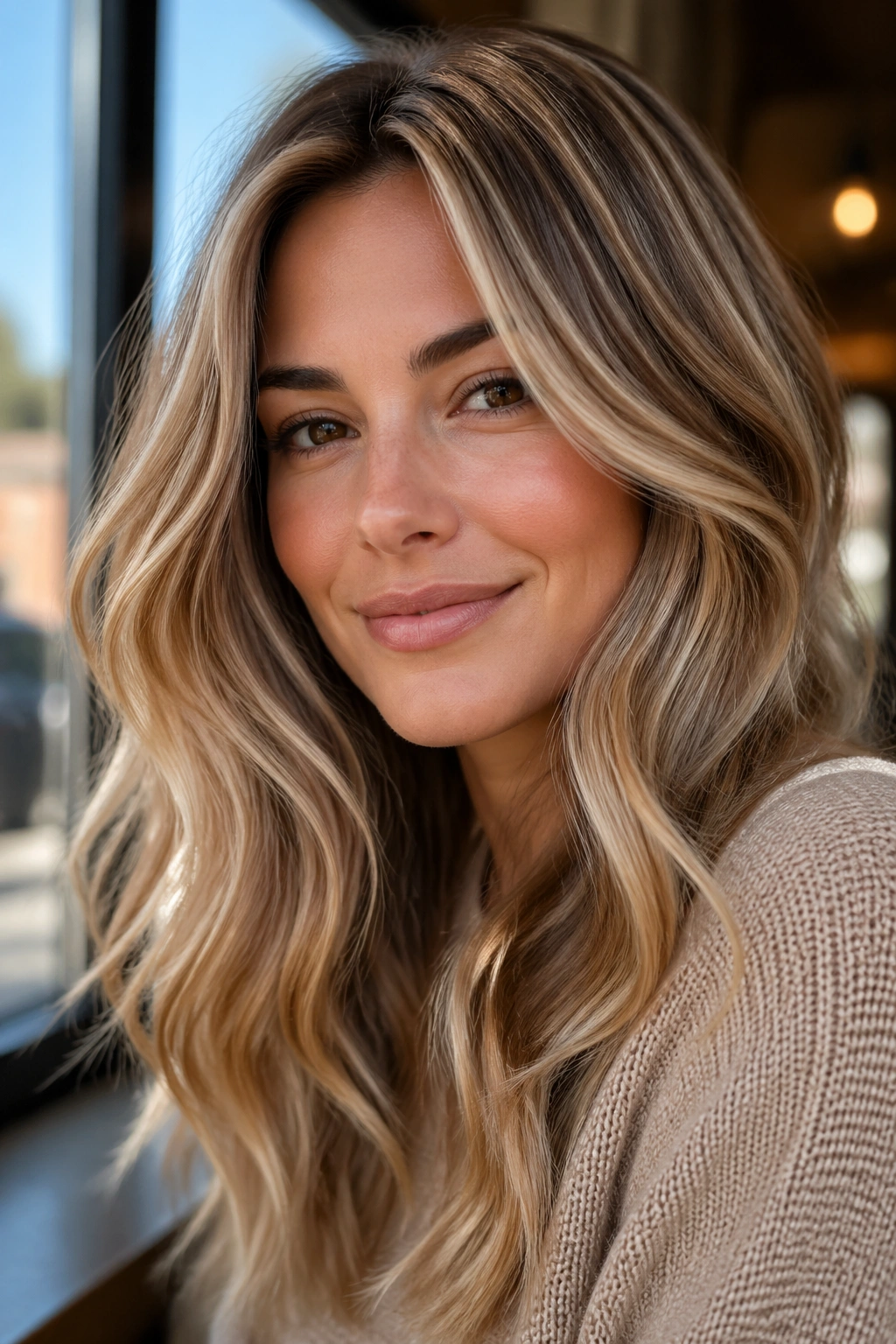
Sandy blonde, beige brown, and pearl calico is for the person who wants movement, not a scene. It’s soft, natural-looking, and quietly clever. The contrast is low, which means the whole color grows out in a kinder way and can look polished for longer between appointments.
Fair skin tends to love this palette when the pearl pieces stay creamy rather than icy. Medium skin gets a nice lift from the beige-blonde panels. Deep skin can wear the same concept with a darker beige-brown base and brighter pearl accents, which keeps the style from vanishing.
One sentence can sum it up: this is calico hair for people who hate obvious streaks.
The key is keeping the sandy and pearl tones distinct enough to show movement. If everything gets mixed too much, the result can look like a single flat blonde-brown hybrid. A little separation is what gives the hair its shape.
11. Face-Framing Money Piece Calico
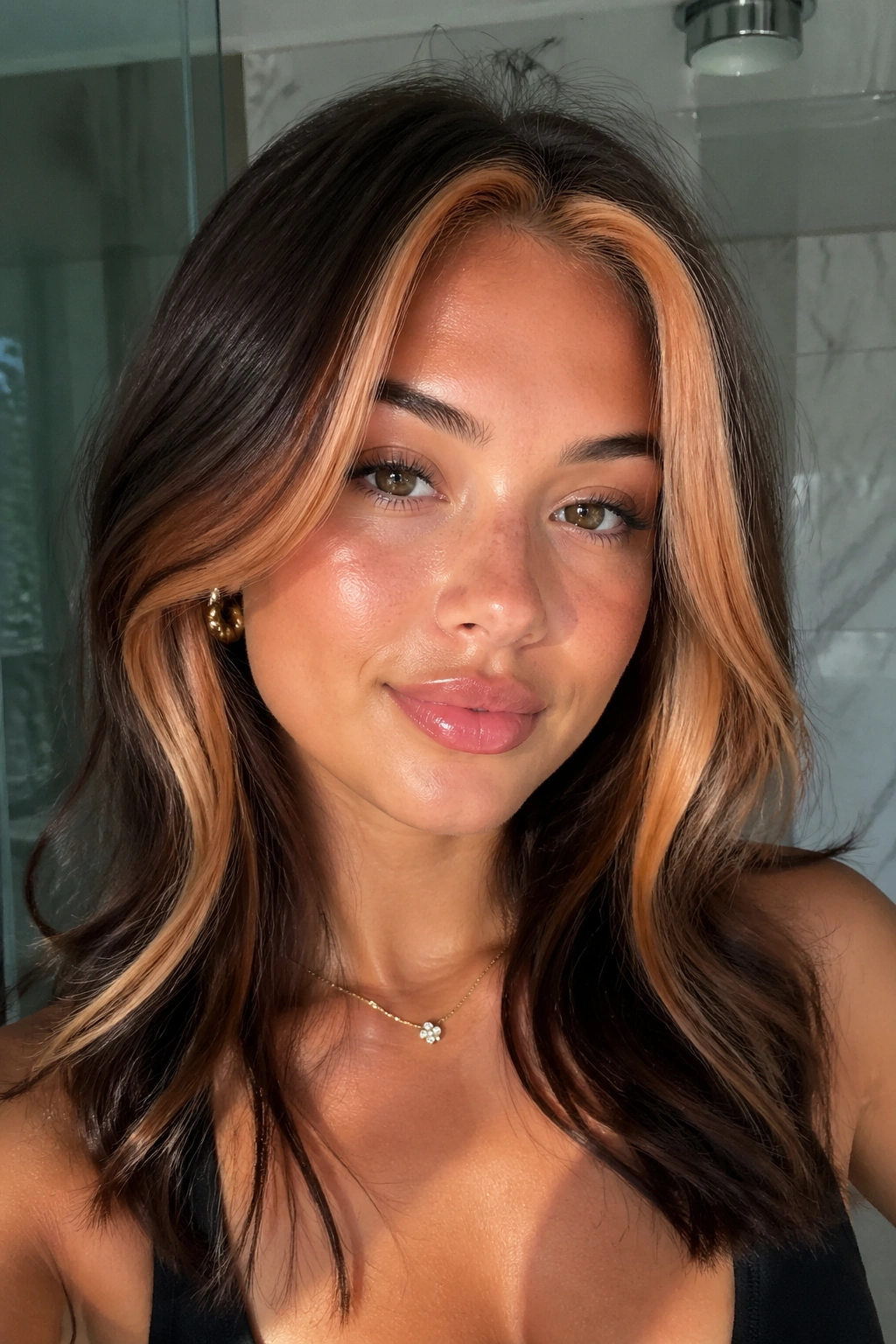
The face-framing money piece is the fastest way to make calico hair feel intentional. Most of the color lives at the front, where it does the work of brightening the face, and the rest of the hair stays quieter so the look doesn’t become too busy.
The front panel
Ask for a brighter ribbon on each side of the face, usually starting at the brow line and slipping down to the cheekbone area. On round or heart-shaped faces, that longer front line can create a nice vertical effect. On longer faces, you can stop the light piece a little higher so it doesn’t drag the eye down too much.
The crown and interior
Keep the crown one shade deeper than the front. That contrast helps the front piece pop without needing huge amounts of bleach. A soft brown or caramel interior keeps the rest of the style connected.
Why skin tone matters here
Fair skin often looks best with a beige or honey money piece. Medium skin can carry stronger gold or copper. Deep skin can take a brighter blonde panel, especially if the roots are kept rich.
It’s a simple idea. Not boring. Simple.
12. Curly Calico Bob
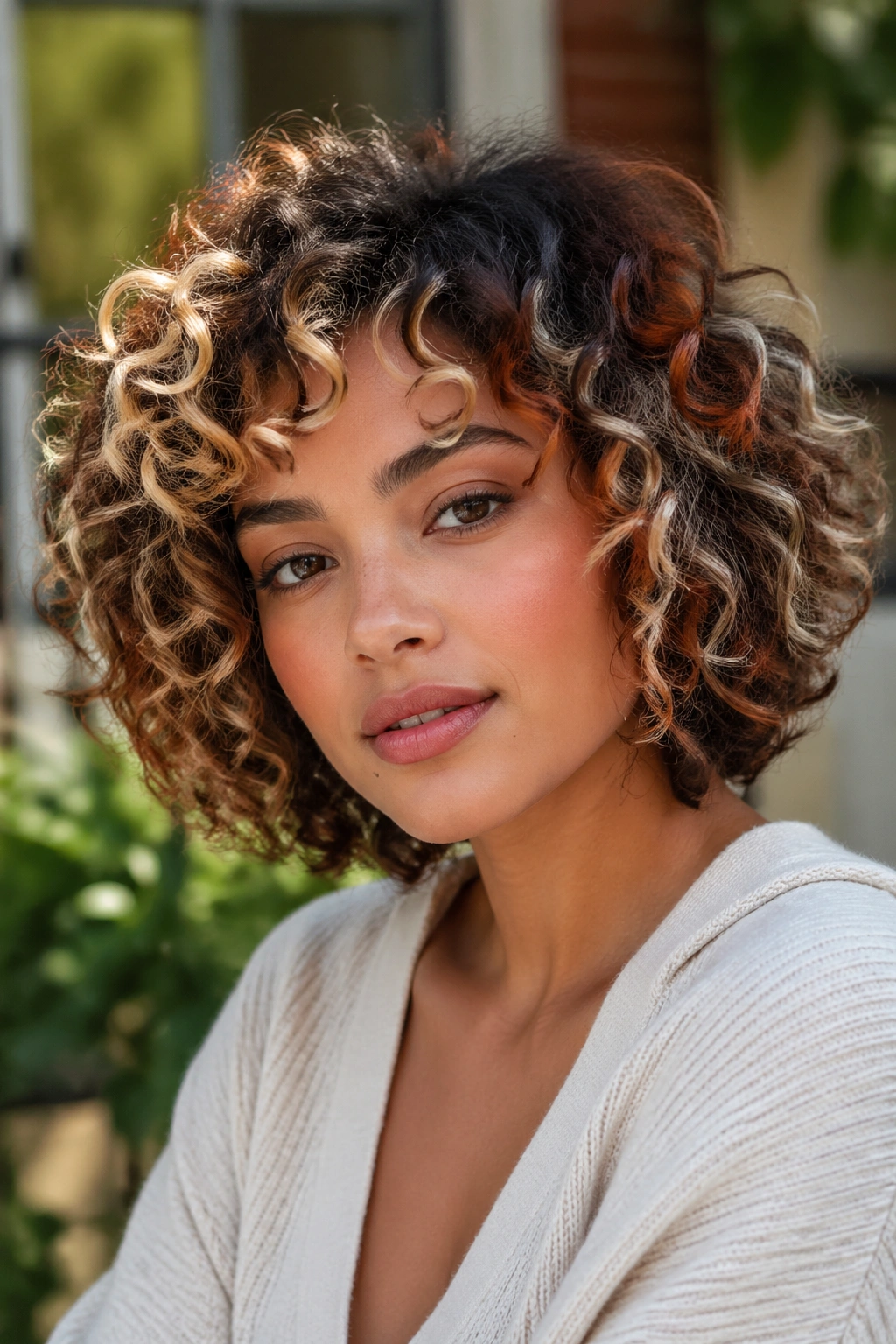
Curly hair and calico color are a very good match, mostly because curls already create their own pattern. The color only has to support that pattern, not fight it. A bob makes the movement easy to see, which is half the fun.
With curls, I like placing the lightest bits on the outside curve of the curl family and leaving the inner coil a shade deeper. That keeps the pattern visible instead of turning the whole cut into one big bright cloud. On looser waves, the calico effect reads as soft and airy. On tighter curls, the color breaks up into little flashes, which is gorgeous when the tones are chosen well.
A curly bob also flatters skin tone because it sits near the face. That means the front pieces matter more than the back. Keep the brightest color around the eyes and cheekbones, then let the darker panels drop under the shape. It’s a neat little trick, and it saves the style from looking heavy.
13. Long Layered Calico Waves
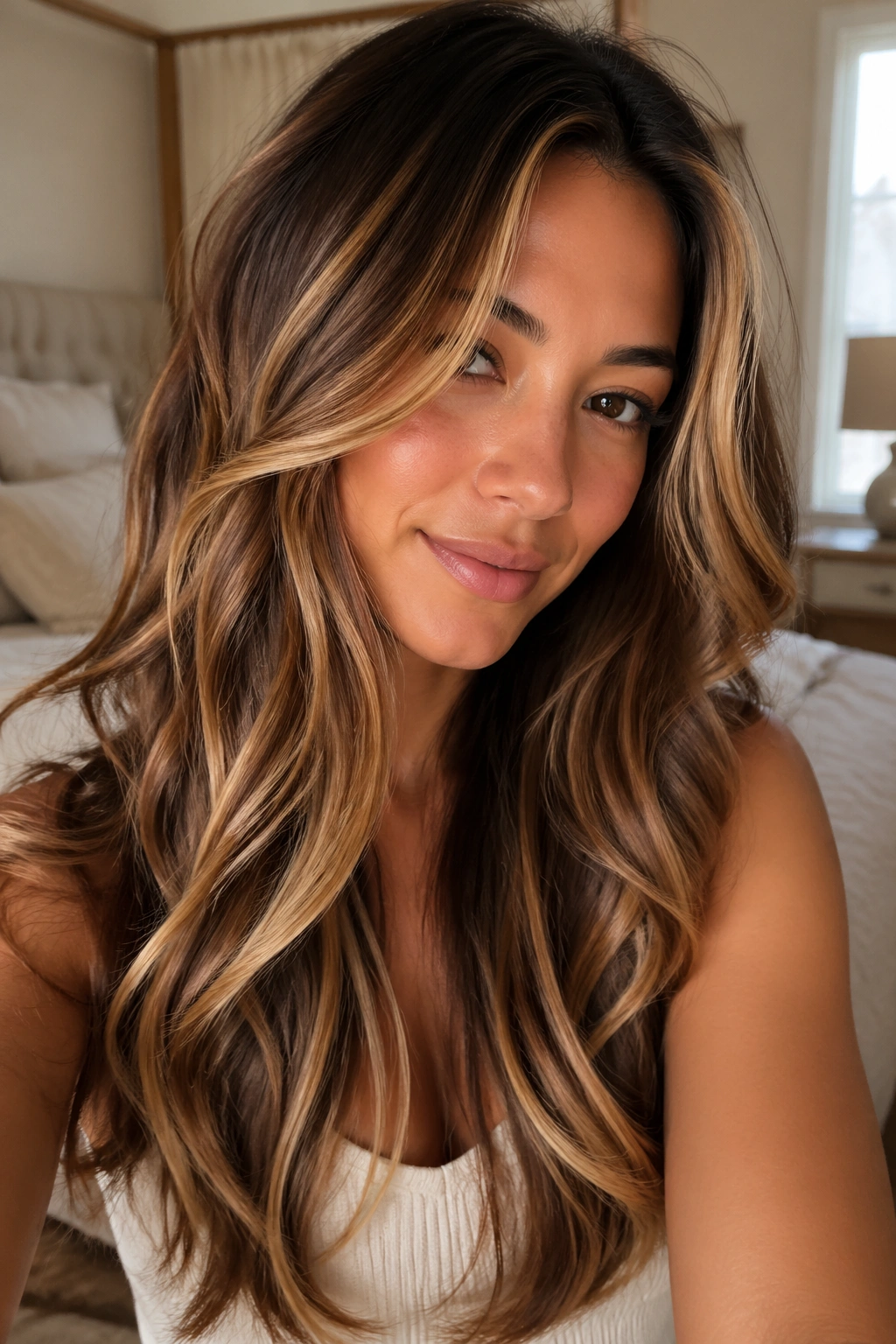
Long layered calico waves give the palette room to breathe. Short hair can look punchy; long hair can look cinematic if the layers are placed right. The important thing is keeping the ribbons wide enough to show, but not so wide that they turn into stripes.
I prefer this look when the base shade is one clear anchor — brown, brunette-blonde, or soft black — and the lighter panels move through the layers like threads. On fair skin, a warmer blonde ribbon near the front keeps the look from feeling cold. On medium and deep skin, caramel or amber pieces often land better than very pale blonde because they hold more depth against the face.
The long length also makes the calico effect change as you move. That sounds obvious, but it matters. Hair that falls in layers exposes different colors at different points, so the whole head can feel more alive without adding more dye.
If you want one calico look that gives you drama without forcing a sharp cut, this is it.
14. Rooted Balayage Calico
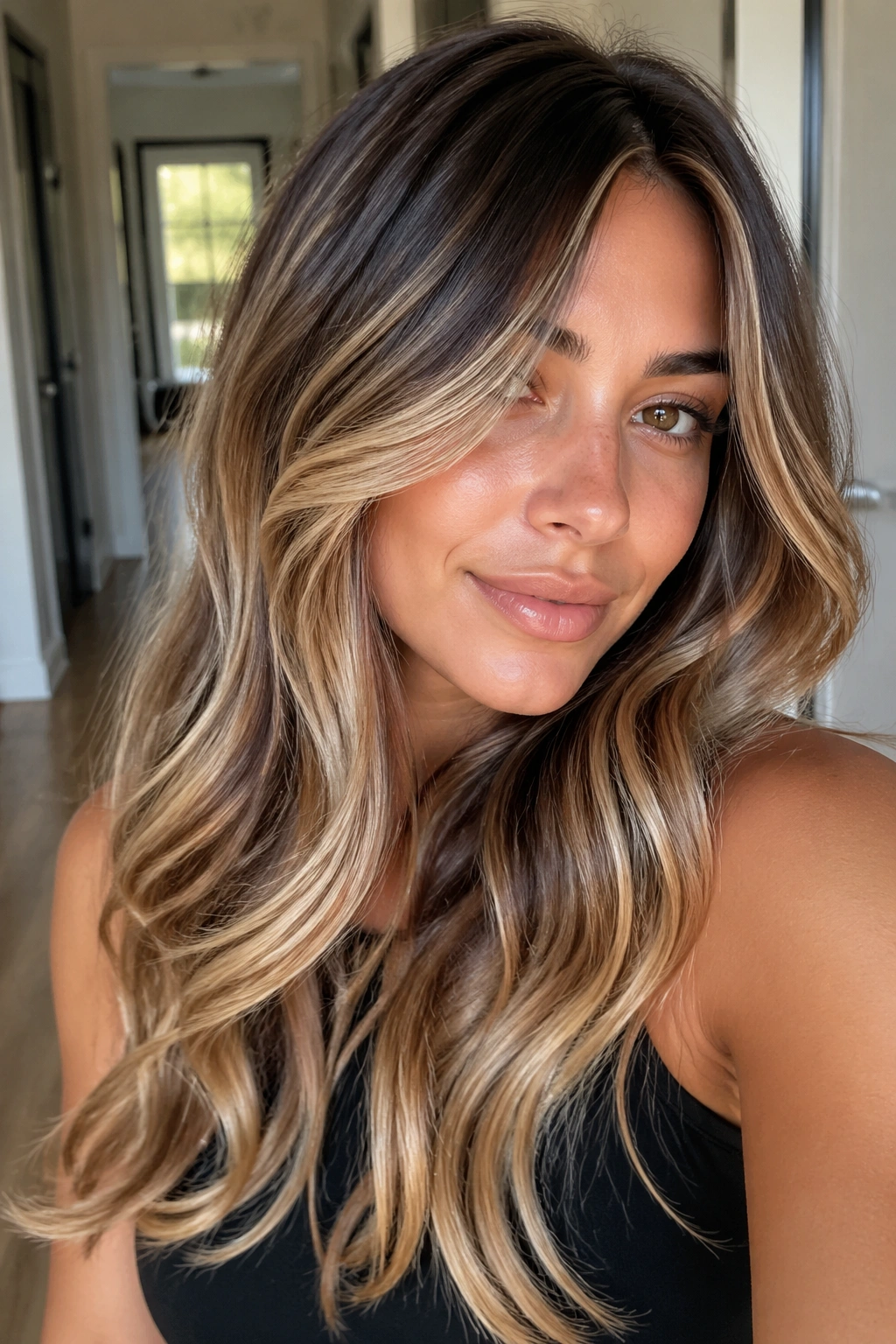
If you do not want to sit in a chair every few weeks, rooted balayage calico is the smart version. The dark root keeps the grow-out soft, and the painted pieces through the mids and ends let the color change without shouting every time your hair grows half an inch.
What to ask for
- A root shadow one to two levels deeper than your natural base.
- Hand-painted ribbons through the front and upper mids.
- A few lighter ends to keep the movement alive.
- A neutral gloss to stop the roots from looking flat against the lighter pieces.
This style suits most skin tones because the root gives the face a frame and the lighter parts can be tuned warm or cool. Fair skin may need a softer beige lift near the front. Medium and olive skin usually look good with caramel-beige ribbons. Deep skin often benefits from richer contrast, so the root can stay espresso while the ends go honey or bronze.
It’s practical, but not plain. That’s the appeal.
15. Hidden Underlayer Calico
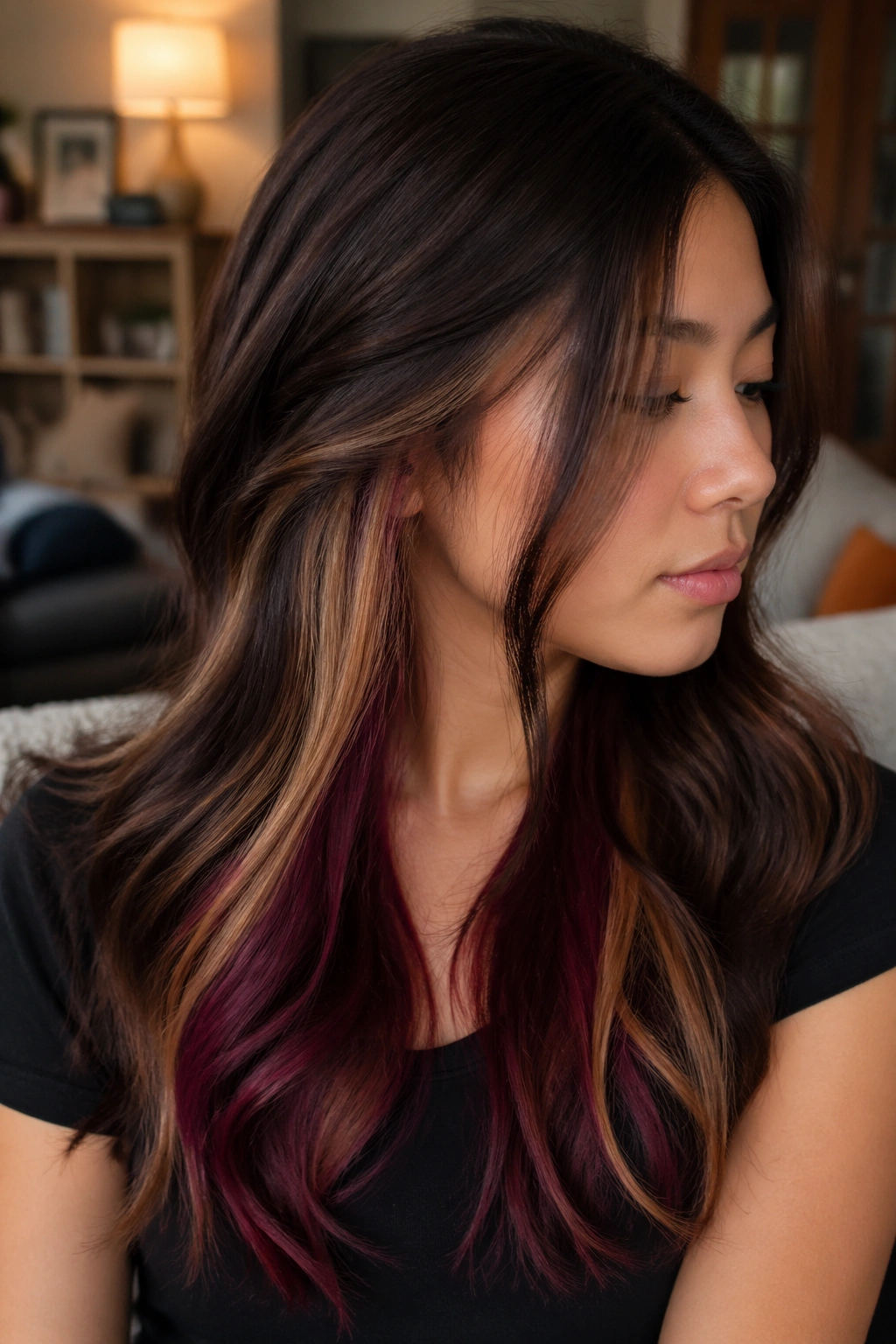
Hidden underlayer calico is for people who want a little secret in the hair. From the front, it can look almost calm. Then you turn your head, lift the top layer, or tuck one side behind your ear, and the colors show up in a sudden burst.
That makes it flattering on every skin tone in a slightly different way. Fair skin can wear brighter underlayers because the top layer softens the contrast. Medium skin can handle caramel, copper, or beige peeking through a brunette shell. Deep skin looks fantastic with bold underlayers in butterscotch, plum, or warm blonde because the contrast feels intentional, not accidental.
This is also a nice choice if you work in a setting that prefers more conservative hair but you still want personality. The color can live underneath and around the nape, where it only shows when you want it to. I like that. It feels a bit rebellious without needing a full commitment on top.
Final Thoughts
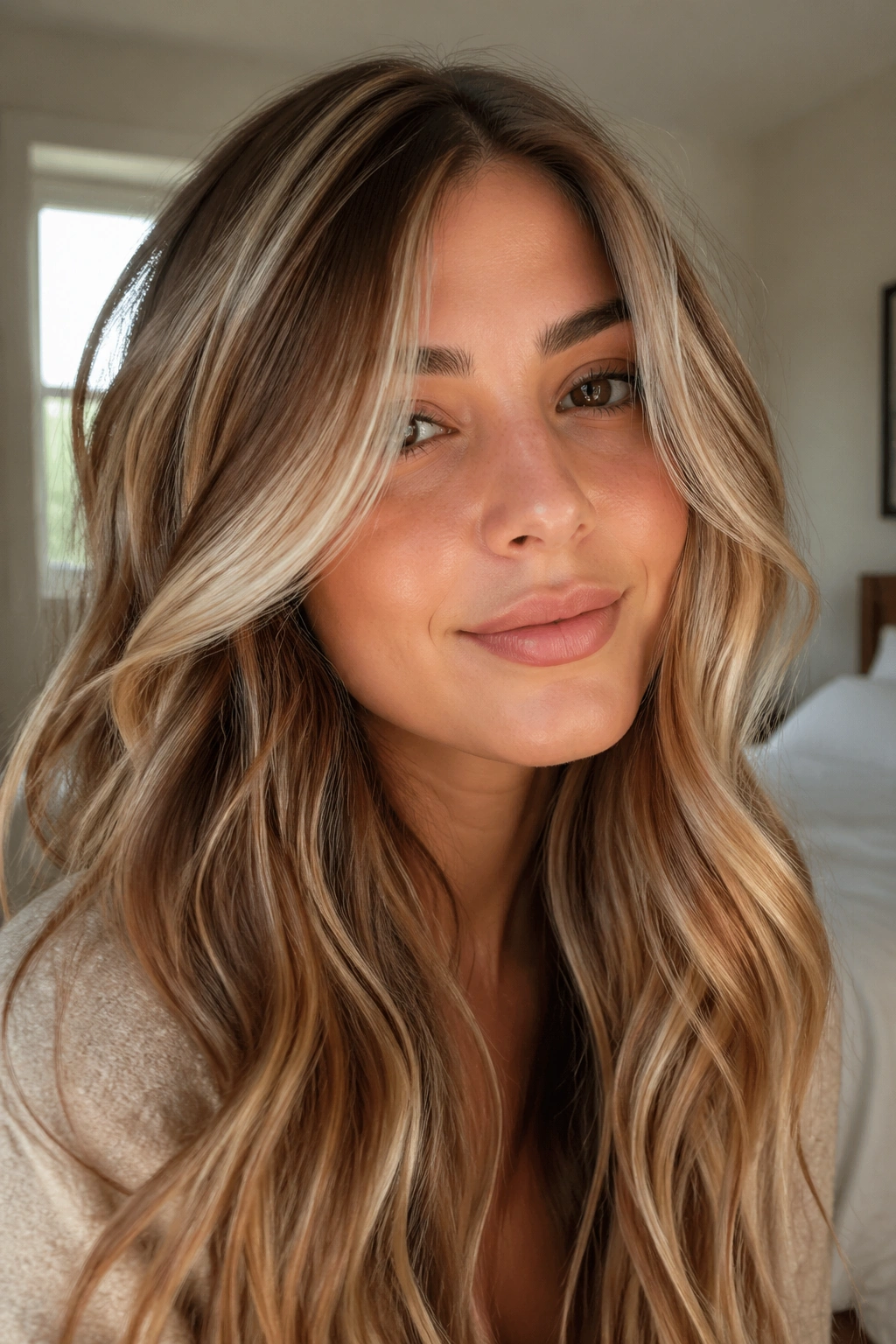
The best calico hair ideas are the ones that treat skin tone as part of the design, not an afterthought. Warm palettes glow differently on warm skin. Ashier blends sharpen up cool undertones. Neutral skin gets to steal from both sides, which is honestly the easiest place to be.
Placement matters just as much as color. A well-placed money piece can do more for the face than a whole head of random highlights, and a rooted or underlayer version can feel richer than a louder full-head mix. Bring photos, sure, but bring a clear opinion too. The good versions of calico hair always look chosen, not guessed.
