

Light brown hair colors can be the hardest shades to get right, because one wrong undertone makes the whole head look dusty, muddy, or brassier than you wanted.
That is why the best versions never look like a flat brown blanket. They have beige, caramel, ash, or a faint gold running through them, and the finish changes depending on whether you start from a blonde base, a medium brunette base, or virgin hair.
Undertone does the heavy lifting.
A level 6 or level 7 brown is a small zone on paper. In real life it can read soft and creamy, smoky and cool, or rich enough to sharpen your features a bit, and the colorist who ignores that difference is usually the one sending people home with hair they keep trying to fix.
These 17 light brown hair colors cover the range from nearly-neutral beige to deeper mocha, with notes on who each shade flatters, how much upkeep it asks for, and what to say in the chair so you don’t end up with a color that fights your skin tone. The easiest place to start is the shade that looks the cleanest at the roots: beige light brown.
1. Beige Light Brown: A Clean Take on Light Brown Hair Colors
Beige light brown is the shade I reach for when someone wants change without drama. It sits in that sweet middle zone where the hair looks softer and lighter, but not obviously dyed from across the room.
Who It Flatters
Beige brown plays especially well with neutral and slightly warm skin, because it doesn’t pull too orange or too gray. It also helps medium brunettes look lighter without forcing the hair into blonde territory.
- Ask for a level 6 beige-brown base with a soft beige gloss.
- Keep the reflect neutral, not yellow.
- Works well on straight, wavy, and lightly textured hair.
- Best if you want a polished finish that doesn’t scream “highlighted.”
The catch is simple: beige can drift one of two ways. Too much ash makes it look dusty, and too much gold pushes it toward honey blonde. The sweet spot is a creamy brown that still looks like brown when the light moves off it.
Pro tip: If your hair tends to grab warmth fast, ask for a beige gloss over a neutral brown base instead of a fully warm dye.
2. Mushroom Brown: The Cool-Toned Shade That Never Shouts
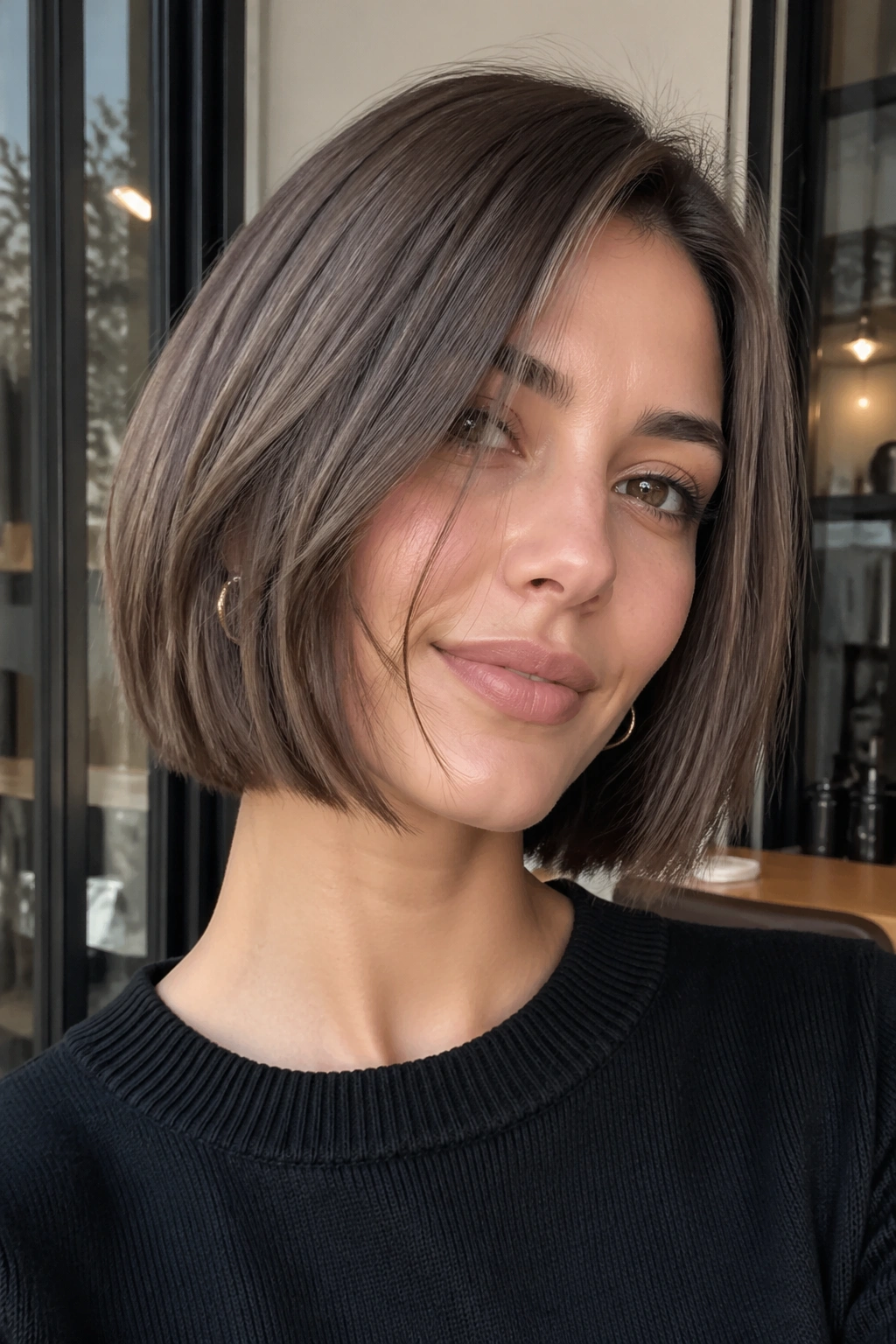
Mushroom brown is the cool-toned light brown that makes people think you spent more on color than you did. It has that smoky, earthy cast that sits between taupe, ash, and soft brown, and it looks especially good when the rest of the haircut is clean and simple.
No gold. That’s the whole point.
A mushroom brown works because it lowers the visual temperature of the hair without making it look gray. On a blunt bob, it reads sleek. On long waves, it looks soft and a little moody in a good way. If your hair pulls orange on its own, this shade can be a lifesaver, but you’ll need a colorist who knows how to pre-tone before applying the final brown.
It suits cool and neutral skin tones best, though I’ve seen it work on warmer skin too when there’s enough beige in the formula to keep it from going flat. The shade can look flat if every strand is the same depth, so ask for some movement near the face and a touch of shadow at the root. That small contrast keeps the whole thing alive.
3. Honey Latte Brown and Soft Face-Framing Highlights
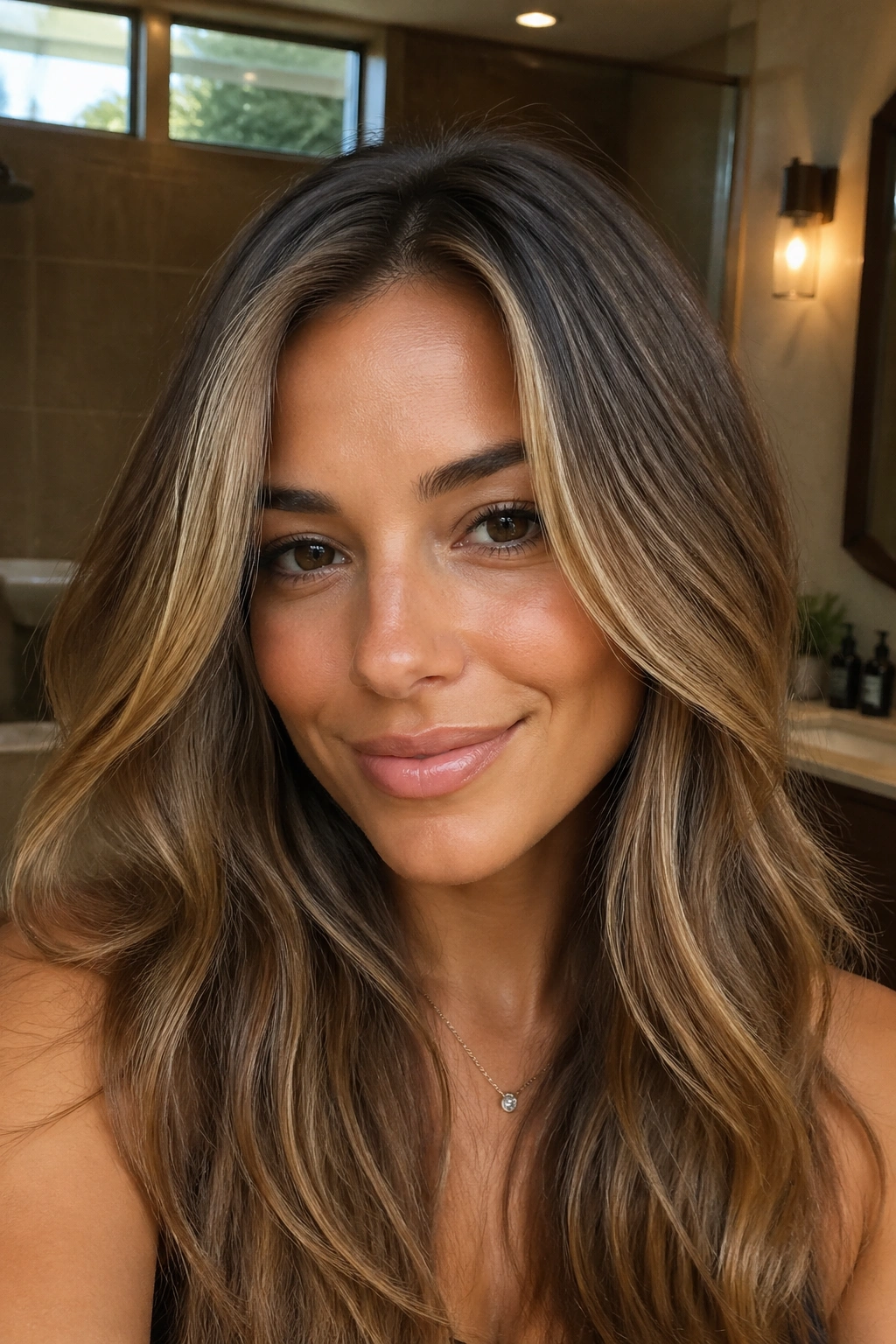
Why does honey latte brown keep showing up in salon chairs? Because it gives you warmth without crossing into copper, and warmth is what makes a lot of brown hair feel expensive instead of dull.
The base is usually a light brown with a golden-beige finish. Then the colorist adds a few soft face-framing pieces, not a chunky stripe, and the whole look brightens without losing its brunette feel. That’s the trick. You’re not going blonde; you’re letting a little light sit on the surface.
How to Wear It
Keep the front pieces a half-step lighter than the rest of the head, then melt them back into a level 6 or 7 root. That keeps the face bright while the lengths stay believable. Honey latte brown is especially nice on olive skin, golden skin, and anyone whose natural coloring already leans warm.
A gloss matters here. Honey fades fast if the hair is porous, and once the warmth goes away, the whole look can turn beige in a hurry. If you like shine, ask for a clear glaze at the end so the finish stays reflective without getting brassy.
4. Caramel Ribbon Brown for Wavy and Curly Hair
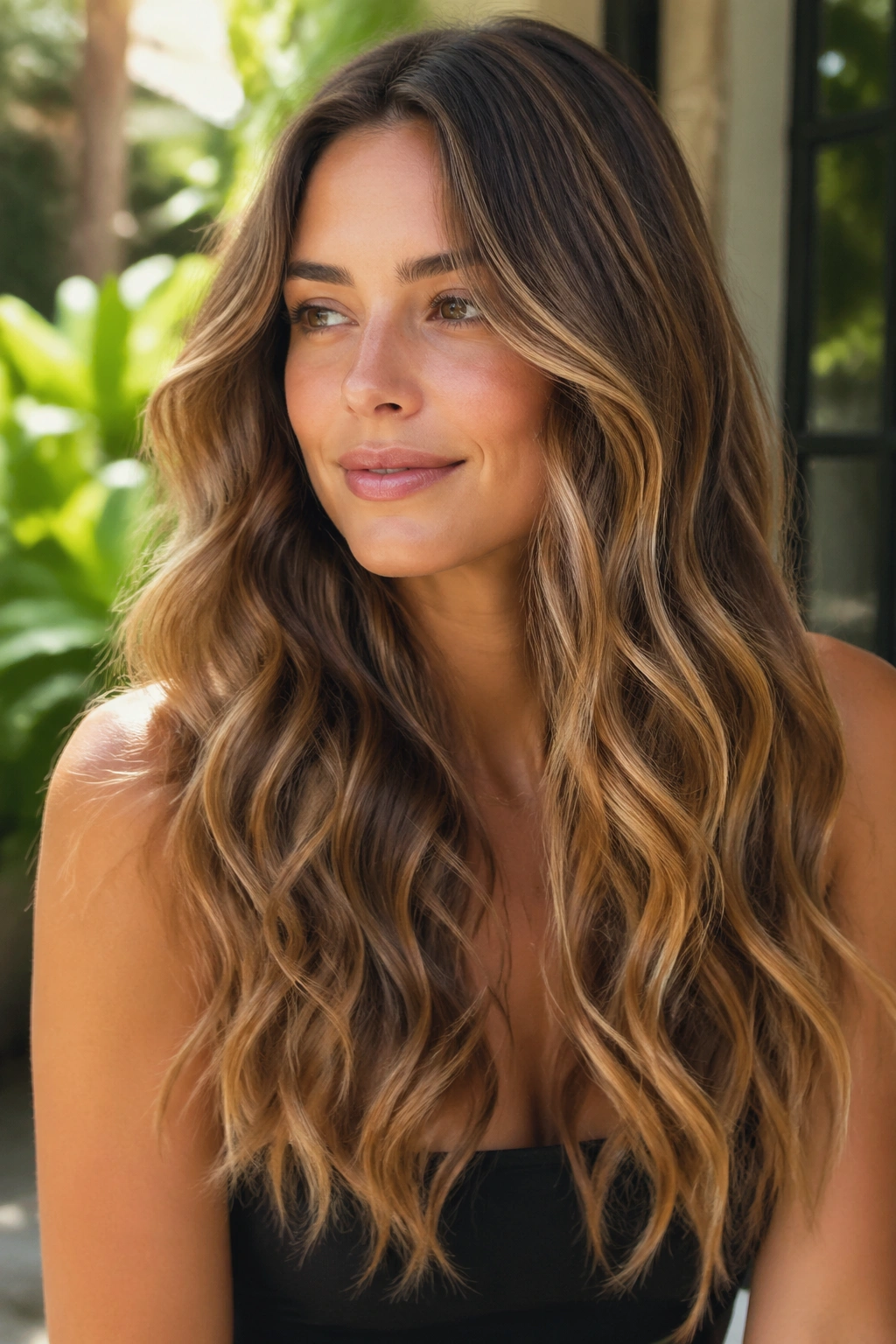
If you’ve got waves or curls, caramel ribbon brown is the shade that makes every bend look fuller. The color lives in thin ribbons instead of broad panels, so the hair keeps its dimension even when it moves.
I prefer this to heavy highlight blocks because caramel needs air around it. Packed too tightly, it starts to look striped. Spread out properly, it looks like sunlight worked its way through the hair one section at a time.
- Ask for fine babylights that are one to two levels lighter than your base.
- Put the brightest pieces around the face and top layers.
- Leave a soft root shadow so the grow-out stays gentle.
- Use a caramel gloss if the ends look too pale after lifting.
This shade is especially useful if your base is already medium brown and you want more movement without going dramatically lighter. The ribbons add texture in a way that blunt color never can. And if you wear your hair in a bun half the time, the color still looks intentional when it’s pulled back.
5. Ash Light Brown: The Fix for Brass That Won’t Quit
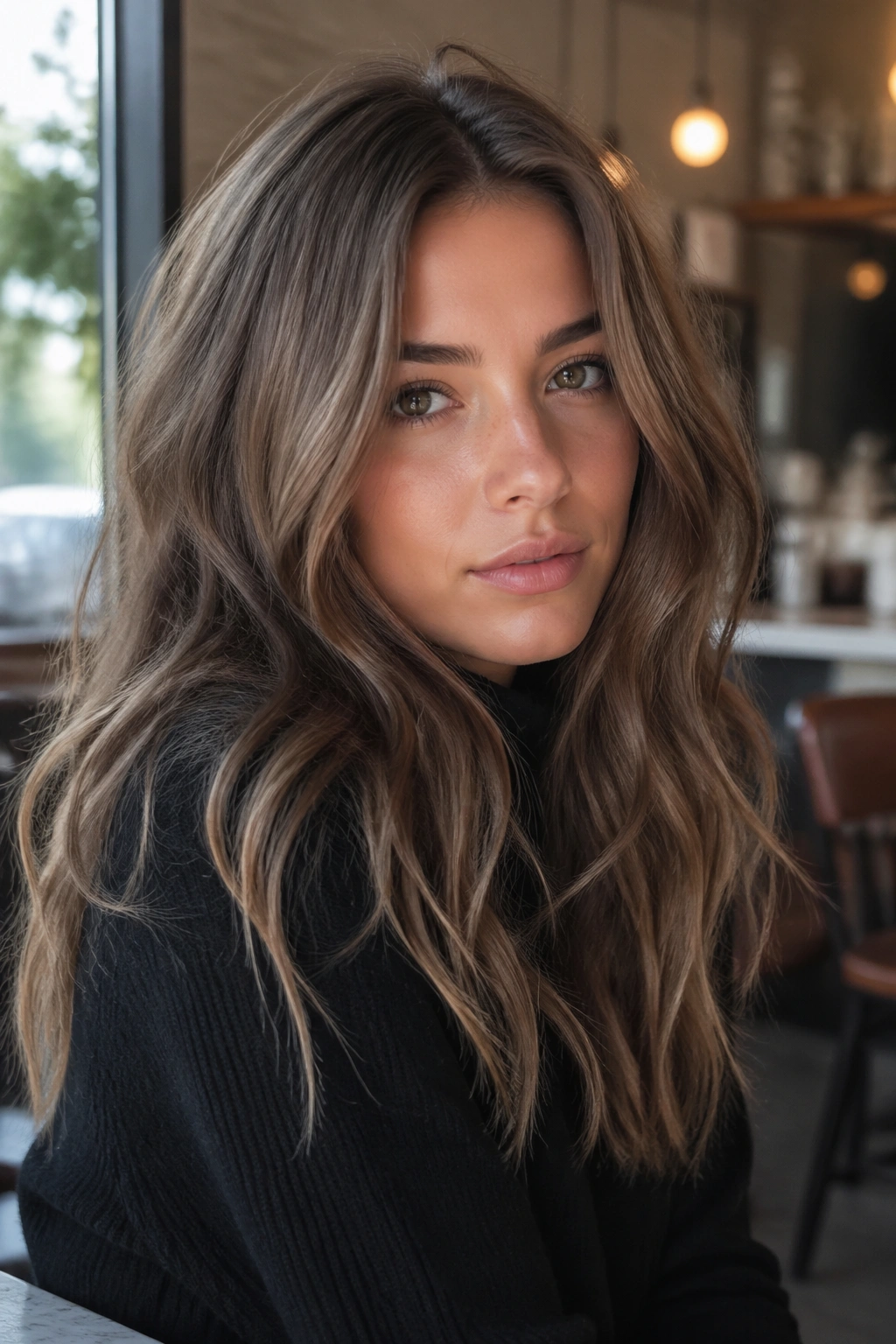
Ash light brown gets a bad reputation because people remember the bad versions — the ones that looked gray, dry, and a little tired. Done well, though, it’s one of the most useful light brown hair colors because it quiets orange undertones without turning the hair into a flat slab of color.
A good ash brown should look cool, not cold. There’s a difference. Cool means the brown has a smoky edge and some restraint. Cold means it lost all life, and that’s usually a sign the toner was left on too long or the formula was built too gray for the starting base.
The best place for ash brown is on hair that lifts warm no matter what. If your natural pigment goes orange after lightening, ash tones can balance that out in a way beige often can’t. The downside is that porous hair grabs ash fast, so the ends may drink it up and go too dark or too dusty. A gloss solves that better than piling on more permanent dye.
If you like crisp, clean color and don’t mind a cooler finish, this shade is a solid choice. If you want softness first, it may be too severe.
6. Toffee Brown Balayage with a Soft Grow-Out
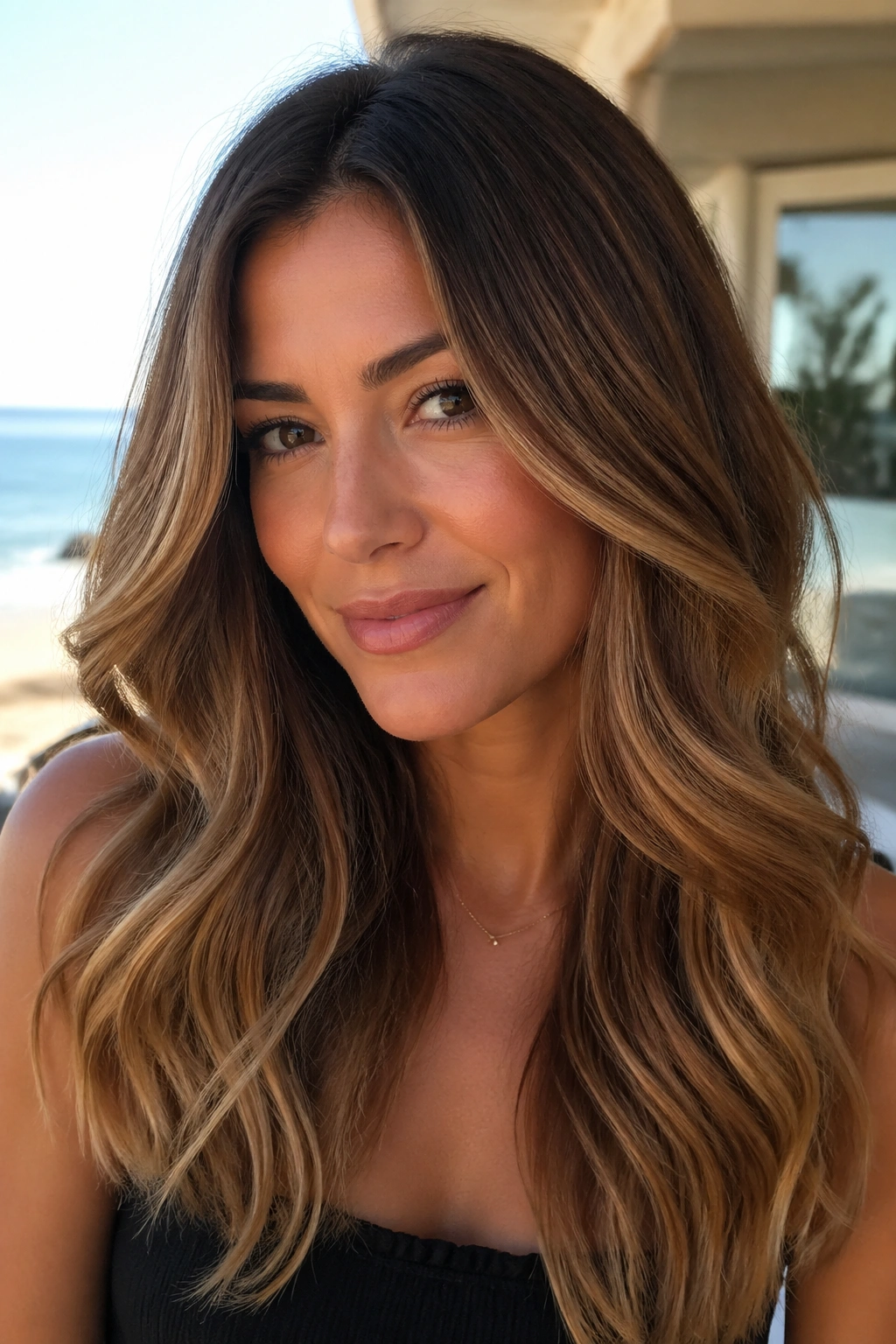
Toffee brown balayage is the shade for people who want lighter hair but hate obvious regrowth. Unlike an all-over color, it lets the darker base do some of the work, which means the grow-out looks softer and the salon visits can be spaced farther apart.
That contrast matters more than people think. A one-process brown can look rich for two weeks and then start feeling one-note. Balayage gives the eye places to rest — brighter ends, mid-length warmth, and a root area that doesn’t beg for attention the second it grows.
Ask for toffee ribbons through the mid-lengths and ends, with a slightly deeper root shadow. That keeps the top looking natural and the ends looking lifted. If your hair is already medium brown, this is one of the easiest ways to add dimension without turning the whole head caramel.
It’s especially good on long layers, beachy waves, and haircuts that need movement to look alive. The shade is soft enough for work, but not so quiet that it disappears indoors. I like it for people who want one of the more low-maintenance light brown hair colors without giving up shine.
7. Golden Almond Brown for a Warm, Creamy Finish
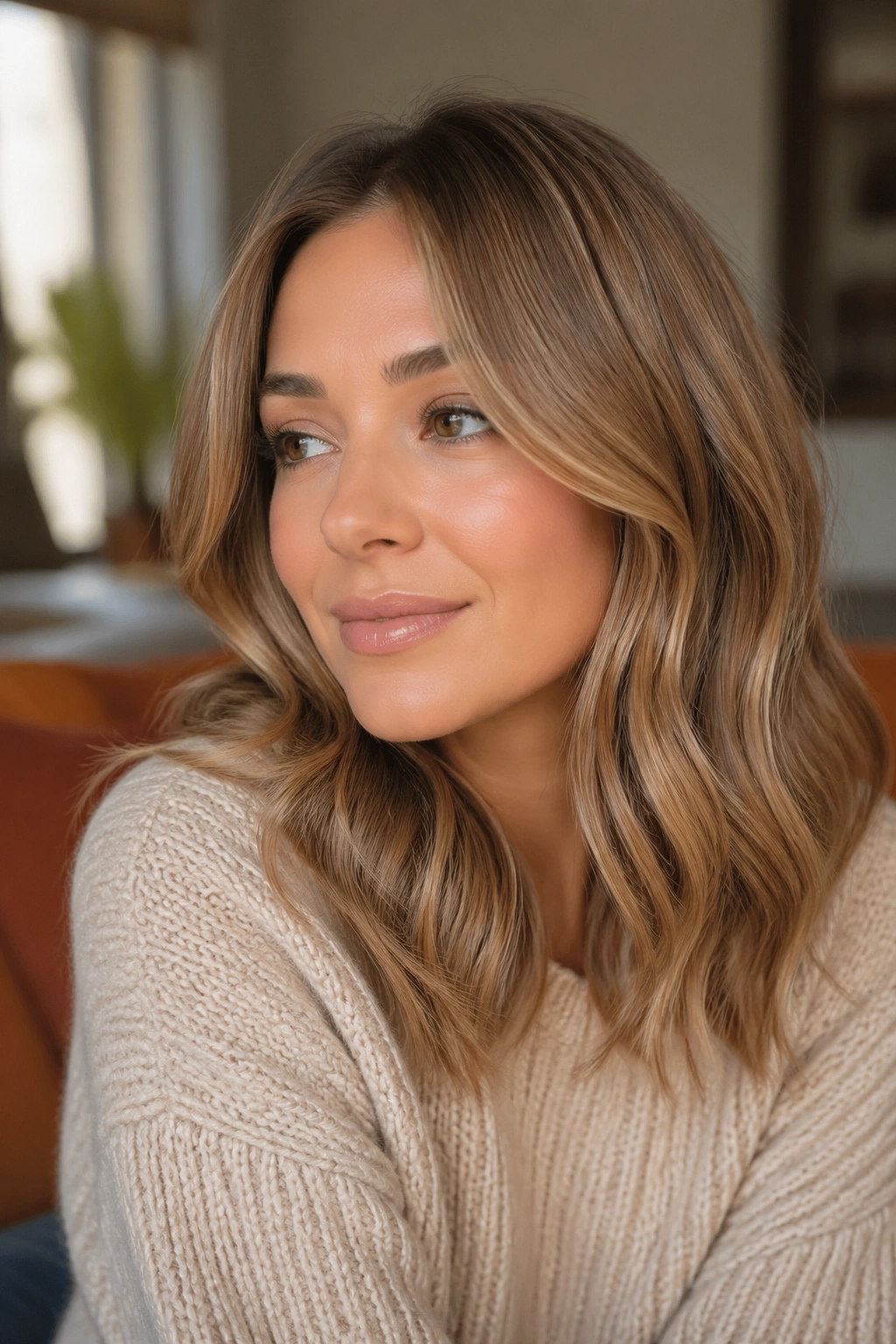
Golden almond brown looks like toasted nuts and warm daylight had a sensible conversation. It has a creamy brown base, a soft golden reflect, and enough beige in the mix to keep it from reading orange.
Why It Reads Soft, Not Yellow
The gold in this shade should sit underneath the brown, not sit on top of it. That’s the difference between a smooth warm brunette and hair that looks like it was toned too close to blonde. A good golden almond brown has depth near the root and lightness through the surface, which makes it feel plush instead of flat.
- Best on neutral, warm, and olive skin.
- Looks especially good with soft waves or layered cuts.
- Works well if your natural hair is a medium brown that lifts warm.
- Ask for a gold-beige gloss, not a bright honey toner.
This is one of those shades that improves with a little shine spray, but it does not need heavy styling. Air-dried waves and a center part are enough. If your hair is very fine, keep the gold subtle and let the dimension come from the cut. Too much warmth on fine hair can look brassy faster than people expect.
8. Chestnut Beige Brown with a Whisper of Red
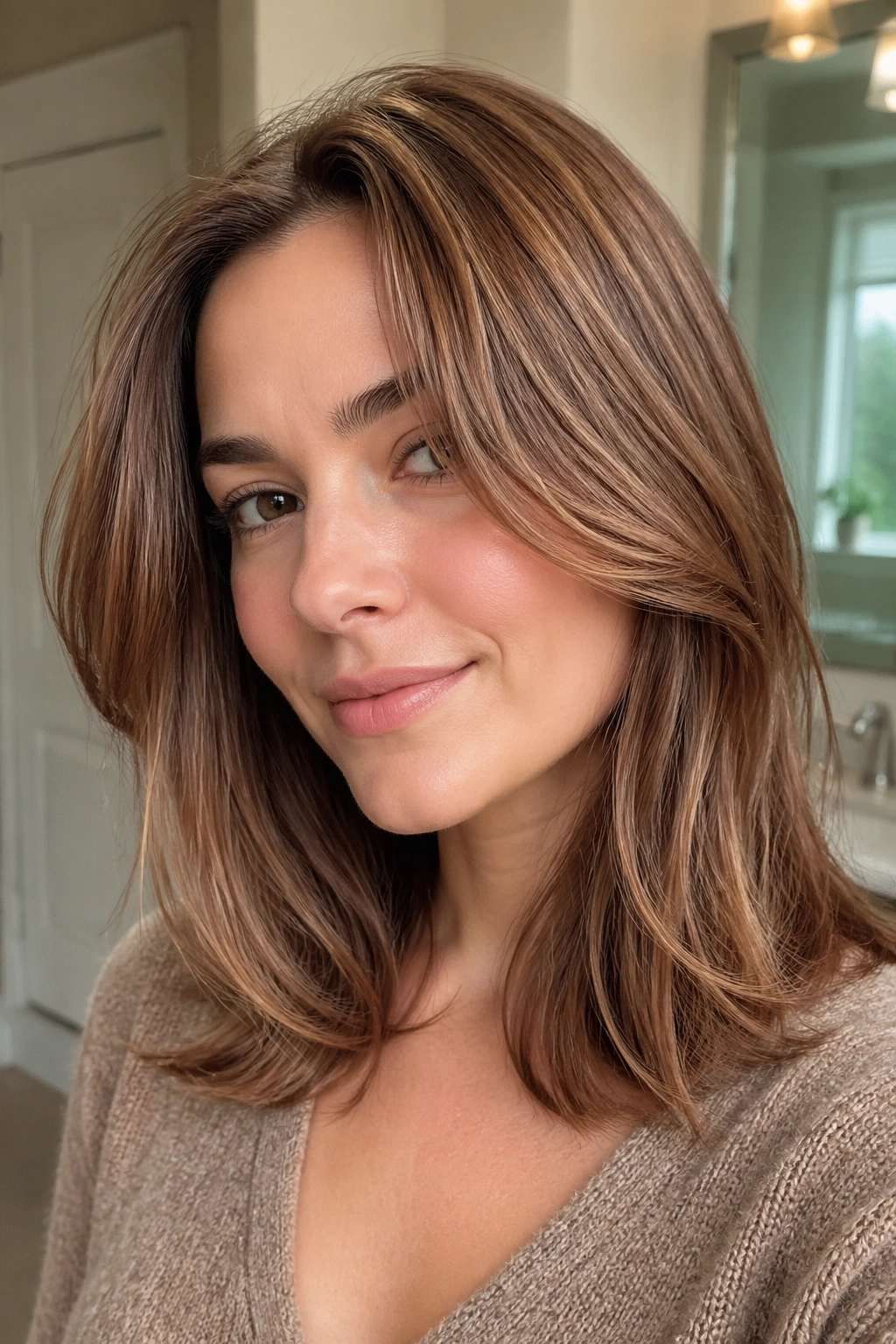
Can chestnut stay light? Yes — if the red stays in the background. Chestnut beige brown gives you that faint reddish glow that wakes up the face, but the beige keeps it from turning auburn or copper.
That balance is what makes the shade useful. On pale skin, a little chestnut warms the complexion without making the hair look dark. On medium or tan skin, it adds depth without stealing attention from the rest of the face. And on hair that looks dull under indoor lighting, the red note can bring back life fast.
How to Ask for It
Tell your colorist you want a light chestnut base with beige softness, not a red-brown. That distinction matters. If the red takes over, the color turns richer but not necessarily lighter, and you lose the airy feel that makes this one part of the light brown family.
A few fine lowlights can help here too. They add dimension under the surface, which keeps the top layers from looking too warm. I like this shade best when the finish is glossy and the cut has movement. It does not need a perfect blowout. It just needs enough shape to catch the variation.
9. Sandy Brown for an Airy, Lighter Look
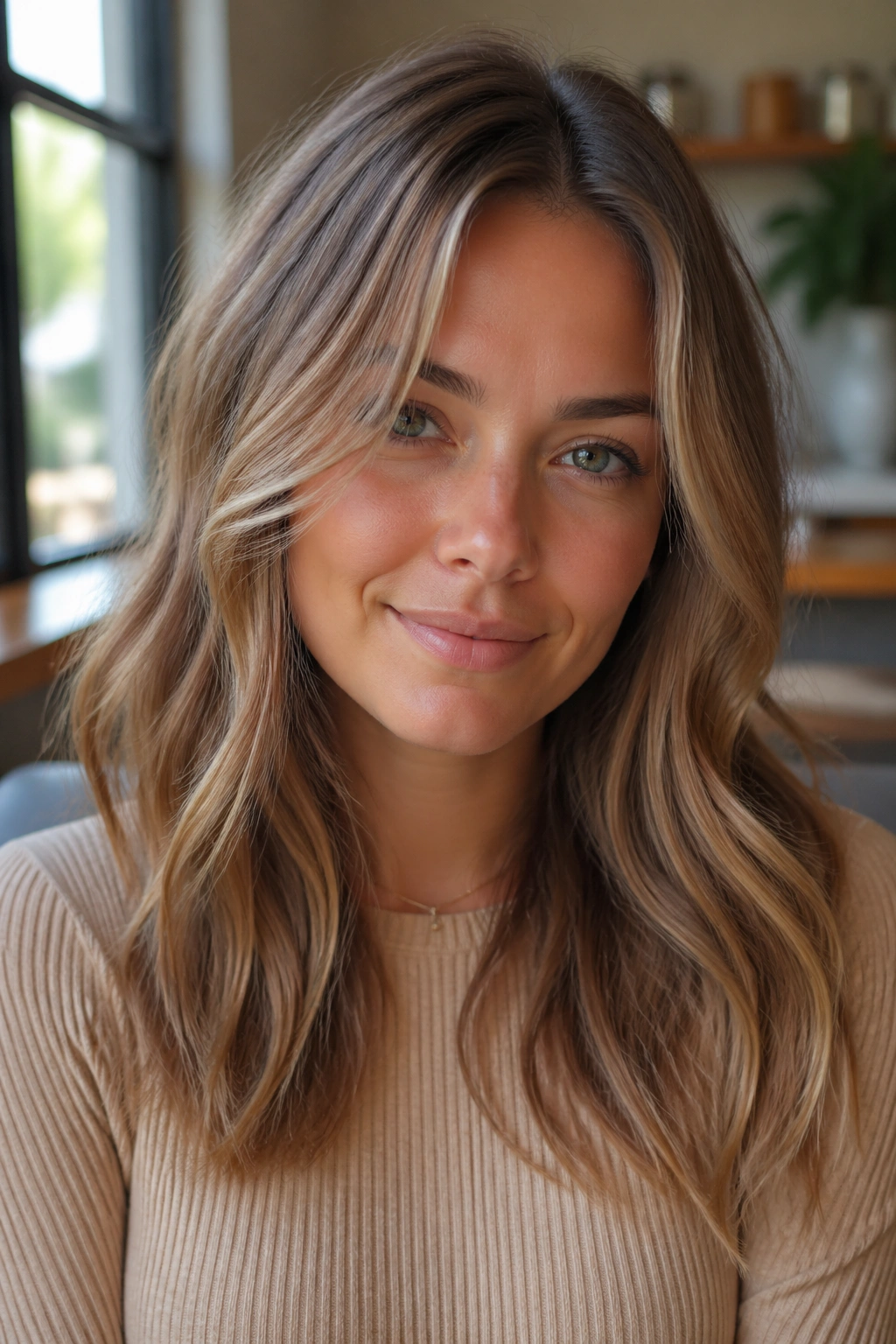
Sandy brown sounds plain. It isn’t.
This is one of the cleanest light brown hair colors for people who want a softer brunette without a lot of warmth. The base sits in the beige-to-ash zone, but it has enough neutrality to avoid that gray, chalky finish that some cool browns get when the formula goes too far.
Sandy brown is especially good on fine hair because it doesn’t create heavy blocks of color. Instead, it reads airy, which makes the hair look fuller in a quiet way. On thicker hair, it keeps the overall look from feeling dense or too dark at the ends.
The shade works best when the root is slightly deeper than the mids. That tiny shadow gives the hair some structure and keeps sandy brown from looking washed out. If your skin tone is very warm, I’d usually soften the front with a touch more beige so the hair doesn’t fight your face. That one adjustment changes everything.
It’s the color I think of when someone wants brunette, but lighter, and refuses to get stuck in caramel territory. Fair enough.
10. Cocoa Mist Brown with Smoky Depth
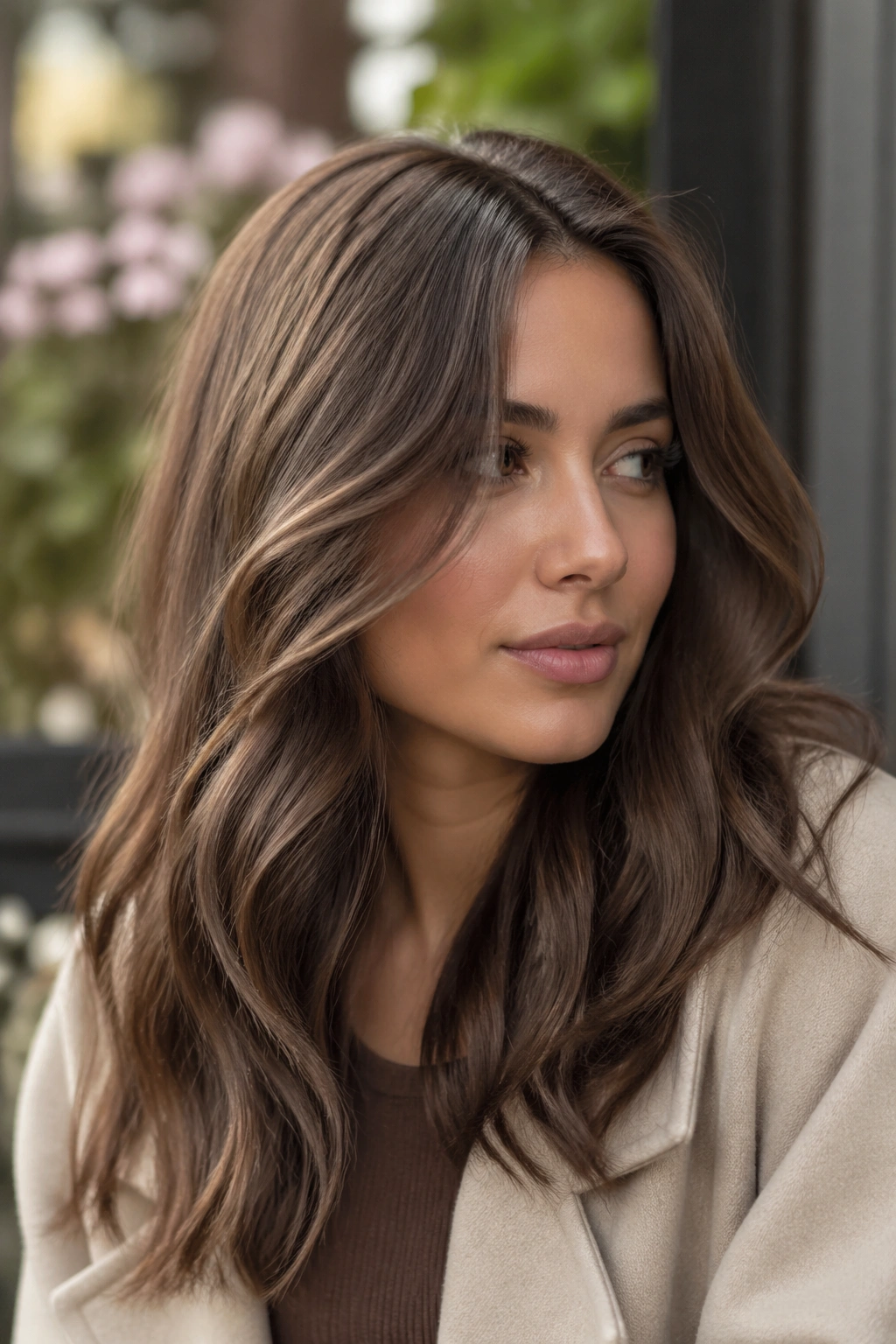
What if you want brown that still looks light in daylight? Cocoa mist brown sits in that space. It has the depth of a soft mocha, but the finish is lighter and airier than a deep chocolate tone.
The word “mist” matters here. You want the shade to feel translucent at the surface, not blocky. That usually means a cool-neutral formula with enough beige to keep it from looking flat. On curls, this shade is especially nice because the coils and bends show the difference between the deeper base and the lighter surface.
A lot of people choose cocoa tones when caramel feels too sweet and ash feels too cold. I get that. Cocoa mist gives you the middle path. It looks polished under indoor light and still reads soft outside, which is harder to pull off than it sounds.
If your hair is porous, ask for a gloss after the main color so the brown looks smooth instead of thirsty. Dry ends can make cocoa shades look older than they are. The shine is half the job.
11. Maple Brown for Soft Warmth Without Orange
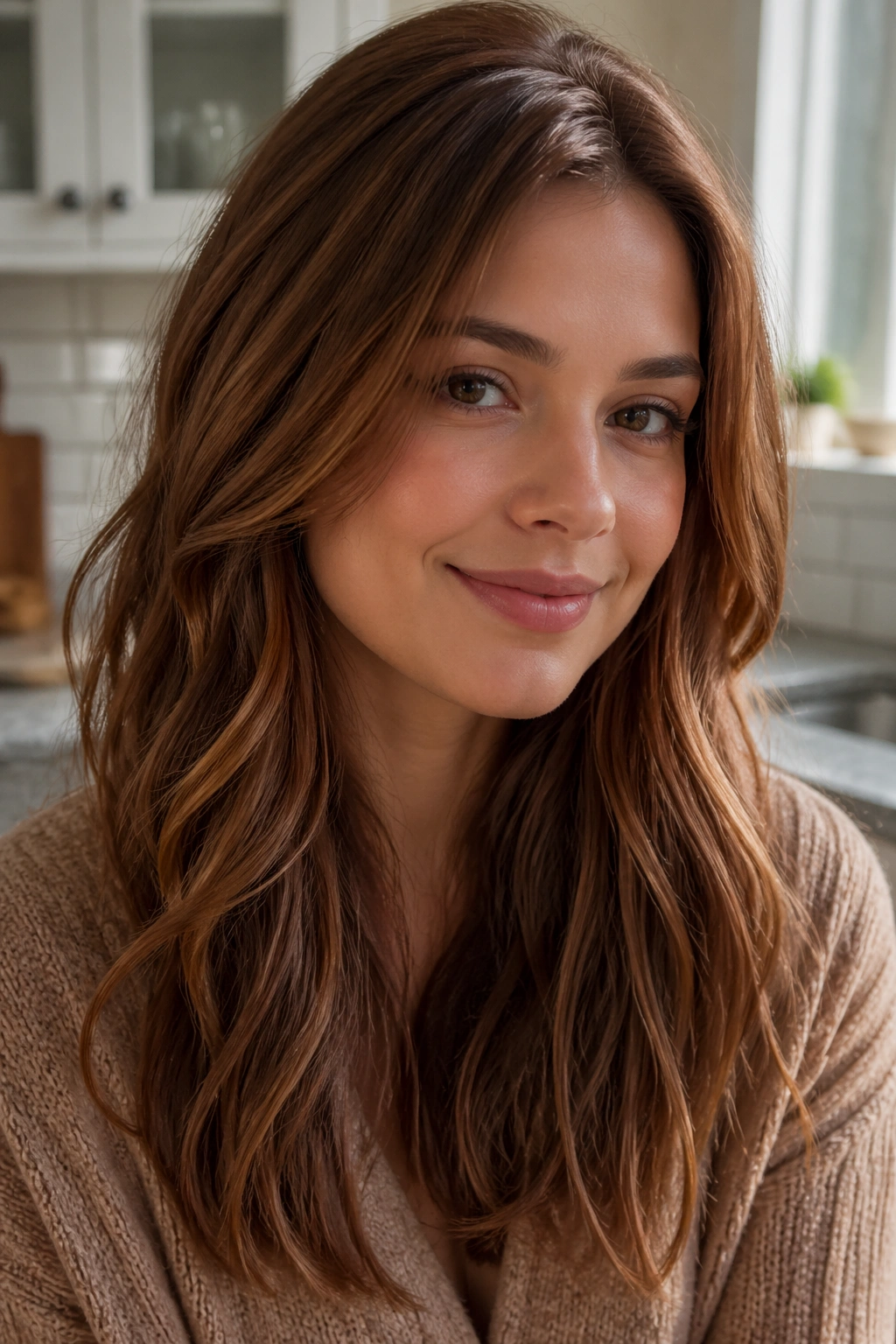
A client who wants warmth but hates orange usually ends up here. Maple brown has that brown-sugar, lightly reddish warmth that feels cozy rather than loud.
The color works because the red is muted. You get enough warmth to wake up the face and enough brown to keep the shade grounded. That makes maple brown a good fit for freckles, hazel eyes, and skin that looks a little flat next to ash-heavy hair. The shade can also make textured hair feel richer, especially when the curls need a little visual weight.
- Ask for a maple-brown glaze, not a copper formula.
- Keep the red note soft and underneath the brown.
- Works well over medium brown or dark blonde bases.
- Refresh with a color-depositing conditioner if the warmth fades too quickly.
The main thing to watch is overprocessing. If the hair lifts too much before the maple tone goes on, the result can push orange instead of warm brown. That is the line you want to avoid. A darker root with maple mids and ends usually solves it.
12. Taupe Brown for a Quiet, Cool Result
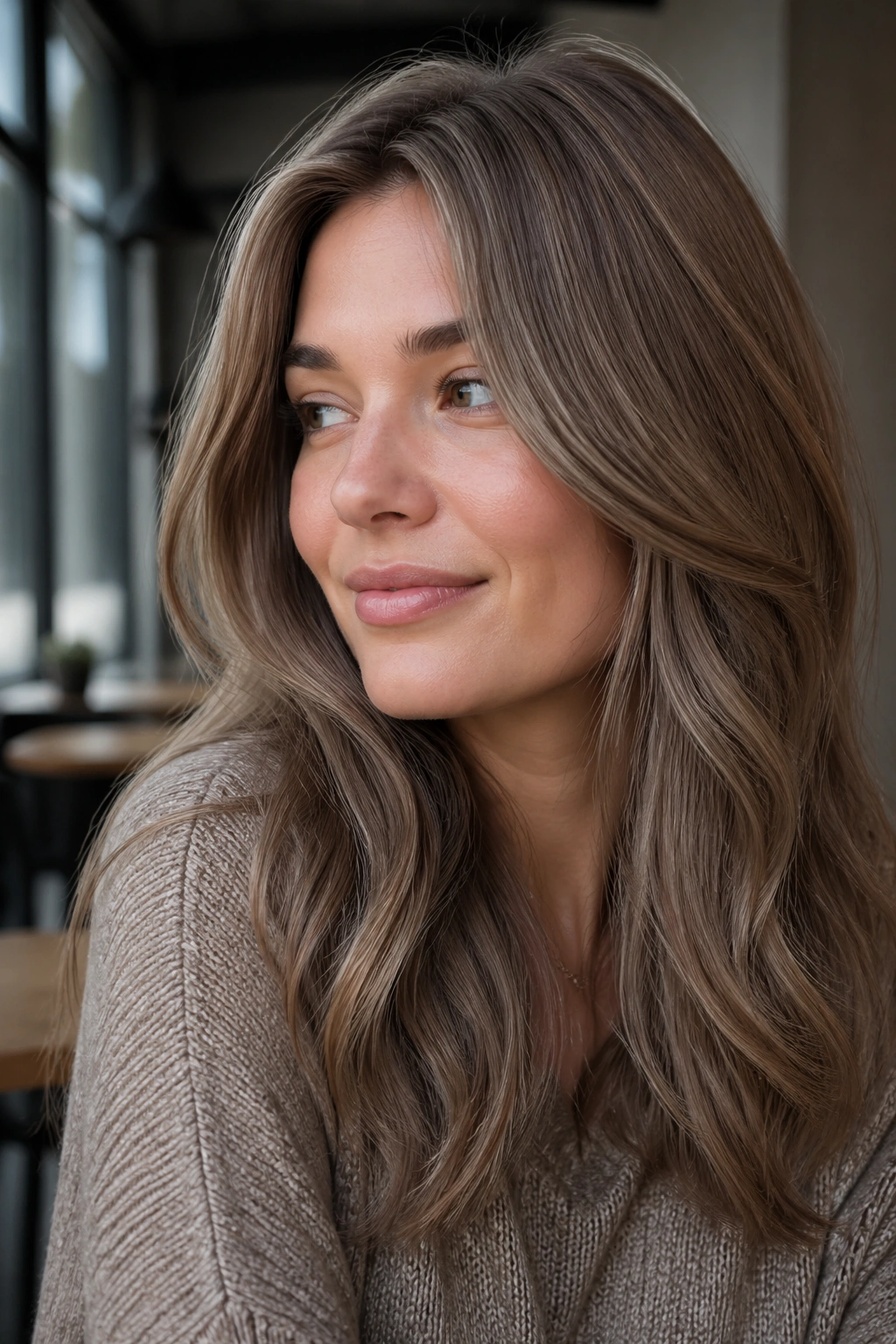
Taupe brown is the quietest cool brown in the bunch. It sits between beige and gray, which sounds like a small difference until you see it on hair that used to look too yellow or too red.
This shade can be a relief for people who are tired of warmth. It looks clean, modern, and slightly muted, but not dull when the formula is done well. The reason it works is that taupe brown doesn’t chase shine through color alone — it relies on the shape of the cut and the smoothness of the finish.
Taupe brown is not ash brown. Ash leans smoky and can feel sharper; taupe leans softer and a little dustier, in a good way. That softness makes it especially good on cool and neutral skin. If your complexion is warm, you may need a beige gloss around the face so the hair doesn’t look disconnected from the skin.
That is the catch.
Taupe tones can go flat on porous hair if the color is too dense, so I prefer them with some level variation. A deeper root, a lighter midsection, and a soft glaze over the ends keeps the whole thing from turning into one block of brown. The shade is subtle, but subtle is not the same as boring.
13. Bronde Light Brown Hair Colors for the Best Grow-Out
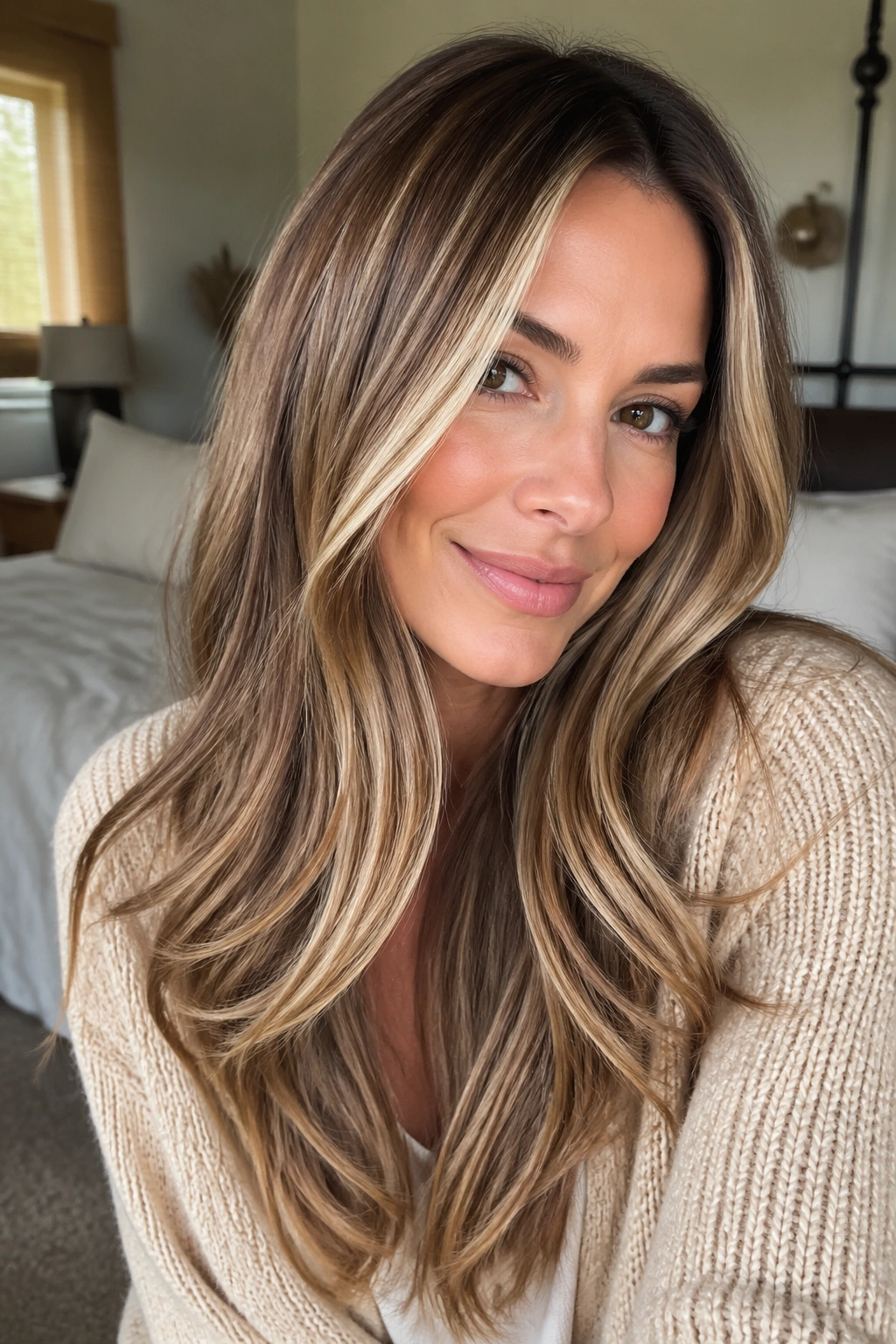
Bronde sits between blonde and brown, but the important part is where the blonde lives. If the bright pieces are scattered everywhere, the color can look stripey. If they’re placed with intention, bronde gives you one of the most flattering light brown hair colors for long grow-out.
Where the Blonde Should Live
Put the lightest pieces around the face, at the crown, and through the top layers. That’s where the eye lands first. Leave the underlayers a shade deeper so the brightness has something to sit against. The result is hair that looks lighter overall without needing every strand to be pale.
Bronde is also the easiest transition shade for someone stepping down from full blonde. Instead of covering all that light in one shot, you let some of it stay and bring the rest down with a root shadow or lowlights. The grow-out looks softer, and you don’t get that hard line that makes some blonde-to-brown shifts awkward.
If you want dimension but hate maintenance, ask for babylights with a beige-brown root melt. That gives you movement without forcing you back into the salon every few weeks. The key is restraint. Too many light pieces and it stops looking like bronde. It starts looking busy.
14. Cinnamon Brown for a Warmer, Spicier Edge
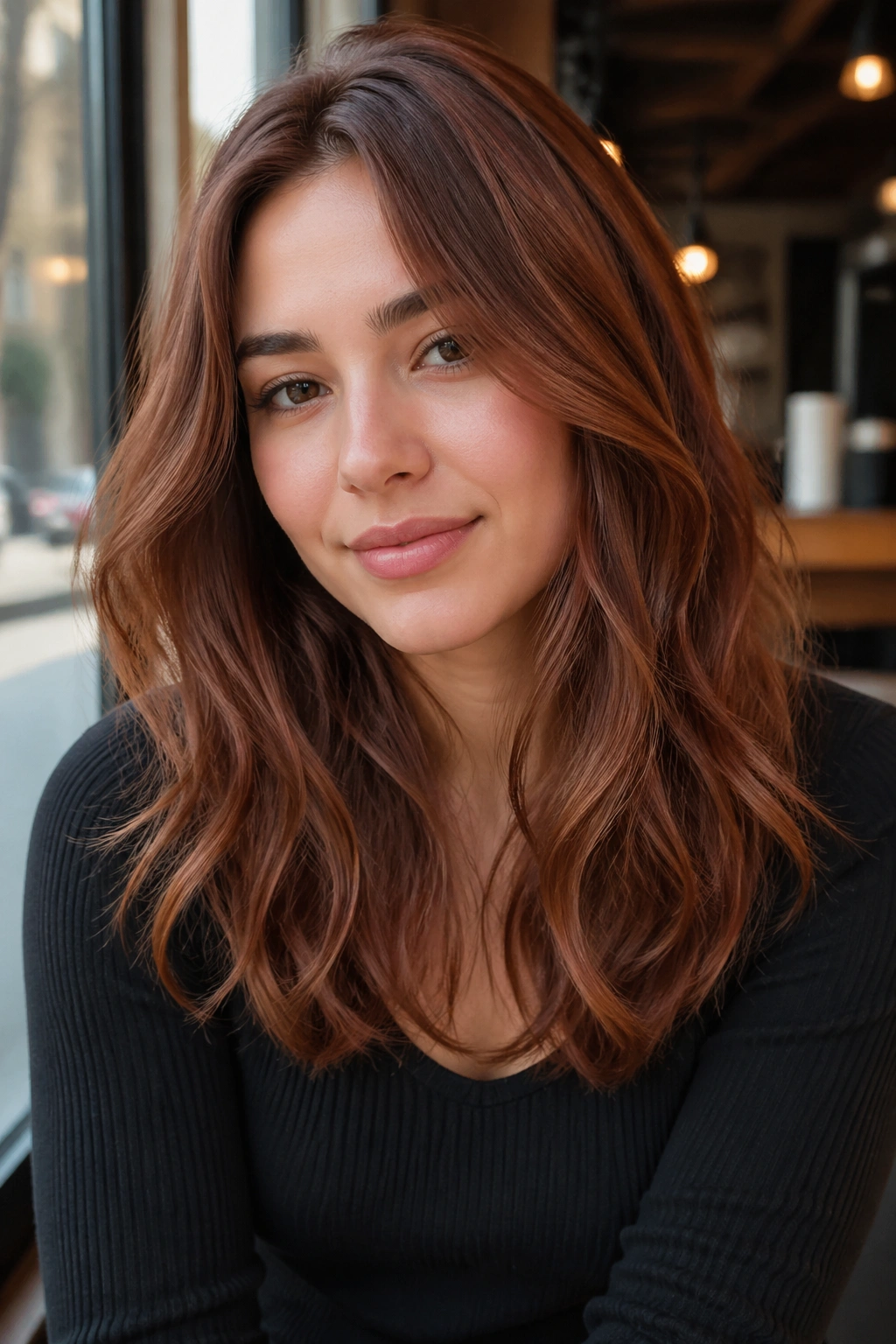
Cinnamon brown is the warm shade that looks best when it is kept under control. Push it too far, and it turns copper. Keep it balanced, and it gives the hair a soft reddish spice that works especially well on green, hazel, or warm brown eyes.
This is the color for someone who likes warmth but does not want golden. The red note is deeper and slightly drier than maple, which makes it feel a little richer. On layered cuts, cinnamon brown shows movement easily because the warm and brown pieces catch light differently across the surface.
A soft gloss is enough for a lot of hair. Seriously. If the hair is already healthy and the base is fairly light, you do not need to pile on a heavy permanent formula just to get the tone. The more lifted the hair is before cinnamon goes on, the more careful you have to be, because overlightened hair grabs red fast.
When it works, it looks deliberate. When it misses, it looks like a stain. That’s why I’d keep this one for people who know they like warmth and are willing to maintain it with color-safe washing and occasional tone refreshes.
15. Espresso Lowlights to Add Depth to Light Brown
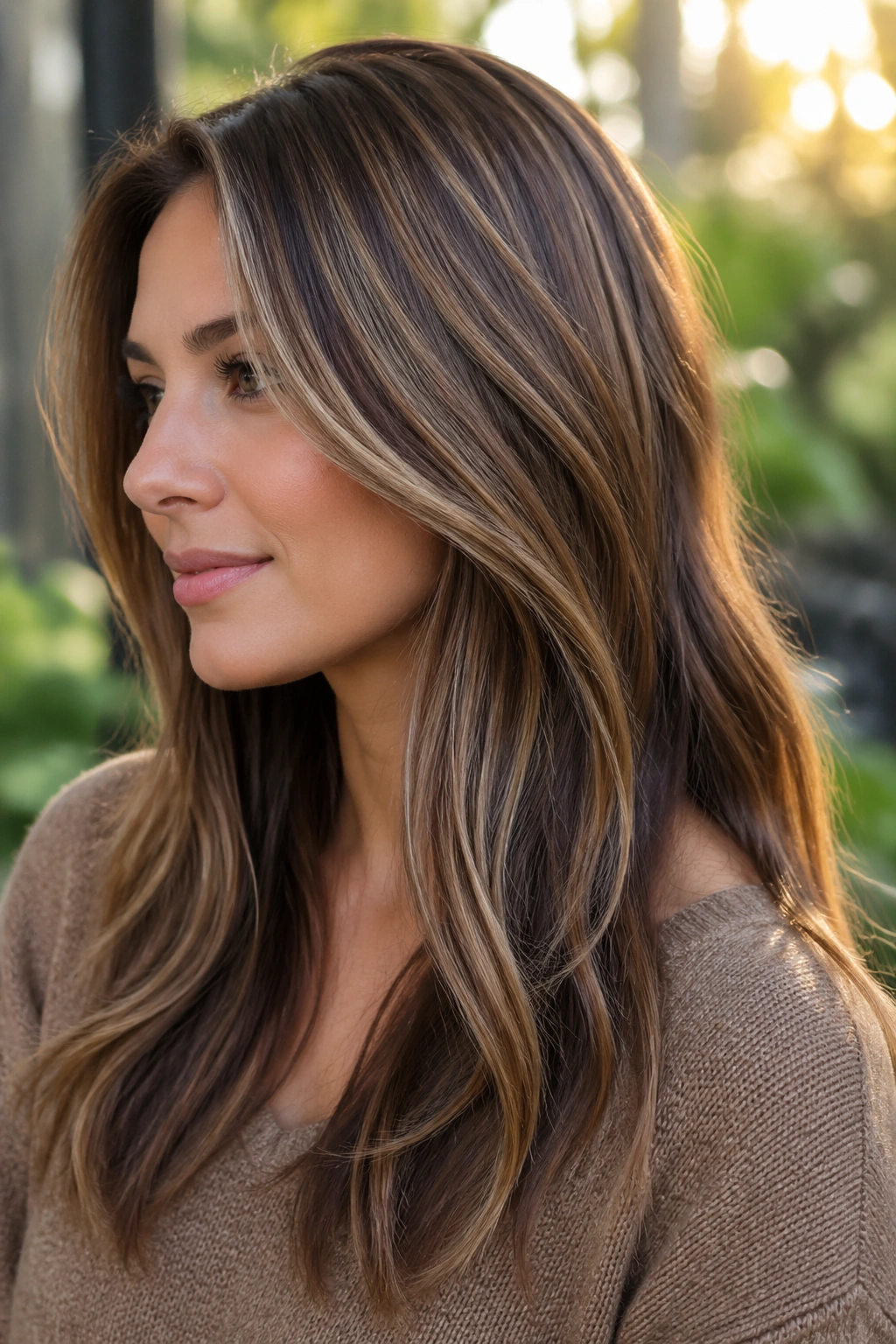
If your light brown hair looks flat at the ends, espresso lowlights are the fastest way to bring it back to life. The trick isn’t making the whole head darker. It’s dropping in a few deeper strands so the lighter brown has something to contrast against.
That contrast can make fine hair look fuller and thick hair look more dimensional. I like espresso lowlights when the existing color has drifted too pale after several lightening sessions. The deeper strands restore shape without forcing the hair into a heavy brunette shade.
- Place the lowlights under the top layer so they peek through, not sit on top.
- Keep them one or two levels deeper than the base, not jet black.
- Make the strands narrow so the result stays soft.
- Blend the ends with a clear or neutral gloss afterward.
This is also a good fix for highlights that have gone too bright. A few espresso ribbons can anchor the lighter pieces and make the whole head look intentional again. You don’t need many. A little depth goes a long way here, and too much can steal the softness that makes light brown hair colors appealing in the first place.
16. Milk Chocolate Brown with a Glossy Finish
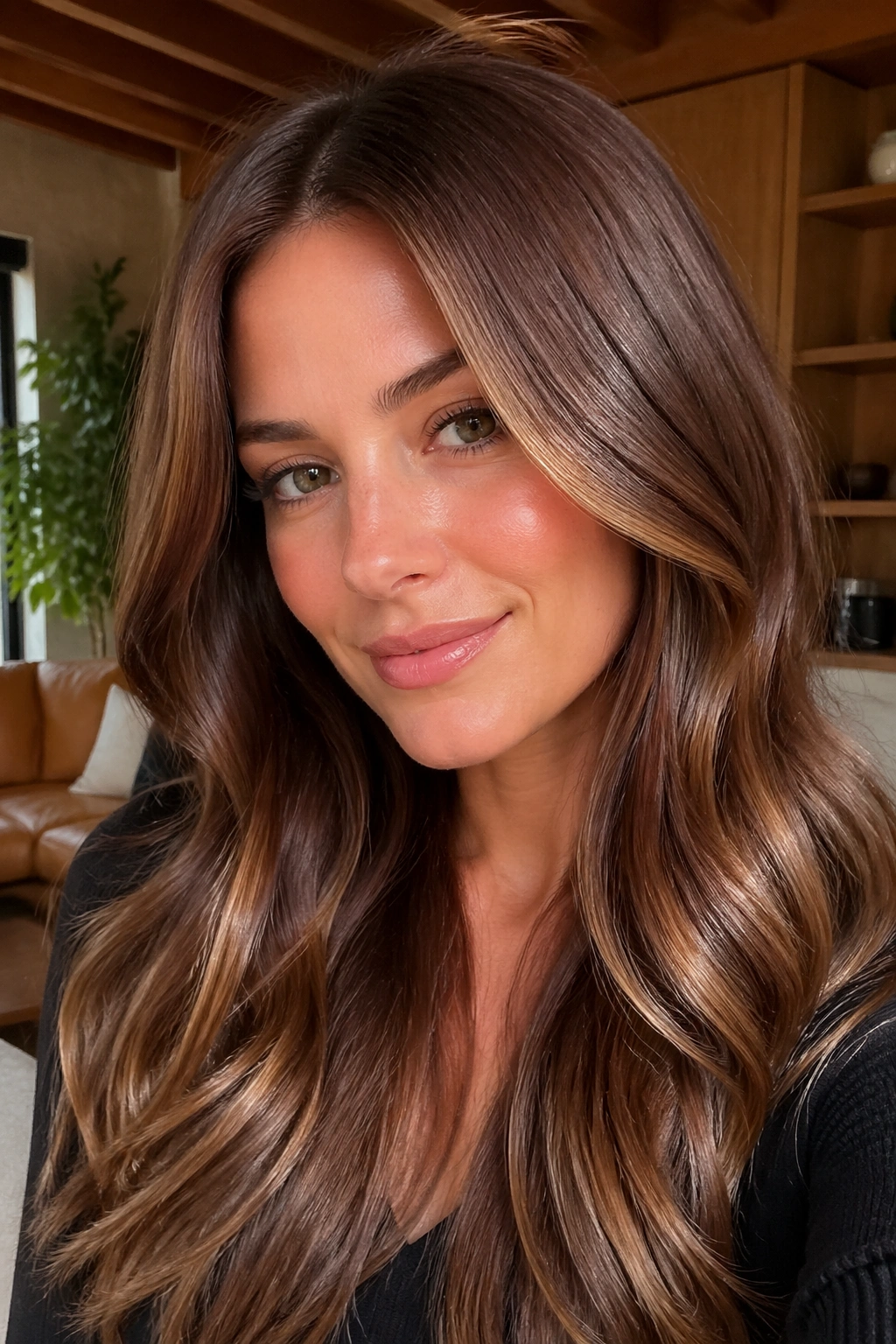
Is milk chocolate brown too dark to count as light brown? Not when the surface stays glossy and the face frame stays a touch lighter. The shade lands right in that soft, rich zone where the hair looks healthy, smooth, and a little fuller than a paler brown.
I like milk chocolate brown for people who want one-tone color without losing shape. It gives the hair a rounded finish, which can be useful if the cut is blunt or the ends need a little visual weight. The tone usually sits warmer than ash but cooler than caramel, so it can work on a broad range of skin tones without getting picky.
How to Keep It Soft
Leave a few face-framing pieces half a shade lighter, or ask for a soft gloss over a slightly lighter base. That keeps the shade from reading too dense near the front. If you make the entire head the same deep milk-chocolate tone, the result can be beautiful but heavy.
This is also one of the better choices for hair that’s been lightened too often and needs a pause. The darker color can make the hair look smoother again, especially when the shine is healthy. A good milk chocolate brown should look like hair you want to touch. Not plastic. Not flat. Just rich and clean.
17. Soft Mocha Brown: The Most Flexible Light Brown Shade
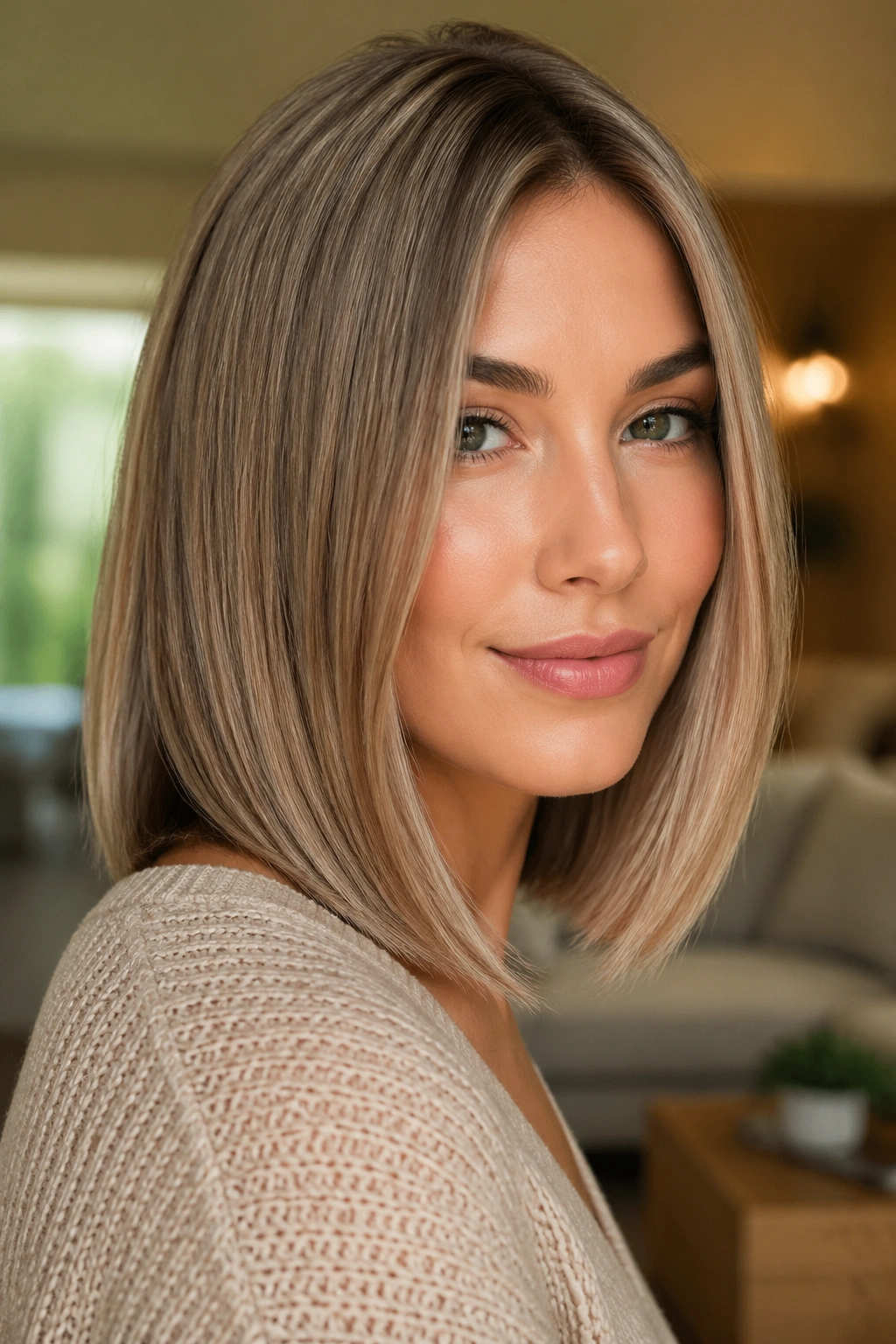
If I had to pick one shade that plays nicely with the most skin tones, I’d land on soft mocha brown. It sits between warm and cool, which keeps it from leaning too orange on one person and too gray on another.
That middle ground is why it works so well. Soft mocha can be worn as a full color, as a gloss over existing brunette hair, or as the base for subtle highlights. It can go cleaner and cooler if you want a smoother finish, or warmer if you ask for a little beige and caramel in the mix. The shade changes personality without losing its backbone.
For low maintenance, I’d ask for a demi-permanent mocha gloss with a slightly deeper root. For more brightness, add micro-babylights around the face and through the top layer. Either way, the color should still look believable when it grows. That is the test. If you can ignore it for a few weeks and it still looks like hair, not a project, you picked well.
The best light brown hair colors never feel copied off a swatch card. They feel lived in. Soft mocha brown gets there more often than not, and it does it without making a fuss.