

Ombre fall hair color ideas work because they let the darker root do the heavy lifting while the ends carry the warmth. That’s the part people often miss. A good ombre doesn’t look dipped or stripey; it looks like your hair picked up a little smoke, a little sunlight, and a lot of dimension on its way down.
Fall is the season when deeper browns, coppery mids, and soft gold ends start making sense again. The hair doesn’t need to shout. It needs depth. It needs that expensive-looking shift from root to tip — the kind that looks polished in daylight and even better when it moves.
The best ombre shades for this time of year usually sit somewhere between cozy and rich: cinnamon, chestnut, mocha, bronze, mushroom, caramel, plum, burnt orange. The trick is choosing a fade that fits your base color and your tolerance for upkeep. A level 4 brunette can wear a very different ombre from a level 7 blonde, and pretending otherwise leads to brass, dullness, or both.
So the smart move is to think in terms of mood. Do you want soft and wearable? Moody and dark? A little copper, a little beige, maybe a touch of berry? The 24 ideas below give you plenty of room to move, from subtle upgrades to bolder color stories that still feel right for cooler weather.
1. Cinnamon Brown to Caramel Ombre
This is the shade I’d hand to someone who wants warmth without drama. The root stays a deep cinnamon brown, then the color melts into soft caramel through the mid-lengths and ends. It has that cozy, spiced look that sits nicely on layered cuts and medium waves.
Why It Works
The cinnamon base keeps the color grounded, while the caramel through the bottom half gives you movement when the hair swings. That contrast is mild enough to grow out cleanly, which matters if you do not want to be back in the chair every few weeks.
Best on: medium brunettes, shoulder-length lobs, loose waves.
Ask for: a soft root melt, hand-painted mids, and a caramel gloss on the ends.
Avoid: chunky stripes that break up the fade.
Pro tip: If your hair tends to pull orange, ask for a caramel with a beige cast, not a bright gold.
2. Chestnut to Copper Ends
This one has energy. Chestnut at the top gives you a brown-red base that feels rich, and the copper at the ends adds heat right where people notice it most. It’s a good choice if you like red tones but don’t want to commit to an all-over copper look.
What I like here is the way the color catches on waves. Straight hair shows it too, but movement makes the transition feel alive. A blunt cut can wear it, sure, though soft layers make the copper pieces do more work.
Salon Ask
Tell your colorist you want the copper to stay soft and dimensional, not neon. A gloss at the end helps the ends look shiny instead of flat. If your hair is naturally dark, a little lift at the ends may be needed first.
3. Espresso Root Smudge with Gold Blonde Tips
Bold, but not reckless. The espresso root smudge keeps things anchored, then the blonde tips brighten the whole look in a way that feels cleaner than a full blonde transformation. The key is keeping the transition blurred so the blonde doesn’t look pasted on.
This is one of those styles that looks better when the hair has a little texture. Curls, bends, or even a rough blow-dry make the gold tips read as deliberate. Pin-straight hair can work too, but the contrast gets sharper, so the finish has to be clean.
A good colorist will leave enough depth near the roots to protect the dimension. That matters. If the top gets lifted too much, the whole style loses the ombre effect and starts looking like a standard highlight job.
Best for: medium-to-long hair, people who like high contrast, warm skin tones.
4. Mushroom Brown to Beige Ombre
Cool, soft, and a little understated. Mushroom brown brings that earthy taupe tone to the top, then the beige fade lightens the ends without sliding into yellow. It’s a smart pick if you like muted color and hate anything too coppery.
This kind of ombre looks especially good on smooth hair because the tonal shift is the point. You can still wear waves, of course. They just make the gradient feel fuller. The whole thing sits nicely with gray knits, black coats, and all the other muted clothes that tend to show up when the weather cools down.
No one needs to overcomplicate this one. Keep the beige clean, keep the mushroom brown cool, and use a purple or blue-toning shampoo only if your ends start drifting warm.
5. Deep Burgundy to Blackberry Fade
A burgundy-to-blackberry fade has more mood than most fall shades, and that’s why it works. The burgundy root catches the light with a wine-like glow, then the blackberry ends darken into something almost velvet in bad lighting and glossy in good lighting.
I like this on longer hair because the color shift has room to breathe. Short hair can wear it, but the fade needs at least a few inches to make sense. On thick hair, it looks especially good when the ends are softly curled under.
Best For
- Dark brown or black natural bases
- People who want a red tone without bright copper
- Velvet or satin clothing, honestly, because the whole vibe leans rich
Worth saying: this one fades faster than brown-based shades, so a color-depositing mask can help keep the berry tone alive between salon visits.
6. Auburn to Toffee Balayage Ombre
Auburn and toffee is a nicer pairing than people give it credit for. The auburn brings the warmth, the toffee keeps the ends soft, and the balayage placement stops the color from feeling heavy. It’s a very wearable red-brown option.
What makes this one work is the way the toffee pieces sit around the face and through the lower half of the hair. You don’t need a huge blonde payoff here. In fact, too much lightness can make the auburn look brassy.
If you wear curls or big bends, this shade looks even better because the lighter pieces separate a bit and give the hair shape. It’s a good middle ground for someone who wants fall color but doesn’t want a dramatic jump.
7. Dark Chocolate to Honey Ribbon Ends
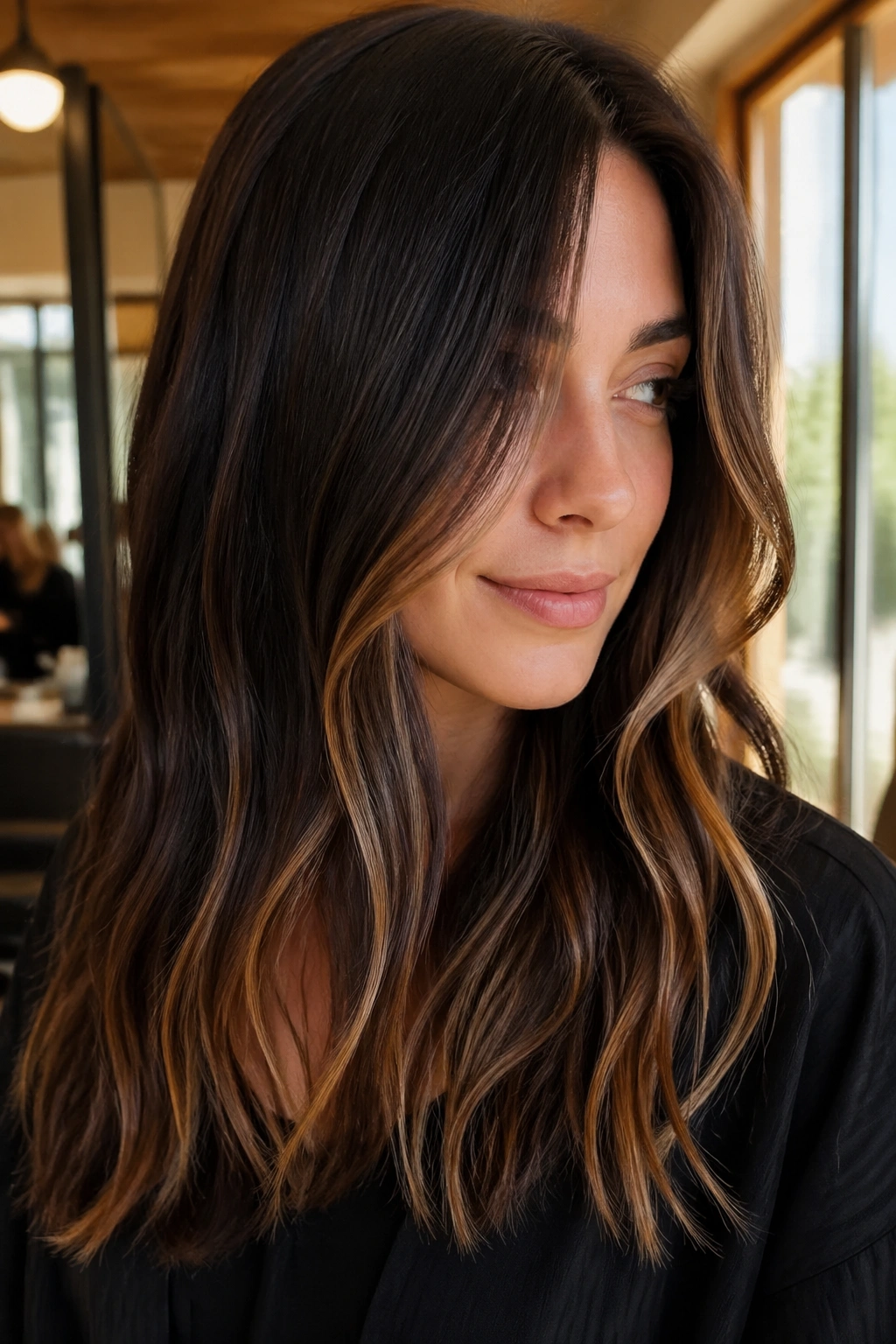
This is the quiet one that ends up getting compliments. Dark chocolate at the root keeps the style polished, then thin honey ribbons through the lower half add brightness without turning the whole head warm. It’s less about a hard fade and more about a slow lift.
Unlike chunky highlights, this ombre doesn’t announce itself from across the room. You notice it when the hair moves. That’s the charm. If you work in a conservative office or you just like color that doesn’t feel loud, this is a very safe bet.
I’d ask for the honey to stay fine and scattered near the ends, not packed in too heavily. Too much lightness down there can flatten the chocolate root and make the whole thing lose balance.
8. Soft Black to Smoky Rose Brown for Ombre Fall Hair Color Ideas
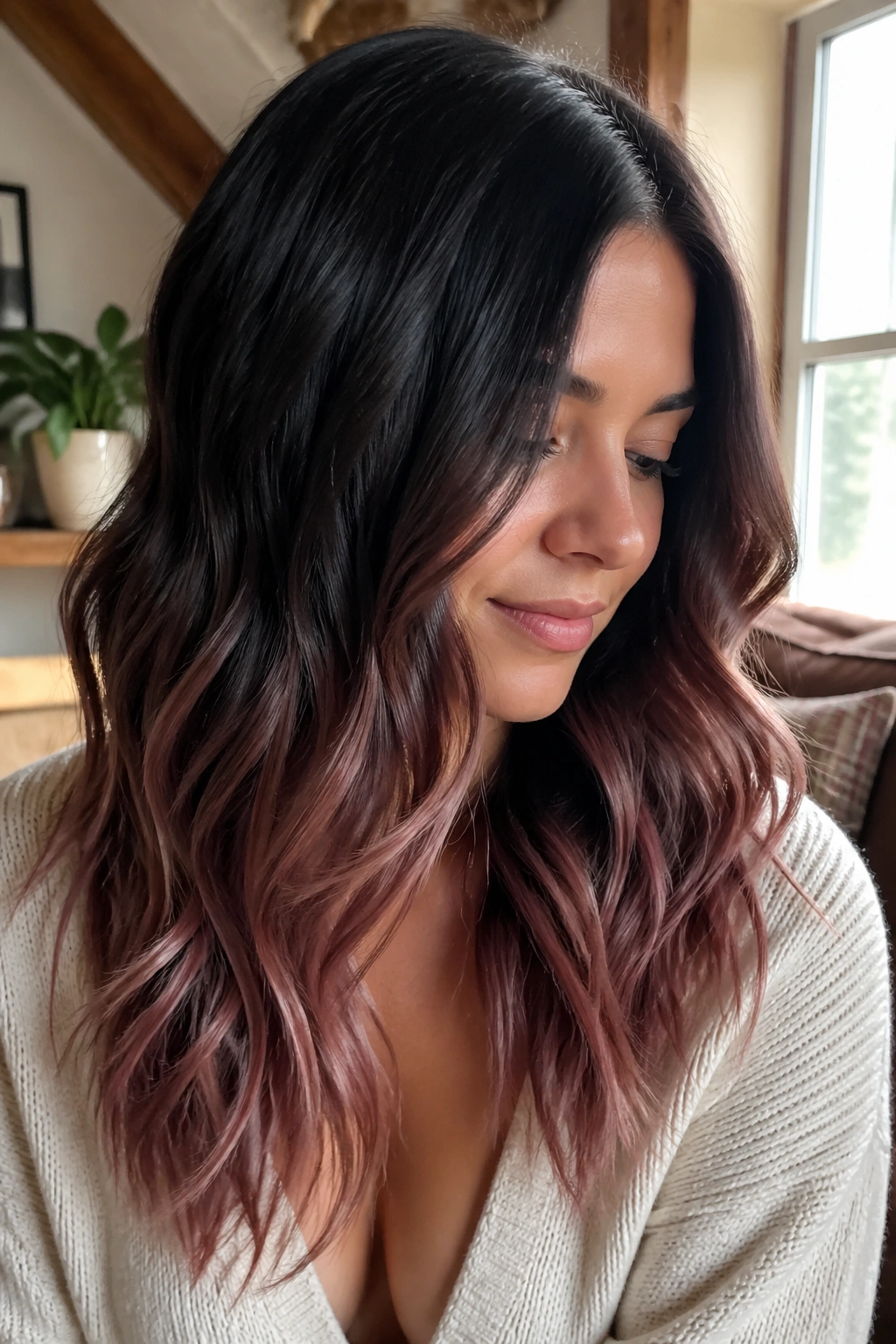
Soft black can feel harsh on its own, so the smoky rose brown ends are the magic here. The pink-red undertone is muted enough to stay grown-up, and the brown base keeps it from drifting into candy color territory. That makes this one of the more interesting ombre fall hair color ideas if you like color but still want depth.
Why It Feels Softer
Rose brown has a dusty quality that flatters black hair better than a bright red would. It doesn’t fight the base; it warms it. That matters on darker complexions and on hair that tends to show every brassy mistake.
The trick is keeping the rose smoky, not peachy. Peach pushes warmer. Smoky rose sits in a cooler pocket and looks cleaner against black.
A gloss helps a lot here. So does wavy styling, because the pink-brown tones show up in the bends instead of looking like one flat block.
9. Mocha to Pumpkin Spice Ombre
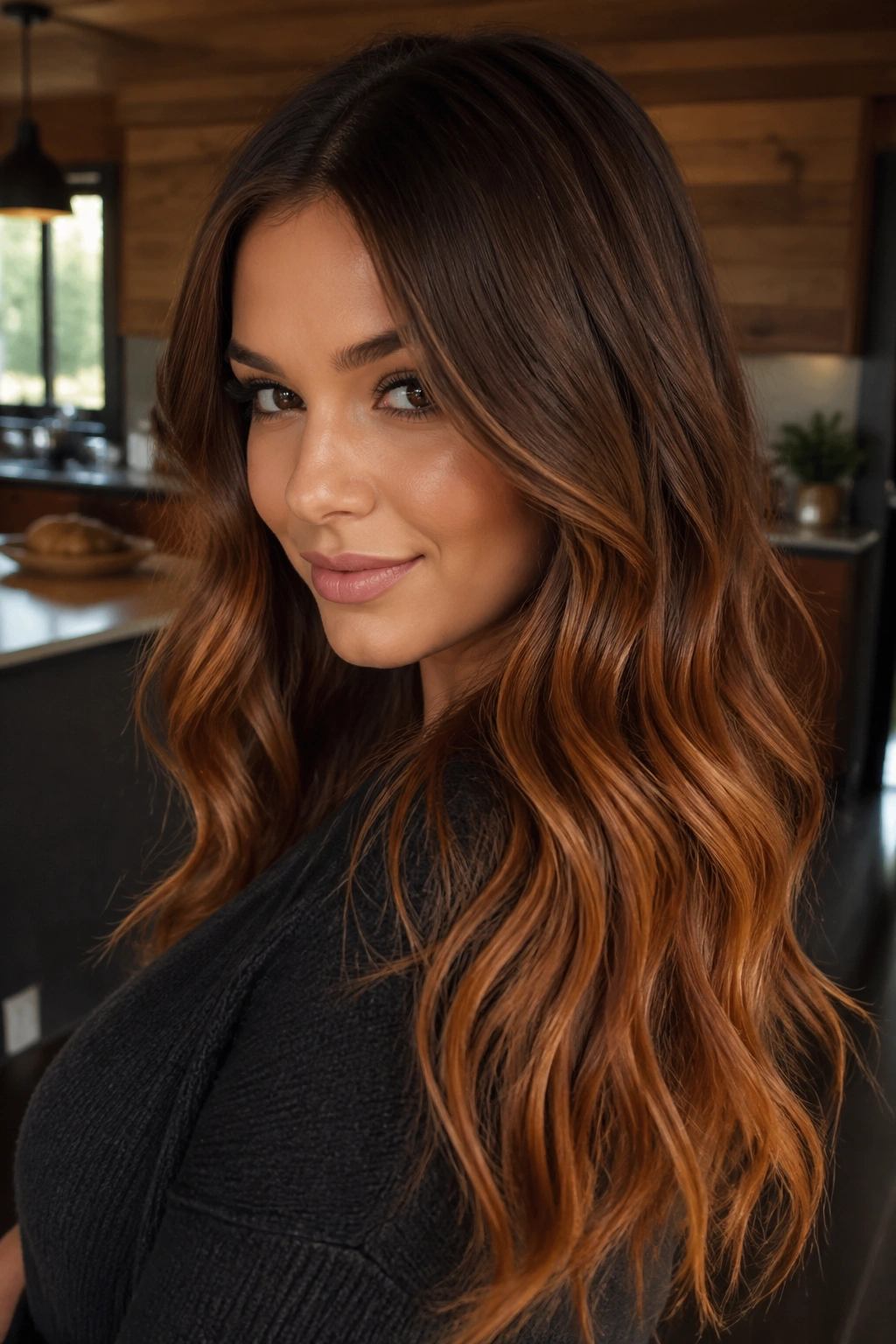
This one sounds playful, but in practice it can look very polished. The mocha root gives you that coffee-dark base, then the pumpkin spice ends bring in copper, cinnamon, and a little gold. It’s a good way to wear seasonal warmth without going full red.
The better version of this shade is never orange-heavy. Too much orange and it starts to feel costume-y. The nicer version has brown underneath the copper, so the whole thing reads as warm rather than bright.
If your skin has golden or olive undertones, this shade tends to sit beautifully near the face. It also looks good with layered cuts because the warmer ends break up the shape. Straight, one-length hair can wear it, but it needs a glossy finish or the ends can look flat.
10. Plum Brown to Mulled Wine Ends
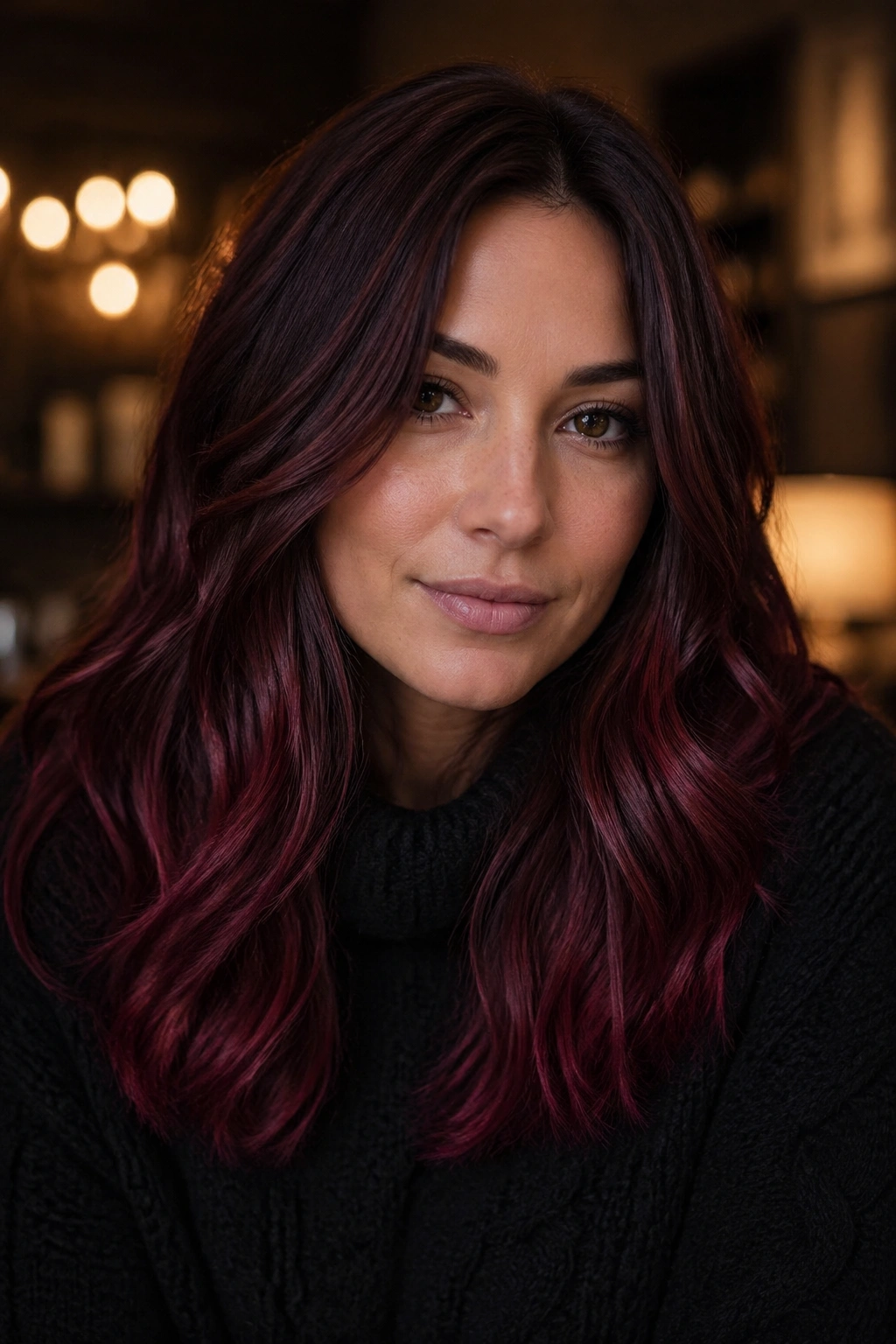
Plum brown is one of those shades that looks subtle until it moves. Then the violet-red depth shows up, and it gets interesting. Adding mulled wine at the ends gives the color more body, like the hair has been steeped in something darker and richer.
I’d call this one a good pick for people who already wear berry lipstick, deep brown mascara, or clothes in navy, charcoal, and black. It fits that wardrobe without fighting it. It also photographs well in low light, where the plum tones tend to look plush instead of purple.
Quick Notes
- Works best on medium to dark brunettes
- Needs color-safe shampoo, always
- A red-toning gloss every few weeks helps the wine tone stay alive
- Curls make the plum depth show more clearly
11. Brunette to Maple Syrup Blonde
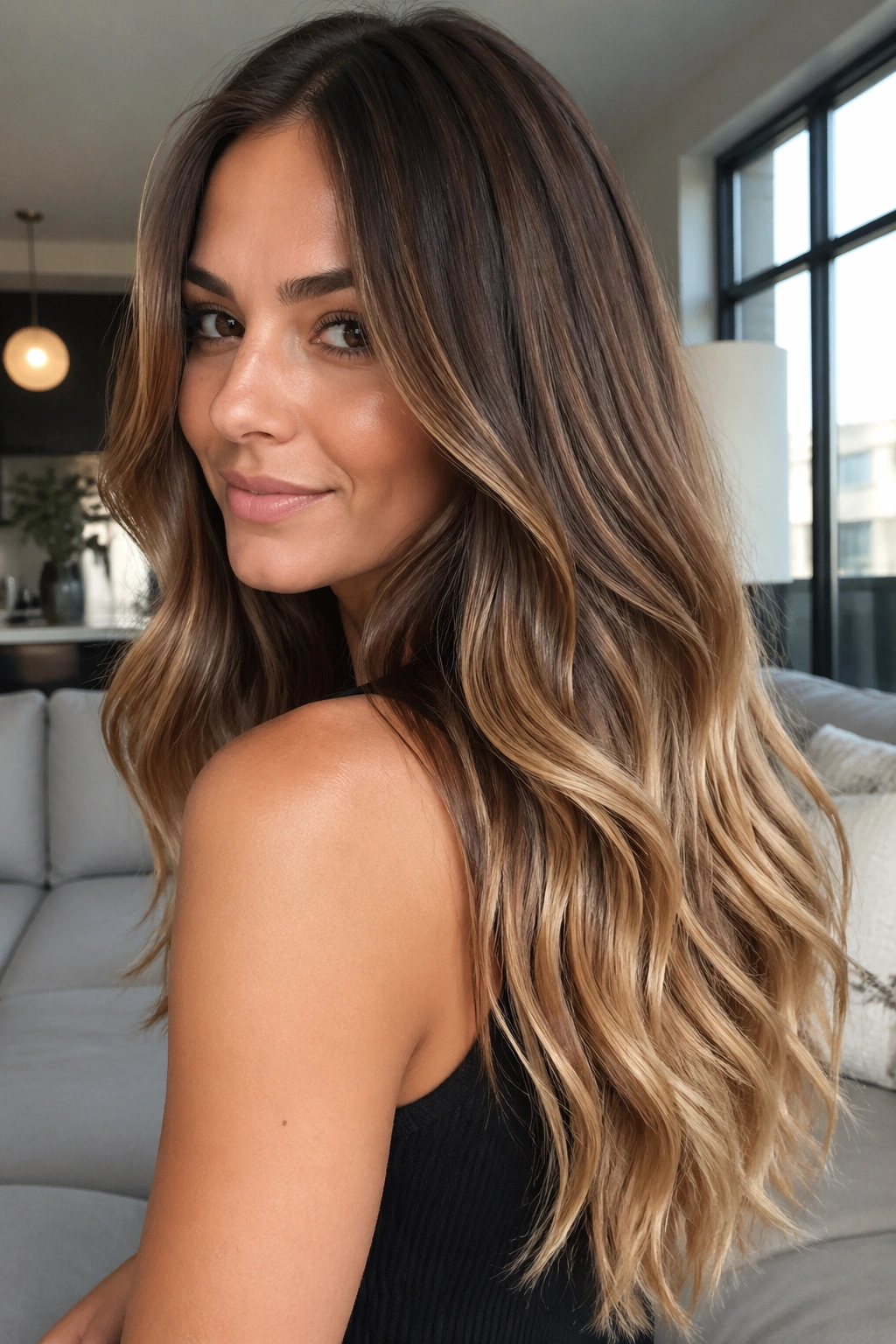
Maple syrup blonde is brighter than caramel, but still softer than a pale blonde. That middle ground is what makes it useful for fall. The brunette root keeps the color grounded, then the maple ends add a golden finish that looks warm without feeling harsh.
This shade loves long layers. The ends need space to show the lighter tone. If the cut is too heavy or too blunt, the blonde can pool at the bottom and lose the syrupy effect. A little layering through the lower half solves that fast.
Maintenance Notes
You’ll want to watch for brass, especially if your starting brunette is naturally warm. A beige or pearl gloss can keep the blonde from tipping yellow. And if your hair is fine, don’t over-lighten the ends; a softer lift often looks better than a bright one.
12. Ash Brown to Mushroom Blonde Ombre
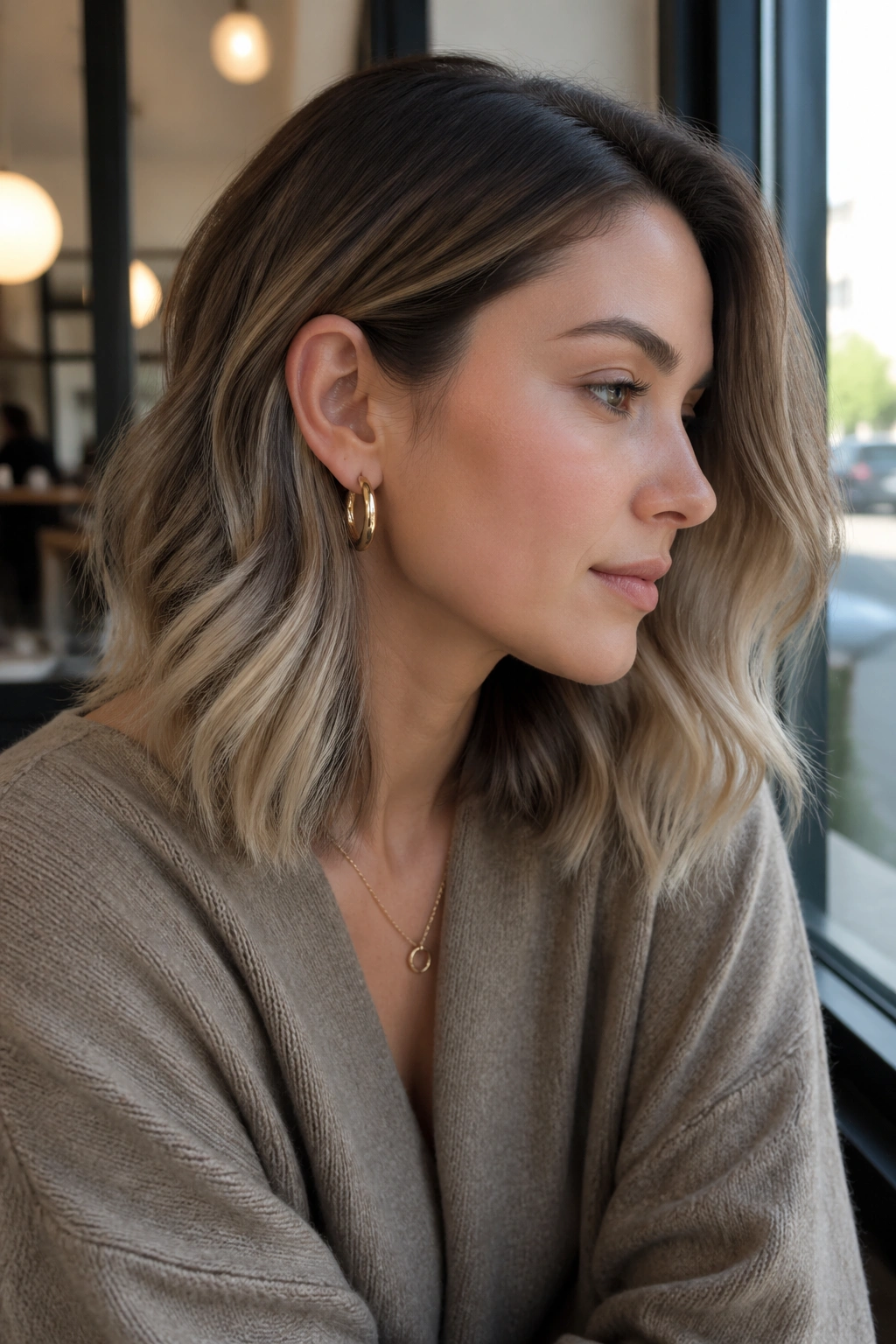
If warm tones are not your thing, this is the cool-toned answer. Ash brown at the top keeps the base smoky, then mushroom blonde at the ends lightens the look without sliding into gold. It’s clean, muted, and more modern than most people expect from fall hair color.
The best part is how well it pairs with short to medium cuts. A lob, a shag, or even a soft bob can wear this shade and still keep the gradient visible. On very long hair, the effect becomes more gradual, which can be nice too.
No, it won’t give you copper drama. That’s the point. It gives you a flatter, cooler finish that reads polished without trying hard.
13. Chocolate Cherry to Merlot Ombre
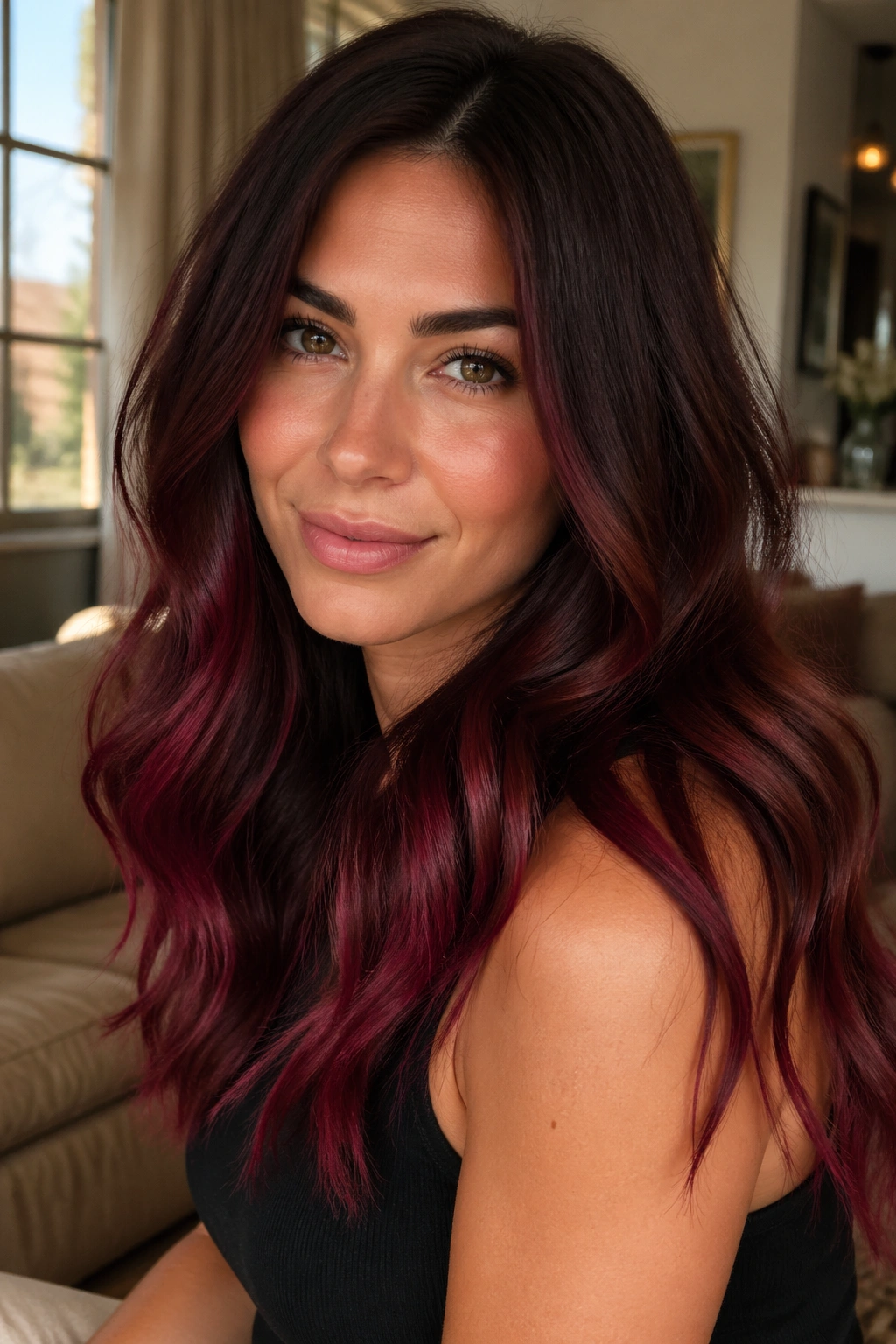
Chocolate cherry is deeper than it sounds. You get brown first, then a cherry-red cast that shows up in the light. Merlot at the ends pushes the red deeper and darker, which keeps the whole look rich instead of bright.
This shade works best when the colorist keeps the red layers glossy. Matte red tones can look flat fast. Glossy red-brown, on the other hand, looks full and expensive. That’s the angle here.
I’d wear this with loose curls or brushed-out waves. The red-violet tones separate better that way, and you get more of that dark fruit finish. It also plays well with deep lipstick shades, if that’s your thing.
14. Rich Walnut to Bronde Fade
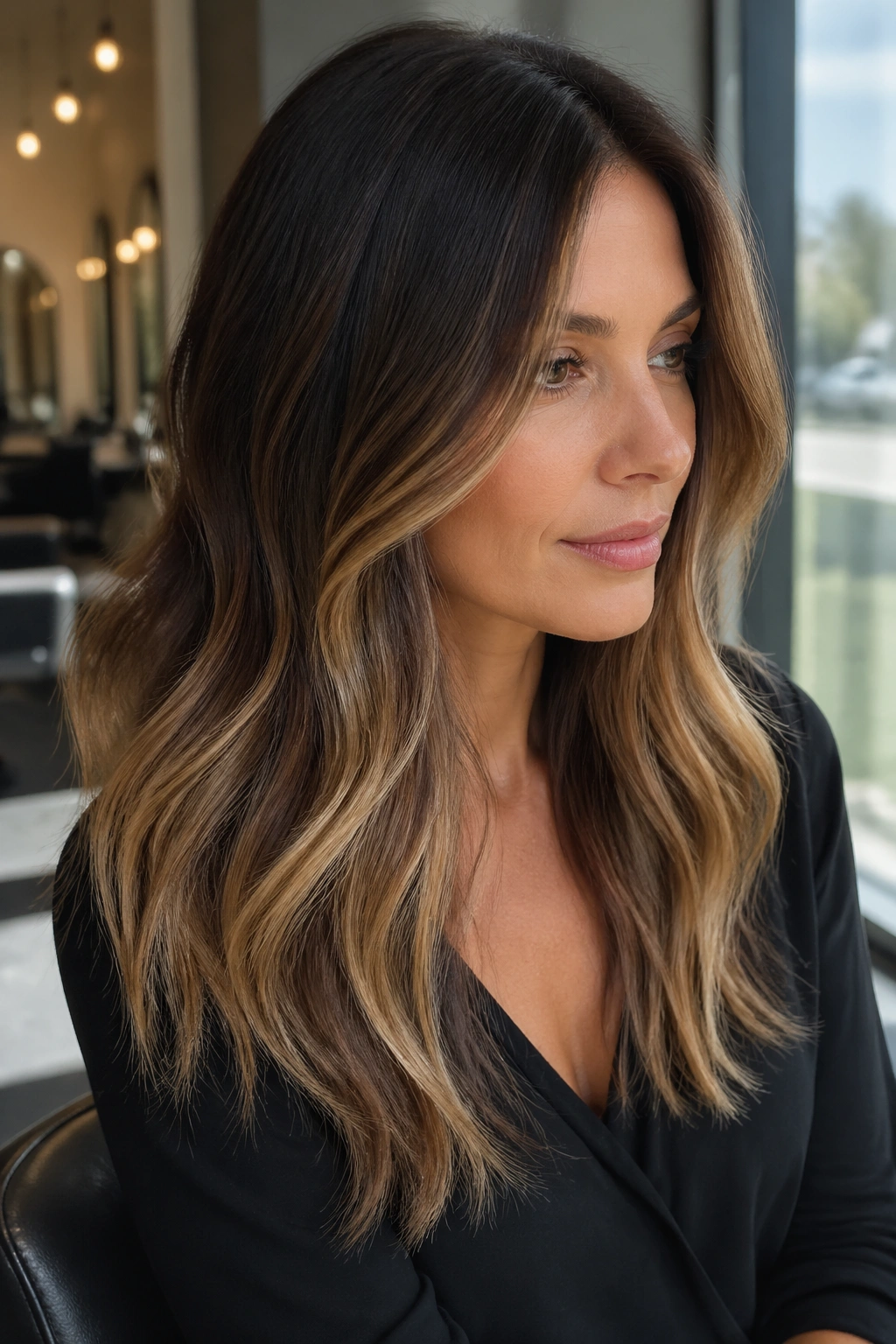
Walnut is a useful brown because it has enough warmth to feel soft, but not so much that it turns orange. Fade it into bronde — that brown-blonde mix colorists love for good reason — and you get something easy to live with.
This is a smart option if you want dimension more than contrast. Bronde doesn’t scream. It just makes the hair look more expensive, more layered, more intentional. That sounds vague, but the effect is real when the tones are placed well.
A few fine ribbons around the face can help, though I’d keep most of the brightness low. Too much bronde near the top starts to eat the walnut root, and then the ombre gets lost.
15. Bronze Brown to Amber Ends
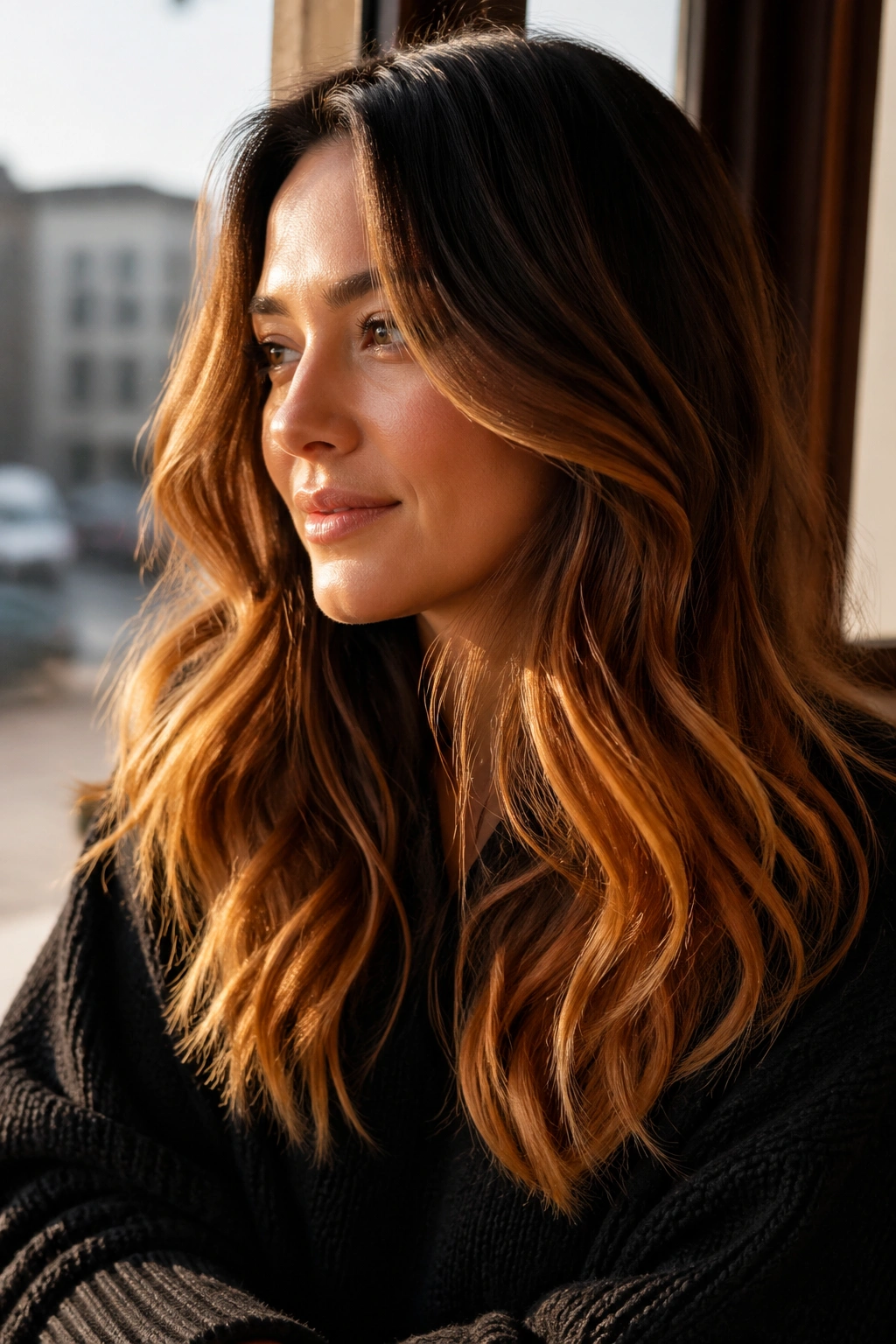
Bronze brown has a metallic warmth that looks especially good on wavy hair. Add amber at the ends and you get a glowing fade that feels autumnal without being too red. It’s one of the better choices if your hair already has natural warmth in it.
This shade shines when the ends are layered and lightly curled. Amber wants movement. On very straight hair, it still works, but the effect is more subtle. That may be a plus if you like restraint.
What Makes It Pop
The bronze base gives depth, while amber adds light. You get contrast, but not the harsh kind.
A gloss with a warm gold tone can help keep the finish shiny.
If your hair is porous, ask for a gentler lift on the ends so they don’t grab too much pigment and go muddy.
16. Smoked Caramel with Shadow Roots, an Ombre Fall Hair Color Idea
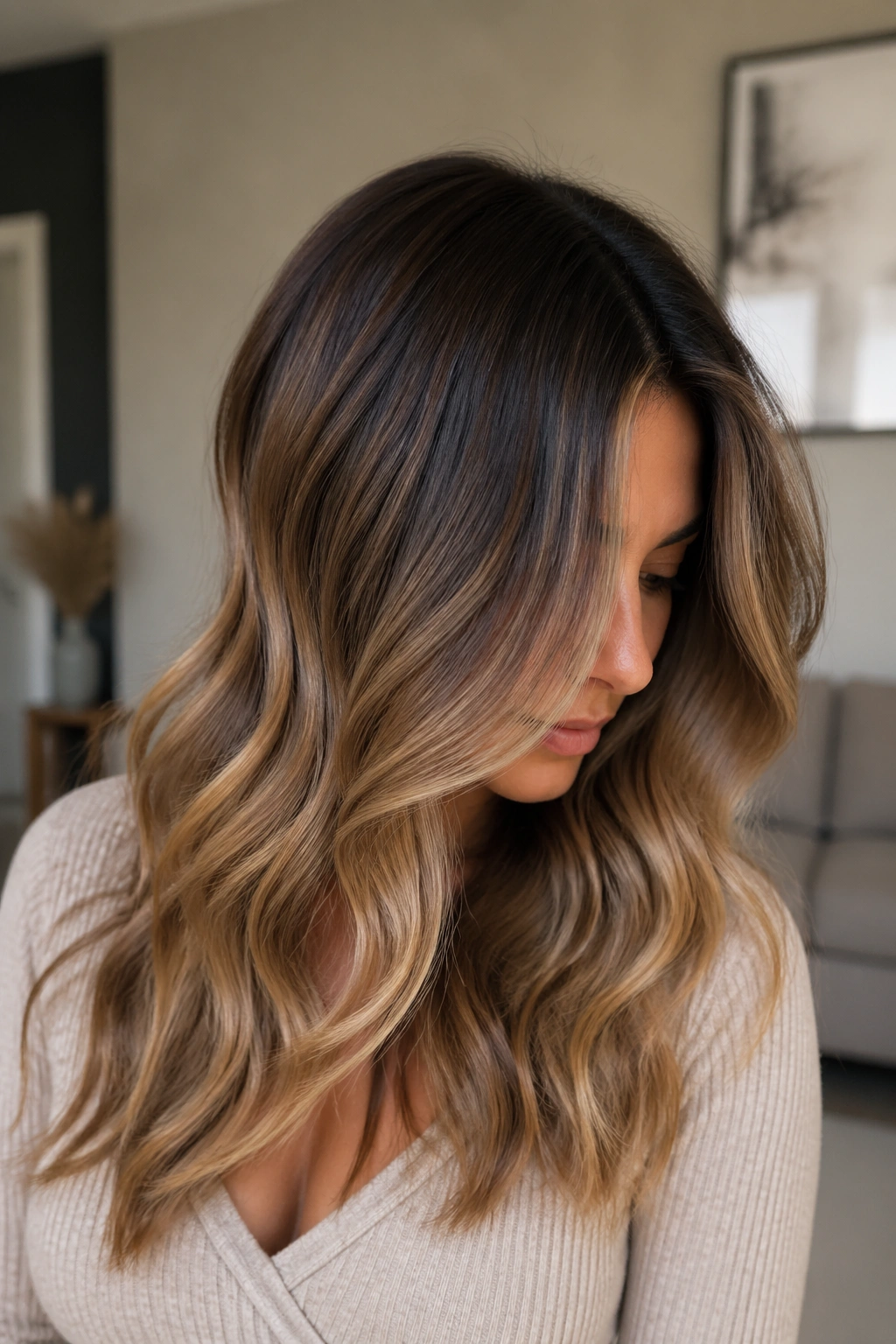
This is a strong one for anyone who wants dimension without obvious maintenance. The shadow root keeps the top dark and lived-in, then the smoked caramel through the lengths softens the whole look. It reads like a grown-out blonde in the best possible way.
The reason this ombre fall hair color idea works so well is simple: the root gives you depth, and the caramel gives you light, but both tones stay muted. Nothing is too yellow. Nothing feels frozen in one place. The result looks expensive because the color story is calm.
If you wear your hair in waves, the caramel pieces show up in a nice, broken pattern. If your hair is straight, the shadow root matters even more, because it keeps the lighter ends from looking disconnected. A root melt and a matte-beige gloss can make the whole thing sit together.
17. Toffee Brown to Champagne Beige
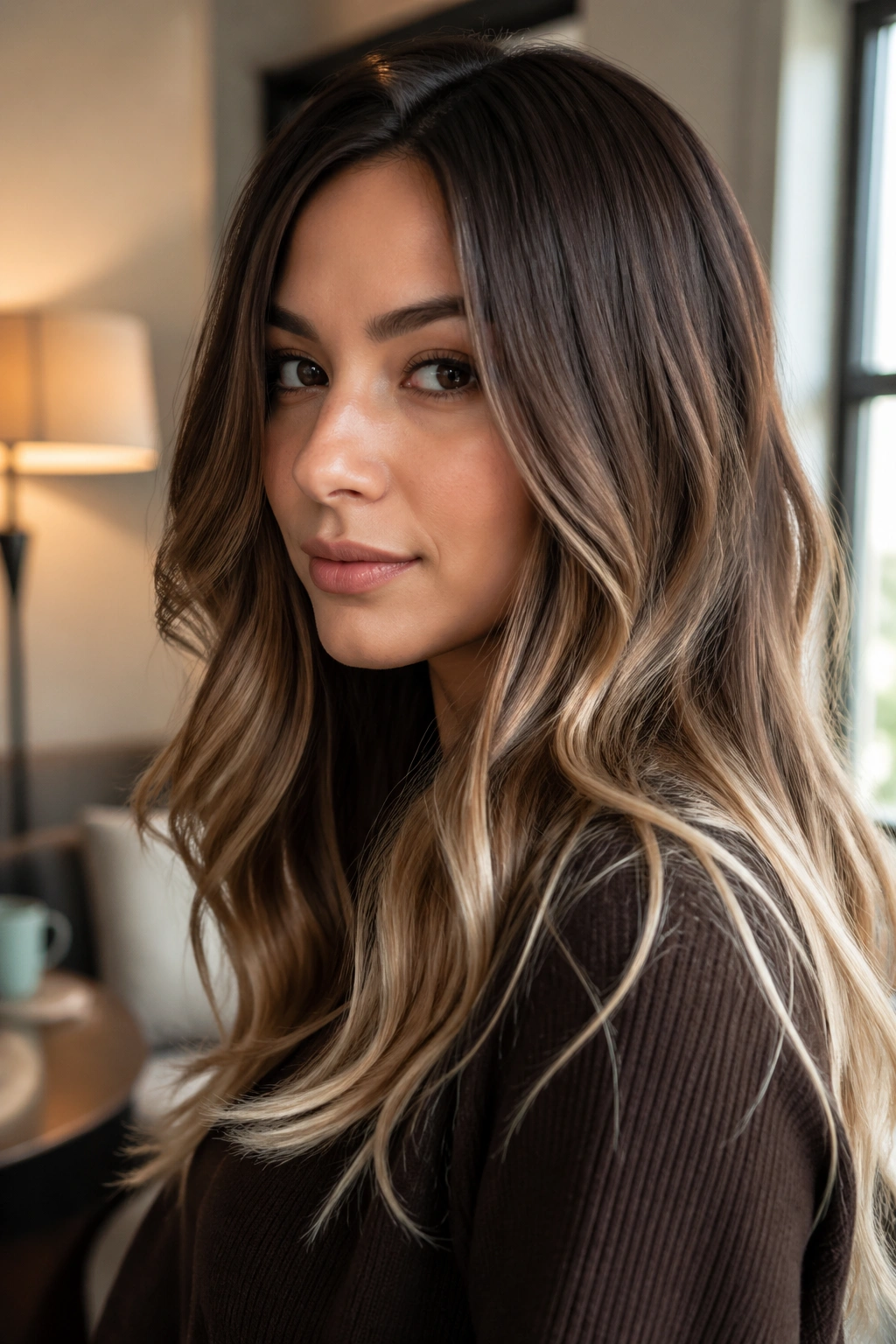
Toffee brown brings the warmth, champagne beige brings the lift. Put them together and you get a soft, creamy ombre that feels lighter than most fall shades but still seasonally right. It’s especially nice if you like soft sweaters, gold jewelry, and hair that looks smooth under indoor light.
The champagne ends need to be toned carefully. Too much yellow and the whole style loses its polish. Too much ash and it goes flat. The sweet spot is a pale beige with a tiny bit of warmth left in it.
This is one of the better options for someone moving up from medium brunette into lighter territory without wanting a harsh blonde line. The fade should feel gradual, almost creamy at the blend point. That part matters more than people think.
18. Espresso to Cool Cocoa Ombre
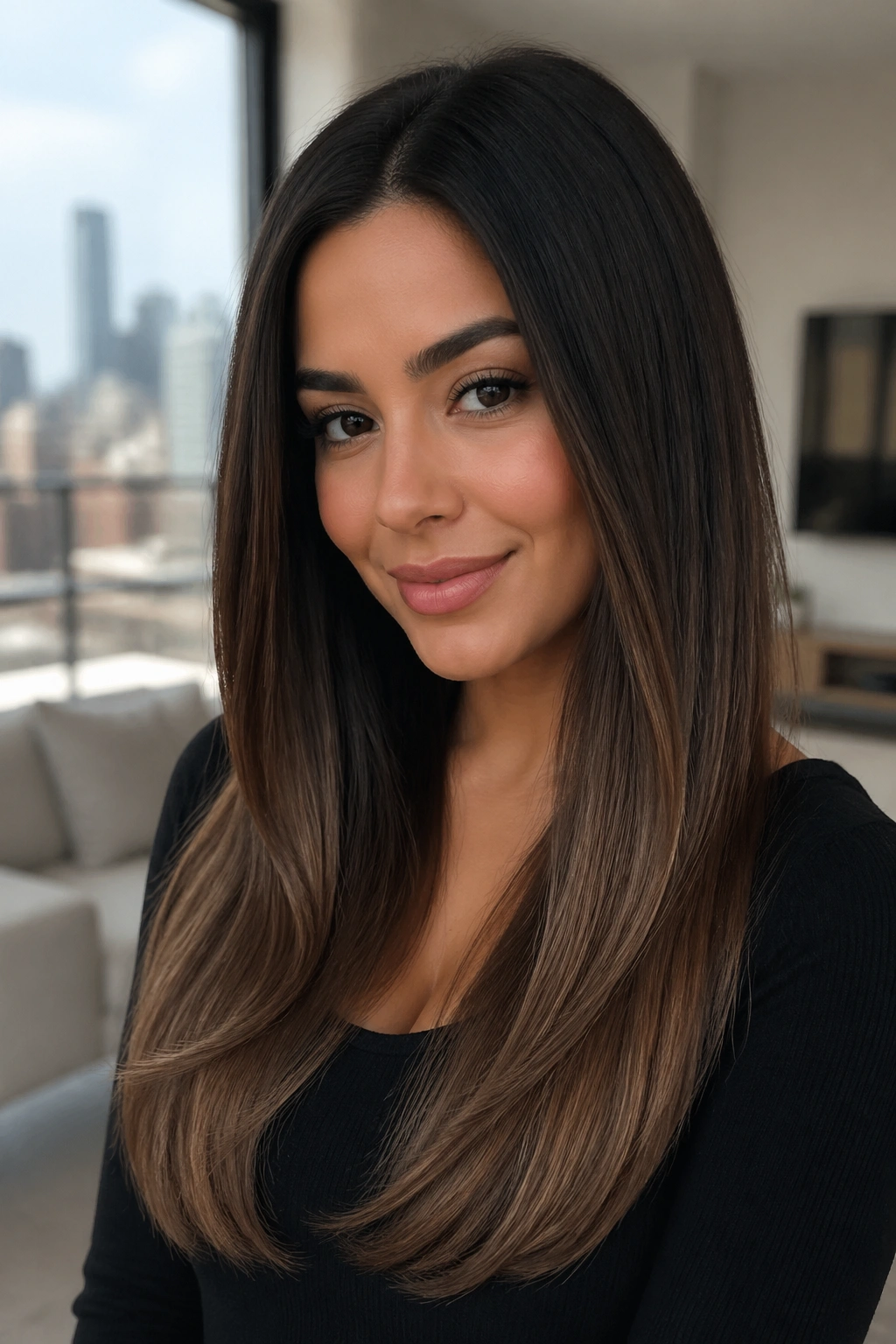
Not every ombre has to show a giant color leap. Espresso to cool cocoa is proof. The root stays nearly black-brown, then the mids and ends soften into a cooler cocoa that gives the hair shape without screaming for attention.
I like this on sleek blowouts and shoulder-length layers. The difference in tone is subtle enough that the haircut does some of the work. On curls, the cocoa spots appear where the light hits the bend, which gives the color a bit of depth without making it loud.
This is the shade for someone who wants texture, not drama. It’s also kind to regrowth, which is underrated. You can go a while between appointments and still look intentional.
19. Mahogany to Burnt Orange Fade
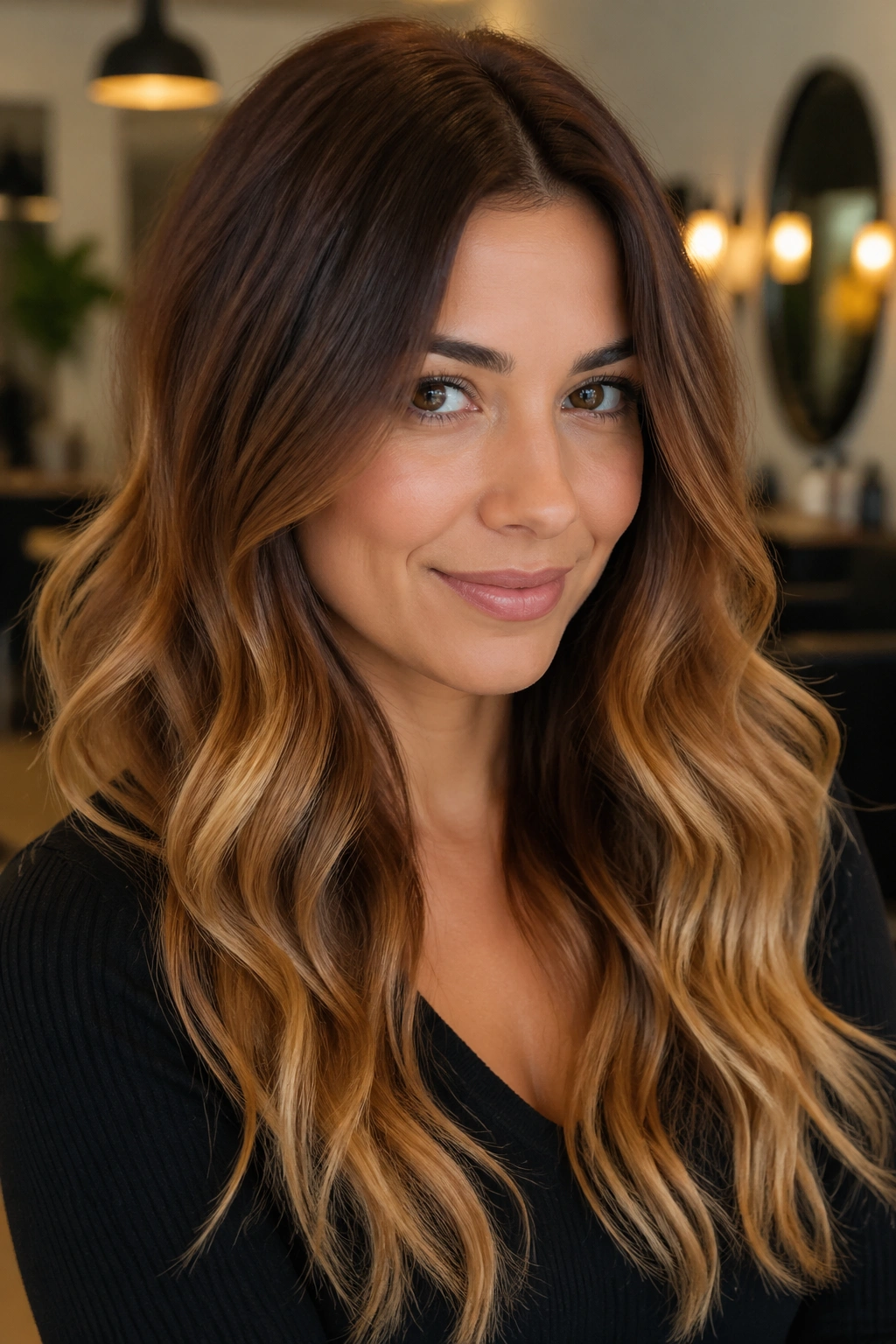
This one has edge. Mahogany is already rich, and once you push the ends toward burnt orange, the whole look turns hotter and more textured. It’s not soft in the usual sense, but it still belongs in fall because it leans into leaves, wood, spice, and all that warm visual noise.
The important part is keeping the orange grounded in brown. Pure orange is a different animal. Burnt orange has a brown base, and that keeps it wearable. If the ends are too bright, the look stops being chic and starts feeling busy.
A textured cut helps a lot here. Shags, long layers, and soft curtain bangs all work. Straight, heavy hair can wear it too, but the fade has to be clean or the orange ends can look disconnected from the mahogany root.
20. Soft Mocha to Peachy Copper
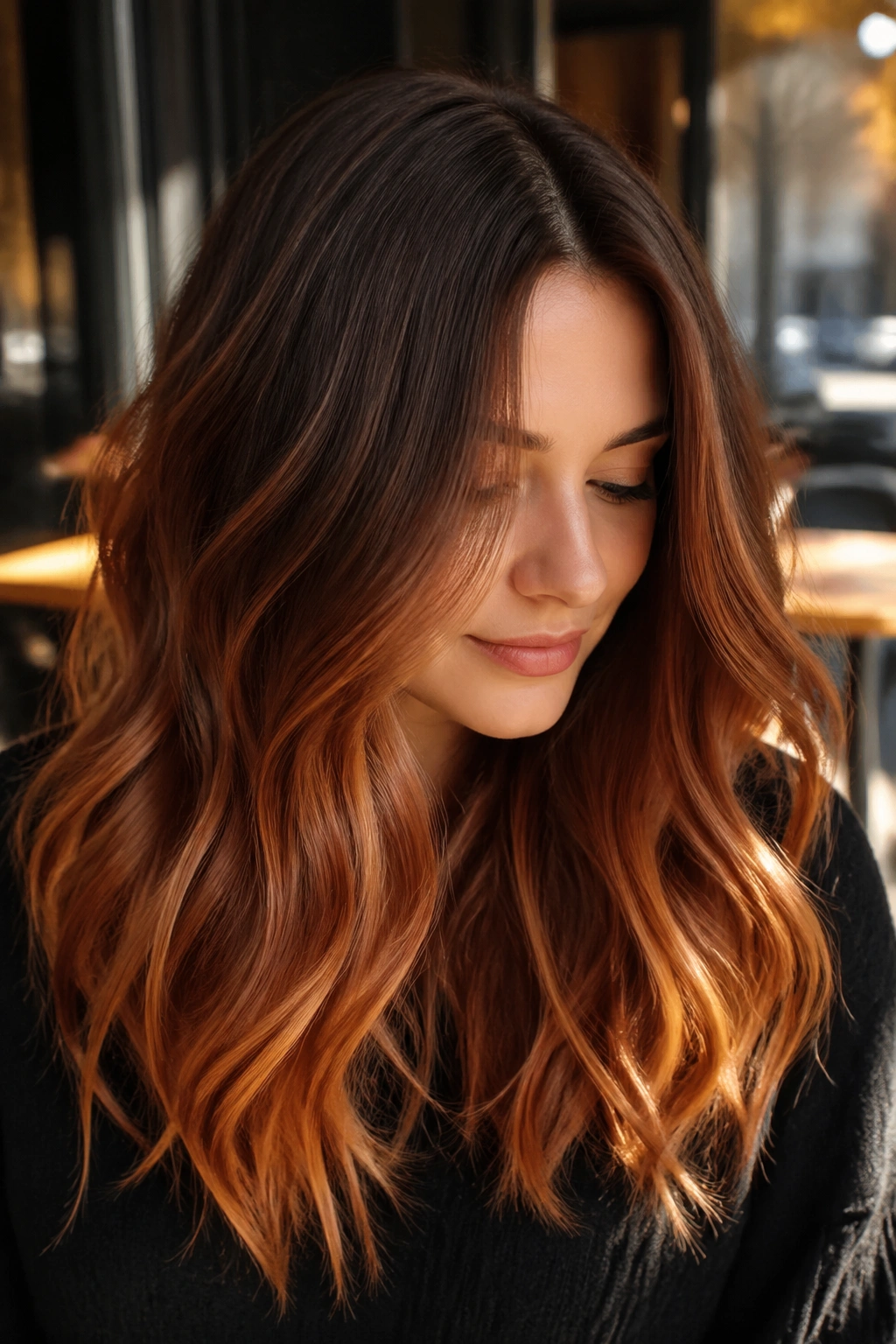
This shade is more playful than it sounds. Soft mocha keeps the roots neutral and easy to wear, while peachy copper gives the lower half a warm glow that’s brighter than caramel but gentler than true copper. It has a soft shine that looks especially nice in natural light.
The trick is keeping the peach tone dusty. If it gets too pastel, the whole look can feel off for fall. Too bright, and it turns spring-like. The nicest version sits in a warm, muted pocket that works with cream sweaters, denim, and gold hoops.
This is a smart move for lighter brunettes who want to try warmth without a big red commitment. It also looks nice on wavy hair because the peach pieces separate enough to show the tone shift.
21. Dark Auburn to Honey Bronze
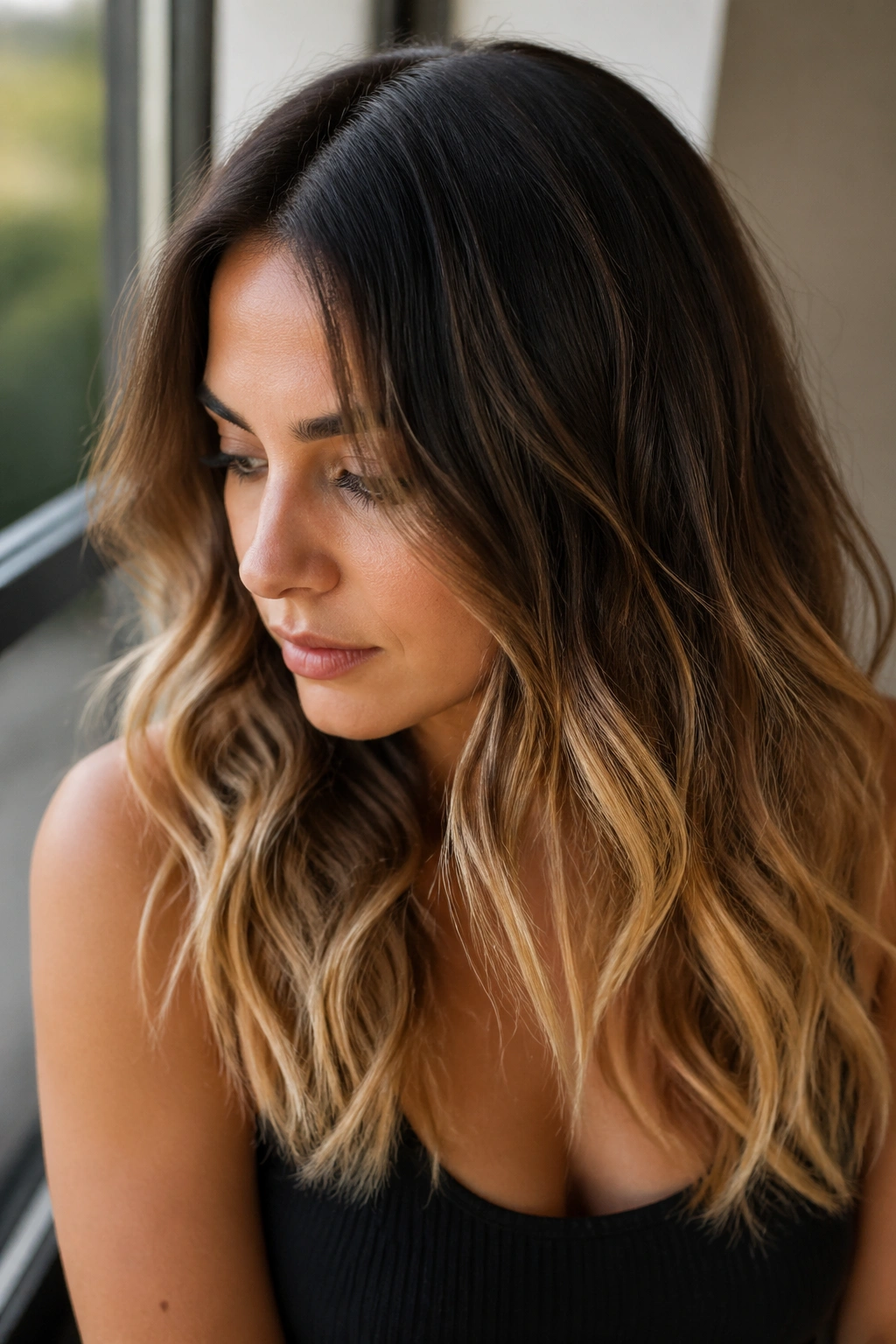
Dark auburn gives you that deep red-brown base people always ask for once cooler weather arrives. Honey bronze on the ends brightens it up, but not in a flashy way. The result feels warm, dense, and a little sun-touched at the bottom.
This color likes gloss. A lot. Auburn can go dull if you leave it alone for too long, and honey bronze looks best when the finish is shiny and reflective. Ask for a color refresh that keeps the red-brown base rich and the ends bright but soft.
How to Keep the Red Side Fresh
- Wash with lukewarm water, not hot water
- Use a color-safe shampoo with low foam
- Add a red or copper depositing conditioner when the auburn starts fading
- Keep heat styling moderate, because high heat makes red fade fast
22. Cocoa to Sandy Mushroom Ombre
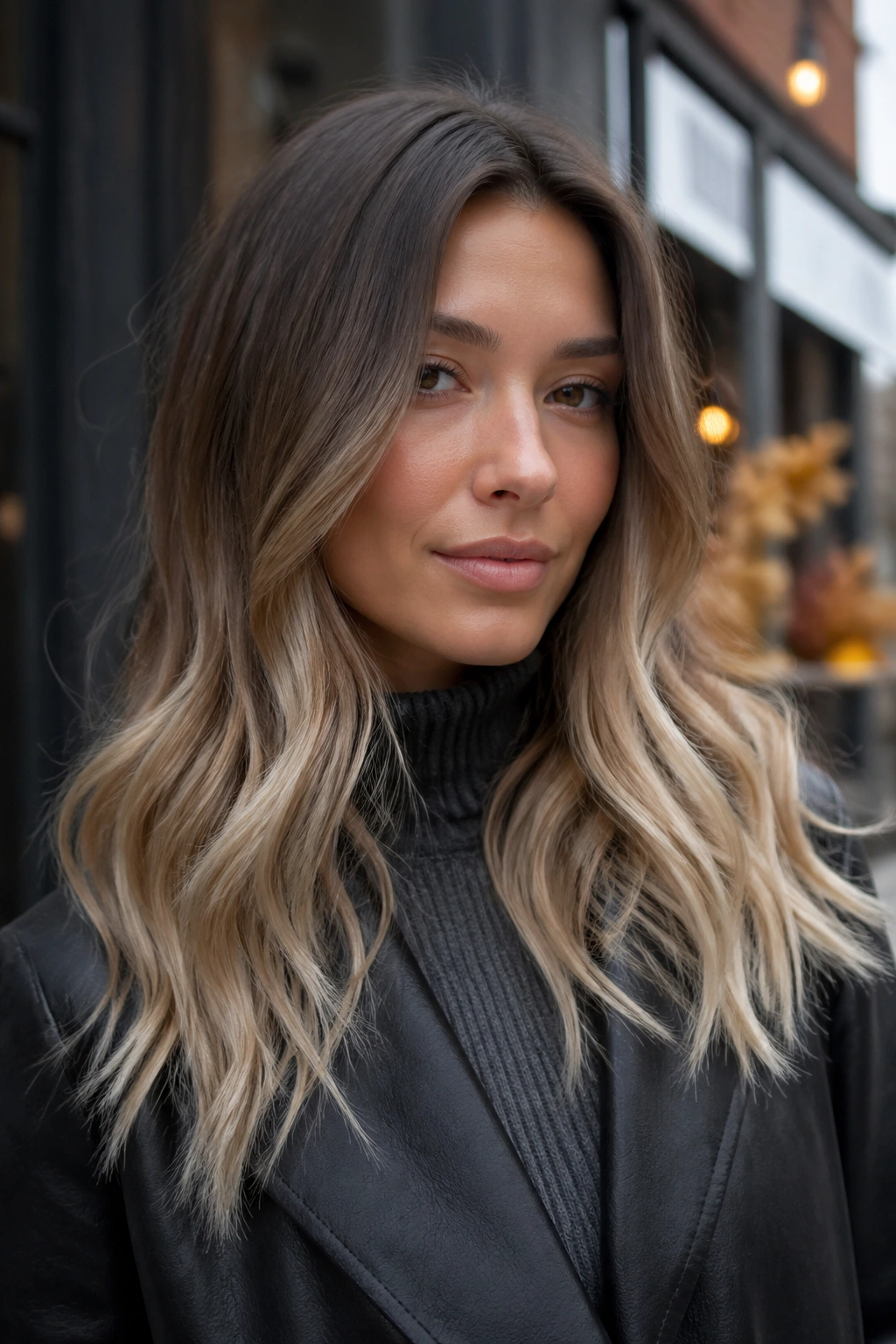
Cocoa roots into sandy mushroom ends is one of the easiest ombre ideas to wear if you want low contrast and a gentle finish. Cocoa keeps the base deep and glossy, while sandy mushroom lightens the ends with a muted beige-gray tone. It’s a quiet color story, and I mean that in a good way.
This shade works especially well on thicker hair because the subtle contrast helps the cut feel lighter. On fine hair, it can still work, but the color placement should stay soft and narrow so the strands don’t look washed out. A few face-framing pieces can help, though I’d keep them delicate.
If you dislike warmth but don’t want an icy blonde result, this is one of the safest choices. It sits in that earthy lane that feels calm rather than trendy.
23. Sable to Tawny Gold
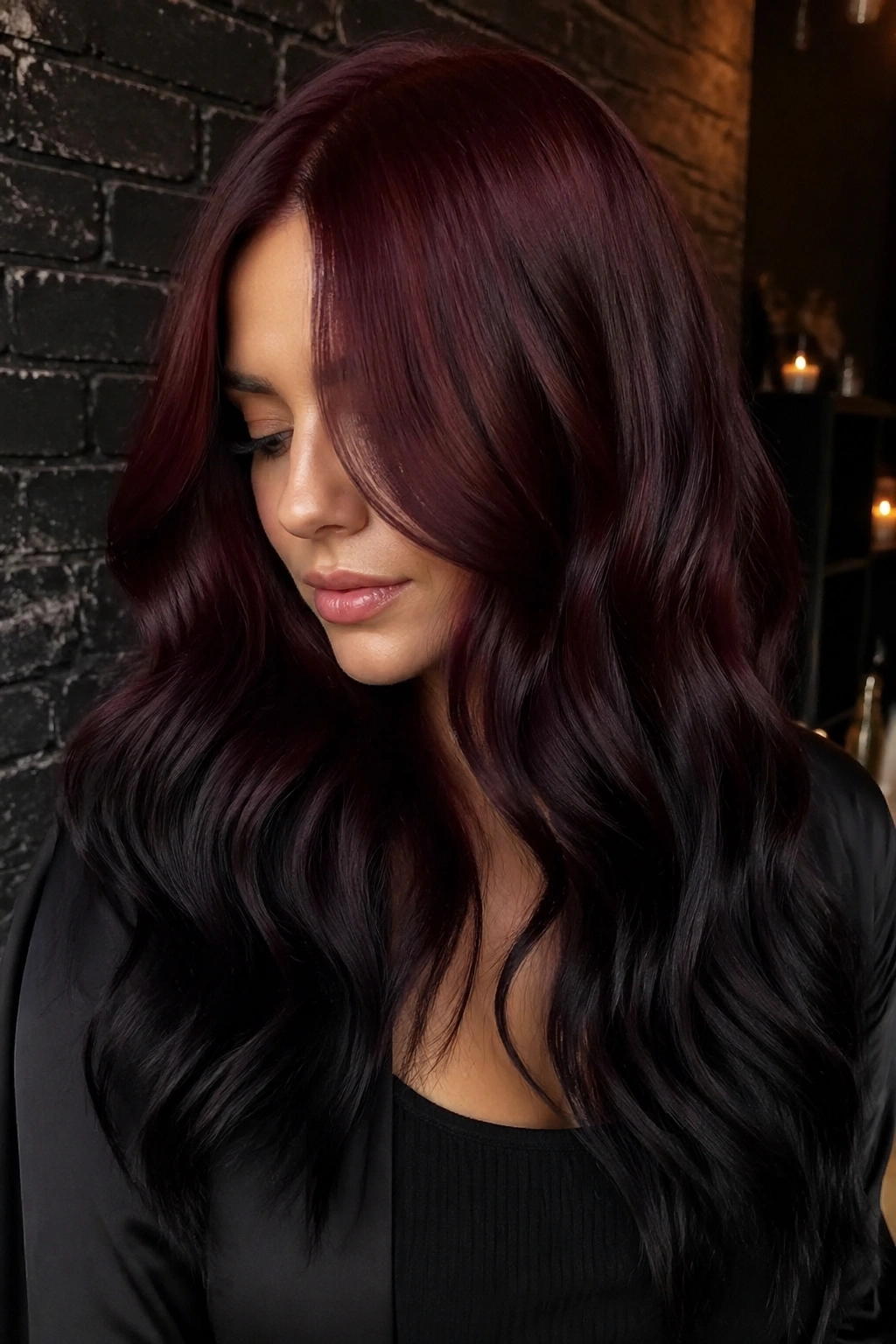
Sable is a deep, smooth brown with a sleek finish. Tawny gold adds a warm lift at the ends without turning the whole style caramel-heavy. The contrast is soft enough to stay elegant, but noticeable enough to read as ombre from across the room.
This one is good for people who want their hair to look polished with almost no effort in the morning. A quick bend with a flat iron or a round brush blowout shows the color change right away. Straight and shiny is the sweet spot here.
My take: this shade works best when the gold stays restrained. If you go too bright, the sable root gets lost. Keep the gold warm, not pale, and the whole thing looks more expensive.
24. Espresso to Burnt Sugar Caramel for Ombre Fall Hair Color Ideas
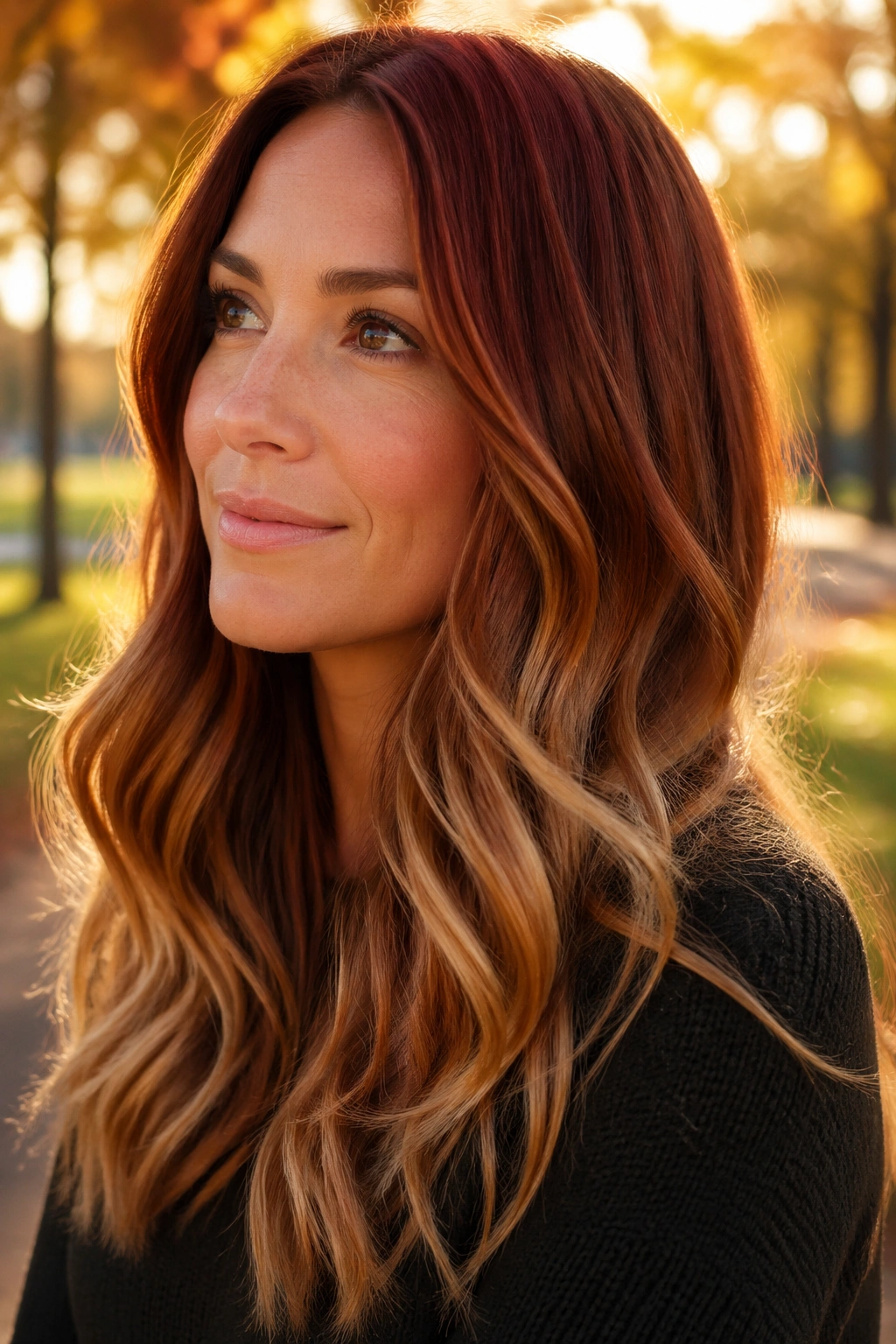
This is the richest version of the bunch. Espresso at the top gives you depth, then burnt sugar caramel on the ends adds a darker, almost toasted sweetness that feels warmer than beige and less bright than honey. If you want one of the most wearable ombre fall hair color ideas for dark hair, this is the one I’d put near the top.
The contrast is strong enough to show shape, but not so strong that the color looks loud. That balance matters. The caramel should look cooked, not pale. The roots should stay deep, not muddy. When those two pieces are placed well, the hair gets a kind of soft shine that plays nicely with waves, curls, or a simple bend at the ends.
If you’re asking a colorist for this look, say you want a dark espresso base with a gradual caramel lift through the last half of the length, plus a gloss that keeps the ends warm and shiny. That’s the cleanest route. It’s the kind of shade that still looks good when the roots grow out a little, which is half the appeal anyway.