
A good haircut after 40 should do one thing fast: make your face look fresher the second you step out of the salon. Not younger in some cartoon way. Fresher. The difference matters.
A heavy shape can pull the eye downward. A better cut moves that same eye up to the cheekbones, the eyes, the jawline, or the neck—wherever you want the attention to land. That’s why the smartest youthful haircuts for women over 40 are rarely the most complicated ones. They rely on clean shape, a little lift, and movement in the right places.
Hair changes, too. Some people notice finer strands at the front, a flatter crown, or grayer pieces that feel coarser than the hair they had before. None of that means you need a drastic chop. It does mean your haircut has to work with the hair you actually have, not the hair you had ten years ago.
The cuts below do that well. Some are short and sharp. Some keep length but remove the drag. A few are soft and airy, which is often the right answer when you want polish without looking overdone. The first one is the collarbone lob, and it earns its place for a reason.
1. Collarbone Lob: One of the Most Youthful Haircuts for Women Over 40
The collarbone lob is one of those cuts that looks expensive even when it is barely styled. It sits right at that sweet spot where the ends brush the collarbone, so the shape feels intentional without turning stiff or severe.
Why It Flatters
The length matters. A cut that lands around the collarbone gives you movement at the ends, but it still keeps enough weight to avoid that wispy, thinned-out look some shorter styles create.
A little bend through the mid-lengths makes it feel younger fast. I like it especially for fine hair that needs a bit of structure, or thick hair that gets too triangle-shaped when it’s left long and blunt.
- Works well with a center part or a soft off-center part.
- Looks good air-dried with a touch of cream, or brushed smooth for something cleaner.
- Keeps enough length for ponytails, clips, and low buns.
- Sits nicely on straight, wavy, and loose curly textures.
My take: ask for soft, blunt ends rather than razor-thin tips. That small detail keeps the cut looking fuller.
2. Chin-Length French Bob
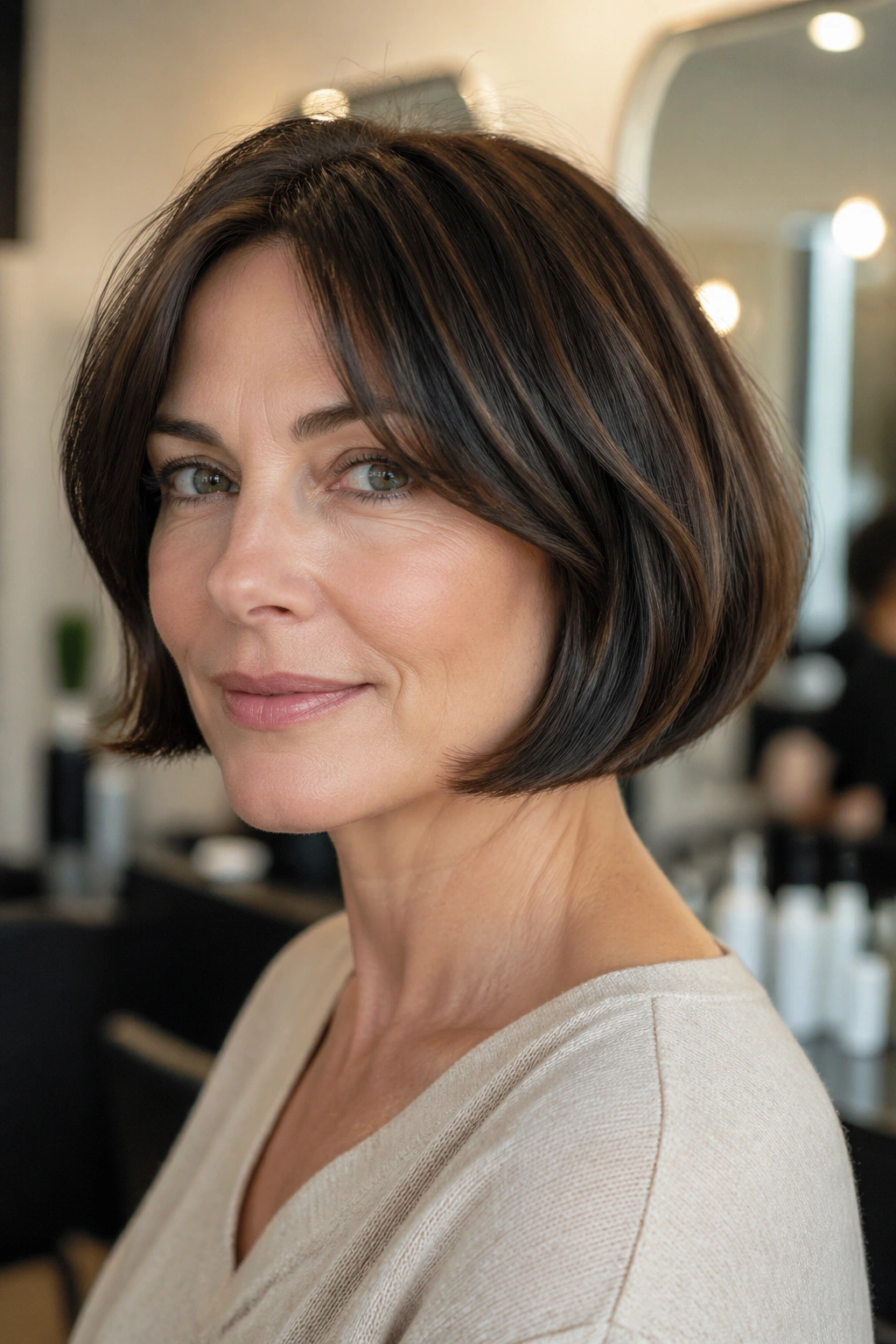
A chin-length French bob has attitude, but not the loud kind. It sits close to the jaw, usually with a little bend at the ends, and that clean line makes the whole face look more awake.
The trick is balance. Too tight and it can feel stern. Too fluffy and it loses the neat, chic edge that makes this cut work. A soft center part or a barely off-center part usually keeps it from looking too graphic.
It’s one of the best choices if your hair is straight or only lightly wavy, because the shape stays visible without much effort. On thicker hair, a stylist can take out a little bulk under the surface so the line doesn’t puff out like a triangle.
This is the haircut I’d hand to someone who wants short hair but hates anything fussy. A round brush, a dab of styling cream, and five minutes are often enough.
3. Long Layers with Face-Framing Pieces
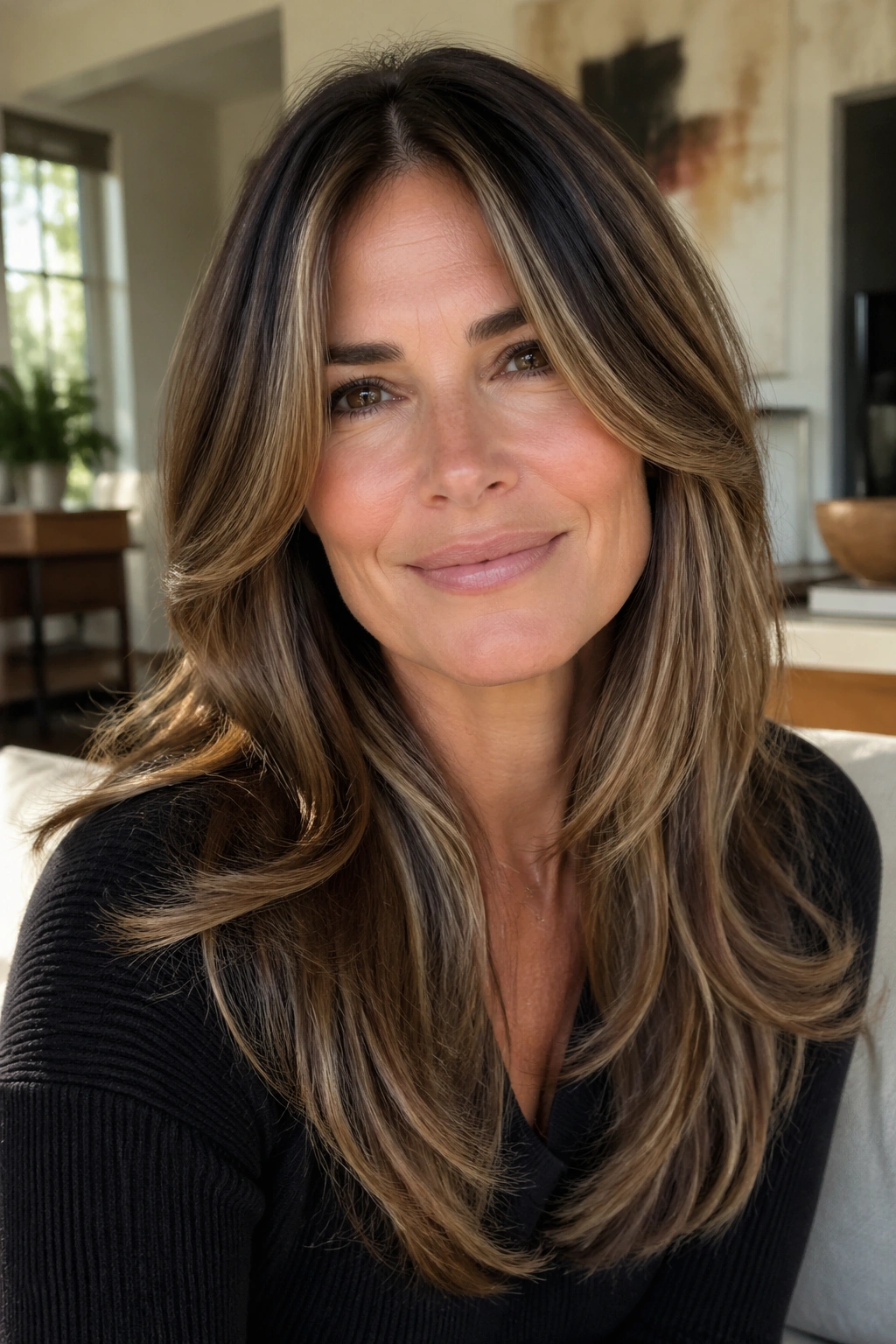
Why do some long cuts look flat and tired while others still feel fresh? The answer is usually in the front pieces, not the length itself.
Long layers keep the hair from hanging like a curtain, and face-framing pieces create a path for the eye. They soften the forehead, skim the cheekbones, and keep long hair from looking weighed down at the sides. That matters even more if your hair has gotten finer or you wear it up often.
How to Wear It
Ask for layers that begin below the chin if you want to keep density around the face. If the shortest layer starts too high, the cut can fray out and feel dated fast.
- Best for medium to thick hair that needs movement.
- Good if you like waves, curls, or a loose blowout.
- Helps long hair feel lighter without losing the length.
- Needs a trim every 8 to 10 weeks to stay clean.
The whole point is flow. Not drama. Just enough shape to stop long hair from sitting there and doing nothing.
4. Curtain Bang Lob
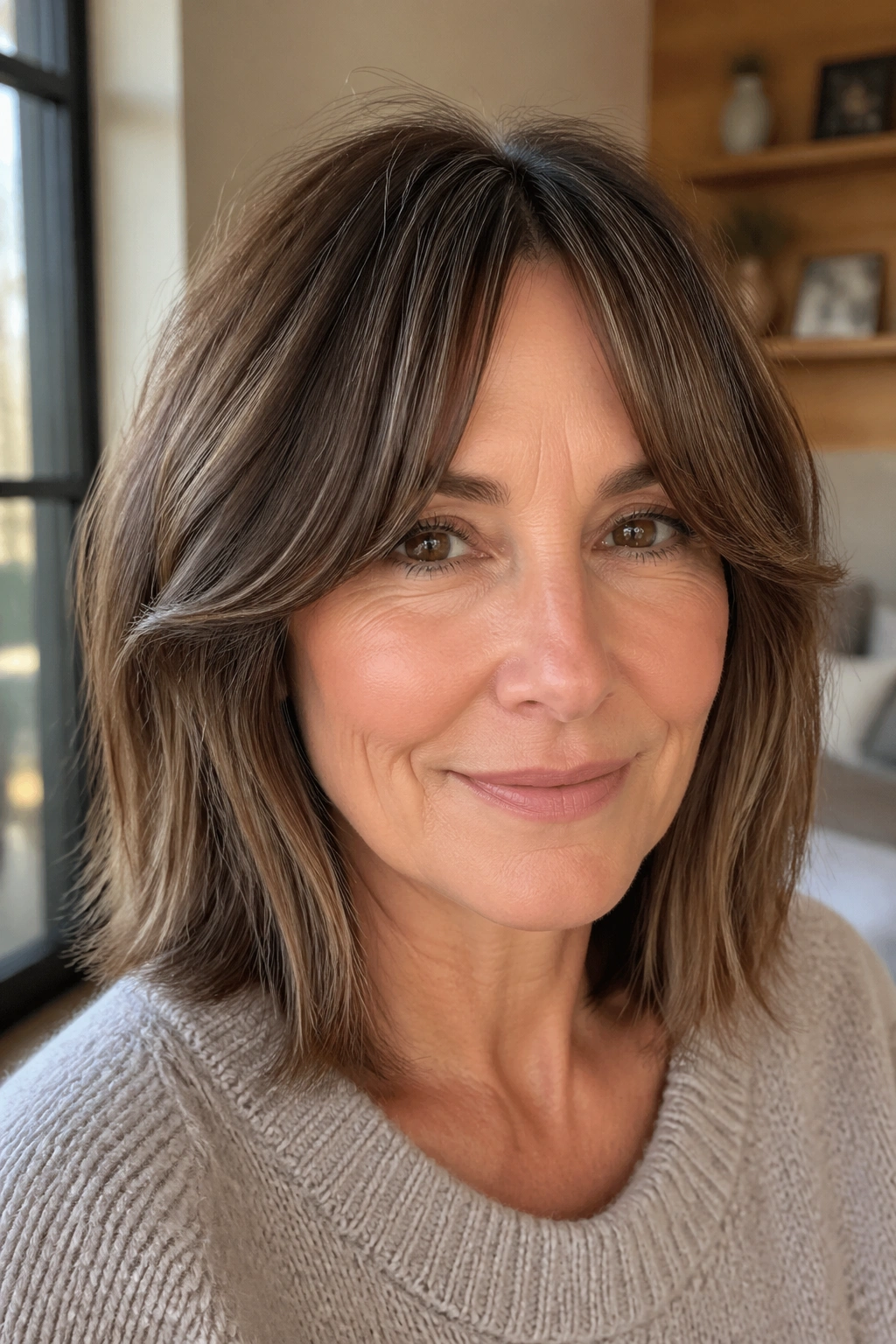
A woman I know swore she would never wear bangs again, then cut curtain bangs into a shoulder-length lob and kept asking why she waited so long. That’s the thing with this cut: it softens the face without trapping you in one hard fringe line.
Curtain bangs open in the middle and drift out toward the cheekbones, which is useful if you want to soften the forehead or bring a little focus to the eyes. On a lob, the effect is relaxed and modern without trying too hard.
The cut works especially well if your hair has a natural wave or a tiny bit of bend. Straight hair can wear it too, but the bangs need a quick blow-dry with a round brush so they don’t split in odd places.
A small warning: if your hair grows forward heavily at the temples, ask for the bang lengths to be slightly longer at the edges. That keeps the whole front from collapsing into a curtain you have to fight all day.
5. Soft Pixie with Longer Top
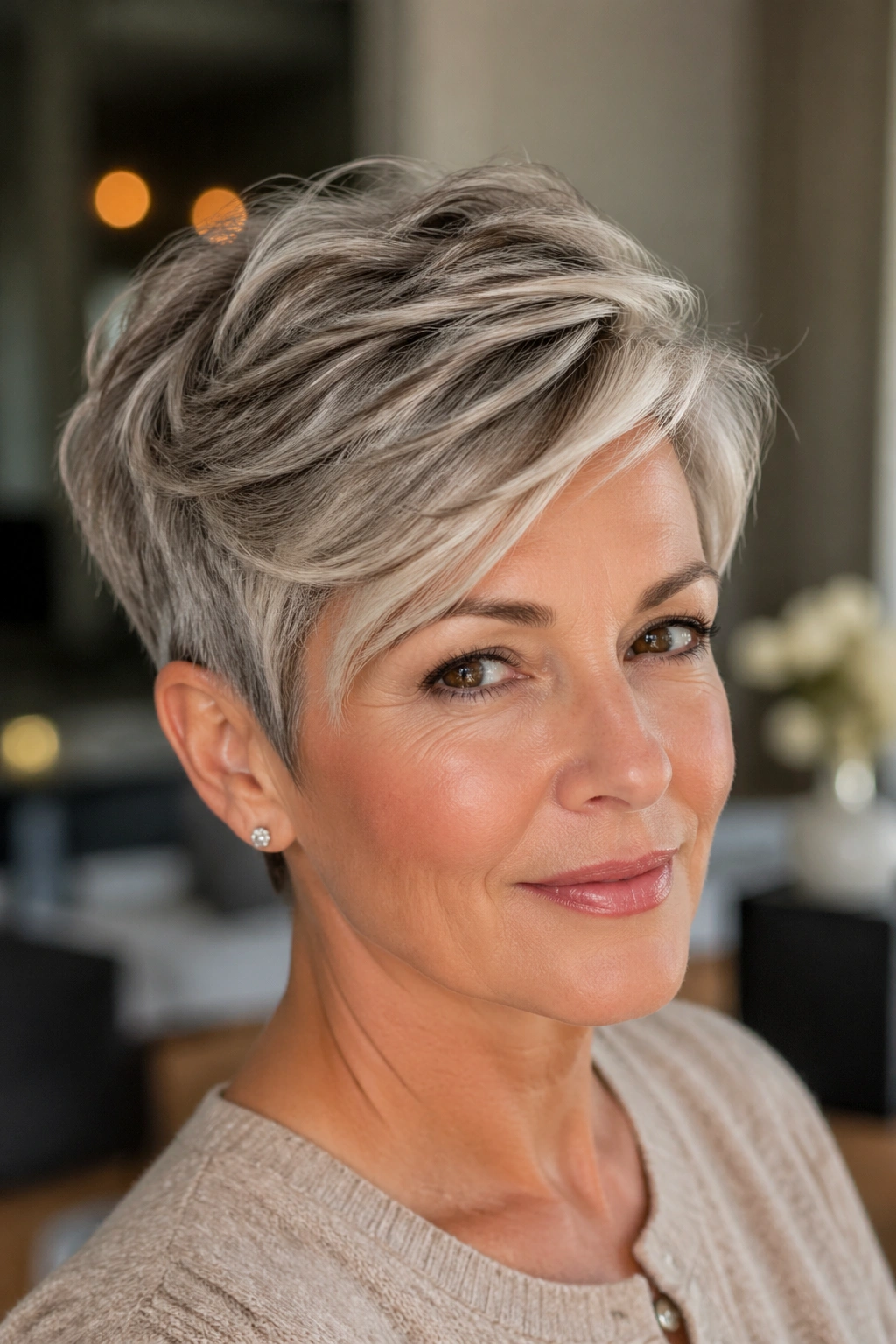
A soft pixie does not scream for attention. It whispers, which is often better. The sides stay close enough to keep the shape neat, while the top has enough length to sweep, lift, or tuck to one side.
That longer top is the whole trick. It creates height without the harshness of a super-short crop, and it lets you keep some styling options. A matte paste gives piecey texture. A light cream gives a smoother finish. Either way, the hair sits off the face and the eyes get more room.
This is a smart cut if your hair is fine and tends to lose volume by lunch. It also works on gray or silver hair because the short shape shows off the color variation instead of letting it disappear into a mass of length.
I’d only caution against making it too tight around the ears or too flat on top. A soft pixie should still have some life in it. Otherwise it starts looking severe, and that’s nobody’s goal.
6. Bixie Cut
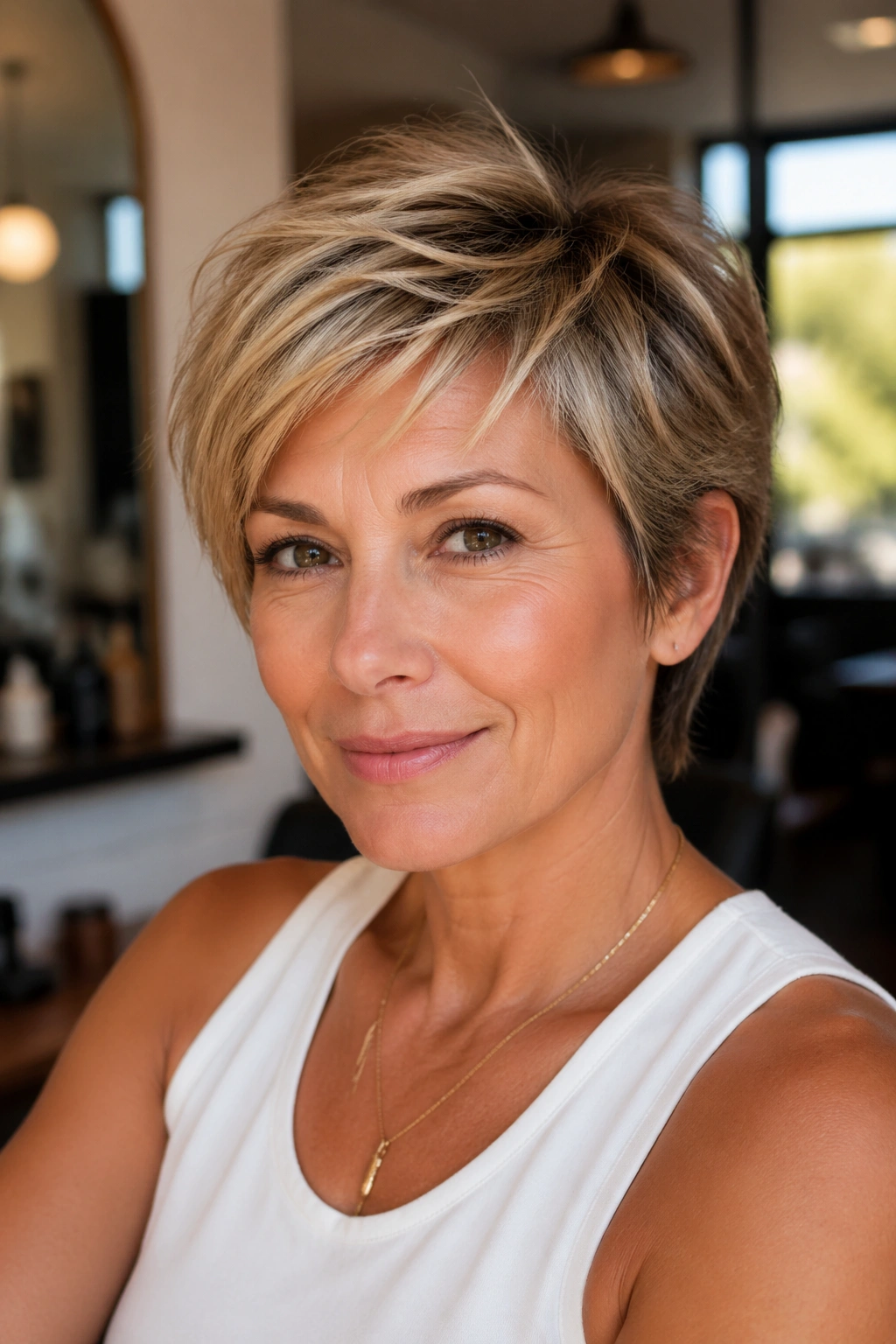
The bixie lives between a bob and a pixie, and that in-between length is exactly why it works so well. You get the freshness of short hair without the full commitment of a cropped cut.
It usually has a little more length around the ears and a bit more softness through the crown. That means you can tuck it behind one ear, push it forward, or rough it up with your fingers and leave the house. Easy. No drama.
Why It’s Different From a Regular Bob
A bob can sit heavy if the hair is thick. A bixie removes more weight, which gives the whole style movement and makes the neck look longer. Compared with a classic pixie, it keeps more framing around the face, so the transition into short hair feels less abrupt.
It’s best for someone who wants something modern but not fussy. If you’ve been wearing the same medium cut for years and want a change that still feels wearable, this one is a strong move.
7. Modern Shag
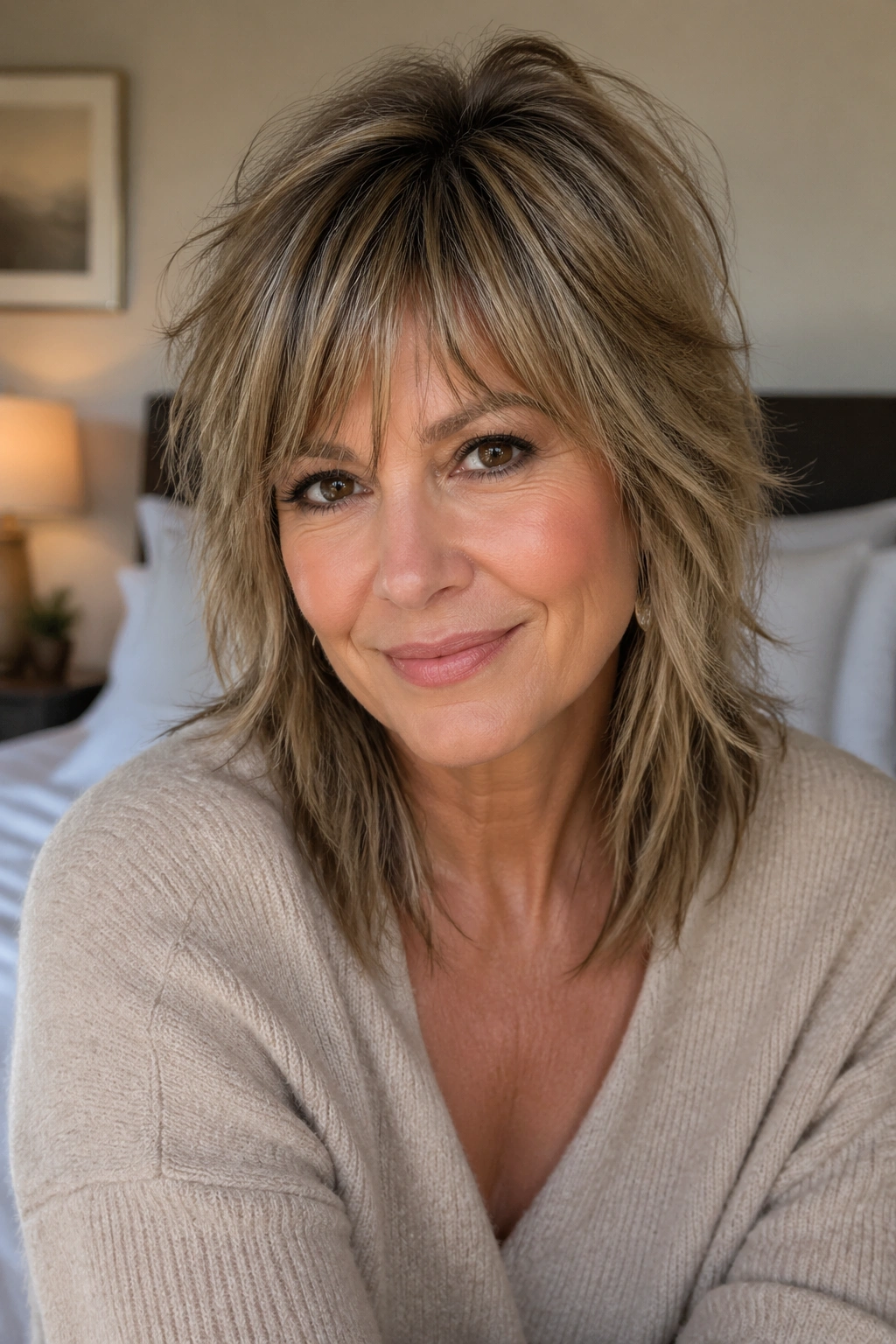
The modern shag is one of the few layered cuts that can make hair feel younger without looking like you borrowed it from someone else’s playlist. The layers are broken up, the ends move, and the crown gets just enough lift to avoid that heavy, helmet-like shape.
It’s a great cut for wavy hair that wants more shape, but I also like it on straight hair that goes flat in the back. The trick is the distribution of layers. You want movement through the body of the hair, not random choppiness at the ends.
What Makes It Work
- Layers start high enough to create lift, but not so high that the cut frizzes out.
- A wispy fringe or face-framing pieces keep it soft.
- It can air-dry with a little cream and still look deliberate.
- A diffuser helps curls keep their shape without puffing up.
The modern shag is not for someone who wants every strand in place. It’s for someone who likes hair that has a little edge and a little swing.
8. Blunt Bob
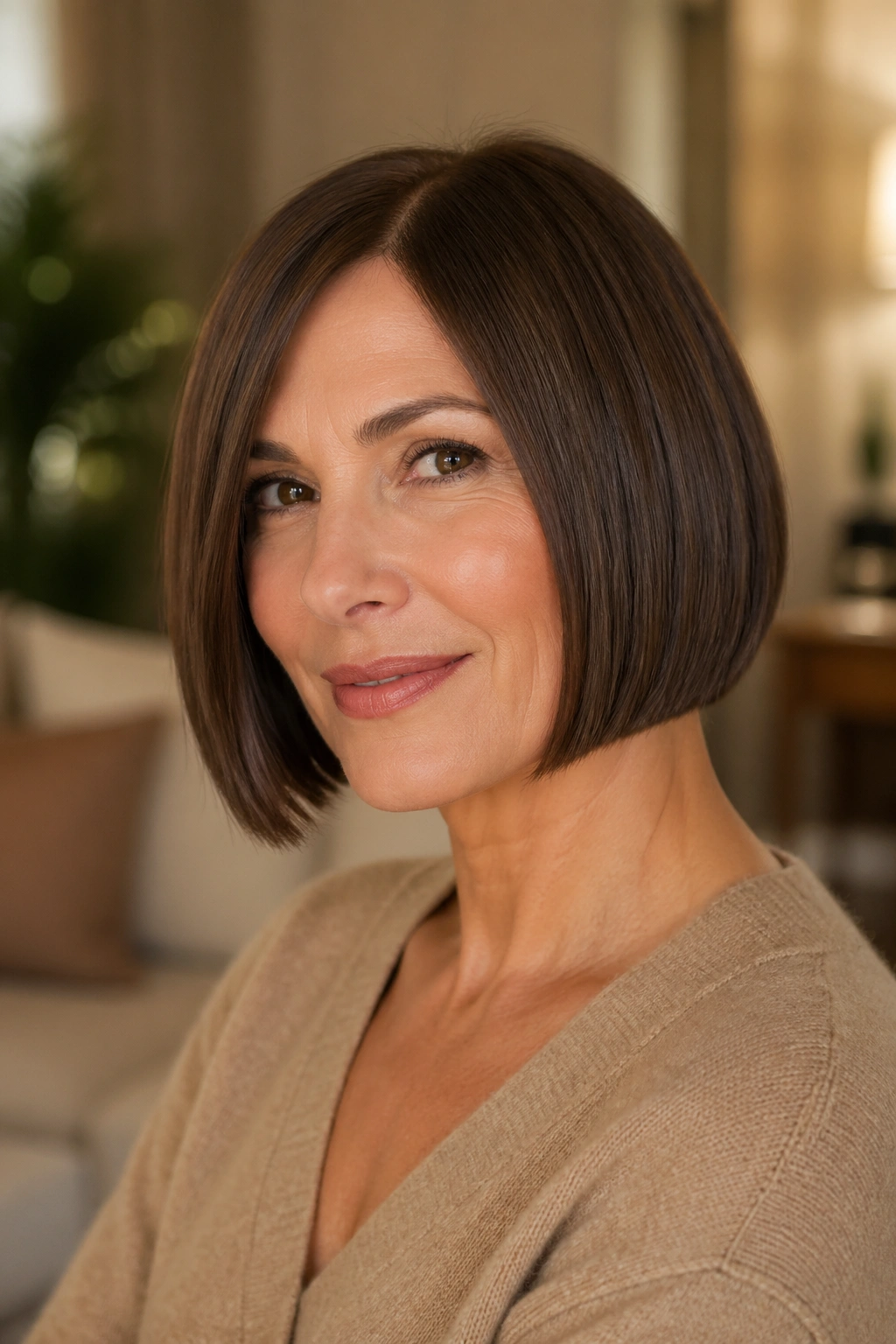
A blunt bob can feel incredibly fresh when it’s cut with confidence. The line is clean, the ends are even, and the whole haircut says you meant to do this.
It’s especially strong on thick hair because the weight creates a solid shape. Fine hair can wear it too, but the cut has to be precise or it starts looking thin at the bottom. A good stylist will keep the perimeter full and make the internal shaping almost invisible.
The best version is usually a little longer than the jaw, not right at it. That keeps the jawline from feeling boxed in. If you want a sharper look, tuck one side behind the ear. If you want it softer, bend the ends under with a flat brush or a blow-dry brush.
Honestly, this is the haircut that convinces people you own a decent mirror.
9. Textured Crop
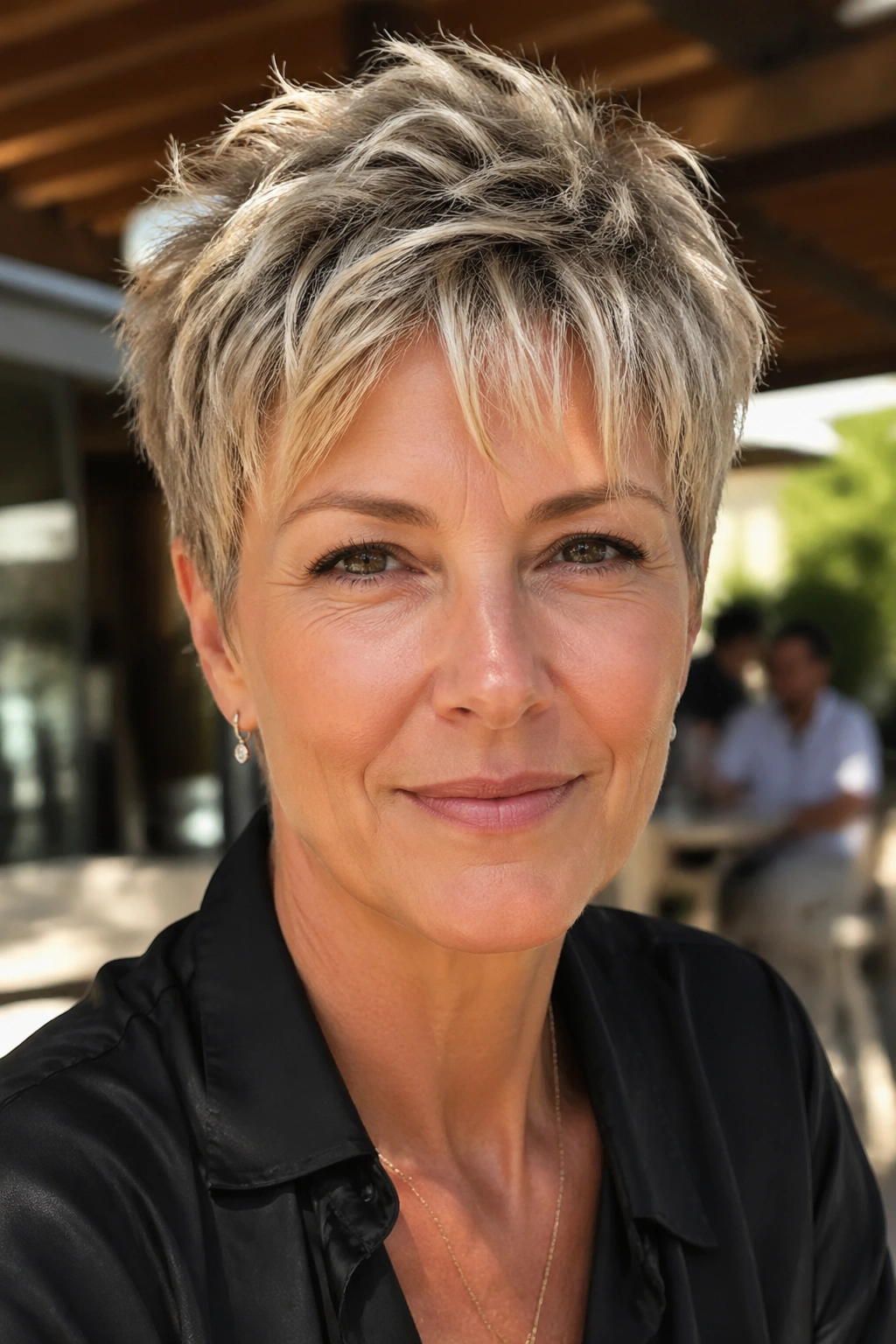
A textured crop is short, piecey, and blunt in the best way. It doesn’t try to hide the face. It shows it. That makes it a strong choice if you like a cleaner neckline and want something that doesn’t eat up your morning.
The right crop has movement on top and softness around the hairline. If the top is cut too short and too round, it can feel helmet-like. If it’s left a little longer and broken up with light texture, it becomes modern fast.
How to Ask for It
Tell your stylist you want pieces that separate easily, not a dense block of hair. A tiny fringe can work well, but it should be soft enough to brush to the side.
This style is especially kind to fine hair because it creates the impression of fullness with less length to support. It also suits strong cheekbones and a neat jawline. There’s no pretending here. The cut does the talking.
10. Invisible-Layer Shoulder Cut
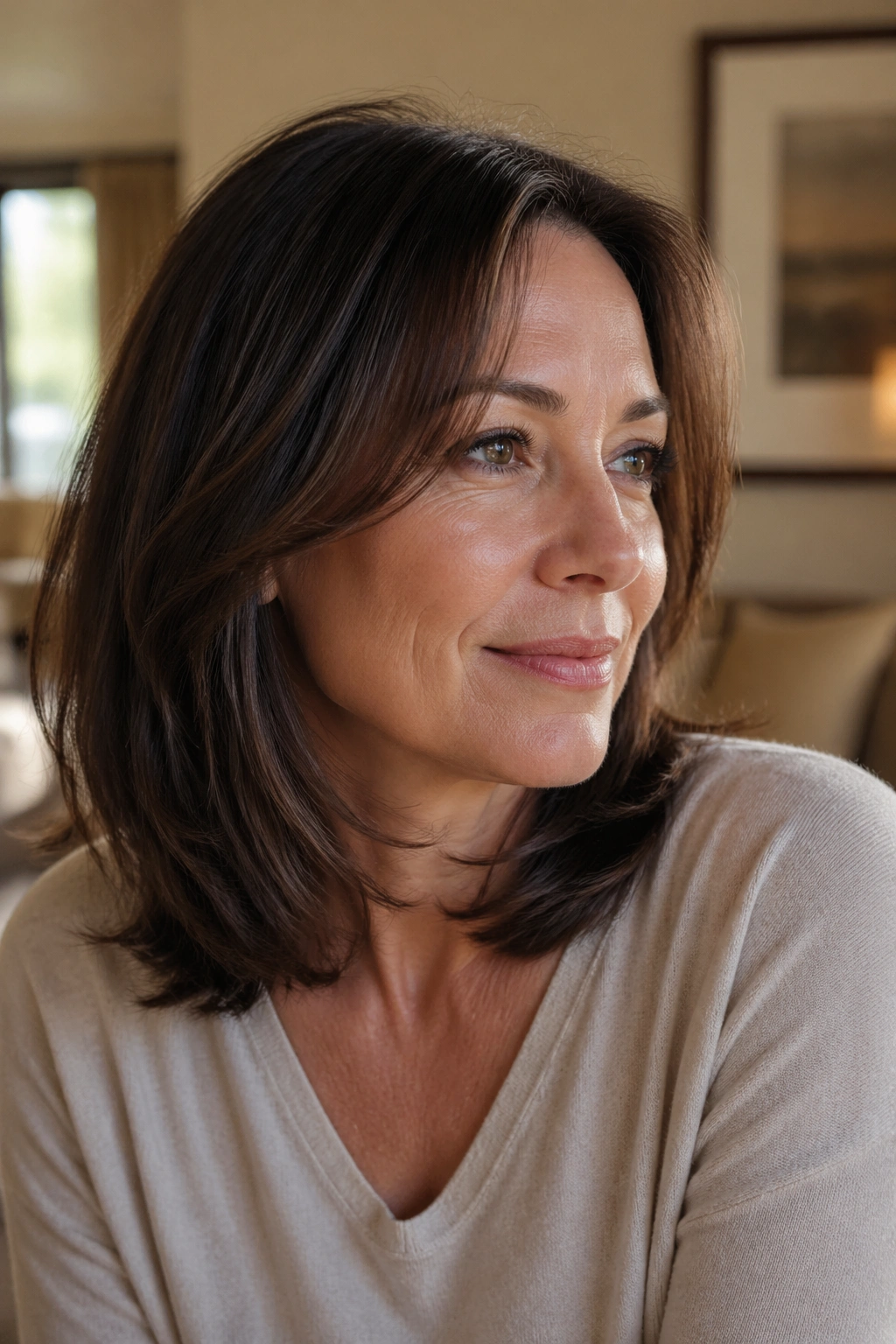
This is the haircut for someone who wants movement but hates seeing obvious layers. The shape looks simple from the outside, yet the inside has soft layering that takes weight out of the mid-lengths.
That hidden structure is what keeps shoulder-length hair from turning into a heavy block. The surface still looks smooth, but the ends move better and the hair sits closer to the head. If your hair feels bulky around the shoulders, this cut changes the whole mood.
It’s especially good for thick, straight, or slightly wavy hair that needs control. You can still clip it up, twist it back, or blow it out smooth. It just stops looking so dense at the bottom.
A small detail helps here: ask for the layers to be concentrated below the cheekbones. That keeps the front from getting too choppy while still giving the cut that light, lifted finish.
11. A-Line Bob
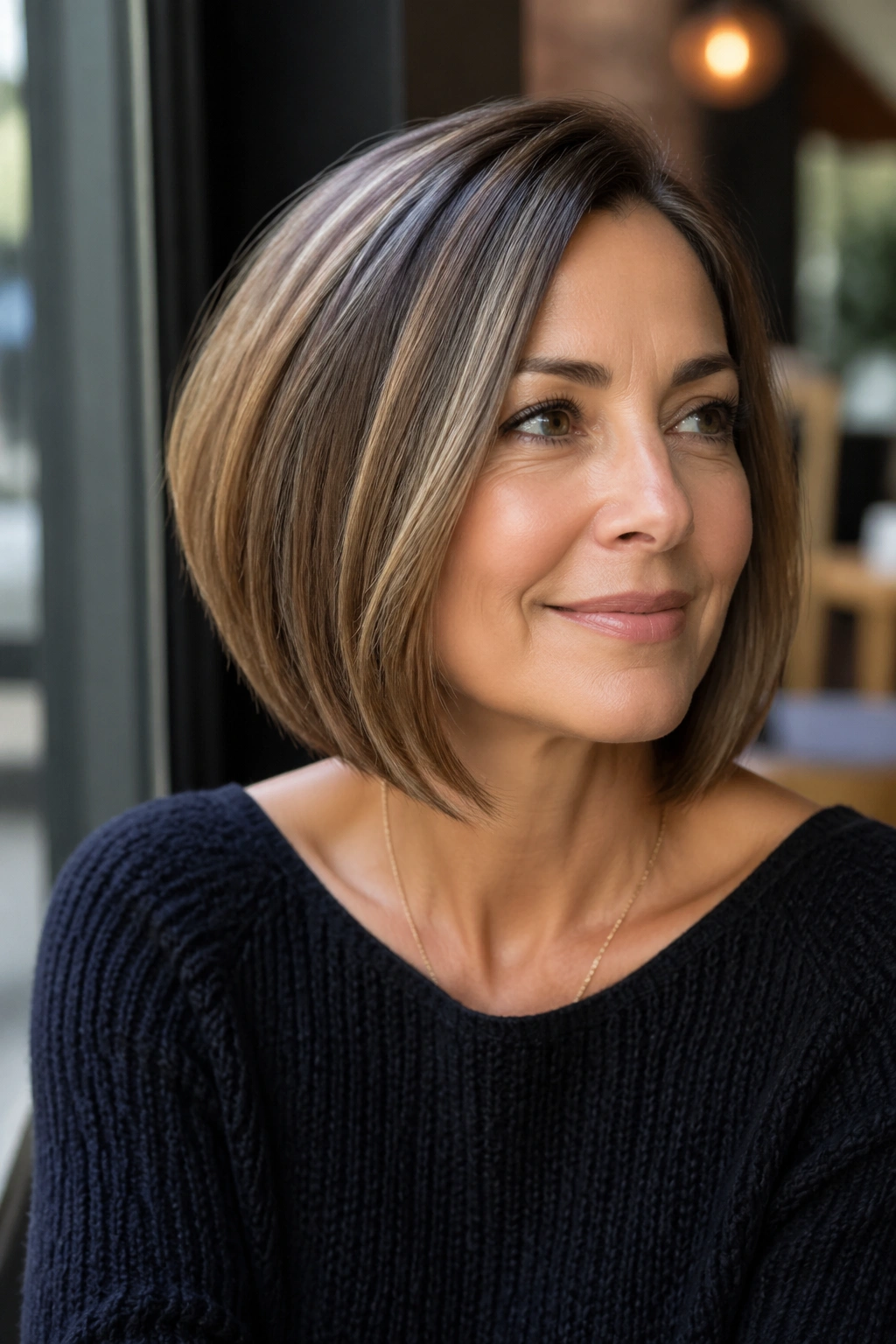
An A-line bob is shorter in the back and slightly longer in the front, and that tiny angle does a lot of work. It lifts the neck, sharpens the profile, and gives the face a cleaner frame without needing a harsh edge.
I like this cut when someone wants a bob but doesn’t want it to feel boxy. The forward length draws the eye down and inward, which can be useful if you want to soften fuller cheeks or give the jaw a longer look.
The shape is easiest to see on straight hair, though it can work on waves if the ends are controlled. A blow-dry with a round brush helps the angle show. So does tucking the shorter side behind the ear.
One thing to watch: if the angle is too steep, it can feel dated. Keep it subtle. A gentle slope is usually enough.
12. Deep Side-Part Lob
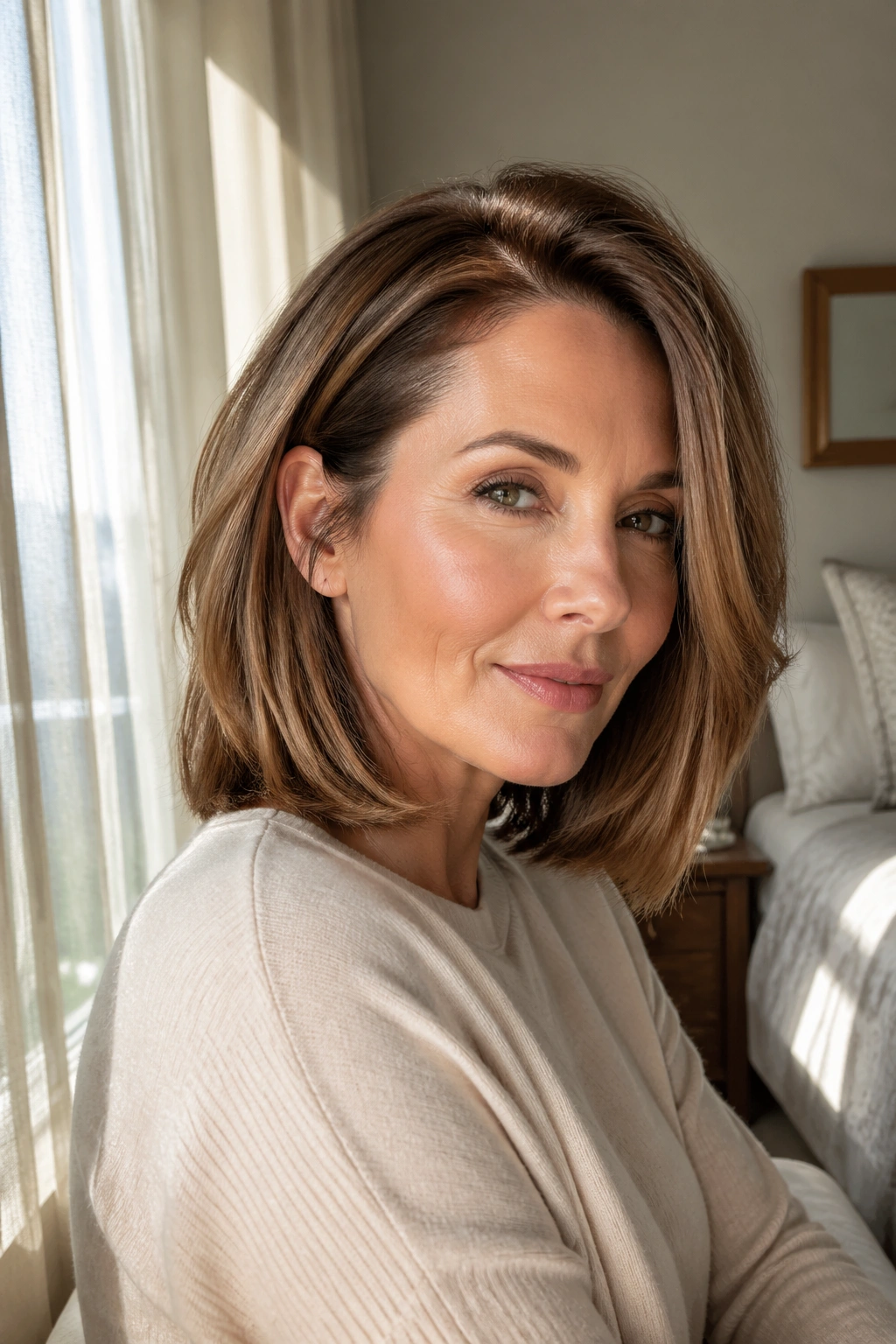
A deep side part sounds like a small detail. It isn’t. Shift the part, and the whole haircut changes.
A lob with a deep side part gets instant lift at the crown, which is useful if the top lies flat or if your hair has started falling in the same direction every day. The extra volume near the front can make the face look more open and the cheekbones more pronounced.
Unlike a center part, which can read symmetrical and calm, a side part gives a little asymmetry. That often looks softer and more flattering on mature features. It also plays nicely with a blowout, because the larger side can swoop instead of collapse.
This one is ideal if you want to keep a lob but need a quick visual reset. No major cut. Just a different architecture.
13. Feathered Layers
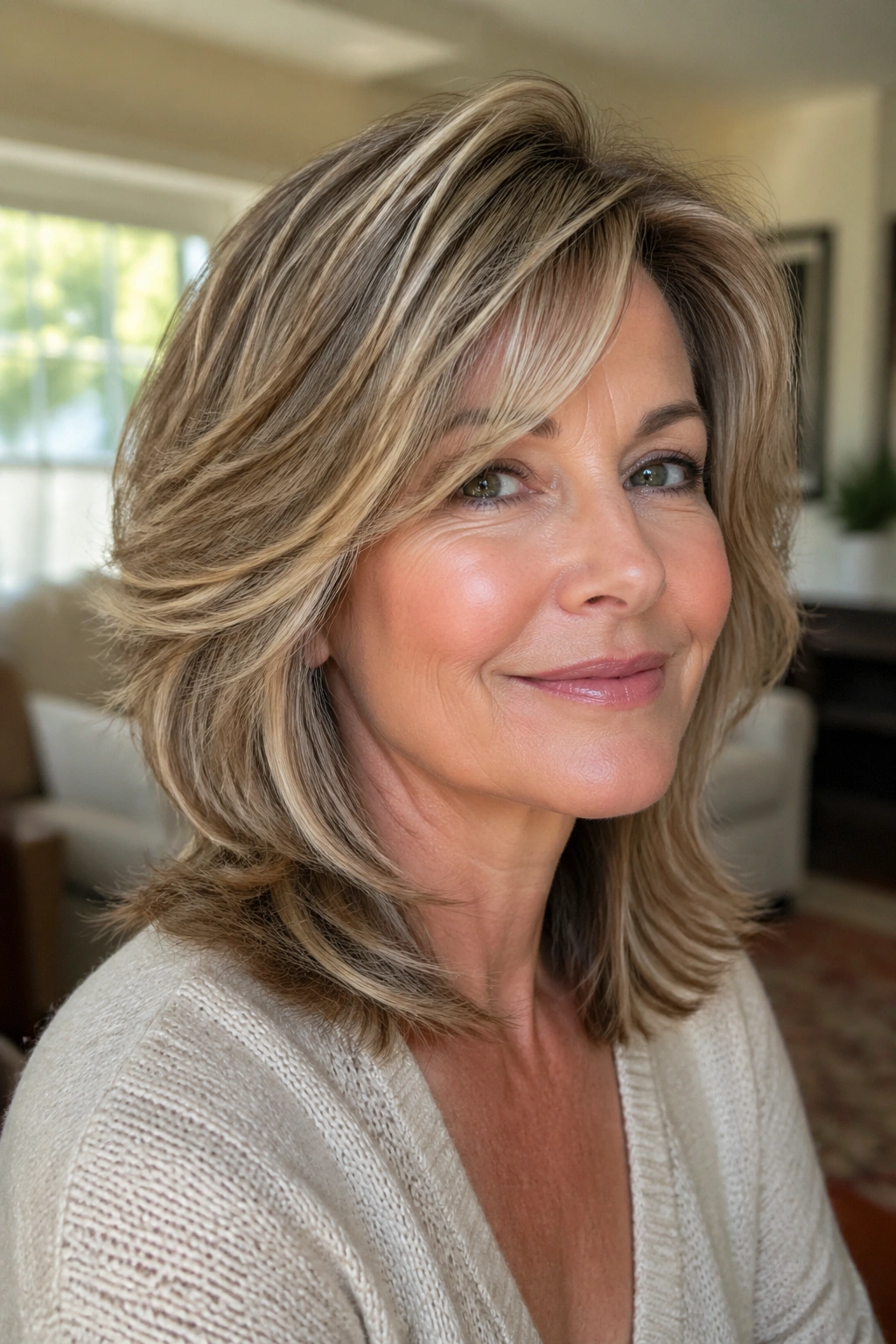
Feathered layers are softer than a shag and lighter than a blunt cut. They have that brushed-out, airy movement that keeps hair from sitting too still around the face.
Why They Still Work
Feathering takes weight off thick hair without making it look thin. That’s the part people often miss. The goal is not to shred the ends. It’s to create movement through the sides and front so the hair moves when you turn your head.
- Best on medium to thick textures.
- Good for people who wear a blowout or soft waves.
- Helps frames around the face look less severe.
- Needs a trim before the ends start to splay out.
This style has a little retro energy, but the right version doesn’t feel stuck in another decade. Keep the layers soft, and avoid choppy ends. The result is lighter, friendlier hair that still has body.
14. Rounded Bob
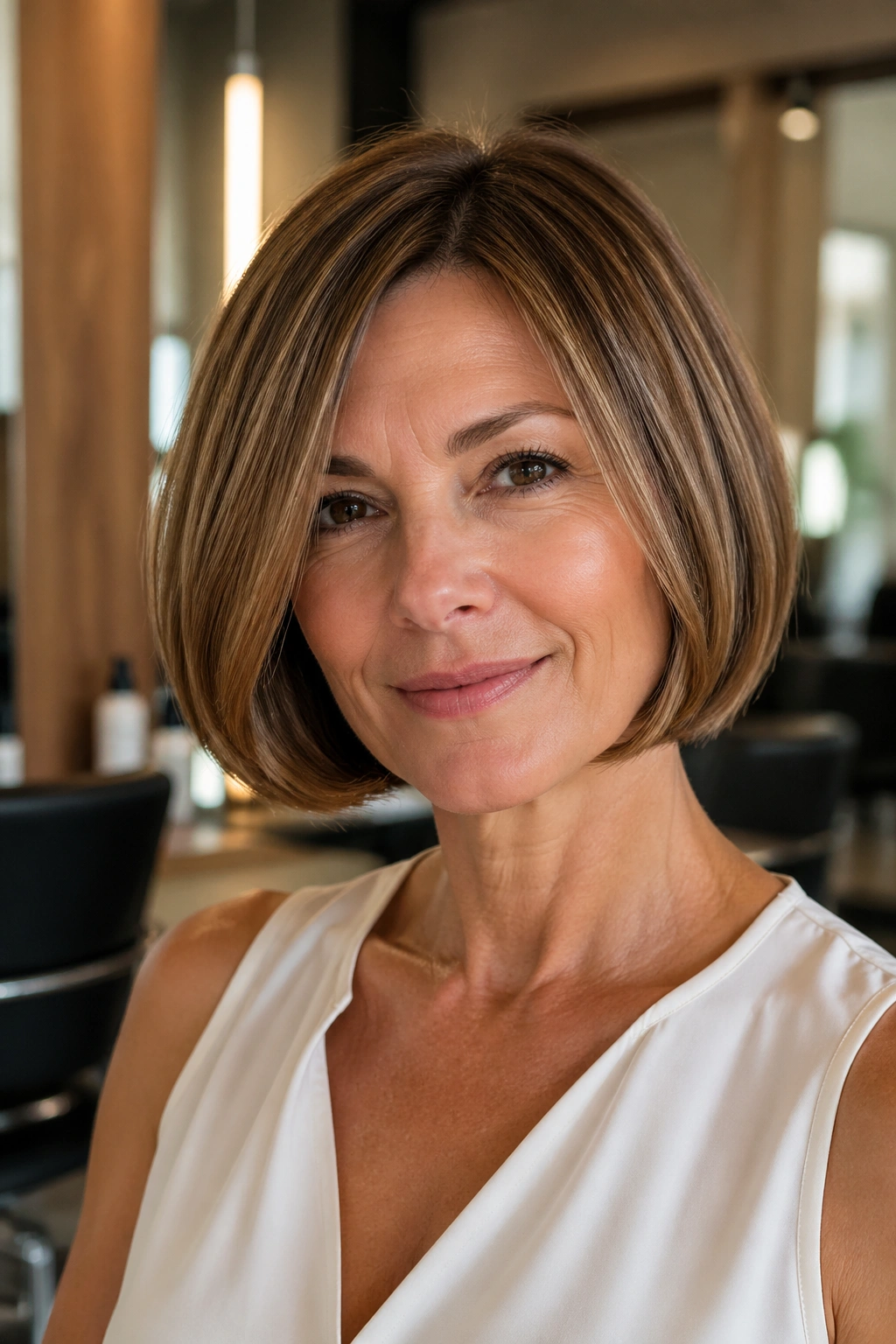
A rounded bob hugs the face in a soft curve, and that curve is the reason it feels polished instead of sharp. The ends turn slightly inward, which can make the jawline look smoother and the neckline neater.
It’s a quiet haircut. Not boring. Quiet. That makes it a good match for straight hair that needs shape or thicker hair that tends to puff at the bottom. A rounded bob contains that volume instead of fighting it.
The style shines when the ends are polished. A quick blow-dry with a round brush or a hot brush helps the curve stay visible. If you like a very sleek finish, a small amount of serum on the last inch of hair is enough.
I’d skip this if your hair is very curly unless you’re prepared to shape it carefully. On the wrong texture, the rounded outline can turn into a triangle.
15. Bottleneck Bangs with Medium Length
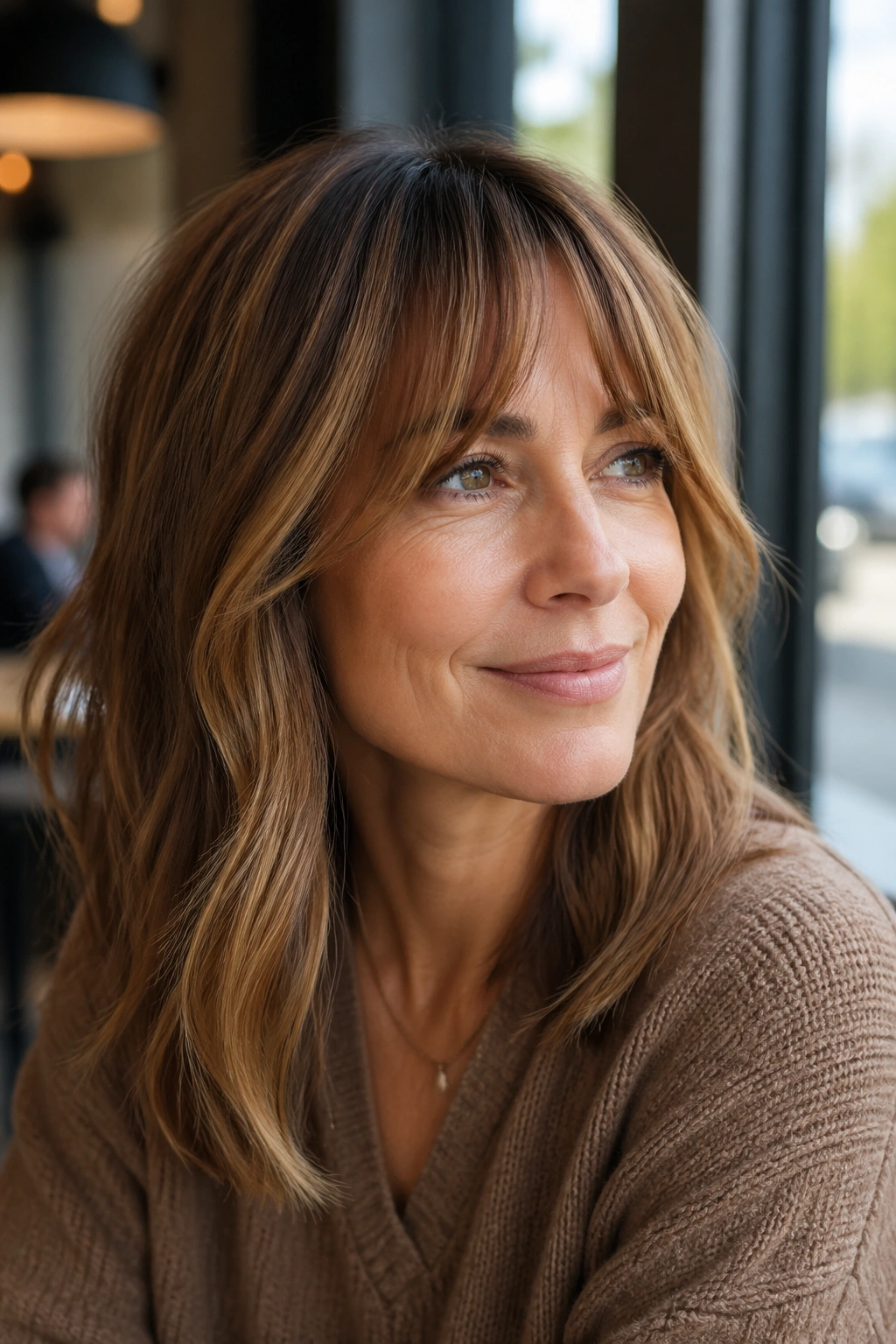
Bottleneck bangs start narrow at the forehead and open out a bit near the cheekbones. They’re a softer cousin of curtain bangs, and that softer curve is the reason so many women like them with medium-length hair.
The fringe gives movement near the eyes without covering the whole face. That matters if you want a little softness around the forehead but don’t want to commit to a heavy bang that needs daily trimming. The rest of the cut can stay shoulder-length or a touch longer.
How to Get the Most From It
A round brush helps the center sit lightly, while the sides can bend away from the face. If the bang is cut too short in the middle, it can pop up. Too long, and it loses the shape that makes it interesting.
This cut suits almost anyone who wants a bit of framing without a lot of fuss. It’s especially useful when you want to draw attention upward, toward the eyes. That part never hurts.
16. Curly Bob
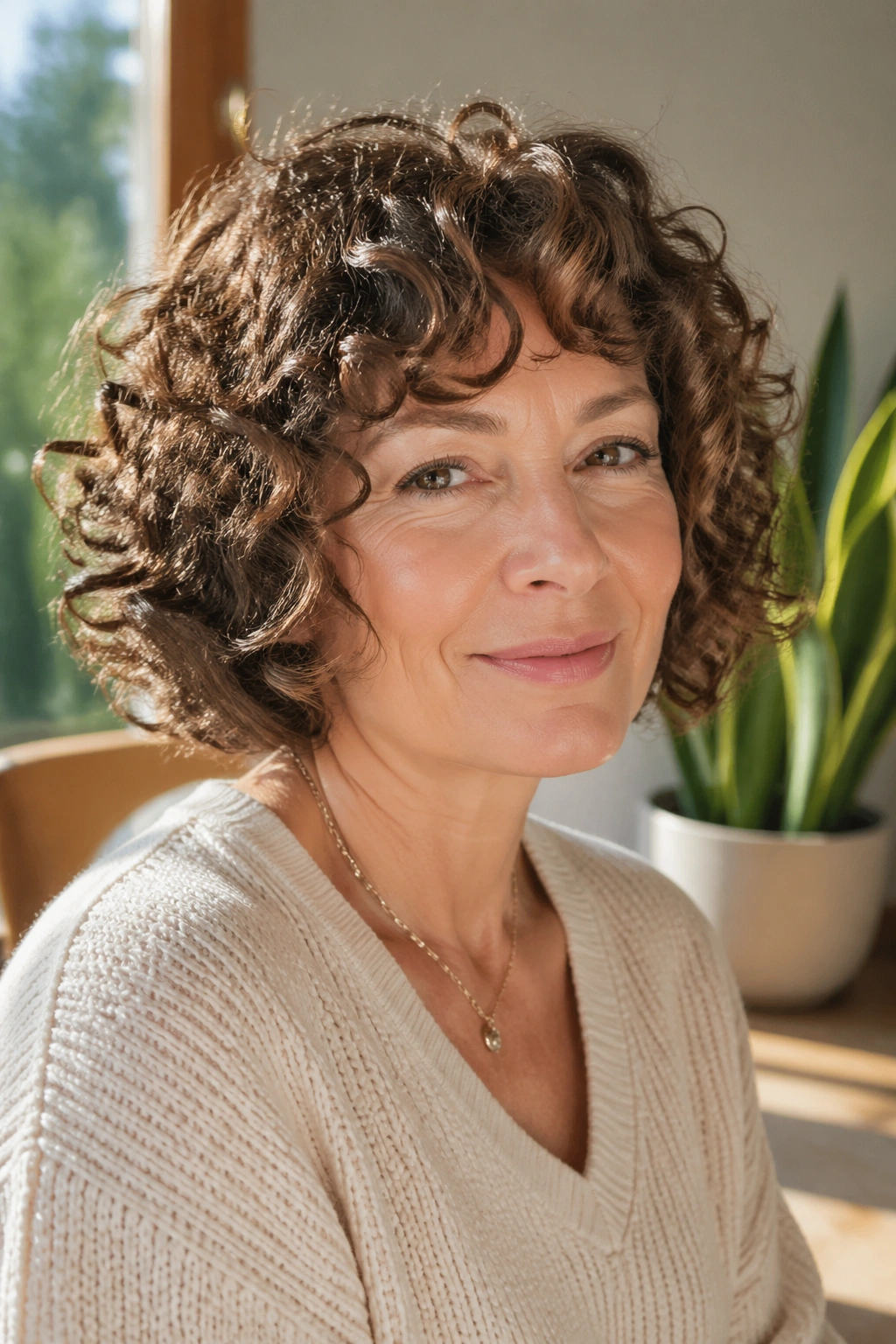
A curly bob only works when the shape respects the curl pattern. Ignore that, and you get the triangle effect no one wants. Done well, though, it looks lively, full, and younger in the best sense.
The length usually sits somewhere between the chin and just above the shoulders, depending on density and curl size. Shorter layers can help curls spring up, but they need to be placed carefully so the bottom doesn’t puff out wider than the top.
A good curly bob should feel easy when it’s dry. If you’re scrunching and praying every morning, the cut is probably wrong. The curls should fall into shape with a diffuser, a cream, or even just air-drying if the pattern is cooperative.
Cutting curly hair dry is often the smarter move here. That way the stylist sees how each curl behaves, not how it looks stretched out under water.
17. U-Shaped Long Cut
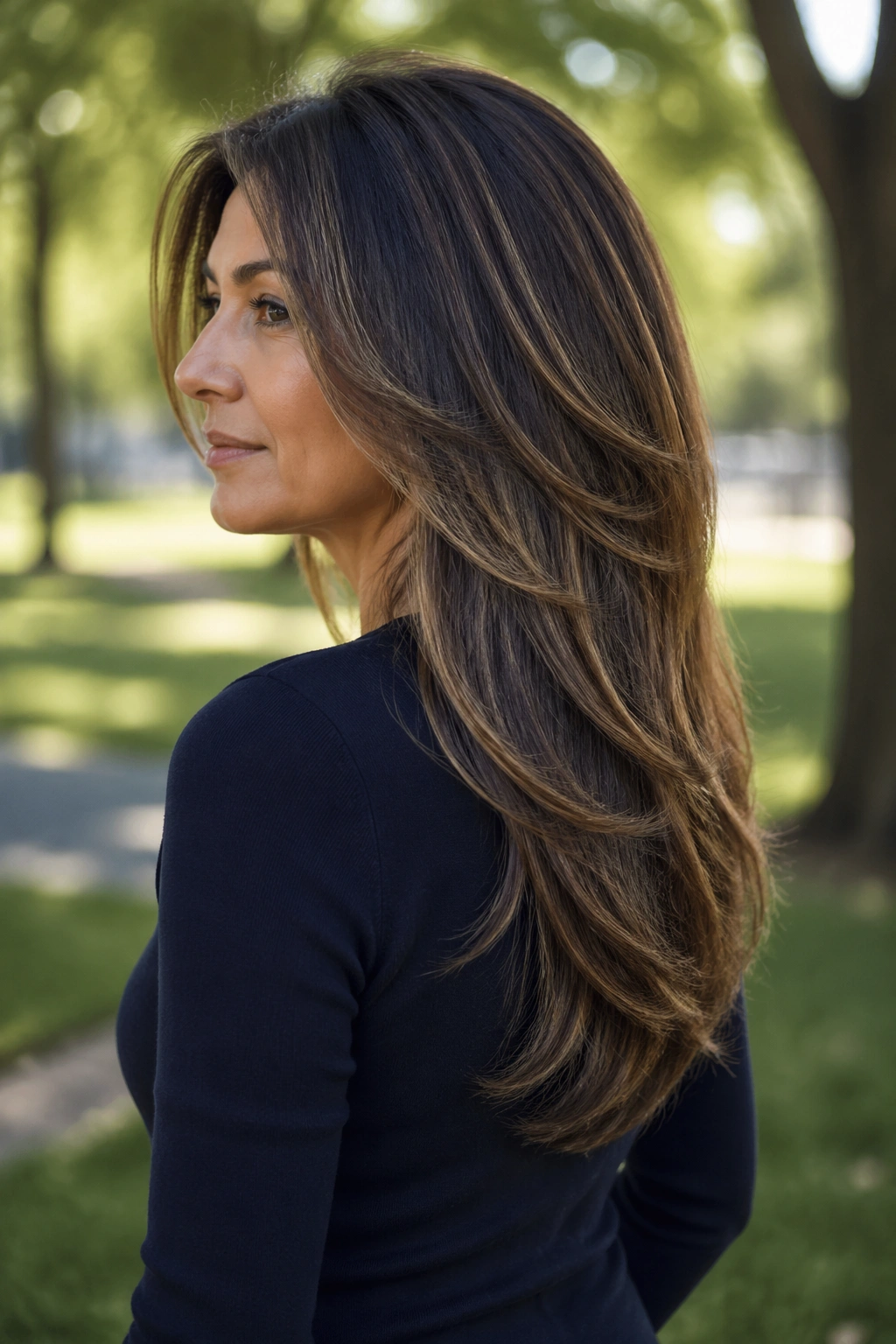
A U-shaped cut keeps length but rounds out the back in a gentle curve. That curve matters more than it sounds like it should. It stops long hair from hanging in a hard, flat line.
The style works well if you want to keep your hair long but avoid the feeling that it just drags everything downward. The softer back shape keeps the ends looking fuller, while the front can still be lightly layered for movement.
This is the quiet answer for people who like long hair but want it to feel cared for. It doesn’t shout. It simply removes the dead weight that makes long hair look tired.
If your hair is very fine, ask the stylist not to over-layer the front. The shape should remain full through the perimeter. If your hair is thick, a little internal weight removal can make the whole thing move better.
18. Angled Lob
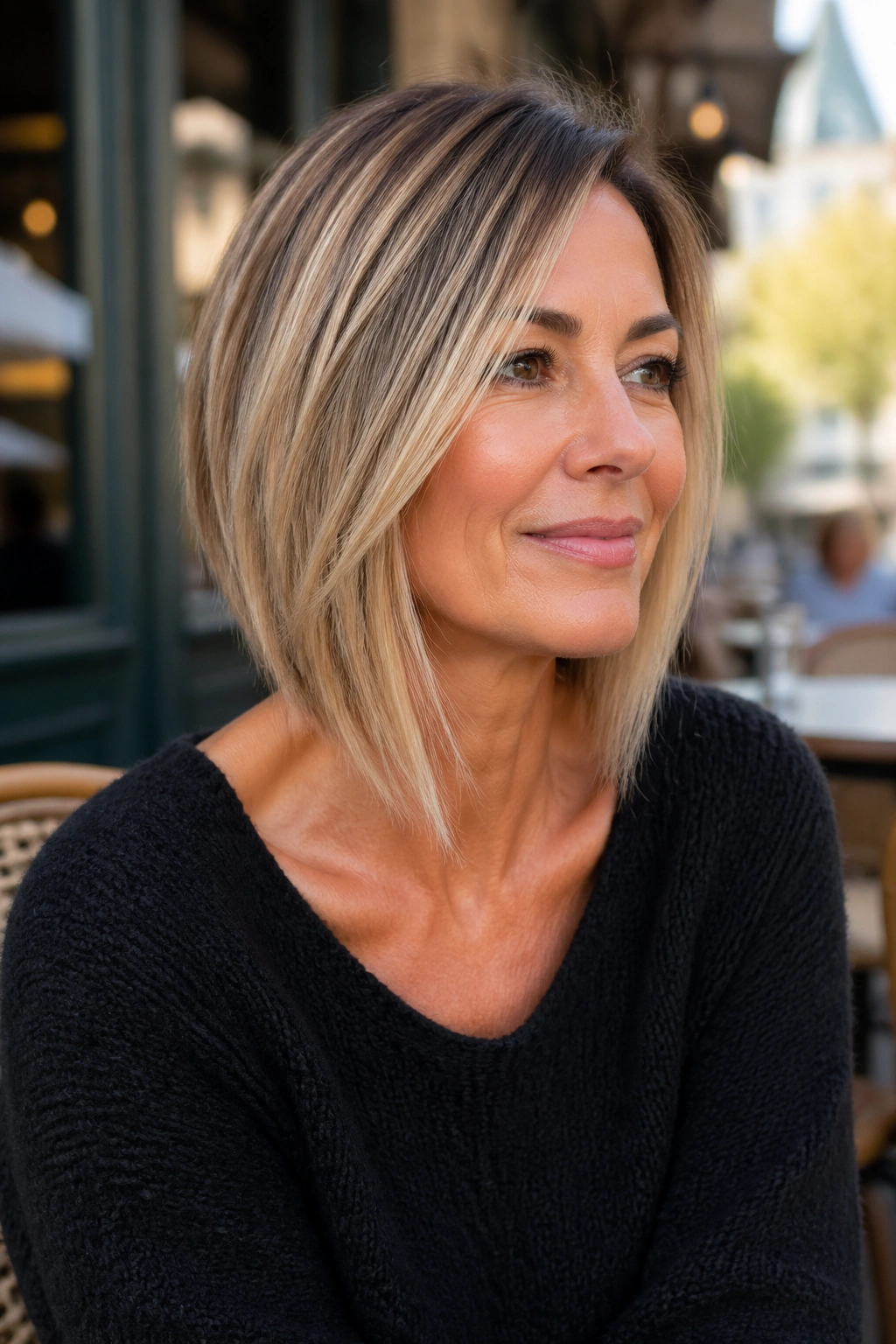
The angled lob is sharper than a classic lob and a little more fashion-forward, but it’s still wearable enough for everyday life. The front sits longer, the back sits shorter, and the result is a cut that feels sleek without being stiff.
It can be a good choice when you want your hair to look intentional even on plain days. The angle lifts the face and makes the neckline appear longer, which is one reason it reads as fresh.
Unlike a blunt lob, this shape has motion built into it. Compared with a heavy bob, it doesn’t weigh the face down. If your hair leans straight, the angle shows right away. If it’s wavy, the line looks softer and a little more relaxed.
This is the kind of cut that responds well to a flat iron pass at the ends. Not pin-straight. Just enough to show the slope.
19. Razored Midi Cut
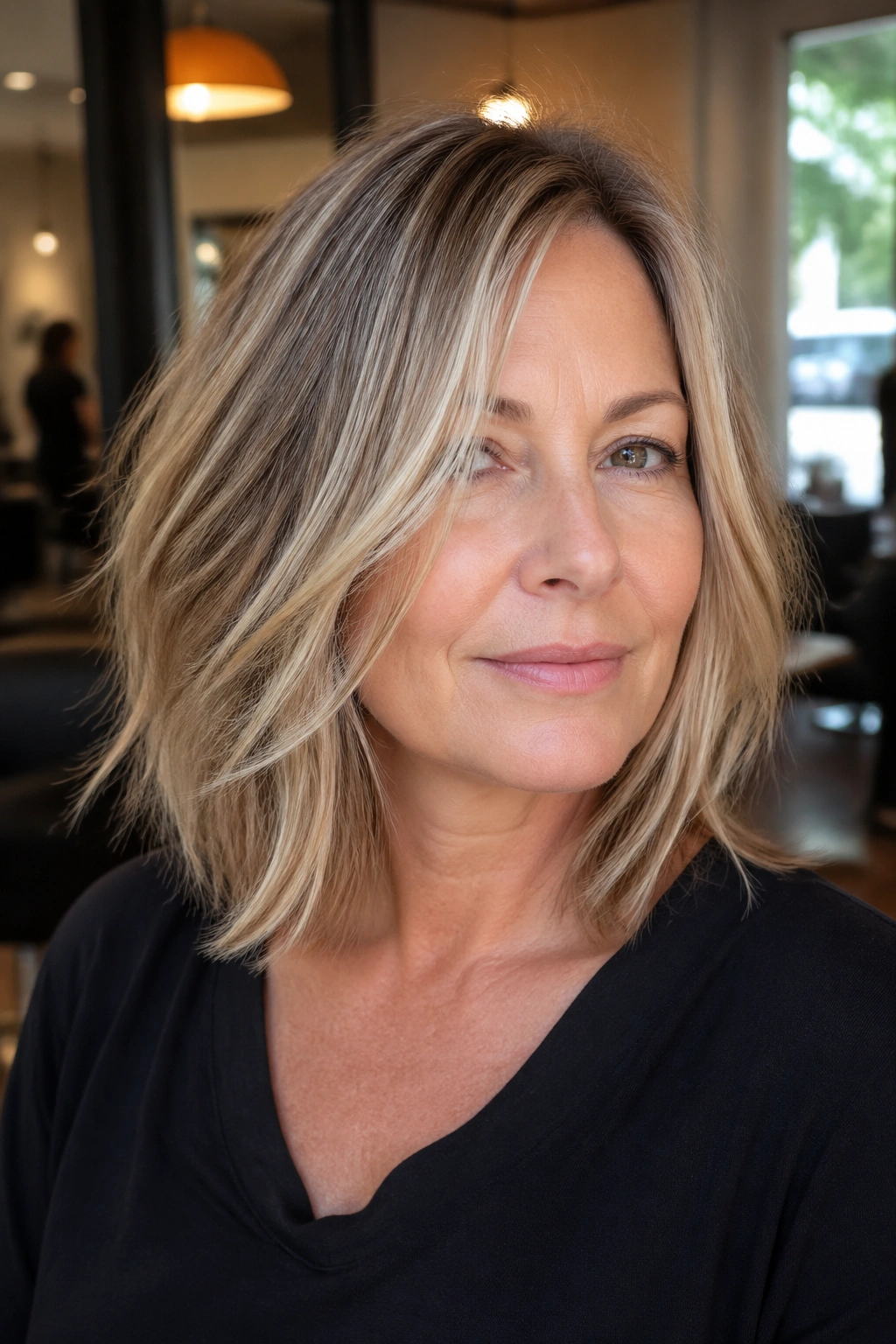
A razored midi cut keeps the length around the shoulders or a bit below, but the ends are softened with a razor or a very light texturizing hand. That gives the haircut a bit of air and stops it from looking blocky.
It’s useful when you want movement without visible layers everywhere. The razor treatment lightens the perimeter, which helps thick hair feel less dense and gives straight hair a more lived-in finish.
What to Watch For
A razor can ruin a cut if it’s used too aggressively. The ends can get frayed, especially on dry or fragile hair. The best version is gentle—just enough to soften, not enough to shred.
This style usually looks best when it’s a little tousled. A salt spray, a bend with a curling wand, or even finger-drying can bring out the shape. If you want something polished every day, ask for a softer finish instead of a heavily razored edge.
20. Tapered Pixie
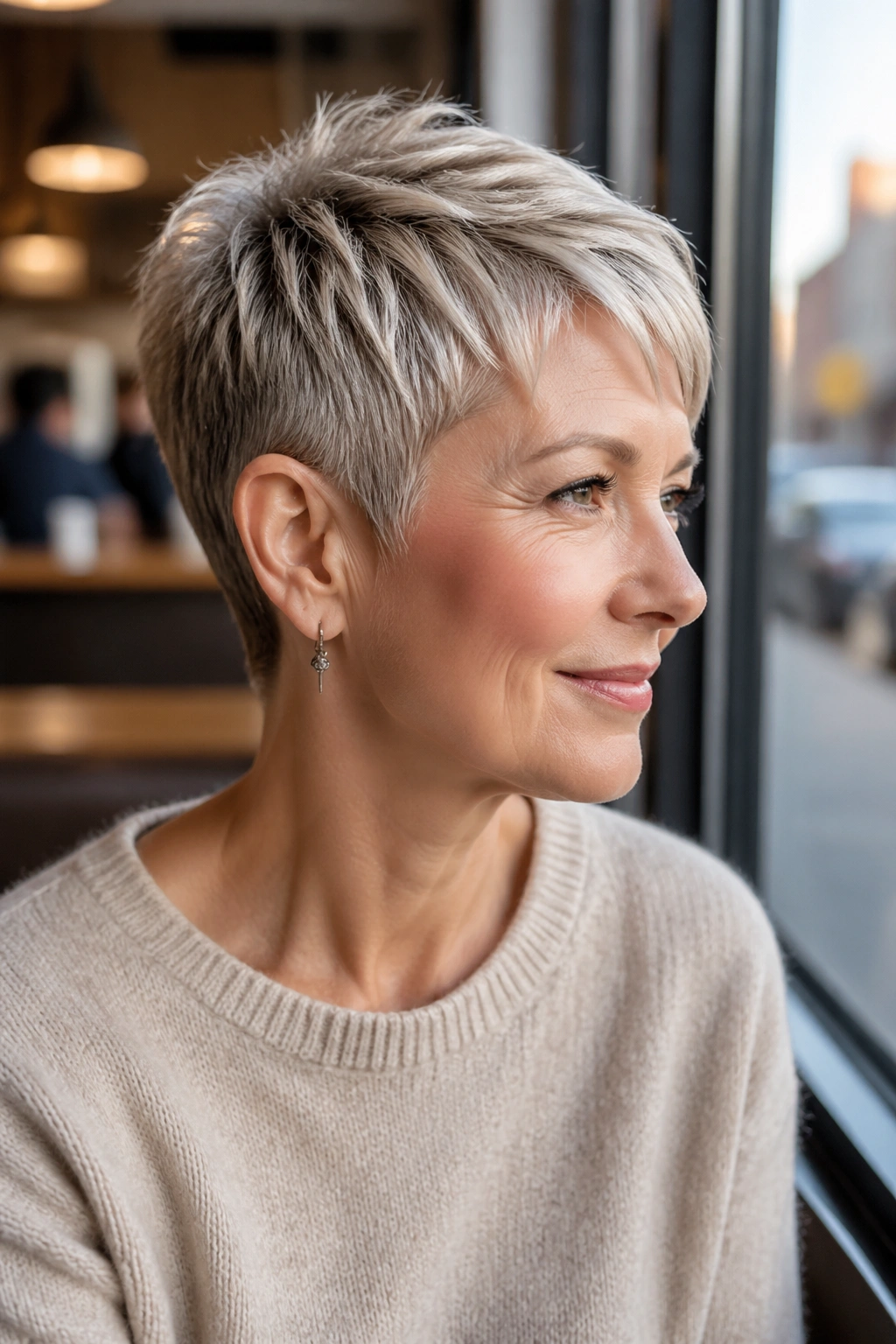
A tapered pixie is neat around the ears and nape, with more length left on top. That taper is what keeps it from looking like a cap. It gives the cut shape and keeps the sides clean.
I like this one on women who want short hair that still feels feminine and soft. The longer top can be brushed forward, lifted, or swept to one side, so the cut has a little flexibility. It’s a very good match for fine hair, because the shorter length naturally creates a fuller-looking crown.
The maintenance is real, though. Short hair shows growth faster than most people expect, so the shape needs regular clean-up if you want it to keep its edge. Worth it, if you like a sharp neckline and a face that gets more light.
A tiny bit of texture paste goes a long way. Too much and it turns greasy fast.
21. Sleek One-Length Bob
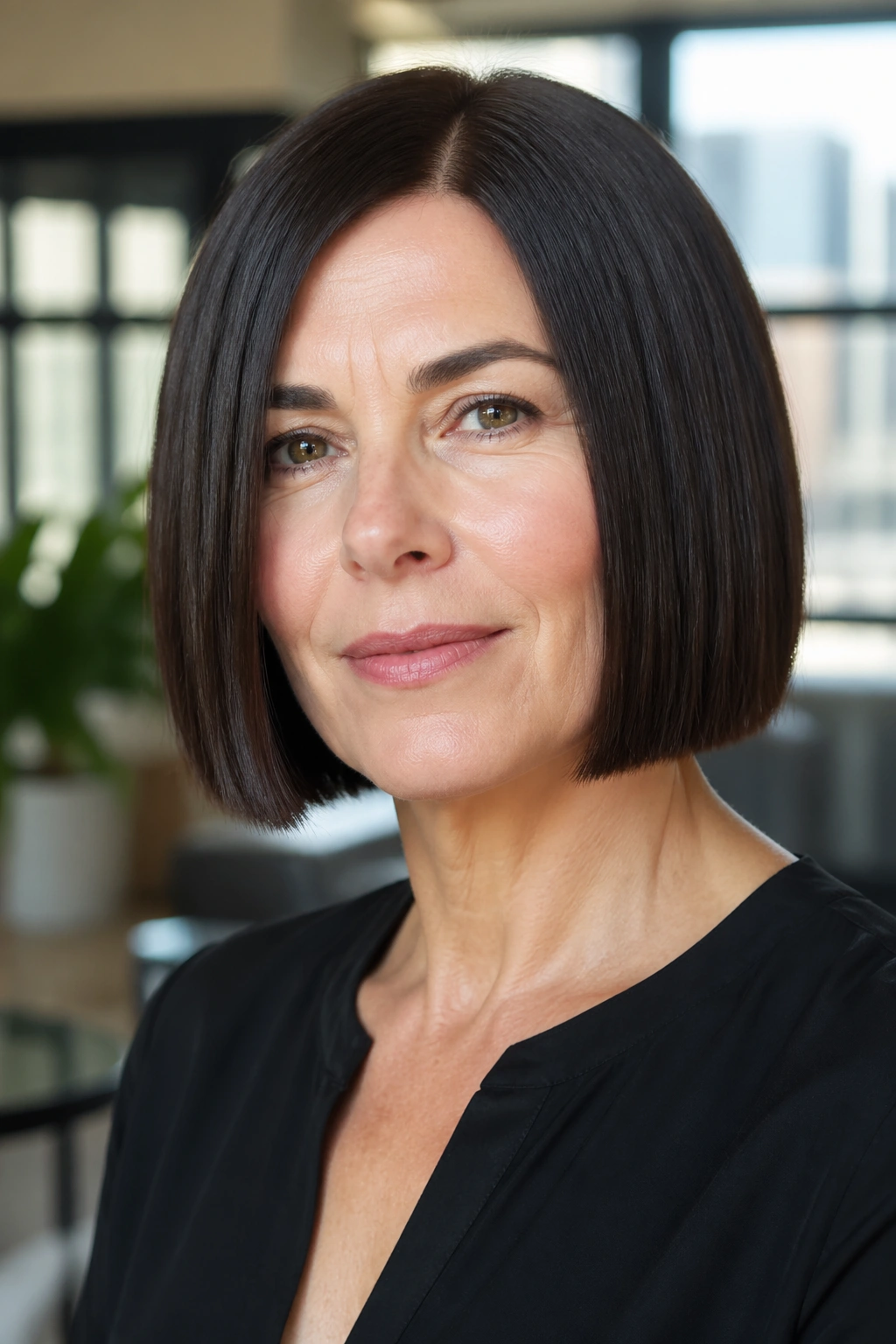
A sleek one-length bob is the cleanest bob in the bunch. No obvious layers. No broken-up perimeter. Just a solid line and a smooth finish that can look almost architectural.
It’s one of the better cuts for fine straight hair because the blunt edge makes the ends look denser. It also works on thicker hair if the stylist removes enough internal bulk so the bob sits flat instead of mushrooming outward.
The appeal is simple. The cut looks calm. It does not fight your face. It gives structure to features without crowding them, which is why it can read polished instead of severe.
This one needs shine. A little serum, a flat brush, and a controlled blow-dry keep the line crisp. If your hair is frizzy or very wavy, be honest about how much work you’re willing to do, because this cut looks best when the surface is smooth.
22. Butterfly Layers
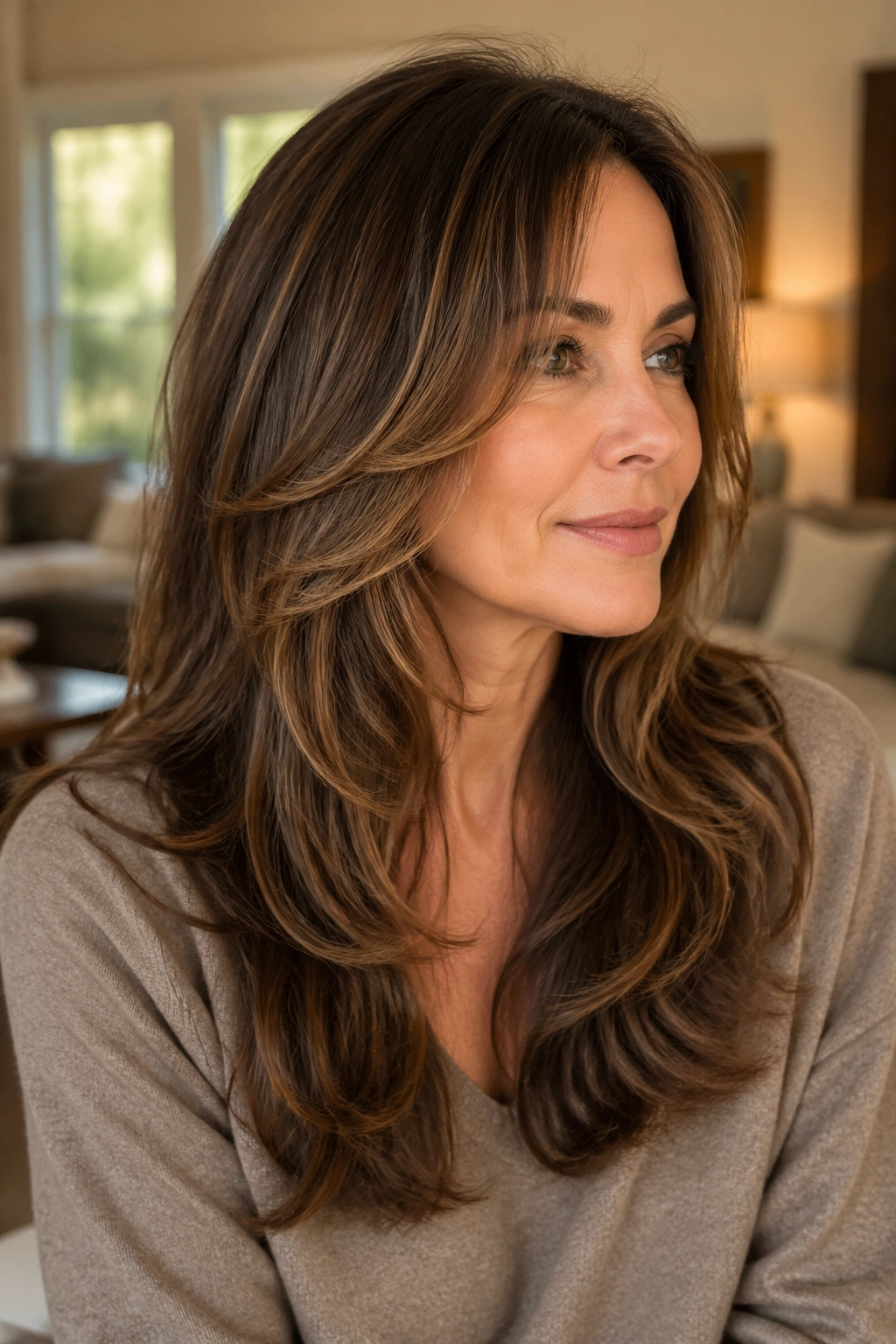
Butterfly layers are long layers with enough face framing to create lift around the cheeks and enough length left underneath to keep the hair feeling full. They’re called that because the shorter pieces around the front move away from the face a bit like wings.
The nice part is that you keep your length while getting more shape near the front. That can make long hair feel lighter without chopping it all off. If your hair has started to sit heavy around the shoulders, butterfly layers can fix that without making the ends look skimpy.
Why They Feel Fresh
They create the sense of volume at the top and movement through the front. A round brush on the front pieces helps a lot, and so does a large curling iron if you want that soft blowout look.
- Good for medium to thick hair.
- Helpful when you want long hair but more lift around the face.
- Works with loose waves and blowouts.
- Needs thoughtful blending so the shorter pieces do not look disconnected.
This is a cut with range. It can look polished, but it can also be relaxed.
23. Wolf Cut with Soft Edges
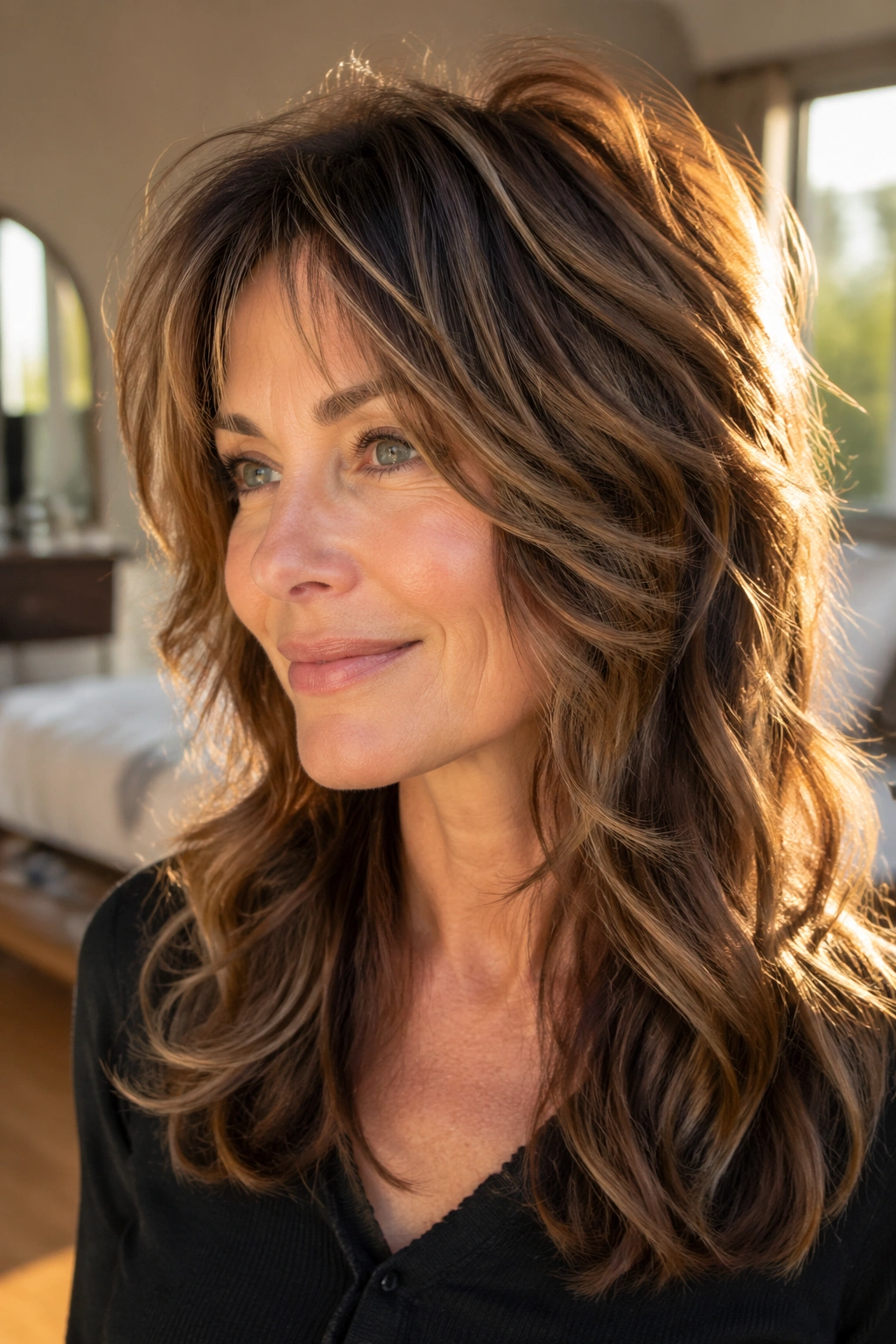
The wolf cut can get wild fast, and that’s the problem. Left too choppy, it starts to feel like a costume. Soft edges solve that. They keep the texture and movement while calming down the shape.
This version is best for wavy and curly hair, where the layers can spring around naturally. The shorter crown gives lift, the longer ends keep some length, and the face-framing pieces stop the whole thing from feeling too heavy at the sides.
Pure smooth hair can wear it too, but it needs a little styling help or the shape can fall flat. A round brush, a few bends with a wand, or a texturizing spray can make it behave.
I like this cut for someone who wants energy in the hair. Not fuss. Energy. There’s a difference, and it shows.
24. Soft Midi Cut with Tucked Ends
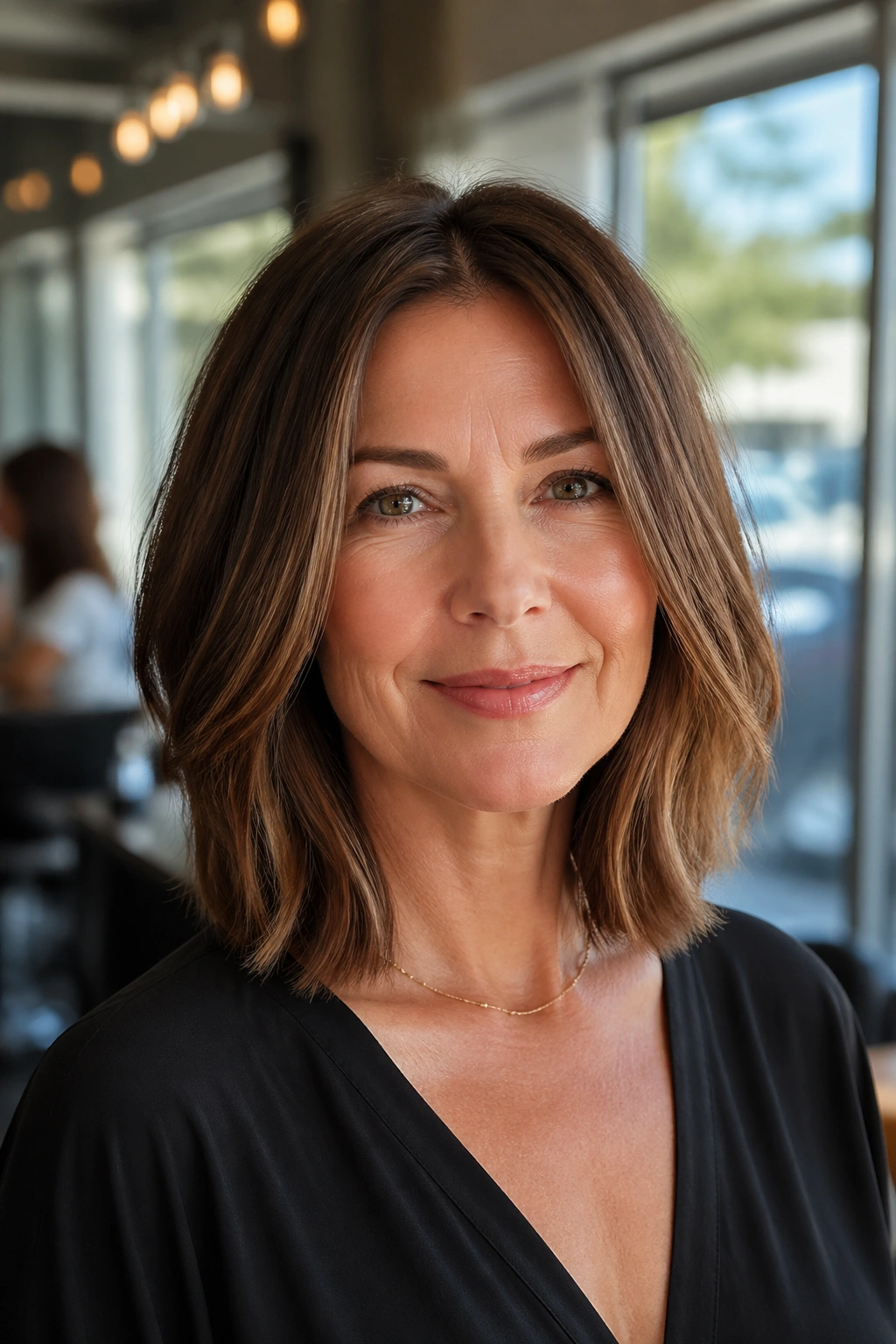
A soft midi cut is the quiet workhorse of this whole list. It sits between the collarbone and the upper chest, keeps enough length for a bun or clip, and still leaves room for movement at the ends.
The shape is especially useful if you want a haircut that plays well with busy days. A quick blow-dry, a loose wave, or even air-drying with cream can make it look finished. The tucked ends keep the line soft, which helps the cut feel lighter around the face.
This is the one I’d point to if you like the idea of youthful haircuts for women over 40 but don’t want anything dramatic. It feels current without chasing attention. That matters more than people admit.
If you’re sitting between short and long and can’t decide, start here. It leaves room for change, and that’s often the smartest place to begin.