



A good wedge haircut can do more for the face than a drawer full of styling products. The shape lifts at the crown, hugs the back of the head, and leaves enough softness around the face to keep it from feeling hard. That’s a big reason the wedge still earns its place for women who want short hair that looks neat, full, and freshly cut.
The cut also makes sense on hair that has changed texture a little over time. Fine strands need body without a ton of length dragging them down. Thicker hair needs shape so it doesn’t puff outward at the sides. And gray or silver hair often looks especially crisp in a wedge because the silhouette gives those brighter tones a clean frame.
Done badly, it can look stiff. Done well, it looks light, smart, and polished without trying too hard. The difference is in the balance — enough lift in back, enough softness in front, and enough movement around the face to keep the whole thing lively.
1. Classic Stacked Wedge Bob
The classic stacked wedge bob is the version most people picture first, and for good reason. It has that clean curve in back, a compact nape, and a front that stays soft instead of boxy.
Why It Works
The stacked layers build shape right where many heads need it most: the crown and upper back. That gives the hair a fuller look without adding bulk at the cheeks, which is a sneaky little win.
Ask your stylist for a rounded graduation in the back, then keep the front long enough to skim the jaw or the top of the neck. That keeps the cut from feeling too severe. A round brush and a quick blow-dry are enough most days.
- Best for fine to medium hair.
- Looks sharp with side parts or off-center parts.
- Works well if you like a tidy neckline.
- Needs a trim every 5 to 7 weeks to keep the stack crisp.
Small tip: don’t let the back get too short if your hair is thin; a gentle stack looks fuller than a steep one.
2. Soft Feathered Wedge With Side-Swept Fringe
This is the wedge for someone who wants shape but not hard edges. The feathering softens the outline, and the side-swept fringe keeps the face open without showing every line around the forehead.
A little movement at the front goes a long way here. The fringe should slide across the brow, not sit like a shelf. That detail matters because the eye reads softness faster than anything else. If your hair is a bit dry or porous, a light cream before blow-drying helps the ends stay smooth instead of fraying out.
This cut is especially kind to women who wear glasses or who like earrings to show. The side-swept motion draws the eye diagonally, which feels gentler than a blunt line. It’s tidy, but not stern.
Wear it with a round brush bend at the ends and a touch of texture spray at the crown. Too much product can make feathering collapse, so keep it light.
3. Silver Wedge With Wispy Bangs
What if you want a short cut that shows off silver hair instead of trying to disguise it? This is the one.
Wispy bangs soften the forehead area without hiding it, and silver tones pick up shape beautifully when the cut has clean graduation in back. The result feels airy, not heavy. There’s a nice contrast between the delicate fringe and the tucked-in wedge shape.
How to Wear It
Ask for bangs that are piecey, not blunt, and keep them a little longer at the temples so they blend into the sides. That avoids a cut-off look. If your silver hair has a coarse texture, a smoothing serum on the mid-lengths helps keep the bangs from splitting apart.
This style is a good choice if you want something fresh but not fussy. It also works with naturally gray roots growing in, because the contrast between tones gives the wedge more depth. One pass with a round brush is often enough.
A one-sentence reality check: wispy bangs need regular trimming or they start looking shapeless fast.
4. Chin-Length Wedge With A Tapered Neck
A chin-length wedge gives you a little more room around the face while keeping the back neat and lifted. It’s a smart middle ground for women who like short hair but don’t want a cut that feels cropped too close.
The taper at the neck is what makes it look deliberate. Without that, the back can puff out or sit flat in a weird way. With it, the whole shape follows the head cleanly and gives the jawline a softer frame.
This version is especially useful if your neck is an area you’d rather not spotlight. The longer front pieces create a gentle curtain, while the back stays controlled. You get movement, but not fuss.
If you style it yourself, dry the back first with a concentrator nozzle and then turn to the sides. That keeps the silhouette from expanding where you don’t want it. A tiny amount of mousse at the roots helps the crown keep lift through the day.
5. Curly Wedge For Natural Texture
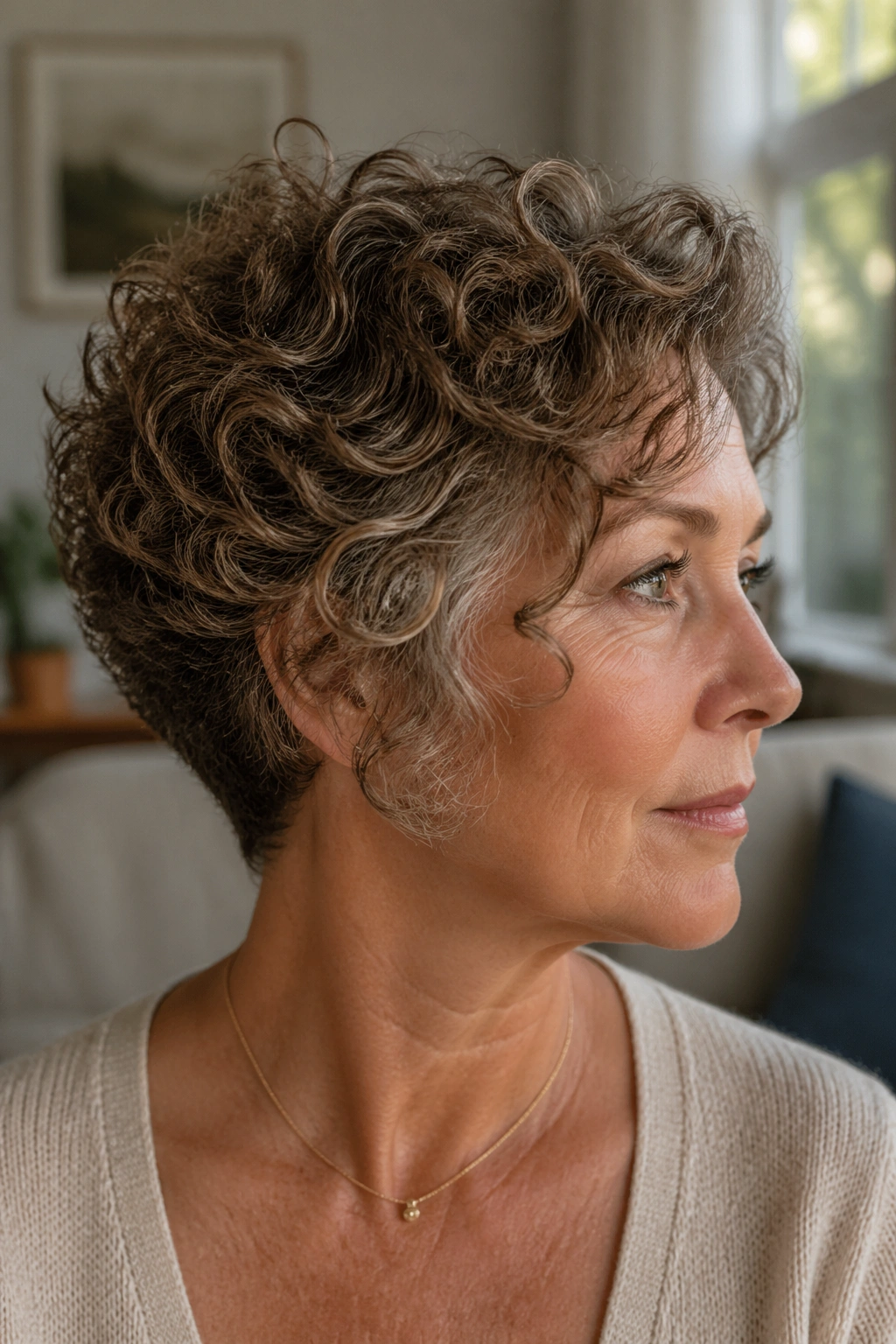
Curly hair and wedge shapes can be a lovely pairing when the cut respects the curl pattern instead of fighting it. The trick is to leave enough room for spring while still building that familiar wedge curve in back.
A dry cut is often the better route here, especially if your curls change shape a lot once they’re dry. The stylist can see where the hair wants to sit and avoid building a triangle by accident. Nobody wants that. The back should be stacked enough to create shape, but the sides need curl-friendly length so the cut doesn’t balloon.
For styling, a curl cream and a light gel usually work better than heavy oils. Scrunch the product in, then diffuse on low heat or let the hair air-dry until it feels set. The shape should look soft around the cheekbones and tidy near the nape.
What To Ask For
- Length that respects shrinkage.
- Soft stacking in the back, not a hard shelf.
- Face framing that follows curl clumps.
- Minimal thinning with shears unless the hair is very dense.
6. Layered Wedge With A Lifted Crown
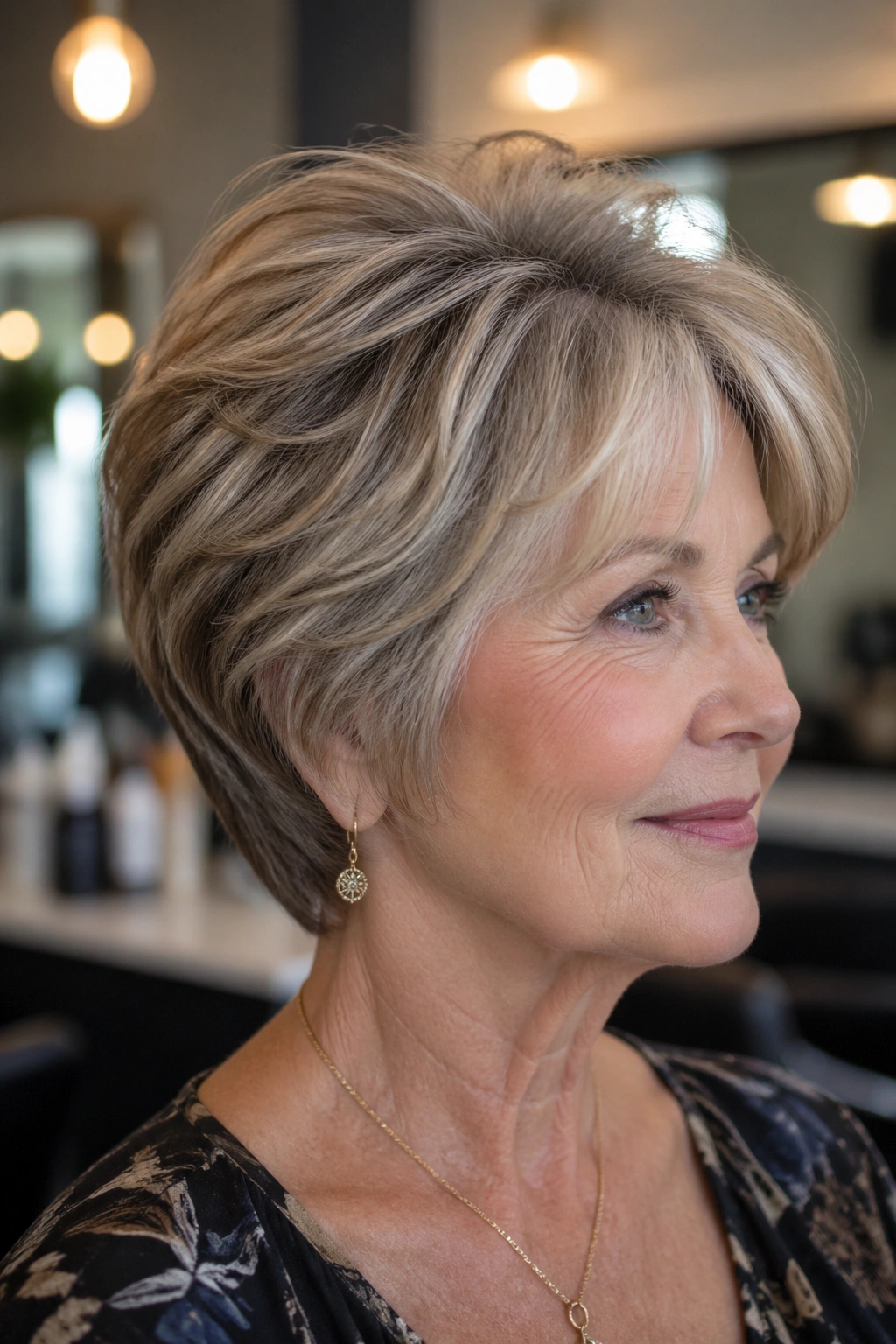
Unlike a flat bob, this version keeps the crown alive. That’s the whole point. The layers are placed to encourage lift at the top, which makes the face look a little more open and the overall shape feel lighter.
It’s a strong choice for hair that tends to settle close to the scalp. Fine strands especially benefit from a cut that creates movement at the roots without needing a lot of teasing or spray. A little root-lift mousse before blow-drying can make the shape hold much better.
The best layered wedge doesn’t look chopped up. It looks calibrated. The upper layers should support the crown, while the lower layers keep the back compact. Too many layers in the wrong places and the cut loses its shape fast.
If you like a blowout finish, this is one of the easier wedge styles to style at home. Wrap the top section around a medium round brush, lift at the root, and let the ends curve under softly. That’s enough. No drama needed.
7. Pixie-Bob Wedge Hybrid
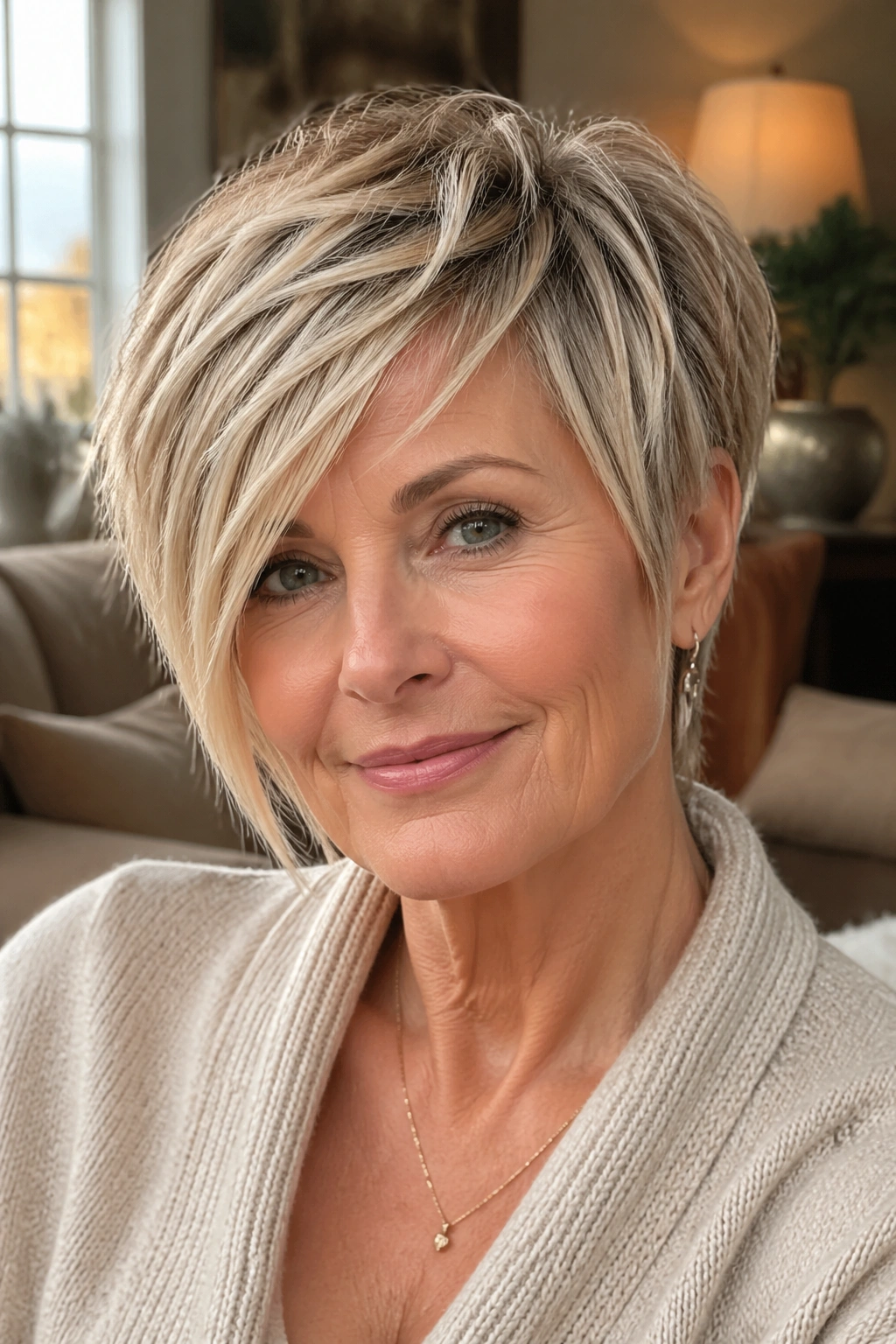
Short doesn’t have to mean severe. A pixie-bob wedge hybrid gives you the ease of a cropped cut with a little more length through the top and sides, which keeps the look softer around the face.
This is a good fit if you want something very easy to wash and dry but still want a bit of shape. The back can sit close to the head, while the top stays long enough to sweep to one side or tuck behind an ear. It has a lively feel without being messy.
The hybrid shape works especially well for women with fine hair who want the illusion of density. Shorter back, longer top, clean neckline. That combination makes the hair look intentional even on a day when you barely style it.
A pea-sized bit of styling paste is usually enough. Work it through the top with your fingers, then pinch the ends a little to keep the finish piecey rather than helmet-like.
8. Asymmetrical Wedge Bob
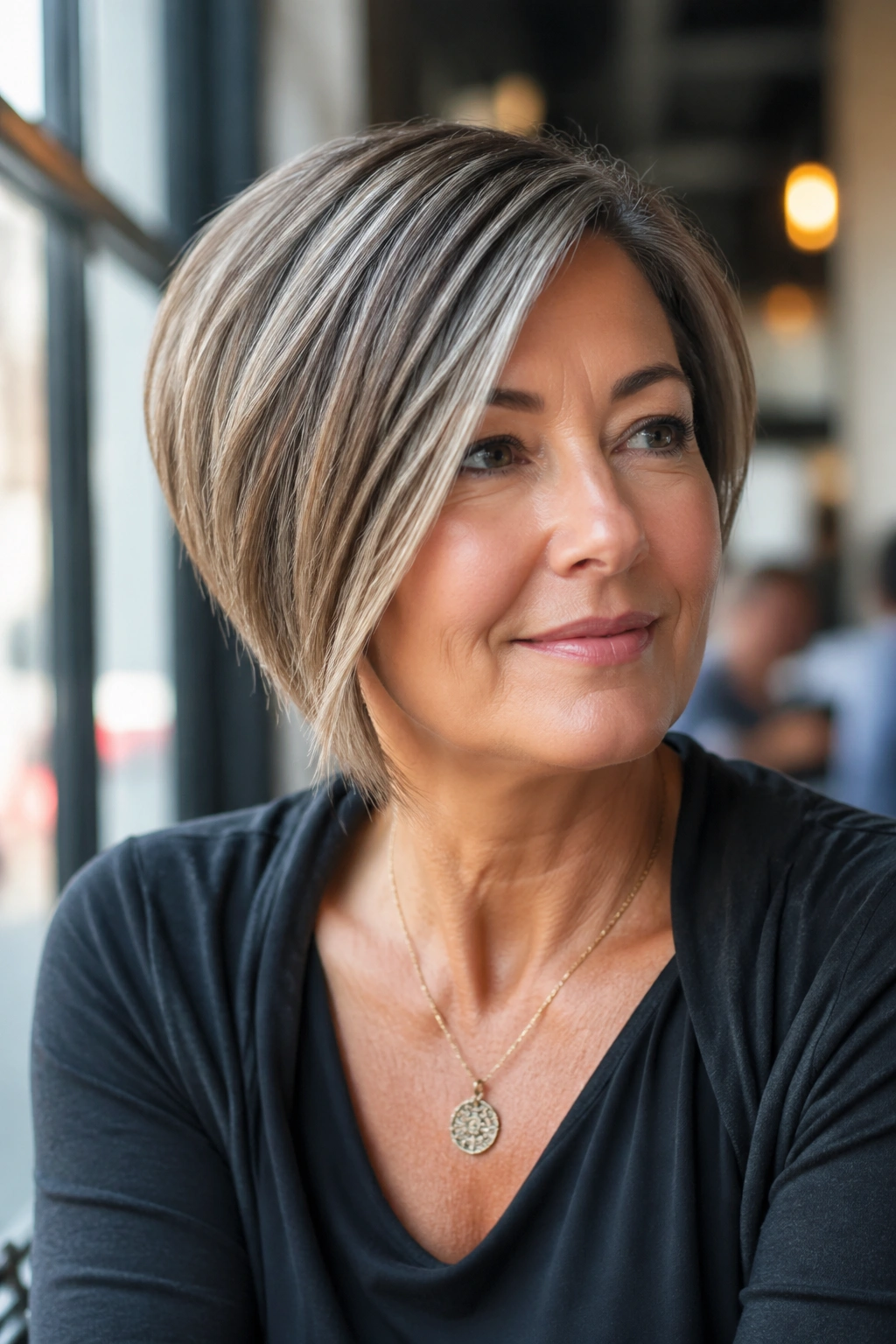
One side a touch longer than the other can make a wedge look more modern without turning it into a statement cut that shouts across the room. The asymmetry adds motion and breaks up the sameness that some short cuts fall into.
Why It Feels Fresh
Because the eye doesn’t land in one neat place, the cut feels less rigid. That can be useful if your features are strong and you want the hair to soften them a little. It also gives the illusion of length on one side, which can be nice if you’re easing into shorter hair.
Ask for a subtle difference, not a dramatic one. Half an inch to an inch is often enough. You want the cut to move when you turn your head, not look like it was cut in a hurry.
The best styling move is a side part and a smooth finish at the longer side. That keeps the shape readable. If your hair flips out at the ends, a quick pass with a flat brush while drying will calm it down.
9. Rounded Wedge With A Full Fringe
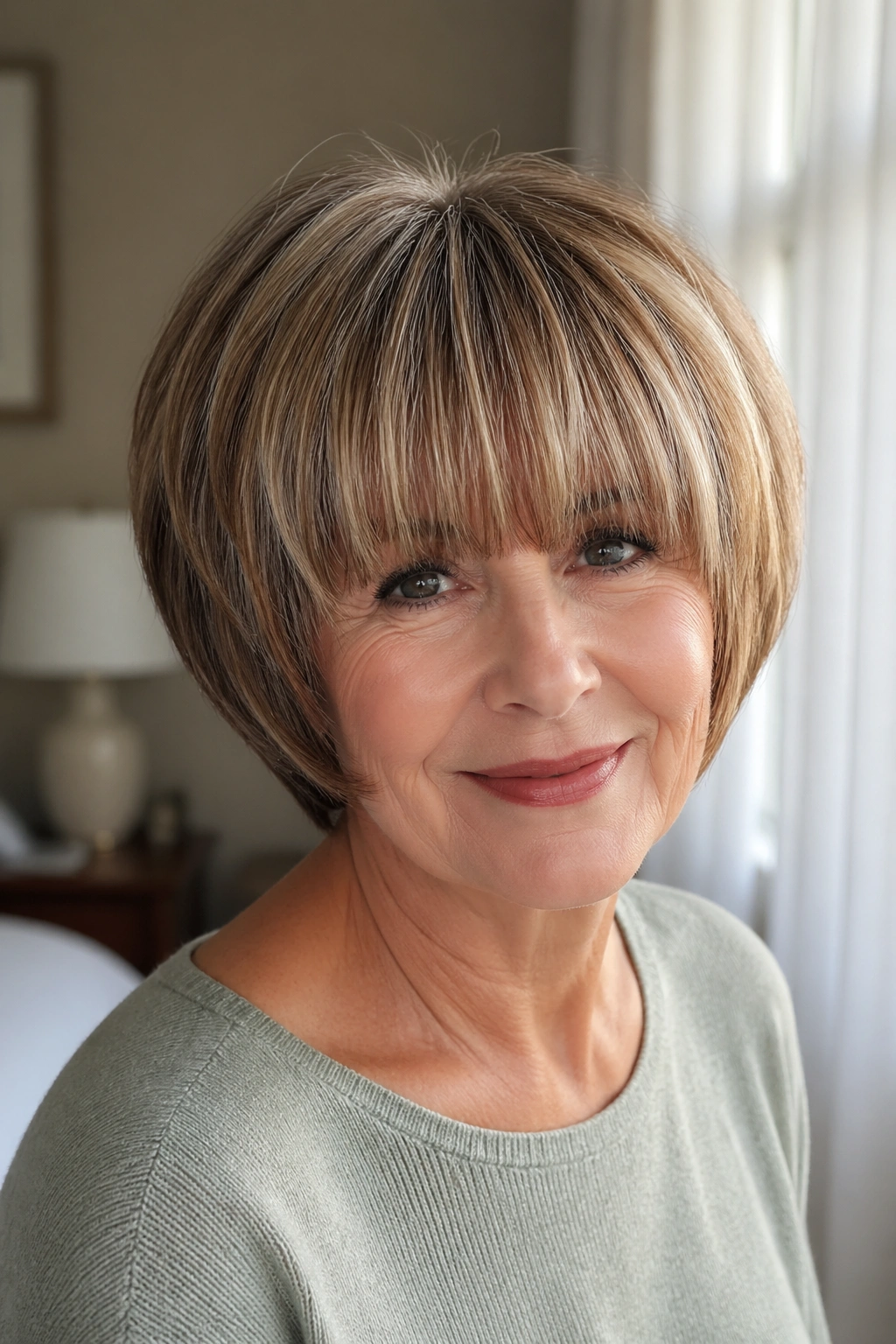
Not every youthful haircut needs sharp angles. A rounded wedge with a full fringe can look warm, soft, and almost immediately polished, especially if your forehead is one of the areas you want a little coverage on.
The roundness gives the cut a gentle outline, while the fringe keeps the attention close to the eyes. That combination can be flattering because it pulls the face inward in a soft way. The fringe should be dense enough to matter, but not so thick that it blocks everything.
This cut is also useful if you like a more classic finish. There’s a vintage echo here, but it doesn’t feel dated when the edges are kept light. Ask for the fringe to blend slightly into the sides so it doesn’t sit like a separate piece.
A smoothing brush and a little tension at the roots help this style stay neat. If the fringe gets oily fast, dry shampoo at the roots near the part line is your friend.
10. Long Wedge With Face-Framing Pieces
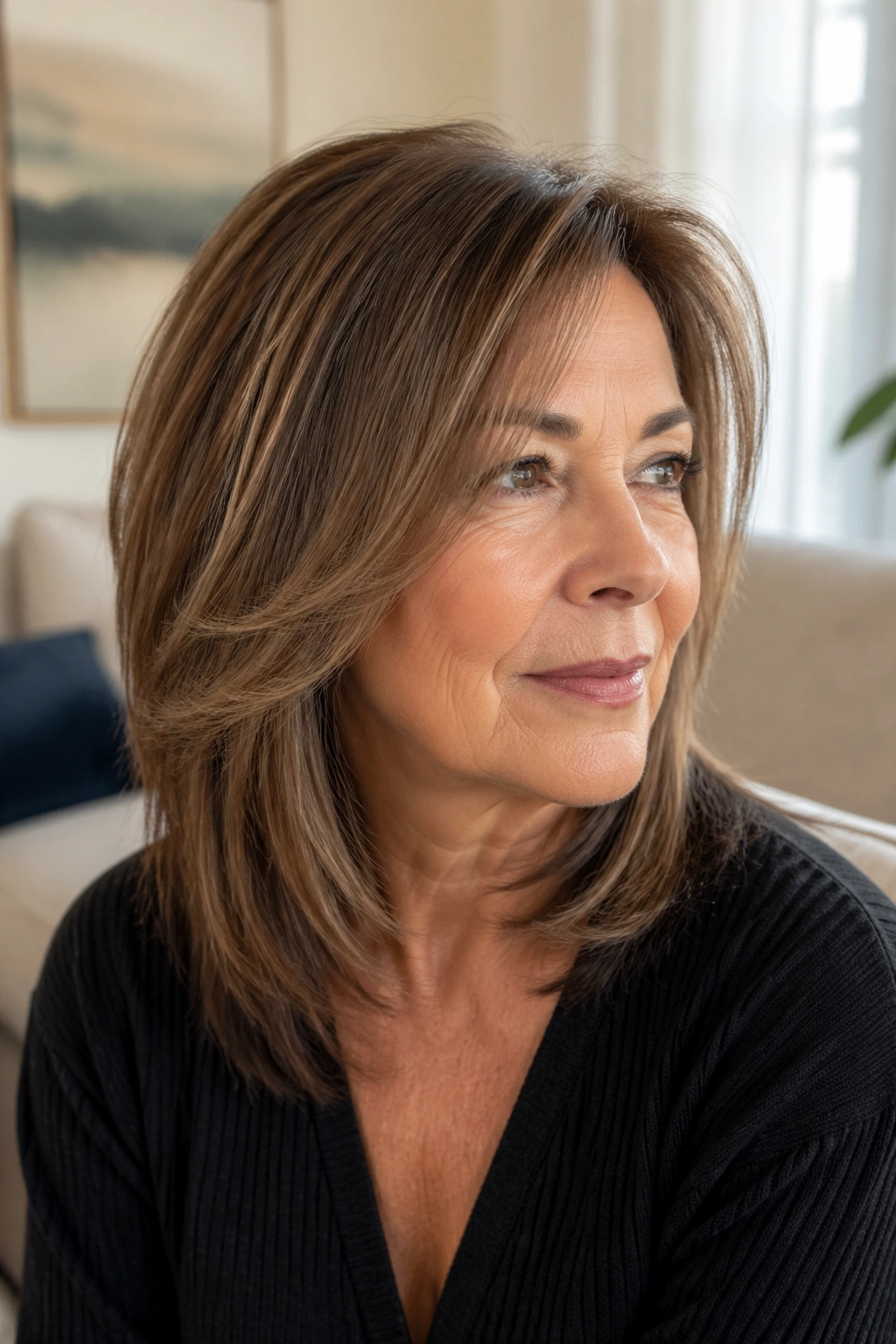
Think of this as the roomy cousin of the standard wedge. It keeps the stacked back, but the front stays long enough to brush the jaw or even skim the top of the collarbone.
That extra length gives you more ways to wear it. You can tuck one side behind the ear, wear a deep side part, or let the face-framing pieces fall forward when you want more softness. It’s handy if you’re not ready for a very short cut.
The face-framing pieces should be gradual, not chopped in a straight line. That keeps the front from looking heavy. A little bend through the ends helps the shape settle around the cheeks without clinging to them.
This one works well for women who want a youthful wedge haircut but prefer a gentler silhouette. It feels easy, slightly longer, and less fussy than a tight bob. That matters if you like to air-dry some days and blow-dry on others.
11. Tapered Wedge For Fine Hair
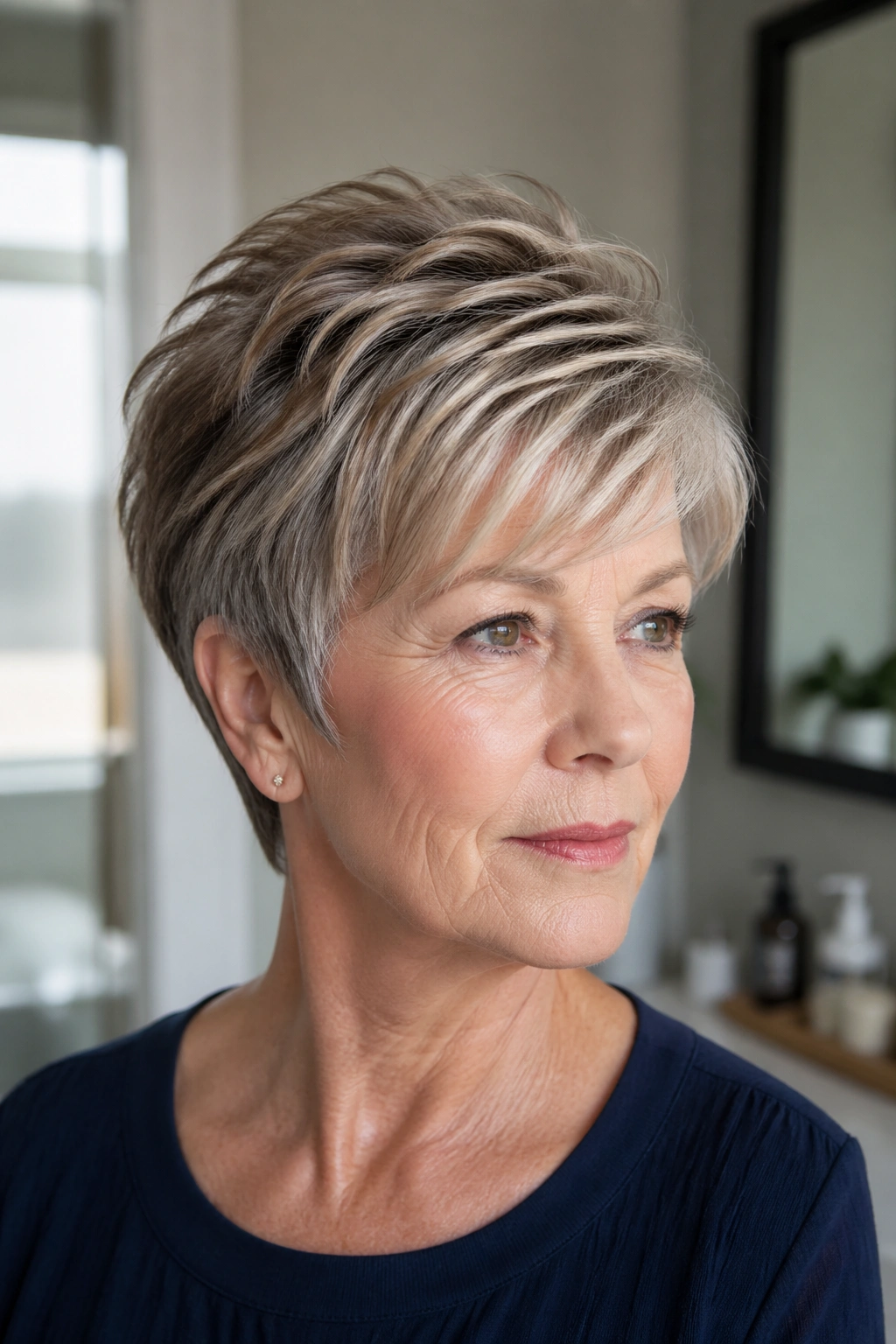
Fine hair loves structure, and the tapered wedge gives it exactly that. The back sits close, the crown gets lift, and the sides stay controlled so the hair doesn’t drift into a limp shape by lunchtime.
The clean taper is what makes this cut so useful. It removes weight in the right places, which allows the strands you do have to work harder visually. A blunt, heavy perimeter can drag fine hair down. A tapered one gives it air.
Styling Moves That Help
- Use a root-lifting spray at the crown.
- Blow-dry with a small round brush for direction.
- Keep conditioner off the roots.
- Avoid heavy oils unless the ends are dry.
You do not need a lot of product here. Too much can flatten the hair and make the cut lose its shape. A dime-sized amount of mousse is often enough. If the hair is especially soft, a velcro roller at the crown for 10 minutes after blow-drying can add a little extra lift.
12. Piecey Wedge With Choppy Ends
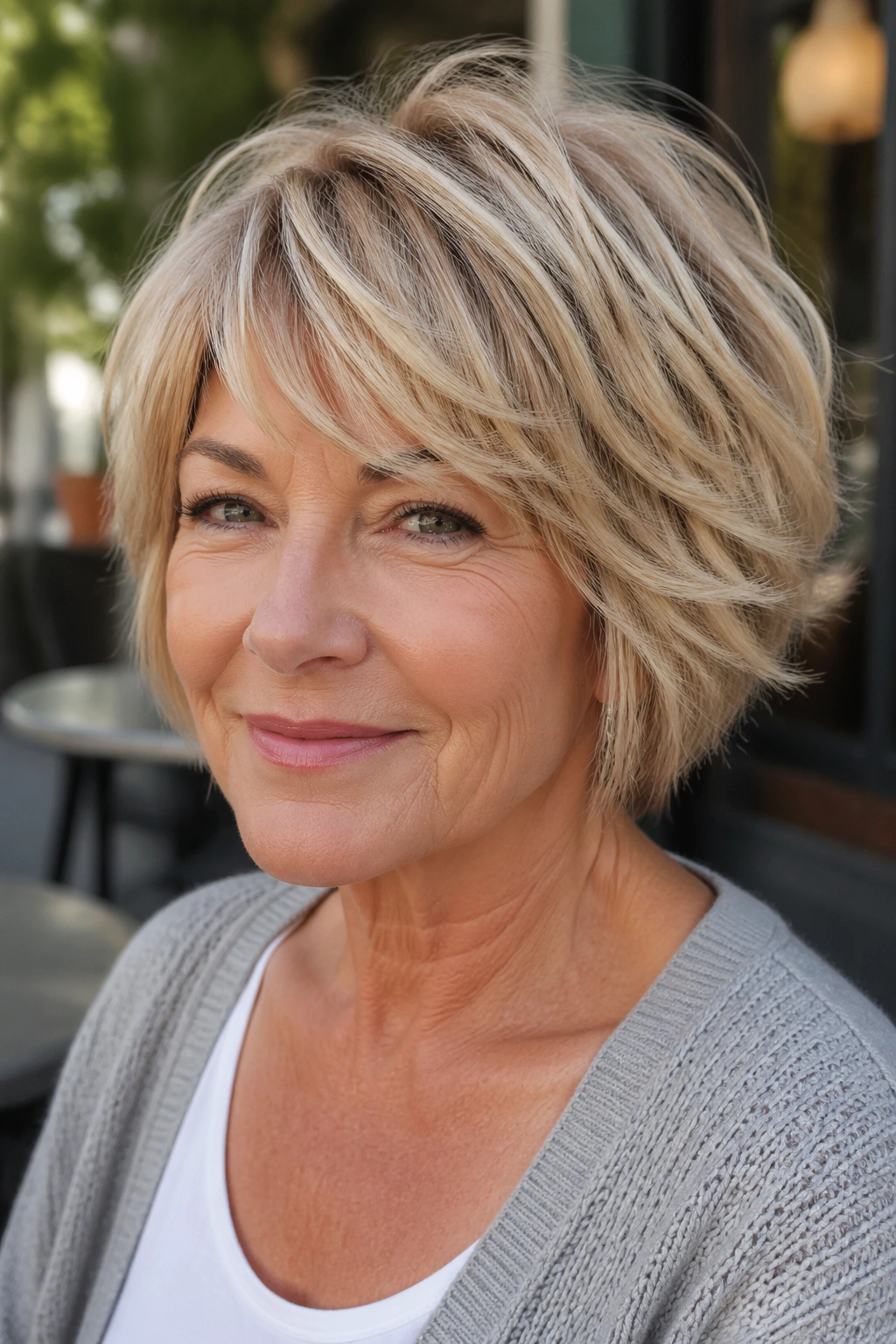
A little roughness can be useful. The piecey wedge uses choppy ends to break up the outline, so the cut feels lighter and less formal.
What Makes It Different
Instead of smooth, tucked-in edges, this version shows a bit of separation. That can be nice if your hair tends to look too neat or too flat. The chopped ends catch the light and keep the shape moving.
Ask for light texturizing through the lower layers, not a lot of razoring everywhere. Overdoing texture can make the ends fray, and frayed ends look tired fast. You want separation, not fuzz.
This cut is especially handy if you wear casual clothes and don’t want a hairstyle that feels too dressed up. A touch of styling cream and some finger-combing is enough to keep the finish relaxed. Let a few pieces fall where they want. That’s part of the charm.
13. Sleek Wedge With A Sharp Outline
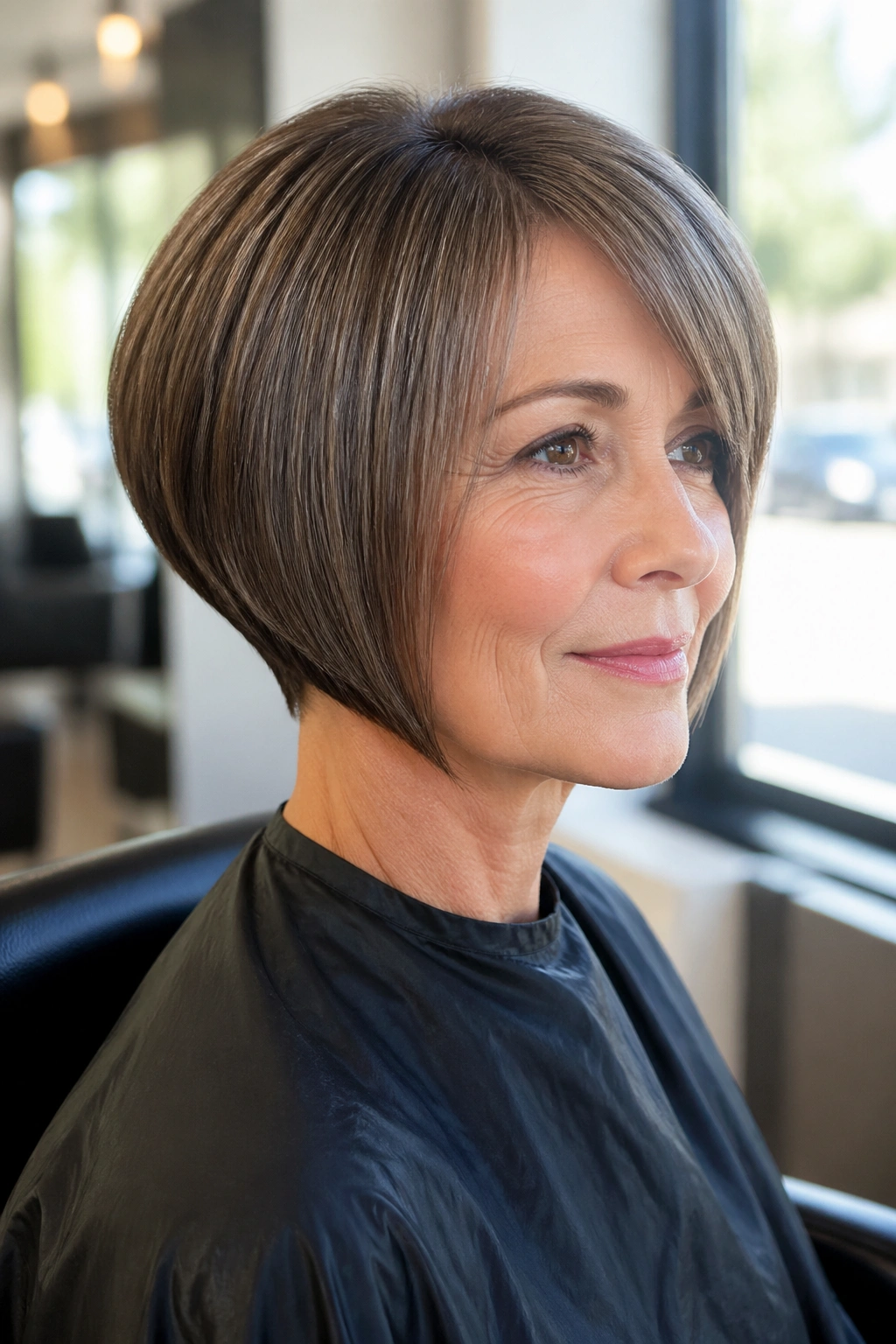
This is the polished version of the wedge, and it suits straight hair beautifully. The lines are clean, the back is neat, and the sides fall with purpose rather than fluffing outward.
If your hair has enough density to hold a smooth edge, this cut can look sharp in the best way. The silhouette reads clearly from every angle. That can be flattering because it puts the shape first and the hair texture second.
A flat brush, a blow-dryer, and a light smoothing serum are usually the main tools. The trick is not to overwork the ends. A sharp outline is one thing; stiff ends are another. Keep the bend soft at the bottom so the cut doesn’t feel harsh.
This is a good match for women who like tidy hair and don’t want to spend long in the mirror. The structure does much of the work for you. Straight, smooth, and done. Nice and simple.
14. Warm Blonde Wedge With Soft Layers
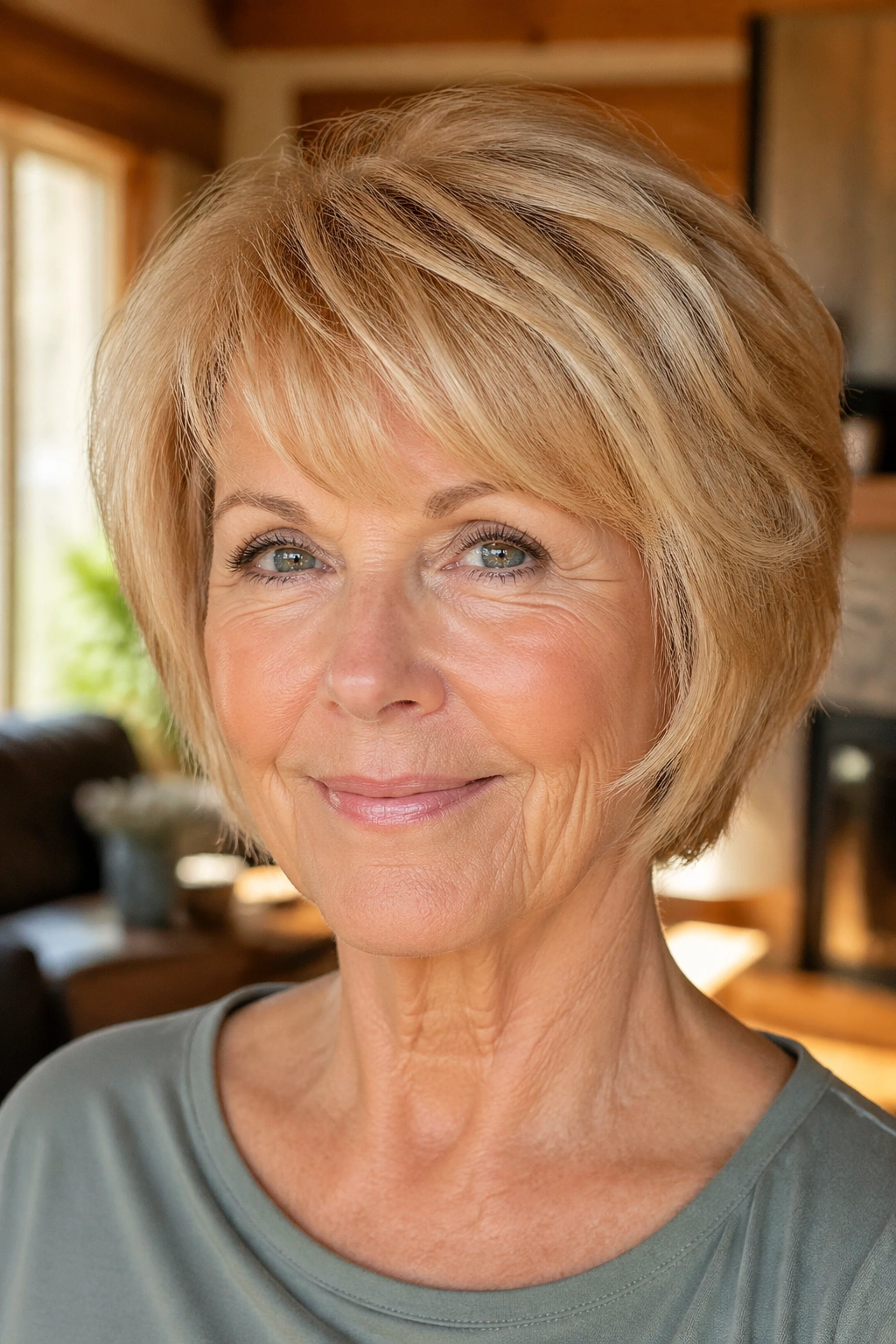
Color changes everything here. Warm blonde tones can make a wedge feel softer and brighter because the layers show up more clearly when light hits them.
Beige blonde, honey blonde, and soft golden tones all work well with a wedge cut, especially if the layers are blended rather than abrupt. The warmth softens the outline around the face, which can be helpful if you want the cut to feel less severe. It also keeps the style from looking flat in indoor light.
The best version keeps the layers subtle. You’re not chasing a heavy highlight pattern. You’re using color to show the cut’s shape. That means a few lighter pieces around the face and a slightly deeper tone underneath can do more than a full head of bright blonde.
A gloss treatment every so often helps the color stay shiny, and shiny hair always makes a wedge look fresher. Dull blonde can make even a good cut look tired.
15. Salt-And-Pepper Wedge With Dimension
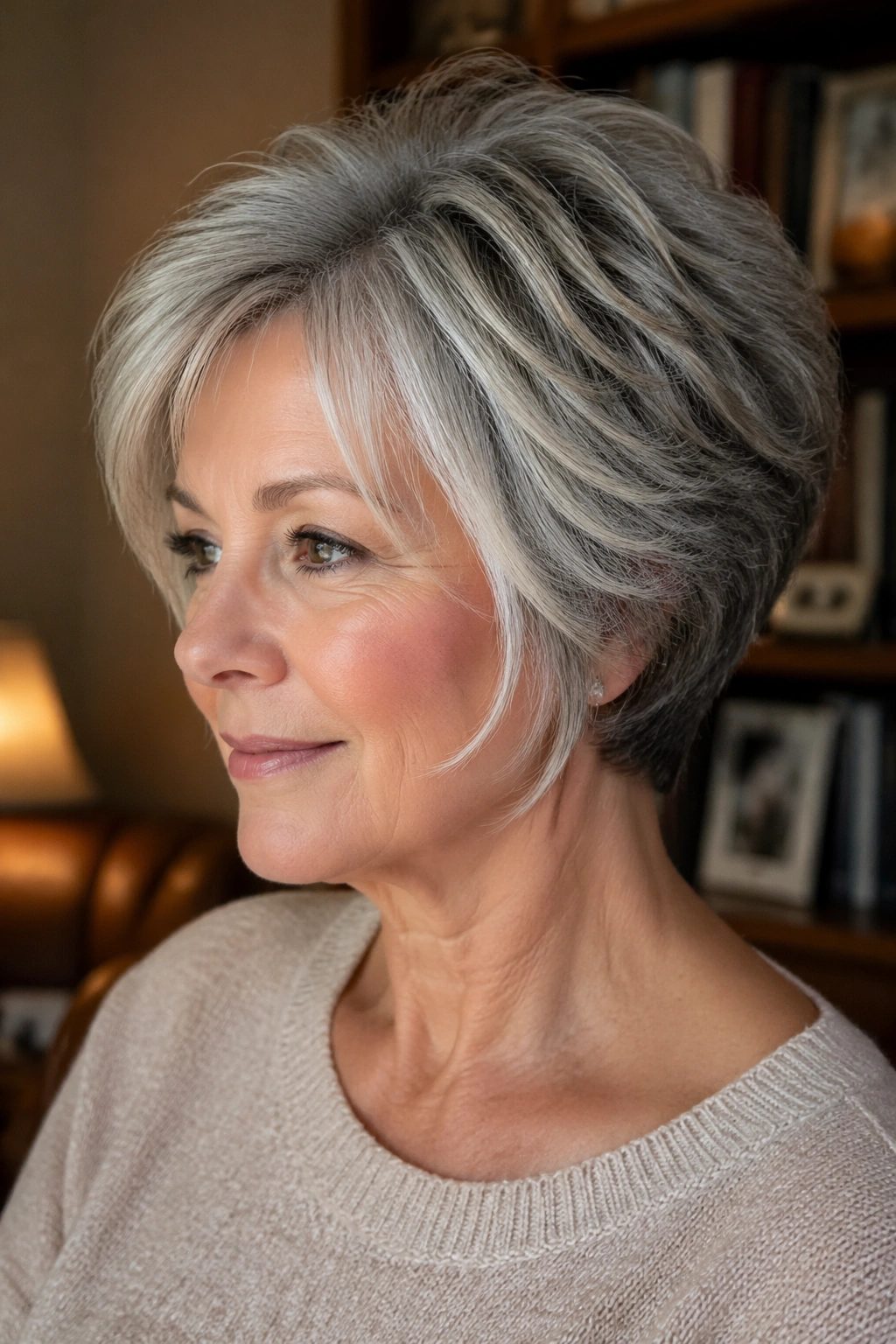
Salt-and-pepper hair has built-in contrast, and a wedge cut lets that contrast do the work. The darker strands under the crown, the silver on top, the mix around the temples — it all gives the cut depth without asking for extra styling.
This style benefits from a clean part and a little lift at the roots. That lets the lighter pieces show around the face instead of disappearing into the mass. The silhouette is still classic wedge, but the color makes it feel more dimensional and alive.
Small Details That Matter
- Keep the neckline crisp so the color contrast shows.
- Use a shine spray sparingly on the top layer.
- Ask for soft layering rather than heavy thinning.
- Let the natural gray pattern lead the shape.
This cut can look especially good when the silver isn’t all one tone. The mix is the point. Don’t fight it with too much coloring unless you want to. A good cut is often enough.
16. Wedge With Curtain Bangs
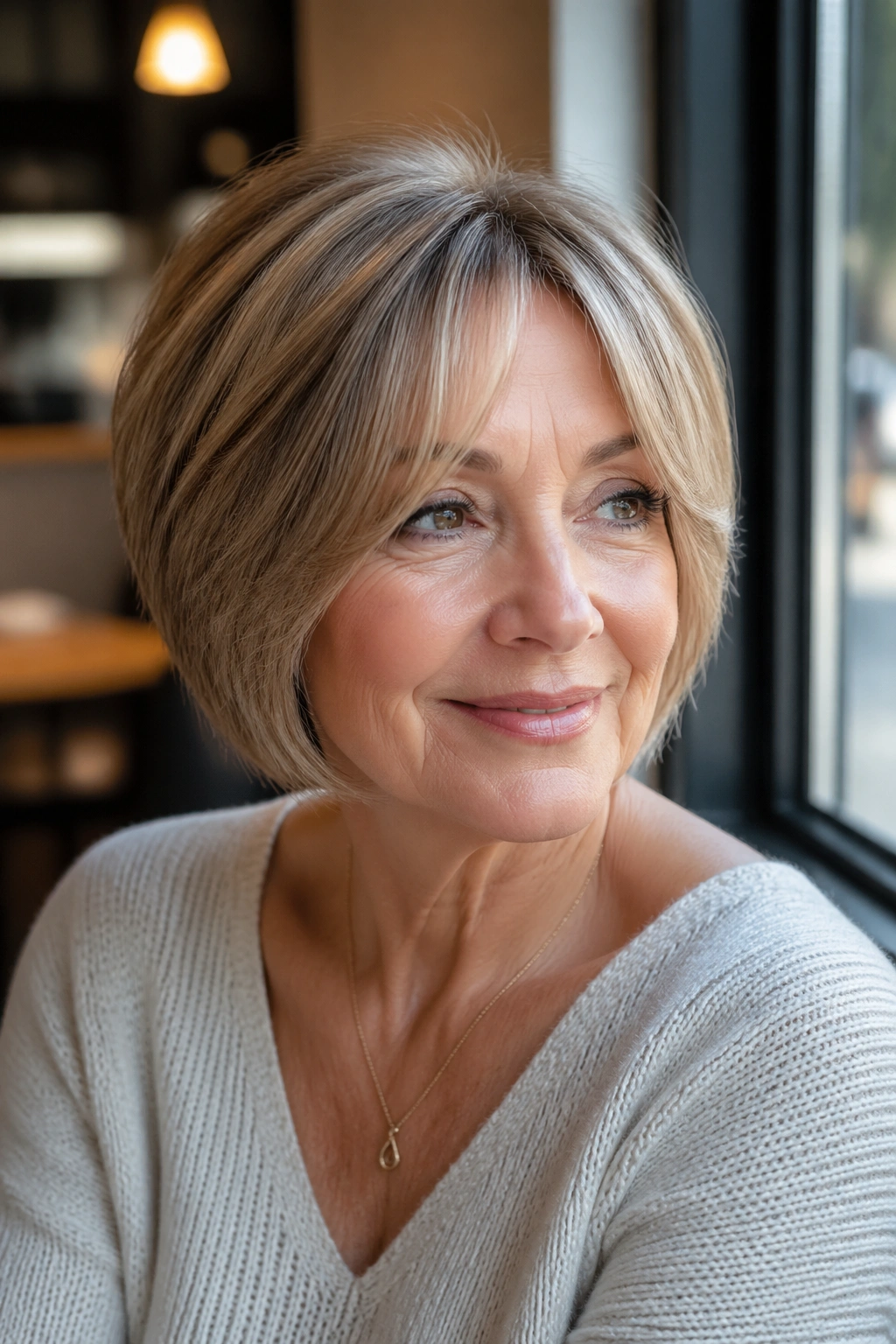
Curtain bangs can soften a wedge in a way that feels modern without being fussy. They open in the center and fall away from the face, which gives the forehead area room while still adding shape.
The bangs should blend into the sides, not sit like a separate little curtain rod across the head. That’s the mistake people make. A good curtain bang starts a bit longer at the cheekbone and drifts inward toward the nose bridge. From there, the wedge underneath keeps the back neat.
This style suits women who want face-framing without a heavy fringe. It also works if you like wearing glasses, since the bangs can sit above or around the frames depending on how they’re styled. A round brush and a quick bend away from the face are enough.
If your hair is fine, keep the bangs light. If it’s thick, ask for some internal reduction so they don’t crowd the eyes. Either way, the shape stays softer than a blunt bang ever will.
17. Feathered Wedge For Thick Hair
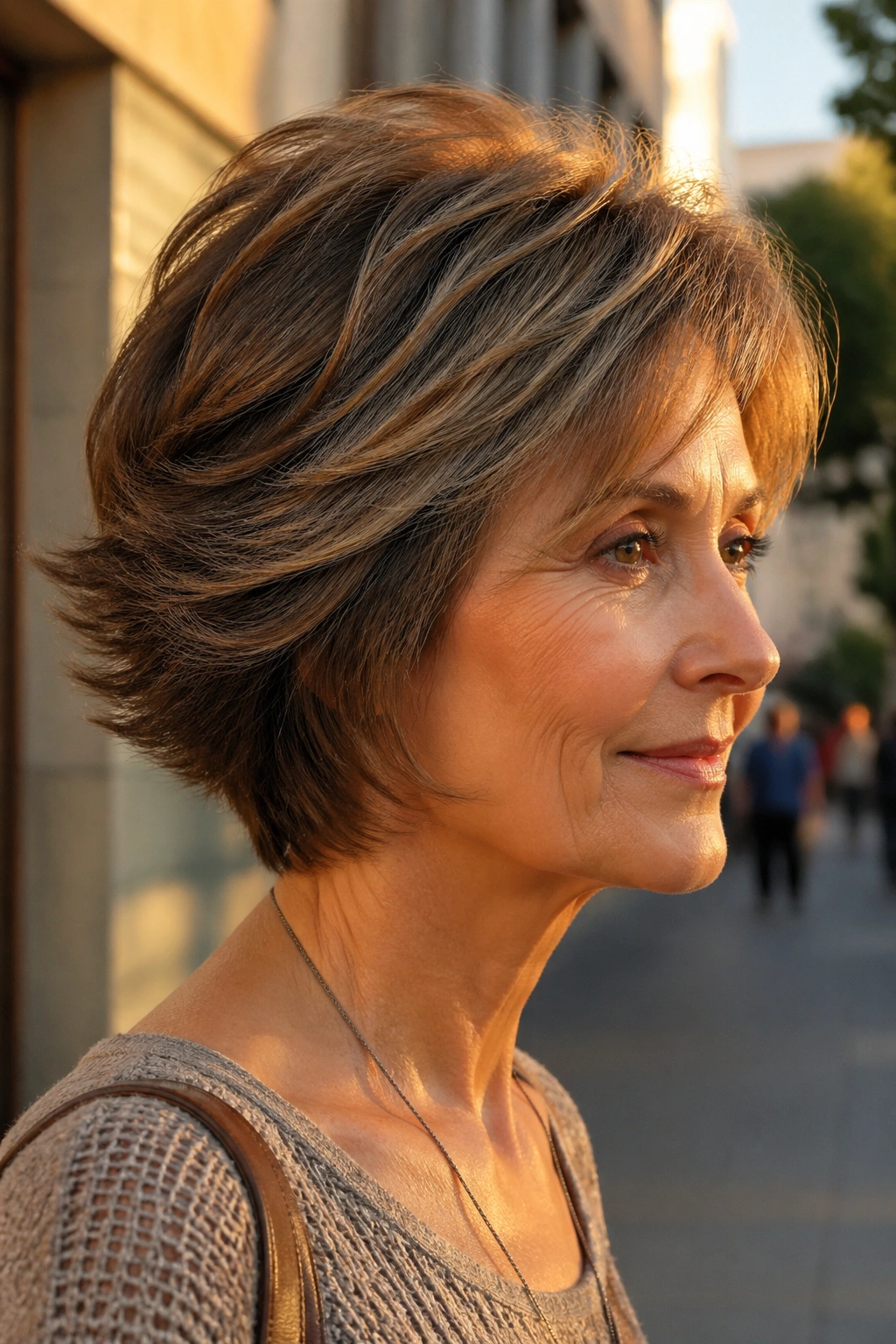
Thick hair can turn a wedge into a triangle if the weight isn’t handled well. Feathering solves that by removing bulk in a controlled way and giving the cut more movement.
The goal here is to keep the back supported while lightening the sides and crown enough to stop the style from feeling heavy. Feathering through the upper layers helps the hair bend instead of sit in one block. It also keeps the neckline from looking bulky, which is a common problem with thick hair cut too bluntly.
This is one of those cuts where the stylist’s hand really matters. You want shape, not random thinning. Ask for graduated layers and gentle texturizing around the outer edges. If your hair has a coarse feel, a smoothing cream before blow-drying can make the finish lie flatter and shinier.
A thick wedge can look gorgeous when it moves. Without movement, it can feel too square. That’s the entire game.
18. Short Wedge With Micro Layers
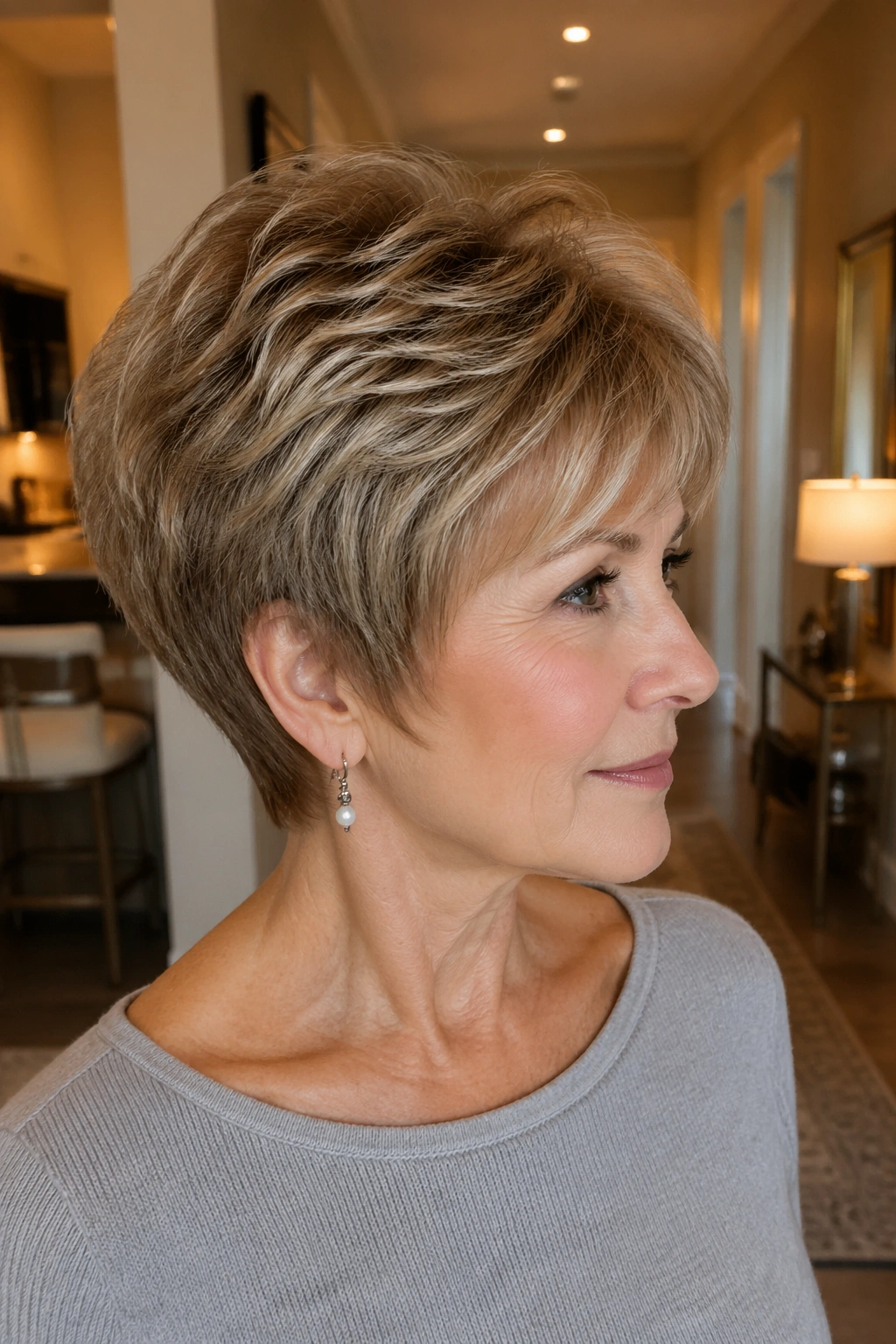
A short wedge with micro layers is compact, lively, and a little daring. The layers are tiny, but they matter. They stop the cut from sitting like a single block and give the top just enough lift to feel energetic.
This cut works best if you’re comfortable with shorter hair around the ears and neckline. It shows the shape clearly, which means the cut has to be precise. There’s no room for sloppy lines. The upside is that it dries fast and holds its shape well, especially on straight or slightly wavy hair.
You may like this if you want something that looks neat after a simple blow-dry or even a quick finger-dry with a bit of texture paste. It’s not a cut that asks for a lot of extra styling. The shape itself does the talking.
Best detail to ask for: keep the micro layers concentrated at the crown and upper back, not all through the perimeter. That keeps the silhouette clean instead of wispy.
19. Wedge Bob With An Undercut Nape
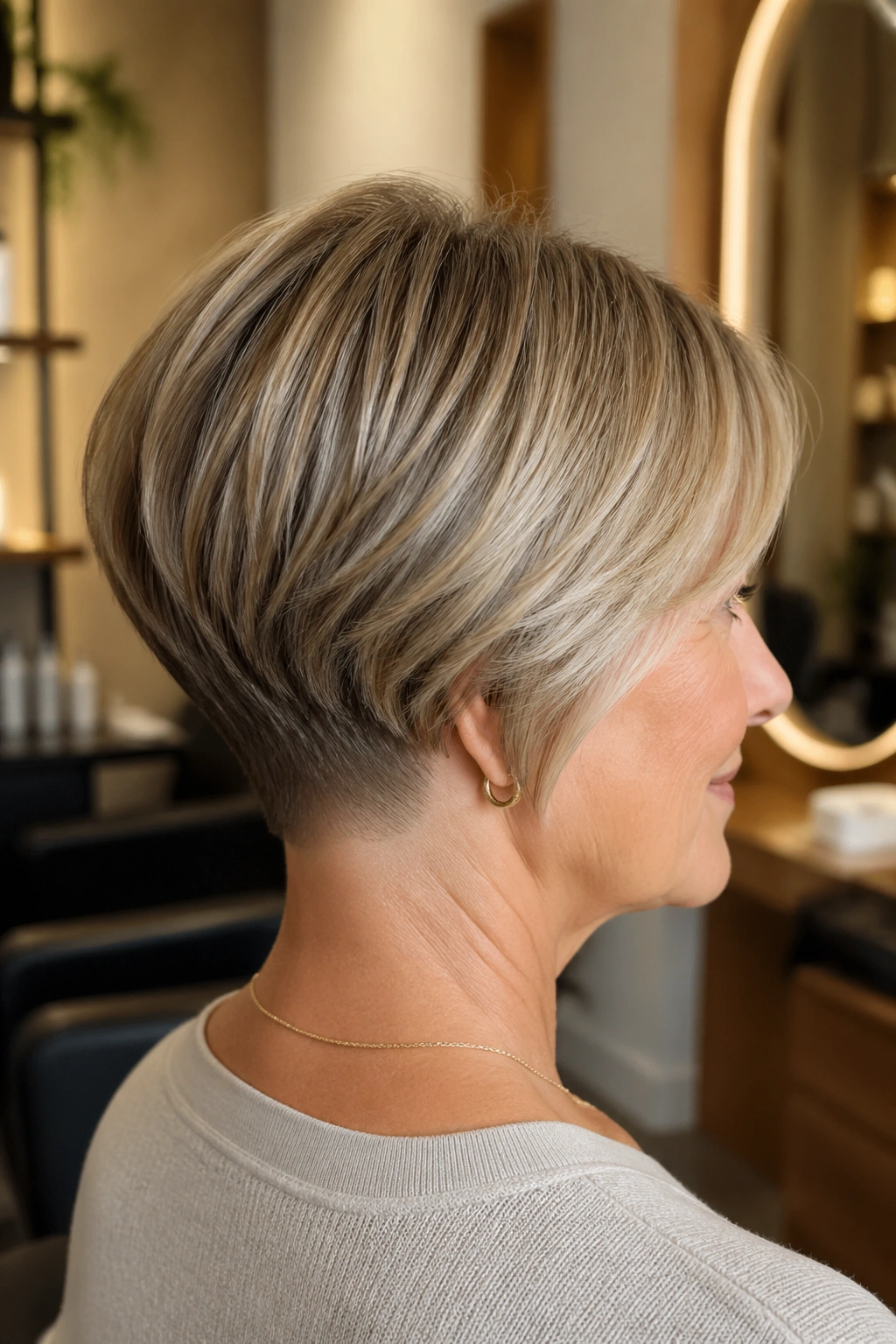
The undercut nape is a useful trick when the back of the head needs to stay flat and tidy. It removes bulk right where thick or stubborn hair tends to puff out.
This version is a little bolder, but not dramatic in a flashy way. From the front, it can still look like a classic wedge bob. The surprise is hidden underneath. That makes styling easier because the neckline stays close to the head instead of flipping outward.
It’s a smart option if you have dense hair, a strong cowlick at the nape, or you just hate the feeling of heat collecting at the neck. Some women like the freedom of a hidden undercut because it keeps the silhouette sleek without forcing the rest of the cut to be too short.
Ask for the undercut to be soft and concealed unless you want it visible. A small amount is usually enough. Too much, and you can lose the balance that makes the wedge flattering in the first place.
20. Softly Stacked Wedge For Glasses
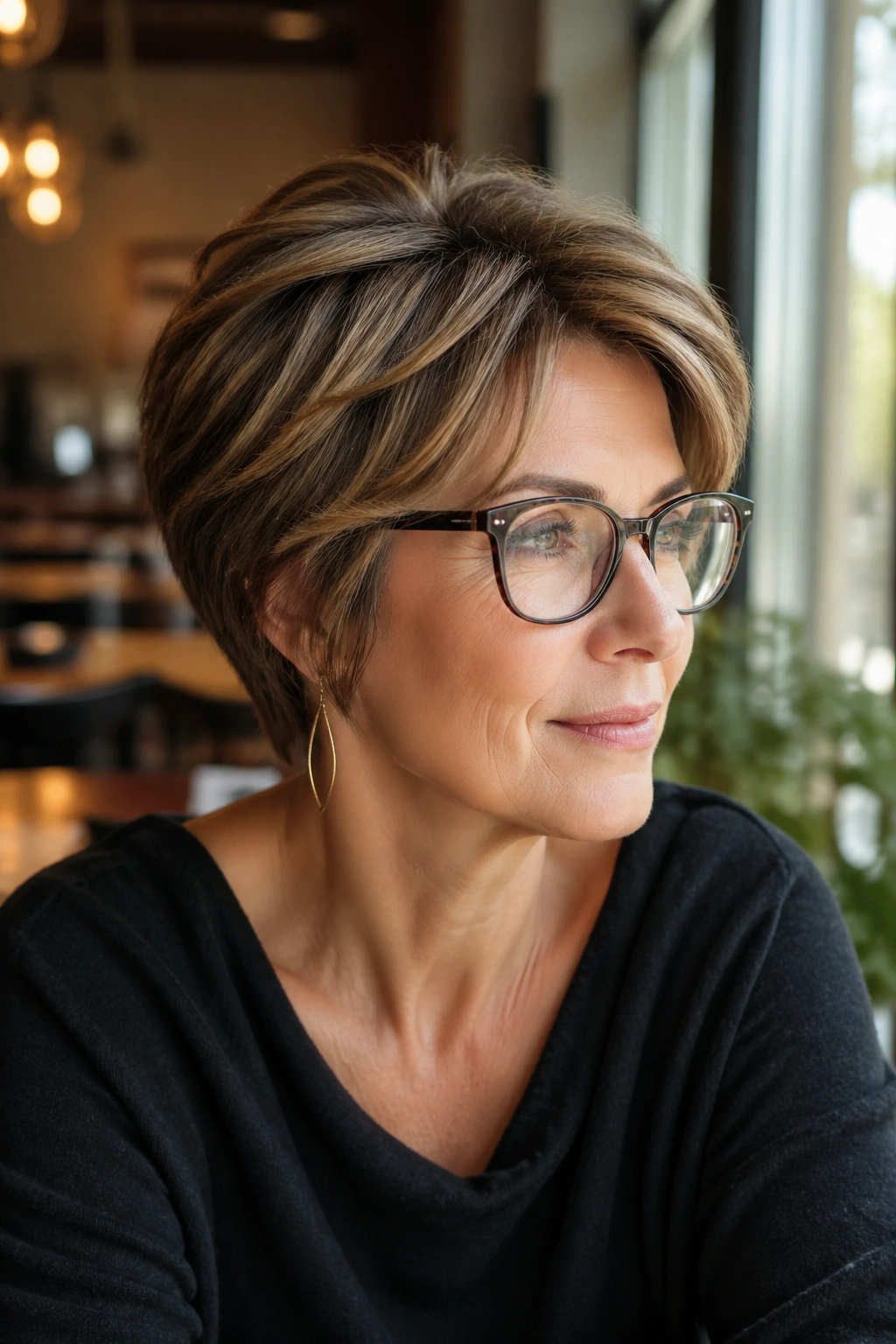
Glasses and short hair can look fantastic together, but the cut has to leave room around the temples and ears. A softly stacked wedge does that well because it frames the face without crowding the frames.
The sides should graze the cheek area, not puff into the arms of the glasses. That’s the mistake that makes a cut feel busy. The stack in back gives height, and the front stays light enough to avoid competing with the glasses themselves.
Best Styling Notes
- Keep the area around the ears neat.
- Choose a side part if your frames are bold.
- Avoid too much volume right at the temple.
- Let the front curve softly toward the cheekbones.
A softer stack also helps if your frames are thick or dark. The hair doesn’t need to fight for attention. It just needs to support the shape of your face and keep the whole look balanced.
21. Side-Part Wedge With Volume At The Temple
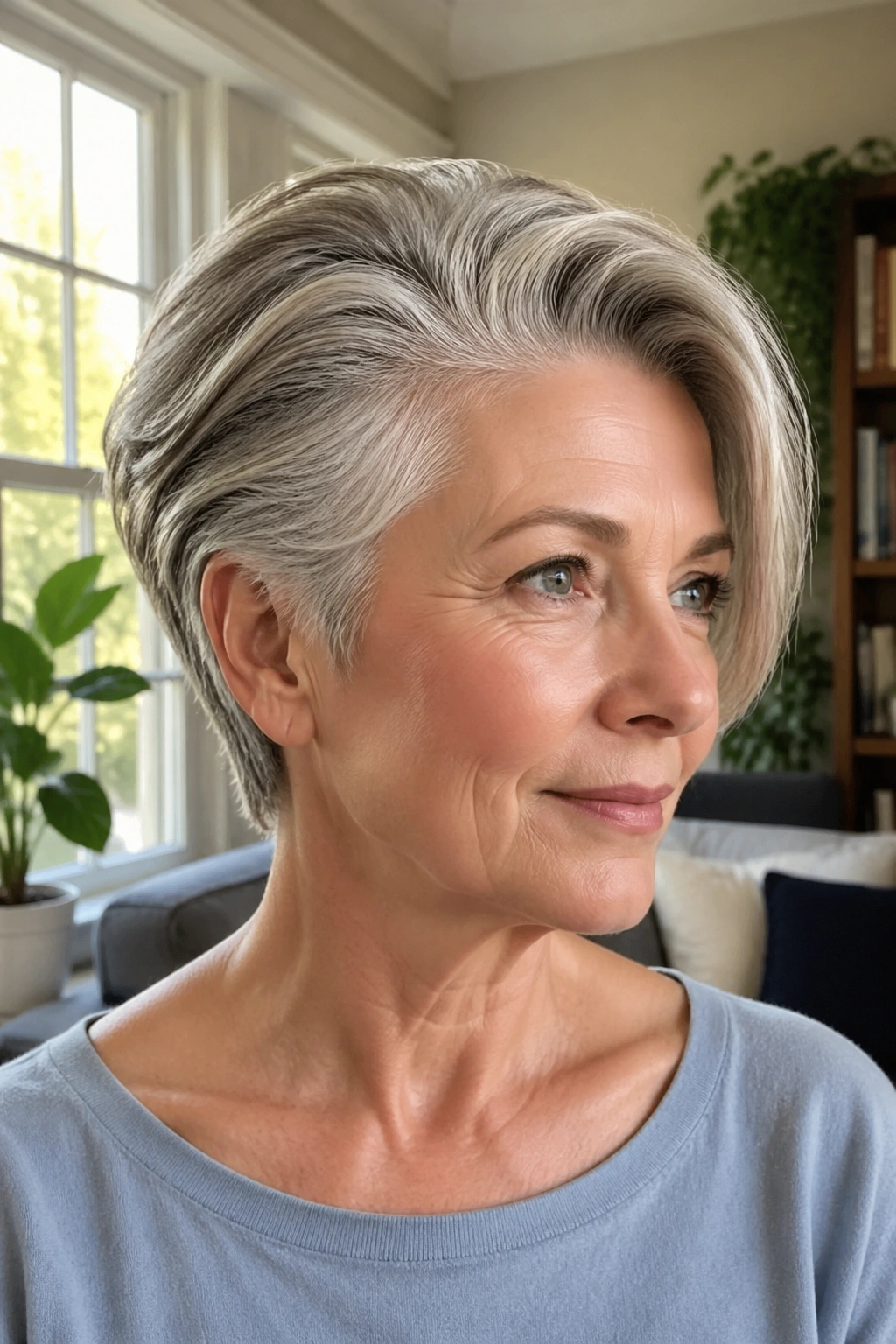
A side part can change the whole attitude of a wedge haircut. It lifts one side, softens the forehead, and gives the style a little asymmetry without committing to a full asymmetrical cut.
The temple area is the trick here. A bit of lift there can make the face look more open and the haircut feel less flat. That matters especially if your hair naturally wants to collapse at the crown or cling close to the head on one side. A side-part wedge gives it a little push in the right direction.
This is a good choice if you like a more relaxed finish. The part does some of the styling for you, and the wedge shape keeps the back neat. A round brush at the temple and crown is enough to encourage the volume.
One small detail: don’t make the part too deep unless your hair has enough body to handle it. A moderate side part often looks softer and more wearable day to day.
22. Razor-Textured Wedge Ends
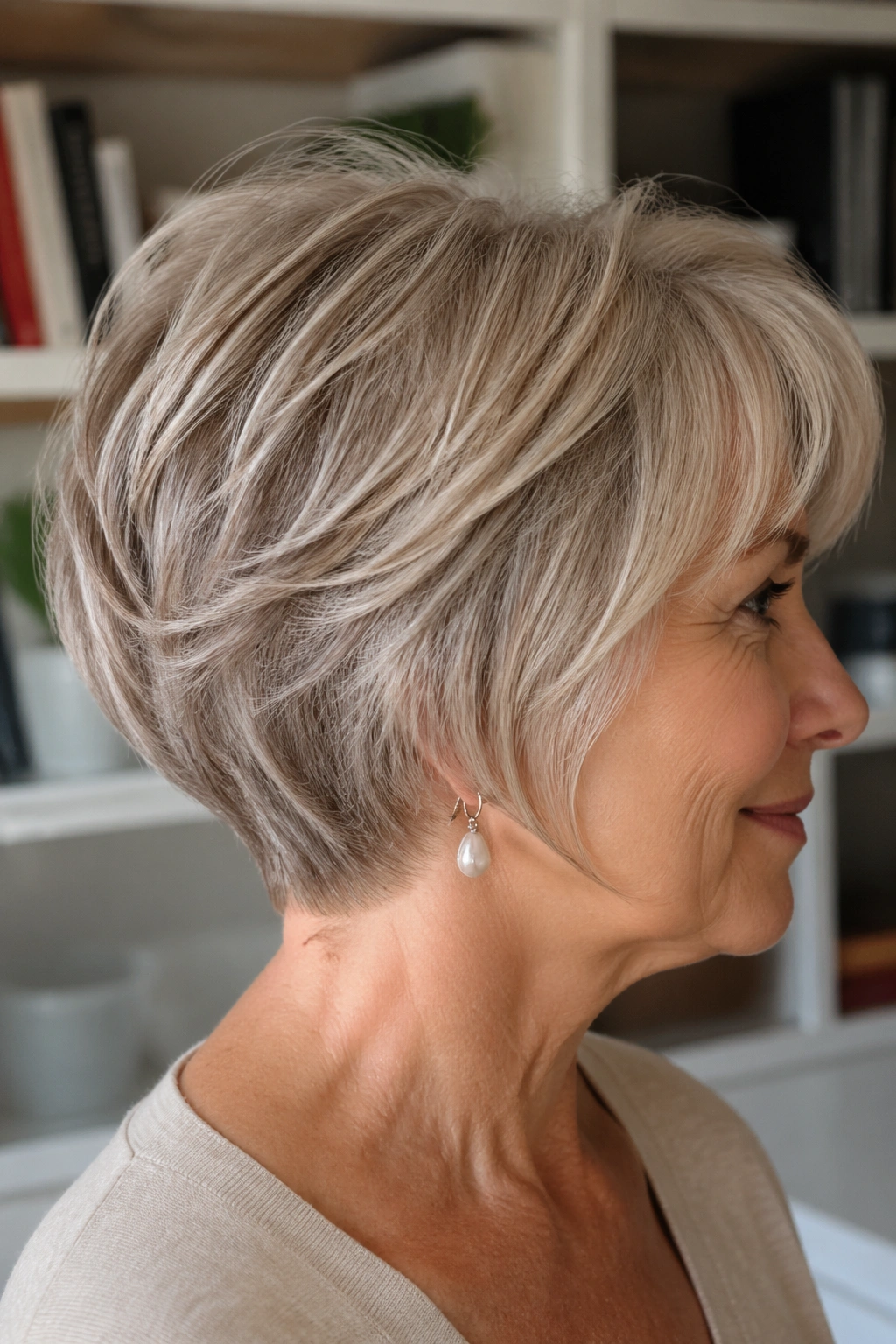
Razor texture can give a wedge a lighter, airier feel, especially when the hair is thick enough to carry the technique. The ends look more broken up, which keeps the shape from feeling solid or heavy.
That said, razor cutting is not the answer for every head of hair. Fine or fragile strands can get wispy fast if the razor is overused. On denser hair, though, it can make the ends move in a way scissors sometimes can’t.
What To Watch For
If you like a bit of swing at the bottom, this style delivers it. The ends soften as they dry, and the whole cut feels less like a hard helmet shape. Good razor work should leave the perimeter light, not shredded.
This is a cut for someone who wants texture first and polish second. A dab of styling cream or a light wax can help define the ends without weighing them down. If the finish starts looking frayed, the cut probably needs a cleaner touch-up.
23. Sleek Silver Wedge With Tuckable Sides
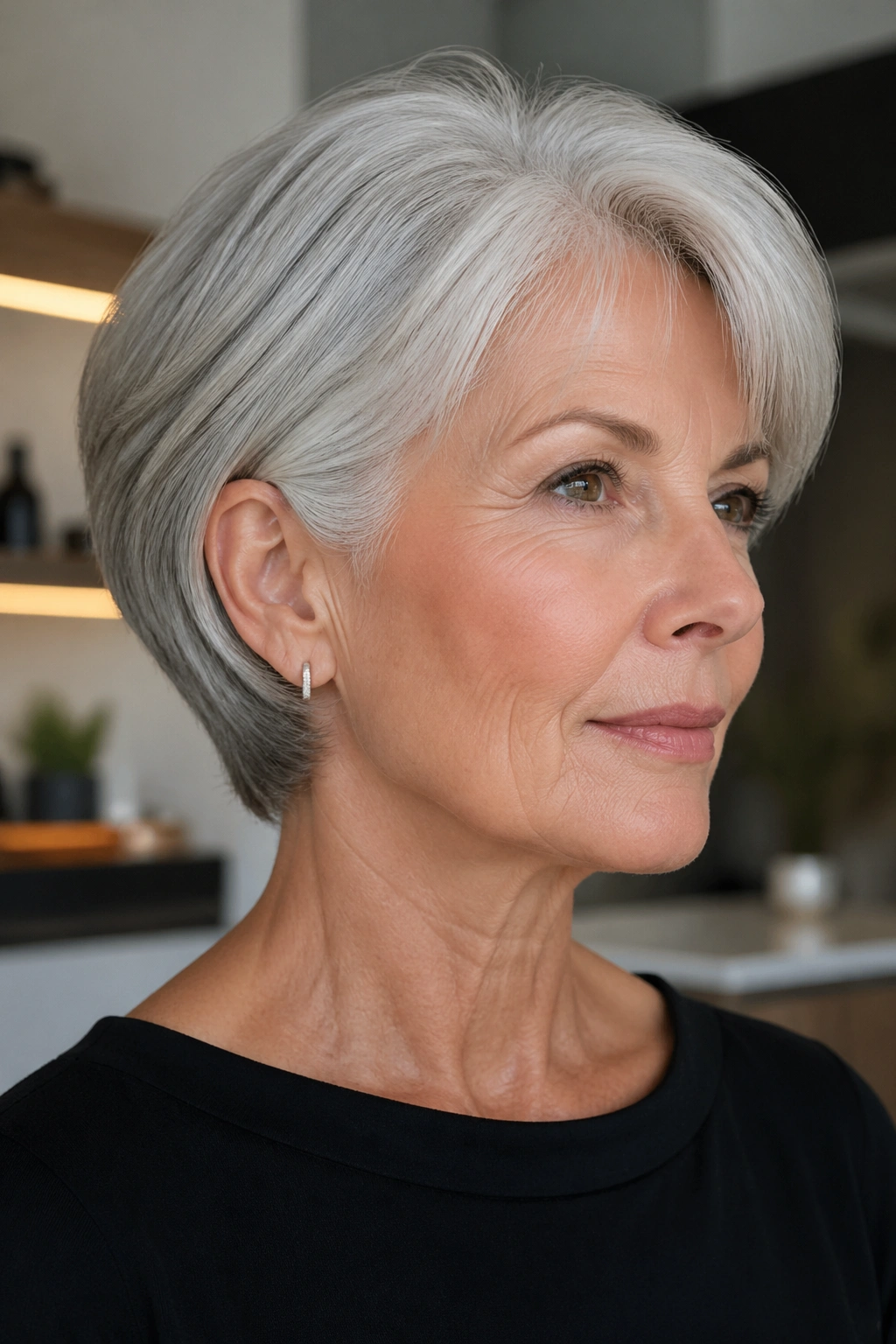
This one has a neat, almost tailored feeling. The silver hair is allowed to shine, and the sides are long enough to tuck behind the ears when you want a cleaner line around the face.
The tuckable side length makes a huge difference. It gives you options. Some days the hair can sit forward in a soft frame; other days it can be tucked back for a sharper look. That flexibility is useful if you like one haircut to do more than one job.
A sleek finish works best here. Use a smoothing cream on damp hair, blow-dry with tension, and finish with a light mist of shine spray. The goal isn’t to make the hair stiff. It’s to let the silver read as polished and deliberate.
This is a strong pick for women who like minimal fuss but still want a haircut with shape. Tidy, bright, and easy to shift around. That’s a good combination.
24. Wedge For Wavy Hair
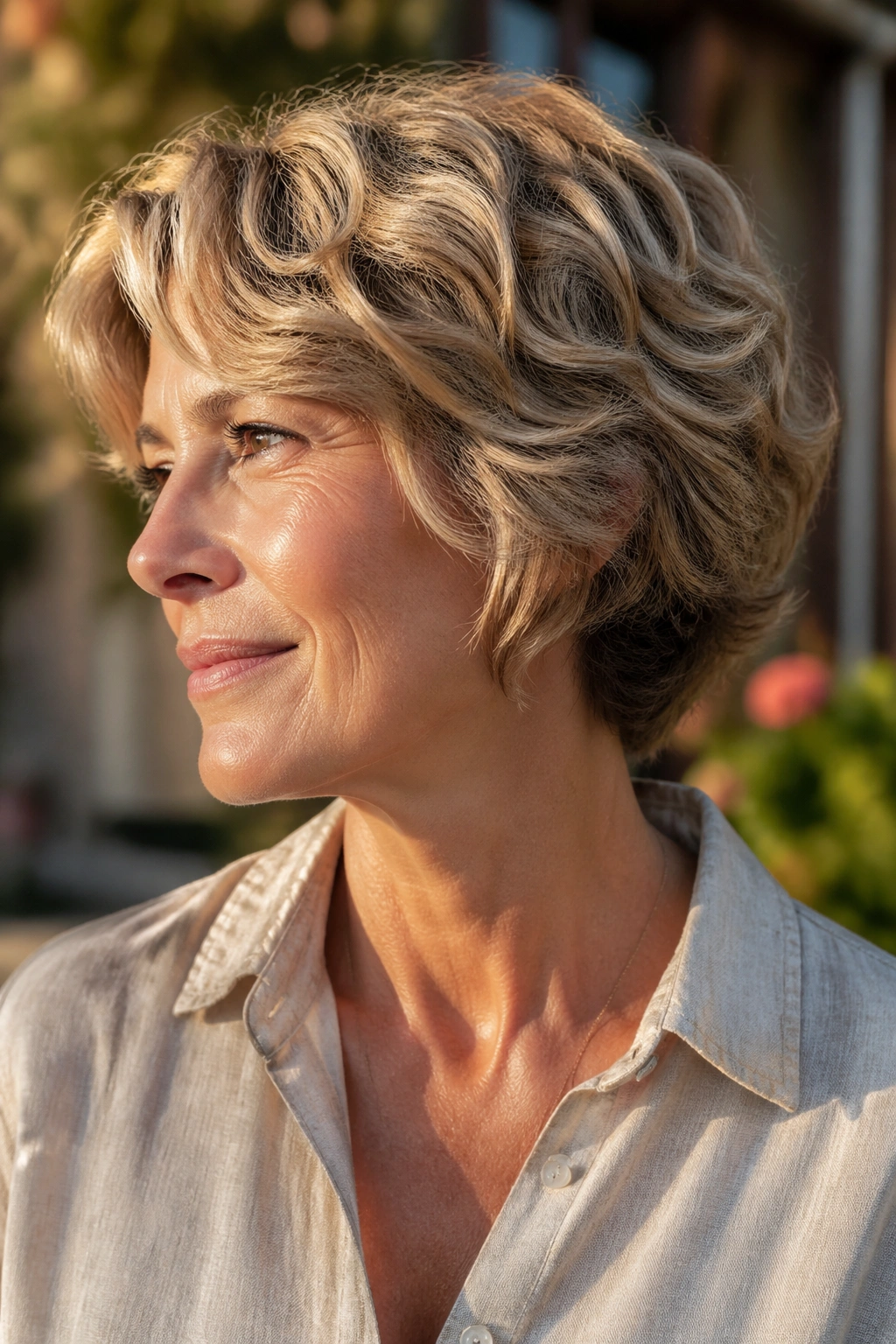
Wavy hair can make a wedge look less formal and more lived-in, which is a nice thing if you don’t want a cut that seems too set. The soft bends add body around the sides and a little lift through the crown.
The main thing is to keep the wavy pattern in mind when the cut is made. If the layers are too blunt, the waves can kick out in odd spots. If they’re too thin, the hair can frizz. A gentle wedge with medium layering usually lands in the right place.
How To Style It
- Use a wave cream or light mousse on damp hair.
- Scrunch lightly, don’t rough it up.
- Dry with a diffuser or air-dry.
- Break up the cast with a small amount of serum.
Wavy wedge haircuts look best when they’re allowed a little movement. Don’t over-smooth every bend out of it. The texture is part of the appeal.
25. Flipped-Out Ends Wedge
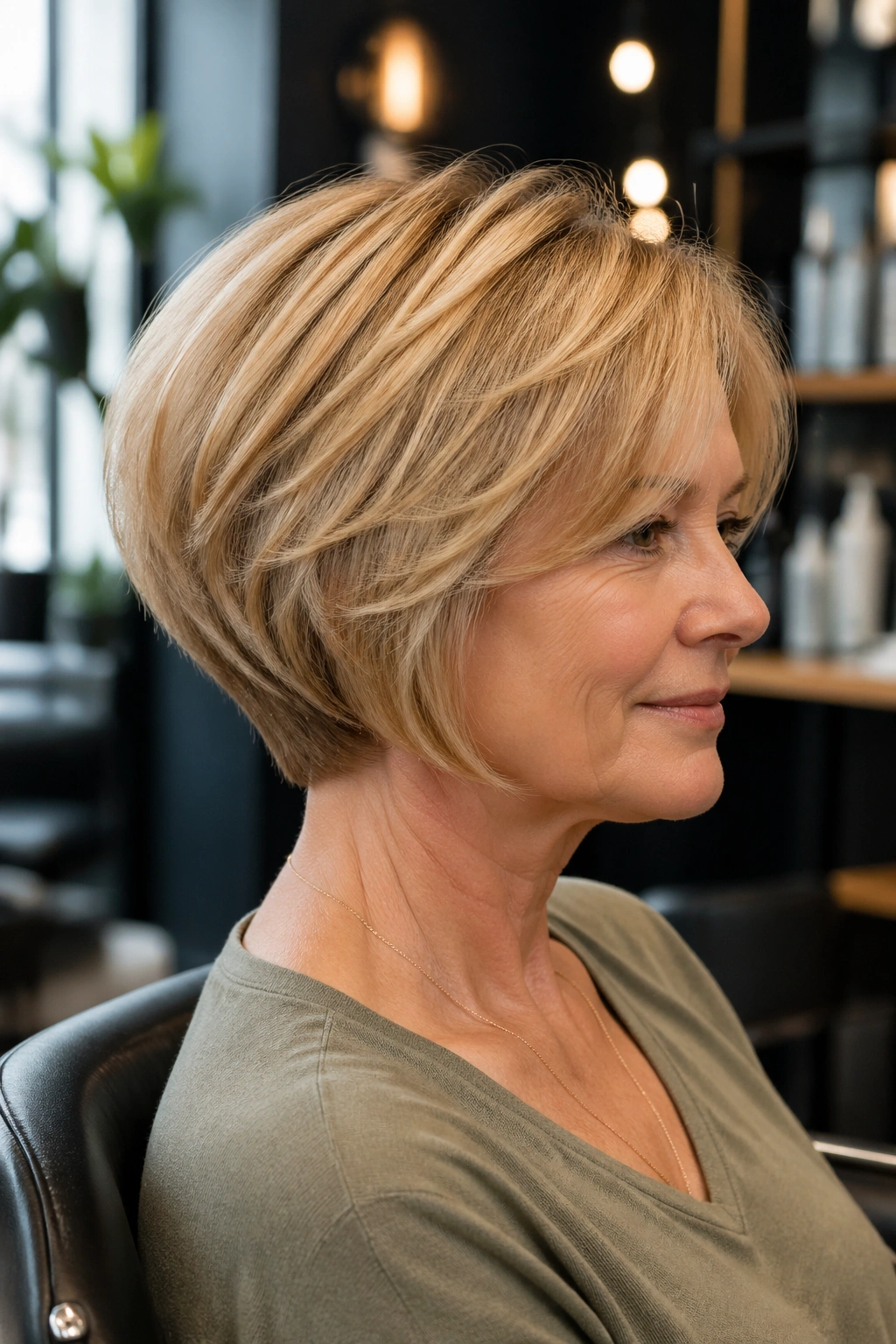
A soft flip at the ends can make a wedge feel playful without turning it into a costume. It adds motion right where the eye lands, especially around the jaw and neckline.
This style can be done with a round brush during blow-drying or with a flat iron if you like a more defined bend. The flip should be gentle, not cartoonish. A slight outward curve is enough to keep the haircut from feeling too tucked in or severe.
It works especially well on straighter hair that can otherwise look flat. The flip gives the ends a little lift and changes the silhouette in a way that feels fresh. If the back is stacked properly, the flipped front pieces help balance the shape and keep it lively.
A little hairspray at the ends can help if your hair tends to fall straight again too quickly. Use a light mist. Heavy spray makes the flip stiff, and stiff ends are never flattering.
26. Rounded Wedge With A Soft Nape
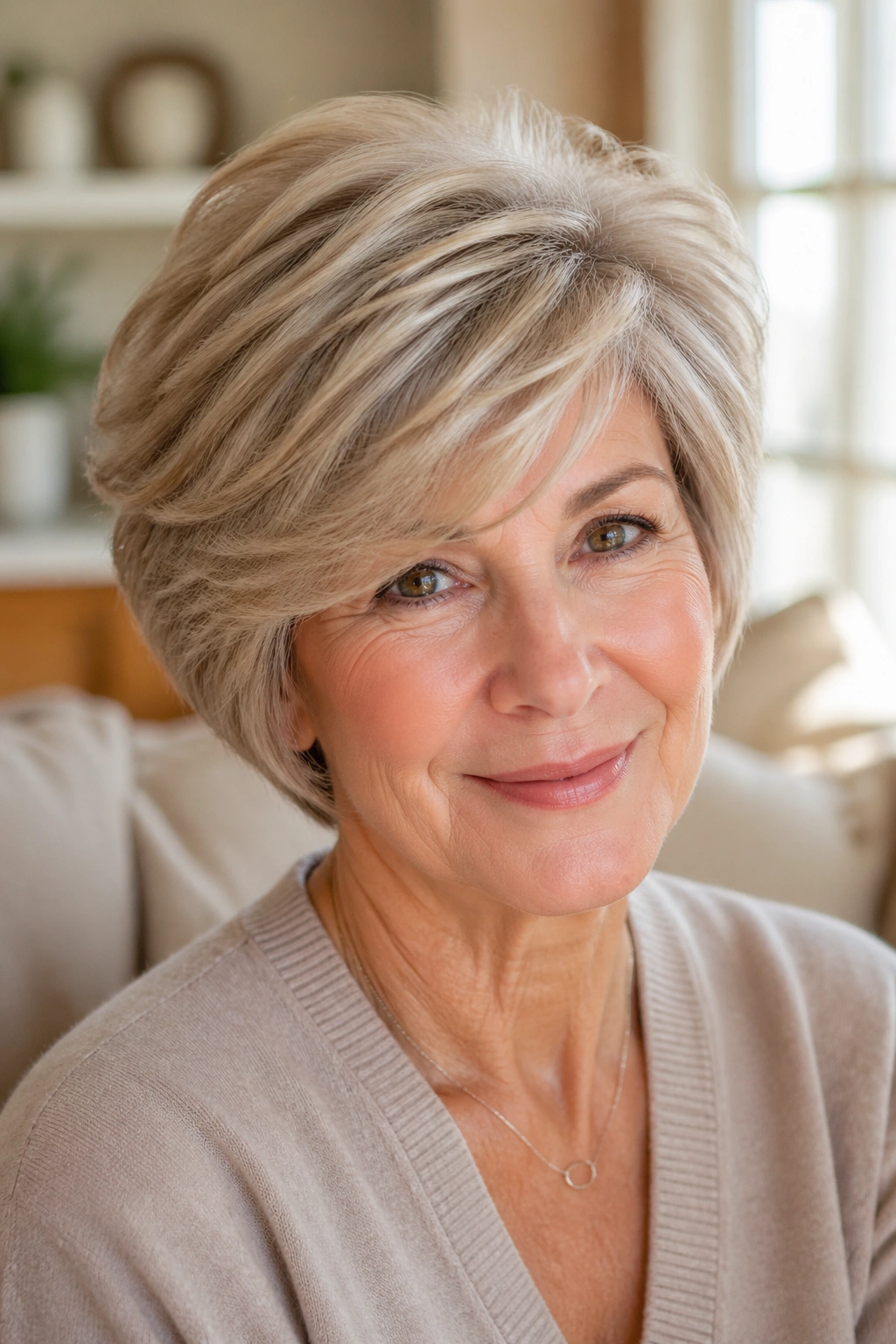
If you like the idea of a wedge but want the edges gentler, this is a lovely choice. The rounded shape keeps the outline smooth, and the soft nape avoids that clipped, overly geometric look.
The cut feels especially nice on faces that benefit from a little softness near the jawline. The roundness creates a calm frame, and the neck area stays neat without being severe. It’s one of those cuts that looks easy in the best way.
A subtle stack in back gives the crown some body, but the transition should be gradual. If the graduation is too steep, you lose the softness. This style is all about balance, and maybe a little restraint.
It’s a good haircut if you like short styles but want something that feels friendly rather than sharp. Pair it with a side part or a light fringe and it stays easy to wear.
27. Modern Shag-Wedge Blend
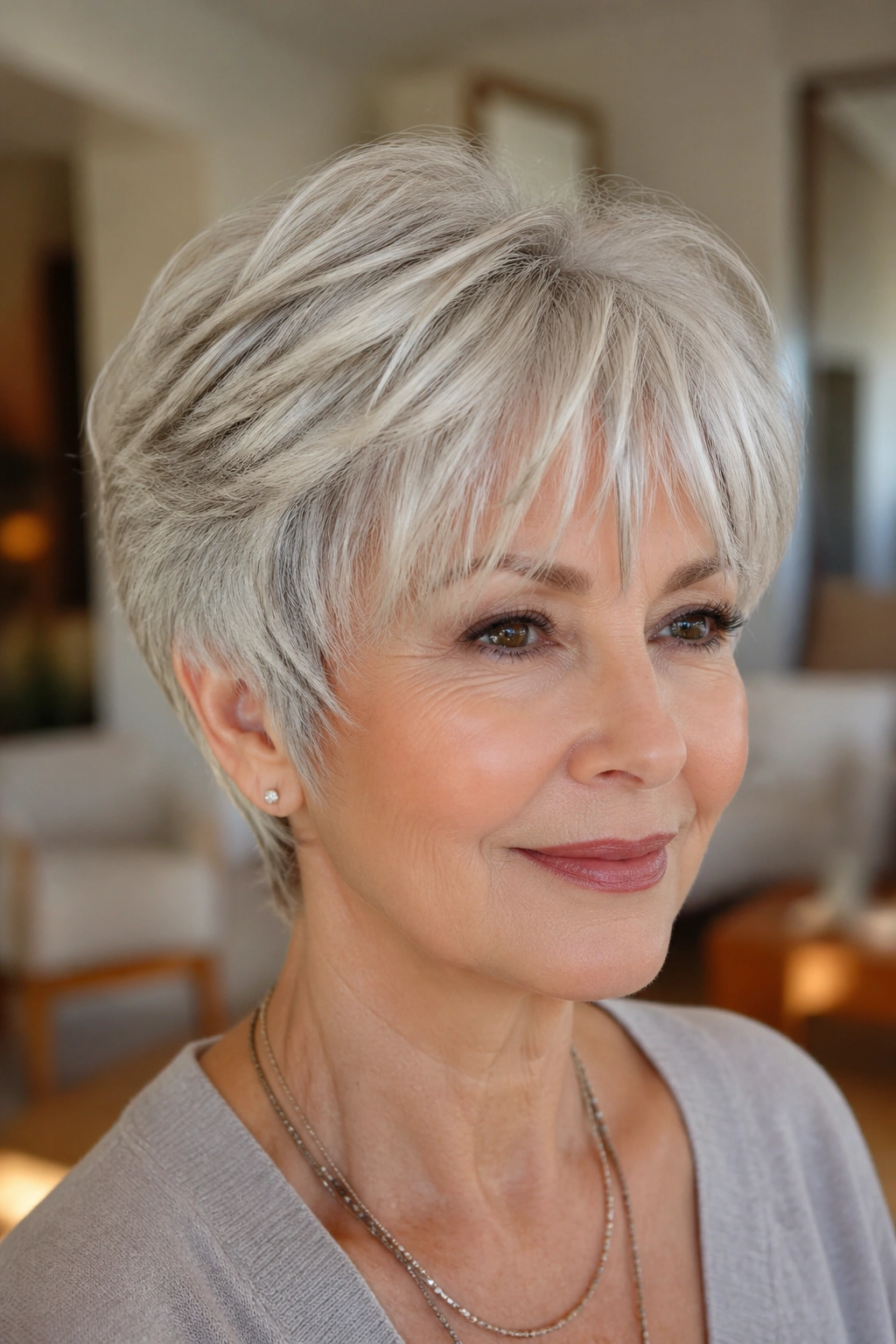
This is the loosest, most casual take on the wedge in the bunch. It borrows the structure of a wedge in back, then steals a little texture and freedom from the shag.
The result is airy and piecey, with enough shape to stay neat and enough messiness to keep it from feeling overworked. That can be useful if you like a haircut that looks good with minimal styling and a little personality. It’s not rigid. Good. That’s the point.
A shag-wedge blend usually works best when the layers are soft around the face and a bit more broken up through the crown. That gives the style lift without turning it into a halo of frizz. A texturizing spray or a light cream can help the pieces separate without collapsing the shape.
This cut suits women who want short hair with movement and a slightly undone feel. It still reads as a wedge, but it doesn’t insist on perfect lines. Sometimes that relaxed edge is exactly what makes it feel modern.
Final Thoughts
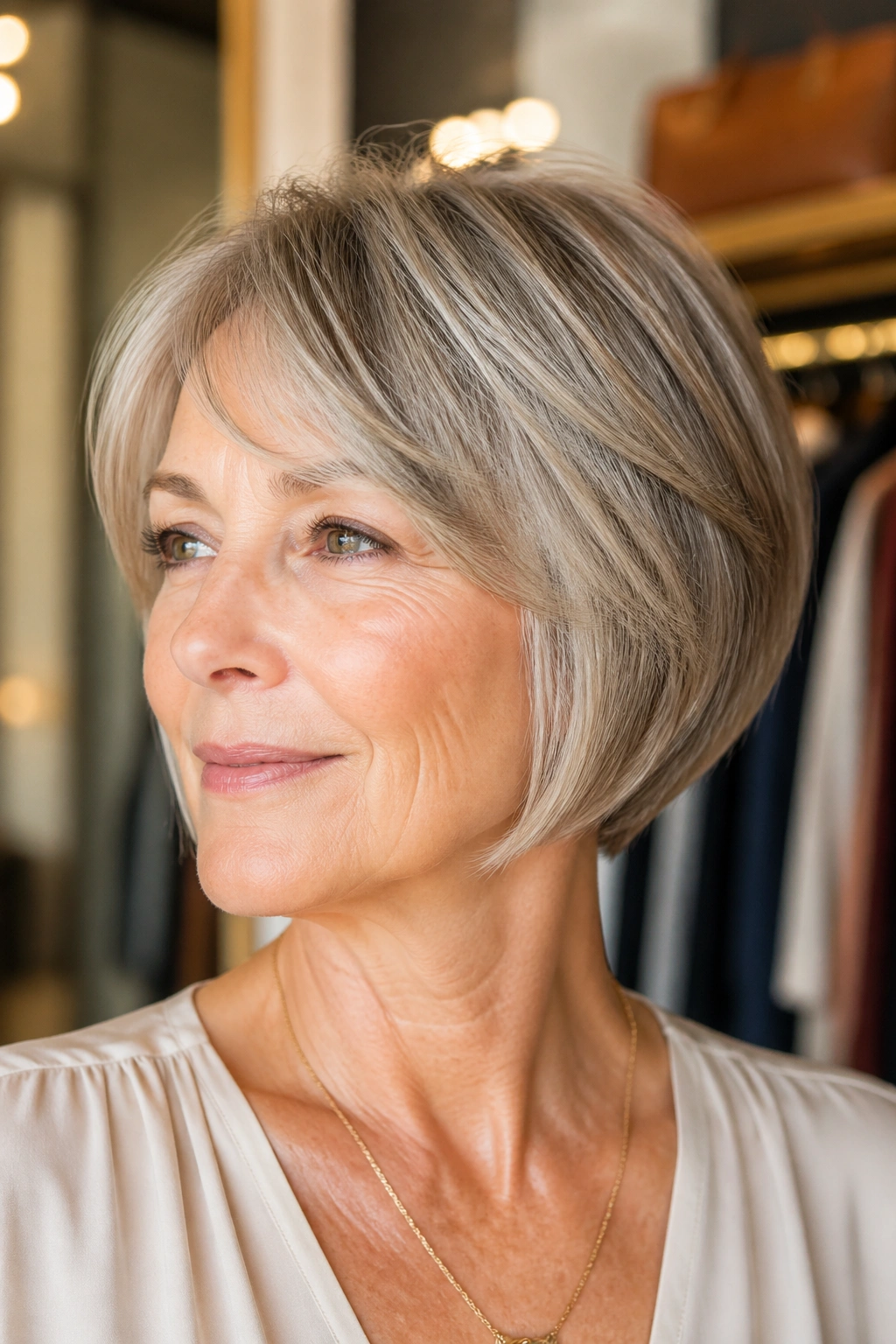
A wedge haircut works because it gives hair a clear shape. That sounds simple, but it solves a lot: flat crowns, bulky sides, necklines that need tidying, and faces that look better when the hair has some lift instead of hanging straight down.
The smartest version is the one that respects your texture. Fine hair needs a lighter stack. Thick hair needs bulk removed in the right spots. Curly or wavy hair needs room to move. The silhouette can stay wedge-like while the details shift a lot.
Bring photos that show the front, side, and back. That matters more than trying to describe the haircut with one sentence. A good stylist will look at your hairline, density, and parting pattern, then shape the wedge around those facts instead of forcing the same cut onto every head.
