



Black hair paired with wavy textures is a powerful combination that works for virtually any face shape, occasion, or personal style. Short wavy hairstyles offer the perfect balance—they’re easy to maintain compared to longer lengths, yet packed with movement and personality that makes a genuine statement. Whether you prefer tousled and undone or sculpted and defined waves, there’s a short wavy cut and styling approach that suits your unique aesthetic and hair type.
The beauty of short wavy hair in black is that it photographs beautifully, transitions seamlessly from casual to formal settings, and requires less daily styling commitment than you might think. The contrast between the deep richness of black hair and the texture created by waves adds dimension and visual interest without needing color treatments. Black wavy hair also has the advantage of showing off haircuts with sharp lines and precision, making every layer and angle work in your favor.
If you’ve been thinking about going short but worried the transition might feel too dramatic, or if you already have short hair and want fresh ideas to refresh your look, these eighteen styles offer genuine variety in length, wave pattern, and overall vibe. You’ll find everything from sleek and sophisticated cuts to playful and textured styles, each one designed to showcase what short wavy black hair can do.
1. Textured Pixie With Side Sweep
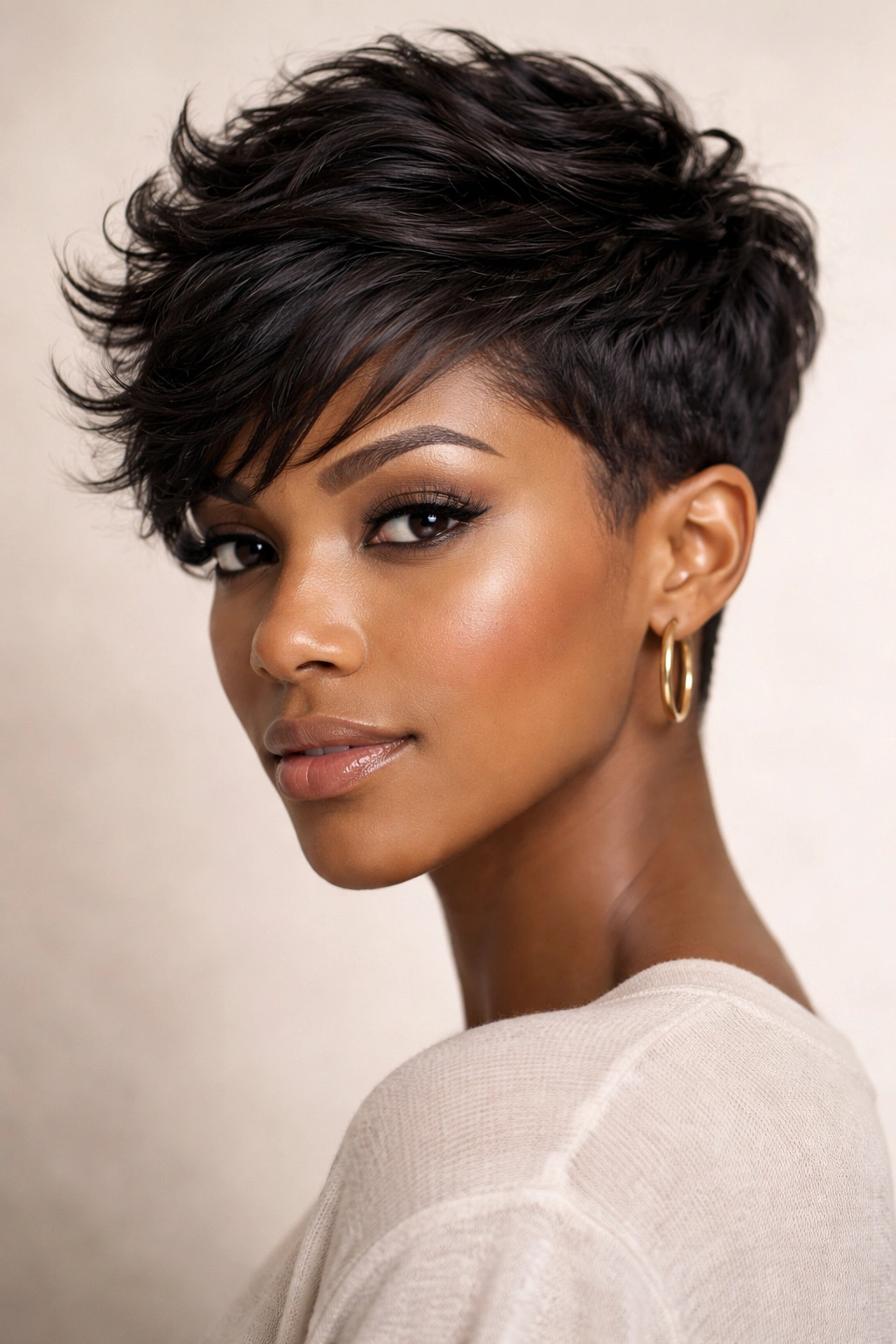
A textured pixie keeps length on top while fading shorter on the sides, creating an undeniably chic foundation for waves. The key is requesting choppy layers throughout the crown that catch and hold wave products, giving you movement in every direction rather than a flat, one-note finish.
Why This Cut Creates Natural-Looking Movement
A pixie’s shorter length means waves form quickly with minimal effort, and the layers work with your hair’s natural texture rather than fighting against it. When your stylist adds choppy layers instead of blunt lines, each section moves independently, creating that coveted lived-in texture that looks intentionally cool.
How to Style and Maintain It
- Apply a lightweight wave cream or texture spray to damp roots and mid-lengths
- Rough-dry with your fingers, pushing hair backward and to the side for movement
- Use a small round brush to add bend and shape where you want definition
- Finish with flexible hold spray to lock texture without crunch
- Refresh waves between washes using dry shampoo or texturizing spray
A textured pixie is genuinely low-maintenance once you find the right products for your specific hair type. The style looks better as it gets a bit messy, which means you’re not fighting your hair every single day.
2. Modern Shag With Layered Texture
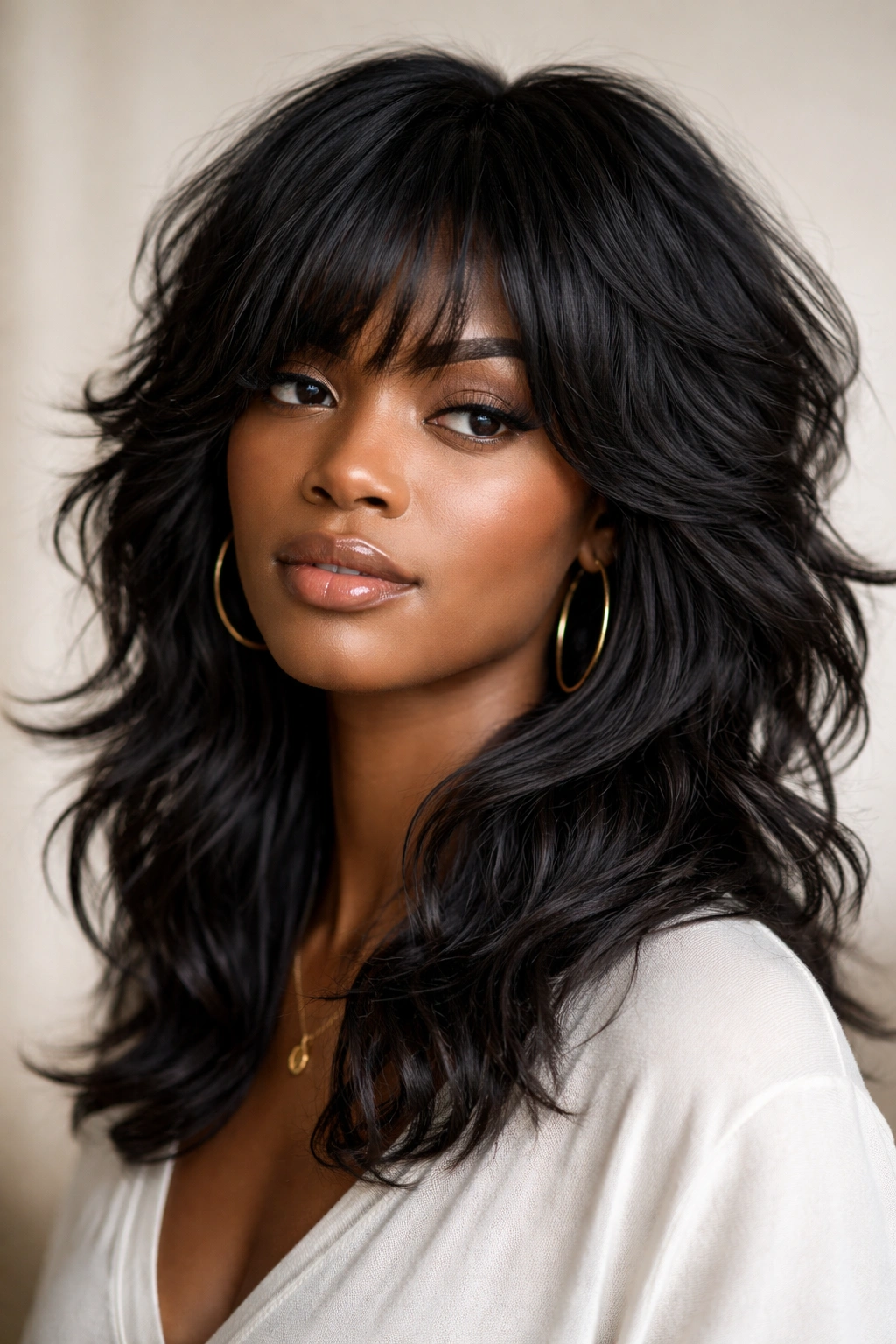
The shag is back, but the modern version ditches the ’70s heaviness in favor of longer layers that create flowing waves rather than choppy chunks. This cut works beautifully in black because the depth and dimension of the layers becomes visually striking against the dark backdrop.
What Makes Modern Shags Different From the Original Style
Contemporary shags focus on movement and femininity rather than bulk. Your stylist cuts strategic layers throughout the crown and mid-lengths, but keeps enough density that you maintain body without looking thin or wispy. The result is a shape that moves with your head, creating waves and texture that feel intentional rather than accidental.
Styling Techniques for Maximum Wave Definition
- Use a texturizing mousse on towel-dried hair before blow-drying
- Blow-dry using a diffuser attachment, scrunching upward as you dry
- Once mostly dry, twist small sections around a 1.5-inch barrel curling iron
- Alternate the direction of curls (some clockwise, some counterclockwise) for natural-looking waves
- Tousle and separate waves with your fingers, avoiding combs that disrupt the texture
Modern shags genuinely reward a bit of effort but also look intentionally undone—you can skip a day of styling and the cut still holds its shape beautifully.
3. Blunt Wavy Bob With Deep Side Part
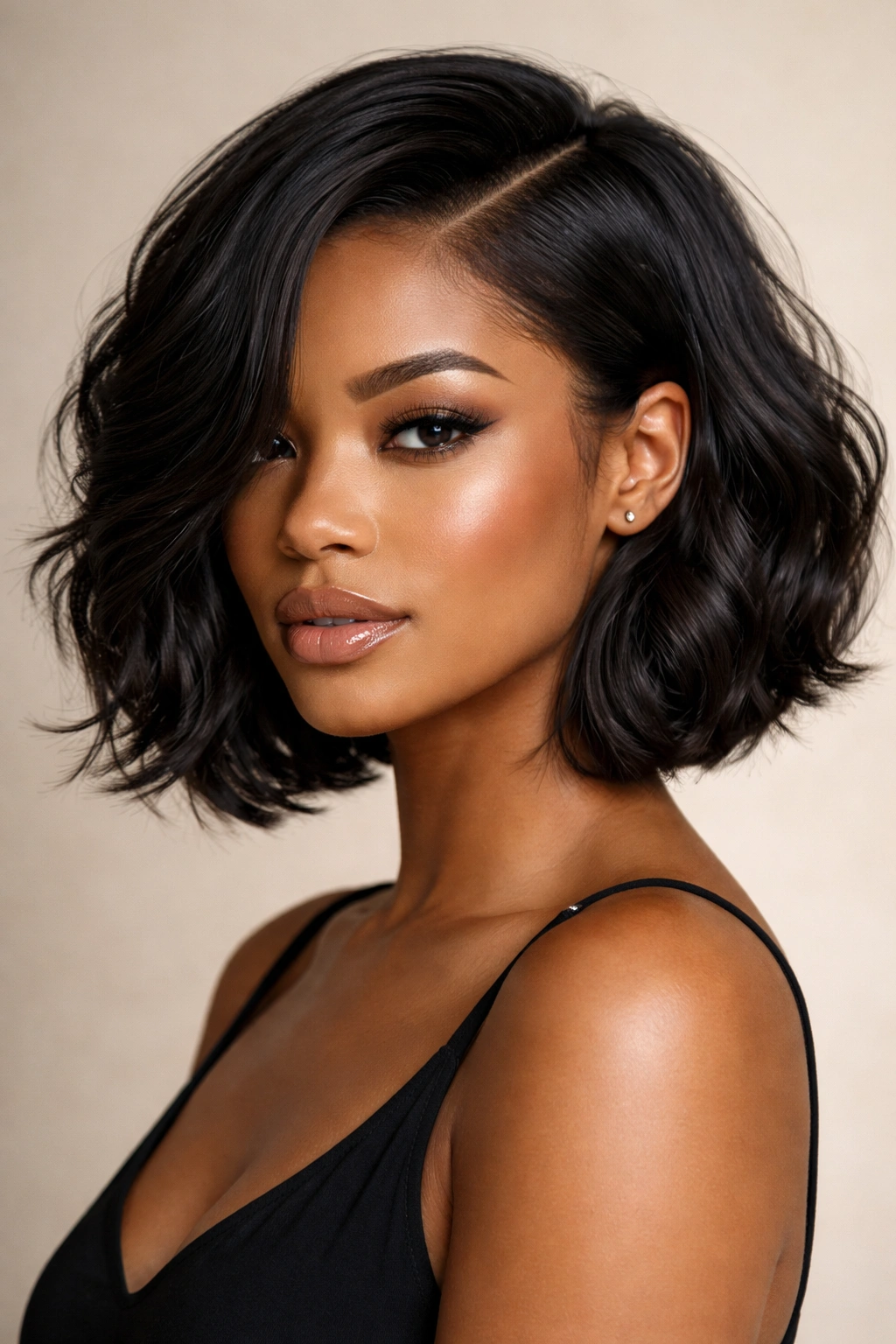
A chin-length wavy bob with a deep side part is sophisticated, flattering on most face shapes, and surprisingly versatile. The blunt line creates sharp definition while the waves soften the overall silhouette, striking the ideal balance between polished and playful.
Why Depth of Side Part Matters
The deeper your side part sits, the more dramatic the contrast becomes between the longer side and the shorter side. This asymmetry is what makes the style feel intentionally styled rather than like a basic bob. A deep side part also creates natural volume on the longer side while the waves emphasize movement.
Maintenance Tips and Styling Steps
- Blow-dry with a paddle brush to smooth the surface while creating wave foundation
- Once dry, curl sections away from the face using a 1.25-inch barrel iron
- Create larger waves by curling thicker sections and holding for three to four seconds
- Flip your head and use dry shampoo to add grip at the roots, which helps waves hold longer
- Refresh waves between washes by misting with water and re-curling key sections
This cut genuinely works for both thick and thin hair—the blunt line makes hair appear fuller, while the waves add the softness that prevents the style from looking severe.
4. Tousled Lob With Undercutting
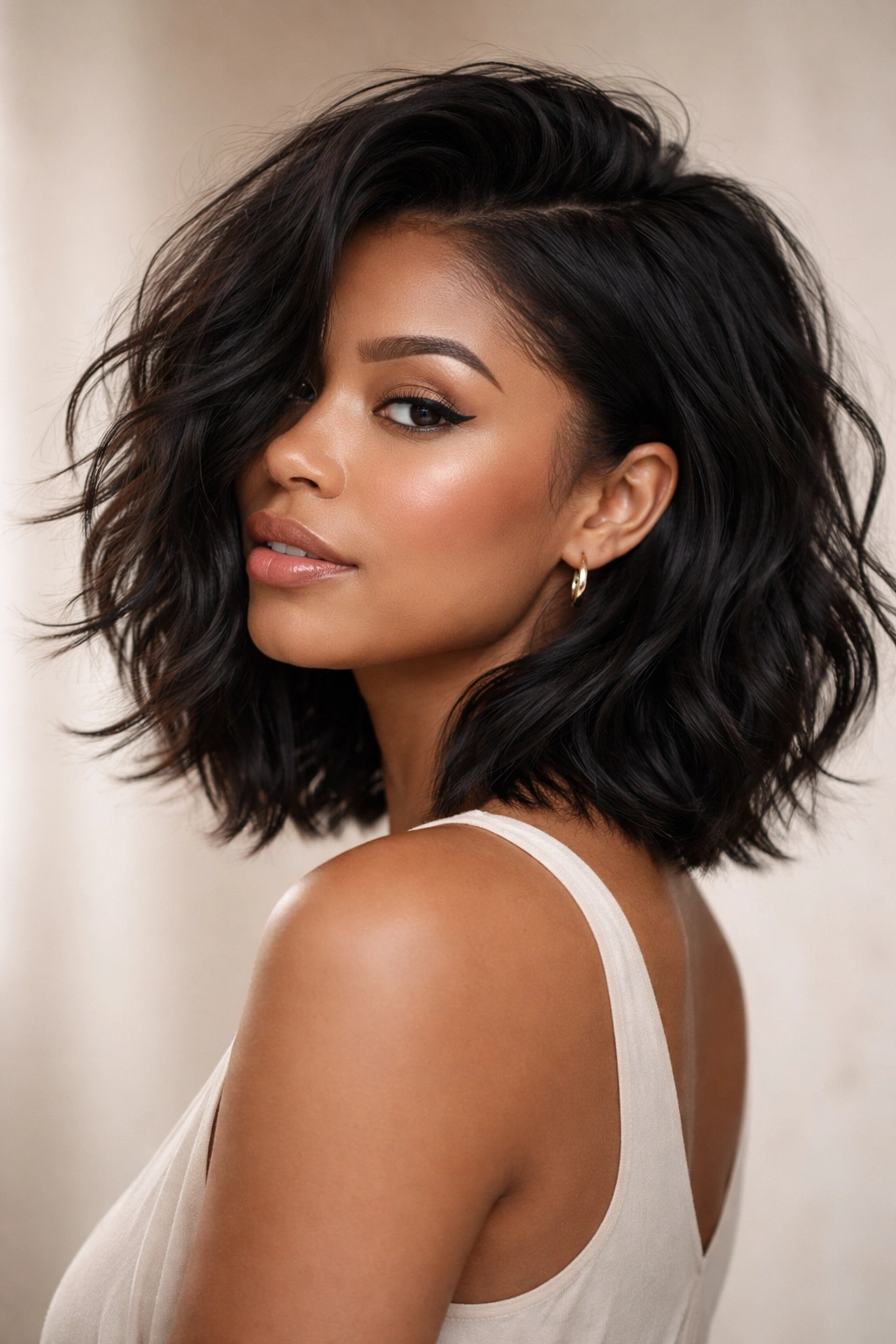
A lob (long bob) that hits just above the shoulders becomes infinitely more interesting when your stylist adds subtle undercutting—shorter layers hidden underneath the surface that create lift and movement without being obvious from certain angles. This style in black hair creates depth that catches light beautifully.
How Undercutting Creates Hidden Volume
Undercut layers live underneath the surface layer, so your hair looks fuller and smoother from the front while the hidden layers give you serious movement and bounce. When you style waves, these hidden layers activate, creating a full-bodied, textured finish that looks way more expensive than it is.
Wave Creation and Product Recommendations
- Blow-dry with a round brush for initial smoothness and shape
- Using a 1.5-inch barrel iron, curl small sections away from the face in waves
- Work in sections: top, sides, underneath layers, repeat
- Apply lightweight wave spray or texture cream before curling for better hold
- Separate curls with your fingers and a wide-tooth comb for soft, piece-y waves
- Use dry texture spray between washes to revive and refresh wave pattern
An undercutting lob grows out gracefully, so you get several months of great styling between trims—the hidden layers don’t show length the way surface layers do.
5. Short Textured Crop With Defined Waves
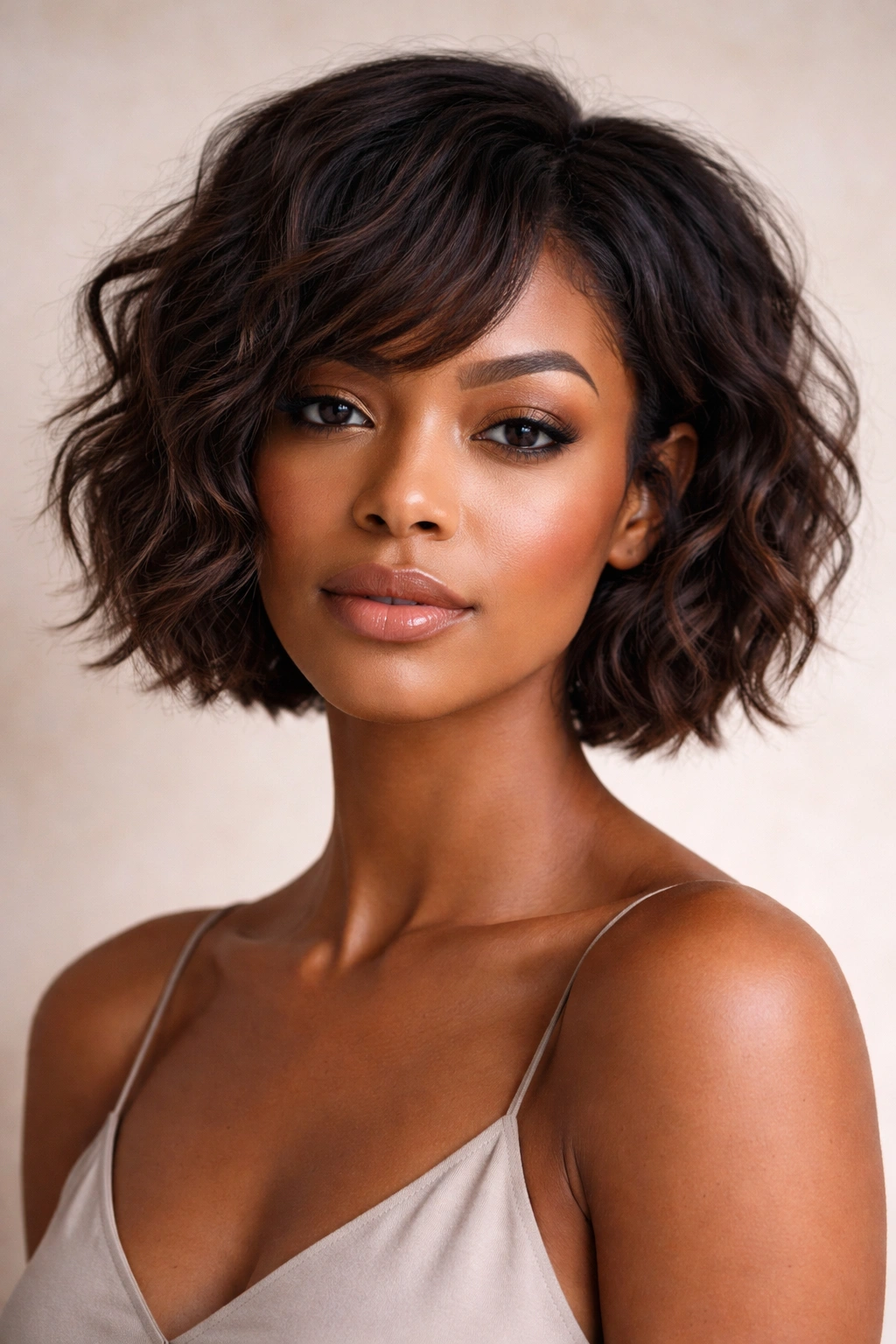
A short textured crop sits inches above the shoulders with deliberately choppy, piece-y layers throughout. Unlike a pixie, a crop has more length on top and relies on the wave pattern itself to create shape rather than relying solely on fading and blending.
The Difference Between Pixie Crops and Standard Pixies
A crop gives you more styling flexibility because you have slightly more length to work with, which means you can create more dramatic waves and texture. The choppiness of the cut means even without any styling products, your hair will have movement and dimension.
Styling Methods for Texture-First Approach
- Apply sea salt spray or wave cream to damp hair at the roots and mid-lengths
- Rough-dry with your fingers, pushing hair in different directions
- For more defined waves, use a curling iron on the smaller sections, curling away from your face
- Flip your head upside down while blow-drying to create root lift and wave activation
- Finish with a flexible-hold hairspray that won’t weigh down your texture
A textured crop requires finding the right haircut person who understands how to cut with your natural texture in mind. Once you have the right cut, styling becomes genuinely effortless.
6. Wavy Shaggy Bangs With Shoulder Length
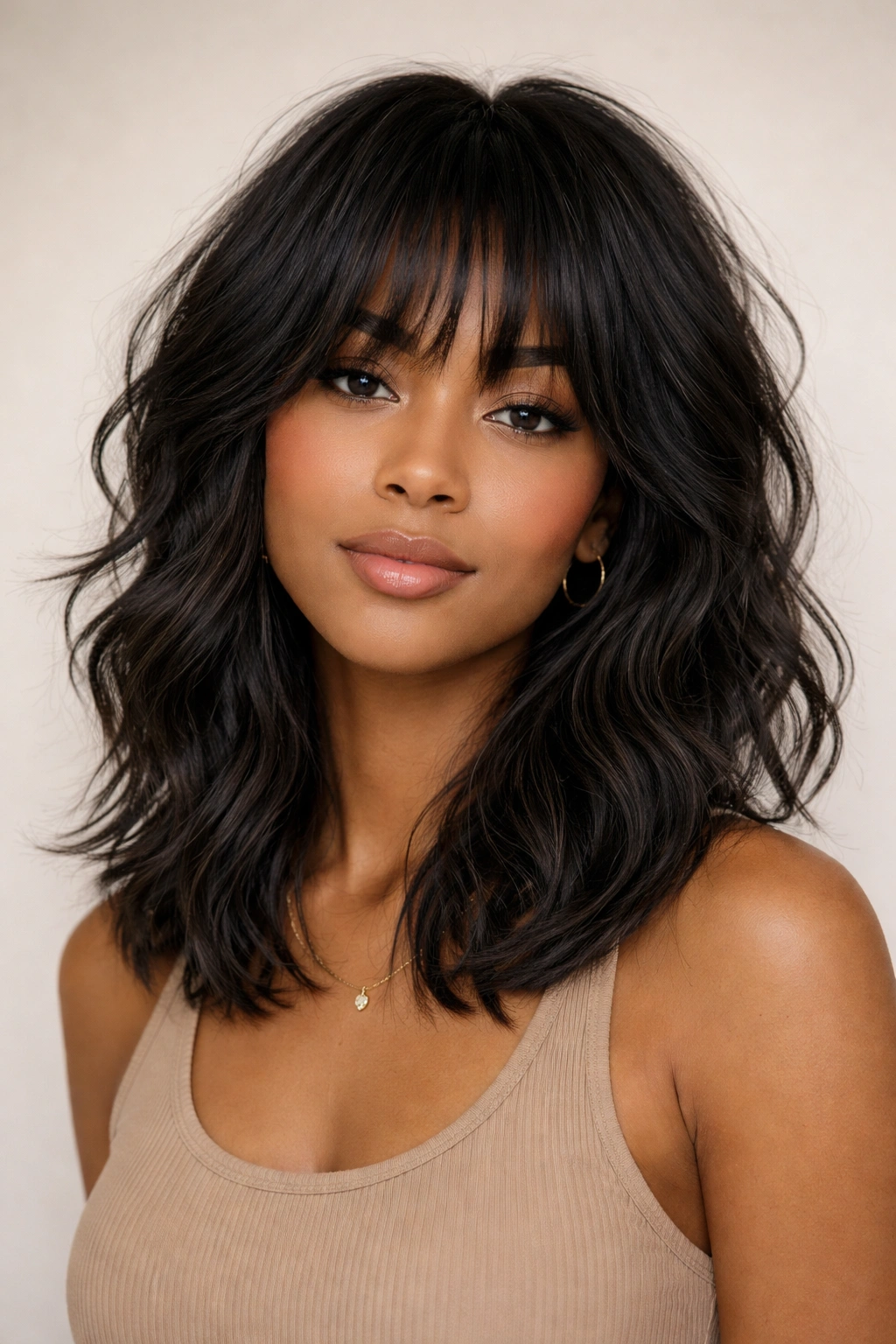
Shaggy bangs paired with shoulder-length wavy hair creates a youthful, trendy silhouette that works across multiple style aesthetics. The bangs are the star here—they’re longer than typical bangs, blending into the layers at the crown, which means they’re infinitely less commitment than blunt fringe.
Why Shaggy Bangs Work Better Than Blunt Fringe for Wavy Hair
Shaggy bangs feature choppy layers that move with your hair texture, whereas blunt bangs would require daily straightening to look polished. The layered approach means bangs and hair work together as one cohesive style rather than bangs fighting against wave pattern.
Styling Shaggy Bangs Correctly
- Use a blow dryer and small round brush to dry bangs smoothly against your forehead first
- Once bangs are set, rough-dry the rest of your hair with a diffuser
- Curl sections with a 1.5-inch barrel iron, angling curls away from your face
- Shaggy bangs should point slightly outward and downward, not straight down
- Use texture spray to enhance wave pattern and separate the choppy layers
- Refresh bangs daily using a straightening iron or round brush with heat, as they touch your face and can look limp by midday
Shaggy bangs photograph beautifully and frame the face in a very flattering way, but they do require daily maintenance to keep looking intentional rather than overgrown.
7. Undercut Asymmetrical Wave
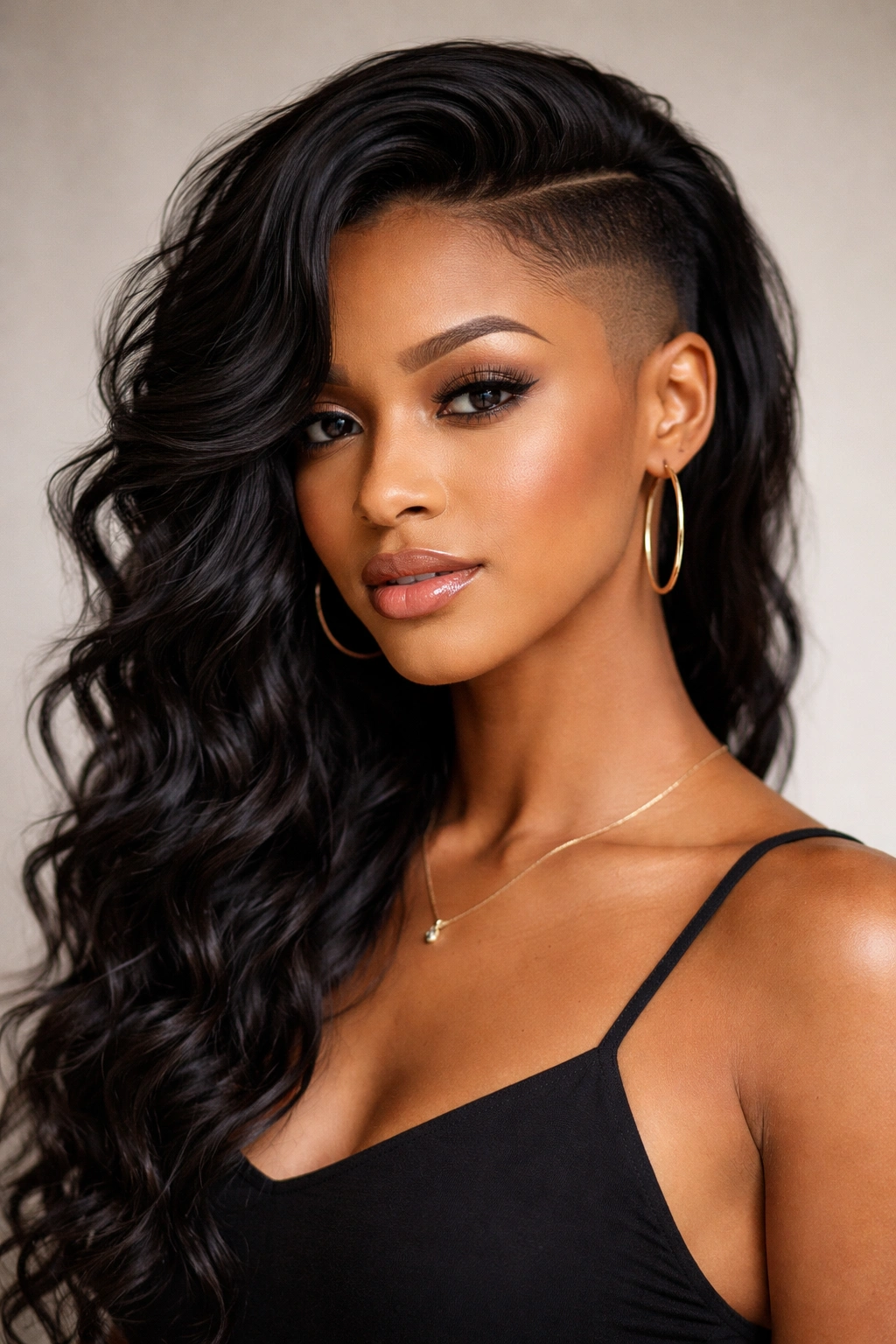
An asymmetrical cut where one side sits significantly shorter than the other creates bold visual interest, especially when paired with bold wave styling. The undercut (shorter side) is usually clipped or faded very short, while the longer side reaches past shoulder length.
Creating Balance With Asymmetrical Length
An asymmetrical cut needs confidence in styling—the longer side should be showcased with deliberate waves, and the shorter side should be styled to follow the natural hair growth direction. The contrast is what makes this style work; without intentional styling, it just looks like you haven’t had a haircut in a while.
How to Style Asymmetrical Waves
- Create waves on the longer side using a 1.5-inch curling iron, curling away from the face
- Blow-dry the shorter undercut section smooth, directing hair backward or to the side
- The longer side should have more volume and texture than the shorter side for visual balance
- Use a texturizing spray on the longer section to enhance the wave pattern
- Pin or clip the longer side back during parts of the day for variety—asymmetrical doesn’t mean always wearing it the same way
This style is genuinely bold and works best if you feel comfortable standing out. It photographs beautifully on black hair because the contrast between lengths and wave patterns becomes visually dramatic.
8. Curly-Textured Pixie With Fade
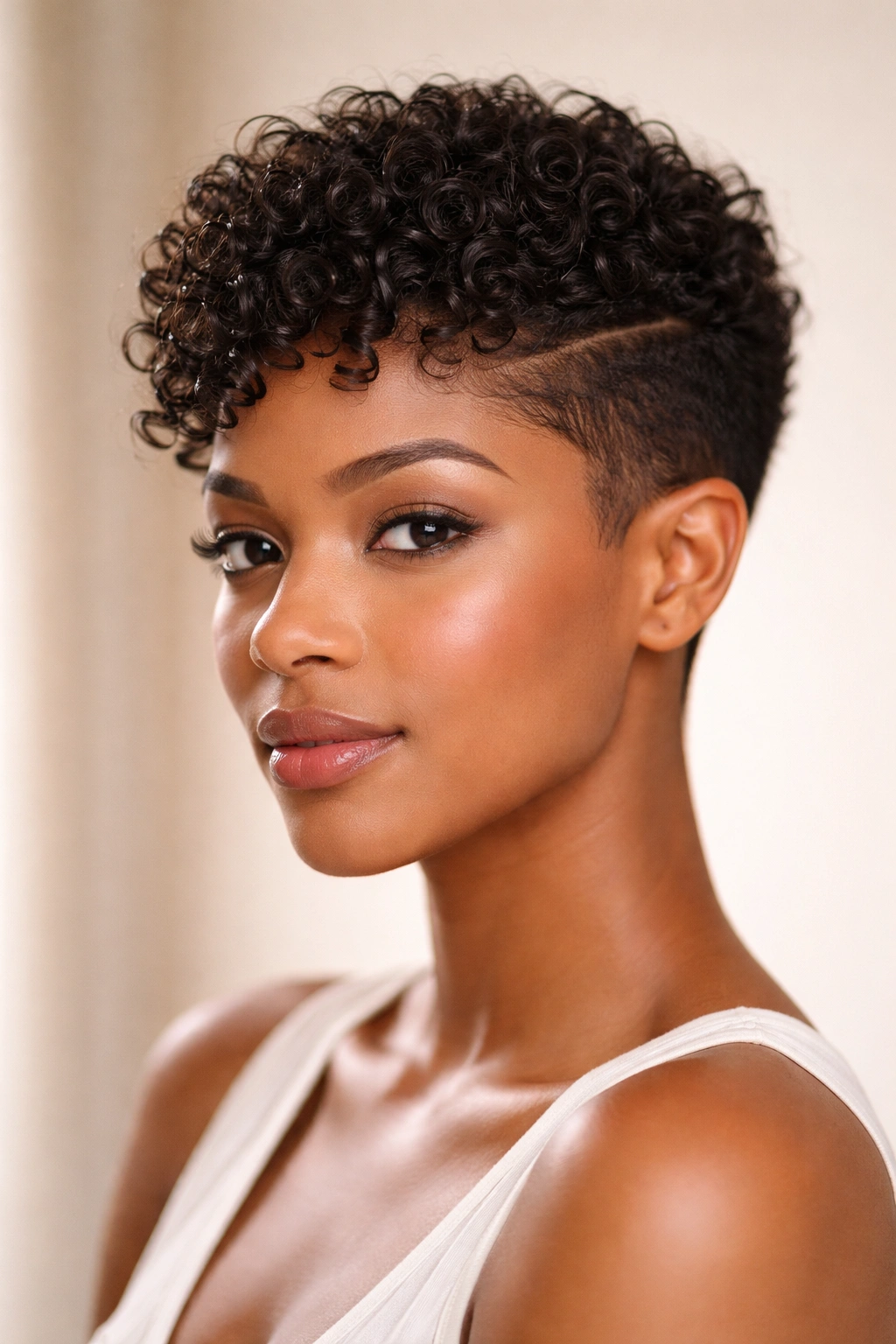
A curly-textured pixie that blends into a short fade on the sides celebrates natural curl pattern while creating a clean, polished silhouette. This works particularly well for naturally textured hair, though you can create the effect with waves and proper styling.
Styling Natural Texture Versus Creating Texture
If your hair is naturally curly or coily, this cut lets you skip blow-drying altogether—you can apply curl cream to damp hair and let it air-dry into beautiful shape. If you have waves or straight hair, you’ll need to create this texture using a curling iron or other heat tools before the cut to show your stylist exactly what you’re going for.
Daily Care and Refreshing
- Use a leave-in conditioner or curl cream on damp hair
- Scrunch upward to encourage curl/wave formation
- If air-drying, let hair dry completely before touching it—handling wet curls disrupts the pattern
- Refresh curls between washes using a spray bottle of water and re-applying product
- Sleep on a silk pillowcase or in a pineapple style (gathering hair loosely on top of head) to preserve curl shape
- Use a diffuser attachment if blow-drying to avoid disrupting curl definition
A curly-textured pixie with fade is incredibly low-maintenance for the styling department but requires consistent care products to keep curls healthy and bouncy.
9. Wavy Lob With Face-Framing Layers
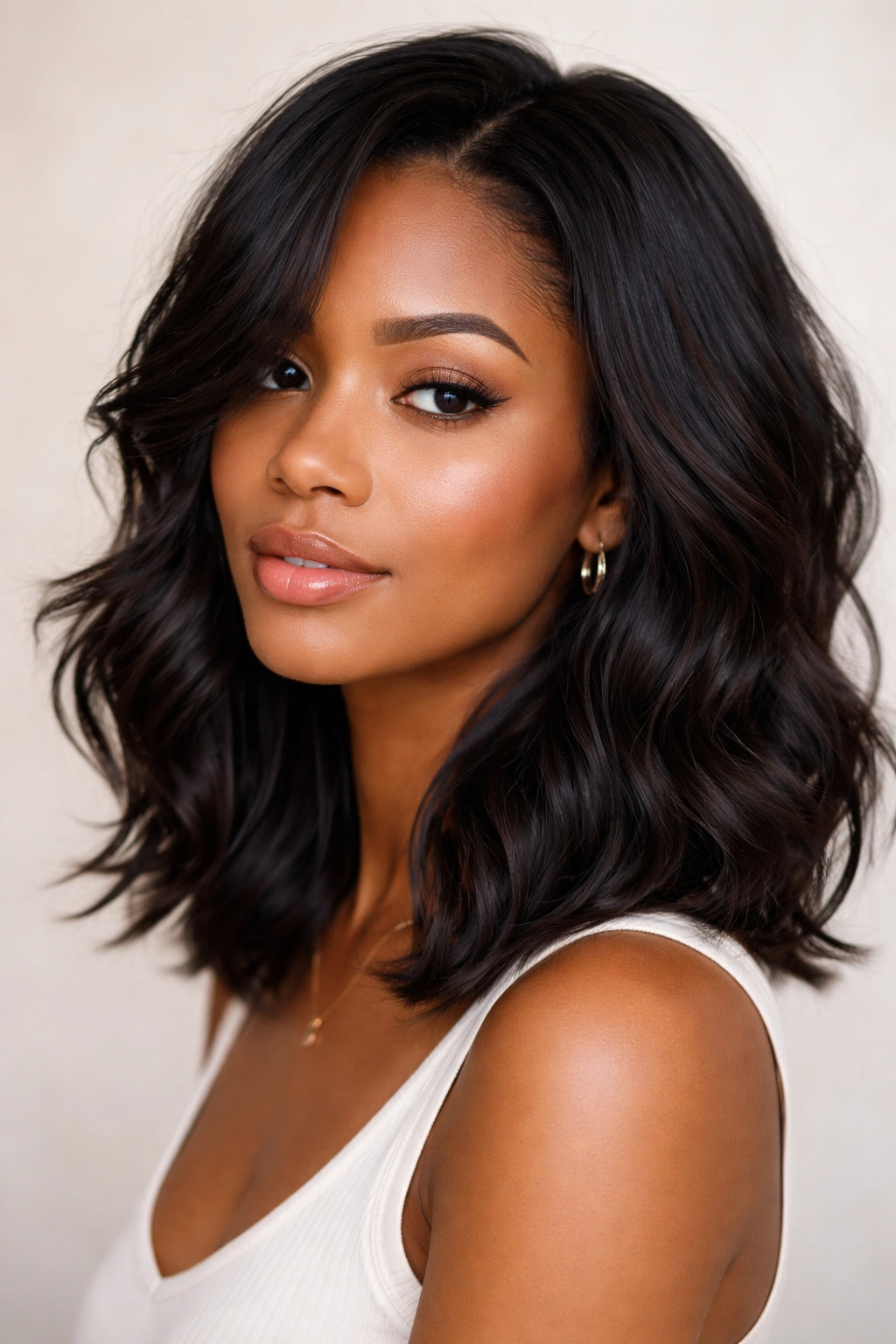
A shoulder-length lob with deliberate face-framing layers creates the perfect softness around your features while keeping the overall style modern and manageable. The layers are specifically designed to fall right around the face, creating movement that flatters most face shapes.
Why Face-Framing Layers Change Your Entire Look
Layers around your face create softness and movement exactly where you want to draw attention. The curved lines of layered waves soften angular features and add dimension to the face, making this one of the most universally flattering styling approaches.
Achieving the Perfect Face-Framing Wave
- Blow-dry the hair smooth with a large round brush first
- Use a 1.5-inch barrel curling iron to curl face-framing sections away from the face
- Curl thicker sections from the sides for maximum face-surrounding movement
- Curl underneath layers to create dimension that shows from multiple angles
- Use a texturizing spray before curling to help curls hold longer
- Separate waves gently with your fingers to create soft, lived-in texture
- This style looks better slightly undone—avoid over-polishing or the face-framing effect becomes too blunt
Face-framing layers require more frequent trims (every six to eight weeks) because they grow out quickly and can start looking shaggy if you wait too long between appointments.
10. Slicked-Back Wavy Pixie
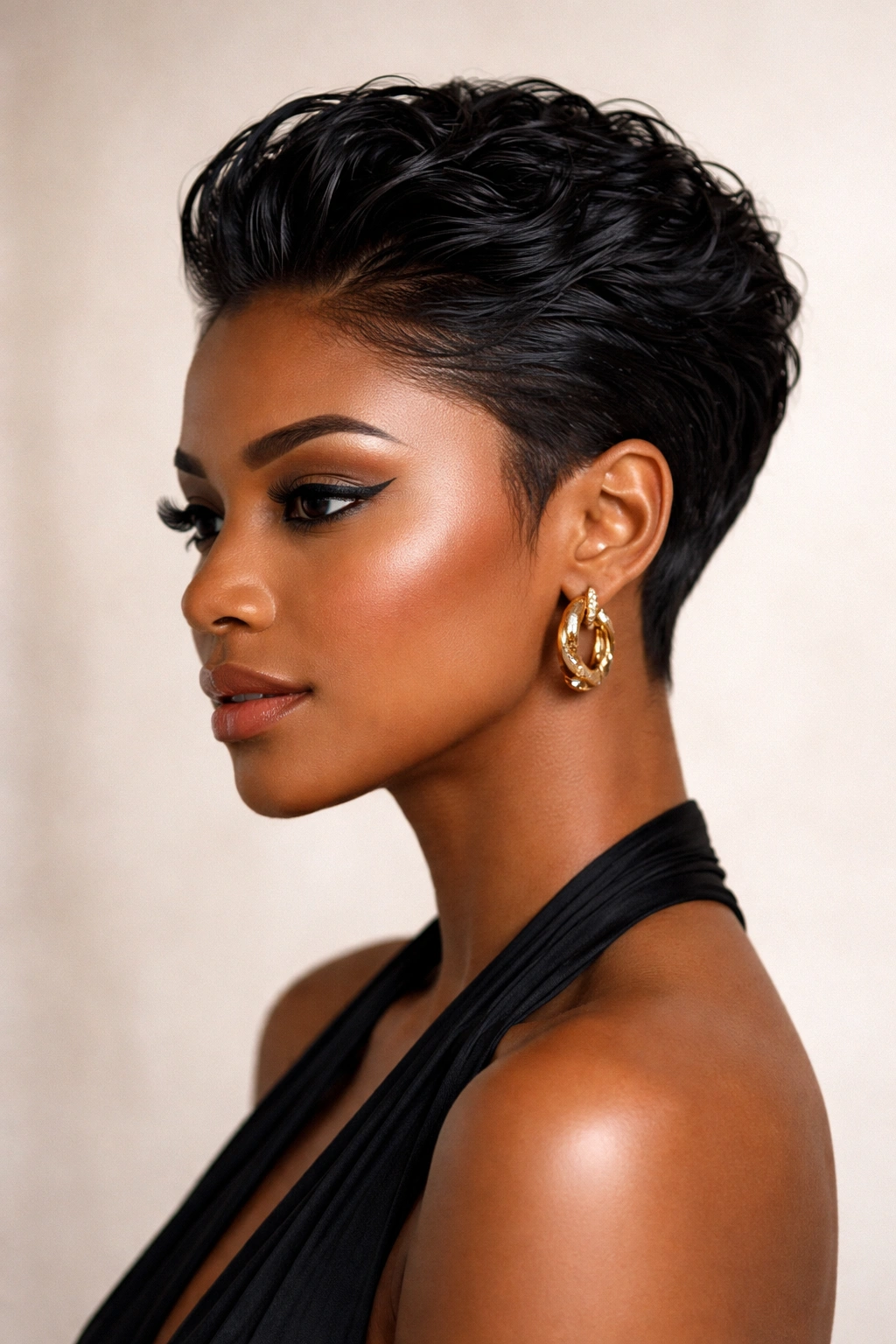
A pixie that’s styled completely away from the face with waves throughout creates a chic, editorial aesthetic. This style works best with either naturally very wavy hair or if you’re willing to curl and set waves intentionally before slicking back.
Achieving the Slicked-Back Effect Without Damage
Use a slicking gel or edge control that’s designed to be flexible and hold-strong without making hair crunchy or stiff. Apply only to the roots and edges, leaving the textured waves throughout the crown and sides to show through. The contrast between the slicked rootline and the wavy texture is what makes this style visually interesting.
Product and Styling Secrets
- Create waves using a curling iron or wave iron before applying slicking gel
- Once waves are set, use a fine-tooth comb to smooth only the roots and front hairline
- Apply gel to the comb and run it over the smoothed sections only
- Flex-hold gel is better than extreme hold because it moves with your head and doesn’t feel like a helmet
- Refresh the slicked-back section daily using a clean toothbrush and a tiny bit of gel
- This style shows off your face and features completely, so consider if you’re comfortable with that level of visibility
A slicked-back wavy pixie is genuinely editorial and works beautifully for confident people who want a statement cut. It’s also great for someone with a beautifully shaped head and facial features.
11. Choppy Waves at Chin Length
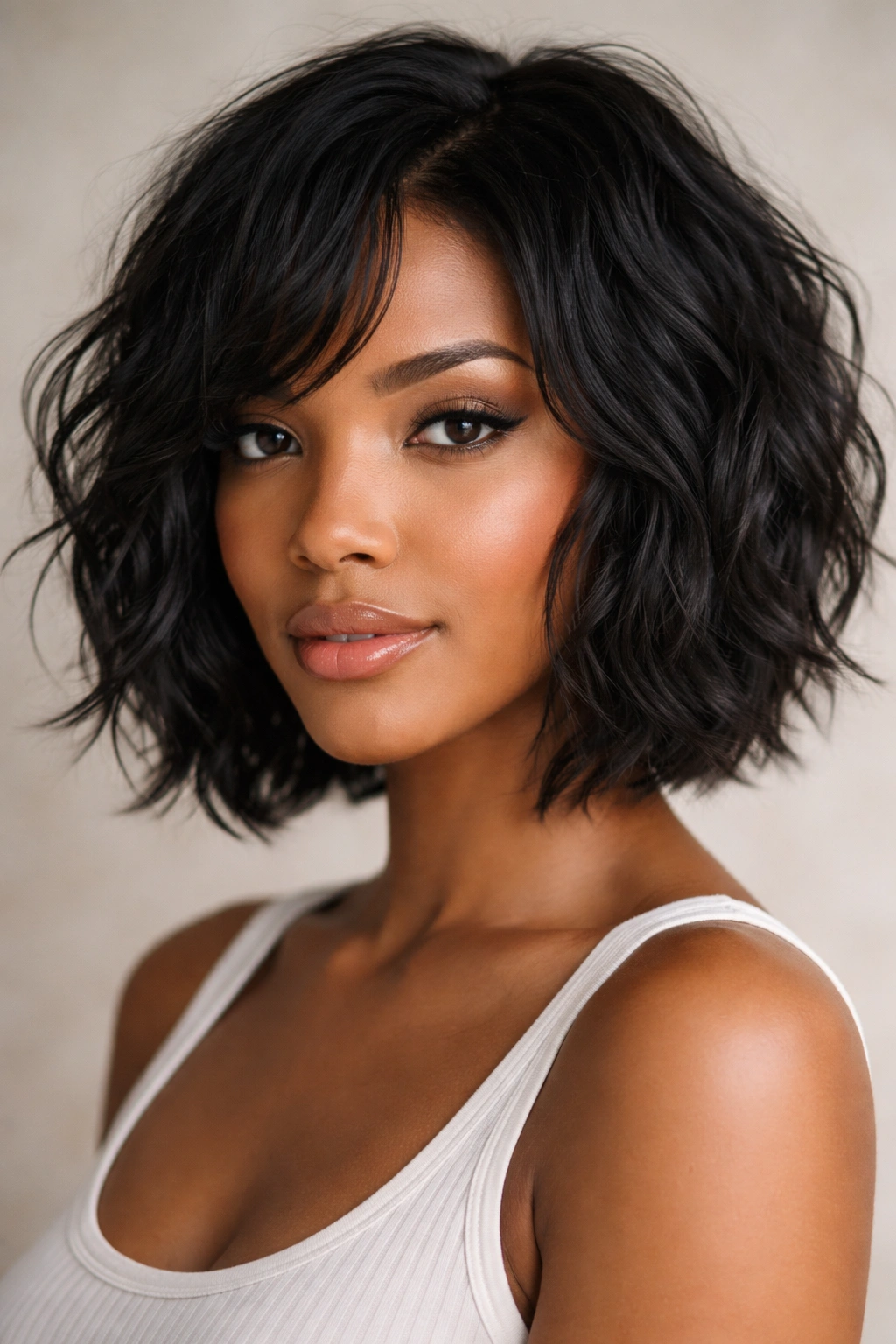
A chin-length choppy cut with deliberately uneven, piece-y waves throughout prioritizes texture and movement over perfect shape. This style celebrates imperfection, which is part of its appeal—every wave doesn’t have to match; the messiness is the point.
The Art of Intentional Messiness in Haircuts
A choppy chin-length cut works because the layers are cut to different lengths and angles, meaning when you style waves, each section activates independently. The result looks effortlessly cool rather than carelessly neglected, but it requires finding a stylist who understands this distinction.
Creating Convincingly Undone Waves
- Apply a texture spray or sea salt spray to damp hair
- Blow-dry with a diffuser, scrunching sections upward for wave activation
- Use a 1.25-inch curling iron on random sections, not in a neat pattern
- Curl some pieces away from the face, some toward, some straight up—vary the direction
- Tousle heavily with your fingers to disrupt any too-perfect-looking curls
- Flip your head and spray texture spray into the roots for extra movement
- This style genuinely looks better after sleeping on it; don’t refresh it first thing in the morning
Choppy chin-length waves photograph beautifully in candid shots and feel youthful and approachable. The trade-off is that some people find styling this many layers time-consuming at first.
12. Wavy Bob With Disconnected Undercut
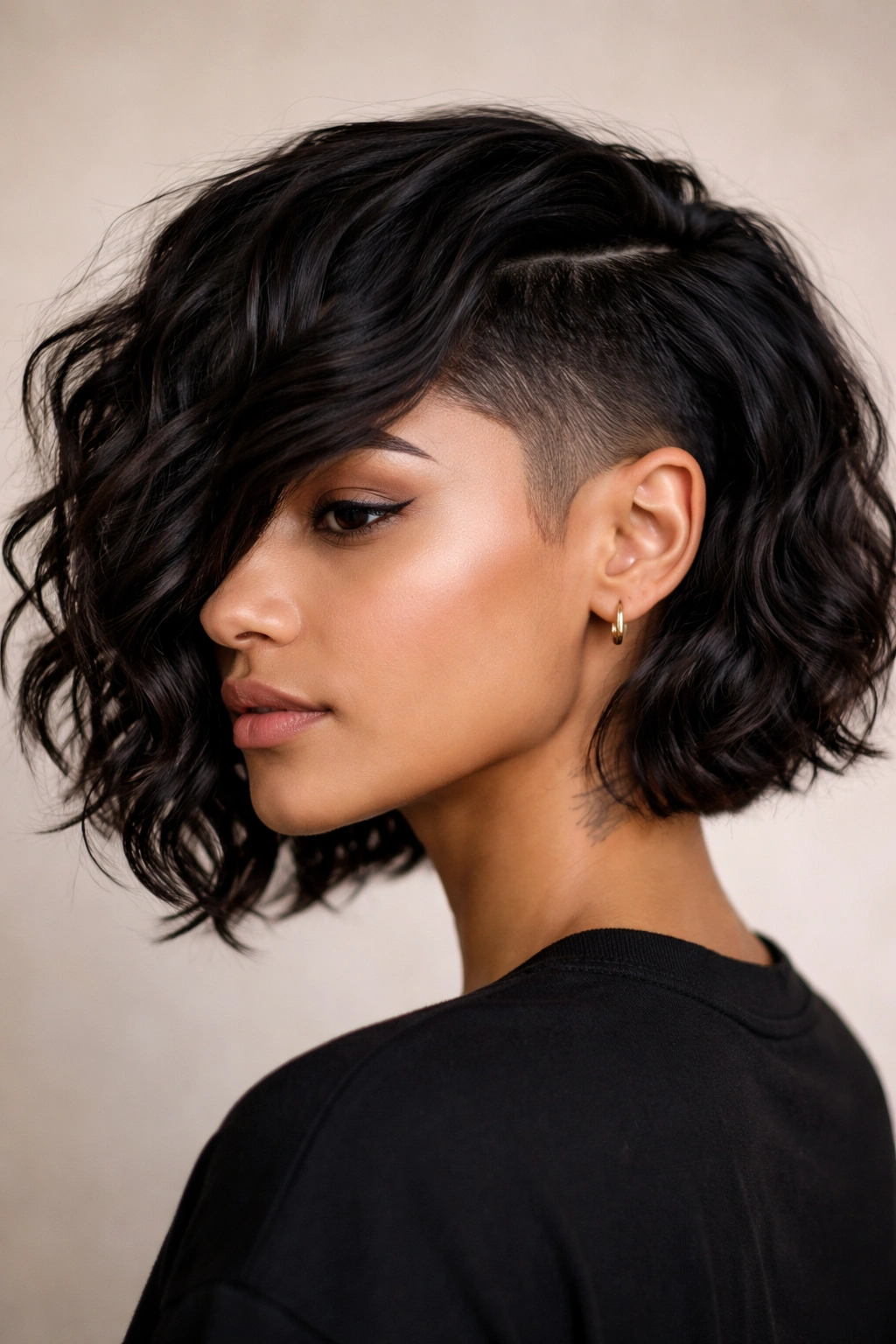
A wavy bob where the top layer is distinct from an undercut underneath creates a striking contrast. The top layer appears full and wavy, while the undercut is clipped very short, creating volume separation that’s visually dramatic.
Understanding Disconnected Versus Blended Undercuts
A disconnected undercut means there’s a clear line between the longer top layer and the short undercut—they don’t blend gradually into each other. This creates more obvious visual separation and requires the undercut to be maintained very regularly (every 3-4 weeks) to keep the cut looking intentional.
Styling the Top Layer for Maximum Drama
- The top layer should be wavy and voluminous to contrast with the sleek undercut
- Blow-dry the top layer separately from the undercut section
- Create waves using a 1.5-inch barrel curling iron on the top section only
- The undercut can be styled slicked back or brushed to the side
- Use volumizing mousse on the top section before blow-drying for extra lift
- The contrast between textured waves on top and sleek underneath is the entire point of this style
- Refresh the undercut using clippers or a razor at home between salon appointments to maintain the disconnected look
A disconnected undercut is bold and not for everyone, but for someone who wants to make a statement with their hair, this delivers maximum impact.
13. Soft Waves With Longer Pixie Length
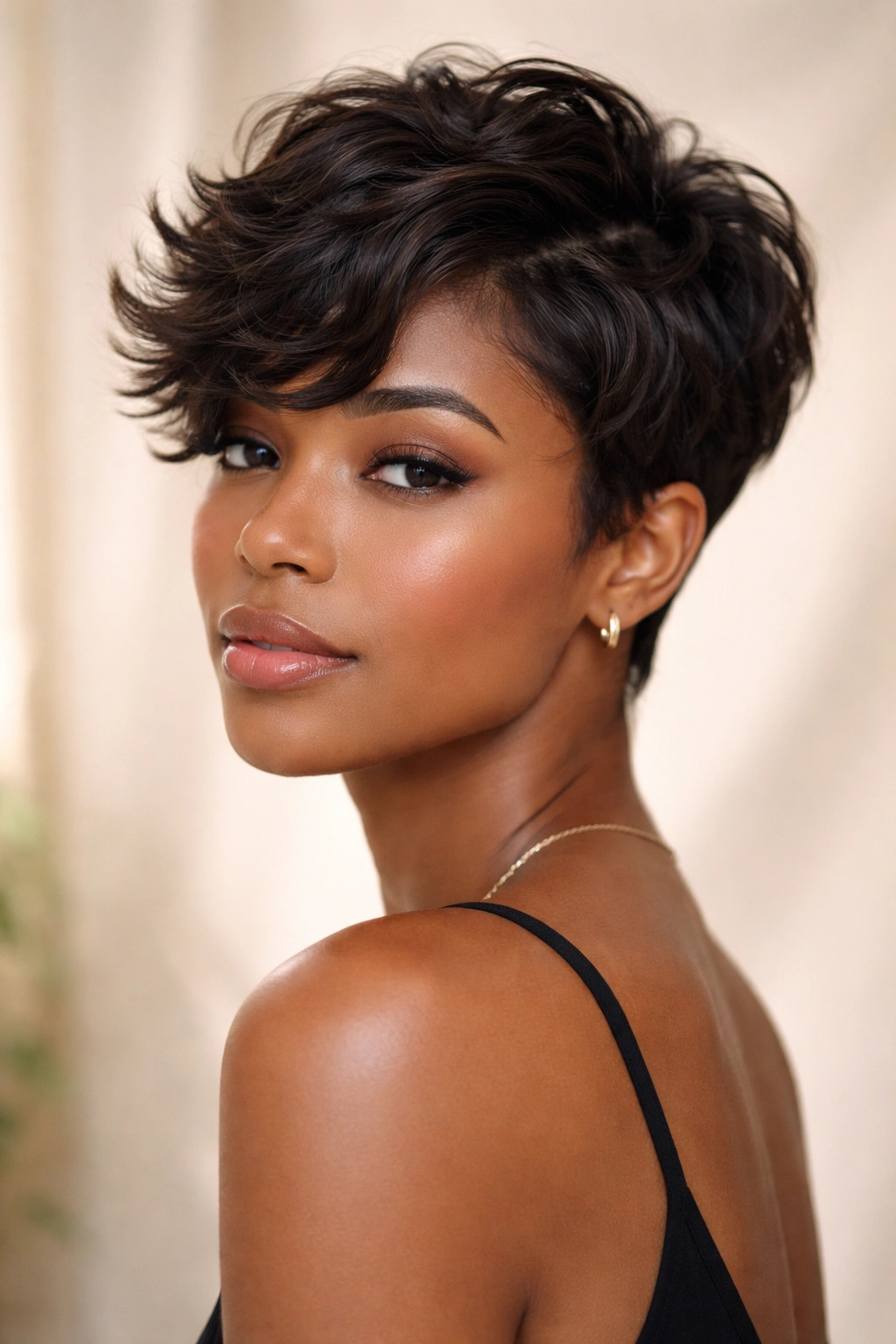
A longer pixie that sits maybe two inches on top rather than one inch allows for softer, more romantic waves while keeping the overall look short and manageable. This bridges the gap between a standard pixie and a crop, offering more styling versatility.
When to Choose Longer Pixie Length Over Standard Pixie
If you like the idea of a pixie but worry it might feel too short or severe, a longer pixie length gives you enough hair to create actual waves rather than just texture. You get the low-maintenance benefits of short hair with slightly more styling options.
Creating Soft, Romantic Waves on Longer Pixie Length
- Apply a texturizing mousse to damp hair at the roots
- Blow-dry smoothly using a round brush for foundation
- Use a 1.5-inch barrel curling iron to create soft waves throughout
- Hold curls for 3-4 seconds before releasing for longer-lasting waves
- Separate curls with your fingers and a wide-tooth comb for soft texture
- Use flexible-hold hairspray to set waves without making hair feel stiff
- The waves should feel soft and romantic, not tightly crimped or overly structured
A longer pixie works beautifully for someone who wants the ease of short hair but prefers a slightly softer, more feminine silhouette than a standard pixie provides.
14. Textured Wolf Cut
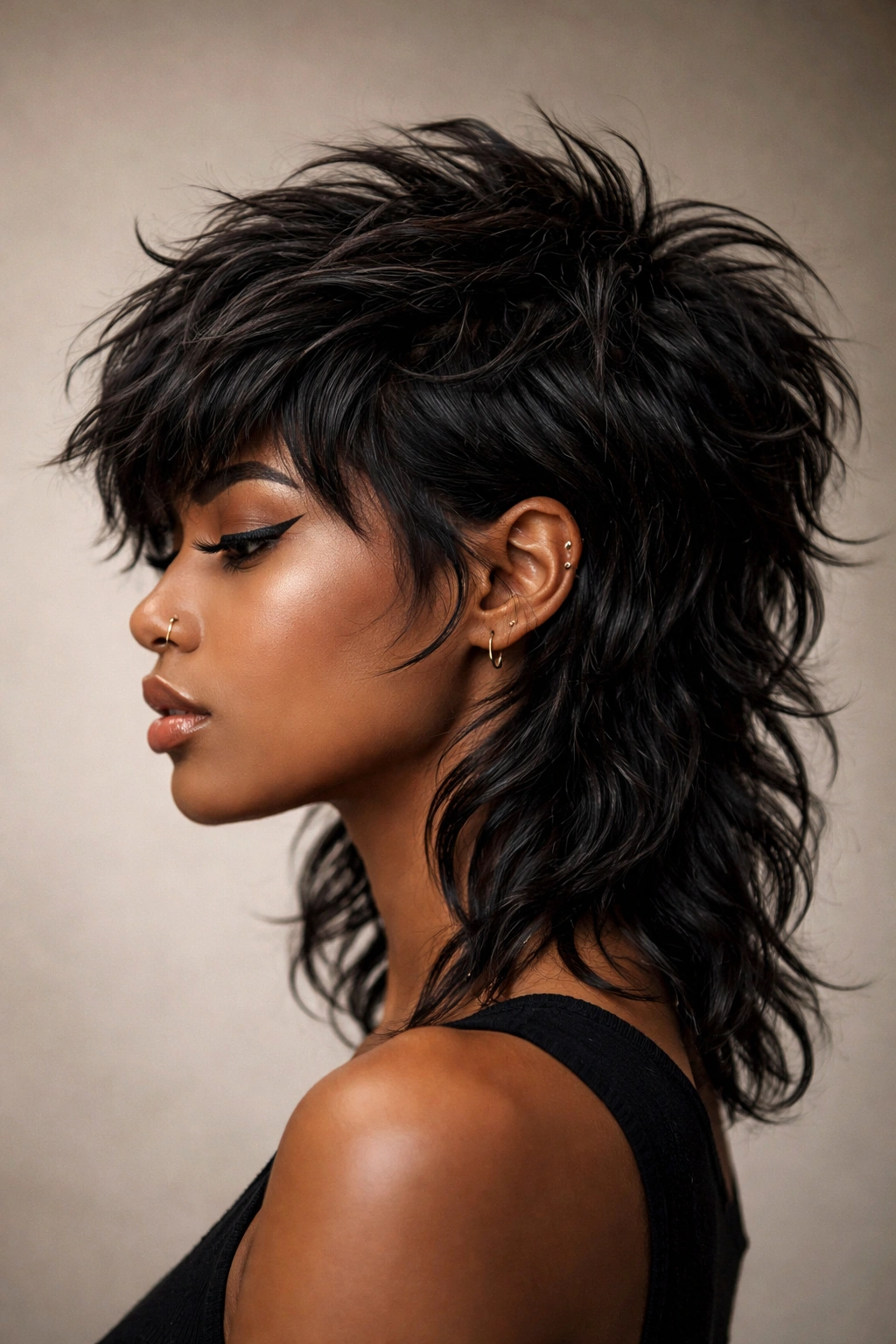
A wolf cut combines the body of a shag with the edge of a pixie—short and textured on top with longer, wavy layers underneath creating a silhouette that’s edgy and modern. This style has become increasingly popular because it’s genuinely flattering while feeling current.
Why Wolf Cuts Work for Wavy Hair
The choppy layers throughout a wolf cut activate wave pattern beautifully. Even with minimal styling, waves form naturally because of how the cut is structured. The contrast between the short, textured crown and the longer, wavy underneath layers creates movement from multiple angles.
Styling Your Wolf Cut for Best Results
- Apply a texturizing cream or mousse to damp hair
- Rough-dry using your fingers, pushing hair backward and slightly up
- Once mostly dry, use a 1.5-inch barrel iron to define waves in the longer underneath sections
- The top should look tousled and textured; the underneath should have defined waves
- Use dry shampoo at the roots to add grip and keep short sections from looking flat
- Flip your head while blow-drying to create reverse volume at the crown
- Refresh this cut every 6-8 weeks because the choppy layers grow out noticeably
A textured wolf cut is genuinely one of the most flattering short cuts for wavy hair. It looks good in progression as it grows, gives you styling versatility, and feels contemporary without looking trendy in a way that will feel dated.
15. Layered Waves With Side-Swept Styling
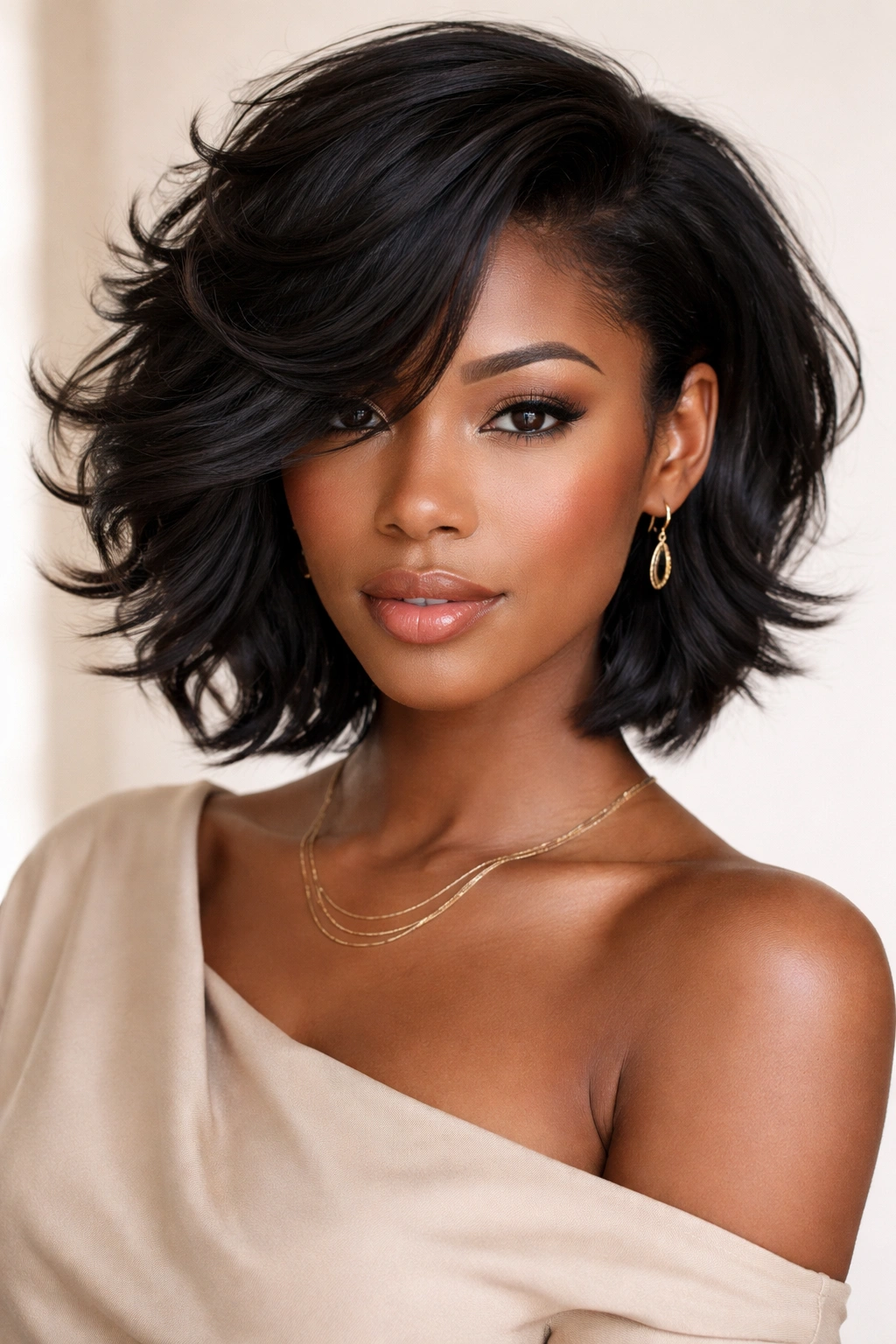
A cut with layers throughout that’s styled consistently to one side creates sophistication and asymmetrical visual interest. The layers create movement, while the consistent side-swept direction creates a polished, intentional appearance.
How Side-Swept Styling Influences Haircut Shape
When you know you’ll always style to one side, your stylist can cut layers with that direction in mind, creating longer pieces on the sweep side and shorter underneath. This creates a shape that looks naturally intended to fall that way rather than looking like you’ve just randomly pushed your hair to one side.
Creating Lasting Side-Swept Waves
- Blow-dry with a round brush, directing all hair toward the side you’ll sweep to
- Create the deepest part on the opposite side from your sweep
- Use a 1.25-inch barrel curling iron to curl sections, all away from the face on the side you’ll sweep to
- Curl underneath layers tightly so the wave pattern lasts through the day
- Use a light texture spray or flexible-hold hairspray to set the sweep and waves
- Pin up the non-sweeping side during part of the day to add dimension and change up your look
- This style photographs beautifully and looks effortlessly chic, but requires consistent styling daily
Side-swept waves are incredibly flattering on most face shapes because they soften features while creating movement. The consistent direction creates visual flow that guides the eye across your face.
16. Short Textured Waves With Buzzed Sides
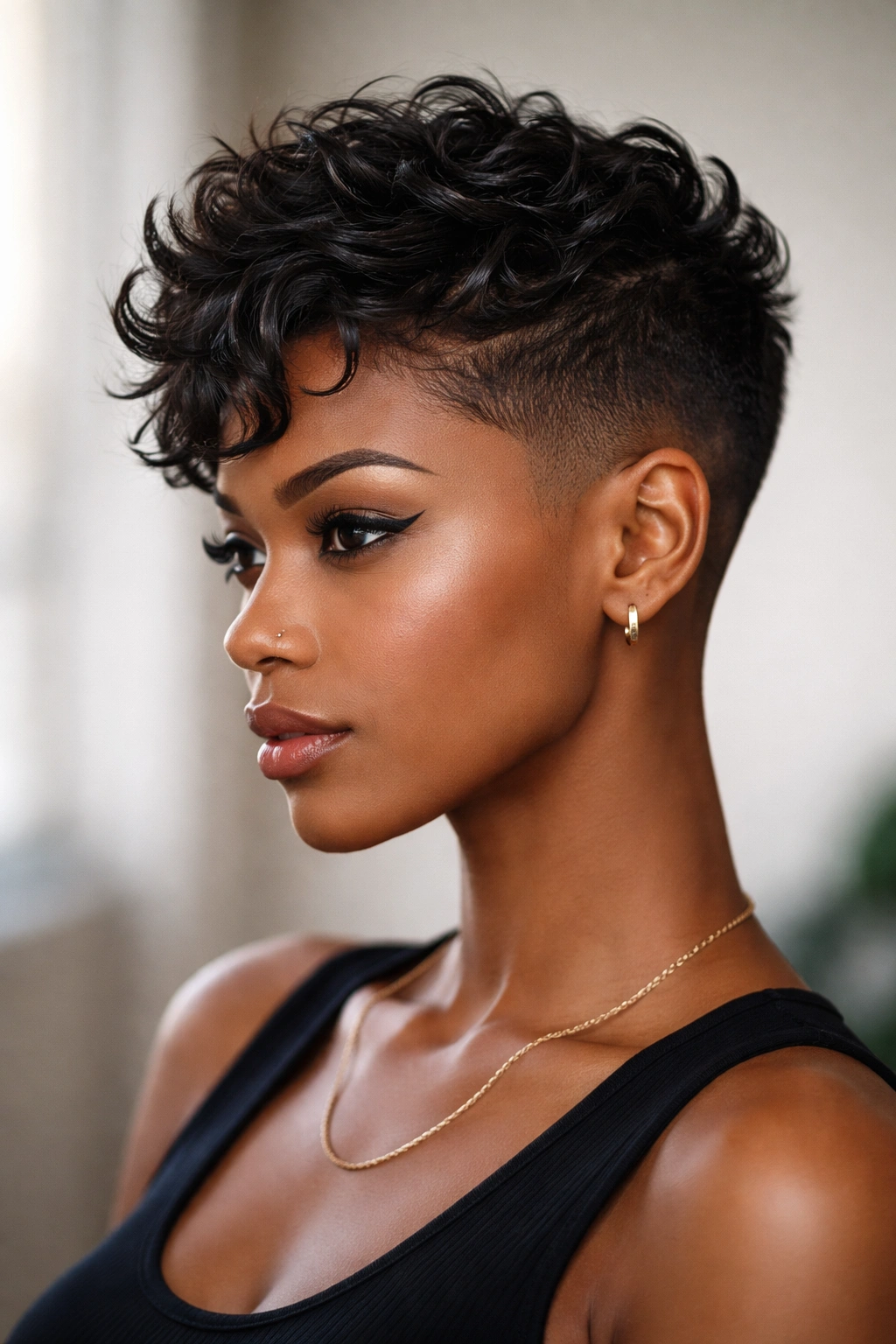
A dramatic short style with textured waves on top and closely buzzed sides (achieved using clippers set to a very short guard) creates serious visual impact. The contrast between texture and smoothness is striking, especially on black hair where the depth of color emphasizes the cut’s architecture.
Understanding Clipper Lengths and Maintenance
Buzzed sides require regular maintenance every 2-3 weeks to maintain definition and prevent that in-between-haircut appearance. Ask your stylist what clipper guard they’re using so you can maintain consistency between appointments or even trim the sides yourself at home if you’re comfortable with clippers.
Styling Textured Waves on Top While Keeping Sides Smooth
- Blow-dry textured waves on top using a diffuser, scrunching for wave activation
- Keep the buzzed sides completely dry; they’ll lie flat naturally without styling
- Use a curl cream or texture spray on the top section only
- The top section should have significant volume and texture to balance the very short sides
- Refresh your line between the textured top and buzzed sides using clippers every few weeks
- This style is genuinely low-maintenance once you get past the clipper maintenance schedule
- The contrast looks most striking when the top texture is well-defined and the sides are freshly clipped
This is a bold, confident style that works best if you enjoy maintaining your haircut regularly and feel comfortable with an obviously fashion-forward appearance.
17. Shaggy Layered Cut With Subtle Waves
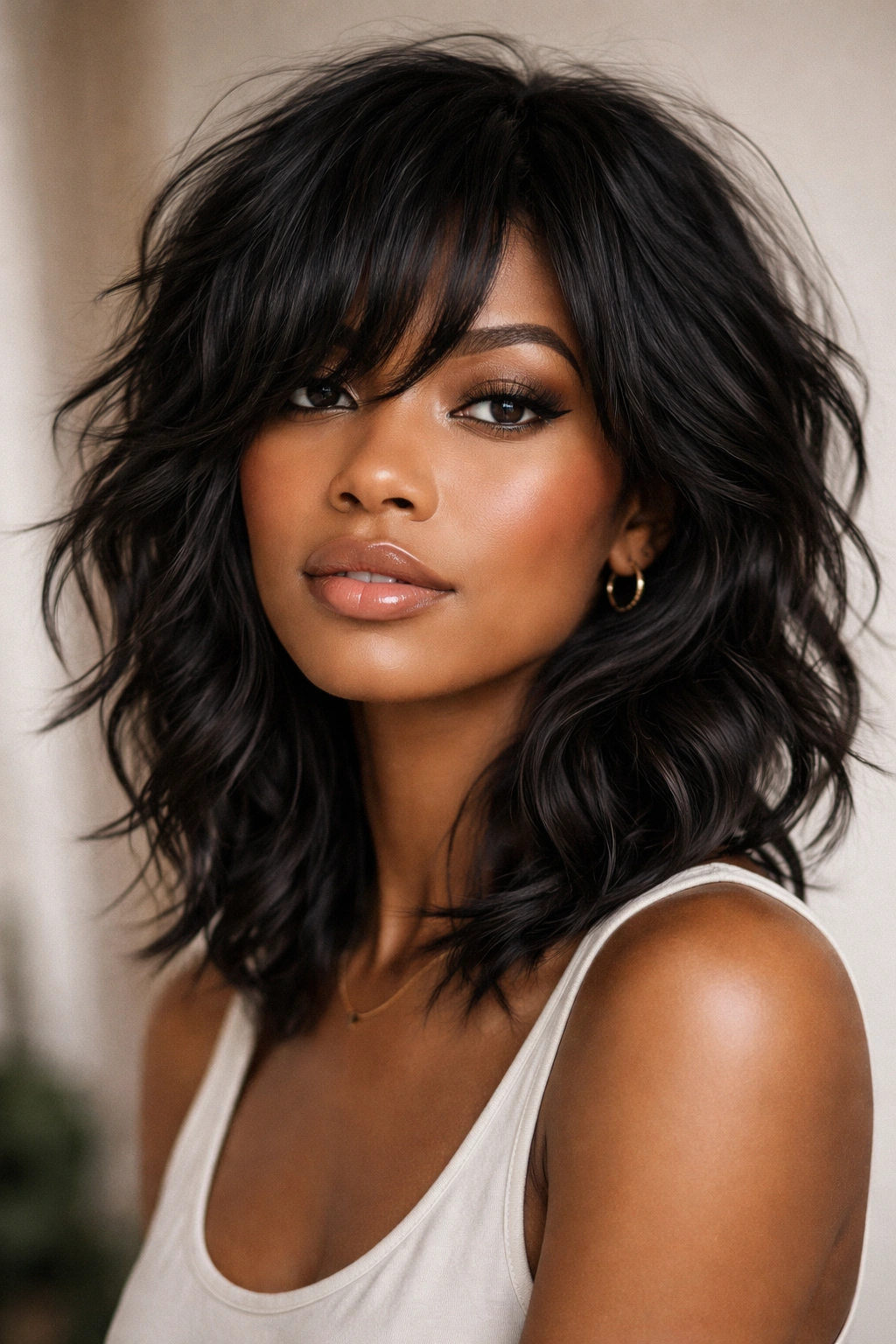
A shaggy layered cut with layers throughout that create subtle, loose waves rather than tightly defined curls gives you movement without requiring intense styling or holding product. This style celebrates your hair’s natural texture while adding intentional shape through the cut.
The Difference Between Shaggy Waves and Choppy Pixies
A shaggy layered cut has longer layers (usually hitting chin length or slightly longer) with less blending between lengths. Layers are deliberately visible and create that signature shag silhouette. A pixie or crop is shorter overall with more density throughout.
Achieving Shaggy Waves With Minimal Effort
- Apply a texturizing mousse or wave cream to damp hair
- Rough-dry using your fingers and a blow dryer set to low heat
- Don’t try to create perfect waves; let the layers and texture do the work
- Once dry, use a 1.5-inch barrel iron on select sections for gentle waves
- Avoid over-styling; the appeal of shaggy waves is their effortless appearance
- Tousle with your fingers to separate layers and enhance the shag silhouette
- Use dry shampoo between washes to maintain texture and lift
Shaggy layered waves age well as your hair grows; the cut doesn’t require trimming every six weeks like more structured cuts do. This is a genuinely low-maintenance style if you embrace the slightly undone aesthetic.
18. Blunt-Cut Wavy Bob With Internal Layers
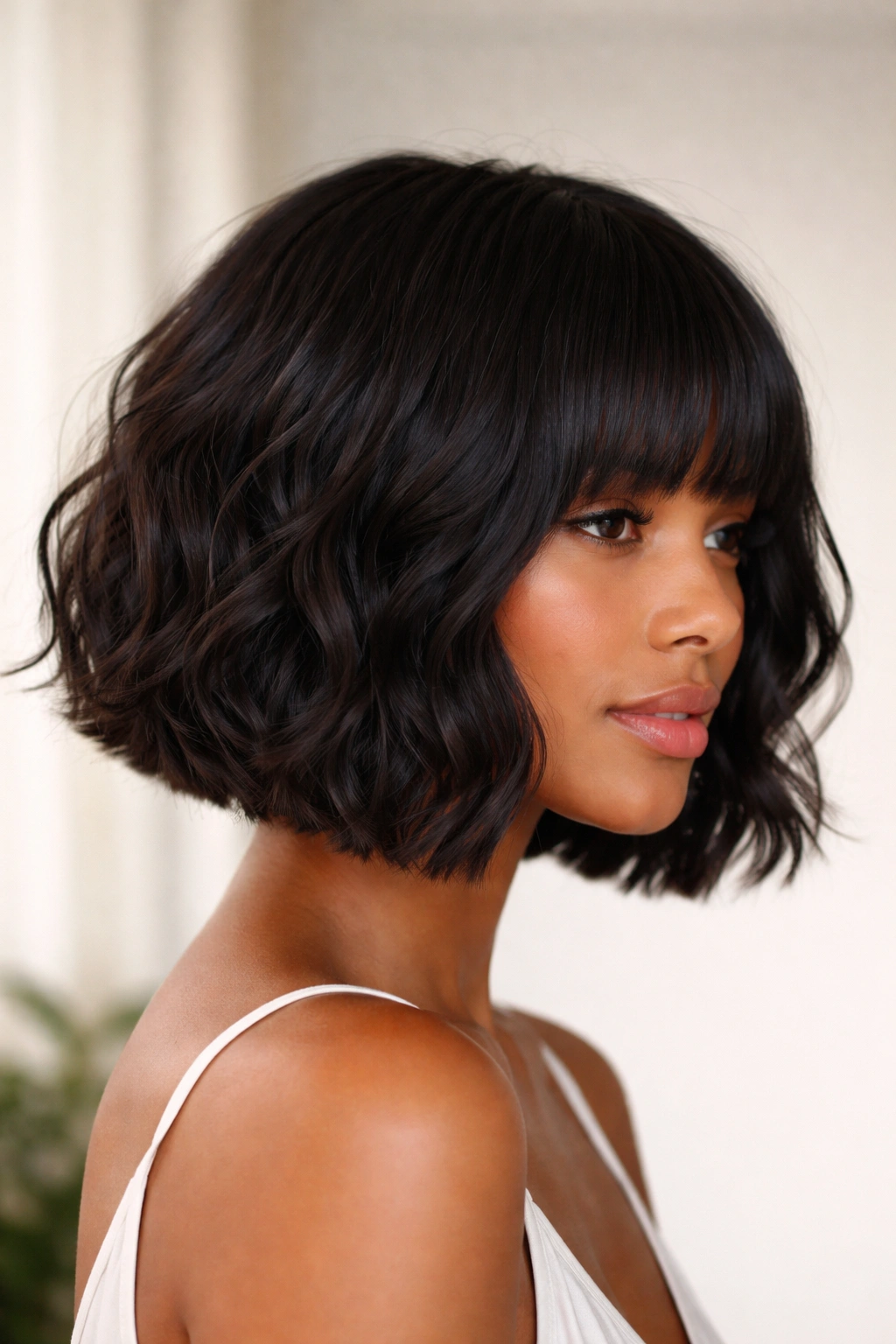
A blunt-cut bob from the front that appears solid and defined, but has hidden internal layers underneath that create wave movement and texture, combines polished style with wearable movement. The blunt line creates edge while the hidden layers provide practical styling versatility.
The Hidden Power of Internal Layering
Internal layers live underneath the surface layer, so your hair looks clean and blunt from the front view, but when you move or style waves, the hidden layers activate. This approach gives you the best of both worlds: a sharp, defined line and textured movement.
Styling Internal Layers for Maximum Impact
- Blow-dry smooth with a paddle brush for a polished base
- Use a 1.5-inch barrel curling iron on the underneath layers to create waves
- Curl the surface layer more loosely so waves feel subtle from the front
- The contrast between a blunt front line and wavy texture from other angles is the entire point
- Use flexible-hold hairspray to set waves without looking over-styled
- This cut looks polished at first glance but sophisticated and textured from multiple angles
- Refresh waves between washes using a texturizing spray and light blow-drying
A blunt-cut bob with internal layers works beautifully for professional settings where you want polish balanced with personality. The cut reads as sophisticated rather than playful, which suits corporate environments or formal occasions.
Final Thoughts
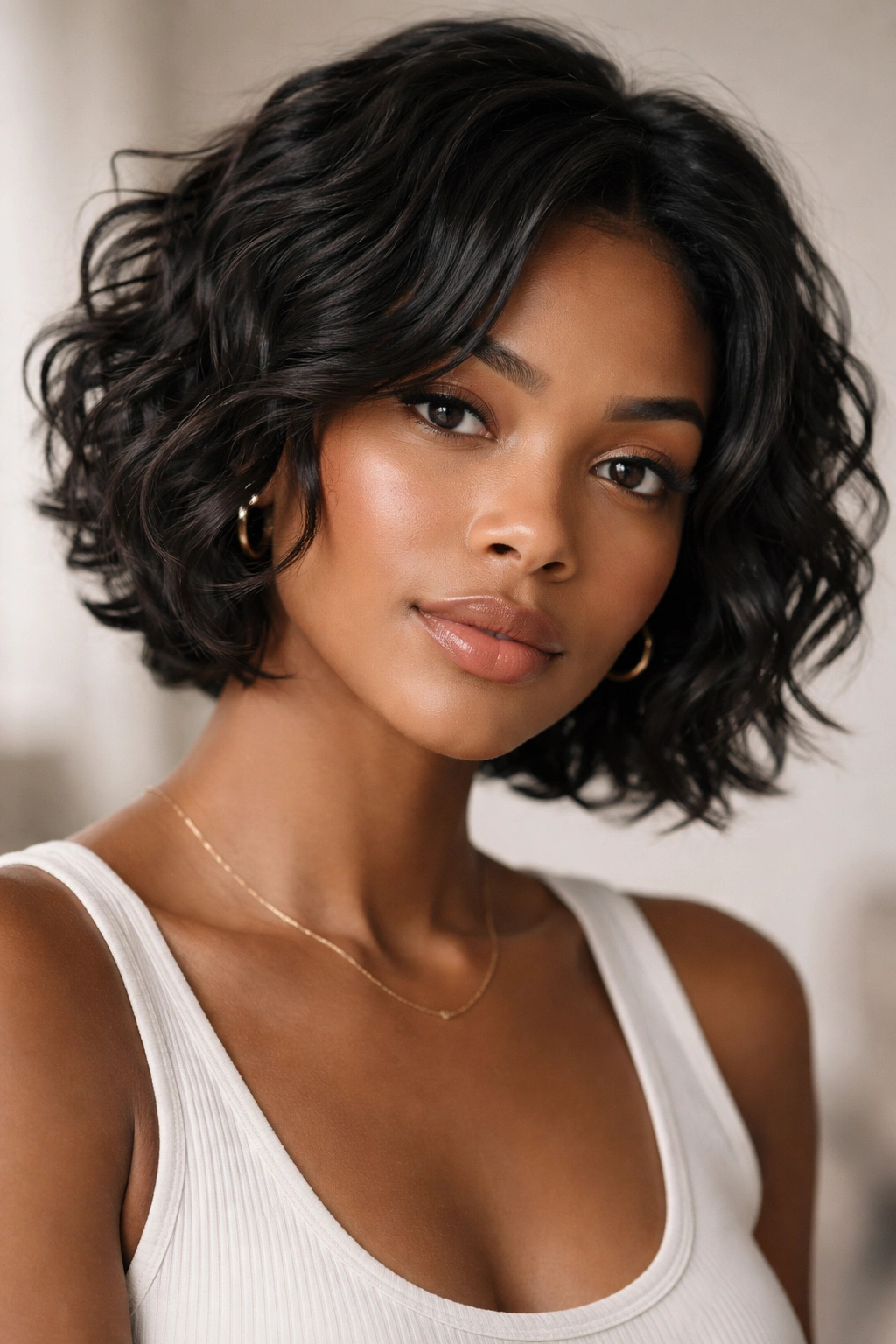
Short wavy black hair offers genuinely unlimited styling possibilities, from bold asymmetrical cuts to classic bobs with modern twists. The key to finding your perfect style is being honest with yourself about how much daily styling you want to commit to—some of these cuts thrive on intentional, deliberate styling, while others look better when you skip the heat tools entirely.
Black hair creates natural drama and depth that photographs beautifully and makes even simple wave patterns look dimensional and intentional. If you’re considering transitioning to short hair or refreshing a current short cut, bringing reference photos of several styles you love to your stylist appointment gives them clear direction about the vibe you’re going for, not just the length.
The investment in finding a stylist who understands short hair, wave patterns, and how cuts interact with texture pays dividends—a great cut does most of the heavy lifting for you, which means your styling becomes easier and faster. Take your time finding the right style and the right person to execute it, and you’ll have a short wavy style you genuinely love wearing.
