



There’s something about messy medium wavy hairstyles that just works. They strike that perfect balance between “I woke up like this” effortlessness and “I actually spent time on this” polish. Unlike perfectly sleek waves that require constant maintenance or tight curls that demand deep conditioning treatments, medium wavy hair with intentional texture feels lived-in, modern, and genuinely low-maintenance once you understand the cut and styling technique that makes it shine.
The magic of messy waves in medium length is that they work with your hair’s natural tendencies rather than against them. You’re not fighting frizz or spending an hour with a flat iron. Instead, you’re enhancing what’s already there—amplifying movement, adding dimension with texture, and creating visual interest through strategic layering and styling tricks. Whether you have naturally wavy hair or you’re creating waves from straighter texture, these styles prove that “messy” is actually code for sophisticated, touchable, and real.
What makes these hairstyles so versatile is that they adapt to different face shapes, hair types, and lifestyles. The same technique that works for someone with fine, wavy hair can be adapted for thicker texture. The styling method that suits a round face can be tweaked for someone with an angular jawline. And the best part? Most of these styles actually look better on day two or three of styling, when natural oils add grip and the waves settle into their own rhythm. Let’s explore the 15 messy medium wavy styles that deliver effortless sophistication.
1. The Tousled Shoulder-Length Shag
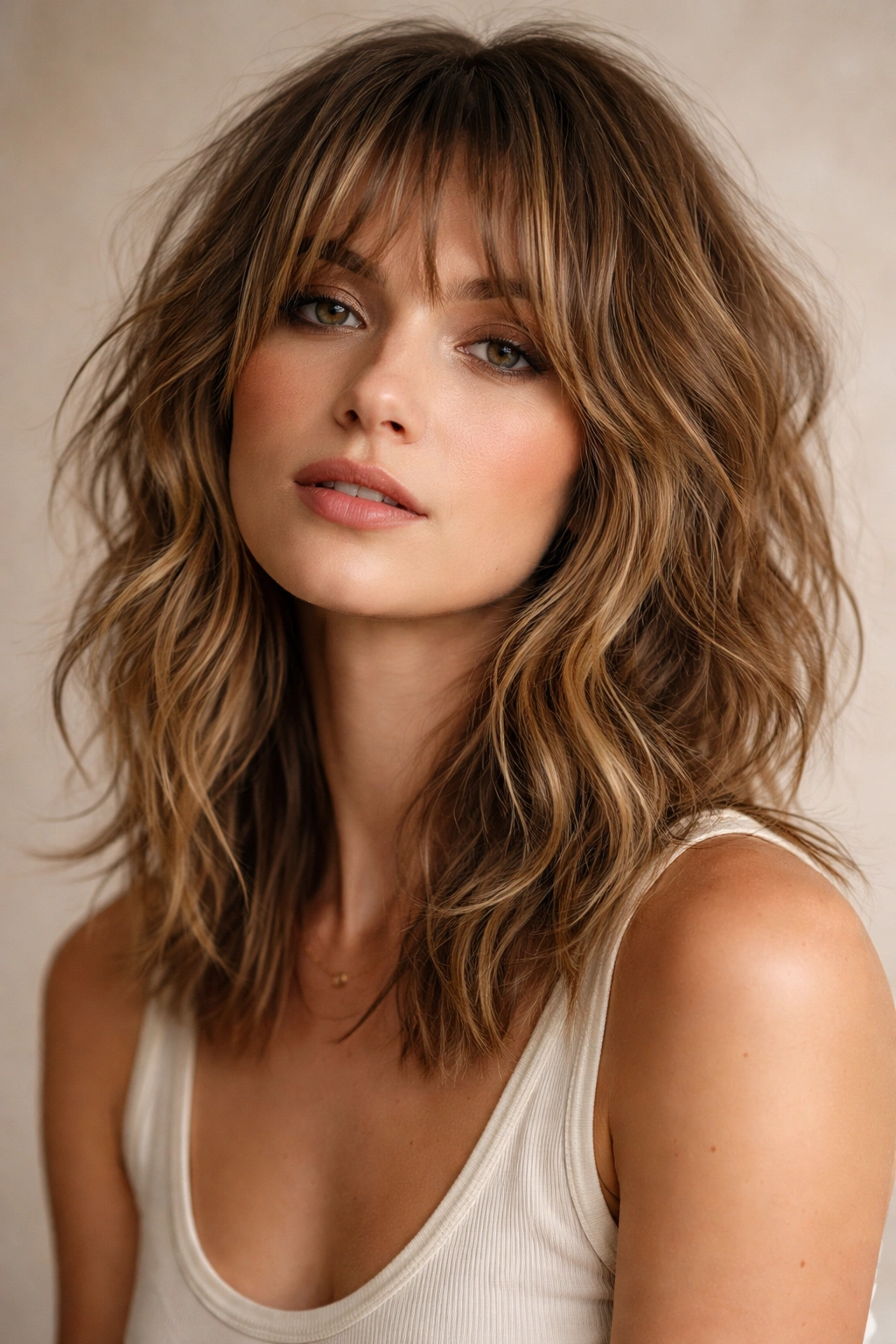
A shag cut is the foundation for some of the messiest, most textured waves possible. This style features choppy layers throughout, starting from the crown and progressing outward, creating natural separation and movement without requiring you to do much beyond run your fingers through it. The length hits right around shoulder level, giving you enough hair for volume without the weight that would drag out your waves.
Why This Cut Maximizes Wave Texture
The choppy, stacked layers in a shag cut work like built-in wave enhancers. Each layer moves independently, so when you have wavy hair, those layers create natural separation and prevent clumping. The shorter layers at the crown give you volume that lasts all day, while the longer layers at the ends catch light and create dimension. This is the cut that actually improves the more texture and movement you add to it.
How to Style It
- Apply sea salt spray to damp hair from roots to ends for instant texture and grip
- Scrunch sections upward with your hands while blow-drying on low heat, focusing on the crown first
- Let hair air-dry partially for that broken-in, undone wave pattern
- Use a curling wand loosely on the ends if you want more defined waves, but skip it if you prefer true texture
- Finish with texture spray or dry shampoo for hold and extra grittiness in the texture
2. The Beachy Layered Lob
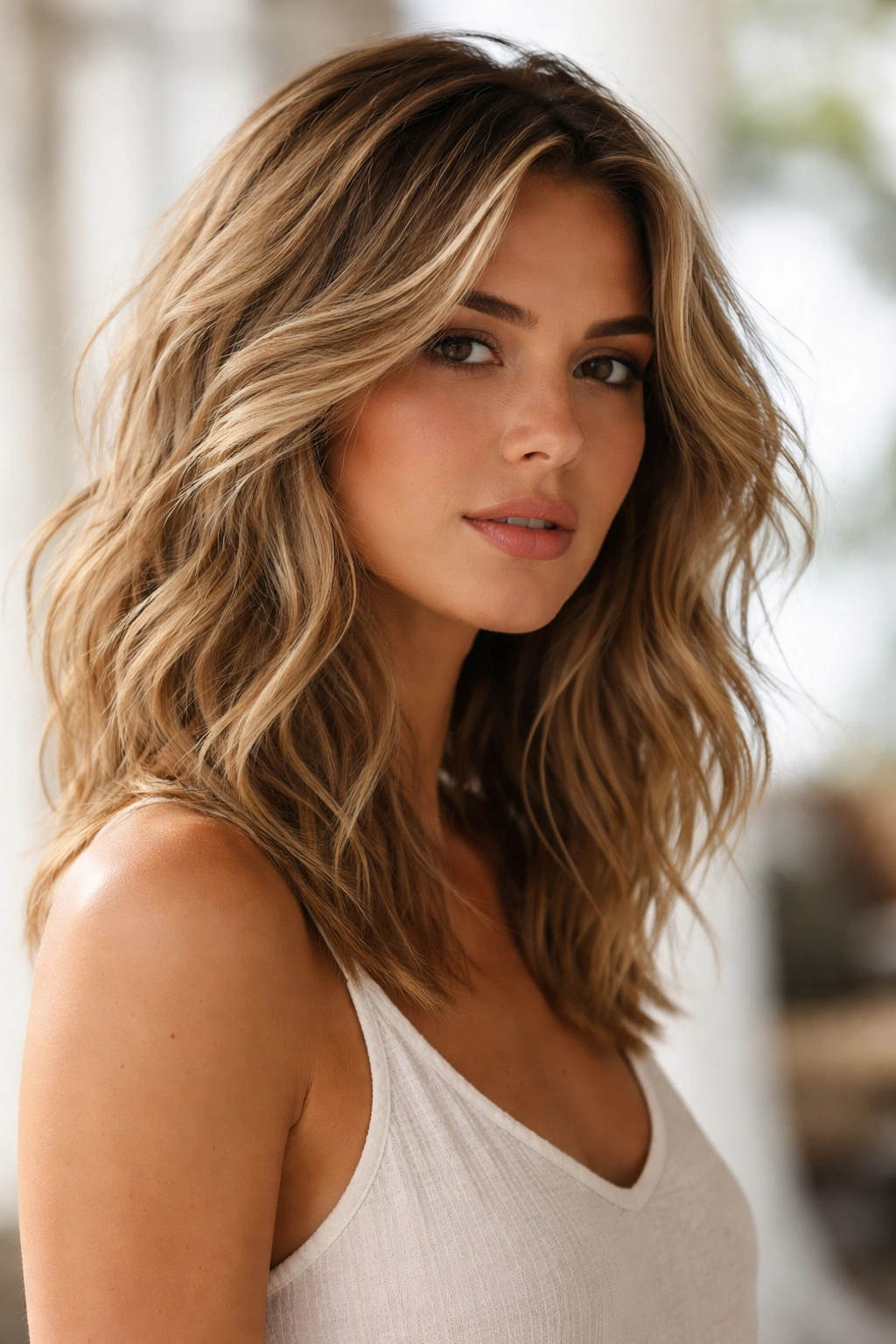
A lob (long bob) layered throughout the length gives you that beachy, windswept wave pattern that looks intentionally disheveled. The layers are subtler than a shag but still create movement—they’re typically longer in the front and gradually get shorter toward the back, creating a modern, face-framing effect that works with almost any wave pattern.
The Science of Front-Longer Layers
When the front layers are longer than the back, they do something clever: they frame the face while the back volume sits higher, creating an effortlessly balanced silhouette. Wavy hair in this cut naturally moves away from the face without you having to style it that way. The longer front pieces catch and move with every head movement, creating that constantly-shifting, “just came from the beach” appearance.
Styling Strategy
- Blow-dry with a round brush for subtle wave movement, or skip the brush and let waves form naturally
- Use a diffuser attachment on a low setting to define waves without frizz
- Apply lightweight wave cream or mousse before drying for texture without crunchiness
- For extra movement, lightly wave the ends with a large barrel wand, twisting loosely for organic-looking waves
- Tousle with your fingers once dry to break up any uniformity
3. The Choppy Textured Bob
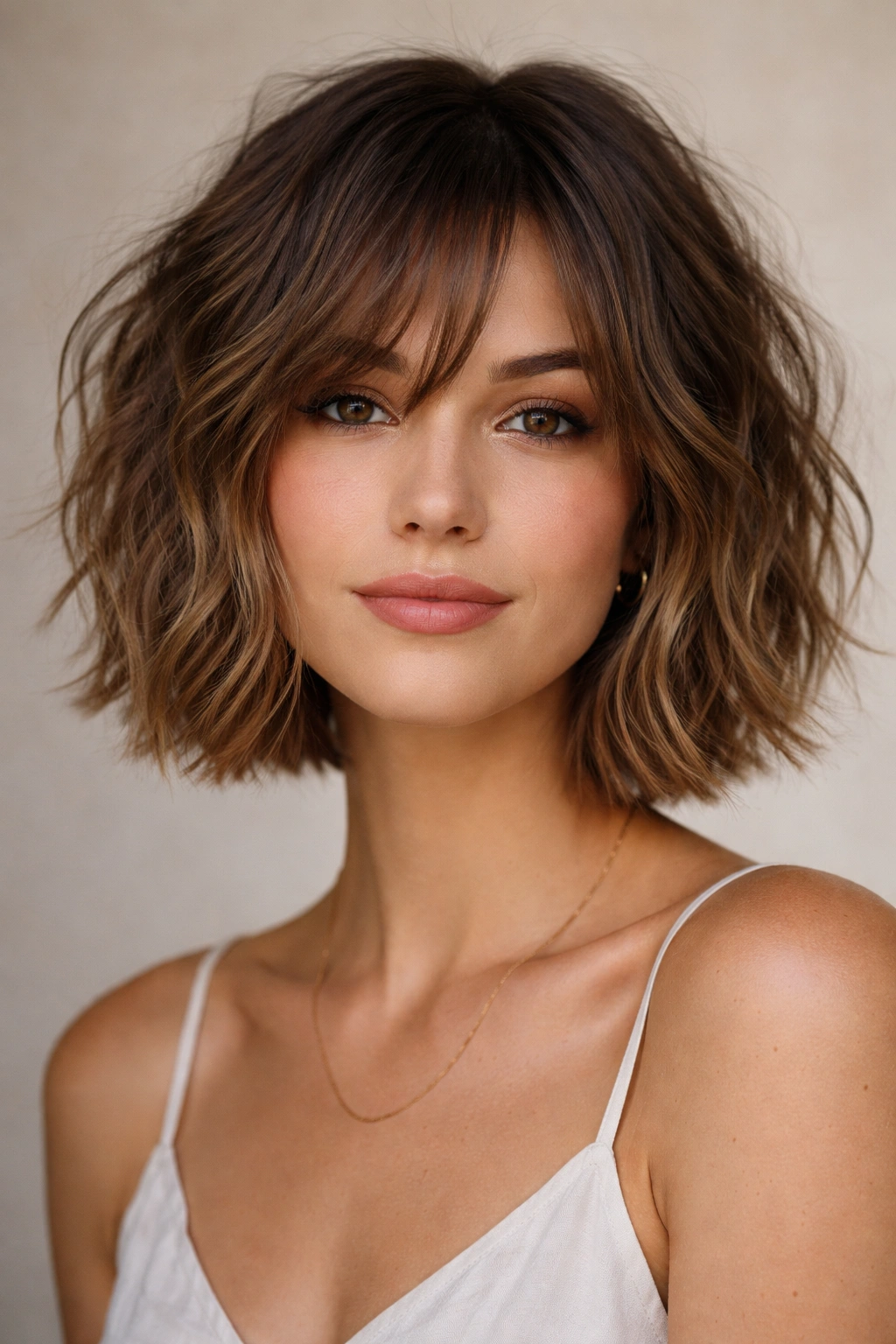
This is a chin-length or just-below-chin cut with heavy choppy layers throughout, creating maximum texture and movement. Unlike a traditional blunt bob, every layer is intentionally different lengths, creating a piecey, almost deliberately undone appearance that celebrates rather than hides wave texture.
Why Choppiness Works With Waves
A choppy bob gives waves room to express themselves without creating bulk. Each piece sits at a slightly different angle, so waves don’t stack or clump together. The short front pieces can flip outward or inward depending on how you style them, giving you daily versatility. This cut actually looks better slightly messy and undone—that’s literally the design intention.
Daily Styling
- Towel-dry and apply texturizing mousse or dry shampoo for grip and hold
- Use a curling iron with a small barrel to create loose waves in sections, alternating direction for dimension
- Finger-comb through once cooled to break up waves into piecey texture
- Tease gently at the roots for height without looking intentional about it
- Spritz with flexible-hold spray that doesn’t feel stiff or crunchy
4. The Messy Shoulder-Length Mullet
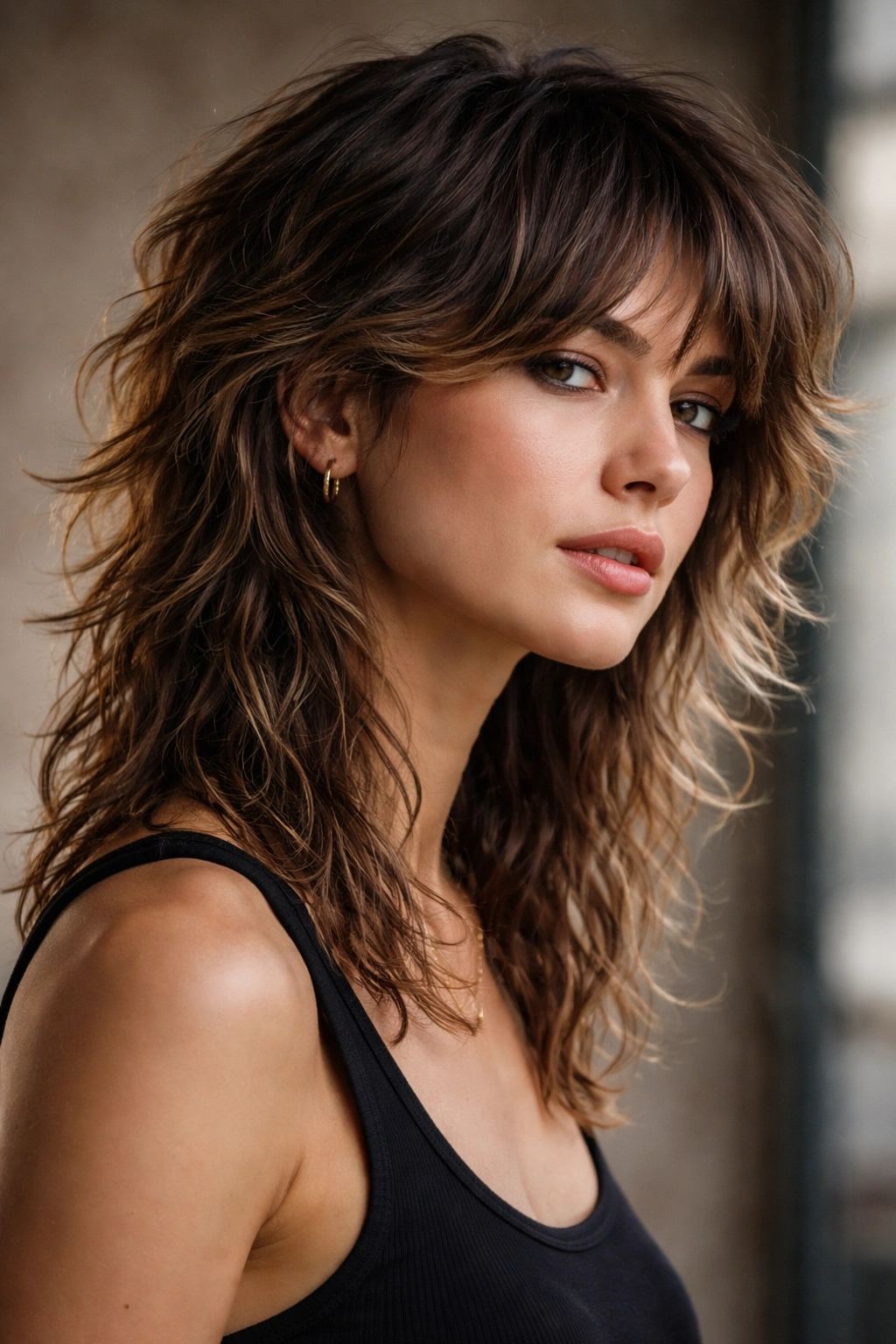
Yes, mullets are back—but the modern version is nothing like the ’80s style. This contemporary mullet is longer in the front (hitting mid-shoulder), much shorter in the back (grazing the nape), with choppy, textured layers throughout. It’s directional, playful, and works beautifully with wavy texture that creates automatic dimension.
How Layers Control the Mullet Effect
The key to making a mullet work with waves is layering throughout. Without layers, short hair in the back can look too severe. But when you layer the short section and add waves through styling, it becomes edgy and contemporary rather than costume-like. The longer front pieces frame the face and can be styled to wave outward or flip under, giving you control over the overall vibe.
Styling Tips
- Blow-dry the back section upward and away from the neck for modern volume
- Curl the longer front sections with a large barrel wand, holding the curl until cool
- Apply sea salt spray before styling for grip that holds waves longer
- Ruffle the back gently with your fingers for that lived-in texture
- Consider side-parting for a more flattering frame around the face
5. The Piece-y Wolf Cut
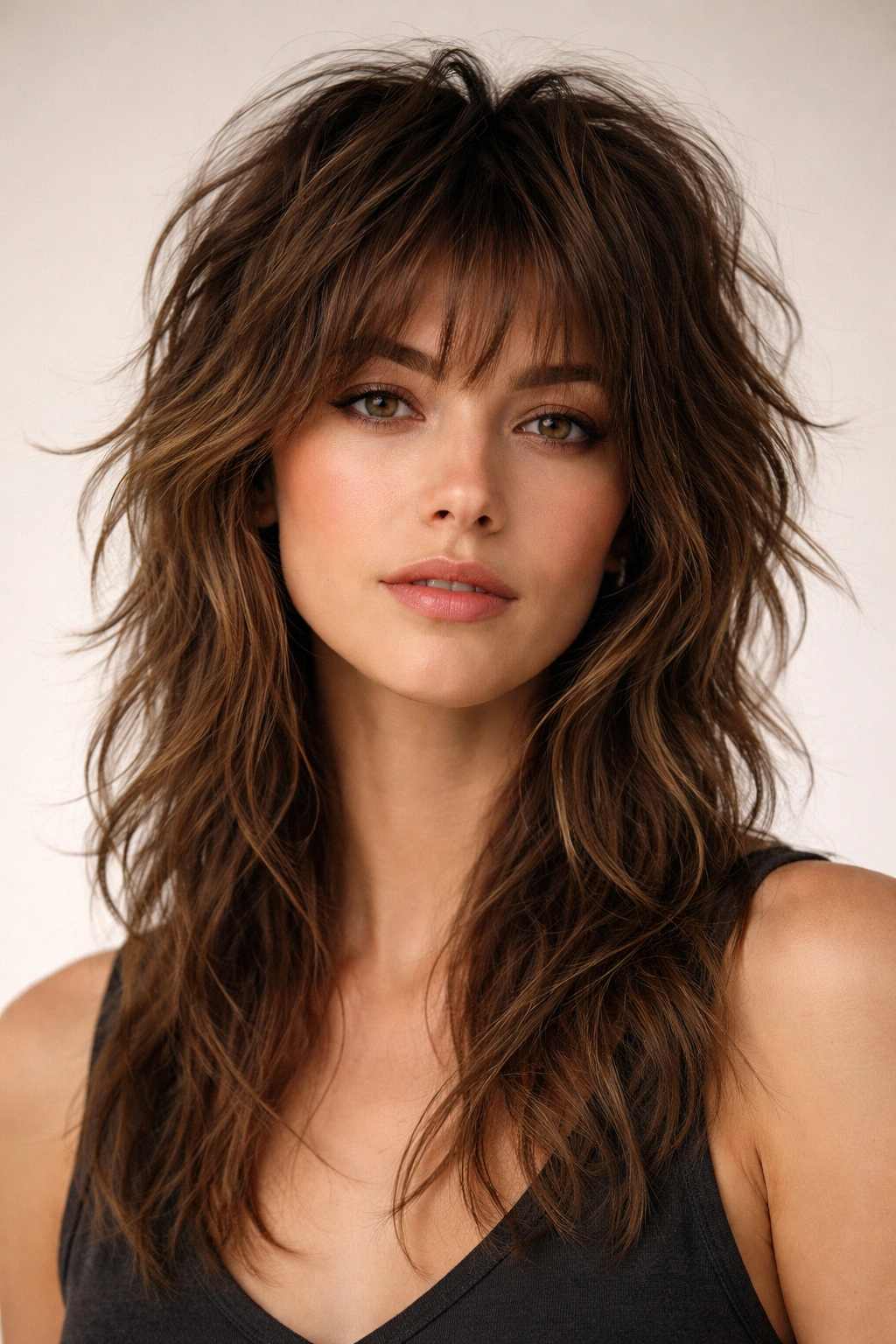
A wolf cut combines elements of a shag with mullet energy—it’s shorter and choppier in the middle layers, longer in the back, and features lots of choppy texture throughout. The result looks intentionally messy and sculptural, moving constantly with wavy hair and creating an undeniably modern silhouette.
Why Texture Layers Define the Wolf Cut
The wolf cut lives or dies by its layers. You need very short, choppy layers at the crown for volume, medium layers in the mid-length creating that signature middle-length texture, and longer layers at the ends for movement. Wavy hair enhances each layer, making the cut feel three-dimensional and dynamic rather than just a mass of hair.
How to Achieve the Look
- Start with damp hair and apply a lightweight, texture-enhancing product
- Blow-dry with fingers to create natural wave movement, focusing on building height at the crown
- Use a medium-barrel curling wand to create loose waves in the longer sections
- Allow some sections to air-dry naturally for that broken-in appearance
- Tousle everything together with your fingers and a light spray for the final undone texture
6. The Buttery Bronde Medium Waves
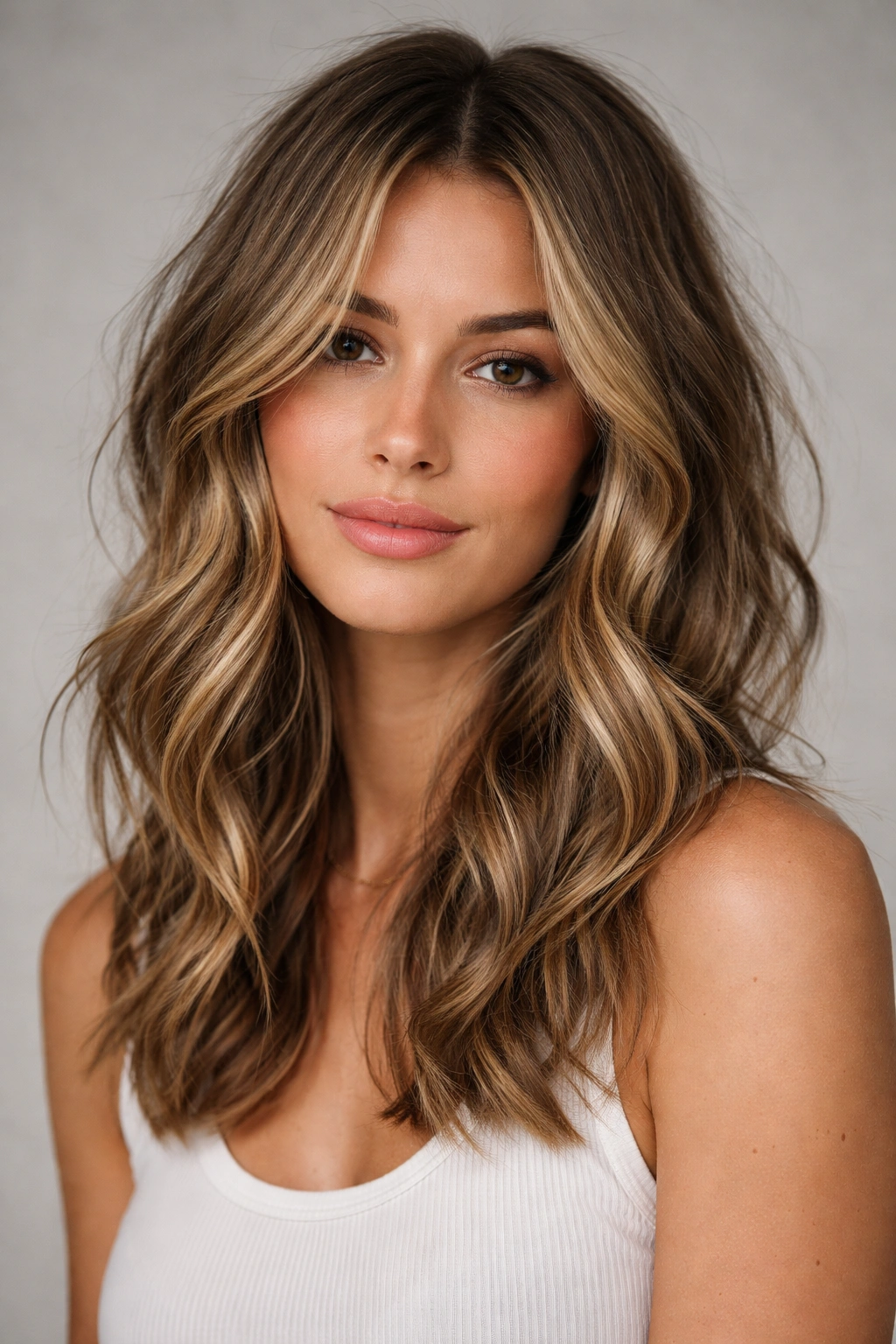
While this is partly about color, the hairstyle itself features medium-length waves with subtle layers that create movement and depth. The key is that the cut isn’t trying too hard—it’s relaxed and wavy, letting the bronde (blend of brunette and blonde) create dimension while the waves provide texture and motion.
How Subtle Layering Enhances Movement
You don’t need dramatic choppy layers for this style to work. Instead, think of soft, subtle layers that create internal movement without making the hair look thin. Layers are concentrated in the crown and mid-lengths, with longer bottom layers for weight and flow. This creates waves that feel supported and shaped rather than wispy or disconnected.
Styling for Maximum Dimension
- Apply a lightweight shine serum to damp hair before blow-drying for luminosity
- Blow-dry with a round brush for gentle waves that follow the shape of your head
- Use a large-barrel curling wand loosely on the bottom sections for subtle wave definition
- Finger-comb to soften waves and create that effortless appearance
- The bronde color does heavy lifting—you don’t need extreme waves; medium texture is perfect
7. The Textured Curtains Middle-Part
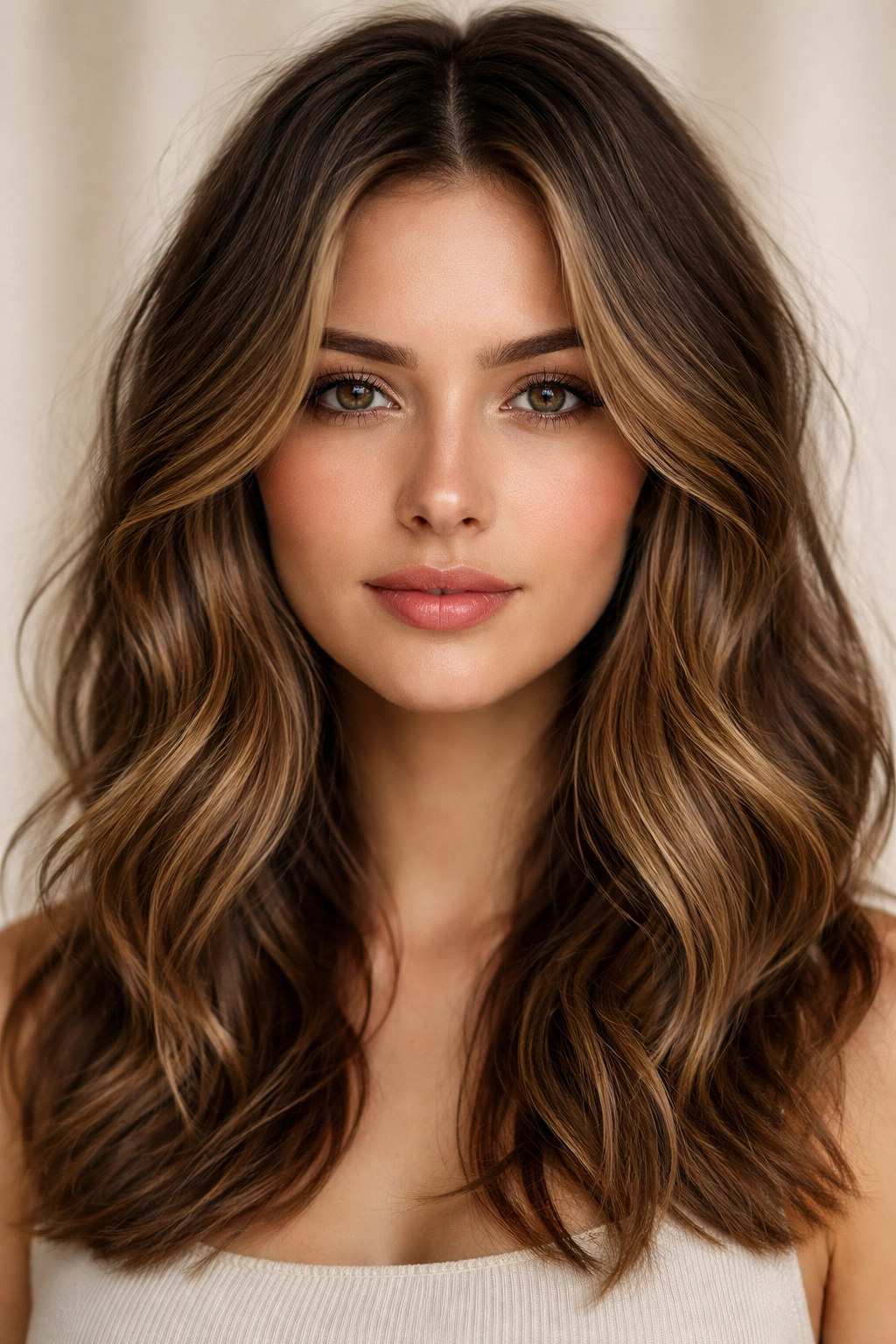
This style features medium-length hair with a deep middle part and curtain-style layers that frame the face, creating waves that naturally fall on either side of the face. It’s inherently flattering and works with wavy texture to create soft, face-framing movement without requiring a ton of styling effort.
The Magic of Curtain Layers With Waves
Curtain layers are specifically designed to frame the face and move away from it. When you have wavy hair, these layers naturally follow that directional pattern, creating soft waves that appear intentional while actually being quite effortless. The longer front pieces flip outward with movement, while the back volume sits at the crown, creating balance.
Styling Method
- Apply wave-enhancing cream or mousse to damp hair, concentrating on the ends
- Blow-dry with a round brush, directing the front pieces away from the face
- Use a medium barrel wand to create loose waves starting mid-length down
- Flip your head and lightly tousle for texture and volume
- Let some pieces fall naturally over the face for that face-framing effect
8. The Tousled Rooted Blonde Waves
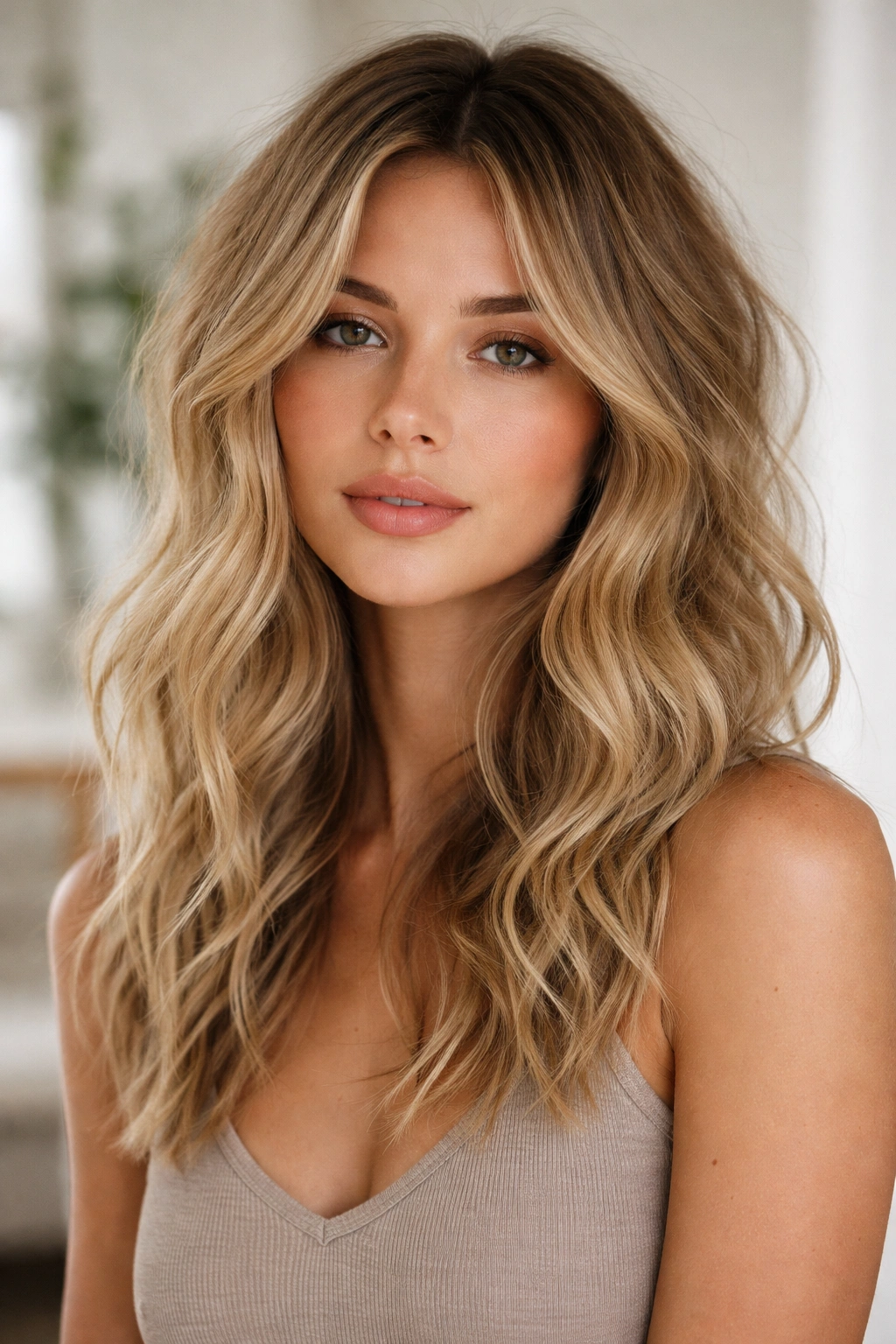
This style starts with deeper roots and transitions to blonde ends, creating dimension that enhances wave texture. The medium length and soft layers allow waves to move freely and showcase the color contrast throughout the cut. It’s romantic, effortless, and works with natural wave patterns.
Why Rooted Blonde Maximizes Wave Movement
The color contrast between roots and blonde ends creates visual texture independent of your actual waves, meaning medium waves look richer and more dimensional. The medium length keeps waves bouncy without the weight of longer hair dragging them flat. Soft, subtle layers add movement without creating a “choppy” look—it’s more sophisticated.
Daily Styling Approach
- Use a leave-in conditioner on the blonde ends to keep them from looking dry
- Apply texture spray to damp hair for grip and wave enhancement
- Blow-dry with your fingers for natural-looking waves, or use a diffuser for more defined texture
- Create loose waves with a large barrel wand if you want more polished-looking waves
- Shake out and tousle to create that “I didn’t try too hard” final texture
9. The Shaggy Choppy Crown With Straight Ends
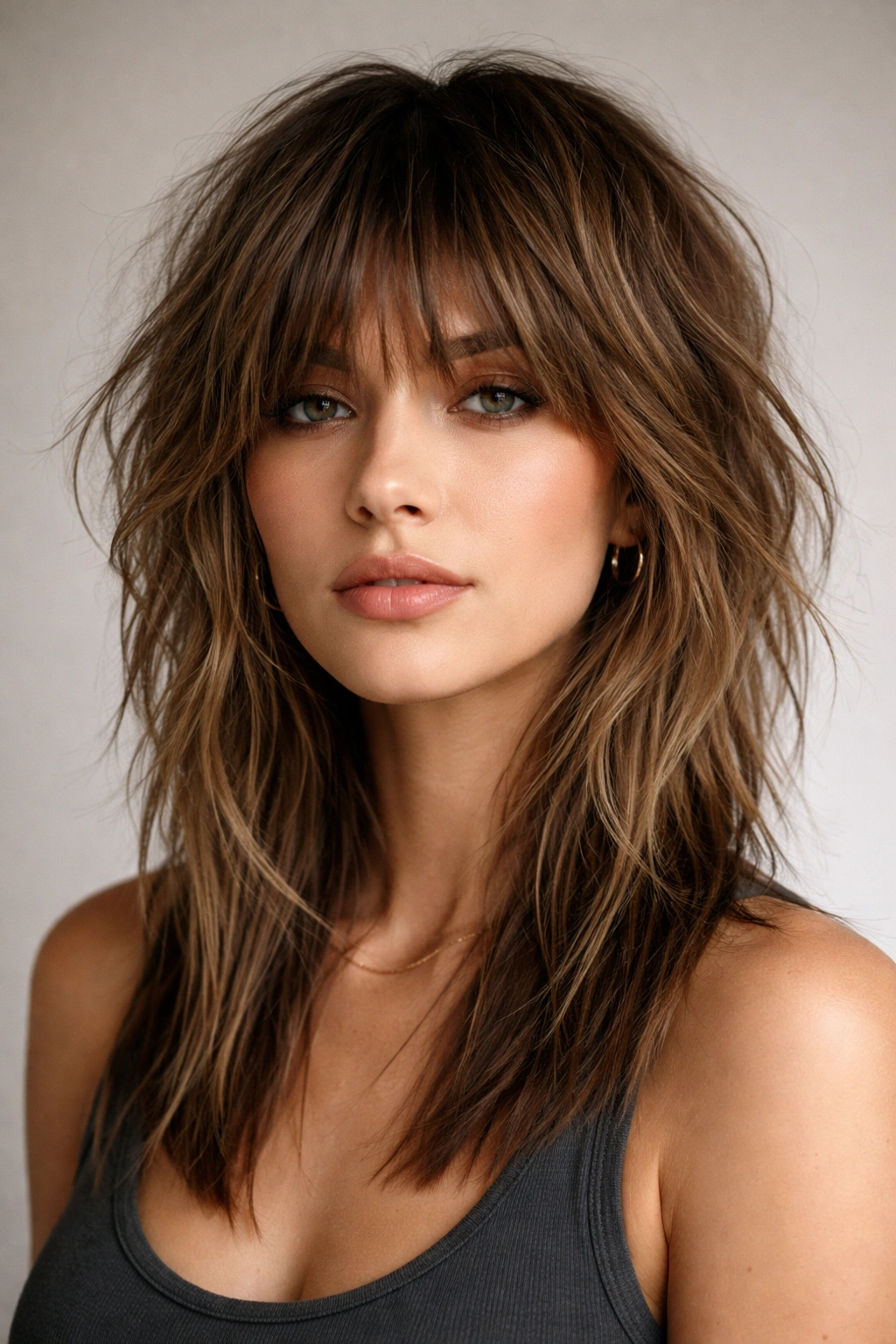
This intentionally unbalanced cut features super choppy, textured layers in the crown and sides, while the bottom section is left longer and relatively straighter, creating a clear line between texture and smooth. It’s avant-garde, fashion-forward, and celebrates wavy hair as a design element rather than something to minimize.
Strategic Texture Placement for Impact
By concentrating choppiness at the crown and gradually smoothing toward the ends, you create a striking visual statement. Wavy hair at the crown gets texture and height, while longer ends maintain sleekness. This creates an interesting contrast—textured and polished in the same cut—that feels intentional and modern.
Styling Technique
- Build volume at the crown with a blow dryer and your fingers, creating upward texture
- Use a straightening iron only on the longer bottom sections for that smooth contrast
- Create gentle waves in the ends with a medium barrel wand, aiming for loose rather than tight curls
- Tease gently at the crown for texture without making it look messy
- Allow some pieces to fall across the face for softness balancing the edginess
10. The Tousled Bixie (Bob-Pixie Hybrid)
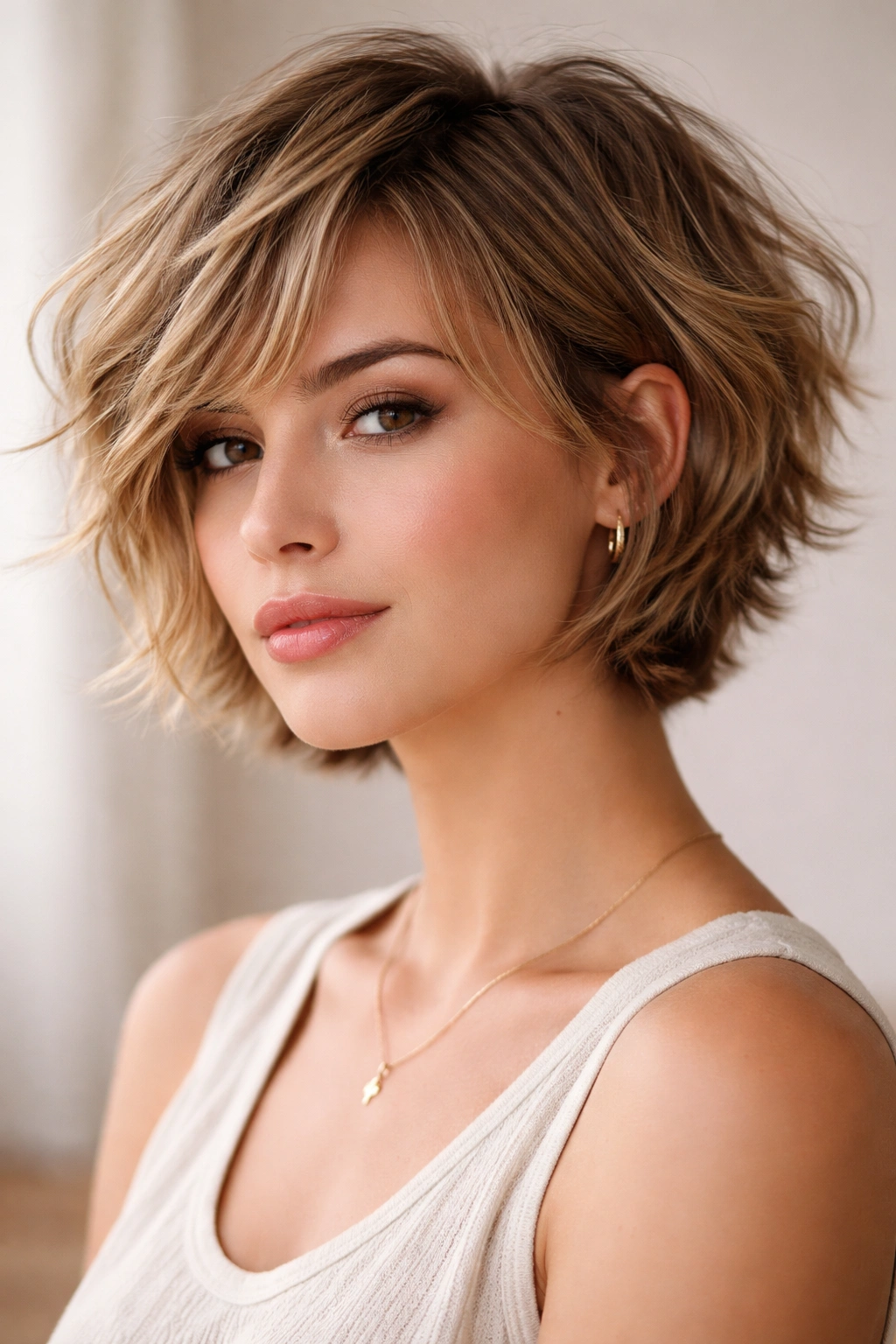
A bixie combines the short, textured boldness of a pixie cut with the wearability and length of a bob. Typically chin-length or just below, it features very short layers throughout with lots of texture. On wavy hair, it creates a naturally volumized, piece-y look that’s simultaneously low-maintenance and high-impact.
Why Short Textured Layers Enhance Waves
In a bixie, every single layer is short enough to move independently, so even slight waves create dynamic texture and separation. You can’t get clumpy waves in this cut because there’s no length for waves to collapse into. Instead, waves translate into dimensional, piece-y texture throughout. It’s the opposite of the shaggy long-haired look, but equally textured.
Creating Maximum Texture
- Blow-dry with your fingers and a small brush to direct layers and create texture
- Apply texture spray or dry shampoo before styling for grip
- Use a small-barrel wand to create waves in sections, keeping them loose and face-framing
- Tousle heavily with your fingers and texture spray for that piece-y, intentionally undone appearance
- Consider styling with a slight side part for modern shape
11. The Lived-In Wavy Lob With Layers
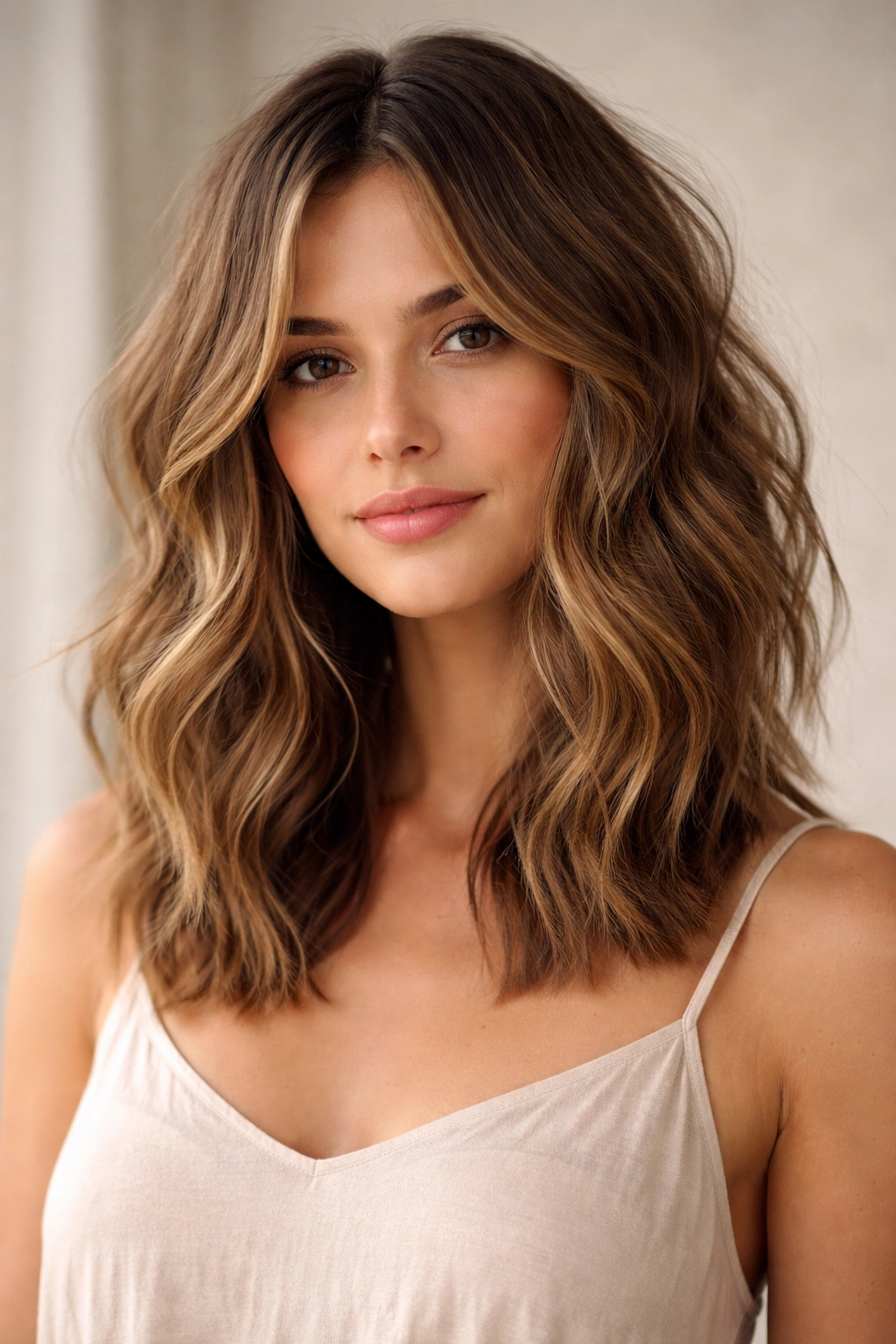
This is an effortless, romantic medium length that hits between the shoulder and collarbone with soft, integrated layers throughout. The waves are natural-looking and subtle, creating movement without the “I curled my entire head” appearance. It’s probably the most universally flattering messy medium wavy style.
Why Soft Layers Create Effortless Movement
Soft layers (as opposed to choppy ones) are distributed subtly throughout the length rather than creating dramatic, chunky sections. They create internal movement that makes waves look richer and fuller without obvious layer lines. On medium-length hair, this creates a romantic, face-framing effect that works with almost any face shape.
Styling for That Effortless Look
- Towel-dry partially and apply a lightweight wave cream or mousse
- Blow-dry with a round brush, directing hair to frame the face
- Allow some natural air-drying time for organic wave texture
- Use a large-barrel wand gently on the bottom half if you want more defined waves
- Finger-comb through and tousle for that “I didn’t style this” appearance that actually takes intention to achieve
12. The Textured Side-Swept Medium Cut
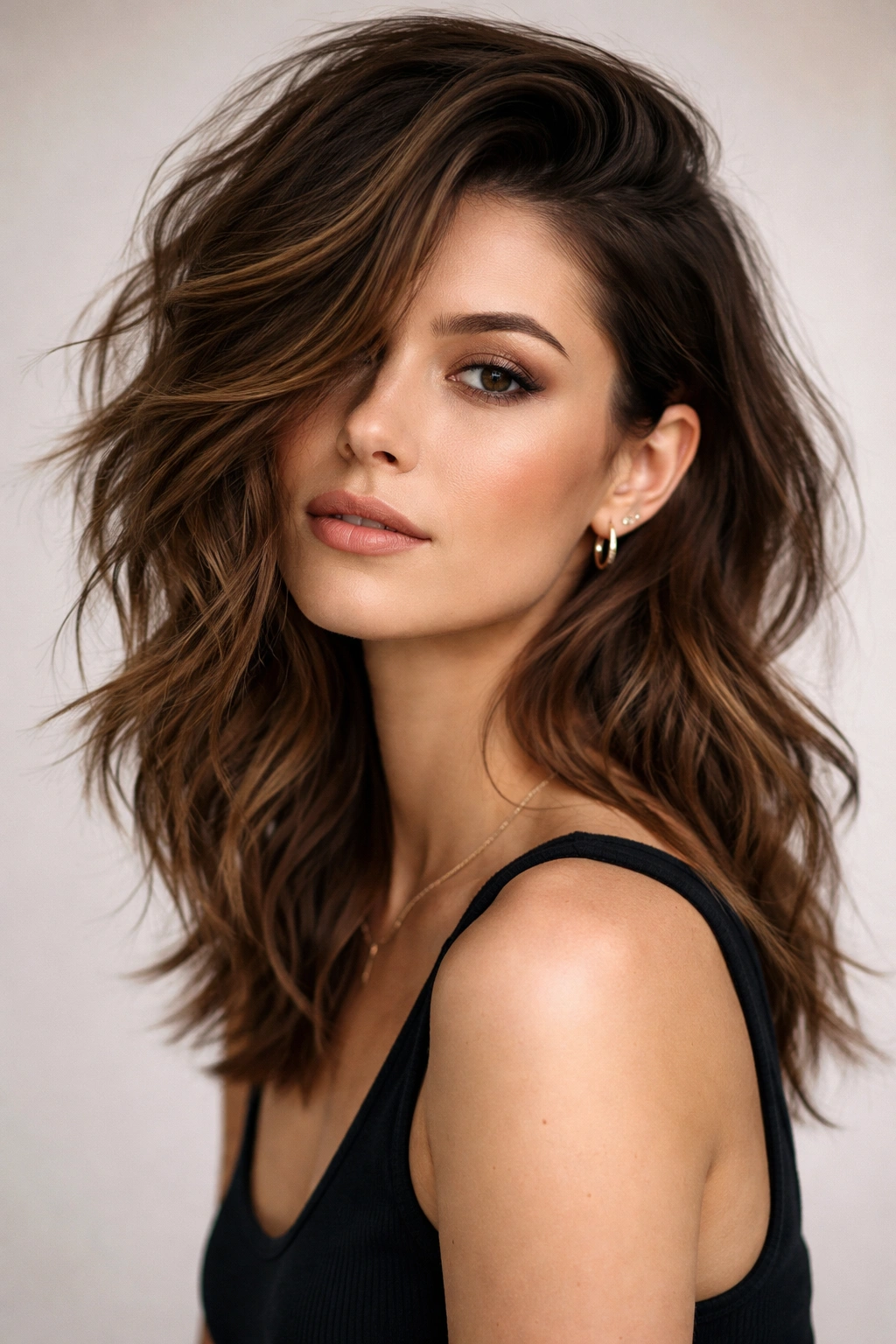
This style features medium-length hair (hitting mid-shoulder) with lots of textured, choppy layers, styled with a deep side part that sweeps hair dramatically to one side. The waves hit the side that’s swept over, creating a dynamic, asymmetrical silhouette that’s incredibly flattering and fashion-forward.
How Side-Sweep Direction Shapes Waves
When you part deeply to one side and sweep hair that direction, waves follow that flow rather than fighting against it. This creates waves that appear intentional and shaped rather than randomly textured. The side that’s swept over gets maximum volume and wave definition, while the other side stays flatter and more sculptural.
Styling Strategy
- Create a deep side part (at least 3-4 inches from center) before you blow-dry
- Blow-dry the swept side with a round brush, directing waves toward where they’ll fall
- Tease gently at the roots of the swept side for long-lasting volume
- Create loose waves with a medium barrel wand, curling in the direction of the sweep
- Allow texture spray to set the part and hold waves in place
13. The Choppy Textured Blonde With Darker Roots
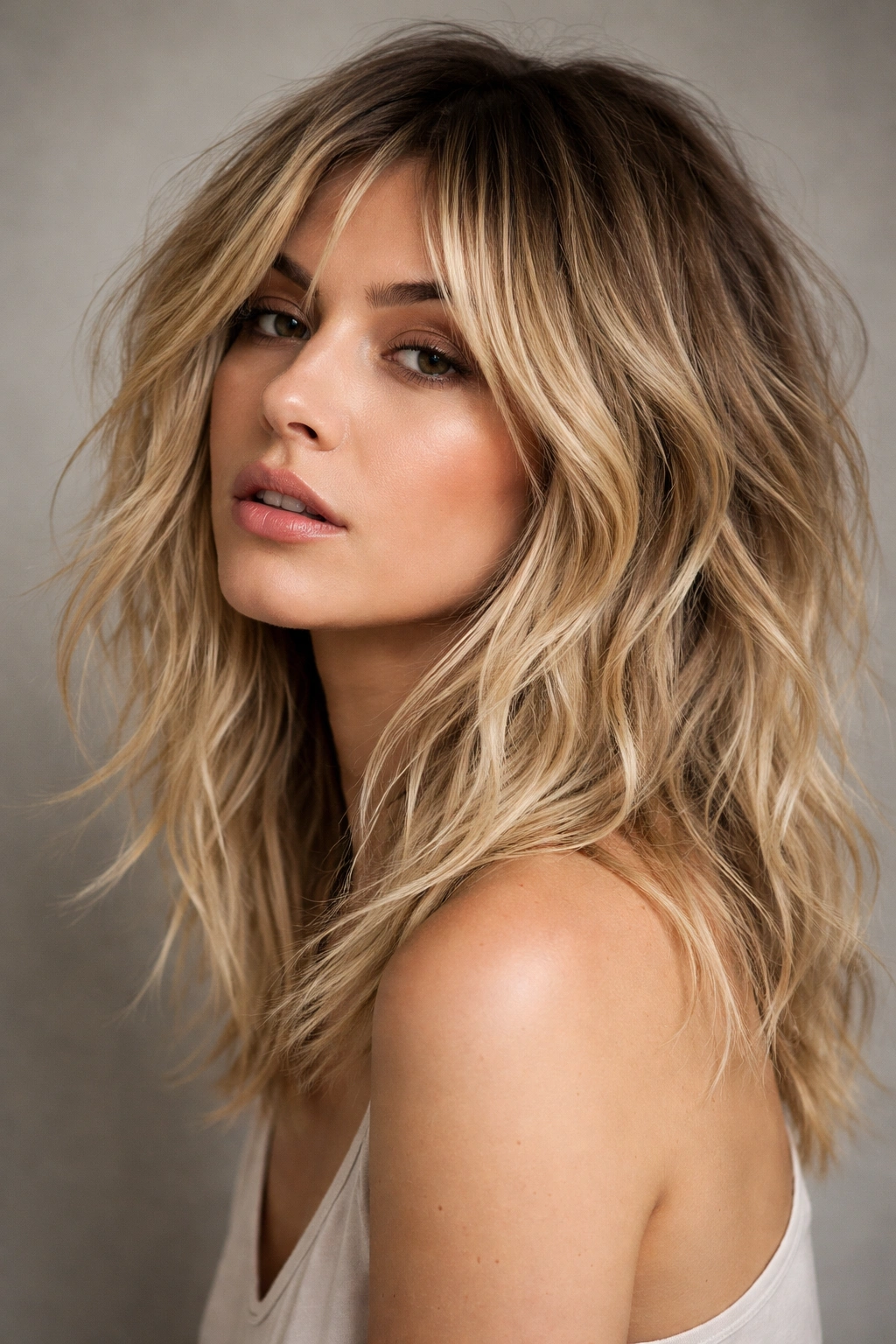
This combines color and cut—medium length with heavily choppy layers and a rooted blonde color scheme. The choppy cut creates maximum texture and movement, while the color contrast (darker roots blending to blonde) adds dimension that enhances the textured cut. It’s effortlessly cool and works beautifully with wavy hair.
How Color Enhances Texture Perception
Even if your actual waves are subtle, the color contrast between dark roots and blonde ends creates visual texture and dimension. The eye perceives movement and texture based partly on light and shadow created by color variation. Combined with a choppy cut and actual wavy texture, this creates a look that reads as effortlessly textured and dimensional.
Daily Maintenance and Styling
- Use a toner on blonde sections to prevent brassiness and keep the color fresh
- Apply texturizing mousse to damp roots and ends for grip
- Blow-dry with a diffuser for natural wave texture, or use your fingers for direction
- Scrunch gently upward while the hair is still slightly damp for wave definition
- Finish with flexible-hold spray that doesn’t create crunchiness
14. The Textured Mid-Length Shag With Face Framing
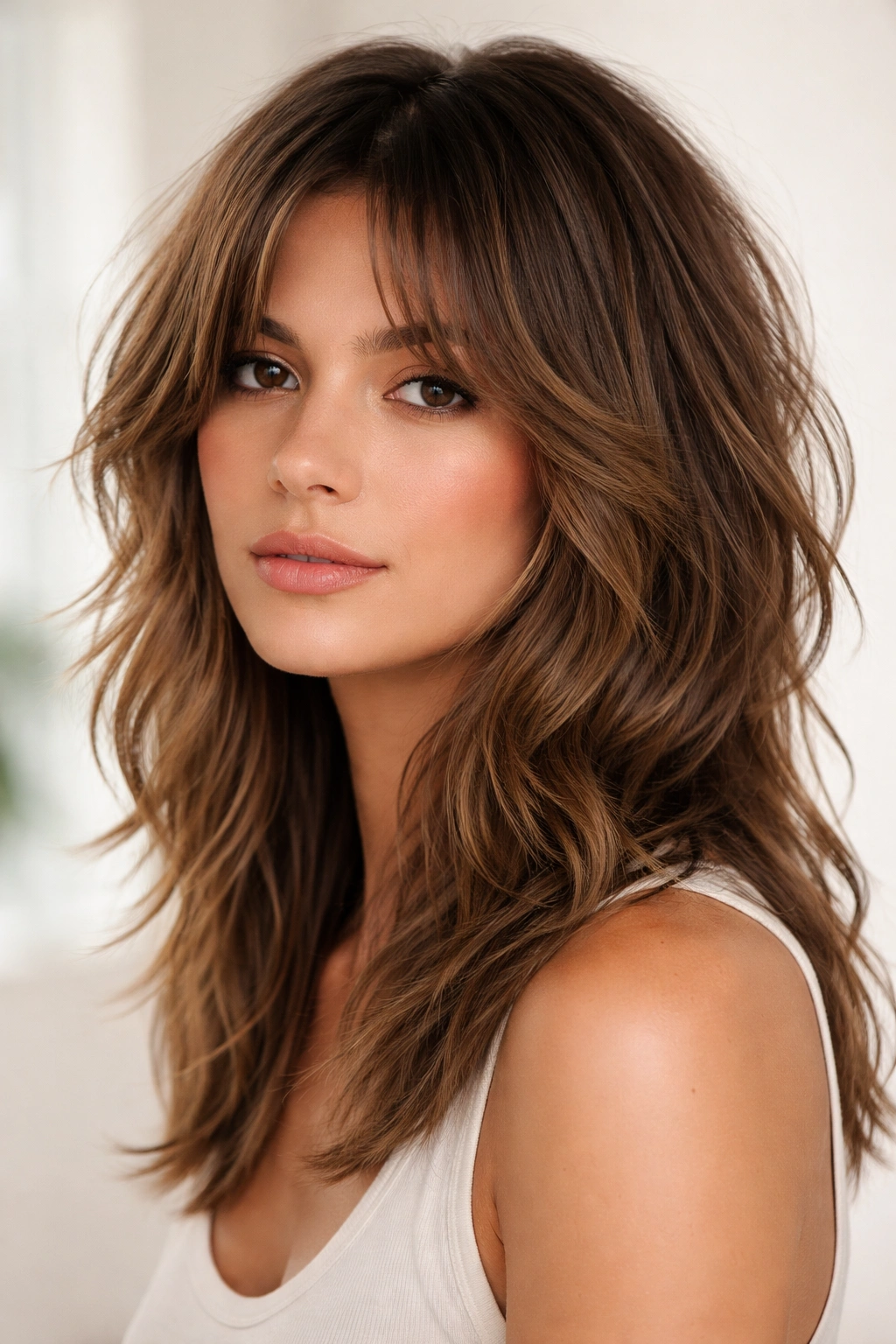
This shag cut sits right at mid-shoulder with intentionally choppy layers that frame the face and lots of texture throughout. Unlike a traditional shag that goes for maximum drama, this version is slightly refined—still messy and textured but with some shape and structure built into the cut.
Strategic Choppy Placement for Flattering Frame
The choppy layers are concentrated around the face and crown, creating shape and frame. The back section has layers but slightly longer pieces for movement rather than extreme choppiness. This creates a style that’s textured and piece-y without looking like you’re hiding under your hair. Waves naturally frame the face and move with your head.
Styling Tips for Maximum Texture
- Apply sea salt spray to damp hair for immediate texture and grip
- Blow-dry with your fingers in an upward, outward motion for natural volume
- Scrunch sections while still damp to encourage wave formation
- Use a medium barrel wand loosely on the face-framing pieces for soft waves
- Tousle with your fingers and a texture spray for the final undone appearance
15. The Effortless Wavy Shoulder-Length Cut With Subtle Layers
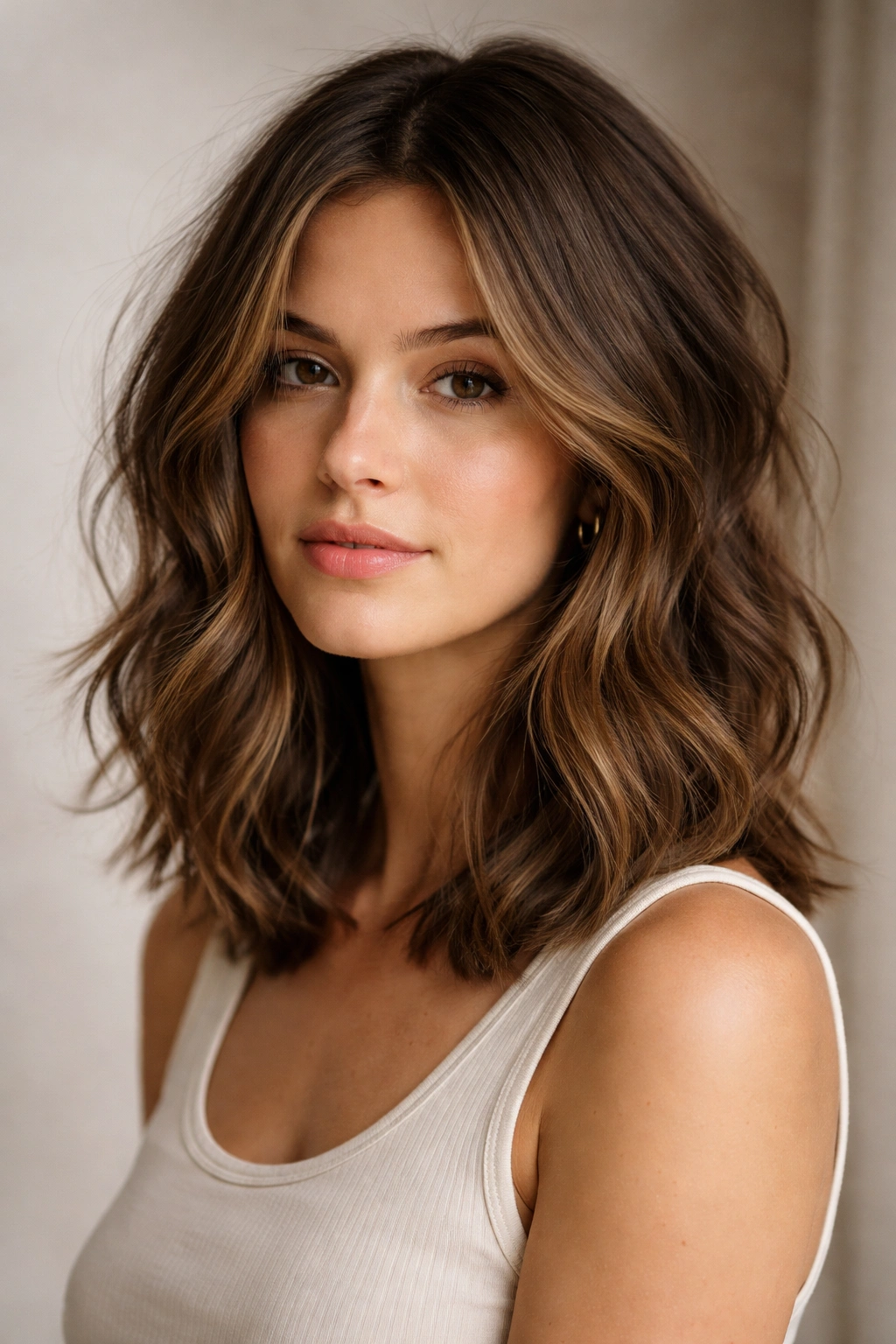
This final style is the most wearable version—medium length hitting the shoulder, with barely-there layers that create movement without obvious layer lines. It’s the sweet spot between “I got a haircut” and “I just have naturally wavy hair that moves beautifully.” The waves are soft, undefined, and genuinely low-maintenance.
Why Subtle Layering Works Best for Daily Wear
You don’t need dramatic layers for wavy hair to look amazing. Sometimes the most effortless-looking styles come from subtle, well-placed layers that work with your natural wave pattern rather than against it. A few strategic layers at the crown for volume, integrated layers throughout the mid-length, and longer bottom layers create movement that looks natural and unstyled.
Real-World Styling
- Let your natural waves air-dry partially while applying a lightweight leave-in product
- Finish with a blow dryer on a low setting if you need to speed things up
- Skip heat tools on most days and let your waves do their thing
- Once or twice weekly, create more defined waves with a large barrel wand if you want dimension
- This is the style that genuinely looks better on day two when waves have settled and softened
Final Thoughts
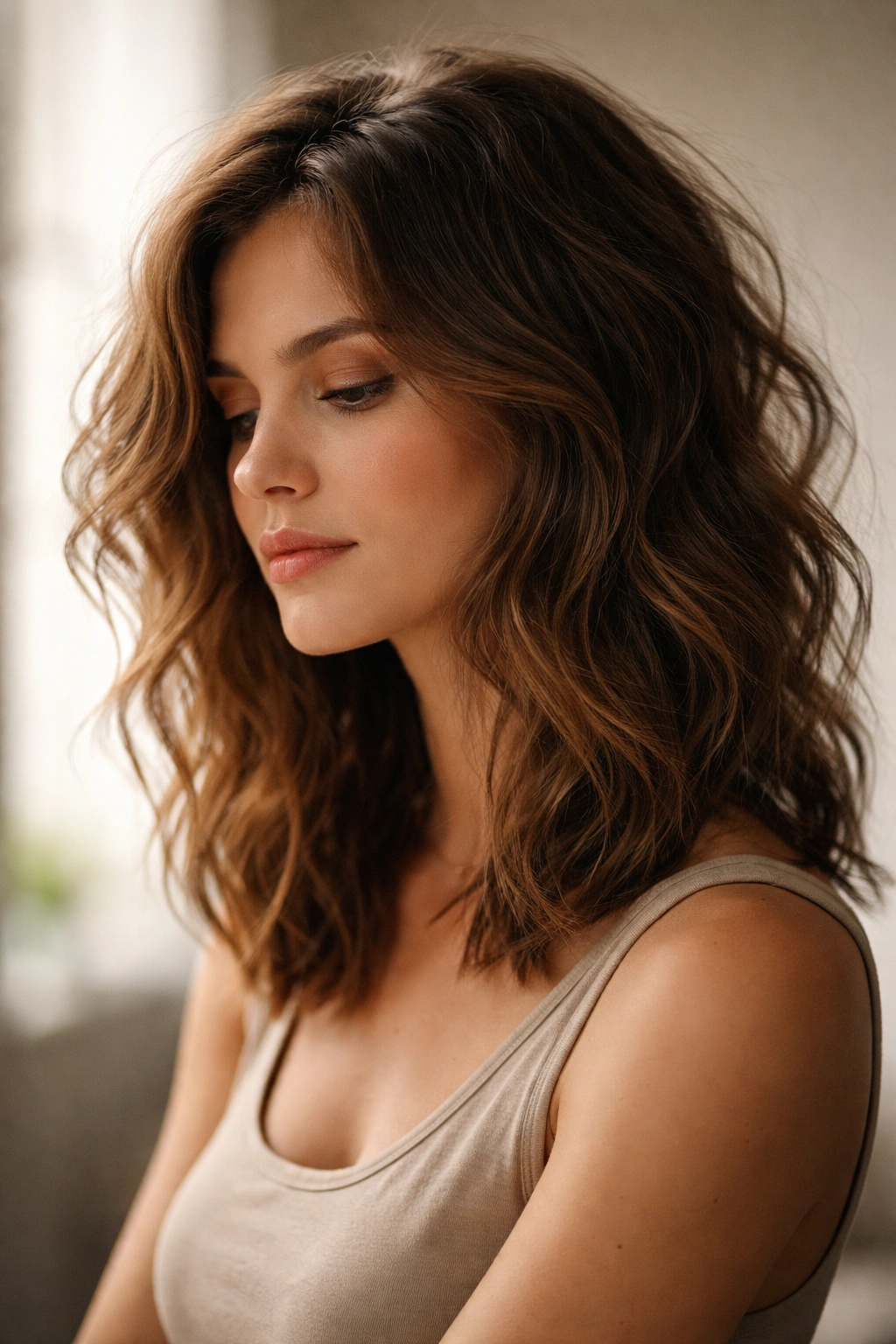
The beauty of messy medium wavy hairstyles is that they work with your hair’s natural texture rather than demanding you fight against it. Whether you go for maximum chop like a textured shag or embrace subtlety with a layered lob, these styles share one essential quality: they prove that “effortless” and “intentional” aren’t opposites. The right cut and a basic understanding of how to enhance your waves transforms your hair from something you battle each morning into something you actually enjoy wearing.
The key takeaway across all fifteen styles is that the cut itself does most of the heavy lifting. You’re not styling your way out of a bad cut or spending an hour trying to create waves that should happen naturally. Instead, you’re building on what’s already there, enhancing movement that’s built into the layers, and letting your texture be the feature rather than something to apologize for. That’s what makes messy medium wavy hairstyles so enduring—they’re genuinely low-maintenance once you understand them, yet they look more interesting and modern than perfectly styled, smooth alternatives.
