



A butterfly cut is more than just a hairstyle—it’s a liberating choice that combines strategic layering with effortless movement. When paired with long hair and natural waves, this cut becomes genuinely transformative. The name comes from the way the layers sit on your head, creating a silhouette that fans out like butterfly wings. What makes this cut so popular across different face shapes and hair types is its incredible versatility and its ability to frame your face while maintaining length.
Long wavy hair with a butterfly cut creates a specific kind of magic. The layers work with your natural wave pattern rather than against it, giving you volume without the frizz that sometimes comes with choppy cuts. Whether your waves are loose and effortless or defined and bouncy, a butterfly cut amplifies them. The key difference between a butterfly cut and other layered cuts is the placement—the shortest layers start around chin level and gradually blend into longer layers toward the bottom, creating depth and movement that feels intentional.
What’s remarkable about butterfly cuts is how personalized they can be. The angle of the layers, the number of cutting points, the amount of texture—all of these variables change how the cut looks on your specific hair and face. Someone with a round face might want slightly different proportions than someone with a heart-shaped face. Thick, coarse hair will show the layers differently than fine, delicate hair. These 15 styles show the incredible range of what a long wavy butterfly cut can be.
1. Soft Layered Butterfly with Face-Framing
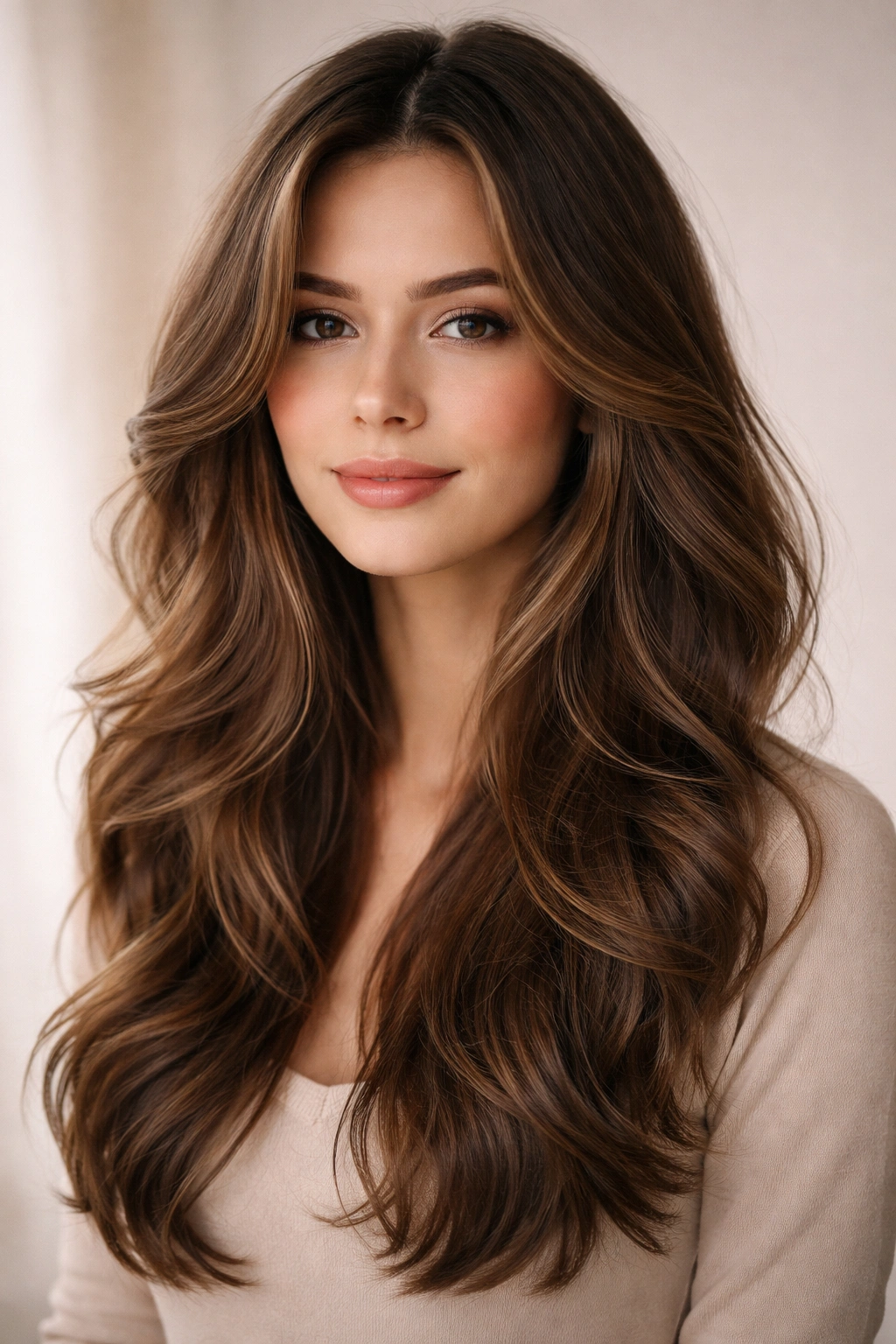
This version is the gateway butterfly cut—if you’re nervous about too much layering, this is where to start. The layers begin around mid-cheek level and gradually extend down, creating soft movement without drastic choppy texture. The face-framing pieces are just slightly shorter than the rest of the layers, giving definition to your cheekbones without feeling severe.
Why This Works
The soft approach maintains a lot of length while still creating movement. Your waves will feel airy and lighter without looking like you’ve removed significant hair. This works particularly well if you have naturally wavy hair that’s already somewhat voluminous.
Best For
- First-time butterfly cut wearers
- People wanting volume without dramatic choppy texture
- Those with slightly fine to medium hair thickness
- Anyone wanting a sophisticated, not-too-trendy look
Pro tip: Ask your stylist to soften the layer lines using point-cutting or texturizing shears rather than blunt-edge scissors—this gives you movement without the choppy feel.
2. Textured Butterfly with Choppy Layers
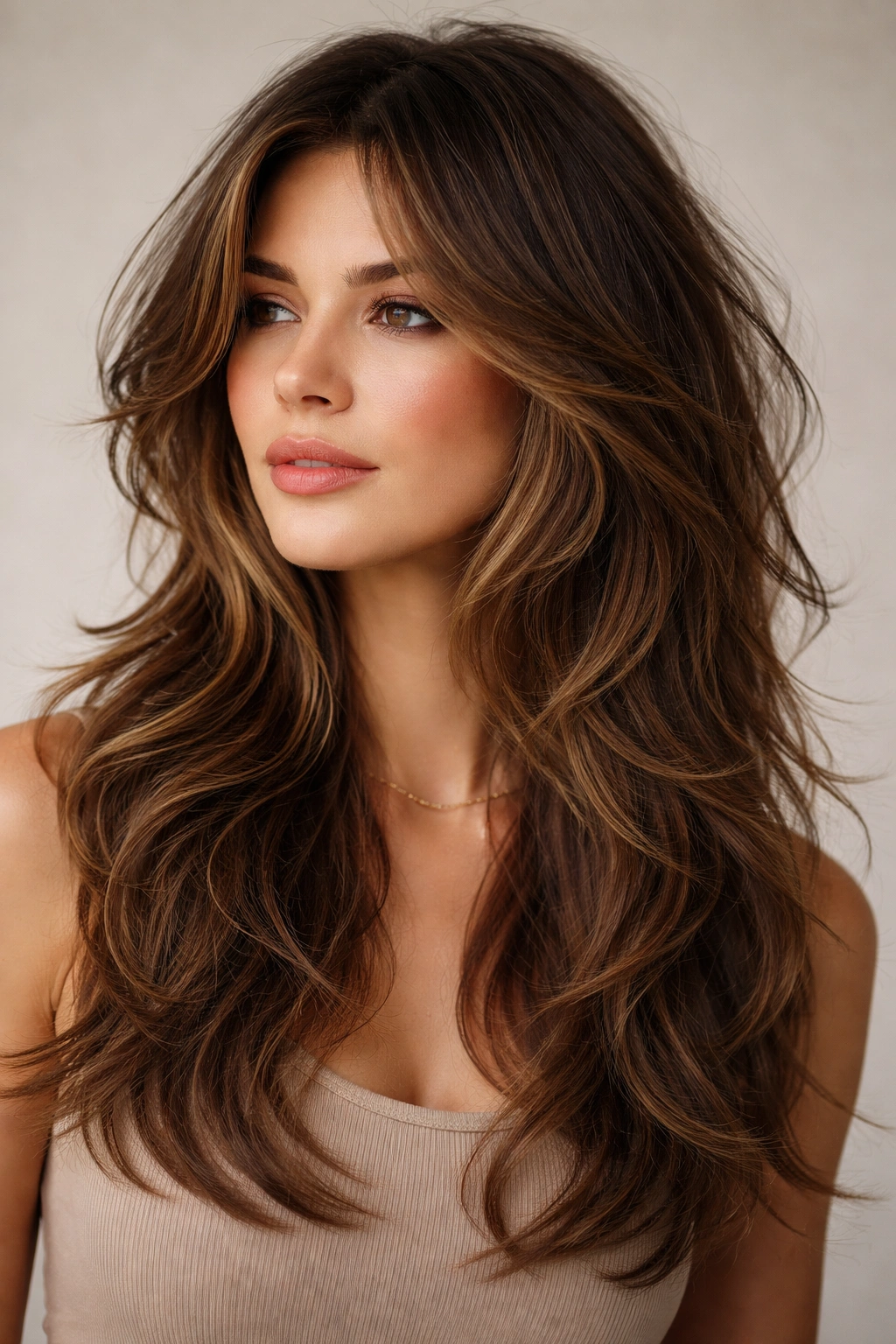
Go bolder with this version, which embraces intentionally choppy, piece-y layers throughout. The shortest layers sit around the chin or slightly below, and each layer is cut at a sharp angle that creates distinct separation. This is the butterfly cut that announces itself—lots of texture, lots of movement, lots of personality.
Why This Works
Choppy layers catch light differently at every angle, creating visual texture and dimension even if your waves are relatively uniform in color. The sharp layer lines also make waves more visible and defined. This style thrives when you have medium to thick hair that can support the weight of the layers.
Best For
- People who want their layers to be clearly visible
- Those with naturally textured or thick hair
- Anyone wanting an edgy, modern appearance
- Wavy hair that’s already fairly voluminous
Worth knowing: This cut requires more styling intention—you’ll want to refresh your waves regularly and possibly use a texturizing product to keep the choppy lines looking intentional rather than bedraggled.
3. Subtle Butterfly Waves with Minimal Layers
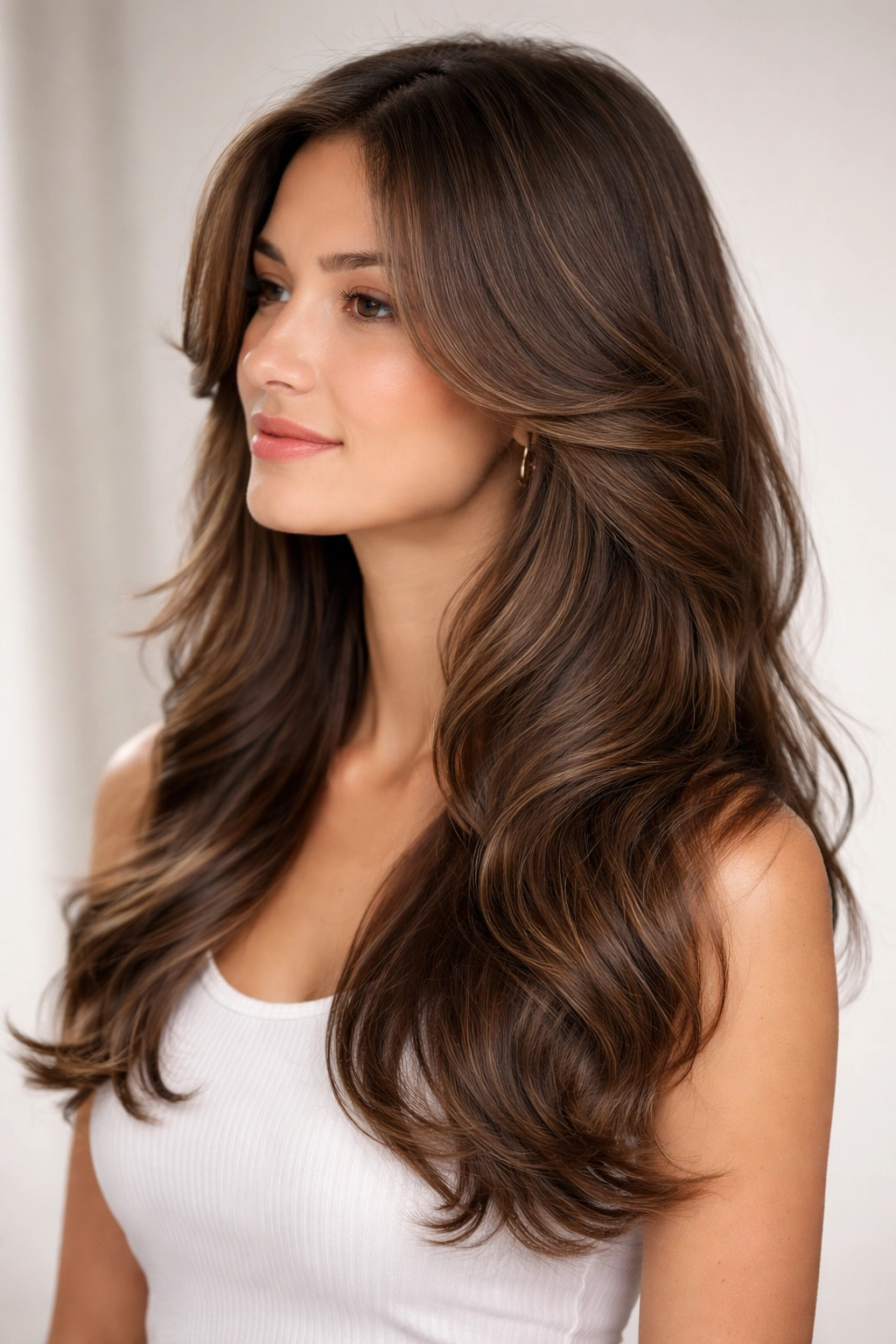
Here’s the understatement approach: layers are there, but they’re whisper-quiet. The layering is so gradual that it almost reads as a simple long haircut at first glance, but the movement tells a different story. The layers might start at ear level and extend all the way down, creating a soft A-line shape rather than a dramatic butterfly profile.
Why This Works
This style works beautifully if you have gorgeous natural waves that you want to enhance rather than overhaul. The minimal layering preserves length while still reducing bulk and creating definition. It’s the butterfly cut for people who prioritize looking polished over looking trendy.
Best For
- Minimalist aesthetics
- Those with naturally beautiful wave patterns
- People with fine to medium hair who worry about looking too thin
- Anyone wanting professional, understated elegance
Pro tip: Even though the layers are minimal, ask your stylist to add subtle point-cutting or texturizing at the ends—this keeps the style from feeling blunt and gives your waves somewhere to land.
4. Dramatic Butterfly with Long Choppy Layers
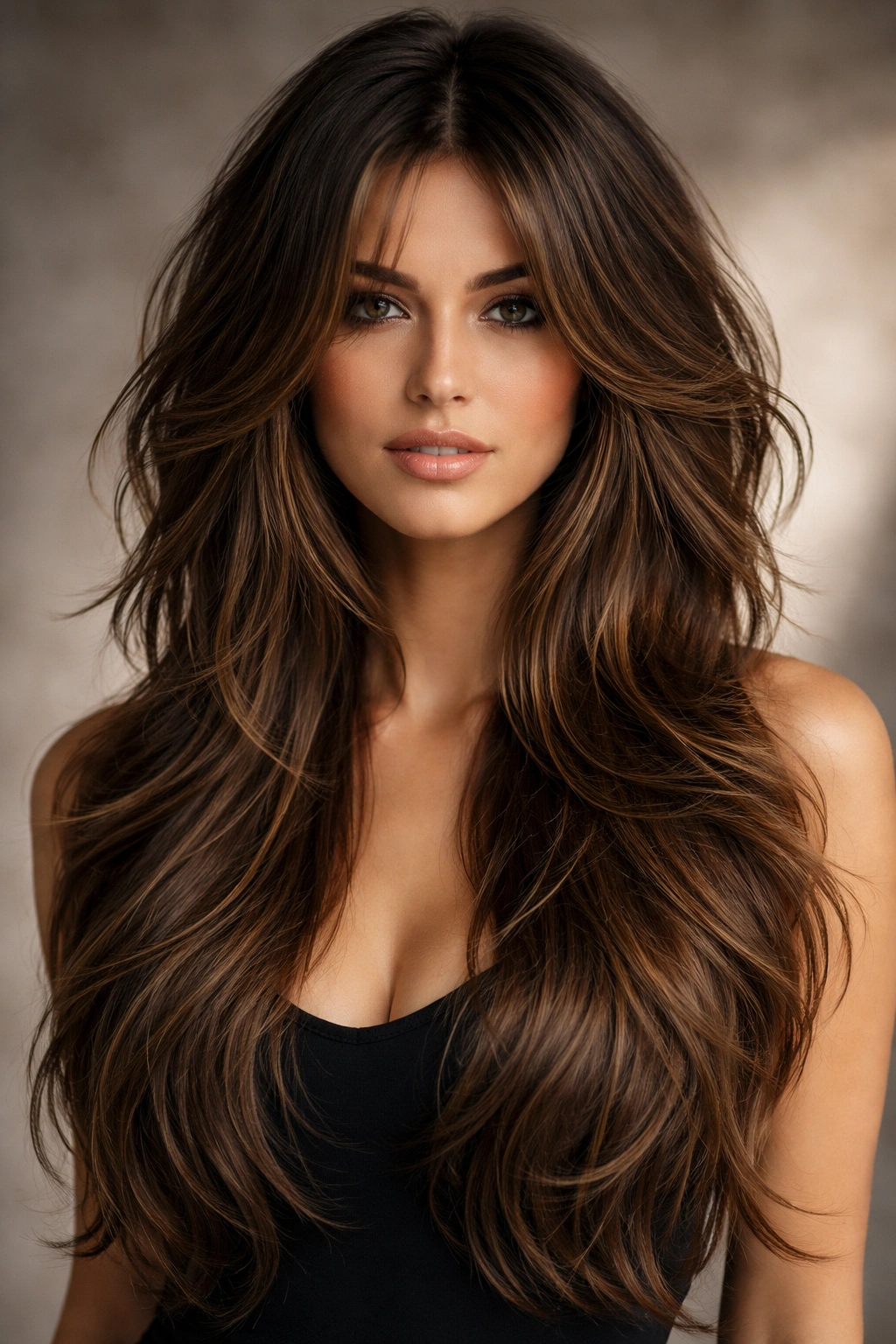
This is the maximum-impact butterfly cut. The shortest layers begin very high, around cheekbone or even eye level, and the gap between shortest and longest layers is substantial. You get serious movement from the very top of your head down, and the contrast between short choppy pieces and long flowing ends is striking.
Why This Works
The dramatic proportion creates an incredible sense of movement and airiness. Even if your hair is somewhat flat or fine, this layering strategy creates volume through contrast. The longer bottom layers keep the overall style feminine while the short choppy top keeps it modern and edgy.
Best For
- Confident personalities who like making a statement
- Those with naturally textured or wavy hair
- People with thick hair that can support major layer variation
- Anyone wanting a fashion-forward, magazine-worthy cut
Insider note: This cut photographs beautifully because the layers create natural shadows and dimension. It’s an excellent choice if you spend time on social media or in professional photos.
5. Feathered Butterfly Cut for Thick Hair
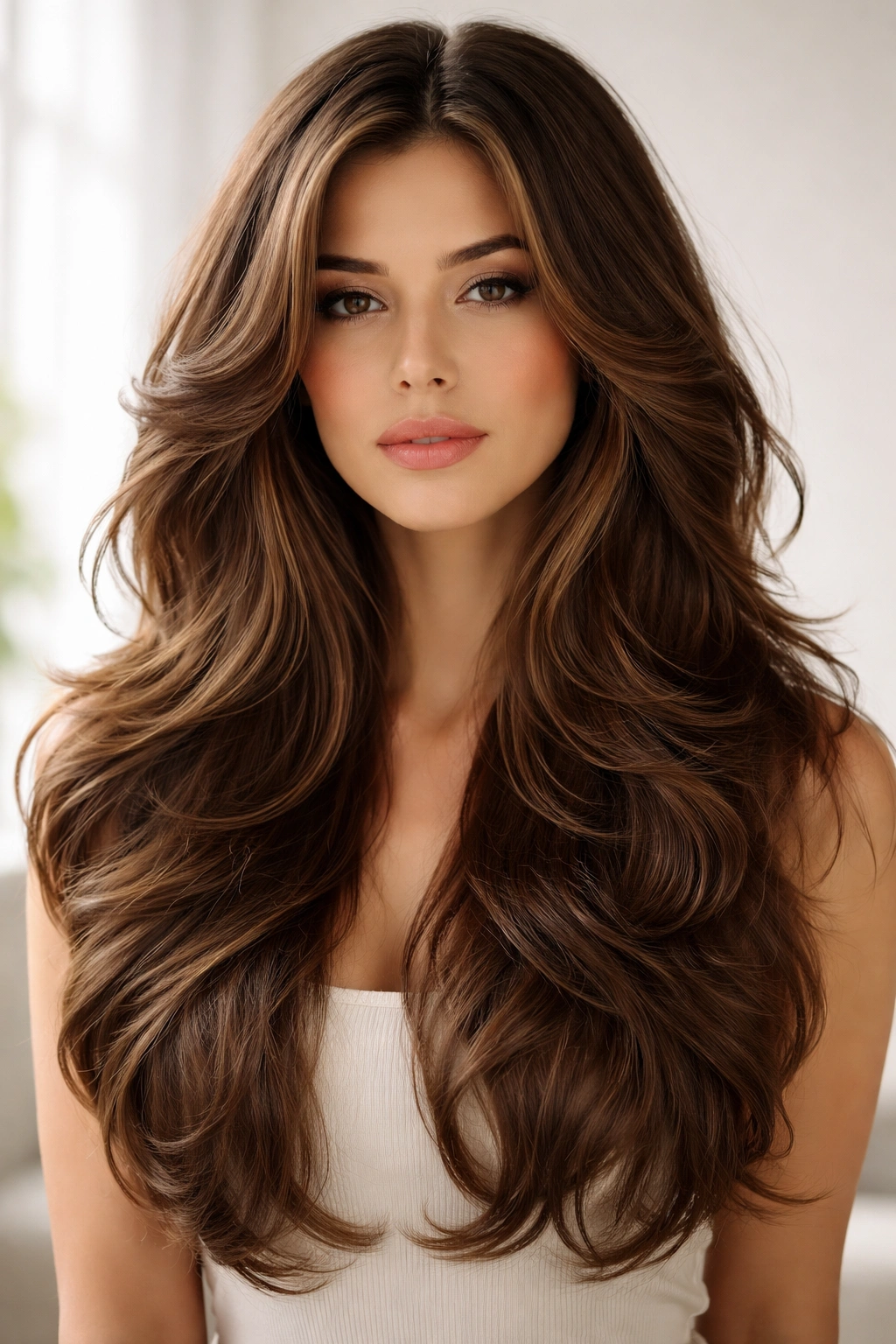
When your hair is genuinely thick—the kind where a regular cut can feel heavy—this feathered approach is magic. The layers are soft and curved rather than blunt, creating feathered edges throughout. Each layer flows into the next with gentle transitions rather than sharp breaks. The overall effect is sophisticated and controlled despite the volume.
Why This Works
Feathering removes weight without creating that piece-y, choppy look. Your thick hair gets airiness and movement without losing body. The curved layers also encourage your waves to flow downward rather than poofing out sideways, which is the dream for thick, wavy hair.
Best For
- People with genuinely thick, dense hair
- Those who’ve struggled with cuts that still feel heavy
- Anyone wanting a softer, more elegant vibe
- Wavy hair that tends to poof at the sides
Worth knowing: Feathered layers show styling and product choices more than some other cuts—you’ll want to use a smoothing cream or lightweight oil to emphasize those beautiful curved lines.
6. Butterfly Cut with Micro-Layers
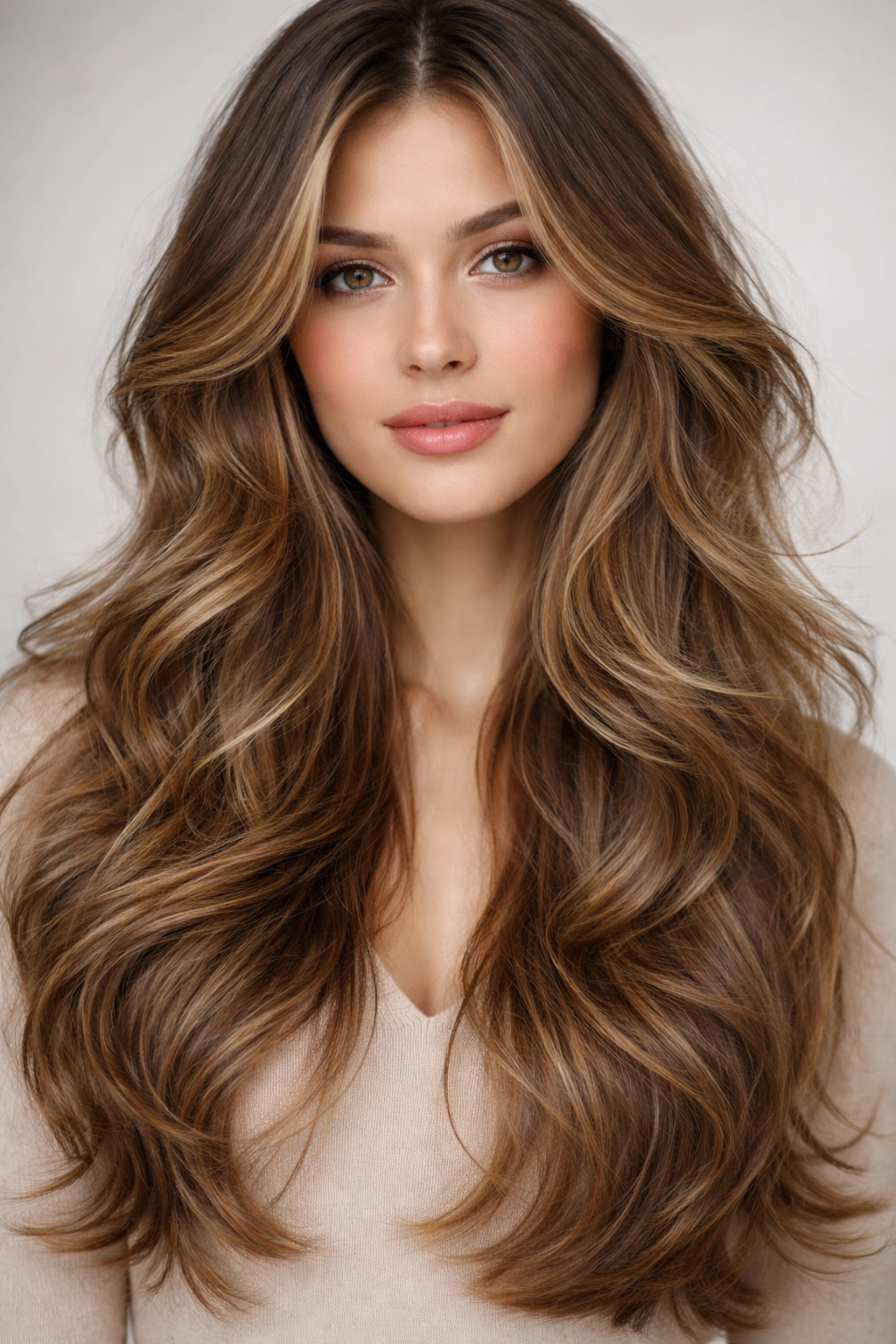
Take the concept of layering to the extreme with this precision-focused approach. Dozens of tiny, delicate layers create almost imperceptible transitions from top to bottom, giving your hair a cloud-like appearance rather than a traditionally layered one. The movement is subtle but pervasive—your hair feels and looks alive without obvious choppy sections.
Why This Works
Micro-layering creates volume and movement through multiplication rather than contrast. Because each individual layer is small, even fine or thin hair can look fuller. The cut also encourages waves to develop naturally, since you have so many points where waves can form.
Best For
- People with finer or thinner hair
- Those who want volume without obvious layers
- Anyone seeking an ethereal, flowing appearance
- Wavy hair that needs encouragement to wave more visibly
Pro tip: This cut works best with a stylist who specializes in precision cutting—it requires skill to make micro-layers look intentional rather than imprecise.
7. Shaggy Butterfly Waves
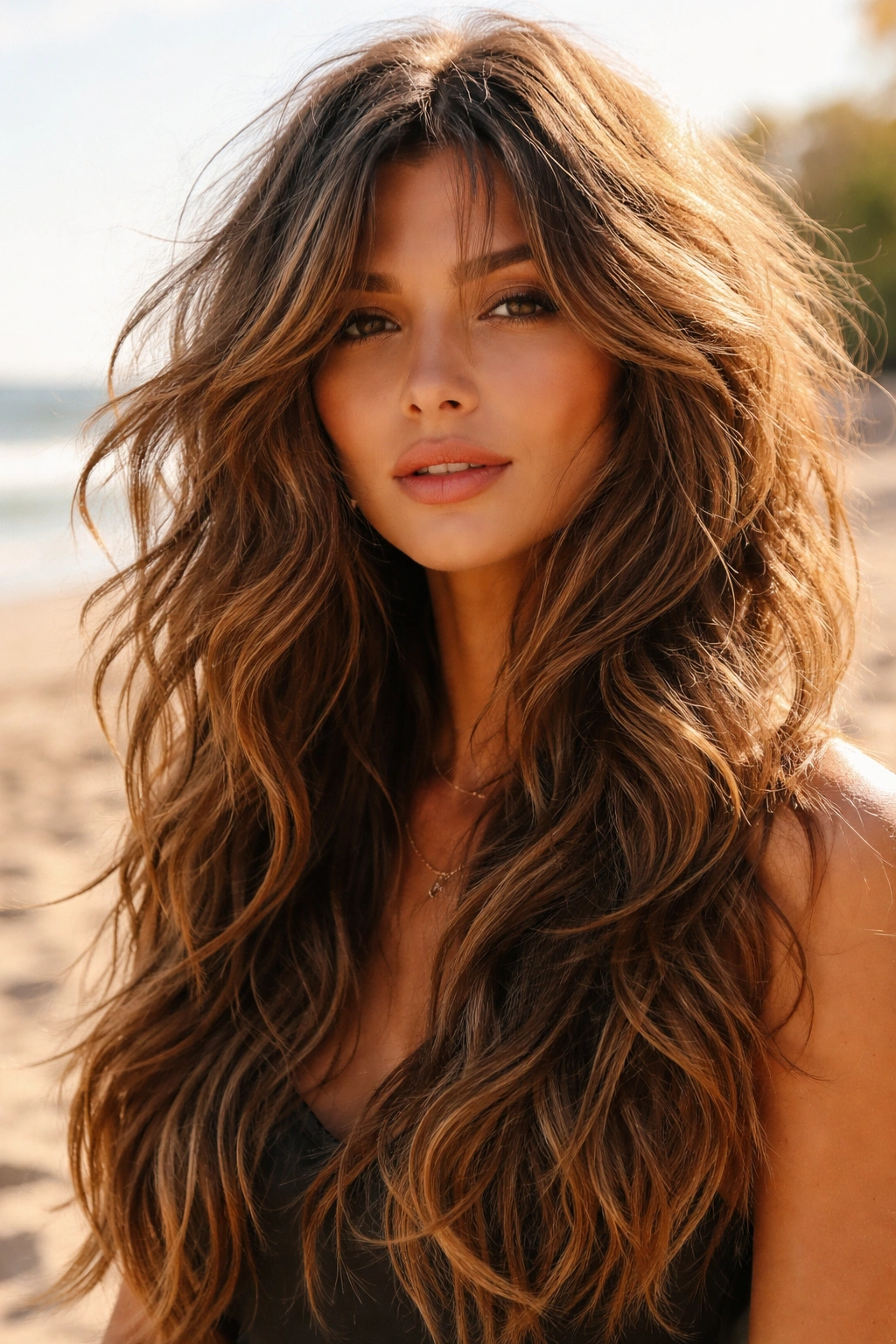
Channel that effortless, slightly-undone energy with a generously layered shaggy butterfly cut. Think less “polished” and more “just rolled out of bed looking amazing.” The layers are choppy and obvious, the texture is wild and free, and the overall vibe is rock-and-roll meets California beach. This is the butterfly cut with attitude.
Why This Works
The shaggy approach celebrates movement and texture rather than trying to control it. Your natural waves look intentional and cool rather than accidental. This cut also makes styling faster—the messier your waves look, the better the cut actually is.
Best For
- People with naturally textured, wavy, or curly hair
- Anyone drawn to bohemian or rock-and-roll aesthetics
- Those who want low-maintenance styling
- Wavy hair that waves on its own without heat tools
Insider note: This cut looks better when it’s slightly undone. Products that emphasize texture—sea salt sprays, texturizing sprays, or light waxes—will make this style shine.
8. Blunt Butterfly Cut with Soft Waves
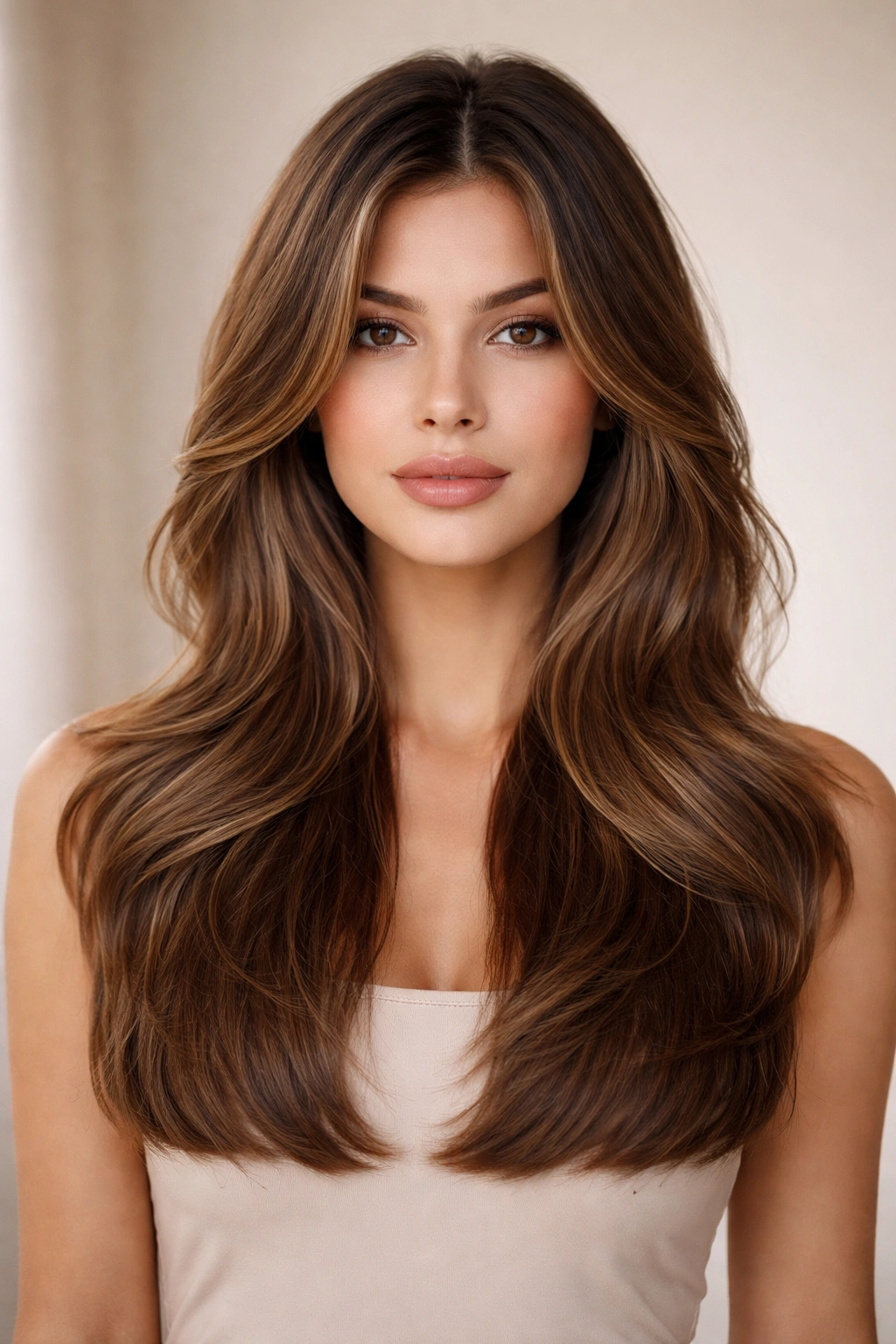
Combine a blunt bottom edge with butterfly layering throughout the mid-sections for a style that’s simultaneously modern and romantic. The ends maintain weight and density through the blunt line, while the layers above create movement and shape. It’s the perfect balance between statement and softness.
Why This Works
The blunt ends anchor the style and create a clean, finished appearance. The layers above prevent that severe, heavy feeling that sometimes comes with blunt cuts on long hair. You get visual weight and polish from the blunt line while still having movement and airiness from the layering.
Best For
- Those wanting a more structured, polished appearance
- People with straight to wavy hair (works less well with very textured hair)
- Anyone who wants to feel “put together”
- Those who like the contrast between sharp and soft
Worth knowing: Blunt ends require regular trims to maintain the line—plan on a trim every 6-8 weeks if you want to keep that crisp edge.
9. Butterfly Cut with Face-Framing Curtain Bangs
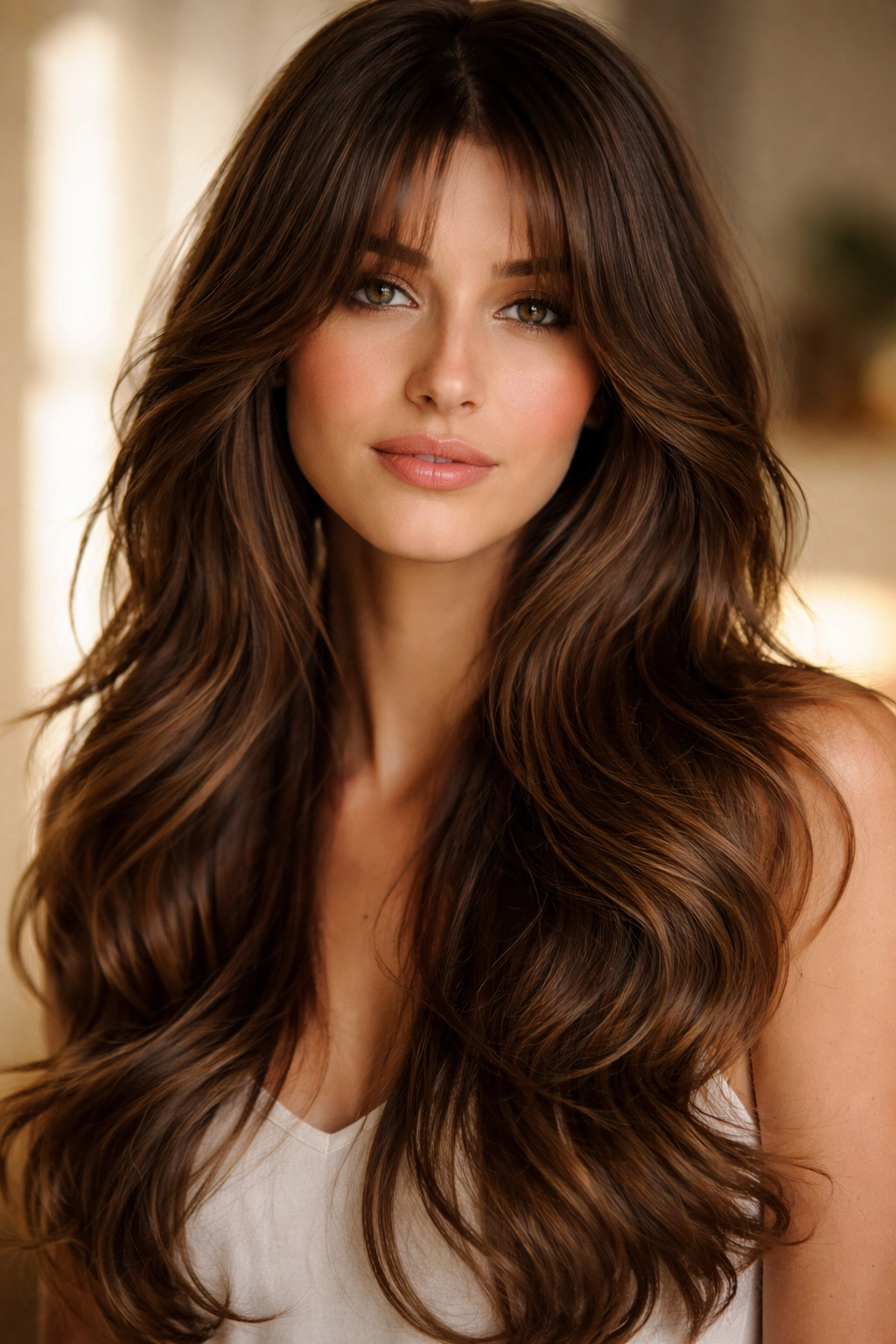
Add soft, parted curtain bangs that frame your face to a standard butterfly cut for maximum face-flattering drama. The bangs create a focal point while the layers behind them add dimension. The overall effect is romantic, youthful, and incredibly flattering to virtually every face shape.
Why This Works
Curtain bangs accomplish several things at once: they frame your face, create a focal point, and encourage your waves to frame your cheekbones. The longer bangs (usually chin-length or longer) mean you don’t have to commit to a traditional fringe, but you still get that face-shaping benefit.
Best For
- Anyone wanting to enhance their face shape
- Those who like a romantic, effortless vibe
- People with wavy hair (waves make bangs look intentional)
- Anyone wanting movement around the face
Pro tip: Curtain bangs look best when they have texture and movement. Ask your stylist to point-cut or texturize the edges rather than creating a blunt line.
10. Layered Butterfly with Long Flowing Waves
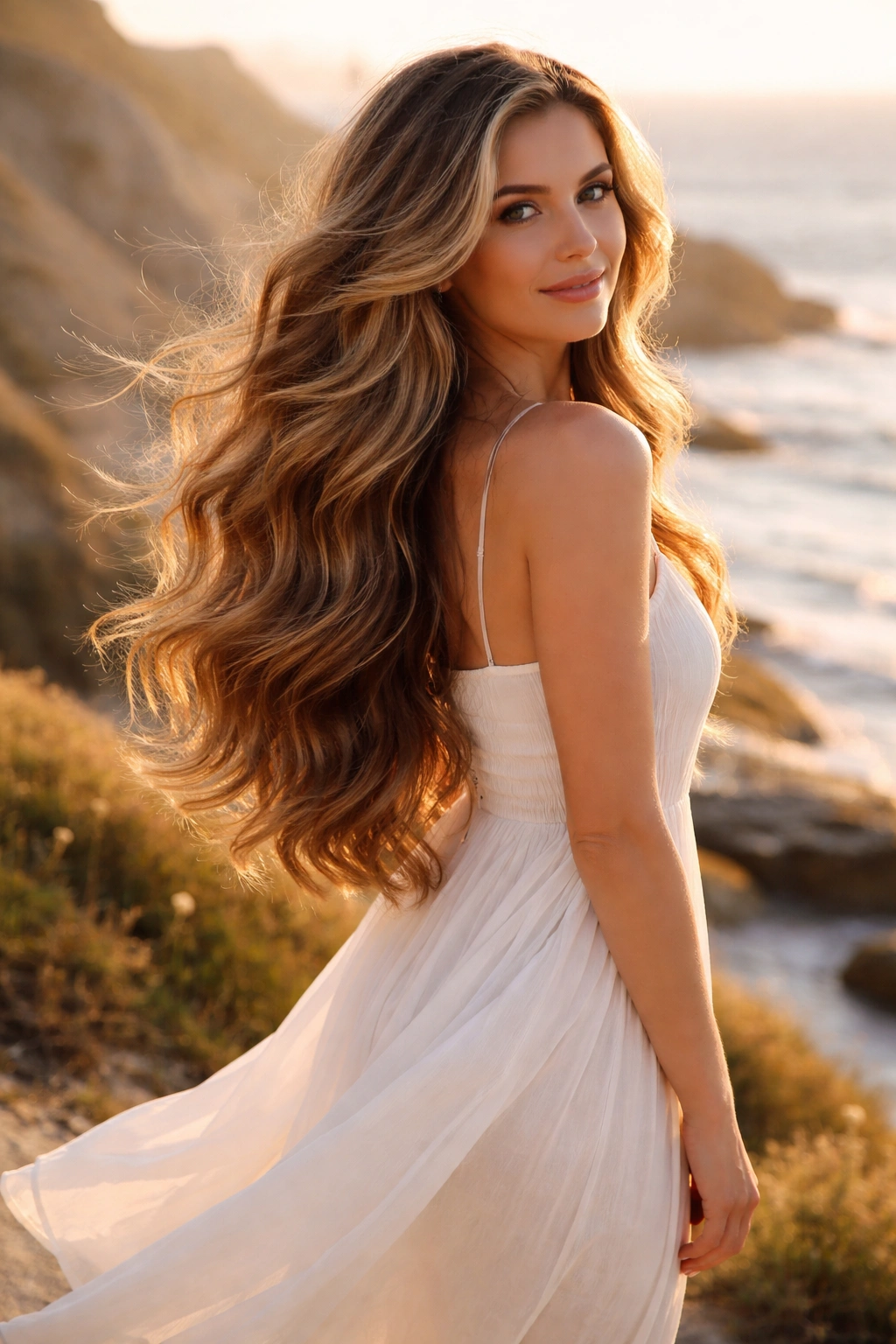
Sometimes the goal isn’t edgy or dramatic—it’s undeniably long and undeniably gorgeous. This butterfly cut keeps significant length while adding strategic layers for movement and shape. The layers start relatively low, around lower cheekbones or below, preserving the length that long-hair lovers crave while still creating dimension.
Why This Works
This approach is ideal if you’re protective of your length but want a refresh. The layering creates movement and reduces bulk without removing significant inches. Your waves have space to flow and move without looking flat.
Best For
- Long-hair devotees who don’t want to sacrifice length
- Those with beautiful natural waves
- People wanting movement without drama
- Anyone wanting a feminine, flowing silhouette
Worth knowing: Longer layers mean that styling and product choices will show—invest in good wave-enhancing products to get the most from this cut.
11. Tapered Butterfly Cut for Fine Hair
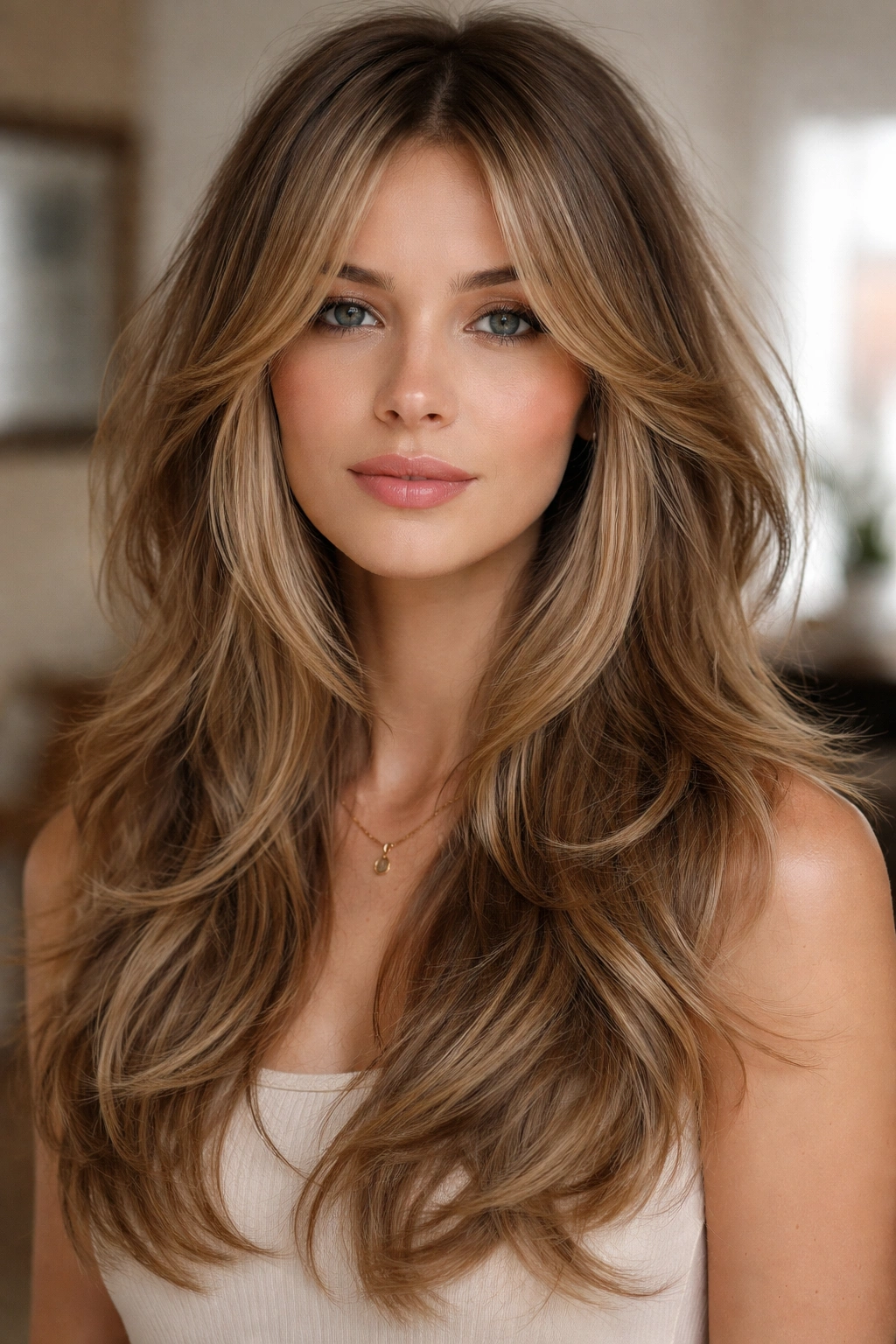
When your hair is fine or thin, this precisely tapered approach creates the illusion of density. The layers taper slightly, meaning each successive layer is just millimeters shorter than the one below it. The tapered lines create visual texture and make your hair look fuller than it actually is.
Why This Works
Subtle tapering prevents fine hair from looking wispy or thin at the ends. The slight variation in layer length creates visual texture without the weight that can flatten fine hair. This cut is all about creating the illusion of fullness through precision cutting.
Best For
- People with fine, thin, or delicate hair
- Those who worry about hair looking sparse
- Anyone wanting to maximize the appearance of density
- Wavy hair that needs visual enhancement
Pro tip: Fine hair benefits from lightweight products that enhance shine without weighing hair down—cream-based products tend to work better than heavy oils.
12. Butterfly Waves with Underneath Layers
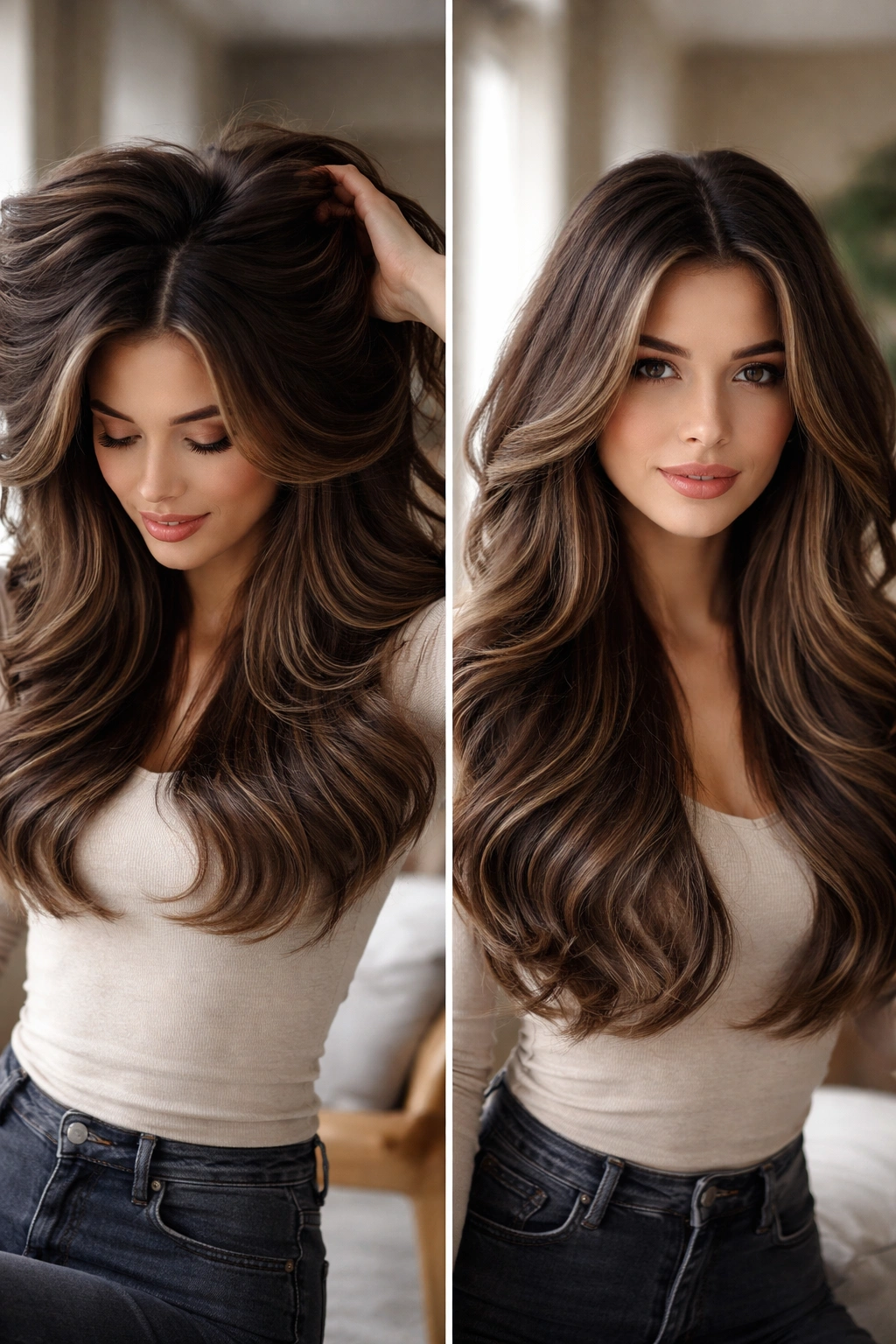
This clever approach keeps your top layers relatively conservative while hiding significant layering underneath. When your hair is down, it looks like a simple long cut, but when you move or style it, the hidden layers underneath create surprising movement and dimension. It’s the butterfly cut for people who like options.
Why This Works
This strategy gives you multiple looks from one cut. Styled down, it’s sleek and polished. With your hair up, the under-layers create interesting texture. When you wear it half-up or in waves, the underneath layers show their magic. It’s incredibly practical.
Best For
- People with multiple style preferences
- Those who wear their hair both up and down regularly
- Anyone wanting a “secret” dimension to their cut
- Professional settings where you want subtle movement
Worth knowing: The underneath layers might be harder to dry smoothly if you use a round brush. This cut actually looks better when you embrace your natural waves.
13. Sleek Butterfly Cut with Movement
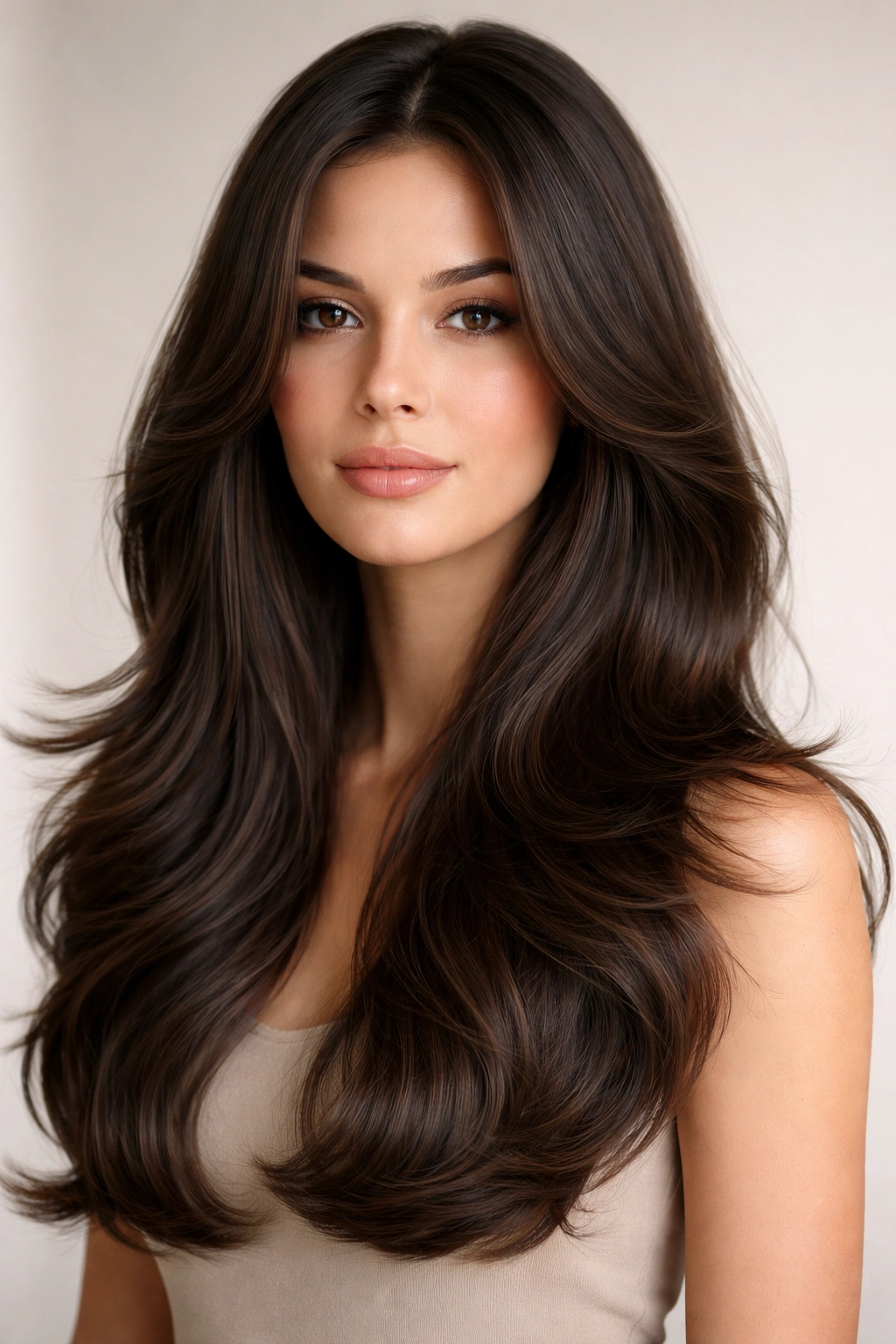
For those who lean toward smooth, this butterfly cut emphasizes sleekness with strategic layers for movement rather than texture. The lines are cleaner and less piece-y than some butterfly cuts, but the layering still creates beautiful flow. This is the butterfly cut for minimalists who still want dimension.
Why This Works
The clean lines read as modern and sophisticated, while the movement prevents the style from looking flat or boring. This cut relies on your wave pattern to create interest rather than relying on choppy texture. It photographs beautifully in every condition.
Best For
- People preferring sleek, polished aesthetics
- Those with naturally smooth waves
- Anyone working in professional environments
- Minimalist style enthusiasts
Pro tip: This cut looks incredible blown out straight with a few soft waves added with a curling iron—you get the benefits of the butterfly layering with sleek styling.
14. Dimensional Butterfly with Highlights and Waves
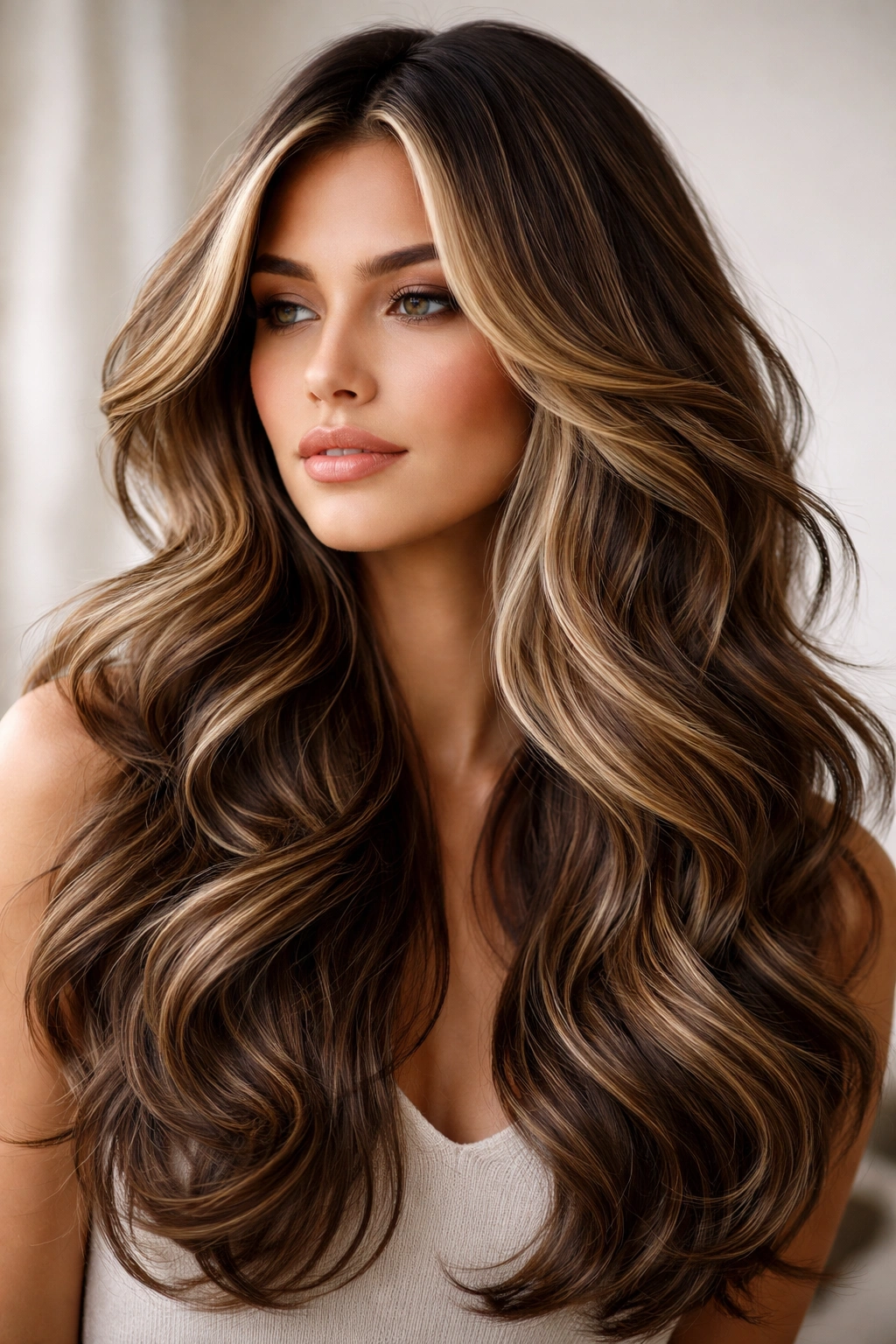
Layer your color strategically alongside your layered cut to amplify the dimensionality. Lighter pieces around the face and darker pieces underneath create visual separation between layers. The color makes the movement visible even when your hair is stationary. This is the butterfly cut that makes a real statement.
Why This Works
Color creates contrast and makes layers visually apparent. The lighter face-framing pieces draw attention to your face while the darker underneath pieces create depth. Together, the cut and color create a style that’s undeniably sophisticated and attention-getting.
Best For
- People wanting to use color to enhance their cut
- Those open to color investment and maintenance
- Anyone wanting maximum visual dimension
- People with darker hair who want contrast
Worth knowing: Color maintenance is ongoing—plan on touch-ups every 4-6 weeks depending on your color choice and how fast your hair grows.
15. Ombre Butterfly Cut Long Waves
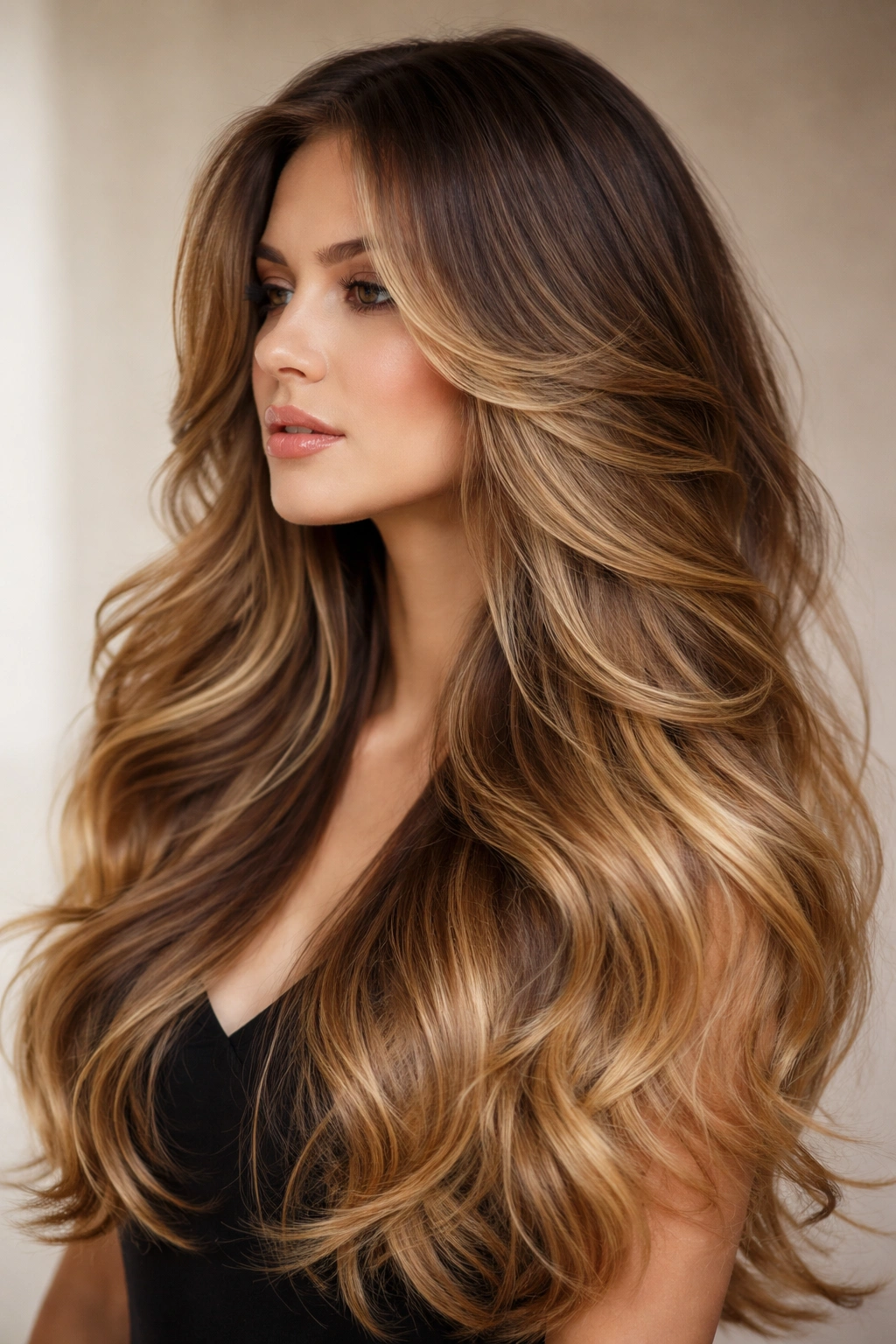
Take the dimensional approach and create a longer color gradient—darker at the roots, gradually lightening toward the ends. The ombre technique combined with butterfly layering creates a style that’s simultaneously trendy and timeless. The color movement enhanced by the layer movement creates undeniable visual impact.
Why This Works
Ombre is forgiving as your roots grow out, and it creates natural-looking dimension. Combined with a butterfly cut, the color adds texture and movement that makes your waves look fuller and more textured. The overall effect is effortlessly beautiful.
Best For
- People wanting color dimension with low maintenance
- Those with longer hair wanting maximum visual interest
- Anyone drawn to warm, sun-kissed looks
- Those open to fashion-forward styling
Pro tip: Ombre looks best when the color transition is gradual and natural—the more subtle the blend, the more sophisticated the result. Work with a colorist experienced in ombre techniques.
Final Thoughts
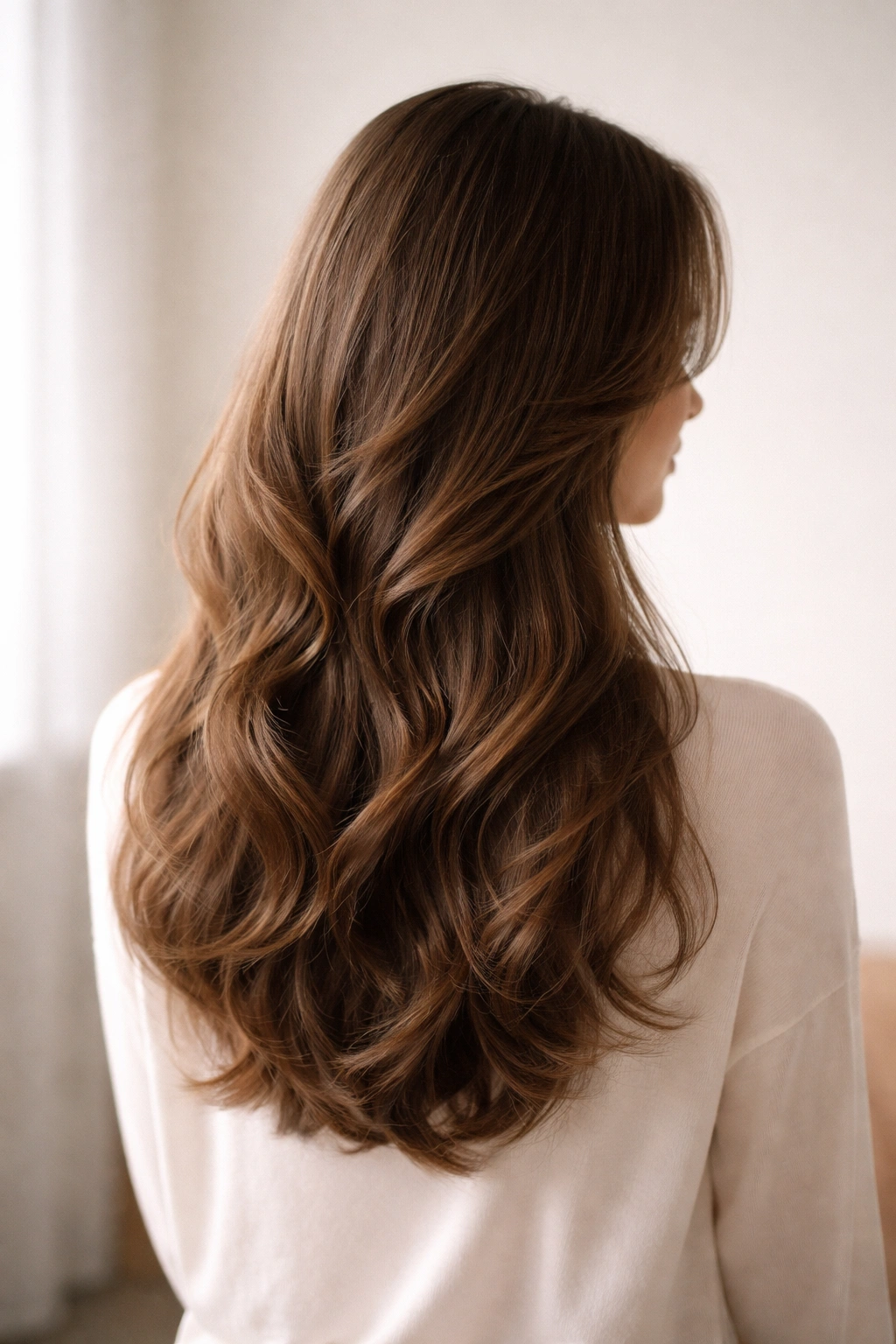
A butterfly cut is fundamentally about working with your hair’s natural texture rather than against it. Whether you choose soft and subtle or choppy and dramatic, the cut succeeds when it complements your face shape, hair type, and personal style. Long wavy hair is the perfect canvas for this cut—the length gives you options and the waves show off the layering beautifully.
The most important step in getting a butterfly cut that you love is finding a stylist who understands what you’re actually trying to achieve. Bring multiple reference photos showing angles, texture levels, and overall vibe. Describe not just how you want it to look, but how you want it to make you feel when you’re getting ready in the morning.
Consider your styling commitment level honestly. Some butterfly cuts are genuinely low-maintenance (the shaggy version, the textured version). Others require regular styling, product use, and frequent trims to maintain the intended shape. There’s no “wrong” choice, but knowing your habits helps you pick the right version.
Finally, remember that your butterfly cut will evolve. Your hair grows, your wave pattern might shift with the seasons or with changes in your routine, and your styling preferences will develop. A good butterfly cut is designed to look beautiful at multiple stages of growth and with various styling approaches. That’s what makes it such an enduring choice.
