



Layered haircuts have a reputation for requiring frequent trips to the salon, but that’s only true if you choose the wrong style for your hair type and lifestyle. The real secret isn’t magic — it’s understanding how specific layering techniques interact with natural hair growth patterns, and picking cuts that actually look intentional as they transition from fresh to grown-out. Some layers work with your hair’s natural movement instead of fighting against it, and those are the cuts that stay flattering for 8, 10, even 12 weeks between appointments.
The difference between a layered cut that quickly looks shaggy and unkempt versus one that evolves into something equally stylish hinges on three things: the angle of the layers, how they’re blended throughout the hair, and whether the cut suits your hair’s natural texture. Cuts with softer angles and seamless blending grow out gracefully instead of developing harsh lines. Conversely, cuts with choppy, heavily defined layers can look scraggly within weeks if the precision isn’t maintained. The good news? There are plenty of layered styles — from modern wolf cuts to classic feathered looks — that actually get better or at least more interesting as they grow, giving you way more flexibility in your styling routine and letting you stretch the time between appointments without looking like you’ve neglected your hair.
Let me walk you through 10 layered haircuts that are genuinely designed to grow out beautifully, with specifics on why each one works and how to style them at different growth stages.
1. Shag Cut
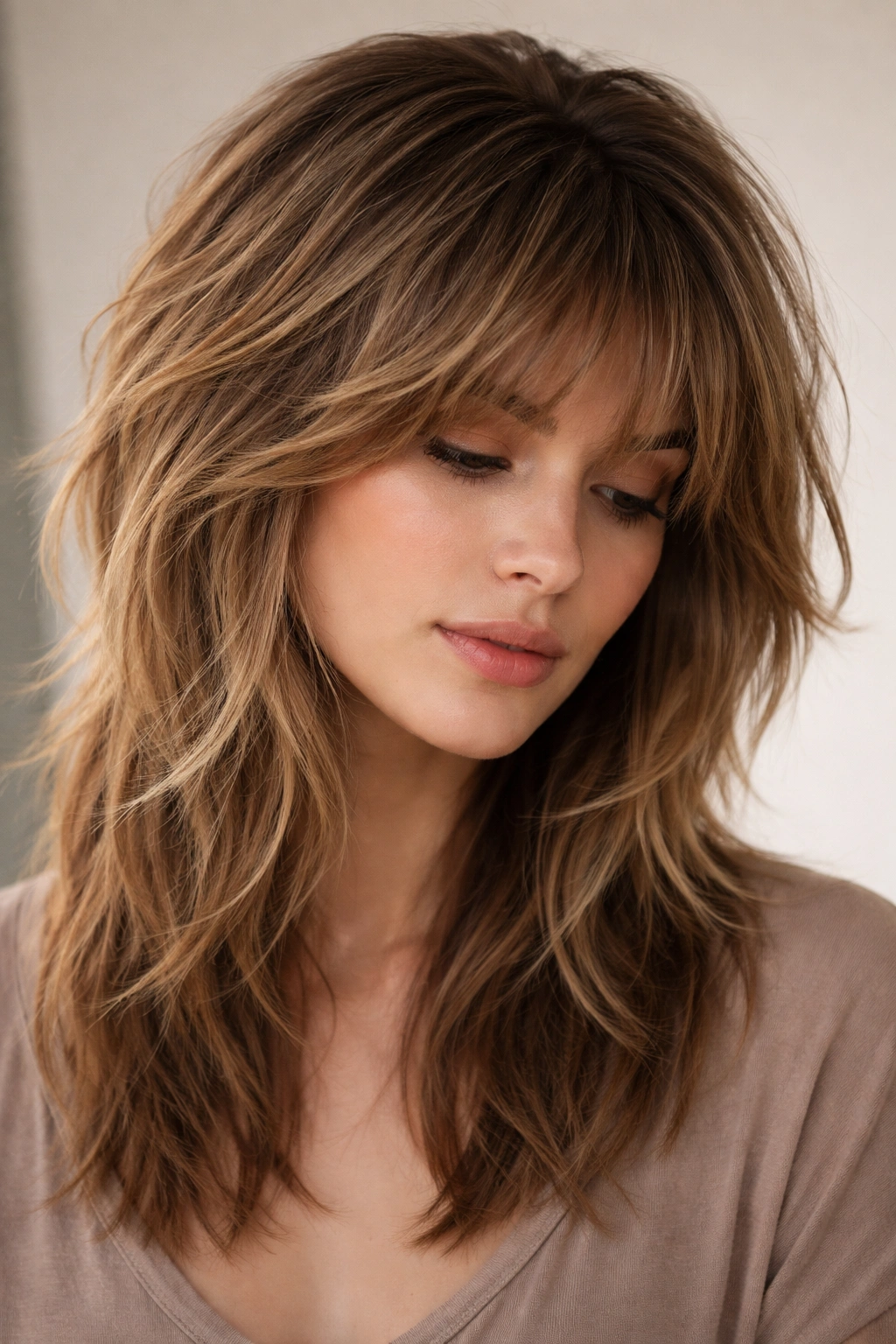
The modern shag is nothing like the 1970s version — today’s versions are strategically layered to create movement and texture rather than just adding bulk everywhere. Think shorter layers on top that create volume and lift, with gradually longer pieces underneath that blend smoothly into the length. The magic of a well-executed shag is that it’s designed to look slightly undone, so as it grows out and the layers soften, it actually hits that sweet spot where intentional texture and effortless movement take over.
Why It Grows Out Beautifully
A shag cut thrives on the contrast between shorter and longer pieces, but the key is how those pieces are angled. When your stylist cuts the top layers at a steep angle (creating maximum movement rather than bulk), those pieces have room to grow without looking straggly. The longer underneath layers blend seamlessly into the shorter top, meaning you don’t get harsh demarcation lines as everything grows. By week 8 or 9, you’re left with a piece-y, lived-in texture that actually looks curated — the exact opposite of other layered cuts that start looking fried and overgrown.
What Makes This Cut Special
- Requires layers throughout the crown and sides for that signature shagginess, not just the ends
- Works beautifully on straight, wavy, or curly hair — the texture actually enhances the effect
- Can be styled sleek with a blow dryer for a polished look, or scrunched with product for maximum texture
- Pro tip: Once this cut reaches 10-12 weeks, you can refresh it yourself with a tiny trim at just the shortest layers — keeping the top tidy without cutting into your length, extending the cut’s lifespan by weeks.
2. Textured Lob with Soft Layers
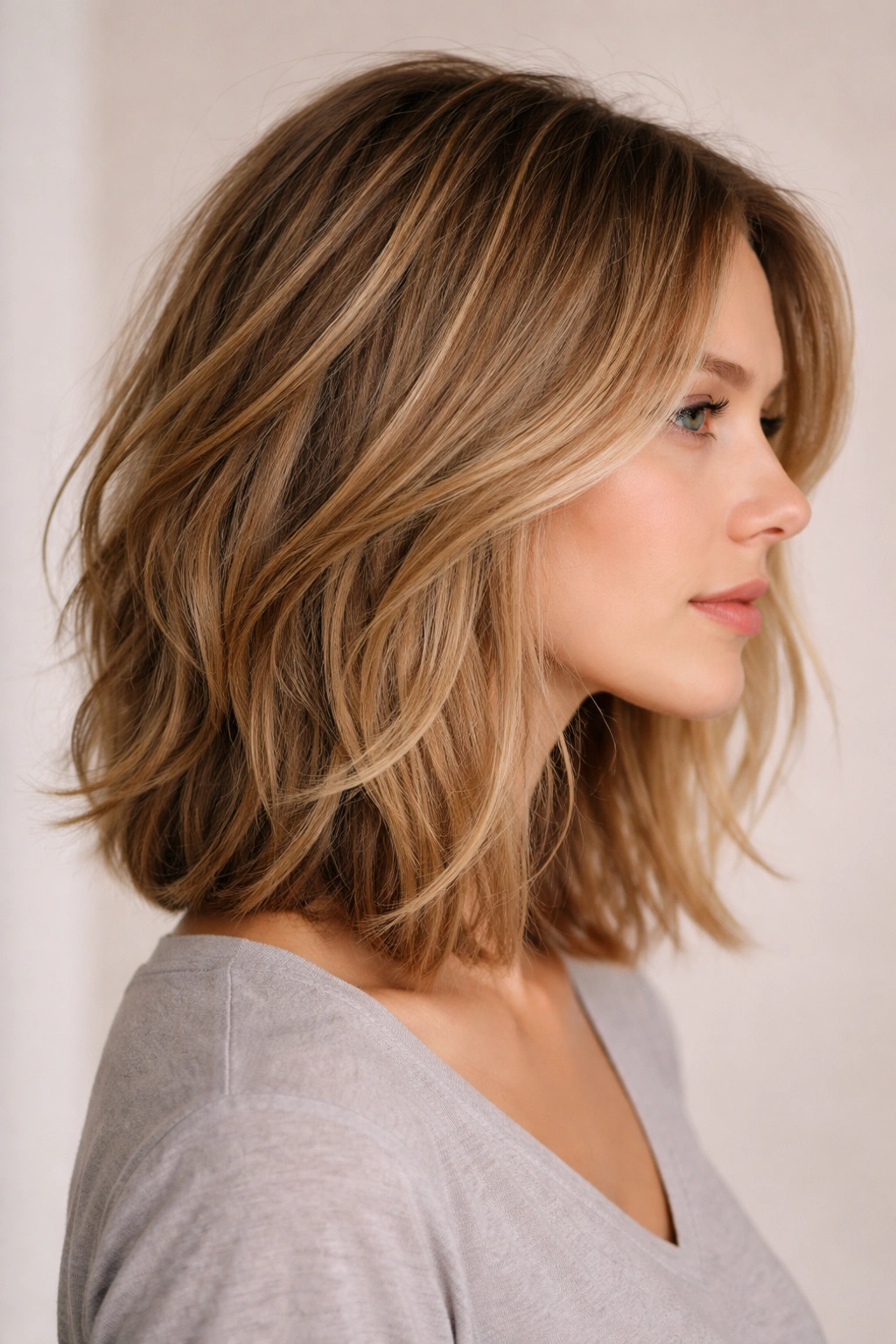
A lob — that in-between length hitting around jawline to shoulder — becomes exponentially more forgiving when you add soft, subtle layers throughout. The key is “soft” layers that blend seamlessly rather than choppy, obvious ones. These layers create texture and movement without creating hard lines, which means as the hair grows, everything blends together rather than separating into distinct lengths that look unintentional.
Why It Works as Hair Grows
Soft layers in a lob rely on blending and angle rather than definition. When your stylist uses point-cutting or texturizing techniques instead of blunt layers, the perimeter stays connected even as it grows. You’re not dealing with a stark short-to-long transition; instead, you have a gradual graduation that looks intentional at every growth stage. A lob with soft layers can easily stretch 10-12 weeks before needing a refresh because the shape doesn’t rely on precise length — it relies on movement and texture.
Key Styling Details
- Blow-dry with a round brush for a sleek, polished finish, or air-dry for naturally textured waves
- The layers create movement that automatically flatters most face shapes — no blunt, choppy edges to make your face look harsh
- Works with straight hair (especially with texturizing spray) and naturally curly or wavy hair
- Worth knowing: This cut benefits from a leave-in conditioner or texturizing cream that separates the layers and emphasizes the movement — this makes grown-out hair look intentionally piece-y rather than overgrown
3. Wolf Cut
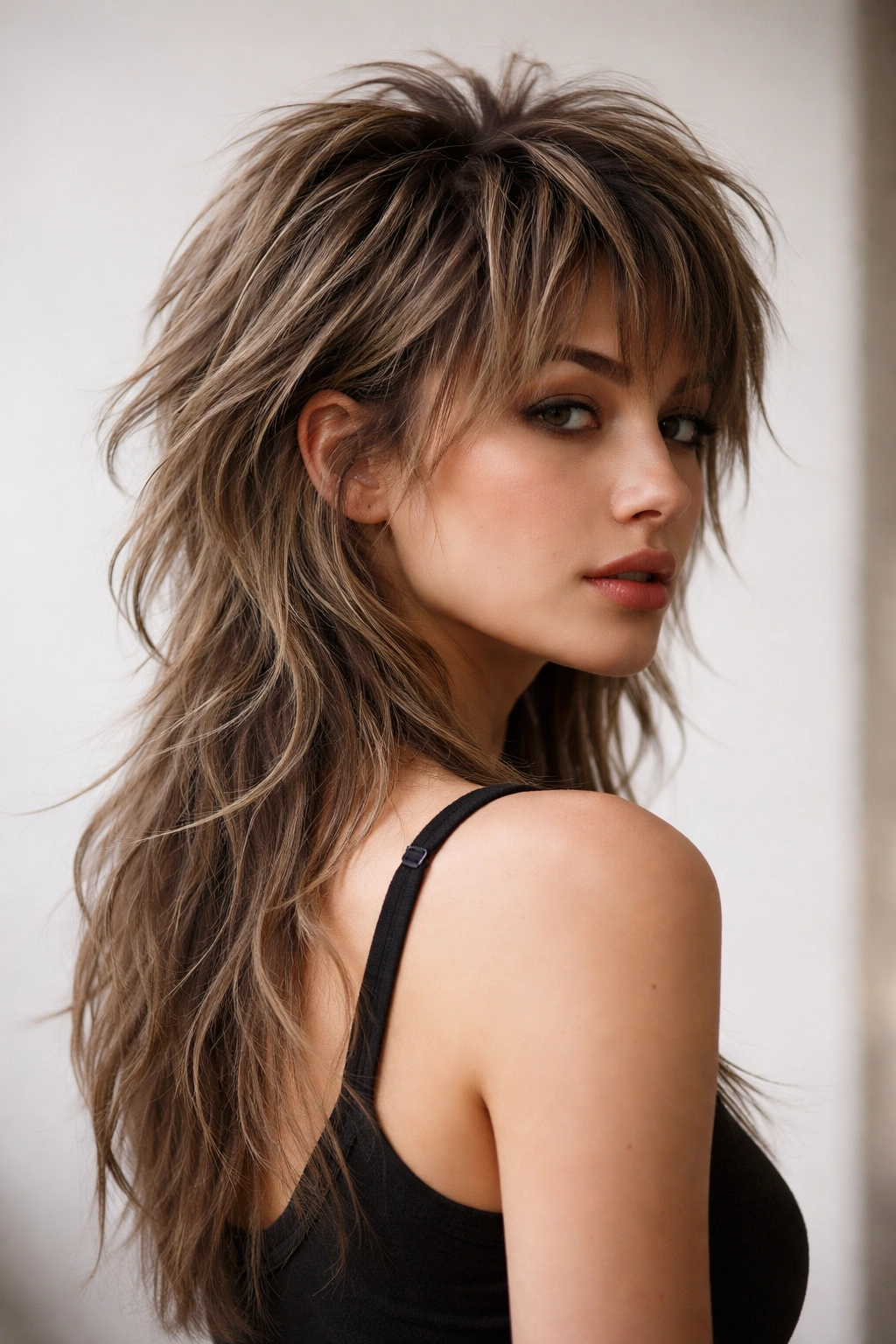
The wolf cut is essentially a shag meets a mullet — shorter, piece-y layers on top creating dramatic volume, with longer length in back. It’s intentionally edgy and unconventional, which is exactly why it grows out so well. Because the cut is built on contrast and an overall “textured and undone” vibe, the grown-out version slides naturally into that same aesthetic. You’re not fighting against the cut’s intention as it grows; you’re actually enhancing it.
What Makes It Grow Out Gracefully
A wolf cut’s success depends on steep angles in the top layers and seamless blending down the back. The shorter pieces have room to grow without looking thin or wispy, while the longer back pieces provide continuity. The cut is supposed to look sculptural and slightly wild, so when it reaches that 8-10 week mark where everything has grown and softened, it often looks more interesting than the fresh cut. This is one of the few layered styles where you can sometimes skip your appointment without the cut looking neglected — instead, it looks like you meant for it to be this shaggy.
How to Style as It Grows
- Fresh cut (weeks 1-3): Blow-dry against the direction of the layers for maximum volume and precision
- Mid-growth (weeks 4-6): The layers start blending and softening — embrace it with texturizing spray or a sea salt spray for that intentional piece-y texture
- Later growth (weeks 7-10): The longer length creates waves naturally, and the whole cut looks deliberately undone in the best way
- Real talk: This cut only works if you’re genuinely comfortable with texture and movement — if you prefer sleek, precise lines, the grown-out version will frustrate you
4. Choppy Layers with Graduated Angles
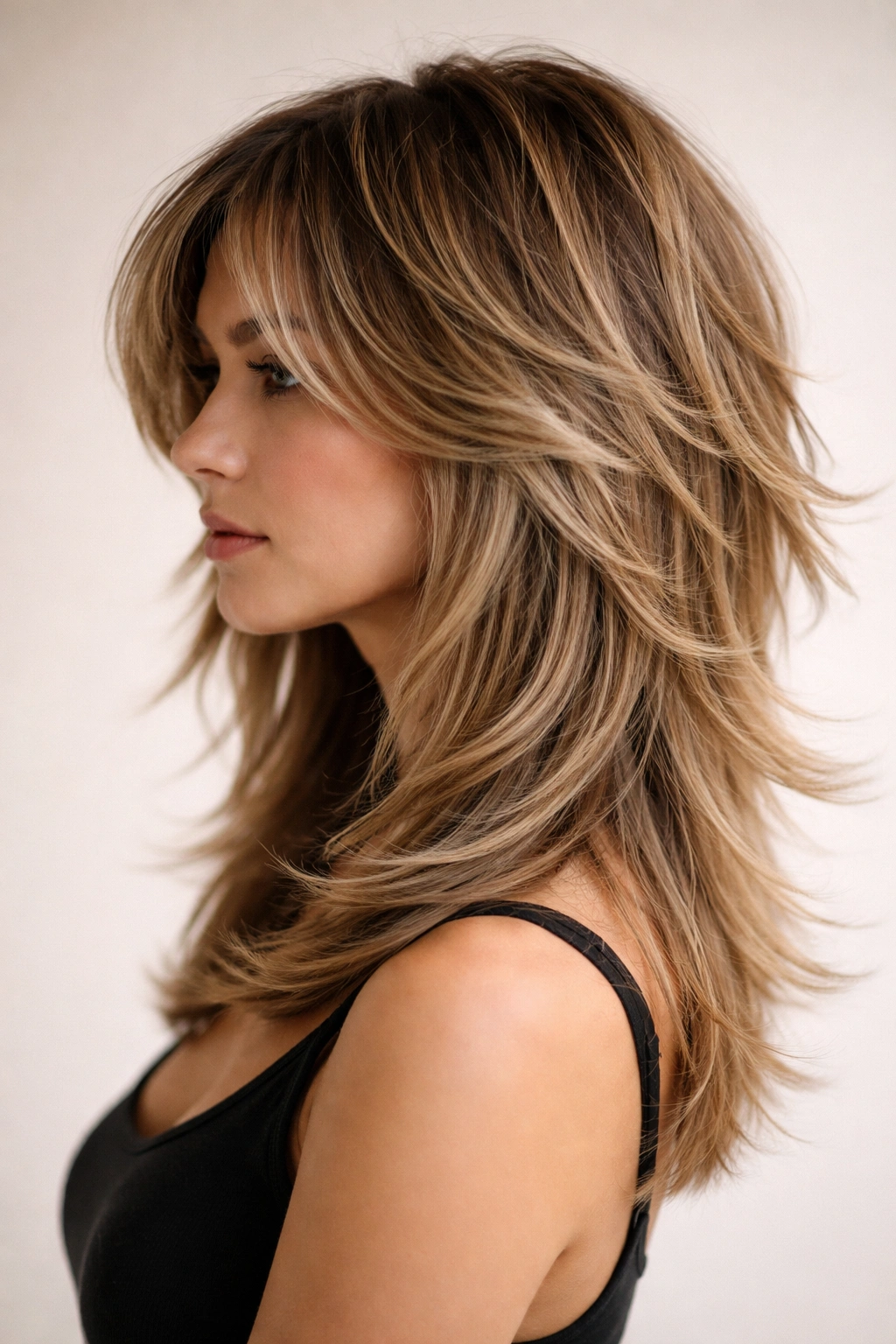
This is a strategic approach where each layer is cut at a slightly steeper angle than the one below it, creating a flowing, feathered effect throughout the entire head. The “choppy” label makes it sound haphazard, but good choppy layers are actually precisely calculated. Each piece is angled to blend into the next, creating soft movement rather than sharp transitions.
Why This Cut Stays Flattering
The genius of graduated-angle layers is that as your hair grows, everything grows proportionally. You don’t end up with weird gaps or disconnected sections because the angles mean each layer naturally blends into the one below. The shortest pieces on top still have room to grow without looking thin, while the longer pieces underneath maintain the flow. By week 9 or 10, you’re essentially looking at a softer, fuller version of the fresh cut rather than something that looks neglected.
Maintenance and Styling
- Works best with a blow dryer to emphasize the feathered movement, but can also be styled wavy or curly
- The choppy texture means it’s forgiving with styling — you don’t need absolute perfection for it to look intentional
- Pairs well with texturizing products, sea salt spray, or styling cream that separates and defines the layers
- Insider note: If you have thick hair, this cut actually removes weight strategically rather than just adding texture, which means it grows out fuller and healthier-looking than it would with blunt layers
5. Feathered Haircut
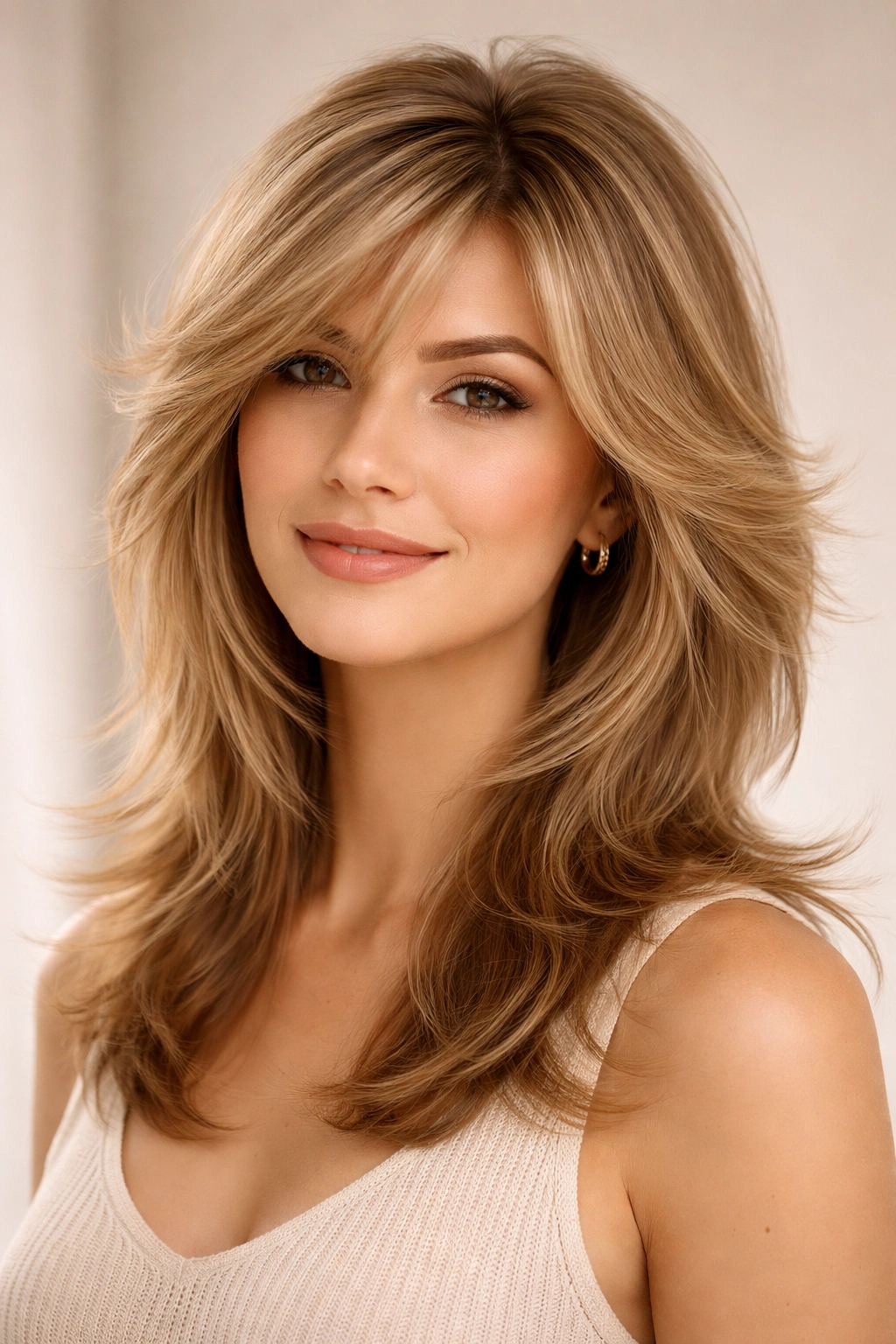
Feathered layers are the classic approach where shorter layers near the crown create volume and lift, then gradually lengthen as you move down and out. Each layer is angled to flip and move outward, creating that iconic feathered effect. This is one of the most time-tested layered cuts because the technique has been refined over decades — it works with so many hair types and textures.
How Feathering Prevents That Overgrown Look
The feathered technique is specifically designed so that as hair grows, the angle naturally creates movement and the layers blend seamlessly. You don’t get harsh demarcation lines between different lengths because the angling is gradual throughout. Each feathered layer has enough length to grow into before looking overly short, and the longer underneath layers create continuity. Feathered cuts can genuinely stretch 12 weeks between appointments because the grown-out version still maintains the signature movement and texture.
Styling Through Growth Stages
- The layers naturally create volume at the crown, which helps balance most face shapes
- Blow-drying with a round brush amplifies the feathered movement, but this cut also works beautifully air-dried
- Works with straight, wavy, and curly hair — the texture actually enhances the feathered effect
- Pro tip: Use a flat iron or curling iron to curl under the feathered pieces, which creates soft movement and refreshes the cut’s shape even as it grows — you’re essentially restyling the existing layers rather than needing a new cut
6. Long Layers with Strategic Bangs
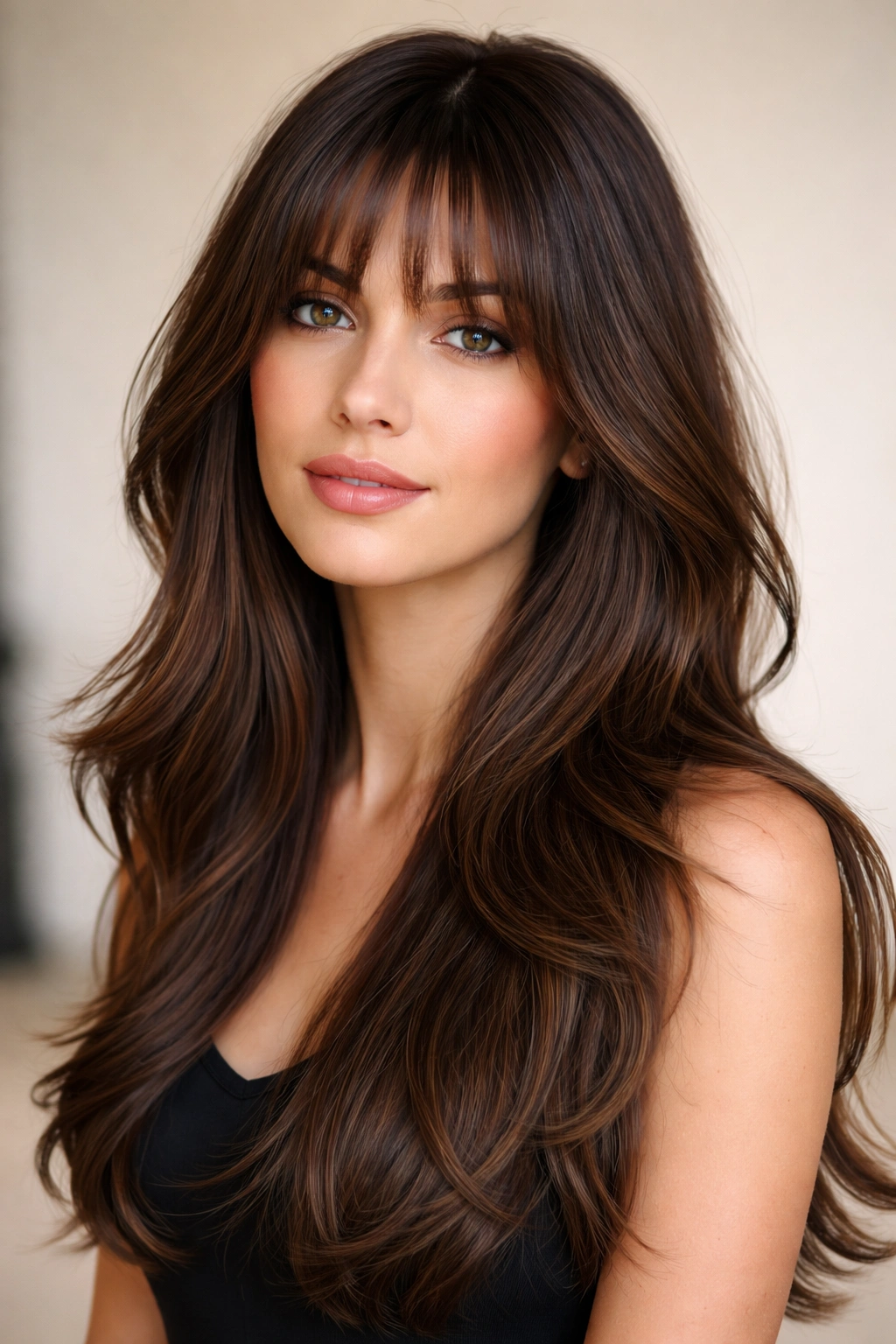
This approach keeps substantial length (usually past shoulder) while adding face-framing layers and a fringe that keeps the whole style looking fresh and intentional. The key is that the layers aren’t extensive throughout — they’re concentrated around the face and crown, with longer pieces in back. The bangs are the refresh element that keeps the style from ever looking too overgrown, even as longer layers extend.
Why Strategic Bangs Keep Everything Looking Fresh
Bangs are your secret weapon for extending time between cuts. Even if the rest of your hair has grown significantly, freshly trimmed bangs give the whole style an updated, intentional appearance. The layers around your face create movement and depth that prevents the long length from looking flat or dull. As everything grows, the layers soften and blend, the longer pieces in back develop beautiful waves or movement, and the whole cut actually becomes easier to style because you have more length to work with.
Growing It Out Successfully
- Trim bangs every 3-4 weeks while letting the rest of the hair grow — this is less expensive than a full haircut and keeps the style looking intentional
- The face-framing layers grow longer and blend into the longer underneath pieces, creating a soft, textured effect
- By week 10-12, you often have effortless waves and movement you didn’t have right after the cut
- Worth knowing: This cut works best if you’re willing to commit to bang trims — if you let bangs grow out indefinitely, the whole style loses its cohesion
7. Curtain Bangs with Layered Sides
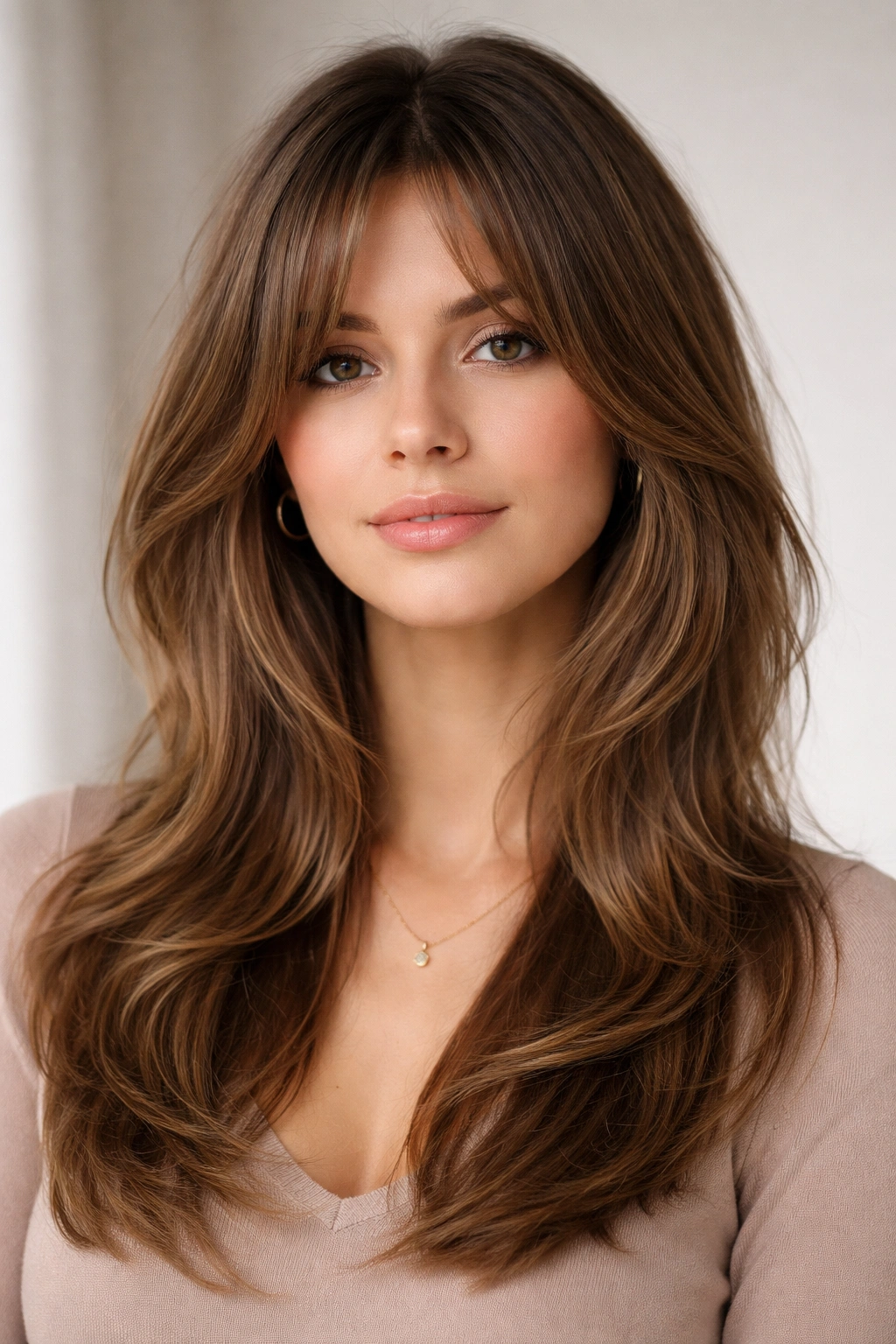
Curtain bangs — which frame the face on both sides and fall away from the center part — pair beautifully with subtle layers on the sides and crown. The curtains create a flattering face-frame that stays current and interesting, while side layers add movement without creating harsh lines. This combination gives you a trendy, dimensional look that evolves gracefully as it grows.
How This Combination Grows Out
Curtain bangs naturally become longer and blend into the rest of the hair as they grow, but they maintain their face-framing effect for several weeks. The subtle side layers add depth without creating stark transitions, so as everything lengthens, you get soft, flowing movement rather than obvious grown-out layer lines. By week 8-10, the bangs have grown into beautiful, longer face-framing pieces, and the whole cut has this effortless, lived-in quality.
Styling and Maintenance
- Curtain bangs require minimal styling — a bit of blow-drying to direct them away from the center, and they fall into place naturally
- Side layers create movement that flatters nearly every face shape, and the style works whether you’re going for sleek or textured
- The combination of curtain bangs and subtle layers is flattering on fine, thin hair because it adds dimension without heaviness
- Real talk: If you have very thick hair, make sure your stylist texturizes or point-cuts the bangs rather than leaving them blunt — otherwise they can feel heavy and won’t fall as gracefully as they grow
8. Short Layered Pixie to Shoulder
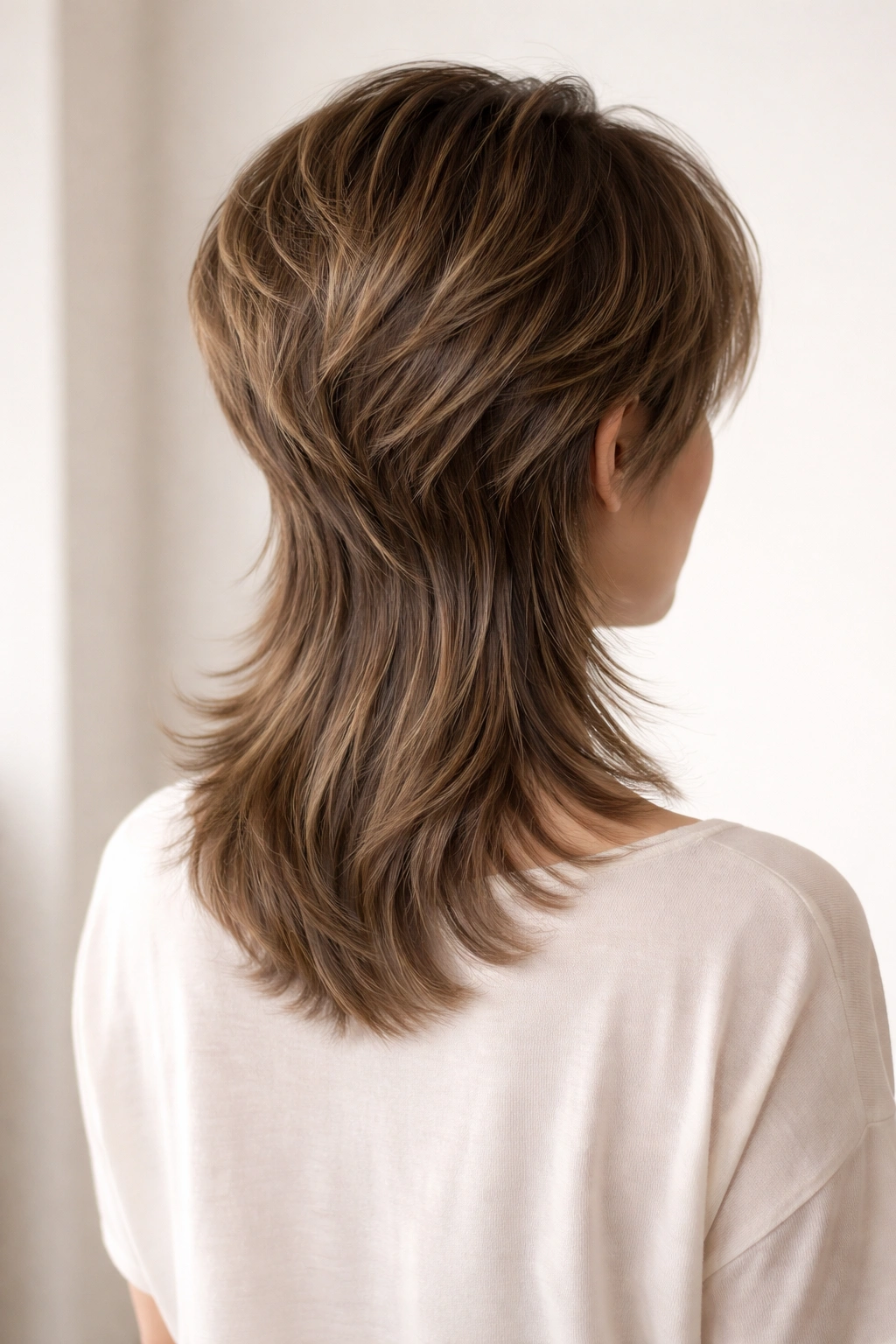
This is for anyone who wants shorter hair but doesn’t want that severely precise pixie-cut look. By layering a short cut and letting it extend to shoulder length in back, you get movement and texture throughout without the high-maintenance precision of a traditional pixie. The layers add volume and softness that makes the short length feel modern and intentional.
Why Layered Short Cuts Grow Out Seamlessly
Short layered cuts have a built-in advantage: there’s nowhere to hide if layers aren’t blended properly, so good stylists make sure the transitions are seamless. As your hair grows, those blended layers naturally create movement and the overall shape becomes longer and softer without ever looking awkward. The fact that the back is longer creates a cute, shaggy effect as everything extends. You can go from a neat, layered short cut to a gorgeous, textured shoulder-length cut without ever reaching that awkward in-between stage.
How the Style Evolves
- Weeks 1-3: Precise, neat layers with maximum volume at the crown
- Weeks 4-6: Layers soften, texture becomes more apparent, the back starts hitting chin length
- Weeks 7-10: You essentially have a layered lob without ever having gotten a new cut — the original short layers have grown into face-framing pieces
- Pro tip: This cut actually benefits from growing out, because the final length with blended layers is often more flattering than the fresh cut
9. Textured Bob with Choppy Layers
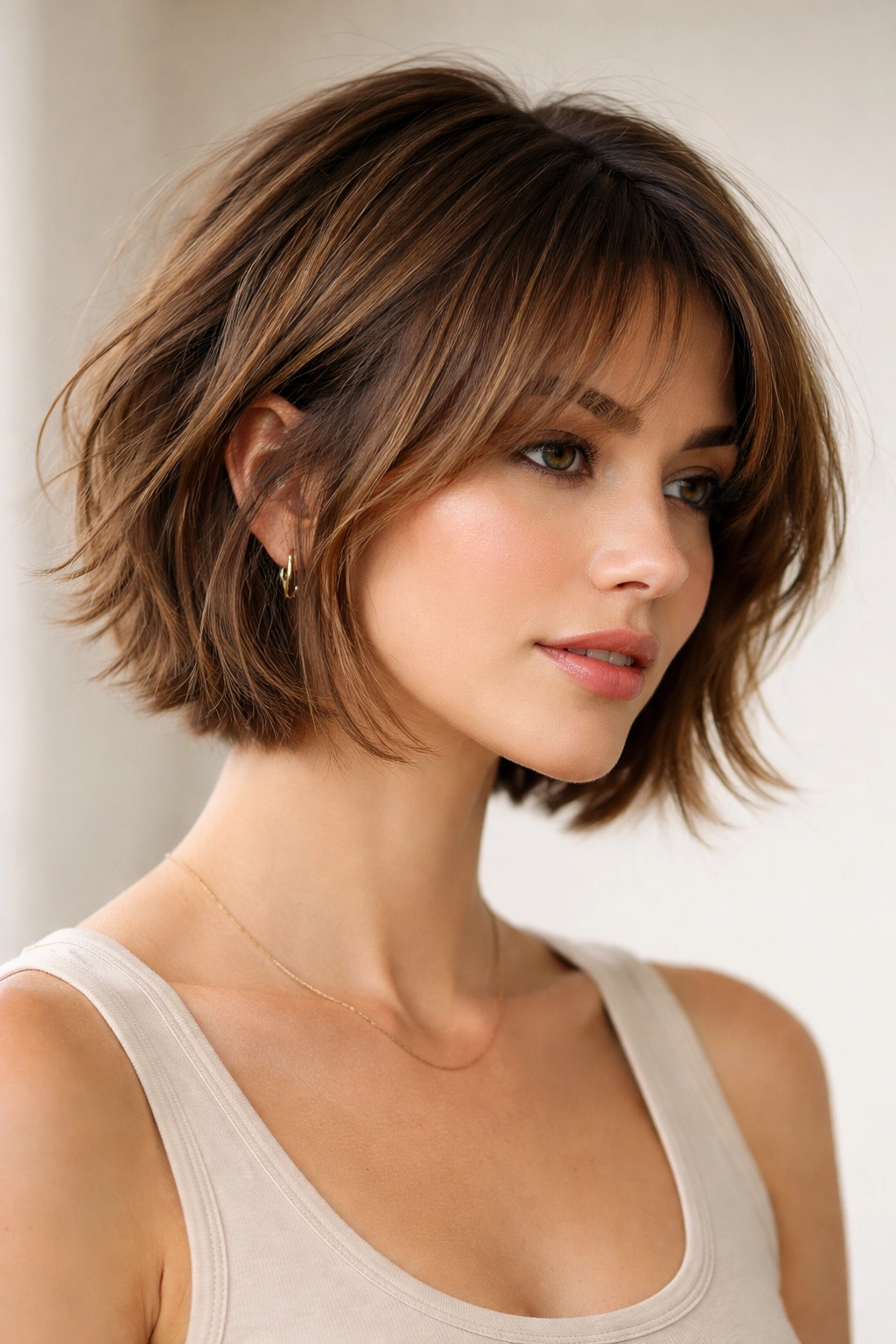
A textured bob — chin-length or slightly longer — with choppy, blended layers throughout hits that perfect sweet spot between structure and movement. The bob shape gives it a defined silhouette, but the layers prevent it from ever looking blunt or severe. The choppiness is strategic, creating texture that’s intentional rather than accidental.
The Bob’s Growing Advantage
Bobs are naturally flattering because the chin-length baseline works with most face shapes, and adding layers means you get movement rather than a heavy, flat appearance. As a textured bob with layers grows, it transitions smoothly into a layered lob without ever looking like you’re in an awkward stage. The layers mean it doesn’t have that severe longer-bob length — instead, it looks intentionally textured and piece-y. You can stretch 10-12 weeks between appointments fairly comfortably.
Styling and Care
- Blow-dry with a round brush to activate the texture and create shape, or air-dry with texturizing product for a more casual vibe
- The choppy layers make this cut forgiving — slight imperfections in styling actually enhance the textured aesthetic
- Works on straight, wavy, and curly hair, though the texture is more obvious on straighter hair
- Worth knowing: This cut requires some product to look its best — a texturizing spray, sea salt spray, or styling cream that separates the layers is almost essential for keeping it from looking dull or flat as it grows
10. Long Layers with Blended Graduation
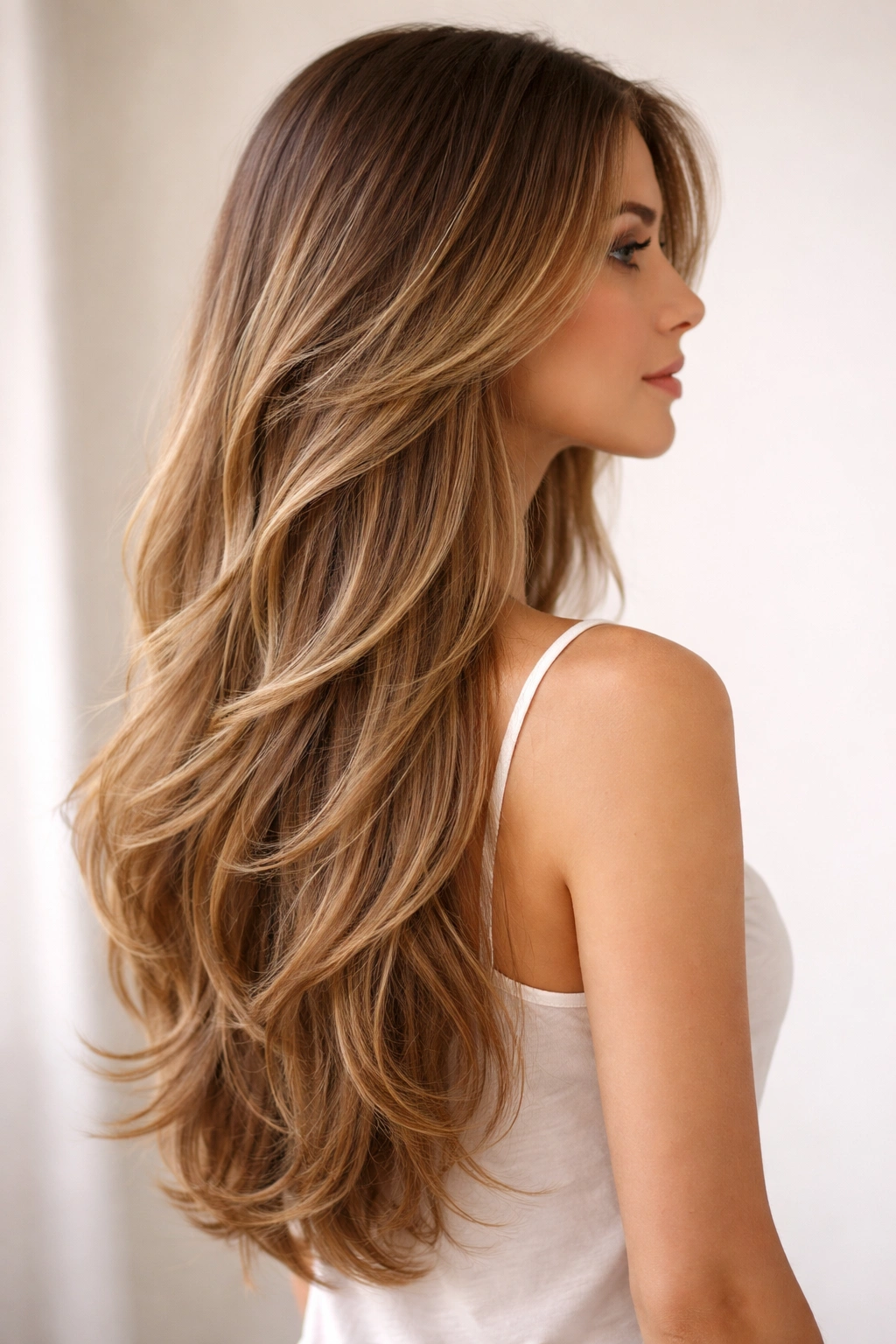
This is a long cut — think mid-back length or longer — with layers throughout that are blended rather than choppy, creating movement without sacrificing the overall length. The layers are denser near the crown (creating volume and preventing that stringy appearance) and gradually lengthen as you move down, with the underneath pieces providing continuity and flow.
Why This Approach Works for Long Hair
Long hair with blunt, blunt ends can look heavy and shapeless, but strategic, blended layers add movement and dimension while keeping the length. The graduation means you don’t have awkward gaps or disconnected sections as the hair grows — everything blends together. The longer underneath pieces don’t get cut to a specific length; instead, they’re angled so they naturally flow into each other. This cut can easily go 12+ weeks because the grown-out version simply has more movement and texture, not a different shape.
Long Hair Maintenance
- Requires commitment to conditioning and heat protection — long hair with layers is more prone to split ends because there’s more surface area
- Blow-drying with a large round brush creates beautiful waves and emphasizes the layers, but air-drying works too
- The layers create movement that prevents long hair from looking limp or flat
- Real talk: The longer the hair, the more important it is that layers are properly blended — bad blending in a short cut is noticeable but forgivable; in a long cut, it looks obviously choppy and unfinished
Final Thoughts
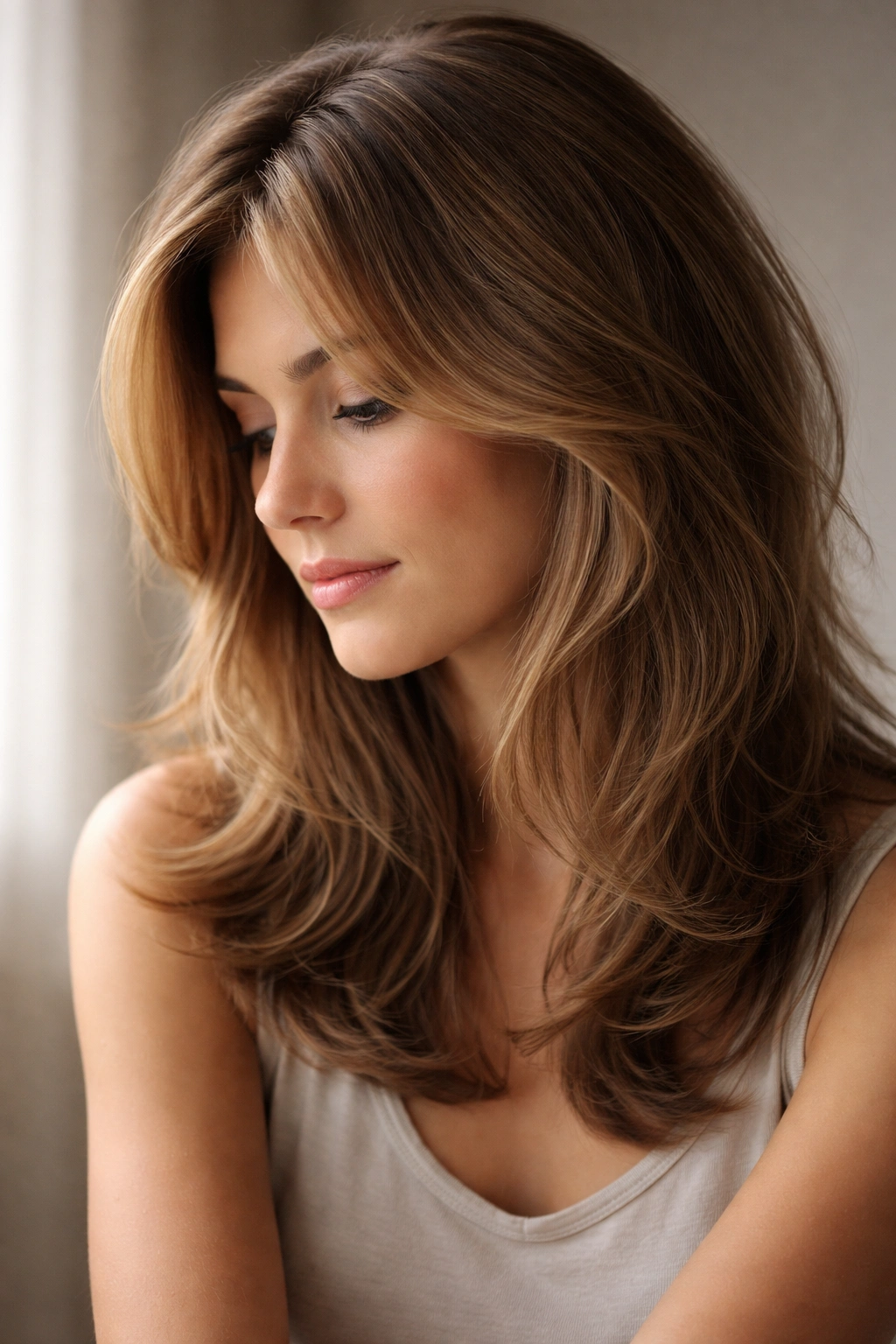
The most important thing to understand about layered haircuts that grow out well is that precision and blending matter infinitely more than the specific style. A wolf cut with perfectly blended angles will look intentional at any growth stage, while a similar cut with choppy, badly blended layers will look neglected within weeks. When you’re choosing a layered cut, ask your stylist specifically how the layers are angled and blended, and whether the style is designed to look intentional as it grows.
The second factor is honest communication with your stylist about your lifestyle. If you love styling and blow-drying daily, you can pull off more intricate layered looks. If you prefer wash-and-go ease, stick with cuts that work with your hair’s natural texture and don’t require precision styling to look intentional. The best layered haircut in the world is the one you’ll actually maintain — because that means you’ll keep up with trims, and a well-maintained layered cut always looks infinitely better than a neglected one.
Finally, remember that “growing out well” doesn’t mean your hair will look exactly the same for three months. It means the style evolves in a way that still looks intentional and flattering, rather than shaggy and overgrown. You might find you love how your cut looks at the 8-week mark — when everything has softened and blended and you’ve got maximum movement — more than you love it fresh. That’s not a failure; that’s a cut that genuinely works with your hair’s natural growth cycle instead of fighting it.
