

If your hair fights you every time you try to air dry it, the problem might not be your hair—it might be your cut. The right layered haircut can turn air drying from a humidity-battling frustration into a genuinely low-maintenance routine. When layers are positioned thoughtfully and shaped with the right technique, they encourage movement instead of frizz, work with your hair’s natural texture rather than against it, and often look better the less you fuss with them.
The key difference between a layered cut that frizzes and one that doesn’t comes down to three things: how the layers are angled, where they sit on your head, and how the ends are finished. A cut with the wrong angle can actually create surface area that catches humidity and expands outward. But a cut with strategic angles, proper weight distribution, and a technique that works with your hair’s natural wave pattern? That’s what delivers the effortless, defined texture people actually pay for at salons.
This isn’t just about picking any layered cut—it’s about finding one engineered for your hair type and lifestyle. Whether you’ve got straight hair that needs movement, waves that need encouragement, or curls that need definition, there’s a layered cut here that’ll work with your hair instead of against it.
1. The Modern Shag
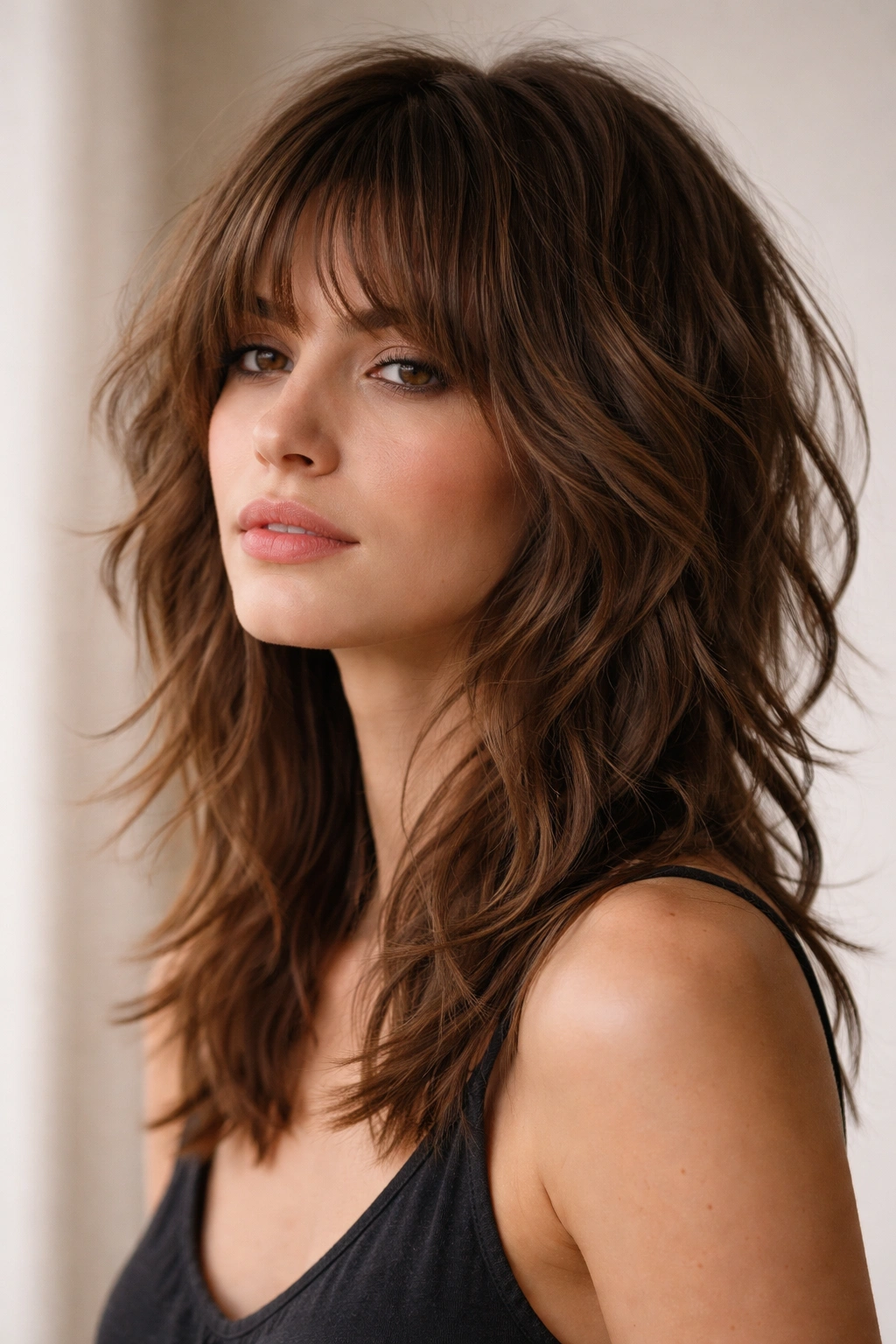
The shag has evolved far beyond its 1970s reputation. Today’s modern shag is a precision-cut style with intentional layers starting high on the crown and working down through the ends, creating movement without requiring any actual styling effort. The magic of the shag for air drying is that the layers are cut to create texture within the hair rather than sparse ends—you’re building volume and shape, not just thinning things out.
Why It Works for Air Drying
The modern shag excels at air drying because the layering pattern naturally separates sections of hair as it dries. When you have layers starting near the roots and progressing down, the hair dries in a way that creates dimensional texture and movement rather than one solid block. The cut encourages curl or wave formation if you have any texture at all, and if you have straight hair, it creates a textured, piece-y look that disguises any frizz because frizz looks intentional when it’s part of the overall texture. There’s also built-in volume without blow-drying, which is crucial for keeping air-dried hair from falling flat and looking greasy.
How to Get It Right and Avoid Common Mistakes
- Ask your stylist for graduated layers rather than choppy ones—the layers should flow into each other, not create harsh lines
- Make sure the layers start no lower than chin-length; starting them too low creates wispy, thin-looking ends that frizz more easily
- Request that the underlayers be textured with scissors rather than a razor—this creates cleaner separation without feathering that catches humidity
- The top layer should sit around ear length; longer top layers with shorter underlayers create that coveted shaggy movement
Pro tip: Sleep on damp (not soaking wet) hair in a loose braid or messy bun to encourage wave formation as it dries. You’ll wake up to perfectly textured movement without any styling tools.
2. The Choppy Pixie-to-Lob Hybrid
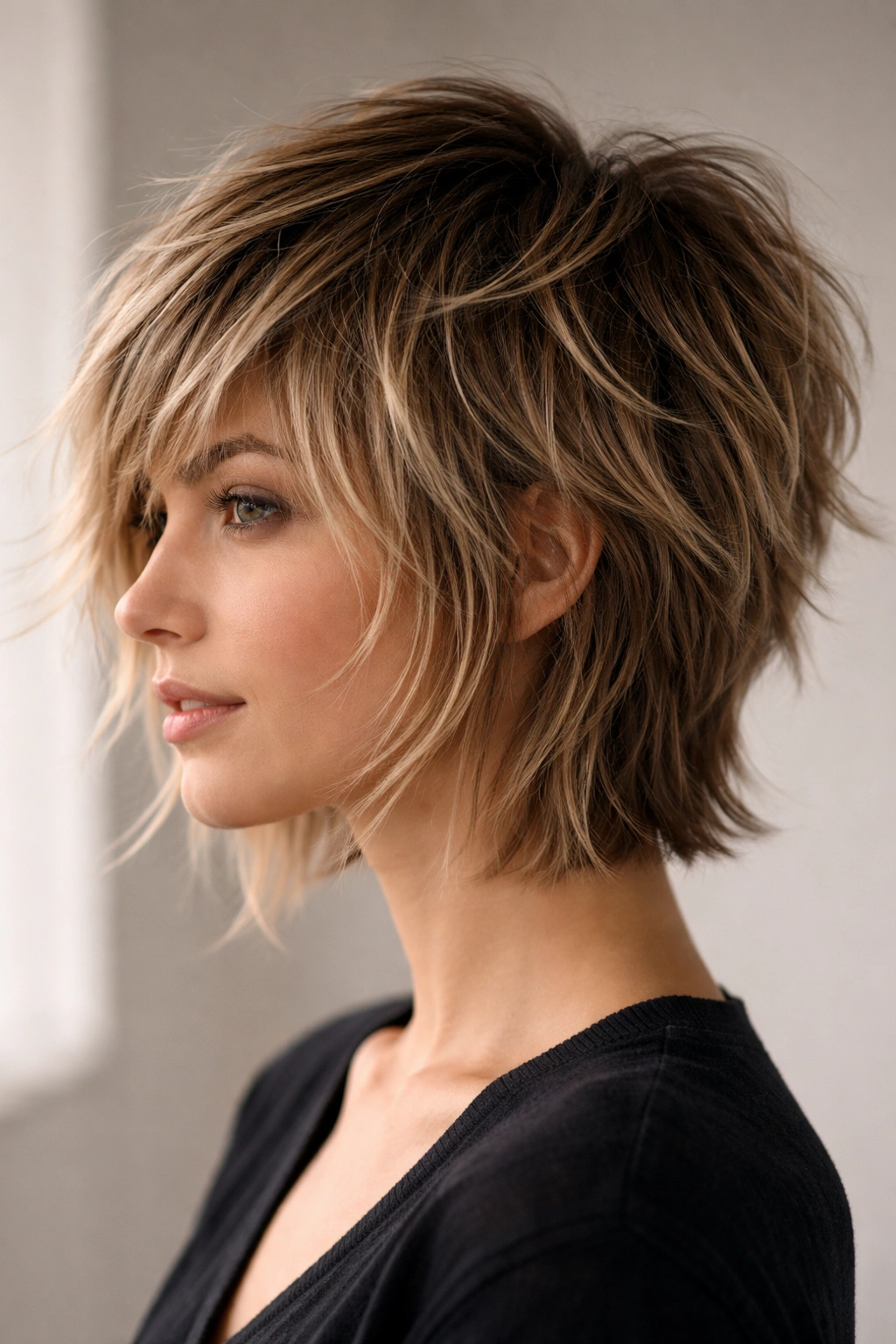
This cut bridges the gap between a cropped pixie and a longer lob by using strategic layering to create movement and shape without requiring length. It’s choppy in the sense that the layers are intentionally disconnected and piece-y, not blended into each other, which actually works for air drying because the pieces dry independently and create a textured, intentional look rather than a frizzy mess.
Why It Works for Air Drying
Short, layered cuts don’t hold humidity the way longer hair does, which is one reason pixies and bobs are inherently more frizz-resistant than waist-length hair. But this hybrid specifically uses choppiness to create movement that reads as intentional texture. When you have short layers at the crown stacked over medium layers in the middle and longer layers framing your face, the cut dries quickly and the varied lengths actually discourage frizz from spreading because hair particles have less distance to travel. The choppiness also means you’re working with any natural wave or curl you have, amplifying it rather than fighting it.
How to Get It Right and Avoid Common Mistakes
- Specify that you want choppy layers, not blended layers—this cut only works when the layers are clearly defined and disconnected
- The back should be shortest at the crown and progressively longer toward the ends, creating a gentle graduation rather than a blunt chop
- Front pieces should be longer than back pieces so they frame your face without the cut looking flat
- Ask for point-cutting at the ends (not blunt cuts) to ensure the choppy texture looks intentional and sculpted rather than scraggly
Pro tip: This cut is small enough that you can air dry it in about 15 minutes just by tousling it with your fingers as it dries. The shorter length means less frizz overall, and the choppiness disguises any that does appear.
3. The Wolf Cut
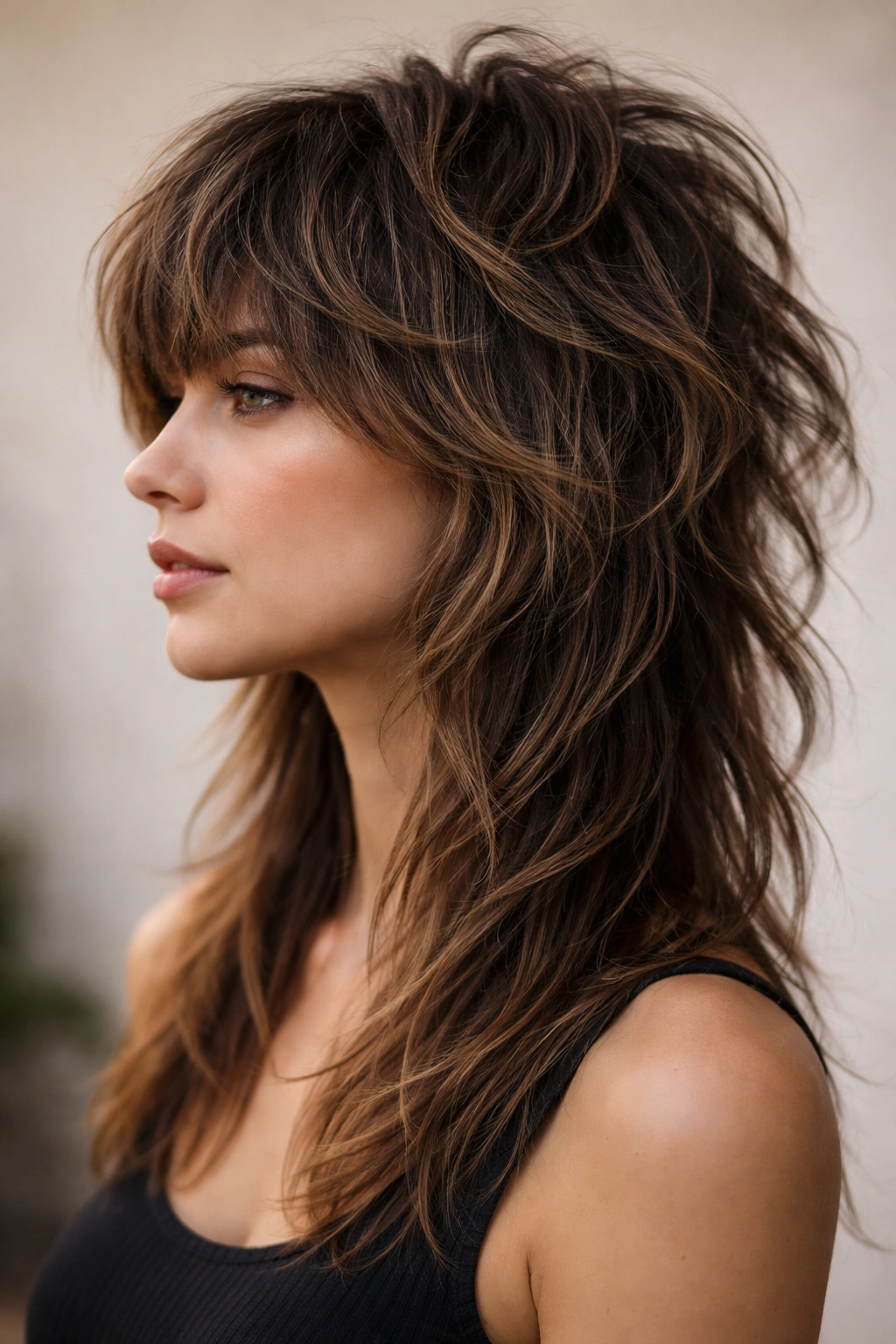
The wolf cut is specifically designed for the TikTok generation’s air-drying aesthetic—it combines the textured, piece-y definition of a shag with the shape and length of a modern lob. The defining feature is the contrast between choppy, separated layers on top and smoother, longer layers underneath, creating a wild but intentional look that actually photographs beautifully when air dried.
Why It Works for Air Drying
The wolf cut’s genius for air drying is that it plays up texture rather than hiding it. If you have any natural wave or curl, a wolf cut amplifies it. If you have straight hair, the choppy top layers create movement that makes air-dried straightness look like a deliberate style choice rather than a flat, frizzy accident. The longer underlayers mean you still have length and flow (so it doesn’t look too short), while the shorter choppy layers on top create volume and movement. As the cut air dries, the choppy pieces separate and create definition, and the longer layers dry smoothly underneath, creating a cohesive look rather than a frizzy explosion.
How to Get It Right and Avoid Common Mistakes
- The top layers should be quite short (around 6-8 inches on average) and heavily choppy, while the underlayers should be 12-16+ inches
- The transition between choppy and smooth should be intentional but not harsh—the cut shouldn’t look like two separate haircuts
- Make sure your stylist uses point-cutting or scissors (not a razor, which feathers too much) for the choppy layers to create clean separation
- The bangs, if you choose them, should also be choppy and textured to match the overall aesthetic
Pro tip: The wolf cut actually looks better slightly underbrushed—don’t comb through it completely once it dries. Tousle it with your fingers, separate the choppy pieces, and leave it slightly piece-y. That’s the whole point, and it disguises any frizz beautifully.
4. The Feathered Midlength
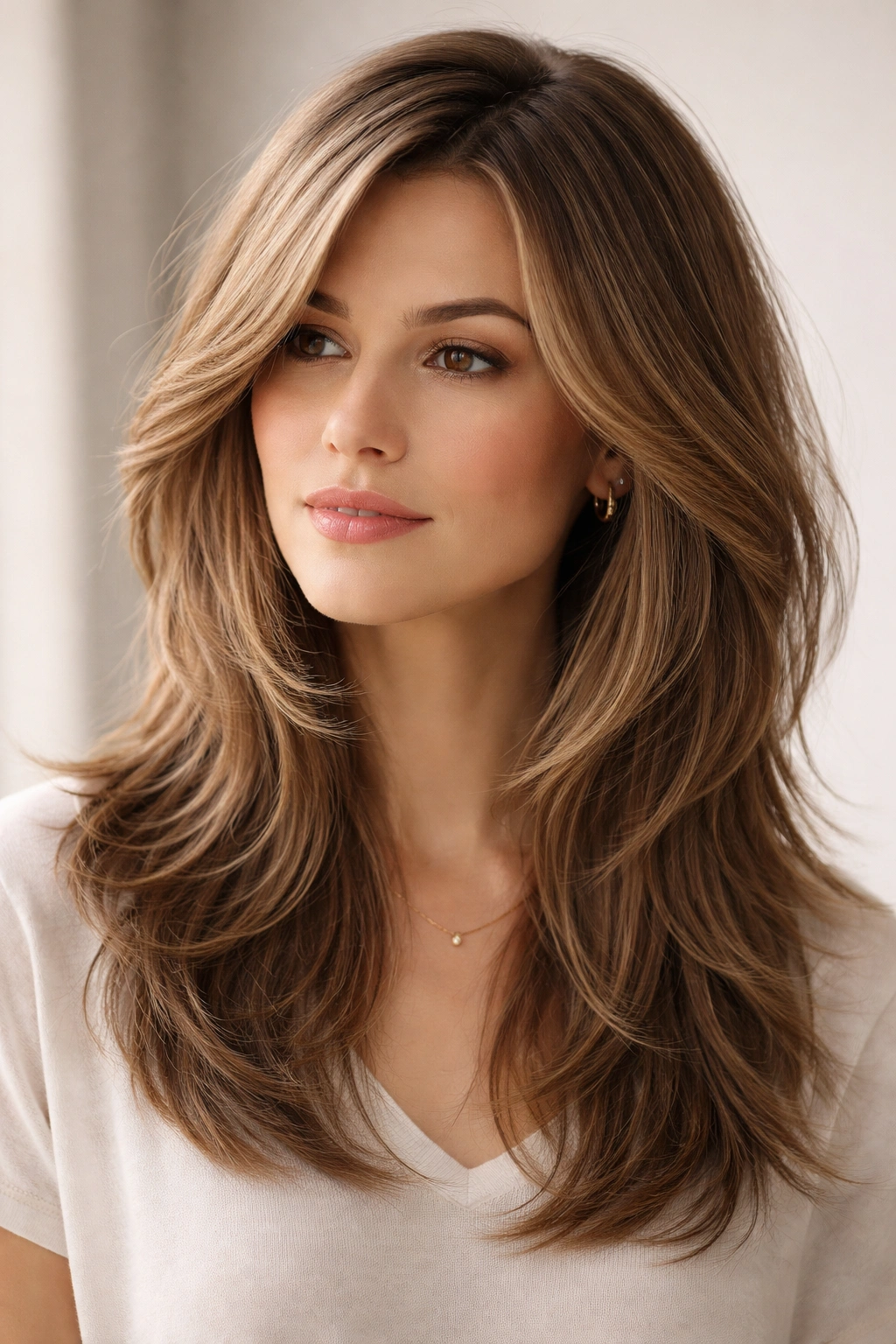
This is a subtler take on layering compared to shags or wolf cuts—it uses feathering technique to create gentle movement through the midlengths without dramatic choppiness. Feathering works by cutting the hair at angles so that pieces taper rather than end bluntly, creating a soft, flowing texture that sounds frizz-prone but actually handles air drying beautifully because the tapered ends diffuse frizz instead of creating obvious flyaways.
Why It Works for Air Drying
Feathered layers are fantastic for air drying because they create movement and texture without the weight that keeps air-dried hair looking flat and heavy. The tapered ends also mean that any frizz that does appear is diffused throughout the feathered sections rather than concentrated in one area where it looks obvious. This cut works especially well if you have fine to medium-thick hair, because the feathering removes bulk without creating scraggly-looking ends. As the hair air dries, the feathered pieces separate naturally and create a soft, flowing texture that reads as intentional styling rather than damage.
How to Get It Right and Avoid Common Mistakes
- Request feathering specifically—not layers, not texturizing, but feathering, which is a distinct technique where scissors are angled to taper hair rather than cut it bluntly
- Feathering works best on shoulder-length or longer hair (12+ inches) because shorter feathered hair can look too wispy
- Make sure the feathering starts roughly at chin-length rather than throughout the entire length—you need enough hair at the bottom to maintain shape
- Ask your stylist to avoid over-feathering, which can make hair look thin or scraggly; you want gentle tapering, not aggressive thinning
Pro tip: This cut pairs beautifully with a light leave-in conditioner applied to damp hair before air drying. The conditioner weighs feathered layers down ever so slightly, encouraging them to dry smoothly and helping any natural texture settle into waves rather than frizz.
5. The Disconnected Bob with Layers
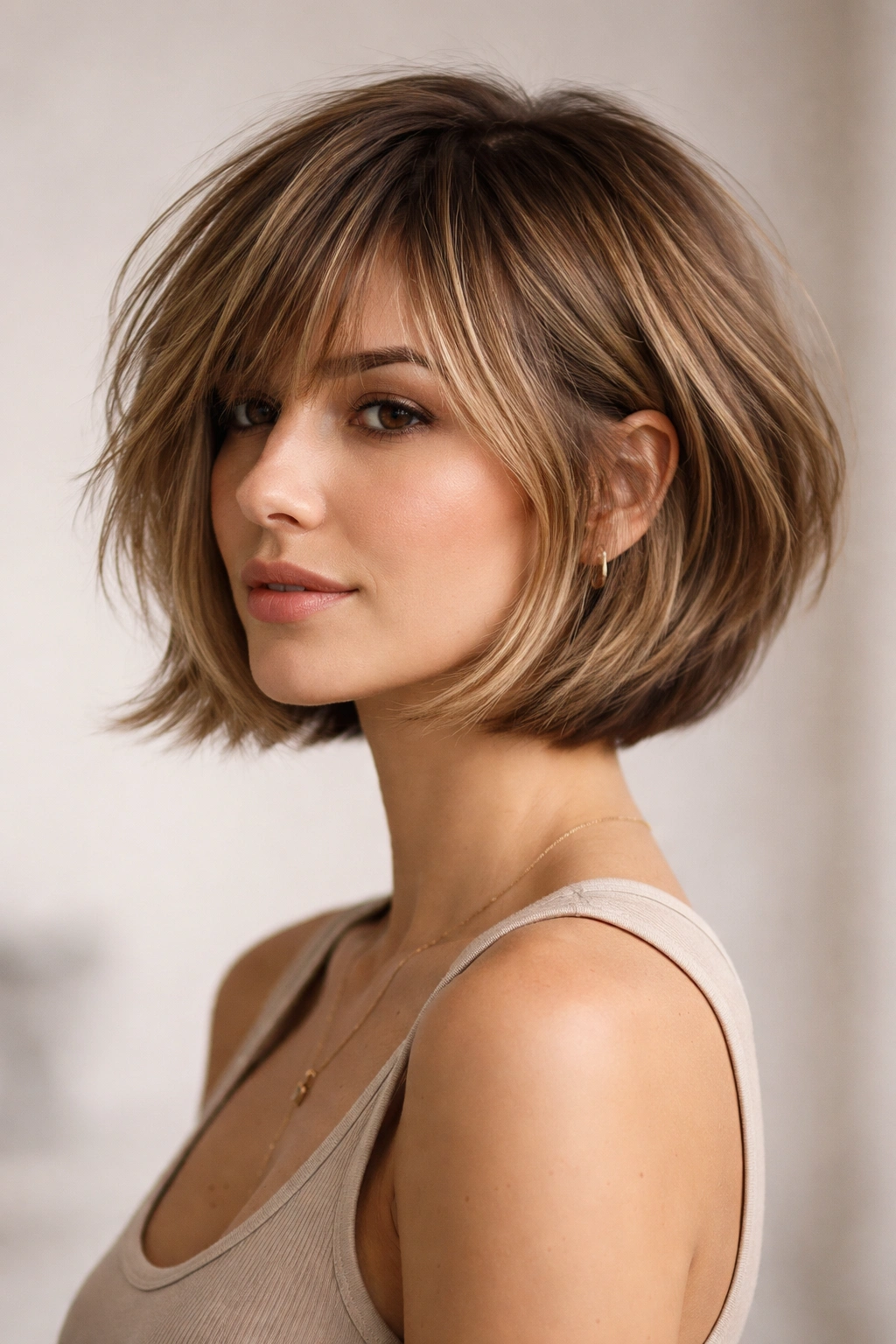
A disconnected bob uses shorter, choppy top layers over a sleeker, longer bob underneath—similar to a wolf cut but more refined and less “shaggy.” The key word is “disconnected,” meaning the layers don’t blend smoothly into each other; instead, you can clearly see the separation between the choppy top and the smoother bottom. This creates a modern, sculptural look that air dries beautifully because the visual contrast makes the cut look intentional and polished even without styling.
Why It Works for Air Drying
The disconnected bob works because it leverages visual contrast to make air drying look intentional. The choppy top layers create movement and prevent the style from looking flat, while the longer, cleaner bottom layers maintain shape and flow. As the hair air dries, the top layers separate into piece-y texture while the bottom layers dry more smoothly, creating a cohesive look that reads as “styled” rather than “just dried.” The choppiness on top also means you’re less likely to notice frizz because frizz blends into the overall textured aesthetic.
How to Get It Right and Avoid Common Mistakes
- The disconnect should be visible but not jarring—there should be a clear visual shift between choppy and smooth, but not a harsh line
- Top layers should be significantly shorter (around 6-10 inches) than the bottom (12-16+ inches) to create that contrast
- The sides should taper smoothly rather than creating sharp angles; you want disconnection from front to back, not side-to-side
- Ask for point-cutting on the choppy layers and blunt or nearly-blunt edges on the longer layers to enhance the visual disconnect
Pro tip: This cut looks polished when you air dry and then separate the pieces slightly with your fingers, emphasizing the choppy/smooth contrast that’s built into the cut.
6. The Textured Long Layers
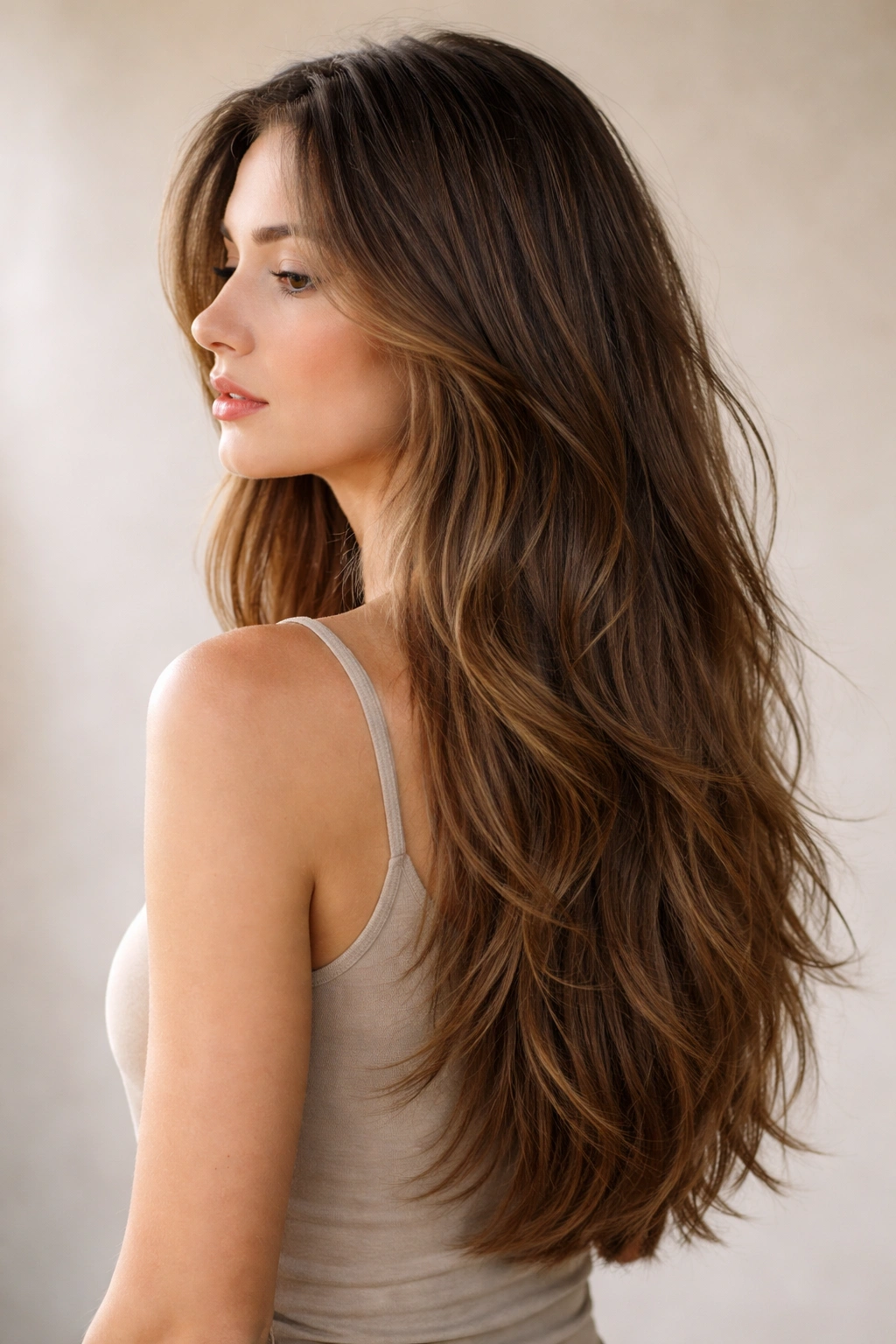
For people who don’t want to sacrifice length, textured long layers are the answer. This isn’t about dramatic shag-style choppiness; instead, it’s about strategic layers throughout the midlengths and ends that create movement and texture without making the hair look sparse or shorter than it is. The layers are spaced further apart than in a shag and often use texturizing techniques like point-cutting and razor-cutting to create separation without obvious lines.
Why It Works for Air Drying
Long layered hair can actually air dry beautifully if the layers are positioned to create movement rather than flatness. The key is using layers to distribute weight throughout the hair so it doesn’t dry in one dense block. Texturizing techniques also break up surface area, which means frizz gets dispersed throughout the texture rather than concentrating in obvious spots. This cut also works because you maintain enough hair at the bottom to have substantial, healthy-looking ends—no wispy, thin layers that show scalp or look damaged when they frizz.
How to Get It Right and Avoid Common Mistakes
- Layers should be spaced roughly 2-3 inches apart vertically rather than every half-inch, maintaining density and preventing sparseness
- Point-cutting should be used on the layers themselves, but the overall ends should have blunt or nearly-blunt lines for health and shape
- Make sure the hair has enough weight throughout the mids and ends to avoid looking wispy or flyaway when air dried
- The shortest layers should be roughly around shoulder-length so the hair still reads as “long” even with layers throughout
Pro tip: This cut benefits enormously from a good leave-in conditioner or styling cream applied to damp hair before air drying. The product helps the layers settle into their intended shape rather than frizzing outward.
7. The Blunt-Cut Layered Bangs with Length
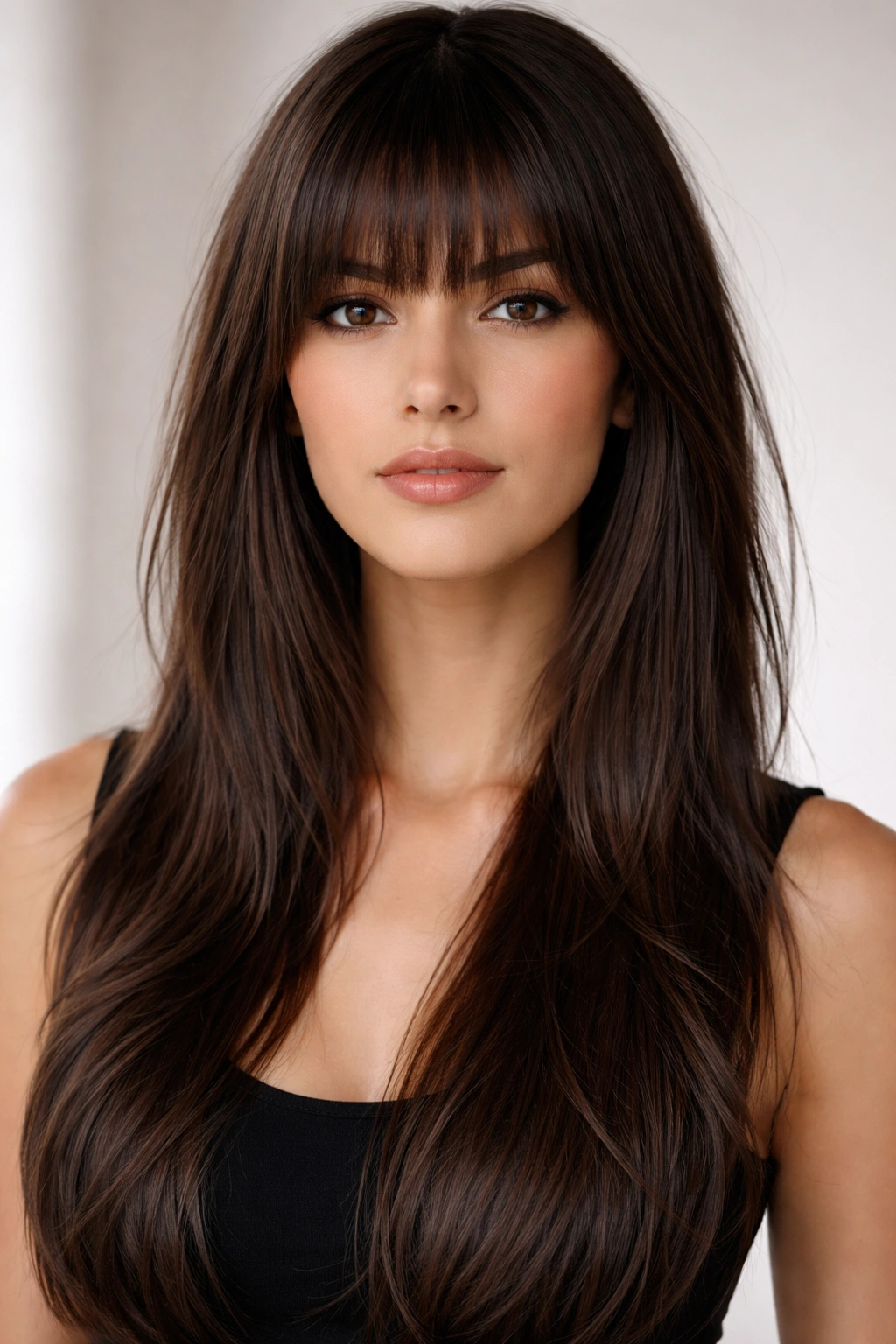
This is a cut that uses a bold visual statement (blunt, eye-skimming bangs) paired with long, mostly uncut length underneath. The bangs are the textured, choppy element, while the length maintains sleekness. This works for air drying because the dramatic bangs create a focal point that draws attention to intentional styling, while the long hair below can frizz slightly without ruining the overall look because the eye goes to the structured bangs first.
Why It Works for Air Drying
The bangs do the heavy lifting in this cut. They’re blunt-cut for maximum visual impact and are often textured or point-cut to create softness that prevents them from looking severe. Because the bangs are such a prominent design element, they make the overall look feel intentional and styled. The long hair underneath can be quite simple—layers aren’t even necessary—because the bangs do all the visual work. When you air dry, the bangs settle into their shape within an hour or so, and even if the longer hair develops some texture or slight frizz, the structured bangs keep the overall look polished.
How to Get It Right and Avoid Common Mistakes
- Bangs should graze your eyebrows or land just above them, not cover them—you want them visible but not sitting on your lashes
- The texture of the bangs is crucial; they should have some choppiness or point-cutting so they don’t look like one blunt wall of hair
- The layers throughout the long hair can be minimal or non-existent; this cut doesn’t require heavy layering to work
- Make sure your hair is relatively straight or lightly wavy for this cut to work well air-dried; if you have tight curls, the bangs won’t sit the way they’re designed to
Pro tip: Blunt bangs show every spec of dirt and oil, so this cut requires slightly more frequent washing than longer, airier bangs. But once they’re freshly cut, they look polished without any styling.
8. The Choppy Curtain Layers
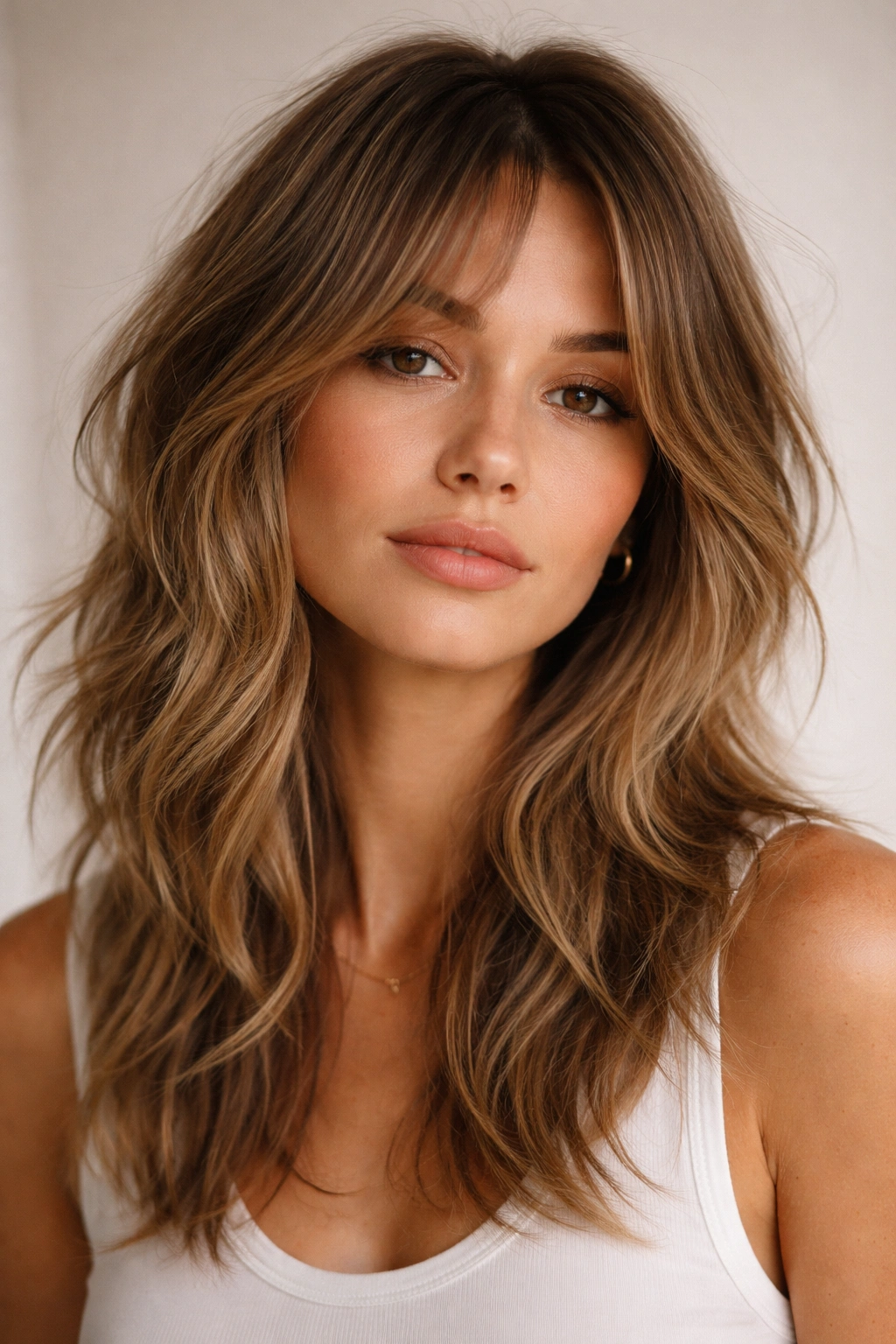
Curtain layers (also called face-framing layers) use choppy texture to create pieces that frame the face while longer layers underneath provide length and movement. The key is that the choppy pieces are intentionally separated from the rest of the hair, creating a distinct framing effect. This is different from feathering because the pieces are actually shorter, creating more obvious separation rather than a smooth transition.
Why It Works for Air Drying
Choppy curtain layers are ideal for air drying because they dry quickly (the shorter pieces around the face dry within minutes) and create texture and movement that makes any frizz look intentional. The framing effect also brings visual focus to the face, so even if the longer hair underneath develops some texture, the eye goes to the structured frame first. This cut also works because the shorter pieces prevent the hair from falling flat against your face as it dries; instead, they create movement that keeps the look dynamic and textured rather than limp.
How to Get It Right and Avoid Common Mistakes
- The face-framing pieces should be roughly chin-length or shorter, creating a clear visual separation from the longer layers underneath
- These pieces should be distinctly choppy with clear separations between each piece, not blended or feathered
- The longer layers underneath can be more blended and less choppy—the contrast between the choppy frame and the smoother length underneath is part of the design
- Make sure the choppy pieces start at the temples and follow the natural cheekbone line rather than being cut at random angles
Pro tip: With choppy curtain layers, you can air dry and then use your fingers to separate and fluff the shorter pieces around your face—they dry so quickly that you can literally style them as they’re drying, taking just a few seconds to create definition.
9. The Razored Shoulder Layers
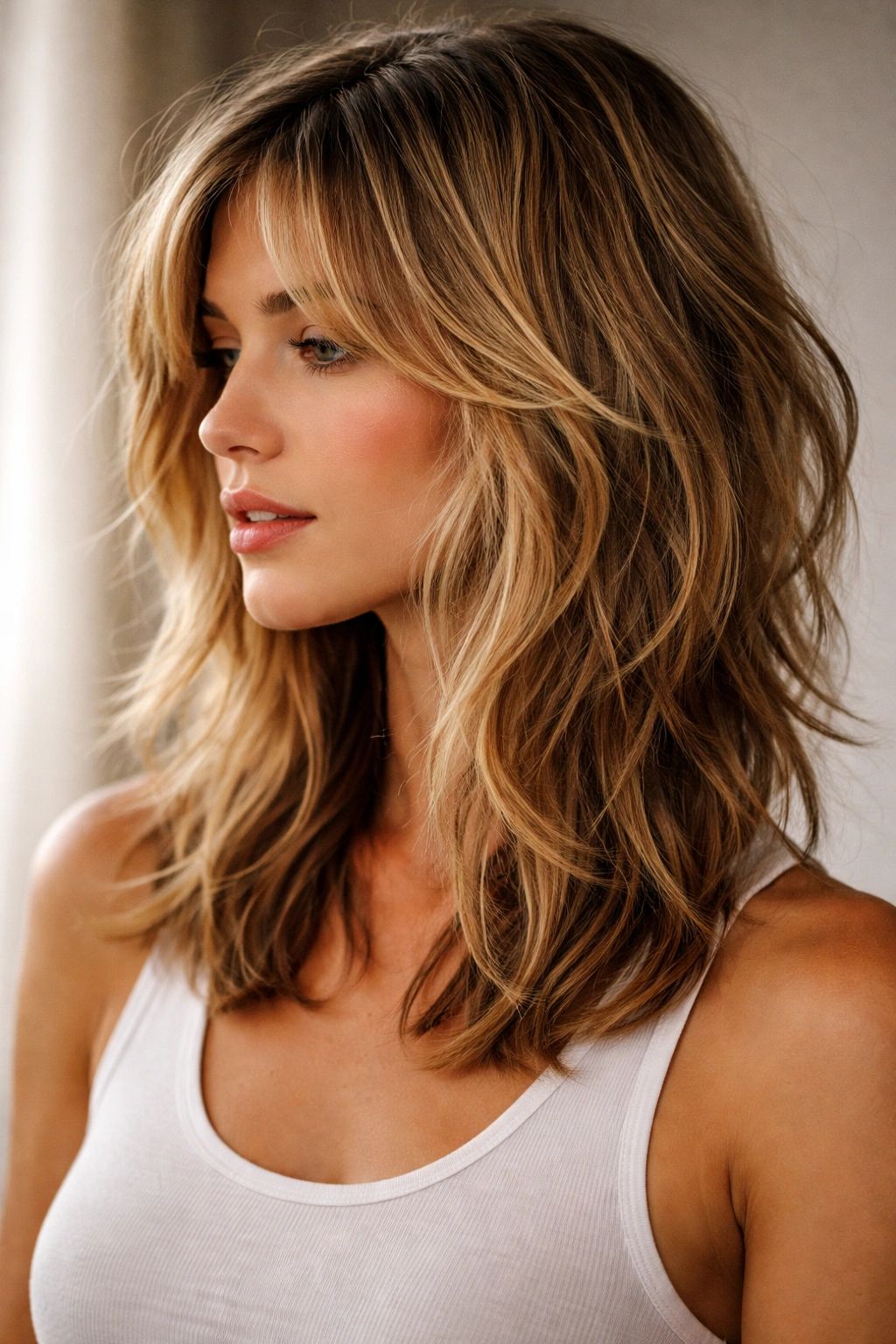
Razor-cut layers use an angled blade to create tapered, separated pieces throughout the hair, creating movement and texture that’s quite distinct from scissor-cut layers. Razor cutting creates a softer, more textured finish with less obvious lines, and the feathered edges diffuse frizz naturally. This cut works best when the layers are concentrated around the shoulders and midlengths, maintaining density at the crown and creating movement as the hair tapers toward the ends.
Why It Works for Air Drying
Razored layers create separation and texture that makes air-dried hair look intentionally styled. The feathered edges also mean that frizz gets diffused through the texture rather than appearing as obvious flyaways. This technique works especially well if you have naturally wavy or curly hair, because the razored pieces help enhance and define your natural texture. As the hair air dries, the razored pieces separate into waves or curls, creating a cohesive, defined look without any styling effort.
How to Get It Right and Avoid Common Mistakes
- Make sure your stylist uses a fresh razor blade—a dull blade will shred hair rather than cut cleanly, leading to more frizz
- Layers should be spaced appropriately for your hair thickness; too many layers on fine hair can create a wispy, over-textured look
- The technique works best when layers start around ear-length rather than throughout the entire length, maintaining density at the top
- This cut requires more frequent trims than scissor-cut layers because razor-cut ends need maintenance every 4-6 weeks to stay looking healthy
Pro tip: If you have wavy or curly hair, ask your stylist to cut the layers while your hair is damp rather than dry. The layers will sit better once your hair fully dries into its natural texture, because the stylist is cutting the hair in its actual state.
10. The Face-Framing Mesh Layers
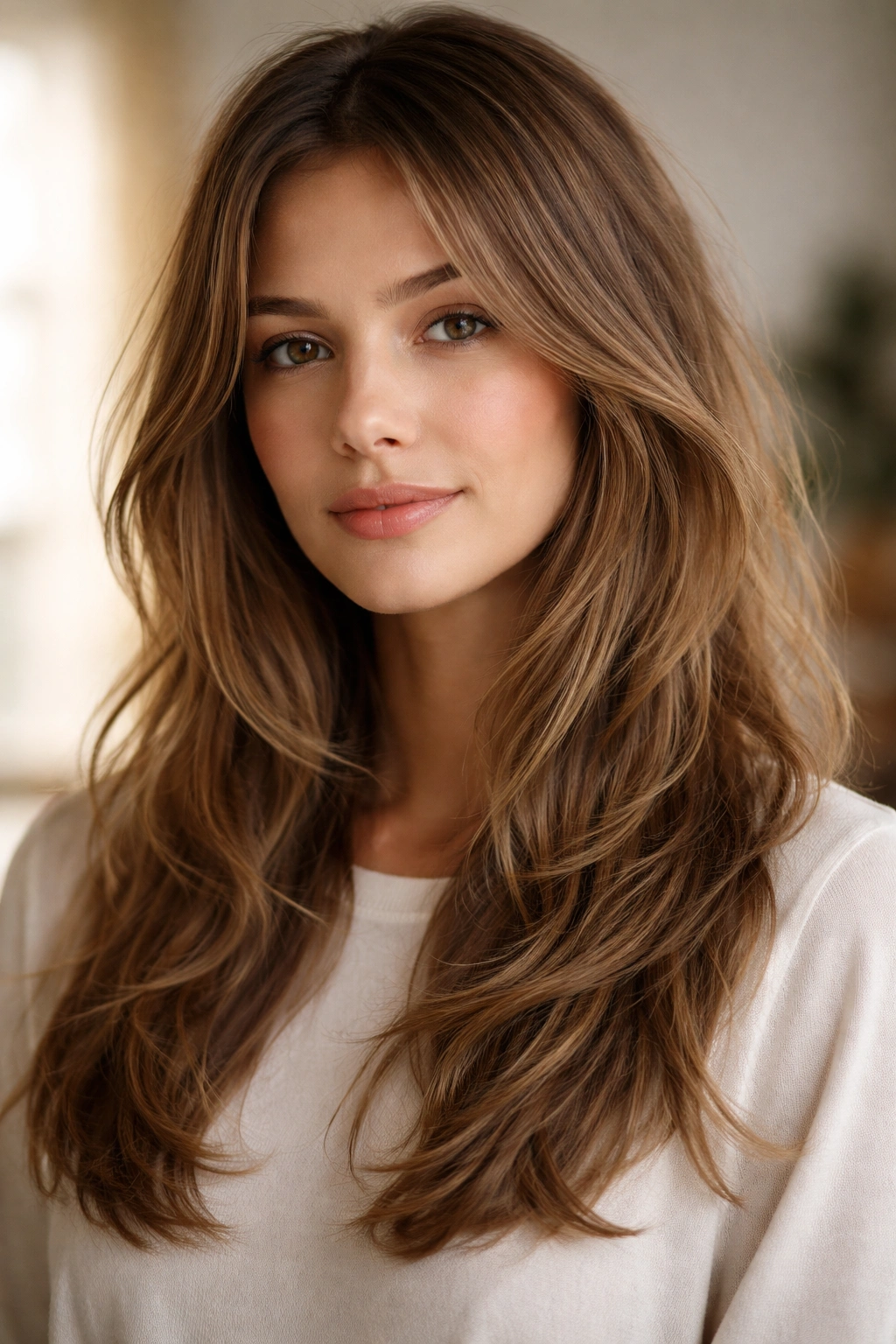
Mesh layers are thinned sections throughout the hair created using a combination of techniques—often combining point-cutting, texturizing, and strategic sectioning to create pockets of texture and movement. Rather than creating obvious, separated layers like a shag, mesh layers create definition within the hair, adding lightness and movement without sacrificing density. This is especially useful for air drying because the mesh layers help separate hair as it dries, preventing it from clumping together into frizzy sections.
Why It Works for Air Drying
Mesh layers are subtle but effective for air drying because they create internal texture that makes the overall look feel alive and dimensional. As your hair dries, the mesh creates natural separation, so hair dries into individual pieces rather than one dense block. This is particularly effective at preventing frizz from being obvious, because the texture is built into the cut rather than being an accidental byproduct of air drying. The face-framing aspect also brings attention to your face, so the eye doesn’t linger on any texture happening further back.
How to Get It Right and Avoid Common Mistakes
- Mesh layers should be subtle enough that the cut reads as having “movement” rather than obvious layers—if it looks choppy, it’s too obvious
- The face-framing pieces should be shorter and more defined than the mesh in the back; you want clear framing with subtle internal texture
- This technique requires a skilled stylist who understands how to create depth within a cut rather than creating obvious section lines
- The cut needs to be refreshed every 4-6 weeks because the mesh layers become less defined as the hair grows out
Pro tip: Mesh layers work beautifully with a light texturizing spray applied to damp hair before air drying. The spray helps separate the mesh sections and encourages them to dry into defined pieces rather than clumping together.
Final Thoughts
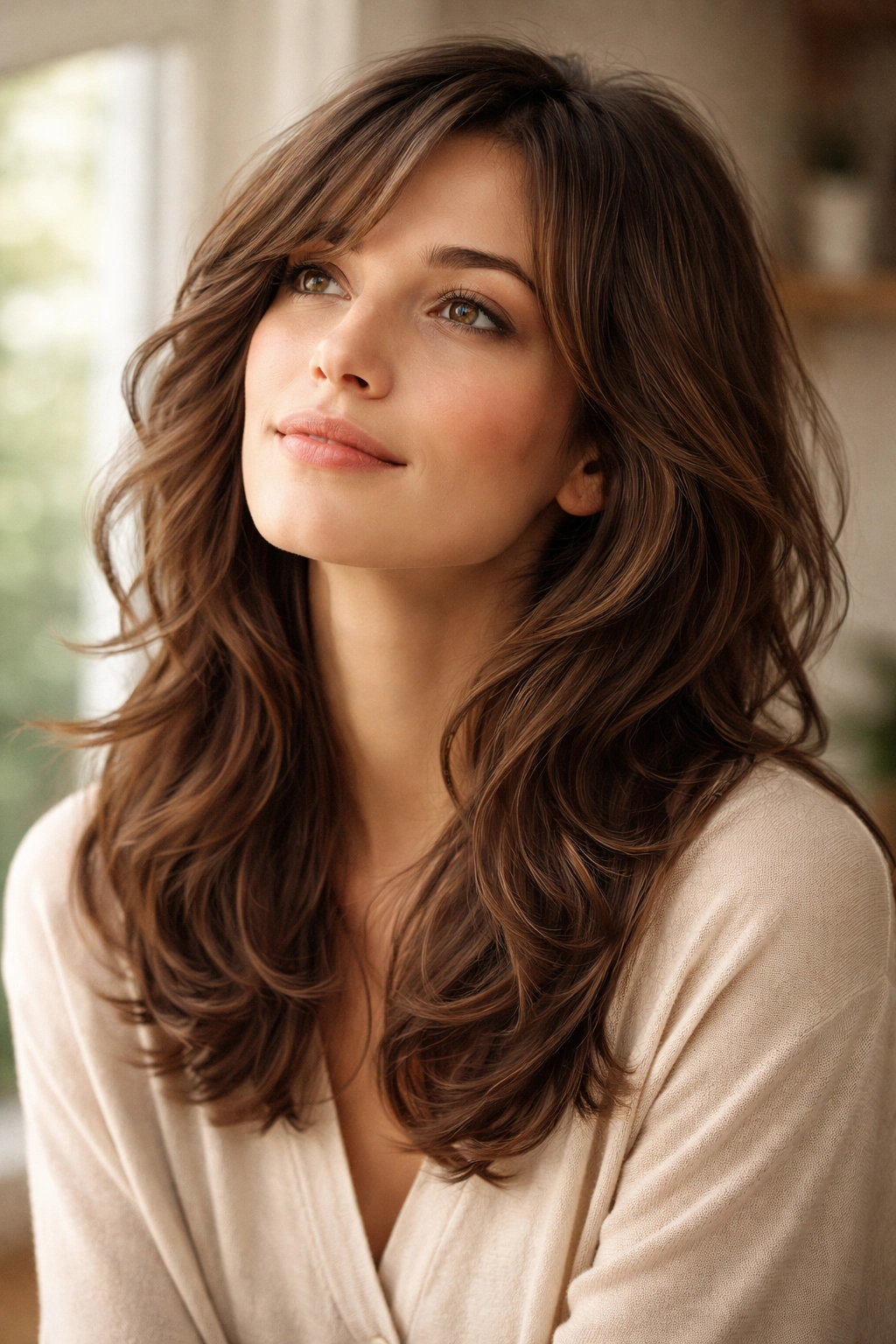
The right layered cut doesn’t just prevent frizz—it actually works with your hair’s natural texture to create a look that gets better the less you fuss with it. Whether you choose dramatic choppiness like a shag or wolf cut, subtle movement like feathered or mesh layers, or a statement piece like blunt bangs, the goal is the same: getting a cut that air dries into intention rather than accident.
The real trick is finding the specific cut that matches your hair type, texture, and lifestyle. Fine, straight hair might shine with feathered layers or curtain layers, while wavy hair comes alive with a shag or razored layers. Curly hair thrives with choppy, defined layers that enhance curl pattern rather than fight it. And if you’re not sure which direction to go, bring photos to your stylist—not of the style you like, but of the texture you want to create. Describe what you want to happen when you air dry your hair, and let your stylist recommend the cut that’ll get you there.