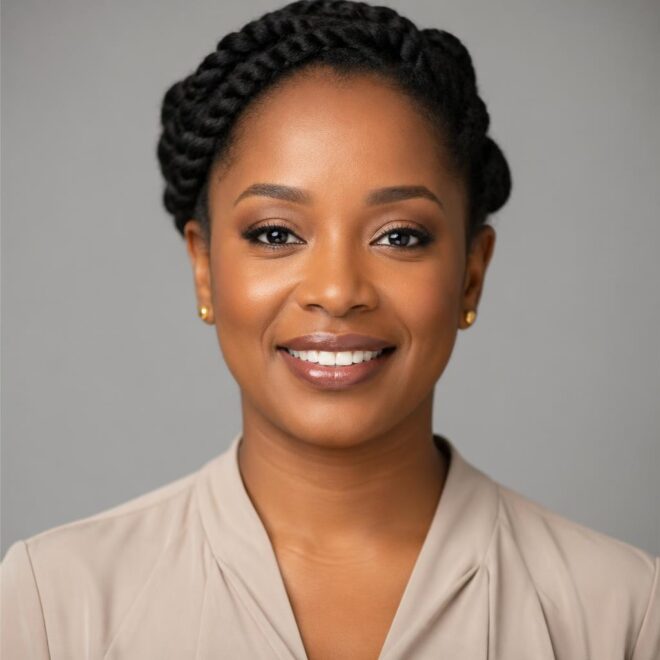


A diamond face shape is one of the most striking facial structures to work with, characterized by a narrow forehead, high cheekbones that are the widest part of the face, and a tapered chin. If you have this face shape, you already know that finding the right haircut can feel like navigating a minefield—the wrong style can either emphasize your narrower features or throw your proportions completely out of balance. The good news? Layered haircuts are genuinely your secret weapon. Layers create movement, texture, and visual width in all the right places, drawing attention away from the angles of your face and softening the overall look.
What makes layers work so beautifully for diamond faces is their ability to add dimension without bulk. A well-placed layered cut can provide volume at your temples to balance a narrow forehead, frame your cheekbones in a way that highlights rather than exaggerates them, and soften the point of your chin. The key is finding cuts that work with your face rather than against it—cuts where the layers fall in strategic spots and the overall shape complements your natural structure.
Whether you’re looking for something long and flowing, short and textured, or somewhere in between, there’s a layered haircut designed to enhance your diamond-shaped face. Let’s dive into ten styles that’ll have you feeling genuinely confident in your look, plus the specific reasons why each one works so well for your particular face shape.
1. The Textured Shag
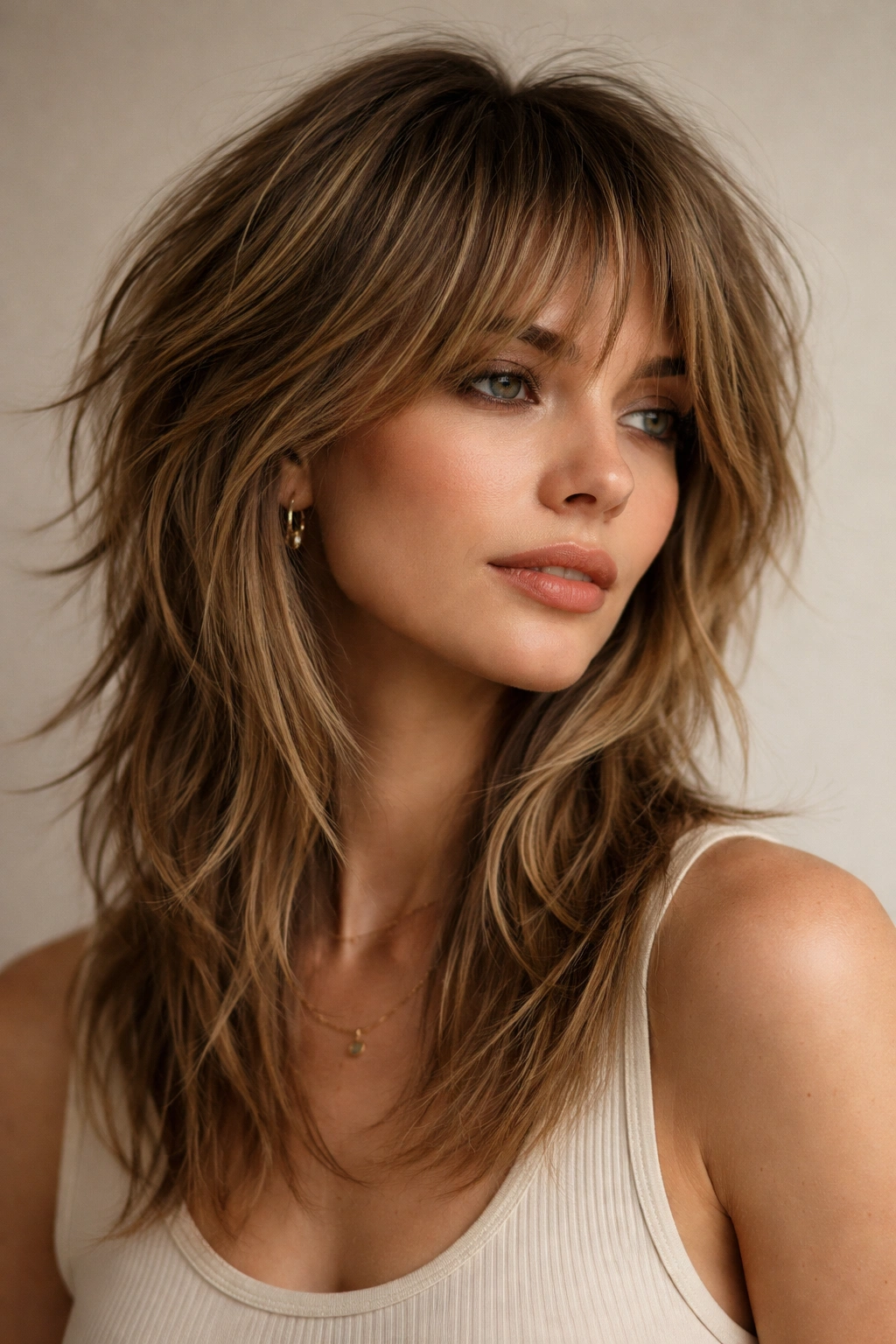
A textured shag is basically the definition of controlled chaos—deliberately choppy layers throughout that create movement and dimension without requiring your hair to be poker-straight or perfectly uniform. This style works beautifully for diamond faces because the short, choppy layers at the crown add volume right where you need it (at your wider cheekbones and forehead area), while the longer layers in front softly frame your face and draw the eye downward, away from the widest part of your face. The beauty of a shag is that it works with natural texture rather than against it, whether your hair is wavy, curly, or straight.
Why This Works for Diamond Faces
A textured shag counterbalances your face shape by creating the illusion of width where you need it—at the forehead—while the longer front pieces blend seamlessly with your cheekbone area. The choppy, irregular layers also soften any sharp angles without looking overly feminine or losing structure. This cut works especially well if you’re looking to add movement and visual interest without committing to a super short style.
How to Style and Maintain It
Ask your stylist for layers that are closer together throughout (every 1.5 to 2 inches rather than sparse, far-apart layers) and shorter on top with longer pieces in front. A sea salt spray or texturizing cream brings out the choppy feel without extra effort. You’ll need a trim every 6 to 8 weeks to keep those layers crisp and intentional rather than just looking shaggy.
Pro tip: This cut actually improves with a bit of natural texture, so if your hair is board-straight, consider getting a light perm or using a curling iron on the shallower sections to enhance the movement the layers are designed to create.
2. The Sleek Long Layers
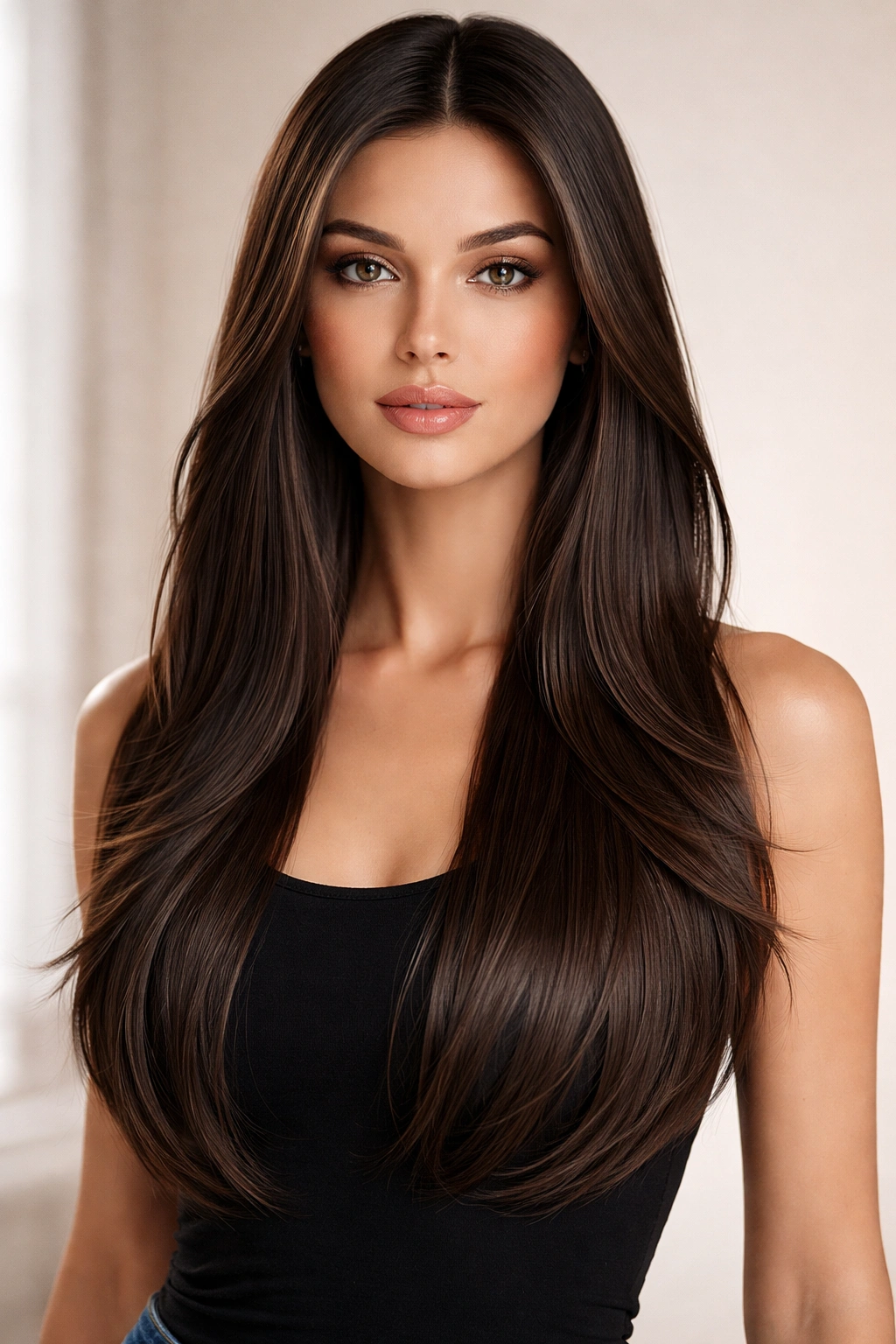
Long layered cuts that fall past your shoulders create an elegant elongation effect that works in your favor when you have a diamond face shape. The length itself draws the eye downward, which inherently balances a narrower forehead and tapered chin, while strategically placed layers throughout prevent the cut from looking flat or one-dimensional. This style is incredibly versatile—you can wear it sleek and straight for a polished look, wavy and romantic, or textured and undone, depending on your mood and the occasion.
Why This Works for Diamond Faces
The length of this cut is fundamentally flattering because it creates a visual line that moves away from your widest point (your cheekbones) and toward your narrower chin and forehead. The layers provide movement that prevents the longer length from looking heavy, and they catch light in a way that softens the angles of a diamond face. You’ll also have the option to tuck longer front pieces behind your ears or sweep them across your face depending on which features you want to emphasize on any given day.
How to Style and Maintain It
Layers should start around chin level and continue at intervals down the length of your hair—ask your stylist for a gradual taper rather than dramatic choppy layers. This style benefits from a good blow-dry routine and occasional waves or curls, but it’s absolutely wearable as-is if your hair has any natural texture. Trim every 8 to 10 weeks to keep the layers sharp.
Worth knowing: Using a hydrating serum or lightweight oil on the ends of long layered hair prevents the layers from looking stringy and keeps everything looking intentional and polished.
3. The Curtain Bangs with Layers
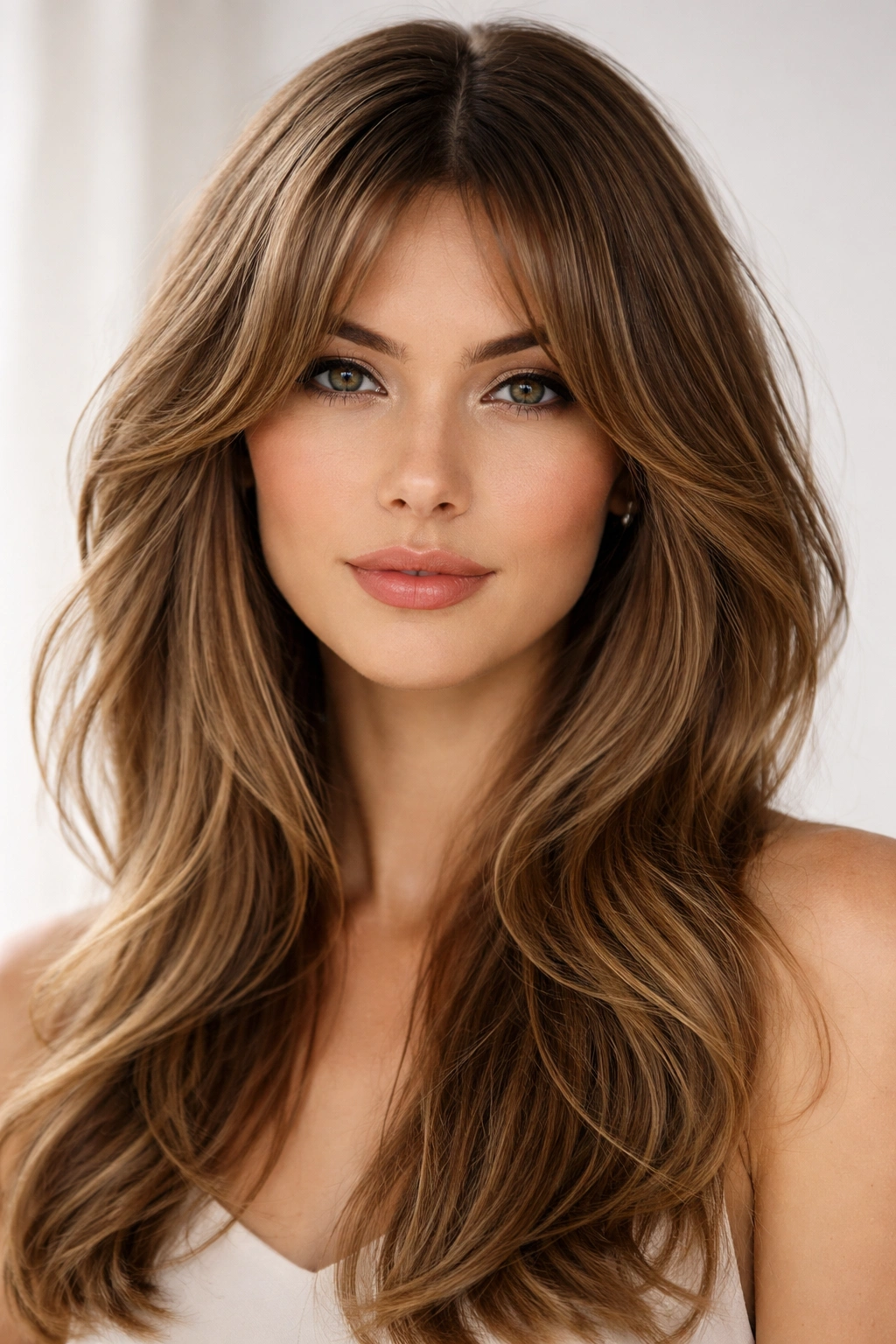
Curtain bangs paired with a fully layered cut is a genuinely strategic choice for diamond faces because the bangs literally widen your forehead while the rest of the layers soften everything else. The bangs part down the middle and fall away from the face on both sides, creating the illusion of a wider forehead and drawing attention upward and away from your widest cheekbone area. Combined with layers throughout, this style creates a soft, approachable look that feels modern without being trendy.
Why This Works for Diamond Faces
Curtain bangs are one of the few bang styles that actively improve the proportions of a diamond face by visually widening the forehead. The parted design means they don’t create a heavy line across your forehead—instead, they frame it softly while the layers underneath add dimension and prevent any sense of flatness. The overall effect is a face that feels more balanced and proportionally harmonious.
How to Style and Maintain It
Ask for longer bangs that fall somewhere between your cheekbones and jawline—this prevents them from feeling too heavy or overwhelming your face. Layers should start around your chin and continue throughout. This style actually requires fairly regular trims (every 4 to 6 weeks) because the bangs need to maintain their shape and length to work effectively. A round brush and blow dryer will help you achieve the soft, piece-y look curtain bangs are known for.
Insider note: If you’re nervous about committing to bangs, try clip-in bangs for a few weeks to see how you like the look before asking your stylist to cut them into your actual hair.
4. The Wispy Shoulder-Length Cut
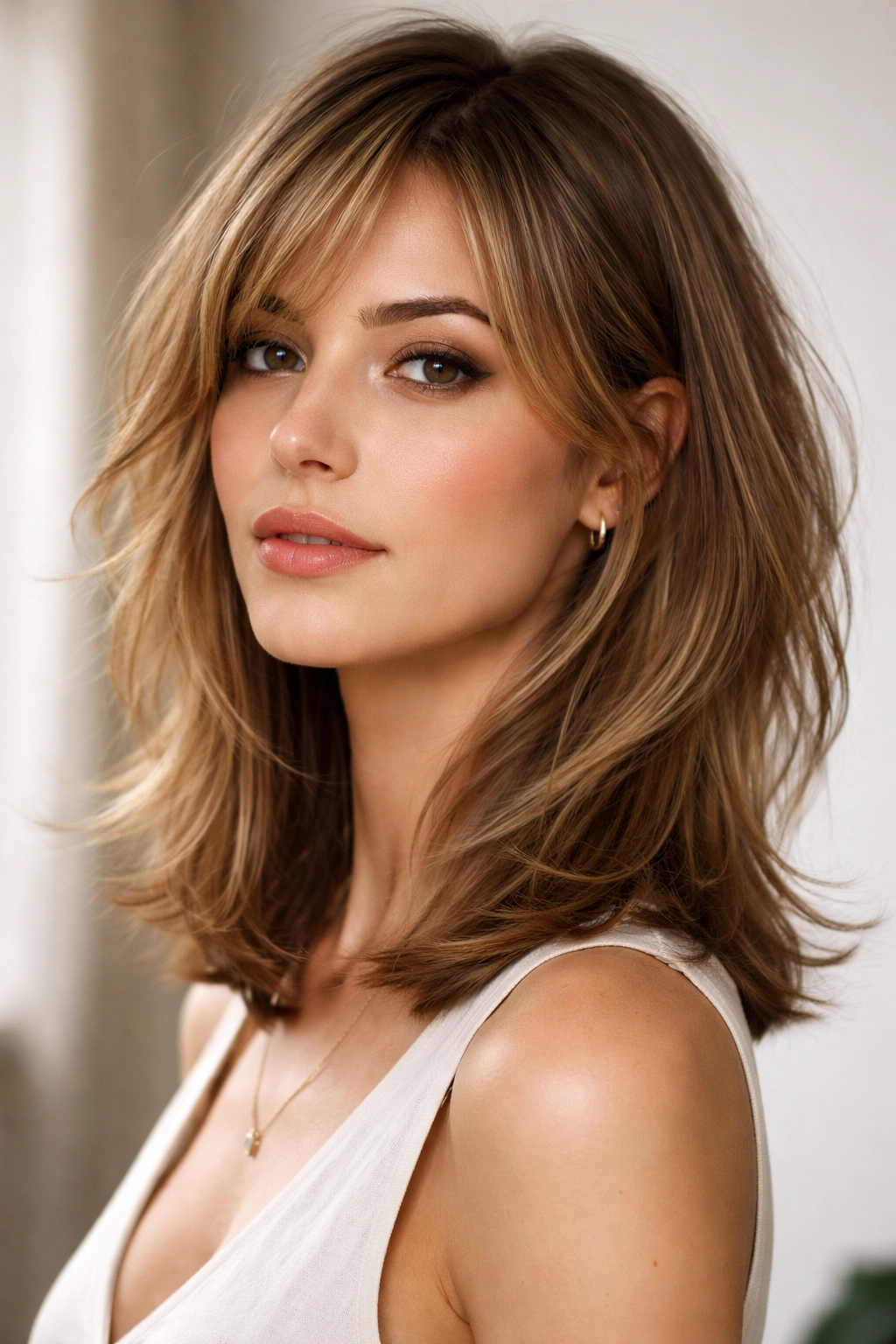
A shoulder-length layered cut with wispy, feathered layers is deceptively simple but incredibly effective for diamond face shapes. The length hits right around your shoulders, which is the “sweet spot” for most face shapes, and wispy layers throughout create a soft, romantic feel without looking dated. The key is making sure the layers are fine and feathered rather than chunky and choppy—this gives a delicate, flattering effect that works especially well if you prefer a more feminine aesthetic.
Why This Works for Diamond Faces
Shoulder-length with wispy layers avoids looking boxy while maintaining enough structure that your face doesn’t feel overwhelmed by hair. The wispy layers catch light and create movement that softens your cheekbones and angles, and the length is short enough to feel modern but long enough to provide that elongating effect that balances diamond faces. This is the haircut equivalent of a perfect little black dress—it works, it feels right, and it never goes out of style.
How to Style and Maintain It
Ask your stylist for fine, feathered layers that start around ear level and continue to create a soft shape around your face. Blow-dry with a round brush for a polished look, or air-dry with a lightweight styling product for a more relaxed vibe. Trim every 6 to 8 weeks to keep the layers looking intentional rather than wispy in a way that looks unkempt.
Pro tip: This cut is particularly forgiving on hair that’s not perfectly thick or has some thinning—the layers and movement actually disguise any density issues while making fine hair look fuller.
5. The Textured Pixie with Longer Sides
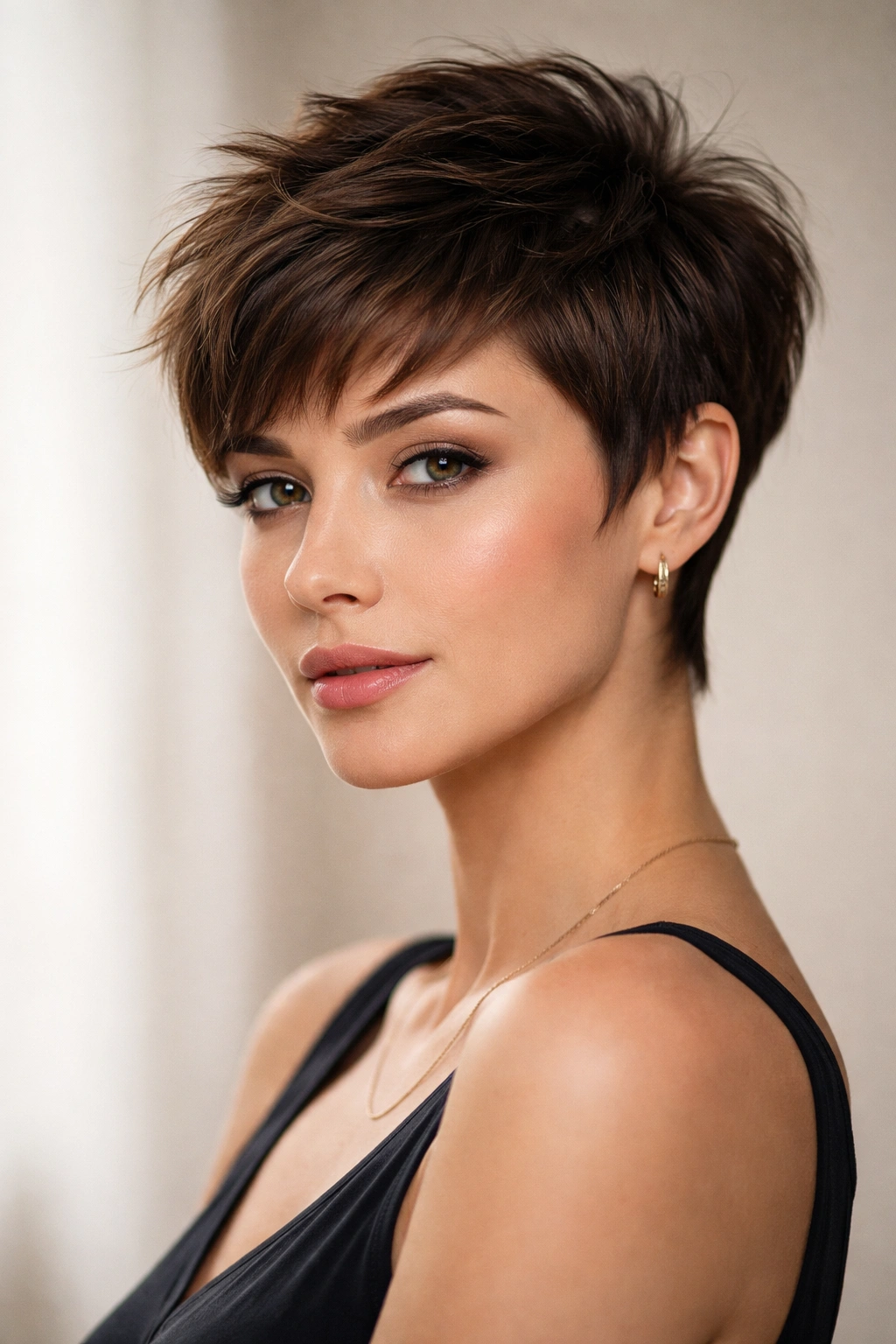
A pixie cut with longer side pieces is a bold choice for diamond faces, but when done correctly, it’s incredibly flattering. The very short layers on top add volume to your crown and forehead area, while the longer pieces that fall along your face and past your jawline frame your cheekbones and create softness. This style says “I’m confident” while simultaneously working with your face shape to create balance—it’s architectural and fashion-forward without sacrificing harmony.
Why This Works for Diamond Faces
A pixie with extended side pieces solves the classic diamond-face challenge by creating width at the forehead (through the height and volume on top) and drawing the eye downward with the longer sides. It’s a cut that actively reshapes your face visually while celebrating the fact that you have cheekbones. This style works best if you’re willing to style it regularly and don’t mind embracing a more modern, sometimes edgy aesthetic.
How to Style and Maintain It
You’ll need a trim every 4 weeks to keep the short sections crisp and the longer sides shaped properly. Styling requires a blow dryer and either pomade or a lightweight gel—many people with this cut find it actually takes less time to style than longer hair because the cut is so intentional. Ask your stylist for layers throughout the short section and a subtle angle on the longer sides so they frame your face rather than hang flat.
Worth knowing: This is a significant departure from longer styles, so consider whether you’re genuinely ready for the styling commitment and the change in how your face will be framed before taking the plunge.
6. The Face-Framing Long Layers
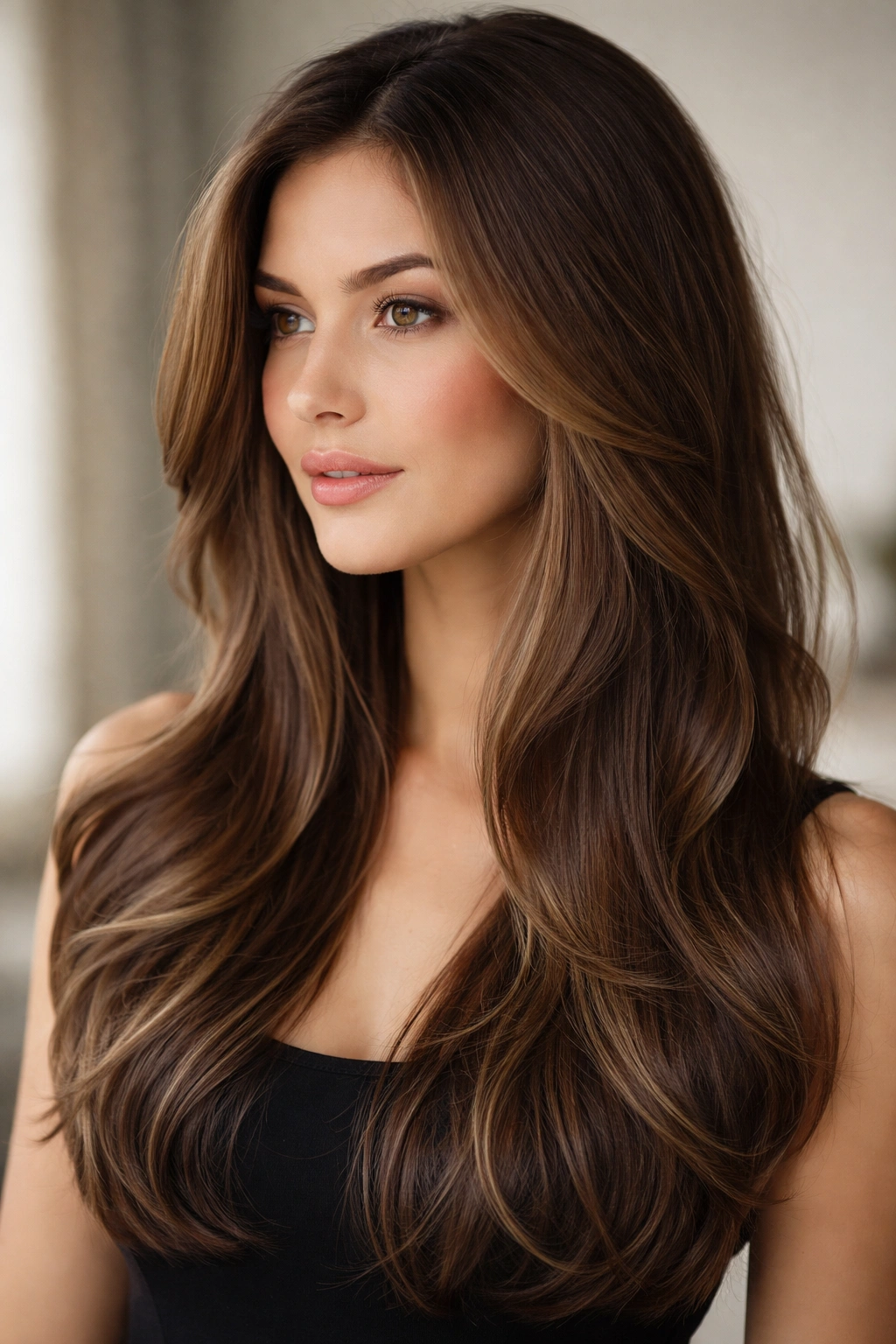
This style features longer hair with layers that specifically frame your face—shorter pieces around your cheekbones and jawline that angle slightly inward, creating a soft but defined frame. The rest of the hair remains longer with subtle layers for movement, but the emphasis is on those face-framing pieces that draw attention to your features in the most flattering way. It’s a cut that feels intentional without requiring major styling effort, and it works beautifully whether your hair is straight, wavy, or curly.
Why This Works for Diamond Faces
Face-framing layers work for diamond shapes because they create a visual soften around your widest points—your cheekbones—while the longer overall length provides the elongation effect that balances your forehead and chin. The angled frame pieces also create movement that prevents your face from looking too angular or severe. This is the opposite of a blunt cut, and that difference is everything when you have sharp facial features.
How to Style and Maintain It
Ask your stylist for layers that start around cheekbone level and angle slightly inward toward your chin. The rest of the layers should be more gradual and subtle—this isn’t a heavily layered cut, just strategically layered. Trim every 7 to 9 weeks to maintain the shape of those crucial face-framing pieces. This style looks great with a blow-dry or with natural waves, depending on your hair texture and preference.
Pro tip: If you have wavy or curly hair, face-framing layers actually enhance your natural texture by giving the curls definition and shape around your face—it’s one of the best cuts for naturally curly diamond-faced people.
7. The Blunt Short Layers with Length in Front
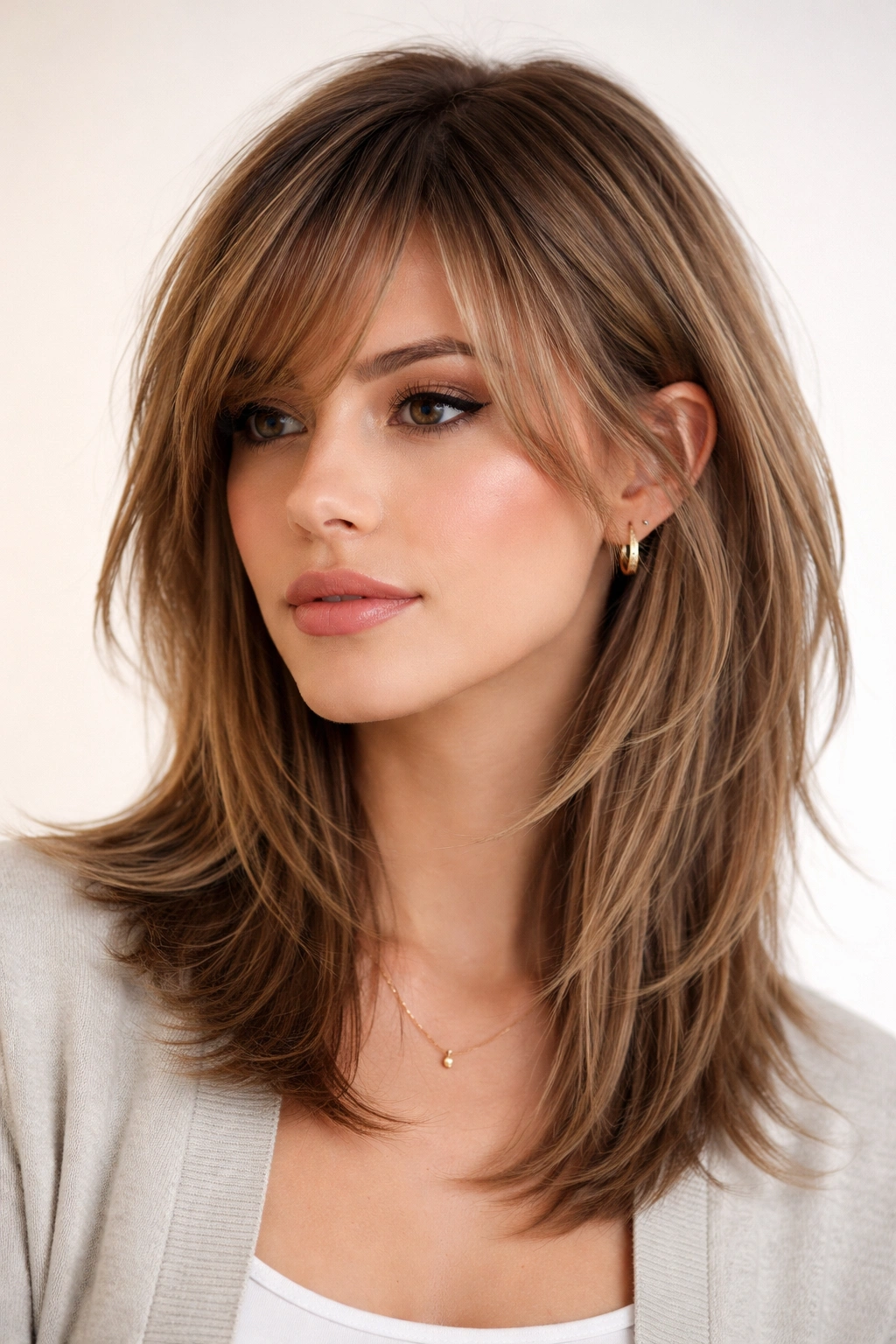
This modern take on a layered cut features relatively short, blunt layers on top and at the back, but longer pieces in front that fall past the chin. It’s an asymmetrical-leaning style that creates movement and draws focus downward and away from your forehead and cheekbones. The blunt quality of the layers gives the cut structure while the length variation prevents it from feeling heavy or boxy—it’s edgy without being severe.
Why This Works for Diamond Faces
The length variation in this cut is specifically designed to draw the eye downward, which naturally balances a diamond face shape. The longer front pieces frame your face while the shorter layers on top and back create volume at your crown without adding width where you don’t need it. This style has a modern, somewhat architectural quality that celebrates a defined face shape rather than trying to hide it.
How to Style and Maintain It
This cut requires more frequent trims (every 5 to 6 weeks) because the blunt quality means that dull edges will be noticeable. Ask your stylist for clean, sharp lines and layers that feel intentional. You’ll want to blow-dry this style to show off its structure, and styling products like pomade, gel, or texture spray will help you maintain the piece-y, modern look.
Worth knowing: This is a cut that works best on people who are willing to style it and get regular trims—it can look great even on a bad hair day, but only if you’ve maintained the shape regularly.
8. The Soft Waves with Subtle Layers
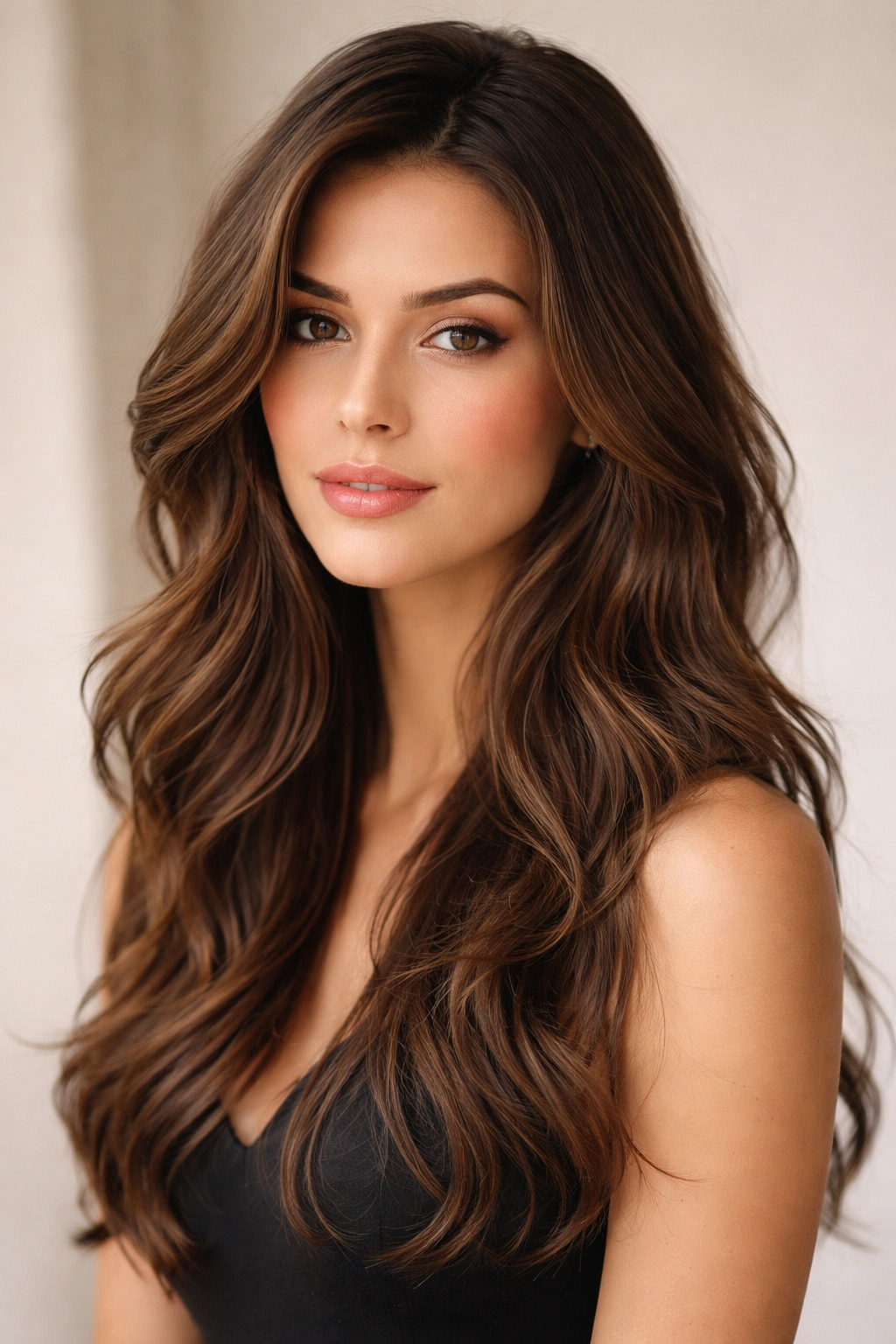
Sometimes the most flattering choice for a diamond face is simplicity enhanced by good layers. This style keeps most of the length intact while adding subtle, graduated layers throughout that create movement and prevent the hair from looking flat. Soft waves are the styling approach—you’re not aiming for beachy waves or structured curls, but rather a gentle undulation that brings the layers to life. It’s romantic, versatile, and works especially well if you have naturally wavy hair or are willing to use hot tools occasionally.
Why This Works for Diamond Faces
Subtle layers paired with soft waves create a visual softening effect without dramatically shortening or reshaping your hair. The waves catch light and create dimension that prevents your face from feeling too angular, and the overall effect is harmonious and balanced. This is an accessible style that doesn’t require a lot of commitment—you can wear it straight on days when you’re not in the mood to style, or wavy when you want to amplify the flattering effect.
How to Style and Maintain It
Ask your stylist for layers that are gradual rather than choppy—every 2 to 3 inches starting from around chin level, with slightly shorter pieces in front. Trim every 8 weeks to keep layers looking fresh. Soft waves can be created with a large-barrel curling iron, a waving iron, or even by air-drying with the right products if you have naturally wavy hair. A sea salt spray or light styling cream will enhance the texture without making it feel crunchy.
Pro tip: This is the easiest layered style to maintain because you can let it grow out a bit without the cut looking shabby—the subtle layers mean it doesn’t rely on a perfect shape to look intentional.
9. The Choppy Shag with Bang Variation
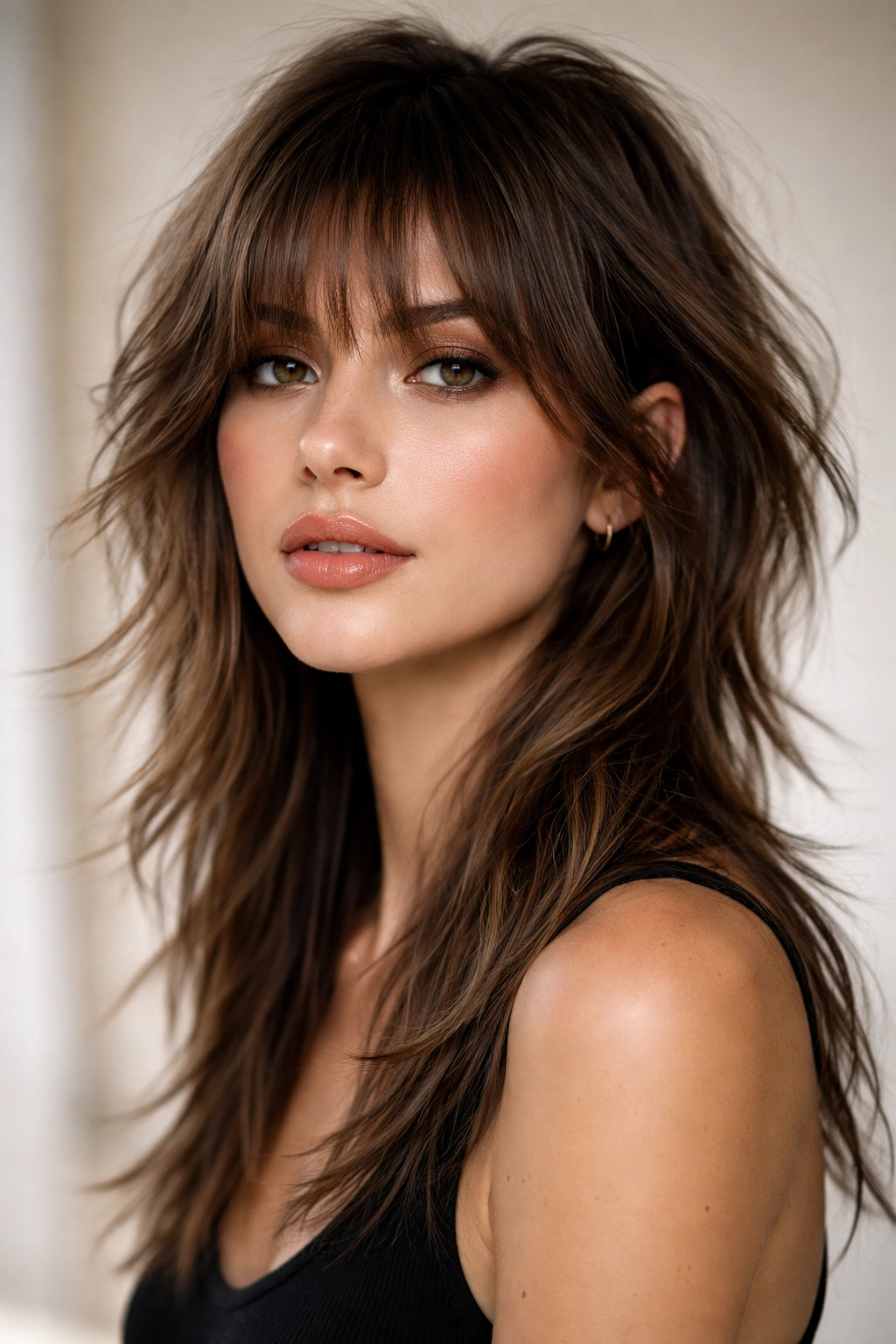
This is a more modern interpretation of the classic shag, featuring choppy, uneven layers throughout with longer side pieces and an interesting bang option (either a wispy bang or a longer bang-adjacent piece). The choppy quality creates visual texture and movement, while the longer pieces frame your face strategically. It’s rock-and-roll meets polished—edgy enough to feel current without being too extreme.
Why This Works for Diamond Faces
Choppy layers disperse visual weight around your face rather than concentrating it, which inherently balances a diamond shape. The uneven quality of the cut means it celebrates texture and movement rather than trying to create a smooth, blunt line that might emphasize angles. The longer side pieces and bang variation provide strategic framing that softens your widest points while the shorter, choppy layers add volume where you need it.
How to Style and Maintain It
This style requires more maintenance than subtle layers—trims every 5 to 7 weeks keep the choppy quality intentional. Ask your stylist for layers that are closer together throughout and shorter on top, with longer pieces in front. Styling benefits from texture spray and a blow dryer to enhance the choppy, piece-y feel. Some people with this cut can air-dry it, while others find it needs styling to look polished rather than just messy.
Worth knowing: This cut genuinely thrives on texture—if your hair is bone-straight and fine, you might need to embrace some styling tools or products to make this cut feel intentional rather than accidental.
10. The Layered Lob with Hidden Undercut
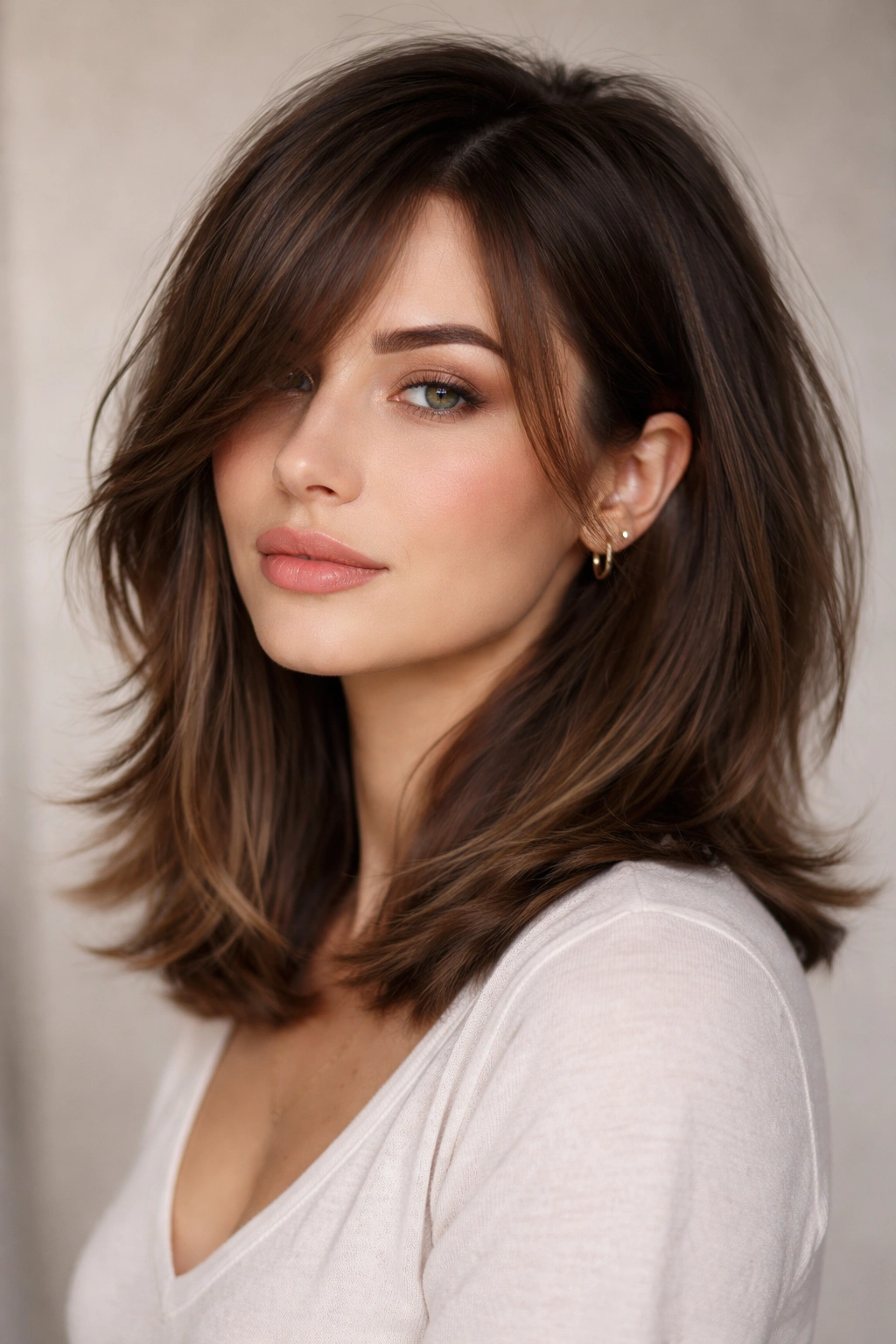
A lob (that’s between shoulder and chin length) with subtle layers and a hidden undercut is the sophisticated end of the layered spectrum for diamond faces. The overall length hits at the perfect sweet spot for your face shape, the visible layers provide movement and softness, and the undercut underneath (which you only see when you style your hair a certain way) adds a cool, modern edge. It’s a cut that looks polished and intentional from every angle.
Why This Works for Diamond Faces
A lob-length cut provides the elongating effect that balances diamond faces while layers ensure it doesn’t look blunt or heavy. The hidden undercut adds edge and movement without the commitment of an obvious short style—when you want to show it off, you can style your hair to reveal it, and when you want to look classic, the visible length takes center stage. This is a cut that works in professional settings and creative ones equally well.
How to Style and Maintain It
Ask your stylist for layers that start around chin level and continue subtly through the rest of the cut, plus an undercut (clipper work underneath that’s hidden when your hair is down). Trim every 7 to 8 weeks to maintain the shape. You can blow-dry this straight for a sleek look, style it with waves, or even half-up it for a completely different vibe. The hidden undercut means you can actually tuck your hair behind your ears and show off that architectural detail if you want.
Pro tip: Undercuts require more maintenance than regular layers because they grow out faster and look unkempt more quickly, but the payoff is a cut that genuinely looks like you put thought into it.
Final Thoughts

Finding the right layered haircut for a diamond face comes down to understanding what you’re actually trying to achieve—you want to create the illusion of width where you need it (your forehead) and soften the angles of your widest points (your cheekbones). The ten cuts above all do this in different ways, from short and textured to long and flowing, from subtle and romantic to bold and architectural.
The most important thing is choosing a style that aligns with how you actually want to spend your time. If you love styling your hair and getting regular trims, a choppy shag or textured pixie is going to feel worth the maintenance. If you prefer low-effort hair, a subtle layered lob or long layers will give you the same face-flattering benefits without requiring as much upkeep.
Once you’ve chosen your cut, work with a stylist who genuinely understands your face shape and can explain exactly why they’re making each layer decision. The right cut shouldn’t feel like a compromise—it should feel like someone finally understood your face and worked with it rather than against it.