



Postpartum hair loss is something nobody warns you about until it’s happening—and then it feels like it’s everywhere. You’ll find strands in the shower, on your pillow, tangled in your brush, and somehow all over your baby’s clothes. This shedding phase, called telogen effluvium, typically peaks around three to six months after delivery, when hormones that kept hair in the growth phase during pregnancy suddenly drop. Your hair transitions en masse from the growing phase to the resting phase, and all that hair decides to exit at once.
The silver lining? This is temporary. Your hair cycle will regulate, and the shedding will slow down. But until it does, a smart haircut can be your secret weapon. The right cut won’t stop the shedding, but it can make your hair look fuller, feel lighter, and give you a sense of control during a phase when your body feels like it’s doing its own thing. Layered cuts are particularly powerful here because they remove bulk, redistribute weight, and create the illusion of density through movement and texture.
The key is choosing a cut that works with your hair’s current texture and thickness, not against it. Fine, thin hair needs a completely different approach than thick, coarse hair. Your styling time and energy are probably measured in minutes now, so you also need a cut you can actually maintain. That’s why we’ve put together these eight layered cuts specifically chosen for postpartum hair loss—each one is designed to look fuller, require minimal styling, and give you back a little bit of confidence when you’re looking in the mirror.
1. The Textured Bob with Strategic Layers
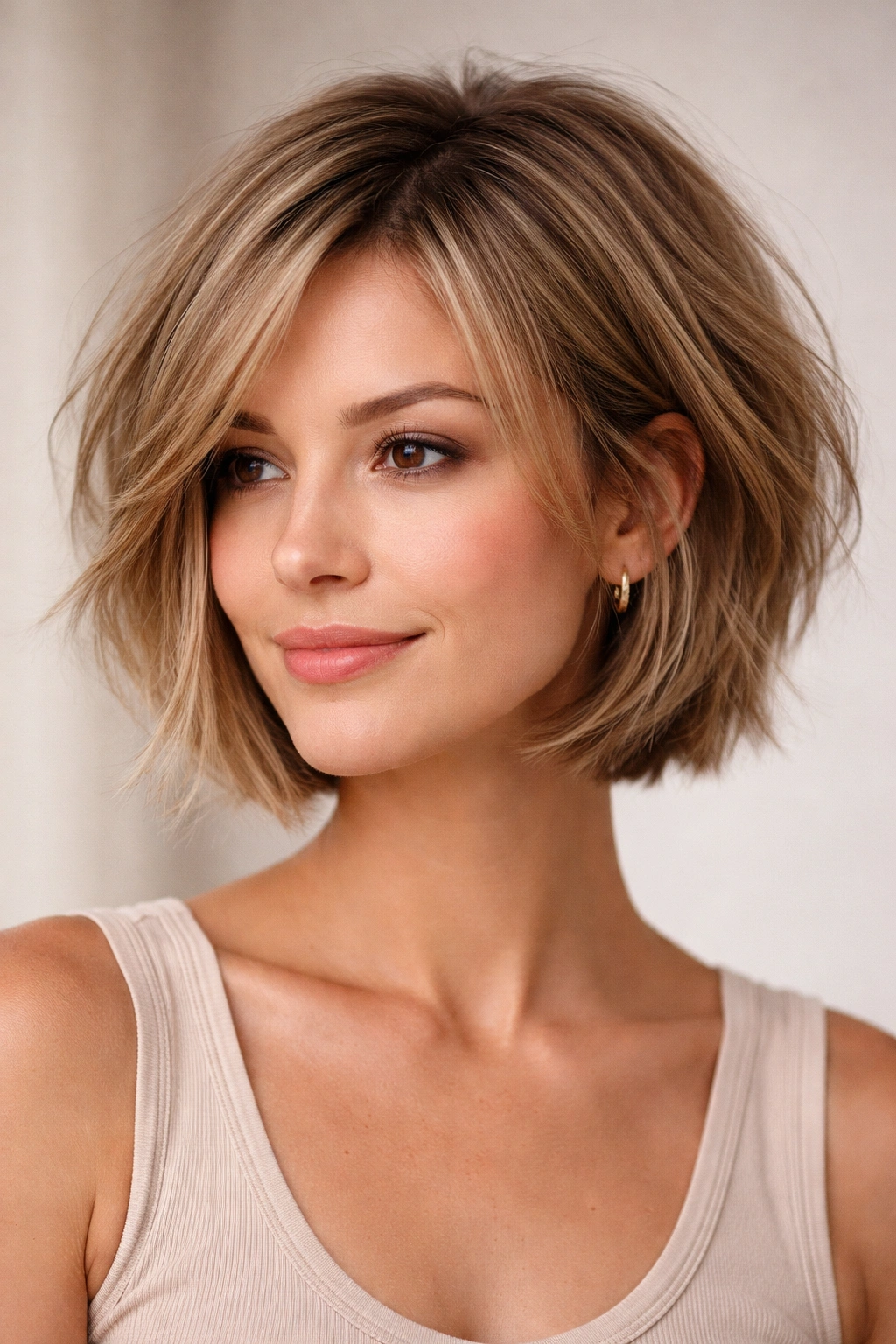
A textured bob sits right at your jawline or just below, with choppy, uneven layers throughout that break up any appearance of thinness. The key to making this work during postpartum hair loss is that the layers are concentrated in the crown and mid-lengths, which adds lift exactly where you need it most. Because the cut is shorter overall, even hair that’s shedding looks denser simply by virtue of being cropped.
Why This Works for Postpartum Hair Loss
The textured bob removes the length where thinning becomes most obvious. When you have long hair and it’s shedding, the thinness becomes visible at the ends and throughout the length. A bob of this style keeps everything within a condensed area, and the choppy layers create visual texture that reads as fullness even when density is lower. You’re also not relying on your hair’s weight to hold a shape—the cut itself does the work.
How to Style It
This cut works best with some texture in your hair, which you can create with a light texturizing cream or sea salt spray and your fingers. Blow dry while roughing up your hair with your hands rather than trying to smooth it down. The messier and more textured it looks, the fuller it appears. Most mornings, you can literally just run your fingers through damp hair and go—no straightener or curling iron required.
Pro tip: Ask your stylist to add subtle choppy layers throughout rather than blunt lines. The choppiness disguises any wispy, thin-looking pieces that postpartum shedding reveals.
2. The Shag Cut for Fine, Thinning Hair
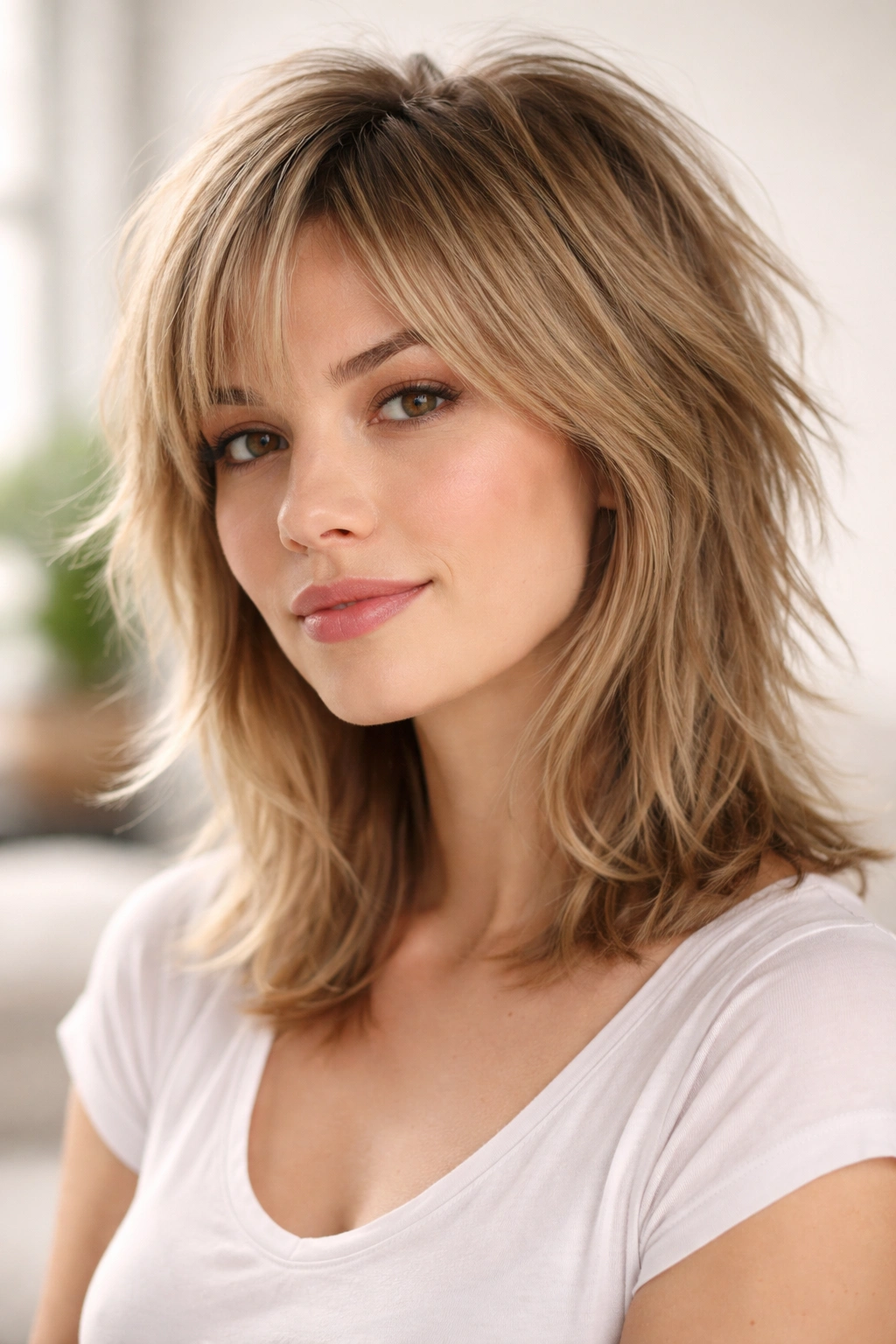
The shag is having a moment, and for good reason—it’s basically designed to make thin hair look thicker. This cut combines short, choppy layers on top with slightly longer pieces underneath, creating movement and volume without requiring density. It’s rock-and-roll edgy, surprisingly easy to maintain, and looks best the slightly bedhead it naturally becomes.
Why Shags Are Perfect Right Now
A shag works because the top layers are cut very short, which automatically reads as fuller and creates lift at the crown. The longer underneath layers aren’t meant to be smooth or blunt; they’re meant to be textured and move independently from the shorter pieces. This layering structure means that even significant shedding doesn’t tank the look because the visual interest comes from the cut, not from having a ton of hair. Shags also work beautifully on straight, wavy, and curly hair, so they’re adaptable to whatever your hair texture happens to be right now.
Maintenance and Styling
A shag’s best accessory is a little texture and movement. You can achieve this with air-drying and using your fingers to create separation, or with a texturizing product applied to damp roots and mid-lengths. Many people find that a shag looks better slightly undone than when you try to over-style it. Because the layers are already built into the cut, you’re not fighting against your hair’s natural texture—you’re working with it.
Worth knowing: Shags do require more frequent trims (every four to six weeks) to keep the layering crisp, but the actual styling commitment is minimal.
3. The Choppy Lob with Face-Framing Pieces
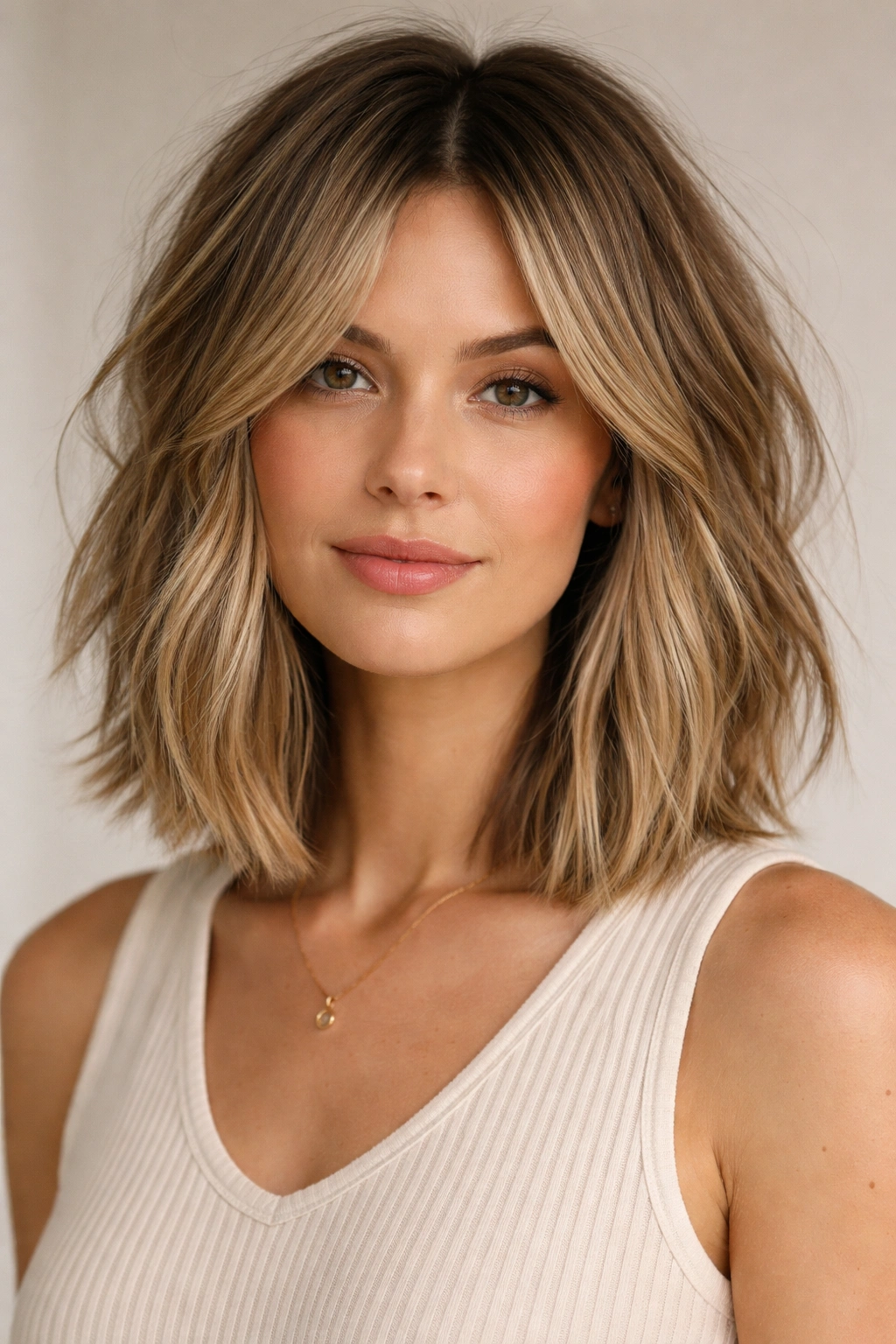
A lob (long bob) that falls somewhere between your chin and shoulders can work beautifully during postpartum hair loss if it’s cut with seriously choppy layers. The choppy texture is what prevents this length from looking flat or thin. Face-framing pieces that are shorter than the rest of the hair add dimension and draw attention upward, away from any areas where shedding is most visible.
Why Face-Framing Layers Matter
During postpartum hair loss, your hairline and the area around your face are often where shedding is most noticeable (sometimes called frontal hair loss or postpartum alopecia). By adding shorter, choppy face-framing pieces, you’re creating visual interest in that zone and making shorter, fragile regrowth look intentional rather than like breakage. The choppy texture throughout the lob also means that longer hair doesn’t show thinness the way a blunt, smooth lob would.
Styling This Cut
A choppy lob benefits from movement, so light waves or texture work beautifully. You can achieve this by blow-drying with a round brush, using a curling iron loosely, or applying a styling cream to damp hair and air-drying. The cut is short enough that you’re not spending 20 minutes styling, but it does benefit from some intentional texture work, especially in the face-framing pieces.
Insider note: When you’re getting cut, ask your stylist to make sure the choppy layers don’t create wispy, scraggly ends that look thin when they’re down. The choppiness should be controlled and intentional, not random.
4. The Pixie-Lob Hybrid for Low Maintenance
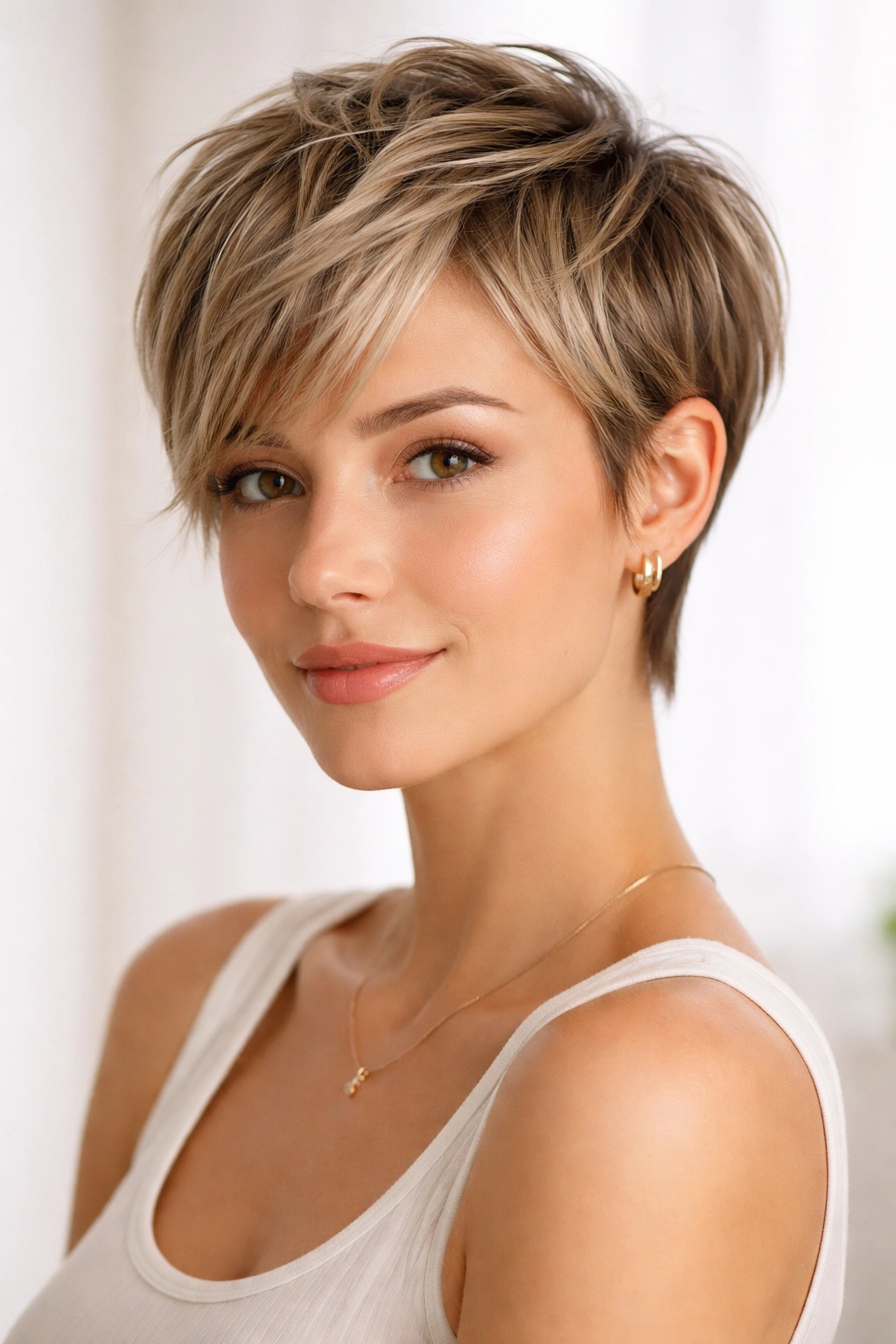
A pixie-lob (pixob?) combines the short, layered crown and sides of a pixie with slightly longer pieces in the back and face-framing sections. It’s incredibly short, which means you’re automatically maximizing the appearance of density, and it requires almost zero styling. This cut is for people who want to just wet their hair, maybe use a texturizing product, and call it done.
The Confidence Factor
There’s something psychologically powerful about going very short when you’re dealing with postpartum hair loss. Instead of watching your longer hair shed and thin over weeks, you’re removing the problem proactively. A pixie-lob length also means that you’re choosing to have short hair, which feels very different from having long hair that’s thinning. Plus, pixie cuts are bold and confident—wearing one is a statement that you’re not letting this phase define your style.
Real-World Maintenance
A pixie-lob needs trims every 4-6 weeks to keep its shape, but styling takes literally 60 seconds. You can blow-dry it, rough it up with your fingers, maybe add a light styling cream, and you’re done. Because the hair is short, any products you use are very visible, so this is a great time to use lightweight texturizing sprays and creams rather than heavy styling products. The cut works on all hair types, though it tends to look especially sharp on straight or wavy hair.
Pro tip: If you’re nervous about going this short, ask your stylist to start with a longer pixie-lob and you can always go shorter in six weeks if you love it.
5. The Butterfly Layers for Volume and Movement
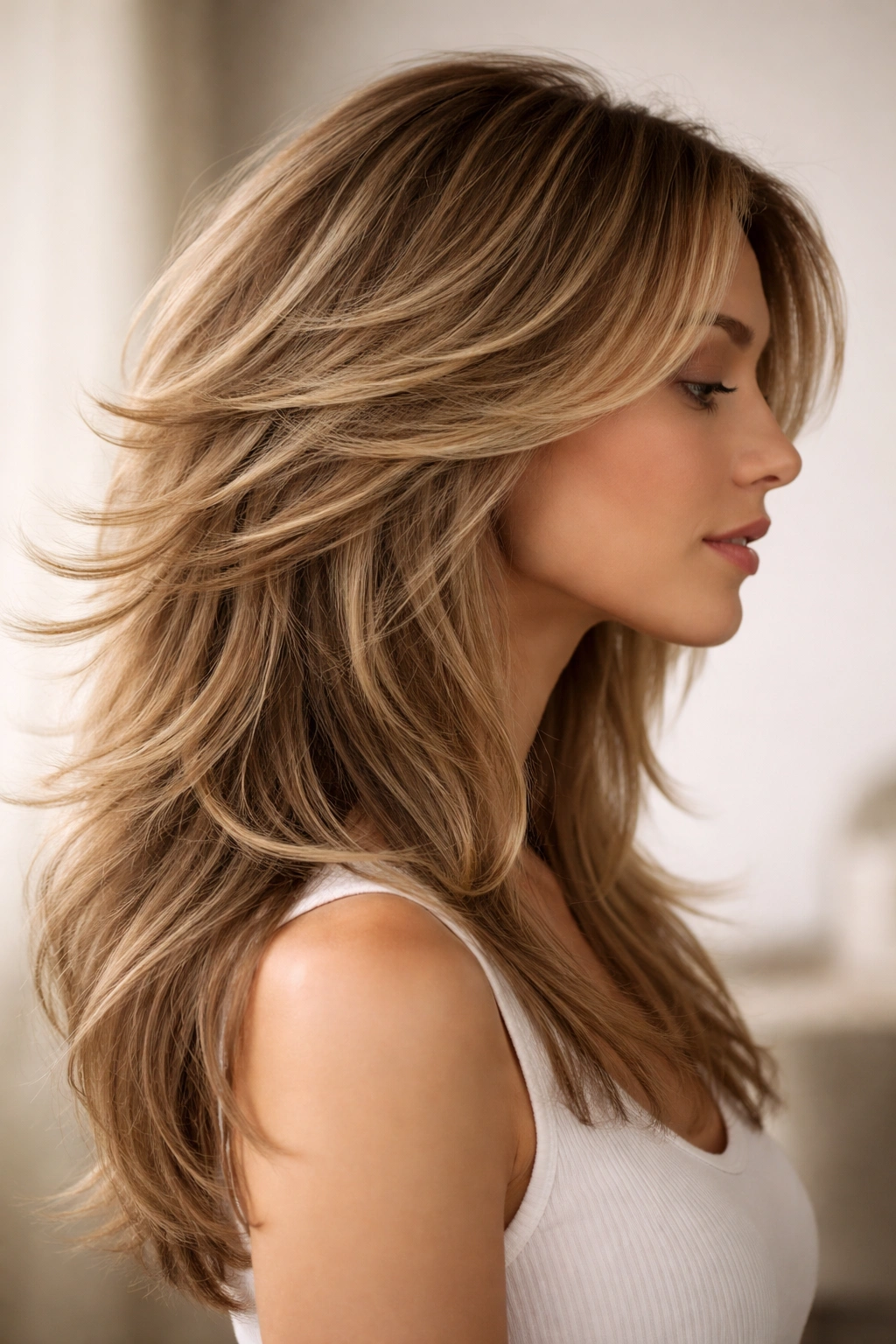
Butterfly layers are short, choppy layers throughout the crown that create maximum volume, with longer underneath sections that provide length without weight. The name comes from the way the layers fan out when you look at the cut from the side—it’s wider at the crown and tapers down. This structure is almost perfectly designed for postpartum hair loss because it creates volume right where you need it.
How Butterfly Layers Create Fullness
The magic of butterfly layers is that they’re shortest at the crown, which creates lift and volume, and they gradually get longer as you move down. This means you can have, say, 2-3 inches of hair on top and shoulder-length underneath, but the short layers on top read as incredibly full. Even with significant shedding, the short layers maintain their body because they’re not relying on the hair beneath them to create shape.
Styling for Results
Butterfly layers look best with blow-dried volume, so if you have the energy for blow-drying, this is where you’ll see the payoff. Focus the heat and products on the crown area to emphasize the lift the cut is creating. You can also use a round brush and direct the hair upward and backward to maximize volume. If you’re not a blow-dry person, butterfly layers still look good with air-drying and texturizing product, just with less dramatic volume.
Worth knowing: This cut requires precise layering, so find a stylist who’s done butterfly cuts before. A poorly executed version just looks choppy and unfinished rather than intentionally voluminous.
6. The Wispy Layers for Soft, Feathered Texture
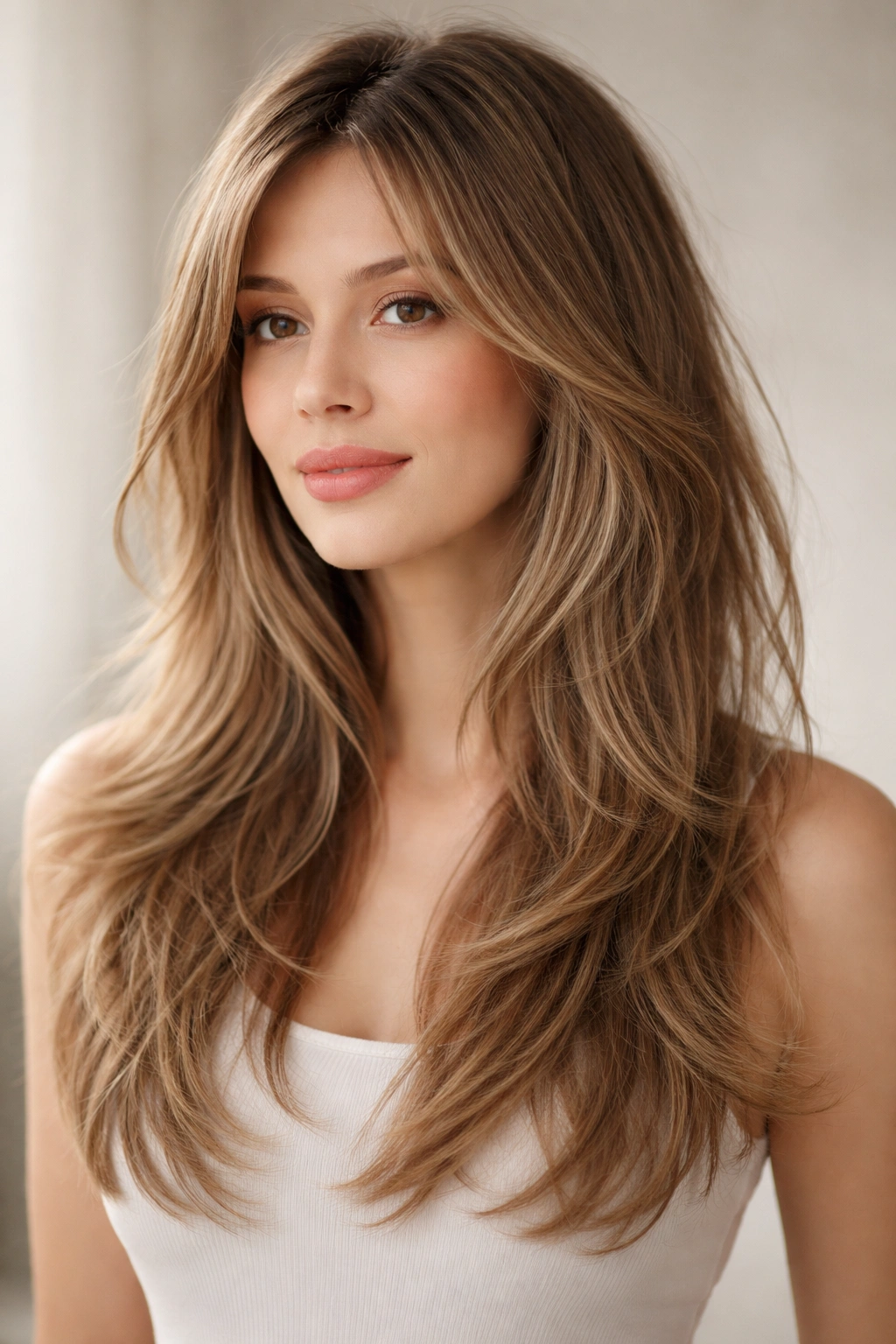
Wispy layers are subtle, feathered layers throughout the hair that create soft texture and movement without dramatically shortening the hair. Instead of choppy, blunt layers, wispy layers are shaped and curved so they blend seamlessly into one another. This cut works beautifully if you want to keep some length but need the visual softness that layers provide during postpartum shedding.
The Softness Factor
Wispy layers create a softer, more romantic aesthetic than choppy layers, and they do something important for postpartum hair loss: they make any short, regrowth hair blend in naturally rather than stand out. The gentle, feathered texture means that the new growth coming in isn’t a stark contrast—it’s just part of the overall wispy texture. This cut also moves beautifully, which creates motion that makes hair appear fuller.
Achieving the Look
Wispy layers can be styled smooth or textured depending on your preference and the time you have. Blow-drying with a round brush and some light tension creates a sleek, feathered appearance. Using texturizing product and air-drying or finger-waving creates a more bohemian, textured look. Both work, and you can switch between them depending on your mood and available time.
Pro tip: Ask your stylist to focus the wispy layers in the areas where you’re experiencing the most shedding or breakage. The feathering effect is most powerful where you need it most.
7. The Graduated Bob with Long Layers
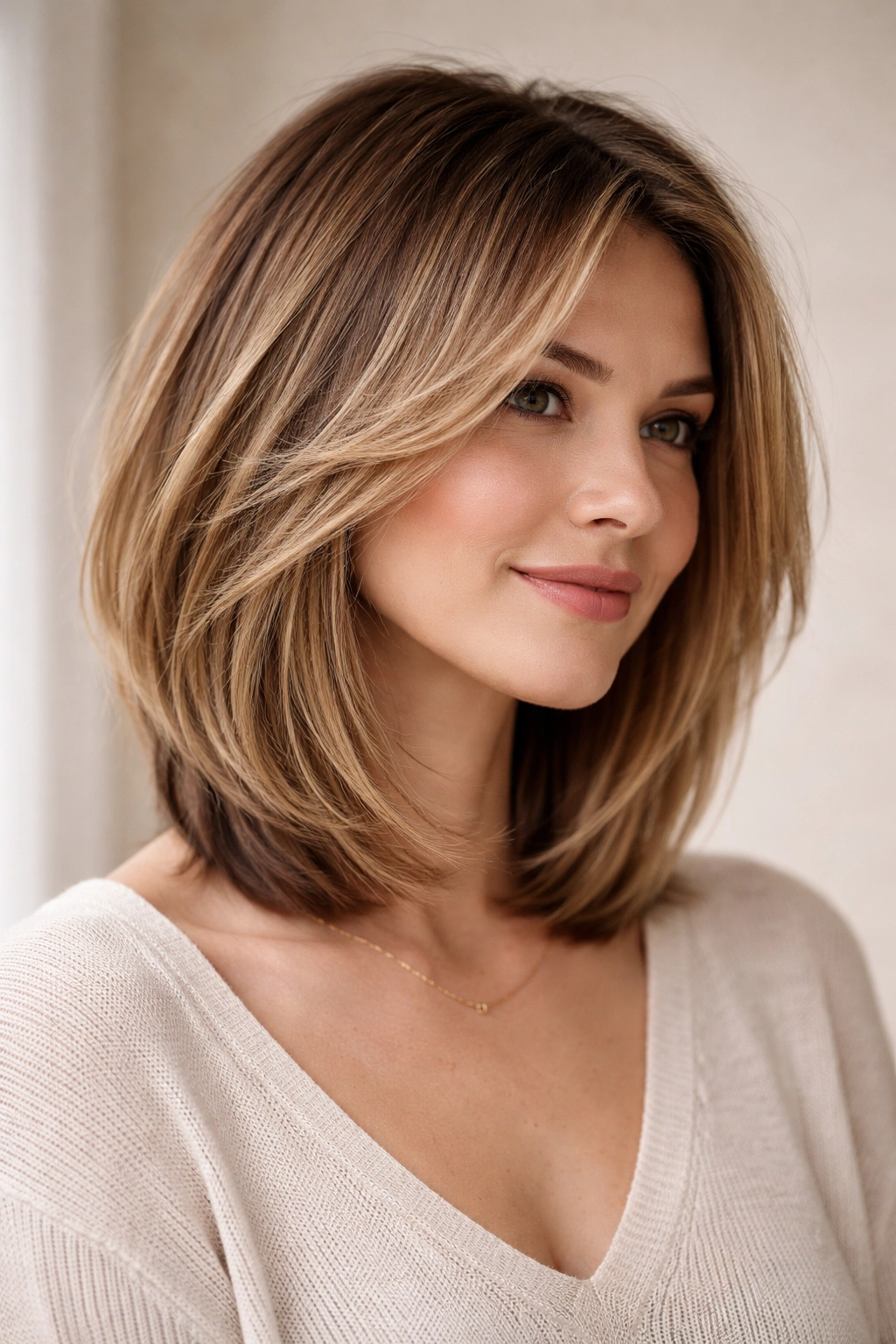
A graduated bob is shorter at the back and gradually gets longer toward the front, creating a soft, rounded shape. When you add longer, choppy layers throughout, you get a cut that’s voluminous at the back (where density reads as fullness) and longer and more flattering in the front. This is an excellent middle-ground cut if you want more length than a standard bob but need the volume that layering provides.
Why the Graduated Structure Works
The graduated shape naturally creates volume at the crown and back of the head because the hair is shortest there. The longer front pieces are lighter and less weighty, so they don’t pull down on the crown area. The layers work with this shape to prevent the front pieces from looking thin or wispy. You get length, you get volume, and you get a feminine, flattering shape that works beautifully during a phase when you might feel a little off-center.
Styling and Texture
A graduated bob with long layers can be styled in multiple ways. You can go smooth and polished with a round brush, or you can embrace texture and movement with a light product and minimal blow-drying. The shape itself does a lot of the work, so even minimal styling yields good results. Many people find that this cut looks better with some wave or texture, which enhances the movement of the longer pieces while emphasizing the volume of the graduated back.
Insider note: The back of this cut will need more frequent trims than the front to maintain the graduated shape, so plan for trims every 5-7 weeks.
8. The Choppy Mullet-Inspired Cut for Edge
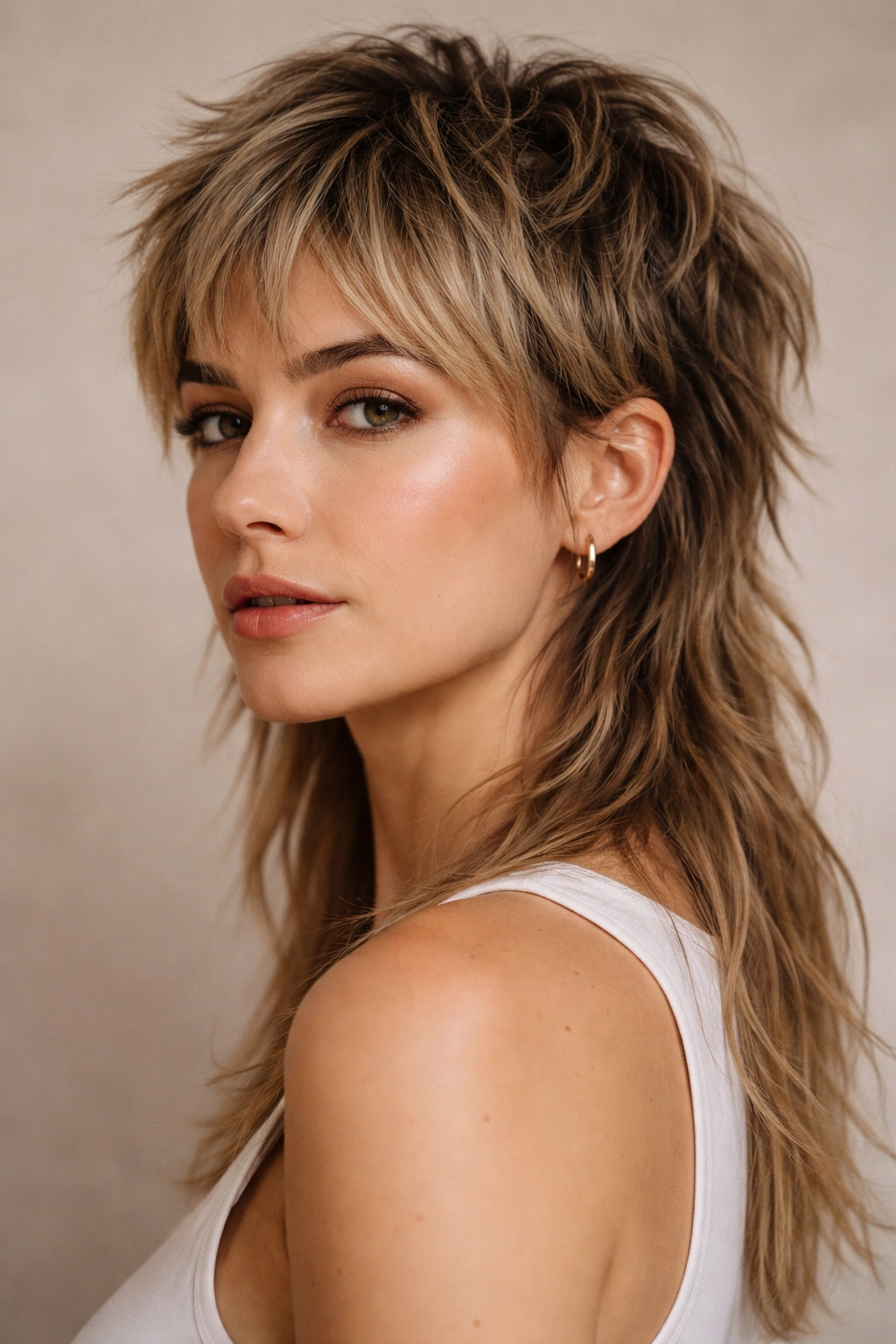
A mullet-inspired cut is short and textured on top and at the sides, with noticeably longer pieces in the back. It’s modern, it’s edgy, and it’s surprisingly flattering during postpartum hair loss because the short, textured top creates maximum perceived volume while the longer back pieces give you length and movement. This cut says you’re confident and not afraid to do something different.
The Confidence of Going Bold
If you’re at a point where postpartum hair loss is making you feel less like yourself, a bold, unexpected cut can actually be incredibly empowering. A mullet-inspired cut is undeniably a choice—it’s not subtle, it’s not trying to hide anything, and it’s unapologetically playful. Wearing a cut this distinctive says something about how you’re moving through this phase, and many people find that reclaiming their style helps reclaim their confidence.
Real Styling Options
The beauty of this cut is versatility. You can style the top and sides tightly and textured while wearing the back down in waves or smooth sections. You can braid or tie up the back while the textured top pieces frame your face. You can do a sleek undercut on the sides with choppy texture on top. This cut gives you options, which is powerful when you’re navigating a phase where your hair doesn’t feel entirely within your control.
Pro tip: This cut works best on people with some natural texture or wave, or who are willing to style the top with product and texture. If your hair is very straight and limp, the contrast between the textured top and sleek back might not be as striking.
Final Thoughts
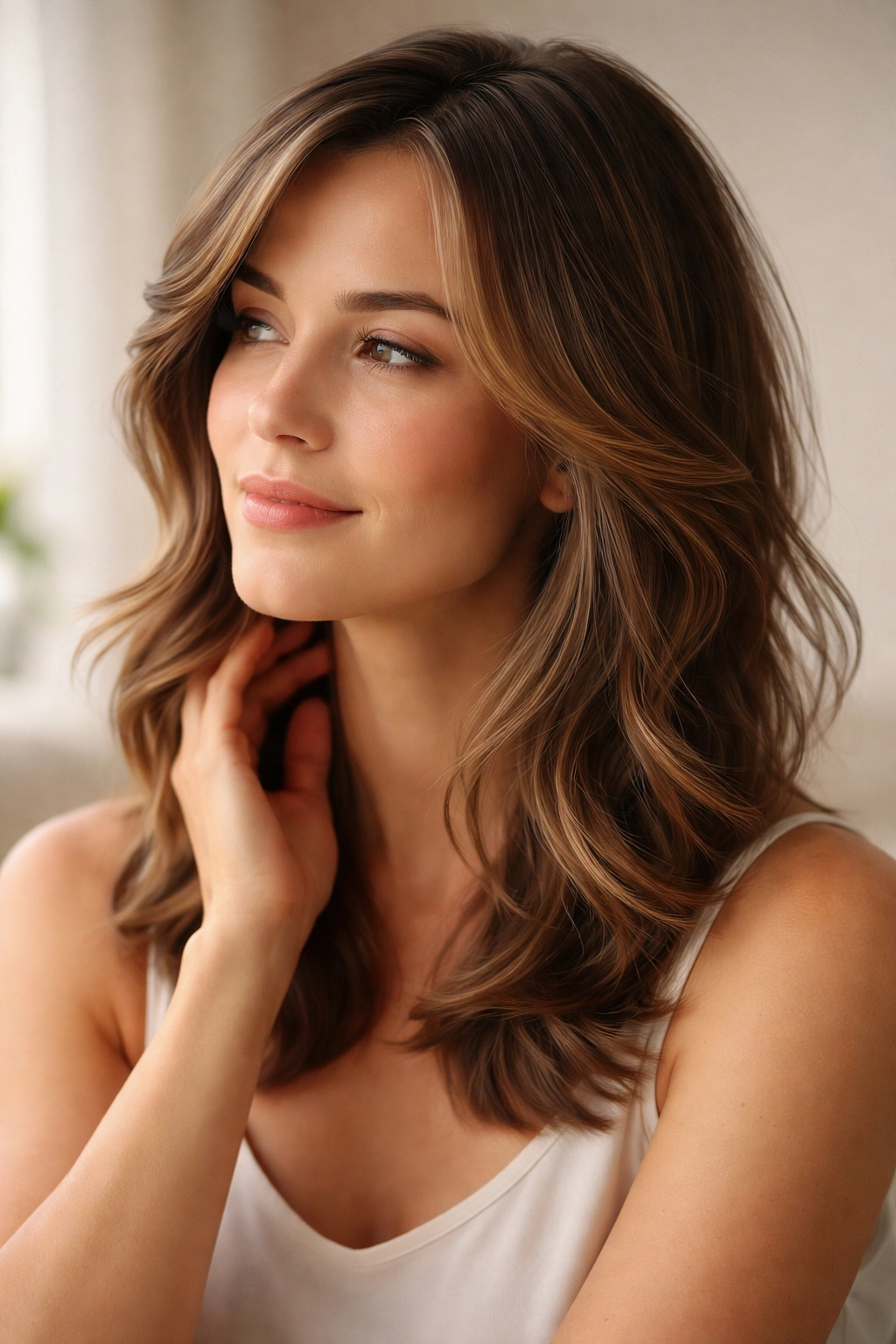
Postpartum hair loss is a temporary phase, even though it doesn’t feel that way when it’s happening. The shedding will slow down, your cycle will regulate, and your hair will return to normal—but that doesn’t mean you have to wait out the process with a cut that makes you feel worse. A strategic, layered cut gives you agency right now. It makes your hair look fuller, it reduces the weight that can emphasize thinning, and it gives you a fresh perspective on your appearance during a time when everything’s changing.
The right cut is the one that fits your lifestyle, your hair texture, and what will actually make you feel good when you look in the mirror. If you’re exhausted and barely have time to shower, go shorter and simpler. If you want to maintain some length, focus on choppy, layered cuts that create texture and movement. If you want to make a statement, go bold and unexpected.
Remember that your postpartum hair loss isn’t permanent, and neither is your haircut. You can experiment, try something different, and change your mind in six weeks when you’ve decided you want something else. Right now, the goal is to feel like yourself again—or maybe like a new version of yourself that’s tougher, more interesting, and significantly less concerned with what other people expect. A good haircut is a surprisingly powerful way to get there.
