



There’s something undeniably chic about short wavy hair in blonde tones. The combination of movement, texture, and luminous color creates a look that feels effortlessly put-together without demanding hours in a salon chair every time you want to refresh it. Whether you’re drawn to tousled beach vibes or more polished, intentional waves, short blonde styles offer incredible versatility—they work across different face shapes, hair textures, and personal aesthetics.
The beauty of short wavy hairstyles lies in their practical elegance. Unlike longer styles that require significant daily styling commitment, shorter lengths with waves create instant dimension and personality with minimal effort. The texture catches light beautifully, especially in blonde, which naturally enhances the depth and movement of wavy patterns. Plus, waves in shorter hair tend to hold better and look fuller than they would in longer lengths, giving you more volume and shape right from the start.
Short blonde waves also offer a clever middle ground between high-maintenance and completely wash-and-go. You can style them to look intentional and polished for professional settings, tousle them into casual texture for weekends, or let them air-dry into something perfectly imperfect. Each style in this collection brings its own distinct personality while sharing that core appeal of movement, manageability, and sophisticated blonde appeal that works year-round.
1. Textured Pixie with Blonde Waves
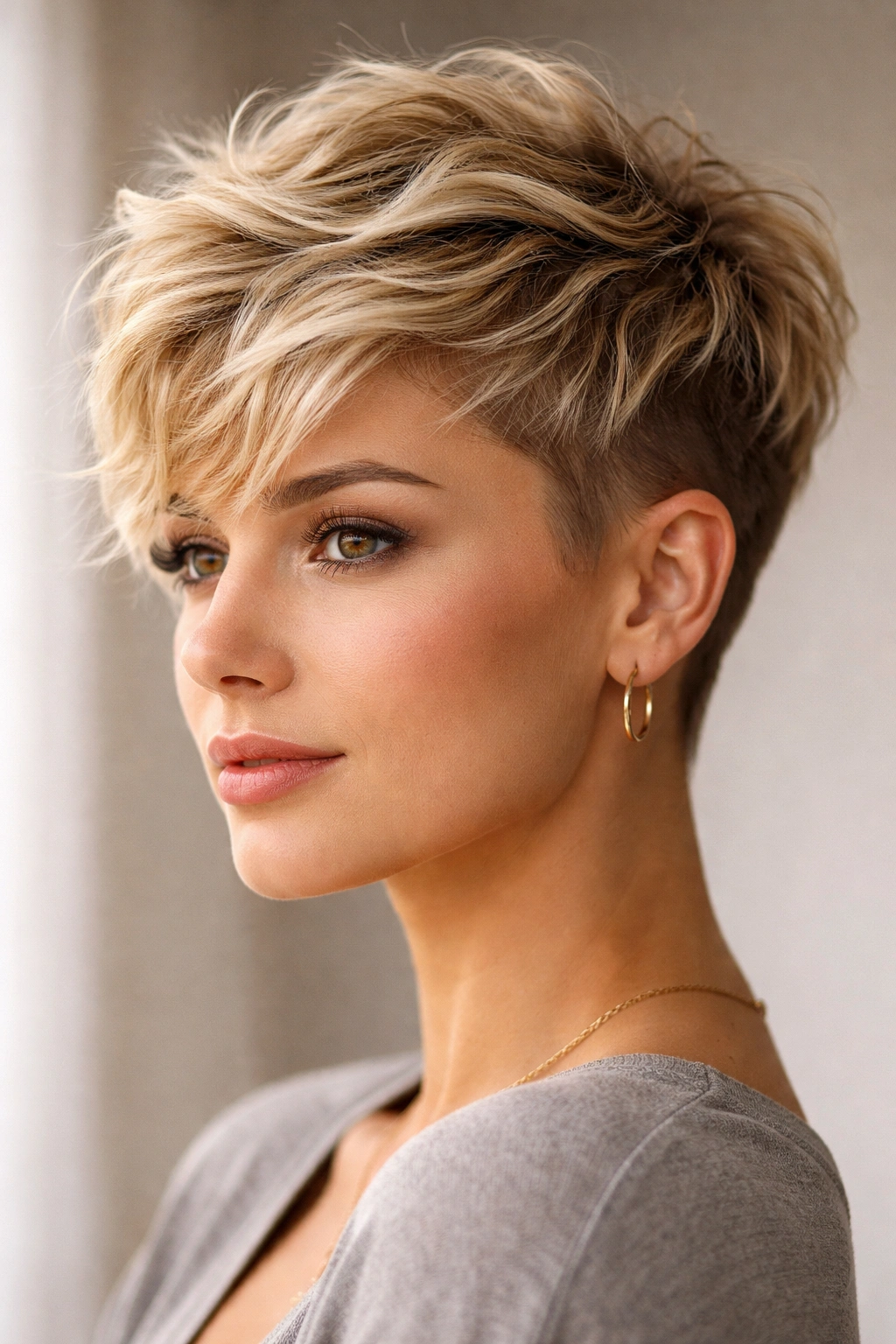
A textured pixie pushes the boundaries of what short blonde hair can do, especially when you lean into wave patterns rather than keeping things completely sleek. This style keeps sides and back closer to the scalp for that signature pixie silhouette, but the top is left longer—usually two to three inches—and cut with choppy, disconnected layers that encourage natural wave formation.
Why It Stands Out
The genius of this style is how it balances feminine softness with bold, architectural lines. The waves on top catch light and create movement that makes the entire cut feel more dimensional, while the short back and sides frame the face beautifully. In blonde, the lighter color amplifies every layer and every wave, making the texture pop rather than disappearing into solid color.
Key Details to Discuss with Your Stylist
- Ask for choppy, razor-cut layers throughout the top section—these create the disconnected texture that waves naturally cling to
- Keep the back and sides faded or very short (around ½ inch) to emphasize the contrast with the textured top
- Request longer pieces around the face to frame cheekbones and add softness to the cut’s edges
- Blonde balayage or highlights throughout amplify the texture, making waves more visible
Pro tip: Sleep on damp hair with a lightweight texturizing cream worked through it, and you’ll wake up with waves that last two to three days without additional styling.
2. Short Shag with Tousled Blonde Waves
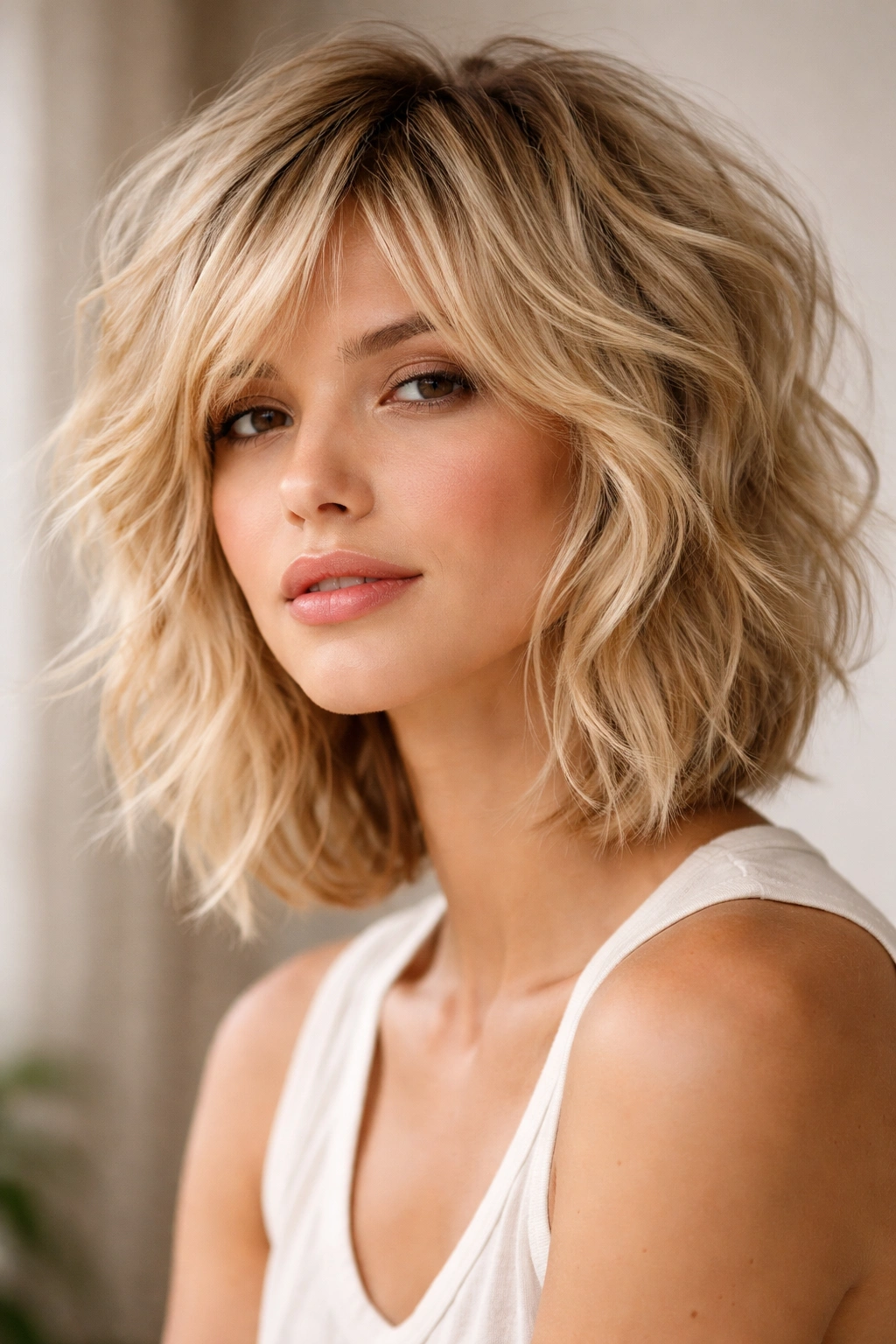
The modern shag has returned with serious sophistication, and it’s particularly stunning in blonde with natural wave texture. This style features lots of layers throughout, creating a piece-y, lived-in appearance that celebrates rather than fights wave patterns. Shag haircuts work with your natural movement instead of trying to contain it.
What Makes Shag Hair Different
A shag is defined by its layered texture and the space between sections—it’s not trying to be blunt or uniform like a bob, but rather intentionally choppy and multi-dimensional. Waves make a shag look even more interesting because the layers interact with the texture, creating different shapes and lines as you move. In blonde, every individual layer reads distinctly, making the cut feel more intricate than it actually is.
Styling and Maintenance Notes
- Use a texturizing spray or sea salt spray on damp hair to enhance natural waves
- Blow-dry with fingers rather than a brush to maintain the piece-y separations
- Once per week, apply a nourishing hair mask to keep layers from looking stringy or dry
- Shags benefit from trims every four to six weeks to maintain the layered shape
Real talk: Shag hair requires you to embrace imperfection. The whole point is that it looks intentionally undone, so don’t fight that aesthetic with excessive styling.
3. Choppy Bob with Wavy Ends
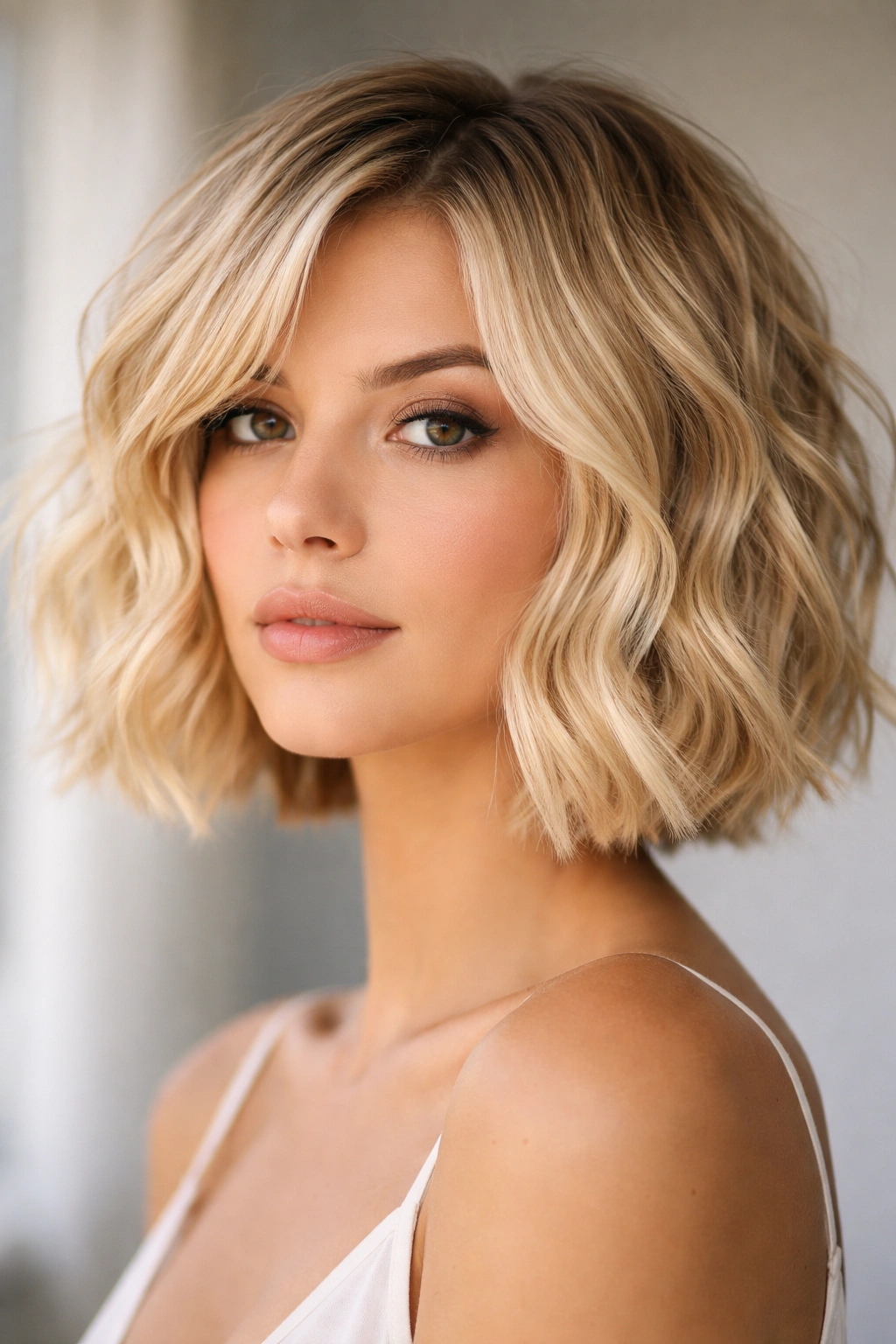
A choppy bob splits the difference between a structured cut and textured movement. This style sits around chin-length with deliberately uneven, choppy layers that create a dynamic edge-to-edge shape. When you have natural waves or add them, the choppy layers make the bob feel much less formal than traditional blunt bobs.
Why Choppy Works for Waves
The layers in a choppy bob catch waves differently than a blunt cut would. Instead of one uniform wave pattern, you get multiple intersecting wave lines that create visual interest and a more complex appearance. The choppiness also means that even if some waves fall flatter than others, the cut is forgiving—it looks intentional rather than messy.
Hair Texture and Blonde Considerations
- Blonde shows off choppy layers beautifully because the color naturally catches light at different angles
- If your hair is naturally straight, ask your stylist about a subtle permanent wave or plan to style waves with heat tools three to four times per week
- For naturally wavy or curly hair, choppy bobs work wonderfully without much additional styling
- Request heavier layers in the front and slightly lighter layers in the back to prevent a mullet-like effect
4. Layered Crop with Beachy Blonde Waves
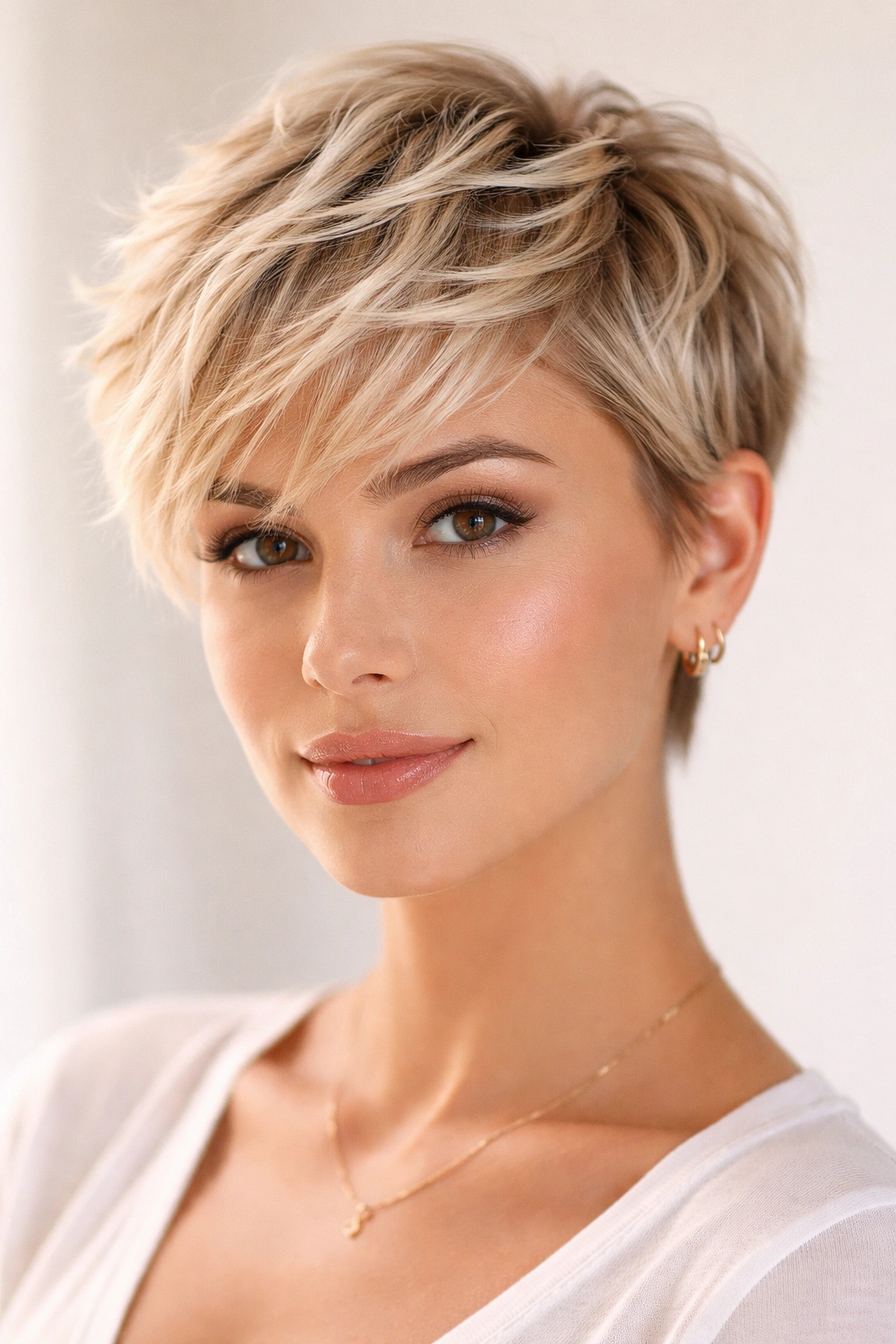
A layered crop is extremely short—usually one to two inches all over—but structured with precise layering that creates texture and movement rather than a simple buzz cut. When you add waves, even subtle ones, a layered crop suddenly feels intentional and feminine rather than purely utilitarian.
The Technique Behind the Look
A layered crop uses different blade angles and lengths to create texture from every direction. Rather than cutting straight across, your stylist cuts at angles that encourage hair to separate and create definition. This is exactly what waves need—they interact with the layering to look fuller and more dynamic than they would on a simple short cut.
Styling for Maximum Impact
- Texture sprays and salt sprays are essential here—they enhance waves and add grip to short hair
- Use a blow dryer with a diffuser on low heat to shape waves without frizzing
- Waves in short blonde hair look best when slightly undone, so avoid over-grooming
- This style looks fresh for about one week after a haircut, then needs blending as it grows
Worth knowing: A layered crop works best on people with fine to medium hair texture. If your hair is very thick and curly, you might want more length to manage the volume.
5. Curly Pixie Bob Hybrid
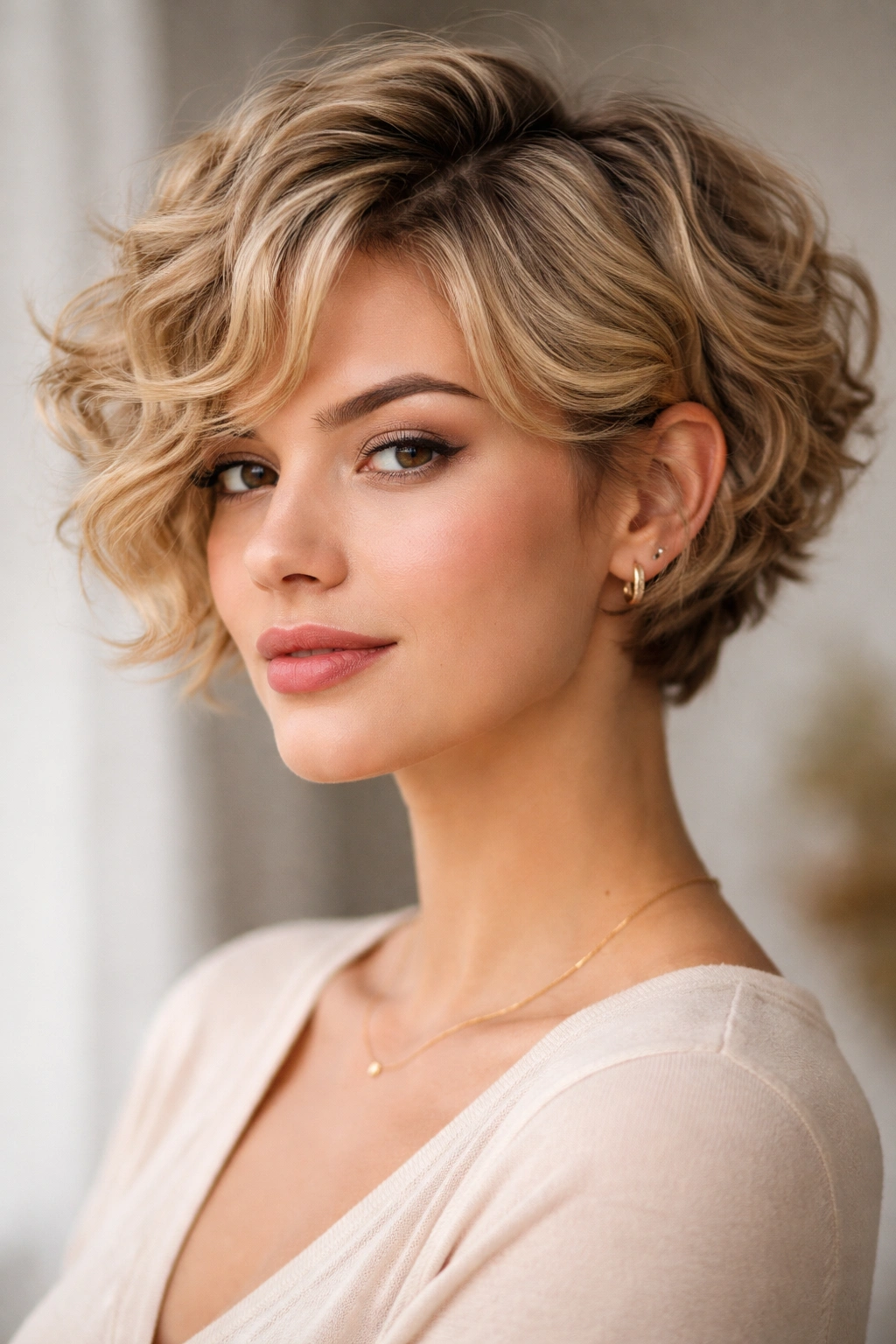
This style takes the best elements of both a pixie and a bob, creating something that’s shorter than a traditional bob but longer than a traditional pixie. The result is a hybrid style that can be worn with visible wave or curl texture, and in blonde, it reads as incredibly chic and modern.
What Makes the Hybrid Work
The hybrid length (usually two to three inches all over) gives you enough hair to create genuine wave or curl patterns while maintaining the low-maintenance aspect of shorter cuts. It’s not so short that you’re committed to constant styling, but it’s short enough that the cut structure is very visible and creates shape even without heat styling.
Best Hair Types for This Style
- Works wonderfully on naturally curly, wavy, or coily hair that wants to be shorter
- For straight hair, you’d need to style waves with heat tools or get a permanent wave treatment
- Blonde hair in this length shows texture beautifully—the color naturally highlights waves and curls
- This style suits all face shapes, but especially oval and heart-shaped faces
6. Soft Waves with Side-Swept Bangs
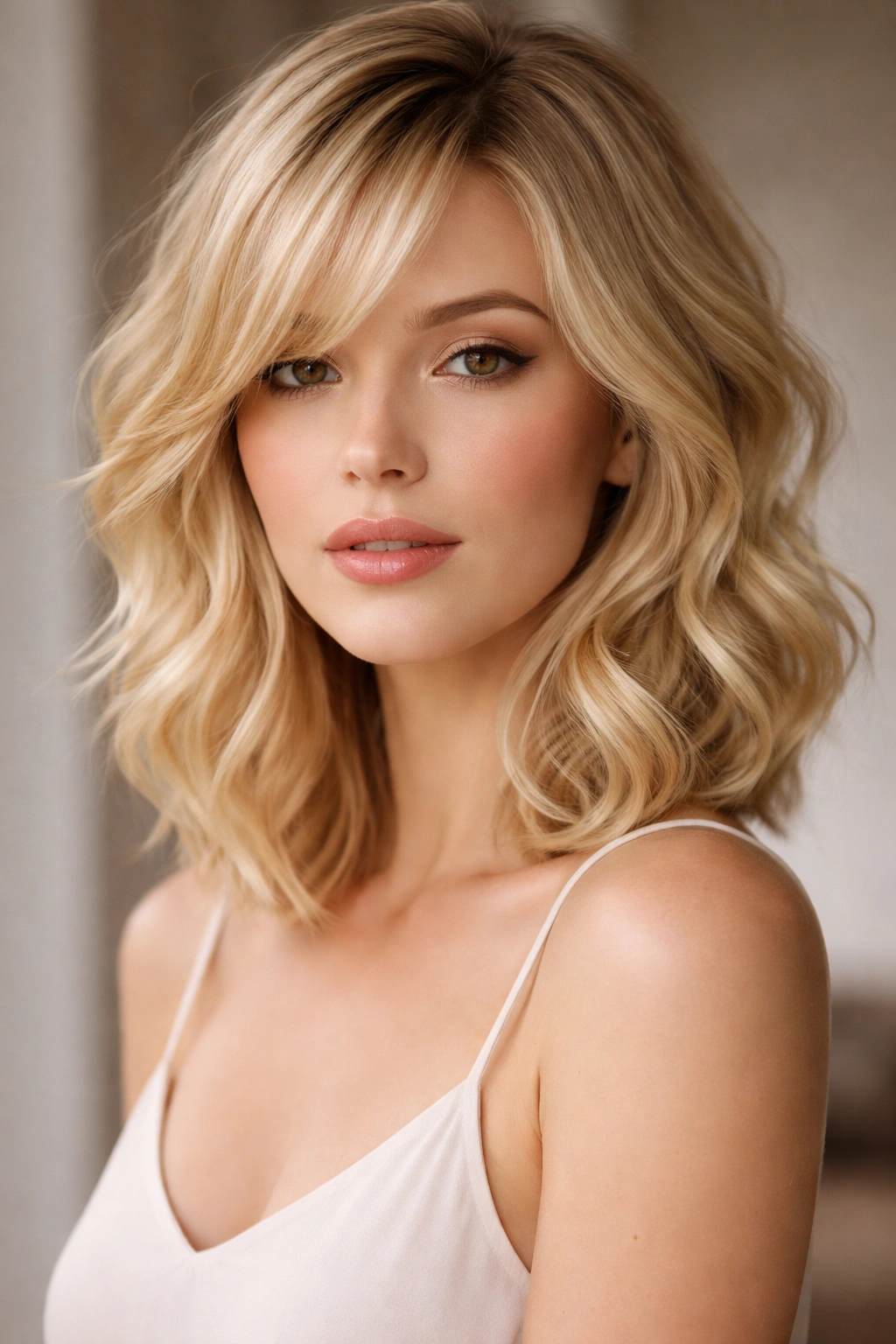
This style combines subtle, romantic waves throughout with longer side-swept bangs that create softness and femininity. Rather than blunt or choppy bangs, side-swept bangs are longer and blend into the rest of the cut, creating a flowing line rather than a hard horizontal edge.
The Psychology of Side-Swept Styling
Side-swept bangs create an off-center focal point that’s inherently flattering to most faces. They soften the forehead, elongate the face slightly, and create natural asymmetry that feels modern. Paired with soft waves throughout, this style feels romantic without being overly fussy—it’s sophisticated and intentional.
Creating Waves That Last in This Cut
- This style works best on slightly longer short hair (two to four inches)
- Soft waves are easier to create with a curling iron or large-barrel waver than choppy waves
- Use a lightweight styling cream or mousse on damp hair before blow-drying to encourage waves
- Side-swept bangs need regular trimming (every three to four weeks) because they grow out and lose their swept quality
- Sleep on the waves the opposite direction you want them to sit during the day—they’ll stay longer
7. Chin-Length Wavy Bob with Undercut
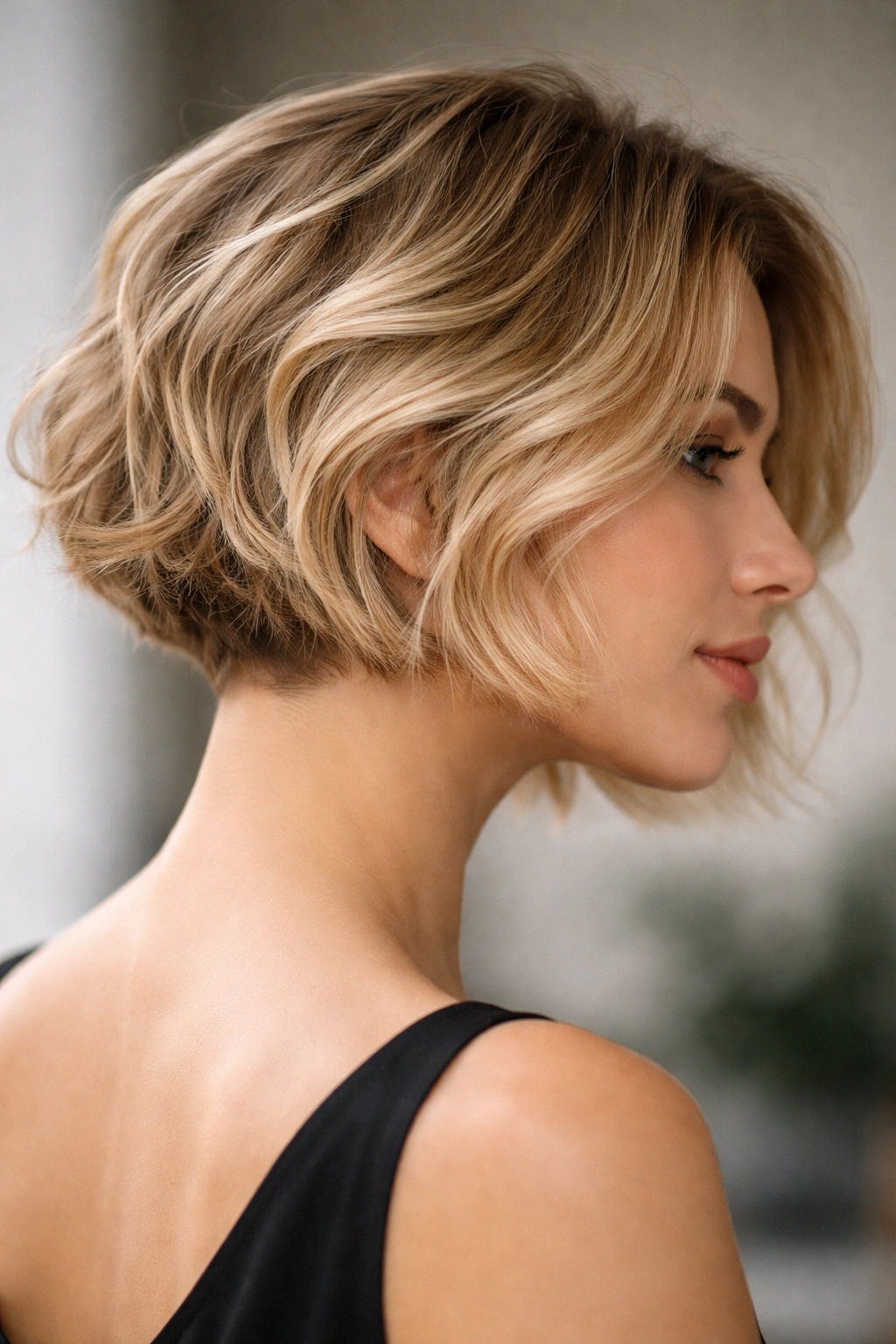
This style is longer than many short cuts, sitting right at chin-length, with all the fullness and classic bob shape you’d expect—but with a hidden surprise. An undercut hidden beneath the visible hair creates incredible movement and prevents the bob from feeling heavy, while waves add texture and dynamism to the longer length.
The Undercut Advantage
An undercut is shorter hair on the lower half of your head (sides and back) hidden beneath longer top layers. It dramatically lightens the visual weight and actual weight of longer short hair without creating an obviously shaved look. When you tuck your hair behind your ears or pull it back, the undercut becomes visible, adding a modern edge.
Blonde and Undercut Combination
- The contrast between blonde top layers and a shaved or very short undercut looks striking
- Undercuts in blonde hair create the most impact when the undercut is noticeably shorter
- Waves on the top layer float and move more freely when supported by an undercut rather than full hair underneath
- This style works for people who want versatility—you can hide the undercut or show it depending on your mood
8. Disconnected Undercut with Wavy Top
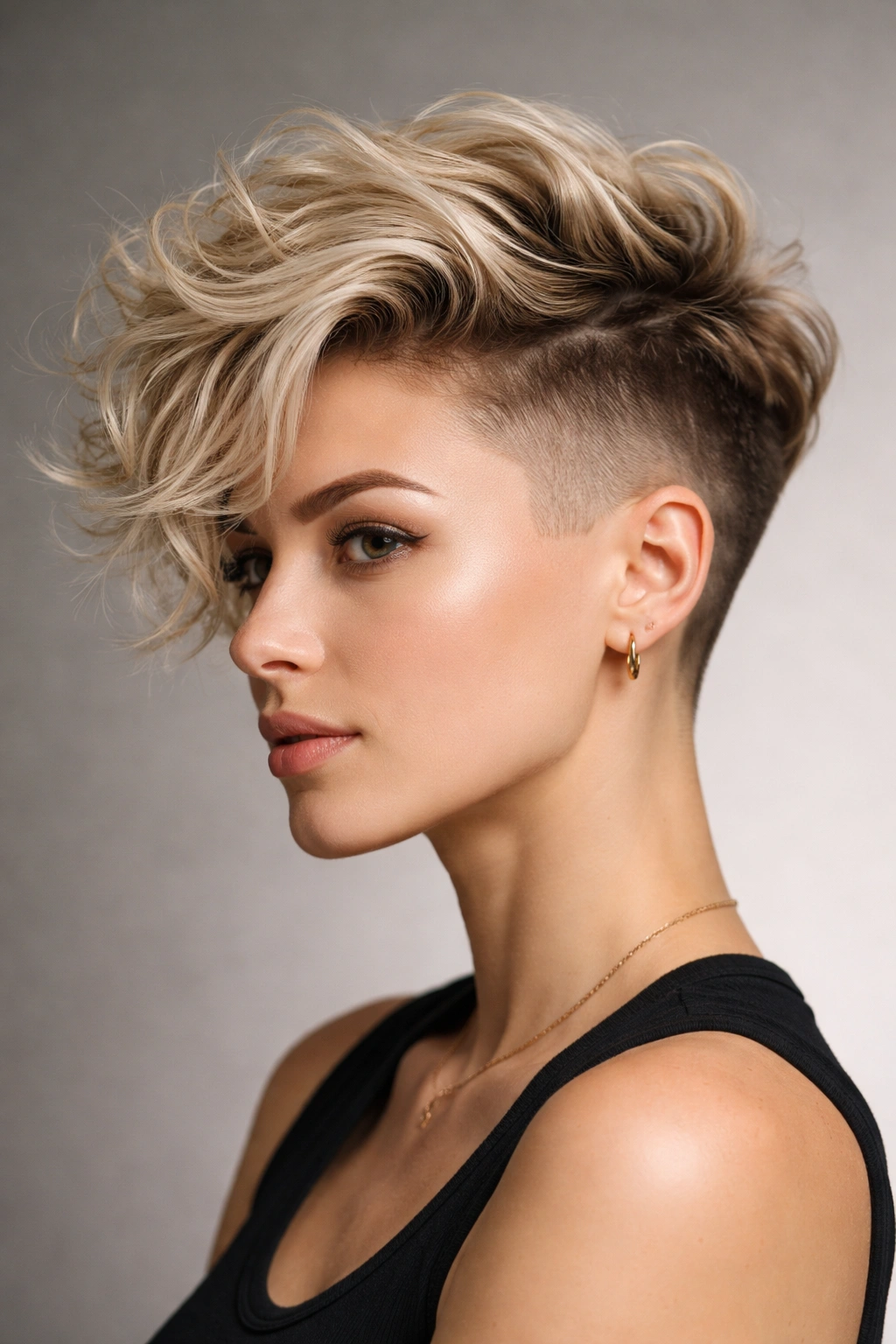
This style takes the undercut concept further by creating intentional separation between the short undercut and the longer, wavier top section. Unlike a chin-length bob with hidden undercut, this cut celebrates the disconnect—it’s visible, dramatic, and modern.
Visual Impact and Face-Flattering Qualities
A disconnected undercut with waves on top creates incredible shape and dimension. The shorter sides and back frame the face dramatically, while the longer, textured top adds softness and movement. In blonde, the color contrast between potentially shaved sides and longer blonde waves creates a striking aesthetic that reads contemporary and intentional.
Styling and Upkeep
- The undercut needs touching up every three to four weeks to maintain sharp lines
- Wavy hair on top can be styled multiple ways—left loose and tousled, pinned back to show the undercut, or partially pinned
- Texture sprays work best here, as they enhance waves while adding grip to keep longer top sections in place
- Waves look best when slightly undone, so this style rewards a casual approach rather than precise styling
Insider note: This cut works particularly well if you have straight to slightly wavy hair naturally, because you can style the waves for polished occasions and let the cut shine through on casual days.
9. Textured Lob with Blonde Beach Waves
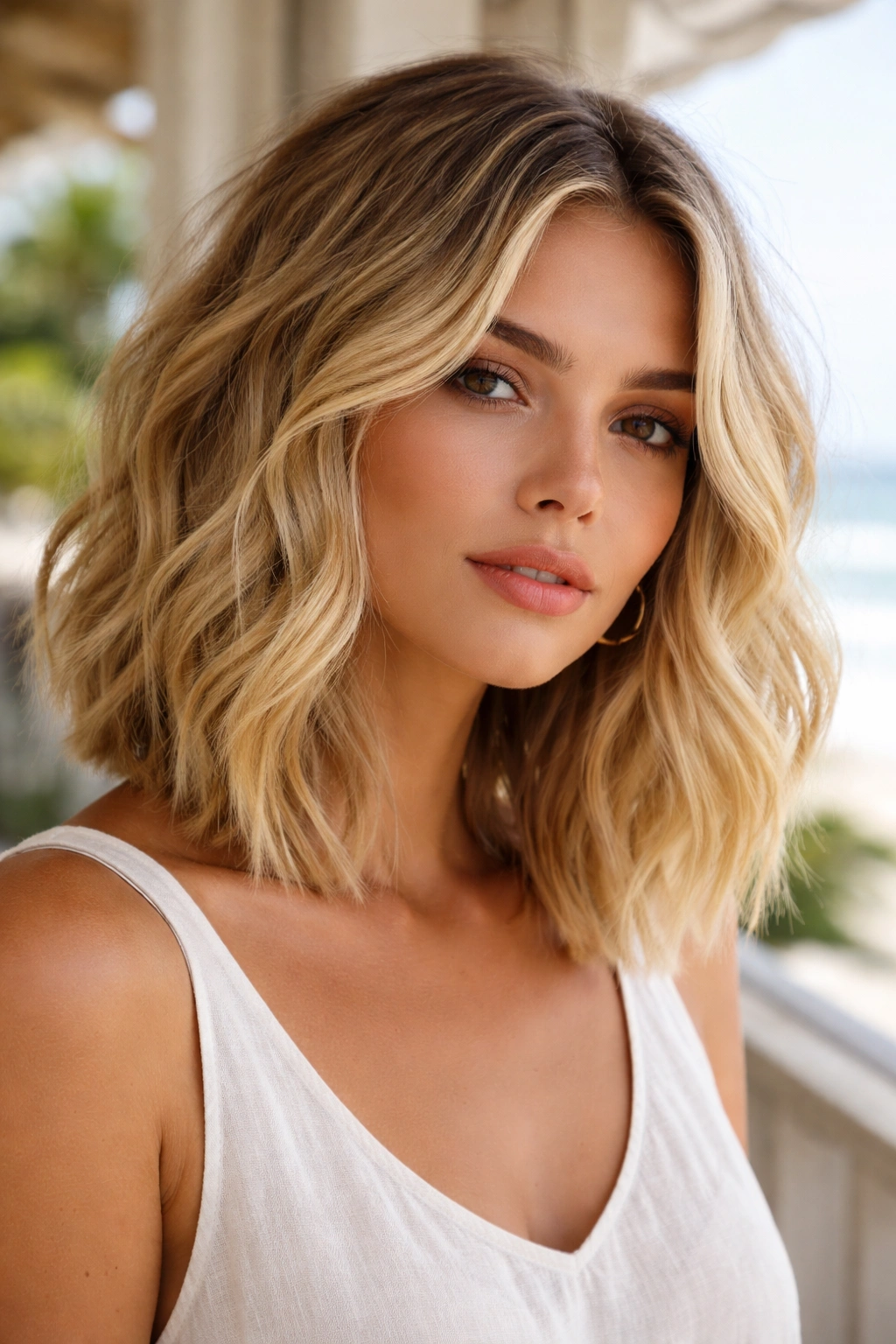
A textured lob (long bob) sits anywhere from ear-length to shoulder-length, providing more length than other short styles while still maintaining manageability. Heavy texture and intentional waves throughout make this style feel modern and intentional rather than simply long hair.
Why a Textured Lob Feels Different
The texture makes a lob feel shorter visually even though the actual length is longer than a traditional bob. Waves create apparent density and shape, making the style feel more deliberately crafted. In blonde, especially with highlights or balayage throughout, every wave and layer reads distinctly, creating a sophisticated, multi-dimensional appearance.
Achieving and Maintaining Beach Waves in a Lob
- Beach waves work best when hair is dry and slightly textured, not freshly washed and silky
- Use a curling wand in one-and-a-half-inch sections, wrapping hair around the barrel loosely and leaving the ends out for a lived-in appearance
- Spray with sea salt spray or texturizing spray immediately while the curl is warm to help it hold
- Flip your head upside down and finger-comb waves to break them apart and create that intentionally undone look
- Waves in a lob last longer because there’s more hair weight to support them—typically three to four days with minimal refreshing
A textured lob in blonde offers the best of both worlds: enough movement and personality to feel contemporary, but enough length to pull back or style multiple ways depending on your mood.
Styling Tips to Make Waves Last Longer
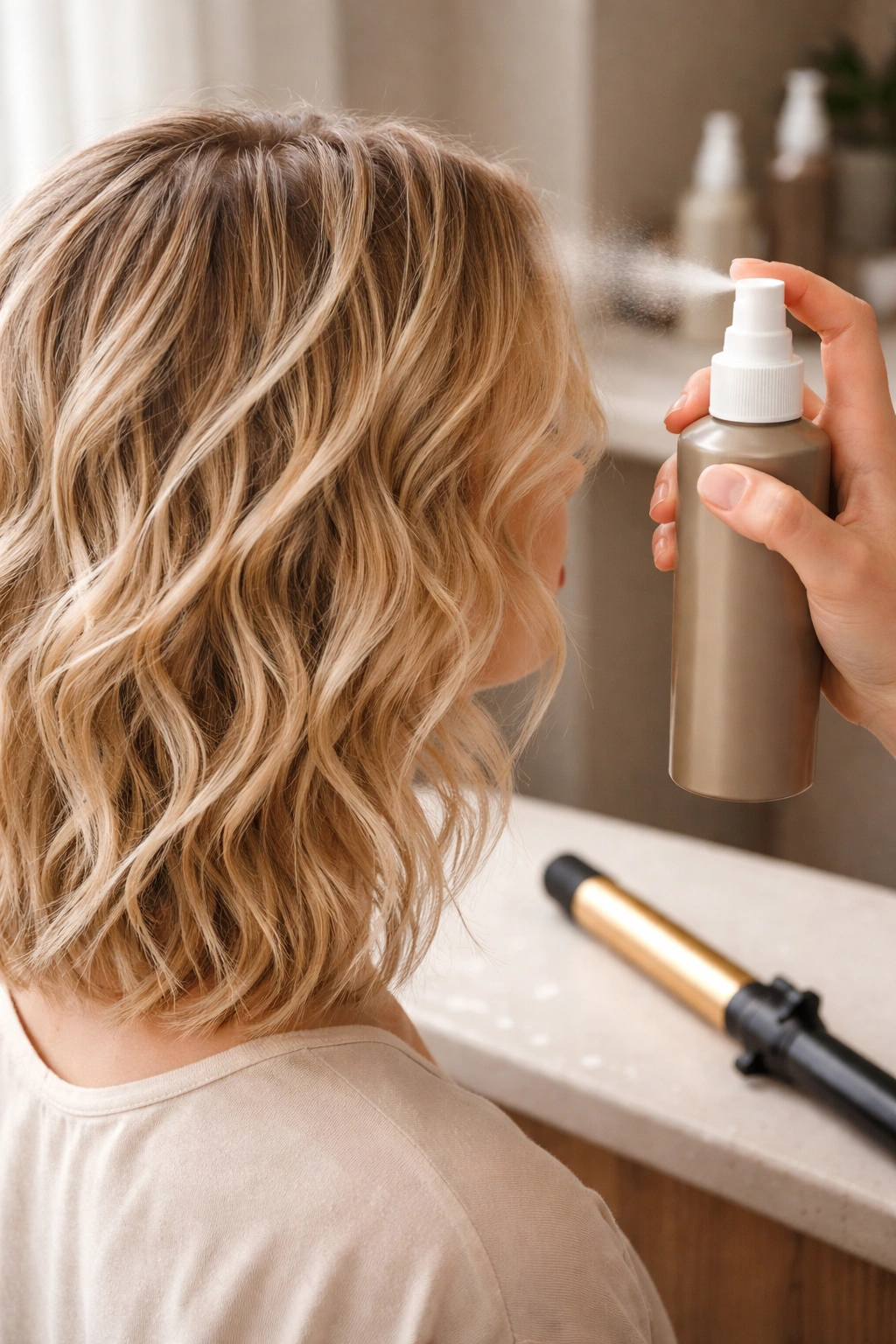
The key to waves that actually survive your day is understanding that heat styling alone won’t cut it—you need texture support from products and technique working together. Start with textured hair, not freshly washed and conditioned smoothness. If your hair is naturally straight, blow-dry it with a texture spray applied to damp roots and lengths before heat styling. The spray creates grip that holds waves better than product applied after blow-drying.
Use the right heat tool size for your hair length. In short hair, smaller-barrel curling irons and wavers (three-quarters inch to one-and-a-quarter inch) create tighter waves that hold longer than larger barrels. The key is matching barrel size to hair length—in shorter hair, smaller tools create proportional waves that look intentional rather than floppy.
Spray while hair is still warm, not after it’s cooled. This sounds counterintuitive, but spraying warm hair sets the wave structure as it cools, creating longer-lasting shape. Wait until hair is completely cool, and the spray just sits on top without really gripping the wave pattern.
Apply a lightweight mousse or texturizing cream to towel-dried hair before any blow-drying or heat styling. This ingredient is the foundation that everything else builds on—it gives hair memory and helps it hold whatever shape you create. Heavy products weigh waves down; lightweight ones support them.
Finally, sleep on your waves strategically. If you want waves to last overnight, sleep with your hair in a loose braid or pineapple (twisted on top of your head and secured with a soft scrunchie). This prevents crushing the waves while allowing them to set. In the morning, release the braid and finger-comb to refresh—waves often look better on day two than they did when first styled.
How to Maintain Blonde Color While Styling Waves
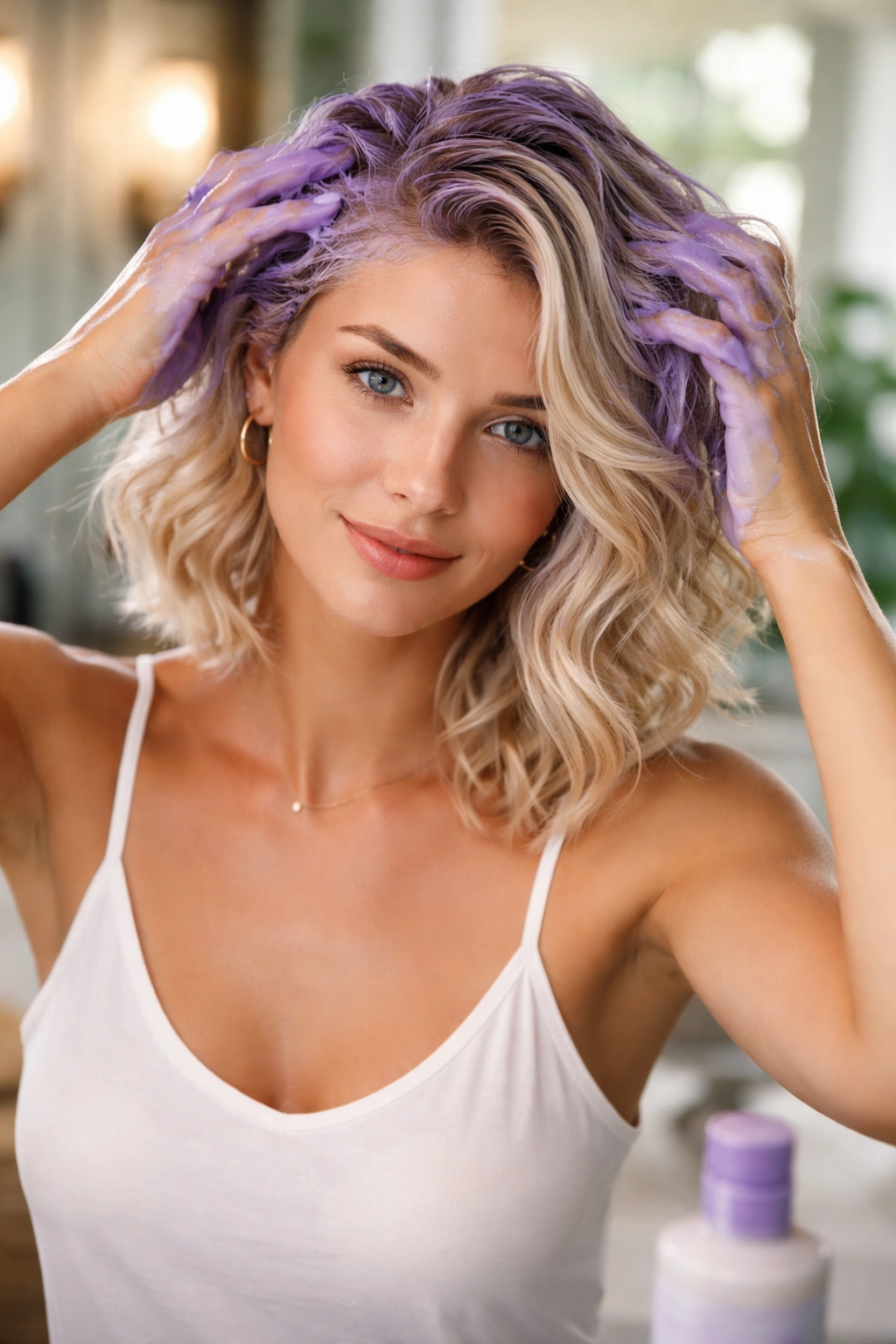
Blonde hair requires specific care to maintain its color and shine, especially when you’re heat-styling waves regularly. Use a heat protectant on every single occasion you use a blow dryer, curling iron, or waver. Heat protectants aren’t optional extras—they’re essential for keeping blonde hair from turning brassy, breakage-prone, or dull.
Invest in a purple or violet-toning shampoo and use it once or twice weekly depending on how brassy your blonde is turning. This removes unwanted warm tones that develop from heat styling and environmental exposure. The key is using enough shampoo to actually tint the hair—a small amount that you barely see won’t do anything.
For blonde that’s been lightened multiple times (which most very light blonde requires), deep condition weekly. Lightened blonde is more porous and prone to drying out, especially when you’re styling it with heat regularly. A nourishing mask applied for at least ten minutes once per week keeps hair from becoming straw-like or breaking off.
Space out heat styling when possible. If you’re creating waves four to five days per week, try air-drying with product on days you can skip the heat tools. This dramatically extends your hair’s health and maintains color vibrancy. On air-dry days, texture sprays and salt sprays create effortless wave texture without heat.
Consider scheduling toning appointments every four to six weeks if your blonde is very light or platinum. Between salon visits, at-home purple shampoo prevents brassiness, but nothing replaces a professional toning treatment for maintaining the exact blonde shade you want.
Final Thoughts
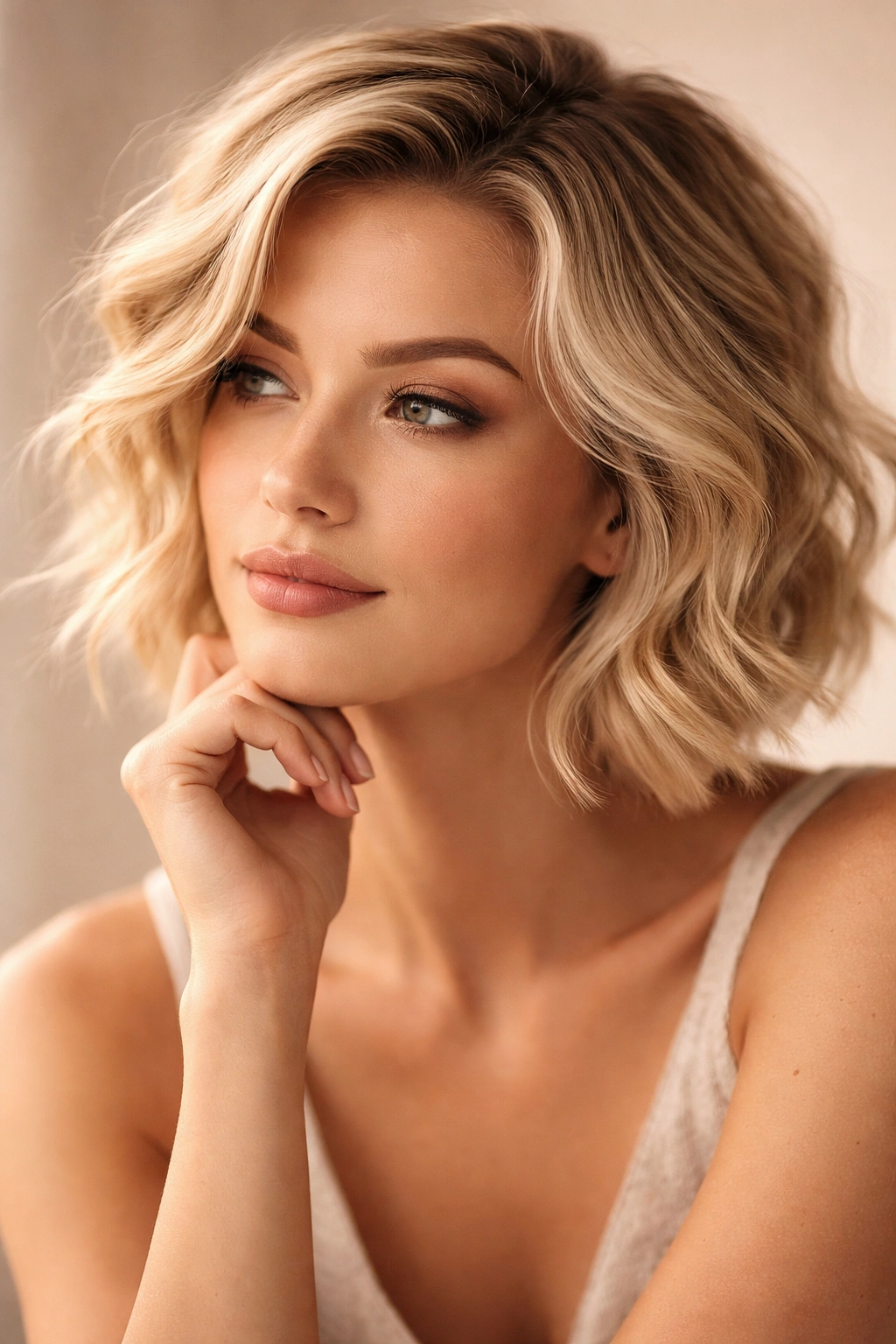
Short wavy blonde hairstyles offer an incredible range of options, from edgy and modern to soft and romantic. The common thread across all these styles is that they celebrate texture and movement rather than fighting it—whether you’re working with natural waves or creating them with heat tools, the goal is a style that looks better and better the more lived-in it becomes.
The beauty of choosing a short wavy style is that it forces you out of the perfectionism trap. These styles aren’t meant to look pristine and sculpted every single moment—they’re meant to evolve throughout your day. That piece that falls slightly differently, that wave that softens from touching your face, that casual messiness that develops by evening—all of that is exactly the point. It’s what makes short wavy blonde hair feel effortlessly sophisticated rather than overdone.
Pick the style that speaks to your lifestyle and maintenance commitment. If you want minimal styling, a choppy pixie or crop with natural waves is your answer. If you love the styling process and want flexibility, a longer textured lob or side-swept style gives you more options. Whatever you choose, short wavy blonde hair is a decision that rewards intention and personality—it announces that you know what suits you and you’re confident enough to wear it.
