



A good shaggy hairstyle for older women does not try to behave. It moves when you move, softens the face without hiding it, and keeps hair from sitting in one stiff shape all day. That’s the real reason shag cuts keep earning their place in salons: they work with the hair’s natural bend, not against it.
Messy is the point. Not sloppy. There’s a difference, and the difference matters.
A shag can make silver hair look plush, help fine hair stand up a little taller, and take the heavy blocky feeling out of thick hair. It can also save you from a haircut that needs a round brush and half a bottle of styling product to look alive. The best shaggy hairstyles for older women have one thing in common: they feel light, but not thin.
1. Soft Shoulder-Length Shag with Curtain Bangs
A shoulder-length shag is the cut I reach for when someone wants movement without losing too much hair. It sits in that sweet spot between “I still want to tuck it behind my ears” and “I am done with the blunt, helmet-like bob.” Curtain bangs soften the front right away, which helps if the face feels a little sharper than it used to.
Why It Flatters the Jawline
Keep the shortest layers around the cheekbone, not at the temples. That gives the haircut a gentle sweep instead of a puff at the top. If your hair is medium density, ask for the ends to be point-cut so they move instead of stacking up in a hard line.
A quick blow-dry with a 1.25-inch round brush is enough for this one. Curl the front pieces away from the face and let the rest stay a little undone. It looks polished without looking like you wrestled with it for 45 minutes.
- Best on fine to medium hair
- Works well with glasses
- Needs a trim every 8 to 10 weeks
- Looks best when the bangs hit just below the brow or soften into the cheekbones
Pro tip: mist the roots with a light mousse before drying. Not the ends. The roots.
2. Silver Pixie Shag
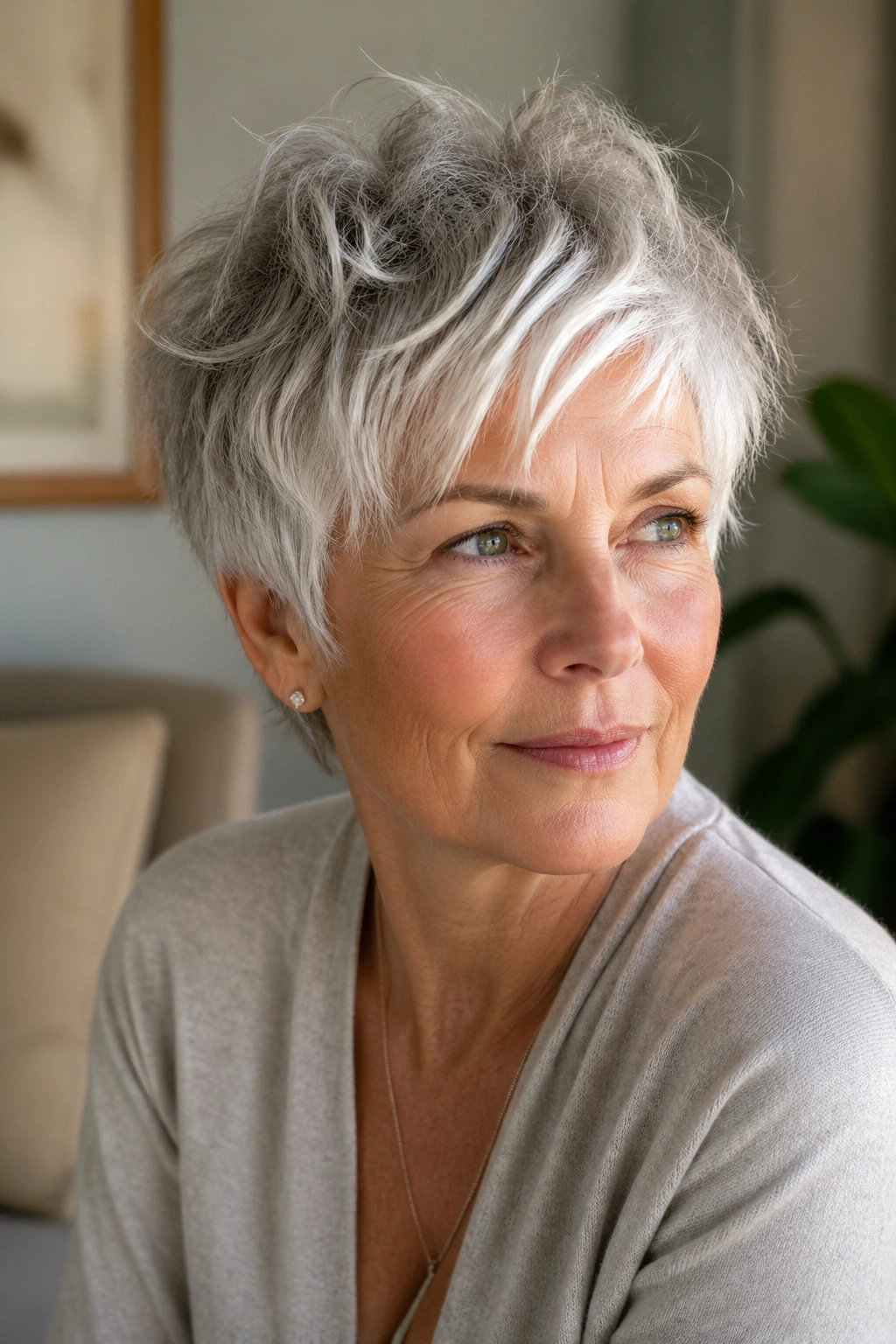
Short hair can look soft. It does not have to read severe, and that’s why the silver pixie shag is such a smart cut. The top stays a little longer than a standard pixie, the sides hug the head, and the texture breaks up any harsh line around the ears.
The trick is balance. If the crown gets too tall, the whole cut starts shouting. Keep the top pieces around 2 to 3 inches long, then use a tiny dab of matte paste to pinch the ends. That gives the hair a piecey finish instead of a helmet finish.
I like this shape on women with naturally silver or white hair because that hair often has a crisp, airy texture that takes to short layers well. It also dries fast. Which is a gift, honestly.
3. Chin-Length Shag with Feathered Ends
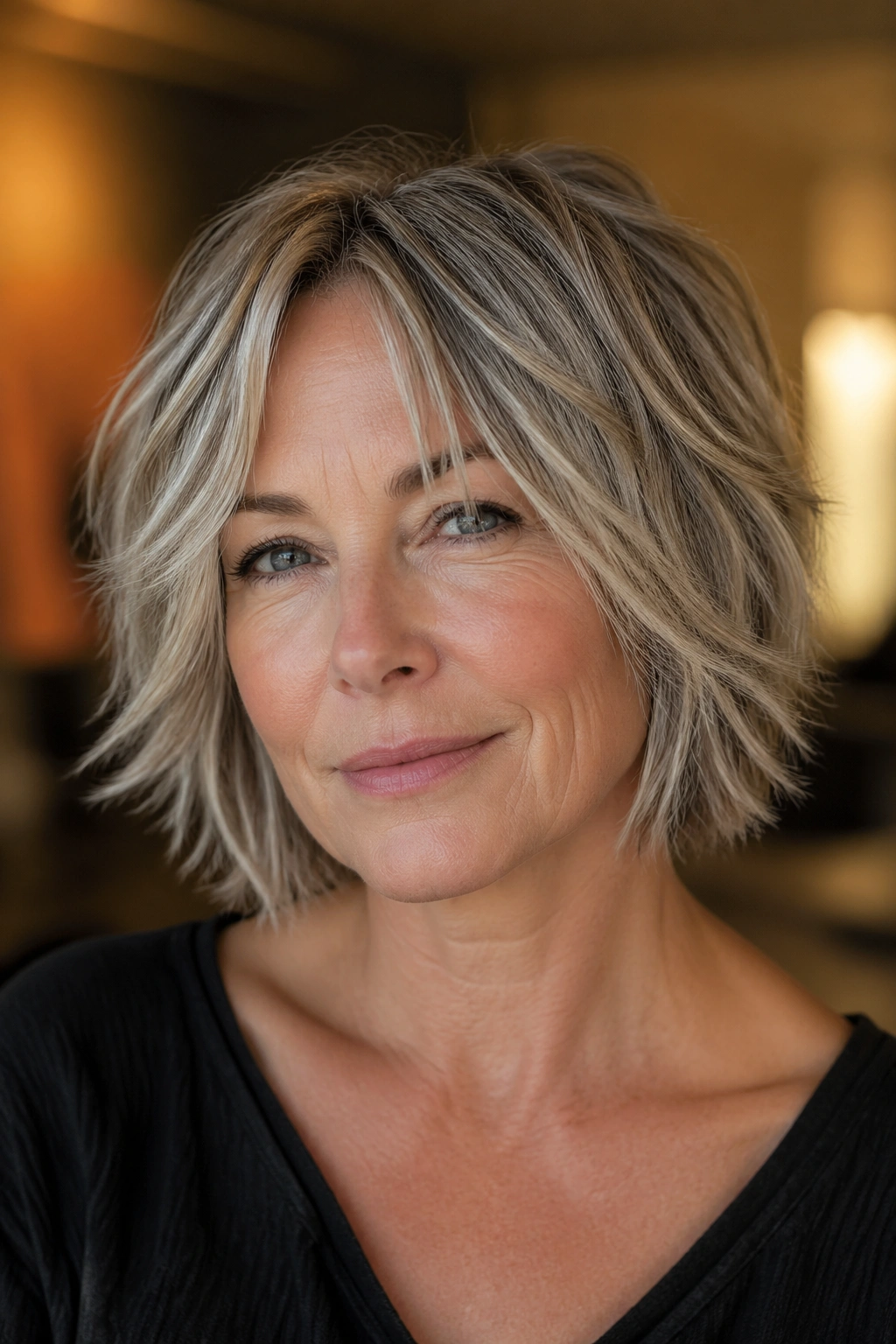
Want movement without committing to a short crop? This cut lands at the chin and opens up the face with feathered ends that flip a little as they dry. It’s a nice choice if you want shape around the jaw but don’t want your hair to sit right on the neck.
How to Wear It
Use a 1-inch round brush and bend the ends under on one side, then outward on the other. That tiny mismatch keeps the haircut from looking too neat. A center part works if your features are balanced; a slight off-center part softens a stronger jaw.
The feathering matters more than people think. Ask for the ends to be lightly razored or point-cut so they don’t clump. On straight hair, that tiny bit of texture keeps the cut from turning into a blunt triangle.
A chin-length shag also grows out in a friendly way. That matters. No one wants a haircut that looks awkward after three weeks.
4. Long Shag with Face-Framing Layers
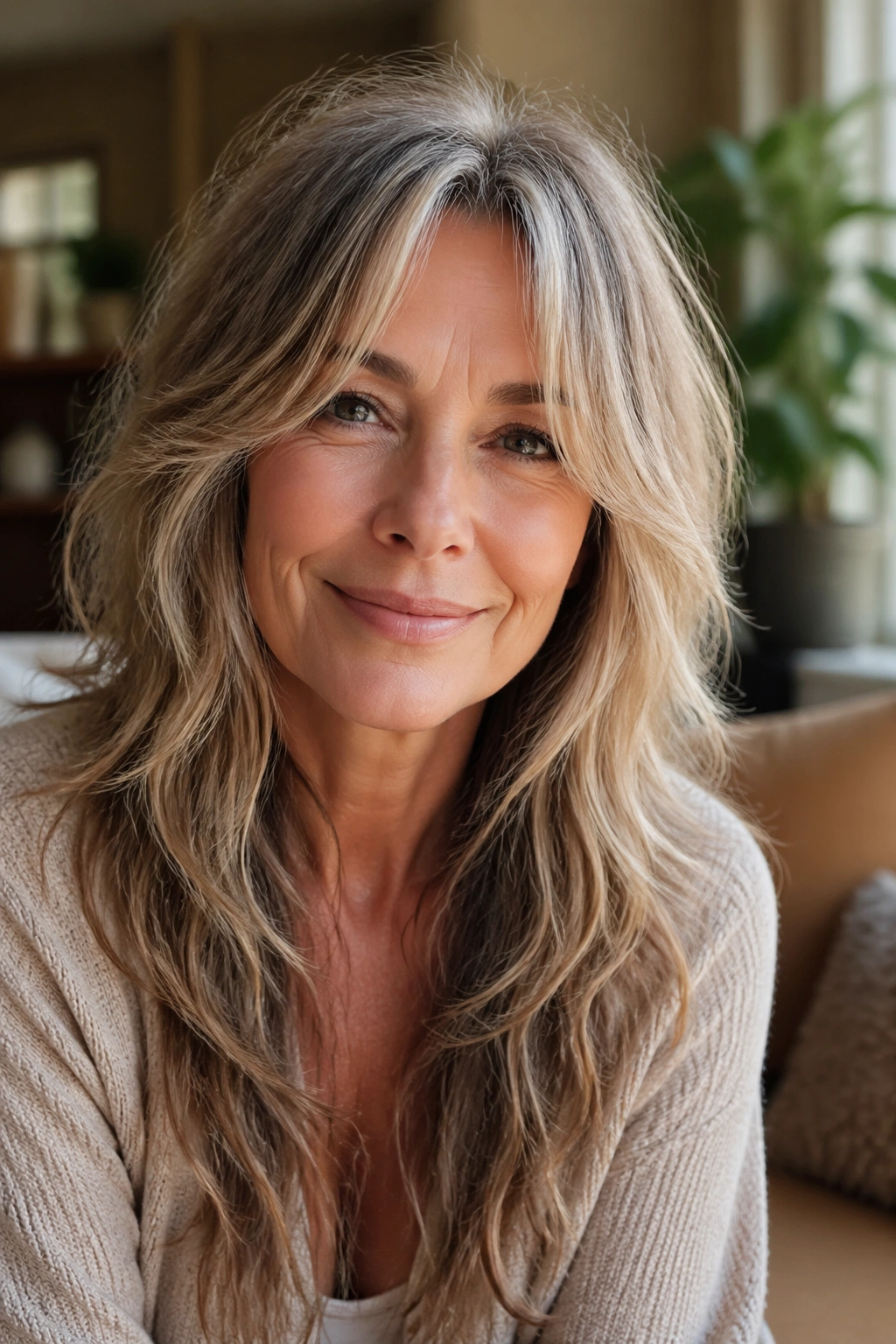
Some women do not want to lose length, and I get that. Long hair can feel like a comfort blanket, or just like you have been growing it for years and do not feel like starting over. A long shag gives you movement without asking you to abandon the length entirely.
Picture this: the layers begin around the chin, then fall through the collarbone and down the back in loose, broken-up pieces. The front opens the face. The back stays soft. It’s a much better answer than cutting everything to one same-length sheet and hoping it behaves.
- Ask for long internal layers, not a bunch of short ones at the crown
- Keep the shortest face frame at chin to cheekbone level
- Style with a paddle brush if you want smoothness, or air-dry for texture
- Great for wavy, thick, or dense hair
One honest note: if your ends are very thin, this shape can look stringy. A trim every 10 weeks keeps the bottom from disappearing.
5. Wavy Lob Shag
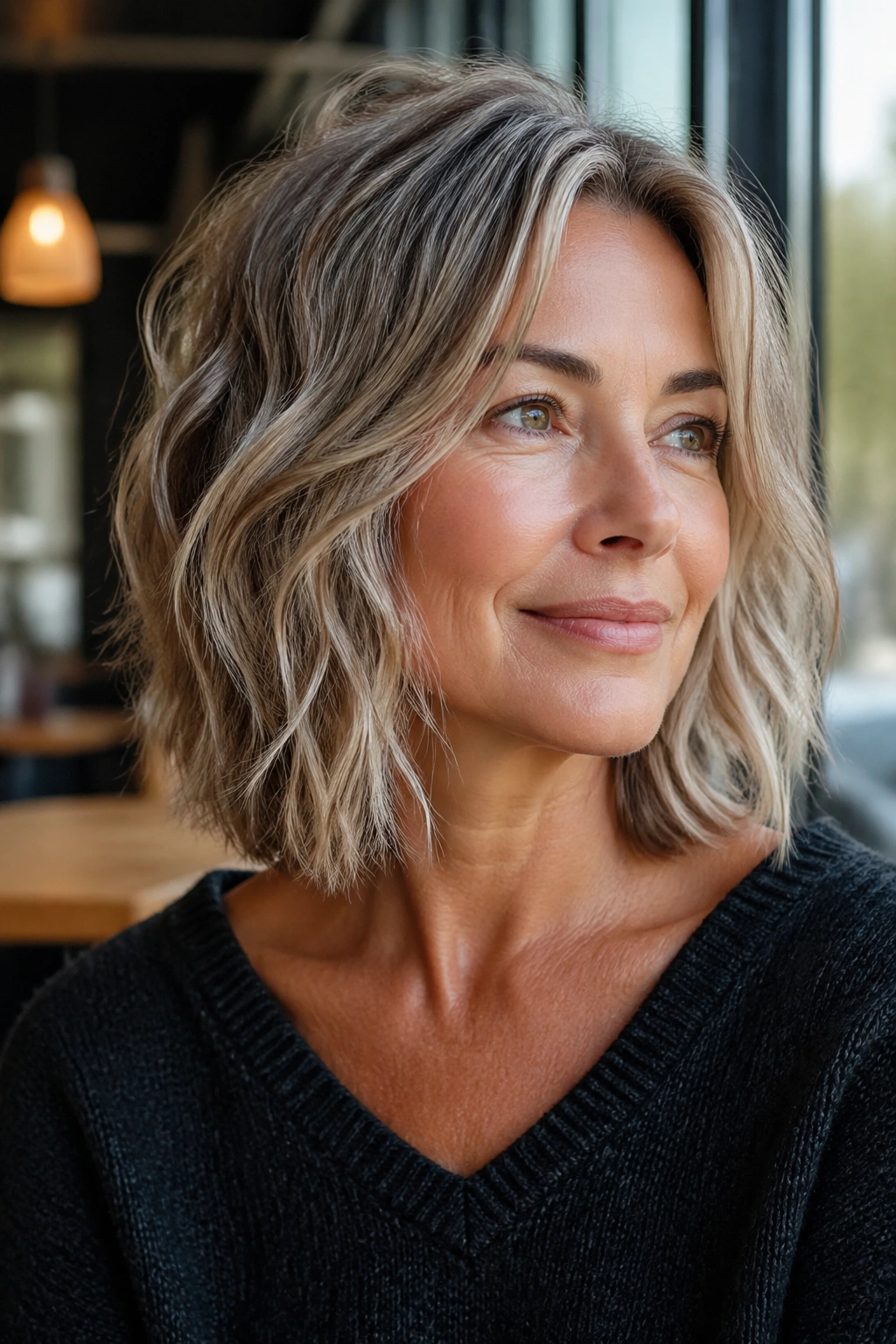
A wavy lob shag is one of those haircuts that looks better when you stop trying to force it into perfection. The length hits somewhere around the collarbone, and the layers let your waves sit in loose bends instead of one puffy mass. It’s relaxed, but not lazy.
The best thing about this cut is how forgiving it is on mornings when you do almost nothing. A little leave-in cream, a bit of scrunching, and maybe a soft blast from a diffuser can be enough. If you over-style it, you lose the charm. If you under-style it completely, you still usually end up with something decent. Nice balance.
I like this on women whose hair has changed texture over time. Maybe it used to be pin-straight and now has a little wave. Maybe the wave used to be there and came back after years of heat styling. A lob shag handles that in a way a blunt cut often doesn’t.
6. Curly Shag with Rounded Shape
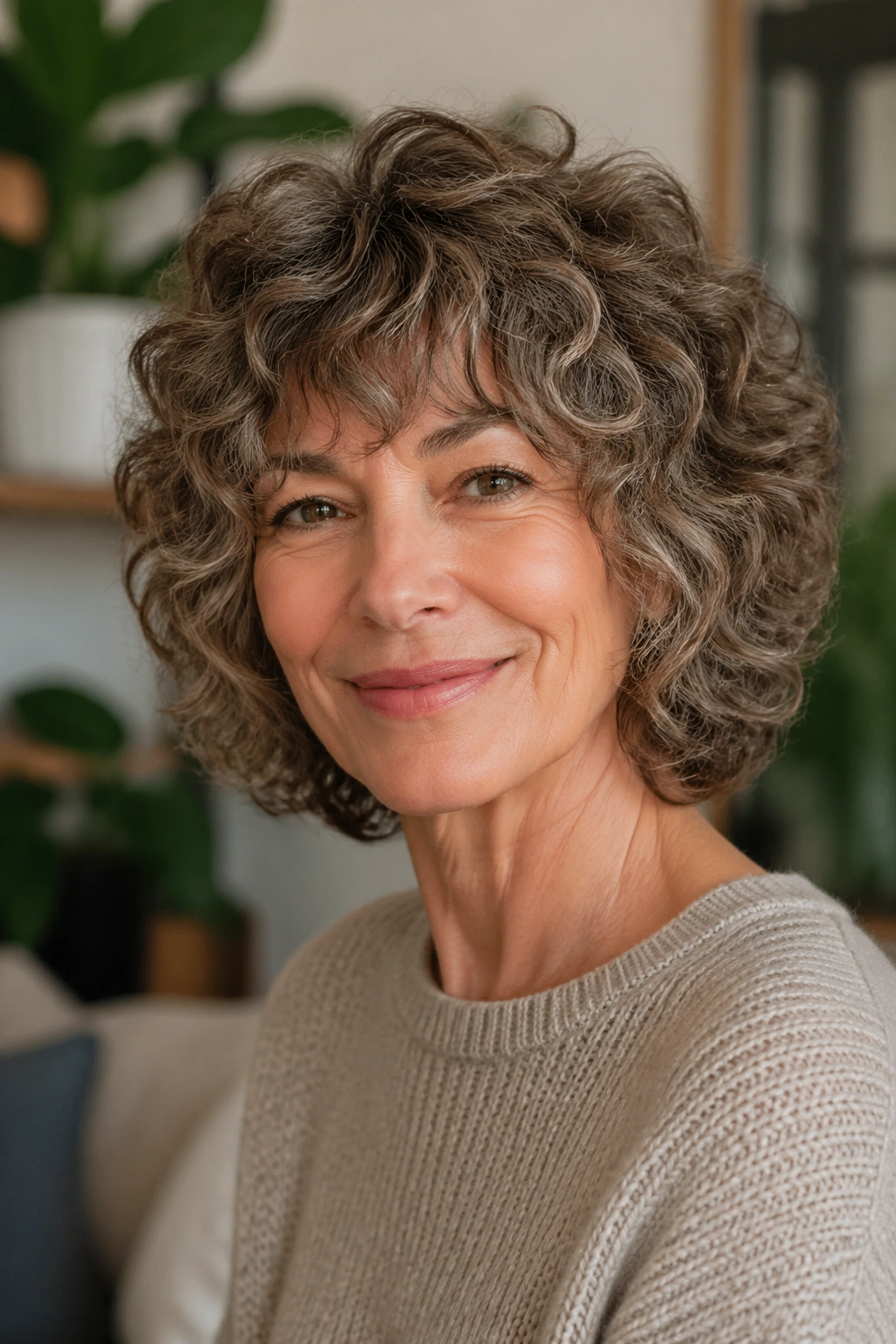
Unlike a one-length curly cut, a curly shag takes some weight out of the sides and lets the crown breathe. That matters, because curly hair can go triangular fast if the wrong bulk gets left in the wrong place. The rounded version keeps the outline soft, which is kinder around the cheeks and neck.
What Makes It Different
The layers should follow the curl pattern, not fight it. A good stylist cuts the curls where they live, usually dry or mostly dry, so the shape makes sense once the hair springs back up. If the shortest piece lands too high, the cut can balloon. Keep the shape lower and rounder.
For styling, use a gel the size of a walnut for shoulder-length curls, then scrunch until the curls feel coated but not crunchy. Diffuse until about 70% dry, then stop touching it. Seriously. Too much finger-combing turns defined curls into fluff.
This cut is a gift if your curls have started to feel less controlled than they once did. It gives them a shape without bullying them.
7. Choppy Crop Shag
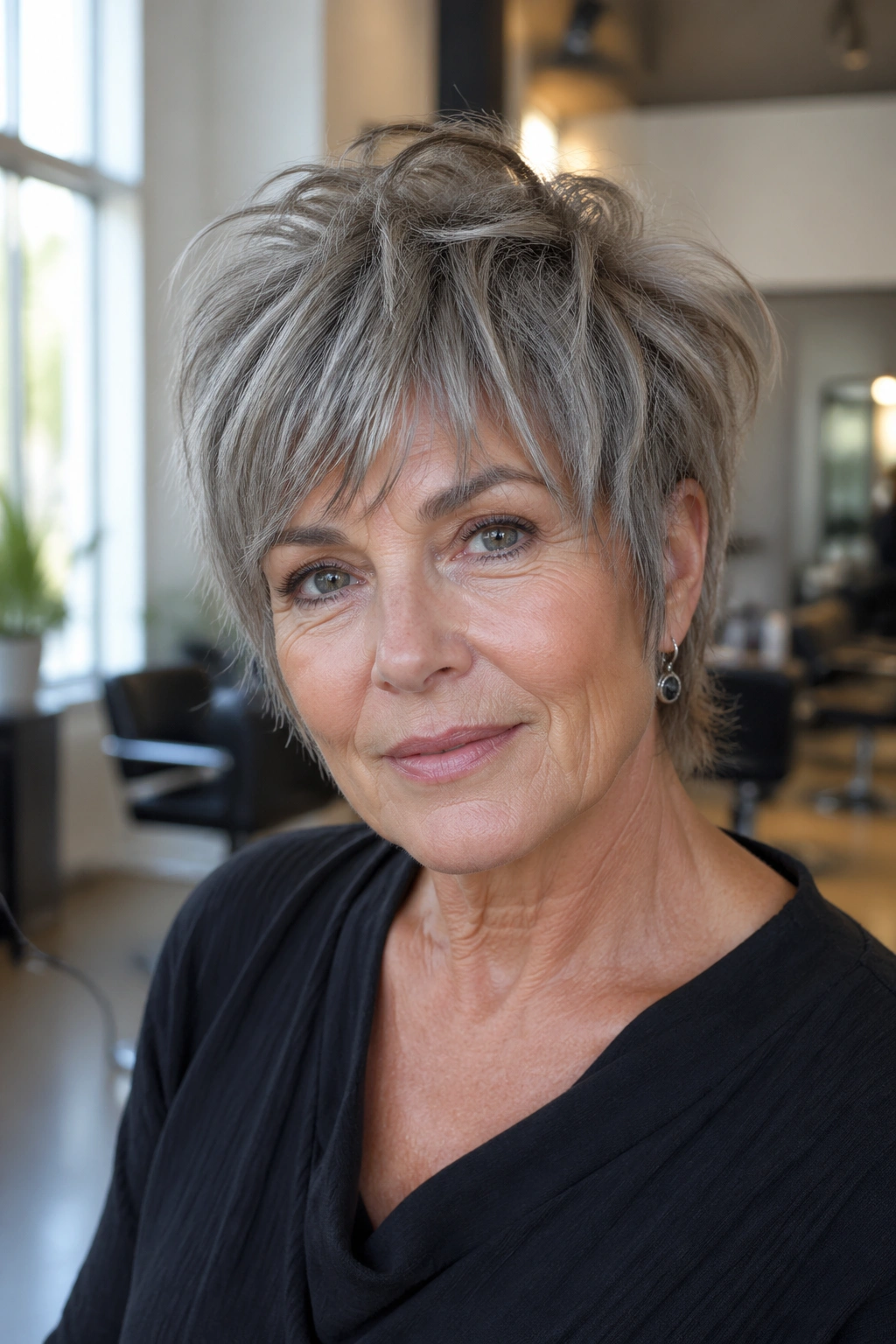
A choppy crop shag has attitude, but it does not have to feel harsh. The layers are short, uneven, and lightly broken up, which gives the cut a little edge without making it look spiky. It works well if you want something that dries fast and does not ask for a big styling routine.
Who Should Try It
- Hair that is fine to medium
- Faces that want lift around the eyes
- Anyone who likes a cut that looks better after a day or two
- Women who are tired of all one-length styles
The top should have enough length to pinch with your fingers, maybe 2 to 3 inches, while the sides stay close and tidy. I would not over-thin the ends. That is where this cut goes wrong. Too much thinning makes it look wispy instead of textured.
A pea-sized amount of paste at the crown can add a little push. Use your fingertips, not a comb. This one should feel finger-styled, not brushed into obedience.
8. Feathered Bob Shag
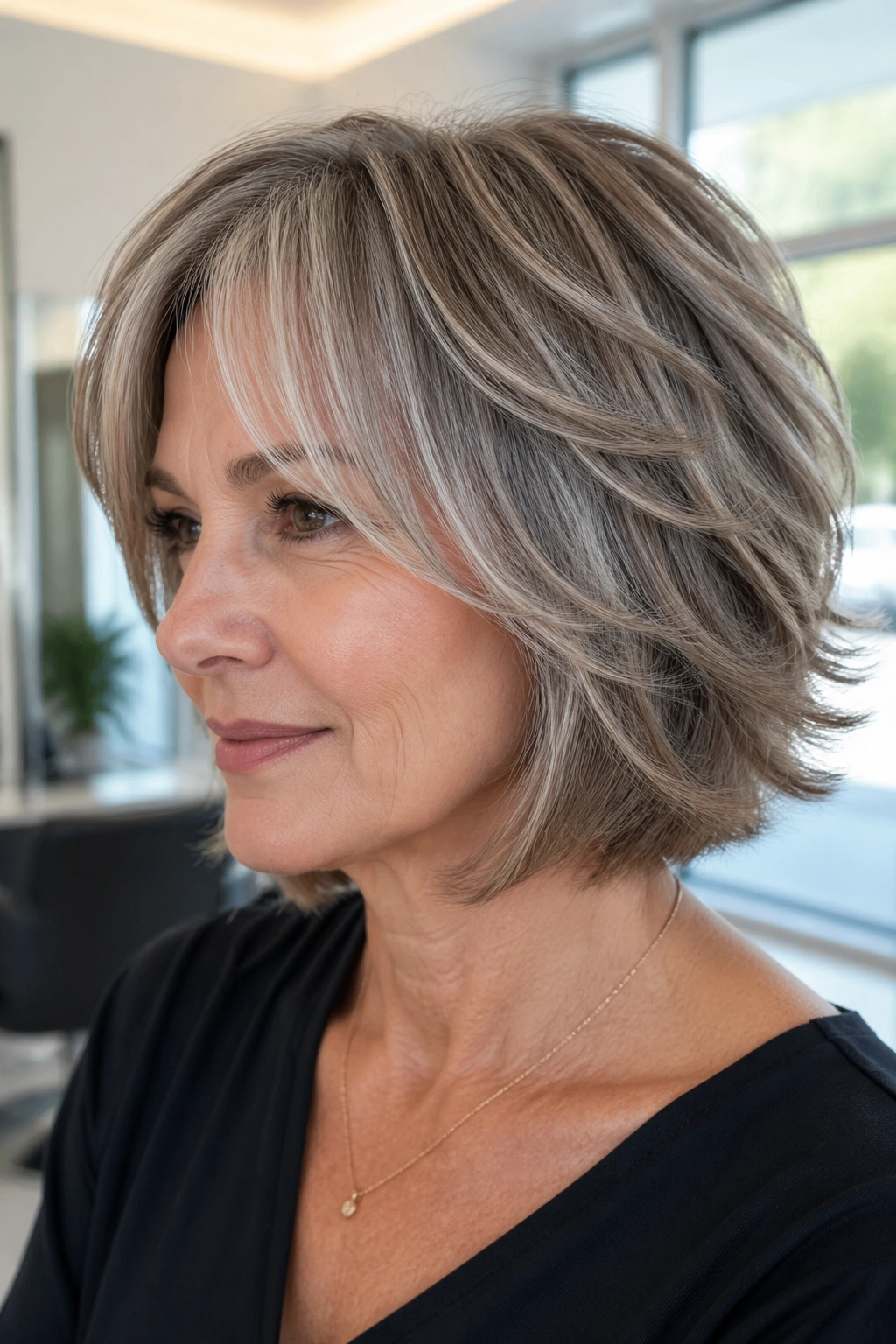
A feathered bob shag is the haircut that makes a bob feel less stiff. The edges are softened, the ends flick a little, and the whole shape sits light around the jaw and neck. It’s a good bridge haircut if you want the neatness of a bob but none of the hard edge.
The beauty of this shape is in the blow-dry. A medium round brush and a quick bend under the ends can turn a plain bob into something with movement. The layers should not be stacked in a heavy way at the back; they should skim and float. That’s the whole trick.
I especially like this cut on women with straight or slightly wavy hair that tends to fall flat at the ends. It gives the hair a built-in lift, so you are not always chasing volume with sprays and hot tools. Clean, soft, easy. That’s enough.
9. Soft Wolf Shag with Gentle Edges
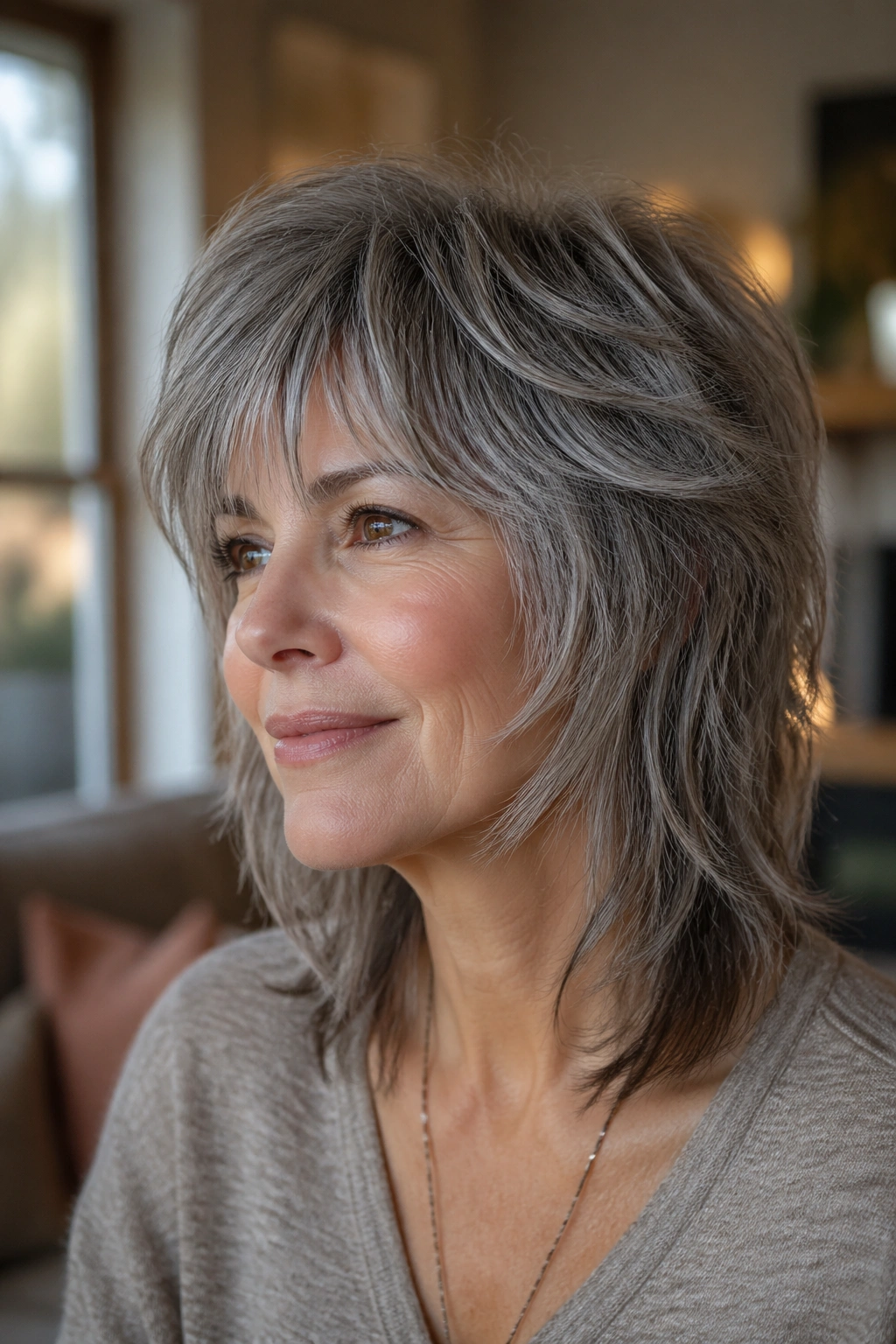
Does a wolf shag have to look wild? Not at all. The softened version keeps the layered structure people love, but the edges are blended so the haircut feels grown-up rather than jagged. It’s a better fit for women who like a little edge but do not want their hair to look punky.
The longest pieces should graze the collarbone, while the shorter layers live somewhere around the cheekbone and temple. That creates movement, but it doesn’t chop the shape into pieces. If the front gets too short, the whole cut starts looking aggressive. And that’s not the vibe here.
I’d call this a smart choice for hair that has some natural bend or a bit of wave. It also plays well with gray hair, because silver strands can look especially lively in a layered cut. A light cream and a rough dry are often enough.
10. Layered Midi Shag with Side Part
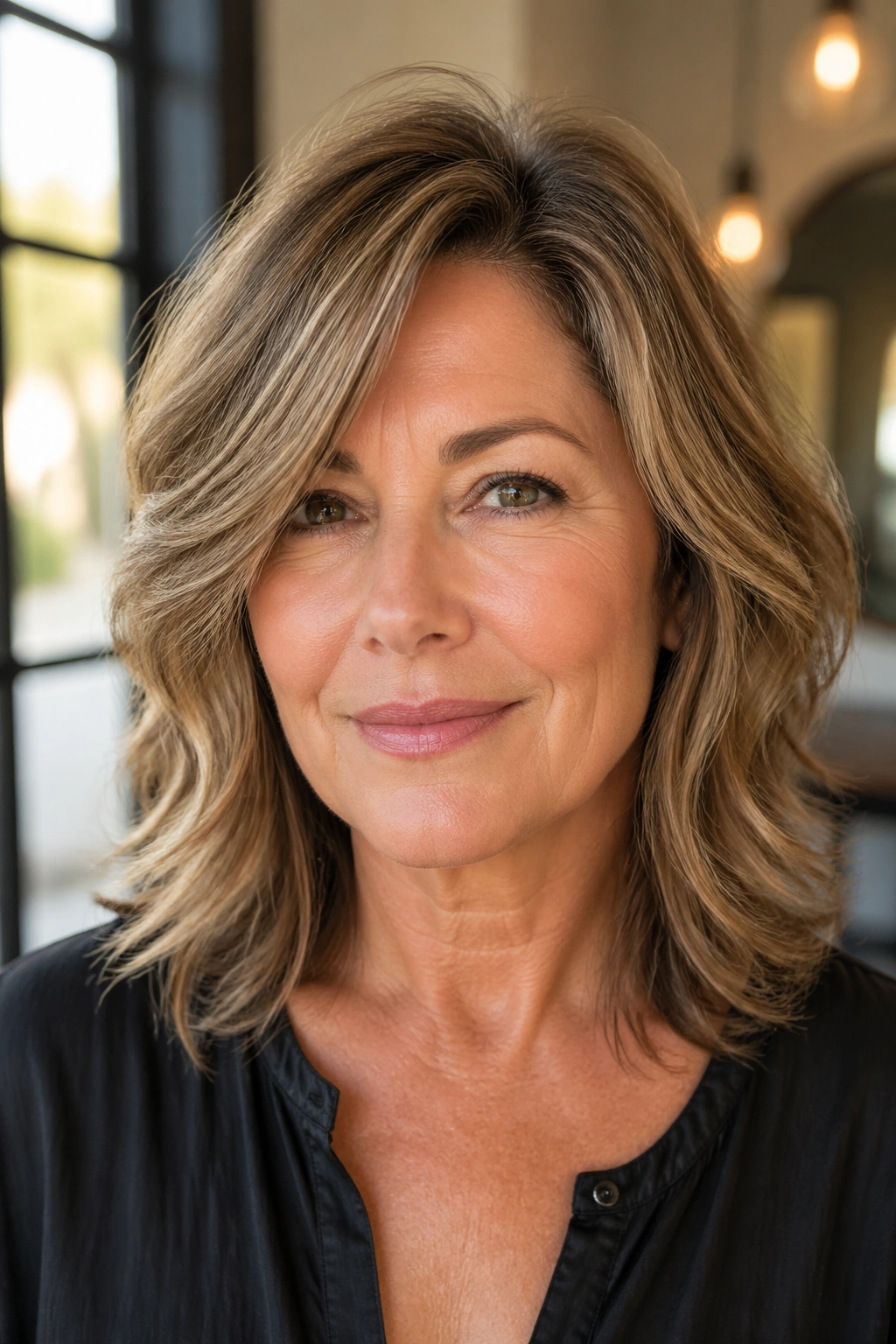
A side part changes everything. Put the part off-center on a layered midi shag and the haircut instantly gets more lift at the roots, more sweep across the forehead, and a little more softness around the eyes. It’s a small move, but it makes the cut feel less flat.
Think of this style as a length that sits between shoulder and collarbone. It gives you enough hair to pull back, enough layers to move, and enough shape that it does not feel dull. The side part helps if one side of your face feels stronger than the other, which is most of us, honestly.
- Best for medium to thick hair
- Ask for the front to begin near lip or chin level
- Keep the part about 1 to 1.5 inches off center
- Finish with a light root spray if you want extra lift
This is the kind of cut that looks polished with almost no drama. Which is a nice thing to say about hair.
11. Tapered Shag for Fine Hair
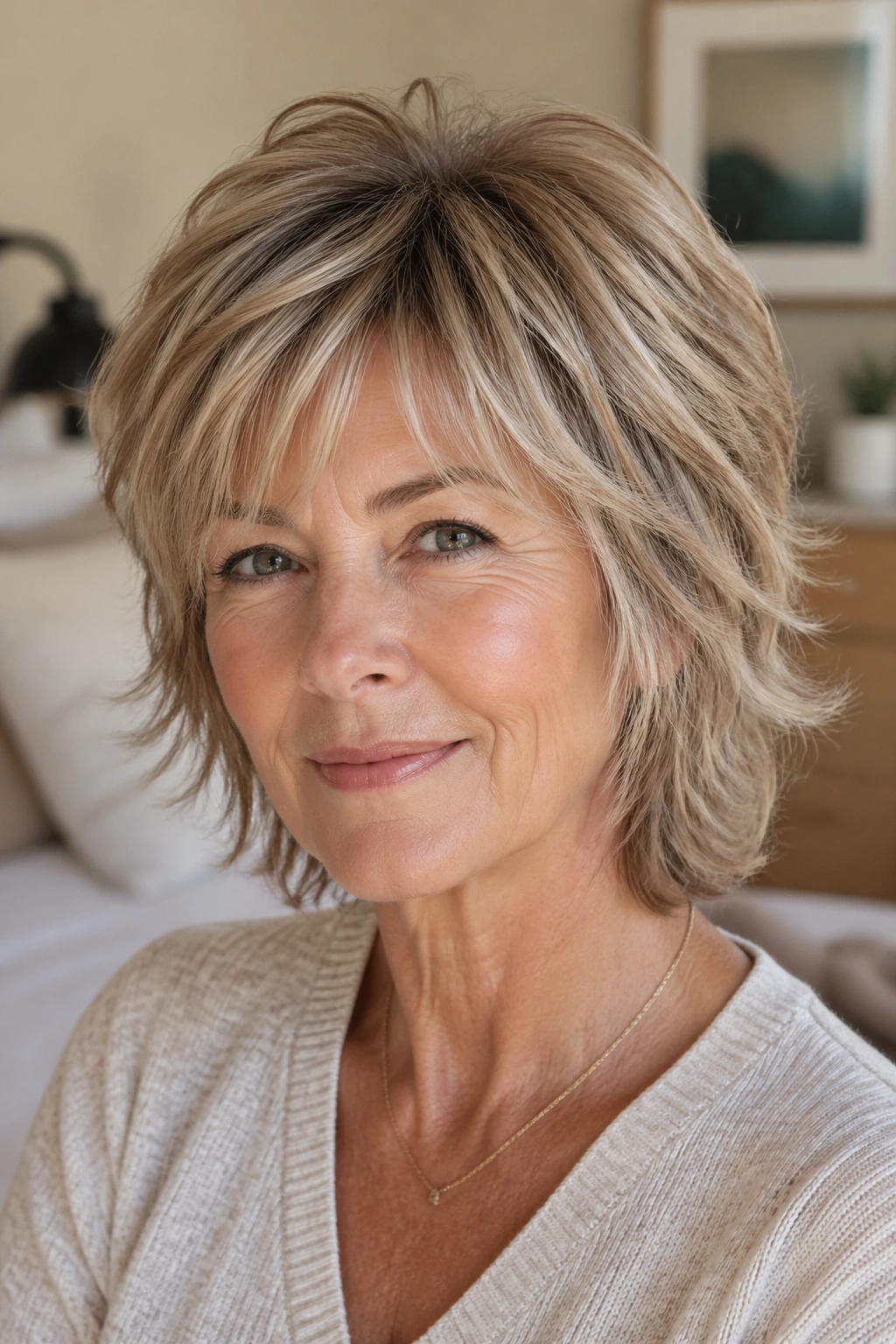
Fine hair needs shape more than it needs length. A tapered shag gives that shape by keeping the bottom a touch fuller and letting the interior layers lift the hair without stripping away too much density. That’s the part people often get wrong. They ask for too many layers, then wonder why the ends look transparent.
The taper should be gentle, almost sneaky. Shorter layers around the crown give height, but the perimeter stays clean enough to look like hair, not fuzz. A good stylist will leave the ends a little blunt so the cut doesn’t vanish when it dries.
A root-lifting spray at the crown and a quick blast with a blow-dryer can wake this cut up fast. You do not need a massive blowout. You need a bit of push at the roots and restraint everywhere else.
12. Razor-Cut Shag for Thick Hair
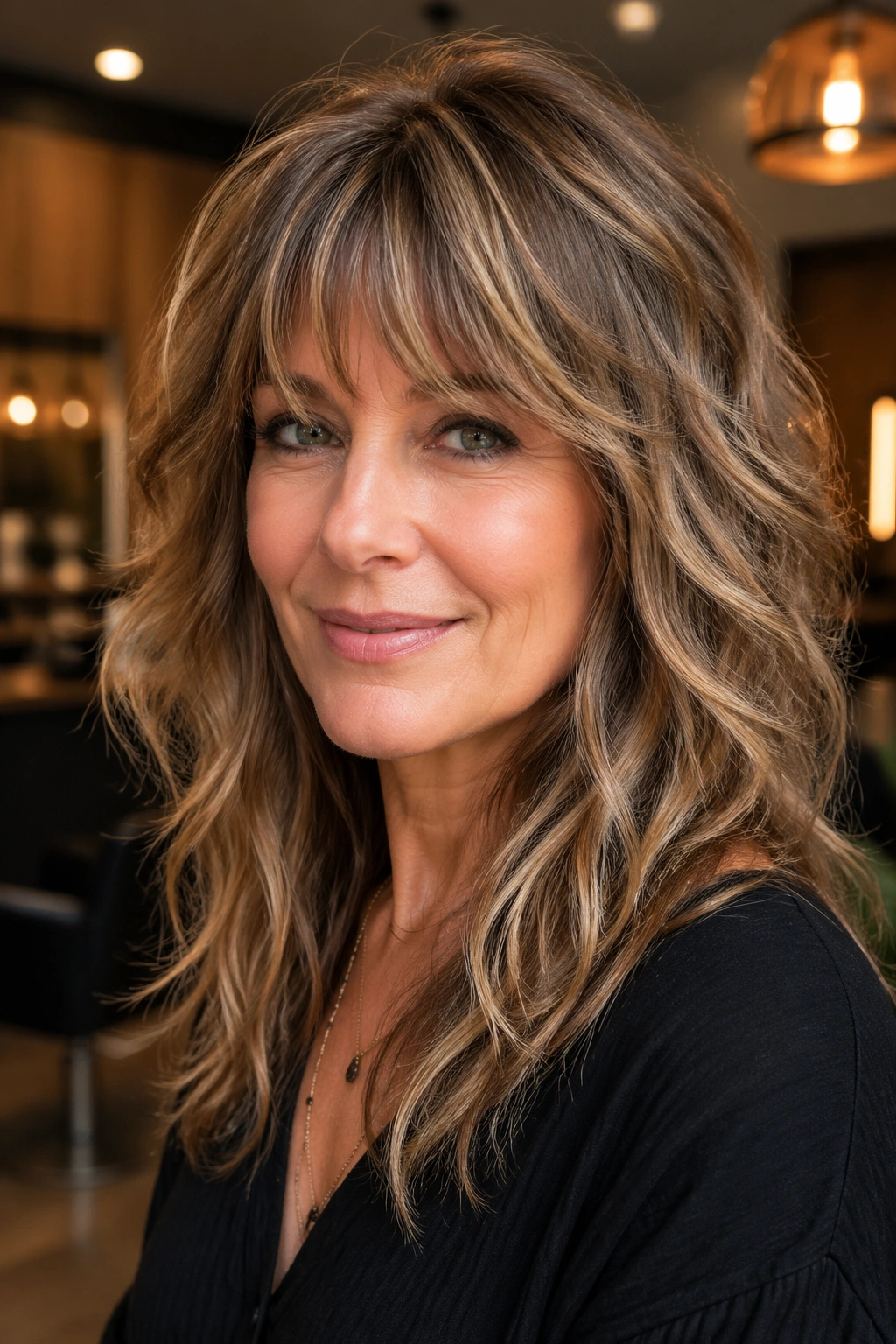
Thick hair can carry a razor cut better than people think. The razor softens the ends, removes some visual bulk, and lets the layers fall in pieces instead of one heavy stack. The result feels lighter at the shoulders, which is often the whole reason to get a shag in the first place.
But there’s a catch. Razor work on very dry or fragile ends can make the hair look frayed. So this is a better choice if your hair is healthy, dense, and a little resistant to movement. It loves a bit of edge.
What Makes It Different
Unlike a blunt cut, a razor-shag lets the bottom breathe. The shape can still be full, but it won’t sit there like a shelf. That matters on thick hair, especially if you wear it to the shoulders or lower.
Ask for the face frame to stay soft and the internal layers to be broken up rather than chopped. A heavy hand with thinning shears can make thick hair look puffy at the top and stringy at the bottom. That’s the combo nobody wants.
13. Tousled Short Shag with Volume Crown
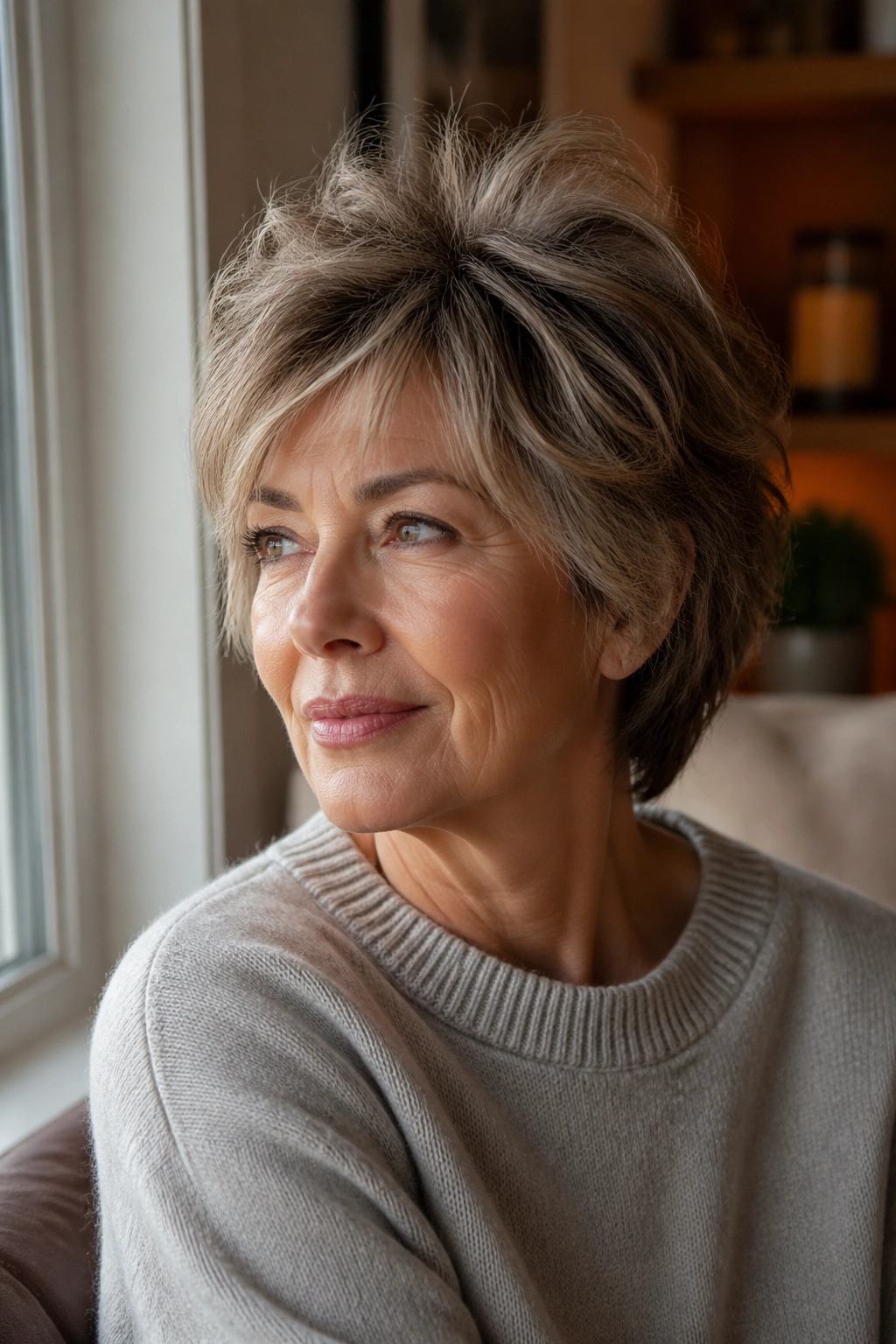
Short shags live or die by the crown. If the top sits flat, the whole haircut looks sleepy. If the crown gets a little lift, the shape comes alive fast. That’s why this tousled version works so well on women who want a short cut with movement and a little height.
Where the Height Should Sit
The lift should sit just behind the hairline, not way up at the very top. That creates a natural bump instead of a cartoonish puff. Keep the sides close enough to frame the face, but leave the top textured and bendy.
A volumizing mousse at the roots and a quick finger-dry can do more than a fancy brush set. If you want a more styled finish, use a small round brush only at the front and crown. Leave the back less polished. That contrast makes the haircut look lived-in in a good way.
This one is especially friendly for women who want a short style that still feels feminine and a little playful.
14. Collarbone Shag with Wispy Fringe
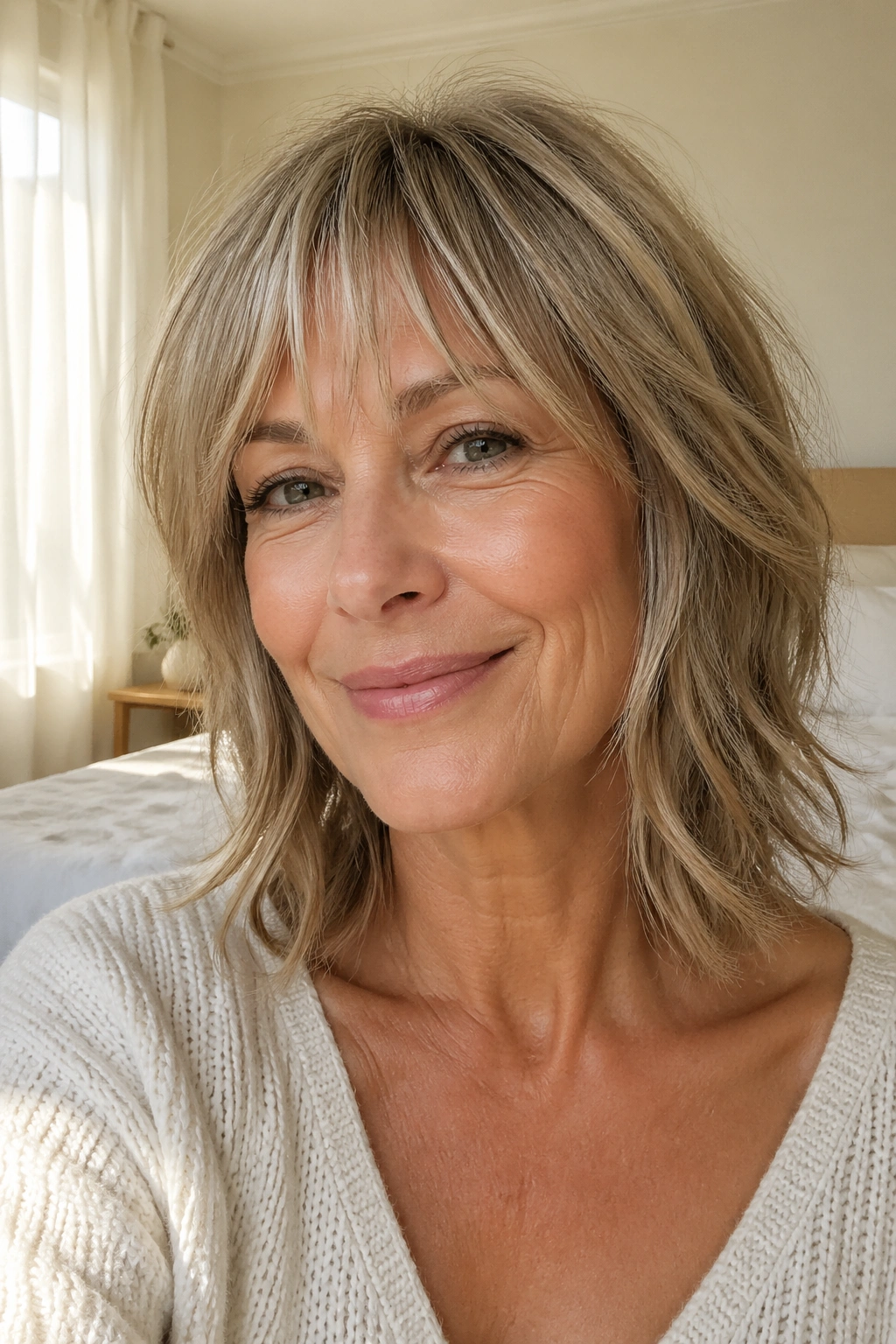
The collarbone shag is one of my favorites because it feels easy without looking boring. Add a wispy fringe, and the whole cut gets a softer front edge that can make the eyes stand out and the forehead feel less exposed. It’s a graceful cut, and I mean that in the plainest possible sense.
The fringe should be light enough to move when you blink. Not blunt. Not thick. Just a little veil of texture that sits around the brow or just below it. If the bangs get too dense, the face can feel boxed in. If they’re too sparse, they disappear. There’s a middle ground here, and it’s worth finding.
This is a useful style for women whose hair has fine ends but a decent amount of body near the scalp. The collarbone length keeps some swing, and the fringe keeps the front from looking too plain. Very neat, very wearable.
15. Glam Shag with Big Blowout
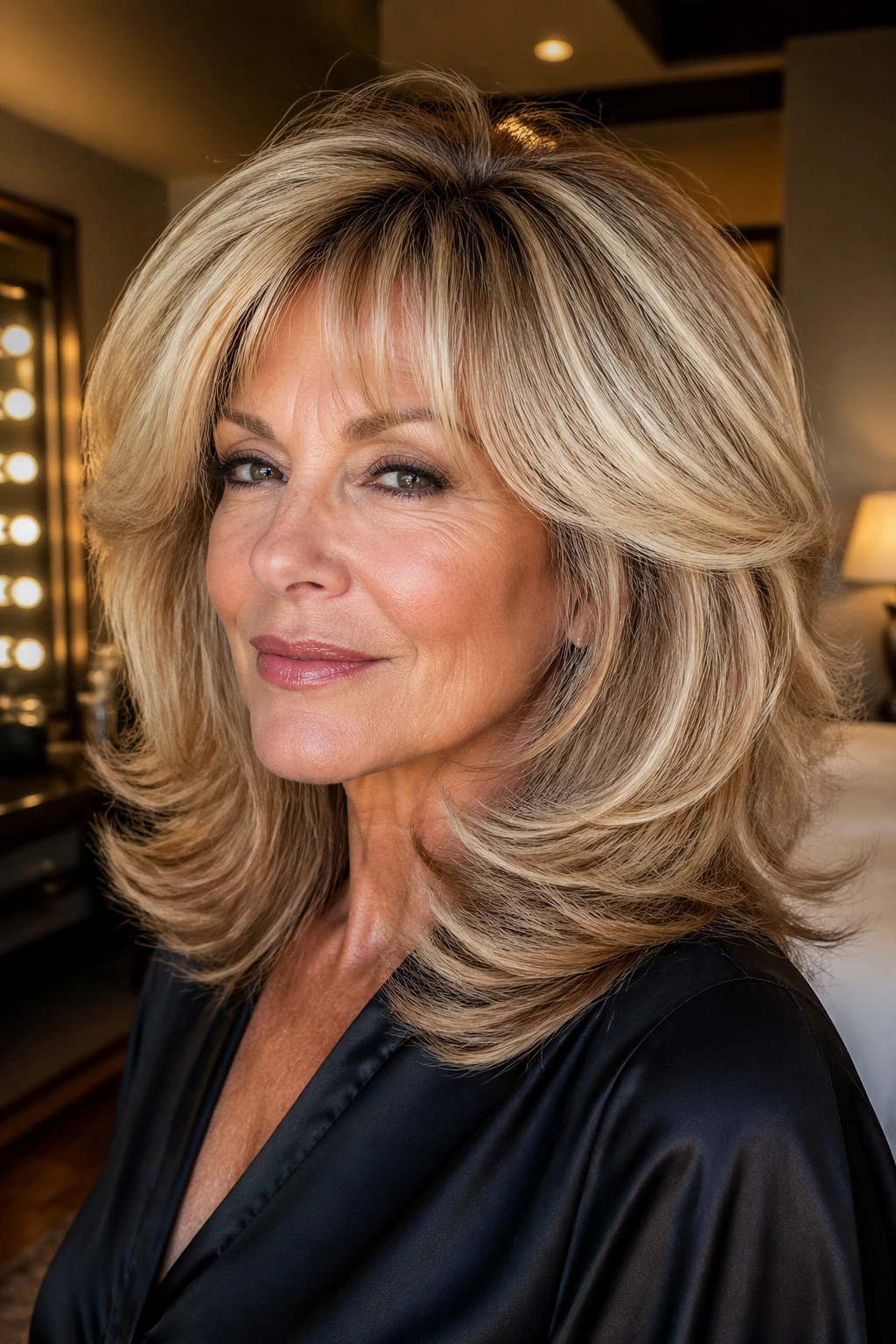
Can a shag look polished? Absolutely. It just needs a better blowout than the ones that try to flatten every ounce of movement out of the cut. The glam shag keeps the layered structure, then uses a round-brush finish to turn the ends under and away from the face.
How to Style It
Start with heat protectant and a 2-inch round brush if your hair is shoulder length or longer. Lift the roots, roll the front pieces away from the face, and let the layers curve softly. A few velcro rollers at the crown while the hair cools can help the shape last longer.
This is a strong choice for dinners, events, or any day you want your hair to look deliberately done without feeling stiff. It’s also a smart match for medium-density hair, because the blowout makes the layers look expensive without needing a heavy product cocktail.
The best glam shag has bounce, not crunch. That difference shows.
16. Natural Gray Shag with Piecey Bangs
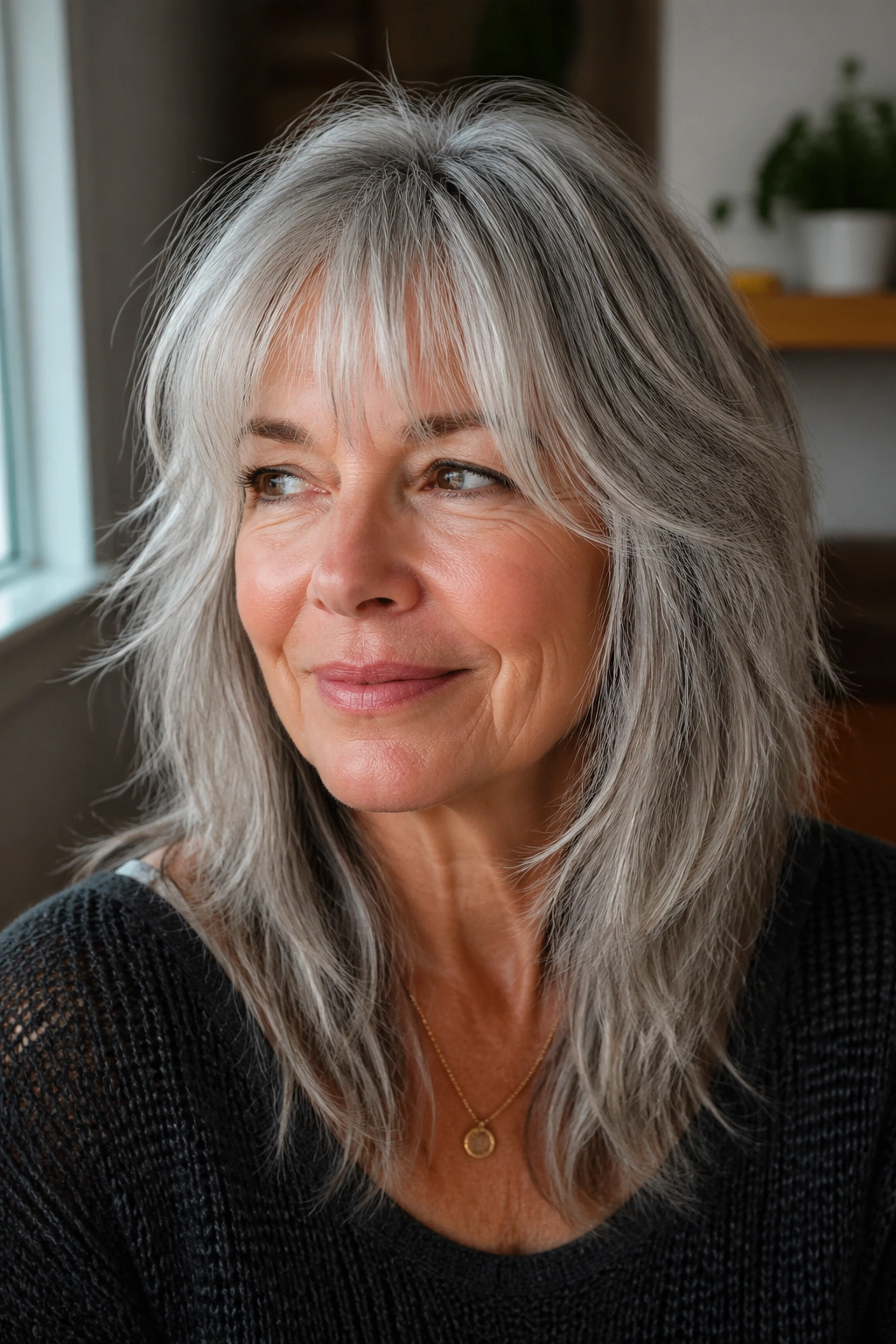
Gray hair often has its own texture story. Some strands come in coarser, some come in softer, and a shag can help all those textures play together instead of fighting for attention. Piecey bangs add a little sparkle around the forehead without turning into a blunt wall.
I’ve always liked this cut on women who have stopped coloring and want the shape to do the work. The hair feels honest in the best way. Keep the bangs a touch lighter than the rest of the haircut, and ask for the pieces around the face to be slightly longer so they don’t pop up too short once they dry.
- Use a light cream, not a heavy butter
- Keep the bang section narrow, about 2 to 3 inches wide
- Trim every 6 to 8 weeks if the fringe falls into your eyes
- Let the gray show; it gives the texture more contrast
A silver shag with piecey bangs has a lot of character. No fake fuss. Good stuff.
17. Layered Shag for Straight Hair
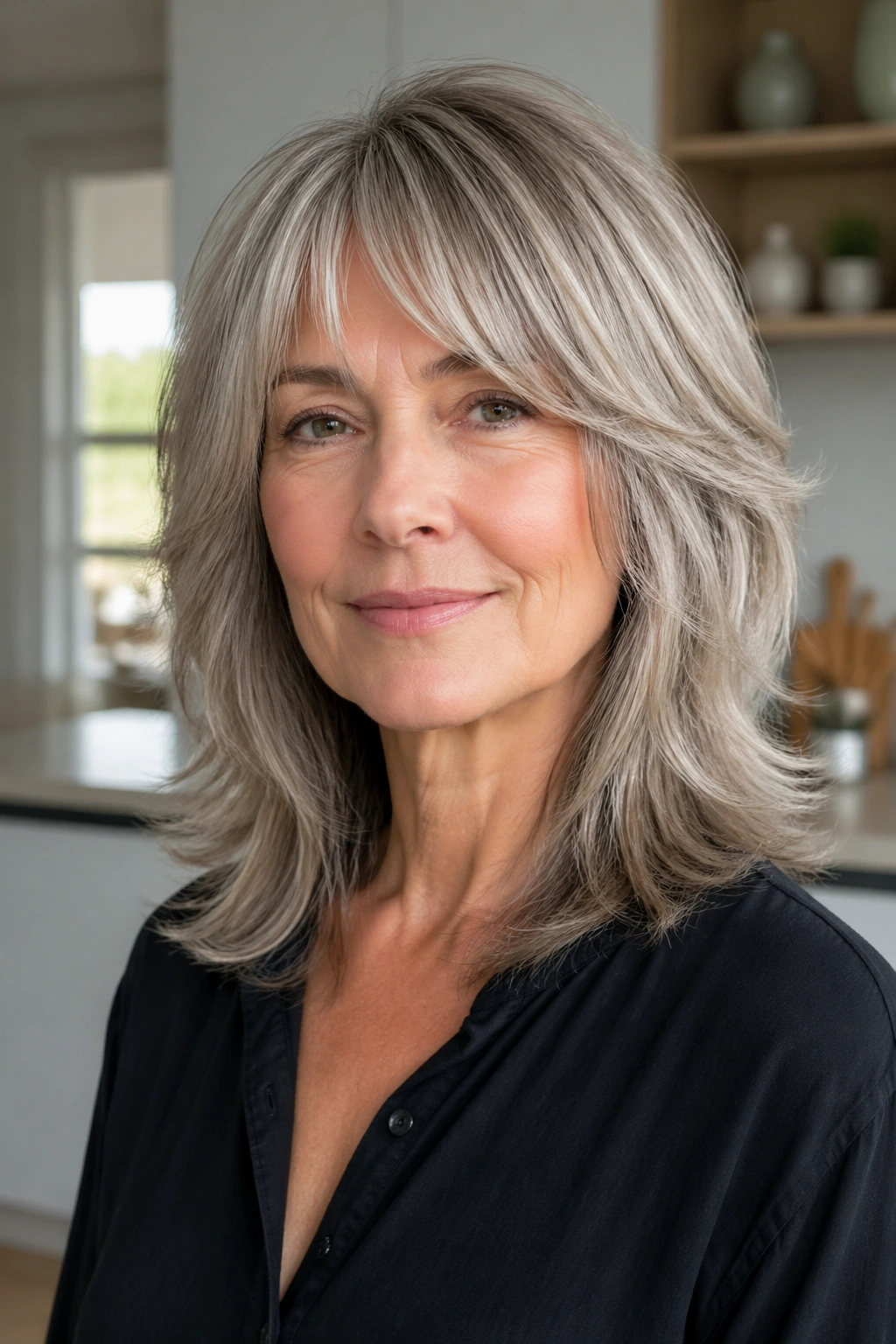
Straight hair can be stubborn. It likes to lie down and refuse all drama. A layered shag changes that by breaking up the shape inside the haircut, not just on the surface. That’s what gives the movement you see in the mirror.
The safest way to do this on straight hair is to keep the layers soft and avoid carving too high into the crown. If you go too hard with the layering, the ends can look see-through and the shape loses its weight. Better to create movement with long internal pieces and a bit of bend at the ends.
A flat iron can help, but only if you bend the ends slightly inward or outward. A dead-straight finish can make the haircut look more severe than it really is. A tiny curve at the bottom changes the whole mood.
18. Airy Shag with Micro Layers
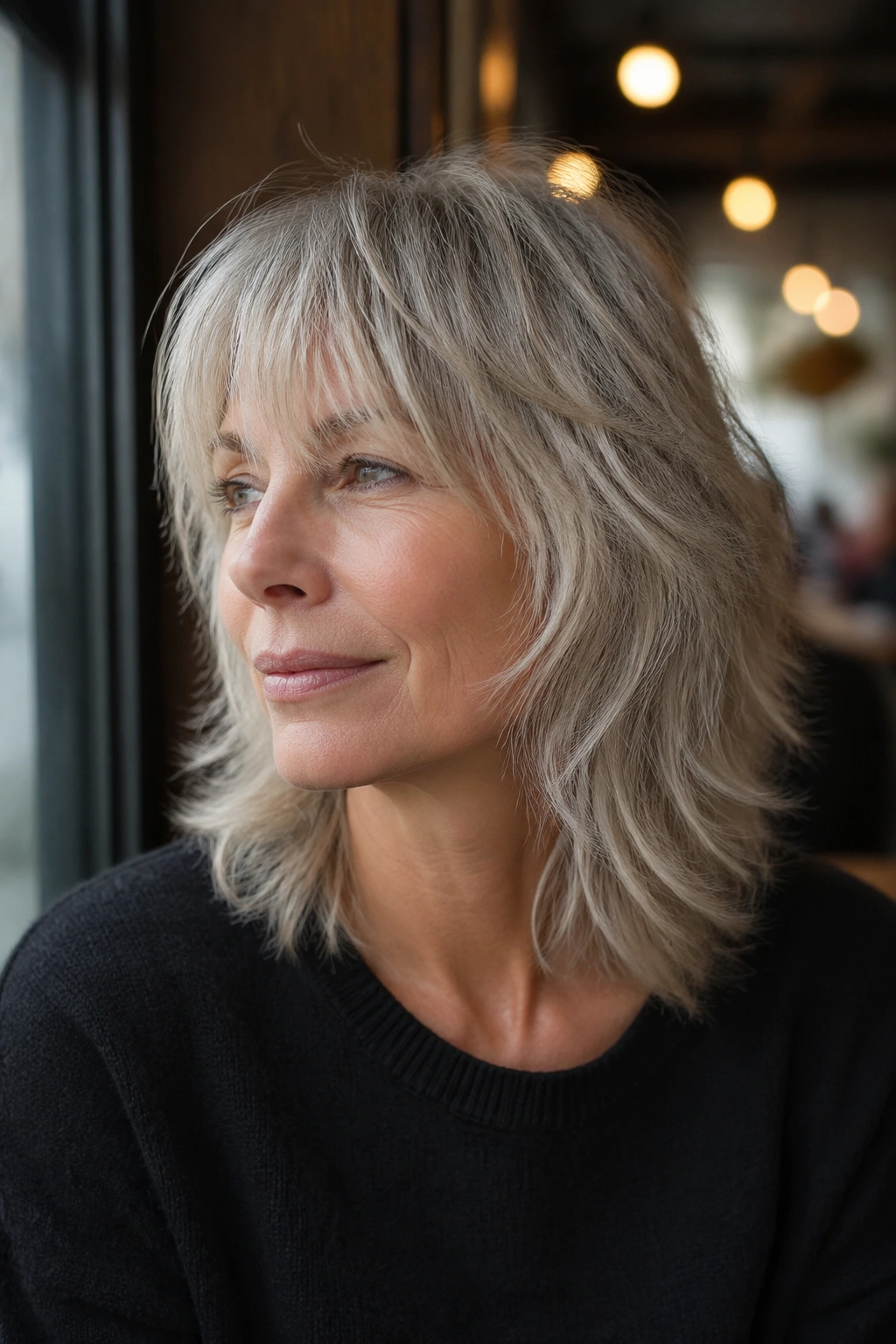
Micro layers are not for every head of hair, and I’ll say that plainly. But when they work, they make the haircut feel almost weightless. The layers are tiny, closely spaced, and used to create softness through the body of the hair rather than obvious steps.
What to Watch For
If your hair is already frizzy or very porous, too many micro layers can make it puff. So the haircut needs a light hand. The shortest pieces should still connect to the longer ones, and the perimeter should stay clean enough to hold its shape.
This style is a good fit for women with medium-density hair who want movement without visible chunks of layering. It also suits people who like to air-dry and leave the brush in the drawer most days. A little serum on the ends goes a long way here.
The end result is airy, not fluffy. That distinction matters more than the name.
19. Asymmetrical Shag
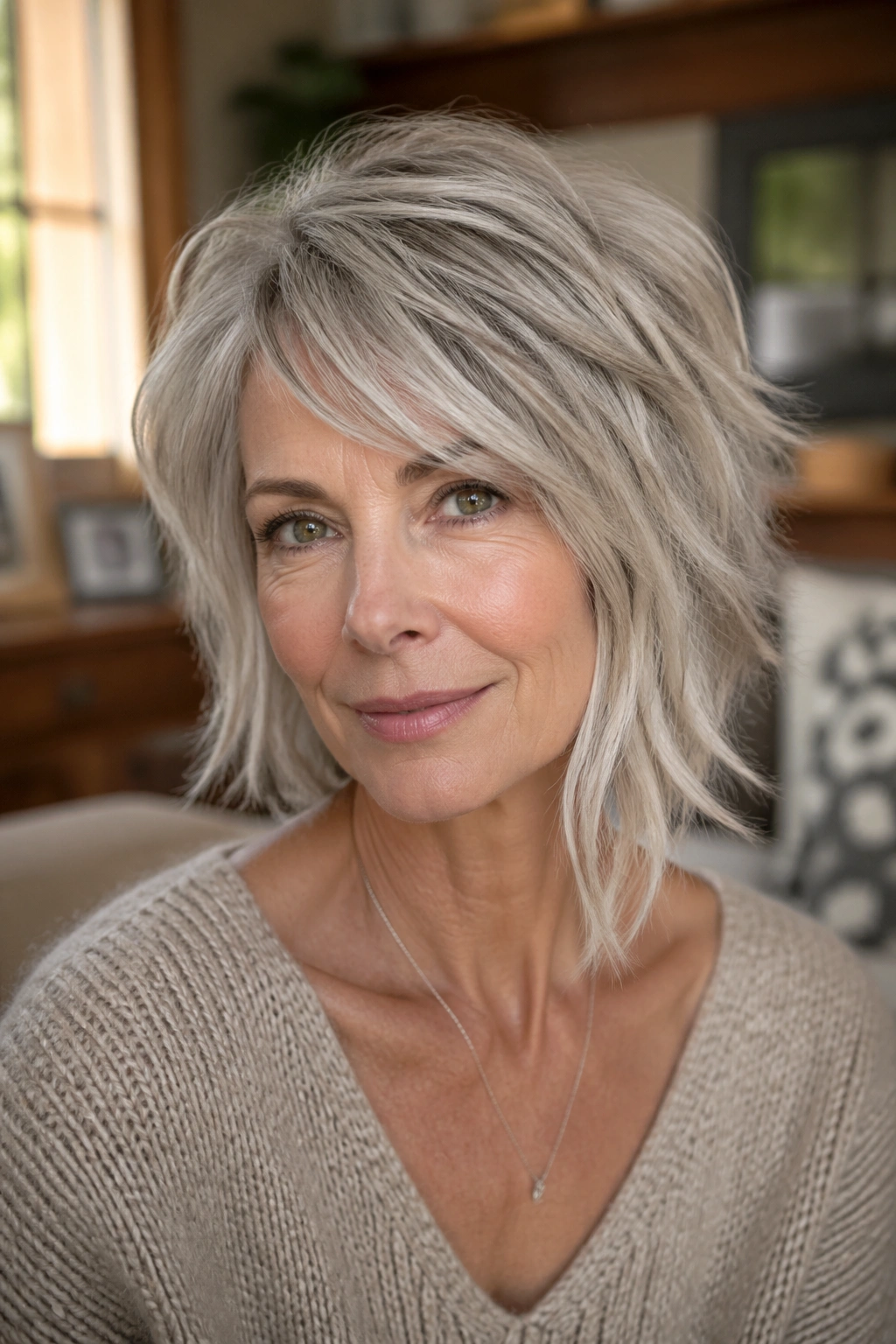
An asymmetrical shag gives the haircut a little tension in the best way. One side sits slightly longer, or the front angles more noticeably from one side to the other, and the whole shape feels modern without needing to shout. It’s a nice option if you want something with personality.
Why the Unevenness Works
- One side can drop 1 to 2 inches longer for a softer line
- The shorter side can open up the cheekbone
- Side-swept layers stop the cut from feeling rigid
- Works well with straight, wavy, or lightly curly hair
The key is not making the difference so large that it looks accidental. You want intention, not chaos. A small asymmetry can sharpen the jaw or soften a strong forehead, depending on where the length falls.
I’d especially recommend this for women who like haircuts with a little edge but no maintenance circus. It’s stylish enough to feel fresh, but still easy to live in.
20. Shoulder-Length Shag with Side-Swept Bangs
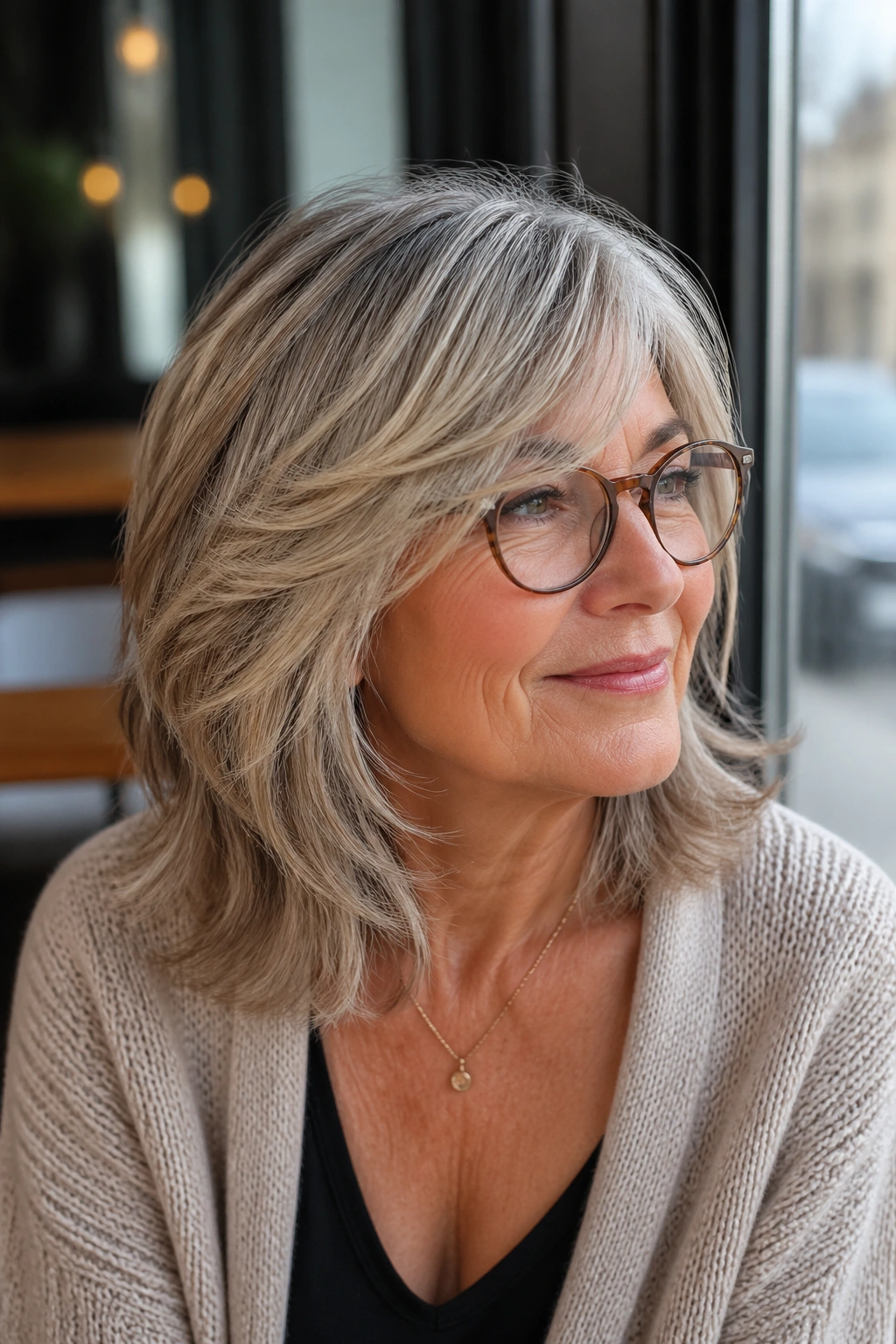
A shoulder-length shag with side-swept bangs is one of the easiest ways to wear fringe without committing to a full bang routine. The bangs can be tucked, brushed over, or blended into the layers when you feel like ignoring them for a day.
That flexibility matters. Some bangs need perfect drying or they turn fussy. Side-swept bangs are kinder. They can soften a forehead, make the eyes feel more open, and sit nicely with glasses because they do not land straight into the frame.
If you want this cut to feel soft rather than bulky, keep the longest front pieces around the collarbone and let the bangs taper into them. A little mousse at the root and a quick side blow-dry usually does the job. Simple. No drama.
21. Bouncy Curl Shag
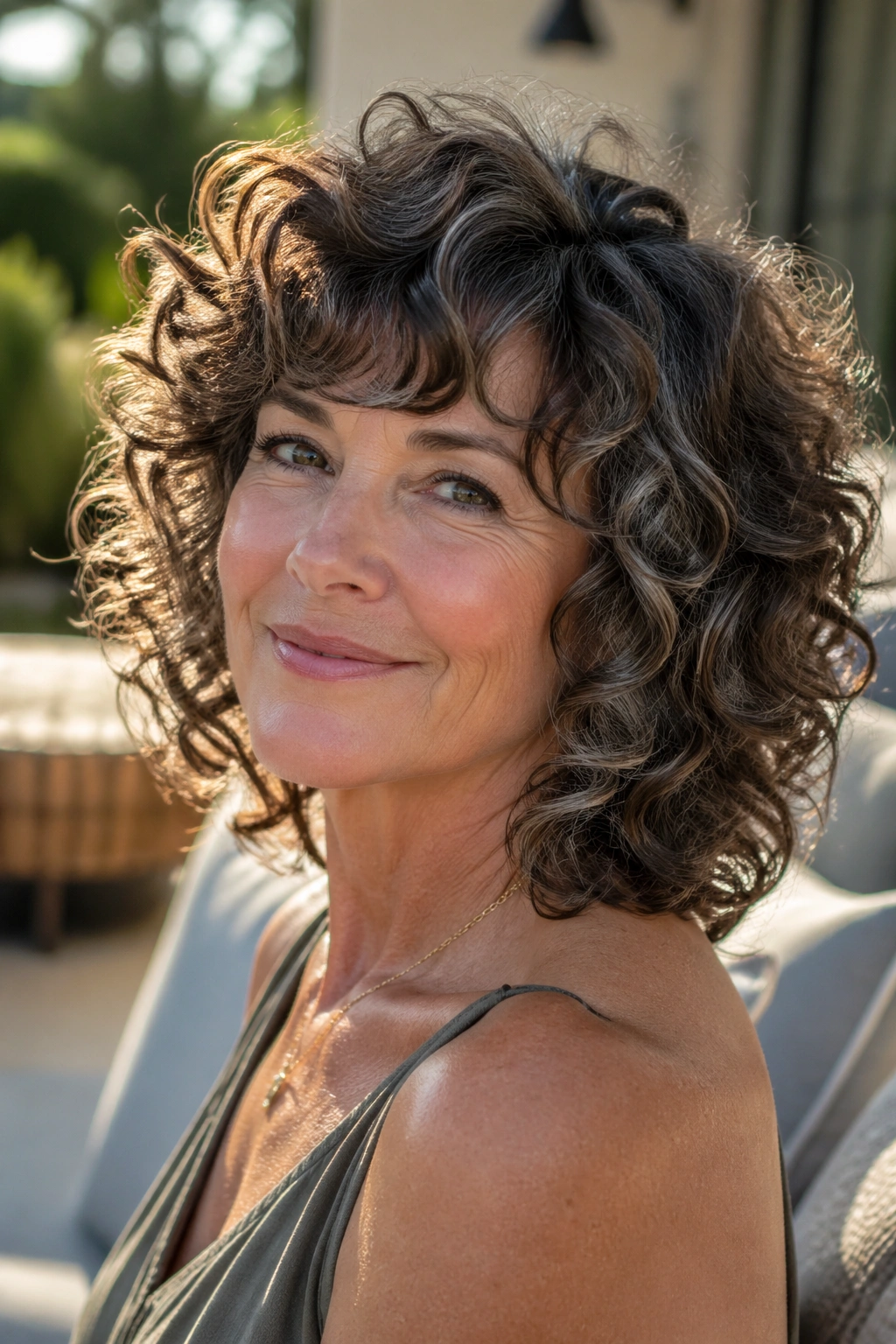
What happens when curls get the right layers? They spring instead of swell. A bouncy curl shag keeps enough shape for the hair to look lively, but not so much weight that the curls collapse under their own density.
How to Style It
Start with damp hair and work in a medium-hold gel or curl cream from mid-length to ends. Then scrunch upward, using your hands to encourage the curl pattern rather than smearing it flat. Diffuse until the hair is mostly dry, then let the last bit finish on its own.
The cut should follow the natural curl groupings. If the layers cut across the pattern, the hair can separate in odd places. If they follow the curl, the style gets a soft, round finish that looks good from the side as well as the front.
This is a lovely shape for women whose curls have changed with time and need a haircut that respects them. It’s lively without being loud.
22. Center-Part Shag with Long Curtain Pieces
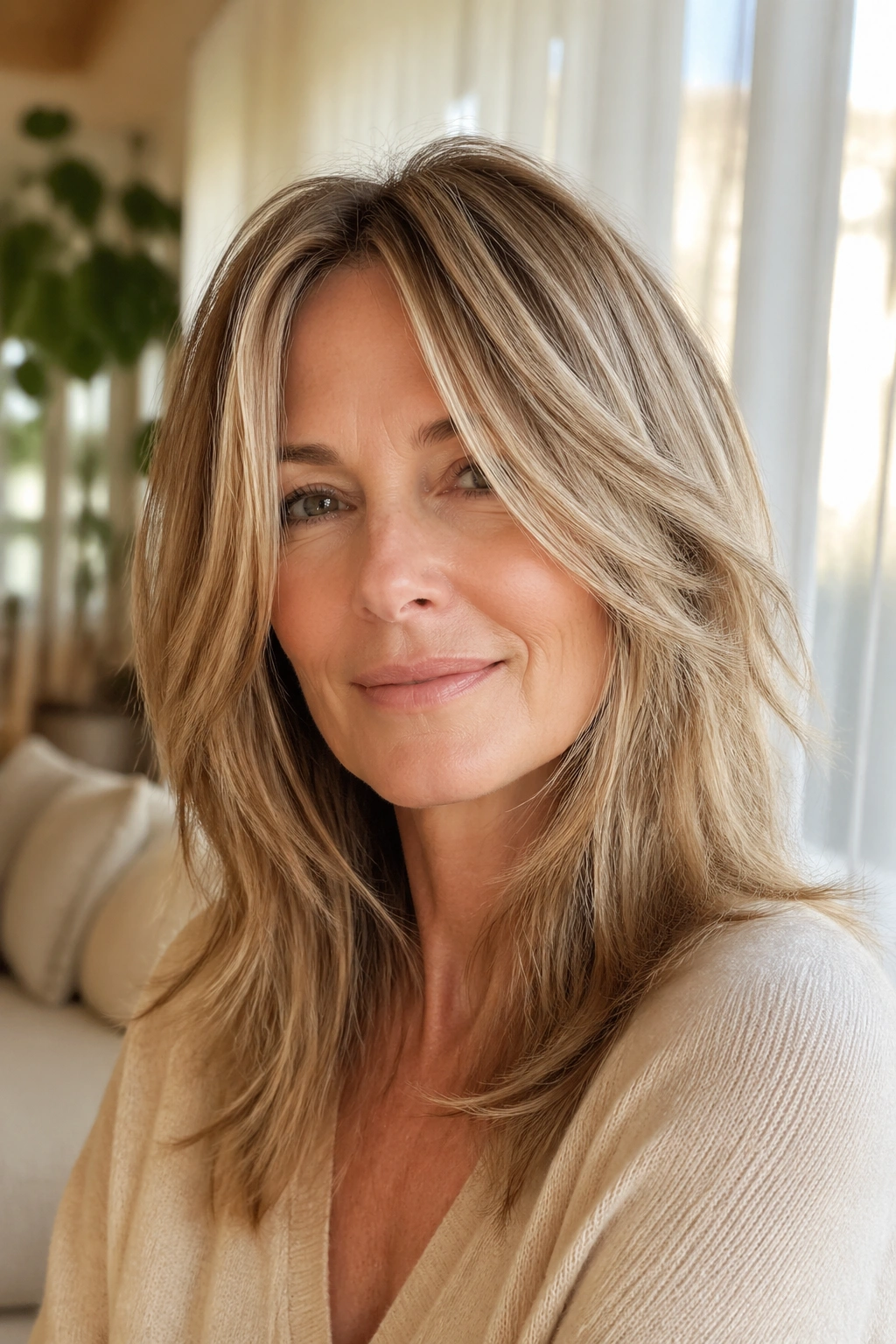
A center part can feel strong, but on a shag it can also feel calm. The long curtain pieces soften the line down the face and give the haircut a balanced, almost relaxed symmetry. It’s a nice option if you prefer things even rather than swept to one side.
The front pieces should start around the cheekbone and drift down toward the jaw or collarbone. That keeps the middle part from feeling severe. If the face is narrow, the pieces can start a little lower. If the face is round, a slightly longer front frame can slim the line without making the cut too narrow.
This style tends to work well with medium to thick hair because the center part shows off the texture instead of hiding it. A quick bend with a round brush at the front is enough. The rest can stay loose. That’s part of the charm.
23. Neck-Length Shag with Flicked-Out Ends
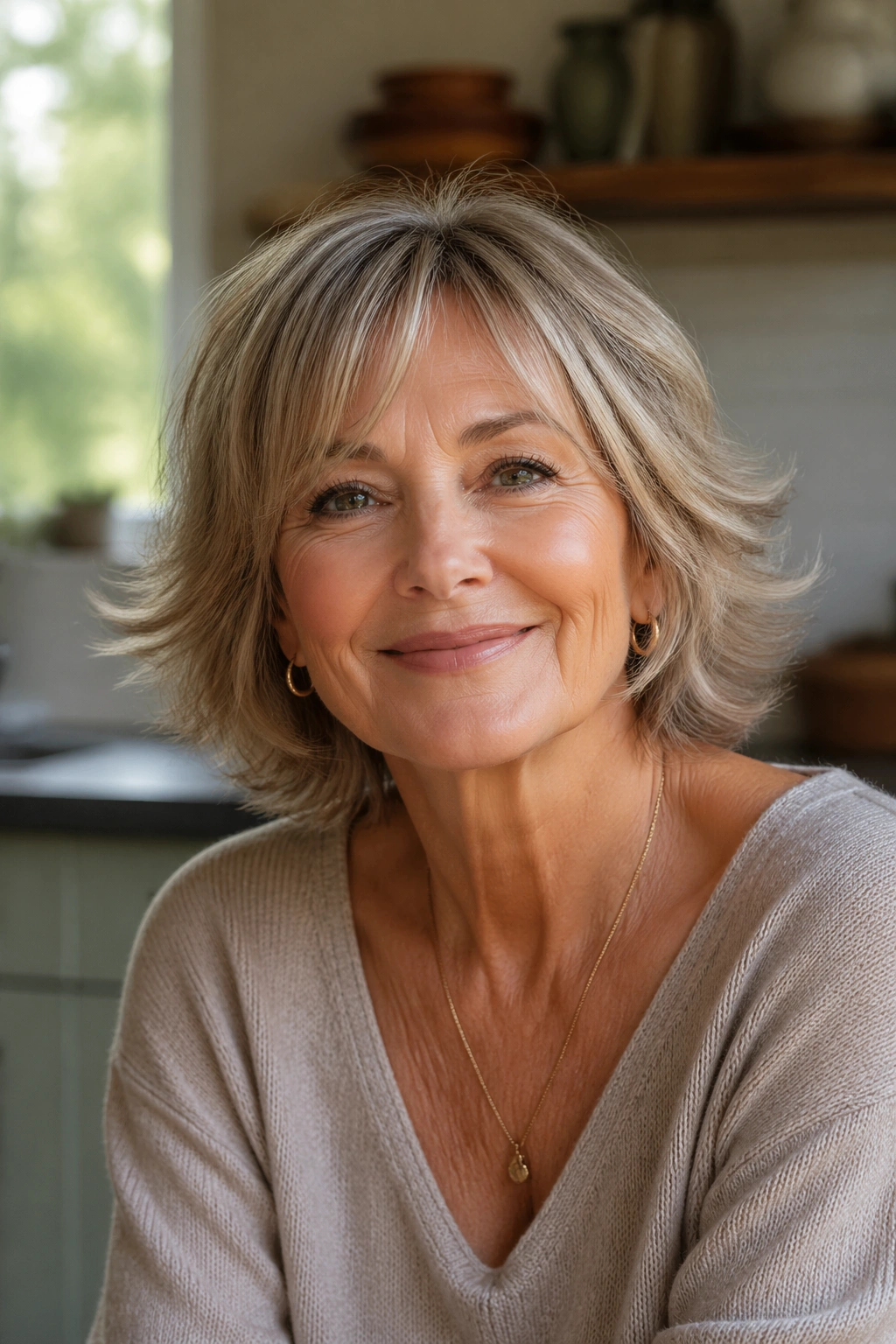
A neck-length shag gives you a little more length than a cropped cut, but it still keeps the outline light enough to move. The flicked-out ends are the fun part. They keep the cut from sitting flat against the neck and make the whole shape feel lively.
The ends should be soft enough to flip naturally, not stiff enough to look styled into place. A small flat iron can turn the last inch outward at a slight angle, maybe 10 to 15 degrees, if your hair needs help. Don’t overdo it. The flick should look like a habit, not a trick.
This is a strong haircut for women who like shorter hair but still want enough length to tuck behind the ear or clip back on one side. It has a little swing. That matters more than people admit.
24. Low-Maintenance Air-Dried Shag
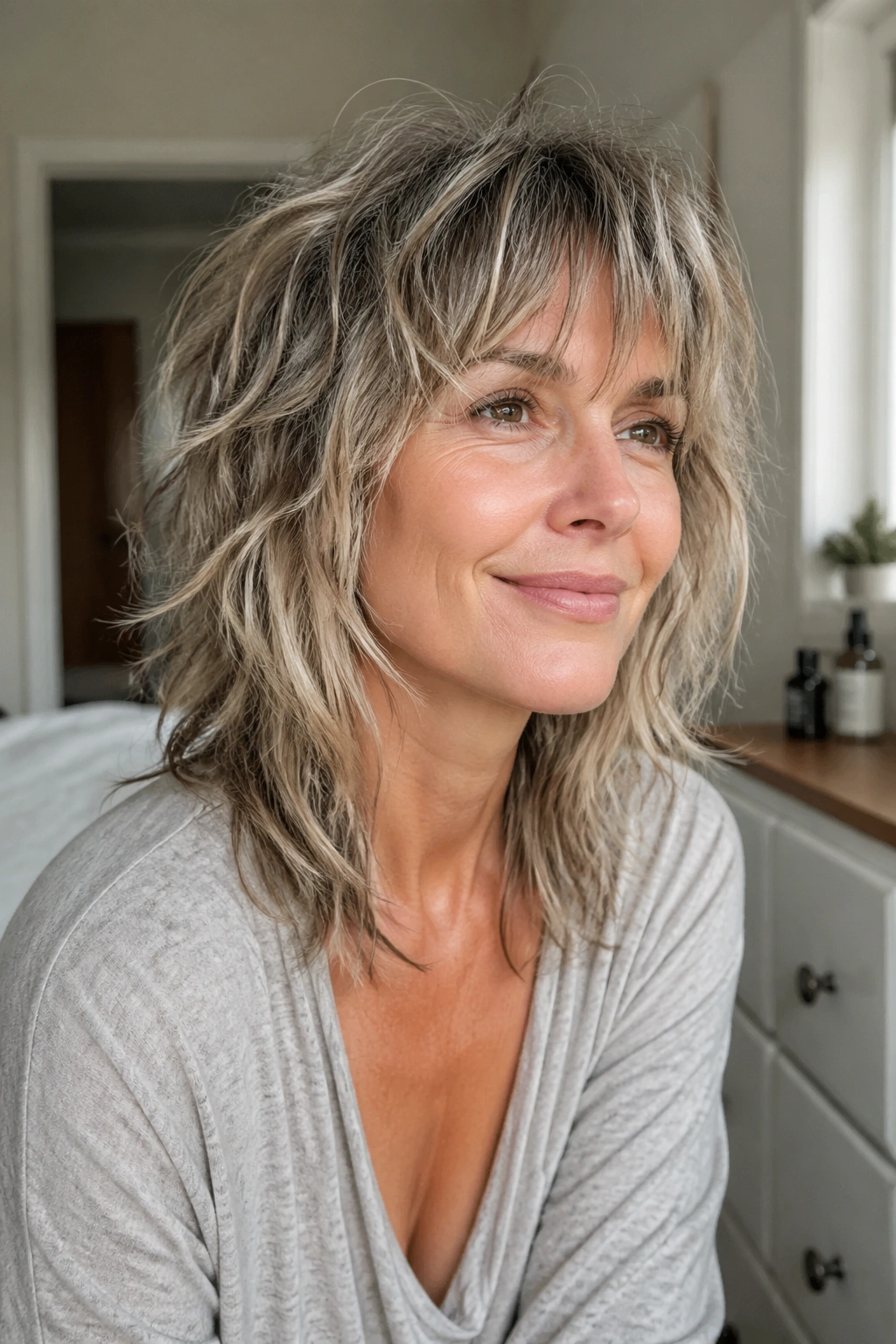
Some haircuts demand too much from a morning routine. This is not one of them. The low-maintenance air-dried shag leans into the hair’s natural shape, then uses enough layering to keep the dry-down from looking bulky or shapeless.
The cut works best when the layers are blended and the ends are lightly textured. You want the hair to fall into pieces on its own. A leave-in conditioner, a dab of cream, and maybe a little scrunching are often all it needs. If you’re reaching for a round brush every day, the cut may be too stiff for this style.
I like this one for busy weeks, humid weather, and women who have no interest in wrangling their hair into obedience. Wash, squeeze with a towel, add product, and walk away. If the haircut is good, that’s enough.
25. Grown-Out Shag with Long Layers
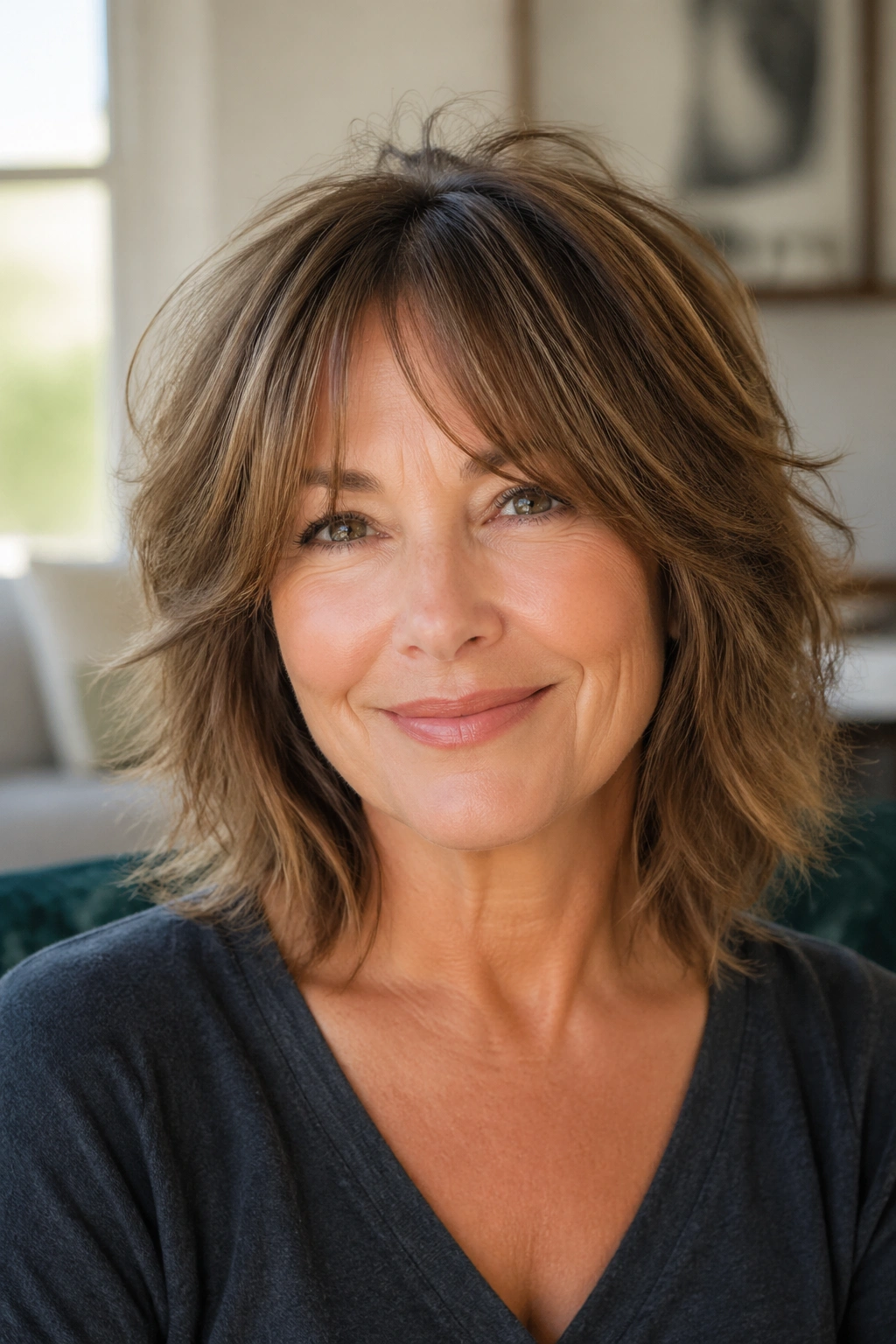
A grown-out shag is what happens when the haircut keeps its shape but softens around the edges. The layers are long enough to tuck, twist, or clip back, and the overall effect feels easy rather than overworked. It’s the most forgiving version of the shag, which is probably why so many women end up here on purpose.
The front pieces should still frame the face, but they do not need to announce themselves. Let them skim the cheekbone, chin, or collarbone, then fall into the rest of the length. If you trim this cut every 10 to 12 weeks, it keeps its swing without losing the relaxed shape.
The nice thing about this version is that it grows out gracefully. That matters more than salon photos. A haircut has to live in real life, under normal lighting, with normal time limits. This one does that without asking for much, and that is about as useful as hair gets.
