



The best short haircut ideas do one rare thing: they make your hair look lighter and your mornings feel shorter at the same time. That sounds obvious until you sit in the chair and realize how much shape, weight, and texture live in just a few inches of hair.
Short cuts are honest. They show the line of your jaw, the natural bend of your hair, the cowlick you’ve been fighting since high school, and the way your part actually wants to fall. That’s part of the appeal. A good short style doesn’t hide all that — it works with it.
And that’s why the difference between a great short cut and a disappointing one often comes down to details most people skip. How much texture gets built in. Whether the neckline is soft or sharp. Whether the fringe lands above the brow or brushes it. Tiny things. Big payoff.
1. The Classic Pixie Cut
The classic pixie cut is still the cleanest answer when you want short hair that feels crisp without looking severe. It keeps the sides and back close, leaves enough length on top for movement, and gives you that neat, open face shape that tends to photograph well in real life, not just on a salon mirror selfie.
I like this cut for people who want a low-fuss shape with enough structure to look intentional even when air-dried. A little pomade or styling cream at the roots goes a long way. Too much product, though, and the whole thing can collapse into a flat cap. Keep it light.
What Makes It Work
- The nape stays tight, which keeps the cut from looking bulky.
- The crown has enough length for finger-styling and lift.
- It grows out cleanly if the silhouette is balanced.
Best for: straight to slightly wavy hair, and anyone who wants a sharp, tidy profile without daily blow-drying.
2. The Pixie With Long Side-Swept Bangs
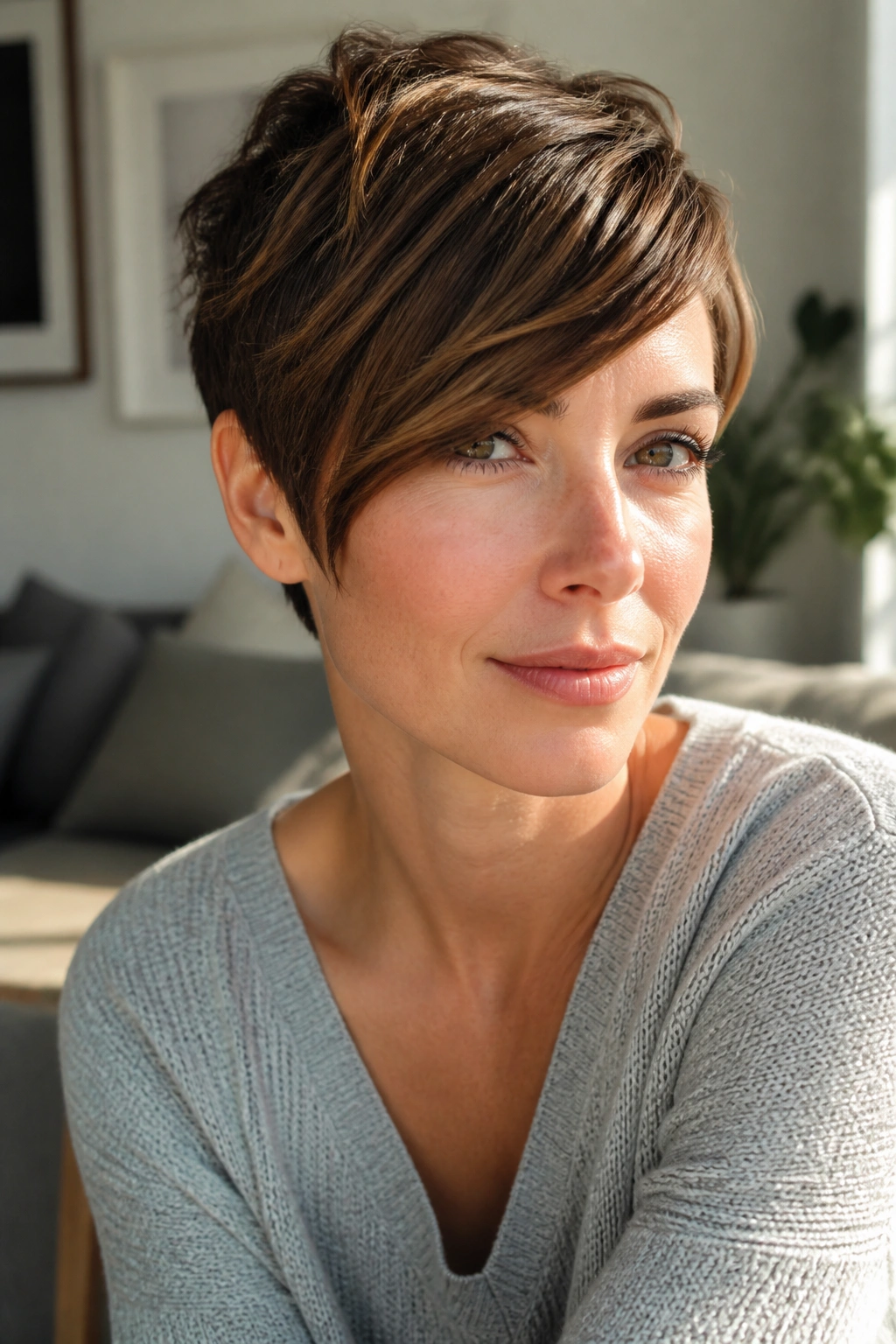
Want a pixie that feels softer around the face? This is the one. The long fringe gives you room to play, and it can shift from neat to messy with almost no effort. That makes it a smart pick if you like short hair but don’t want the same face shape every single day.
The side-swept bang also helps if your forehead feels a little too exposed in a shorter cut. It gives cover without heaviness. The trick is keeping the fringe long enough to tuck behind the ear, but not so long that it turns into a bob with a pixie label slapped on it.
Who It Flatters
- Round and heart-shaped faces, because the diagonal line breaks up width.
- Fine hair, since the longer top creates the look of more volume.
- People who want one cut with two moods.
Style note: blow-dry the fringe in the direction you want it to sit, not the direction it naturally wants to fight you.
3. The Textured Crop
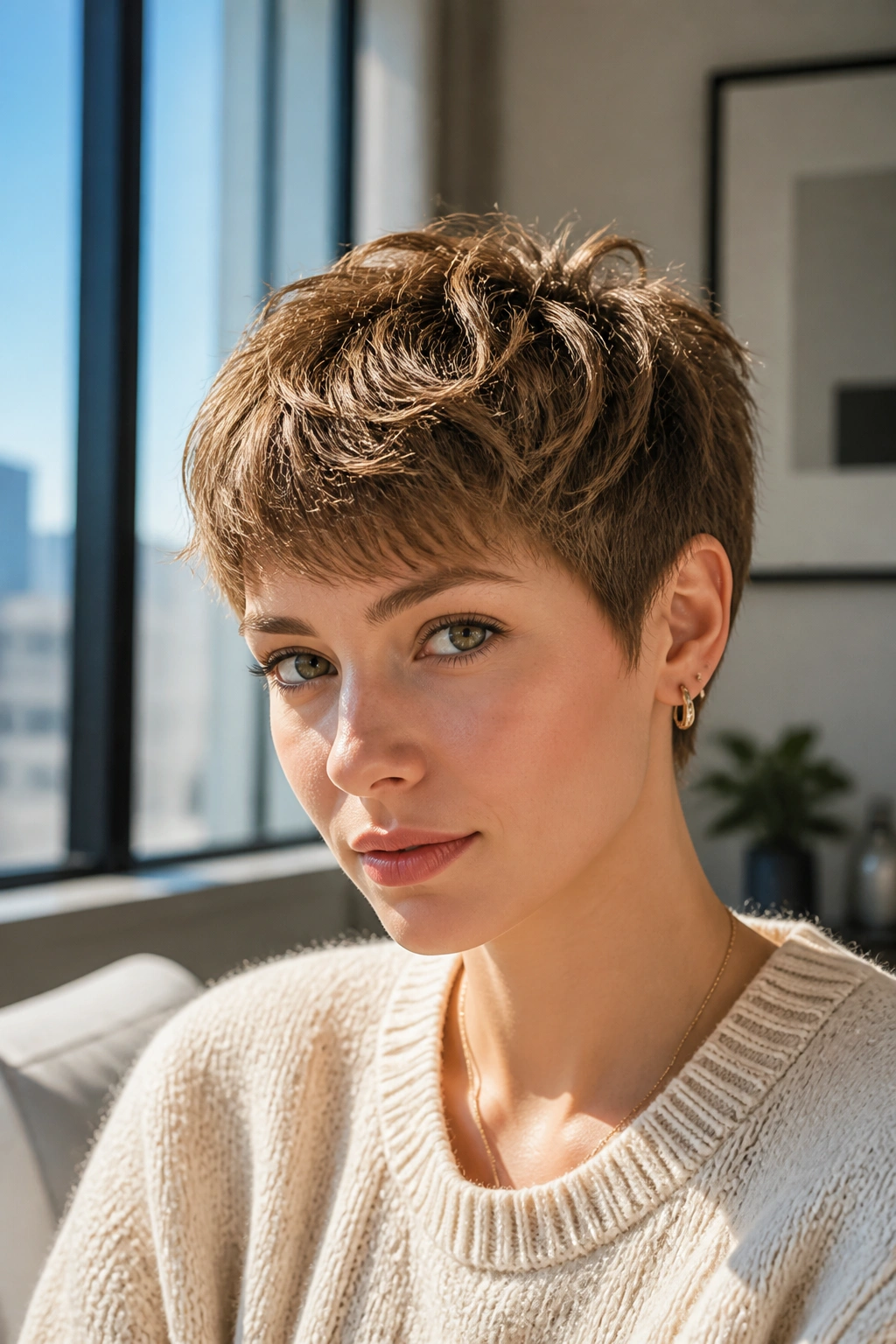
A textured crop is the haircut equivalent of taking off a heavy coat. It feels lighter the second it’s cut, and it usually looks better the next morning after a bit of sleep has roughed it up. That’s not a flaw. That’s the point.
This style leans on choppy layers and a slightly broken-up top, so the hair never sits like one solid block. It works especially well if your hair has a bit of bend or if you’re tired of fighting flat roots. Keep the sides shorter and ask for texture on top rather than thinning the whole head out evenly. That’s how you get shape instead of fuzz.
Best Styling Products
- A matte paste for piecey definition.
- A light salt spray if your hair is too soft.
- A tiny bit of mousse at the roots for lift.
Watch out for: over-texturizing. Too many razored pieces can make the cut feel wispy instead of strong.
4. The French Bob
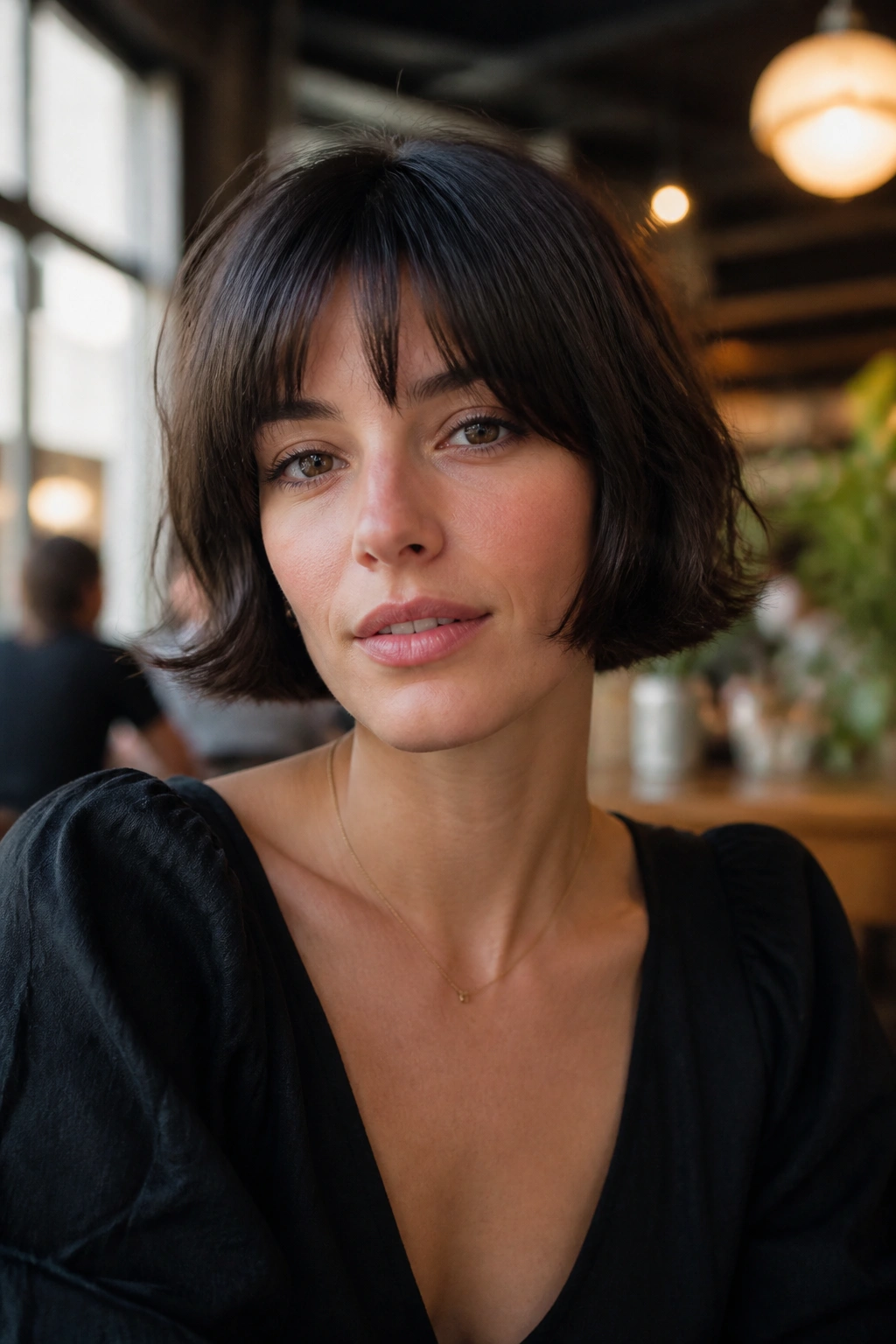
The French bob has that easy, slightly undone shape that looks expensive even when it’s not trying hard. It usually sits around lip to chin length, with a soft line and some movement at the ends. The best version feels casual, but not careless.
What people love about this cut is the balance. It has enough length to tuck behind the ear, enough weight to swing, and enough edge to feel modern. Add a blunt micro-fringe if you want more attitude, or leave the front soft if you prefer something easier to grow out. I’d lean soft for most people. A French bob can turn severe fast if the line is too hard.
It looks especially good with a little bend through the mid-lengths. Not polished. Not pin-straight. A touch of texture keeps it alive.
5. The Chin-Length Blunt Bob
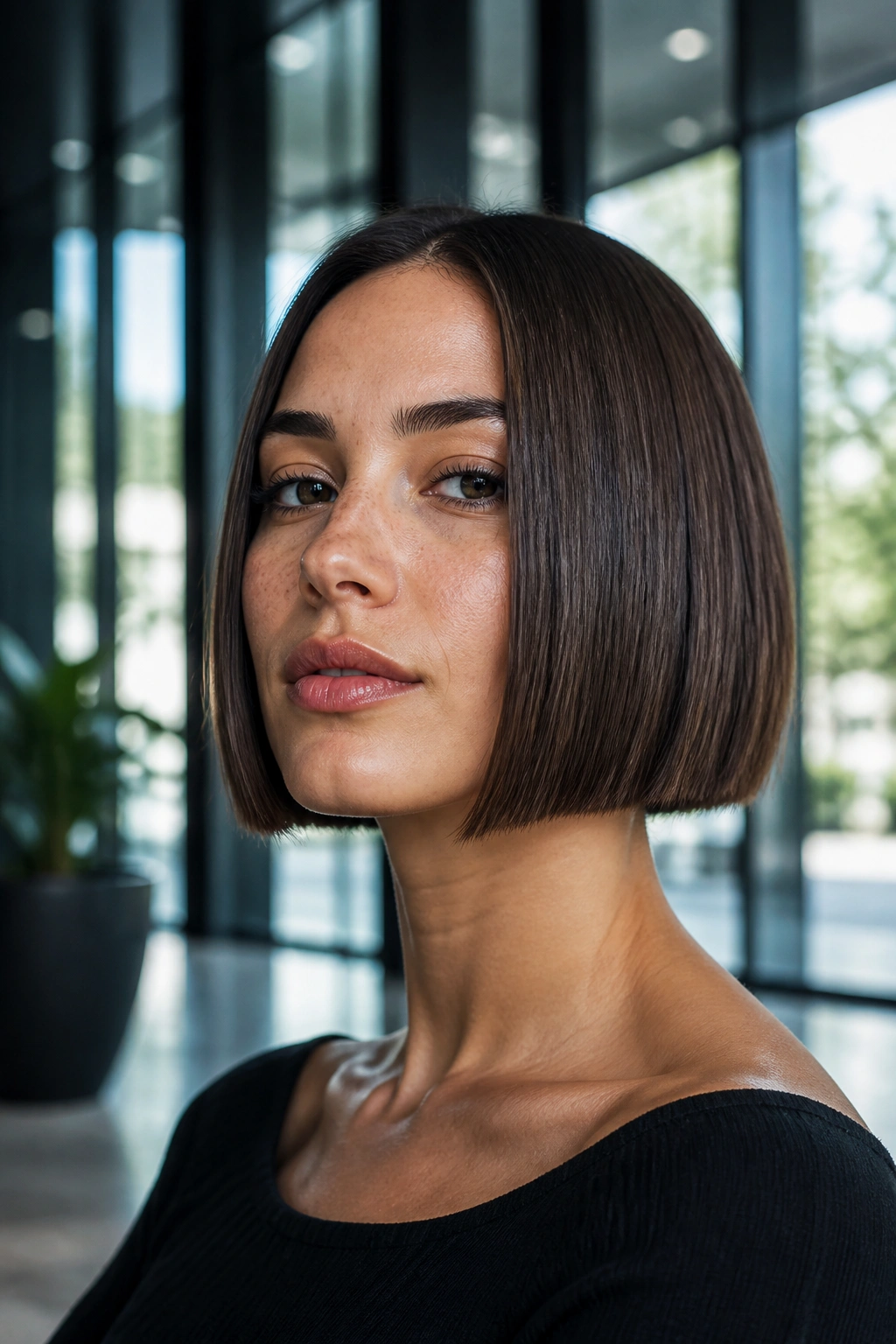
The chin-length blunt bob is for people who like structure. It’s clean, direct, and a little bit bold in a quiet way. The ends are cut in one strong line, which makes the hair look thicker and gives the whole style a solid base.
This cut is a favorite for fine hair because blunt ends create the illusion of density. If your hair tends to look wispy at longer lengths, cutting it to the chin can make it feel fuller almost immediately. It also frames the jaw nicely, which is a bonus if you like your cheekbones and want to show them off.
A center part gives it a modern edge. A deep side part makes it softer and a little more dramatic. Both work. The one thing I would not do is pile on too many layers; that defeats the point.
6. The Layered Bob
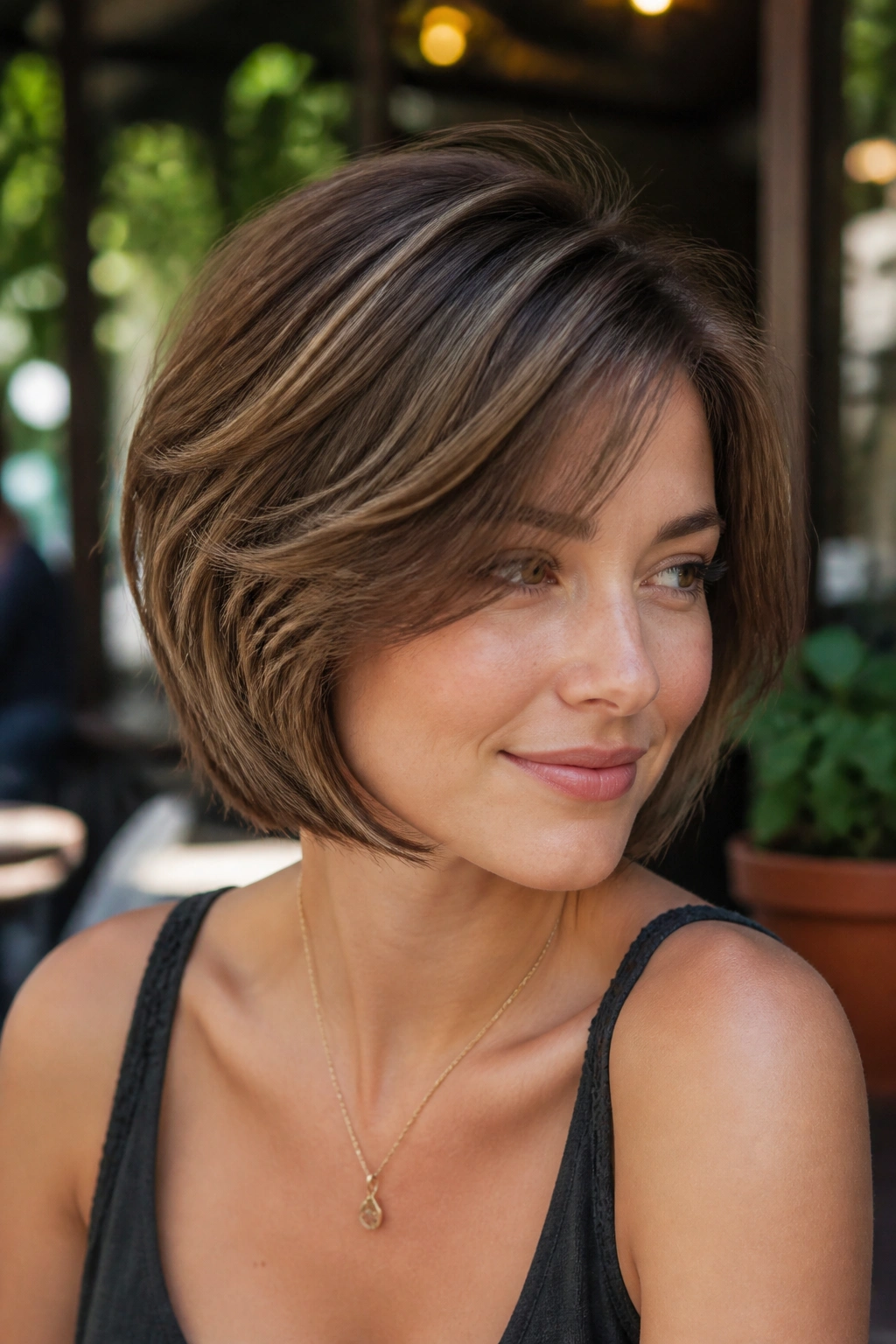
The layered bob is the practical friend in this group. It’s not the loudest cut, but it’s one of the most flexible. Layers remove bulk, add movement, and stop the bob from sitting like a helmet. That matters more than people think.
If your hair is thick, layers can keep the bottom from puffing out like a bell. If your hair is fine, the right layers can create lift without sacrificing too much weight. The key is where the layers start. Too high, and the hair can look uneven. Too low, and nothing changes. Ask for soft internal layers if you want movement without a choppy finish.
A Good Fit If You…
- Like styling your hair in loose bends or waves.
- Want a bob that still works in a ponytail.
- Need a cut that can be sleek one day and airy the next.
Tip: dry the roots first. Layered bobs look best when the crown gets a little lift.
7. The Italian Bob
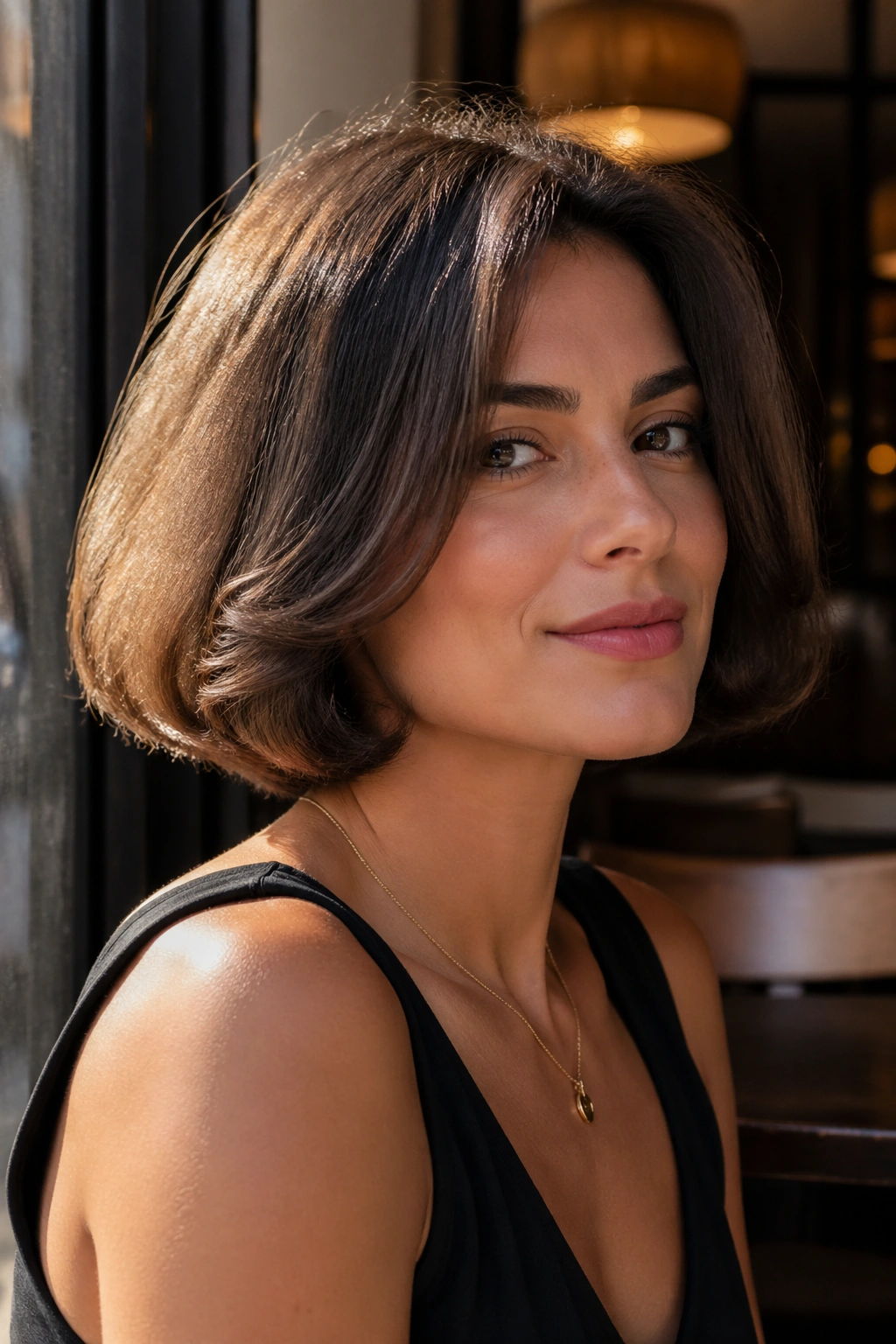
The Italian bob is the kind of cut that looks full before you even do anything to it. It sits a little fuller than a classic bob, usually around the jaw or just below it, and it keeps more weight through the ends. That fullness is the whole charm.
I like this cut on hair that already has some body, because the shape loves a little bounce. But it can work on finer hair too if the stylist keeps the line strong and avoids over-thinning. The result is polished without feeling stiff. Think less “careful school picture,” more “walked out of a stylish apartment with coffee in hand.”
If you want a bob that feels rich and substantial without being long, this is a solid choice. It’s one of those cuts that can look expensive with almost no styling, which is a lovely thing to have working for you.
8. The Bixie Cut
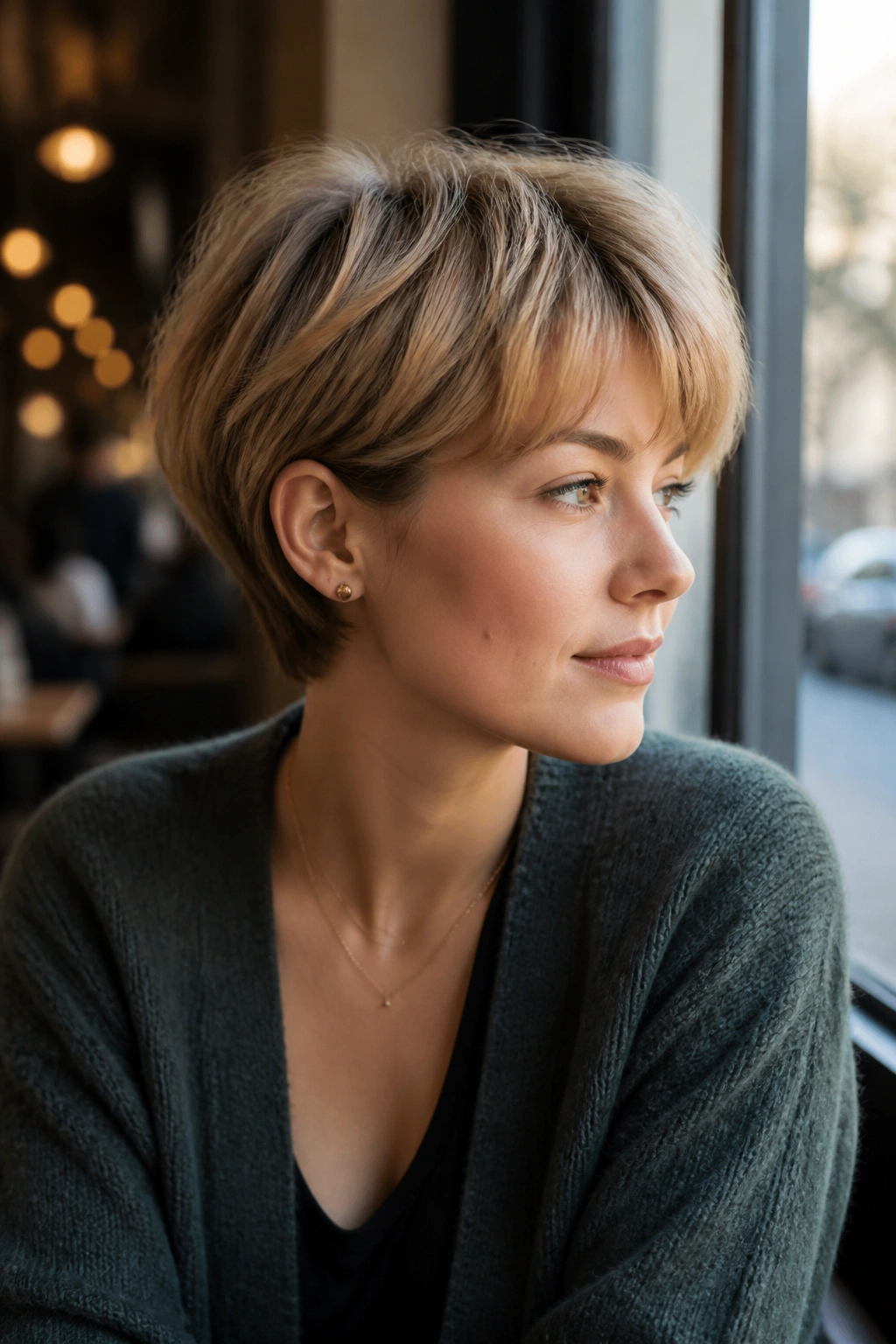
The bixie sits right between a bob and a pixie, and that middle ground is the reason it has so much personality. It gives you the shortness of a pixie around the ears and neck, but keeps a little more softness and swing through the top and sides.
That mix makes it easier to wear than a very short crop, especially if you’re nervous about going all the way short in one shot. It also grows out with a nicer shape than many people expect. You can steer it toward edgy, soft, shaggy, or neat depending on how the top is cut.
Why People Keep Coming Back to It
- It opens the face without exposing every line around the hairline.
- It works with air-drying better than a strict bob.
- It gives you short-hair energy without losing all movement.
My take: ask for a bixie if you want a cut that feels current without being high-maintenance.
9. The Shaggy Bob
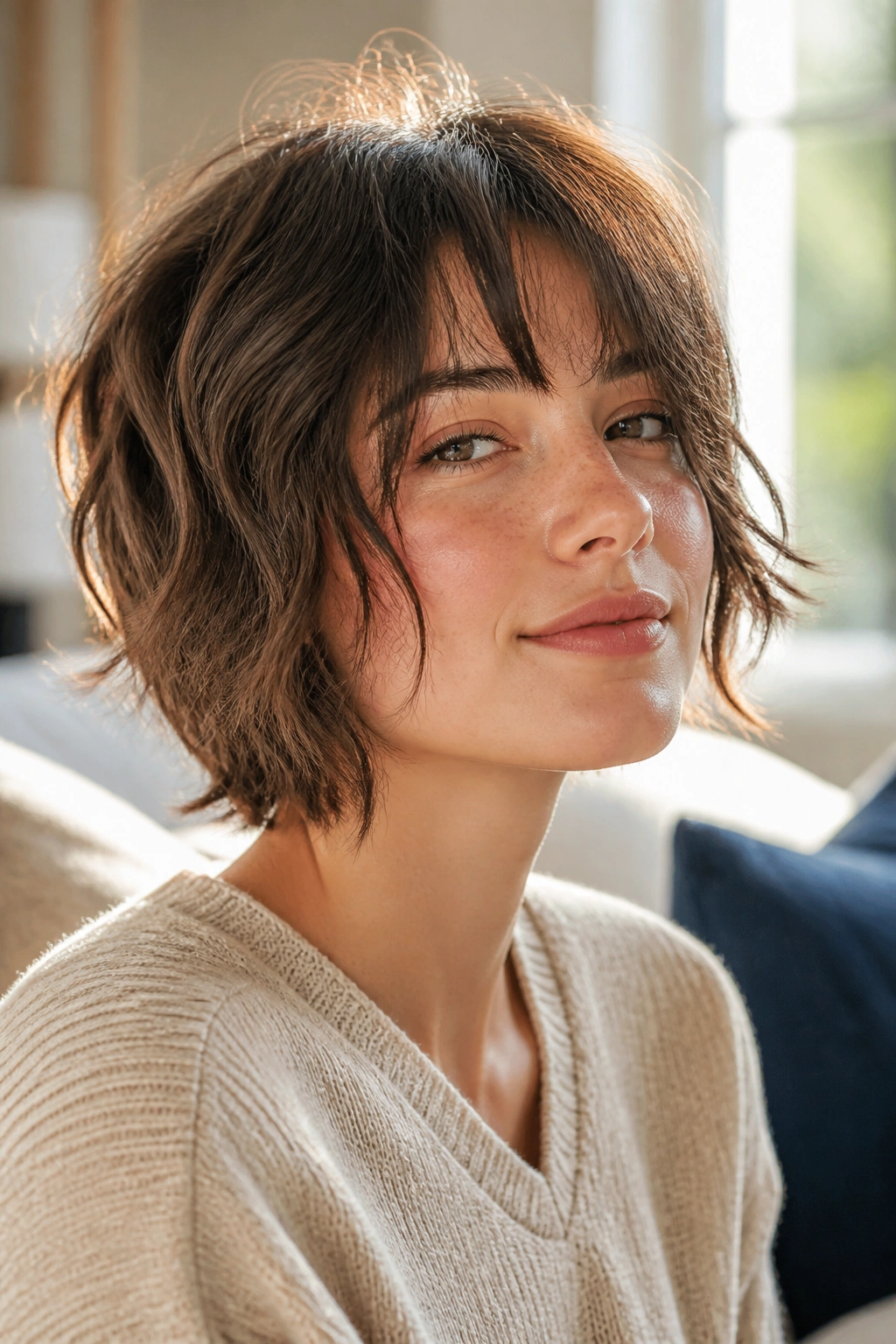
The shaggy bob has a loose, lived-in look that makes sense the second you see it. The ends are broken up, the layers are soft, and the whole cut has movement built in. It’s the opposite of stiff.
This is one of the best short haircut ideas for wavy or slightly unruly hair, because the texture helps the style instead of fighting it. A shaggy bob can hide flat roots, soften thick hair, and make straight hair look more interesting with a bit of styling. The catch? It needs the right amount of structure. If the layers are too random, the cut can get puffy instead of cool.
How to Wear It
A dab of styling cream through damp hair.
A quick scrunch with your hands.
Maybe a diffuser if you want the bend to hold.
That’s often enough. Not fancy. Just effective.
10. The Curly Bob
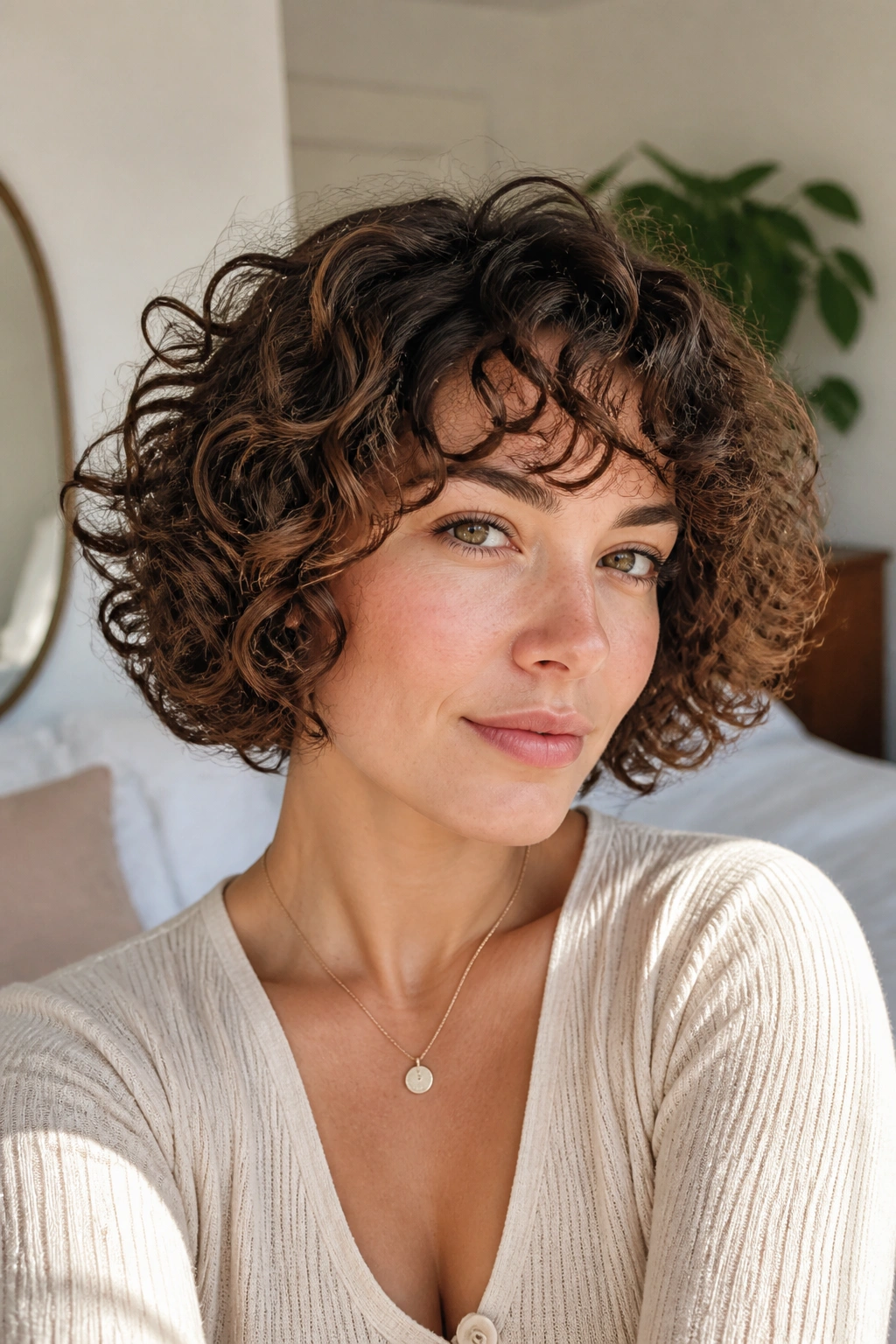
Curly hair and short length can be a beautiful match when the cut respects the curl pattern instead of chopping it into a shape that only works wet. A curly bob should have room to spring, room to shrink, and enough shaping around the face to keep it from ballooning.
The biggest mistake people make is cutting curly hair as if it were straight. Don’t. Curls need room and balance, and they often need the cut to be done curl by curl, or at least with the pattern in mind. A good curly bob lands somewhere between chin and neck, with shape that follows the curls instead of flattening them.
This style is gorgeous when the curls have a little definition but still look touchable. Heavy gels can make it too hard. Too little product, and it frizzes out. The sweet spot is a light hold cream or gel on damp hair, then hands off.
11. The Micro Bob
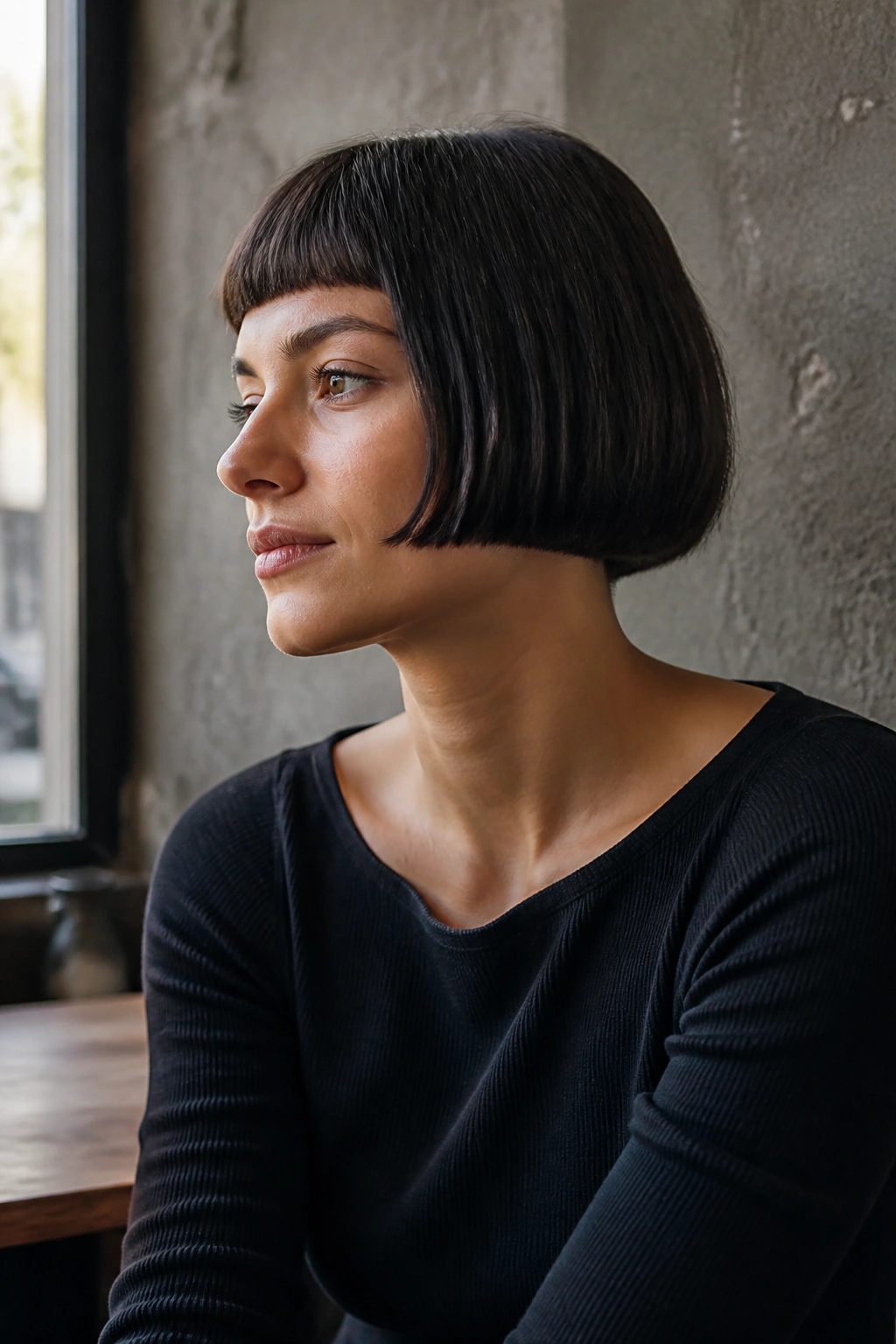
The micro bob is blunt, close, and a little bit daring. It usually ends somewhere between the cheekbone and the jaw, which makes it feel sharper than a longer bob and much more deliberate. There’s no hiding in this cut. That’s the appeal.
It works best when the line is precise and the ends are clean. Because it’s so short, the shape has to be good. A micro bob can be striking on straight hair, but it can also look fantastic with a slight wave if you want it to soften around the face. The style is especially nice if you like earrings, strong collars, or a crisp neckline.
What to Expect
- More frequent trims than a shoulder-length bob.
- A strong focus on jawline and cheekbones.
- Less room for messy styling, more room for neatness.
Bold truth: this cut looks simple, but it punishes sloppy execution.
12. The Asymmetrical Bob
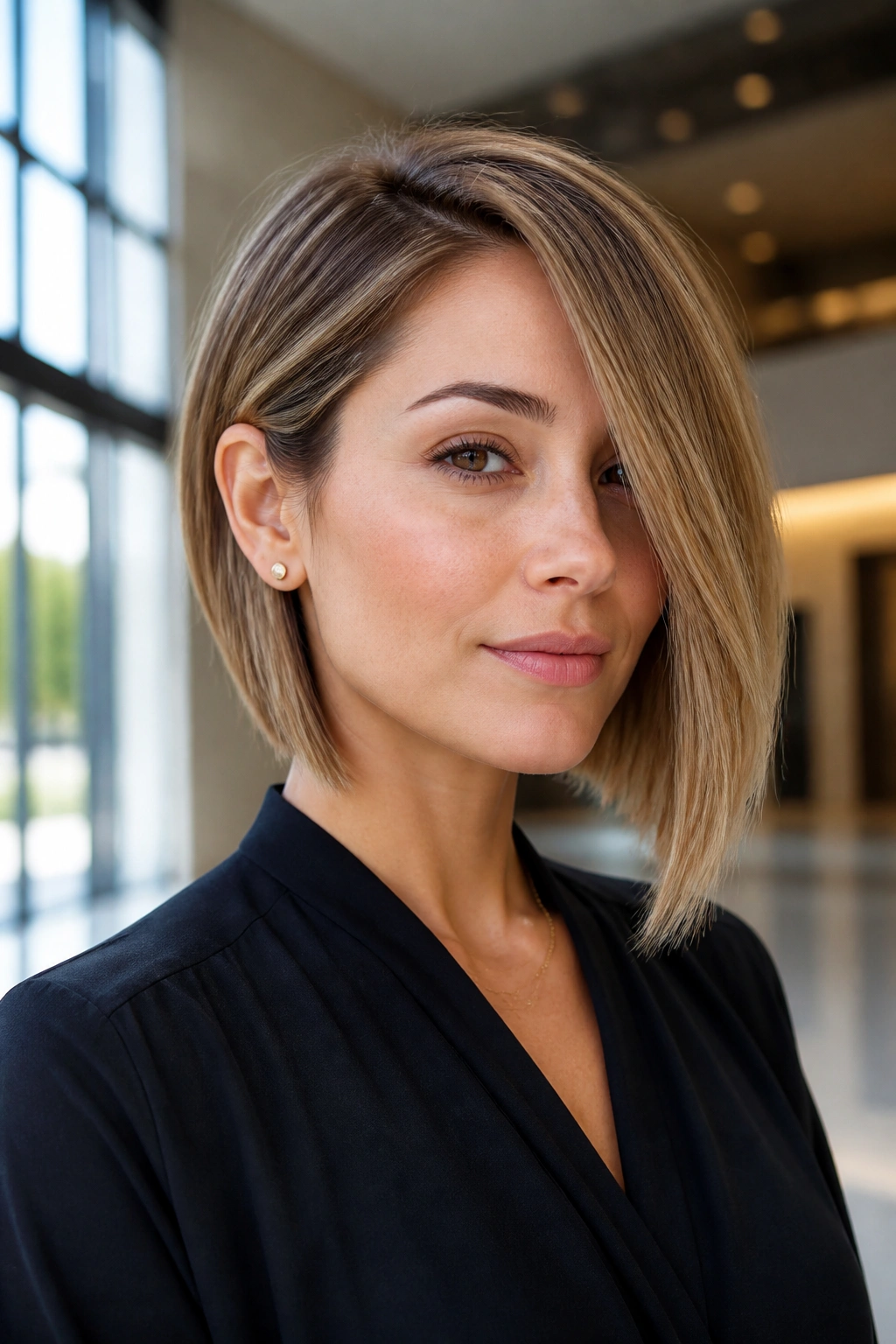
One side longer than the other, and suddenly the whole haircut feels sharper. The asymmetrical bob is a good pick if you want short hair with a little tension in it. It’s not fussy, but it does have attitude.
The uneven line can be subtle or obvious. I usually prefer subtle, because a small length difference is often enough to make the cut interesting without locking you into a very specific styling routine. A deeper side part can exaggerate the angle. A flatter part keeps it calmer.
How It Changes the Face Shape
It pulls the eye diagonally.
That matters. Diagonal lines are more dynamic than straight ones, and they can slim the look of the face a bit while giving the haircut more movement. If you want something that feels a touch less predictable than a standard bob, this is a smart place to start.
13. The Wolf Cut Bob
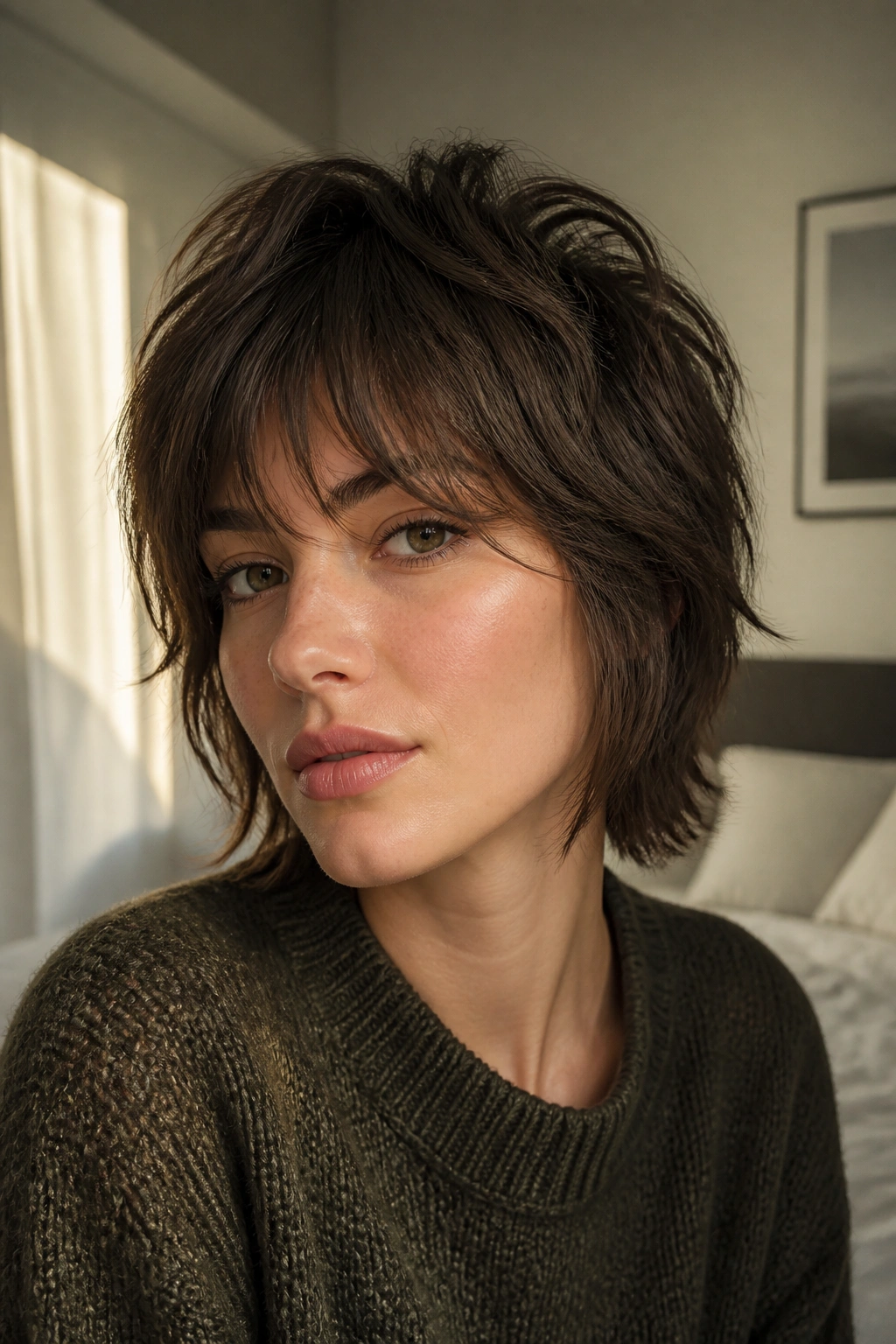
The wolf cut bob borrows the shag’s energy and cuts it into a shorter, more wearable shape. It’s choppy, layered, and intentionally a little wild around the crown and ends. If you like a haircut that looks better with texture than with perfect blowouts, this one has real charm.
What keeps this style from tipping into messy territory is the balance between the top layers and the bottom length. The best version has shape around the face, some lift at the crown, and a softer edge through the ends. It should feel rough in a flattering way, not like you gave up halfway through a trim.
This cut loves dry texture spray, a diffuser, and a slightly messy hand. You do not want to flatten it too much. Flat wolf cuts lose the whole point.
14. The Tapered Cut
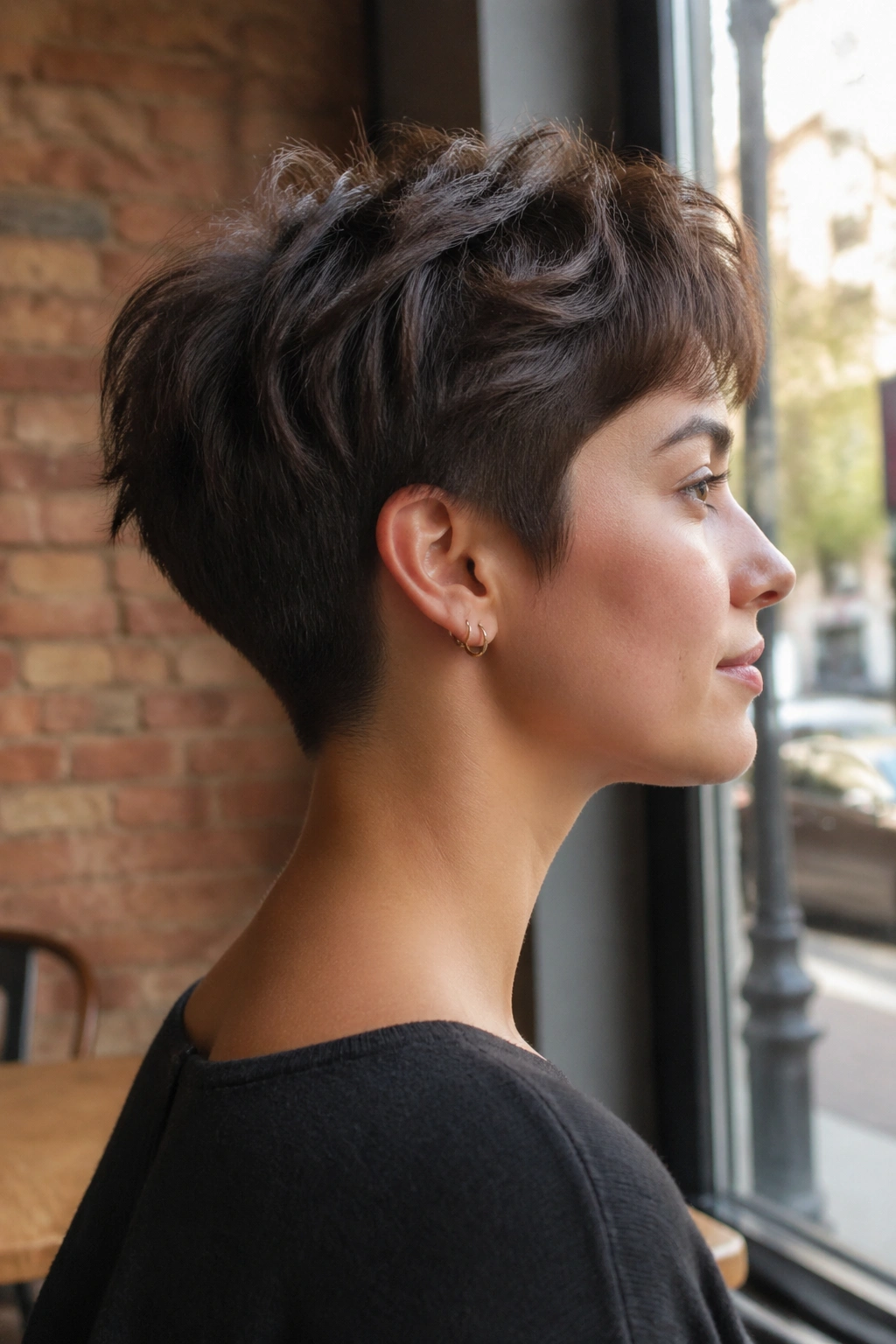
The tapered cut is one of the smartest short shapes for anyone who wants a neat neckline and a little length left up top. It gradually gets shorter toward the nape and sides, which keeps the haircut close and polished without making it severe.
It’s especially good on thick hair, because the taper removes bulk where it tends to build up fastest. On coily hair, the shape can be beautiful when the taper is clean and the top has enough length to show texture. It also grows out gracefully, which is not always true of short haircuts. Some short cuts demand perfection every two weeks. This one usually behaves better.
What to Ask For
- A soft taper at the nape.
- Enough length on top to style forward, up, or to the side.
- Clean edges around the ears.
Tip: if you wear glasses, this cut can sit nicely without crowding the frames.
15. The Buzz Cut
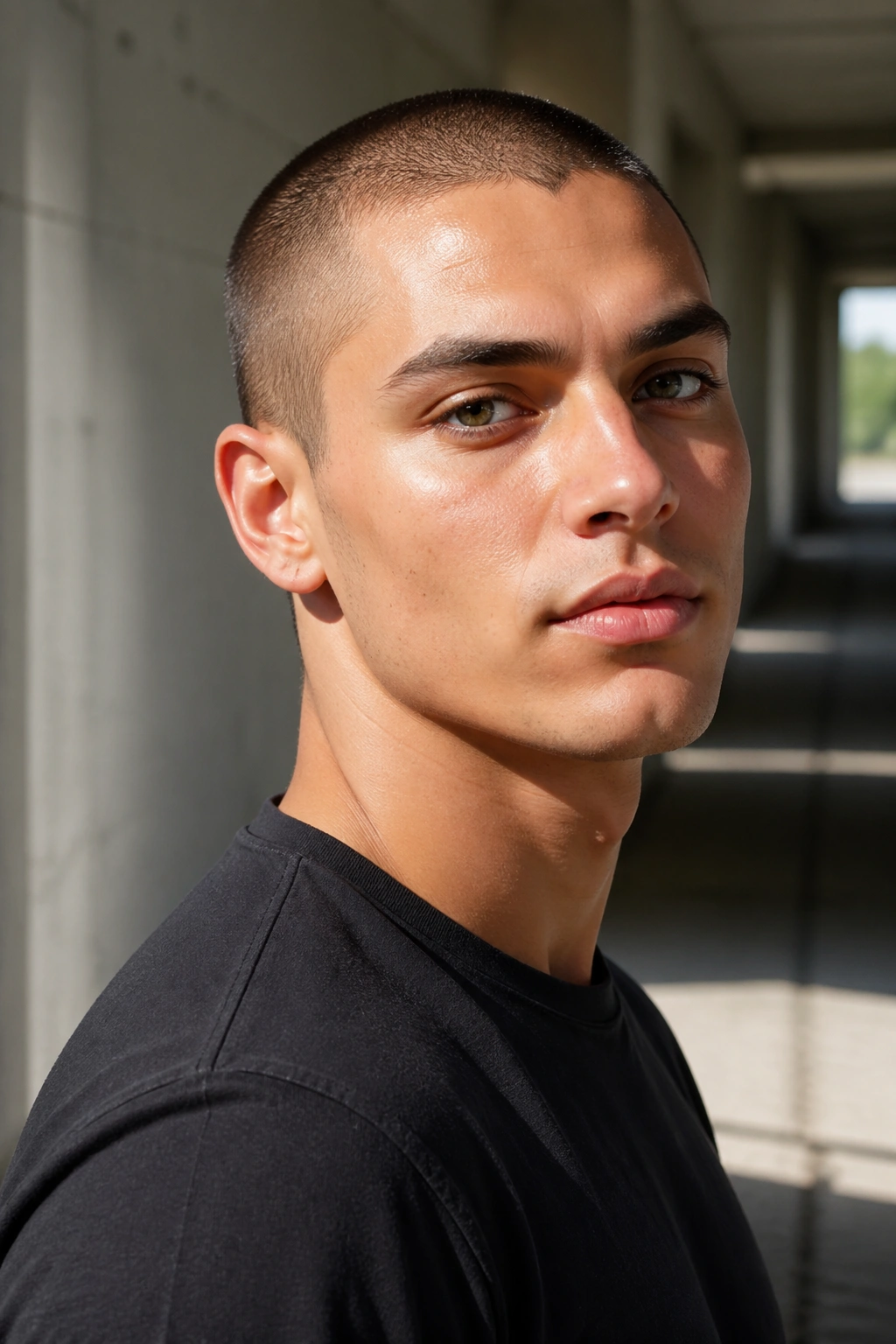
The buzz cut is direct. No layers, no curtain of hair, no hidden corners. It shows your head shape, your face, and your features with almost no distraction, and that can feel strangely freeing. It can also feel a little shocking the first time. Both reactions are normal.
The reason this cut works is simple: it removes decision fatigue. You wake up, rinse, and go. There is little to fluff, smooth, or curl. That said, a buzz cut is not “no maintenance.” Scalp care matters more here, and so does keeping the shape even as it grows out. A one-length buzz can look clean on many face shapes, but it does ask for confidence. There’s no curtain to hide behind.
Quick Reality Check
- It needs regular trims if you want to keep the same length.
- Scalp sun protection becomes part of the routine.
- The shape depends on your head, not just your hair.
Plain and simple. It’s a strong look.
16. The Undercut Pixie
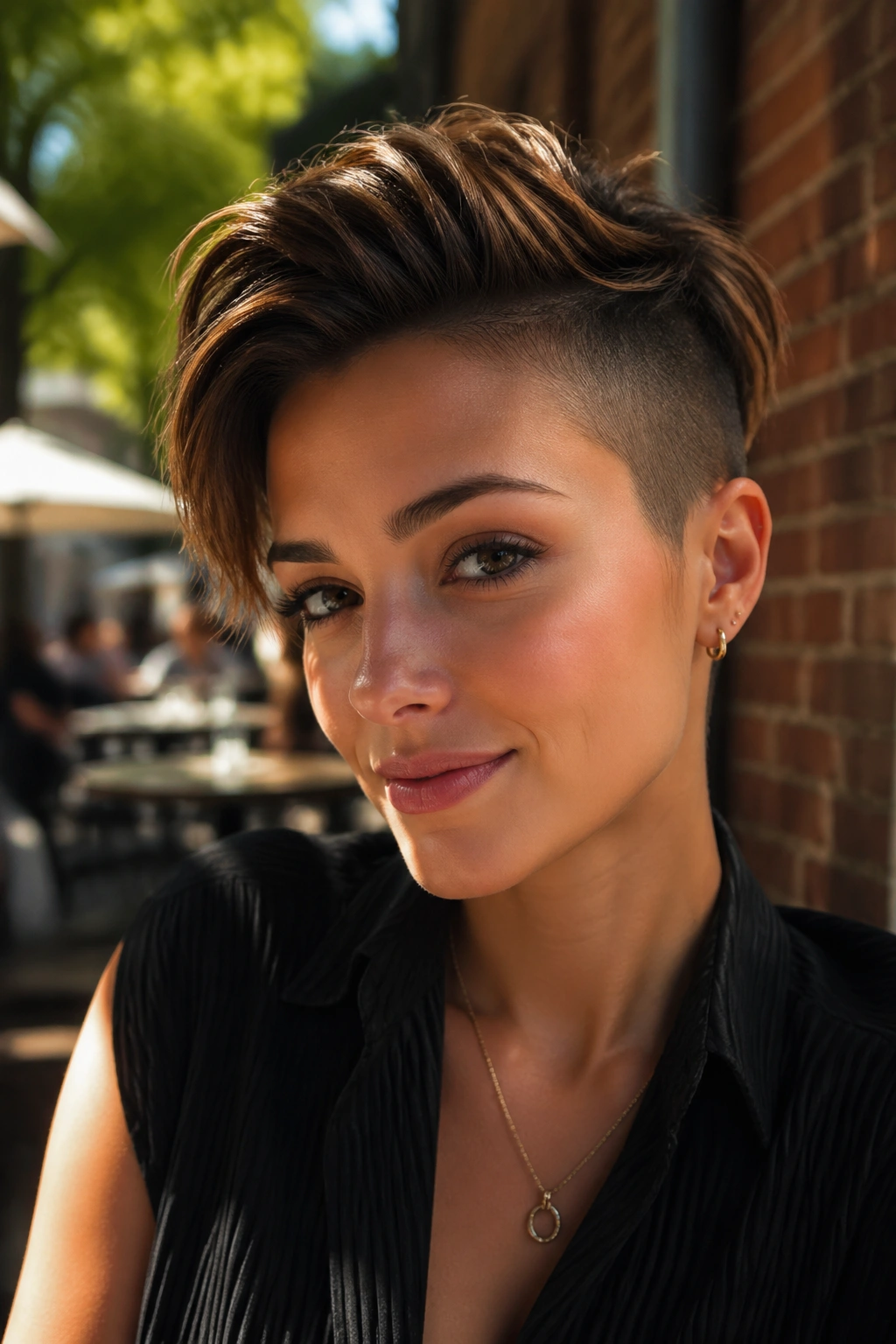
The undercut pixie keeps the top soft and wearable while taking a lot of weight out underneath. That makes it a smart option if you want short hair that feels cooler, lighter, and easier to push into different shapes. The contrast is the point.
You can wear the top swept to one side, brushed forward, or a little messy. The undercut does the quiet work in the background, keeping the sides and nape from puffing out. This can be a lifesaver for thick hair, especially if you’ve been fighting the same bulky triangle shape for years. It also gives the cut a hidden edge. From the front, it can look polished. From the side or back, it gets more interesting.
Best For
People who want versatility.
People with thick or dense hair.
People who like a little surprise in a haircut.
Watch this: if the undercut is too high, you may lose options for future growth, so keep the shave line thoughtful.
17. The Curtain-Bang Crop
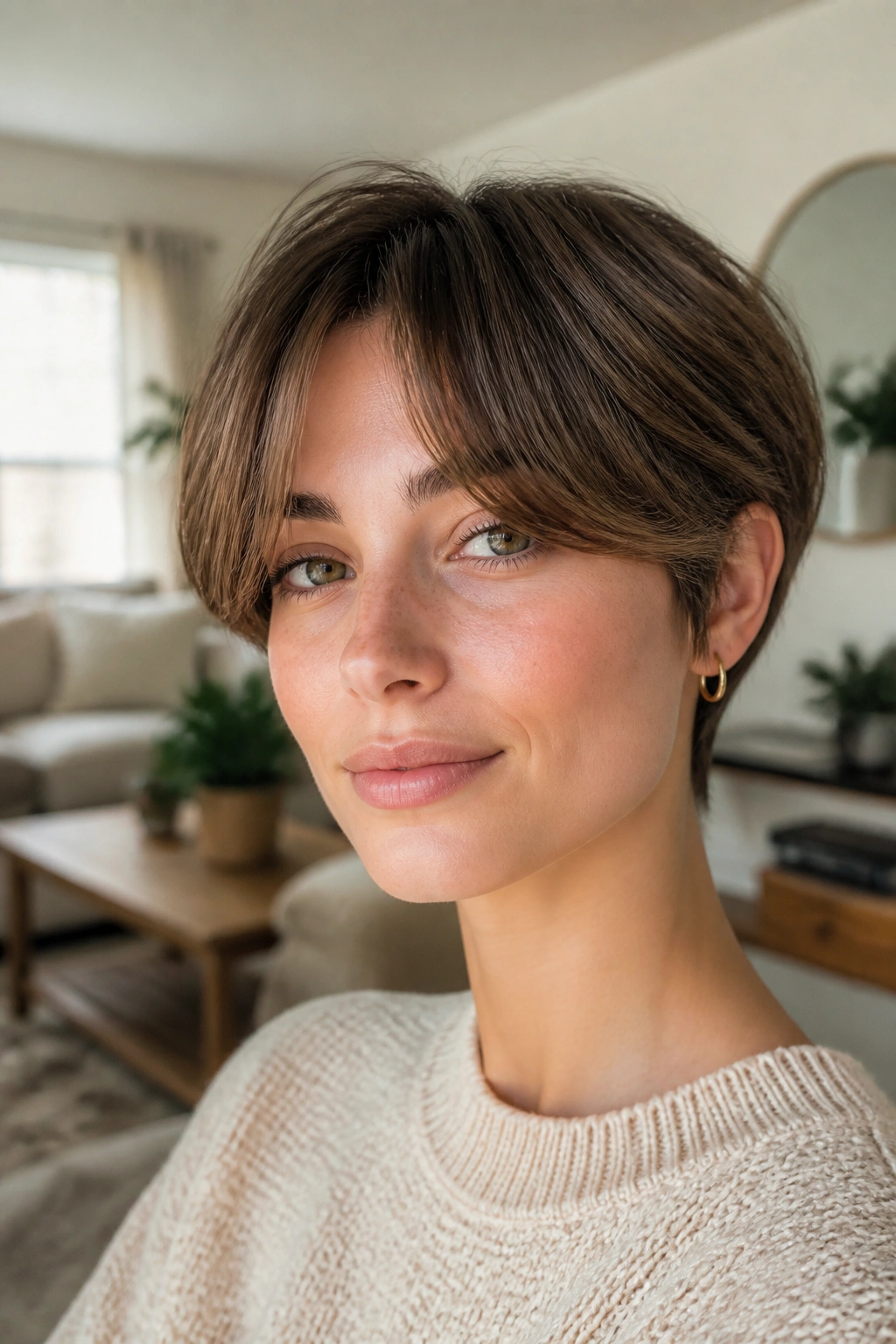
A curtain-bang crop is a nice middle path if you want short hair but can’t quite let go of face-framing length. The bangs part in the middle or slightly off-center and fall softly to each side, which gives the cut a relaxed, flattering shape around the eyes and cheekbones.
This style works because it keeps the fringe light. Heavy bangs on short hair can sometimes look boxed in. Curtain bangs solve that by opening the face instead of covering it. The rest of the cut can stay short and neat, whether it leans pixie, bob, or crop. I especially like this when someone wants to grow out a shorter cut but still needs something that feels intentional now.
Styling Note
Blow the bangs away from the face first, then let them settle back in.
That small move gives them lift at the root and keeps them from clinging to the forehead. Small trick. Big difference.
18. The Mushroom Cut
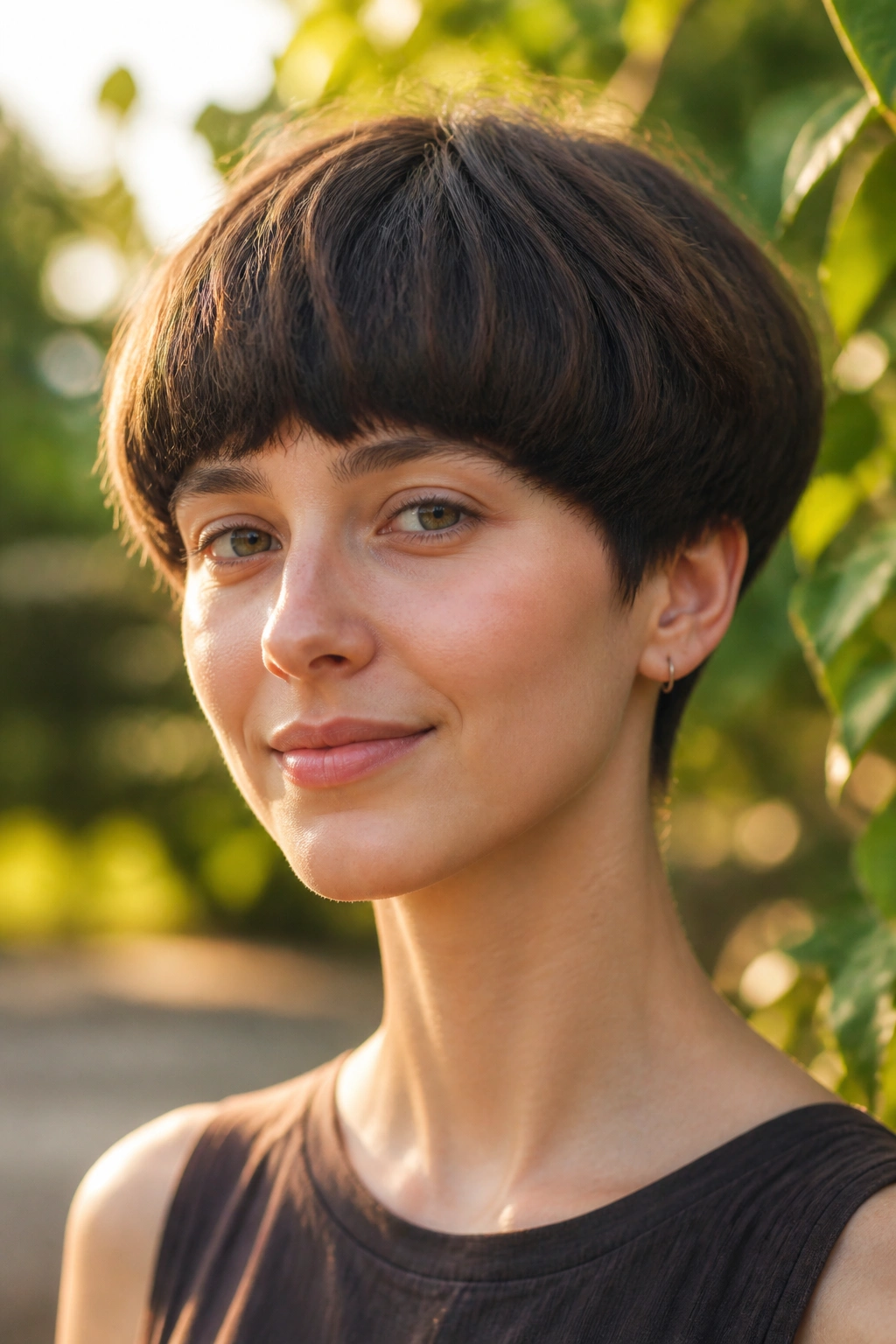
The mushroom cut has come a long way from its old reputation. The modern version is softer, sharper, and far more wearable. It keeps fullness around the crown and a rounded outline through the sides, which gives it a recognizable shape right away.
What makes it interesting is the silhouette. It’s a little architectural, but not stiff if it’s cut well. The trick is keeping the bowl-like shape from looking heavy. That means texture at the ends, movement around the fringe, and enough internal softness so the cut doesn’t feel like a helmet. It can be excellent on straight hair, and surprisingly good on wavy textures if the edges are handled with care.
Why It’s Back on the Radar
- Strong shape with minimal styling.
- Easy to make look sleek or playful.
- Works well when you want something different without going full avant-garde.
My opinion: this cut lives or dies by the edges. If the line is clean and soft at the same time, it sings.
19. The Piecey Crop
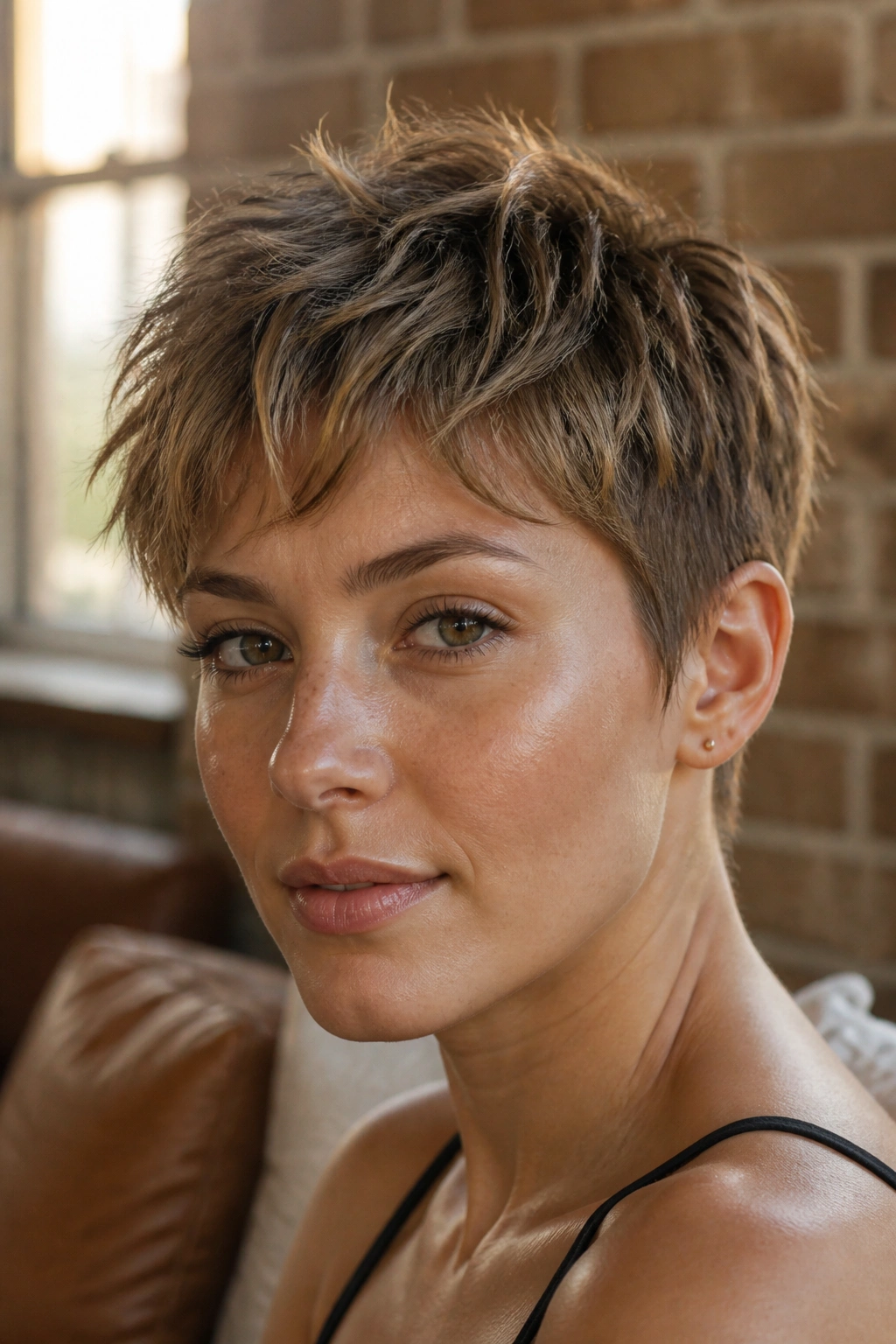
The piecey crop is all about separation. Instead of one smooth shape, you get visible strands, broken texture, and little sections of hair that stand out on purpose. It feels a bit edgy, a bit casual, and very easy to wear if your hair already has some natural movement.
This is one of those cuts that benefits from a tiny amount of styling product and then a deliberate mess with your fingers. I mean that in the best way. You are not trying to make every strand behave. You’re giving the hair enough guidance to make the texture look deliberate, not accidental.
How to Style It
- Start with damp hair.
- Work in a pea-sized amount of matte paste.
- Twist a few ends between your fingers.
- Stop before it looks greasy.
That last part matters. A piecey crop should look touchable, not wet.
20. The Rounded Bob
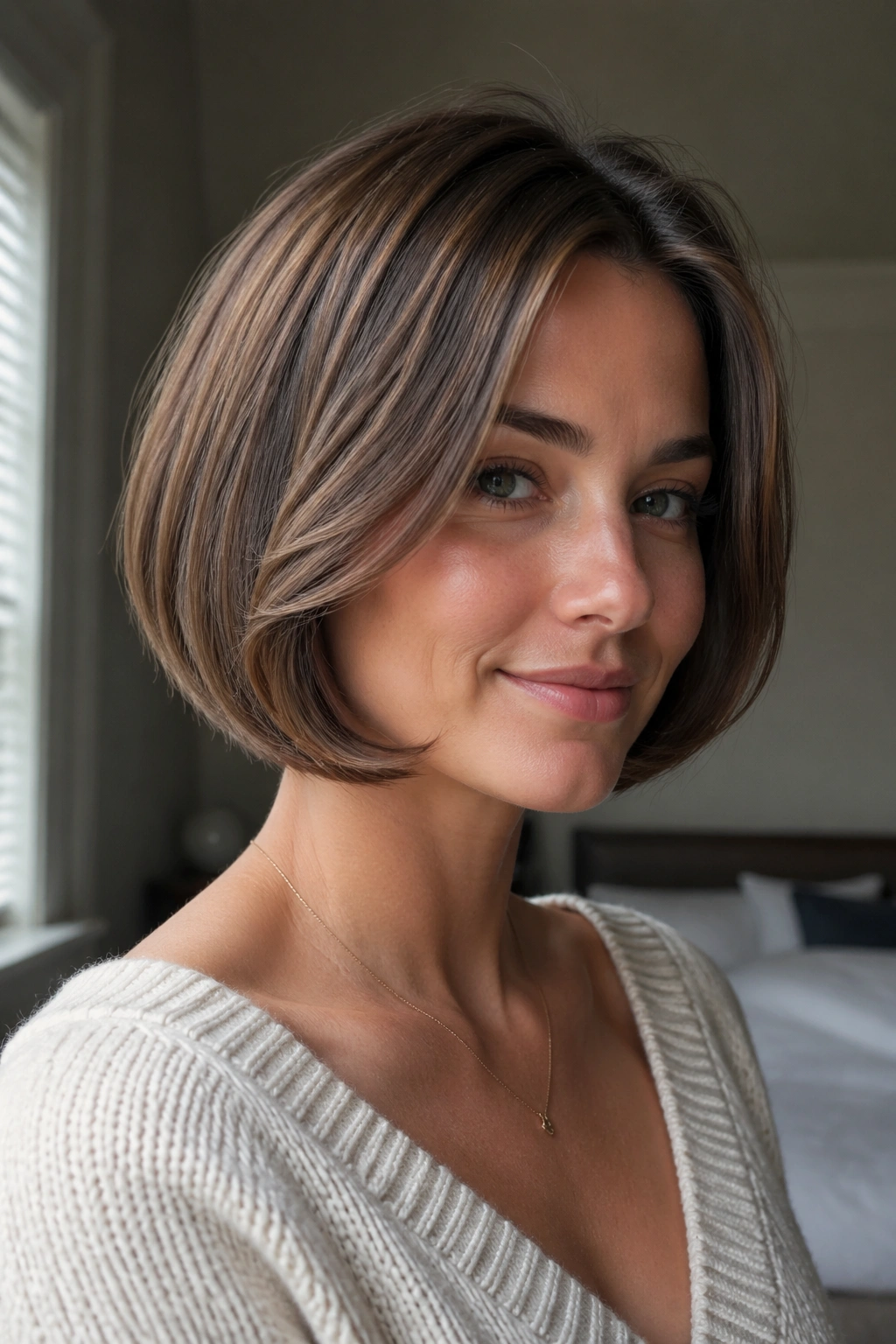
The rounded bob has a softer outline than the blunt version, with a curved shape that hugs the head and follows the jaw. It’s a lovely choice if you want a bob that feels polished but not hard-edged.
This cut can be especially flattering on thicker hair because the rounded form removes some of the width that a blunt bob can create. On fine hair, the curve can make the shape seem fuller around the ends. It usually looks best when the line is smooth and the ends are tucked just enough to show the arc. If you like a cleaner look, this is a strong option. If you want something edgy, you may find it a little too neat.
A Good Match For
- People who wear a side part.
- Anyone who wants a softer jawline effect.
- Those who like sleek blowouts.
A small round brush and a decent blow-dry go a long way here. So does patience.
21. The Short Mullet
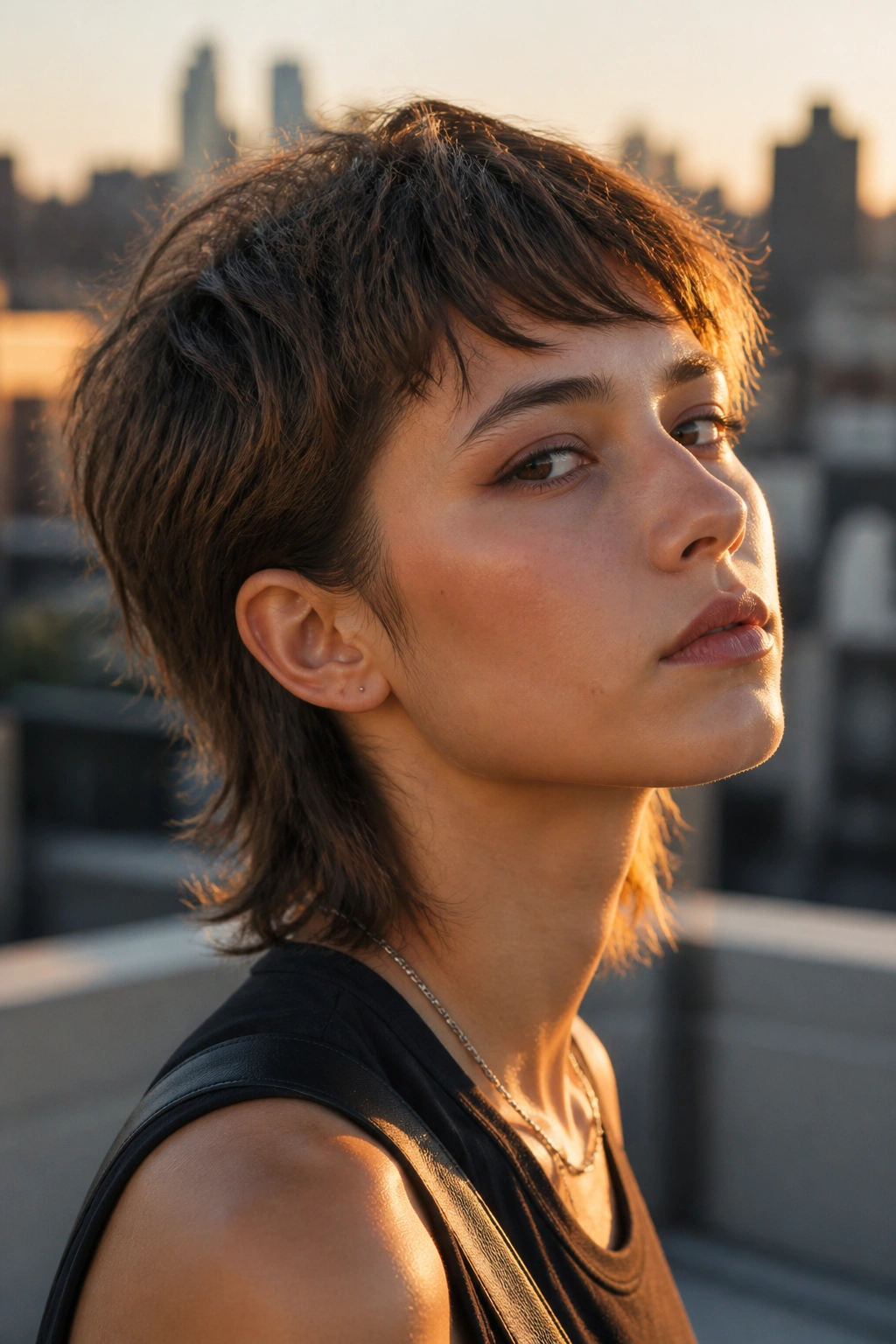
The short mullet is not shy, and that’s exactly why people keep coming back to it. Short layers around the front and crown keep the top light, while the back keeps a bit more length and swing. It’s playful, a little rebellious, and easier to wear than its reputation suggests.
The modern version is less extreme than the old-school one. You can keep the contrast subtle, which makes it more wearable for everyday life. The best short mullets have movement around the face and softness in the tail, not a hard disconnect that looks costume-like. If your hair has texture, this cut can be a blast. If your hair is pin-straight, you’ll need more styling help.
What Makes It Distinct
The shape keeps the face open in front.
The back gives you motion.
And the overall effect feels cooler than a standard shag when the cut is balanced right.
22. The Pageboy
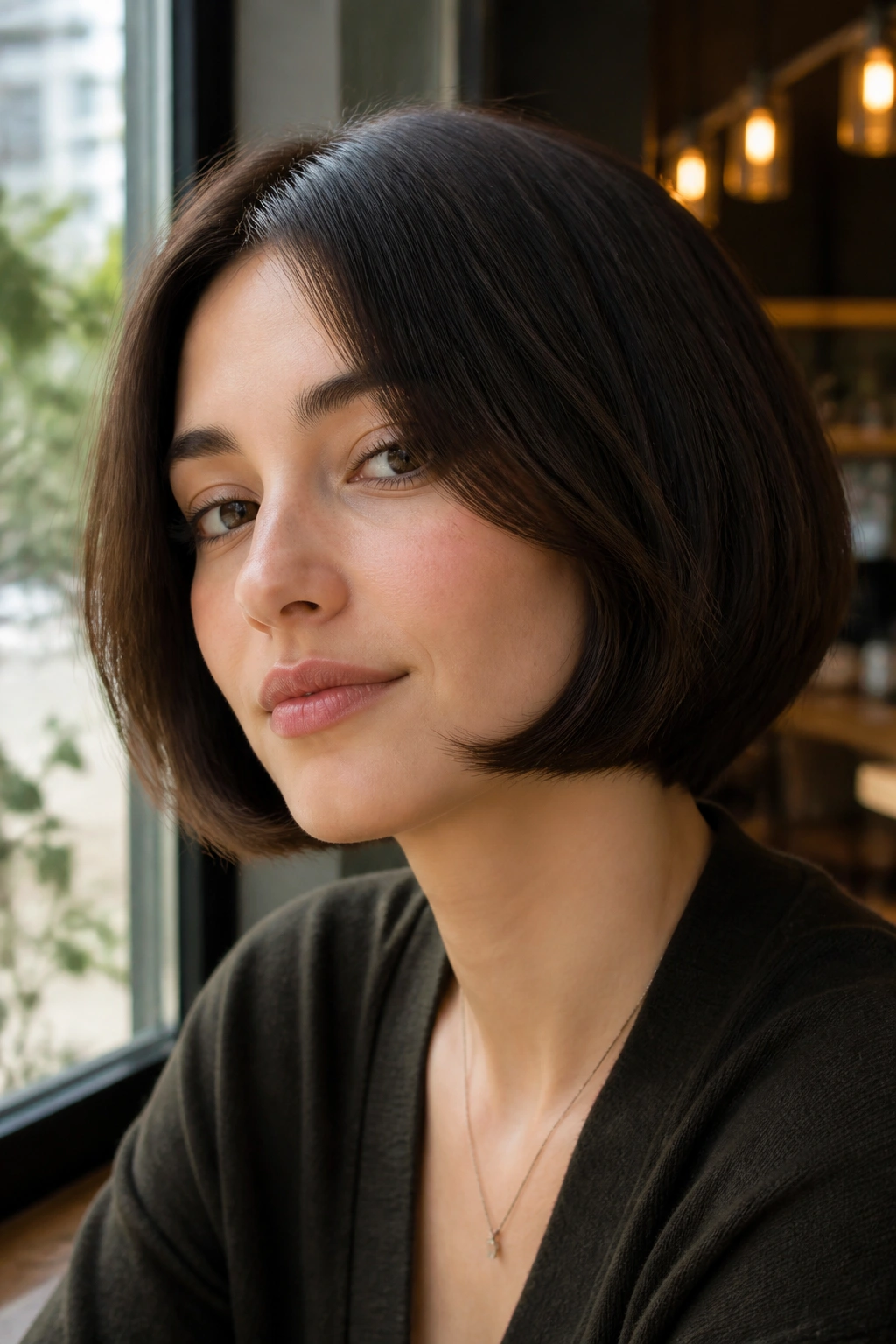
The pageboy is one of those cuts that keeps showing up because the shape makes sense. It usually sits at chin length or a touch shorter, with a smooth curve under the ends and a fringe or face frame that helps define the line. Done well, it feels clean and a little retro.
I like the pageboy for people who want something orderly but not stiff. It can sit very sleek, or it can be softened with a tiny wave at the ends. The curve under the jaw is the big feature, so the haircut should be cut with that shape in mind. If the ends are too blunt or too broken up, the whole effect changes.
Best When You Want
- A neat frame around the face.
- A shape that works with tucked-behind-the-ear styling.
- A cut that feels deliberate even when it’s simple.
It’s not flashy. That’s part of the charm.
23. The Jaw-Length Razor Bob
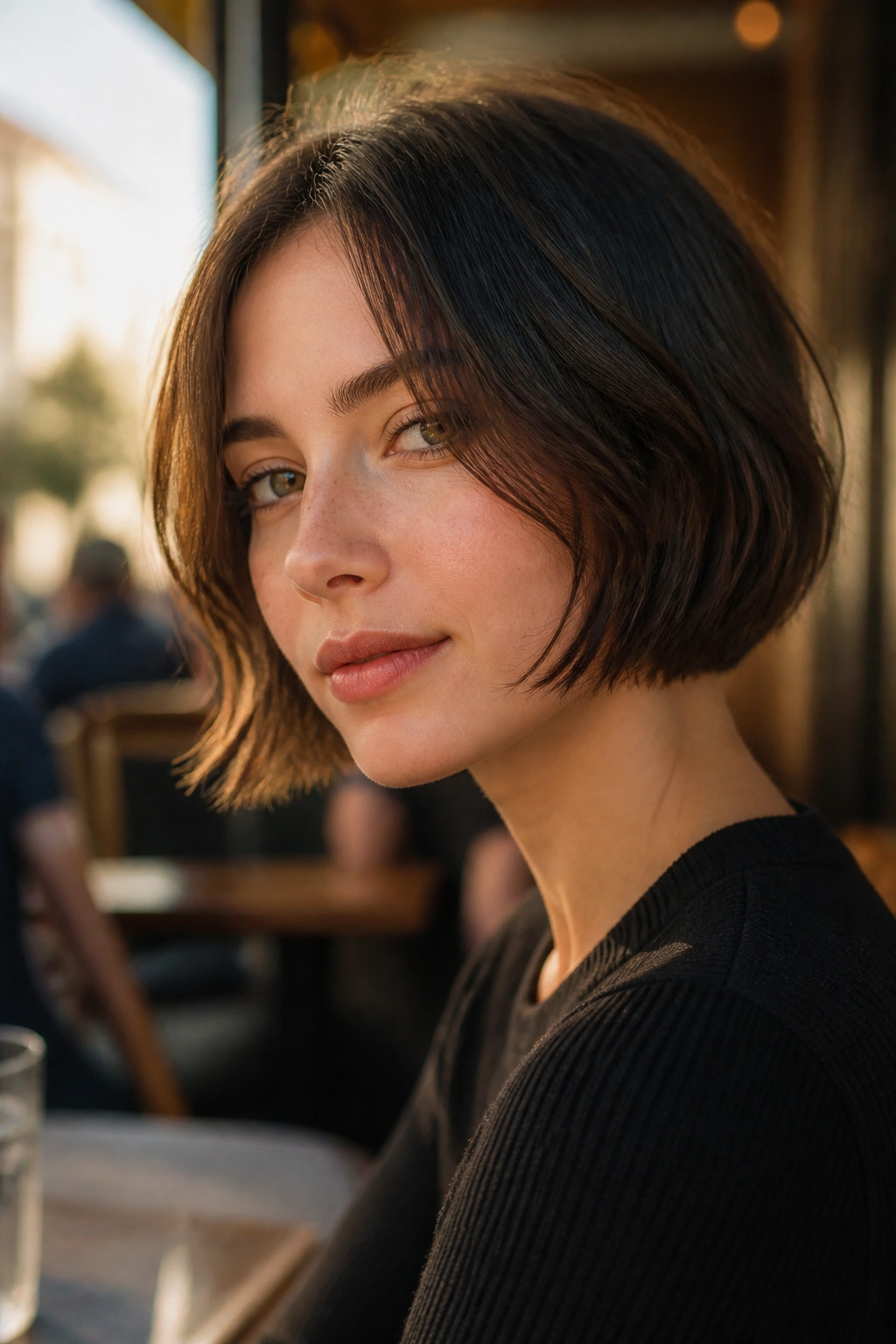
A jaw-length razor bob has a slightly freer edge than a blunt cut. The razor work softens the ends and gives the hair a bit of swing, which helps if you want the bob shape without the weight of a solid line. It can feel modern, airy, and a little cool without trying too hard.
This cut is especially nice when the hair needs movement. A razor finish can help thick hair shed some bulk, and it can keep straighter hair from looking boxy. The tradeoff is that the ends need a good cut and decent maintenance, because a razor bob can get fuzzy if the texture work is too aggressive. Ask for softness, not shredded ends.
H3: How to Wear It
Wear it sleek for a sharper effect.
Add a loose wave for a softer one.
Or let it air-dry with a touch of cream if you want it casual.
The shape does the work either way.
24. The Tousled Crop With Fringe
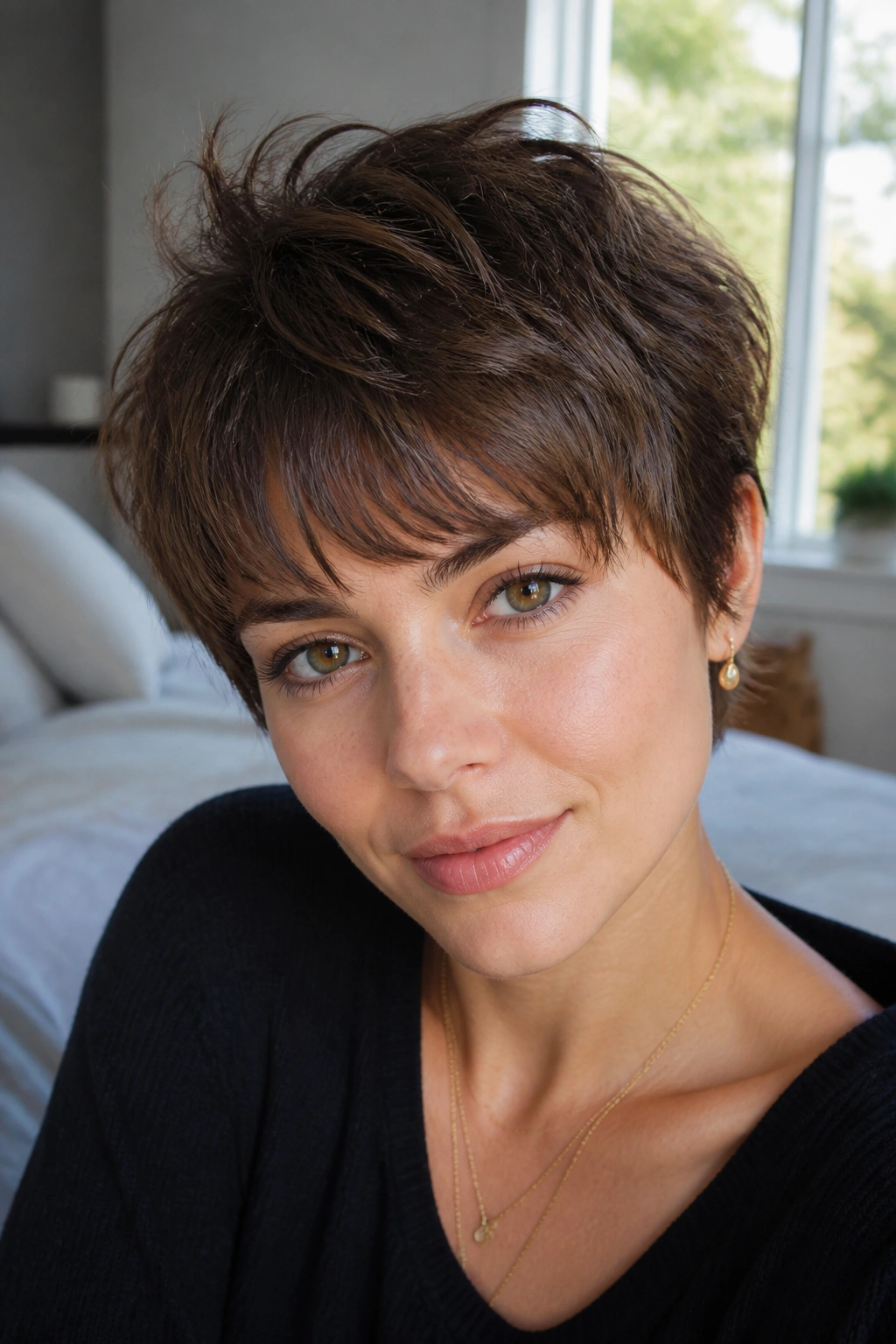
The tousled crop with fringe is probably the easiest short haircut to live with if you like a bit of mess. It keeps the top soft, the fringe in play, and the overall shape loose enough to move with your hair instead of against it. It’s flattering in a casual, slightly undone way.
A fringe helps anchor the cut, especially if the rest of the hair is very short and textured. It can be blunt, wispy, or broken up, depending on how much forehead coverage you want. I usually lean toward a softer fringe here, because it keeps the cut from feeling too severe. The rest should stay airy, not overworked.
What to Ask Your Stylist
- Keep the top choppy but not spiky.
- Let the fringe sit a little longer than you think.
- Leave enough softness around the temples so the cut grows out gracefully.
If you want a short style that looks good without a full styling routine, this one belongs near the top of the list.
Final Thoughts
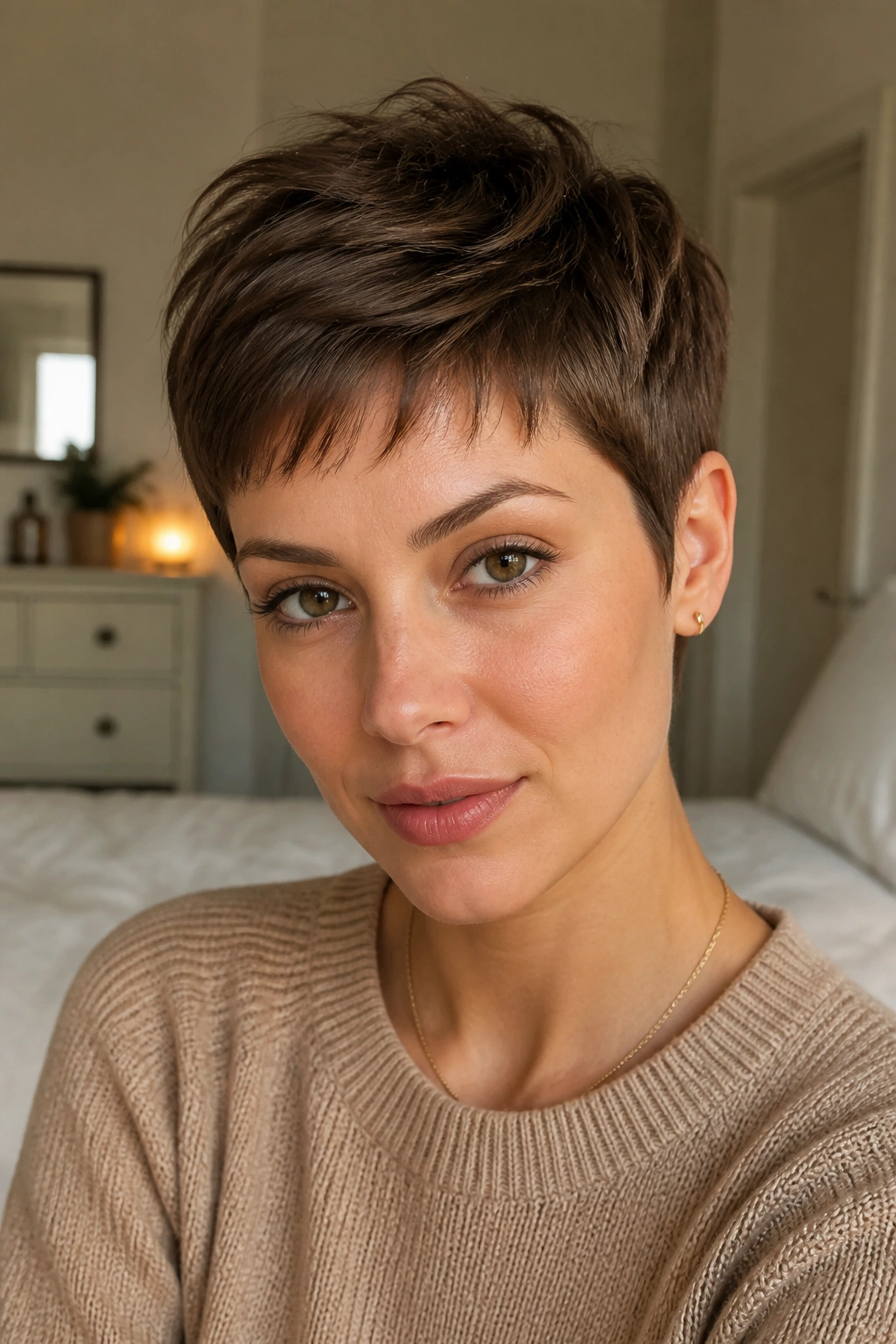
Short hair works best when the cut matches the texture, not when it fights it. A great pixie, bob, or crop can make your face look more open and your styling routine faster, but the shape has to be chosen with some honesty. Thick hair, fine hair, curls, cowlicks — they all change the result.
If you’re torn between two cuts, ask for the softer version first. It’s easier to go shorter at the next trim than to rescue a shape that was cut too hard from the start. That tiny bit of restraint saves a lot of regret.
And if you’ve been waiting for a sign to try something shorter, consider this it. Hair grows. Bad cuts pass. Good ones have a way of making your whole day easier.
