



Thin hair has a way of telling on every bad haircut. A cut that looks tidy in the salon can collapse by lunch, and a style that seems airy in a photo can fall flat the minute you step into wind, humidity, or a long day at a desk. That’s why short hairstyles for thin hair matter so much: the right shape can make fine strands look denser, fuller, and far more deliberate.
The trick is not piling on more layers just because the word “volume” sounds hopeful. Sometimes that’s the fastest route to see-through ends and a wispy outline that never quite holds. What thin hair usually needs is structure, a clean perimeter, and a little bit of strategic movement in the right places — not everywhere, and not all at once.
A good short cut for thin hair usually does one of three things. It creates a strong line at the bottom, builds lift at the crown, or gives the front enough motion to keep the style from looking heavy. Some cuts do all three. Those are the good ones.
Here are 26 looks that do the job without asking your hair to be something it isn’t.
1. Blunt Chin-Length Bob
A blunt chin-length bob is one of the easiest ways to make thin hair look fuller fast. The solid edge at the bottom gives the eye a clear line to follow, which makes the hair read as denser than it is. It also sits at a flattering spot for a lot of face shapes, especially if you want something neat but not severe.
This cut works best when the ends are kept clean, not shredded. Ask for a straight baseline and only a little internal shaping if you need movement. Too many layers in a bob like this can make the whole thing look tired. A quick blow-dry with a small round brush or even a flat brush and a touch of root spray is usually enough.
A blunt bob is especially useful if your hair tends to split at the ends. You’re cutting that problem off, literally. Nice side effect.
2. Textured Pixie Cut
A textured pixie cut can be magic for thin hair because it adds shape where the hair needs it most: around the crown and top layers. Instead of dragging the hair down with length, the pixie opens everything up and gives you room to create lift with very little product.
The key is texture, not chaos. You want piece-y movement, not random spikes. A little matte paste worked through dry hair with your fingertips does more than a heavy cream ever will. If the top is left slightly longer than the sides, you can push it forward, to the side, or lift it at the roots depending on your mood.
This is a smart pick if you want a low-fuss haircut that still feels styled. It’s not a wash-and-forget cut, though. It needs tiny adjustments in the morning, and that’s part of the charm.
3. Side-Parted Bob
A side-parted bob does one thing beautifully: it steals density from one side and gives it to the other. That off-center lift at the roots makes thin hair look fuller right away, especially when the part is deep enough to create a little height near the front hairline.
The cut itself can be chin-length or a touch longer. The part is the real trick. If your hair lies flat in the middle, move the part over by an inch or two and blow-dry the roots in the opposite direction first. Then switch it back. That little bit of memory makes the style hold better.
This look is good when you want a polished finish without looking stiff. It also softens longer faces and can make very fine hair feel less exposed around the part line. Very useful. Very simple.
4. French Bob
The French bob has a certain attitude that thin hair often benefits from. It usually sits around the jawline, with soft edges and a bit of movement around the face. The shape feels compact, which helps the hair look thicker than a longer cut with the same amount of density.
What makes this cut work is the balance between bluntness and softness. You want enough weight at the bottom to keep the outline solid, but not so much that it hangs like a helmet. A slight bend with a small curling iron or a natural wave can give it that casual, lived-in finish people love on this style.
If your hair is fine and straight, this cut can still work. You’ll probably need a root-lifting spray and a quick rough dry to keep the crown from lying too flat. The result is worth the five extra minutes.
5. Layered Lob with Soft Ends
A layered lob gives thin hair a little breathing room without sacrificing the sense of fullness. The length usually lands around the collarbone, which is long enough to tuck behind the ear but short enough to avoid dragging the shape down. Soft ends help the cut move instead of hanging in one flat sheet.
The layers here should be gentle. Think of them as shape, not volume-by-force. Heavy, choppy layers can make the ends look thin and stringy, which is the opposite of what most people want. A stylist who point-cuts lightly into the ends can keep things airy without exposing too much scalp.
This cut is a solid choice if you’re not ready for a very short hairstyle. It gives you styling room, and it still feels light. A round brush at the crown and a little dry texture spray can make it behave nicely on ordinary days.
6. Bixie Cut
A bixie — part bob, part pixie — is one of the smartest short hairstyles for thin hair because it gives you the lift of a pixie with a touch more length around the sides. That extra bit of softness keeps the cut from looking severe, which matters a lot if your hair is fine and easily overwhelmed.
The beauty of a bixie is that it doesn’t depend on perfect styling. A few bent pieces around the face, a bit of lift at the top, and a narrow neck undercut or tapered back can make it look intentional in minutes. If your hair is straight, a light mousse before blow-drying can help it hold shape. If it has a wave, even better.
It’s a good cut for someone who wants short hair but not a full pixie commitment. There’s enough length to tuck, twist, and play with, which keeps the style from feeling flat or too exposed.
7. Stacked Bob
A stacked bob builds fullness where thin hair usually needs it most: in the back. The graduated shape means the layers are shorter underneath and a bit longer on top, which creates a rounded silhouette that lifts off the nape. From the side, it can make the whole head look more balanced and full.
This cut works because it uses geometry. The stacking creates a gentle curve instead of a flat line, and that curve gives the impression of density. Ask for clean graduation at the back, not a choppy mess of layers. The shape should feel controlled.
The downside is that a stacked bob needs regular upkeep if you want it to keep its shape. If the back grows out too much, the lift disappears. Still, for thin hair, that crisp, compact profile is often worth the maintenance.
8. Feathered Pixie
A feathered pixie is lighter and softer than a blunt pixie, but it still gives thin hair real shape. The feathering keeps the edges from looking heavy, and it lets the top pieces sit with a bit of separation instead of clumping together.
This is one of those cuts that looks especially good when the texture is slightly imperfect. A tiny bit of mess helps. Too much product will ruin it, though. Use a pea-sized amount of styling cream or paste, warm it between your hands, and work from the back toward the front so the crown doesn’t get overloaded.
It suits people who want movement near the face and a haircut that doesn’t feel too “done.” The soft edges also help if your hair is fine but not pin-straight. It gives the illusion of more pieces, which is often the whole point.
9. Curtain-Bang Bob
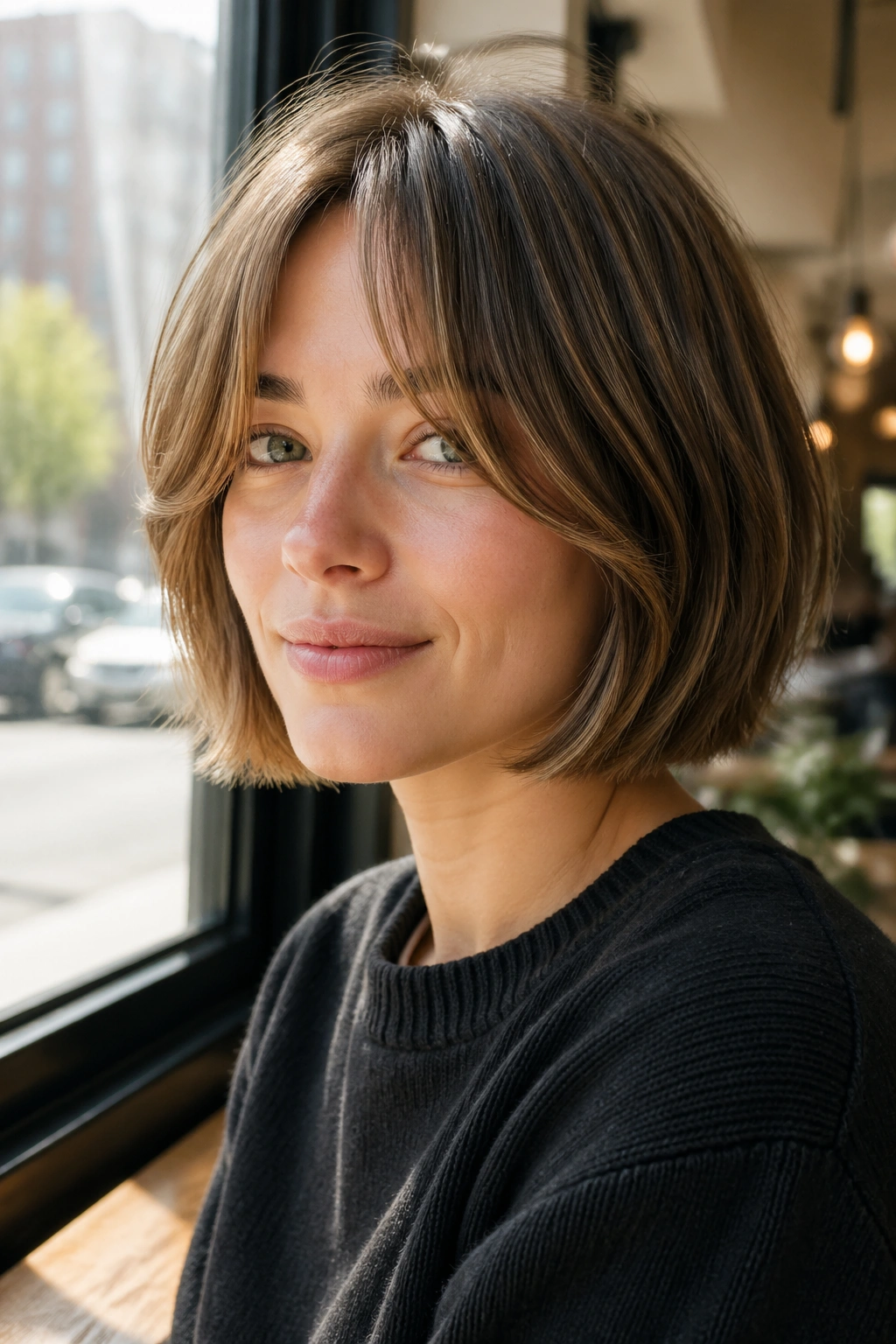
A bob with curtain bangs is one of the easiest ways to make thin hair feel more dimensional. The bangs break up the front line, which keeps the cut from looking too blocky, and they draw attention to the eyes and cheekbones instead of the scalp line.
Curtain bangs do need the right length. Too short, and they can spring up in odd ways. Too long, and they just sit there like a curtain nobody asked for. Aim for bangs that start around the cheekbone or just below the eyebrow, then taper into the sides of the bob.
This style works especially well if your hair parts easily down the middle. The fringe gives you softness while the bob keeps the outline strong. A round brush and a quick pass with a blow dryer usually do the trick. Simple, but never boring.
10. Shaggy Crop

A shaggy crop is for people who want movement and don’t mind a little attitude. On thin hair, the right shag adds irregular texture and keeps the ends from sitting in one limp line. The layers should be short enough to lift, but not so many that the shape turns frizzy.
The main risk with a shag on fine hair is over-layering. That’s the mistake. If the cut is too sliced up, the hair can look see-through fast. Ask for soft, broken layers around the crown and face, then keep the perimeter a little stronger so there’s still some weight at the bottom.
A salt-free texture spray or lightweight mousse usually gives this cut the right feel. You want separation, not crunch. On good days, it looks effortless. On bad days, it still looks like you meant it.
11. Asymmetrical Bob
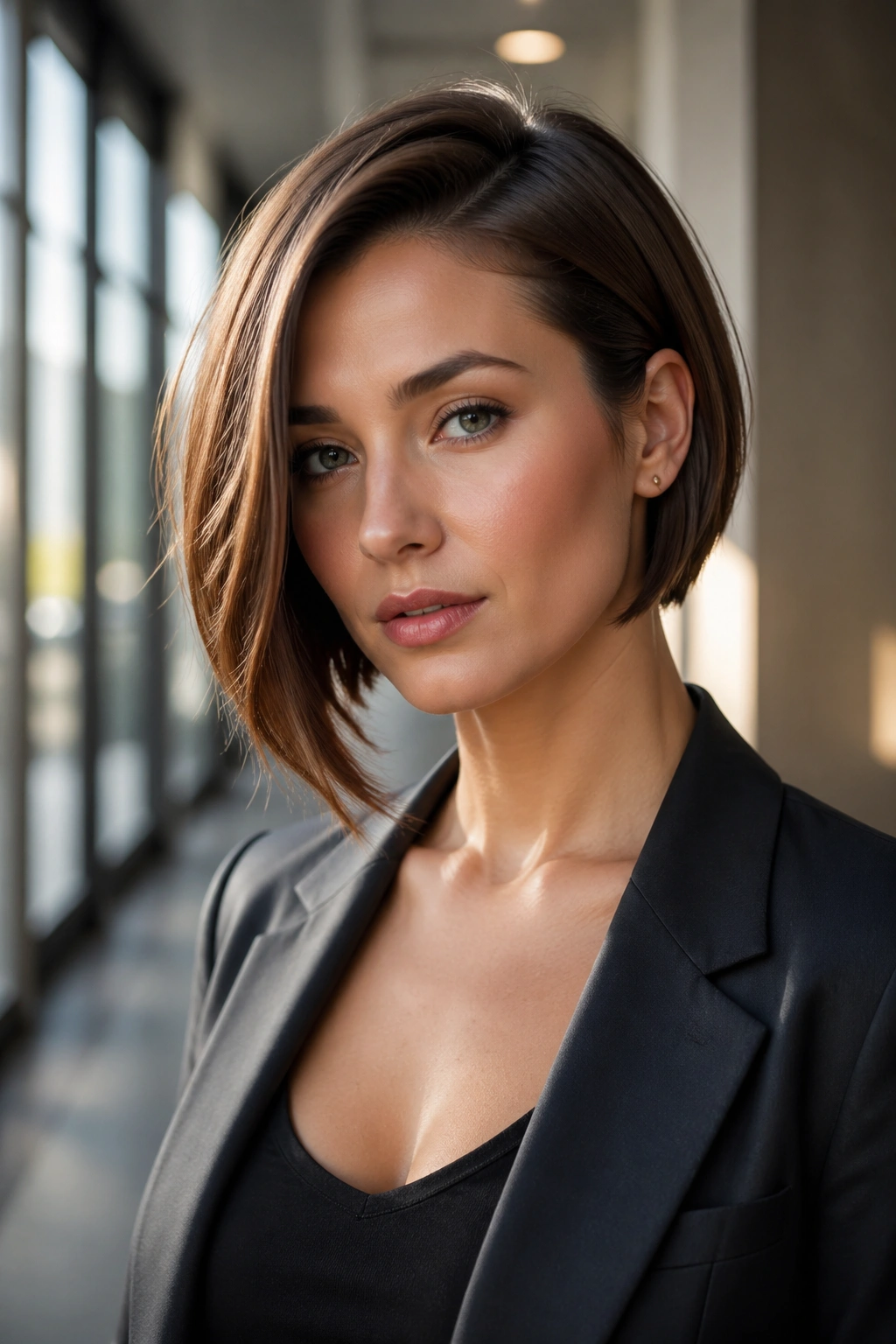
An asymmetrical bob can make thin hair look sharper and denser because the uneven line creates instant visual interest. One side is a little longer than the other, which draws the eye across the face and away from any spots where the hair may be sparse.
The cut works best when the difference isn’t extreme. A subtle asymmetry usually looks more expensive and wears better day to day. If the longer side lands near the chin and the shorter side just above it, you get movement without drama. Too much difference can start looking fussy.
This is a good option if you like structure and a little edge. It can also help a flat profile feel more alive from the front. Keep the ends blunt or softly beveled, not overly thinned out, and the whole style holds together much better.
12. Collarbone-Length Lob
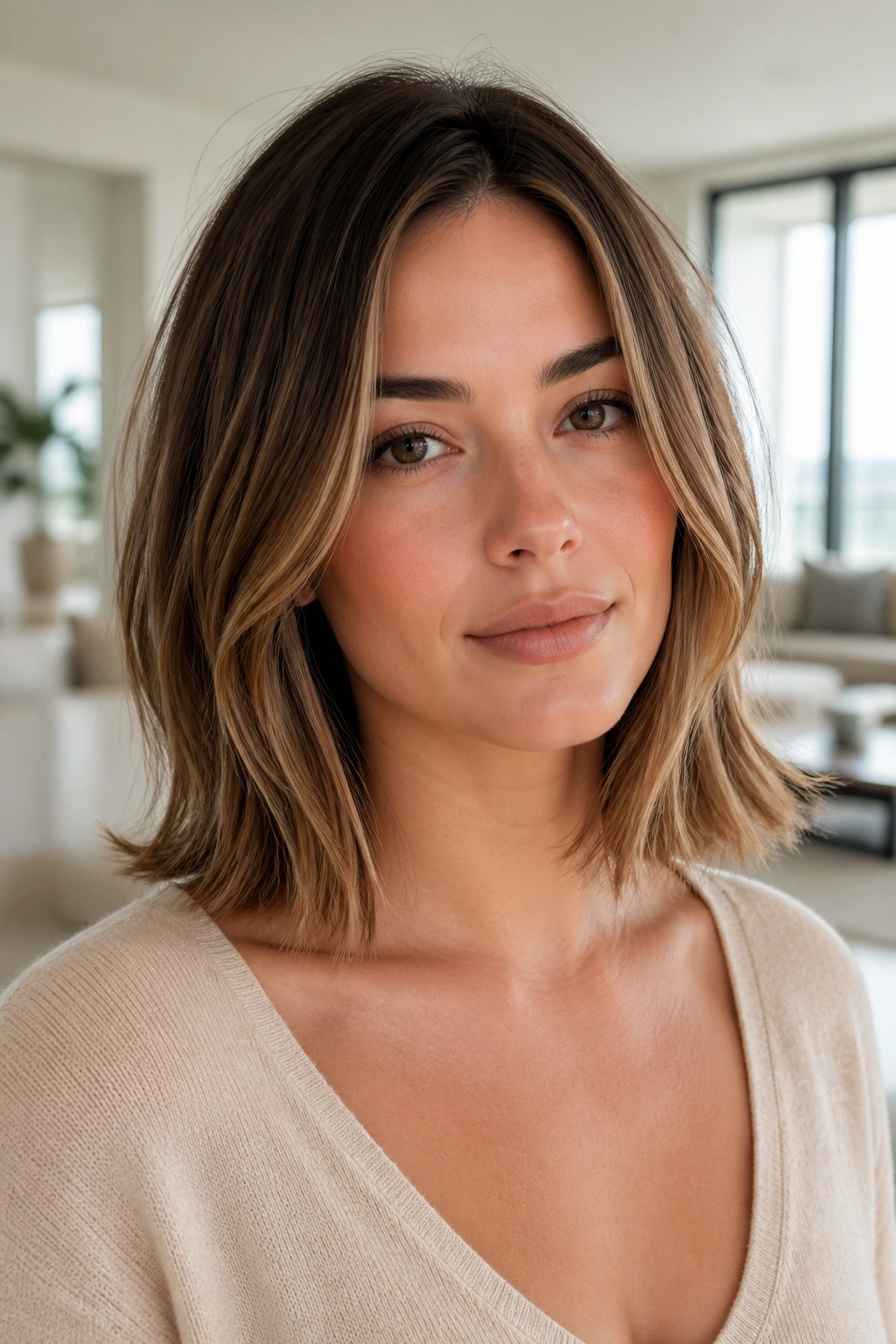
A collarbone-length lob gives thin hair a touch of length while still staying light enough to move. The cut sits just at the point where hair can still swing, tuck, and fall in a clean line. That matters, because hair that’s too long often starts to look stringy when density is low.
A lob like this is especially useful if you want to keep some styling flexibility. You can wear it straight, tucked, bent, or waved. The sweet spot is the collarbone because it gives enough hair to create shape without pulling everything down toward the shoulders.
I like this length for people who are nervous about going short. It feels safer than a true bob, but it still behaves better than long, fine hair. A slight internal layer near the front can help the ends kick in a flattering way.
13. Tapered Nape Cut
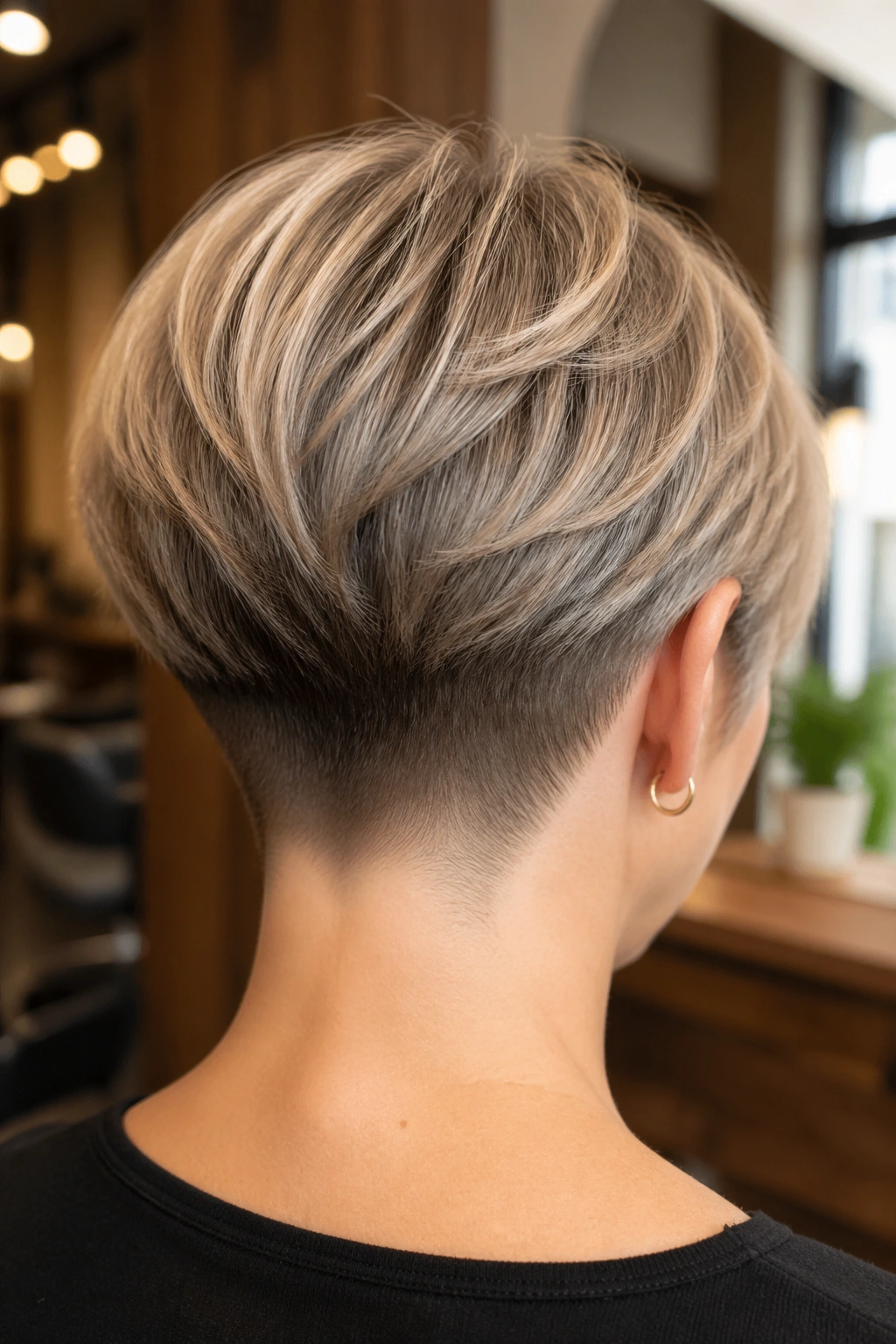
A tapered nape cut gives thin hair a cleaner silhouette right where it often needs help: the back of the head and neck. By keeping the nape close and neat while leaving a little softness higher up, the haircut creates a tidy shape that doesn’t droop.
The taper also makes the hair feel lighter on the neck, which a lot of people appreciate. It’s especially good if your hair grows out awkwardly in the back or tends to flip in strange directions. A good taper smooths that area and lets the top do the visual work.
This cut is practical, but it doesn’t have to feel plain. You can wear it sleek, slightly tousled, or with a side sweep in front. The most important part is keeping the nape clean. If that area starts to grow out unevenly, the shape loses its point fast.
14. Wavy Blunt Bob
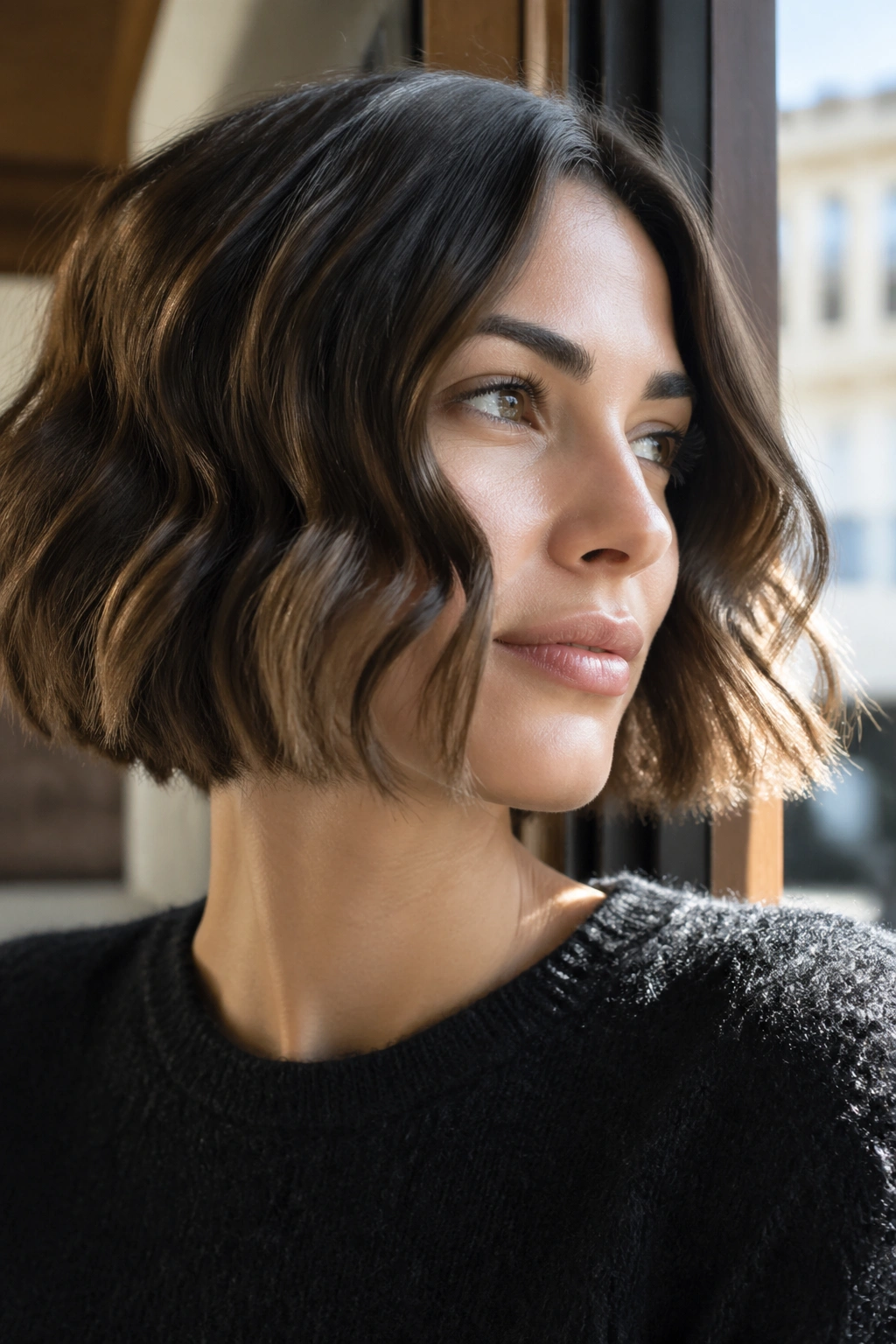
A wavy blunt bob is one of the nicest short hairstyles for thin hair because it mixes two helpful ideas: a solid base and soft movement. The blunt line keeps the edges full, while the waves stop the cut from looking heavy or rigid.
If your hair has any natural bend at all, this cut can work with it instead of fighting it. A 1-inch curling iron or a flat iron used in loose bends can create those undulating pieces that make the style feel fuller. Don’t curl every strand. That’s the fast way to make it look overdone.
The blunt base matters more than people think. Without that visual weight at the bottom, the waves lose their support. This is one of those styles where the foundation does the heavy lifting, even when the finish looks relaxed.
15. Micro Bob
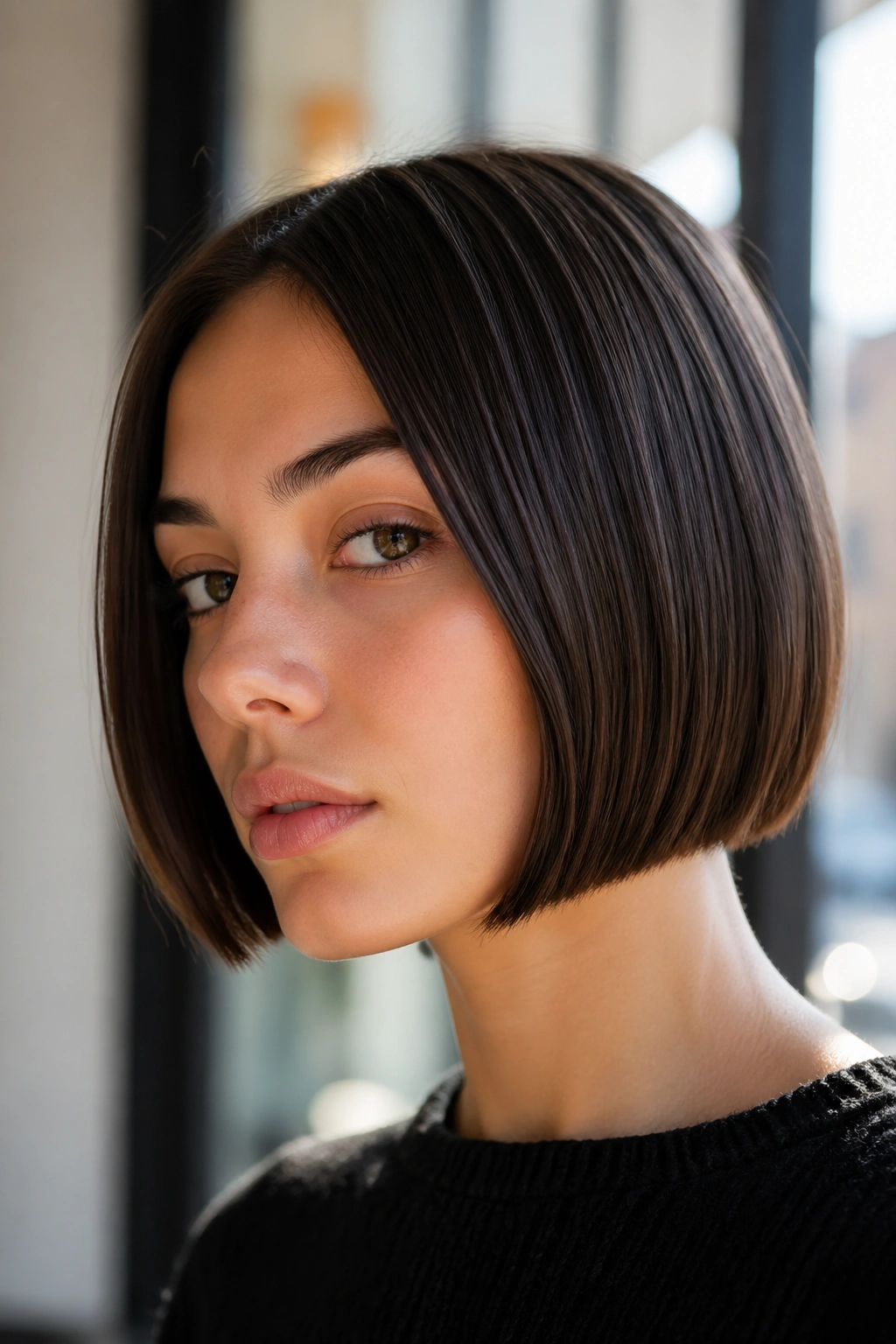
The micro bob is short, clean, and surprisingly flattering on thin hair when it’s cut with purpose. Usually grazing somewhere between the jawline and just below the ears, it creates a strong frame for the face and keeps the hair from hanging in limp lengths that show every weak spot.
What makes this cut feel chic is the precision. The line should be deliberate, not accidental. That means the ends need to be sharp enough to hold their shape, but not so blunt that they puff out in a bad way. A little bevel at the ends can help the bob sit better against the neck and jaw.
It’s a good choice if you like a tidy look and don’t mind regular trims. Shorter cuts show grow-out faster. Still, the payoff is a style that looks clean with minimal effort. That’s hard to beat.
16. Tousled Crop
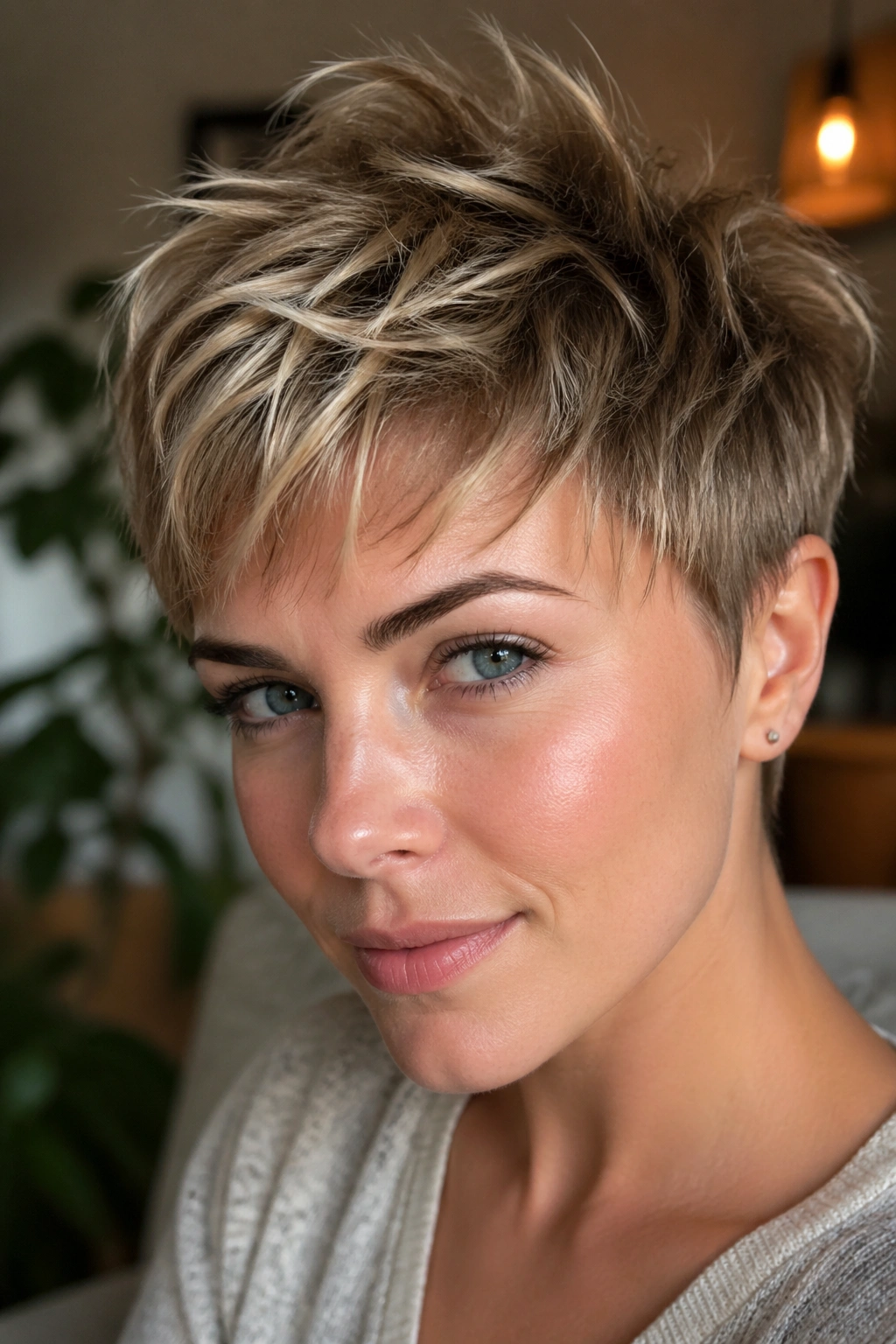
A tousled crop gives thin hair a little roughness in the best sense. It uses separation and movement to fake density, and that’s exactly why it works. Instead of trying to make the hair lie perfectly smooth, you let the pieces move around each other.
The best version of this cut keeps the top slightly longer and the sides neat enough to keep the shape from exploding. A light texturizing spray at the roots and a dab of paste through the ends can make the style look fuller without weighing it down. Blow-drying upside down can help, but don’t overdo it or the crown gets frizzy.
This one suits people who don’t want a polished finish every day. It’s casual in a good way. There’s something honest about it, too — thin hair often looks better when it’s allowed a little controlled mess.
17. Graduated Bob
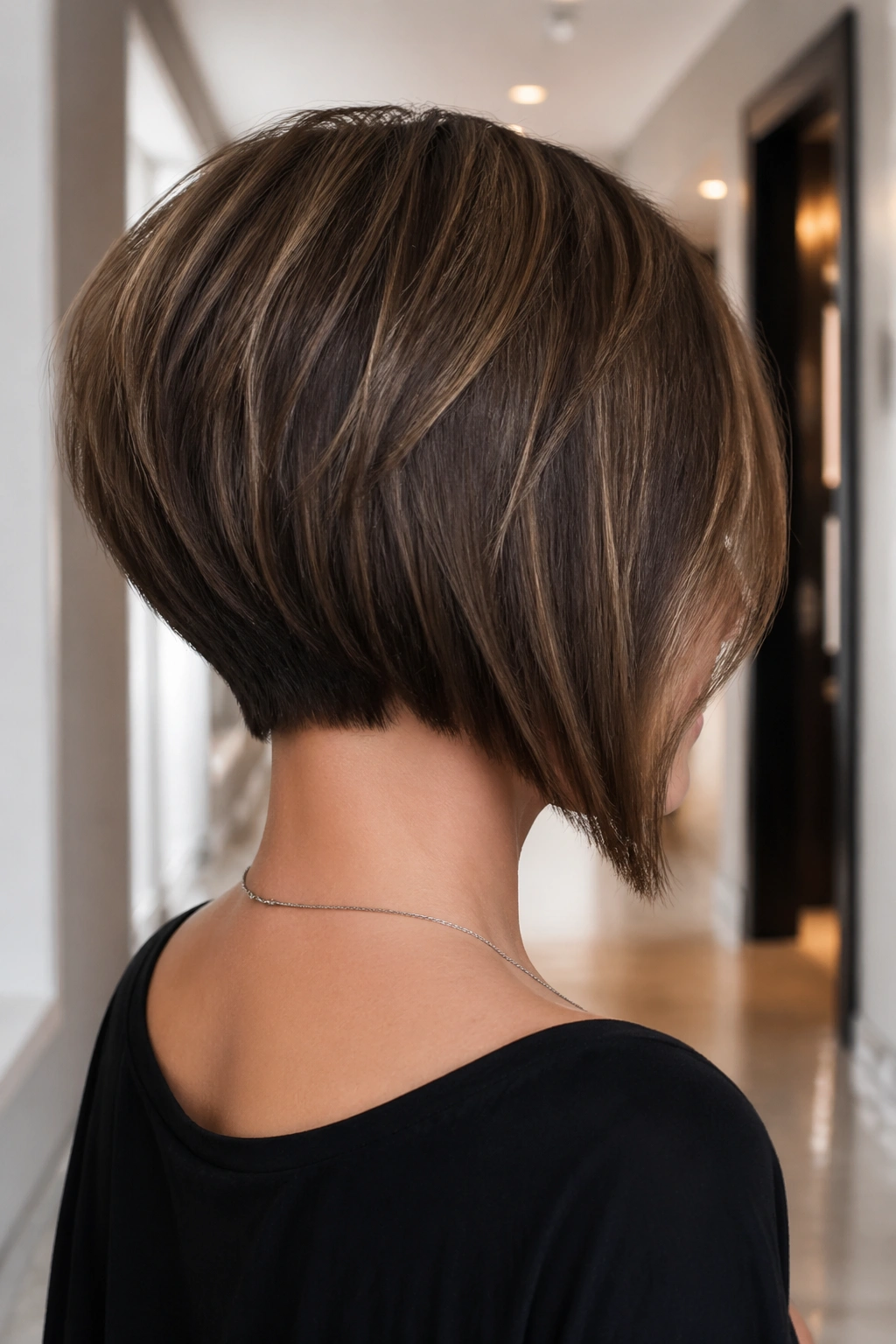
A graduated bob gives thin hair an instant shape upgrade. The back sits higher and the front stays slightly longer, which creates a lift that makes the head look fuller from the side and back. It’s a smart cut if your hair tends to collapse flat at the nape.
The graduation should be clean and gradual. If it’s too steep, the haircut can start to feel dated or helmet-like. If it’s too soft, you lose the lift that makes the style useful in the first place. A good stylist will balance the angle so it feels modern and wearable.
This cut looks especially good when the hair is smoothed just enough to show the shape. It doesn’t need a lot of waves or aggressive texture. In fact, too much texture can muddy the lines. Sometimes a clear outline is the whole point.
18. Side-Swept Fringe Bob
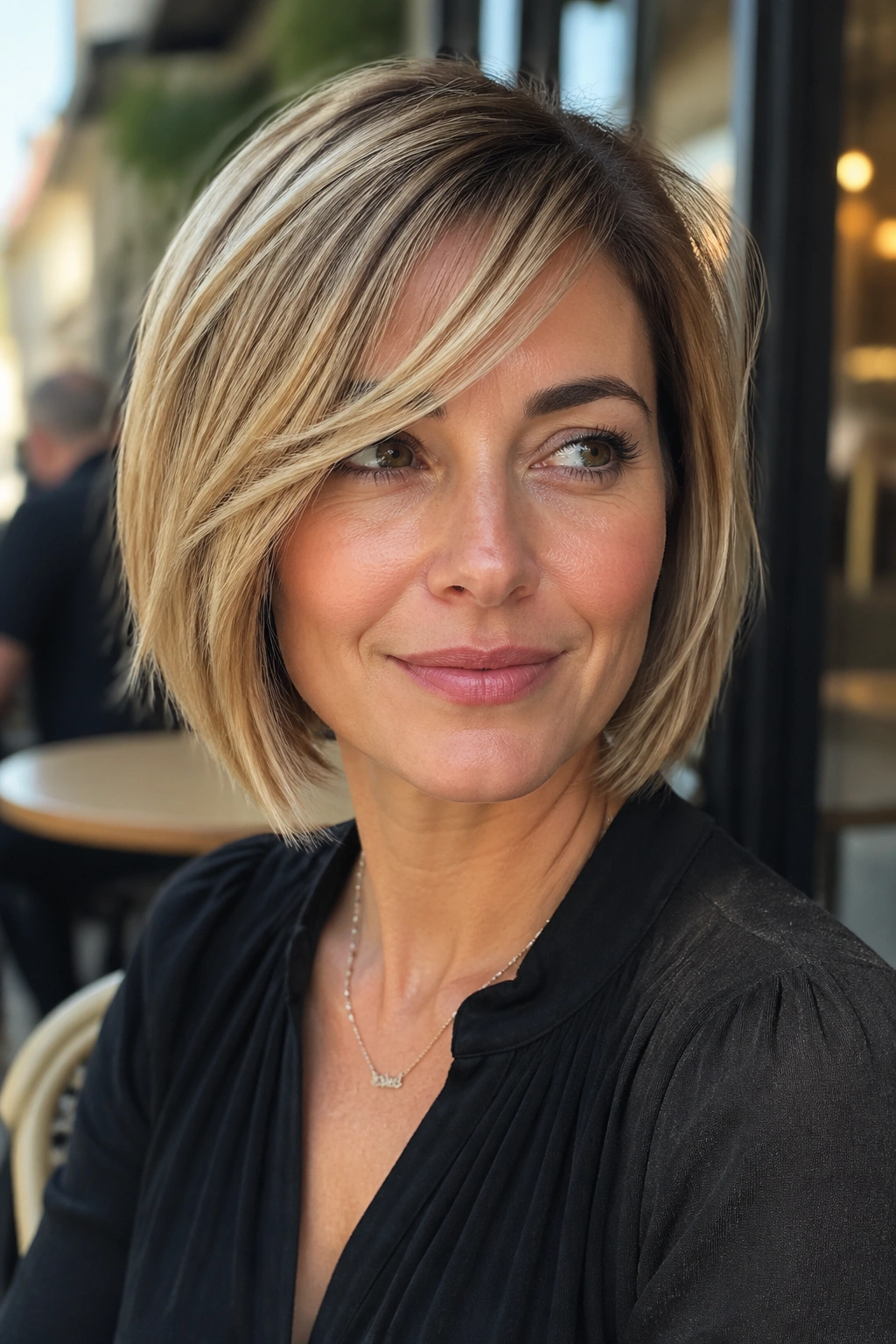
A side-swept fringe bob is one of the easiest ways to make thin hair look fuller around the front. The fringe creates a diagonal line that gives the face more movement, and the bob underneath keeps the base solid and neat.
The fringe needs to be light enough to sweep, not heavy enough to sit in a flat block. Ask for a soft, blended bang that starts farther back on the head so it has enough hair to move. That keeps the front from looking sparse, which is the last thing you want with thin strands.
This style is forgiving. If your hair doesn’t behave perfectly, the sweep covers a lot of sins. It also grows out more gracefully than a blunt fringe, which makes it easier to live with. Practical matters. They always do.
19. Bouncy Curly Bob
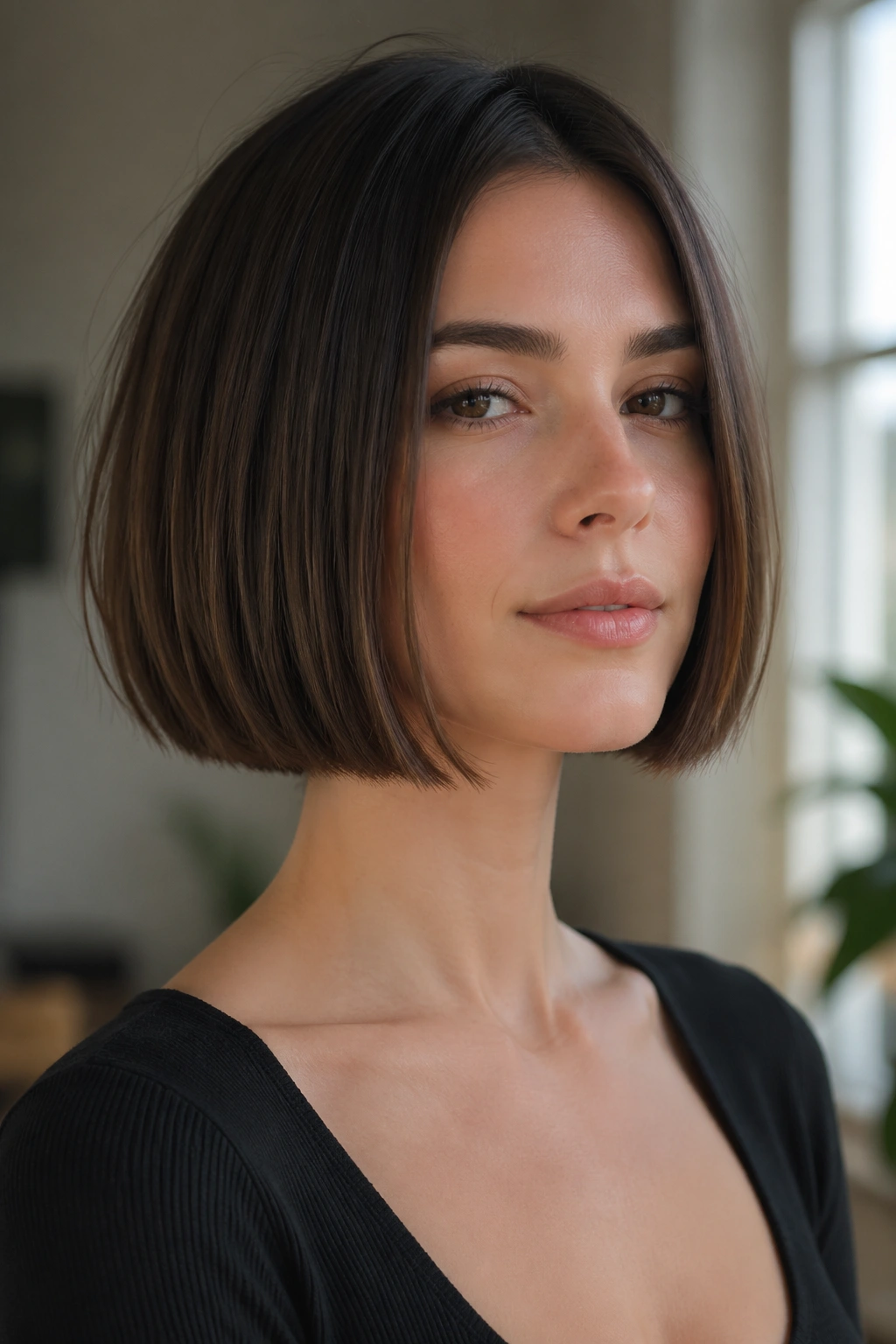
A curly bob can look fuller than straight styles because curls naturally create volume and visual thickness. On thin hair, the trick is keeping the shape short enough for the curls to spring up instead of pulling down. A bob that sits around the chin or just above the shoulders usually works well.
The cut should respect the curl pattern. Too much thinning can make curls frizz and expand in a way that feels messy. A dry cut or curl-specific shaping technique often helps because the stylist can see how the curls actually sit. That matters more than people expect.
Use a lightweight curl cream and scrunch from the ends upward. Heavy products flatten fine curls fast. If your hair is wavy rather than curly, you can still get some of this feel with a diffuser and a little patience.
20. Slick Short Bob
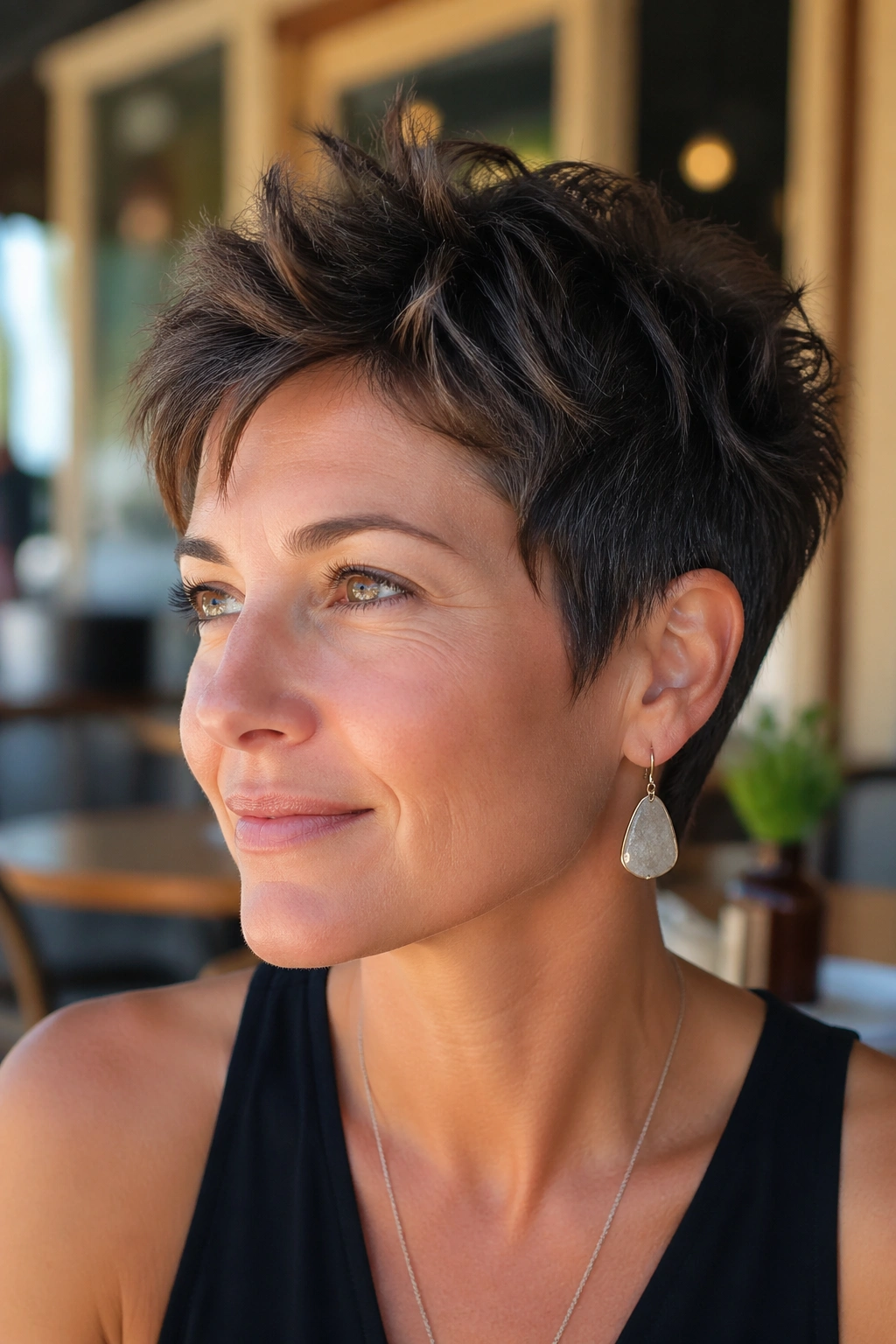
A slick short bob proves that thin hair doesn’t always need fake volume. Sometimes a smooth, glossy shape is enough. This look usually sits between the jawline and chin, with a clean part and tucked or flattened sides that make the cut look intentional and sharp.
The key is making the hair look healthy and deliberate. A shine serum or a small amount of smoothing cream can help, but too much product will make thin hair look stringy. Use just enough to tame flyaways and keep the outline crisp.
This style is good for nights out, interviews, or any day when you want the hair to look neat on purpose. It also works well with a bold earring or a strong lip because the haircut stays quiet and lets other details speak. Small cut. Big attitude.
21. Flipped-Out Bob
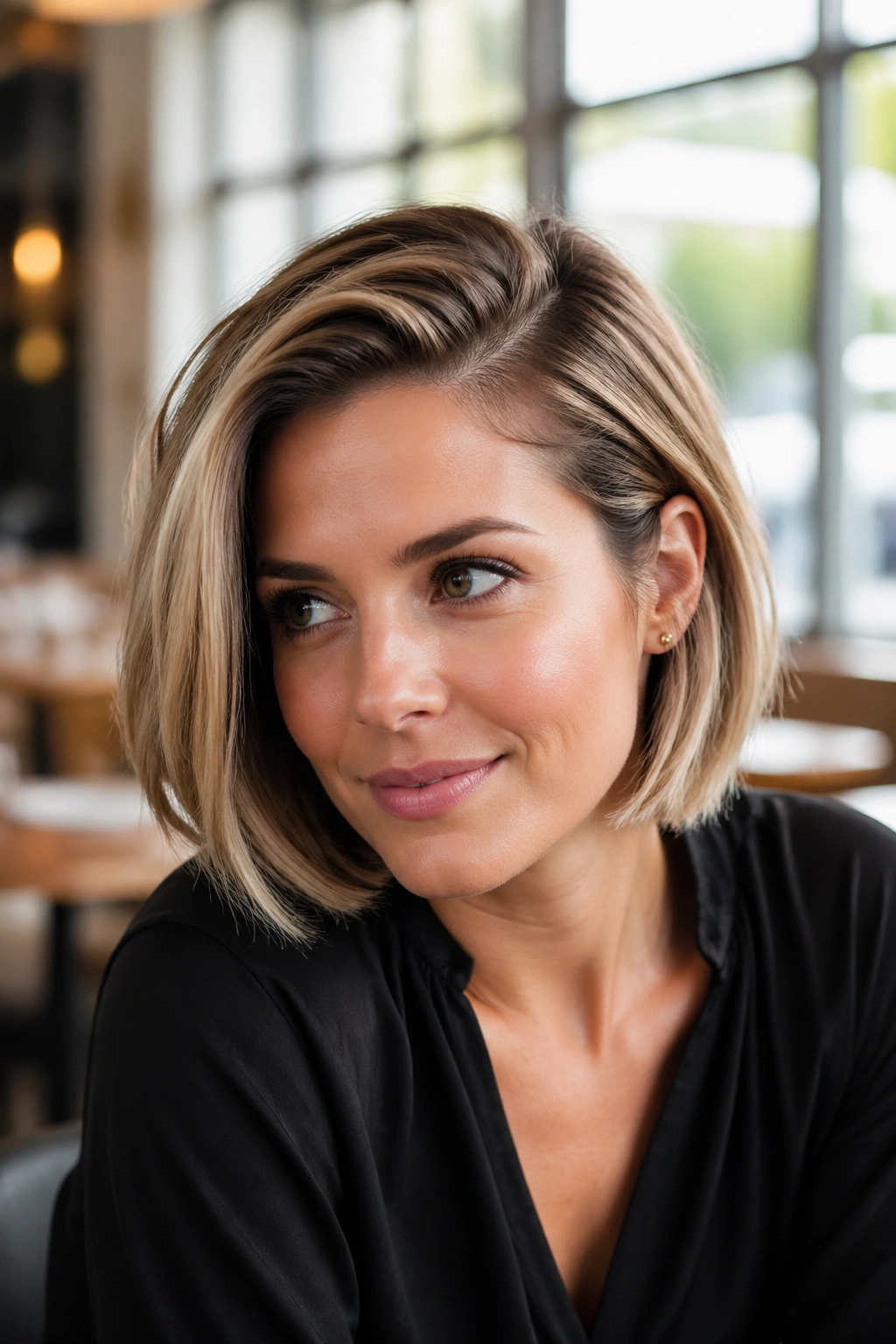
A flipped-out bob gives thin hair some lift at the ends, which is often where the cut needs help most. The outward bend makes the hair look lighter and fuller, and it keeps the outline from falling straight and flat against the neck.
The flip can be created with a round brush, a flat iron, or even a quick twist of the wrist with a blow dryer. What matters is that the ends have direction. A little bit of bend is enough. You do not need cartoonish flips unless that’s the look you want, and usually it isn’t.
This style works especially well when the base cut is blunt or lightly layered. That way the flipped ends have something solid to rest on. If the layers are too thin, the flip can start to look wispy instead of playful. There’s a line.
22. Undercut Pixie
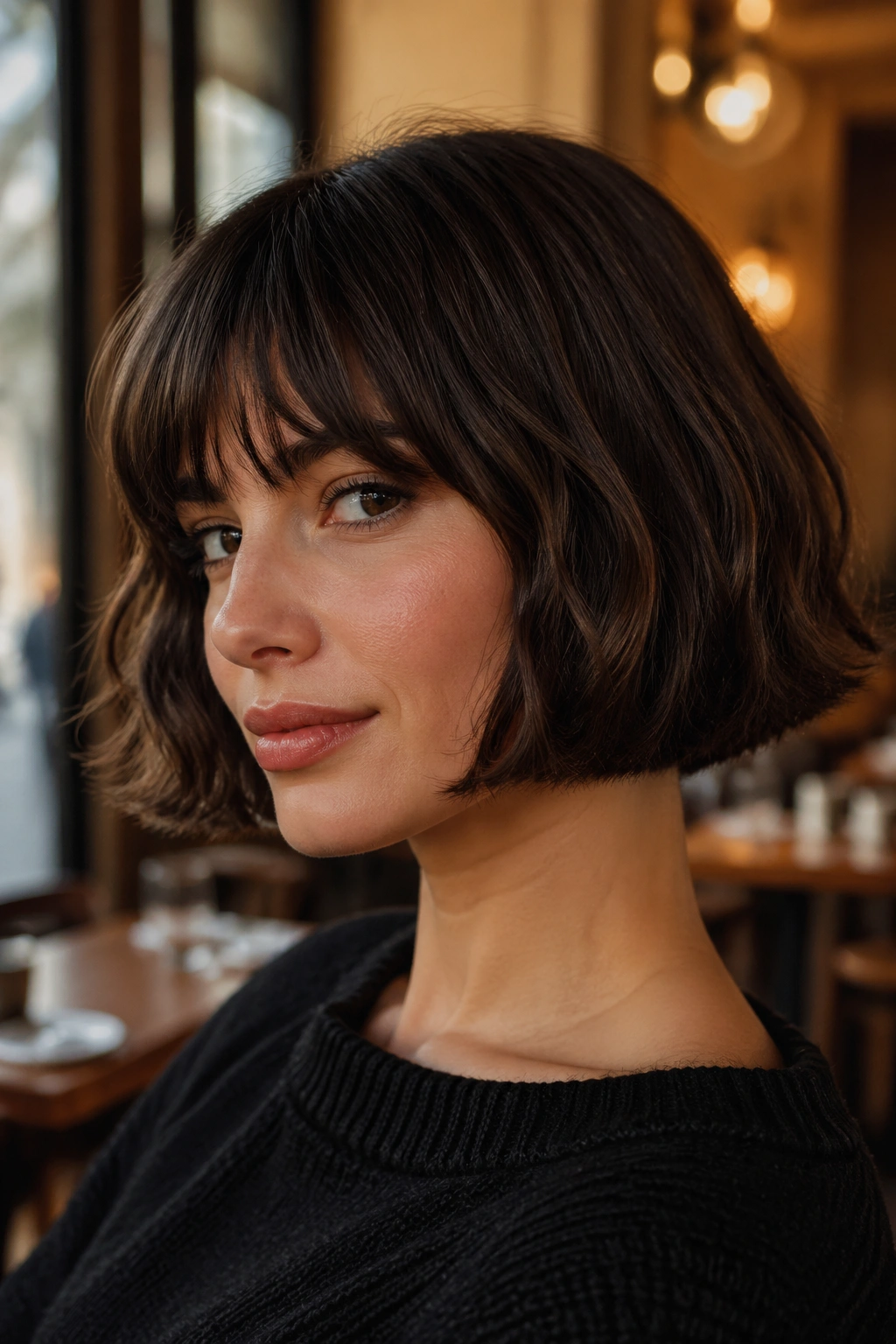
An undercut pixie removes bulk underneath and leaves the top free to sit with more lift. For thin hair, that sounds counterintuitive until you see how much cleaner the top section can look once the back and sides are reduced. The shape becomes lighter, sharper, and easier to style.
This cut is not shy. It shows the neck, the ears, and a lot of the face. That can be the whole appeal. If you want a strong outline and very little morning effort, it’s hard to argue with the payoff. The top can be swept forward, spiked softly, or worn side-swept depending on how much length you leave.
Maintenance matters here because grow-out shows fast. But if you like short hair that doesn’t flatten itself by noon, the undercut can be a clean fix.
23. Choppy Layered Bob
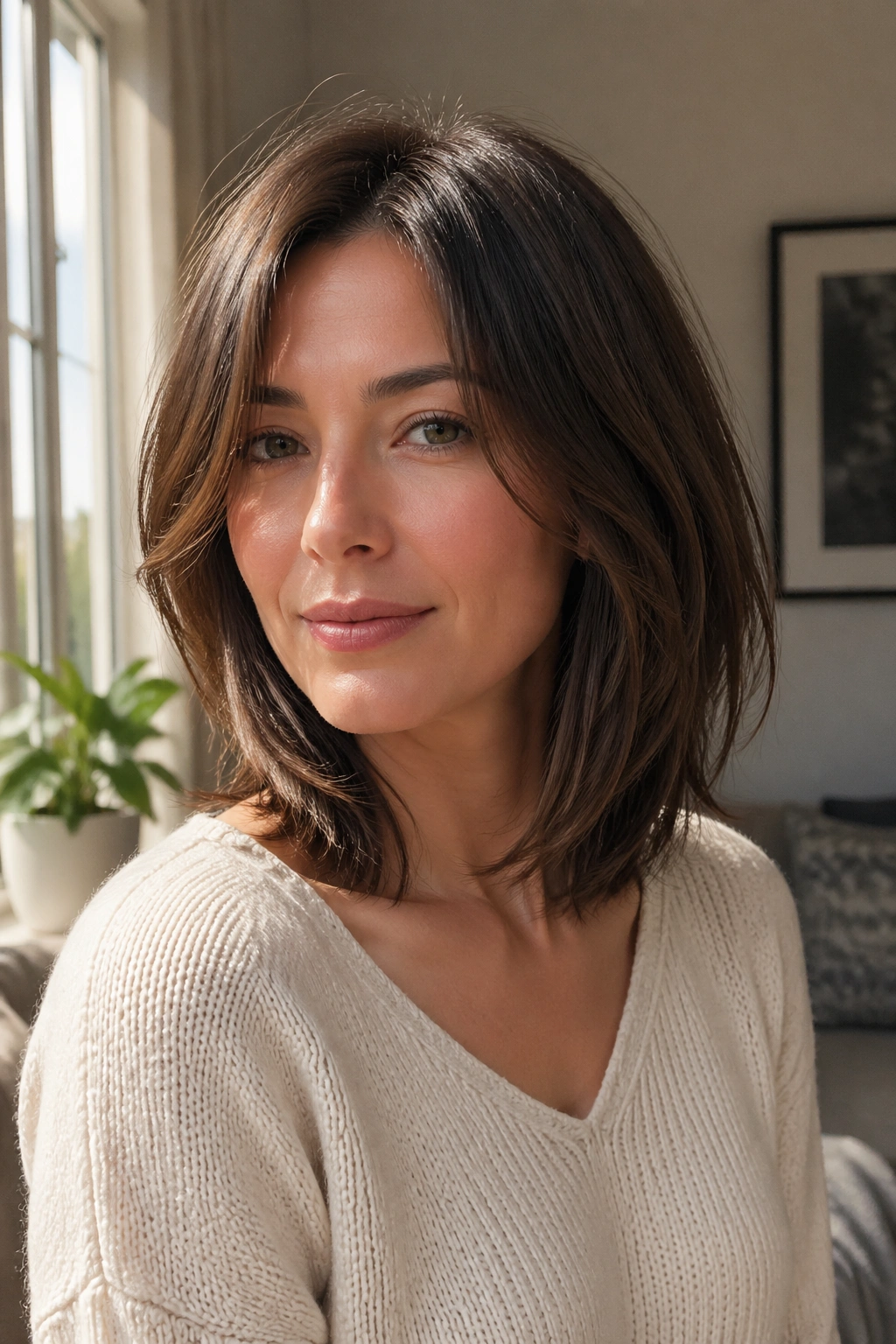
A choppy layered bob adds texture and break-up, which can help thin hair avoid that too-smooth, see-through look. The layers give the ends movement, and the bob length keeps the base from falling apart.
The important part is moderation. A few sharp, deliberate layers are enough. If you go too far, the hair starts to separate into thin strings. That’s not the goal. Ask for choppy movement mostly in the mid-lengths and face frame, while keeping the perimeter a little stronger.
This cut pairs well with dry texture spray or a small amount of mousse blown in at the roots. It likes a little grit. Not a lot. Just enough to keep the pieces from lying on top of each other like paper.
24. Ear-Tucked Jaw-Length Cut
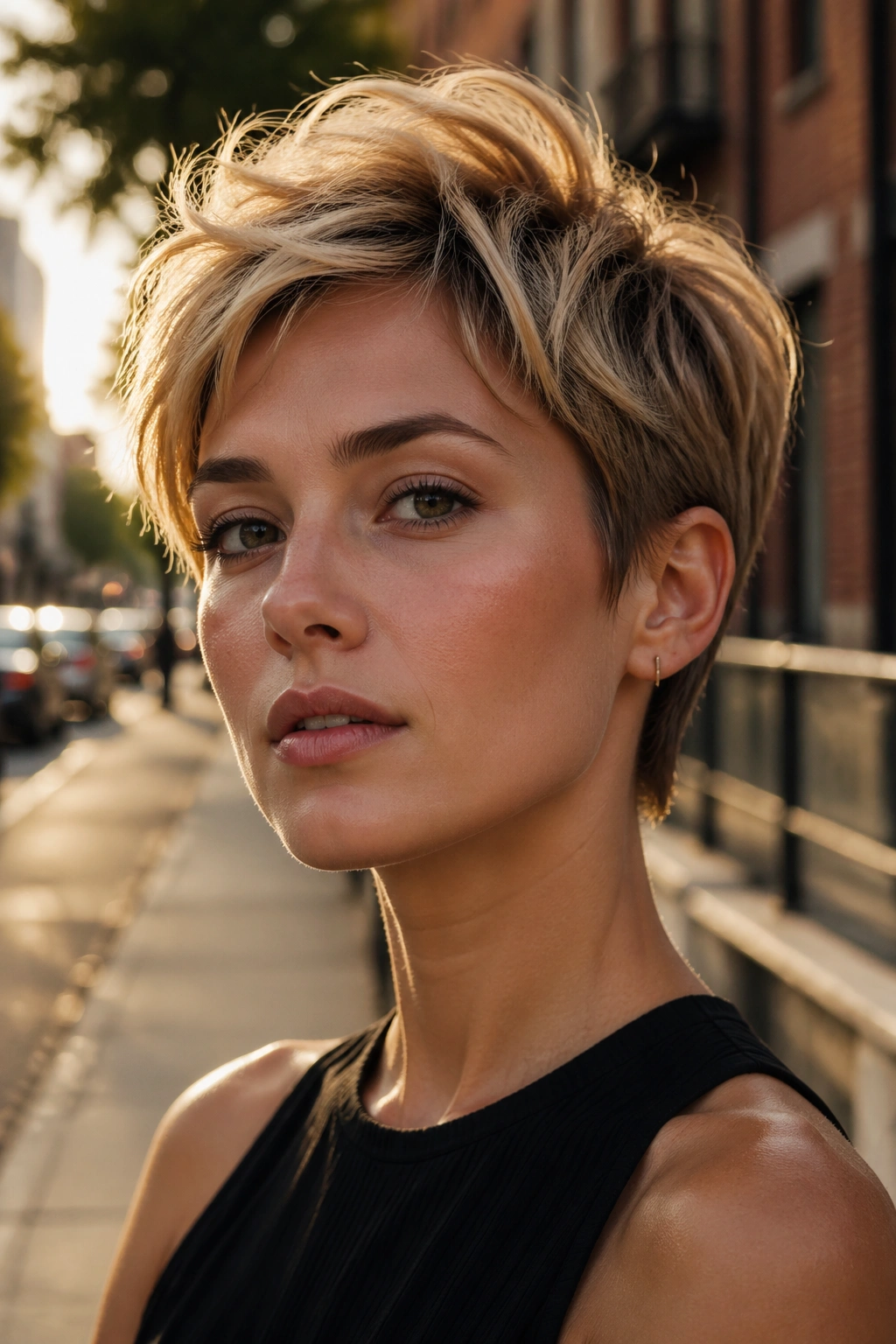
An ear-tucked jaw-length cut is a sneaky good option for thin hair because it uses simplicity to its advantage. The length sits around the jaw, which keeps the outline neat, and the ability to tuck one side behind the ear gives the look some asymmetry without needing a complicated shape.
What’s nice here is the ease. You don’t need strong waves or big volume to make it work. The cut looks polished when it’s smooth, and it still feels relaxed when it’s tucked a little messily. That kind of flexibility matters if you don’t want to fight your hair every day.
This style is especially flattering when the ends are soft but not thinned out too much. A blunt or lightly beveled edge helps keep the hair looking fuller. It’s a plain idea, but plain is not the same thing as boring.
25. Shixie
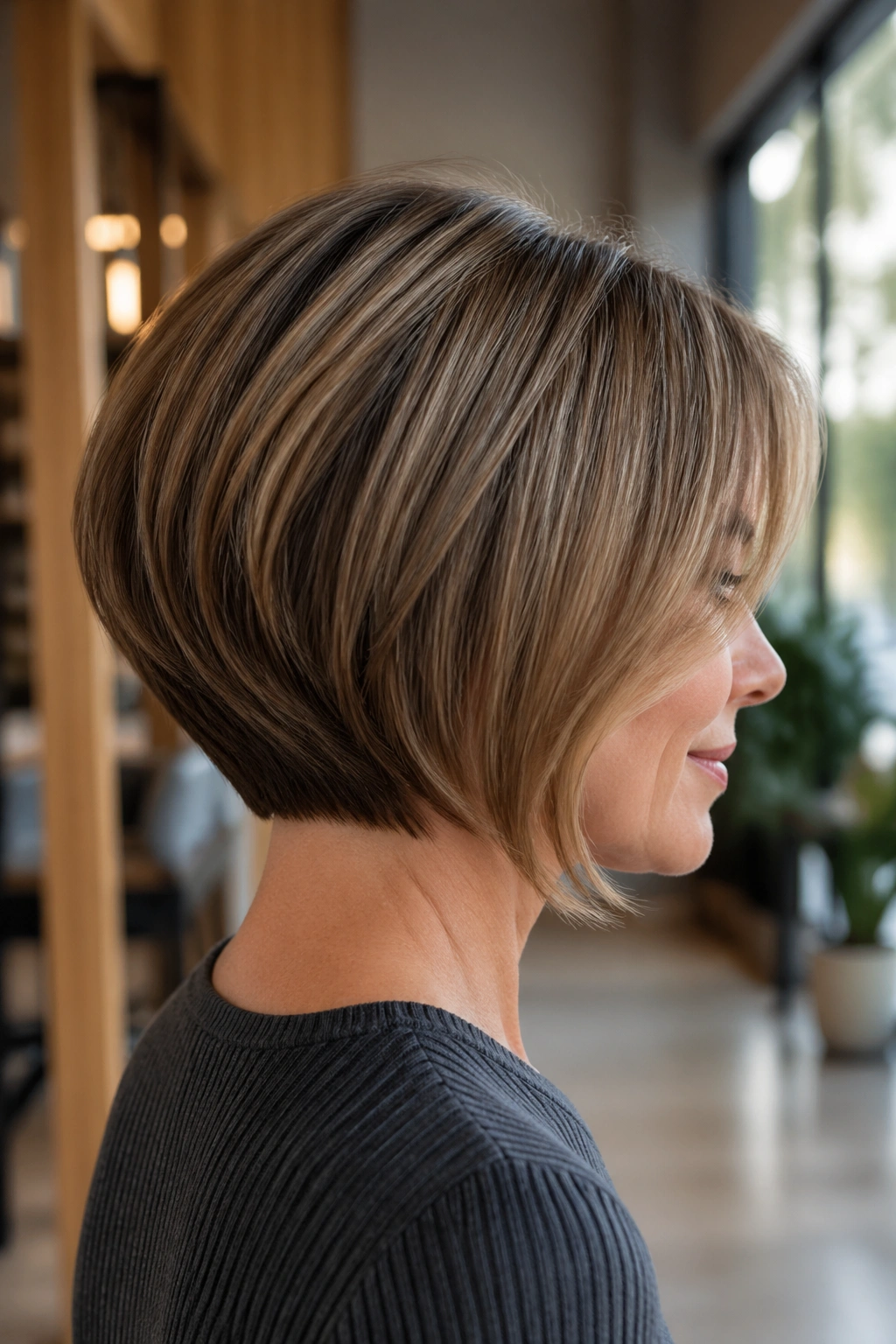
The shixie — shag plus pixie — is made for people who want short hair with movement and a little edge. On thin hair, it creates the sense of more pieces without making the style too bulky. The top stays a little longer, the sides stay close, and the shape feels intentionally messy in a good way.
This haircut works because it gives the eye different lengths to follow. That variation makes the hair look fuller, especially when the top is styled with a quick bend or a soft lift at the roots. If the layers are too uniform, the effect disappears. If they’re too broken up, the cut can feel fuzzy. There’s a middle ground, and this is where the cut lives.
It suits people who like a little personality in their hair. Not polished. Not precious. Just sharp enough to feel cool and easy enough to wear often.
26. Soft Rounded Pixie-Bob
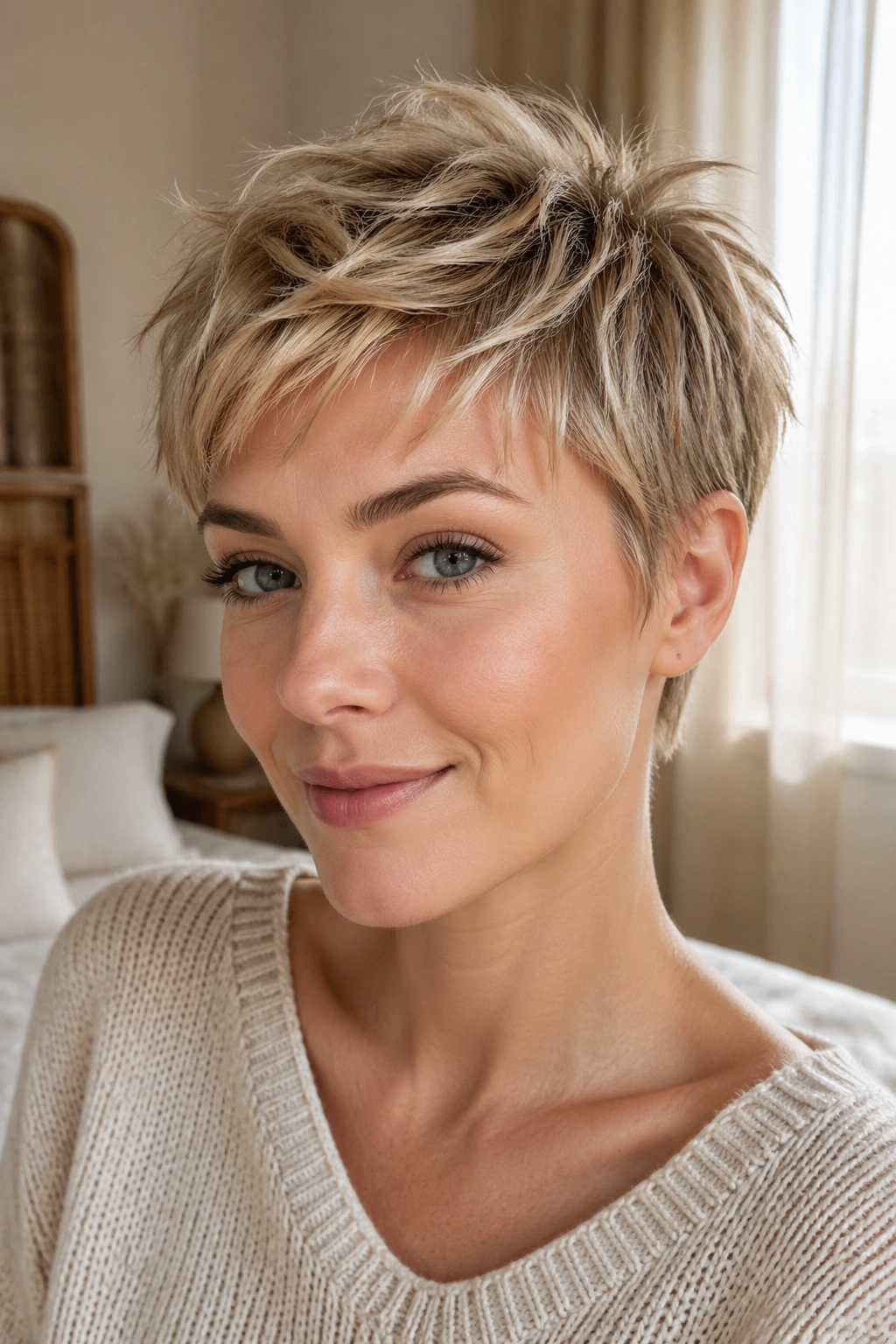
A soft rounded pixie-bob sits right between a pixie and a bob, which is why it works so well for thin hair. The rounded shape gives the crown a bit of lift, while the longer front pieces keep it from feeling too cropped. It has more body than a straight pixie and less heaviness than a traditional bob.
The best version keeps the sides softly curved into the head so the silhouette stays full. A little length around the temple and cheekbone can make the face look more open and balanced. That’s a nice bonus, especially if your hair tends to sit flat near the temples.
This is one of the most forgiving choices on the list. It’s neat without looking stiff, short without feeling severe, and structured without asking for a full morning routine. If you want a haircut that makes thin hair look considered instead of fragile, this is a strong place to land.
