



The fastest way to make blonde highlights look polished is not to chase the palest blonde in the room. It’s placement. A good colorist knows where light should hit, where it should soften, and where your natural depth needs to stay in place so the whole head doesn’t turn into one flat sheet of yellow.
That’s why a smart salon visit starts with the look you want, not the shade chart. Blonde highlights can feel icy, creamy, sun-kissed, or chunky and fashion-forward, and each version changes how your cut, skin tone, and hair texture read in the mirror. A cool foil pattern on a blunt bob behaves differently from a soft balayage on long waves. Same color family. Different effect.
Most people who leave unhappy don’t actually dislike blonde. They dislike stripes, brass, or that odd “helmet” look where the roots are too dark and the ends are too light. Those are placement problems, not just tone problems. And once you start seeing blonde that way, the salon menu gets a lot more interesting.
So if you’re trying to decide what to ask for next time, it helps to think in terms of movement, contrast, and upkeep. Some blonde highlight trends grow out gracefully. Some need a gloss every few weeks. Some are made for people who want barely-there brightness. Others are for anyone who wants the room to notice the hair first.
1. Soft Champagne Ribbons
Soft champagne ribbons are one of those blonde highlight trends that look expensive without trying too hard. The color sits in that sweet spot between beige, pale gold, and a whisper of pearl, so it doesn’t read brassy or stark. On wavy hair, the effect is especially nice because the lighter strands bend and flash instead of sitting there like stripes.
Why it works
Champagne tones flatter a lot of bases because they don’t fight warm or cool undertones. They soften brunettes, brighten dark blondes, and keep lighter blondes from going chalky. The trick is keeping the ribbons thin enough that they blend into the hair, not sit on top of it.
Ask your colorist for fine, airy ribbons through the mid-lengths and ends, with a softer money piece near the front if you want more face brightness. If you wear your hair straight most of the time, this look still works — the subtle contrast shows even without waves.
A gloss in a beige-gold family helps keep the color creamy. Brass loves to creep in. Champagne tones handle that better than icy shades because they have a little warmth built in.
2. Ultra-Fine Babylights
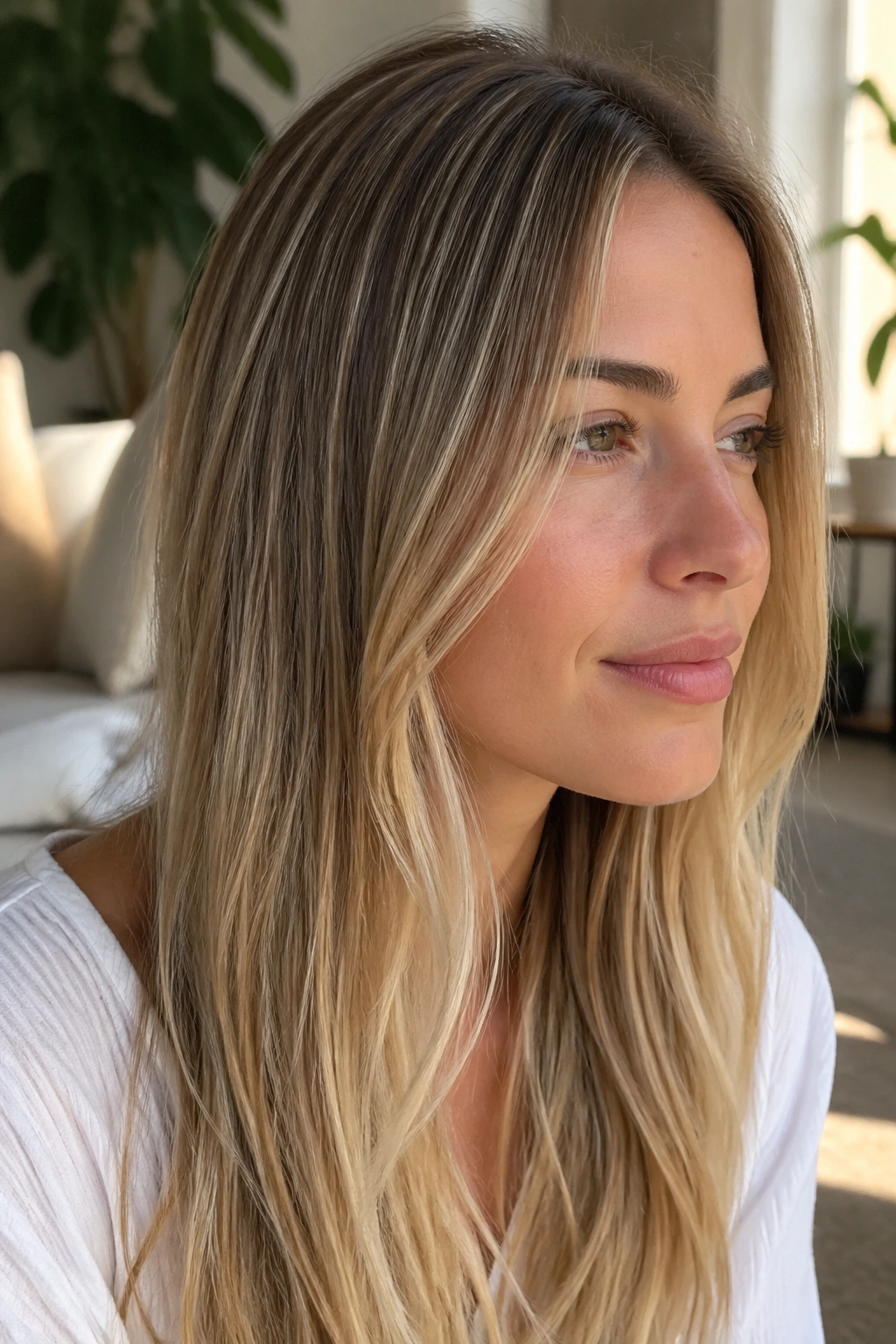
Babylights are tiny, delicate highlights that mimic the soft light you’d see in a child’s hair after a summer outside. They’re the opposite of chunky. Small sections. Soft lift. A lot of work for a very gentle payoff.
What makes them different
The magic here is density. Instead of painting broad strips of blonde, the colorist uses very fine sections so the final result looks woven, not placed. That means the hair keeps dimension at the root and through the crown. It also means grow-out is easier, which matters if you do not want a harsh line of demarcation showing up six weeks later.
Babylights are a good pick if you want blonding that doesn’t shout. They’re also useful on fine hair, because too much lightening can make fine strands look see-through. Tiny highlights can add brightness without removing all the body from the hair.
How to ask for them
Tell your colorist you want micro-fine foils with a soft blend at the root. If you have darker hair, ask how much lift your hair can handle in one visit. That part matters. Fine highlights can still be bright, but the end result should look like a glow, not a pattern.
3. The Face-Framing Money Piece
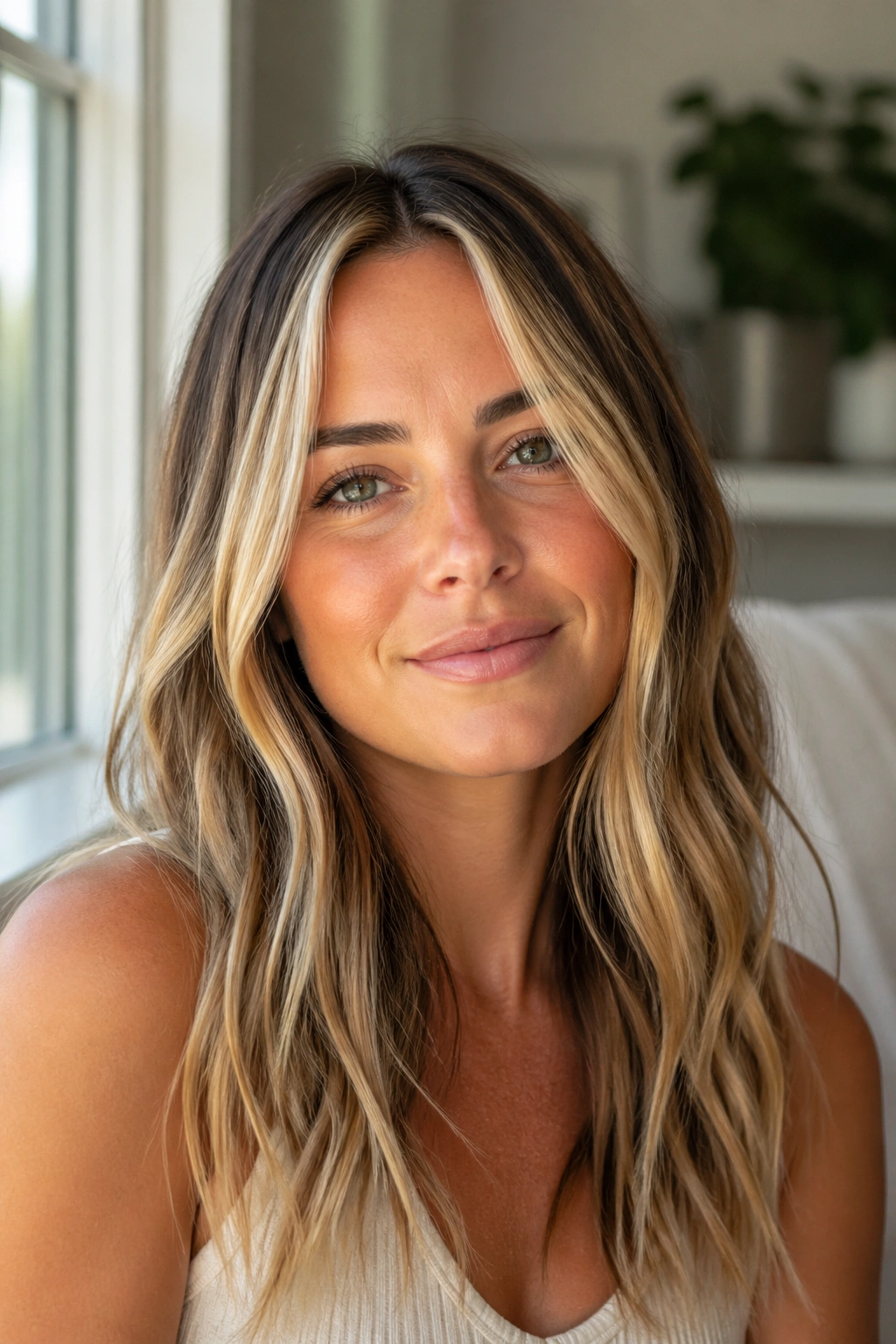
The money piece is still having a moment because it does one thing fast: it wakes up the face. Two brighter sections around the hairline can change the whole mood of a haircut, especially if the rest of the color stays softer and more natural.
It’s a good choice if you want to try blonde highlights without committing to a full head. You get the contrast where people notice it first, and the rest of the hair can stay dimensional. That’s a nice setup for long layers, curtain bangs, and collarbone cuts.
I like this trend most when the front pieces are one or two levels lighter than the rest, not six. Too much contrast can look disconnected, especially on straight hair. A softer blonde near the cheekbone does more work than a blinding strip ever will.
If your part changes a lot, mention that. A center part money piece reads differently from a side-part version, and a good color placement should still make sense when you flip your hair around.
4. Honey Blonde Balayage
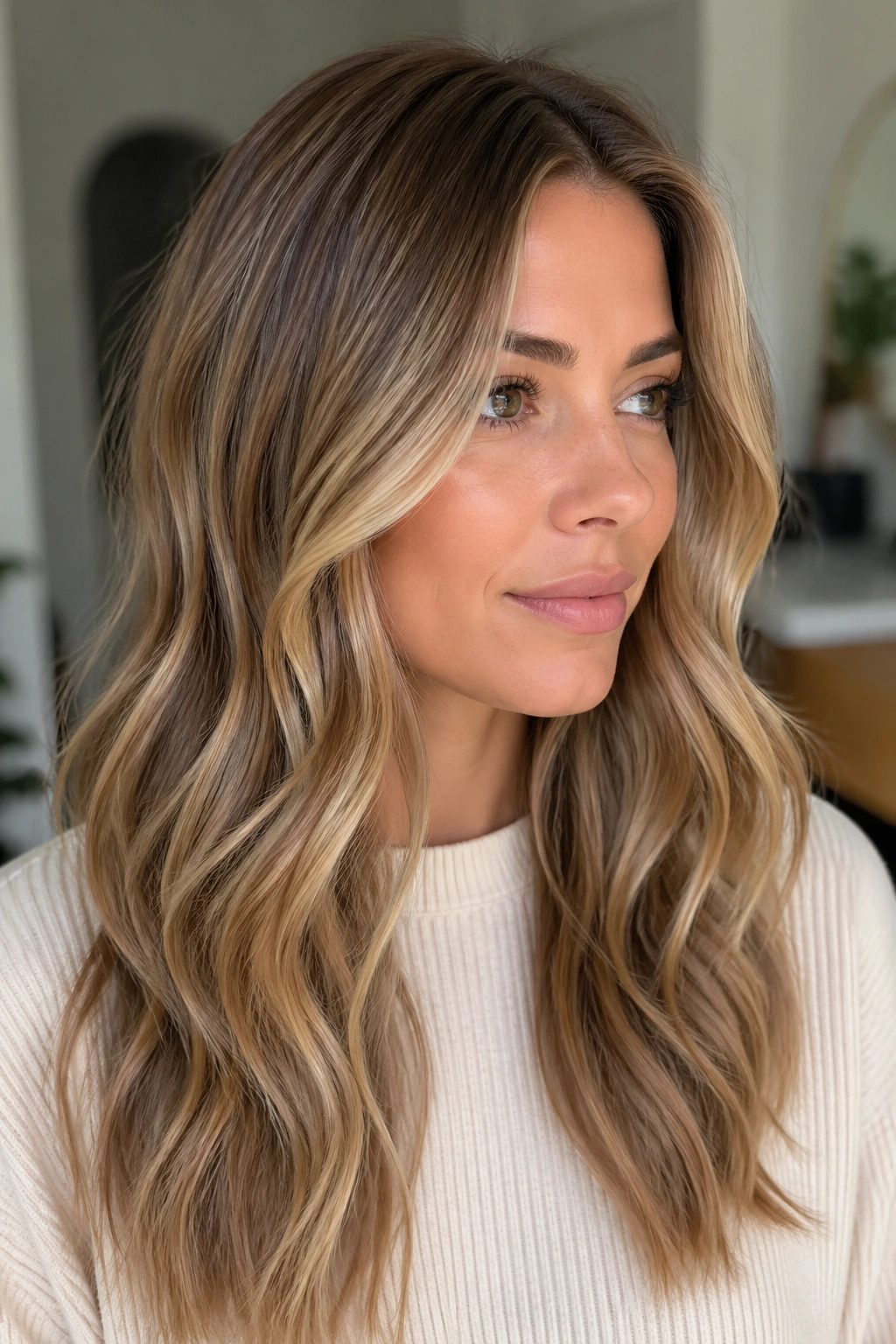
Honey blonde balayage is warm, glossy, and easy to wear. It’s also one of the most forgiving blonde highlight trends if you want movement without obvious maintenance lines. The hand-painted pieces melt into the base, so the grow-out looks intentional instead of forgotten.
The look in real life
Honey blonde sits in a rich golden zone, not orange, not pale yellow. Think warm syrup rather than bright sunshine. On medium brown hair, it gives a soft lifted look that still feels grounded. On darker blonde hair, it can brighten the whole head without pushing into bleach-heavy territory.
The best version usually keeps some depth near the roots and underlayers. That prevents the hair from looking overprocessed. You still see your natural color, which is the whole point. Hair with a little shadow underneath looks fuller.
Best for
- Wavy and curly textures that need visible dimension
- People who want a warm result with less tonal upkeep
- Long hair where hand-painted pieces can stretch out nicely
If your skin tends to look washed out beside icy shades, honey blonde is worth a serious look. It has warmth, but not the brassy kind that turns muddy after a few washes.
5. Rooted Platinum Blonde
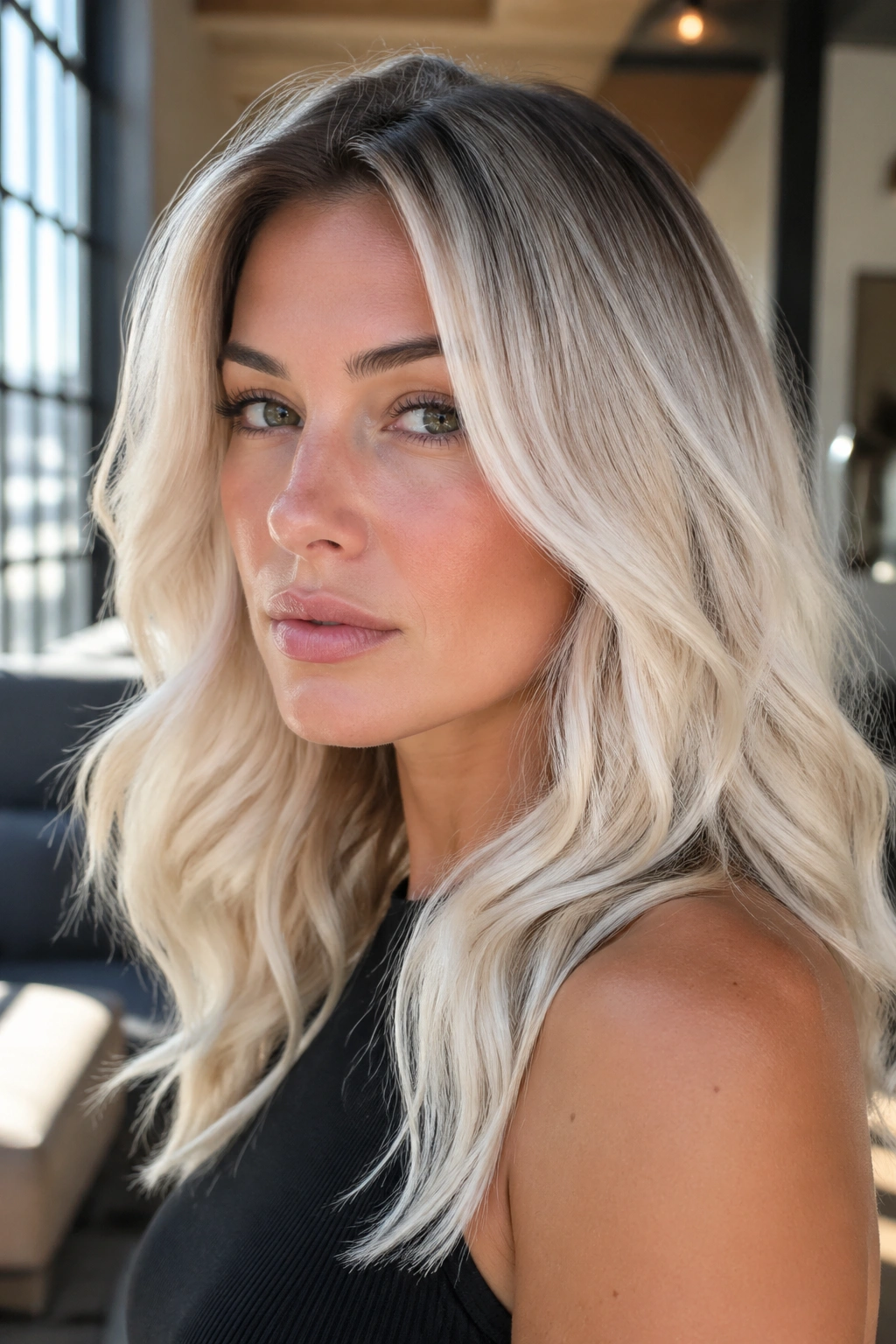
Rooted platinum is for people who want high contrast and are fine owning it. The roots stay deeper, sometimes intentionally shadowed, while the ends and top layers are pushed toward a clean platinum finish. It has attitude. It’s not shy.
The root is doing a lot of visual work here. Without that shadow, platinum can look like one solid block and grow out in a harsh line. With it, the blonde feels more wearable and a little more modern. That’s especially true if your haircut has texture or a blunt edge.
This style is not the easiest on the upkeep side. The blonde itself needs tone control, and the root needs to be blended well so it doesn’t look like two separate hair colors glued together. Ask for a shadow root that fades gradually into the lighter ends. Not a stripe. Not a hard band.
It’s a smart choice if you like dramatic color and don’t mind returning for toners, glosses, or root work. If you want low effort, skip this one.
6. Beige Blonde Dimension
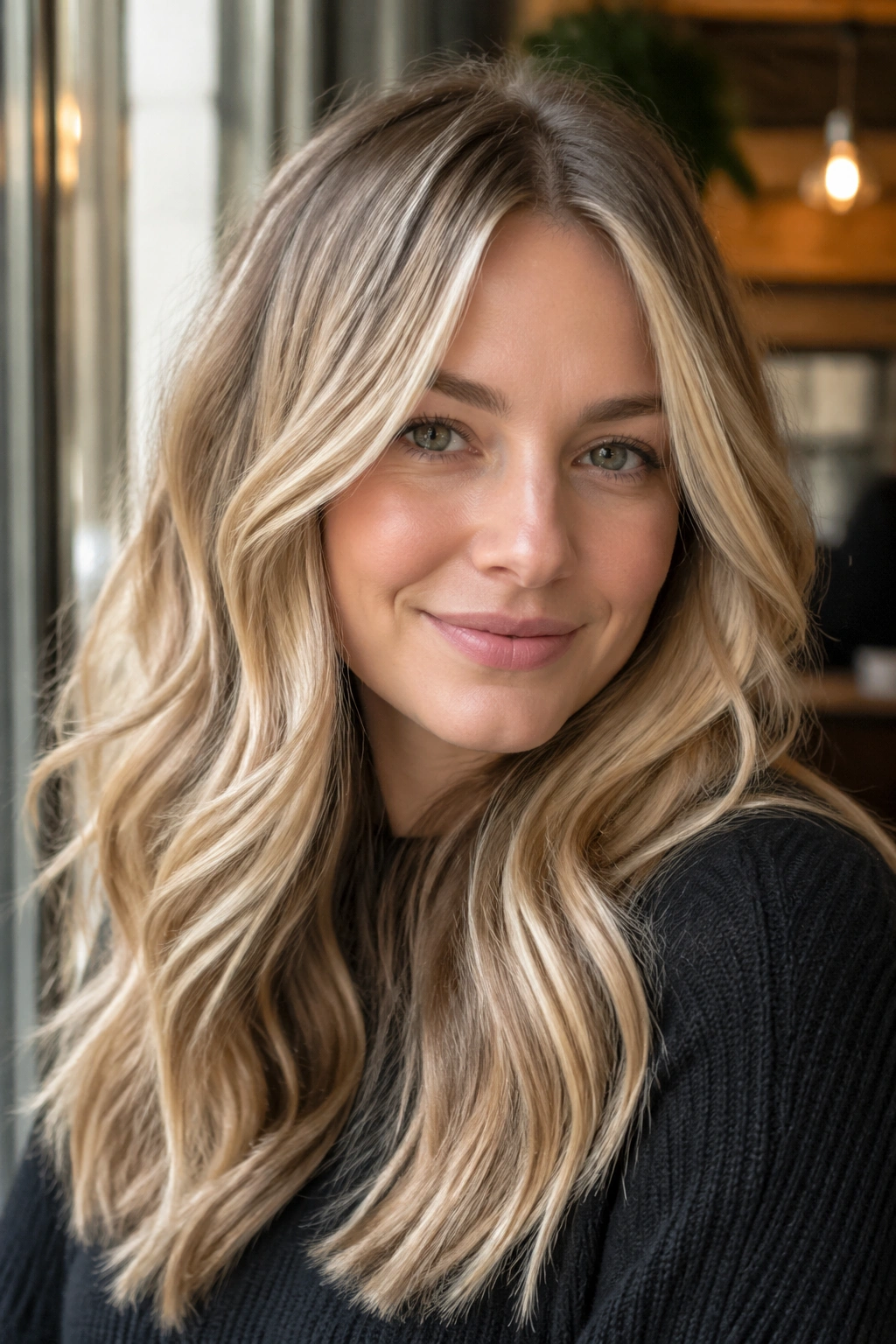
Beige blonde is the quiet workhorse of blonde color. It’s neither icy nor golden, which is exactly why so many people come back to it. The shade has enough softness to flatter most complexions and enough neutrality to stop the hair from looking too yellow or too ashy.
Why it’s so wearable
The appeal comes from balance. Beige tones sit between warm and cool, so they don’t fight with makeup, clothes, or undertones as aggressively as some brighter blondes do. That makes the overall result feel calm. Clean. Expensive, if you like that word, but in a real-world way rather than a flashy one.
A beige blonde color plan often works best with mixed highlight sizes. A few fine pieces near the face, broader ribbons underneath, and a soft gloss at the end keep the look from flattening out. The result is more believable than a single all-over blonde tone.
How to keep it from going dull
Use a color-safe shampoo, but don’t overdo purple shampoo. Too much of it can make beige tones look dusty. A clear or lightly tinted gloss after a few weeks often gives you more life than another round of toner.
7. Mushroom Blonde Blend
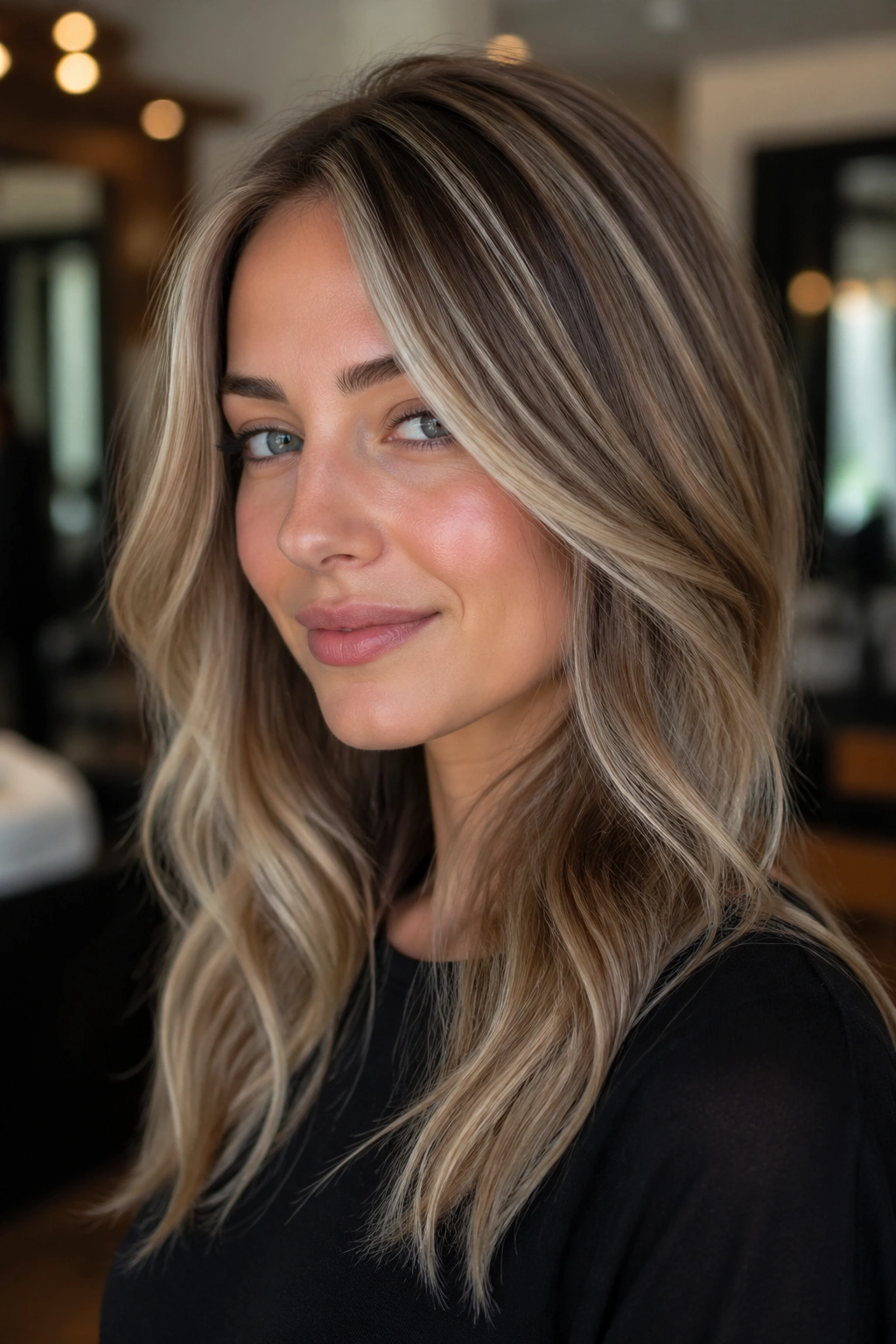
Mushroom blonde is cool, earthy, and a little edgy without being loud. It borrows from taupe, beige, ash, and soft brown, which gives the blonde a grounded look that pairs well with thicker texture and darker roots.
A lot of people choose it because they want blonde, but not the sunny kind. Fair enough. This shade has a slightly smoky feel, and the highlights don’t scream for attention. They sit in the hair like threads of light rather than obvious streaks.
The best mushroom blonde looks happen when the lowlights matter as much as the highlights. That’s the part people skip in conversation, but it matters a lot. If everything is lightened, the color loses its depth and starts looking flat. A few cool lowlights around the nape or under the crown keep the whole thing from washing out.
This trend is especially good if your wardrobe runs cool-toned — charcoal, denim, black, olive. It feels pulled together without being hard or severe.
8. Chunky ’90s Highlights
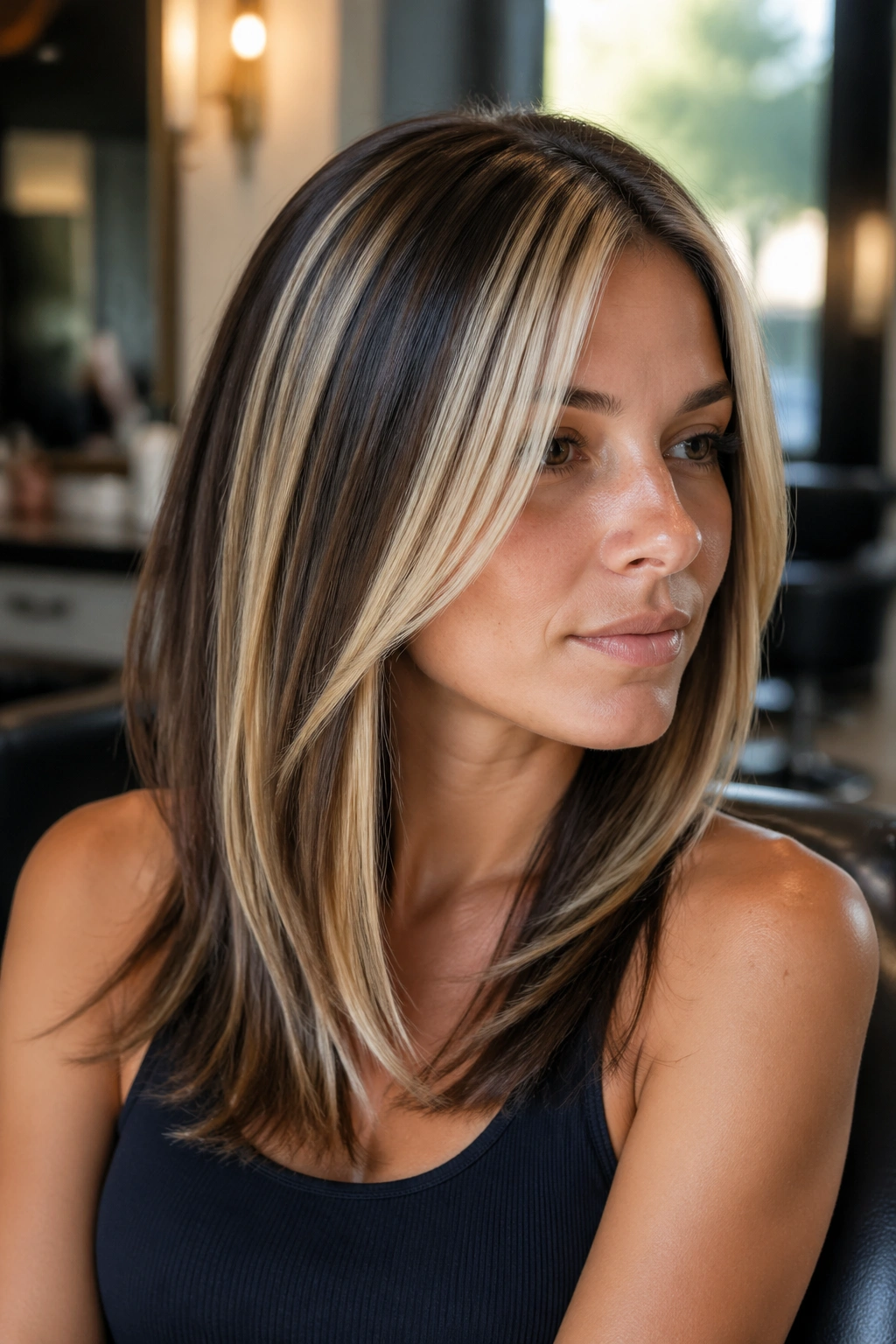
Chunky highlights are back because they have personality. Thin babylights are lovely, but sometimes you want visible blonde pieces with a little throwback attitude. Chunky highlights deliver that. They’re bolder, more graphic, and much more obvious from a few feet away.
What to ask for
Tell the stylist you want clear, separated blonde panels with visible contrast against the base color. The placement can still be modern, which matters. The old version of this trend could look stripy if the spacing was off. A better version leaves enough dark hair between the lighter pieces to keep shape and movement.
Chunky highlights work well with shorter cuts, face-framing layers, and straight styling. They also look fun on curls, though the pattern will soften once the hair bends. That’s not a flaw. It’s part of the charm.
If you love a more polished, low-key look, this one may feel too loud. If you miss hair that looks a little bit graphic and a little bit playful, it hits the mark fast.
9. Scandi Hairline Brightness
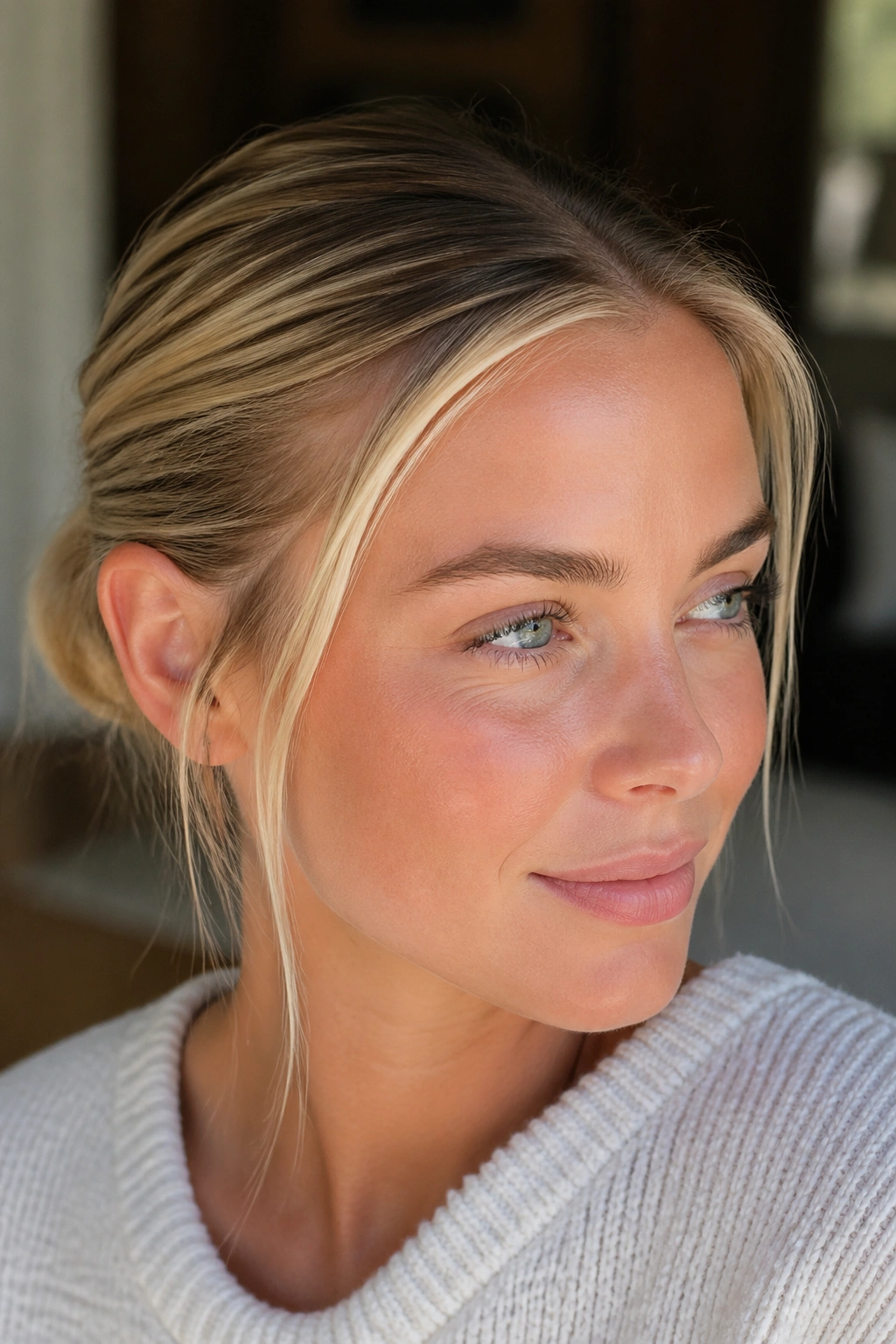
Scandi hairline highlights are tiny but effective. The colorist lightens just the fine baby hairs around the face, especially at the hairline and temples, so the face gets a soft halo of brightness without much overall change.
That makes this trend perfect for people who want a fresh look but do not want to sit through a full blonding appointment. It’s subtle on purpose. The effect shows up most when your hair is tucked behind the ears, swept up, or worn with a center part.
What to know before you try it
These pieces lift fast because the hair is so fine there. That also means they can overprocess fast. Good placement matters more than brute-force lightness. You want a bright frame, not crispy wisps.
This look plays well with other highlight trends too. It can sit on top of a balayage, a rooted blonde, or even a darker base that needs a small refresh. If your ends are already light, Scandi hairline pieces can keep the face awake without a full service.
10. Foilyage Blonde Glow
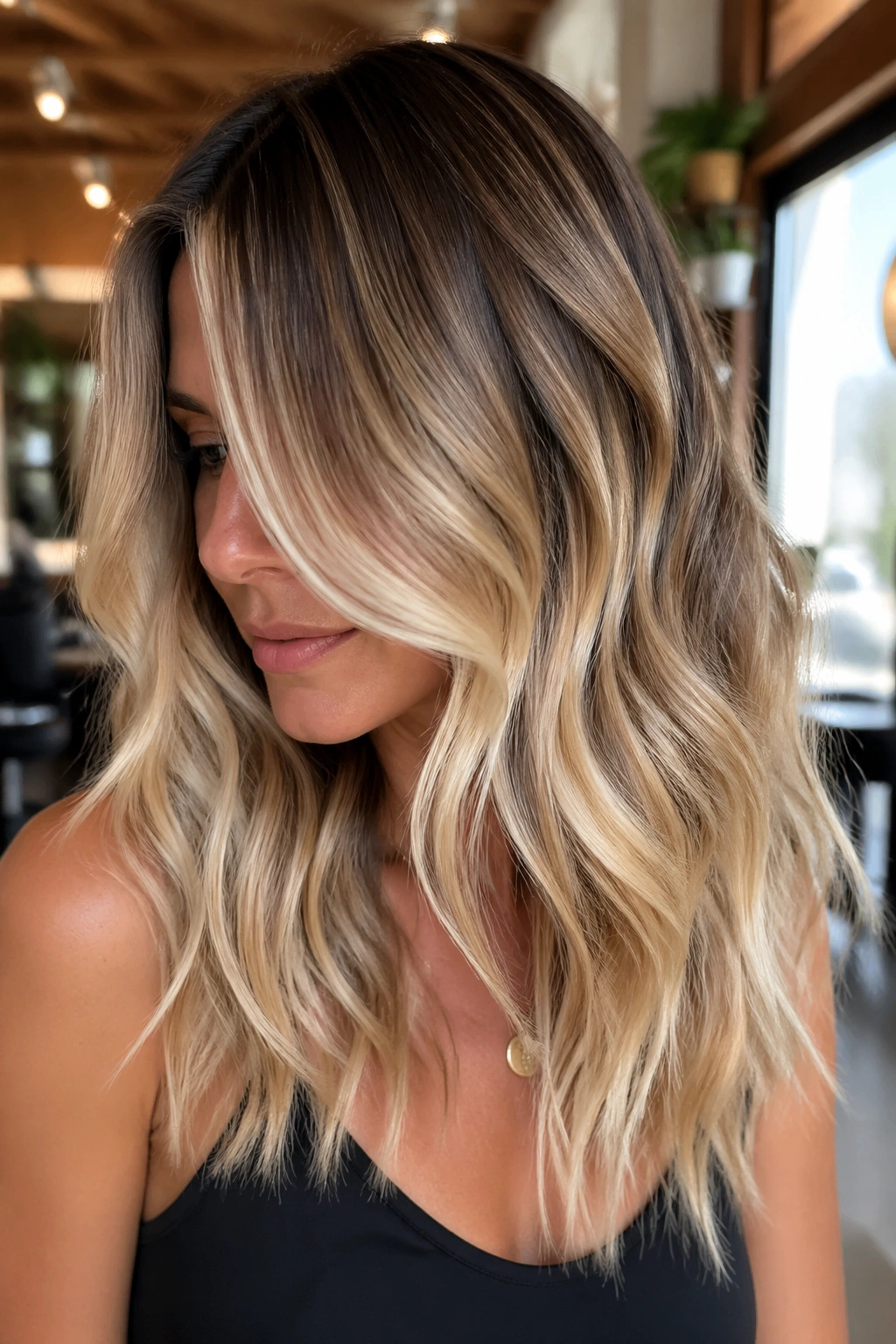
Foilyage is a hybrid technique that borrows from balayage and foil highlights. The painterly placement gives a soft, blended base, and the foil helps push extra lift where the hair needs it. That combination creates blonde with lift and movement, not just brightness.
Unlike classic balayage, foilyage can get a little lighter because the foil traps heat. Unlike a full foil weave, it still keeps that softer, lived-in edge. That’s why it works so well for people who want noticeable blonde but hate the fake, blocky look some full-head foil jobs can create.
It tends to be a strong choice for darker starting bases or hair that resists lift. If your hair is naturally stubborn, this technique can get you closer to that pale blonde goal without leaving the rest of the color looking flat.
Best for: medium to long hair, waves, and anyone who wants blonde highlights with visible brightness at the ends and a soft root.
11. Pearl Blonde Ribbons
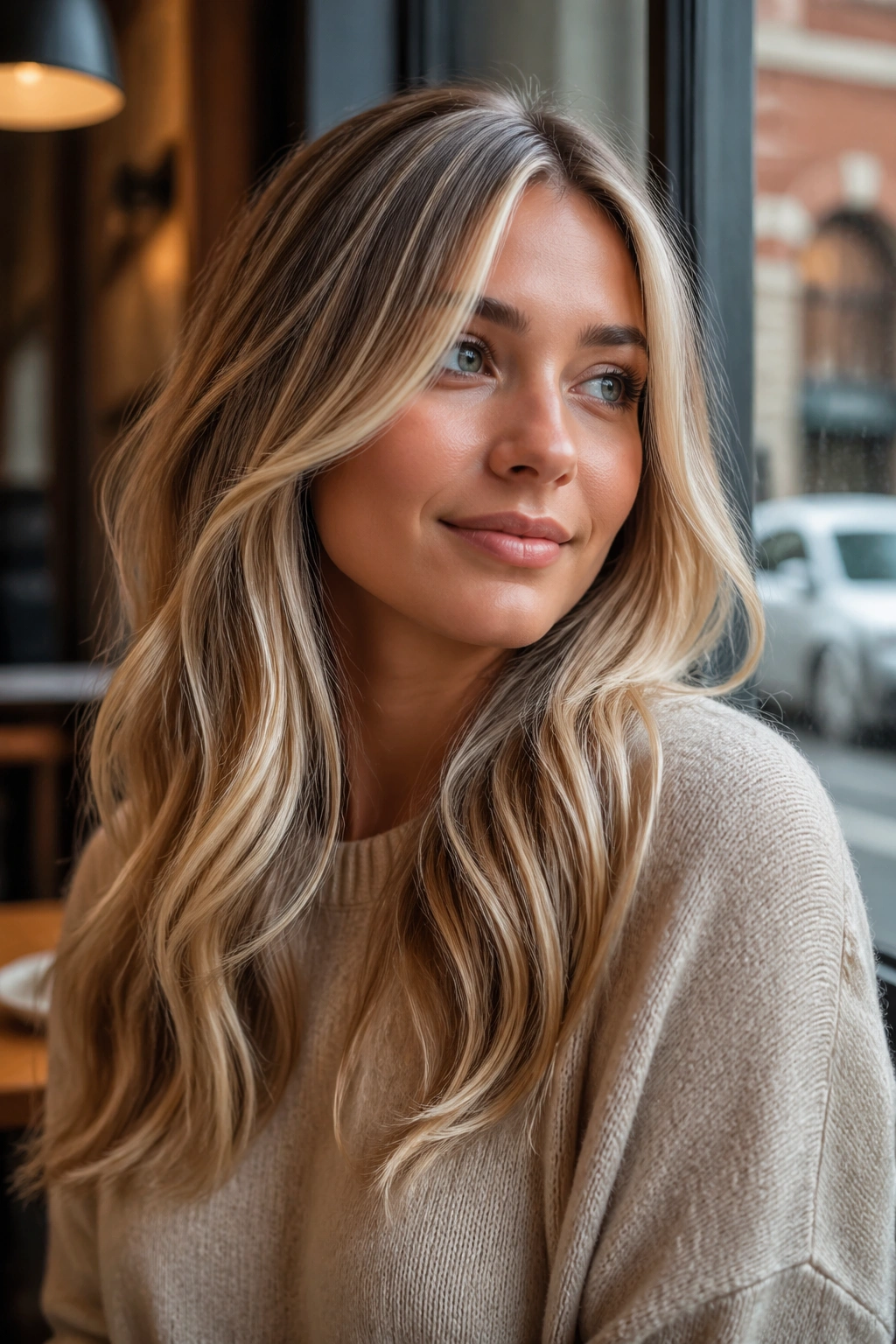
Pearl blonde has a pale, luminous feel that sits somewhere between cool beige and soft icy blonde. It doesn’t have to be white to look expensive. In fact, it usually looks better when there’s still a little cream in the mix.
The ribbon placement matters here. Thin, flowing pieces catch the shape of the haircut and keep the color from turning into one solid sheet. On layered hair, pearl blonde can look almost liquid. On blunt cuts, it reads cleaner and more polished.
There’s a catch. Pearl tones need upkeep because they can drift yellow or dull quickly if the toner fades too far. A good colorist will often balance the highlights with a gloss that has a pale violet or pearl base, depending on what the hair needs. Not too much. Enough to keep the color from drifting into brass.
If you like cool jewelry tones, pale silk blouses, or crisp makeup, pearl blonde sits in that same family. It feels airy without disappearing.
12. Shadow-Root Blonde Melt
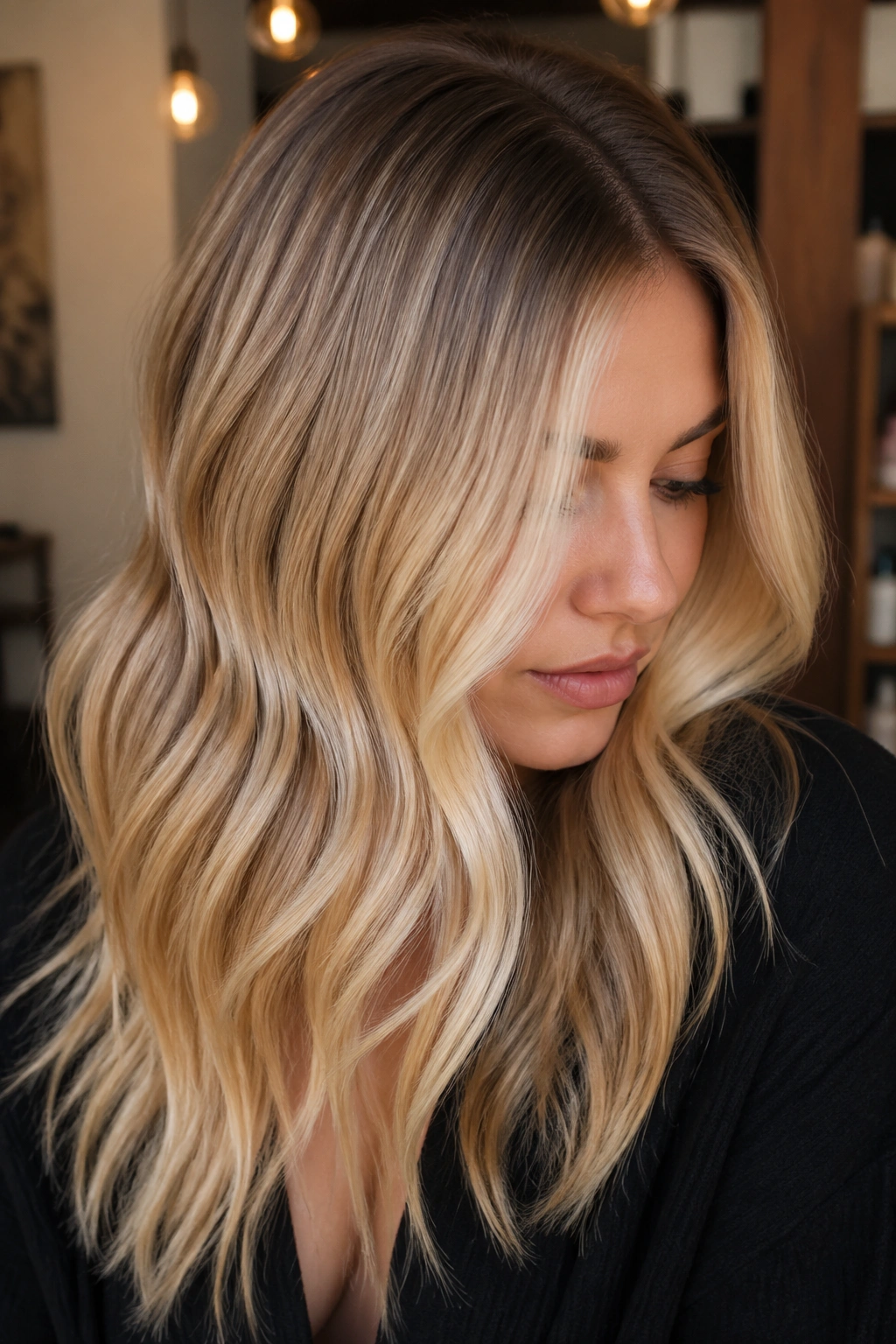
A shadow root is one of those things that sounds technical but looks simple when it’s done well. The root stays deeper, and the blonde begins a little lower down, with a gradual fade rather than a hard line. That small difference changes the whole head.
It’s useful if you want lighter hair and lower upkeep. The regrowth is softer, and the blonde can grow out for longer before it starts to look obvious. That’s a practical reason, but there’s a visual one too: the root shadow gives the hair depth, which makes the lighter sections look brighter by contrast.
How to ask for it
Ask for a root melt that starts soft at the scalp and blurs into the blonde through the first few inches. If the colorist rushes the blend, the root can look muddy. If they leave too little depth, the style loses that lived-in quality.
This trend is one of my favorites for people with long hair because it keeps the ends light while letting the top half stay healthy-looking. It also saves you from chasing perfect roots all the time. Which is a relief, frankly.
13. Teasylights
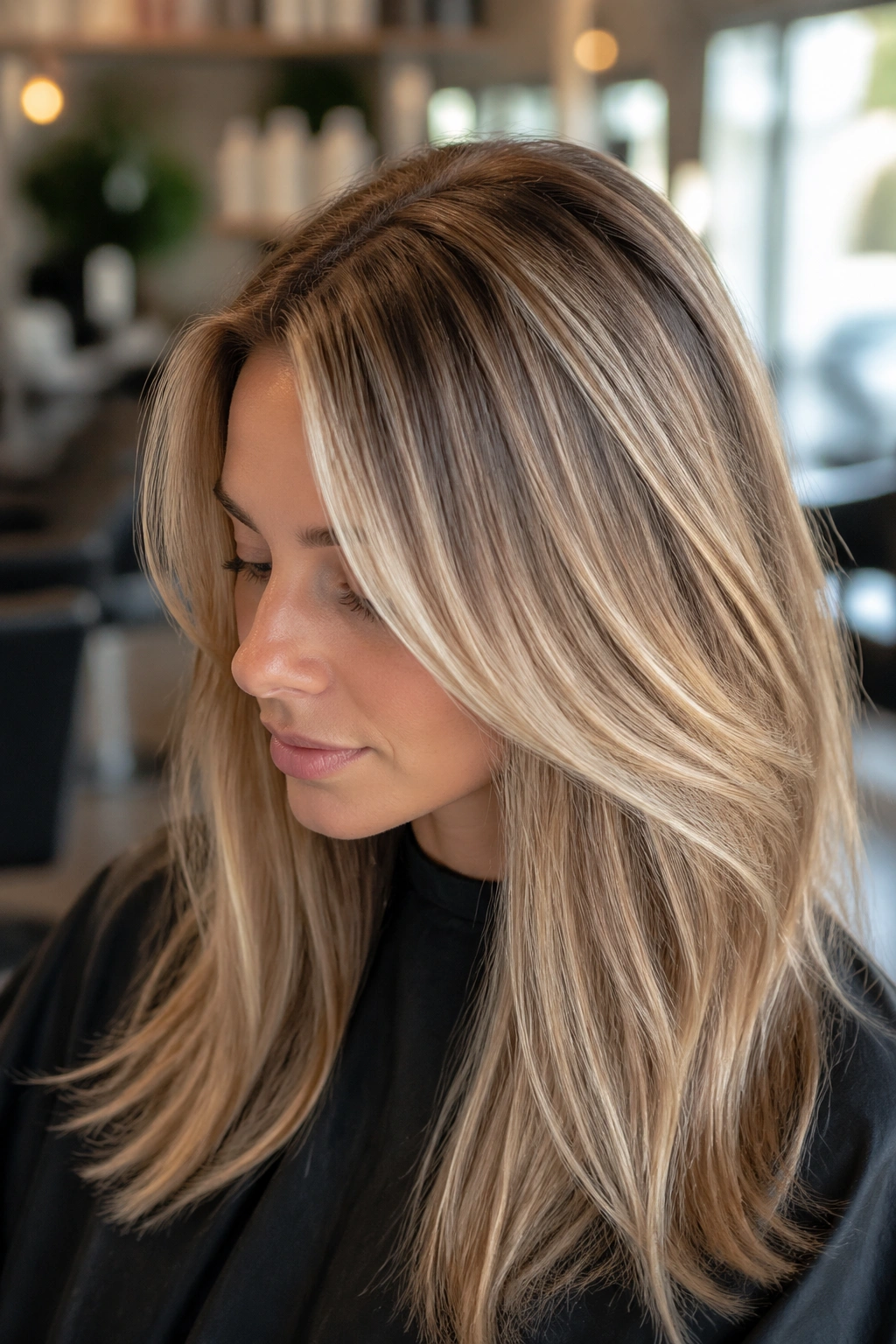
Teasylights use backcombing, or teasing, before the foil goes in. That little bit of texture softens the line where the blonde starts, which helps the highlight grow out more naturally. The result is a diffused lightness instead of a sharp stripe.
This technique is a smart choice if you’ve been burned by highlights that looked harsh on day one and worse by week four. Teasylights stretch that timeline out a bit. They’re also useful when you want a brightening effect at the mids and ends without over-lightening the root area.
Why stylists like them
- They create a softer transition from base to blonde.
- They help avoid obvious foil lines.
- They can work on straighter hair that tends to show everything.
Teasylights do add some time to the appointment because the sectioning takes care. Worth it. If your hair tends to hold a visible line when it’s colored, this is the kind of detail that makes the difference between “nice” and “why does my hair look striped?”
14. Vanilla Blonde Panels
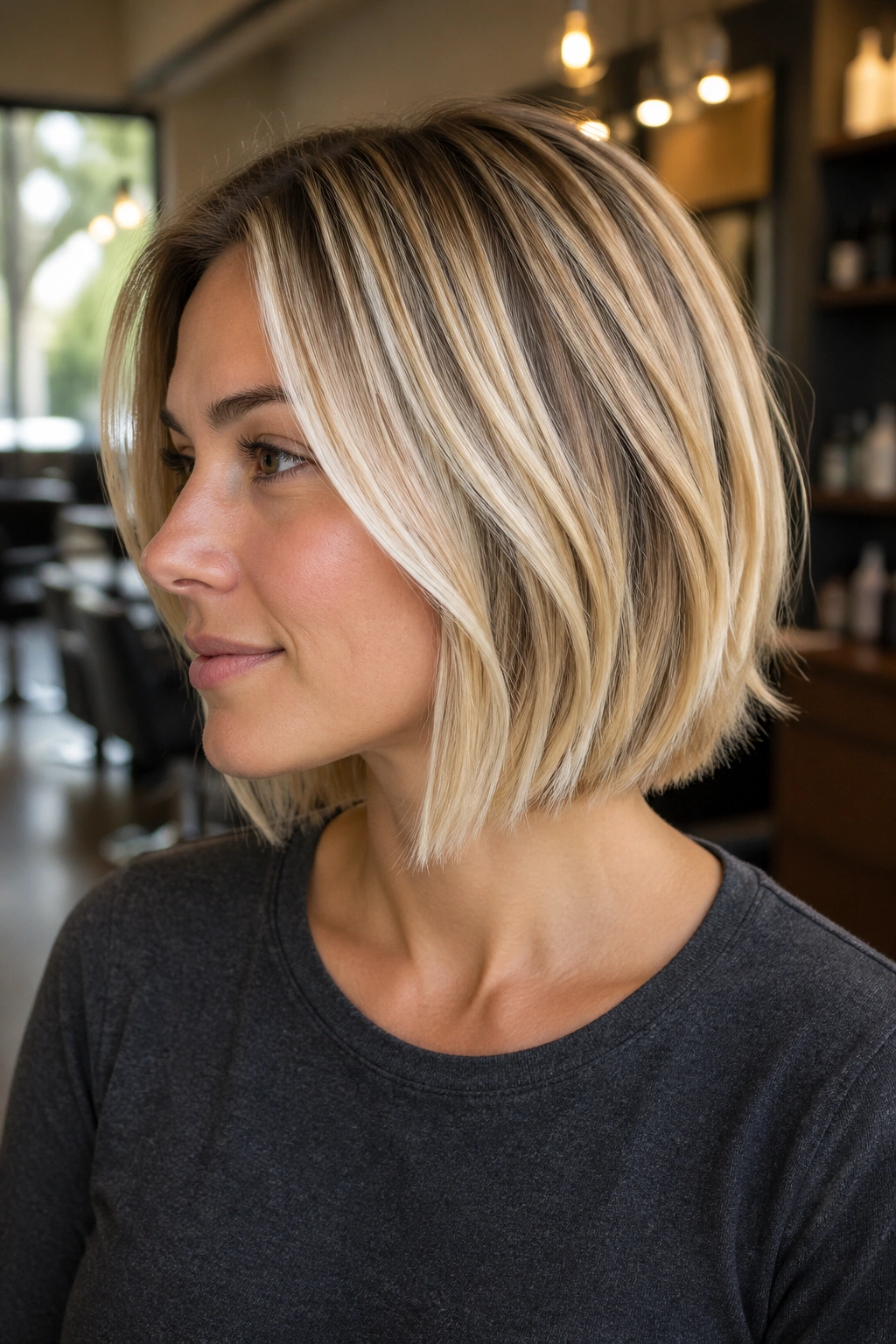
Vanilla blonde is creamy, soft, and lightly warm without sliding into yellow. It’s a flattering shade when you want lightness that still feels touchable. Not icy. Not golden. Somewhere in between, and that balance is what makes it easy to wear.
The panels in this trend are a little more noticeable than babylights, but less aggressive than chunky highlights. That middle ground matters. It gives the hair body and shape, especially if you wear a bob or shoulder-length cut where every section shows.
If your skin tone looks best in soft whites, oatmeal, ivory, or blush, vanilla blonde often plays nicely beside it. The color doesn’t fight your face. It just lifts the whole picture a bit.
Use a soft gloss rather than a heavy toner if you want to keep the finish creamy. Too much ash can mute it. Too much gold can push it warm. Vanilla is one of those shades that gets ruined by over-correcting.
15. Peekaboo Blonde Pieces
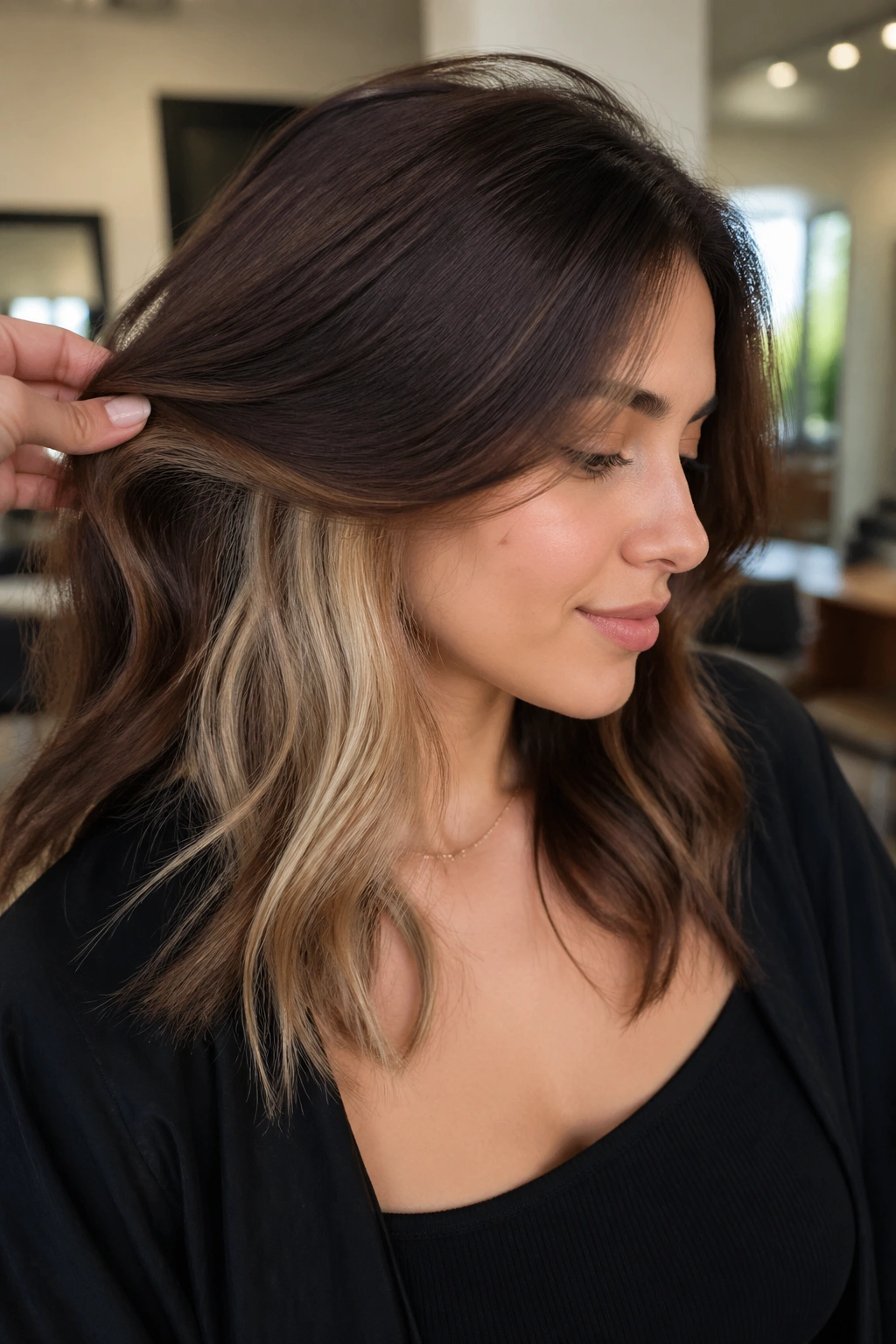
Peekaboo highlights live underneath the top layer, so they appear when the hair moves, flips, or gets tucked back. That makes them a fun option for people who want some blonde without making it the star of every angle.
The placement is the whole trick. A few lighter sections under the canopy can brighten the cut from the inside. On shorter hair, they can peek out near the nape. On long hair, they create movement when you wear it half-up or in a messy bun.
This trend is useful if you’re in a workplace or setting where you want a softer color story. It also works well if your hair is already highlighted on top and needs a surprise layer underneath. A bit like hidden lining in a jacket. Quiet, but satisfying.
Good tip: ask whether the underneath pieces should be warmer or cooler than the top. That depends on the rest of your color, and a mismatch can look accidental.
16. Ribbon Highlights on Waves
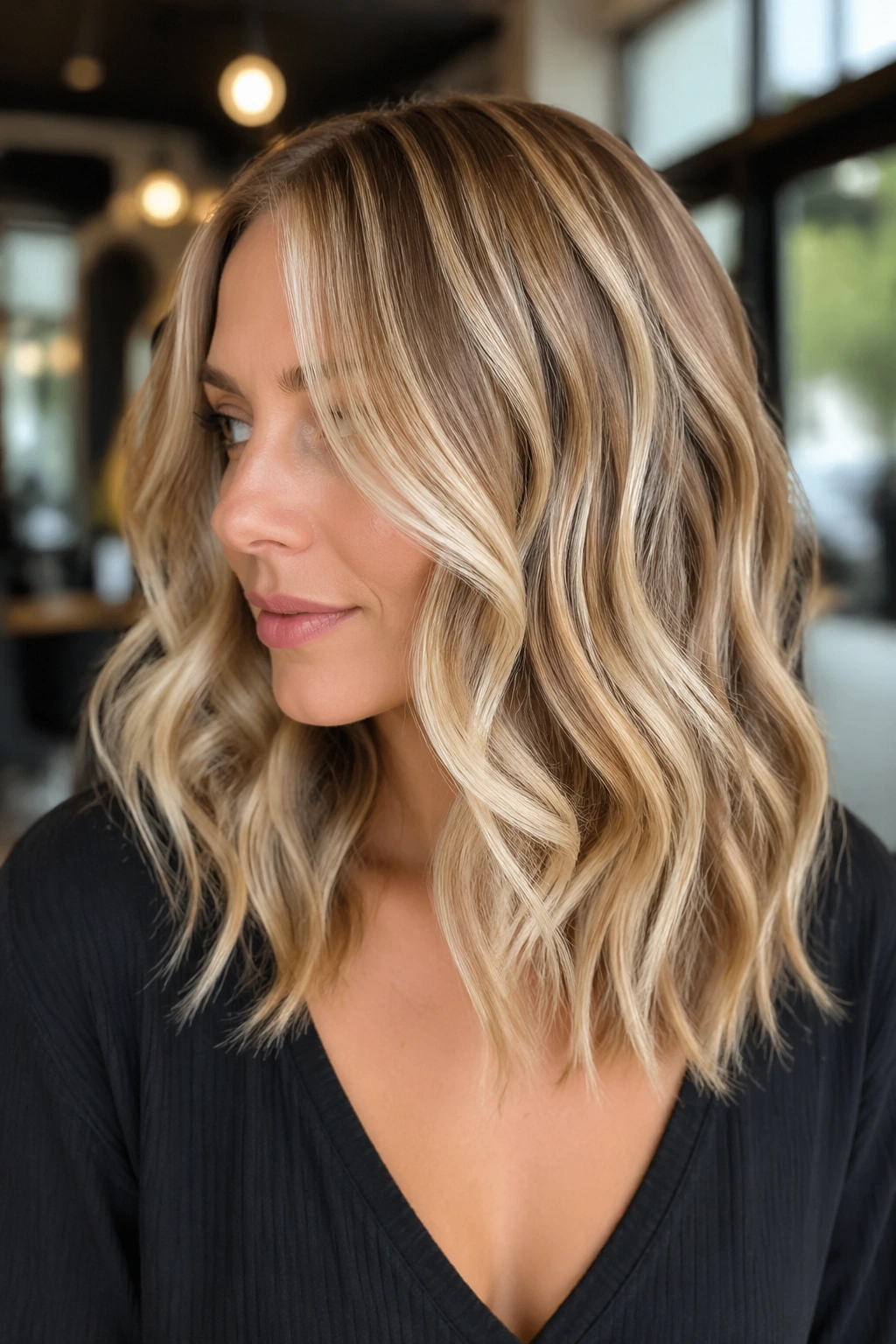
Ribbon highlights are made for movement. Wider than babylights, softer than chunky highlights, they run through the hair in long, visible strokes that follow the curve of the cut. On loose waves, they look especially polished because each bend catches a different part of the blonde.
This is a nice option if you style with a curling wand or large iron and want the hair to show something when it moves. Flat, uniform color can disappear in waves. Ribbons solve that. They create shape.
I’ve always thought this trend works best when the highlights are placed with the haircut, not against it. Long layers need different spacing than a blunt cut. Shoulder-length hair often needs the ribbons a little closer together near the face and wider apart through the back.
The result is hair that looks fuller. Not thicker in a fake way. Fuller because the eye has somewhere to go.
17. Butter Blonde Melt
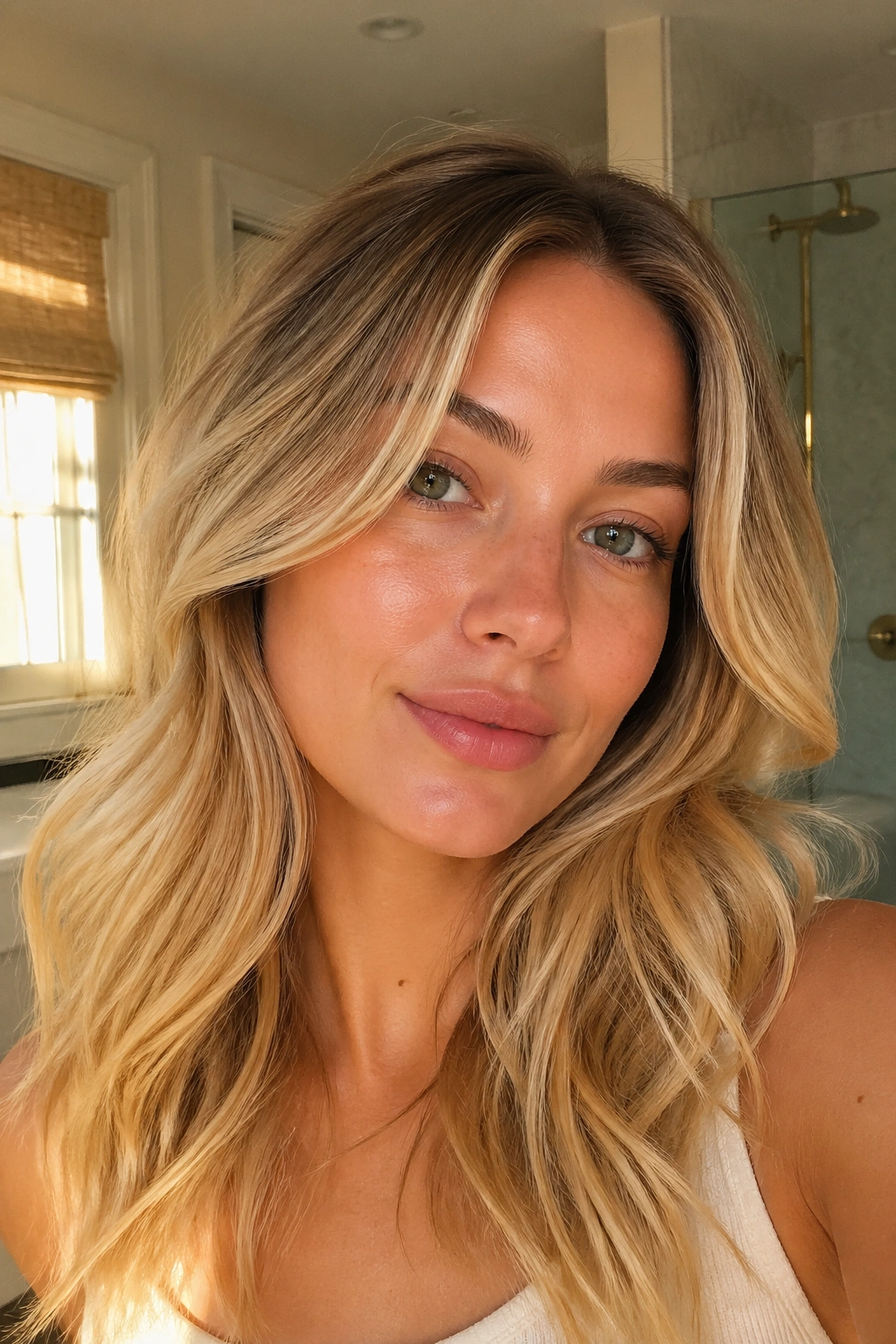
Butter blonde is warm, soft, and lightly creamy. It has enough gold to look sunny, but not so much that it turns brassy if the toner fades a little. A melt version keeps the roots shaded and the blonde blended, so the whole style feels smoother.
Why do people keep asking for this shade? Because it’s flattering on hair that wants warmth. Some blondes look best when they lean icy. Butter blonde isn’t that. It gives the face a soft glow and often makes the skin look more awake.
How to wear it well
Pair butter blonde with medium-width highlights and a gentle root melt. Too many tiny highlights can make the color look busy, and too much lift can steal the softness that gives butter blonde its charm.
This is one of the better choices if you want blonde that feels approachable rather than fashion-heavy. It’s friendly on the eye. Easy to style. And it tends to look especially good with soft waves, blowouts, and layered cuts that move a little.
18. Dimensional Blonde with Lowlights
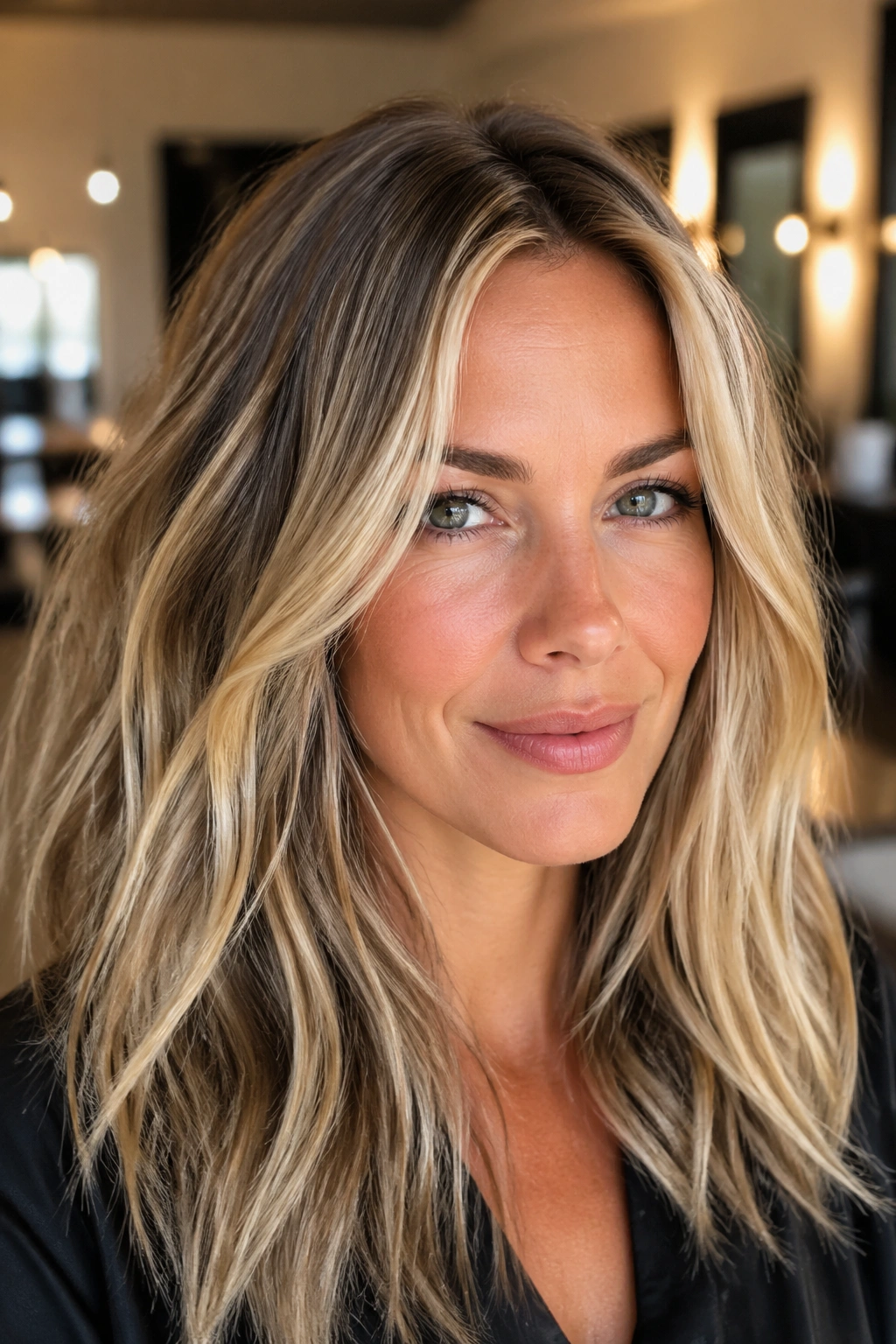
A good blonde color needs some darkness in it. That sounds odd until you see a head of hair that’s all one pale tone. It can look flat, even when the shade itself is pretty. Lowlights fix that by putting depth back under and between the lighter strands.
The point of the contrast
Lowlights help the blonde stand out. That’s the part people miss. A few deeper pieces near the nape, under the crown, or around the interior of the cut can make the blonde above them look brighter and more expensive. The eye reads contrast first.
This trend is especially useful if your hair has been lightened more than once and needs visual depth more than another round of bleach. Lowlights can bring back shape fast. They also help curls and waves show their pattern instead of collapsing into one pale mass.
If your color feels boring, the answer may not be more blonde. It may be more depth. Strange, but true.
19. Cream Soda Blonde
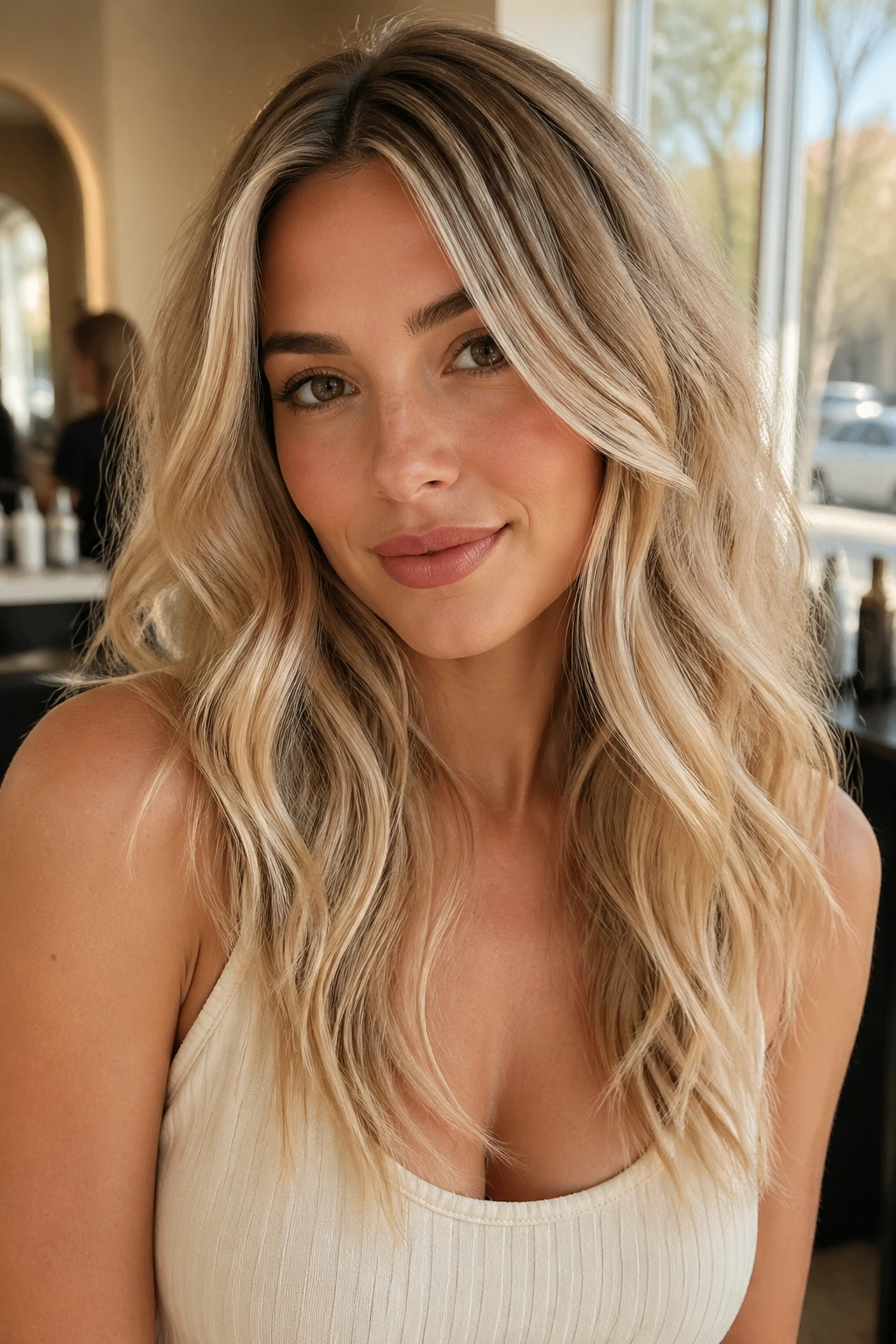
Cream soda blonde is warm, glossy, and a little playful. The name fits because it has that fizzy, sweet tone without becoming copper or orange. It usually lands in a soft golden-beige lane that reflects light well.
The reason this shade gets attention is simple: it flatters a lot of skin tones and doesn’t look harsh in daylight. It’s bright, but not blinding. If champagne blonde is cool and pearl blonde is frosty, cream soda sits in the middle with a softer, sunnier edge.
This trend works well when the highlights are blended through the mid-lengths and ends instead of sitting only on the top layer. That helps the color feel rich. A gloss with a warm beige finish can keep the tone lively, while a sulfate-free shampoo helps slow the fade.
Cream soda blonde looks especially nice on layered cuts that need movement. The soft shine helps the shape of the haircut show up without extra effort.
20. Face-Framing Brighteners on Long Hair
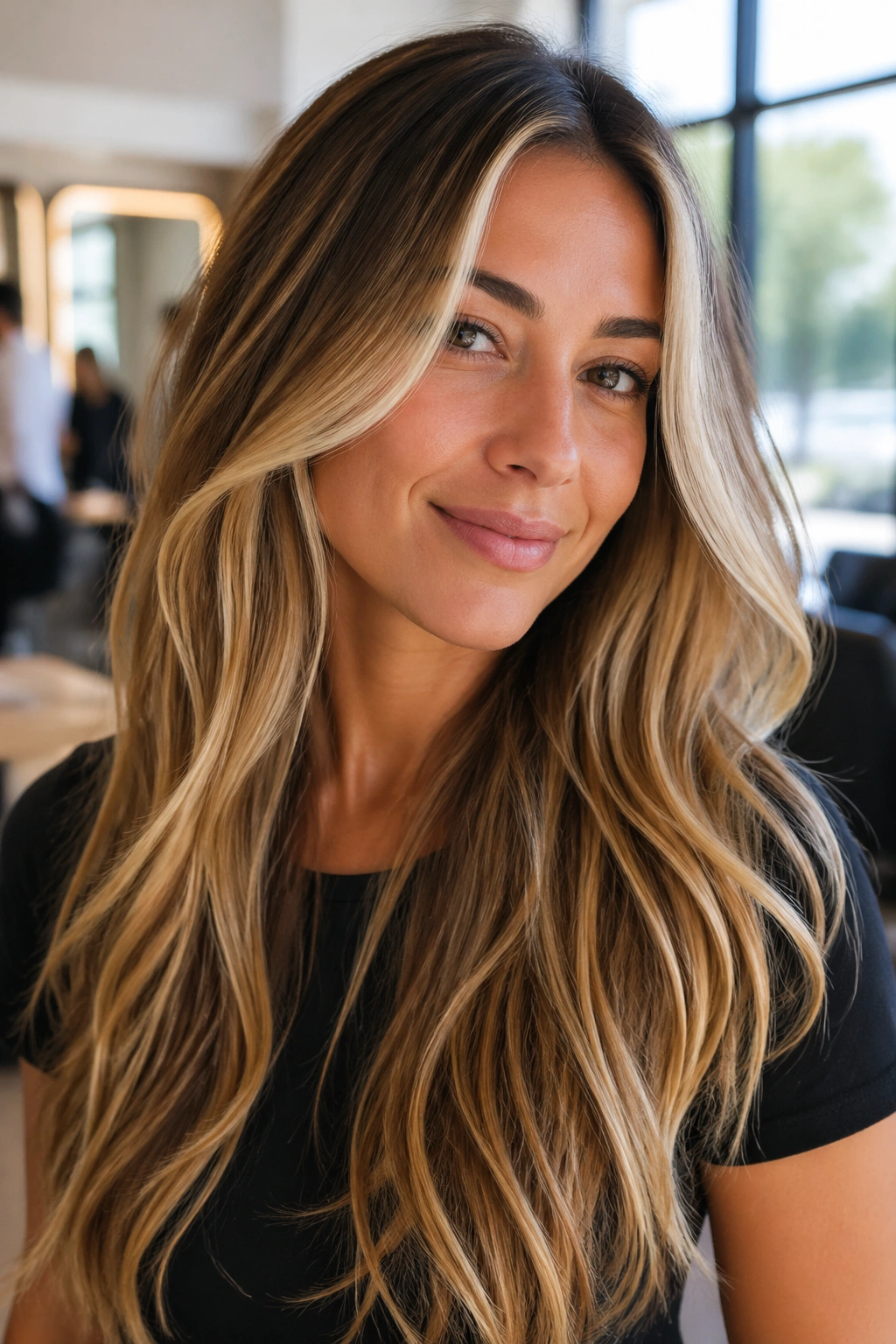
Sometimes the smartest blonde move is to keep the full head relatively soft and spend the brightness where it matters most. Face-framing brighteners do exactly that. They lift the strands around the cheeks, jaw, and temples so the face gets light without the whole color becoming high-maintenance.
That’s a good strategy for long hair because the front sections do so much visual work. They show in photos. They show when you tuck your hair back. They show when the rest of the length is tied away. The lighter front pieces can make the whole style feel fresh even if the ends are kept gentler.
A lot of people ask for brightness everywhere, then end up surprised by how much upkeep that creates. This approach is more measured. It gives you the salon-light look where it counts and leaves the rest of the hair easier to live with.
If you like earrings, makeup, or a strong lip, this trend frames all of it nicely. No drama required.
21. Ash Blonde Foils
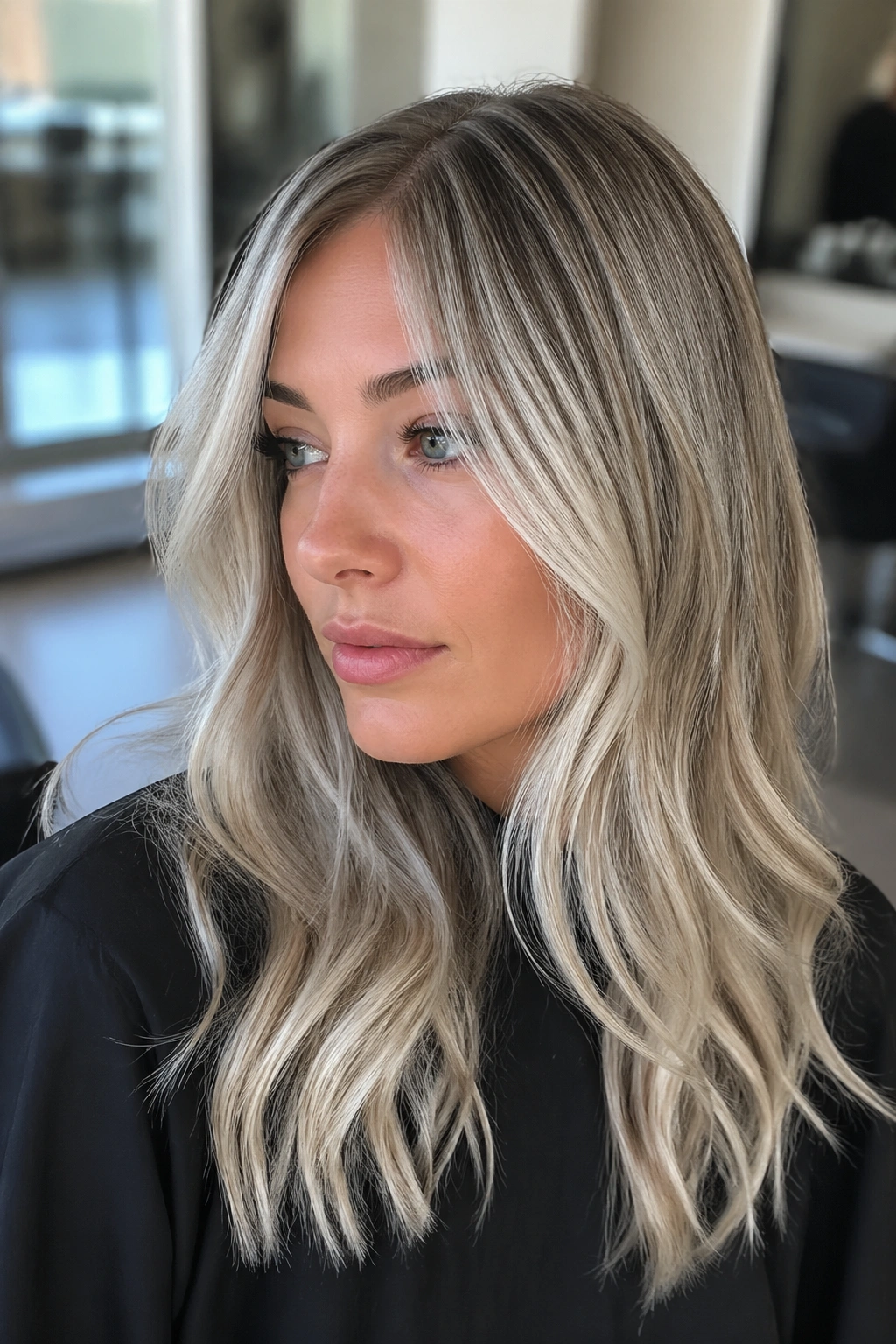
Ash blonde is for people who want cool tones and are willing to maintain them. The shade has a smoky, silver-gray edge that keeps the blonde from looking yellow. When it’s done well, it looks crisp and clean. When it’s overdone, it can go flat fast.
Foils make sense here because they give even lift and a more controlled result. That control matters with ash tones, since a patchy lift can make the color turn muddy. The blonde should feel cool, not dull.
What to watch for
- Ask for enough lift before toning, or the ash won’t read properly.
- Keep the toner soft if your hair already leans pale.
- Use purple shampoo carefully, not as a daily habit.
Ash blonde foils tend to suit people who like sharp cuts, strong brows, and a more polished finish. If your style leans cozy, golden, or sun-kissed, this may feel too cold. If you like clean lines, it’s a strong pick.
22. Golden Blonde Contour
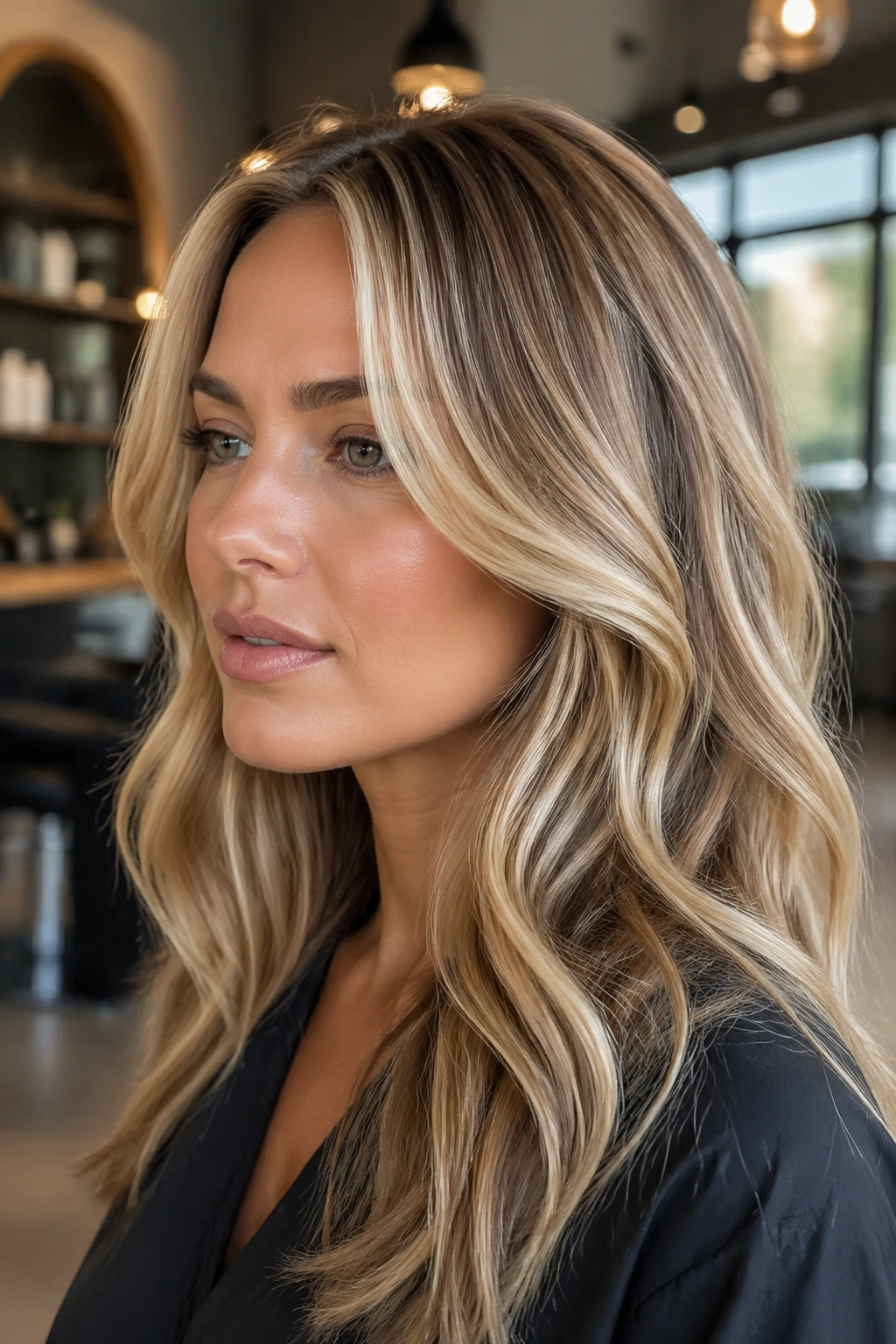
Golden blonde contouring uses lighter pieces in a way that shapes the face. Think of it as color placement with a purpose. Brightness goes near the areas you want to lift, soften, or bring forward, while deeper pieces stay in the areas you want to recede.
Why does that matter? Because not all blonde highlights are about getting lighter. Some are about changing the shape of what people notice first. A brighter cheek area can soften a strong jaw. A lighter fringe can open up the eyes. Even subtle placement can change the balance of a haircut.
This is a good option if you wear layers, curtain bangs, or face-framing movement. It’s also useful if you want your blonde to look intentional rather than randomly scattered. The best version follows the cut, not just the foil map.
Ask your colorist to think in zones: temple, cheekbone, jaw, crown. That’s where the difference lives.
23. Airy Blonde Highlights for Curly Hair
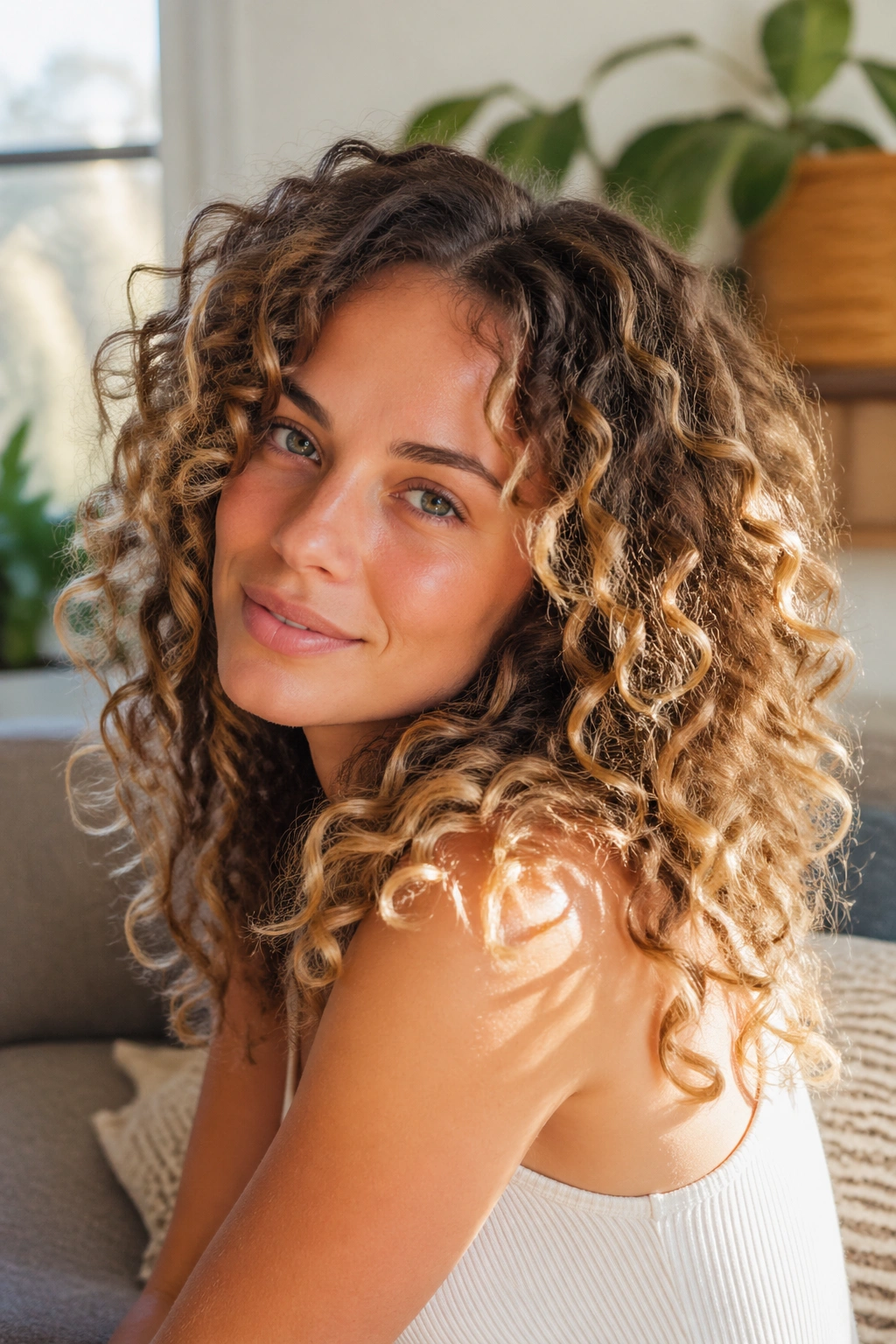
Curly hair needs a different kind of highlight conversation. A placement that looks subtle on straight hair can turn patchy once the curl pattern springs up. Airy blonde highlights work better because they leave space for the curl to move while still creating brightness.
The lighter pieces should follow the curl family, not fight it. That usually means highlights are placed where the curl clumps naturally and where light would hit a spiral in motion. The goal is not uniformity. It’s bounce.
This is one of my favorite blonde highlight trends because it respects texture. Curls already do the work of creating shape. The color should help, not carve the hair into stripes. Soft ribbons, not dense blocks, tend to look best here.
If you wear your curls diffused, air-dried, or in a twist-out pattern, ask how the highlights will show in the finished shape rather than in foil form. That question alone saves a lot of disappointment.
24. Lived-In Platinum Ends
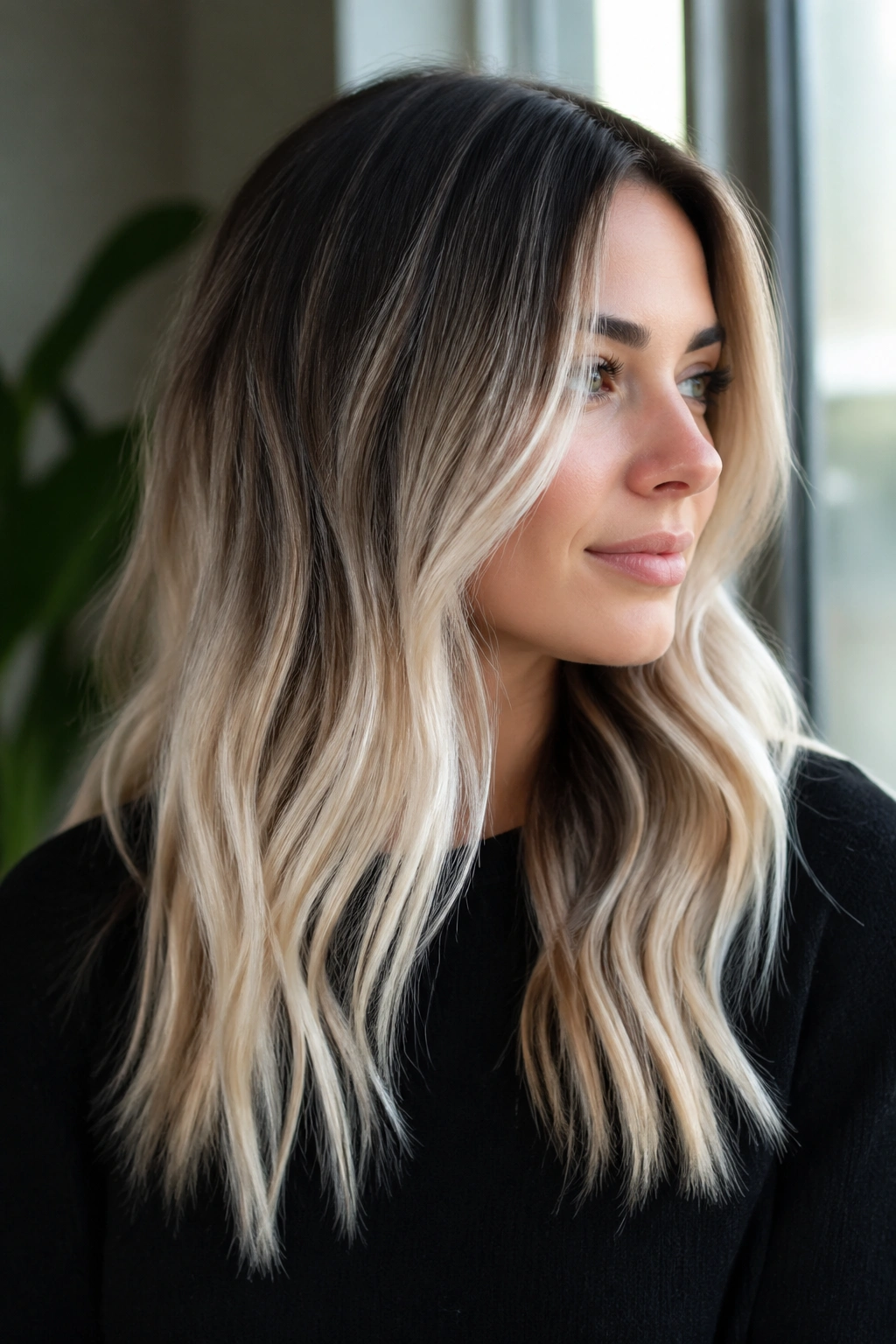
Lived-in platinum is the cooler, softer cousin of full platinum. The ends are still bright, sometimes very bright, but the roots and mids keep enough shadow that the whole thing feels easier to wear. It’s a blonding style with edge and some breathing room.
This works especially well on long hair because the lightest part can live toward the bottom where it gets the most visual movement. That creates a sleek, expensive-looking finish without making the scalp area fight for attention. It also helps the color grow out with a little more grace.
If you want this trend, talk to your colorist about how much platinum you can actually maintain. There’s no point pretending you’ll gloss every two weeks if you won’t. A slightly deeper root and a bright end section can be far smarter than chasing all-over white blonde.
It’s the kind of blonde that looks deliberate even when it’s a little grown out. That’s a useful trick.
Final Thoughts
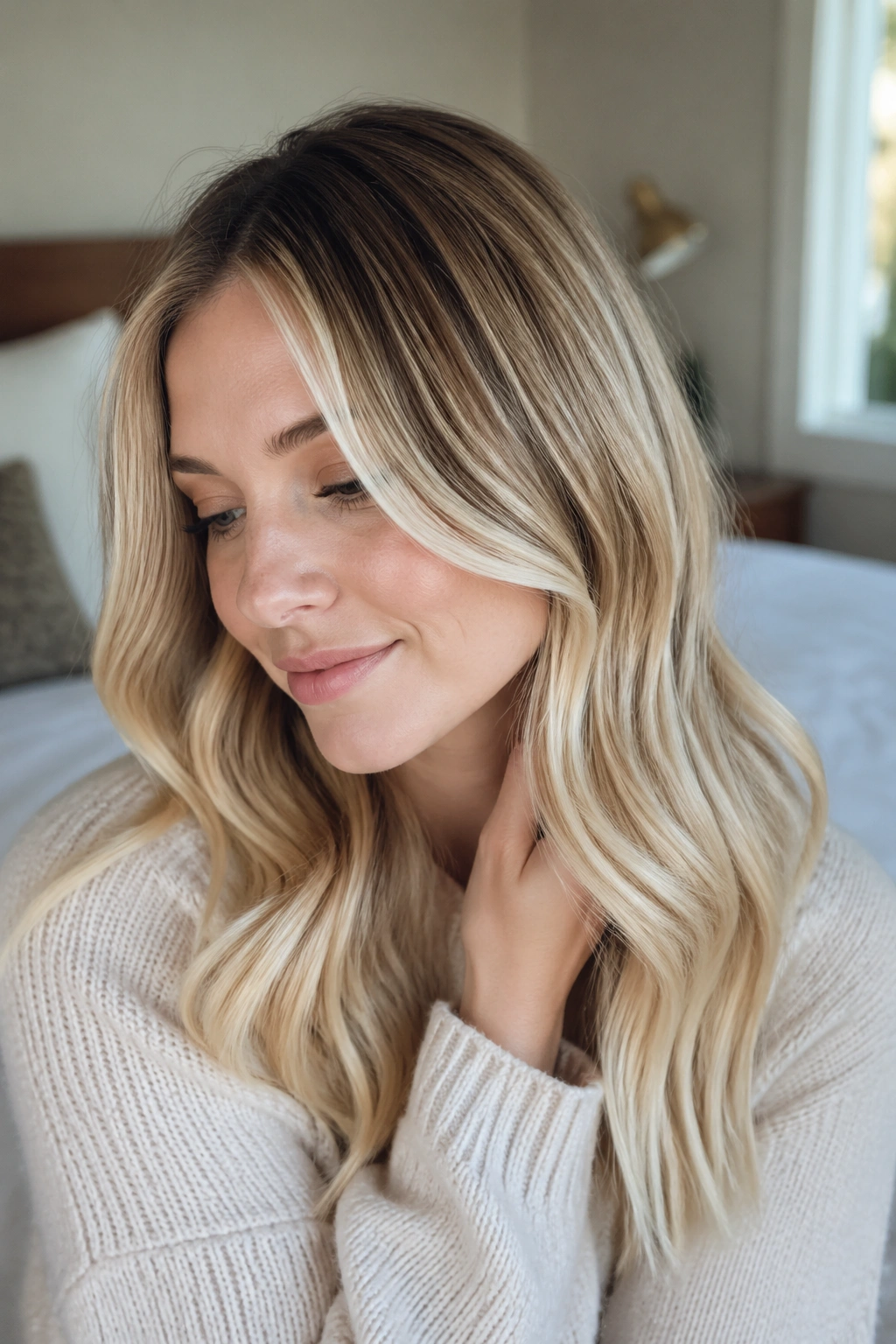
The best blonde highlight trends are the ones that fit your hair texture, your cut, and how often you’re willing to sit in a chair for upkeep. Brightness is only part of it. Placement, depth, and tone do most of the real work.
A good salon conversation usually starts with one question: do you want the blonde to be seen from across the room, or to show up when the light hits it? That answer narrows the field fast.
Bring photos, sure. But bring opinions too. A photo tells the colorist what direction you like. Your maintenance habits tell them whether the result can actually live on your head.
