



A razor cut can take a surprising amount of weight out of a haircut. That matters when hair starts to feel finer, when the ends get puffy instead of sleek, or when a blunt line around the jaw makes everything look harder than it needs to.
The best razor cut hairstyles for older women don’t try to shout. They soften, lift, and loosen the shape just enough that hair moves again. On gray hair, that movement can be gorgeous. On thick hair, it can stop the triangle effect. On fine hair, it can keep a short cut from looking like a helmet by noon.
There’s a catch, though. A razor is a tool, not a miracle. Used lightly, it creates airy ends and feathered texture. Used carelessly, it can leave dry, see-through pieces that frizz up the minute the weather turns humid. That is why the details matter so much: where the blade is used, how much weight gets removed, and how much length is left in the perimeter.
So I’m keeping this practical. Short crops, bobs, shags, long layers, soft fringe, bold shapes, easy shapes — the whole range is here, with the kind of notes that help you walk into a salon and ask for the right version, not the wrong one.
1. Feathered Chin-Length Razor Bob
A chin-length razor bob is one of those cuts that makes the face look softer almost immediately. It sits close enough to feel neat, but the feathered ends keep it from turning boxy around the jaw.
That matters if your hair has started to lose density or if a blunt bob feels too heavy in front. A light razor pass through the sides and top can make the haircut look lifted instead of chopped.
Why it flatters fine hair
Fine hair often needs movement more than it needs more layers. Too many layers can leave the ends wispy and weak, which is a mess nobody wants. This bob works because the shape stays clean while the texture stays airy.
A good version should still have enough weight at the outline to hold its line. Ask for soft feathering, not aggressive thinning, and keep the front just at the chin or a touch below it.
- Best on straight to slightly wavy hair
- Works well with side parts and off-center parts
- Ask for the nape to stay tidy, not stacked hard
- Style with a small round brush and a light mousse
Tip: if the ends start to feel too light, the haircut has gone too far. Pull it back a little at the next trim.
2. Soft Razor Pixie with Crown Lift
Want short hair that still has shape at the top? This is the one I’d point to first. A soft razor pixie gives you lift at the crown without turning the sides into a buzzed cut.
The trick is in the balance. The top stays a little longer, the sides stay close, and the razor work softens the edge so the cut doesn’t read as harsh. On thinning hair, that extra height can make the whole face look more awake.
What to ask for
Ask your stylist to keep more length through the crown and fringe and to use the razor lightly through the top layers only. The sides should hug the head, but not too tightly. If the cut gets carved down too close, it can expose the scalp in a way that feels unforgiving.
Use a root lift spray at the roots and a small amount of styling cream on the ends. That’s enough. Heavy wax tends to flatten the shape and make it piecey in the wrong way.
Best for
- Fine hair that needs lift
- Glasses wearers who want the face open
- Women who like short hair but not a severe crop
- Anyone willing to trim it every 4 to 6 weeks
No fuss. That’s the appeal.
3. Collarbone Razor Lob with Gentle Ends
If you like hair you can still tuck behind your ears, the collarbone lob is hard to beat. It gives you length without weight, and the razor work keeps the ends from sitting like a solid shelf on the shoulders.
The collarbone length is useful because it moves when you move. It also works with jackets, scarves, necklaces, and glasses in a way that shorter cuts sometimes don’t. The hair sits just below the face, which gives you shape without forcing a dramatic change.
This is a smart choice for women who want to keep enough length for a ponytail or clip. Ask for long, soft layers through the mid-lengths and a gentle face frame that starts around the cheekbone.
A little bend through the ends is enough. You do not need to curl it every morning.
4. Razored Shag with Curtain Bangs
A shag does not have to look messy. The good versions have control in the shape and freedom at the ends, which is exactly why they work so well with razor cutting.
Curtain bangs are the real helper here. They split the face in a soft way, and they make the whole cut feel less severe around the forehead. On older women, that can be a relief, especially if you want movement without a short crop.
What the layers do
The upper layers carry the lift, while the longer pieces keep the haircut from puffing out too wide. A razor helps blend those sections so the transition looks loose rather than choppy. If your hair has natural wave, this cut can look especially good air-dried with a touch of curl cream.
The main thing to avoid is over-layering the bottom half. That is where shags go wrong. The shape starts to fray, and then the hair grows out in little broken pieces instead of a soft line.
Ask for curtain bangs that graze the cheekbones and layers that start high enough to show movement, but not so high that the cut becomes a cloud.
5. Razor Layers That Save Fine Straight Hair
Fine straight hair can look flat by lunchtime. It lies down fast, and if the cut is too blunt, the whole style can feel dense at the top and stringy at the bottom.
This is where gentle razor layers help. Not a lot. Just enough to create a little bend through the mid-lengths and stop the ends from stacking up in one heavy line. The best version keeps the outline intact and adds softness inside the shape.
If your hair is very fine, I would not ask for heavy razoring at the ends. That can make the last inch look weak. Instead, ask for a soft internal texture and a clean perimeter.
- Keep the longest pieces at shoulder length or above
- Blow-dry with a root-lifting mousse
- Use a dry shampoo at the crown, not all over
- Avoid thick oils near the ends
A little lift goes a long way. Too much, and the haircut starts to fall apart.
6. Sweeping Fringe Razor Crop
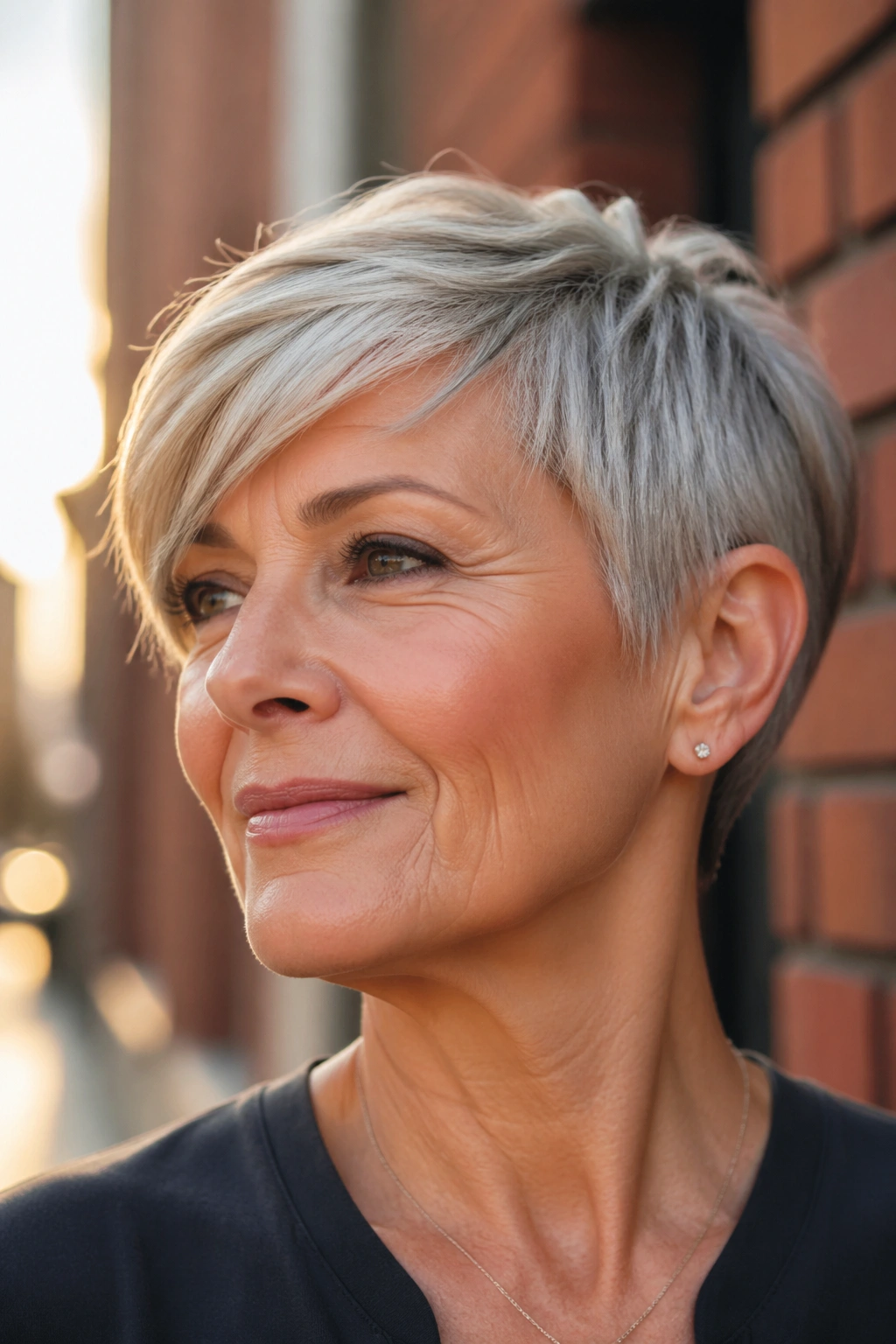
Short, but not severe.
That’s the point of a sweeping fringe razor crop. The shape stays close to the head, yet the fringe softens the forehead and pulls attention toward the eyes. It’s one of the easiest ways to wear very short hair without feeling exposed.
The fringe should travel to one side rather than sitting straight across. That gives the cut movement, and it also helps if your hair likes to split in one direction anyway. A razor is useful here because it breaks up the fringe without making it look chopped.
This cut is especially kind to women who wear glasses or want a cut that doesn’t fight with earrings and collars. It’s a clean shape, but not a hard one. That distinction matters more than people think.
7. Wavy Razor Bob with a Side Part
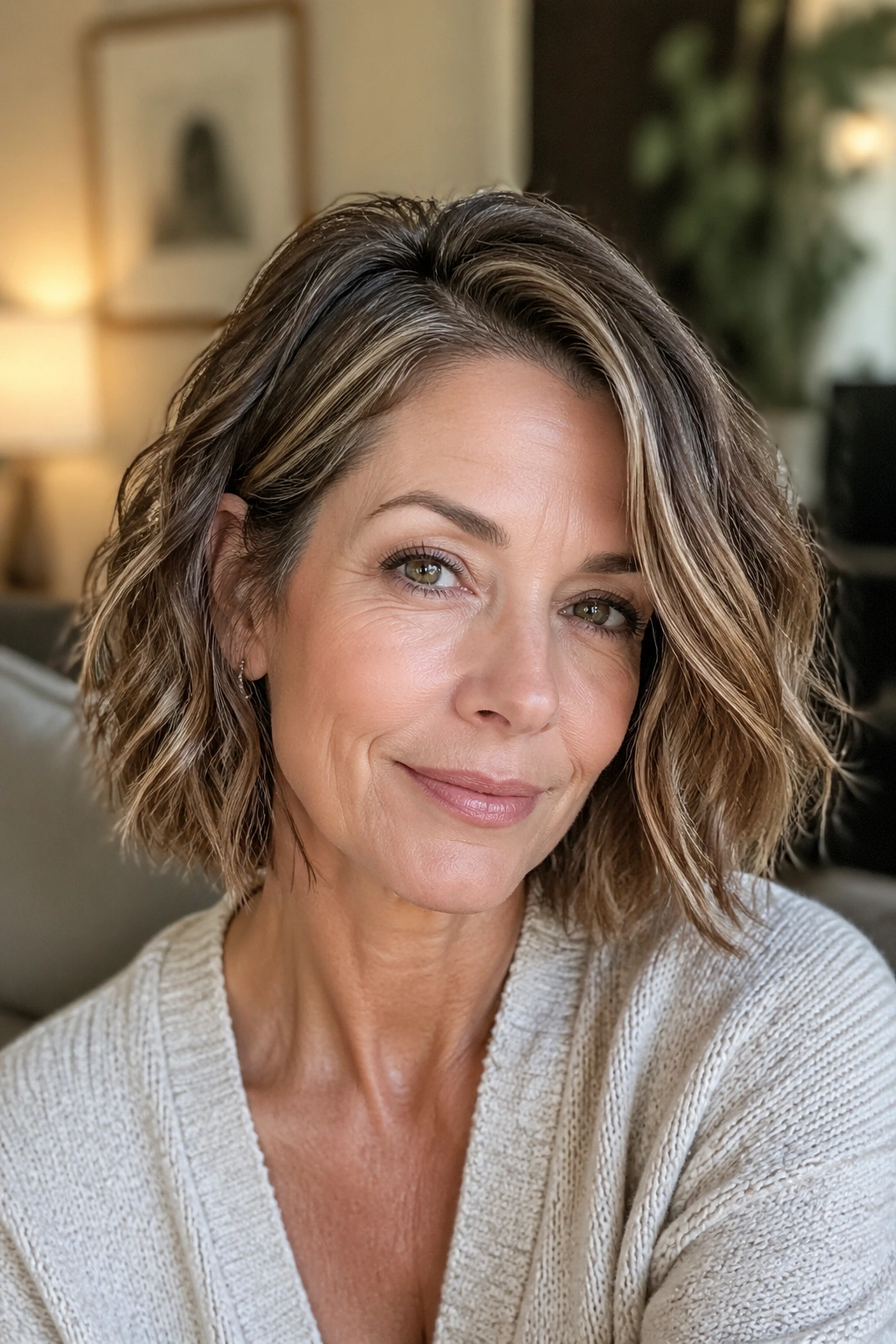
Move the part half an inch, and the whole haircut wakes up.
A side part gives a wavy bob instant lift at the roots, which is useful when hair has started to lose volume where it matters most. The razor texture keeps the wave from looking too round or too heavy through the ends.
This is one of my favorite cuts for women whose hair has a little natural bend but refuses to stay in place all day. The side part makes the crown look higher, and the bob length keeps the shape grounded. That combination tends to read as fresh without looking overworked.
Styling note
A diffuser can help, but you do not need to dry it into a perfect shape. Let the wave keep some irregularity. That’s what makes it look alive.
If you use a hot brush, keep the movement loose and stop before the hair gets too polished. A small bend at the ends is enough.
8. Long Razor Layers That Frame the Face
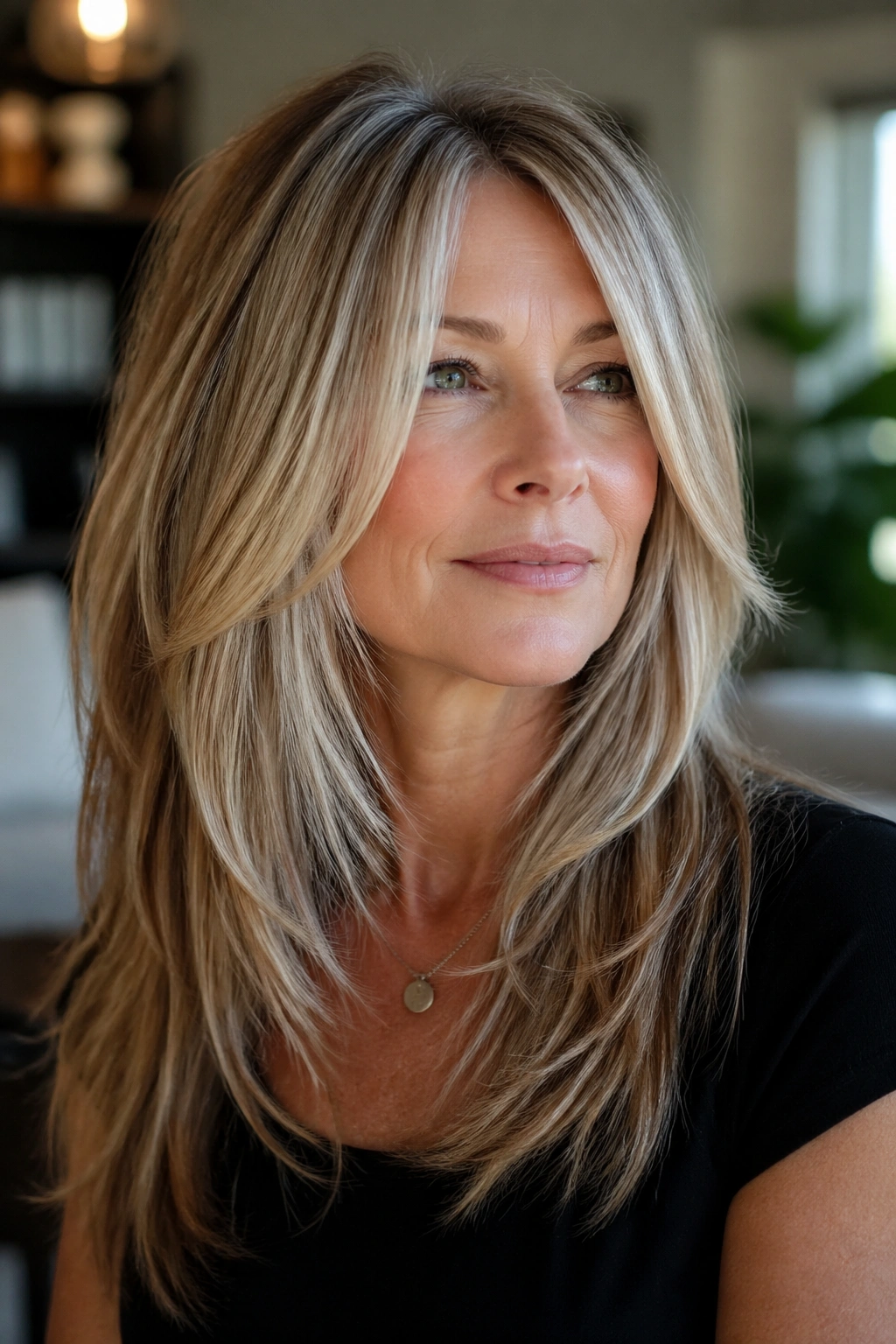
Some women do not want to lose length. Fair enough. Long razor layers are the way to keep the hair sweeping past the shoulders while giving it more shape around the face.
The key is where the layers begin. If they start too low, the haircut looks heavy. If they start too high, you get broken ends and too much texture. The sweet spot is usually around the chin or cheekbone for the front pieces, then a softer fall through the rest.
This cut works well if you wear your hair up part of the time, because the face frame still does something when the rest of the hair is clipped back. It also helps soften stronger features without hiding them.
Best when you want
- Length you can still tie back
- Movement without losing fullness
- A softer look around the jaw
- A cut that grows out without drama
The last part is underrated. A good long layered cut should still look decent at six weeks, not only on the day you leave the salon.
9. Asymmetrical Razor Bob with a Longer Front
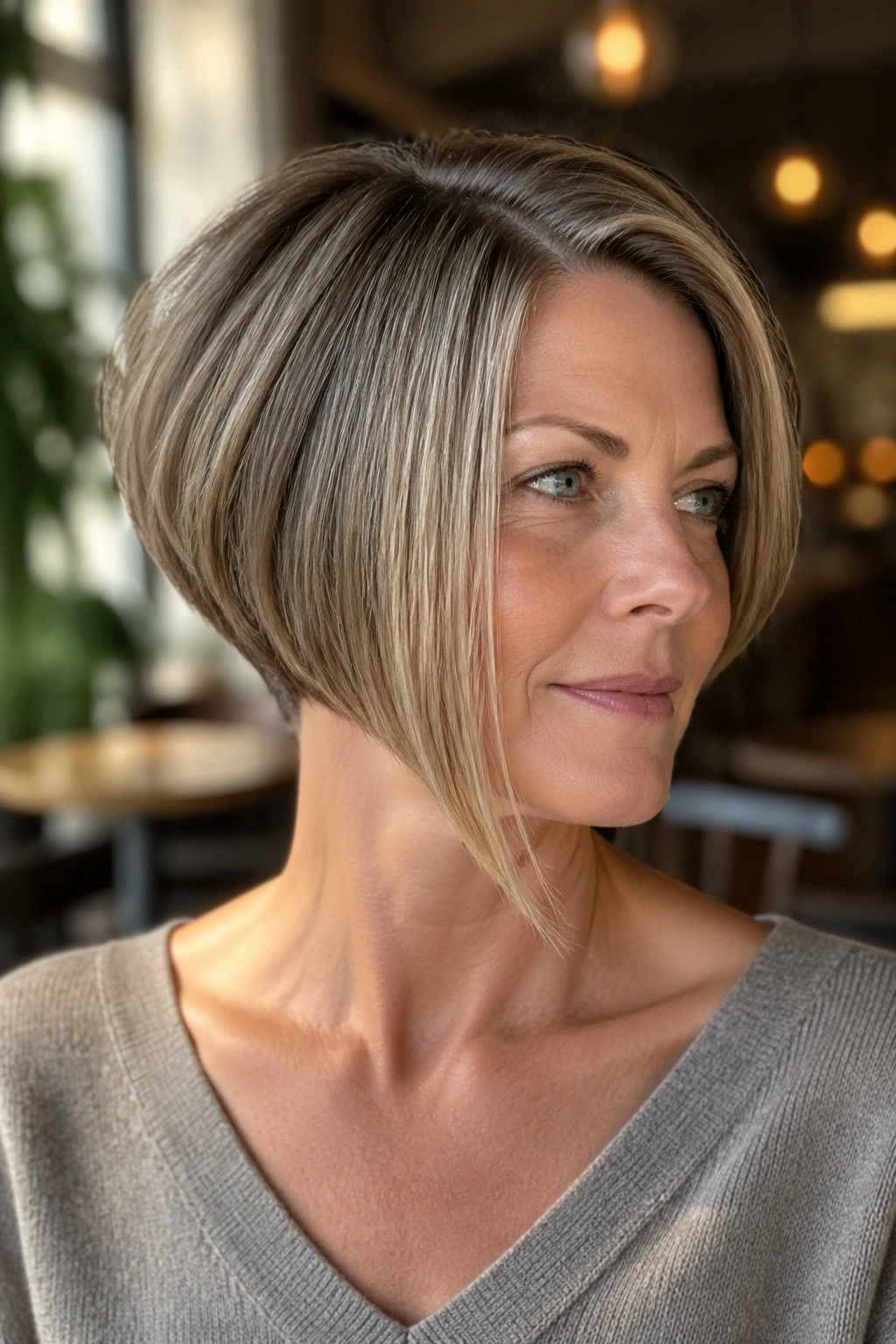
Unlike a symmetrical bob, this one tilts the eye line. That small shift can make the whole face feel longer and more interesting, especially if your features are broad or square.
An asymmetrical razor bob is not about making the cut extreme. It’s about keeping one side a touch longer so the shape feels intentional. The razor helps the shorter side blend into the longer front without a hard shelf. If the line gets too sharp, the cut starts to look dated fast.
This is a strong choice for women who like a little edge but do not want anything loud. The shape does the talking for you. Keep the difference subtle, and it stays elegant instead of costume-y.
I’d ask for the longer side to skim the jaw, not swing below the collarbone. That keeps the balance clean.
10. Razor Cut for Thick Hair and Heavy Density
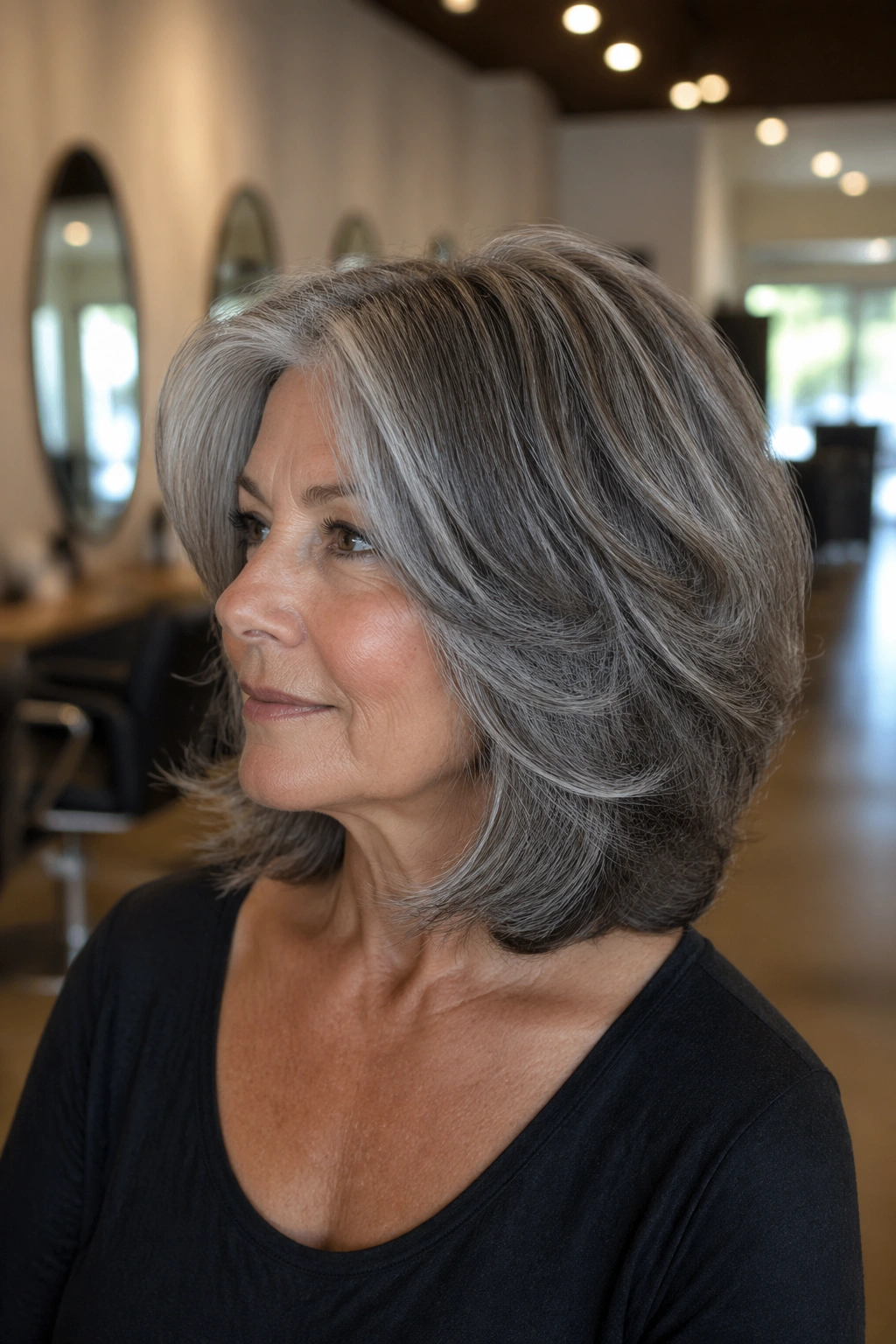
Thick hair needs control, not random shredding. That is the first thing I’d say before anything else.
A razor cut can be excellent for dense hair when the stylist removes weight from the right places. The bulk usually lives in the mid-lengths and around the back, not just at the ends. If a blade is dragged through the ends too aggressively, thick hair can puff out and frizz.
What to tell your stylist
Ask for internal weight removal and a softened perimeter. In plain language, that means less bulk inside the haircut while keeping enough strength at the outside line. That helps the shape sit flatter and move better.
- Best for wavy or straight thick hair
- Keep the ends full enough to hold shape
- Avoid over-thinning around the temples
- Use a smoothing cream, not a heavy oil
A thick head of hair can be beautiful, but it needs the right kind of reduction. Not too much. Just enough.
11. Curly Razor Cut with a Soft Perimeter
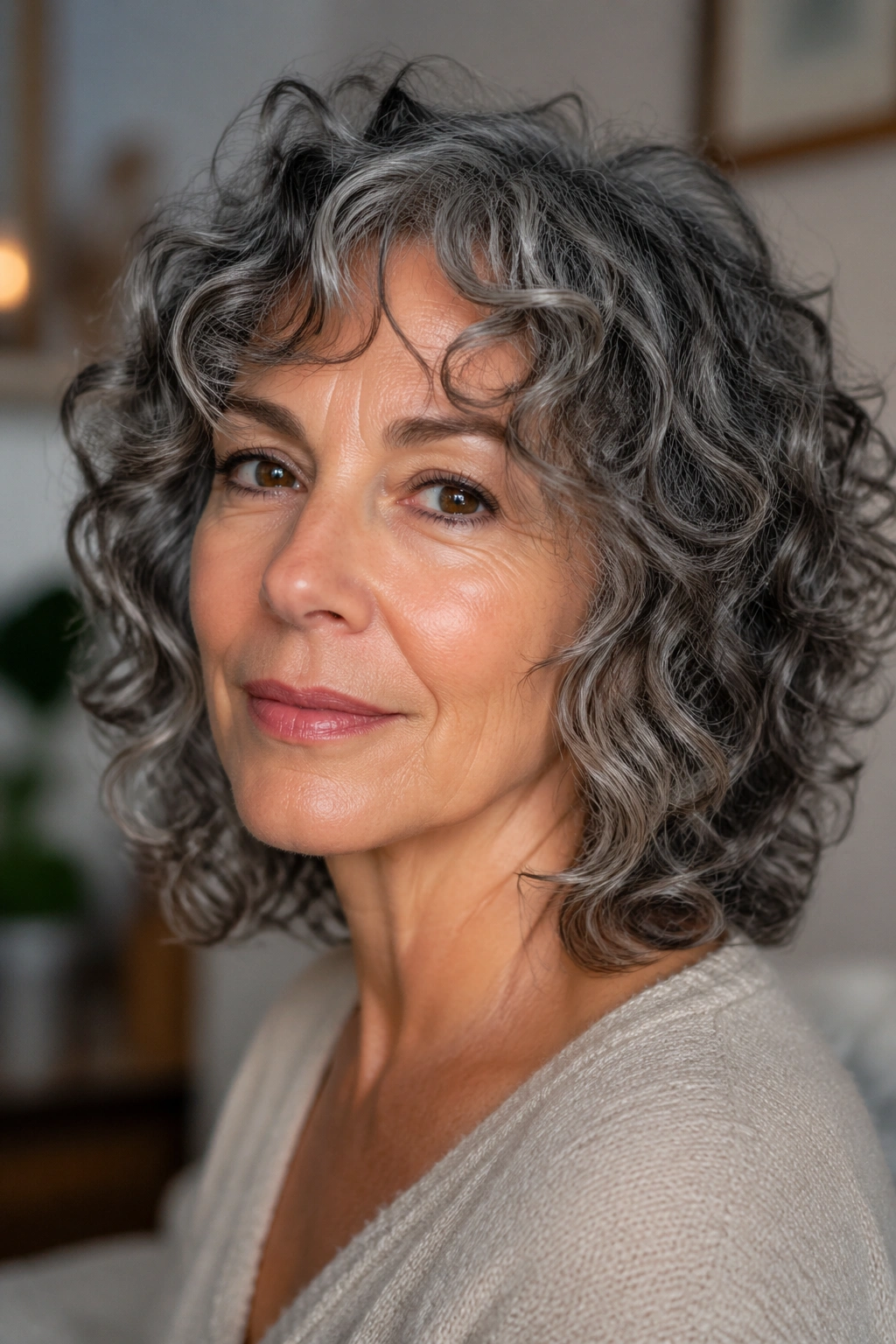
Can a razor cut work on curls? Yes, but only if the cut respects the curl pattern.
Curly hair is not the place for careless blade work. The goal is to lighten the shape without slicing the curl ends into frizz. A soft perimeter helps the curl sit more naturally around the face and keeps the silhouette from ballooning.
This works best when the stylist cuts with the curl pattern in mind and leaves enough length for the curl to spring. Dry cutting is often easier here, because the true curl shape shows up when the hair is not stretched out.
What you want is controlled softness, not shredded texture. That line is thin, and it matters.
If your curls are springy and dense, a razor can open them up. If they’re fragile or dry, ask for a gentler touch and keep the ends fuller.
12. Silver Pixie with Razor Texture
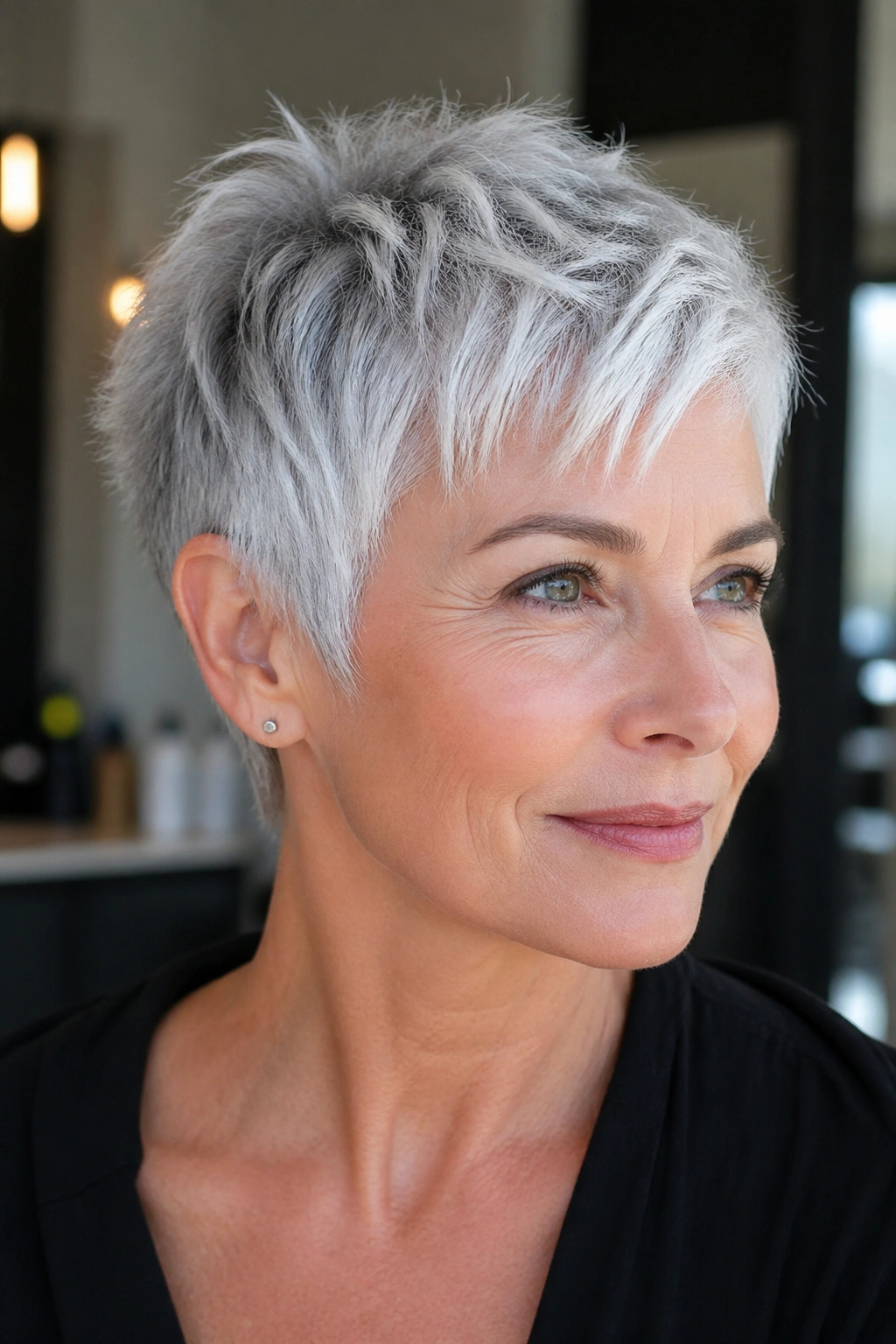
Silver hair shows every line. Every one.
That is why a razor-textured pixie can look so good on it. The texture keeps the short cut from reading as flat, and the clean shape around the ears makes the color look crisp instead of fuzzy. On white or silver hair, that can be a huge difference.
This cut suits women who want a short style with a bit of lift and movement through the top. It also puts the color front and center, which is a nice thing when you’ve earned that silver and want it to look deliberate. A light styling cream is usually enough. Heavy products can make the hair look stringy against bright gray tones.
I like this one for women with strong cheekbones. The cut opens the face instead of hiding it.
13. Feathered Shoulder-Length Razor Cut
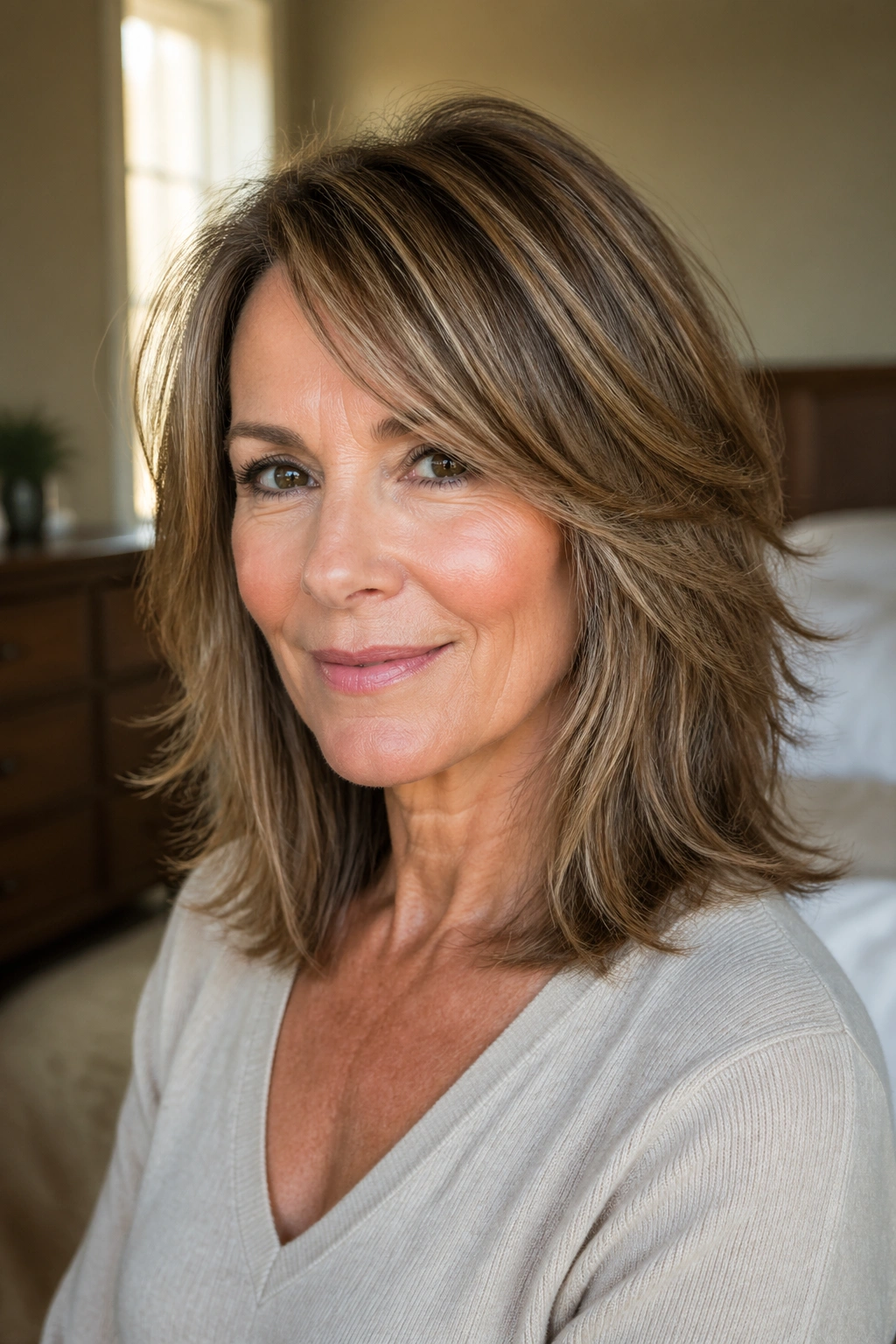
Shoulder-length hair can turn heavy fast. It lands on the shoulders, swells out at the ends, and starts to look less like a style and more like a weight you forgot to lift.
Feathered razor layers solve that by breaking up the bulk through the lower half without chopping the length away. The result is softer movement, especially if the hair is straight or slightly wavy. It also works for women who like to clip the hair half up or tuck it behind one ear.
The best version keeps the ends light but not thin. That’s the line. If the ends get too see-through, the cut loses body and starts to look tired.
Good reasons to choose it
- You want shoulder-grazing length
- You like easy updos
- You need movement around the neck and collar
- You do not want a dramatic chop
It’s a quiet cut, but a useful one.
14. Tapered Razor Cut with a Clean Nape
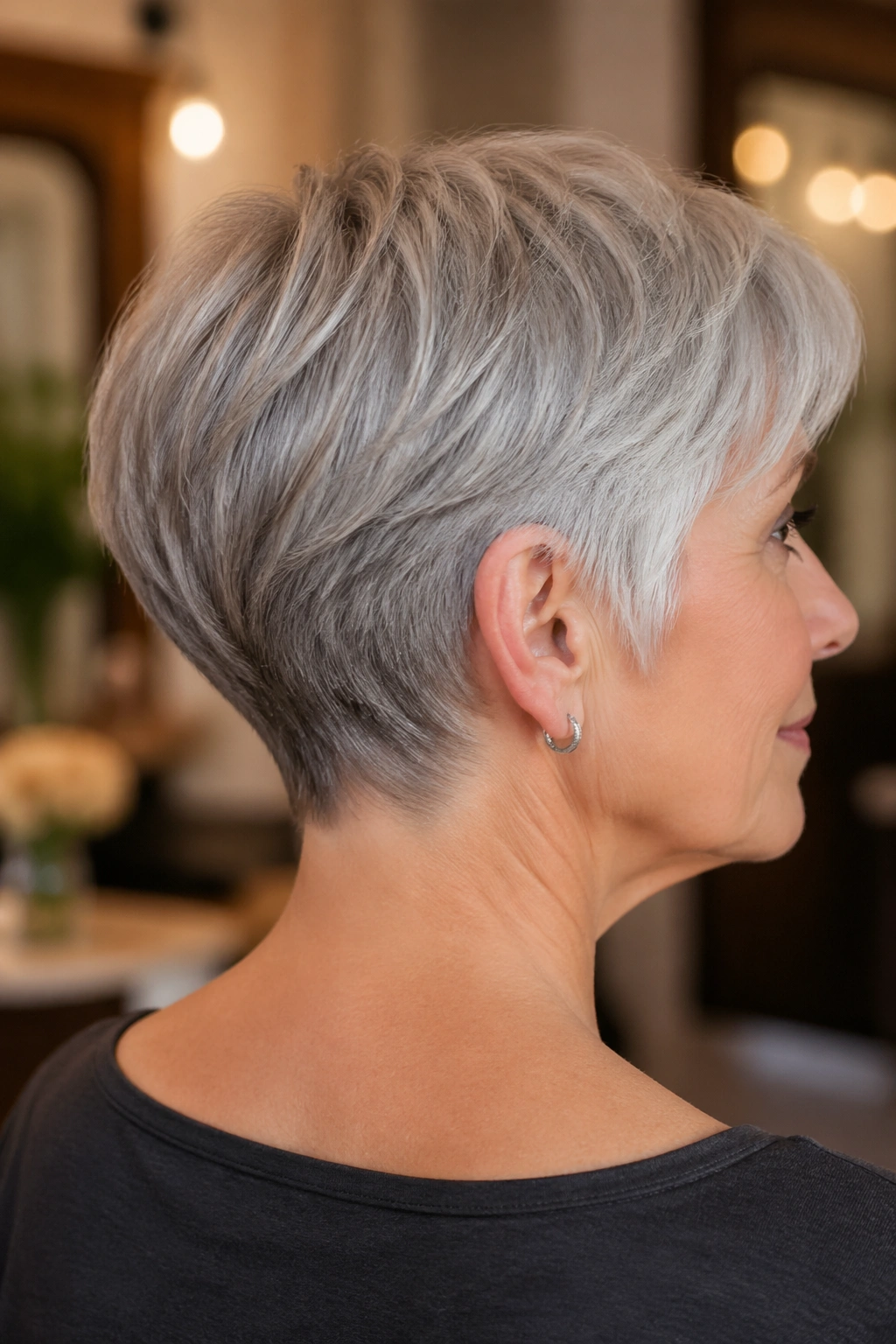
Want the back neat without making the top flat? A tapered razor cut does that job nicely.
The nape stays close and clean, which gives the haircut structure from behind. The top keeps more length and height, so the cut doesn’t collapse into the head. That shape is practical, especially if you like low-maintenance styling or live in a climate that makes long hair feel annoying fast.
This is also a smart option for women who want a haircut that looks good from every angle, not only from the front. The back matters. A lot. That clean taper makes the whole style look finished even when the front is loose and soft.
Ask for a gradual taper rather than a hard stack. The cleaner shape should feel smooth, not blocky.
15. Razor Cut with Wispy Bangs for Glasses

Bangs and glasses can get along. They just need a little space.
Wispy bangs work because they soften the forehead without fighting the frames. A razor can lighten the fringe so it falls in little pieces instead of one heavy strip. That keeps the face open and helps the glasses sit visually inside the haircut instead of under a thick wall of hair.
The length matters. If the bangs are too short, the glasses will crowd them. If they’re too long, they’ll get trapped in the lenses every time you blink. The safe zone is usually just above the brow or grazing it with a little bend at the side.
I’d keep the sides of the fringe longer so they blend into the face frame. That way the bangs feel like part of the cut, not a separate project.
16. Modern Razor Mullet with Soft Edges
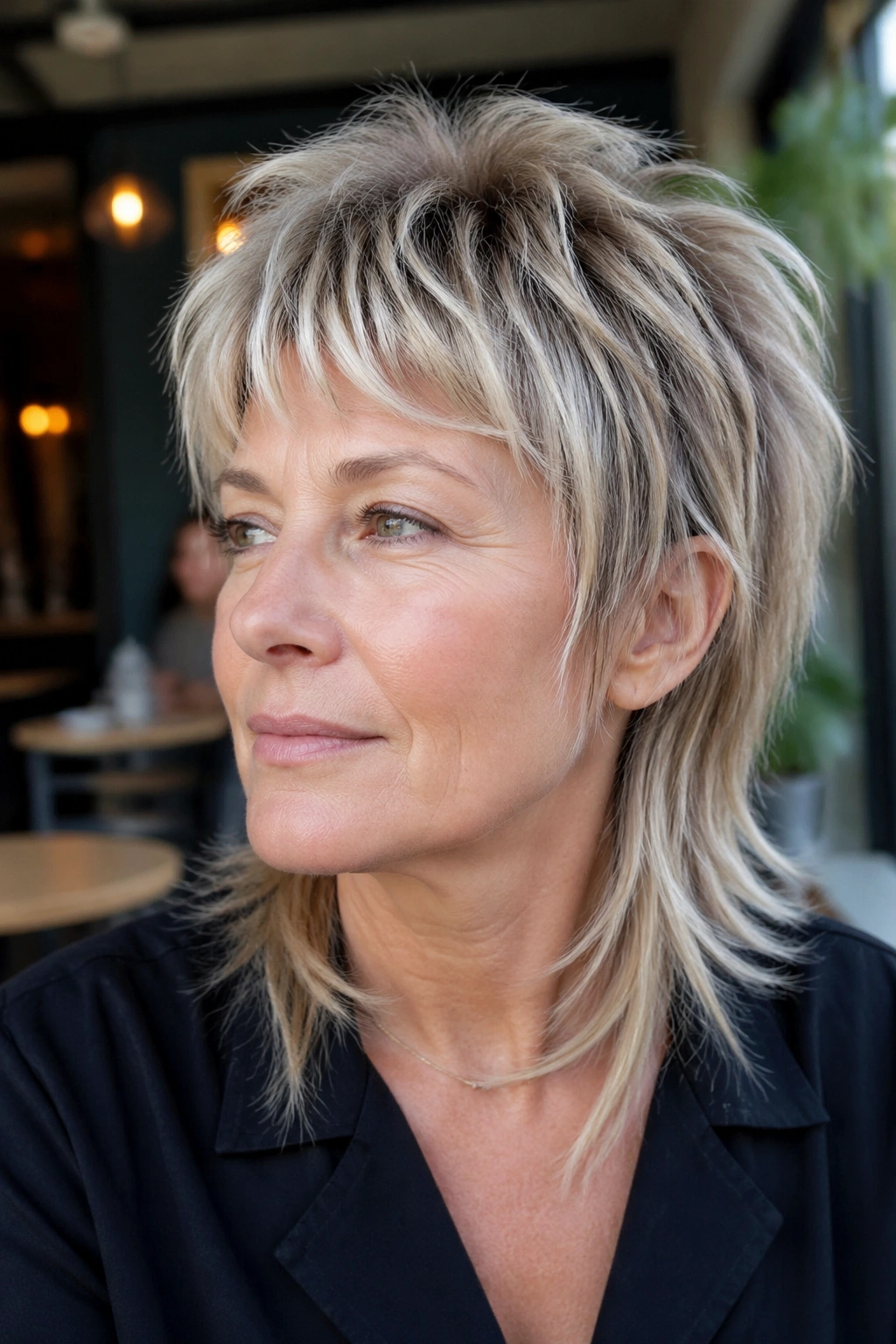
I like this version more than the old-school one.
The modern razor mullet keeps the short crown and longer nape idea, but softens the transition so it doesn’t look harsh. That makes it wearable for women who want edge without looking as if they borrowed a style from a rock poster and called it a day.
The beauty of this cut is in the balance between freedom and shape. The top can be airy and full of movement, while the back stays a little longer and soft around the shoulders. The razor helps connect those pieces so the haircut feels less disconnected.
It works best on hair with natural wave or a little body. Straight hair can do it too, but it needs a good cut line and a touch of styling cream.
This is not the safest choice on the page. It is, however, one of the most interesting.
17. Rounded Razor Bob with Tucked Ends
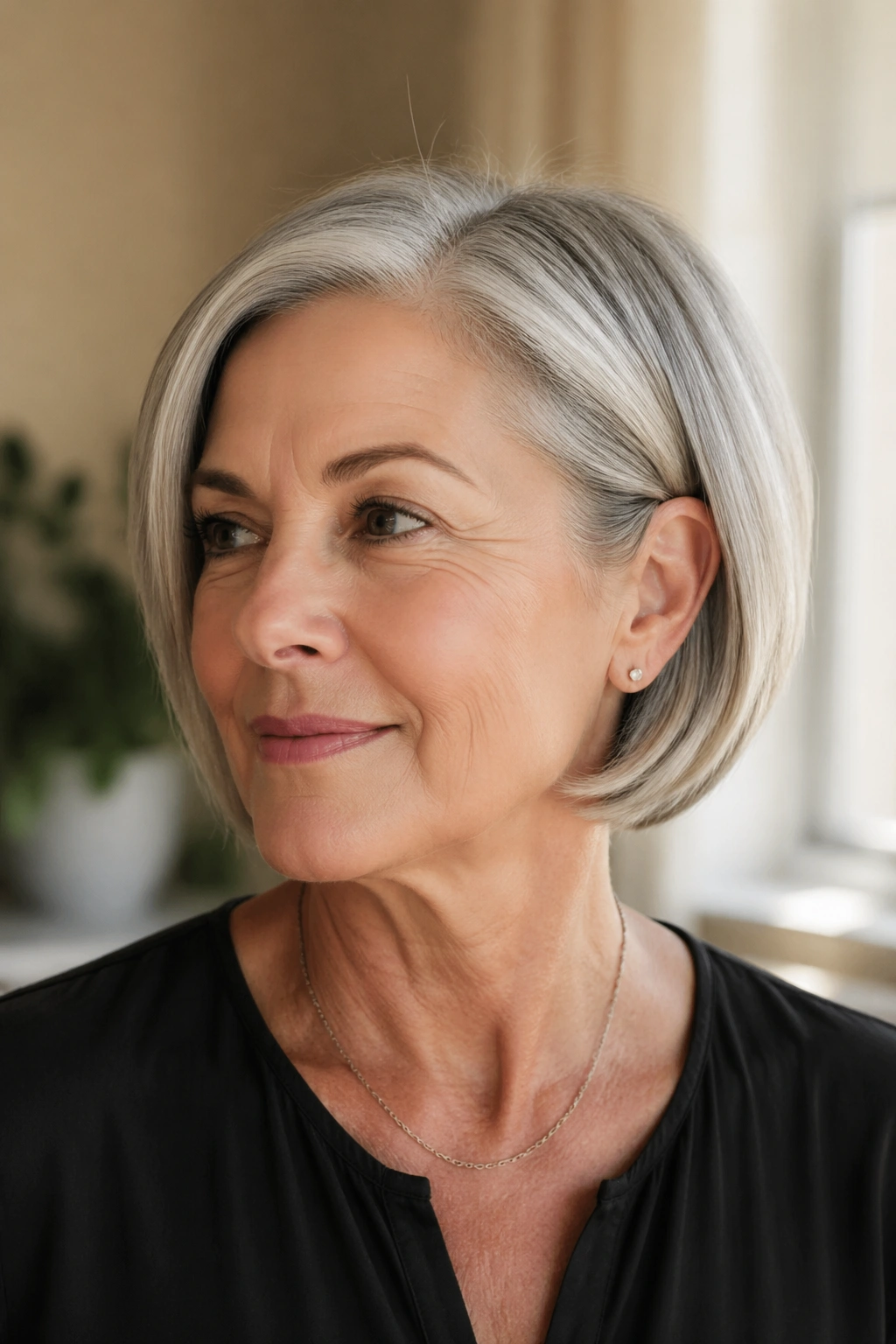
If you tuck your hair behind your ears half the day, this cut makes a lot of sense. A rounded razor bob bends gently toward the jaw, so the tucked shape still looks planned instead of accidental.
The roundness matters because it softens the profile. A razor keeps the perimeter from getting bulky, but the outline stays smooth enough to read as polished. That can be a nice match for square faces, long faces, or anyone who wants the chin area to feel less exposed.
A round brush can bring the bend back in two minutes after a wash. You do not need a salon-level blowout. Just enough shape to keep the bob from going flat at the sides.
One note: don’t over-layer the top. The point is rounded movement, not a collapsing crown.
18. Choppy Razor Cut with a Side Fringe

Need movement without a full shag? This is the in-between cut I’d suggest.
The choppy pieces around the mid-lengths keep the hair from feeling heavy, while the side fringe gives the style a soft sweep across the forehead. The two together create a shape that feels a little more modern than a plain bob but less dramatic than a shag.
How to style it
- Blow-dry the fringe away from the face for lift
- Use a pea-sized amount of matte cream through the ends
- Keep the crown soft, not poofy
- Refresh with a mist of water and a quick twist of the fingers
The side fringe is useful if one side of your face is stronger or if you simply want a softer angle near the eyes. It also grows out in a forgiving way, which I appreciate. Not every haircut needs a maintenance schedule that feels like a job.
19. Razor Shag for Wavy Hair
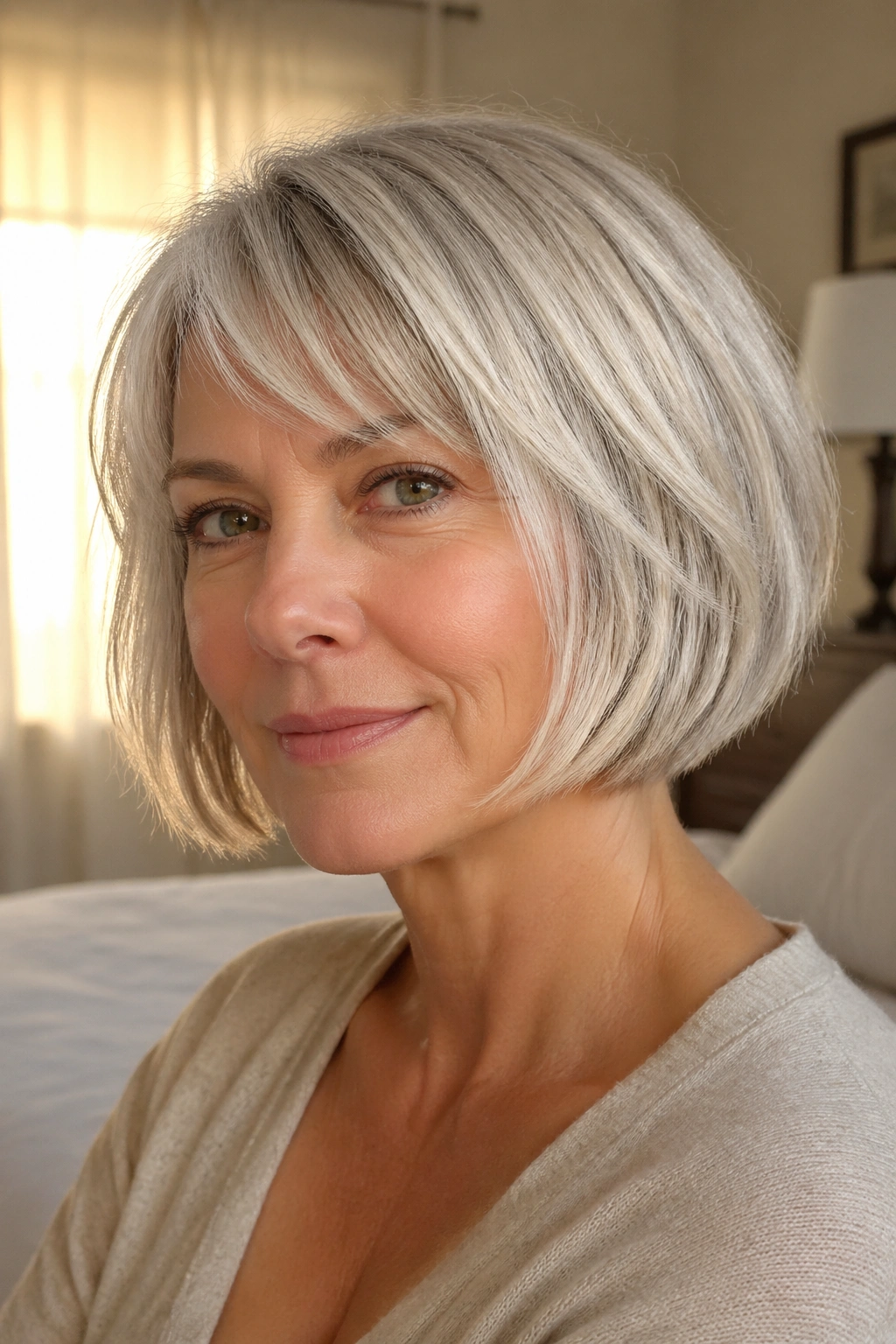
A little wave and a shag can be a good pair.
The layers let the wave spring up instead of dragging it down, which is why this cut can look so lively on older women who still have texture. The razor gives the ends movement, and the shape around the crown keeps it from sitting heavy at the back of the head.
The trick is not to overdo the short layers. If the top gets cut too high, wavy hair can turn puffy. Keep the bottom length long enough to anchor everything, and the result is much easier to wear.
This cut usually looks best with a bit of air-dry time and a lightweight cream. Don’t overthink it. The shape should do most of the work.
20. Short Razor Crop with a Soft Top
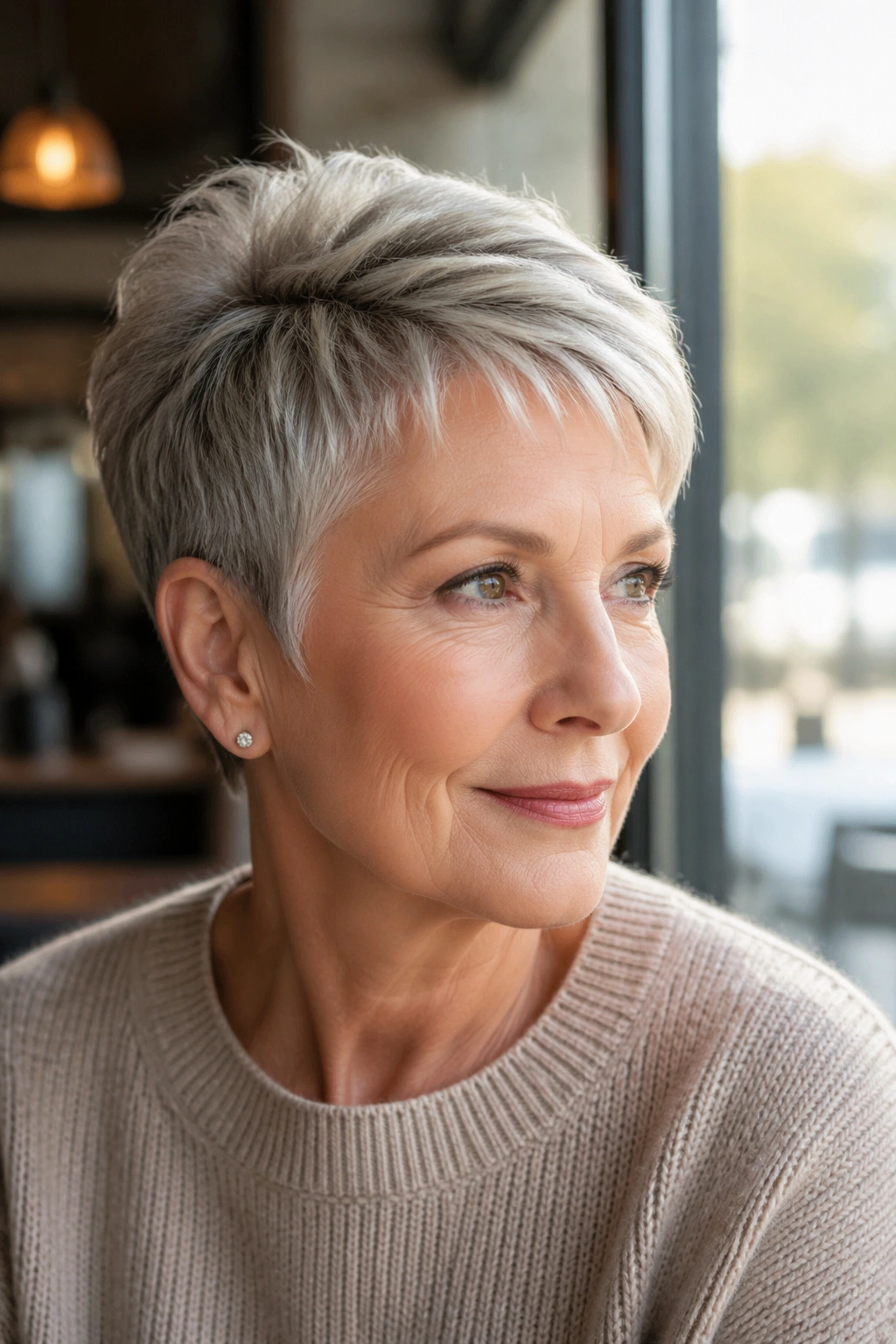
Low drama. High payoff.
A short razor crop with a soft top is one of the easiest cuts on this list to live with. The sides stay neat, the top has enough texture to avoid looking flat, and the whole thing can be styled in minutes. It suits women who like short hair but don’t want a sharp, severe outline.
The soft top matters because it keeps the cut from looking too boyish in the wrong way. A little lift at the front or crown gives the face some balance, especially if your hairline has changed over time or your features are more angular.
This works well for active lives, travel, and mornings when you want to get out the door fast. A dab of styling paste is usually enough.
21. Long Side-Swept Razor Layers

Compared with a blunt long cut, this one feels lighter around the face.
Long side-swept razor layers keep length in place while giving the front pieces enough movement to soften the cheek and jaw. The side sweep is useful because it pulls the eye diagonally, which tends to flatter more face shapes than a straight curtain of hair.
This is a solid choice if you are attached to long hair but know it needs a better shape. The layers should not be obvious from every angle. They should move when you walk, tuck easily behind one ear, and still look full when worn down.
A round brush or large velcro roller can give the front a soft bend. You’re aiming for lift, not curls.
22. Face-Slimming Razor Lob with Invisible Layers

Invisible layers are underrated.
A face-slimming razor lob keeps the silhouette clean, but the hidden texture inside the cut stops it from feeling heavy. That is why it works so well for women who want polish without stiffness. The face frame can start at the cheekbone, then drift longer toward the collarbone.
The important part is restraint. If the layers become too obvious, the cut can start to look busy. Hidden layers give the haircut movement while keeping the outline smooth. That’s the sweet spot for a lot of women who want their hair to look styled even when they did very little to it.
Best details to ask for
- A lob that lands between the jaw and collarbone
- Soft face framing, not a harsh angle
- Light texture through the inside of the cut
- Enough weight at the perimeter to keep it full
That combination stays flattering without feeling fussy.
23. Soft Razor Cut with Minimal Styling
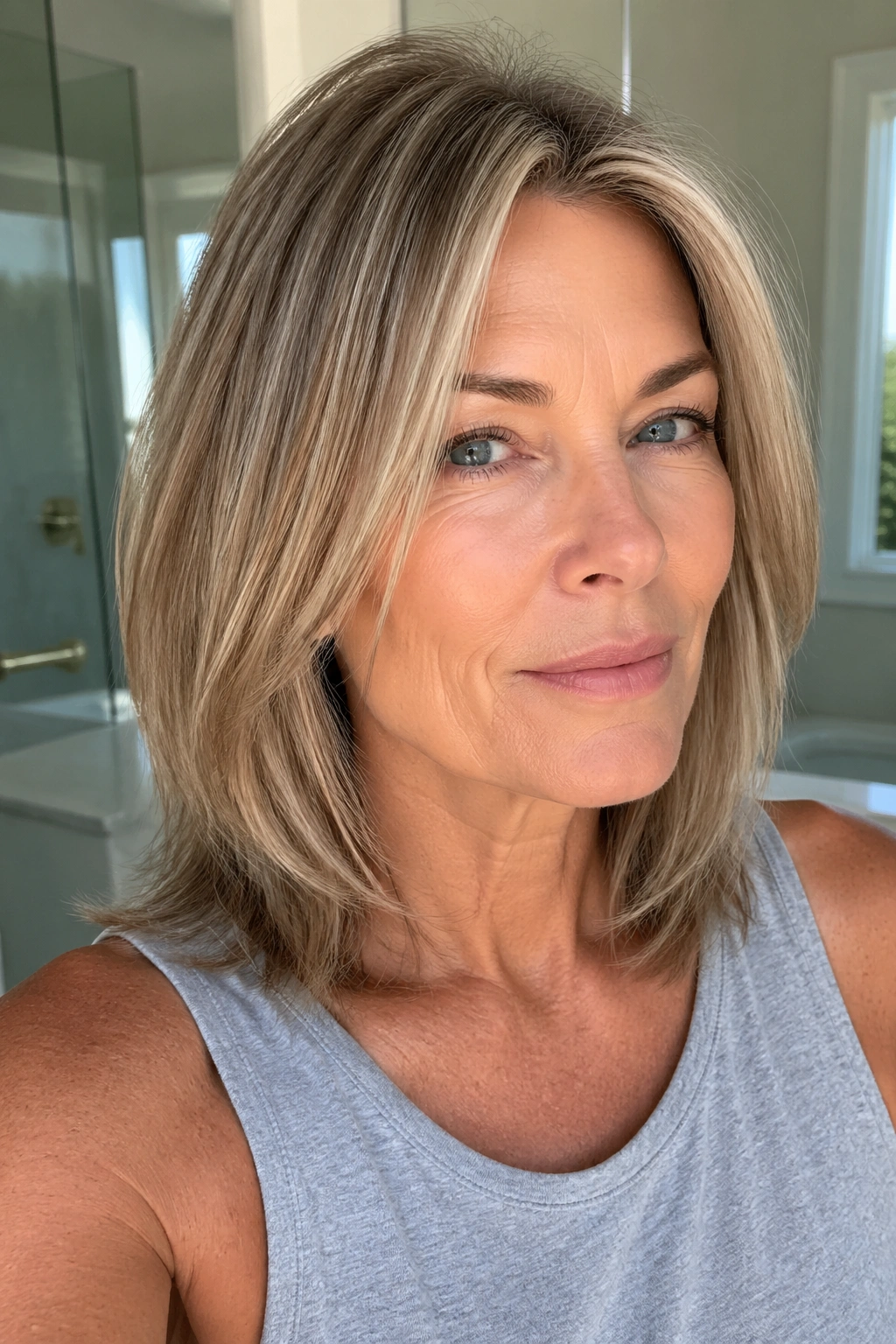
The best razor cut is often the one that looks easy on a rushed morning.
A soft razor cut with minimal styling keeps the ends moving, the face frame gentle, and the whole shape flexible enough to air-dry well. That makes it a good fit for women who want hair that behaves without a long routine in front of the mirror.
I like this style because it respects real life. Some days you blow-dry. Some days you don’t. A good cut should survive both. Ask for soft perimeter texture, a little lift around the crown, and face-framing pieces that do not fall into your eyes.
If you’re bringing reference photos to the salon, bring two: one for the shape and one for the texture. That helps more than handing over a single photo and hoping the stylist reads your mind. Haircuts are too personal for guessing.
And if you want the safest version of any razor cut, remember this: keep the line clean, keep the texture soft, and keep enough weight in the ends to hold the shape. That’s the difference between hair that looks airy and hair that looks thinned out.
