



The wolf cut—that perfect hybrid between the ’70s shag and modern layered styles—has completely dominated hair conversations in recent years, and for good reason. Unlike traditional haircuts, the wolf cut combines the voluminous, textured layers of a mullet with the face-framing precision of a shag, creating movement and dimension that works beautifully with natural waves and intentional texture. What makes this cut so magnetic is its versatility: it works on nearly every hair type, face shape, and personal style, from the subtly layered to the dramatically shaggy.
Long wavy wolf cuts especially hit that sweet spot where you get maximum movement and dimension without sacrificing length. The layers create the illusion of volume while actually reducing bulk, and when paired with waves—whether natural, wave-styled, or professionally permed—the cut takes on an effortlessly cool, lived-in aesthetic that feels personal rather than rigidly structured. The beauty of a wavy wolf cut is that it evolves throughout the week: freshly washed, it’s soft and romantic; air-dried, it becomes tousled and textured; with wave cream and sea salt spray, it transforms into something beachy and undone.
If you’re considering this cut or looking for inspiration on how to style your current wolf cut, understanding the different approaches to length, texture, and layering is essential. Each variation below brings something distinct to the table—different ways to work with your hair’s natural texture, different color-cutting techniques, and different styling methods that complement the cut’s movement.
1. Classic Textured Wolf Cut with Face-Framing Layers
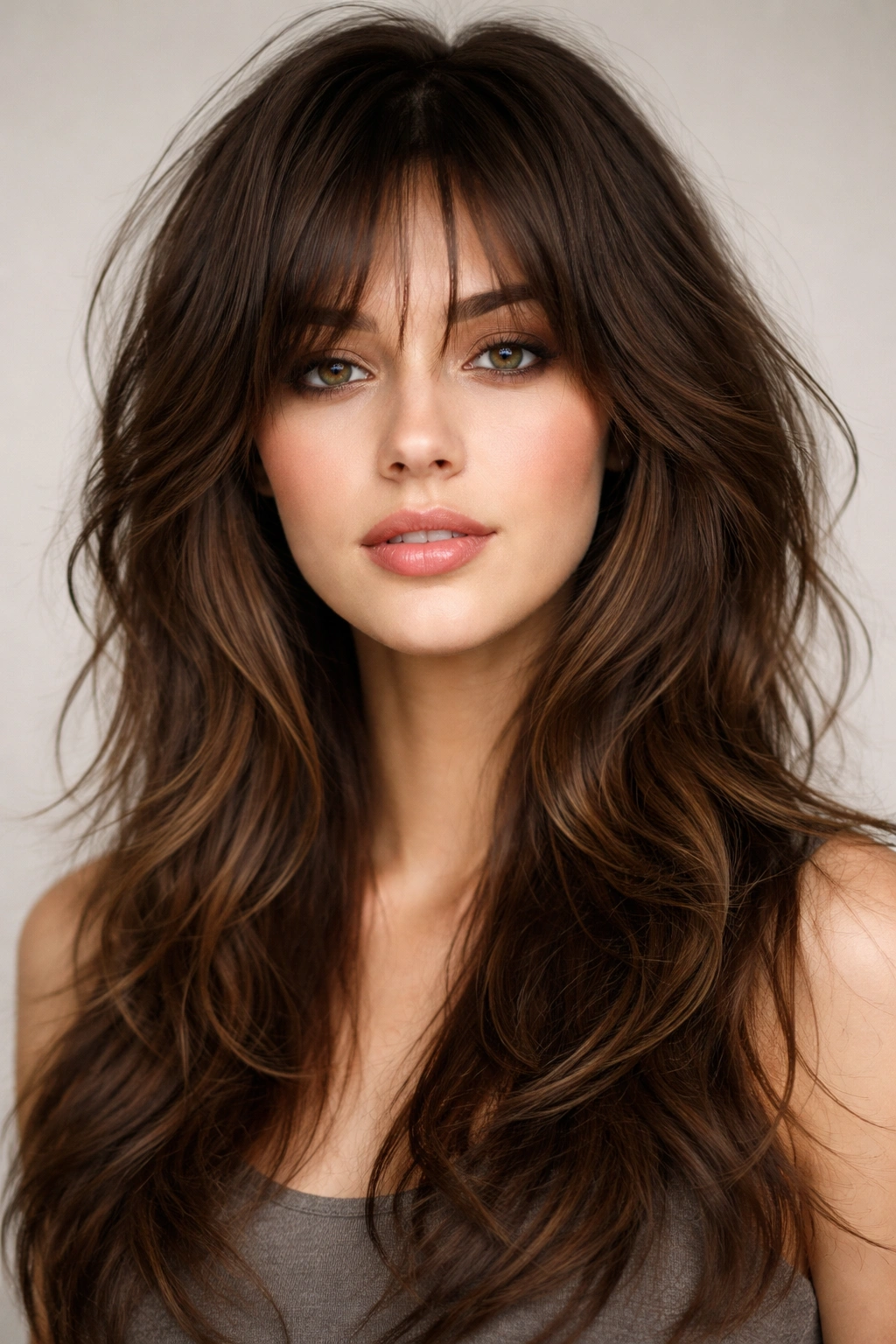
The foundation of every great wolf cut starts with precision face-framing layers that fall just right to contour your features without feeling choppy or over-structured. This classic approach keeps the length long (typically hitting mid-back or lower) while creating a series of graduated layers that begin roughly around chin level, getting progressively longer as you move down the back and sides. The result is that when you move, the shorter, upper layers catch light and create movement while the bottom stays fuller and weighted.
What Makes This Version Timeless
The genius of this cut lies in how the layers work with gravity and movement rather than against it. When you style waves into hair cut this way, the shorter face-framing pieces catch your waves first, creating definition right where your eye naturally travels. The longer back layers add length and weight without the bulk that underfaith layers would create, and because there’s no blunt line anywhere, the cut reads as effortlessly cool rather than gym-class precise.
How to Style and Maintain It
This cut genuinely looks good without styling—air-dry it with some texturizing product and you’ve got something interesting. But to maximize the face-framing effect, apply a wave cream or lightweight mousse to damp hair, blow-dry with a round brush or diffuser to encourage movement, then run a 1.25-inch curling iron through sections in alternating directions (away from face, then toward, creating natural-looking waves). The layers refresh beautifully for 6-8 weeks before you need a trim, and because there’s no shaggy intensity, it feels professional enough for any environment while still being distinctly modern.
What to ask your stylist: “I want the wolf cut silhouette but with really clean, blended layers—I like the layering that starts at my chin but I don’t want it to feel choppy when I wear my hair down.”
2. Shaggy Beach Wave Wolf Cut
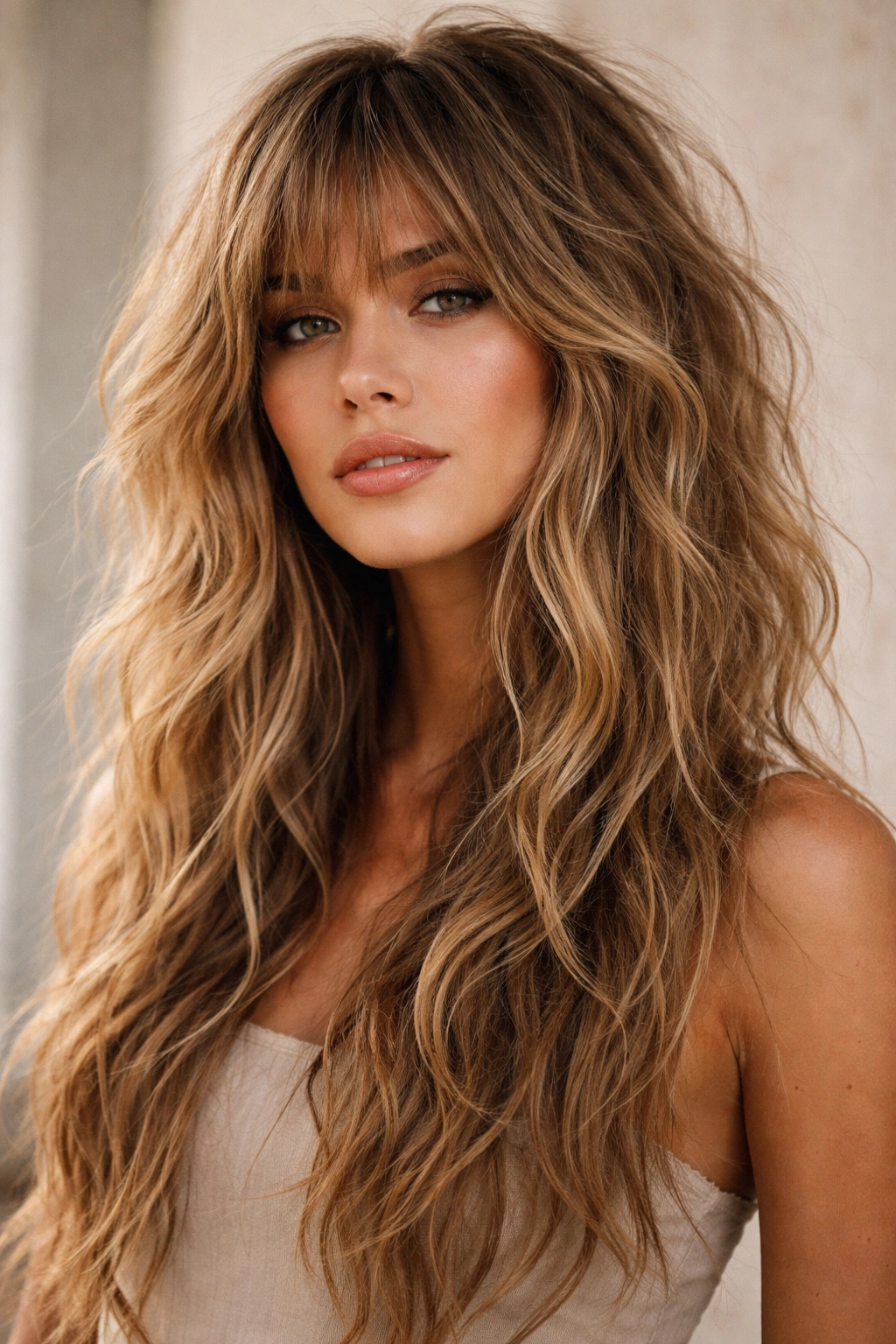
This is the wolf cut turned all the way up—maximum texture, maximum movement, maximum ’70s shag influence. Instead of reserved face-framing, this version leans into the full shag aesthetic with layers starting much higher up (some stylists begin them at the crown for this version), creating that instantly tousled, just-came-from-the-beach quality regardless of your actual styling effort. The layers are intentionally choppy rather than blended, and when combined with long lengths (waist-length or longer), it creates this incredible wave of texture that moves independently from section to section.
Why This Version Commands Attention
Choppy layers in a shag-style wolf cut aren’t a flaw—they’re the entire point. Each layer catches light differently, and when you add waves into hair cut this way, the choppiness becomes texture, not unevenness. This cut celebrates volume and movement over symmetry, which is why it reads as so confidently cool. It’s especially stunning on people with naturally wavy or curly hair because the cut works with your texture rather than trying to tame it into submission.
Styling This Cut for Maximum Effect
This cut honestly looks best with minimal effort, which is part of its appeal. Wash with a lightweight shampoo, add a sea salt spray or texturizing mousse while damp, and let it air-dry completely—this often creates the most natural, effortless waves. If you want more defined waves, use a wave-styling product on damp hair and either air-dry or use a diffuser attachment. One crucial maintenance note: this cut requires slightly more frequent trims (every 5-6 weeks) because the choppy layers show new growth and split ends more quickly than blended layers do.
What to ask your stylist: “I want a real shag—layers starting high, choppy rather than blended, and that textured, lived-in look. Maximum movement and texture.”
3. Choppy Dimensional Wolf Cut with Highlights
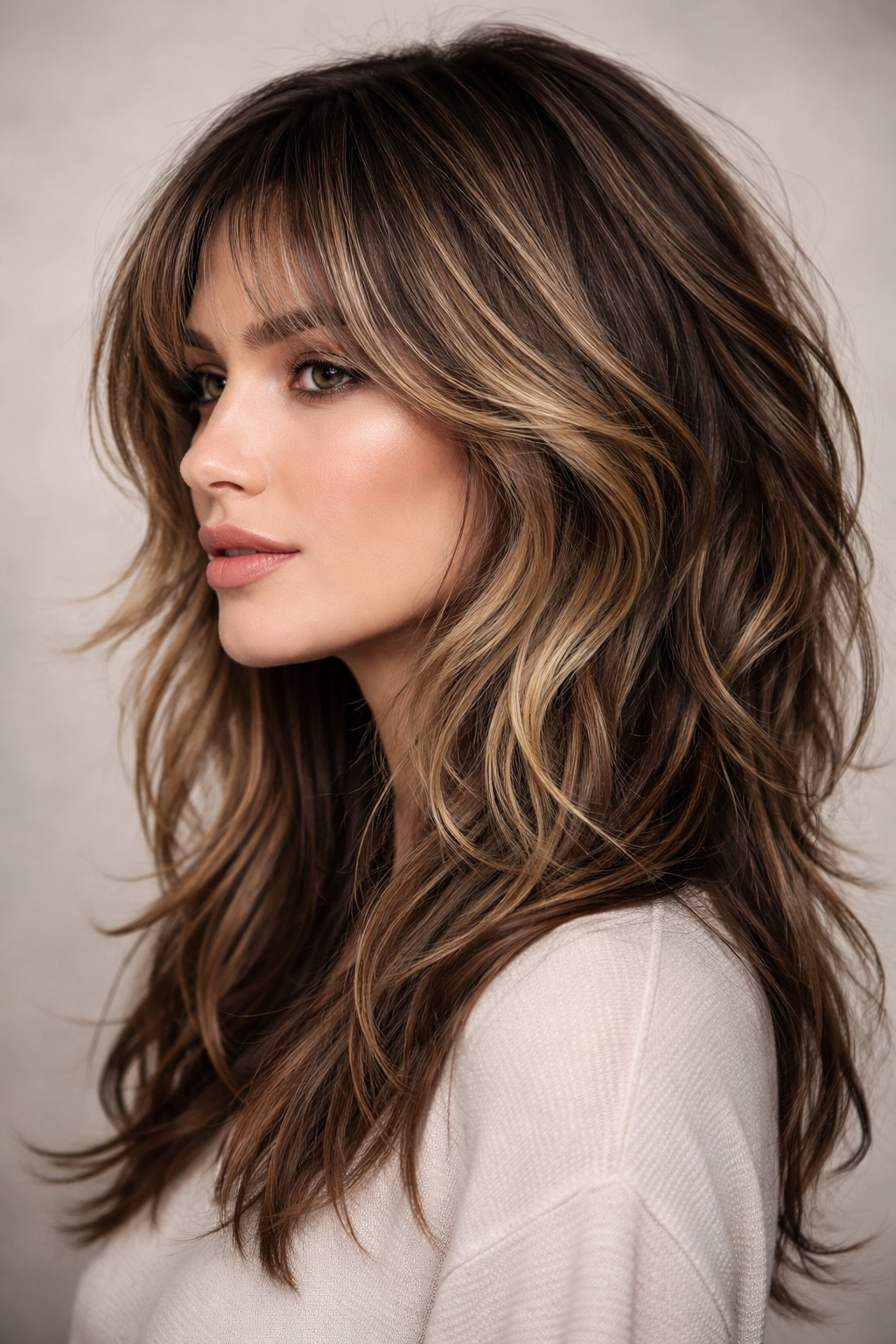
When you pair a wavy wolf cut with strategic highlight placement, you’re essentially creating a second layer of dimension that makes the cut look even more textured and expensive. This version combines a medium-intensity wolf cut (layers present but not aggressively choppy) with either face-framing highlights, subtle money pieces, or a full balayage treatment. The highlights don’t just add color—they actually make the individual layers of the cut more visible, so you see movement in both cut and color.
The Science of Highlights With This Cut
Highlights work beautifully with wolf cuts because the layer structure creates different planes and angles that catch light at different intensities. When light hits some layers directly and others at an angle, the color variation becomes more apparent and interesting. This is why a subtle dimensional balayage on a wolf cut can look way more complex than the same balayage on a blunt bob—the layers are doing the work of showing off the color variation.
How to Maintain Color and Cut Together
This combination does require more upkeep than a solid-color cut or a highlighted blunt style. Plan on root touch-ups every 5-7 weeks, and trim the cut every 6-8 weeks to keep the layers sharp and prevent the highlight placement from becoming less intentional as the cut grows out. Use color-safe shampoo and conditioner to extend the life of your highlights, and consider a gloss treatment every 4-5 weeks if your highlights start looking brassy. The good news: the texture of the cut helps disguise some of the maintenance work because everything looks intentionally tousled.
What to ask your stylist: “I want a wolf cut with some texture and movement, plus highlights that make the layers more visible. Something that looks dimensional from every angle.”
4. Soft Feathered Wolf Cut for Fine Hair
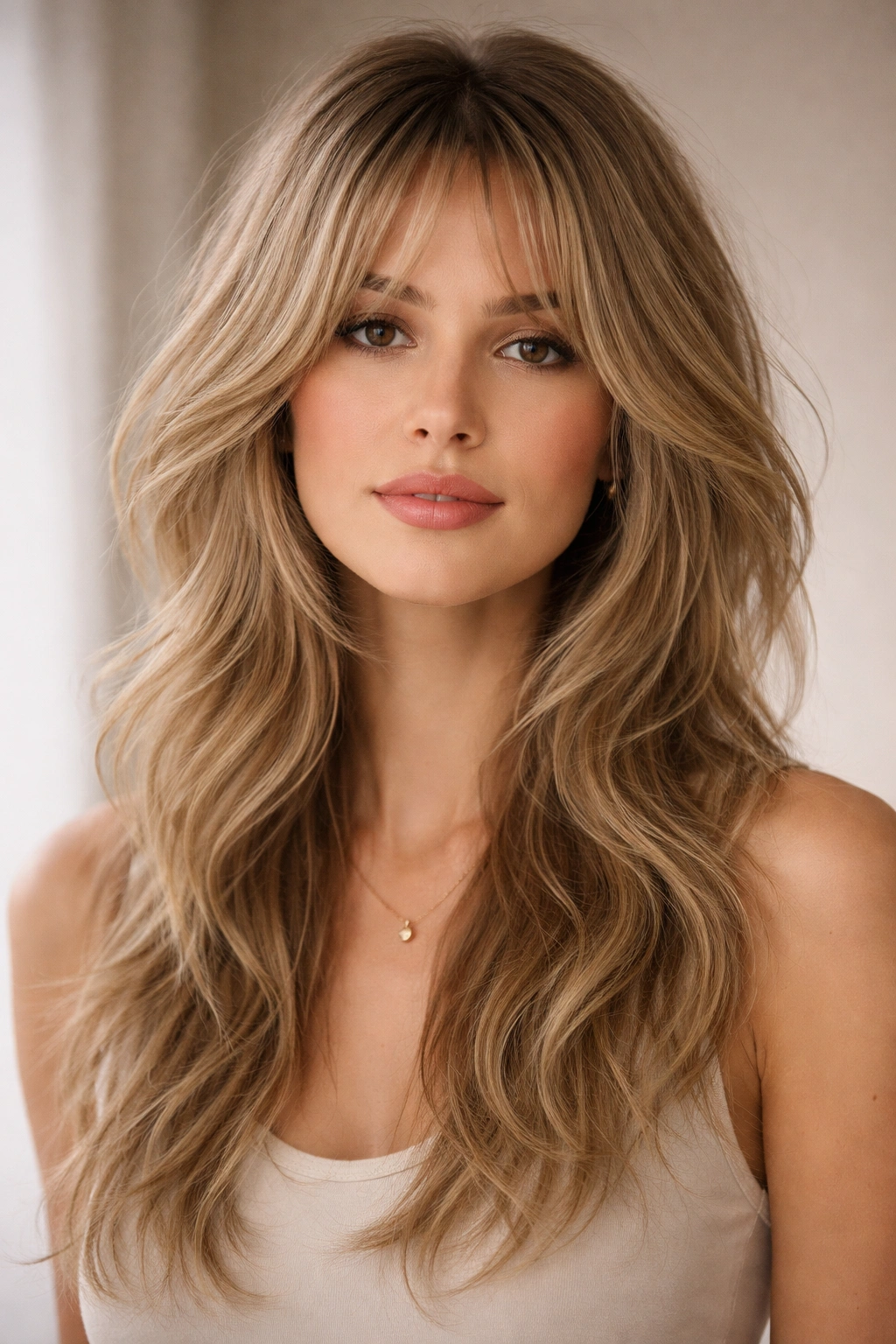
If you’ve avoided the wolf cut because you have fine or thin hair and worry that layers will leave you with wispy, thread-like pieces instead of volume, this version proves that concern wrong. The soft feathered approach uses shorter, more subtle layers that create movement without completely removing density from any one area. Instead of dramatic, choppy texture, the layers are blended and feathered in a way that redirects your existing volume rather than working against it.
Why Fine Hair Can Rock This Cut
The key difference is in how the stylist executes the layers. Rather than cutting straight across and creating distinct lines, feathered layers are cut at sharper angles that blend into the longer lengths below. This creates a graduated shape that gives the illusion of thickness without actually removing the weight that fine hair needs to appear full. The layers still create movement when you add waves, but they do it by creating subtle direction changes rather than obvious choppiness.
Styling for Maximum Volume and Movement
Use a volumizing shampoo and a lightweight (not heavy) conditioner, and consider a thickening mousse or dry shampoo as a base before blow-drying. Blow-dry your roots first with a round brush to lift them away from your scalp, then move to the mid-lengths and ends. Apply wave-setting spray and use a 1.5-inch curling iron on damp hair to create waves that have actual structure and longevity rather than just drooping under their own weight. The secret: smaller, tighter waves on fine hair look fuller than big, loose waves do—the waves create more surface area and visual texture.
What to ask your stylist: “I have fine hair and I want a wolf cut, but I need the layers to add movement without removing volume. Can you use feathering techniques to keep the layers soft and blended?”
5. Bold Black Long Wolf Cut with Dramatic Texture
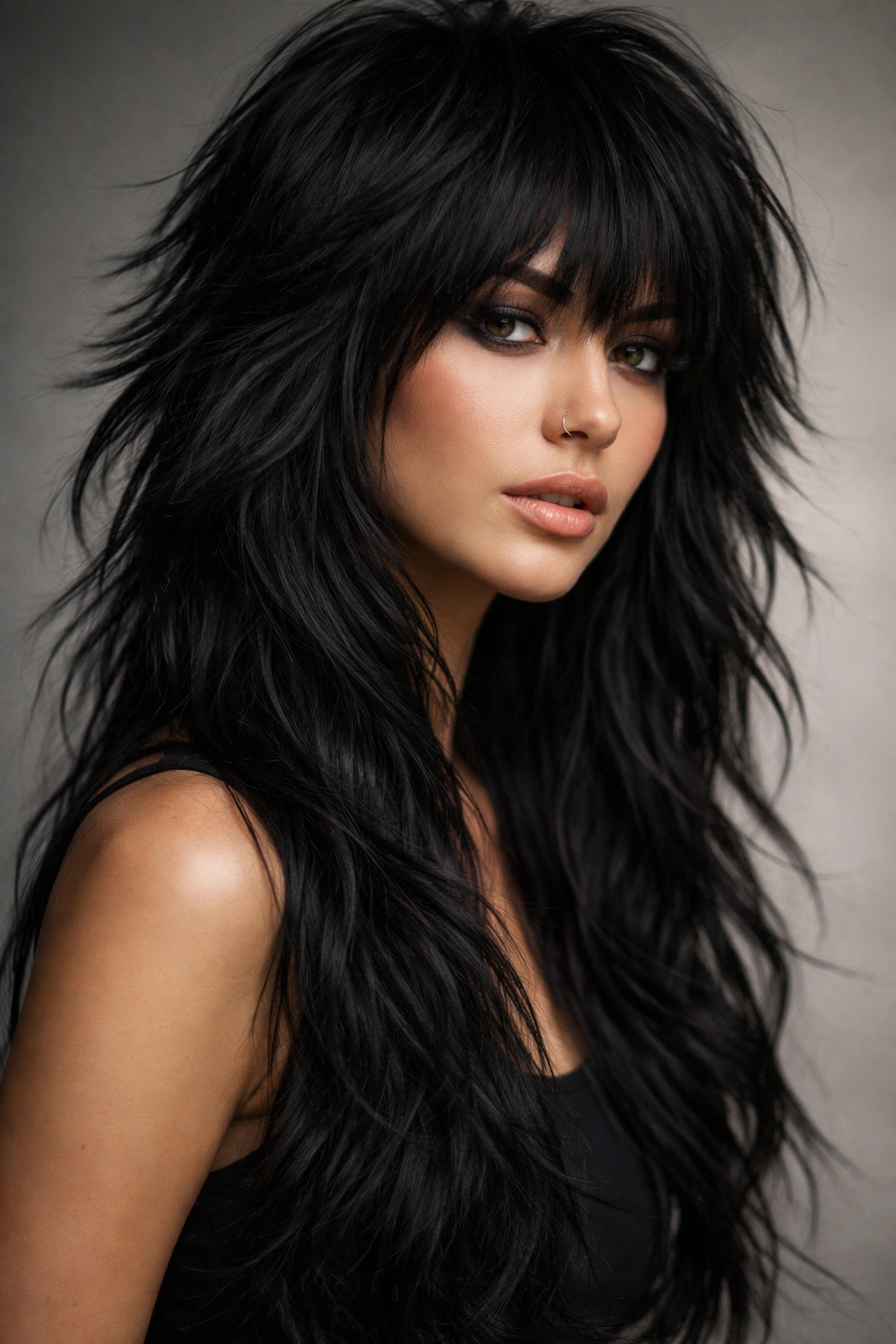
Rich, deep black hair is an absolute canvas for a dramatic, heavily textured wolf cut. The darkness shows layer lines and choppiness with stunning clarity, so every cut line is visible rather than lost in lighter hair. This version leans into maximum drama: very short, choppy layers at the crown and sides, longer voluminous lengths, and purposefully choppy cutting rather than blending. It reads incredibly edgy and modern, especially when styled with intention.
Why Black Hair Showcases This Cut So Beautifully
The contrast between the light and shadow in dark hair makes texture hypervisible. A choppy, shaggy wolf cut in black hair looks sharper, more intentional, and more striking than the exact same cut would look in lighter shades. This is why you see so many hair inspo posts featuring dramatic, heavily layered wolf cuts on dark hair—it’s genuinely the ideal combination for showing off the cut’s structure and movement.
Styling Bold Dark Hair Wolf Cuts
Use a lightweight texturizing spray or mousse to encourage separation and definition in your layers. Apply it to damp hair and either air-dry for natural waves or blow-dry with a diffuser to enhance texture. You can also use a flat iron to create more structured waves, which will make the individual layers even more visible. The darkness of your hair means you can get away with less styling and still have the cut look intentional; even slightly messy, tousled waves look cool rather than unkempt.
What to ask your stylist: “I want dramatic texture and choppy layers—go bold with this cut. I want to see movement and dimension everywhere, and I love the edgy, intentional look.”
6. Honey-Blonde Wavy Wolf Cut with Balayage
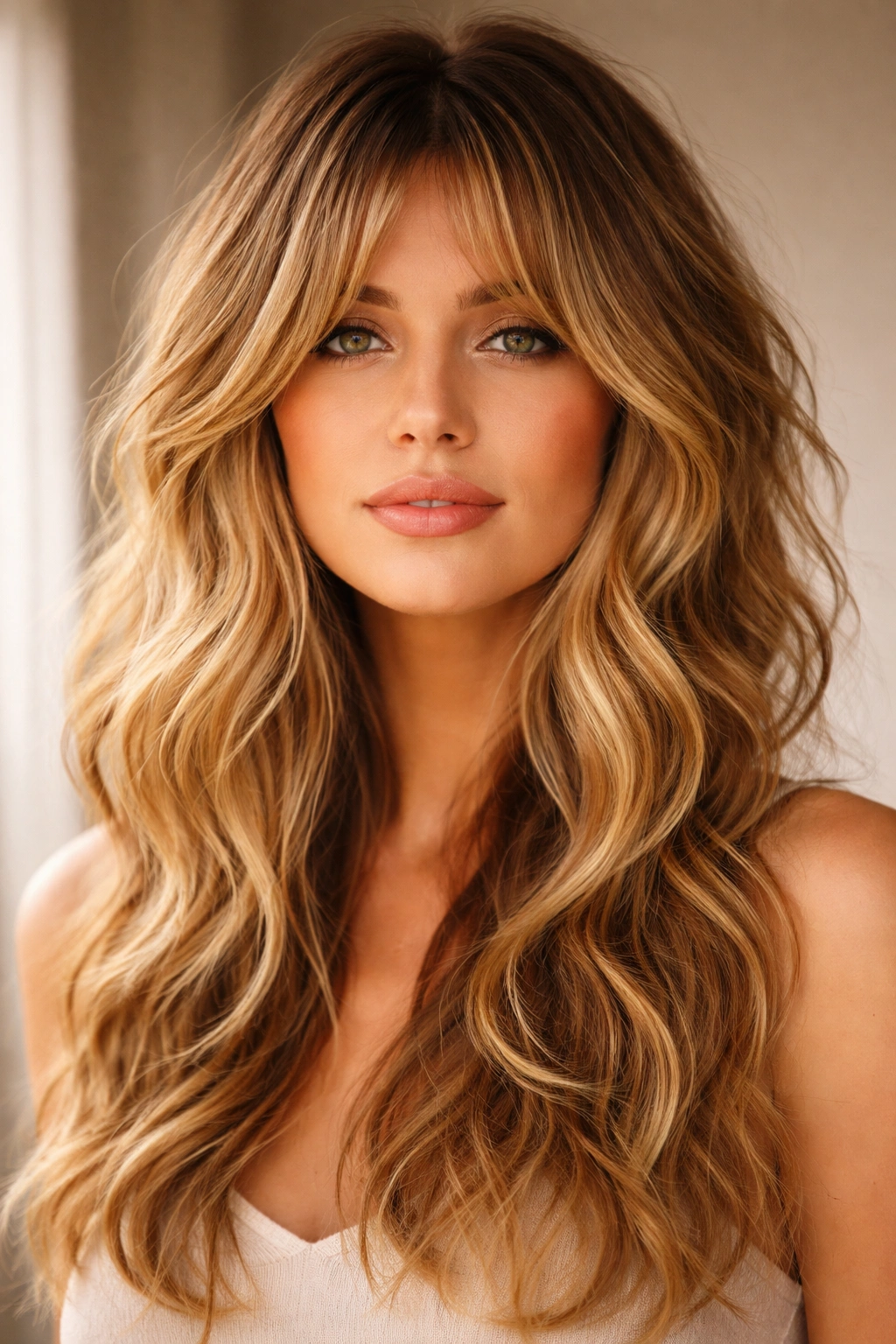
Warmer blonde tones paired with a wavy wolf cut create an effortlessly cool, California-beach aesthetic that somehow feels both sophisticated and laid-back. This version typically combines a classic textured wolf cut with hand-painted balayage highlights that focus warm, honey-toned lightness around the face, through the mid-lengths, and down the back. The result is a cut and color combination that looks like you just got back from a surfing trip, even if you live nowhere near the ocean.
How Warm Tones Enhance the Wolf Cut Effect
Honey and caramel-toned highlights create natural-looking dimension that makes the cut’s layers pop without looking obvious or heavily processed. The warmer tones are forgiving in terms of regrowth (they blend beautifully with new growth), but more importantly, they catch light in a way that emphasizes the movement and texture of the cut. The combination feels more intentional and styled than a solid color would, while still looking effortless rather than high-maintenance.
Maintaining Blonde + Textured Cut
Invest in a purple or violet-toning shampoo to keep blonde from looking brassy (use it 1-2 times per week). Deep condition regularly because balayage lightening can be drying, especially on wavy or curly hair. Trim every 6-8 weeks to keep the layers sharp and the overall shape intentional. The good news: this color-cut combination actually improves with a little bit of lived-in quality, so slightly undone styling looks perfect rather than requiring constant perfection.
What to ask your stylist: “I want a wolf cut with warmer, honey-blonde balayage highlights that make the layers really visible. Something that feels beachy and effortless but also dimensional and intentional.”
7. Tousled Shoulder-Length Wolf Cut
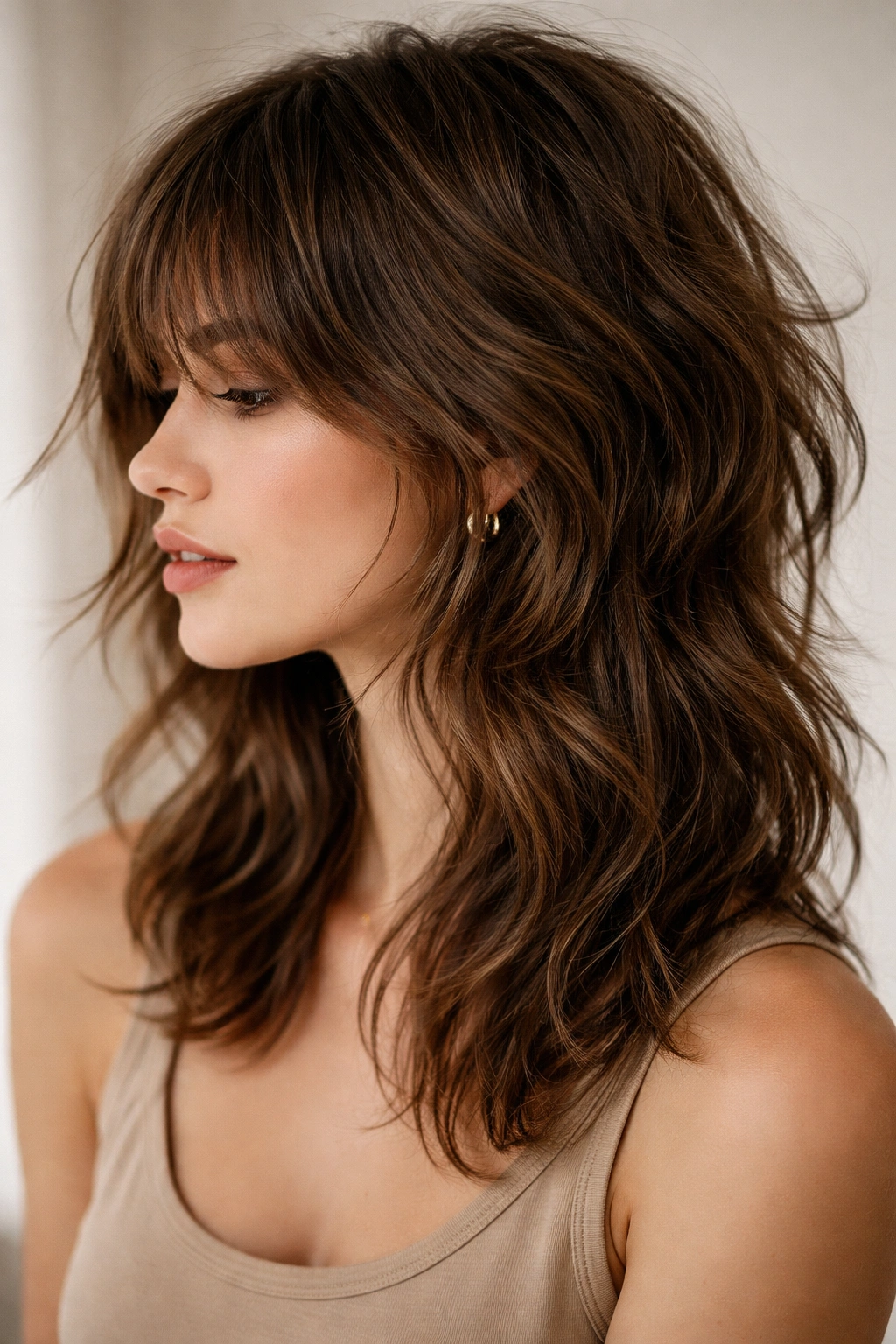
Not everyone wants a wavy wolf cut that drops to their mid-back or longer—sometimes the perfect length hits right around your shoulders. This version maintains the full wolf cut silhouette and texture, but shortens the overall length to shoulder-length or slightly below. You still get all the movement, dimension, and cool factor of a longer wolf cut, but with the practicality of shorter hair: less time styling, less weight on your neck, easier to manage, and refreshingly different if you’re used to longer lengths.
Why Shoulder-Length Works So Well for This Cut
The wolf cut’s genius is that it works at virtually any length because the structure is about layers and movement rather than raw length. At shoulder-length, the layers become even more apparent and dynamic—they flip and move more obviously because there’s less weight below them. It also means the face-framing elements become more prominent without being dramatic, and the overall shape feels more intentionally styled rather than accidentally grown-out.
Styling a Shorter Wolf Cut
This length dries faster and waves set more easily because there’s less hair to manage. Blow-dry with a round brush to create volume at the roots, then use a 1.5-inch curling iron on the ends and pieces to create waves that have actual structure. You can also braid your damp hair loosely and let it air-dry for textured waves that look effortlessly cool. The shorter length means you’ll see new growth and split ends more quickly, so plan for trims every 5-6 weeks to keep everything looking intentional.
What to ask your stylist: “I like the wolf cut silhouette and all the texture and movement, but I want the length to hit around my shoulders. Something that’s got the cool factor but a little easier to manage.”
8. Multi-Textured Long Wolf Cut with Lots of Movement
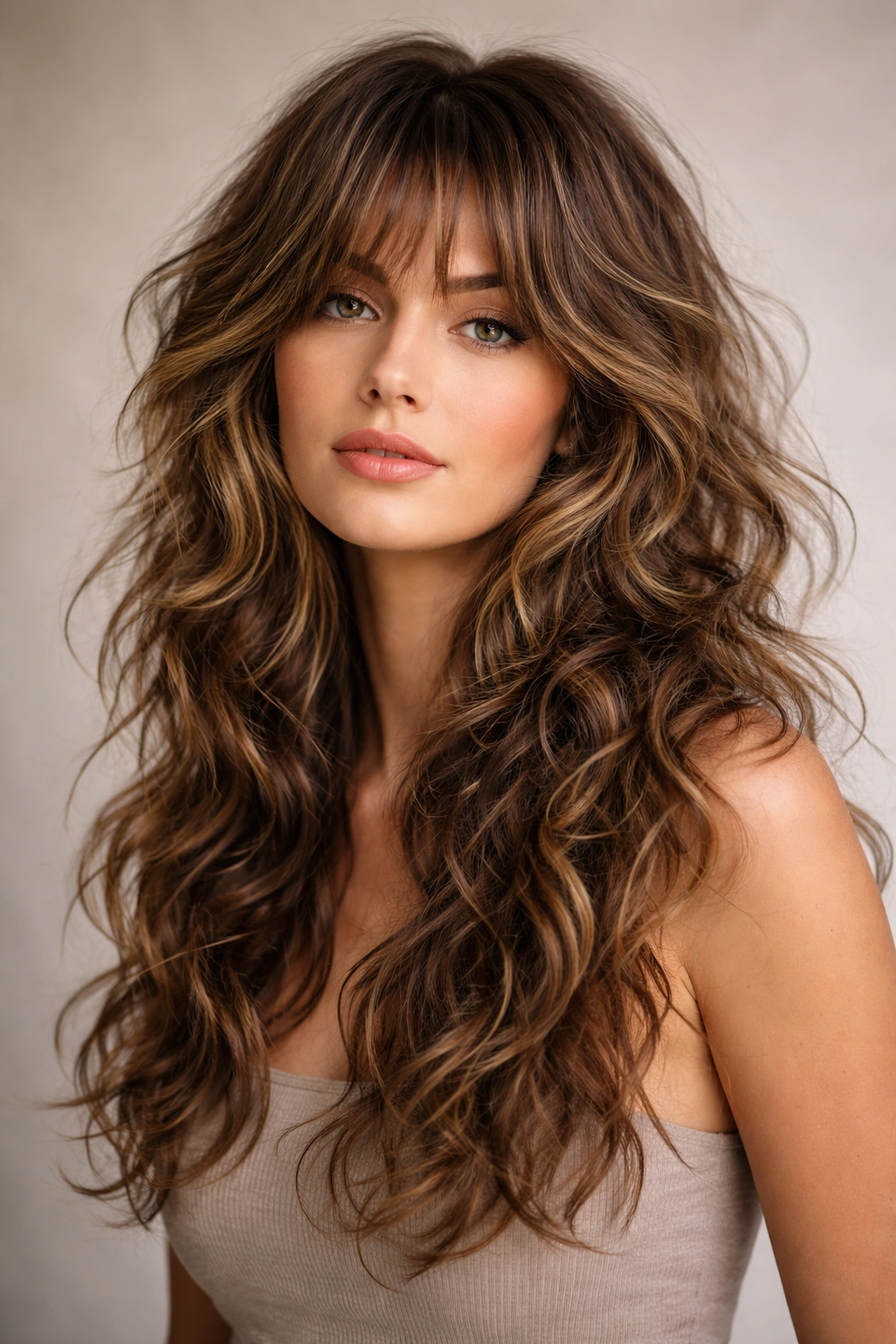
This version embraces the idea that your hair doesn’t have to be uniformly wavy—instead, it combines different wave patterns and curl textures throughout, creating visual complexity and movement that looks incredibly dynamic. Some sections might be loose waves while others are tighter curls; some areas might be more textured while others read smoother. The cut supports this varied texture by using different layer lengths and angles throughout, creating a shape that celebrates texture variety rather than trying to force uniformity.
The Art of Intentional Multi-Texture
This approach works especially well for people with naturally varied hair texture—sometimes your waves are loose, sometimes they’re curly, sometimes they’re straight. Rather than fighting this, the cut leans into it. Layers are cut to work with your hair’s natural texture shifts, and styling emphasizes the differences rather than trying to make everything uniform. The result is a cut that looks different depending on how you style it, what your hair’s natural moisture level is, and even the weather.
Styling for Intentional Texture Variation
Use texture-enhancing products like curl creams, wave creams, or sea salt sprays to bring out your hair’s natural texture variation. Blow-dry some sections with a diffuser to enhance curls, while letting other sections air-dry for looser waves. Don’t try to make every section match—instead, embrace the variation and style it intentionally. The beauty of this approach is that you don’t need everything to be perfectly uniform; in fact, the visual interest comes from the variation.
What to ask your stylist: “I want a wolf cut that celebrates my natural texture variation rather than fighting it. I’d like layers that work with different wave and curl patterns throughout, creating lots of movement and dimension.”
9. Sleek Wavy Wolf Cut with Side-Swept Bangs
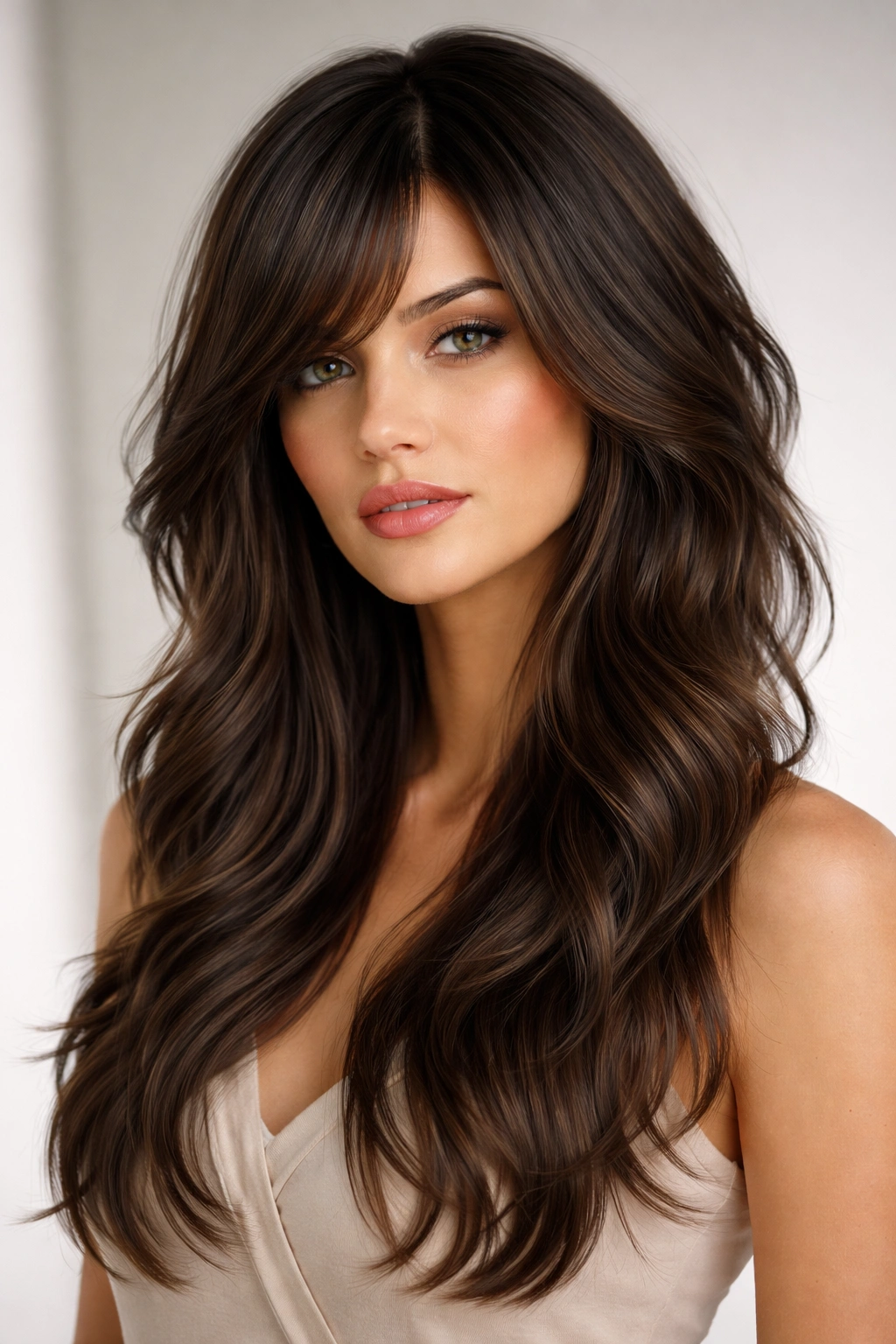
While most wolf cuts embrace a certain amount of tousled texture, this version smooths things out while keeping the signature layer structure. The cut maintains the wolf’s characteristic face-framing layers and longer lengths, but the waves are more deliberately styled and polished rather than lived-in and undone. Added to that is a set of side-swept bangs that graze your cheekbone when pulled to the side, creating instant sophistication and a more editorial feel.
How Side-Swept Bangs Change the Vibe
Side-swept bangs instantly elevate the sophistication of any cut—they create a polished, intentional aesthetic while still working beautifully with waves and texture. With a wolf cut, these bangs aren’t the choppy, shaggy bangs sometimes associated with the style; instead, they’re blended seamlessly into the face-framing layers, creating one cohesive shape rather than a distinct bang section. This keeps the cut feeling modern and intentional rather than retro.
Styling and Maintenance Considerations
This version requires slightly more deliberate styling than other wolf cut variations—the waves should look intentional and defined rather than chaotic. Blow-dry your hair in sections, using a medium round brush to create gentle waves. Use a 1.5-inch curling iron to set waves and ensure they’re defined throughout. The side-swept bangs need direction, so blow-dry them toward your face and use some light hairspray to help them hold their position. Trim every 5-6 weeks because the bangs will grow out and need reshaping to maintain the sleek aesthetic.
What to ask your stylist: “I want a wolf cut with more polished, intentional waves, and I’d like side-swept bangs that blend into the face-framing layers. Something that feels editorial and put-together but still has movement.”
10. Voluminous Curly-Textured Long Wolf Cut
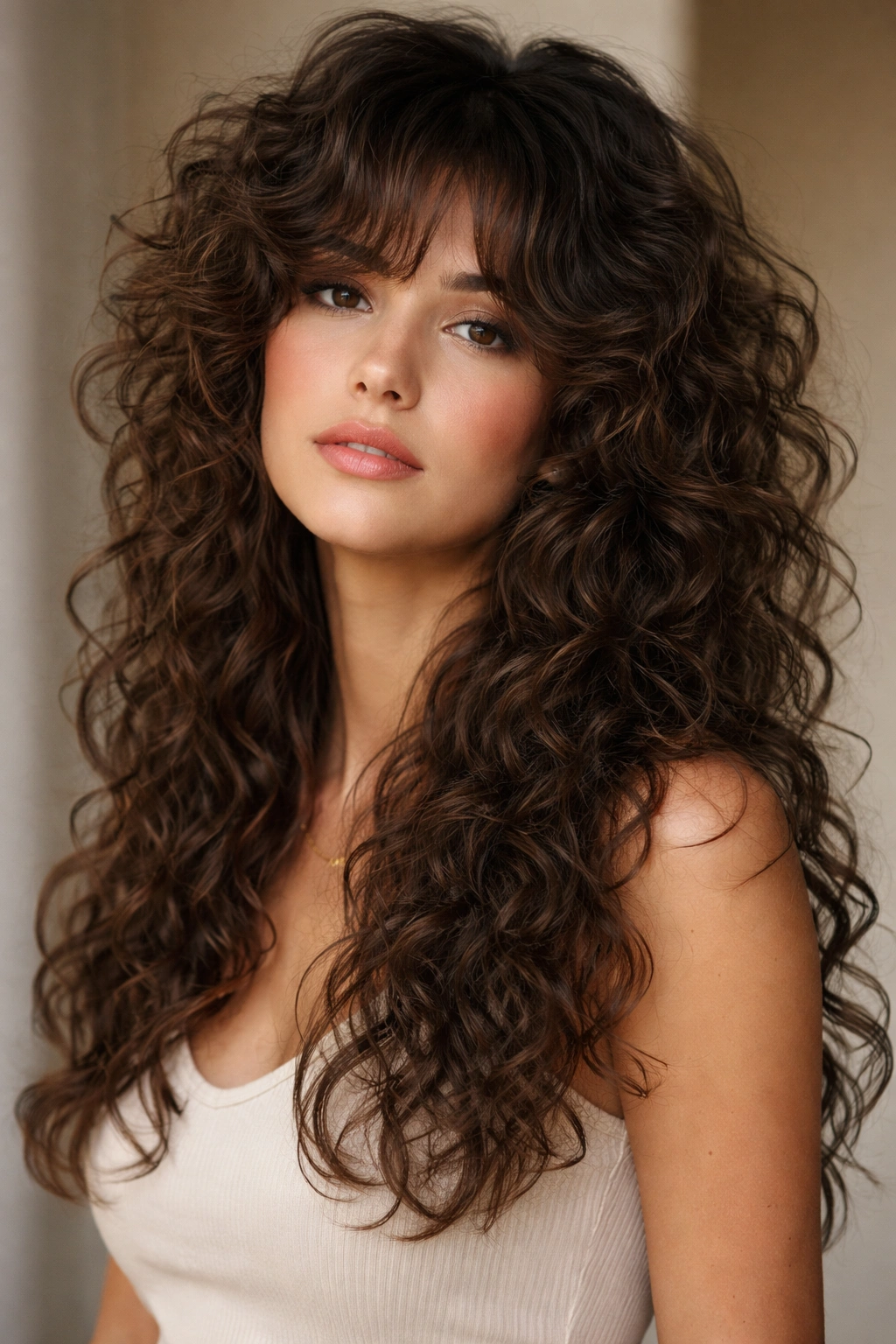
If you have naturally curly hair or regularly get your hair permed, a wolf cut becomes an absolutely incredible way to showcase your curls while also getting that cool, modern silhouette everyone wants. The layers in a wolf cut actually enhance curly hair because the shorter pieces at the top create bounce and hold their shape better, while the longer lengths below maintain your length goal. The result is bouncy, voluminous, intensely textured hair that reads as both vintage-cool and completely contemporary.
Why Curly Hair + Wolf Cut = Magic
Curly hair can sometimes get weighed down when it’s all one length—the weight of long hair can stretch out your curls and flatten them. The wolf cut’s strategic layering solves this by removing some density from the top while keeping your length, so your curls have room to spring up and express themselves. Each layer creates its own curl pattern, resulting in incredible dimension and volume without needing any texture enhancement products (though they certainly don’t hurt).
Caring for Curly Wolf Cuts
Use a curl-defining shampoo and conditioner, and apply styling products to very wet hair so they distribute evenly. Try the “praying hands” method to apply curl cream or gel—apply the product to your palms, press your hands together, then smooth them over your hair from roots to ends. Plop your hair in a microfiber towel or t-shirt for 10-15 minutes to enhance curl definition and reduce frizz. Air-dry or use a diffuser attachment on low heat to dry without disrupting your curl pattern. Trim every 6-8 weeks because curls show split ends more obviously, and regular trims maintain the cut’s shape as it grows.
What to ask your stylist: “I have curly hair and I want a wolf cut that works with my curls rather than against them. I want the layers to create volume and bounce without weighing my curls down.”
11. Ombre Wavy Wolf Cut with Layered Ends
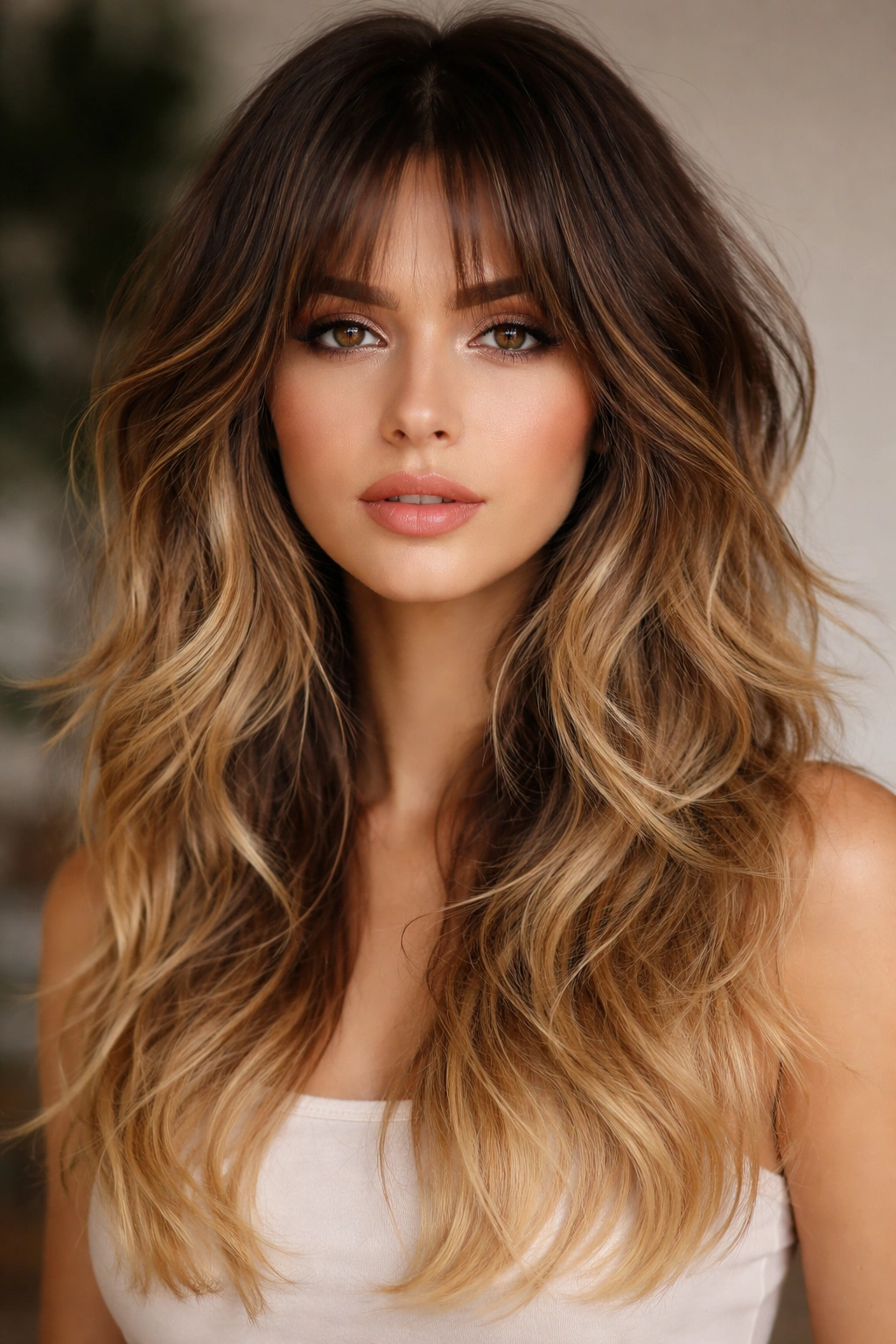
This version pairs a wavy wolf cut with a subtle-to-dramatic ombre effect, where darker roots gradually transition to lighter ends. The combination is particularly striking because the ombre creates visual lightness toward the ends while the layers create movement throughout. The effect is almost like your hair is naturally sun-kissed and textured, even if you’ve created the effect through careful color work. It’s dynamic, intentional, and reads as very current without feeling trend-dependent.
Why Ombre + Wolf Cut + Waves Works Together
The combination of texture (waves), structure (wolf cut layers), and color (ombre) creates a visual effect that’s greater than any single element alone. The waves catch light at different intensities depending on the color underneath. The layers show off the ombre transition as they move. The ombre makes the texture appear even more pronounced because there’s color variation in addition to textural variation. It’s an incredibly smart way to make your cut and color work together rather than just existing side by side.
Maintaining This Multi-Element Style
Use color-safe shampoo and conditioner, and consider a gloss treatment every 4-6 weeks to refresh the ombre transition and keep it looking intentional. Trim every 6-8 weeks to keep the layers sharp and the ombre transition visible. A deep conditioning treatment every week is essential because ombre coloring requires lightening at the ends, which can cause dryness and damage. The good news: the tousled, textured styling actually helps hide any minor damage or breakage, so the maintenance work doesn’t show as much as it might on a sleek, smooth style.
What to ask your stylist: “I want an ombre effect that gradually transitions from darker roots to lighter ends, combined with a wavy wolf cut. I like the idea of color and texture working together to create dimension.”
12. Messy Lived-In Wolf Cut for Thick Hair
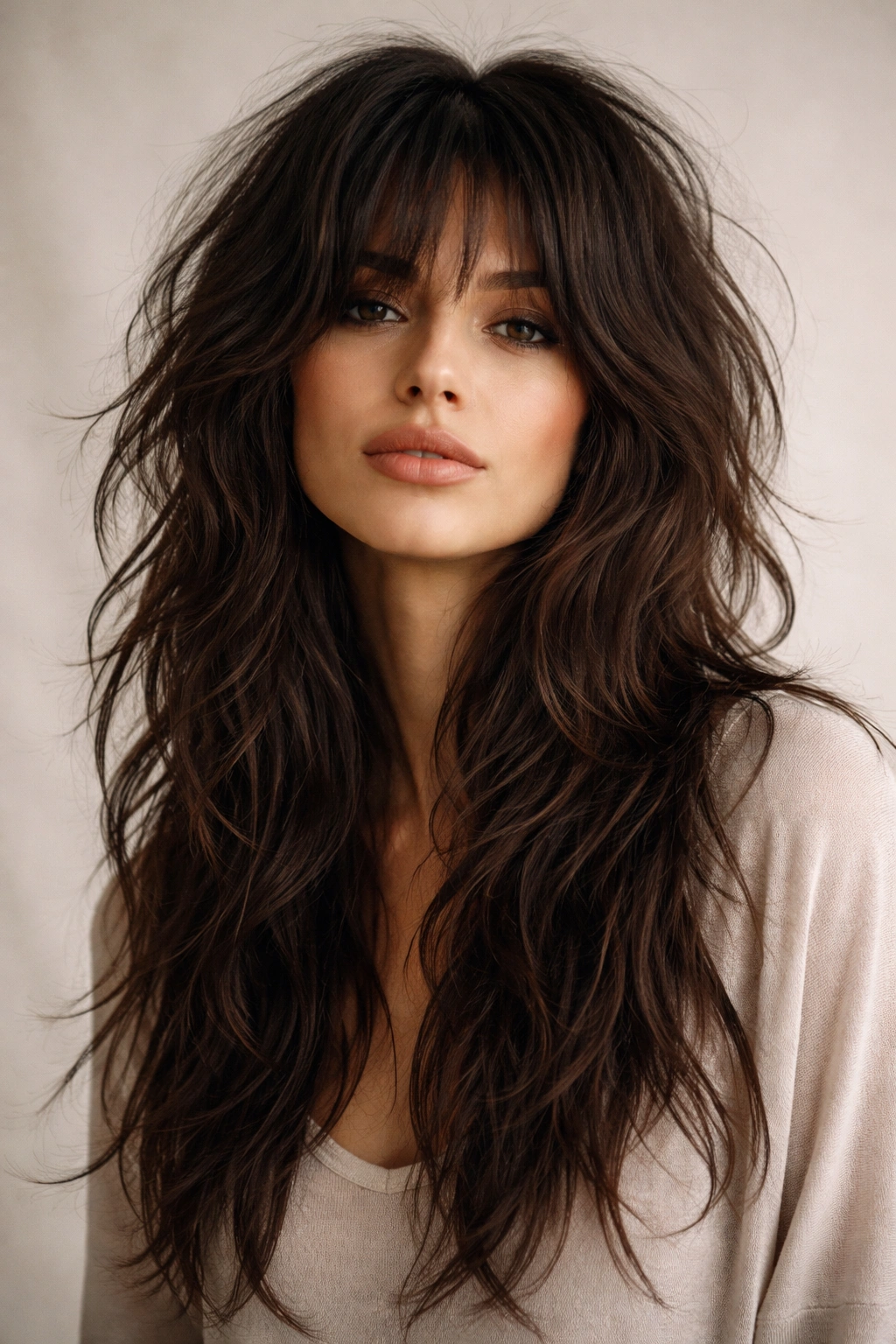
Thick hair can sometimes feel like too much texture, too much volume, and too hard to manage—until you cut it into a strategically layered wolf cut designed specifically for thick hair. This version uses aggressive, intentional layers to remove bulk while maintaining length, and it embraces a deliberately messy, lived-in aesthetic rather than trying to style everything into neat submission. The result is hair that looks effortlessly cool, moves beautifully, and feels manageable despite your thick texture.
How the Wolf Cut Actually Helps Thick Hair
The layers do the heavy lifting for you by removing internal bulk that would otherwise create a heavy, dense appearance. When you have thick hair, a blunt style often looks like a triangle or creates a helmet-like silhouette—the wolf cut’s strategic layering solves this by creating graduated density. The shorter pieces throughout mean your thick hair has space to move, and the longer lengths underneath provide the full, lush effect that thick hair naturally creates.
Styling for That Perfect Undone Look
Use a lightweight texturizing spray or dry shampoo at the roots to absorb excess oils and create separation in your layers. Blow-dry with a diffuser attachment to enhance the texture without creating additional bulk. Embrace the messy, tousled quality rather than trying to style everything neatly—this cut genuinely looks better when it’s slightly undone. You can use a flat iron or curling iron to create waves, but you don’t have to; sometimes the most beautiful version of this cut is just air-dried with some texture spray and left to do its own thing.
What to ask your stylist: “I have thick hair and I want a wolf cut that actually removes bulk and makes my hair feel manageable. I love the lived-in, messy aesthetic, so I want layers that support that rather than fighting it.”
13. Minimalist Wavy Long Wolf Cut
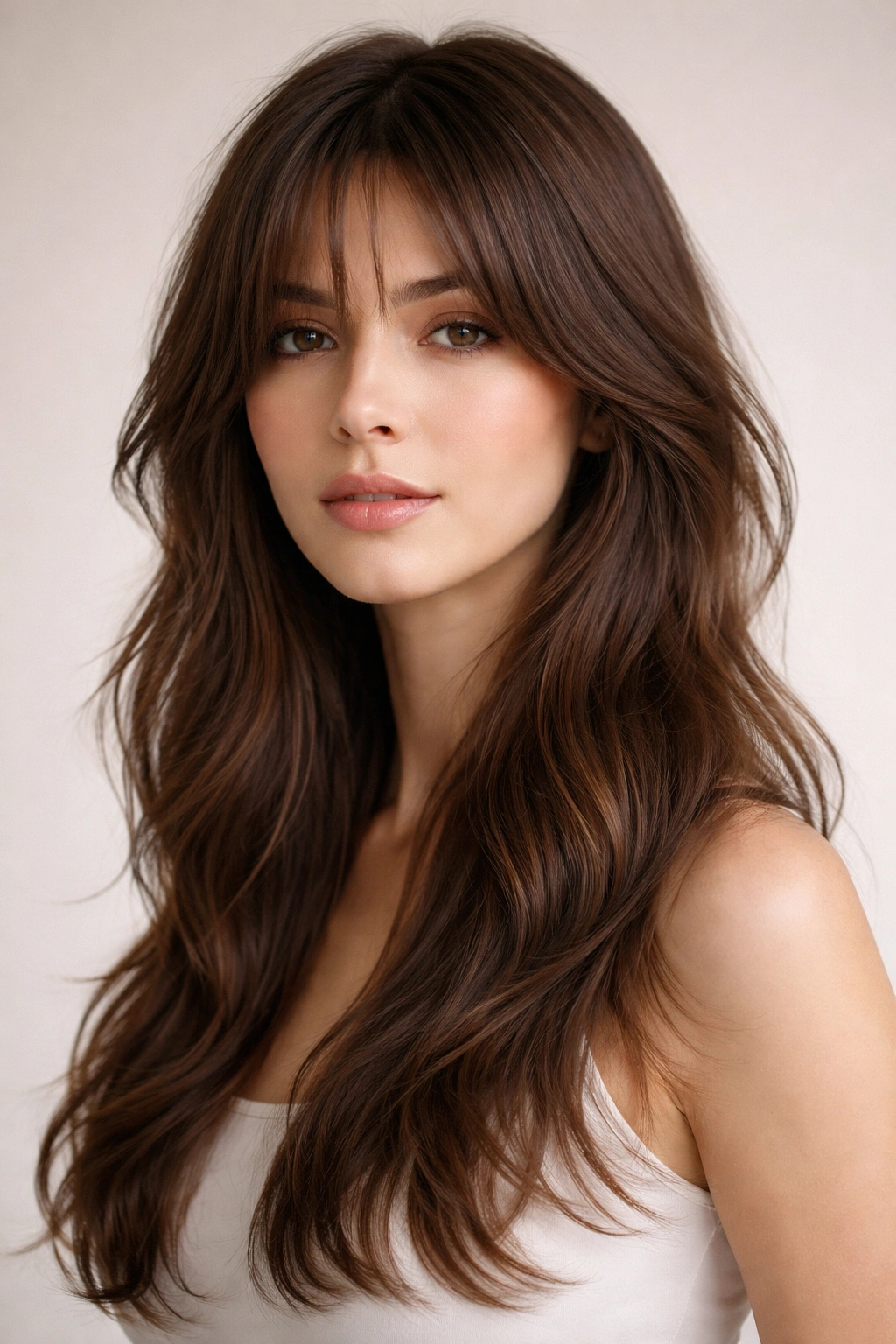
Not every wolf cut has to be aggressively choppy or dramatically layered. This version takes the wolf cut concept—shorter layers for face-framing and movement, longer lengths underneath—and executes it with restraint and subtlety. The layers are definitely there, but they’re blended seamlessly rather than choppy, creating movement and dimension without the dramatic texture. The result is a cut that reads as modern and intentional without being loud about it.
The Beauty of Restraint
Sometimes the most sophisticated version of a trendy cut is the one that takes the trend’s core concept and executes it with subtlety. This minimalist approach gives you all the benefits of a wolf cut—the movement, the dimension, the modern silhouette—without the dramatic texture that might feel over the top for some people’s lifestyle or aesthetic preference. It’s a wolf cut for people who love the concept but want to express it more quietly.
Styling for Understated Movement
This cut looks beautiful with minimal effort, which is kind of the point. Blow-dry with a round brush to create gentle volume and movement, then use a wave cream or serum to enhance your hair’s natural texture. You can curl your hair with a 1.5-inch iron if you want more defined waves, but you don’t have to. The restrained layering means this cut looks good slightly undone, freshly showered, or professionally styled—it adapts to whatever you’re going for. Trim every 6-8 weeks to keep the layers looking intentional and fresh rather than overgrown.
What to ask your stylist: “I want a wolf cut, but I prefer a more minimalist, understated version. I like the idea of layers and movement, but I want them to be blended and subtle rather than aggressively choppy.”
Final Thoughts
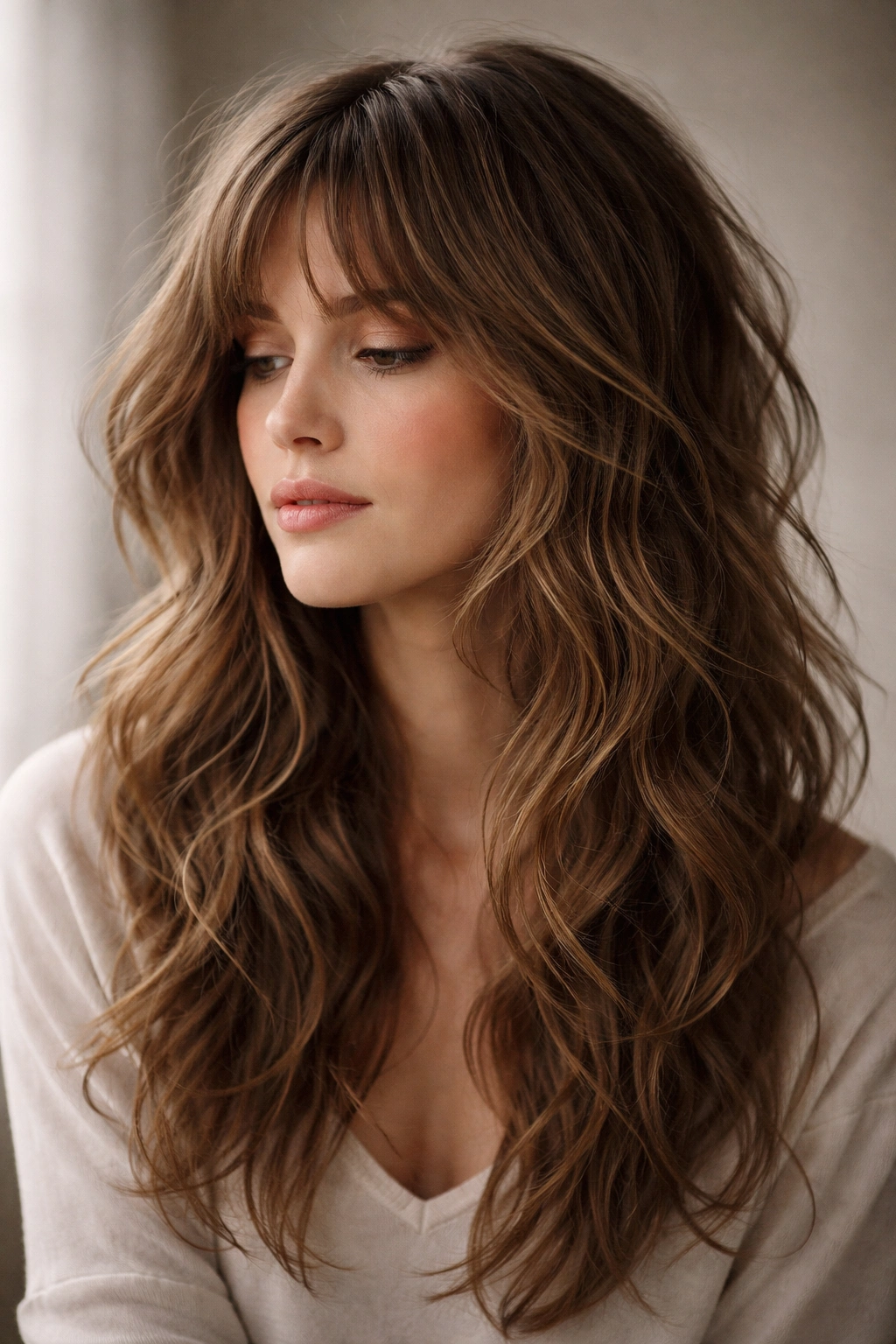
The wolf cut’s enduring appeal comes from its fundamental flexibility—it works with virtually any hair texture, any face shape, any personal style, and any lifestyle. Whether you’re drawn to the drama of a choppy, heavily textured version or the restraint of a blended, minimalist interpretation, there’s a wavy wolf cut that’s genuinely perfect for you.
The key is finding a stylist who understands what you’re aiming for and can execute the cut with precision. Bring reference photos (multiple angles are better than just one), be specific about how much texture and choppiness you want, and don’t be shy about discussing your styling habits and how much time you’re willing to invest in maintenance. A well-executed wolf cut requires periodic trims to stay sharp, but the payoff—a modern, flattering cut that creates movement and works with your hair’s natural texture rather than against it—is absolutely worth it.
