



If you’ve got long wavy hair, you know the struggle: that perfect wave you worked so hard to create is fighting against humidity, friction, and the constant pull of gravity. Frizz is the unwelcome guest that shows up especially when you want to look polished. The good news? The right long wavy hairstyle doesn’t just look incredible — it can actually reduce frizz by working with your hair’s natural texture instead of against it.
The secret isn’t fighting your waves; it’s choosing cuts, styles, and techniques that embrace them while keeping those pesky flyaways under control. Some hairstyles seal the hair cuticle and minimize exposure to humidity. Others distribute the weight of longer hair in ways that keep strands smooth and aligned. And a few clever styles actually use layering and texture strategically to disguise frizz while creating movement and dimension.
Whether you’re dealing with fine, delicate waves or thick, dramatic waves, there’s a long hairstyle here designed to work with your hair’s natural tendencies while keeping frizz grounded. Let’s explore the best options that combine style, wearability, and genuine frizz control.
1. The Sleek Long Bob with Textured Waves
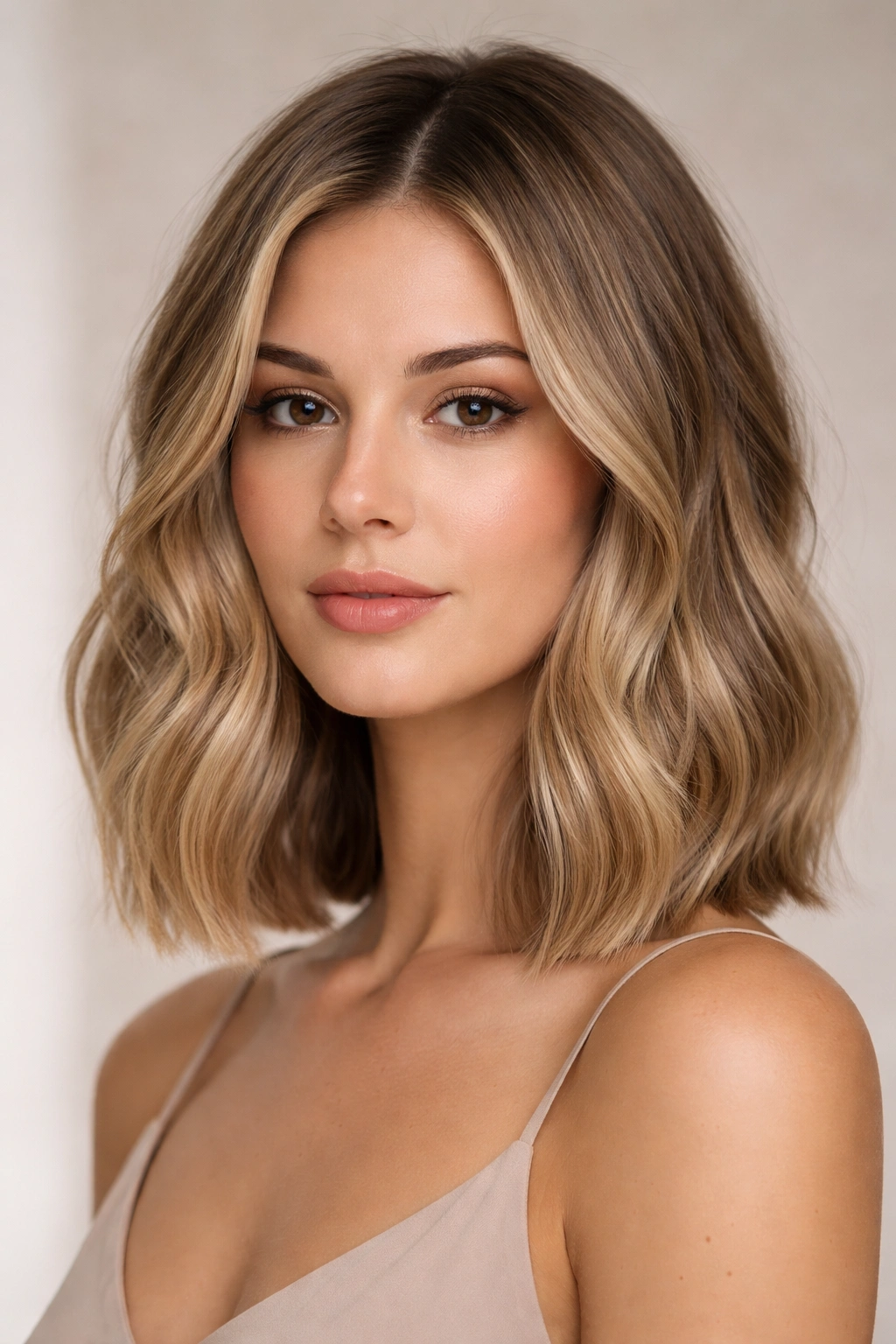
A long bob that sits right at your collarbone or just below works beautifully for wavy hair because it removes the bulk of heavy length while preserving that longer silhouette you love. The key to frizz control here is the blunt or slightly textured cut — the clean line seals the cuticle and creates a polished appearance that makes even minimal frizz less noticeable.
Why It Works for Frizz
When you have less length, the weight of your hair doesn’t pull your waves into a stretched-out, frizz-prone state. A long bob cuts off most of the older, more damaged ends where frizz tends to originate. The style sits at a length where gravity helps keep waves smooth rather than separating them into individual wispy strands.
How to Style It
- Apply smoothing serum to damp hair, focusing on the mid-lengths and ends
- Create waves by blow-drying with a round brush or using a wave-creating spray before air-drying
- Finish with a lightweight hairspray that won’t weigh down your waves or create crunchiness
- This length requires minimal styling effort while looking intentional and groomed
Pro tip: A long bob actually sits at the sweet spot where waves look most deliberate — not quite shoulder-length waves that tend to appear wispy, but not so long that frizz multiplies exponentially.
2. Cascading Layers Throughout
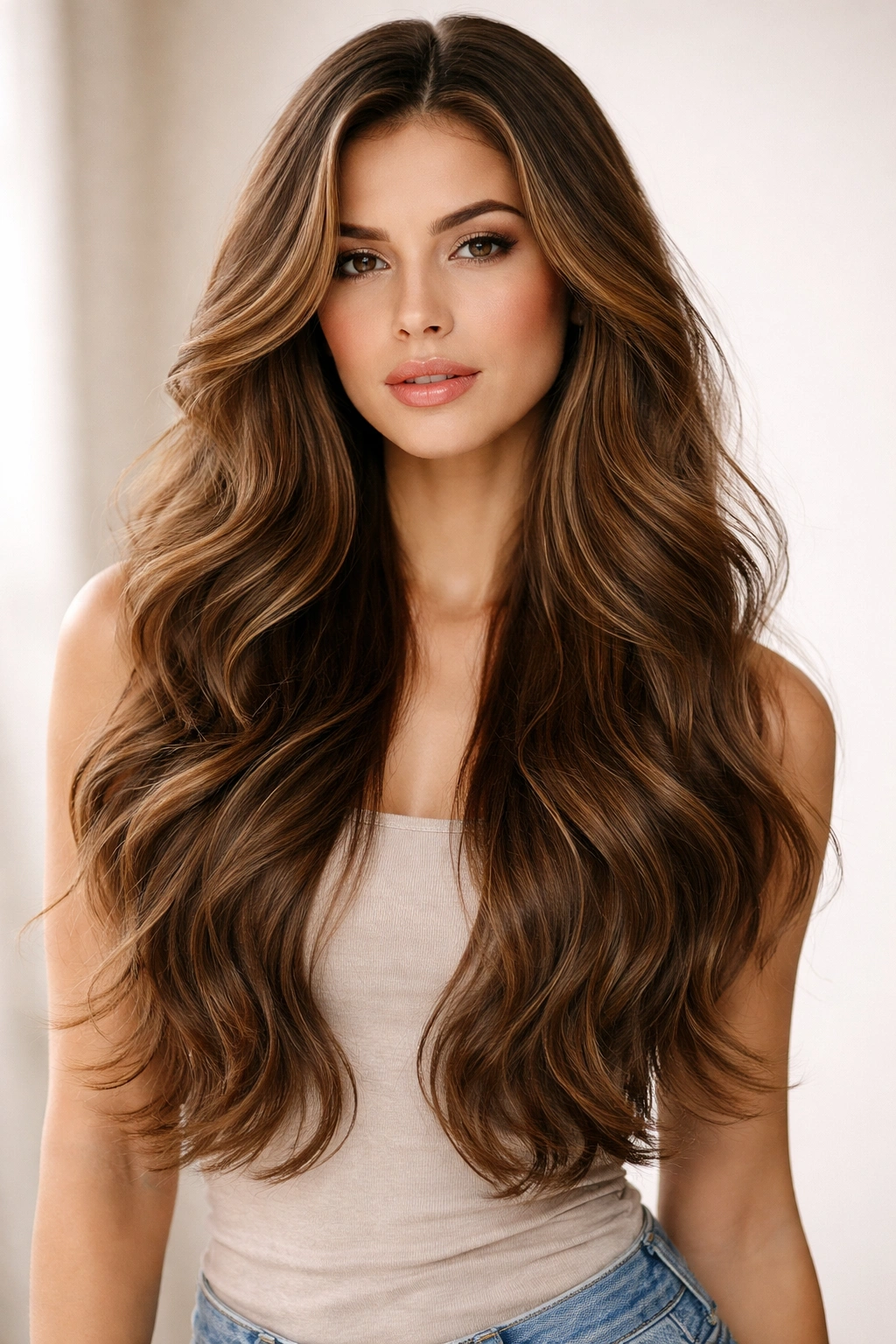
Layered long wavy hair might seem counterintuitive for frizz control, but the right layers actually work with your texture. Instead of a blunt cut where every strand is the same length (which creates dense, heavy sections prone to puffing), strategically placed layers allow your waves to cascade naturally and individual strands to sit smoothly against each other.
Why It Works for Frizz
Layers create graduation that removes bulk without creating choppy texture. Each wave can sit independently without fighting against surrounding strands. This distribution actually reduces the friction that causes frizz — strands have space to lie naturally rather than bunching up and separating.
Key Layering Techniques
- Start layers from about mid-length rather than cutting them throughout the entire crown
- Angle layers slightly forward around the face to frame and protect those delicate, frizz-prone layers
- Keep layers in the back longer than the front to maintain overall length while reducing bulk
- Avoid choppy, short layers that create multiple different lengths and encourage frizz
Worth knowing: The best layers for wavy hair are subtle and graduated, not dramatic and disconnected. You shouldn’t see obvious “chunks” when your hair is dry.
3. The Long Shag with Modern Texture
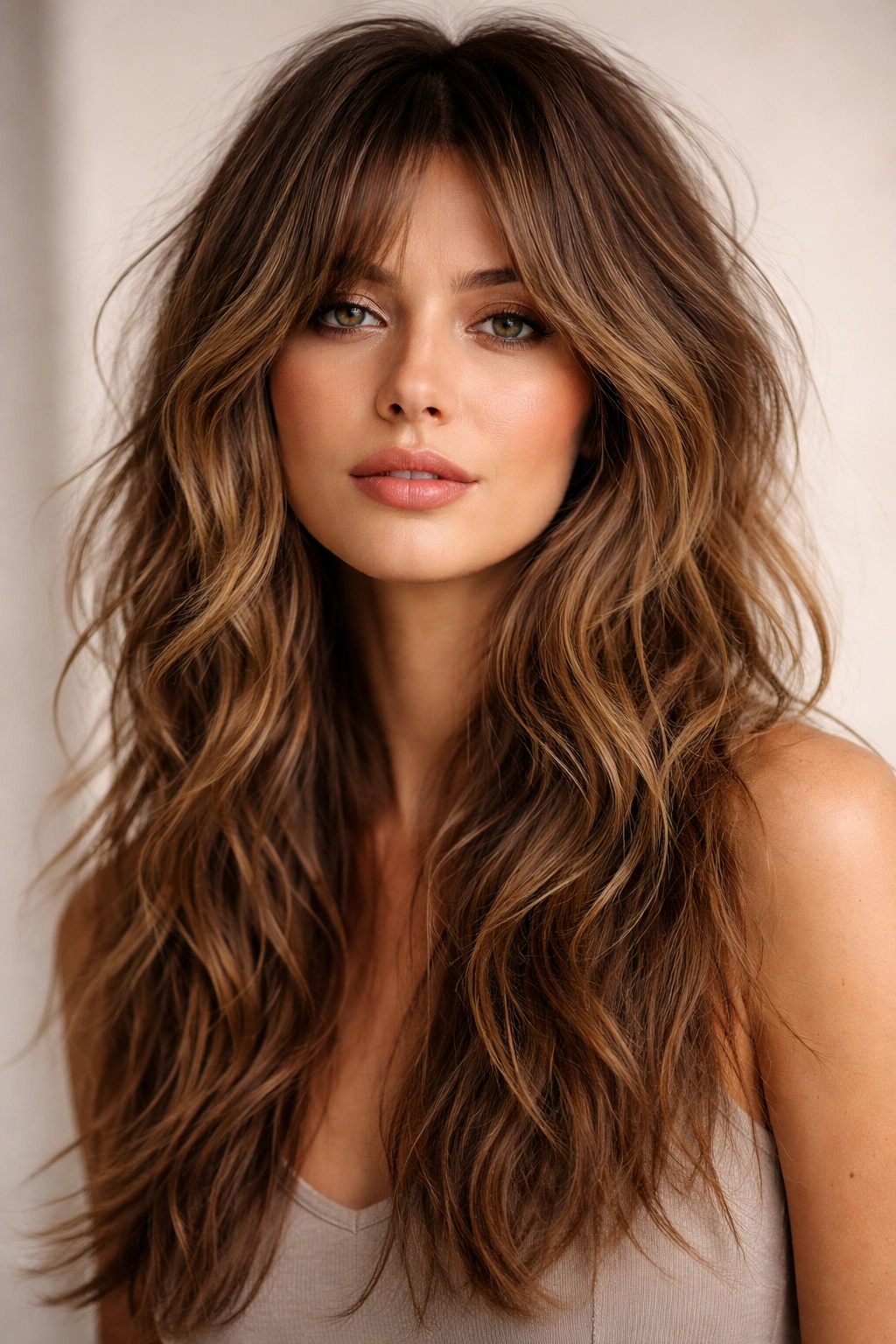
A long shag with intention — not the 1970s-inspired extreme version, but a contemporary take — creates movement that works with your natural waves instead of against them. This style combines longer lengths in back with face-framing layers that create a lived-in texture without appearing messy or frizzy.
Why It Works for Frizz
The shag’s inherent texture means slight frizz blends into the style rather than standing out as a problem. Layers throughout create space between strands, reducing the density that causes puffing. The tousled aesthetic means you’re not fighting to keep everything smooth and sleek — you’re embracing intentional texture.
Styling Strategy
- Use a texture spray or sea salt spray to enhance your natural waves and create that piece-y quality
- Dry your hair mostly naturally, scrunching product through as it dries
- The goal is controlled texture, not polished perfection — frizz is actually part of the aesthetic when done right
- Finger-comb rather than brush to encourage waves and avoid disrupting the texture pattern
4. Long Waves with a Deep Side Part
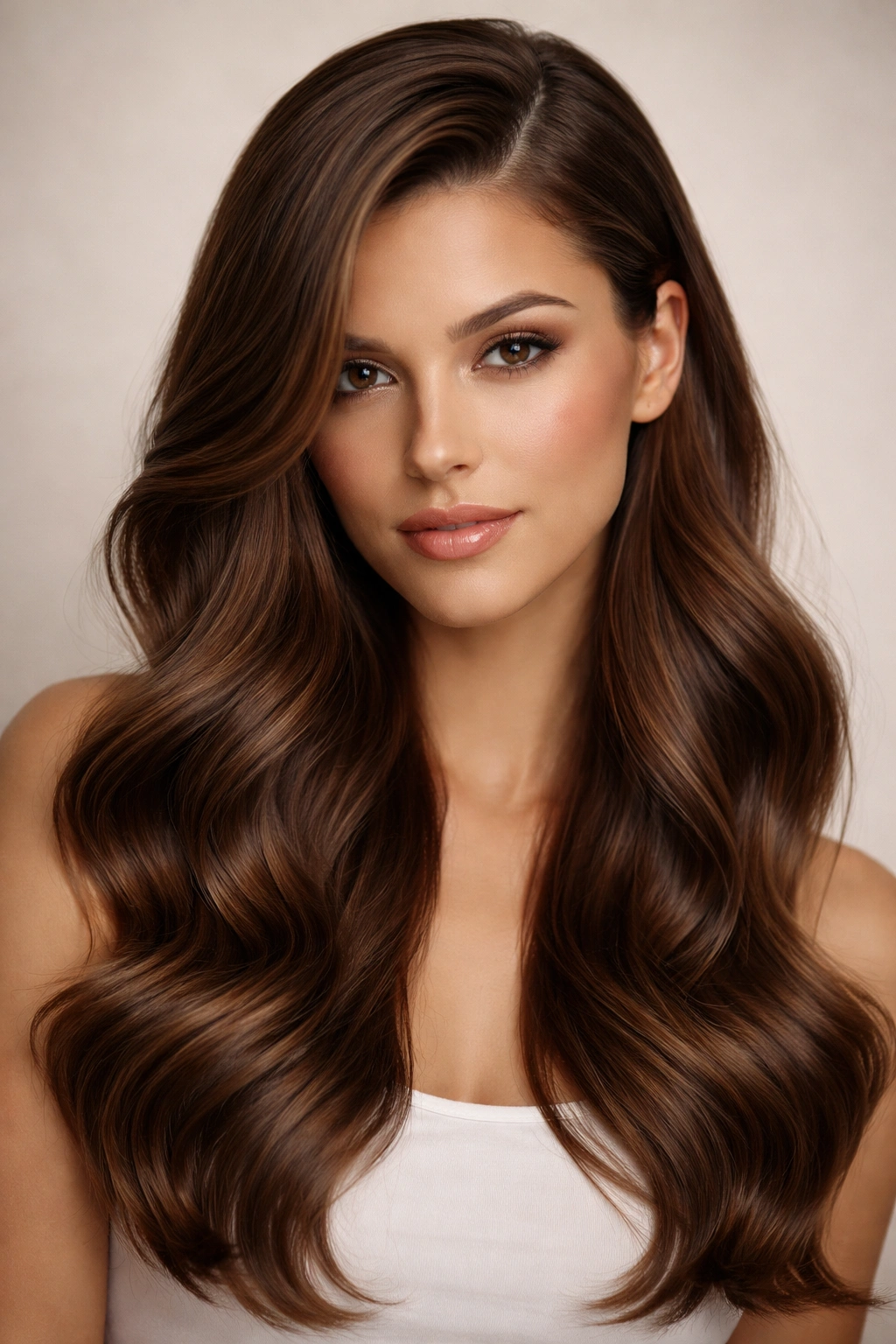
Sometimes the simplest styling choice makes the biggest difference in frizz appearance. A deep side part creates a sleek, polished look that visually disguises frizz by drawing attention to the smooth wave pattern rather than individual flyaways. This works especially well for thick, wavy hair that tends to look voluminous.
Why It Works for Frizz
A deep side part redirects hair in one primary direction, which means waves follow a cohesive pattern rather than fragmenting into multiple directions where frizz is more visible. The part creates a visual line of control that makes the overall style appear intentional and groomed, even if minor frizz is present underneath.
Creating the Perfect Deep Part
- Part your hair when it’s completely dry to avoid stress on wet strands
- Create the part slightly off-center rather than perfectly middle for a more flattering, modern look
- Use a fine-toothed comb to create a clean, defined part line
- Smooth the side with more volume using a lightweight smoothing serum
- This style pairs beautifully with loose waves or more relaxed, natural-looking texture
Pro tip: A deep side part instantly makes long wavy hair appear more polished and intentional — frizz becomes a non-issue when the eye follows the clean line of the part instead.
5. Wavy Half-Up, Half-Down Style
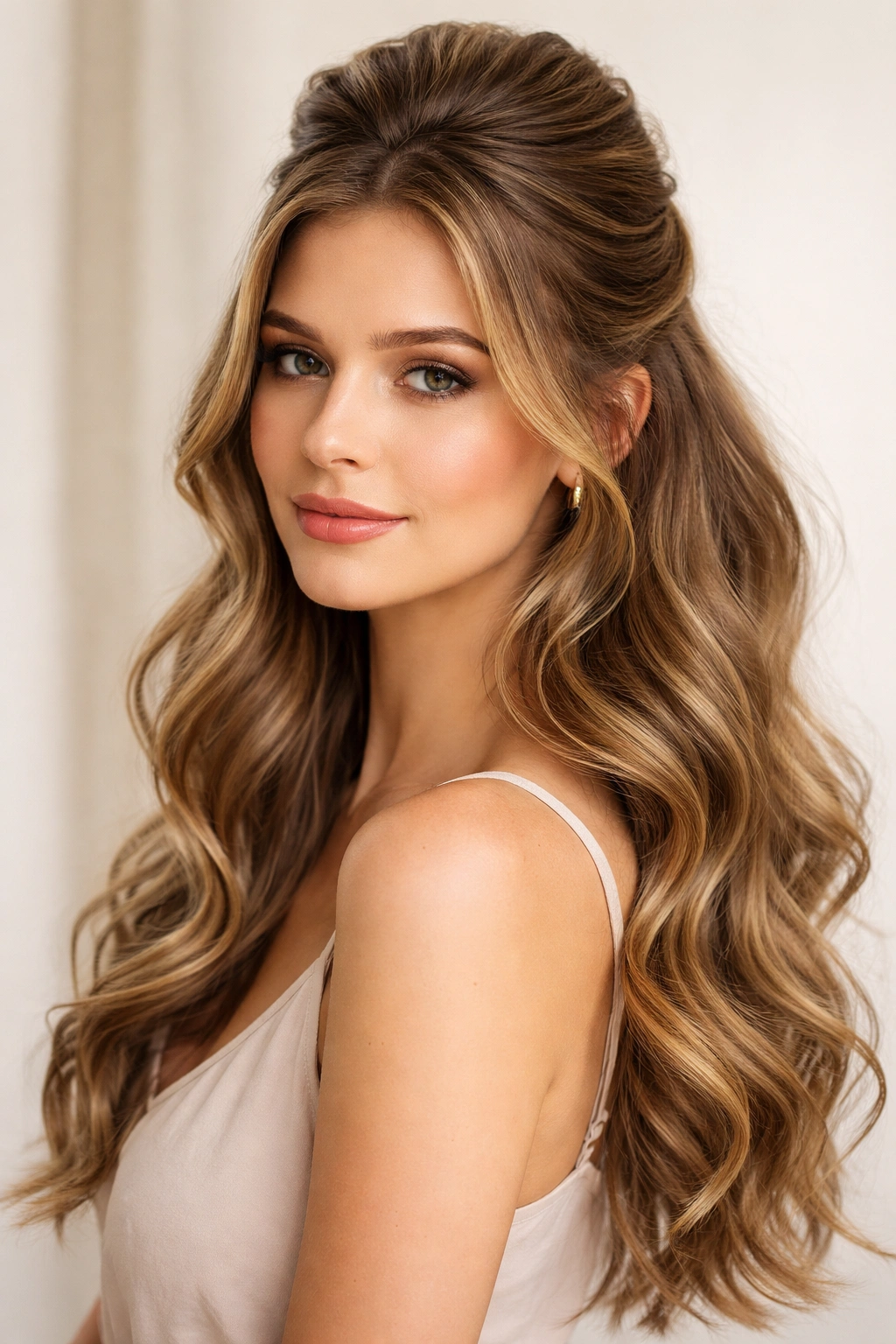
This protective-ish style keeps some hair off your face and neck while maintaining length and movement. By securing the top section, you reduce the movement and friction that causes frizz on your face and upper back. The bottom half remains loose and wavy, giving you the styling versatility you want without the frizz frustration.
Why It Works for Frizz
Hair that’s pinned experiences less friction than completely loose hair, which means those upper sections stay smoother. The secured top section creates a visual frame of control that makes any frizz on the loose bottom half seem intentional and less noticeable. You’ve also reduced the total amount of loose hair by about 40 percent, which automatically decreases visible frizz.
How to Secure It
- Gather hair from the temples and crown at the back of your head
- Use a smooth elastic or silk hair tie to minimize friction and breakage
- Backcomb slightly where you’re securing to prevent slipping
- Leave face-framing pieces loose for dimension and softness
- The style works best when the secured section looks full and voluminous, not flat
6. Sleek Straight-Through Waves with Smoothing Treatments
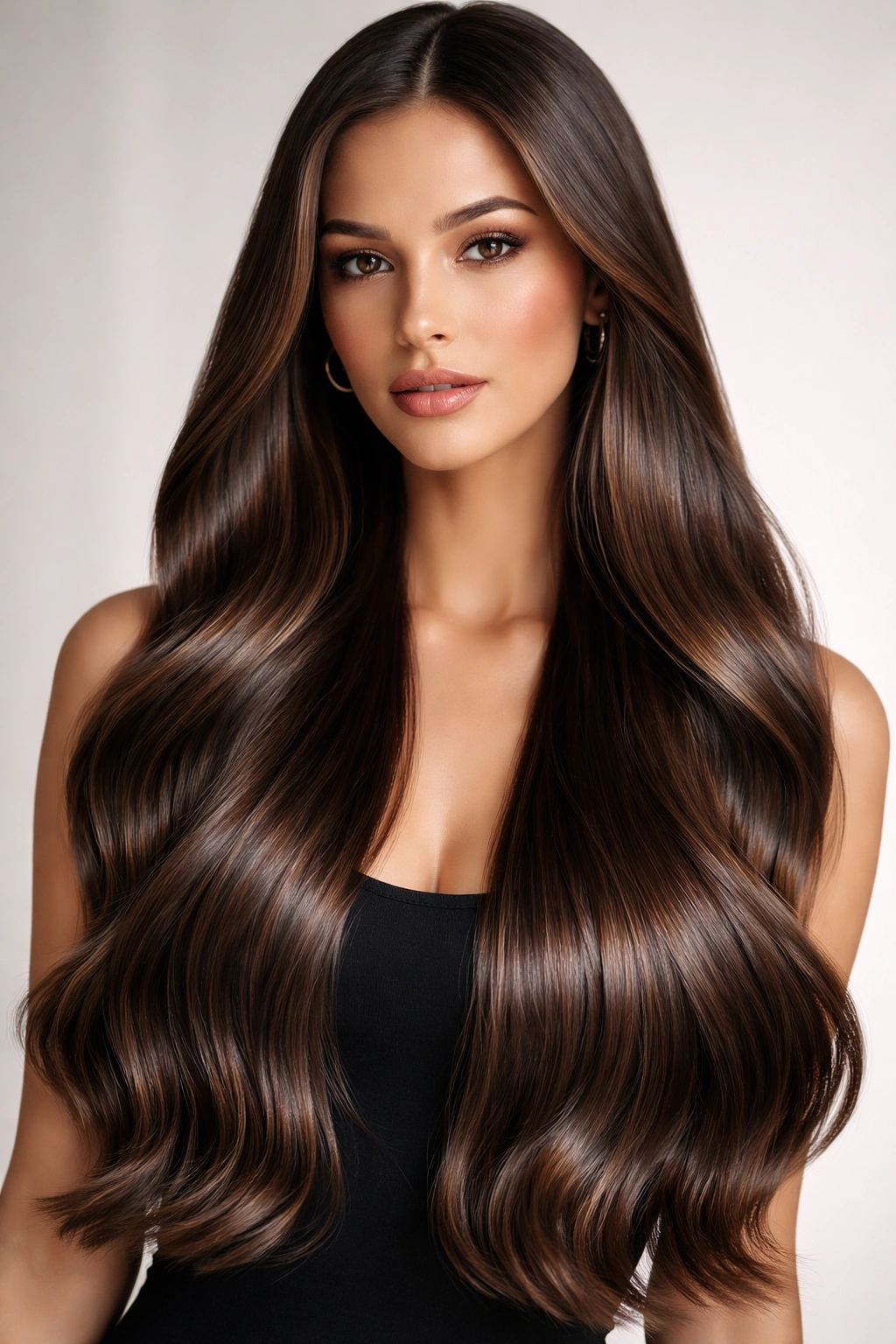
Some days, you want your waves smooth and polished rather than voluminous and textured. Long waves that are smoothed with professional treatments or at-home smoothing systems create a frizz-proof base. Brazilian blowouts, keratin treatments, or smoothing creams straighten your hair structure while maintaining a slight wave pattern — the best of both worlds.
Why It Works for Frizz
Smoothing treatments permanently or semi-permanently seal the hair cuticle, which is literally the key to frizz prevention. When your cuticle lies flat, humidity can’t penetrate and cause those individual strands to swell and frizz. Your natural wave pattern becomes smoother and more defined rather than chaotic.
Application and Maintenance
- Smoothing treatments work best on hair that’s in good condition — trim 6 to 8 weeks before starting treatment
- Follow your stylist’s specific aftercare instructions, as different treatments have different requirements
- Use sulfate-free shampoo and conditioner to extend the life of your treatment
- Sleep on a silk pillowcase to minimize friction and frizz between treatments
- Most smoothing treatments last 2 to 3 months before requiring touch-ups
7. Long Waves with Strategic Underlayers
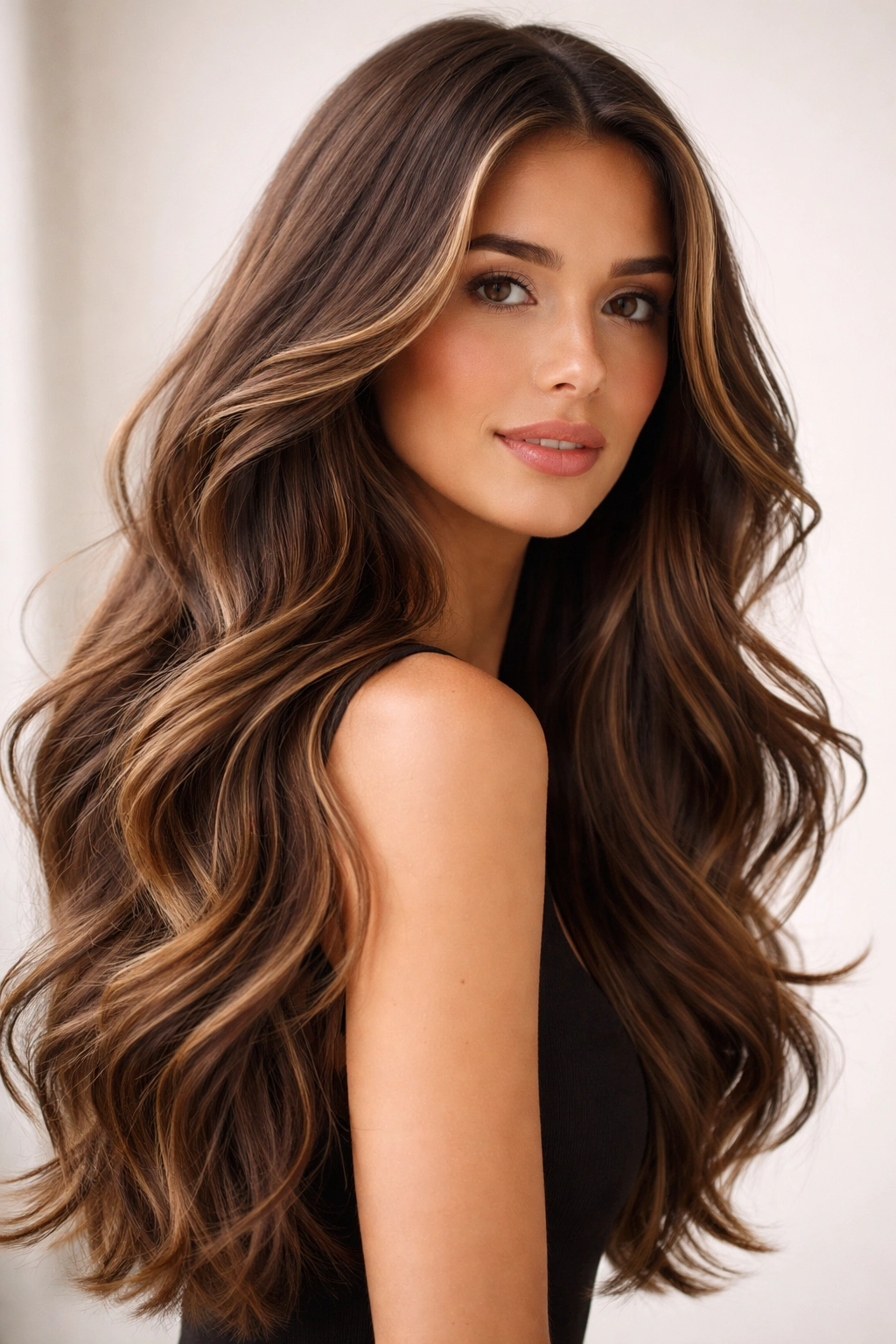
This cut removes bulk primarily from underneath while keeping length on top, creating a hidden structure that supports your waves and prevents them from flattening or frizzing. The top layer maintains full length and can be styled in waves, while the underneath layers create lift and reduce weight.
Why It Works for Frizz
Underlayers are the secret that stylists use to create dimension without creating frizz. Your hair has an internal structure that holds the wave pattern better, while the surface layer remains smooth and visually long. This approach gives you the volume and movement of shorter, layered hair with the length you’re keeping.
Styling Underlayers
- When blow-drying, focus heat and products on your top layer to keep it smooth
- Dry underneath layers more quickly to minimize frizz on hidden sections
- Use a round brush on top layers to create smooth waves
- This cut maintains its shape beautifully because the underlying structure supports your wave pattern
- You can hide imperfection and regrowth better because layers aren’t obvious on the surface
8. Mermaid Waves with Moisture-Lock Styling
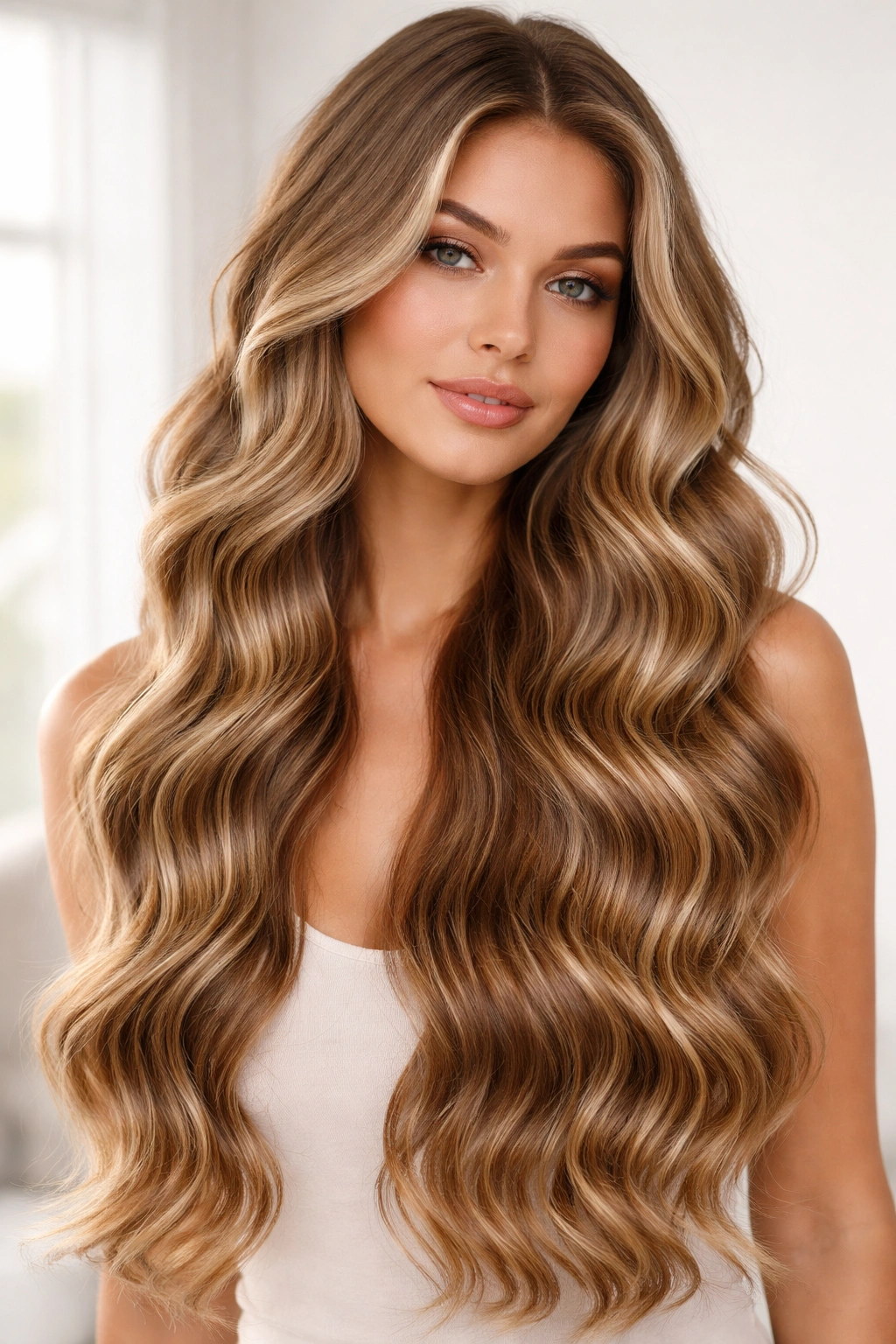
True mermaid waves — long, uniform S-curves that look almost painted onto your hair — require moisture control above all else. This hairstyle works best with specific products and techniques that lock hydration into each wave and prevent moisture loss that causes frizz.
Why It Works for Frizz
The key to mermaid waves is that they’re uniformly hydrated and sealed. You’re not fighting your wave pattern; you’re enhancing it with products that smooth the cuticle and lock in moisture. Frizz happens when some hair is hydrated and some is dehydrated — creating that patchwork, chaotic appearance. Mermaid waves prevent this through intentional hydration.
Creating Mermaid Waves
- Shampoo with a moisture-rich formula and follow with a heavy conditioner
- While hair is soaking wet, apply a leave-in conditioner and smoothing cream
- Create wave patterns by pinning or braiding damp hair, or use a waver tool
- Air-dry or diffuse dry to maintain curl definition without disrupting the wave pattern
- Finish with a moisture-sealing hair oil that adds shine without weight
Worth knowing: Mermaid waves actually look better with slightly damp, touchable hair than with crunchy product buildup. Less is more with this style.
9. Long Waves with a Protective Low Ponytail
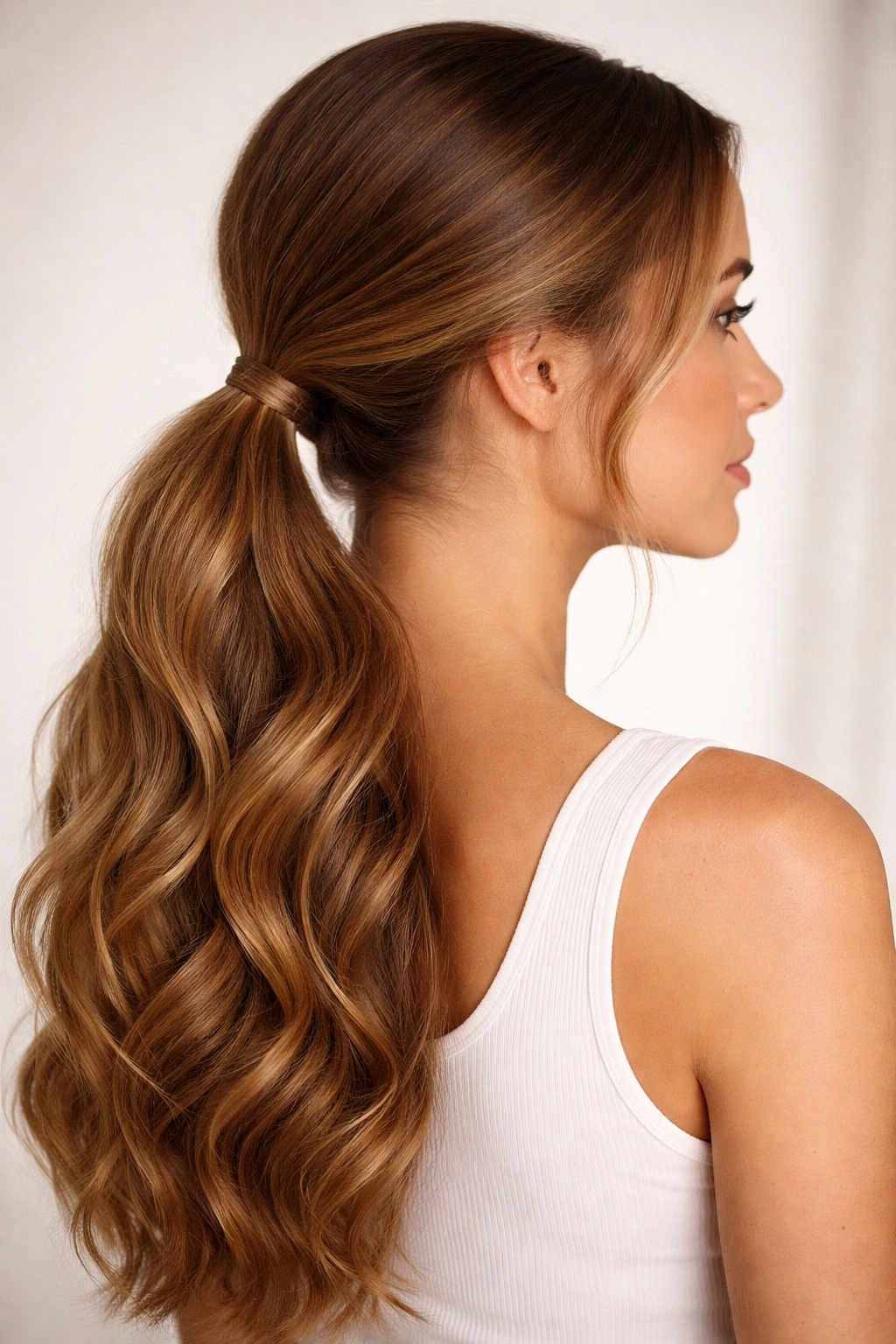
Some days you need your long wavy hair completely off your face and neck — and a low ponytail solves the frizz issue by basically eliminating most loose hair. A sleek low ponytail at the nape of your neck keeps your hair controlled while maintaining the length you love. You can wear it smooth or leave the ponytail waves slightly textured.
Why It Works for Frizz
A ponytail removes the primary friction points: your face, neck, and shoulders. Hair that’s confined experiences dramatically less environmental stress, humidity exposure, and mechanical friction than completely loose hair. Even if some frizz develops, it’s confined to a single section rather than scattered across your entire head and face.
Perfecting the Low Ponytail
- Smooth a lightweight serum through hair before ponytailing to seal the cuticle
- Use a silk elastic rather than standard rubber bands to minimize breakage and frizz
- Secure the ponytail slightly lower than you think — a true low pony sits at your nape, not mid-back
- For extra smoothness, use a fine-toothed comb to gather hair and create a sleek line
- You can leave waves loose in the ponytail tail or straighten for maximum polish
10. Wavy Pieces with a Sleek Crown Braid
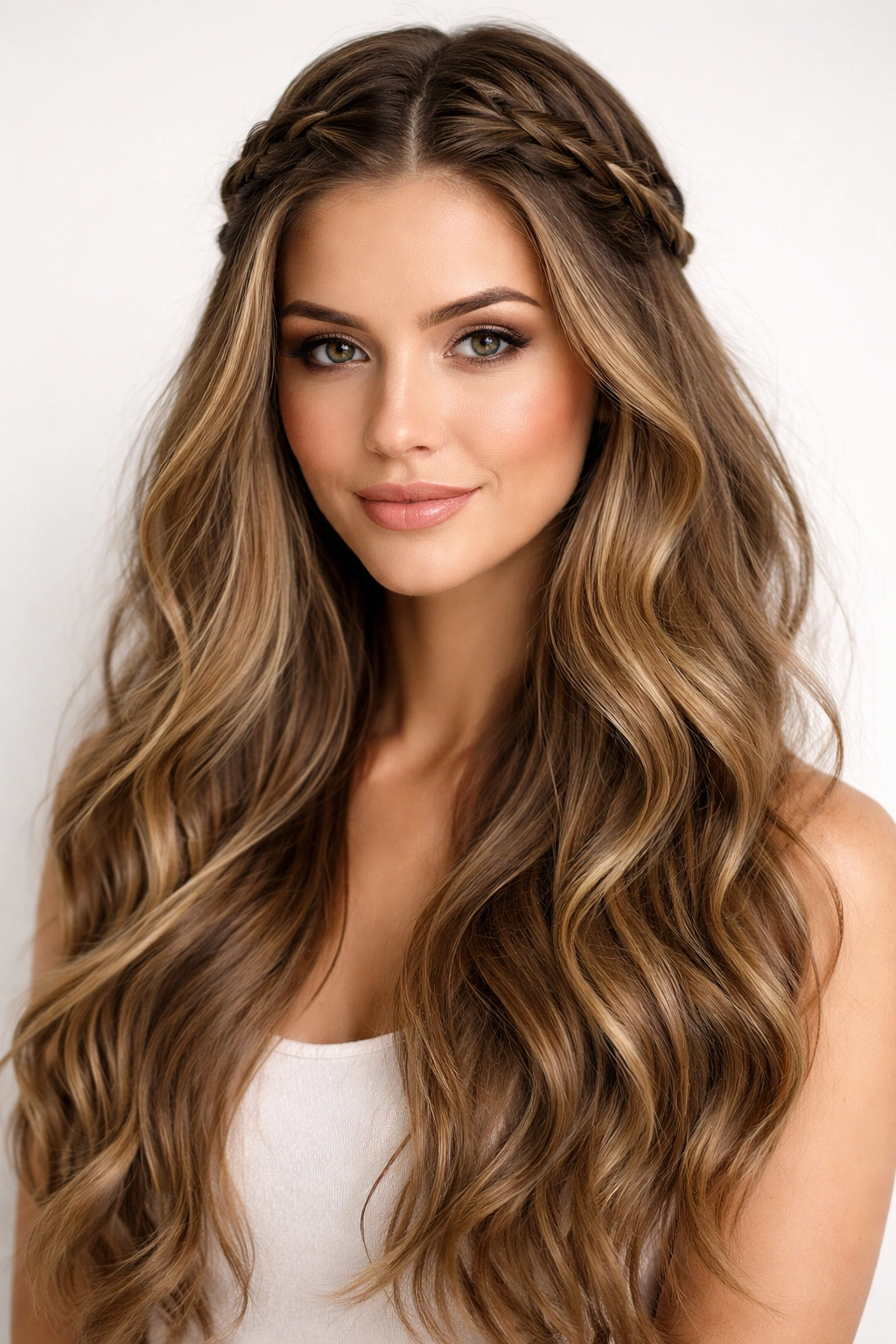
A crown braid that runs from one temple to the other behind your head keeps the top section smooth and controlled while leaving your waves free below. This hybrid style gives you the frizz-controlling benefits of a partial updo with the length and movement of completely loose waves.
Why It Works for Frizz
The braid creates a visual focal point that draws the eye upward, away from any frizz on your loose waves below. The top section of your hair, which is most exposed to friction and environmental stress, is secured and smooth. The braided texture also disguises any texture or frizz in that section beautifully.
Creating a Crown Braid
- Braid from one temple, pulling the braid back and slightly up to create a crown effect
- Secure with bobby pins hidden underneath the braid
- Leave face-framing pieces out on both sides for softness
- Backcomb the crown slightly before braiding to add visual fullness and texture
- The loose waves below can be completely natural or gently styled to enhance your wave pattern
11. Long Waves with a Silk or Satin Pillowcase
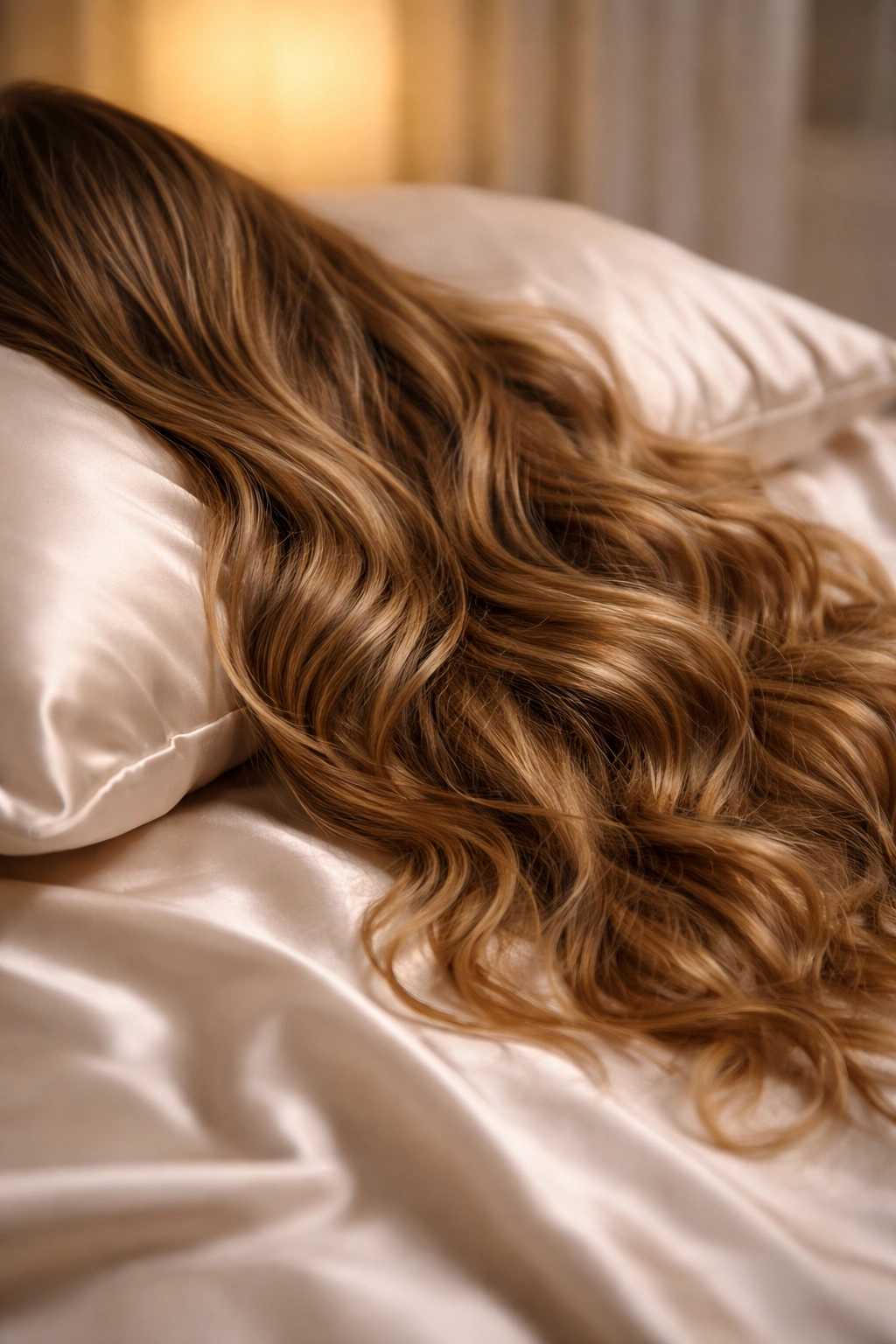
While technically not a “hairstyle,” your sleep situation dramatically affects frizz and wave quality the next day. A silk or satin pillowcase reduces friction between your hair and the pillow surface by 80 to 90 percent compared to cotton, which means you wake up with significantly less frizz and better-defined waves.
Why It Works for Frizz
Cotton pillowcases create friction that roughens the hair cuticle overnight, and that damage accumulates. Silk and satin are smooth surfaces that allow your hair to glide rather than catch and rough up. Your waves maintain their definition and smoothness because you’re not fighting friction every single night you sleep.
Nighttime Routine for Wave Protection
- Sleep on a silk or satin pillowcase every single night for visible frizz reduction
- Alternatively, use a silk or satin sleep cap or bonnet if you prefer not to switch pillowcases
- Apply a leave-in conditioner or light hair oil before bed to lock in moisture
- Consider loosely braiding your hair or creating a soft pineapple (loose high ponytail) to protect waves
- You’ll see noticeable improvement in frizz and wave definition within just a few days
Pro tip: A silk pillowcase costs $15 to $40 and delivers some of the most dramatic frizz reduction you’ll see — it’s one of the best investments for long wavy hair.
12. Textured Long Waves with Intentional Layers for Movement
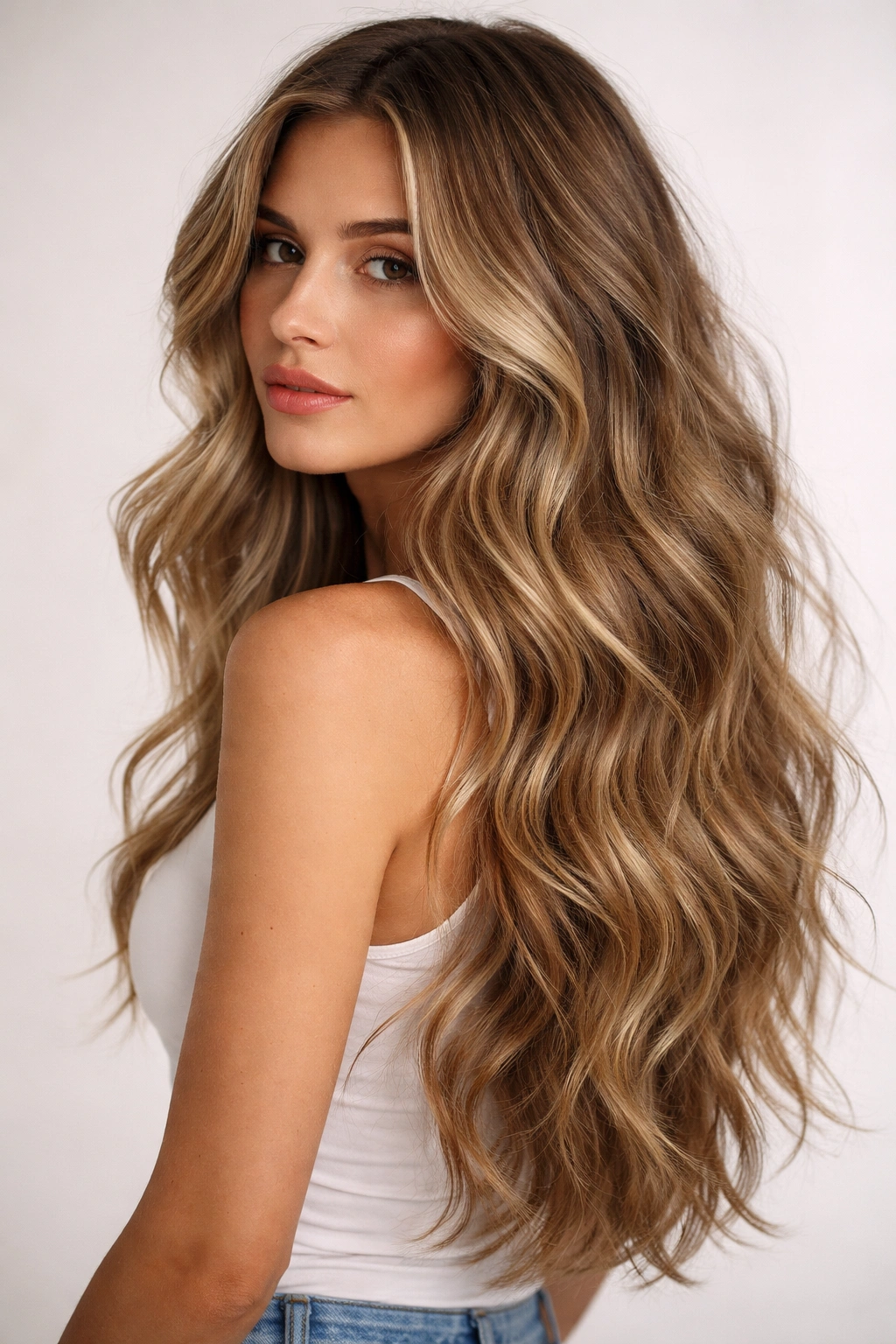
This hairstyle uses multiple layers at different lengths to create intentional texture and movement. Rather than fighting frizz, this style embraces texture while keeping it controlled and intentional rather than chaotic. The key difference between “frizzy” and “textured” is intention and product choice.
Why It Works for Frizz
When you have varied layers with different wave patterns, slight frizz and texture become part of the designed aesthetic. You’re not trying to achieve perfect, uniform waves; you’re creating dimension and movement. This takes the pressure off achieving zero frizz and instead focuses on creating a cohesive, polished texture.
Styling Textured Waves
- Use a texture spray or sea salt spray as your base product
- Dry with a diffuser to enhance your natural wave pattern without creating frizz
- Scrunch product upward as you dry to encourage wave formation
- Avoid brushing when dry; use your fingers to separate and shape waves
- This style actually looks better with a day or two of wear as the texture settles and becomes more defined
13. Blowout Waves with Frizz-Control Serum Base
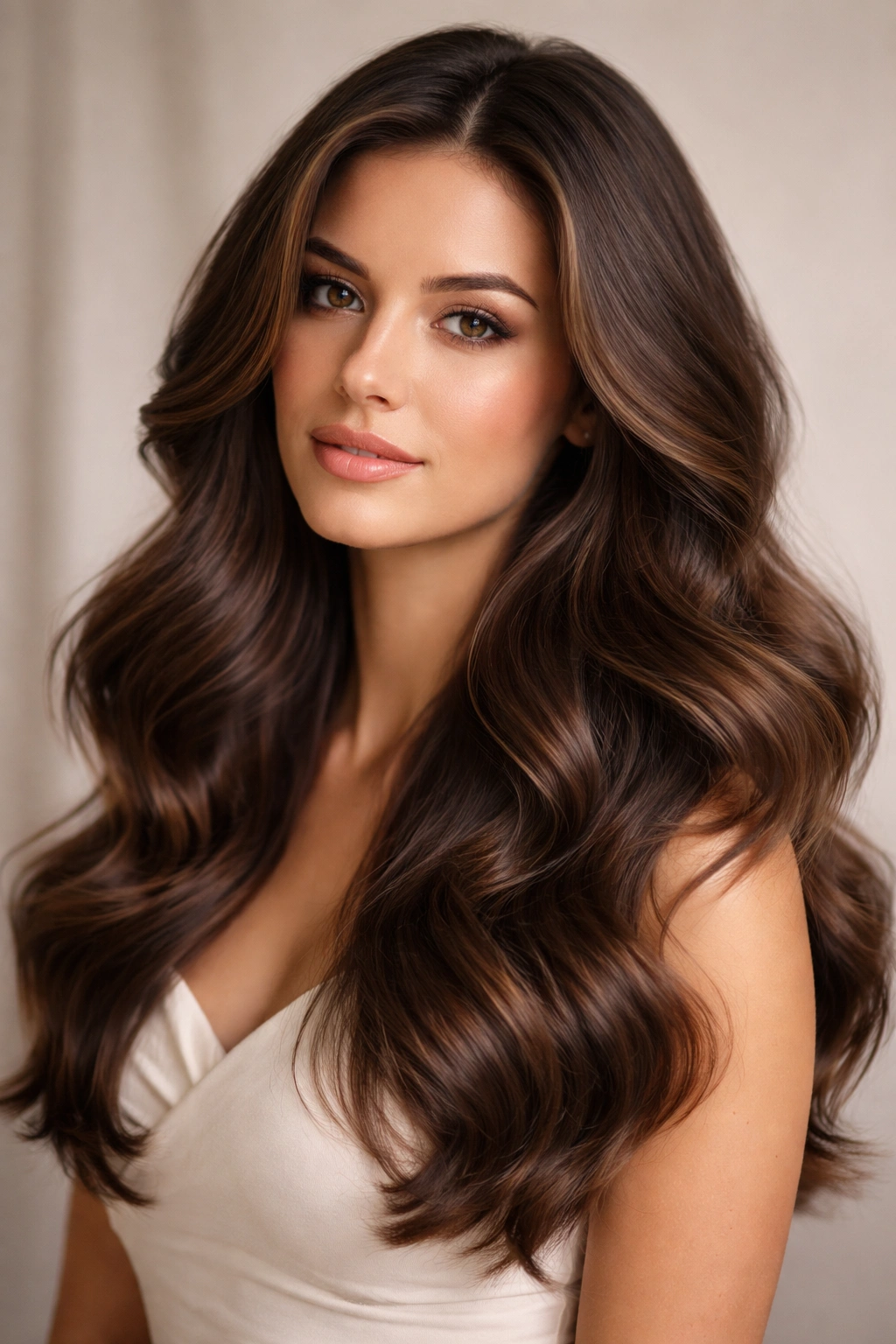
A traditional blowout creates smooth, voluminous waves by using a blow dryer and round brush to shape your waves while they’re damp. The key to keeping these waves frizz-free is starting with a frizz-control serum that seals your cuticle before you even pick up the blow dryer.
Why It Works for Frizz
A quality frizz-control serum creates a protective layer on your hair shaft that prevents humidity from penetrating. When you blow-dry on top of this sealed base, you’re working with a foundation that’s already protected. The result is waves that hold their shape and smoothness throughout the day and into the next day.
Creating Long Blowout Waves
- Shampoo and condition with moisture-rich formulas
- Apply frizz-control serum to damp hair, concentrating on mid-lengths and ends
- Use a blow dryer on medium heat with a round brush to create smooth waves
- Curl sections around the brush, holding each section in place until it cools completely
- Allow the entire blowout to cool before touching — this sets the wave pattern
- Finish with a light hairspray that holds without crunchiness
Worth knowing: A blowout typically lasts 3 to 5 days if you sleep on a silk pillowcase and use dry shampoo on day two to absorb excess oil. The wave pattern becomes more pronounced and beautiful as the days pass.
Final Thoughts
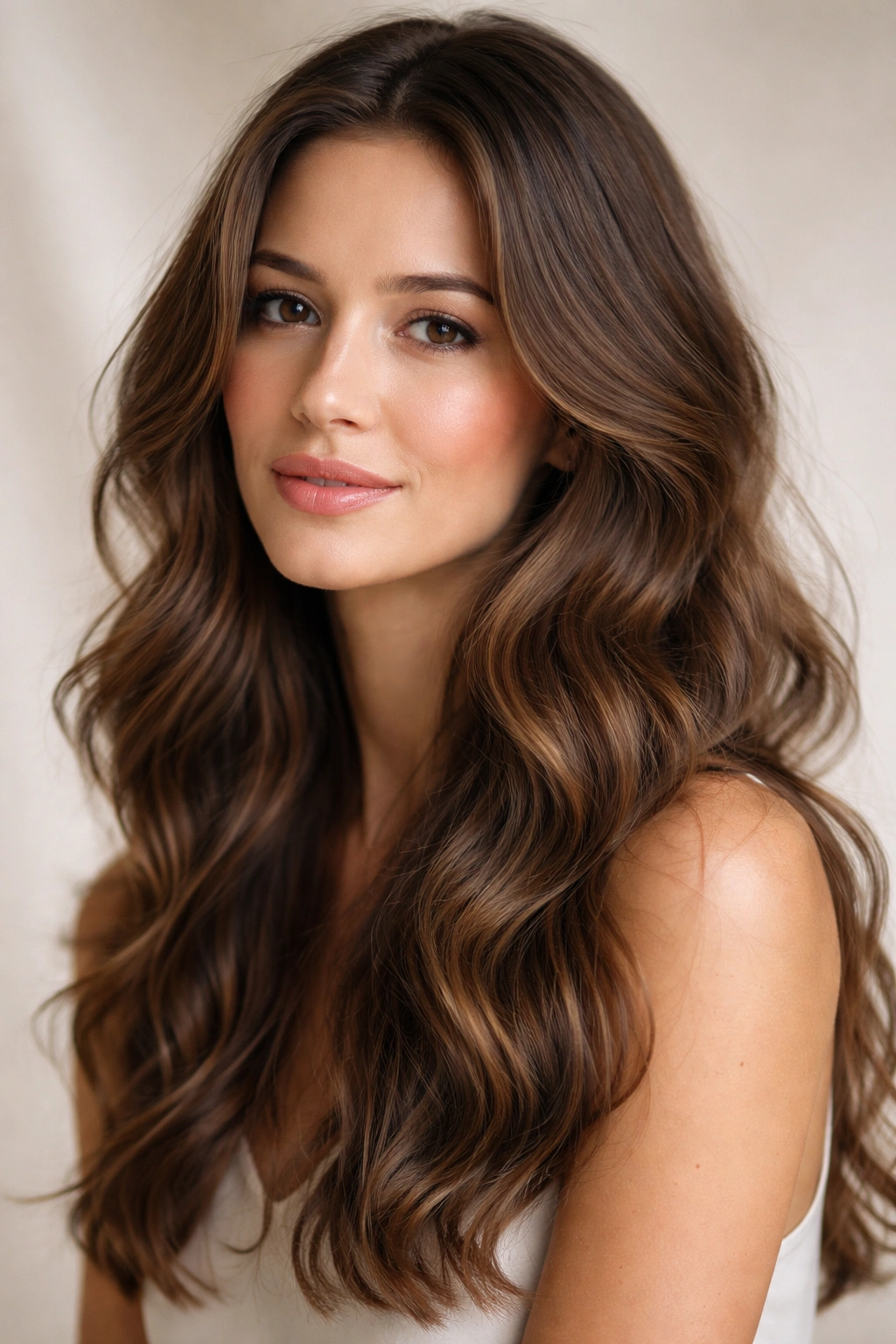
The best long wavy hairstyle for frizz control is the one that works with your hair’s natural texture rather than forcing it into submission. Whether you choose a layered cut, a protective style like a braid or ponytail, or a smoothing treatment, the goal is the same: seal the cuticle, reduce friction, and work with gravity instead of against it.
Your hair’s natural wave pattern is an asset, not a liability. The right cut, the right products, and the right styling techniques turn those waves into a stunning, frizz-controlled style that actually becomes easier to manage over time. Start with the hairstyle that resonates most with your lifestyle and hair type, then layer in the product routine and nighttime care that keeps frizz grounded.
Long wavy hair doesn’t have to mean spending hours fighting frizz. With the right approach, it means having a signature style that looks intentional, feels effortless, and turns heads every single time you walk into a room.
