



Locs have been a powerful expression of identity, culture, and personal style for generations. If you’re considering starting your loc journey or exploring new ways to style your existing locs, you’ve got incredible options that work beautifully with the natural texture and movement of Afro hair. The versatility is honestly one of the best-kept secrets in natural hair styling—locs can be sleek or playful, minimalist or heavily adorned, and everything in between.
What makes locs so special with Afro hair is that they work with your hair’s natural structure instead of fighting against it. The curl pattern, coil, and density that make Afro hair stunning also create the perfect foundation for locs to lock, hold, and look absolutely incredible. Whether you’re drawn to maintenance-heavy styles that offer structure and definition, or low-key approaches that celebrate the free-spirited nature of locs, there’s a style that fits your lifestyle and aesthetic.
The good news? You don’t need to stick with just one style once your locs are established. Many of these can be mixed and matched, or you can rotate through them as your mood and season change. The key is understanding how each style works, what it demands in terms of upkeep, and which one aligns with your hair goals and daily life.
1. Two-Strand Twists
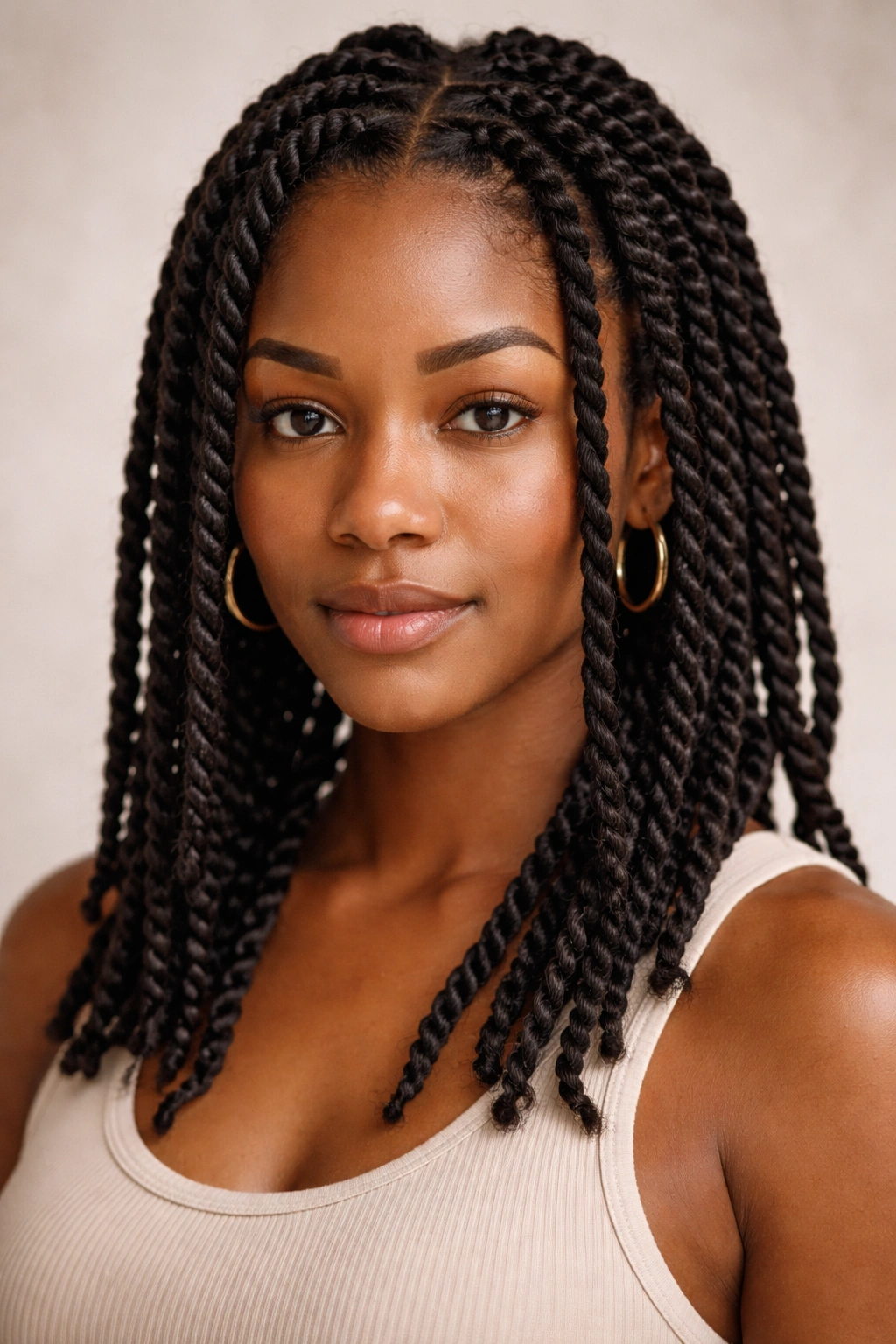
Two-strand twists are one of the most accessible and widely loved starting points for creating locs with Afro hair. This method involves taking two sections of hair and twisting them tightly around each other to form a unified strand. The twists lock naturally over time as your hair texture does the work, making this a method that actually honors how Afro hair wants to naturally coil and compress.
Why They Lock So Effectively
The beauty of two-strand twists is their simplicity combined with their effectiveness. When you twist two strands tightly together, you’re essentially creating a rope-like structure that your natural curl pattern locks into. Over weeks and months, the hair at the base knots and interlocks, and the twists gradually mature into full locs. This method works particularly well because Afro hair’s natural coil pattern accelerates the locking process—you’re not forcing anything artificial into your hair, you’re just guiding what wants to happen naturally.
Styling and Maintenance Essentials
- Twists can be created on damp or dry hair, but damp hair holds the twist shape better initially
- You’ll want to keep the twists tight at the roots every 2-4 weeks to maintain definition and encourage locking
- Sleep with a silk or satin cap or pillowcase to prevent frizz and preserve the twist structure overnight
- Twists typically take 6-12 months to fully mature into solid locs, depending on your hair texture and thickness
- Regular washing (every 1-2 weeks) is actually helpful during the locking process—it encourages faster matting and strengthens the locks
Pro tip: Starting with slightly thicker twists gives you more surface area for them to lock faster, while thinner twists create a more delicate, tapered appearance once mature.
2. Faux Locs
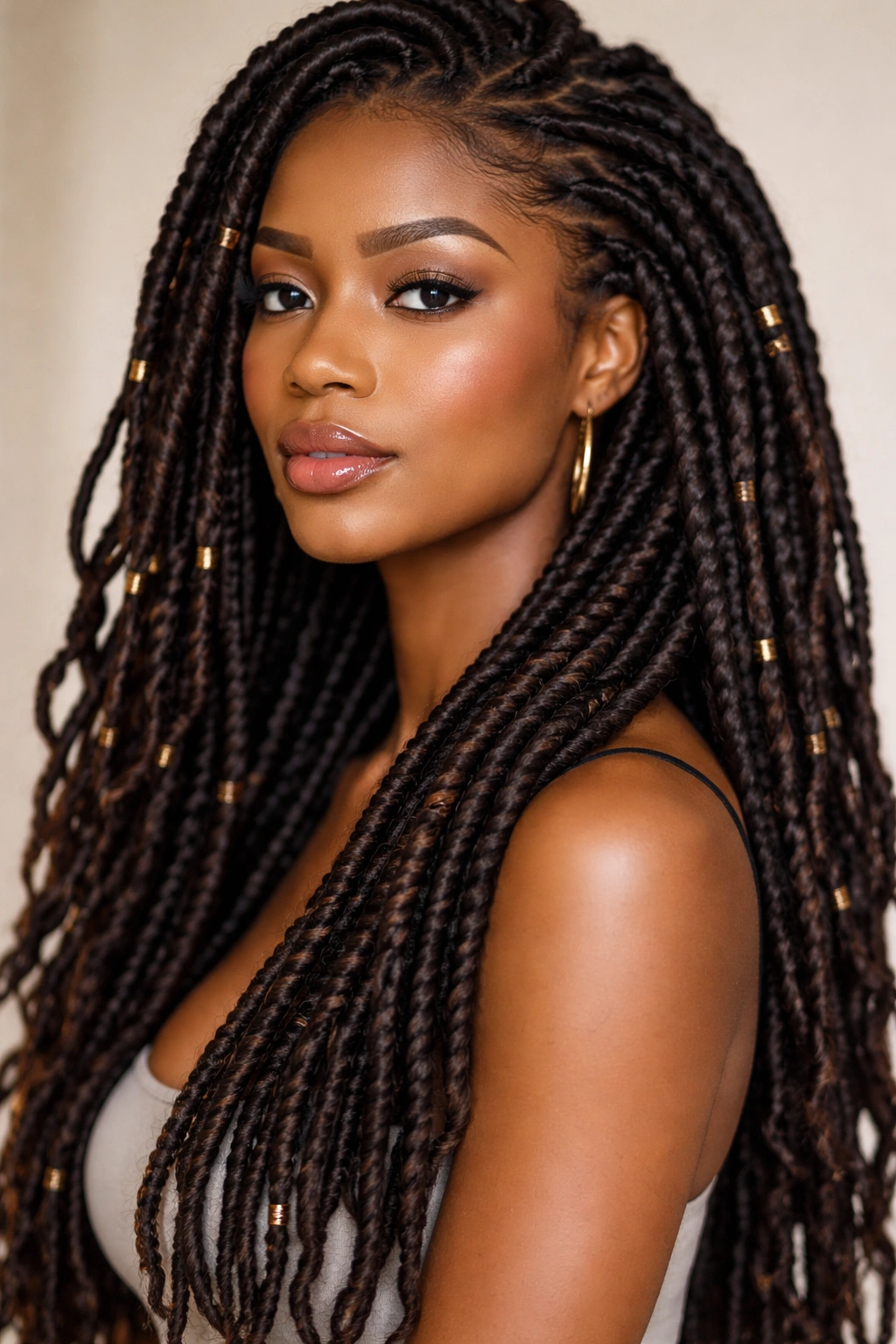
Faux locs are a protective styling choice that gives you the aesthetic and feel of traditional locs without the permanent commitment. They’re created by wrapping synthetic hair or human hair extensions around sections of your natural hair, offering instant length, volume, and texture variations that can be stunning.
The Appeal for Afro Hair
Faux locs work beautifully with Afro hair because they protect your natural texture while you experiment with different looks. Many people use faux locs as a trial run before committing to permanent locs—you get weeks to experience how locs feel, how you style them, and whether the look aligns with your lifestyle. The synthetic or extension hair can be wavy, straight, or coily, giving you flexibility to create textures that complement your natural hair.
Installation, Styling, and Lifespan
- Installation typically takes 4-8 hours depending on the number of locs and your stylist’s speed
- Faux locs usually last 4-8 weeks before they need to be removed or retouched
- They can be styled into buns, ponytails, braided patterns, or left down and free-flowing
- Sleeping with a bonnet or scarf protects them from frizzing and extends their lifespan
- Your natural hair underneath needs regular maintenance—moisturizing at the scalp and deep conditioning when you take them down prevents dryness
Pro tip: Ask your stylist to create faux locs with slightly varied thicknesses and a few shorter pieces mixed in—this creates a more natural, lived-in appearance rather than uniformity.
3. Butterfly Locs
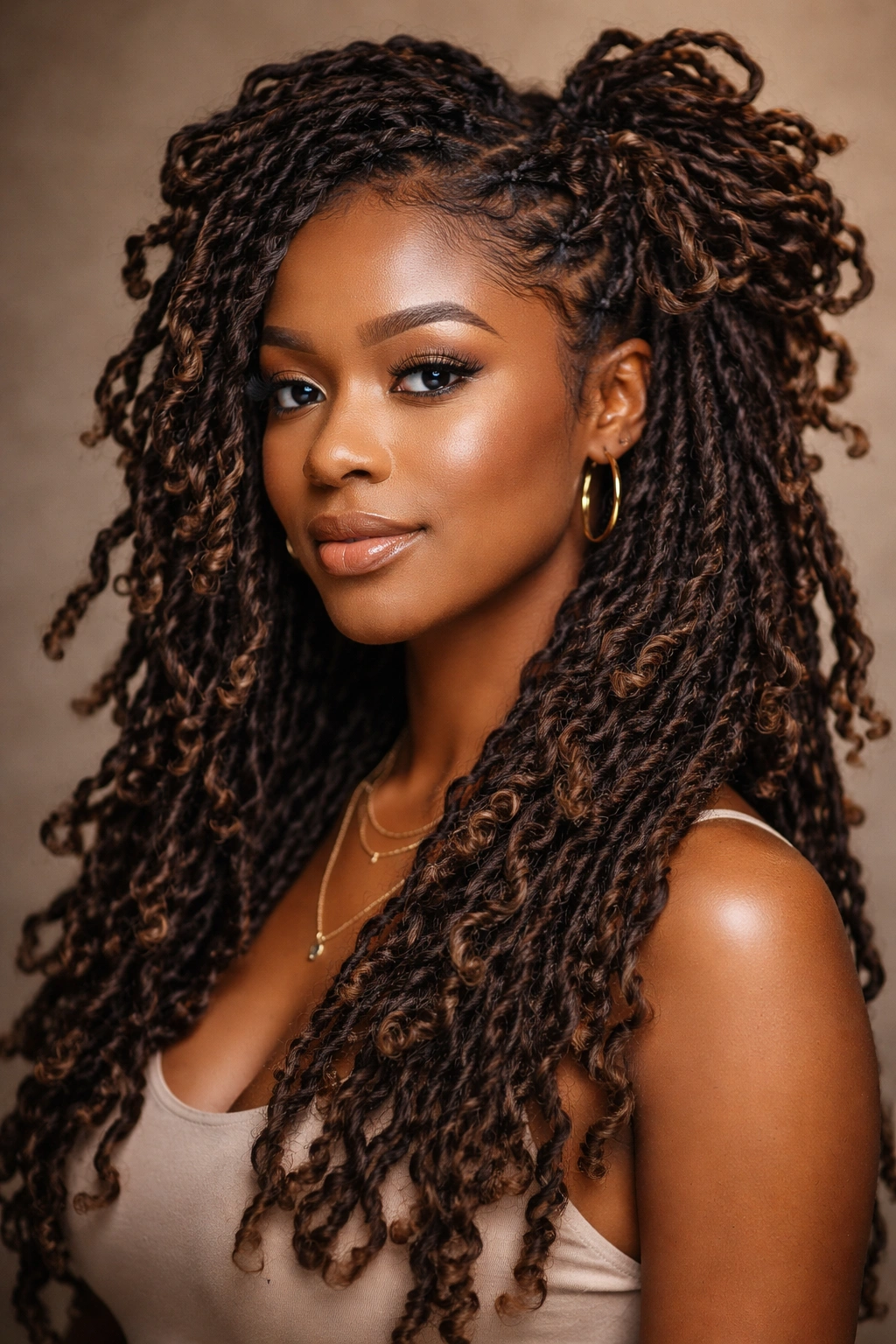
Butterfly locs are a newer style that’s taken the natural hair world by storm. They’re created using a technique where sections of hair are twisted, wrapped with extension hair in a specific pattern that leaves a “flutter” or loop at the top, then secured at the bottom. The result looks delicate, dimensional, and has this gorgeous movement when you walk.
What Makes Them Visually Unique
The signature butterfly wings effect comes from the way the extension hair is wrapped—it creates these little loops that stick out from the main body of the loc. This style is particularly flattering with Afro hair because it adds dimension and movement without looking bulky. The loops catch light beautifully and give the style an ethereal quality that photographs incredibly well.
Creating and Maintaining Butterfly Locs
- Installation typically takes 3-6 hours and requires a stylist experienced with this specific technique
- The twisting and wrapping process is intricate—this isn’t a DIY-friendly style for beginners
- Once installed, butterfly locs last 4-6 weeks before needing to be refreshed or redone
- They look best when styled loosely or in soft updos that don’t compress the butterfly elements
- Sleeping with a silk bonnet helps preserve the delicate loops and prevents them from matting down
Pro tip: Butterfly locs photograph beautifully when you style them with the loops facing forward or to the side—position them intentionally for the look you want.
4. Crochet Locs
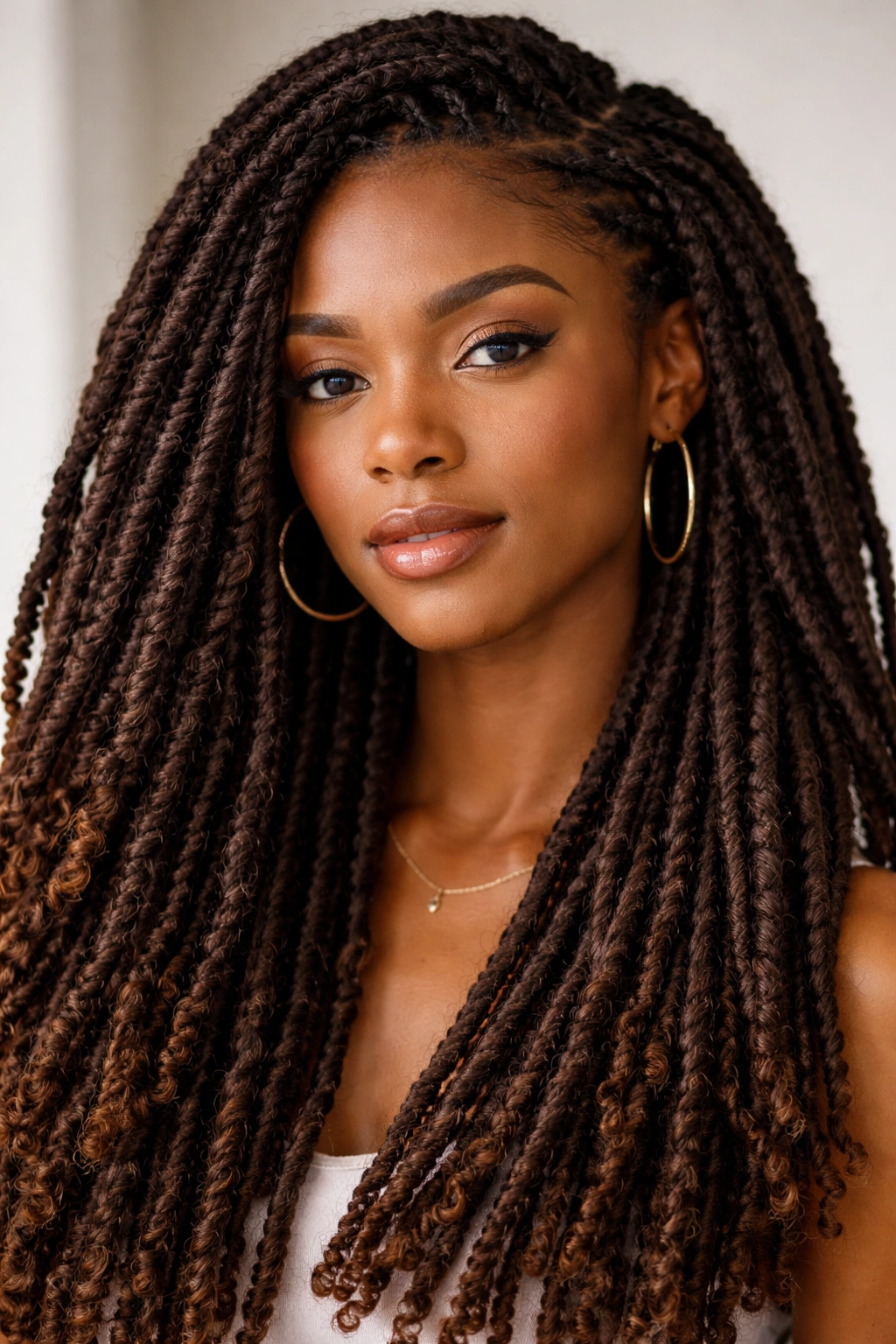
Crochet locs involve using a crochet hook to attach extensions directly to your natural hair, creating locs that are instantly full, textured, and ready to style. This method is popular because it’s faster than some other techniques and gives you control over the exact texture and thickness you want.
The Installation Process and Results
With crochet locs, a stylist uses a specialized crochet hook to pull extension hair through the base of your natural hair sections, looping and knotting the extensions into place. The result is a loc that’s immediately sturdy and full. You can choose straight extensions, wavy ones, kinky textured ones, or even ombré colors to add visual interest. Afro hair works beautifully with crochet locs because the natural texture at the base blends seamlessly with the extension texture.
Styling Flexibility and Care
- Crochet locs can be left loose and flowing or styled into intricate updos and patterns
- Installation takes 3-5 hours depending on the number of locs
- They last 8-12 weeks with proper care and can sometimes be refreshed by re-crocheting
- Washing every 1-2 weeks prevents product buildup at the roots
- The extensions can be styled with heat tools (if they’re human hair), which opens up styling possibilities
Pro tip: If you choose wavy or coily extension texture, it blends much more seamlessly with natural Afro hair than completely straight extensions would.
5. Braided Locs
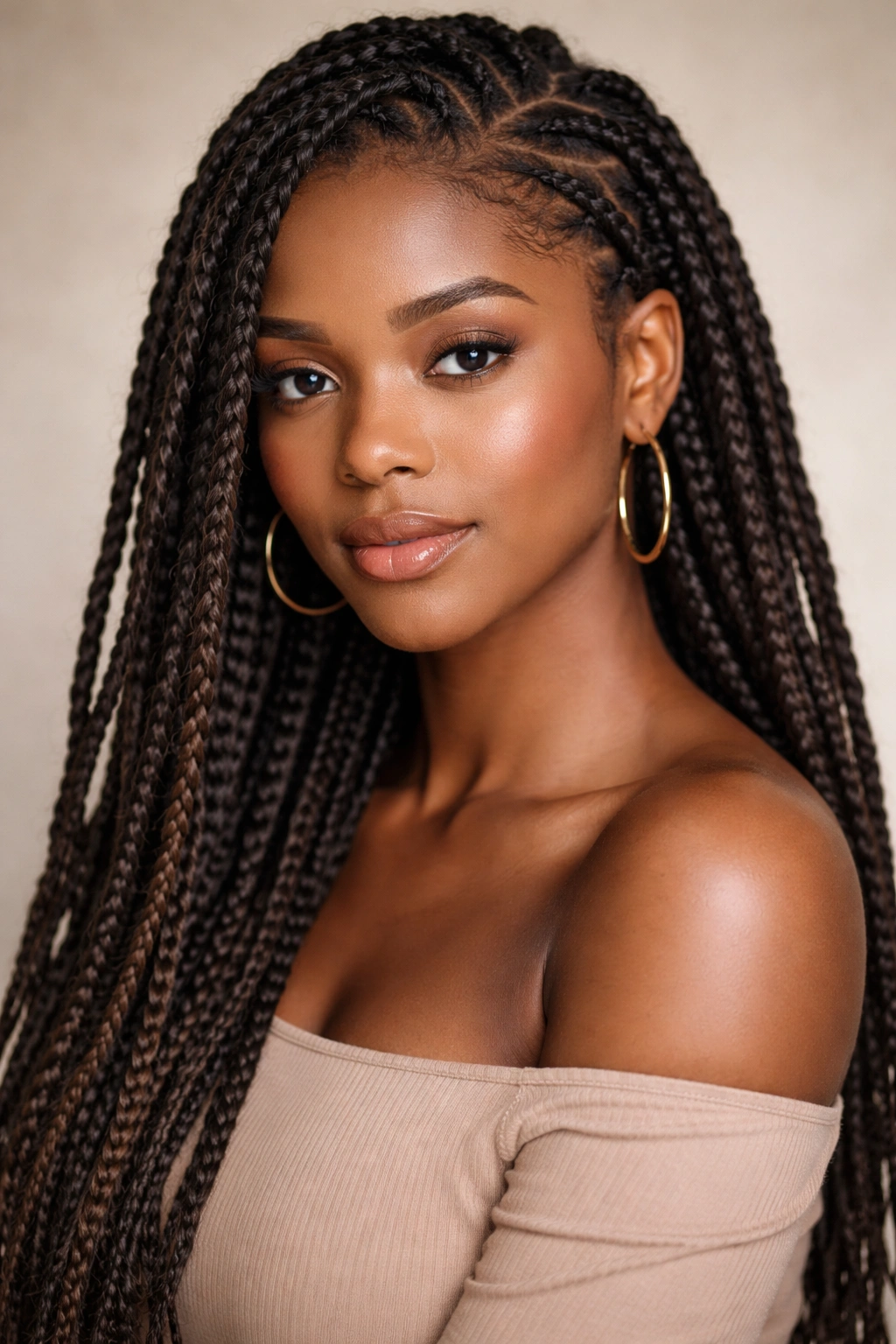
Braided locs are created by three-strand braiding your natural hair tightly, sometimes incorporating extensions, and allowing the braids to mature and lock over time. This is a wonderful middle-ground option that gives you the security of traditional braids while you transition toward permanent locs.
Why Braids Create Such Strong Locs
Braids create a tight, interlocked structure that’s ideal for locking. When you braid tightly, you’re compressing the hair in a specific pattern that naturally encourages the strands to knot together. With Afro hair’s curl pattern, this process happens relatively quickly—many people see braids beginning to lock within 4-8 weeks. The braided structure also distributes tension more evenly than twists, which some people find more comfortable.
Maintenance Through the Locking Journey
- Braids can be created with or without extensions, though extensions add length and texture
- Keeping the base tight through regular re-braiding every 3-4 weeks encourages faster locking
- You can wash braided locs regularly—actually, frequent washing helps them lock faster
- Once fully locked, braided locs have a beautiful texture with visible braid patterns running through them
- They’re incredibly protective for your natural hair while the locking process happens
Pro tip: Start with fewer, thicker braids if you want faster locking and less manipulation; choose more, thinner braids if you want a more delicate finished look.
6. Rolled Locs
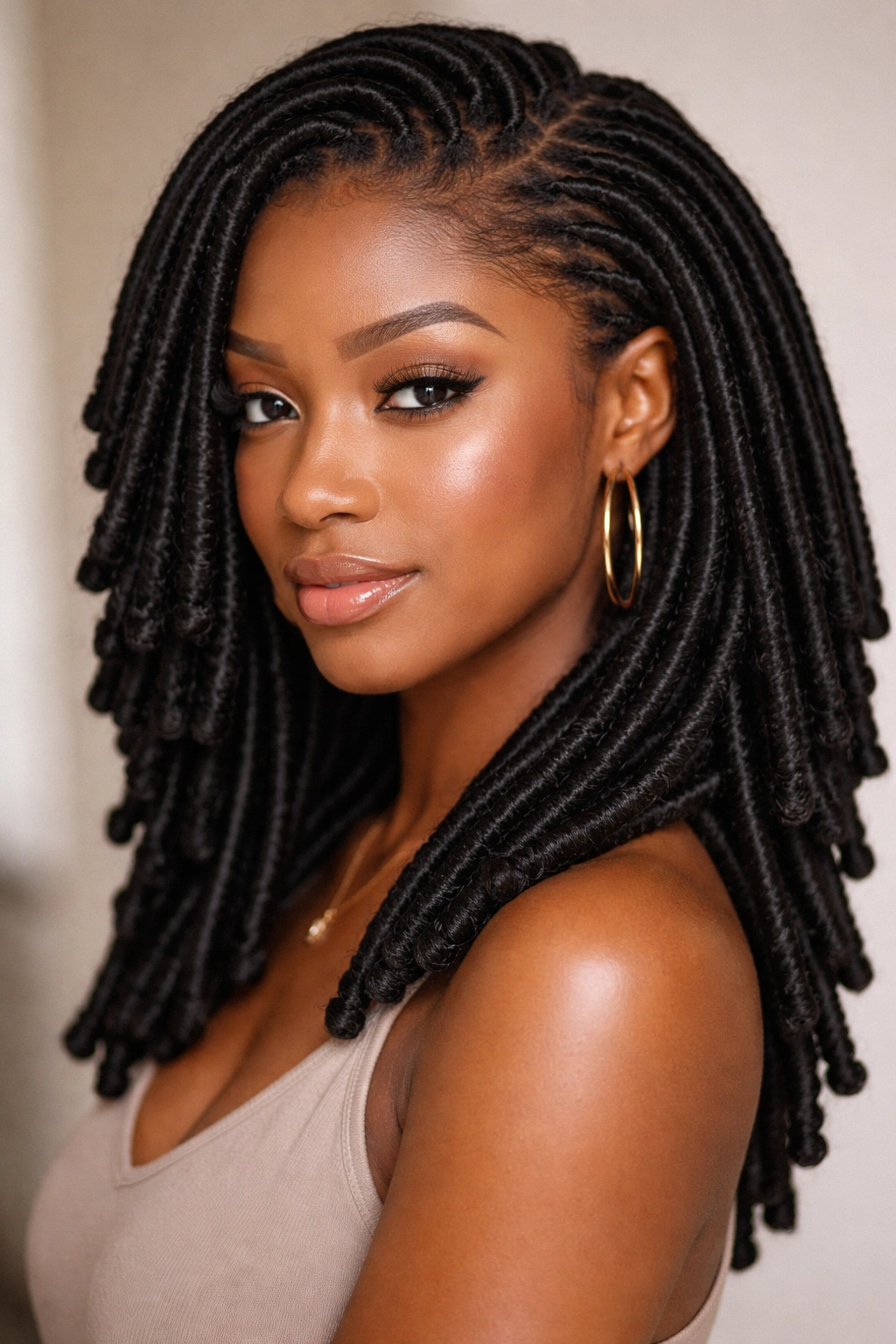
Rolled locs are created using a palm-rolling or rocking technique where sections of hair are rolled between your palms or fingers to compress and coil the hair into a tight, cylindrical shape. This method is quieter and less labor-intensive than twisting, and it creates locs with a smooth, polished appearance.
The Palm-Rolling Technique
To roll a loc, you take a section of hair, compress it firmly between your palms or between your hands, and roll it in a specific direction repeatedly. This creates friction and pressure that compacts the hair into a dense, rounded shape. With Afro hair, the natural curl pattern helps hold the rolled shape, and the density of the hair makes rolled locs extremely sturdy. Many people find the rolling motion meditative and less fatiguing than twisting.
Growth Timeline and Styling Options
- Rolled locs mature slightly faster than twists because they start out more compressed
- The smooth, polished appearance makes them look like established locs even when they’re new
- They work beautifully in both loose, flowing styles and sleek updos
- Rolling needs to be done every 2-3 weeks at the roots to maintain a clean appearance
- This method works best on damp hair for maximum grip and control
Pro tip: Use a bit of locking gel or moisturizing twist cream during the rolling process—it helps the hair hold its rolled shape and prevents the section from unraveling.
7. Sisterlocks
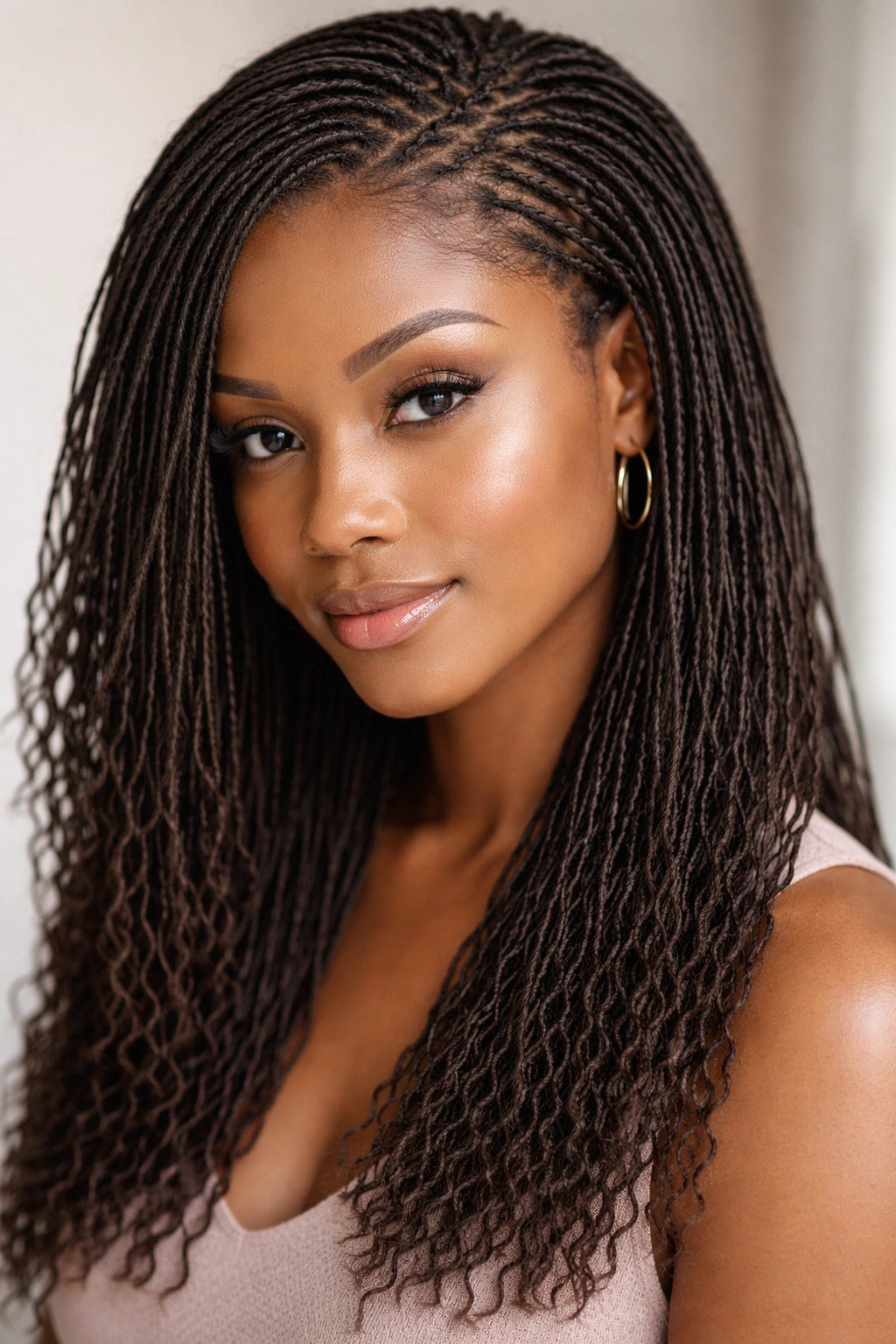
Sisterlocks are a specialized interlocking method that creates very thin, uniform locs using a specific pattern and locking technique that’s different from traditional locking methods. They were created specifically to give textured hair a refined, neat appearance with maximum styling versatility.
What Makes Sisterlocks Distinct
Sisterlocks use a proprietary interlocking technique that creates locs that are typically much thinner than traditional locs—usually around the thickness of regular braids. The locking pattern is very precise and uniform, which creates an incredibly neat, put-together appearance. Afro hair is ideal for Sisterlocks because the texture locks securely and quickly, and the thinness of the locks means you get significant length and styling possibilities.
Installation, Maintenance, and Styling Freedom
- Sisterlocks must be installed by a certified Sisterlocks consultant—this isn’t a DIY method
- Installation is thorough and takes longer than most methods (typically 8-16+ hours depending on head size and hair thickness)
- Maintenance appointments are needed every 4-6 weeks to keep the locks interlocked and neat
- Once established, they can be styled into virtually any style a regular head of hair can achieve
- They’re exceptionally neat and professional-looking, making them popular for people who want locs with a polished aesthetic
Pro tip: If you travel frequently or have a busy schedule, factor in the maintenance appointments required—Sisterlocks demand more regular professional care than some other methods.
8. Free-Form Locs
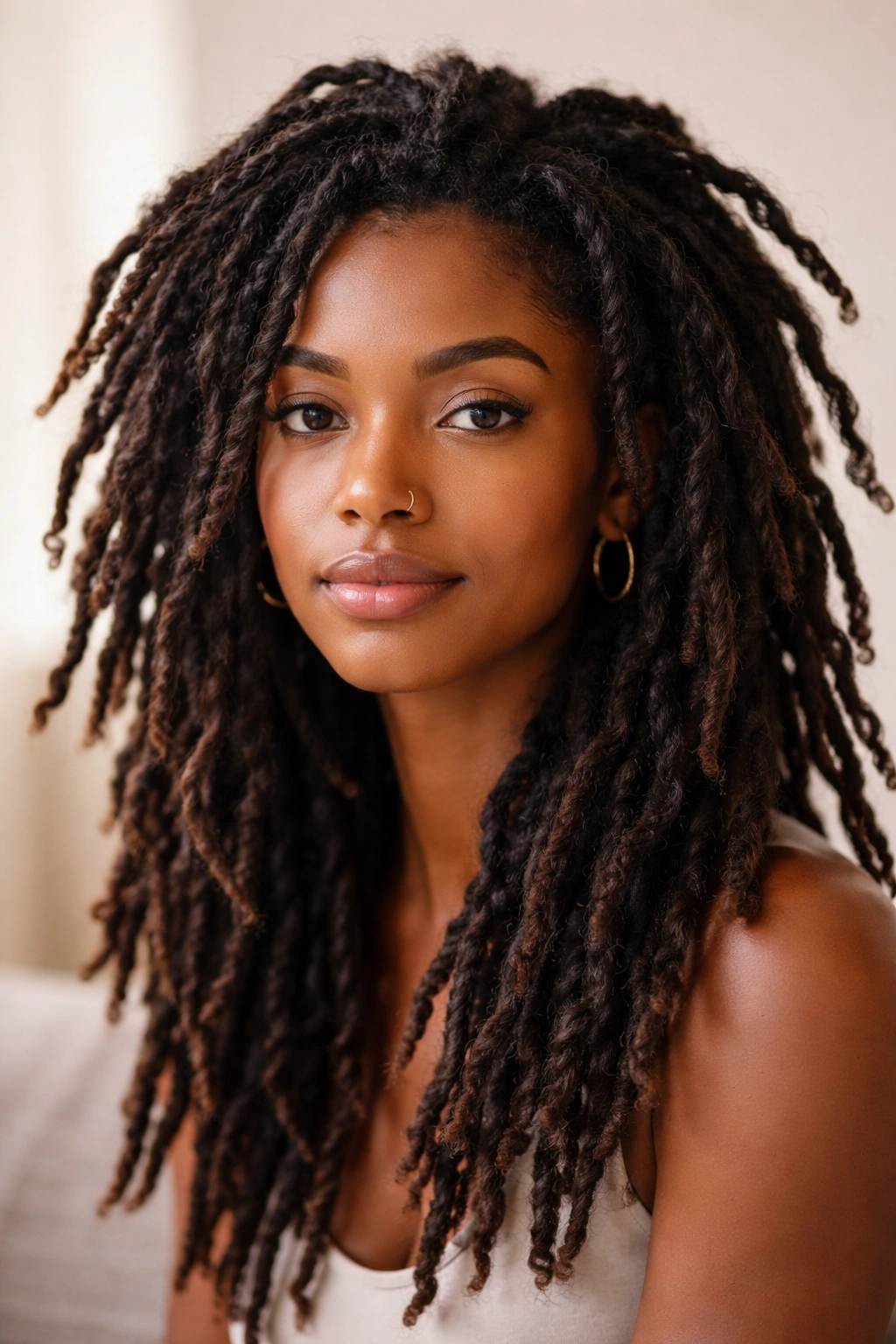
Free-form locs are created by essentially letting your natural hair do what it wants to do—you stop combing it, keep it clean, and let the natural texture, curl, and manipulation create locs organically. This is the most low-maintenance approach and celebrates the authentic, unique nature of your hair’s locking journey.
The Beauty of Letting Hair Lock Naturally
Free-form locs are genuinely unique because every lock forms differently based on your specific hair texture, curl pattern, density, and the way you naturally handle your hair. No two free-form locs are identical, and that’s the whole point. With Afro hair, free-form locking can be incredibly fast because the curl pattern does so much of the work for you. You get locs that feel authentic, personalized, and completely yours.
Lifestyle and Styling Considerations
- Free-form locs require patience—the first 6-12 months can look quite chaotic and undefined
- There’s no installation cost and no regular maintenance appointments required
- You’ll still need to wash regularly (weekly is ideal) and separate locs as they form to prevent them from merging
- The casual, undone aesthetic is their signature—they look lived-in and natural
- As they mature, they develop incredible character and unique personality that you can’t achieve with any installed method
- Styling options include buns, ponytails, braided patterns, or worn loose
Pro tip: Keep a spray bottle with water and a light oil nearby during the locking phase—misting your locs and gently separating them as they try to merge helps them develop distinct, individual locks rather than forming into one giant loc.
9. Interlocked Locs
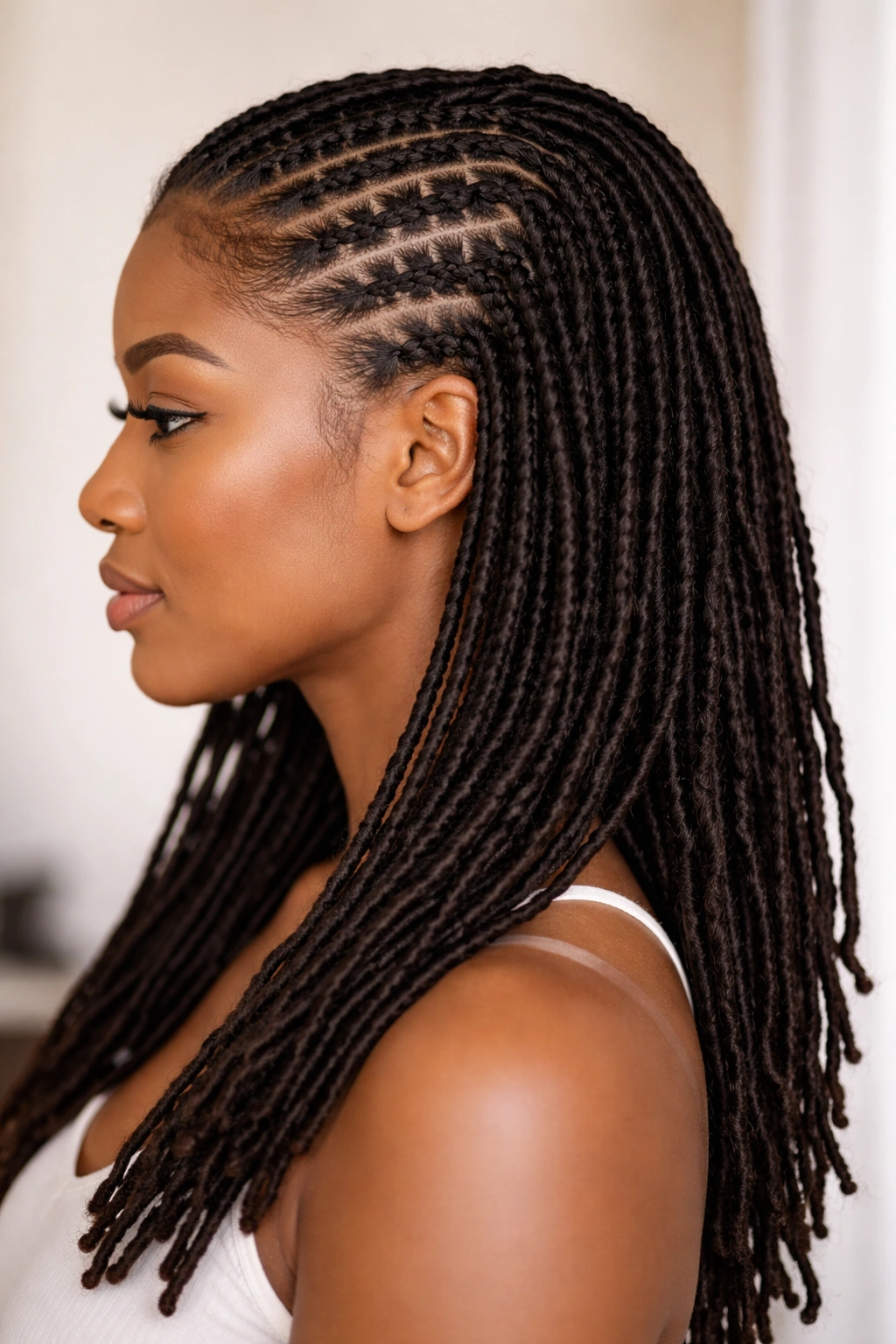
Interlocked locs are created using a specialized interlocking tool that pushes a small loop of hair up through the base of the loc, threading the ends through that loop to secure it. This creates an incredibly tight, neat lock that doesn’t require twisting or braiding, and it’s the most common method used by professional locticians.
How the Interlocking Process Works
The interlocking method is precise and mechanical—a tool pulls a tiny section of new growth up through the base of the loc, the ends of the hair are threaded through that loop, and then pulled tight. This creates a knot that holds everything securely in place. The result is exceptionally neat locks with a smooth, polished appearance that looks intentional and professional. With Afro hair’s texture, interlocking happens quickly and holds incredibly well.
Maintenance Schedule and Longevity
- Interlocked locs require maintenance every 4-6 weeks to re-interlock new growth
- Installation typically takes 4-8 hours depending on the number of locs and thickness
- Once established, they’re incredibly durable and can last for years or decades
- They can be washed frequently without loosening or unraveling
- The neat appearance makes them versatile for both casual and professional environments
- They work beautifully in any styling—loose, braided, twisted, or in intricate updos
Pro tip: Regular interlocking maintenance keeps your locs looking uniform and neat, but if you ever want to transition to a lower-maintenance method, you can skip a maintenance appointment and let the roots grow out a bit before making that switch.
10. Roving Locs
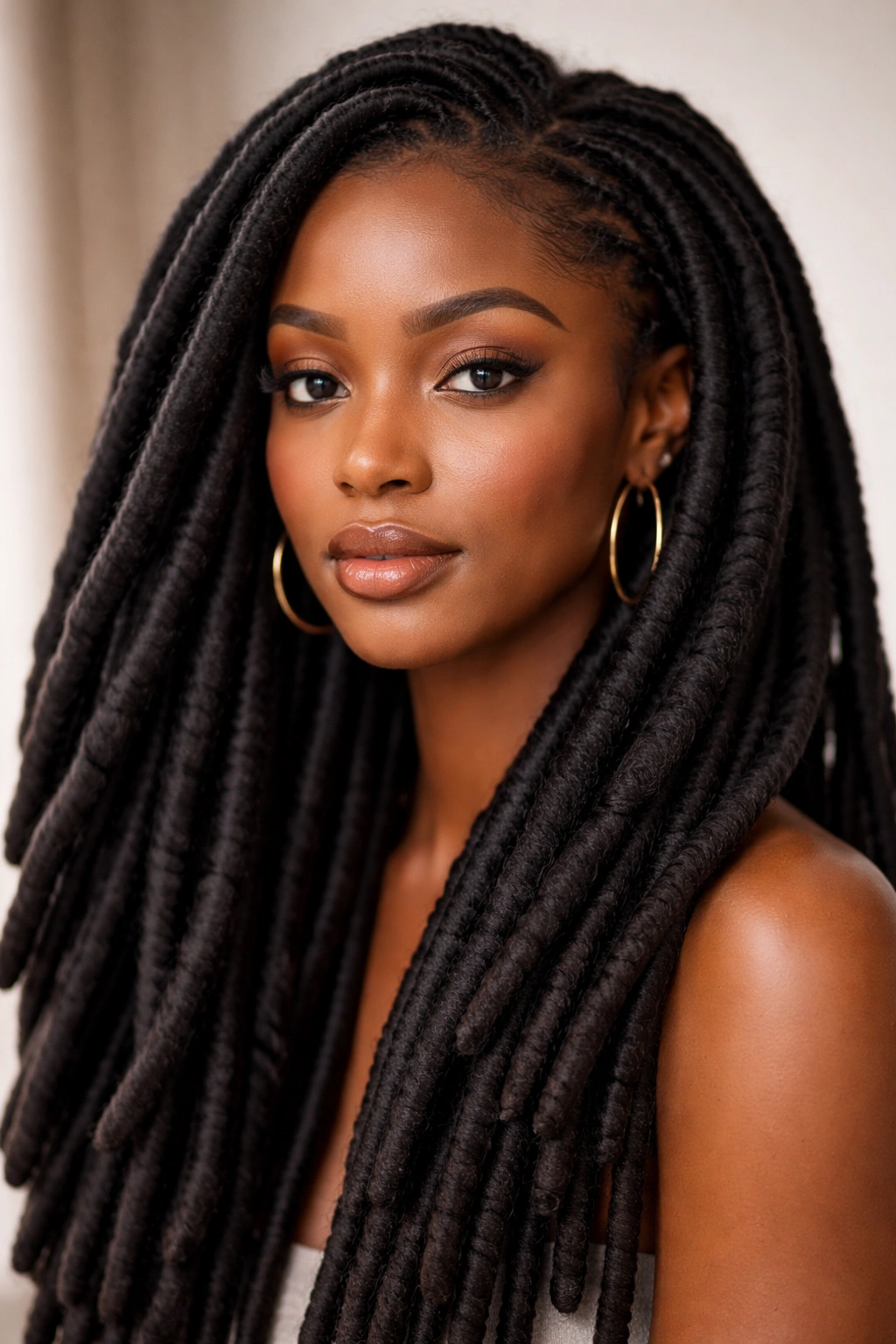
Roving locs are created using the roving method, where you take a roving (a long, thin strand of carded fiber) and twist or wrap it around your natural hair to create the loc. Rovings can be made from wool, synthetic fiber, or other materials, and this method is popular for creating locs with consistent thickness and a very controlled appearance.
The Roving Installation Process
A roving is essentially a pre-made strand of carded fiber that’s already in the approximate thickness you want for your final loc. A stylist wraps this roving around your natural hair section, twisting them together to integrate the roving fiber with your natural hair. This creates a loc that’s immediately full, uniformly thick, and professionally finished. The roving adds body and helps the loc lock more quickly because it provides extra material for your hair to lock around.
Styling and Maintenance Reality
- Roving locs can be created with any roving color, so you can add color without dyeing your natural hair
- Installation takes 3-5 hours and costs vary depending on roving quality and number of locs
- They typically last 6-10 weeks before needing to be re-roved (the roving deteriorates over time)
- You can wash roving locs, but the roving material can shed a bit during washing
- Once your locs are mature, you might transition away from rovings and maintain them without the added fiber
- They photograph beautifully because they’re so uniform and polished
Pro tip: Roving works best with wool fiber rather than synthetic—it feels softer, integrates more naturally with your hair, and creates a more cohesive final look.
11. Coil Locs
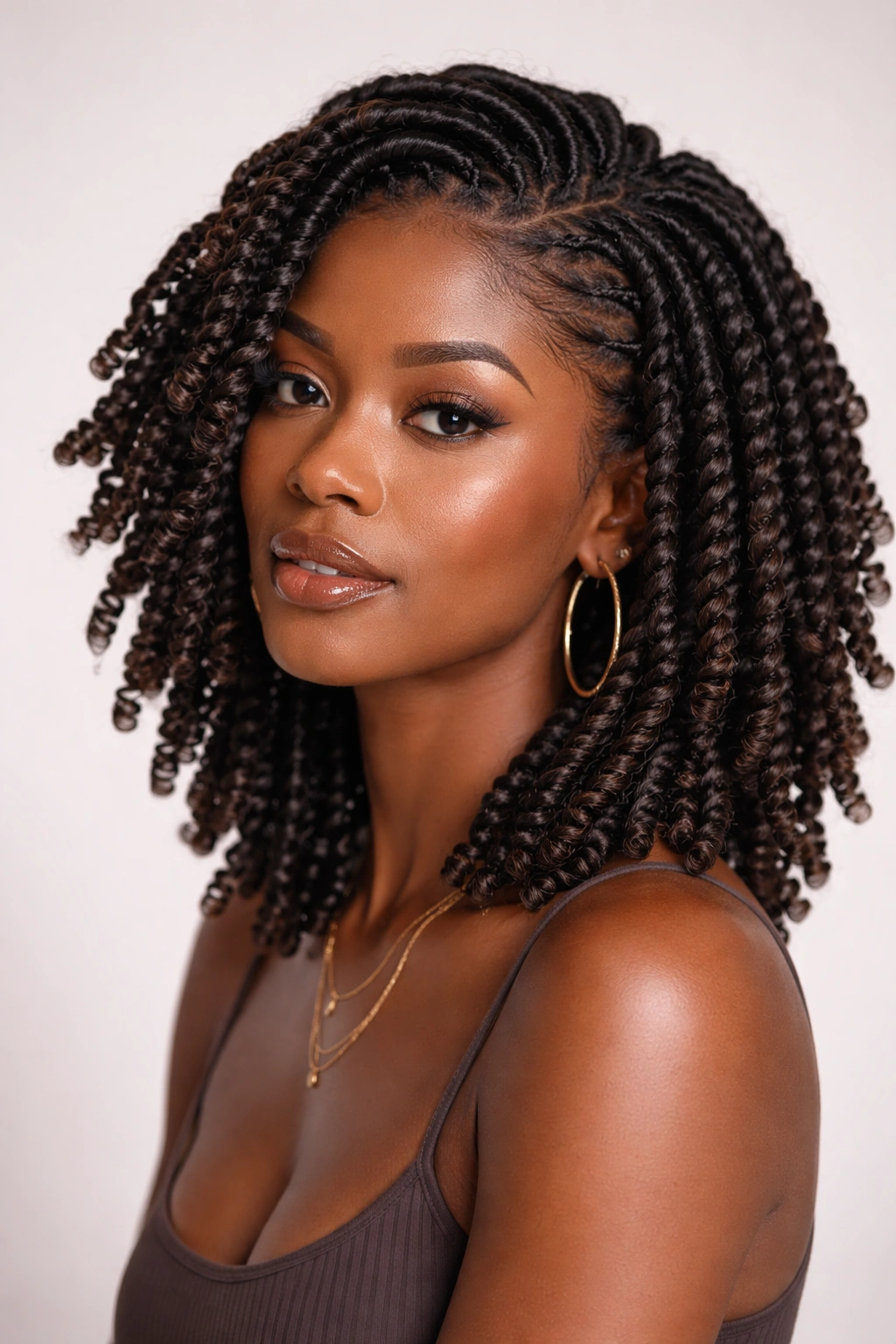
Coil locs involve using actual coil-shaped tools or coil-forming techniques to create locs that have a consistent spiral or coil pattern running through them. This method combines elements of the coil hairstyle with locking, creating a distinctive textured appearance that’s both functional and beautiful.
Creating the Coil Structure
To create coil locs, a stylist typically uses flexible coil tools (small metal or plastic spirals) that your hair is wrapped around, then secured in place. As the hair locks, it takes on that coil shape permanently. Alternatively, hair can be twisted and then coiled around itself to create the same effect. With Afro hair, coil locs lock incredibly quickly because the natural texture accelerates the matting and interlocking process. The coil pattern actually becomes more defined as the locs mature.
Aesthetic Appeal and Practical Care
- Coil locs have a distinctive, beautiful spiral appearance that’s visually striking
- They add texture and visual interest compared to smooth locs
- The coil structure can make locs appear slightly thinner than they actually are
- Styling versatility is excellent—the spiral pattern looks great in buns, braided styles, or loose
- Washing regularly helps set the coil pattern and encourages locking
- The coil structure does mean there are more crevices where product can build up, so clarifying washes are important
Pro tip: Coil locs look absolutely stunning when styled with the coils facing forward or to the side—the spiral pattern becomes a design feature rather than something hidden.
12. Locs with Beads and Ornaments
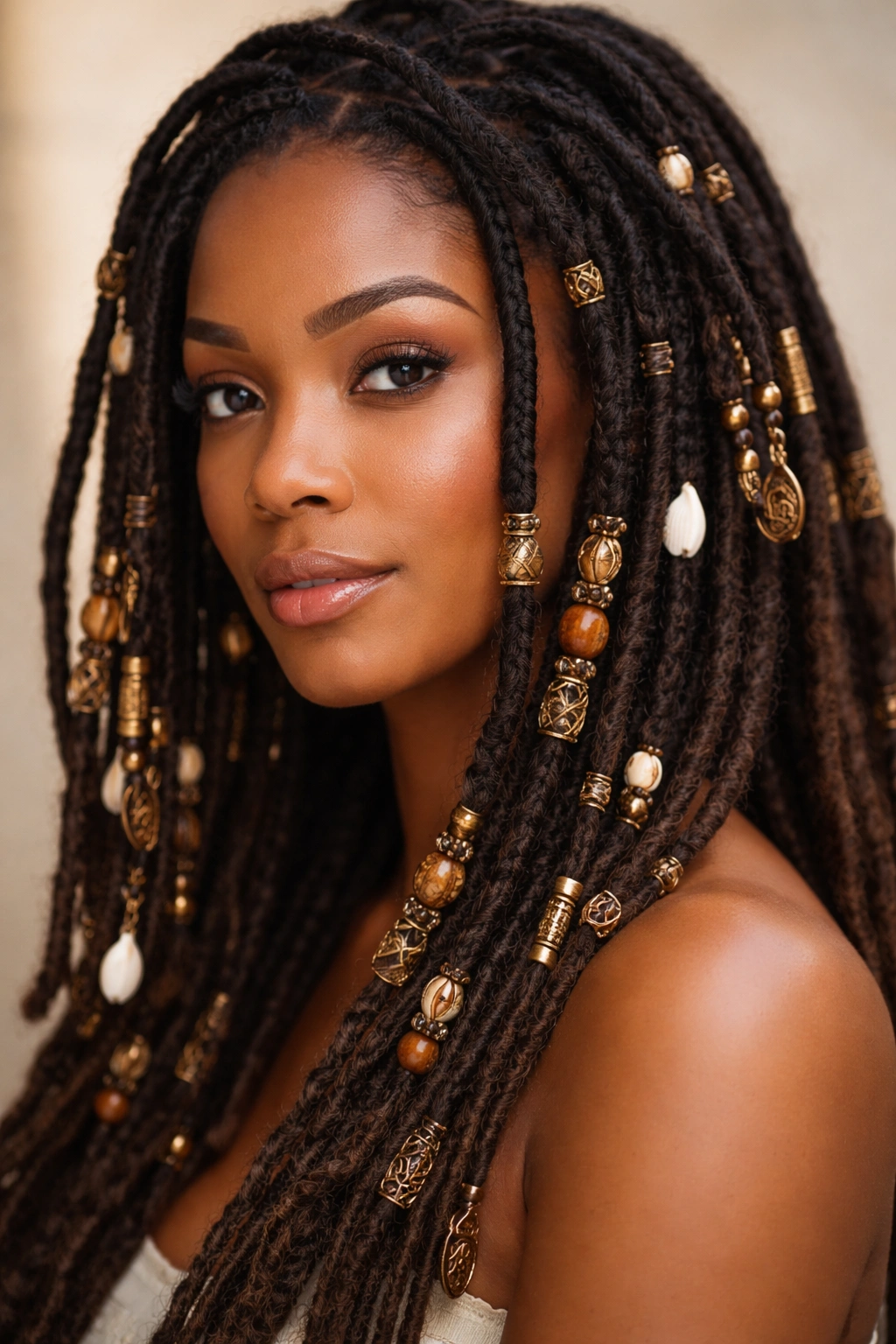
While technically a styling choice rather than a locking method, adorning your locs with beads, cuffs, rings, and other ornaments is a powerful way to personalize your locs and express creativity. This styling approach works beautifully with any locking method and has deep cultural roots in African and African diaspora traditions.
Choosing and Placing Beads Intentionally
Beads can be slipped onto locs at the installation stage or added anytime after. You can choose metal beads for a sleek, polished look, wooden beads for a natural aesthetic, crystal beads for glamour, or any combination that speaks to you. The placement matters—some people bead every loc, others bead only a few for accent, and some create patterns. With Afro hair locs, the weight of the beads is rarely a problem because the locs themselves are sturdy and dense.
Styling Possibilities and Cultural Significance
- Beads can be mixed and matched—swap them out whenever you want to change your look
- They’re particularly striking in natural hair updos where the beads catch light and movement
- Metal cuffs at the base of locs create a polished, finished appearance
- Wooden and natural material beads honor traditional African styling practices
- You can theme beads by color, material, or cultural significance
- Beaded locs photograph beautifully and create visual interest even in simple styles
- Beading is a way to celebrate your heritage and express personal style through your hair
Pro tip: Mix different bead sizes and materials for visual interest—uniform beads are beautiful, but variation creates a more personalized, artisanal aesthetic that feels intentional rather than matchy-matchy.
Final Thoughts
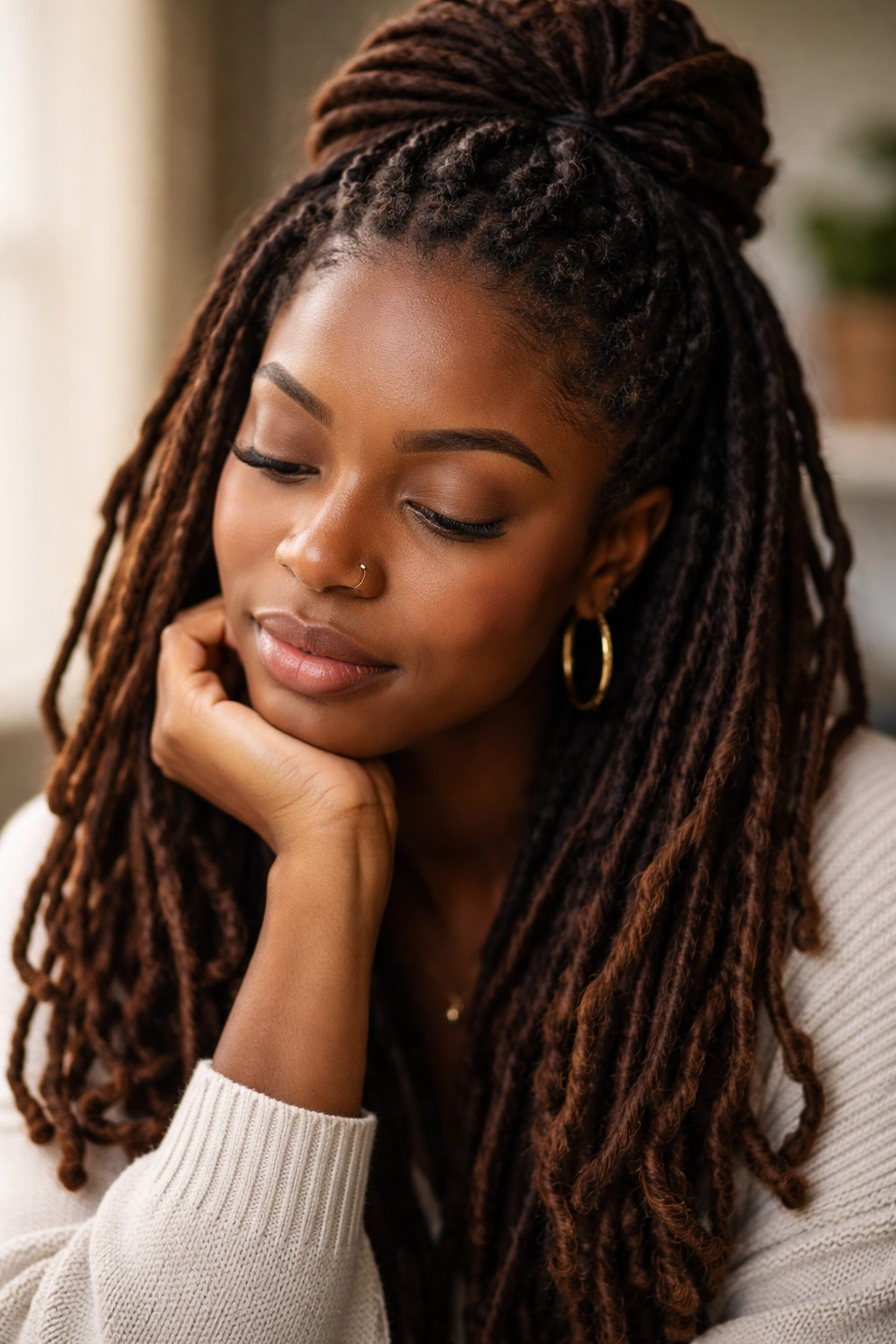
Your loc journey is deeply personal, and the style you choose reflects both your lifestyle and your aesthetic vision. Whether you’re drawn to the simplicity of free-form locs, the polished appearance of interlocked locs, the instant gratification of faux locs, or the cultural richness of adorned styles, you’ve got options that genuinely work for your Afro hair rather than against it.
The truth is, Afro hair is perfect for locs. Your natural texture, curl pattern, and hair density make locking faster, more secure, and more beautiful than it might be for other hair types. Rather than fighting against your hair’s nature, these methods honor it and work with it—which is actually the entire philosophy behind healthy natural hair care.
As you’re deciding which style to pursue, think honestly about your lifestyle, how much maintenance you’re willing to commit to, what aesthetic appeals to you, and how you want your locs to feel in your daily life. Some styles demand regular professional appointments, others are completely self-maintained, and some fall somewhere in between. There’s no “wrong” choice here—only the choice that’s right for you right now.
Whatever path you choose, your locs are going to be beautiful. They’re going to be a reflection of your heritage, your creativity, and your commitment to celebrating your hair exactly as it is.
