



Kinky braids have become a staple of Afro hair culture—and for good reason. They’re protective, stunning, versatile, and deeply connected to heritage and self-expression. But with so many styles to choose from, figuring out which braid style works best for your hair texture, lifestyle, and aesthetic can feel overwhelming. The truth is, each kinky braid style has its own personality, maintenance requirements, and visual impact. Some styles are lower maintenance and last for weeks. Others make a bold statement that turns heads everywhere you go. Some are perfect for everyday wear, while others shine at special events.
What makes kinky braids particularly magical is how they work with Afro hair’s natural texture instead of fighting against it. The beauty of your hair’s curl pattern is showcased, not hidden. When done properly, kinky braids protect your natural hair during installation and throughout the wear period, allowing your strands to retain moisture and length. They also give you incredible freedom—you can swim, work out, sleep, and live your life without worrying about your hair unraveling or losing its style.
The styles in this guide range from classic choices that never go out of style to modern twists that showcase contemporary creativity. Whether you’re looking for something that takes minimal upkeep, a style that makes you feel fierce and confident, or braids that blend seamlessly into your everyday aesthetic, you’ll find an option here that speaks to you. Let’s explore the kinky braid styles that work beautifully on Afro hair, what makes each one special, and how to care for them so they last.
1. Box Braids
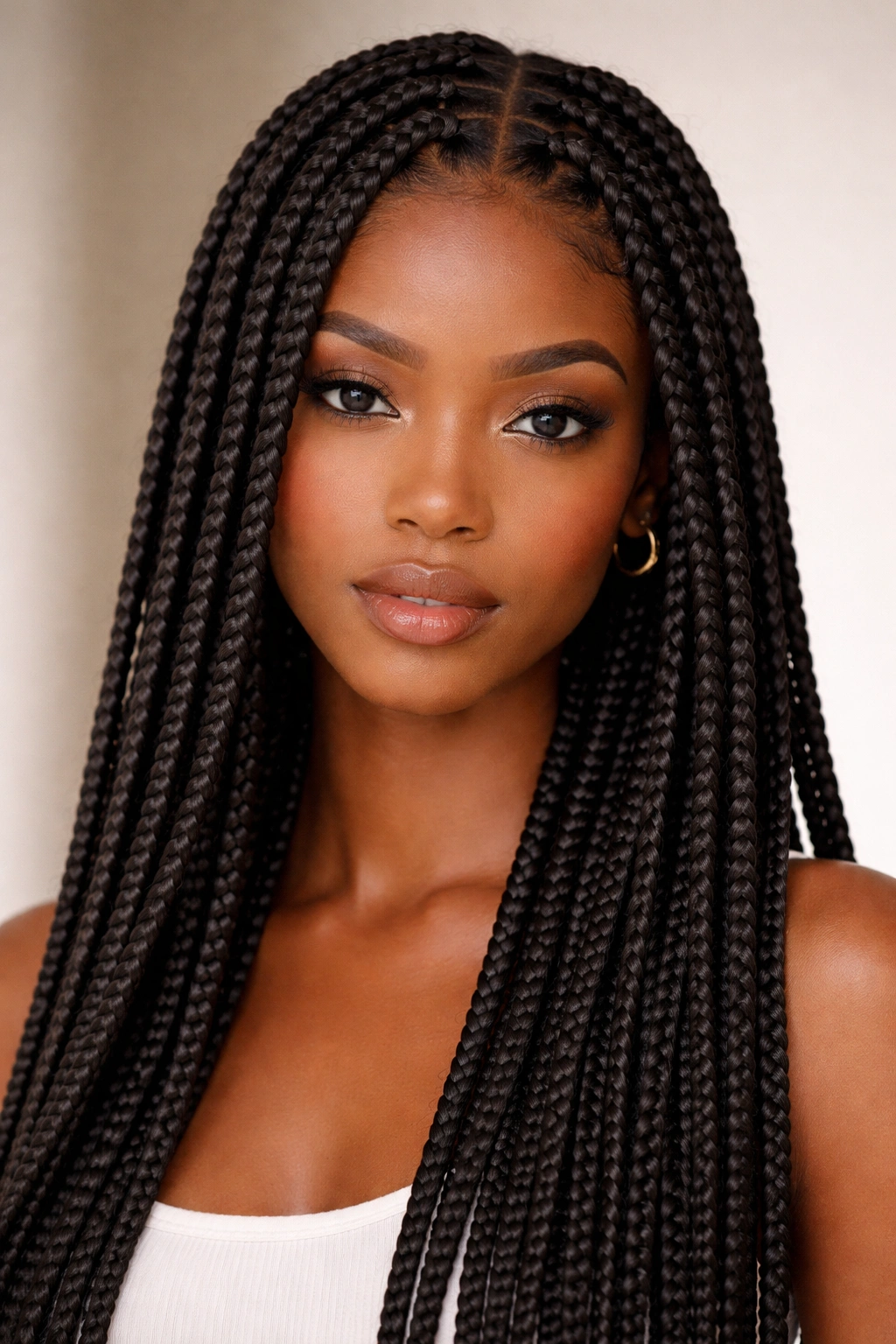
Box braids are the foundation of protective styling for a reason. These individual braids are sectioned into square or rectangular blocks, then braided from root to tip with either your natural hair or with added braid hair. The geometric pattern of the sections makes these braids instantly recognizable and incredibly versatile—you can wear them down for a casual look, pull them into intricate updos, or wrap them into a bun for a polished finish.
Why They’re a Classic Choice for Afro Hair
Box braids work exceptionally well on Afro hair because the braid sections can accommodate your hair’s natural volume and texture without putting excessive strain on your scalp. When installed with proper tension (not too tight), they create a protective barrier that keeps your ends sealed and your hair moisturized. The individual nature of each braid means you have total control over the style—you can keep them all down, style half up, or experiment with different arrangements throughout the week. Most people can keep box braids in for 6 to 8 weeks if they maintain them properly, making them an economical protective style.
Tips for Getting Box Braids That Last
Start with clean, well-moisturized hair. Dry hair snaps more easily during installation and throughout the wear period. Section your hair as evenly as possible—this ensures that braids last longer because they’re supporting equal amounts of hair and experiencing equal tension. Consider adding braid hair if you want longer braids or more voluminous styles; this also reduces the stress on your natural hair. Use a satin or silk scarf at night and moisturize your scalp and braids throughout the week with a lightweight oil or leave-in conditioner. Avoid sleeping on wet or damp braids, as moisture trapped against your scalp can create an environment for mold or buildup.
Pro tip: Refresh your braids every 2 to 3 weeks by re-braiding the loose roots using the box sections already in your hair. This extends their lifespan significantly and keeps them looking intentional rather than messy.
2. Knotless Box Braids
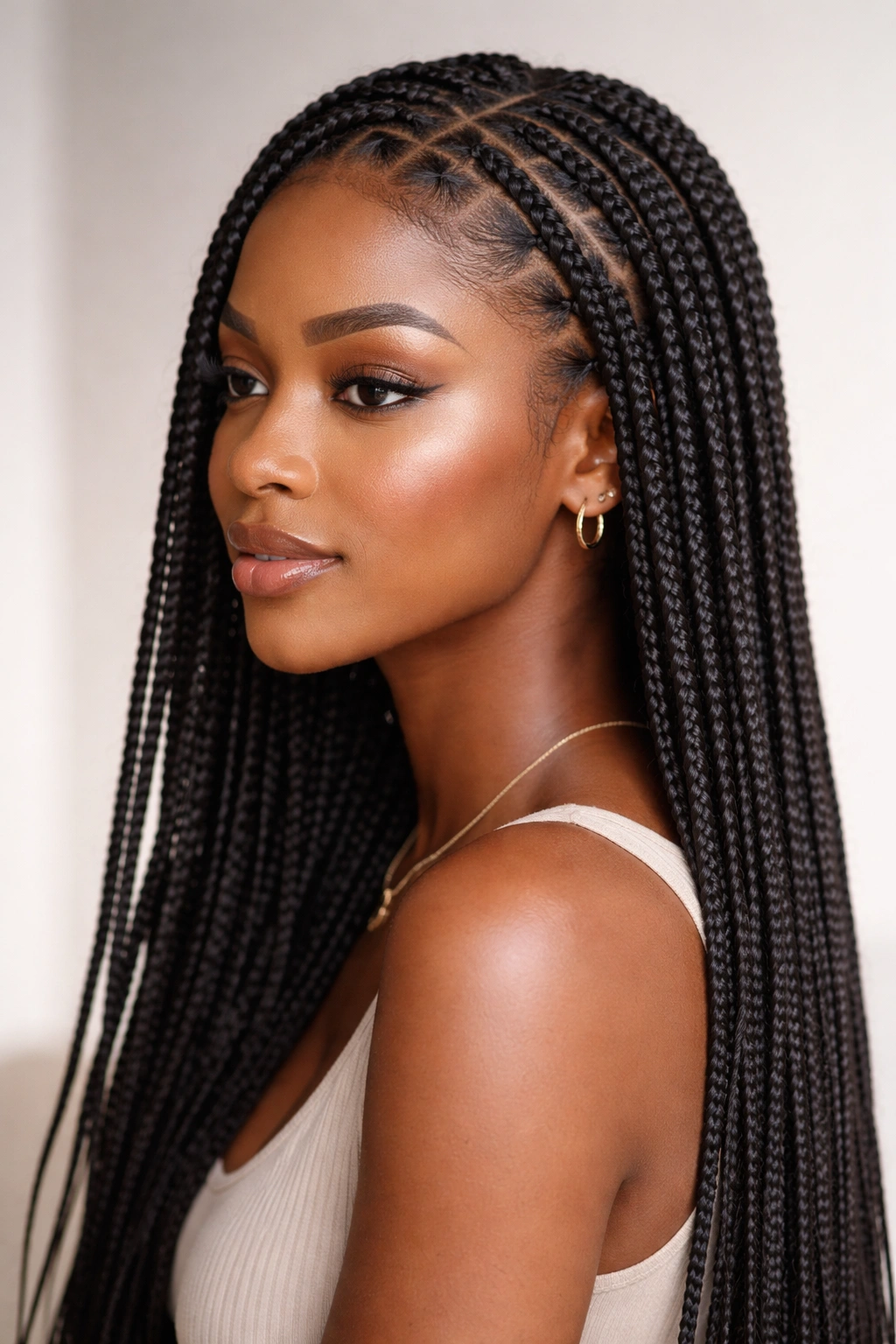
Knotless box braids offer a sleeker, more refined alternative to traditional box braids. Instead of creating a knot at the base where the braid hair is attached, the added hair is woven directly into your natural hair as you braid. This technique creates a smooth, seamless look that transitions from scalp to braid tip. Many people find that knotless braids feel lighter on their head and create less tension at the roots, making them an excellent choice if you have a sensitive scalp.
How Knotless Braids Differ From Traditional Box Braids
The visual difference is subtle but noticeable. Traditional box braids have a small knot at the base where the synthetic hair is tied to your natural hair. Knotless braids eliminate that knot entirely, creating a continuous, flowing braid from root to tip. This means the base of your knotless braids blends seamlessly with your natural hair texture, creating an extremely polished appearance. The technique also distributes tension more evenly across your scalp since there’s no concentrated knot pulling at a single point. Installation takes slightly longer than traditional box braids because the weaving technique is more intricate, but many people feel the end result justifies the extra time.
Maintenance and Longevity Considerations
Knotless braids can last 4 to 6 weeks typically—a bit shorter than traditional box braids because the knotless connection point can loosen slightly as you wear them. However, many people prefer them specifically because they feel more comfortable. Sleeping with a satin bonnet is especially important for knotless braids since the base needs extra protection to maintain its integrity. You can refresh the roots, but re-braiding knotless styles requires the same weaving technique as the original installation, so many people choose to remove them rather than refresh them.
3. Senegalese Twists
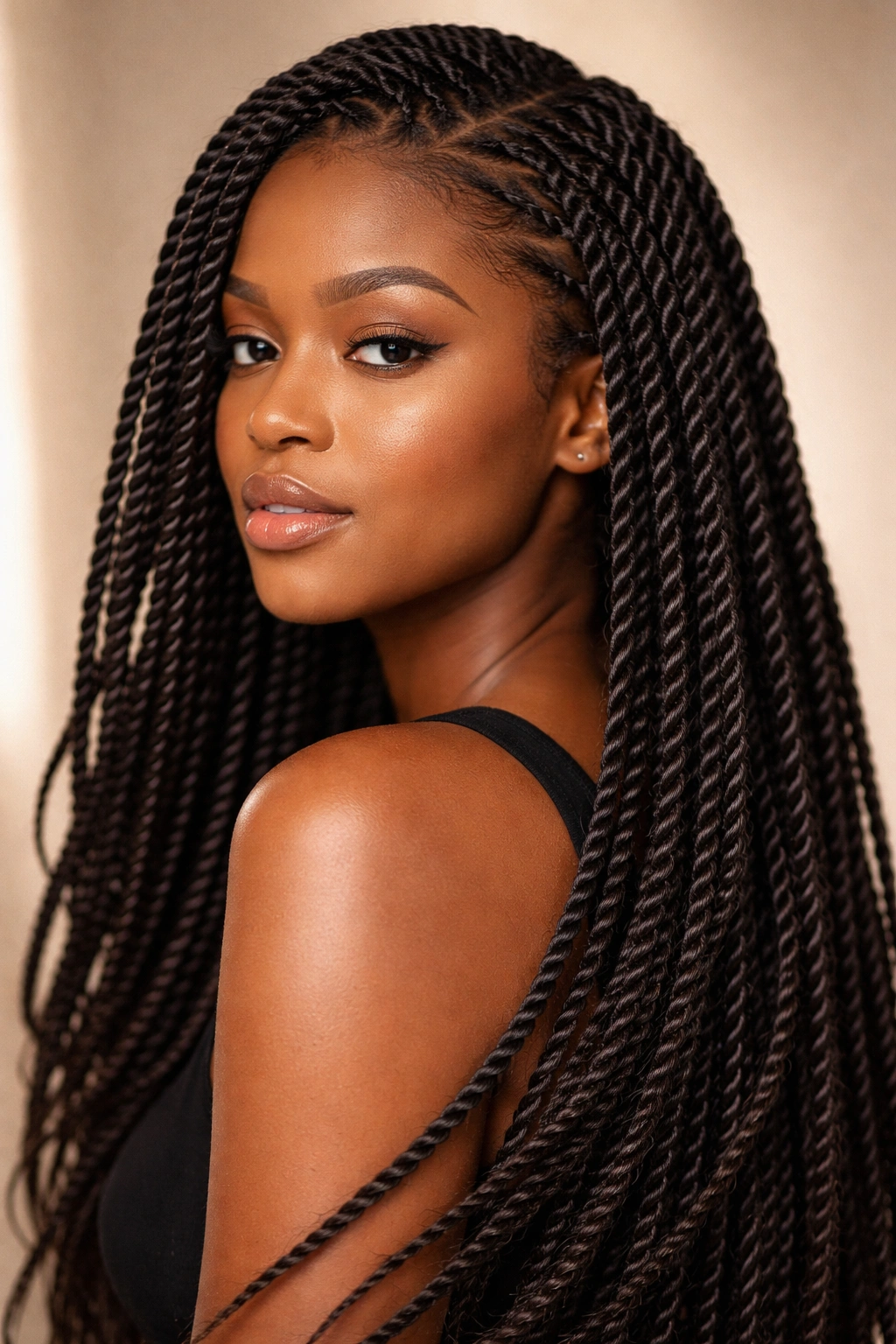
Senegalese twists offer a completely different texture and aesthetic from braids. These are created by twisting strands of added hair around your natural hair, creating a rope-like pattern. The twists are typically smooth, shiny (especially if you use synthetic hair), and create a stunning visual effect that’s slightly more contemporary than traditional braids. Senegalese twists work beautifully on Afro hair because they complement your natural curl pattern while creating defined, elongated shapes.
The Beauty of Twisted Styles for Texture Contrast
Senegalese twists create an interesting visual contrast against Afro hair. Your natural hair’s kinky texture is visible at the base, transitioning into the sleek twisted pattern of the added hair. This juxtaposition is part of what makes Senegalese twists so visually striking. The twists tend to feel slightly lighter than braids of the same size, and many people find them more comfortable for sleeping or resting your head against a pillow. You can wear them down for a dramatic length, style them into ponytails, or wrap them into elaborate updos. The possibilities are genuinely extensive.
How to Keep Senegalese Twists Looking Fresh
The twists should be wrapped at night with a satin or silk scarf to prevent frizz and maintain the twisted pattern. Apply a light oil or moisturizer to your scalp and the base of each twist throughout the week—this keeps your natural hair healthy and prevents buildup around the roots. Senegalese twists can last 6 to 8 weeks, similar to box braids. They’re particularly popular because they tend to feel more delicate and refined than bulkier braided styles, and they create an elegant aesthetic that works for professional settings or special occasions just as well as everyday wear.
4. Goddess Braids
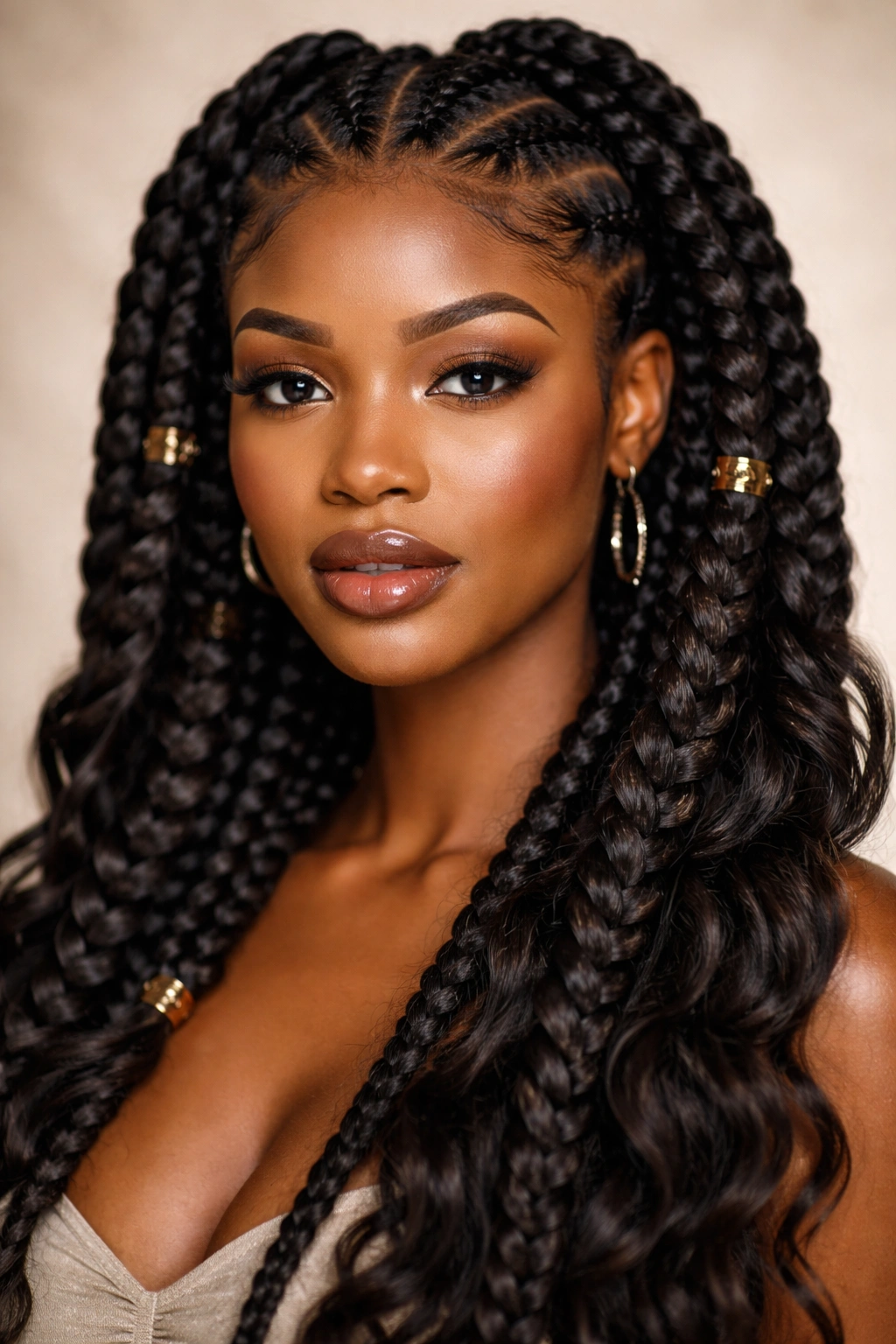
Goddess braids are large, thick braids that create a bold, statement-making style. These braids are typically installed with added hair and can be worn in various patterns—some people choose a single goddess braid down the back, others do two framing the face, and some create an intricate pattern across the entire head. The “goddess” name perfectly captures the regal, powerful aesthetic these braids create. They’re thicker than traditional box braids, which means they require fewer sections and can be installed more quickly.
Why Goddess Braids Make Such a Strong Visual Impact
The thickness of goddess braids is what makes them so striking. They command attention because of their size and visual presence. The braids themselves are often glossy and beautifully textured, especially when created with high-quality braid hair. Goddess braids work beautifully as a protective style while also being genuinely glamorous—you don’t have to choose between protecting your hair and looking absolutely incredible. Many people style goddess braids with accessories like metallic cuffs, beads, or decorative wraps to enhance the statement-making aesthetic.
Longevity and Style Versatility
Goddess braids typically last 6 to 8 weeks. Because the individual braids are thicker, they put slightly more tension on your scalp than smaller braids would, so it’s especially important to ensure they’re not installed too tightly. You can wear goddess braids down for maximum impact, style them into an updo for a more refined look, or wrap them around your head like a crown. The versatility combined with their dramatic aesthetic makes them a favorite for people who want a protective style that also functions as a genuine style statement.
Pro tip: If you plan to wear your goddess braids in an updo, ask your braider to create slightly longer braids. This gives you more material to work with when styling and prevents the style from looking skimpy.
5. Passion Twists
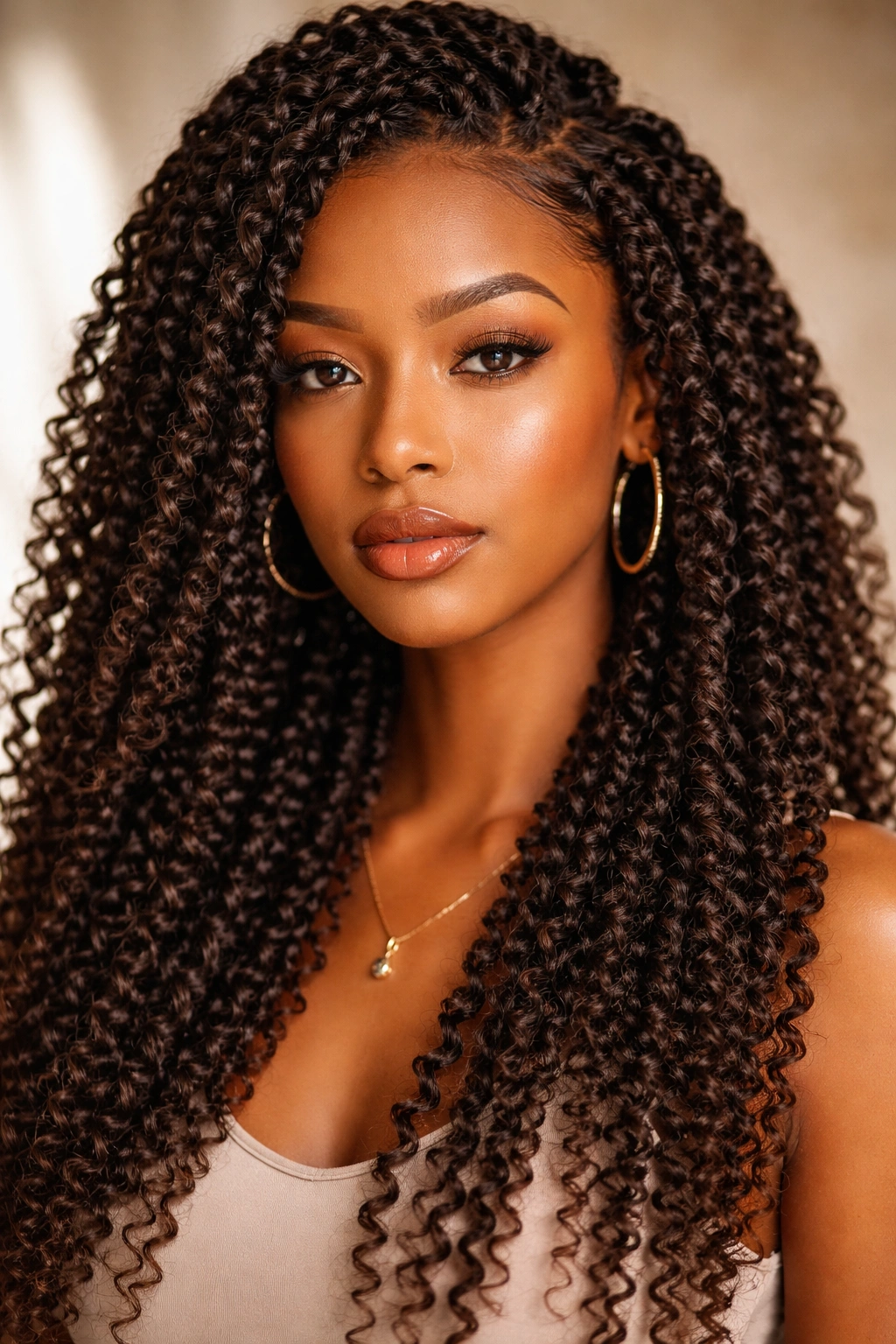
Passion twists are a newer protective style that combines the benefits of twists with a textured, dimensional appearance. Unlike Senegalese twists, passion twists are created using a special type of curly braid hair that’s designed to mimic the texture of tightly coiled hair. The result is a style that looks similar to your natural Afro texture but in an installed, protective format. Passion twists work particularly well on Afro hair because they complement your natural curl pattern rather than contrasting with it.
The Modern Appeal of Passion Twists
Passion twists came onto the scene as a way to create protective styles that look more similar to natural, textured hair. The curly braid hair used for passion twists gives them a softer, more organic appearance than sleek synthetic twists. Many people feel that passion twists look more “like them” compared to styles created with straight, shiny synthetic hair. The twists also feel less rigid—they have some give and flexibility because of their textured nature. This makes them comfortable to wear and practical for everyday life. You can style passion twists into ponytails, buns, or half-up styles, and they look beautiful down as well.
Installation, Maintenance, and Care
Passion twists install slightly faster than traditional twists because of the method used to attach the curly braid hair. They typically last 6 to 8 weeks. Moisturizing your scalp is important, as is protecting the twists at night with a satin bonnet or by wrapping your hair with a satin or silk scarf. The textured nature of passion twists means they shed slightly more than sleek twists, but this is normal and manageable. Many people find that passion twists require slightly less maintenance than braids because there’s less buildup around the roots due to the textured appearance already looking intentionally voluminous.
6. Fulani Braids
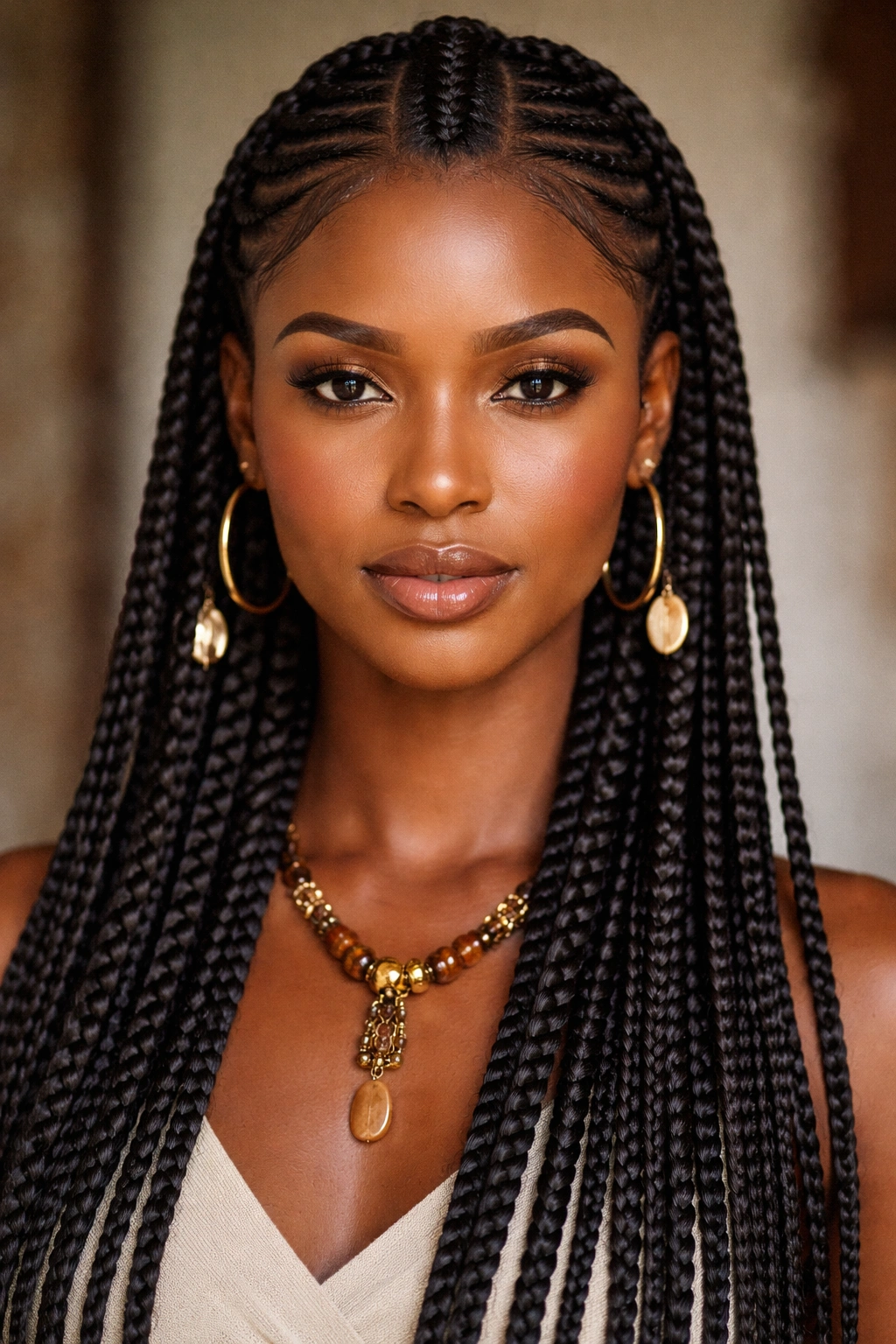
Fulani braids are named after the Fulani people of West Africa, who have been wearing this braiding style for centuries. These braids typically feature cornrows along the sides or back of the head, with a single thick braid or multiple smaller braids running down the center or crown. Fulani braids often include decorative elements like beads, gold cuffs, or cowrie shells that reference the traditional styling. The style is distinctly cultural, beautiful, and a meaningful way to celebrate and honor African heritage.
Cultural Significance and Modern Styling
Fulani braids are deeply rooted in African tradition and carry cultural meaning. When wearing this style, you’re not just choosing a protective hairstyle—you’re connecting to heritage and tradition. Modern Fulani braids can be adapted in many ways while maintaining the core aesthetic. Some people keep them minimal and refined, while others add elaborate beads and decorative elements. The cornrow components can be thick or thin, and the central braids can be simple or complex. The versatility means you can wear Fulani braids as a daily protective style or as a special occasion look.
Creating Authentic Fulani Braids
Work with a braider who understands the cultural elements and can create braids that honor the tradition while working with your hair and aesthetic preferences. The cornrows should be firm but not painful—tension should never feel like it’s pulling your hairline or causing discomfort. Fulani braids can last 6 to 8 weeks. Beads and cuffs should be placed thoughtfully and removed gently to avoid damaging your braids. Moisturize your scalp throughout the wear period, and protect the style at night with a satin scarf or bonnet.
Worth knowing: If you’re drawn to Fulani braids, take time to learn about the Fulani culture and the significance of the style. This deepens your appreciation and ensures you’re wearing it as an homage rather than as a trend.
7. Lemonade Braids
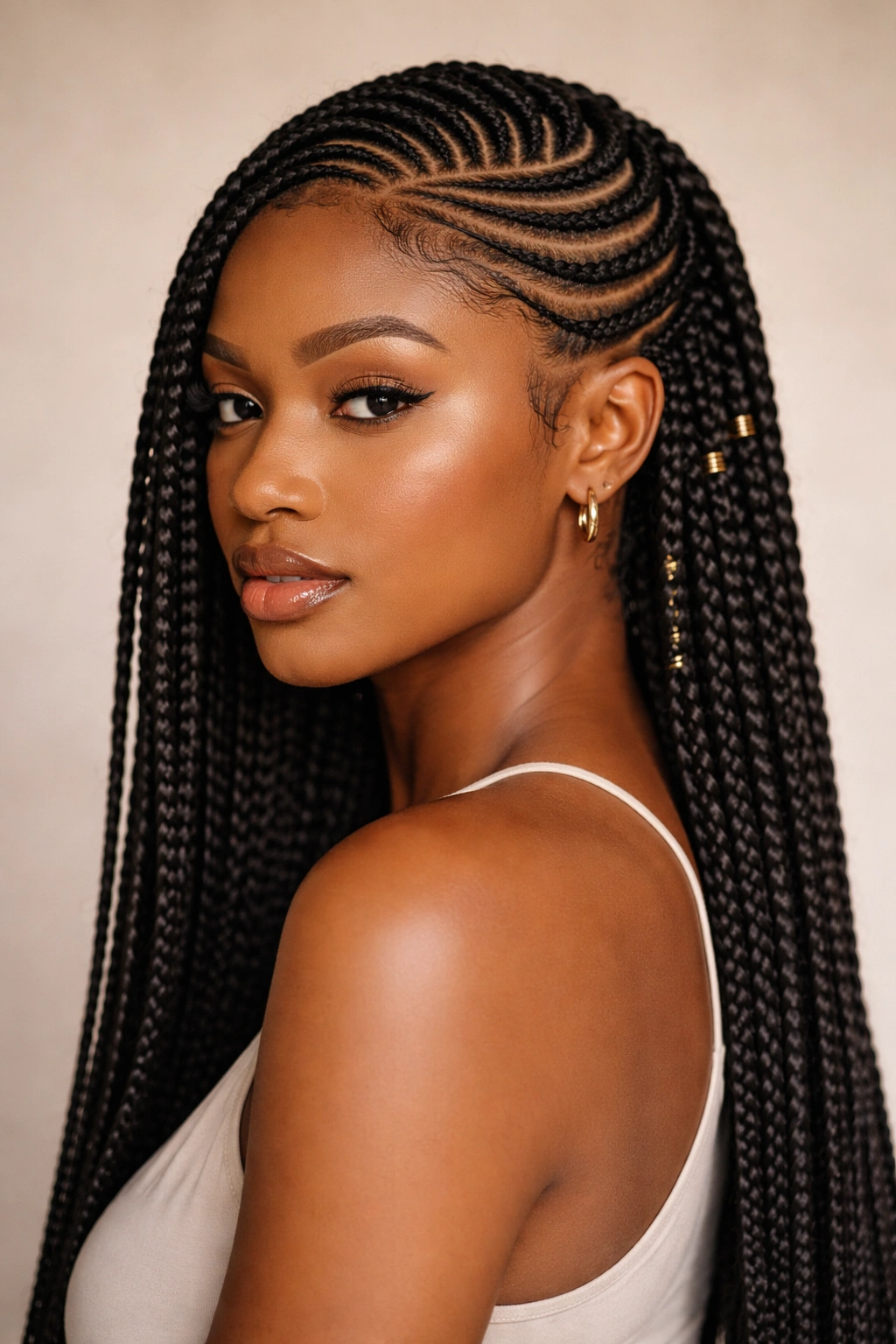
Lemonade braids are a playful, modern twist on cornrows. These are cornrows that are styled in a curved or curved-zigzag pattern, typically framing the side of the head or creating a diagonal pattern across the scalp. The name “lemonade braids” became popular after Beyoncé wore a similar style, but the braiding technique itself has been around for much longer. The style works beautifully on Afro hair because the cornrows showcase your hair’s natural texture while creating defined, geometric patterns.
The Visual Appeal of Patterned Cornrows
Lemonade braids are instantly recognizable and visually stunning. The curved pattern creates movement and dimension that straight cornrows don’t quite achieve. You can wear lemonade braids with just a few cornrows on one side of your head, or you can create multiple braids across your entire scalp for a more dramatic effect. The style works as a protective style while also being undeniably trendy and fashion-forward. Many people choose lemonade braids when they want protection without sacrificing style or contemporary appeal.
Styling and Care for Lemonade Braids
Lemonade braids can be installed with or without added hair—with added hair creates a thicker, more dramatic braid, while without added hair creates a more understated, refined look. The style lasts typically 4 to 6 weeks. Keep your scalp moisturized, protect the braids at night, and avoid excessive pulling or tension on the braids. Because cornrows sit flush to the scalp, it’s especially important to ensure they’re not installed so tightly that they cause discomfort or tension on your hairline.
8. Water Wave Braids
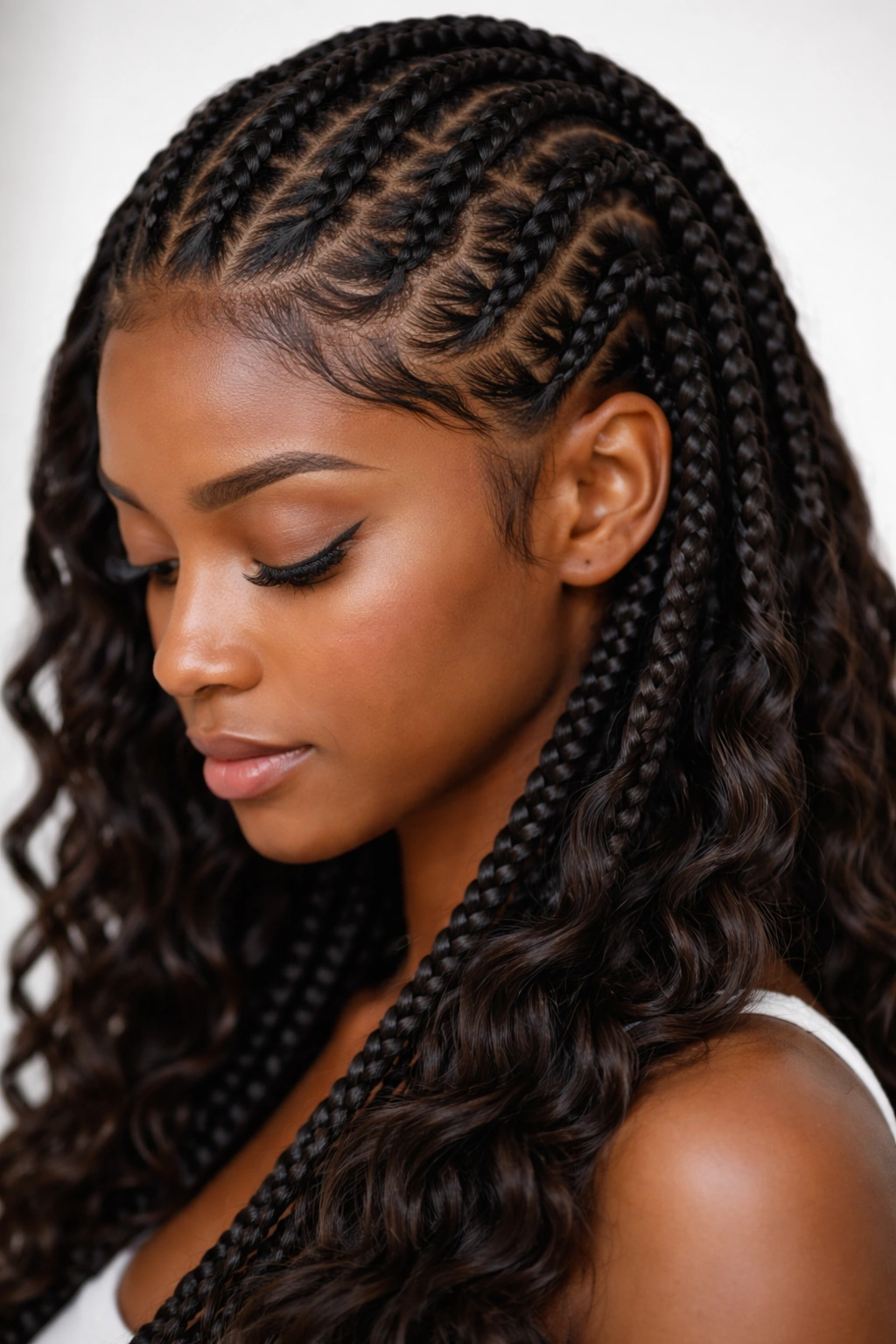
Water wave braids are a newer protective style that combines braiding with a unique texturing technique. The braid hair used is specially designed to create a wave pattern that looks similar to water waves or ocean waves. These braids are typically installed as box braids or individual braids, but the wave texture of the hair makes them visually distinctive. Water wave braids create an eye-catching aesthetic that’s particularly popular for people who want something different from traditional braids.
The Texture and Visual Drama of Wave Patterns
Water wave braids create a stunning visual effect because of the wave texture running through each braid. The pattern catches light beautifully and creates dimension and movement throughout the style. Many people choose water wave braids specifically because they want a protective style that’s bold and visually interesting. The waves are created through the structure of the braid hair itself, so you get the effect without needing special styling or manipulation. Water wave braids work beautifully for people who want to make a statement without wearing ultra-thick braids or elaborate patterns.
Installation and Longevity Considerations
Water wave braids install similarly to traditional box braids and last about 6 to 8 weeks. The wave texture of the hair means you should be extra careful about tangling—avoid excessive rubbing or friction with other surfaces. Sleep with your braids protected under a satin bonnet or scarf. Moisturize your scalp regularly, but avoid getting the braids overly wet between wash days, as this can cause the wave texture to relax or become less defined. Water wave braids create a temporary style change while still protecting your natural hair underneath.
9. Marley Braids
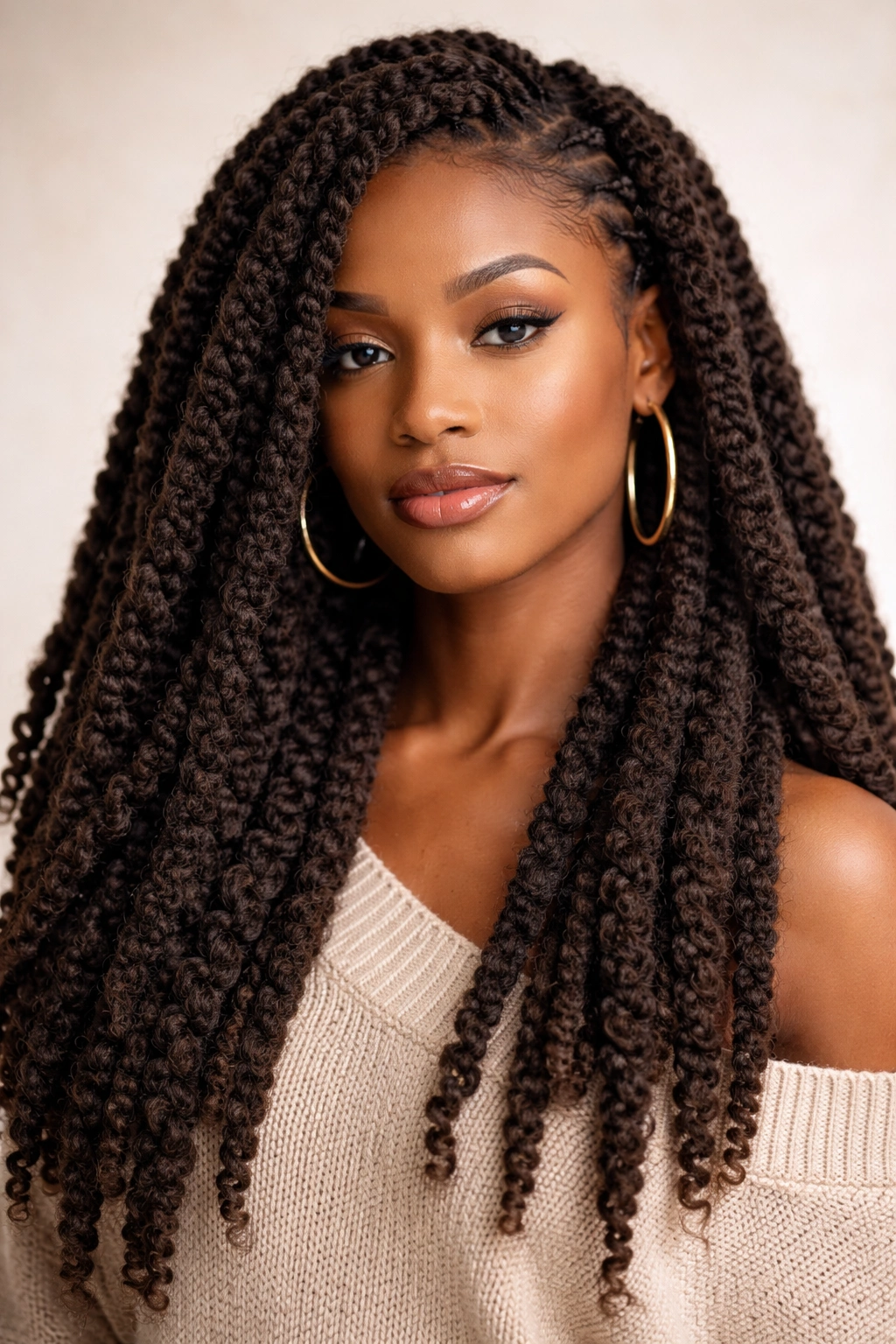
Marley braids are created using Marley hair, which is a textured, wiry braid hair that mimics the appearance of natural, tightly coiled hair. The name comes from the type of hair used, and Marley braids create a look that’s very similar to your natural Afro texture. These braids are typically chunky and voluminous, creating a full, textured style. Marley braids work beautifully on Afro hair because they complement your natural curl pattern perfectly—there’s no stark contrast between your natural hair and the added hair.
Why Marley Braids Feel Authentic and Natural-Looking
Marley hair is specifically designed to look like natural, kinky, coiled hair. When you install Marley braids, the transition between your natural hair and the added hair is nearly seamless. This makes the style feel more authentic and connected to your natural texture. Many people feel more confident and comfortable in Marley braids because they look genuinely like an extension of their natural hair rather than an obviously added style. The textured nature of Marley hair also means it’s less likely to show frizz or loose strands—the texture masks slight imperfections that might be more obvious in sleek braids.
Comfort and Maintenance for Marley Braids
Marley braids typically last 6 to 8 weeks. They feel lighter than braids created with heavy synthetic hair, making them comfortable for daily wear. The textured nature of the braids means you should avoid excessive manipulation or rubbing, which can cause matting. Moisturize your scalp regularly and protect the braids at night. Because Marley hair is wiry and textured, it can be prone to slight matting if the braids are worn too long or if they’re not cared for properly. Regular gentle detangling and moisturizing keeps them looking fresh throughout the wear period.
10. Cornrow Braids
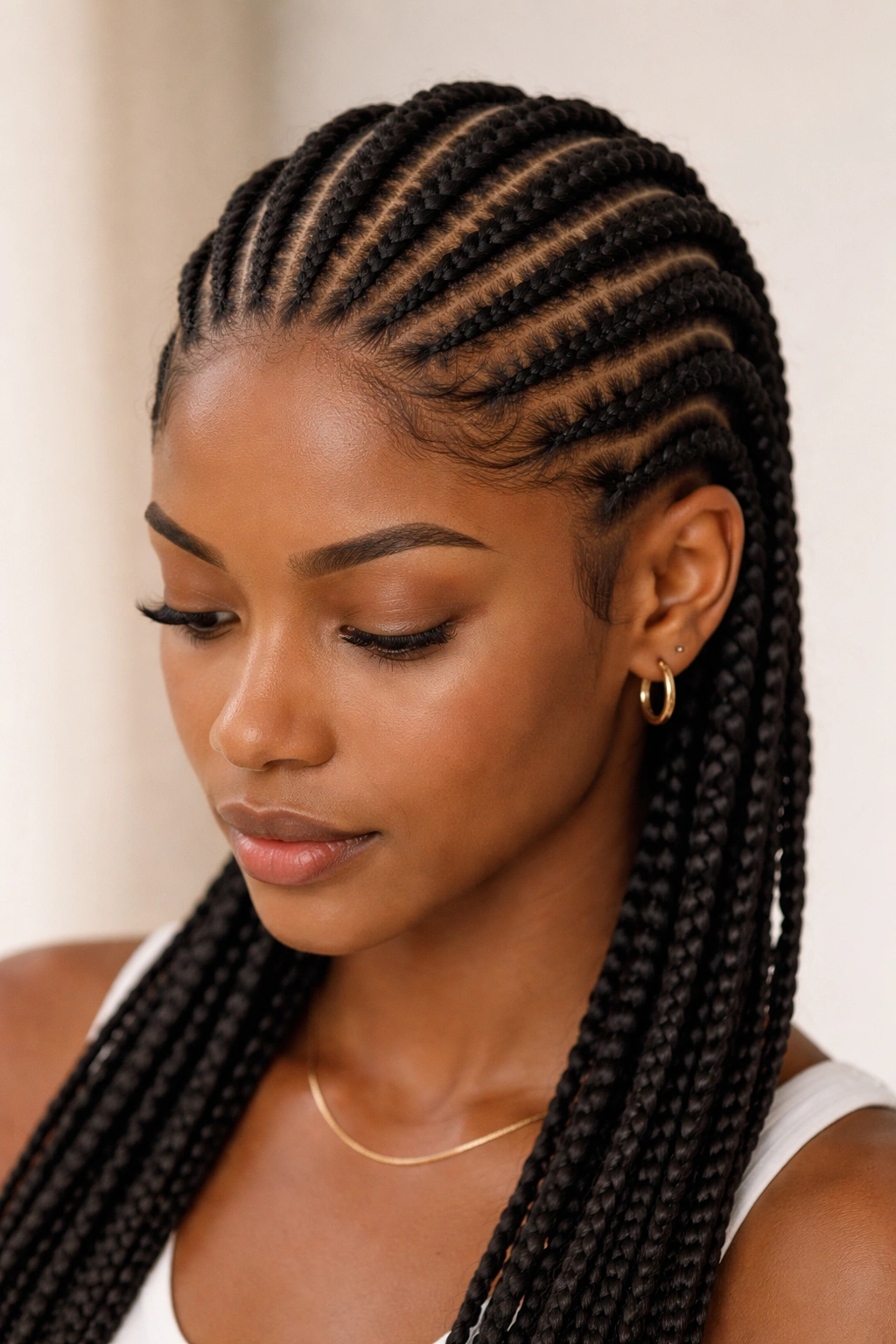
Cornrows are a timeless, foundational braiding style that deserves a place on any list of kinky braid styles. These braids are created by braiding the hair as close to the scalp as possible, creating a raised, linear pattern. Cornrows can be worn in various patterns—straight rows down the back, diagonal lines, curved patterns, or intricate geometric designs. They work beautifully on Afro hair and have been worn across African and African diaspora cultures for thousands of years.
The Versatility and Cultural Legacy of Cornrows
Cornrows are incredibly versatile. You can create simple, understated rows for a refined, professional look, or you can design complex patterns and add decorative beads for a more elaborate style. Cornrows work as a protective style while also being genuinely beautiful. The style has deep cultural roots and represents a significant part of Black hair culture and tradition. When wearing cornrows, you’re connecting to a legacy that stretches back through generations and across continents. The style is appropriate for every setting and every age—cornrows work for children, teenagers, adults, and elders alike.
Creating and Caring for Cornrows
Cornrows can be installed with or without added hair. With added hair, they’re thicker and more dramatic; without added hair, they’re more understated and refined. Professional braiders can create virtually any pattern you imagine. Cornrows typically last 6 to 8 weeks depending on how they’re installed and how well you care for them. Keep your scalp moisturized, protect the style at night, and avoid excessive pulling or tension. The key to long-lasting cornrows is ensuring they’re installed with proper tension—firm enough to last but not so tight that they cause discomfort or damage to your hairline.
Pro tip: If you have a specific pattern or design in mind for your cornrows, bring reference photos to your braider. This ensures you both have the same vision and can create exactly what you’re imagining.
Final Thoughts
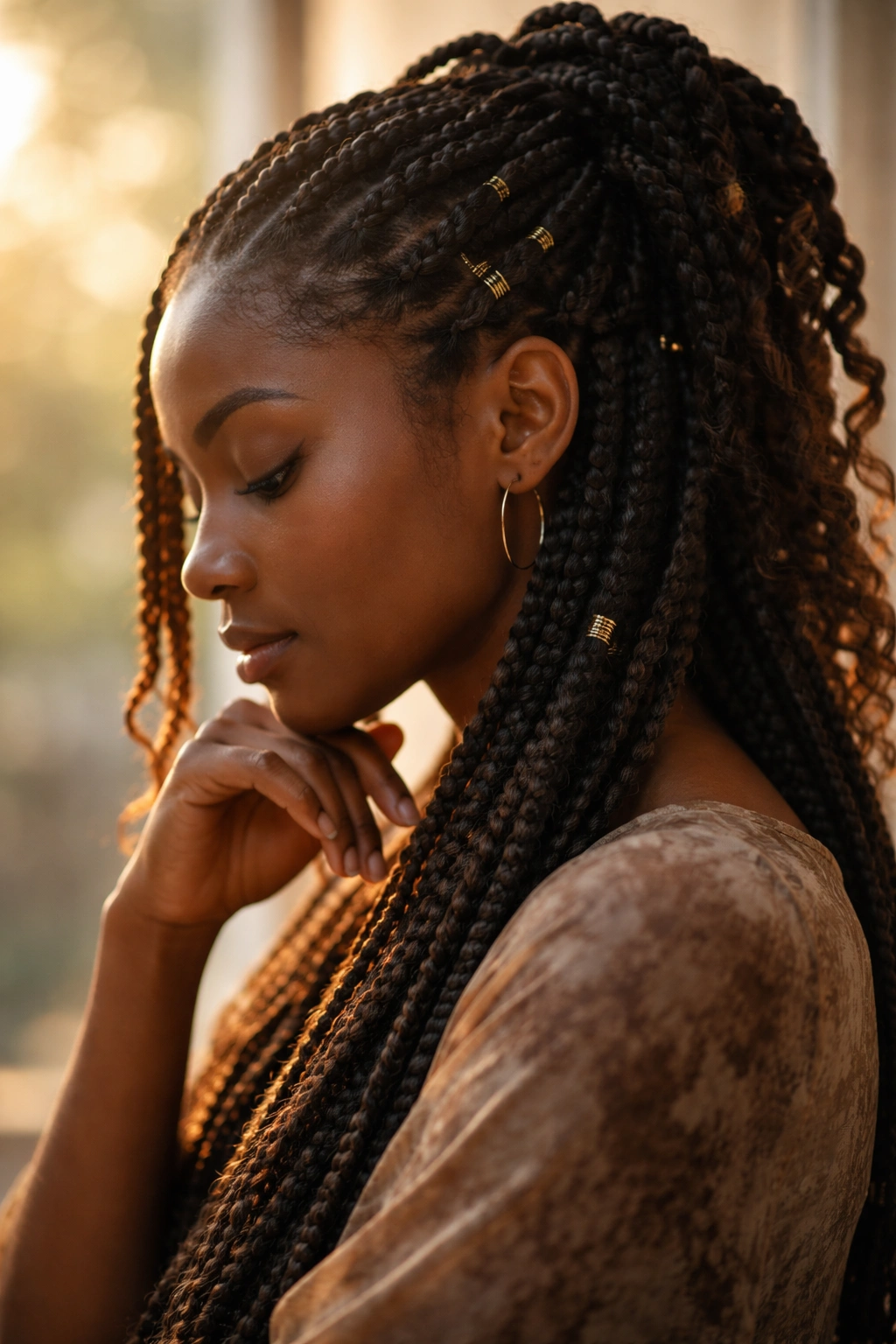
Each of these kinky braid styles offers something different—whether you’re looking for classic protection, modern aesthetics, cultural connection, or pure visual impact. The best style for you depends on your lifestyle, how long you want to keep your hair installed, how much maintenance you’re willing to do, and what makes you feel most confident and beautiful.
Remember that the health of your natural hair underneath is always the priority. No matter which style you choose, installation should never be painful, and your braider should never leave you with a tight headache that lasts hours. Your scalp should be moisturized throughout the wear period, and your braids should be cared for properly to maximize their lifespan. When you remove your braids, take time to deep condition and gently detangle your natural hair to prepare it for the next protective style.
Kinky braids are more than just a protective styling option—they’re an expression of beauty, culture, creativity, and identity. Wear whichever style speaks to you, care for your hair thoughtfully, and enjoy the freedom and confidence that comes with a good protective style.
