



Afro haircuts hit differently when you’re over 30. By this point, you’ve likely figured out what actually works with your hair, your lifestyle, and what makes you feel confident stepping into a room. The challenge isn’t finding a style—it’s finding the one that respects your texture, flatters your face, requires maintenance you’re genuinely willing to commit to, and says something true about who you are now, not who you were a decade ago.
The good news? Natural hair texture is having a moment, and the artistry around cutting and shaping afro hair has evolved significantly. Stylists who specialize in textured hair understand that a great cut isn’t about forcing your hair into someone else’s vision. It’s about working with your natural curl pattern, your hair density, your daily routine, and your personal aesthetic to create something that feels authentically yours and genuinely manageable. A precision cut on afro hair can literally change everything—it’s the difference between hair that feels like work and hair that feels like part of who you are.
What also shifts over 30 is what you want from a style. You might want something polished enough for professional settings but cool enough to feel like you. You might crave low maintenance without sacrificing impact. You might want volume and shape without the daily styling commitment. Or you might be ready to invest time in a style that makes you feel powerful because you’ve stopped apologizing for taking up space. Whatever your priorities, there’s a cut here that aligns with them.
Why the Right Afro Cut Matters After 30
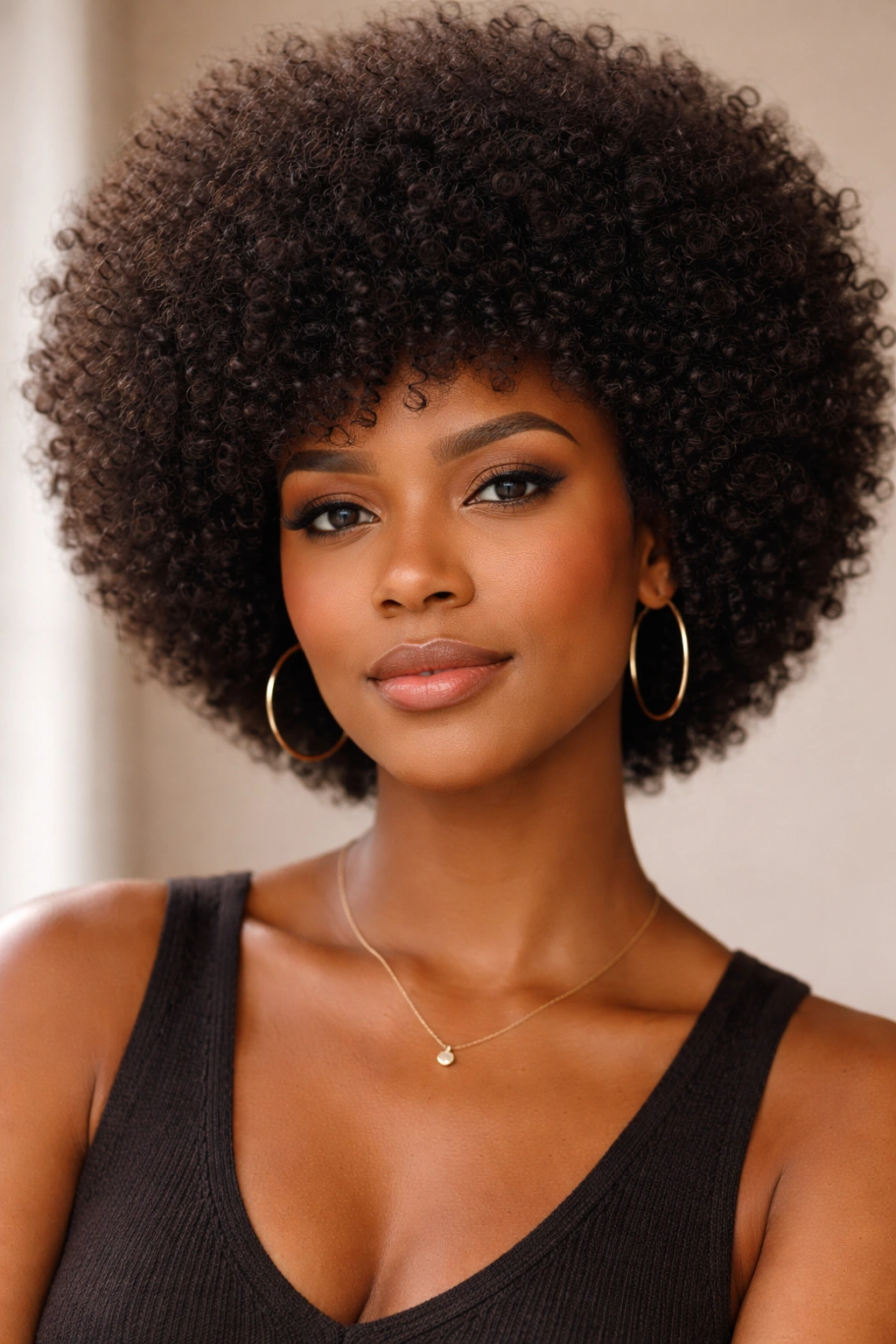
A well-executed afro haircut does something that styling products and techniques alone cannot do—it works with your hair’s natural behavior rather than against it. When a stylist who understands textured hair cuts your afro thoughtfully, they’re removing weight strategically, creating shape that enhances your features, and reducing the amount of styling friction you face every single day.
The psychology shifts too. After 30, most women stop prioritizing what they think they’re supposed to want and start prioritizing what actually serves their life. That might mean a cut that looks stunning even when your hair hasn’t been styled in three days. It might mean something that transitions seamlessly from a board meeting to evening plans without requiring a complete redo. It might mean finally trusting that you deserve a style that’s both practical and beautiful, not one or the other.
A proper afro cut also respects your hair’s health. Texturized hair can be prone to breakage if it’s not shaped and maintained thoughtfully. A stylist who cuts with an understanding of curl patterns and density can create a shape that actually protects your ends and keeps your hair healthier long-term compared to constantly working against an unstructured cut that fights your natural texture.
1. The Tapered Natural Afro
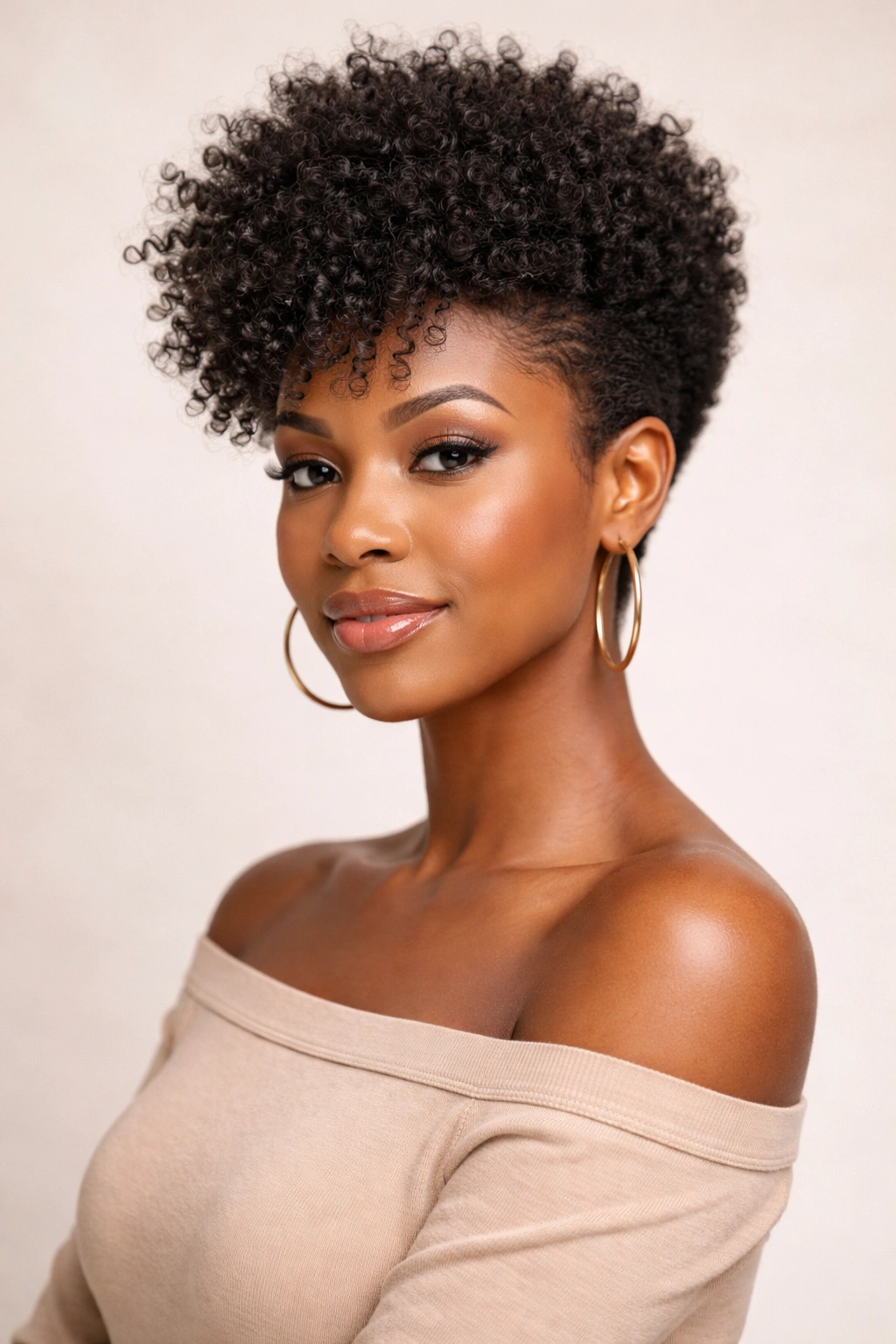
The tapered natural afro is the sophisticated version of letting your hair be completely free. This cut keeps your hair in its natural, unaltered curl pattern but removes length strategically, creating a silhouette that’s clean and intentional rather than grown-out-and-unclear. The taper—shorter on the sides and back, longer on top—creates movement and dimension while keeping the overall look polished and purposeful.
Why It Works for Women Over 30
This cut signals that you know who you are and you’re not trying to be someone else. It’s low maintenance in the sense that you’re not fighting your natural texture, but it’s also intentional—it requires regular trims every 4-6 weeks to maintain the tapered shape. That said, those trims are quick and relatively straightforward. The cut works beautifully on every face shape because the tapered sides actually frame your features rather than hiding them. And unlike a fully rounded afro, the taper adds an edge that feels contemporary and professional.
What to Know Before You Commit
- The maintenance reality: Plan for trims every 4-6 weeks. Going longer than that and the taper starts to blur, and you lose the intentional shape. For women over 30 who are past the phase of constantly trying new things, having a regular appointment actually feels good—it’s part of your routine, not a burden.
- The styling range: Wear it completely natural and unstyled for everyday, or spend 10 minutes defining curls with product for a sharper, more polished look. The versatility is real.
- The suitability: Works on all hair densities, though the effect is more dramatic on higher-density hair. On finer afro texture, make sure your stylist isn’t removing too much weight, or you might end up with something that looks less shaped and more sparse.
- The styling products needed: A curl cream or curl gel works, but isn’t essential. Many women with this cut rock it completely product-free.
Pro tip: Find a stylist who uses clippers with a guard rather than scissors for the taper. It creates a cleaner, more precise line and is actually gentler on the hair cuticle than scissor work.
2. The Coiled Crown
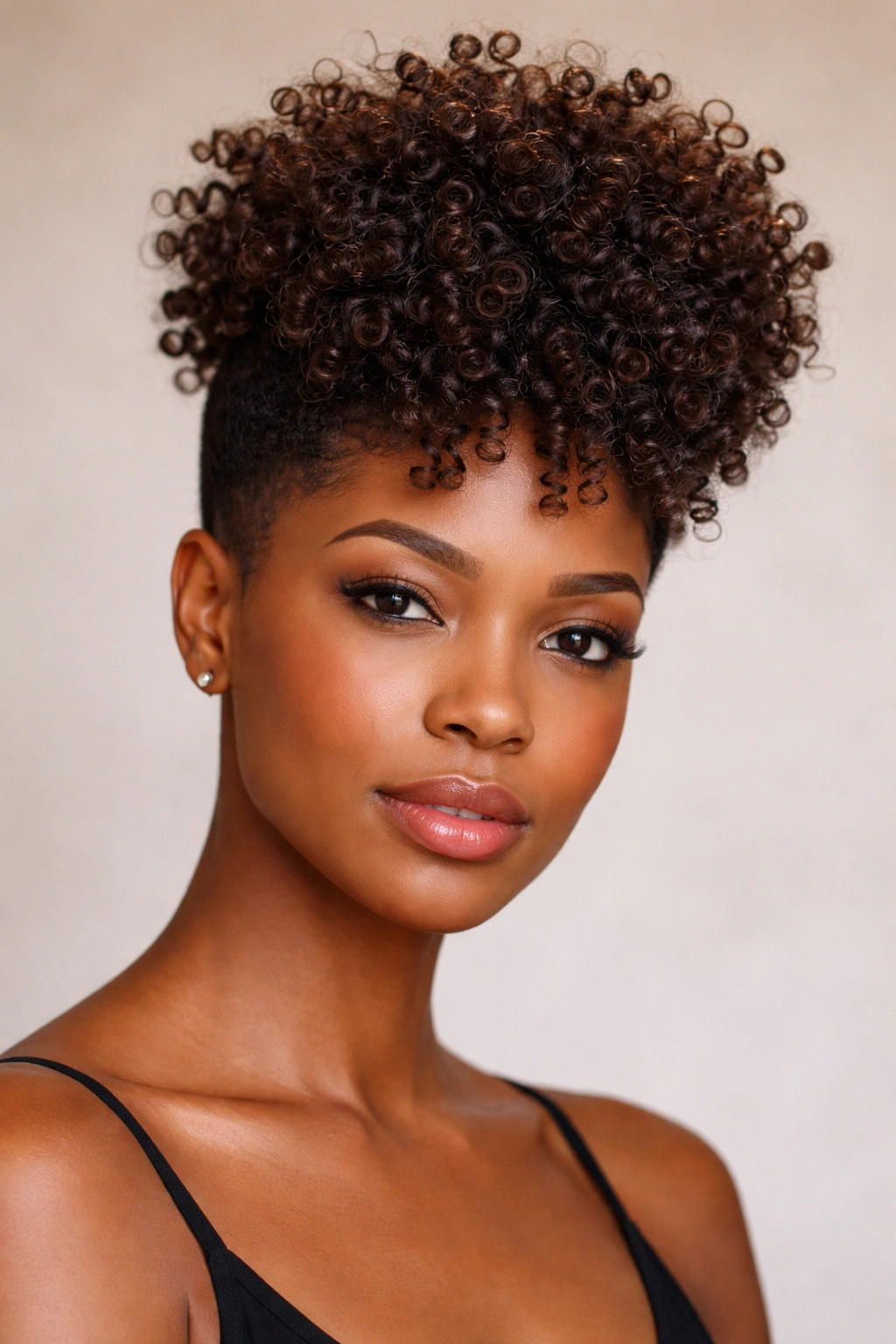
The coiled crown is an afro cut that keeps substantial length and volume on top while tapering significantly on the sides and back, creating almost a crown effect. Your curls sit elevated and prominent while the cut itself is clean and controlled. This is a deliberately sculptural style—it’s not a grown-out afro; it’s a cut afro, and that distinction matters for the overall aesthetic.
Why It Works for Women Over 30
This cut is for the woman who wants her hair to make a statement. It’s confident and visually striking without being understated, and it photographs beautifully. After 30, you likely know whether you’re someone who gravitates toward being visually prominent or prefers blending in. If you’re the former, this cut is aligned with that. It also works if you love the way your hair feels when you have volume and freedom. The coiled crown gives you both.
What to Know Before You Commit
- The styling commitment: You can wear this cut completely natural, but it looks best when your curls are intentionally defined. That usually means using a styling cream or gel and spending 15-20 minutes finger-coiling or using a curling method. This is not a wash-and-go cut; it’s a wash-style-and-go cut.
- The face shape advantage: This cut is exceptionally flattering on rectangular or long faces because the volume on top and the tapered sides create an optical balance. On very round faces, ask your stylist about keeping a bit more texture on the sides to avoid the crown feeling too top-heavy.
- The hair density requirement: This cut works best on medium to high-density hair. On lower-density hair, you might struggle to get the sculptural quality that makes this cut special.
- The product investment: A good curl cream and a lightweight gel become non-negotiable parts of your routine.
Worth knowing: The time commitment is real, but many women find that the 15-20 minutes of styling is actually meditative and becomes a valued part of their self-care ritual rather than a chore.
3. The Short Textured Pixie
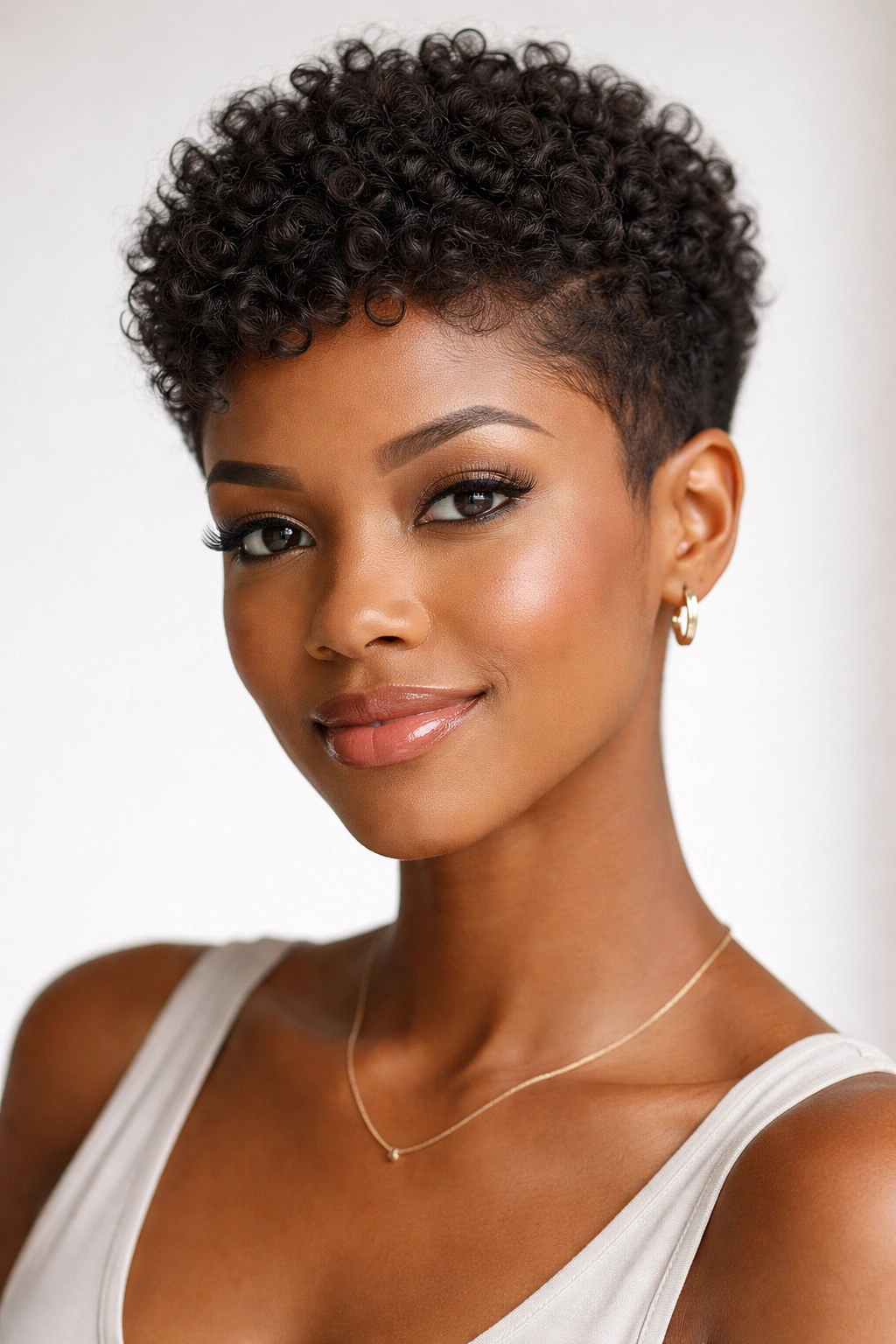
A textured pixie cut on afro hair looks nothing like a pixie cut on straight hair. Instead of a sleek, sculptural style, you get an almost cloud-like effect where your curls are cut very short but remain bouncy and full of personality. It’s edgy without being severe, practical without being boring, and it’s become increasingly popular with women over 30 who want maximum freedom with minimum styling.
Why It Works for Women Over 30
By your 30s, you either love your face or you’ve made peace with it. A short textured cut frames your face directly—there’s nowhere for your hair to hide if something doesn’t work, which means it absolutely has to work, and when it does, the payoff is extraordinary. This cut also appeals to women who are tired of spending time on hair maintenance. Wash, maybe use a curl product, air dry or use a diffuser, done. That’s it. The cut is so short that you’re not dealing with length, tangles, or the patience required to detangle.
What to Know Before You Commit
- The face shape consideration: This cut works beautifully on most face shapes, but you need a stylist who understands how to shape short curls in a way that flatters your specific features. What’s too-short-and-harsh on a square face might be perfect on an oval face.
- The growth timeline: Your hair will grow noticeably every 3-4 weeks. Some women love how their hair looks at different lengths as it grows in, treating it almost like free style variations. Others find the growth-out phase awkward and prefer to trim it back to fresh every 4 weeks.
- The confidence factor: This is genuinely not a cut for someone uncertain about showing their face and features. But if you’re someone who’s made peace with yourself, this cut is liberating in a way that longer hair simply isn’t.
- The styling range: You can wear it completely product-free, or use a light gel to piece it out and create more definition. You can air dry or diffuse. The flexibility is remarkable.
Insider note: Many women who cut their hair short this way never go back. They report feeling lighter, freer, and more themselves than they ever did with longer hair, even though it seems counterintuitive.
4. The Layered Textured Lob
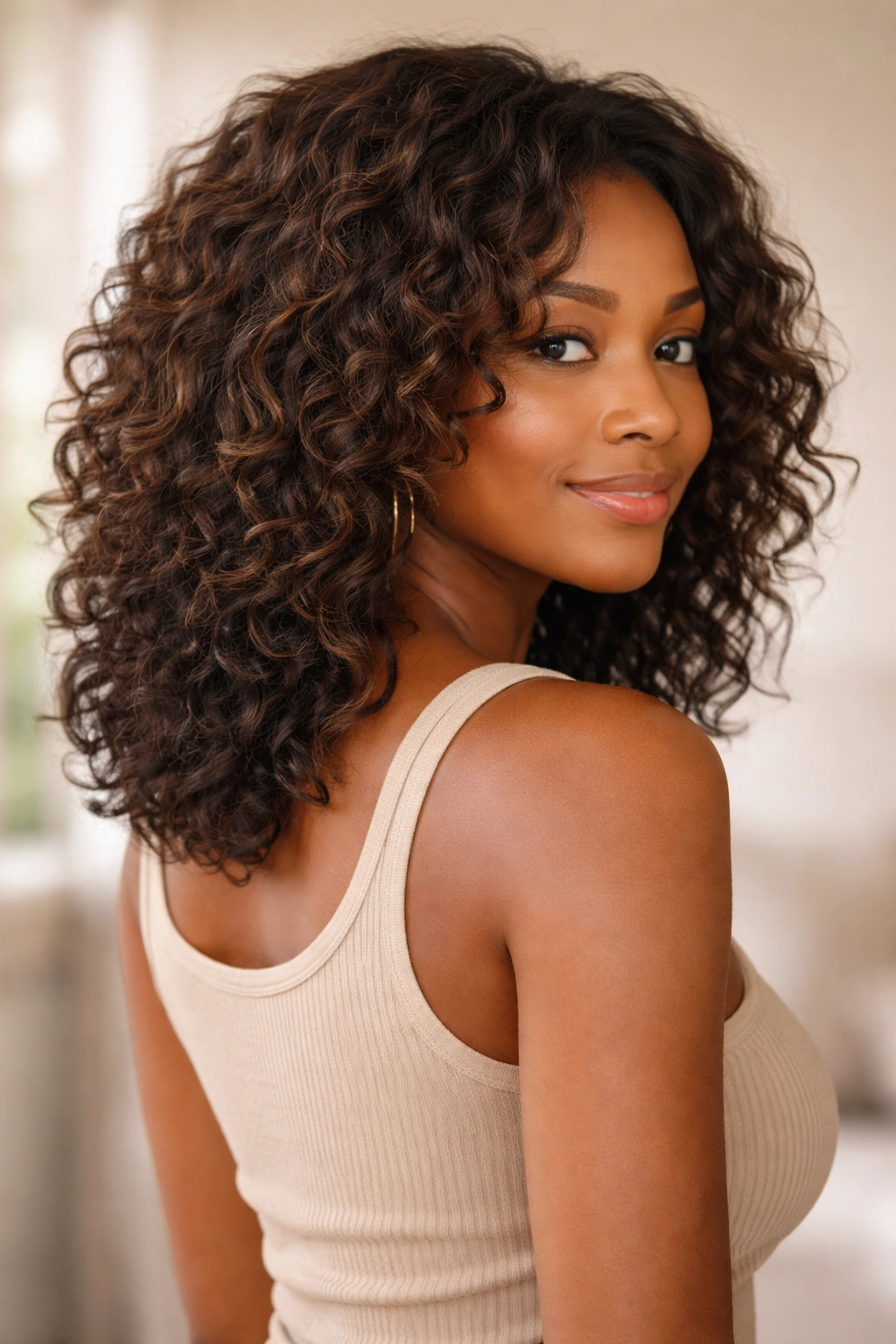
A lob (long bob) with intentional layers cut throughout works beautifully on textured afro hair. Layers remove weight and create dimension, preventing the heavy, shapeless look that sometimes happens when people with afro texture try to grow their hair longer. This cut sits somewhere between shoulder-length and mid-back length, with layers that start roughly around ear-length and continue throughout, creating movement and shape without requiring the hair to be straightened or chemically altered.
Why It Works for Women Over 30
This cut is for the woman who wants length and flow but also wants her hair to feel bouncy and easy to manage. Layers are the secret to making longer textured hair feel lighter and less labor-intensive. A well-layered lob also photographs beautifully and works in professional settings while still feeling completely natural and authentic. It’s one of the few longer cuts on this list that doesn’t require hours of styling to look intentional.
What to Know Before You Commit
- The curl definition reality: Layers are best paired with products that define curls. You’ll want a good leave-in conditioner and a curl cream or gel. This isn’t a completely product-free cut if you want it to look its best.
- The detangling commitment: Longer layered hair requires intentional detangling, especially before washing. Plan for this as part of your weekly routine. Use a leave-in conditioner and work through your hair section by section with a wide-tooth comb or paddle brush.
- The maintenance schedule: Trim every 8-12 weeks to maintain the layered shape and keep the ends healthy. The layers look best when they’re relatively fresh; beyond 12 weeks they start to blur and the cut loses definition.
- The versatility: Wear it completely natural and curly, or blow dry with a diffuser for more volume. You can also straighten it occasionally without damage if you’re using heat protectant properly.
Pro tip: Ask your stylist to cut layers in a way that keeps your crown fuller. Layers can sometimes remove too much bulk from the crown area, making your hair look thinner on top. A skilled stylist will feather layers in a way that maintains crown density.
5. The Defined Curl Cut
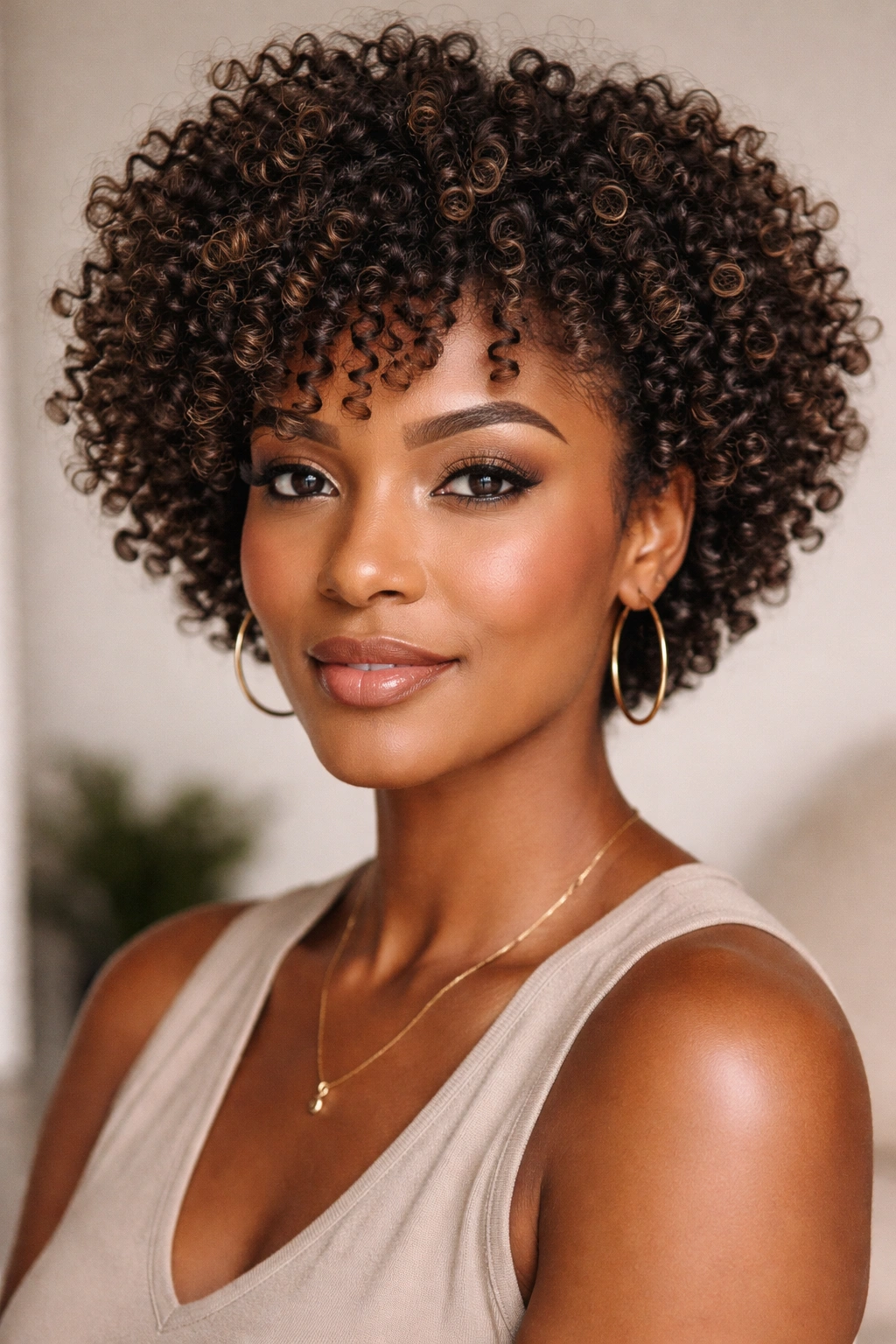
This cut focuses on creating shape by cutting curls in a way that enhances how they naturally fall. Rather than creating dramatic tapering or obvious layers, the stylist is working with your curl pattern itself—making sure each curl cluster has space to live, removing curl-breaking weight, and trimming in a way that honors your specific curl configuration. The result is hair that looks intentionally defined without needing to be artificially waved, twisted, or styled.
Why It Works for Women Over 30
If you’re someone who loves the way your curls look and feel, and you’re done with hairstyles that don’t align with your natural texture, this cut is revelatory. It’s also an excellent choice if you’ve spent years fighting with your hair and you’re ready to work with it instead. The cut requires knowing a stylist who specializes in textured hair and understands curl patterns deeply—there’s no faking this one with a stylist who’s just generally good at cutting hair.
What to Know Before You Commit
- The stylist requirement: You need someone who specializes in curly and coily hair and who has significant experience with your specific curl pattern. This cut cannot be executed well by someone with general hair knowledge. Budget for a stylist who has expertise and demand a consultation first.
- The product needs: This cut looks best with products that enhance your natural curl pattern. You’ll likely need a curl cream, a gel or mousse, and a good leave-in conditioner. The investment is worth it because a good curl cut actually reduces the total amount of styling you need to do.
- The styling method: Most defined curl cuts are best maintained using the praying hands method, raking method, or praying hands method with products to encourage natural curl formation. Finger coiling takes too long and defeats the purpose of a cut designed to work with your natural pattern.
- The frequency: Plan for trims every 6-8 weeks. Because this cut is specifically about curls, they need to stay clean and well-defined to maintain the intent.
Worth knowing: Once you experience a good defined curl cut, you’ll likely never go back to fighting with your hair. It feels less like styling and more like your hair simply being itself—which is exactly the point.
6. The Fade with Longer Top
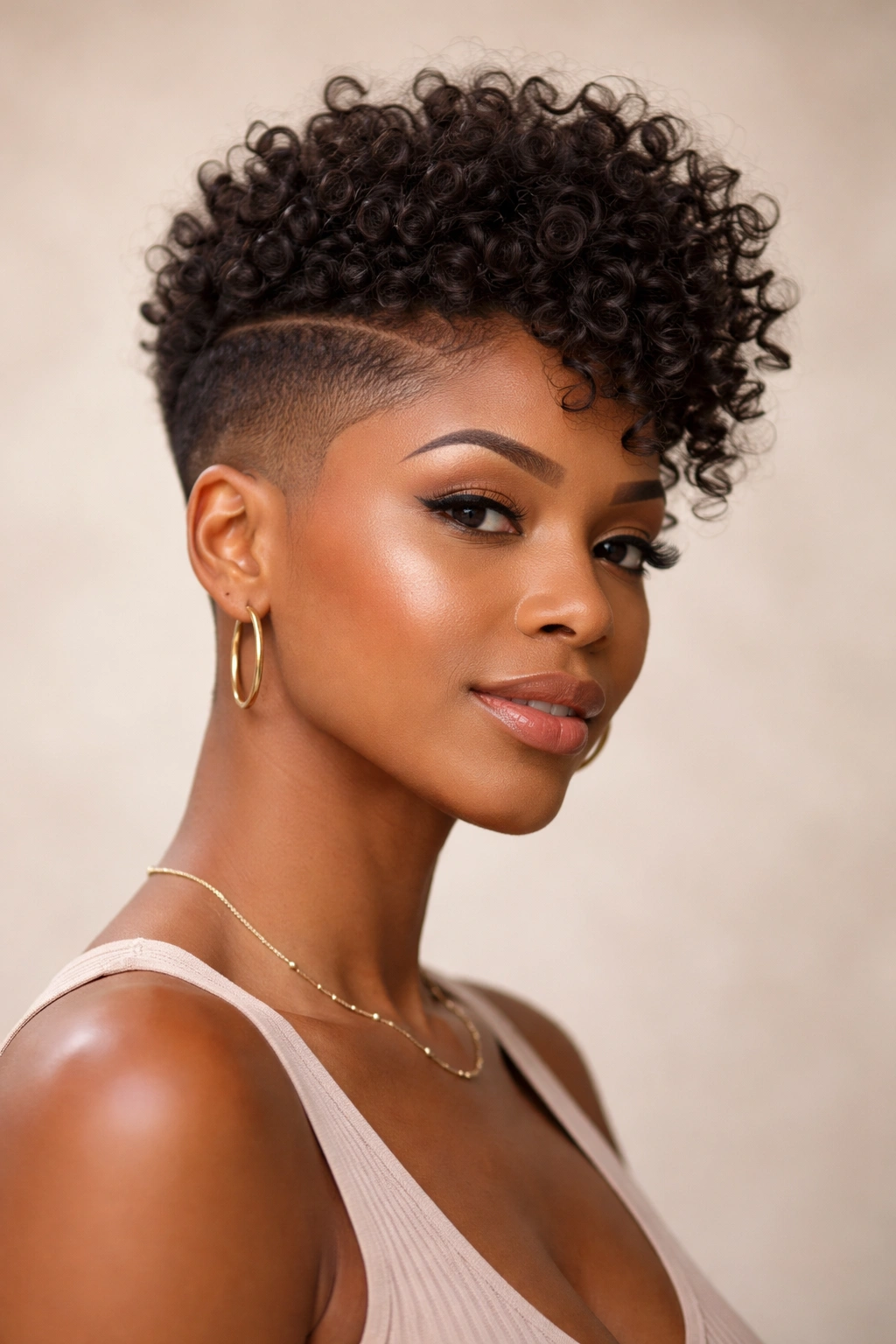
This is the modern, feminine interpretation of the fade haircut. The sides and back are faded very short (using clippers, typically cut down to the skin or using a guard for 1/4 inch or less), while the top and crown maintain significant length and volume. It’s edgy, contemporary, and surprisingly versatile. Unlike the sharp geometric fades you see on masculine styles, a feminine fade with longer top has softness from the curls on top while maintaining the clean, intentional line of the fade.
Why It Works for Women Over 30
This cut is for the woman who wants an edge. It’s fashion-forward without being trend-dependent, and it works in both creative and corporate settings depending on how you style the top. The fade is also exceptionally low-maintenance—you can literally wash your hair and let the top air dry. The fade sides don’t require daily maintenance; they just exist as a sharp, clean line. It’s one of the lowest-maintenance cuts on this list if you’re someone who appreciates an intentional, polished look.
What to Know Before You Commit
- The commitment to freshness: The fade looks sharp for about 2-3 weeks, then as your hair grows in, it becomes less defined. Most women with fades maintain them every 3 weeks. For some, that’s an exciting regular appointment; for others, it’s more than they want to commit to.
- The styling range for the top: Your top can be completely natural and unstyled, defined with curls using product, or even blow-dried for volume. The versatility is real because the fade itself does so much of the visual work.
- The face shape consideration: This cut works on most face shapes, but you need a stylist who understands your face well enough to know where to position the fade for maximum flattering effect. A fade that’s too aggressive or positioned poorly can actually emphasize features you’d rather downplay.
- The confidence factor: Like the short pixie, this cut shows your face directly. Make sure you’re genuinely comfortable with that before committing.
Pro tip: Get fades done at a barber who specializes in textured hair fades rather than a general salon stylist. Barbers typically have more precision with clippers and understand how to fade textured hair without creating irritation or an uneven line.
7. The Textured Shag
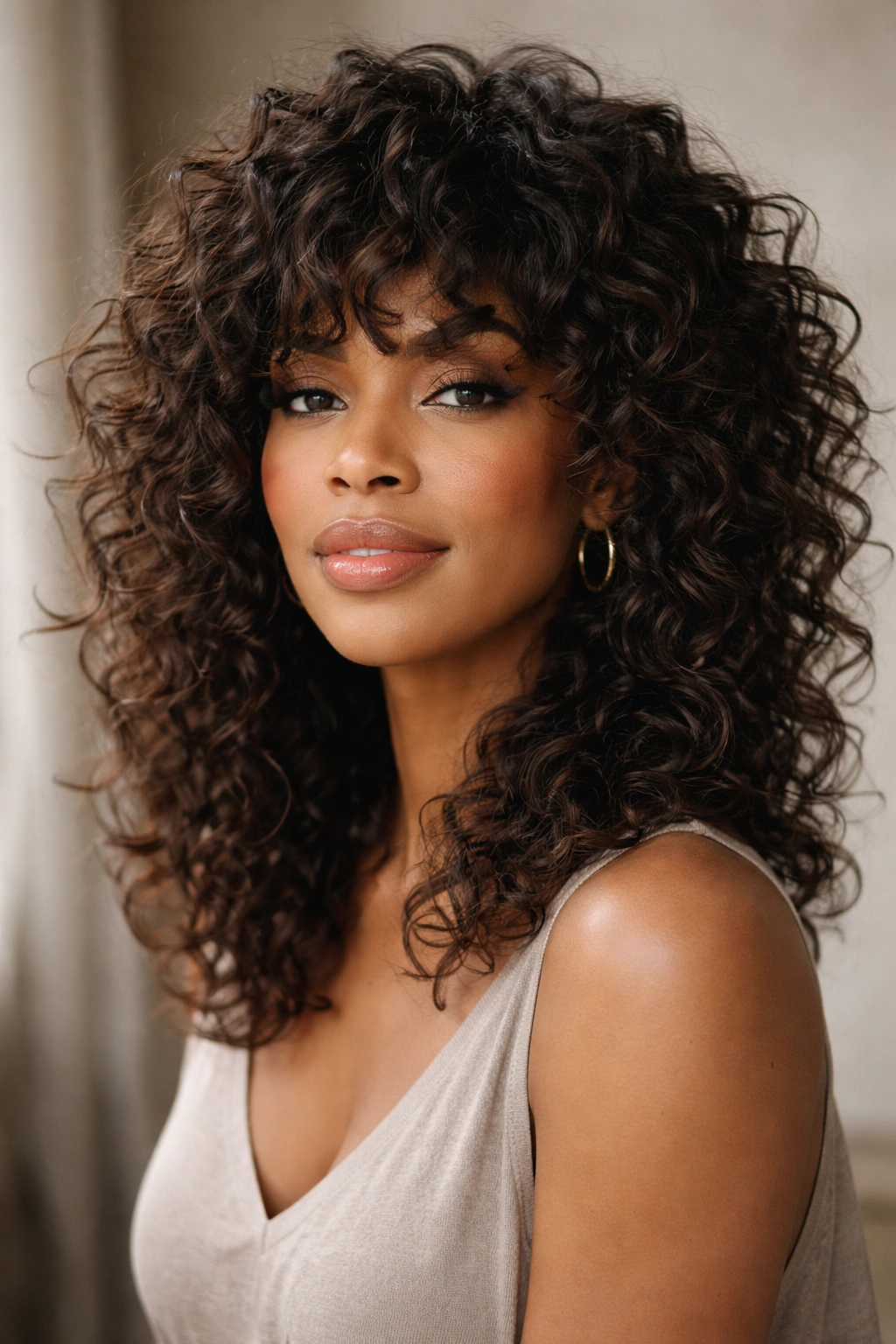
A shag cut on textured afro hair is a completely different animal from the 70s shag aesthetic. Modern textured shags have layers throughout—some very short, some medium, some longer—creating a deliberately piece-y, movement-forward effect. There’s visible texture and separation rather than a blended, rounded shape. It’s casual and cool while still being intentional and well-executed.
Why It Works for Women Over 30
If you’re the kind of person who values looking effortlessly cool, a textured shag delivers that without actually being effortless. It requires maintenance and styling knowledge, but it looks like you just woke up with perfect hair, which appeals to a certain aesthetic sensibility. This cut also works beautifully if you have multiple curl patterns or varying density across your head—the layers and movement help all of that look intentional rather than chaotic.
What to Know Before You Commit
- The styling time: Don’t let the “effortless” aesthetic fool you. A shag looks best when your curls are intentionally defined with product, typically using a cream and a gel. Plan for 15-20 minutes of styling. That said, you can also wear it less defined for a more undone vibe if that matches your mood.
- The product needs: You’ll need a good curl cream, gel, and probably a leave-in conditioner. The layers need definition to look intentional rather than just choppy.
- The maintenance schedule: Trim every 6-8 weeks to keep the layers crisp and intentional. Beyond that timeline, the distinction between layer lengths starts to blur.
- The face shape advantage: Shags work beautifully on most face shapes because the movement and layers create so much visual interest that they naturally frame features well. They’re particularly flattering on longer faces because the layers add width.
Worth knowing: A shag is genuinely a style, not just a cut. You need a stylist who understands textured hair shags specifically. Ask to see portfolios of their textured shag work before booking.
8. The Faux Hawk or Mohawk
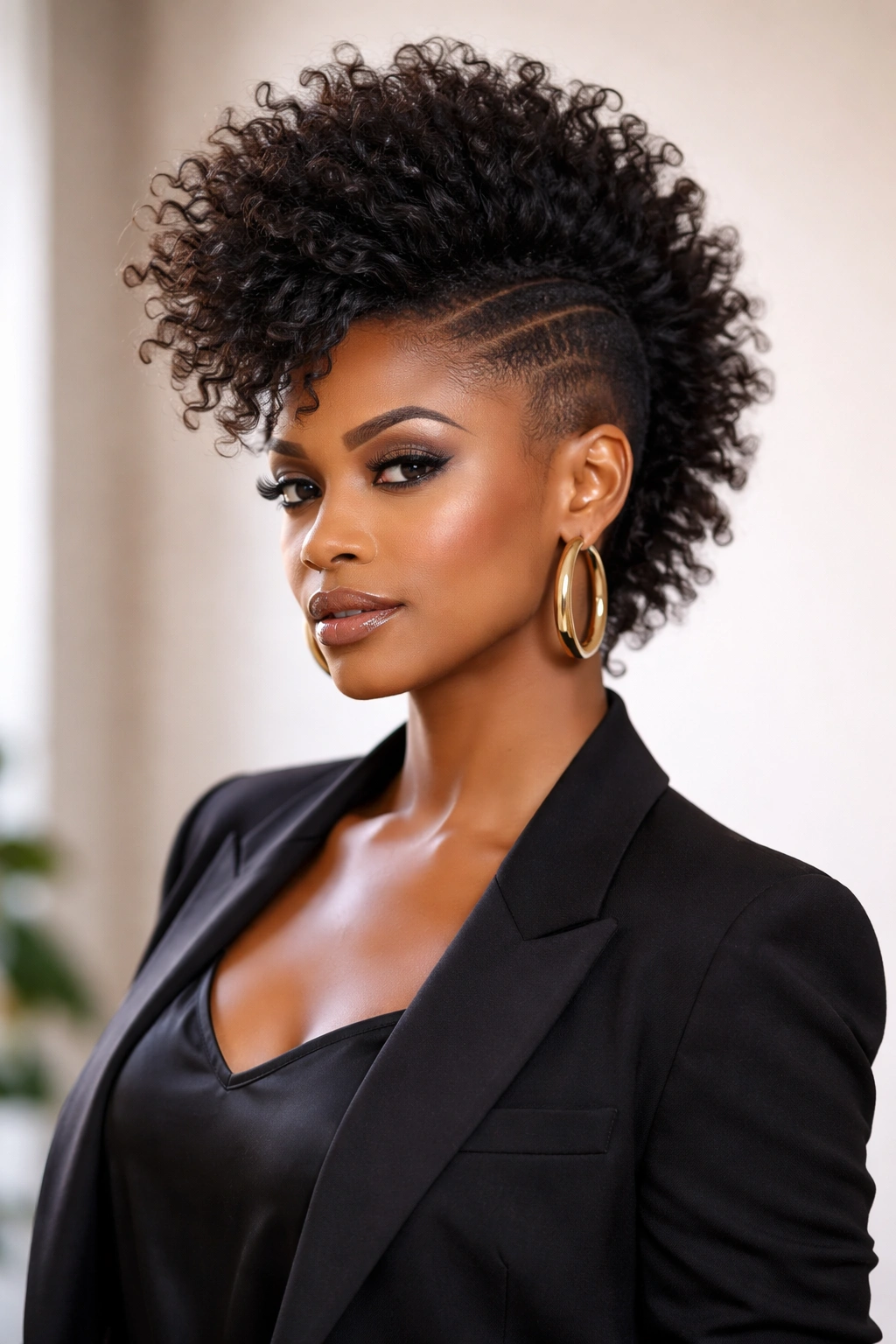
A faux hawk on textured hair is bold without being extreme. Your sides and back are tapered very short while your crown and top maintain length and volume, creating the visual effect of a mohawk when your hair is styled with some lift and definition, but looking like a regular tapered cut when you wear it without styling. It’s the best of both worlds for someone who wants fashion-forward options but needs professional versatility.
Why It Works for Women Over 30
A faux hawk is armor. It’s a statement that you’re not hiding, you’re not playing small, and you know exactly who you are. After 30, if you’re considering a cut this bold, you’re not doing it for anyone else—you’re doing it because it genuinely aligns with how you see yourself. The beauty of a faux hawk is that you can play with how pronounced you make it. Some days you style the top for maximum impact; other days you let it air dry and it just looks like a regular tapered cut with slightly more volume on top.
What to Know Before You Commit
- The styling range: This is one of the most versatile cuts on this list. Unstyled, it’s a clean, professional tapered cut. Styled with product and some finger-coiling or gel manipulation, it’s a statement piece. You get to choose how bold you want to be on any given day.
- The maintenance: The tapered sides and back need refreshing every 3-4 weeks to maintain the faux hawk shape. The crown can go longer between trims because you want length there for the statement effect.
- The product needs: You can go completely product-free and still have a nice tapered cut, but to achieve the faux hawk effect, you’ll want a curl cream and a strong-hold gel. A mousse also works well for creating volume and lift on top.
- The face shape consideration: This cut works best on oval to rectangular faces. On very round faces, the emphasis on the top can make your face appear rounder, which some people love and others prefer to avoid.
Insider note: Many women who get faux hawks report that the visual impact changes how they carry themselves. There’s something about having a bold cut that makes you stand taller.
9. The Rounded Shape with Undercut Detail
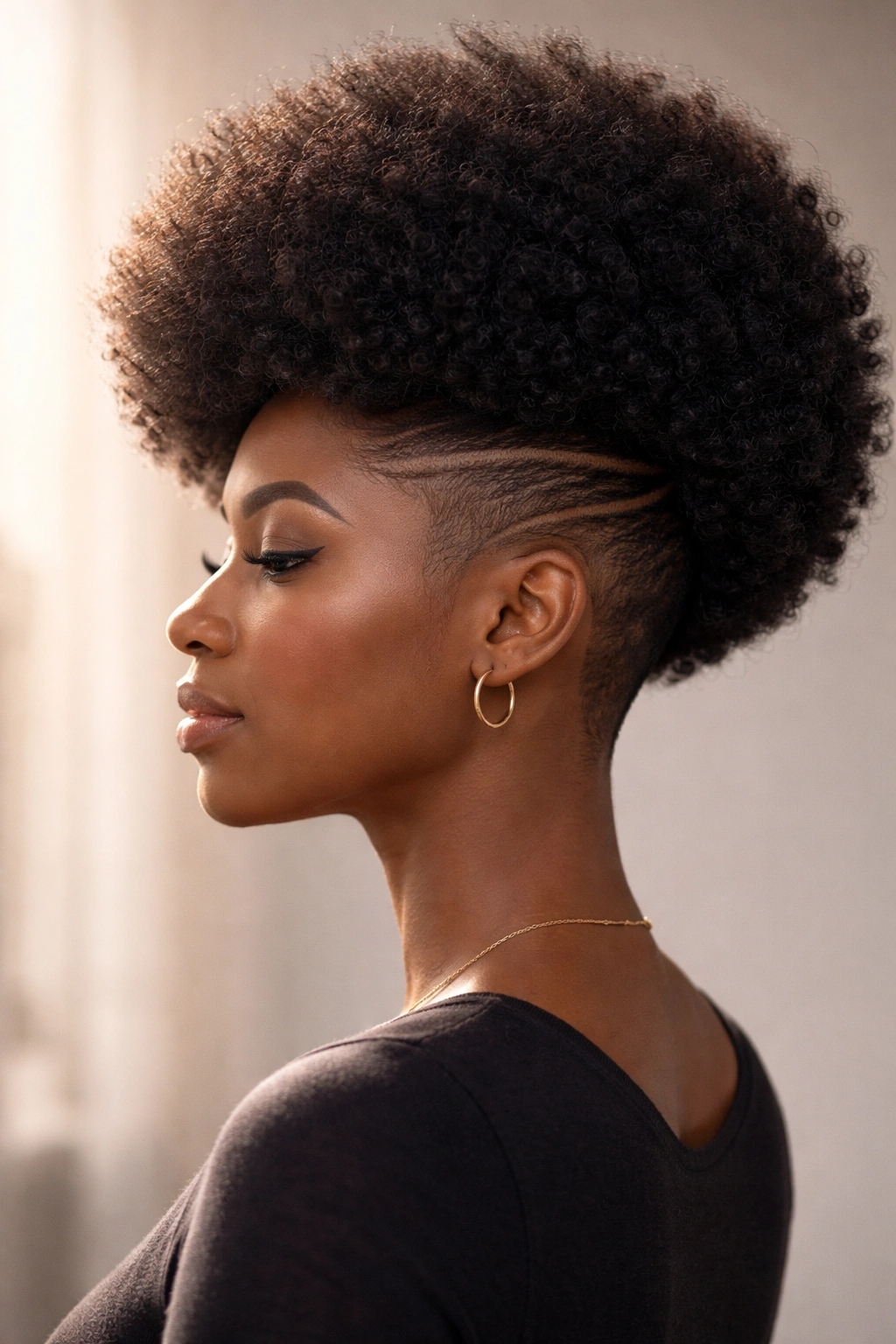
This cut combines a beautifully rounded, full afro shape on top with subtle undercut details—maybe a design cut into the side, or a very slightly tapered back that’s not quite as dramatic as other tapered cuts. It’s feminine and soft while still having edge and intentionality. The roundness is flattering on virtually every face shape, and the undercut detail adds contemporary interest without overwhelming the overall aesthetic.
Why It Works for Women Over 30
This is a cut for someone who wants their hair to be a confident statement but also wants it to feel natural and effortless. The rounded shape feels organic and aligns with how afro hair naturally wants to sit. The undercut detail is subtle enough that it doesn’t require aggressive maintenance, but visible enough to signal that this is a chosen style, not just grown-out hair. It’s also one of the more universally flattering cuts on this list because rounded shapes work on most face structures.
What to Know Before You Commit
- The styling flexibility: You can wear this cut completely product-free and unstyled. You can also define your curls with product for a more polished look. The beauty is that you’re not locked into a specific styling requirement.
- The maintenance: The undercut detail (whether a design or subtle taper) needs refreshing every 6-8 weeks to stay crisp. The overall rounded shape can go slightly longer between trims because you’re not relying on a specific silhouette that blurs over time.
- The product needs: Optional. A curl cream works, but isn’t necessary. This is one of the more low-maintenance cuts on this list in terms of product requirements.
- The face shape universality: This cut works on literally every face shape. Round, square, oval, rectangular—a good stylist can shape the rounded afro in a way that flatters your specific features.
Pro tip: Ask your stylist to make sure the rounded shape has some internal texture, not just an even all-around bulk. That creates more visual interest and dimension than a solid, blunt rounded shape.
10. The Textured Bob
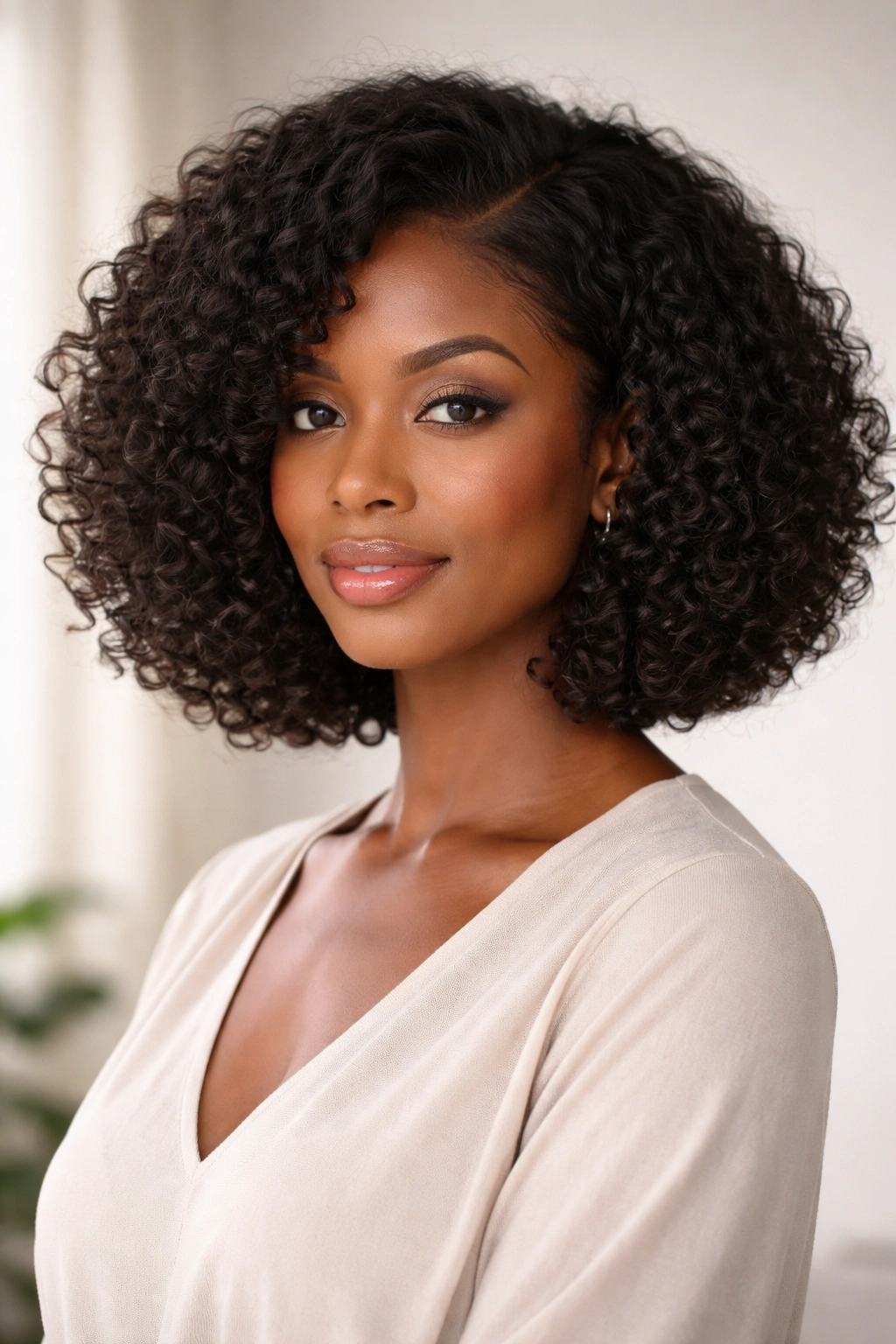
A textured bob is a shoulder-length (or just-below-shoulder) cut with intentional layers throughout, creating shape and movement without the hair feeling heavy. Unlike the layered lob, a bob is distinctly shorter and often more blunt around the perimeter, while the layers create interior texture and dimension. It’s polished and professional while still feeling modern and true to your natural texture.
Why It Works for Women Over 30
A textured bob is one of the most versatile professional cuts available. It reads as put-together in any setting, but because it’s textured and curly, it also feels authentic and natural rather than overly styled or corporate. After 30, many women want a cut that works in every context—morning meeting, evening date, weekend coffee—without requiring a complete restyle. A textured bob delivers that. It’s also long enough to still feel like you have hair, but short enough that it’s genuinely easy to manage.
What to Know Before You Commit
- The professional versatility: This cut works in law offices, tech companies, creative industries, and everywhere in between. It’s polished but not stuffy, intentional but not precious.
- The styling options: A textured bob can be completely product-free and air-dried. It can be defined with curl products for more polish. It can be straightened for occasional variety. You have genuine flexibility based on your mood and what the day requires.
- The maintenance schedule: Trim every 6-10 weeks to maintain the shape. A bob’s edges are important to the silhouette, so you don’t want to let it grow too long between cuts.
- The product needs: A leave-in conditioner is helpful for detangling. A curl cream or gel is optional but enhances the cut if you want more definition. This is less product-dependent than most other cuts on this list.
- The versatility with straightening: Unlike some very curly cuts, a textured bob can be straightened occasionally without looking out of place. The cut works in both curly and straight form.
Worth knowing: A textured bob is sometimes underestimated because it’s a “classic” style. But on textured hair, a well-executed textured bob is actually quite contemporary and fashion-forward. It’s a cut that will still look current five years from now.
Finding a Stylist Who Gets It
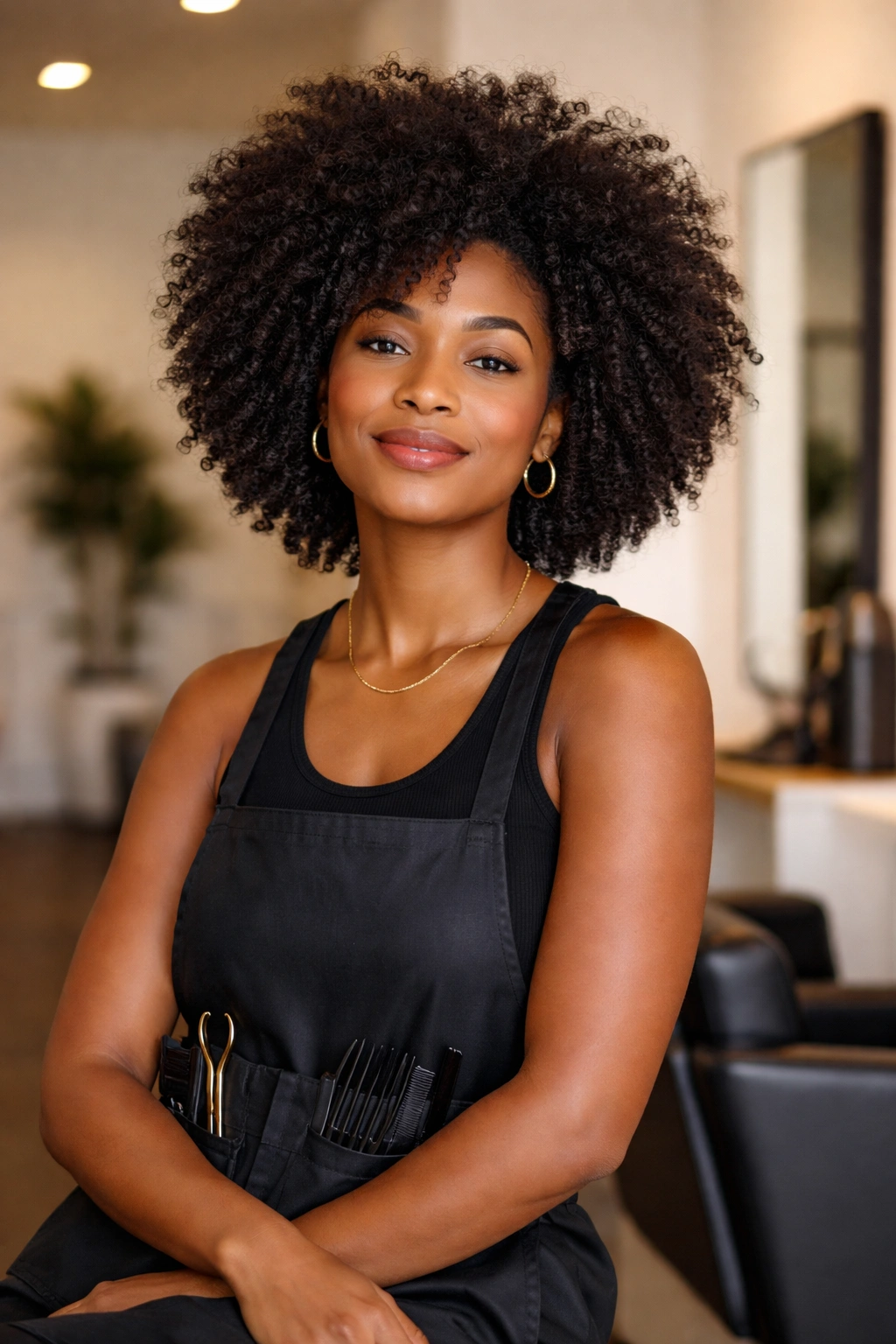
The difference between a mediocre haircut and a transformative one usually comes down to the stylist. Before booking anyone, ask directly: What’s your experience with textured hair and afro cuts specifically? Ask to see a portfolio of their actual work on textured hair—not straight hair, not loosely wavy hair, but specifically afro-textured work. Check client reviews with an eye toward what people with textured hair are saying about their experience.
A stylist who specializes in textured hair will talk about your curl pattern, your hair density, your porosity, and your lifestyle as part of the consultation. They won’t try to convince you to relax or chemically alter your hair. They’ll ask what you actually want and what you’re realistically willing to commit to maintaining. They’ll be honest if a cut won’t work for your specific hair or face shape, and they’ll offer alternatives that will.
The investment in finding the right stylist pays dividends. A good cut on textured hair can feel like the first time your hair has ever actually worked for you instead of you constantly working against it.
Styling and Maintenance Reality
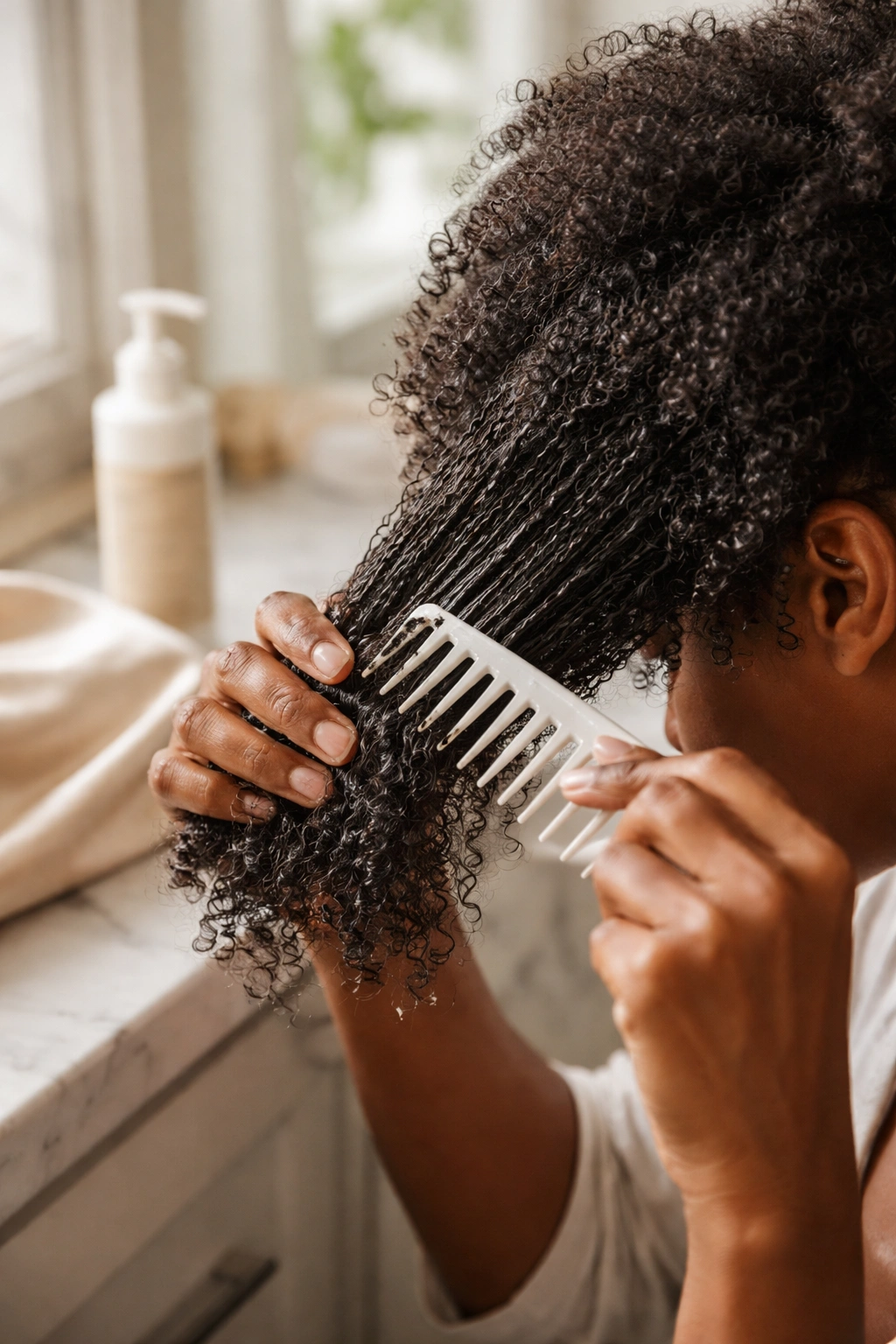
Here’s something nobody talks about enough: the cut is only part of the equation. How you care for your hair between cuts matters enormously. Textured hair thrives with consistent moisture, regular detangling, and protective practices that keep your ends healthy.
The basics: Shampoo once a week or every other week using a sulfate-free formula. Use a deep conditioning treatment regularly—at least every other week, more if your hair is drier. Detangle in small sections using a wide-tooth comb or paddle brush, always with a leave-in conditioner or detangling spray. Sleep on a satin or silk pillowcase to reduce friction and frizz. Protect your ends by avoiding excessive manipulation and getting regular trims.
The styling products you use should align with your hair’s porosity and needs. High-porosity hair (hair that absorbs moisture quickly but struggles to retain it) benefits from heavier creams and products with proteins. Low-porosity hair (hair that repels moisture) does better with lighter, more water-based products. If you’re not sure about your hair’s porosity, ask your stylist—they can usually tell by touch and can recommend products accordingly.
Making the Transition
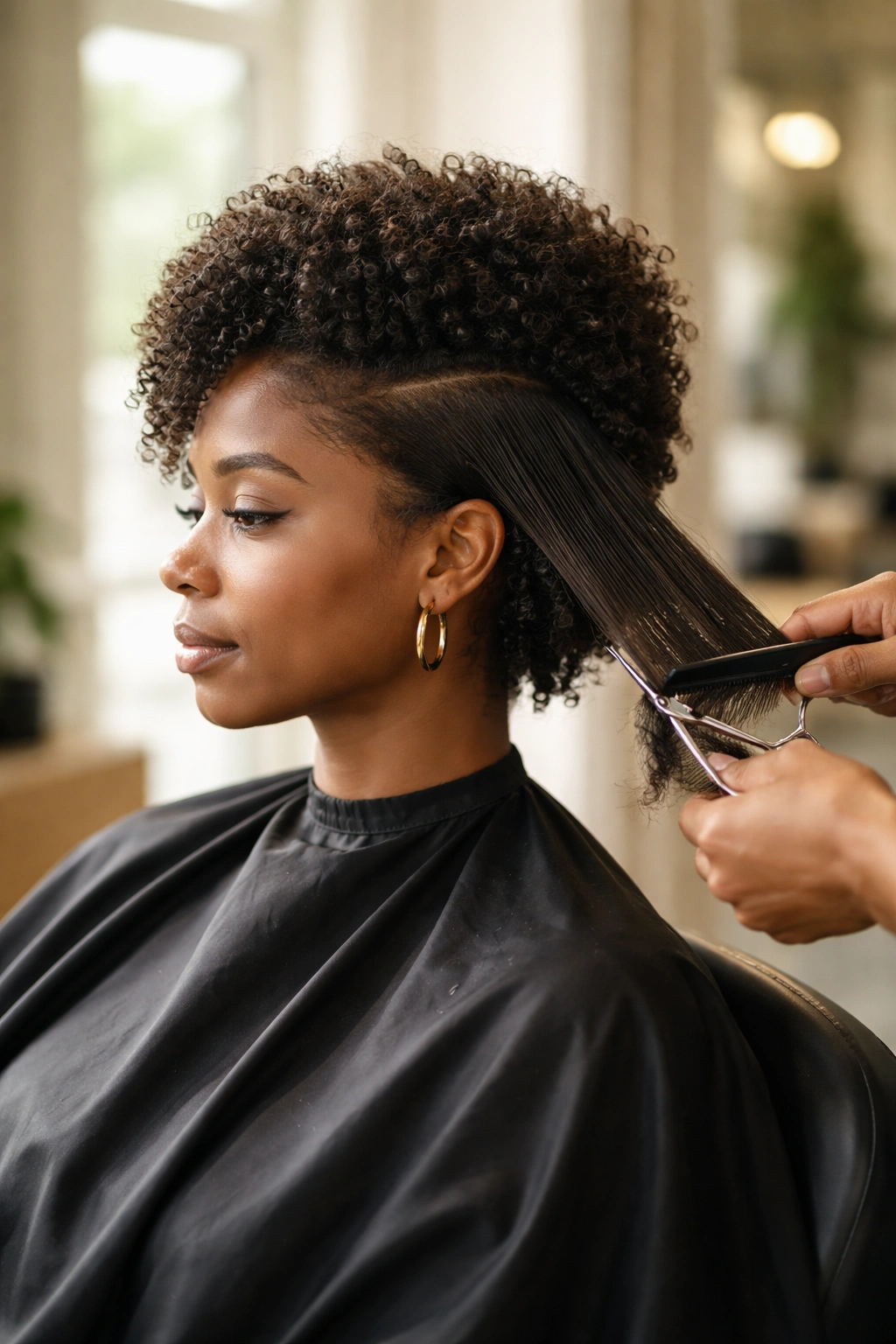
If you’ve been wearing your hair relaxed, braided, or in protective styles for a while, transitioning to a cut that showcases your natural texture is a process. You don’t have to cut off all your relaxed hair immediately; you can gradually cut it off as your natural hair grows in. Many stylists recommend starting with regular trims—every 4-6 weeks—to build your confidence with your natural texture while steadily removing the relaxed hair.
That said, if you’re ready for a fresh start, there’s something genuinely liberating about cutting off all the hair you’ve been maintaining and starting completely fresh with your natural texture. A lot of women report that a big chop—cutting off all the relaxed hair and starting with a fresh cut on entirely natural hair—is a turning point. It’s not just a physical change; it’s often a mental and emotional reset around your relationship with your hair and your body.
Final Thoughts
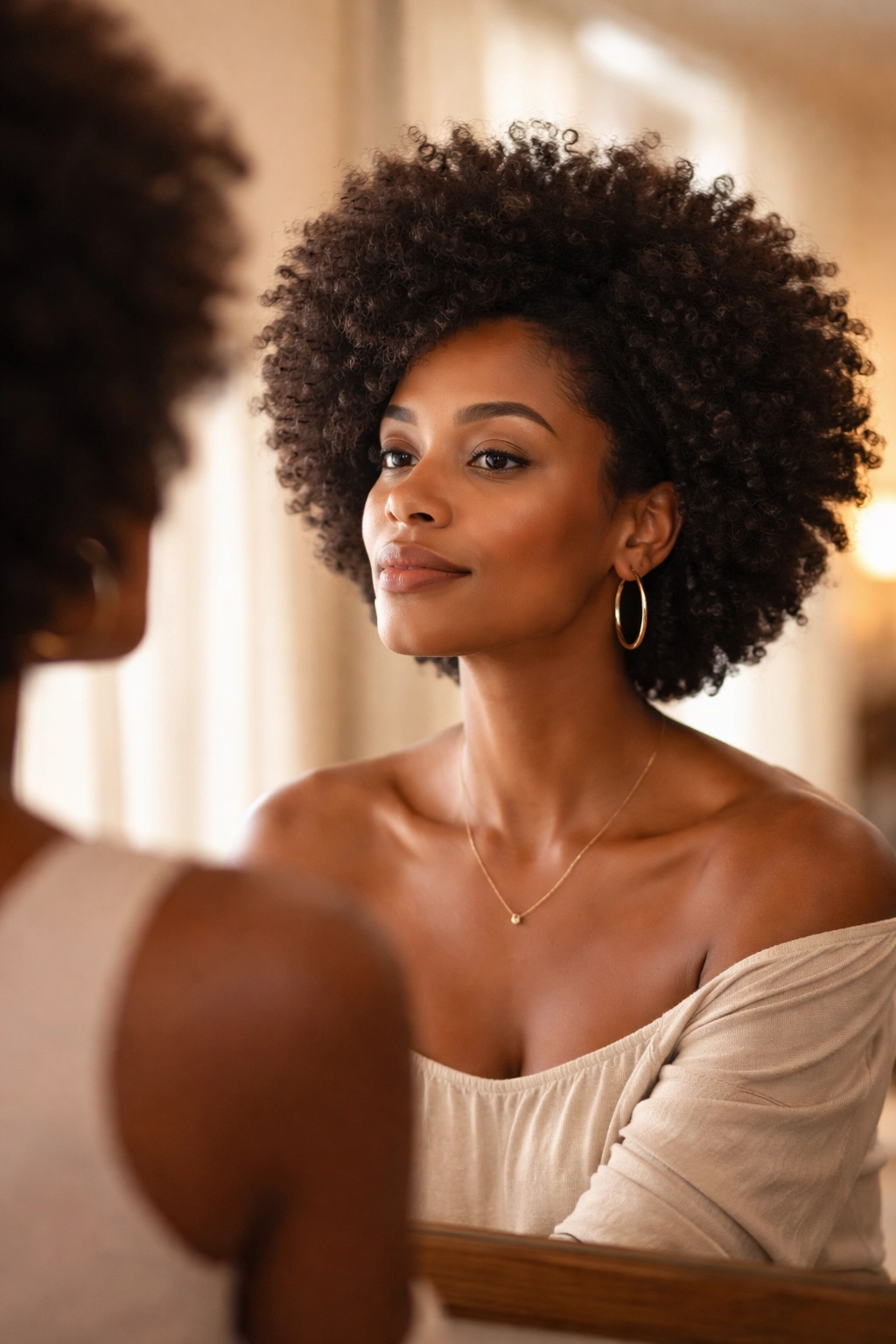
Choosing an afro haircut at any age is about more than aesthetics, though aesthetics absolutely matter. It’s about choosing a style that aligns with who you actually are, not who you think you’re supposed to be. After 30, you’ve earned the right to make that choice consciously and unapologetically.
The best cut for you is the one that makes you feel like yourself when you look in the mirror. Not overdone, not underdone, just you—more clearly and confidently you. Whether that’s a tapered natural, a textured bob, a faux hawk, or something completely different, trust yourself. Trust your stylist. And trust that your natural hair, in whatever cut you choose, is genuinely beautiful.
