
Copper hair color ideas can go from chic to bargain-bin fast if the shade is too flat, too bright, or too orange in the wrong light. The versions that look expensive usually have three things in common: depth at the roots, a glossy middle tone, and one or two lighter ribbons that make the whole color move when hair swings.
That’s the part people miss. Copper is not one single shade. It can lean peach, penny, cinnamon, auburn, rose, rust, or soft amber, and each version changes how polished the hair feels. A smart copper also works with the haircut you already have — a blunt bob wants one kind of shine, long layers want another, and curls can take a bolder red-orange than straight hair before the color starts to look loud.
The best copper shades feel intentional. Not loud. Not costume-y. They look like somebody sat in a chair and asked for color that would catch the eye in daylight and still look rich under indoor lighting, which is a very different thing from “bright red.” That difference matters a lot.
1. Soft Copper Balayage
Soft copper balayage is one of those shades that looks expensive because it never tries too hard. The root stays a little deeper, then the copper melts through the mid-lengths and brightens toward the ends. That softer placement keeps the color from turning into a single flat block.
Why It Works
Balayage gives the hair movement before you even style it. On straight hair, the contrast reads clean and polished. On waves, it looks dimensional and glossy, especially if the copper sits between level 7 and level 8 with a warm beige base.
Ask for thin painted pieces around the face and a shadow root about 1 to 2 shades deeper than the copper lengths. That little root gap is what keeps the color from looking harsh as it grows out.
2. Ginger Beer Copper
Ginger beer copper has a spicy brightness that feels punchy without sliding into neon. It sits in that sweet spot between true copper and soft orange-red, which is why it can look rich instead of cartoonish.
The trick is shine. This shade needs a glassy finish, or it starts to look dry and loud. A clear gloss every few weeks keeps the tone sharp and gives the hair that smooth, almost syrupy look people pay attention to.
Best on medium-length cuts, especially layered lobs and collarbone bobs. The movement helps the color show off the warm and cool shifts in the tone, and that contrast is what makes it feel expensive.
3. Dimensional Cinnamon Copper
Dimensional cinnamon copper is warmer and deeper than a bright copper, which makes it easier to wear on a daily basis. The cinnamon base keeps the shade grounded, while lighter copper ribbons stop it from looking muddy.
What Makes It Different
This is one of the best choices if you want a red tone that still feels grown-up. It has enough warmth to read copper, but enough brown in it to stay polished. That balance matters a lot on longer hair, where too much brightness can look busy.
A colorist can build this with a warm brunette base, then weave in copper gloss pieces and a few lighter cinnamon panels. The result should look like layers of spice, not stripes.
- Works well with soft curls and brushed-out waves.
- Looks especially good on shoulder-length cuts.
- Grows out quietly because the root area stays deeper.
Best tip: keep the finish glossy, not matte. Matte copper loses half its appeal.
4. Peachy Copper Lob
Peachy copper is lighter, softer, and a little cheeky. On a lob, it feels fresh without looking childish, which is harder to pull off than people think. The peach note softens the red-orange edge and gives the whole color a more expensive, creamy look.
This shade is lovely when the ends are blunt. A clean line at the bottom makes the pastel-warm tone feel deliberate instead of washed out. If the hair is heavily layered, the color can start to look airy in a good way — or thin, if the tone is too pale.
A demi-permanent gloss usually works better than a permanent red here. You want the color to sit on top of the hair with shine, not sink into it and lose that peach glow.
5. Burnished Copper Brown
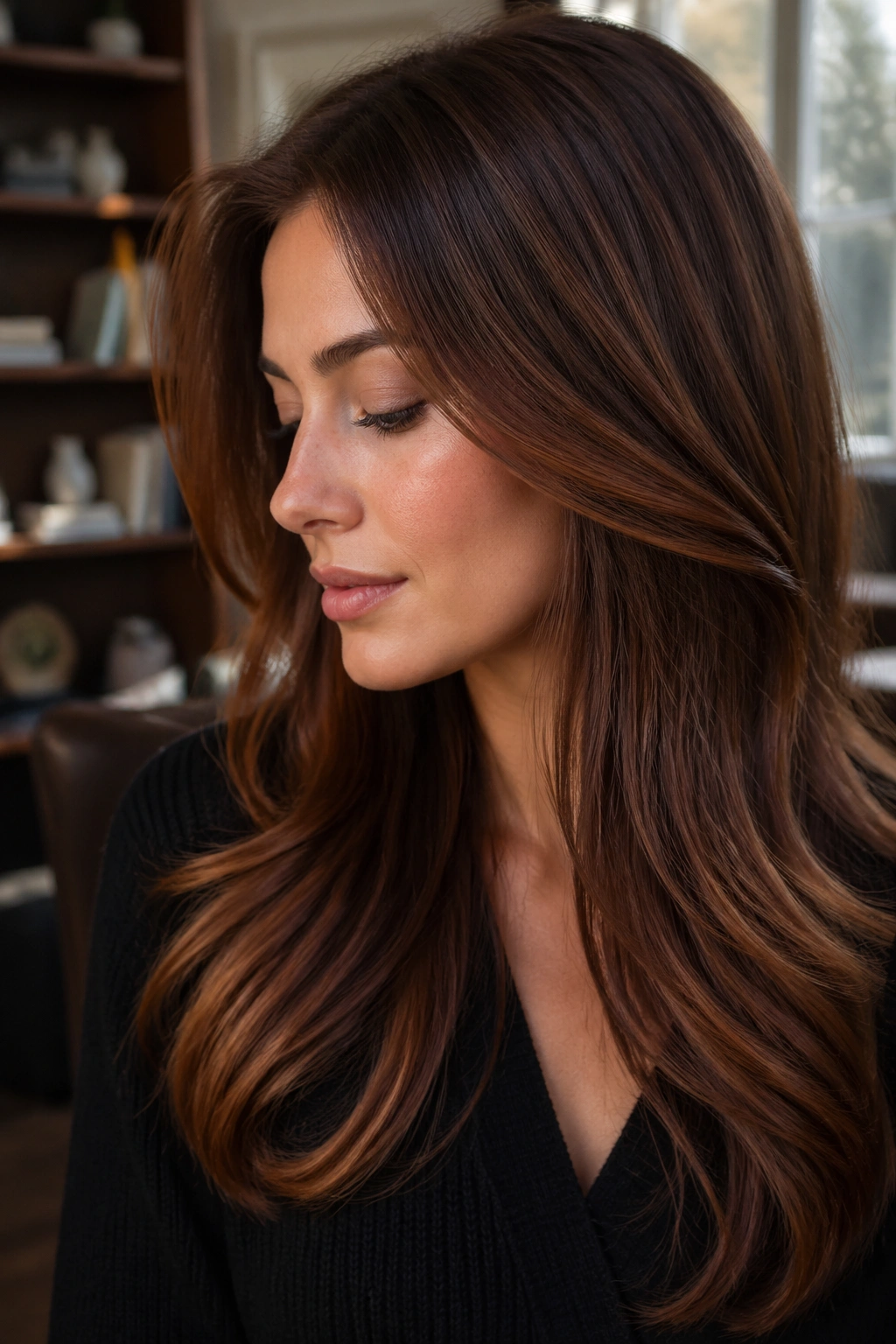
Burnished copper brown is the shade I’d recommend to someone who wants copper but doesn’t want the whole room to notice first. It reads brown in low light and copper when the light hits the surface. That dual effect is what gives it polish.
How to Get the Most From It
This color loves smooth blowouts. A round-brush finish makes the copper tones peek through the brown base in a way that feels rich and tailored. It’s also one of the easiest copper shades to wear on thicker hair, because the deeper base helps control visual bulk.
If you’re asking for this at the salon, ask for a brunette base with warm copper lowlights and a soft gloss over the top. You do not want chunky red panels. Those age the look fast.
6. Light Strawberry Copper
Light strawberry copper is airy and delicate, but it still has enough warmth to look intentional. It sits closer to strawberry blonde than classic red, which makes it a smart choice for people who want copper without going full fiery.
The expensive part here is restraint. If the shade gets too pale, it can lose structure. A little gold in the formula keeps it from going chalky, and a touch of peach keeps it from reading like washed-out orange.
This is a strong match for fine hair. Lighter copper shades can make fine strands look fuller because the tone reflects light, and the softness around the face keeps everything flattering rather than severe.
7. True Penny Copper
True penny copper is the shiny coin version of copper hair, and it’s one of the most striking shades on the list. It has a metallic warmth that feels crisp, clean, and expensive when the tone is even from root to tip.
The best version of this shade has depth underneath. If the hair is lifted too light, penny copper can start to look flat. A little amber or apricot in the gloss gives it that saturated, polished finish that holds up under different lighting.
What to Watch For
- Too much orange makes it look brassy.
- Too little gold makes it fall flat.
- A clear gloss can sharpen the finish every 4 to 6 weeks.
My opinion: this shade is gorgeous, but it needs discipline. Messy application shows immediately.
8. Auburn Copper Melt
Auburn copper melt is what happens when red, brown, and copper stop fighting each other. It’s darker than a bright ginger, but warmer than a standard auburn, and that middle ground looks expensive because it feels custom.
The melt part matters. You want the deeper color at the roots, then a slow transition into copper through the mid-lengths and ends. No hard line. No obvious dip-dye. The more seamless the blend, the more salon-made it looks.
This shade works especially well on long layered hair, where the movement can show off the color shift. Curls help too. They break up the surface enough that the auburn and copper tones can move around instead of sitting still.
9. Copper Foil Highlights on Brunette
Copper foil highlights on brunette hair are a great choice if you like contrast but don’t want a full copper head. The brunette base keeps the color grounded, and the copper pieces give it life. It’s a controlled way to go warm without losing depth.
Why It Feels So Polished
Foils make the copper brighter and cleaner than hand-painted ribbons, which is useful when you want the highlights to stand out. The best version uses thin slices around the face and a few heavier pieces through the crown so the light has somewhere to land.
- Ask for copper highlights one to two levels lighter than your base.
- Keep the spacing airy so the brunette still shows through.
- Finish with a brown-copper glaze to soften the contrast.
This is one of those colors that looks expensive because it respects the base color instead of covering it up.
10. Rust Copper with Dark Roots
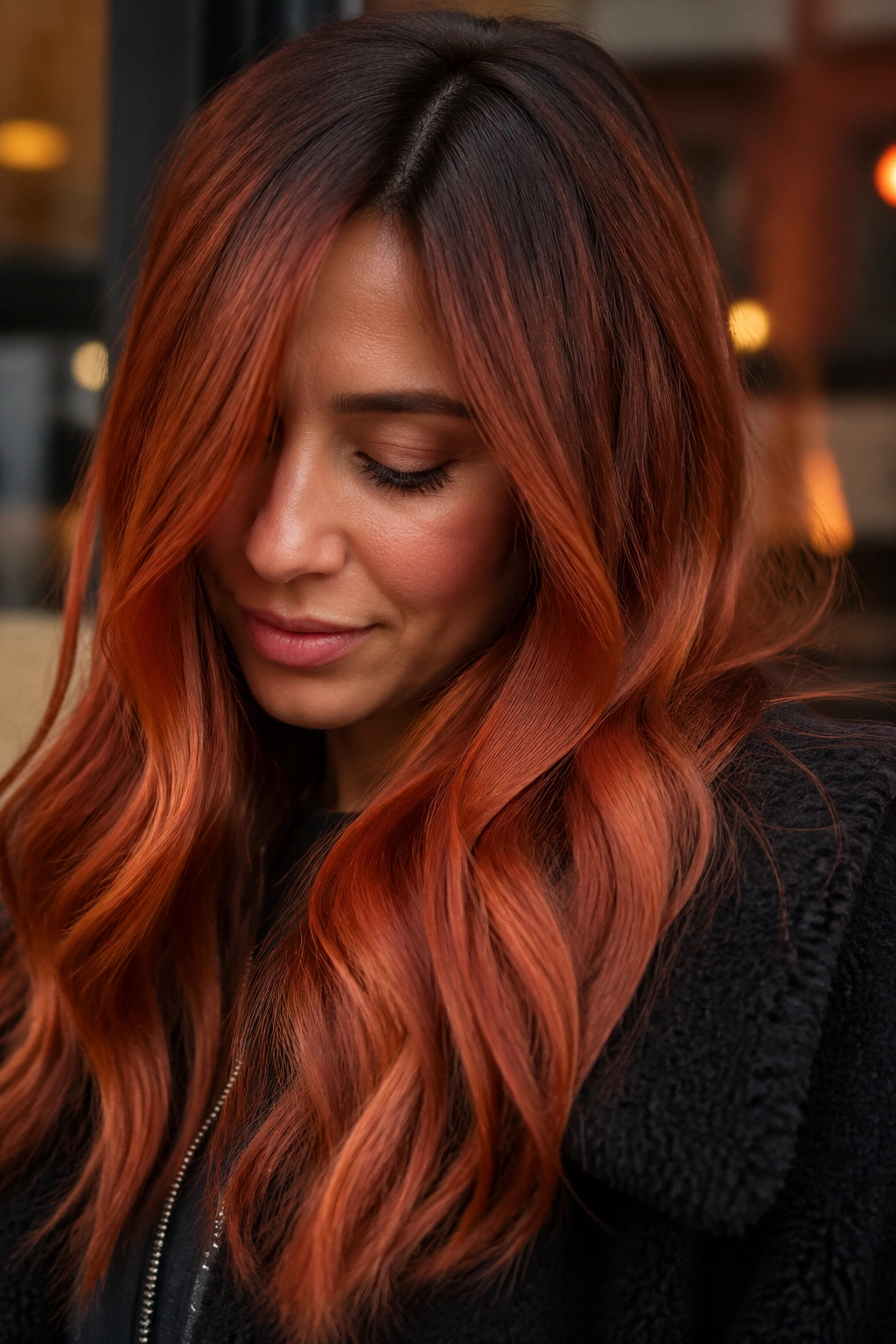
Rust copper with dark roots has a little edge, but it still reads refined if the transition is handled well. The dark root gives the hair weight, while the rust copper through the lengths brings warmth and texture.
The root shadow also buys you time between appointments. That matters. A hard-root copper can look grown out in a bad way, while a dark root that’s meant to be there looks deliberate from day one.
This shade works especially well on medium to deep skin tones, but it can flatter lighter skin too if the rust is softened with a touch of gold. Pair it with a cut that has some shape — shaggy layers, a long bob, or face-framing pieces — and the whole look feels expensive instead of heavy.
11. Rose Copper
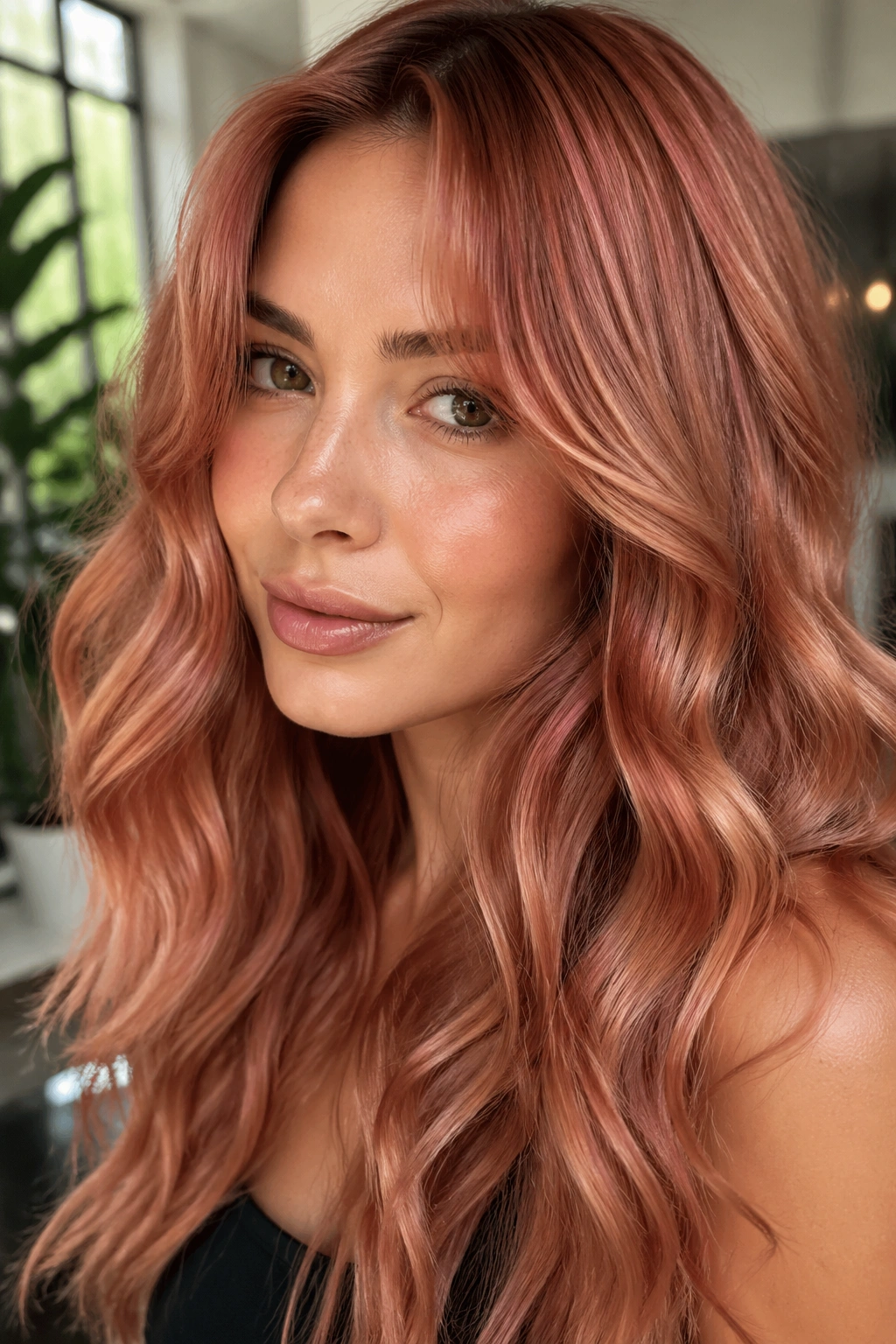
Rose copper sits between pink and copper, which is exactly why it has that high-end feel. It’s softer than a vivid red and more interesting than a plain strawberry tone. The pink cast keeps it modern, while the copper base stops it from looking sugary.
A rose copper shade should look luminous, not pastel-washed. You want enough saturation for the color to hold up in normal indoor light. If the formula is too pale, it can read like faded peach after a few washes, and that’s not the effect anyone is after.
This one is especially nice on sleek styles — straightened hair, tucked-behind-the-ear cuts, polished waves. The smoother the finish, the more the rose and copper tones show their little shifts.
12. Apricot Copper
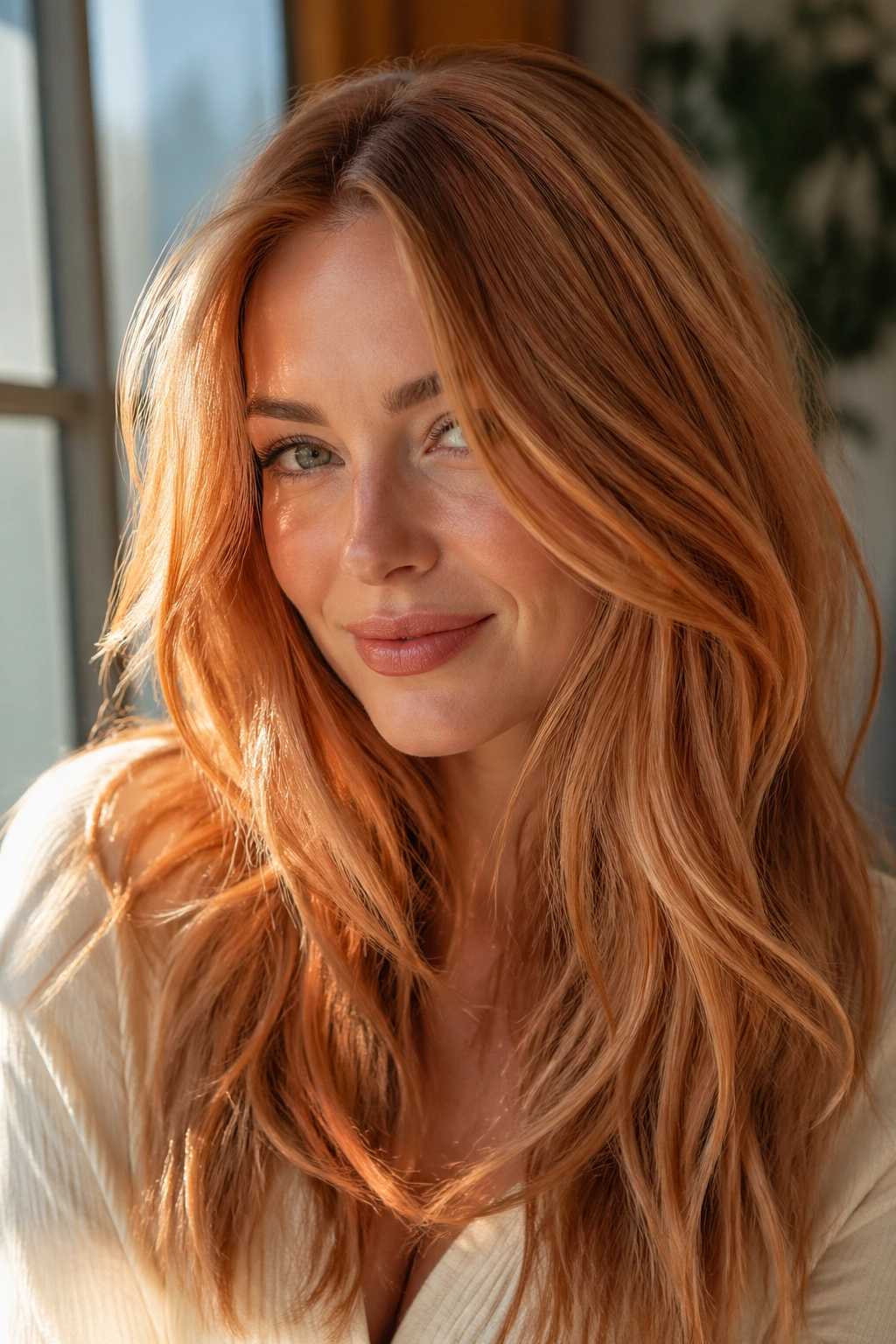
Apricot copper has a soft glow that feels almost creamy. It’s lighter than true copper and warmer than blonde, which makes it a very flattering choice when you want brightness without harshness.
The color works best when the roots stay just a touch deeper. That subtle shadow keeps the apricot tone from floating away and losing shape. On a layered cut, the lighter ends make the whole style feel airy and expensive.
If your hair tends to get dry, this is a shade to treat gently. Lighter warm colors show rough ends fast. A smooth trim and a good gloss matter more here than they do with deeper reds.
13. Smoked Copper Brunette
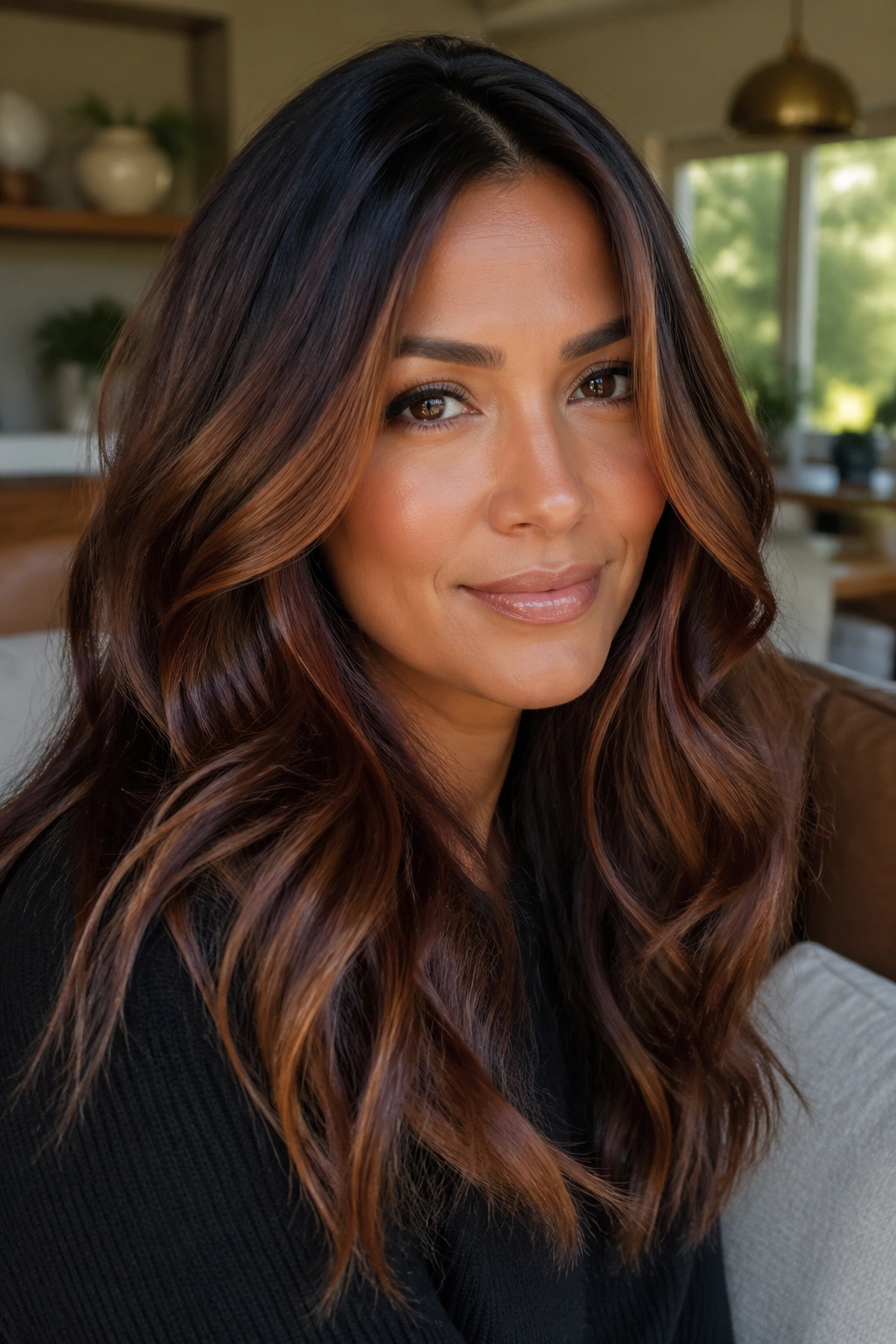
Smoked copper brunette is darker, cooler at the base, and quietly dramatic. It has enough copper to keep things warm, but the smoky brunette tone underneath stops it from tipping into orange. That restraint is what makes it feel luxe.
The Science Behind the Look
Hair color has more depth when the light can bounce through layers of pigment. A smoked copper brunette uses that idea well: darker base, warm copper glaze, and a few fine lighter pieces to break up the surface. The result is movement without obvious streaking.
You’ll see this shade look best on hair with a bit of texture. Soft bends, brush-outs, or natural waves all help the different tones show. Pin-straight hair can work too, but only if the gloss is fresh and the finish is smooth.
14. Bright Pumpkin Copper
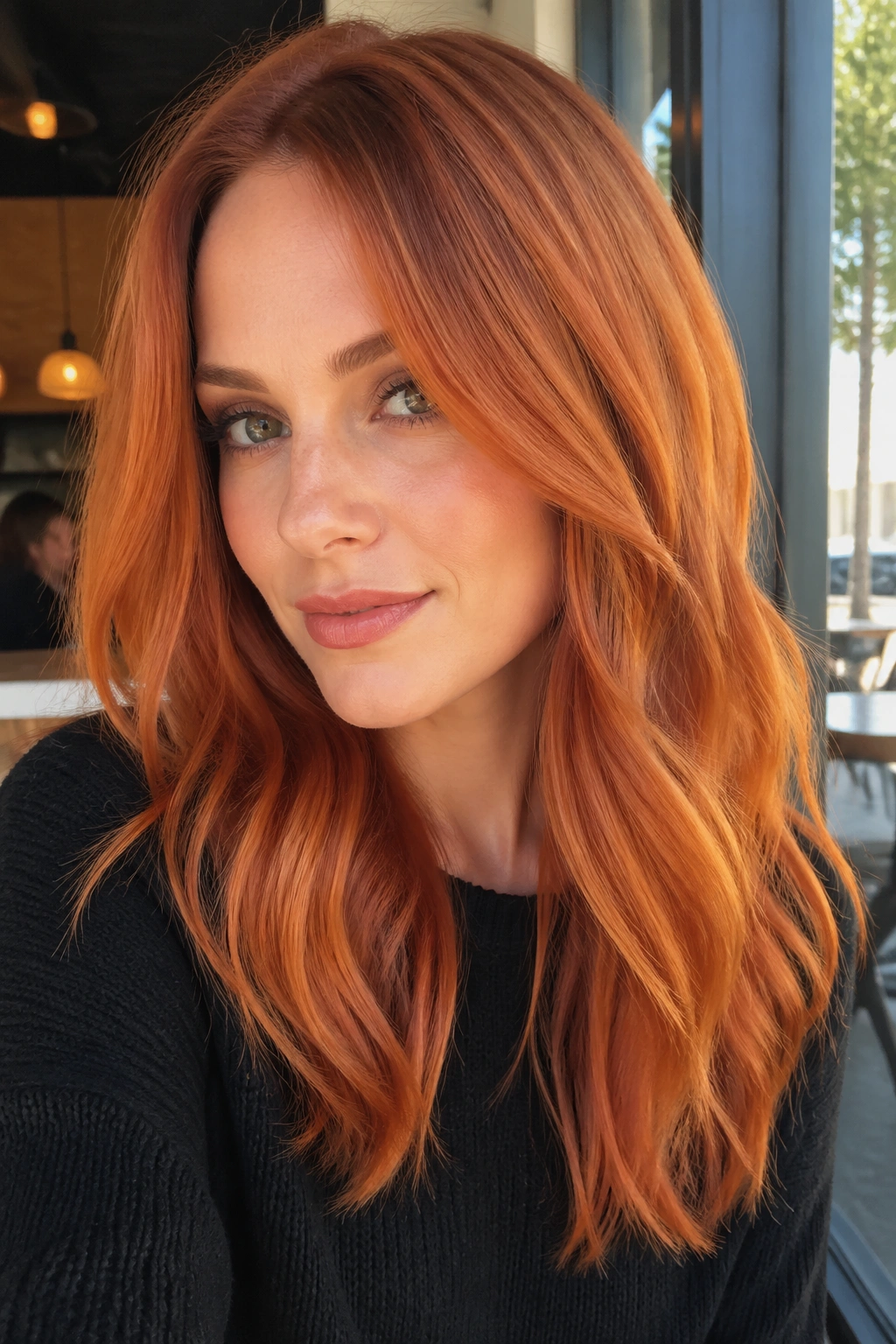
Bright pumpkin copper is bolder, and I won’t pretend otherwise. It’s the choice for someone who likes warmth with a little attitude. The expensive part comes from shine and precision, not from toning it down until the color disappears.
This shade needs clean application. If the brightness is uneven, it can look patchy fast. A root shadow or a deeper glaze at the crown can keep it from looking too flat and make the orange-copper tone feel rich instead of costume-like.
Best on shorter cuts, strong waves, and textured bobs. Long hair can wear it too, but the length has to be healthy. Split ends make vivid copper look tired in a hurry.
15. Copper Money Piece
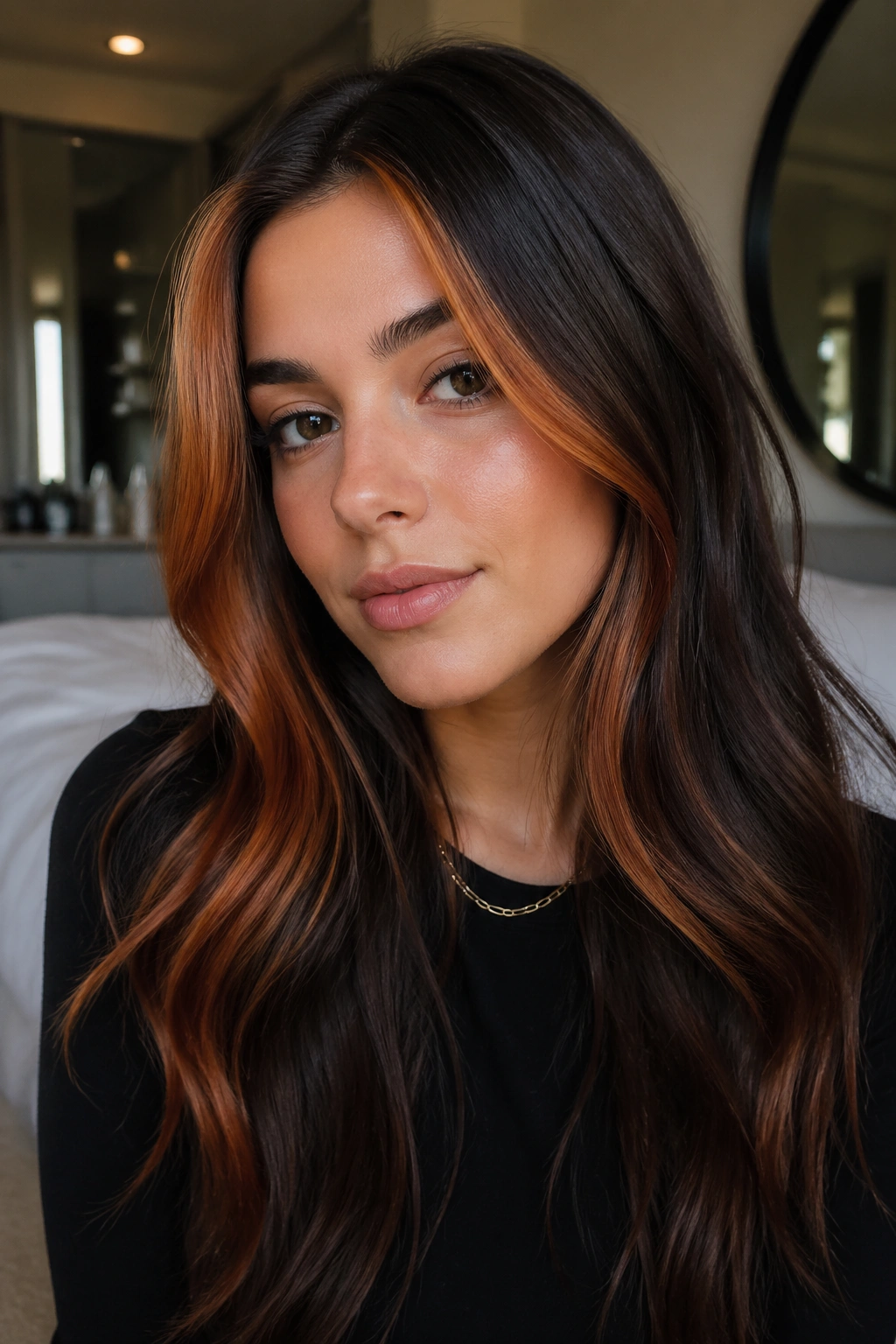
A copper money piece is the easiest way to test the waters if you’re nervous about full copper. The front sections light up the face, and the rest of the hair can stay brunette, blonde, or softly red. It’s a small change that changes the whole mood.
How to Get It Right
The money piece should be bright enough to stand out but not so pale that it turns gold. A copper tone about one level lighter than the surrounding hair is often enough. Anything more and it starts to look disconnected.
- Keep the front pieces narrow if you want subtlety.
- Go wider if you want a stronger frame around the face.
- Match the gloss to the rest of the hair so the front doesn’t look dry.
This is the kind of color that makes people think you spent more than you did.
16. Copper Ombré Ends
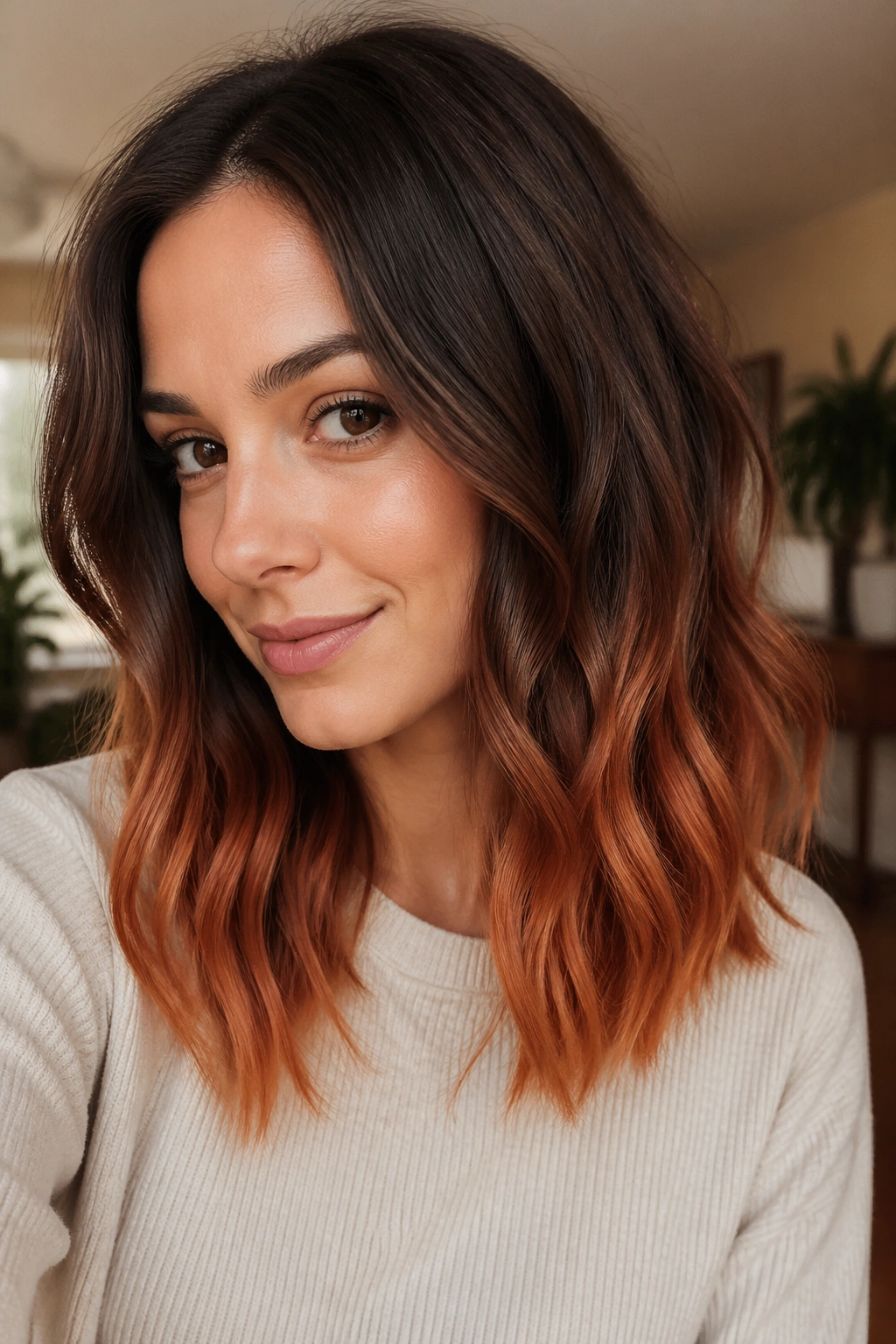
Copper ombré ends are easy to wear and flattering on longer hair. The mid-lengths stay more natural, then the copper fades in toward the bottom, which keeps the style relaxed but still interesting.
The key is a slow transition. A harsh line between brunette and copper can look accidental. A soft blend, especially with warm brown and amber tones in the middle, feels much richer.
This style also gives you room to grow out the color without panic. That’s one of the quiet benefits of ombré — it doesn’t need to be perfect every four weeks to keep looking good. The ends can get brighter, the roots can stay calm, and the whole thing still works.
17. Metallic Copper Bob
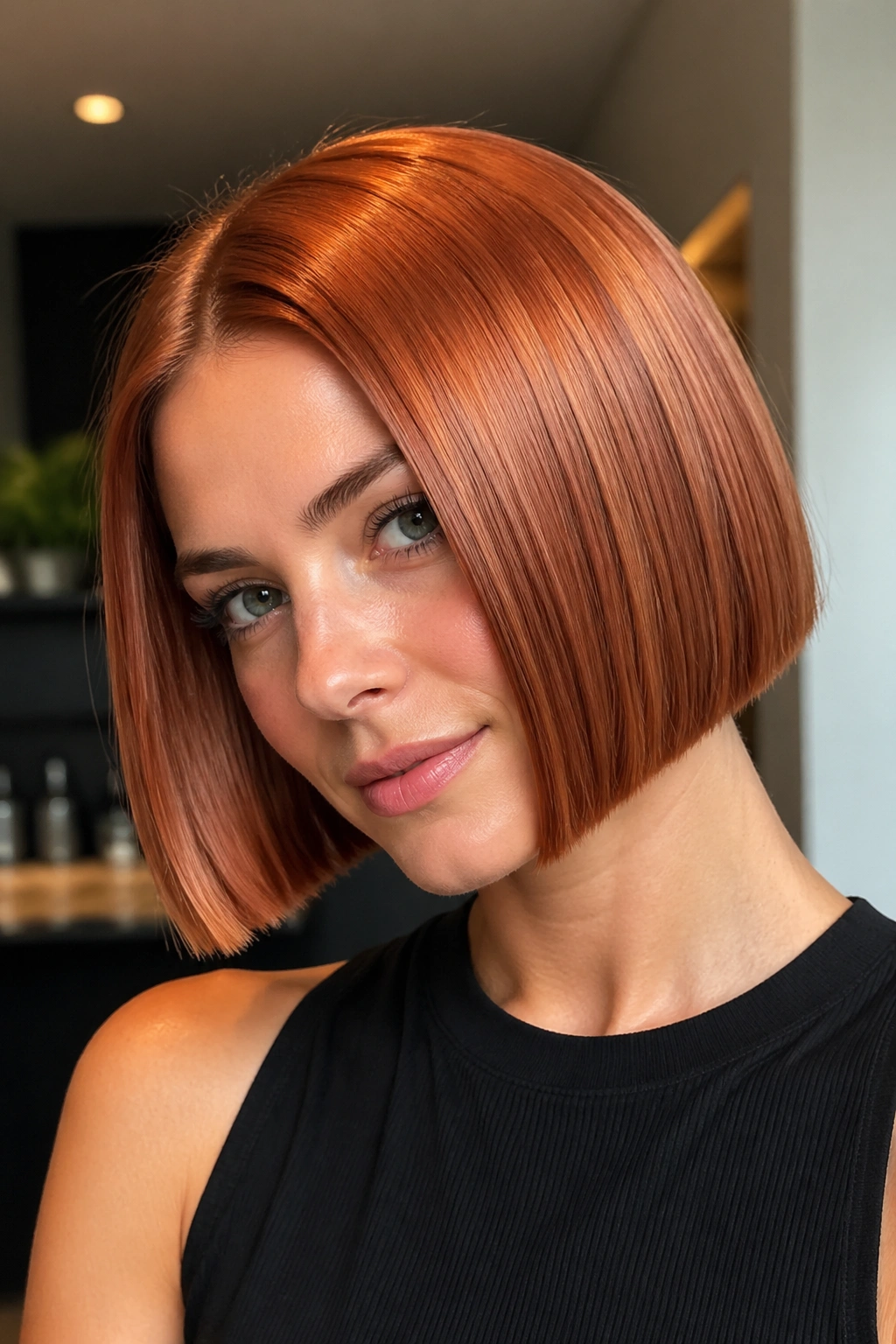
Metallic copper on a bob is crisp, shiny, and a little bit cool in the best way. The cut helps the color more than people expect. A sharp bob gives copper a clean edge, so it doesn’t wander into messy territory.
What Makes It Different
The metallic finish needs a smooth surface. Think mirror-like shine, not fluffy texture. That means healthy ends, a neat line, and a gloss that doesn’t dull too fast. If the cut is blunt, the color looks modern. If the cut is choppy, the same shade can feel busy.
This works beautifully on dark-to-medium copper bases with a brighter glaze on top. It’s not a flat orange bob. It’s a polished copper surface with movement underneath.
18. Desert Copper
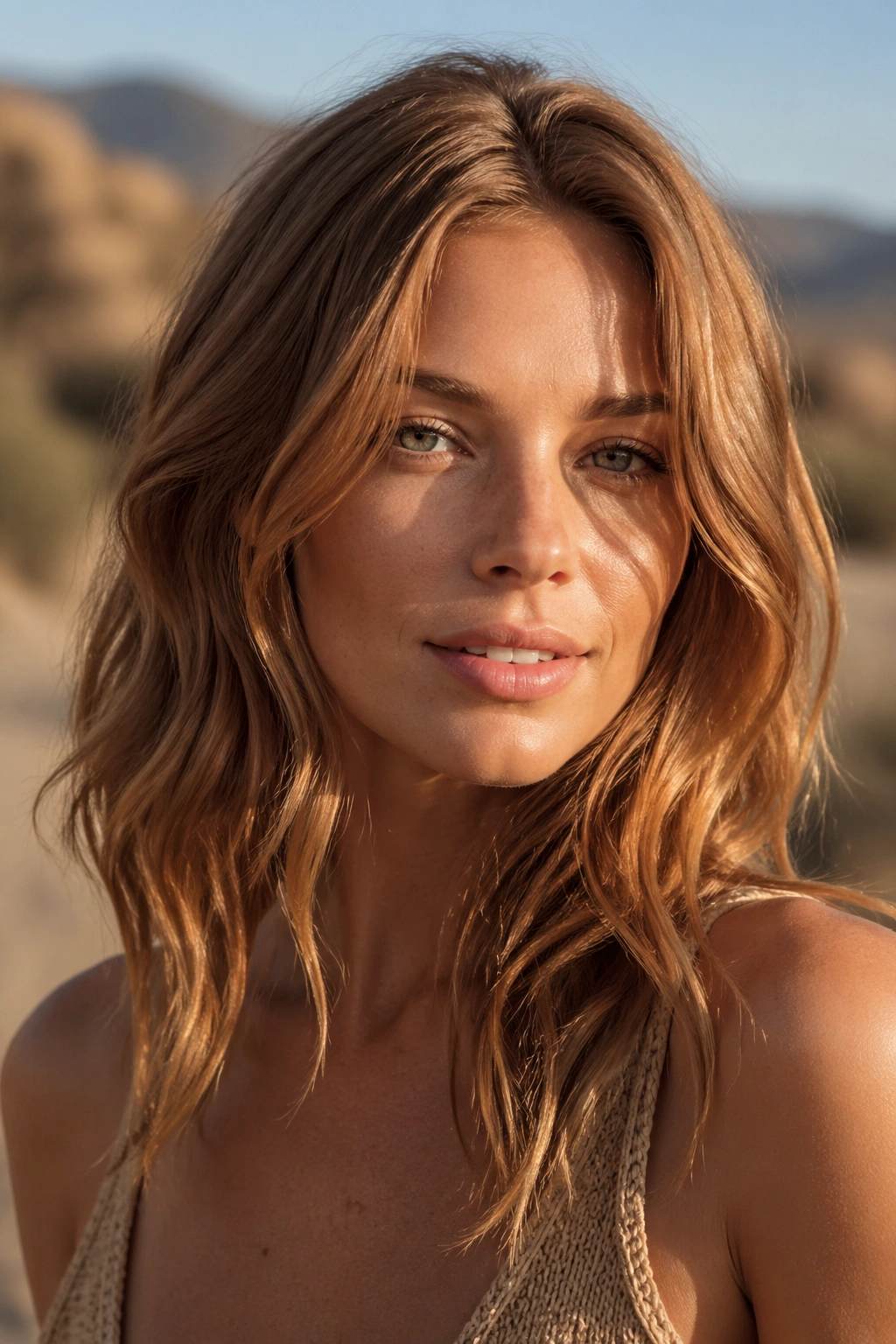
Desert copper feels sun-warmed, dusty, and soft around the edges. It’s less fiery than classic copper and more muted in a way that makes it easy to live with. The shade picks up beige, sand, and light terracotta notes, which keeps it from feeling too sharp.
This is one of my favorite shades for hair that already has natural texture. The color seems to settle into waves and bends instead of sitting on top of them. That gives the whole style a calm, expensive look.
Ask for a warm beige-copper blend with no strong red stripe through the middle. If the formula leans too orange, the desert effect disappears. You want warmth, not loudness.
19. Golden Copper with Lowlights
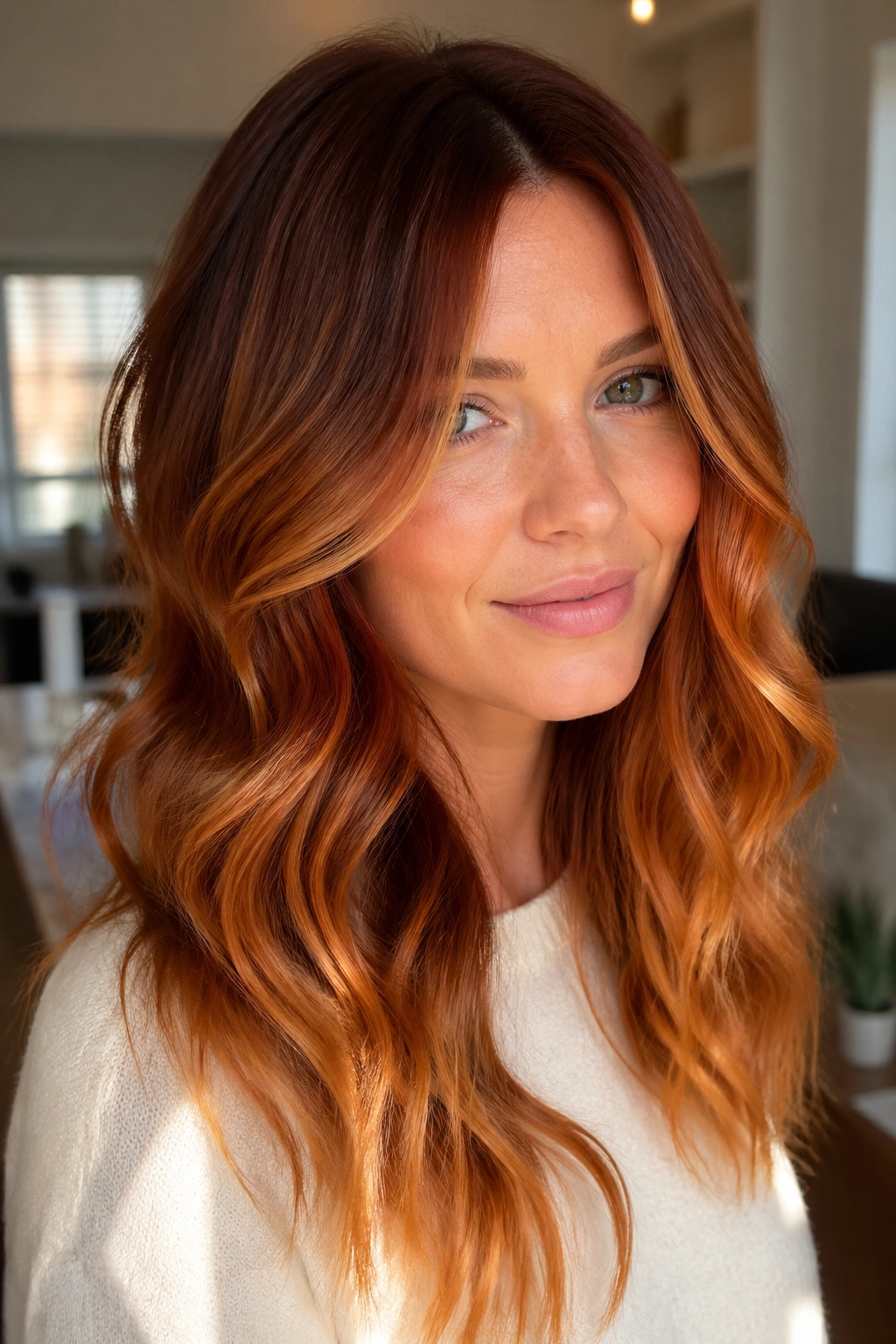
Golden copper with lowlights is the opposite of flat hair. The gold pieces bring light to the surface, while the lowlights keep the color from looking washed out. It’s a very useful combo if your hair tends to lose warmth fast.
The reason this looks rich is depth. One single copper tone can look one-note on longer hair. Add deeper ribbons underneath, and suddenly the color has structure. That’s the difference between dyed hair and a color that feels designed.
This is especially good for layered cuts and long waves. The lowlights sit in the movement, the gold catches the eye, and the copper ties everything together. It’s a strong choice if you like warmth but still want dimension.
20. Rustic Spiced Copper Curls
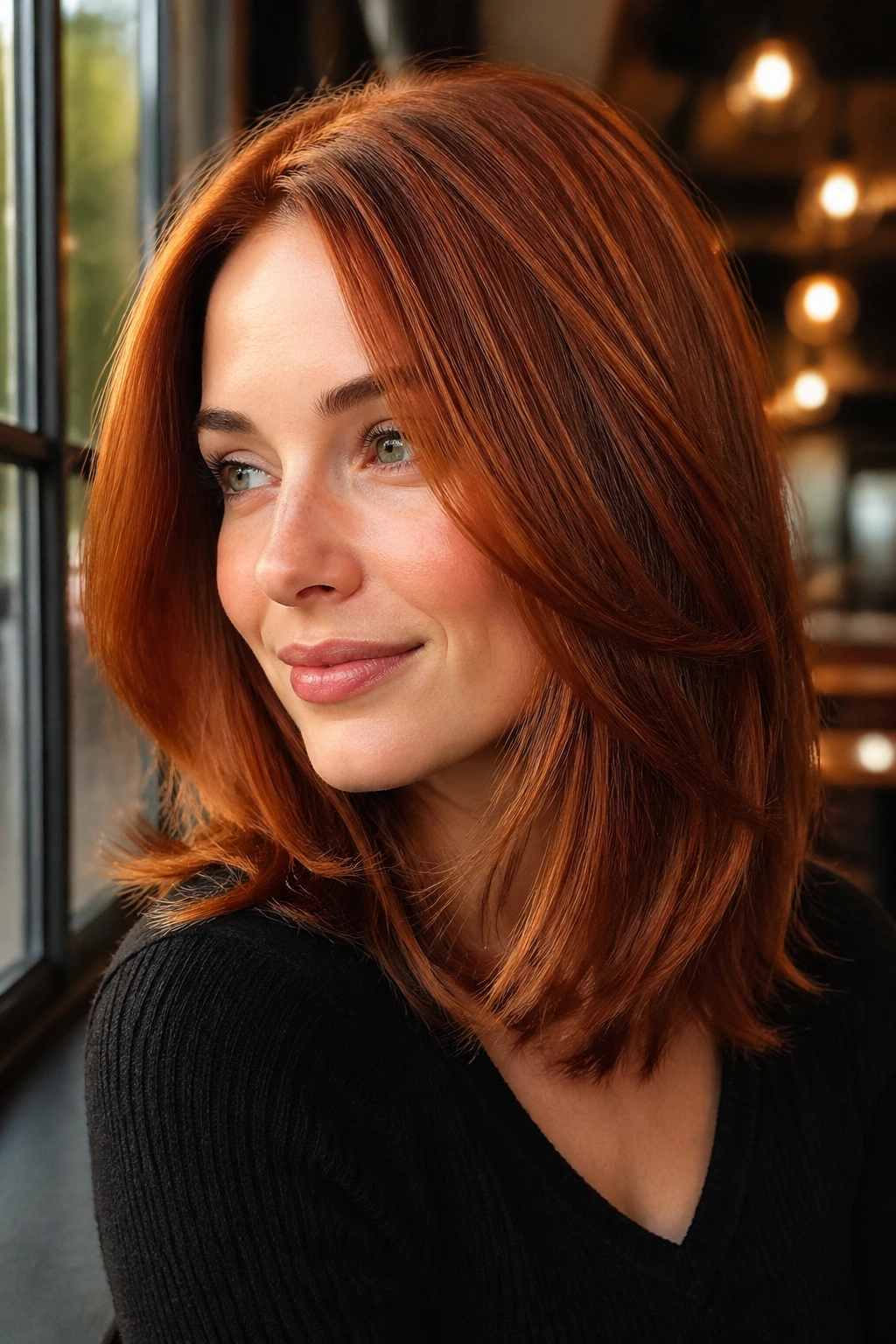
Rustic spiced copper curls are made for texture. The shade has cinnamon, clove, and rust tones running through it, so every curl catches a different piece of color. It’s warm, cozy, and surprisingly polished when the curl pattern is defined.
Loose curls work better than tight, crunchy ones. The goal is bounce and shape, not stiffness. A soft curl cream or lightweight mousse can help the color look its best because the finish stays touchable and the tone stays visible.
This shade has a seasonal feeling without being tied to one. It can feel rich against winter clothes, but it also looks right with simple white shirts and denim. That flexibility is part of why it reads expensive.
21. Coral Copper
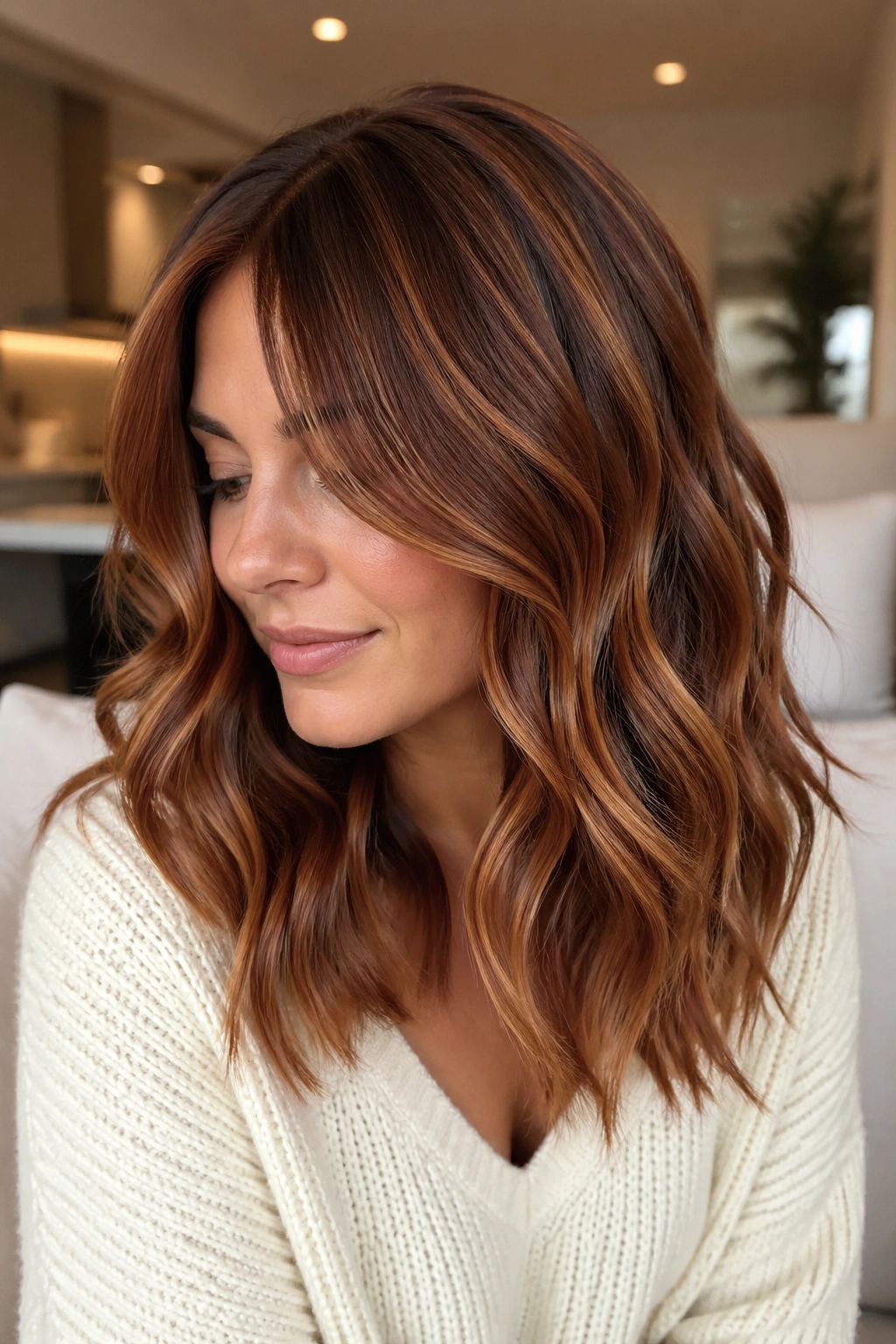
Coral copper has a brighter, fresher vibe than most copper shades. It leans a little pink and a little orange, which makes it feel lively without going full candy color. Done well, it looks glossy and tailored.
What to Watch For
Coral tones can fade fast if the hair is porous. That’s not a flaw in the shade; it’s just the nature of lighter warm color. A tinted conditioner or a color-safe gloss helps keep the coral side visible between salon visits.
- Best on lighter bases that have been lifted evenly.
- Works well with soft waves and blunt ends.
- Needs shine more than most copper shades.
If you like hair color that feels playful but still refined, this is a smart one.
22. Deep Chestnut Copper
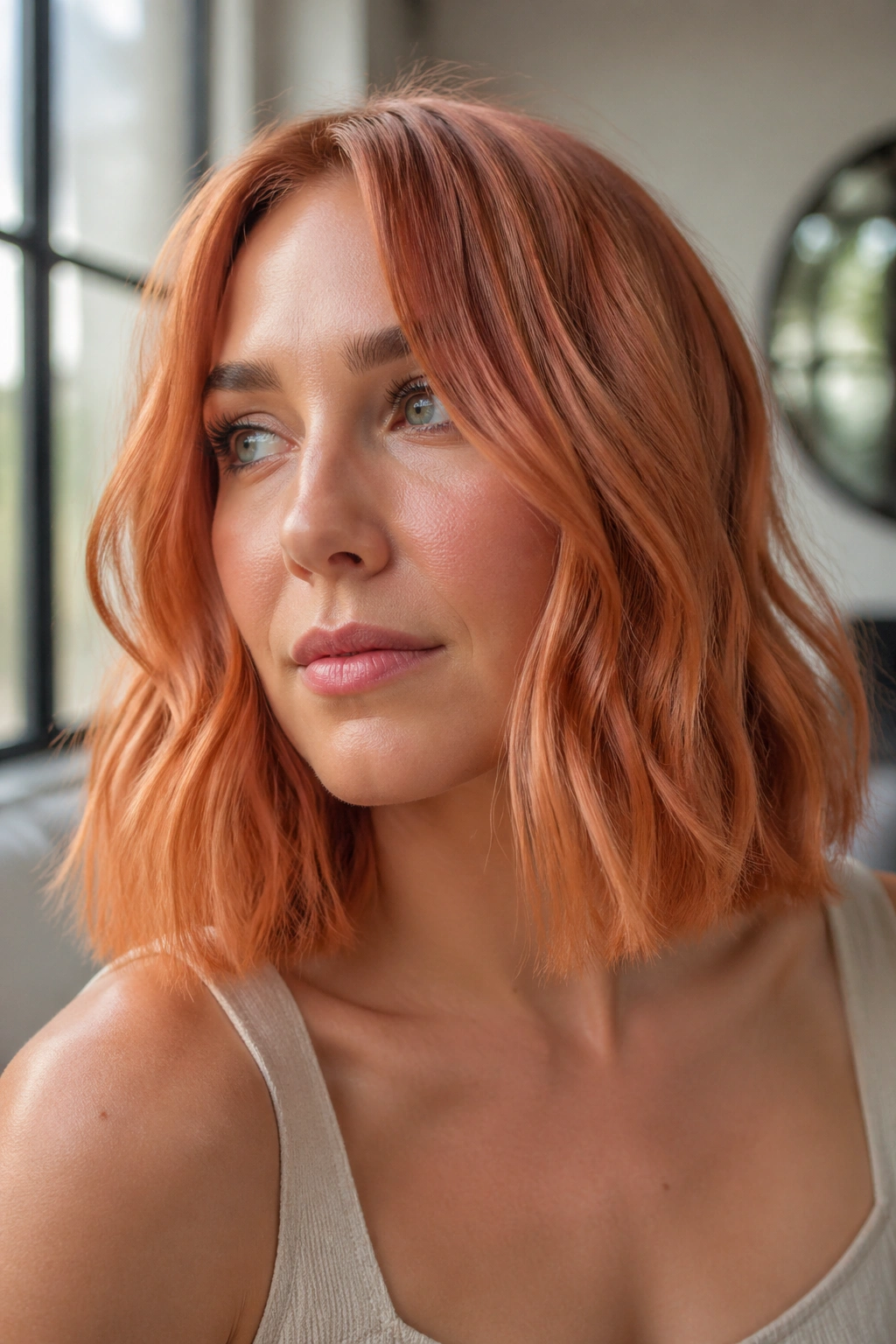
Deep chestnut copper is rich, dark, and quietly dramatic. The chestnut base gives the hair weight, while the copper keeps it from looking too brown. It’s a beautiful compromise for people who want warmth but don’t want to go bright.
The best version has just enough red to show in sunlight. Indoors, it should read like a deep brunette with warmth. That shift is what makes it feel expensive. A color that changes with the light always looks more intentional than one that looks the same everywhere.
This is also one of the easiest copper shades to maintain if you like low drama. The darker base hides regrowth, and the copper tone can be refreshed with a glaze instead of a full recolor.
23. Champagne Copper Blonde
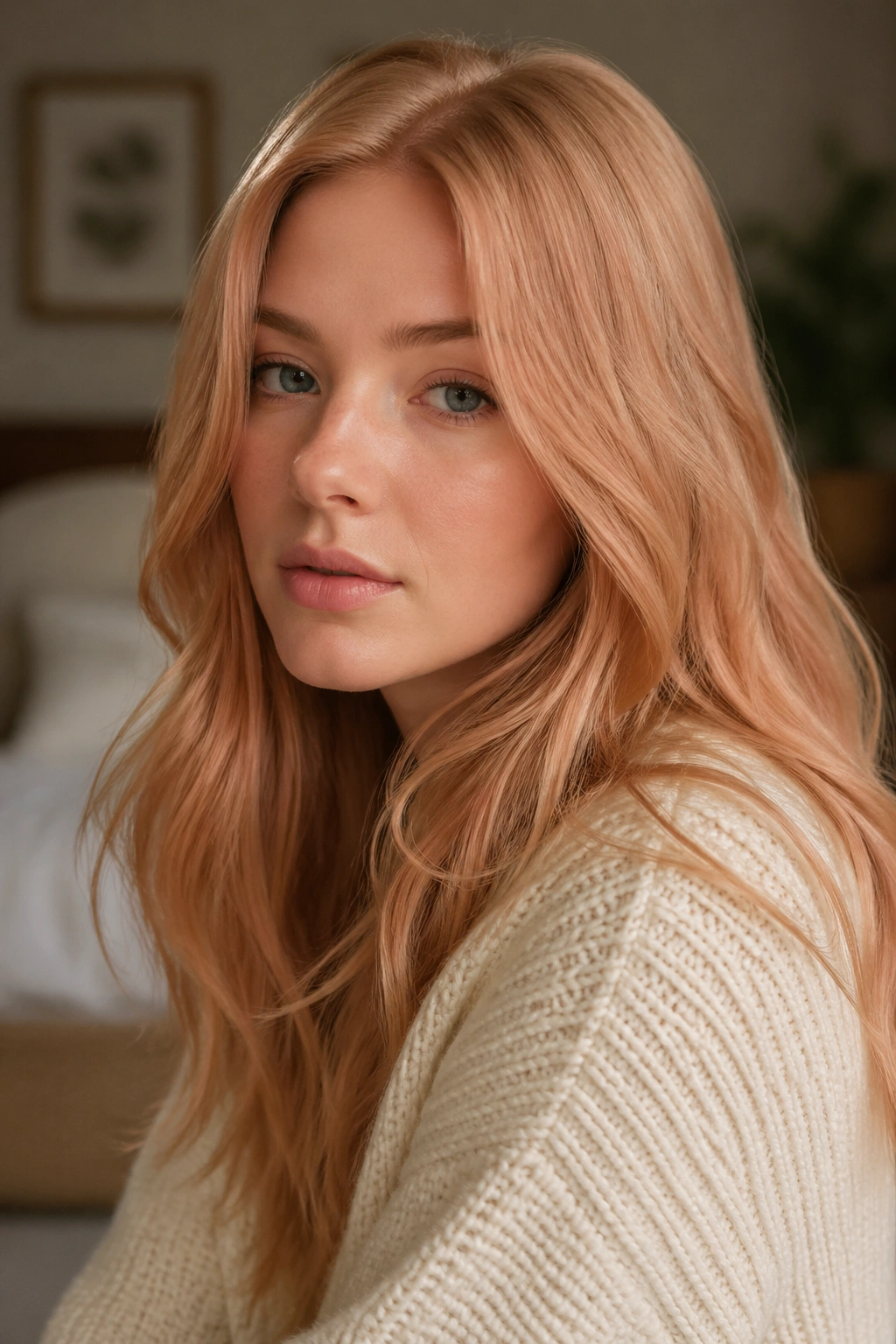
Champagne copper blonde is soft, light, and a little elegant in a way that’s hard to fake. It blends a pale blonde base with a warm copper wash, so the result feels airy instead of heavy.
The champagne note matters because it cools the brightness down just enough. Without it, the shade can tip into brassy gold. With it, the color looks soft around the edges and more expensive overall.
This shade suits sleek blowouts and loose waves more than messy texture. The cleaner the styling, the clearer the champagne-copper mix. It’s a good choice if you want warmth but still like the brightness of blonde hair.
24. Copper Face-Framing Layers
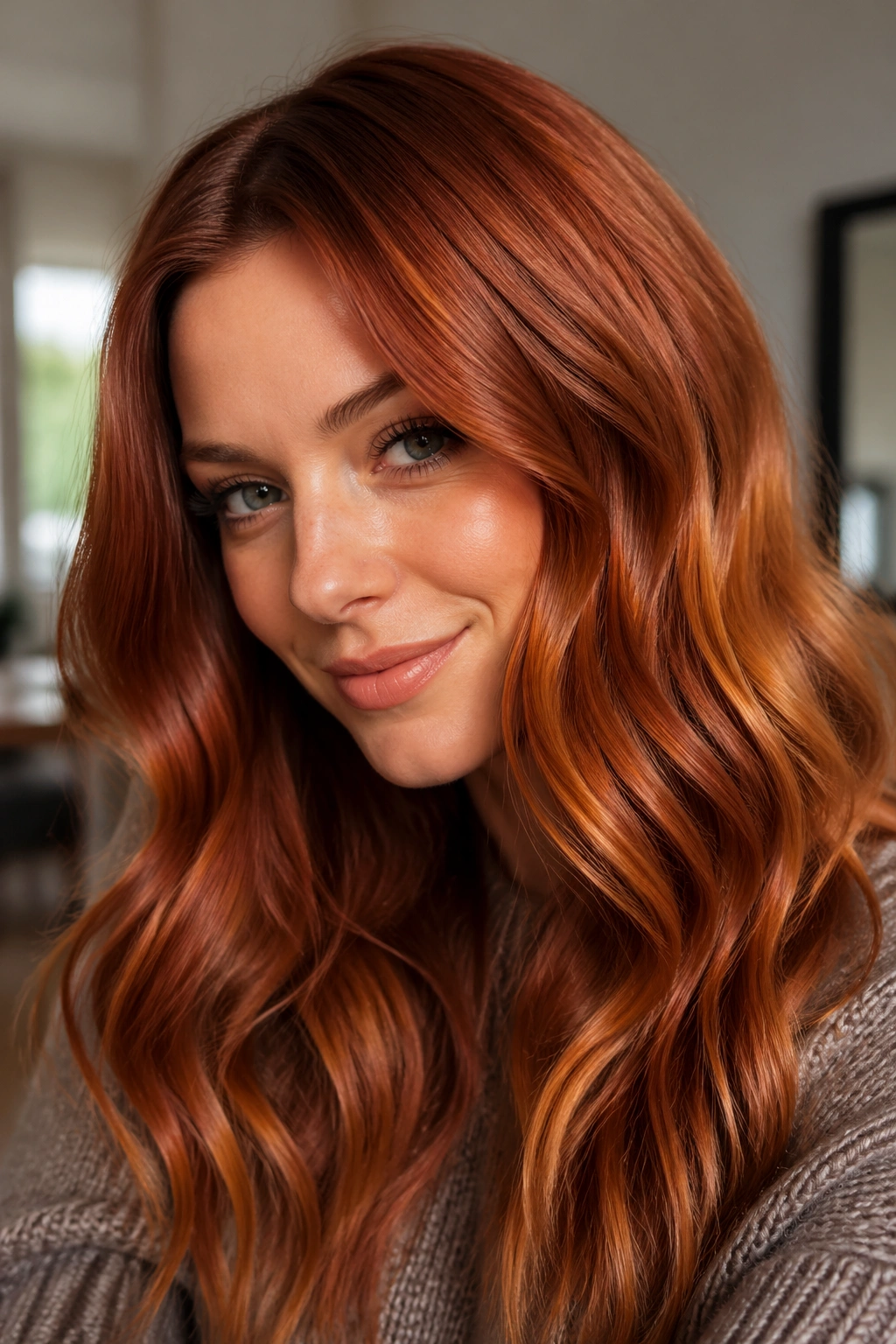
Copper face-framing layers are one of the fastest ways to make a haircut feel more finished. Even a small amount of copper around the face changes the whole look, especially when the pieces are blended into a deeper base.
The best part is control. You can keep the color subtle through the back and sides, then make the front a little brighter and warmer. That lets the hair move without looking overcolored. It’s also flattering if you want warmth near the skin but don’t want to commit everywhere.
This technique is especially good for layered cuts, curtain bangs, and long fringe. The lighter front pieces pull the eye upward and give the color a salon-made feel.
25. Mahogany Copper Red
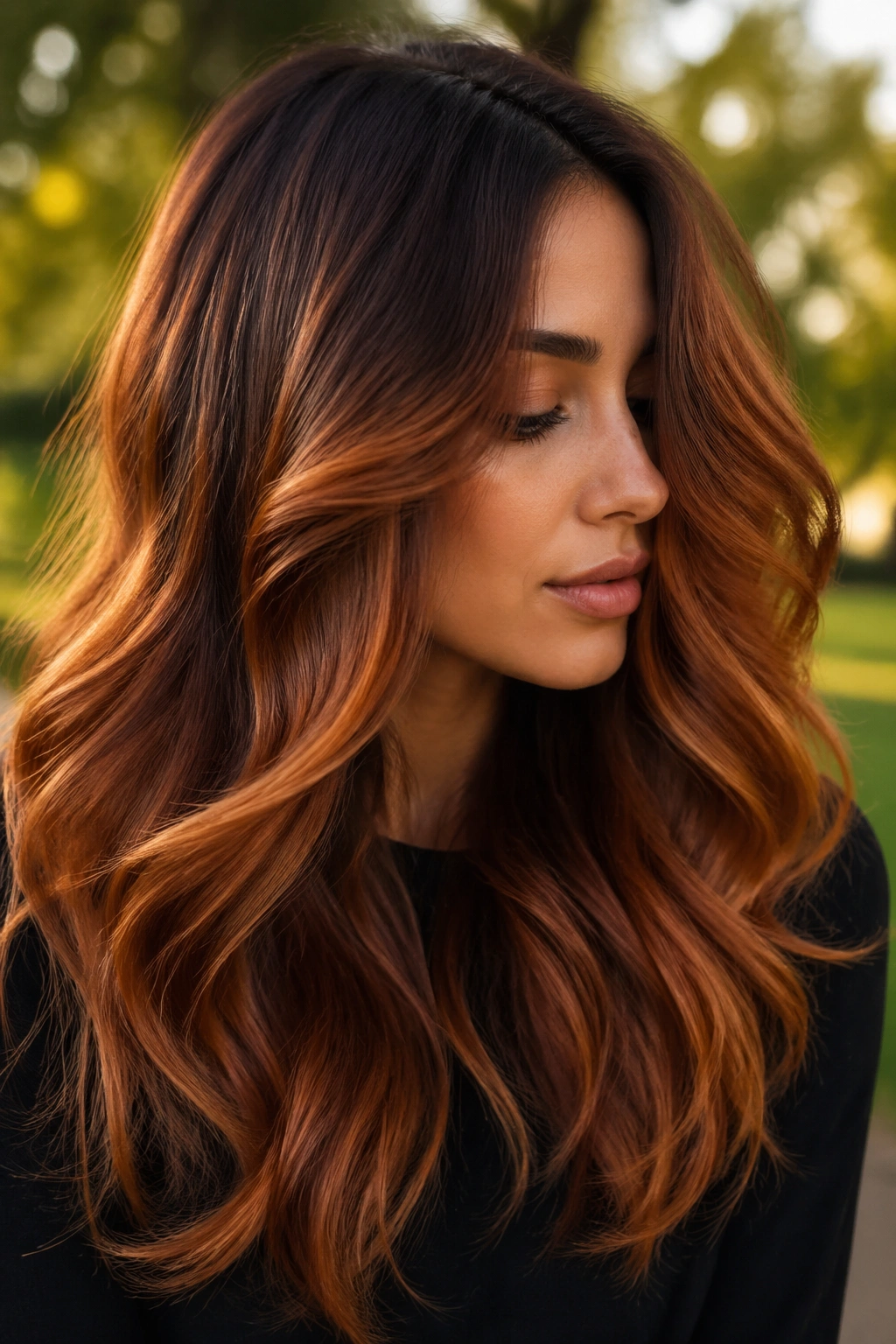
Mahogany copper red is deep, rich, and a little dramatic without being theatrical. The mahogany base keeps it grounded, while the copper-red finish brings warmth and shine. It’s the kind of shade that looks especially good in smooth, controlled styling.
Why It Feels So Luxurious
Dark warm reds hold light in a different way than bright coppers. They have more depth at the root and more glow at the surface, so the color feels layered instead of flat. That’s why this shade often reads more expensive than a brighter red even though it’s less flashy.
A center part, sleek blowout, or soft bend in the hair all help. The color needs a neat surface to show off the depth. If the hair is frizzy or overly dry, the mahogany can disappear and the copper tone starts to look patchy.
26. Velvet Copper
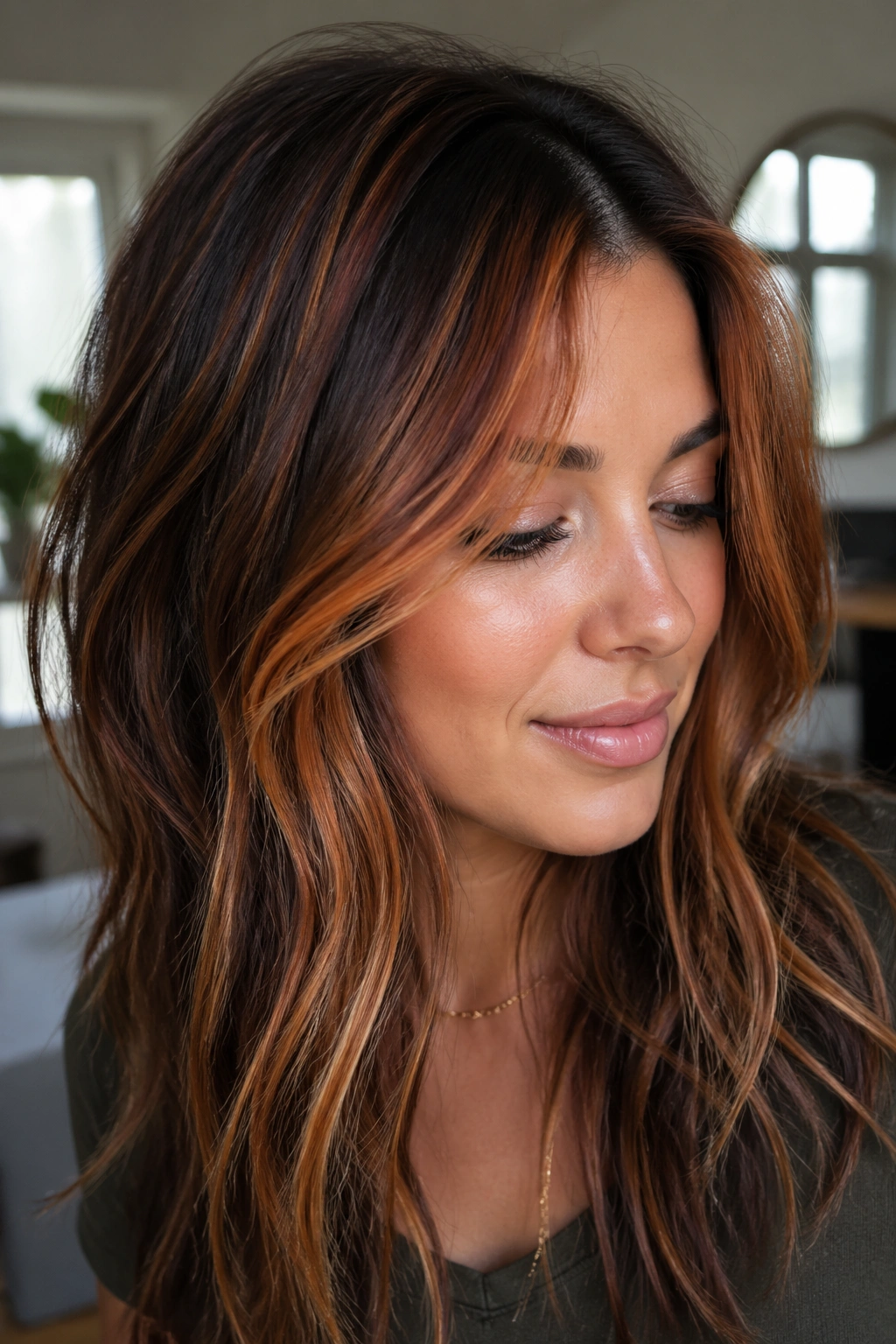
Velvet copper is the shade I’d send someone to when they want warmth, shine, and depth in the same breath. It sits somewhere between cinnamon, auburn, and soft penny copper, with a finish that should feel smooth and plush rather than bright and loud.
The “velvet” part is not about texture alone. It’s about how the color looks across the surface of the hair. You want one tone at the root, a slightly lighter glow through the mids, and enough gloss on top that the color changes when the light shifts. No harsh edges. No obvious stripes. Just a soft, expensive-looking warmth that feels finished.
This shade is especially kind to long layers and medium-density hair, because the movement gives the copper room to breathe. It also works on shorter cuts if the shape is clean. A blunt bob, a collarbone cut, even a tidy shag can wear velvet copper well, as long as the ends are healthy and the finish stays shiny.
If you’re choosing among copper hair color ideas and you want the safest bet, this is the one that makes the fewest mistakes. It’s warm without being brassy, rich without being dark, and polished without looking stiff. That’s a good place to end, honestly.