
Warm gold has a sneaky way of taking over dirty blonde. One minute the color looks soft and cool; the next, it reads honeyed, brassy, or a little too sunlit for the mood you wanted.
That’s why dirty blonde hair color ideas for cool tones tend to hold up so well. Ash, mushroom, beige, pearl, taupe, and muted greige shades keep the hair grounded while still giving you that lived-in blonde feel. The trick is balance. Too much warmth and the whole thing tilts yellow. Too much gray and it can look flat.
Cool-toned dirty blonde works best when the roots keep some depth and the lighter pieces stay soft, not striped. A level 6 or 7 base with cooler ribbons usually gives you that expensive-looking contrast without making the color shout from across the room.
The 25 ideas below stay in that cooler lane, but each one has a different mood, a different maintenance level, and a different way of flattering the face.
1. Smoky Rooted Dirty Blonde
Smoky roots are one of the easiest ways to keep dirty blonde from looking flat. The darker base gives the lighter strands somewhere to land, and the ash-toned pieces keep the whole look calm instead of golden.
Why It Works
A level 5 or 6 ash brown root lets the blonde live in the mids and ends, which is where the eye tends to see movement first. That little bit of depth also makes grow-out softer, so you are not stuck with a hard line a few weeks later.
- Best for: Medium brunettes who want a cool blonde shift without a full bleach-out.
- Ask for: A shadow root, ash beige ribbons, and a cool gloss through the ends.
- Maintenance: Gloss every 6 to 8 weeks keeps the smoky tone from turning muddy.
- Styling note: Loose waves show the depth better than a straight blowout.
Tip: Keep the root at least one shade deeper than the mids. That tiny gap does a lot of the work.
2. Mushroom Blonde with Beige Ends
Mushroom blonde is the easiest cool-toned dirty blonde if you hate obvious streaks. The color lives in that brown-gray zone that looks soft in daylight and even softer indoors.
It’s a good choice when you want your hair to read blonde, but not bright. The beige ends stop the mushroom tone from feeling too dusty, which is where this shade can get tricky if the colorist goes heavy on gray.
Ask for a muted balayage with a mushroom root and beige ends that stay about one to two levels lighter. On wavy hair, the contrast looks airy. On straight hair, it feels more polished and a little more editorial. Either way, it stays in the cool family without sliding into silver.
A blunt bob or collarbone cut makes this shade look cleaner, but long layers work too. The color sits in the hair rather than floating on top of it.
3. Ash Beige Balayage
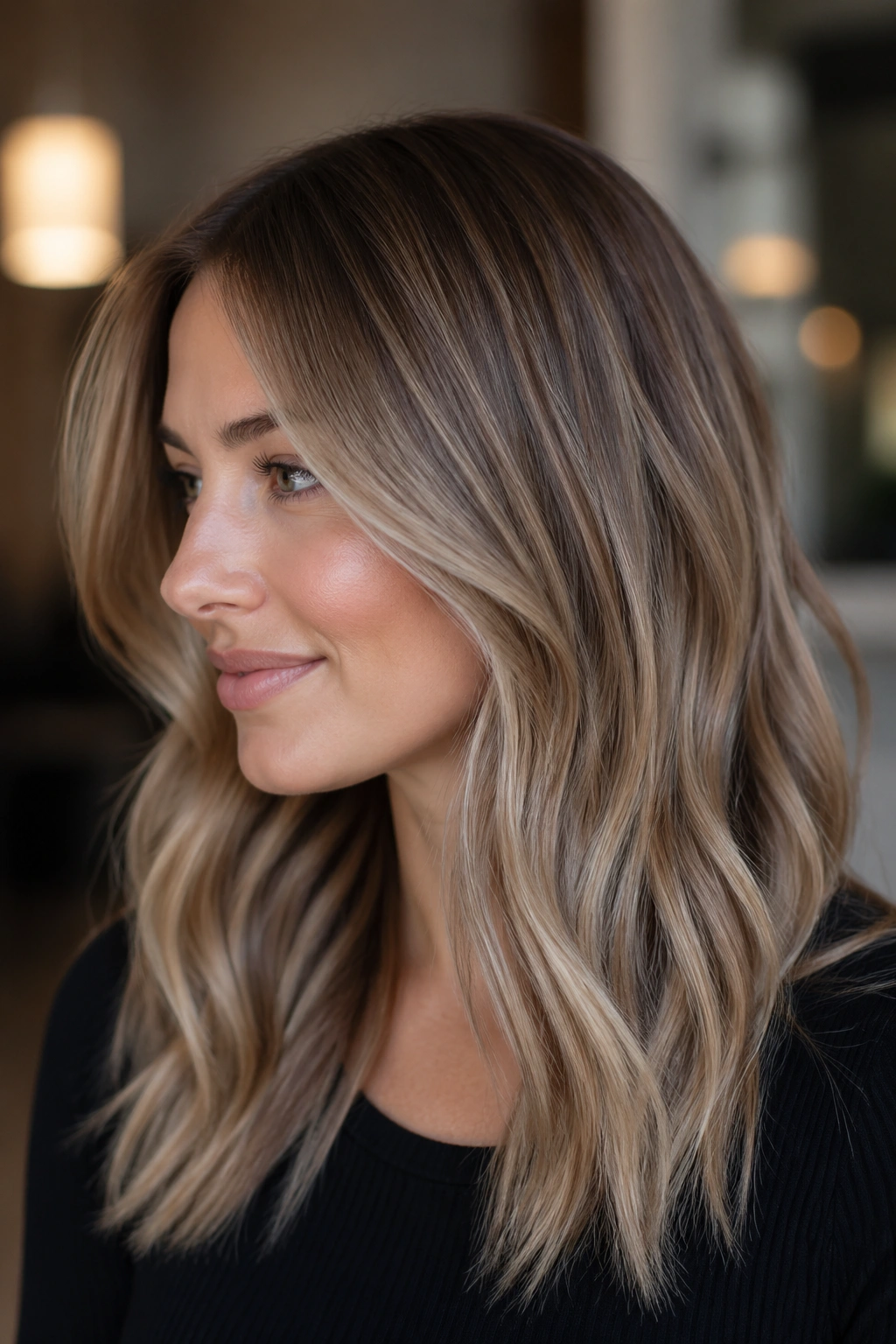
What if you want a blonde that still feels calm under indoor light? Ash beige balayage is usually the answer. It has enough warmth to keep the hair looking soft, but the ash keeps brass from taking over.
How to Ask for It
Ask for hand-painted pieces starting around the cheekbone and a few finer accents near the part. That keeps the brightness controlled instead of patchy. A root that stays near your natural base, then fades into beige-ash lengths, gives the whole look that smooth, grown-in finish people try to fake with too much toner.
The best part is how forgiving it is. If your hair is fine, the soft placements make it look fuller. If your hair is thick, the lighter ribbons break up the weight without making the color loud.
What To Say At The Chair
- “Keep the root soft and cool.”
- “Use beige, not gold.”
- “I want light pieces, but not chunky ones.”
- “Leave enough depth so the blonde still looks dirty.”
That last line matters more than people think.
4. Cool Money Piece Dirty Blonde
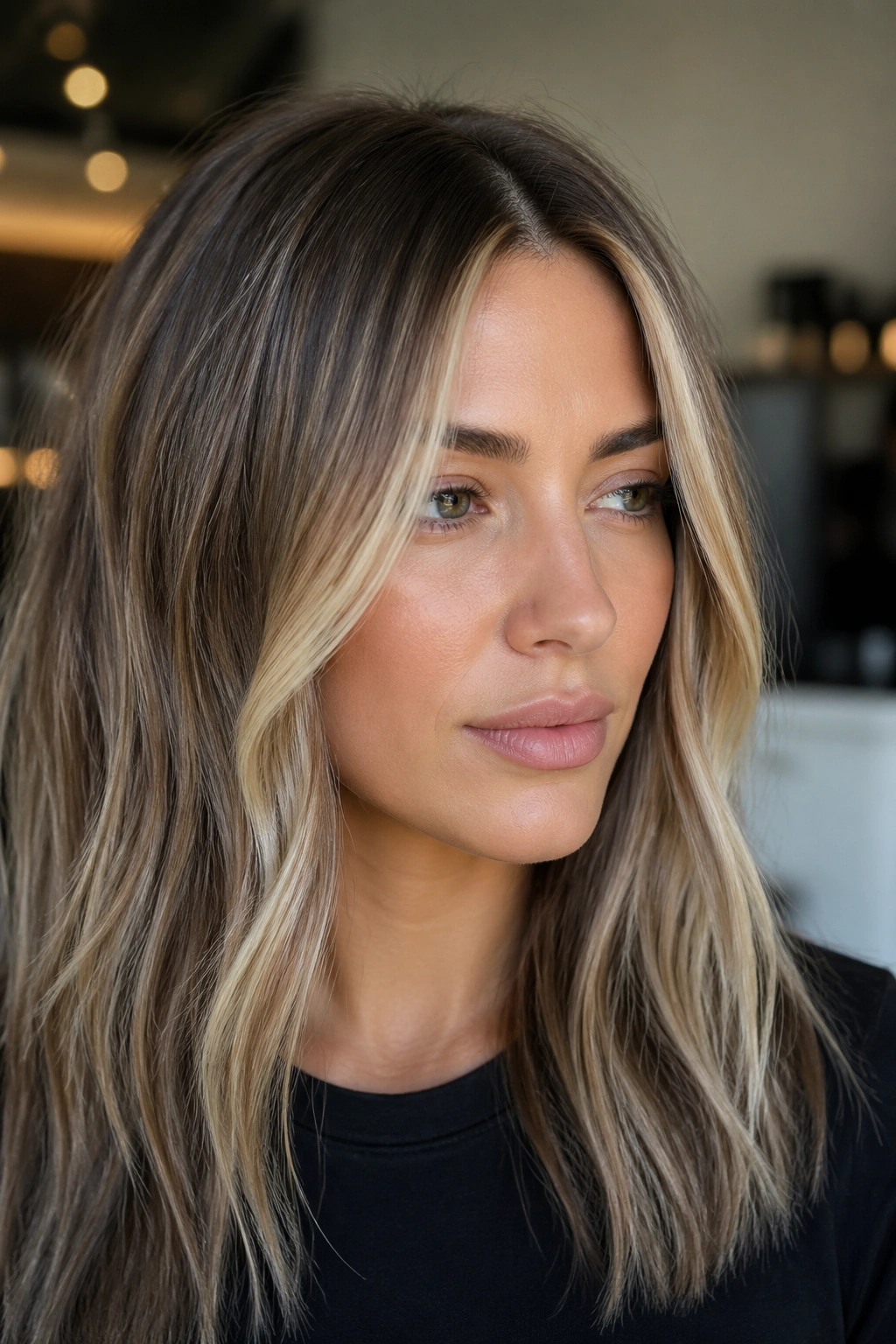
You can change the whole feel of dirty blonde with two front panels. That’s it. Two well-placed, cool-toned face pieces can make the rest of the color look more expensive and more intentional.
I once saw this on a client with a medium brown base and shoulder-length waves. The back stayed rooted and smoky, while the front pieces sat just bright enough to frame the face. It changed the whole haircut. Suddenly the color had shape.
The trick is placement. Keep the money piece narrow near the hairline, then let it widen only a little as it moves back. If it starts too heavy at the front, the look loses that soft dirty-blonde feel and turns into a high-contrast streak.
- Best on round and heart-shaped faces.
- Works well with center parts and loose bends.
- Needs a cool toner every 4 to 6 weeks if your hair pulls warm fast.
A face frame like this is a small move. Small, though, is the point.
5. Pearl Gloss Dirty Blonde
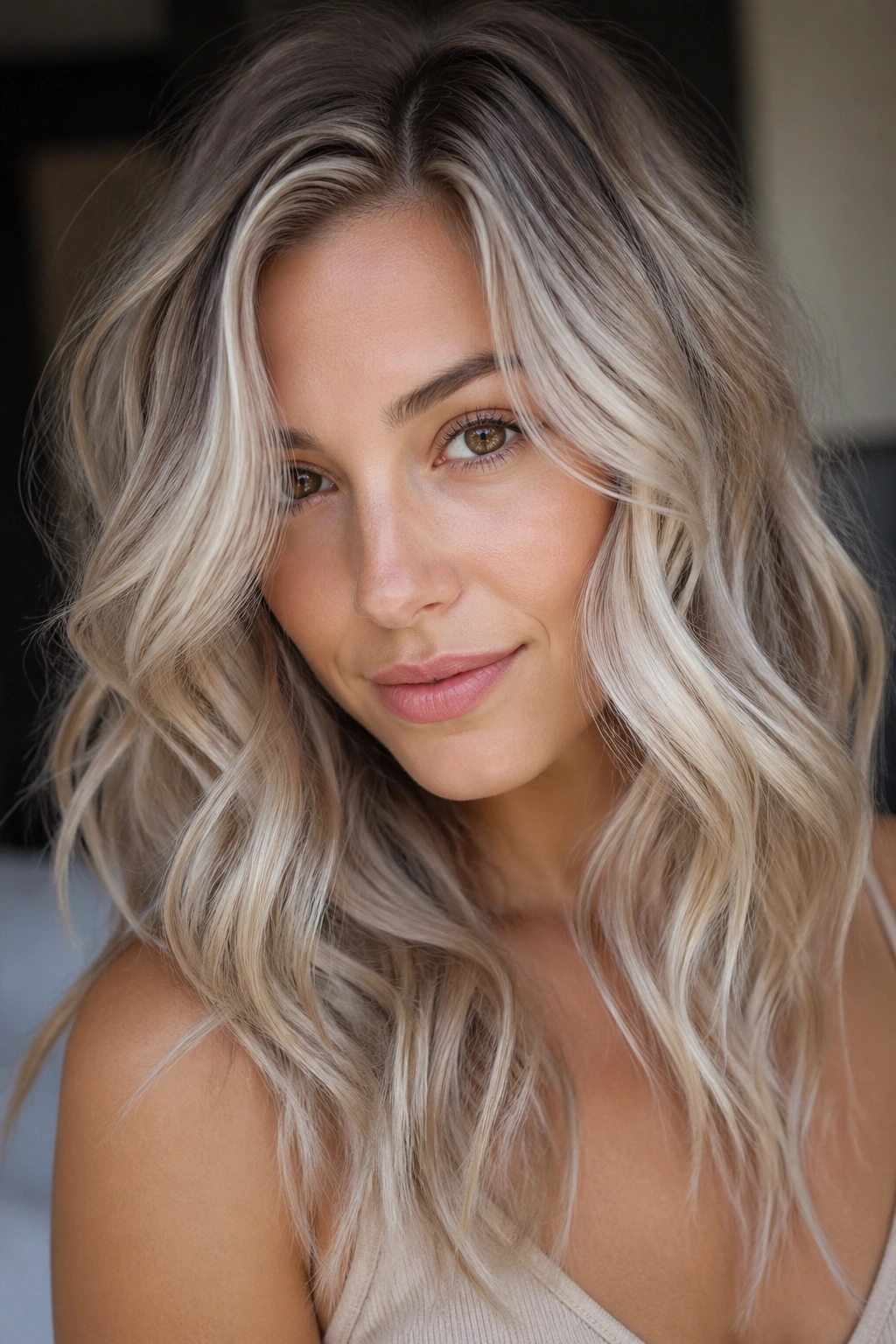
Pearl gloss dirty blonde has a sheen that sits somewhere between beige and silver. It does not scream platinum, and that’s what makes it good.
The shade looks clean without looking cold. A pearly glaze catches the light in a soft way, which is handy if your base color is already blonde enough and you only need to knock the gold down a notch. The result feels airy, not icy.
This color is strongest on hair that has some texture. Loose waves, air-dried bends, even a shag cut all help the pearl tone show up in layers instead of one flat sheet. Straight hair can wear it too, but then the color needs a little more dimension from lowlights.
One caution: pearl can go chalky if the hair is over-processed. A clear gloss mixed with a cool beige toner usually keeps that problem in check.
A satin finish on the hair, not a mirror shine, is where this shade lives.
6. Greige Blonde Melt
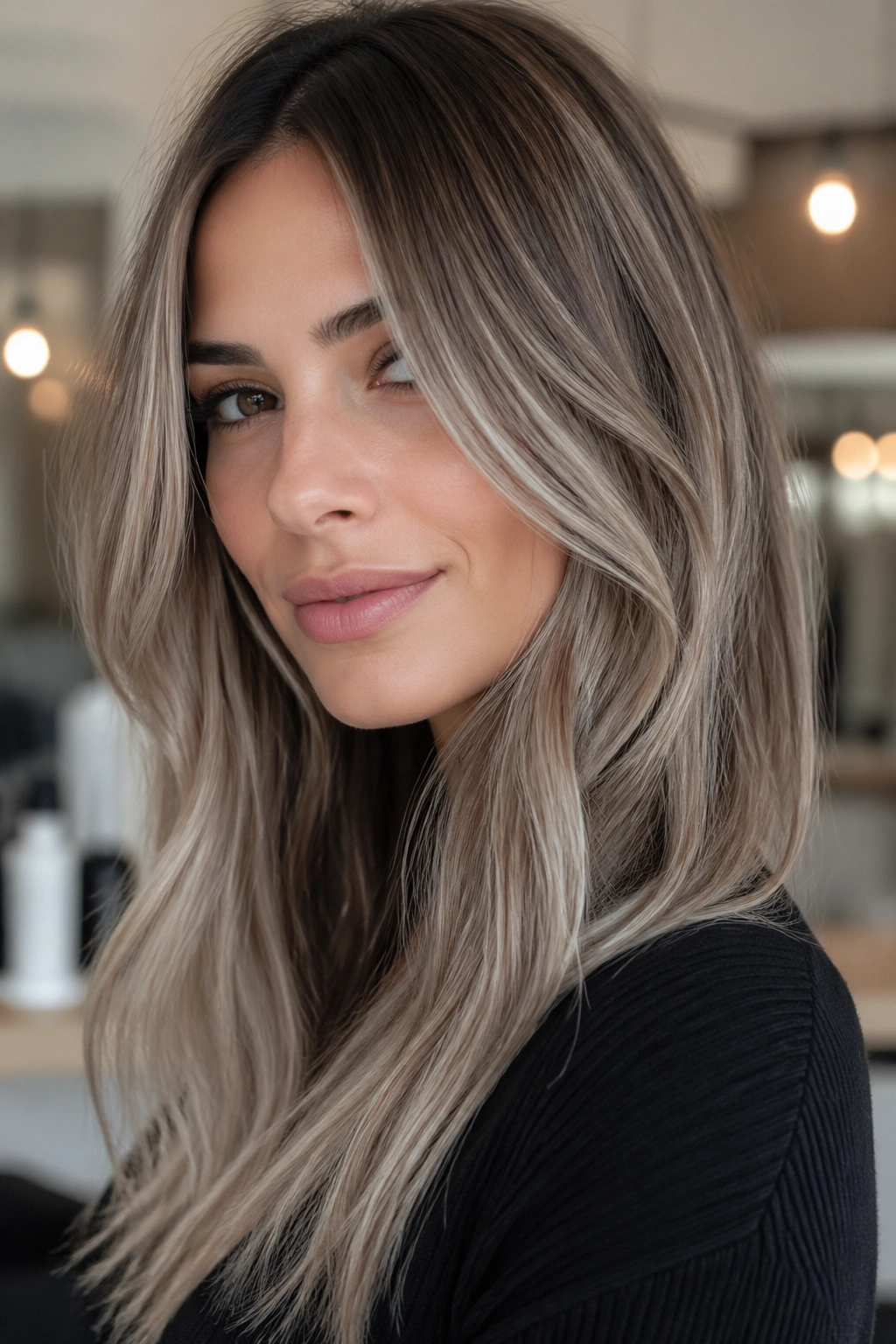
Greige sits between gray and beige, and that’s why it wears so well. If ash feels a little dusty to you and beige feels a little warm, greige lands in the middle and behaves.
Unlike a standard beige blonde, a greige melt keeps more shadow at the root and more smoke through the mid-lengths. The effect is quieter, and that quiet is useful. It lets the cut show off the color rather than the other way around.
This is the shade I’d point a brunette toward if they want blonde energy without that obvious “I had highlights done” look. It works best when the lighter sections are woven in thinly, then softened with a neutral-cool gloss. Ask for a level 6 or 7 base with level 8 greige pieces if your hair can handle the lift.
Best choice for people who wear neutral clothing, silver jewelry, or anything with a clean line. It reads polished, but not stiff. That’s a rare sweet spot.
7. Taupe Shadow Root Blonde
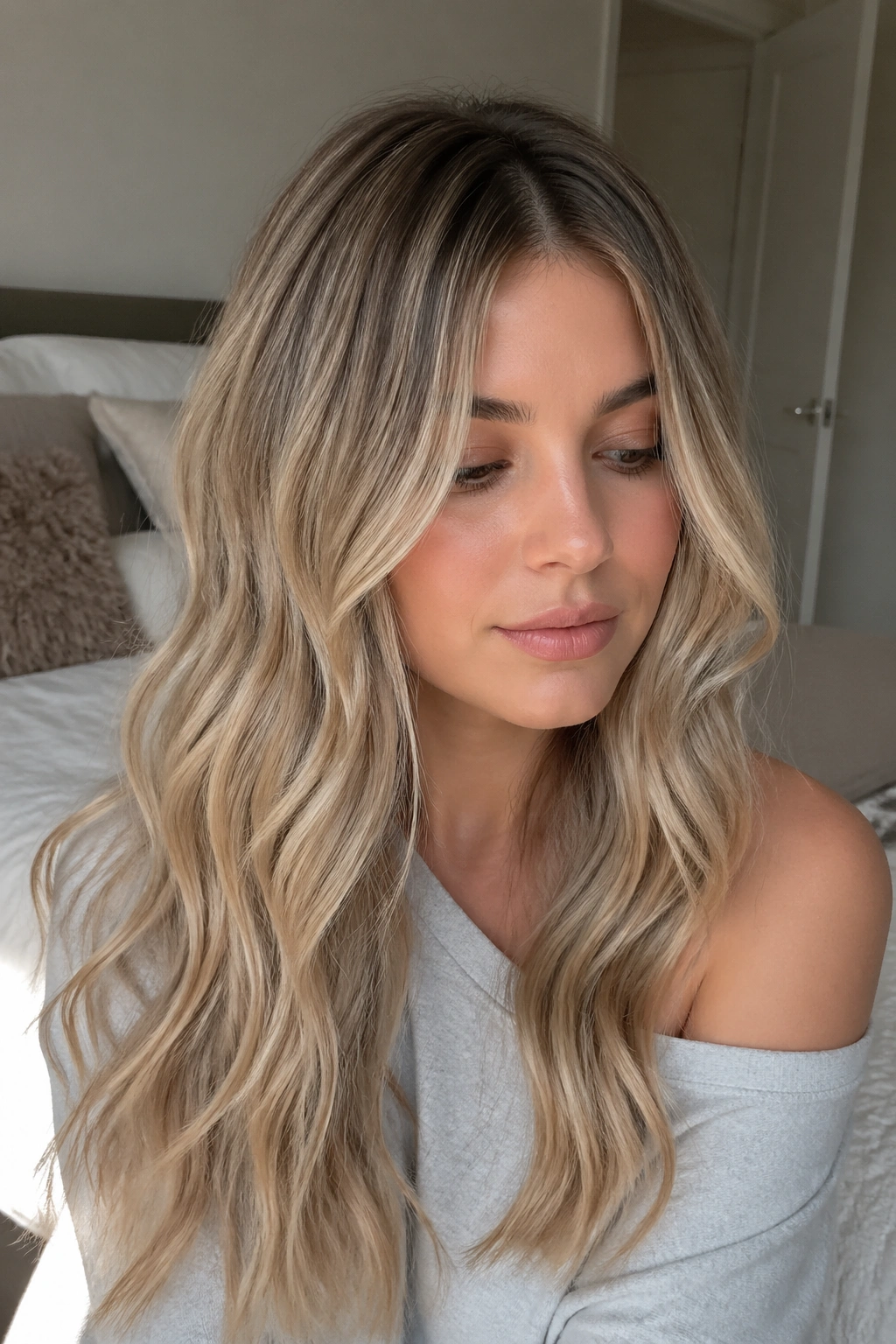
Taupe is one of those shades that sounds fussy until you see it on hair. Then it makes sense. It’s brown-gray, soft-edged, and easy to wear, which is exactly what a cool dirty blonde needs near the root.
Why the Root Matters
A taupe shadow root keeps the grow-out line from looking harsh. It also lets the lighter blonde pieces stay cool without losing depth. If you start with a level 5 taupe root and fade into a level 7 beige-ash blonde, the whole color looks blended instead of painted on.
Quick Notes
- Best for: Medium to dark brunettes who want something muted.
- Best cut: Layers, lob lengths, and long shags.
- Toner: Use a blue-violet gloss if the blonde starts to swing yellow.
- Finish: Soft blowout or loose bend, not stiff curls.
Tip: Ask for the lightest pieces to stay away from the root line by about half an inch. That keeps the taupe from getting muddy at the scalp.
8. Frosted Ribbon Highlights
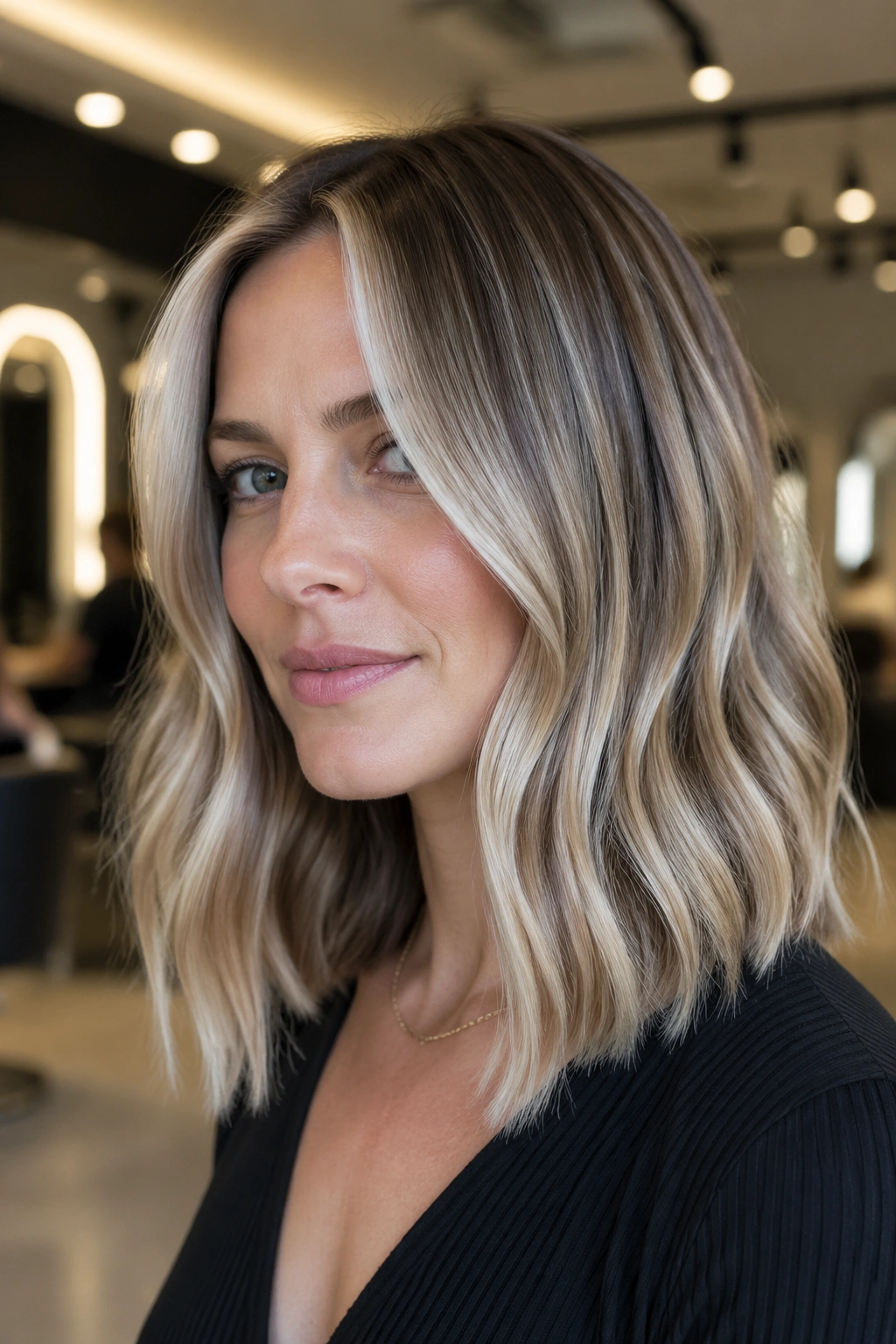
Frosted ribbon highlights are for people who want the blonde to show up in clean bands rather than tiny flecks. The look is brighter than a soft balayage, but still cooler than a golden highlight job.
The “ribbon” part matters. These pieces are wider, so the light catches them in a way that makes the hair look thicker. Frosted tones keep that brightness from going yellow, which is what can happen when ribbon highlights are lifted too far and toned too warm.
This shade works well on shoulder-length cuts and long layers because the ribbons can move. On very short hair, the contrast can feel sharp. On very long hair, it gives the blonde a bit of drama without losing the dirty-blonde base underneath.
If you want this look, ask for cool beige ribbons, fine weaves around the crown, and a soft root melt. The root is the part people often ignore. Don’t. Without it, the frosted pieces can look disconnected.
This is one of the better choices if you like seeing the color from across the room.
9. Oyster Blonde Waves
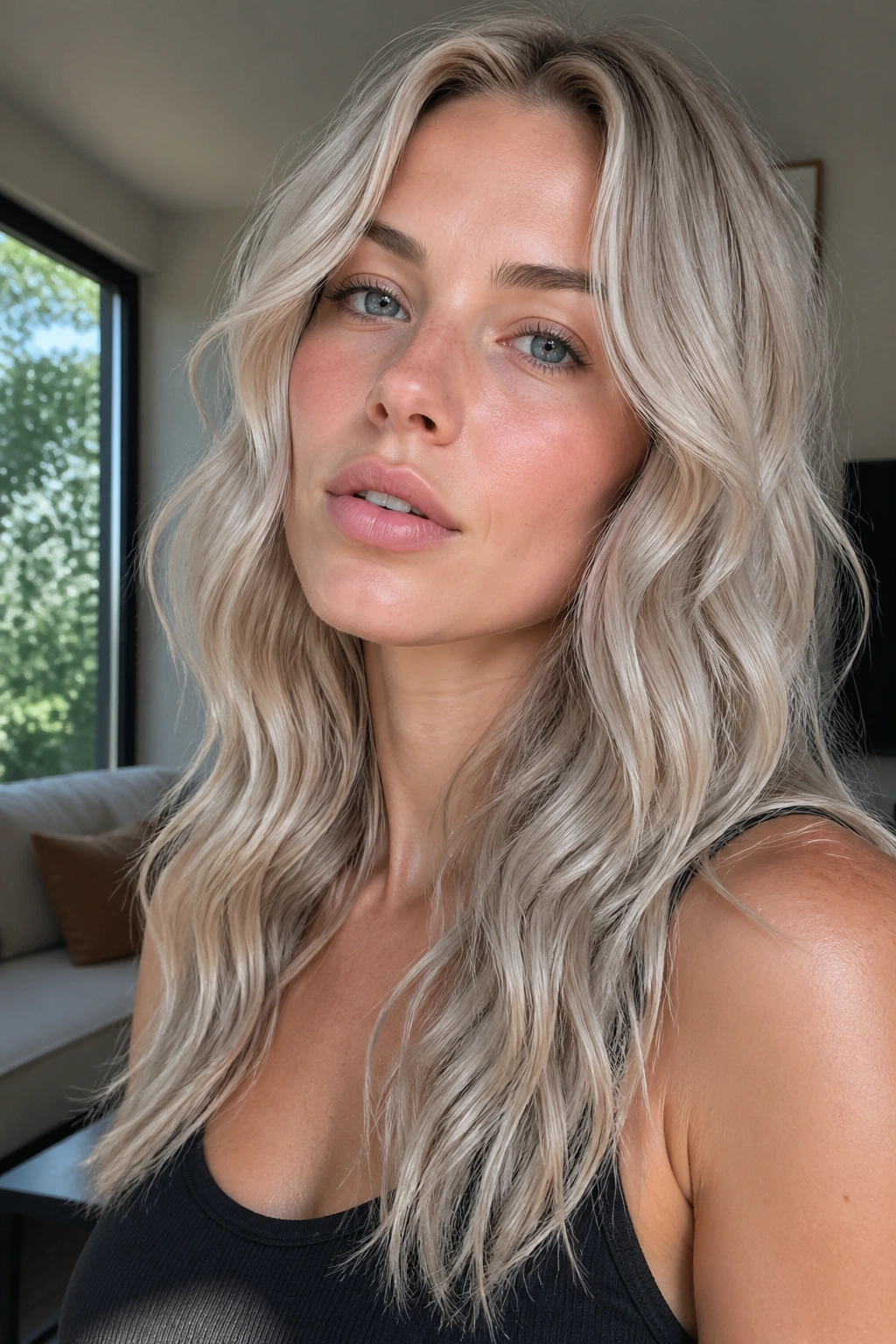
Can dirty blonde still feel polished without turning icy? Oyster blonde says yes. It has that pale, shell-like cast that looks soft, a little silvery, and never too sunny.
The shade lands well on wavy hair because the bends break up the cool tone. A flat, straight texture can make oyster blonde read a little stark. Waves fix that. They keep the color from looking like one solid block and let the beige and gray notes play off each other.
How to Ask for It
Ask for a cool beige blonde with a muted silver gloss and soft root shadow. Keep the ends lighter, but not white. White tends to erase the oyster effect and pushes the hair into platinum territory.
A few fine lights around the face help too, especially if your base is naturally medium blonde or light brown. That little lift near the front keeps the whole look from going dull.
Oyster blonde is a good fit for minimal makeup, crisp shirts, and hair that already has some movement. Clean, but not cold. That’s the sweet spot.
10. Smoke-and-Sand Ombré
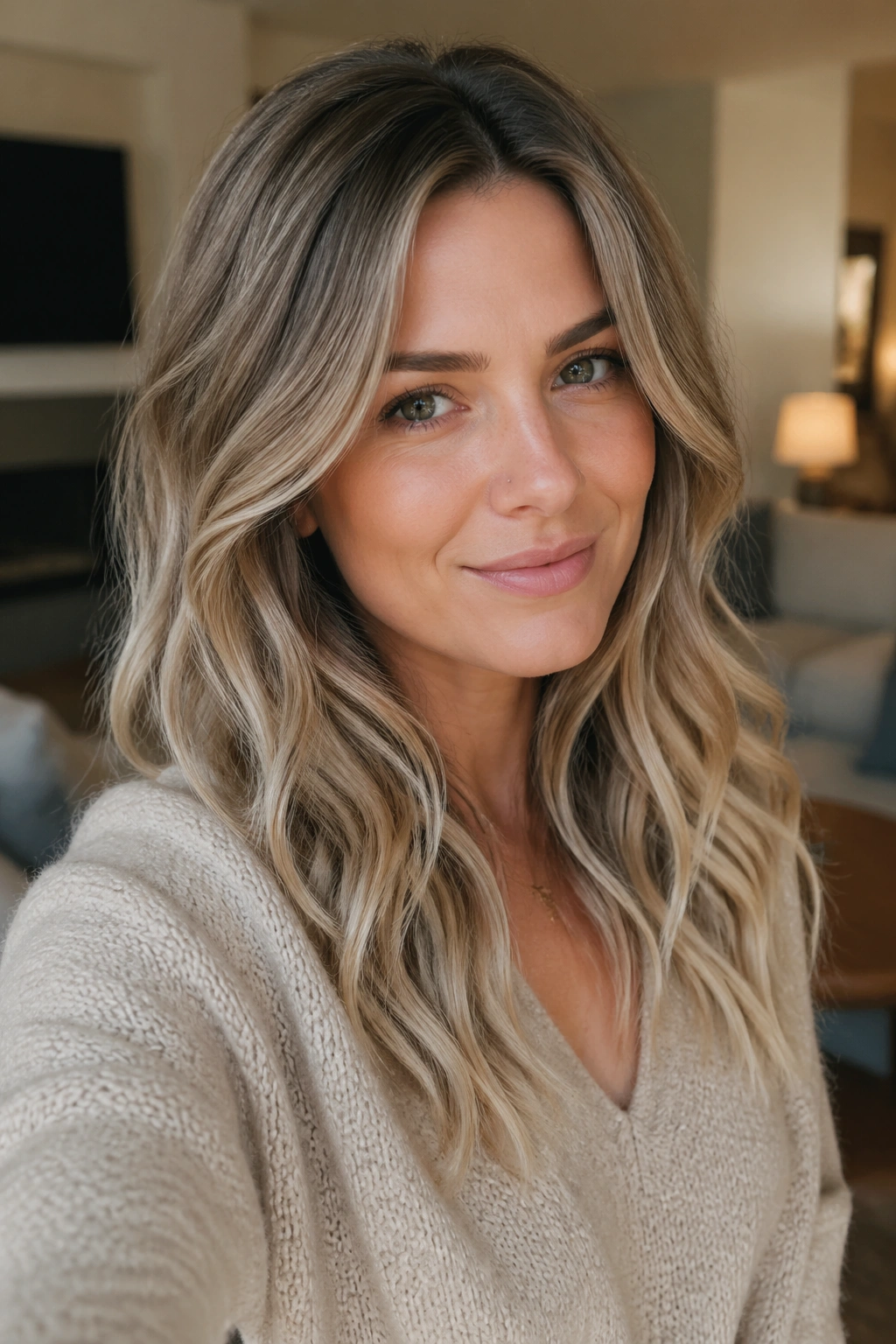
Smoke-and-sand ombré works because it does not try to make the whole head equally bright. The roots stay smoky and grounded, then the lengths shift into a cooler sand tone that feels soft rather than sunny.
I like this on people who are tired of fighting their roots every few weeks. The darker top lets the grow-out disappear into the color story. You still get blonde, but the tone change happens gradually, so it never feels loud.
- Start with an ash-brown root near level 5 or 6.
- Melt into cool beige through the mids.
- Leave the ends a touch lighter, around level 8.
- Ask for a gloss that cuts yellow, not one that adds gold.
A curled finish brings out the fade best. Straight hair shows the gradient too, but it reads more modern and a little sharper.
This is one of those shades that looks easy even when it took a skilled hand to do it. Which is exactly why it works.
11. Silvery Dirty Blonde
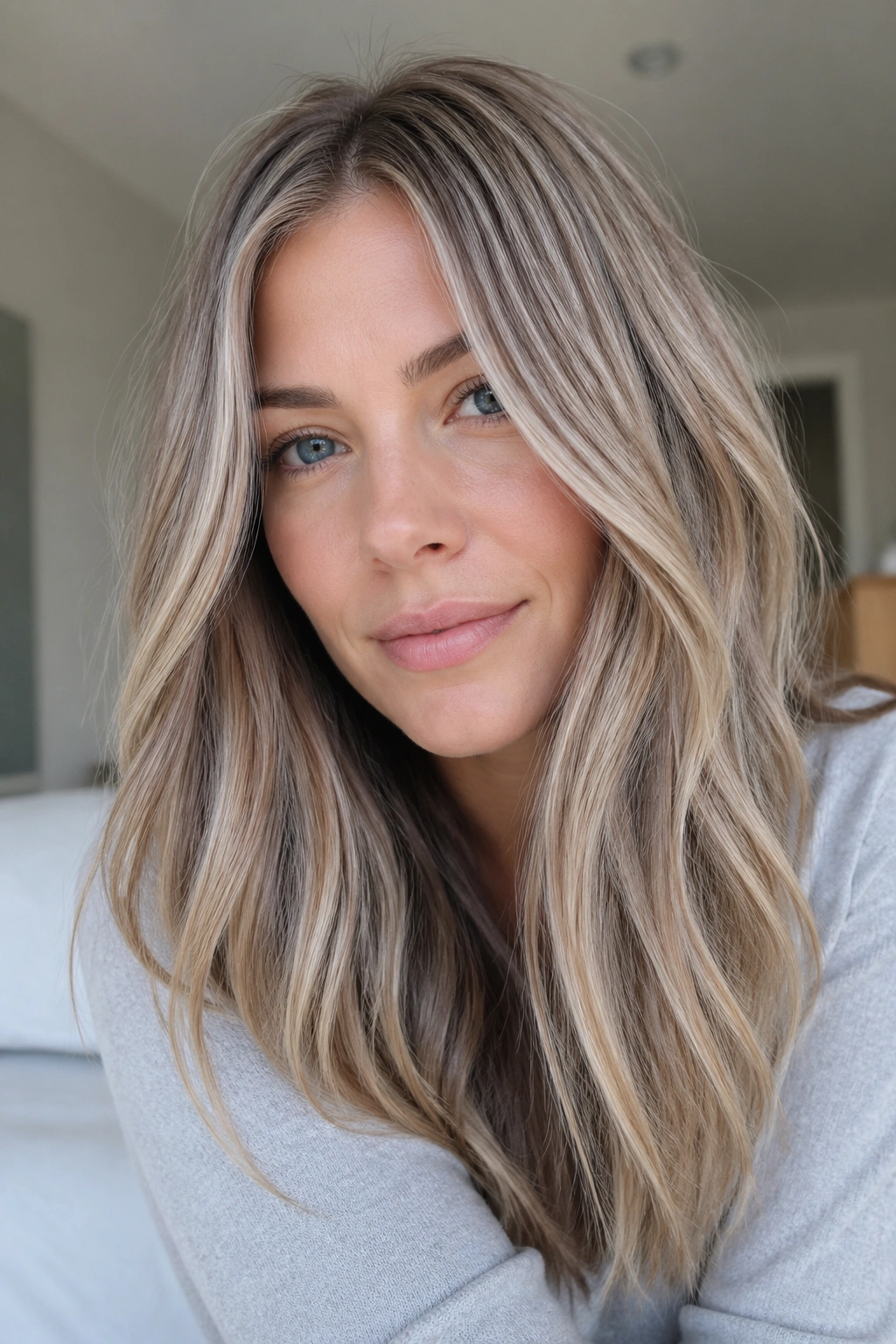
Silvery dirty blonde walks a fine line. Too much silver and it starts to look metallic in a way that can flatten the face. Too little and the blonde loses the cool edge entirely.
The version I like keeps the silver as a glaze, not the whole story. Think of it as a cool reflection sitting over a dirty blonde base, not a full-on gray job. That matters a lot on hair that already has natural dimension. The color should skim the surface and catch the light in narrow strips.
This tone is especially useful if your natural hair is dark blonde or light brown and you want to cool it down without making it look stark. A violet-based toner helps here, but so does restraint. The silver should be a whisper, not the headline.
Maintenance is part of the deal. Silver fades faster than beige, and hard water can nudge it warm. A gentle blue shampoo once a week is usually enough to keep the tone on track.
Silvery dirty blonde looks sharp on layered cuts and a little too polished on boxy, one-length hair. Shape helps.
12. Beige Blonde with Blue-Violet Toner
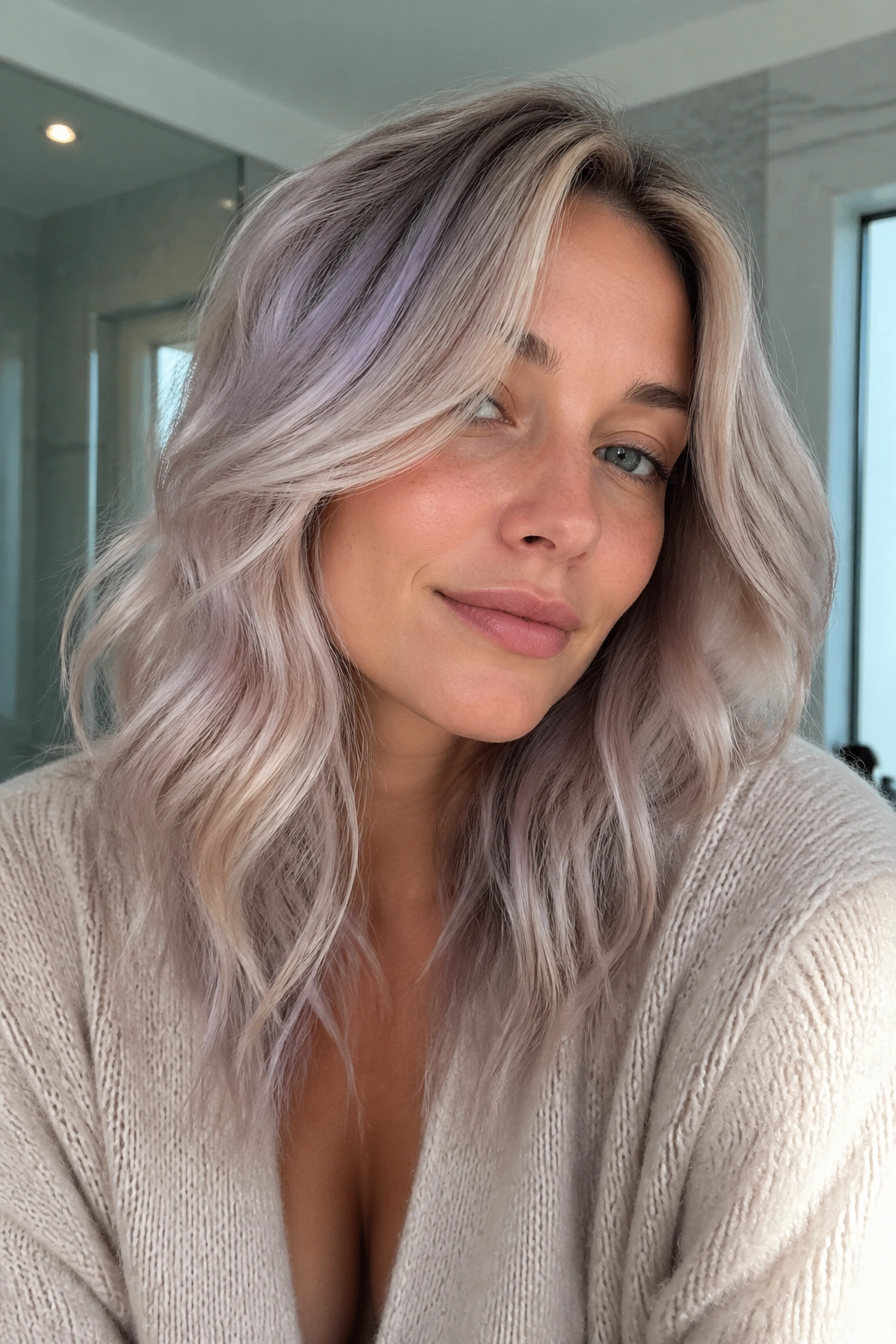
Beige blonde is safe. Blue-violet toner is the thing that keeps it from drifting into yellow. Put them together and you get a dirty blonde that stays cool without feeling dull.
Unlike a warm beige blonde, this version keeps the undertone calm from the start. That means less brass showing through between salon visits and less need to overcorrect with purple shampoo at home. If your hair tends to grab warmth fast, this is a smarter route than chasing it later.
The tone works best when the blonde is lifted to a clean pale yellow first, then toned down to beige with blue-violet support. That sounds technical, but the result is easy to read: soft, neutral, and a little muted around the edges. Exactly where cool dirty blonde should live.
Best for people who want a low-drama color that still looks expensive. Ask for a beige blonde gloss with violet control, not a yellow-based beige. The second one may sound warmer and friendlier, but it usually fades faster and reads brassier in daylight.
13. Dark Ash Blonde Ombré
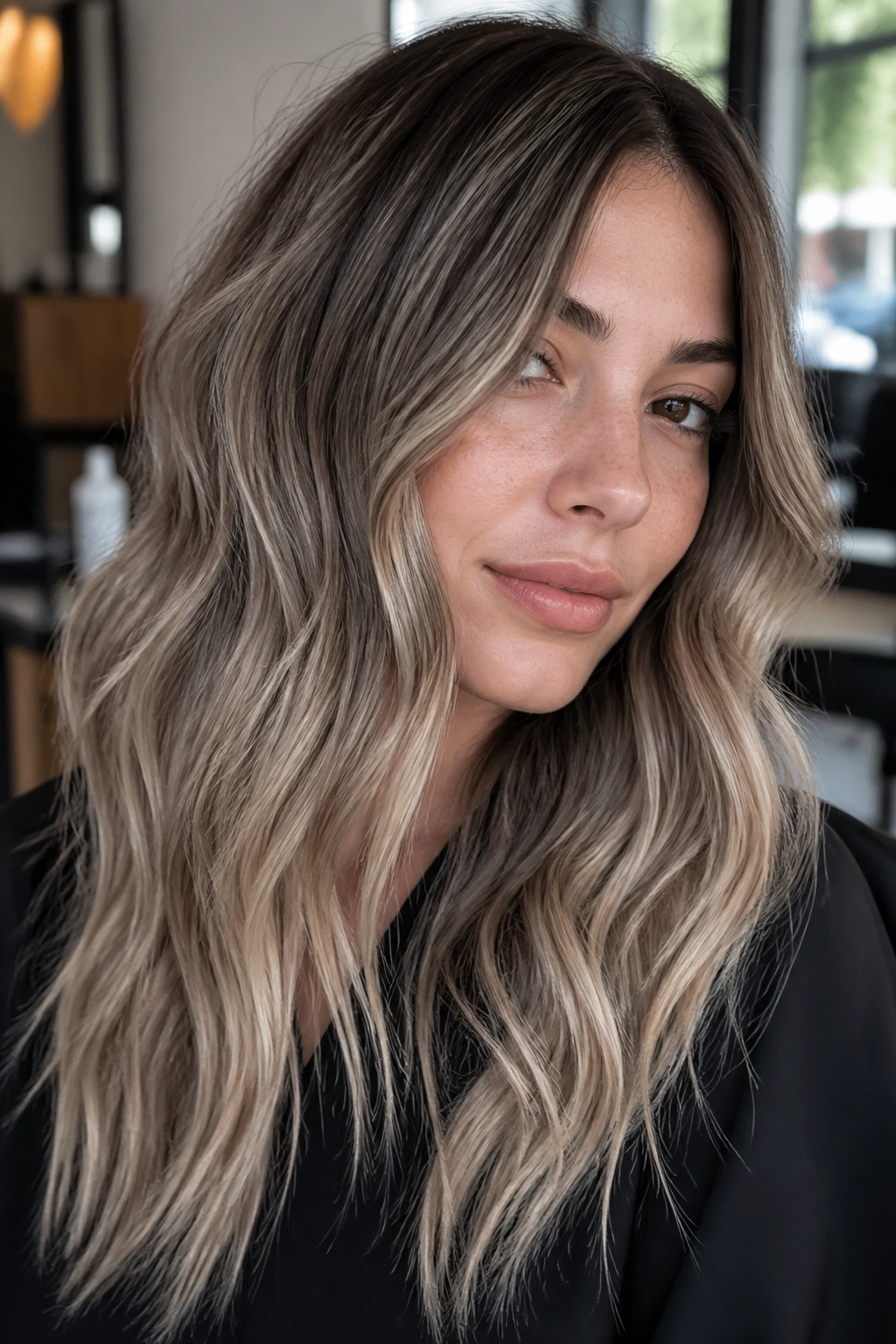
Dark ash blonde ombré is what happens when you let the base stay honest. The top remains dark enough to feel grounded, and the blonde grows softer as it moves down.
Why the Fade Looks Good
A darker ash root makes the transition feel smoother, especially on thick hair. The ombré effect gives the ends room to lighten, while the root keeps the whole head from looking washed out. That balance matters more than people realize.
Good Details to Ask For
- Keep the top around level 5 or 6.
- Blend into level 7 ash blonde through the middle.
- Leave the ends a touch lighter, but still cool.
- Avoid chunky light pieces near the crown.
A middle part makes this shade feel sleek. Side parts soften it. Both work, depending on the mood you want.
Tip: If the ends start looking too beige after a few washes, a cool gloss for five to seven minutes can pull the tone back without changing the whole color.
14. Sandy Ash Micro-Babylights
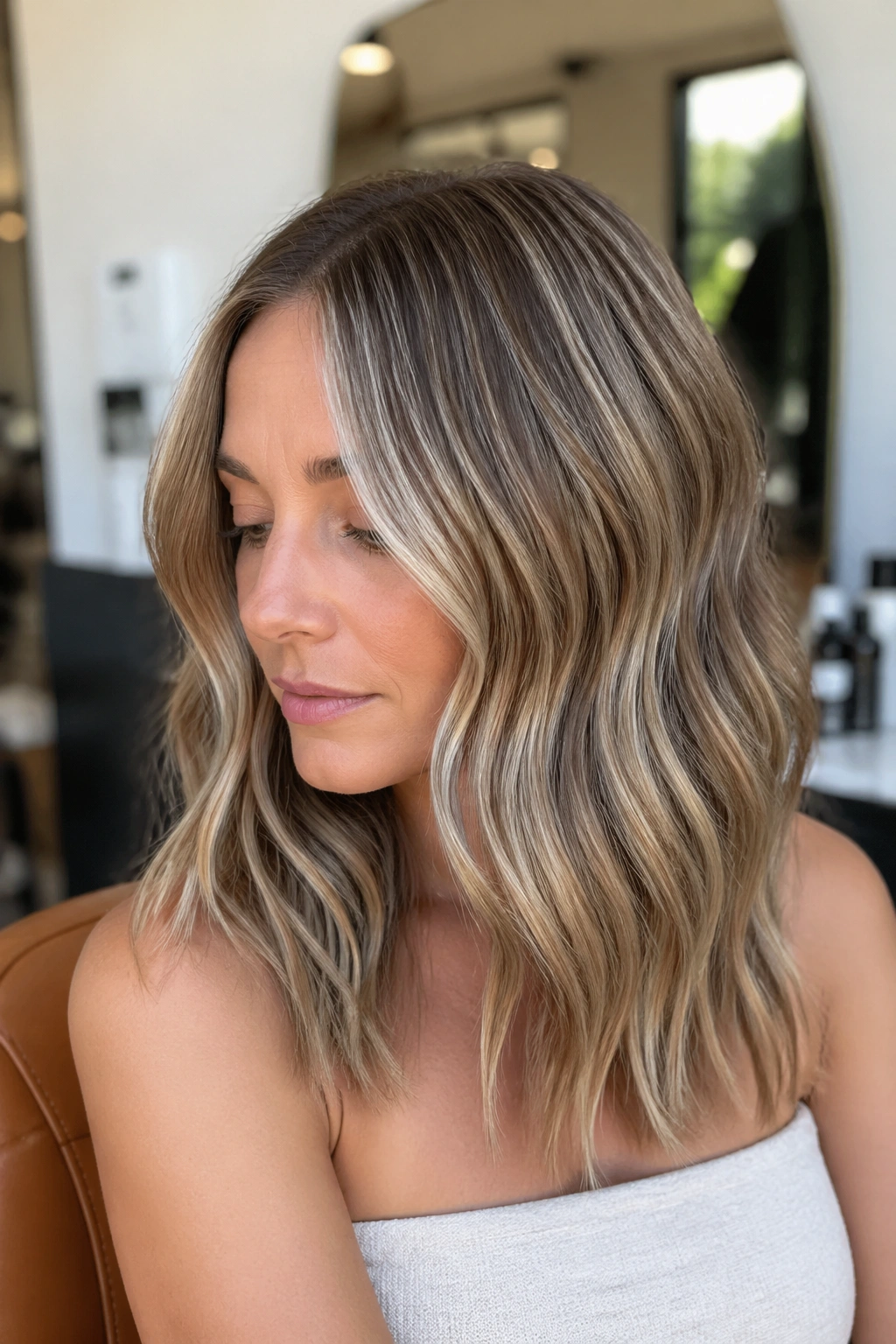
Sandy ash micro-babylights are tiny, and that’s their advantage. Instead of broad bright pieces, you get a fine scatter of cool blonde that makes the hair look denser and more natural.
The tiny placement helps the color blur into the base. That makes the grow-out easier, but it also keeps the shade from turning stripey. On long hair, the effect is soft and airy. On shorter cuts, it gives the hair a little grain, which sounds odd until you see it. Then it makes perfect sense.
This works especially well if your base is medium blonde or light brown and you want to stay close to your natural color. A cool sandy toner keeps the highlights from reading golden. Ask for the lightest pieces around the hairline and part, then let the rest stay whisper-fine.
The low-contrast look is the point here. If you want a dramatic shift, this is not the one. If you want hair that looks like it has been in good light all day, it is.
15. Mushroom Brunette-to-Blonde Melt
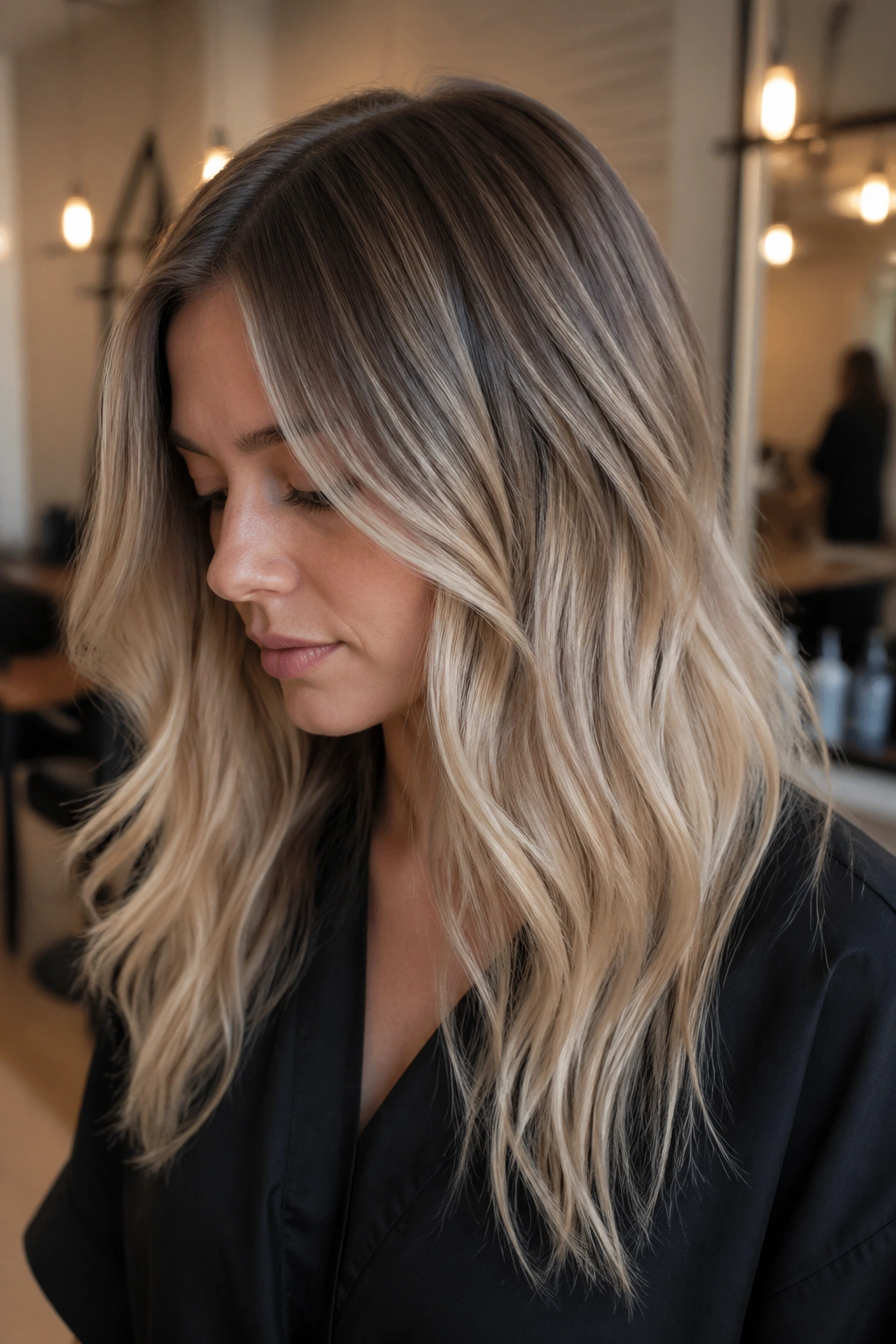
Can brunette and blonde live in the same head without a hard line? Mushroom brunette-to-blonde melt is the answer I keep coming back to.
The color starts with a brown-gray base, not a warm brown. That choice matters because it keeps the transition into blonde from getting orange or gold in the middle. Then the lighter pieces build slowly through the lengths, ending in a muted blonde that still belongs to the root.
How to Ask for It
Ask for a mushroom root, fine transitional lights, and a cool beige finish through the ends. Say you want the lightening to feel gradual, not striped. That phrase helps more than people think.
This shade is strong on thick hair, layered cuts, and anyone who likes their color to move from brown to blonde without making a scene. It also hides grow-out well because the mushroom root grows into the blonde instead of fighting it.
A melt like this needs a colorist who is willing to spend time on placement. Rushed placement makes it look patchy. Good placement makes it look inevitable.
16. Icy Face-Framing Blonde
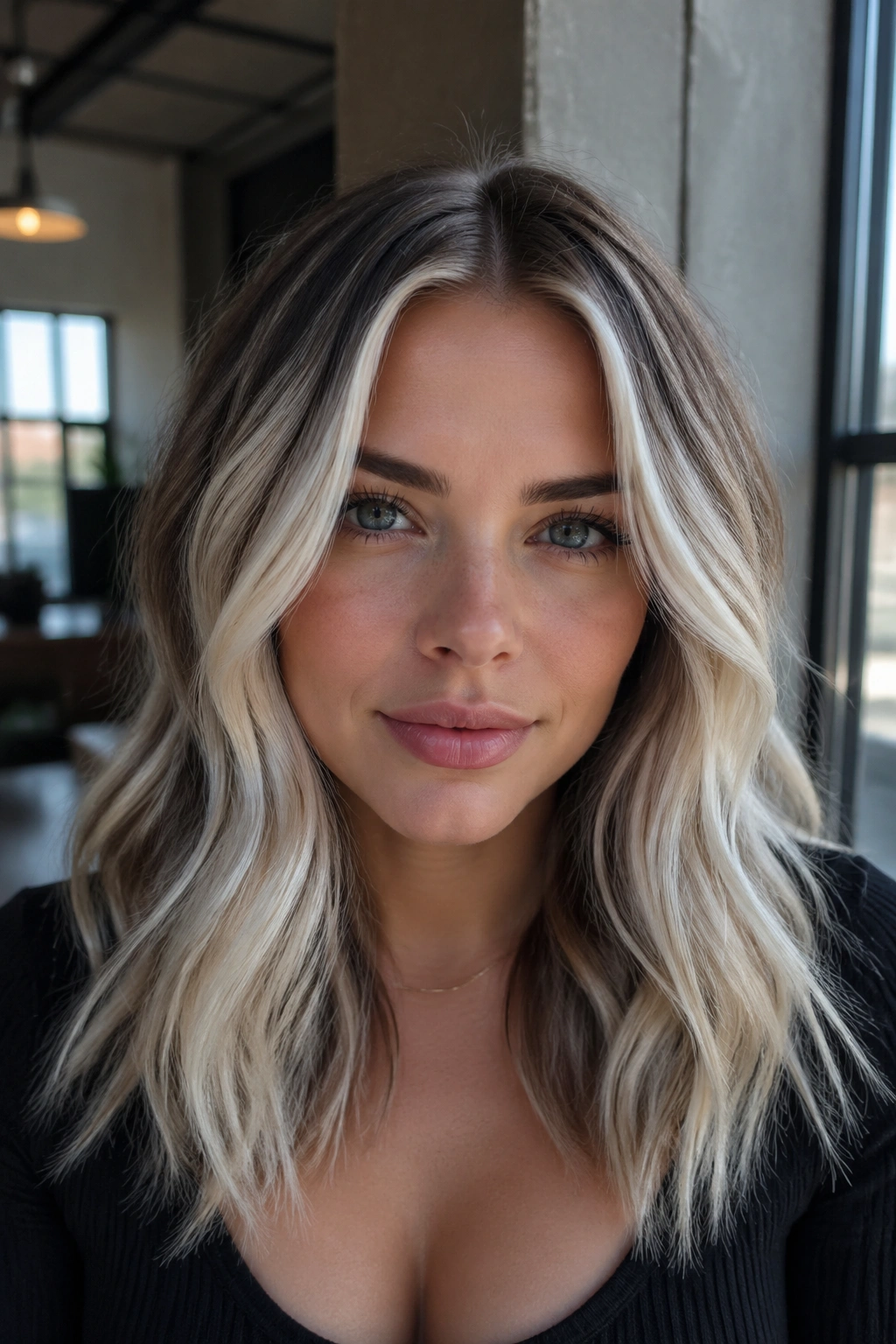
A bright face frame can pull a cool dirty blonde out of the shadows fast. That’s the appeal of icy face-framing pieces: they lift the front, keep the rest grounded, and make the haircut feel sharper.
I like this especially on shoulder-grazing cuts with layers around the cheeks. The bright pieces sit where the eye goes first, so the blonde feels more deliberate. The rest of the hair can stay dirty, smoky, and a little darker, which keeps the look from getting too light all over.
- Place the brightest strands at the temples and just behind the hairline.
- Keep the back two to three levels deeper.
- Tone the front with a cool gloss, not a silver dye.
- Keep the pieces slim if you want a softer finish.
That last point saves a lot of headaches. Thick face pieces tend to look trendy for a week and then obvious after that. Slimmer pieces age better.
This is a good choice if you want a small change with a big effect.
17. Dusty Linen Blonde
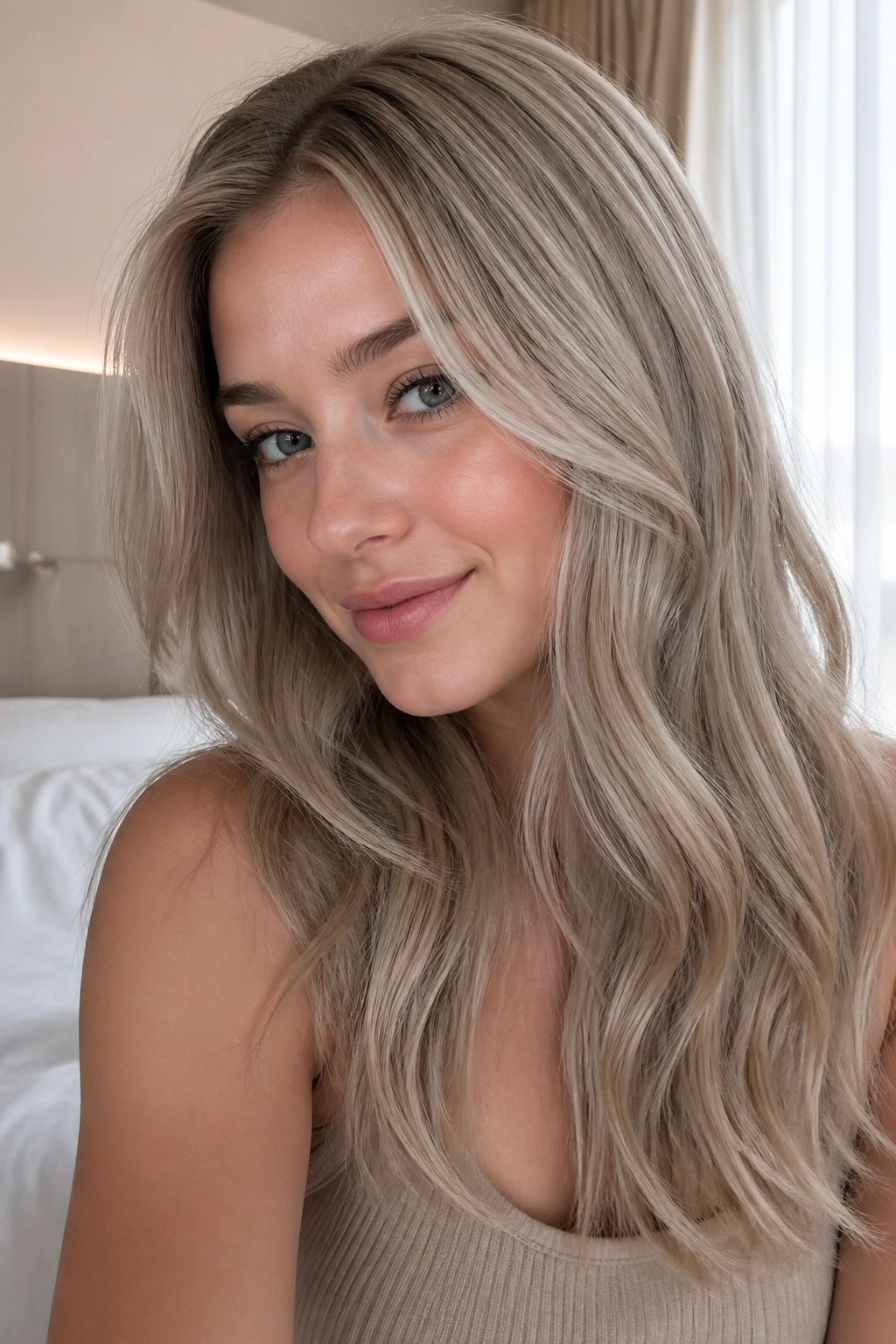
Dusty linen blonde has a quiet, fabric-like softness that works better than the name sounds. It sits between pale beige and cool taupe, which makes it easy to wear and hard to overdo.
The shade is especially nice on long layers because the movement in the cut keeps the color from going flat. On very curly hair, it can get lost unless the highlights are placed strategically. On straight or softly waved hair, it has a clean, airy finish that feels calm instead of shiny.
A dusty linen shade often needs less contrast at the root than people expect. If the root is too dark, it breaks the linen feel. If it’s too light, the color starts to look washed out. A medium shadow root with narrow cool highlights through the mids usually gets it right.
I’d call this a good choice for anyone who likes understated color but hates the look of one flat tone. It’s muted, yes. Boring, no.
18. Neutral Dirty Blonde with Cool Gloss
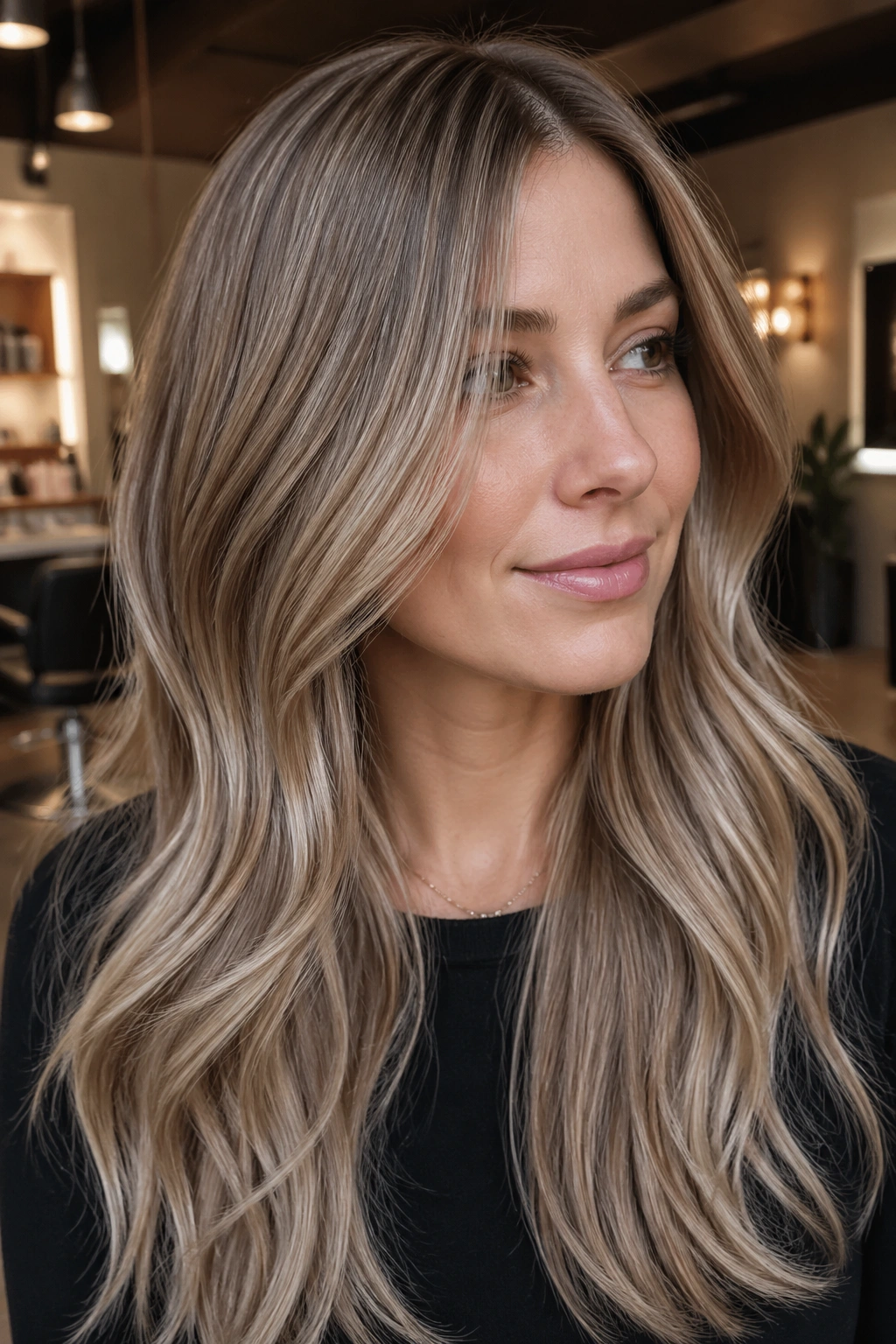
Neutral dirty blonde is the answer when you want the color to stay flexible. Add a cool gloss on top and the whole thing tightens up without looking icy.
Unlike a full highlight service, this approach leans on shine and tone more than on obvious lightening. That makes it useful if your base is already close to dirty blonde and you only need the warmth pulled back. A clear or beige-cool gloss can shift the feel of the hair in one salon visit.
Best for people who like lower maintenance color and do not want to see a heavy grow-out line. It works on many cuts, but it looks especially tidy on layered bobs and shoulder-length waves. The gloss keeps the tone fresh, while the neutral base keeps the hair believable.
If you want this look, ask for a neutral blonde with cool-toned glazing, not a full ash correction. That difference matters. One preserves softness. The other can make the hair feel too dusty.
19. Steel-Beige Blonde
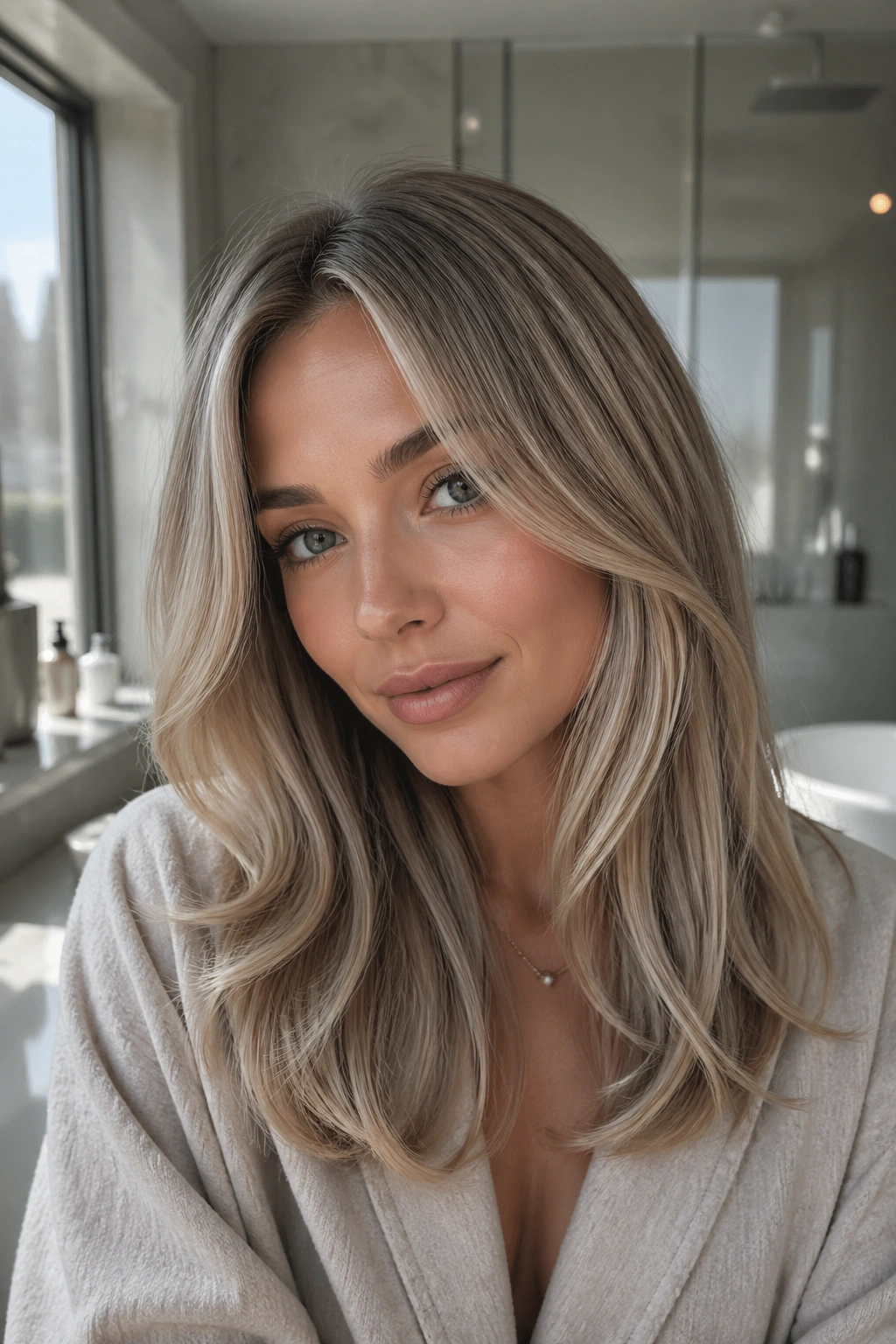
Steel-beige blonde has a little edge to it. The beige keeps it wearable, but the steel note gives the color a cooler, sharper finish than standard dirty blonde.
Why It Stands Out
Steel-beige is especially good when you want the blonde to feel modern without getting silver. The metallic note is faint, not flashy. It shows up as a cool reflection rather than a hard gray cast, which helps the hair look sleek under indoor light.
Quick Details
- Best on: Medium brunettes and dark blondes.
- Ask for: Beige lights with a steel-toned gloss.
- Root depth: Keep at least one shade darker than the mids.
- Texture match: Works well on smooth blowouts and polished waves.
Tip: If your hair is porous, keep the toner time short. Steel tones can grab fast and go flat if they sit too long.
This shade is a good one for anyone who likes a cleaner, sharper finish than mushroom blonde gives.
20. Rooted Ash Blonde Lob
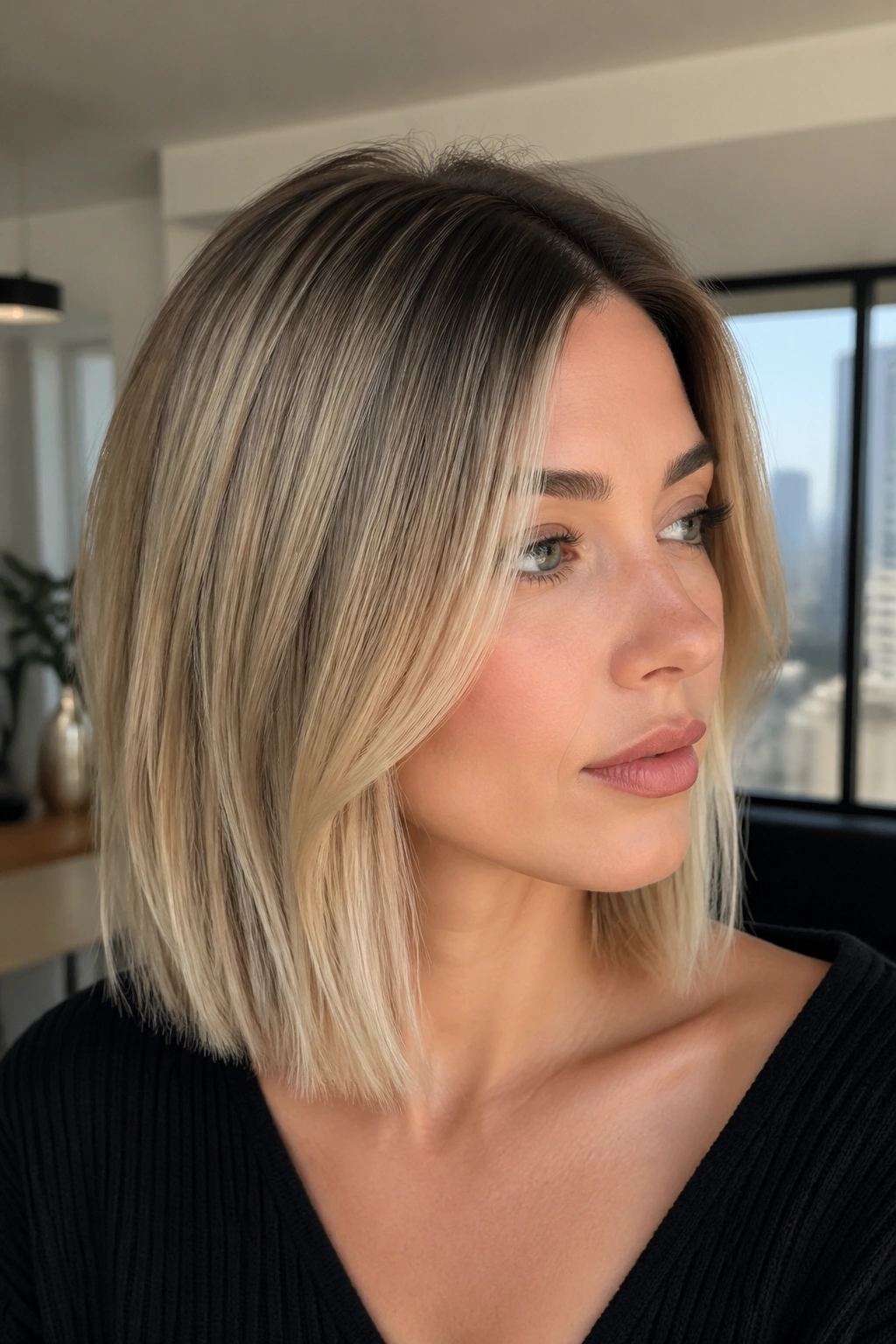
A rooted ash blonde lob is the kind of color that looks expensive because the cut and color do the work together. The blunt length gives the ash tone a clean edge, and the root shadow stops the blonde from looking overprocessed.
That pairing matters. On a lob, too much warmth can make the whole shape feel puffy. Ash keeps it controlled. The rooted base keeps it believable. Put them together and you get a dirty blonde that feels neat, not heavy.
This is the version I’d suggest if you wear your hair straight more often than curly. The line of the cut shows off the root-to-blonde shift, and the cooler tone keeps the ends from looking dry. If you do wear waves, use them loosely. Tight curls can break the sleek effect.
A medium ash brown root melting into a level 7 blonde usually lands well here. You do not need a huge contrast. You need clean placement.
21. Mink Blonde
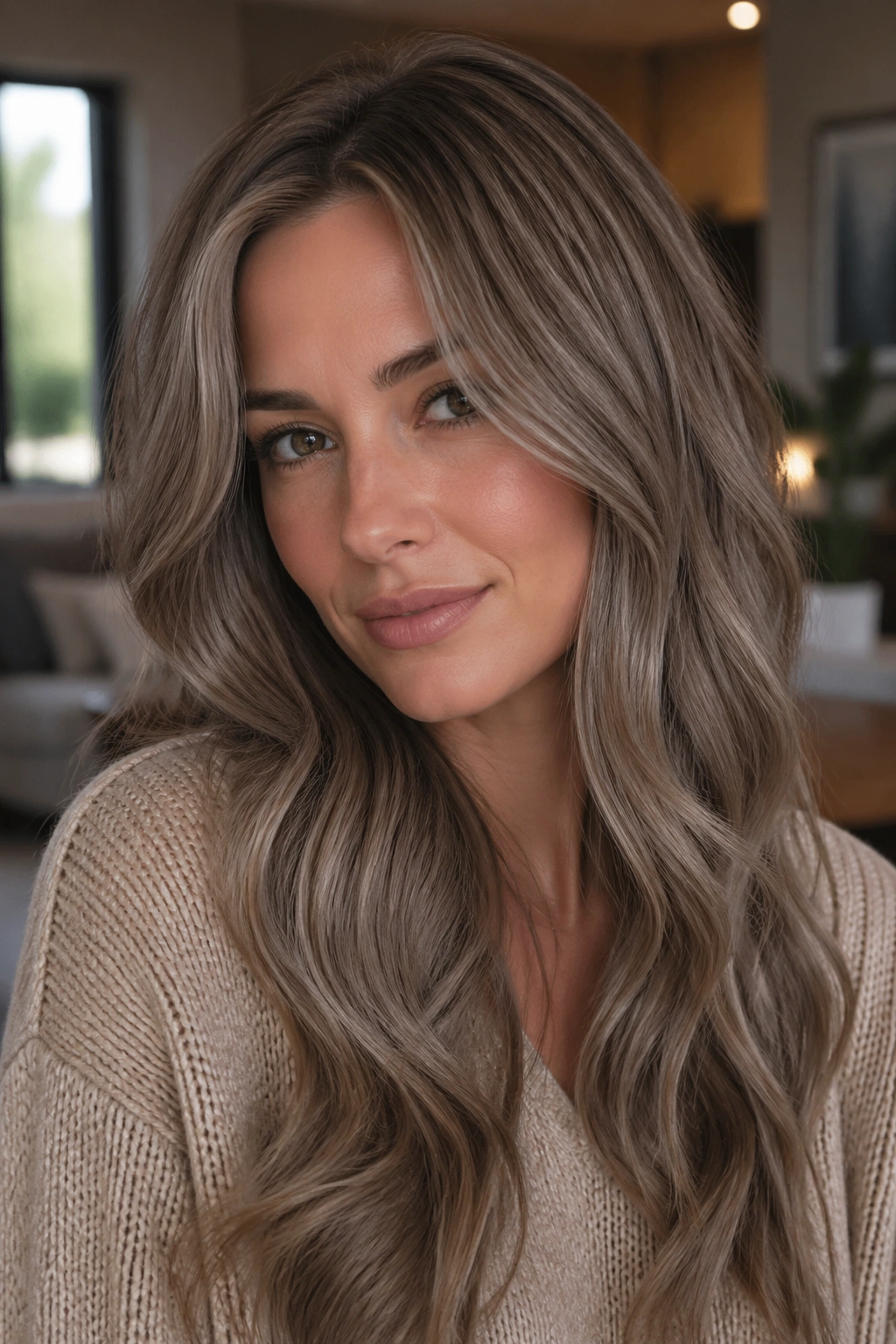
Mink blonde sounds soft, and that’s the right idea. It’s a brown-gray blonde that feels plush rather than bright, like a cool-toned version of a rich neutral.
What makes mink blonde different from mushroom blonde is the texture it suggests. Mushroom leans a little earthier. Mink leans smoother, almost velvety, with less visible gray and more muted beige-brown movement. If you want a blonde that reads subtle and polished, this shade does that job well.
How to Wear It
Ask for soft lowlights through the underside and a cool beige glaze over the surface. That mix gives the hair depth without turning it dark. The contrast should stay gentle.
Mink blonde works well on shoulder-length hair, long bobs, and layered cuts that move. It can disappear a little on very long one-length hair unless there’s enough wave or bend. The color needs shape to wake up.
This is a smart pick if you like neutral clothes, soft makeup, and hair that never looks shouty.
22. Slate Blonde
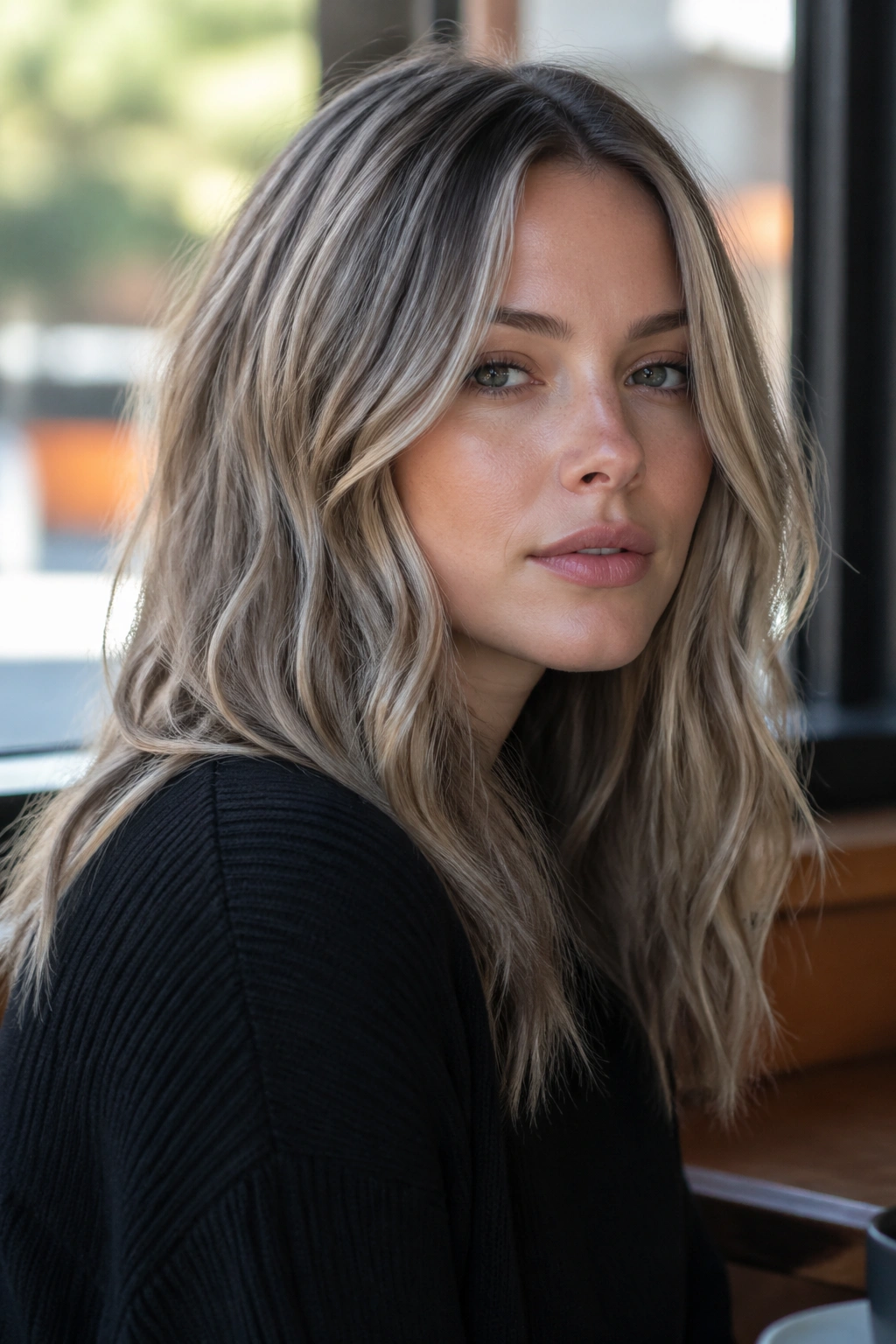
Slate blonde is one of the coolest versions of dirty blonde you can wear without going full gray. It has a muted blue-gray cast that keeps warmth under control and gives the hair a crisp, modern feel.
I like this shade on people who are done fighting brass. It does not try to fake warmth. It heads in the other direction and stays there. That can be a relief if your natural pigment runs orange fast or if previous highlights keep turning yellow after a few washes.
What To Watch For
- Keep the base a touch deeper so the slate tone has room to show.
- Use fine highlights, not thick ones.
- Avoid over-toning the ends, which can make them look dull.
- Pair with a gloss that leans cool, not silver-white.
A slightly undone wave keeps slate blonde from feeling severe. That little bit of softness matters. Without it, the shade can look colder than most people want near the face.
23. Pearl-Beige Blonde
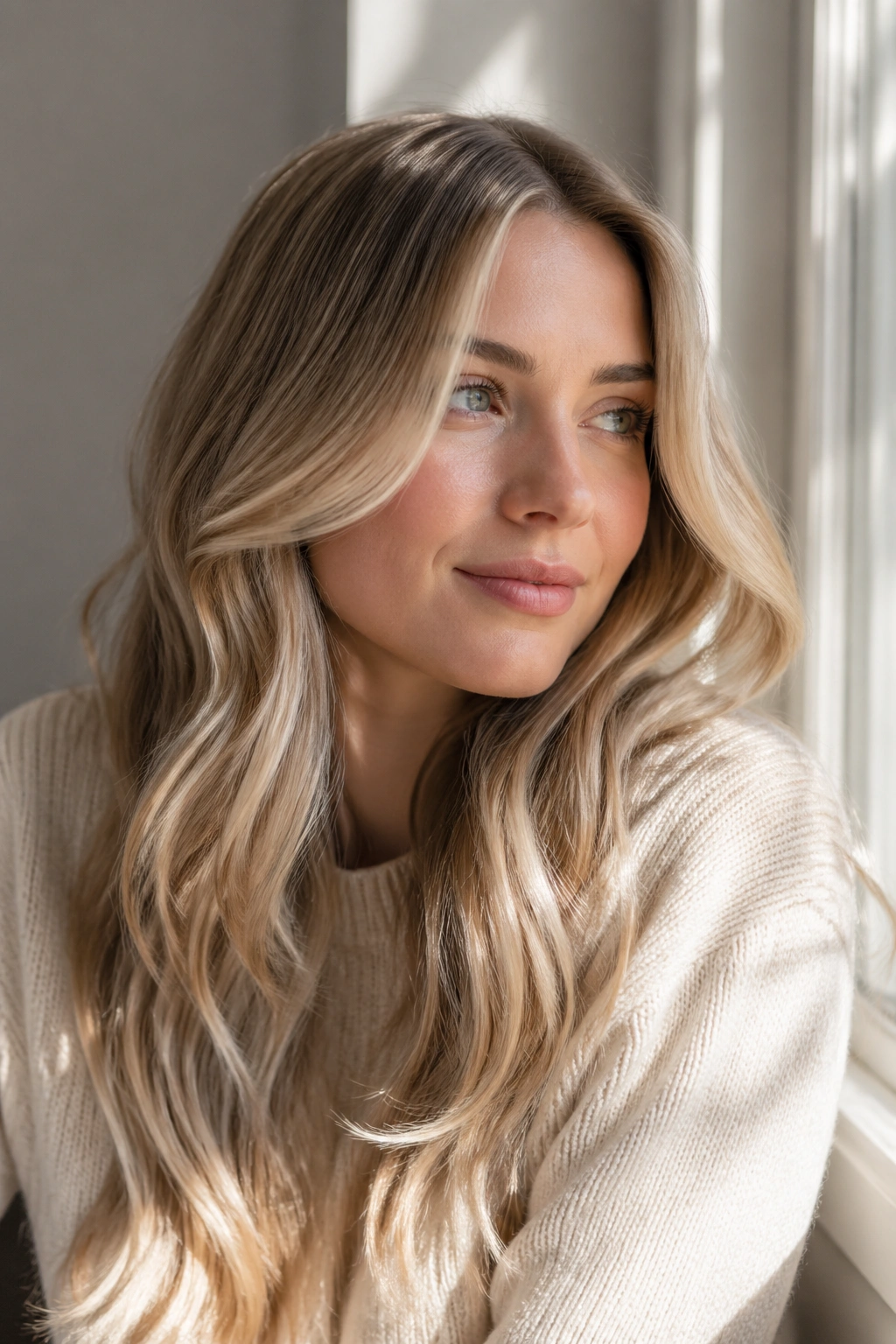
Pearl-beige blonde is softer than silvery blonde and more polished than a standard beige highlight job. The pearl note brings a faint cool sheen, while the beige keeps the hair wearable.
The shade works because it refuses to pick a side. It is not icy, and it is not warm. That middle ground makes it flattering on a wide range of base colors, especially light brown and dark blonde hair that needs a gentle lift.
If pearl blonde ever looks chalky, the fix is usually to add a touch more beige, not more silver. People get that backward all the time. Too much silver makes the hair look flat. A hint of beige keeps it alive.
This shade is especially good if you wear soft makeup, cream sweaters, and simple cuts. It does not need much styling to hold its shape. A loose bend or a smooth blowout is enough.
Pearl-beige is one of those shades that looks quiet in the chair and elegant once it moves.
24. Feathered Ash Lowlights
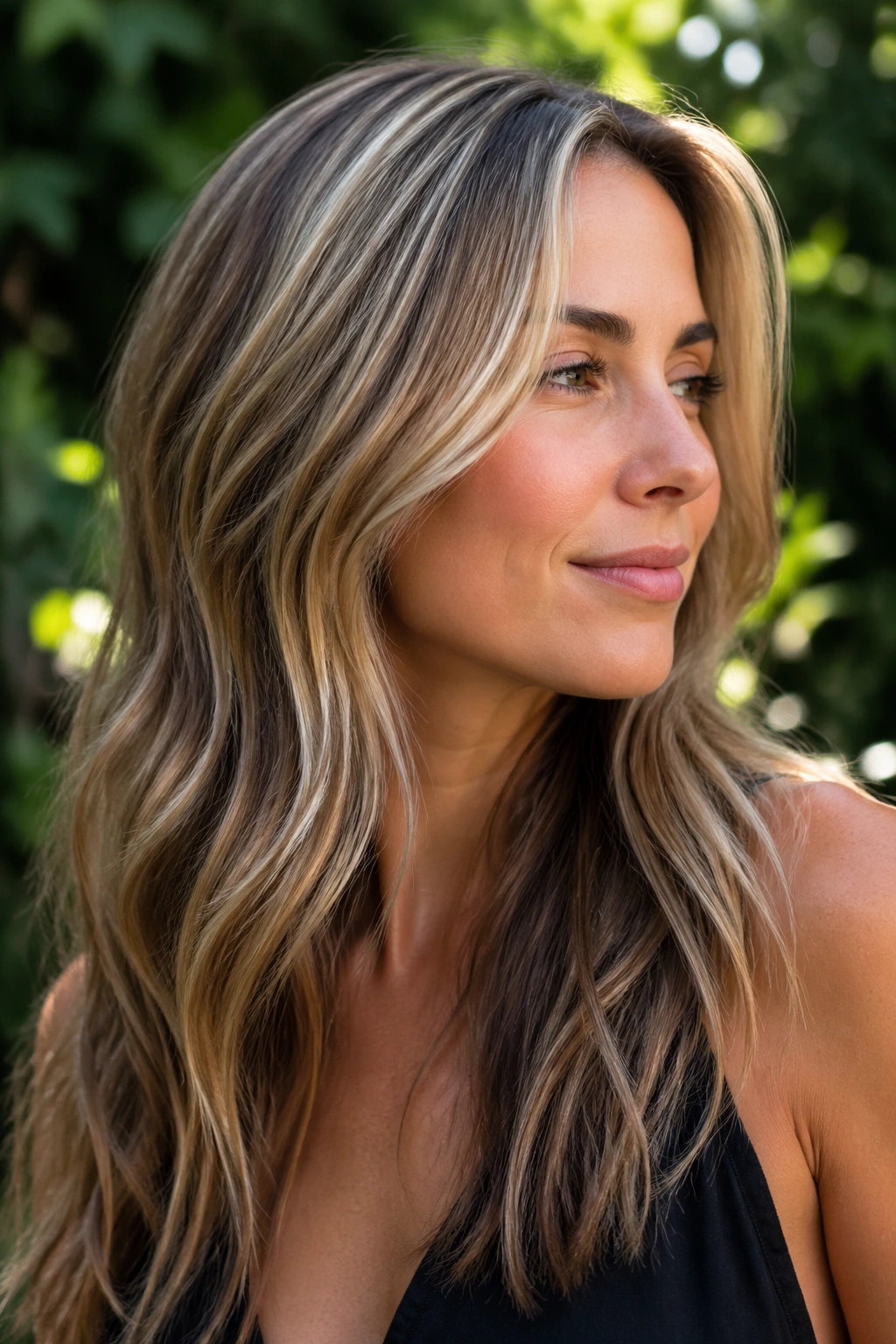
Feathered ash lowlights are the move when your dirty blonde needs more depth, not more brightness. They cool the hair down by adding dimension under the lighter pieces, which can make the whole color look thicker.
Unlike highlights, lowlights work from underneath. That means they are less obvious at first glance, but they do a lot for shape. They also help cool blonde stay from looking washed out, especially on fine hair that needs shadows to show off the cut.
Best for people whose blonde has gone too light at the ends or too flat through the mids. Ask for ash lowlights woven into the underlayers and around the back, then leave the top pieces brighter. That contrast makes the blonde pop without turning it warm.
A side part or soft wave brings the lowlights to the surface. Straight hair can wear them too, though the effect stays subtler.
This is one of the smarter ways to refresh old highlights without starting over.
25. Dimensional Cool Dirty Blonde
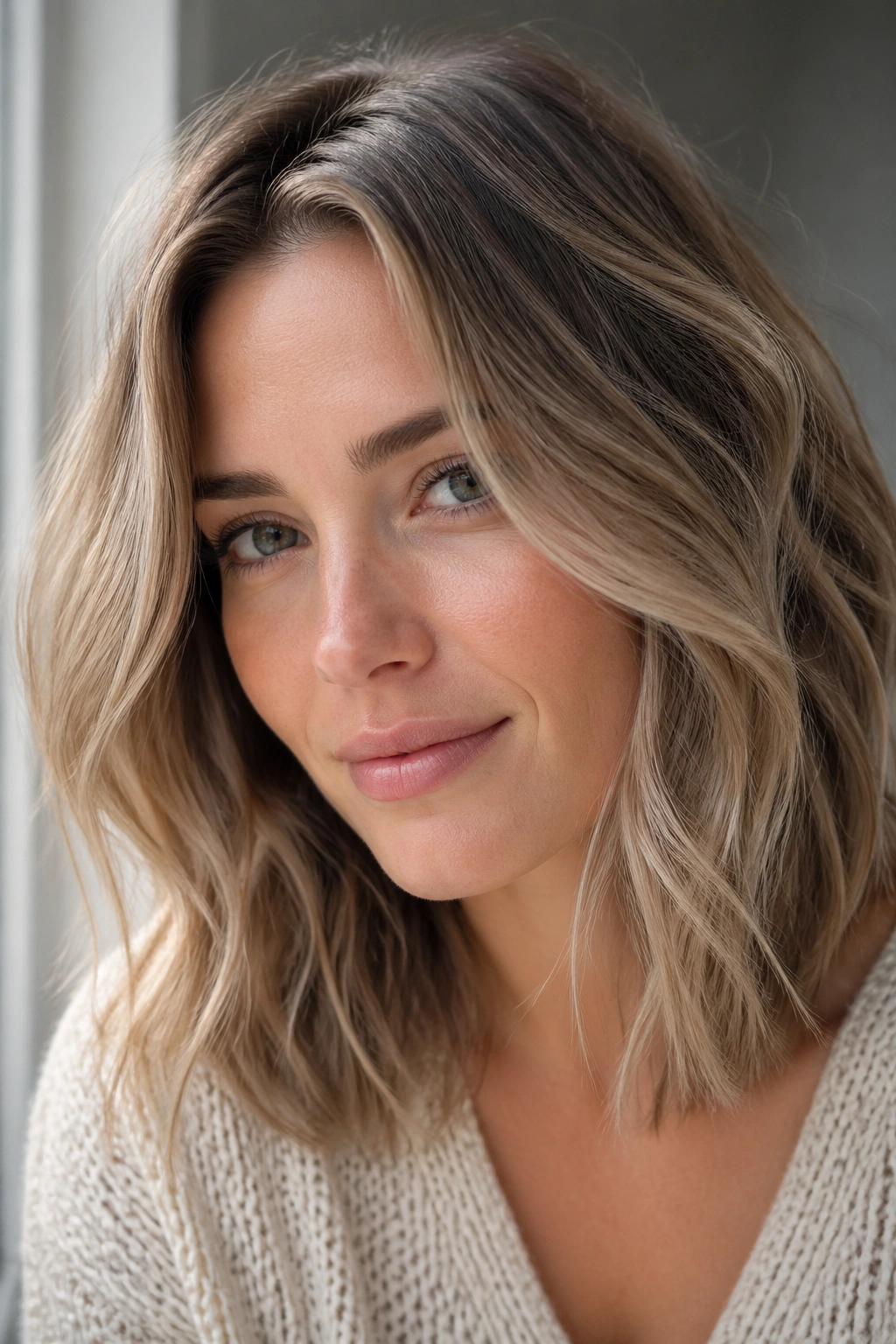
Dimensional cool dirty blonde is the most flexible version of the whole bunch. It mixes a rooted base, cooler highlights, muted beige ribbons, and a gloss that keeps the warmth from breaking through.
Why It Works
Because the color is built in layers, it ages better than a one-note blonde. The root keeps it grounded, the lighter pieces keep it bright enough, and the gloss stops the finish from drifting yellow too fast. That combination is what makes the shade feel lived-in rather than overworked.
What To Ask For
- A natural root shadow about one shade deeper than the mids.
- Fine ash-beige highlights through the top and sides.
- A cool beige gloss on the ends.
- A few brighter face pieces if you want more lift.
Best For
- People who want one shade that can lean soft or sharp.
- Medium brunettes moving toward blonde.
- Hair that needs movement more than contrast.
Tip: If you are showing photos to a colorist, choose ones with visible root depth. That part changes the whole look.
Final Thoughts
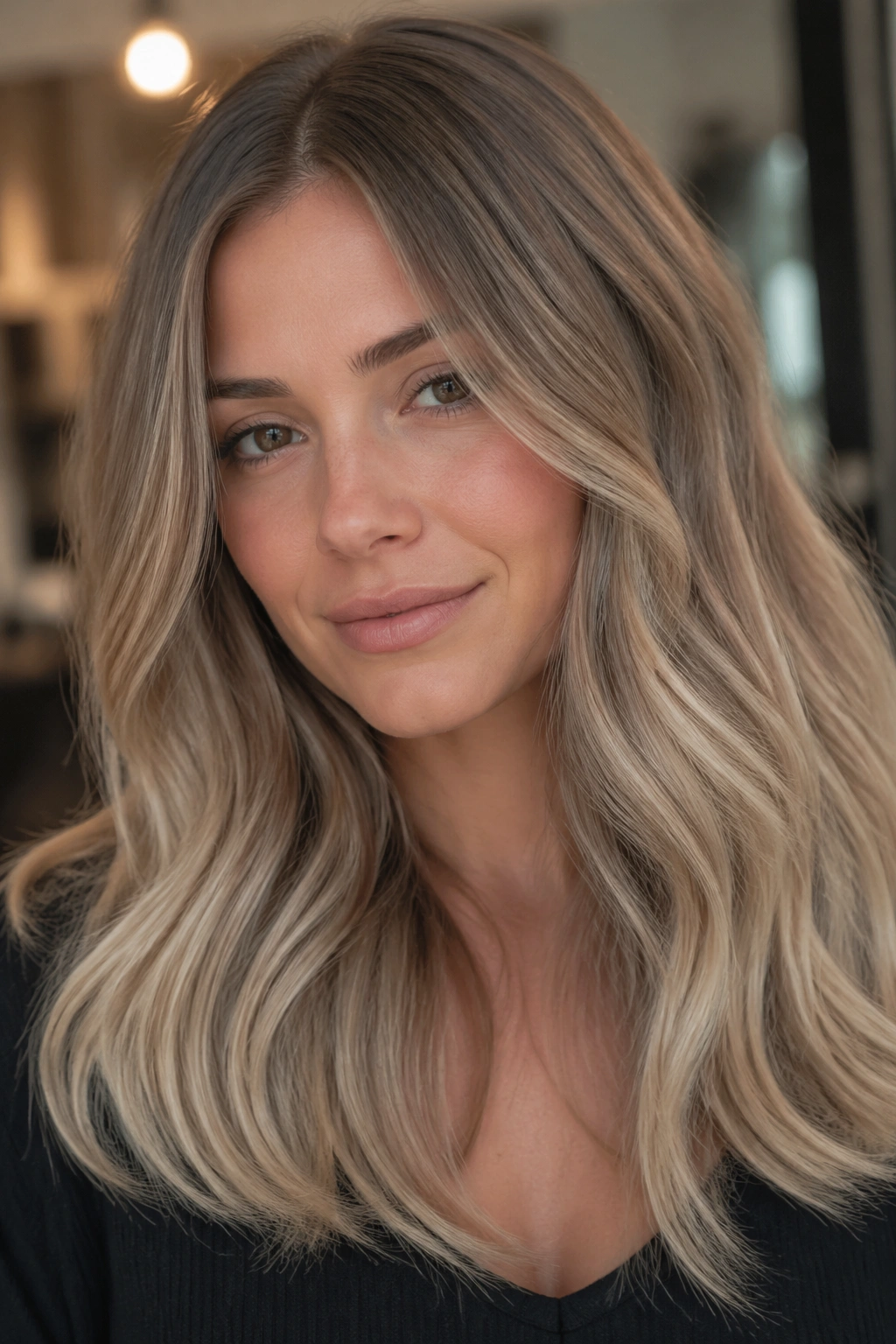
The best cool-toned dirty blonde usually has a little depth at the root and a little restraint in the lightest pieces. That is what keeps it from turning brassy, striped, or flat. The shade does not need to be icy to feel cool. It needs balance.
If you lean toward softer hair color, mushroom, pearl, and greige shades are easy to wear. If you want more edge, slate, steel-beige, and silvery blends give the blonde a sharper finish. And if your hair keeps drifting warm no matter what you do, the answer is usually not more lightness. It is better toning and smarter placement.
Bring photos, but also bring a point of view. Tell your colorist whether you want soft grow-out, brighter face pieces, or a deeper root that stays visible. That detail matters more than the name of the shade, and it usually decides whether the result looks generic or like it was made for you.