



Standing in front of the hair color aisle or sitting in a stylist’s chair can feel like a high-stakes gamble when you have pale skin. One wrong move and you look washed out, sallow, or like you’re wearing a wig that doesn’t quite belong to your face. The “porcelain” struggle is real. Most advice columns treat fair skin as a single category, but anyone who has ever tried to match a foundation knows that isn’t true. You have undertones—pinks, blues, yellows, or neutrals—that dictate whether a shade makes your eyes pop or makes you look like you’ve been battling a seasonal flu.
The secret isn’t just about picking a color you like in a magazine. It is about creating a deliberate contrast or a harmonious blend with the canvas you were born with. I have spent years experimenting with everything from “Manic Panic” purples to high-end salon glazes, and I have learned that the most striking results often come from understanding the temperature of your skin. If your veins look blue or purple, you’re likely cool-toned. If they look green, you’re warm. If you can’t quite tell, you’ve hit the neutral jackpot.
Choosing a hair color for pale skin is about more than just avoiding the “ghost” look. It is about leaning into the ethereal quality of your complexion. Whether you want to embrace the icy vibes of a winter landscape or add a sun-kissed glow that your skin refuses to produce naturally, the right pigment can change your entire presence. We are looking for depth, dimension, and a little bit of drama.
1. Cool Platinum Blonde
Platinum blonde on pale skin is a classic for a reason. It creates a monochromatic, almost otherworldly aesthetic that feels intentional and high-fashion. When the hair is stripped of warm pigments and toned to a crisp, snowy white, it highlights the clarity of fair skin rather than fighting against it. This isn’t just “blonde”—it is a statement of icy precision.
Why It Works for Cool Undertones
This shade thrives on cool-toned skin because it lacks the yellow or orange “brass” that can make pale faces look sickly. By mirroring the cool blue or pink undertones in your skin, platinum blonde acts like a spotlight, making your features appear sharper and more defined. It is particularly striking if you have light blue or gray eyes, as the lack of warmth in the hair allows the cool eye color to take center stage.
Key Maintenance Facts
- You must use a high-quality violet-pigmented shampoo once a week to neutralize yellowing.
- Monthly root touch-ups are non-negotiable to avoid a “floating head” look.
- Protein treatments are essential because the bleaching process compromises the hair cuticle.
- Always use a heat protectant; damaged platinum hair loses its shine and looks matte or “fried.”
Pro tip: Ask your stylist for a “double-process” blonde with a pearl toner to give the hair a multidimensional, expensive-looking finish.
2. Soft Peach and Apricot
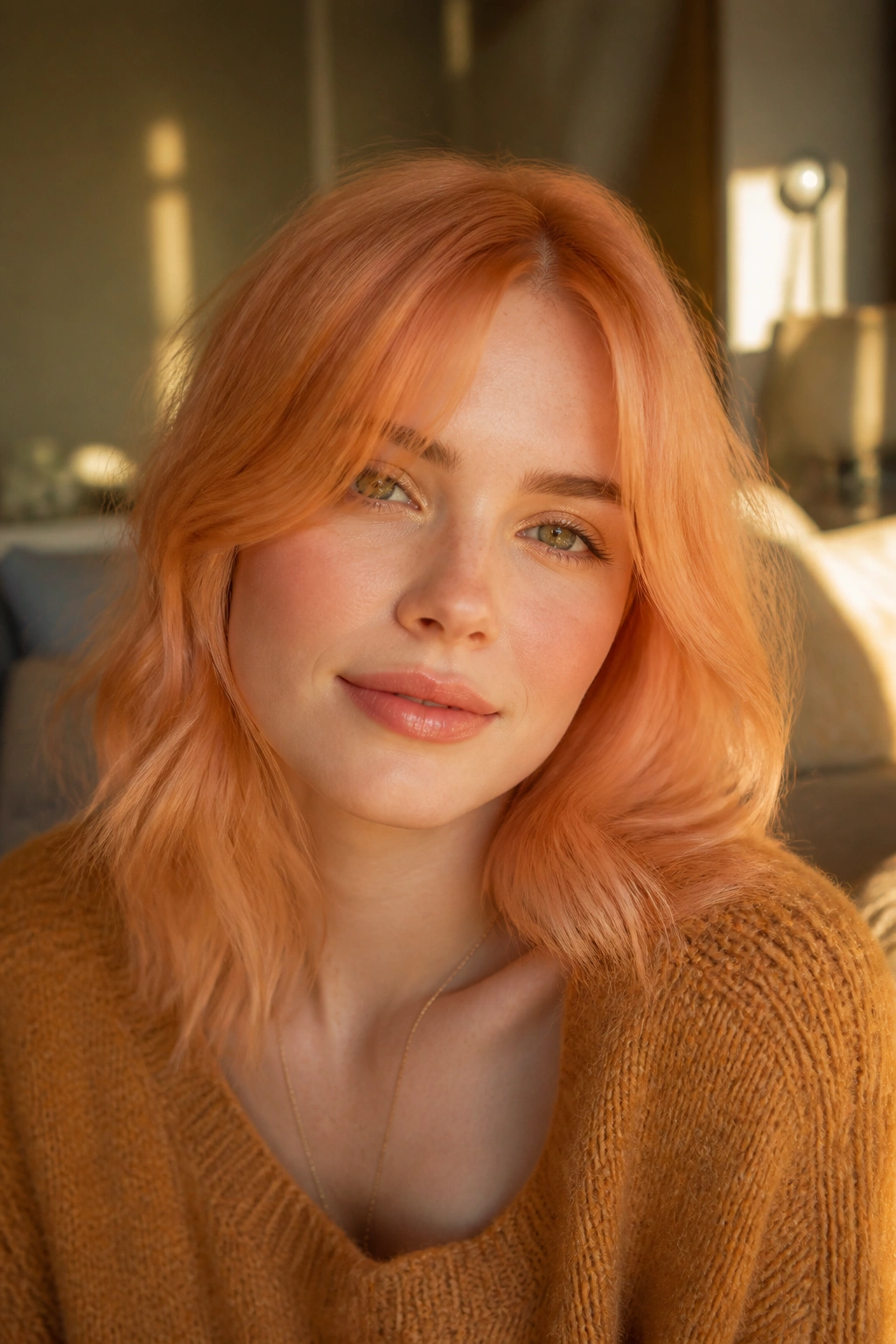
Pale skin often lacks a natural flush, which is where soft peach tones come in to save the day. Unlike a harsh, bright orange, peach is a blend of copper, pink, and gold. It acts like a permanent layer of blush for your entire face. It is a warm, inviting color that manages to be adventurous without being overwhelming.
The beauty of peach is how it interacts with the light. On fair skin, it provides a subtle “lit-from-within” glow that can make even the most tired complexion look rested. It bridges the gap between a natural strawberry blonde and a fashion color. Because it contains both pink and yellow pigments, it is surprisingly versatile for those with neutral-to-warm undertones.
If you’re worried about it looking too “neon,” have your stylist lean more into the apricot side of the spectrum. This adds a slightly more grounded, earthy feel to the color. It looks particularly stunning when paired with a bit of a shadow root, which prevents the bright color from looking like a hat and helps it blend into your natural features.
3. Silver Fox Gray
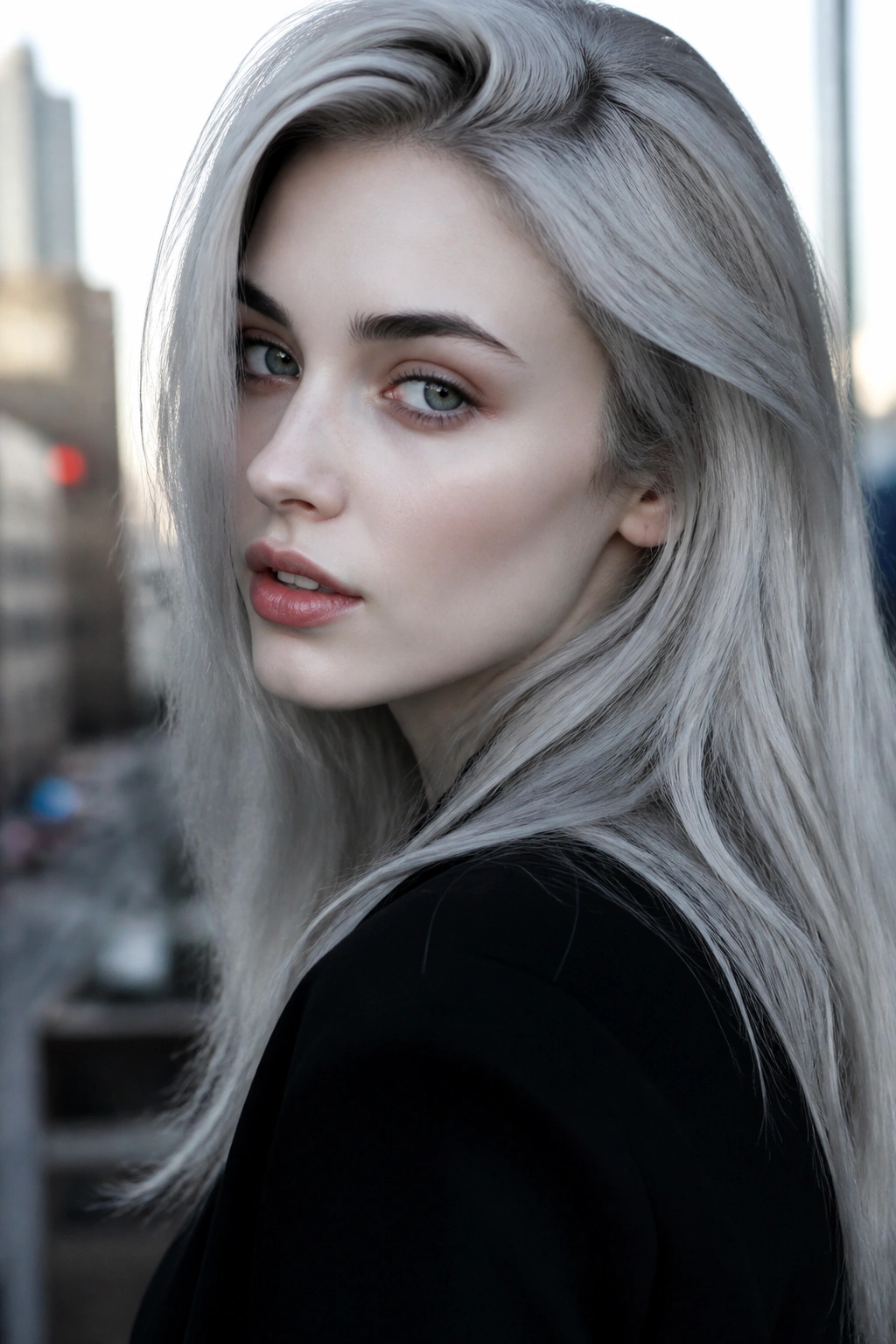
Is gray hair for everyone? Probably not. But on pale skin with cool undertones, a deliberate silver or slate gray can look incredibly sophisticated. This isn’t about “looking old”; it is about embracing a metallic palette. Think of it like wearing high-end jewelry around your face.
Does This Color Wash You Out?
The biggest fear with silver is looking “washed out.” However, the opposite often happens. Because silver is a cool-toned neutral, it provides a crisp frame for your face. The key is the depth of the silver. If you go too light, you might lose the contrast. If you go for a “gunmetal” or a deep “charcoal” silver, the darkness of the hair creates a beautiful boundary that makes your skin look like porcelain.
How to Style Silver Hair
- Keep the hair sleek and shiny; matte gray can look like “dead” hair.
- Use a clear gloss treatment every few weeks to maintain that metallic “pop.”
- Avoid heavy, muddy makeup; silver hair looks best with a clean face and a bold, cool-toned lip.
4. Rich Burgundy and Red Wine
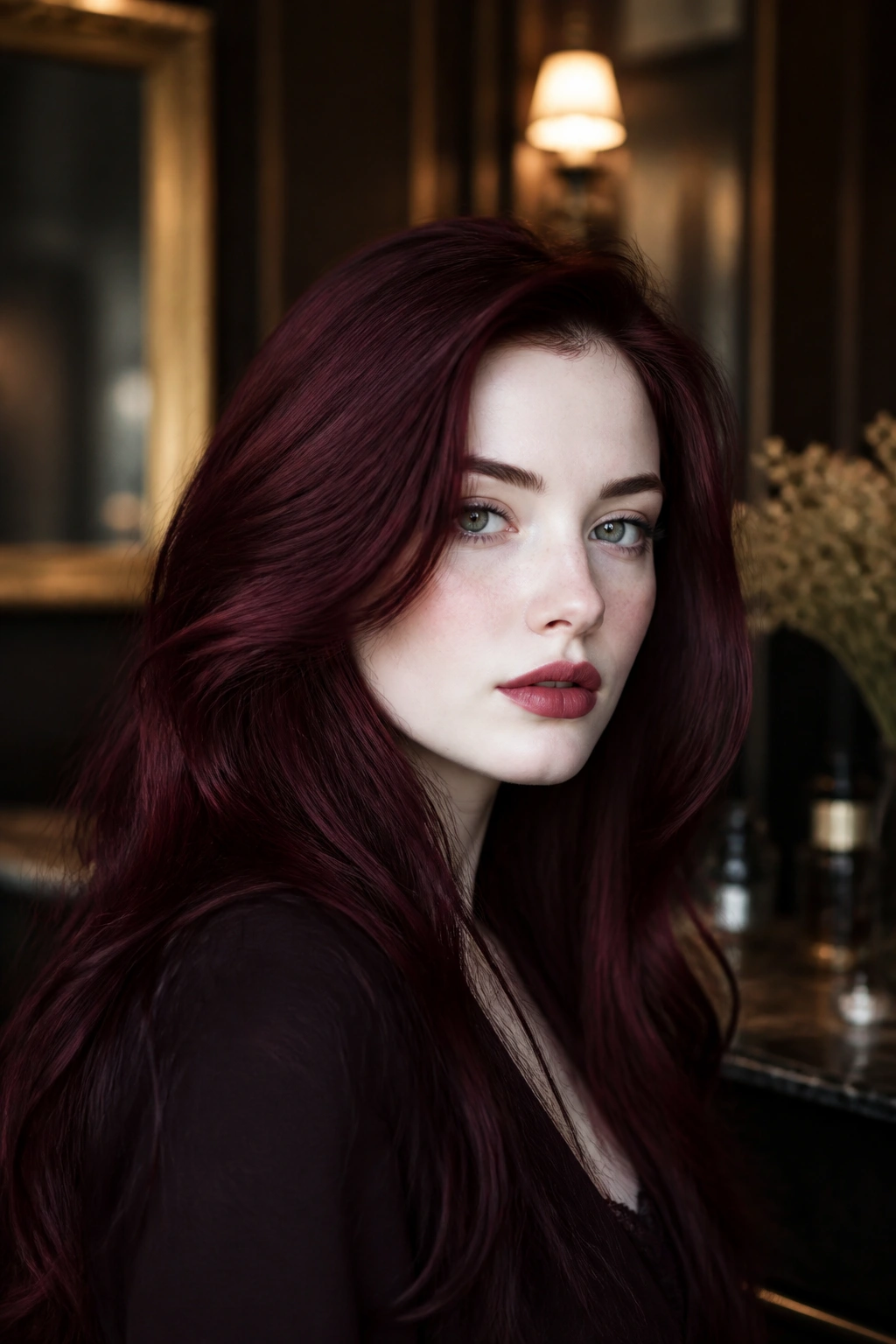
There is something undeniably “vampiric” and elegant about deep burgundy hair against pale skin. This is a power move. The deep, purplish-red tones create a massive amount of contrast, which is the fastest way to make fair skin look luminous and bright. It is the hair equivalent of a red velvet cake—rich, dark, and full of depth.
I remember the first time I saw a friend with ivory skin go from a light brown to a deep black-cherry burgundy. Her green eyes suddenly looked like emeralds. That is the ” Burgundy Effect.” Because burgundy contains a mix of red and blue pigments, it sits in a sweet spot that suits almost any pale skin type. It’s warm enough to add life but cool enough to look expensive.
- The color molecules in red hair are larger and wash out faster, so cold-water rinses are your best friend.
- Avoid using clarifying shampoos, which will strip the red pigments in one or two washes.
- If your skin has a lot of natural redness or rosacea, lean toward a “cooler” burgundy with more blue/purple tones to help neutralize the flush in your cheeks.
Closing insight: Burgundy isn’t just a winter color; it’s a year-round way to ensure you never fade into the background.
5. Honey Blonde and Butterscotch
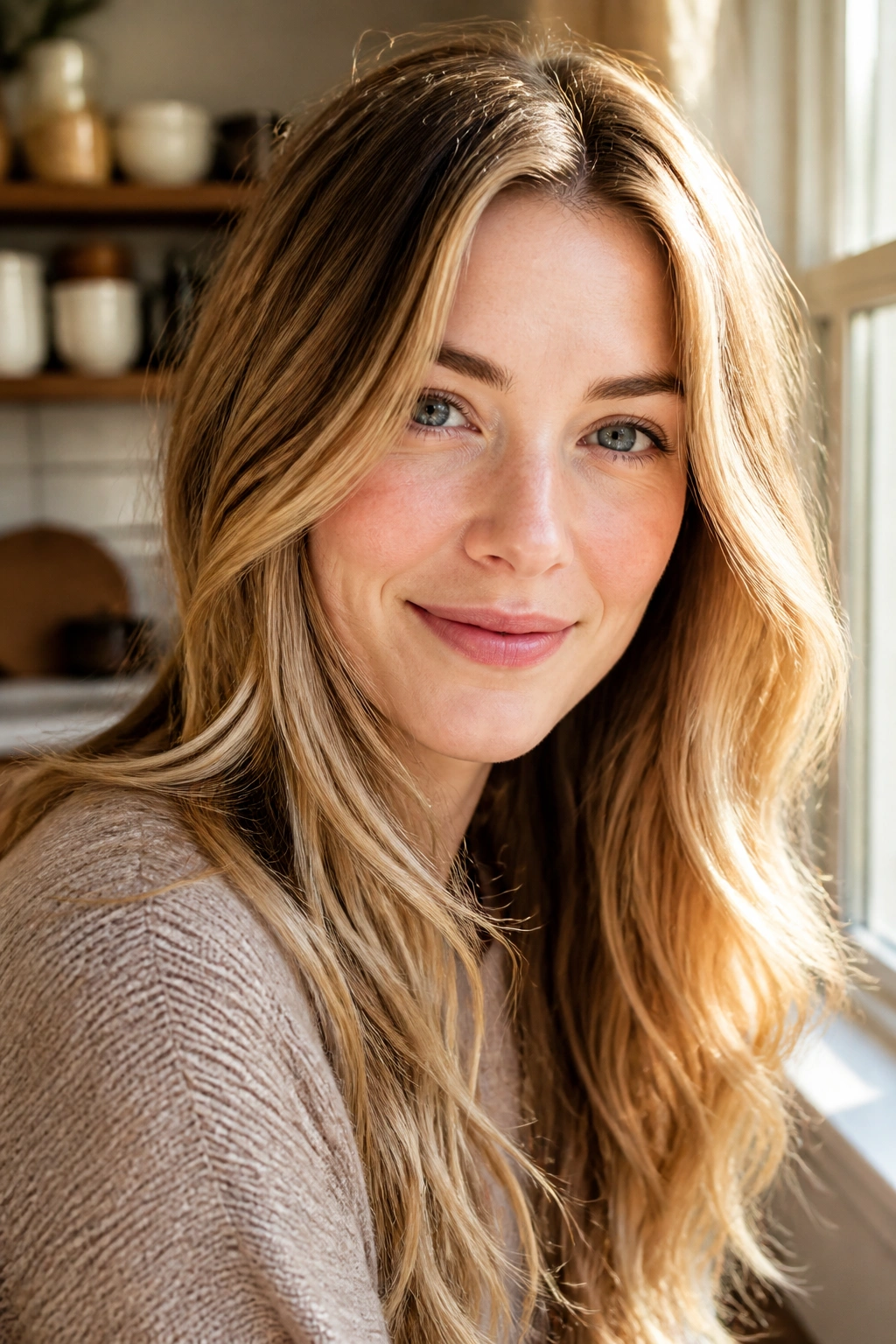
For those with warm pale skin—the kind that tends to freckle rather than burn—honey blonde is the gold standard. It’s a soft, approachable shade that feels like summer in a bottle. Unlike platinum, which is sharp and cold, honey blonde is “creamy.” It adds a golden warmth to the face that makes you look like you’ve just spent a week in the sun.
Honey blonde works because it mimics the natural highlights that occur in lighter hair colors. By using a mix of amber, gold, and light brown tones, your stylist can create a look that has a lot of movement. This is particularly helpful for people with fine hair, as the different “levels” of blonde create the illusion of thickness and volume.
It’s an easy-entry color for those who are currently light brown or “dishwater” blonde. You don’t need to bleach your hair to within an inch of its life to achieve a beautiful honey tone. Often, a few well-placed balayage highlights and a warm toner are all it takes to transform a dull look into something vibrant. It’s low-maintenance compared to icier blondes, as the grow-out is much more forgiving.
6. Rose Gold
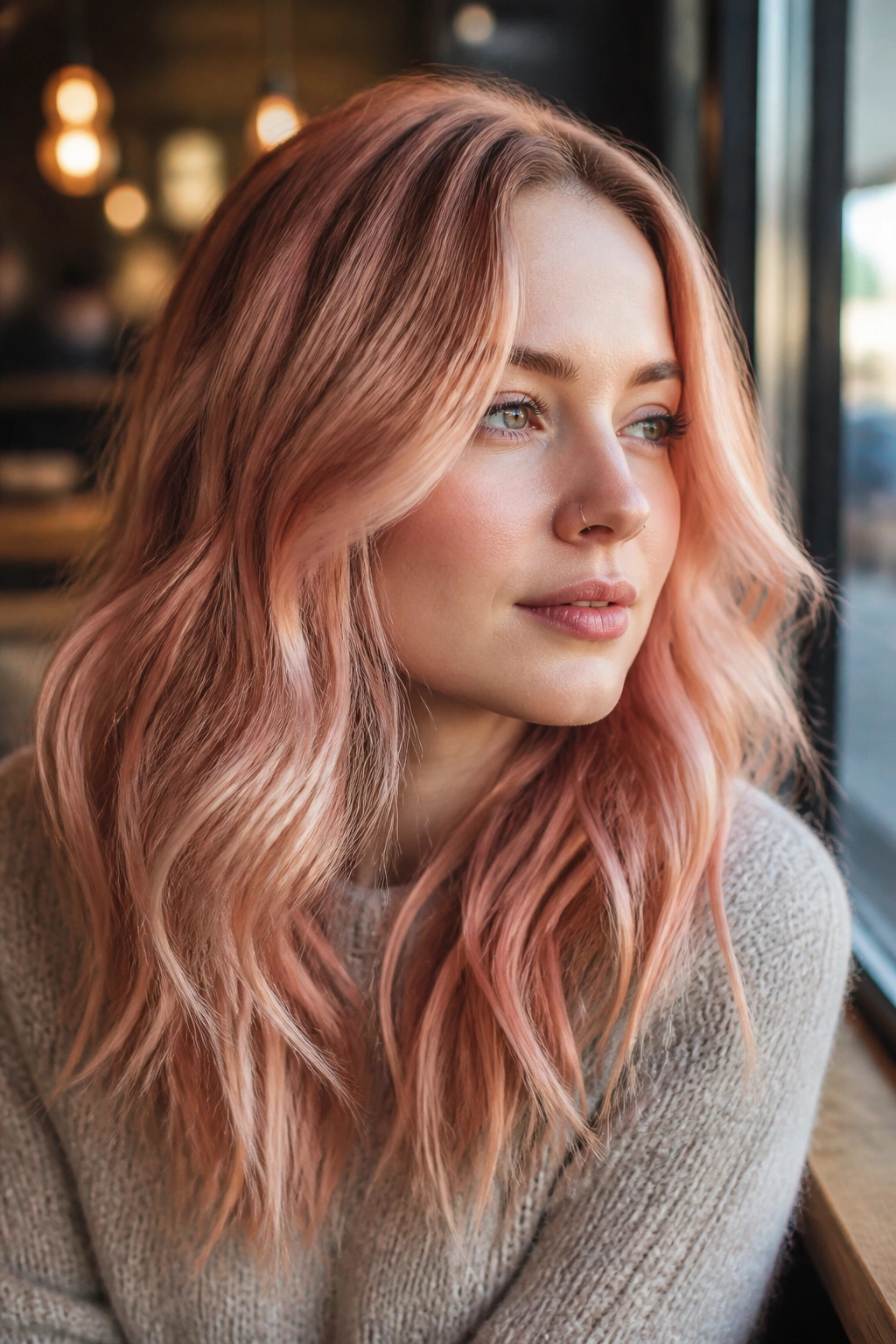
Rose gold is more than just a passing phase; it has become a staple for fair-skinned people who want a bit of “flair.” It is the perfect marriage of warm gold and cool pink. On pale skin, it looks like a soft sunset. It’s romantic, it’s modern, and it’s incredibly flattering because it brings out the natural pink tones in your lips and cheeks.
Why Rose Gold Is Different
Unlike a true pink, rose gold has a metallic base. This means it reflects light in a way that flatters the skin’s texture. If you have any imperfections or dullness, the “shimmer” of rose gold hair can actually help distract the eye. It feels more “natural” than a pastel pink because of that golden undertone.
Who It Is Best For
- People with neutral or warm undertones.
- Those with hazel or green eyes.
- Anyone looking for a “fashion” color that still feels professional enough for an office.
Specific recommendation: If you have very cool-toned skin, ask for more “rose” and less “gold.” If you are warm-toned, let the “gold” take the lead with just a hint of pink pearl.
7. Midnight Black
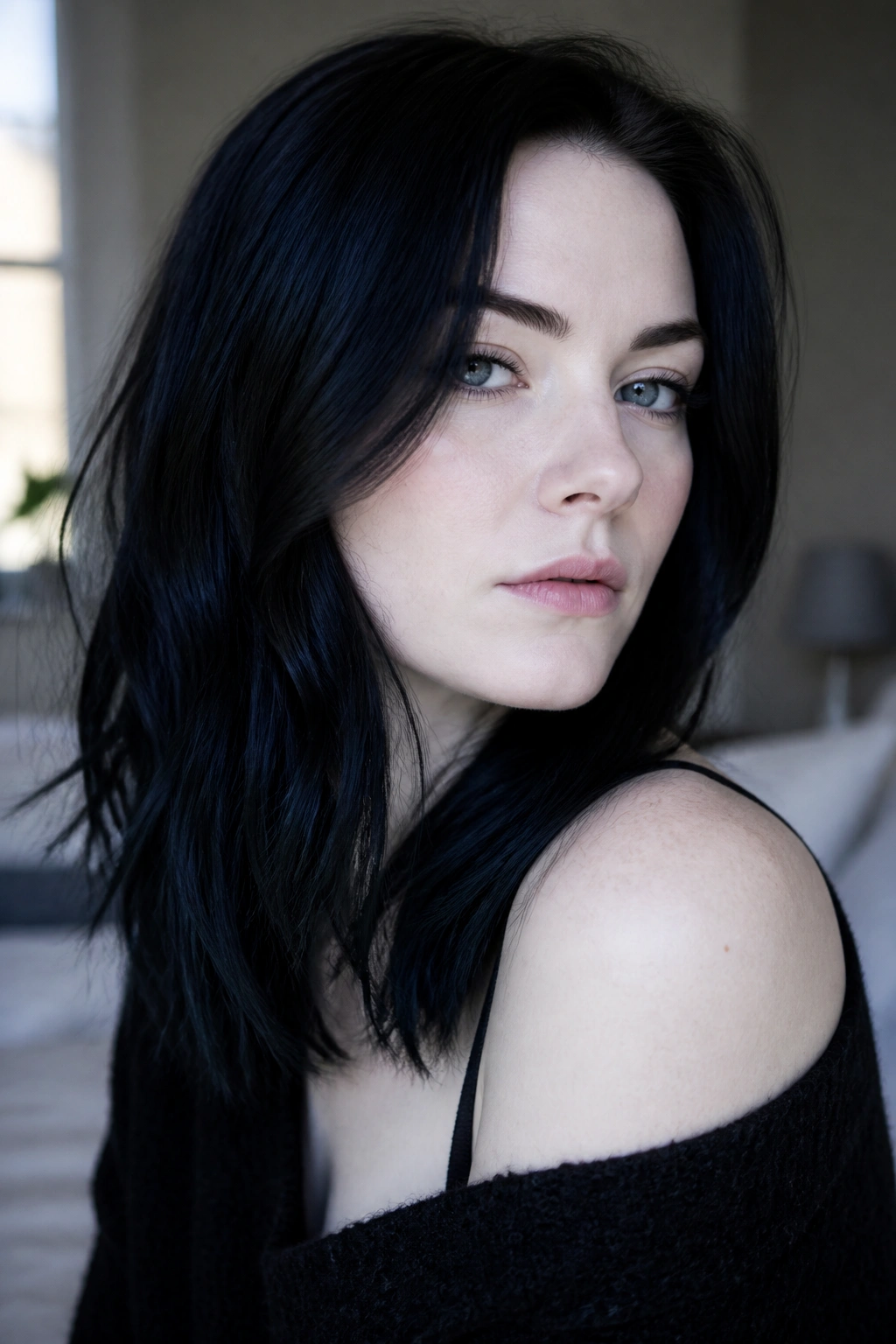
Many people tell the fair-skinned to “stay away from black” because it’s too harsh. I disagree. Midnight black—a deep, dark brown-black with a hint of blue—can look absolutely stunning on pale skin. It creates a “Snow White” effect that is high-contrast and striking. It emphasizes the whiteness of the eyes and the porcelain nature of the skin.
The trick is to avoid “flat” black. Box-dye black often looks like ink or shoe polish, which is what gives it a bad reputation. Instead, you want a black that has a blue or violet undertone. This gives the hair “life” and movement. When the light hits it, you should see a sheen, not just a dark void.
- Be prepared for the commitment: Black hair dye is famously difficult to remove if you change your mind.
- Keep your eyebrows in mind; if you have very light brows, you may need to tint them a shade or two darker to balance the look.
- Use a shine spray to keep the hair looking “glassy,” which prevents it from looking “heavy” against your face.
8. Classic Auburn
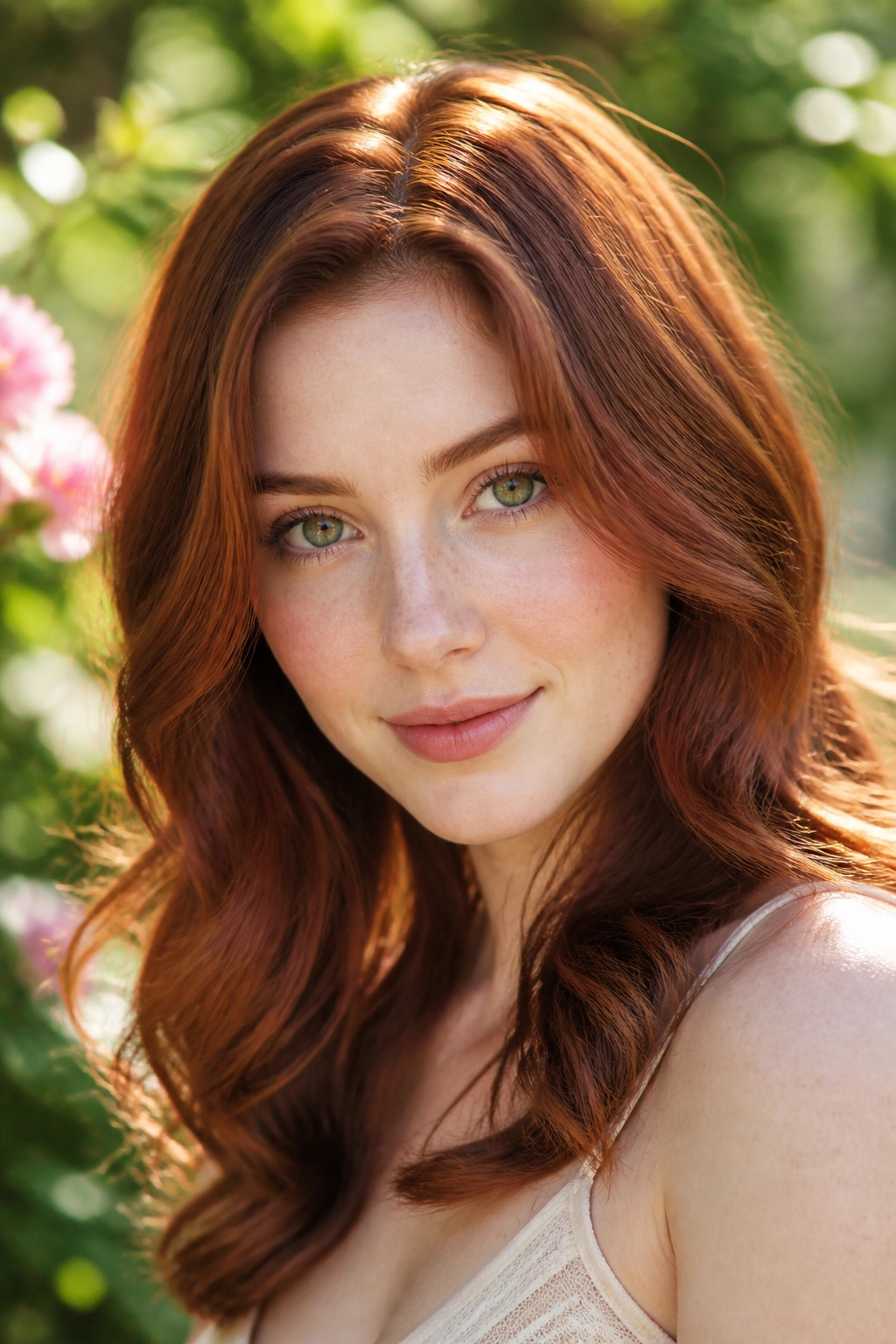
Auburn is the ultimate “power color” for people with pale skin and green or brown eyes. It’s a mix of brown and red that feels organic and fiery all at once. Because it sits right in the middle of the spectrum, it provides enough warmth to make you look healthy without being so “orange” that it looks artificial.
Historically, auburn has been the go-to for fair-skinned icons. It works because it provides a “frame” for the face that is darker than blonde but softer than black. The red tones in auburn pick up the warmth in your skin, while the brown base keeps it grounded. If you have freckles, auburn is your soulmate; it makes them look like a deliberate accessory rather than something to hide.
- Focus on “copper” auburn if you have warm skin.
- Focus on “mahogany” auburn if you have cool skin.
- Use a color-depositing conditioner to keep the red from fading into a dull brown between salon visits.
9. Mushroom Brown
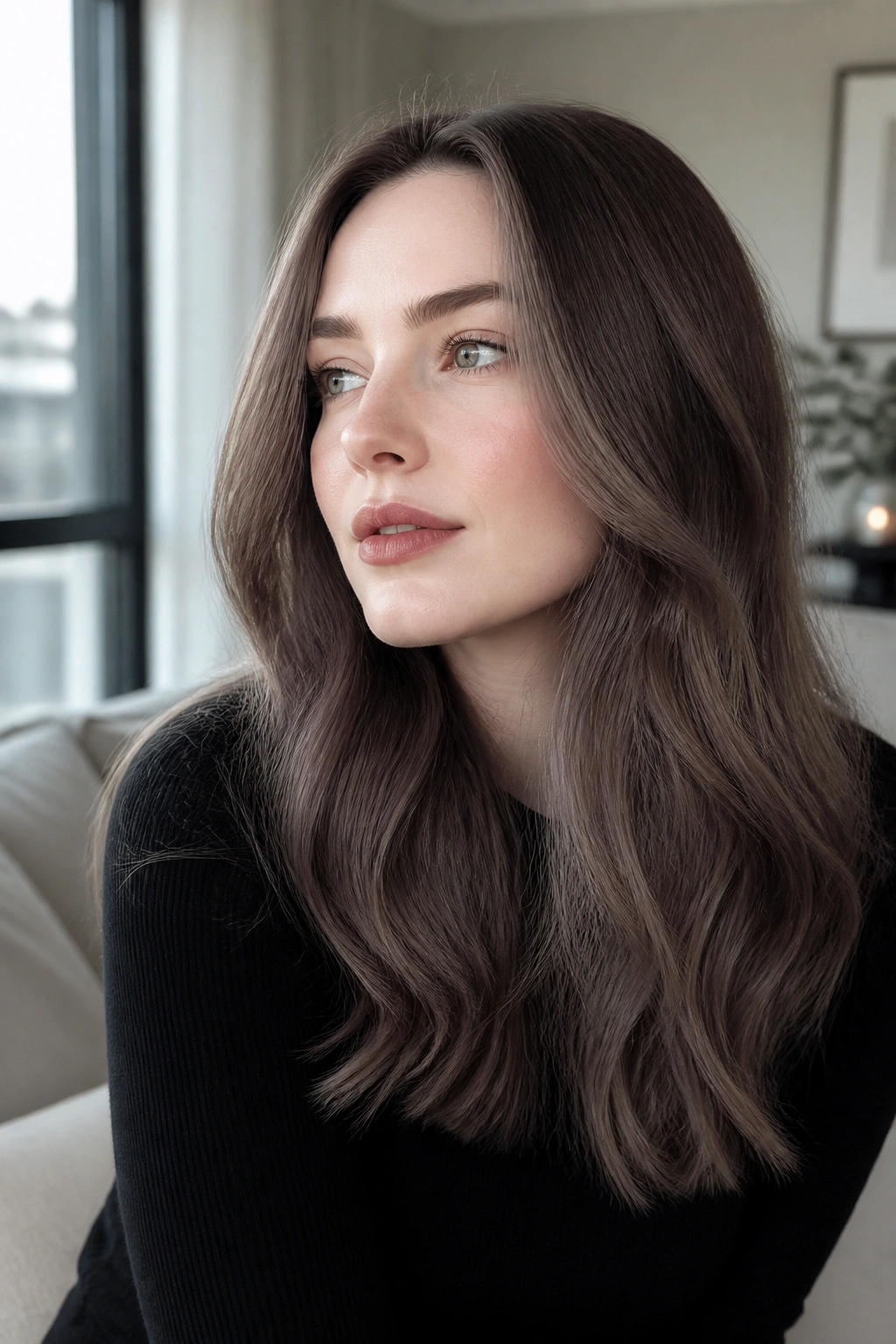
If you want to stay in the brunette family but don’t want any warmth, “Mushroom Brown” is the answer. It’s a cool-toned, earthy brown that looks like—you guessed it—the underside of a portobello mushroom. It’s a mix of ashy brown, gray, and purple tones. On pale skin, it looks incredibly modern and understated.
Why Is This a Top Pick?
Mushroom brown is the perfect “anti-brass” color. Many brunettes struggle with their hair turning “red” or “orange” in the sun. Mushroom brown solves this by using heavy ash tones. On pale skin, this creates a muted, sophisticated look that doesn’t compete with your skin’s natural color. It’s a “quiet luxury” hair color.
How to Get the Look
The Science of Ash Tones
- Ask your stylist for a “Level 6 or 7 Ash Brown” with a violet-gray base.
- It requires a cool-toned gloss to maintain the “earthy” vibe.
- It looks best with a subtle balayage to give the “mushroom” some dimension.
- Use a blue shampoo (designed for brunettes) to keep the orange tones at bay.
10. Pastel Lavender
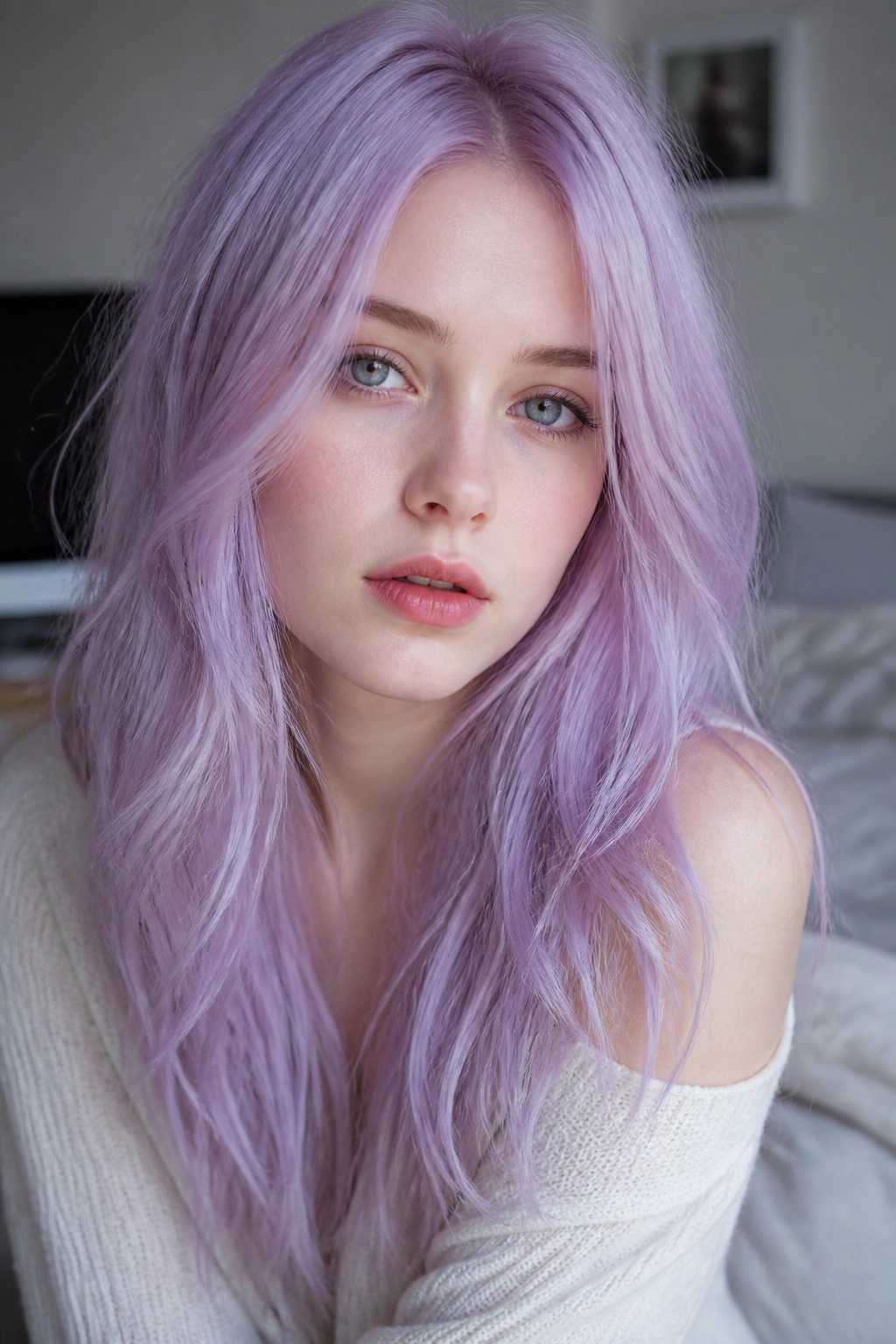
For the truly adventurous with porcelain skin, pastel lavender is a dream. Pale skin is the only skin type that can truly pull off these very light, dusty purples without them looking muddy. Lavender acts as a color-corrector for the face; purples neutralize yellow, so if you have sallow skin, lavender will make you look brighter and more “awake.”
The maintenance is high, let’s be honest. You have to be pre-lightened to a very pale blonde before the lavender can even be applied. But the result is ethereal. It looks like something out of a fairy tale. Because lavender is a cool-toned color, it looks natural (in a “supernatural” way) on people with cool or neutral undertones.
- This color fades fast—usually within 4 to 6 washes.
- You can maintain it at home by mixing a bit of purple semi-permanent dye into your regular conditioner.
- It looks best when the hair is healthy and has a lot of “swing”; dry, damaged hair won’t hold the delicate pastel pigment well.
11. Strawberry Blonde
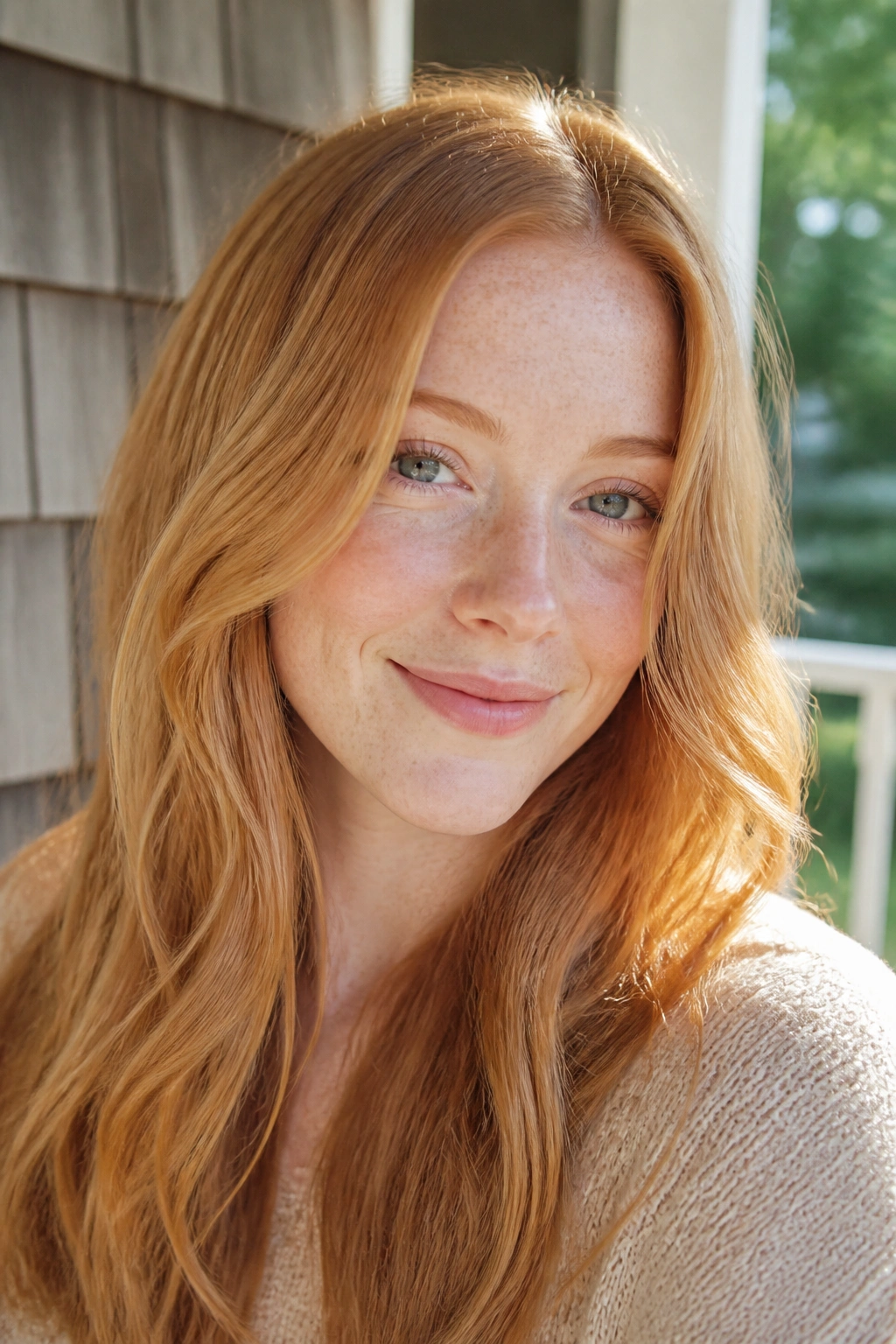
Strawberry blonde is the “neutral” of the redheaded world. It is a very light blonde with just a “kiss” of copper or rose. On pale skin, this is often the most natural-looking choice. It doesn’t scream “I dyed my hair red,” but it also doesn’t feel as plain as a standard blonde. It’s the color of a summer afternoon.
This shade is particularly effective for people who are naturally very fair but have warm undertones. It bridges the gap between gold and red perfectly. It’s soft, it’s feminine, and it’s very forgiving on the skin. If you have a few fine lines or imperfections, strawberry blonde is very “blurry”—it doesn’t have the harshness of darker colors, so it tends to make the skin look smoother.
Pro tip: Don’t go too “orange.” The best strawberry blondes have a heavy blonde base with just a “glaze” of copper over the top. This keeps it looking expensive rather than like a “home-dye” accident.
12. Chocolate Brown with Caramel Highlights
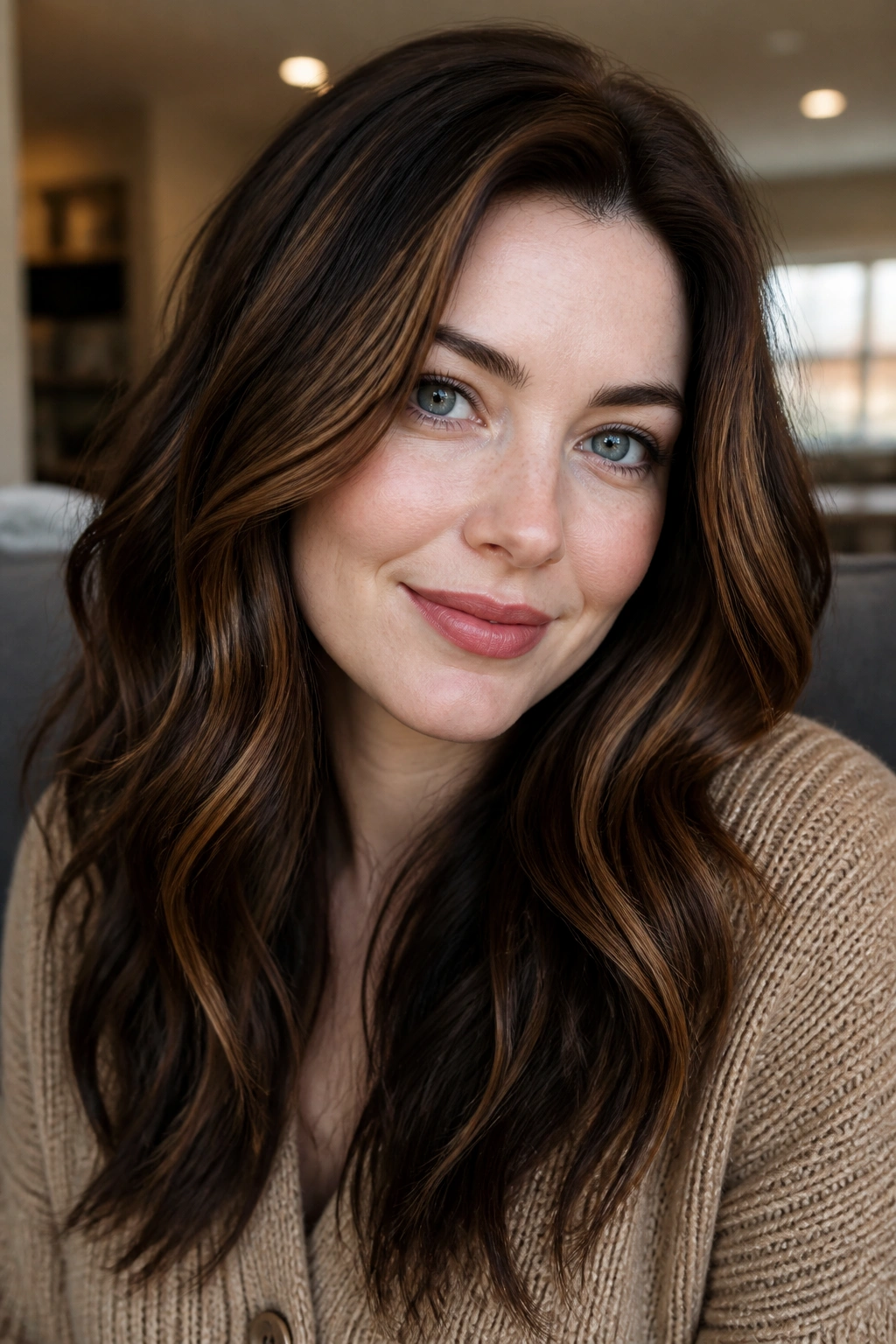
You don’t have to be blonde to look great with pale skin. A deep, rich chocolate brown provides a stunning contrast. However, a solid dark brown can sometimes look a bit “flat” or “heavy.” The solution? Caramel highlights. By adding warm, golden-brown ribbons through a dark base, you bring “light” to the face.
The Mechanism of Highlights
The chocolate base provides the “shadow” that makes your skin look bright, while the caramel pieces act as “reflectors” that catch the light and bounce it onto your skin. It’s like having a permanent ring light following you around. This combination is particularly great for people with brown or hazel eyes, as the caramel tones pull out the golden flecks in the iris.
Practical Application
- Keep the highlights away from the roots for a more natural “lived-in” look.
- Ensure the highlights are “warm” (caramel/honey) rather than “cool” (beige/ash) to get that healthy glow.
- Use a sulfate-free shampoo to prevent the brown from turning “mousy.”
13. Icy Blue-Black
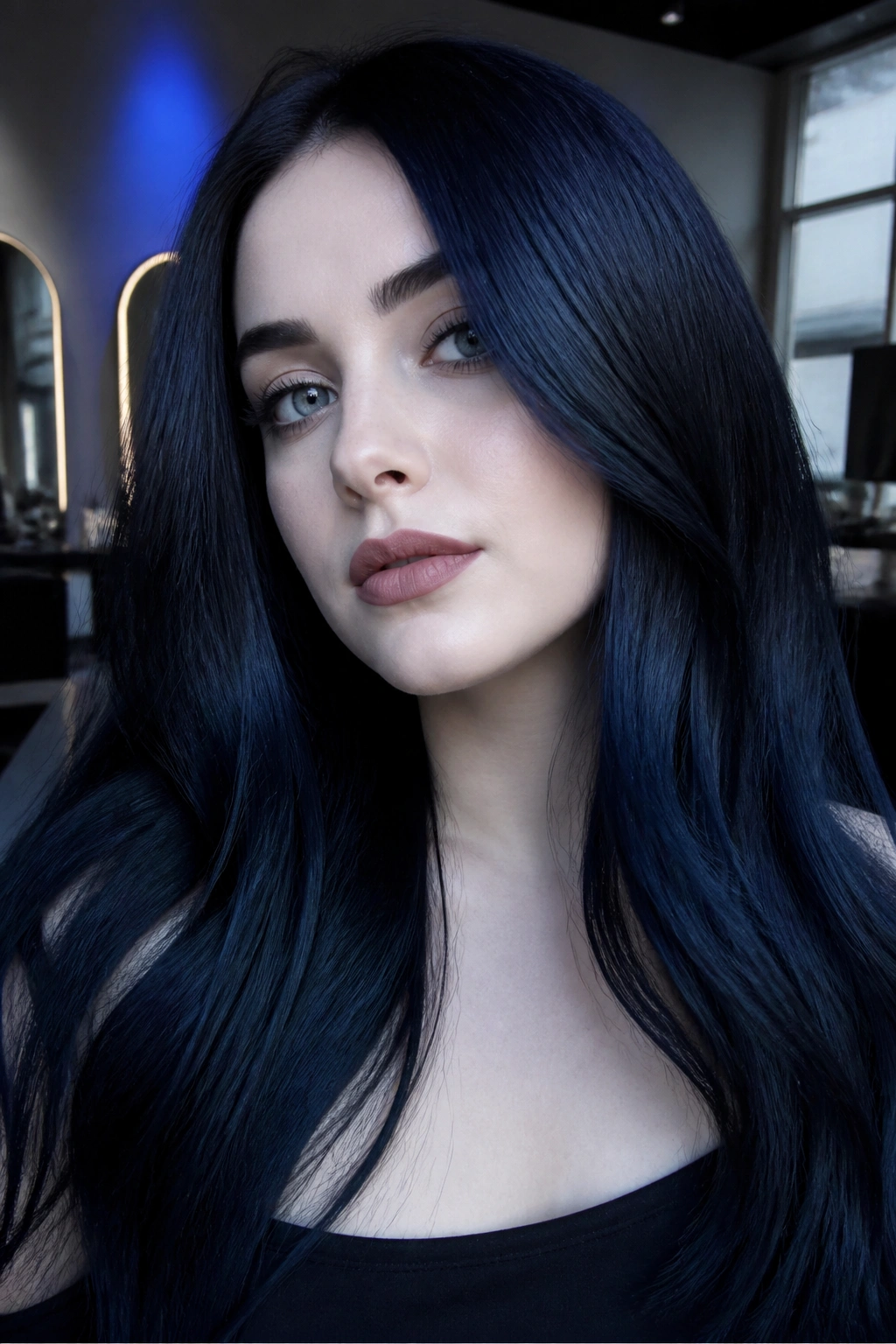
If you have very cool-toned, pale skin and dark eyes, blue-black is a showstopper. This is a level 1 black with a heavy dose of primary blue pigment. It isn’t just dark; it’s “cold.” It looks like the surface of a frozen lake at night. It is a dramatic, “alt” look that somehow remains incredibly elegant on the right person.
The blue tones in the hair work to cancel out any redness in the skin. If you struggle with a “pink” face, blue-black will act as a cooling agent, making your skin look more like ivory or marble. It is a high-shine color, so it always looks “finished” and intentional.
- Use a cold-water rinse to keep the blue molecules locked in the hair.
- This color is very difficult to transition out of, so be sure you love the “dark side.”
- It pairs beautifully with silver jewelry and cool-toned makeup palettes.
14. Champagne Blonde
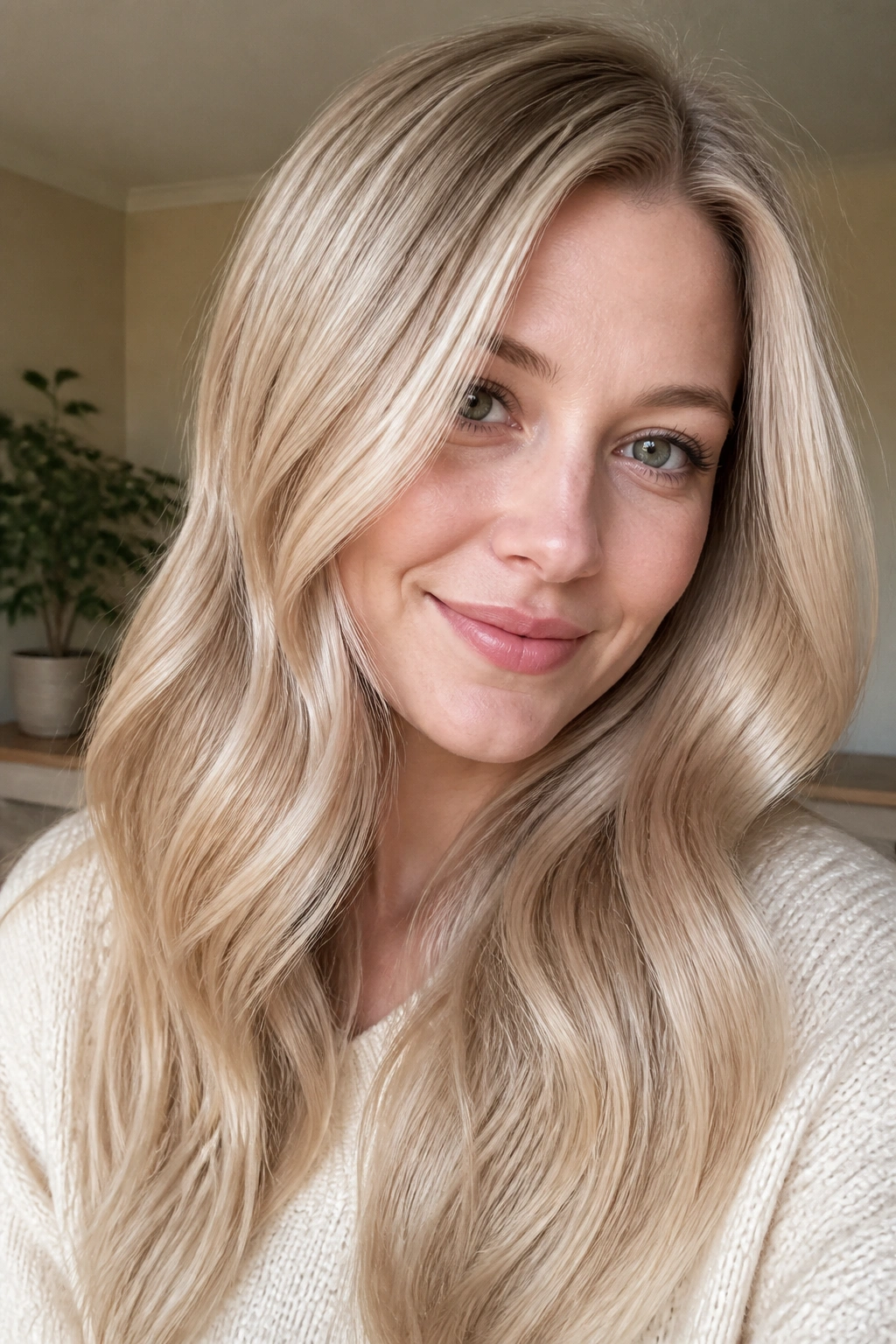
Champagne blonde is the “cool” cousin of honey blonde. It’s a pale, sparkling blonde with beige and “sandy” undertones. It isn’t as white as platinum, and it isn’t as yellow as gold. It sits right in that sophisticated “beige” middle ground. On pale skin, it looks incredibly “old money” and refined.
The beauty of champagne blonde is its subtlety. It doesn’t fight for attention; it just makes you look effortlessly polished. It’s a great choice for people who want to be “very blonde” but find that platinum makes them look like they’re wearing a costume. It’s a softer, more “approachable” version of high-fashion blonde.
- It requires a very specific “beige” toner to prevent it from looking like “dishwater.”
- It works best on neutral or cool undertones.
- Use a clear gloss every few weeks to maintain that “effervescent” shine.
15. Rich Espresso
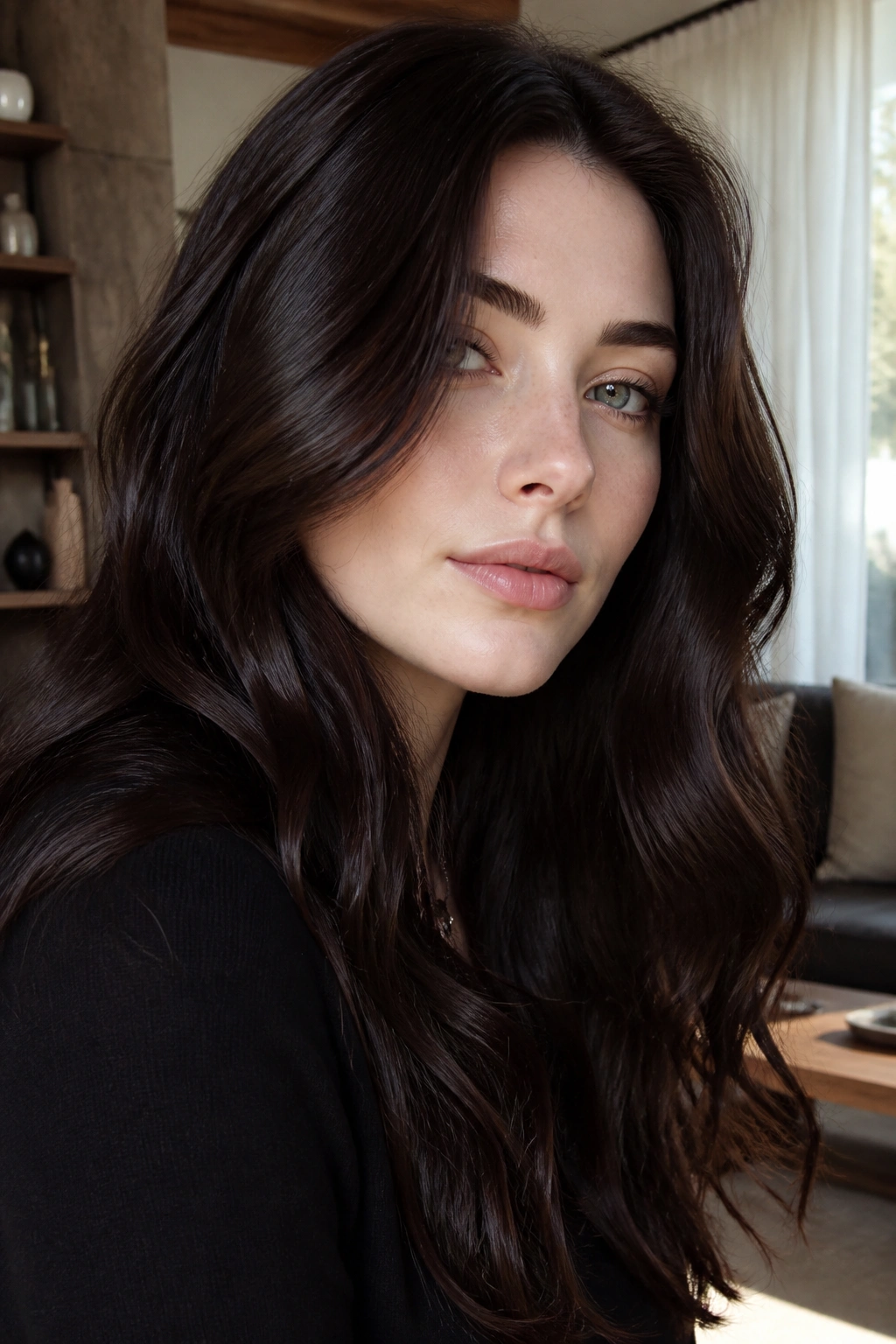
Espresso is a “nearly black” brown that is full of depth but lacks the harshness of a true blue-black. It’s the color of a dark roast coffee beans. On pale skin, espresso provides a classic, timeless look. It’s the ultimate “clean girl” aesthetic hair color for brunettes.
Because espresso is so dark, it makes the skin appear much lighter and clearer by comparison. It’s a great way to “fake” a perfect complexion. It’s a very “strong” color, so it suits people with bold features—large eyes, strong cheekbones, or a defined jawline. It’s a color that says you’re in charge.
- Avoid “warm” espresso if you have cool skin; you want those dark, bitter-chocolate tones.
- If you have warm skin, a “hint” of chestnut in the espresso can keep it from looking too “gothic.”
- Keep the hair well-hydrated; dark hair only looks good when it reflects light.
16. Vibrant Copper
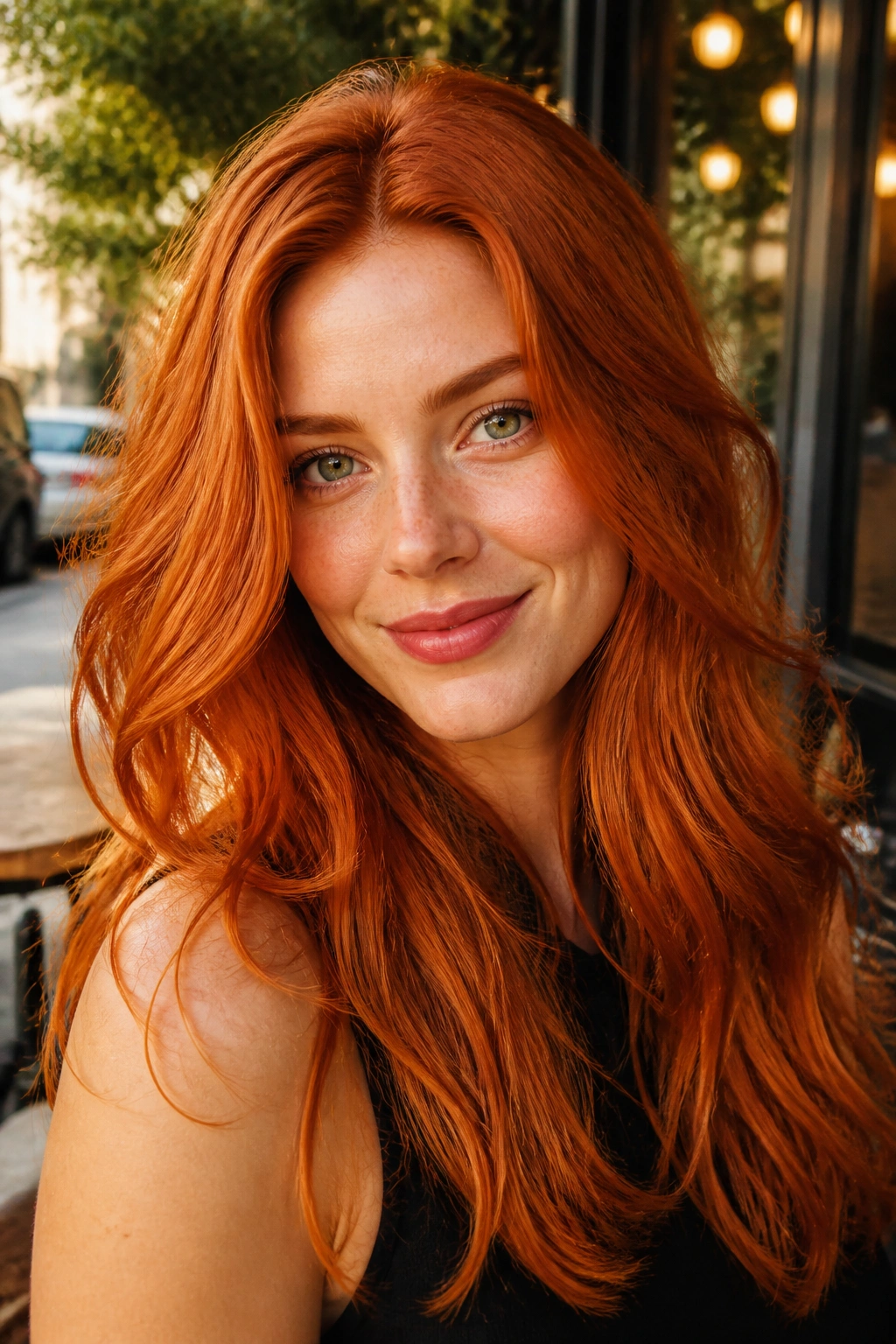
Copper is the most high-energy color on this list. It is a bright, metallic orange-red that looks like a new penny. For someone with pale skin and blue eyes, this is arguably the most striking combination in existence. Blue and orange are opposites on the color wheel, which means they make each other look as vibrant as possible.
Copper hair isn’t for the shy. It’s a “look-at-me” color. But on fair skin, it doesn’t look “wrong”—it looks like nature dialed up to eleven. It brings a massive amount of warmth and “blood” to the face, making you look vibrant and alive. If you feel like you look “tired” all the time, copper might be the “caffeine” your face needs.
- Red-gold and copper pigments are the fastest to fade.
- You must use a color-depositing shampoo (like a copper or ginger-toned one) once a week.
- Avoid the sun when possible, or wear a hat; UV rays will turn your copper into a dull “rust” color very quickly.
17. Ash Brown
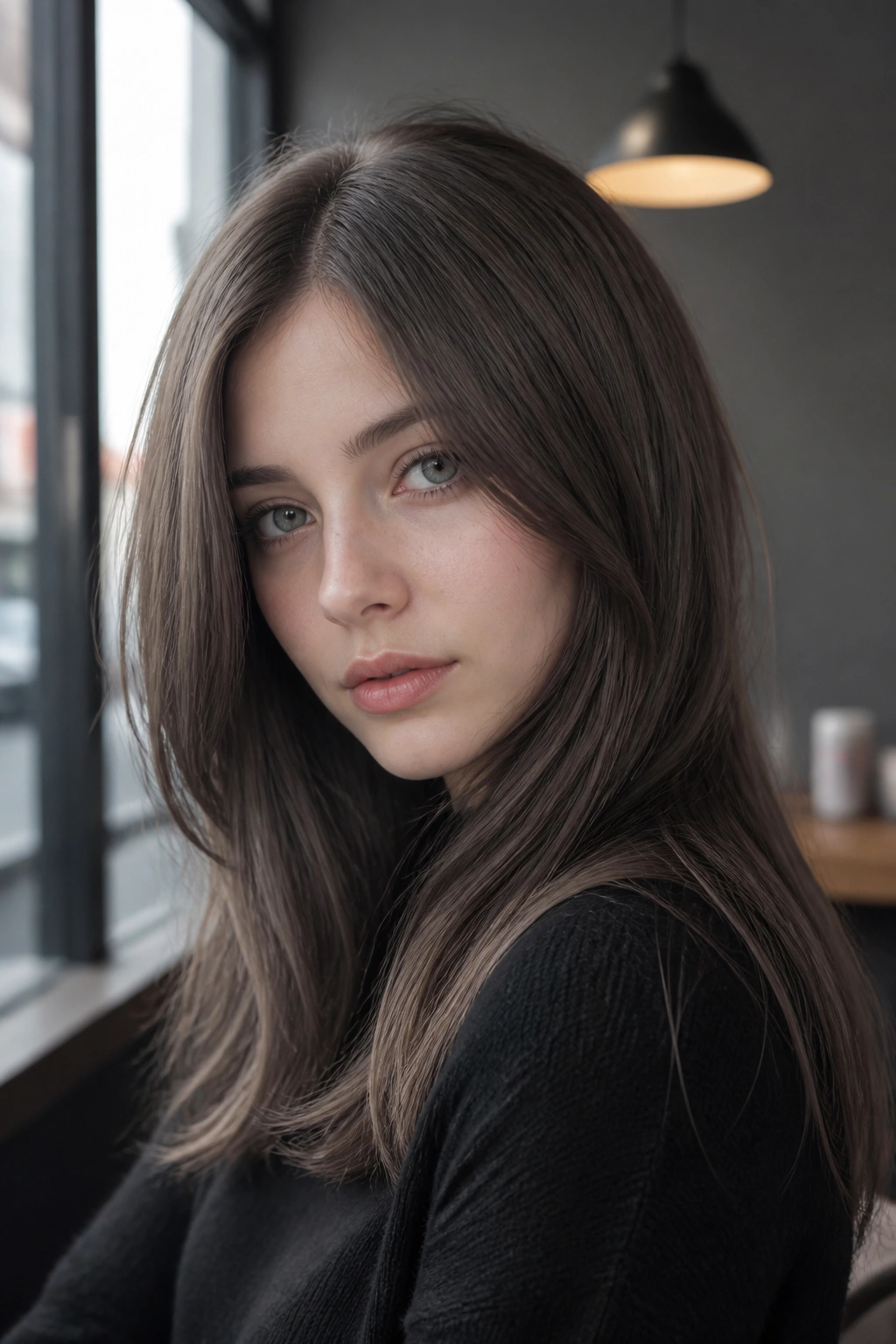
Ash brown is a medium brown that is completely devoid of red or orange tones. It’s “smoky.” On pale skin, it creates a very “moody,” cool-toned look that is incredibly chic. It’s a favorite in the modeling world because it doesn’t distract from the face; it just provides a neutral, cool frame.
Why It’s Different from “Mousy” Brown
“Mousy” brown is usually just hair that lacks shine or a specific direction. Ash brown is a deliberate choice to use “green” or “blue” bases in the dye to kill warmth. On pale skin, this creates a crispness that “mousy” hair lacks. It looks intentional, especially when paired with a sharp haircut like a blunt bob.
Who Should Get It
- People with cool undertones who want to stay brunette.
- Those who want a “low-maintenance” color that still looks high-end.
- Anyone trying to transition from a dyed color back to their natural cool-toned brown.
18. Buttercream Blonde
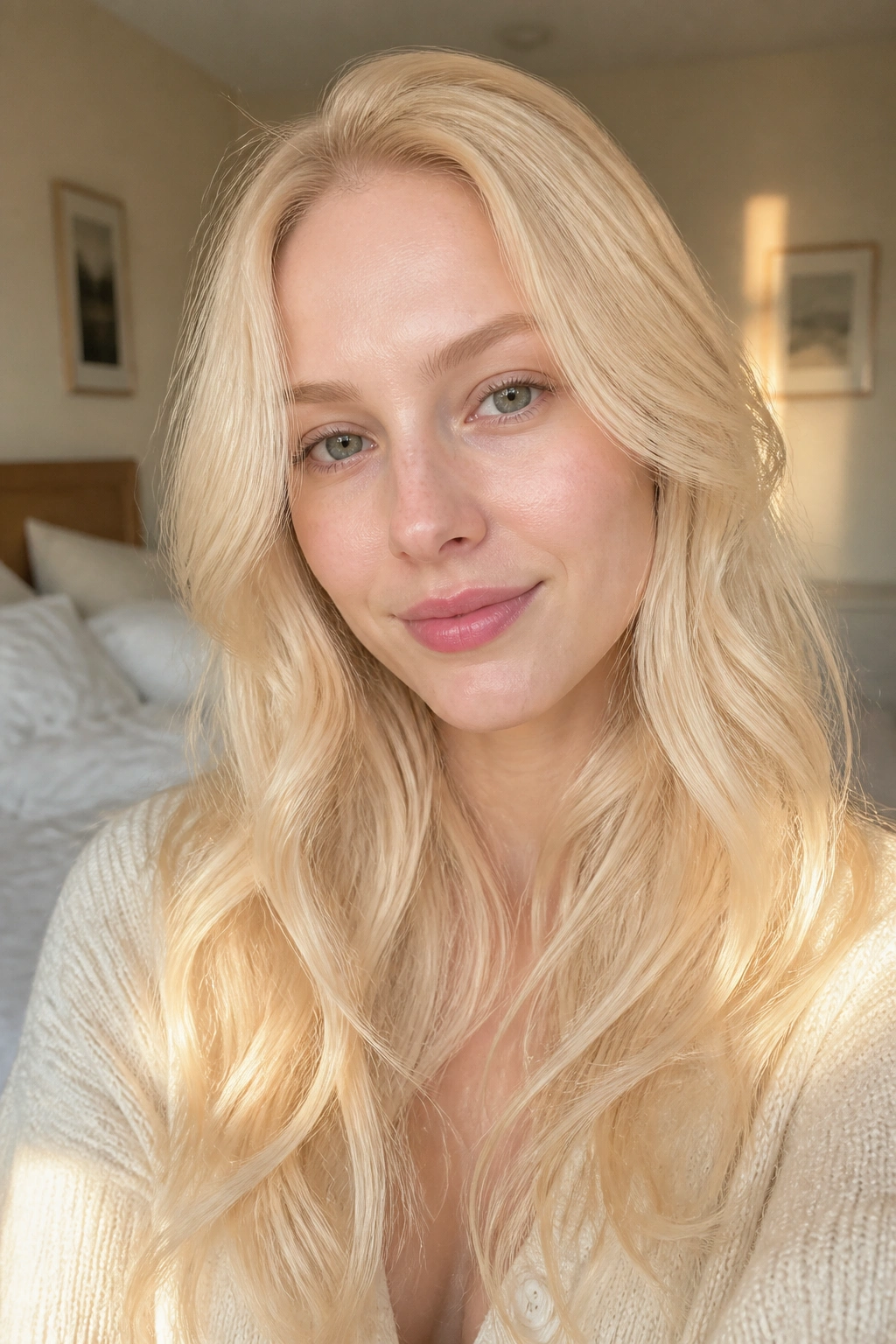
If you find that “icy” blondes make you look “dead” and “honey” blondes make you look “yellow,” buttercream is your answer. It is a pale blonde that has a “creamy” white-gold finish. It is the color of high-quality vanilla frosting. On pale skin, it looks soft, dreamy, and very expensive.
Buttercream blonde works because it balances “warm” and “cool.” It has a bit of that gold “life” but keeps a “white” brightness that prevents it from looking brassy. It is a very “youthful” color. It softens the features and gives the skin a velvety appearance.
- It’s a “Level 9 or 10” blonde, so it requires significant lifting.
- It needs a “pale gold” toner, not a “violet” one.
- It’s the perfect “blonde” for people who have a mix of warm and cool tones in their skin.
19. Dusty Rose
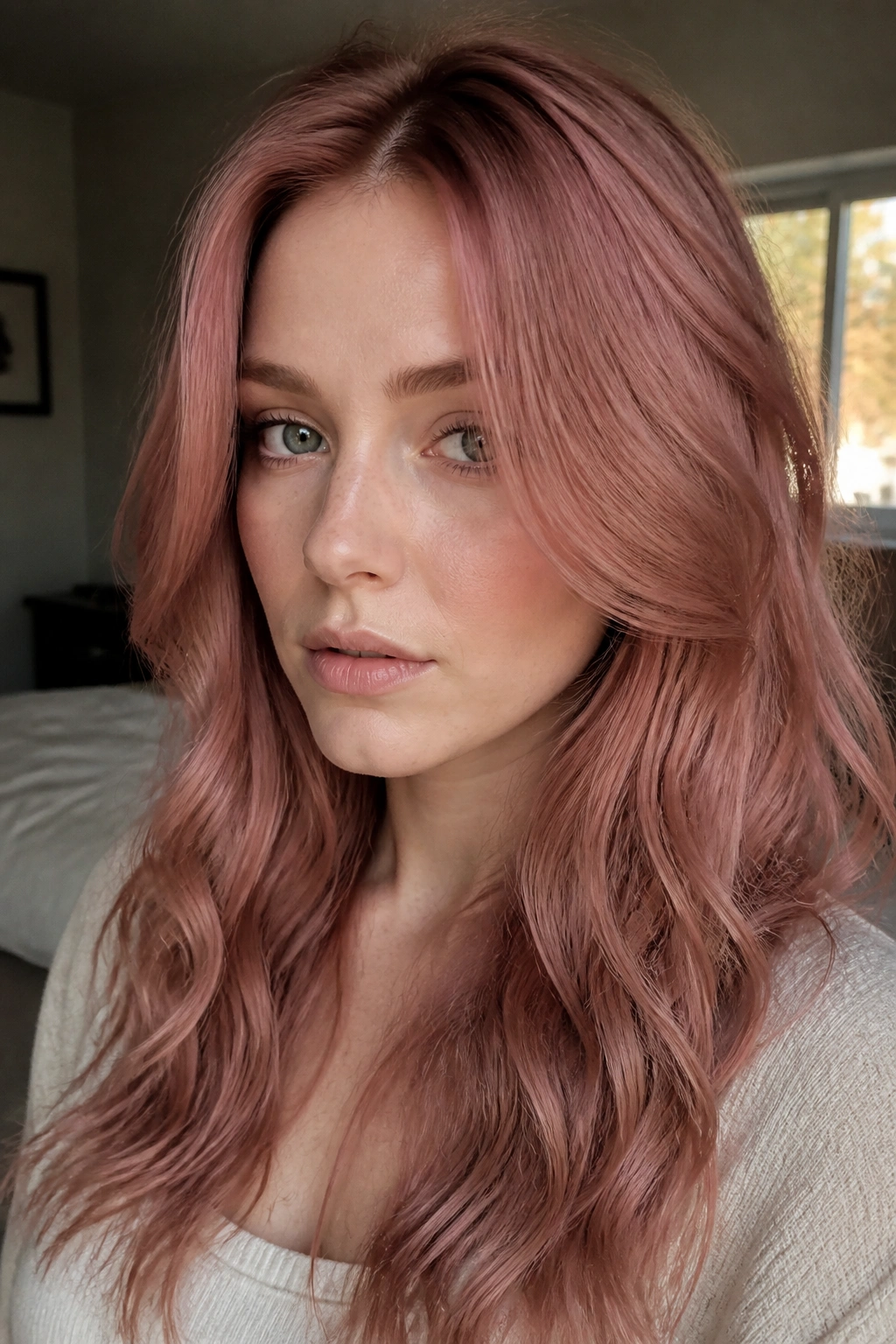
Dusty rose is the “muted” version of rose gold. It has more of a “mauve” or “brownish-pink” base. On pale skin, it looks like a natural “nude” color with a twist. It is incredibly flattering because it mimics the natural “flush” of fair skin. It’s adventurous but in a very “soft-focus” way.
Unlike bright pink, dusty rose blends into the skin’s palette. It doesn’t stand “off” the head; it feels like part of the person. It is a great way to experiment with fashion colors without feeling like you’re wearing a neon sign. It looks particularly beautiful on people with gray or light blue eyes.
- It can be achieved on hair that isn’t perfectly white (it works on “yellowy” blondes too!).
- It fades into a beautiful “beige-blonde,” so the “ugly phase” is non-existent.
- Use a “rose” gloss to keep the color from turning into a plain light brown.
20. Caramel Balayage on Ash Base
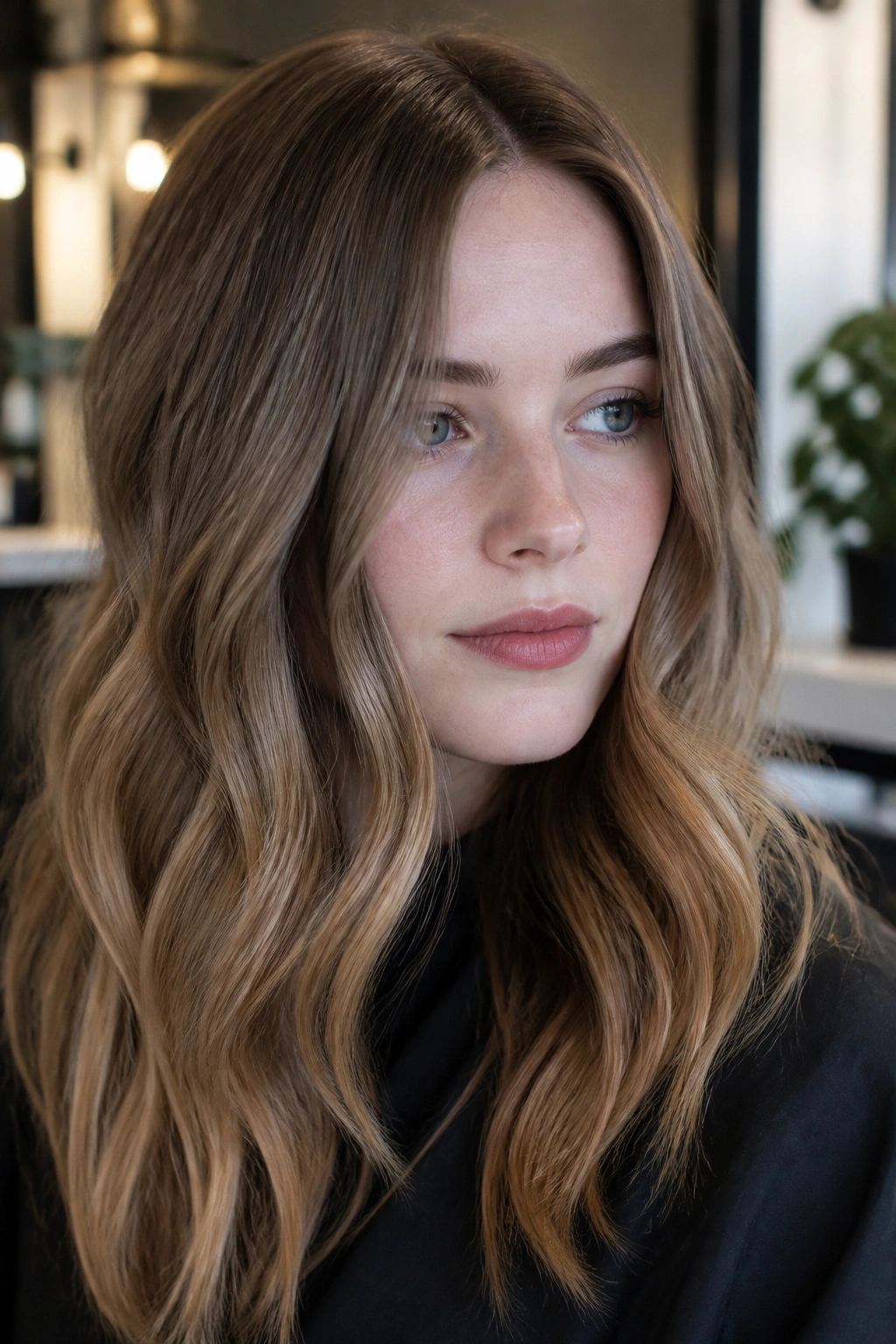
This is the “best of both worlds.” You take a cool, ashy brown base (to keep your skin looking crisp) and add warm caramel balayage through the ends (to add “life” and “glow”). On pale skin, this provides a “sun-kissed” look that still respects your cool undertones.
The “ash” near the face ensures you don’t look “orange,” while the “caramel” toward the bottom adds movement and warmth. It’s a “safe” way for cool-toned people to play with warm colors. It’s also incredibly low-maintenance, as the roots stay your natural (or near-natural) color.
- Ask for “face-framing” pieces to be kept cool, with the warmth concentrated in the mid-lengths and ends.
- It’s a great “transition” color for someone moving from dark to light.
- Use a “shine” oil on the ends to make the caramel “pop.”
21. Deep Plum
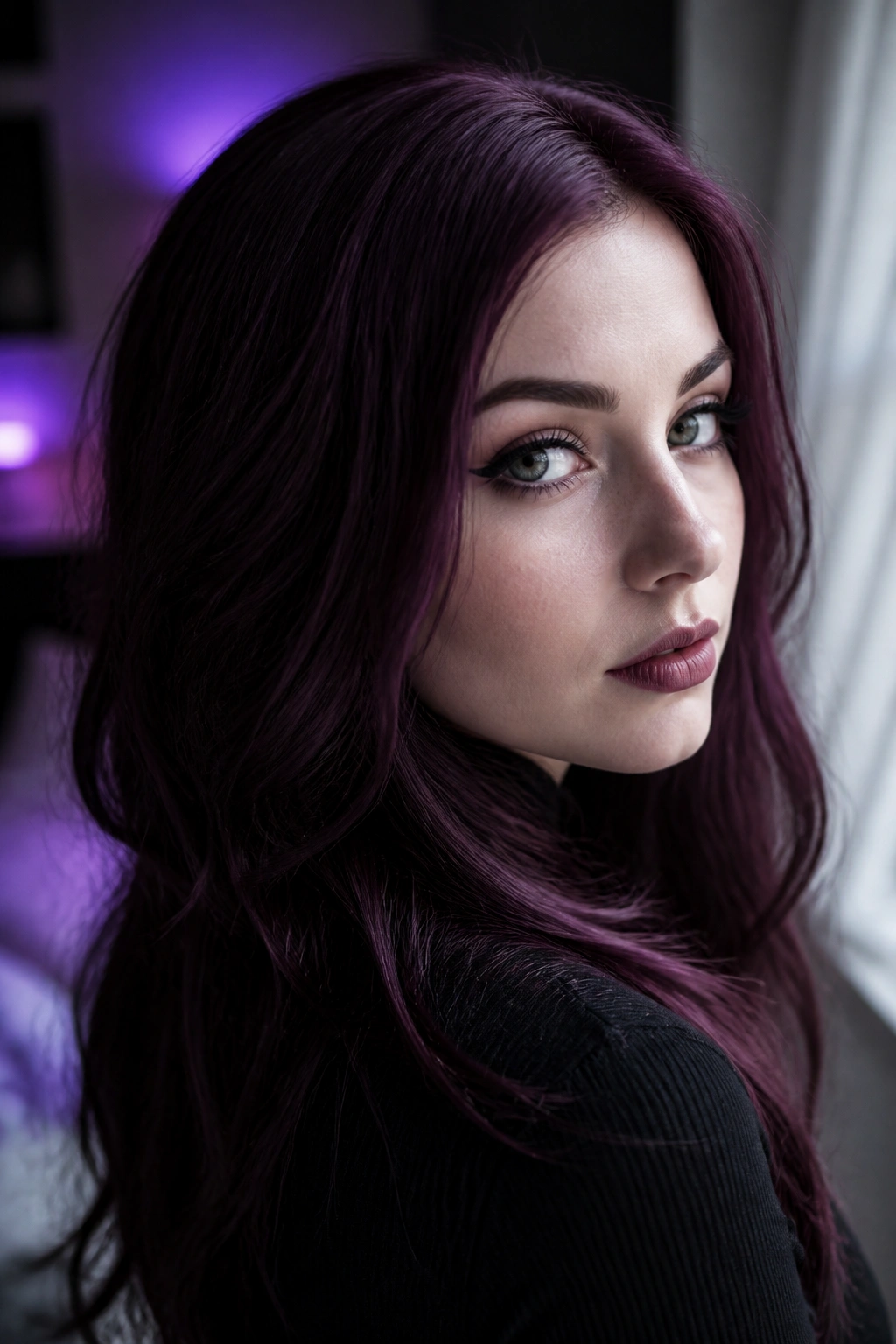
Deep plum is a dark, purplish-brown that is even “cooler” than burgundy. On pale skin, it is absolutely royal. It creates a massive contrast that makes the skin look almost “luminescent.” If you have green eyes, plum hair will make them look so bright they almost look fake. It’s a “magical” color combination.
Plum works because purple is the “royal” color for pale skin. It brings out the best in fair complexions, hiding sallowness and emphasizing “clarity.” Because it’s a dark color, it also provides a lot of “weight” and “substance” to your look. It’s a “sophisticated rebel” color.
- Plum can sometimes look “flat” if it’s too dark; ask for “violet” highlights to give it dimension.
- Use a purple-depositing shampoo to keep the “plum” from turning into a “muddy brown.”
- It looks best on people with neutral or cool undertones.
Identifying Your Skin’s Real Undertone
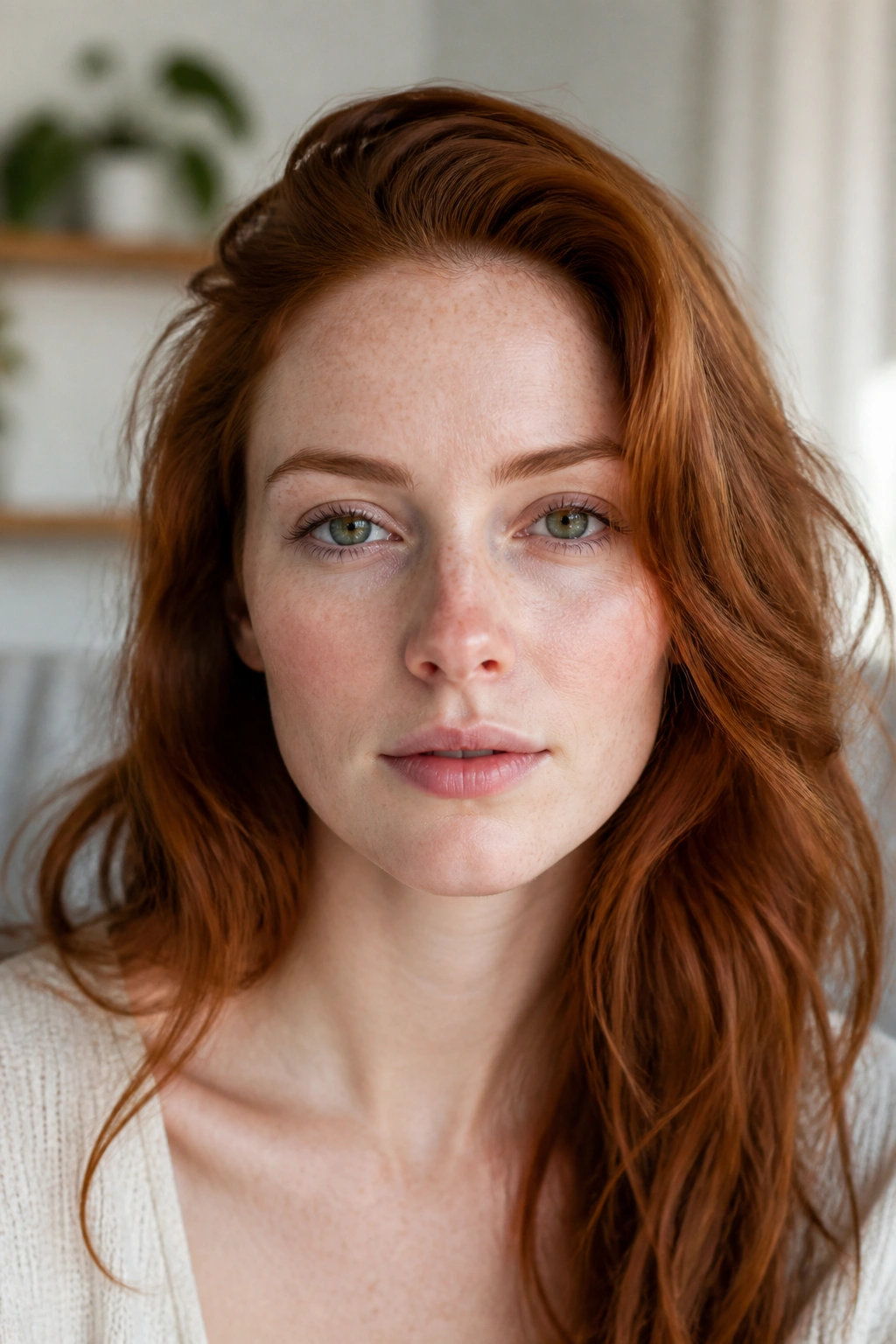
Before you run to the salon with a photo of a deep plum bob, you need to be certain about your undertone. Pale skin is a “blank” canvas, which means any color you put next to it is going to be magnified. A “warm” blonde on a “cool” face doesn’t just look like a different style; it can actually make your skin look gray or tired.
The “Vein Test” is the most common method. Look at the veins on the inside of your wrist. Are they blue or purple? You’re cool. Are they green? You’re warm. If they look teal or you honestly can’t tell, you’re likely neutral. But there is another way: the “Jewelry Test.” Most pale people have a visceral reaction to either silver or gold. If silver makes you look “clean” and gold makes you look “dirty,” you’re cool. If gold makes you glow and silver makes you look “stark,” you’re warm.
Don’t ignore the “White T-Shirt Test” either. Hold a piece of pure white fabric next to your clean, un-makeup-ed face in natural light. If your skin looks pink or blue next to the white, you’re cool. If it looks yellow or “creamy,” you’re warm. Understanding this “base temperature” is the difference between a “good” hair color and a “transformative” one.
Maintaining Your Glow and Preventing Washout
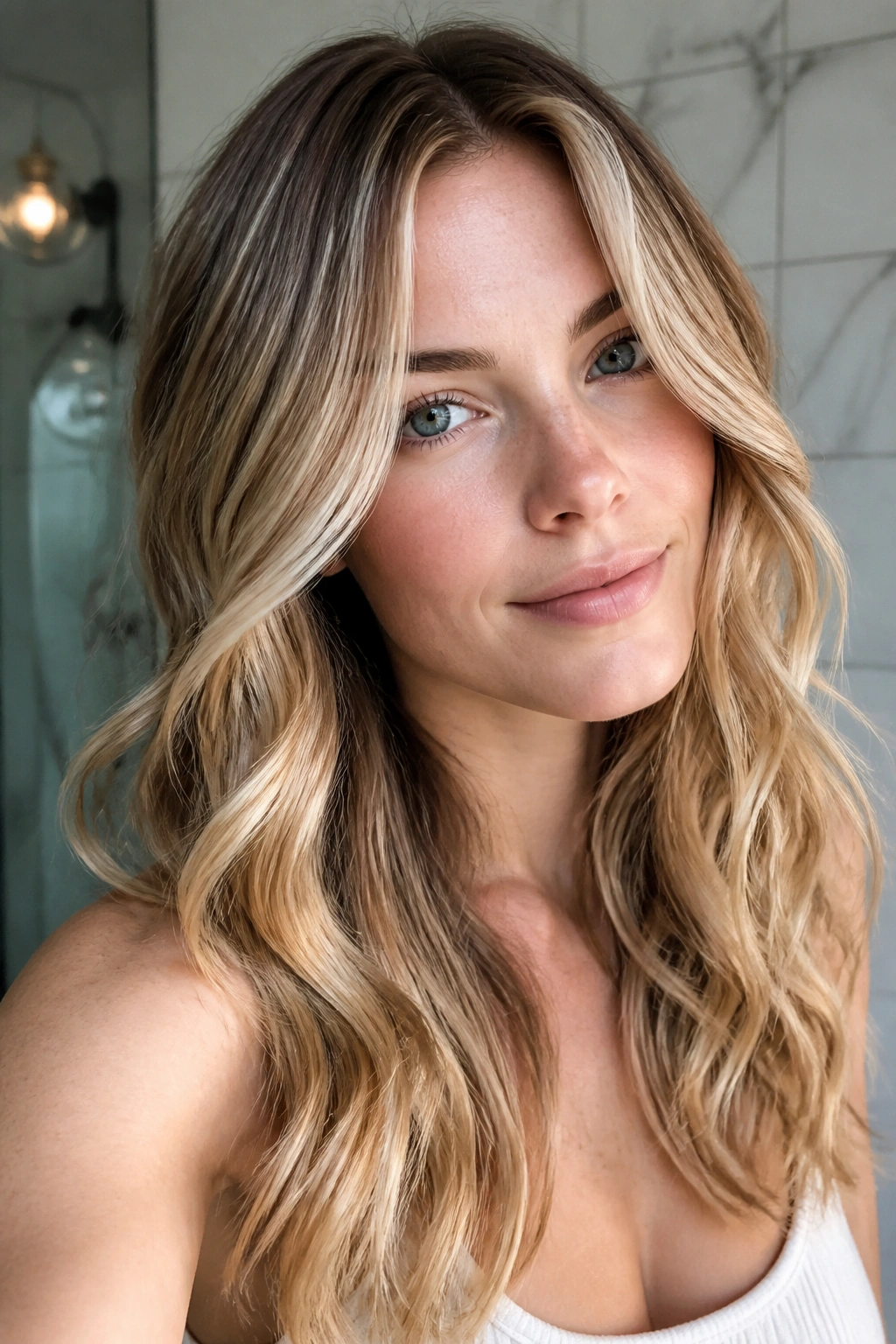
The biggest enemy of pale skin isn’t “dark” hair; it’s “flat” hair. When your hair lacks dimension, your skin follows suit. This is why “solid” box colors often look so bad on fair-skinned people—they lack the “micro-highlights” that occur in nature. To avoid looking “washed out,” you need to ensure your hair has at least two or three “levels” of color in it.
Water temperature is your second-biggest enemy. Pale skin often looks best with “high-maintenance” colors like reds, cool blondes, and deep purples. These pigments are the first to wash down the drain. If you want your color to stay “vibrant” (and thus keep your skin looking “vibrant”), you have to wash your hair with lukewarm or cold water. Hot water opens the hair cuticle and lets the expensive pigment escape.
Finally, don’t underestimate the power of “toning.” Hair color is a “living” thing—it oxidizes when it hits the air and the sun. For pale-skinned people, the “yellowing” of blonde or the “browning” of red is enough to ruin the look. A 5-minute “gloss” or “toner” treatment every four to six weeks is the secret “weapon” of every person whose hair always looks salon-fresh.
The Bottom Line
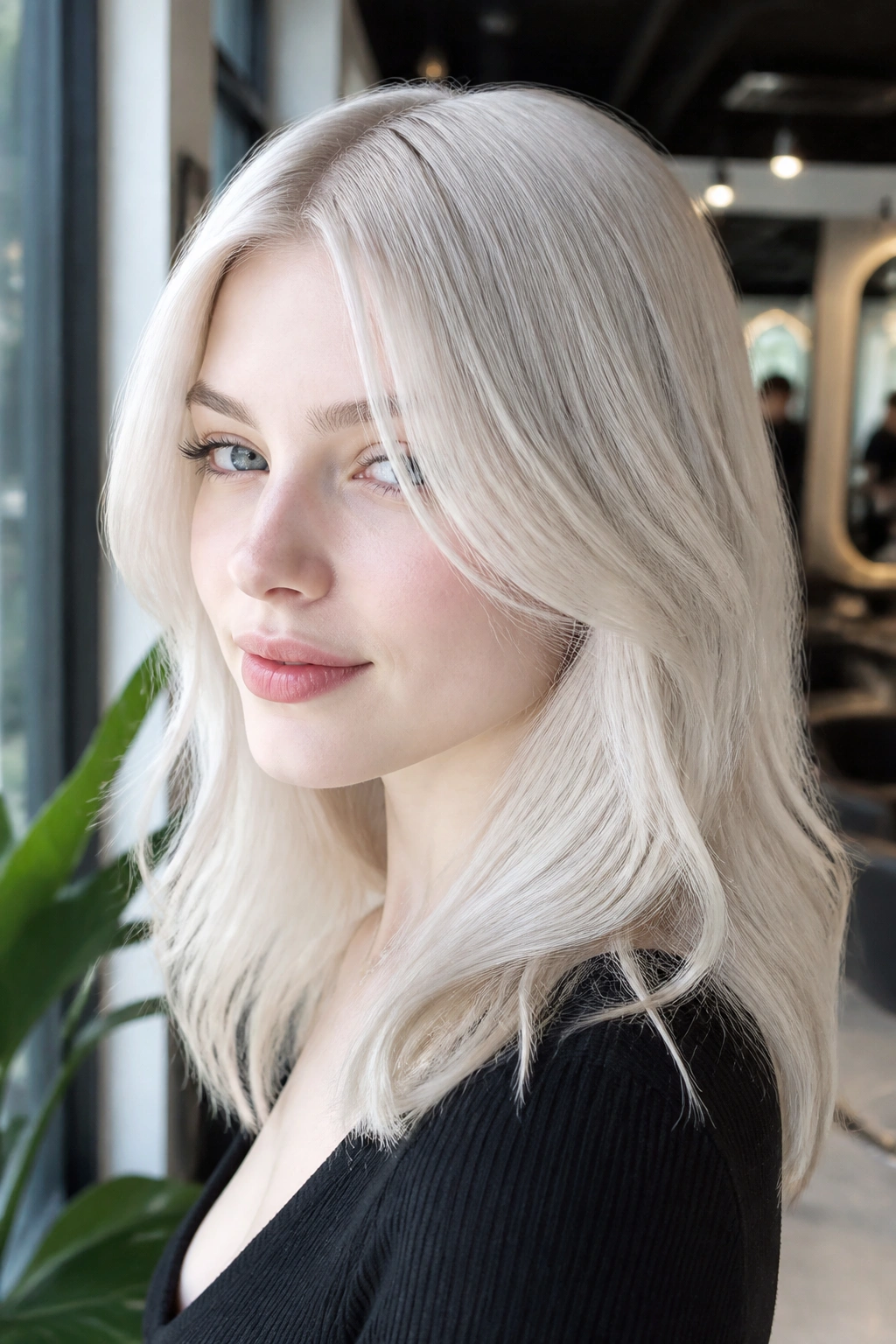
There is no “forbidden” color for pale skin; there are only “incorrect” temperatures. You can be a blonde, a brunette, or a redhead, as long as you match the “vibe” of your skin’s undertone. If you’re cool, stay icy, smoky, or violet-based. If you’re warm, go golden, peachy, or copper. If you’re neutral, the world is your oyster.
The most important thing is confidence. A “dramatic” color like midnight black or vibrant copper requires you to “own” the look. When you find the color that truly harmonizes with your skin, you’ll find that you need less makeup, your eyes look brighter, and the mirror starts telling you the truth: being pale isn’t about being “colorless.” It is about being a perfect, clear canvas for the most beautiful pigments in the world.
