


Navigating hairstyles for 4C hair can feel overwhelming—especially when you’re scrolling through inspiration and realizing that not every style translates beautifully to your specific texture and curl pattern. The truth is, 4C hair has incredible potential for versatile, stunning styles, but getting there requires understanding what actually works for your hair’s unique characteristics. Small afro styles hit that sweet spot perfectly: they’re manageable, protective of your ends, visually striking, and work harmoniously with how 4C hair naturally behaves.
The challenge with 4C hair isn’t that it’s difficult to style—it’s that it requires intention. This hair type tends toward shrinkage, meaning your curls compress closer to the scalp as they grow, creating a dense, textured appearance that’s absolutely beautiful but demands moisture retention and thoughtful manipulation. Small afro styles, sometimes called mini-fros or wash-and-go variations, celebrate your hair’s natural texture without fighting against its character. Whether you’re working with the tiniest curls or larger, more loosely coiled patterns within 4C, these ten styles showcase exactly how to make your hair look intentional, polished, and genuinely stunning.
Understanding 4C Hair and Small Afro Styles
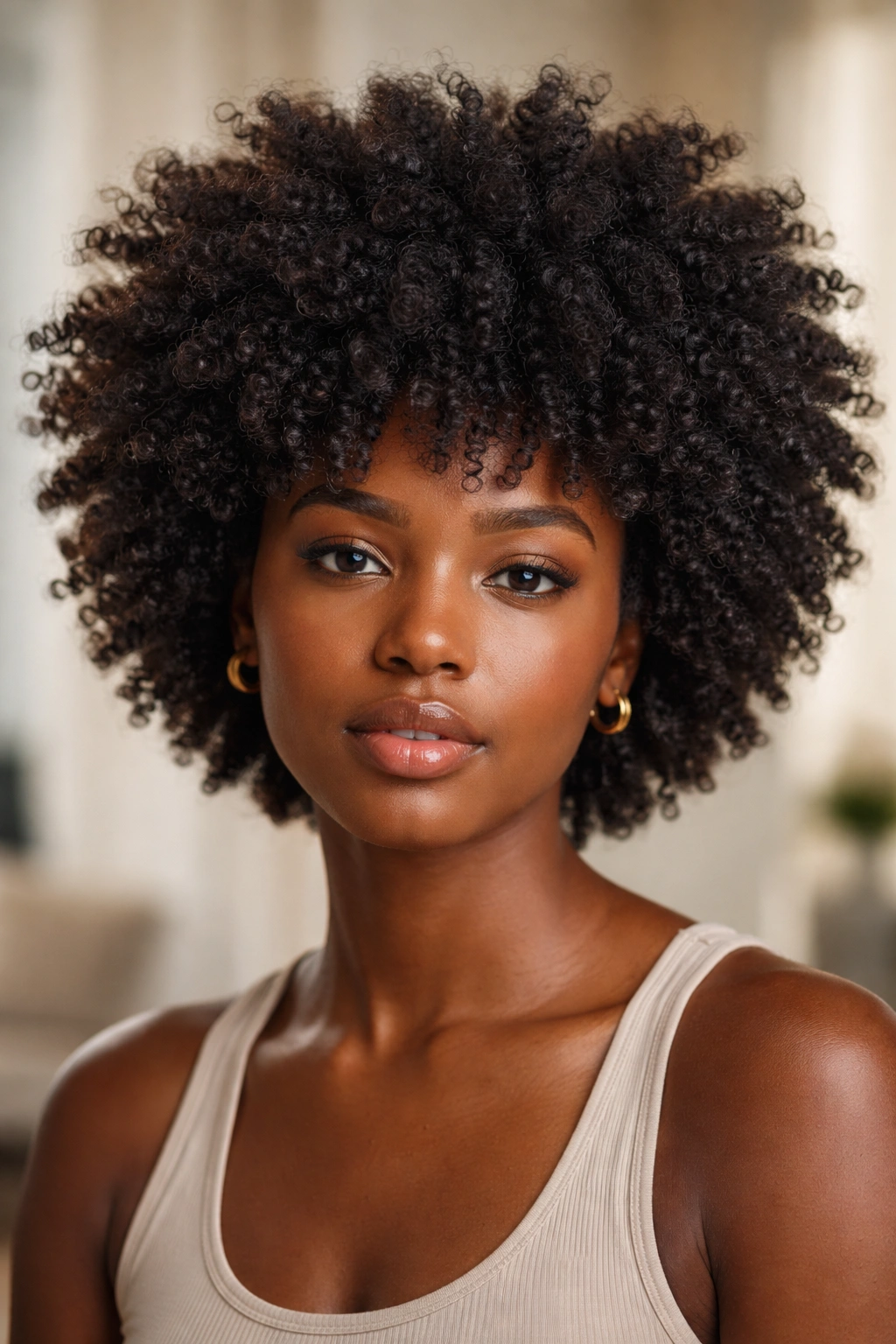
Before diving into specific styles, it’s worth spending a moment on why 4C hair responds so well to small afro approaches. The 4C designation refers to the tightest curl pattern in the hair classification system, with hair that shrinks significantly and displays what’s sometimes called a Z-pattern when fully stretched. This shrinkage isn’t a flaw—it’s actually what creates that gorgeously dense, voluminous appearance that makes 4C hair so striking visually.
Why Small Afro Styles Work Best for This Texture
Small afro styles work beautifully with 4C because they embrace your hair’s natural shrinkage rather than fighting it. When you style in smaller sections or use techniques that enhance texture, you’re working with your hair’s biology instead of against it. These styles typically involve minimal tension, which means less breakage and more sustainable wear time.
Key Characteristics to Keep in Mind
- Shrinkage is your friend: That dramatic difference between stretched length and natural length? It creates visual fullness and defined texture.
- Moisture is non-negotiable: 4C hair is prone to dryness because natural oils travel less efficiently down the tighter curl pattern. Moisture retention through products and protective styling matters more here than any other hair type.
- Manipulation should be gentle: Tight pulling or excessive handling can lead to breakage or traction alopecia along the hairline.
- Sectioning changes everything: How you divide your hair during styling directly impacts how polished the final result looks.
1. The Classic Wash and Go
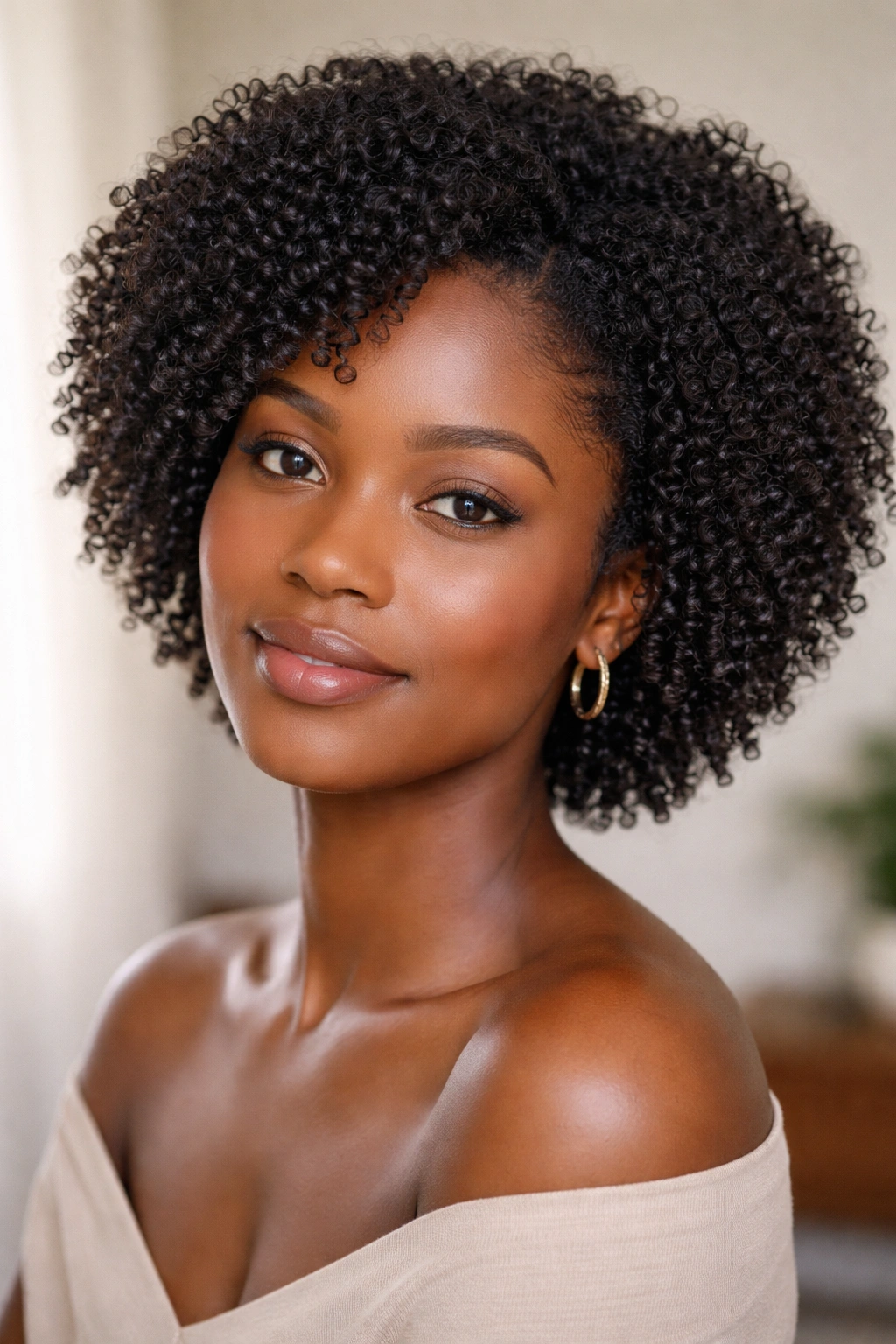
The wash and go represents the ultimate low-manipulation style for 4C hair, and when done intentionally, it’s nothing short of gorgeous. This isn’t just stepping out of the shower with wet hair—it’s a deliberate process of applying the right products to damp hair, styling as it dries, and letting your curl pattern speak for itself. The magic happens in the application: if you use products that define and hold without crunchiness, your curls will dry with crisp definition and a soft feel simultaneously.
How to Achieve That Perfect Definition
Start with freshly washed hair that’s about 70-80% air-dried. Apply a lightweight leave-in conditioner first, which softens your strands and provides a base layer of moisture. Follow immediately with a curl-defining gel or mousse—the key is using enough product to coat each curl without creating a heavy buildup that weighs down your natural texture. Apply these products using the praying hands method (smoothing them between your palms and pressing into your curls) or the raking method (using your fingers to distribute product through your hair from root to tip).
Product Selection Matters Immensely
The difference between a wash and go that looks intentional versus one that looks fuzzy comes down to product choice. Look for gels or styling creams that contain humectants like glycerin or honey, which draw moisture into your hair. Many 4C-specific products are formulated to reduce frizz while maintaining definition—these are worth the investment. Avoid heavy butters alone, which can sit on top of your curls rather than infiltrating them. The sweet spot combines a lightweight leave-in, a gel or curl cream, and optionally a very light oil to seal, applied in thin layers rather than one heavy application.
Drying Time and Expectations
Allow your hair to air-dry completely before touching it—moisture remaining in your curls will shift the curl pattern. Most wash and gos look best when fully dry and left alone for 12+ hours. The first day typically looks the most defined. By day two or three, you can refresh with a little water and light product reapplication. This style typically lasts 3-5 days before needing another wash.
2. Two-Strand Twists
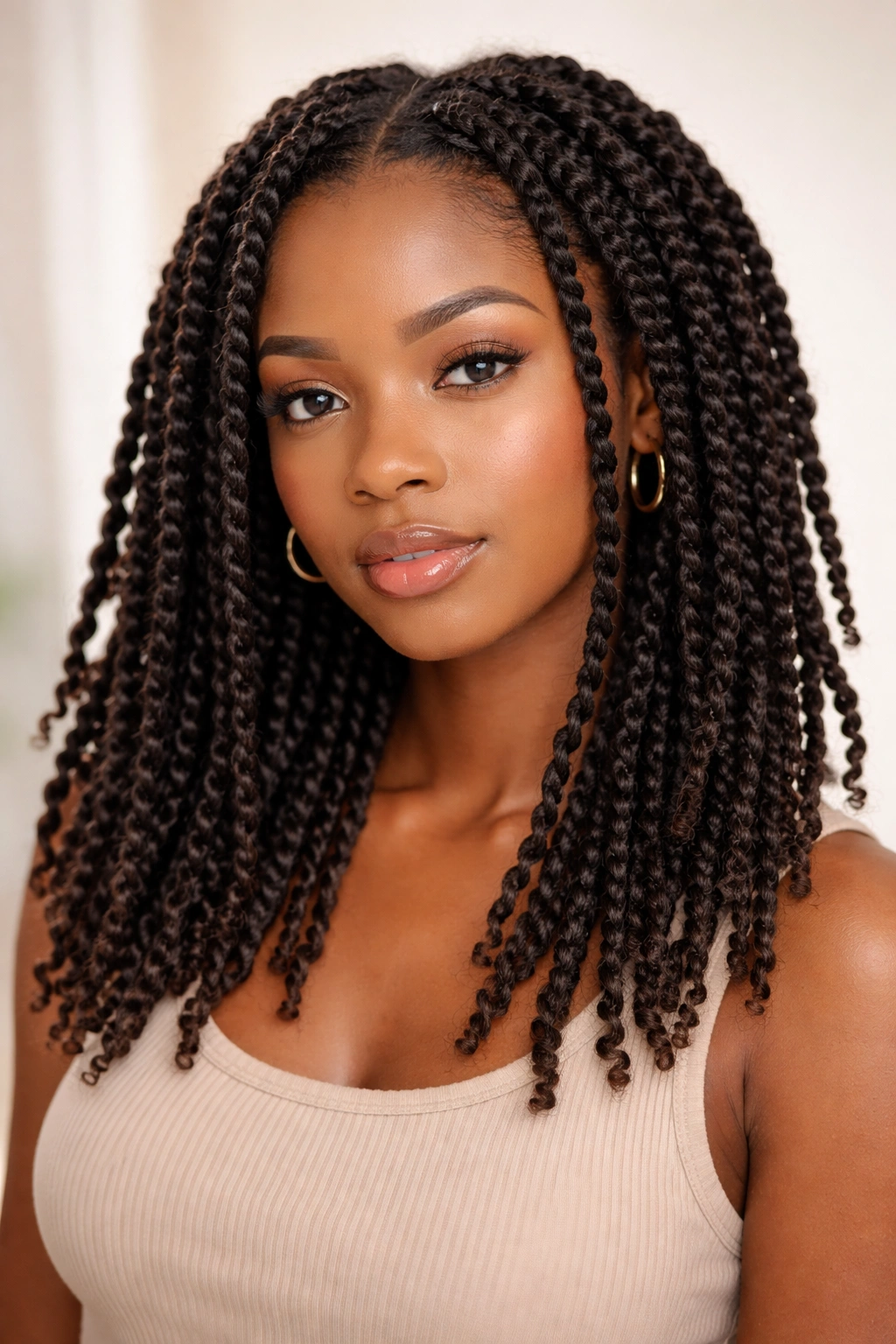
Two-strand twists are the workhorse of low-manipulation styling for 4C hair, and for good reason. They provide definition, longevity, and a beautiful aesthetic whether you wear them loose or gathered into an updo. Unlike box braids or other protective styles that require tension to install, two-strand twists can be done with a gentle hand, making them genuinely protective rather than just technically low-manipulation. The style works equally well for someone with very tight coils and someone whose 4C has slightly more definition.
The Technique That Makes a Difference
Create clean sections before you begin—use a comb or pick to divide your hair into manageable squares or rectangles. The smaller your sections, the more defined and polished your twists will appear, though very small sections take considerably longer to install. For each section, apply a light styling cream or gel, then use two strands of that section and twist them around each other, moving from root to tip in one direction. The tension should be gentle enough that you could slip a finger between the twists and your scalp without any strain whatsoever.
Styling and Longevity Strategies
Two-strand twists look sleek when freshly done, then soften into a more textured appearance as they set. You can wear them down and loose for a fuller aesthetic, or gather them into a high puff, low bun, or side pony for a more refined look. To extend their lifespan beyond a week, pineapple them at night (gather them into a loose ponytail at the crown) and sleep on a silk or satin pillowcase. This minimizes frizz and preserves definition. Most two-strand twists remain fresh for 7-10 days, sometimes longer with proper maintenance. Toward the end of their wear, they develop a softer, fuller texture as curl pattern relaxes—some people love this evolved look and wear them an extra week or two.
Unraveling and Hair Care
When you remove twists, expect significant shrinkage. Hair that was stretched to a longer length will shorten dramatically as curls settle into their natural state. Rather than unraveling them strand by strand (which can cause breakage), try gently separating the twist into two sections and sliding them apart. Some people prefer to remove twists while applying a detangling conditioner to each section, which reduces shedding and makes the process gentler. Your curl pattern after unraveling will be beautifully defined and textured—perfect if you want to wear them that way, or if you prefer to gently combine and separate curls into a fuller texture.
3. Finger Coils
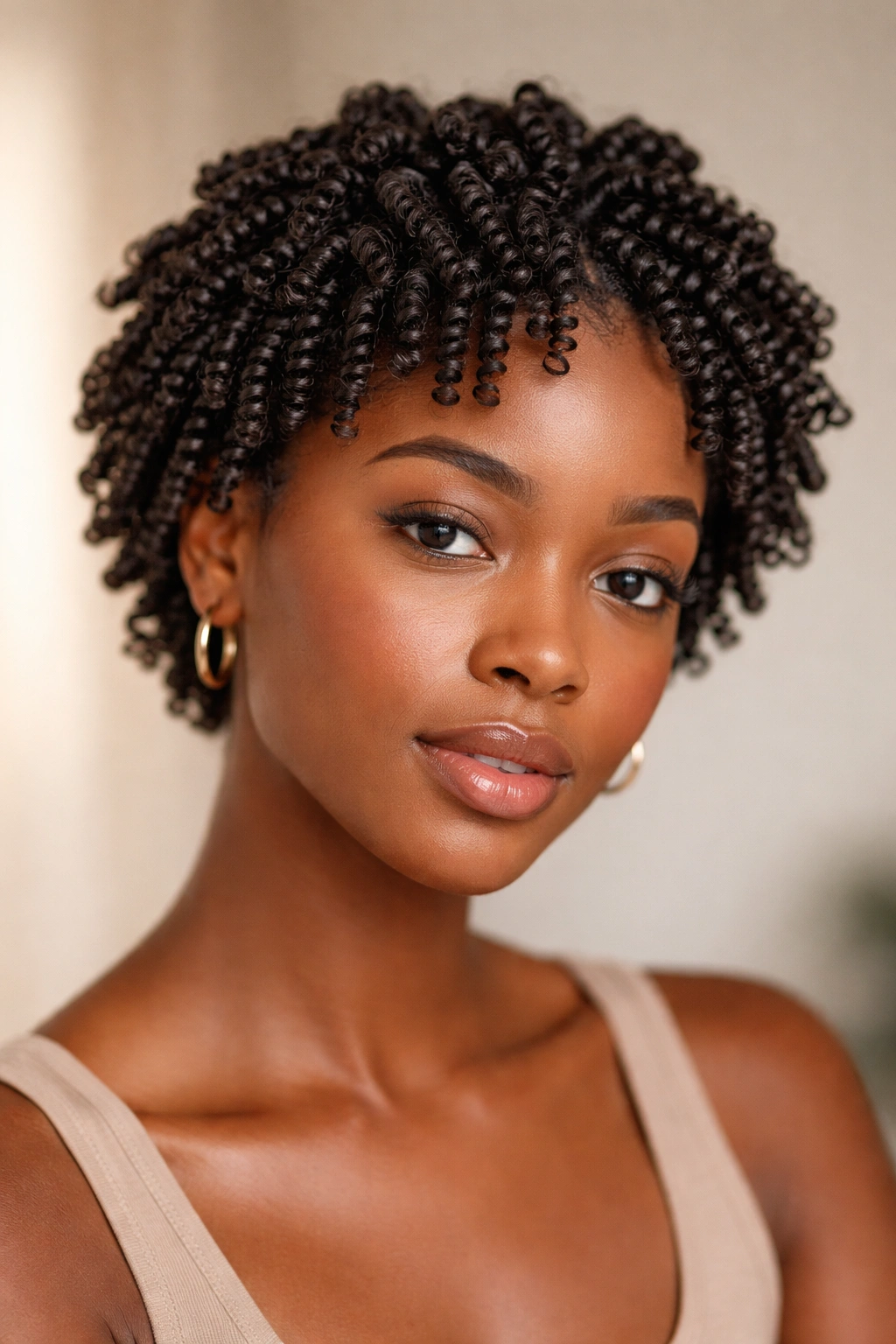
Finger coils create an artistic, sculptural texture that genuinely showcases 4C hair at its finest. This style involves wrapping small sections of hair around your fingers to create defined coils, then allowing them to set with a light product. The result is a deeply textured style that looks intentional and beautifully crafted—almost like wearable art. Finger coils typically take longer to install than some other styles, but the payoff in terms of visual impact is substantial, and they last remarkably long.
Creating Coils with Intention and Precision
Start with damp hair and apply a light styling gel or cream to each section before coiling. The product acts as an adhesive that helps the coil hold its shape as it dries. Wrap a small section of hair around your index finger (or middle finger, depending on your hand size and preferred coil diameter), spiraling from root to tip in one smooth motion. Gently slide your finger out, leaving the coil in place. Some people use flexi-rods or perm rods to set coils, which creates a more uniform curl and can reduce hands-on time. The coils should feel secure but not tight—you’re not trying to compress your hair, just give it a shape to hold as product dries.
Styling Options and Evolution
Wear finger coils loose and separate for an ultra-textured, voluminous look, or combine them into two-strand twists or braids for a more refined aesthetic. Finger coils also look gorgeous gathered into puffs, braided crowns, or buns. They typically hold beautifully for 5-7 days, sometimes longer. Unlike two-strand twists, which develop more softness over time, finger coils tend to stay crisp and defined throughout their wear. When you’re ready to remove them, gently unspiral each coil and separate the curls with your fingers. The resulting texture is gorgeously curly with distinct definition—a true wash-and-go with structure baked in.
Product Choices That Keep Coils Defined
The gel or cream you use directly impacts how crisp your coils stay throughout the week. Products with stronger hold (but still soft when dry) work best—this typically means a gel with a modest amount of polymer, rather than a heavy wax-based product. Avoid products that get crunchy, as they can feel uncomfortable against your scalp and create a stiff appearance. The coils should look defined and textured, not hard and plasticated. Many people find that light products with good hold, combined with the structure of the coil itself, create the perfect balance.
4. Bantu Knots
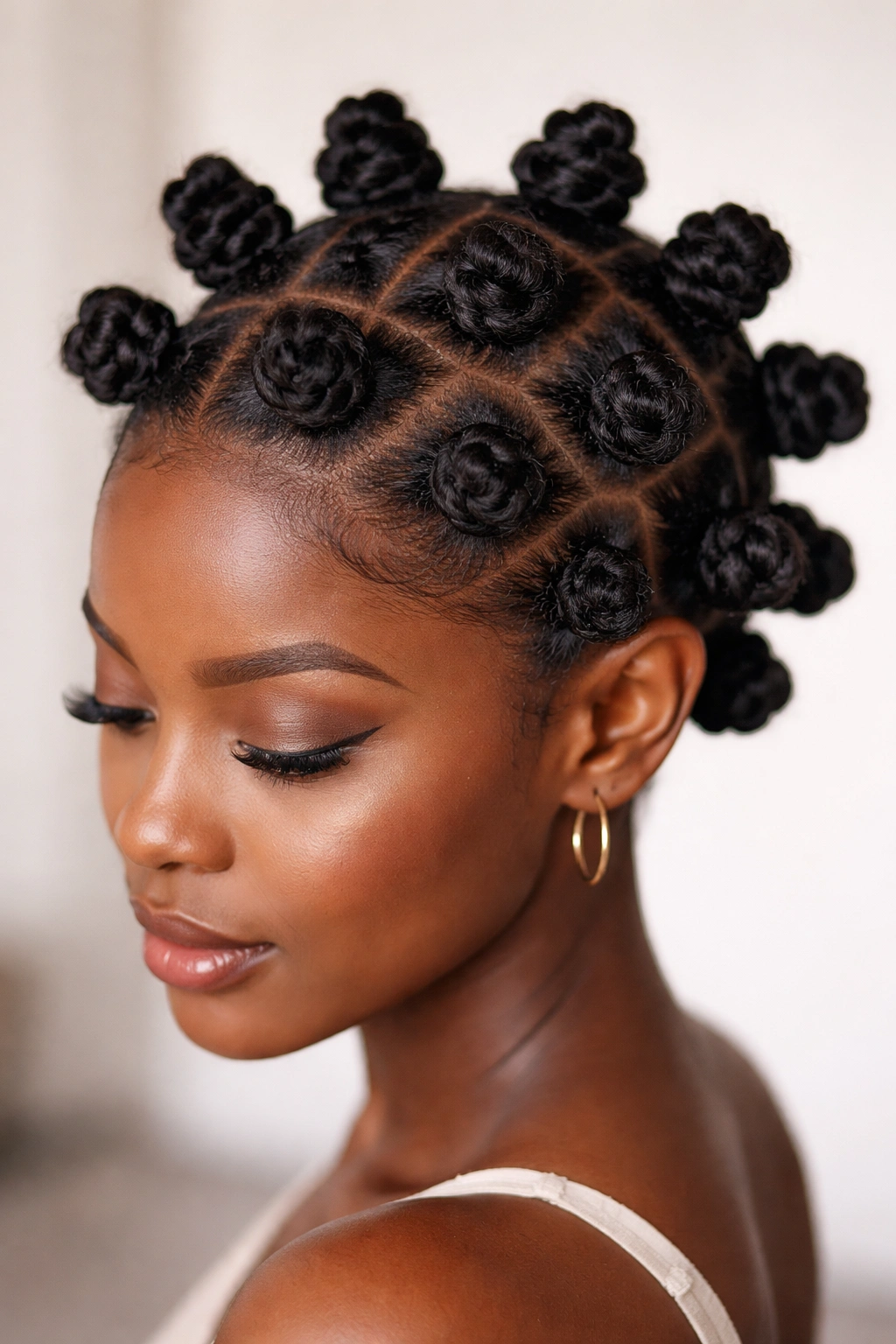
Bantu knots are possibly the most visually striking small afro style available, creating dramatic, sculptural texture that reads as genuinely sophisticated. These tiny knots, which originated in Zulu culture and have been part of African hair practices for generations, involve creating two-strand twists and then wrapping them around themselves to form knots close to the scalp. Whether you wear them as a style on their own or unravel them for a gorgeous knot-out with deeply textured curls, they’re a showstopper.
The Installation Process and Technique
Begin with clean, damp hair and section it into small squares. Create a two-strand twist using that section, starting at the root, then once you’ve twisted an inch or two from your scalp, wrap the twist around itself in a spiral, securing it into a knot. You can pin these in place if needed, though usually the knots hold fairly well on their own. The size of your sections directly impacts the knot size—smaller sections create tighter, more defined knots, while larger sections create loose, more textured knots. For a polished look, aim for consistent section size throughout.
Wearing Bantu Knots and the Unraveling Process
You can wear bantu knots as a complete style in themselves—they look beautiful arranged across your head, perhaps with a few face-framing pieces left loose. They’re also practical; many people install them and sleep, shower, and move about for the week while wearing them, then unravel when ready for a fresh look. When you unravel each knot and untwist the twist beneath it, you’ll unveil a gorgeously textured curl pattern with distinct, separated ringlets. This knot-out look is absolutely stunning and typically lasts 5-7 days before needing a refresh. The more you play with the knot-out texture, the softer it becomes—by the end of a week, the curls meld slightly into a fuller, more blended texture.
Protecting Knots While You Sleep
Bantu knots are quite secure, but protecting them at night still extends their lifespan and preserves definition. Pineapple the top portion (gently gathering the knots toward the crown into a loose ponytail), and sleep on a satin pillowcase or bonnet. This prevents them from rubbing and flattening against your pillow. Properly cared for, bantu knots can look fresh for 10-14 days, making them extraordinarily long-wearing and low-maintenance once installed.
5. Braided Crown
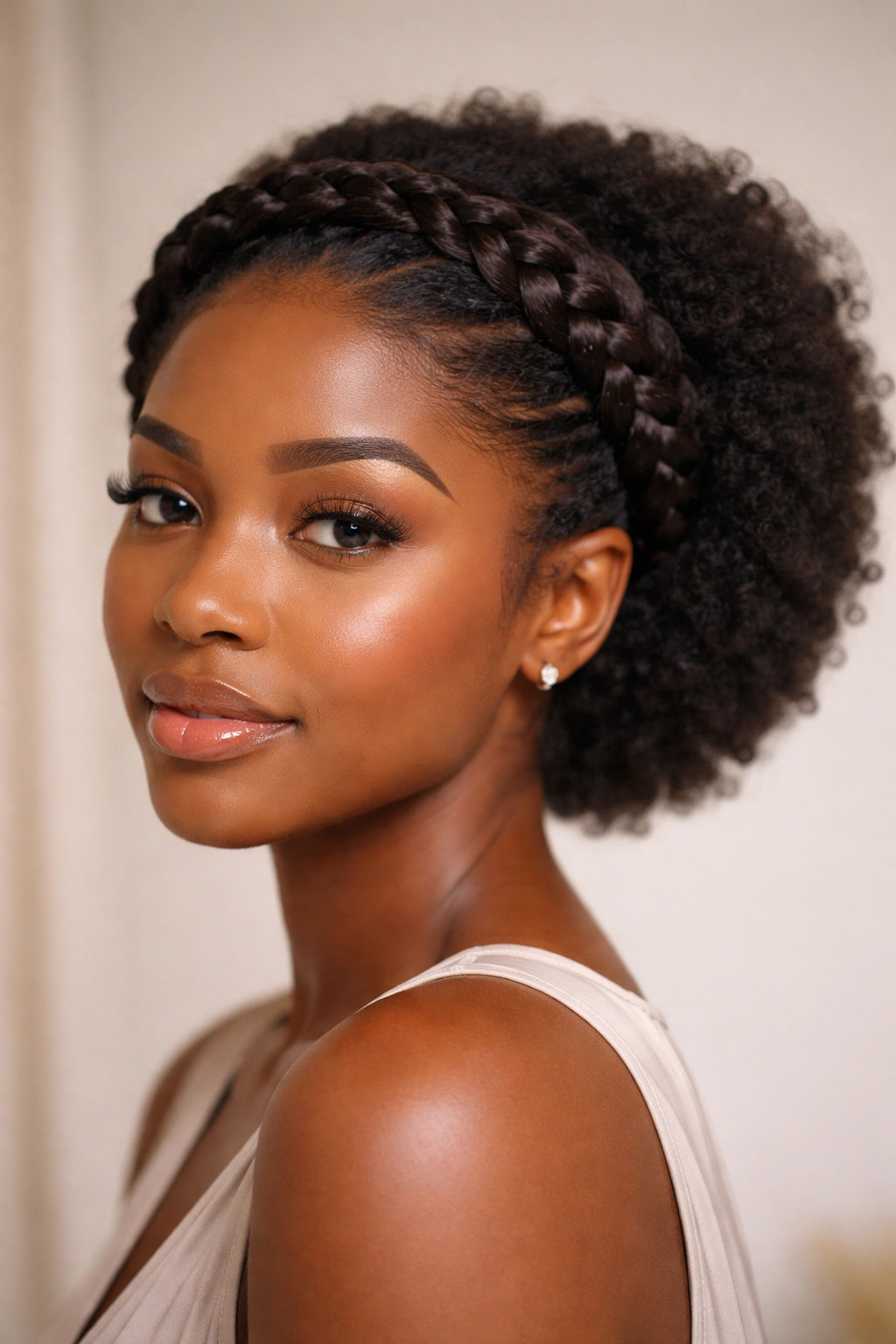
A braided crown style sits beautifully on 4C hair, creating an elegant, purposeful look that works for professional settings, special occasions, or everyday wear. This involves creating one, two, or multiple braids that curve around your head like a crown, leaving the rest of your hair down in a wash-and-go texture or styled in twists or coils. The braids frame your face and add visual interest while keeping your hair off your neck—a practical and gorgeous combination.
Choosing Your Braid Style and Technique
You can create this look with single-strand braids (three-strand traditional braids), three-strand thick braids, French braids that curve along your scalp, or feed-in braids that incorporate additional hair for dimension. For 4C hair, feed-in braids often work beautifully because you can control the tension carefully and create a braid that looks intentional without being tight. Start at one side of your head and braid toward the back, creating a curved or diagonal path depending on your preference. Some people do a single braid that sweeps from ear to ear, while others create two braids that meet at the back.
Complementary Textures and Finish Options
The space beneath your braid crown can be a wash-and-go texture, two-strand twists, finger coils, or even another complementary braid. You might have a braid crown in front with a half-puff or full puff in back, or braids framing the sides with twists down the center and back. This combination of structured and textured elements creates visual depth and showcases your hair’s versatility. The braided crown style typically lasts 5-7 days, depending on how gently you handle the braids and how much manipulation the underneath texture receives.
Styling for Different Occasions
A braided crown works for work, casual outings, and special events depending on how polished you make it. Using a light gel and keeping edges neat makes it office-appropriate; loosening it slightly and leaving a few curls free creates a more relaxed, romantic feel. You can also gather the hair underneath your crown into a bun or wrap it in additional braids for a more formal look, or leave it fully loose and textured for a casual, artsy vibe.
6. Tapered Fro with Texture
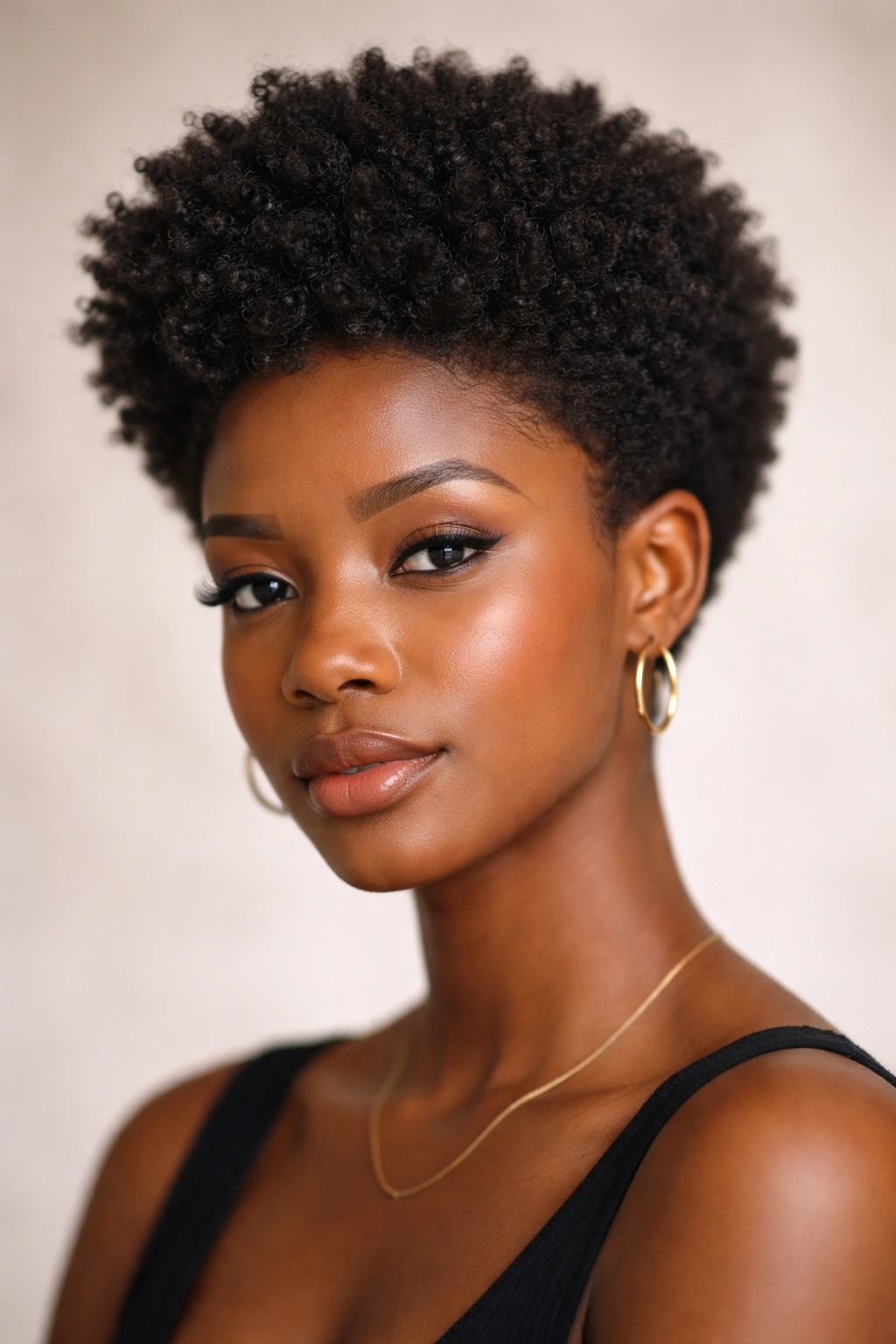
A tapered fro with texture is a 4C hair masterpiece—structured at the crown where it’s shorter and fuller around the middle and sides, creating a flattering silhouette. This style embraces your natural shrinkage and uses it as a design element rather than fighting it. It’s the kind of cut that works beautifully with 4C’s density and coil pattern, and while it does require some trimming to maintain, it’s one of the most wearable, professional, and stunning options available.
The Cut That Creates the Shape
A taper typically involves shorter hair at the crown (maybe 2-4 inches depending on your preference and how much your hair shrinks) and progressively longer hair as you move outward and downward, creating that distinctive shape. Some people maintain a hard part or clean lines on the sides, while others prefer a softer, less defined edge. The texture comes from how your curl pattern sits naturally—with proper moisture and care, 4C curls will create visible definition and beautifully separated ringlets throughout.
Styling and Daily Maintenance
A tapered fro with texture works as a wash-and-go style, though many people add light definition with a gel or mousse to make it look more intentional. Apply product to damp hair, let it air-dry, and you have a polished, ready-for-anything style. You can also create definition using finger coils or two-strand twists throughout, which transforms it into a different look. The key to maintaining this style is regular moisturizing (4C can dry out quickly, and this cut showcases every dry strand) and trimming every 6-8 weeks to maintain the shape. As your hair grows, it naturally extends the length while keeping the tapered shape if you trim consistently.
Who This Style Suits
A tapered fro works beautifully for professional environments, active lifestyles, and anyone who values simplicity and low daily manipulation. It’s perfect if you want a striking, sculptural style without spending time on elaborate installation. The visible texture and defined curl pattern showcase 4C hair beautifully, but only when your hair is well-moisturized. This style does require product investment and a consistent moisture routine to look its best.
7. Perm Rod Curls
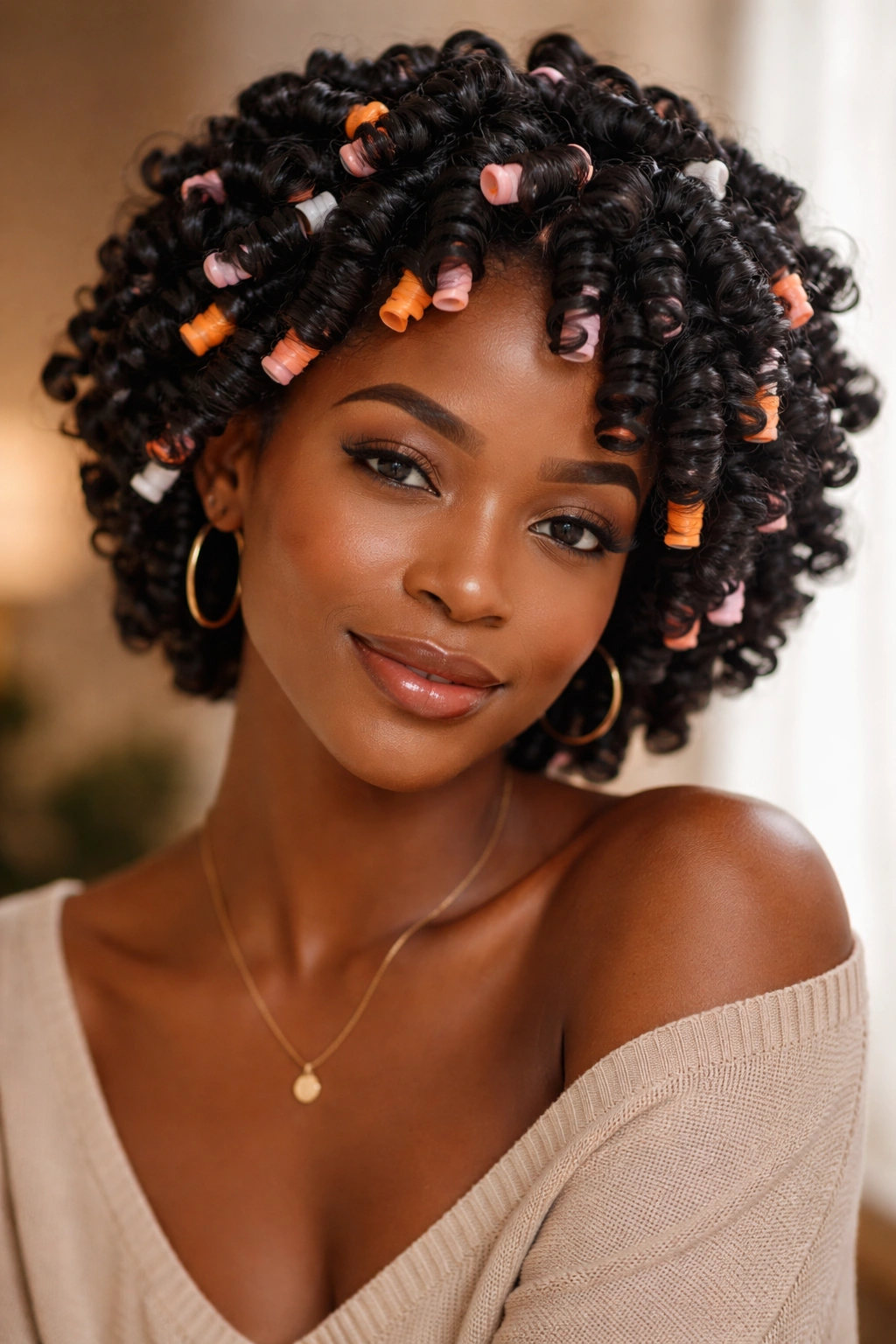
Perm rod curls create a bouncy, defined curl pattern that can look dramatically different from your hair’s natural 4C coil texture—in the most beautiful way. By wrapping sections of damp hair around perm rods of varying sizes and allowing them to set (either air-dried or under a dryer), you create uniform curls that have structure, definition, and a gorgeous curl diameter. This style is installed relatively quickly and lasts exceptionally long.
Installation and Product Application
Start with damp hair and section it into small squares, using the same size rod for consistency or mixing rod sizes for varied texture. Apply a light setting lotion or styling cream to each section, then roll it tightly around the rod, starting at the ends and working up to the root. For 4C hair, you don’t need products with super strong hold—the curl structure of your hair itself will hold the curl once set. Allow your hair to completely dry before removing rods. Many people install perm rods in the evening, sleep on them (using a silk bonnet to prevent shifting), and remove them the next morning when fully dry.
The Result and Styling Flexibility
Once you remove the rods, you’ll have beautifully defined curls with distinct curl diameter and springy bounce. Larger rods (around 1.5 inches) create loose, voluminous waves, while smaller rods (around 0.5-1 inch) create tighter, more defined curls. You can wear them as individual curls for maximum texture and height, or gently combine them into a fuller, blended texture. Some people create a perm rod set and then gather the resulting curls into an updo, puff, or braided style, while others leave them loose. The curls typically hold beautifully for 7-10 days or even longer.
Maintenance and Refreshment
As days pass, the curls relax slightly and develop more blended texture while still maintaining the curl structure underneath. To refresh them without reinstalling, you can spray lightly with water and use a light curl cream on the strands, then air-dry or use a diffuser. Pineapple them at night in a bonnet to minimize frizz. This style really showcases how malleable 4C texture can be—you get defined curls that aren’t your hair’s natural pattern, yet they still feel like genuine curls, not forced or uncomfortable.
8. Twist-Out Style
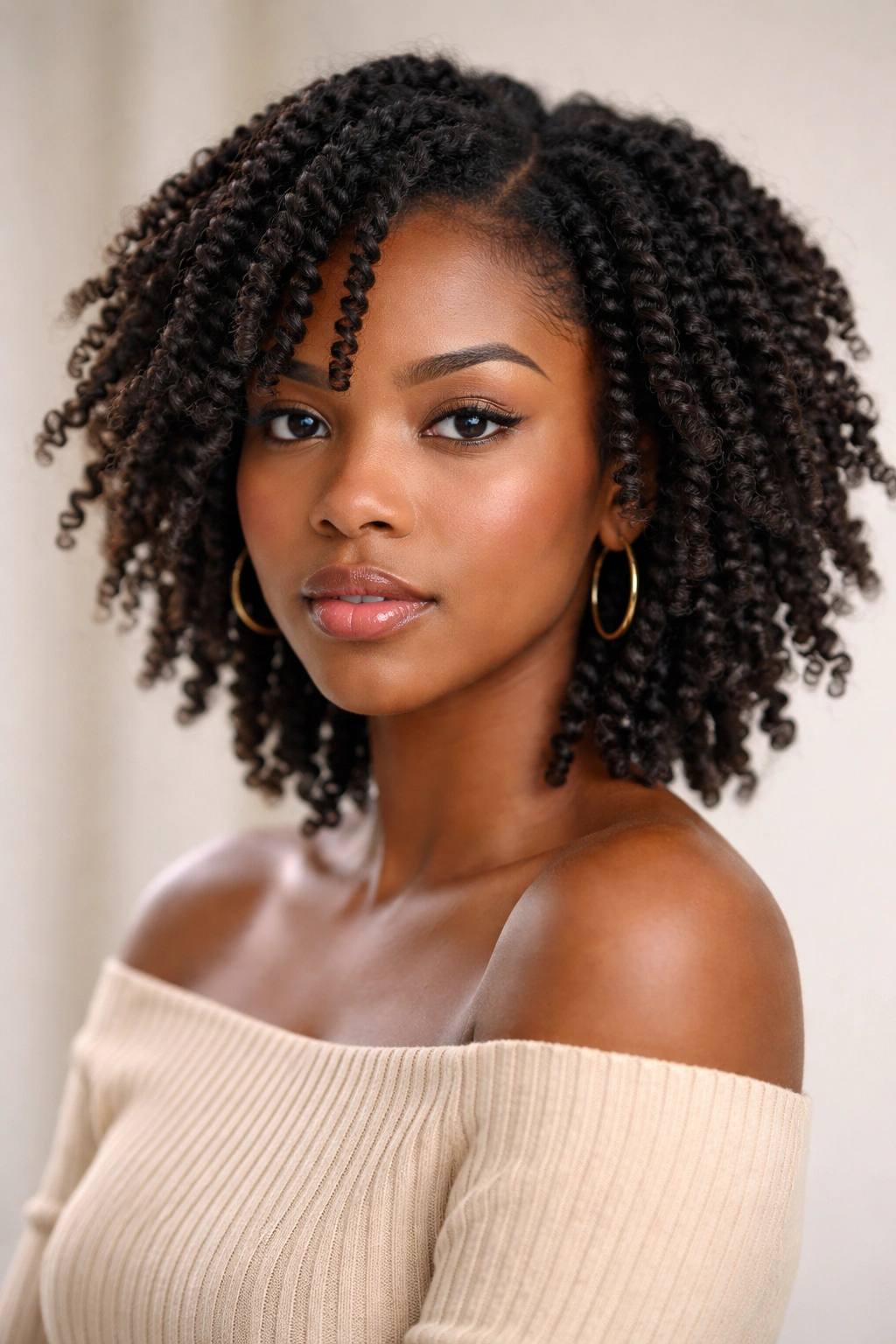
A twist-out is perhaps the most versatile and rewarding style for 4C hair. You install two-strand twists (or three-strand braids, or a combination), sleep on them or just let them set for a few hours, then unravel them to reveal gorgeously defined, separated curls that look intentional and polished. The beauty of twist-outs is that they work beautifully whether your twists are small and intricate or large and chunky—the result adapts to your installation choice.
Creating a Twist-Out That Lasts
Install your twists on damp hair with a styling gel or mousse that provides hold without heaviness. Smaller twists create tighter, more defined curls in the twist-out, while larger twists create looser, more voluminous texture. You can use the comb or raking method to apply products so that each twist section gets adequate moisture and product throughout, or use the praying hands method if you prefer a smoother, more polished look. Once twists are installed, you can unravel them immediately (creating a fresh, defined texture) or let them set for 12+ hours before unraveling for enhanced definition and longer-lasting curl pattern.
The Unraveling Process and Results
When you’re ready to unravel, gently separate each twist into two parts and slide them apart slowly—this is far gentler than untwisting quickly. Your hair will shrink as you unravel, and that’s exactly what you want; the shrinkage creates density and that full, textured appearance 4C hair does so beautifully. Unraveled twist-outs typically last 5-7 days, looking crispest and most defined in the first 2-3 days, then gradually softening as you touch them and your natural oils work through the texture.
Twist-Out Variations and Combinations
You can create a full head twist-out, or combine twists with other elements—twists in the back with a puff in front, twists on one side and a braid on the other. Some people install twists and then re-twist or braid them into new styles before unraveling, creating compound styles with interesting layered texture. The versatility makes twist-outs endlessly customizable, and they work for any aesthetic from natural and casual to polished and professional.
9. Braid-Out with Definition
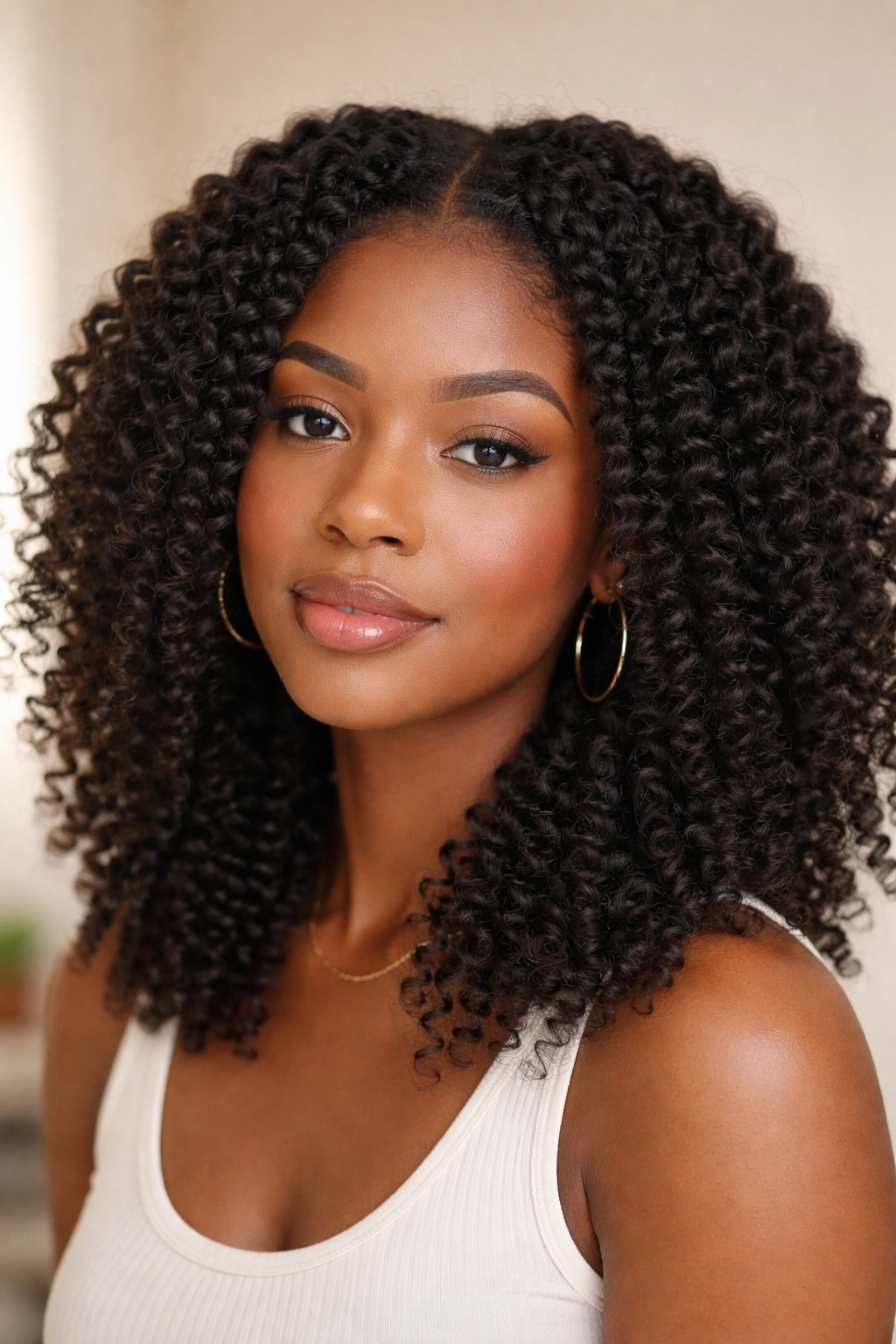
A braid-out takes the concept of a twist-out and applies it to braids instead, creating looser, more textured curls with a different visual character. Where twist-outs showcase defined, separated ringlets, braid-outs create a fuller, more blended texture with waves and curves throughout. This style works beautifully for 4C hair because braids hold shape longer than twists and create substantial texture once unraveled.
Braiding Technique for Maximum Definition
Create box braids, three-strand braids, or feed-in braids throughout your hair, using a light styling cream or gel to define and hold. Size your braids based on how you want the final texture to look—smaller braids create tighter, more detailed texture, while larger braids create looser, wavier waves. You can braid your entire head or braid specific sections and leave others in twist-outs or a wash-and-go texture for a mixed style. Some people sleep on braids or let them set for 24+ hours before unraveling; others unravel after just a few hours for a lighter texture.
Unraveling and Styling the Results
When you unravel your braids, gently separate them rather than tearing them apart—this minimizes breakage and shedding. The texture you create will be fuller and less tightly coiled than a twist-out, with more flowing waves and blended curls. This style works beautifully for anyone who wants the definition of a styled look without the level of individual curl separation that twist-outs provide. Braid-outs typically last 7-10 days, and they respond beautifully to light refreshing—if you like how they look on day five, just use a light spray of water and leave-in conditioner to refresh the texture without fully unraveling and redoing.
Protecting Braid-Outs and Extended Wear
Use a bonnet at night to protect your braid-out and minimize frizz. Because braids hold structure longer than twists, these styles really can last multiple weeks if you care for them gently. Many people wear braid-outs, let them soften and blend, then use that blended texture for a different aesthetic entirely—it’s the same protective style that’s evolved into a completely different look. This makes braid-outs remarkably economical in terms of styling effort.
10. Low Puff with Loose Coils
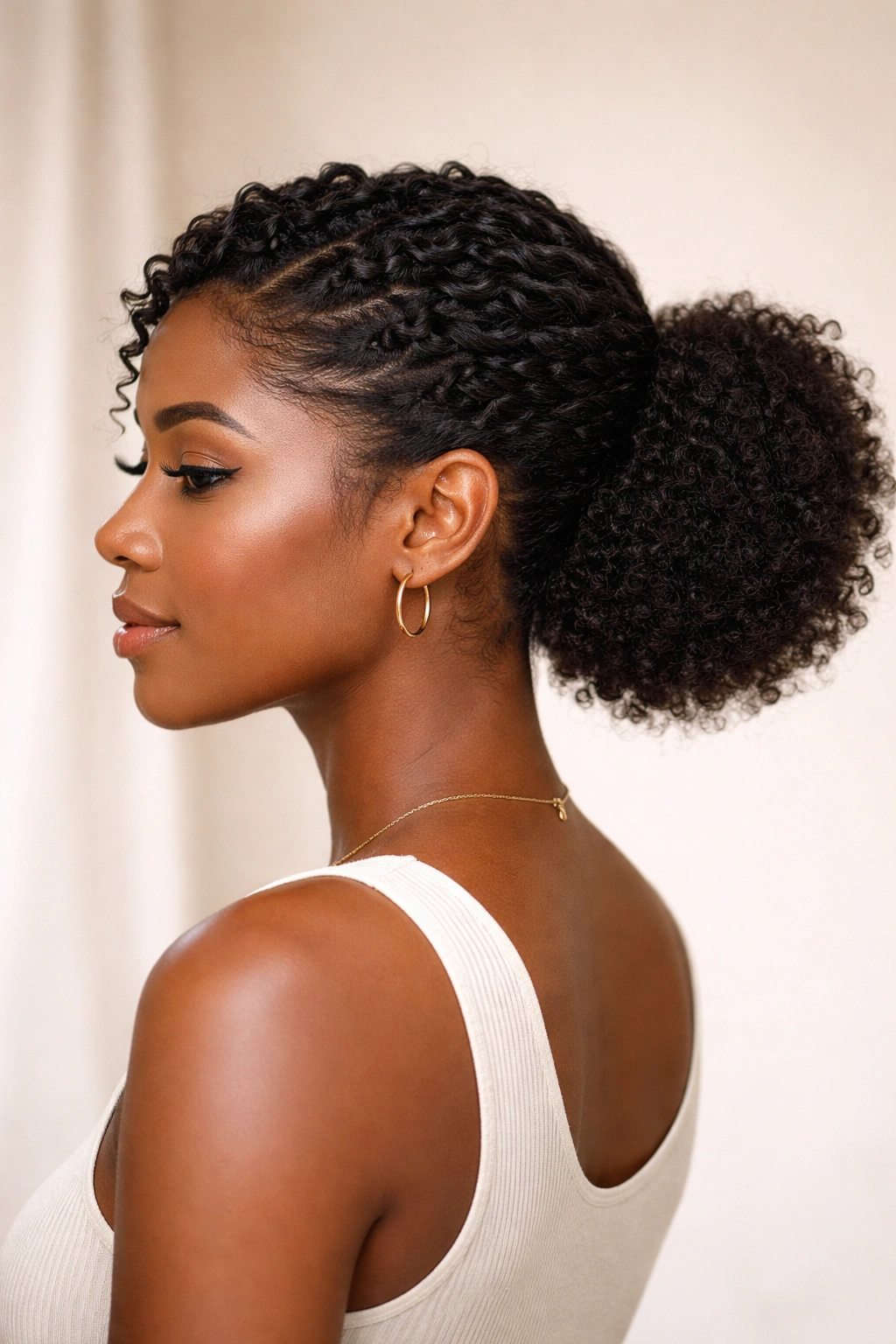
A low puff represents an elegant, practical, and genuinely flattering style for 4C hair that works beautifully in professional and casual settings. A puff involves gathering your hair at the base of your head (low, mid, or high depending on your preference) and securing it into a ponytail, which sits at the nape of your neck and creates fullness at the top with the gathered texture forming a puff. When you create loose coils at the crown before gathering into the puff, you add intentionality and definition that makes this style look like you’ve put genuine thought into it.
Creating Coils at the Crown
Start at your crown and create finger coils throughout the top section of your hair—from hairline to about mid-head, depending on how dramatic you want the coil effect. Use a light gel and wrap each section around your finger, creating tight coils that will provide structure and definition. Let these coils dry completely, either through air-drying or under a hooded dryer. The coils at the crown will provide the polished, sculptural element, while the hair below will form the gathered puff.
Gathering the Puff Effectively
Once your coils are completely dry, gently separate them to your desired level of definition (fully separate for distinct coils, or slightly blended for a softer look). Then gather all your hair—coils and non-coiled sections—into a low ponytail at the base of your neck using a satin or silk scrunchie. The coils create beautiful texture visible from the front and sides, while the gathered hair creates the signature puff shape. You can smooth the gathered portion slightly with a light gel for a refined look, or leave it textured for a more relaxed aesthetic.
Styling Variations and Wear Time
A low puff looks equally stunning worn to the gym, to work, or out to dinner depending on how you finish it. Add a few face-framing pieces for a softer look, or keep everything tucked smoothly for a polished appearance. You can add decorative clips, beads, or scarves to the puff for visual interest. This style typically lasts 5-7 days and pairs beautifully with a good nighttime routine—pineapple the puff loosely (gather it at the very crown rather than on the side of your head) and sleep on a satin pillowcase to minimize frizz. By day three or four, you can refresh the coils with a light spray of water and leave-in conditioner if they start to lose definition.
Why Low Puffs Work for Professional Environments
Many people find that a low puff—especially one with defined coils at the crown—reads as more refined and polished than a high puff or fully loose texture, making it perfect for workplaces or situations where you want a neat, intentional appearance. The coils prove that you’ve styled your hair deliberately, while the gathered puff shows control and structure. It’s a style that celebrates 4C hair while also signaling that you’ve put thought and care into your appearance.
Prep, Maintenance, and Styling Tips for 4C Hair
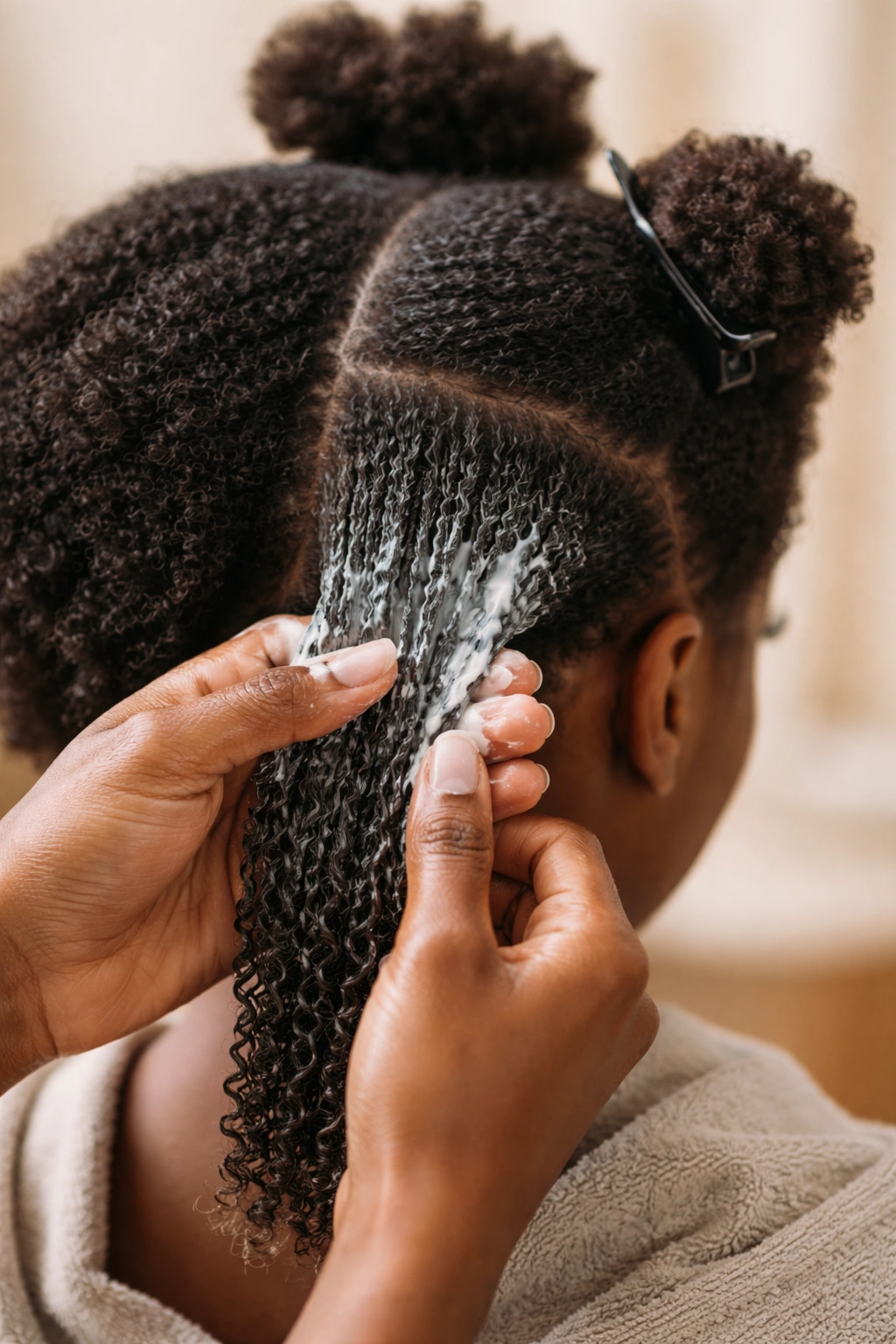
Successfully wearing any of these small afro styles depends entirely on how you care for your hair between installations and how you prepare it before styling. 4C hair’s unique moisture needs and shrinkage patterns mean that generic hair care advice often falls short—you need strategies specifically designed for your hair’s characteristics.
The Moisture Foundation Everything Rests On
4C hair dries out quickly because the tight curl pattern creates distance between your scalp’s natural oils and the rest of your hair length. This means your moisture routine isn’t optional; it’s the foundation that makes every style possible. Before installing any small afro style, make sure your hair is genuinely hydrated. Use a hydrating shampoo or co-wash that doesn’t strip moisture, followed by a rich conditioner that penetrates your curls rather than sitting on top of them. Deep conditioning treatments—whether store-bought or homemade with ingredients like avocado, honey, and oils—should happen weekly or bi-weekly depending on your hair’s dryness level.
Sectioning and Product Application Techniques
How you section your hair directly impacts how polished your final style looks. Use a spray bottle to lightly mist your hair before sectioning, keeping it damp enough to work with but not soaking wet. A fine-tooth comb or detangling brush helps you section cleanly and see exactly how much hair you’re working with. Many people find that sectioning with a comb is more precise than finger sectioning alone. When applying products, use the praying hands method (product on your palms, smoothed through your hair), the raking method (spreading product using your fingers), or the scrunching method (compressing product upward into your curls). Each method has advantages depending on the product type and your hair’s response.
Nighttime Protection Strategies
Your nighttime routine directly impacts how long your style lasts and how much frizz develops. Use a silk or satin bonnet, sleep bonnet, or pillowcase—cotton pillowcases absorb moisture from your hair and create friction that causes breakage and frizz. If you use a bonnet, make sure it’s loose enough that you’re not creating tension on your hairline. Pineappling (loosely gathering your hair at the crown into a ponytail) protects style and texture without creating tension. Some people prefer wrapping their style loosely in a silk scarf before putting on their bonnet for extra protection.
Refresh Techniques That Extend Wear Time
You don’t need to reinstall your style daily just because it looks slightly less fresh. A light spray of water and leave-in conditioner, followed by gentle scrunching, can refresh your texture without requiring full reinstallation. If your style is particularly textured, you might use a light oil or curl cream on the refreshing mist. Avoid heavy products during refreshes—they build up quickly and make your style feel weighed down by the end of a week. Spot refresh areas that receive lots of manipulation (like your hairline or any framing pieces) rather than refreshing your entire style.
Final Thoughts
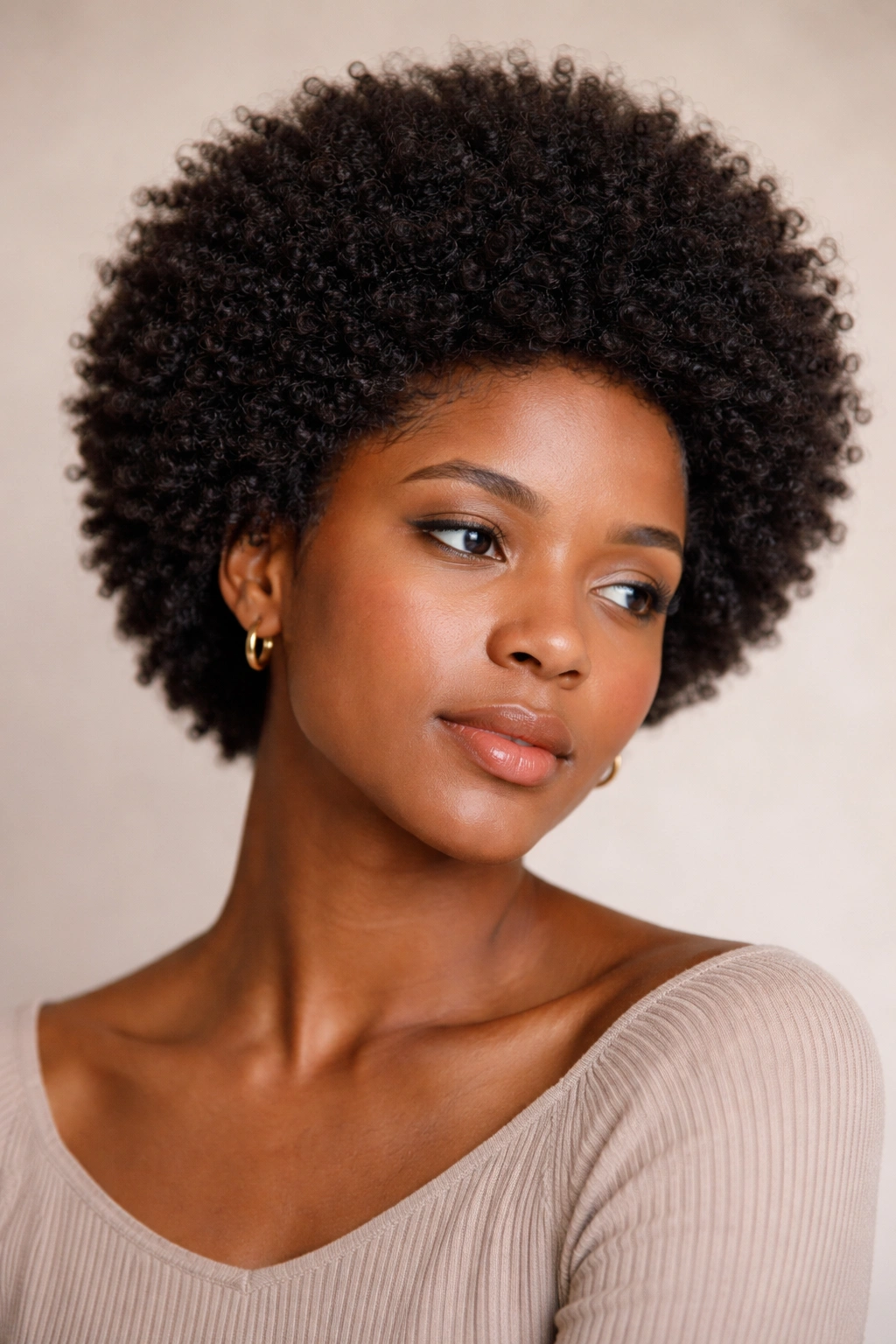
4C hair has remarkable versatility that often goes underestimated—these ten small afro styles barely scratch the surface of what’s possible when you understand your hair’s actual needs and work with its natural characteristics rather than against them. The styles that look the most intentional and beautiful are the ones where you’ve started with a genuine moisture foundation, used products designed for 4C’s specific texture, and taken time to install with gentle hands and care.
What makes a style work for your 4C hair isn’t that it’s necessarily complicated to install; it’s that it celebrates your hair’s density, shrinkage, and natural texture rather than trying to hide or minimize them. Whether you’re drawn to the low-manipulation simplicity of a wash-and-go, the sculptural beauty of finger coils or bantu knots, the versatility of twist-outs, or the polished elegance of a braided crown, you have genuine options that actually work with your hair rather than creating perpetual frustration.
The investment in learning what products work for your specific 4C pattern, how much water and product your hair needs, and what timing allows your styles to look their best pays dividends across every style you wear. Once you dial in your moisture routine and product combination, installing these styles becomes increasingly intuitive, and the results increasingly beautiful. Your 4C hair isn’t difficult to style—it’s different from other textures and deserves approaches specifically designed for how it actually behaves.